October 7, 2003, was a day to remember or completely forget, depending on who you were. The original N-Gage model sold for $299 ($462 adjusted for inflation) and was a graphical powerhouse on par with the original PlayStation. While the seven original launch titles were all ports from GBA and PlayStation, they ran from very well to questionable, and the system showed a lot of promise. I remember seeing the N-Gage in GameStop as a broke 13-year-old, wishing I could get one. The ads for Ghost Recon, Splinter Cell, SonicN, Tony Hawk, andTomb Raidermade me green with envy. I was envious of all these amazing games that I could play on the go! It was way better than the dumb GBA! Actually, it wasn’t, but Nokia squandered its potential due to the immense power under the hood.
Ultimately, there are great videos on YouTube documenting the system’s history, but in the end, the original model most likely killed the system. The infamous “Taco” phone was sweeping the press and turning gamers off. A former GameStop employee told me that people frequently came in to roast the system and make fun of it when they saw the ads for it. It was the laughingstock of the industry, especially for Nintendo fanboys, and everyone knew it was going to fail. Whether that was accurate at the time remains a matter of debate, but it did not boost sales. They just couldn’t get enough. The portrait screen also turned off many users, necessitating manual customization of most games for the experience. Released just 7 months after the Taco model, the QD lacked features such as a USB port, MP3 playback, dual-band antenna instead of tri-band, and the same operating system, even though Symbian 7.0s had already been out before the QD’s release. This implies that gamers continued to rely on 1st generation Symbian games for content beyond the N-Gage library.
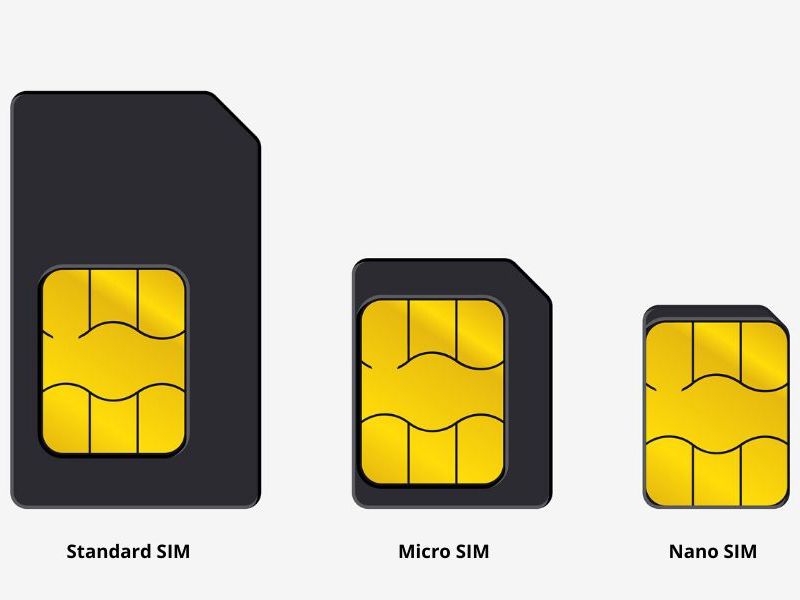
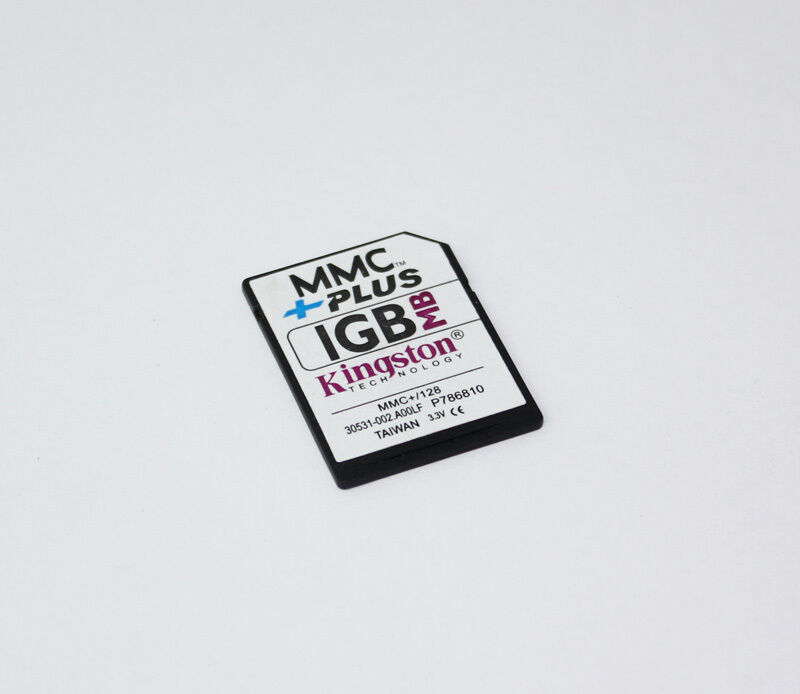
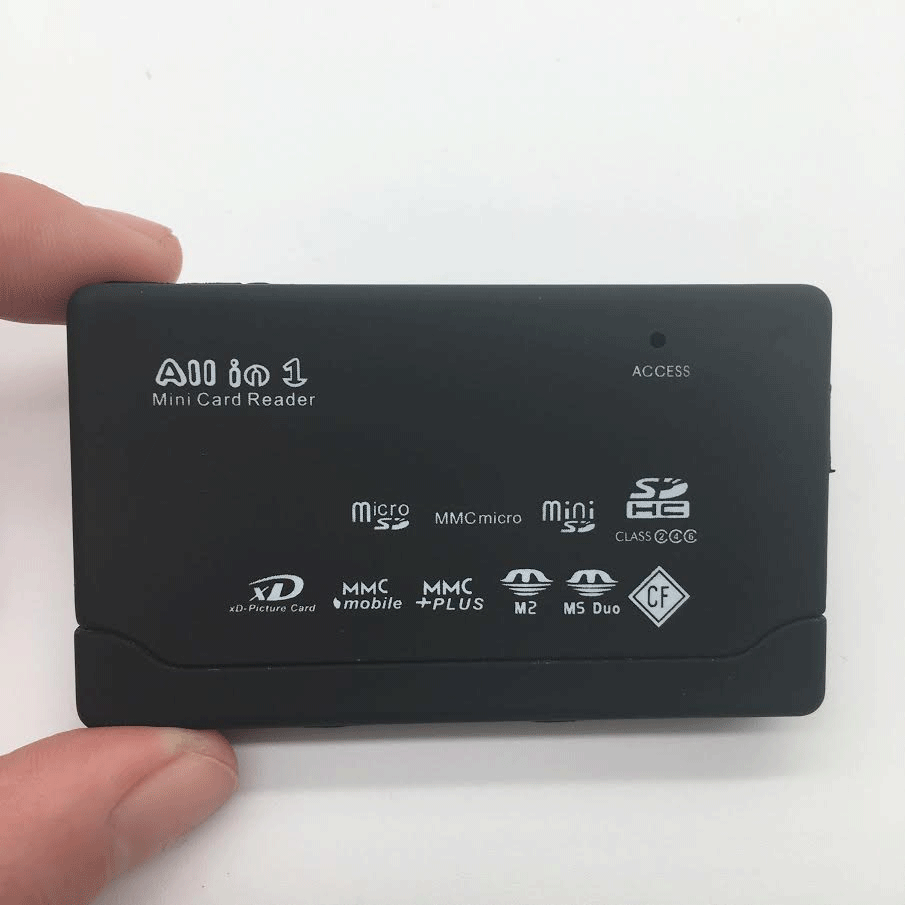
So what’s the QD experience like? It was frustrating, to be honest, but in the end, I grew fond of the little system. I have created a comprehensive guide explaining how to begin the collection process and set up the system, but it’s not an easy task. You need a standard-size SIM card, an MMC memory card (not made anymore), and a card reader for it. The N-Gage library is rather expensive to collect, with many going for $50+. There are a ton of great games available for the N-Gage. In fact, in its sad 65-game library, there are more good games than bad.
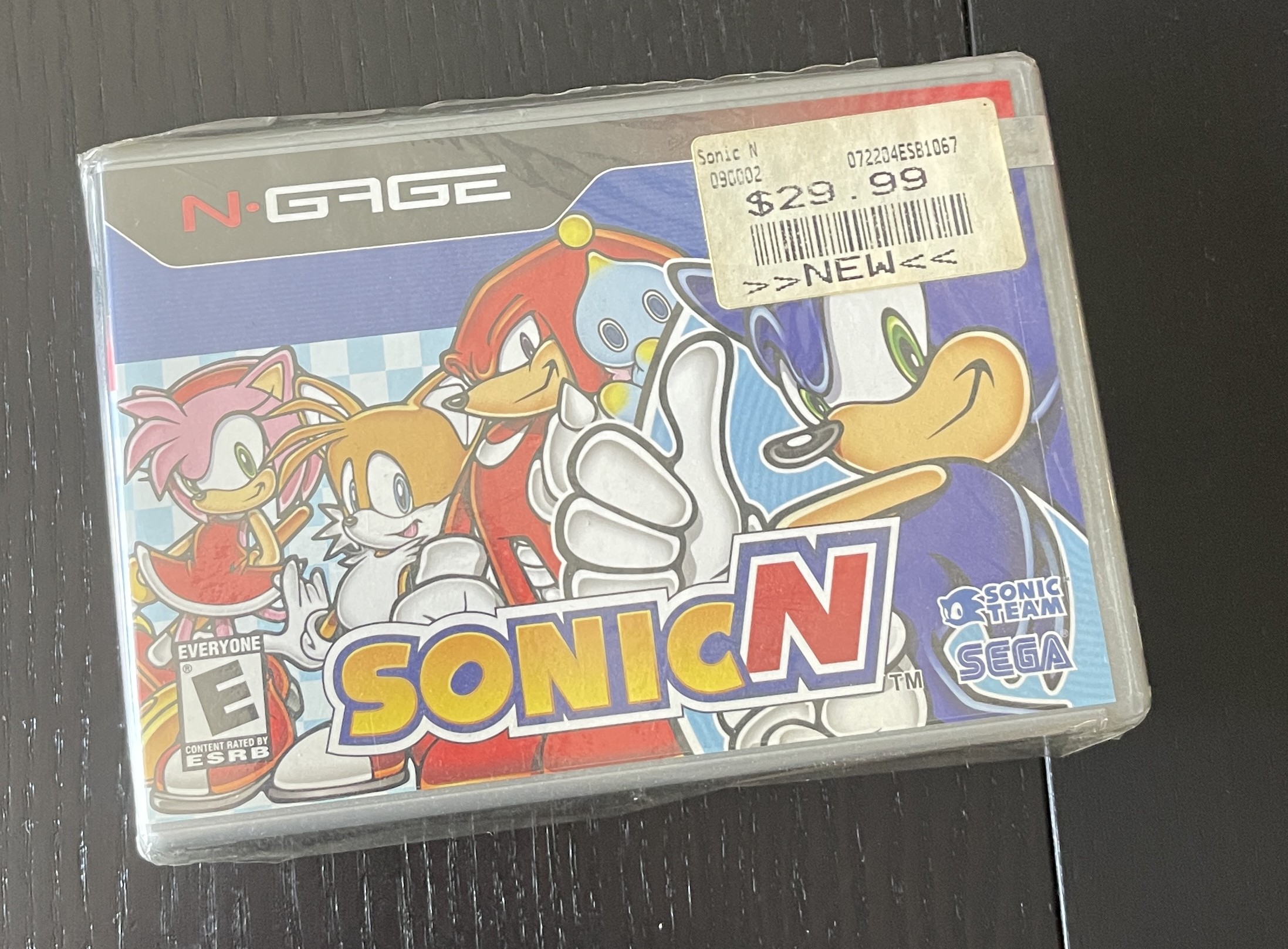
A new copy of SonicN sold by GameStop that I purchased
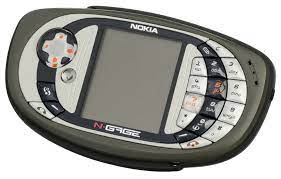
Physically, the QD feels good in the hands. It features a thick rubber bumper around the entire outer edge. The top sports a rubber stopper with the headphone jack and charger port, and the bottom has one for the card slot. These stoppers are a serious pain! They were always intended for older cell phones. Usually, the stoppers for the charging port or headphone jack will eventually tear and break. If you have a large N-Gage library, you’re going to eventually rip these stoppers. Maybe hard plastic would have been better, but this is a budget re-release, so I digress. The back has a removable battery door, and underneath is a spot for the SIM card. The front features a D-pad and various menu navigation and selection buttons on the right, as well as the standard numpad on the left. There are two raised buttons (5 and 7) that function as “game buttons.” You also get an orange backlight. The screen is a backlit 2.1″ TFT LCD at 176×208 resolution and looks pretty decent. At least it’s backlit, which is a nice touch.
In terms of software, the OS itself offers minimal customization options. It’s a standard affair, with the only customization being the wallpaper for the home screen and welcome screen. This is about all you could do on your phone back in the day. There isn’t even an option to customize the ringtone, really. The only special thing about this phone is the form factor and the unique game library, in which there are many awesome games available. If you can get an MMC card up and running, you can play cracked games since the library is so expensive.
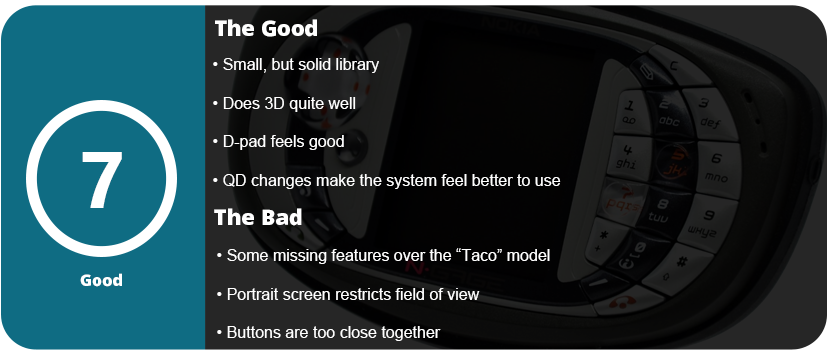
How does it feel to actually play the games? Well, it’s a bit awkward at first as the face buttons are so close together. While the 5 and 7 keys have a distinct height, I can still easily hit other buttons, and the D-pad feels surprisingly comfortable. You can roll your thumb around it easily enough. I think shoulder buttons or a push-out keyboard could have helped here. But let’s get to the true reason why anyone would want this. The games. How do they feel and play?
They vary greatly. Sadly, the system didn’t have a long enough life to really iron out the kinks and let developers hone their tools. Some games feel great on the system, like they were hand-tailored, while others feel completely shoe-horned in just to make a quick buck on some hype. The N-Gage isn’t anything special in that regard. The N-Gage received the same treatment as every other console. The portrait screen is probably the system’s biggest fault. Although developers can adapt control schemes to the screen, they must completely tailor games to the orientation. No other console has ever done this before, unless you count the Vectrex or something else. Either stick to widescreen (16:9) or 4:3. Heck, even 1:1 would have worked just fine. I also wish the screen was a little bigger. Even a mere inch would suffice. There’s plenty of detail here, as the TFT LCD is pretty nice for the time period, but that orientation really narrows your field of view.
When it comes to performance, the N-Gage did pretty okay in 3D. It is certainly better than the Gameboy Advance, but not as good as the PSP or even the DS. Games that seem like they were really well adapted ran fine on the system with a little slowdown, such as Ashen, but other games like RedFaction and Tomb Raider run at a sub-30 FPS most of the time. However, some games, such as Tony Hawk’s Pro Skater, consistently run at 60FPS or even higher. While control schemes with a few buttons work well on the system, anything that requires the entire keypad can get cumbersome due to the layout. Ashen requires the whole keypad, including buttons, to free-look. While it certainly works and takes some getting used to, it’s not ideal at all. It’s the same issue the PSP had with no second analog nub.
Nokia aggressively promoted their N-Gage Arena online gaming, which bore a striking resemblance to Xbox LIVE. This allowed for multiplayer via cellular or Bluetooth connections. Although I am unable to test it at this time, my research indicates that it functioned reasonably well as long as you had adequate coverage in your location. It also depended on the game’s specific net code. I can imagine this being a big deal back in the day, as there weren’t any online wireless portable gaming systems like we have now. The only other portable system to offer cellular online play would be the 3G PlayStation Vita almost a decade later, which bombed spectacularly. Interestingly, the N-Gage Arena launch page remains active as of this writing, but all other links within are inoperable. After the N-Gage devices died out, the N-Gage gaming service survived for a few more years, ending up on their higher-end N-series phones. These were the last Nokia Symbian-based phones before smartphones took over. The N-Gage 2.0 was more of a gaming device than a completely new gadget. These only ran on higher-end phones, such as the N95 (mine pictured below). Games such as Metal Gear Solid Mobile were large names that would hopefully make mobile devices a serious gaming platform. Regrettably, this realization came too late.
Overall, the N-Gage QD was the system that should have been out at launch. While it doesn’t feel as well-built as the original model and cuts some features, it makes gaming on the thing—which was the main marketing push for it—better and just more accessible. Better buttons, easier access to the game slot, a smaller form factor, and just a few other tweaks were enough to consider this version the definitive N-Gage experience, but it was too little, too late. Indeed, the N-Gage library boasts a surprisingly robust selection of games, surpassing the quality of many “failed” systems. Released at the height of the handheld era, the N-Gage faced inevitable failure due to the dominance of the GBA, rumors of new handhelds from Nintendo and Sony, and its eventual higher price compared to both systems. The exclusion of children from the market due to the need for a cell phone and a talk plan further increased the cost, a burden that parents were unwilling to bear. The much cheaper Game Boy Advance was a better alternative. If Nokia had released a game-only version at a price that was more than half the original price and made some adjustments, it might have been a more viable option. Who knows? But it’s still worth having in your collection.
First-person shooters were new to me when Red Faction launched in 2001. I didn’t have a gaming PC growing up, so games like Doom, Wolfenstein, and Quake were nearly foreign to me. Red Faction was an overhyped game full of development issues and overpromised ambition. The “Gen-Mod” destruction model is half-baked and barely there. The visuals are dull and boring (even for the time), and the story doesn’t go anywhere at all. Not to mention zero character development. I rented this game and got bored with it maybe an hour in, and I can see why.
Sure, the game looks much better on PC, but there’s not much to really look at. Even for the time level, the design in shooters was fairly dull. Very few had interesting things to look at, such as Half-Life or Halo. Red Faction is just browns and reds with boring caves and industrial buildings. You are on Mars, by the way. You are part of a rebellion group called the Red Faction, who are miners uprising against the overbearing government. You are trying to fight your way to the top and stop a deadly plague that’s killing the miners. This story starts and stops here. It doesn’t go anywhere; there’s nothing to spoil. You end up finding the cure, and that’s really it. The voice acting is actually really good for the time, but the only thing that kept me playing was pure curiosity to finally see this game through to the end.
There are quite a few weapons in this game, but most aren’t found until the last third of the game. You have your standard array of guns. Submachine, assault, precision, sniper, pistol, rocket launcher, and rail driver There’s also a heavy machine gun and grenades. It’s a standard list of weapons we’ve used in so many shooters, and Red Faction doesn’t do anything interesting or fun with them. The shooting in this game feels pretty good and holds up well today, but the enemy AI is terrible, so don’t expect much of a fight. There are vehicles you can pilot in this game, but they aren’t anything fun or interesting. They shoot bullets or rockets, and a lot of the time I would end up stuck in weird physics glitches.
The game isn’t very long. You can finish it in under 4 hours, and thankfully there’s a quick save feature, which I suggest using often. Enemies are run-of-the mill faceless military dudes, and there’s an occasional weird creature thing to mow down in the caves. Environmental detail is what you can expect from this era. Rooms are equipped with an occasional table, chair, or monitor. Nothing stands out or looks interesting in this game. Destruction is boiled down to blowing open a wall to get to a button (there’s a lot of button pressing in this game), and that’s about it. The occasional chunk of wall breaks off, but this is far from what Volition was touting back in the day.
Red Faction is at least a solid shooter. It’s fun while it lasts, and the last act throws new enemies and weapons at you, and there are two whole boss fights in this game. Vehicles don’t feel great to pilot, destruction is minimal, the story has a strong premise but goes nowhere, and the visuals are pretty bland. I did find the stealth section of the game pretty fun. Trying to find your way around without being spotted is like a giant puzzle, but that’s all there is that changes things up. In the end, if you never play this game, you aren’t missing out on gaming history.
One of the most obscure gaming handheld systems, besides the Gizmondo, is the Nokia N-Gage. I fondly remember this system, yet I never owned one until recently. I remember the giant cardboard stands in GameStop for it. The system even had its own game rack next to the GBA games. It was a massive deal back in the day because merging cell phones and video games wasn’t even a thing yet. The iPhone wouldn’t be out for four more years. Sure, phones could play simple Java games, but just barely. The days where simple Snakes and Tetris were starting to sunset, and we finally were getting real 2D mobile games. But 3D games on a mobile device? It’s why the N-Gage was so expensive. At $299 ($462 adjusted for inflation), you were getting a mobile powerhouse. The graphics capabilities were about on par with the original PlayStation. However, it was the same price as the PS2 and Xbox and twice the price of the GBA.
So, what happened? Well, there are plenty of YouTube videos that dive into the history of the N-Gage extensively, but there isn’t a cohesive guide on how to use one in 2022. There are a lot of roadblocks to getting the game running. You can’t buy games at stores anymore; you can use the device like a cell phone, but it’s impractical today, and it doesn’t take standard removable media. The N-Gage is a pain in the ass to get working for just 65 measly games. However, these weren’t just shovelware. They were released by big AAA companies like Activision, THQ, and EA. This guide will help you choose your device and get you started.
Yeah, so this is at the peak where gaming was full of cringy sexism and objectification of women. Just read any gaming magazine from that time period. Even for a 13-year-old, I thought these ads were stupid.
Anyone, Anywhere
The Nokia N-Gage was released on October 7, 2003, to mixed reception. The device looked fine, but it had a few flaws. Firstly, the device had to be held like a taco to speak into it, and the battery had to be removed to insert games. This was a problem, as you could possibly miss a call during that swap time, and you had to wait for the phone to restart. It also had middling battery life, not just for gaming running for around 3 hours but for talk and standby time as well. Talk time was around 5 hours. The system launched with seven titles, all of them ports. Tomb Raider, Pandemonium, Sonic Advance, Super Monkey Ball, Puzzle Bobble VS, Puyo Pop, and Tony Hawk’s Pro Skater All were solid titles for the platform, but the fact that these seemed like great to decent ports worried many early adopters. The exclusive and more anticipated releases weren’t set to be released for another 30 days or more. The original N-Gage model was quickly replaced by the QD just 7 months later. The price was reduced by $100 just two weeks after release, and games retailed for $30 ($46 adjusted for inflation).
Should you get a taco model? No. Unless you’re a collector, there’s no reason to get this version. The only advantage is the USB file transfer, so you won’t need an MMC reader, and you can use it as an MP3 player if you want. They are also more expensive than the QD and harder to find. The N-Gage also boasted its rival to Xbox LIVE, which was the N-Gage Arena. It’s dead these days but gave way to multiplayer options and game interactivity such as new levels, scoreboards, and more that were never seen before on mobile devices.
The QD model was released in May 2007 to quickly fix many of the original model’s problems. While game stores were thinking about booting the system, the QD put the speaker on the face of the phone and added a card slot at the bottom of the unit for MMC cards and games. The issue here is that you can only have one. Instead of adopting SD cards and having a third slot, Nokia cheaped out. They also removed the USB port, MP3 functionality (most likely a chip they decided to axe), and only a dual-band antenna. The design itself was also rounder and easier to hold. The QD is more available, running at around $50–$60, and is really cheap.
How Do I Get It Running?
SIM Card
So you just bought your shiny N-Gage, and it won’t work! That’s normal. First off, make sure you have a new battery. There is old, new stock on eBay as well as third-party batteries such as those from Polar Cell. The model number for the battery is BL-6C. You also need to have a SIM card in the system, or it will not run. You will get a continuous “Insert SIM Card” error that you can’t back out of. You can either get one from a local phone store or buy a deactivated one on eBay for less than $10. It’s another cost on top of the system, but unless you already have a full-size SIM card, you need to do it.
MMC Card
Second, the games are rather expensive. Some launch titles are under $20, including sports games, but the better exclusives, like Ashen, are $50+. The rarest game is The Elder Scrolls: Shadowkey, which can run for $600+. So, holy Christ I just bought this $50 to play some obscure mobile games, and the games can cost more than the system! Unless you’re a hard-core collector, don’t bother. You will need to fork out even more cash by buying an MMC card, which is hard to find and only really available in China.
There are 13 pin MMC+ cards and 7 pin standard cards. Most plus cards or dual-voltage cards won’t work in the N-Gage. I haven’t been able to get any current 1GB cards you can buy right now to work reliably. I recommend sticking with 512MB cards, as there’s plenty of space for games and they usually work more reliably. You will also need an MMC USB card reader that you can get cheap on eBay for less than $5. The maximum size you can use in the N-Gage is 1GB. The 2GB cards will not work and are unnecessary anyway. The entire N-Gage library is just a bit over 1GB. You also need to remember to never transfer games via Bluetooth. If your system memory is full during the transfer, you can get the “White Screen of Death” and will need a flash box to flash the system. The system memory only holds 4MB. It seems laughable today, but ROM chips were incredibly expensive up until maybe 10 years ago, and the same went for removable storage. In total, that’s another $15-20 on top of the $10 SIM card. So in all, you need to spend $70 or so just to get the system up and running.
Customization
There was not much in the way of customizing cell phones back in the early 2000s. The most you could do was buy ringtones from stores and wallpapers. The N-Gage doesn’t have much either, despite its high price point. I couldn’t even find an option to change the ringtone at all. Wallpapers are about it, and I have made a folder of official N-Gage wallpapers resized to fit on the device here. Just place these on the root of your MMC and go into Tools>Settings>Display>Standby Mode and select your wallpaper.
The Games
So there are, of course, the retail-released N-Gage games, but you can’t just get direct ROMs and copy them to the MCC card. You need to get cracked games, as these do have DRM. I can’t link to where to get them, but they are available. All you need to do is copy the numbered folder, for example, 6R31, to the System>Apps folder, and it will show up automatically under the main menu. If it doesn’t, the game isn’t cracked properly. There are also Symbian games that work on the system as well. While certain Java J2ME games run on the system, they must be MIDP-1.0 environment games, and they run poorly. It seems the N-Gage just wasn’t designed to run these games. While Symbian 7.0s was released before the QD, Nokia did not update the software to run these newer games. So sadly, you are limited in your game selection. The Symbian games run much better on here, though. Le
A
Ashen – N-Gage exclusive and developed in-house by Nokia. This is as close to Quake or Doom that you will get. It’s a horror-themed FPS and was highly anticipated for the system.
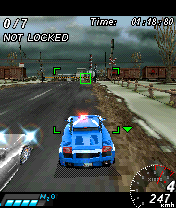
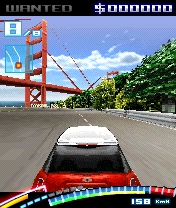
Asphalt Urban GT – A fun arcade racer and one of the few games that got a sequel. This really showed off the graphics power of the system.
Asphalt Urban GT 2 – Back again already? While just as fun as the first game it literally doubles the amount of content. I recommend finishing the first and then playing the second. You’ll get a lot of racing game time on your N-Gage this way.
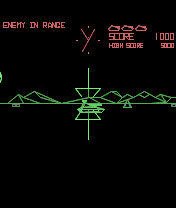
Atari Masterpieces Vol. I – N-Gage exclusive. An awesome collection of Atari 2600 games. Asteroid, Battlezone, Millipede, and Super Breakout just to name a few. There are also four unlockable games.
Atari Masterpieces Vol. II – N-Gage exclusive. More Atari 2600. More fun. A couple of repeats oddly enough, but mostly all new.
B
Barakel: The Fallen Angel – N-Gage exclusive. One of the few dungeon crawlers on the system and it looked good too. This was a lot of fun and didn’t push the system too hard controls-wise. This was an unreleased game, but a full working copy is floating around online.
Bomberman – A multiplayer classic. It’s 16-bit Bomberman and it plays really well here. Not much content, but still worth a quick playthrough.
C
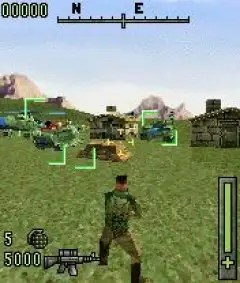
Call of Duty – A refined port of the PC game. Using a special engine to accommodate the portrait mode. It was one of the few shooters on the system.
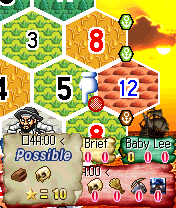
Catan – N-Gage exclusive. Released late in the console’s life Catan somehow managed to actually work on the tiny screen. What helped were objectives and a quest mode to also help with longevity.
Civilization – A port of the original PC game, but with the Civ II’s graphics. There’s even a full Civilopedia and tutorial here too! A pretty impressive game overall. There was no multiplayer released most likely because this came out just before Nokia officially axed the system.
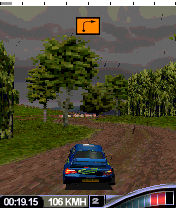
Colin McRae Rally 2005 – Overall one of the best racing games on the system. Solid visuals, physics, and somehow managed to just play well on the tiny system.
Crash Nitro Kart – A visually dumbed-down version of the PS1 game. Instead of 3D models, the game uses 2D sprites but still plays fairly well. Sadly, it’s another straight port from an older console.
E
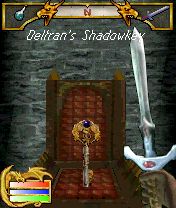
The Elder Scrolls Travels: Shadowkey – N-Gage exclusive. One of the most impressive and sought-after N-Gage games. Period. This isn’t just a fun RPG, but it’s a freaking Elder Scrolls game! It just makes me think more and more how much I wish Travels: Oblivion would have turned out on PSP.
F
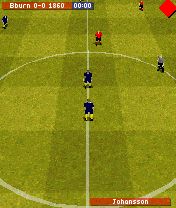
FIFA Soccer 2004 – A port of the GBA version, but with 3D stadiums. A fairly impressive game and was a best seller as well.
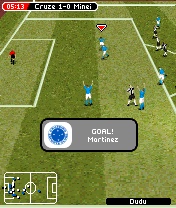
FIFA Soccer 2005 – More FIFA! Basically the same as the GBA version as well and just new rosters and mostly the same. Try each version to see which you like best.
Flo-Boarding – N-Gage exclusive. A pack-in title for Europe systems only. The was one of the few region-exclusive games. It’s a decent snowboarding game and helped tide, early adopters, over.
G
Glimmerati – N-Gage exclusive. A weird arcade racing game with supermodels to attract the equally strange. Boasted N-Gage Arena features at launch that don’t matter today.
H
High Seize – N-Gage exclusive. A fun strategy game with a lot of content packed in. This is as close to Advance Wars as you will get on N-Gage. Thankfully this game supports hot-seat mode so you can play multiplayer on a single device.
K
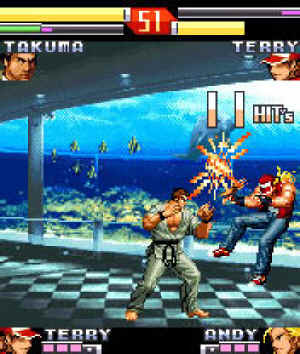
The King of Fighters: Extreme – N-Gage exclusive. One of two traditional fighting games and the best on the system. While its controls are limiting it works, and there is Bluetooth multiplayer so that’s not completely cut-off today. It looks good and does surprisingly well on the portrait screen.
M
Marcel Desailly Pro Soccer – An interesting release from Gameloft. While not as graphically impressive as FIFA it’s an alternative.
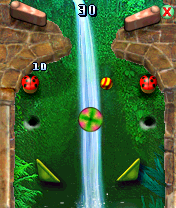
Mile High Pinball – N-Gage exclusive. One of the few in-house developed games from Nokia and just one of the best for the system period. 85 tables? Yes, please! The portrait screen is perfect for this kind of game. Lots of content here.
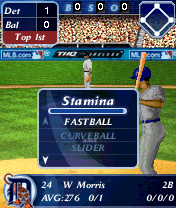
MLB Slam! – N-Gage exclusive. The only baseball game on the system. It isn’t graphically impressive, but it is a lot of fun and has a lot of content.
MotoGP – Probably the worst racing game on the system. It’s worth playing just to check out for curiosity. The game was rushed and feels incomplete with missing sound effects and choppy visuals.
N
NCAA Football 2004 – The only football game available. Full 3D visuals and a lot of content.
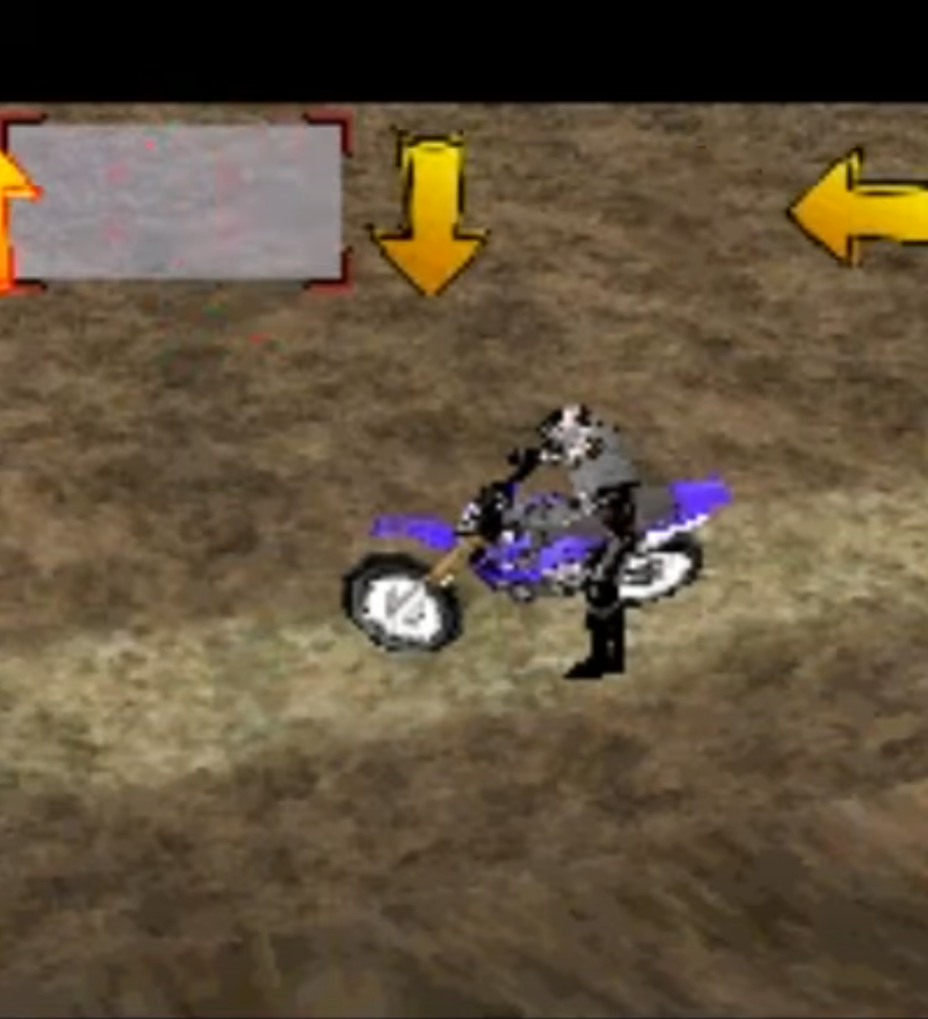
N-Gage Freestyle – N-Gage exclusive. Another European exclusive game. A weird motocross game mixed with button timings.
O
One – N-Gage Exclusive. An impressive fighting game exclusive to the system. It’s one of the best-looking games on here too. Feels a bit generic, but you can tell effort was put into the game.
Operation Shadow – N-Gage Exclusive. A decent shot at a military-style third-person shooter. Nothing special, but still fun.
P
Pandemonium! – A port from the PS1 version. This was a good 3D platformer despite its weirdness.
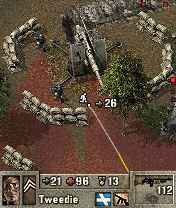
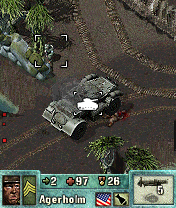
Pathway to Glory – N-Gage Exclusive. Probably one of the most impressive and highlighted games on the system. This was a killer app on the N-Gage. A really fun WWII strategy game similar to Company of Heroes.
Pathway to Glory: Ikusa Islands – N-Gage Exclusive. A direct sequel to the first game due to its popularity. More WWII strategy goodness awaits and it has Bluetooth multiplayer.
Payload – N-Gage Exclusive. A 3D car combat game similar to Wipeout.
Pocket Kingdom: Own the World – N-Gage Exclusive. The only MMO on the game and it’s a 2D one at that. You can still play this offline and dungeon crawl and level up. The online features just let you text other players and trade items which isn’t much of a loss today.
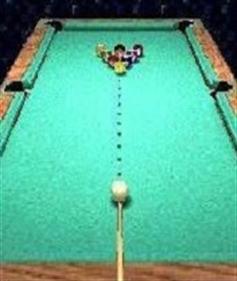
Pool Friction – N-Gage Exclusive. Another European-only game. Decent 3D pool and the only one you’ll get.
Puyo Pop – I was fairly surprised a Japanese puzzle game would make it to the N-Gage. It’s standard fare and not much different from the Game Gear of GameBoy Color versions. It’s still a fun puzzle game on the go.
Puzzle Bobble VS – Another great puzzle game. Essentially just good ‘ol Bust-A-Move. It’s perfect for the portrait screen as well.
R
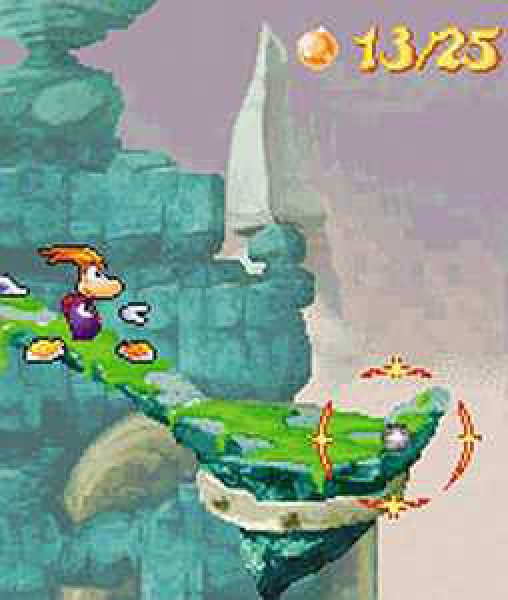
Rayman 3 – A fun port of the GBA version with clean visuals and bright colors. One of the better platformers on the system.
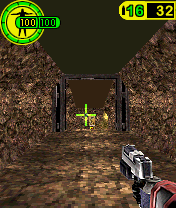
Red Faction – Another high-profile game. While being a port of a PS2 game it worked surprisingly well and is rock solid. It does have control issues, but you can get used to it.
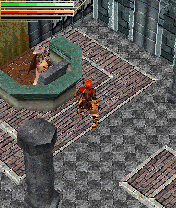
Requiem of Hell – N-Gage Excluive. A pretty decent action RPG with awesome horror and gothic themes.
Rifts: Promise of Power – N-Gage Exclusive. Absolutely rock-solid RPG. Backbone Entertainment was behind the wheel here. They only did one game before this one (an Incredibles game) but would later go on to create Death Jr. for PSP and become a porting powerhouse. It looks good, has a decent story, and has tons of content.
The Roots: Gates of Chaos – N-Gage Exclusive. A simple colorful action RPG. Nothing special, but still really fun.
S
Sega Rally Championship – A port of the Dreamcast version. This is a great game…to see just how not to do a racing game on the N-Gage. Yeah, this was a pretty awful port, but fun to play just to see how things could really go wrong on the system. It was only released in Europe so US gamers didn’t miss anything.
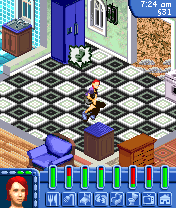
The Sims: Bustin’ Out – A port of the GBA game, but has N-Gage exclusive mini-games. If you like the Sims you will like this as well.
Snakes – N-Gage Exclusive. What would a Nokia phone be without a Snake game? This is the sixth generation of the game and is now in 3D! It was available for free on the N-Gage website and could be transferred to any other N-Gage via Bluetooth or Nokia N95 phones. However, only the N-Gage got the full 42 levels.
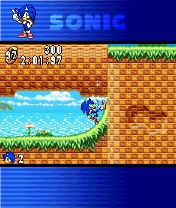
SonicN – A middling and lazy port by Dimps. This is a straight port from the GBA Sonic Advance, but instead of tailoring the game to the portrait screen, it’s just filled in from the top and bottom with a large border. The play area is incredibly small and it doesn’t run at the best framerate.
Space Impact Evolution X – A port of the Symbian version. Just a simple arcade shooter and high-score game.
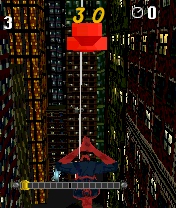
Spider-Man 2 – A short but sweet N-Gage exclusive version. This is a 2D platformer with 3D races against time. You can probably beat it before the battery even dies.
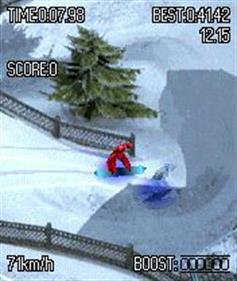
SSX: Out of Bounds – Being the first mobile SSX game it had a lot of attention. Even my 13-year-old self at the time was reading about this game for N-Gage up to its release. It works surprisingly well but sadly had no online multiplayer.
Super Monkey Ball – Being a port of the GBA game it actually is in full 3D and plays better than the GBA version. It’s a lot of fun with a ton of levels and works well with the portrait screen.
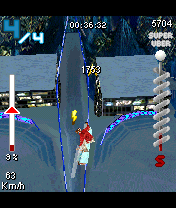
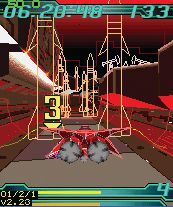
System Rush – N-Gage Exclusive. One of the best games on the system. A mix between F-Zero and Wipeout. The excellent-looking tracks and models show what the N-Gage can do graphically.
T
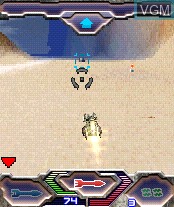
TechWars – N-Gage Exclusive. A simple mech game. Great visuals.
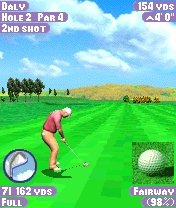
Tiger Woods PGA Tour 2004 – Not the best version of the game, and not having an analog stick makes swinging less accurate, but it’s still a solid title. A little more 2D than 3D graphics here.
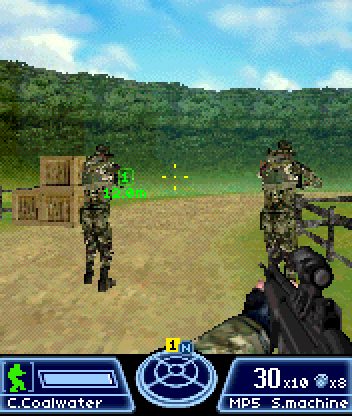
Tom Clancy’s Ghost Recon: Jungle Storm – A port of the PS2 exclusive. Ubisoft did a fantastic job here and it’s one of the best-looking N-Gage games. It also received a lot of press and attention. I remember fondly seeing ads for this in GameStop at the time.
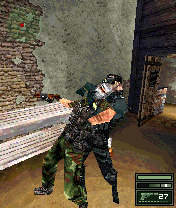
Tom Clancy’s Splinter Cell: Chaos Theory – Another high profile game for the system and a true killer app. This is one of the few games that really showed how to do games right on the N-Gage.
Tom Clancy’s Splinter Cell: Team Stealth Action – A weird choice despite how impressive Chaos Theory is. This is a more traditional phone-style game and is a 2D platformer. Still great, but not as good as Chaos Theory.
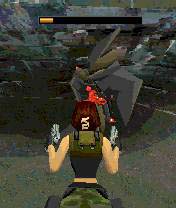
Tomb Raider – A port of the PS1 game. While technically impressive the controls take a lot of getting used it and it plays link a tank.
Tony Hawk’s Pro Skater – A fantastic port from the PS1 version. It plays incredibly well and has a smooth framerate.
V
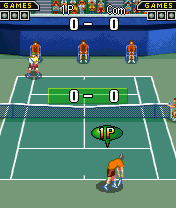
Virtua Tennis – Ideal for quick game sessions and a disappointing port of the Dreamcast version. The game is mostly 2D sprites, but it still plays decently enough.
W
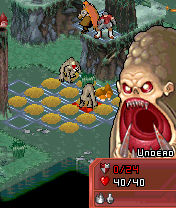
Warhammer 40,000: Glory in Death – N-Gage Exclusive. A pretty good strategy game overall. It’s a shock that this genre is one of the strongest on the system despite the hardware and screen working against it.
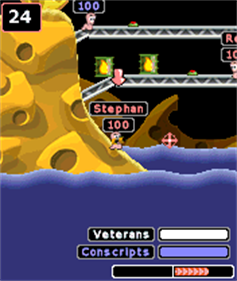
Worms World Party – Again, another solid strategy game for the system. This is one of the best mobile Worms games you can play.
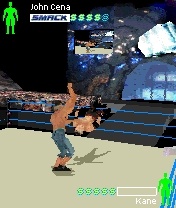
WWE Aftershock – N-Gage Exclusive. A surprising 3D wrestling game and the only one on the system. It’s mostly playable, but it’s not the best it could be.
X
X-Men Legends – A fantastic dungeon crawler hand-tailored for the N-Gage. This is one of the best games on the system.
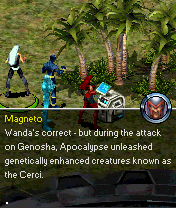
X-Men Legends II: Rise of Apocalypse – Another fantastic dungeon crawler like its predecessor. While it plays it safe it’s basically more X-Men Legends goodness.
Xanadu Next – N-Gage Exclusive. An early release title, and while not the best RPG on the system, it’s still pretty decent.





































 thebinarymessiah.com
Clearly you have been blocking everything you or haven't played the game at all. Maybe pay attention to the story…