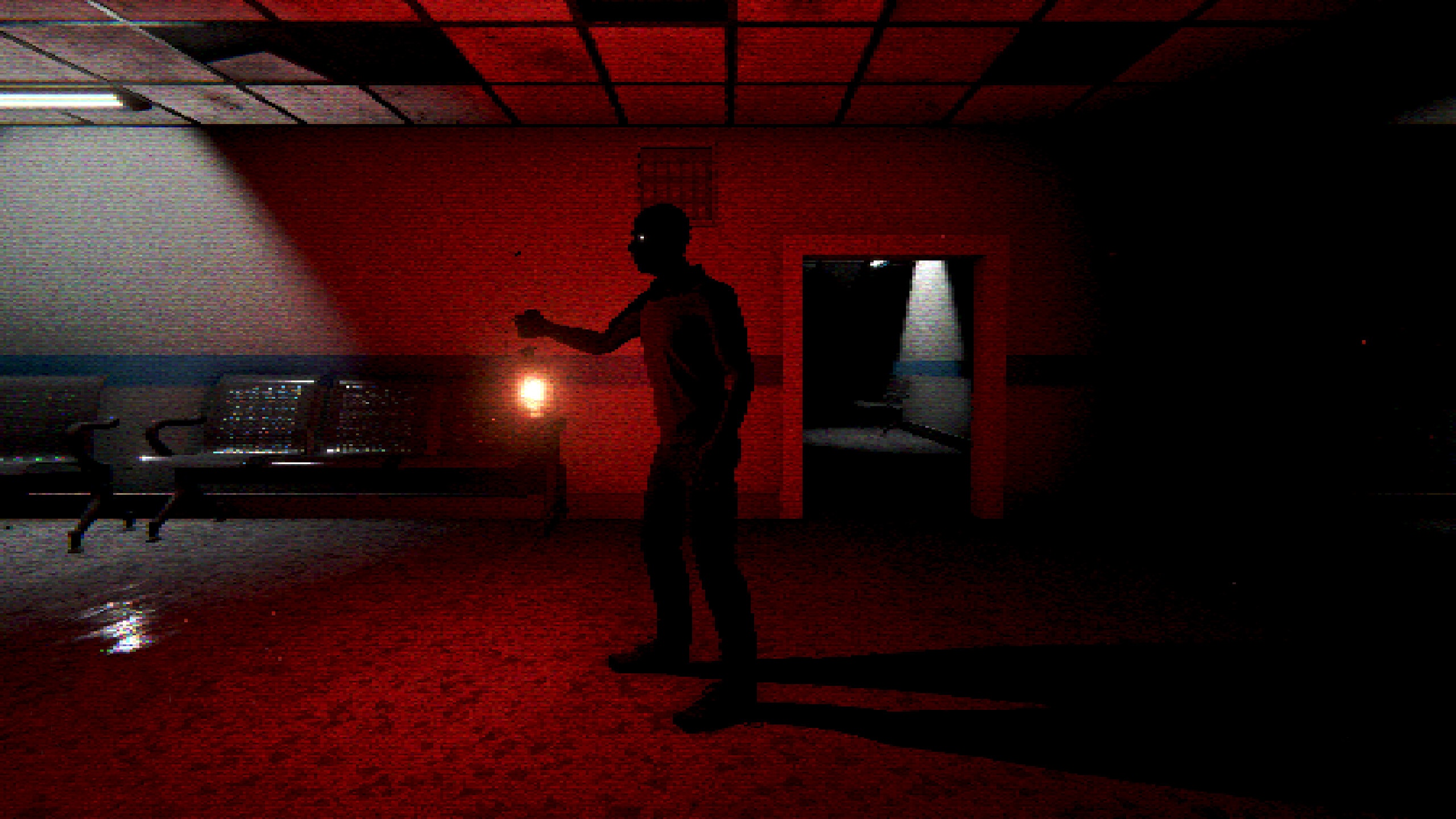
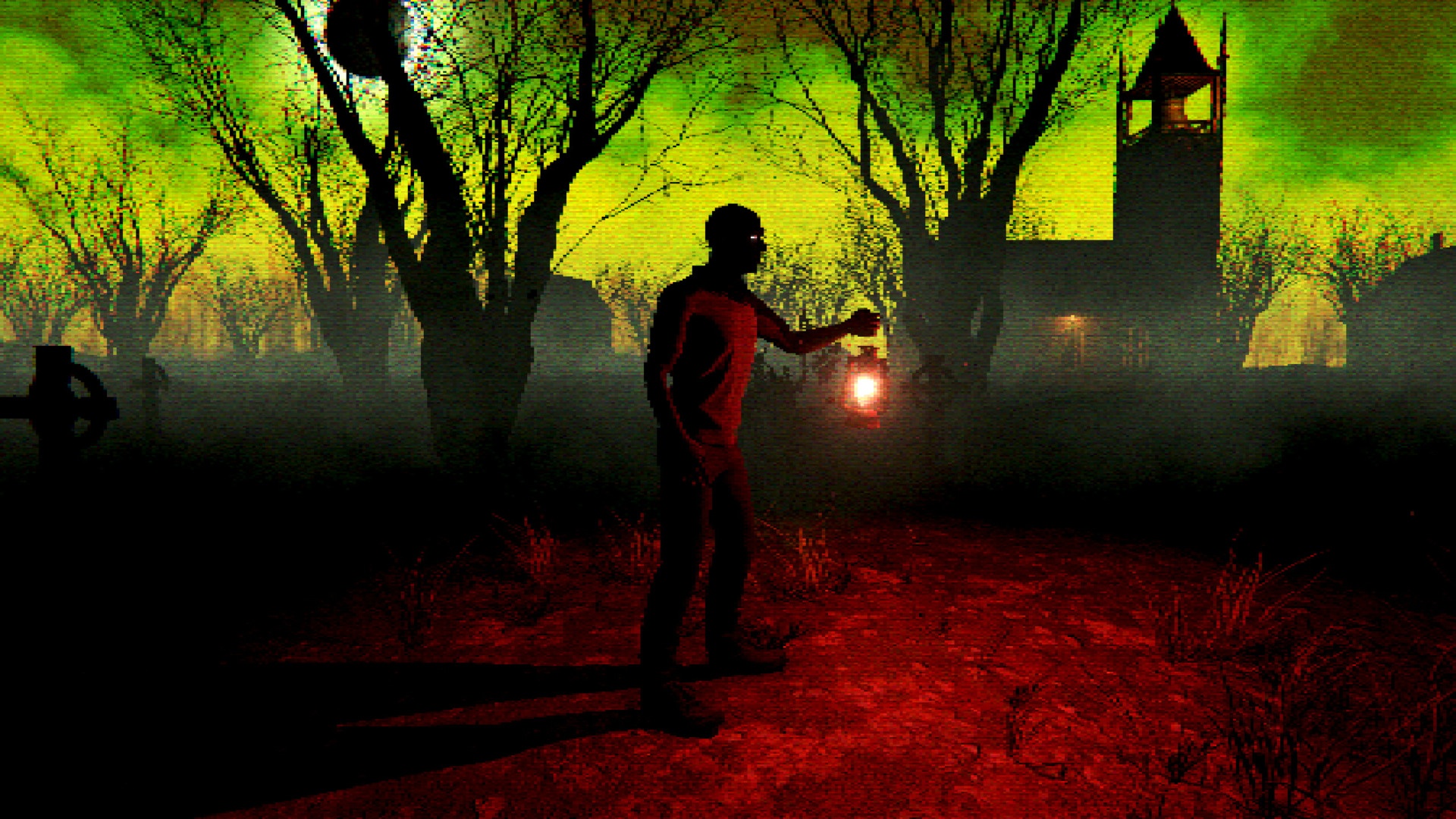
I’m still on the search for a horror game that will truly scare me, and I mean a new horror game. Something that’s not mainstream with a large budget. A Twisted Place came pretty close. If it wasn’t for the janky controls, annoying stealth, and lack of puzzles, I think this game was really on to something. You play as a generic bald dude holding a lantern, only your glowing eyes really showing in the dark. You walk around a strange and haunted house, going into weird rooms and solving simple puzzles. Most of the puzzles are object hunting that have you clicking on things to open them and find keys. The few puzzles feel like guessing games, as there are no hints around to figure them out. Most of the game consists of walking from either left to right and occasionally into the screen to navigate maze-like hallways and avoid monsters.
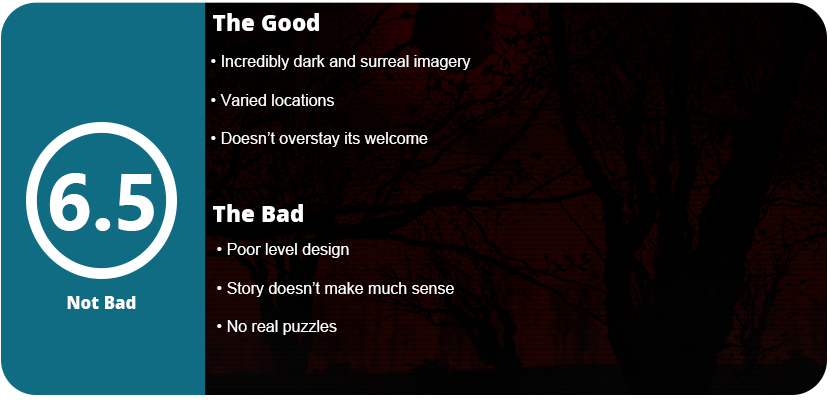
The ambience is the best part of A Twisted Place. The game grows into a more surreal Eldritch like horror. Going from a quiet house to a desolate basement, an abandoned hospital, and eventually some sort of cosmic desert and ancient city. There’s no voice acting or much to read, really. You move along somber hallways listening to the groans of the dead muddle by only to get caught and have to start at the nearest checkpoint. Thankfully, any progress you made is remembered. There is a specific maze of hallways towards the end that requires four hidden switches to be flipped, but getting around the monsters in a specific pattern is incredibly frustrating. While the levels themselves look great, the design is pretty poor for gameplay.
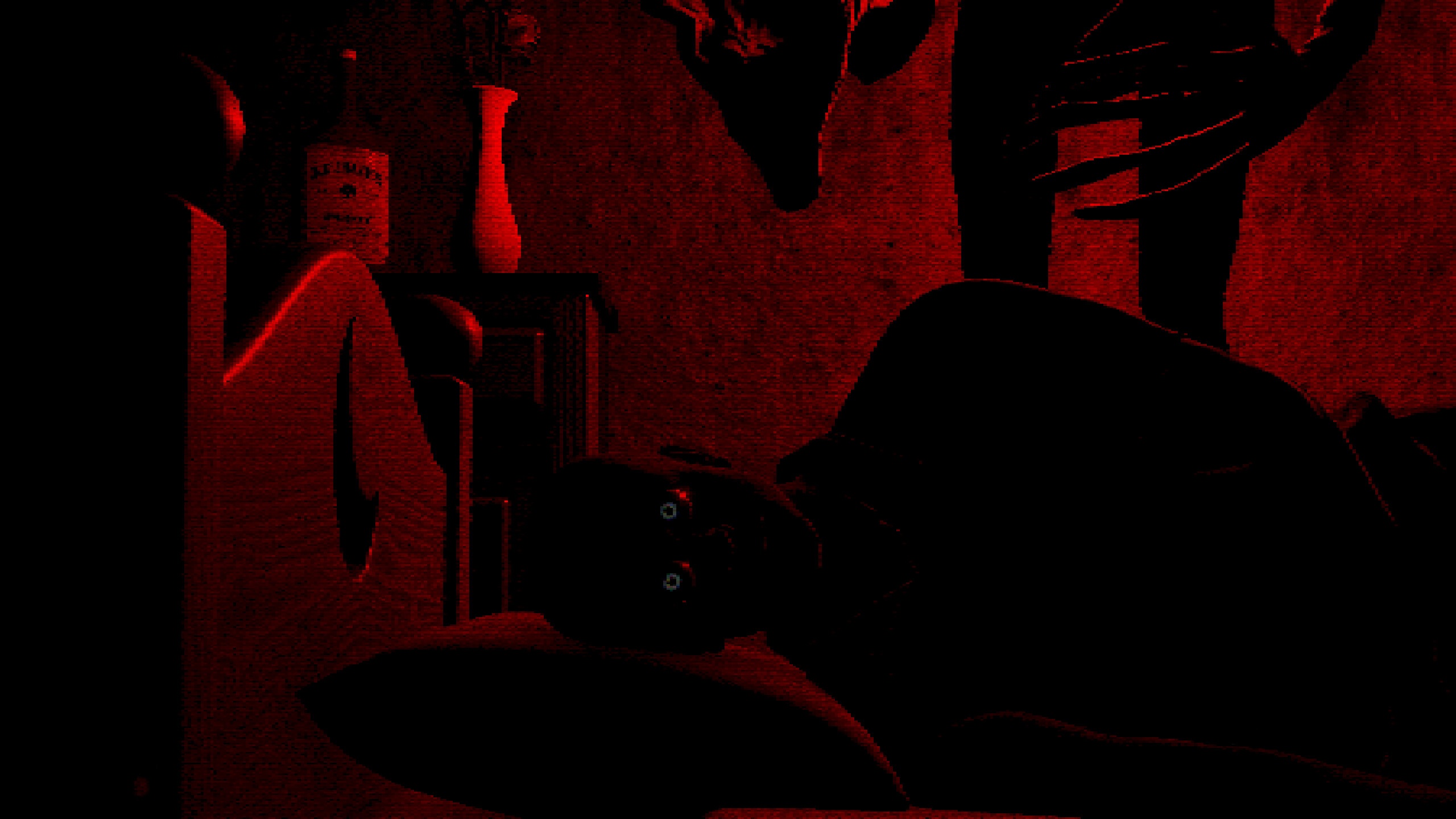
There are some rooms you can enter that put you in a first-person view. These are really neat and ratchet up the tension to skin-crawling levels as you click on items and open cabinets, hoping nothing jumps out at you. The scares are really well done here with a lot of moments and scenes that are impossible to fully digest during the brief moment you encounter them. These new levels are what kept me going. The haunting ambient noises. There’s no real soundtrack here, just sounds of the dead and unknown stirring quietly in the background, waiting to be discovered or forgotten.
The game doesn’t overstay its welcome. Only a couple of hours long, but the later maze-like levels may frustrate players into a refund. Unless you love the aesthetic and gore that the game provides, there isn’t anything else worth looking into. With that said, the game also deals with suicide and mental illness in some interesting ways. This isn’t the game I’m looking for, but it’s kind of close. For the small entry fee you’re looking at an entertaining afternoon.
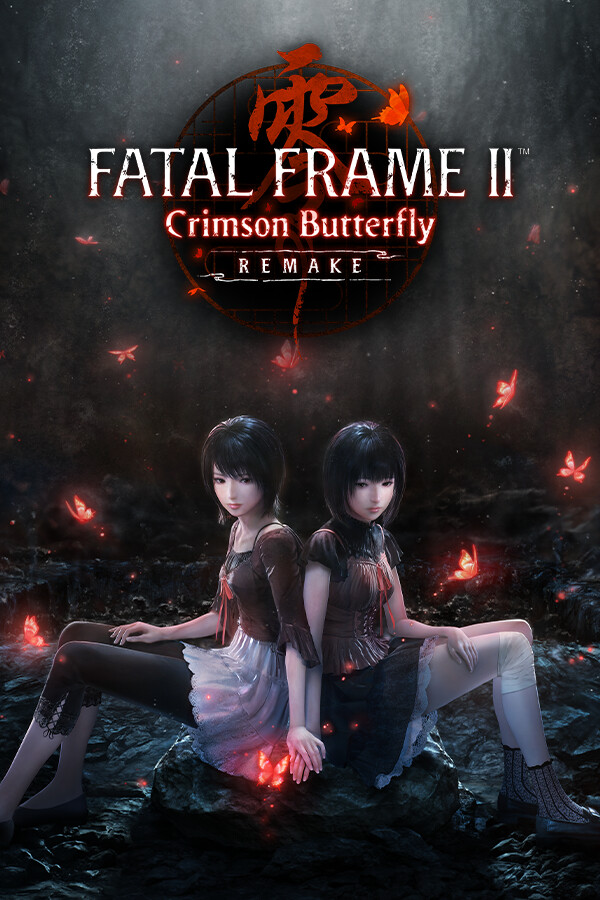
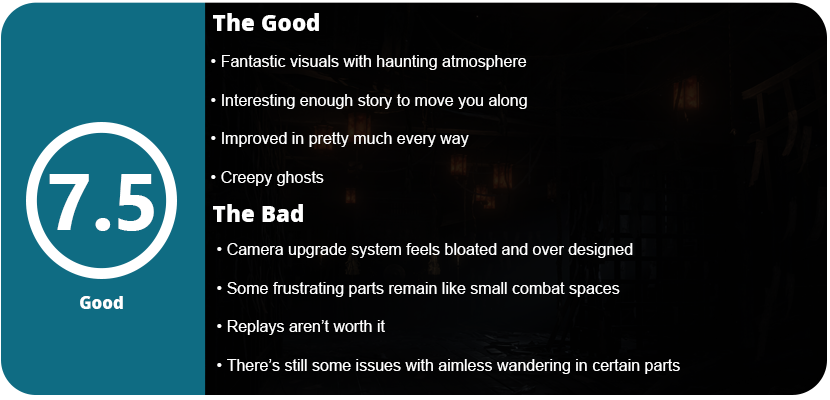
When I played Fatal Frame II for the first time on Xbox, I left both loving and hating the game. The entire series has always had faults and issues, but sometimes that’s the charm of the series. The clunky and slow controls, the cramped spaces, the linear levels, etc. Fatal Frame II Remake isn’t like Silent Hill 2. This isn’t a fully reimagined, built-from-the-ground-up experience. This is literally just the same experience remade with a third-person camera and some minor refinements. I feel like this could have been Team Ninja’s opportunity to make Fatal Frame shoot for the stars like Silent Hill has, but all we get is more of the same. That’s not completely a bad thing, but this game isn’t the remake I expected, especially since this is the second remake of this game (originally remade for Wii, called Project Zero 2, only released in Japan and Europe).
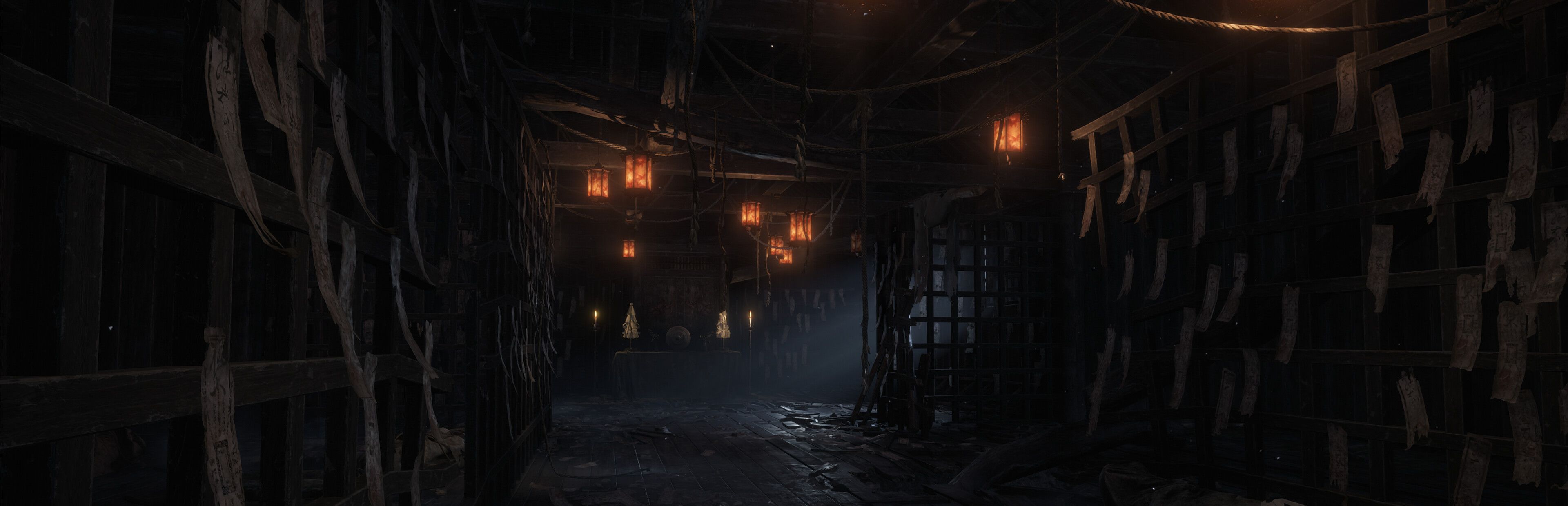
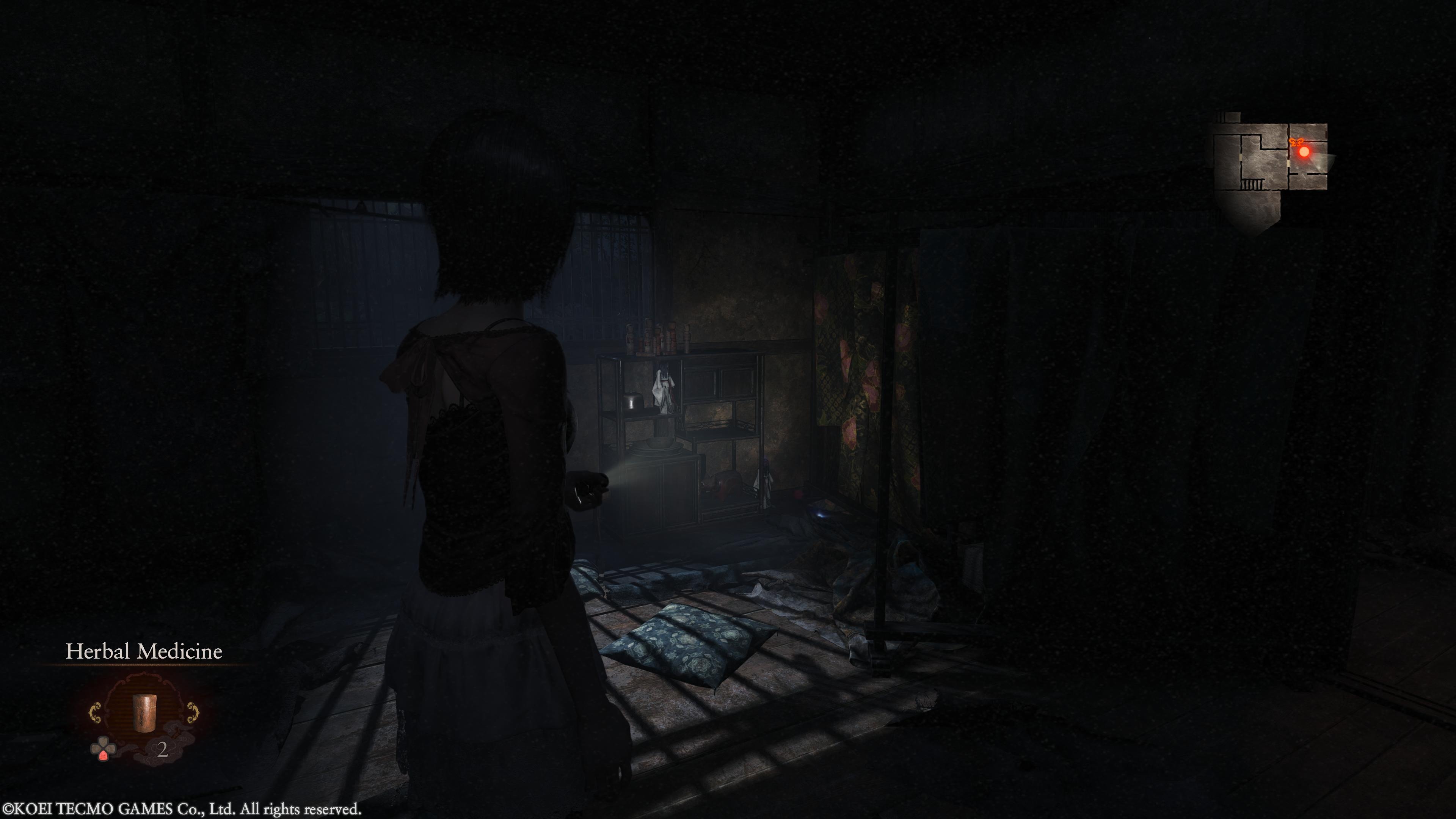
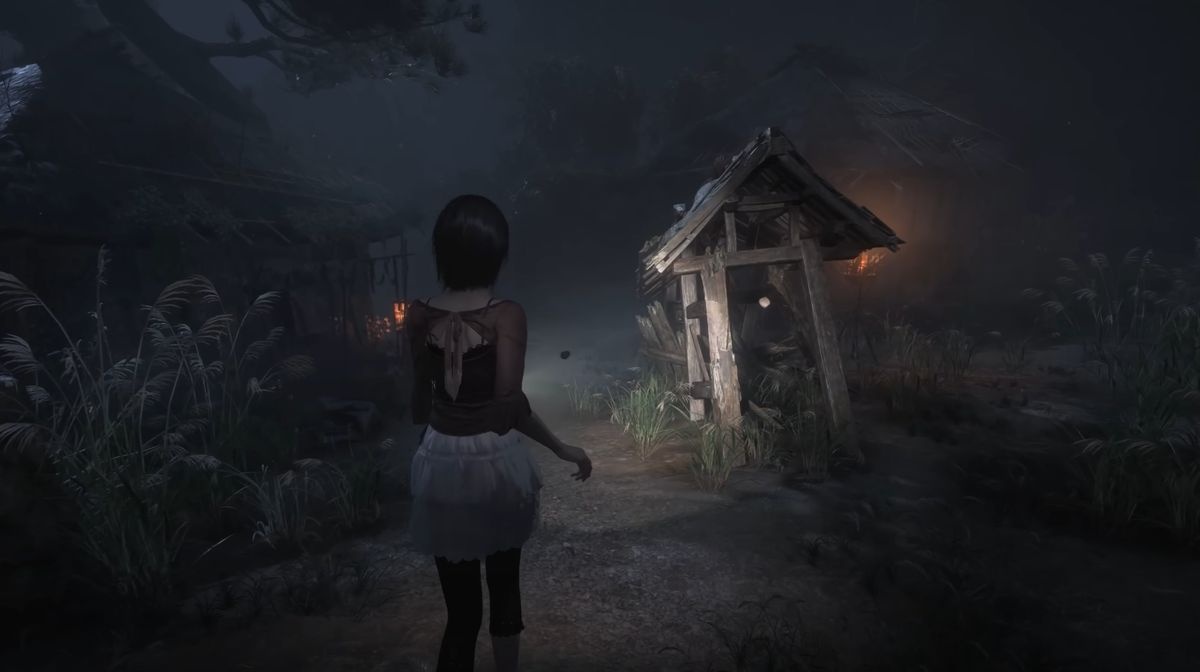
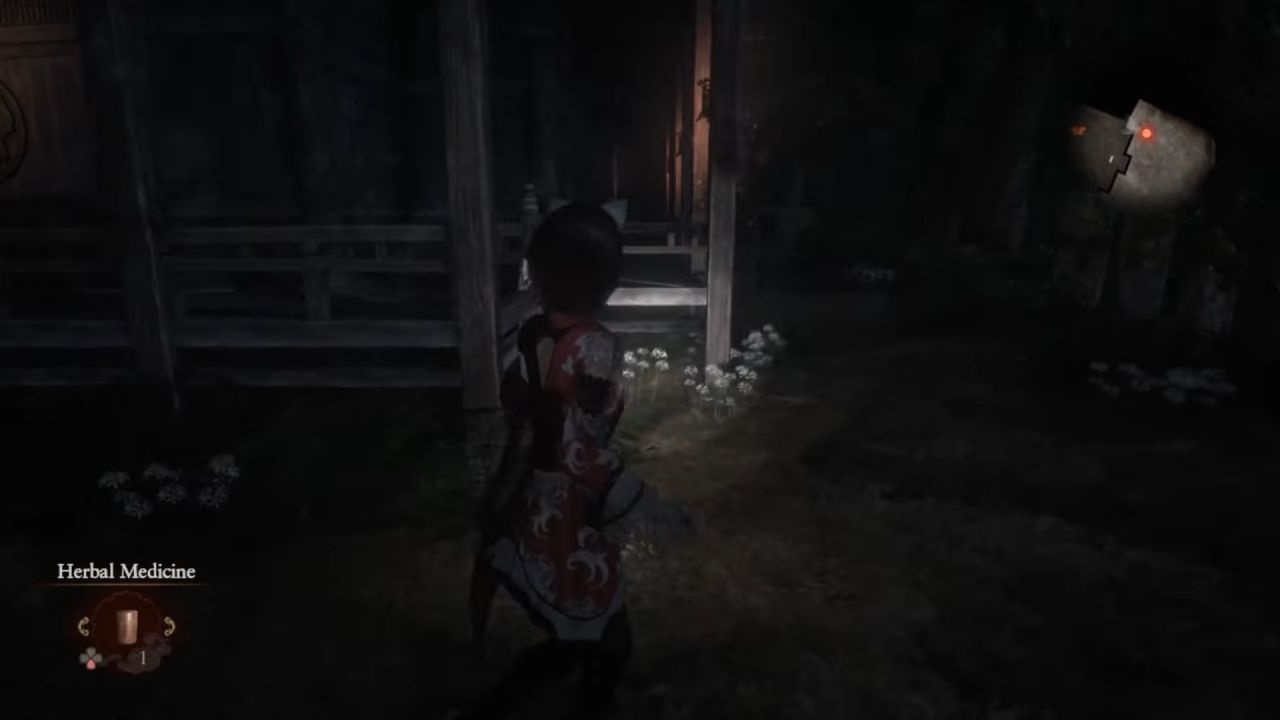
Everything visually was remade, including the cut scenes. This is mostly a scene-by-scene remake of the original for better or worse. You start out wandering into the Minakmi Village with your sister in tow and explore the first house. You pick up a flashlight, save for the first time, and get the Camera Obscura early on, and then it’s time to explore. There are a lot of items to collect that show up as blue glints on the ground; there are ghosts to capture called Specters that wander around, but you need to be quick or the shot is gone forever. Your parameter will flash the color filter you need to get certain shots. You can unlock doors and cabinets with some filters and solve puzzles with others. Film is used as ammo against the wraiths that attack you. The camera system is overly complicated and could have been redesigned from the ground up, and I don’t know why it wasn’t. The areas are exactly the same as the original but made with a lot of attention to detail. The lighting and atmosphere are fantastic here, and you always feel on the edge. There are details like Mio slowly opening a door or reaching out for an object in hopes nothing snatches your hand. Most of the time it doesn’t happen, but a rare occasion means you need to fight a wraith.
If you know how to play the original, then great. The game plays 100% like that down to a tee, with nothing changed. There are no added areas or anything we’ve grown to expect from remakes like Silent Hill and Resident Evil. Nothing was really improved, just updated for a modern audience. With that said, you do get shown where to go next on the map…sometimes. You can follow a crimson butterfly around to most of your objectives, but some will just be yellow blips on your map but not your minimap. It’s not consistent, and many times when you are exploring one of the three large houses, you won’t know where to go. This can lead to a lot of aimless wandering, refighting the same wraiths, but it does seem the difficulty is more balanced. I finished the game on normal and never ran out of film, which was a common problem in the original.
When it comes to combat, the camera hasn’t been updated or changed to be better. Just more modernized. The FOV is very narrow, and you need to keep the white circle over the wraith’s face and make the focus points turn red. The more focus points, the more damage is done, shown by a health bar on top of the screen. The health will turn from red to a washed-out red, showing the potential damage that shot will do. It’s best to shoot enemies right when they attack for more damage. This can lead to a Fatal Frame opportunity in which your film loads instantly and you can take a couple more shots. There is a white line on each health bar, and you need to get it below that line as fast as possible or the wraiths become agitated and regen health and become more aggressive. This is where the different films come into play. Type 7 is the weakest and is infinite. Type 14 does moderate damage. The Type 90 does moderate damage but loads quicker. Type 00 loads the slowest and does the most damage, and you only get a few of these throughout the game saved for bosses. Then, type 61 does heavy damage but also loads slowly. This is really confusing. Why not rename the films or put (heavy, light, etc.) next to the name? If all of that sounds complicated, the upgrade system is more bloated.
There are charms you can find throughout the game. Some of these have audio attached to them played through the spirit radio, and some are bought at the save lantern. Most of these are completely useless. This was an opportunity to revamp this system, but instead we get 50 charms with most not being effective enough. You can’t easily swap charms. You must go into the pause menu and change them. These add passive effects like more damage to certain filters, wraiths will be less aggro, stamina will recharge quicker, etc. However, most charms are just a single passive trait. Stones have two traits, but usually a positive and a negative. Most charms are things like “damage is increased when Mayu is in the shot with a wraith.” Mayu is only with you a few times in the game, and you want to keep Wraith away from her. Once you’re knocked down, you have to use your camera flash to get them off of you if you can’t shake them fast enough. A wraith can cause a game over if Mayu is attacked too many times. Switching between filters is only useful early on, but once you get the Radiant filter, you can upgrade the attack charm to level 6 and use that through the whole game. The Paraceptual Filter is good for longer range but rarely needed. You can add prayer beads to the filters and camera to upgrade them, but they are very rare, and you won’t get through many upgrades by the end of the game. It’s best to focus on a single filter (the Radiant filter) and the camera itself. You want a zoom function but want to increase film capacity and attack power on the filter. New Game+ will give you an opportunity to upgrade other filters. You can find items throughout the game to heal and recharge stamins which is needed for dodging and running in combat.
Again, I found this overly bloated and it could have easily been cut down. More prayer beads would have been nice. Once you start a New Game+, everything costs a ton of souls. Sometimes in the millions, and unless you’re playing on Nightmare difficulty, you won’t get enough souls in a single playthrough. It’s kind of a rigged game that forces you to play a certain way. Even costumes are locked behind large amounts of souls, and the original costumes are all gone, such as the Bandage, Bikini, and other more skimpy outfits. This leaves little incentive to find everything, as all the notes have to be found in a single playthrough, but the Twin Dolls (there are 47) carry across play throughs. It’s kind of a mess and makes multiple playthroughs very tedious. The linearity of the game and the fact that all of the scares are pretty much seen during chapter 1 mean playthroughs will be less fun. The game still retains the jank from the original. The slow and sluggish movement, the over complicated Camera system, and the few enemies that make an appearance are all defeated the same way. Just make the circle flash red and shoot. The bosses are more interesting, but many are fought multiple times. This is something that could have changed in the remake. You will finish the game in about 10 hours or so even if you try to find everything.
If you’ve played this game before, don’t expect much other than a more polished version of what you already know. New players will enjoy a retro survival horror in a shiny new skin, but those who come from Resident Evil and Silent Hill remakes might find this game too slow and its systems too bloated to enjoy for long. I personally like this game. The story is interesting enough, but most of it is told through diaries and journals, so if you aren’t looking for those, you will miss out on a lot. The cut scenes don’t really show much, and nothing is really explained through dialog. This is something that also could have been changed. Maybe some exposition-dumping dialog during certain scenes. I love the new visuals as well, but the claustrophobic areas will feel too cramped for some. Some may prefer the retro survival horror jank preserved, but I say what’s the point of a remake then? We can just play the original.
Advent Rising is one of the most infamous video game development disasters ever documented. Its release was at the end of the Xbox’s life cycle, and it got buried under the hype of the Xbox 360. I personally heard about the game, saw the terrible reviews, and ignored it. In 2005 I didn’t own any Xbox consoles, so I didn’t care as a PlayStation 2 and PSP owner. I also purposefully didn’t do any research into this game and let my memory of 15 year old me thinking this was a large RPG saga like Knights of the Old Republic make the decision to buy this and play it. I even bought the physical strategy guide, thinking I was in for a 30-hour adventure. This is one of those rare moments I wish I had looked into the game first. Sometimes the idea of not doing research for a surprise is not fun.
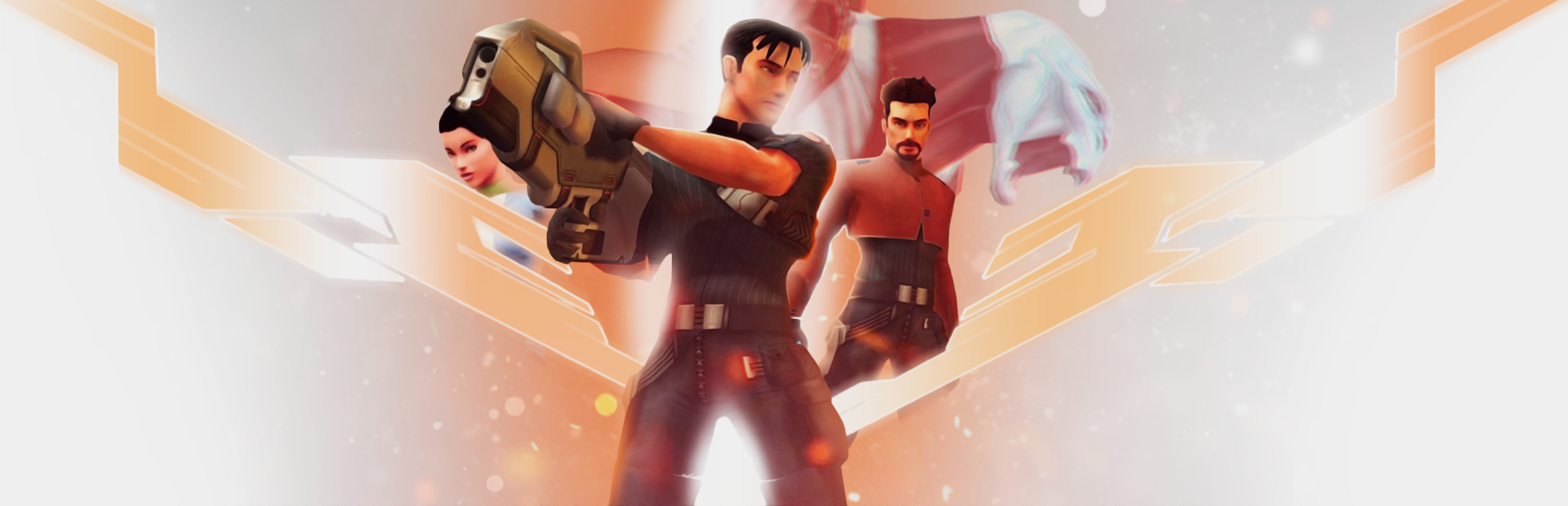
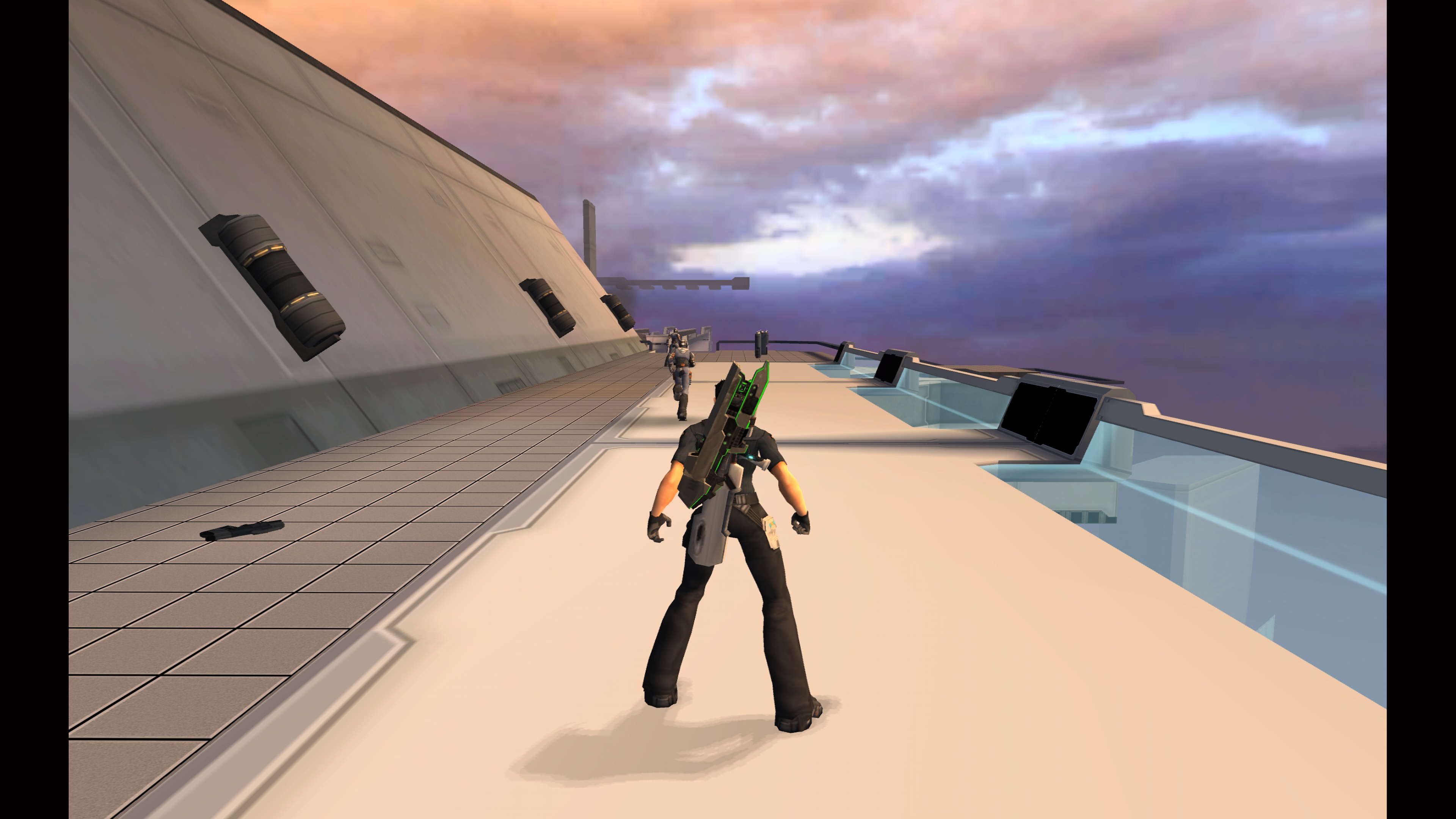
You play as a stereotypical young cocky sci-fi pilot who falls in love with every woman he looks at, and everyone seems to hate him. His older brother is a well-recognized pilot. The game has a, new for the time, cinematic opening, but not cinematic gameplay. This is a very early 2000s 3D action game that struggled to find its identity and gameplay style, and everything in this game is poorly executed. It’s obvious after about 1 hour into the game that most of the focus was on designing the lore, characters, and many cut scenes, but we’ll get that soon. Right off the bat, the lead character Gideon is a terrible character and completely unlikable. He’s just obnoxious and so stereotypical for the time. I honestly wished his older brother was the main character instead. The opening scene is probably the only part that seems to have been made as intended. As you are driving your space shuttle to a docking bay, there are tons of spaceships entering and leaving, credits flashing on screen, and radio chatter, and it feels like what modern games currently do. As soon as you enter the space station, the rest of the game goes to complete crap.
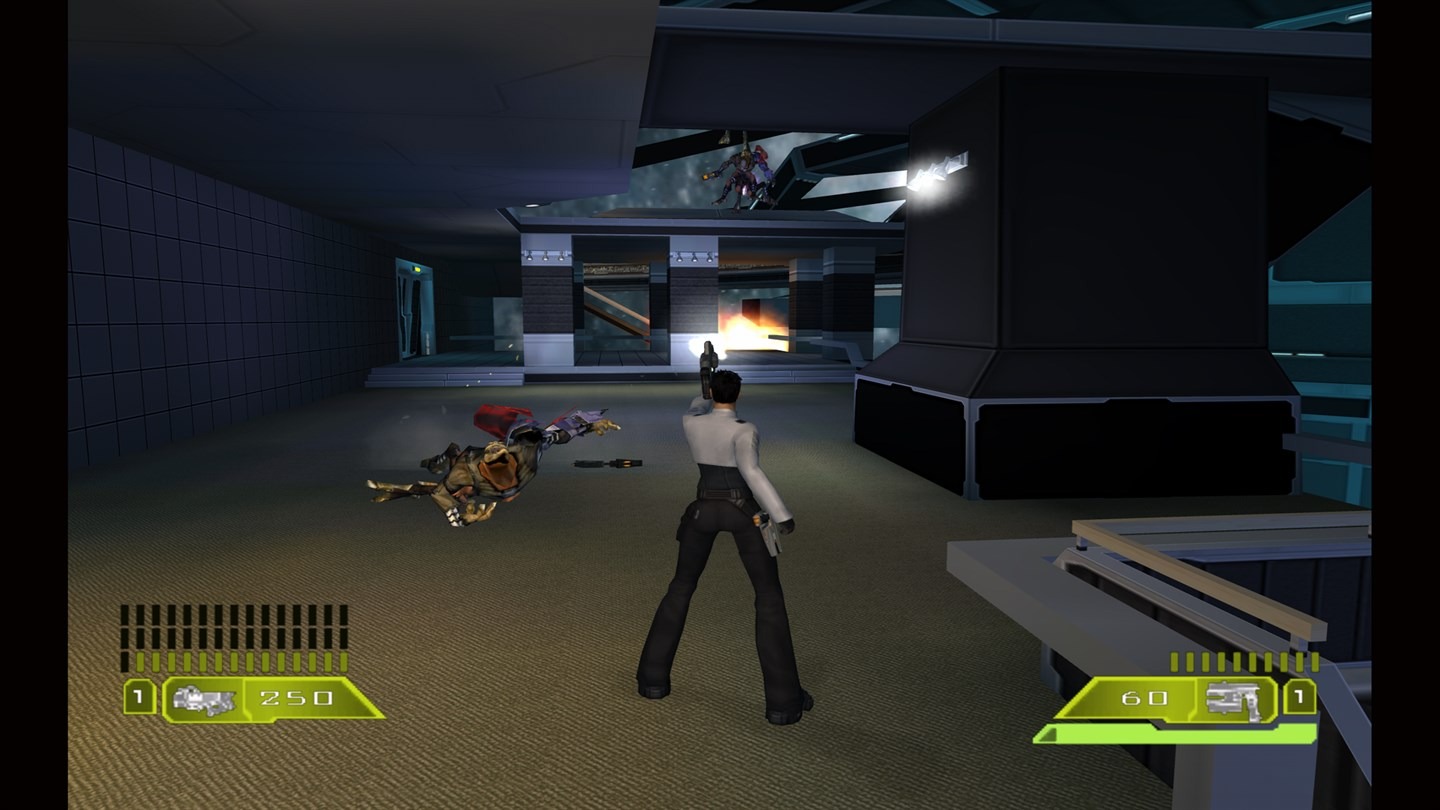
The game controls are like absolute donkey dung. Gideon runs around way too fast for the small and cramped interior areas, but later on you get completely confused after the first level’s design. You play the usual early 2000s tutorial level disguised as a training competition to learn the controls. They are awful. The game uses an auto lock-on feature, so Gideon’s arms are swinging all over the place like a madman, aiming each arm at an enemy, which is pretty neat. The lock-on feature actually works, as he will lock on to whichever enemy is closest. What doesn’t work is you can’t release the lock-on. The camera will face toward whatever enemy is locked on, even if you are running towards the camera. This can lead to frustrating blind deaths from falling off ledges and into death traps. The only way to play this game is to blast everything in sight with whatever guns have the most ammo. There are clearly other ways the developers had in mind. Each weapon does something different. From slow-shooting plasma rifles to rocket launchers, but you won’t care when switching weapons is a complete chore. The dodge button is the same button for equipping in the left hand. The left equip is X, and the right equip is Y. This makes no sense. Other games did this better, like Halo before it and even Splinter Cell. Equipping weapons doesn’t need to be complicated.
I just lived with blasting everything in my path since it didn’t matter. Once I realized that the current enemies coming at me weren’t dropping ammo for my guns, I picked up their guns and just repeated this so I never ran out of ammo. Enemies come in many waves, and clearly the combat system they had in mind didn’t support this type of combat gameplay. When you’re blasting tons of enemies, you can’t stop and think about which weapon is good in each situation. All enemies attack the exact same way. There are some larger enemies like giant mechs or taller aliens that use a staff to deflect bullets back at you, but that’s it outside of the few bosses there are. Later on the game introduces a bunch of psi powers, and clearly this was not designed around the current working combat system because they are all completely useless. Switching to them is convoluted by pressing the D-Pad to select the power and then pressing X or Y to equip that power into the left or right hand. The game slows down in the background, but then you might want a gun in another hand. So, if you accidentally equip a power in the gun hand you had, that’s another step of finding a gun, pressing the correct button to equip, and then realizing the powers don’t matter.
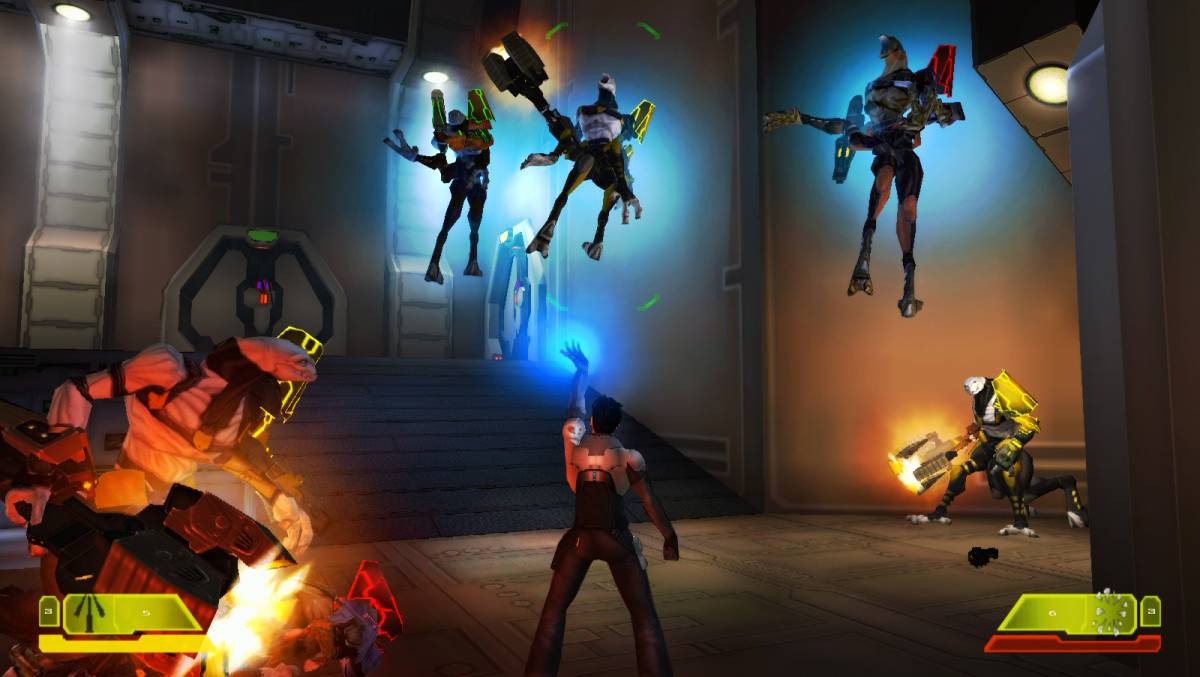
There are a lot of psi powers, and most of them are given to you in the last two chapters of the game in rapid succession. You can lift, push, and throw ice spikes, laser balls, and even a shield, but they all fall subject to the terrible lock-on system. In theory, throwing stones and objects at enemies is a great way to save ammo, but you end up locking on to every throwable object in the game, and then the camera swings around to lock on to something else, and you have to just guess where the enemy is and fling the right stick towards said enemy, hoping the object lands. This also goes for lifting an enemy up and throwing them. Other games did this better. The shield is completely useless when it’s not much wider or taller than you, and bullets can hit you underneath it as it floats in the air. What were they thinking? Powers and guns level-up by just using them, but there’s no experience bar. It just happens. Weapons supposedly get more powerful, but I didn’t find this to be the case. This is clearly an unfinished idea.
The story itself is fairly intriguing. Aliens worship humans as gods, and the race of Aurelians wants to protect them from the Seekers, but their own race is divided politically on sacrificing the humans to save themselves. There are some plot twists of betrayal, but in the end this lore is never explored because there’s nothing outside of cut scenes. No dialogue between characters, no logs or documents to read. Nothing. The voice acting is also hit and miss. There are many actors who went on to do other things. For example, the voice actress for Olivia, Venessa Marshall, went on to do voices for more games and Wonder Woman for the current DC cartoon series. However, the characters are just not likable. The two female characters are treated like garbage by Gideon, and they get dismissed constantly. Every woman is wearing crop tops and low-cut pants, but the men are in full armor and gear. It’s just very much a product of its time. The industry has matured and grown since then. The alien races have interesting designs but only appear in a few cut scenes.
Let’s talk about the terrible vehicles. They are all floaty and don’t have acceleration physics, so to get over hills you have to use the boost feature, or you will just end up stopped. This boost feature pushes the vehicle by borderline teleporting it, and I also get stuck on every wall and object imaginable. Many games did this better too, like Halo. When you’re not shooting endless waves of enemies, you have to contend with awful platforming, as you will get stuck on objects, not grab onto walls, or fall into pits because an enemy jumped towards you at the same time. The game was only playable because the lock-on system worked well enough to just blast everything in sight, and I didn’t have to aim at enemies.
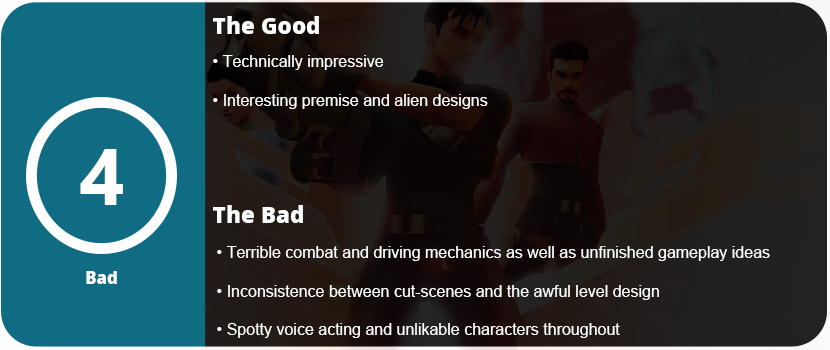
This leads into the terrible level design and lack of cohesion with the actual story and cut scenes. It feels like the cutscenes were made before the levels. There’s also clearly rushed scripted scenes as I would drive a car through boring empty tunnels and streets with the occasional falling bridge. Clearly, there was meant to be more. Where are all the people? Where’s the chaos of the war with the Seekers? There are cut scenes showing people running out of a city, only for me to suddenly find myself in a vehicle with nothing around. I would run through an enormous empty outdoor area with nothing but enemies coming at me and nothing happening in the background. It feels completely unfinished. These levels felt as if they were hastily inserted between the pre-existing cut scenes, making the transitions feel jarring. Gideon would be up against a wall, leaning around a corner with a pistol out, and I would then just be standing in a hallway with nothing that was in the cut scene around me. No one was screaming or running around. Just a dead empty hallway with a few enemies. It was so jarring.
The game is an absolute masterpiece of what not to do. The game is completely unfinished, broken, and buggy. Music will randomly stop playing. Sound effects won’t play at all, and the music will. Falling through floors and getting stuck on objects, forcing checkpoint resets. Even the need to not kill most enemies and just run to the next area for a cutscene to play proves that these levels were shoehorned in between already made cutscenes at the last minute. The levels are boring despite the game being technically impressive at the time with huge chunks of geometry and long draw distances. There’s clearly love here in the beginning, and the game just didn’t evolve into more than AAA slop that would be the future of gaming.
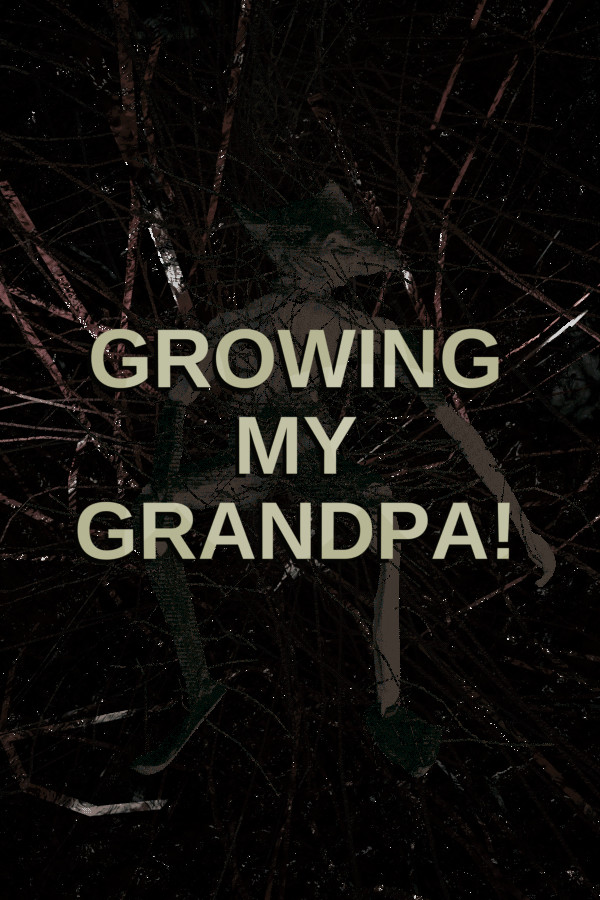
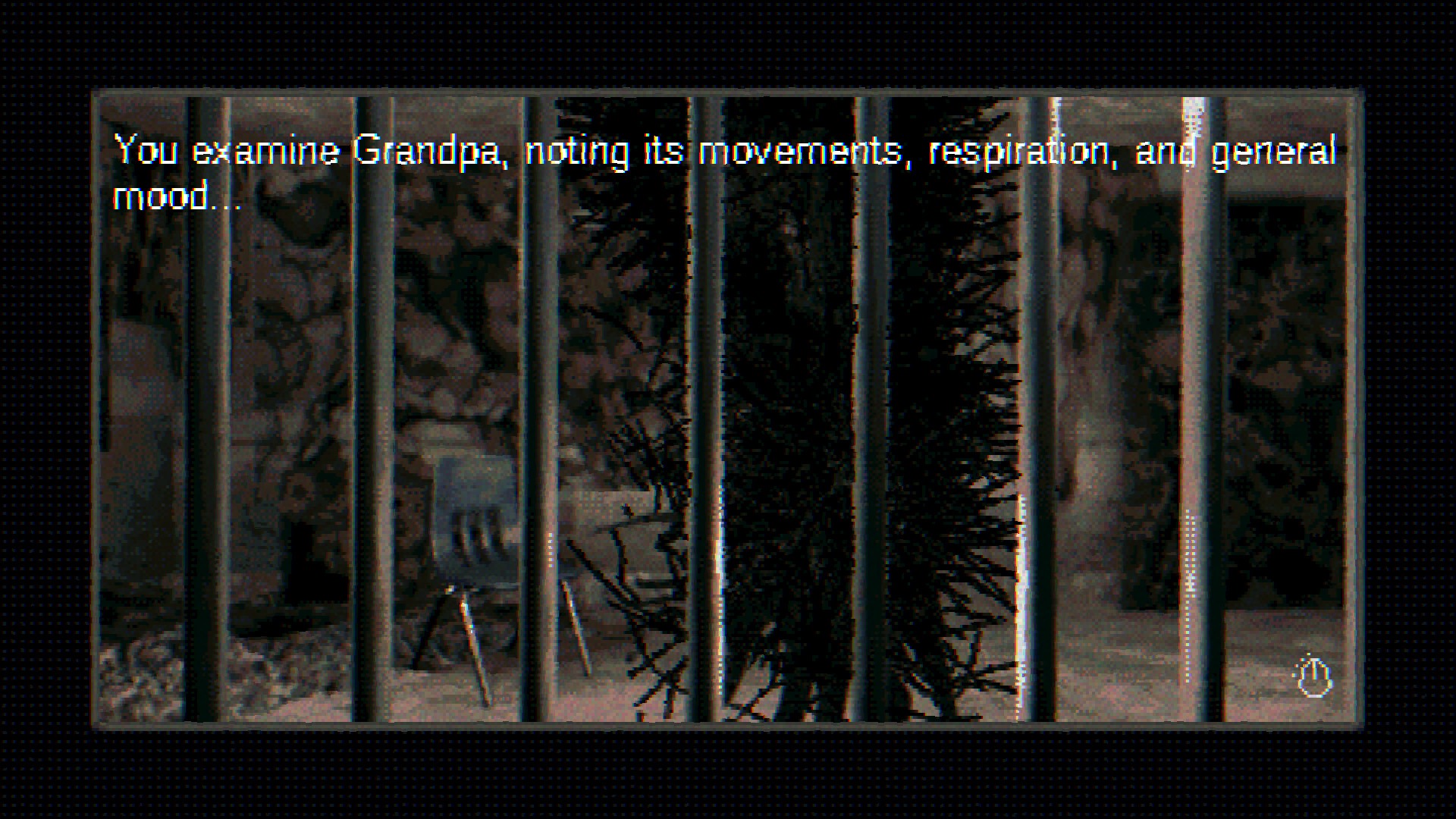
Have you ever been afraid of your basement or a basement in your childhood? The answer is almost always yes. My parents rented a couple of houses in my youth that had basements. We had an unfinished basement in one of them, and it was scary. I never went down unless someone was with me. Growing My Grandpa! feeds into this fear as you are a child who is having counseling sessions with the school counselor. She speaks of her grandpa as an entity and presence rather than a living person. As you have these five sessions, you experience flashbacks to the basement and what the girl was seeing.
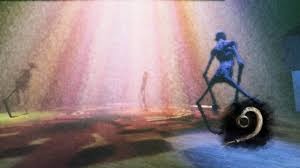
The atmosphere in this game is nailed perfectly. From the foreboding and haunting music tracks to the way lighting is done, it is subtle but really pulls you into the experience. For such a small indie title with pre-rendered screens, it’s astonishing how well this is all done. This is a point-and-click adventure game, so you naturally move around the half dozen screens or so and explore. The girl is originally sent down to clean up trash after her grandfather passes away, but the trash keeps regenerating, and you end up finding other things. There are puzzle elements involved, and you soon find out that your grandpa was a scientist experimenting on genetics in the basement. You uncover many science docs explaining the backstory and what was going on down there, as well as some truly horrific photos and images.
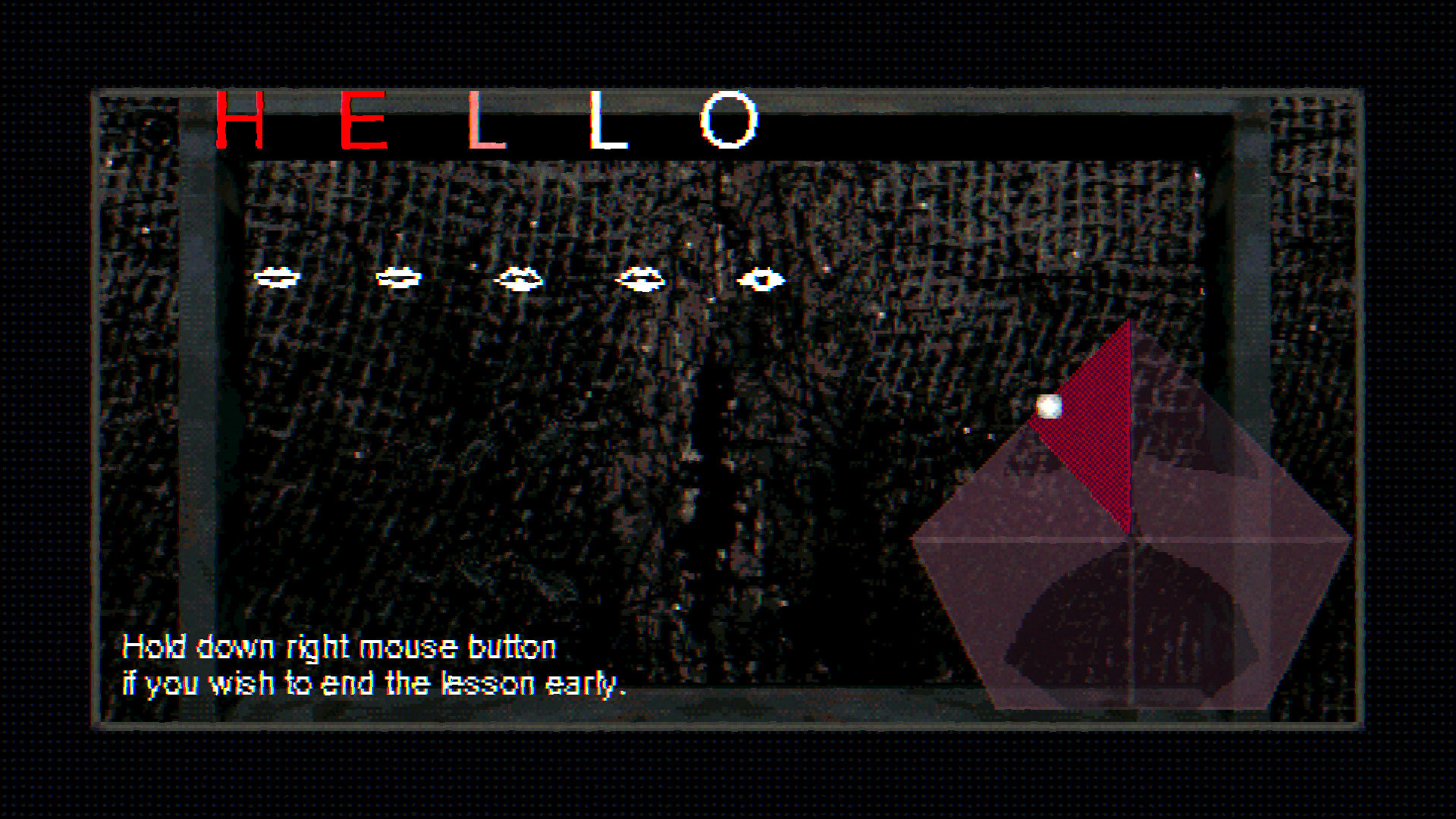
At the end of each day you must feed and grow your grandpa. He starts out as a fibrous and blob-like figure. When it’s time to teach your grandpa how to speak or feed him, the game enters into a first-person view of the feeding hole, and the creature’s mouth appears. It’s truly disturbing despite how simple the pixel art and the animations are. It’s very visceral and raw and not over the top. You can feed him food items found in the basement or other items like batteries and soap to acquire keys and other things, but you must hide these in the food items. You can only feed him so many items per day, so you have to be careful what to feed him. This is a puzzle in and of itself. Then there’s teaching grandpa how to speak. You will find vocabulary words throughout the basement and can teach him a few words a day. As grandpa learns more words, his “inner body” will come out and have more sophisticated conversations with you. This leads to one of two endings. Either focus on feeding and unlocking the mystery or focus on talking with grandpa. There aren’t enough weeks in the game to do both.
While the quest requires a couple of playthroughs, as your first time is spent stumbling through the five days trying to find everything you can, there are a couple of annoying things about this. First, picking up garbage is incredibly tedious each day. Every drawer and area with trash has about a dozen pieces that need to be dropped into a trash can. It’s fun the first time. By the 30th it gets really old. The regenerating trash also is never explained and feels more like an excuse to include some sort of tactile gameplay. It’s also really easy to lock yourself out of an ending by not knowing what foods are in the entire game and where all the vocab cards are. It’s not a deal breaker, but I honestly would just focus on enjoying the game’s atmosphere and art rather than focusing really hard on a specific ending.
With that said, Growing my Grandpa! is a surprisingly raw and dark game that doesn’t overcomplicate the gameplay and allows room for plenty of surprises, scares, and mystery. The entire game makes you feel uneasy and…wrong. Like you’re not supposed to be here. From the unnerving vocabulary teaching minigame which involves hovering the mouse of a grid while the creature struggles to annunciate every vowel and in the end ends up sounding otherworldly and gross. Not many games are brave enough to do this, often hiding behind descriptions or cryptic imagery to get the point across. With its short play time, it makes for a great afternoon of spooky gaming, and unburying this weird mystery is a real treat.
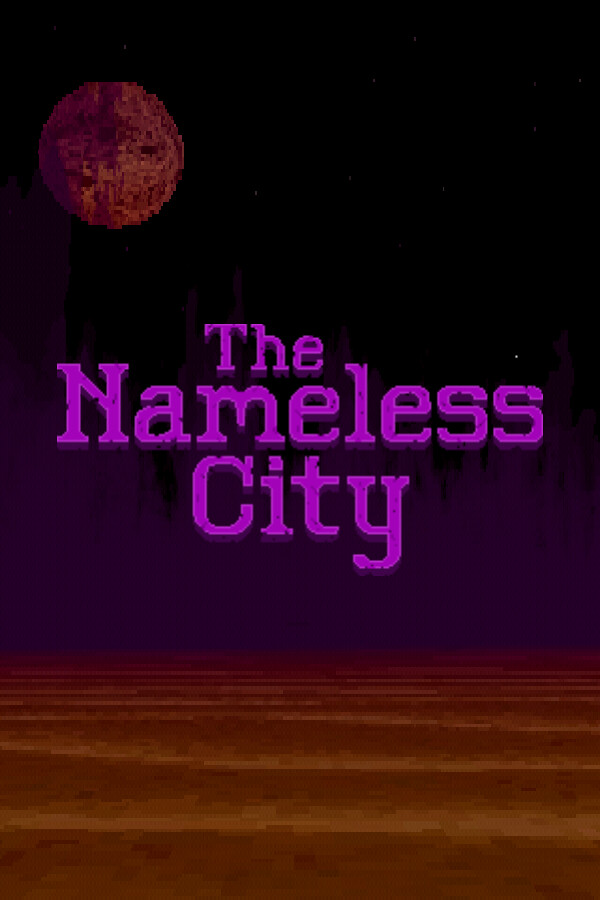
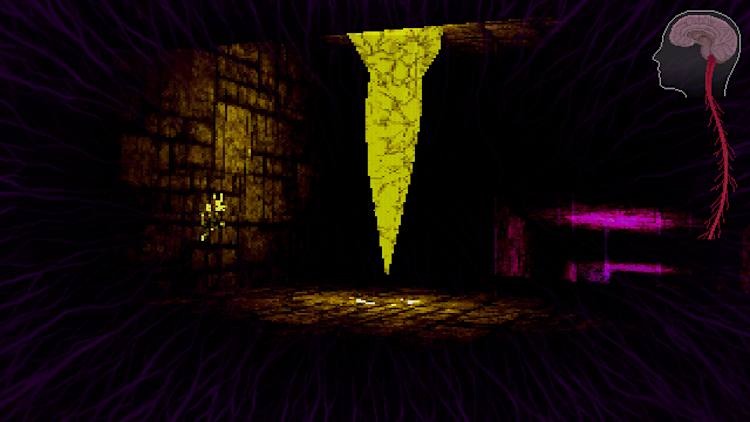
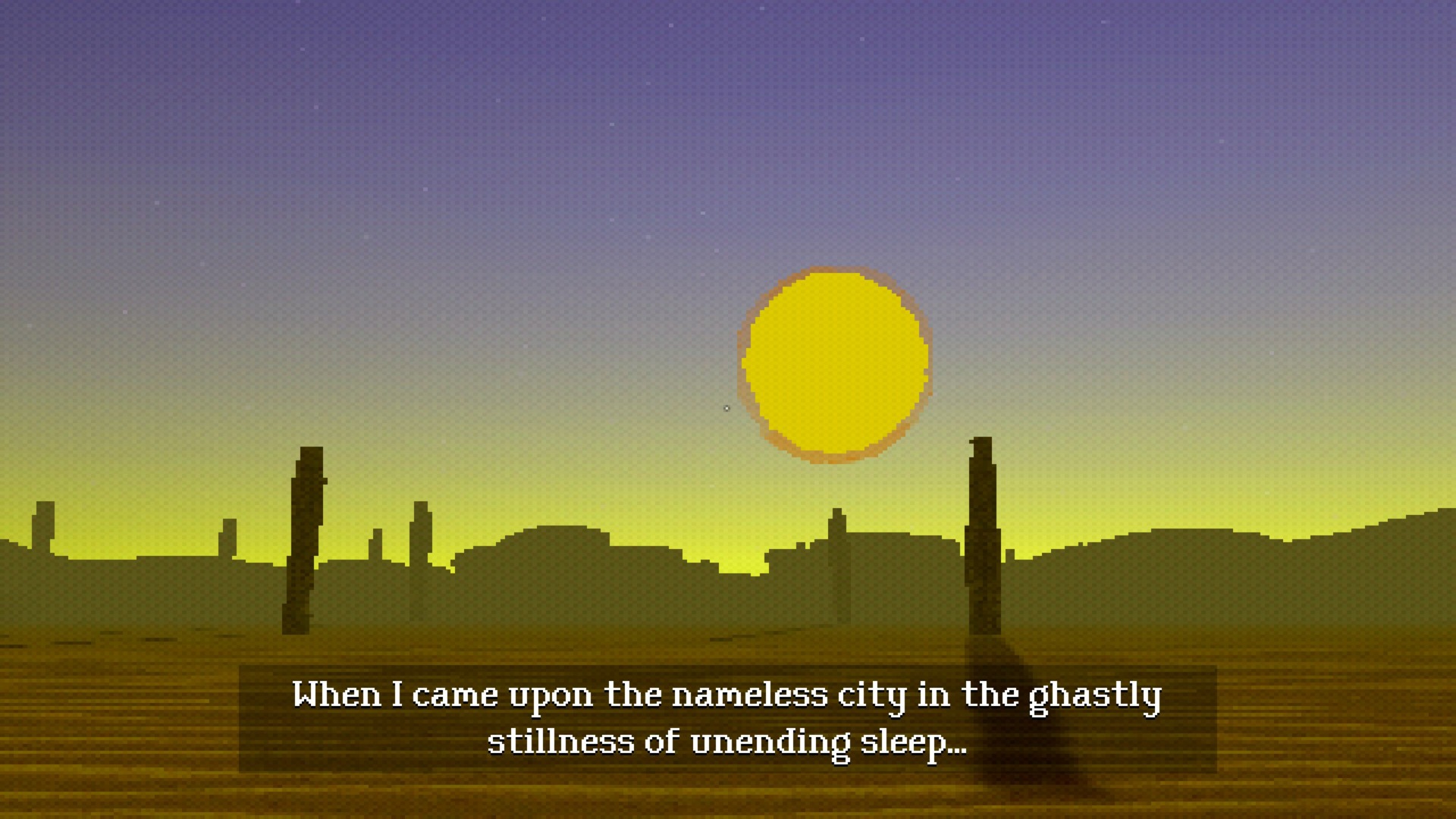
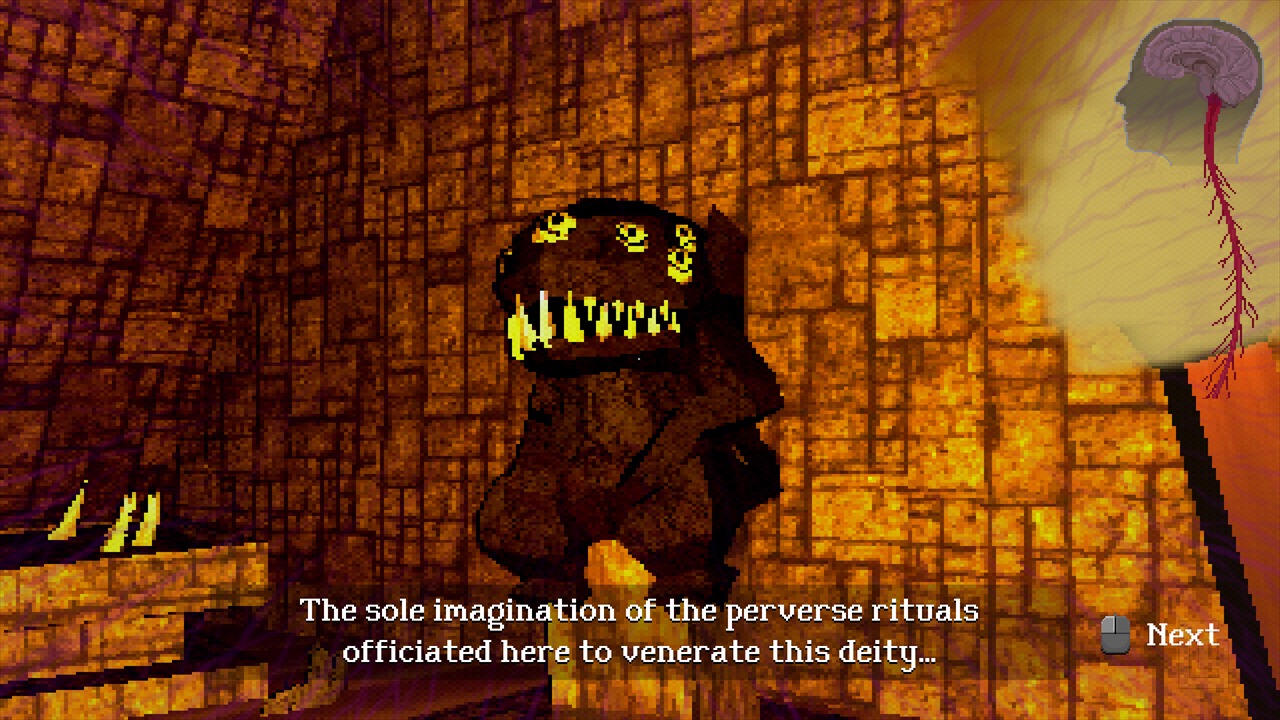
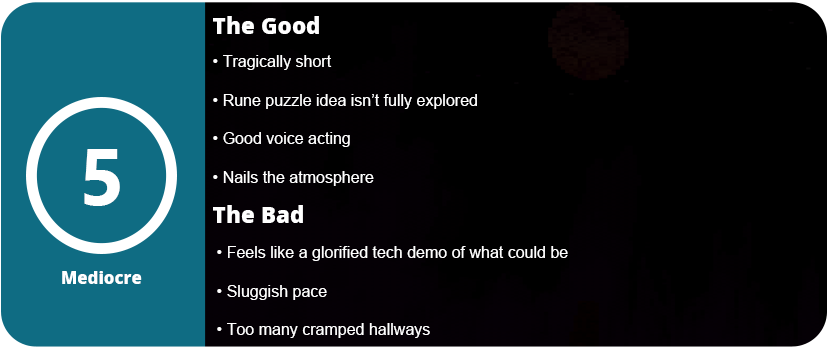
H.P. Lovecraft’s stories are difficult to translate into game form, and very few are successful. It’s almost like a curse in and of itself. Many games based off of his short stories are adventure titles, and I have played many of them, with almost none being good. The Nameless City has some good ideas. It nails the atmosphere and the setting and has an interesting gameplay mechanic, but this game feels like a glorified demo of what could be.
The game starts you out at a campsite outside of some ruins in a desert. The lone adventurer narrates the game with a subtle and almost depressing tone. He is quoting lines from Lovecraft’s short story of the same title. A mysterious being is said to live in these ruins, and people will hear the call in their dreams. As you make your way through the ruins, you will come across runes. These can be learned to help open up pathways further in. As night falls, however, you will lose all of your sanity and have to start back at the last checkpoint. This isn’t all that bad, as the game is so short. There are only three runes you use in the game. You can use one rune for casting and another for dispelling or casting a barrier. These spells are just for barriers, and that’s it. There are strange open holes that blow wind across a chasm that you need to navigate. These will blow you off the mountain, so you need to crouch under some.
Once you get into the cave system, it’s pretty boring. You can eventually use a spell to cast light on strange crystals as your sanity depletes in the darkness quickly. Once you get through the cave system and back out, the game is pretty much over. I did hate the maze puzzle. This entire level will take up most of your 90 minute playtime. It’s an endless maze that repeats forever. You need to use this to your advantage to activate crystals to stop a beam from blocking your path. It took me nearly 45 minutes to figure this puzzle out, and it was not fun at all. That means there’s only 45 minutes of actual gameplay outside of this awful level.
With that said, there isn’t much to say for the game even if I wanted to. The visuals use the PS1 style graphics and look appealing. The atmosphere and ominous sound effects do a good job, and the end monster is a little goofy looking. The game is very affordable and can provide a spooky experience for an evening playthrough, but don’t expect too much from it.
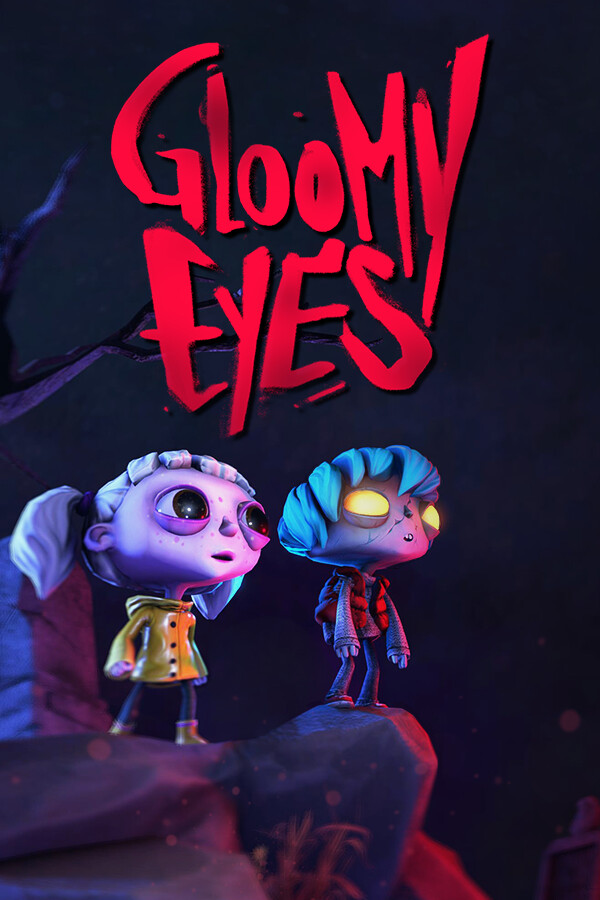
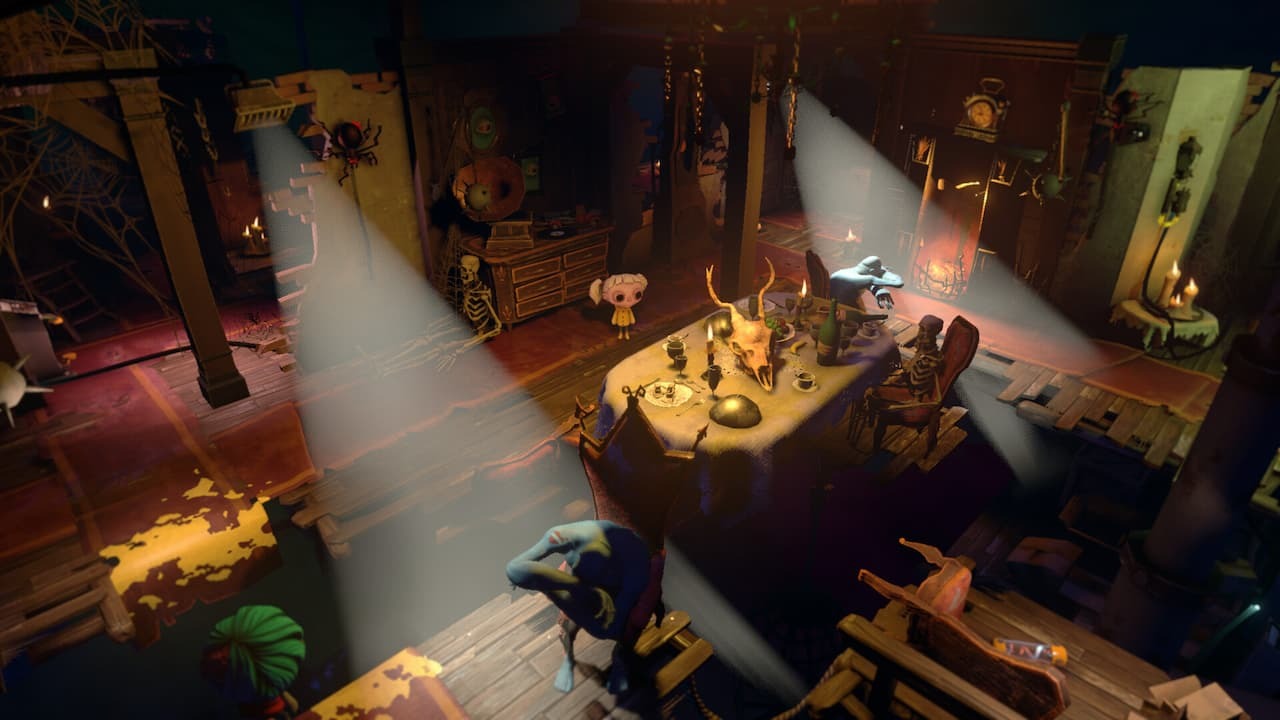
The premise of Gloomy Eyes is intriguing. It takes a post-apocalyptic zombie setting and adds a twist. Humans are living among zombies, but they are hated and are considered vile. A girl, Nena, finds a zombie boy her age who is tame and wants to integrate back into society. In the end, they are kids and just want to do kid things together, but her evil uncle, The Priest, has blocked out the sun so he can use zombies for slave labor. Nena and the zombie boy Gloomy explore levels and solve puzzles to navigate their way around to find the sun and stop her evil uncle.
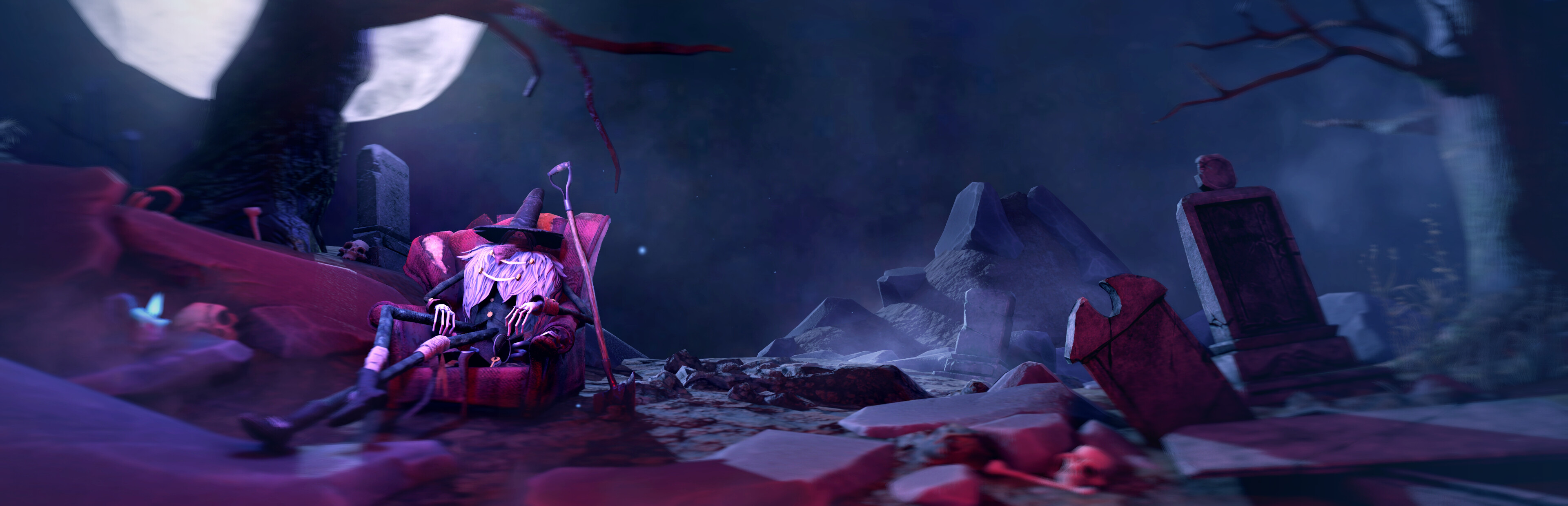
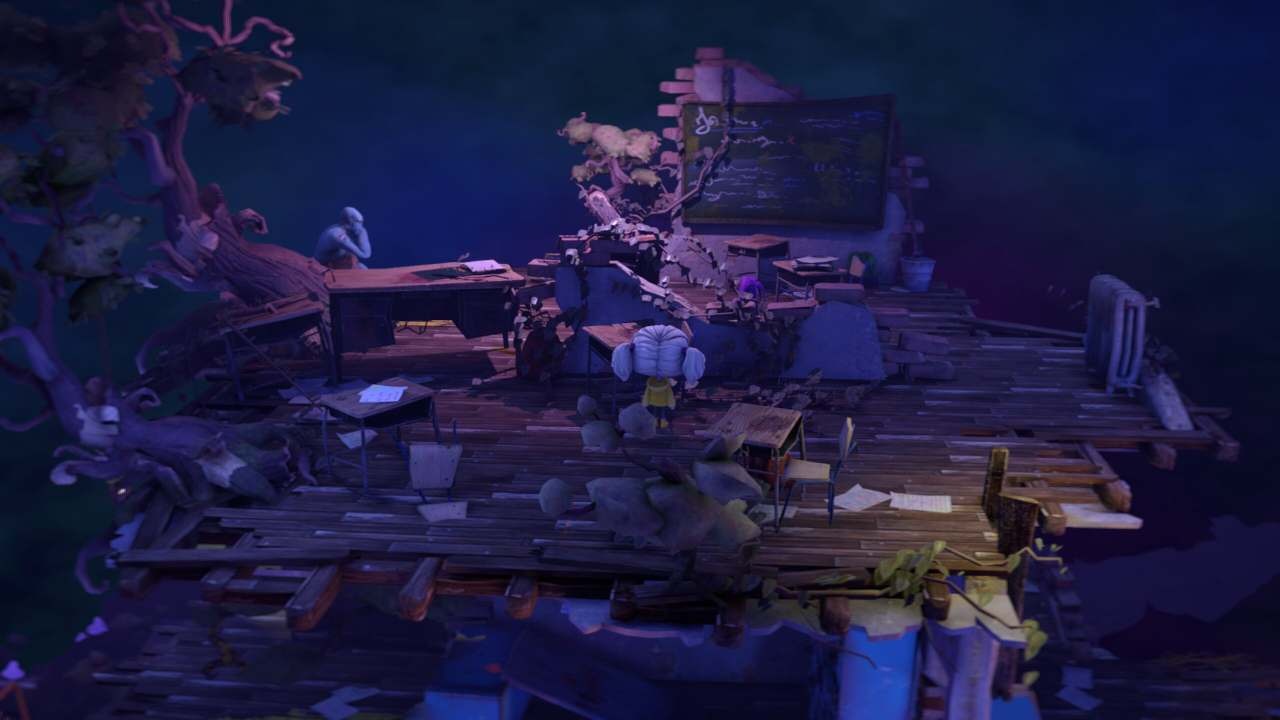
The only voice is the narrator, The Gravekeeper. You can swap between Nena and Gloomy, as each has different ways of interacting with objects. Nena is the only one who can push buttons, pull levers, climb ladders and vines, and insert items into slots such as fuses. Gloomy can toss objects and push objects. Don’t think this makes Gloomy useless, as they are both needed for other reasons. Gloomy can go near zombies, while he can’t go into bright lights. Nena can’t go near zombies, or she will be eaten. A lot of levels have multiple mini-puzzles to get to certain areas. One level has you assembling a boat, and each piece is a small puzzle within the level. You need to push and pull objects, turn lights on and off, and throw bricks at generators or signs to block light. There are some stealth areas in which you need to snag keys off of the backs of enemies. They walk a single patrol route and have flashlights or trap guns. These areas aren’t very hard.
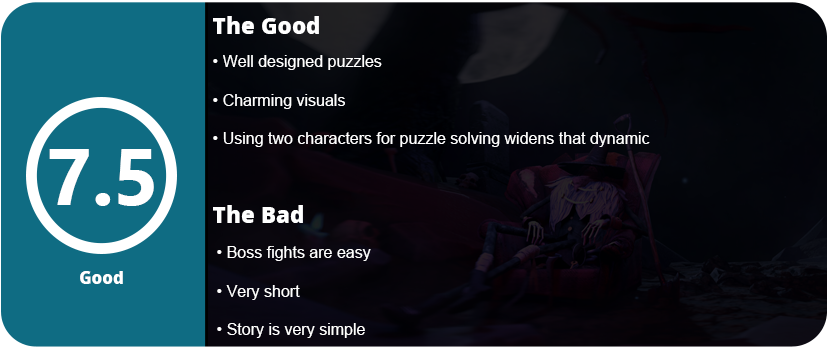
Some of the puzzles only seem challenging because of the camera. It’s not always positioned in your favor. I wouldn’t see certain paths and get stuck because I couldn’t figure out what to do, only to realize there was a hallway or door hidden because I couldn’t turn the camera enough. It’s not a big issue and rarely happened, but I still want to mention it. The levels are varied and get switched up a lot. You also have the entire game sandwiched with solo scripted levels to give your brain a break from the 10 or so levels of straight puzzles. The levels become multi-puzzle right in the middle of the game. I never got bored, and while the narrative won’t keep you going, the variety in puzzles and level design will.
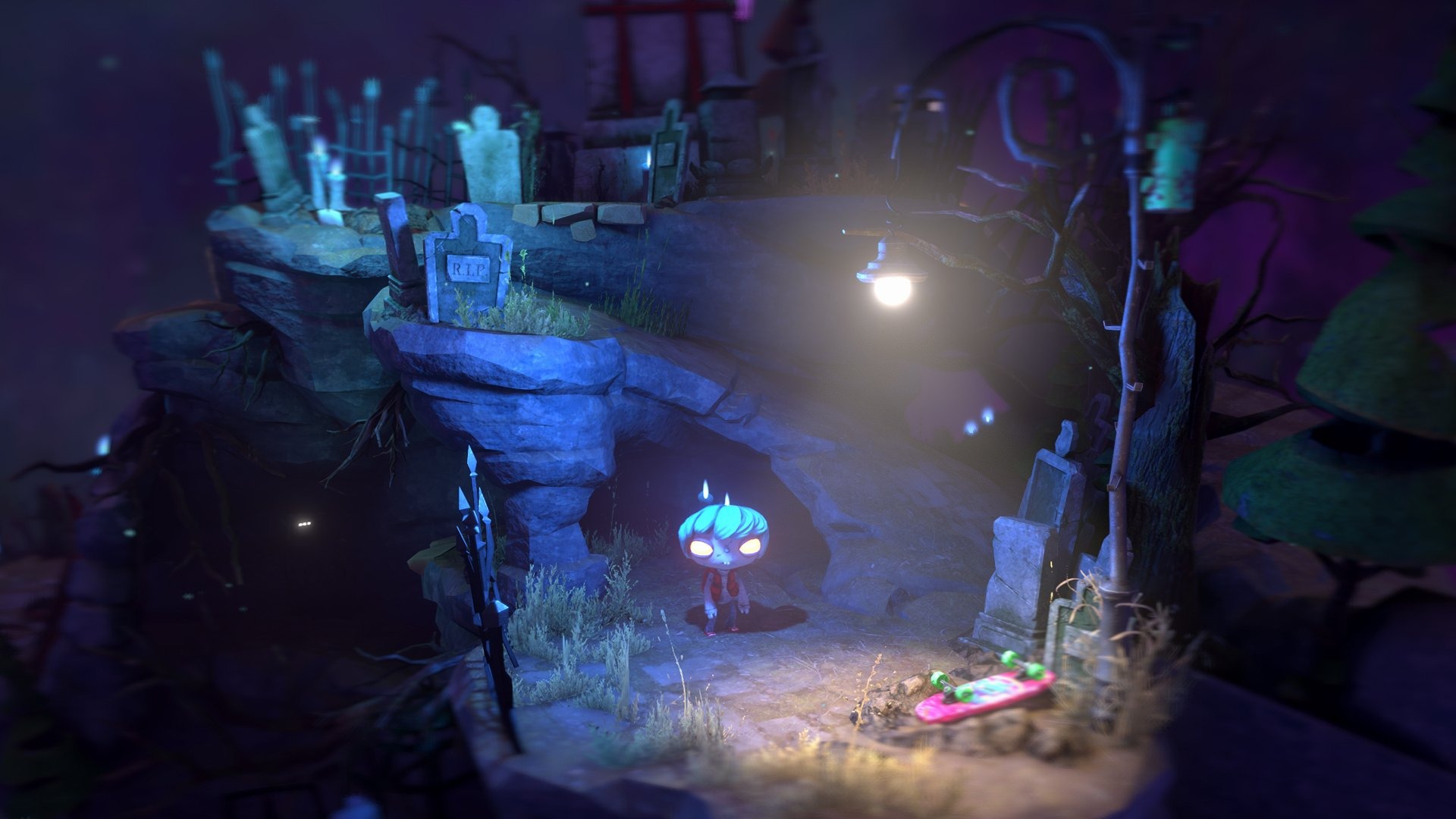
The visuals are very charming and have a Tim Burton vibe mixed with Psychonauts. It’s a very 90s Halloween vibe, and I really like it. The cheesy haunted mansion level notwithstanding. The character designs for Nena and Gloomy aren’t anything special, if not a bit grotesque in a bad way. The bug eyes and large heads didn’t do anything for me, but the overall charm and atmosphere of the game reminded me of PS2 era games, so I stuck with it. The story won’t do much for people either, but it is charming in a way. Nena is incredibly lonely and wants this zombie boy to be her best friend and will do anything to make that happen. It has a predictable ending, but the story is there to glue the puzzles together and string you along. The boss fights (there are a total of two) are Mario 3D esque being very easy and simple.
Overall, Gloomy Eyes is a charming little puzzler that will entertain you for an evening. The charming visuals, soft narration, and varied level design will keep you going. The music isn’t anything special, We have all heard this stuff before. It’s the typical mysterious Halloween music with xylophones and triangles. You’ll know what I’m talking about when you hear it. It does give me a sense of nostalgia for early PS2 games with that Halloween vibe, and I quite liked it. If you want a fun puzzle game and love Tim Burton or Psychonauts, then give this a try.
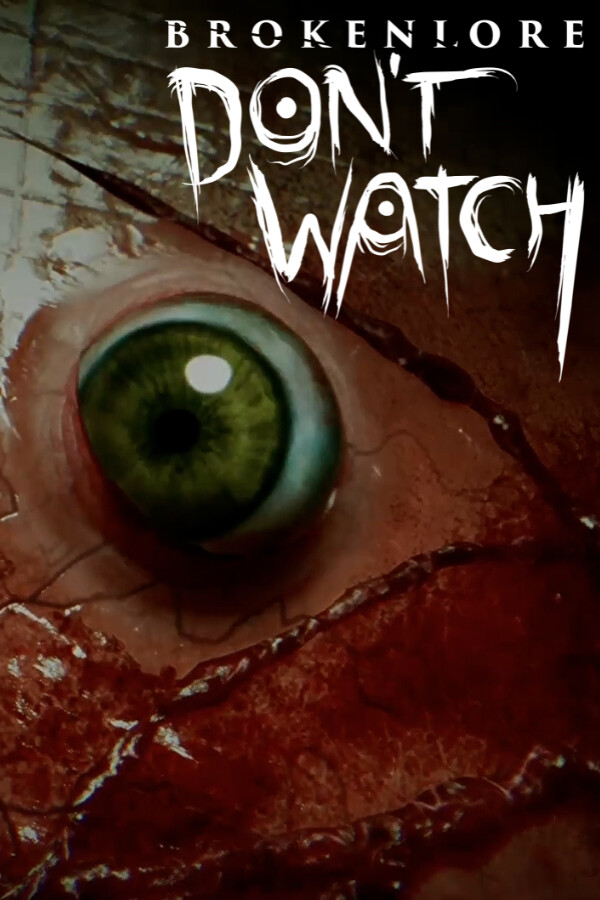
Horror games that are good are really hard to come by these days. The online stores are stuffed to the gills with short indie horror titles, mostly from Asia, that don’t really add much to what we’ve already seen. With the large amount of P.T. clones (Madison) and Asian urban legends (DreadOut, The Bridge Curse), none of it is of the same quality that everyone is trying to chase, such as the peak of horror games from the PS2 era (Silent Hill, Haunting Ground). Sadly, BrokenLore: Don’t Watch is another one to chuck into the bin of trying but failing to execute any kind of staying power in the horror genre.
You play as Shunji, a NEET (in Japan known as not in education, employment, or training) or, anywhere else in the world, a loser. He is living off of his parents’ income, and his lifestyle has clearly caught up with him. He’s behind on rent, his rent-to-own TV is ready for repossession, and he’s a complete slob. Looking around his apartment, you will see it’s pretty stereotypical for this type of person. Shelves of manga, fast food containers everywhere, anime posters of girls in lingerie, anime shirts, and trash piled up at the door. Sadly, we don’t really get to know Shinji or Junko, the only other character in the game. She contacts him via IM on his PC and warns him about not looking at a monster. Their mutual best friend is missing, and she wants him to contact this friend.
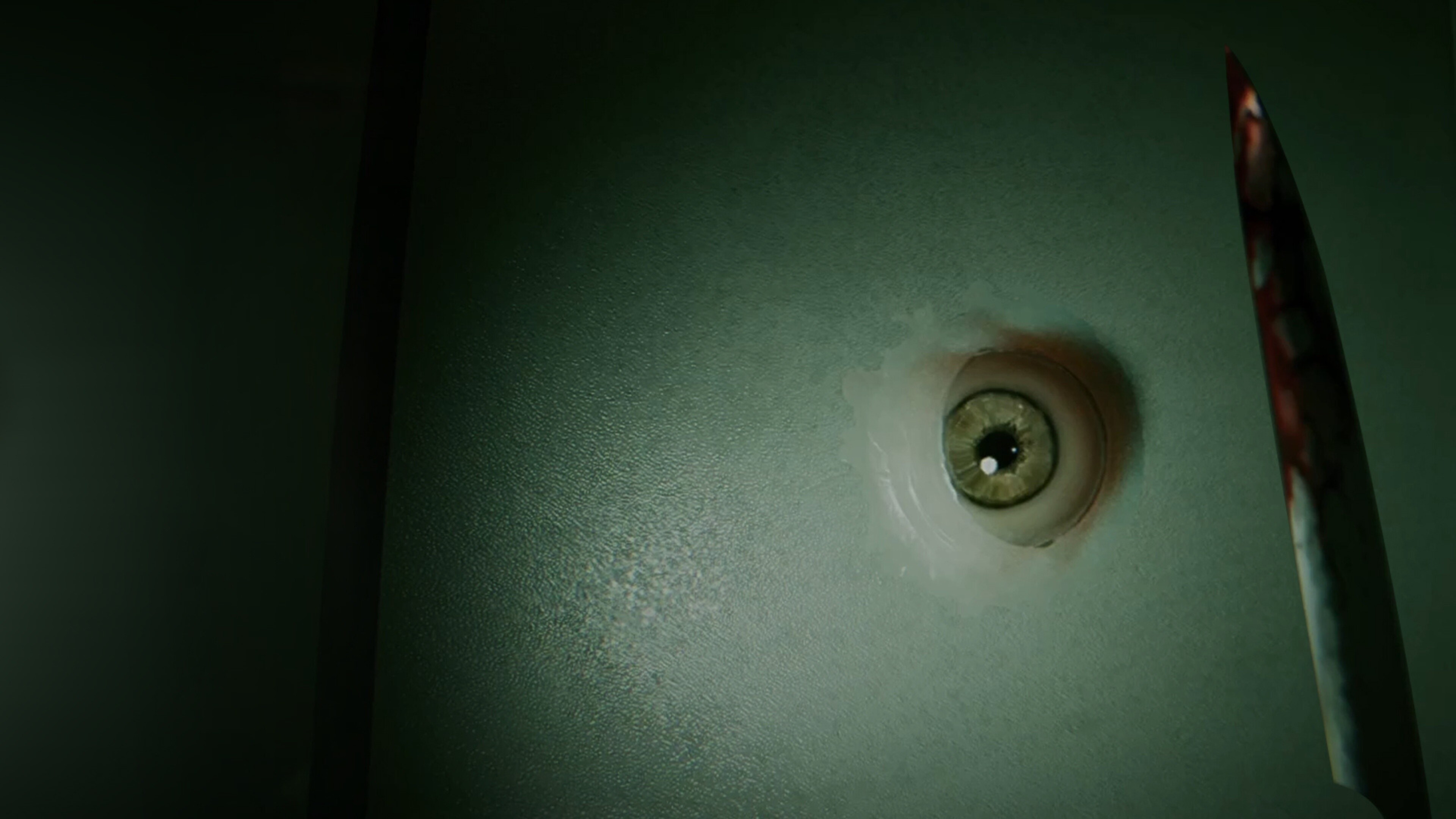
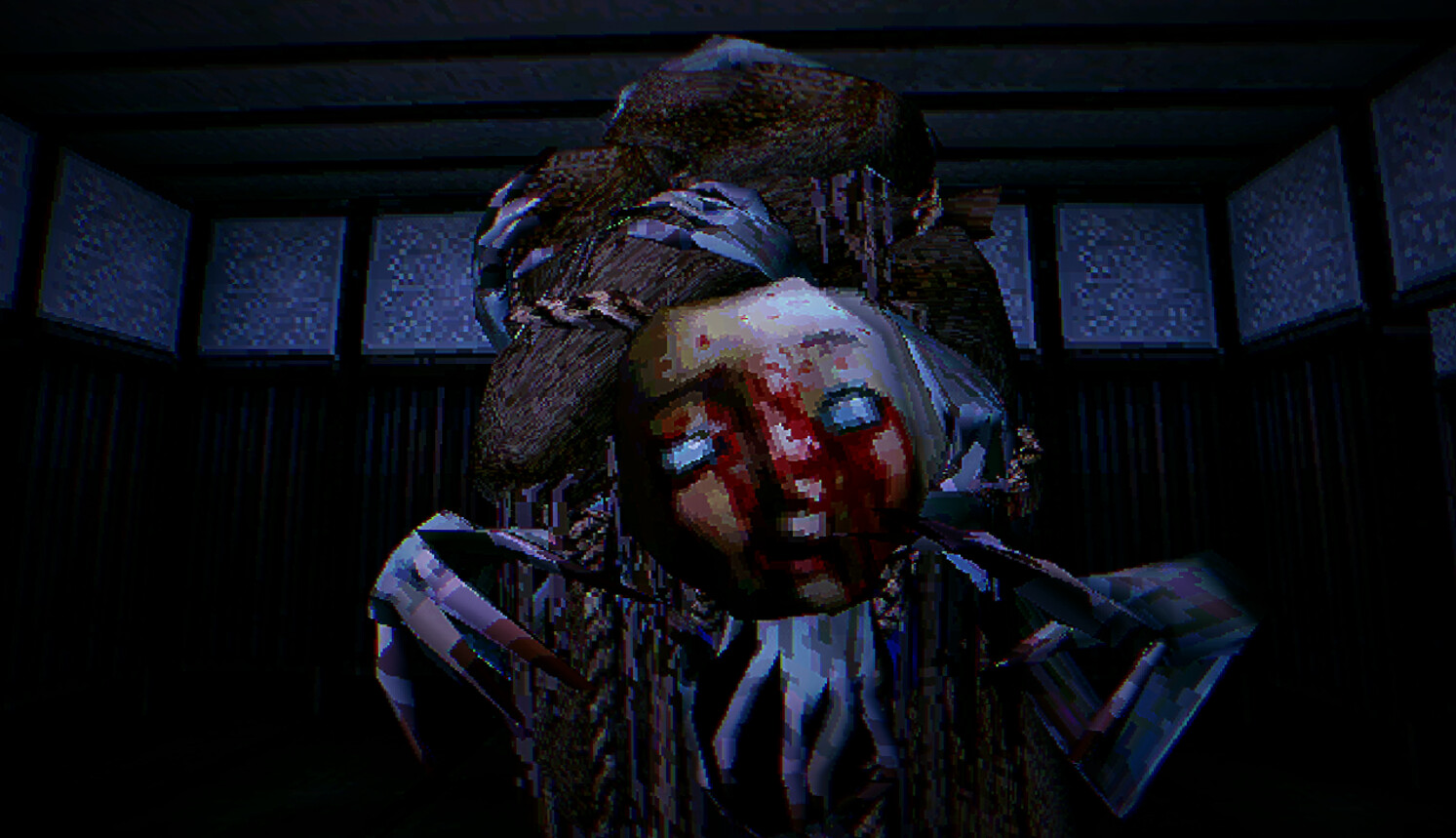
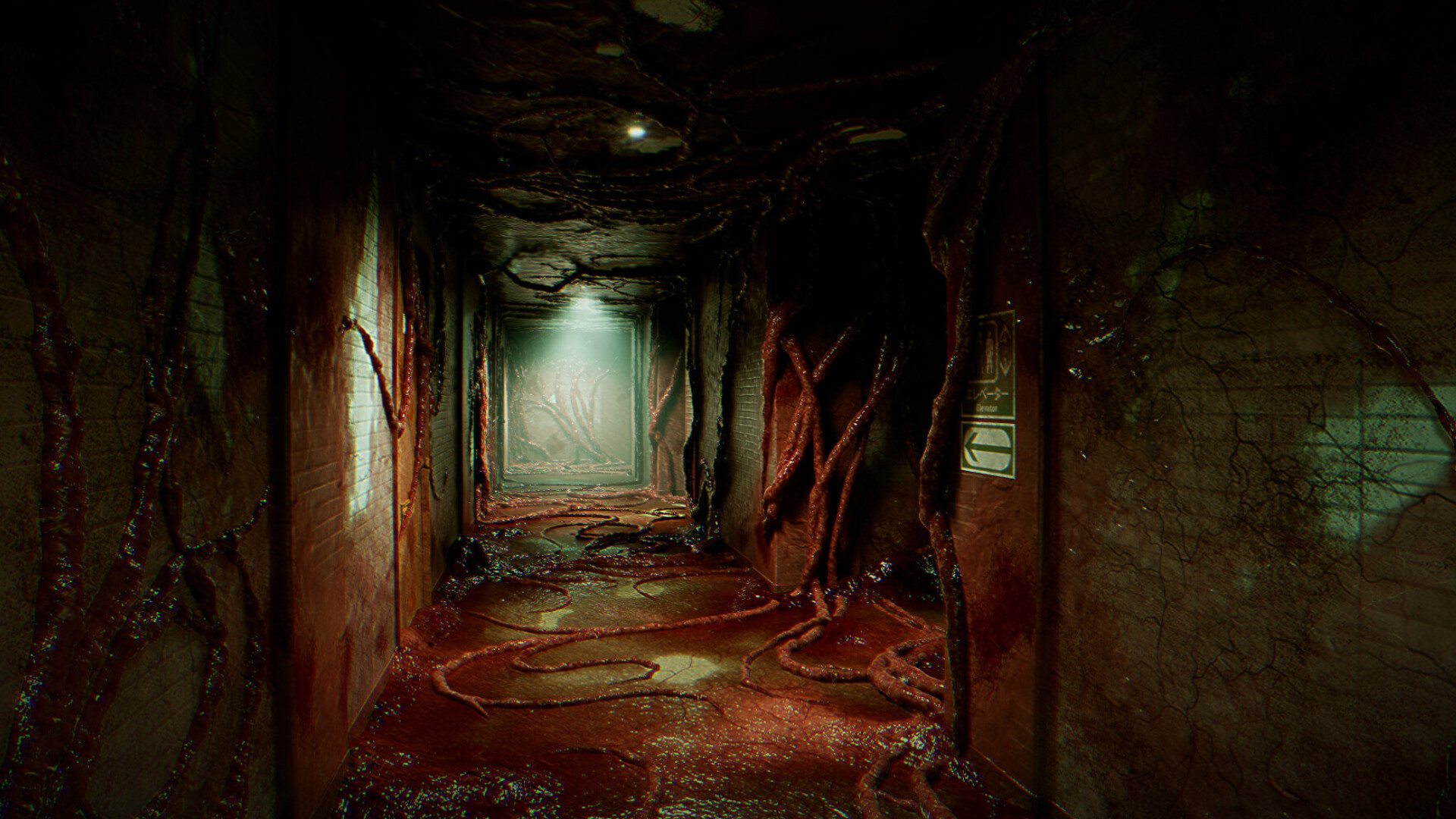
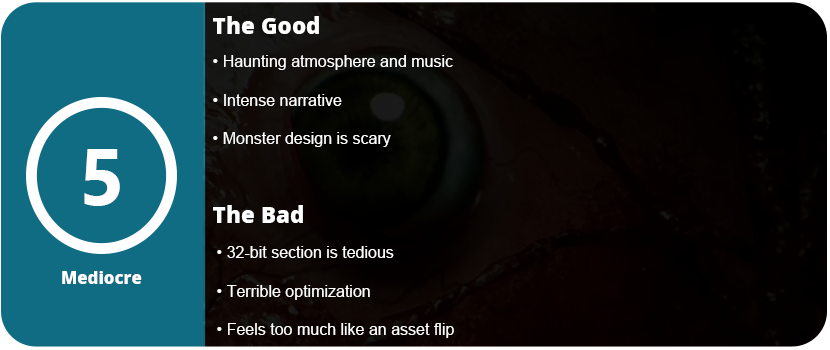
As you progress through the first 15 minutes of the game, you will slowly descend into the madness that is the Hayakuma. A monster that seems to come after deadbeats. These first moments of the game are full of progressing scares, and they are pretty cool. I don’t want to get into too much detail to spoil anything, but this is probably the best part of the game, sadly. The first time you need to stab eyes on the wall is really neat, but once you leave the apartment and venture into the hallways, the game quickly becomes tedious. The worst part of the game is when it changes to a 32-bit game a la PlayStation, and you might find 6 TV cords to unplug to get back to your apartment. I found this kind of pointless, and it doesn’t add anything to the game. You need to follow the colored cables to the correct areas and avoid a monster while you’re at it. If you get caught, you can get hit three times, and then you are reset back to the starting area of the large TV and must go back to find the plugs. It’s a good way to warp back to the beginning after you’ve found the plugs through.
Honestly, the game should have stuck with just unfolding a story inside of the apartment. The first part of the game is done really well, and I could see it being even better if they just continued creating some creative, scary moments. I was hooked during these scenes, but once you leave the apartment, I wished I could go back. The voice acting is also really well done, and being in Japanese keeps it from feeling cringy. Overall, Don’t Watch starts out really well but loses the focus and momentum that it built up and leaves you with a character you could care less about.
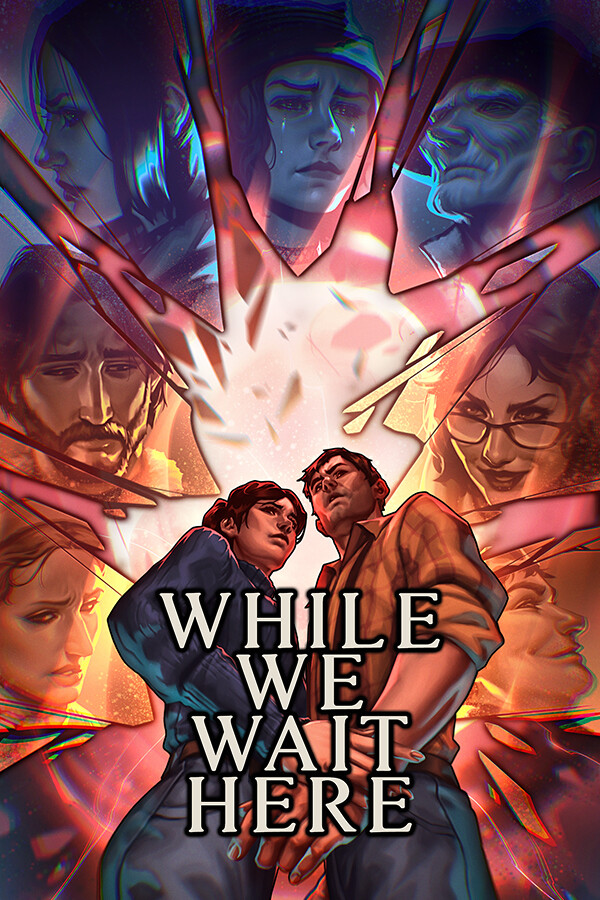
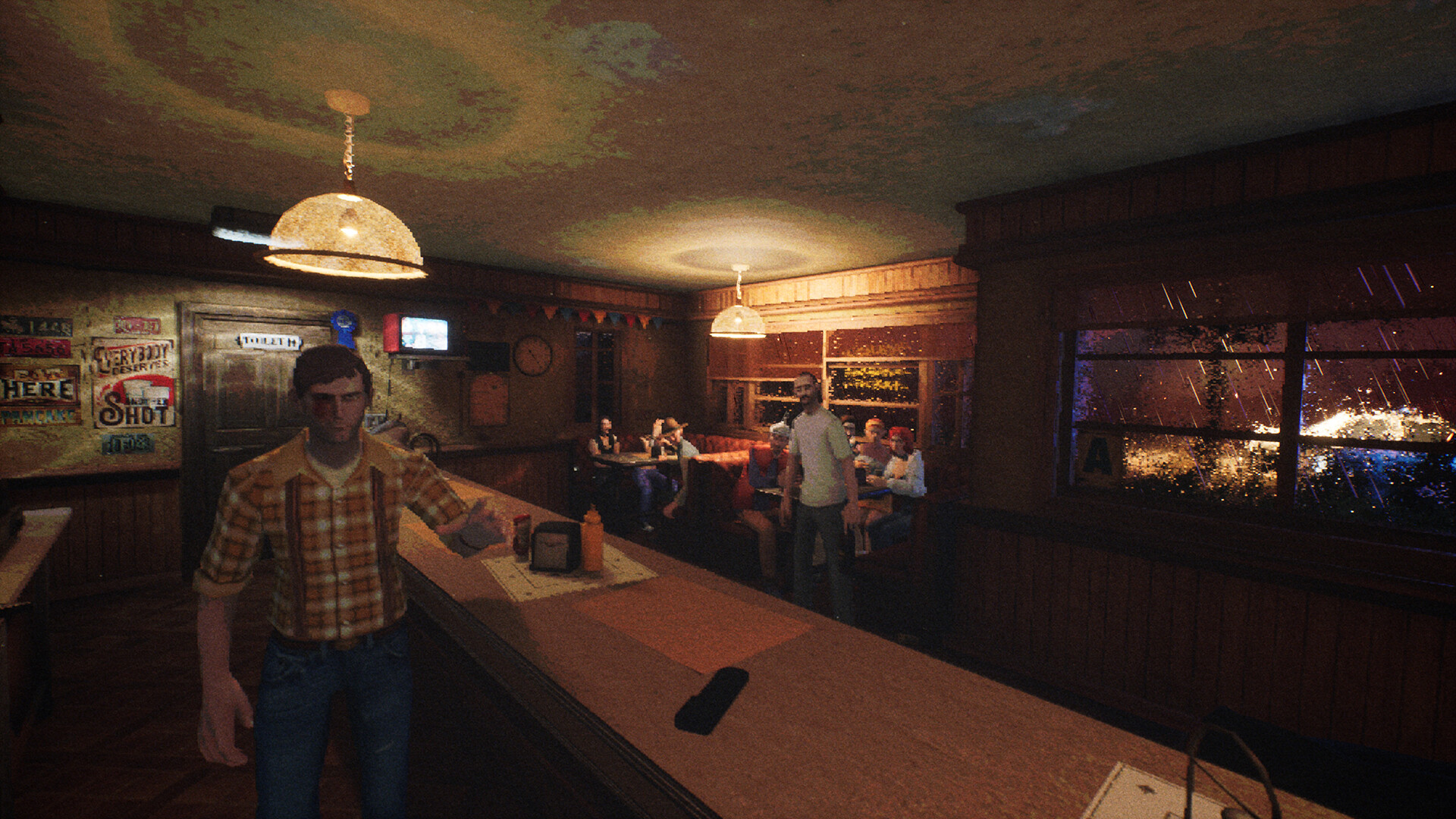
Retro-style games are booming right now, especially those with PS1-style graphics. Their limited capabilities are excellent for giving a certain vibe and atmosphere and are especially popular with horror games. While We Wait Here isn’t exactly a horror title, it does have a dark tone and theme. This is a story that begins near the conclusion and works its way backwards to tell everyone’s story. You are a couple who owns a diner in a small town in the middle of nowhere out in the Heartland of America. There’s no specific location given, and the entire area is generic, but it feels like somewhere out in the Midwest near Tornado Alley.
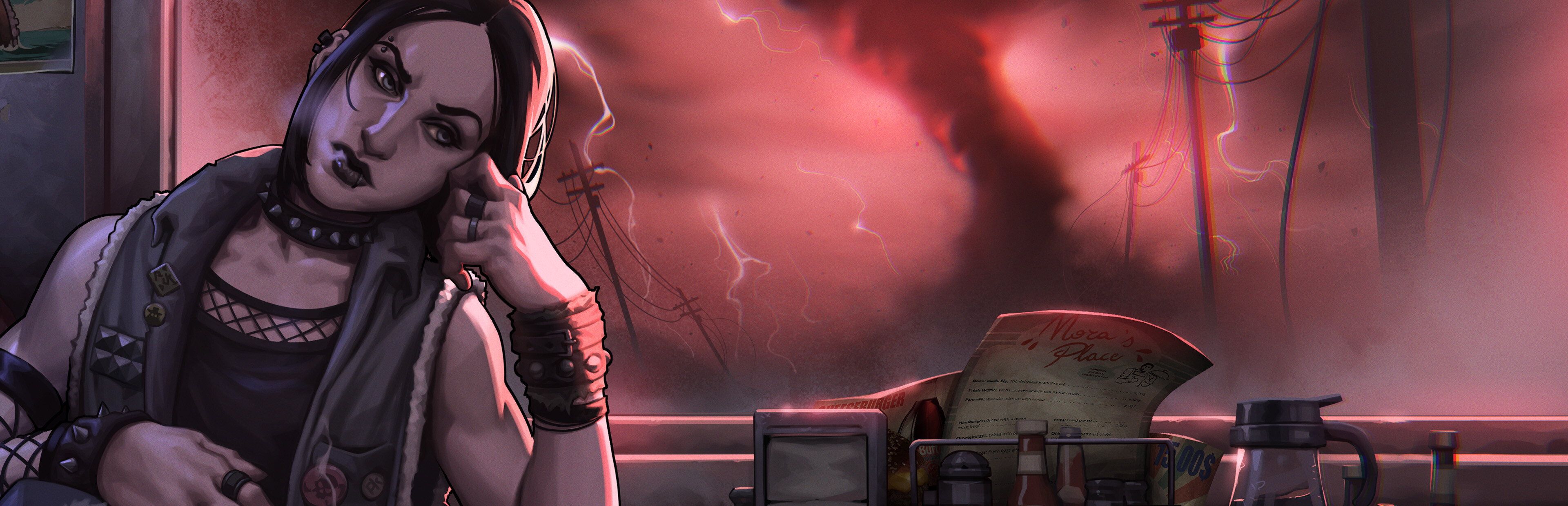
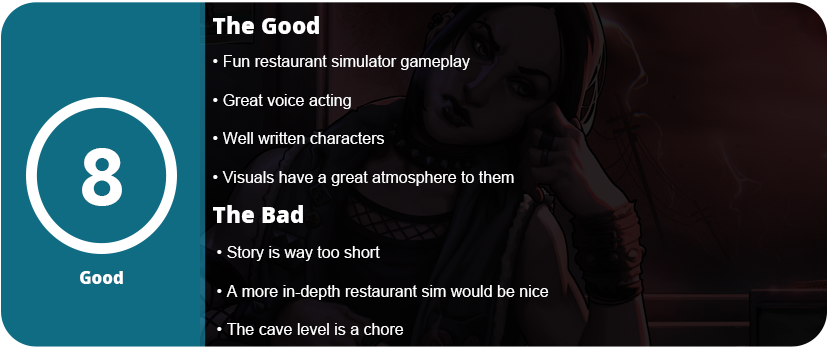
You are a couple who are about to move out of town and sell their diner. Lisa’s father owned this diner, and she assisted him in running it as a child. You meet Alex, your husband, while working at the diner as an adult. The game is a strange mix of horror, adventure, walking simulator elements, and restaurant sim similar to Diner Dash. However, the integration of the simulation elements with the rest of the story and game is so compelling that I found it impossible to stop playing. I played the entire game in one sitting. The writing is tight and well done, and the characters are very intriguing. Each character ends up at the diner, and you hear their conversations while cooking and play a 10-15 minute segment about their lives before arrival. The characters include two punk rock best friends who are constantly shushing each other about a secret, a couple with a newborn baby, a workaholic old man, and a peculiar and paranoid local.
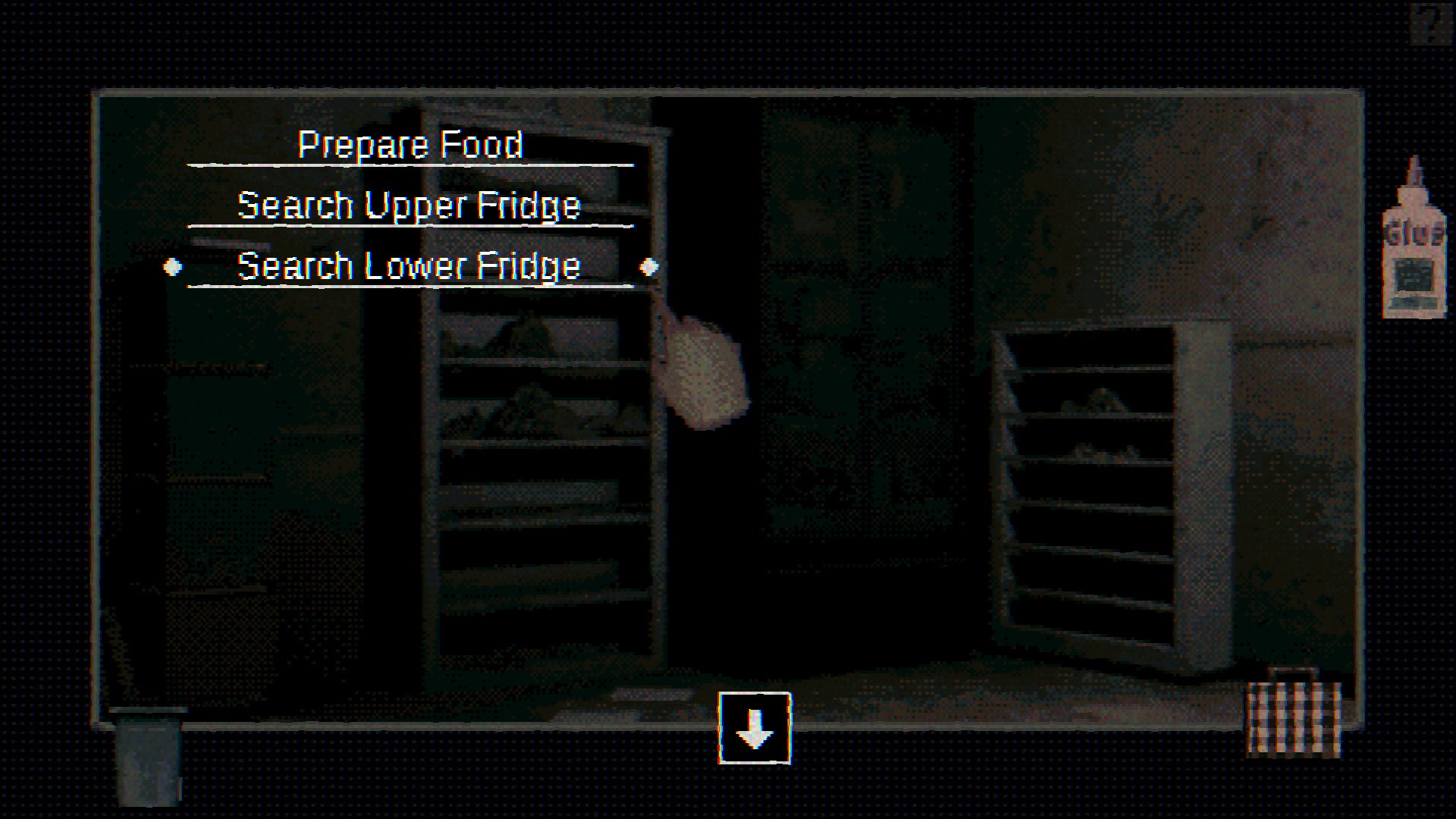
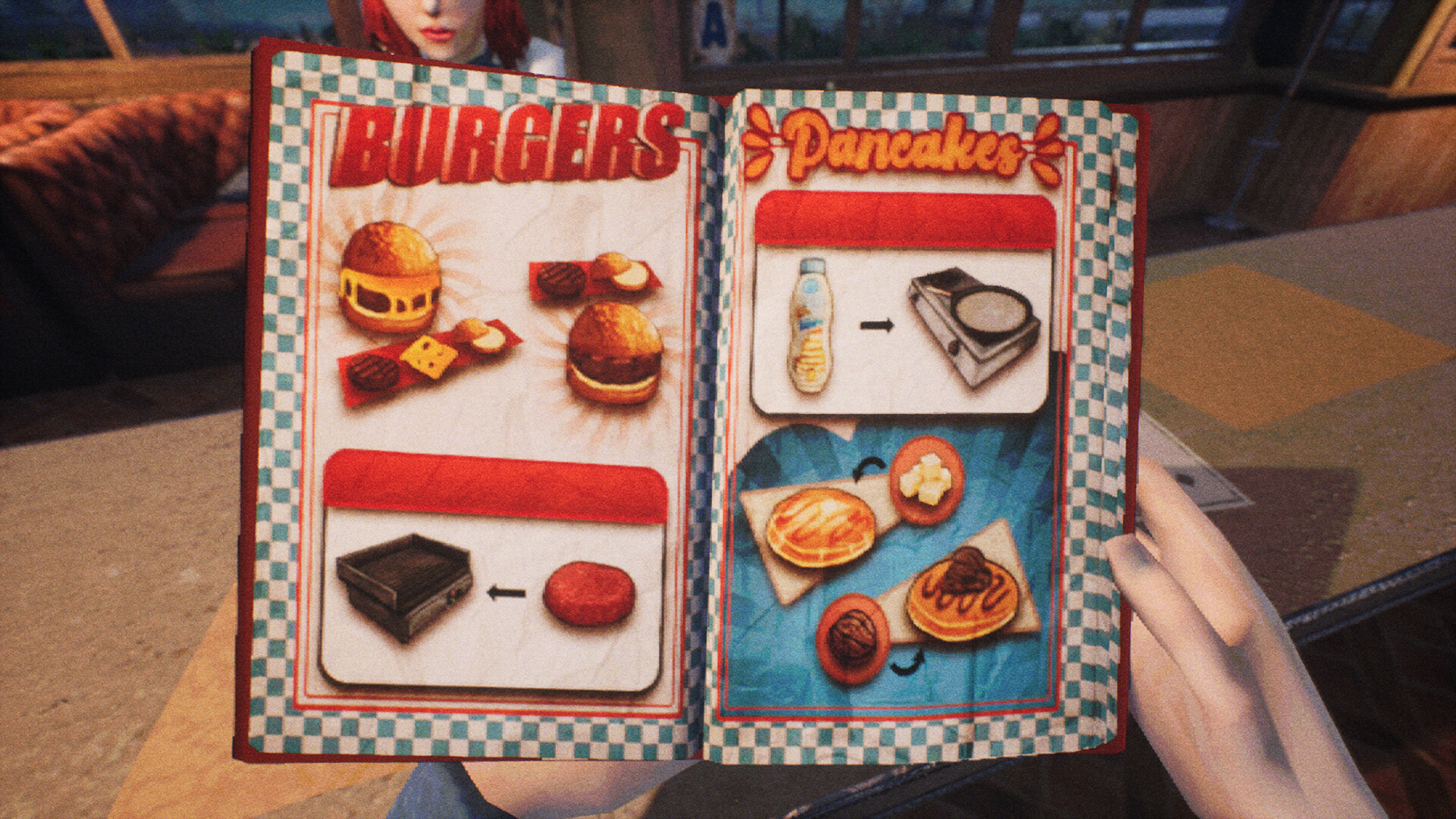
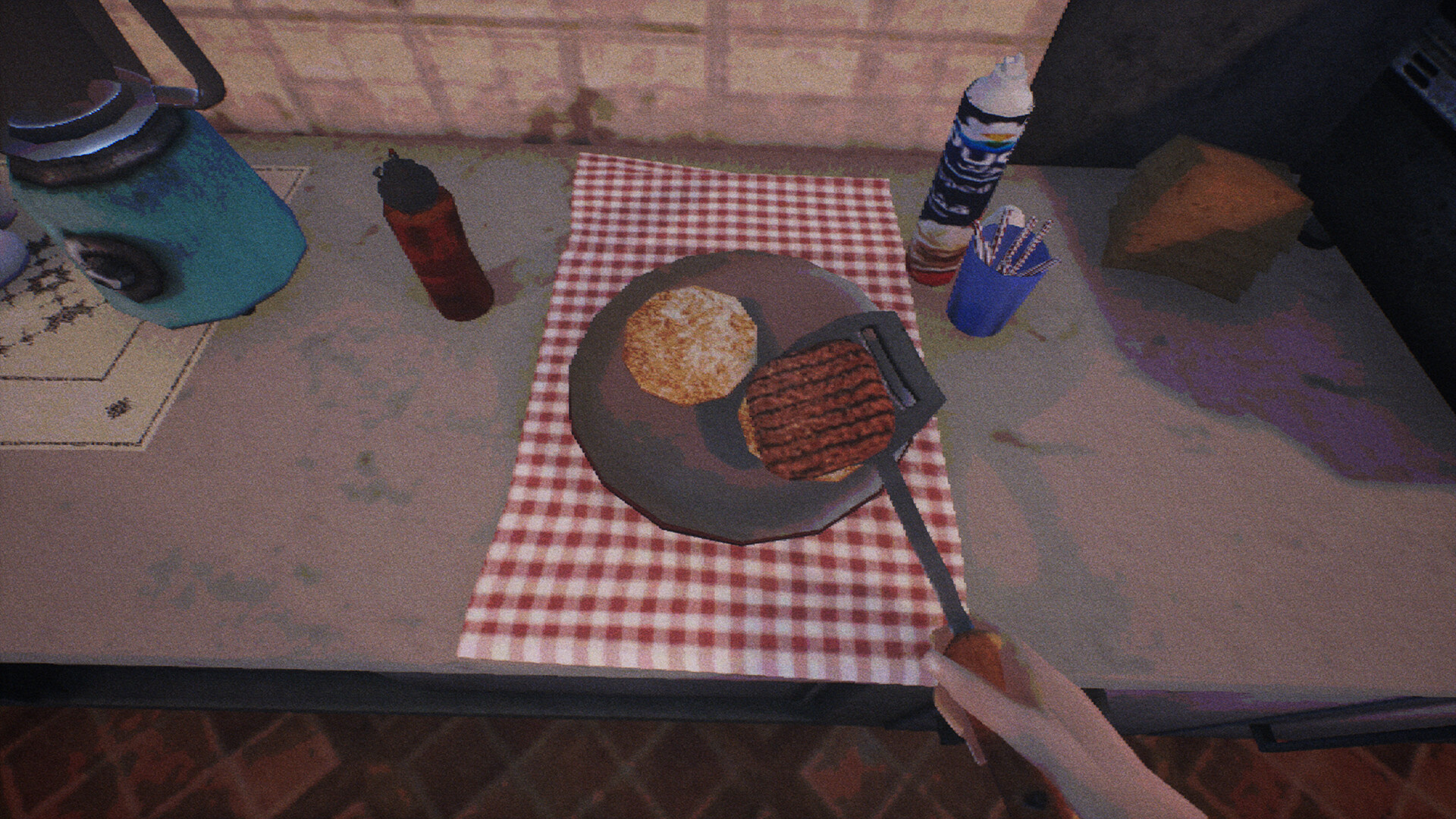
Your story with Alex is eventually told, and I can’t really give any other details about the story, as it could spoil it. There is a mystery between the two and the diner itself. There are many first-person interactions with the people, but mostly on the sim side. Each person can order something off of the menu. The menu is accessible with a button that gives instructions on what items go with each order. Once you place a ticket down on the table, you can go about your business. It’s not very complicated, but the animations are detailed, and overhearing the chatter in the back as the story goes on is great. You can grab milk and ice cream to make a milkshake. Put everything in a blender, grab a glass, and prepare it for the customer. Some food dishes require placing a plate in the prepping area, such as hamburgers. Make sure you look at the ticket icon and see whether they want cheese or not. You can grill, make pancakes, give whiskey shots and coffee, and clean and put away the dishes. That includes putting back ingredients like milk and frozen french fries. This isn’t very deep, and only during a few moments will you have many orders, but there’s no rush. There is no time limit on the game.
You will eventually prepare every type of item by the end of the game, but that’s okay. There’s just enough here for the 2- to 3-hour story, and by then I felt like if I had to prepare more, it would become tedious. There are a few other mini-games such as shooting with a gun during a couple of segments and painting a room, but they don’t overstay their welcome and are relevant to the story. I did find one particular area in the game that really drove me nuts. You need to navigate a labyrinthine cave at a snail’s pace, and it took me nearly 30 minutes to find my way out. The story could have greatly benefited from reducing or eliminating this part of the game.
The visuals are great. Despite the PS1 style, the character models surpass the system’s capabilities in detail. The game is always dark, and you always wonder what’s just outside the window. The bizarre storm that’s the centerpiece of the story made me curious. The entire game made me curious, and I wanted it to go on further. The writing is so well done, as is the voice acting and characters. I was eager to delve deeper into these characters’ lives, yet what’s presented here fulfills its intended purpose and accomplishes the task. Both the resolution and each character’s conclusions are satisfying. It is very difficult to have such a good story for this short of a game.
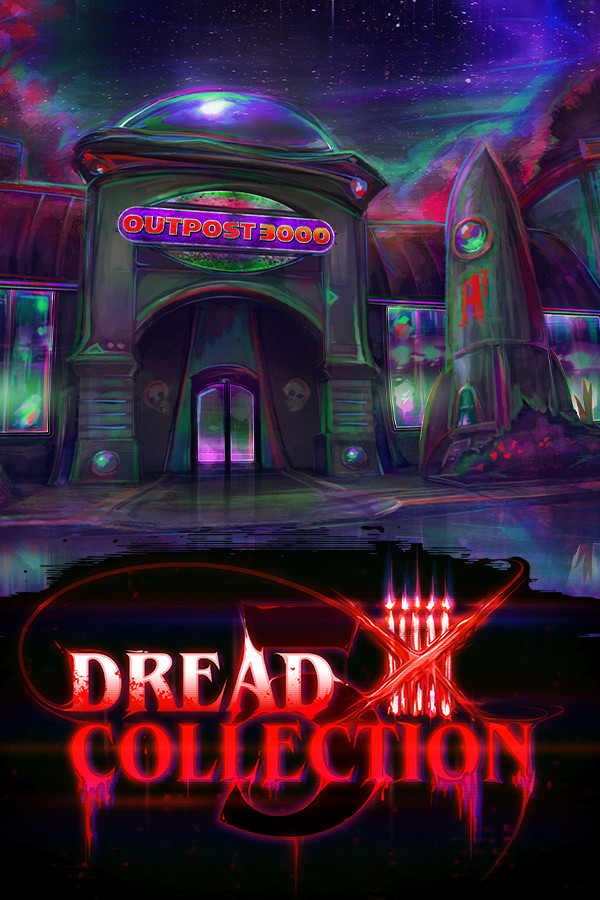
The Dread X series is a great idea. Get a bunch of indie developers together to create some short horror experiences and put it all together in some weird hub. Each game is completely different and offers brand new experiences, but I’m starting to see that the series is running out of ideas. The main hub this time around is a kids birthday center called Outpost 3000. It’s space- and alien-themed and full of 90’s cheesy goodness. I appreciate the varied areas you can go into, and the games this time are unlocked by finding 12 different presents and bringing them back to your table. You can then choose one of twelve games to unlock with the present represented as candles on your birthday cake. When you unlock a new area in the center, you get a comic book panel.
Discovering the center is probably the most fun the game has to offer. There are some puzzles, chase sequences, and light exploration, but nothing too crazy. These areas range from a locker room, kitchen, animatronic stage, movie theater, ball pit, and many other birthday play center areas. There’s a monster that chases you through most of it in certain areas, and this doesn’t prove to be much of a challenge. The game controls like any other low-budget asset flip Unity/Unreal Engine FPS game and looks the part too. The graphics are very early 2010s or Unreal Engine 3 era feeling. Lots of shiny surfaces, baked lighting that’s too bright, bloom, etc. While it gives off a cheesy vibe, I would have liked to see this series move a bit further ahead in the tech department.
Of course, I will do mini-reviews for all twelve games. I will give each game a rating out of 5.
Ludomalica—This is a board game where you play in the first person. You are in your bedroom, and there seems to be a family member haunting the house. When you roll the dice and you land on a question mark space, the ghost will appear somewhere in the house. You must have all lights off in all rooms and all doors closed. The game has a limited duration and follows a predetermined script. Eventually the house opens up more with different floors and rooms. The entity must not capture you, or it will send you back to your room. Overall, the atmosphere is really intense, and I felt reluctant to go outside of my room and close all the doors. It gives off the memories of turning on all the lights while going to the bathroom at night as a kid. – 3.5/5
Resver – This is a first-person walking simulator that just doesn’t make any sense. Everything is presented in black and white, and as you move forward, text appears, seemingly attempting to explain a narrative. It honestly made no sense outside of having the moral idea of not doing drugs and the impact they can have on you. It seems this is some sort of drug ring thing. I honestly have no idea. The game is about 20 minutes long, and outside of the visual trip, there’s not much here. – 2/5
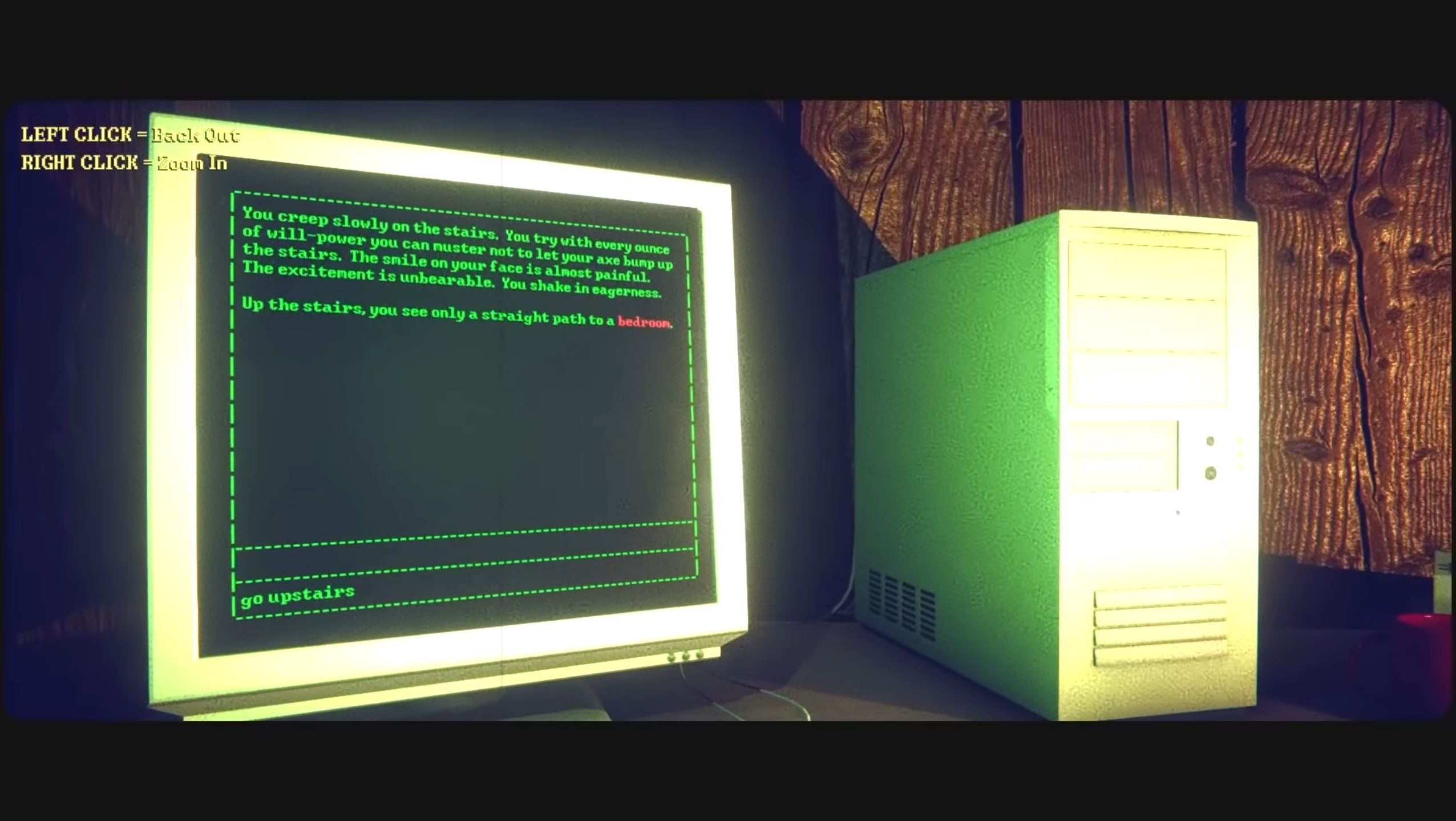
We Never Left – This is about a video game developer with psychosis who is inside his own text adventure game. We saw something like this in Stories Untold. The atmosphere and tension here are done really well, except I found the tape hunting to be quite tedious and annoying. The visuals are a bit headache-inducing too. These are PS1-style graphics, but with some sort of filter over them, and they just don’t look that great. I found the story to be pretty intense, and the voiced lines were a plus. 3.5/5
Interim-This is a weird one, but in some ways it’s good. The game features a real-life actor superimposed in front of it, similar to older FMV games of the mid-90s. You are an intern who seems to be on some sort of reality TV episode. It’s really odd, makes no sense, and the visuals are really weird, but not always in a good way. Sometimes it’s confusing where to go, and the game soft-locked on me a couple of times for no reason. It’s over in about 20 minutes, but what’s here is mostly entertaining. However, it doesn’t contain any frightening elements. 2.5/5
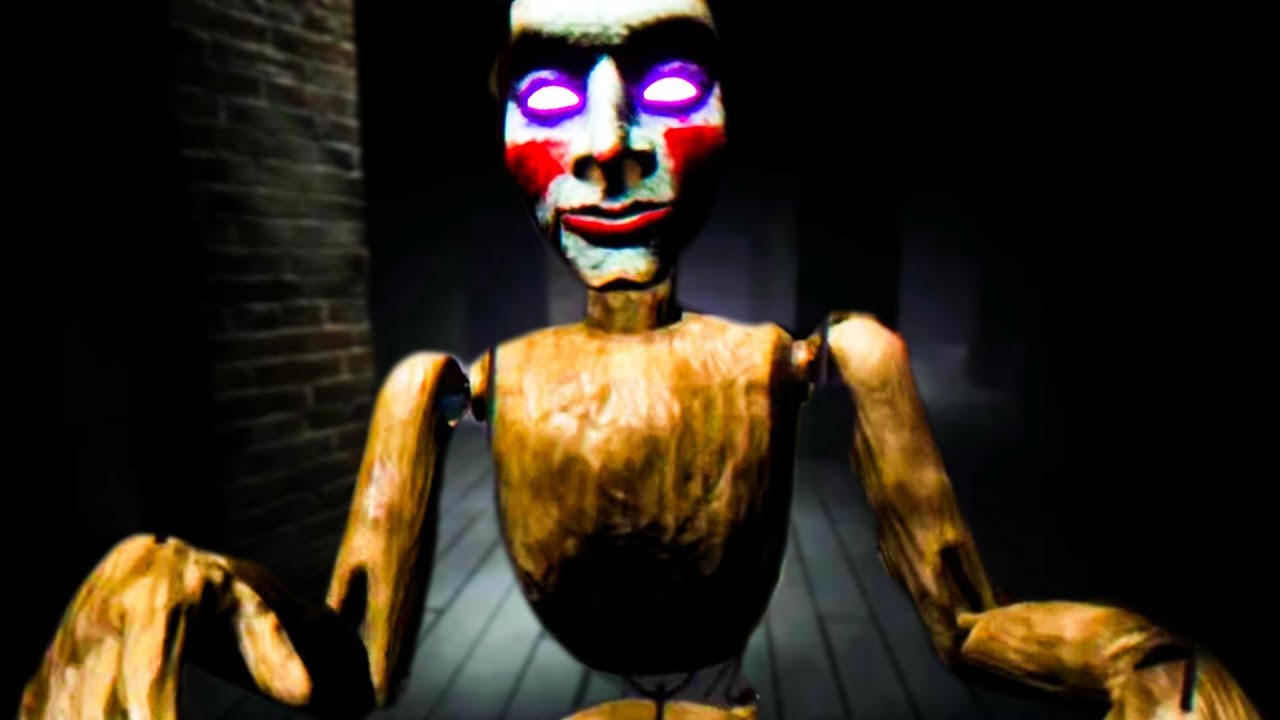
Beyond the Curtain – This is a weird walking simulator that is very repetitive and has almost no tension. You are an actor in a play and seem to have some sort of phobia of puppets. You walk around an endless backstage tunnel, and I mean seemingly endless. The scenery never changes, and all you need to do is walk around puppets holding knives so they don’t stab you. There’s a final area with some sort of worm creature, and that’s about it. The puppets are always following you, and you need to make sure you constantly look back at them to gain some distance. The game lacks scariness and is excessively drawn out, leaving no clear sense of purpose. This game is likely to rank among the weakest of its kind. 1.5/5
The Book of Blood – This is by far the best game in the package. This is a full-on stalker game set in a fairground. There is a lot of occult discovery, and you accidentally end up in one and need to get out. You have a book that you need to solve puzzles in. You need to go out and gather supplies to complete the ritual, and every so often a strange masked man will try to kill you. Both trailer doors must be locked at all times, and sometimes the power will go out and obscure the book. Next, you must locate the numbered breakers and reset them. Run around too much, and the masked man will find you. You need to sneak around and get everything turned back on. You can also pop out the two windows to see if the man is near your trailer. Once you hear him knock, you need to quickly check the locks on your doors. This game is really intense and actually quite scary at times. The book puzzles require a significant learning curve to master, but once you do, they can be quite enjoyable. 4/5
KARAO – This game is rather strange, and while one of the most surreal, it just doesn’t make sense. This is a PS1-style horror title in which you run around a linear path trying to find a way to open doors. You get a shotgun and can shoot things, and this is one of the longer games along with The Book of Blood. The path is super linear here, and you need to talk to people and listen to their abstract dialogue to also get codes to open gates and doors. The visuals are more on the interesting side, but this is another game with PS1 graphics and a weird filter on top that doesn’t seem very appealing. 2.5/5
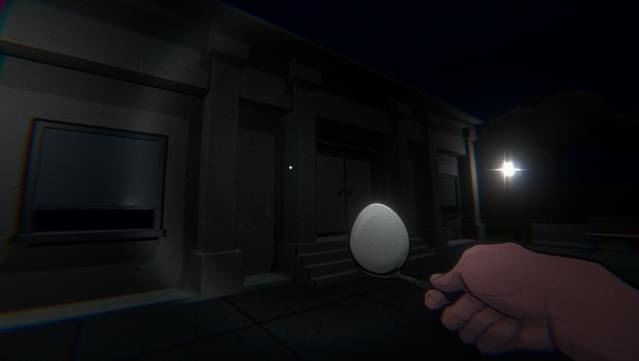
Spirit Guardian – Probably one of my least favorite games. This is a terribly designed first-person haunted school walking simulator. The game is around 15 to 20 minutes long and has a cheesy “Nanny” haunting the school inside. You are following the instructions of a little boy. He tells you to place blocks on a table, play hide and seek, and carefully walk eggs on a spoon. Physics are terrible; the flashlight works well, but if you’re caught, your items are taken and may be in a dark locker where you can’t find them. I found the game just incredibly tedious, difficult to control, and completely uninteresting. 0.5/5
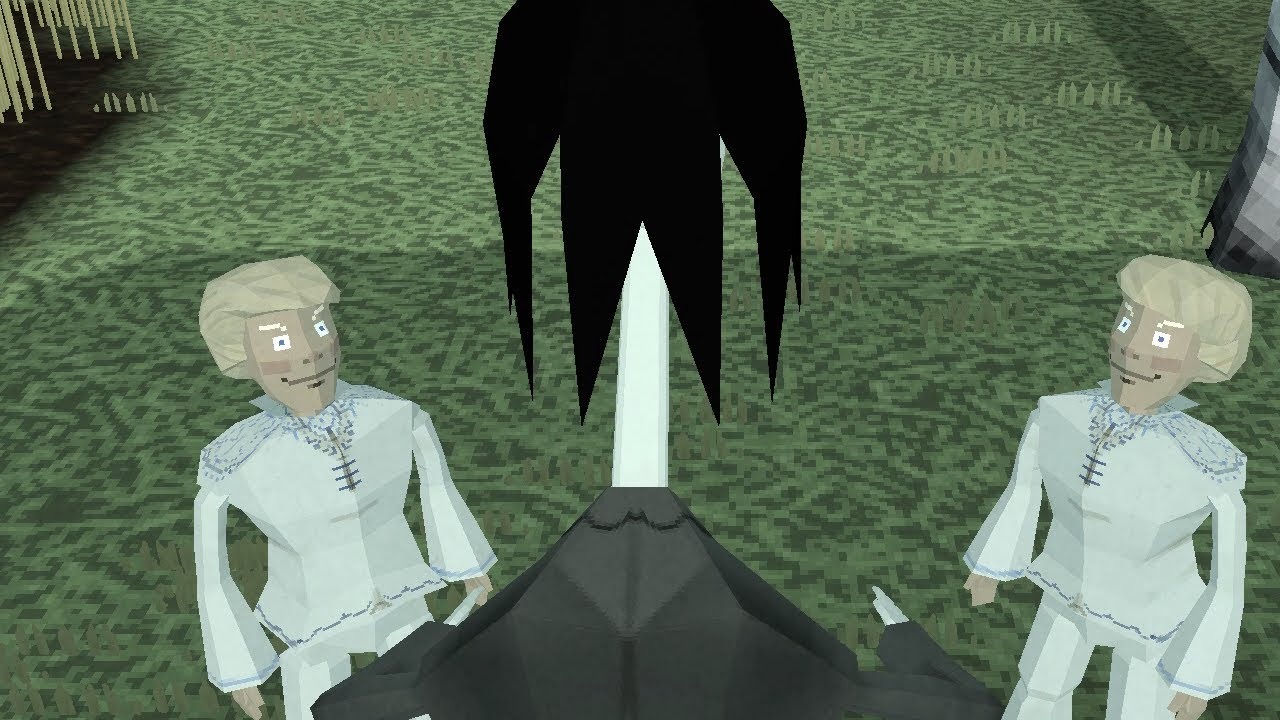
HUNSVOTTI – This is one of the oddest games in here, but also the ugliest and hardest to control. Rather than a PS1 aesthetic, this game goes for an N64 one, and boy, does this look ugly. The polygonal, poorly animated figures and stiff controls certainly bring back memories of some of the worst games on that system. You are a little boy in a Dutch festival called HUNSVOTTI. Every character is in a canned animation, and you must find flowers without bumping into anyone. The more you do, the faster the animations are, and eventually they will all come after you, and you still have to find flowers. After finding all the flowers and dropping them into the well, you become a large demon that can kill the villagers. It’s very odd and not really in a good way. 1/5
Gallerie – This game has one of the coolest concepts, 3D binaural audio, to use ASMR voice lines to add atmosphere for the player, but it just comes across as mostly annoying. While the spoken words are fine, the gibberish later is just the weird clicking and smacking that people do in the ASMR videos, and I can’t stand that. You are tasked with destroying the world, and some girl is angry, and you need to interpret what she is saying to you via a legend. There are three levels here, each more annoying than the next. You must keep away from an entity that stalks you, and when you look at it, similar to Beyond the Curtain, it stops moving for a few minutes. You need to find demon paintings and enter the QTE on screen before it attacks you. The second level is more of the same, but the third is the worst with leapfrogging of batteries that need to be charged. In the meantime, you are backtracking and running around a confusing level. The visuals are weird, but disorienting and not pleasant in the slightest. – 2/5
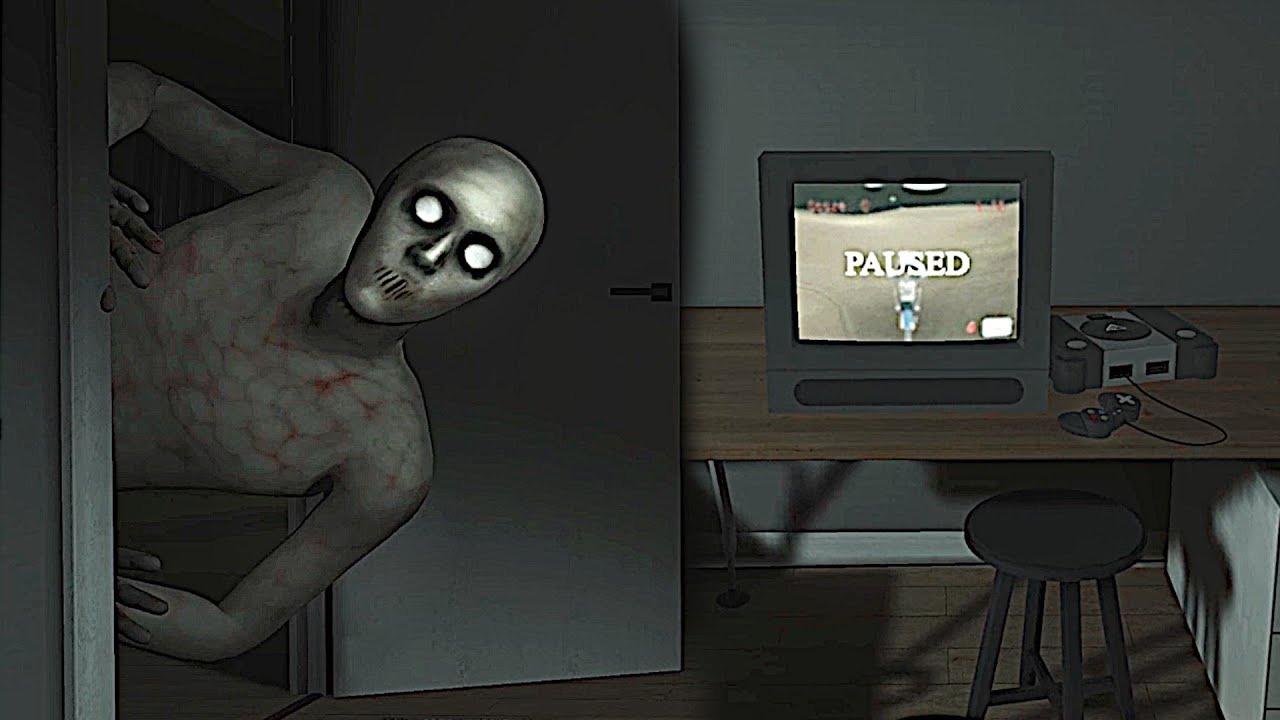
Vestige – This is another PS1-style game, but you are a kid who is discovering his old PS1 games, but they are haunted. Sadly, you end up playing this game, and it is just a terrible dirt racing game similar to Motocross Madness with terrible controls and physics. You walk around your house trying to advance the plot a bit. Overall, the game isn’t memorable or captivating in the slightest. The atmosphere is a bit tense, but nothing here is worthwhile. 1.5/5
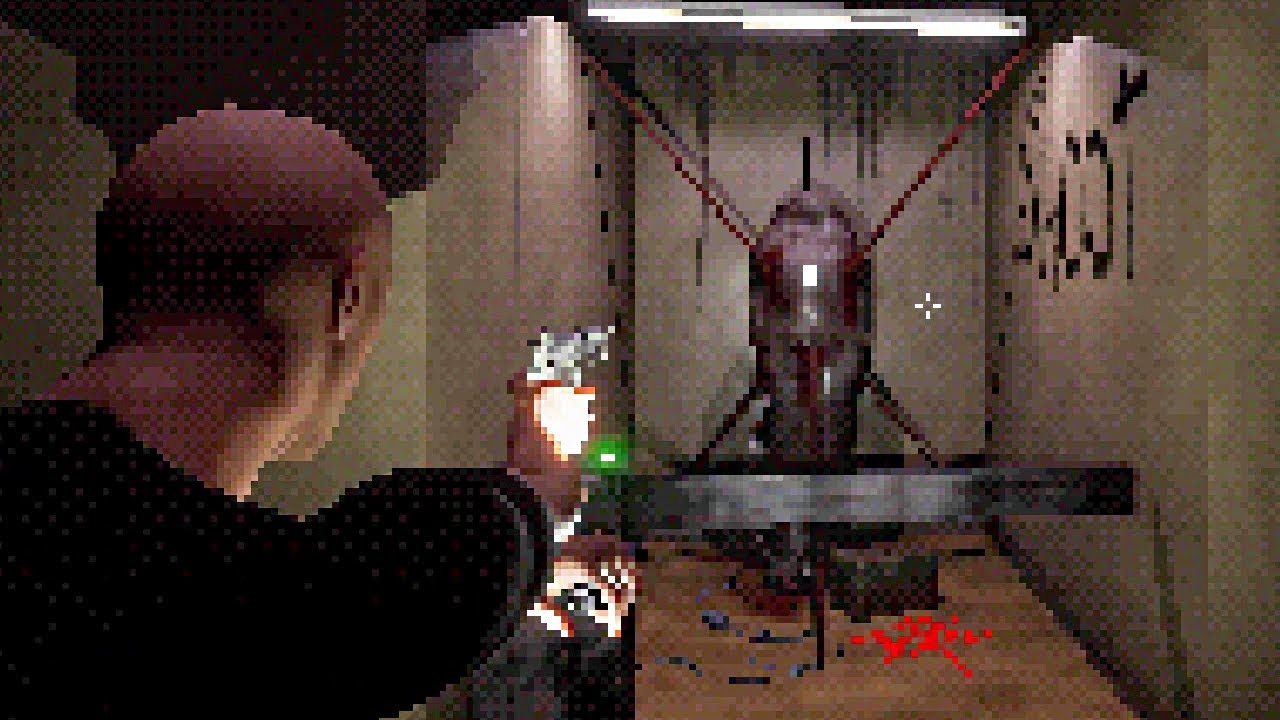
Rotten Stigma – Another poorly implemented PS1-style game with Unreal Engine asset flip vibes. You play as a generic bald-headed man in a green shirt who wanders around what seems to be a recreational center. You get a pistol and a lead pipe as a weapon and have to fend off weird bipedal creatures. You just read notes from Alex to solve a couple of puzzles that aren’t challenging at all. Once you wind your way around the area, collect a few items and keys, and shoot some bad guys, you end up at the end of the story in about 20 minutes. The game is incredibly ugly, clunky, and uninteresting. There’s a bit of atmospheric tension due to the dark lighting and sounds. There’s one particular scene that I enjoyed, but nothing was expanded upon. It involves a crying body bag and a bathroom. The game is obviously inspired by Silent Hill but doesn’t even come close. 1.5/5
Average Score: 2/5
It’s clear that the collection here isn’t quality but quantity. Most of these games are just ideas for what could be larger games, but those ideas still aren’t great. Many of these games are clunky, ugly, have headache-inducing visuals, nauseating cameras, obtuse puzzles, or have atmospheres that are slightly creepy but don’t go very far. The Outpost 3000 hub is more entertaining than any of these games. Many games also have asset flip vibes, don’t have outstanding resolutions, and show up stretched out on higher resolution screens or have visual bugs. Nothing here is fantastic or stands out much. The Book of the Blood is the most solid of these games, and that’s still not saying much. I’m glad most of these games are around 20 minutes long. Any longer, and I will not finish them. Overall, Dread X Collection 5 is the weakest one I have played thus far. This doesn’t feel like a collection of quality at all. Nothing here makes me want to seek out these developers and see what they have to offer, unlike past games. I feel like this series needs to go more on the mini-game route rather than full-on games or be stricter in their quality.
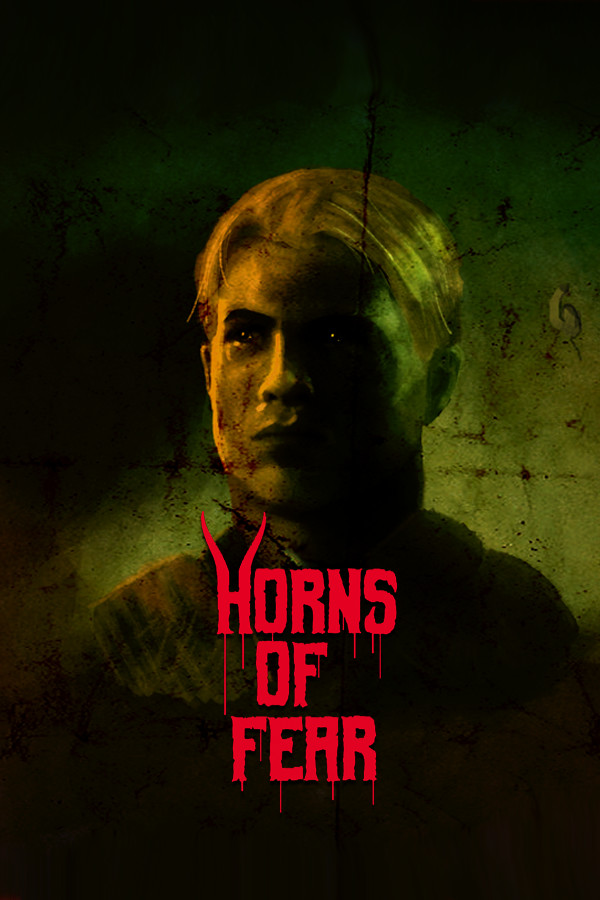
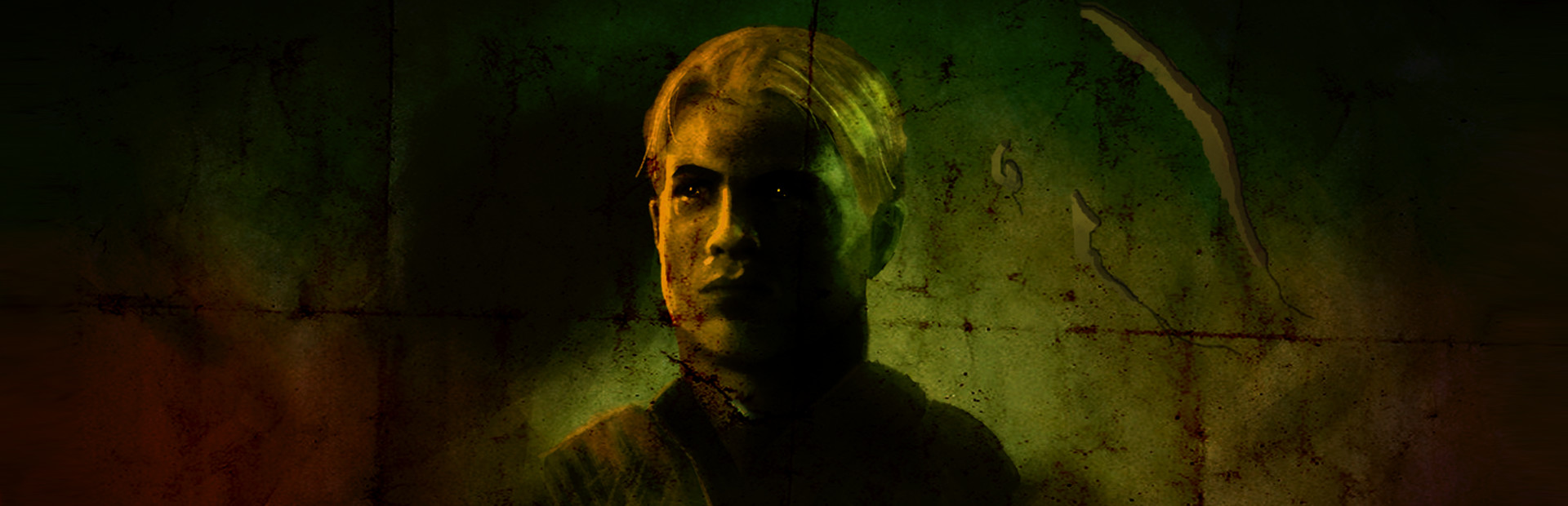
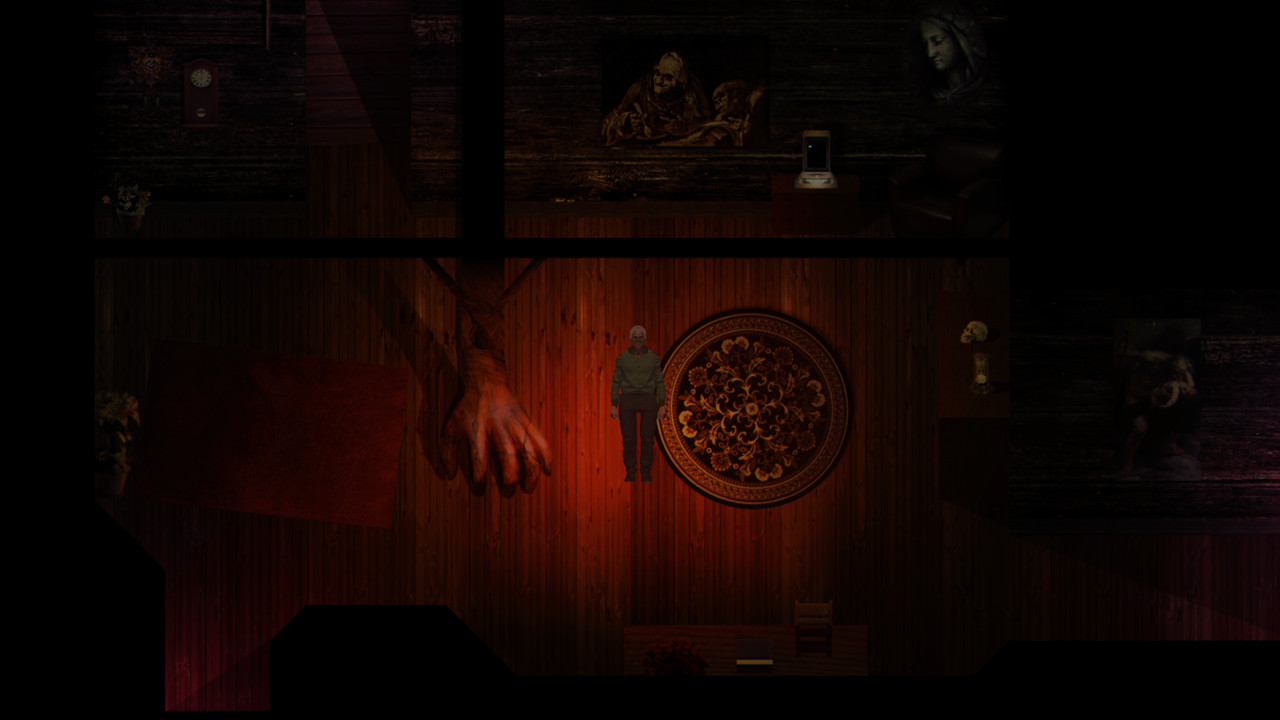
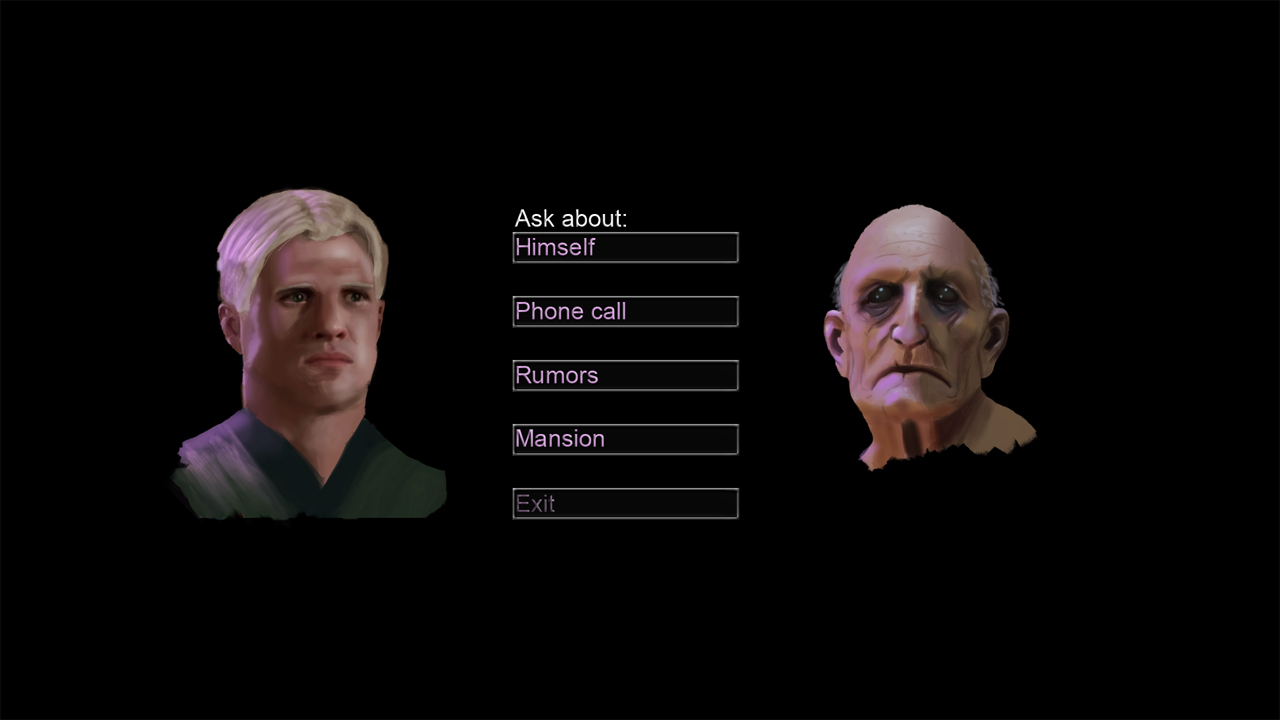
Horns of Fear is a short horror adventure game with a handful of puzzles and a creepy manor to explore. You are Jim Sonrimor. You are a journalist who is grappling with a challenging relationship or marriage. You receive a call from an old woman to investigate her manor. Upon waking from drugs and pizza, you somberly visit the manor and notice something is wrong from the start.
The game has a 2D isometric art style similar to point-and-click adventures of the early 90s. Indeed, this game would be perfectly suited on a vintage gaming shelf. Your inventory is small, and the game is short enough to never fill it. You can save at computer terminals, of which there are only a few. The game is tiny and short that you can easily play the entire thing without needing to save. The puzzles are captivating and surprisingly well designed. I rarely needed a walkthrough. Most developers treat players like idiots or make puzzles too difficult, but not so much here.
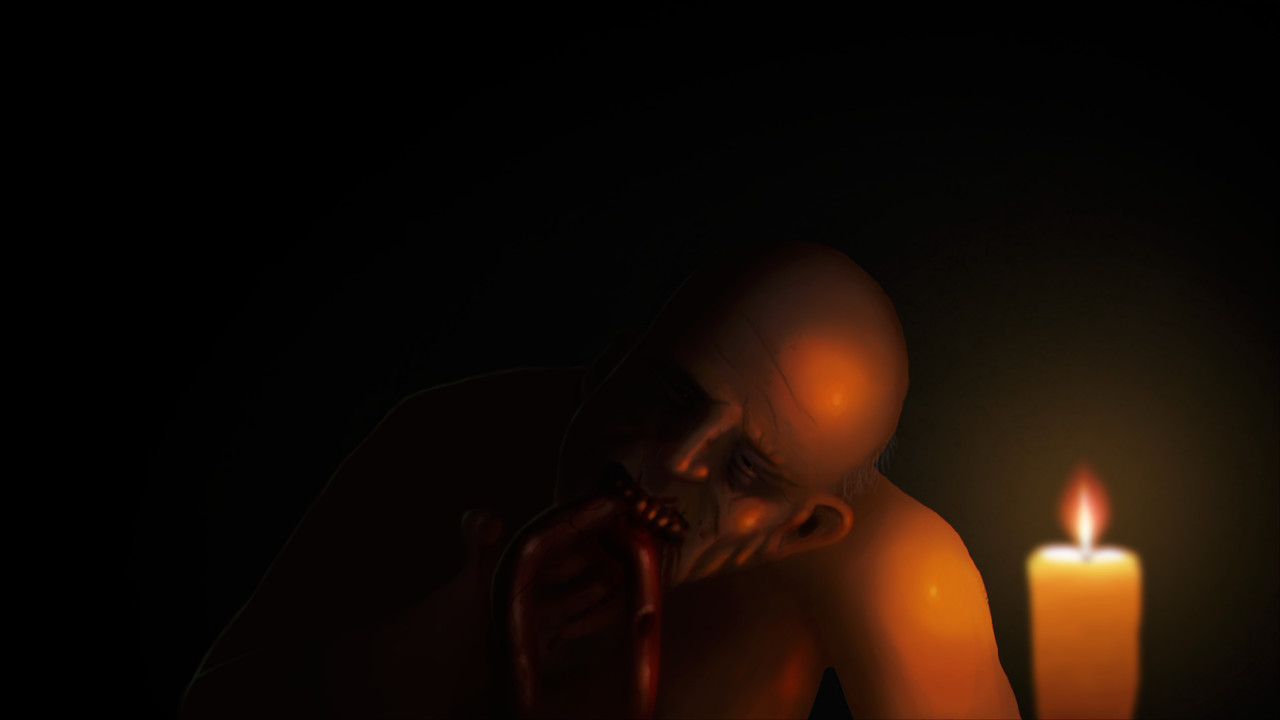
Once you complete a puzzle, you will usually see a small cutscene. There isn’t any combat in this game outside of the final boss. There are a couple of quicktime events, but for the most part, the game is mostly about atmosphere and storytelling. I was surprised at how complete the story felt despite the 90-minute run time. Without giving anything away, the ending took a surprising turn and provided a highly entertaining experience. The scares themselves are more jump scares. The sound of a screeching violin accompanies a shadow moving across the screen. The cutscenes have a few gory and gruesome shots that are super cool. The death scenes are also really gory. The music itself was just okay. The music lacked originality and bore a somewhat cliched feel. The theme was reminiscent of a haunted house, rather than being unique to this particular game.
With that said, though, don’t expect anything incredibly unique or something with a lot of staying power. Horns of Fear is a decent short horror adventure and nothing more. While the puzzles are entertaining, you can’t really get lost due to the incredibly linear path you take, and there’s not really any character building. You’re mostly playing for a fun, short train ride rather than a full-on 3-day tour. While the visuals themselves aren’t particularly noteworthy, they provide just enough elements to make your play worthwhile. The trippy cutscenes, strange ending, and ease of play are enough to invite more horror fans over.



































 thebinarymessiah.com
Super, thank you