Indie titles have really taken off over the last decade and going into a new one we will see more indie games top the quality of some AAA titles. I have some indie games under my belt as some of my all-time favorite games. They don’t have the time constraints and corporate oversight that larger budget titles do.
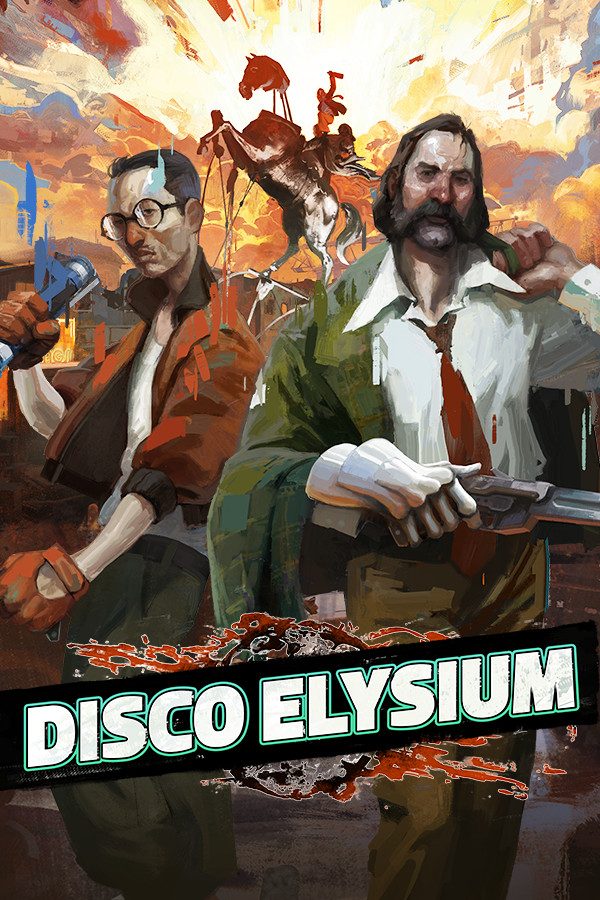
Disco Elysium
Nothing screams top-notch indie developers like ZA/UM Studios. They came out swinging in the top-down RPG genre that’s ruled by companies like Obsidian, Beamdog, and Larian Studios. Disco Elysium has everything a AAA title has without the nonsense. Great voice acting, art, story, and characters.
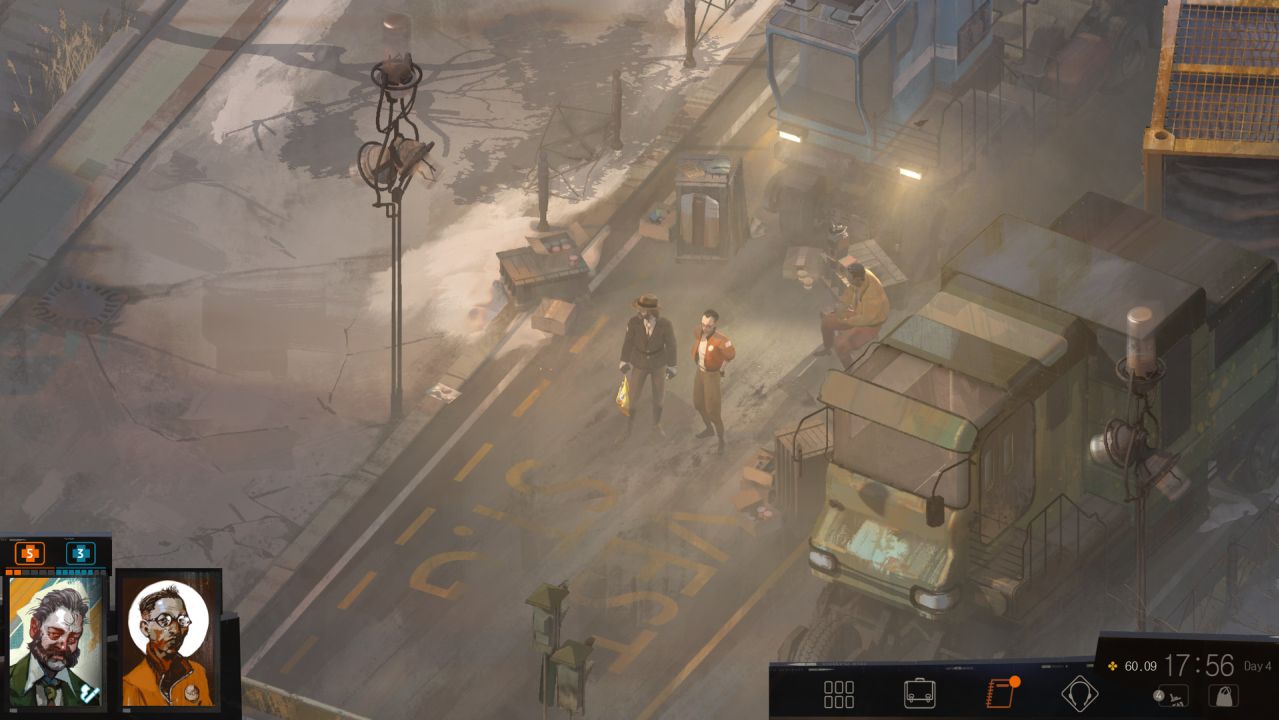
Graphics aren’t everything in a game, but they can still make or break it. Artistically, it can set a game apart from the rest or make one stand out over all the others. It’s not just cartoony, but a game with a unique art style and sense of identity is what you see here.
Disco Elysium
Disco Elysium’s art style is something that makes you stop and look when scrolling through a store page. It’s an art style you won’t forget and keep you entranced during your entire playthrough. The muddy, gritty, and dirty look of Elysium is just spectacular and every background oozes with detail.
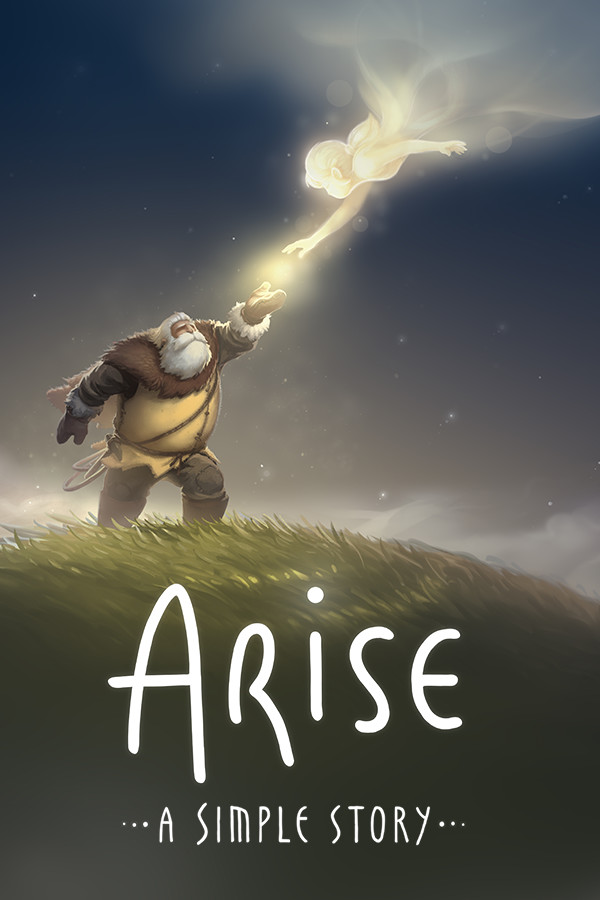
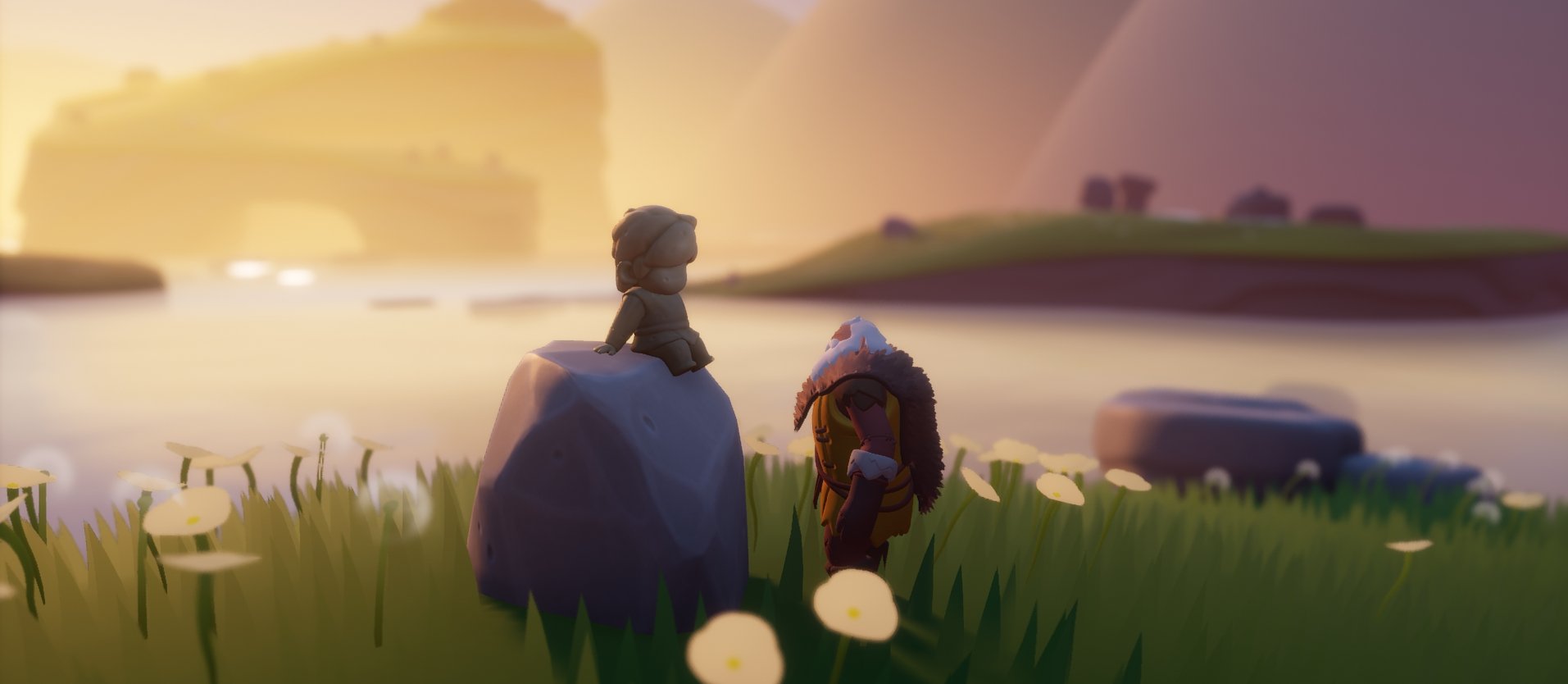
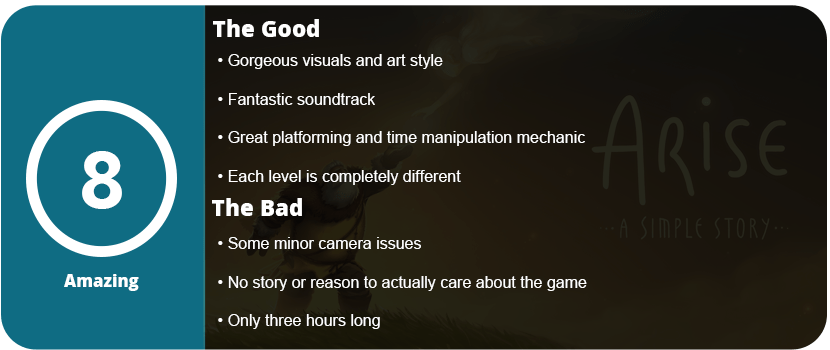
Simple is a great word to put in the title because this game is very simple—almost too simple—and it’s a continuing issue with these “artsy-fartsy” games that have been out since Echochrome was released over 10 years ago. Journey is still the game that does this best and hasn’t been topped. While Arise actually has gameplay, unlike similar games, it still has no purpose, meaning, or story. You play as an old man who is clearly remembering his past, be it meeting his wife, surviving harsh journeys as a child, or various problems that arose with his own child, but these are told with just statues posing to show an image or an idea, and it’s never really clear.
The majority of Arise is composed of great platforming, with varied environments and time manipulation at your disposal. One level has you rewinding and fast-forwarding time to freeze or thaw water, causing platforms to appear and disappear underwater. Another is a level where you just leap across lily pads, and moving time makes the pads spin around. Another level is on a mountainside, and you use the time to rewind time to use the destruction of the cliffside as platforms. It’s very unique and fun, and I had a blast figuring out how to get across each level, which has different uses from the time manipulation and varied levels, making the 3-hour adventure never seem stale.
However, a few issues arose with weird camera angles, and I couldn’t make out where I was jumping and made poor judgments. I even ran into an issue where a sparkly wind would carry me across a level and dump me on a lilypad, only to fall right through it—about half a dozen times. Outside of this, the game wasn’t hard to figure out, and I flew through the game in no time. The music is fantastic and has a sweeping orchestral score similar to Journey. But, unlike Journey, there just isn’t a purpose or story really told here, and I want this fanciful art to stick with me. I know I’ll forget Arise in a few weeks, while I still remember my three playthroughs of Journey from 7 years ago like they were yesterday.
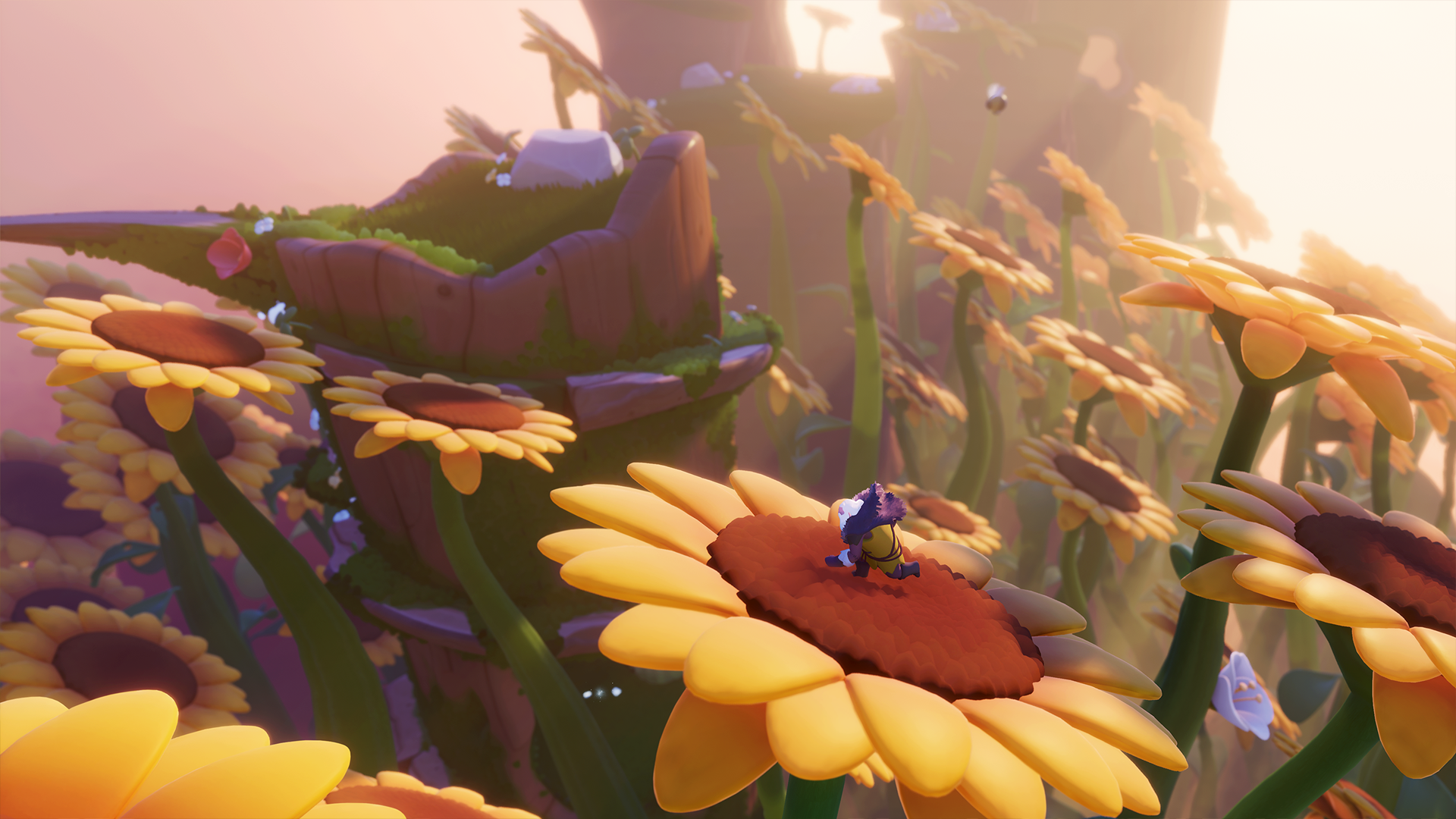
The visuals are superb, with a gorgeous art style and lighting effects. I particularly like how each level has a feeling behind the platforms. The lilypads feel squishy, while another level’s bouncy round cells feel like rubber. There’s so much to look at and take in that on a really nice TV or monitor, the colors will pop and dazzle you. The seven levels bring something new to the game, and each one takes around 20 minutes to finish. There are even some areas where ghosts will kill you if you don’t manipulate the forest fire around you to provide light, and another level has you pausing time to light up the area with lighting strikes. It’s just such a shame there’s no reason to finish the journey other than to see the gorgeous levels.
Overall, Arise doesn’t break the cycle of artsy indie games having no story or purpose, but it at least has great gameplay, unlike the majority of them. I wanted to feel the emotions the old man was going through, but how can I when there’s no context? Developers need to understand that they may understand and feel what’s going on, but we, as players, have no clue. A few statues and an old man looking sad don’t tell us anything. Play Arise for the visuals and platforming, but don’t expect something to tell your friends about.

























 thebinarymessiah.com
Try multiplayer. A lot of fun !