The Best Music award goes to a game that delivers emotion, atmosphere, and tension through the game’s soundtrack. Whether it be orchestral, licensed, or anything else it must feel just right. There weren’t many games with great soundtracks this year, but there were a few. These were the best, but only one comes out on top.
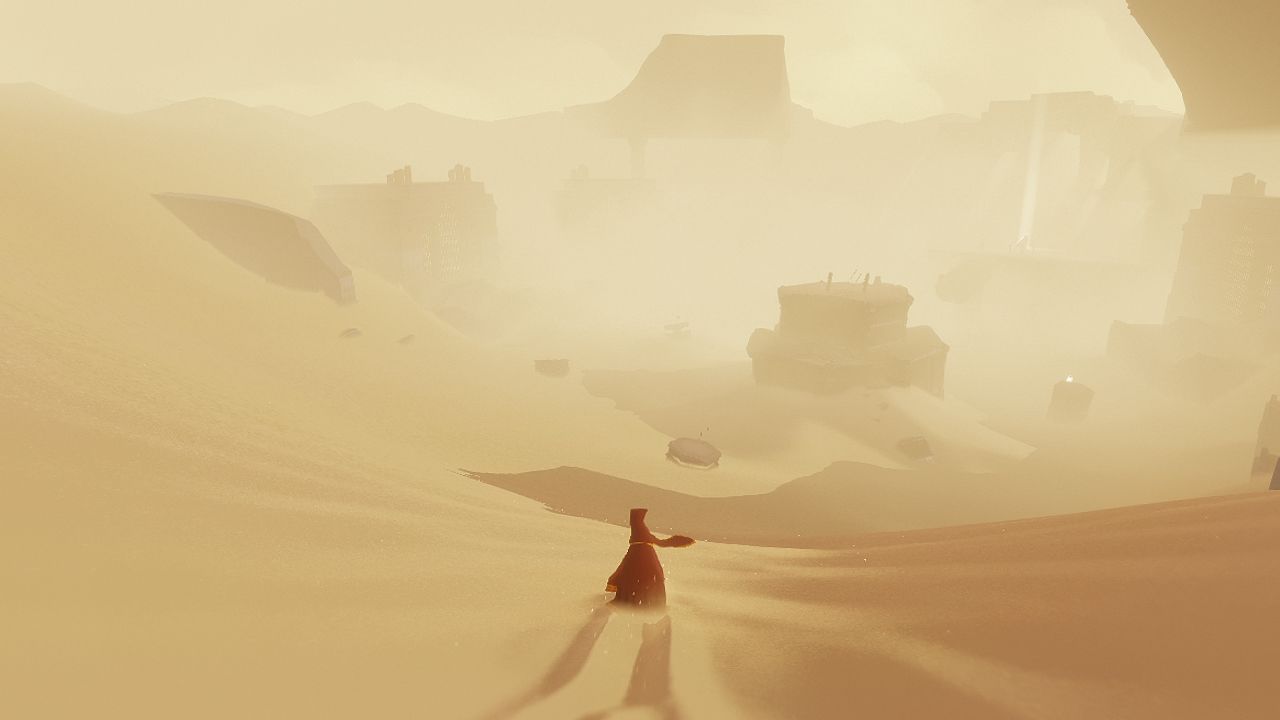
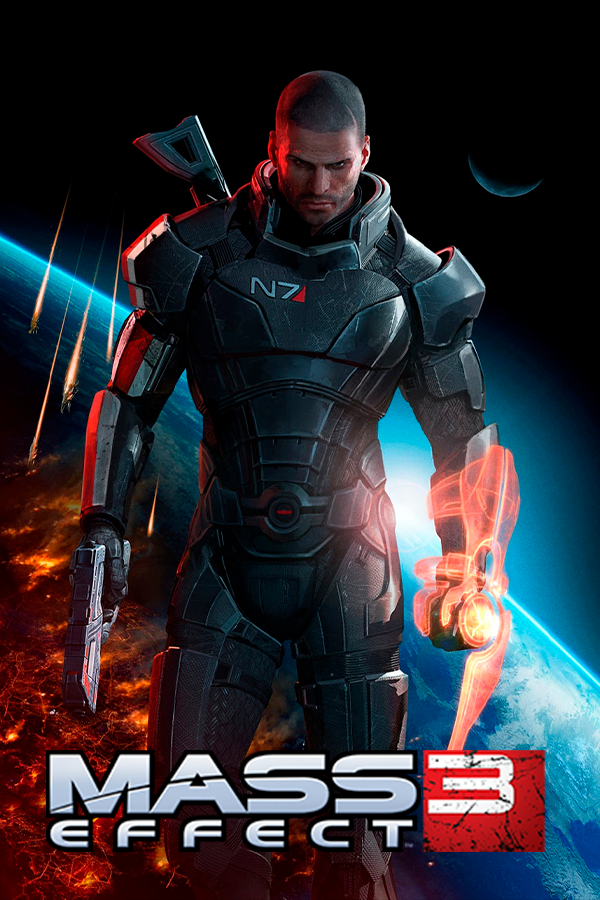
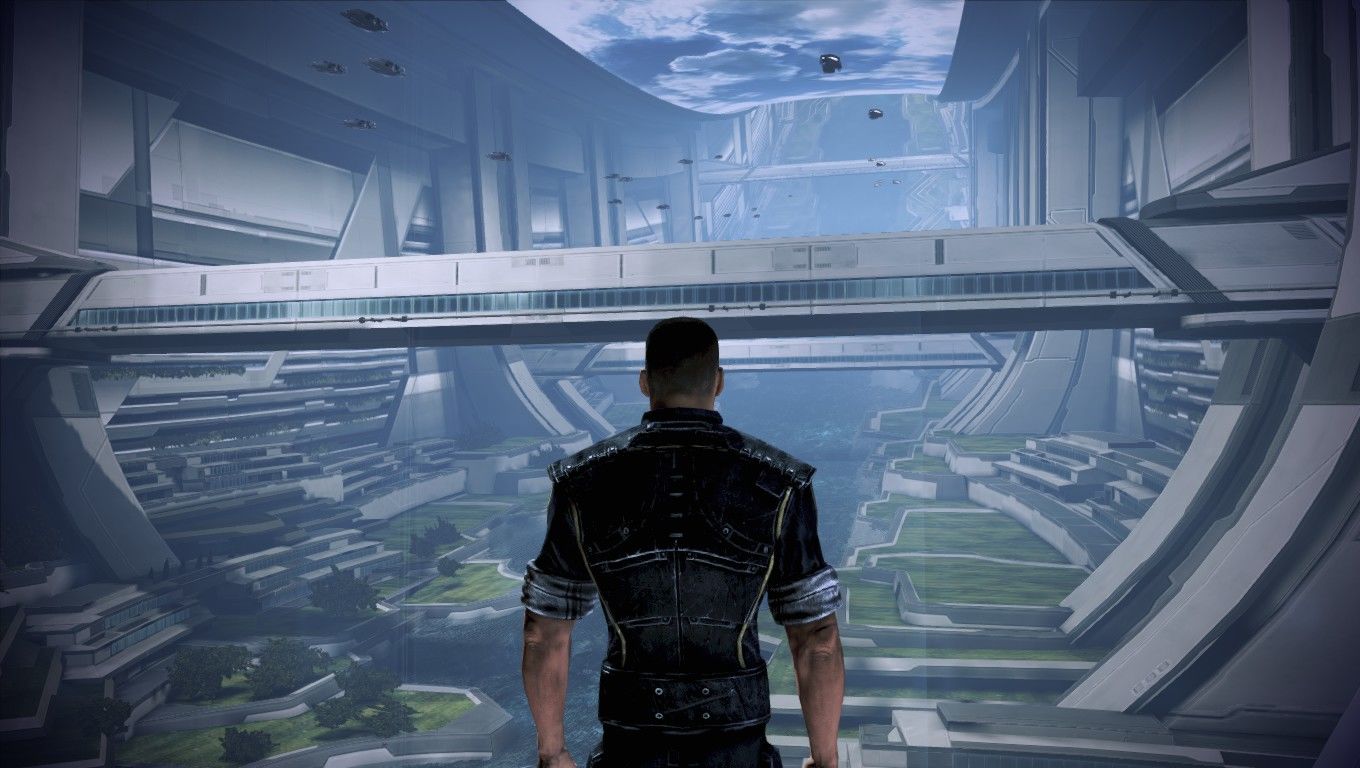
Journey comes out on top because of how rich and powerful the score is. It reminds me a lot of Skyrim, and hey, it was up for a Grammy! Journey is not only a very unique game, but the soundtrack pulls you in and provides feelings and emotions on top of the visual experience. Mass Effect 3 was very close, but the epic space battle music doesn’t compare to this masterpiece.
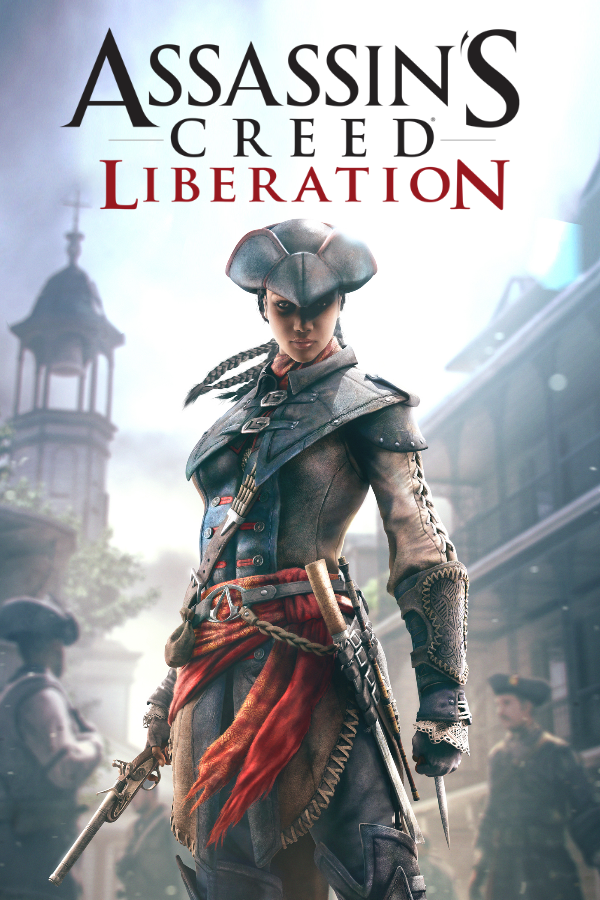
Liberation is probably one of the most anticipated games for Vita, right next to Uncharted and Mortal Kombat. Like both of those games, it doesn’t live up to their console counterparts or everyone’s expectations. Liberation is probably the most disappointing of the three, but it is still a solid game. The problem with Liberation is that it is sloppy and felt slightly rushed to meet the Assassin’s Creed III console release. Aveline is an excellent protagonist and a very interesting character, but the narrative is very confusing and just feels slapped together. It only makes sense, or gets interesting, towards the last two sequences of the game.
Like all the other portable AC games, Desmond Miles doesn’t make an appearance in this game. You just started out as Aveline in New Orleans before the American Revolution started. New Orleans is occupied by the French, and the Spanish are busy selling slaves from Africa and trying to take control of New Orleans. Aveline, being a slave herself, is now freed by her stepmother but joins the Assassin Brotherhood by a leader who lives in the Bayou to free these slaves. This sounds very interesting, and it is, but it lacks the expansiveness of AC3. The story is very short, and it doesn’t allow enough time to tell a rich story. The side characters are forgettable, and Aveline barely gets enough time to really show her personality. I was highly disappointed with this, but the disappointments don’t end there.
The game is mostly like AC3, in terms of combat, animations, the control scheme, and whatnot. There are some Vita-specific features, but they fall flat. You pickpocket by zooming in on the character and running your finger down the rear touchpad; this makes it very cumbersome. You can open letters by pinching the top of the screen and sliding it, but it doesn’t work as it should. There’s even a weird puzzle thing that uses the Vita’s camera by holding it up to the light at a certain angle and turning a dial on the touchscreen. This also doesn’t work like it should and is confusing.
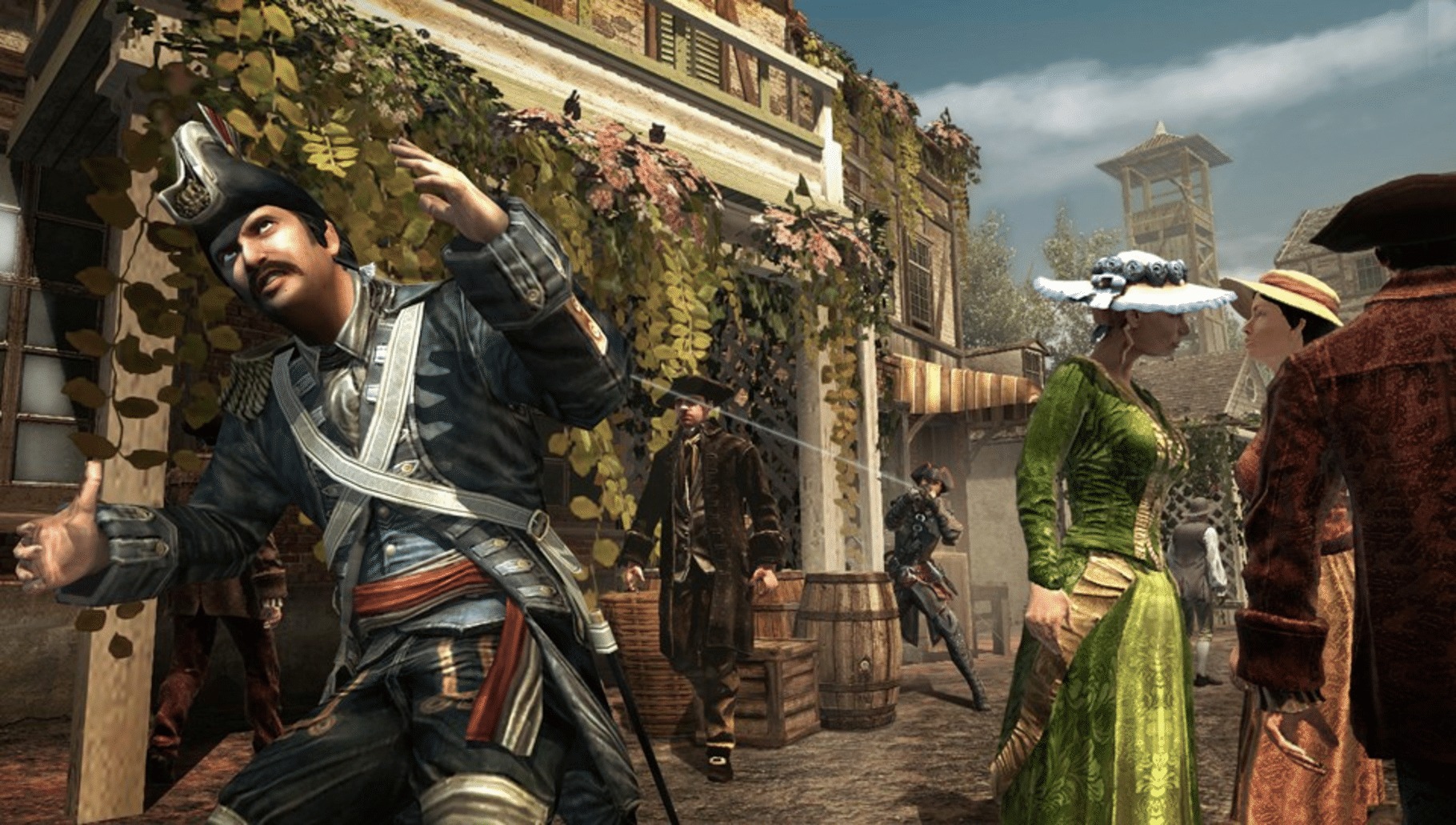
Combat is the same as AC3 and thankfully that hasn’t been broken. The combat system is very fluid and just feels so good. However, your assassin recruiting abilities are now gone. You have to use them in the world by interacting with an NPC and starting that ability. I really didn’t like this. Aveline has a couple new weapons, like the sugar cane machete and whip she can use to swing around some ledges. She has a pistol, as well as a blowpipe and parasol gun! The weapons are really neat and work well within the setting. Aveline can also use three different personas, which are an assassin, a lady, and a slave. The lady can’t climb around anywhere, but it is good for bribing certain soldiers to get into areas you need and blending in with certain crowds. The slave persona can blend in with slave workers, but the assassin has all weapons available but always has a minimum notoriety of level 1. The problem is that these personas are only useful during the main missions, but each one has a certain collectible that only that persona can get. Other than that, these personas feel useless. great idea, but not fully fleshed out.
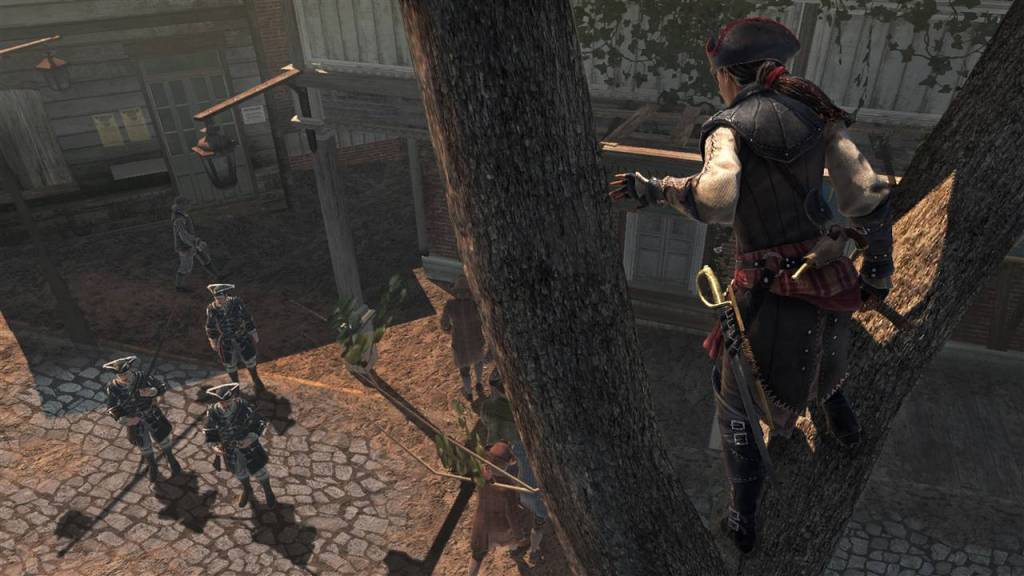
Another issue is the world you’re exploring. The Bayou isn’t a fun place to be because you wind up swimming 70% of the area or being forced to climb around trees up top. Hunting was completely removed from the game, and the only animals that attack you are alligators. The game just feels very small in comparison to AC3. Let’s talk multiplayer. Don’t expect the addictive and excellent multiplayer from AC3. Instead, we get a cop-out of a strategy board game that is extremely boring. It requires 5% user input, and the game does the rest. You choose a faction (Abstergo or Assassin), pick your closest location on the map, then tap the icons of the opposite factions. You send off NPCs to fight a roll of the dice. Very boring and will keep you interested for all of 5 minutes. This is just like the assassin recruit missions in AC3, but used for multiplayer. There is nearly zero interaction with other players.
As it stands, Liberation is disappointing with its sloppy design. The story is confusing and not very interesting until the very end. The story is very short, the side missions aren’t very interesting, and the multiplayer is an absolute bore. The game is a fun weekend rental, but nothing more. I hope to see Aveline again, but the developers need to take more time. At least the game looks fantastic and is a huge technical feat for all portable games. It looks very close to the console games in terms of quality, but I know the Vita can do better still.
I can’t tell you how long I have been waiting for this game—well, I can, since the first one. I didn’t know what AC3 would be, but I knew down the road it would come, and here it is. Somehow, Ubisoft can manage to make each entry feel fresh without having to do drastic reboots. AC3 is set in the American Revolution and is the final chapter in Desmond’s story, or so they say. You play as Connor or the unpronounceable Ratonhnhaké:ton. He is a Mohawk Indian, or half British, half Kanien’kehá:ka. He is actually a likable character, and after Ubisoft created such loved characters as Altair and Ezio, it becomes a huge challenge to create a third. There are so many changes to the game that it feels like a true sequel, but a few flaws that have persisted throughout the series remain.
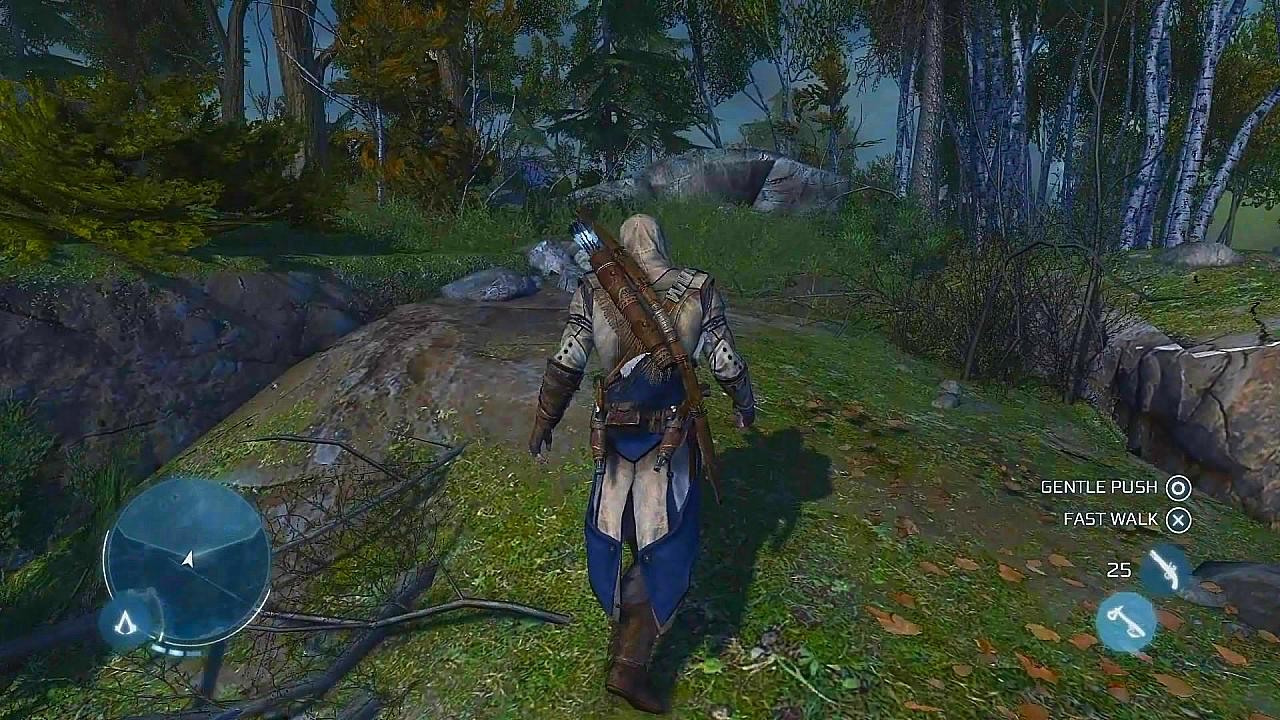
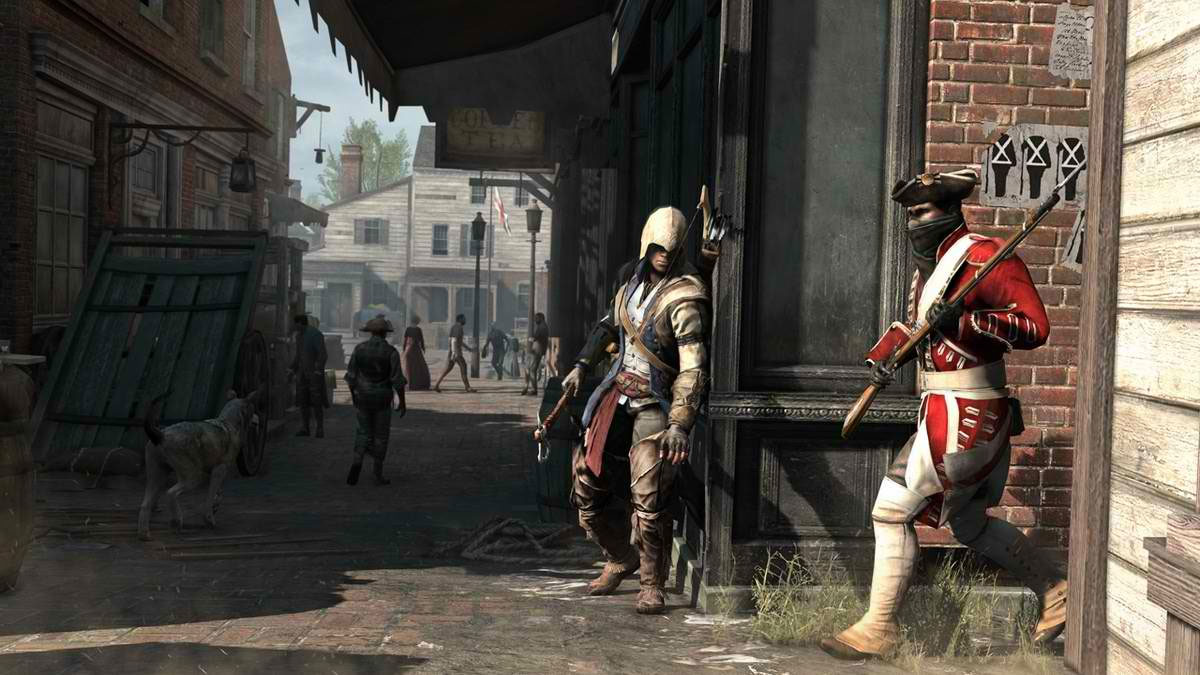
The first thing you will notice is the change in the HUD design. It is much more streamlined and user-friendly. The second thing you will notice is that the puppeteer system is gone. You do everything with RT only and jump around with A. This is supposed to help streamline climbing (which it does), so you have to press fewer buttons. Connor automatically pushes people out of the way while running, so you no longer stumble and fall down. One major thing I took away was how much you can blend. Being able to run away from guards is much easier now, but you can still hide in stacks. There are different crowd types of blending in, like people leaning against walls, starting riots, etc., but when you are notorious, you can fight or lose them more easily. The whole environment just feels more natural, so you can climb on cliffs in the frontier and use different handholds. Trees can now be climbed because a new V-shaped object has been introduced.
The same flaw persists in parkouring throughout every game. Connor will jump around on handholds that you don’t want him to. He will even sometimes get stopped by invisible barriers if an object is too low. This led to cheap deaths and frustrating restarts. I guess some things can’t ever be ironed out. Thankfully, the combat is much improved, with Ubisoft realizing Assassin’s Creed is a counter-fest and actually building on this. AC3 is my third favorite fight system in an action adventure right under God of War and the new Batmans. Each attack is built around a counter, so you press B when a red triangle appears above an enemy’s head, then press X to instant kill, B again to throw, or A to disarm. The combat system is fast and fluid and leads to fewer deaths, but it is still challenging because you need to be quick. Each assassin you recruit is unique, and there are only six. Each one has a special ability, like escort, marksman, riot, and others. These unique abilities give you much more options when infiltrating restricted areas to either bring you to the heart or distract guards. You can even send them off on missions through the map menu instead of localized areas.
There are many weapons and items you can use in combat. The punch dagger has been reduced to just one, but you have a flintlock pistol (yes, it requires a lengthy reload every time, but you can carry two later on), and you also have a bow and arrow. Other items include mines, poison darts, rope darts, and many others. You also have to watch out because enemies have weapons and will form firing lines. When they do this, press A near an enemy and use them as a human shield. Good stuff.
On another note, combat leads to hunting, which is a great mechanic added to this game. Exploring the large Frontier area and homestead allows you to hunt animals and skin them for items to use for crafting. You can stalk animals (stalking is a whole new feature that allows you to hide in tall brush), assassinate them from the air, and lay snares to trap smaller animals. Laying out bait will make an animal come to the exact area you want, but watch out. Using more aggressive methods of killing will damage the animals’ pelts, such as using a pistol or mine. Hunting also leads to many club challenges, which are extremely difficult to complete. You can even be attacked by animals, which leads to quick-time events.
Now that we have the three major things about the game out of the way, let’s talk about the minor stuff. The menu and HUD design are much more streamlined, such as your health, ammo count, and even the assassins you can call upon. Everything is minimal, and I really like that. Of course, when you pass by new areas, you get briefed on a bit of history about them, which is 25% of the fun in AC3. After you finish the story mode, you can go around finding hundreds of collectibles such as feathers, chests, trinkets, and other items. The club challenges are really tough, though, and require you to meet certain criteria to move onto the next list. It can be fun, but some are nearly impossible to complete.
One of my favorite things in the game is the Peg Leg Trinket missions, which are cinematic and a placeholder for the Templar Tombs that were in previous games. The final piece of loot for these missions is awesome, and each mission is memorable and so much fun. There is a new investigation mechanic added that has you finding clues on the map, which is used for hunting, side missions, and story missions. What’s more, the naval battles are absolutely epic and really fun. Thanks to the new Anvil-Next graphics engine, Ubisoft created some pretty realistic water effects that make you feel like you’re really in the ocean. Steering the ship around and blasting off cannons at enemy ships is so much fun, and each mission has various objectives. Probably the best use of a controllable ship in any game ever!
You are probably wondering about the story. Sure, Connor’s story is touching and has him following every major event in the Revolution along with key people. The characters are entertaining to watch and hear, and Desmond’s story is, like all the other games in the series, very brief, but the ending isn’t as bad as everyone says it is. It isn’t confusing, but just abrupt. Desmond and the gang are trying to stop the solar flare from destroying the world on 12/21/12, and it gets a bit complicated. Connor’s story has a satisfying ending, but you just can’t help but feel giddy when a historic figure like Ben Franklin or George Washington appears on the screen.
Once you finish the epic story mode, there is multiplayer, which is just so addictive. Ubisoft has fine-tuned it and nailed it with the cat-and-mouse gameplay that you can’t get enough of. Each player gets an avatar of another player they have to kill. However, at each level, there are dozens of duplicates walking around, but you can’t just start killing everyone. Killing innocents exposes you and makes you vulnerable. Find your target by watching for suspicious behavior like blending, hiding, or running. You also have people hunting you, but you can’t kill them; just knock them out. If you confront them directly, you just get an honorable death, which reduces their kill score. Stay incognito and knock them out from behind. There are many modes, such as Assassinate, that don’t give you any contracts. You just have to watch your compass and kill everyone you can find. There are deep customization options that allow you to change the appearance, attack moves, stances, taunts, and weapons of each character. You can unlock new items by ranking up and earning credits.
Overall, AC3 is huge and fantastic. Exploring the Frontier, Boston, and New York is amazing, not to mention the fantastic graphics for such dated hardware. Multiplayer is extremely addictive, and other small tidbits just add to that. Weather changes, hunting, crafting, side missions—the list goes on and on. The only way to truly experience this amazing game is to play it. This is definitely a game of the year-worthy game and well worth a purchase.
Limited Edition: For $60 extra, you can get a highly detailed figurine of Connor, a life-size Assassin’s version of the American flag, a beautiful art book, and a belt buckle. This is all well worth the extra money because of how detailed everything is. The flag has metal eyes, so it can be flown on a pole. The statue has so much detail; it looks fantastic. The art book is designed like a 17th-century journal and looks beautiful. It was well worth the purchase.























 thebinarymessiah.com
Try multiplayer. A lot of fun !