Game of the year is the hardest of them all. What makes the game of the year? Everything must be almost perfect, well balanced, epic, have a great story, characters, mechanics, graphics, and everything that makes up a game must be amazing and better than the competition. I wish I could have picked more than one because there were so many amazing games this year.
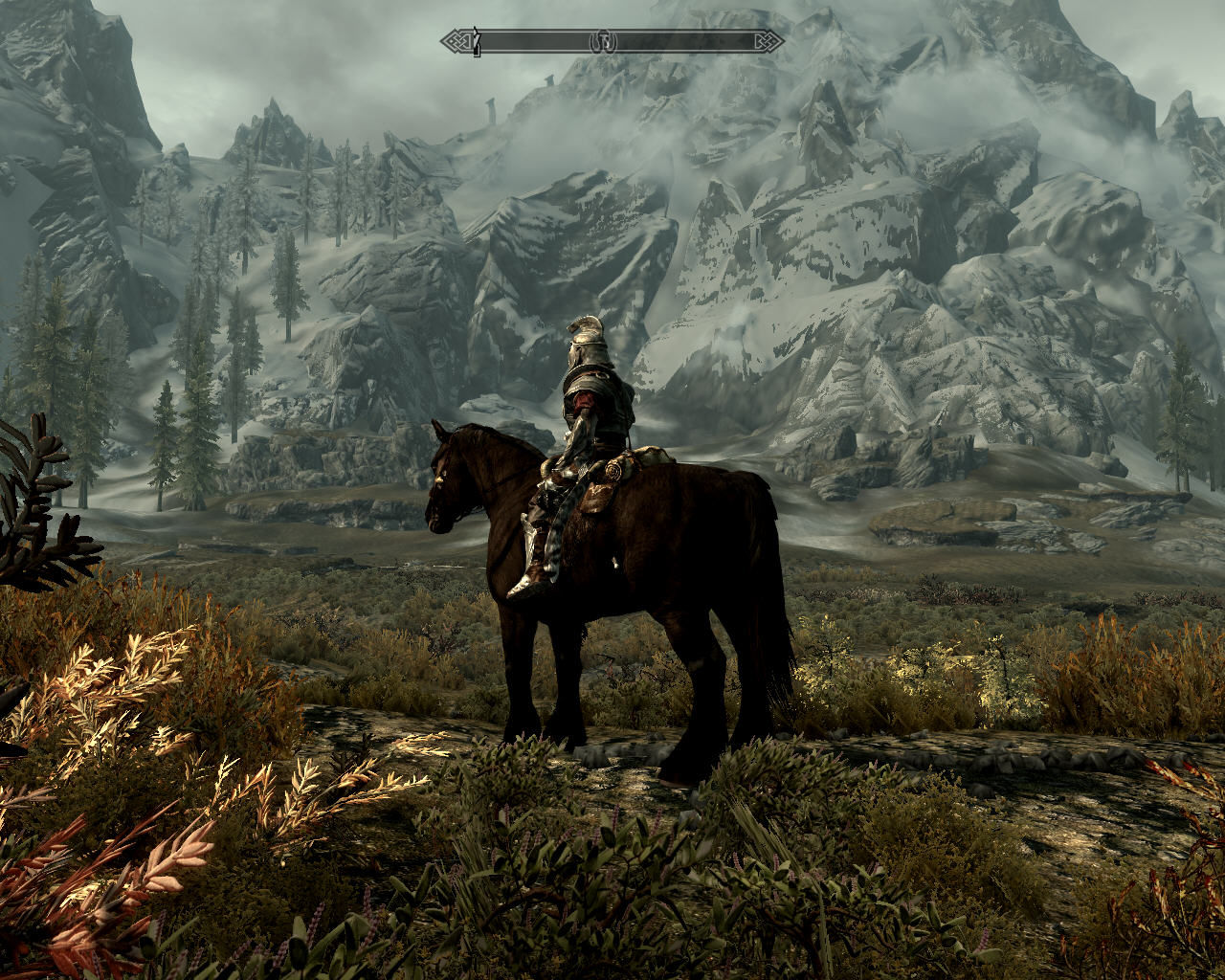
Skyrim actually wasn’t my first choice. It won because of how grand in scale the game was and the attention to detail that only a few games this year did. Over 100 hours of gameplay, unique characters, a grand story, beautiful graphics, lots of customization, and a gorgeous soundtrack made Skyrim come out on top of the entire pile. Skyrim is a special game in the sense that no other RPG or game can do it.
Role-playing games tend to be heavy hitters but focus on the story and characters more than anything. A unique combat system is something that usually sets them apart, but nowadays the world you explore is also the character. There were some outstanding RPGs this year, and I wish I could choose more than one top contender, but they all deserve merits. This year’s RPGs saw some great world explore to explore as well as excellent characters.
This was probably expected. The Elder Scrolls series is huge and the world of Skyrim is even bigger. With great visuals and tons of areas to explore, a great overarching story, fun combat, and lots of perks and ways to customize your character and level up it can’t be beaten. The music, voice acting, characters, and attention to ultra-fine detail is something that Skyrim offers that most RPGs can’t. This one will go down in history and will never be forgotten.
Technical graphics aren’t so much the art style, but what’s under the hood. Usually, games that introduce new engine or technology tend to be the best. This year was huge for DirectX 11 games on PC which can not be down on consoles. State of the art graphics cards are needed and a few games really showed this off this year. Usually, high-resolution textures, great modeling, lighting, water effects, weather, and other elements make up a good-looking game.
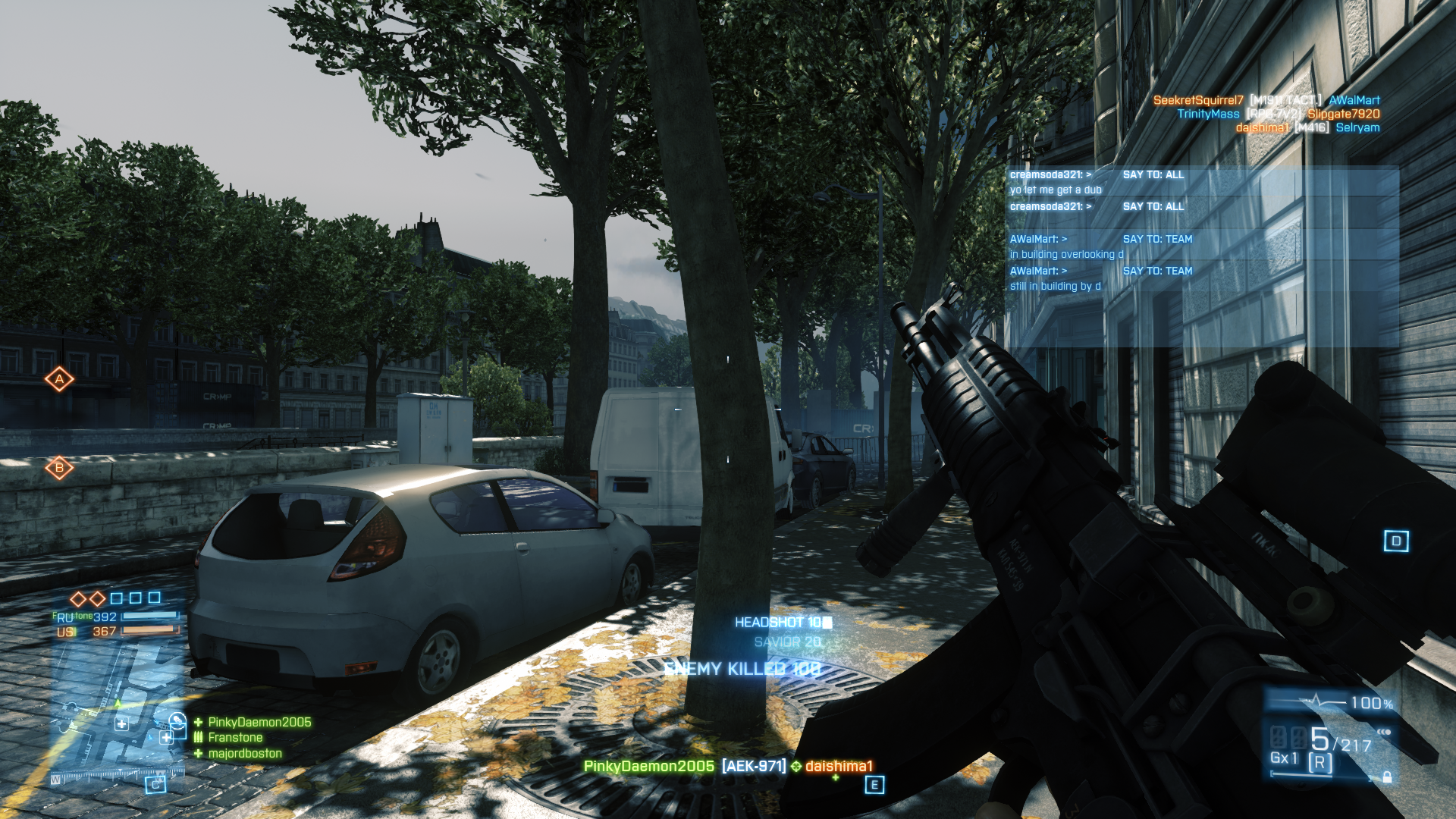
Were you surprised? Battlefield 3 was the only game to truly use DirectX 11 exclusively and completely left out DirectX 9 and 10. While the PC version only got this treatment the console versions looked pretty close. Battlefield 3 sported some amazing lighting effects as well as water and the textures looked real. Nothing really pushed graphics cards harder this year than Battlefield 3 so it takes the cake.
An atmosphere is what delivers emotion and overall feelings in the game. The atmosphere can make a game scary, colorful, cartoony, or make you feel alone and sad. Atmosphere much matches and represent the idea of the game. Sometimes the atmosphere isn’t delivered right and can make a game feel boring, or just look bad.
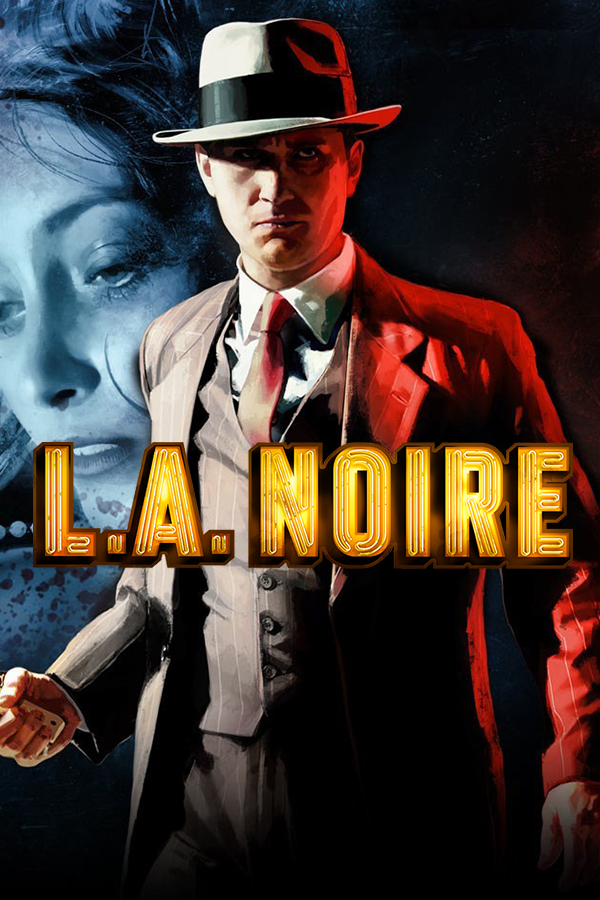
The Best Atmosphere category was even harder than last year’s because so many great AAA titles came out with strong atmospheres. There were also some games I didn’t get a chance to squeeze into the runner-up’s area so that tells you how well this category did this year. While some of the others may have better art to back up their atmosphere L.A. Noire does something that most can’t: Make an atmosphere without fancy art or licenses. L.A. Noire is a new IP and pulls off a 1940’s era in realistic detail and really pulls you in and brings you into a time period that most games don’t explore outside World War II. L.A. Noire had amazing visuals to back it, but to make the game feel so true to an era is very hard to do. You don’t need fancy art for that.
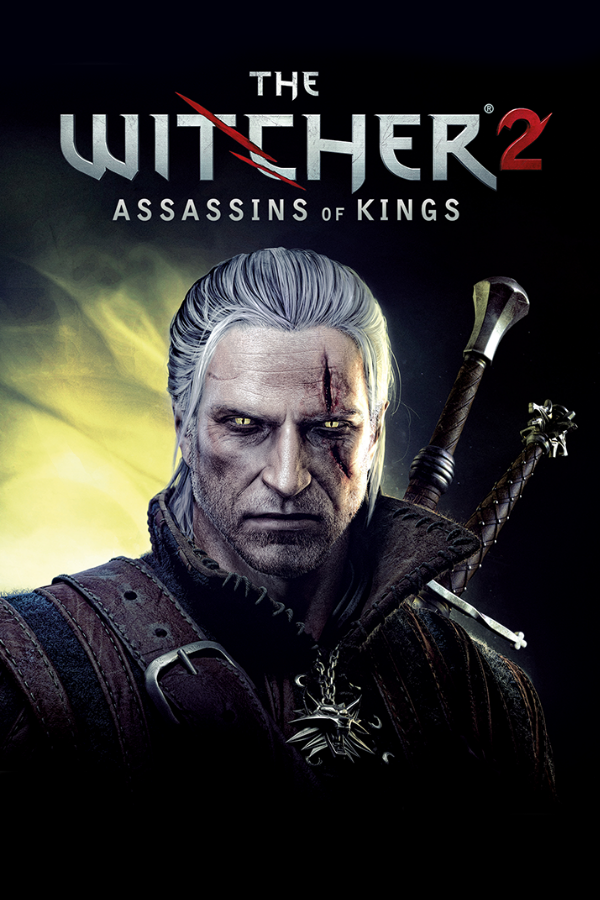
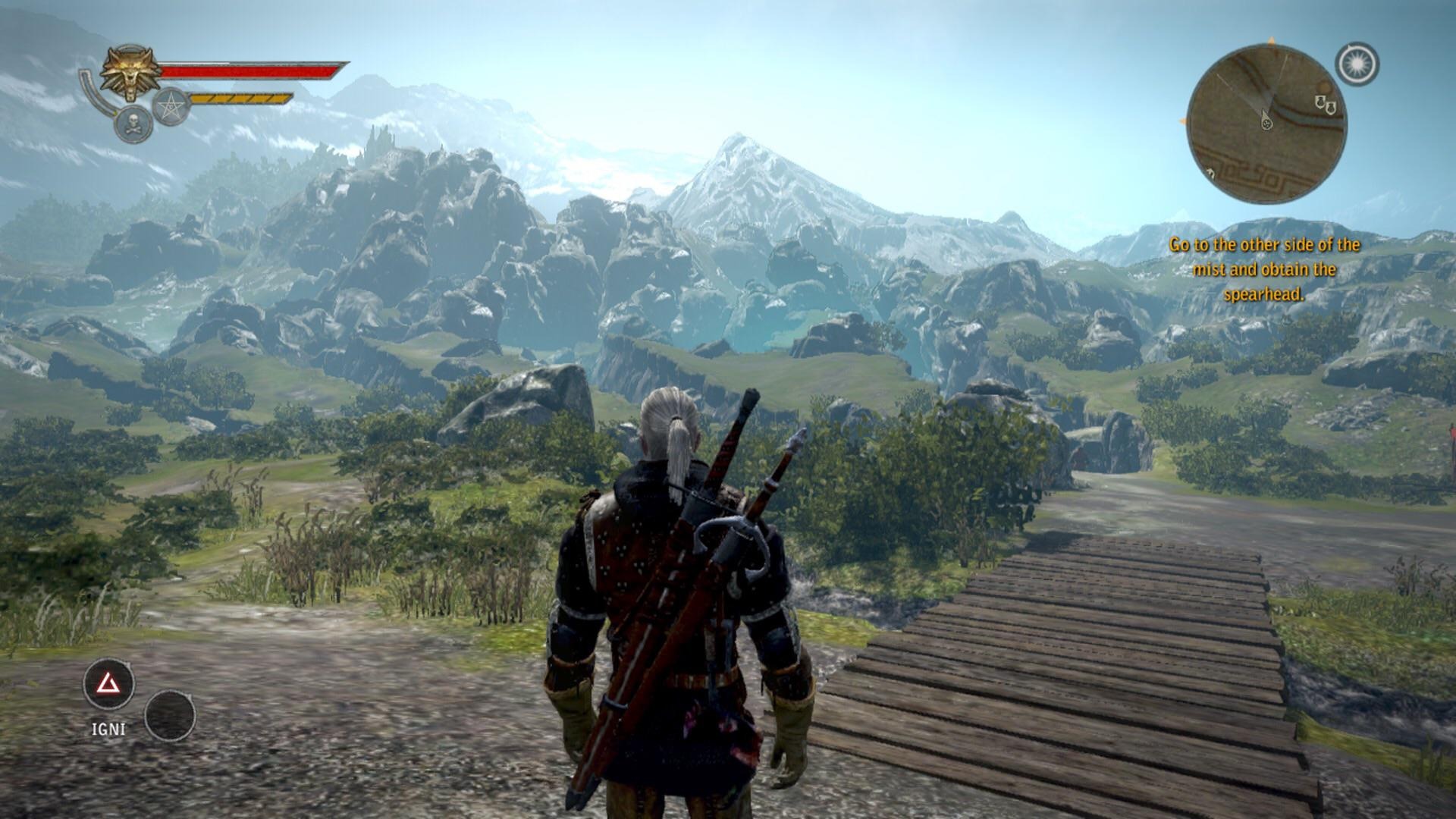
Action RPGs these days are really iffy due to the fact that they tend to feel too formulaic. They usually have good stories, but the graphics are horrible, the combat is clumsy, and the quest system is yawn-worthy. The Witcher 2 takes what was great from the first and makes it even better to form one of the greatest action RPGs of this generation.
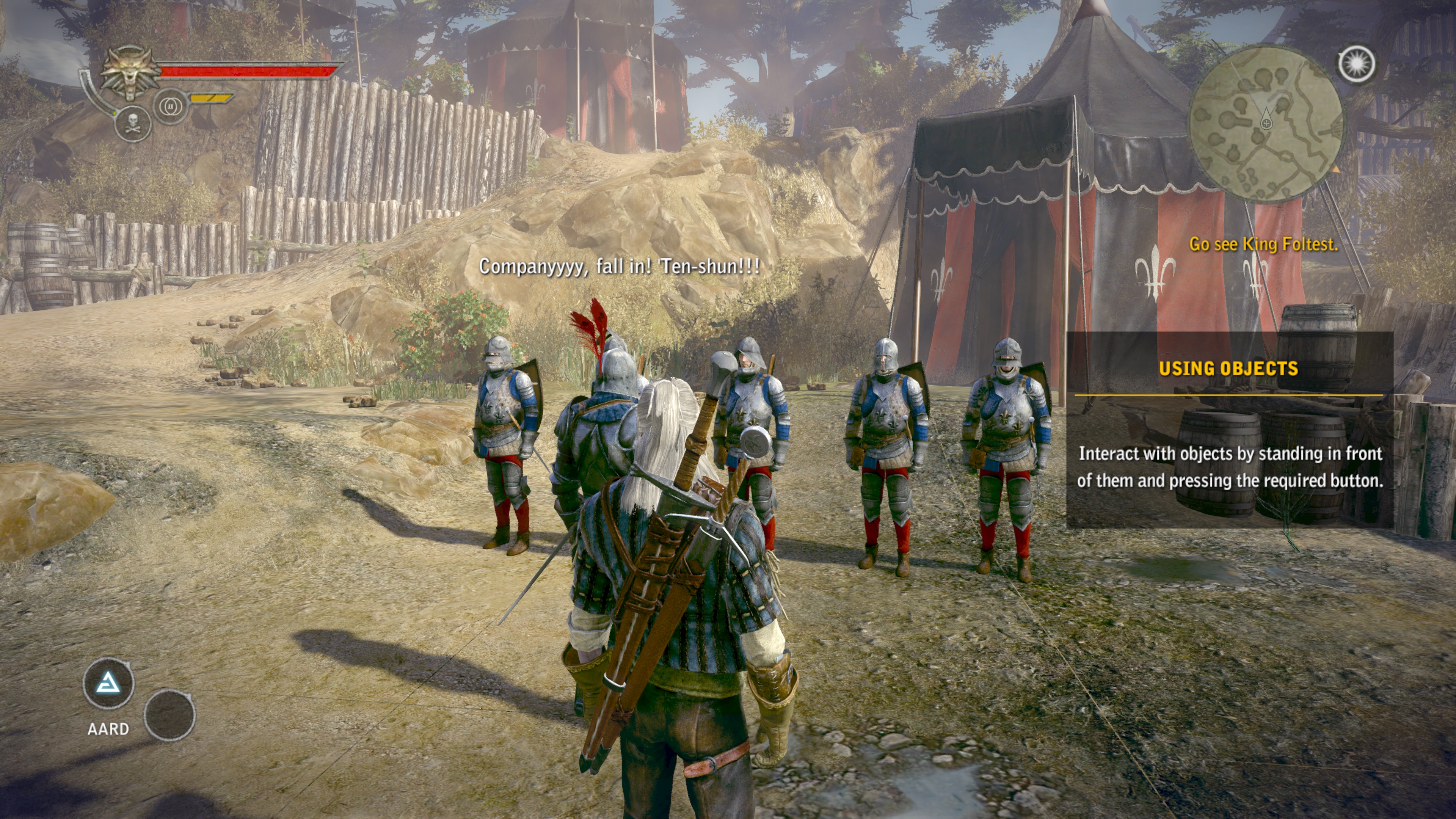
You play, once again, as Geralt of Rivia, a witch who got framed for assassinating King Demavend and must prove his innocence. The story is heavy on politics but is also very deep and feels just like the novels. Triss Merrigold also returns with her beautiful red hair and all. You will also see other familiar faces, such as Zoltan Chivay and Dandelion. The new faces are strong, likable, and memorable characters that you will grow to love or hate, respectively, throughout the course of this 20- to 30-hhour game. Geralt himself is even stronger this time around, with more problems than you can shake a stick at. You learn to respect him more and see just how much this poor man can take. CD Projekt really shows you the roots of both good and evil in humanity in such a realistic fashion, and that’s what really drives the characters home.
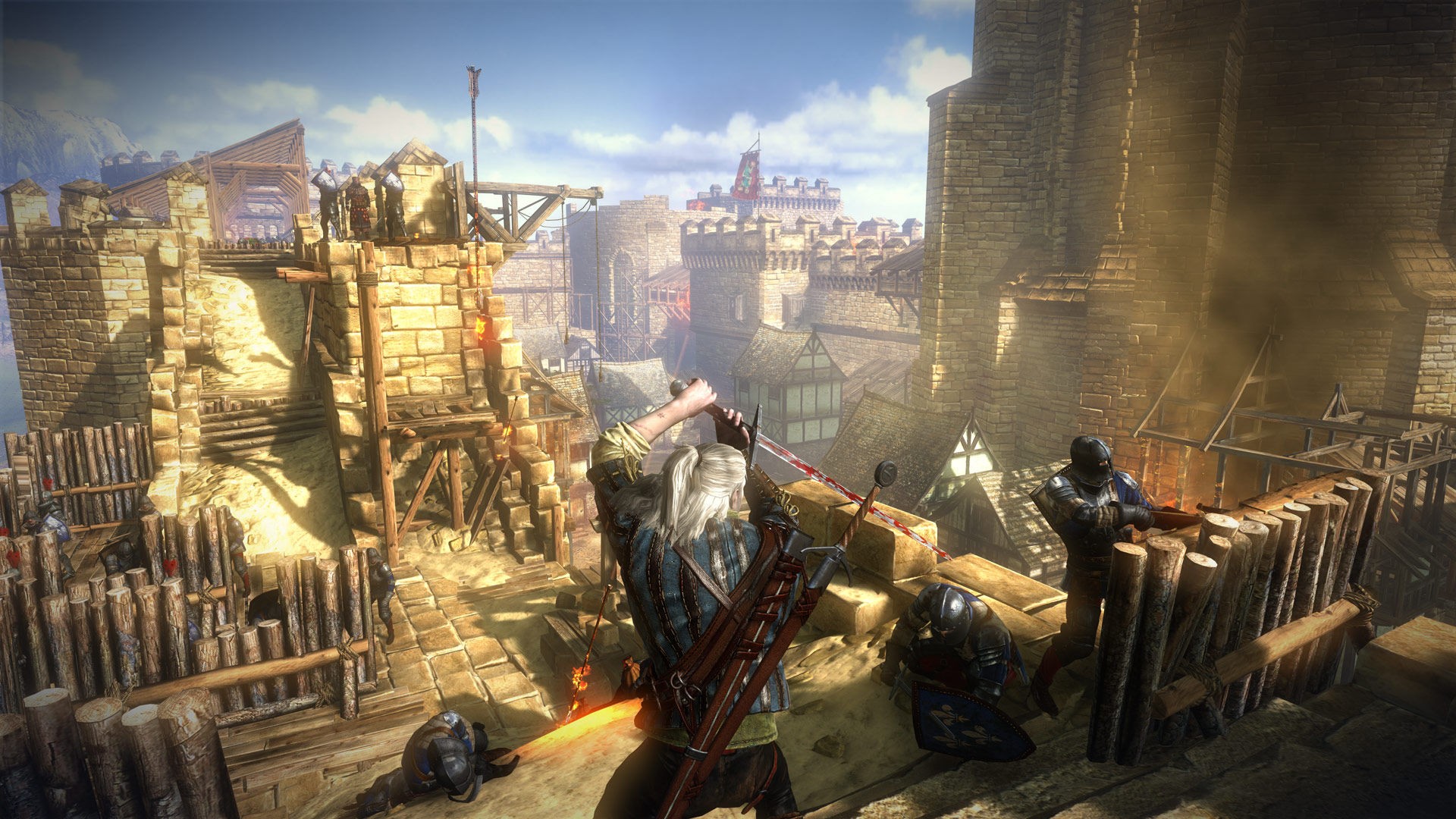
The combat in The Witcher 2 is better than the first game because gone are the timed sword swings and stances. You now just have light and heavy attacks, but you can block and counter-attack (when you unlock the skill), and you still use the steel/silver sword combo. Steel is for people, and silver is for monsters. Combat was very hard to do when the game first launched, but patches as of late have fixed this for multiple blocking and faster responses. The combat isn’t great and is clumsy, especially early on when you aren’t very strong and towards the end of the game. Combat will make you smash your monitor in frustration in the beginning because you have to learn to just hit once or twice, dodge, run around, hit another couple of times, rinse, and repeat 50 times. Yeah, it’s one of those games in the beginning. After you level up enough, you can cut down enemies in just a couple of swings, and groups of 7–10 won’t really bother you.
Of course, you can equip better armor, weapons, and so forth, but The Witcher lets you do other things like equipping trophies that are found on bosses that increase stats, using sword enhancements such as oils, whetstones, runes, and armor enhancements (kind of like Monster Hunter?). This adds a lot of depth to the customization of your loadout, which has endless possibilities. I think the biggest improvement is resource gathering and alchemy because it’s so simple and easy now. Just gather resources as you go, and you can meditate and create potions that increase your vigor (for signs; more on that later), vitality (health), a potion that lets you see in the dark, damage-increasing potions, etc. The only problem is that you can’t drink them from the menu; you have to use them before a fight. This is my biggest beef with the game because if you are low on health in a fight, you’re screwed unless you took a swallow potion beforehand. The premeditated potion drinking is a big flaw in the game, I think, but some hardcore RPG players may like this.
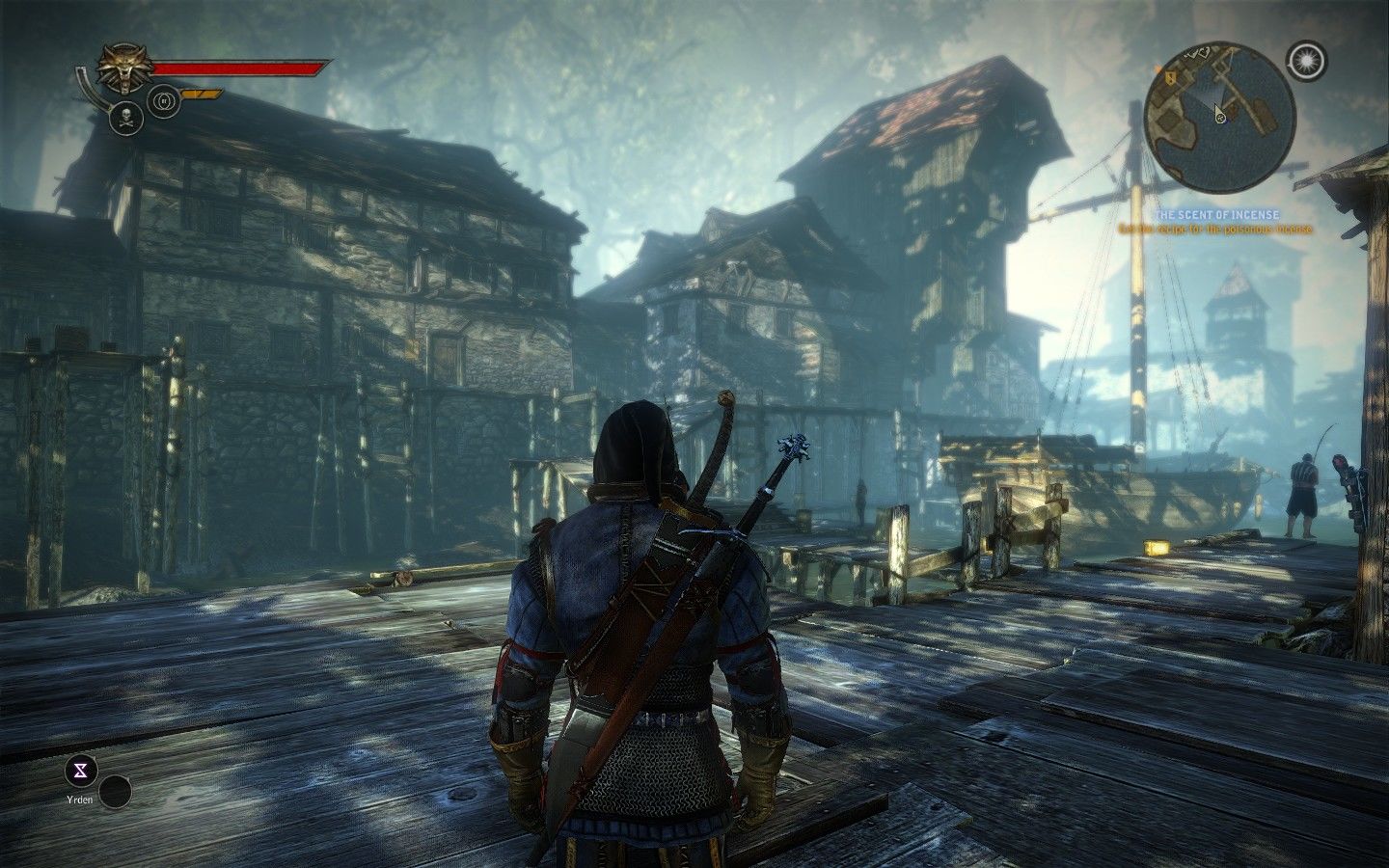
The Witcher is also famous for its signs because witchers can’t use magic like sorcerers or mages can. There are six different signs, and they use chunks of vigor but recharge over time. These signs are vital to winning in combat, especially against bosses, so learn to use them in tandem with sword combos, and you can win even the toughest fights. One last thing you can use in combat is Places of Power, which you find with your wolf medallion. Activate it, and you may find, out in the woods or in wild places, signs of power that give you temporary stat boosts. These come in handy early in the game (especially in Flotsam) when you are at a low level.
The story also has moral decisions thrown in there that really change the outcome of the story. Of course, there are multiple playthroughs (but no new game, sadly), so you can see what each decision will bring. There are a lot of plot holes in the story that aren’t filled until the very end during dialog, which I found odd, so if you get confused, just hang in there until the final moments of the game. Overall, my biggest issue is the potion use, combat, and the huge difficulty spikes. The graphics are groundbreaking, with gorgeous lighting, highly detailed textures, amazing landscapes, and varied environments with nice weather effects. The character models look superb, and the voice acting is top-notch. This game just shows that indie developers can make games look great. You do need a monster rig to run the game on high settings (especially with Ubersampling enabling you to probably need dual GPUs and a high-end quad-core CPU). Other than that, The Witcher 2 is amazing in every way and should not be missed by anyone.



























 thebinarymessiah.com
Try multiplayer. A lot of fun !