Multiplayer really defines most genres these days and is usually what keeps people coming back to games. A good multiplayer game usually consists of leaderboards, stat tracking, a reward system, and lots of maps, customization options, and just super fun addictive gameplay.
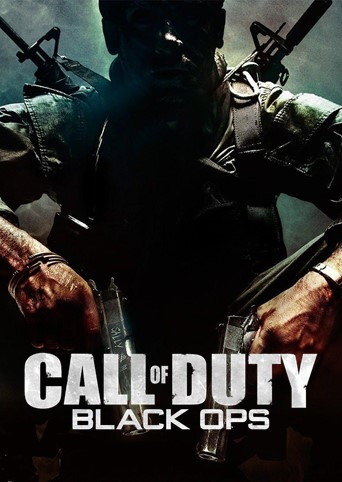
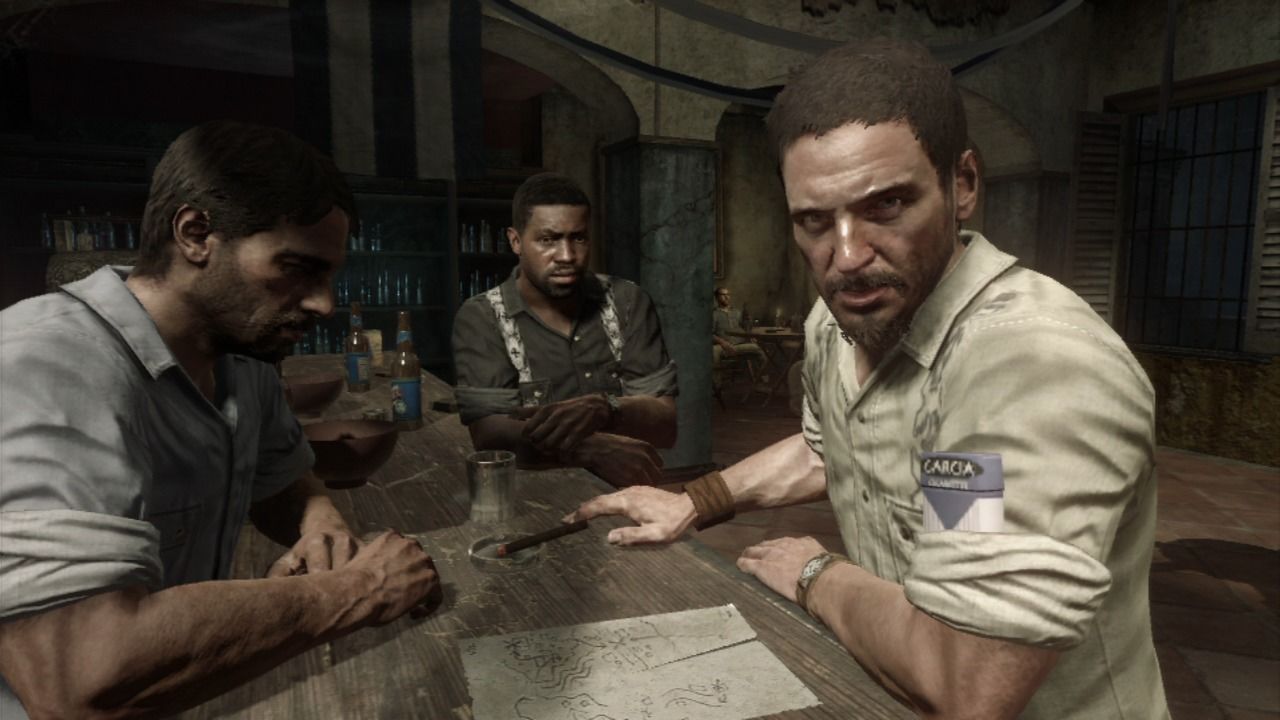
Modern Warfare redefined the FPS multiplayer scene and Black Ops perfects it with Wager matches, tons of customization options, perks, ranks, and well-made maps. Nothing can really hold a light to Black Ops, and to me is probably one of the best FPS multiplayer games of the decade.
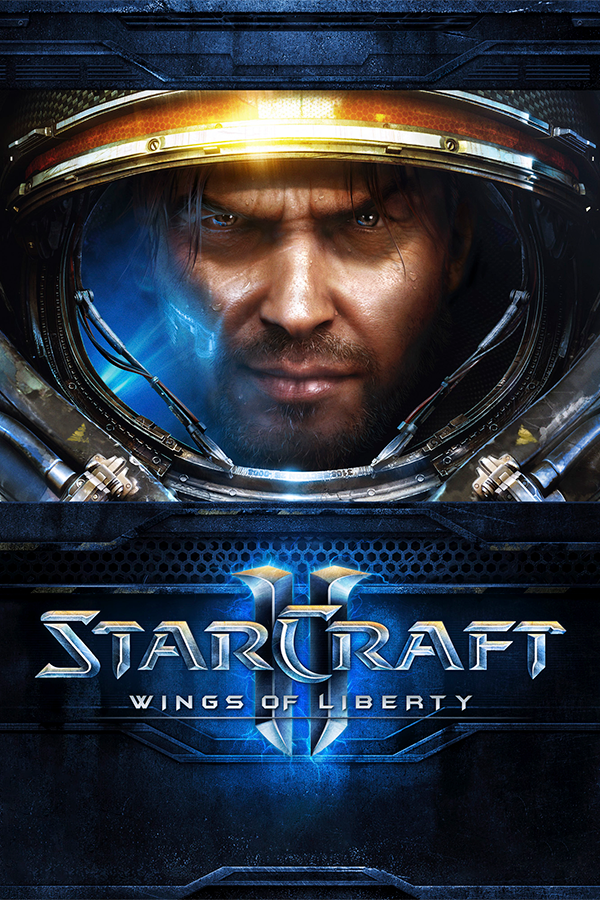
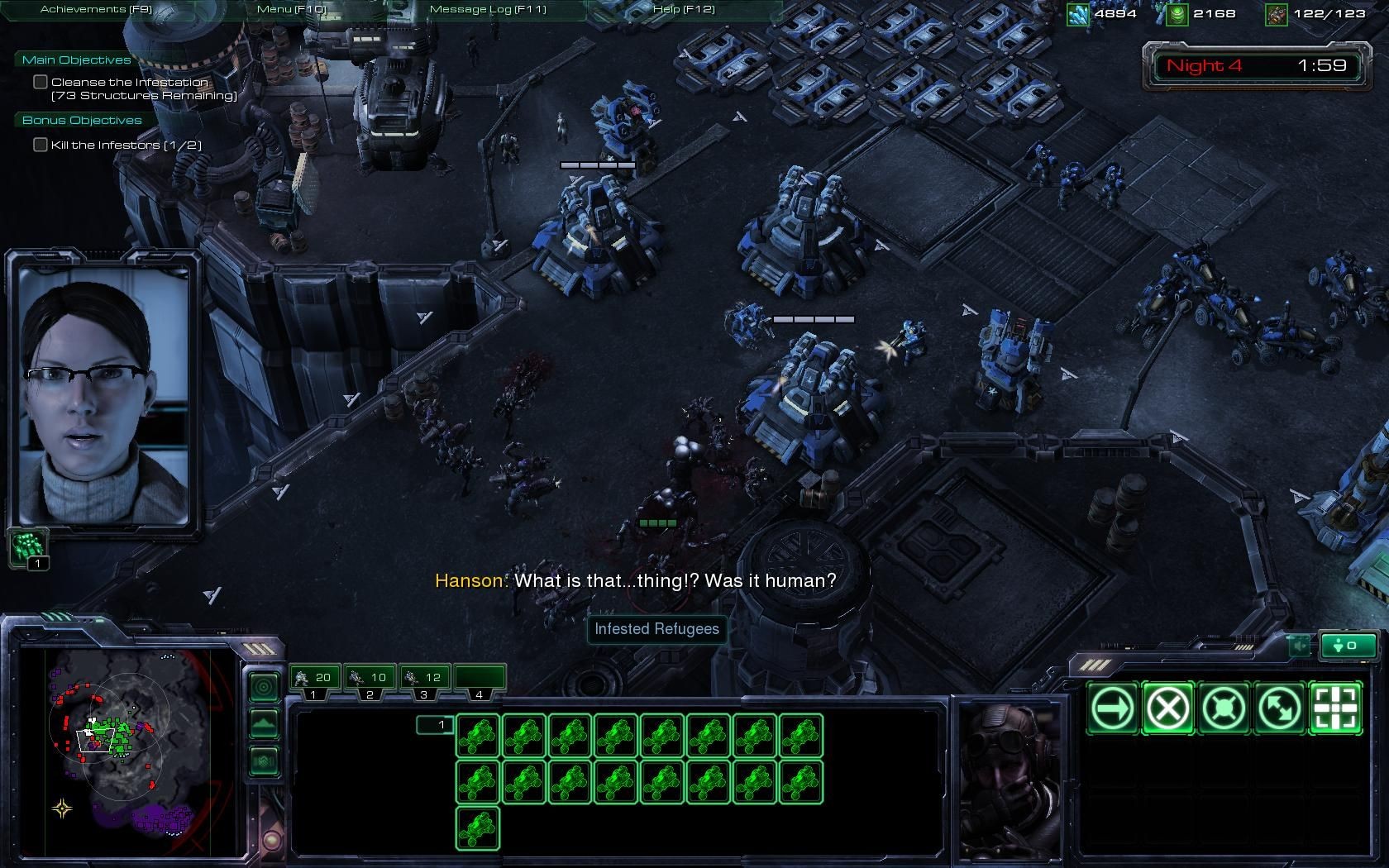
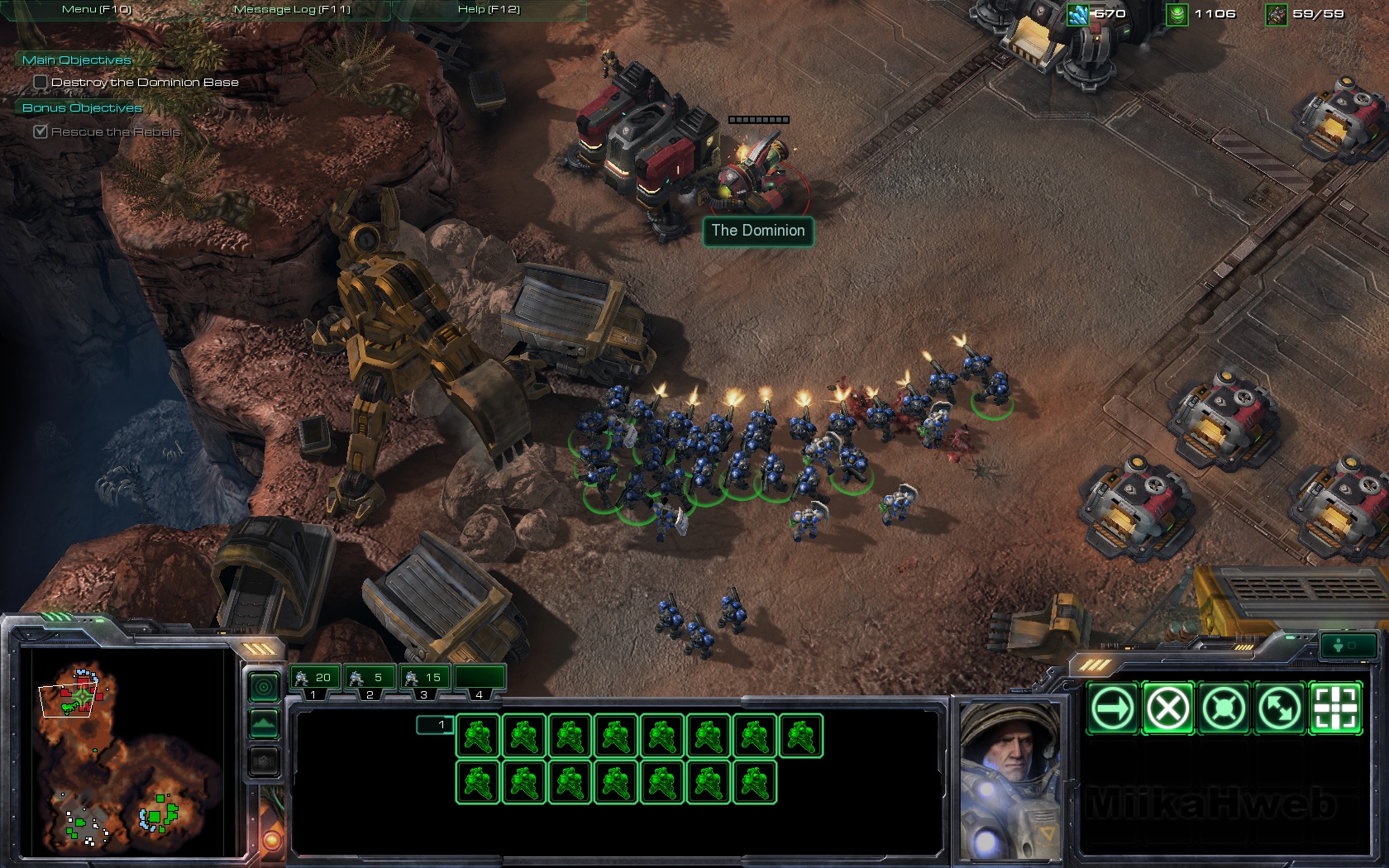
RTS games of old were just all about building units and killing the enemy, and thankfully StarCraft II keeps this in mind and lets RTS fans of the 90s get another taste. Liberty has you playing as James Raynor, who is an outlaw to the Dominion Republic and must stop the alien Zerg, the Dominion forces, the Queen of Blades (Sarah Kerrigan), and the Protoss all at once. The story is pretty riveting, especially for an RTS, thanks to excellent voice acting, dialog, and plot twists.
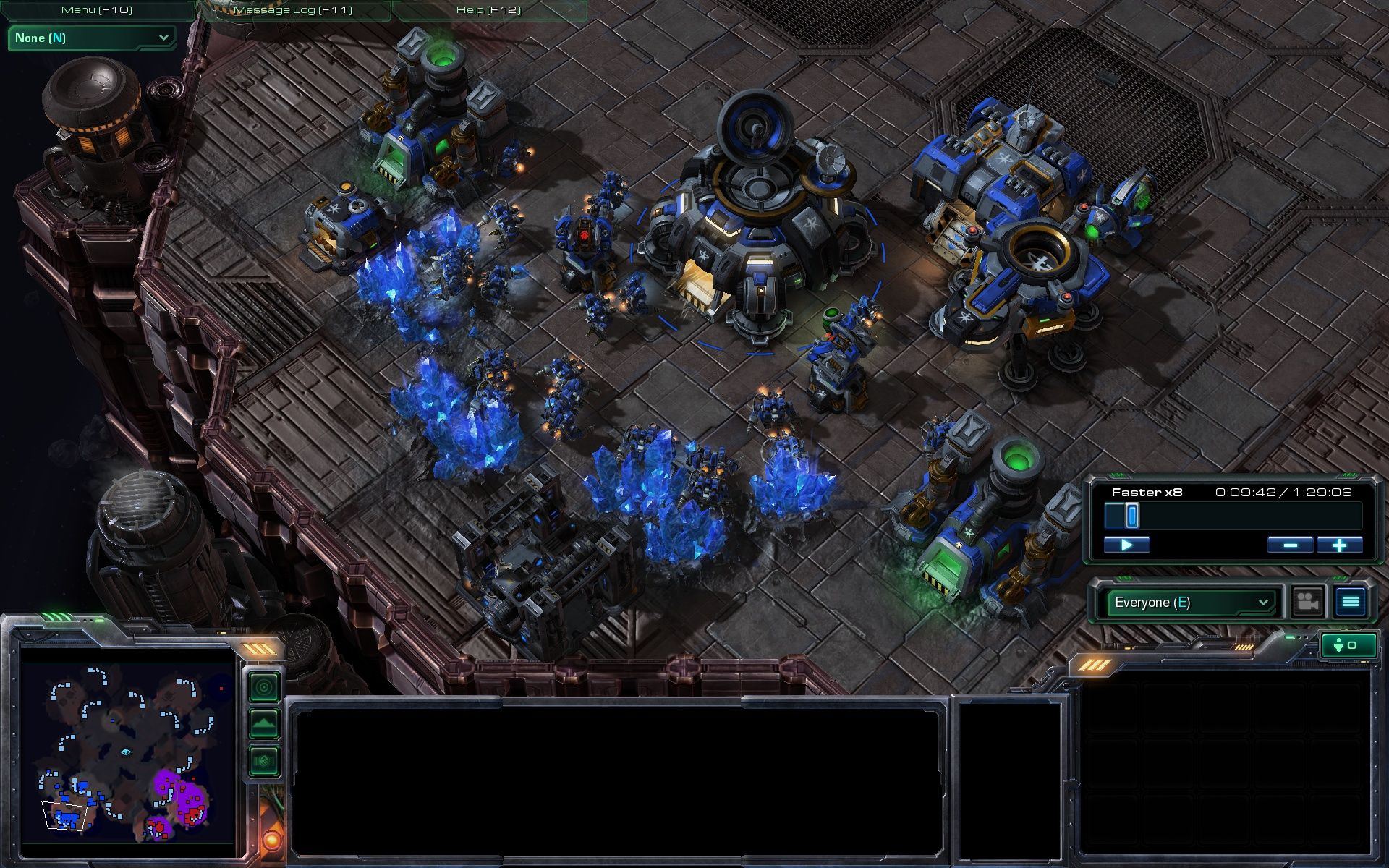
I’m not going to explain how an RTS is played, and if you played the original game, you know what you’re getting here. The game is very simple, with the premise of just building your army and completing objectives. There are only two resources in the game: Vespian gas and minerals. If you don’t like it, then go back to Company of Heroes or Dawn of War (I’m not saying those are bad games). You gather these with SCVs, and you build your main buildings, such as factories, starports, barracks, and anything else that other units require and have at their disposal. Yes, it’s that simple, but there are many changes and enhancements from the first game.
Firstly, there are a ton of different units, and you really have to think and strategize how to beat each mission. Each building has several units, but the game focuses on air and ground units. There are weaker units such as marines, reapers, and firebats, but marauders are the strongest. The factory holds goliaths, different vehicle units, or the strongest one, a Thor, which is a giant mech. The starport has several different types of ship units, with the biggest being the battlecruiser.
There are also defensive units that SCVs can build, such as missile turrets, detectors, and mind control units for the Zerg. There are so many units; you have something for every situation, and you end up using every single one quite often since they are perfectly balanced. Some units have special attacks that do extra damage but use up the unit’s energy supply. Some units can transform from ground to air or turn into defensive units. There is so much when it comes to this that it would take forever to describe it all.
The missions are great and varied, and you will never get bored. They offered a fair challenge, and even the later missions were fairly balanced. The game is just full of so much variety, but it’s so simple and easy to play and understand that it really pulls you in. Throughout the 26 missions, you will slowly earn more units to build and be able to build larger, stronger armies. The literal goal is to just build dozens upon hundreds of units, attack or defend, and complete the objectives.
The game’s only real flaw is that building units takes forever, but this also balances the game out, so you really think about what units you need and use them wisely. There are small band-aids for this, such as the mercenary compound. You can instantly call down highly skilled units for a large price, but there’s cool downtime. You can also build multiple buildings or build a different lab to build two units simultaneously, but you can’t build more advanced units without the tech lab.
You can upgrade most units with credits earned during missions, but you won’t ever be able to buy them all, so choose wisely. You can also use research points to pick one of two upgrades on a ladder. One side helps your army, and the other is research against the Zerg. Choose wisely since you can’t pick the other or go back. This upgrading system is great and adds lots of strategies, even off the battlefield.
Aside from all this, you can click around and listen to dialog from key characters, and this adds to the story and interactivity of the game, which is excellent. There are no extras, however, such as behind-the-scenes footage or anything else that would have been great. The game just has so much variety and content and is so perfectly balanced that it really feels like those 12 years were put to good use.
The multiplayer is what will keep you coming back. I’m not a huge fan of RTS multiplayer, but Liberty really shines in this area with Battle.net. With human opponents and four different factions to play, you will surely pour dozens of hours into this part of the game.
The game also looks amazing. If you have the rig to play the game with all settings set to their highest, you will be treated to beautiful visuals, excellent lighting, and well-done animations and effects. Everything looks amazing, and the game just plays brilliantly. I highly recommend this for StarCraft vets, but people who like their RTS complicated and with a lot of depth will be disappointed. But there is something here for everyone.
I remember when Warcraft came out, but at the time I never had the PC to run the game, so now I finally had the chance, and I was very pleased. The game has something that most RTS are missing, and that’s a great story. You play through four campaigns (Humans, Undead, Orcs, and Night Elves) and watch as the Undead try to corrupt the world. What’s interesting about the story is that it’s like playing a game of chess with yourself. Without spoiling anything, you basically play one campaign, then it leads to the next, but you’re ironically fighting against what you just did in the other campaign. It’s a great change of pace and keeps the story interesting.
The game is mainly focused on the four races, and they all play differently and uniquely. You have humans, who are average in everything. They can perform magic and fight with weapons about equally; the Undead can kill off their own units for health and eat other enemies for health; they also can’t build on the ground unless it’s been blighted by a Necropolis building (think town hall); orcs have lots of health and are super strong, but use little to no magic and are slow at building things; and night elves are very weak but can hide in the shadow and move very fast while manipulating nature to their whim. This makes every campaign feel different and won’t bore you at all. What’s different in WC3 as well are the types of missions you have. You may have some missions where you defend something for a set amount of time; some missions have you wiping out all enemies; some fetch quests; and others are just you and a few units trying to find something. This tossing thing up won’t keep you saying, “Not another building up and killing mission.” Another main pull in WC3 is the heroes that you use.
Each hero can level up and use four different spells to help you win the level. Some spells are offensive, defensive, or passive, so they just work by adding attributes or are auras, which apply to surrounding friends. These will really help you in a pinch and are well balanced. Of course, you have to learn some spells by leveling up, but they are all unique for each hero you use. You can also buy things from merchants that are scattered throughout the maps to buy healing potions, protective spells, town hall portals, and even hire mercenaries to do your dirty work. This can also change the way things turn out and is just another great addition to the depth of WC3. WC3 may not be as deep as Civilization or Age of Empires, but it still offers brain work for RTS fans. To eliminate micromanagement, WC3 only allows up to 90 units to be built (technically, only about 25–30 since each different type of unit takes up more food). You can also only have up to 12 units selected at a time. While this can be a bit of a problem when evading large encampments, it still keeps the micromanagement down.
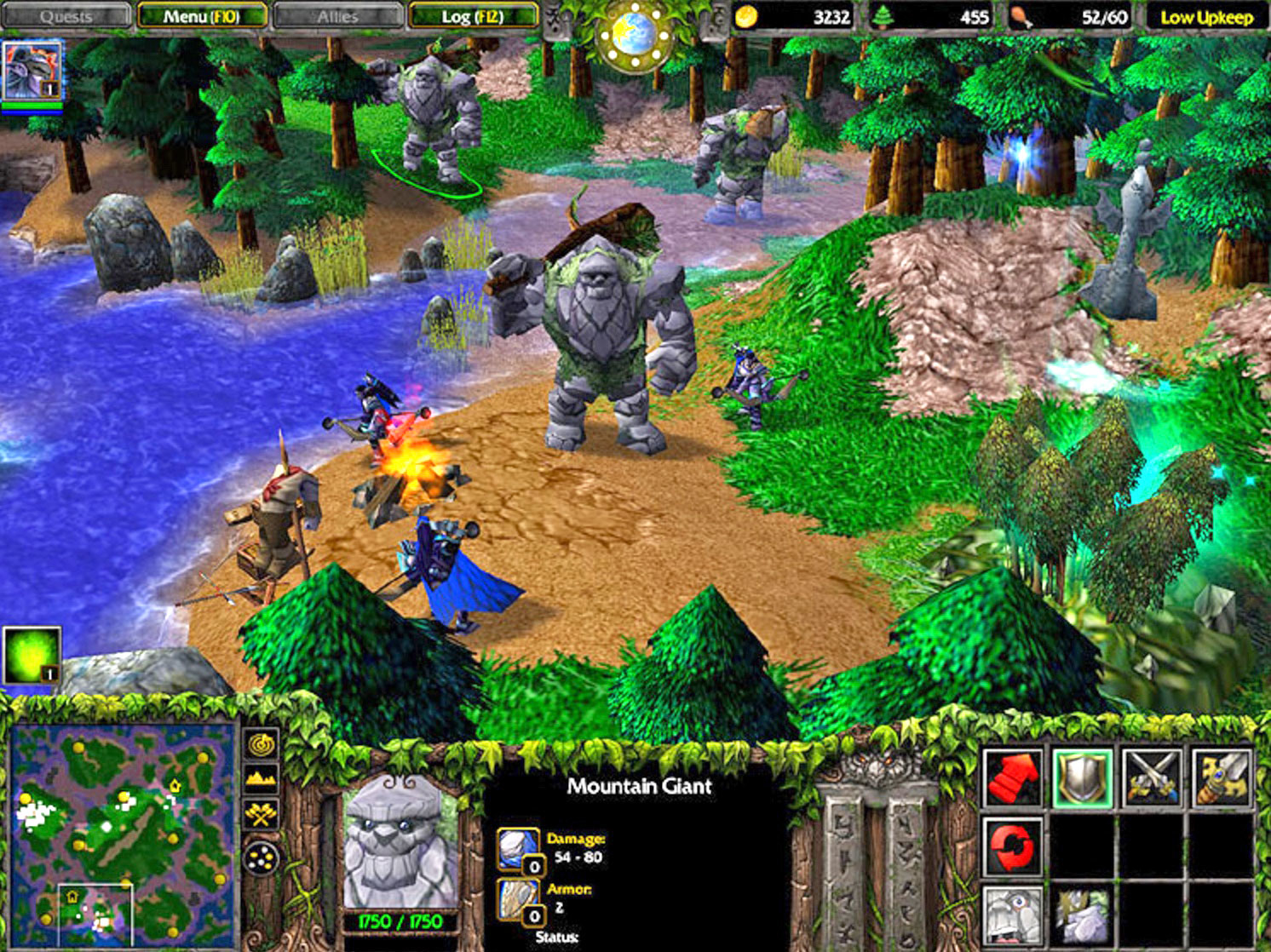
I also found issues with the difficulty. Some levels are super easy, and some levels attempt invincibility cheats because your units never seem strong enough for most enemies. It may take a level 10 hero up to 30 seconds to kill a level 4 enemy, so this is really unfair. The game is also absurdly long, clocking in at about 40–50 hours, depending on how you play. Some levels will finish with only one unit left with a pixel of health, so you can see the difficulty is really unfair. WC3 works like any other RTS with the building, err, building, and having to mine gold and wood to build units. The final issue is that this doesn’t work fast enough, so you’ll be sitting and pinching resources while all the enemies attack you. Once you hit high or low upkeep, this can be a problem since maintaining so many units starts costing you. Gold income is low enough, as it is 10 pieces per worker. Low upkeep gives you 7 and high upkeep gives you 4. You can imagine it would take forever to build up a few thousand golds that will only build a few troops. After your gold mine collapses, you have to search for more, but most are in enemy sights, so this is another issue.
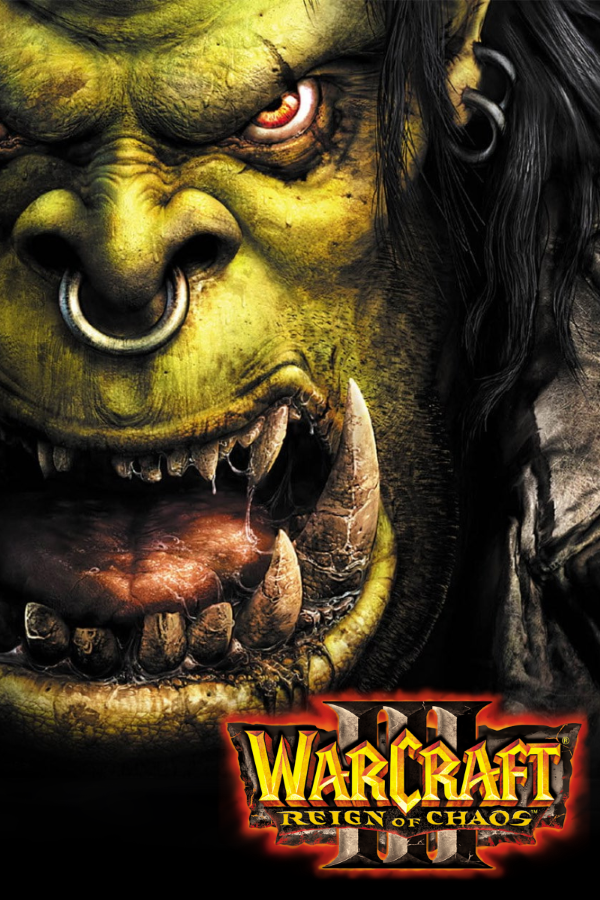
Other than all of that, Warcraft III is an RTS that all fans must play. The excellent story complementing the deep but subtle gameplay is rewarding, not to mention the online multiplayer through Battle.net. The graphics are bright and colorful, and they have a lot of detail that most RTS games don’t have. The voice acting is superb and nicely accompanies beautiful pre-rendered FMVs. If you’re itching for a great RTS game, then look no further than Warcraft III.



















 thebinarymessiah.com
Try multiplayer. A lot of fun !