Mobile gaming hits are usually casual-friendly, like Angry Birds, Farmville, Flappy Bird, and many others. Most of those games are fairly mindless and don’t require much thought. Along comes Threes, a game that requires strategy and thinking beyond just a simple tile-sliding game.
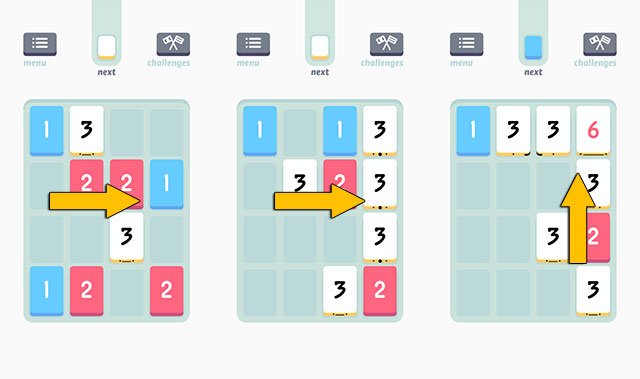
Threes is simple, minimalistic, and quite charming. The board is made up of 16 tiles. You get six random tiles made up of numbers 1, 2, or 3. You must slide these tiles into each other to add them up. If you slide to the left, everything on the board will slide to the left. This single gameplay element is what distinguishes it from regular slider puzzles. With this in mind, you have to be careful to slide all the tiles in the right direction. Once you get 3, you can slide 3 and 3 together to make 6. Two of those make 12, and so on. However, the higher the number you have, the harder it is to get another number like it together to join those two. It’s a brilliant gameplay design that gets extremely addictive.
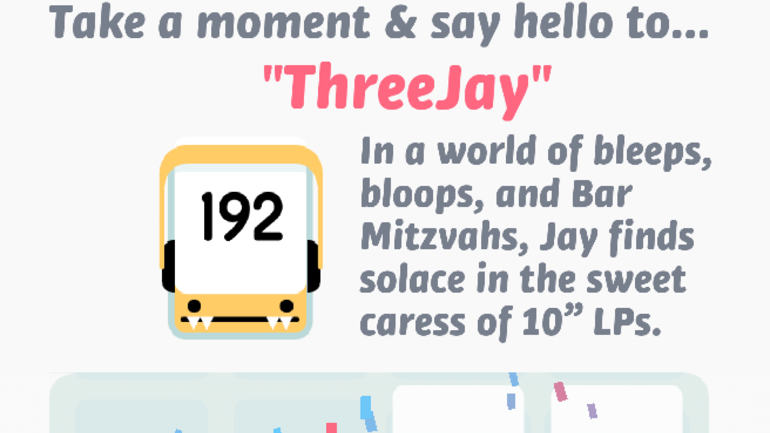
It takes a lot of practice, and sliding randomly won’t get you anywhere. You can easily gridlock yourself without even realizing it if you aren’t careful. Thankfully, Threes is pleasant to look at and listen to. Each number tile has its own voice and caricature, and the simple, washed-out white design is easy on the eyes. Even the music is charming and great to listen to. This is the kind of zen game that Angry Birds or Clash of Clans can’t get to.
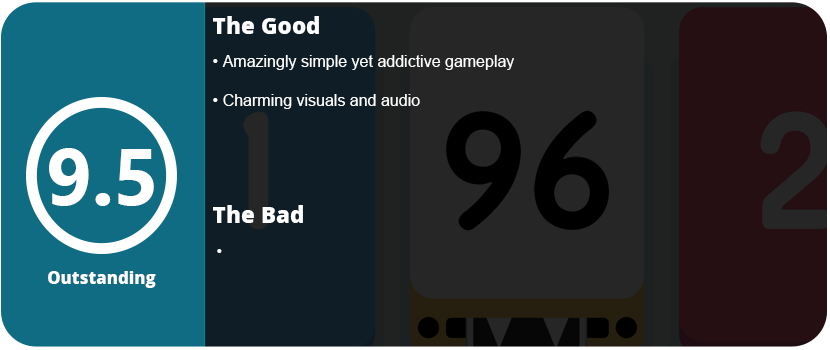
Even if you aren’t a fan of numbers or math, you are missing out on one of the best mobile games ever made that doesn’t require microtransactions. Even that alone is worth the purchase.
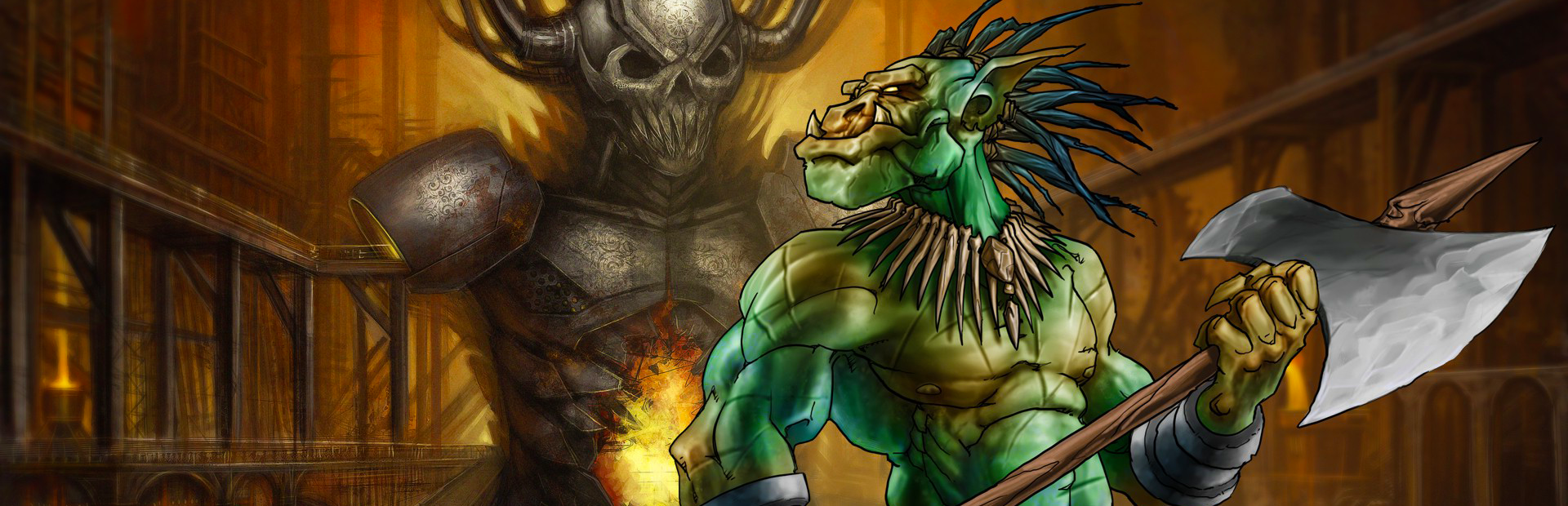
The first Puzzle Quest was amazing, and it just had a lot of charm, a great story, and good characters. There was just something magical about that game. Puzzle Quest 2 is a disappointment. The core gameplay is still intact, but it’s repetitive, has a toss-away story, and just lacks the charm of the first game.
You play as a generic character who is trying to free the town from the evil orcs, goblins, and whatnot, and it’s not very interesting at all. The first game had a nice overhead map you moved around on, but you walk around with stiff two-frame animations, and it’s not as appealing as the first game. Even the dialog is uninteresting and just feels like unnecessary filler.
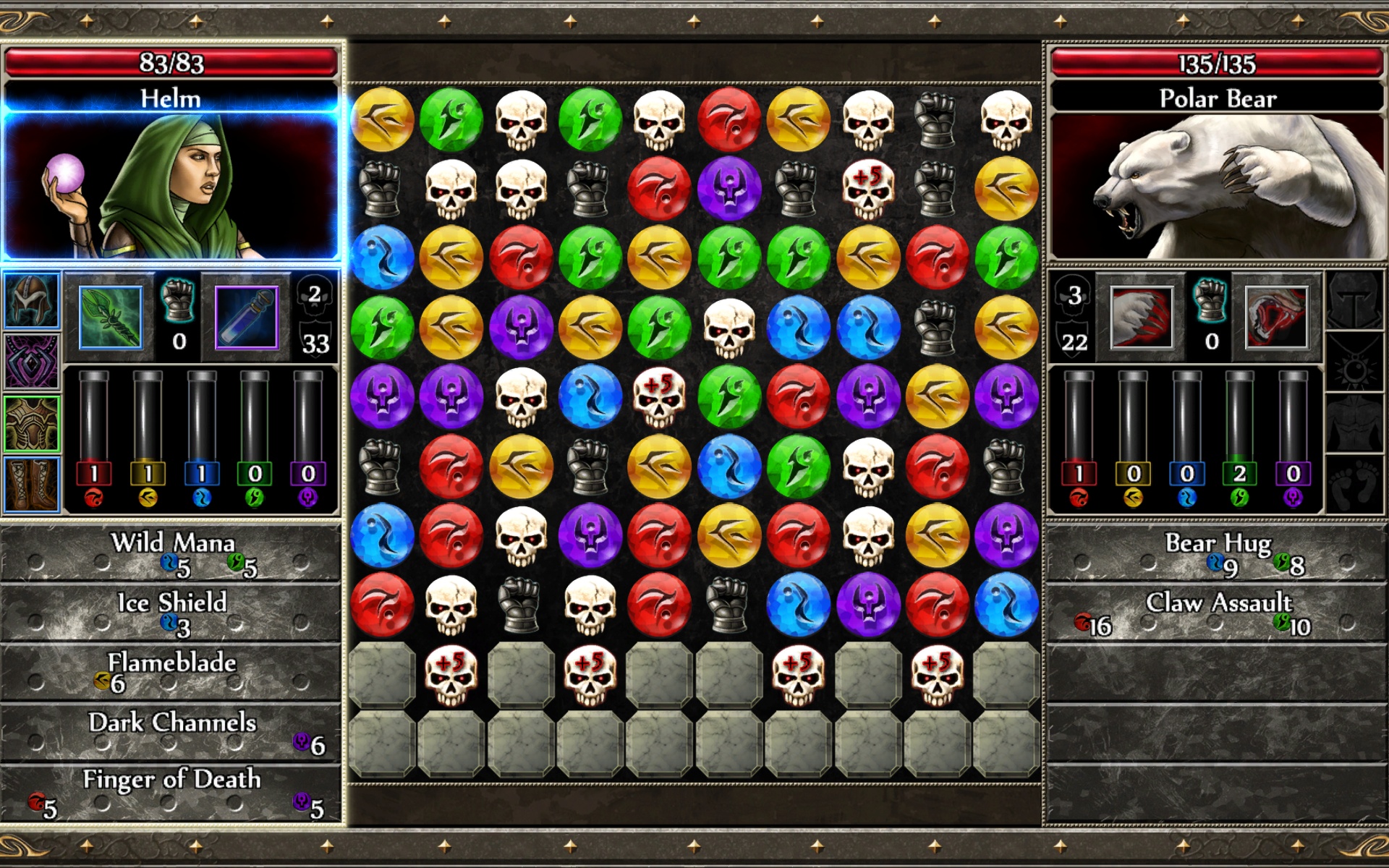
The puzzle part is the best part of the game, and it’s still the same. You can use your weapon to attack, but you must get the first gems and reach the amount the attack requires. There are different colored gems, and matching three adds to the amount the magic spell requires. Getting four-of-a-kind grants you another turn, and getting five-of-a-kind grants you another turn but lands a wild card. Skulls are used to attack the enemy, and there is great depth and strategy involved, and it’s still highly addictive. Trying to find the right combination of spells will make you unstoppable, but there isn’t a huge selection, and unlocking the spells can take forever.
You can level up (thus the RPG elements), but it never feels like it does much because of how unbalanced the game is. You’ll have a regular foe with 184 HP rather than a boss with only 72. It’s weird, but you keep coming back for the addictive puzzling. Another downfall is that there are hardly any useful items in the game. Finding stronger armor, weapons, and shields should increase in quality as you progress, but halfway through the game, you’re still finding stuff from the beginning. There isn’t a large variety either, and using mana potions and health potions is almost useless since just playing through the puzzle board is good enough.
There are some new ideas thrown in, such as “mini-games.” These vary from looting treasure, picking locks, breaking down doors, etc. Looting is really fun since there are only four types of symbols. Getting treasure is fun since you can drop matches so many times and match rare chests that give you “rare” items, but they don’t seem rare at all. Breaking down doors requires you to match door icons; picking locks seems a bit overcomplicated, and I could never figure it out, but they are a nice touch.
Despite the charm being gone, Puzzle Quest 2 manages to be good only because of the puzzle game it was created from, but even hours into the game, you will get sick of it and may not even finish the story. The game just feels half-baked, and I know it could have been so much better. However, if you loved the first game or just love puzzle games, this is a great game for anyone.
CakeMania has the same play style as Diner Dash, so fans of that game know what kind of fun they are walking into here. CM’s premise is as follows: You are Cloe, whose grandparents’ cake shop must be torn down due to its age, lack of customers, and not being up to code. So, as the sweet girl Cloe is, she decides to spice things up at the shop by adding new ingredients and working it all by herself. The gameplay is very similar to Diner Dash, where you have a step-by-step style of gameplay. A customer comes in, you give him a menu, you wait for him/her to select their cake, you go to the oven and you select the shape they want, after that, you carry it to the icing machine and select the color icing, and after this, they may want a decoration (which you have to end up buying before you can use them).
The later stages have you making double-stack cakes, but the game isn’t just as simple as all this. You have a certain cash goal you have to make, and customers will leave bigger tips depending on their attention level (hearts above their heads), so the more hearts, the bigger the tip. Some characters have more hearts than others, and there are holiday-specific cakes and characters. Some characters affect others, like Santa adds one heart to everyone, and the vampire at Halloween makes them irritated faster. The whole game is about memorization and organization. You have to decide who’s more important than who and bake the cakes accordingly. If you screw up, you put the cake on a stand (that you have to buy) so it doesn’t go to waste, and usually, a customer will eventually buy it, saving you time. If you screw up too much, you have to toss the cake, costing you money and time. If you take too long, customers will get angry and leave, losing money in the process.
When you finish a stage, you can save up and buy new cooking equipment, such as upgraded ovens, icing machines, a muffin oven to hand out free samples to make customers happier, more decorations, etc. This is what keeps you playing CM, which is to keep getting further and further, so in turn, the pace keeps going up, and so does your cash goal for the day. You get a certain amount of time to pump out cakes before the store closes, so if you have customers left after you close, that’s it for the stage. The game has many stages, and of course, the game isn’t perfect.
While that’s the main concept of the game, it’s played out pretty flawlessly, but it’s everything surrounding it that is average. The graphics are nothing much; just a bunch of drawn-up sprites with one or two animations per character, and the game looks and plays like something from a GameBoy Advance or cough DS. There aren’t any effects at all unless you count the icing machine’s “spray” effect. The game’s not ugly, but not pretty to look at either, which is a shame. Other games like this, such as Cooking Mama and even Brain Age, have some 3D elements. I don’t know why the Diner Dash engine hasn’t been updated to 3D yet. Thankfully, the PSP’s widescreen helps you see everything on-screen with ease without any scrolling, so this makes things more spread out and not so cramped.
The audio is just as plain as the visuals, with annoying one-track-repeating BGM, a few whooshing, and whizzing sound effects, and that pretty is the whole pie…or cake. So with a retarded story and plain audio and visuals, what you have left is a layer of vanilla cake with vanilla icing that tastes good but doesn’t really make your mouth water. With the cheap price point, you’ll be strangely and sickeningly addicted to this Diner Dash-inspired game.
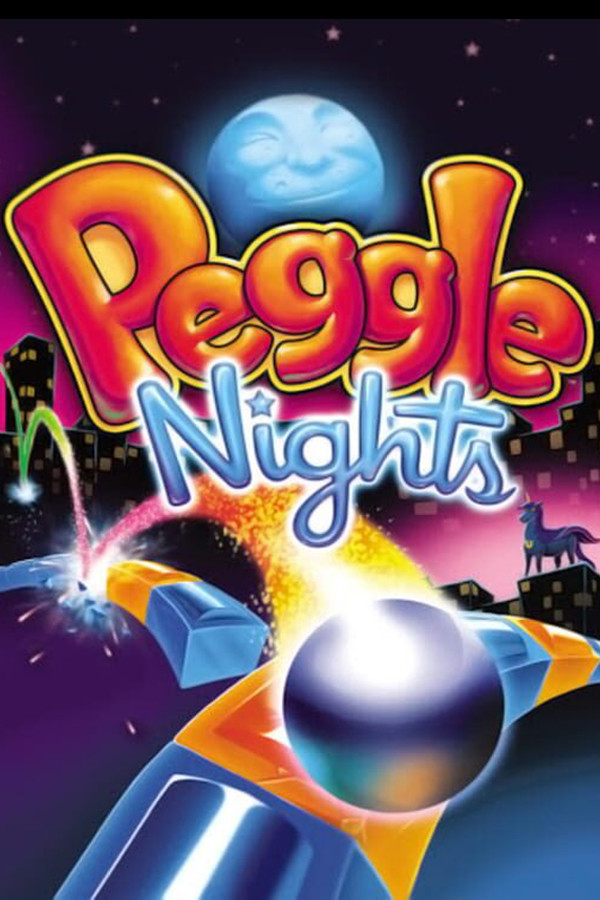
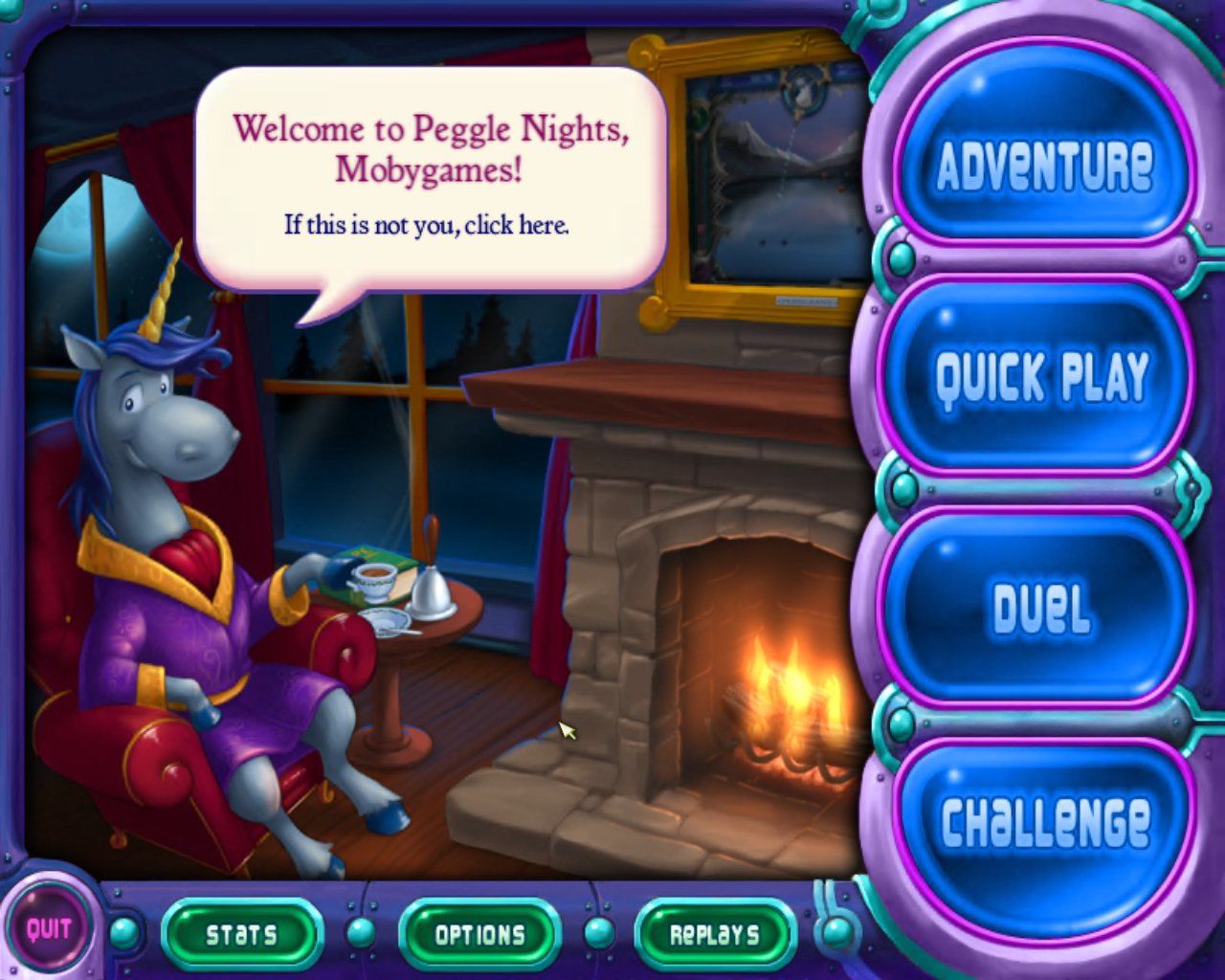
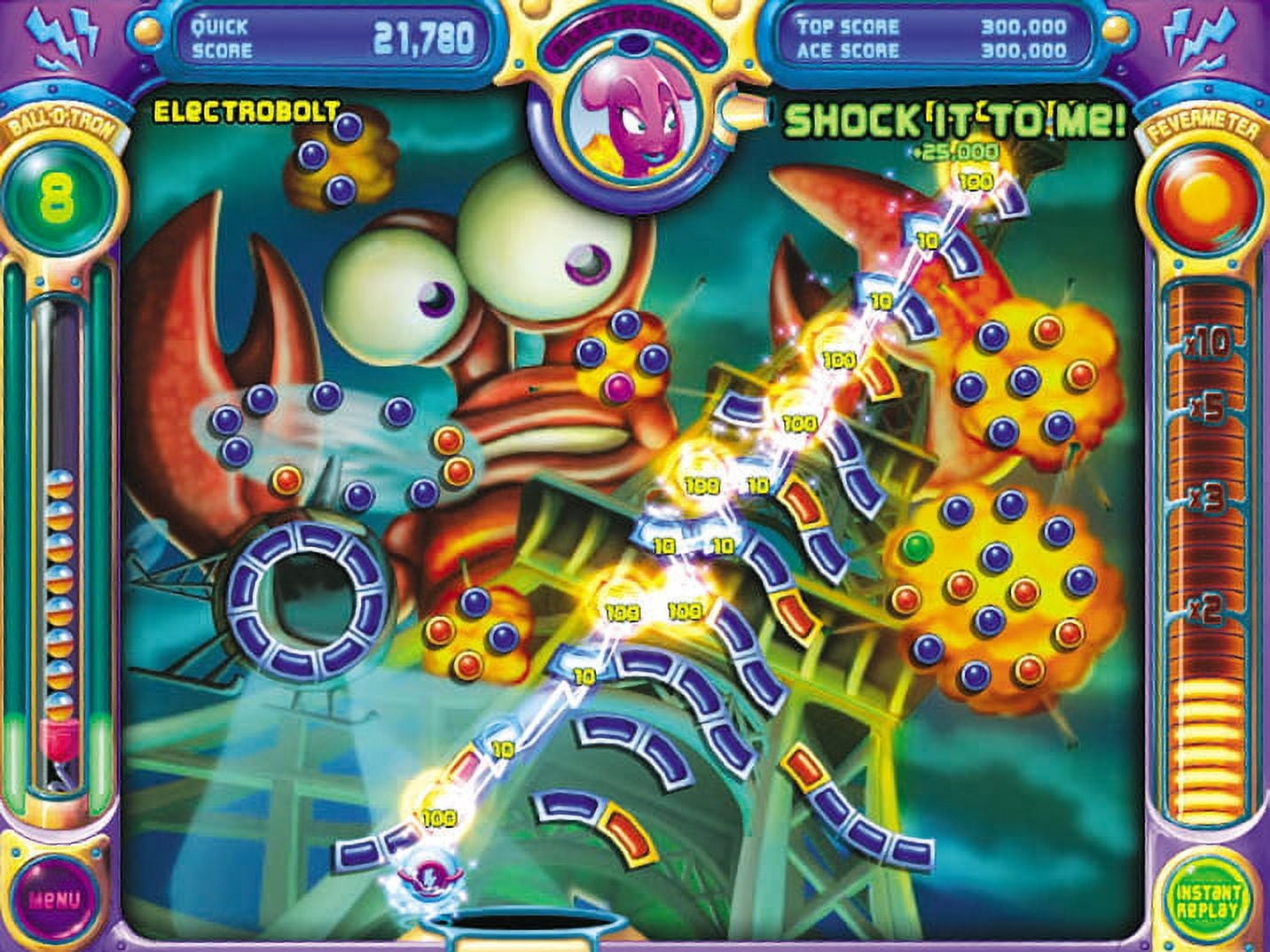
I’ve never played a Peggle game before, but I heard a lot about the new Peggle Nights, so I took a peek, and I liked what I saw. Peggle is basically what the name says: You shoot balls from the top of your screen and skillfully bounce them off different colored pegs to get the highest score. Now you’re probably asking, Why is this game so different from similar games? Maybe because this game has charm and a lot more than just a basic mechanic. The game has “stories,” or characters, wrapped around certain abilities that each one has when you hit a green peg. Some have a guideline, some will spawn multiple balls, some make the ball catch wider (more on that later), and a lot of other different helpful abilities make each set of levels play differently. The pegs are sorted kind of like a Lite Brite (remember those? No? Ok, Google it right now), where the pegs are stuck in the background and some even move. This makes each level different and more challenging. At the bottom is a “ball catch” (basically a basket) that moves back and forth, and if your ball drops in there, you get a free ball. Sometimes you may bounce it off the rim or just shoot it straight in there, and you get extra points.
You can earn extra points by hitting purple pegs and orange pegs from long-distance bounces (hit all orange pegs to clear the level). If you get over 25,000 points in one shot, you get a free ball. Sometimes if you don’t hit any pegs and you just shoot straight to the bottom, a coin will pop up, and you may get a free ball if you’re lucky! At the end of the round, four holes open up at the bottom for up to 50,000 points if you get it in the middle for extra points. You get awarded 10,000 points for every ball you have left.
The game gets really addictive thanks to its forgiving difficulty. You can pretty much clear most levels in less than a few tries, and the difficulty is never all that punishing. This helps make the game more fun and addictive to play. You’ll spend a lot of your time building your skill by bouncing shots around the pegs, trying to hit as many orange pegs as you can in one shot to get a huge score. At the end of every round, you get an all-time score count, and this is put up on the worldwide leaderboards. You’re probably wondering how the game is on the audio/visual front, and I can report that it’s very nice. The game has bright, colorful graphics with well-animated effects and perfect ball physics, and everything just feels right. At the top, where your shooter is, your character for that stage is up there with eyes that follow your mouse, and they make faces depending on your performance. Each level has different moving backgrounds, and this makes things never seem boring.
The game has great music, lots of different pinball sounds, and some pretty crazy fireworks at the end of each round! When you’re all done with this, you can play a challenge mode that has certain objectives you need to meet to earn up to 60 trophies. So there is plenty to do here, and for the $20 you pay, it’s one of the best arcade PC games you can buy. Load up Steam and enjoy Peggle Nights (but you won’t enjoy Steam).

























 thebinarymessiah.com
Try multiplayer. A lot of fun !