Well, I finally did it; I actually beat ODST. I rented the game when it was first released, and it was so boring that I nearly fell asleep. I turned it back in after the first mission. In retrospect, I realized I just didn’t know enough of the Halo universe to understand the story of ODST, as non-fans won’t quite understand this little slice of the story, and that’s exactly what ODST is: a slice of Halo.
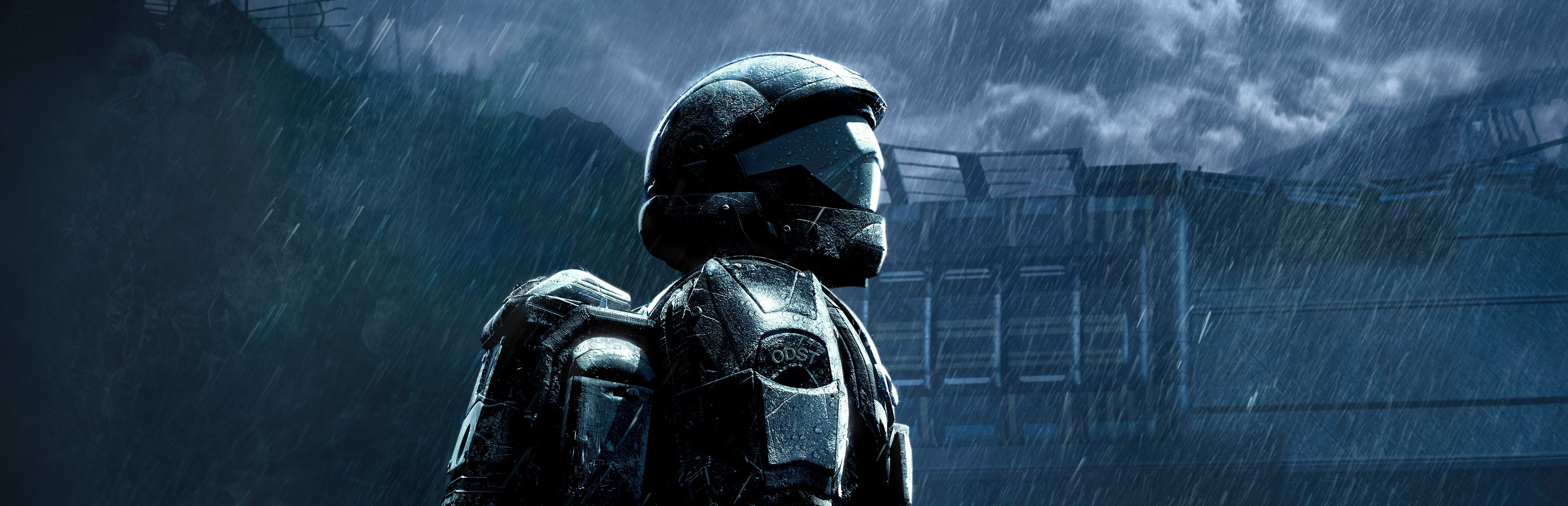
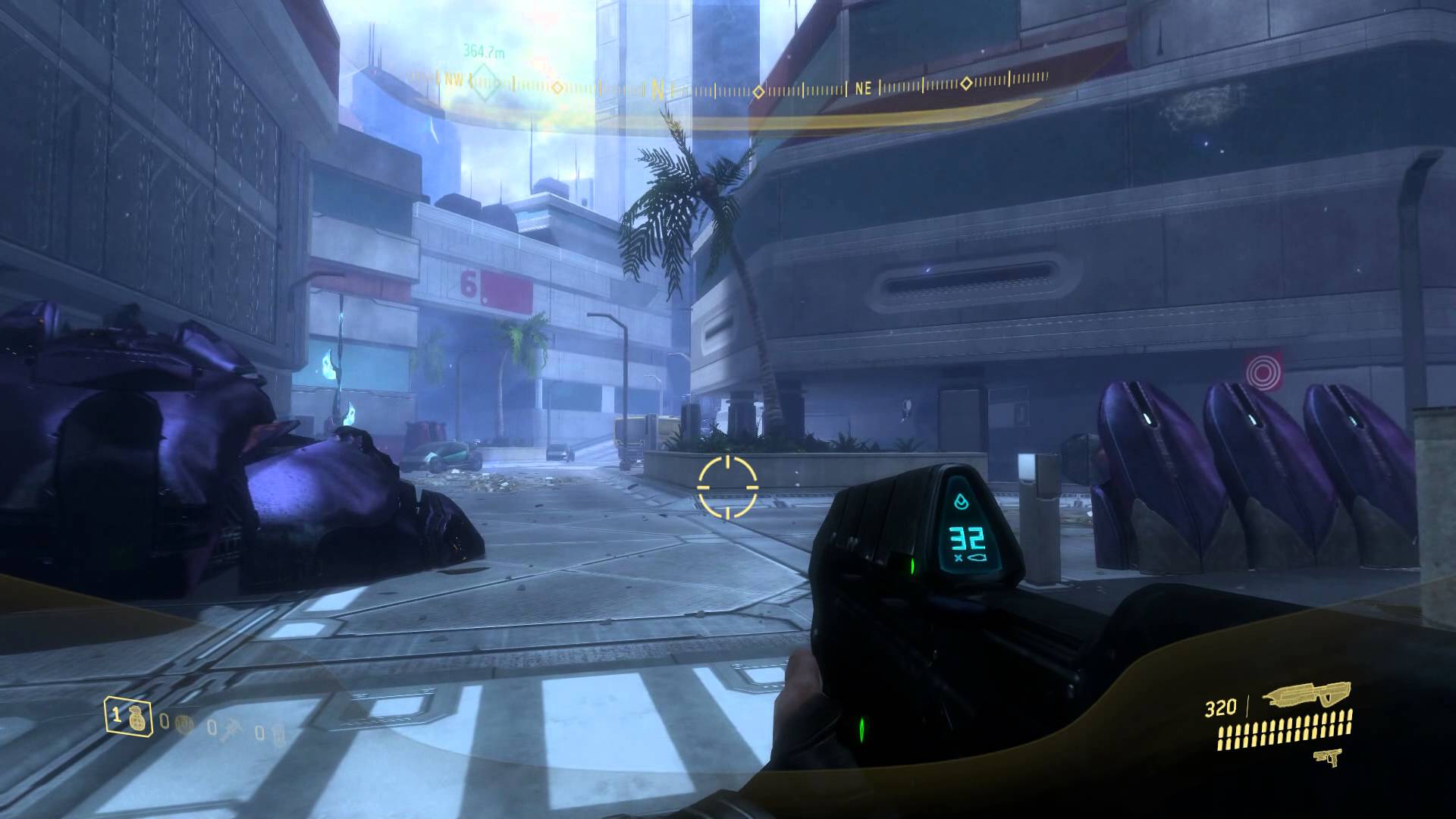
You play as an ODST (Orbital Drop Shock Trooper), who are the grunts in the warfighting most of the fights while the series is mainly focused on Master Chief. In ODST, you are dropped into New Mombasa, which is now completely overrun by Covenant and devoid of life. You were supposed to meet your fellow teammates for a mission, but everything went to crap, as usual, and now you have to figure out what happened to them. You are supposed to find clues as to what happened to each member, and these result in flashback missions. After completing the game, I realized how short it actually was, with only about 8 missions or so. Outside of these missions, finding 30 audio logs ends up being filler content, as I spent most of my time with the game hunting these down for achievements.
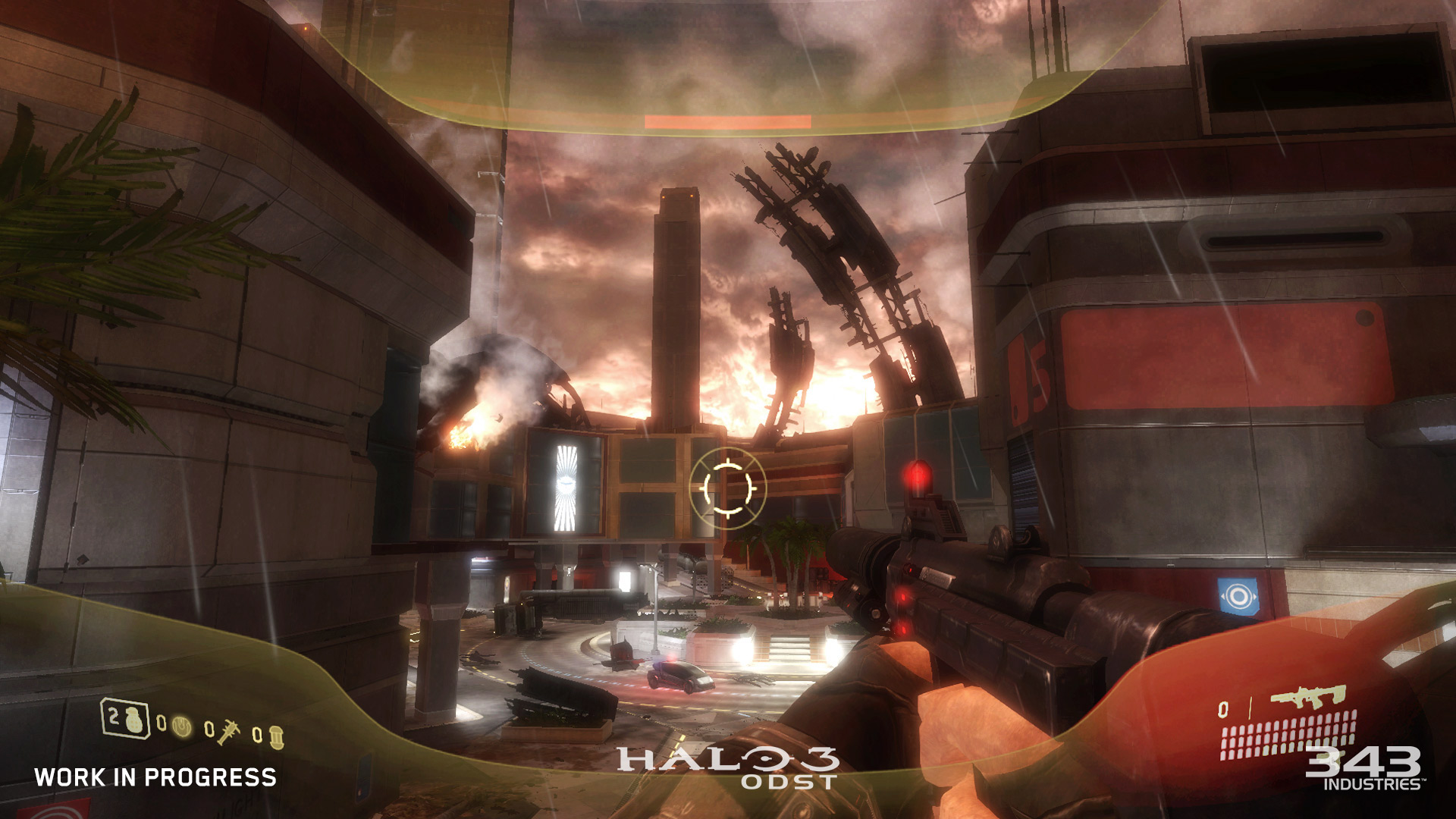
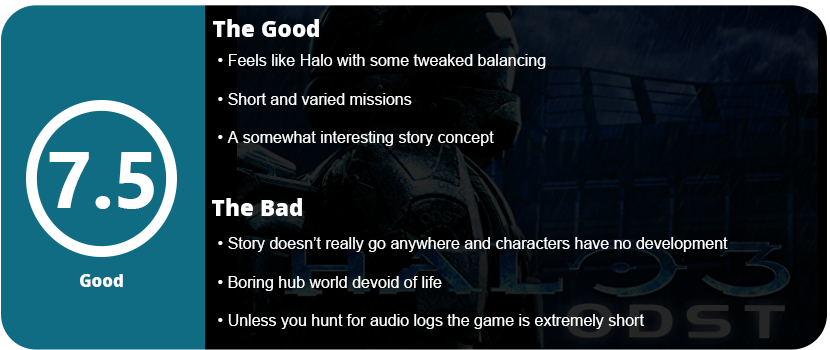
If you don’t bother hunting these down, you’re in for one short game, but this was just to help tide people over before Reach was released and for the inevitable release of Halo 4 that everyone wanted. Wandering around this hub is actually quite boring, with the occasional Covenant firefight breaking out. The city is devoid of everything and felt like an unnecessary filler to add a couple extra hours of aimless wandering. There are objective markers for each clue, but getting to each one is tedious and has no point. The audio logs serve as a side story of what happened to the city and a particular inhabitant, but the actual story outside of this doesn’t pick up until the end of the game, which is really weird.
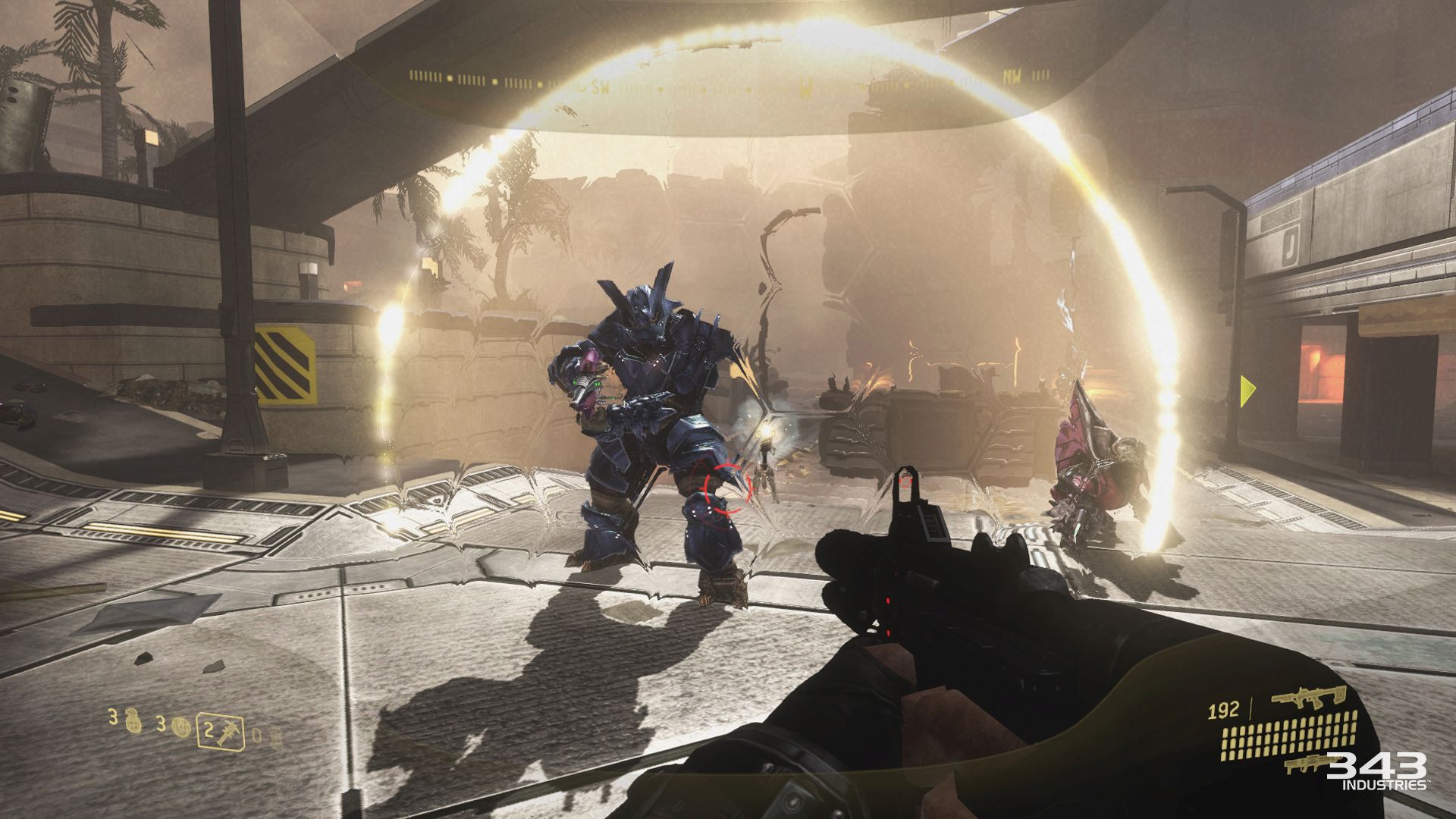
The mission is to retrieve the data of the superintendent, which is in a huge data hive that is underneath New Mombasa. It turns out this was extracted by an alien species that becomes an ally, and you must bring it back to Earth. I will actually praise ODST’s missions for being of decent length and mixing up the gameplay a little bit. While it’s the same Halo stuff we are used to, it’s in shorter bursts. Vehicle sections mixed with highway sections mixed with on-foot stuff work well here, just like in any other Halo game. There is some better balancing over Halo 3 (it uses the same engine), with better weapon handling and tighter mechanics. It still feels like Halo, which is what counts, but this is obviously a diversion. I honestly asked myself in the end: if this game was never released, would it have mattered? No, it wouldn’t have, as it’s not the main Halo game, and most people actually never played it.
In the end, we get a mediocre Halo game with characters we really don’t care about due to a lack of character development. The graphics are decent and look even better on Xbox One, but what does it all mean in the end? Nothing we couldn’t have gotten out of a novel or comic series proves that ODST is just a diversion to stem the tide of anticipation for Halo 4. With a boring hub world and a broken story, ODST isn’t a necessity for anyone, fans or non-fans alike. Play this if you just want to finish the whole series or feel like you need a break from the main road.
Master Chief is one of the most iconic characters around, and despite being on a Western-heavy console brand, everyone knows who he is. The green Spartan made waves back in November of 2004 with Halo 2. Halo 2 pretty much defined online console multiplayer and was the driving force for Xbox LIVE throughout the Xbox 1’s lifecycle. I still remember Peter Moore lifting up his sleeve and revealing Halo 2’s release date as a tattoo on his arm; it was unique and cool, and probably something he regretted later on. Halo 2 also received more hate than any other game I can think of, and sadly, I’m one of those people. See, I was a hardcore Sony fanboy at the time and loved my PS2. While it was a superior console, it lacked show-stopping online games like Halo 2 and an FPS exclusive (Killzone was not what FPS PS2 owners needed).
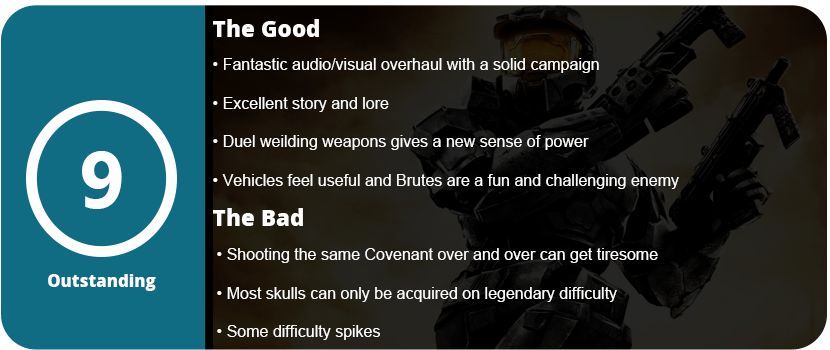
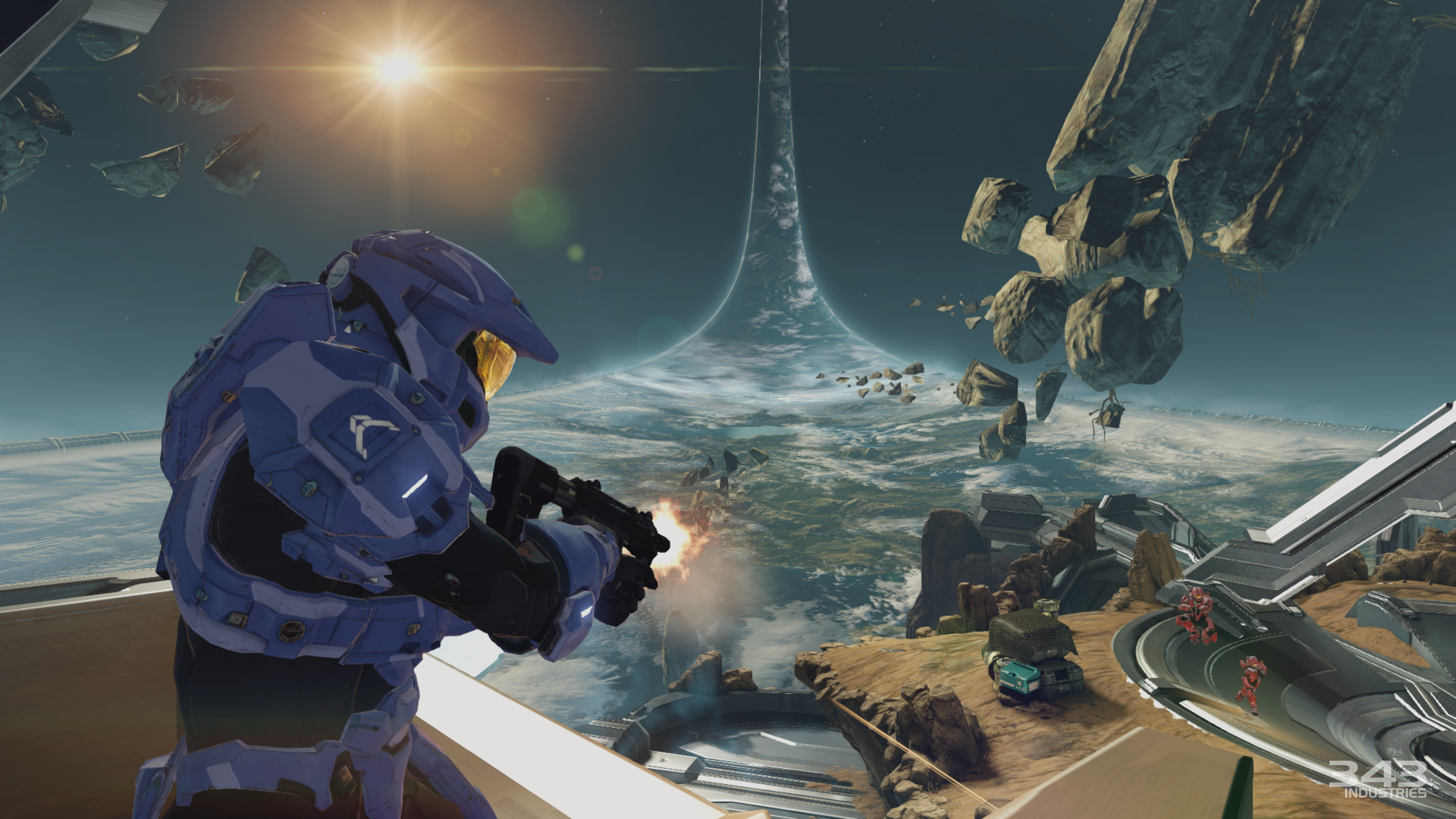
Halo has fantastic sci-fi lore, and I didn’t appreciate this until I got much older. If you read the comics and novels, you will realize just how deep and fantastic the Halo universe is. Halo 2 expands on the first game tenfold in nearly every way. The story is more fleshed out, has fantastic pre-rendered cutscenes, and has some incredible voice acting. The campaign was longer than the first game and offered more variety. For starters, dual-wielding was introduced and was one of the first games to make it work right. Each trigger on the Xbox allowed you to fire each gun independently as well as mix and match your favorite guns. More weapons were introduced, as well as the new Brute enemy. From start to finish, Halo 2 is one of the most diverse FPS campaigns I have ever played, from forests to interplanetary ships to jungle ruins and even cities. There’s so much to see in this game, and it’s also quite beautiful.
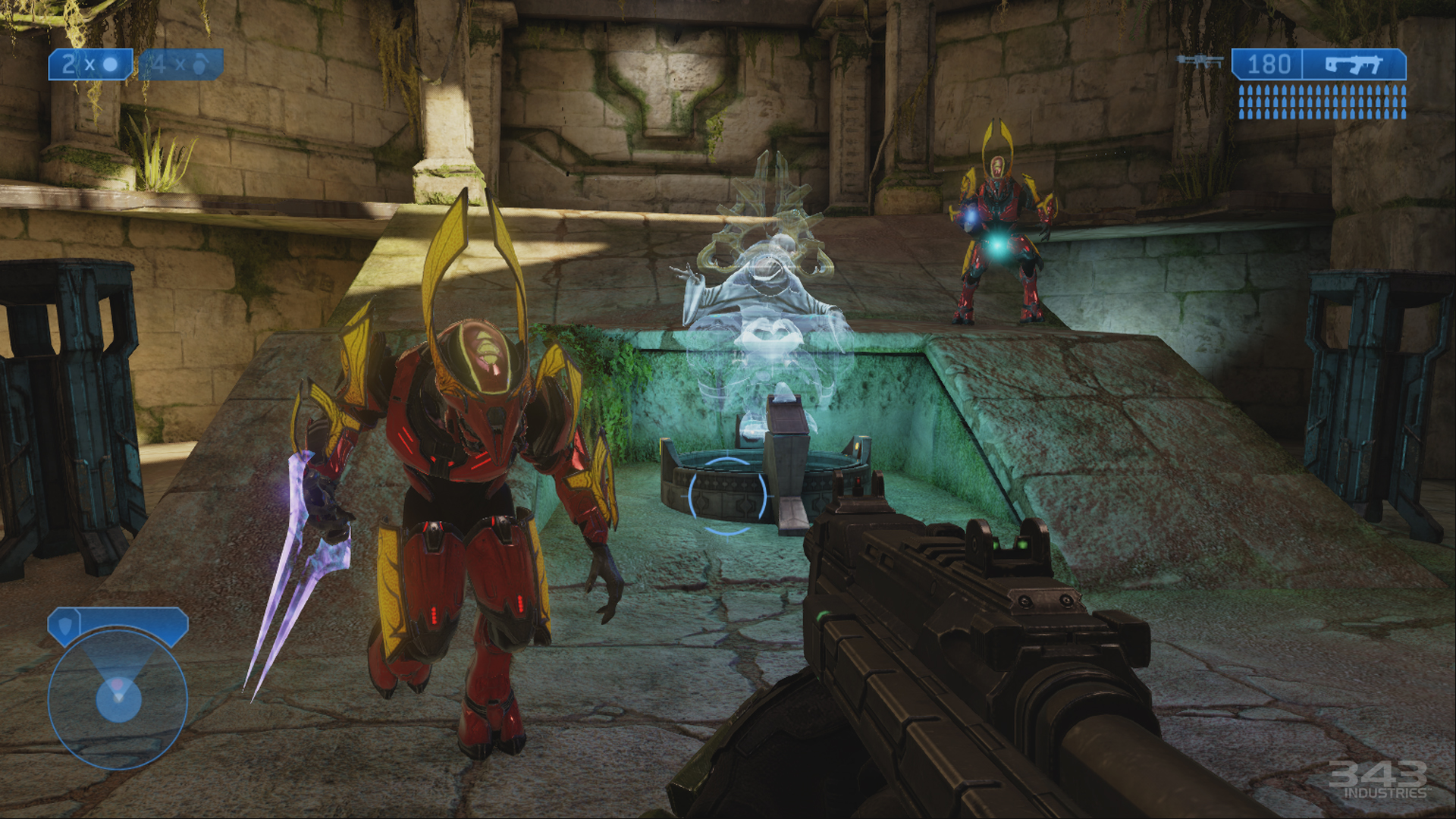
One thing I could never get past was the continued use of the same covenant over and over in each game. However, this allows you to remember and learn the AI quirks of each enemy so that when you play the next game, you already know their strategy and how to play the game. The Covenant are some of the best enemies ever made in an FPS because they require you to use strategy and everything in your arsenal. Enemies will duck, hide, and run away from you, which was almost unheard of back in 2004. Of course, with the Anniversary update, the AI is improved, and it feels like a fully updated game that could release tomorrow, despite the graphical age the games have aged very well gameplay-wise (Halo 1 is up for debate on that one).
The story behind Halo takes place after the first game, with the first Halo ring destroyed; however, a new protagonist joins us as the Covenant Elite Arbiter, who was tasked with protecting the ring and failed. He’s been made a martyr and must help activate the Halo rings to stop the incoming flood. Sadly, the flood is back and more aggressive than ever. I somehow didn’t mind them so much in this game, as they are not thrown at you for several levels at a time but given to you for a level here and there, and man, are they some of the most annoying enemies in gaming history. The little, tiny “poppy” floods, the big “pregnant” floods, and those ones that rush you. Now the Brutes have turned, so expect these floods to be even harder to take down. At least they are more balanced out and not thrown at you in seemingly endless waves.
Another huge update was the vehicles, as in Halo 1, they handled like crap. Each vehicle now has a boost feature, and they handle so much better and are easier to shoot with and maneuver. They are also given to the player more often and become vital tools at certain levels, just like your guns. I also found the shield was used better in this game as it recharges much faster, and health packs are no longer a concern anymore. Master Chief can take a little bit more of a beating after his shield has been used up.
The visual enhancement in Halo 2 is even better than that in Halo 1. The game looks amazing with completely redone environments, textures, lighting, and sound this time. Switching between classic and new modes was like night and day—I could never go back to the old Halo 2 again. With these new updates come the Halo toys you can find, as well as more skulls and terminals. These unlock achievements are quite tricky to find. The worst thing I can find about this game is the difficulty spikes. Some segments required constant restarts to find the right combo of how to hit the enemy or retry a new strategy. This led to many frustrations, but they weren’t as frequent as in the first game. I also didn’t like how most skulls can’t be acquired on anything but the hardest difficulty.
Overall, Halo 2: Anniversary is a must-play for Xbox One owners or lovers of the FPS genre. Halo defined the series for a reason and isn’t quite as shallow as haters would like to think. There’s a whole universe here that people are missing out on, as well as some of the best FPS action known to man.
Reissue and HD collections are becoming a normal thing now, but they are a good thing. We can play our favorite games with better graphics, added content, and with nearly every bug fixed. This year was the best for reissues and shows how older games are turning into almost completely new ones. A lot of time and effort is going into them thanks to their popularity.
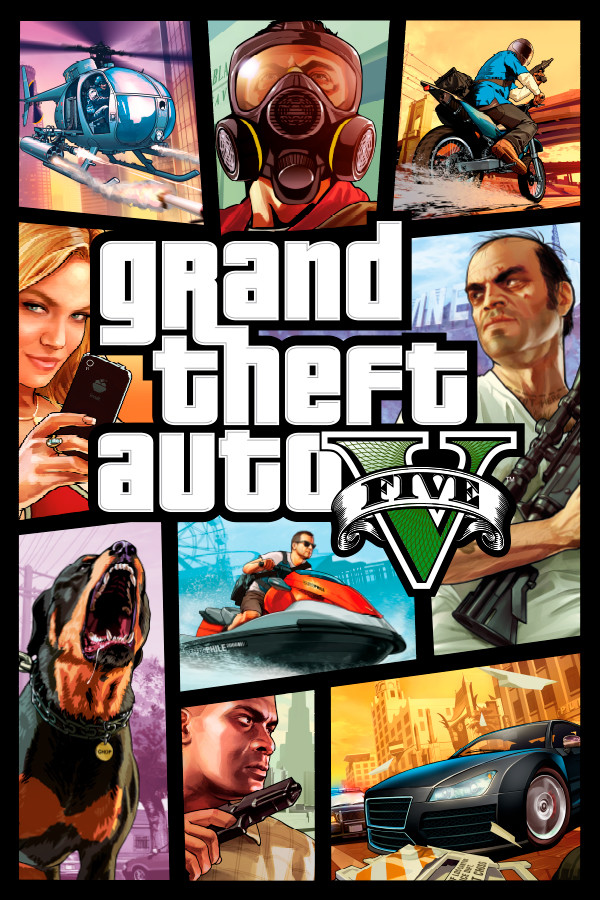
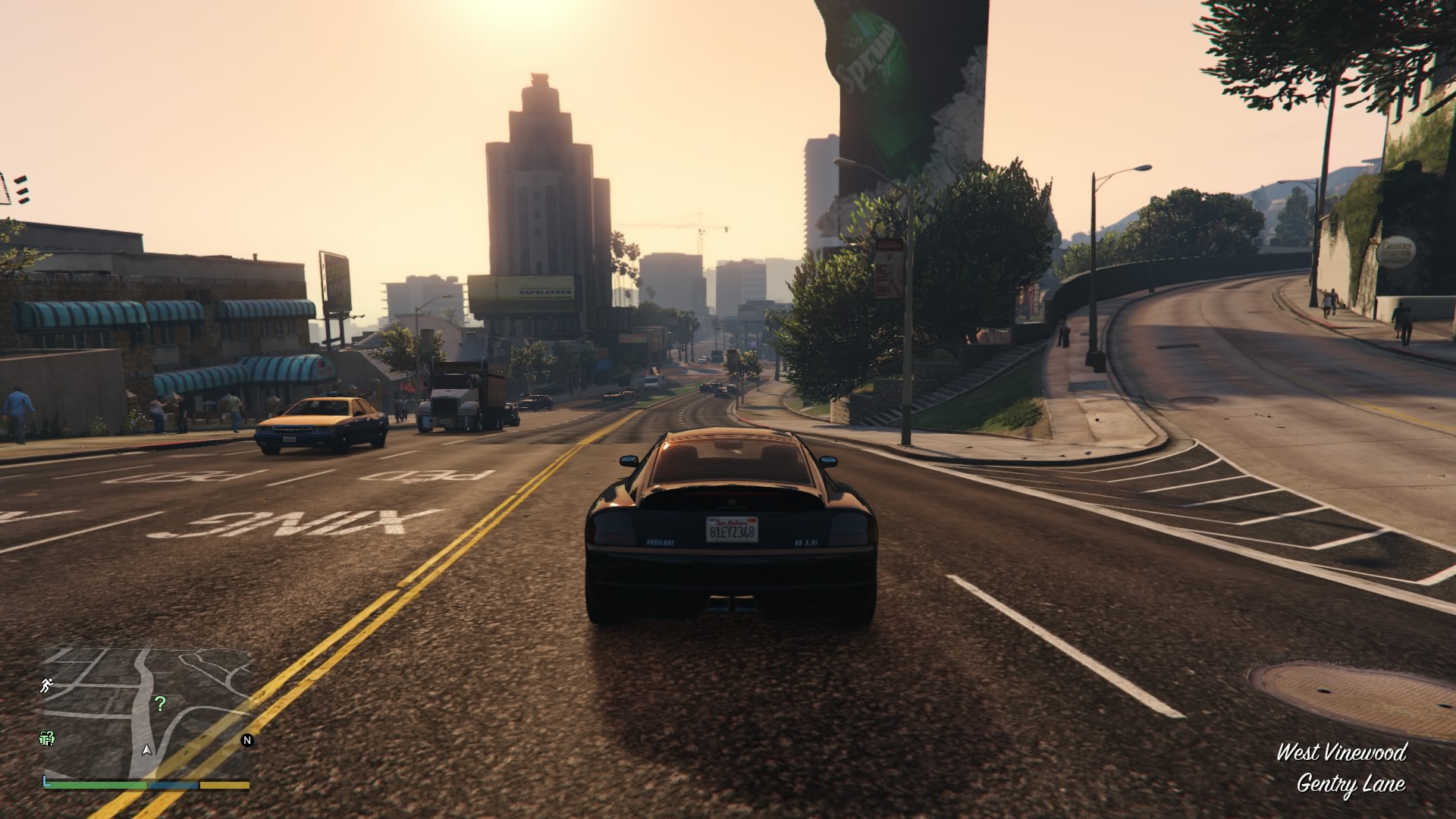
Grand Theft Auto V was already a fantastic game but suffered from the lack of power of last generation consoles. GTA V isn’t just a simple sloppy port. The game is completely transformed with next-generation technology, added content, and better multiplayer. There is even a first-person mode added. This helps immerse the player even more into this realistic world and shows how reissues are done right.
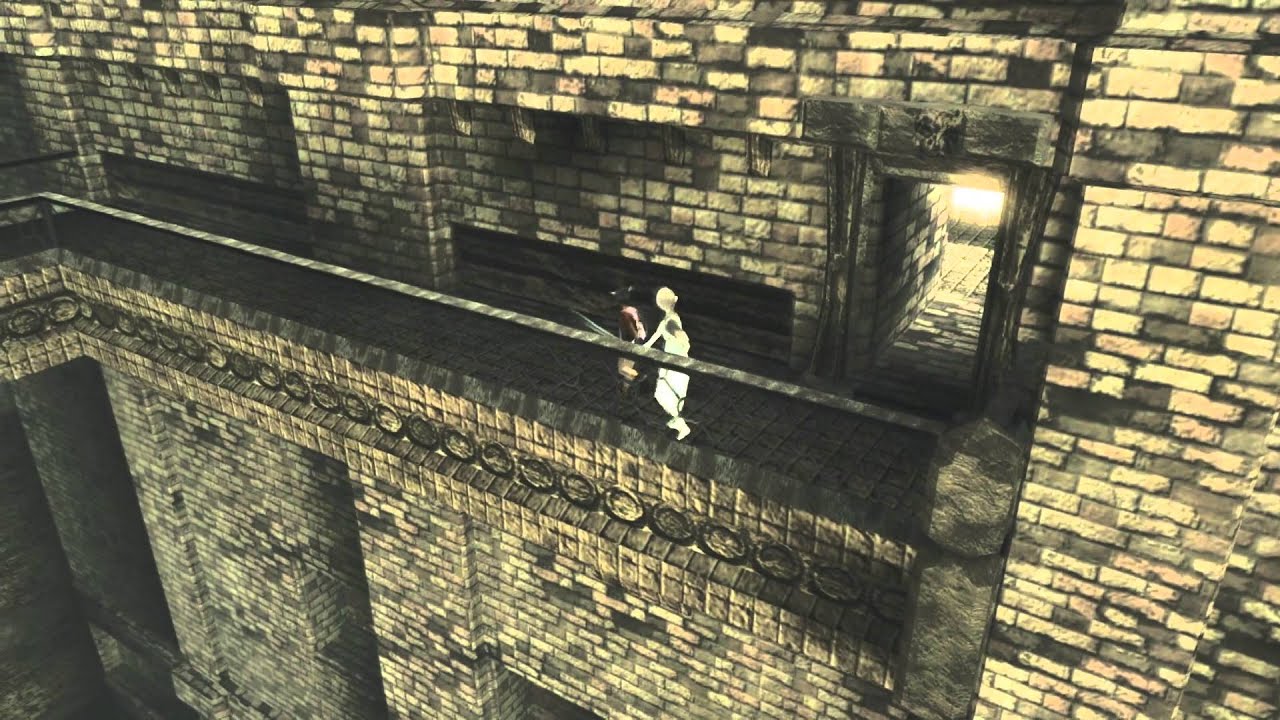
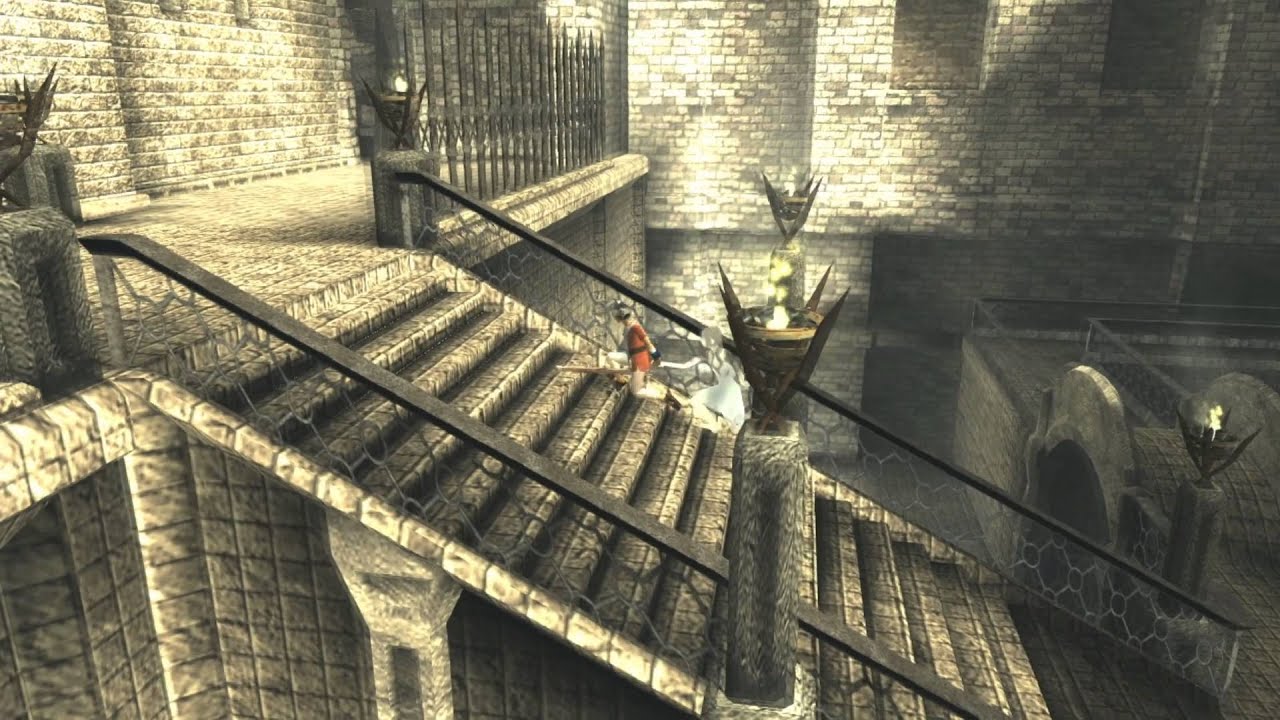
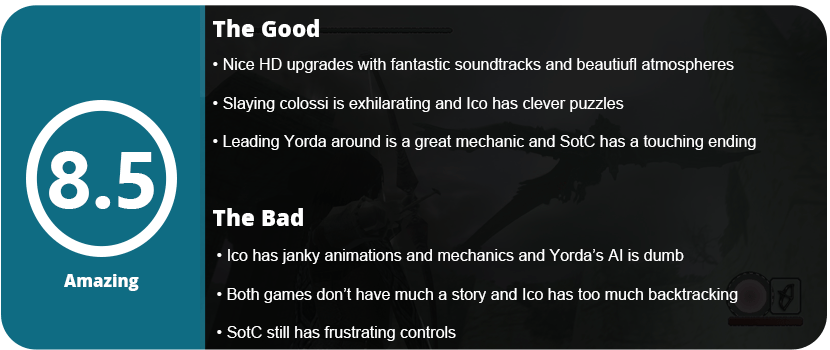
Ico is probably one of the most forgotten games in history. Being one of the first graphical powerhouses for the PS2, it proved that you don’t need a complex story and characters to have a good game. All you know is that you are a boy named Ico who is trying to save a girl named Yorda from her evil mother and escape from the castle. You enter as a captured prisoner because you have horns. You then escape and find Yorda along the way. What made Ico such a big deal was that you led her around manually by holding R1. This forced you to become attached to her, and they rarely spoke.
This game was way ahead of its time. That’s probably why people passed it by for Jak & Daxter and other PS2 games at the time. The game consists of some pretty cleverly designed puzzles that involve pulling switches, climbing, cutting ropes, and swinging on chains. You also push and pull on the occasional block. The level design is really well done, but there were a few obscure puzzles, like jumping off of a chain to knock a bridge down. This is completely against the game’s mechanics, so you would never know to do this. Leading Yorda around sounds annoying, but it prevents you from having to rely on the already shoddy AI. The game mechanics work well enough in design, but they are sloppy and frustrating to deal with.
When you jump, Ico tends to clip into ledges and ladders, making you have to slightly adjust him until he latches on. If you press the analog stick just slightly and jump, he will jump 20 feet, causing you to jump off ledges or fall to your death. There’s just so much bad collision detection, and the animations are janky and not well done. When you drag Yorda around, her arm looks like a flopping noodle that can go through her body. I know this was originally designed for PS1 before the game jumped ship to PS2, but still. There are other mechanics, like setting your sword down to pick up a giant stick, lighting it on fire, and then setting off a bomb. Sometimes you have to toss these before they blow you up. Fun game mechanics and all, but they repeated through the entire game, making you grateful for the short length (just about 4 hours).
A lot of times I didn’t know where to go because the middle of the game has two areas that are identical but just slightly different. The constant backtracking can confuse you, requiring a walkthrough. There are no boss battles to speak of except the final boss, but the combat is so frustrating and annoying. Ico swings his sword around aimlessly, and you can’t move while doing so. The AI jumps away as soon as you run after it, so if you get stuck in a three-hit combo, you get knocked down, and Yorda gets dragged away. You can’t die in this game during combat, but if Yorda gets dragged underground, you’re done. You can pull her out of the hole, but sometimes a shadow creature will hit you and knock you back, and then you have to suffer the long animation of getting up. A lot of games had these animations (The Mark of Kri), and I don’t know why. It breaks the fluidity of everything. Once you get the hidden mace in the game, combat is really easy, but you still get annoyed by the creatures constantly backing up when you approach.
The graphics look great with the new HD upgrade, but even back then, they were amazing. A lot of textures have been slightly upscaled, and some bloom and HDR have been added for better lighting. You can still notice the game’s age during up-close shots of areas. Textures are muddy and so blurry that they don’t even look like what they are representing. The main thing is that you can pan the camera around more now that the resolution has been bumped up, making navigation easier. This is how you do HD upgrades, right?
Overall, Ico is a great game, but the dated mechanics really show their age. If you can look past all this, you are in for a great, albeit short, game, but don’t expect engaging characters or a complex story. There are four cutscenes in the whole game, but this is about the journey and not the story.
Shadow of the Colossus
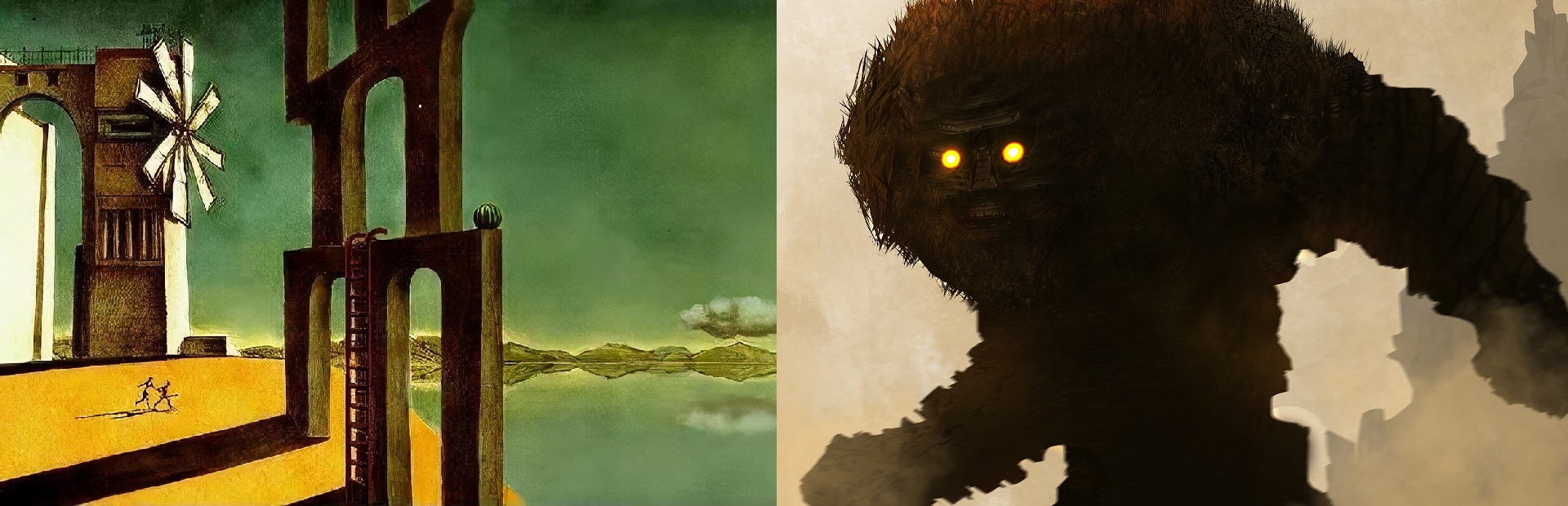
I have been wanting to review this game forever, and now I have the chance. I played this back in 2005 when it first came out, and it was just unreal. SotC still has some of the best graphics to grace the PS2, and it almost looked next-gen at the time. Of course, it suffered from the massive slowdown, but now we can play it with some extra graphical effects and at 60FPS. There’s not much of a story here; there never is with Famito Ueda’s games. You are a boy named Wander who brings a girl to a temple in a cursed land and vows to destroy all 16 colossi in order to bring her back to life. The game has one of the most touching endings I can remember.
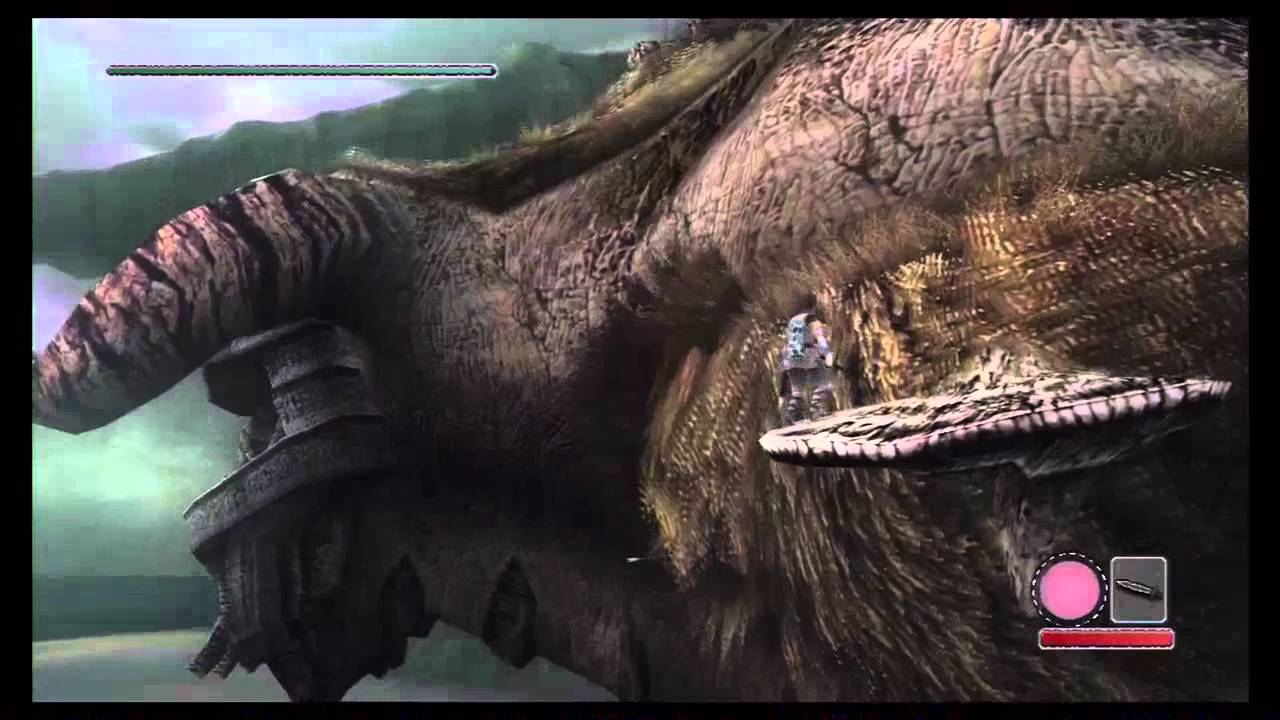
The game is very basic; you just head to each colossus and slay it. There is a huge open world, but it is very barren and void of life, but that’s the way it is supposed to be. You feel very alone and helpless in this land of brown and gray. You have two weapons: a sword and a bow. You can hold the sword up to the light to guide you to the next colossus, which really isn’t that hard. Once you find it, you have to figure out how to get on top of it, and that’s the tricky part. Each colossus is completely different. Some are tall, some are fat, and some are the size of a lion. These lumbering beasts will attack, but you need to find their weak spots. One colossus has weak spots on the bottom of its feet. When it walks, you need to use your bow and shoot it. It then falls over, and you can jump up, grab its fur, and start climbing. Some aren’t so easy; in fact, there are no hints on how to get on top of these beasts. One tricky water serpent requires you to swim over him, and then his tail will come out of the water so you can grab it.
The best part is when you get on these things. Each colossus is like a level in itself. You can climb around and hold the R1 button to stay on. They will try to shake you and your window to actually stab the glowing, weak spots that are really small. You have a stamina meter, and when it depletes, you let go and fall back down. This can be really frustrating if getting on top of the Colossus is already frustrating or a long fiasco. As you slay these monsters, your stamina and health increase, but you still need to watch out. The worst part about the game is the god-awful controls. They just stink, and the game mechanics are sluggish and unresponsive. If it weren’t for this, the game would be perfect. Wander’s animations are a bit jerky, and when the colossi shakes you and your stamina is dropping, you just want to charge your stab and kill it, but sure enough, you get shaken again right as you start to charge. Wander flops around, and it just feels sluggish. When you try walking on the colossus, Wander will fall and tumble, sometimes right down to the ground. I almost threw my controller several times because of this. You will mainly die because of the mechanics, not your skills.
Let’s talk about your horse. Aggro is the main character, but I felt like I was driving a Mac truck. He won’t move if you push the stick forward; instead, you have to mash X, and it takes forever for his momentum to get going. You can only tap the stick left and right to steer him, but he moves too quickly and runs right into walls, which he then stops on a dime and turns completely around. Maneuvering through tight areas is a serious pain. The horse controls are just terrible. This is probably the only bad part of the game; there is nothing else like this game out there. The colossi themselves look fantastic and are just gigantic. You really feel helpless and wonder how you are going to take this thing down. It all adds to the foreboding atmosphere of the game and the loneliness and helplessness that you feel throughout.
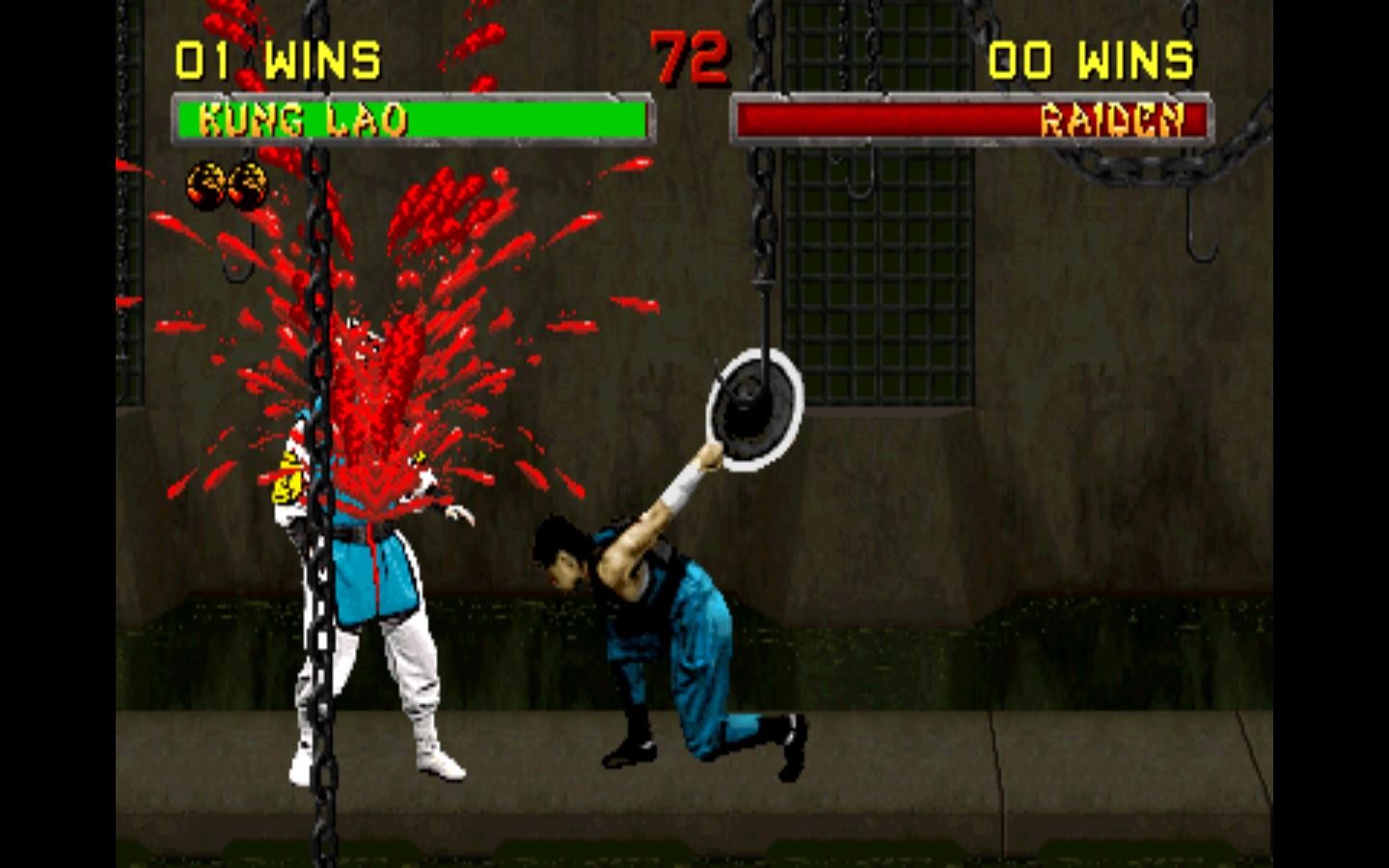
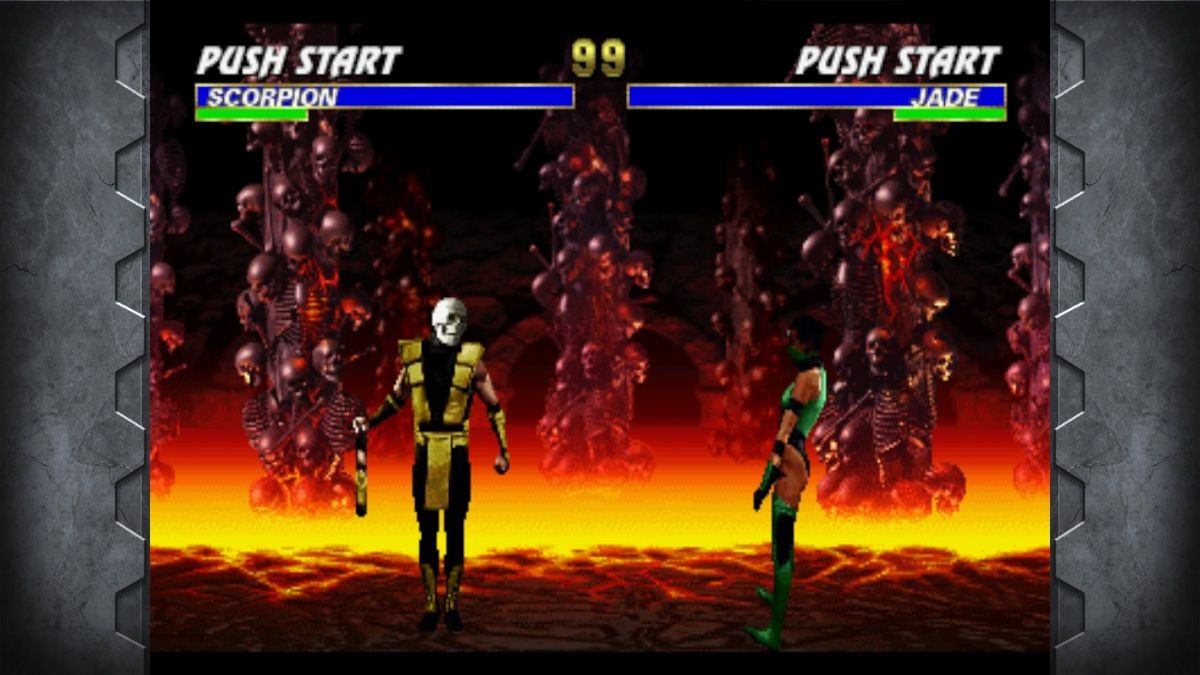
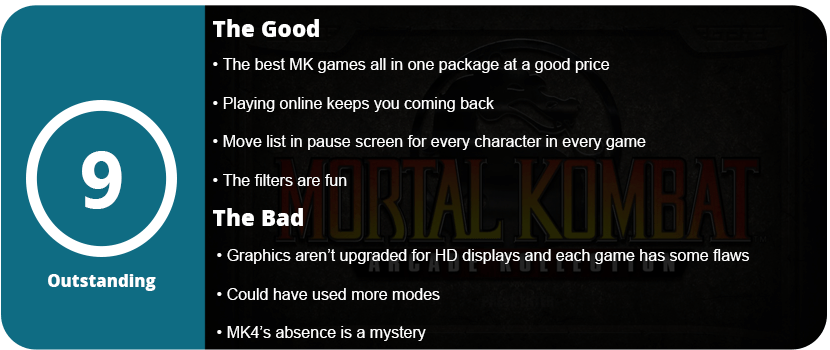
The first three MK games saw dozens of ports over the years, and not all were very good. The latest port of the three is all packed into one tight collection, and they are perfect arcade ports. I won’t go into each game in detail, but it’s great to see the progression over the three, and they all have their strengths and weaknesses. People who are used to the new fighters with tons of combos won’t like the first two as much because combos weren’t implemented until MK3. The first two are just spamming special moves and getting someone stuck in high-punch spam. The good old sweep and uppercut move worked, and the feeling of nostalgia came back.
While each game has great “alities” and characters, each game suffers from some visual quality because these are arcade ports. You can turn on various filters, but overall, don’t expect the games to look amazing. MK1, for example, is very pixelated, but what can you expect? Each game has online play, and that is what will keep you coming back. The CPU is cheap when fighting solo, and I always hated MK’s AI system, with MK2 being the worst. I also loved how all the “-alities” and special moves are on the pause screen, which prevents you from having to have an FAQ near you.
Arcade Kollection could have used more features, such as being able to play Test-Your-Might mini-games separately from MK1, throwing in the great Puzzle Kombat, and maybe even adding some more online modes. Including the Mortal Kombat Trilogy would have been nice, despite it never being in arcades. I’m also not sure why MK4 wasn’t included because it was the last arcade MK game. What is here is excellent, but only hardcore MK fans will really appreciate this collection.




























 thebinarymessiah.com
Try multiplayer. A lot of fun !