This was a decent year for the PS4. With many older exclusive franchises being remastered for the system, plus some great new exclusives, the PS4 stood out from the rest. I would feel comfortable saying this is by far the best year for the system.
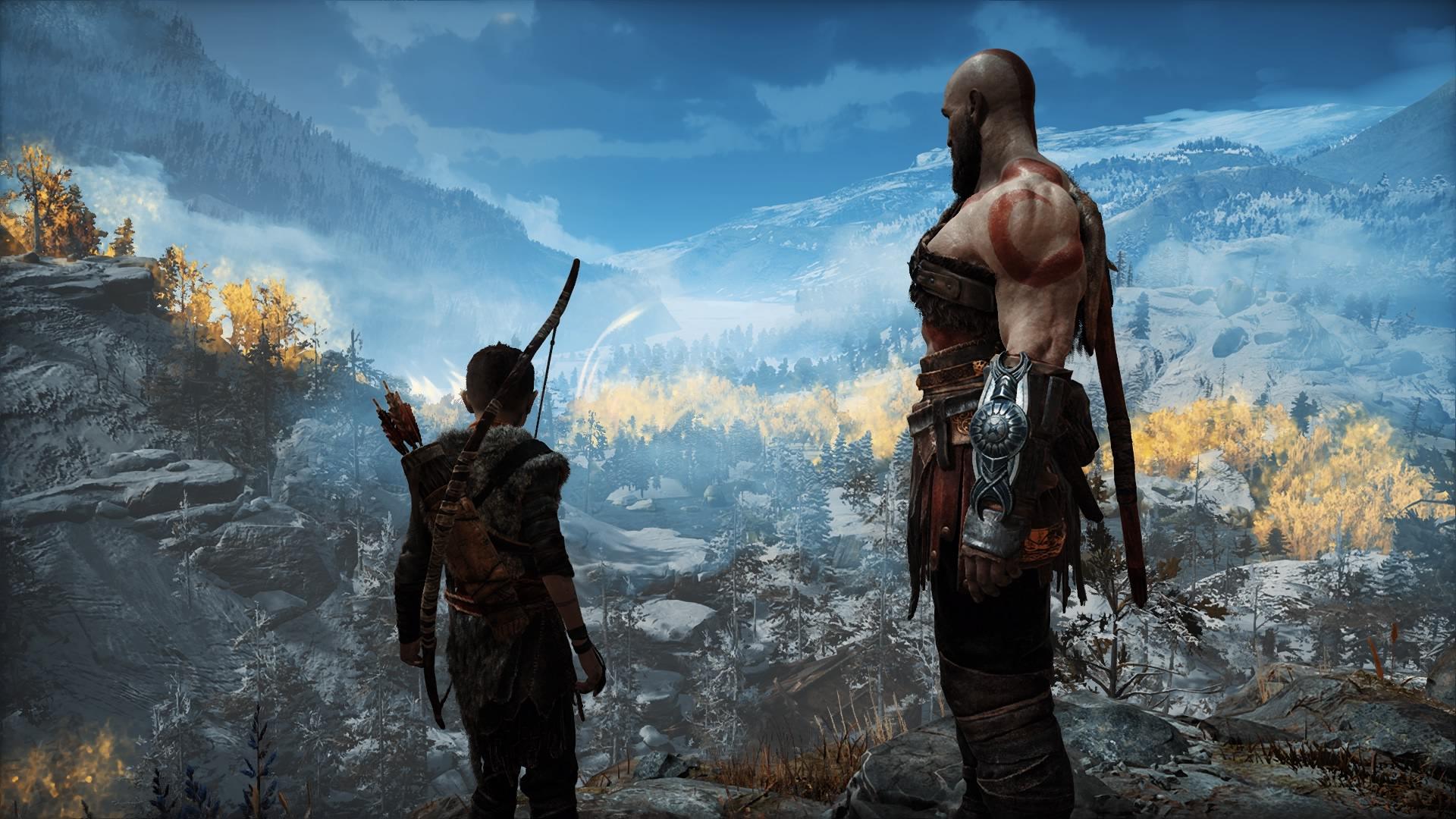
Sony ruled this generation, once again, due to the fact that they still know what gamers want and that’s beautiful well-told single-player games. God of War isn’t just the best game of the year on PS4, but the best game that’s come out this entire generation cycle. The acting, visuals, art style, combat, and characters are phenomenal and the bar has been reset for what video games should be.
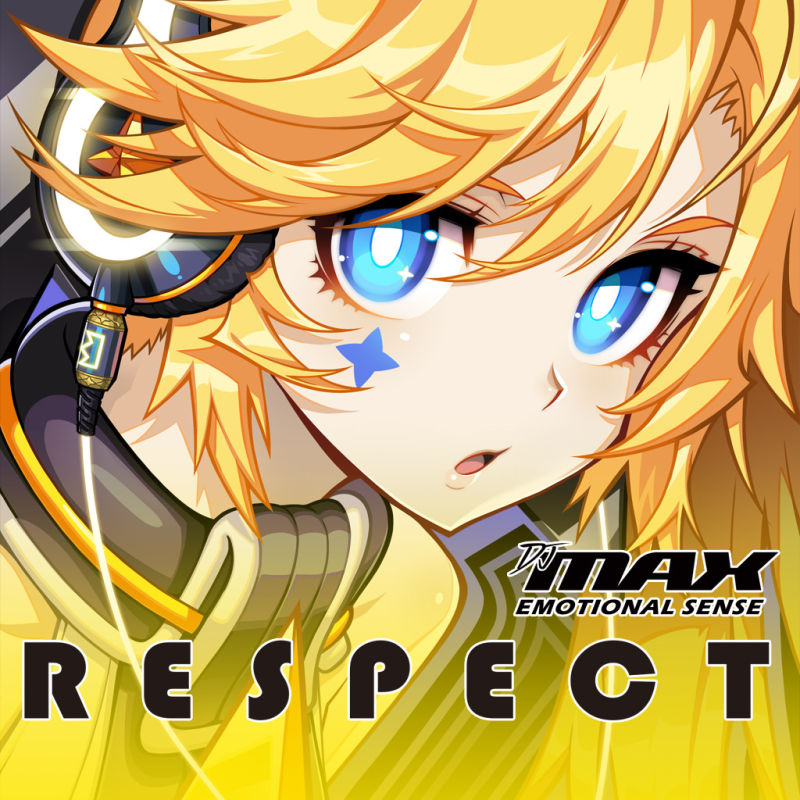
DJ Max was the best rhythm franchise on PSP and helped jump-start that genre on Vita. Technika is a reboot in a way, but it still feels familiar. The game uses the touchscreen and rear pad exclusively, ditching the button interface. This may take a while to get used to for DJ Max PSP vets like myself, but after a while, you will see the difference in challenge and pace when playing.
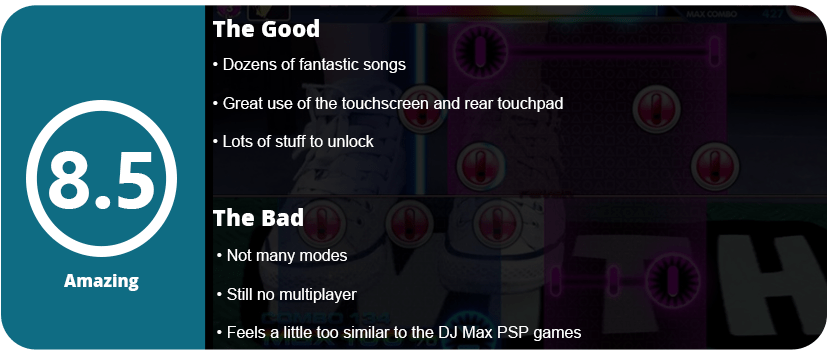
One thing I did notice right off the game is the continued lack of multiplayer and modes. There is star mixing (3 songs using the touch screen), pop mixing (4 songs using front and rear), club mixing (a choice of genres), and freestyle. There’s the usual album that shows your wallpapers and unlocked videos, but that’s it. Why Pentavision insists on having no multiplayer is a mystery, but I’d like to have it in future installments. Thankfully, the game is packed full of songs featuring both licensed and original music, from J. and K. pop to rock. Kara makes a huge appearance in the game since they are one of the biggest female K-pop groups in Korea. They have five songs on here, and they are fantastic. I actually listen to them outside of the game now.
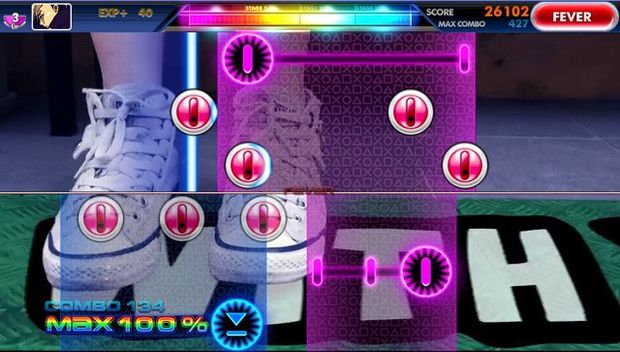
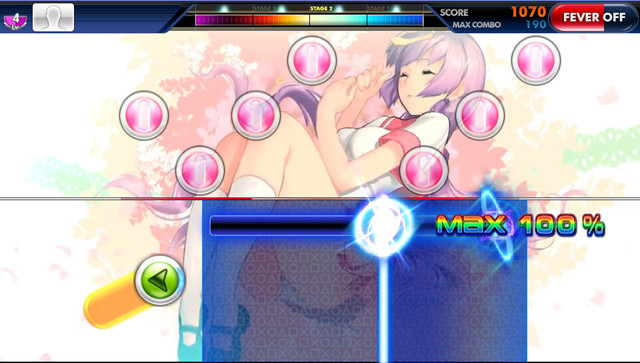
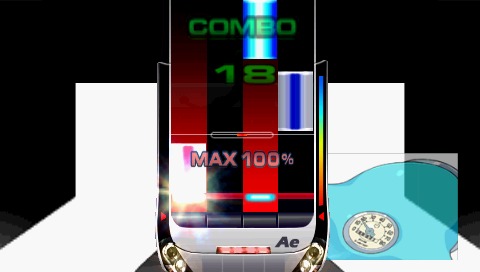
The songs still feature various DJs and mixing masters from previous games, like ND Lee and NieN, and vocals by So Fly and various other Korean singers and rappers. Getting into the gameplay, videos are now played full-screen in the background and look gorgeous on the Vita’s screen. Colorful dots are displayed, and you must tap them to get Max 100% with the timing of the beat, but there are long strands you have to hold down and follow the bar along with the screen. The playfield is split horizontally into two sections, and you will be going back and forth between them. Some notes require quick flicking of the touch screen as well, and it all adds to the tense fun. The rear touchpad notes look different, with purple and black borders around their notes, requiring you to tap and hold. After a few hours, you will get used to the system and slowly increase your difficulty.
As you level up, you will unlock equipment that gives you passive abilities like extra XP gain, HP, and even free breaks. There’s also an option to add a modifier to increase the speed of the notes coming in, which is sadistic, but it’s there. Even after playing for a good 10 hours, I’m still unlocking stuff and increasing my score. The songs are so great and fun to listen to that I can’t get enough of the game. If you loved previous games, you must get this; anyone who hasn’t should jump in any way. Technika Tune is the best rhythm game on Vita right now, and hopefully future installments will improve upon the franchise further.
DJ Max is probably the best rhythm game on the PSP, but that isn’t saying much since there aren’t too many on the system. The game has been well-known for its great song selection and addictive rhythm gameplay, but after so many iterations of the same thing, people were longing for some changes, and thankfully, Portable 3 adds something new. While it may not be enough, the game tightens some of the sloppy menus and other minor issues with the long-running series.
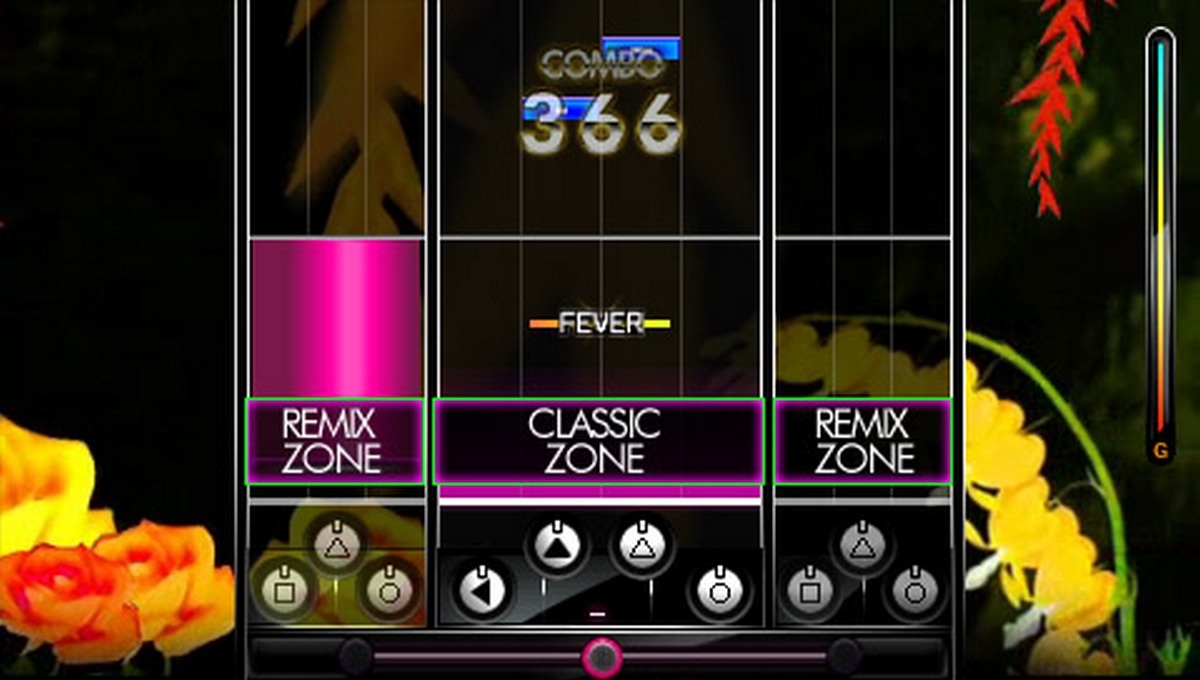
The new model has 3.2 and 4.2 tracks. You use the analog nub on the new sidebar that has purple streams running down it. You play the middle bar as usual, but when a purple stream runs down the side, you move the analog nub accordingly. It remixes the songs, adds a new layer of depth and fun to the game, and makes it even more addictive.
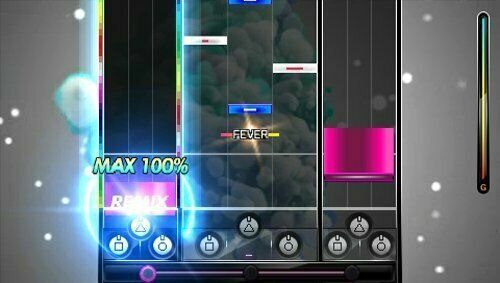
If you aren’t familiar with the series, you press the corresponding button (depending on difficulty) to see the track icons running down the screen. You are scored on timing, and a percentage will pop up after each hit, telling you how accurate that note was. You will see a little meter filling up in the middle of the screen, and when it’s full, you activate your fever mode to double your multiplier. In Portable 3, you can stack these up by getting your meter up again fast enough to add on top of the multiplier. Once you finish, you are scored, and as you level up, you unlock new gear and collectibles.
Portable 3 also lets the unlocking come much quicker, and there’s more to unlock. There are more characters, gear, notes, wallpapers, videos, etc., and it’s all great. Of course, if you get bored with the arcade mode, you can unlock missions, and these have certain parameters, such as getting a certain score, hitting a certain multiplier, or breaking under a certain number of times.
DJ Max 3 is well worth the purchase for series fans and newcomers alike. There’s enough content to unlock to keep you very busy, and replaying the excellent song roster is very enjoyable. I hope to see further changes in DJMP4 because this series has lots more potential.
DJ Max is a huge rhythm game hit in Korea that uses a DDR-type gameplay style. There is obviously no dance mat, so you have to use the face buttons, and this works out just fine. There are 4-button, 5, 6, and 8-button modes. While 4 is the easiest, 8 can be damn near impossible. You select a song for each of the four stages, and each stage has harder and harder songs.
The game has some RPG elements, such as leveling up to unlock more gear, images, songs, etc. Notes, gear (the whole box in which the notes fall), and your character can have certain attributes that earn you more exp, gold, etc. There is even a speed modifier for people who want more of a challenge or if the game is going too fast for them. This can be changed during the song or before it.
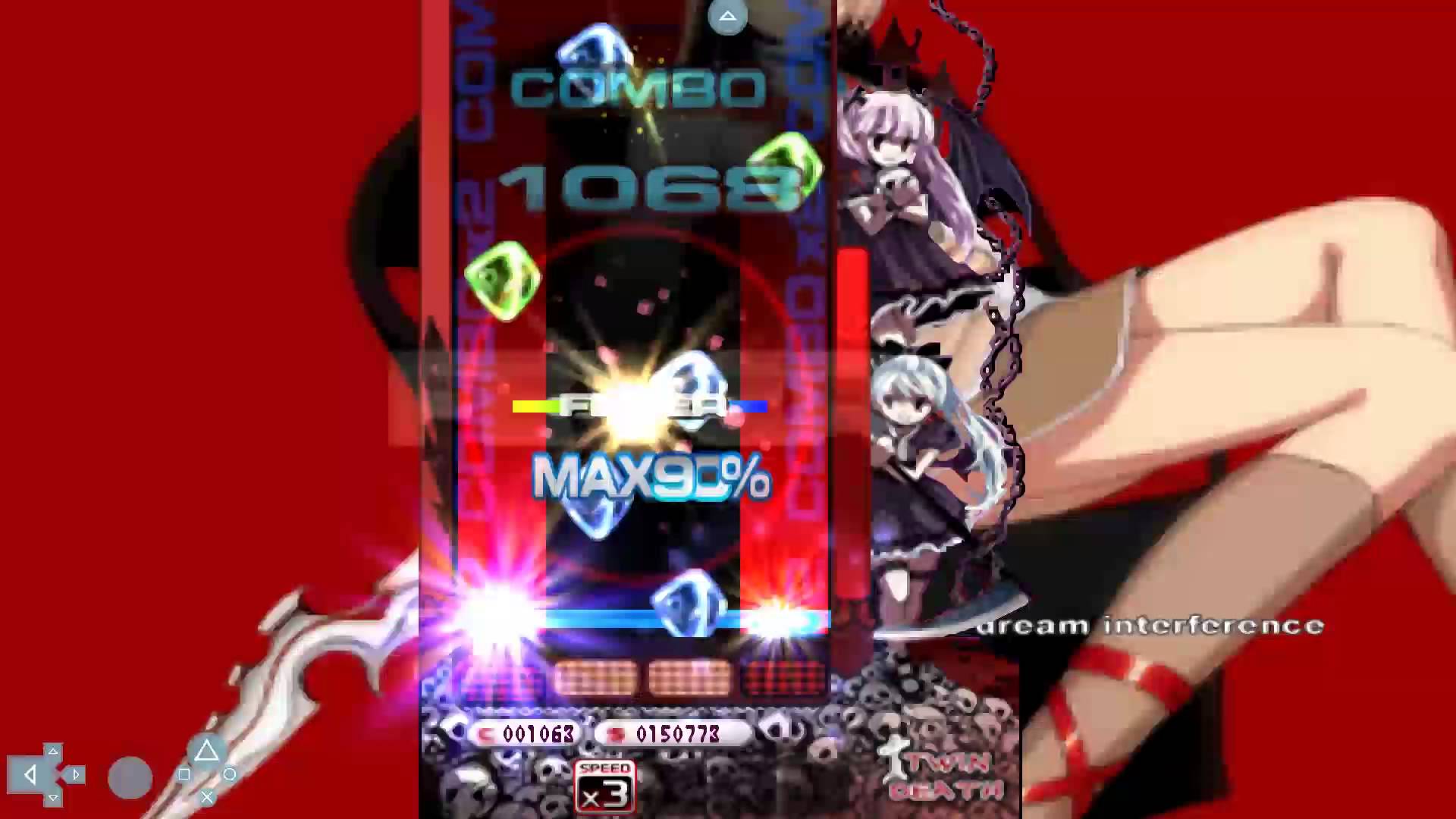
After you get a certain score on a song, you can play a harder version of that song on the same stage by pressing left or right. During play, you must hit each note when it hits the bottom. Depending on your accuracy, a percentage will appear. If you miss a note, you will break your combo, but if you fill your fever bar and use it, your combo will double for a short amount of time. You don’t just hit single notes, however; there are held notes and even “scratched notes” that require you to spin the analog stick.
Once you finish a song, you are scored on how well you performed and given a grade, some experience, and gold. Gold is used to buy more gear. There are 50 songs, and each one has a wonderfully illustrated music video that streams in the background. If you get bored with the main mode, you can complete challenges that have set goals. Reach this score, don’t break more than this many times, etc. If you really love the music in here, you can even listen to the OST or watch the videos. There are dozens of images to unlock and lots of goodies for fans to keep playing.
The game may sound perfect, but it has flaws. There are already four other DJ Max games (including Clazziqai and Black Square Edition), and this is exactly the same as those. Fever takes some of the more popular songs from those games, but it is still missing some key gems. Playing with more than four buttons will frustrate most players; there’s no way to transfer the OST to your memory stick, and you can’t transfer songs from the other versions like you can within those. Other than this, newcomers won’t know a difference and will have a blast with DJ Max Fever.












 thebinarymessiah.com
Try multiplayer. A lot of fun !