This was a strong year in fighters with lots of great comebacks. What makes the top fighter stand apart is a great cast of characters, smooth and responsive controls, but most of all a great fighting system. Stories tend to take the back seat in fighting games, but online multiplayer is also important.
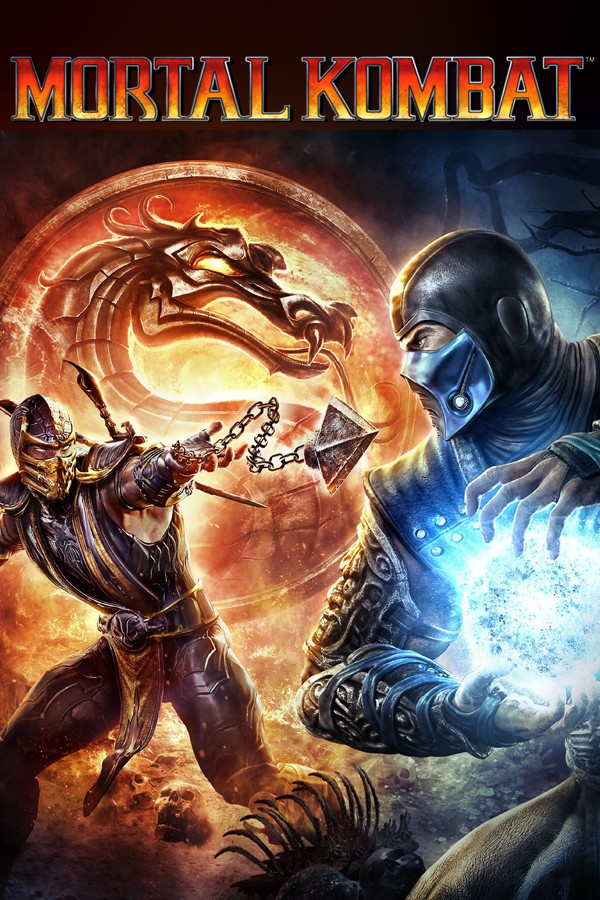
Before you go off saying this won because I’m a die-hard MK fan stop right there. There have been past MK games that didn’t deserve the best fighting game. It wins this year because it is true fan service and brings the series back to its roots. This year saw a lot of remakes, but Mortal Kombat gives us great visuals, all the characters we loved from past games and brings it back its 2D roots which are when the game was strongest. Smooth and responsive controls as well as the great fighting system we grew to love, and a bevy of fun modes are what makes Mortal Kombat come out on top.
Mortal Kombat 4 was probably the most carefully watched game in the series due to abandoning the 2D root and going for 3D. No one knew what was going to happen to the series, and a lot of fans lost hope, thinking the silky smooth controls and excellent digitized graphics would go by the wayside in 3D. However, the game featured excellent visuals (for the time), and the silky smooth controls stayed despite some slippery and awkward animations. The fourth game also introduced some new characters who I thought were some of the weakest in the series. So despite the weaker roster, we got some pretty good fatalities and excellent stages to fight in.
The new characters like Kai, Jarek, Fujin (a weak attempt at making another Raiden), and Tanya were pretty “blah.” They didn’t have the same impact as the classic characters, but some returned, like Scorpion and Sub-Zero, Sonya, and Johnny Cage, who came back for the first time since MK2. The run button and combos were carried over into 3D, which were smooth as well as a first stab at moving in a 3D environment. You would hit a button to kind of strafe to the side to avoid attacks, and this added a whole new level of strategy. Weapons were introduced in free form now, and every character had one. Get hit, though, and you lose the weapon until you can pick it back up.
The fatalities were extremely brutal, some of the best the series has seen, and they looked even better in 3D. This leads to a new level of detail and creativity that can’t be done in 2D. This was also a slow departure from other “alities,” and the series stuck with just fatalities. A new boss was introduced as Shinnok, and Goro returned as the mini-boss. The game carries over a lot of elements that make it still feel classic, but then injects some new stuff as well. I really felt the game was well balanced and was exactly what the first MK in 3D should be. Overall, MK4 is a classic and did an amazing job of transferring over to 3D, which was very difficult. This, of course, paved the way for all future MK games, but we can always look back on MK4 as children.
What better way to end an era for a fighting genre than to throw it all into one big game? MKT does just this, so for people only familiar with the 3D era, this is what Armageddon was based on. Every MK character up to Ultimate Mortal Kombat 3 is in here, plus all the mechanics from UMK3 that everyone loved. The game introduces a new aggressor meter, which is the predecessor of the power meter in the new MK. Getting attacked will increase it (which is just text at the bottom that fills up, which I really hate), and then you do extra damage while in aggressor mode. The combo system is still intact, as are the weapons from UMK3.
The 2D games were silky smooth, and the graphics look great in Trilogy. Every level, as well as a lot of fan-favorite music, is in the game (you can pull the soundtrack right off the disc). Using the run button, pulling off a 5-hit combo, and then blocking, jumping around, and using all the signature moves brings back a great feeling of nostalgia. There are some secrets hidden here, such as a special code screen (1-button Fatalities are awesome), plus some original outfits like Raiden and Kano’s original outfit, which also unlocks their original Fatality. Of course, the game is best played with two people, but a single player is also a lot of fun.
There are a few minor problems, like Shang Tsung’s morphs requiring loading, loading times between menus and fights, and the game freezing sometimes, which is no good. I also wish maybe Test Your Might would have come back, but this really just feels like Mortal Kombat: The Greatest Hits. I also hate how cheap the computer can be on even normal difficulties, plus Shao Kahn is one of the cheapest bosses in gaming history, so good luck beating him. Overall, this is the ultimate MK experience for the 16-bit era that made history. If you loved the older MK games, then Trilogy is exactly what you need, plus this is probably the last time you’ll see Animalities and Brutalities.
“Fatality!” “Finish Him!” “Flawless Victory!” “Get Over Here!”. These are just some famous quotes from the infamous Mortal Kombat that everyone knows and remembers. What everyone mainly remembers is the fast-paced fighting that has been missed since 1995’s Ultimate Mortal Kombat 3. It’s been over 15 years since we got a really good and classic-feeling MK game, but it’s finally here and back with all its bloody gore. Yes, the game is still in 3D, but it’s what fighting fans like to call “2.5D.”. The game plays with a 2D feel, and as soon as you start hammering away on those classic moves and combos, you feel the nostalgia seeping into your blood.
The most surprising part of the game isn’t the new level of gore, but the amazing story mode. Yes, Mortal Kombatactually has an awesome story mode that plays out far better than last generation’s story modes. Instead of some ridiculous adventure mode or scrolling text, we get a fully acted, scripted, and voiced story about the actual Mortal Kombat tournament and a backstory on almost every classic character. The voice acting is actually good, and Netherealm Studios actually took the time to bring out each character’s personality, such as Johnny Cage’s smart lack of Hollywood attitude. Liu Kang’s eagerness, Kung Lao’s jealousy, and Sonya’s hotheadedness. The story is done beautifully, despite picking up where Armageddon left off. Raiden travels in time to his past self to stop the destruction of Armageddon. There are plot twists and even some seriously tense moments in the story that are quite gripping. I can actually say it’s the best story mode in any fighting game ever made.
However, fans came for the fight, and this seriously delivers. Not only are the animations smooth and great to look at, but the controls are as tight as ever. The game responds without any delay, and that’s what a fighter is all about. Not only is the usual gore back, but the game just packs a serious punch and feels punchy. The hits transfer amazingly well into feelings, and that’s never been done in an MK game before. The newest things brought to the series are X-ray moves. Fill your supermeter up all the way, and you can execute an extremely brutal move that shows your opponent in X-ray vision, and you can see bones crunch, snap, and organs burst. The anatomy is done superbly well, with muscles, organs, and everything else in the right place. Each character has its own special skeletal structure, so it stays true to the anatomy. I say bravo on Netherealm’s part instead of doing it cheaply.
This supermeter actually does one other thing that I love, and these are enhanced moves. Forget the crap from the DC Universe completely. When you fill one section of the meter up (it fills up faster when you are getting your butt whooped), you can do the special move while holding down the “Attack Modifier,” and it’ll change the super move up a little bit and make it more powerful. For example, doing Jax’s Gotcha Grab will only do two hits, but if you enhance it, he’ll punch them five or six times and do more damage. Do Scorpion’s Spear Throw, and he’ll throw two out for extra damage. These are great, and each special attack has its own unique enhancement. This is great for strategists who want to give their fight a little extra kick. The second thing you can do with the meter is the usual breakers, but this requires two pieces to be filled.
For the first time, tag teaming was put into the game, and it works just as great as you’d think. Each character has a special tag-out move, and it makes the game more intense and just that much more fun. Of course, the single-player story mode will have you fighting against two people for a challenge, but when you play online or with a friend, it’s an absolute blast. Of course, this could have gone all wrong, but the team learned from games like Marvel vs. Capcom to get it right. This is just one more feature the team got right but could have gone horribly wrong or made the game too unbalanced.
The Fatalities are gory, and each character has two plus a stage fatality combo. Each character’s fatality can be viewed in the move list in the pause menu, but you have to unlock the second one in the krypt (more on that later). One thing I have to mention is that Babalities were brought back, but only certain characters can do these. These haven’t been since UMK3! When it comes to fighters, there are no characters in here past UMK3. Classics are only here, and that’s for the better. You won’t see Kenshi, Kira, Drahmin, Hsu Hao, or any of those guys, but there will be DLC add-ins later on, so who knows? Each character is beautifully rendered, and they fight just like you remember, so fans can feel relieved about that. There is one new character, and that is Cyber Sub-Zero, to tie into the story mode, and he plays differently from the regular Sub-Zero and has some unique moves. Kratos is also an exclusive character for PS3 owners, and he plays just like he does in the games, complete with some quiet time buttons and moves from God of War III. He even has his own unique stage, with three different stage fatalities to choose from.
Mortal Kombat has always been known for adding a ton of content since Deadly Alliance, but this time you’re going to like the extras. The Krypt is back with just one type of currency this time around, and the Krypt has five different sections. Each one has uniquely animated item containers, and some are extremely gross, brutal, and gory. I won’t spoil it, but it’s very creative. My favorite extra is the Challenge Tower. There are hundreds of challenges that consist of fights that have different parameters, such as zombies coming toward you, and you have to use Johnny Cage’s special Energy Ball move to kill them before they get to you. There are so many that I would spend days explaining them, but they are great fun, and you earn currency doing them. One thing I wanted back so bad were the mini-games Test Your Might and Sight last seen in Deadly Alliance. They are back, just as great as before, but two new ones were added. Test Your Strike is just like Might, but you have to hold the meter inside a box for a few seconds before striking. Test Your Luck has you spinning a wheel and deciding the fighter and fighting conditions for you.
Lastly, Kombat Kodes was brought back last seen in UMK3. For people who don’t know, each character gets three boxes during the loading screen, and there are different codes such as headless combat, armless combat, dream combat, upside-down combat, X-rays disabled, blocking disabled, and it just goes on and on. These are used a lot in the challenge tower that I was talking about, but having them in VS is a blast. Lastly, the online modes are a must-have for any fighter these days, and MK was the very first one and seems to be one of the best. While Tag Team and regular 1vs1 are expected, a new King of the Hill mode lets you pick an avatar and puts everyone in a room that looks like a theater. The winner keeps fighting everyone in the room until he loses, but people can rate the fight based on a number score and can even cheer or boo the fight. This is a fun mode and is greatly welcomed.
My only big issue with the game is that the combos aren’t as crazy as in MK3, and you still have to memorize most of them, and a lot of people don’t like that. This still really isn’t a button masher, so strategic minds are still needed to fight well here. I really wanted to see more crazy combos that aren’t complicated to pull off, but if you are hardcore enough, you will find a way. Besides that, there really isn’t too much to complain about unless you want to gripe about characters from MK4 not being included.
Besides all this amazing content, the game looks superb using Unreal Engine 3, and every background is greatly animated, and they are all from classic MK games all the way back to the first one. The classic Stage Fatalities are also back, but they are upgraded to pack more punch and are gorier. Overall, the game looks and sounds amazing, with lots of content to unlock and many modes to play. This is probably one of the best fighting games of this decade so far, and it is definitely my pick for the best fighting game of the year.
Kollector’s Edition: For hardcore fans, an extra $40 gets you two beautifully crafted bookends of Scorpion and Sub-Zero in gory Kombat, Ermac’s classic outfit, a well-put-together art book, and PS3 themes and avatars. The big box is also nicely made if you want that too.
Tournament Edition: For an extra $90, you get a wonderfully created arcade stick, but it does not come with any of the other stuff besides the extra outfit. It’s up to you which one you get, but I preferred the Kollector’s Edition since the stick can be bought separately elsewhere.
Mortal Kombat is one of those series that is loved by all but then pitied. Mortal Kombat has grown over the years but hasn’t quite matured yet, especially in terms of visuals. Armageddon is kind of a potluck stew of every MK character ever dreamed up. This, being the goodbye game to the beloved series, has over 50 fighters and lots of different modes and is bursting at the seams with content. Most people will immediately dive into the arcade kombat mode. You will notice there is every fighter imaginable in the MK universe, and this includes bosses. Once you pick your character, you will see the classic Kombat Ladder, and the fight begins.
Once you start fighting, players of Deadly Alliance and especially Deception will become familiar with the controls. Mortal Kombat is not really a button-mashing fighter, and this is why a lot of people hate the series. Because they have to think before they start throwing punches. You can view a full move list in the pause menu, but when you get your favorite combos and the special moves memorized, you can start kicking ass. Each character has their own real-life martial arts style plus a weapon style. Deception and Deadly Alliance had two fighting styles and a weapon, but one had to be cut for balance issues.
The controls are extremely responsive, and the characters are animated very nicely. While they look a bit like plastic dolls and kind of fight like them, the animations are smooth, and there is no slowdown. New to Deception were arena traps, and this has been transitioned over to Armageddon. You will see either yellow or red lines around certain areas or objects. Yellow means that it’s just a dangerous trap that won’t instantly kill you but will deal some hefty damage. This can be an air duct that will shoot you through a fan, get knocked into a bell, or even into a giant egg and have acid spewed on you. Red lines mean instant kills, and you need to stay away from them. These can be grinders, deadly pits, or anything that can crush. A lot of the arenas are multi-tiered, and these will be marked with yellow lines as well. This really makes fighting intense, not to mention that the areas look awesome.
Fatalities are still here, as always, but with a twist. The MK team decided to do a Kreate-A-Fatality setup in which you don’t have to press any codes to see a staged fatality. The whole system is pretty complicated since there are transition moves and finishers, and each set goes into the other. You can do up to 11 moves, but you have to end with a finisher move for it to register as a fatality. With each move, your timer bar depletes faster and faster, so precision and fast input speed are a must. You can do a few forward chains, such as ripping out a heart, brain, or maybe a punch or two, then decide to go either into a face-down, behind-back, or on-the-knees transition. If you have to put that code in, then decide if you want to finish or continue from a behind-the-back transition set, on the knees, and so on. It becomes very complicated, and a lot of people don’t like this feature, calling it “generic fatalities,” but doing two fatalities for 50+ characters was too daunting, so they needed to figure something out.
Besides your core fighting in here, Konquest mode is back and better than ever. Forget the irritating, ugly, and boring deception. The team used the Shaolin Monks engine, so you get to fight in real-time via grabs, kicks, and heavy and light punches. You acquire power-ups throughout the game as well as perform fatalities by just pressing a button once the enemy is dazed. You can go around collecting relics to unlock hidden stuff in the Krypt, as well as alternate costumes, music, and koins. Sometimes you will run across weapons to hack and slash enemies, as well as do actual kombat with characters you run across.
The story is more interesting than any other MK side story that has a lot of mystery wrapped around it. New characters Taven and Daegon awaken from slumber by the call of Blaze (yeah, that hidden character in Deadly Alliance). Daegon is trying to find his father while discovering why he needs to fight his brother and how to become the new Emperor of Edenia. Overall, the Konquest mode is very entertaining and a welcome treat.
Another questionable mini-game is Motor Kombat, which is a cart racing game. This could have been greatly improved, but it’s entertaining for a while. You pick your favorite MK character (or a select few) and run across a star that will allow you to use your weapon or a lightning bolt, which is a burst of speed. You can bump people left or right into death traps (marked by red lines). There are jumps and the tracks are laid out differently, but there could have been more power-ups instead of just one set for the character, and I would have liked the levels to be more alive. Motor Kombat is fun at best with more players, but other than that, you’ll forget about it after you play all the stages.
I finally came to Kreate-A-Fighter mode, and this has been a huge request by fans since Deadly Alliance. You get a lot of customization options, and you can buy more accessories with the coins you collect from all modes of the game. You can set moves, fighting style, finishing stance, and even write out a bio (pull out that dusty PS2 keyboard!) You can do pretty much anything you want with the character, and there are so many items that no one will look the same. There are even some conspicuous items that look like superheroes or real-life heroes as well. You can take your character online and hone your skills against other people’s characters. As of this review, Xbox LIVE has been shut off, so local play is only possible. Besides, even before, no one was playing online anymore. This feature is greatly welcomed and is a blast to use.
The Krypt returns for a third time, but simpler. Instead of different kinds of colored koins, there’s just one type, and you can unlock tons of stuff. Anything from concept art, videos, sketches, alternate costumes, and music. Armageddon is chock-full of content, but it does have its flaws.
For instance, the visuals. While they look nice, they don’t really push the systems to their limits. The voice acting is terrible in Konquest mode, and like I said before, the characters look a bit like plastic dolls, and the animations are a bit canned. The Kreate-A-Fatality mode is not well received, and I would like to have seen set fatalities for each character. Motor Kombat is pretty lackluster, and it’s obvious the game needs a reboot. I also would have liked to see Chess Kombat and Puzzle Kombat from Deception included here as well, but they are sadly absent. Until then, Armageddon should keep fans and newcomers entertained for hours on end.
Fighting games just seem to get less and less popular these days, with just the big guys coming out with new sequels every year, and Tekken is no exception. Probably the second most popular Japanese fighter (under Street Fighter), Tekken has some of the most memorable characters, and it caters to button mashers and combo memories. One thing that Tekken is famous for is how gorgeous it looks. Tekken 6 may not have the glitz that the PS3 versions do, but it is one of the best-looking PSP games made this year.
If you don’t know the story behind Tekken, I can’t really tell you since there are dozens of them. Everyone enters the Iron Fist Tournament to stop someone with a hand-drawn beginning story and your typical pre-rendered ending movie. Fighting games aren’t really famous for their stories (with Mortal Kombat probably having the most in-depth story of any fighter), so don’t come into this as a newbie and expect something spectacular. The story is just something to keep you playing in story mode, nothing more or less.
There are a lot of characters in Tekken 6, and if I’m correct, they pulled Mortal Kombat: Armageddon and included every Tekken character ever made. This should keep you real by unlocking all their stories and giving you gold to upgrade the characters. It takes a while to get enough gold to buy anything, but once you do, you get some pretty neat stuff. Each fight consists of four battles for each character, and they vary depending on their story. The main boss, Azazel, is a real bitch to beat since he is so big, and the game is so damn hard. I mean, really hard. I was on the easiest setting and still had my butt handed to me. I don’t suck either; the game is just based more on pure luck than skill, thanks to the ability to button-mash so much.
When you’re actually fighting, the controls are very tight and responsive. You block by backing away; you have high punches, low punches, high and low kicks, and grabs. It’s your bare-bones setup, but it works well on the PSP and feels natural and smooth. If the difficulty wasn’t so painstakingly difficult, I would be more forgiving of the game overall, but the hair-tearing difficulty drops points on this one.
Tekken is really just an arcadey, eye-candy fest with bare-bones combat. The whole setup is great, and it’s simple, so fans and newcomers will rejoice at how well the game is executed. All I wish for is more modes and online multiplayer, and it would be perfect.






























 thebinarymessiah.com
Try multiplayer. A lot of fun !