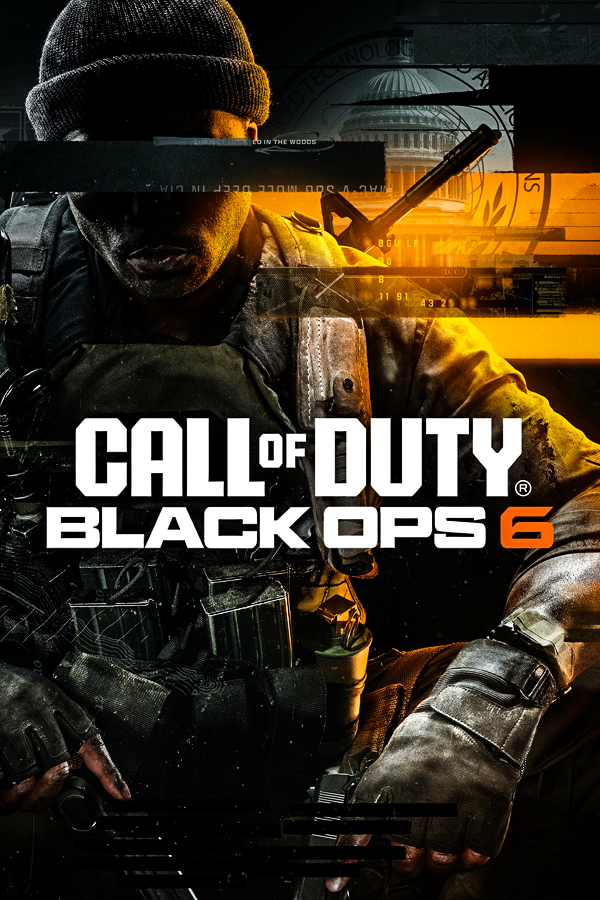
Call of Duty has culminated in becoming a standard yearly event with the series alternating between Black Ops and the mainline Modern Warfare series. While some entries try to incorporate new ideas into each new game in the series, more obvious now than ever, it needs a long break and has to go back to the drawing board. While they are all entertaining in different ways, they are trying to please everyone rather than a select crowd. Bloated multiplayer modes, mediocre maps, and entertaining albeit short and contrived campaigns are keeping the series back.
Black Ops 6 has a pretty entertaining campaign. Although it surpasses Black Ops III in terms of gameplay, it maintains the innovative concepts from Cold War, a feature I truly appreciated. The story itself is fun, but nothing memorable or anything well written. This won’t be winning anyone over in that department. This is the first Black Ops game to pick up the story from the second game, which is the only one to actually matter. It also incorporates events from Cold War, and it’s pretty cool to see characters like Frank Woods return. Those games came out so long ago that the new generation of gamers probably won’t even know or care, but fans of the series will.
There is a main hub area that all the characters hang out in. This is a house in the woods and eventually plays a role as a level itself towards the end of the campaign. Treyarch tried making something out of this house by adding an in-depth puzzle that incorporates running around the house and finding clues. I find it ironic that the core gameplay of this game requires players to not think, but wants them to think critically and solve puzzles. Call of Duty has always been the opposite of thinking or lack thereof. The reward is pretty decent, but I won’t spoil it, and the puzzle itself takes the entirety of the campaign to solve. I found the whole unlocking of benches kind of unnecessary for how short the game is. You can buy benches to upgrade weapons, such as more ammo and health, or increase melee damage. I really wouldn’t have noticed if I had never used them here. These are unlocked with the cash you find in the game.
There is also a large open map that is a new experiment for the series. It’s not like the terrible levels from Modern Warfare III that copy the Warzone maps. You get a vehicle that is stocked with ammo, and you can go around completing side objectives for more XP, such as clearing out camps or saving scouts. You can then fast travel back to the truck via the map and go back to the main campsite to swap weapons and get more ammo and equipment. It was a refreshing change of pace, and that’s kind of the pattern I was seeing with this campaign. There are more options for pacing, rather than relying solely on mounted vehicle segments to change the pace. This time around, the design of a few stealth missions has improved. I felt I could get through them without having to be perfect with my route. I could jump into the water and swim close to the objective, get out, kill a few enemies, and kind of worm my way to where I needed. The stealth missions are also not stealthy all the way through like in Modern Warfare II and become a chore. At a certain point in the game, it might be acceptable to go guns blazing.
There was also a reconnaissance level that involved a political party for Bill Clinton, which was cool. It felt fresh, broke up the pace of constant shooting, and helped slow things down so we could see the story build more. What I wasn’t a fan of was the Zombies mode-inspired level in which you become intoxicated with a hallucinogen, and you must find four key cards and fight four zombie bosses. The level felt cramped, reminiscent of an office building, and it was not particularly enjoyable. Hey, you can’t win them all. At least they tried something different. It also felt completely out of place compared to the grounded realism of the main story.
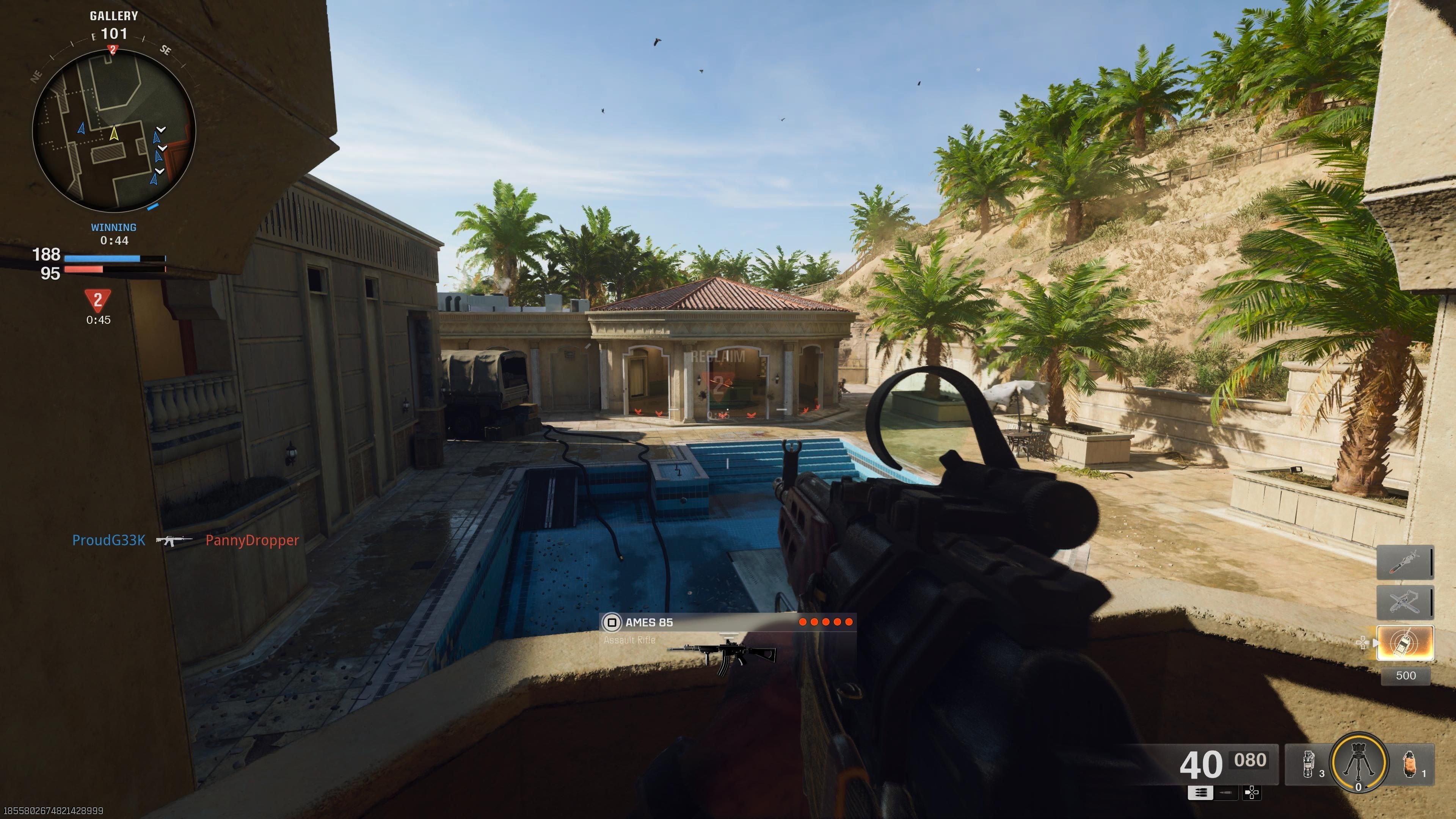
The overall feeling and gunplay have minor tweaks and adjustments, but it mostly feels the same as Cold War or any other Call of Duty game. Sadly, these games are conjoining and starting to all feel the same outside of features and modes. The gunplay is still top-notch and hasn’t been beaten yet by any other AAA arcade-style first-person shooter. It feels good, and the weapons have a good amount of weight and realism to them. The details on the weapons, from dangling keychains and decals to smoke blowing around from the barrel when you run to shell casings dropping on the ground, are all things most players will take for granted, but these minor details are something the series doesn’t get enough credit for. I also didn’t find too many bugs outside of some post-launch crashes. I ran into an issue where I had to turn off my overclocking on my GPU because it would crash the game every 10–15 minutes or in specific areas. By now, most patches have addressed these issues.
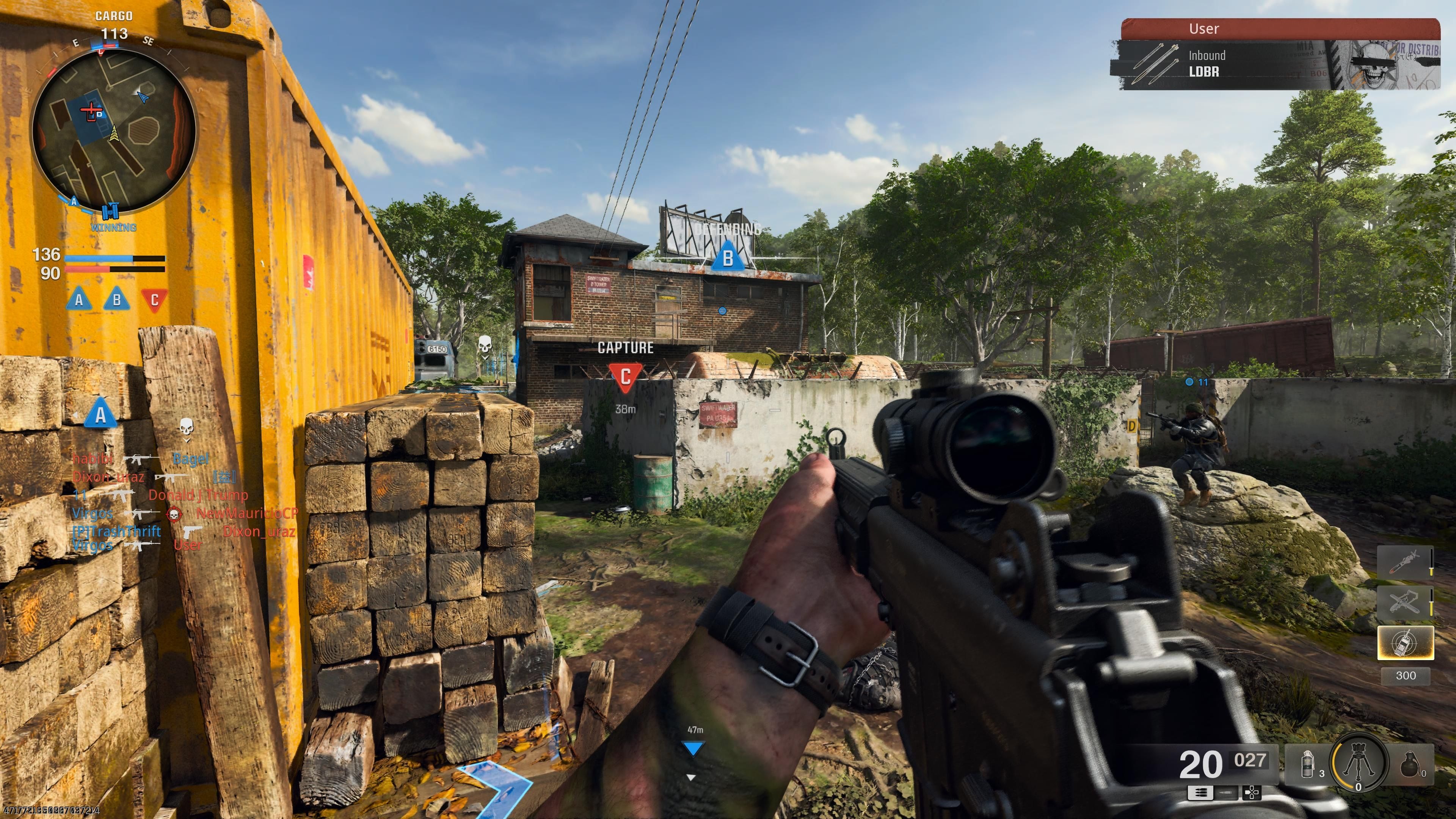
As for the multiplayer mode, there isn’t much to talk about if you already are familiar with the series. The typical modes are all here, from Team Deathmatch to Hardpoint. I actually love Call of Duty’s multiplayer mode, and I have my favorite mode types. I always rotate Team Deathmatch and Kill Confirmed. I might throw a Hardpoint in there sometimes, but it’s the maps that always make or break the game, and Black Ops 6 maps aren’t amazing like Modern Warfare (2019), but they’re not nearly as bad as Modern Warfare III or Cold War’s maps. They all feel fairly generic, and I’m tired of the constant cop-out of using stripped-down campaign maps to make multiplayer ones. Let’s make unique maps that work just for multiplayer for once, please.
Of course the returning Zombies mode is the only reason why a lot of people will buy this game. This is the most robust mode, and it feels unique to Black Ops. There are a bunch of new additions, such as the Gumball perks that allow you to equip a specific gum pack, and then you can randomly get a ball from a machine on the map. There are also Cola cans that give you perks such as superpowered melee attacks, but these can stack. On top of that, there’s the usual overly grind-heavy weapon progression system. I honestly hate this so much in the entire series. I can never stay invested long enough to unlock a good amount of items, as the XP grind is unfair and needs to really change. While the skins and other cosmetic items look great, to actually get them is another story. This is for people who only play the game online and can put 6–10 hours a day into it to actually unlock things and feel like they are making progress.
The same goes for the monetization system of weapon packs, blueprints, operators, and cosmetics. I want to be able to use these cool-looking items by unlocking them by playing, not paying money. I’m guilty of buying the odd pack here and there, but the insanity of the Battle Pass on top of buying $15-20 item packs is absurd and needs to really change. There is so much to the multiplayer mode that is locked away behind a paywall. While you can still enjoy the game itself without paying anything, you never feel like you are making progress and get stuck with the same basic weapon sets for dozens of hours that most people will not want anything to do with. Additionally, the inconvenient launcher system necessitates launching the most recent Call of Duty in order to access modes from earlier games. We need to overhaul and change the entire Call of Duty ecosystem. The ecosystem is experiencing a state of bloating and internal degradation.
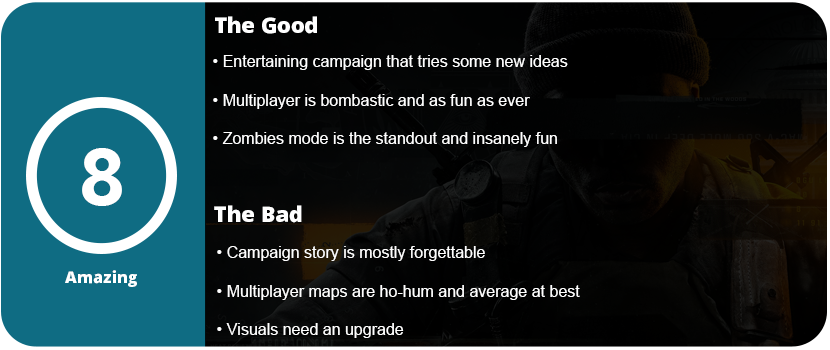
With that said, the visuals and audio in the game are fine. The graphics aren’t terrible, but they also need an update as they are starting to feel a bit dated. This is in part due to still needing to be playable on 15-year-old hardware and scale accordingly. Call of Duty needs to abandon previous-generation consoles, or the series will seriously fall behind. While the graphics don’t look awful, you can tell they are dated. There’s no ray tracing, no advanced lighting effects, and the textures up close look a bit grainy and blurry. I also think that the series needs a gameplay overhaul. While the gunplay feels good and has a fun factor to it, how many times do we need to play the game like this? Let’s try to make Black Ops feel a bit different from the mainline series again. Black Ops 6 is probably the best game in the series to date, but the short campaign (about 4 hours) and the uninspired maps might put a lot of people off for the high price tag.
When you think of Tomb Raider, Uncharted, or most treasure hunters, you think of Indiana Jones. Harrison Ford’s iconic character is considered the grandfather of all video-game spelunkers. It’s only puzzling when you realize nearly every Indiana Jones game was mediocre to terrible at best, and none got the fancy high-budget treatment that his copycats did. Thanks to MachineGames, who are masterclasses; with their pedigree being in the recent Wolfenstein reboots, there’s no one else more qualified for a WWII-set adventure title in the first person.
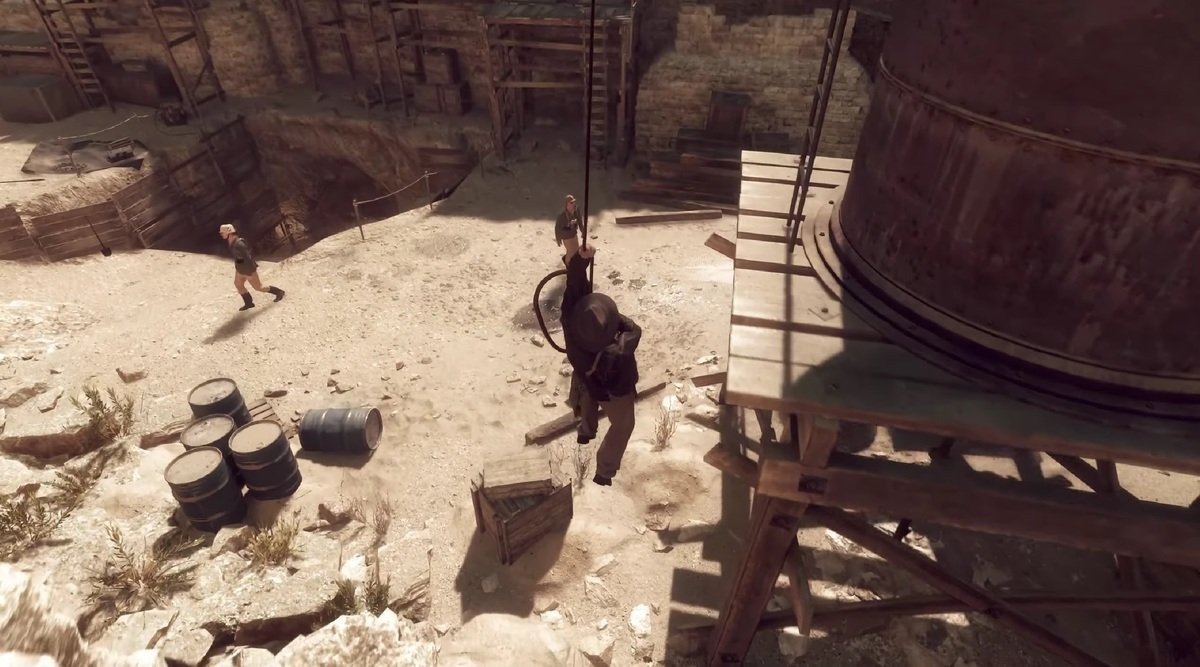
The Great Circle focuses on major monument sites like the Sphinx and Machu Picchu that hold a stone that, when combined with the rest, can allow instantaneous travel. This seems a bit far-fetched for a series so grounded in reality, but MachineGames pulled it off. The game starts out very serious and realistic in tone. You get to play the opening sequence based on one of the scenes from an Indy movie, Raiders of the Lost Ark. This is your basic tutorial on how to play the game and what to expect gameplay-wise. This platforming and climbing is mostly played in first person, but it’s used sparingly and works well for the character. The titular action hero is also voiced and acted by Troy Baker, of Joel from The Last of Us fame, and you would swear Indy’s voice is actually Ford’s or some sort of AI. He does a fantastic job getting all of Ford’s mannerisms and quips just right. MachineGames, in turn, did a stand-up job with his facial animations and expressions. The digital form embodies the essence of Indy.
I greatly appreciate the gameplay loop here, as it breaks up quite a bit and never feels stale. The first two “maps” of the game are large and open and give you side quests on top of the main adventure. You can ignore these, but they provide you with Adventure Points, which you can use to unlock abilities from the Travel Books you acquire. They also hold a lot of fun adventuring, great scripted events, and puzzles. Running around the map can unlock fast travel points, but don’t worry. These maps are significantly smaller than those found in games like Grand Theft Auto or Assassin’s Creed. You can easily run from one side to the other in a couple of minutes. The challenge here is that the Nazis have camps and barricades set up all over the maps. As long as you maintain your disguise, you can access some restricted areas and avoid others. Usually the disguise is similar to the local flavor of the working class. Indy will auto-equip disguises as needed, such as his iconic leather jacket, hat, and trousers, when you get to a tomb. You can easily get away with a lot, and thankfully the enemy AI can’t detect you from miles away. The yellow alert symbol above their heads is fairly generous and gives players plenty of time to hide and move out of the way.
Most restricted areas are fairly large and open, and your objective has multiple ways of entry. Either go in bashing everyone down or shoot your way through, but realize that some early areas don’t really have guns, and you will run out of bullets quickly. Sometimes it’s better to not be seen, as you can be greatly outnumbered. The main combat mechanic here is melee weapons of everyday use that you can pick up, such as brooms, tire irons, bottles, brushes, batons, frying pans, or anything else you fancy. These have degradation bars and can only be used a few times. Sneaking up behind an enemy and whacking them will get an instant knockout. Guns can also be turned around and used as melee weapons if you want to go a more pacifist route.
If you break your main revolver, you can use repair kits, but bullets are very rare. It’s not recommended to go in guns blazing until later levels when you can pick up a shotgun, sten gun, or other pistols. These also have a single clip, and then you have to discard the weapon. You also can’t carry any weapons up ladders. If you climb out of an area, the weapon stays behind. While you do at least get your revolver at all times as a backup, I rarely used guns. I must commend MachineGames for effectively dissuading players from using guns, despite their potential convenience. I always searched for a melee weapon and sometimes avoided combat in entire areas thanks to the many ways to get to an objective.
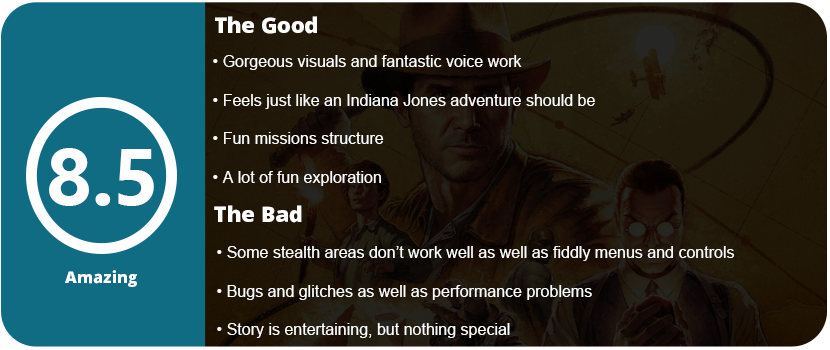
I did find navigating the areas a bit annoying, as the menu and inventory system are kind of a mess. All of Indy’s notes are in a notebook, and you hold this in real-time; the navigation icons only appear when the book is out. I had to run around with a book in my hand to see my player icon move in real time on the map. I would have liked an optional compass on the HUD. I also found flipping around to notes for solving puzzles to be a nuisance. The overall design of the menu system is subpar, resulting in a cumbersome experience. Some optional puzzles require you to snap photos for hints, and these documents and photos need to be referenced a lot, so flipping through multiple pages each time is a chore.
Adventuring itself feels grounded and used sparingly, so it feels like a real Indy adventure. You use your whip to pull things down, swing across gaps, and disarm enemies in combat. The whip is slow, and you can’t just run full tilt down a hallway and expect Indy to whip beams and fly across the levels Prince of Persia style. You have to stop and aim at the beam; Indy then whips it, and then you swing across, but Indy’s speed isn’t that of a superhuman adventurer. It feels real and believable. Indy doesn’t climb up his whip against walls quickly either. There’s a weight to his movements ; he’s struggling just a bit and always on the brink of exhaustion. To be honest, it’s a refreshing shift in pace. My favorite parts of the game are the final tombs you explore before the final bosses, as they are full of fun puzzles and scripted events. MachineGames broke up the game by adding three heavily scripted linear levels after the first two open maps. It’s so well paced, and I couldn’t put the game down.
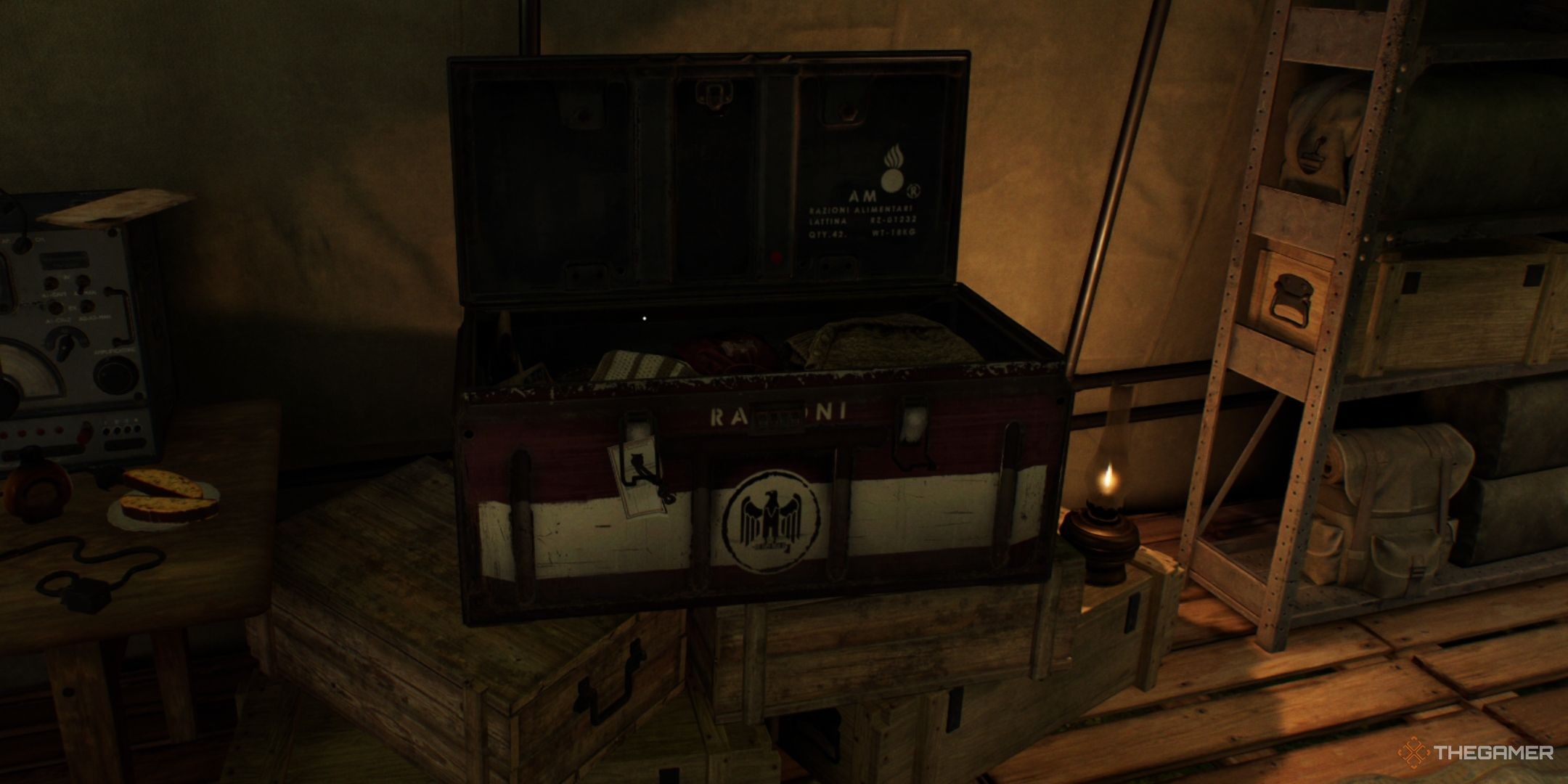
The RPG system seemed a bit forced and unnecessary to me. The Adventure Points rack up, and you will end up with more than you need, but buying more books requires medicine bottles, which must be hunted and searched for in the level. You can use your camera to snap photos when an icon appears for some quick Adventure Points. Then you have coins, which you mostly use to buy the three main gadgets you use throughout the entire game. These gadgets include a camera, a lighter, and a re-breather. These are quite expensive and will require you to go finish side missions and scrounge for money in chests and on shelves. Travel books help you gain stamina, health, and damage while knocking out enemies faster. All three currencies are underutilized. You can also eat pastries to increase your “armor,” use bandages to heal, and eat fruit to increase your stamina “armor,” which just allows your stamina to reduce at a slower rate. Stamina is vital to combat, as fisticuffs is so heavily relied upon.
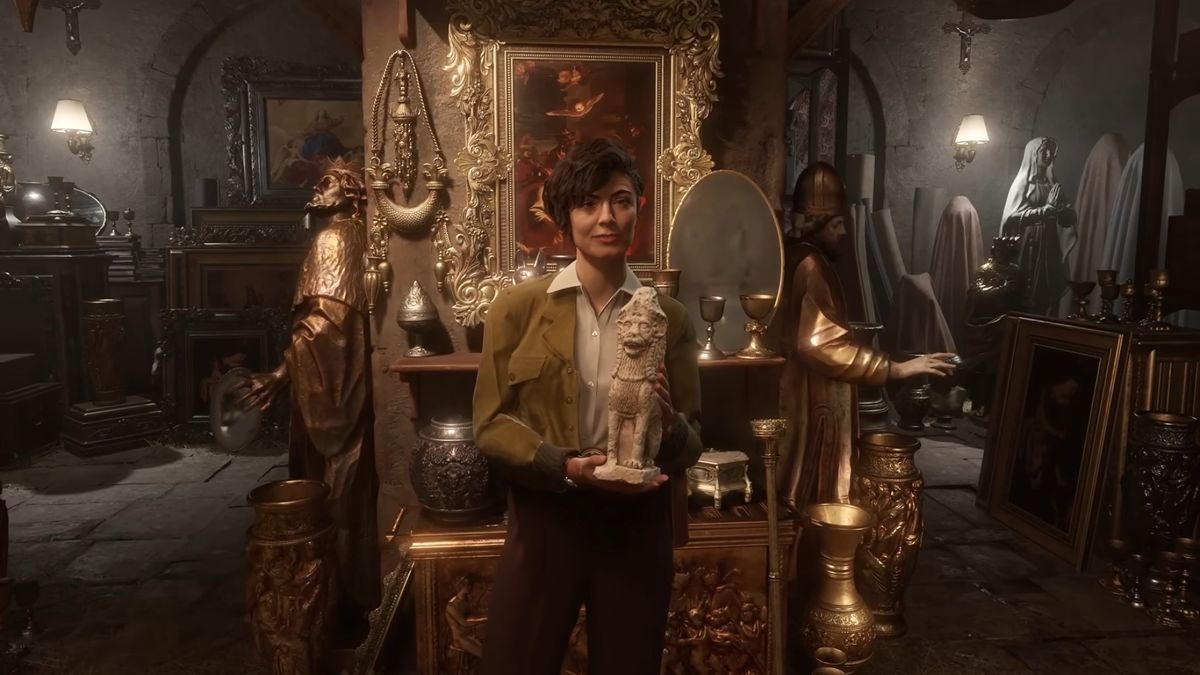
The game itself looks absolutely gorgeous. It is undeniably one of the most visually stunning games to date. The game boasts an extensive range of diverse locales, including a desert, dense jungle, the Vatican, a college, and a snow level. The game is constantly changing things up, and it just never feels boring. The story, while elementary, is captivating enough to keep me going, but the characters feel like they almost stand out but still feel a bit too cliché. The main antagonist, Dr. Voss, has a wonderful personality that you really despise, but there’s something about him that makes him forgettable, as well as your female companion Gina. The overall adventure itself is memorable, however, and I had a blast with the 20 hours I put into this game. I don’t feel the urge to find all the hidden collectibles, as this part of the game felt like a chore. I preferred the scripted events that made me feel like Indy rather than sneaking around collecting things like a Thief game. Overall, I believe this is the finest Indiana Jonesgame ever created, and I look forward to future releases.
Indie games are what’s holding the game industry right now. It’s no longer AAA titles that get released every single month. The indie groups are the big events every year. There are festivals and online events held all year round celebrating indie titles. Some have had AA budgets while others are made by a single person. Indie games are where the heart and core of the game industry is right now and we need to protect and cherish this by buying the games that we like and love and supporting them. This has been a tale as old as time and many big games now started out as small indie titles such as Minecraft, Fez, Super Meat Boy, Amnesia: The Dark Descent, Stardew Valley, Terraria, and and many more.
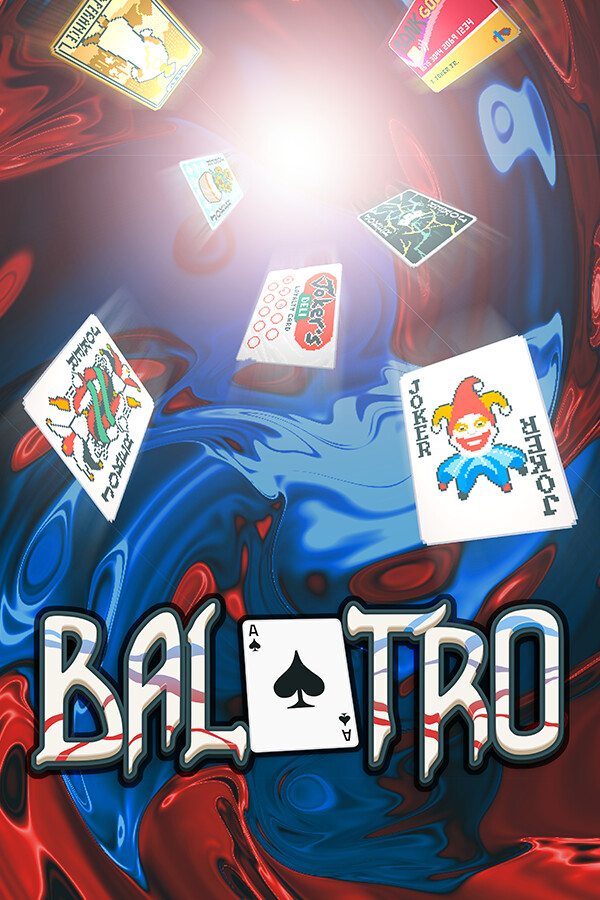
Balatro
Balatro is one of those games that nobody knew or heard about and suddently blew up. Not only are rogue-like games in vogue right now, but Balatro’s addictive gameplay, colorful retro visuals, and easy to learn, but hard to master style made it a recipe for success. It’s available on every platfrom out right now and recently got a physical release.








































































 thebinarymessiah.com
Try multiplayer. A lot of fun !