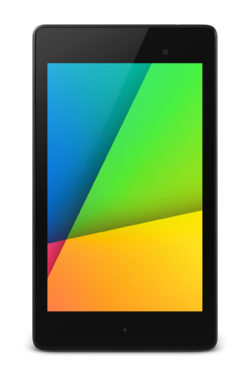
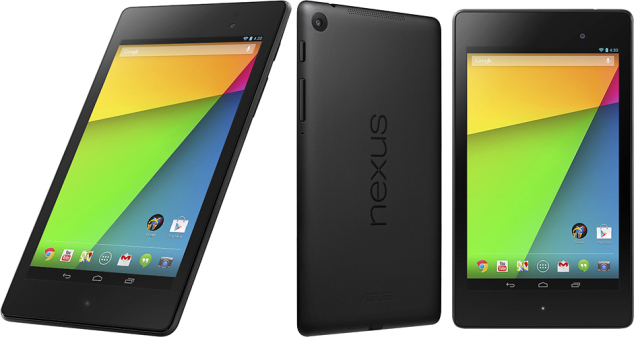
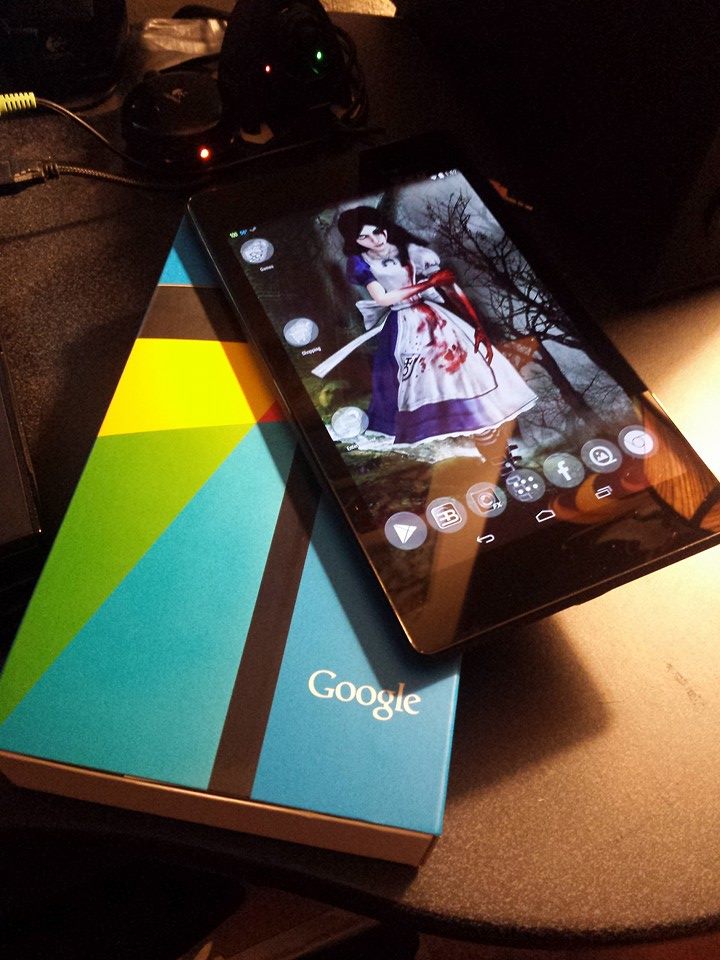
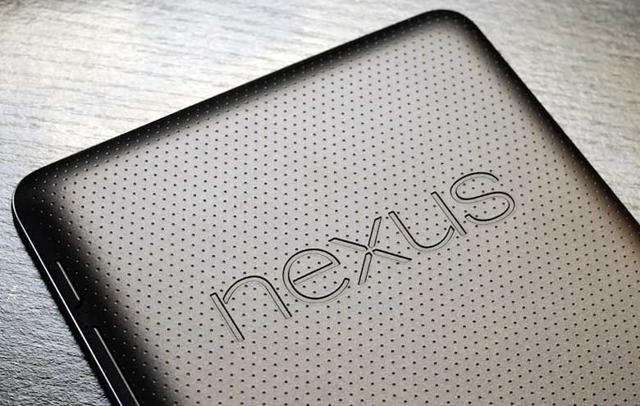
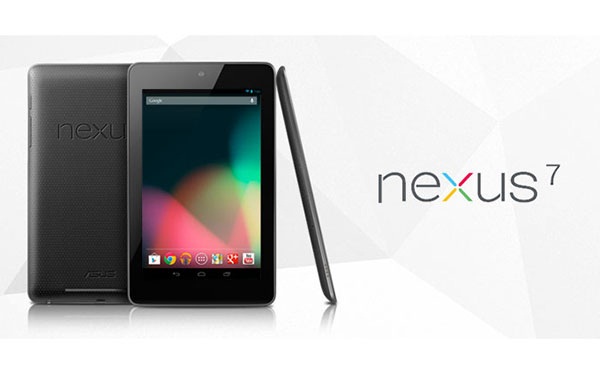
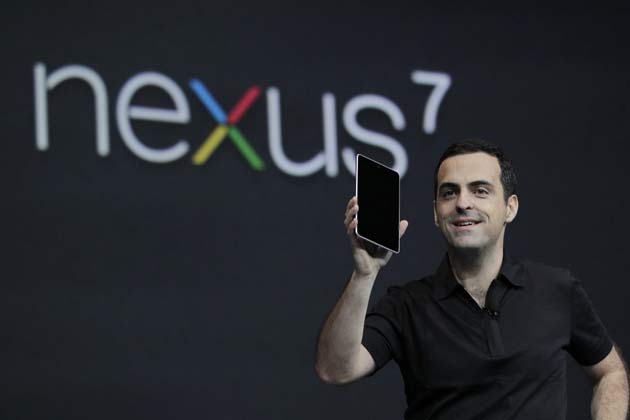
The Nexus 7 was the best 7-inch tablet on the market at the time. With the powerful Tegra 3 chipset, it seemed like it was unstoppable—that is, until its cousin came along to trump it. Not only is the 2013 addition thinner and sleeker, but it’s also four times as powerful and well worth upgrading. Google partnered with Asus once again, but this time ditched the Tegra chipset and threw in the Snapdragon CPU and Adreno GPU. Once you open the box, you will immediately notice the physical changes to the tablet. The deep black and the overall more rectangular shape and sharper edges look slick and clean. Gone is the soft bumpy back from before, replaced with plastic and a beveled Nexus logo. I do miss that softback, as it didn’t scratch, but the new back still has a soft, fuzzy feeling to it.
Apart from that, you will also notice the front-facing camera has moved to the right, as there is now a back camera that is 5.0 MP. The front camera has improved slightly by 0.1 MP, but it makes a difference. While other tablets have more powerful rear-facing cameras, the Nexus 7 does record in 1080p and looks pretty good in well-lit areas. I would have liked to see at least an 8 MP camera, but just having a camera added is a great addition. There isn’t a flash, so the camera is nearly useless at night.
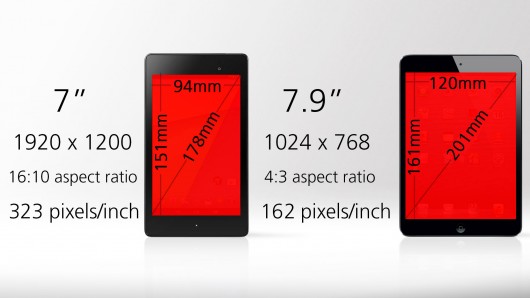
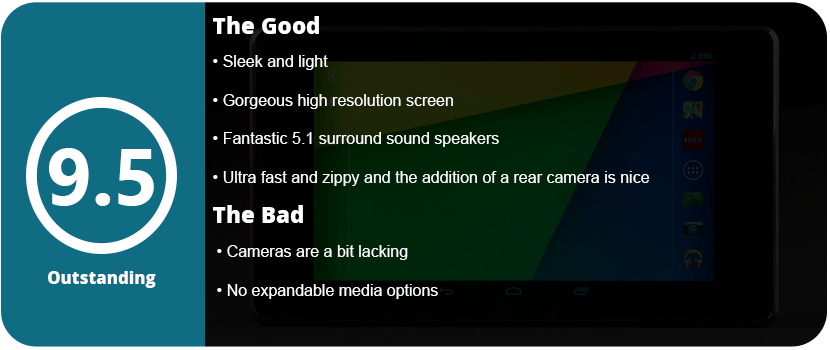
Let’s talk about the screen. It’s absolutely gorgeous. The 1920×1200 resolution LCD screen looks clear, bright, and crisp. The resolution upgrade is very noticeable compared to the 2012 model. With 323 PPI, everything is going to pop out at you, from games to comics. The sound is also something I love on this tablet that most tablets don’t have. We have 5.1 surround sound in this thing. There are two small speakers at the bottom and one large one at the top. The speakers are made by Fraunhofer, who is the guy who invented the MP3. I immediately noticed the sound difference when I started playing games. It sounds like everything is coming at you from all angles; it’s rich, crisp, and so much clearer than the 2012 model.
So what’s under the hood? The speed increase is incredible, as apps load faster and things just process at a much faster rate. My comics rendered faster, games loaded quicker, and I had zero hangs when loading graphics-heavy websites in Chrome or switching apps quickly. The Snapdragon Krait 300 CPU is clocked at 1.51 GHz and is quad-core. This is much faster than the 2012’s 1.3 GHz CPU. The Adreno 320 GPU helps a lot as well and loads faster than the Tegra 3. The games looked better, and everything loaded so much faster. For example, on the 2012 model, I could not select the best graphics option in Rival Knights; on the 2013 model, I could. I also had a lot of slowdown with low framerate on the 2012 model in Joe Dever’s Lone Wolf. On the 2013 model, it ran at 60 FPS.
The battery also lasts a good while for a slimmer battery. You will get hours of gaming or reading out of this thing, even with WiFi on. Besides processing speed, the 2013 model has Bluetooth 4.0, screen mirroring, Qi wireless battery charging, and a notification indicator at the bottom of the tablet. These may not seem like much, but they make a big difference in an upgrade. Not to mention the loose charging port from the previous model has been fixed with a more sturdy USB slot. The tablet is also 2 ounces lighter, so you can’t really complain.
Bottom line: The Google Nexus 7 (2013) is the best 7-inch tablet you can get your hands on at a great price. If you own the 2012 model, I highly recommend upgrading like I did. It’s fast, sleek, has a gorgeous screen, and has fantastic surround and sound speakers.
So here I am with my first tablet, I swore up and down that, I had no use for one because I have a laptop and a 4″ phone. Why would I need a tablet? Apparently for a lot and this is one of the best devices I have used in a long time. It’s sleek, powerful, and well designed. Why a Nexus 7? Well, the 7″ size is perfect where it isn’t too small or too big. I don’t like 10″ tablets because they just feel big and clunky. You are probably wondering what’s under the hood, why not an iPad Mini, and is the screen nice?
The Nexus 7 is powered by Nvidia’s Tegra 3 chipset which is one of the most powerful on the market. Directly competing with Apple’s A5x chipset in their iPad 3, the Nexus 7 is extremely powerful for a 7″ tablet. This tablet has a whopping 16 cores, a quad-core 1.3Ghz CPU, and a 12-core Geforce ULP GPU. The tablet CPU has a fifth core that is dedicated to running in a power-saving mode during times of low processing needs. That is one powerful tablet. The Tegra 3 chipset allows for some of the most advanced graphics seen on a tablet as well. Games like Dead Trigger, Dark Meadow, Zombie Driver, and a few others optimize their games for the Tegra chipset adding extra effects and higher FPS. The tablet has 1GB of DDR3L RAM rather than DDR2 RAM which is in both the iPad 3 and Mini and it is twice as fast. The Tegra 3 chipset is even more powerful than the iPad Mini and iPad 3 with the Mini having a single-core 1Ghz CPU and the iPad 3 having just a dual-core 1Ghz CPU. Even the ULP graphics chip is more powerful than the iPad 3’s with 416Mhz. If that doesn’t impress you…I don’t know what will.
Asus just stopped producing the 16GB models so only the 32 are available now, but that’s fine. 16GB really isn’t enough space anyway, but there are no expandable storage options. You can use an OTG cable and a USB stick, but most people won’t know to do that. 32GB is plenty for games, movies, music, and books. I have over 30 games on my tablet and still have plenty of room. I found the battery life is pretty decent for such a powerful device. Running high graphic games you get about 3 hours and everything else will last you most of the day, but that’s with Wifi on. With it off it is probably 30% less power-consuming.
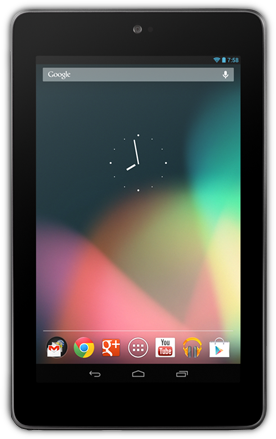
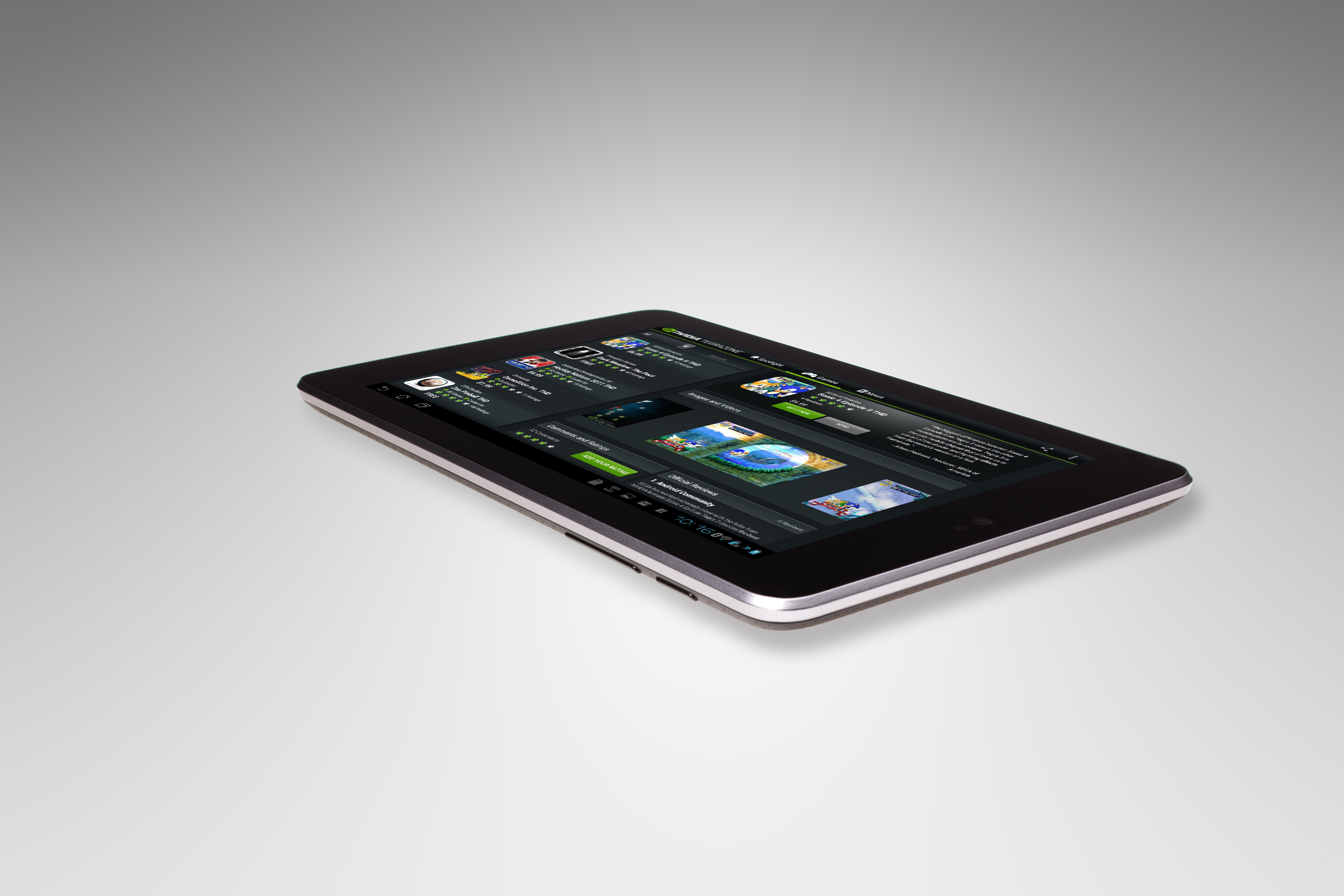
The screen is gorgeous. Being better than the iPad Mini with a 1280×800 resolution rather than 1024×768. It also has double the PPI at 216 rather than 163 for the Mini. It also is a 16:10 aspect ratio rather than the Mini’s 4:3 aspect ratio so it is a widescreen tablet. The text is crisp and-and the images are sharp and vibrant. You won’t be disappointed watching high-definition movies or games. I also found the screen to feel very nice to touch and my finger would just glide across. The tablet is also fitted with scratchproof Corning fitted glass, also known as Gorilla Glass to some. The glass is alkali-aluminosilicate sheet glass which is the best out there right now. On the back, the device has a bumpy, leathery texture which makes holding the device easier. I love this texture and feels so much nicer than the hard plastic of other tablets with their sharp edges. You also don’t have to worry about setting it down and scratching it up. The whole device just looks so sleek and smooth.
The tablet comes stock with android Jelly Bean 4.1, but as of a week ago the new 4.2.2 update is out. Nothing else to expect software-wise other than a great Google Android OS experience. However, if you’re a gamer check out Nvidia’s TegraZone app to get started on what games were specifically designed for the Tegra chipset. My only complaint is that there is no rear-facing camera. Just a front-facing 1.2MP camera for video chatting. However, most people don’t use their tablets for taking pictures (unless you are one of those iPad people)
Overall, the Nexus 7 is one of the most powerful tablets on the market and the most powerful 7″ tablet you can get your hands on. With the 16-core chipset, bright vivid screen, and sleek design, any hardware fan will want this tablet. For the low price of $250 for 32GB of storage…nothing beats it! Once you pick this up you will realize why it was chosen as 2012’s best tablet.
The Nexus 7 is powered by Nvidia’s Tegra 3 chipset which is one of the most powerful on the market. Directly competing with Apple’s A5x chipset in their iPad 3, the Nexus 7 is extremely powerful for a 7″ tablet. This tablet has a whopping 16 cores, a quad-core 1.3Ghz CPU, and a 12-core Geforce ULP GPU. The tablet CPU has a fifth core that is dedicated to running in a power-saving mode during times of low processing needs. That is one powerful tablet. The Tegra 3 chipset allows for some of the most advanced graphics seen on a tablet as well. Games like Dead Trigger, Dark Meadow, Zombie Driver, and a few others optimize their games for the Tegra chipset adding extra effects and higher FPS. The tablet has 1GB of DDR3L RAM rather than DDR2 RAM which is in both the iPad 3 and Mini and it is twice as fast. The Tegra 3 chipset is even more powerful than the iPad Mini and iPad 3 with the Mini having a single-core 1Ghz CPU and the iPad 3 having just a dual-core 1Ghz CPU. Even the ULP graphics chip is more powerful than the iPad 3’s with 416Mhz. If that doesn’t impress you…I don’t know what will.
Asus just stopped producing the 16GB models so only the 32 are available now, but that’s fine. 16GB really isn’t enough space anyway, but there are no expandable storage options. You can use an OTG cable and a USB stick, but most people won’t know to do that. 32GB is plenty for games, movies, music, and books. I have over 30 games on my tablet and still have plenty of room. I found the battery life is pretty decent for such a powerful device. Running high graphic games you get about 3 hours and everything else will last you most of the day, but that’s with Wifi on. With it off it is probably 30% less power-consuming.
The screen is gorgeous. Being better than the iPad Mini with a 1280×800 resolution rather than 1024×768. It also has double the PPI at 216 rather than 163 for the Mini. It also is a 16:10 aspect ratio rather than the Mini’s 4:3 aspect ratio so it is a widescreen tablet. The text is crisp and-and the images are sharp and vibrant. You won’t be disappointed watching high-definition movies or games. I also found the screen to feel very nice to touch and my finger would just glide across. The tablet is also fitted with scratchproof Corning fitted glass, also known as Gorilla Glass to some. The glass is alkali-aluminosilicate sheet glass which is the best out there right now. On the back, the device has a bumpy, leathery texture which makes holding the device easier. I love this texture and feels so much nicer than the hard plastic of other tablets with their sharp edges. You also don’t have to worry about setting it down and scratching it up. The whole device just looks so sleek and smooth.
The tablet comes stock with android Jelly Bean 4.1, but as of a week ago the new 4.2.2 update is out. Nothing else to expect software-wise other than a great Google Android OS experience. However, if you’re a gamer check out Nvidia’s TegraZone app to get started on what games were specifically designed for the Tegra chipset. My only complaint is that there is no rear-facing camera. Just a front-facing 1.2MP camera for video chatting. However, most people don’t use their tablets for taking pictures (unless you are one of those iPad people)
Overall, the Nexus 7 is one of the most powerful tablets on the market and the most powerful 7″ tablet you can get your hands on. With the 16-core chipset, bright vivid screen, and sleek design, any hardware fan will want this tablet. For the low price of $250 for 32GB of storage…nothing beats it! Once you pick this up you will realize why it was chosen as 2012’s best tablet.




 thebinarymessiah.com
Try multiplayer. A lot of fun !