Puzzle games aren’t just supposed to bend our minds, but also offer unique ways to play puzzles we’ve grown to love. Some have stories, some require reflex, and some just make you think.
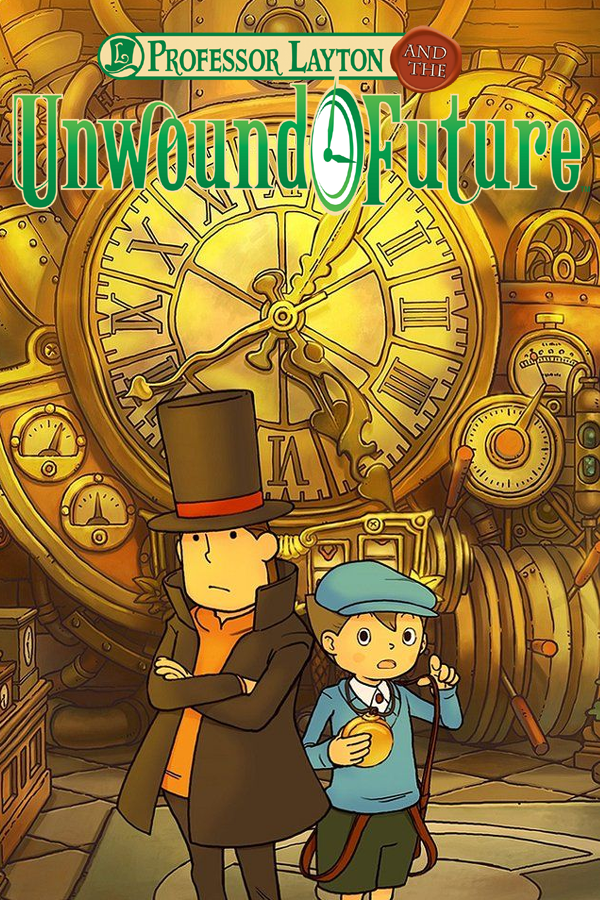
Professor Layton and the Unwound Future
Professor Layton brings puzzle games to life with a charming story, visuals, and deep clever puzzles. What sets it apart from the rest is the way puzzles are presented with the DS hardware and the way you think about them. Professor Layton has set the standard for puzzle games, and you don’t just have to have the quantity to make a puzzle game great.
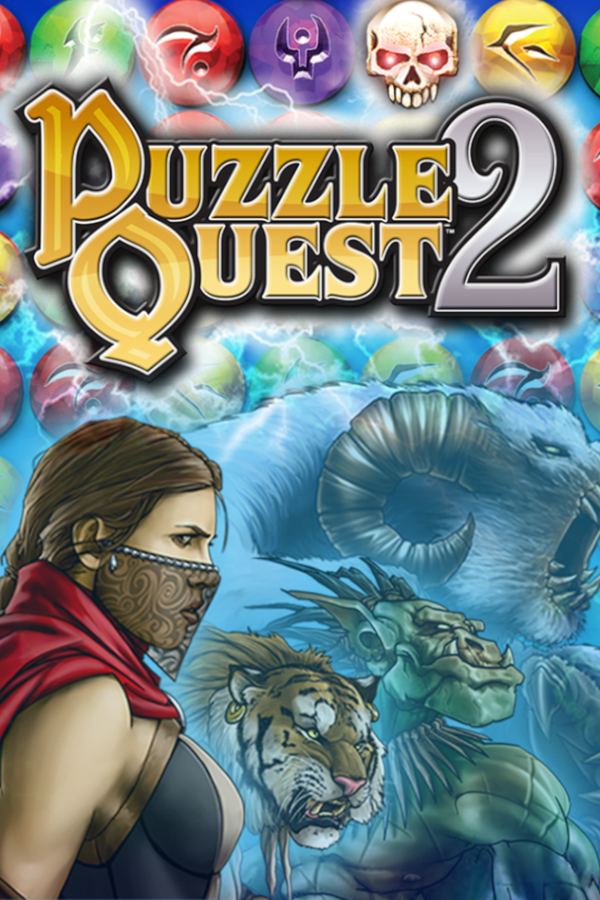
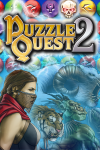
The first Puzzle Quest was amazing, and it just had a lot of charm, a great story, and good characters. There was just something magical about that game. Puzzle Quest 2 is a disappointment. The core gameplay is still intact, but it’s repetitive, has a toss-away story, and just lacks the charm of the first game.
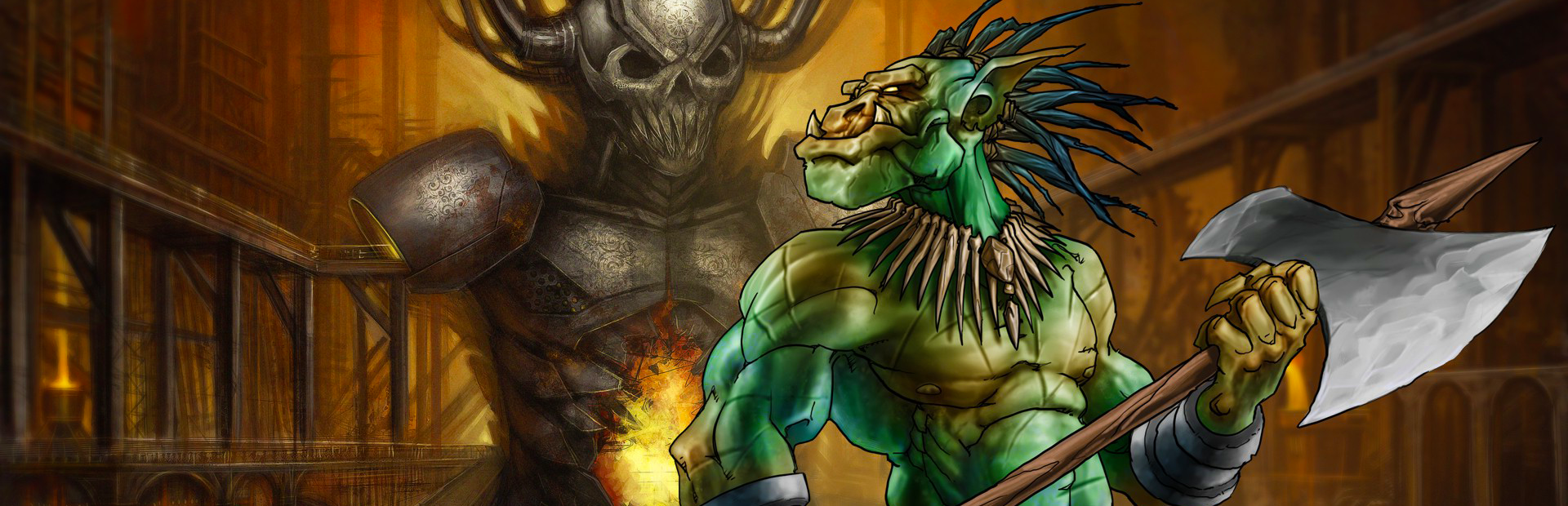
You play as a generic character who is trying to free the town from the evil orcs, goblins, and whatnot, and it’s not very interesting at all. The first game had a nice overhead map you moved around on, but you walk around with stiff two-frame animations, and it’s not as appealing as the first game. Even the dialog is uninteresting and just feels like unnecessary filler.
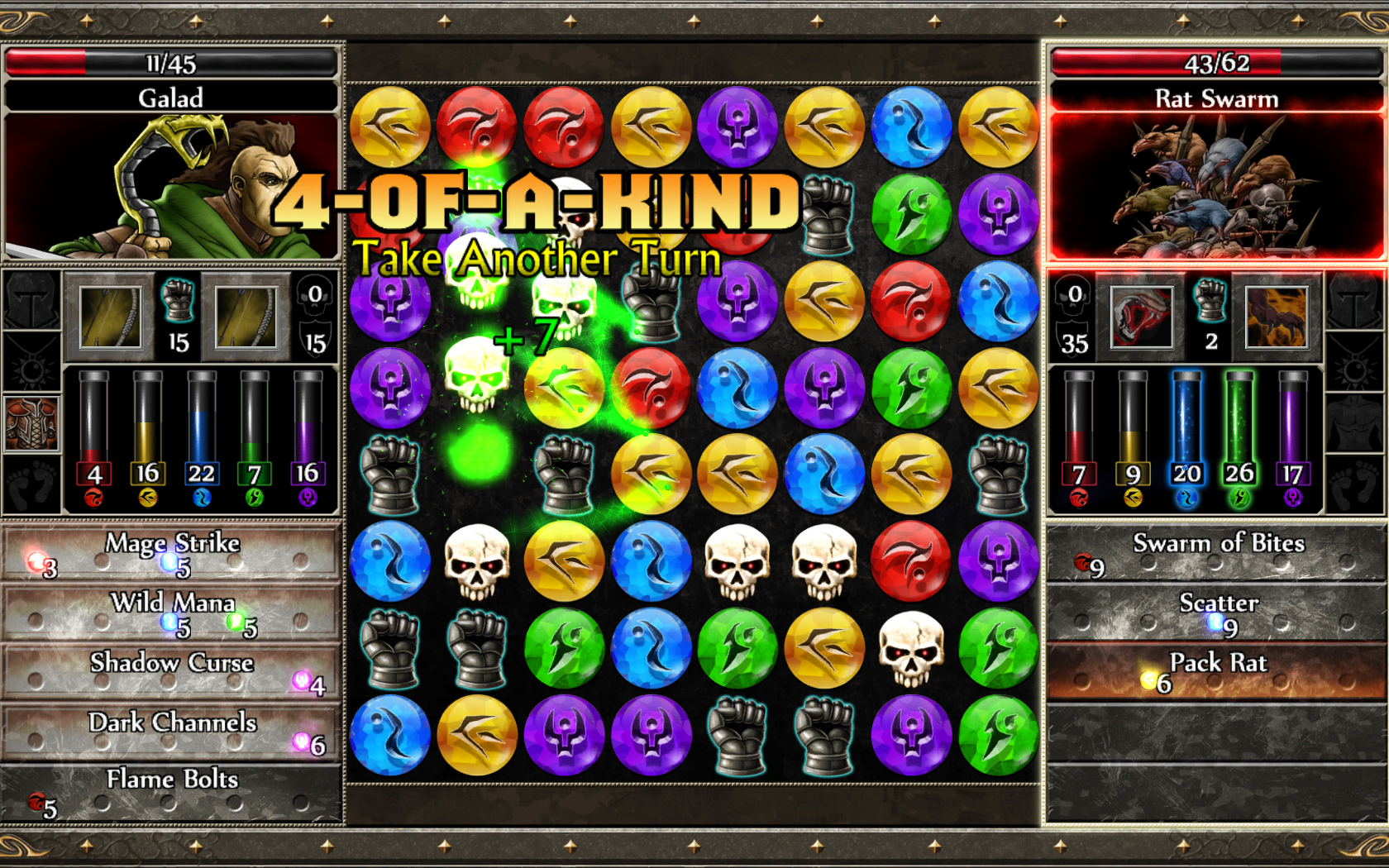
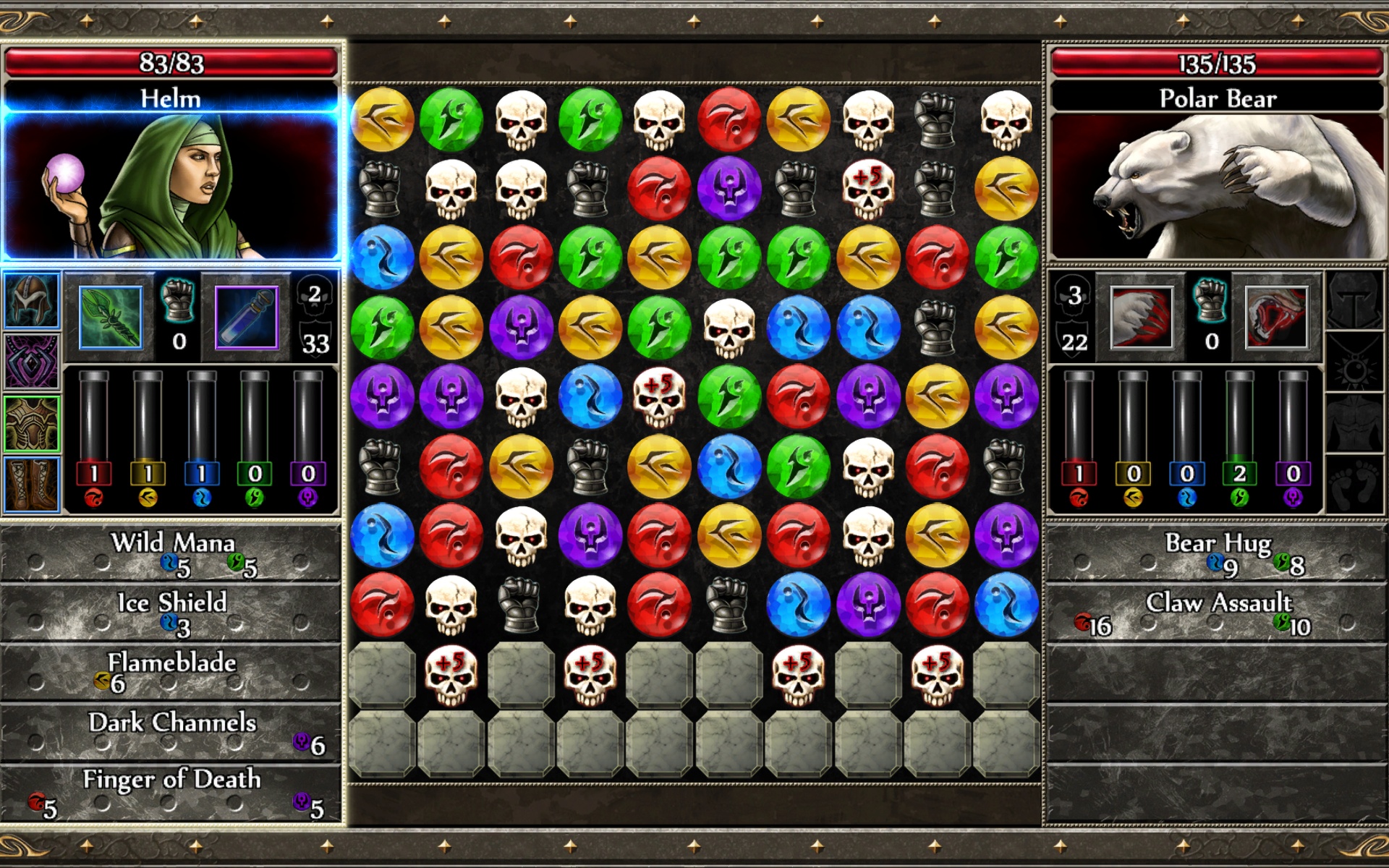
The puzzle part is the best part of the game, and it’s still the same. You can use your weapon to attack, but you must get the first gems and reach the amount the attack requires. There are different colored gems, and matching three adds to the amount the magic spell requires. Getting four-of-a-kind grants you another turn, and getting five-of-a-kind grants you another turn but lands a wild card. Skulls are used to attack the enemy, and there is great depth and strategy involved, and it’s still highly addictive. Trying to find the right combination of spells will make you unstoppable, but there isn’t a huge selection, and unlocking the spells can take forever.
You can level up (thus the RPG elements), but it never feels like it does much because of how unbalanced the game is. You’ll have a regular foe with 184 HP rather than a boss with only 72. It’s weird, but you keep coming back for the addictive puzzling. Another downfall is that there are hardly any useful items in the game. Finding stronger armor, weapons, and shields should increase in quality as you progress, but halfway through the game, you’re still finding stuff from the beginning. There isn’t a large variety either, and using mana potions and health potions is almost useless since just playing through the puzzle board is good enough.
There are some new ideas thrown in, such as “mini-games.” These vary from looting treasure, picking locks, breaking down doors, etc. Looting is really fun since there are only four types of symbols. Getting treasure is fun since you can drop matches so many times and match rare chests that give you “rare” items, but they don’t seem rare at all. Breaking down doors requires you to match door icons; picking locks seems a bit overcomplicated, and I could never figure it out, but they are a nice touch.
Despite the charm being gone, Puzzle Quest 2 manages to be good only because of the puzzle game it was created from, but even hours into the game, you will get sick of it and may not even finish the story. The game just feels half-baked, and I know it could have been so much better. However, if you loved the first game or just love puzzle games, this is a great game for anyone.
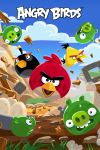
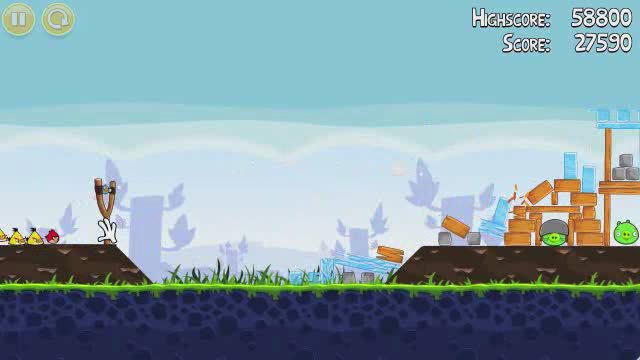
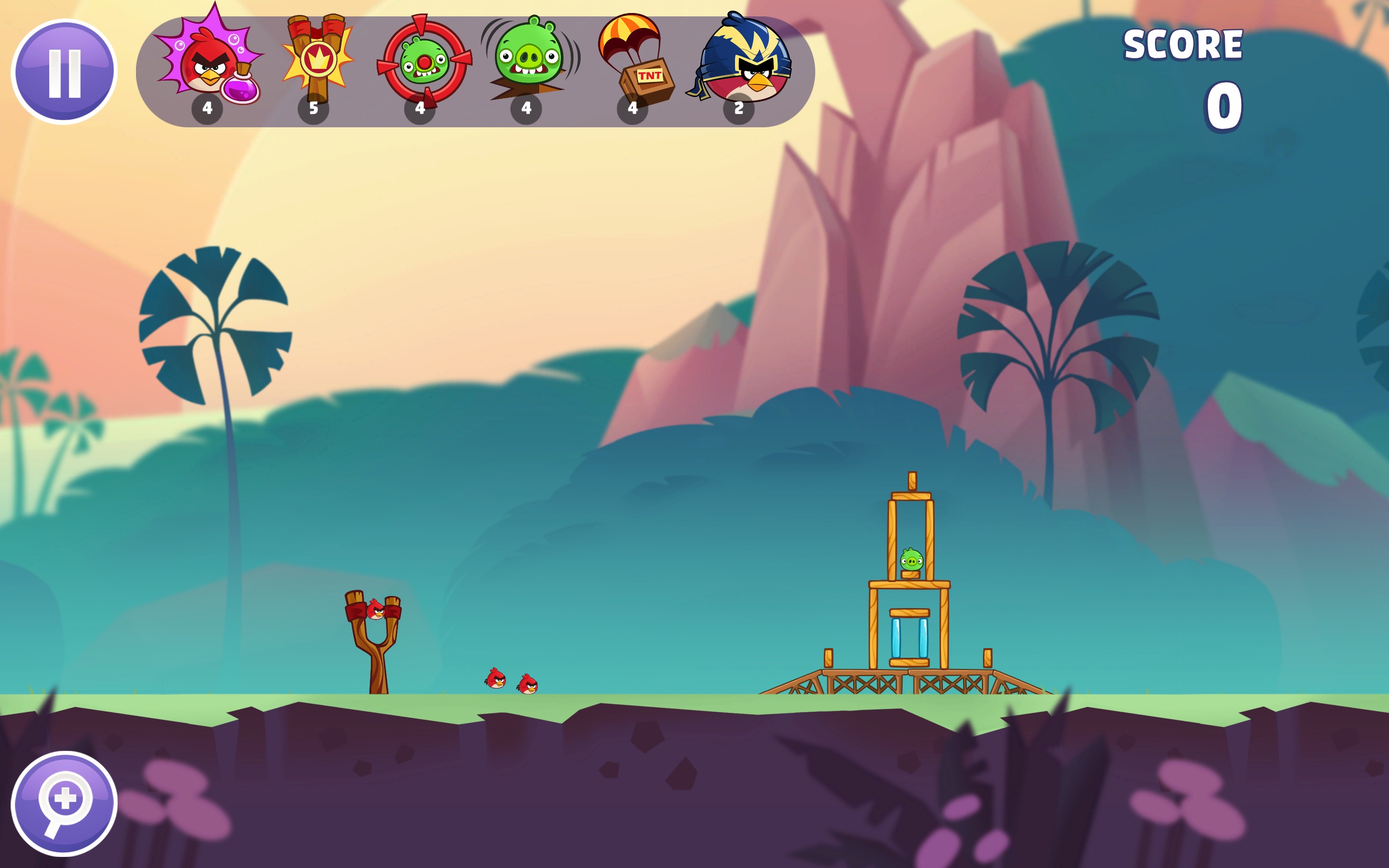
Physics games tend to be very popular on the App Store, and Angry Birds is one of the best among them. The idea is to flick birds off a slingshot and have structures crash down around the evil pigs. There are various types of birds, such as one that spreads into three when you tap it, one that goes really fast, one that doesn’t do anything but cause damage, and a few other types.
At the start of each level, you get shown what you have to bring down, and then you drag your finger to move to the slingshot. You can’t see where the structure is when looking at the slingshot, so this provides a challenge but also a lot of trial and error. Trying to find the weakest points in the structures can be painful and tedious since you never feel like your birds are strong or heavy enough to do a good deal of damage.
You get rated at the end of each puzzle for how many birds you have left and how much damage you have caused. Once all the pigs are dead, you clear the level and move on to the next. It seems that there is no consistent difficulty increase, and it just seems to be all over the map. The art style is nice and it feels fluid, but the sounds are really annoying.
Overall, Angry Birds is an excellent physics game and well worth your dollar.
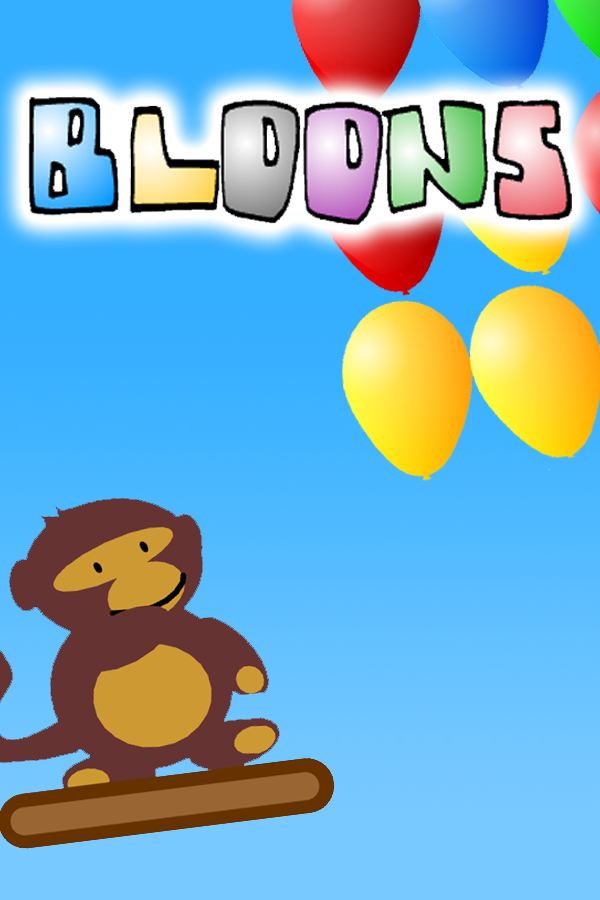
If you haven’t already heard, the PSP Go is out (a.k.a. PSP-N1000), and alongside this, Sony launched the PSP Mini lineup, which is a line of cell phone games ported to the PSP. Some of these ports were updated, and some weren’t. Bloons is a puzzle game that has a mix of Bust-A-Move and darts and will keep you busy for quite a while.
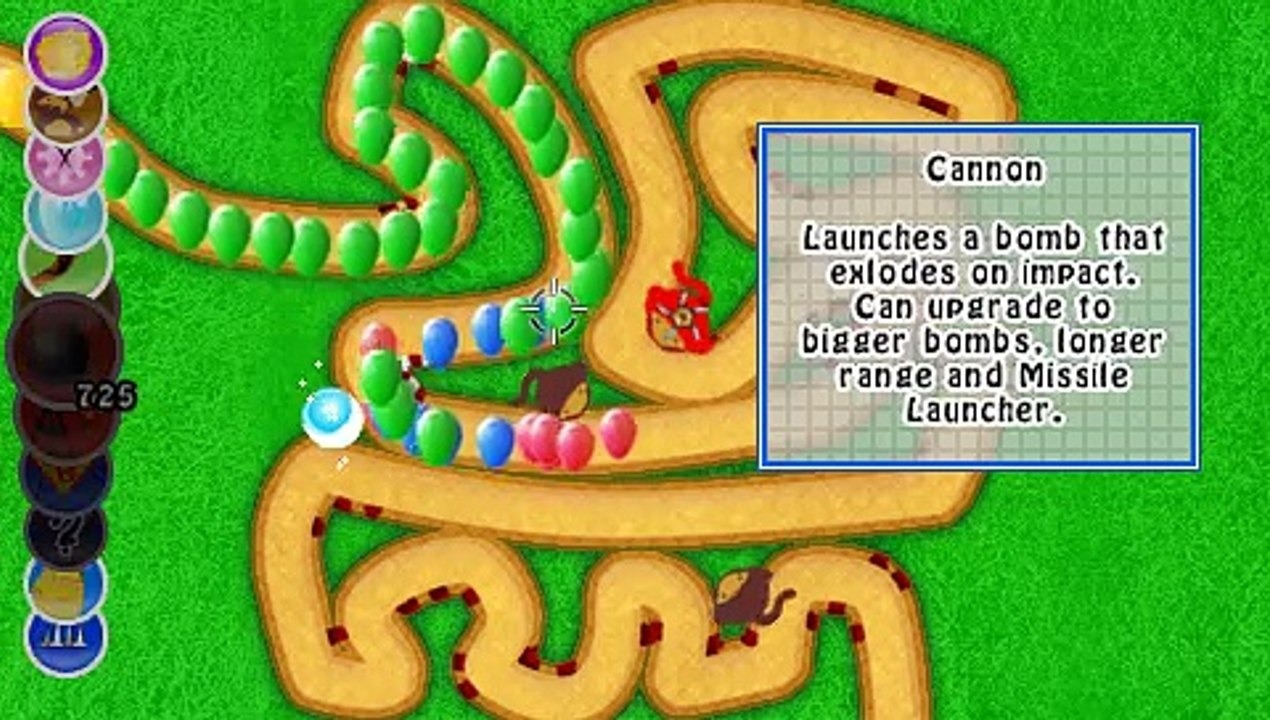
You are a monkey with an arrow that you can spin around and stretch out. The farther you stretch it out, the less of an arch your throw will be. You get a set amount of darts at each level to complete the objective. There are a minimum number of balloons you need to pop to pass, and sometimes there are obstacles in your way. There are quite a few, actually: brick walls you need to shoot around, ice balloons that freeze all nearby ones, a bouncy rope that bounces back your darts, breakable bricks, and the list goes on. I never felt bored with this game since each level is different and the progression in difficulty is fairly nice.
The main issue I had with the game was that it was too simple, and the arrow takes forever to turn around. The graphics are very simple and don’t really push the PSP at all, plus the sound is pretty empty with the same music loop and annoying sounds. Otherwise, Bloons is an excellent way to pass the time and should definitely be picked up.
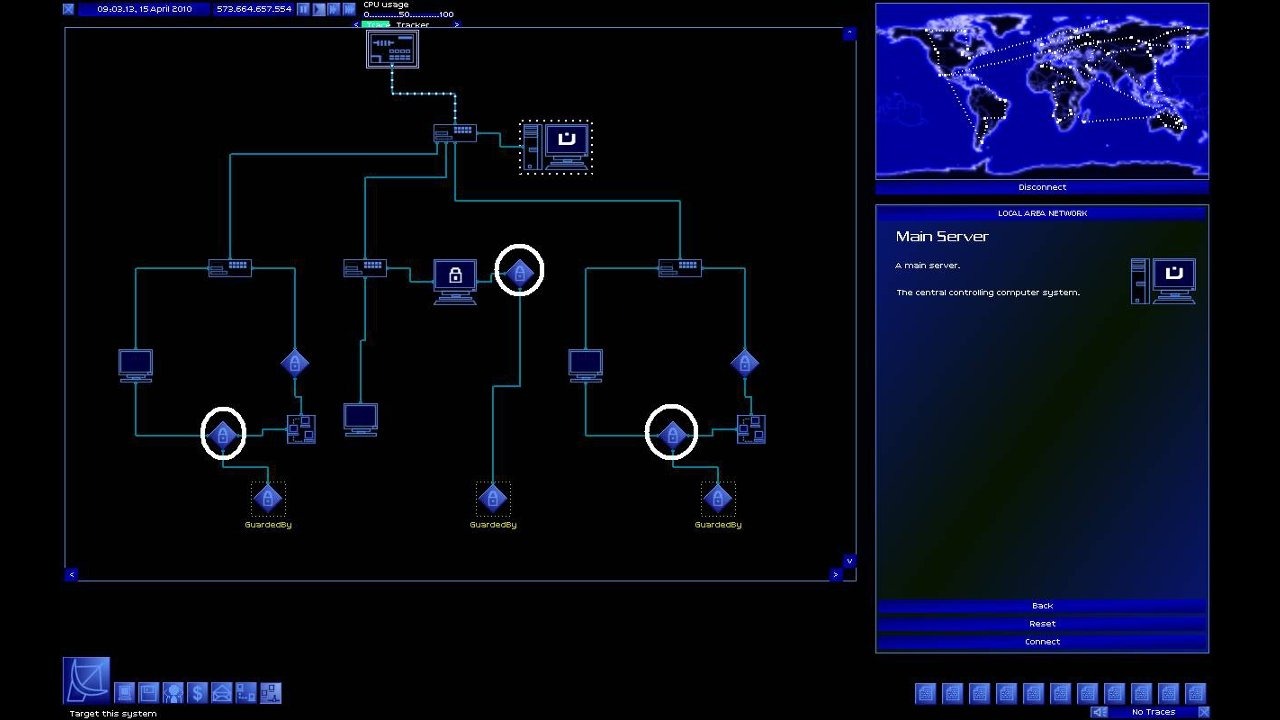
Hacker is a strategy game that simulates being, well, a hacker. You have a simple menu layout that shows your computer upgrades, what’s in your memory, your finances, and all that stuff. The main purpose of hackers is to take missions from the mission list, figure out the best way to do the mission, and then report back. You can log into your Uplink Network to upgrade your software, hardware, and gateway (more on that later). The way the game works is really simple; the main thing to watch out for is being traced, so you buy a trace detector, and, depending on the upgrade, it’ll tell you how much time you have before being traced. You hack into a server by using a password cracker and waiting for the password to be hacked. Once you get in, you have to actually “do the mission,” and this can range from just copying a file, deleting a file, or more advanced things like changing an academic record, getting financial information about someone, etc.
The simpler tasks are easy; you just open your copier or delete tool, and once you find the file, you click on it, and it either deletes or copies it. Copying files has to be added to your memory bank, and certain files have certain sizes. Make sure you buy a defragger to squish all your files together for more room. Doing these tasks takes CPU power to allocate the most important tasks, use more CPU power, or just upgrade your CPU. All of this costs credit that you earn from doing these jobs. Some more advanced missions may need a proxy or firewall bypass before you can edit records. Either buy a cheap proxy bypass program that automatically starts the tracing process or get a HUD program that lets you execute more advanced programs for more advanced tasks. Editing records is easy; all you do is type in what the mission log says and what you did. Make sure you delete your log files (if you have time) so you’re not detectable and get caught later on in the game. If a big corporation finds you and reports you, Uplink will kill your gateway, and it’s game over.
Some of the most advanced tasks involve voice decoders that make you talk in a mic and other decoders, so get into the banks (the most high-security servers). Upgrading your computer lets you store more items, makes tasks go faster, and lets you use more advanced hardware. Once you get the best hardware, the hardest task becomes a breeze. While there are a lot of missions, the game gets old really fast, and after the first 3–4 hours, you’ll start to get bored, whether or not you ever get to the higher levels. Bouncing your connection around the map is the key to slowing the trace, but sometimes this isn’t even good enough.
There are a lot of great ideas in this game, but they’re just not enough to keep you interested for long periods of time. A lot of times, you’ll get lost on what to do since the tutorial only covers the simple stuff like copying and deleting and doesn’t say anything about proxy and firewall bypassing. Most of this stuff you have to discover through trial and error, and this can cost you the whole game when you first start out. The game is also very bland, both audiographically and visually. The game is just a black screen with a bunch of pop-up windows and simple text that you read. The audio is very plain, with almost 16-bit music and no sound effects. The music is elevator music-style techno, and all it does is keep you from falling asleep. So, with just simple clicks and typing and figuring out the best way to solve missions, the game is fairly interesting for such a simple concept. I really hope there is a full-blown sequel in the works, and I hope it becomes more advanced than it is now. I feel the sequel could get major sales if it was done right, so all puzzle and strategy fans should check this one out, but if you’re looking for visual flair, look elsewhere.
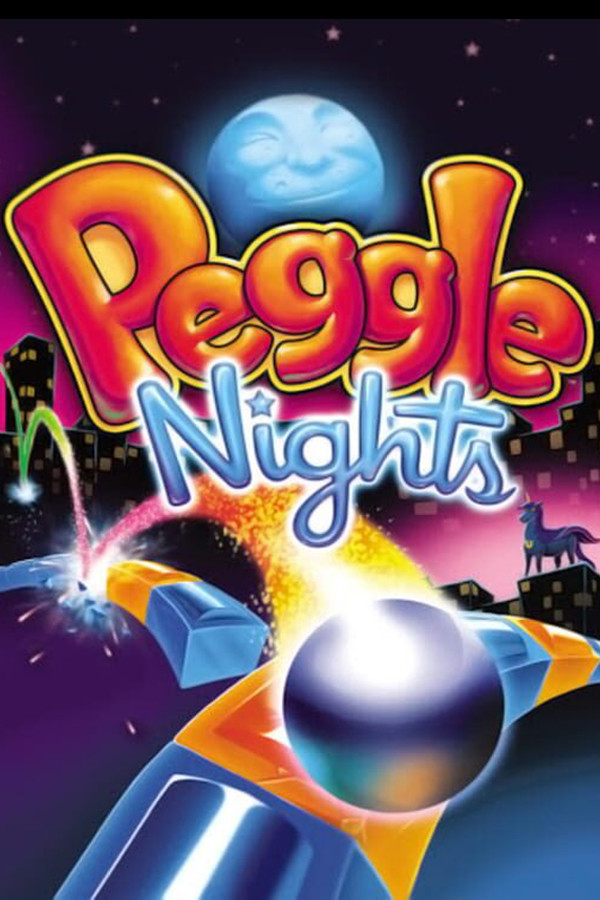
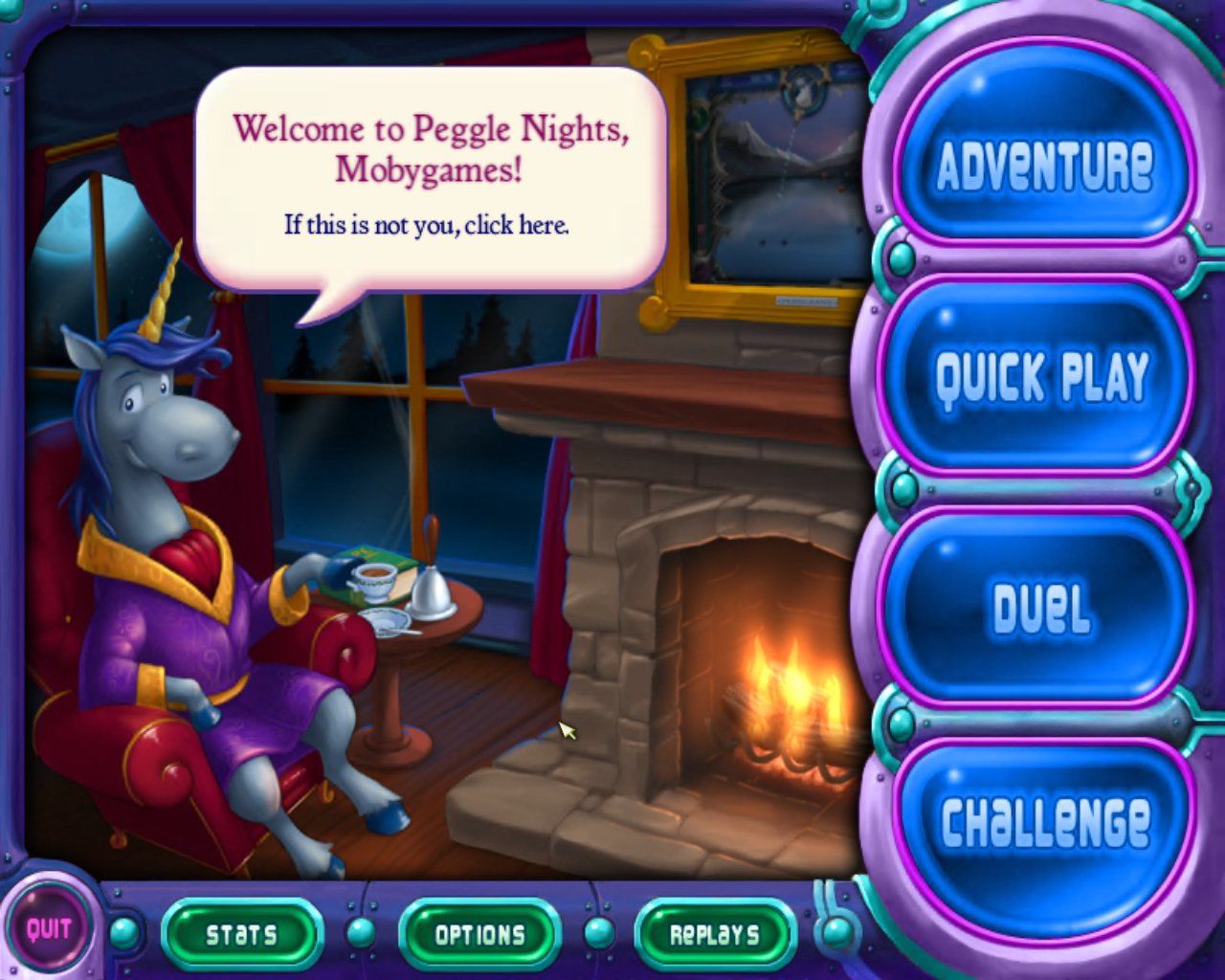
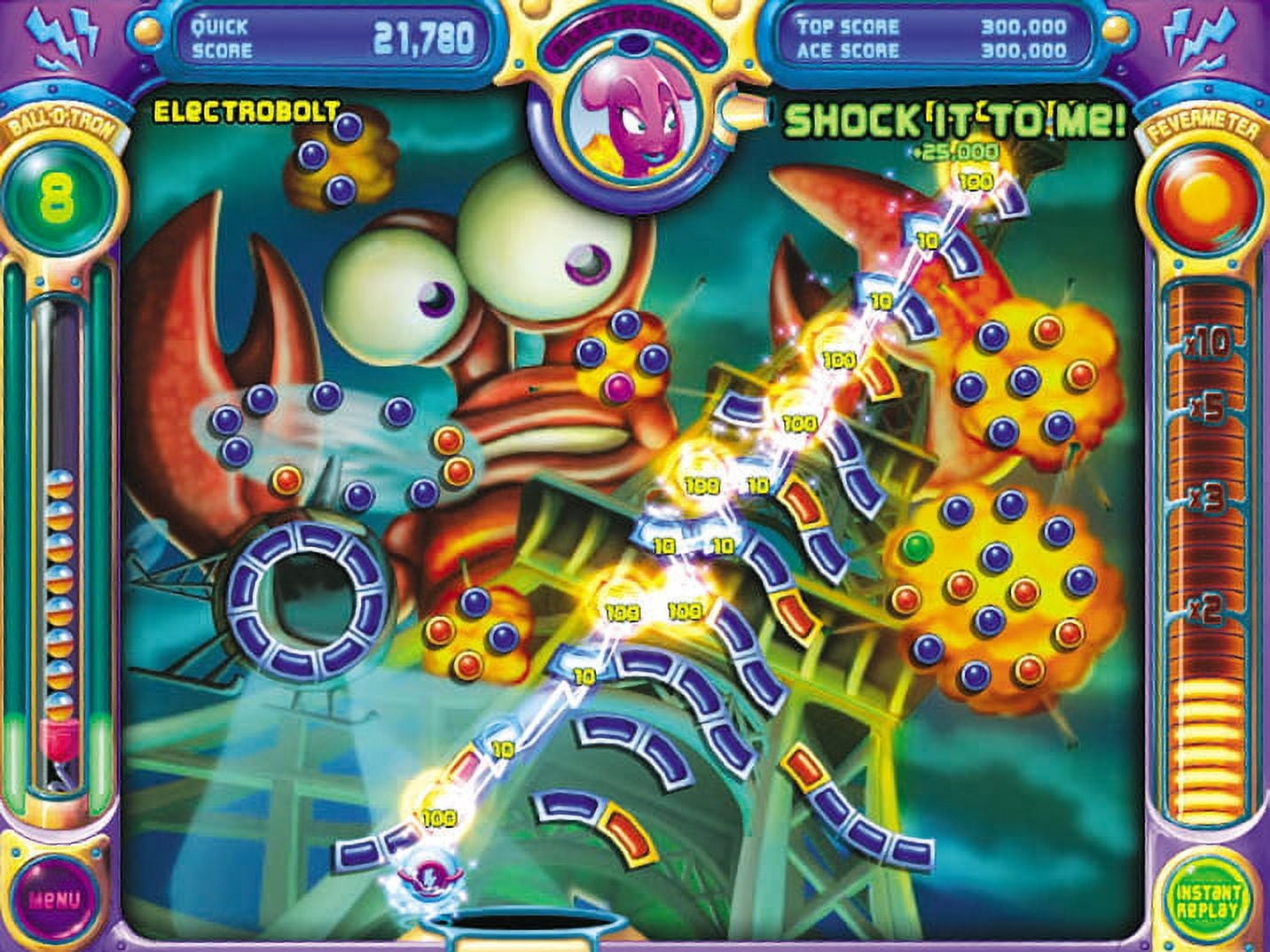
I’ve never played a Peggle game before, but I heard a lot about the new Peggle Nights, so I took a peek, and I liked what I saw. Peggle is basically what the name says: You shoot balls from the top of your screen and skillfully bounce them off different colored pegs to get the highest score. Now you’re probably asking, Why is this game so different from similar games? Maybe because this game has charm and a lot more than just a basic mechanic. The game has “stories,” or characters, wrapped around certain abilities that each one has when you hit a green peg. Some have a guideline, some will spawn multiple balls, some make the ball catch wider (more on that later), and a lot of other different helpful abilities make each set of levels play differently. The pegs are sorted kind of like a Lite Brite (remember those? No? Ok, Google it right now), where the pegs are stuck in the background and some even move. This makes each level different and more challenging. At the bottom is a “ball catch” (basically a basket) that moves back and forth, and if your ball drops in there, you get a free ball. Sometimes you may bounce it off the rim or just shoot it straight in there, and you get extra points.
You can earn extra points by hitting purple pegs and orange pegs from long-distance bounces (hit all orange pegs to clear the level). If you get over 25,000 points in one shot, you get a free ball. Sometimes if you don’t hit any pegs and you just shoot straight to the bottom, a coin will pop up, and you may get a free ball if you’re lucky! At the end of the round, four holes open up at the bottom for up to 50,000 points if you get it in the middle for extra points. You get awarded 10,000 points for every ball you have left.
The game gets really addictive thanks to its forgiving difficulty. You can pretty much clear most levels in less than a few tries, and the difficulty is never all that punishing. This helps make the game more fun and addictive to play. You’ll spend a lot of your time building your skill by bouncing shots around the pegs, trying to hit as many orange pegs as you can in one shot to get a huge score. At the end of every round, you get an all-time score count, and this is put up on the worldwide leaderboards. You’re probably wondering how the game is on the audio/visual front, and I can report that it’s very nice. The game has bright, colorful graphics with well-animated effects and perfect ball physics, and everything just feels right. At the top, where your shooter is, your character for that stage is up there with eyes that follow your mouse, and they make faces depending on your performance. Each level has different moving backgrounds, and this makes things never seem boring.
The game has great music, lots of different pinball sounds, and some pretty crazy fireworks at the end of each round! When you’re all done with this, you can play a challenge mode that has certain objectives you need to meet to earn up to 60 trophies. So there is plenty to do here, and for the $20 you pay, it’s one of the best arcade PC games you can buy. Load up Steam and enjoy Peggle Nights (but you won’t enjoy Steam).
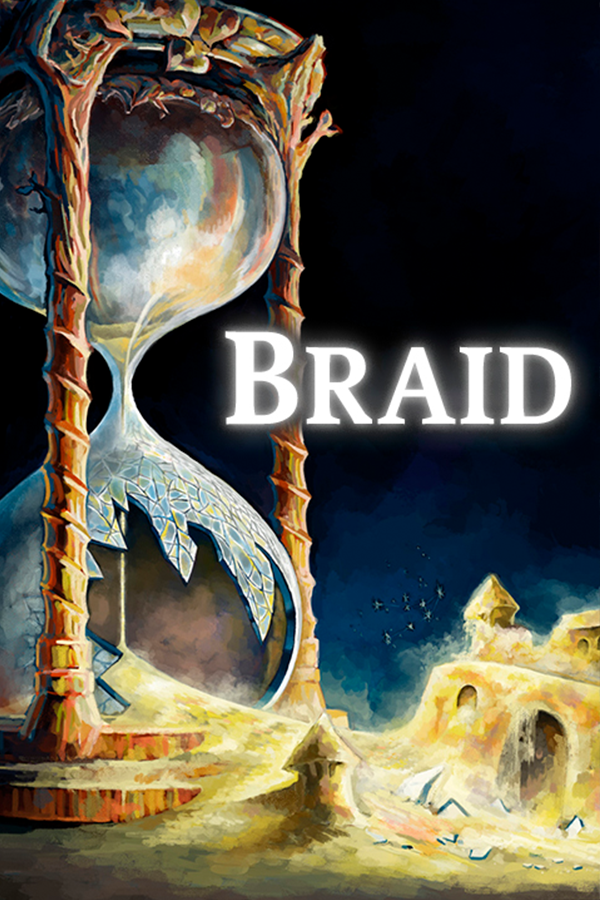
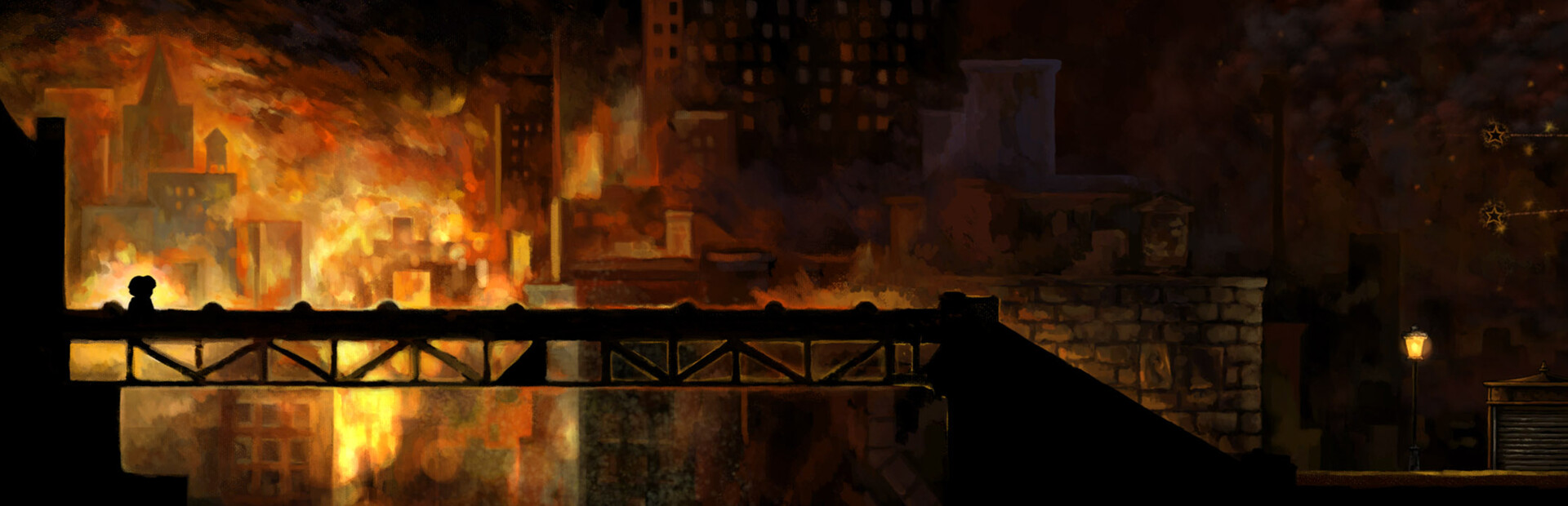
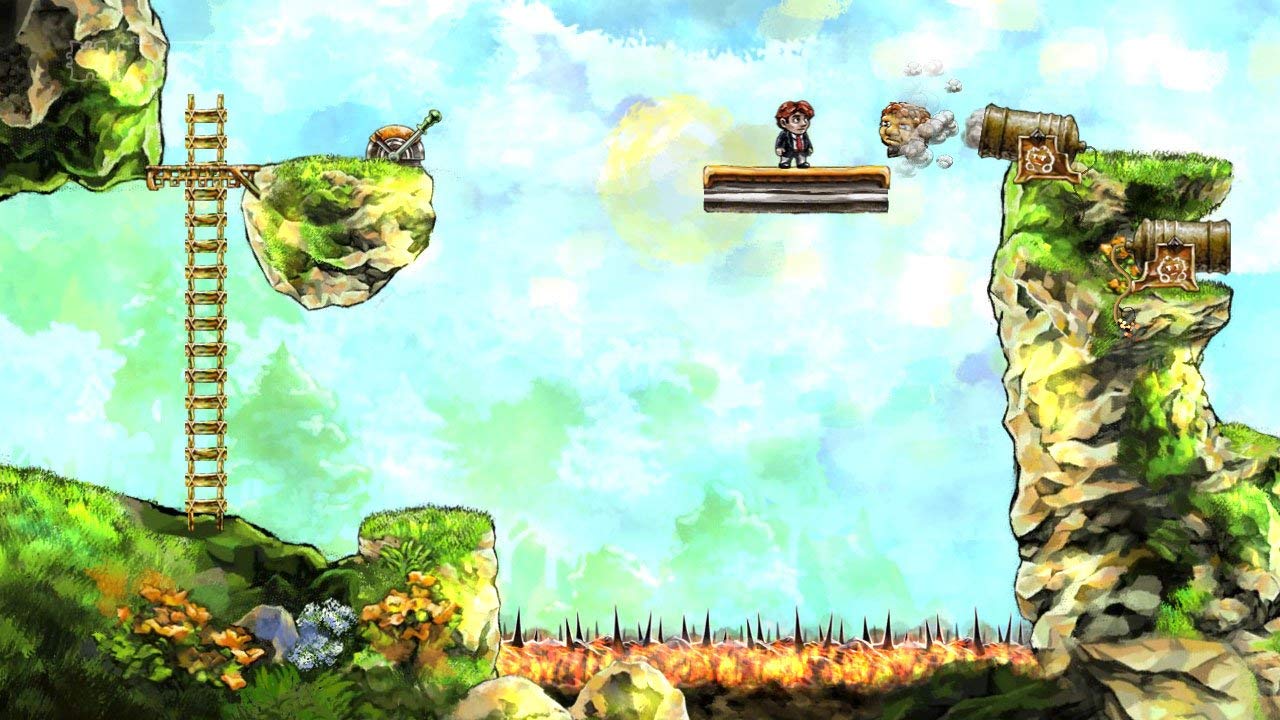
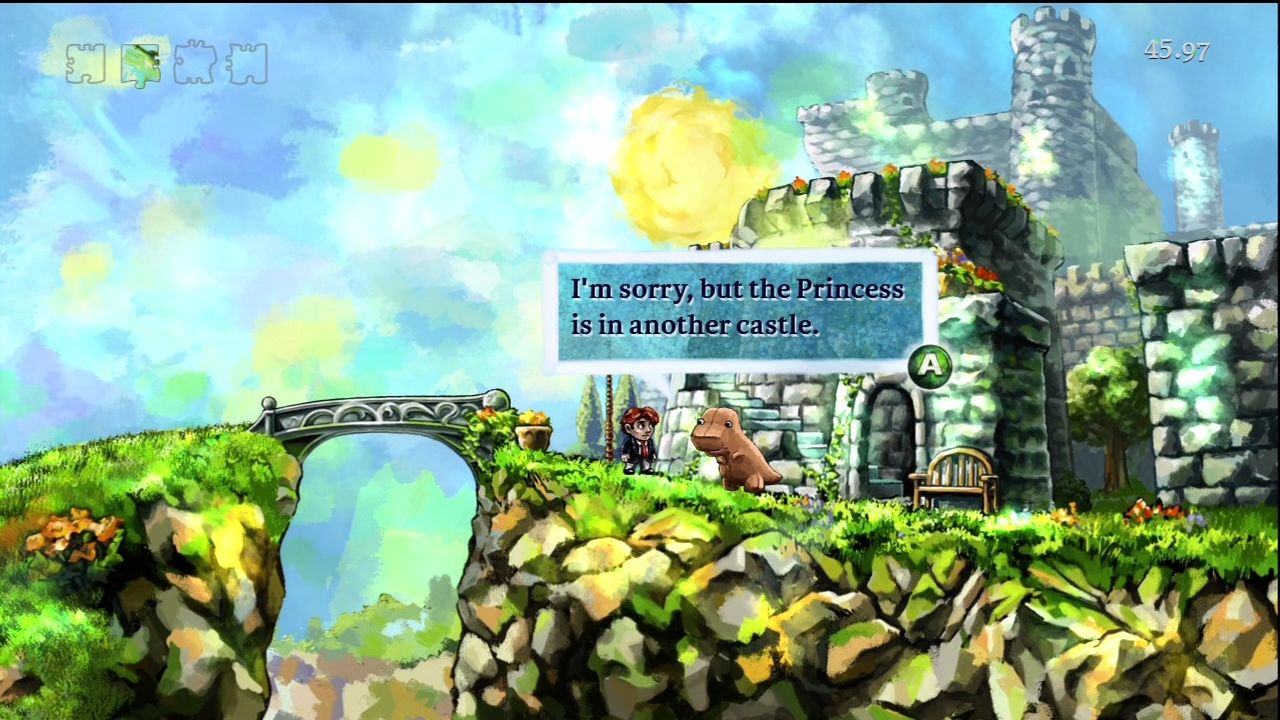
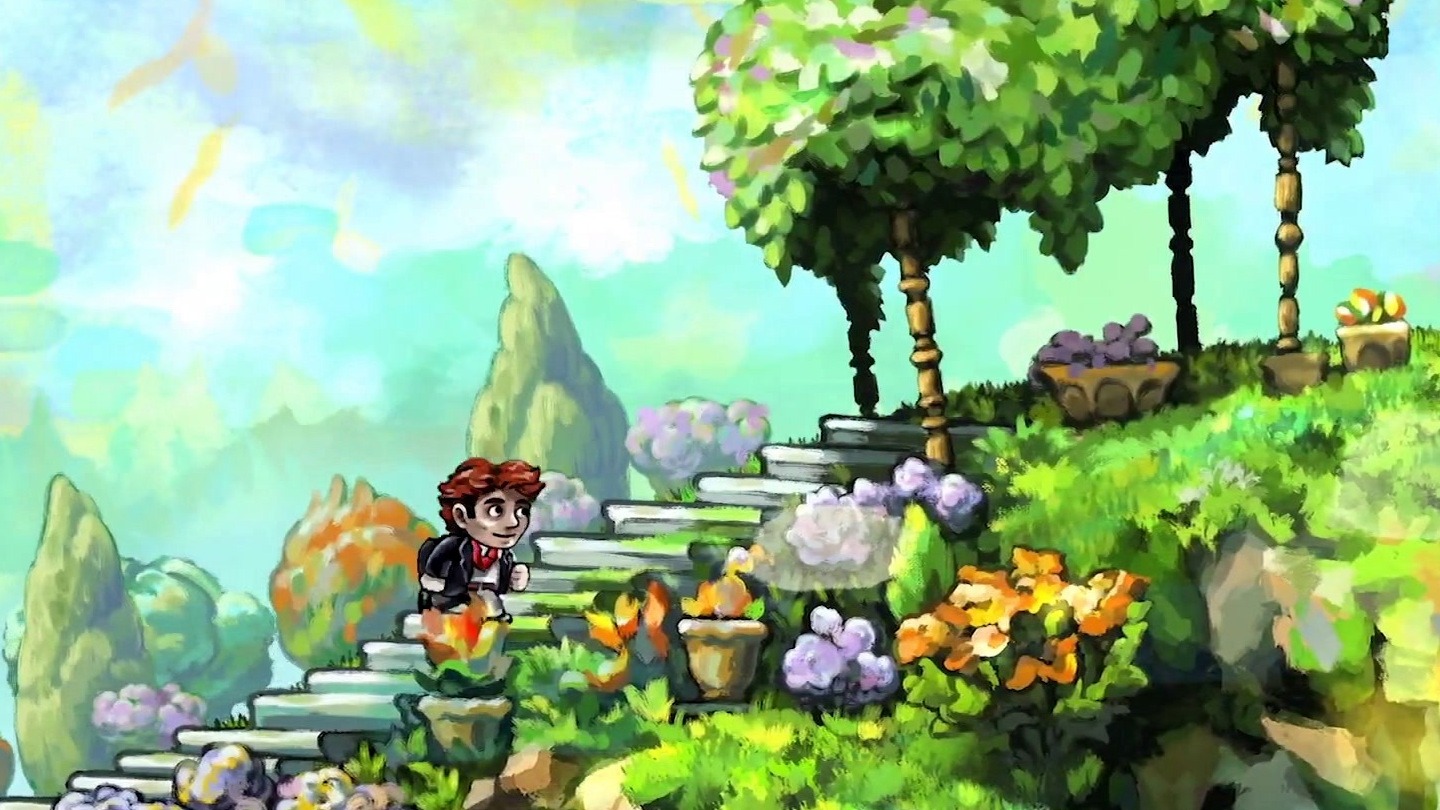
Braid is one of those WTF games where you think you know what’s going to happen, then it turns around and slaps you in the face. The story of Braid is very interesting, but it doesn’t really matter until the last level. You start the game off on world 2, then you end with world 1, and that’s the piece of the story that makes your brain go funny. This is what I love about Braid; it has a wonderful story along with beautiful pastel or watercolor backgrounds. The music is very moody and inspiring, and I just love the whole package. The main attraction to Braid is the whole-time mechanic. Each world uses time in a different way to solve unique (yet not hair-tearing) puzzles. Instead of dying and starting all over, you can rewind time—all the way until you enter the level if you have to. This is a very hard mechanic to explain, but you have to use the enemies as jumping springs. You have to jump on them just right to get on that higher ledge. Sometimes you have to alter their paths using time to get to where you need to. When some platforms and enemies are green, they are unaffected by time.
You can rewind time to get a moving platform underneath them, but they don’t go back in time; they just keep walking. Sometimes everything is moving backward in the level, and you have to alter the way the enemies are moving. If you walk forward, everything moves backward. One world has you using a ring that slows down time, but only around the bubble it creates. This lets you slow down cannon fire, slow down enemies so you can use them in the right manner, etc. One world even has you using your own shadow to help you. When you walk to where you need to be but you have to throw a switch that moves a platform on the other side of the level, you just rewind time back on the platform, and your shadow retraces your steps and hits the switch. This game is just so mind-blowing that it’s extremely hard to explain. The objective is to collect all the puzzle pieces and complete the puzzle to finish the world.
The game has about seven worlds and can be beaten in about 6–8 hours, depending on your IQ. If you like puzzles that truly bend your brain in ways unimaginable, then go for Braid. This game is too hard to describe in words; you just have to play it. For $15, it’s definitely worth it, thanks to all these awesome elements put together.
I don’t think there will be anything like this out there again, and this not being done by a major developer is very surprising. I hope this game gets the XBLA GotY award because there’s just so much to the time-traveling aspect that it’ll just wow you.

















































 thebinarymessiah.com
Try multiplayer. A lot of fun !