
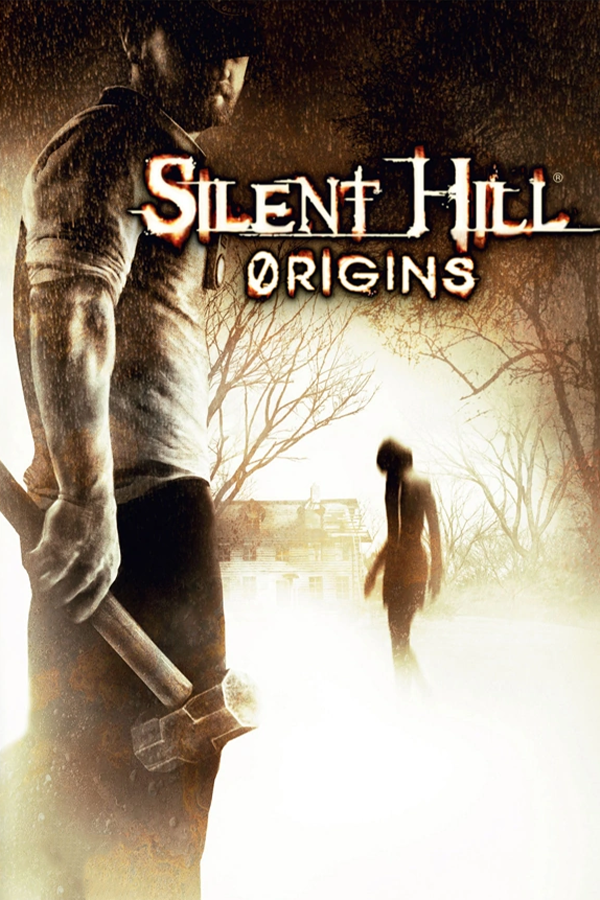
Publisher: Konami
Developer: Climax Group
Release Date: 11/06/2007
Available On

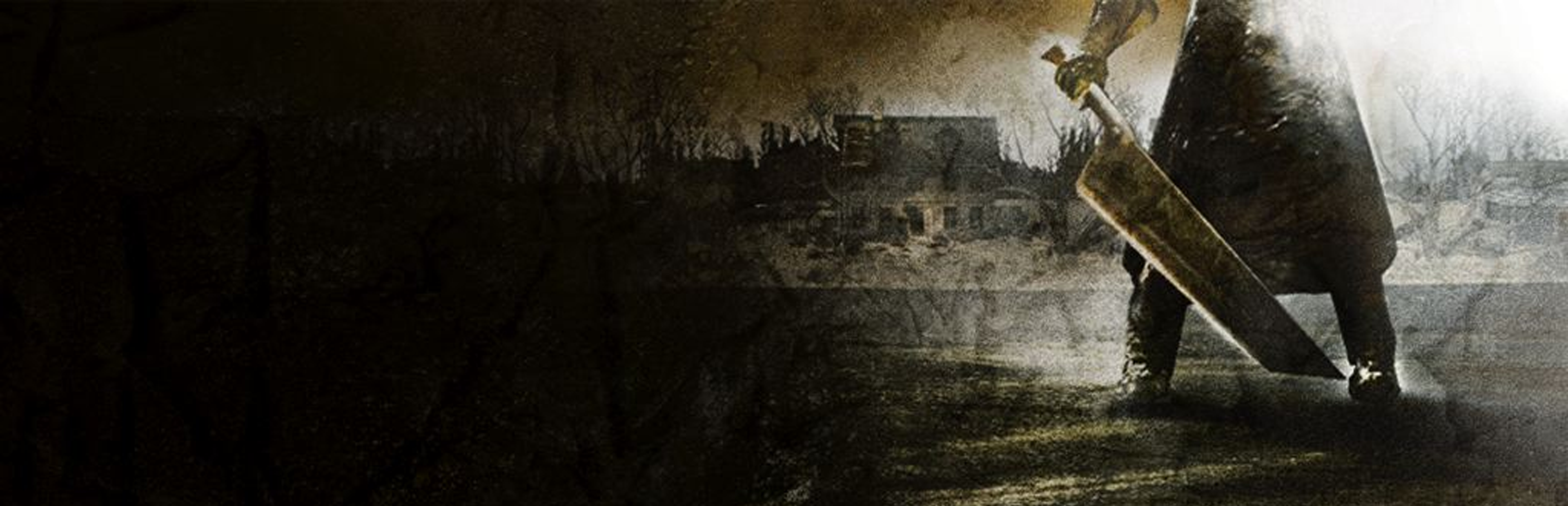
Silent Hill was nearing the end of its life back in the mid-2000s. The series peaked with Silent Hill 3, and it seemed that Konami and Team Silent just struggled afterwards. While Origins was supposed to bring the series back to its roots and feel similar to Silent Hill 2, it was the first Western-developed game in the series, which was done by the now-defunct studio Climax Group. The game went through development hell, being cancelled as a clone of Resident Evil 4 and then rebuilt within less than a year to feel more like the first two games in the series. Climax Group succeeded in capturing the haunting and surreal atmosphere of Silent Hill, including some great new monster designs, but faltered in many other areas.
You play as Travis Grady. A truck driver who is passing through Silent Hill hits a girl in the middle of the foggy road. As you get out, you end up rescuing a girl from a burning house only to realize you were trapped in an occult scheme and needed to save her from being sacrificed to a god. Sadly, the story is very vague, and there isn’t much in terms of explanation. There are only a few pre-rendered cutscenes, and in-game cutscenes are very sparse and don’t explain much. This tale could have been fleshed out more if Climax had more time on the game. The story is mostly forgettable despite having the ingredients for something outstanding, such as returning characters. This release is supposed to be a prequel to the original game, after all.
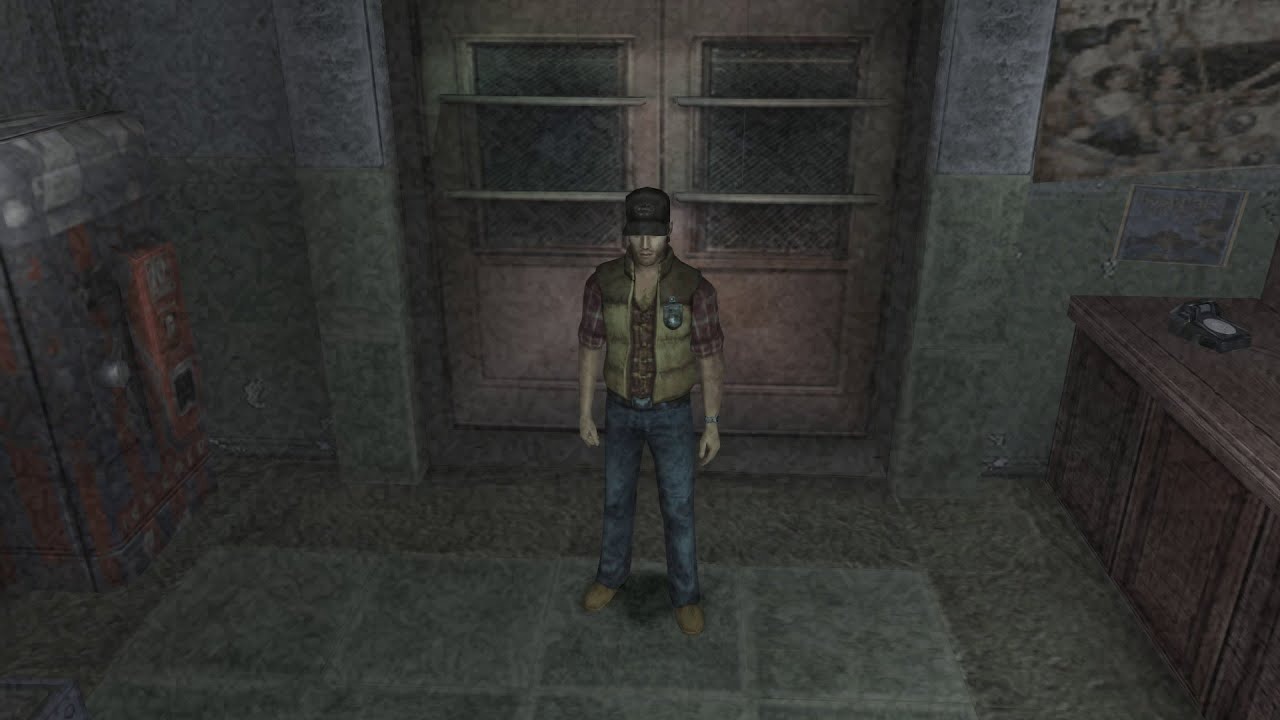
Disappointing story aside, the game at least looks and feels like classic Silent Hill. With fixed camera angles due to the lack of a second analog stick, Origins lets you flip the camera behind Travis with the L button and lock on to enemies with the R button. The controls work surprisingly well despite some weird camera quirks, like when the camera flips around and you’re pressing the analog stick in one direction, it will flip the controls on you, making you change the direction you are pressing. Small rooms can feel cramped, and enemies can be off camera and hard to see, including items. Origins has many melee weapons because Climax thought it was a good idea to focus on more combat than exploration with this game. It just doesn’t work well. To compensate for missing items, Travis will look at objects of interest, but it doesn’t work out super well most of the time, as he will also look at doors, which is useless. At least there are frequent save icons (red triangles) because this is a portable game after all. You need to be able to save often.
The lock-on mechanic makes shooting easy, but ammo is scarce and should be saved for bosses or when you’re outnumbered. Melee weapons are breakable. This feature makes the game insanely frustrating. Rather than relying on a single, well-balanced weapon as in Silent Hill 2, you must scour the town, searching for as many melee weapons as possible to pack. All of these weapons have varying durability, and some heavy weapons can be smashed and are only usable once. You will end up with enough weapons to pack into a small U-Haul. For example, you are carrying around IV poles, filing cabinets, and weight sets. It makes no sense and is insanely silly. I can understand wandering around the town for consumables like health drinks, first aid kits, and the ever-rare ampoules, but Climax screwed up twice and added a stamina system. This doesn’t do anything except make you run slower every 10–15 seconds, and it’s insanely annoying. You have to use energy drinks to recover right away or stop and let Travis catch his breath. This can be annoying when running from enemies.
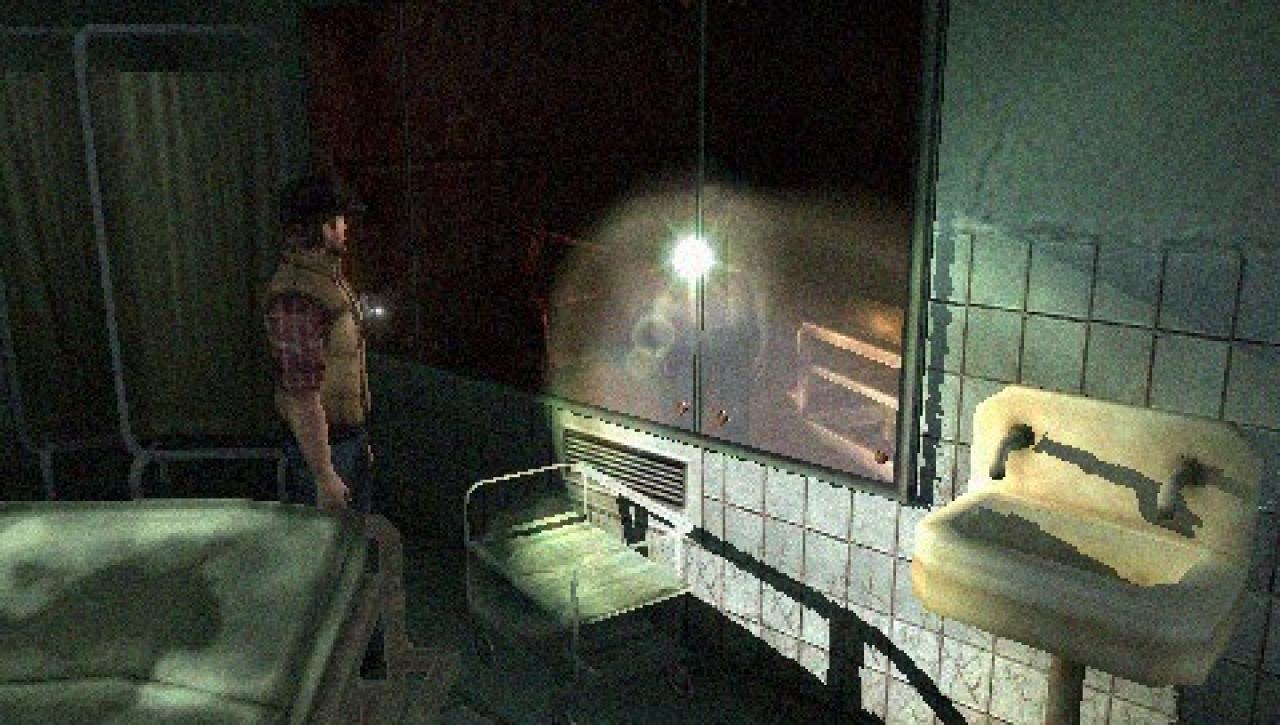
I also found the number of enemies you encountered and the level of difficulty to be frustrating. Sure, in Silent Hill, it is recommended to run from most enemies when able, but there are just way too many, and Climax opted to make them more aggressive, like in the first game. They will always beeline towards you no matter how far away you are and won’t stop chasing you. This leads to enemies mobbing you with four to five straightjackets on your tail. If you stop fighting, you are instantly dead. The game becomes progressively more difficult and unbalanced as it progresses, making it harder to reserve many of the big items for boss fights. At least the monster designs are cool and in line with the previous design DNA of the series. The game introduces new adversaries such as the Remnant, a formless entity with only a metal cage encircling their chest, and the Two-Back, a hideous mass of flesh. These are inventive enemies, but they just aren’t fair to fight.
Puzzles are in line with previous titles in that they are pretty tough and require quite a bit of thinking. You usually find a manual or instructions and must flip switches or place objects in a certain order. Some puzzles are quite challenging, including one that necessitates the use of algebra. You will definitely need a walkthrough for the first playthrough and put puzzles on the easiest difficulty, but it’s debatable whether or not this game is worth revisiting. Navigating the world is similar to previous games, with a large map that has red lines for areas you have visited. You can try doors, and if they are locked, they will get a red squiggle, and windows that open get a red line. Important items are marked on the map, and objectives are circled. It’s a little cryptic on where to go sometimes, and with a lot of enemies around, and some areas where they respawn, it can be maddening. There’s also a new element thrown in that lets you transport to the Other World via mirrors and is required to solve puzzles. The Other World has more powerful monsters; they are more aggressive, and everything is rearranged with new areas opening up and others being blocked. The Other World looks wonderful and captures the look and horror of previous games.
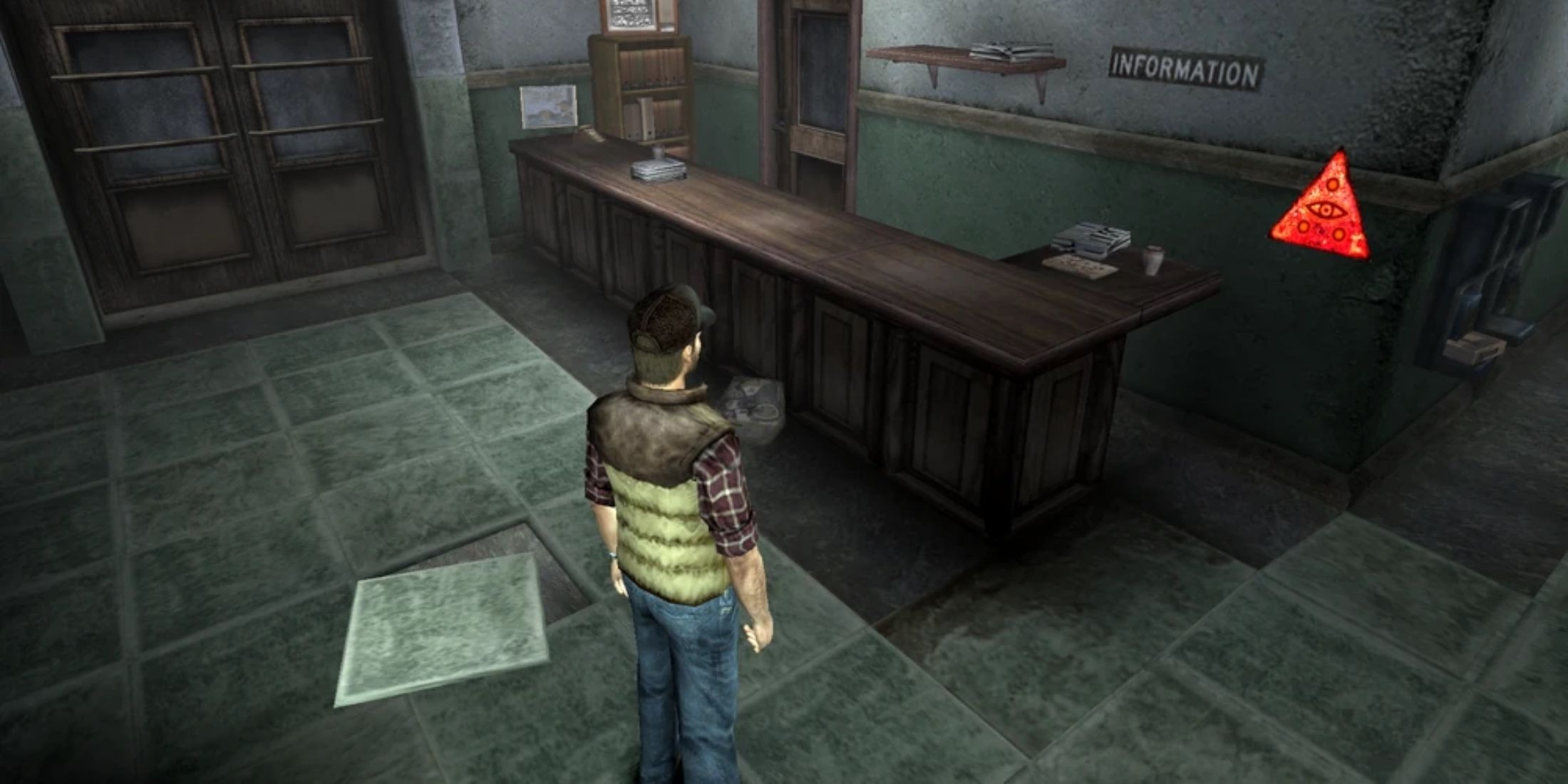
I really wanted this game to be better. I was sucked into the world and atmosphere of the game. The haunting music is just as excellent as previous titles, with Akira Yamaoka returning to do the music. The industrial and surreal soundtrack will invigorate your senses. The game also looks wonderful on the PSP, being one of the most impressive games in its entire library, but it’s not a super fun game to play. If the combat were better, I could forgive the harder puzzles and the shortcomings of the story and lack of more interesting events. You primarily move from one area to another, battling a boss and various enemies, only to repeat the process. The areas aren’t super interesting in and of themselves, as they have already been seen. There’s a hospital, an apartment complex, a motel, and a theater. The most captivating part of these areas was the Other World versions. I liked that there were some Easter eggs thrown in, such as multiple endings, extra options for a new game, and little tidbits like gory scenes, but it’s just not worth it. The game is mostly enjoyable on the easiest difficulties to counterbalance the poorly thought-out combat. At least the game isn’t too long, running at around 6 hours or so with a walkthrough.

Reviewed On



 thebinarymessiah.com
Try multiplayer. A lot of fun !