
Publisher: Selecta Play
Developer: Broken Bird Games
Release Date: 07/21/2025
Available On




When dealing with mental health or talking about it, there can be many obstacles to overcome. How do you approach it? Do you take it head-on and use a traditional narrative experience where you watch the protagonist spiral out of control, or do you use the approach Luto took and make it an interpretive indirect narrative in which the player experiences the downfall? Luto does an impressive job showing what it can feel like to experience depression, thoughts of suicide, and mental health issues. Never has a game done a similar job since Hellblade: Senua’s Sacrifice.

What we need to understand is that the developers aren’t approaching in a “sensitive” way but in a way that we can just fully understand. Unless you are experiencing or have experienced any mental health issues or even some sort of trauma that can lead to this, we have no way of knowing. I particularly enjoy how the human mind deals with these things and the artistic interpretation of it. While I have experienced my own sets of trauma through my life, it’s still interesting to see what else is out there. You play as a man who is dealing with the loss and grief of family members. I don’t want to spoil the story, but it’s not the direct tale, but how you experience this interesting grief.
There are some trippy gameplay ideas here that I have yet to see. There is some direct inspiration from the P.T. demo by Hideo Kojima. The nearly sterile lighting and hyperrealistic house that feels lived in yet cold and empty at the same time. The buzzing of lights, ticking of clocks, and just your footsteps are all you hear. The silence can be deafening. There is a cheeky British narrator that talks you through the game, similar to The Stanley Parable or something straight from a Media Molecule game (LittleBigPlanet). However, something seems off with this narrator. As you walk out of your bathroom and complete your day as the narrator intends, you try to break the sequence. This leads to further sequence breaking and then to some meta-narrative ideas without spoiling anything.
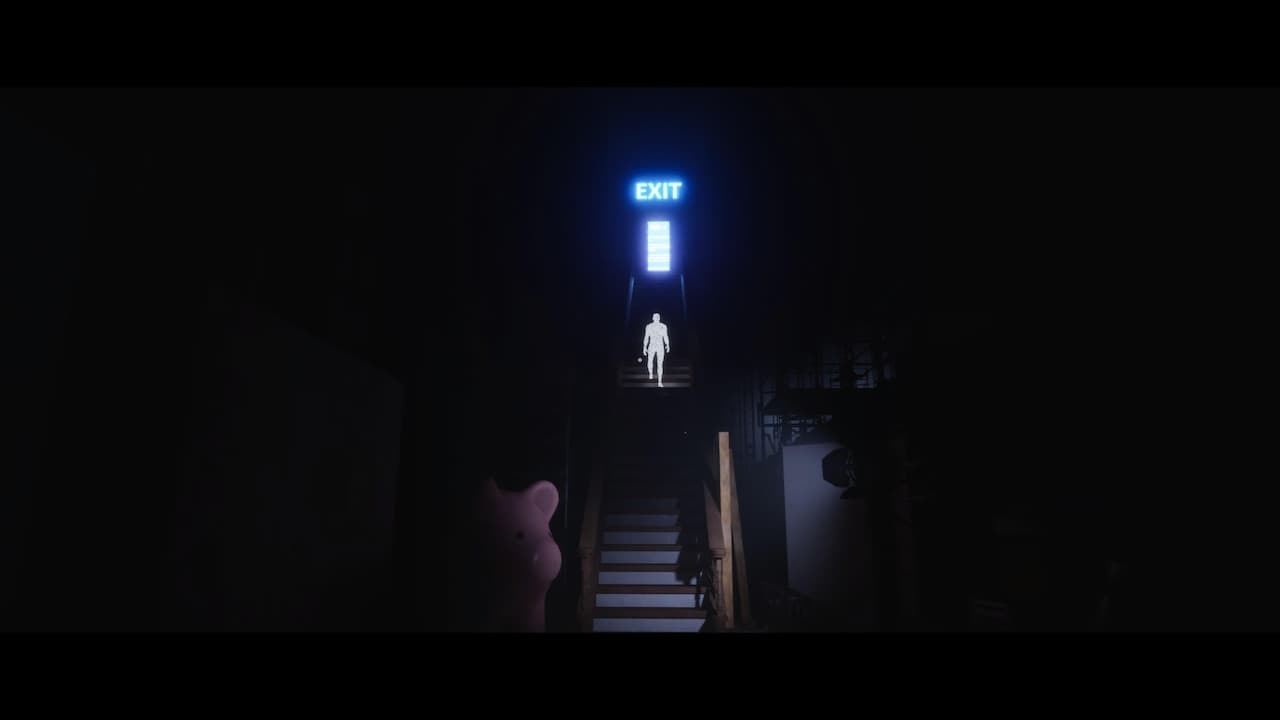
Some puzzles involve solving looping hallways and corridor issues. Identifying numbers and observing objects in specific ways are key to solving puzzles. The first example has you trying to get a hammer hanging from a chandelier because you need this to pry wood off a doorway. You can keep walking downstairs only to end up back at the same staircase. You need to find four numbers to enter as a phone number to break the sequence and drop the hammer. You need to be observant and look for breaks in patterns. It’s very reminiscent of P.T. in that sense. These puzzles can be fun, but if you’re not good at finding them, some can be hard to figure out.
As the game moves on, some of the horror elements will pop up, and, while they are subtle, the excellent lighting effects help with this. The game is very surreal and haunting in the sense that nothing makes sense. It can be disorienting and go against the grain of what makes sense. This can be scary on its own rather than jump scares and creepy monsters. There are none in this game. Some scares are very subtle and only exist if you spot them, or the atmosphere alone can just be downright tense. You will expect something to jump up at you or come out of a doorway, but nothing ever does. That’s a fantastic way to create horror. Luto makes the scares seem like they are there, but it’s all in the player’s head. I don’t want to spoil the short game by explaining anything in detail. With a walkthrough, you can complete the game in 4-5 hours.
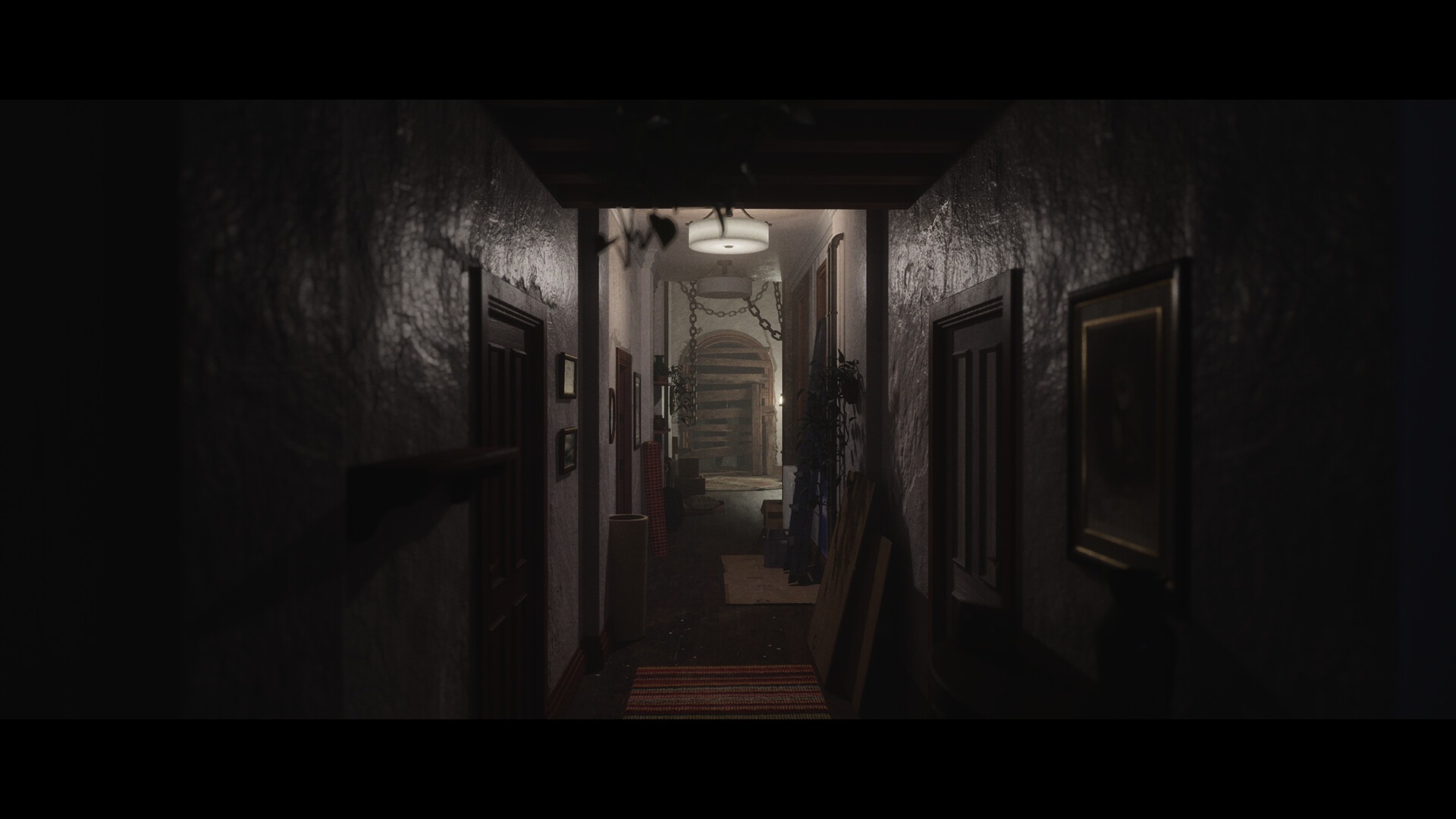
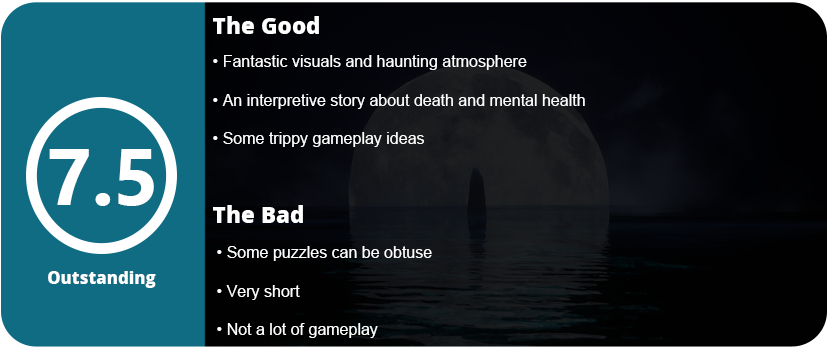
Overall, Luto is a fantastic psychological horror game. I just wish there were more puzzles and gameplay and some of the puzzles weren’t so obtuse. While I like that the story is interpretive, this is becoming a cliche in indie horror titles and can be tough to pull off with such short lengths. Luto does a better job than most, but it’s still not perfect. While I love the lighting and atmosphere, the game does look kind of generic in spots, such as the hyperrealism of the house and day-to-day objects. Things don’t really start looking much different until more of the surreal stuff starts to pop up.
Reviewed On




 thebinarymessiah.com
Try multiplayer. A lot of fun !