
Publisher: Blizzard Entertainment
Developer: Blizzard Entertainment
Release Date: 06/06/2023
Available On





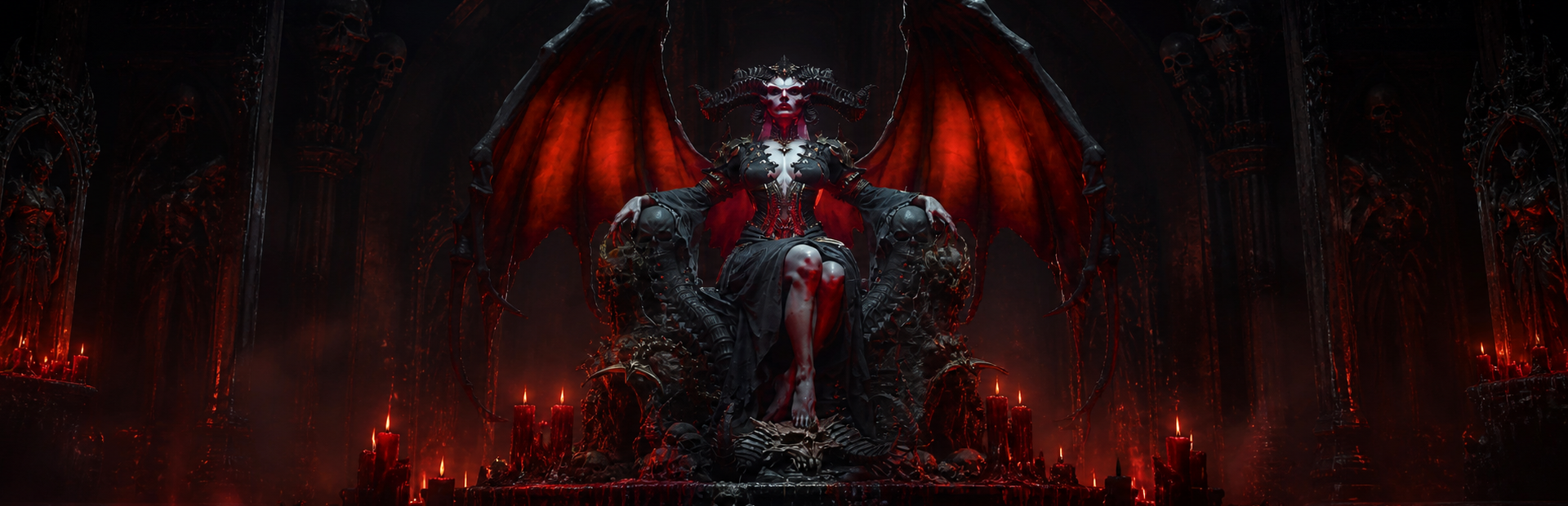
Diablo is one of the longest-running franchises out there but hasn’t had many entries. The third installment, along with this one, faced significant challenges during development due to mismanagement and initial negative feedback from fans. I never had a PC that could run the first two Diablo games back in the day, so I started out with D3. I bought a PC copy on launch day and liked it quite a bit. Later it was ported to consoles and had a wonderful expansion, and then there was nothing for years. Diablo IV launched with similar issues as the third game. Diablo IV faced connection issues, always-online DRM, and cosmetic-only microtransactions; however, it lacked a compelling endgame. The main campaign is fairly short, lasting about 20 hours if you don’t complete all the side quests, but there are many ups and downs with Diablo IV.
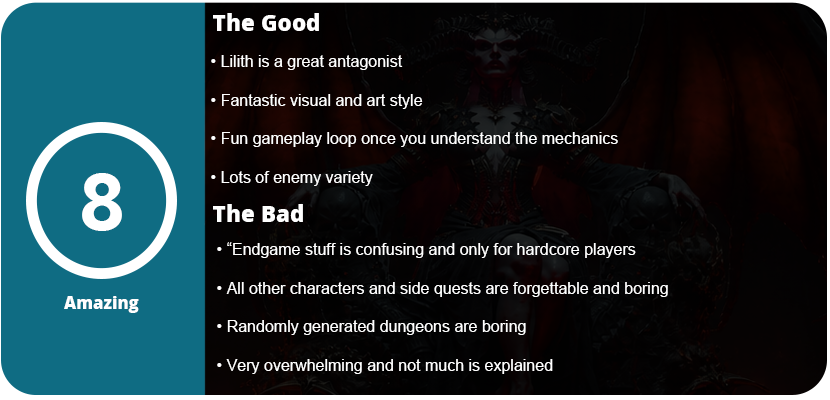
I had trouble getting into D4 at launch. The game mechanics aren’t explained very well, and endgame stuff isn’t really explained at all. The systems (at least as of Season 13 while writing this review) are pretty complicated and require reading through guides online; they must be done in multiplayer. Getting through the main campaign is what a majority of players will push through and then quit. D4’s addictive endgame cycle is what keeps hardcore players coming back for better loot and tougher boss fights. The story itself is intriguing, but I wasn’t really engrossed in it. I found Lilith’s nuances the most interesting, while the other characters felt forgettable and underdeveloped. Blizzard has always had some of the best pre-rendered cut scenes in the industry, and they still hold up today. The opening scene introducing Lilith is fantastic and memorable, as is the overall art style. Once I got through the tutorial area and got dumped into the open world, I felt lost. You can just follow the main campaign and do side quests (blue exclamation points) to get better loot and XP. However, I kept pushing for side quests and quickly got bored. They are not captivating whatsoever. There’s no backstory to any of these characters or quests, and if there is, it’s very superficial. All the quests follow a similar pattern, involving either gathering items, killing a specific number of enemies, or exploring a procedurally generated dungeon.
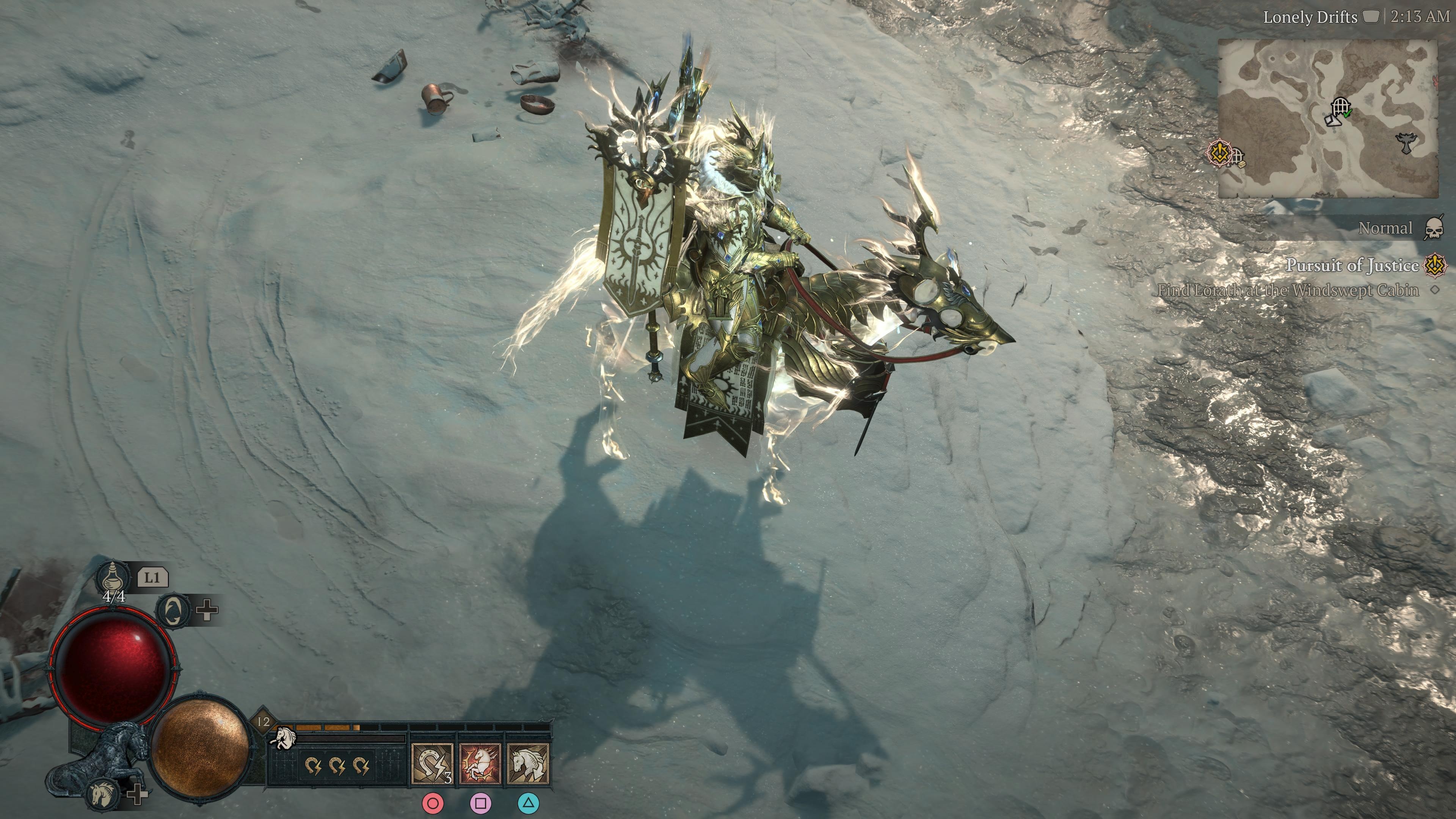
Diablo IV is littered with them. Instead of unique dungeons, we get a unique overworld and tonnes of RG dungeons, which grow old and boring very quickly. They are all themed a certain way, such as caves, spider lairs, caves, and more caves. The main story dungeons are a lot more intriguing and have more to look at, but the smaller dungeons are just lame. Some are just small rooms with a single boss. As you run through these dungeons, you will come across hoards of enemies, sub-bosses, chests, and smaller objectives. You can run across shrines, which will grant you a temporary boost in stats that can be saved for bosses or harder areas in dungeons and the overworld. Once you clear the “fog of war” on the main map, you can use your mount to dash through areas and ignore overworld enemies, as they provide little XP outside of world events and stronghold bosses. Most of your valuable loot (and there is a significant amount of useless loot) will come from defeating tougher enemies and main campaign bosses. Legendary, Unique, and then later, Ancient items are the best.
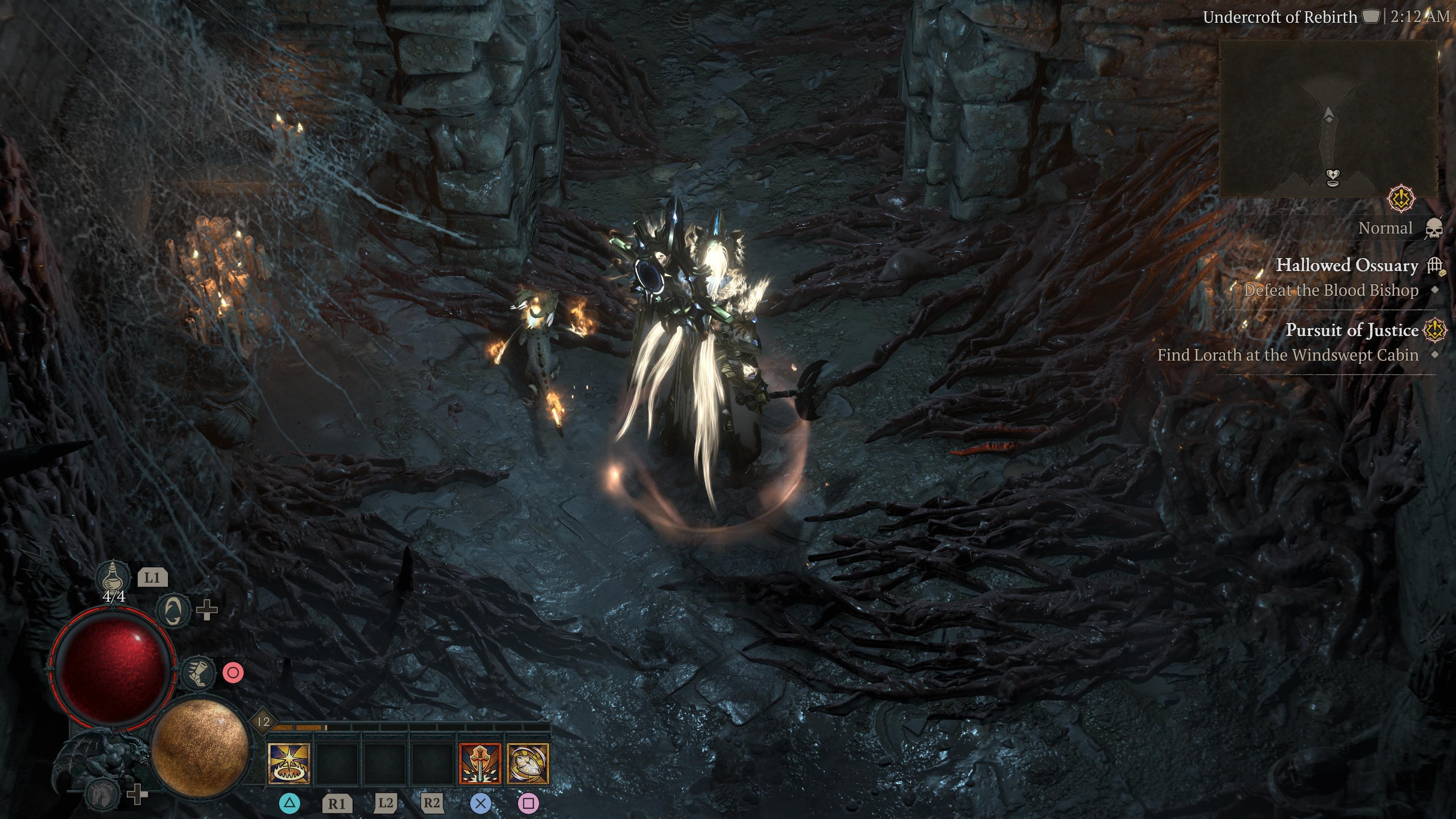
Diablo IV’s combat is both impactful and fun, and it constitutes the majority of your gameplay activities. I chose a Necromancer for my playthrough, but I didn’t realise that I could only use six main skills for attacks. There’s no point in dishing out points and spreading them too thin. You can always respec your skill tree if you don’t like your build and try again. This allows for limitless experimentation, but later on I was getting my ass handed to me. The situation required me to go to an online guide and do a build from there. I went with a Minion Army Necromancer and suddenly the game was too easy. You can increase the difficulty when you feel you are surpassing that level. Once you reach Level 70, you go to the Paragon levels and do skill boards, which get insanely complicated. You will reach an item power limit of 850, and from there, you are just augmenting gear instead of building off sheer numbers. This phase is where a lot of people will check out and find it too much to deal with.
There isn’t much to the core gameplay loop. You discover towns and warp points on the main map, collect side quests (most of these are done on the overworld map) and then knock down campaign quests. The most intriguing parts of the game are the unique dungeons and boss fights, but ARPGs are repetitive in themselves. This is the main point. The combat is a lot of fun, with dozens of enemies exploding, rushing, and screaming on screen while loot flies everywhere. Loot can range from various types of currency to just gear. The second gameplay loop is all gear and stat related, which many people won’t care for if you are just interested in playing the main game. Seasonal currencies for events, which unlock items at specific vendors, abound.
Once you find a piece of gear you really like, you can augment it with a gem slot (or install a gem slot) or temper your armour with seasonal currency to add things like glyphs and runes which will transform armour into some of the best in the game. These traits you use to add to gear have to be unlocked by either dismantling good gear or completing certain dungeons. This constant drilling down in mechanics requires you to take two steps forward and one step back. For example, I completed the quest to unlock Torment I, but then I realised that to obtain better gear, I needed chests from Lair Bosses. I finally found a Lair Boss that I could defeat solo, but I didn’t realise that I needed Lair Keys or other similar items to unlock the chest. These items can be obtained during seasonal events, by clearing The Pit (a tiered-level dungeon), or through random drops. Items like this are rare, have a low drop rate, and require repetitive and tedious efforts, which I am mostly unwilling to invest in. If you have a group of friends, it’s best to do these activities with them, as running these solo causes longer grinding. Higher difficulty levels can grant better drop rates, but you’re best just completing the main campaign and doing all side quests to really level up and get stronger.
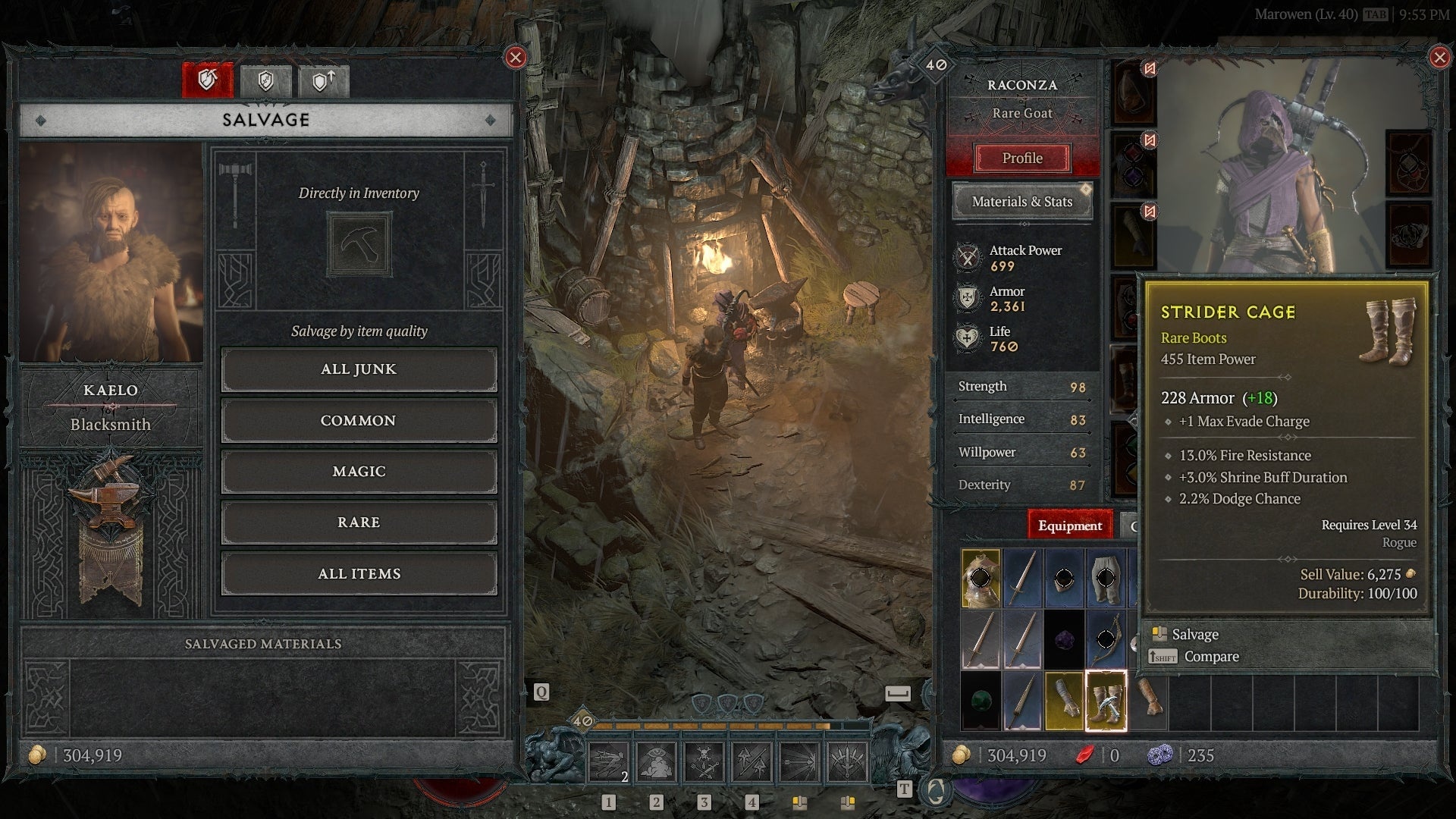
These complicated mechanics are what some fans of ARPGs love. Some may just want the simple feeling of following the story and getting the best loot. The best part is that all endgame content is optional. You can choose not to engage in this content without being locked out of later DLC quests, map exploration, or completing other activities. You can choose to do these quests or not. You can also restart the game and use a new character build. This game can have an insane amount of replay value for those who truly love this kind of thing. I have to give Blizzard credit for this approach, as both endgame and the regular part of the game are completely separate, and you can ignore it or dip in and out as you see fit. You can just keep making a new character and re-running the campaigns or stick with a good build and run endgame content.
What’s here is a visual treat of a game. While the story won’t blow your socks off, it will keep you invested in Lilith and the nuances of the magical world of Diablo. The main quests are a blast and varied, but the randomly generated dungeons everywhere else get tedious pretty quickly. Half the game is endgame content that most players won’t care for, but it’s very complex and requires video breakdowns and guides to explain how to do it all, and you need at least one person to do this stuff with. Diablo IV balances a fine line of multiplayer madness and single-player ARPG story-based content, and it does it pretty well, flaws and all.
Reviewed On


Quality Mode
5.1 Surround Sound



 thebinarymessiah.com
Super, thank you