Publisher: Nintendo
Developer: HexaDrive
Release Date: 09/20/2013
Available Exclusively On

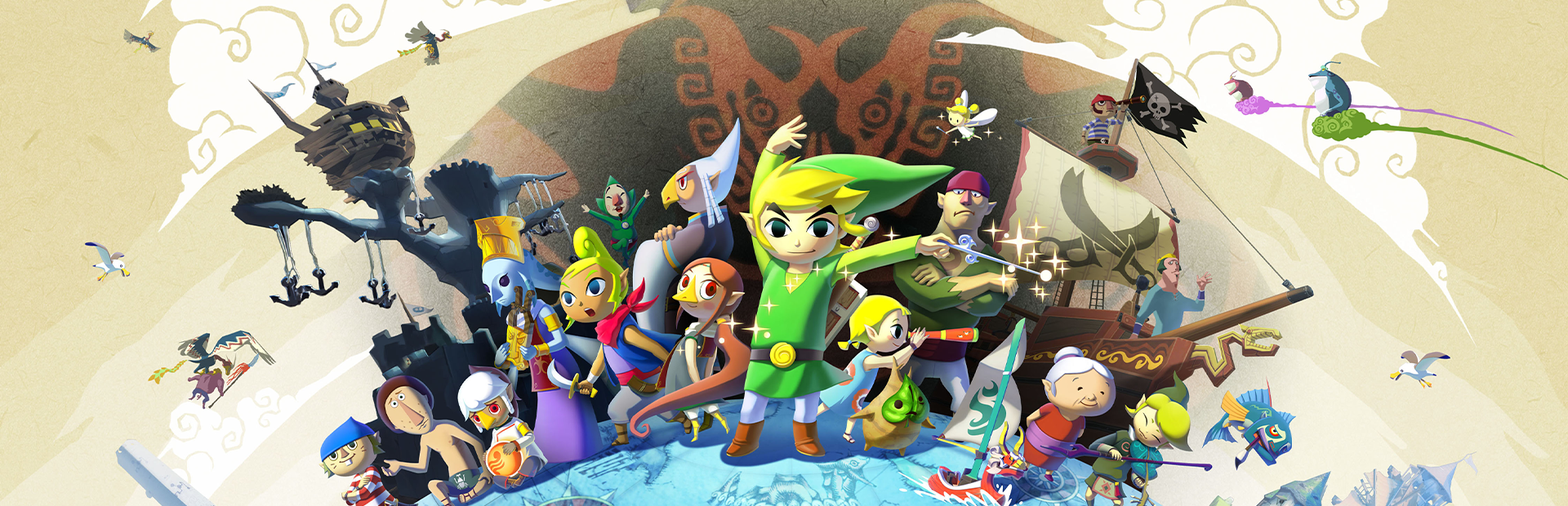
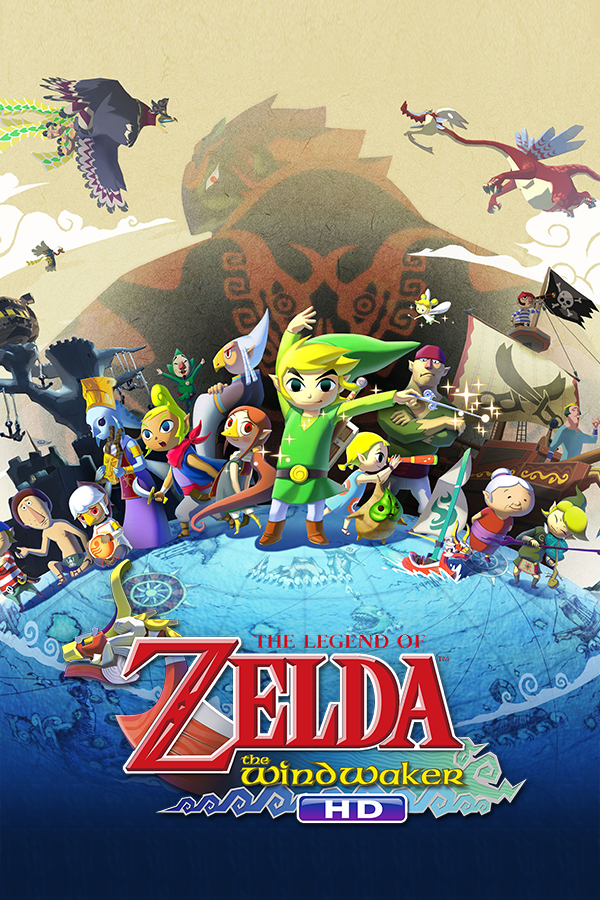
This is a game I have been trying to finish for years. I started the game three times on a Dolphin emulator and lost my save (I never owned a Gamecube growing up), and I finally gave up. I wound up selling my original Wii U before this game was released and missed out, but now that I have a Wii U again, I can finally complete the game, and I sure did, but with a walkthrough because boy, oh boy, is this game more massive than I ever imagined. While Nintendo games tend not to be very story heavy or deep, Wind Waker HD does have a small story that seems to only have a cut scene every 10 hours of gameplay when you hit a new section of the story. Honestly, it doesn’t feel like much is going on until the final chapters of the game, but that’s okay. We all play Zelda for the gameplay and atmosphere.
There is a lot to dissect with this game. The premise of the game makes you think this is a simple “kids” adventure due to the bright and colorful graphics and Toon Link design. You start out on an island and get to know the gameplay loop just like in any Zelda game. You fight an old man to learn combat, you pick up pigs to learn that you need to solve puzzles, and you eventually swipe grass to get rupees, which is the in-game currency (and like in every other Zelda game). Once you get aboard the Red Lions, you will set sail on an eye-wateringly large ocean that is divided into a grid system. You need to use the Wind Waker to change the direction of the wind; otherwise, going into a headwind will cause you to barely move at all. This is the first insanely annoying thing about this game. If I had the Gamecube version this alone would make me quit playing. Why is this a thing? At least in the HD version you can get the Swift Sail in an auction long before you would in the Gamecube version which not only lets you move faster but also lets you ignore the wind direction.
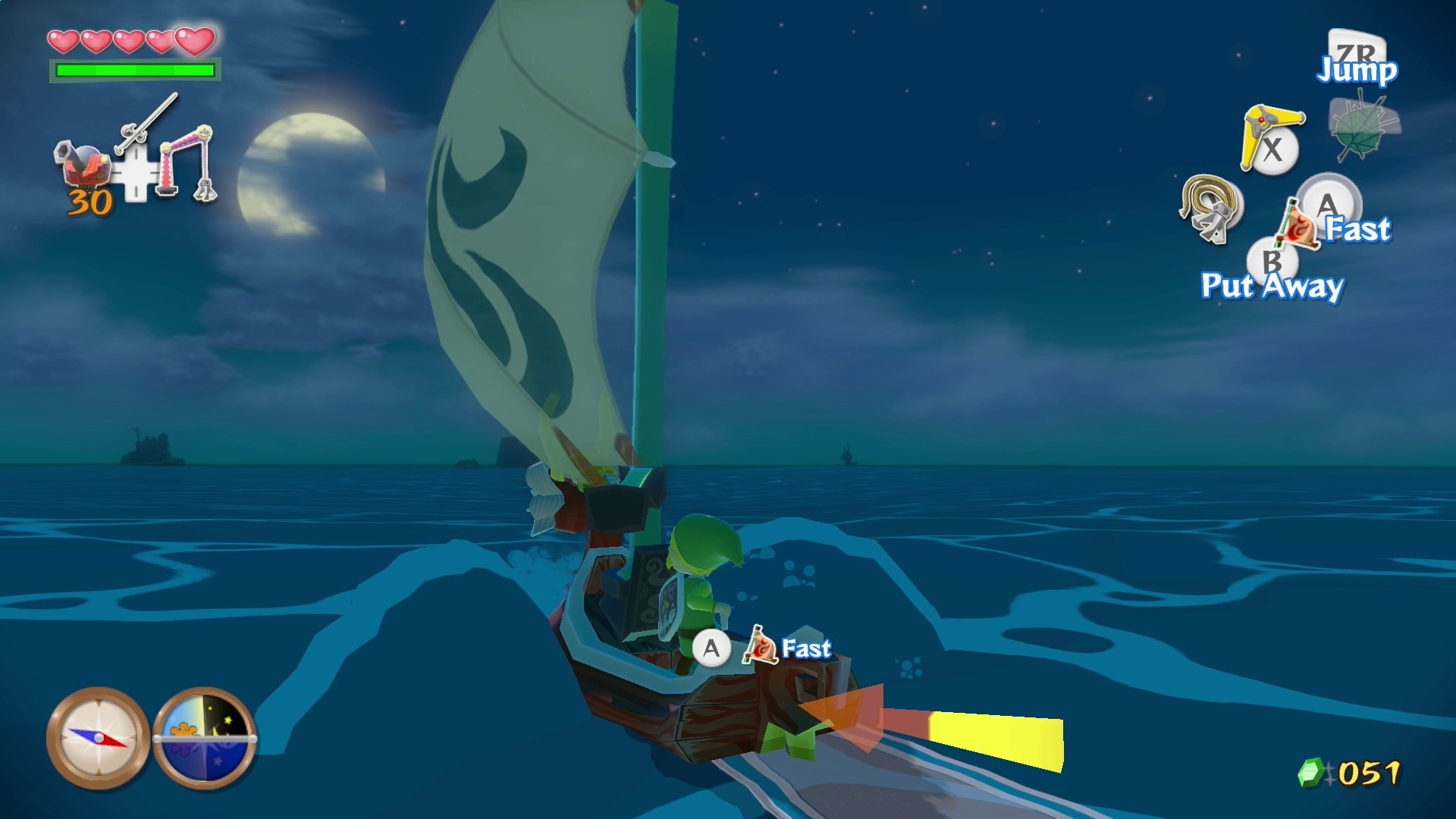
With that first annoyance aside, Wind Waker is a true adventure. You can sail anywhere and see an island, jump on the island, and see what it holds. Most of the time you will need an item to solve its puzzles, but some of them don’t need one. There are 28 squares to discover in the game, and you can do this right off the bat if you want to, but it’s best to leave the sailing discoveries for when you have the Swift Sail. One baffling design decision was the need to feed a fish in each square that will mark on your map the island that’s there. I felt this took away the adventure and discovering-for-yourself part of the game, as once you enter the square on the map, it should unveil what island is there. This is one of many tedious side quests that just aren’t needed. The upside to this is that every fish will give you a hint about the island on the square, but I felt this wasn’t really needed as they are pretty vague anyway.
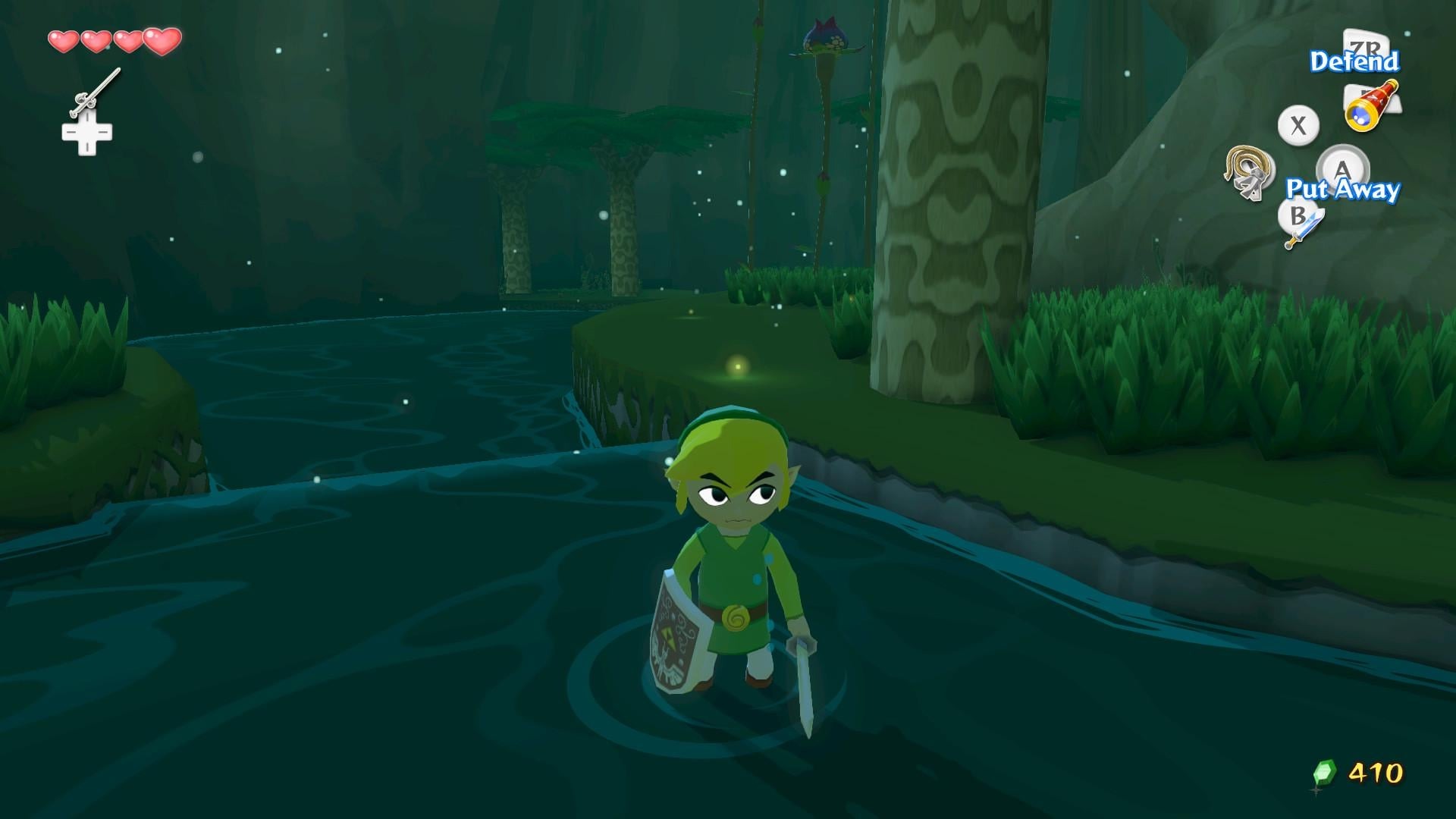
Like many other Zelda games, there are dungeons to explore that advance the quest further. You will sometimes have a red circle on your map that points to where you need to be, but sometimes the way to go is rather vague and hard to figure out. You will get lost quite easily during certain portions of the game. I feel the dungeon design for Wind Waker isn’t as good as previous or later games. The early ones are very short, and they all feel rather labyrinthine and hard to navigate later on. Some of this is remedied with pots you can jump into to warp to other parts of the dungeon, but they need to be discovered and uncovered, so even these are hidden around, which is annoying. Most of the puzzles in the dungeons vary, using the same ideas throughout the game, such as lighting sticks on fire, platforming, combat, block pushing, etc. The puzzles vary greatly, and no two are usually alike, but I did find some elements within that bring the experience down a tad. Platforming isn’t great in this game. There’s no jump button, but Link will just hop right off the ledge with nary a breath on the analog stick. This caused many deaths and the restart of combat sequences. When you die, you restart that room, but if you lose all your hearts, you head back to the beginning of the dungeon, and every enemy respawns.
Combat is actually pretty good this time around with a lock-on system and some fast-paced animations and action. Swiping three-button to five-button combos is swift and fast, and you can even do a 360 swipe. When you lock on, you can use items without having to manually aim, such as the grappling hook to get items from enemies or bombs. Many enemies can be dodged or avoided, but boss fights are pretty unique despite being pretty easy. It’s the usual three-round ordeal after finding out what the attack pattern is and how to actually harm the boss. Dungeons play out just like other Zelda games with small keys to open doors to advance through the dungeon, and these are acquired through puzzles or combat. The goal is to get the Boss Key, but you also will acquire items to advance through the dungeons and explore islands on the overworld map.
Most of the side quests in Wind Waker are pretty tedious and are needed to be completed because the infamous final section of the game requires you to pay Tingle a large amount of rupees to decipher the Triforce maps. This has been reduced a lot in the HD version by about a third, as well as the horrendously tedious quest itself of getting 8 Triforce shards and only three Triforce maps. I don’t understand these things in Japanese games. There’s also another tedious section in the form of a boss rush in which you need to defeat all four bosses a second time, but at least they’re easier and don’t require as many hits. With that said, there are also treasure maps, nearly 50 in the HD version, that lead to heart containers and rupees. The rupees are much needed for the end of the game as well as for buying some heart containers by either paying to do mini-games or using the auction house. Everything is eventually connected, and while a lot of the content is optional, it does make the endgame easier if you just complete most or all of it.
This can extend the game time by nearly 20 hours when doing so. I spent more time exploring, finding treasure maps, completing side quests, getting heart containers, etc., than on the main quest itself. I had a lot of fun doing all of this. Not much feels like a chore, outside of some quests being nearly impossible to figure out without a guide. Digging up treasure chests gets old after a while, but it’s doable. I didn’t care for the submarines or the infamous combat gauntlet of 50 rooms of enemies towards the end of the game. The reward is well worth it, but it did feel tedious. Despite the minor issues, the dungeons and islands all feel different. There are so many different puzzle types and platforming sections that you can shake a rupee at it; it’s absurd. Let’s also talk about the titular Wind Waker itself. This is a conductor’s wand that’s used to make songs you find throughout the world that are needed to advance in dungeons and do things like change the direction of the wind and cycle night and day, which are also used for puzzles. It’s fine, but not nearly as memorable or as special as the Ocarina. You use the gamepad touch screen to swipe the direction of the arrows, and the songs will show up on the touch screen for easy reading, but I found the Wind Waker not as memorable or interesting as the Ocarina. The game would have been fine without it.
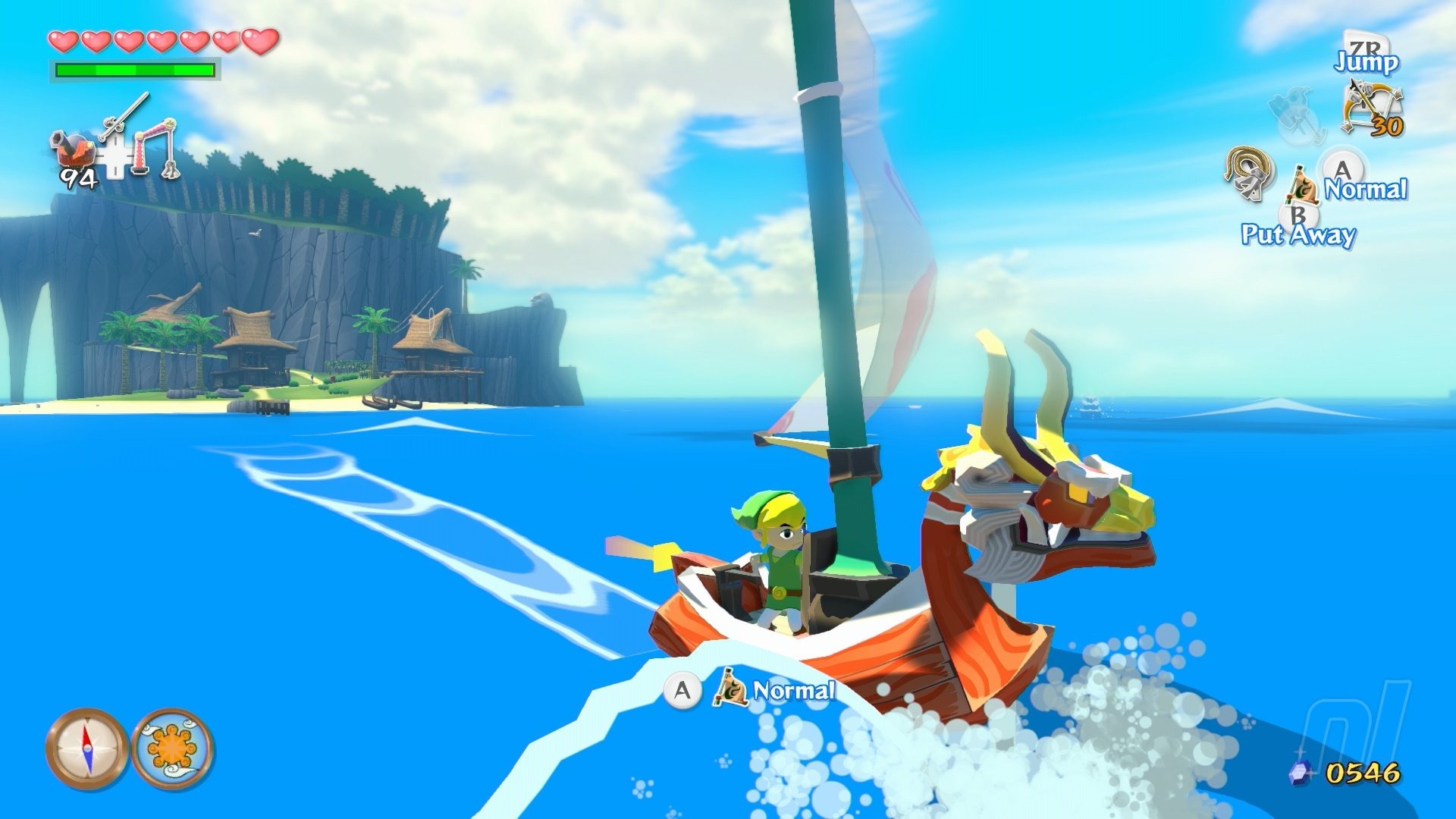
The visuals of the game really come to life, making this one of the most iconic and artistically unique games ever made. There was a lot of backlash back in the day with the cell-shaded art direction feeling too “kid-like” when many gamers wanted a darker, more mature Zelda adventure. The HD version makes the colors pop and come to life outside of bringing many quality-of-life changes to the game itself. Many critiqued the game for having too much bloom effect, but I didn’t mind it so much. Things from increasing the wallet size to using the gamepad as a navigation tool for the map and item management really go a long way in a game where you use these things constantly.
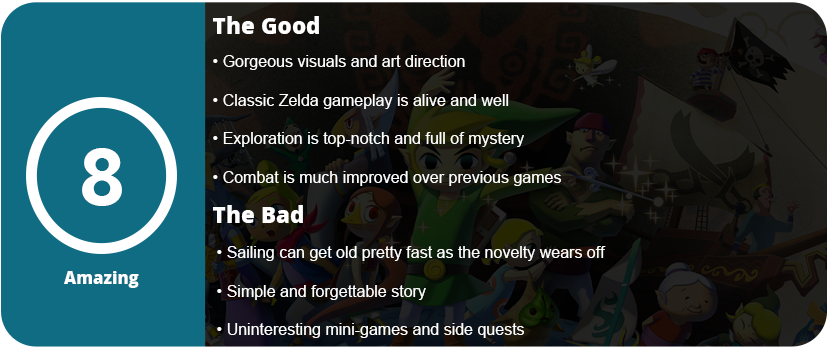
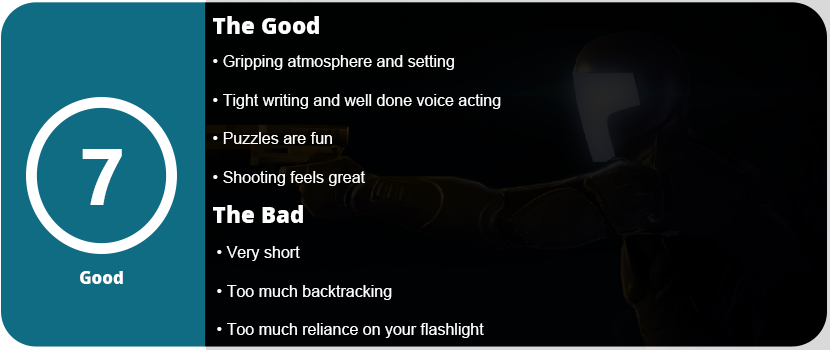
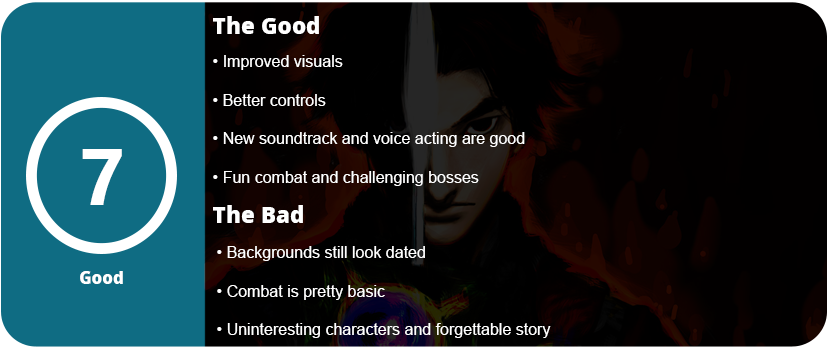
Overall, Wind Waker HD adds a lot of changes to make the game more enjoyable and really enhances the visuals to an eye-wateringly beautiful level. The core game itself has some issues, such as the early dungeons being short and easy, the weird late quests tedium, such as the Triforce shard and map quest, and the repeating boss fights, but this was significantly made more tolerable with these being cut down. Having access to the Swift Sail much earlier in the game helps quite a bit too. I found the Wind Waker itself wasn’t a very exciting object and doesn’t match the greatness of the Ocarina. It honestly could have been scrapped, and the game would have been just as good.
Many of the side quests can be tedious but are doable, but a lot is easy to miss without a guide. The many treasure maps, chests, heart containers, and secret items will be totally missed on your first playthrough without a guide. I highly recommend a guide on the first playthrough to get to see most of the game. I found the story forgettable, and while the combat is better than previous games, it’s still nothing special. In the end, Wind Waker as a whole is a love-it-or-hate-it type of game due to the vast ocean you need to explore, which puts a literal ocean between you and the main quest that drags everything out to a 40-50 hour adventure.






































 thebinarymessiah.com
It’s rare to find a game that is both ridiculously fun and heartbreaking. It really is a bittersweet story at…