With next-generation games being playable on the new iPhone 15, mobile gaming just took another leap, but we won’t really see where this goes until next year. Apple Arcade still dominates the mobile gaming space with quality titles.
Cypher 007
A mobile James Bond title isn’t something I thought I would see ever. I’m kind of surprised it hasn’t happened already, but also surprised the usually tight wadded license holders allowed. Cypher is a fantastic stealth action game with nice visuals and addictive gameplay. It was a surprise hit this year for sure.
Every year Microsoft moves further away from exclusive titles. While there were more this year, exclusives for Xbox alone seem to be long gone at this point. PC and Xbox pretty much share the same space so I feel these two platforms will forever and always be merged.
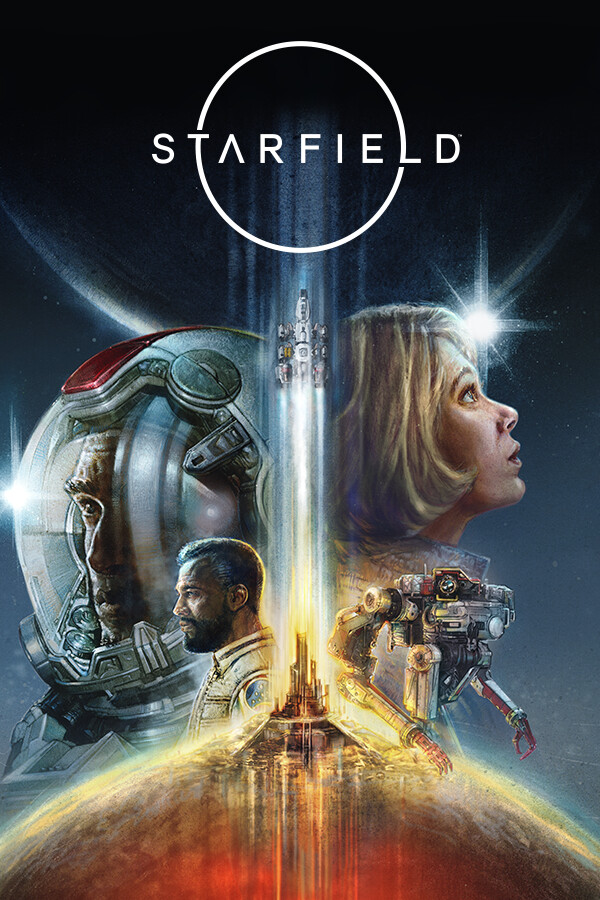
Starfield
Starfield may not have impressed everyone as much as we thought it would, but it’s also not disappointing. It’s a typical run-of-the-mill Bethesda RPG and that’s not always a bad thing. There are glaring issues with the title, but the foundation overall is a fantastic space sandbox to play in with interesting characters and environments.
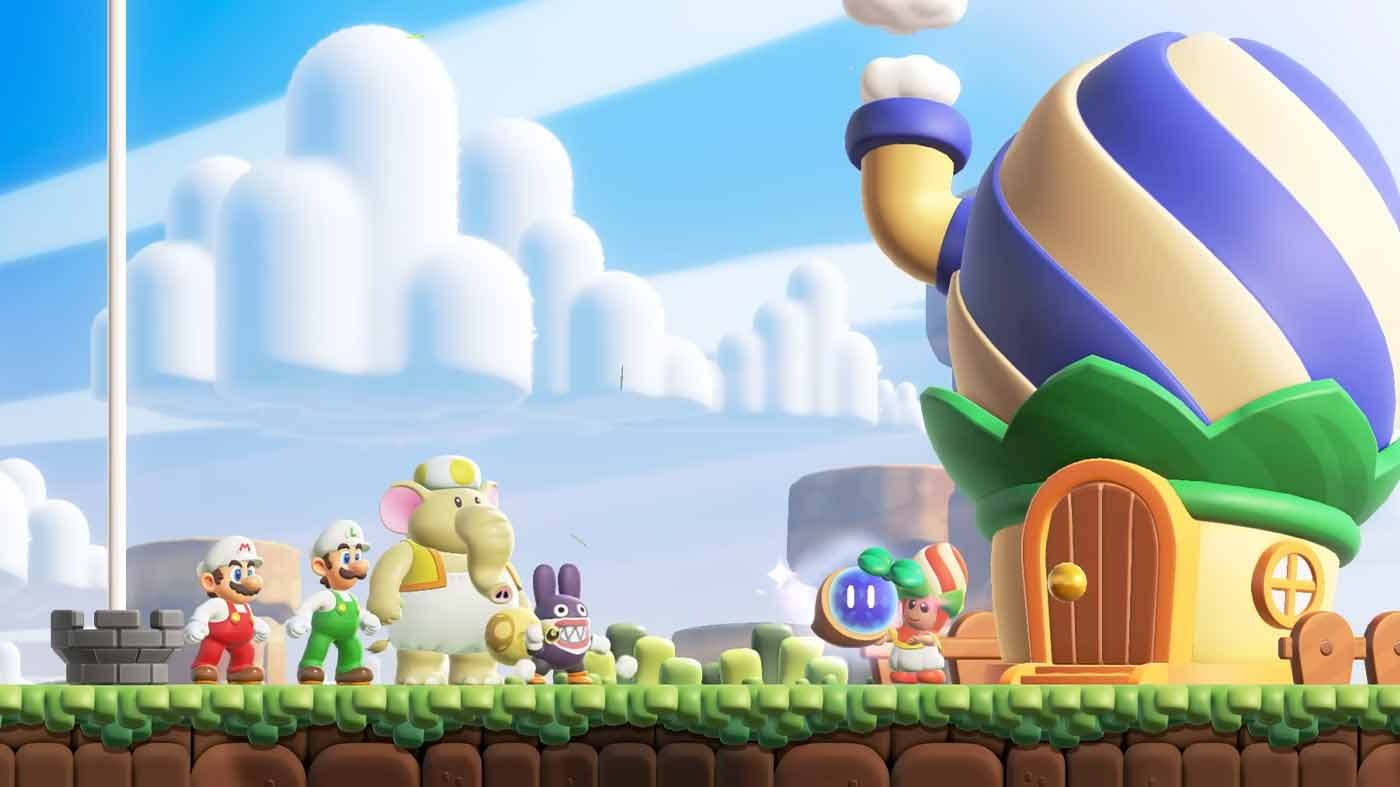
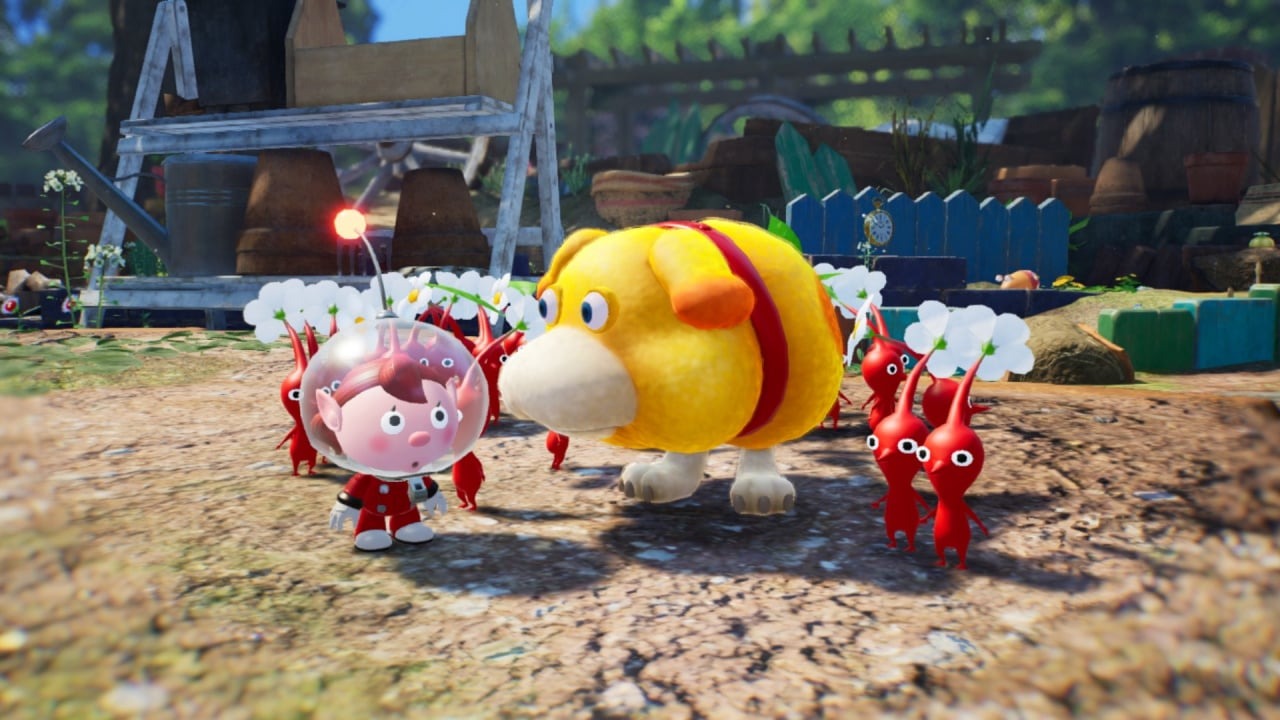
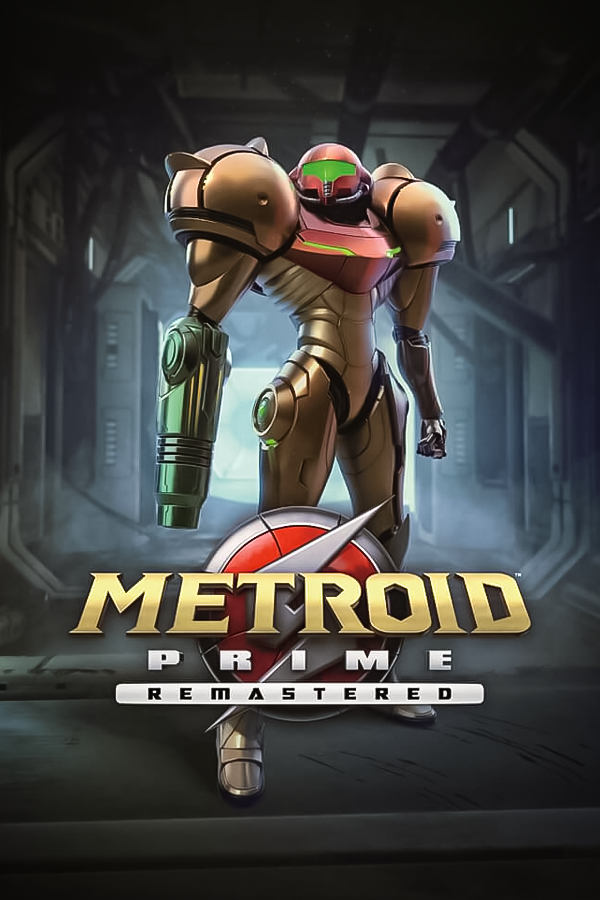
Somehow, Nintendo keeps finding ways to bring great games to the Switch despite its age. We had a slew of remakes and sequels this year that made this one of the system’s best.
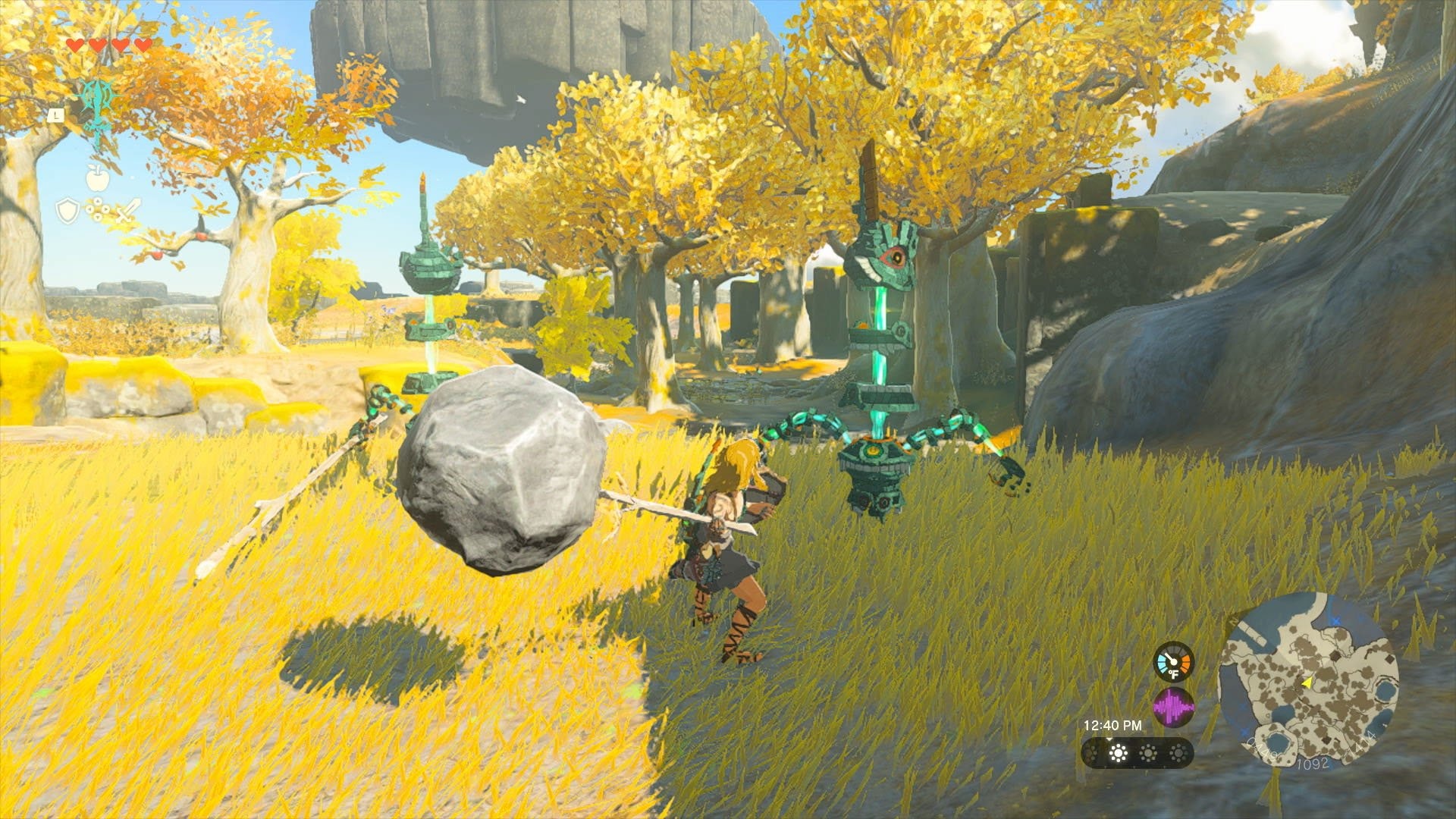
The Legend of Zelda: Tears of the Kingdom
Tears of the Kingdom did more of what made Breath of the Wild great. More freedom, more choices, and just so much was added in on top of what’s already great. Where can the series go from here we all wonder. While the visuals are aging rapidly, and the game chokes the Switch beyond what is can handle, it looks great and can still feel like a magical experience.
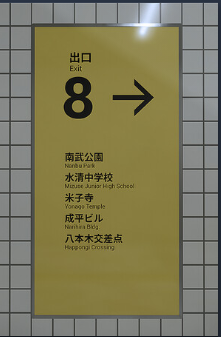
P.T. started the trend of subtle horror games. No scary music, looping hallways and rooms, or needing to notice any changes to move on. Exit 8 is exactly this. A single white hallway in a subway tunnel has a couple of turns, and it loops endlessly unless you notice changes. There is no story, no background, and no character development. Just this single white hallway, and you need to get to exit 8.
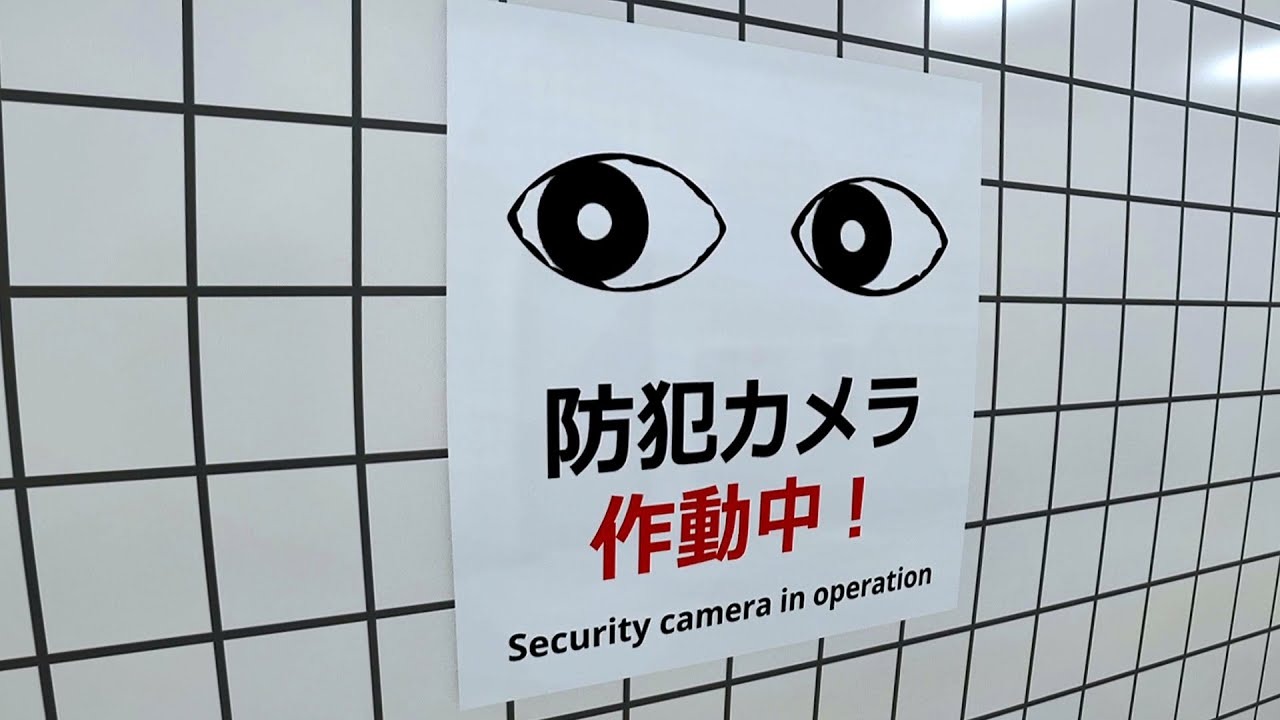
Your only sign of progress is the yellow exit sign, which increases in number as you make your fourth turn. If that sign goes back to zero, you missed an anomaly. When you see it, you are supposed to turn around and go back the other way. Anomalies can be really obvious, like lights being turned off, open doors, or a single man walking towards you doing something different. Other subtle ones can be the floor tiles, a security camera light, or a poster changing. You might get really frustrated at first, but keep going. Memorization is the key to getting the job done. Once you know exactly where everything is supposed to be—how many doors, posters, etc.—you will finish in under an hour.
The horror elements are subtle and not forced. A moving object, no music, and just the hum of the lights and footstops. Maybe a creaking door might make you jump. You can stop, take your time, and check the main hallway for changes. Running full force all the way through will make you miss things. You have to turn around to see a few anomalies anyway. If there aren’t any changes, you keep moving on, and sometimes this can really make you feel like quitting. You will think time after time that the hallway is fine, but then you will notice something new and just keep moving on. Don’t let that sign resetting to zero keep discouraging you.
The graphics use Unreal Engine 5 and are nothing special, but the atmosphere of the sterile white hallway makes it creepy. A lack of music and most sound effects makes you feel on edge all the time. The single-footed man makes you very uneasy every time you pass him. All you want to do is get to exit 8, and the intensity might make you miss things as you become more and more anxious to get out. This single-looping hallway might drive some people nuts.
Overall, The Exit 8 is a fun game that lasts a couple of hours at the most. There are only two achievements, and once you see all the anomalies, there is nothing left to do except maybe do self-timed speed runs. Some may find this a simple tech demo, but I think more horror games need to go this route. It’s only a few dollars, and possibly getting some friends around to help spot things can make this a fun party game as well.
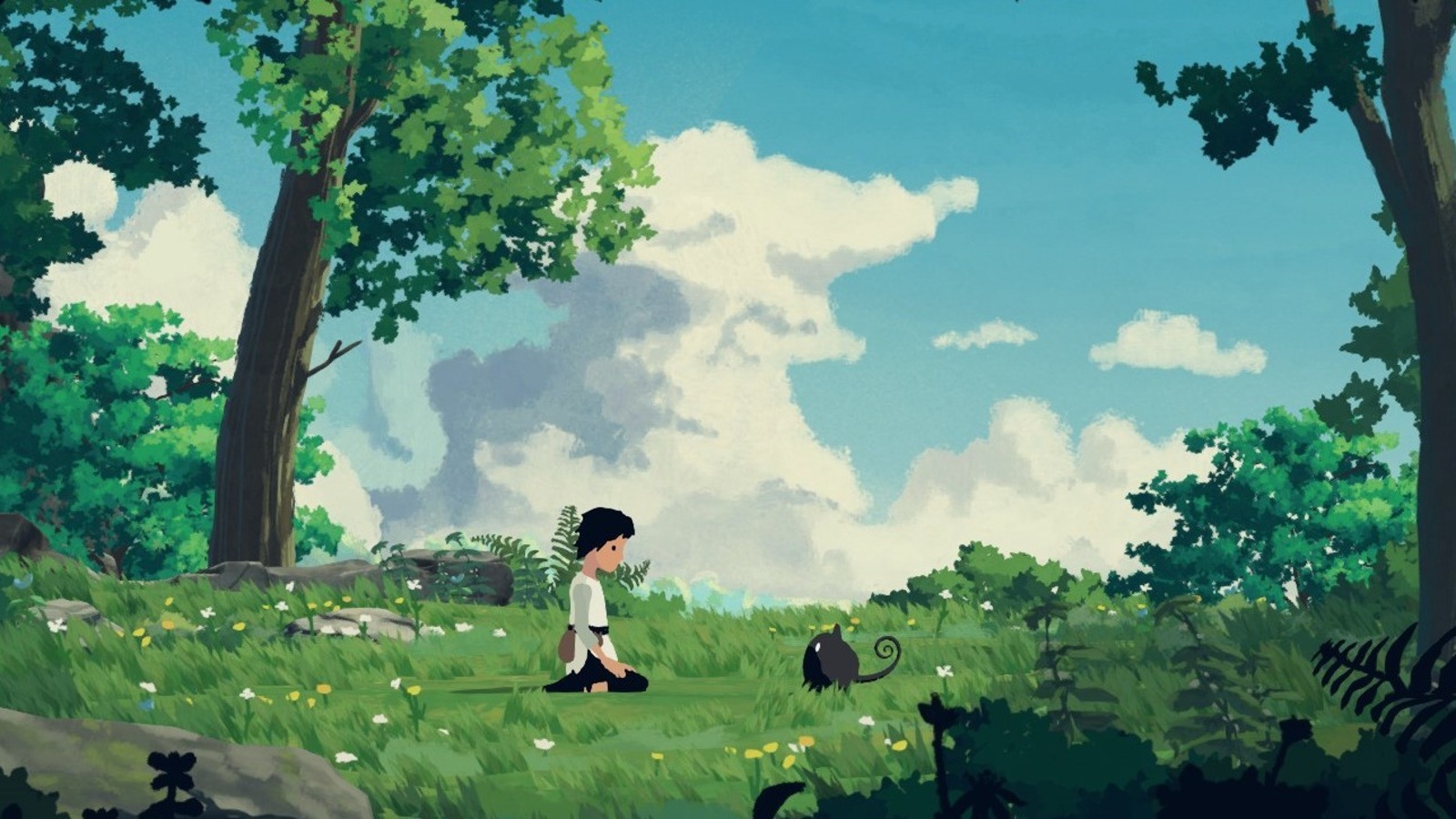
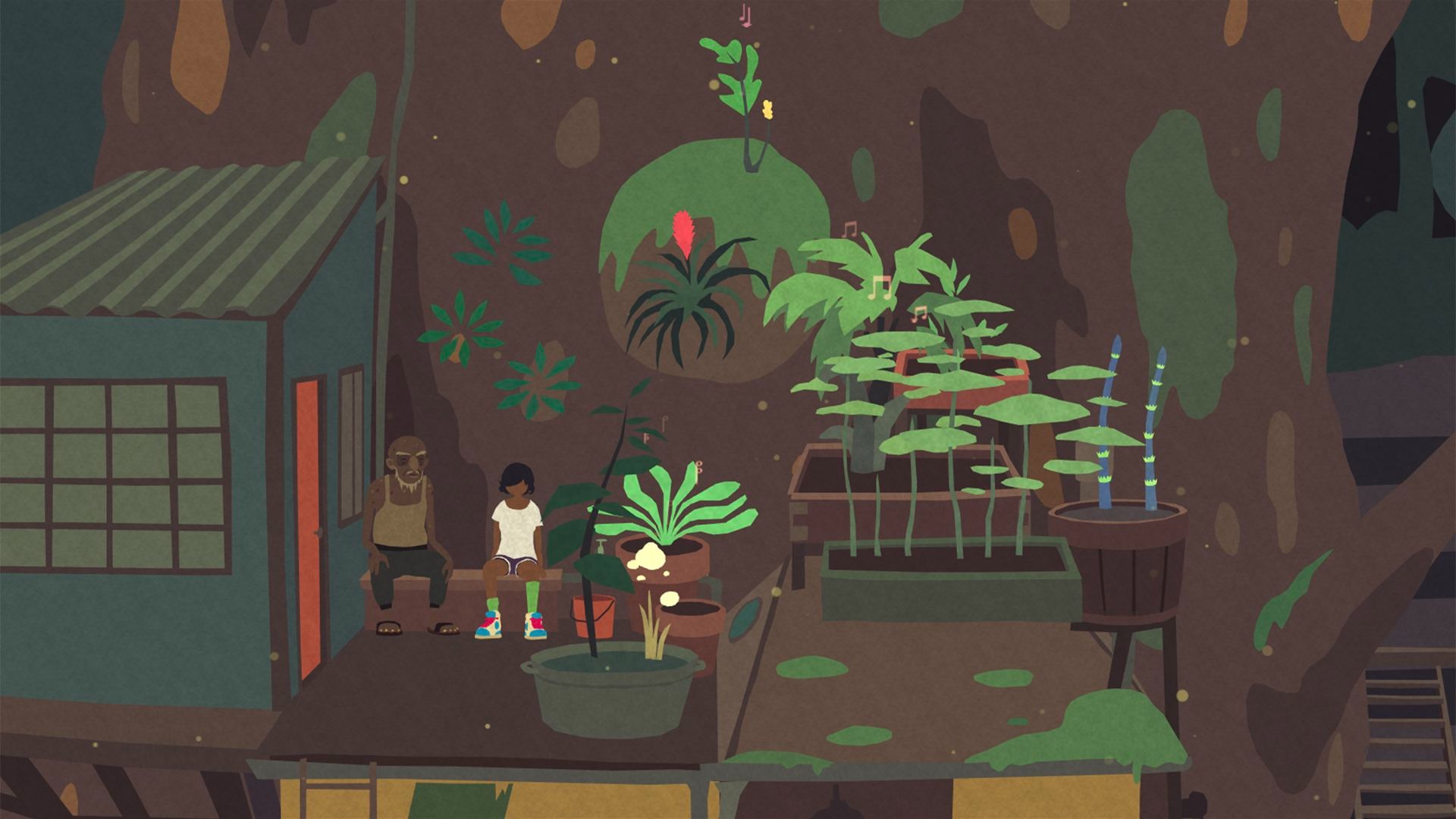
You play as Kai. A girl is sent away to a strange village in a post-apocalyptic world to re-connect with her extended family. You spend the entire game walking around to the various dozen or so screens, collecting seeds, planting gardens, and learning more about your past and the ties between the village and your family.
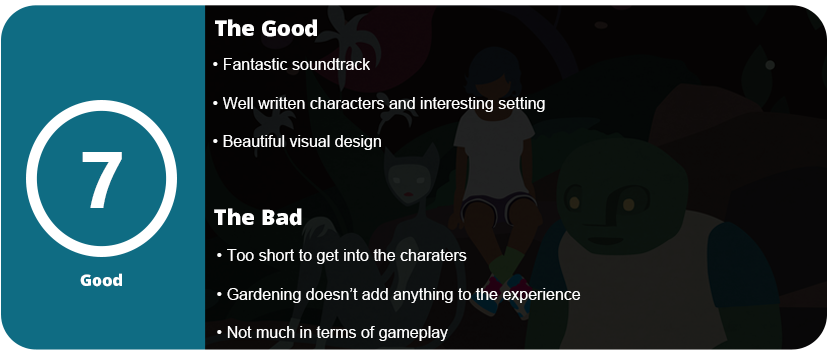
I have to give credit to the developers for their tight and well-written dialogue. The characters have, well, character. For the short time you spend in the games (under 4 hours), you really get to know these people, and the dialogue is written in a way that feels organic and like you’re listening in on a conversation. Talk of relationship issues, depression, carelessness, death, suicide, and many other emotions that we face in ourselves and amongst our own families. There’s an atmosphere that’s both uncomfortable and familiar. You will plant your own life in this game and strategize relating to certain characters or hating them. It’s just so well done.
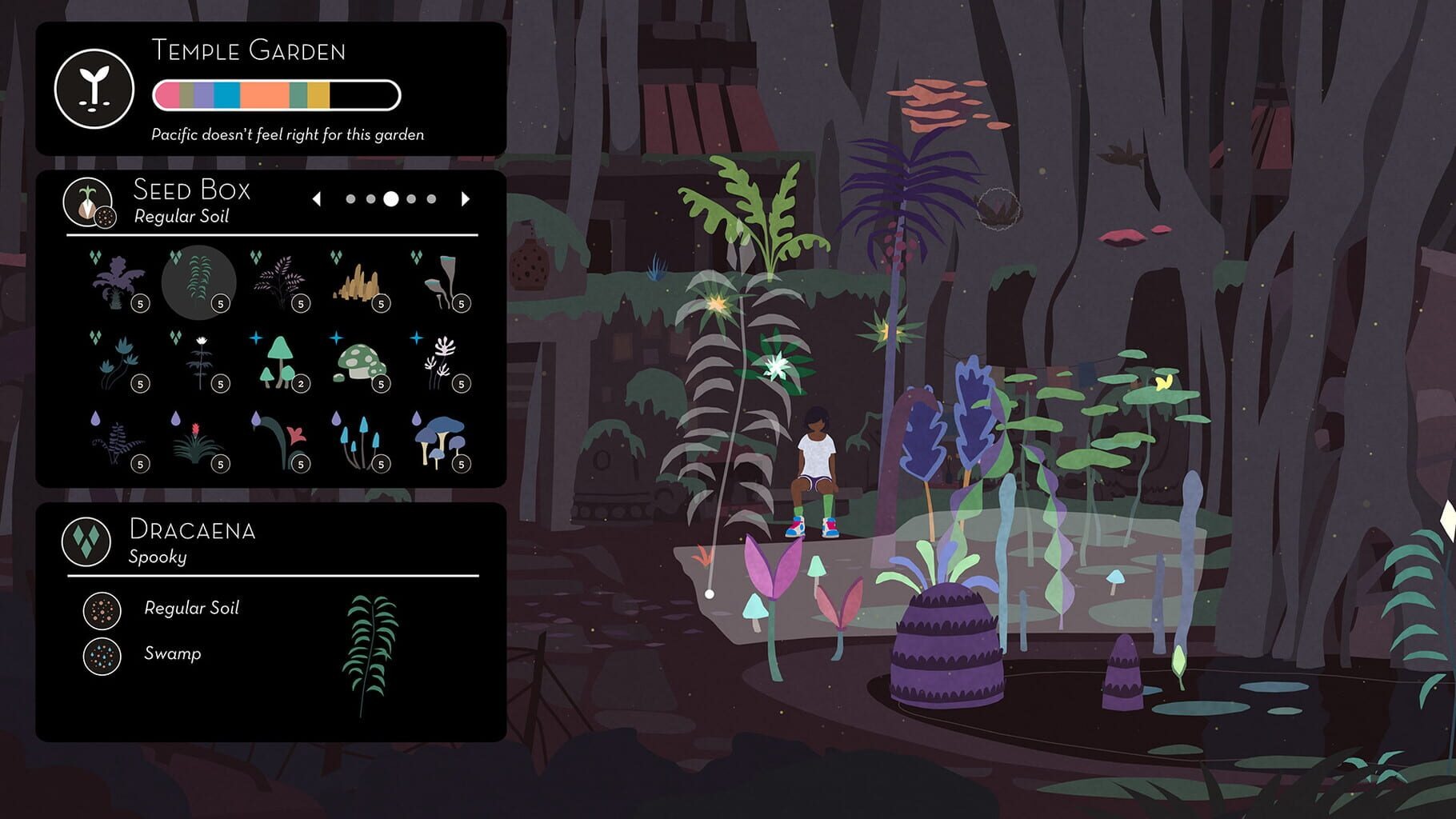
As for the rest of the game, there’s something to be desired. As you walk around the screens, you will see a hand icon over anything you can pick up. These are usually plants, and you need the seeds to plant gardens to advance the story. There are eye icons for objects that Kai will comment on and a clock icon for an interaction that will advance the story. You never really get lost. Kai’s journal gives hints on who to talk to and what area you need to be in. Using a little common sense and learning the screens and where everyone resides helps a lot. As you pick up seeds, you learn songs that help you grow the garden. Each seed grows based on its song, so it’s recommended to plant seeds of that type. You can place the seeds with an outline of the plant that will tell you if there’s enough space for it. Sing the song a few times, plant enough seeds, and your garden grows. You can then harvest the plant for what you need to advance the story.
Don’t get this confused with something akin to Animal Crossing or Stardew Valley. This isn’t a farming simulator at all. The planting and gardening are rudimentary at best and mostly uninteresting. I just threw seeds around until I filled up the meter, spammed the correct song, harvested, and off I went. I was more interested in the characters and the story. There’s a mystery behind the village that I couldn’t wait to unravel, and unfortunately, gardening got in the way. I did love the music; it’s amazing and good enough to listen to outside of the game.
The art style is well done. It’s bright and colorful, but it can be really dark when needed. The characters have unique humanoid designs that seem familiar but are still alien, and the paper cut-out look just fits so well. I just wish the story was a bit longer, as I wanted to get to know the characters more. I can’t really complain about gameplay, as you do move around constantly and patterns change and mix up, so it never really gets boring. This is a great little adventure game that can kill an evening, and you might have a new favorite OST.
First-person shooters were new to me when Red Faction launched in 2001. I didn’t have a gaming PC growing up, so games like Doom, Wolfenstein, and Quake were nearly foreign to me. Red Faction was an overhyped game full of development issues and overpromised ambition. The “Gen-Mod” destruction model is half-baked and barely there. The visuals are dull and boring (even for the time), and the story doesn’t go anywhere at all. Not to mention zero character development. I rented this game and got bored with it maybe an hour in, and I can see why.
Sure, the game looks much better on PC, but there’s not much to really look at. Even for the time level, the design in shooters was fairly dull. Very few had interesting things to look at, such as Half-Life or Halo. Red Faction is just browns and reds with boring caves and industrial buildings. You are on Mars, by the way. You are part of a rebellion group called the Red Faction, who are miners uprising against the overbearing government. You are trying to fight your way to the top and stop a deadly plague that’s killing the miners. This story starts and stops here. It doesn’t go anywhere; there’s nothing to spoil. You end up finding the cure, and that’s really it. The voice acting is actually really good for the time, but the only thing that kept me playing was pure curiosity to finally see this game through to the end.
There are quite a few weapons in this game, but most aren’t found until the last third of the game. You have your standard array of guns. Submachine, assault, precision, sniper, pistol, rocket launcher, and rail driver There’s also a heavy machine gun and grenades. It’s a standard list of weapons we’ve used in so many shooters, and Red Faction doesn’t do anything interesting or fun with them. The shooting in this game feels pretty good and holds up well today, but the enemy AI is terrible, so don’t expect much of a fight. There are vehicles you can pilot in this game, but they aren’t anything fun or interesting. They shoot bullets or rockets, and a lot of the time I would end up stuck in weird physics glitches.
The game isn’t very long. You can finish it in under 4 hours, and thankfully there’s a quick save feature, which I suggest using often. Enemies are run-of-the mill faceless military dudes, and there’s an occasional weird creature thing to mow down in the caves. Environmental detail is what you can expect from this era. Rooms are equipped with an occasional table, chair, or monitor. Nothing stands out or looks interesting in this game. Destruction is boiled down to blowing open a wall to get to a button (there’s a lot of button pressing in this game), and that’s about it. The occasional chunk of wall breaks off, but this is far from what Volition was touting back in the day.
Red Faction is at least a solid shooter. It’s fun while it lasts, and the last act throws new enemies and weapons at you, and there are two whole boss fights in this game. Vehicles don’t feel great to pilot, destruction is minimal, the story has a strong premise but goes nowhere, and the visuals are pretty bland. I did find the stealth section of the game pretty fun. Trying to find your way around without being spotted is like a giant puzzle, but that’s all there is that changes things up. In the end, if you never play this game, you aren’t missing out on gaming history.
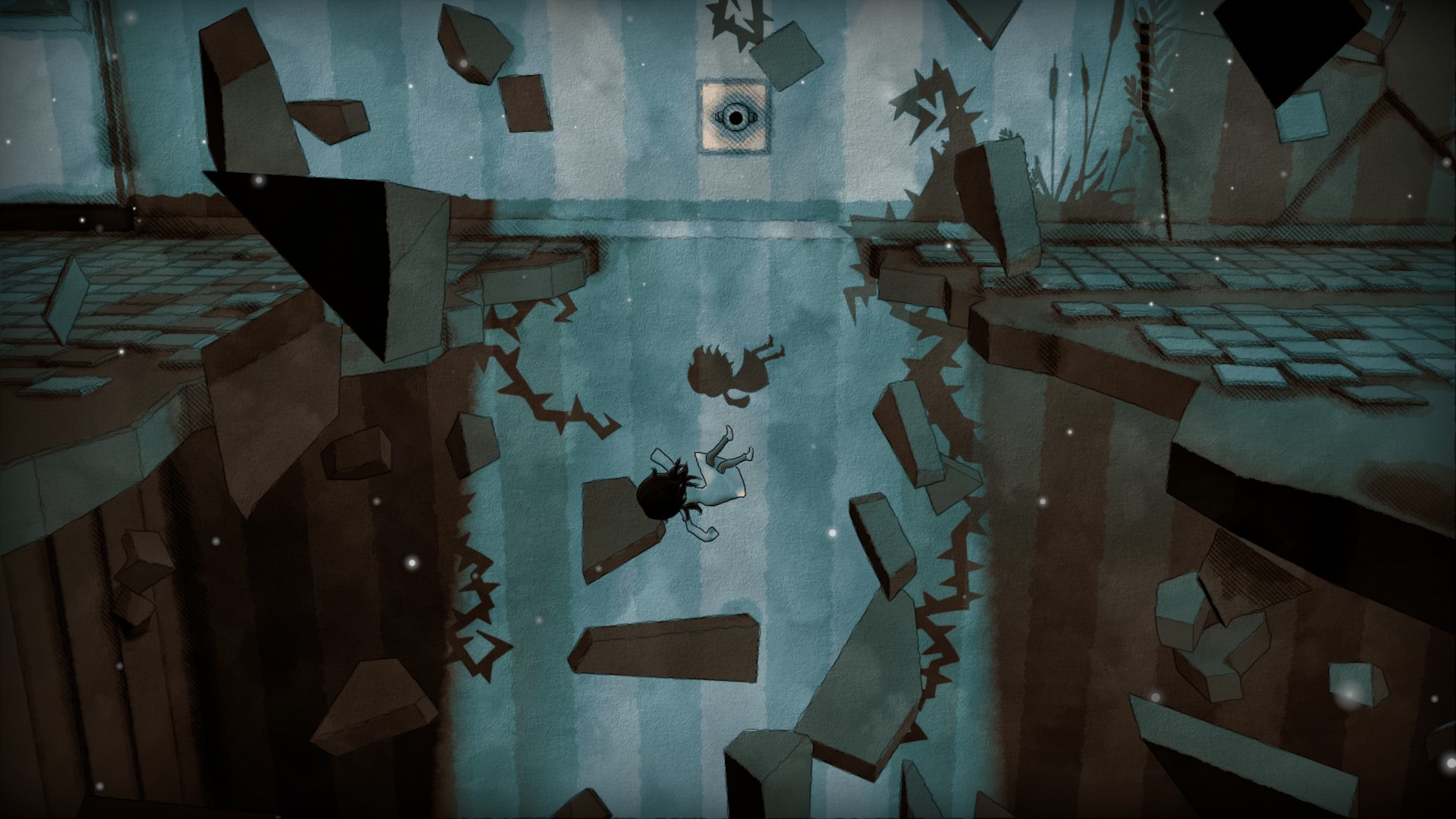
2D walking simulators seem to be a whole new genre of their own, are more interesting, and tend to be better than fully 3D ones. Games like Limbo, Little Nightmares, and Inside are perfect examples of this. There is some light platforming, some puzzle solving thrown in, and maybe a little bit of stealth. While none of those had stories that blew me away, they did make up for it in atmosphere and character. Shady Part of Me sadly doesn’t accomplish any of those things. The only thing going for it is the dual-character puzzles, and that’s about it. There really isn’t even a story to speak of. Yourself, your shadow, and some disembodied voice narrate the entire game with cryptic dialogue that really is either open for translation to the player or is entirely meaningless.
This game reminds me a lot of Limbo and Lost in Shadow. You play as a little girl in a white dress who is afraid of light, and her shadow (always on the wall) is afraid of darkness. You switch between both to help each other advance. Puzzles involve pushing boxes and pulling switches, and in later levels, your shadow can defy gravity and even take over puppet bodies. Most of the puzzles have that “Aha!” moment, which can be satisfying, but there were a few that really stumped me and took a lot of time just fiddling around until something changed. Most puzzles have you manipulating objects in front of lights to make new shadows, move them, or make them grow or shrink. The real girl can’t jump, but your shadow can. This means there is light platforming in the shadow, but nothing complicated.
I did find the aspect of two characters to be a bit tedious. Some areas just have you running to the right to stop in the circle to advance to the next area. You then have to switch to the other character and run that full length again. It’s not a major problem, but it happens too frequently. I also found the rewind feature to be really handy. This prevents constant deaths and restarts. You can rewind as long as you want, so I have to applaud the developers for making this a frustrating mess. A lot of times your shadow will die or you will get caught in light, and it stops the game, but rewinding allows you to see the error you made and correct it. If you fully died every time and went back to a checkpoint, this game would be unbearably frustrating.
Overall, the visuals are great. The sketchbook look and early 20th-century aesthetics are fun, but they’re also nothing memorable. We’ve seen this kind of art style before in other games. That’s the biggest takeaway from Shady Part of Me. It does what it does fine. Nothing more, nothing less. It doesn’t leave a lasting impression like the above mentioned games. Limbo was gruesome and had a memorable atmosphere. Little Nightmares’ ghoulish monsters stood out, and Inside’s dystopian world put you on edge. You will spend around five hours in this game and mostly forget about it the next day.
One of the scariest things to me is being alone on a planet. I’ve had a recent fascination with this, especially after reading The Martian by Andy Weir. It’s a different form of psychological horror. The human mind is a vast pit of emotions and an endless imagination. The fear of the unknown and the human mind running rampant combined is a scary combination that very few media tackle. The Invincible is one such story, and it’s done well.
First and foremost, this is a walking simulator, but with a bit more freedom. There’s really no gameplay, but you can interact with objects and control a vehicle a couple of times, but that’s about it. It does what walking simulators are supposed to do well, and that’s provide good characters with great writing and a story that keeps you hooked. The Invincible starts out slow and may come off as a typical space adventure with pretty colors and nothing more, but the story just gets darker and darker as you move along. The length is a couple of hours longer than a typical game of its kind, and it helps. There is more character development, more explanation of what is going on, and more of this planet, Regis III.
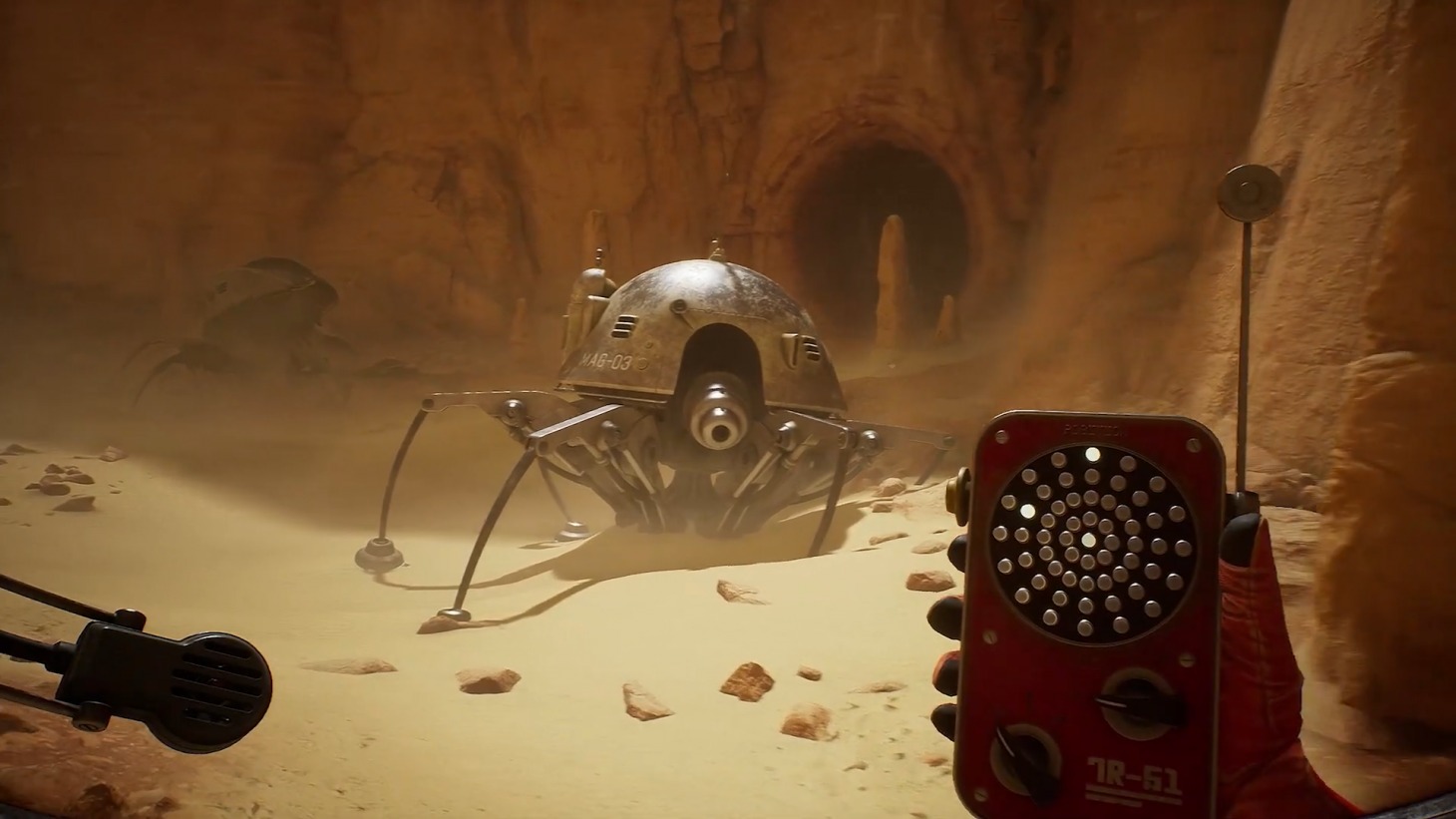
It’s a desert planet similar to Mars, but with an ocean. You play as Yansa, one of a small crew of scientists scouting out a possible Earth-like planet. You learn about two warring factions known as the Alliance and the Commonwealth. The space race to find a planet of paradise is very apparent. I don’t want to talk too much about the story, as I can easily spoil something. I will just say the story keeps going when you think it ends and gets darker and deeper, and the theories behind what is going on are very fascinating. There seem to be some choices you can make in the game, but I’m not sure if they impact the ending or not. Most of the dialogue is between Yansa and another crew member on her ship, the Dragonfly. The story has so many ups and downs, emotion-wise, as your fight for survival takes a back seat to a larger plot point, and the excellent voice acting helps suck you into this void.
You spend most of the game climbing ledges, dropping down ledges, and examining objects. There are a few large open maps, but you have a linear path you need to follow thanks to the well-designed map system. The interactions are always changing, and the pace is great after the first opening sequence, and things pick up. There is always something new happening, and I love that about this game. You aren’t just walking in a straight line in a borefest like Everybody’s Gone to the Rapture, and it’s not a jump-scare-induced horror roller coaster like Layers of Fear. The terror of survival, death, and being alone is omnipresent in The Invincible. Just seeing a robot can make you feel less alone. The atmosphere is so well done in this game.
I usually start complaining about a lack of gameplay or that the story is so short that there’s no time for anything interesting to happen, but The Invincible does what walking simulators haven’t really done in a long time: make you want to walk through something and keep going. Between the 50’s art deco-style designs of the ships and equipment, the immersive first-person view, and the excellent voice acting, there’s so much to take in. Sure, the visuals aren’t impressive on a technical scale. There is also no ultrawide screen support, which is a real bummer, but it’s not enough to knock this game down. The Invincible makes you think and talk about the story to your friends because you want to theorize, and it entices you to think about life on other planets, which might make you go read a book or watch a movie like Apollo 13 or The Martian to continue experiencing this fear of being alone on a planet. Walking simulators aren’t this good very often. Enjoy it while it lasts.
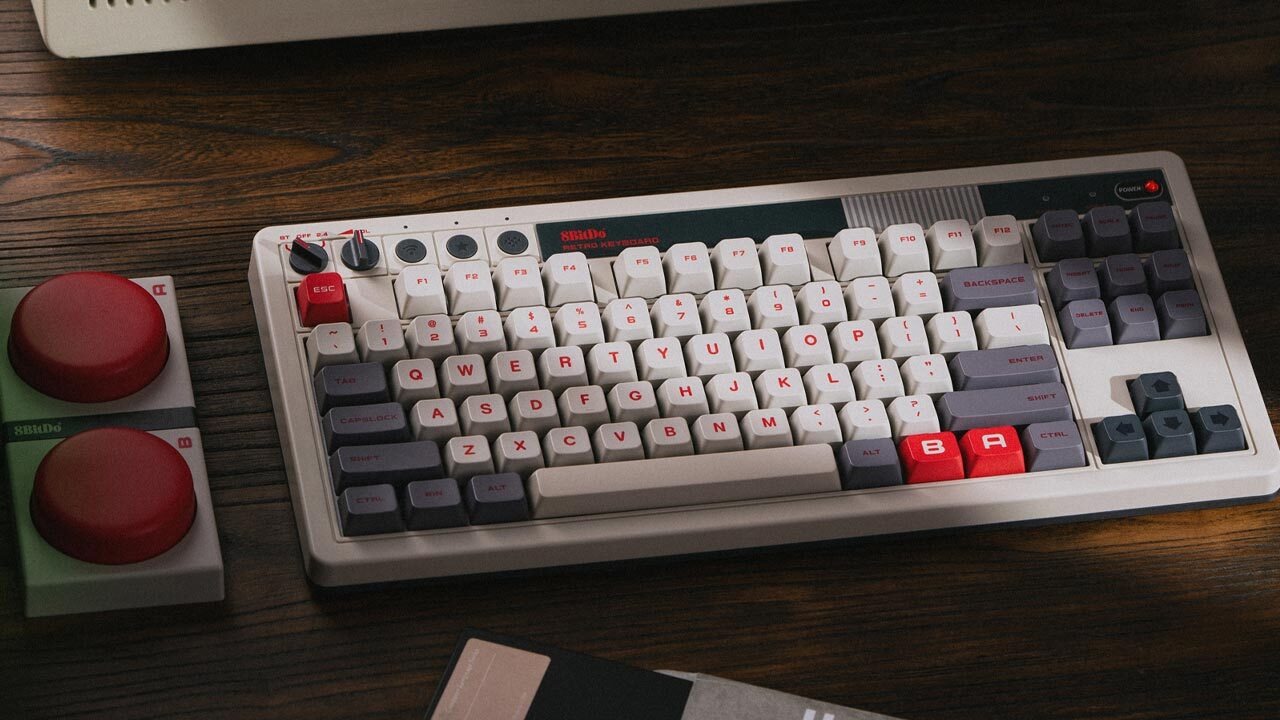
8Bitdo has been killing it over the last five to seven years. They have become a premium AA accessory manufacturer for retro and modern consoles. 8Bitdo has released their first attempt at a keyboard with a retro-themed 70% keyboard with NES and Famicom aesthetics. They also have an 80’s PC vibe with similar layout and styling to that era.
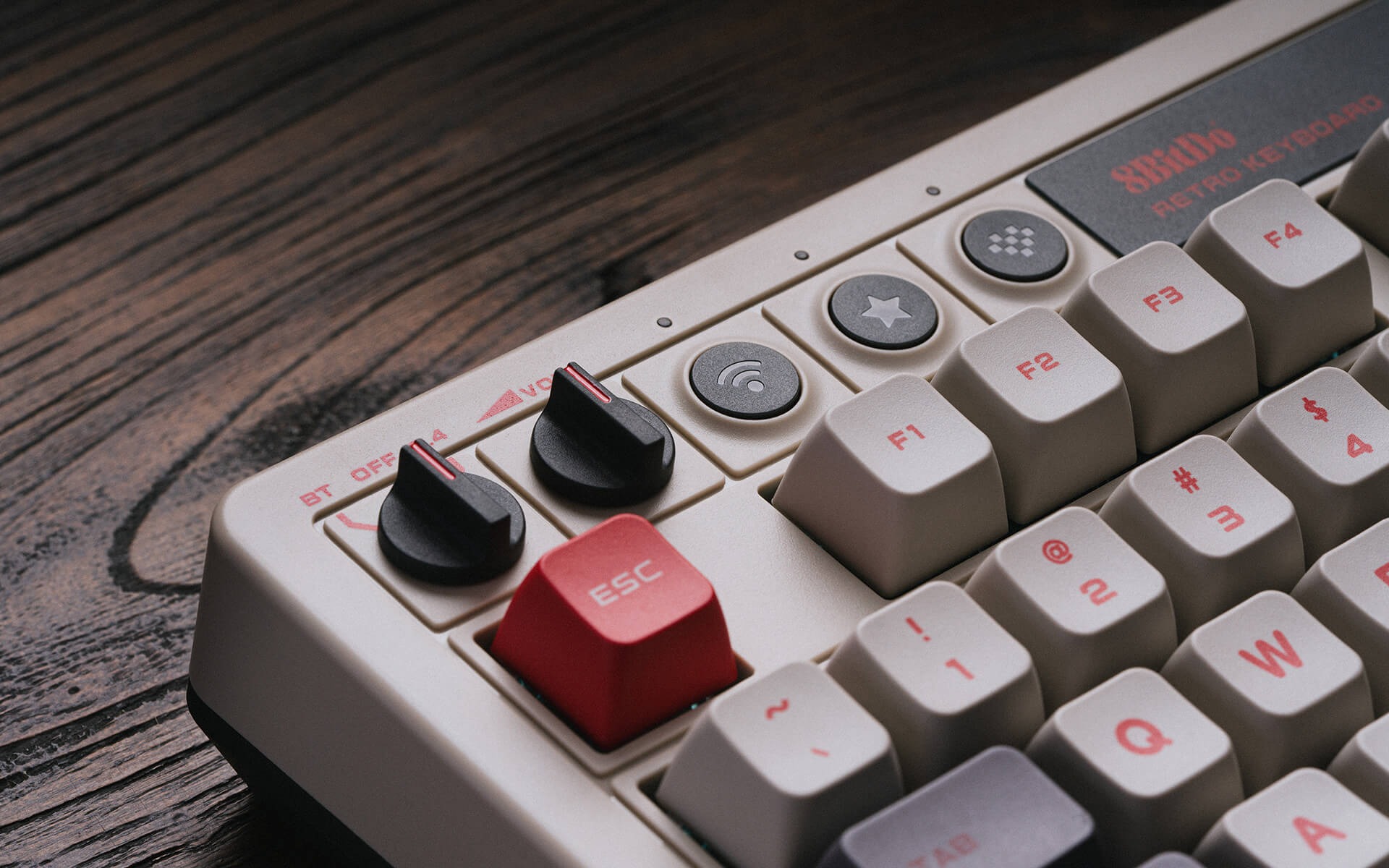
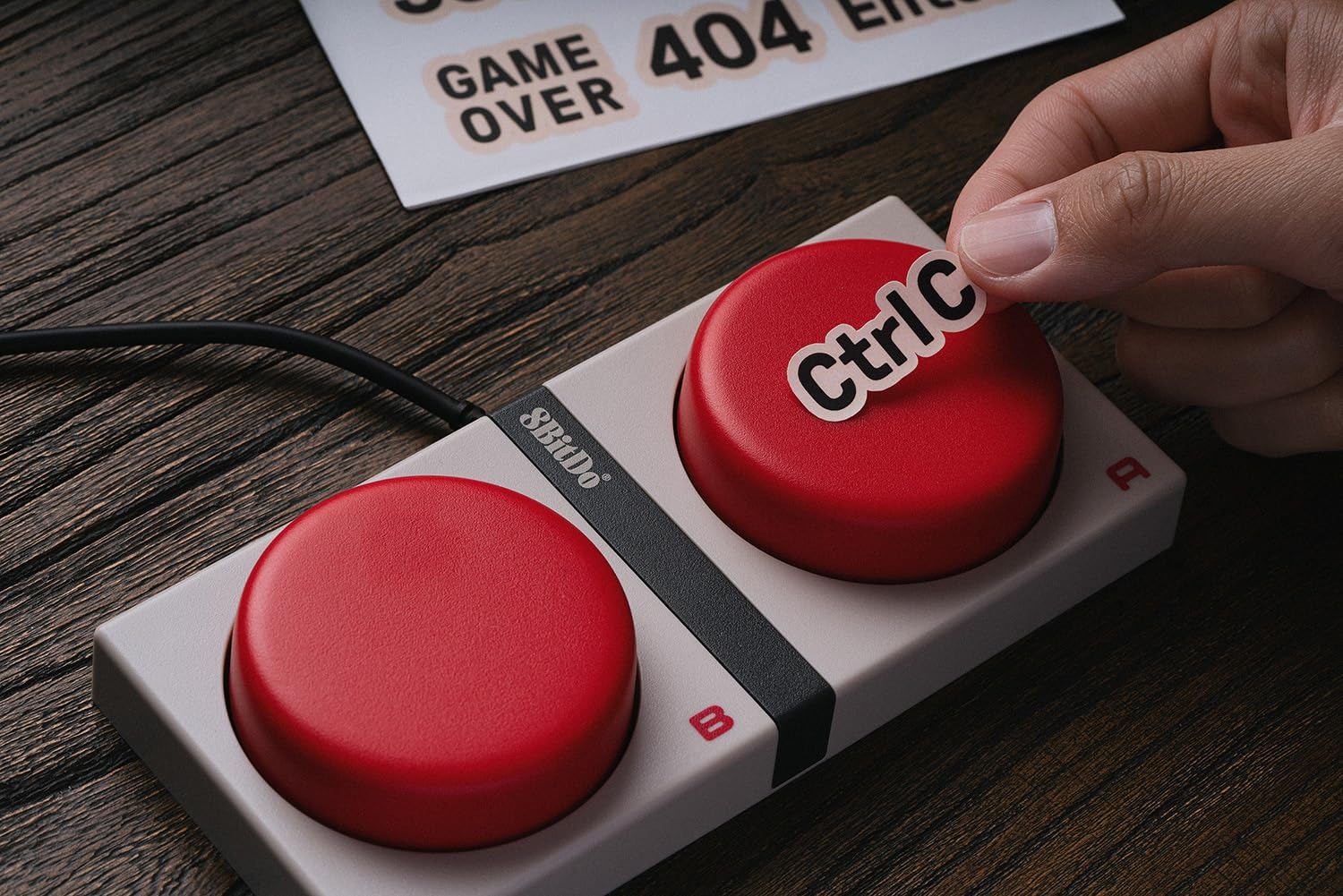
Looks wise, 8Bitdo nailed this keyboard. While I can’t speak for the Famicom version as I do not own it, the NES version looks fantastic. While I’m not a huge fan of the giant A and B buttons, the novelty is appreciated. The keyboard has a sloped angle like the keyboards of the 80’s, with a beige tone and red print on the keys. The fully red escape key and the knobs at the top left are great as well; however, the volume is an infintely turning knob, and the position ends up being irrelevant. This being a TKL keyboard, it will fit on most desks and isn’t super bulky. The bulbous power LED is also a nice touch. This feels and looks like the part for an 80’s keyboard.
The biggest draw to this keyboard is the hotswappable switches. It comes with Kail White V2 switches, but I added Kail Heavy Pro Box Navy switches. I also did a tape mod with five layers of tape, and this keyboard sounds and feels great. I’m glad this keyboard does come with premium switches, and you can add whatever ones you want. 8Bitdo’s versatility and customization are excellent choices. There are four screws located behind the rubber feet on the bottom, and using a plastic pry tool, you can just pop the clips around the panel in the back, and off it goes. It’s an easy keyboard to modify and change around.
It doesn’t just stop with being an 80’s mock keyboard. 8Bitdo’s usual macro buttons are available via their very early and limited keyboard software suite. You can update the firmware and edit your macros with this. It’s still really early, and with its popularity and the number of keyboards, I’m sure 8Bitdo can create a more robust piece of software. There also isn’t any RGB on this keyboard, but that’s probably a good thing given the era it’s trying to recreate, but maybe a white backlight would have been nice. The battery claims it can last up to 200 hours on a single charge. The USB 2.4Ghz dongle snaps into the back so it doesn’t get lost, but there is also a Bluetooth option. This keyboard can work on virtually any modern device.
Overall, 8Bitdo did a great job with their first keyboard outing, and the swappable switches are a plus for longevity and customizability that a lot of non-custom keyboard manufacturers aren’t allowing. The 80’s style rocks, the form factor is great, and it feels good to use. I wish the software was a bit better and the dials felt better to use, and I feel the large buttons are a silly gimmick that just increases the cost. Despite this, it’s a fantastic keyboard.
When a studio says they take inspiration from adventure games like Life is Strange, I pay attention. We follow a maid during the late 1950s, working in a hotel for a crass boss. You are basically a snoop and end up getting involved in a mystery of a love triangle, and you take it upon yourself to get co-workers involved, and the entire thing spirals out of control. Is this game a lesson on minding your own business or doing what you think is right?
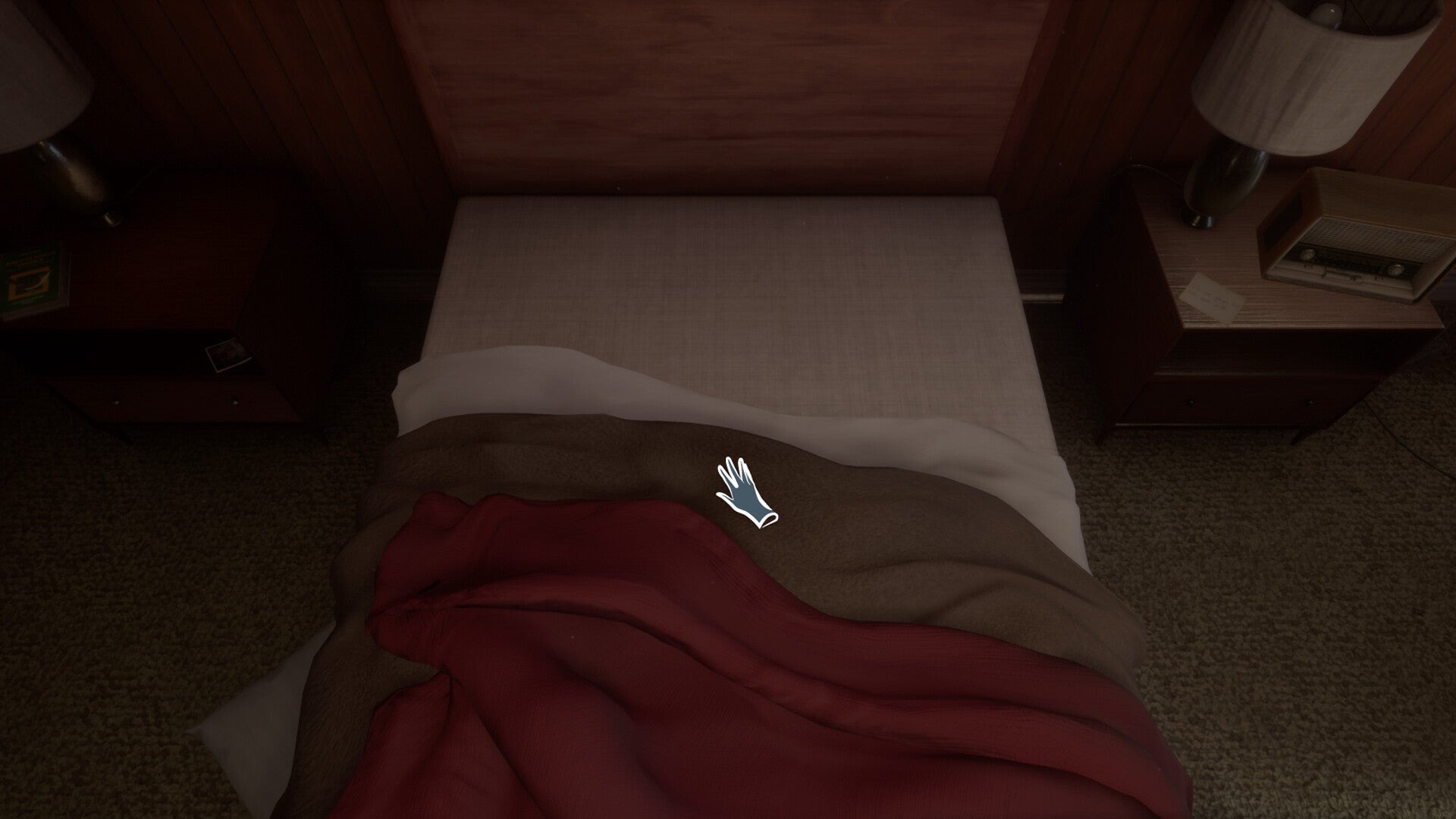
You play as Ms. Roy. You start out by getting to know your co-workers, learning the game’s mechanics, and starting your amateur sleuthing. There’s not much to the game’s mechanics. You can interact with dozens upon dozens of objects, mostly letters you end up reading, and either throw them away or just inspect them. You spend your time between three floors. The fifth floor, the basement, and the lobby You eventually pick a male or female co-worker to help you dig into other people’s business, but you also have a job to do. You need to clean and tidy up each room, and all of your actions have consequences towards the end of the game. I don’t want to say what can or can’t cause these, as it can really spoil the ending, but just know that picking things up and keeping them is something the game tells you to think about the most.
Inspecting items doesn’t really matter as you’re putting them back down, but scouring all the drawers, every item, no matter how simple it seems, might give you a clue to figure out what’s happening in the love circle you want to so desperately be a part of. Sometimes you need to go to the basement and get items you don’t have, and there are a few puzzles thrown in. These aren’t difficult either. matching up pieces of paper, deciphering a code, or just finding a few clues here and there. You can hear Roy’s inner dialogue to help give you hints, and you can read everything you picked up in your inventory.
Outside of interacting with objects and solving the occasional puzzle, there isn’t anything else to do. There’s no exploring, character interactions are scripted, and there are only three characters in the entire game. This is a very short game with a runtime of about 3 hours. I do have to give credit to the developers for creating such a tense mystery at that time and actually giving the characters some depth. It’s not long enough to really give an entire backstory like other adventure games, but they cut out the nonsense and get to the meat of what they want to do and the story they want to tell. The writing is well done, and the voice acting is pretty excellent too. Your choices also really do matter, but the physical interactions with objects make you realize what you could have done differently as the final moments of the story pass.
The visuals aren’t anything impressive, but the game looks period-correct, and it’s not ugly. The lip syncing is off, but the characters look good, and they have a unique look and a lot of character in their personalities. Sadly, my biggest complaint is that I wanted to know more about these characters. The game focuses solely on this mystery, but just enough personality in the characters pokes through that this could have been a much longer game. I wanted to know more about Ms. Roy and who she is as a person. That’s what made Life is Strange so great. It focused a lot on the characters, who they are as people, and their lives. There’s a lot of potential here for something greater, but the end product of an interesting and gripping mystery is done well enough. This makes for a fun evening with choices that really matter, but that’s about it.



















































 thebinarymessiah.com
Clearly you have been blocking everything you or haven't played the game at all. Maybe pay attention to the story…