Voice acting has been in games since 3D games have been a thing. Over time the visuals and motion capture have advanced to the point in which we are playing interactive movies. Real-life movie stars can put all of their skills to use as well as talented newcomers. This year had some fantastic voice acting done by incredibly talented people.
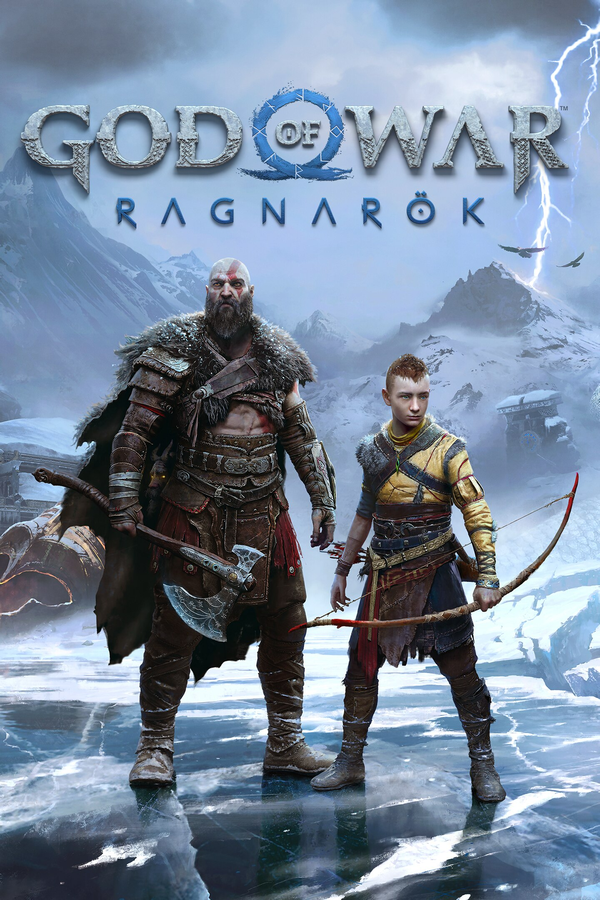
Christopher Judge’s take on Kratos has been one of the best things to ever happen to gaming. He breathed life and a new persona into Kratos. He’s no longer the tired angry God cliche that he was before. He was shallow and hard to like. He now has feelings and an insane amount of depth to him. The other actors such as Sunny Suljic did a fantastic job on their part. Every character is memorable and perfectly cast.
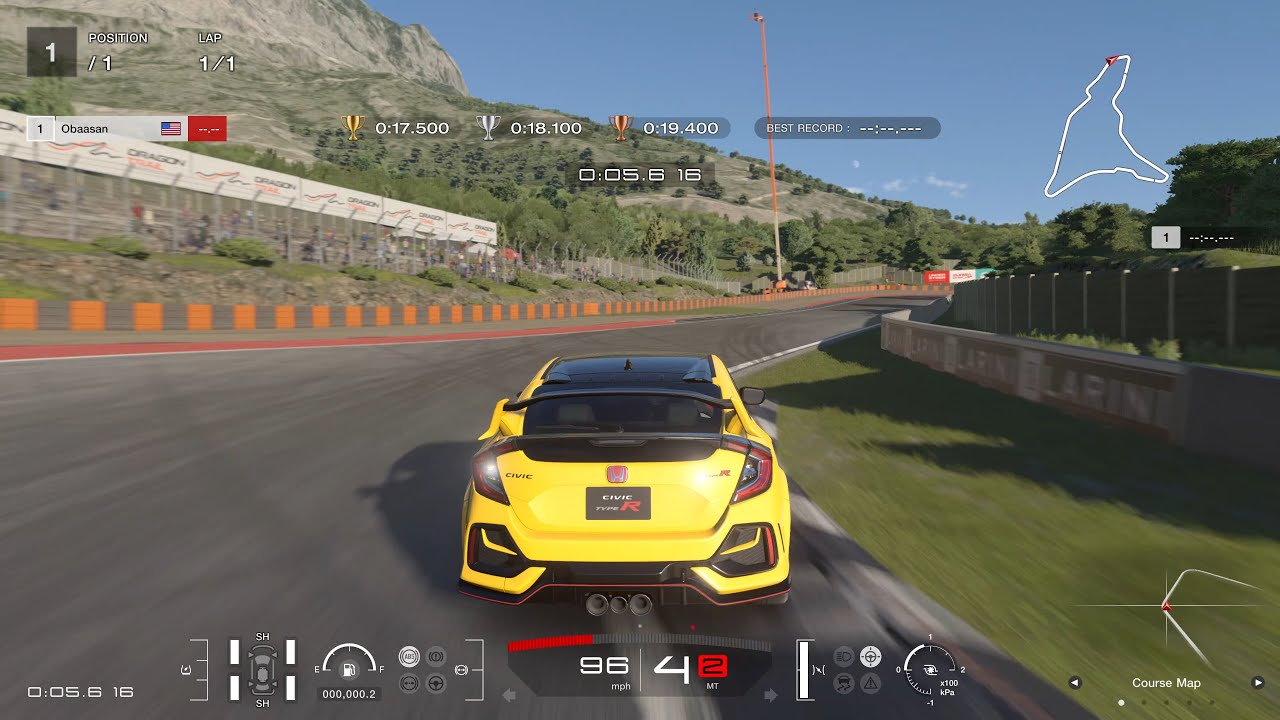
Technical graphics usually push the latest hardware to their limits or look so real you can’t tell if it is or not. These games can exist on consoles especially if they can pull off amazing feats of trickery. Right people are looking for the first game that looks next-gen. Sadly, until we get away from the cross-generation releases that won’t be in full swing.
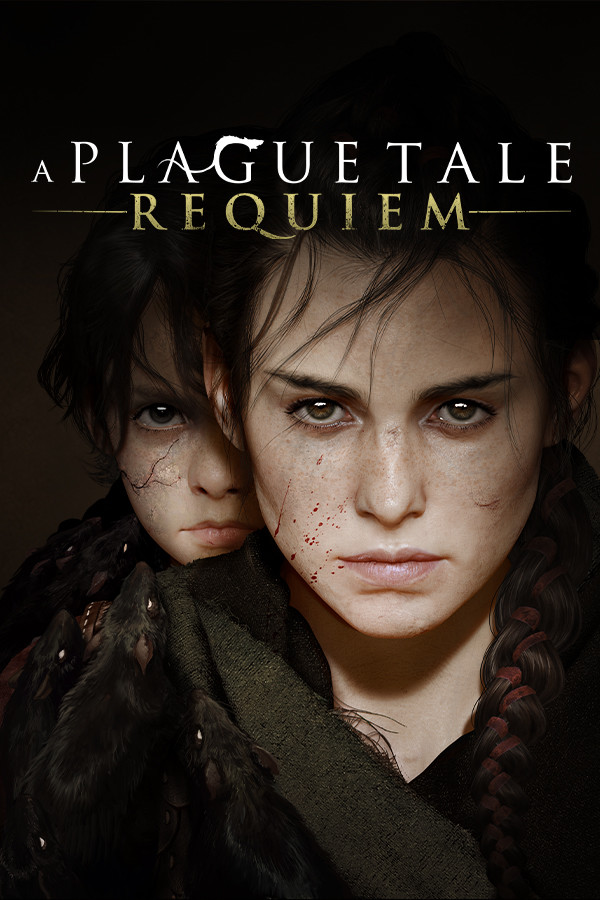
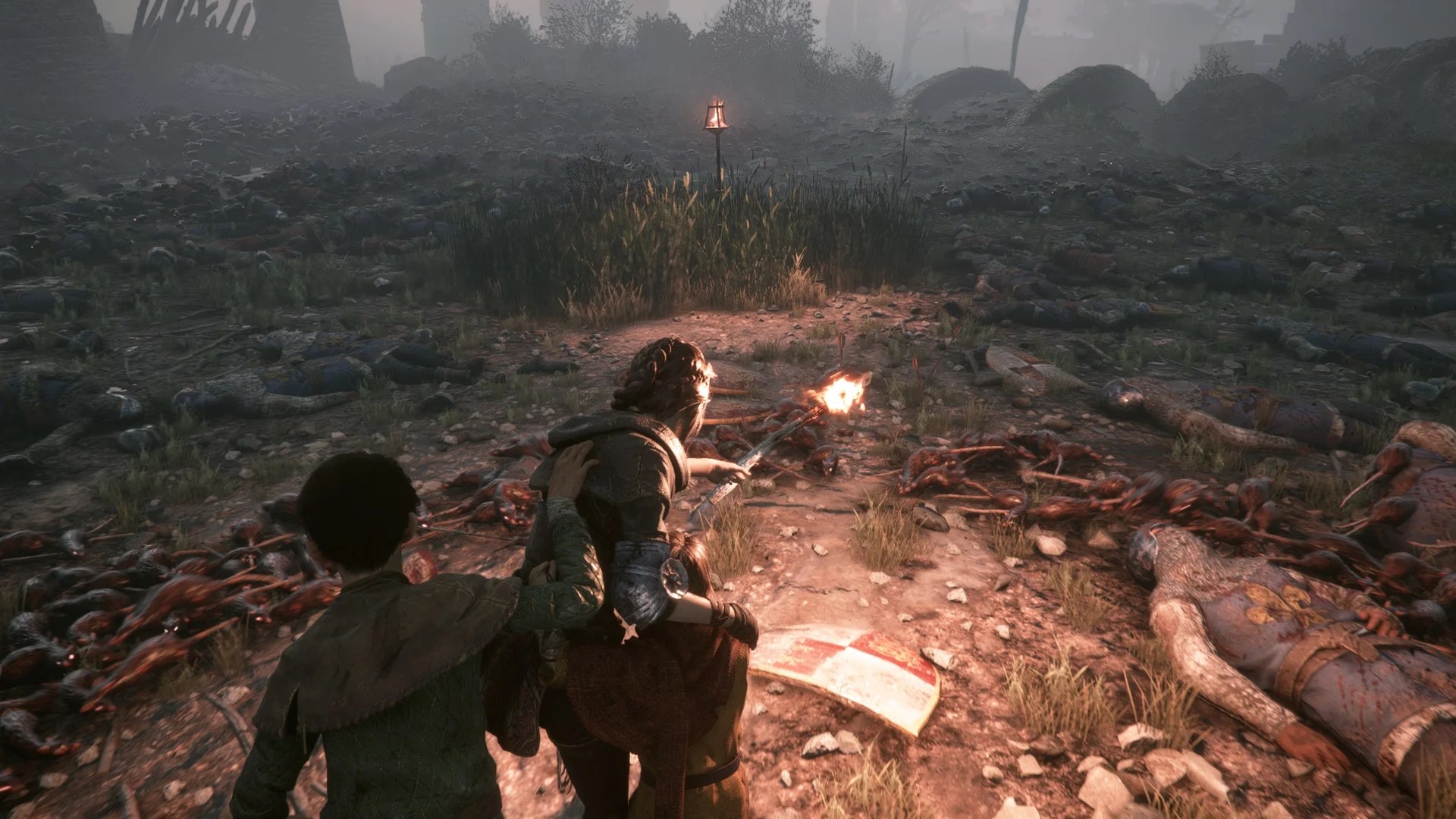
Requiem may not be perfect, and may set the series back a few steps, but one thing that can’t be denied is that this looks like a true next-generation title. The graphics are unlike any other this year. While many games looked very good in this regard A Plague Tale impresses with it’s insane lighting, ray-tracing, sweeping vistas, incredibly detailed textures, and character models. This is probably the first true next-generation game as it wasn’t released for older consoles.
We all love our favorite established characters, but when a new character comes along with charisma, charm, a great design, or a fantastic voice actor it’s something to celebrate. This year had a lot of great new characters in new games and returning franchises. Some talked and some didn’t.
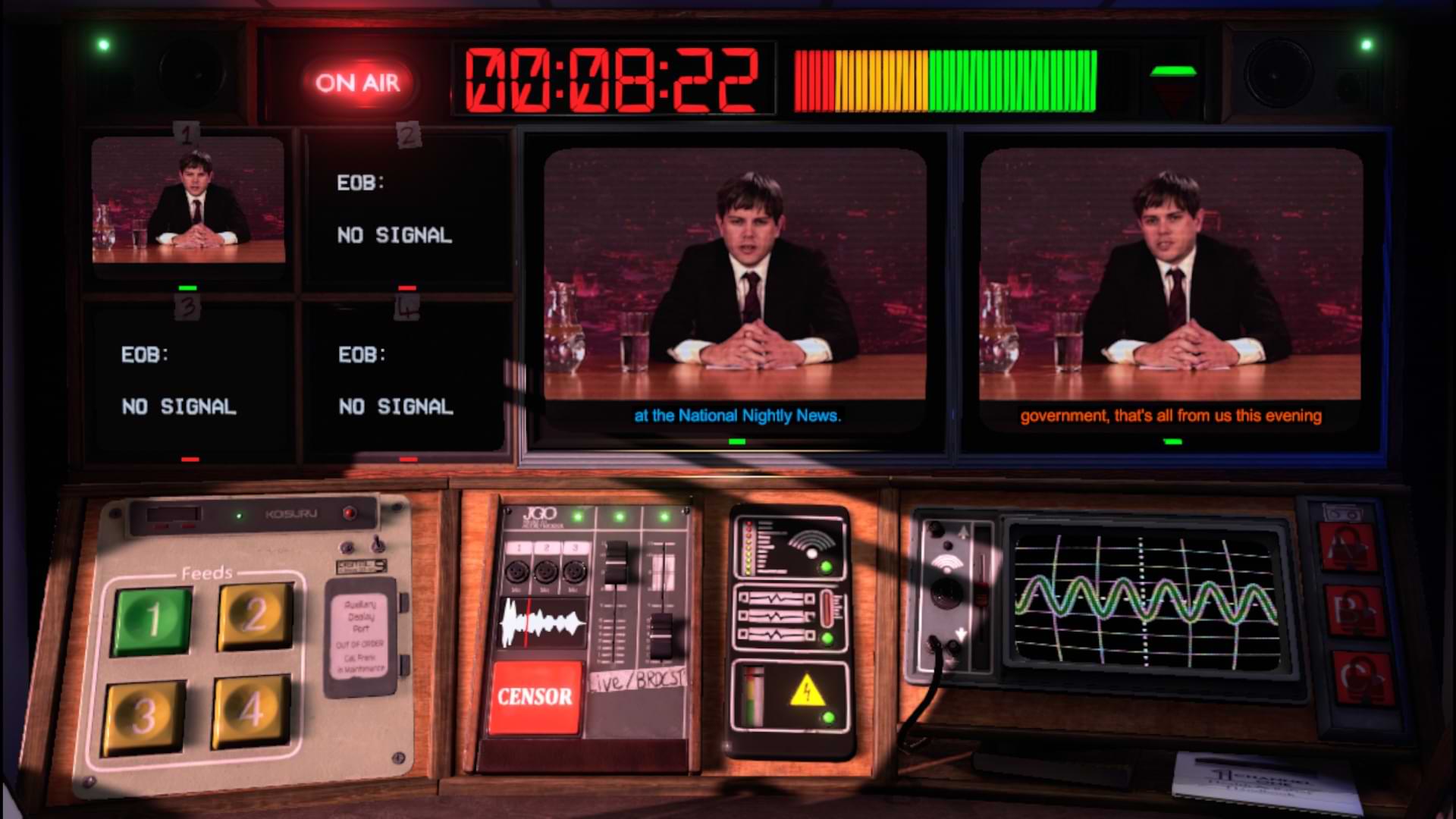
Not for Broadcast isn’t only the funniest game to be made in a long time, but the characters keep you hooked in the game. This FMV style game is probably the best to ever do it. The Monty Python style British comedy mixed with politics and dark humor is just cleverly written, cast, and made. Jeremy Donaldson is a miserable news anchor who hates the world and people around him. He oozes a charm and keeps you glued to your screen.
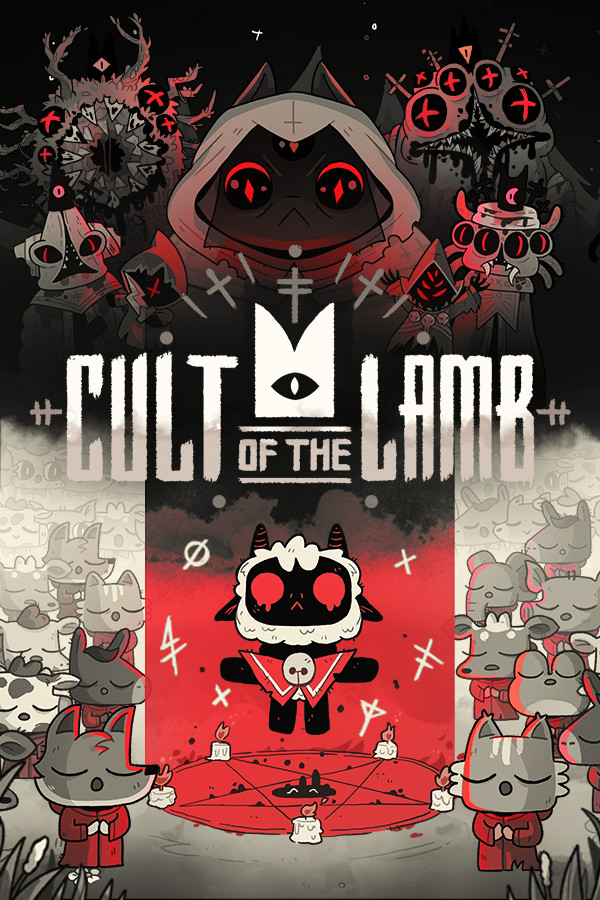
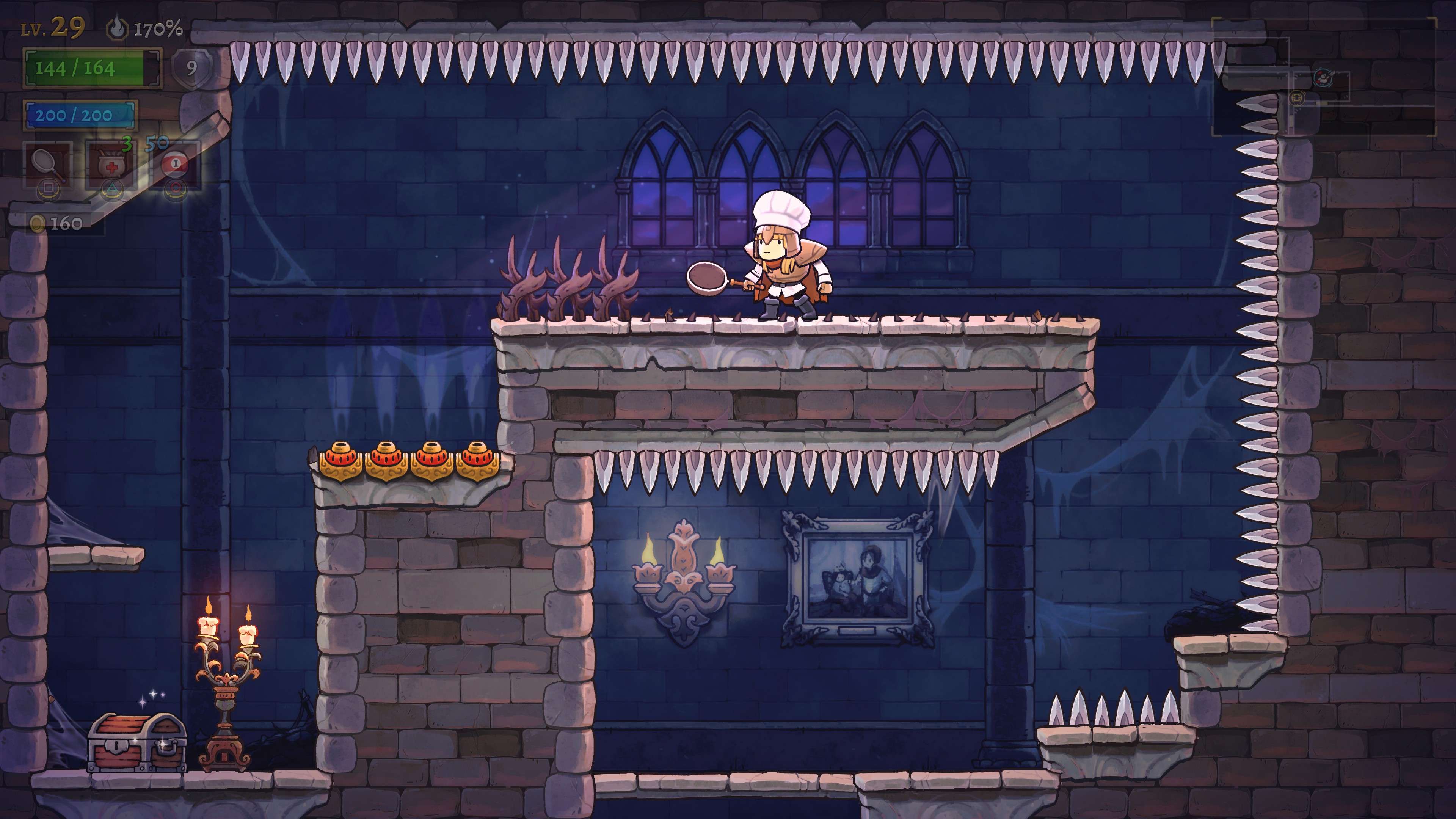
A brand new category this year. Rogue-likes (or rogue-lites) have become a huge and popular genre that’s now here to stay. From the father of the genre, From Software, with King’s Field to the mobile hit on iOS Infinity Blade, the genre has blown up and become the masochist’s favorite way to play. This year saw a great number of them from indie developers, and they were all impressive.
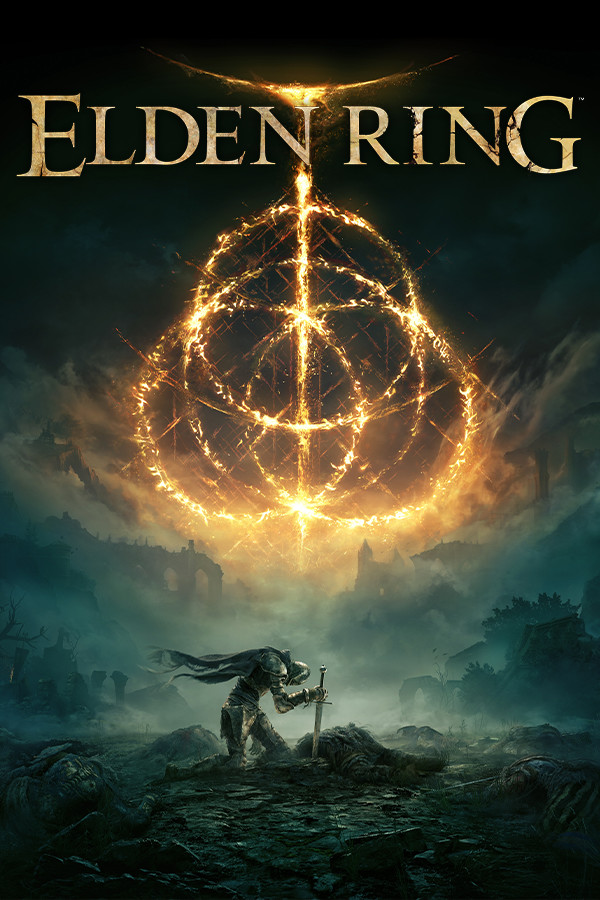
Elden Ring
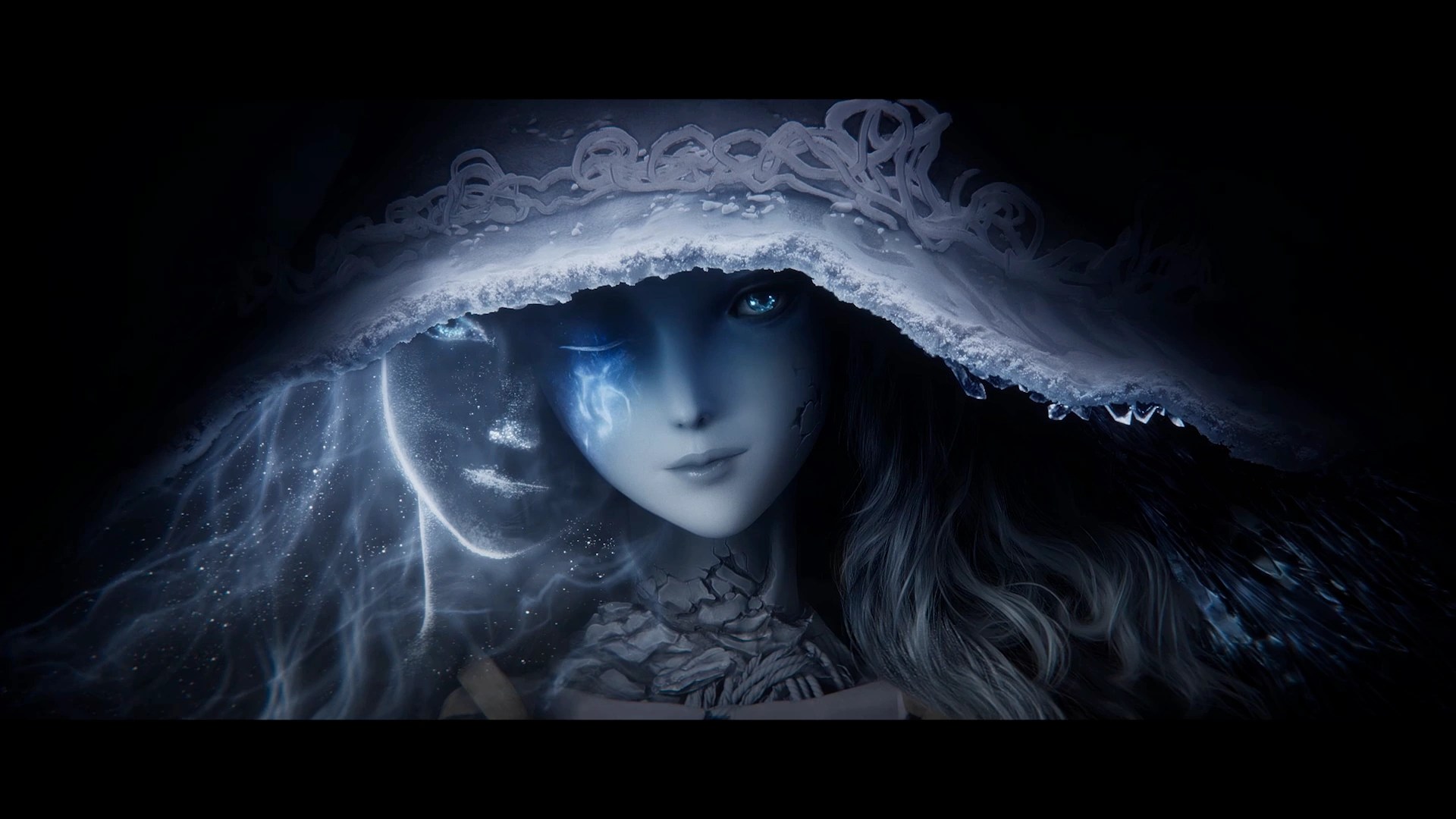
Was this a surprise? Even if you hate the game and think it’s too hard that’s the whole damn point. I suck at the Souls series, but love the lore, atmosphere, creature design, and combat. I have yet to even get close to finishing this game, but I always dive back in because of the open world nature that changed the entire way we play this series. It’s a fantastic game that many more people should at least try.
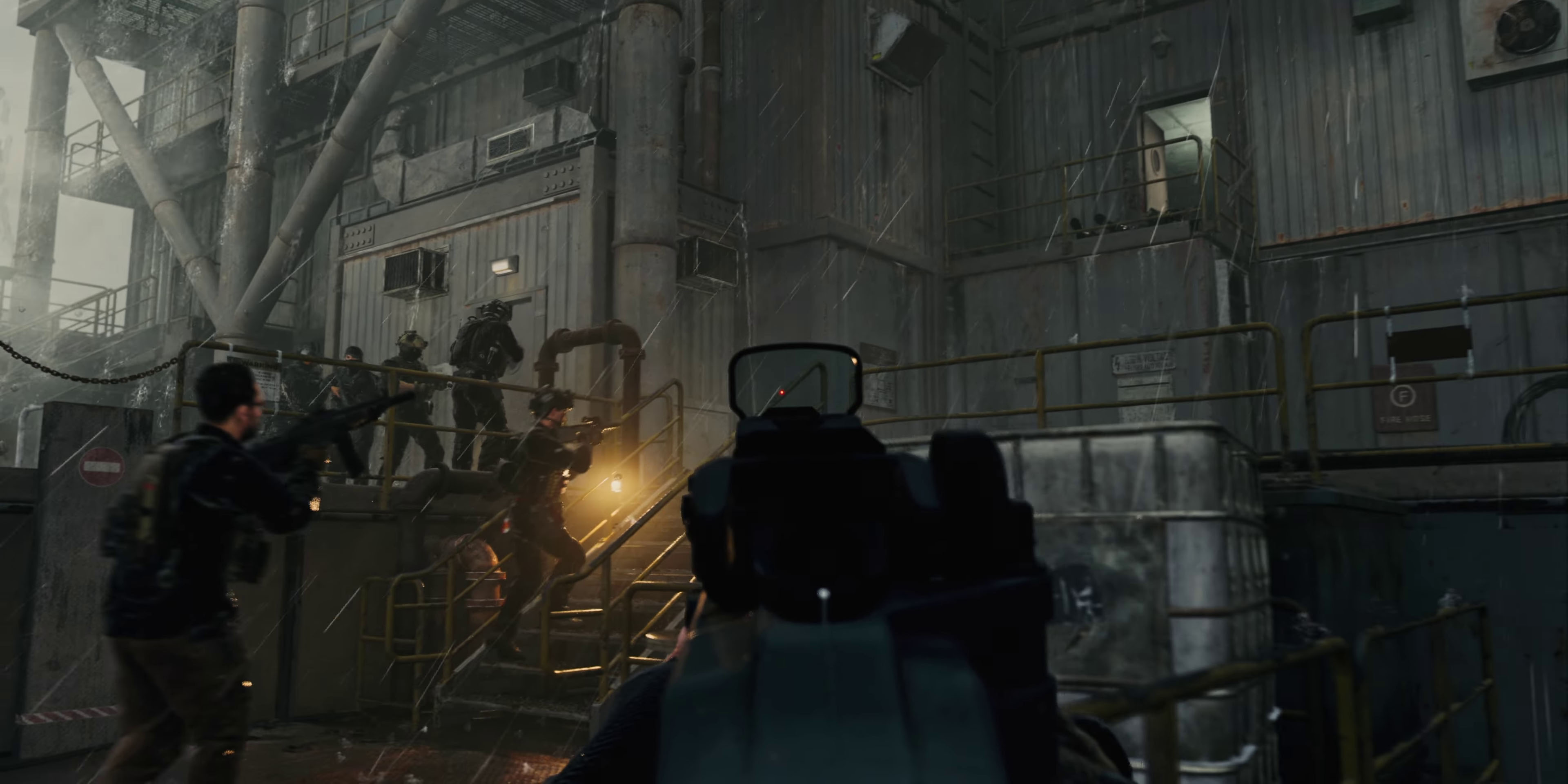
This was a solid year for shooters. There was a lot of variety this year, and surprisingly, there is something better than Call of Duty. From indie to AAA budget there was something for everyone this year.
Destiny 2: The Witch Queen
With a slew of new content, advancing the addictive gameplay loop, a great story, and fun RPG elements makes The Witch Queen a fantastic game. It’s not just a DLC package, but a full on package that makes the base game than it’s ever been.
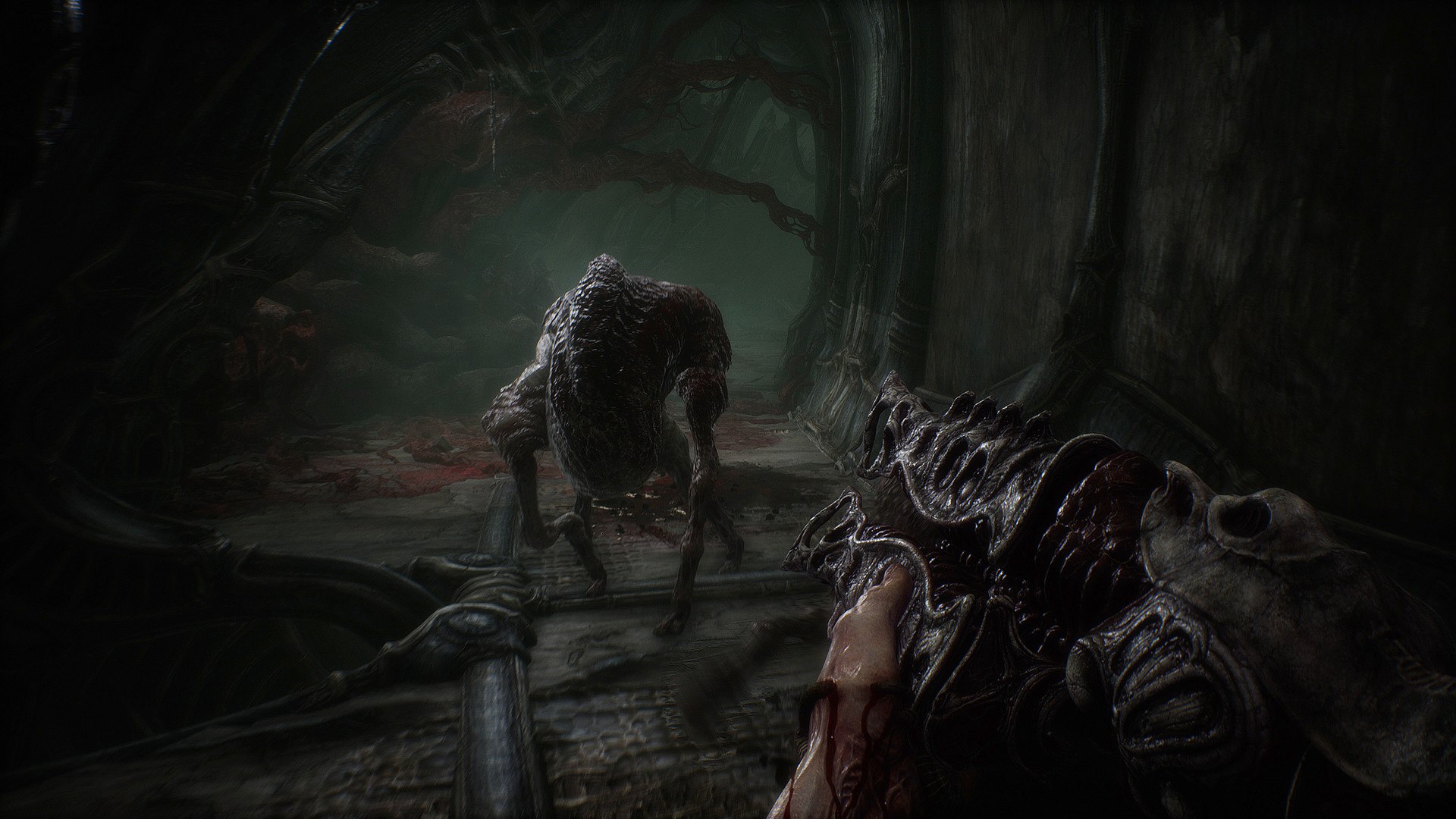
Every game has artistic graphics. It takes an artist to put them into the game. However, the best usually have a flair, style, design DNA, or something unique to them that set them apart from any other game. It makes them iconic and instantly recognizable or it can make you stop and soak in every scene and detail in the game.
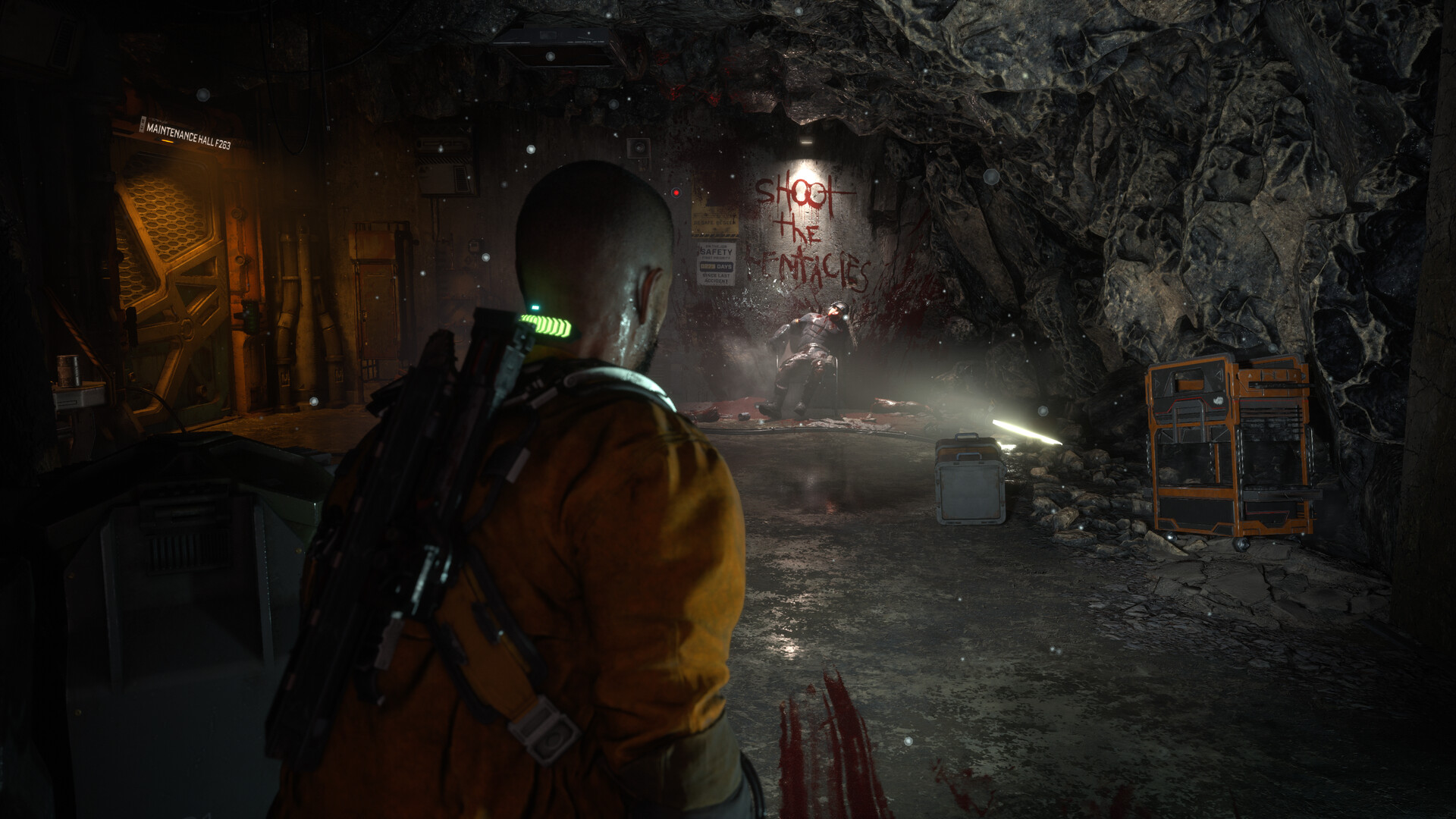
It may not be a very good game, but my God does it look good. It’s one of the best looking games ever made and the art inspired by H.R. Giger is prevalent and beautiful. It’s dark, depressing, lonely, and hopeless. The scenery invokes a lot of emotion when playing despite the awful combat and derivative puzzle designs. I just wish a good story accompanied this work of art.
This was a light year for traditional RPGs, but we still got a few awesome ones. From Western to Eastern RPGs can be one of the best ways to dive into a story and soak in lore and characters. While not groundbreaking normally they can look fantastical and suck the player in and let you become lost in their world.
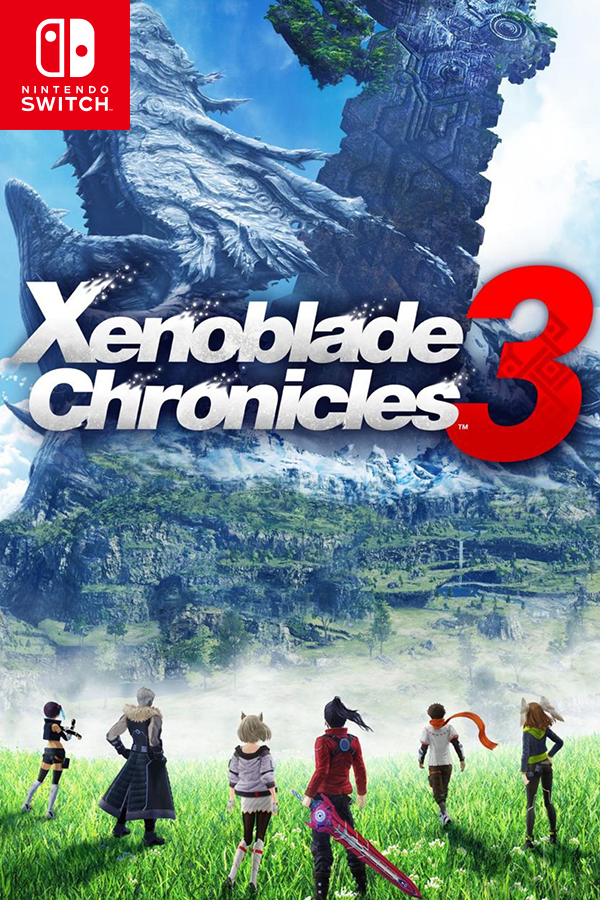
Xenoblade Chronicles 3
This whopper of an RPG didn’t disappoint. It’s a juggernaut of a franchise that’s stuck close to Nintendo’s heels. Gorgeous visuals, a more intricate battle system, awesome characters, and a story with a lot of twists and turns. It’s a JRPG that pretty much checks all of the boxes which is kind of rare.
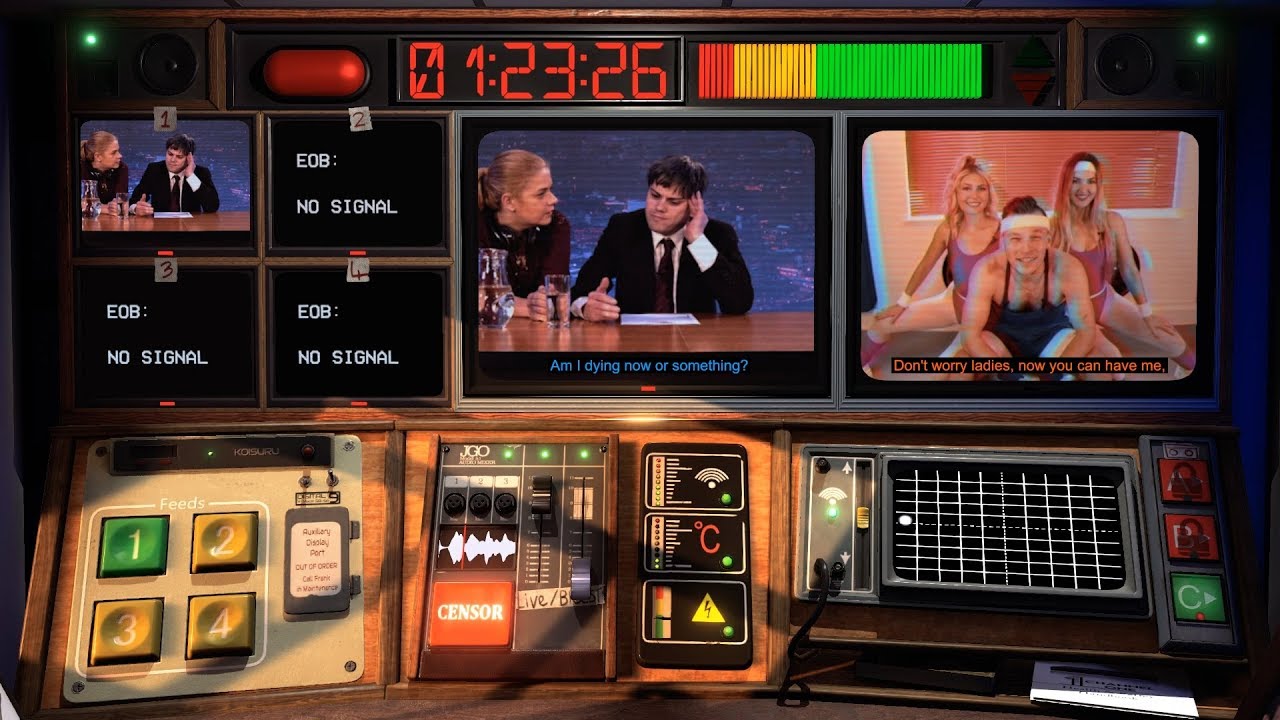
Imagine your life as a TV news editor or censor in dystopian England. Now imagine that world with the same humor as Monty Python. The game is actually full of gameplay, and it’s not just some weird interactivity, so it can be excused as a game. Without mastering the controls and gameplay loop, you won’t get very far at all. You sit at a desk with six monitors in front of you, and it’s your job to either censor the rebels or the government. Your choices will determine who lives and dies and affect your own personal life.
You start with basic controls, and the game doesn’t get too crazy at first. There are four monitors that can be switched between numbers 1-4, and there are green, orange, and red LEDs under each one. The next monitor is the live camera, and the last monitor is the delayed broadcast that the people see. You can adjust the volume for each of these broadcasts. On your far left are the power and switches for each board you control. These are only used at the start of each chapter to turn everything on or during certain sequences to mess up your broadcast. On the far right is usually nothing outside of an occasional thing, and underneath the desk are video tapes you must load during commercial breaks. It’s important to play some and not others, which affects your pay and ranking. Advance is the government tape, and Disrupt is the rebel. It’s important to play the Advance tape during the second break to get maximum points.
Your main job will be flicking between cameras when the green LEDs light up. Certain shows will only have one fixed camera, and you can’t stay on that camera for more than ten seconds, or the audience will get bored. You can flick to an orange camera for a few seconds to mix things up, but flick to a red camera, and your ratings drop. Things get tricky later on when people go off script and there are multiple people talking. You also have to watch your censor meter. When people cuss, you have to press space during the red segments, or your ratings drop fast. Later on, you can censor the disruptive pro-government talk with blue waves or the advanced pro-government talk with orange waves. The last meter you need to watch is your broadcast signal. This can be adjusted with the mouse wheel once it starts going out of sync. Later on, you can tune in to a Disrupt broadcast for an anti-government playthrough by following the orange waves instead of the white ones.
While that’s the basic gameplay, there are some other things added later, like audience reactions, and during songs, you can flick the cameras to the beat of the song for a rating boost (which is really hard and doesn’t ever seem to be on the beat). You really need to focus and watch those LED colors, as they’re the main thing you will watch. Sometimes you can be pro-government or anti-government by keeping the camera on certain subjects or even loading tapes from Disrupt in certain chapters. It’s up to you to censor the people’s voices or play along.
The game is constantly engaging, and you never get bored. This gameplay loop sounds fun, but it wouldn’t matter if the content you’re watching is boring. Thankfully, it’s utterly brilliant. The humor is very much along the lines of Monty Python. One broadcast segment has you editing a sports match of people tossing an invisible ball into a trash can. It’s hilarious. Another scene has a reporter, Patrick Banon, not realizing he’s live on the air spewing anti-government remarks. His camerawoman steps in for him, but Megan Wolfe (the female news anchor and one of the main characters) calls her Patrick Banon to cover everything up. She is now Patrick Banon throughout the rest of the game, like no one would know. But it’s all played off like it’s half-serious. The writing is just perfect, and I couldn’t stop playing the game to see more of the humor rather than find out if Advance would get overthrown or not.
There are many mockeries of real-life people and events. There’s a COVID-19 pandemic segment in which killer dolls are breaking out of a facility and everyone has to stay in lockdown. There are celebrity mockeries of Chef Gordan Ramsey, Ariana Grande, Donald Trump, and some that could be a swath of other politicians or celebrities. There are so many characters, skits, and segments; even the commercials are hilarious, and you can easily miss them if you don’t turn the volume up on the delayed broadcast. Of course, there are elements that are thrown in, like killer dolls attacking the studio, and you need to click on them before they shut things off; a heatwave that causes equipment to shut down; flickering cameras; and controls that lock up. You will be very entertained during the 9–10 hours it takes to get through one playthrough.
There’s also a second part of the storytelling that I can’t tell if it’s done on purpose or not. You play through a total of seven years as a broadcast editor, but the in-between segments are text-based and shown over what looks like low-budget asset flip-style graphics that you would see on a rip-off Steam game. It’s a stark contrast from the excellent writing and acting, but I think it’s done this way on purpose. You do make a few choices in these segments that affect how your family perceives you. Responding to your daughter or wife in a certain way. Your success in being pro-government gives you more money and an easier life, which reflects in these segments. I never got attached to myself, Alex, or my family, as they just felt like interludes.
With that said, Not for Broadcast is an insanely well-written FMV game with a fun gameplay loop that is easy to learn but tough to master if you want good ratings. I love the branching paths, and the replay value is very high as there are entire skits that you won’t see based on your choices. Every actor is great, especially the character Jeremy Donaldson. He’s a fantastic character and is wonderful to see on screen. I love how you can rewatch the segments and mute each camera to hear what went on in the background while another shot was being broadcast. Members arguing in the studio in the background is always fun to see. I just wish the checkpoints were closer together. This really hurts the game a bit, as some chapters are up to an hour long, and you must rewatch for up to 20 minutes to get back to where you failed. I also wanted to jump in at any checkpoint to replay a segment to see the alternative footage, but due to the choices needed in previous chapters, you have to replay the game again each time. For what it’s worth, this is one of the best indie games to come out in recent years and revolutionizes the FMV-style game.
A new game can breath new life into the game industry. Either with innovative ideas or something that’s already been done, but incredibly well. These are some of the games that everyone watches for. What new IPs await around the corner?
Not for Broadcast is an adventure game full of fantastic written British humor and fun gameplay that can be quite challenging. The entire world that’s built here is something that you will remember forever. This is easily the best FMV game ever made.
A decade-dormant franchise, a reboot, a spin-off, or anything else that could conjure up such excitement and anticipation to make an exciting return to a franchise. This doesn’t mean the biggest sequel, the longest in development, or anything like that. Just a sequel that is well-teased and well-loved that people want to get their hands on. This also doesn’t mean the game will be any good. Half-Life 3 might finally come along and totally suck, but it will still be exciting to see that franchise return.
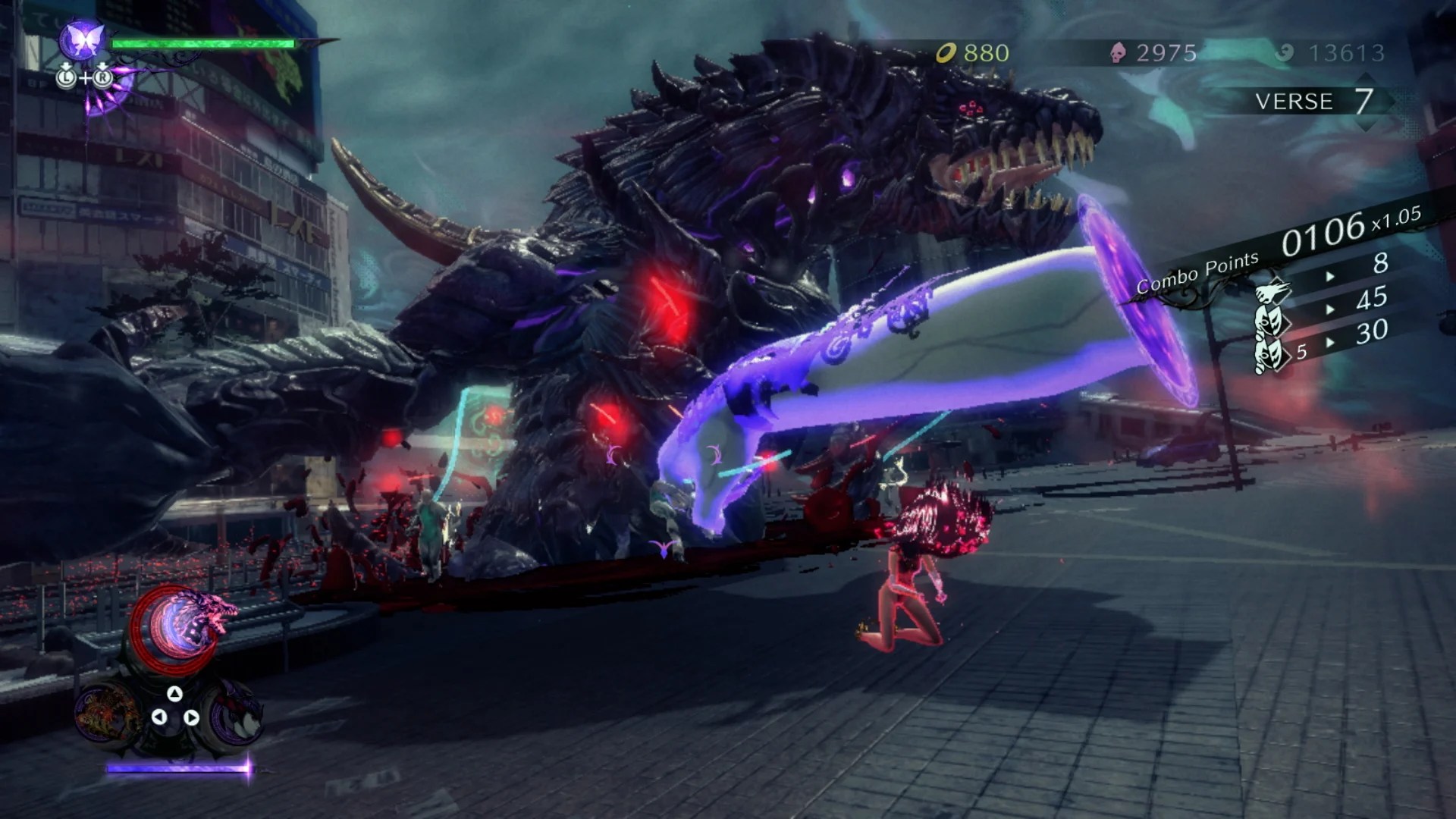
Bayonetta 3
Take any dormant Nintendo franchise and they would always win this category. While Bayonetta 2 was a fine port it was exactly that. Gamers have been anticipating the threequel on Switch since the system’s announcement. Constant delays and rumored cancellations brewed making gamers want this game even more. Everyone knew it would be good, but how good? What new tricks would Platinum have up its sleeve. Well, they delivered. A bombastic and high-octane action game with tons of personality and thrills.







































 thebinarymessiah.com
ORC is probably the worst game in the entire series. It's objectively awful. Being bad isn't different. Different is Outbreak…