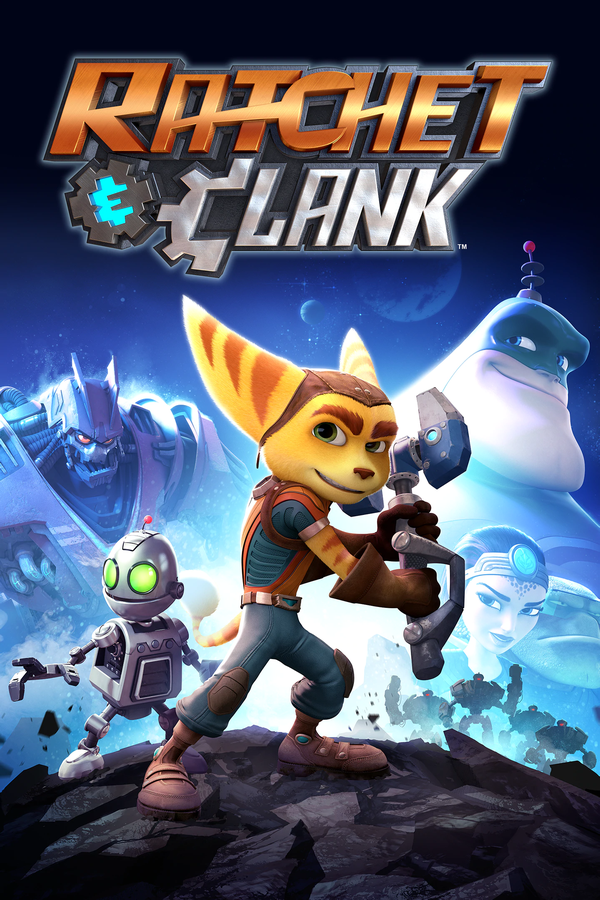
Ratchet & Clank was a series I never got into growing up. My youngest sister was a diehard R&C fan and played every game as they came out, but they seemed “kiddie” for me at the time. While I knew they were good, they seemed too easy and straightforward. Fast forward nearly twenty years later, and I wish I had played them. R&C is a complete “from the ground up” remake of the first game with fancy next-generation visuals and polish. If you didn’t know anything about the series, you would think this was a brand new series. I say brand new, as this isn’t just a 1:1 remake but a complete redo of the first game. Characters were added and taken away; Quark’s story is redone, and so is the entire story. A couple of enemies are missing, and even a couple of levels. However, what’s left looks amazing and is still a blast to play.
You play Ratchet and Clank. Ratchet is a Lombax obsessed with glory, and Clank is a defective robot that escapes Dr. Nefarious’ factory. Together, you gather weapons and explore planets to help the Galactic Rangers and Quark take down Chairman Drek and Dr. Nefarious’ planet-killing device. The story is simple and not very memorable, but the characters are, and they were iconic staples back in the day. Quark is a dimwitted superhero, and all the other characters have sharp and witty writing. You will definitely chuckle a few times throughout. The characters and enemies are well designed, with fun animations and lots of variety on each planet. Most of the game is mostly just completing objectives in linear levels and then moving on to the next one. There are a few planets with optional objectives, such as a trading card-collecting game, collecting 90 brains, and exploring certain parts of levels. These will award the player with new gadgets, weapons, and, of course, trophies.
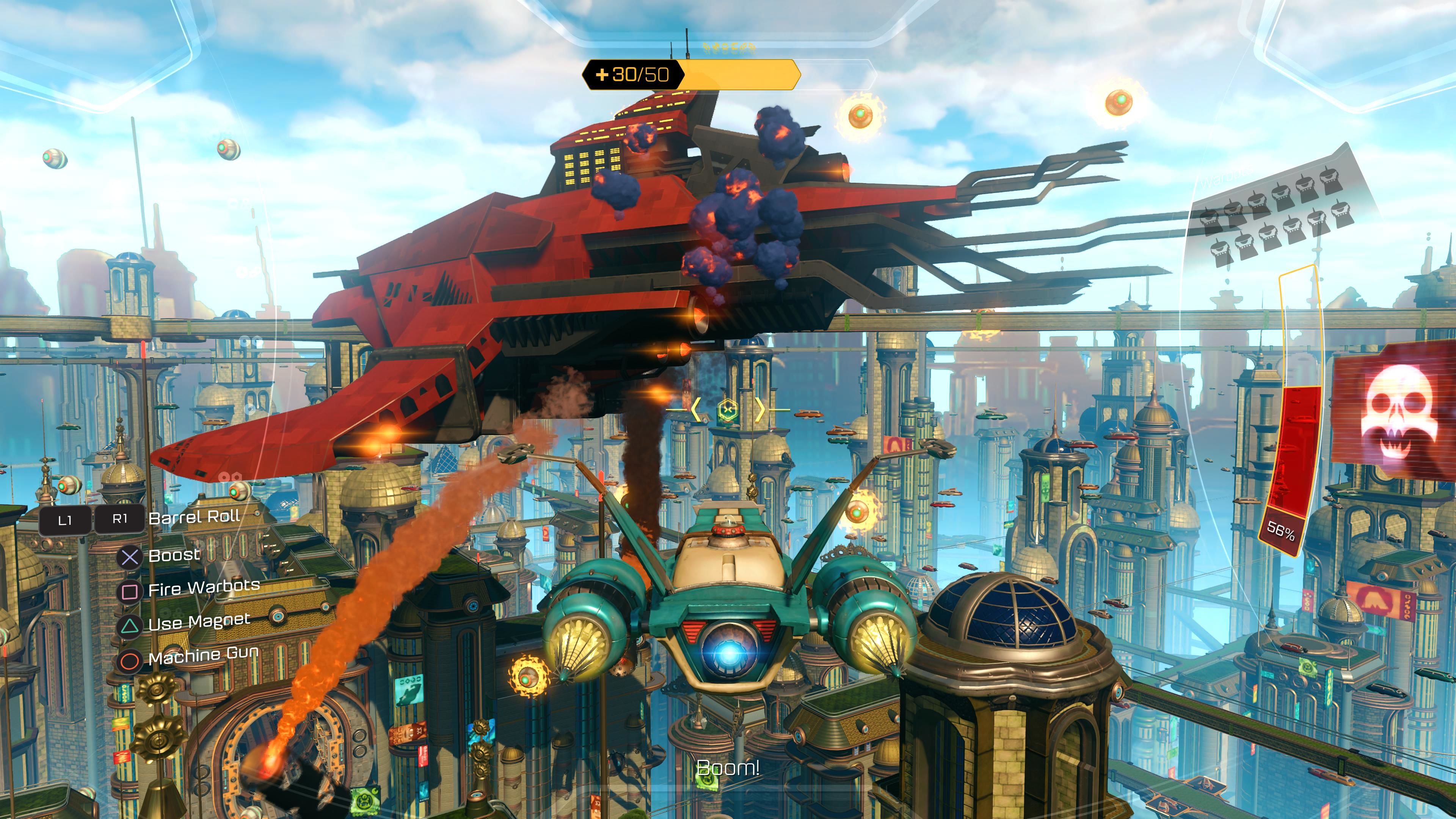
Shooting in the game is fun and one of the series’ unique mainstays. The weapons are what make R&C so unique and stand out among other shooters outside of the tame presentation. The Groovitron is a weapon that shoots disco balls and makes enemies dance, so you can get some breathing room. The Pixelater (my favorite weapon) turns the enemies into 8-bit sprites for a short time and acts as a shotgun. Mr. Zurkon is a shield and satellite weapon; the Glove of Doom releases a bunch of angry robots; and the Photon Drum is a bomb that pulses and causes damage. While the weapons are cool, I did find them unbalanced. I felt there were too many of them, and a lot just never saw any use, such as the Sheepinator and various others. I wanted more weapons that shot projectiles that weren’t just missiles, maybe more rapid fire, and more close-quarter weapons. While these weapons are cool and unique, I just didn’t find many uses for many of them.
You can buy new weapons from the Gadgetron vendors and upgrade weapons with Raritanium. Upgrading is a must for getting max damage, more ammo, and extra bonuses. I recommend you upgrade all the weapons you mainly use first, as one play-through will let you upgrade maybe 2-3 weapons to 100%. Outside of weapons, there are a few passive gadgets that let you progress through levels, such as the Trespasser, which involves solving puzzles that can get rather tricky. There are a few hoverboard race sections, and of course, you need to acquire bolts in the game by smashing boxes, defeating enemies, and completing objectives. I do want to mention one aspect of R&C that’s fun and unique: seeing hundreds of bolts on screen fly around as enemies explode and boxes blow up, and going around and collecting all of these. It’s something in the game I’ve always thought was fun.
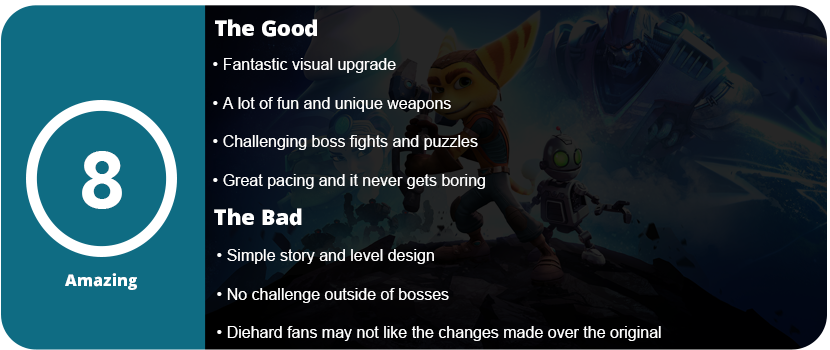
Despite the simple design of the game, it never gets boring. Each planet is beautifully crafted and has a huge graphical upgrade over the first game. There’s just so much more detail two console generations later that couldn’t be done before. Each level is completely different, and all have great pacing. You will never get bored or tired of playing at all. If you really want to keep going, you can collect all 28 gold bolts and all the trading cards in the game. Don’t worry; towards the end of the game, you can get a Map-O-Matic that displays all collectibles on every level. It can add a good five more hours of fun if you want.
Overall, Ratchet & Clank is a fine remake of the first game, and only diehard fans will notice the changes to the story, characters, and missing levels. The game is unique, helped define the PS2, and has that PlayStation DNA that stands up today. It’s a fantastic series, and I hope future games get remade in the same fashion. The game is a bit on the easy side and only offers a challenge during the boss fights, but it’s a fun dozen hours that you can’t get on any other system.
We all love a good scare, right? Horror games are some of gaming’s greatest past times. Usually booming in October, horror games from the past and present are played all around the world. The problem is, there just aren’t a lot of them made, and the best ones are far and few between. Usually, this is a great time to dig up old classics rather than trudge through recent crap. While the PS1/PS2 era was the golden age of horror games, the HD era, or the seventh generation of consoles, struggled and was probably the most anemic when it came to horror games, especially the good ones. There’s a reason why some of the rarest and most coveted physical games are horrors. It’s the genre that’s been the least explored and not done well enough most of the time. If you can look past clunky controls and awkward gameplay, most retro horror games do provide good scares, atmosphere, creepy monsters, and good visuals. I’ve compiled a list of the best and the worst.
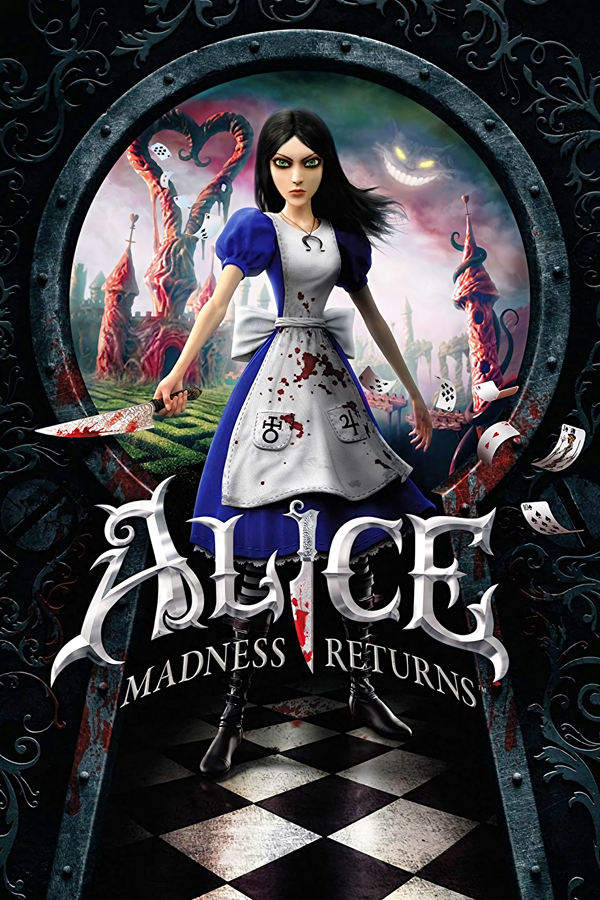
American McGee is well known for his dark interpretation of the Alice in Wonderland series. The first game, American McGee’s Alice, was clunky mechanically but was a visual treat. The same goes for the sequel. It’s a gorgeous game with a lot of dark themes dealing with mental illness. The enemies are fantastically designed, and the levels themselves are living art. Despite the incredibly repetitive gameplay, this one is a blast to play through.
A lot of people didn’t like Homecoming due to its more action-oriented combat, but I actually quite liked it. I feel it was the last good Silent Hill game in the series, and it still retains the creepy atmosphere and insane creature design. The haunting music is still present as well. While it’s not as tense as the original trilogy, Homecoming does have better combat, despite being the wrong focus here. This was the first game in the series that was part of the jump to the next generation. The next game in the series, Downpour, would be considered the worst in the series, and I personally hated it. These would be the last games in the series to date.
Metro 2033 and Last Light were some of the best horror games to grace the seventh generation of consoles. While they played and looked best on PC, the console versions still looked great and did a good job giving us scares. The post-apocalyptic horror series had an intriguing story and a tense atmosphere, along with crazy creature designs. The final game in the trilogy, Exodus, would be on next-generation systems and receive mixed reviews.
While not inherently designed to give you nightmares, Shadows has a lot of horror elements in its design, such as creepy enemies and an overall atmosphere of dread. It’s more of a comedy-horror title, but it has tons of style that helps make swallowing the shallow substance a bit easier. It’s also not very good-looking, on a technical basis, but the art is awesome. Most of Suda 51’s games were one-shots and never saw sequels. SotD never saw high enough sales, even if he wanted to do a sequel. To date, it hasn’t seen a remaster, remake, or port.
Condemned Series
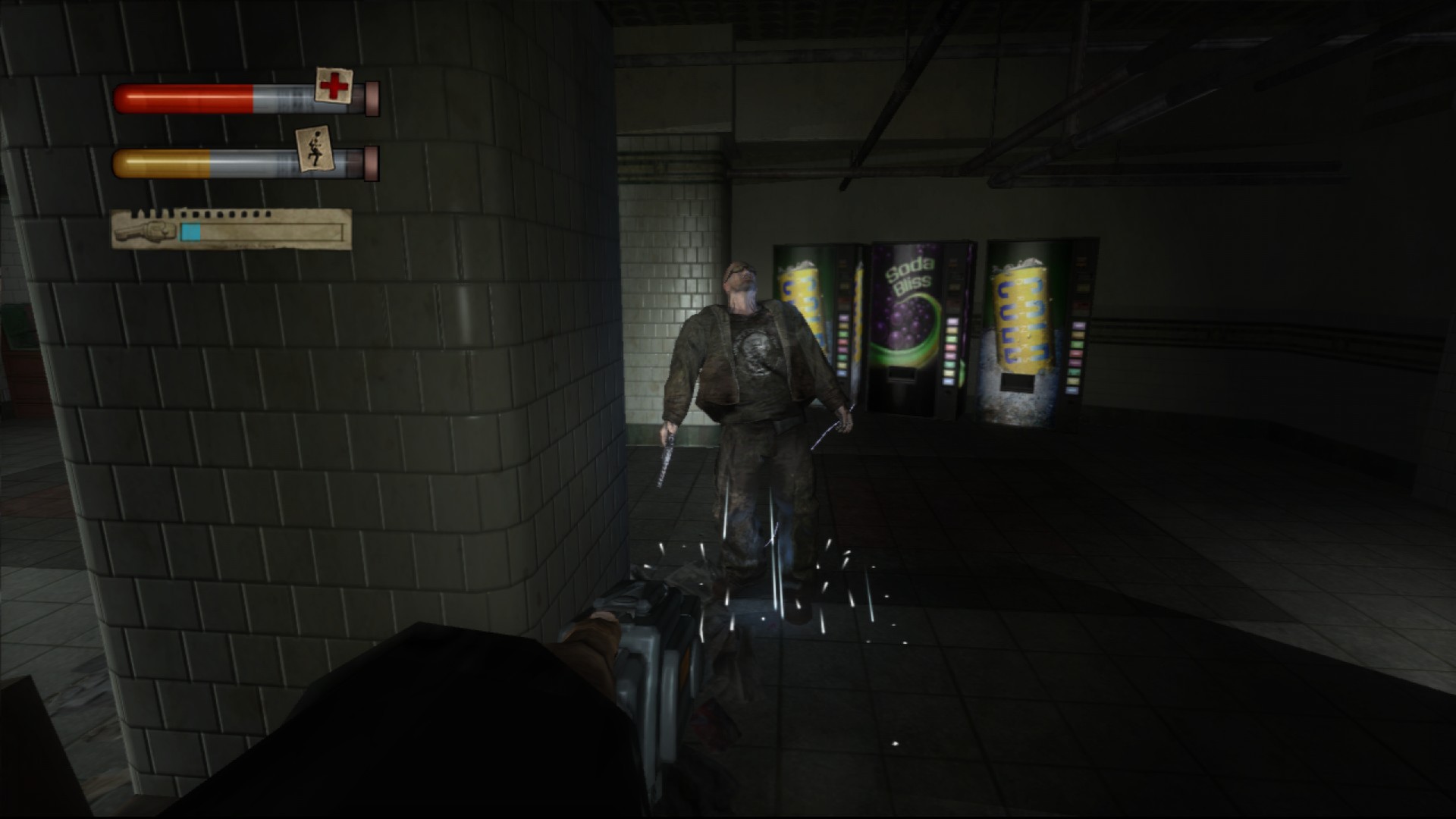
Condemned: Criminal Origins really showed us what next-generation visuals could look like. The E3 2006 demo blew me away, and it was one of the reasons I got an Xbox 360. This was one of the few games that looked the part and really pushed the industry into a new era of HD visuals. It’s a game that can be replayed many times, and you will always have a fun experience. It’s too bad the series is dead because Monolith nailed the atmosphere here. The game is intense, with crazy melee combat and incredibly dark and haunting levels. Crazy bums coming out of nowhere, breathing, panting, and trying to attack you in dark hallways is something else. The sequel, Bloodshot, was great but focused more on combat and less on the atmosphere, so it’s not quite as scary. It was also the nail in the coffin, as due to the poor sales of the sequel, Sega shuttered the series for good. To date, the series hasn’t seen a remaster, remake, or port of any kind.
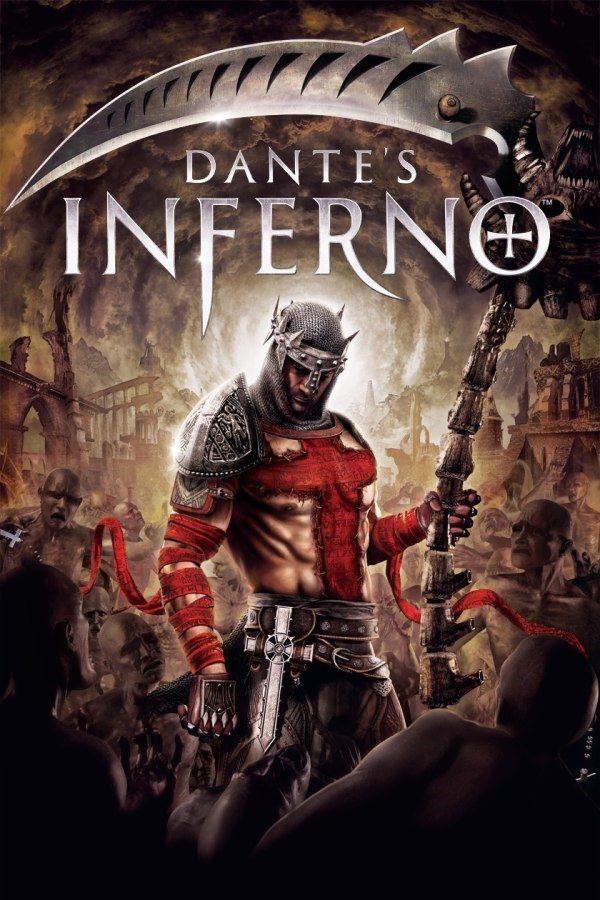
Dante’s Inferno is one of the best hack-and-slash games ever made, but EA was bound to make sure you didn’t know that. It didn’t get much attention and was considered just another God of War rip-off. While the game was short, it had incredibly responsive and fun combat, an interesting protagonist, and insanely gory and adult-themed levels. It’s just too bad the story wasn’t fleshed out enough. What’s here is a fun 4-5 hour game that you won’t find anywhere else. Sadly, the game’s low sales sealed its fate to have no sequel, caused Visceral to shutter, and hasn’t seen a port, remaster, or remake to date.
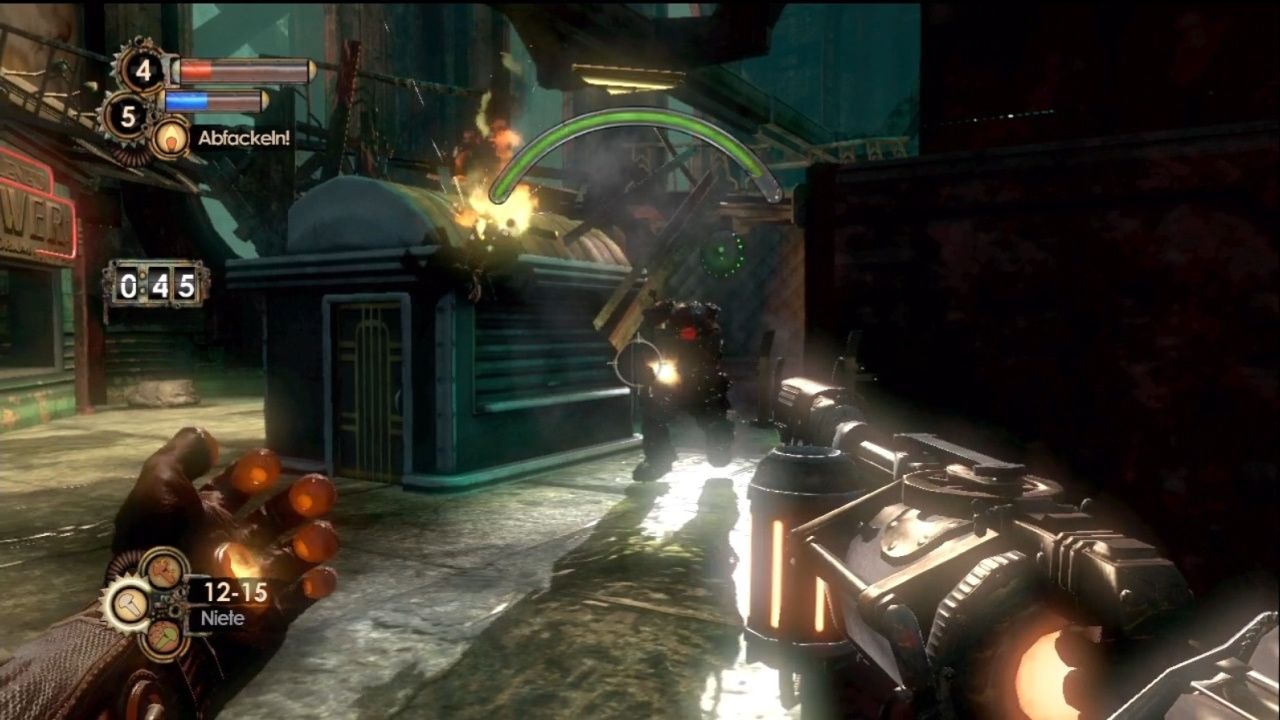
Specifically speaking about the first two games, BioShock had a crazy dark atmosphere, some creepy enemies, and horror that kind of just oozed everywhere. There were no jump scares or downright frightening scenes, but you always had a sense of dread and fear, and that’s really hard to pull off in games. The game was more about psychological horror and isolation, and it sure pulled off mostly the best in the first game. Surprisingly, the entire trilogy was released during this generation and would receive barely passable ports later on as the BioShock Collection.
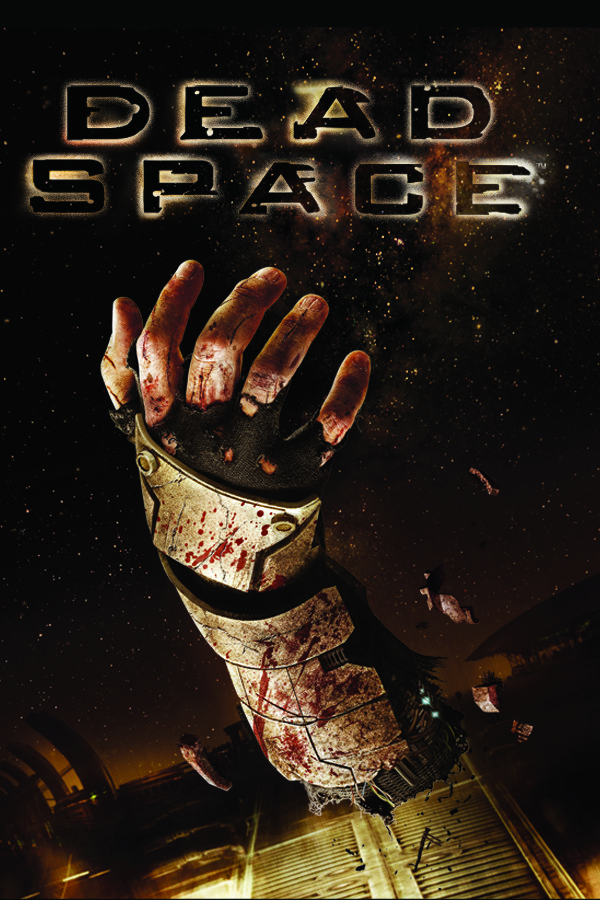
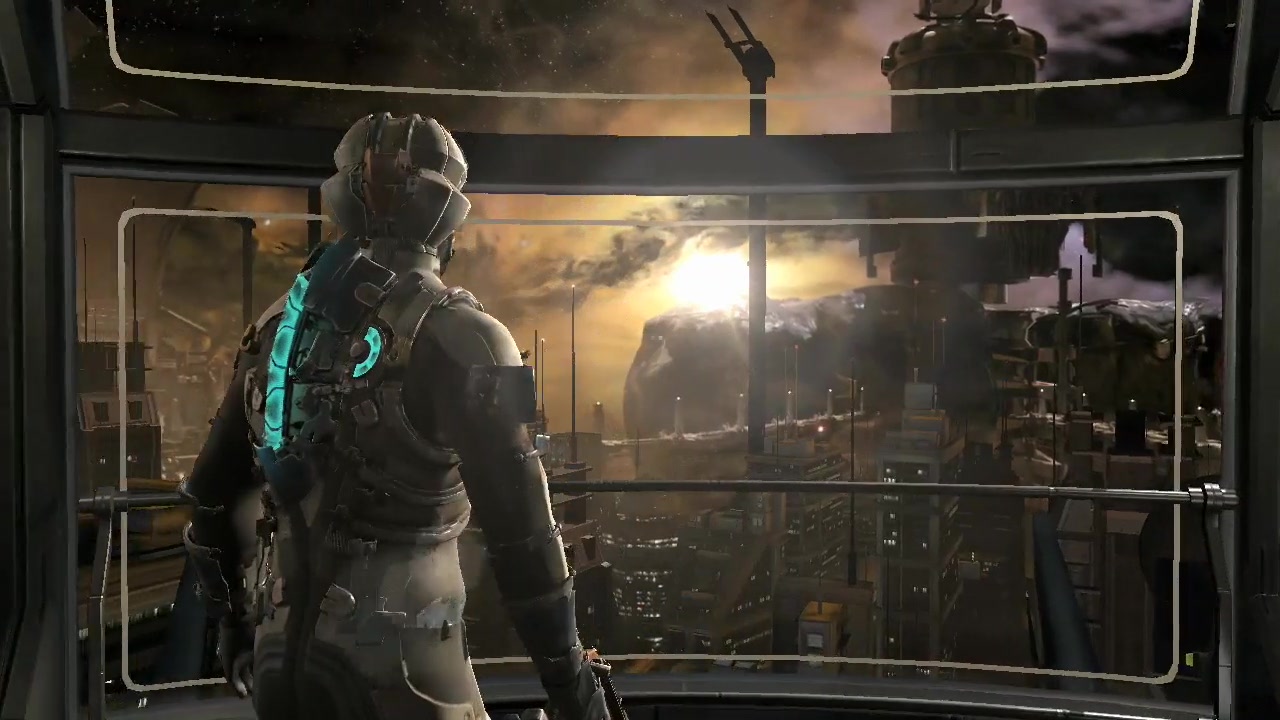
While Dead Space 3 was mostly about action and less about horror, the first two games were damn scary. I would consider them one of the scariest games I have ever played. Jump scares aside, there was a constant foreboding presence of something lurking around every corner, and the Necromorphs are some of the greatest video game enemies of all time. This was peak horror during the HD era. Another trilogy saw its ending in the same generation cycle. The series would stall here, and the first game would receive a remake two generation cycles later.
Deadly Premonition is the perfect game; it’s so bad, it’s good. The gameplay is dated and feels like a PS1 game; the graphics are terrible; and the voice acting is awful, but the writing and overall atmosphere the game presents are well done and memorable. It really feels like a PS2 game that was quickly ported over to next-gen consoles without any improvements in mind. It can be scary in the sense that its trippy Japanese horror weirdness will freak you out more than scare you. This is one of the few games you should stomach for its terrible design and weirdness. It’s worth it. It would get a sequel in the next generation, but it would not look like it and would be poorly received.
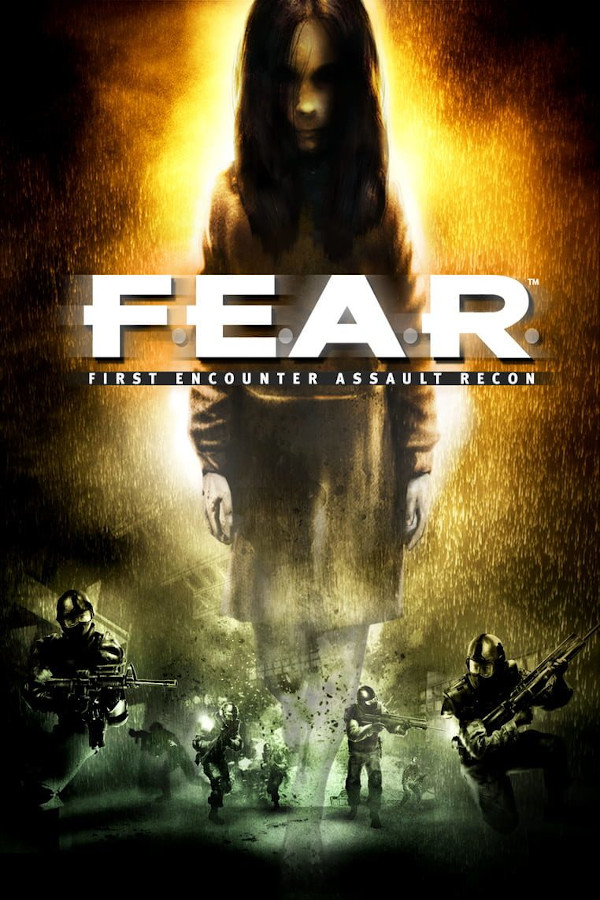
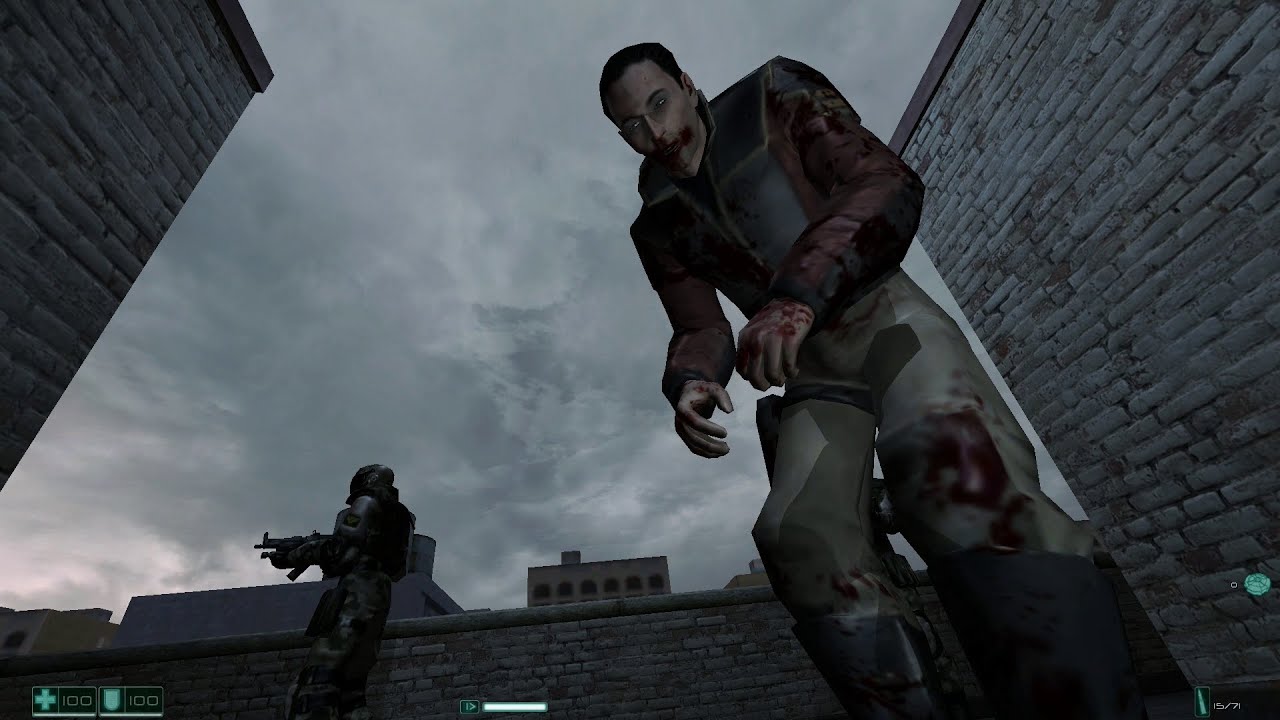
Oh, man, this one brings me back. The first game was very scary, with crazy The Ring girl vibes that were all the rage in the early 2000s. The gunplay was genuinely solid, and you needed a NASA PC to run it back in the day, but forget about understanding the story. The second game had some really scary elements but was more action-oriented and had less of a mid-2000s PC shooter Half-Life 2 style vibe to it. The third game, well, just isn’t scary at all. Another trilogy was released in the same console cycle. While the first game was a port and was released during the PS2/Xbox era, the entire trilogy would never see a remake or remaster.
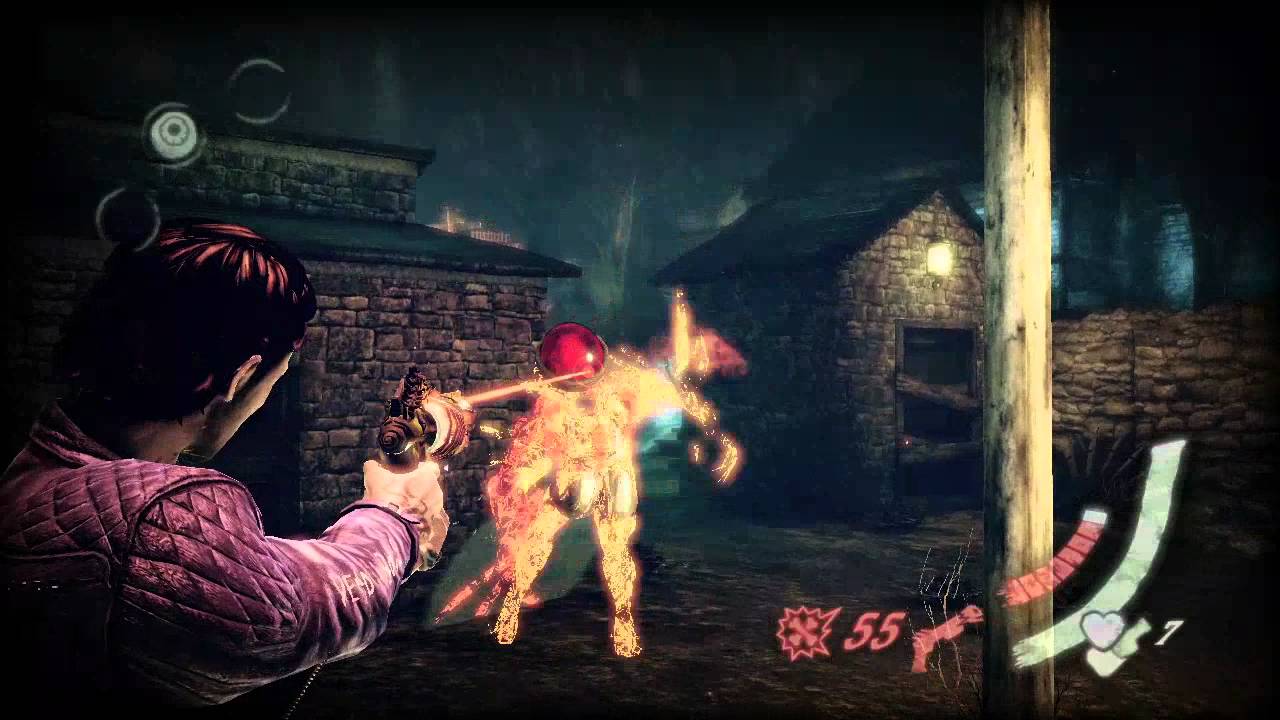
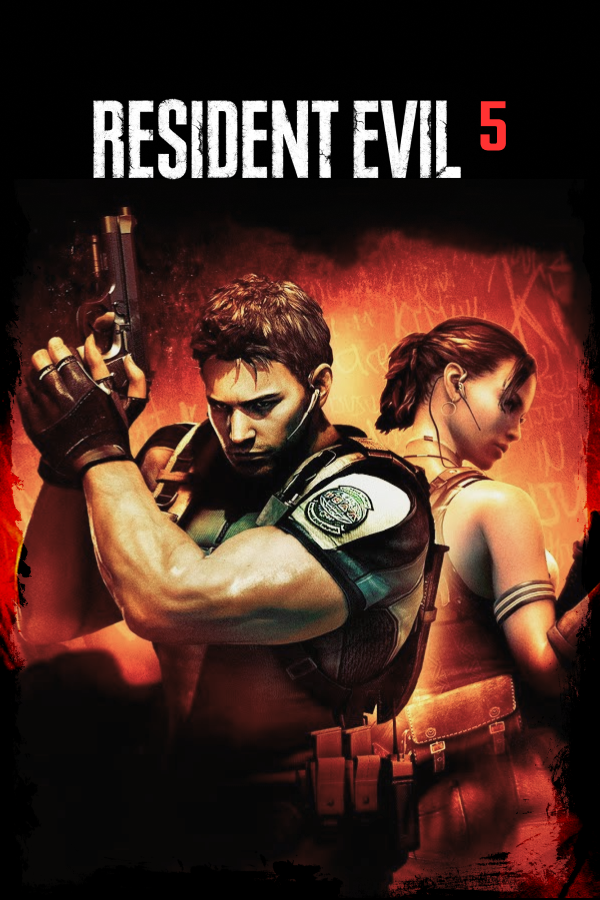
The Resident Evil series really took off after the previous generation. This generation will see the most action-focused games yet. Resident Evil 5, 6, and Operation Raccoon City were the main releases. There was also an HD port of the 3DS exclusive Revelations, as well as Revelations 2 as a sequel. Some would consider this the weakest run the series had, only to go back to its roots in the next generation cycle, starting with Resident Evil VII. The games also weren’t very scary around this time. They were just too action-focused and didn’t have the same nuanced scares and puzzles as before. Revelations would be the only sub-series to feel scary or have any tension at all. Operation Raccoon City would be lauded as the worst game in the series.
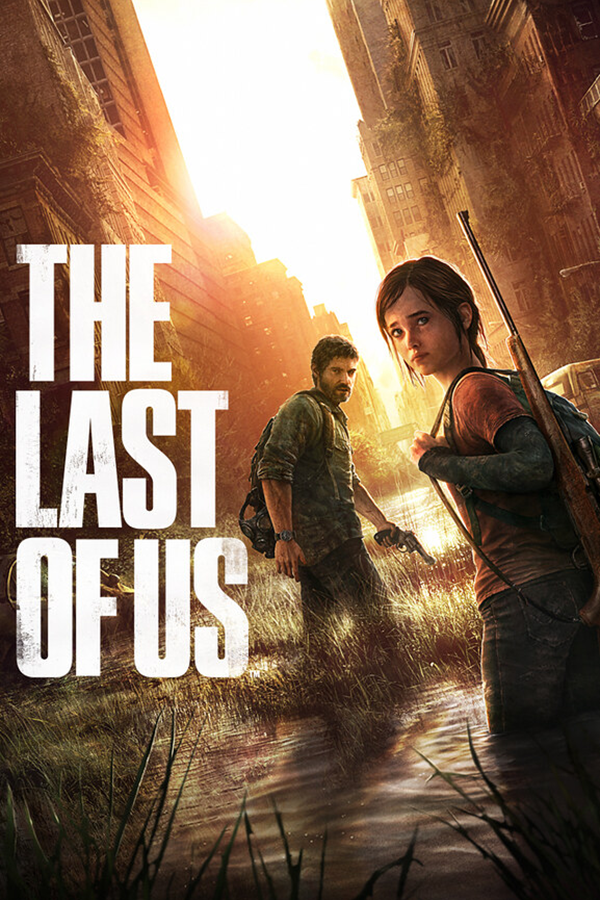
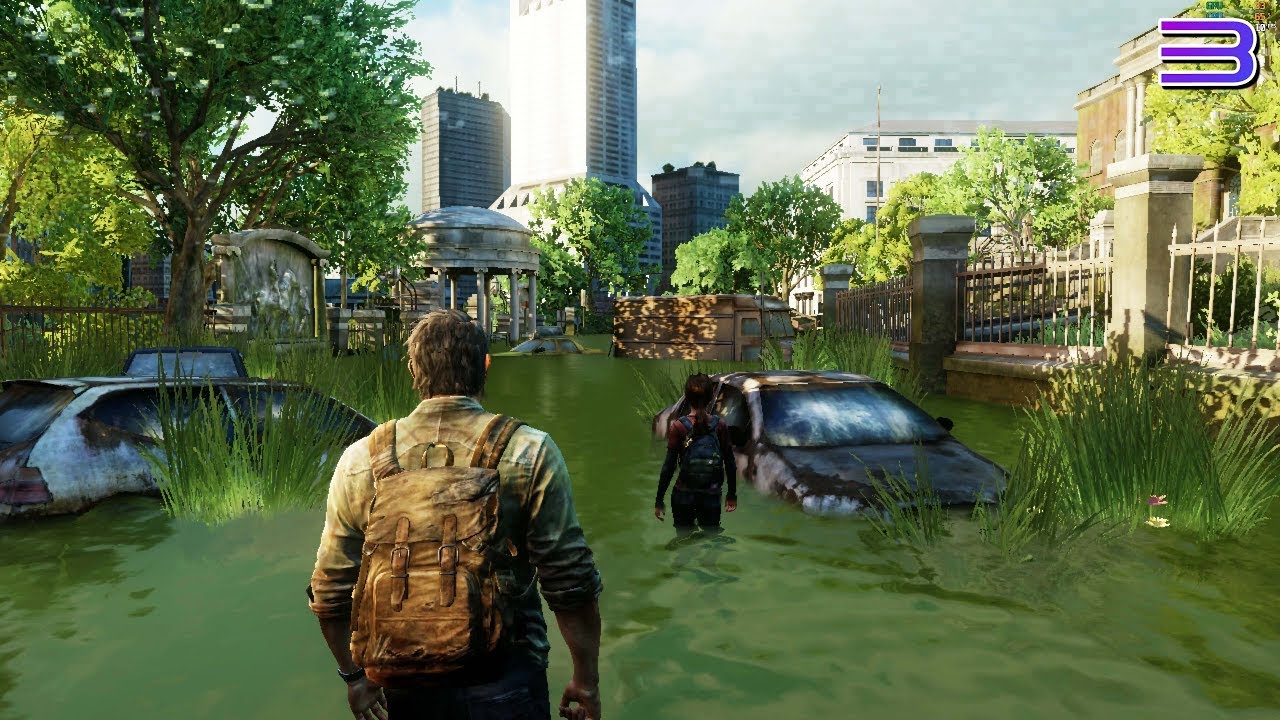
The Last of Us would be considered one of the best horror games ever made. It was wildly praised and made waves throughout the gaming industry, receiving awards and praise from all angles. The tense stealth scenes with the Clickers were awesome. These monsters are some of the creepiest and eeriest creatures ever made for a horror game. This wasn’t just another zombie game. It would receive a sequel in the following generation as well as some of the most controversial decisions ever for a game. It would also receive a full remake and remaster.
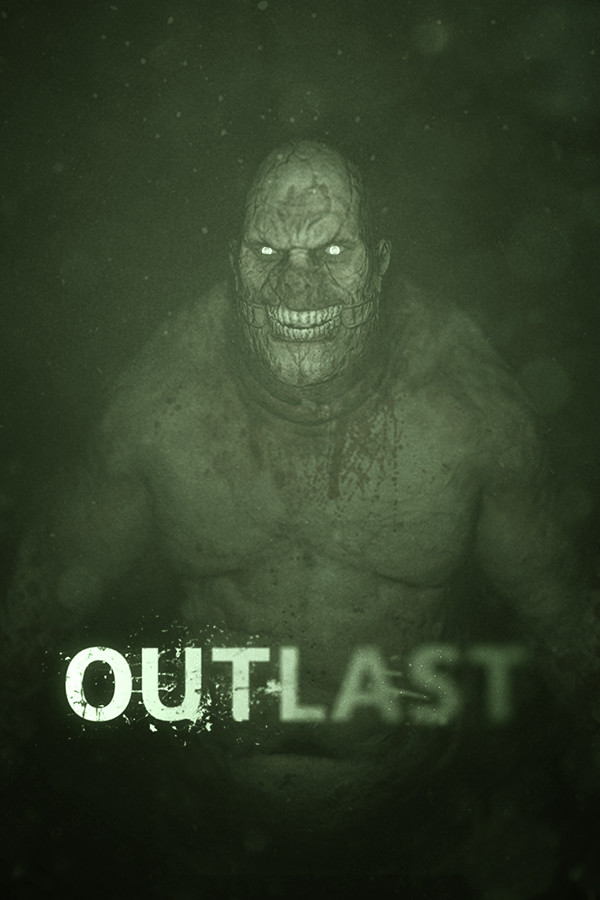
Outlast
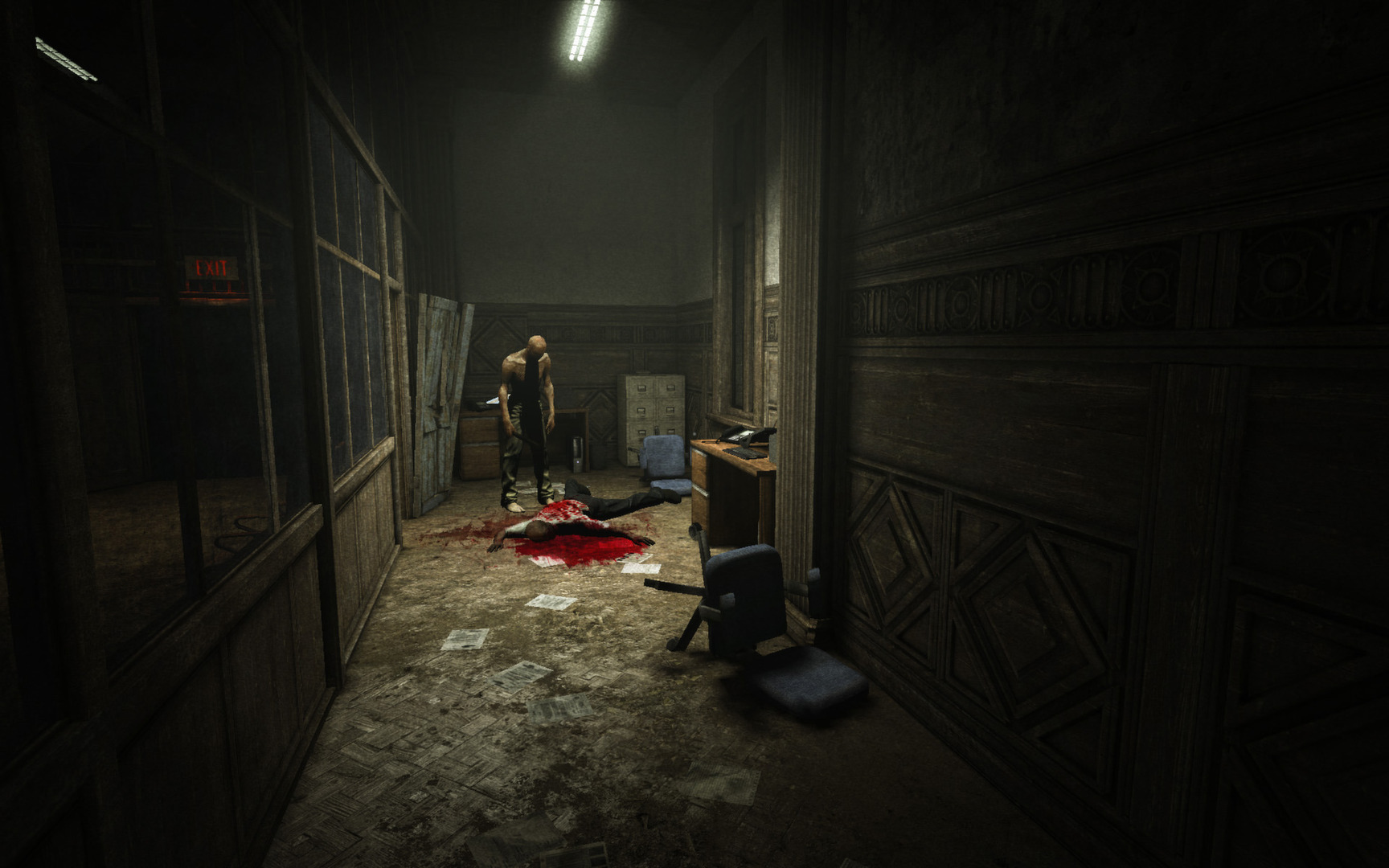
Released at the tail end of the HD era of gaming, Outlast never saw a port to consoles until the next generation. It was damn scary. This small indie game made waves and became one of the top streaming games of all time. The tense atmosphere and overall great design, in general, made Outlast terrifying. The sequel would be released several years later on PC and consoles, as well as a port of the first game released about a year later.
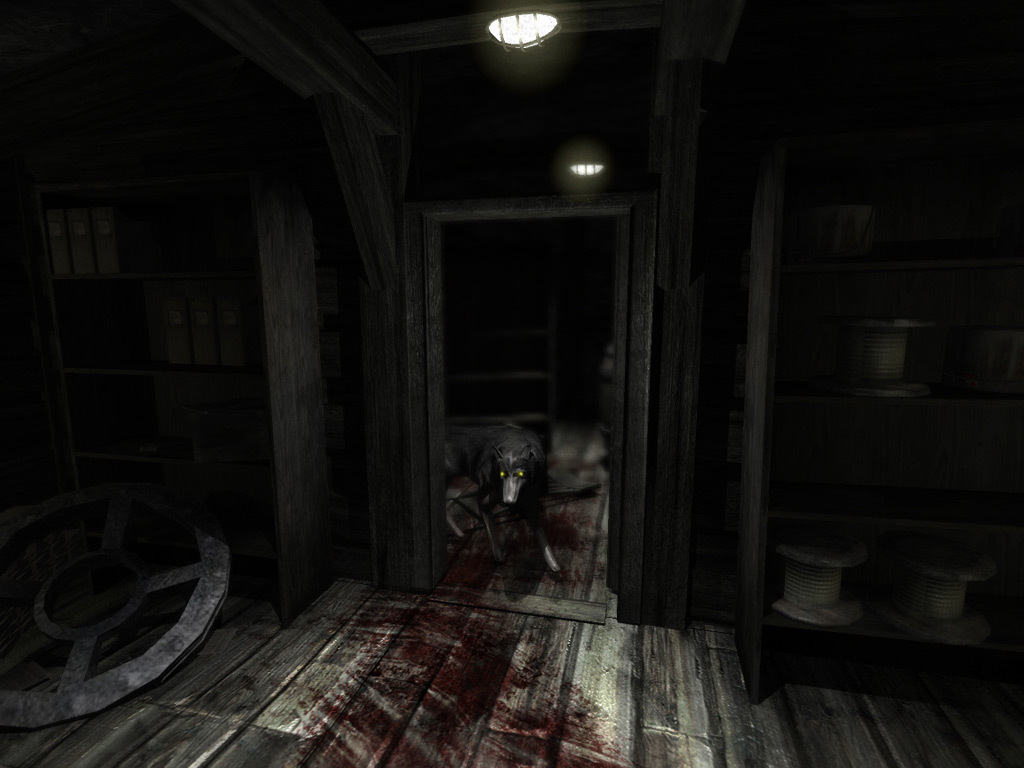
Amnesia was probably the top-streamed video game of the year in 2010. Game streaming was new, and scare reactions reached the charts on YouTube. There hadn’t been many really scary games during this generation. It was all action-focused and multiplayer-focused to generate sales. That’s why this indie game was released on PC only at the time. It had interesting puzzles and enemies you couldn’t fight. It wouldn’t receive a port until many years later and two generations later. The sequels, A Machine for Pigs and Rebirth, would be poorly received, and I personally didn’t like them that much either.
S.T.A.L.K.E.R. Series
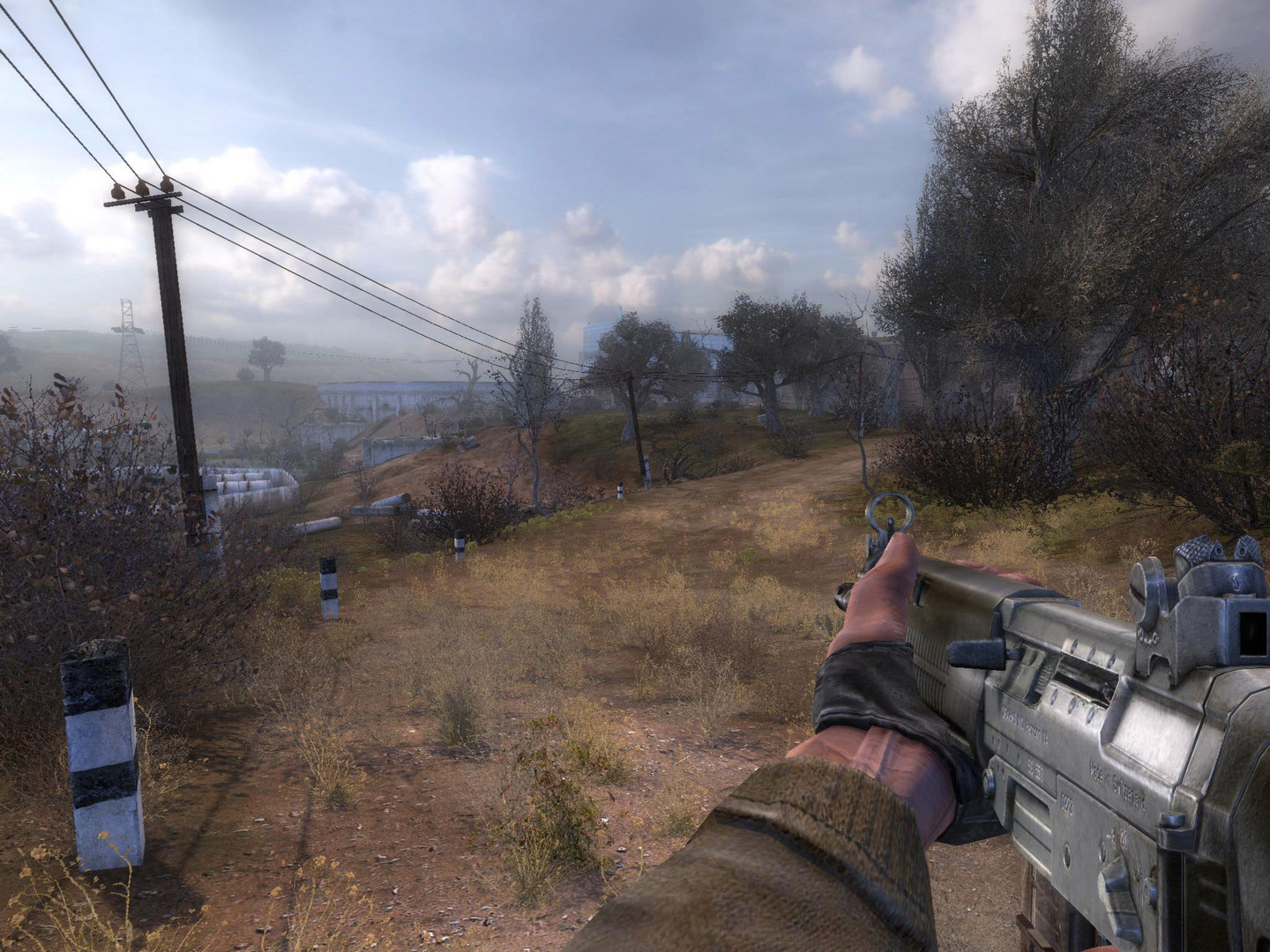
The STALKER series wouldn’t sell well at first but would gain a huge cult following. The entire trilogy was released around the mid-life of the HD era and was exclusive to PC. It’s rough around the edges, but a huge following of moderators would improve the game, and it wouldn’t be until two generations later that a true sequel would be released. The game never saw a port to consoles, and for a reason. The engine is already poorly optimized on PCs and wouldn’t do well on consoles. It would be a huge undertaking to port the entire trilogy, and it would be hard to market.
Alien Isolation
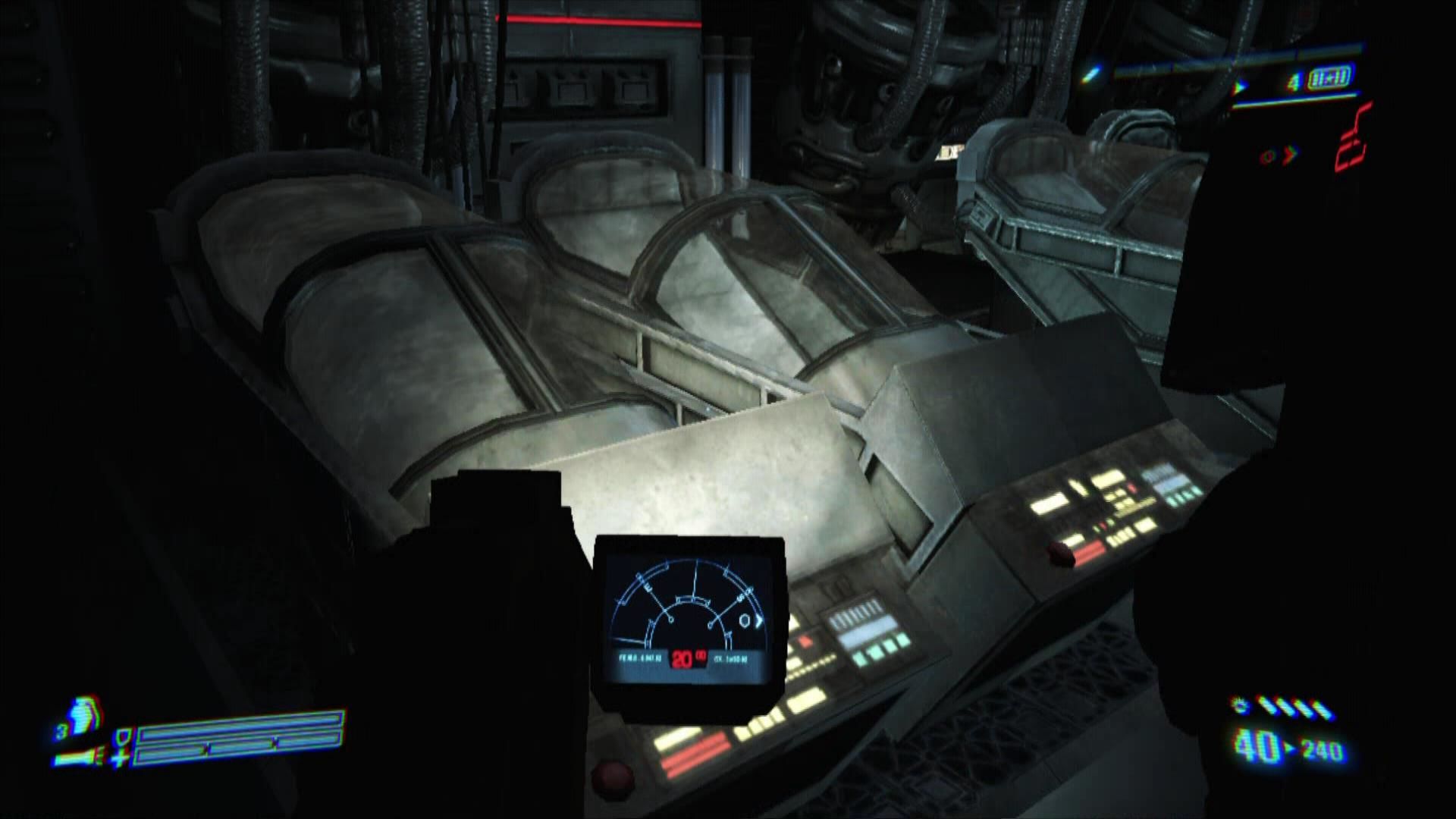
Alien Isolation wasn’t technically developed for HD consoles, but mostly for PC and next-generation systems. It came out right as the next generation was coming in, and the HD versions were quickly forgotten. Isolation is considered the best game in the Alien series and one of the best horror games of the last couple of decades. It captures the 80s aesthetic of the movies and tells a great story while being terrifying. I still haven’t completed it to this day because of how scary it actually is.
Penumbra Series
The original horror trilogy, Penumbra, was developed by Frictional Games, which would later go on to make the Amnesia series. This was released for PC only and never received a console port. It was a less talked-about indie series that was loved among horror fans, but indie PC games didn’t receive the same spotlight that they do now. Console gamers didn’t care unless they were ported. Penumbra is a slow-paced, puzzle-focused horror series all about adventure and discovery. It’s creepy, full of psychological horror, and a must-play for any horror fan.
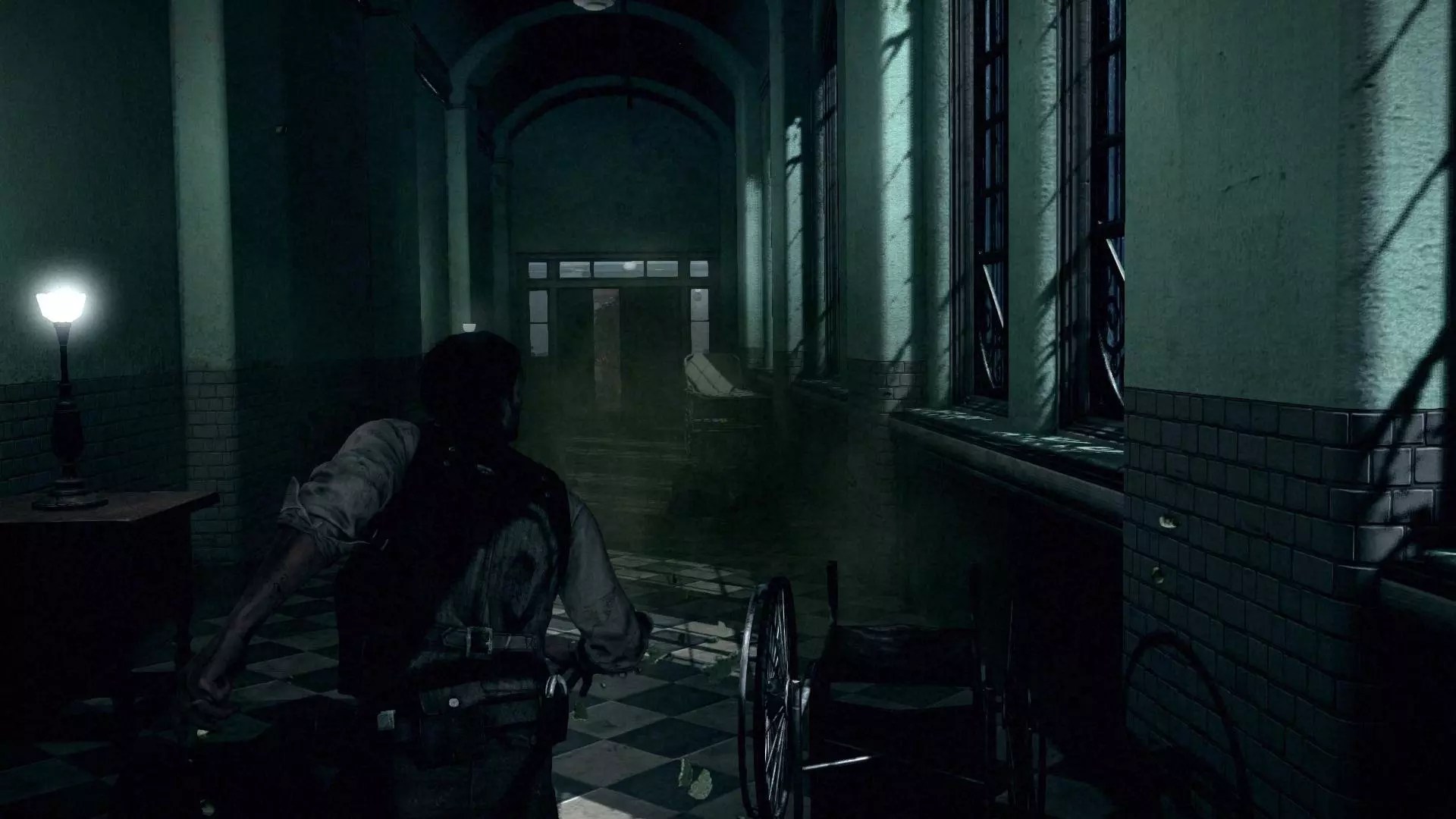
While this is stretching it a bit, The Evil Within was mostly meant for next-generation consoles and PCs. It played and looked nice on PS3 and Xbox 360, but those weren’t the intended systems. This was Shinji Mikami’s next opus and was definitely creepy and had some good elements, but it was too action-focused and unbalanced, and the story made no sense. Some say that’s the charm of survival horror games. There’s a bit of jank that’s needed. I personally just thought this game was okay, despite the amazing monster designs. A sequel would later come out, but not sell as well.
This is one of my favorite horror games of all time. It has a great story, memorable characters, and a great combat system that plays off of light and darkness. I’ve replayed this game many times, and it wasn’t an instant hit for Microsoft. The sales were slow, and it wasn’t appreciated until much later. It received a PC port and a recent remaster. It’s a must-play for any horror fan.
Siren: Blood Curse
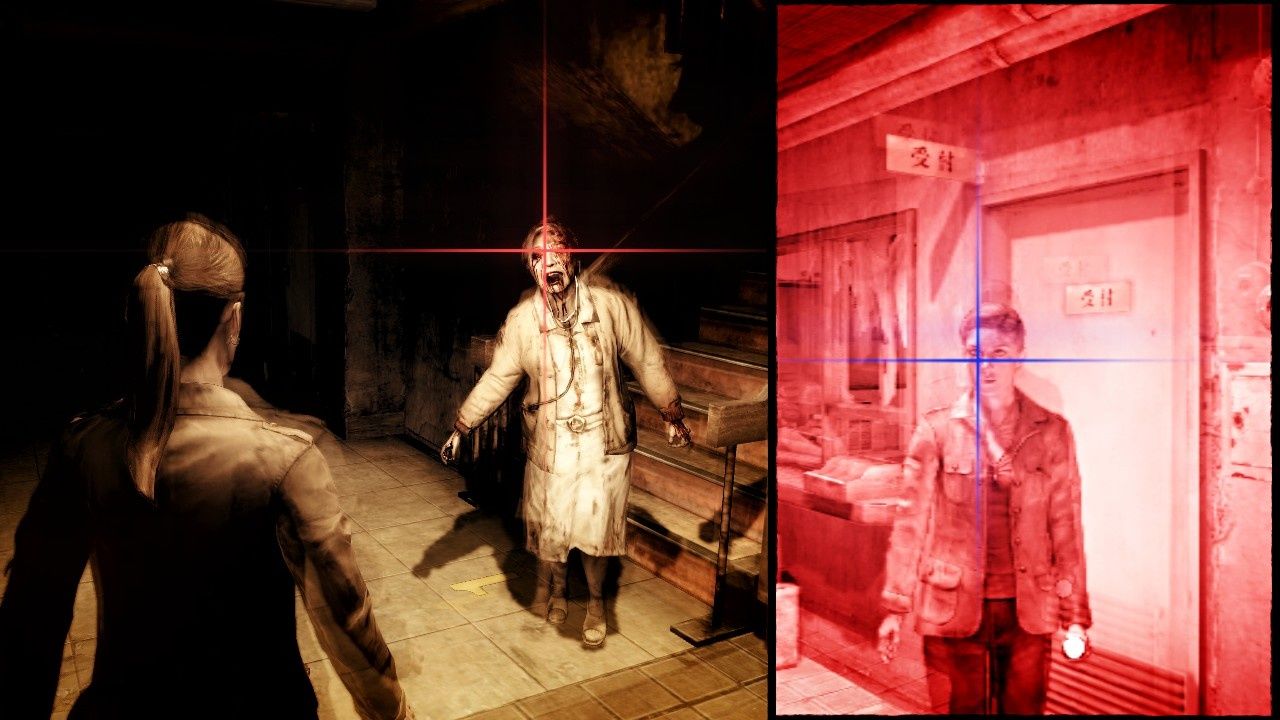
It was a surprise to see a niche and obscure horror title return to PS3. Siren didn’t sell or review well but is considered a cult classic and part of the classic survival horror era. Blood Curse was a digital-only episodic release in the US that had some great scares and an overall fun adventure. Sadly, only Japan and Europe received a physical release.
Oh man, where do I start? My favorite horror series was butchered with this release. I rented this from GameFly and had to follow a guide through most of the game. It was a confusing, convoluted mess and felt like a chore to play. It wasn’t scary, it wasn’t fun, and it was the worst game in the whole series.
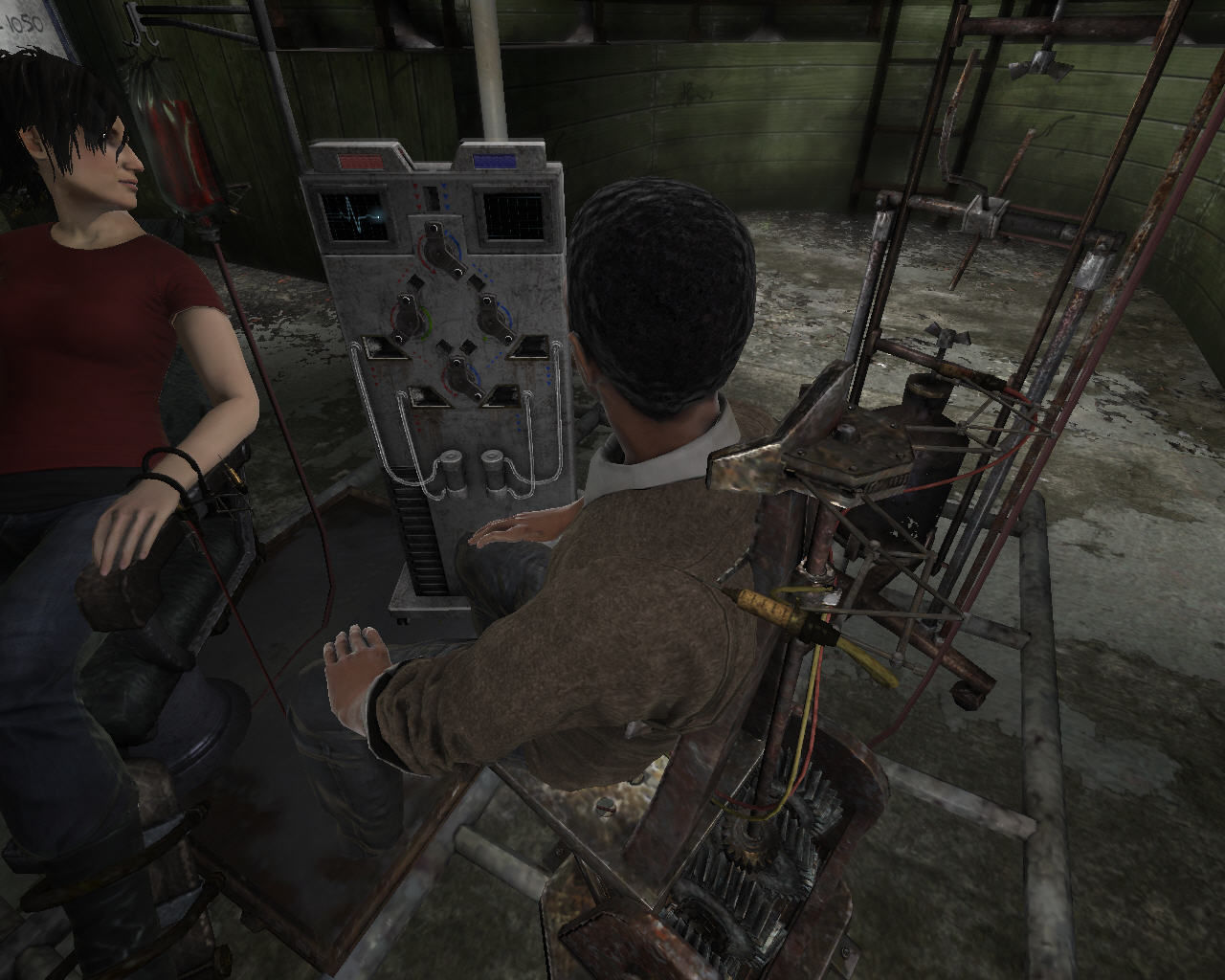
While the movies were quite enjoyable despite their flaws, the games were just awful. They weren’t as gruesome as the movies and played it too safe. Pretty much every bad conventional video game flaw was present here. Awful voice acting, terrible graphics, bad puzzles, and poor level design.
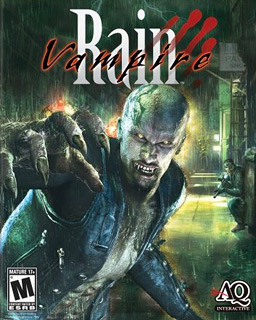
Vampire Rain
Easily considered one of the worst games of the HD era, there was no redeeming value in this game. There was nothing you could overlook. There wasn’t any “it’s so bad, it’s kind of charming” to this game either. It was just a disaster and an unplayable mess. It wasn’t scary; it felt like it was trying to be several games at once; it looked bad; it played even worse; and it wasn’t any fun despite all the hype leading up to its release.
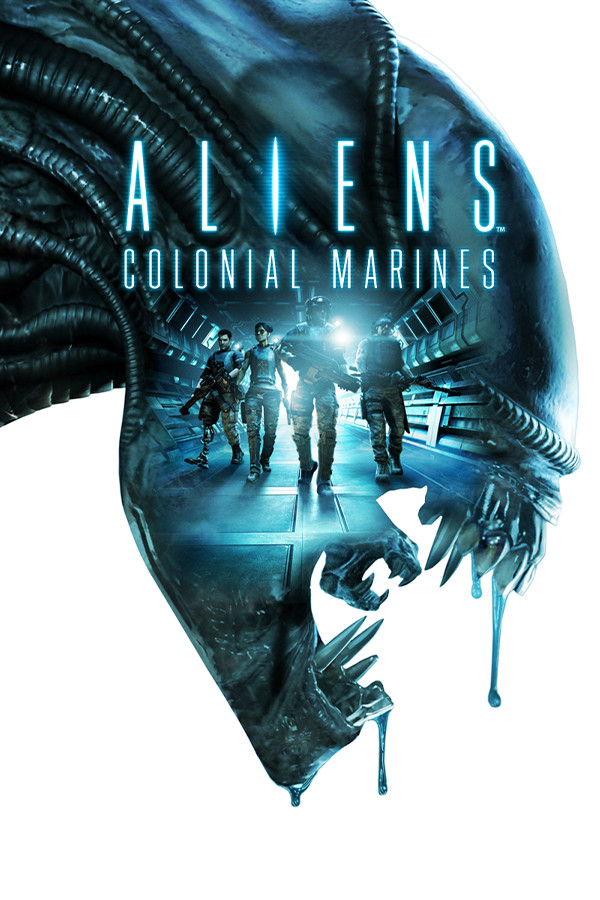
Aliens: Colonial Marines
This game needs no introduction. It’s been covered by every “worst of” and “most controversial” video game on YouTube out there. Its history has been extensively documented. From broken AI to awful visuals, this is just a completely unfinished and broken game. It’s also considered one of the worst games ever made. It’s a stark contrast to Alien Isolation.
I had the displeasure of actually finishing this game when it came out. I was hoping it was going to be a great reboot of a classic horror series. I followed the developer’s diaries all the way through the release and played it without reading any reviews. The game is pretty bad. It’s one of the worst games of the HD era. It was just an awful chore and a mess of a game. It wasn’t fun. It wasn’t scary. It was just plain bad.
Amy
Probably one of the worst games ever made. This was a small indie game that was supposed to be full of suspense and horror, but instead, it’s a chore of a game with awful controls and graphics. The game was also poorly optimized and suffered terrible framerate issues. The story made no sense, and overall, it was just a stupid and lazy game.
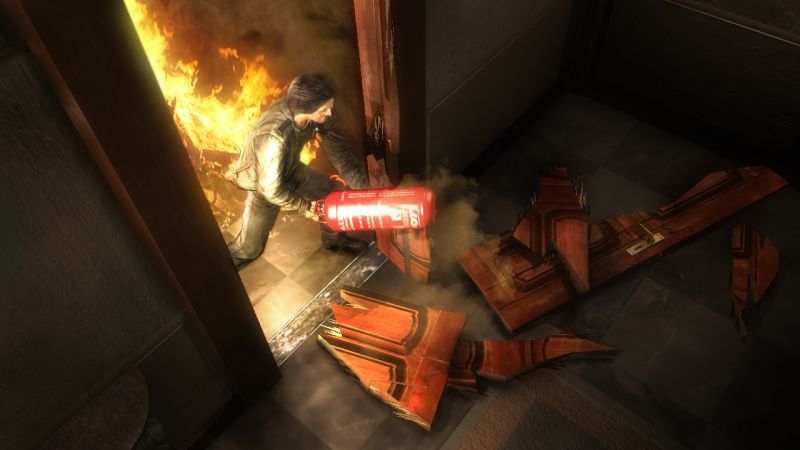
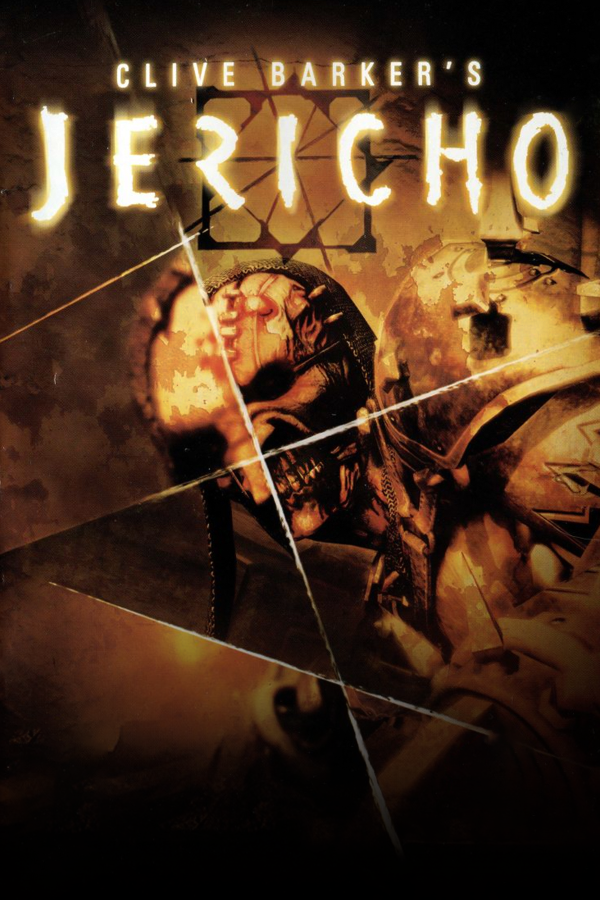
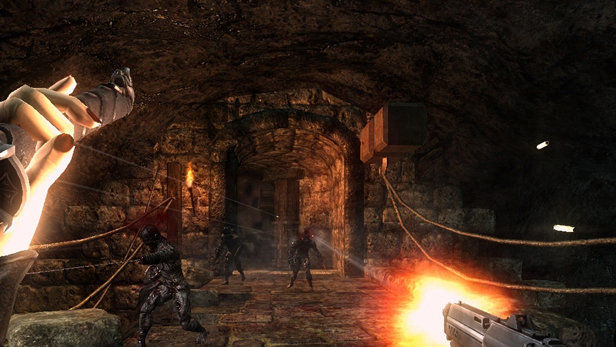
I was so excited about this game, and every time I think about or have to write about it, it breaks my heart. I absolutely love Clive Barker’s work and have had it since I was a young teen. I fawned after the figures from Todd McFarlane and loved the characters in his movies. Undying was also a cult classic. The game was just trying to do too much at once. It had cramped-level design, awful performance, dated visuals, and just felt like a chore. The only thing it had going for it was the art design. It’s one of the worst games I’ve ever played and one of the saddest scars of the HD era.
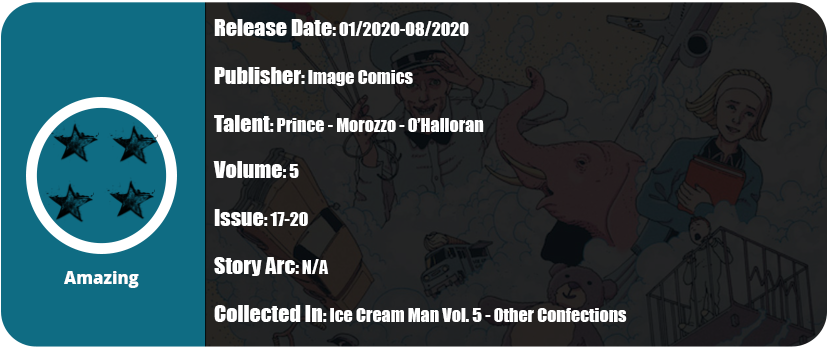
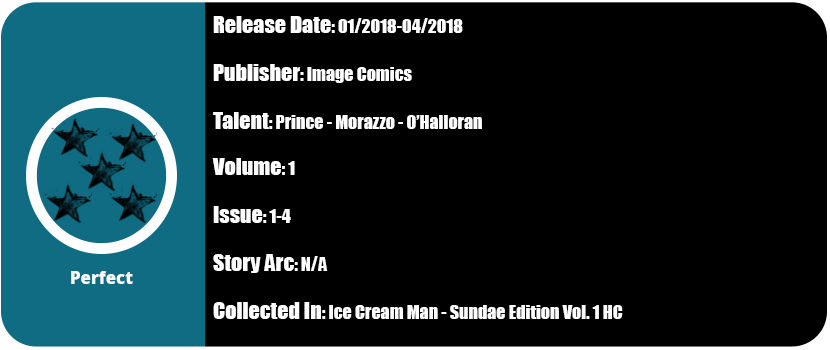
The stories within are probably the most real and hard-hitting yet. Most of this issue is about death, specifically the end of life, either from suicide or old age. The first issue, however, gives us a bit more about how ICM works. It’s a superhero-styled comic, with ICM being a superhero himself and a reporter who wants the big scoop on him. He invites her to his base, and we get to see a lot of references to most of the issues thus far, which is really cool, and it’s not to get more of ICM on paper.
The second issue is back to reality. We get the thoughts of a dying man who is recollecting his life and the way he raised his two kids. As both his son and daughter visit, we see their flaws and how much life isn’t perfect after all. It’s really sad. Hits home in certain ways. And makes you question your own life. Of course, ICM’s antics are at play as always. Our third issue is experimental, but it actually tells a good and dark story. It’s told in black and white and is like a step-by-step how-to book. It’s interesting and tells the story of a man through his three stages of life. A trauma he experienced as a boy and how it affected him his whole life, but also delves into your last thoughts as you die from old age.
Now the last issue is a little weak. It’s basically a one-shot type of comic that has ICM kidnapping a family and making them listen to his sick and twisted versions of kids’ stories such as Green Eggs and Ham, Goodnight Moon, and The Giving Tree. The pages are drawn in the same style as the books, which is cool, but there’s no advancement of ICM’s story or a telling of anything that hits home. It’s pretty weird and sick, but that’s about it. Not even really gory or anything.
By issue 20 and five volumes in, I really like Ice Cream Man. The sick and twisted individual stories tell real down-to-earth problems that humanity faces daily and that some of us may have faced, and nothing ever has a happy and fun ending. I just want more of ICM’s story. All of these individual people he’s messing with tell great stories, but I want to know why.
Ys is a series I have barely dabbled in. I rarely finish JRPGs, either due to their insane difficulty spikes, incessant grinding, or boring story and characters. Ys I is a game that’s older than I am. It’s also incredibly short because of this, and due to the cryptic nature of games from the late 1980s, I decided to play this game using a walkthrough guide. This is sadly one of those JRPGs that has a specific way to play, or it becomes an incredibly hard game. There are so many things you can miss, but it also encourages multiple play-throughs. For a game this old, I don’t see any reason to play it other than to complete the Ys series from the beginning. It is as basic as JRPGs come due to its age as well.
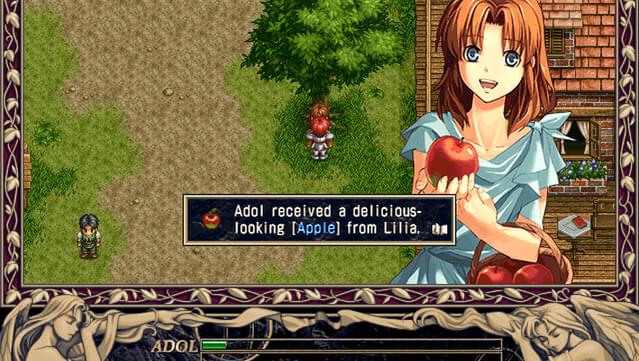
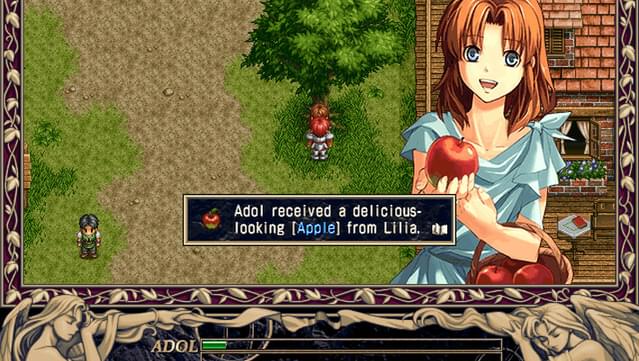
The story is pretty decent, despite the short playtime. I actually enjoyed the characters as well. There isn’t a lot of talking that drags on forever. The game does get to the point with some short and sweet dialog. You play the series’ main protagonist, Adol Christin, who must collect the books of Ys to save the world from evil. It’s pretty typical, but I enjoyed the little world they built around the books of Ys. They were interesting to read, and I felt this was a world you could get sucked into if it were to progress (which, surprise, it did). The art is amazing, with beautiful backdrops. The music is also fantastic, thanks to legendary composer Yuzo Koshiro. There is lots of rock and beautiful orchestral music. The Chronicles+ version contains both the chiptune versions and the arranged versions.
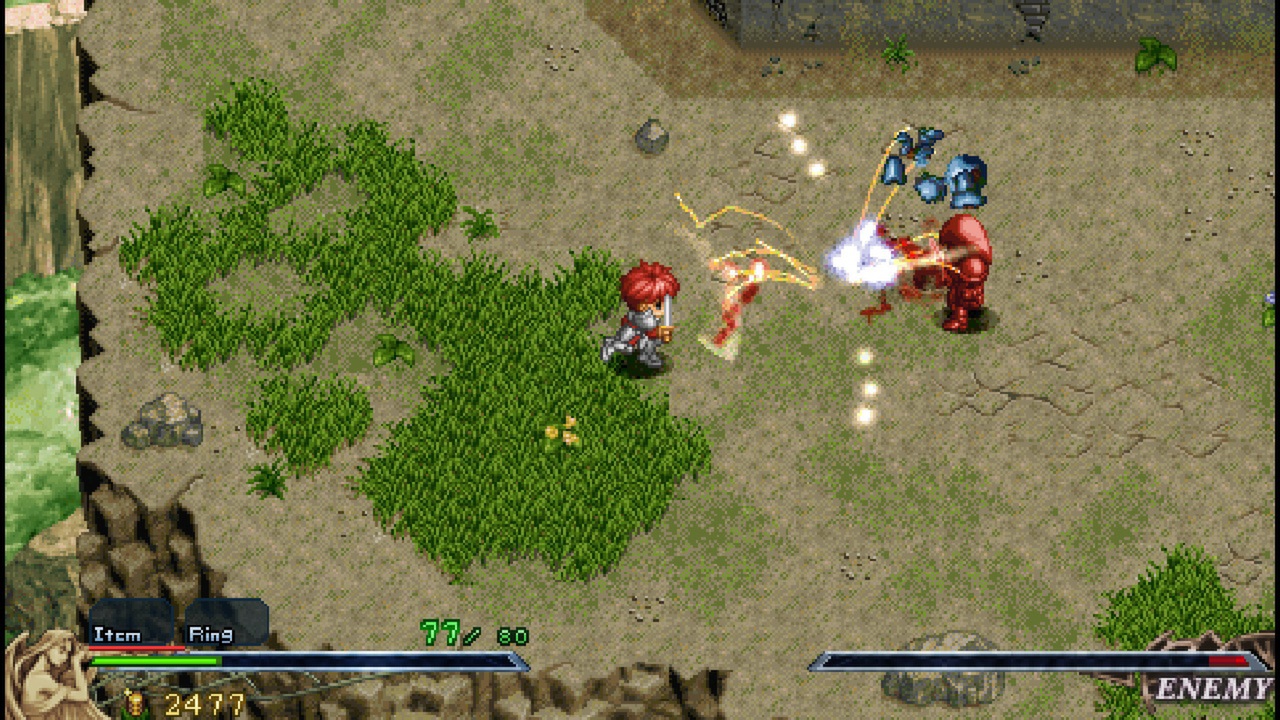
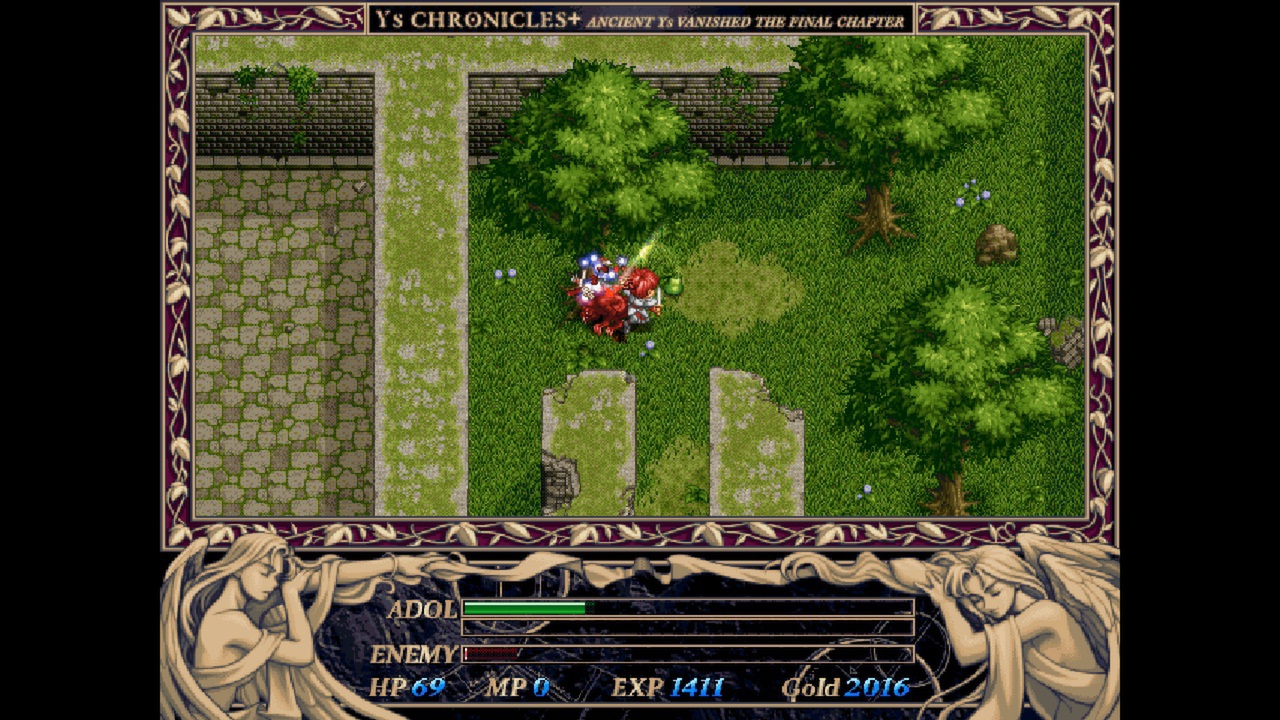
Ys’ main combat system is called the “bump” system, in which you just walk into enemies and are dealt knockback damage if hit straight on. The idea is to hit them on the edge of their sprite, kind of like speed jousting. It’s a weird system, but it keeps the pace of the game moving, and I like that. Again, the game is really hard unless you quickly level and are constantly acquiring the best equipment. You can get some for free if you do things in a certain order or find a certain key for a certain chest. These are JRPG tropes that I absolutely hate because, most of the time, no one will know them without a guide or accidentally coming across them. Easter eggs and extra dialog are fine, but essential things to play are something that really irks me.
Due to the short length, you can easily hit the level cap in a few hours. The cap is 10, and you quickly acquire money and XP as you advance to more powerful enemies. For such a short game, there is a large variety of them as well, and their design is really cool. I always looked forward to seeing what was next. The dungeons are also varied, such as a mine (which is dark), an ice floor with mirrors, a 20-floor tower that you must climb towards the end, forests, and other places. It’s crazy just how much unique content was crammed into a 4-5 hour game. One thing I was relieved by is that if you keep up with the equipment and level up to maybe 4-5 before the first boss, you can easily fight each boss with just a few hits. I know that sounds crazy, but there’s only so much balancing in a game this short. The final boss is notorious for being impossible to beat, and even with the best armor and weapons, level cap, and Easy, I still had to try nearly a dozen times to beat him. You can also only fight him with a specific weapon.
Overall, Ys I is a memorable JRPG if you play it the way it was supposed to be played. Many will get frustrated due to the need to constantly level up fast and always have the best weapons, and the weird boss difficulty spikes will turn many away. I only recommend this game if you’re a fan of the series or really want to start from the beginning, like I am. It has fantastic art and music and is a well-contained and fun JRPG, if you play it right.
Ys II Chronicles+
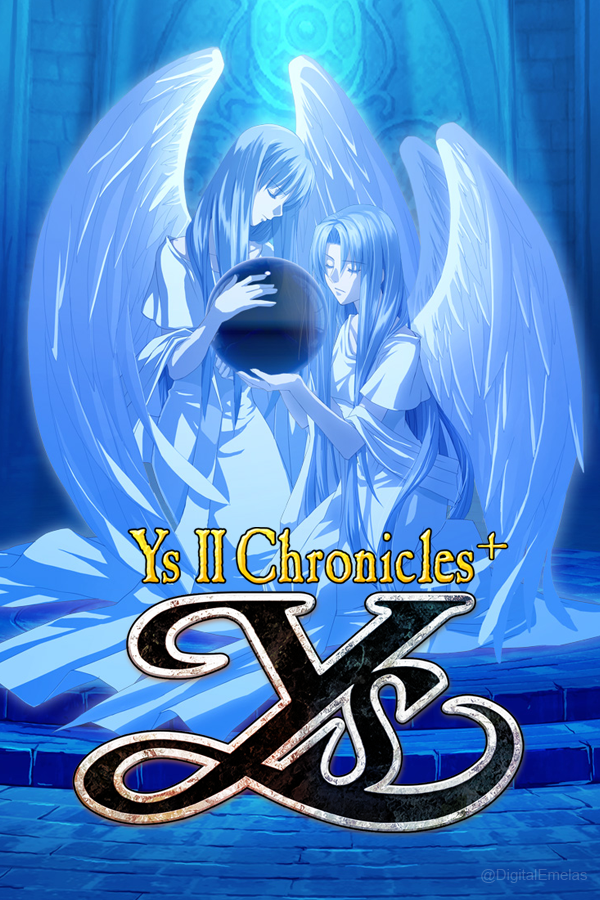
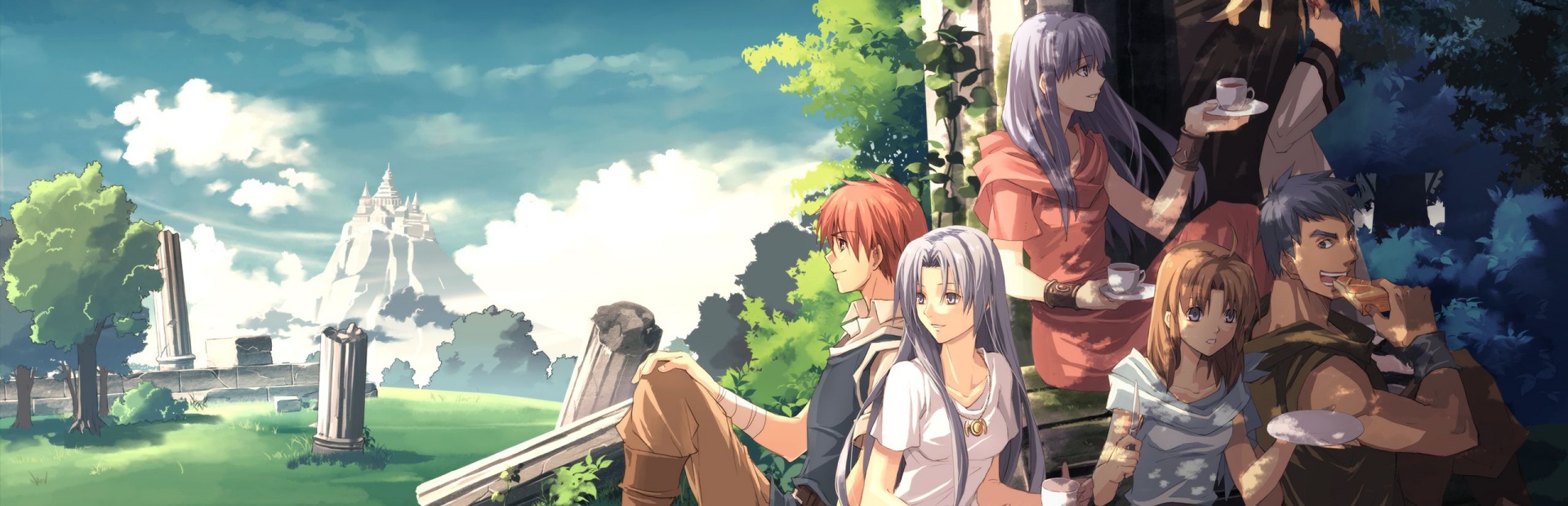
Being a direct sequel to Ys I and being in my late 80s, I came into this not expecting much. While content-wise it’s completely new, with new locales, new characters, new weapons, and armor, otherwise it looks the exact same and plays the same way. You still play as Adol Christin, trying to save the world of Ys from another evil source and rescue the goddesses Reah and Freena.
The game even starts out the exact same way. You wake up in a house in a quiet village and must start your adventure in a green forest area, like before. Sadly, the game is just as cryptic and obscure when it comes to figuring out what to do. I followed a guide through my entire playthrough, but if I hadn’t, there would be so much backtracking and aimless wondering. Some of the dungeons are more improved layout-wise, but the final two dungeons are a labyrinthine mess, more so than anything in the first game. I had to resort to a map online to figure out where to go, especially when I had to backtrack and start learning shortcuts.
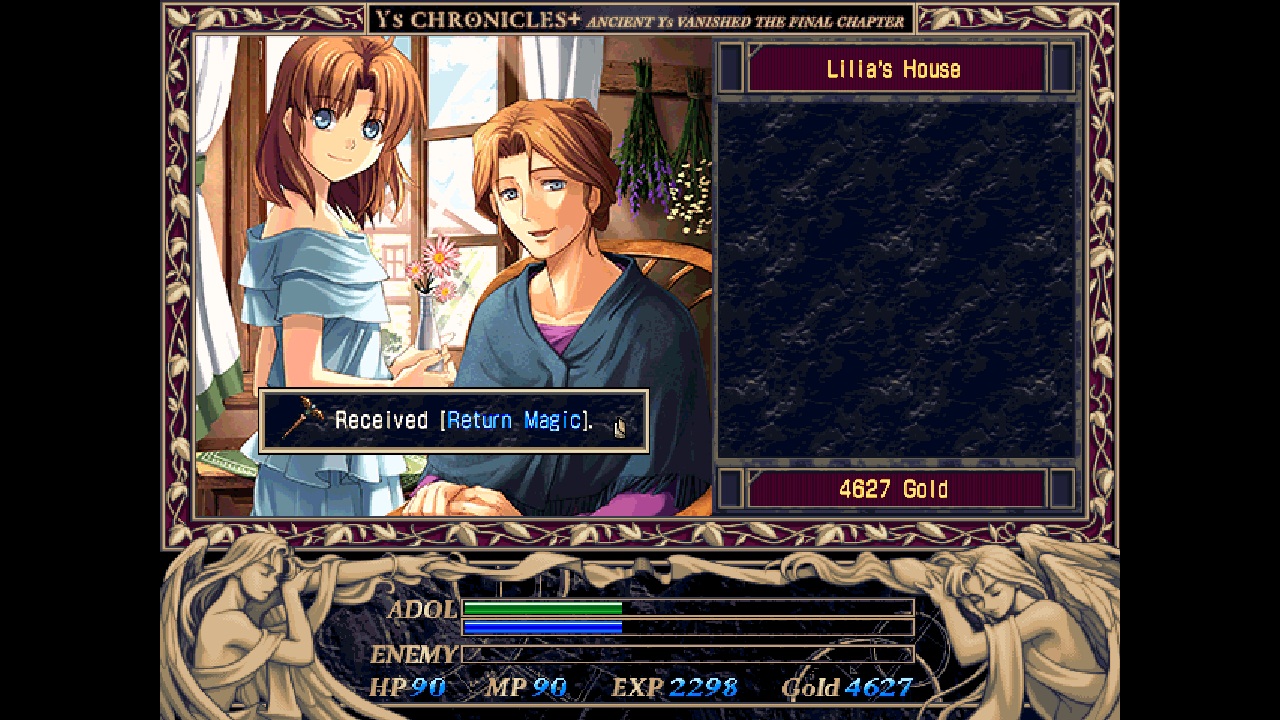
The bump system still exists, but seems a little easier and more forgiving this time around. You don’t need to hit enemies off-center, but it’s still not a fun combat system. It makes the game fast-paced, and I like the lack of random battles, but it’s still not engaging in any way. Thankfully, this time around, you don’t need to rely on hidden, obscure equipment and can just buy stuff as you can afford it. Only the short sword, in the beginning, can be had for free in the first dungeon, but everything is to be purchased. I liked the addition of magic wands in this game. It helps add a layer to combat, but sadly, it’s abused with boss fights. All but the final boss need to be beaten with magic only, and the only offensive magic is fire. Which I found a bit weird. Everything else is passive magic, such as being able to turn into a Roo to talk to enemies to pass certain areas; light magic, which is used to see secret doorways and light dark areas; and time magic, which slows enemies down. Unfortunately, a lot of items, required or not, are hidden in obscure areas and can be easily missed without thorough exploration or a guide.
I did find the boss fights more manageable this time around and less frustrating. The leveling system is also improved, but only slightly. While the cap this time around went from 10 to 55, you can easily reach the first 30 levels in the first two hours of the game. Before the first boss, I was already almost level 20. Bosses are a lot more reasonable, and I only struggled with a couple of them, but once you learn their attack patterns, it becomes much more manageable.
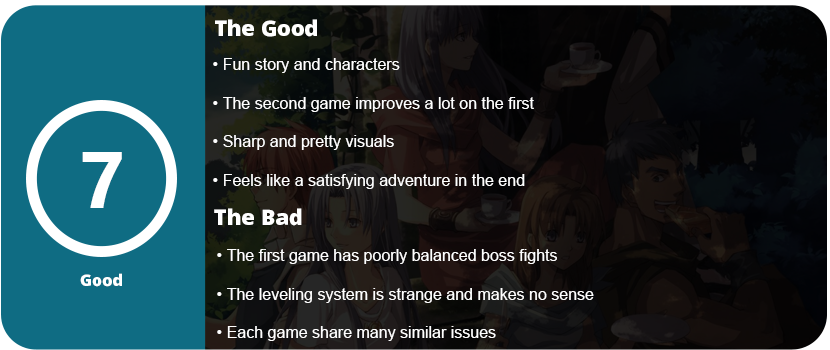
Overall, YS II is a good sequel to the first game. With enough new content to explore, an interesting story, and fun characters, while I wouldn’t say the story itself is memorable, the adventure itself is fun. I just wish the magic system was more expanded and there was less backtracking. Most of the game’s fault comes from the cryptic items and confusing dungeon layouts, but it’s manageable with a guide. It’s a fine Ys game to send out with the 80s and still remains a solid RPG today.
The entire series is well worth playing, but only if you’re curious about the beginning of the series, want to start the series from the beginning, or just like 80s JRPGs. Expect basic combat, cryptic progression, confusing dungeons, and unbalanced bosses in the first game. If you play with a guide, you will most likely have a great time.
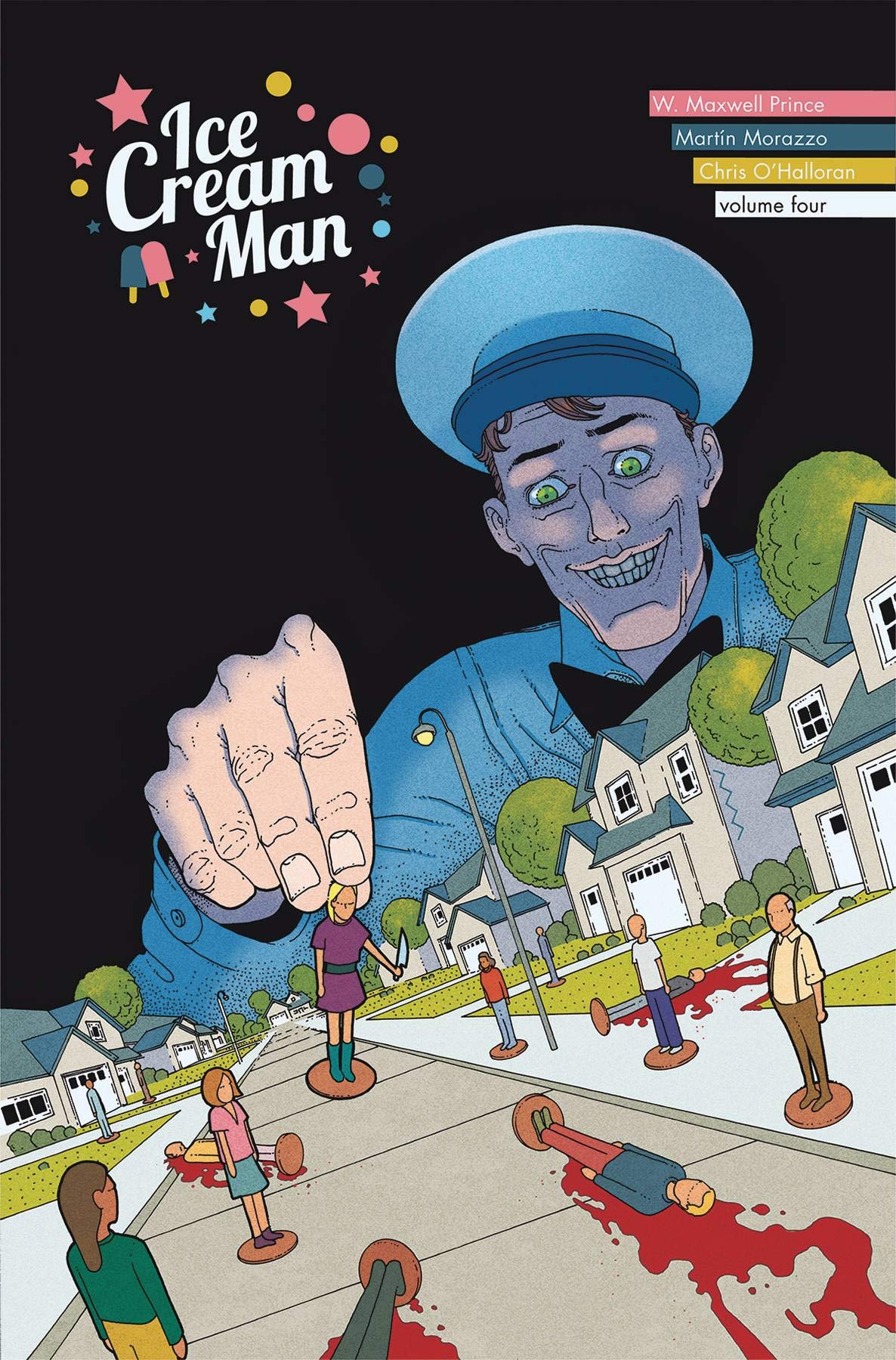
We’re deep into this series now, and while the last four issues were a bit weak, we have to continue this trend for a while again. The first two issues are experimental, kind of like Neopolitan triple story one in Vol. 2. The first two stories are palindromes. They can be read forwards or backwards, which is kind of neat, but the first story is about a man who lost his wife to cancer and doesn’t want to move on. It goes through a metaphorical trip through Hell. There’s an odd spoken dialogue that’s broken up and told in riddles like a madman.
The second story is about an old couple who are having an add-on built into their home, and the husband is obsessed with crosswords. The wife is a mean old bat who doesn’t like what the young construction crew is doing. The story is a lesson on live and let live, and we’re finally back to the real-life problems that people have that can hit home and feel real. I don’t know why it took so many issues to get here, but this story feels good.
The third story is more of a ghost story and has a few twists and turns, and I quite liked it. It’s more of what we were getting in the first two volumes, and it feels like everything is back on track. This one is pretty trippy, and the last story is as well. An overbearing, worried dad who can’t stand the thought of his teenage daughter having sex decides to snoop into her life and pay the ultimate price. It’s a wild ride, and I didn’t quite expect the ending to happen the way it did outside of ICM’s typical meddling, but it definitely talks about the bond between parent and child to an extreme.
Overall, it’s a bit strange, but the fourth volume brings us back on track to the types of stories I liked from ICM. The experimental stuff got too experimental and didn’t tell wholly interesting stories, and we still don’t know a lot about ICM and his brother.
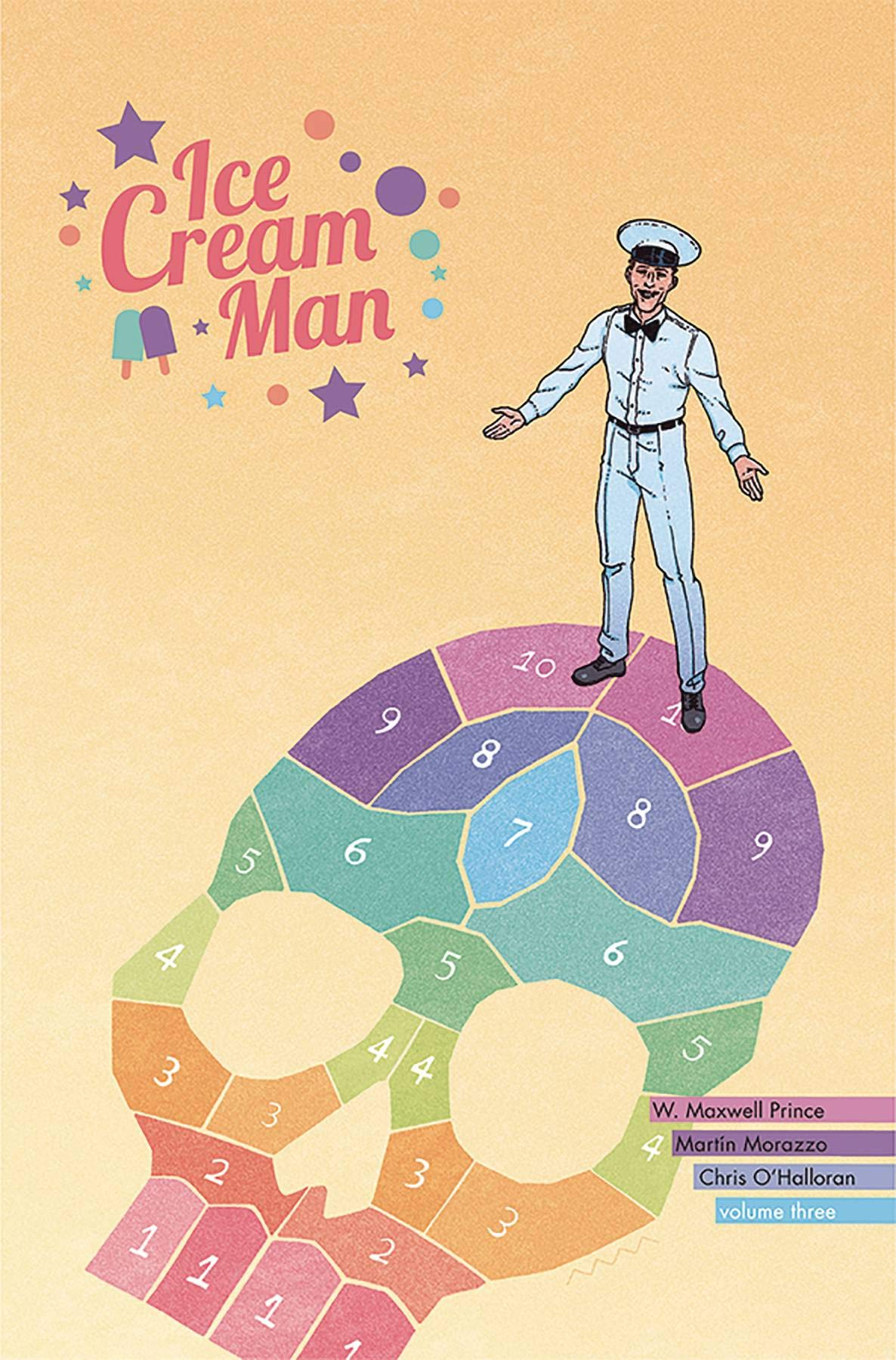
This volume is fairly weak compared to the last two. I feel the series kind of lost its footing here, with two of the four stories being fairly below average compared to what we’ve come to expect. We actually do get a full issue dedicated to the ICM’s story arc, so that finally picks up, and it’s a real doozy. It’s a total surprise as to what the ICM is and what his intentions are. However, after this issue, we still don’t get much more.
The first issue is exactly what I talked about just now, but it’s set in a Wild West setting, which is kind of odd. There’s still no explanation as to the settings or anything. We’re also introduced to more of ICM’s possible world, but it’s hard to tell if that’s what it is or just a reality he made up. The second issue is probably the worst by far. It’s set along the Mexican border and tells a small tale of a white man in love with a Mexican woman whom he wants to take away from her land and save. It’s half told in Spanish, and unless you use Google Translate (which the author actually suggests), you have to use the cheat sheet on the back. I found this annoying and lazy, and making the characters speak Spanish didn’t play into or add anything to the story as she speaks English anyway! It’s all dialog with two young people in love, and the evil captain is trying to marry the girl. It’s a typical spaghetti western setting, and I found it rather boring and uninteresting.
The third issue has the ICM put a man into a series of weird sci-fi-style reality shows that also don’t really go anywhere. They’re interesting, and the panels are shaped like TV sets, but this feels like a one-off story, and you don’t get to know the man or have any heartfelt feelings like you did in previous issues. There’s no sense of reality you can relate to like we’re used to. The only interesting part was the connection to previous characters in the series and a couple of gory scenes.
The last issue is a space story. It’s rather interesting and surreal, and it has a great setting and atmosphere. The man in the story is sent out to find a new Earth and has an AI that can read his thoughts. As you explore certain areas with him, he finally finds a signal of a previous pod that was sent out and lost. Of course, this leads to ICM being involved, and we get another small tidbit of ICM’s story. This is probably the best of the four issues, but overall the volume is still solid, but not on the level of previous ones.
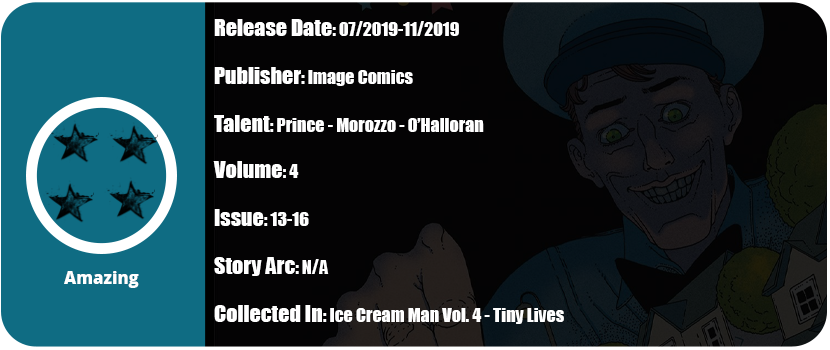
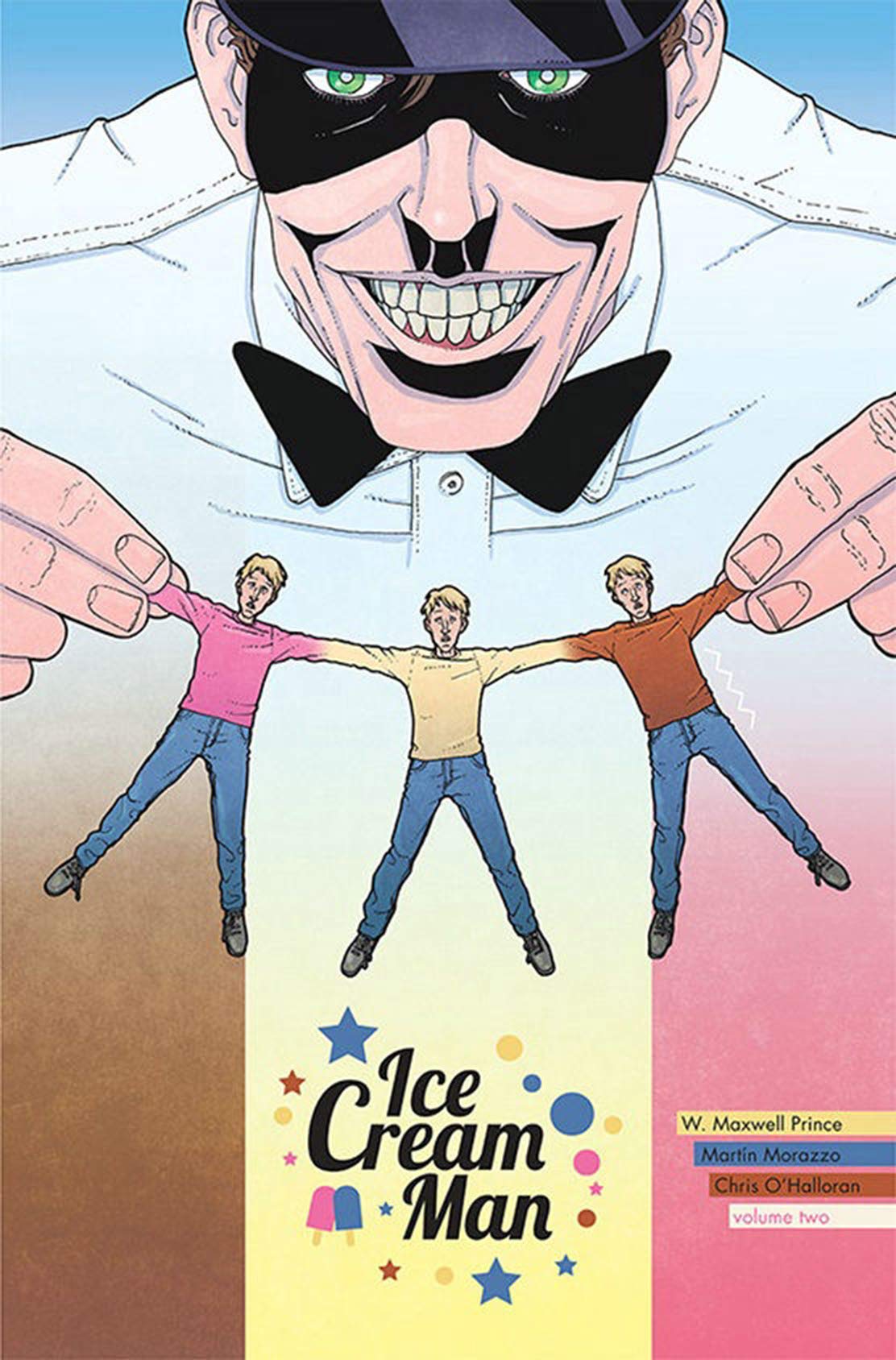
We continue the journey of the Ice Cream Man. Four more strange stories are told in unique ways with the continued arc of ICM and his opposite, who is out trying to save the people he’s making suffer. The first issue is about suicide. We follow the thoughts of a man who has jumped from a skyscraper and a woman who has noticed it and is trying to do something about it. It’s very thought-provoking and goes pretty deep into the dark side of why someone would want to do this. Of course, no happy endings here, but ICM’s hated friend shows up again.
The second issue is weird, and it took two reads to understand it. There are no words in this issue, but it is told as a “Neopolitan Panel” type story. Each panel is colored like ice cream and features three different timelines of a man. When he’s young, middle-aged, and possibly an alternate timeline of him being captured and tortured. It was a bit confusing at first, but the back of the issue explains it in more detail. While I feel like anyone who bought this at full price would have felt upset with the lack of words, there is a story here that’s fairly sad, and after a couple of flip-throughs, it kind of gets to you.
The third story is about imaginary friends, and things get really creepy and gory here with ICM. He really starts to show more of what he is and wants. The story can feel pretty real with a father who doesn’t want to placate his daughter’s imaginary friend after her best friend dies of cancer, but the mother doesn’t think it’s harmful. It gets incredibly dark and violent, and we get some of ICM’s story here.
The last issue goes into drug addiction again, but on a professional level between two paramedics. The story goes on about them talking about their drugs, how fun they are, and then maybe regretting it, and in the meantime, ICM’s killing people on the sidelines while they miss everything. The ending is pretty messed up and cruel, and it shows just how incredibly heartless and evil ICM is. By this point, we really establish that this guy isn’t your friend, and he will go to no end to make people suffer. With this being issue 8, we still don’t have a lot of backstory for ICM. We just keep getting teased about each issue, and I really think it’s getting dragged out. He’s an interesting character, and I really want to know who this cowboy guy is who keeps saving his victims.
I honestly like how Ice Cream Man is a series of short stories with an overarching story of the villain himself and who he is. Each issue is about real-world fears and problems that people have in their lives. Catastrophic events, depression, fear, etc. Each issue is written really well, and I loved the mystery that each page laid before you. I never knew what I was going to get when I turned each page. This isn’t a superhero comic; this isn’t a typical horror comic; this is something else. Something similar to The Twilight Zone or The Outer Limits Bite-sized “What the fucks”.
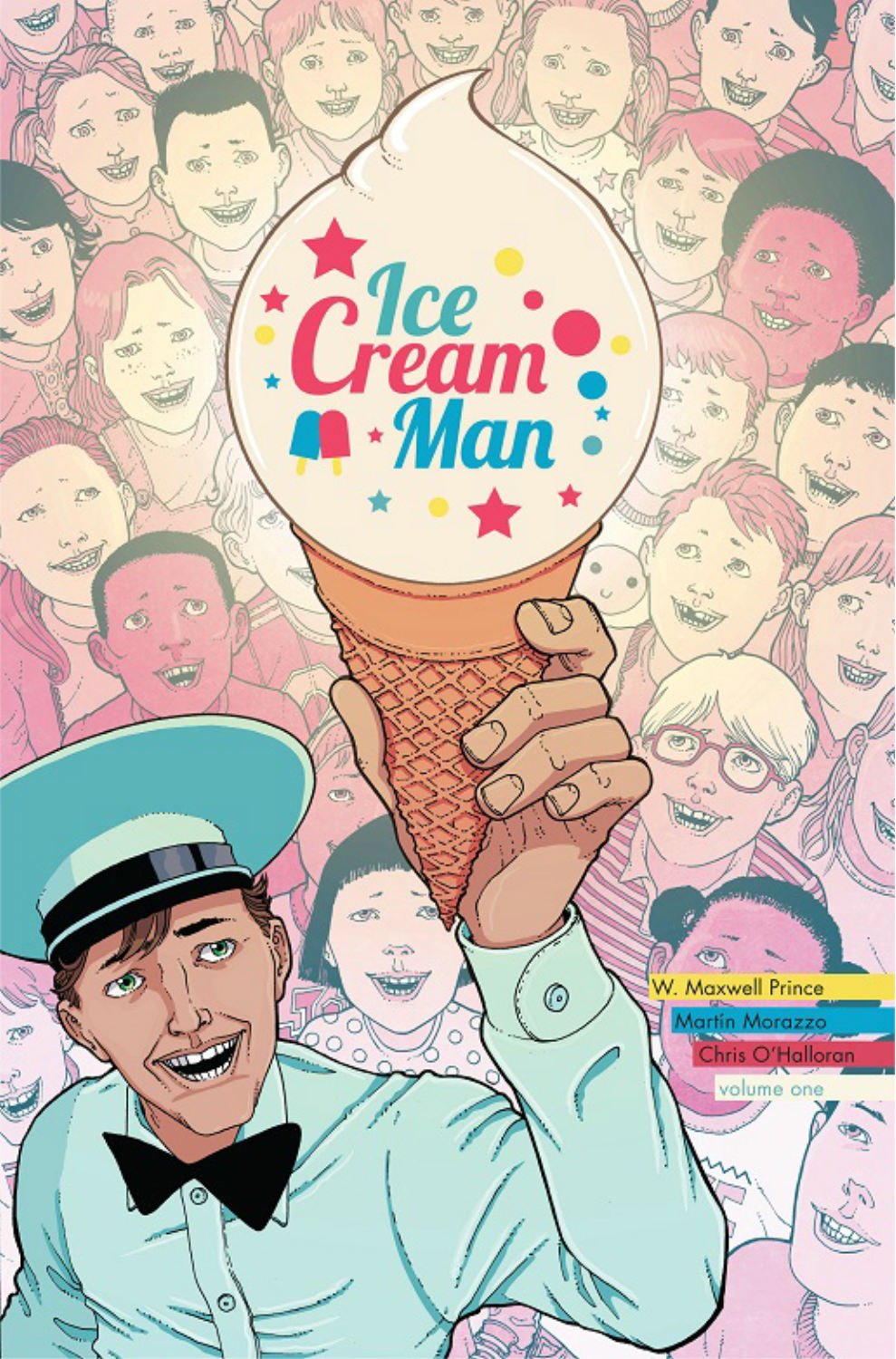
The first issue introduces the Ice Cream Man as he gives a cone to a chubby little boy, and we are also introduced to the most poisonous spider in the world, which is his pet. I don’t want to spoil each issue, but let’s just say the one is about a boy who fears his guilt, and it comes back to haunt him. We are mostly shown that the ICM is sinister and really up to no good.
The second issue is about drug abuse and what a couple goes through to fight it. This issue is actually really sad and hits pretty hard. You don’t just see what they go through now, but also how they met, how they go into drugs, and that they truly love each other and can’t fight the addiction. The ending is incredibly sad, and we continue to see that the ICM is kind of like a genie, almost. He can make your predicament go your way, but you must sacrifice something else, and usually, you aren’t aware of what that is until it’s too late.
The third issue talks about a one-hit wonder celebrity who can’t cope with being so. He’s depressed, eats at the same cafe every day, and is a layabout nobody now. ICM lets him dream of being able to make one last hit, and this is where the series feels like an actual comic. It’s pretty trippy and fun with references to music from the 70s and 80s, but the ending is, of course, sad and doesn’t go the way you think it would.
The last issue mostly deals with losses. A man is depressed because he didn’t talk to a friend for so long and runs into his father. This issue isn’t really sinister, but it just hits home for anyone who has lost someone close. The ICM doesn’t even really play a big part in this issue, which is fine. However, at the very end, we are teased with the beginning of ICM’s origins and his story, which makes you want to keep going. The art is well done, with sharp lines and solid, bright colors. Don’t let this make you think it’s not a horror comic. It has some scary panels, and the horror is the reality of everything hitting the characters. It’s a fantastic series and is quickly becoming one of my favorites.
Being a direct sequel to Ys I, and being the late 80s, I came into this not expecting much. While content-wise it’s completely new, with new locales, new characters, new weapons, and armor, otherwise it looks the exact same and plays the same way. You still play as Adol Christin trying to save the world of Ys from another evil source and rescue the Goddesses Reah and Freena.
The game even starts out the exact same way. You wake up in a house in a quiet village and must start your adventure in a green forest area like before. Sadly, the game is just as cryptic and obscure when it comes to figuring out what to do. I followed a guide through my entire playthrough, but if I hadn’t there would be so much backtracking and aimless wondering. Some of the dungeons are more improved layout-wise, but the final two dungeons are a labyrinthine mess, more so than anything in the first game. I had to resort to a map online to figure out where to go, especially when I had to backtrack and start learning shortcuts.
The bump system still exists but seems a little easier and more forgiving this time around. You don’t need to hit enemies off center, but it’s still not a fun combat system. It makes the game fast-paced and I like the lack of random battles, but it’s still not engaging in any way. Thankfully, this time around, you don’t need to rely on hidden obscure equipment and can just buy stuff as you can afford it. Only the short sword, in the beginning, can be had for free in the first dungeon, but everything is to be purchased. I liked the addition of magic wands in this game. It helps add a layer to combat, but sadly it’s abused with boss fights. All but the final boss need to be beaten with the magic only, and the only offensive magic is fire. Which I found a bit weird. Everything else is passive magic such as being able to turn into a Roo to talk to enemies to pass certain areas, Light Magic which is used to see secret doorways and light dark areas, and Time Magic which slows enemies down. Unfortunately, a lot of items, required or not, are hidden in obscure areas and can be easily missed without thorough exploration or a guide.
I did find the boss fights more manageable this time around and less frustrating. The leveling system is also improved, but only slightly. While the cap this time around went from 10 to 55 you can easily reach the first 30 levels in the first two hours of the game. Before the first boss, I was already almost level 20. Bosses are a lot more reasonable and I only struggled with a couple of them, but once you learn their attack patterns it becomes much more manageable.
Overall, Ys II is a good sequel to the first game. With enough new content to explore and an interesting story and fun characters. While I wouldn’t say the story itself is memorable, the adventure itself is fun I just wish the magic system was more expanded and there was less backtracking. Most of the game’s fault comes from the cryptic items and confusing dungeon layouts, but it’s manageable with a guide. It’s a fine Ys game to send out with the 80s and still remains a solid RPG today.
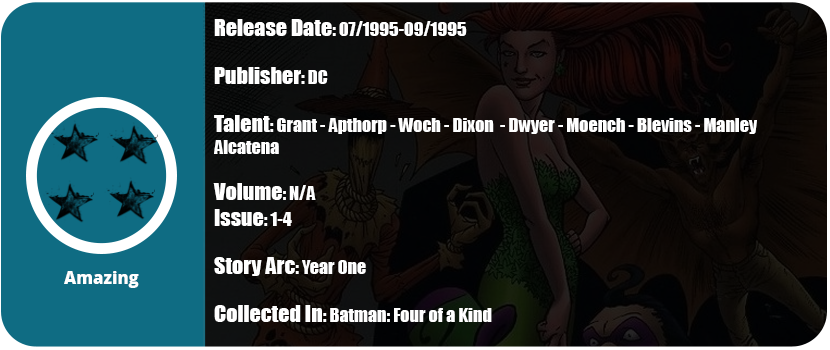
These four annual issue tie into Year One of Batman, and they are also one-shots. I have mixed feelings about this collection as three are origin stories and one isn’t. Poison Ivy’s issue isn’t all that interesting. It’s full of cheesy 90s comic dialog and is just a single conflict between her and Batman. It’s strange that her origin story isn’t in here, but Scarecrow and Riddler’s are. We also get the origin story of Man-Bat from the Legend of the Dark Knight series.
As I stated before, Poison Ivy’s issue is pretty forgettable. She needs more money and pulls off a heist using her charm and looks. We do get some interesting info on her poisons and toxins, but the first half of the issue is a drab dialog and mostly uninteresting. I also didn’t care for the art here. It’s typical 90s comic art, and not the good kind either.
The second story is much more interesting. We get Riddler’s origin story of how he was ignored for not being the genius he is and wanted to be the center of attention. I found the art here much better and the entire comic has an overarching twist at the end that I found really interesting. There’s very little Batman in this issue, but that’s okay as with any origin story we want to know about the character at hand.
The third issue is about Scarecrow’s origin story. Like Riddler, he was bullied and ignored in his teen years, but instead of being a genius he just wanted to be noticed. His origin reference as Ichabod Crane makes a lot of sense and his actual Scarecrow costume is quite funny. The Halloween costume beginnings of Scarecrow are before he had money and could fund better toxins and tech to disperse his gas. We discover how and why he chose fear gas and I really loved this one. It’s probably my favorite of the four. The art style is great and I love Crane’s over-exaggerated height and lankiness.
The last issue is about the origin of Man-Bat. A science experiment went wrong, but there’s quite a bit of detail here. He sacrifices something to do this and in the end, it turns out it wasn’t a good idea. There are some awesome shots of Batman in the shadows and a great full-spread shot of him fighting Man-Bat. The art here is great and much improved over Ivy’s and even Riddler’s issue. This origin story comes to a full circle beginning and conclusion in about 50 pages and I was really entertained. My guess as to why this is recommended to be read so close to Year One is how Batman is still not fully integrated into his role and is still trying to find tech to use to increase his fear among enemies.











































 thebinarymessiah.com
Super, thank you