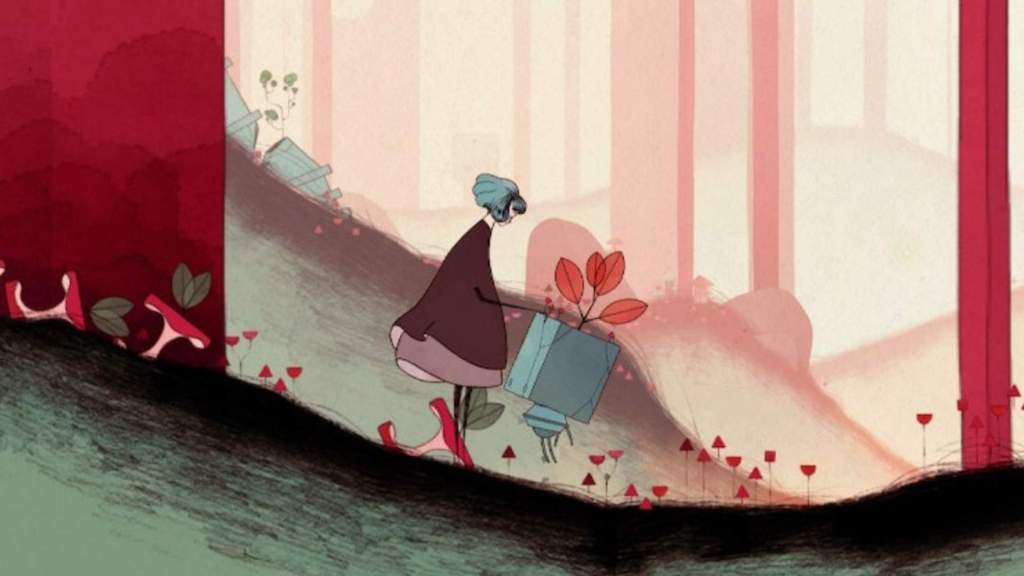
I love artsy games. Sometimes it’s nice just to sit back and play a casual game that is a visual treat. Gris is one of these games. Like many other games before it, it offers tight gameplay but a short and sweet experience. There’s really no story here, and you have to make what you can of the story based on context only. You play as a woman who loses her voice to a dark force that seems to swallow up all the color in the world. It’s your job to get that color back and your voice back. That’s the only thing I got out of this entire game, story-wise. I wanted something more; there are games that have told breathtaking stories in just context alone, such as Journey, but what’s here is fine.
The game is broken up into three levels based on colors. In the color red, you gain the ability to weigh things down. You jump around platforms and have to figure out various platforming puzzles. Using your abilities, you must navigate the area to acquire stars to unlock the next section and finish the level. These are rather clever, and I never got stuck, but I was challenged. I had to think, and it quickly clicked after a few tries throughout the game on most puzzles. The controls are great and are not floaty or slippery. The girl has nice momentum with the ability to glide, double jump, and swim, which are all acquired throughout the game.
The second level, Green, is probably the easiest and most laid-back level. There aren’t many platforming puzzles, but there are challenges instead that require good timing. You find a woodland creature companion part way through, and you use him for a few challenges, but this level was not difficult. I acquired the double jump ability here, and this opened up more challenges.
The final level, Blue, is a mix of underwater and upside-down platforming, and the levels are labyrinthine and challenging. I didn’t get too lost in this level, but I did wander around a little more than I wanted to. You have to use everything you learned to beat this level, and that includes platforming challenges that combine all of your abilities and precise timing. This game isn’t quite a breeze, as it did work my brain a bit, which is nice. Throughout the game, there are a couple of scripted chase scenes with the dark void that took your voice, which changes the pace up a bit, but overall it’s very nicely paced, and I was able to play all 3 hours in one sitting and was sucked in.
While the game lacks in story, it makes up for it in gameplay with challenging platforming, some puzzles, and a gorgeous watercolor art style that is just a joy to look at every second you are in the game. This is Gris’ main draw: his eye-catching art style. I wanted to know more about this mysterious girl, but we just got platforming instead. Oh well, as it stands, it’s a must-play for fans of games like Journey or The Unfinished Swan. I had a blast, and while the game itself wasn’t memorable, the art style is striking enough to remember.
The Longest Journey is actually one of my favorite games of all time. It was one of the first PC games I played as well, and it was what pushed me to get into PC gaming. Adventure games were something that console players couldn’t really get. The rich stories, great voice acting, and detailed characters were something only a PC could really do. The longest journey impressed me with all of this, and I remember it to this day. It was followed up by Dreamfall, which pushed the game into a new generation with 3D models and backgrounds and brought the game to consoles for the first time as well, and it was also just as memorable. We now have the final chapters of this story, and I have to say I walked away quite satisfied.
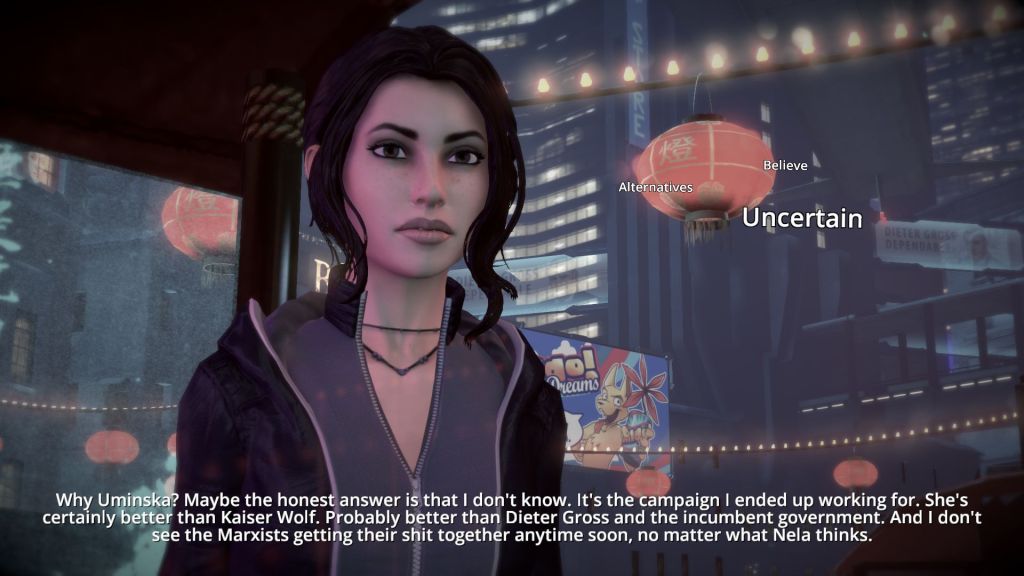
You play once again as Zoe Castillo. A woman who is a dreamer and able to go between the dream world of Arcadia and the real world, Stark, You also play Kian, who is in Arcadia. The ex-leader of a racist and fascist human country is trying to exterminate all magical creatures. Both characters are strong and likable, and I really got attached to them through their journey. The many characters throughout Dreamfall are great, and it was a joy to listen to their great voice acting and find out more about them. However, the game does have some pacing issues, and I’ll get into that later. There is a lot of politics in the game that reflects real-world issues (more so now than ever), and the subjects get a bit touchy and might rub some people the wrong way, but I’m glad a game story is actually challenging these issues.
The biggest draw to Dreamfall is the choices you make during key events in each book. These will pause time, and you get a limited amount of time to choose a path. The consequences will usually occur later on somewhere, and these events are shown with a logo in the top right corner of the screen. This symbol means that the current action or event is a result of a choice you made earlier, but it’s never clear what choices lead to which events, and this is where I will state that the choice system is flawed. Later on in the game, the choices kind of blur and become unclear, making them seem less impactful. The first two books do a great job of making sure your choices are felt, but later on, I couldn’t tell anymore.
When it comes to actually playing the game, well, there isn’t much of one. You run around various areas, finding objects to use on other objects and talking to people. That’s literally it, with very few puzzles. The puzzles are stupidly easy or frustratingly obtuse. My biggest complaint about the entire game would be that the areas you explore are static and lifeless. Sure, they seem like they’re full of life the first couple of times you walk through them, but I spent so much time looking at maps to find the next area to go to just wandering by the same group of people, the same icon that lets you hear the character’s inner thoughts about that item, and nothing ever changes. I spent the first two books inside the same hub areas for each character; it became a drag just to get to the next scene. I would have liked to see more organic changes, more things to look at, and more inner dialog written as you spend a third of the game in these hub areas.
Most of the game is talking and cutting scenes, however, and that’s what adventure games are all about. The voice acting is superb, the characters are fun to listen to and learn about, and I felt sucked into this magical world, especially being a fan of the series. However, that’s what this game is made for: fans of the series. If you haven’t played previous games you will most likely be lost and the story won’t mean as much to you. There are constant references to characters meeting in previous games and previous events, and they are never explained. The backstory from the main menu is pretty much pointless as well. The world just feels magical and wonderful, and it was a good time while I was in it.
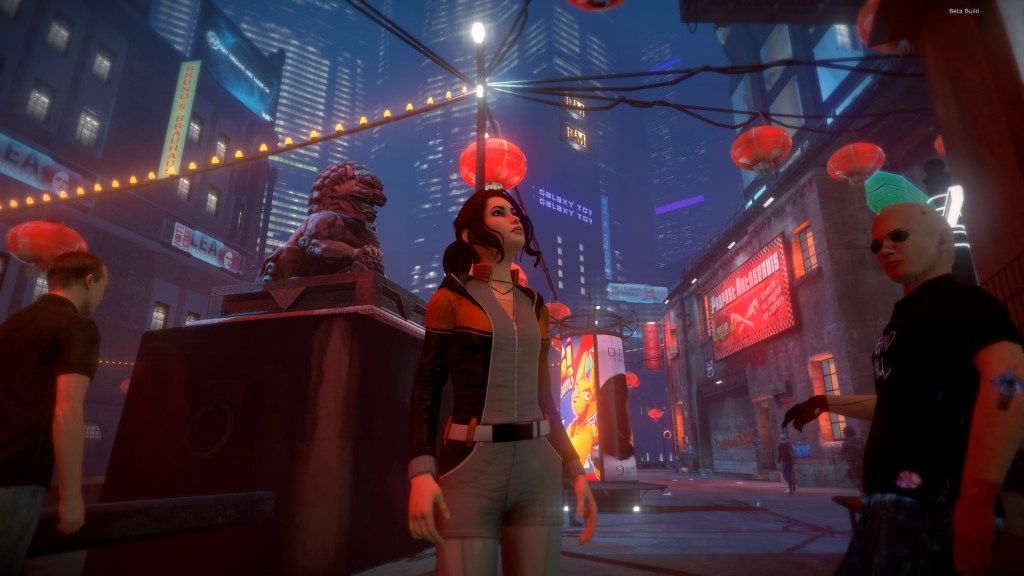
The visuals are also pretty good for an adventure game; clearly last-gen, but this did come out in 2014. The facial animations are stiff, but overall it looks nice with great lighting effects and lots of detail everywhere. The game doesn’t seem well optimized, though, as certain lights will tank the FPS even on high-end hardware, so the engine needs a lot of work. The ending was also not as expected. It was good, as it made sense, but there was no crazy plot twist or anything like that. It came to a slow stop instead of full speed and made your head spin, as a good ending would. But, overall, Dreamfall Chapters is satisfying enough and completes a long-beloved series that will probably never get another game again.
The ’90s were a crazy and nostalgic time on the internet. Web pages full of low-resolution GIFs, viruses, profile pages, and overall teen angst. There’s no other time like the 90’s internet space, and Hypnospace captures that perfectly in an exaggerated style. Retro/Vapor/Synthwave-type aesthetics flood your screen with an actual simulated 90’s PC with HypnOS installed on it. From the crazy wallpapers, low-resolution everything, desktop pets, crazy profile pages, and cult/group pages. This game is fun for those who love to explore.
You play as a Hypnospace Enforcer who runs around the net, finding violations. This is quite fun, but it takes some getting used to figuring out how to use the desktop and OS. Figuring out shortcuts, the buttons, and everything that came with a real 90’s OS is part of the fun. You will get case files and have to report things like copyright violations, malware, harassment, and others. Once you do find the right thing to report, usually it’s through hints. To get you started, you have to read various pages and figure out where to go. This is Hypnospace’s biggest flaw. I was constantly lost and couldn’t figure out what to report, and nothing was very clear. There are a lot of hidden messages (literally) that must be uncovered, and using search terms to find hidden pages is also a must. Once I finally found the page, you just selected the right violation and smacked the hammer on the part of the page. It’s satisfying once you do, and once a user gains enough violation points, you can report their page.
After every case, you get coins, which can be used for various things throughout the net, which is mostly just for fun. Once you close a case, you get a bonus if you find all the violations. There are about 8 cases, and after this, the story starts evolving into a Y2K terrorist attack by a teen, but the evil corporation that HypnOS is run by is also in question. Once the final case is solved, you can optionally explore the archived files. A few people need help discovering the true reason behind the terrorist attack. This is very difficult, and I can’t even tell if I finished that endgame part, as I stopped getting emails in my inbox even after looking at a walkthrough. The main story can be completed fairly quickly unless you are constantly getting lost, like I was.
There are other small details like downloading files and installing programs, using antivirus (90’s anti-virus programs were archaic), exploring MP3 pirate scenes, getting viruses, and seeing them mess with your computer—even small details like going into the BIOS and changing the settings. There’s a lot of love that went into this game, and it shows at every corner. You can even drag things into a recycle bin and rearrange your desktop icons, and the best parts are when the system glitches out and crashes.
Overall, Hypnospace Outlaw is a fun game for those who grew up on the 90’s internet, and for younger players, it is a great insight into it. The game is full of humor, intriguing puzzles, and fun pages to explore and read. The biggest issue is just getting lost and not knowing where to go or what to do half the time. I loved the aesthetic of a virtual 1990’s PC, and this is definitely a game worth exploring for those interested.
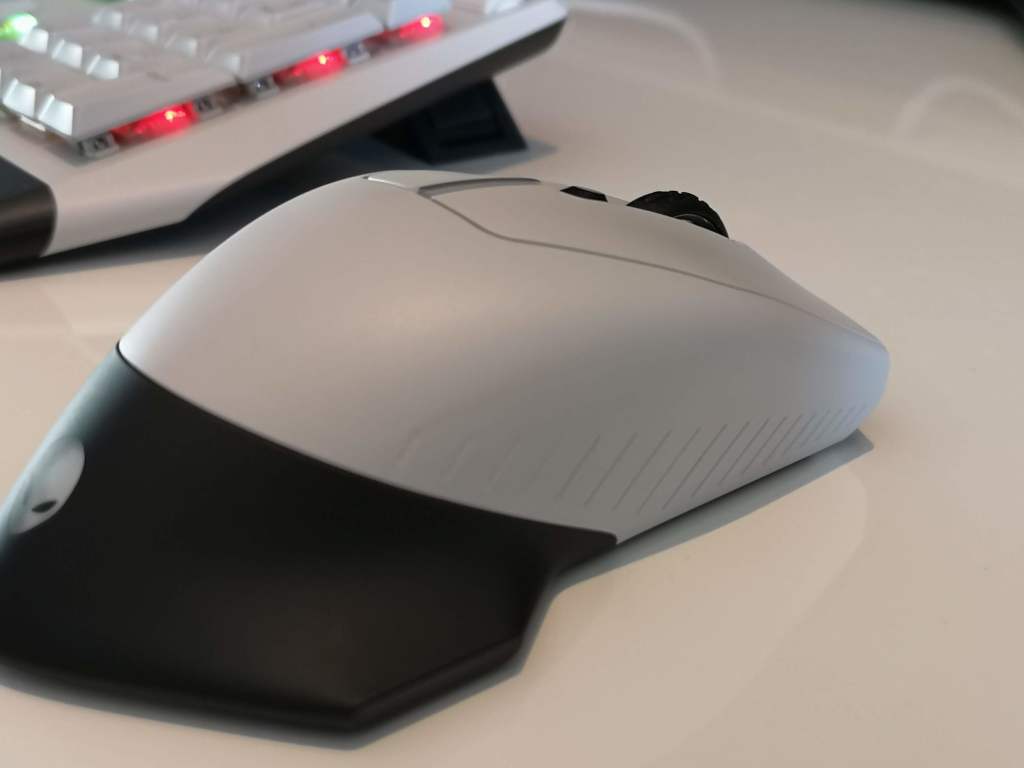
I have used a lot of high-end gaming mice in the years, and most are decent, but what sets them apart from one another are the ergonomics, software, looks, and sensor quality. I have never used an Alienware mouse before, and I know in the past they were always at the bottom of most gamers’ lists unless they had an Alienware computer. To match my new Alienware Area-51m R2 laptop, I picked up this one, which is an updated version of their previous wireless mouse.
Right off the bat, the mouse is striking to look at and matches the aesthetics of their current lineup of computers. The angular edges are white (or black) on black, with the alien head logo and three thin strips of light. It’s subtle and sleek, and I absolutely love the way this mouse looks. Now that’s fine and all, but how does it perform and what is the software like?
Well, the hand feel is nice and light, with a bit of weight in the center. It’s lighter than most wireless mice, but the weight is evenly distributed. The back portion of the mouse flares out and supports your palm a bit to reduce drag, which I have never seen a mouse do before. I’ve seen pinky and thumb rests, but not an extended one for the palm. There is a receiver dongle that pops out of the bottom, as well as a USB charging cable. There are two thumb buttons on the left, a scroll wheel adjustment button, and a DPI button. While it doesn’t have a lot of buttons like Razer’s MMO mice, it works for people like me who don’t have a use for macros.
The mouse glides nicely on soft and hard mats and is incredibly responsive thanks to the 16,000 DPI, but surprisingly, I liked the presets out of the box; they were perfect for me. There are five slots for DPI settings in the Alienware Command Center, as well as the ability to change the RGB lights. You can set the two thumb buttons as macros, but that’s about it. The mouse itself is more back to basics than featuring a bunch of buttons. I enjoy the feel of this mouse more than having to use buttons and macros, which is fine for me personally, and it matches my laptop, which is also important. The battery life is also really decent, with two days of 12 hours of use each, and it only uses 20% of the battery.
Overall, the 610M is a fantastic mouse, and due to the branding and use of Alienware Command Center, it’s probably geared more towards Alienware computer owners. I wouldn’t expect anyone else to own one of these unless you just like the aesthetics. It feels good in the hand, has a responsive sensor, and has enough features to meet my needs.
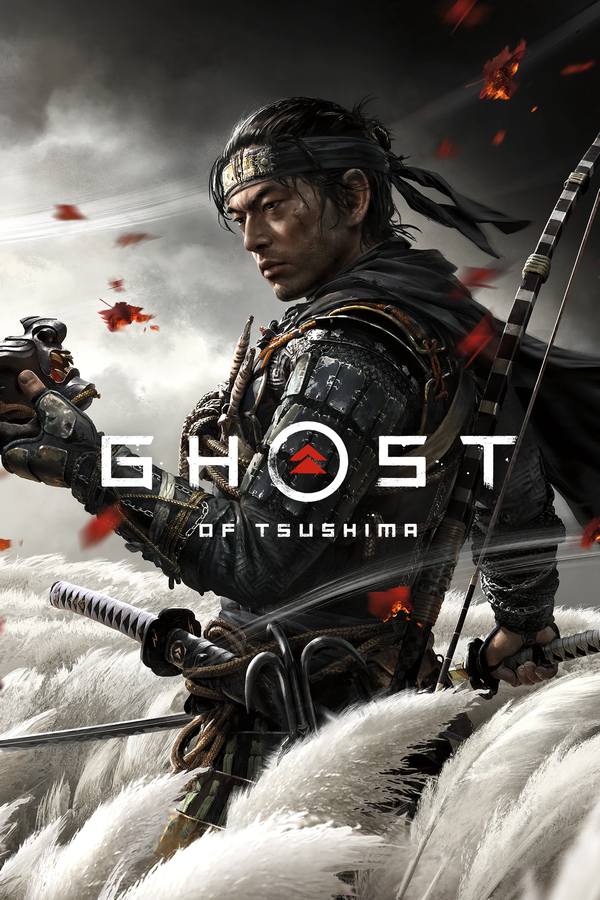
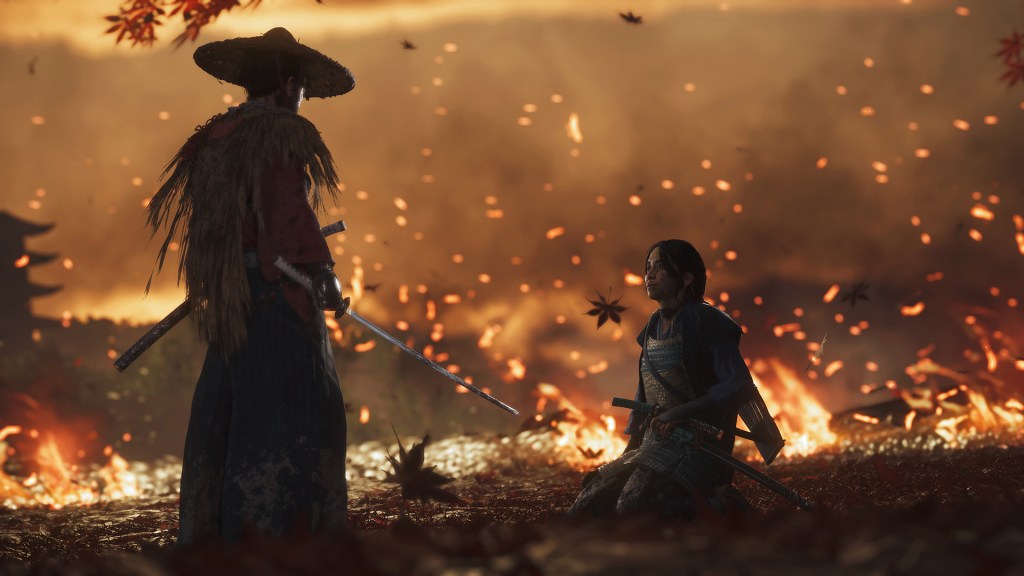
Another open-world game. Yawn. A Sucker Punch open-world game. Okay, I’ll at least listen. An open-world game set in Feudal Japan against the Mongols. Okay, I’ll pay attention now. An open-world game that fixes so many quality of life issues that other games have not changed like Far Cry, Assassin’s Creed, Watch Dogs, Crackdown, Saint’s Row, and even GTA? Okay, fine, I’ll try it out.
This was my attitude going into Ghost of Tsushima. As the game opened up and introduced all the mechanics to me I quickly got sucked in and was comparing the game to every recent open-world game released in the last decade, and how can you not? There are so many things you just expect from this type of game and when it doesn’t happen, or it’s done better, you actually notice. Let’s start with the combat. The game is easy to learn but hard to master and requires skill and timing. Button mashing or parry spamming won’t work here. There are light and heavy attacks, dodge, parry, and block. Yes, three different ways to keep yourself from getting hit and that’s where most of the challenge comes in. You also get four fighting styles that must be changed on the fly based on enemy types and there’s also archery?!
Archery is a blast and also requires skill, as you have to account for arrow drops over distance. Light arrows can be knocked faster but don’t do as much damage, and heavy arrows take longer, but you get less of them. You also get fire arrows and explosive arrows. These are key to the fight system, especially stealth combat. The game starts out hard and gets easier as you acquire new abilities and upgrade your weapons and armor via looting for materials throughout the game.
There’s so much to this game, yet it makes so much sense and doesn’t feel like fatty filler content. This includes combat. While you can wave at enemies and beat them up, there is also stealth in the game. Combat is incredibly fun, fluid, and intuitive, and the controller just melts in your hands. It feels natural, like it should, and is not shoehorned in. Jin’s animations are amazing and lifelike, and the game is satisfying to play. Each hit felt good, and then when you unleash a special move to swoop in and slice an arm of it, it feels good from the first time to the 500th. That’s how you make good combat. Jin also has resolve, which he can use to heal himself or for special moves. It’s a balancing act, and you don’t get everything handed to you, which actually makes this game challenging. Resolve is a precious resource, and it doesn’t just auto-generate after the battle. You must kill enemies to regen or go to one of the various onsen baths. Combat is incredibly balanced, and stealth is just as satisfying.
Jin can sneak around using a sense to let him see through walls, but this isn’t really cheating, as stealth combat is all about lining up the perfect shots. As you level up and acquire skills, you can stealth assassinate up to three enemies, shoot them with a light or heavy bow, use chimes to distract guards, smoke bombs, firecrackers, etc. There’s a lot at your disposal, and both frontal and stealth combat were not cut short for one or the other. The game favors frontal combat by allowing you to “challenge” enemies when you approach a camp or group. This goes into stand-off mode, where you must release the triangle before an enemy strikes, allowing you to gain some resolve. The other option is to sneak around and kill everyone without being seen. There’s really no penalty for either one, which is so nice.
Another combat element is one-on-one boss fights, and these are hard duels. These require you to choose the correct stance. There are four stances for spears, swords, shields, and heavies. You can’t use any extra firepower here. This is down to pure skills, and you need to either decide to block, parry, or dodge, and you get a split second to choose. Red flashes are dodged, and blue can be parried or blocked, but you must learn to time all of these to wind these duels. This is where your skills at fighting hundreds of Mongols will come into play. Switching stances on the fly and learning how to parry, dodge, and block are keys to winning any battle.
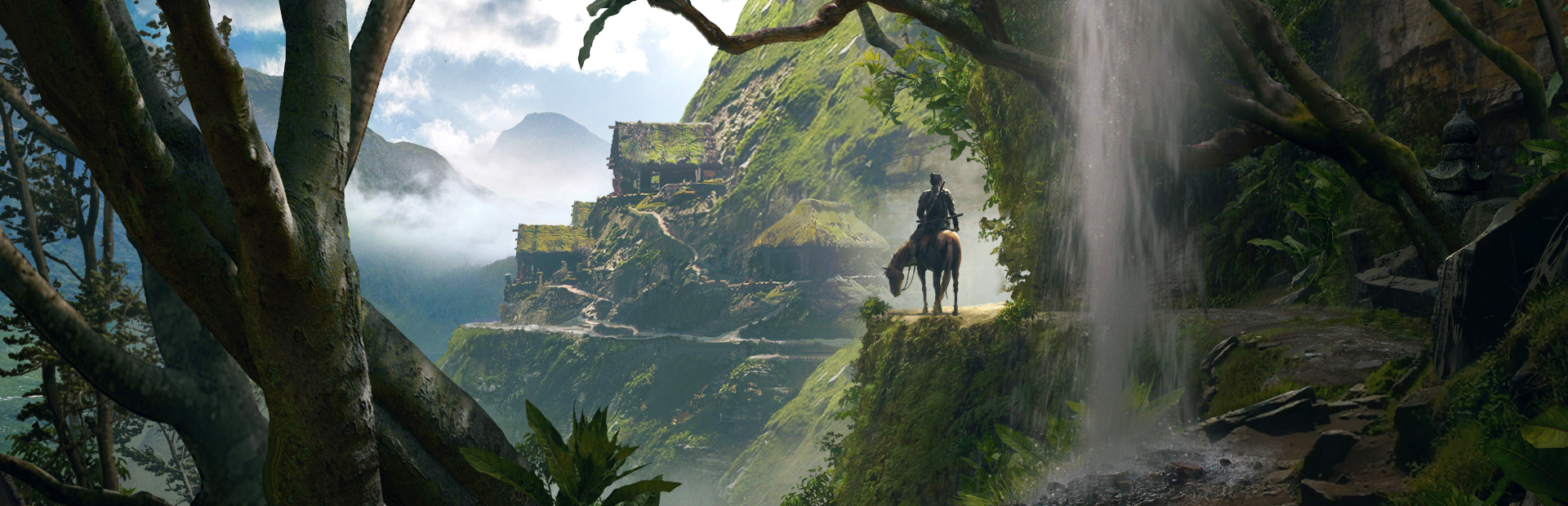
When you explore the game on foot or on Jin’s horse, you are mostly on flat land, and this helps drive the game away from so much climbing seen in open-world games. You can climb certain cliffs and towers, but that’s it, and it’s refreshing. When you explore, the majority of it is spent finding things like Hiku poems for attire, bamboo strikes, which is a button-pressing mini-game, onsen baths for health, and duals for resolve. There are side missions along with your main ones. I found it a blast to explore, as I spent most of the game doing that. I enjoyed exploring Tsushima and finding all the cool attire I could wear. Hats, headbands, sheaths, and some armor are unlocked in side quests. I also found crickets for new songs that you can play on a flute to change the weather, Mongol artifacts for reading, banners to unlock horse armor, and so much more. This game is packed with content, but it never felt overwhelming. It was so addictive to constantly run around finding a new area, and this is thanks to the wind gameplay mechanic. Swiping up on the touchpad makes the wind blow in the direction of side quests or pins on the map. You can also use the wind guide to bring you to every single side item in the game, which is fun.
The game also has a great story that shouldn’t be dismissed. The Japanese voice acting is incredible (turn off the horrible English dubs), and there’s tons of emotion and character in this game. Jin is a wonderful protagonist who is trying to win the love of his uncle (also a samurai) while battling between doing the right thing for the country and keeping his honor. The characters are great, and Jin makes many friends along the way, which I got attached to. While the entire story is only through cut scenes in the main and side missions, there’s still quite a bit, and there’s plenty to love in this regard.
The visuals are also quite striking. There’s a gorgeous art style here that blends nicely with a realistic look. Plenty of grays and browns contrasted with bright, vivid fields of flowers and gorgeous vistas. This is about as good as it gets on the PS4 Pro, with a nice framerate to boot. I just loved exploring Tsushima and its varied locales, and each one was strikingly different. That’s another thing that I compared with this game: the actual world is fun and different to explore, and it doesn’t all look the same and blend together. Bamboo forests, dead-burned-down forests, beautiful fields of various flowers, swamps, and icy mountains. There’s about every possible terrain you can imagine in this game.
With all that said, Ghost of Tsushima is a brilliant game and a once-in-a-generation type of game. I finished the game to about 97% completion with about 60 hours clocked, and I loved every second of it. It was the only game I played for 3 weeks straight.
I was shocked when Tacoma ended as suddenly as it did. Before it even started I felt like it had ended and wanted to see more. You play as Amy Ferrier. Your job is to go to the space station Tacoma, find out why the crew died, and acquire the AI onboard as well. There is zero action in the game; this is an adventure game through and through with story only. All you do is interact with objects and read and listen to dialog play out.
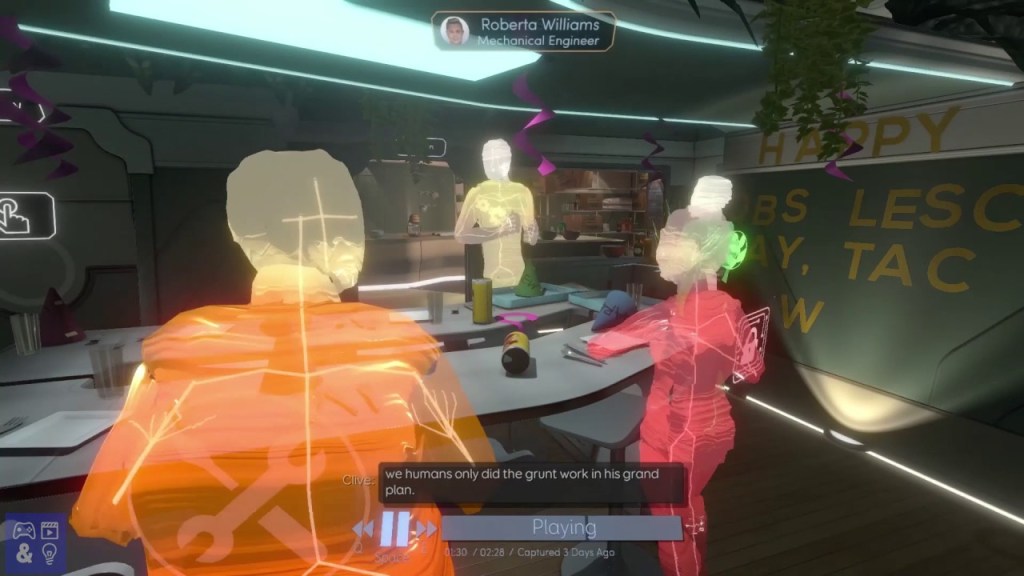
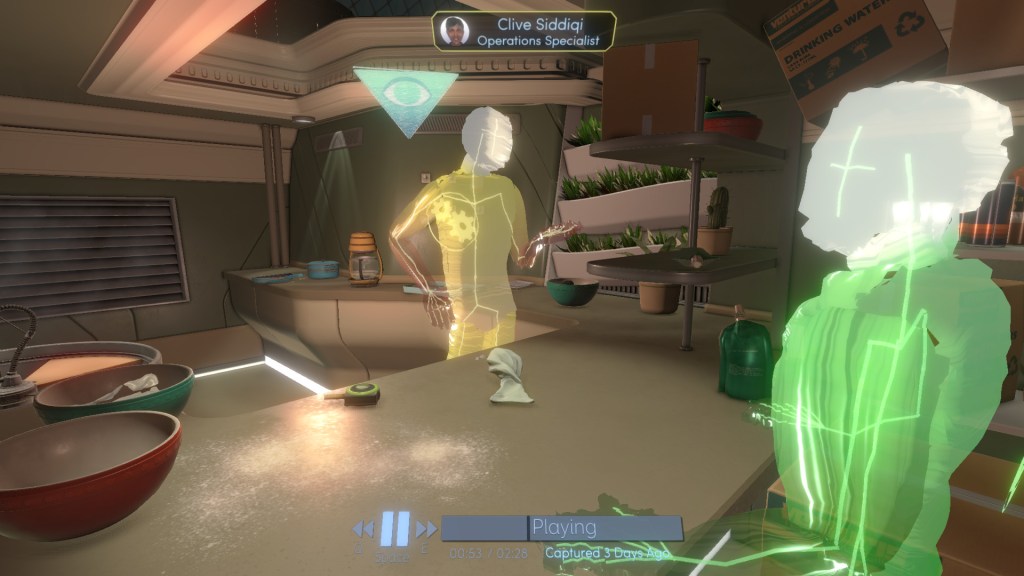
This type of game won’t be for everyone. I love great stories and characters and can enjoy them without any action at all if they’re done right. Tacoma comprises three explorable areas, each with useless interactive objects, but once you get to an area, you use the AI to replay what happened in that area via holograms that walk around. You can fast forward and rewind the hologram play, and in between, there may be some holograms with HUDs that need to be interacted with, and these are marked as question marks on the timeline of the event you are watching. Finding these holograms and interacting with their display allows you to gain some insight into those characters. Honestly, it’s nothing super special or interesting. The issue is that the overall story and larger picture don’t really sit and integrate well with the characters. They feel like a side story.
Once you get through all three areas by finding hidden passcodes to locked doors and reading various terminals, there’s nothing left to do. You drop off your AI book at the front of each hub on a wall that downloads all the data in that area. This takes around 15-20 minutes to do, and in the meantime, you have to explore the area. Once it’s done downloading, grab it, go to the next hub, and repeat. Once you get the AI software, you head back to your ship, and the game is over.
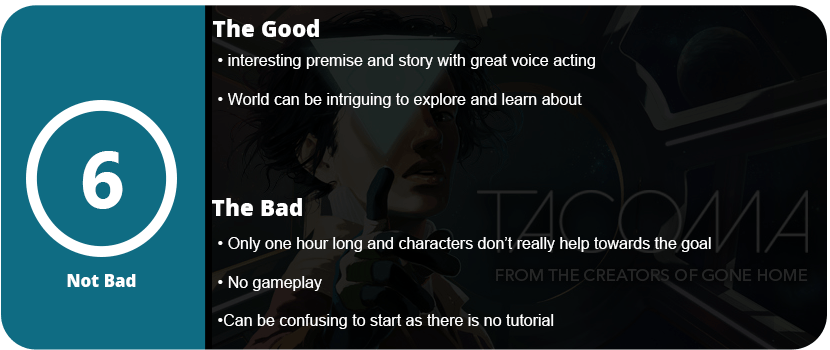
I wanted to learn more about this world. The fact that an evil corporation is building homes in space against the law is intriguing, and there’s lots of potential here. I felt like I had no idea what was going on most of the time because I kept expecting the plot to move on, but instead, it just ended when most games would consider this the first chapter. I’m not a fan of short, incomplete games like this and don’t support them. I’m a fan of short games if they are sweet and memorable, and I have played plenty of those. This almost felt like a waste of an hour.
The visuals are decent, and the art style is nice, albeit forgettable. The voice acting is great, and there are some interesting concepts at play that are just barely touched upon and then abandoned. Tacoma doesn’t give the already struggling adventure genre any hope or appeal to gamers who shy away from them either.
It might be common knowledge of even the most casual fan of Arcade 1Up’s cabinets that mods are needed for quality of life improvements and to make it that much closer to the original that 1UP either had oversight on or just plain refused to include. Thankfully, these cabinets are fully moddable with real arcade parts and require little knowledge or know-how. I’ve included the mods I’ve done to my cabinet to make things better, improve the quality of life, make it more unique, and stand out from the crowd. There are plenty of other more involved mods, like running a RetroPie, which essentially makes the cabinet an arcade emulator (which I feel is pointless when buying a specific machine), LED coin slots (which require a lot of wire splicing and even a brand new control board), and various sound mods like adding a subwoofer, new speakers, and an amp. But these are more involved, and some aren’t worth it in the end as they won’t greatly improve the playing experience.
Cosmetic Improvements
While the artwork on these cabinets is gorgeous, high quality, and true to the originals, there are a few things that have been overlooked. Mainly, the screws and screwholes are eyesores. Seeing bare wood and silver screws is just plain ugly. This goes for the cabinets and risers on every single unit. Thankfully, for a few dollars, or even free, you can change this with some time and attention to detail.
Screw holes
The first thing you want to do is get rid of those unsightly, bare screw holes. These can easily be covered up with a black sharpie or a matching color of your panel art. Mine was easy as the MK cabinet is mostly black where the screw holes are.
Screws
The silver screws are unsightly silver and stand out against darker artwork. You can either paint your screws to match the artwork around them or buy kits online for a few dollars that include painted screws. If you hurt the tops of yours, they must also be treated with an anti-corrosive spray so they don’t wear off over time.
Controls
Buttons
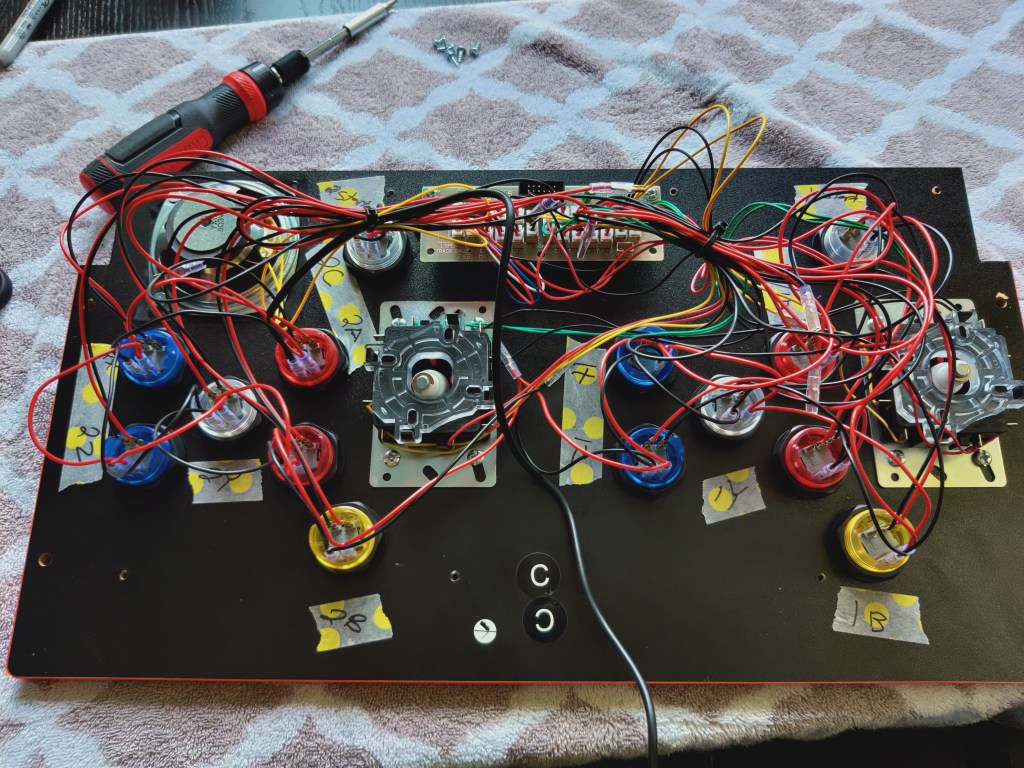
The buttons are the only major things that need to be swapped and can be the best upgrade and improvement you can do. Casual gamers might not mind them, but anyone familiar with real arcade hardware or fighting games in general might know the difference. This goes for any arcade game. The best option is to buy already-made kits available on diyretroarcade.com for around $50. This also includes awesome LED buttons, but you can also forgo that if you really want to. These are Happ buttons, as regular Sanwas won’t snap into the wood deck as it’s too thick. The guys at DIY Retro Arcade have already wired everything up for most 1UP cabinets, including power splitters. The kit only requires you to plug stuff in, and no changes to the design are required. These new buttons are like night and day, and the LED looks awesome.
If you want to turn the LEDs off without unplugging the machine, you need to buy the optional switch, and this requires drilling a 1/4″ (6.5mm) hole in the slanted panel under the control deck. If you are too scared to drill, it’s not a big deal, and you can practice on small wood squares from a local craft store.
Joysticks
The ones included in the Costco edition of the MK cabinet are actually great clones, and most people won’t notice a difference between these and real Sanwas; however, some cabinets have terrible joysticks. Sadly, the joysticks used are proprietary, have a smaller hole layout over the Sanwas, and require drilling new holes in the deck, which also isn’t that scary. DIY Retro Arcade also sells kits with pre-wired harnesses that allow you to plug these up without needing to solder.
Restrictor Gates
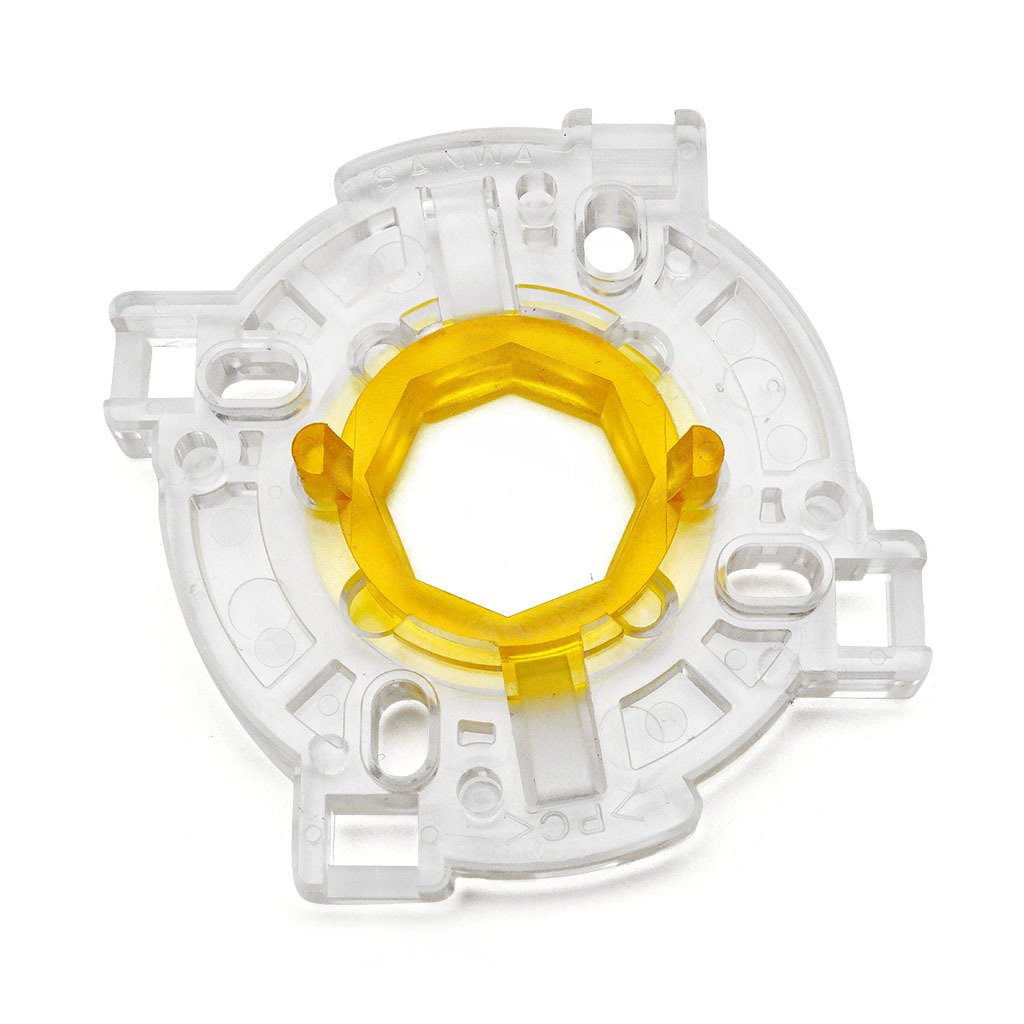
Depending on the game you are playing, you need specific restrictor gates. These are plastic plates that go under the joystick to give it a movement pattern. Fighting games should be octagonal, and games like Pac-Man should be square or diamond. Sadly, 1UP didn’t have the foresight to include these for each machine, and the MK one comes with a diamond gate, which feels off. These are extremely cheap mods to make and super easy to install. They just pop off and on with no extra tools, and they can make a huge difference.
Retention Springs
This is a super cheap mod that makes the joystick stiffer depending on the game you are playing. Fighting games should have stiff joy sticks for more accurate combo execution, but of course it’s down to preference. There are 2 lb. and 4 lb. springs, as the ones that come with the 1Up arcades are under one pound and allow that floppy joystick feeling.
Let’s face it, we all want full-size arcade machines, but they are either too large or too expensive to collect. Most arcade collectors rent warehouse-sized storage rooms or open an actual arcade room. You can collect a select few to keep in a room or basement, but they are very expensive to restore and maintain. They require a lot of knowledge and research, and every machine is different. That’s where 1Up Arcade comes in. Some might say they are smearing the sanctity of the arcade scene, but I say they are saving it. There are a lot of people who love arcades but can’t get a hold of them. This allows these people to collect arcades at 3/4 scale and have a room for them without much knowledge. These machines run off emulator boards, are easily put together, and are faithful to the originals.
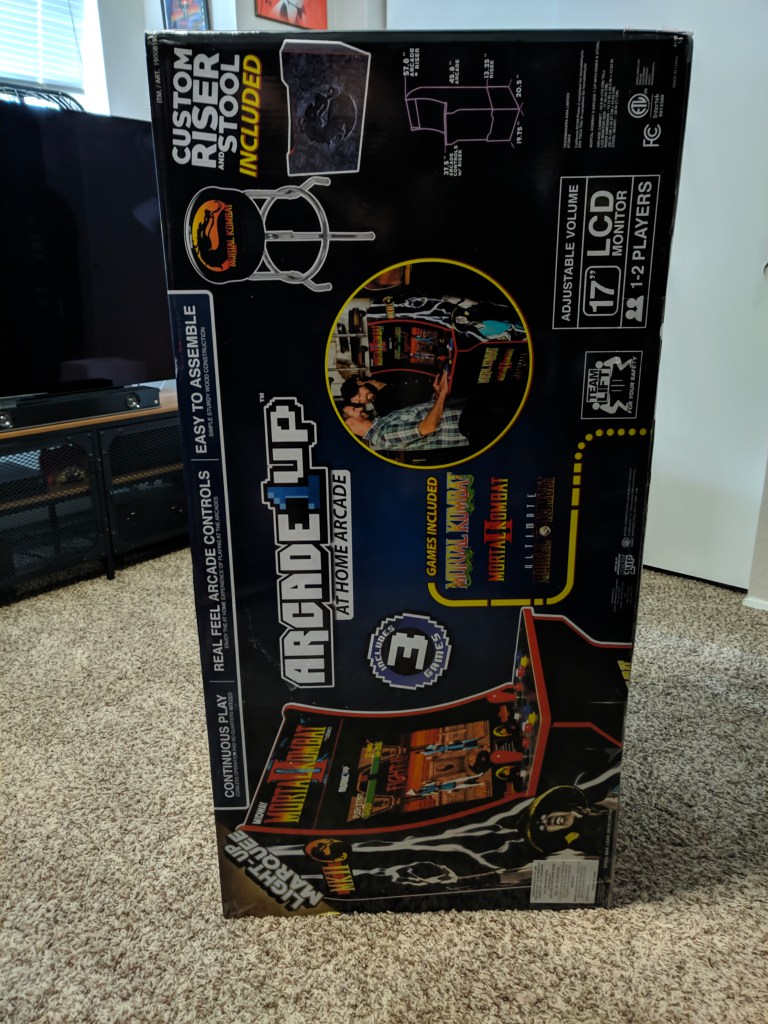
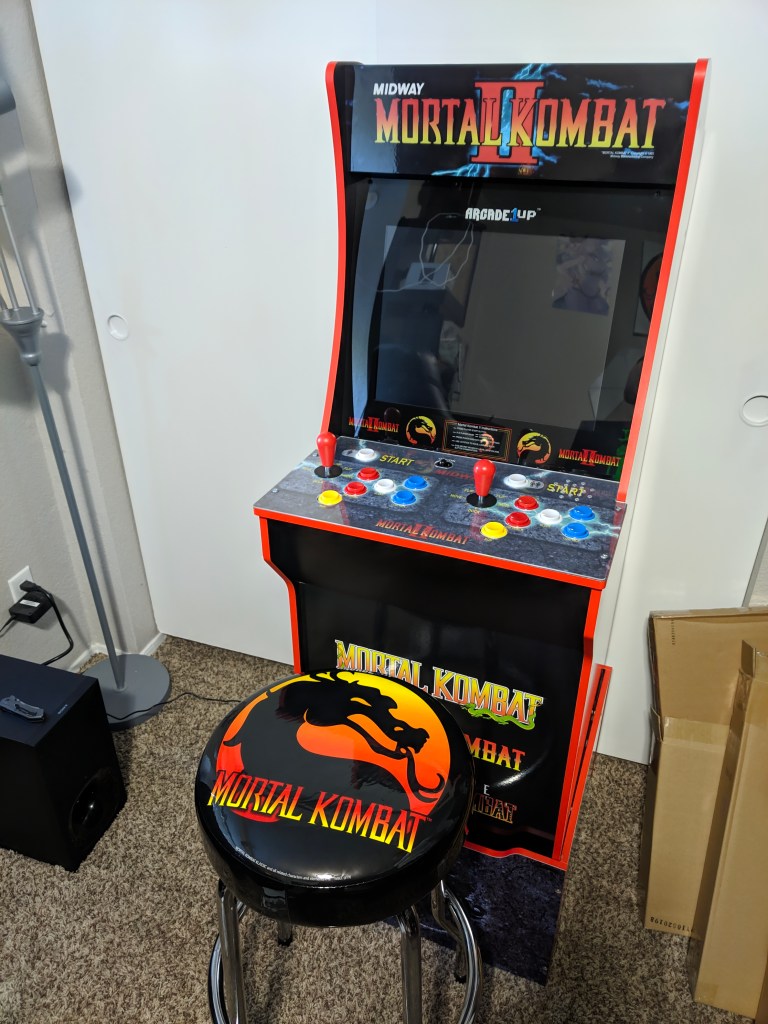
I’ve always wanted a Mortal Kombat arcade cabinet, and when I saw this get announced, I flipped. It’s my favorite game franchise of all time, and I couldn’t be happier with what has been released. The cabinet features the artwork of the Mortal Kombat II cabinet and looks beautiful. The installation process is rather painless, but it does require a good 2-3 hours of your time to put together properly, as it’s large and there are a lot of pieces. The price you pay for these cabinets is about 1/4 the cost of a full-size arcade. Mine cost $350 from Costco, and I will get to why this is a special version later.
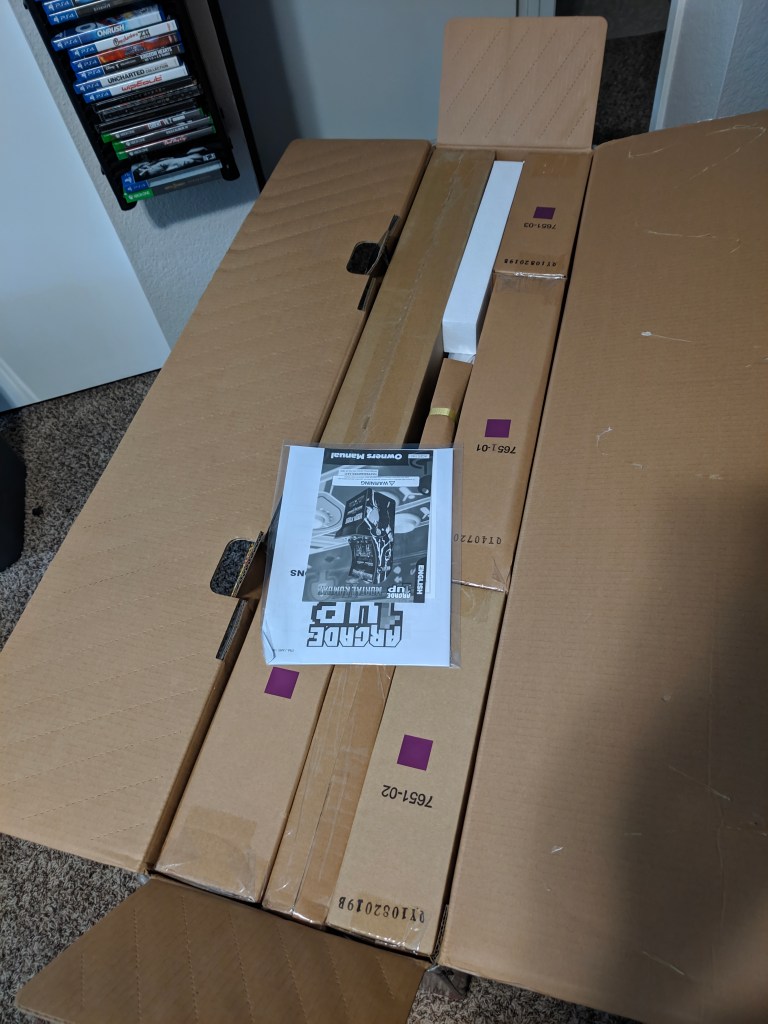
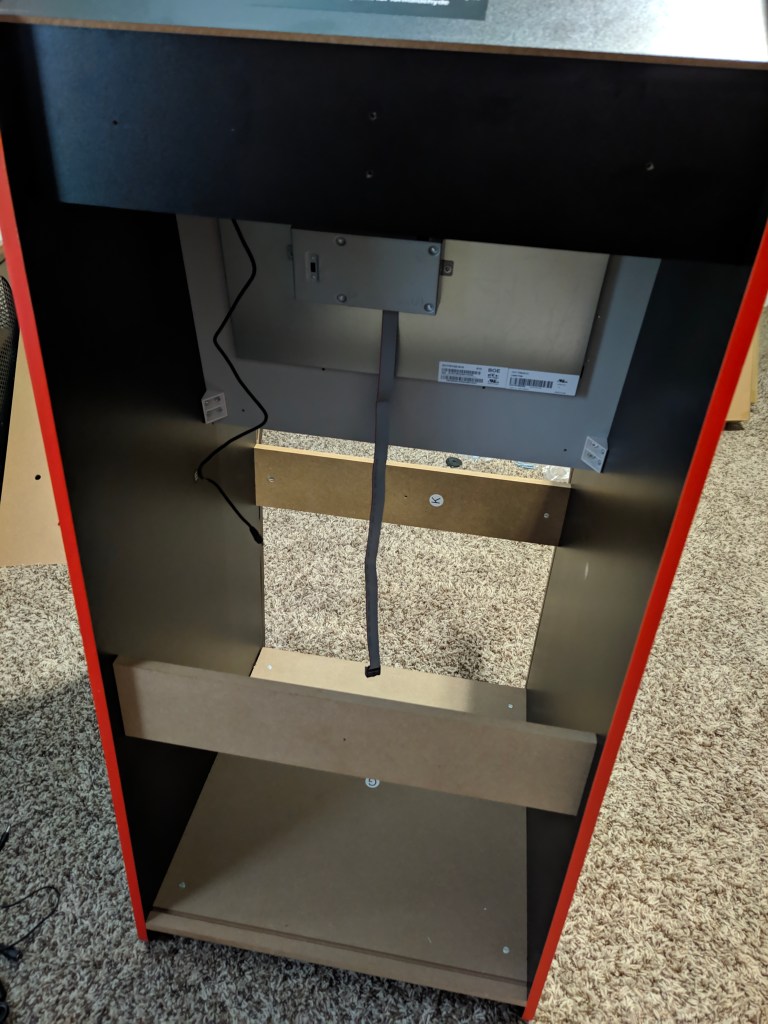
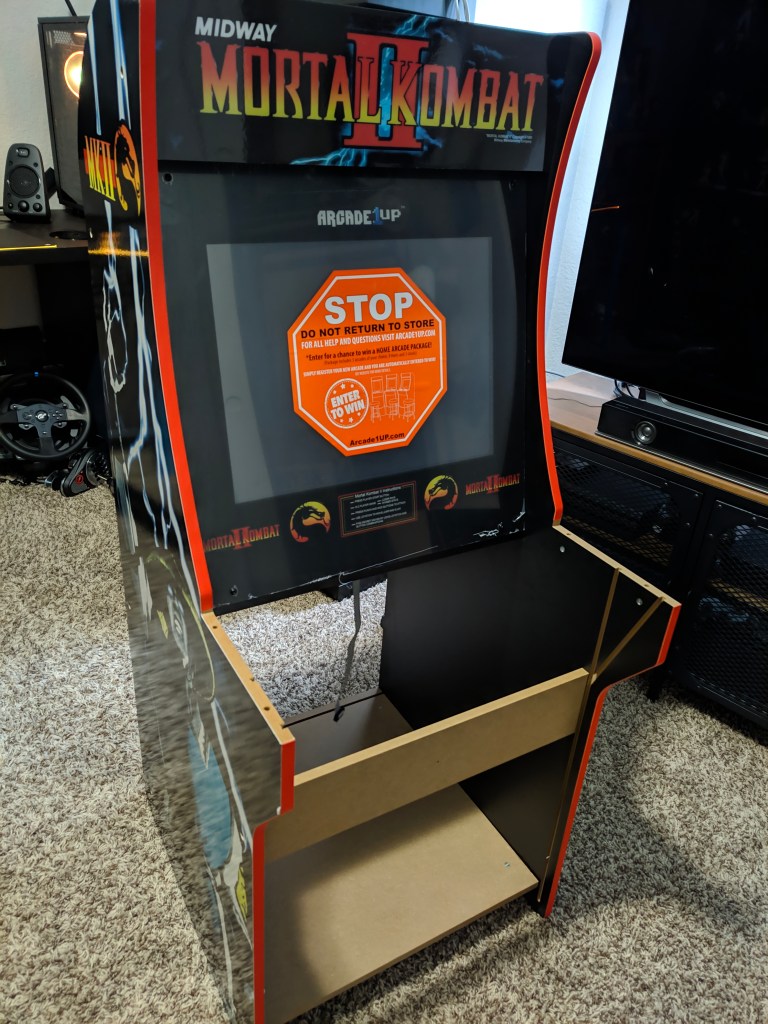
When you open the box, everything is laid out nice and easy with good enough instructions. You are basically putting one side together with all the center pieces on its side, and then you put the other side panel on. There is one ribbon cable that connects the video screen with the control deck, and you’re all set. The cabinet may look heavy, but it’s very solid and light enough to move around with only one person. The control deck has an acrylic cover on top, and the screen panel has instructions on how to select games. Once it’s plugged in and you’re booted, you’re greeted with a 1UpArcade splash screen and the option to play all three MK games. These are perfectly emulated arcade ports, and you can even access the master options like in a real arcade cabinet to change things around.
Let’s start with the controls. These aren’t the best buttons in the world, but they do work for casual users. They do eventually get a little squeaky and don’t depress evenly across all buttons. They are concave and look and feel decent enough. The joystick is actually a pretty good Sanwa clone and comes with nice bat tops, but the restrictor gate is a four-sided one underneath, despite this being an eight-direction game, so some mods will need to be made if you really care. Having only four directions feels off, and the cabinet should have come with an optional gate. I also think the joystick spring should be a 4 lb. spring and not a half-pound spring that’s included, but it’s all down to preference.
The sound quality is actually quite good, and this game gets extremely loud. The single mono speaker has great sound, and there are three volume settings. Off, normal, and extra loud. I found the sound great across all three games, and emulation in general is fantastic. There weren’t any glitches, slowdowns, pops, or crackles in the audio. I felt like I was playing in an actual arcade. The screen is also fantastic, as it’s a 17″ LCD with a Hor+ aspect ratio, so the characters aren’t stretched upwards. The colors are bright and vivid and not pixelated. There are no brightness settings for the monitor, but it looks great at stock settings.
Let’s get into what makes the Costco version so special and superior over the regular MK arcade release. This version comes with a light-up marquee, bar stool, and MK riser, as well as a superior speaker and monitor. The original monitor has a vert-aspect ratio, so everything is tilted upward and the colors are off. There is popping and crackling in the sound, and the buttons are a little better here. Overall, the Costco version is the only version I actually recommend for this cabinet.
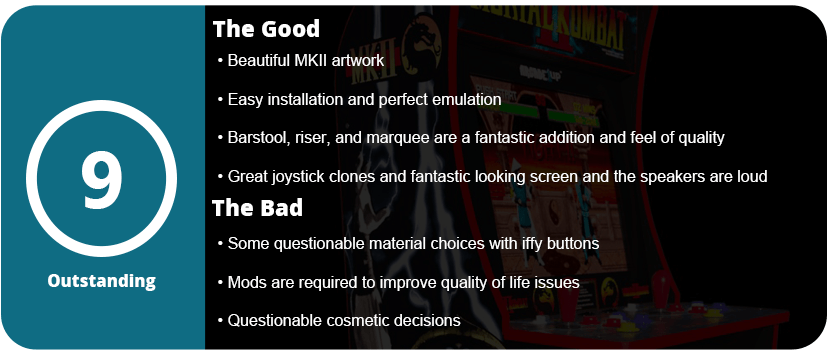
With that said, 1Up’s MK cabinet is fantastic and a must-have for any Mortal Kombat fan. It’s one of my favorite gaming pieces that I own and is a centerpiece for my gaming room. With various mods to the cabinet, you can easily make it better and more unique, but for the price, I feel 1Up should have added some stuff. For one, there should have been real Sanwa buttons and sticks; it doesn’t cost much more. Second, stereo speakers would have been nice. You can add your own regular speakers as there is a 3.5mm jack on the back of the LCD, but something better stock would have been nice. The wood could have been slightly higher quality, and black screws instead of silver would have been nice. These changes would cost little to no money, and quality of life changes are a must for these cabinets.
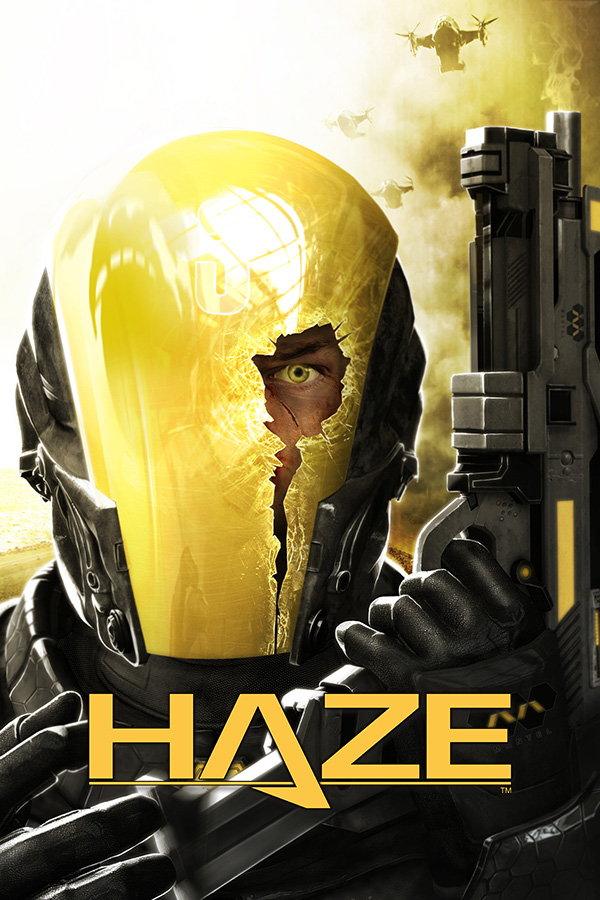
It’s not a mystery that developers around the world struggled with the HD era of gaming. Development went from a few dozen to hundreds almost overnight, and with the advancement of shaders, more complicated lighting effects, higher resolution textures, larger worlds, and more dialogue, it was a huge undertaking that put many companies out of business, and Haze is a casualty of this struggle.
You play as a private security mercenary named Shane Carpenter who is tasked with eliminating a rebel group for some reason, and it’s never said why. You are a supercharged soldier hopped up on the stimulant known as Nectar, and as the title says, halfway through the game, you are an outcast and deemed Code Haze. The nectar is used to force the soldiers to see the world in the way that the company wants them to see it, and in turn, you help the rebels take down the Mantel organization. Surprisingly, the story is the only interesting thing going on in this game. It had a couple of really good moments, and only if the developers had more time to work on this, Haze could have been one of the best shooters of the HD era of gaming. But, like most games back then, the publishers were pushing for money and time, and thus the game fell through.
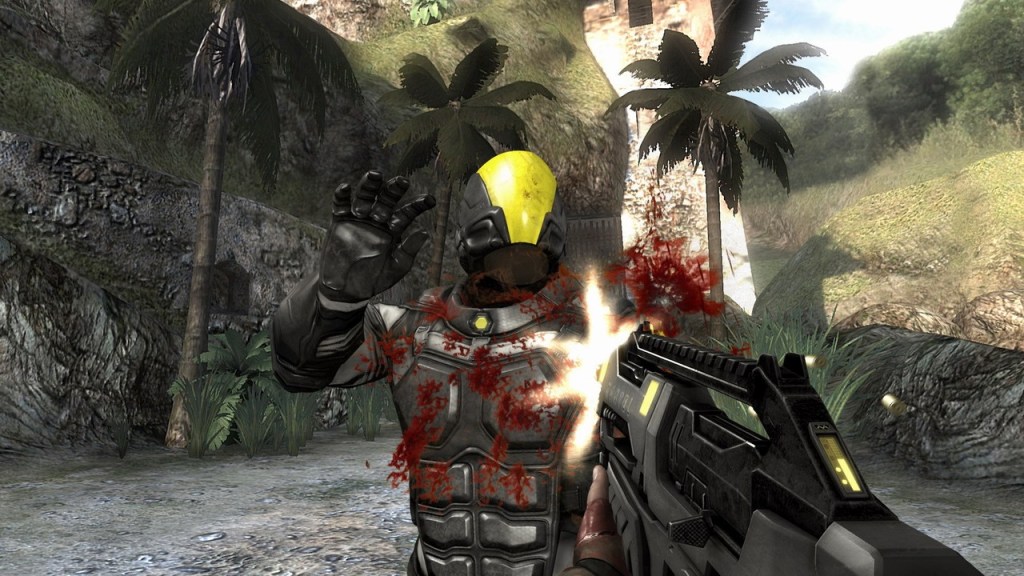
The shooting, sadly coming from some masters of FPS games, is awful. There is zero feedback in the gun, the controller, or hit detection, so every enemy just feels like a bullet sponge. The guns feel the same, and there’s just no satisfaction or character in them, such as in a game like Resistance, for example. Why there is no rumble function for firing weapons is unknown, but it sucks big time. Aiming and shooting became chores due to the poorly laid-out control scheme, which I completely had to change. It doesn’t help that there are very few weapons. A shotgun and an assault rifle were the only weapons I used throughout the entire game, outside of a few areas that called for a rocket launcher. There are supposed to be rebel weapons and Mantel weapons, but they are both exactly the same with just different ammo counts. They both feel exactly the same, which is ludicrous. There are a couple of interesting ideas, like being able to create nectar grenades to confuse soldiers and make them fight each other. Meleeing enemies and taking their weapons is also a good idea, but it’s all executed so poorly and feels half-baked.
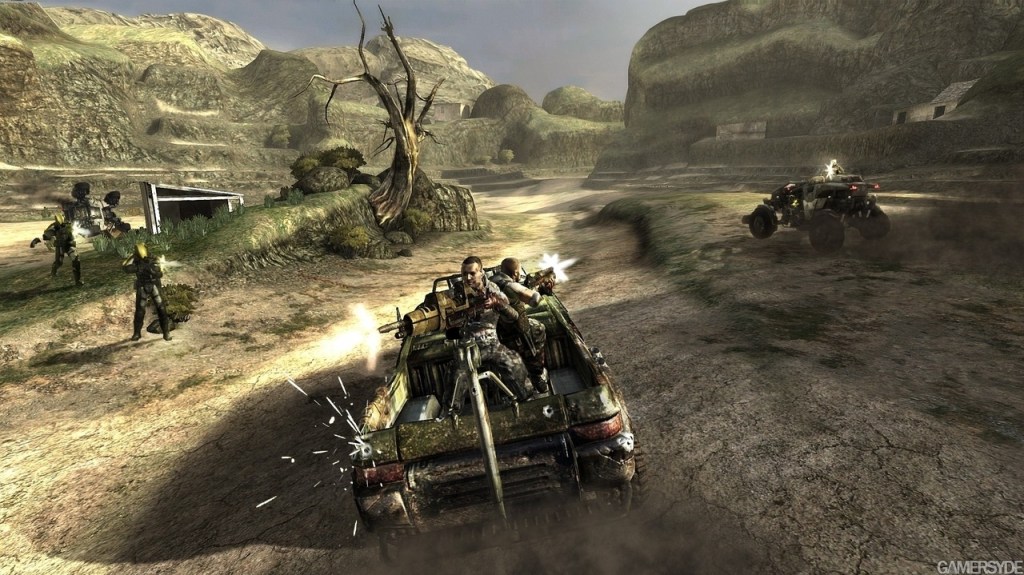
The level design is also bland and uninspired. Boring jungles, boring gray buildings, and hallways—the game just looks half-built. Many buildings are void of any furniture or character. I mean, why are there so many buildings in this world without desks or paintings? Does everyone just live on the floor? Then let’s get into the vehicle sections. I don’t think these were ever playtested. The vehicles are floaty and too vulnerable, and scripted vehicle sections actually destroy the vehicle and force you on foot. Imagine any other game with a scripted vehicle sequence like Uncharted and having your vehicle blow up, and you just walk on foot through that section while the rest of the sequences trigger. It’s broken and awful and should have been cut completely.
Visuals, you say? Outside of the boring design, I guess the game looks decent for an early PS3 game. The game runs well at a good framerate, but it could have looked better. The multiplayer servers have long since shut down, but you’re not missing much at all. For the bargain bin price, I can only recommend this to those wishing to fill a PS3 void that they missed or are just curious. Haze is one of the most infamously awful games, and it left a stain on the video game timeline forever. It’s short-lived, but you’re better off playing one of the other many amazing shooters on PS3.
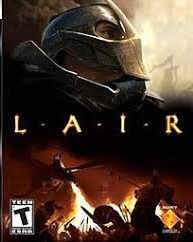
Fun. This is not a word you will be thinking of during your playthrough of Lair. There isn’t a single redeeming value to putting yourself through the torture of Lair unless it’s for novelty or pure curiosity, like myself. I avoided this game like the plague during and after launch. It was quickly thrust into bargain bins just months after launch, and no one gave it a second thought. The HD era of gaming was a rough start for most developers, and this game put Factor 5 out of business. So what happened?
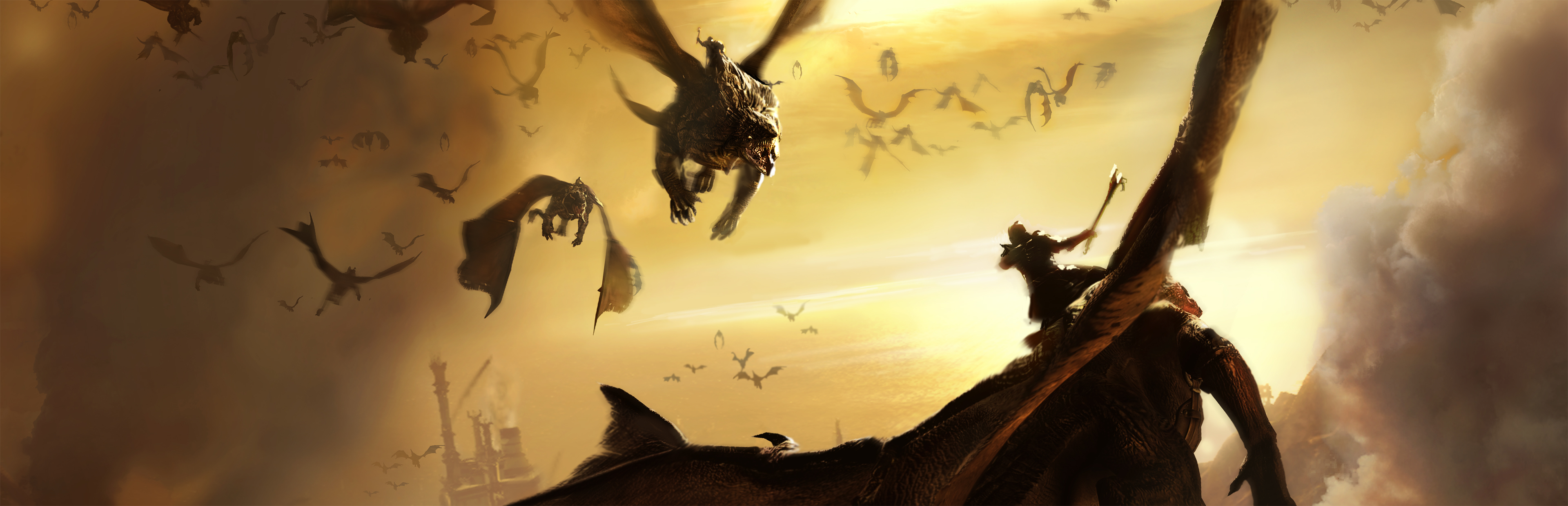
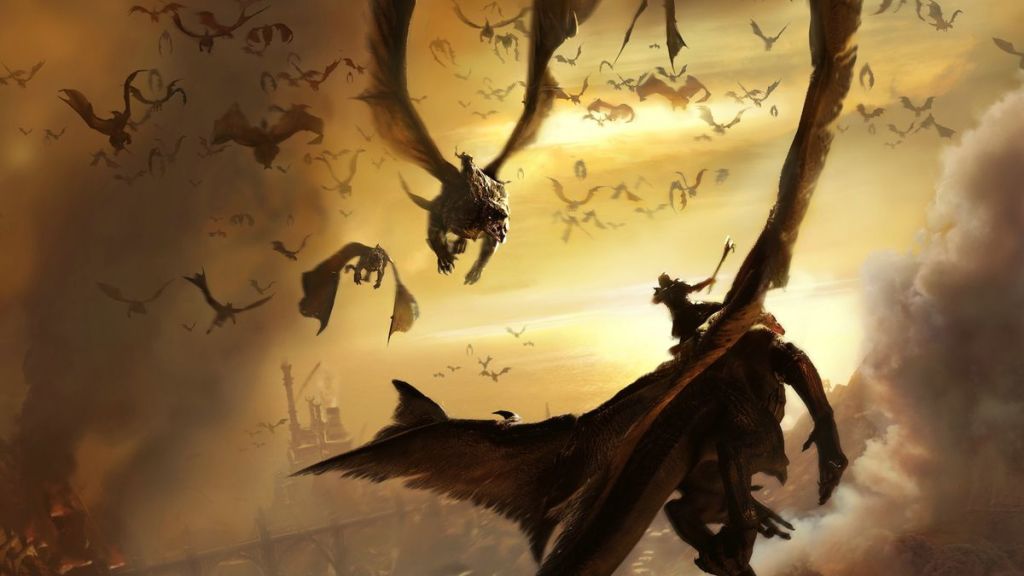
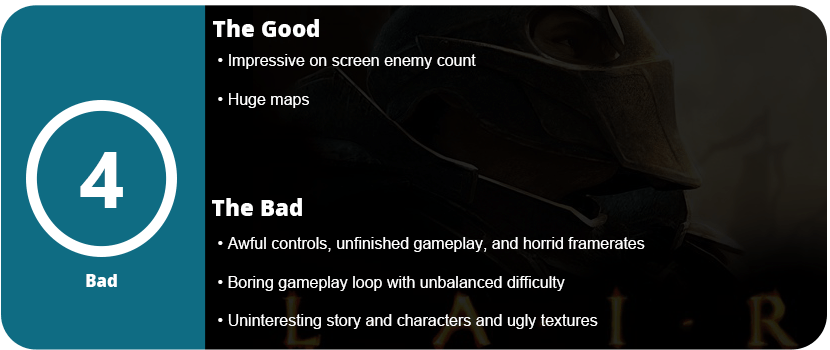
Well, for Factor 5’s history, you can watch plenty of YouTube videos on that, but Lair seems to start out okay, but within 10 minutes you realize you’re going to be in for a rough ride. The game seems okay during the opening pre-rendered cinematic, as it looks quite impressive for the time. Once the cutscene ends, you are on the ground, and you immediately notice the first few issues before you even jump onto your dragon. The framerate. It’s absolutely abysmal and one of the main reasons why the game is nearly unplayable. It never runs above 30 FPS and quite often dips down into single digits. Whenever there’s an explosion or thousands of enemies rendered on-screen in the form of armies far below you, the game just cannot keep up. The game from this point already feels half-made and like it’s in the alpha stage.
The second thing you will notice is how incredibly ugly the game is, even for its time. The textures are horrendously blurry, pixelated, and stretched out; the models seem half-done; the animations are broken and skip and jump around to different points; not to mention the awful controls. The dragon itself controls halfway decently, but without the patch to add analog support, this game cannot use the precision of the SixAxis motion with this horrible framerate. Nothing feels finely tuned, and you’re always doing large, gross movements to overcompensate for the framerate. When you finally get the hang of the controls, you are to lock on to enemies and shoot them down with fireballs. Pressing the circle allows you to magically zoom up to them, or just magically appear next to them for a takedown-style button-pressing fighting mini-game for health or a QTE animated takedown. You can also bash them on their side by swinging the controller towards them. This entire combat setup seems good on paper, but it’s clearly unfinished.
Locking on doesn’t work half of the time, as the dragon will stay locked on and face the opposite way of the enemy, yet somehow still shoot fireballs at them and sometimes make it. Usually, when you let go of the lock-on button, that’s when all hell breaks loose. Nine times out of ten, you will slingshot across the map and disorient yourself; hitting objects will also slingshot you and will just push you straight into the ground. Every single mission is either an escort or takes out X enemies until something happens. The objectives are so vague, and it’s so difficult to know who the enemy is and what units to attack. There are no highlighted areas, arrows, or anything to help you out. I restarted missions multiple times because I didn’t realize I was attacking the wrong side or completely missing an enemy that I didn’t see. While swooping down and attacking thousands of enemies at once seems impressive, and it should be, it’s not fun at all in this game. The draw distance is abysmal, as animations run at 2 frames until you get right on top of them.
Oh, and the story? Forget it. Two warring factions for no apparent reason, and then you switch sides halfway through. No lore, no goal, just a couple of armies fighting because they can. The enemy design is boring, the dragons are boring, and outside of fighting the controls and framerate, the game is just dull and uninteresting. Even if this game worked, the underlying gameplay loop just isn’t fun. Sure, the maps look huge and there are tons of enemies on screen, but it’s a jumbled mess of confusion and throws the balancing way off.
Overall, Lair is just an awful game and shouldn’t be experienced by anyone. Unless you want to play an infamously bad PS3 game, just stay away. Thankfully, the game is short-lived, but you couldn’t get gold ratings in missions even if you wanted, as the framerate and awful controls prevented you from doing it. There is also no trophy support patched in, which is a real bummer.




















































 thebinarymessiah.com
Try multiplayer. A lot of fun !