Sound design is all about immersing the player into the world. It’s not about quality but about how the sound is implemented and how much care is put into it. Do the developers use the same footstep sounds throughout the whole game or different steps for each type of terrain? That’s the type of detail we’re looking for.
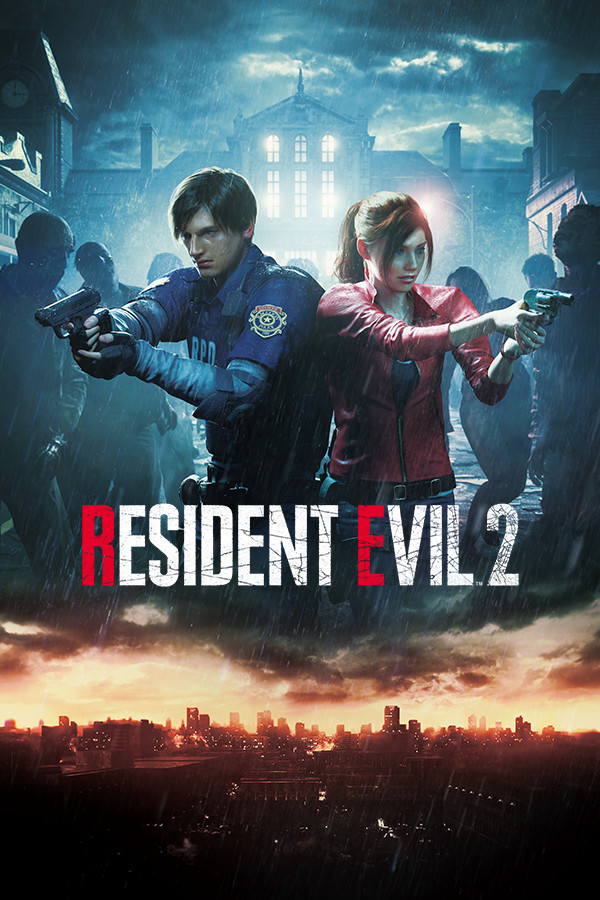
Resident Evil 2
Resident Evil 2’s sound is both eerie and unbelievabvly engaging. From the sounds of opening doors, the moans of zombies, and footsteps in empty halls. Even the rustling of clothes is present and it’s tall enough to create one big sound design package that helps suck you into the atmosphere of RE2.
Indie titles have really taken off over the last decade and going into a new one we will see more indie games top the quality of some AAA titles. I have some indie games under my belt as some of my all-time favorite games. They don’t have the time constraints and corporate oversight that larger budget titles do.
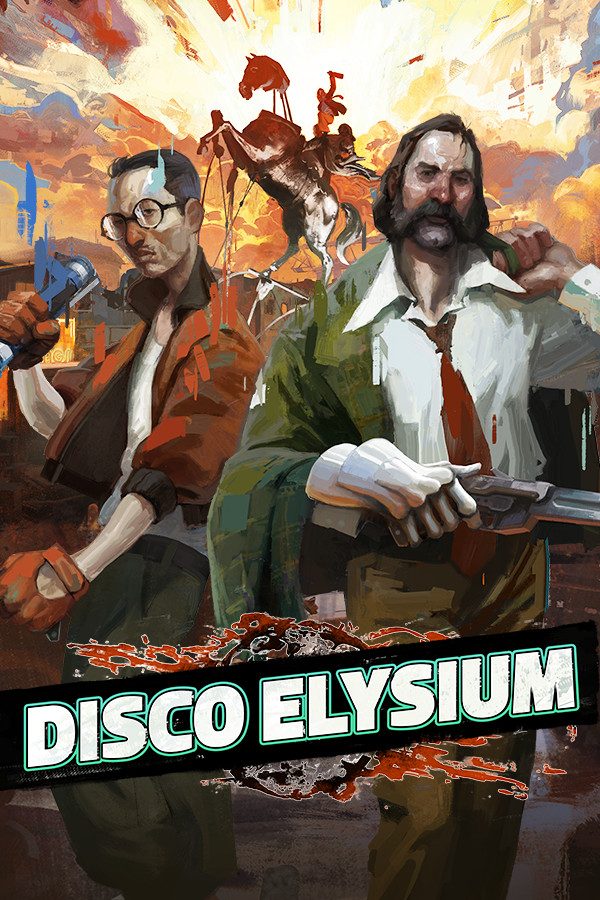
Disco Elysium
Nothing screams top-notch indie developers like ZA/UM Studios. They came out swinging in the top-down RPG genre that’s ruled by companies like Obsidian, Beamdog, and Larian Studios. Disco Elysium has everything a AAA title has without the nonsense. Great voice acting, art, story, and characters.
Voice acting isn’t just tied to AAA titles, but many indie games have fantastic voice acting as well. It’s also not just about not sounding like you’re reading a high school play in boredom, but the delivery of character, and selling the character to the player and drawing them in.
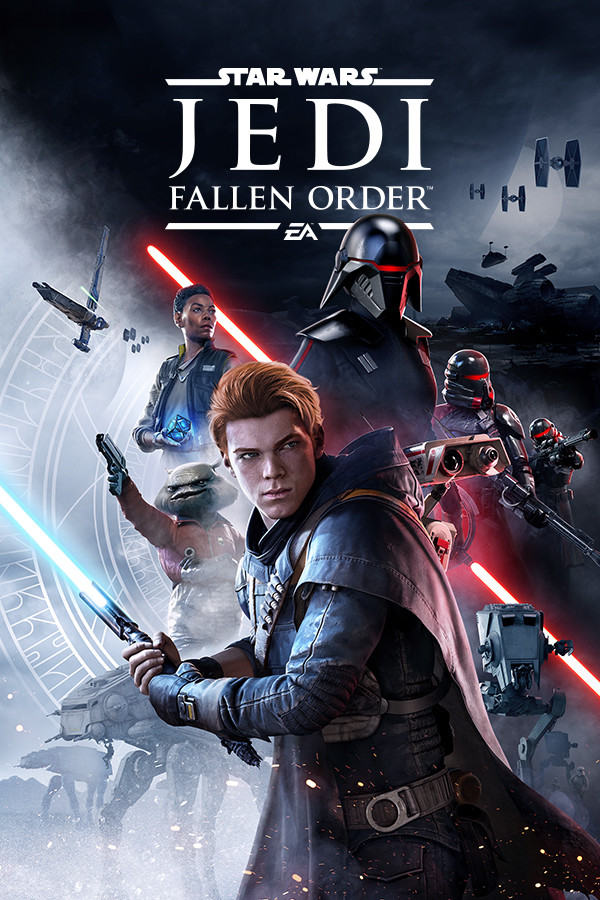
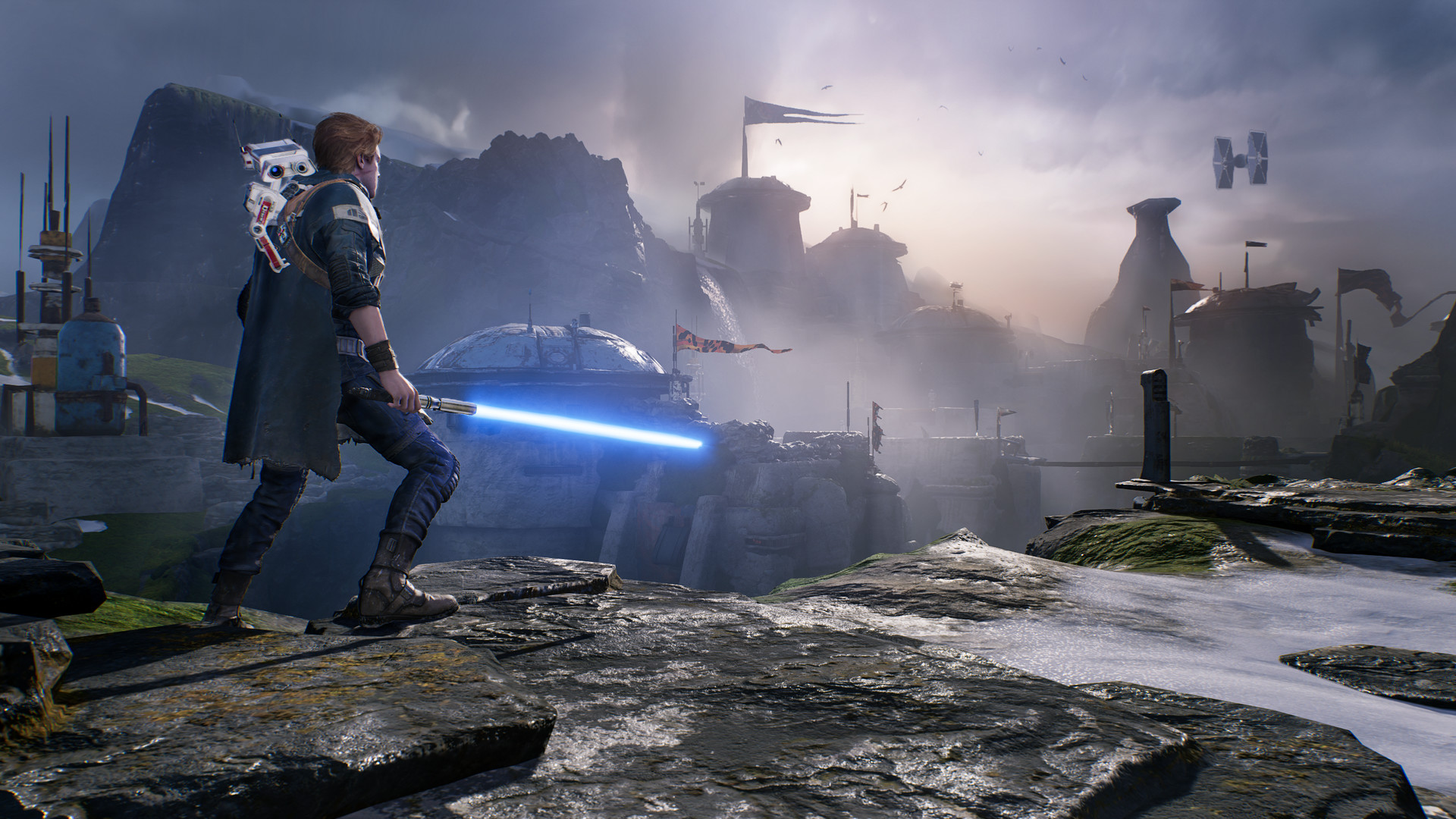
Jedi: Fallen Order doesn’t just have great voice acting, but the actors sell the characters and it most importantly feels like it could be an actual Star Wars film. There have been bad voice acting in Star Wars games before, but Fallen Order is by far the best yet next to Battlefront II. Every character feels and looks like their voices and it helps sell the entire game as one cohesive top-notch package.
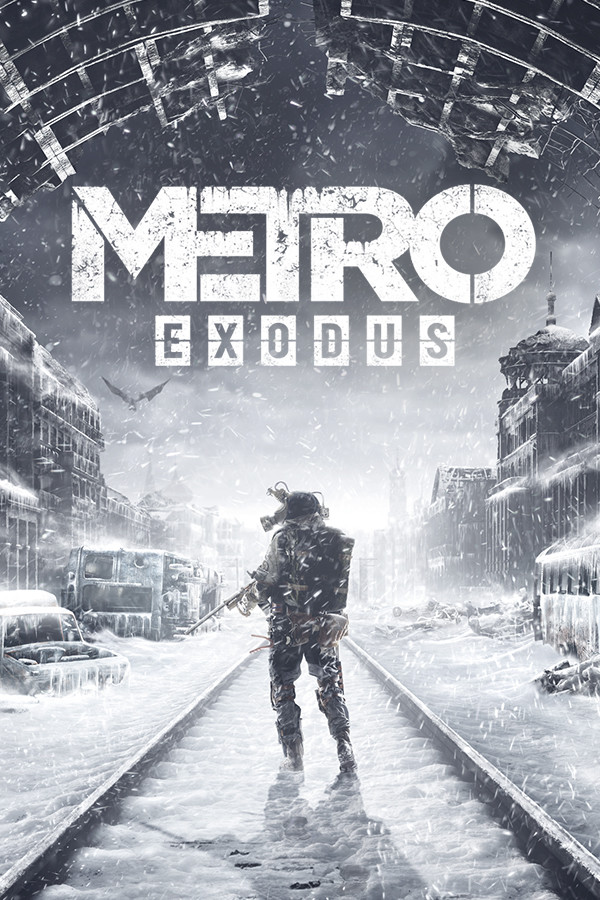
The best graphics in a technical showcase are less about the art and more about pushing shaders and GPUs. Usually the best technical game is a masterclass example of a brand new graphics technology or just a game that can define a generation even.
Metro Exodus is a gorgeous game, but what really pushes it above the others is the use of Nvidia’s new ray tracing technology to bring lighting to life. It’s one of the few games that does it well and is only available on the latest RTX GPUs from Nvidia.
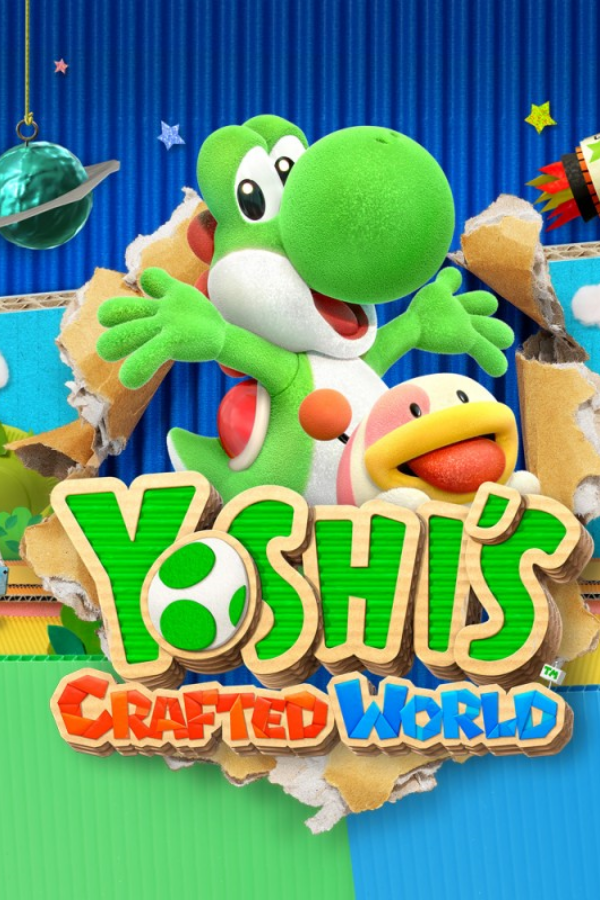
Graphics aren’t everything in a game, but they can still make or break it. Artistically, it can set a game apart from the rest or make one stand out over all the others. It’s not just cartoony, but a game with a unique art style and sense of identity is what you see here.
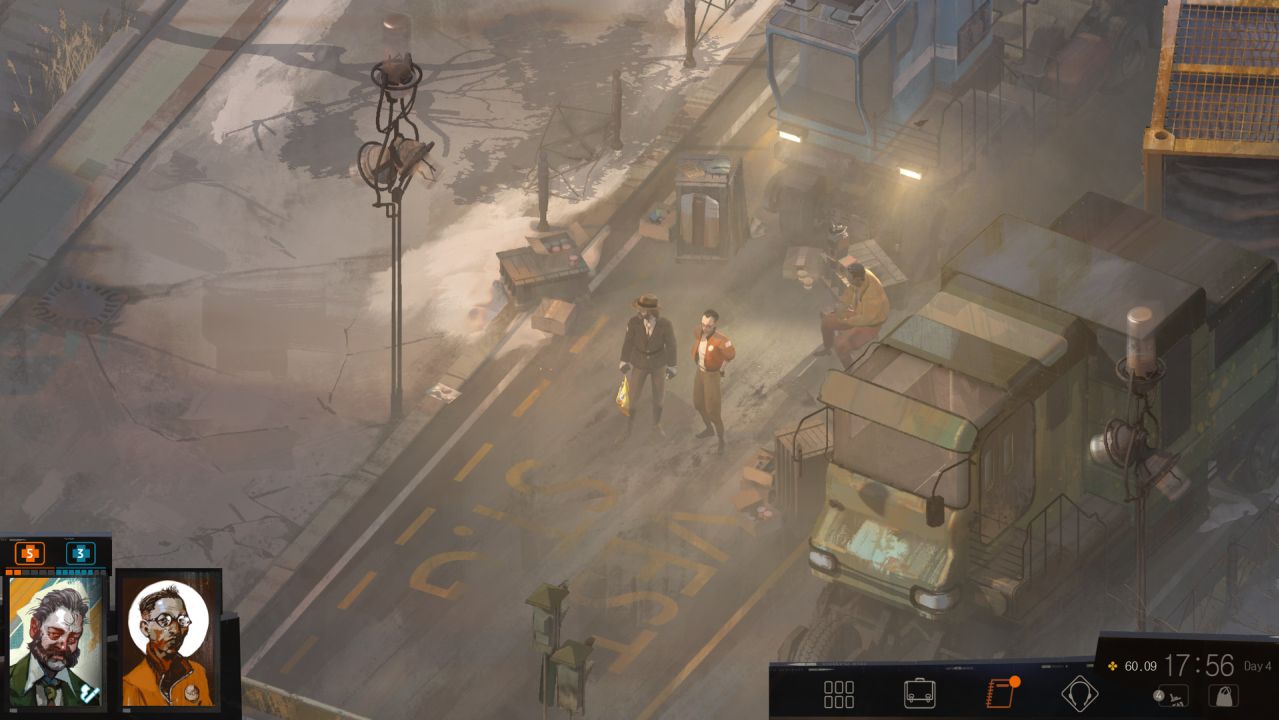
Disco Elysium
Disco Elysium’s art style is something that makes you stop and look when scrolling through a store page. It’s an art style you won’t forget and keep you entranced during your entire playthrough. The muddy, gritty, and dirty look of Elysium is just spectacular and every background oozes with detail.
Life is Strange is one of my favorite games of all time. Dontnod is a mastermind at storytelling and character development. They can somehow create a world that you can either relate to and get sucked into, or both, and yet add an element of fantasy in there. Life is Strange’s title is fitting for these games, as you play as characters living an ordinary life, and then all of a sudden one of those strange twists of fate changes their entire lives.
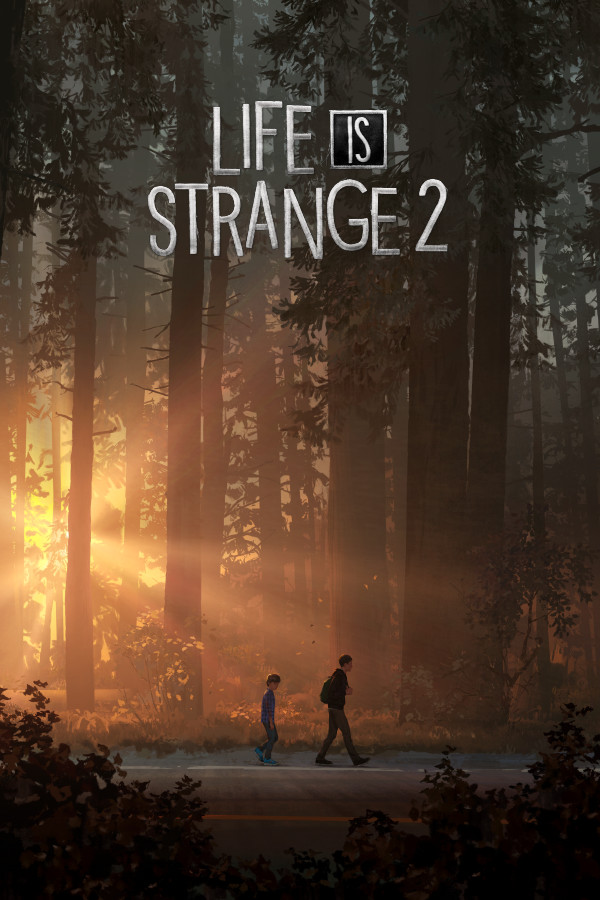
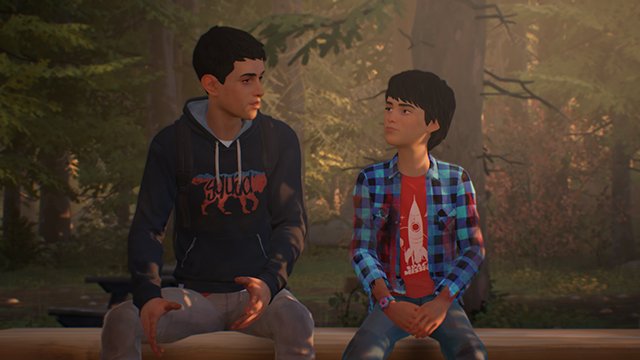
Life is Strange 2 cranks this to the max with a story that had me hooked until the very end and is on par with the first game. You play Sean and Daniel Diaz, who get ripped from their home in Seattle, Washington, and must escape the US and find their way to the Mexico border. I do have to warn that there will be some spoilers in here, as I couldn’t properly review the game without talking about certain points in the story, as this is the main part of the entire game.
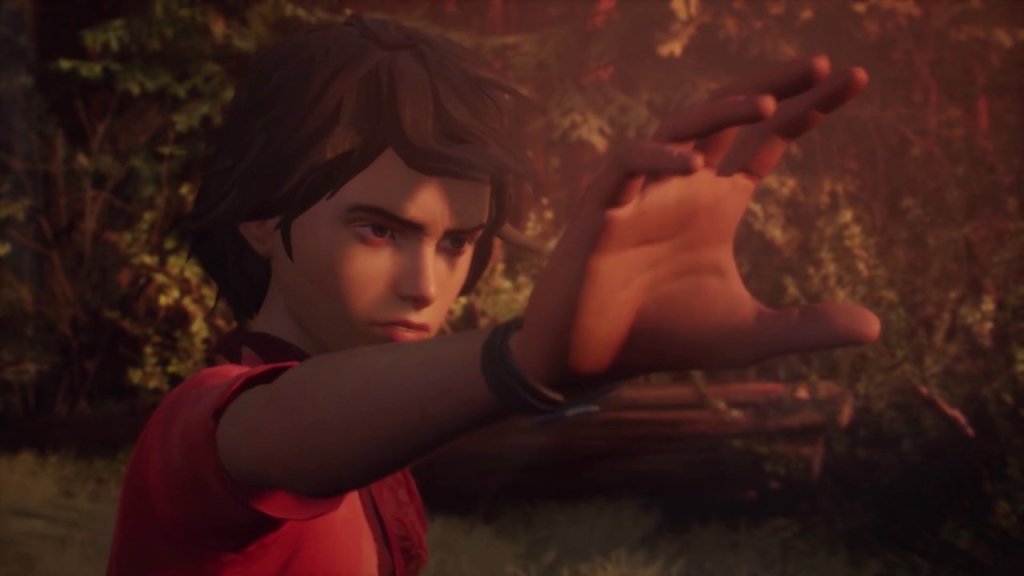
What I love so much about this game is how average it starts out. Just a little boy and a teenager are trying to live their regular lives with their father when suddenly life turns for the worst. This telekinetic power that Daniel discovers comes out when he gets into a fight with the next-door neighbor, and when Sean intervenes, it all turns for the worse. A cop dies, their father dies, and Sean panics and runs. Now pause right there. Most people would just hide or wait through the trials and tribulations of being proven innocent. That’s part of what makes this series so great: the opposite of what should happen happens and turns it into a strange twist of your own beliefs and choices and what the characters are doing.
As the Diaz brothers set off down towards Mt. Rainier in the first episode, they encounter a kidnapper and cope with Daniel’s powers, but this is where you will start getting into a gameplay loop, if you can call it that. You get plopped into a large starting area that allows you to look around at a bunch of objects and listen to Sean’s inner dialogue comment on it all to learn more about what’s around you and sometimes discover hidden objects. You can also push on to the main objectives, and during these long-cut scenes, you will get dialog options that don’t seem to mean much at first, but the entire game is a balancing act of influencing your younger brother on how he ends up. Is he destructive and careless? Is he too careful and caring? Does he hate Sean or love him in the end? A lot of options slightly sway this, and then there are larger game changers that allow two options, and each one will sway the story in another direction.
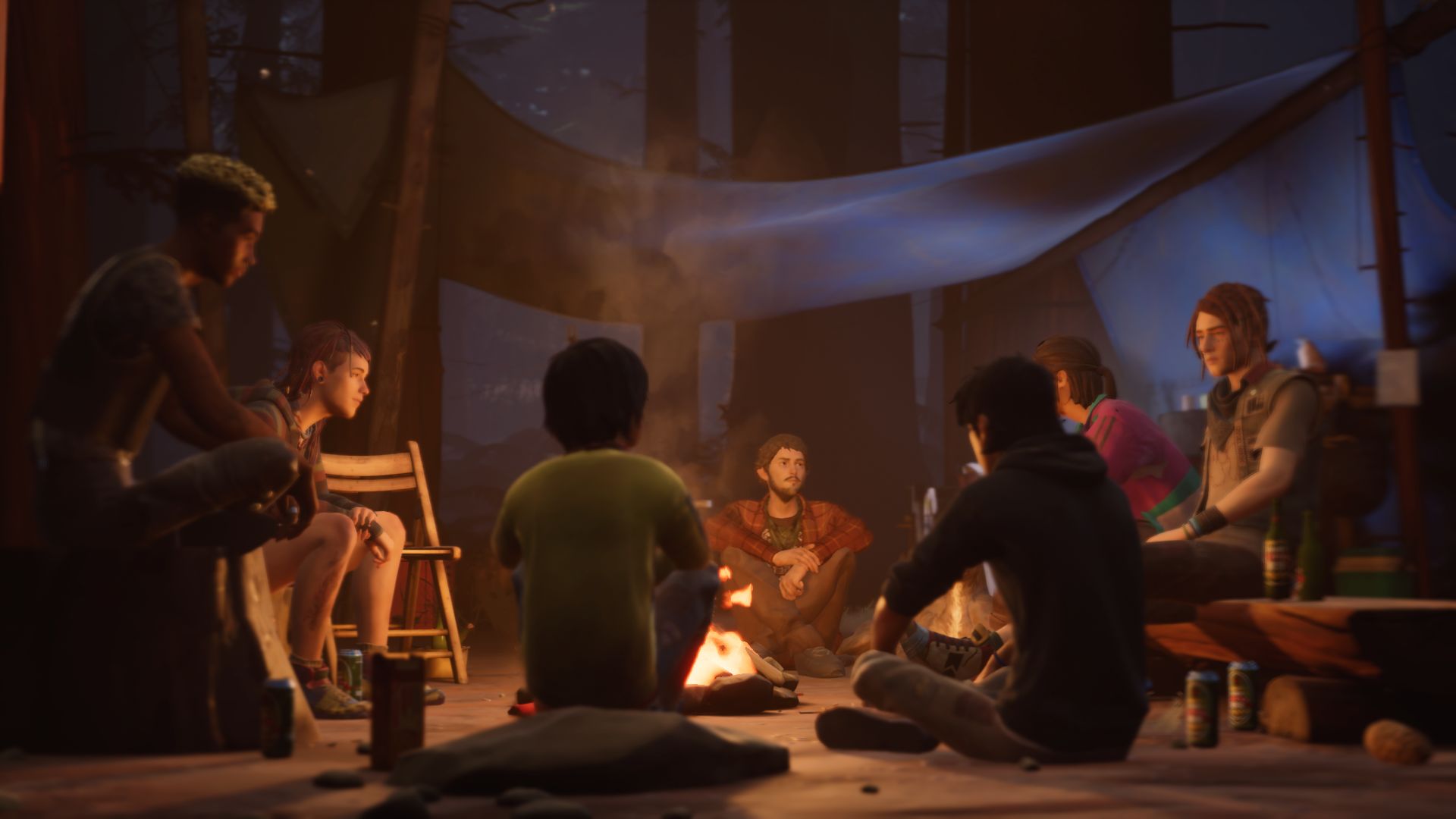
Some of these options’ consequences are usually seen right away, and some are seen in the next episode. Once you get through a tense scene that makes you choose something big, it settles back down to more minor plot development, and this is where the game falters some. For example, episodes 2 and 3 are very slow and feature too much slice-of-life stuff, such as the brothers living in a homeless camp in the Redwood Forest in California, living with their grandparents, and doing daily life stuff. You do day-to-day stuff like chores and talk to everyone, but the integration of these brand new people feels like a slog as you must endure tons of dialog to get to know them, and in the end, it doesn’t really matter as they are unique to this episode. Episode 4 is much shorter and features all of the above but in shorter integrals, which I felt was the best-paced episode. Episode 5 feels like a lot of filler in the beginning and takes too long to get to the end, as the only “action” is maybe the last 30 minutes when the brothers are finally at the border.
Despite these complaints about the pacing and story, it’s still fantastic and memorable. There are a few minor gameplay elements tossed in, like quick-time events and aiming to throw a knife or something, but there is very little gameplay. The majority consists of Sean walking around looking at stuff. I honestly could see this as just a mini-series TV show rather than a game. Many times I set the controller down and only picked it up for dozens of minutes at a time to pick a dialog option. I personally love deep stories in games, but I don’t want to sacrifice gameplay. There are literally zero other elements besides walking around, examining, and making dialog choices.
With all that said, the story is just amazing and very emotional. I related a lot to the first game as I personally grew up in a small town, but I also relate to this game as I live in the Seattle area and have also lived in California for a good part of my life. I grew up in small towns and had crazy events that changed my life in the blink of an eye. While I wasn’t a fugitive running from the law, there is always a strange thing that happens in our lives that changes it forever and can happen so fast we never saw it coming, and that’s what makes Life is Strange 2 so incredibly rich and realistic. The events are happening right now and could really happen in real life, but there’s that element of fantasy that makes it a great game rather than a life simulator.
I also have to comment on the visuals. The switch to Unreal Engine 4 makes the game look much better, but it is far from looking dated. There are muddy textures, some wonky animations, and low-poly models. This is just something most adventure games suffer from. The voice acting is pretty good, though. While not amazing, it does the job of delivering emotion, and you really feel it. Overall, Life is Strange 2 is for the story lovers out there and less for gamers.
This isn’t the category that you want to try out. These games were the most horrific of the year due to several factors. Be it just overhyped, the controversy behind the production, awful gameplay, so many game-breaking bugs that it’s unplayable, or just not delivering what’s promised. The worst game of them all usually delivers on all fronts, and sadly, should be avoided.
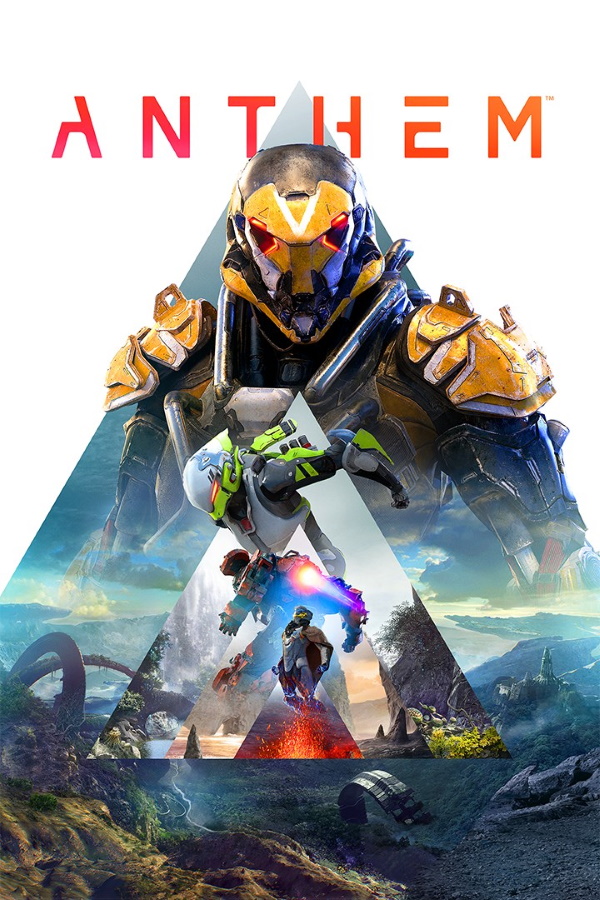
Anthem was so hyped by BioWare that it was considered the next best thing since Mass Effect. The problem is no knowing what the game even was leading up to launch. After launch the game was void of any gameplay, had very few maps, just wasn’t fun at all, not to mention the abusive work environments that BioWare put its staff through. Anthem being a live service game isn’t even fun to this day after all the changes made and that’s quite an achievement.
There’s never a shortage of RPGs every year whether they are Japanese or Western. RPGs usually fall under this category due to stellar stories, characters, or memorable settings over groundbreaking gameplay.
Disco Elysium
Disco Elysium doesn’t just have a fantastic setting, but the characters and story are incredibly engaging and something that had me glued to my monitor for hours on end. I didn’t want to stop playing, and despite having stuff that would make any other game seem boring and slow, it was what kept me coming back for more.
Platformers are no longer the main staple in gaming like they used to be 20 years ago. Rarely will you ever see a platformer make a game of the year, but they still hold a strong audience and can be killer apps on any system?
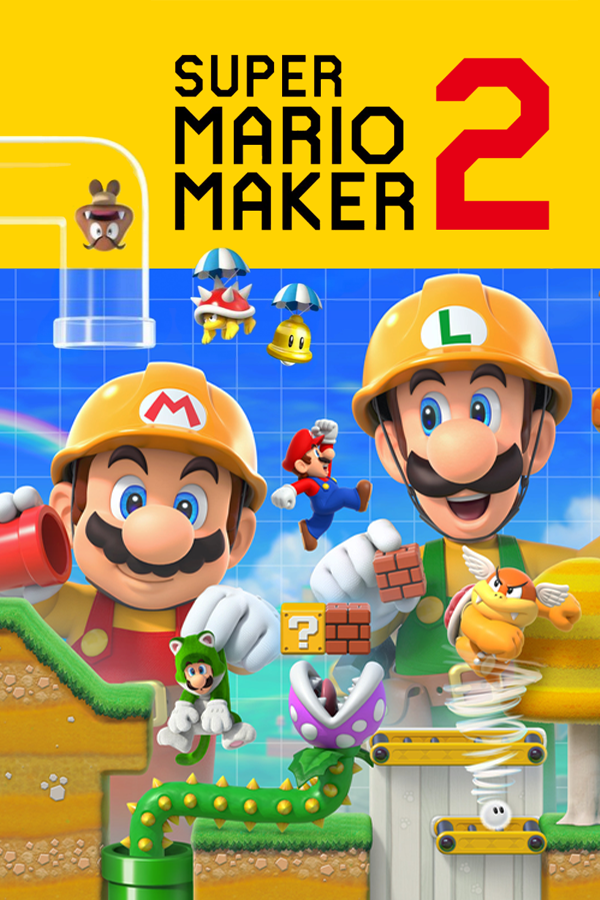
Super Mario Maker 2
While there were plenty of amazing platformers this year, Super Mario Maker 2 takes an already tried and true gameplay formula and design and makes it incredibly fun and addictive. With every Mario generation present and all of the weight and physics that go with each one, including a massive level editor, there are hundreds of hours of platforming fun thrown in. Nintendo created levels are amazing and truly test your skills. This is a behemoth of a package that is hard to beat.
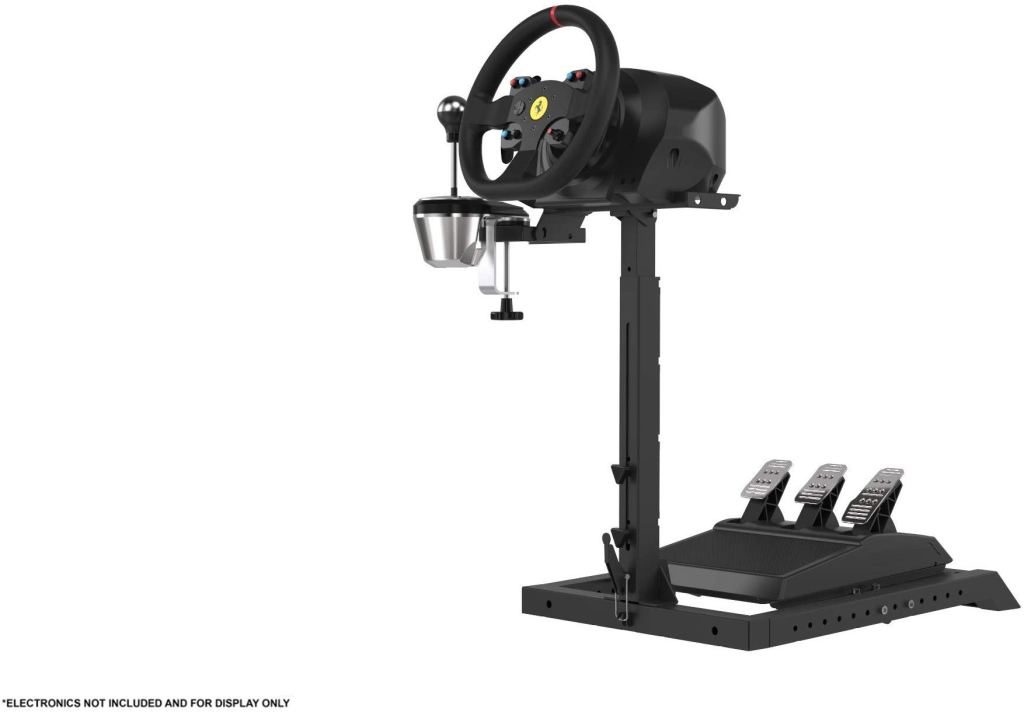
Having a good wheel setup is important for racing sim fans, but taking it to the next level is something very few do. While there are a ton of crappy and cheap wheels out there, there are almost as many shoddy cockpit setups that cut corners. Next Level is one of the top racing sim cockpit makers out there, and for those who want to be between a solid setup and not hacking to turn your room into a virtual race car, the Wheel Stand Lite is for you.
I have to talk about the assembly process here. Once you open the package, the stand is nicely folded in half with most of the bolts in place. All you really have to do is mount your hardware. I had some assembly issues, mainly due to poor instructions. The booklet just shows some photographs of the stand that are of poor quality, with red lines and comments about what is what, but everything is hard to see. It also doesn’t help that there is no wheel setup on the stand in the photos, so I actually had no clue how the stand was supposed to be oriented. I wound up setting the whole thing up backward with the vertical bar farthest away from me, and I ran into an issue with my screw holes on the Thrustmaster T300RS not lining up. I couldn’t for the life of me figure out how it wasn’t lining up until I had to watch a YouTube video of it being assembled. I then spent another hour reversing everything, and it all came together nicely.
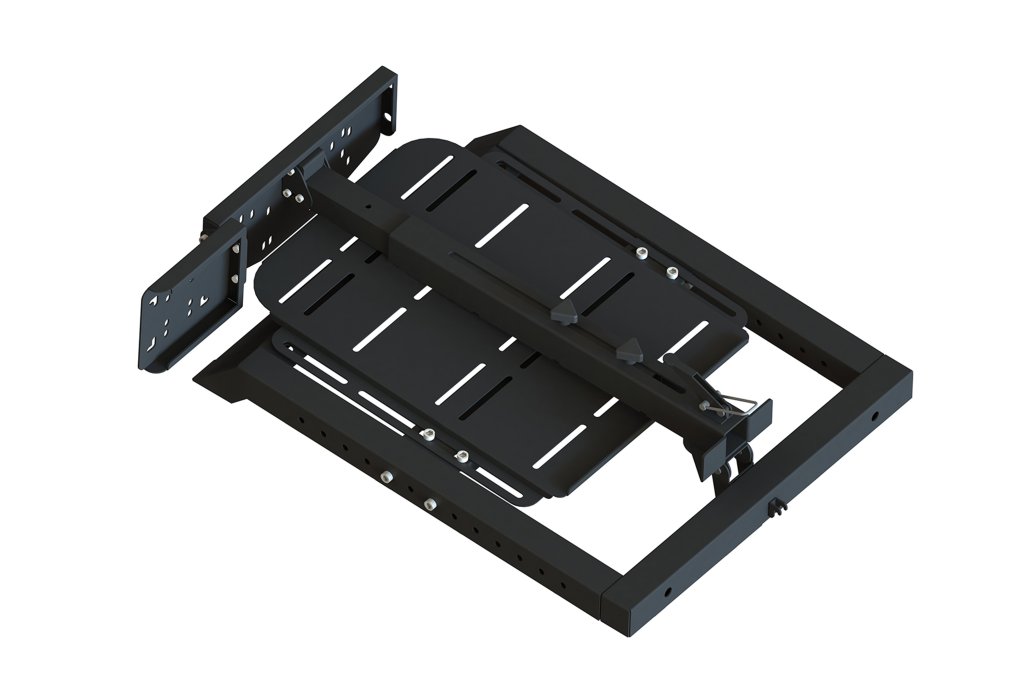
Despite the poor assembly instructions, I also had an issue with the U-bolt clamp being bent, and I had to re-bend the prongs with a hammer. The piece of metal that the vertical bar locks onto was bent outwards either in shipping or manufacturing. Once you lock the vertical bar into place, you can adjust the height with two large thumbscrews. I was able to attach my Thrustmaster TH8A shifter with four bolts to the shifter addon, and the petals fit nicely on the bottom bracket. The wheel plate allows for some tilting, and so do the petals. You can tilt them down as needed. It’s kind of a pain because multiple bolts need to be adjusted for this tilt. A pull-down locking bolt mechanism would have been much more convenient.
Once everything was set up, I used cable ties to secure the cables, and I plugged everything in. When I put my feet on the pedals, I noticed the first issue: the brake pedal is behind the vertical bar if you have three pedals. This isn’t a huge issue as your leg is slightly bent sideways, but you can’t have your legs straight or you will never reach your brake pedal. The last issue I ran into was folding the stand down; it rests on the brake pedal and can’t lie flat. I don’t know if this is an oversight, but it doesn’t fold up quite like advertised and stays open about 45 degrees, so don’t expect to store it under anything. I personally bought this because I was tired of attaching everything to my desk when I wanted to play. I can now drag this over and just plug everything in.
Overall, the medal is nice; there weren’t any weird smells, oils, or sharp edges that I noticed, but the thing weighs a ton and isn’t easy to transport, move around, or store. This is mainly for the simple convenience of having everything bolted to one unit. I highly recommend having a large enough room to stick this in a corner somewhere. At least the build quality is up there, and when heavily racing, there was little wobble and everything stayed in place. For the price, this is surely worth the purchase if you want a solid stand-alone setup.









































 thebinarymessiah.com


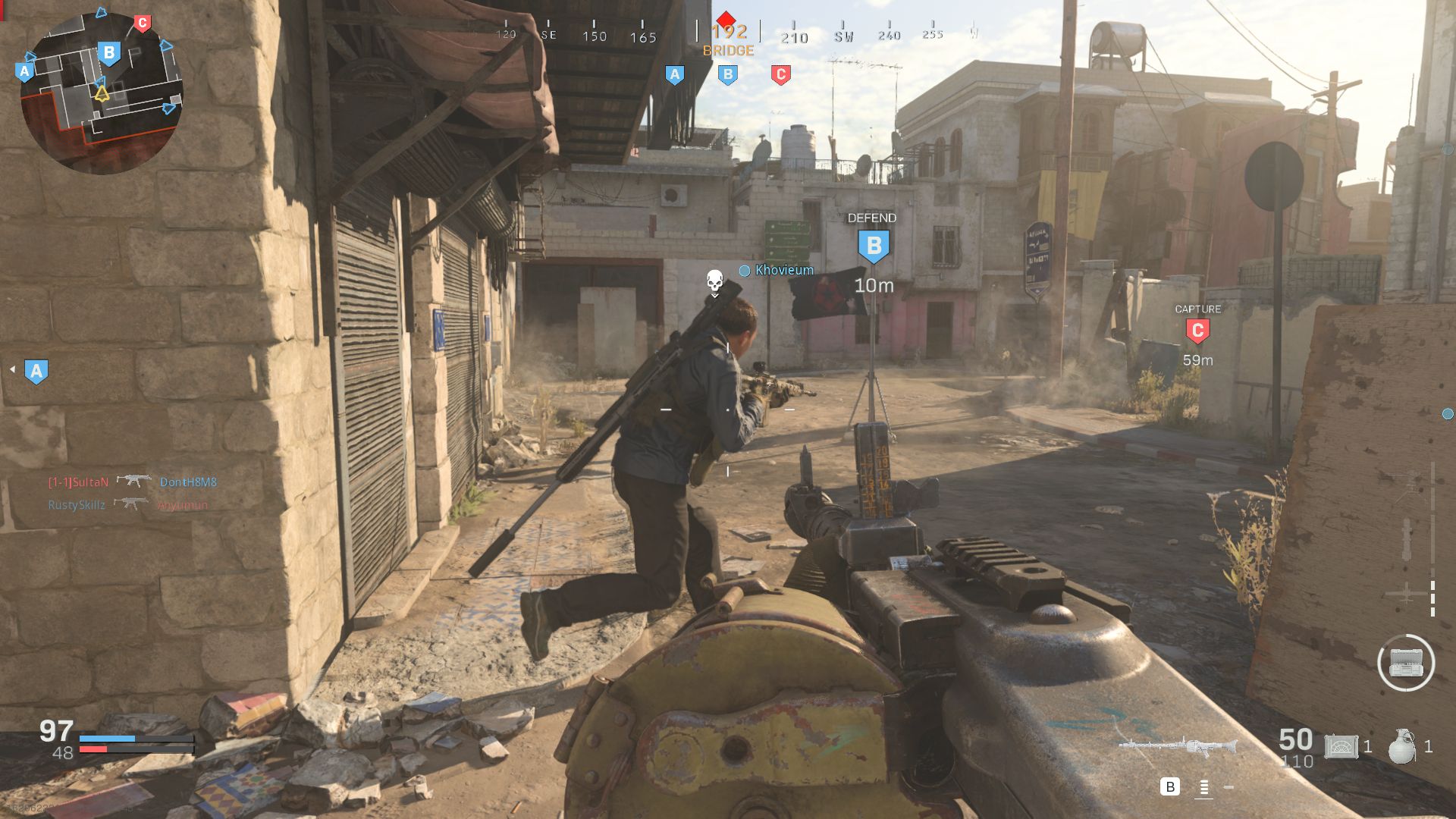
Try multiplayer. A lot of fun !