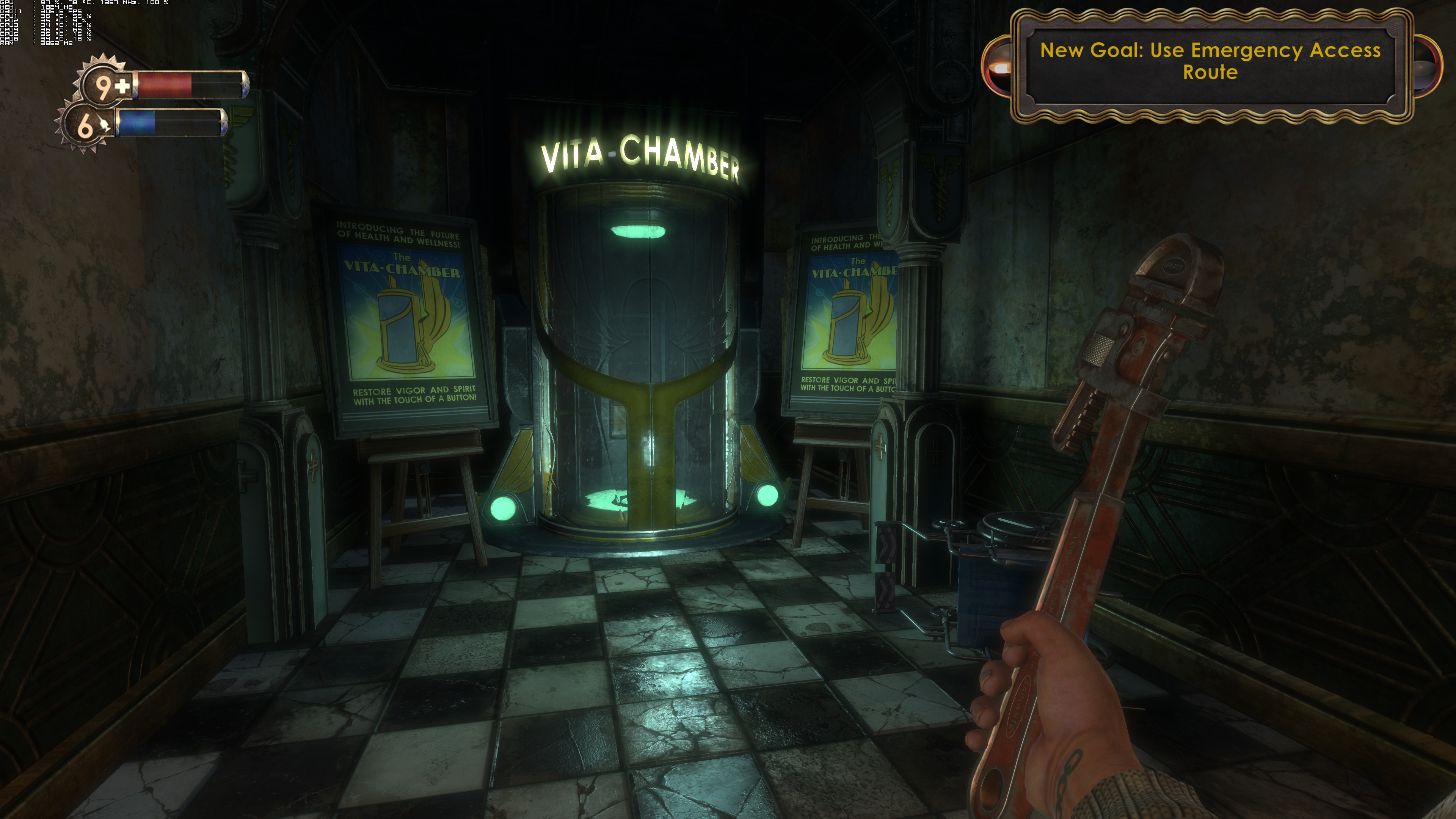
Reissues, or remasters, or definitive editions, or HD editions, or whatever you want to call them, are growing and becoming more and more popular. Gamers are clamoring at getting their favorite classic franchises on bigger TVs with better textures, better lighting, more frames per second, use multiple graphics cards, multiple monitors, etc. Game companies will oblige as they can make more money off older IPs that are already finished at a fraction of the price. 2016 is the best year so far for these reissues.
Odin Sphere: Leifthriser
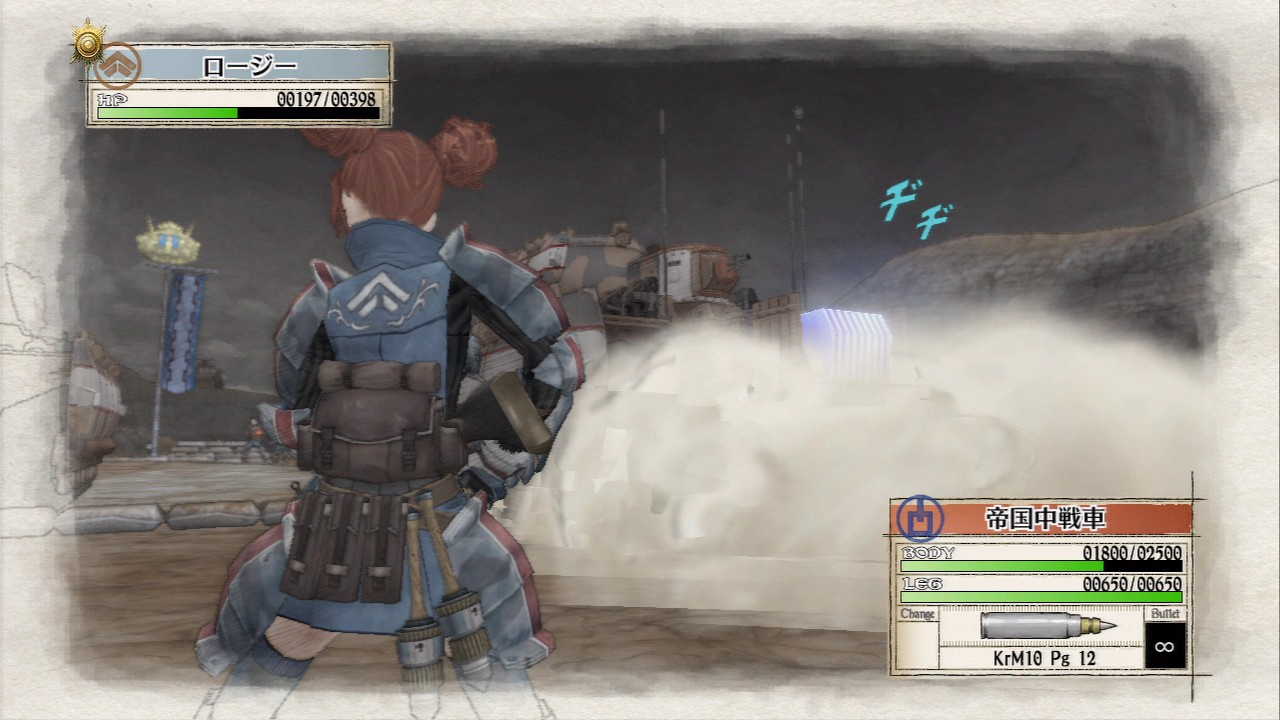
Odin Sphere topped out here because it did more than just give us better visuals and higher frame rates. Leifthrasir gave us enhanced gameplay and better balancing. More content and more everything. This is a step up and a true remaster that most games won’t touch. Leifthrasir plays better and feels like the original vision Atlus had. It’s one of the most beautiful games ever created with rich characters and stories. Don’t miss out on this.
There were so many fantastic games this year that it was so difficult to just pick 5. I really had to do a process of elimination here and I still wish I could add more. These 5 represented the best of the best across multiple platforms and delivered fantastic experiences.
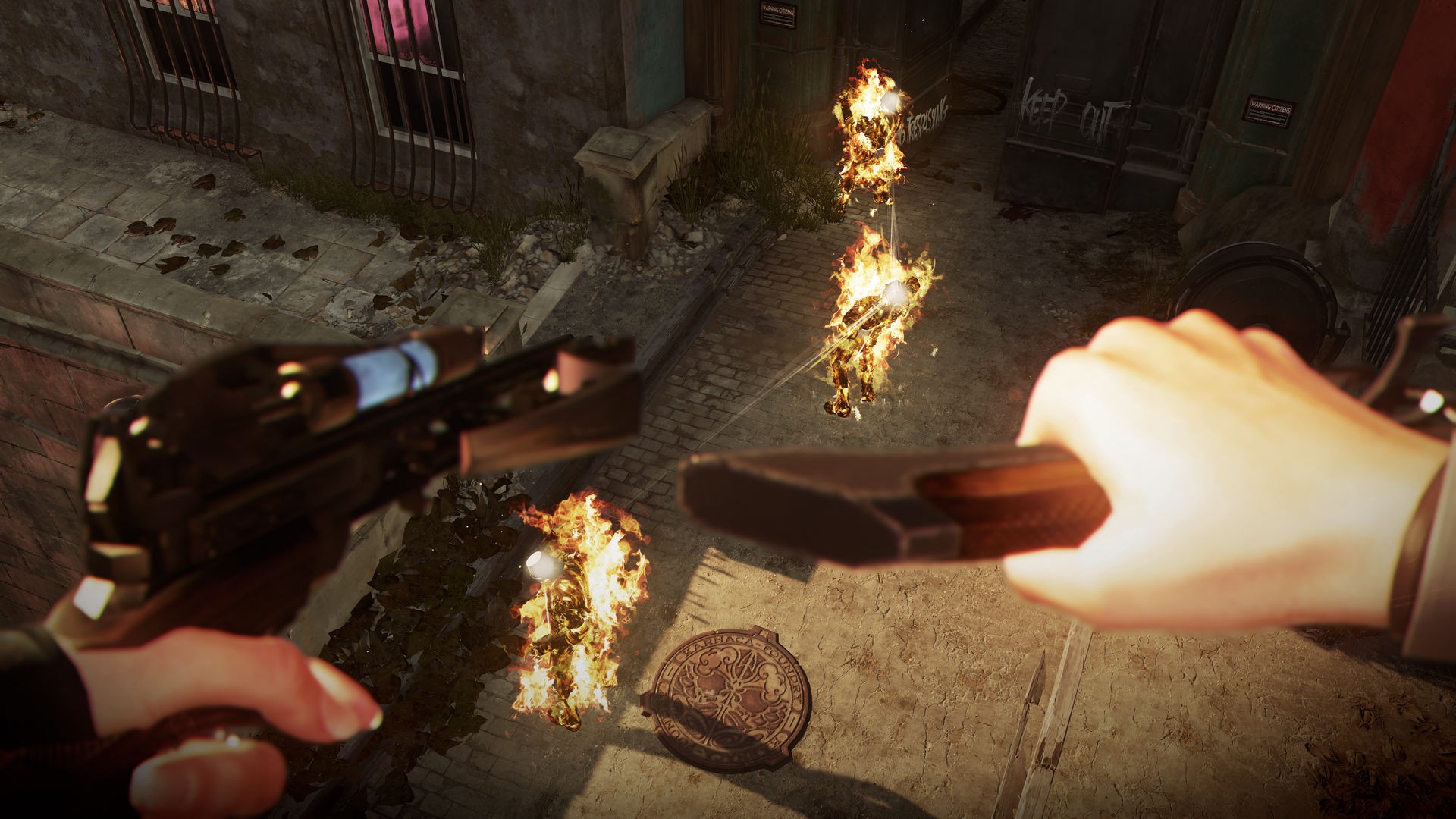
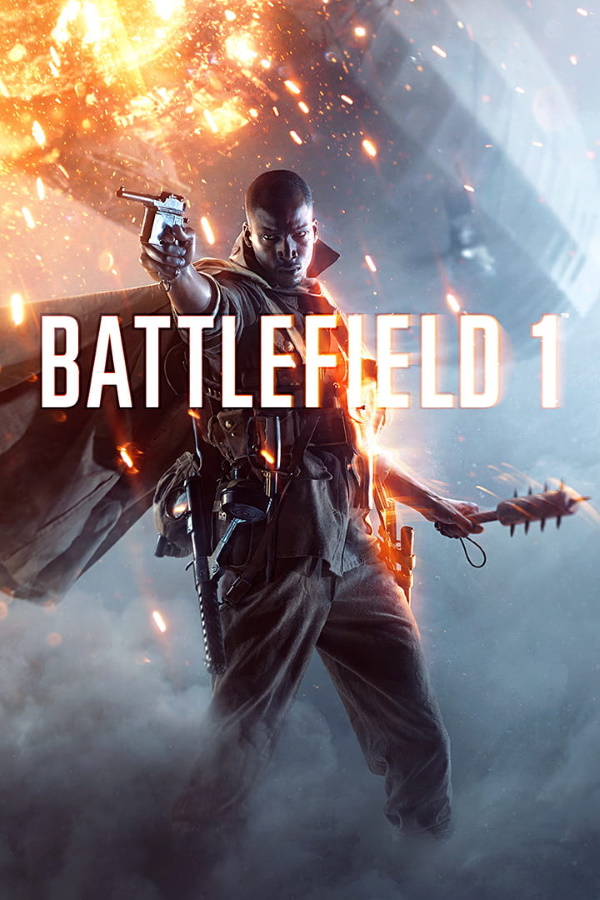
This was a tough decision but Overwatch delivered one of the best multiplayer experiences in recent years and it was available to all gamers. Yes, it didn’t have a single-player experience like Dishonored 2 and Battlefield 1, but man is this FPS multiplayer perfected. With iconic characters, excellent balancing, charming visuals, and fantastic gunplay, Overwatch is the best team-based shooter since Team Fortress 2.
The mobile scene was a bit of a dud this year as only a few gems stood out. 2016 continued the trend of heavy-handed microtransactions which is the plague of the gaming industry. There was Pokemon Go, which could have easily won this category, but due to the lack of gameplay and one of the worst game launches in history, it didn’t make the cut.
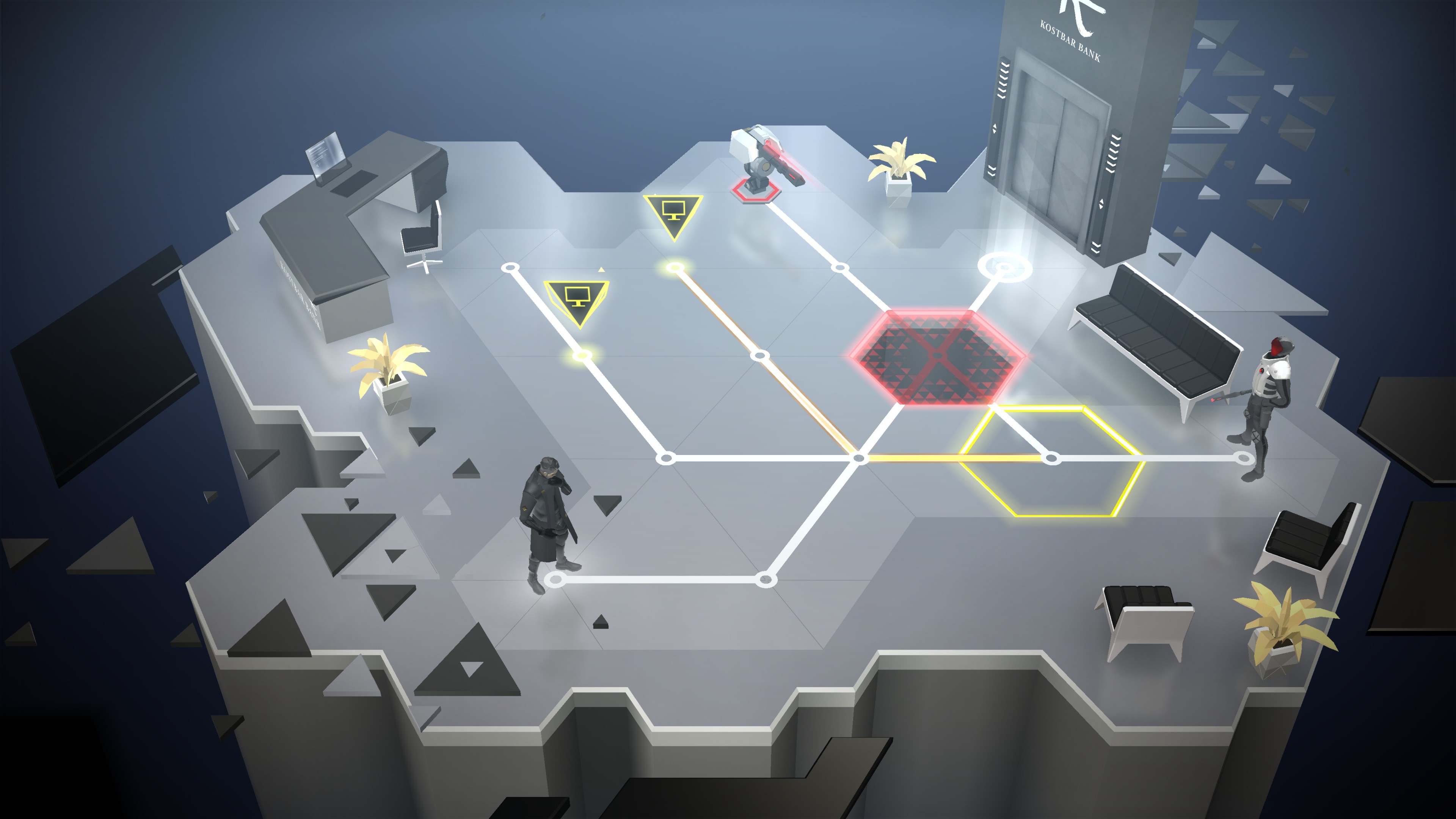
Deus Ex GO
The Go series from Square Enix is one of the greatest series to grace mobile platforms. There’s something great about an iconic character sliding across maps and using gameplay elements familiar with said series. Deus Ex Go continues this trend and is the best yet in the series. With phenomenal graphics and amazing gameplay that shares that of Deus Ex, you can’t go wrong here. Not a single microtransaction in sight outside of wanting to buy hints. Just a solid $5 game with plenty of great gameplay.
PC really struggled for exclusive games this year as it received mostly console ports and bad indie games. The exclusives that were available offered unique experiences you can only get on PC. This year proved to everyone that the PC is where every genre melds and graphics are pushed to their limits.
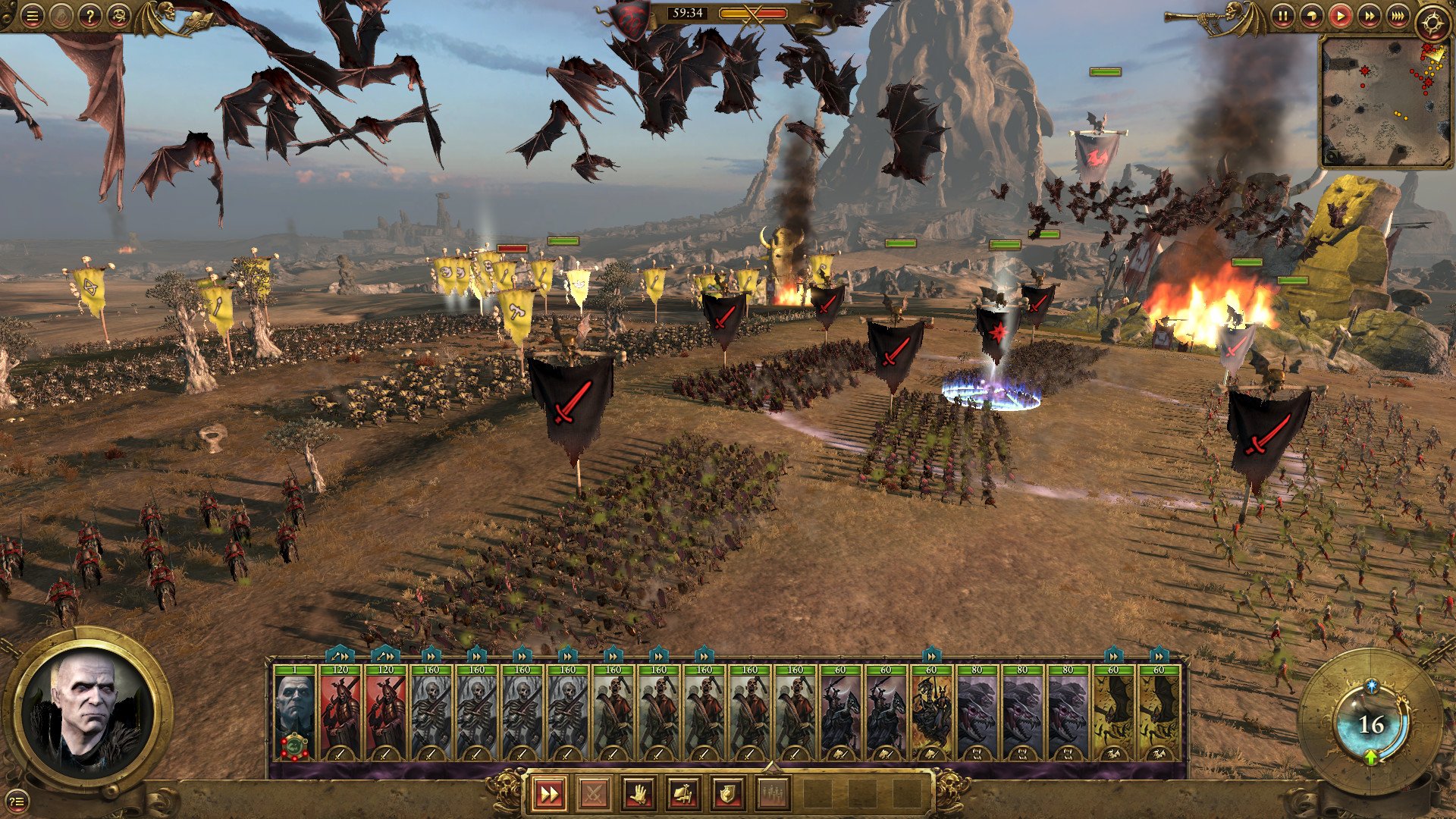
Total War: Warhammer
The Total War series has always defined the PC as the go-to system for strategists. It’s an experience you can’t get on consoles, and with the Warhammer license, it’s a perfect marriage. Warhammer allows us to battle our favorite Warhammer factions together in massive epic battles with fantastic visuals and plenty of extra content. Even if you aren’t a Warhammer fan, there’s something in here for the strategist in you.
Fire Emblem has never been stronger on 3DS. Awakening was a huge game to follow up on and Nintendo did it with this three-part trilogy. The large epic scale that Fates create as well as the refined tactical combat, animation, art, characters, and customization helped create the strongest package this year for the 3DS. The games below offered great experiences in all these departments, but Fates did it all in one package.
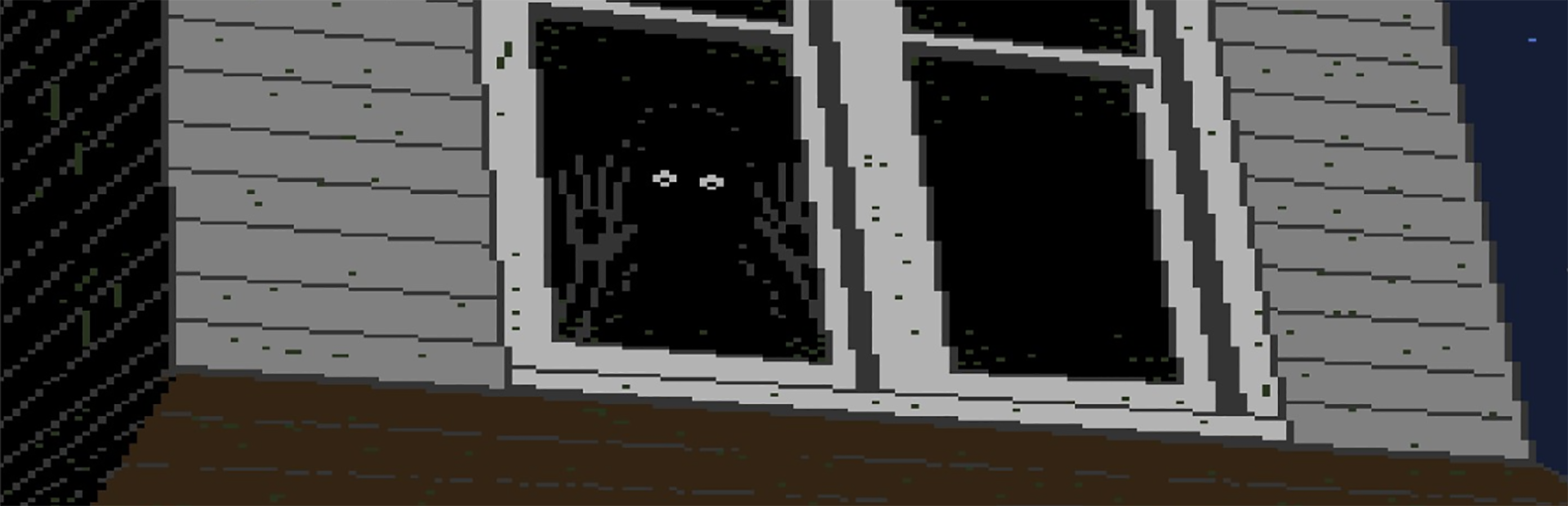
Horror games don’t really work well on mobile devices, as it’s hard to get someone to sit down with a phone in the dark with headphones and drag them through a slow-paced atmospheric adventure. Thankfully, Dark Fear manages to do just this thanks to its catchy story and quick-moving gameplay.
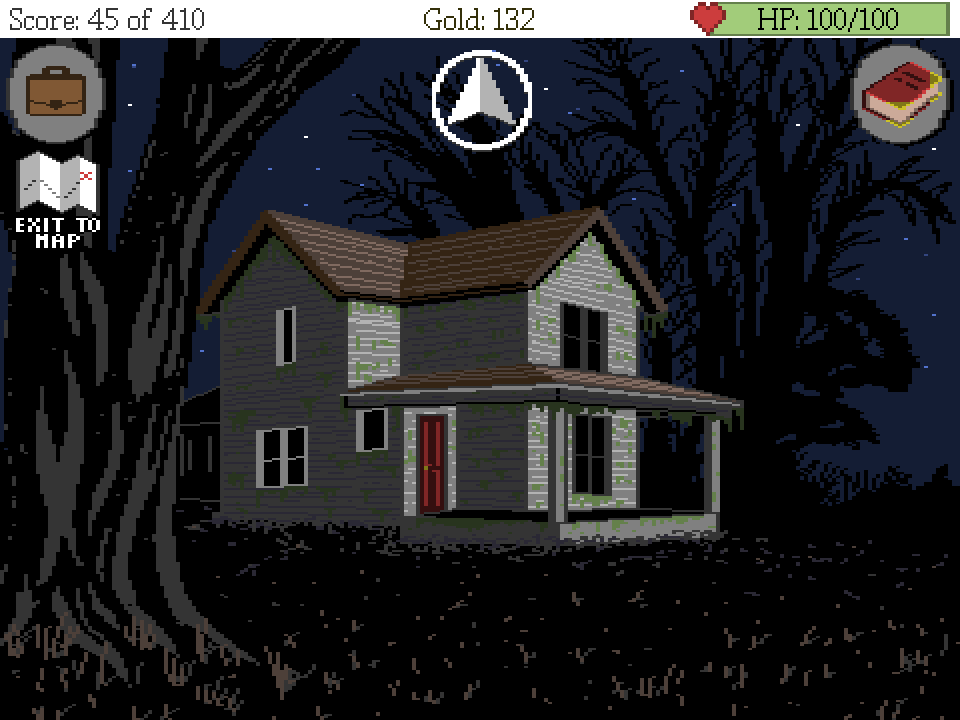
You start out in a cabin in the middle of the woods, not knowing who you are or why you got here. The dark and macabre 8-bit visuals and music help bring this game to life in a very nostalgic way. Tapping on everything in sight is the best way to find what objects you need, but thankfully most are in plain sight. Each area has only one screen, so getting lost is actually quite hard. Once you get out, you learn to fight with the strange but fun battle system. Like a typical 8-bit RPG, you just press your command and try to kill your enemies. However, Dark Fear’s combat is strange, as in, it’s almost scripted. Certain weapons and armor unlock at certain points in the game, allowing you to do only so much damage to the minute number of enemies present. This leads me to believe that there’s a simple strategy or just not missing your shot, and the numbers calculate to you winning.
Outside of battle, you can hunt, which is mainly used to gain currency to buy items in the game. Hunting is rather tedious, as it’s a power-meter mini-game where you just tap when an arrow is inside a green box, and the same goes for fishing. Going from place to place will help you solve puzzles and riddles and get one step closer to who you are and what your goal is. My favorite part about the game is that there are some damn scary moments. One of which was a little girl inside a mansion that appeared out of nowhere, and then, after some dialog, she popped up right in my face with a blood-curdling scream that made me jump and pause the game. There are several moments like this, and they’re great.
Once you start unraveling the mystery and get through about 2 hours of the game, the backtracking gets very tedious, as you will visit most areas over a dozen times only to finish a part of the puzzle from much earlier in the game. Some puzzles are obtuse and obscure, requiring a guide, and some are downright easy. It’s a mixed bag, but the game is still great for what it is. I honestly enjoyed every minute of this game and felt the 4 hours of play-through were well worth it. Any old-school RPG fan will get a kick out of this game.
With that said, the visuals and audio experiences are one of a kind on mobile devices, and Dark Fear is top-notch. The battle system feels rigged, as does the equipment upgrade. Hunting is tedious, but the story and unique puzzles will keep you glued.
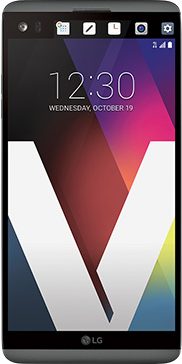
LG has come a long way with its Android phones. With their flagship G series phones, they were pushed up near the top of the Android phone sales and have gone head to head with Samsung. The LG V10 sparked their new flagship phone that was larger, bigger, and more innovative than their G series phones. These were to grab the attention of Android power users and phablet fans, however, they didn’t have phablet hardware or battery life. The LG V10 was a smash hit with its one-of-a-kind second screen and kept all the features that fans of Android, and LG, phones loved. With the LG V20, LG perfects its new flagship while also helping move the Android phone market along.
I’m just going to come out with it, the LG V20 is expected to do very well because of the downfall of the Note7. While I personally felt Samsung’s flagship phablet was the perfect smartphone, the whole battery fiasco killed it. I was dragged through both recall processes and landed myself with the LG V20. I have to say that this phone has a lot of features I wish the Note7 had, and it is a great first impression from LG for me.
For phablet owners, this phone has the latest and greatest Android has to offer with an LG flavor. For starters, the screen is gorgeous with a 2K (2560×1440) resolution and uses LG’s own IPS LCD technology used in their monitors and TVs. I have an IPS LG monitor for my PC and it’s beautiful, and it really shows on the phone. In comparison to Samsung’s much-loved AMOLED display, it’s less saturated and feels more true and warm while still being crisp and clean. For an LCD display, this one looks fantastic. Next, is the secondary screen. It’s a little larger than the V10 and is just as responsive as the bigger screen. This screen is used to pin favorite apps, most recent apps, a signature, control shortcuts, and favorite contacts. It also shows notifications when the screen is off conserving battery life.
The second is the camera. The LG V10 was the greatest smartphone camera around until the Note7 was released. The LG V20 sports a 16MP dual-lens camera and a front-facing 5MP camera. The photos on the LG V20 impress quite a bit, and while I won’t do a detailed breakdown, I can say they are on par with the Note7. The camera can record 4K video, 1080p video at 60FPS, and 720p video at 120FPS. With the LG software, you can take short 15-second clips to easily share them, and clip videos together among other things.
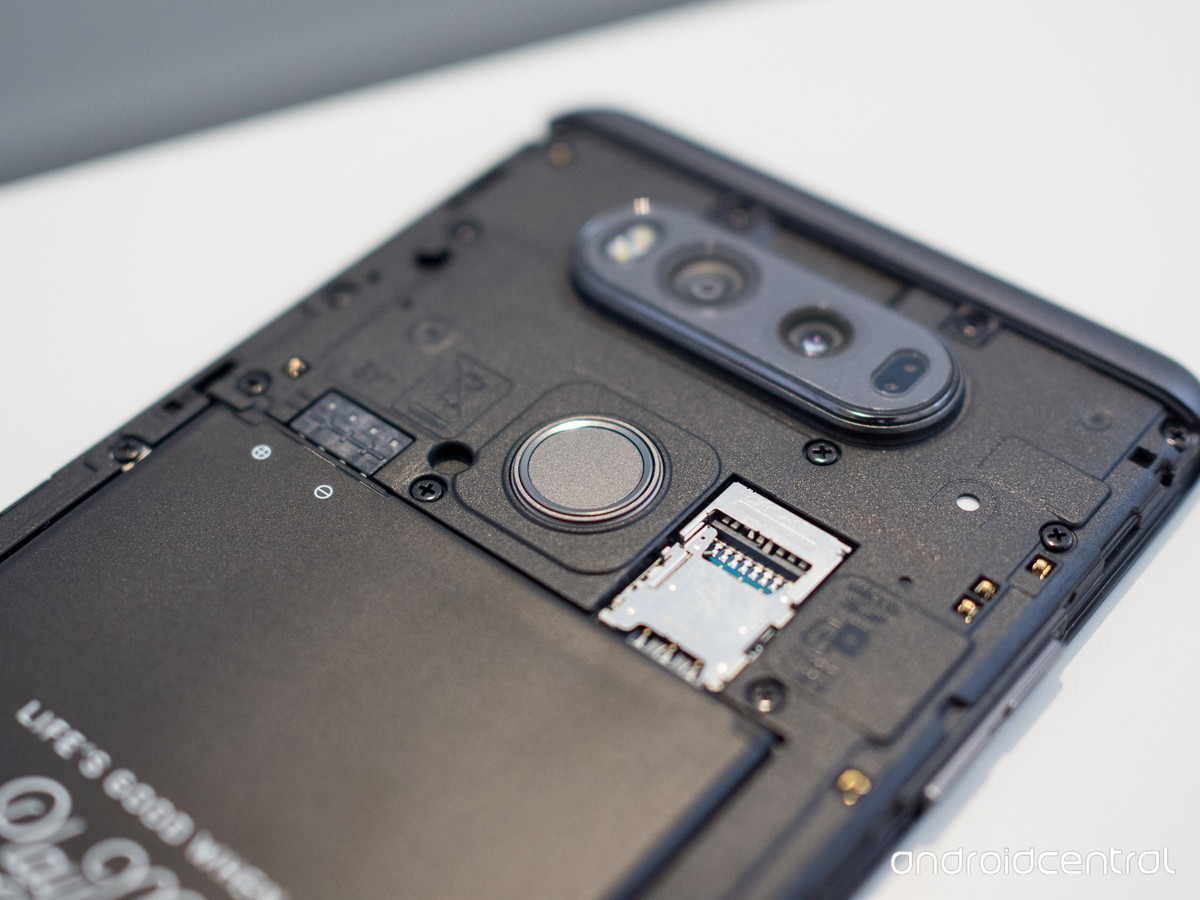
The rest of the exterior only has a small volume section and a button to pop the backplate off to access the battery, microSD card slot, and SIM slot. LG is well-loved for its removable batteries and the V20 does allow this for spares and larger third-party battery packs. The V20 is also the first smartphone to allow a 2TB microSD card. That’s an insane amount of space, but it’s there. On the back is LG’s famous home button with a fingerprint scanner. I personally feel this is the best placement of that button as it’s unique to LG phones only and many users will have to get used to this. It feels natural on the V20 and I honestly didn’t have to think about it much.
The last thing about the physical design of the V20 is that it’s much different from the V10. I didn’t quite like the design of the V10 and it felt kind of cheap, but the V20 is made of all aluminum and is kind of a dark gray rather than black. It looks thinner, sleeker, and much more like a premium phablet than can compete with Samsung and Apple. This is LG’s finest-looking phone yet.
Internally, the V20 sports the same hardware as the Note7. A Qualcomm Snapdragon 820 with a quad-core CPU running at 2.15Ghz and an Adreno 530 GPU. With 4GB of RAM and 64GB of internal storage. The reason why the LG V20 runs faster is it’s using Android 7.0 Nougat; the very first Android phone to do so. I’m not joking about the speed of this phone. After a while, the Note7 slowed down quite a bit and became laggy. The V20 unlocks with the touch of the fingerprint sensor in less than a second. Apps open much quicker and everything feels snappier and speedier.
Android 7.0 has better notification features but is mostly a speed improvement like Marshmallow was. Software-wise, LG has an amazing custom Android ROM here. It’s very impressive and more streamlined than even Samsung’s. They’re not as many bells and whistles as Samsung’s ROM, but there’re some nice touches here. For starters, the whole UI design is clean and smooth and looks amazing. I almost prefer this one over Samsung’s and it’s easier on the eyes; less is more here. The V20 can use UI themes from the LGWorld app, but as of this review, there aren’t many themes available yet. There are unique Ringtone IDs that the phone will create for every number calling in, screen filters for reading, and various other features that are unique to Android. While most are standard they are done well and any bloaty features are cut out. I do appreciate that LG allows you to transfer data from your old phone via SD card which makes transferring so much faster. LG also has software that allows you to transfer files to your phone and to PC via LG Bridge which is great. It creates a drive on your PC so every time you connect it acts like it’s plugged in via USB.
The LG V20 just has a whole personality to it that doesn’t make it feel generic or like another manufacturer’s Android phones. The V20 actually has my favorite haptic feedback and vibration. I don’t really like Samsung’s as it feels too rough and “buzzy”. The V20 has a softer deeper vibration and feedback as well as satisfying system sounds. From the lock screen sound to typing on the keyboard, the V20 delivers second-by-second enjoyment that most people don’t think about. You’re always feeling vibrations and feedback on your phone as well as hearing chimes and beeps. The V20 is the most satisfying feedback experience over any smartphone I have previously used.
The V20 is also being advertised as the go-to phone for audiophiles. With the quad-DAC Hi-Fi chip, this is the best phone to listen to music with. If you are looking specifically for a phone that does a lot of audio then look no further. With that said the phone doesn’t come with headphones which are kind of ironic, but LG does offer some nice headphones.
With all that said, the LG V20 is a fantastic phone. In lieu of the Note7 disaster, this is my recommended go-to phone that isn’t a Samsung phone. LG has really stepped up to the plate and has offered everything an Android power user has on their wishlist. While there’re a couple minor gripes they are minor at best such as no water resistance and this phone has mono speakers. There’re no major issues with the phone at all and this is very close to the perfect smartphone both in design, and software.
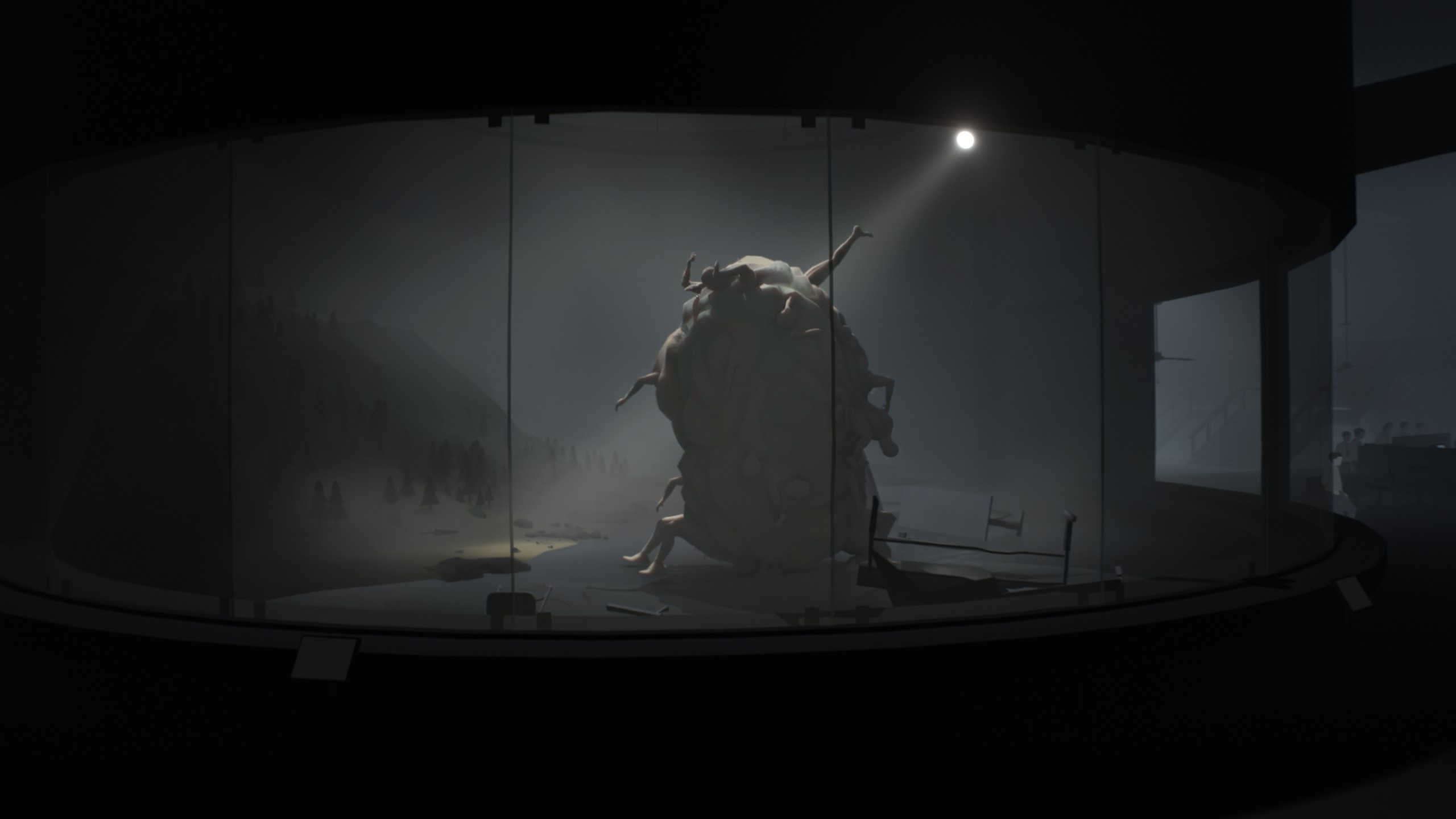
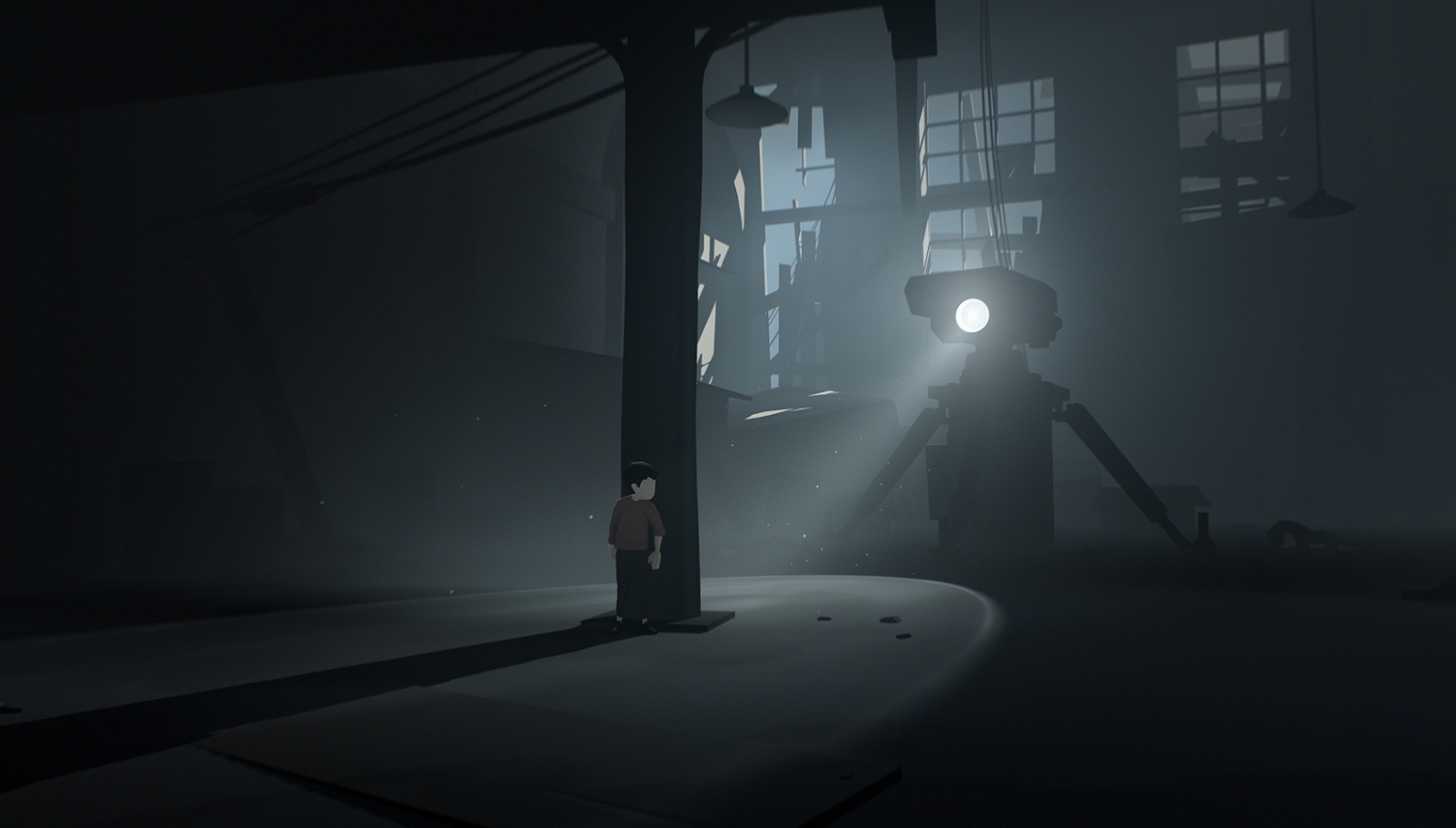
Atmospheric side scrollers became popular thanks to Limbo. With no story but an entire tale told through the atmosphere, puzzles, and platforming, this became a great way to show gamers that the platforming genre can be a little more mature. Inside are all the aspects that Limbo created and perfected.
The game starts out with a little boy stumbling out of some trees and running through a forest. In the background, you can see soldiers in masks searching for something, but you’re never quite sure if it’s the boy or something else. Who this boy is and his purpose are never explained, but that’s kind of okay, as it’s up to the player to interpret this. The game has no tutorials, as there’re only two buttons to use: jump and an action button. You slowly get introduced to the game’s puzzles by pulling objects to ledges to reach greater heights, learning to keep switches open, etc. The game’s main focus is the art style and atmosphere. This game has an Uncanny Valley militaristic dystopia theme with everything in gray. It really grabs your attention, and the game can get quite tense.
Some of the more memorable scenes are when dogs are chasing you, as there’s no music but just the panting of the kids and raging, aggressive dogs at your heels. Most chase scenes actually require skill to finish, as they require precise timing of jumps and even quick-on-your-feet puzzle solving. The game is very well-paced, as I wanted to play through the whole thing without stopping. While there wasn’t a story being told, I wanted more chase scenes and sections where the boy had to sneak by these adults. The game isn’t just a flat plane, either, as the world turns and pans in accordance with the 2D playfield. It never feels like you’re going just left or right in a world that has been cut in half. There’s depth in the foreground and background, which is something that’s not done often in side scrollers.
There’s something strange going on in this world, as it seems most humans (or slaves) are mind-controlled and are being sold to other humans or possibly some type of alien. I couldn’t really tell, and again, that’s the point. Your job is to keep this boy out of danger and to keep pushing forward. From swimming, using a submersible, climbing, running, jumping, and puzzle-solving, there are quite a lot of games here for such a short length. Inside also has amazing animations and physics—some of the best I have ever seen. The way the boy runs and the people in the background interact with your every move is jaw-dropping. The boy would sneak across a floor and open a grate while everyone was starting inside some vat in the background. As soon as that grate dropped, all heads looked toward you. It’s creepy and fantastic all at the same time, not to mention the boy’s gruesome death animations and scenes.
I was amazed all the way through this game, despite the ending making zero sense and just being so abrupt. I wanted more, and hopefully we will get more. I can see that this could be a vastly expanded universe with an amazing story, but these atmospheric indie games tend to never have sequels. The game’s art style is just some of the best this year, and the graphics are also technically impressive, with amazing textures, lighting effects, and shadowing that would put some big-budget games to shame.
Overall, Inside is a wonderful must-play game. It’s oozing with atmosphere, tension, and pacing that will keep you glued during the whole 4-hour play session. When it’s over, you will sit back and remember most of the scenes and wonder what’s going on in this game. I felt more like a spectator who jumped into the middle of a movie, and I’m just watching what’s happening next, hoping to catch on. This is a unique way to tell stories and can be very hard to pull off. Thankfully, Inside will have you thinking about it long after it’s gone.
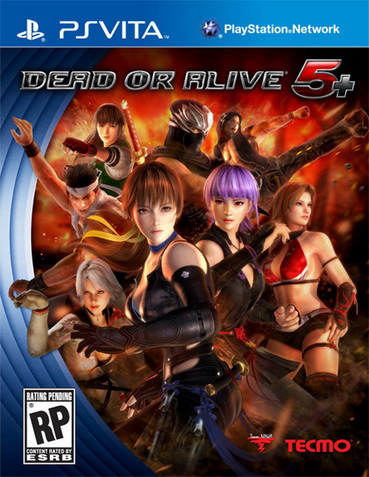
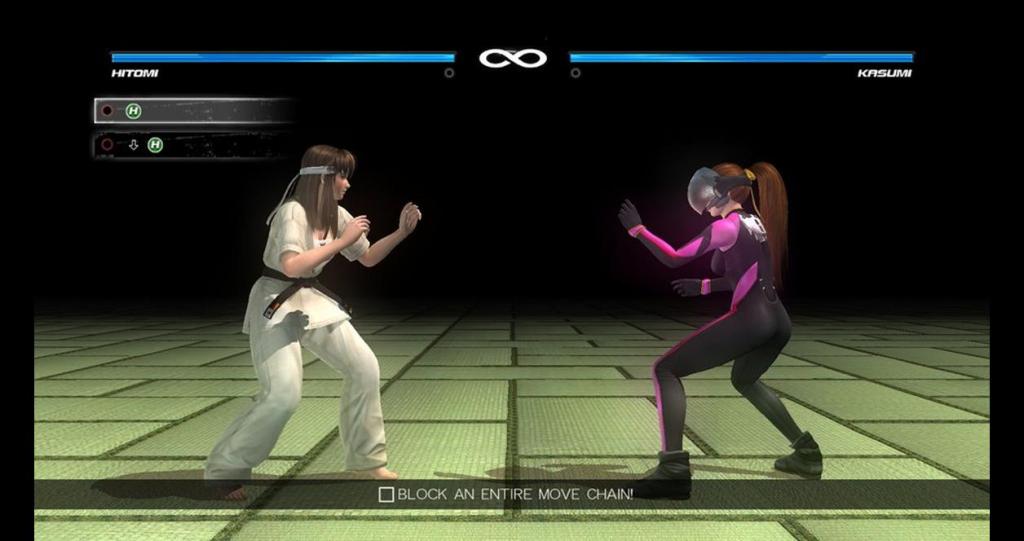
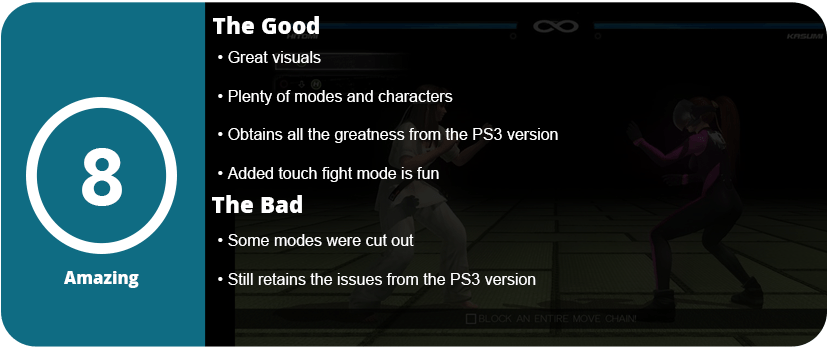
I’m going to talk about the PS Vita differences and how it holds up on the system, but the review for the original Dead or Alive 5 on PS3 is below. The PS Vita version is fantastic and feels like an excellent port. The game runs smoothly with the same great animations and good-looking textures. Nothing really seems to have been cut, but stuff has been added. For one, there are new training modes to practice combos and various other challenges. The biggest addition is the new Touch Fight Mode, where you see through the eyes of your character and can touch and flick to fight. This promotes DoA’s famous breast physics, and you can also change how bouncy the breasts are.
In addition to all this, you can use cross-save features and play online with other PS3 owners. While the content wasn’t cut, modes were such as not being able to upload matches to YouTube, lobby matches, and tag team solo play only. Despite those taken out, the game is solid and works well on Vita’s limited controls. I have to say this is one of the best fighting games available on the system, and any fighting or DoA fan should own it.
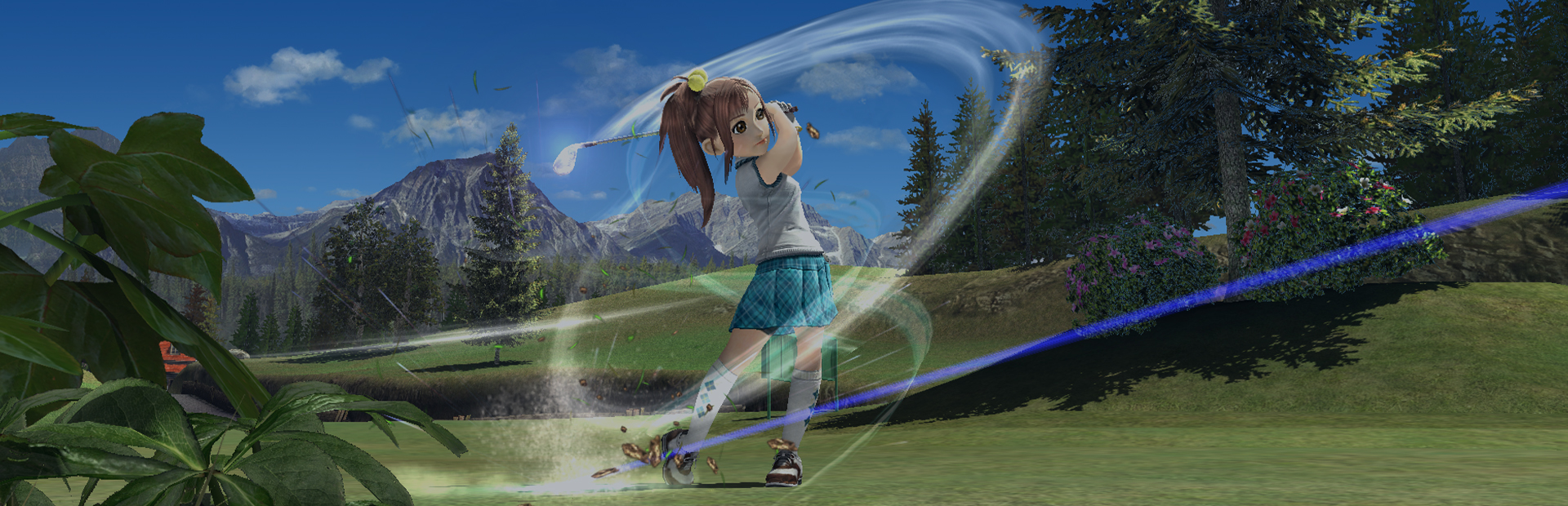
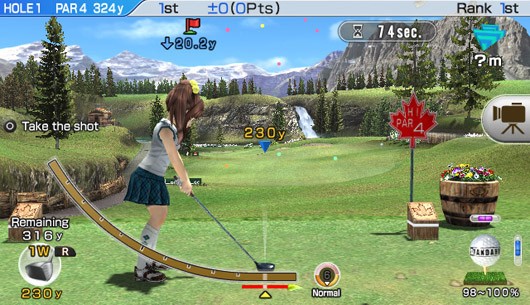
Hot Shots Golf has always been a solid golf series for PlayStation owners since the wee days of the PS1. While it provides cartoony visuals, the game is as close to a real golf simulator as you can get. The game has easy controls, fun gameplay, and amazing original courses.
World Invitational doesn’t deviate too far from the already familiar formula. You can create a character and customize every aspect, from hair decorations to shoes. Unlocking new items requires meeting certain conditions during the career mode, and it gives you something to do and shoot for. Once you get out onto the course, things are still quite familiar, and you start to realize why this is the best golf game on the Vita.
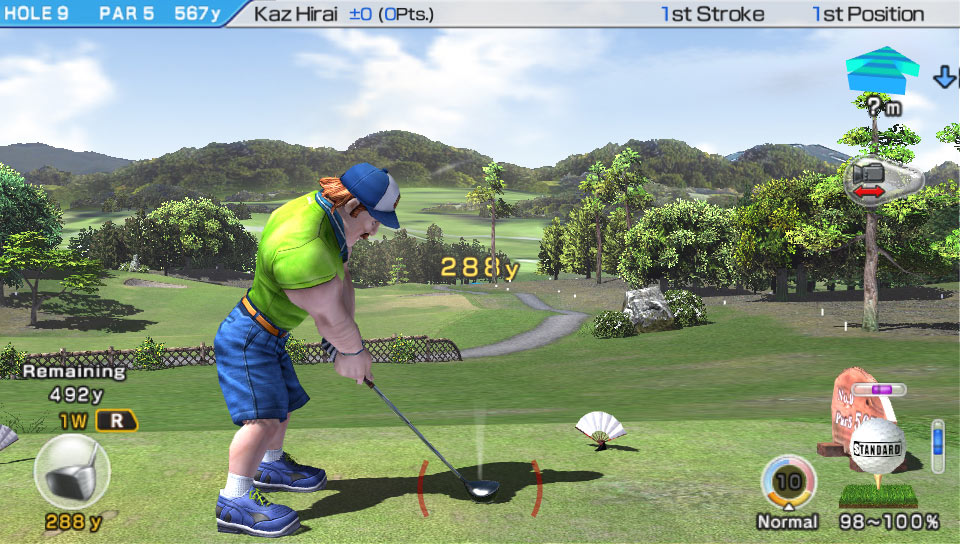
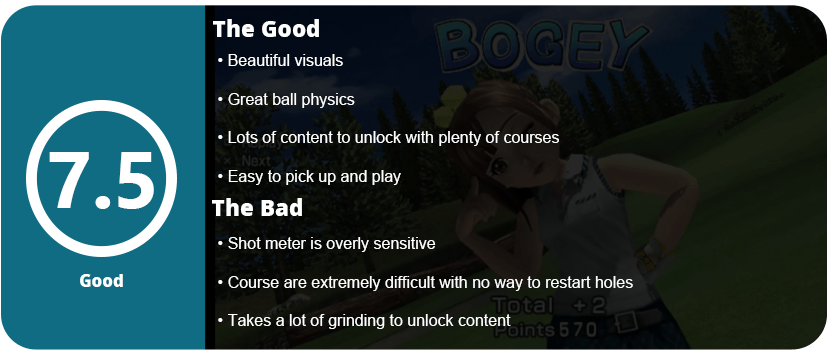
The standard golf game affair is here, from zooming to the hole, seeing wind speed, checking your lie, and even changing your swing and clubs. Controls are very easy, and the swing meter is actually customizable. There are several different types of players. You have unlocked swing meters, which is strange, but my favorite is the three-step meter. Setting your power and then your accuracy is the easiest way to go. I found that this game has an overly sensitive swing meter, no matter which you use, and it’s very hard to get a perfect swing, more so than most golf games. Courses are also very difficult right off the bat, with crazy doglegs, narrow greens, and crazy wind conditions. This is actually the hardest Hot Shots golf game I have played, and it will turn casual players off due to the difficulty.
The game is also grinding heavy, and unlocking items takes forever. I actually couldn’t advance very far in my career because of the difficulty, and unlocking new clubs and earning enough coins just becomes discouraging. There’s no way to restart holes or courses, as you have to quit and go back in, which is a huge downer. I would start out poorly, and by the 5th hole, I would want to restart, but you have to lose all your progress. This grind-heavy playstyle is just a huge turn-off, and acquiring trophies in the game is nigh impossible without having a high-level character.
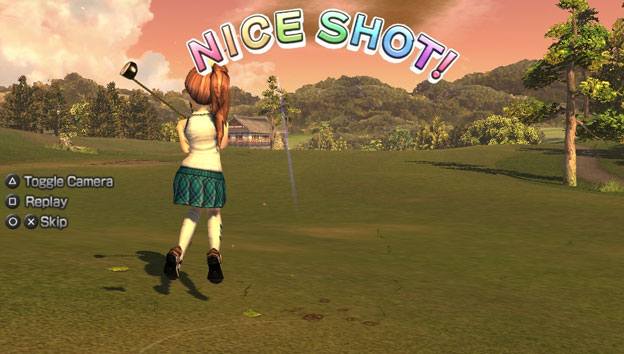
The graphics are amazing, with awesome ball physics, beautiful lighting, and great models. All this is nothing if you get frustrated early on in the game, and it’s not just me. I had a friend buy the game shortly after me, and even playing online is quite hard, and we quickly got frustrated with the game. Occasionally I would go back and try again, but getting to the 15th hole and screwing up big time sucks as you have to quit and start over. There’s no point in finishing because you know you’re going to lose. If you could restart holes, this would alleviate the majority of the frustration in the game.
As it is, the game is nice to look at, easy, and fun to play. Grinding to unlock new items, upgrade your character, and not being able to restart holes makes this quite a frustrating game. The overly sensitive shot meter takes away from pure skill, and the courses are extremely hard to play right from the start. I can only recommend this to hardcore golf players, despite the audience this series normally aims for.


























































 thebinarymessiah.com
Try multiplayer. A lot of fun !