Diablo is not really a game series you see making a good comic, but Sword of Justice is a pretty decent one compared to all the terrible or mediocre adaptations I have been reading lately. The story follows a boy named Jacob, who is part of the Barbarian tribe guarding Mount Arreat. However, one day his father executes his mother in a fit of rage about justice and law. It turns out that there’s some sort of rage and blood curse pouring out through the Barbarian tribes, and this specific tribe has isolated itself from the others, claiming they are better due to their righteous laws and justice.
Of course, this leads Jacob to travel the world trying to find a way to stop all this, and this is when he runs into a mage who helps him along the way. He picks up Tyreal’s sword of justice and tries to stop this blood curse. Without spoiling anything, the 5-part series does a good job bringing out the characters and fleshing out an interesting story in just a meager 100 pages. The art is fantastic and dark, and each character feels unique and likeable in some way.
What I love about this series is that it takes a small part of the Diablo timeline and shows you what these people are going through on a daily basis due to the demons from the Burning Hells. The onslaught is never-ending, and what Jacob has to go through is something that would break most people.
With that said, if you can find it, Sword of Justice is a fantastic comic series and does Diablo justice.
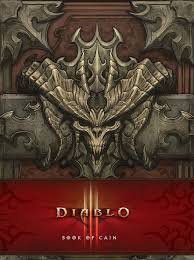
If the game’s story can’t explain itself well enough or with enough depth, always leave it to a book. The Book of Cain does this in a very unique way by telling Diablo’s entire history via a tome written by Deckard Cain himself. The tome is beautiful, with handwritten notes to Leah at the beginning and end of the book, which is actually quite touching. The illustrations and the way the book is written make it feel ancient or just border-lining on the words of a mad man.
The book actually makes a lot of sense and answers so many questions about Diablo’s universe that the games didn’t quite get across well enough. While this book is more of a sum total of all events in the timeline, it still brings to light many things. starting with how the universe was created. A diamond exploded; this diamond was the original god Anu, and its many faces turned into demons and angels. The book goes into great length about explaining each of the Prime Evils as well as the Lesser Evils and the Archangels as well.
After explaining how all this began, the book goes into explanations of the many wars throughout history, such as the Sin Wars, The Search for the Three, and even the Darkening of Tristram. Many major characters in all three games are talked about in depth and their roles in Sanctuary’s dark history. I just love how well-paced this book is and how Deckard’s writing style just sucks you in. Sometimes the book gave me goosebumps with how morbidly macabre and dark it was. Deckard’s constant fear of the end times and knowing it will happen just sends chills down my spine.
The book even talks about many areas in the games and the many realms you trek through. After finishing The Book of Cain, I am just glad I don’t live in that universe. There’s no happiness, no hope, and always fear and hate. With that said, if you are a fan of Diablo, this book is a must-read, if not for the great information but for the beauty of the book itself.
Most video game comics can be hit or miss, depending on how strict the publisher is with the story and characters. Most video game comics are released a few months before the game’s release, thus restricting what we can know about the story. The Dragon Age comic series takes place leading up to and after Dragon Age II, concentrating on Varric, Isabella, and Calen. However, there was an original story using the lore of the series, just titled Dragon Age.
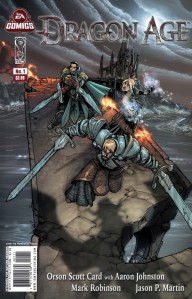
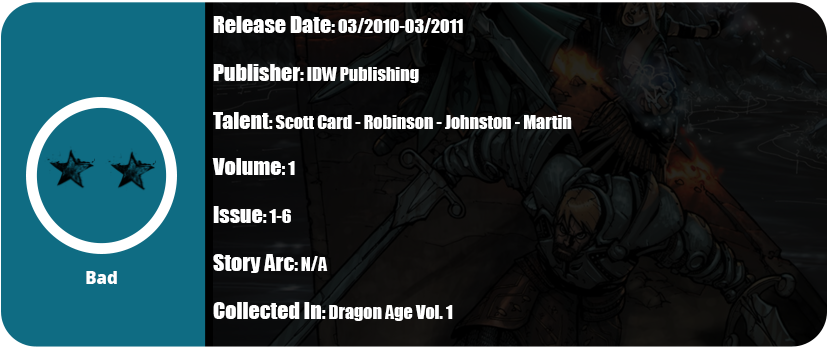
This six-issue series explores a female mage whose village burns down due to thugs (or Templars, as she thinks). While the story gets a bit emotional, and we all know not much can happen in just a six-issue series, it’s actually quite good. Most of the lore is explored in the series regarding mages and Templars and the constant struggle between the two. The art is pretty decent, and I was entertained throughout.
There are three six-issue series based on Dragon Age II called Until We Sleep, Those Who Speak, and The Silent Grove. I honestly wasn’t too impressed with these three, as the writing and dialog felt a bit cheesy, and not too much happened outside of finding out who Calen’s father really is and the backstory behind it. I’m not too fond of video game comics concentrating on only a few characters instead of the entire universe or world that the game is based in. It’s disappointing to see our favorite characters fleshed out more, but for some reason, these three mini-series didn’t quite do the game justice. With that said, the art is decent but not spectacular. At least not as good as the original series from 2010. If you’re a Dragon Age fan, you really aren’t missing out on anything by skipping these comics.
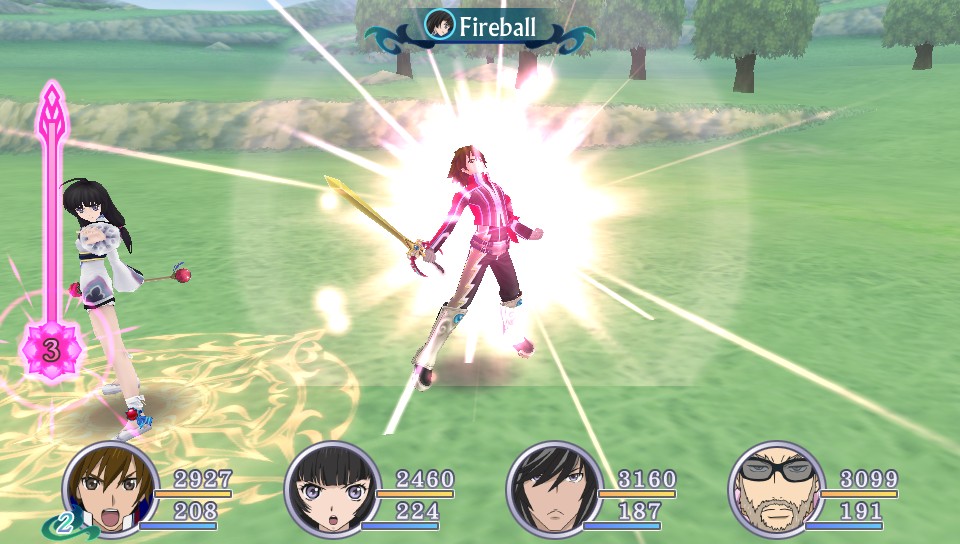
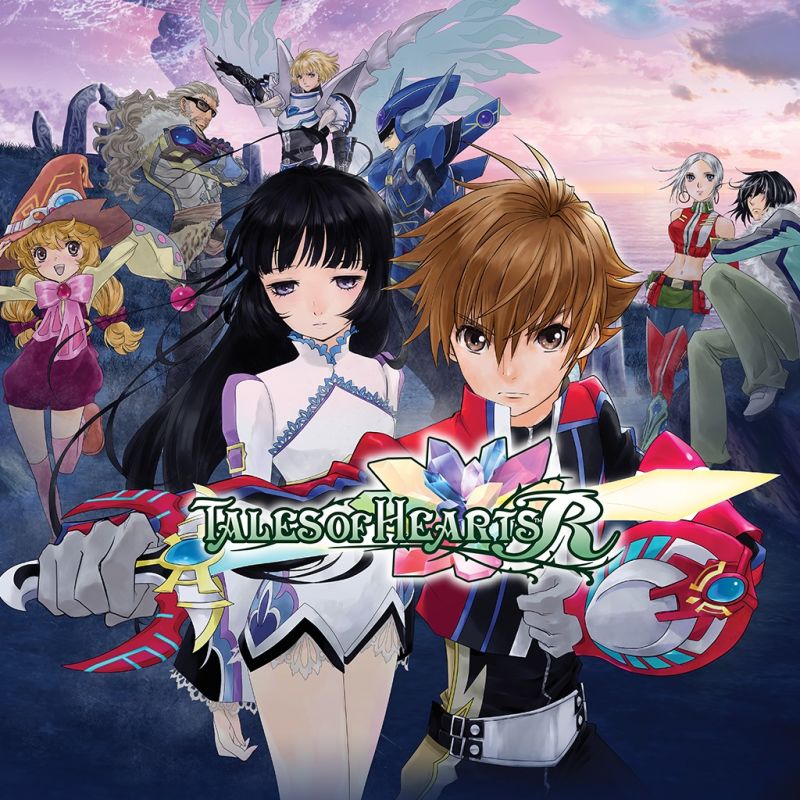
If you have been following this site for a while, you will know by now that I don’t have much patience for JRPGs. They are usually extremely long, random battles get tedious to the point of me wanting to quit the game completely, and sometimes the stories and battle systems can be boring, convoluted, or both. Tales of Hearts R just so happened to be one of the few JRPGs available on Vita, so I thought I would give it a try. I was in for a strange surprise.
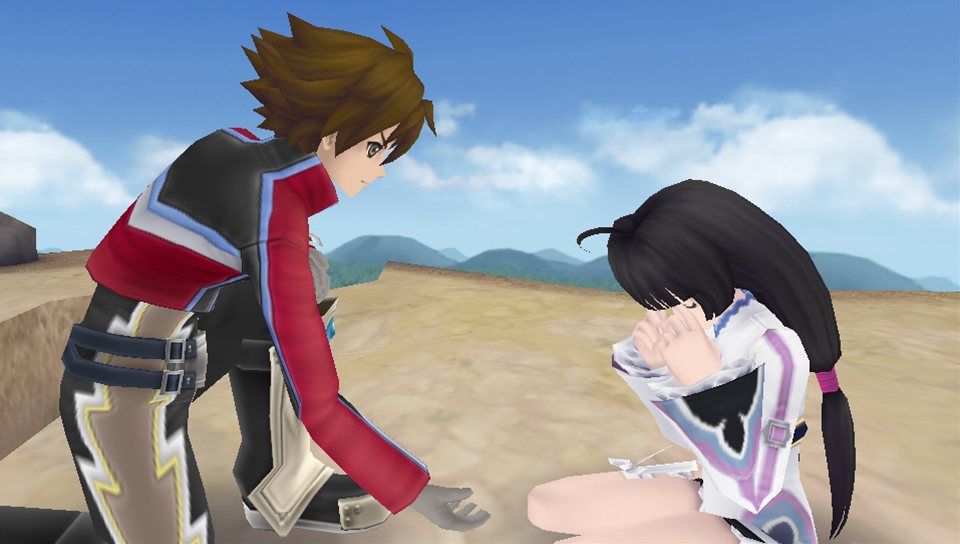
The story itself is actually pretty decent and actually makes sense, despite how involved it is. You play as a young hero named Kor Metor who is traveling the world to help save a girl named Kohaku along with her brother. There are links within people called Spirias. This is kind of like their soul. Somatics has weapons that are formed from this spiria, and Kor discovers he is one after watching his grandfather die at the hands of a woman named Incarose. There is a “Spiria disease” called xeroms that can cause dispiration within people, meaning part of their Spiria Core is missing or corrupted. Kor and his friends “link” with people to fight off this corruption. Kor does this to Kohaku and shatters her core, sending the shards into eight pieces across the globe. However, what threw me for a loop was that this whole adventure was only the first half of the game. The second half involves another huge plot with an entire ancient planet that can suck out these Spirias. Of course, your new goal is to stop this new evil madman.
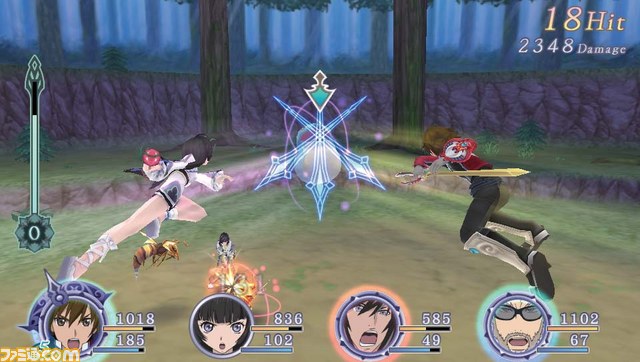
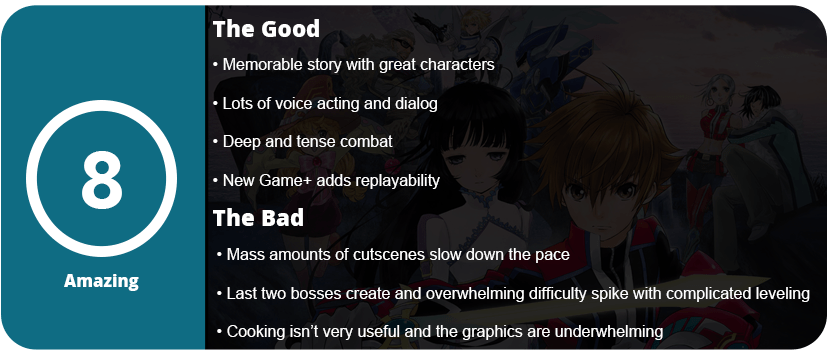
Holy crap… I can’t believe I remember all that! With that said, the story consists of endless cut scenes—I mean, endless. There are probably hundreds of cutscenes in this game, but 90% of them are spoken Japanese dialog, which is nice. There are a few anime cutscenes that are beautiful, but I wish there were more. I know most people like cut scenes, but I honestly felt it held up the game too much, but that’s just personal preference. Aside from the story, the combat is actually pretty intense and deep. You can control four different party members in real-time in an arena. The attack buttons are completely customizable, allowing you to assign new skills and “arts” to Circle and X. While you hack away at enemies, a meter will charge that allows you to go into a “hyperdrive” mode to deal more damage and take less. All while this is going on, you can also assign other members’ skills to the touch screen by flicking their icon, which I thought was a nice touch. I had one party member heal at my beck and call exactly how I wanted him to instead of relying on his AI, which would usually wait until everyone’s HP was in the red.
Secondly, you level up in this game very oddly, and it took me a while to figure it out. You don’t buy weapons in shops, only armor. Weapons are acquired by leveling up your members through their Somas. There’s some sort of complicated line chart in the form of a star, but thankfully the auto-level button just lets you choose what type of fighting style you want for that character, and it will assign the points accordingly. Along with this, there are also cooking items that give you boosts during battles, but I never really got into this much. It did come in handy at times, but thankfully you level up fairly quickly while only hitting a difficulty spike on the last two bosses of the game. This required me to level grind for over a day just to raise my members up to about 12 levels to get an edge over the bosses.
Lastly, there’s a lot of side content in this game and a New Game+, which is usually unheard of in JRPGs as they are linear and follow a set pattern and path. There are other difficulty levels that also raise the level cap (200), as well as a few side quests for people interested in some more side stories (I usually hate side quests in JRPGs). With all that said, it’s optional.
After the credits rolled and I logged 30 hours into this game, I felt satisfied. The ending had closure, the final boss was rewarding to fight, and I felt myself feeling relieved that the game was just the right amount of challenge throughout and did not require constant bouts of level grinding. Graphically, the game is average. It’s not very ugly, but it also doesn’t push the Vita to its limits. The music is monotonous and typical of a JRPG, but at least the voice acting is great. If you own a Vita, this is probably the best JRPG you can plan outside of all those PS1 classics.
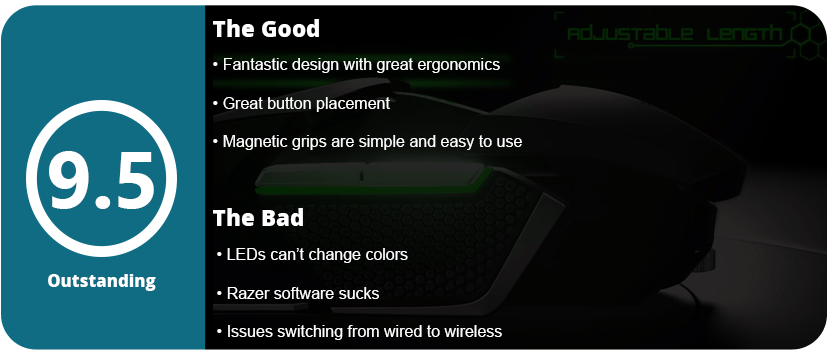
I love gaming mice, and I am slowly building a collection of them. It may sound odd to some people, but gaming mice are the most advanced mice out right now, and companies are innovating them physically and technologically. We have come a long way since the first mouse, which was just one button. They almost look like spaceships or android robots. Razer is one of the biggest innovators when it comes to gaming technology, and their mice have reigned supreme for the past decade. While I love the Naga and Mamba 2012, the Ouroborous is by far their best product yet. It seems physical customization is a new thing since Cyborg’s series of R.A.T. mice has come out, and the Ouroboros looks like it’s taken a few pages from R.A.T. 9.
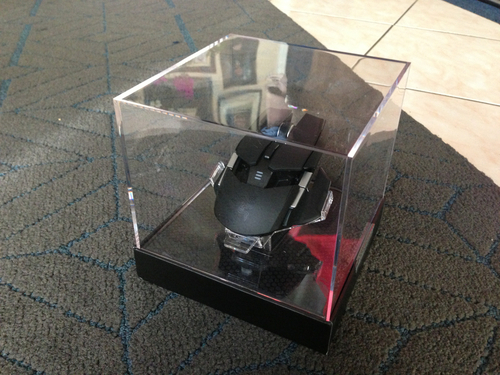
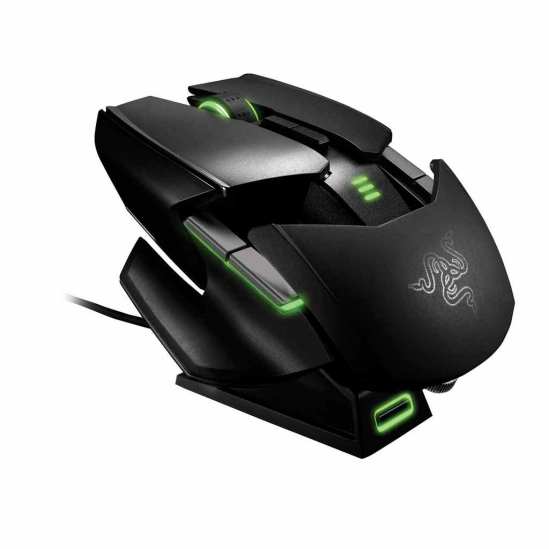
First off, the box just makes you ogle at the mouse. Sitting on that pedestal in the plastic case. It even made the employee at Best Buy (where I purchased my mouse) gaze in amazement since she had never seen anything like it. Razer products are boisterous and bold, and they are also sleek. The Ouroborous is the sleekest mouse I have ever seen or held. The low profile and sharp angles, accompanied by the perfect LED placement, make this mouse look like something out of the future. While looks can be deceiving, the mouse performs beautifully.
Having 8200 DPI may seem like overkill to most. This is one of the few mice out there that supports it. After using my Mamba 2012, which had a max of 6400 DPI, I figured it couldn’t get any higher. I have to say 8200 DPI is so sensitive that a sneeze could make it move. Barely flexing my fingers and muscles allowed me to move the entire mouse across the whole screen. Some people prefer little movement, while others prefer lower DPI. While I personally would never use 8200 DPI (I prefer around 3000), it’s there for someone. I also felt that the laser itself was just so much better than any other mouse I have used. It glides just right and has the technology to detect what mat surface you are using. You can select your Razer mousepad in the Synapse 2.0 software, which is great, and I noticed a huge difference while using my Razer Vespula (speed side).
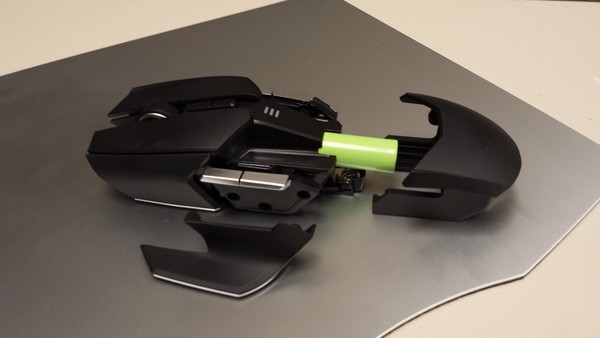
While the device may feel smooth and respond well in both wired and wireless modes, it’s also about how it feels in action. The Ouroborous comes with magnetic finger grips and/or rests. This is great for people who have a more fingered grip, use more palm, or just have big hands and don’t want their pinky or thumb to drag. The magnetic grips snap right on, which is ingenious and much more practical than the R.A.T. 9’s need for a tool. Now, the Ouroboros does come with a screwdriver, but it’s separate and only needs to extend the palm rest and insert the rechargeable AA battery. One feature that I love about the Ouroboros is the wheel underneath the palm rest that allows you to tilt it for better grip. It allows you to fill in that gap in your palm if you’re a finger grip gamer or lower the palm rest for a more palm-heavy gamer. This allows you to essentially suck the mouse into your hand rather than just trying to form the mouse into your hand, like in the R.A.T. series by Cyborg.
With that said, the buttons themselves feel amazing. This mouse has a dedicated clutch below the scroll wheel dedicated to DPI switching, which is a must as certain games register DPI differently. With this being an ambidextrous mouse, the mouse is symmetrical. One feature I was surprised at was that the thumb rests were clutches for shortcuts or macros. This works surprisingly well, and I never accidentally clicked it by gripping the mouse too hard. It requires the right amount of force to not be accidental. Each clutch can be individually locked if you don’t like it or want only one side to work. The side buttons are great since they allow four shortcuts/macros instead of just two by your thumb. The scroll wheel is also fantastic, and I am usually unhappy with most scroll wheels. This one has a nice grip, clicks down just right, and isn’t too stiff. I feel there are just enough buttons because they are in places that make sense and are also immersive. The final thing would be the battery indicator located above the palm rest. A simple three-light system is great for keeping an eye on your battery.
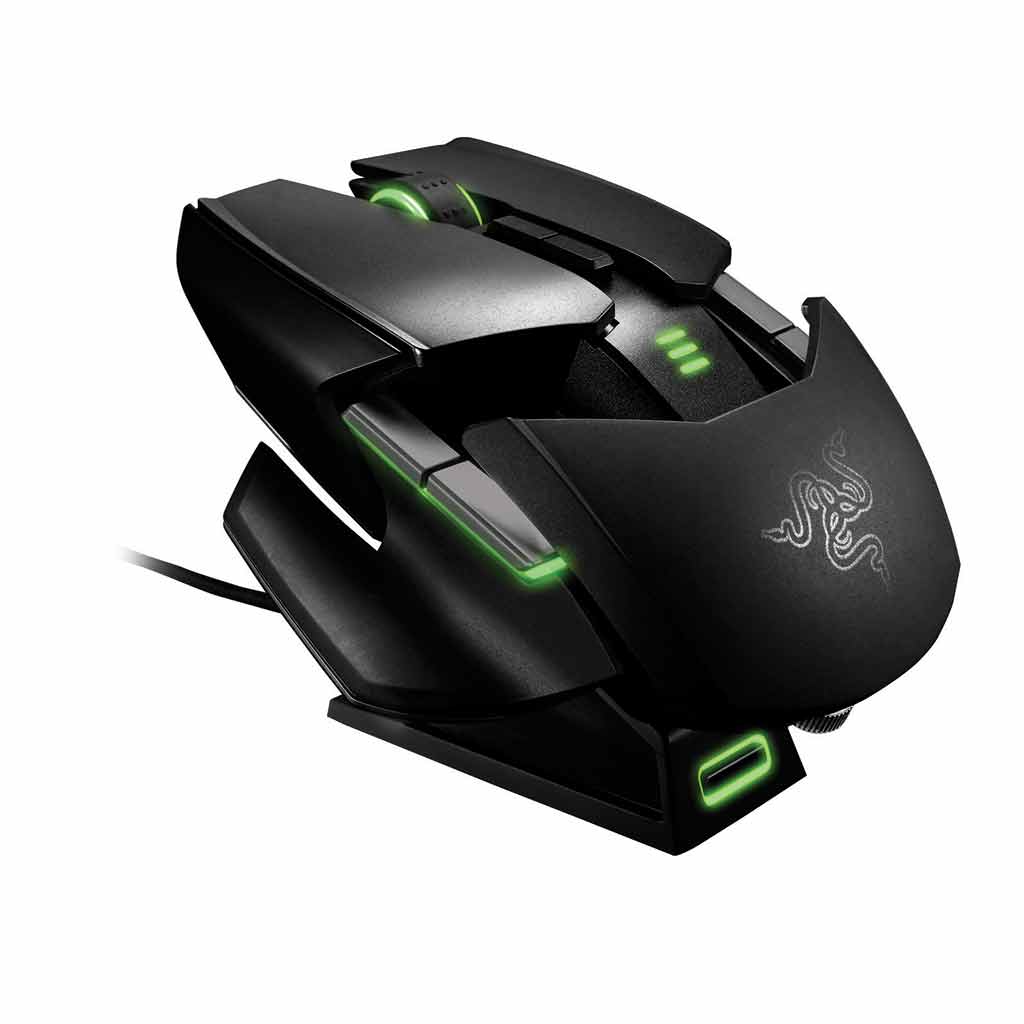
Most gamers scoff at wireless mice as they can lag and the battery can die mid-game. This battery can last about 12 hours on a charge on lower DPIs. The wired mode works just as great. I also have to mention that this mouse comes with the best dock I have ever seen. It is very small (must be smaller than the Mamba dock) and uses magnets to pull the mouse down right on top. It also looks good as it doesn’t stick out past the mice, giving it a feeling of levitation, which looks nice. My biggest downside would be that I had issues switching from wired to wireless mode. I had to fiddle with drivers and restart, but I tend to stay in wireless mode, so I’m not too concerned. I also wish the lights changed colors instead of just being that “Razer green” like the Mamba 2012. However, the green color does look nice and isn’t overused on the dock or mouse.
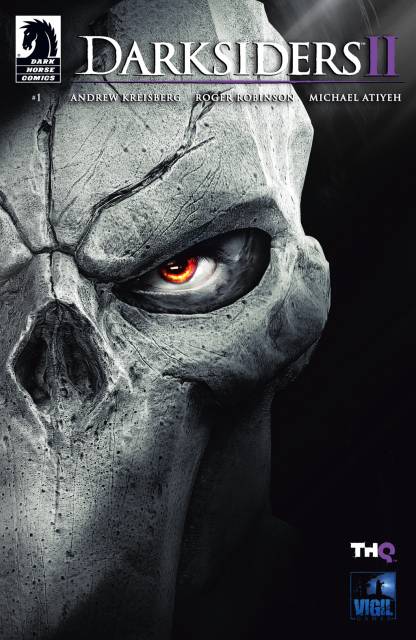
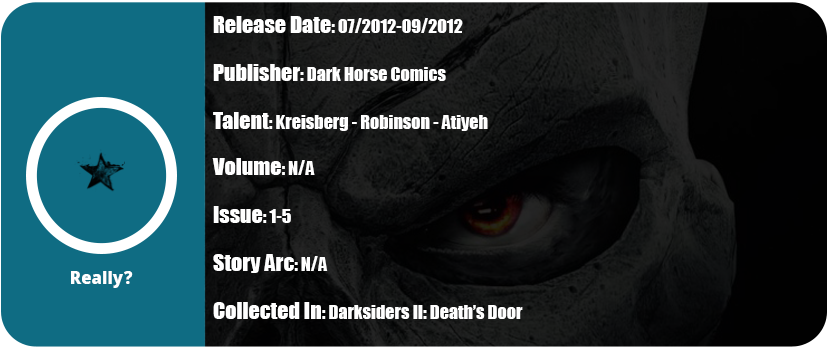
Darksiders II is a fantastic game. It’s become a trend to slowly release comics up until a game’s release, but Death’s Door proves why this is such an issue. The main reason is that most of the game’s story can’t be spoiled before its release, thus limiting the comic’s story. Death’s Door feels pointless and empty. Each of the 5 issues is only 13 pages full, maybe 10 sentences each. Sure, the art is good, but the story is seriously lacking, and there’s absolutely zero character development. We don’t even know who Death is or the other Horsemen, and the entire story is about some artifact that Death is trying to get back from an angel. Completely pointless and just plain forgettable.
What this comic also shows is that they need to be released after the game’s release. This gives the writers more freedom to advance or even divert from the game’s story while also incorporating and talking about it. Death’s Door at least looks decent, but it’s also nothing special. Nearly every page is one piece of art with a few words that Death is narrating. It’s all a bunch of foreshadowing and riddles. The entire comic doesn’t make any sense, even for people who have played the games. Sure, we know who the characters are, but this series just doesn’t do the Darksiders franchise justice.
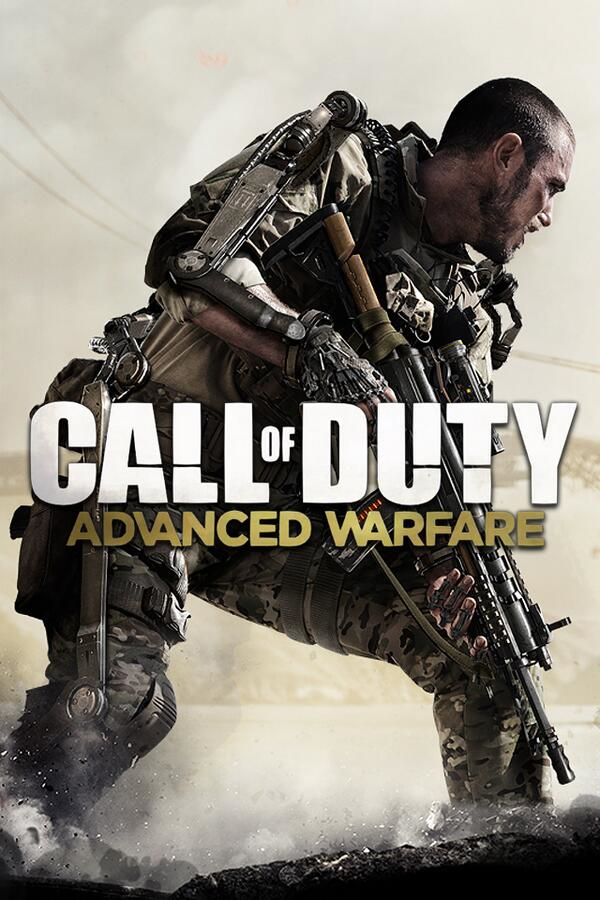
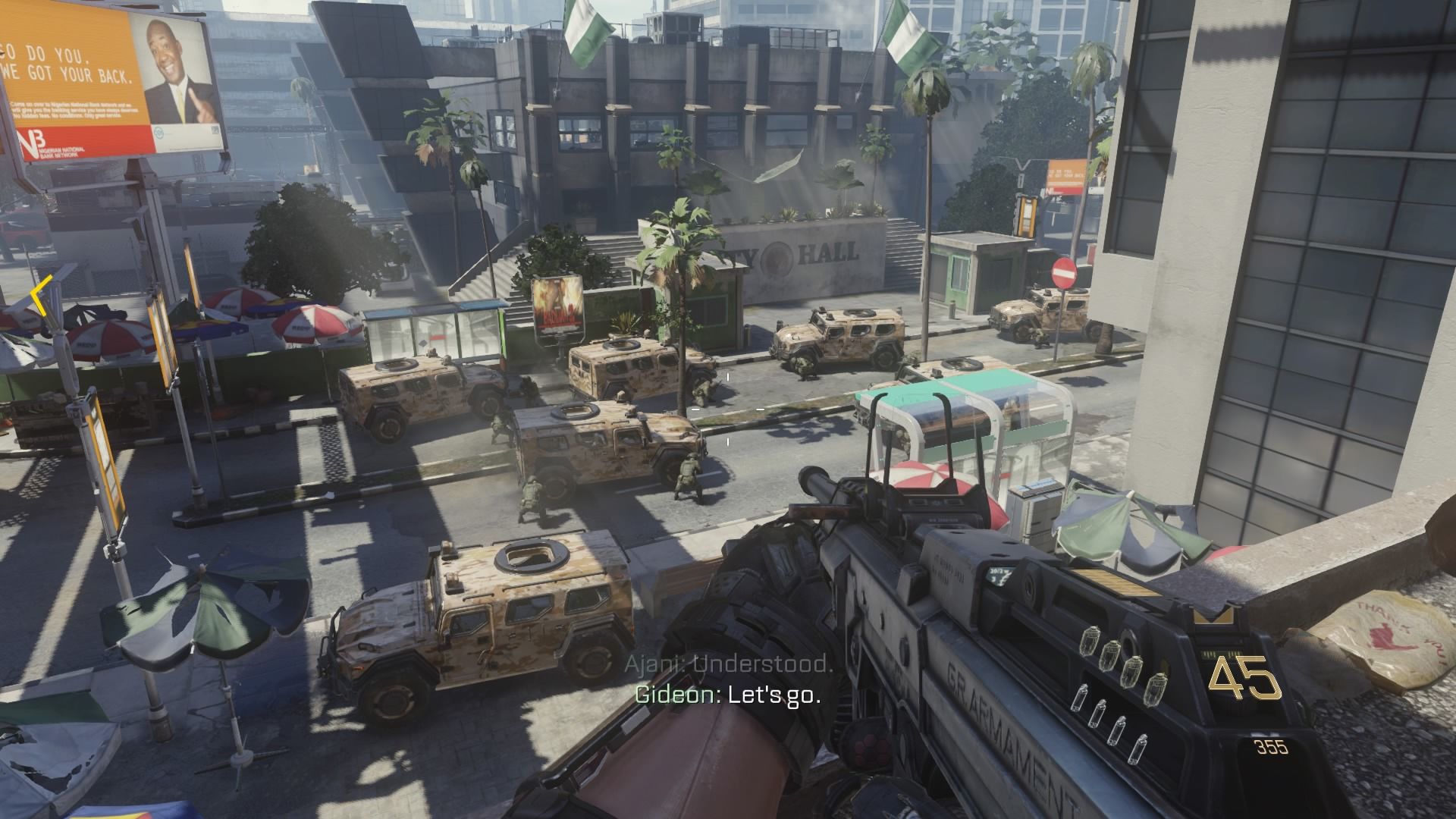
Call of Duty has had a steady downfall since Modern Warfare 3. Ghosts was a great change for the series, but it just wasn’t enough. Advanced Warfare is the first CoD game to be developed outside of Treyarch and Infinity Ward, and this is probably one of the best things for the series. The fact that Advanced Warfare is completely fictional and original is a good change as well.
You play Mitchell, a soldier who is working for a private military company called Atlas. Atlas is bigger and better funded than the entire US military, so they also have more power. I love the way the pace of the story is, and the characters are actually pretty likable and memorable. Gideon is a tough Brit who you grow to like, and he is actually my favorite of all the characters. The story is all about stopping a bad guy named Hades, who nuked parts of the world years ago. However, the good part is that the story takes a huge turn when you go after Atlas’ founder, for reasons I won’t say to avoid spoilers.
With the story being solid (probably the only good story in the CoD series), the gameplay holds up well. Yes, it still feels like CoD, but it’s a bit different. The guns have more weight and feel better, despite being completely fictional and futuristic. The weapons are based on real-world weapons, but with a twist. There are some really awesome new attachments and features. The new grenade feature is amazing. Your tactical grenade allows you to switch between EMP, Threat, and various other types. The threat grenade is my favorite, as it lights all the enemies up red for a short time. There’s also a threat detector attachment for guns that lights enemies up red when you have your reticle over them. The lethal grenade can switch between Frag, Smart, and various others. The smart grenade is my favorite, as it shoots into the air and homes in on the closest enemy. These features may seem subtle, but they fit the futuristic universe and advance the traditional CoD gameplay quite a bit.
A second major feature is the ExoSuit. There are three abilities that you can have, such as a jump pack, stim pack, a temporary shield, grapple, and various other features. Rolling this over into multiplayer is a blast and really changes things up, forcing you to forgo your CoD multiplayer routine and traditions.
The multiplayer suite is great, and the customization is even deeper than Ghosts. Choosing your gender, clothing, and even a different face is a step up for the series. The weapon customization is extremely in-depth, allowing you to hand-tailor your perfect CoD loadouts with various attachments, perks, weapons, and weapon paint. While the basic CoD suite is still here and hasn’t changed much, the added features of Advanced Warfare pretty much change the entire thing for the better.
Lastly, the graphics are absolutely fantastic on next-gen systems and PCs. The character models are gorgeous, the animations are beautiful, and the lighting is some of the best you will see this year. High-res textures and amazing sound keep you engulfed and trekking on. CoD had always been something to laugh at graphically due to the previous console’s aging, but now the series has one of the most advanced graphics engines available.
With all that said, Advanced Warfare is a great departure from the tired formula, and anyone who has been holding out should jump in now. It washes out the foul taste of the stigma that the series has created for itself and the FPS genre as a whole.
Game of the Year is always the hardest decision to make. What makes the best game of the year? Surely there are more than one, but it’s the one that stands out the most. Usually it’s revolutionary, groundbreaking in some way, or extremely memorable in every aspect you can think of.
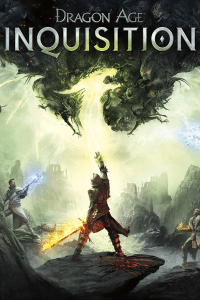
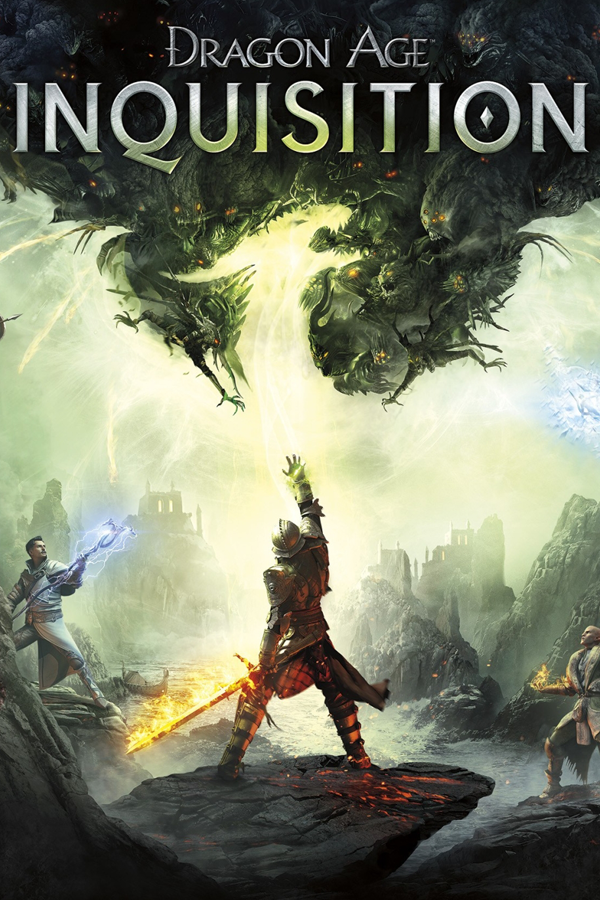
Dragon Age: Inquisition is not only a fantastic Dragon Age game, but has a great story, amazing visuals, and well-written dialogue. The game’s scope feels epic and fantastic.
The best kind of music isn’t licensed music. It is the beautiful work of a composer and many talented musicians that create a symphony that can bring chills down your spine or make a battle more intense. Great original music in games is hard to come by, but this here had quite a few.
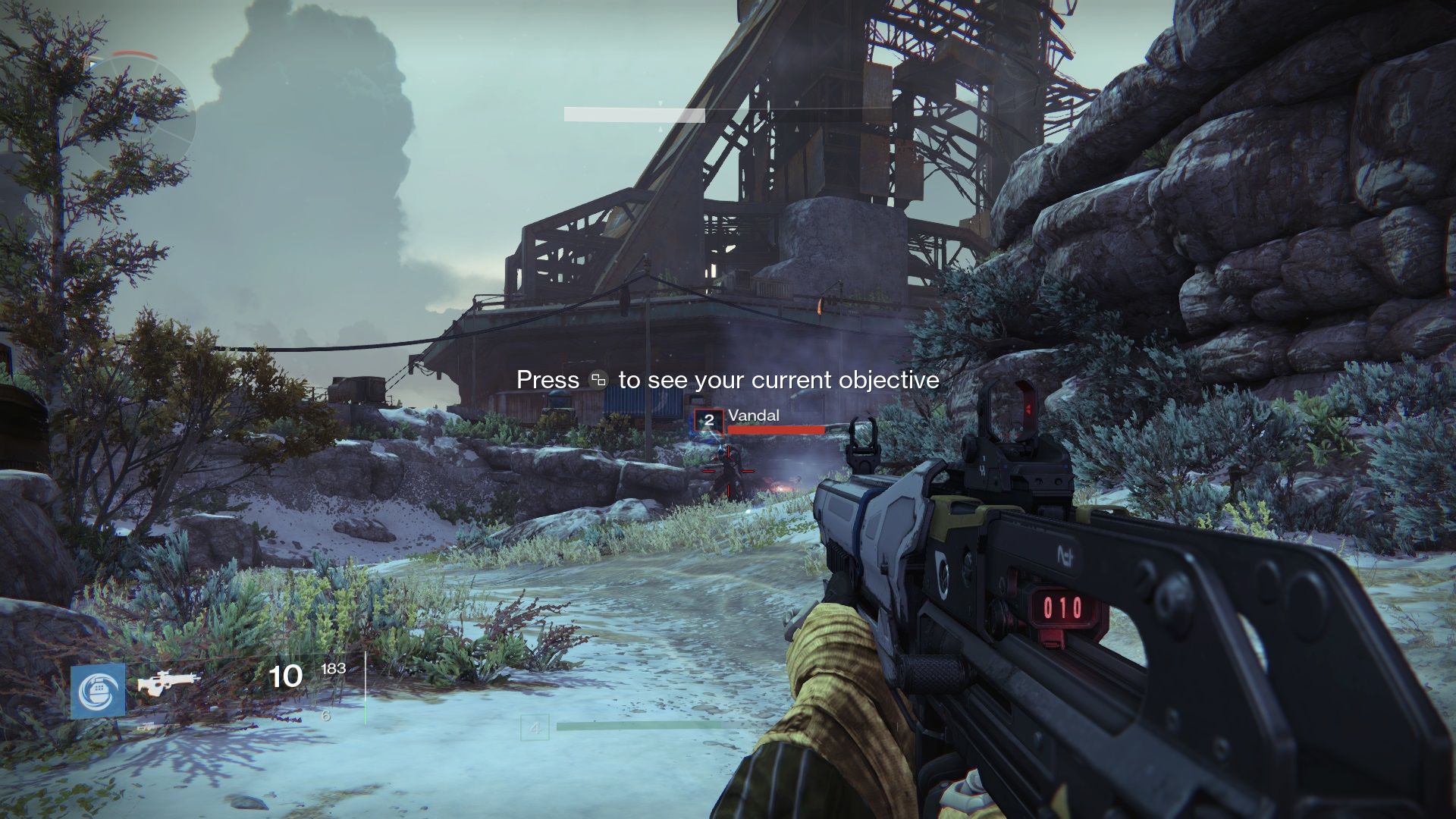
It was a toss-up between Destiny and Dragon Age this year, but I felt Dragon Age hit more at home with me. The theme was more memorable (I find myself humming it several times a day) and the overall ambient music is just more fitting where Destiny only really kicks in during the battles.






















































 thebinarymessiah.com
Try multiplayer. A lot of fun !