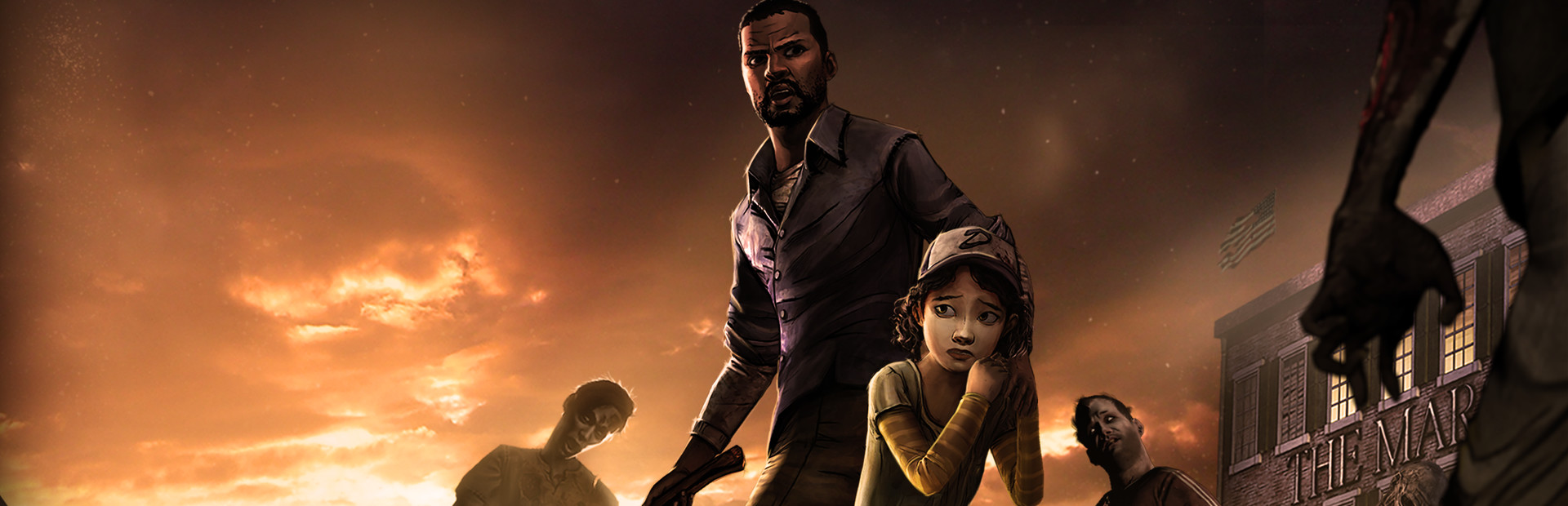
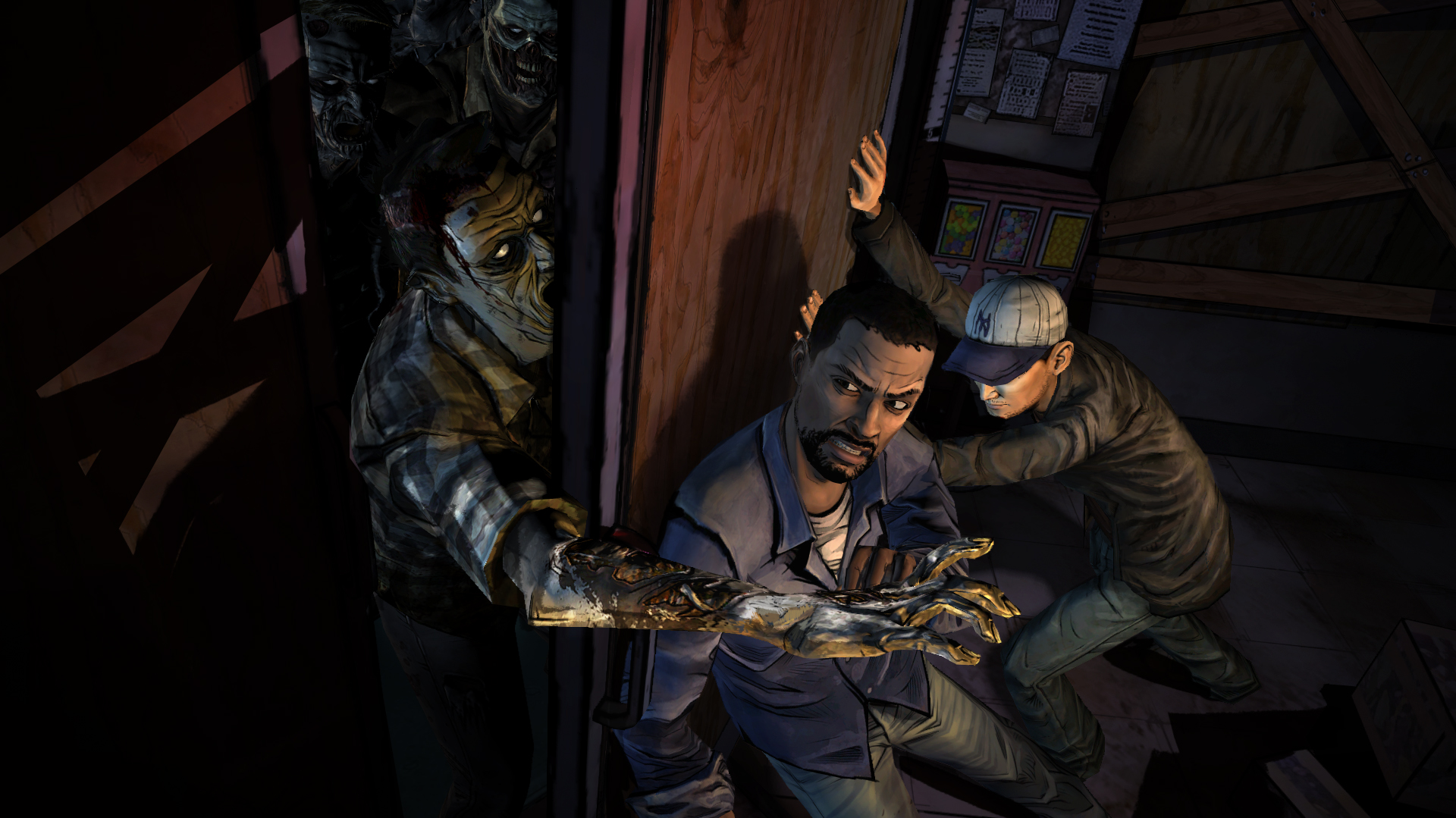
The first episode was just amazing and had some shocking moments. I have been waiting for this episode, but I feel a little letdown this time around. Lee and the gang need to find food because they ran out at the motel they are holding down. You go to try to find food and wind up on a dairy farm, but the food isn’t exactly what you think it might be. There aren’t as many shocking moments, and they don’t come off as surprising as in the first episode. The big moments are more dialog choices than actual gameplay, which is disappointing. One moment does have you chopping off a guy’s leg stuck in a bear trap, but other than that, the other moments are pretty typical, like yanking a gun out of a guy’s hand. In fact, there aren’t even really that many zombies in this episode; they kind of take a back seat to the internal struggle on the farm.
The game plays out exactly the same, but there are fewer exploring segments and even fewer puzzles to solve. In fact, this mainly felt like an interactively animated episode rather than an adventure game. Not to say that is bad, but fans of the first episode may find it disappointing. There are some more important choices you have to make, and that is probably the biggest switch from the first episode. Some changes actually determine the lives of a few characters you probably got attached to. Episode 2 does what this series is doing best, and that’s slowly drawing the characters’s personalities out and constantly making you question how you feel about them.
The game isn’t so much tense gameplay-wise as story-wise. The whole time, I was surprised when something did happen. You are thrown important choices and need to make decisions quickly at times when you least expect them, and they really make you think. I had such a hard time picking almost every choice because sometimes the right thing to do isn’t the best thing to do. A lot of times, I wonder how that will affect me later on in the series.
Overall, Episode 2 doesn’t have as much action or surprising moments, but it expands the character’s personality and gives you some seriously heavy situations that force you to make big decisions. The episode also puts zombies on the back burner for the problems on this farm and the group, so be prepared for that.
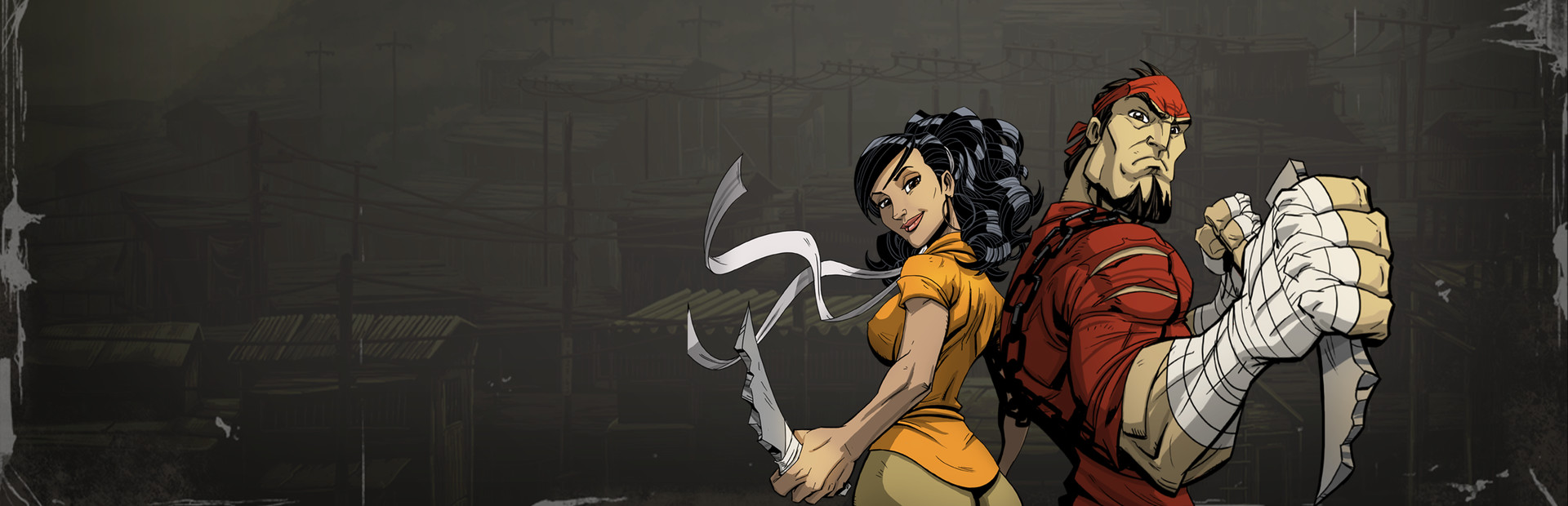
Shank had a great idea but was poorly executed with extreme difficulty, sluggish controls, and monotonous combat. The story was interesting, with lots of gore and boobs, but there wasn’t much beyond this. Shank 2 tones down the difficulty a tad, improves controls, and adds a few things to combat, but the story this time is lame, the voice acting stinks, and the game is even shorter. How Klei screwed up the sequel so much is beyond me.
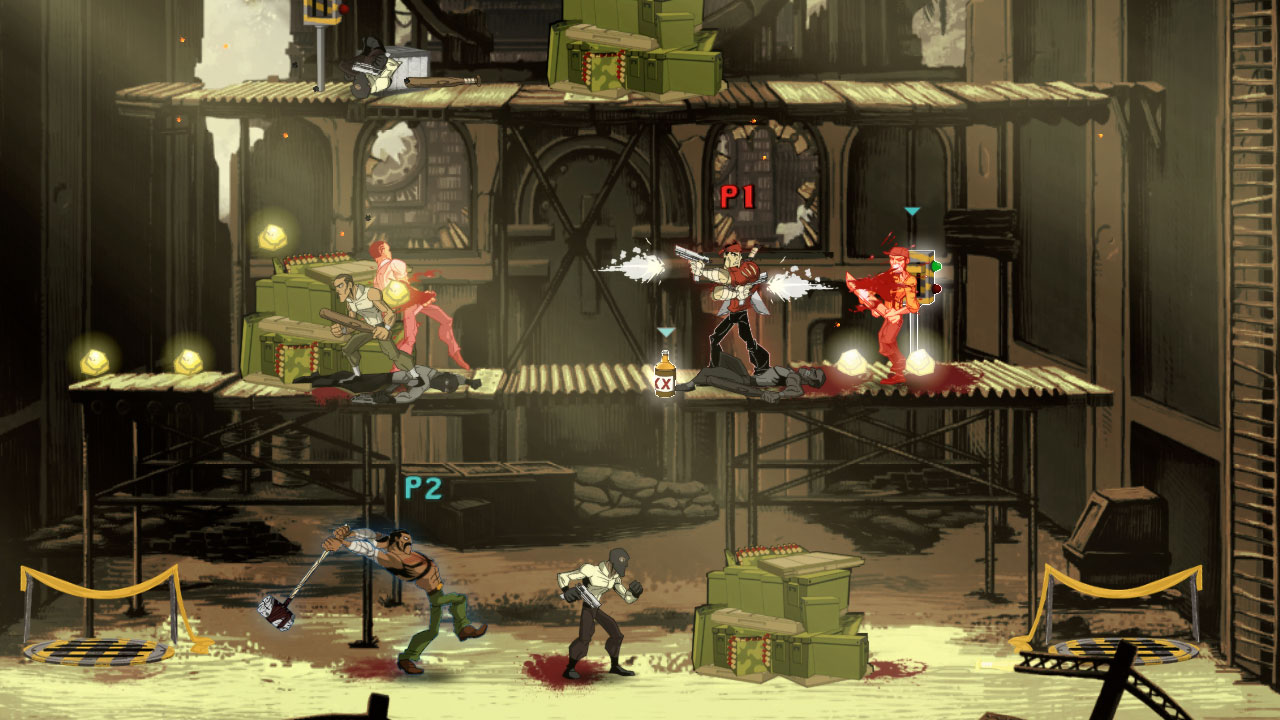
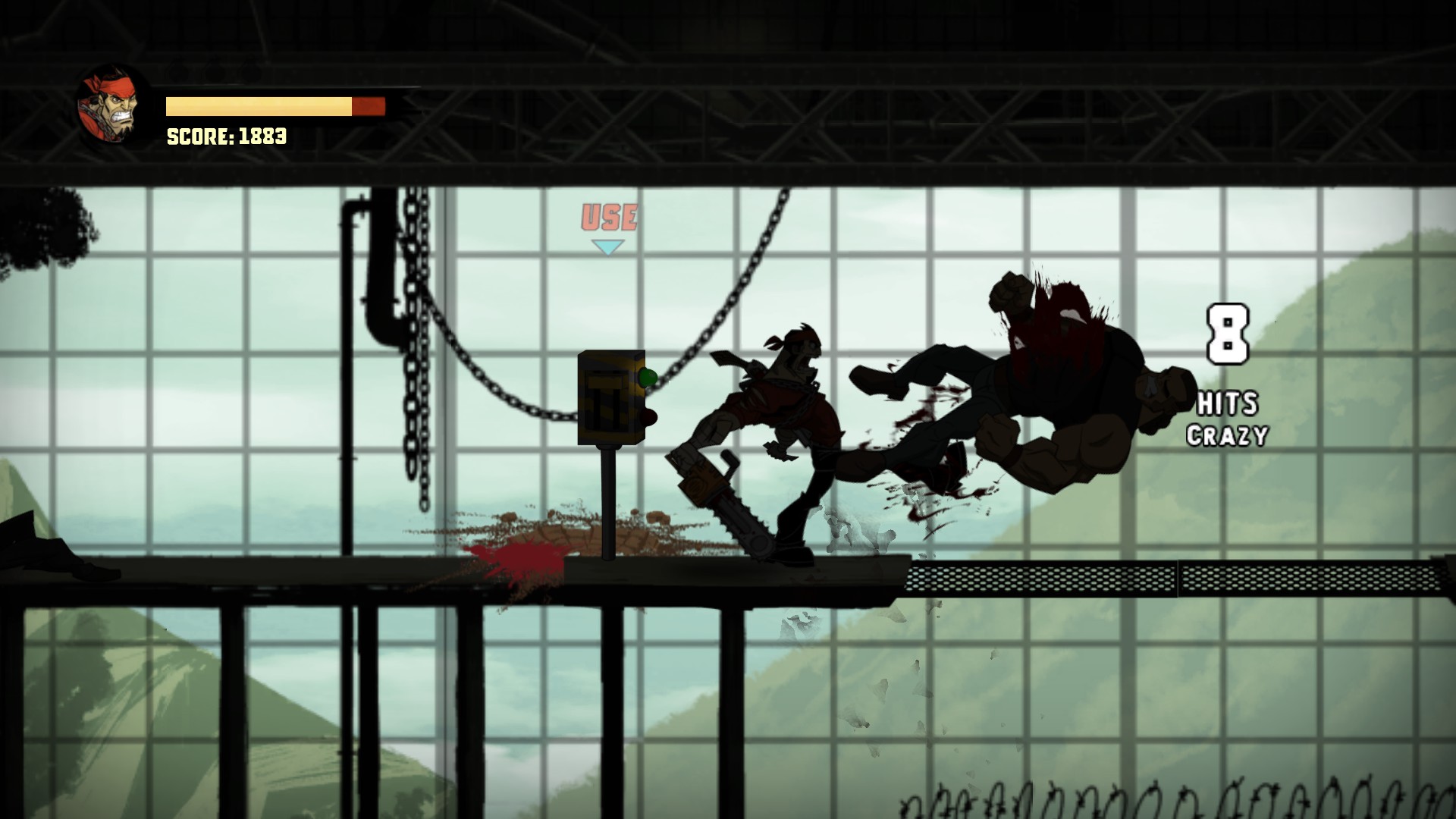
As Shank, you still have your shanks, but there are a few new weapons. You can use Molotov’s and landmines as projectiles this time. The sledgehammer is a new one, but you also get to play as Corina for one level, and she has her own weapons. I would have liked to see more new weapons, but if you count the turret sections, then that could be a new one. The combat is exactly the same as the last game, but the controls seem to respond a bit more, and that annoying knockback effect isn’t in effect as bad here because you can at least jump as soon as you get knocked back. The pickup button is no longer the dodge button, so you can save your tequilas for when you really need them and not accidentally drink them.
My main disappointment is that the boss fights aren’t as interesting and are pretty easy. They all play out the same, and the final boss is a cakewalk compared to Shank’s final boss, which was a serious pain. There are some environmental elements added where you can press buttons, and certain things will damage enemies or open traps. This can help you in a pinch when you’re surrounded. Weapon pickups are a new feature, but most of these are useless except the large ones, and this includes large items that can be thrown.
The levels seem a bit shorter, and the game can be beaten in just a few short hours. Besides the few combat changes, the game is actually worse than the first game due to the stupid story and disappointing bosses. The visuals are still great with lots of gore, but the fundamental problem is that you’re just hacking away at the same enemies through every level. I would have liked to see more platforming sections or some scripted events, but those are very rare in this game.
Overall, Shank 2 is a fun game to go through thanks to the lowered difficulty, but you won’t get the same satisfaction when beating tough and interesting bosses. The combat and controls have been improved a lot, but the newly added elements like weapon pickups feel almost useless. The story is lame with bad voice acting, and the game can be beaten in a few short hours. Fans of the first game (the few that there are) should go ahead and pick this up, but people who held off on the last can skip this one too.
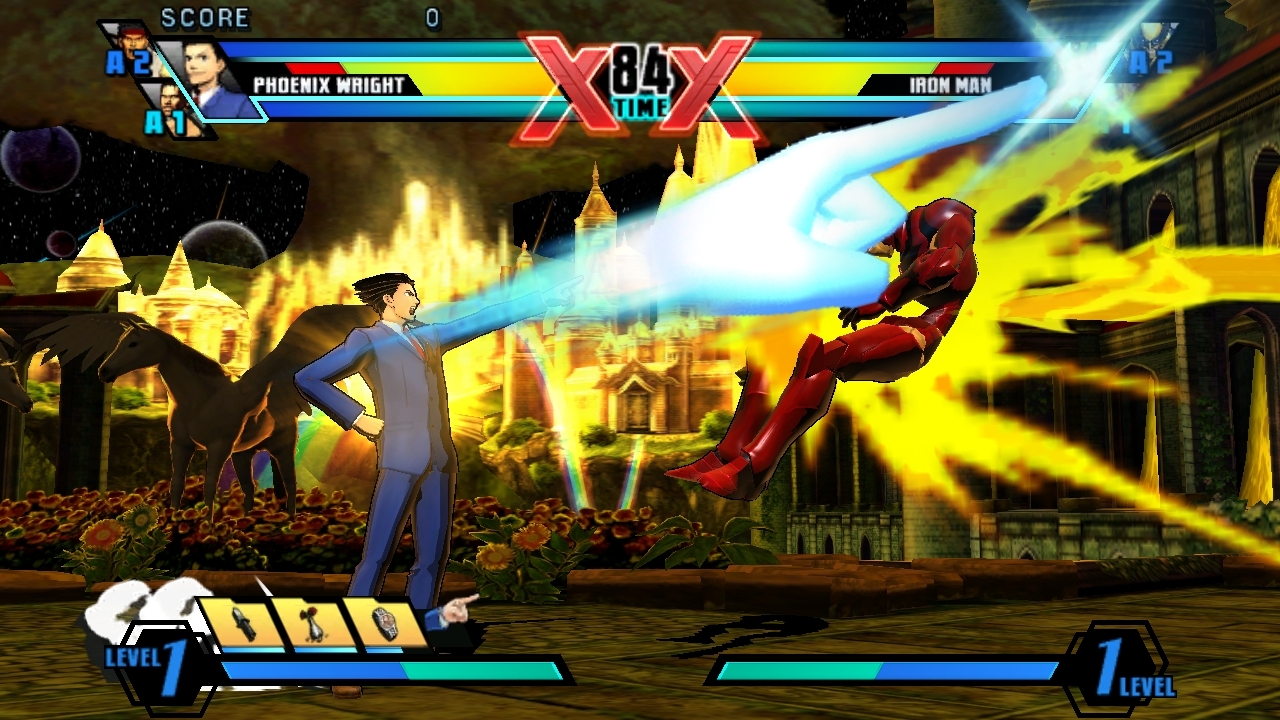
Marvel vs. Capcom has been a fan favorite for a decade. This version is an excellent portable fighter with a huge cast of AAA characters, tight controls, and a good number of modes. Online play is what will keep you coming back for more, but the fighting engine has a few issues that most hardcore fans will hesitate to admit.
The story is pretty much a dead throw away. Galactus is a supergiant trying to destroy the universe, but Marvel’s and Capcom’s are colliding, and that’s about it. It sounds kind of like Mortal Kombat vs. DC Universe, right? Ignoring the lame story, you will probably dive right into arcade mode, and the first thing you will notice is the 40 odd characters. They are all here! On Capcom, you have Frank West, Phoenix Wright, Amaterasu, Chris Redfield, Albert Wesker, Tron, and tons of others. Marvel’s side has Dr. Strange, Electro, Spider-Man, Wolverine, X-23, Thor, Hulk, She-Hulk, and more. These are all awesome characters, each with their own unique moves, hypers, and combos. The game is built off a 3-on-3 engine, so the game gets really hectic. I wish I could only use one character, but you can’t do it. Pick three of your best because each works off the other in tandem.
The way the game uses all three characters is pretty crazy at first. Newcomers will be overwhelmed by the overly complicated combos and controls. I had more fun with the simple control scheme because, no matter how much I practiced, I just couldn’t truly master any character. Even if you go into mission mode, you will probably get stuck on every character somewhere. The button combinations are just ridiculously complicated, and this goes for most Japanese fighters like Soul Calibur. The simple controls shrink everything down to special moves on one button, combos on another, etc. This was more fun because I could pull off crazy combos without much effort. The Vita version has a third control option, and this is using the touchscreen. This is probably for children because you just tap away at the enemy, and your character automatically pulls off combos and hypers, but it is usually the same combo over and over again.
Hypers are both cool to pull off and to look at, but not so fun on the receiving end. Some combos can go in the 50+ range if you pull off a hyper. Depending on how many of the 5 levels your hypermeter is, you can do some serious damage. Have it high enough, and you can pull off a super hyper that uses all three characters. These will almost wipe out your entire health bar. There are a lot of technical terms in the game that will take a few hours to get used to. There are jump cancels, super jumps, and all sorts of lingo that only hardcore fans will take to heart.
After you spend some time button mashing in the arcade mode, there is a whole Heroes and Heralds mode that is kind of like a campaign mode where you slowly conquer areas. You get a hit list sheet, and if you get five in a row, you get an A rank card. These cards have abilities that will be equipped with your fighters. The cards take a while to learn to read and understand what each ability does. Some will let your character auto-block, or at level 2, hyper, you can jump-cancel automatically at the cost of a bar. It’s all pretty in-depth and complicated, but with some tinkering around, you will get used to it.
The online mode is where all the fun is, and it is just as fun on the Vita as on the consoles. There is not much to say here but that it is online. Watch out because you will get your butt handed to you by most players. In terms of other modes, the game doesn’t really have any, but the online mode should keep you busy for quite some time. The visuals are pretty stunning, with lots of effects and great-looking character models, and I didn’t experience any frame rate hits.
Overall, UMvC3 is a great package on the Vita, especially with Cross-Play on the PS3. The graphics are great, and the controls are tight and responsive, but the touchscreen controls are disappointing. I would have liked to have seen some mini-games or maybe a few extra modes just for the Vita, but as it stands, this is a pretty good PS3 port. If you love hectic, in-depth, and complicated fighters, then look no further.
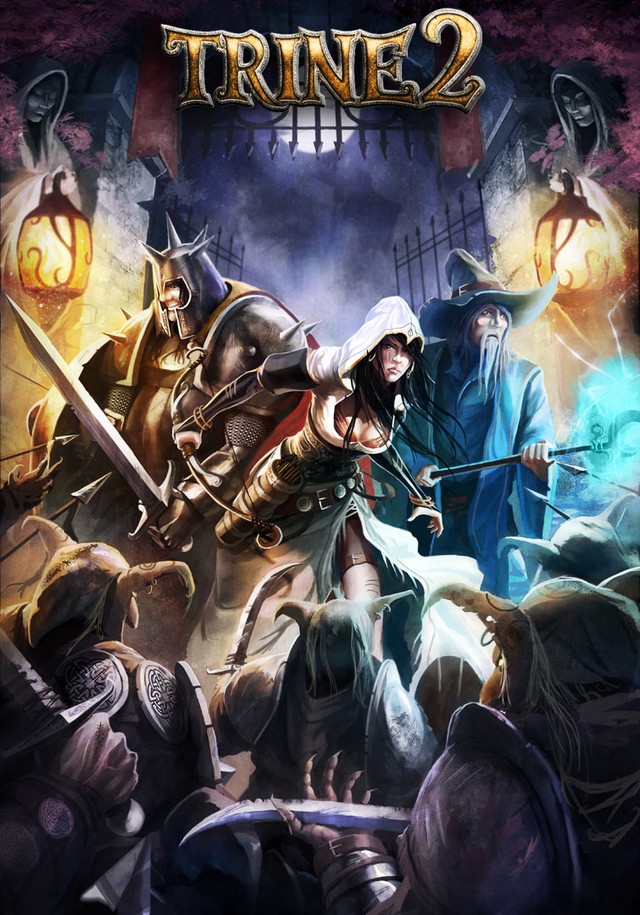
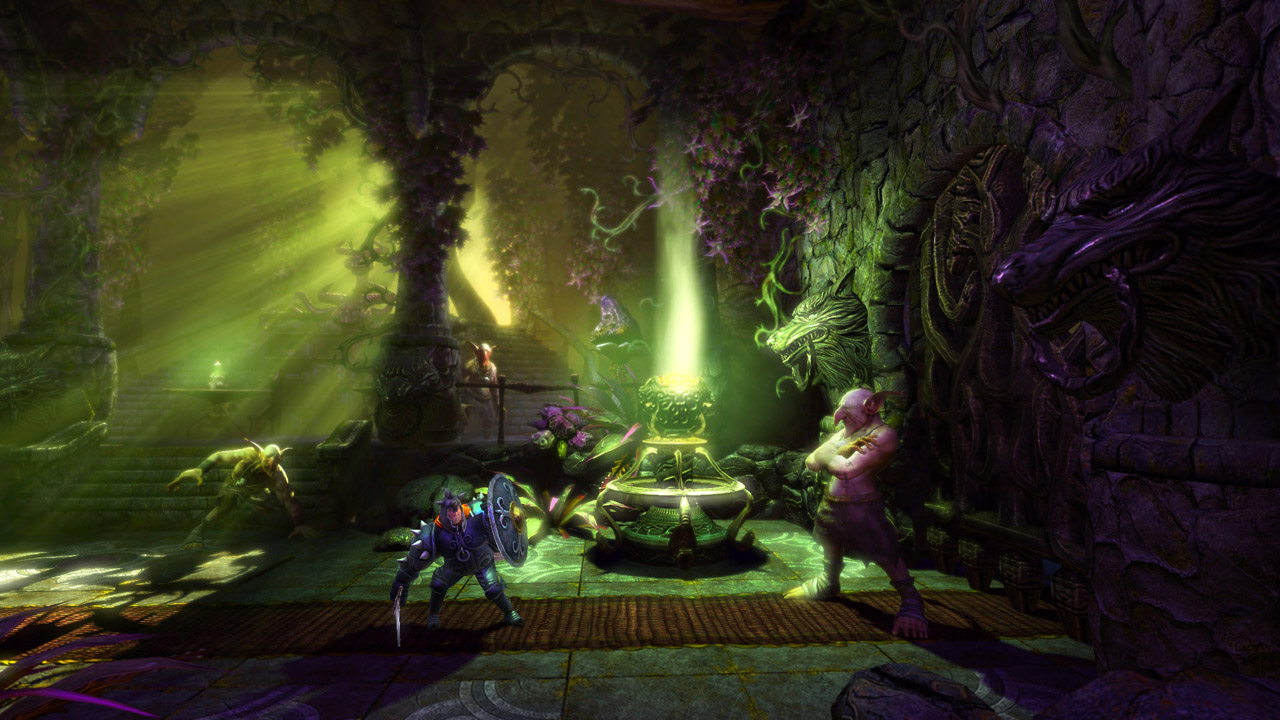
Trine was a great co-op physics puzzle game, but those puzzles insisted that you manipulate the elements of the game and exploit your abilities to solve them. There’s no canned solution. You get a puzzle, and you can solve it a few different ways, but it takes a lot of experimenting to solve them. Trine 2 continues this, but at least makes the puzzles a little more understandable.
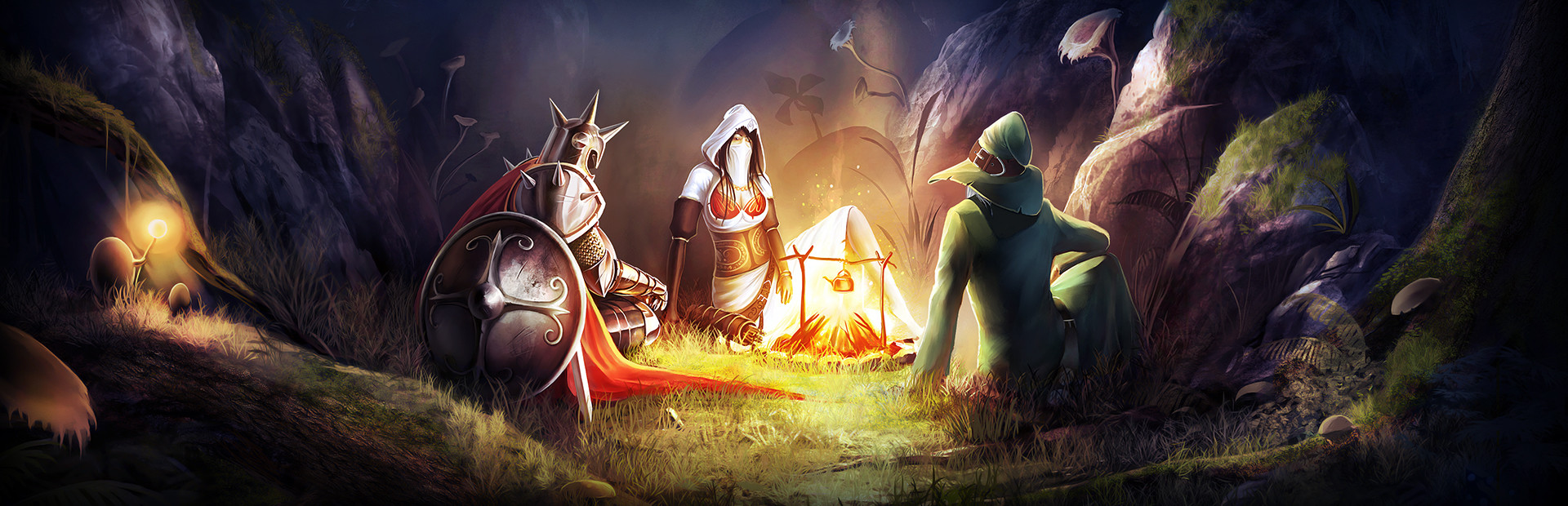
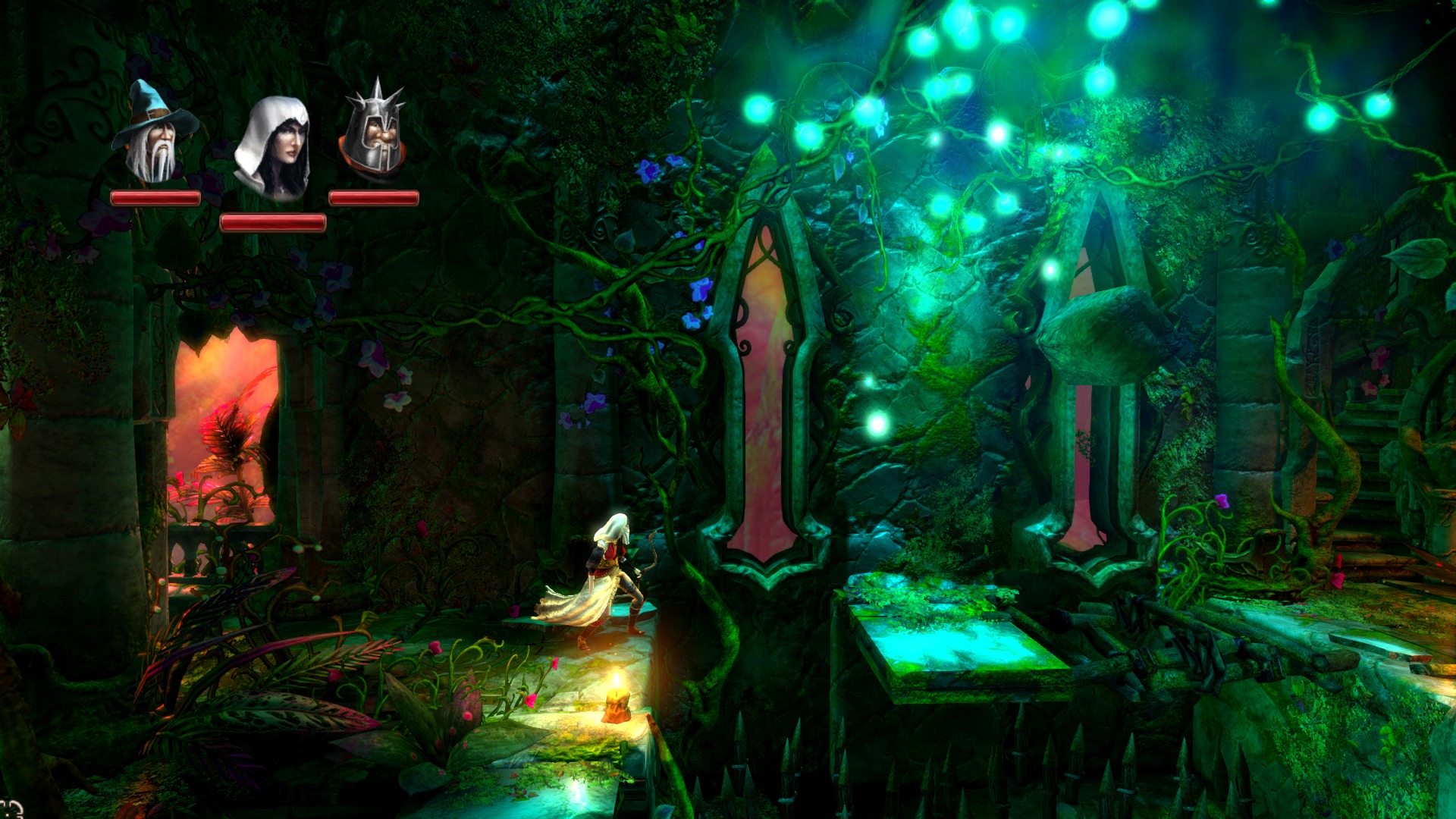
Zoya, Amadeus, and Pontius return as the wizard, thief, and knight to solve these tough puzzles. If you already played Trine, the game is almost the same, but with new levels and puzzles and slightly refined controls. For people who haven’t, you can go ahead and start here because Trine has a very bare-bones story and is completely forgettable. Zoya has a bow and arrow; Amadeus can conjure up planks and boxes; and Pontius is the fighter. As you solve puzzles, you need to find glass bottles and orbs that will help you level up. Most take some thinking to figure out how to get to them, but you honestly don’t need to level up completely because if you hit a puzzle that needs a certain ability, just remove those points from others to do it.
Puzzles consist of tough platforming and being able to use the heroes’ abilities to solve them. It’s too difficult to explain how the puzzles work, but let’s just say the game is easier in co-op. Manipulating the various levers, pulleys, and platforms requires thinking outside the box. If you have a slippery slope that you can’t jump up, what do you do? There’s a ledge overlooking it, so you use Amadeus to create a plank at the top, then put a box on top of that so it doesn’t slide down. Conjure another plank, and as it slides, you jump on it, then the other plank to the next section. Puzzles like this are everywhere, but some are just completely difficult due to the mechanics needed to do them, or you can’t figure them out at all.
Combat is usually the only break from this, and it’s just a mouse mashfest. Pontius can use his sword, shield, or hammer. Zoya can use her bow to get high-up enemies, but if you die, you need to start back at the last checkpoint to revive your heroes and heal. Every so often, you find chests that contain poems and paintings, but there’s really no need to get these. You spend so much time trying to just advance in the levels that you’ll pass on trying to find out how to get to orbs and chests.
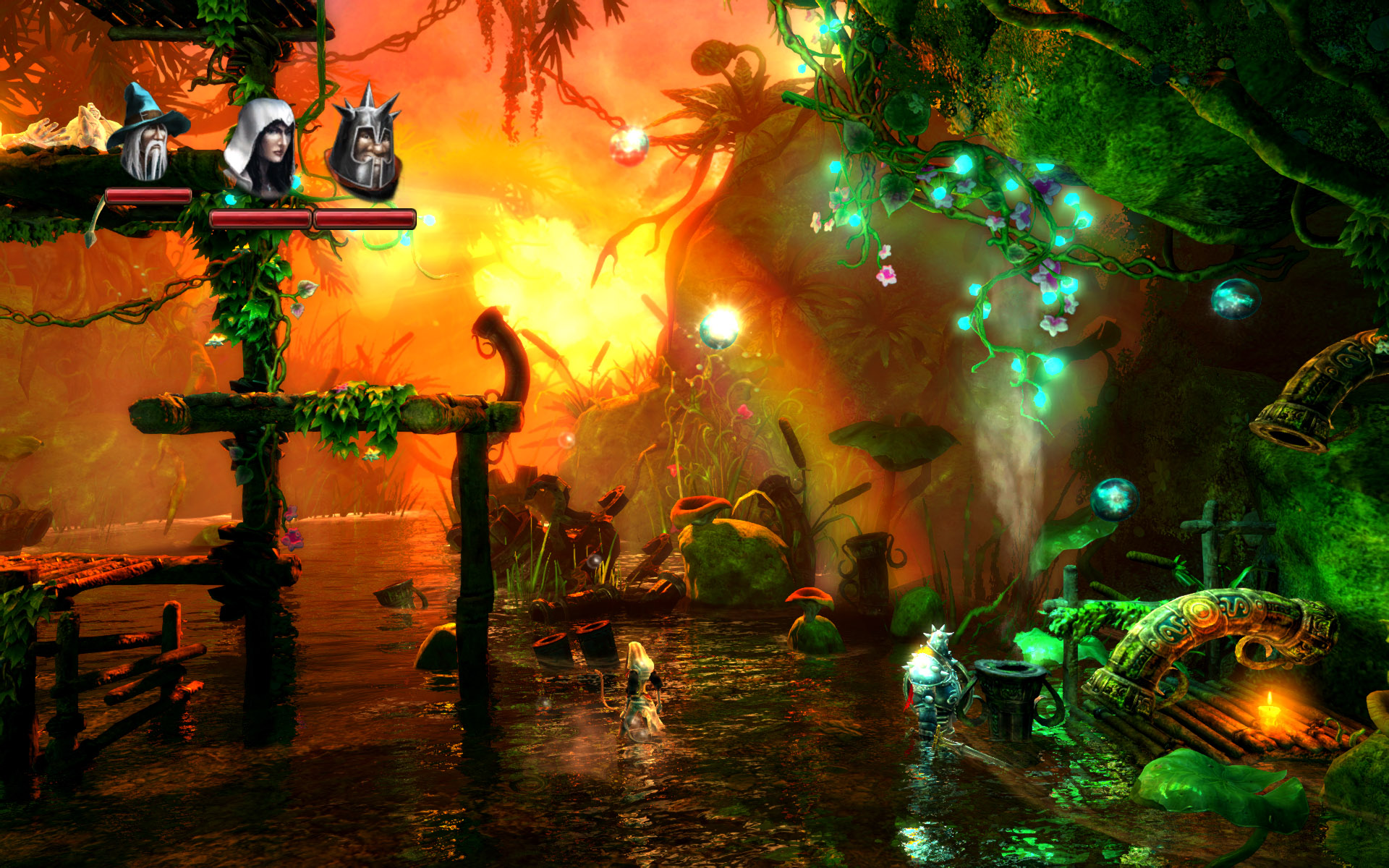
The visuals are stunning, with gorgeous lighting effects and an enchanting art style. This is probably my favorite part of the game because each level is completely different. My biggest gripe is that the game feels too much like the last game, with just some minor combat improvements, and the puzzles can be figured out a little easier. The story is complete crap. The trine makes you follow it so you can save some rival princesses, and that’s about as far as it goes. You beat the end boss and find out what has happened to the good princess.
Overall, Trine 2 is great in co-op but really tough in single-player. The story stinks, and the puzzles are extremely hard to solve due to the fact that you have to manipulate the hero’s abilities and exploit the physics system. This isn’t fun to me, but some people may like the think-outside-the-box-style puzzles. If you were a fan of the last game, come back. If you weren’t a fan, you wouldn’t like this much either. New players can jump right in here and enjoy the stunning visuals and tough puzzles.
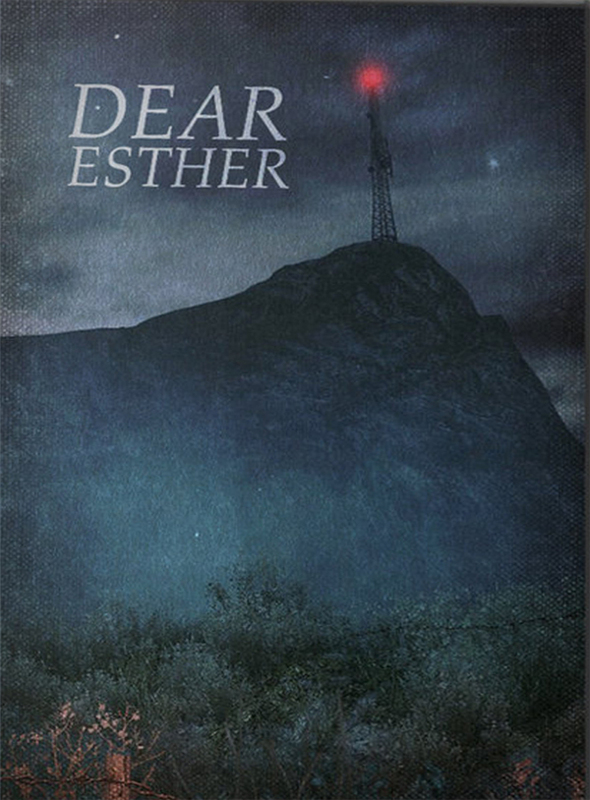
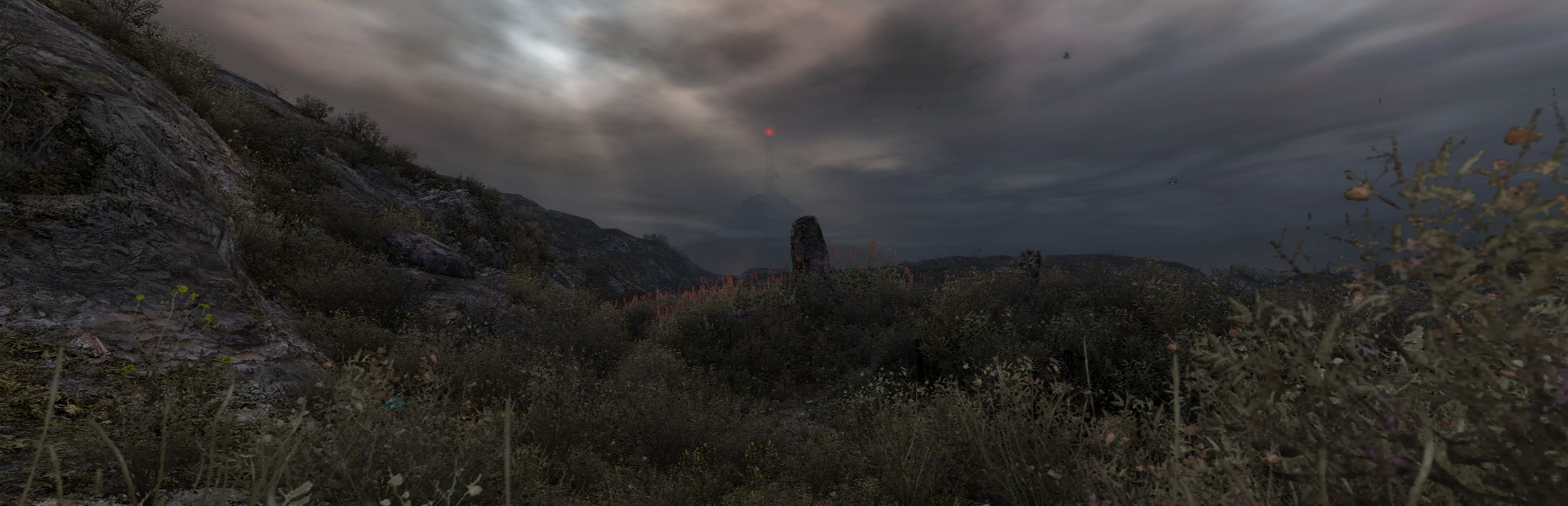
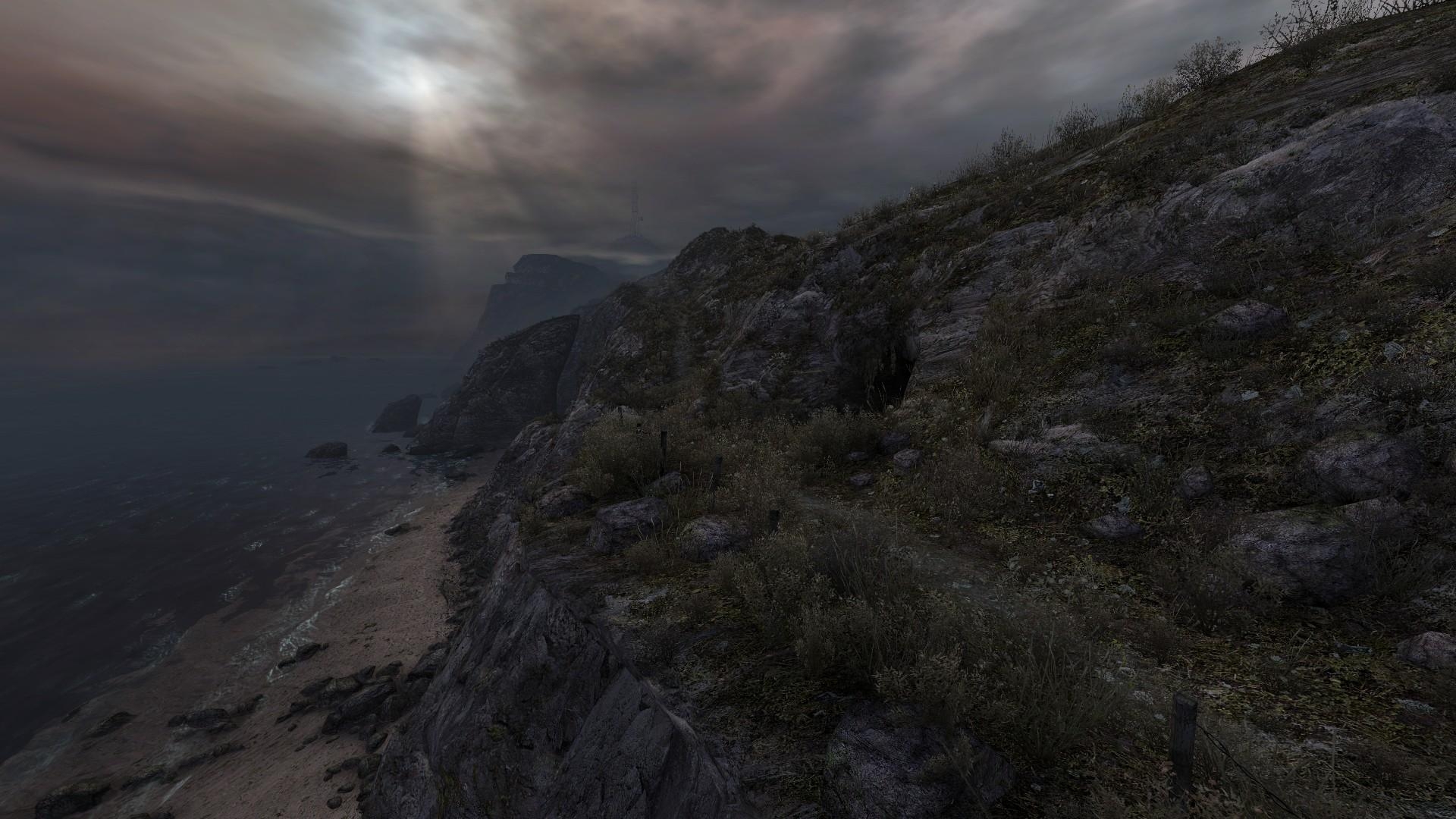
Dear Esther is a game from indie developer The Chinese Room that is a visually stunning adventure game, but it is lacking everything else. If you like slow-paced games or just want to relax and not worry about anything but moving your character, then this is probably exactly what you’re looking for. Everyone else, stay away.
You start out on the beach with no objectives, so you just start wondering. This is all you do in the game while a narrator spews poems at you. There isn’t really a story here except that a man is searching for a man named Donelly, and you are writing letters to a man named Esther. As you wander around the level, you will see various things like abandoned huts, shacks, and strange writings on walls. I felt the game had an atmosphere that was a mix of Penumbra with a bit of Half-Life 2 thrown in. If you walk into a dark area, your flashlight will turn on, but there’s really no need to wander off the main path. If you do, you may get a little extra narrative, but it isn’t worth it because you have to walk all the way back to where you were.
You literally do nothing but walk. There aren’t any other buttons except zoom and take screenshots. This wouldn’t be so bad if the pace wasn’t so slow and grueling. You literally walk at a crawl, and I get that it’s so you can take in the scenery, but it doesn’t really change much until you get into the caves. There’s only so much ocean and swaying grass one can see before you get bored. The only thing you look forward to is the next piece of narration.
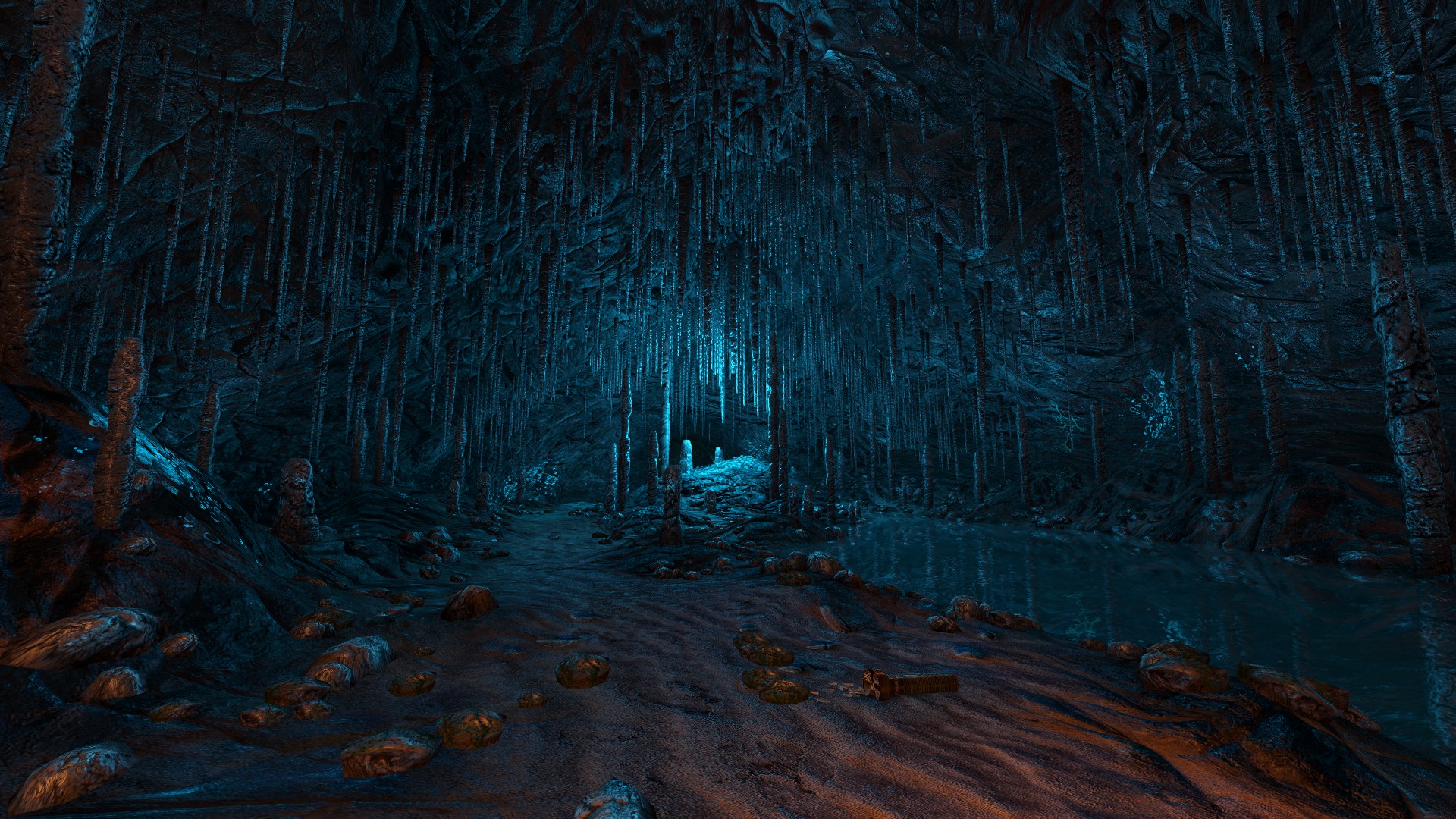
The game is stunning to look at, but you won’t see the true beauty of the engine until you get into the caves, where you get to witness gorgeous water and lighting effects. This is short-lived because this area is only about 10–15 minutes long, as are the other four areas. This leads us right into the game’s worst problem: It is less than an hour long. Even when you get to the end, you still don’t know why you played this game or what its purpose is. The story is very vague, and you never quite know what’s going on. This is hardly a game and is more of a technical showcase. If you can stomach this sort of thing, then go ahead, but you aren’t missing anything if you skip out.
Dear Esther does try something that most games don’t, but with zero gameplay and only being barely an hour long, it’s hard to justify that $10 price tag. There aren’t even any downloadable chapters, which is a real shame. Will I be keeping an eye on The Chinese Room’s next game? You bet because there is a lot of potential here, but I just felt it was clearly wasted.
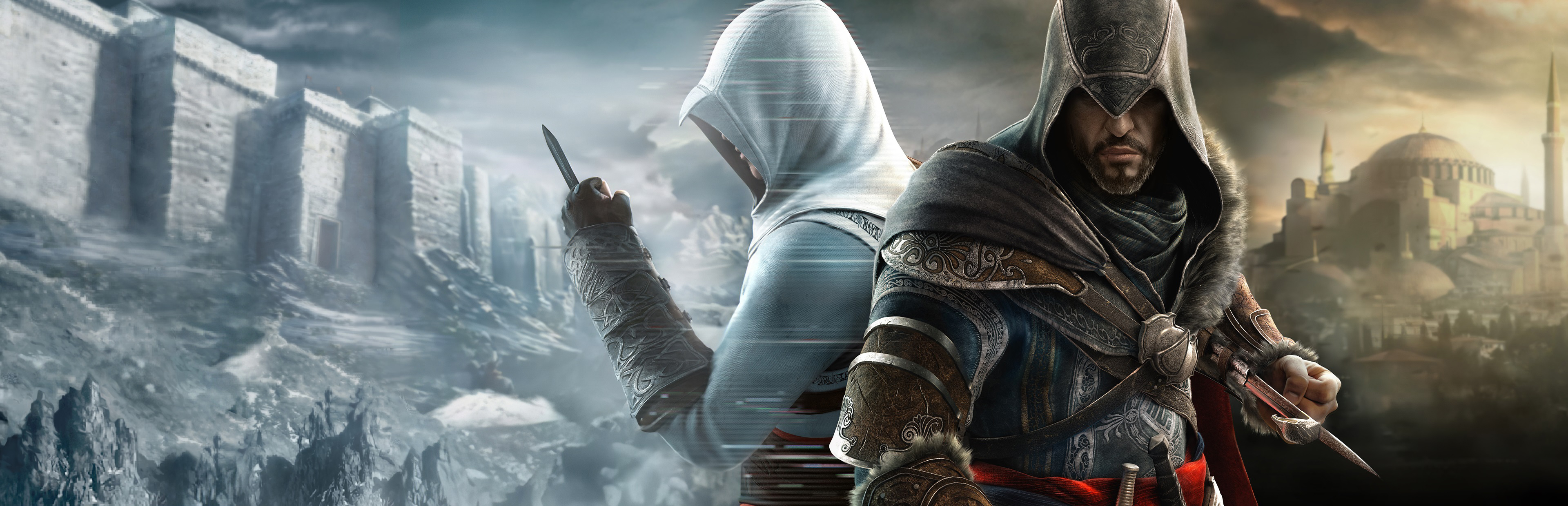
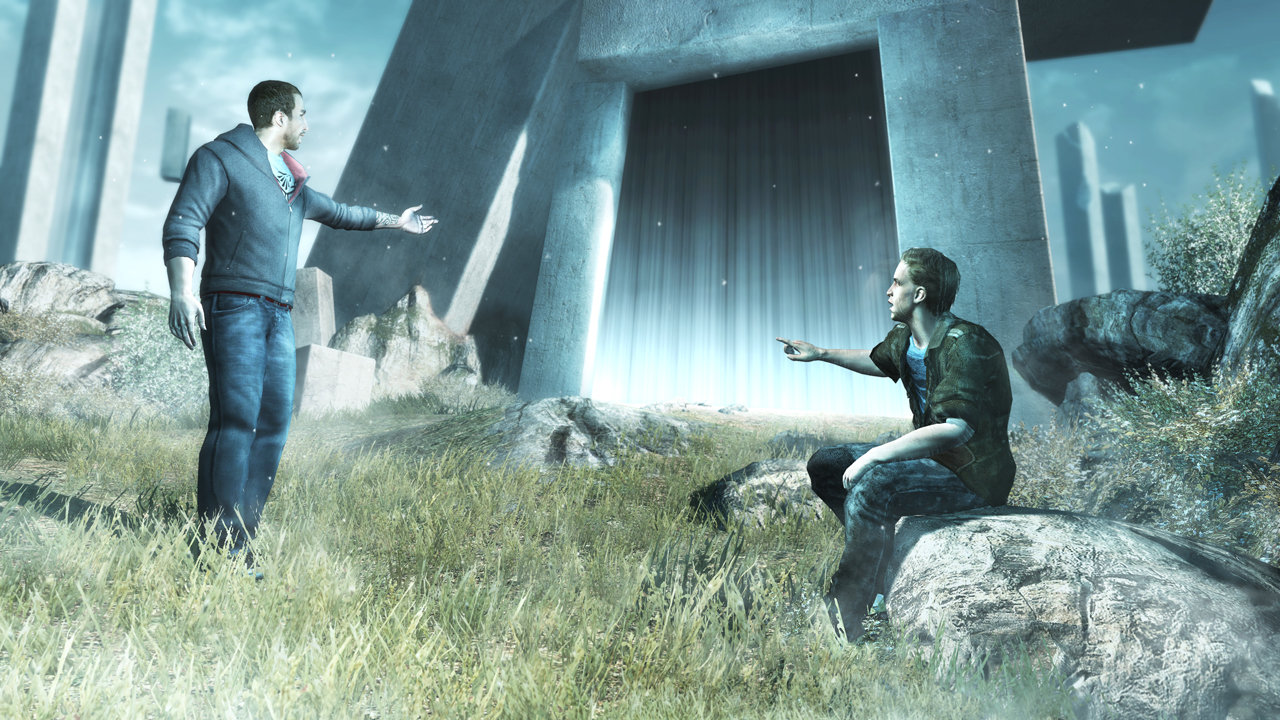
Ezio Auditore da Firenze. When most gamers hear this name, they think of one of the best video game characters ever made. Ezio went down in game history the way he did for a reason. Assassin’s Creed revolutionized the action/adventure genre with assassination skills, a whole new take on stealth gameplay, and awesome parkour gameplay. Revelations are the conclusion to Altair and Ezio’s story, but just another chapter for Desmond Miles. Desmond is stuck in the blackness of the Animus and is in a kind of coma. His brain can’t tell his personality apart from Ezio and Altair’s, so Subject 16 (yes, you finally meet him) helps you a little bit here. There isn’t much of Desmond here because this is the two assassins’s story; in fact, there are only three cut-aways for Desmond through the whole game.
Ezio’s story starts with him trying to find the five keys that Altair hid, but the Templars are also after them. Altair has some secretly hidden library under Masyaf, so it’s a race. This is the shortest AC game to date, but that doesn’t mean it’s worse. There is a new layer added to Ezio’s personality because he’s 50 through 62 in this game. Playing as an old man is pretty awesome, though. Ezio is now wiser, smarter, and a master assassin. You even play as Altair through his old age up to 92, and he still kicks ass! This should be more like Geriatrics’s Creed. Let’s go ahead and start with side missions. The same ones from Brotherhood are kept, but others from past games are cut. Templar Dens replace Borgia Towers; you can recruit assassins, buy stores, buy monuments, find viewpoints, and that’s about it. Side missions took a back seat here to some epic main story missions. Overall, the game can be beaten in less than 15 hours, even if you try to do the side missions that are here.
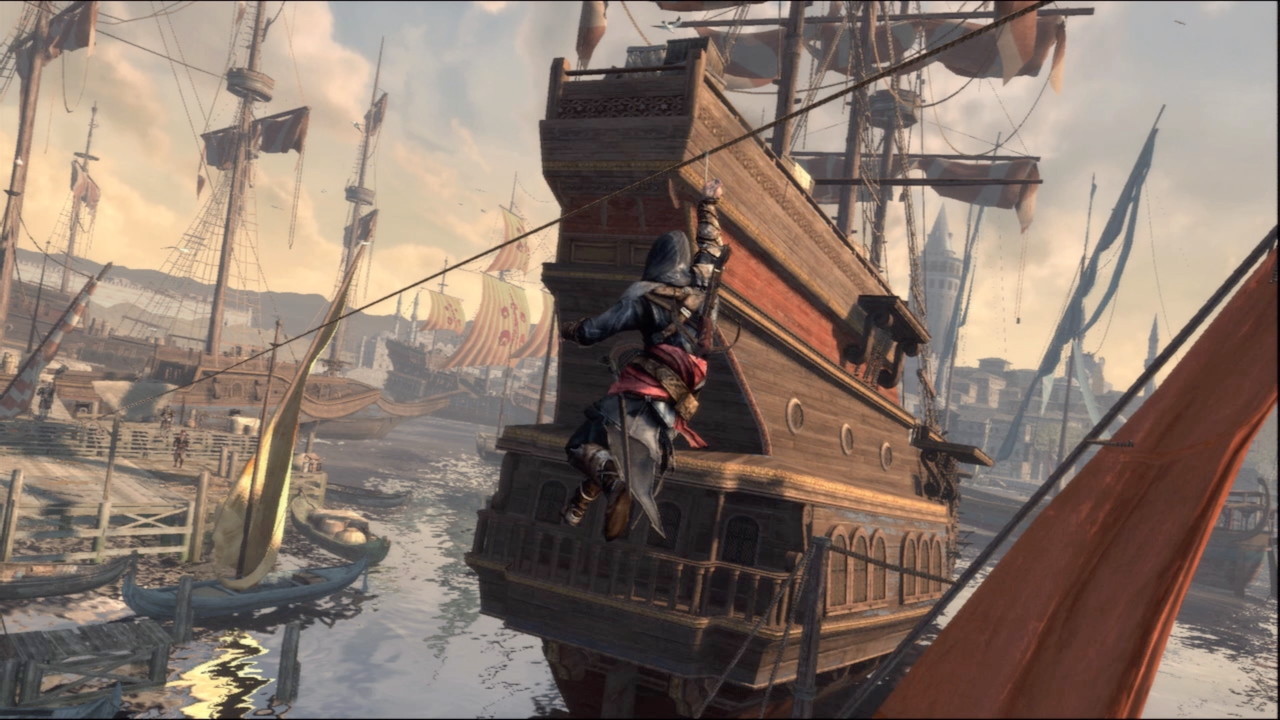
Collectibles this time around involve only Animus Fragments, which are used to unlock crappy Desmond side stories, which will be explained later. Two new combat abilities are brought to the table here: bomb-making and the hook blade. This adds a layer of depth to combat and climbing. Remember when you would jump off a building from too high and just couldn’t reach the one in front of you? Now you can, with a quick press of the action button, catch yourself. It can be used in combat as well as running away from guards. Remember when guards would block your path and you had no choice but to get knocked over? Now you can hook them and roll right over their backs. This also adds another item to climbing, which is zip lines. Zip along and assassinate enemies at high speed, which is a blast.
Bombs have three different levels: diversions, weapons, and defense. Boxes are scattered everywhere that contain parts of bombs that contain the container, gunpowder type, and item inside. You can use a lamb’s blood bomb to make enemies think they’re wounded and become stunned. A splinter bomb stuns enemies or uses a cherry bomb to drive guards away from areas. These really come in handy when you don’t want to get into a huge fight. The problem here is that it’s wasted on the short length of the story. I didn’t even get to use all the bomb types because there weren’t enough missions in the game that called for them.
There is also a strange strategy-type section at the beginning that is never used anywhere in the game, and I thought it was fun. You can use points to call down different types of assassins on roofs or use defenses on the ground. You can use your gun when the wave of guards comes. This was kind of like a tower defense thing and was really strange just to have it on one mission.
All the other items are here, like parachutes, poison darts, and all that stuff from past games. However, combat is finally perfect with combo chains after you kill an enemy. Keep the chain up, and you can kill each one near you with just one hit. The combat really flows this time, and the new kill moves are just gruesome. You can do everything else in past games, so nothing here has really changed. You do use your Eagle Sense more because you need to use it to find these clues to the keys. This leads to awesome and varied main missions that involve epic chases, picking your way around guards, and even giant climbing puzzles. I found these to be the most entertaining, but the gameplay really ends there. It is short and sweet, as well as entertaining.
The area is completely new because it is set in Constantinople and Istanbul. There is one sequence dedicated to a whole underground Templar city, but I felt all this was wasted on such a short little sequence. The area in Revelations is tiny compared to past games, but this is understandable for how short the game is. The new art style and the setting are a great welcome because Rome and Italy were getting tiring to see. The graphics are still superb, even with the slight updates to the engine. The voice acting is superb, and so is the storytelling.
Desmond’s Journey is a strange telling of Desmond’s past through a first-person platforming puzzle thing. I have no idea what this is, but it should go away. There are five short little areas that involve platforming and pushing buttons. Then you get to place floating blocks in front of you to make paths. Yeah, what the hell? It’s nice to know Desmond’s story, but collecting 100 fragments for this isn’t even worth it.
Multiplayer has been amped up and is just as fun. There are more modes, but instead of being really original, they are hidden under the AC theme. These are the models you see in first-person shooters that are disguised here. Capturing the flag is just taking a key from the enemy base and returning it to yours. There is a deathmatch mode and a few others, but more modes are good and they are fun. There are more maps, characters, and abilities that will keep you coming back for hours.
Overall, Revelations is just as amazing as past games in the series, but just on a smaller and shorter scale. It perfects the series to a T, and I don’t think anything else can be done with these two heroes. If you made it this far in the series, go ahead and finish it. Long-asked questions are answered, but there are also some new ones now. The game has a touching ending, and we even finally get to see what happened after the first AC. Revelations is an excellent game, with just enough new stuff to keep fans happy.
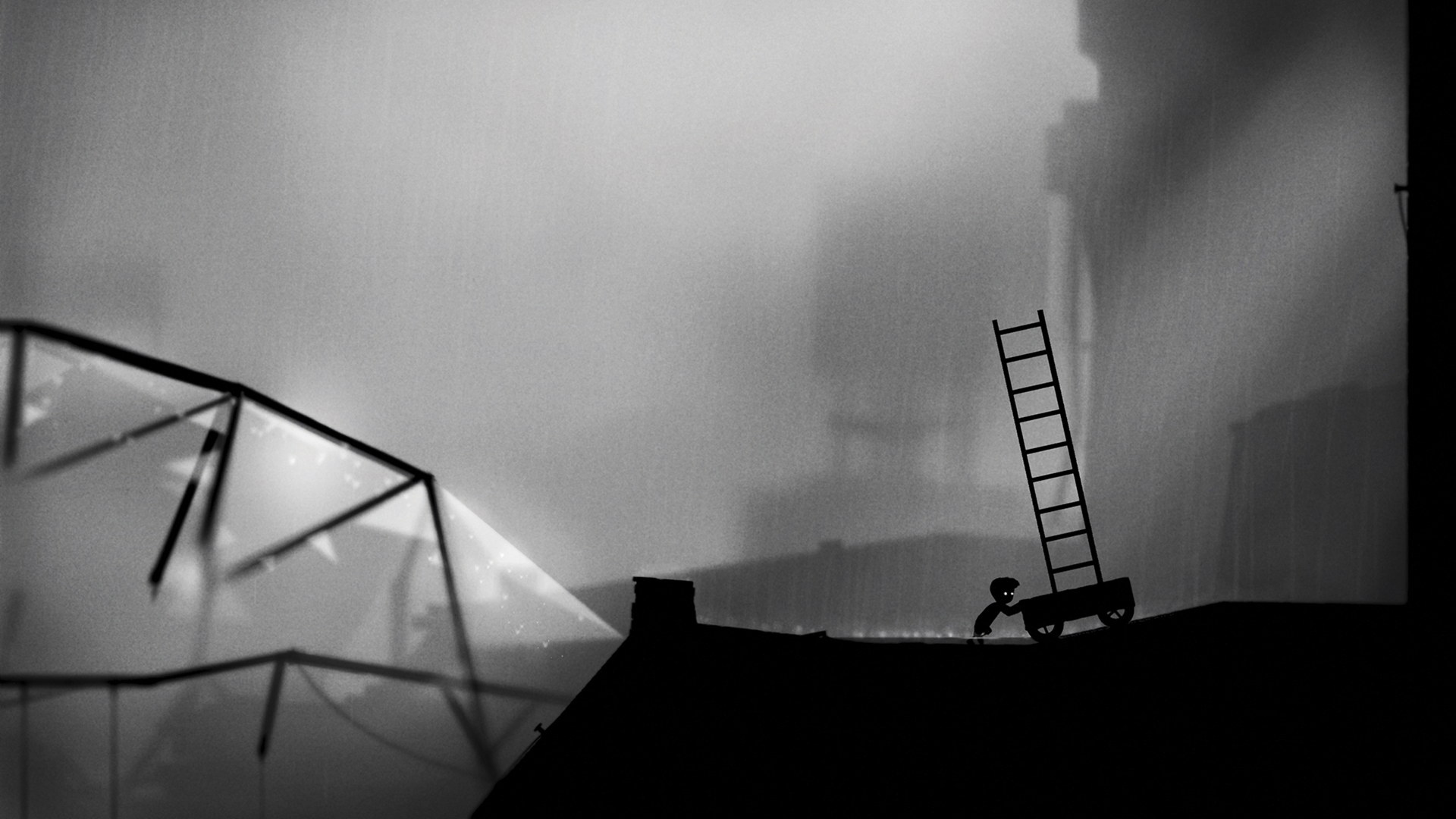
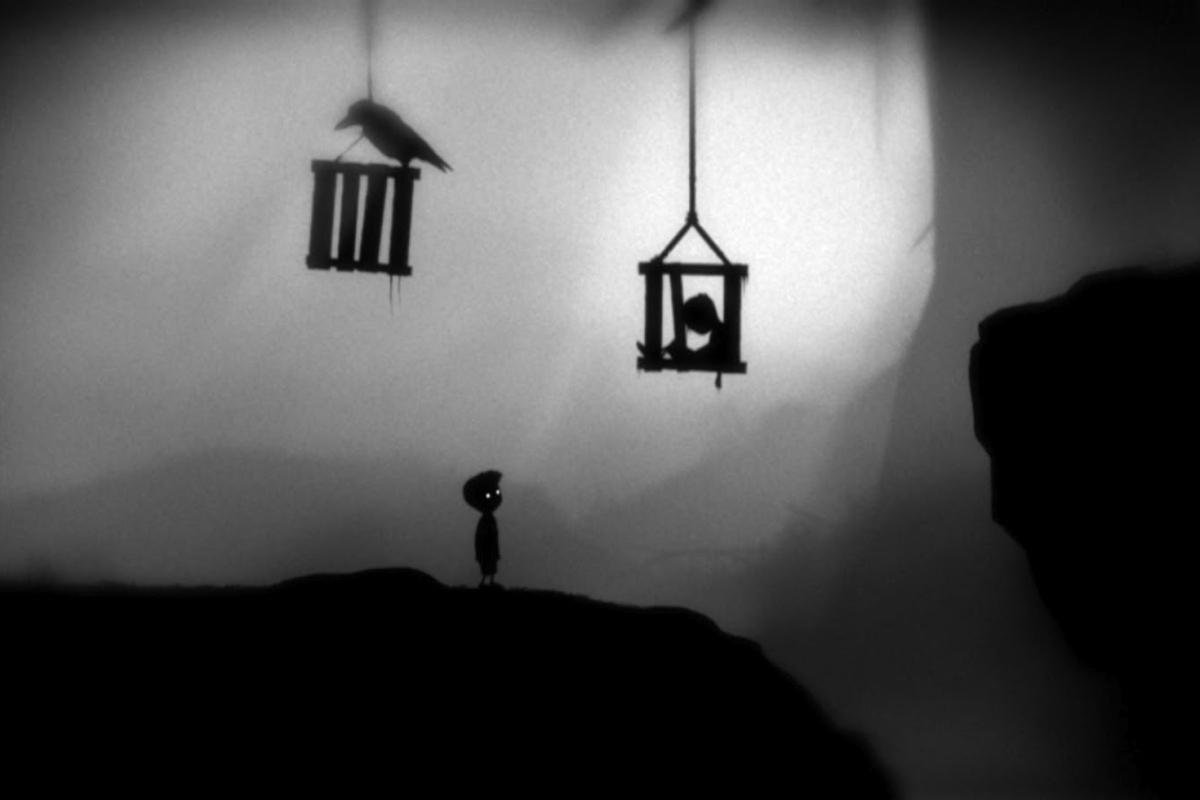
Leave it to an indie game to be clever, atmospheric, and do things that AAA titles wouldn’t dare do. Limbo starts out with just a simple message: Find your sister. No voice acting, no characters—just a black-and-white 2D platformer and a nameless little boy. This can be risky because why would you care about it with none of those elements? You won’t need to, because the game makes you care for the boy through your actions. He can be dismembered and killed in every way possible via deadly and horrific obstacles and traps like getting caught in a saw blade, getting hung, or being impaled by a giant spider leg. You cringe at every death because this is a little boy and not some nameless soldier or thug.
Limbo offers tons of atmosphere thanks to the great ambiance and visual cues that make you just wander through the whole game. The puzzles start with simple ones that deal with gravity, pushing stuff around, and pulling switches and levers. Later on, you have to manipulate gravity, and these puzzles get pretty complicated, but the game also gets darker and more dangerous as you go on. Limbo approaches typical platforming elements like bosses, enemies, and puzzles differently. Enemies are few and far between, but there is such a unique way to eliminate them that you wish there was more of it.
This short, 3-hour game feels like a sample because you really want more. The sudden and seemingly unsatisfying ending is made purposefully to just make up your own ending in your head. Yeah, this isn’t for the narrow-minded, but keep in mind that the game is juicy and gives you tidbits along the dark journey to make you feel satisfied at the end. Limbo delivers a lot more creativity and atmosphere than a lot of top-budget titles because it uses subtly over the explosion and big scares. My only issues are that some of the puzzles are pretty obscure, and the game can be very difficult in spots that will frustrate you to no end.
I also didn’t like such an abrupt ending that didn’t solve anything for you. However, this is a case-by-case basis for whether you like this sort of thing or not. The game has a lot of variety, but I wish there were some more of the unique scripted events that made Limbo feel really fun and intense.
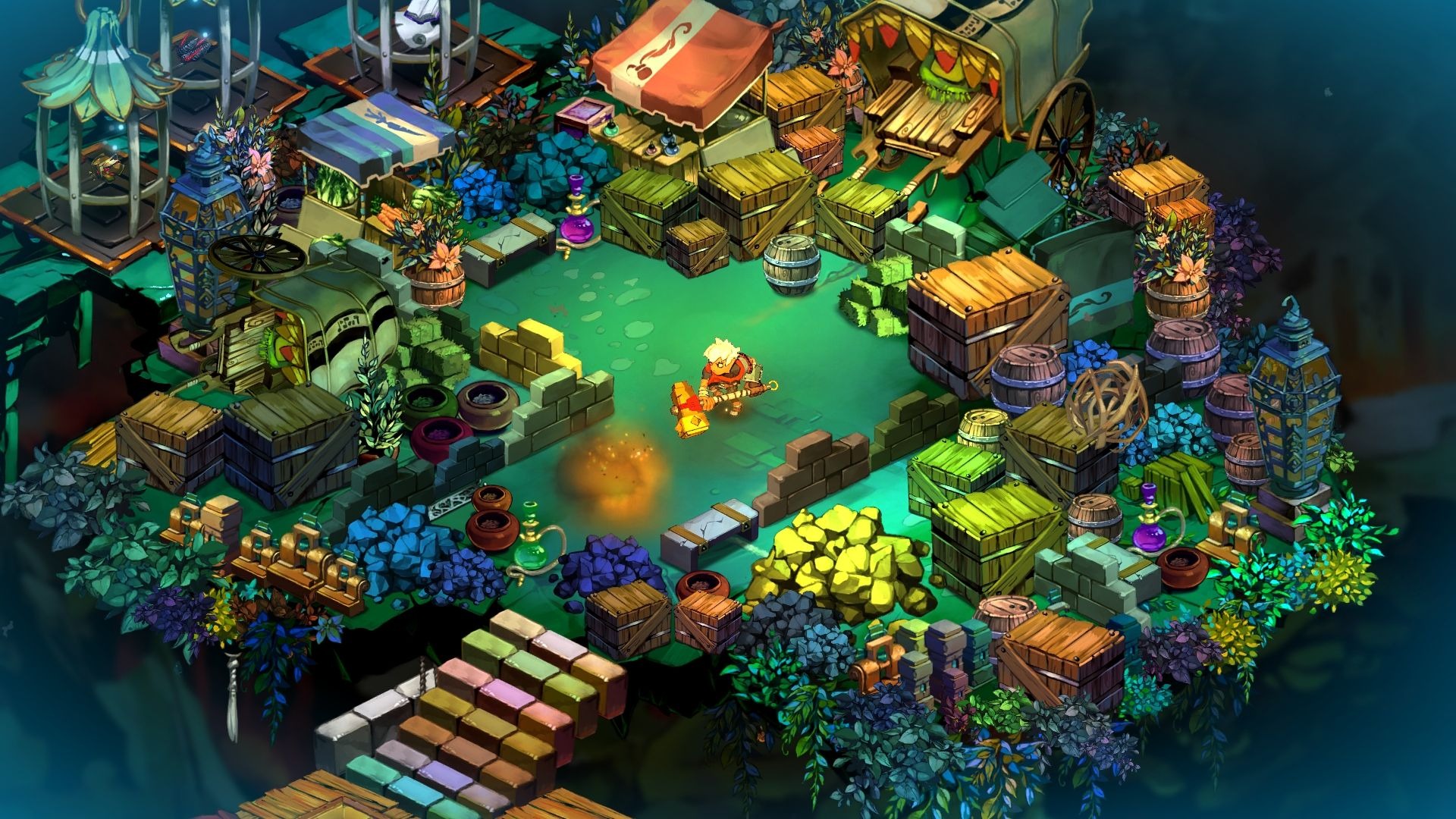
One thing that Bastion does differently from most games is its strong and unique narrative. A man narrates the boy’s every step and action in Bastion, and this is a very interesting way of telling a story. It’s like you’re playing an interactive storybook, especially since it looks like one too. You are trying to re-build The Bastion, which is a safe spot to run from The Calamity, and throughout the story, you find out what this is and why this boy is trying to find these shards to build this thing. Rucks (the narrator) guides you through the story as it unfolds, so you don’t know anything until it actually happens, like a storybook, but it’s happening while you’re doing it.
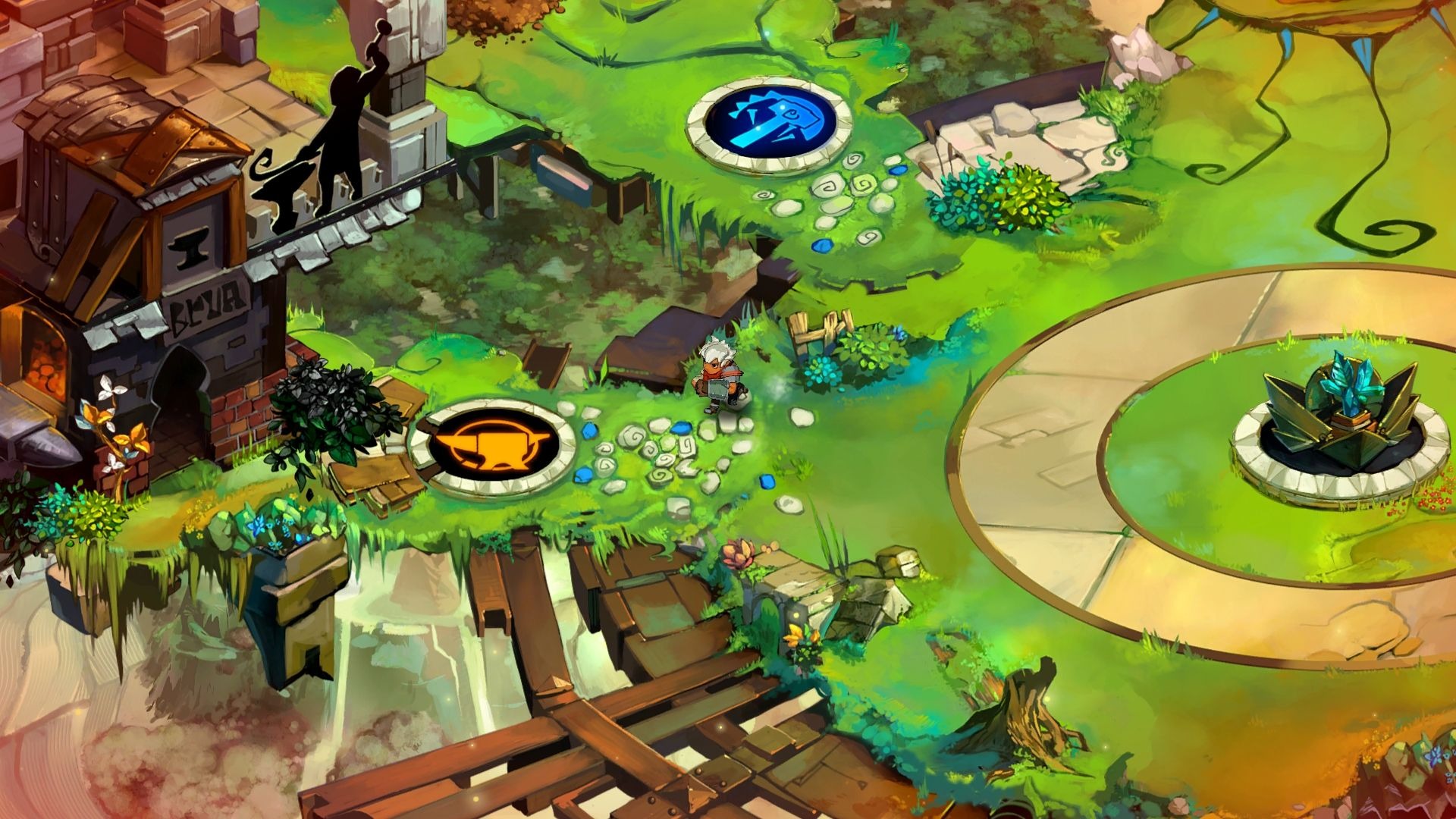
With the excellent narrative aside, the combat is top-notch and responsive. You can use a regular attack, a special attack, a block, or a projectile weapon. There are plenty of weapons, and you can upgrade them to add different attributes and bonuses. As you progress through the game, you unlock six different areas, which include an arsenal to swap weapons, a forge to upgrade your weapons, a shop to buy upgrades and special powers, a shrine to make the game harder, and an “achievement” area where you can meet requirements for extra shards (in-game currency). The customization and upgrades are deep and will keep you busy for a long while thanks to the proving grounds, which are unique challenges for each weapon. If you meet certain criteria, you get prizes based on your performance. These are not easy by any means, and a few were almost impossible to beat for me.
Combat is very responsive and challenging. The enemies are quick and smart and vary from stationary, fast-moving, slow-moving, heavily armored, etc. I should probably say that the balance is perfect, and you slowly get introduced to tougher enemies as the game progresses. You really have to use a combo of everything to stay alive because you will gulp health tonics constantly if you don’t use block and dodge a lot, so stay on your feet. The action gets hectic, and you start realizing this game is for hardcore action fans and not the casual gaming crowd that the visuals might seem to cater to.
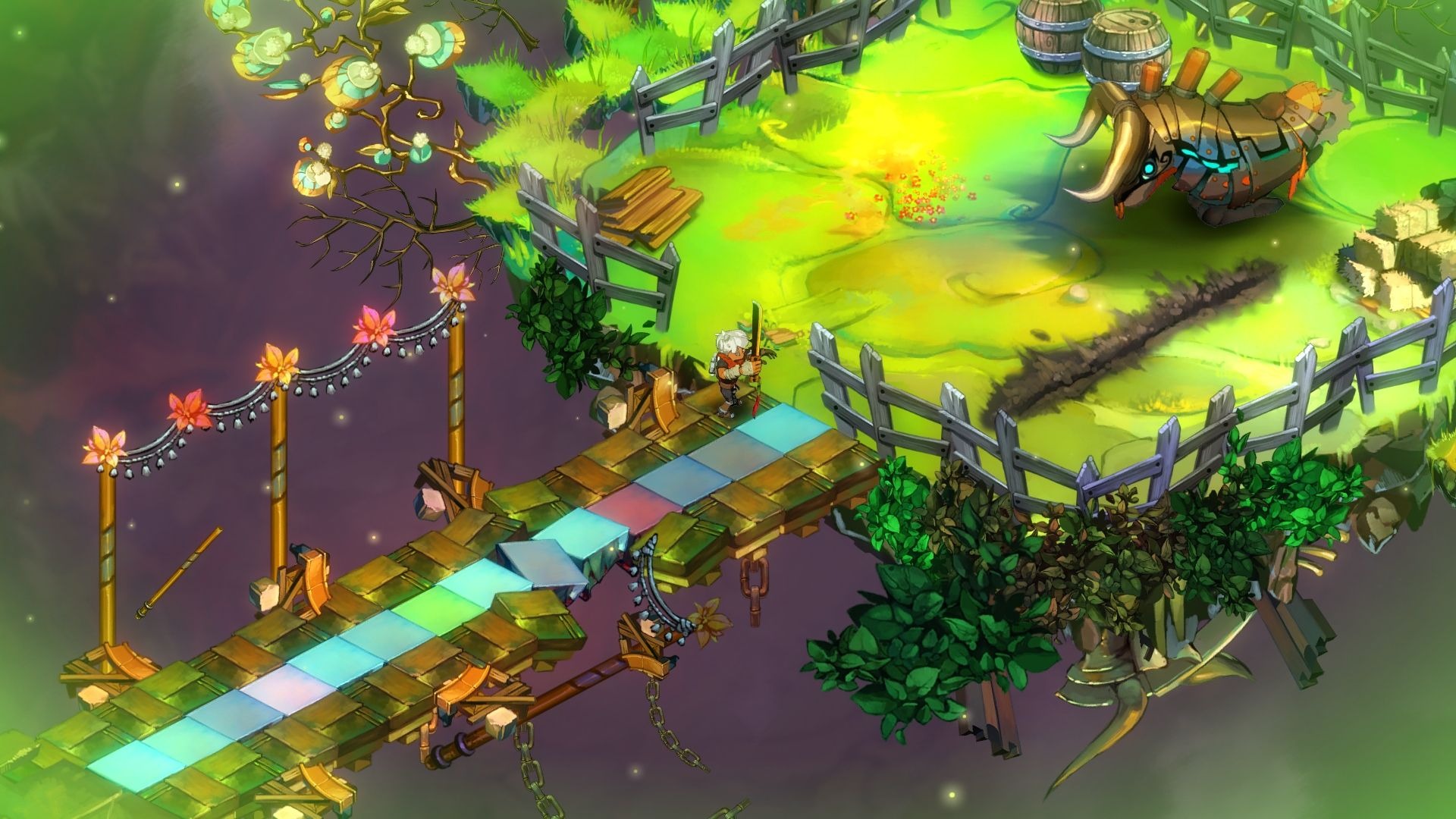
There are a lot of levels, and the length varies from 5 minutes to 15, but one thing I can’t get over is the visuals. As you run through the levels, the walkways appear under you and seem to float in the air. The levels vary so much that not a single one looks the same. The hand-drawn visuals are just gorgeous, plus you can’t forget about the amazing soundtrack, which is something you stick on your MP3 player and listen to. This feels like a high-budget game, but only an indie game can deliver something on this side of creativity and originality. Bastion is a unique game, and nothing is quite like it in terms of narrative and visual delivery. Every action fan should own this because it’s $15 well spent.
It really is games like Game Dev Story that truly prove graphics, sound, and pizzazz aren’t everything because GDS is just highly addictive, tongue-in-cheek, and very entertaining. What makes a game-developing simulator fun? Developing games isn’t really fun to begin with, so the game should be as fun as eating stale bread. Kairosoft is a genius, and there’s a lot to be had here.
You start out with a little bit of cash, four employees, and only being able to develop on PC. You hire employees by paying for different job ads. The higher the job and price, the better-skilled people will come into your office. Once you get your four people, you pick a game system (new systems are released regularly but cost tons of money to buy licenses for). The game really tries to emulate the game industry by putting out consoles by three different companies: Intendro, Sonny, and Micro. The game goes by in weeks, months, and years, so certain events trigger at different times.
Once you pick your genre (rated by popularity from A to C), then you pick the type of game. Make sure the two match; otherwise, you will get poor sales. Once you pick the two (you can unlock more by training employees or hiring very skilled ones), you have to choose someone to design the game. Each employee has four types of ratings, ranging from program, scenario, graphics, and sound. The scenario is what you want people designing the game to start with. Once you choose this, they will start pumping icons into a few of the four categories to make your game good: fun, creativity, graphics, and sound. When you start out, your games won’t be very good, but after a few years, they will be.
Once this is all done, and depending on the type of quality you chose for your game (the higher the quality, the more money it costs), your percentage ticker will start climbing. Depending on how skilled your developers are, your four areas will increase. When the game is 40% done, you will be asked to choose someone to boost the graphics. You can use the people you have or hire someone else to do it, and this can cost lots of money if you choose someone with a high graphics rating. When the game is 80% done, you will be asked to boost the sound, and the same applies. Once the game is done, you will start the debugging process, which can add lots of research data (use this to level up employees) and doesn’t really impact you negatively if you have a lot of bugs.
After the game is done, you will be asked to name it, ship it, and then critics will rate your game. When you start out, the game will score low and probably won’t start getting high reviews until your 10th year or so. If you get a score of 31 or higher, it goes into the hall of fame, and you can develop sequels. Once the game ships, your first week of sales will come in, and depending on its chart placement, you will get good sales or not. After a while, the sales drop off, and then it’s off the market. Then you repeat the process. Keep on top of the most popular console to boost sales, as well as choose good advertising methods because you need to keep your popularity up with every age demographic. Every 5 years, the numbers will move down, and you will lose fans if you don’t keep up.
When you start leveling up employees, the games get better and sales go up with high levels of in-game design. During points of the year, you will get to go to Gamedex and accumulate fans to boost sales, as well as the awards show at the end of the year to earn extra prize money. After a while, you will start earning millions of dollars and be able to hire more people and move into bigger offices. Eventually, you can fire people with low skills and start moving higher-skilled people in, and then your scores start going to 9’s and 10’s.
The beauty of the game is the climb to a successful company, and your ability to do checks and balances determines if you fail or not. Starting out is a struggle, but it’s just so addictive and feels true to the game industry. The game may not be much to look at with simulated 8-bit graphics and sound, but I just played this for hours and hours and couldn’t put it down because you keep developing one more game and trying to balance your company out to make big bucks, get the latest systems, have the most fans, hype up your games, and try to win a game of the year. If you love simple simulations like these, you will love Game Dev Story because there’s nothing quite like it.
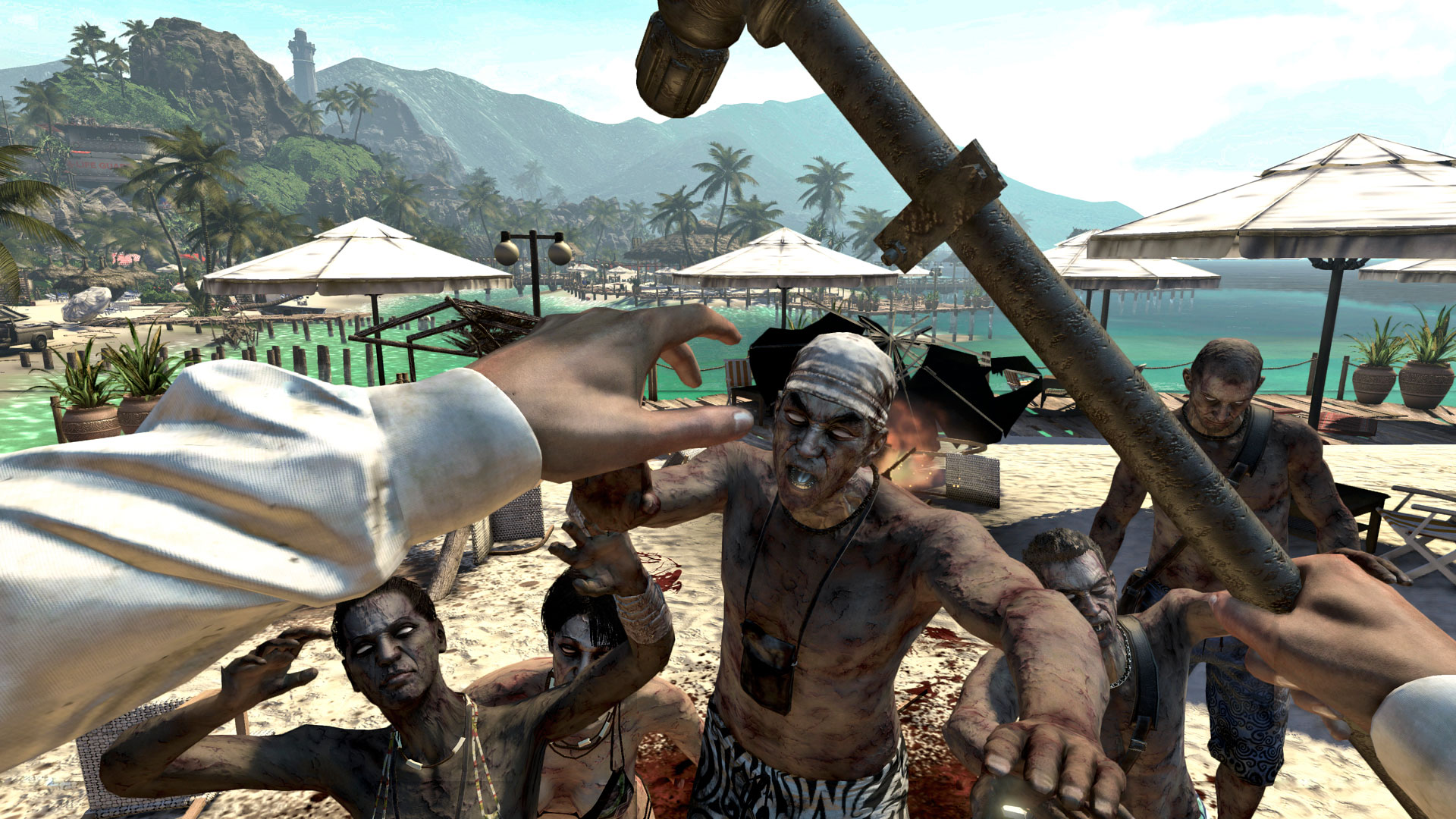
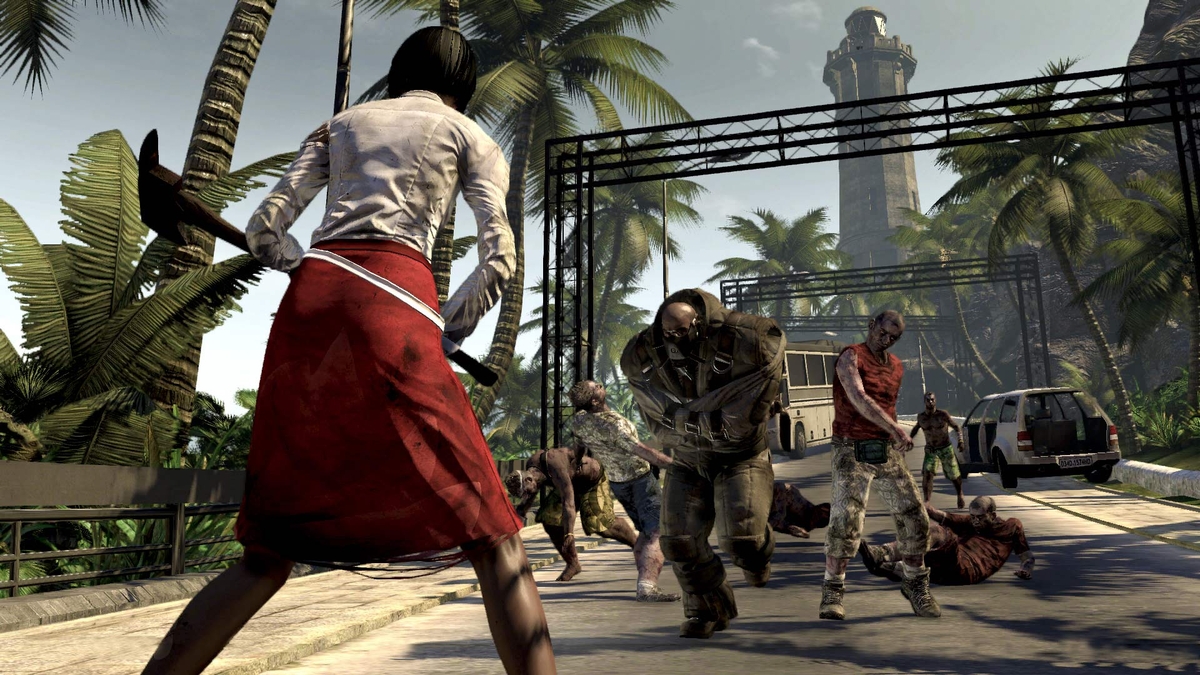
There seems to be no end in sight to zombie games, but the good ones are far and few between. With Left 4 Dead and Dead Rising being the staples, Dead Island puts itself on the map as the true zombie simulator. It holds true to that statement with realistic combat, atmosphere, and a terrifying story (albeit it doesn’t get really interesting until towards the end). You can pick one of four characters who each specialize in a certain weapon (sharp objects, blunt objects, throwing objects, and guns). You follow the four heroes through the story of the resort island Banoi, which has been struck with some sort of biological weapon or disease. No one really knows. You must help the survivors get off the island, but things don’t go according to plan.
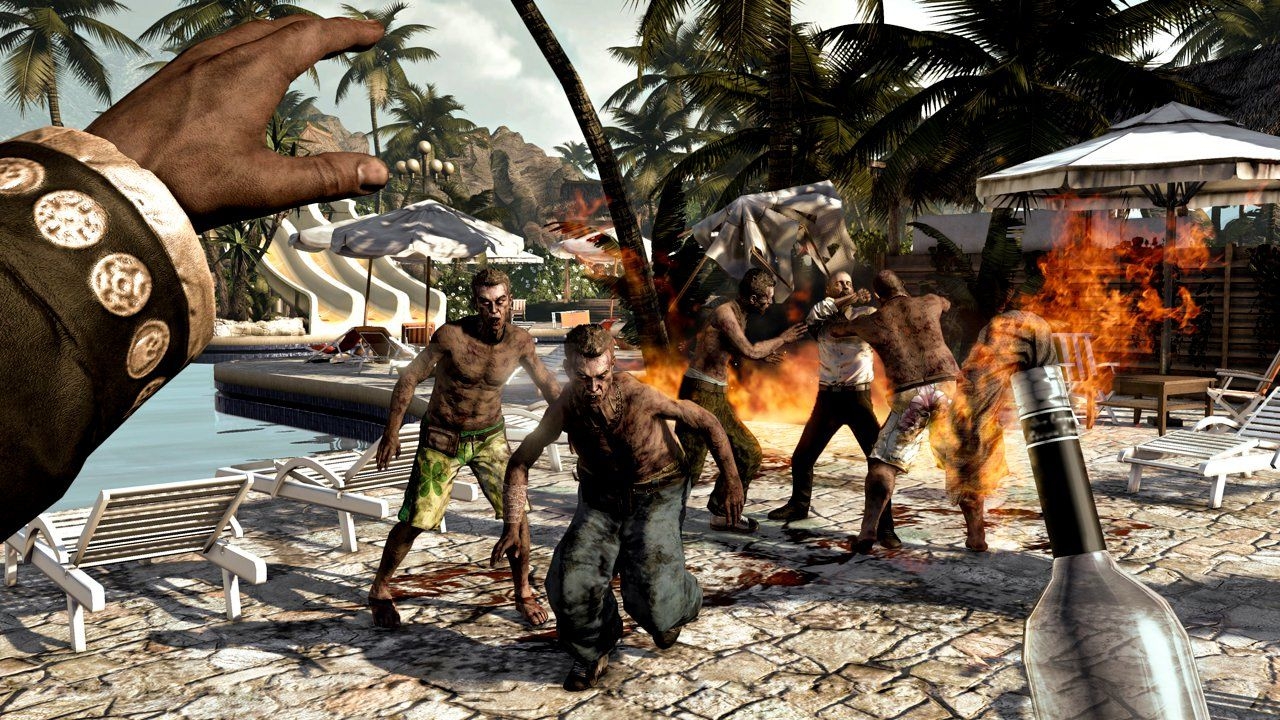
I would like to say that Dead Island feels like Fallout meets Left 4 Dead, with a little bit of Dead Rising thrown in. The combat is superb, if a tad unwieldy, because it features an analog-type combat system. The game is in the first person, so the last melee game in the first person you probably played was Oblivion. You can move the weapon around via the right analog stick, pull back, and push forward, bringing out a full swing. It feels awesome because each weapon feels different, and the game has a great dismemberment engine, so when you aim for that part, it will most likely come off. Even the shooting in the game is solid, and that’s a one-two punch that most games can’t get right.
There are RPG elements thrown in, so when you complete missions or kill zombies, you’re earning experience. You get one point per level to use in one of three categories: fury, combat, or health. Fury is a model that you can activate to do ultra-damage to enemies and earn 10x the amount of experience when doing so. There are a lot of ways to upgrade, and you won’t get them all in one play-through. Thankfully, the game levels up with you, so you won’t run into areas that require level grinding to get past. A lot of the quests are mixed with escort missions, fetch quests, and zombie-killing quests. There are undead people to kill as well, but most of them have guns, so watch out.
The atmosphere of the game is amazing and just really creepy. There are zombies everywhere, in all shapes and sizes. The two most common are Walkers and Infected. Infected people cannot be avoided since they run at you faster than you can even run. There are floaters, thugs (these guys are almost impossible to take down when you first start), suiciders (they explode), and the rare butchers. Each zombie is freaking creepy, and there is a huge variety of them since they change with each area you change into. The game is nonlinear, with huge open areas to explore at your leisure. Like in Fallout, you can collect stuff from pretty much anything and use it to make mods, of which there are dozens. Some of these are awesome, like attaching a saw blade to a bat, turning swords into shock weapons, making guns shoot fiery bullets, etc. These are mostly found by completing missions, so try to get all the side missions you can.
You can drive in the game, which feels just fine and is a blast to run over zombies; this is required in some missions, and it is best to travel long distances across the island. Also, the areas vary from the beach to the jungle, the city of Moresby, and the prison. There is a huge variety of everything, from weapons to zombies to environments, so you never really get bored with the game. While that’s the core of the game, you just always want to wander off and find people in distress (hey, you are immune to zombie bites!) and just try every weapon out there as well as upgrade them at the workbenches. Of course, weapons break and need to be repaired, which costs money, and you can sell stuff, trade, and even pick the money up out in the zombie wilderness.
The game is also very hard most of the time since it was designed for a four-player co-op. There is a drop-in-out co-op online, which is a blast, and there are plenty of people playing. A lot of the time, missions are just so hard because you get too many zombies thrown at you for just one person. If you die, you just wait 7 seconds and respawn, but you lose a lot of money as a penalty. The more money you have, the more you will lose. This is a great idea, but healing is a problem since medkits are rare and food only heals you so much and you can’t store it.
The only problems with the game are that people with high-end PCs are jipped unless they go edit the config file themselves to push the graphics further. There are a lot of glitches, and the combat is awesome, but controlling it is a bit off and finicky. I mentioned that the difficulty is all over the place, so expect some frustrating sections where you will die over a dozen times. While the story is good, the characters are boring, not likeable, and just feel pretty generic overall, so this took a big hit for me more than anything. Overall, Dead Island is my favorite zombie game so far, and fans shouldn’t miss it.
















































 thebinarymessiah.com
Super, thank you