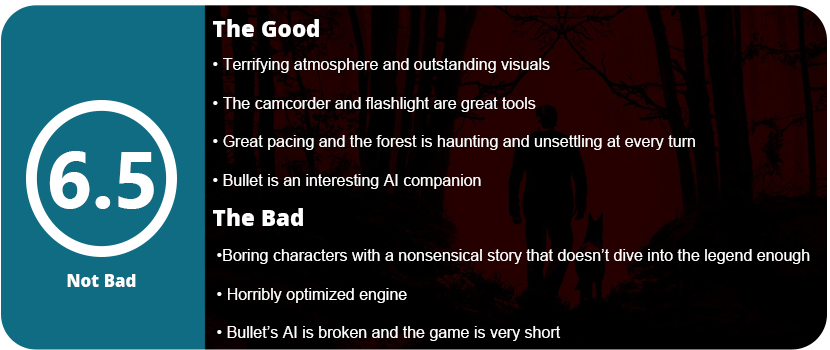
I never played the first game, but Distraint 2 caught my eye due to the visuals and atmosphere it portrayed. You play as a man who is faced with severe depression from the guilt of evicting tenants from their living spaces. While this is his job, he can’t take the guilt anymore and tries to commit suicide. You then play the split second that flashes through your head before doing so to regain hope and fight the darkness within. It’s a touching story that really shows people the process of grieving and depression and helps spread the message that mental health is a serious issue.
The game is played on a 2D plane and involves puzzle-solving. The puzzles are light and simple, with the most complicated being a slider puzzle (which I despise), but overall, the puzzles aren’t tough. There is a lot of finding this object and placing it in the right spot, but the three chapters are short, and it’s hard to get lost. You move from room to room, just discovering what can be examined or talked about, and then remembering where that piece goes. The game’s enjoyment is mostly in the atmosphere and horror. Every so often, a creature of fear will appear, and you must hide until it passes. The sounds are eerie, and the visuals are a treat.
There’s honestly not much game here. With each chapter, there are a lot of dialogs to move the story forward; there’s a small green orb to save your progress; and then you just move from room to room to find all the objects to move on to the next chapter. At least the areas didn’t overstay their welcome, and it was some labyrinthine complicated mess that some 2D horror games end up being. Each room was easy to remember and was distinct, so once I found an object, I had that “A-ha!” moment of where it would go. It’s pretty satisfying, and the game pushes you through at a steady clip, not being too slow in any one spot.
The visuals are a mix of 8-bit pixelation, lots of grainy filters, eerie music and sounds, a lot of camera tricks, and overall just a foreboding sense of dread. The game pulls this off well, and it was rather intense through most of the game, with a little reprieve in between. The problem is that the game is about 2 hours long, and there’s really no gameplay. I love these “walking simulators” that tell great stories, but rarely have they been done well and are memorable. If you have a short run time and there’s really no game, you are totally relying on characters, story, and atmosphere, and if those aren’t out of this world, it won’t impress most people. While the game itself and message were fine, I didn’t care about the characters and pretty much forgot about the game after turning it off.
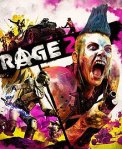
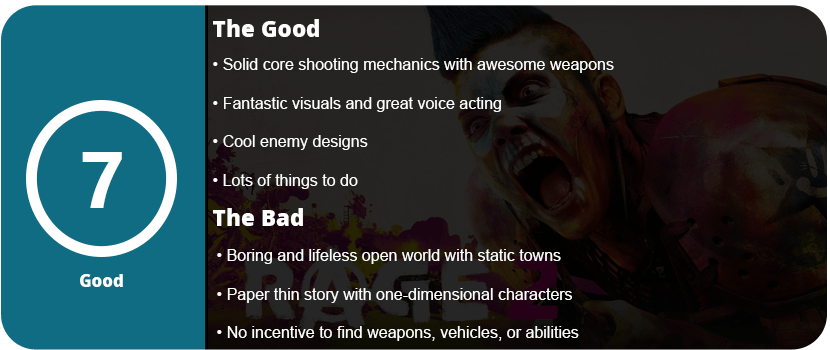
Rage was all the…well, rage back in the day on PC. It featured “super textures” and fantastic gunplay that hadn’t been seen since Doom II or Quake 3 and various other claims from id Software. Upon release, it was a lifeless husk of bugs and glitches, and the only thing that was actually any good was the enemies and shooting itself. The open world was wasted and devoid of life and forget about the story as it was hardly there at all. Fast forward a decade later and we get Rage 2 developed by Avalanche Software known for the Just Cause series. What did we get? Well, a game that’s playing catch up as this should have been the game the first wasn’t. If this released 10 years ago it would have been a smash hit, but today it feels dated and well, still lifeless.
You play as The Ranger named Walker. There’s something about The Authority trying to wipe out humanity and a General Cross is the big bad guy. There are three major players who have main missions for you to ultimately bring about Project Dagger which is to eliminate the machines and genetic monsters roaming the Earth. Yeah, it’s very paper-thin, and the story still barely exists. Some of the main missions have slightly entertaining scripted events, but that’s about it. The voice acting is solid, but the characters are one-dimensional and don’t grow or mature, and you literally have no reason to care for any of them ever.
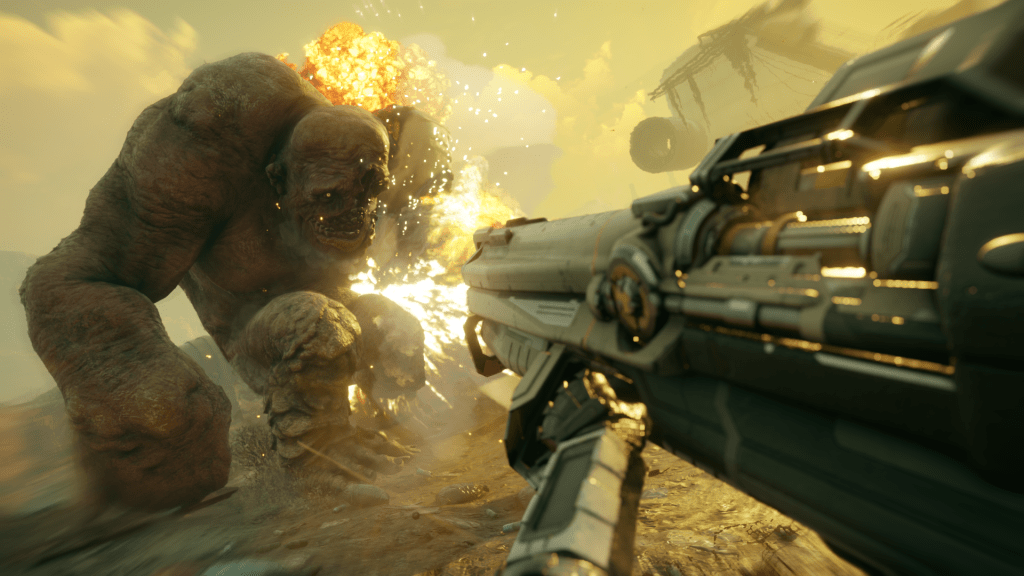
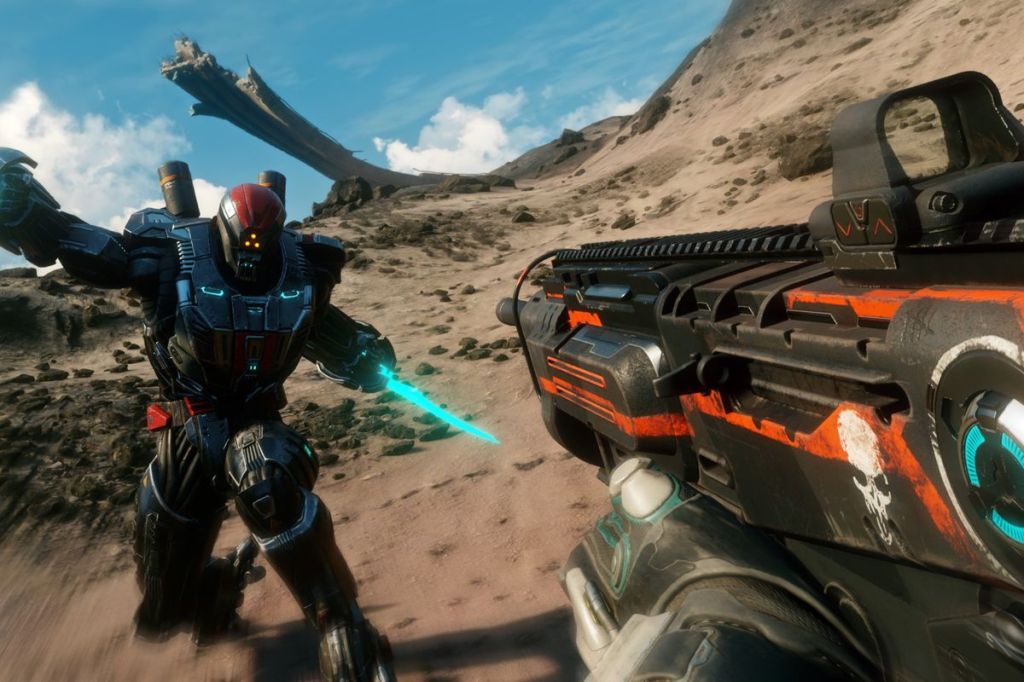
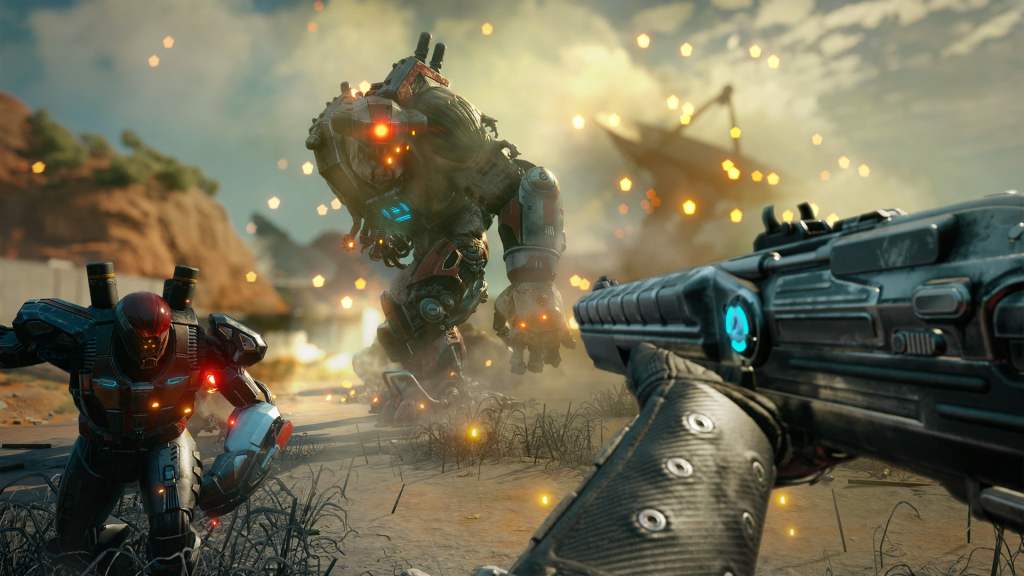
That brings us to the actual meat of the game, and that’s the shooting. Yes, Rage 2 feels and plays really well. The shooting is satisfying and bombastic, and there’s a wonderful arsenal of weapons to find and unlock, as well as abilities. Yes, I said to find. The weapons aren’t just handed to you. You have to find out where they are, explore the world, and find the Arks that contain these weapons. It’s a neat idea and rather satisfying once you find them, but I played 75% of the game with just the assault rifle and shotgun. That’s not a good thing, either. There was no urgency to get new weapons until I finally got tired of the same two and needed more weapons for harder enemies. Each area has a level from 1 to 10, and this is based on how much armor enemies have, or their faction, and boss health bars.
Once you do start shooting around, the game is a blast. Each weapon has an alt-fire mode, such as the shotgun having an air blast that knocks enemies off their feet. The Fire Revolver has ammo that sticks, and then you can snap your fingers and blow them up. The rocket launcher will lock on to enemies, and then the pulse cannon has a manual cooldown mode. I never got all the weapons, to be honest. There just wasn’t any need to, but what I did get was pretty cool. Even the BFG 9000 was an absolute blast to use but was rarely needed. You have abilities that are also supposed to be found, but I honestly rarely ever used them, as the weapons were enough. I had a shield, a dash, and a push, but that was it. Some abilities are passive, but the overdrive ability is the most useful. This unlocks a third alt-fire for each weapon, but you aren’t invincible or anything like that. You just do more damage. For projectiles, you get wing sticks, which are honestly completely useless despite being a staple weapon in the first game, and grenades. You also get three injectables for health, overdrive, and to recharge your abilities faster. Once you die, you get a defibrillation quick-time event to gain some health back one time until the next death. So, with all of this combined, there is a decent amount of stuff in the core shooting mechanic. It’s solid, but it’s sad that you don’t get the weapons in a way that makes them meaningful or makes you want them.
Once you’re ready to drive around the Wasteland, there’s not much to do outside of small side missions. These are all basically the same, with different names. You essentially kill everything in each outpost, and there are things to find inside them. Containers with cash or filtrite, which is used for upgrades, datapads, and Ark chests, which hold upgrades for mods and vehicles, These are peppered all throughout the game and honestly make up the bulk of the playtime. If you only told the main story, it would be over in about 10 hours. The issue is that after completing maybe 60–70% of the other stuff in the world, I stopped caring. You just run in and shoot everything, collect stuff, and move on to the next one. There’s no incentive to do this once you’ve fully upgraded everything. You need cash to buy ammo, mods, etc. from shops, but filtrite is used for weapon and ability upgrades, and that is taken from enemies. The only really interesting side missions were the Mutant Crusher nests. These are giant bosses, but they are all the same. In fact, every boss in the game is the same. Just blast it to death or blast it until it’s vulnerable, and then blast it some more. It’s very one-note with the action, and the game heavily relies on it rather than using the action in smart and inventive ways.
I also had no incentive to acquire all the vehicles in the game, so what’s the point? Your main vehicle, the Phoenix, is just fine, as it has a gatling gun and homing missiles, and it does the job. Some vehicles are just for fun, such as a giant monster truck and a hovercraft, but honestly, there’s not much out there in the world. There are a few towns, but these are all static and lifeless. There are no interesting characters, as NPCs repeat often, and the dialog is uninteresting. There’s just no reason to care about anything in this game, and most players won’t stick around long enough past the main story. It just grows incredibly repetitive, and you just go on autopilot, driving from one side of the mission to another, just checking them off of your map. One question mark to the next, blasting everything, and then doing it again for 50+ hours. Again, the shooting is solid, but you can only do it in this fashion for so long. It works in games like Doom because it makes the world around it adjust to the constant shooting. I honestly wish Rage 2 was a linear story-driven shooter, and then it would have worked really well. Rage just doesn’t do open-world gameplay right. That was the major flaw in the first game, as it was a pointless, open world devoid of anything. Shooting caravans every so often doesn’t justify an open world. It’s also way too big for its own good. It can take over half an hour just to drive from one side to the other. It’s part of the reason why it took me an entire year and a half to finish this game. It’s daunting and feels like a chore rather than something I can’t wait to see, like The Elder Scrolls or Fallout, which have interesting open worlds stuffed full of lore and interesting things.
So, we just get a boring, empty world with static towns and blast everything to death with a paper-thin story, uninteresting characters, and weapons that are hidden and locked away with no incentive to go get them except out of sheer boredom. That’s not good. Despite all of this, though, the game is fairly entertaining for a good 30 or so hours until you explore most of the map and finish the story, and I was just done. There’s a good core here that Rage 3 should keep and ditch the open world entirely. I liked the enemy design; the graphics are phenomenal and look amazing, but this isn’t it, guys. The series still needs a lot of work and fine-tuning to become a top-notch FPS.
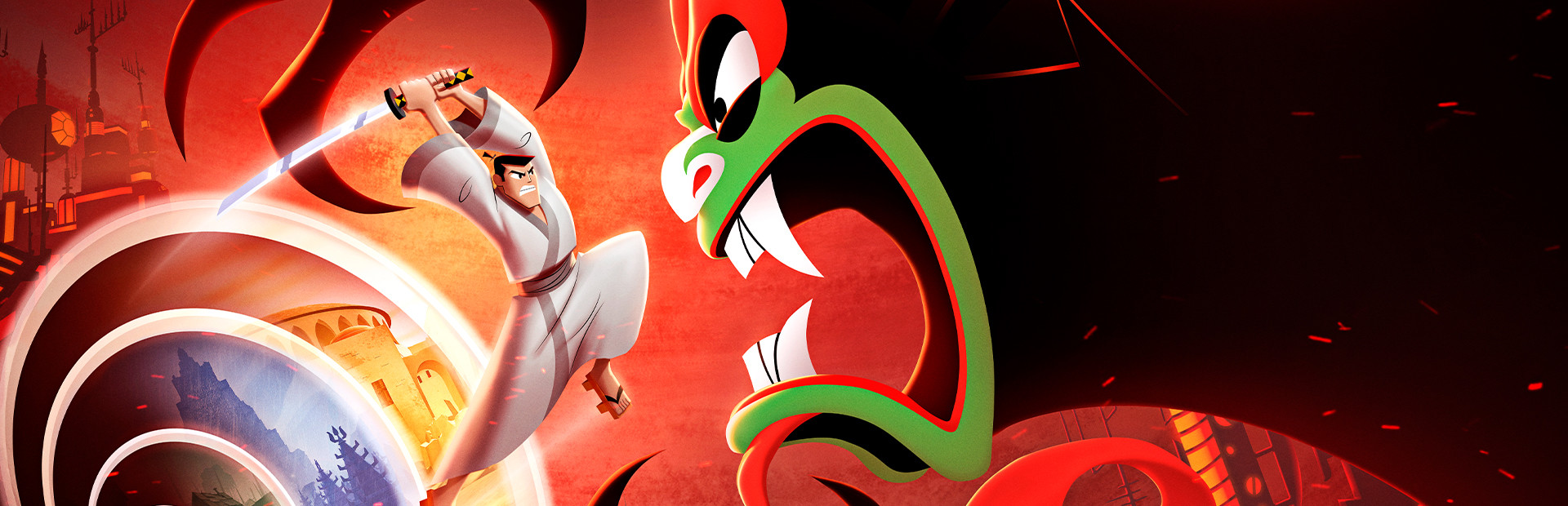
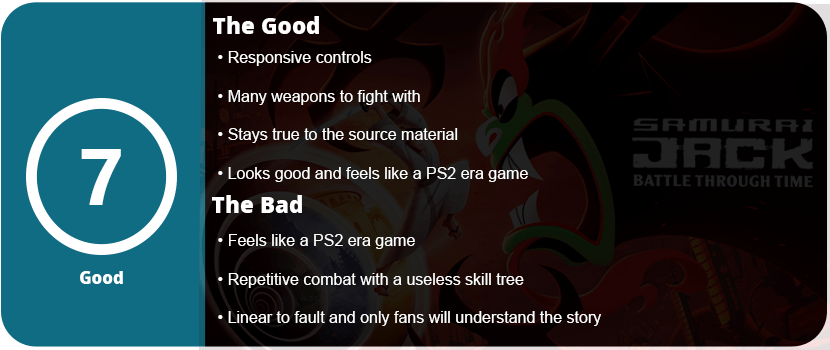
Action games during the PS2/Xbox era are an entire evolution of their own. This is a pocket of the game that has evolved and also evolved itself at one point. Linear levels with simple combat were a run-of-the-mill action game back in the day, and a game released like that in 2020 is a bit of a gamble. While I’ve never seen Samurai Jack, the gameplay style from 15 years ago is what drew me in.
I have to emphasize right now that this game is mostly for Samurai Jack fans. The art, story, characters, and everything else are meaningless to anyone. While I appreciated all of this, I couldn’t follow the story and had no idea what was going on. An evil entity named Aku has sent Jack back in time through multiple dimensions, and Jack must stop him. It seems rather simple and bare-bones, but fans of the series will get it more. I won’t judge the game on that merit, but even for a show tie-in, the story is rather simple and basic.
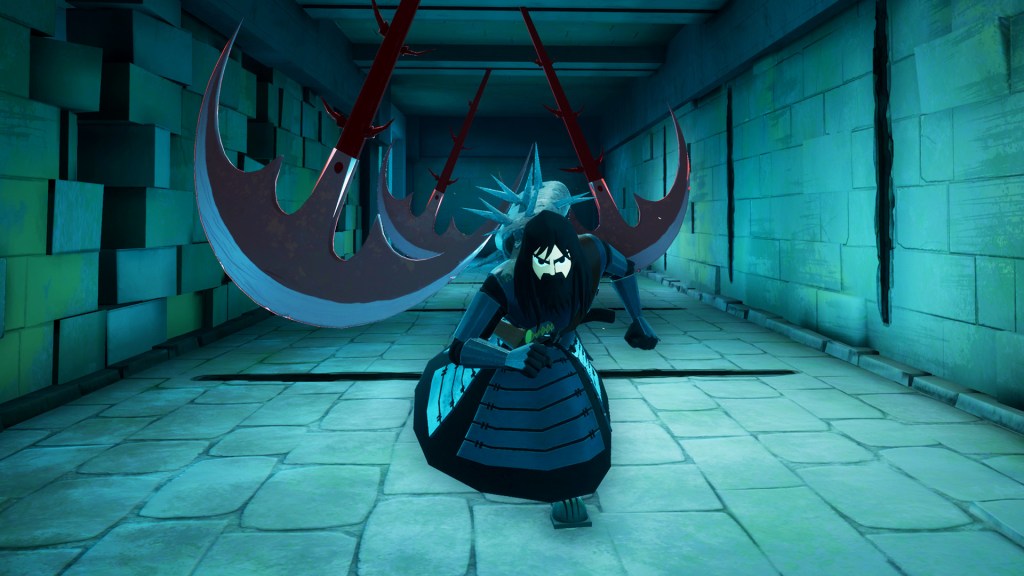
Controlling Jack is a lot of fun. He double jumps, swings a weapon, throws projectiles, and has a special move. He can wield heavy and light weapons such as staffs, swords, sickles, clubs, hammers, and axes. It seems like a large arsenal, but there’s not much difference between this and damage and speed. I honestly stuck with the sword through most of the game, as I also dumped most of my coins into training for that. Jack can also throw various things like knives, shurikens, axes, pistols, and machine guns, as well as bows. It’s a large arsenal, and different projectiles do different damage, and ammo is scarce, so I mostly saved them all for boss fights.
Jack also has a light and heavy attack and can dodge and block. Acquiring spirit fire allows him to unleash a powerful attack, and each weapon has its own attack. It’s a decent enough system, and I felt like I was playing a game from 2005, which is both good and bad. If this game were to have come out back then, it would have been considered amazing, but today it’s just a nostalgic trip that feels rather average. While everything works and the controls are responsive, I just felt the game’s repetition and linearity hurt it quite a bit. I don’t need every game in the open world, but these games are freakishly claustrophobic, and the only way forward is straight. There are side paths to take to find chests that have various items in them, but the extra effort usually isn’t worth it.
You can find shops that allow you to buy and train weapons as well as repair them, as they are breakable outside of your magic sword. This is why I just spent and saved for training the sword. It’s kind of a broken system, just like the upgrade tree. There are three categories for physical, combat moves, and spiritual things like spirit fire recharge, but you’re going to eventually get most of them. Each one is locked off, so you have to buy the one before it anyway. This almost feels useless, as you don’t get a direct choice.
The game is also sickeningly repetitive. After level 5, I couldn’t take it anymore. You just fight wave after wave of enemies with various health bars and then a boss at the end. It’s nothing special and gets rather dull quickly. Sure, the game looks good and has lots of detail in the characters and environment, but only fans of the show would truly appreciate this. Once you finish the first level, you have pretty much seen everything. You just play it like that eight more times. The game also isn’t very challenging, as most enemies are dumb and rely on their annoying attacks (like zombies burrowing underground and popping up under you) or swarming you until you die.
Overall, Battle Through Time is a love letter to early PS2-era action games, but there are games from that era that still do it better. Overly linear, repetitive, mindless combat, a useless upgrade tree, and a story that only fans would appreciate aren’t enough to save this game. It looks good, sounds good, and plays well, but the overall package is just meh.
Tony Hawk’s Pro Skater was a huge part of my childhood. It made me want to go out and skate, which I actually did. Between the ages of 9 and 13, I skated almost daily. I wanted to become a professional skateboarder, and well, that never happened, but the countless hours sitting in front of my Nintendo 64 or PlayStation (depending on what time period we’re talking about) were memorable. I still remember how to complete every level in the first two games like it was yesterday. The countless lines I’d find, replays I’d save, and learning every real-life trick all thanks to THPS. It was a huge part of my generation’s childhood, was influential, and rang loud throughout the gaming industry. Activision had a juggernaut on its hands, and while the series’ last great entry was Tony Hawk’s Underground 2, I wanted the series to come back. It took 20 years, but we finally got some reprieve, and the series is back better than ever.
Let’s talk about the core of the game’s menus, as they are used in both games. The entire main menu has been redesigned but is still familiar. You can pick your skater, either a real-world one with all returning skaters plus new ones, or create your own. Creating a skater has quite a bit of an option, but I felt the amount inside each option was limited. This really could have been expanded upon, but there’s a good amount of gear, as you can customize your board, wheels, trucks, grip tape, deck, and all of your clothes to your heart’s content. Everything is, of course, skateboarding-branded, so no Disney or video game-related stuff here. Once you pick your skater, you can head off to either of the two games, but there’s a bit more here than you think. There are new challenges that unlock cash that can be used in the Skate Shop, which is nice as there’s some incentive to complete each level 100%.
Once inside THPS1, I didn’t need a single tutorial. I literally landed a 100,000-point combo without breaking a sweat, thanks to the perfect controls that I remember to this day. It’s like riding a bike, to be honest. Newcomers will be treated to one of the best control schemes ever created, with countless action sports games ripped off for years. Grind, grab, and flip are all assigned to a button as well as an ollie. You can press a button to do a trick, and the skill is all up to you. THPS is 100% skill-based. If you don’t master the controls and get quick with your fingers, you won’t have fun. My fingers flew across the controller, going from a grind to a manual to a flip trick just before hitting a rail, back to a manual, hitting a pipe, manualing out, and so on until my stamina ran out. It’s a blast, and the game feels just as good as it did 20 years ago.
Nearly every skating trick in the book is here, but what makes THPS fun are the special moves. Do some tricks without falling, and you will get your meter up almost all the time. Each skater has an assigned special that is pulled off with a button combo, and then a special sound plays, and your trick is in yellow in your trick combo text. This racks up massive points and looks really cool. Each level is incredibly iconic and shows some of the best level designs of the era, but somehow it doesn’t feel dated or stale. The new updated visuals breathe new life into these levels and add as many details as I could never imagine. The game looks amazing with great lighting, detailed textures, and current-generation flair.
There are four levels that are objective-based and three competition levels. The objective-based levels get tougher as you go on, with some requiring precise movement and accurate tricking. These later levels can be very frustrating, even for seasoned players like myself. The rooftop gaps in the downtown level? Forget it. While I eventually did it, it took an entire night to actually complete this level. It was the bane of my existence when I was a kid, and I finally completed this entire game 100% in just a few days. Once you do land these insanely hard stunts, it feels so satisfying. I stood up, shook my fist at the screen, and felt relief. It’s a style of game that you just don’t get anymore these days. It’s just you, the controller, and the levels and objectives, and you just need to focus on completing them and honing your skill. No handholding at all here.
I honestly can’t find many flaws with the first game. The levels are varied; they look and feel amazing, and veterans will feel right at home. I like the newly added V logos, which add an extra challenge. Collect them all to unlock special gear. I also love the sound design, which is also iconic. The sound effects like the camera flash when you complete a gap, the sound for the special move, the grinds, flips, crashes, and the record scratches—it’s all here and updated with current technology. Even the majority of the original licensed soundtrack made it back with some great new additions. THPS had one of the greatest licensed soundtracks of all time. It was iconic, and many other games just couldn’t stop it. From hip-hop to rock to punk, there are so many great songs on here that I could listen to them all day. While I wish there were more songs, at least we get most of the classics.
Tony Hawk’s Pro Skater 2 offers more of the same as the first game, just with new levels. While back in the day it was more tricks, skaters, better controls, etc., with the remake, they took the best of both worlds, so each game is essentially level packs. Once you complete both games 100%, there’s nothing left to do outside of Create-a-Park mode, which was a big deal back in the day and was introduced in the second game. It’s a ton of fun, and this is where most people will spend their time after finishing the main games. I wish there was a way to share parks, as skating people’s creations would add tons of hours of longevity to the game, but what’s here is fine.
Overall, THPS 1+2 is a fantastic remake for fans of old and newcomers. This game defined sports games and helped push skateboarding among kids. While it may not do that these days, what we get is an amazing package of memorable levels, fun goals to accomplish, and a good amount of news to spice things up. While the main games are rather short and nothing new was added to them, they are beautifully remastered and are a blast to play through. The create-a-skater and park modes are rather robust, and the new challenges will keep you going back for more than a year after 100% completion. The visuals are not groundbreaking but true to the originals, and there’s lots of love and detail everywhere.
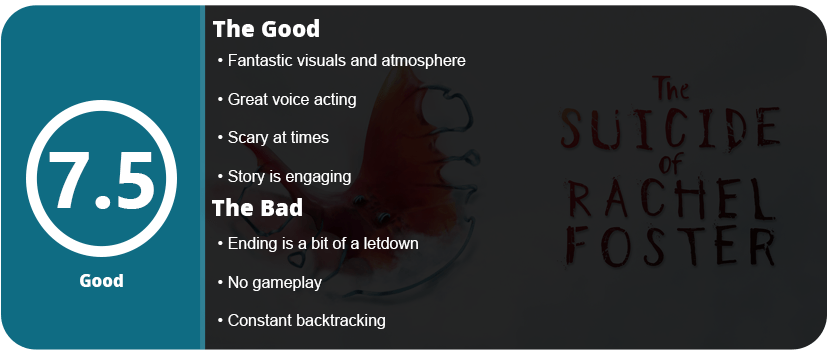
“Walking simulators” are something I enjoy if the story is great. This is literally the only driving factor in this genre, so if your story isn’t solid, neither is your game. There’s usually very little gameplay involved outside of picking up objects and wandering around an area. Rachel Foster does just this and thankfully has a decent story, even if the ending becomes a little too predictable. This genre needs to have a story that makes your head spin, and there are plenty of games in the past that have mastered this.
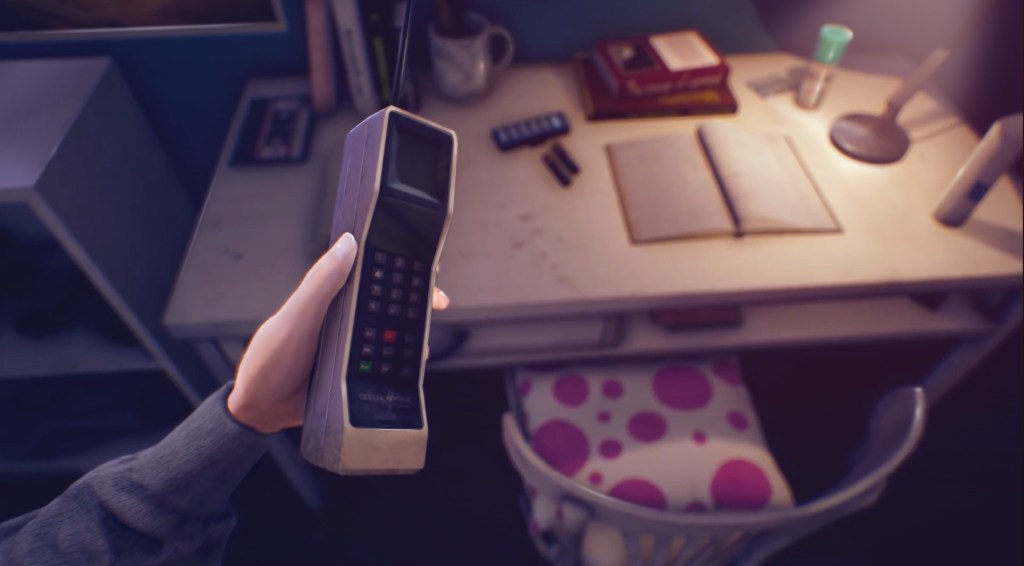
You play a woman named Nicole who receives a call about needing to sell her family’s hotel, The Timberline, in Montana. You arrive in the garage and eventually receive instructions on an answering machine from the attorney who is assigned to sell the hotel. You then pick up a satellite phone, and your only lifeline is a man named Irving, who is from FEMA. Every so often, he will chime in, and the only characters end up being this voice and Nicole. Over time, you grow to either like or hate these two characters, and most of the story is unfolded through the phone conversations.
You will receive objectives on your map that tell you basically where to go and what to do. Finding out where to go in the game isn’t that hard, and there are no puzzles here. It’s all about story and atmosphere. The hotel is rather large, with multiple floors, and you will eventually explore every nook and cranny and find its secrets. The game does get scary with moments where you wander in the dark, hear strange noises, and even investigate possible ghost sightings. While it’s not a strict horror game, there are elements at play here. You are alone, trapped in a winter storm, and can’t get out of this hotel.
You get three items throughout the game, which are a Polaroid camera, a dynamo flashlight, and a microphone. These items are sadly useless outside of the scene they are needed in. I don’t know why all the effort went into making these items if you can’t really use them or anything. Outside of these three items, you will find stuff that is related to that day. The game is broken up into nine days, and each one will end after a specific scene plays out. I personally found the story was paced really well, but there were scenes that lasted quite a long time with me just standing there, staring at the wall, and listening to the dialog. There really isn’t any gameplay here outside of wandering around the hotel.
The story eventually picks up towards the last two days and starts heading toward a climax. The ending wound up being a little predictable, and nothing heavy was dropped to give you that memorable “oh sh*t!” moment like the entire story was leading up to. It’s not a bad ending, just not a particularly memorable one. The visuals are fantastic, though, with amazing lighting effects, great textures, and lots of details to make you feel like this hotel is from the ’80s and ’90s. You can pick up and examine some objects, but in the end, this is completely useless as there’s no reason to do so and it doesn’t give any insight into the story.
Overall, Rachel Foster is a great adventure game and murder mystery, albeit with a slightly disappointing ending. I loved the journey, and the game has tons of atmosphere that make it worth playing as the game is less than 4 hours long. If you don’t like walking simulators, then this won’t change your mind at all, but there are also better ones out there.
The Longest Journey is actually one of my favorite games of all time. It was one of the first PC games I played as well, and it was what pushed me to get into PC gaming. Adventure games were something that console players couldn’t really get. The rich stories, great voice acting, and detailed characters were something only a PC could really do. The longest journey impressed me with all of this, and I remember it to this day. It was followed up by Dreamfall, which pushed the game into a new generation with 3D models and backgrounds and brought the game to consoles for the first time as well, and it was also just as memorable. We now have the final chapters of this story, and I have to say I walked away quite satisfied.
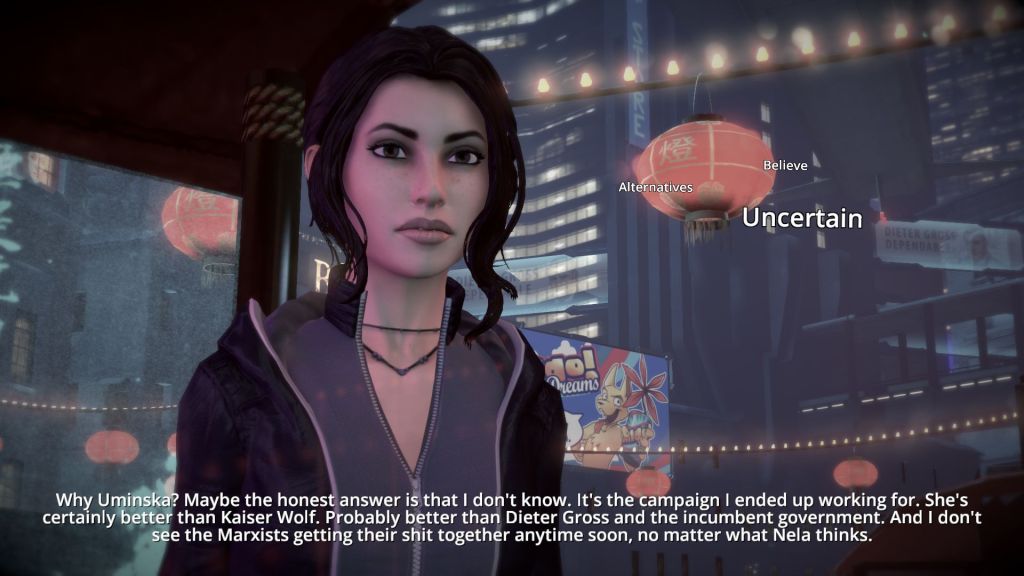
You play once again as Zoe Castillo. A woman who is a dreamer and able to go between the dream world of Arcadia and the real world, Stark, You also play Kian, who is in Arcadia. The ex-leader of a racist and fascist human country is trying to exterminate all magical creatures. Both characters are strong and likable, and I really got attached to them through their journey. The many characters throughout Dreamfall are great, and it was a joy to listen to their great voice acting and find out more about them. However, the game does have some pacing issues, and I’ll get into that later. There is a lot of politics in the game that reflects real-world issues (more so now than ever), and the subjects get a bit touchy and might rub some people the wrong way, but I’m glad a game story is actually challenging these issues.
The biggest draw to Dreamfall is the choices you make during key events in each book. These will pause time, and you get a limited amount of time to choose a path. The consequences will usually occur later on somewhere, and these events are shown with a logo in the top right corner of the screen. This symbol means that the current action or event is a result of a choice you made earlier, but it’s never clear what choices lead to which events, and this is where I will state that the choice system is flawed. Later on in the game, the choices kind of blur and become unclear, making them seem less impactful. The first two books do a great job of making sure your choices are felt, but later on, I couldn’t tell anymore.
When it comes to actually playing the game, well, there isn’t much of one. You run around various areas, finding objects to use on other objects and talking to people. That’s literally it, with very few puzzles. The puzzles are stupidly easy or frustratingly obtuse. My biggest complaint about the entire game would be that the areas you explore are static and lifeless. Sure, they seem like they’re full of life the first couple of times you walk through them, but I spent so much time looking at maps to find the next area to go to just wandering by the same group of people, the same icon that lets you hear the character’s inner thoughts about that item, and nothing ever changes. I spent the first two books inside the same hub areas for each character; it became a drag just to get to the next scene. I would have liked to see more organic changes, more things to look at, and more inner dialog written as you spend a third of the game in these hub areas.
Most of the game is talking and cutting scenes, however, and that’s what adventure games are all about. The voice acting is superb, the characters are fun to listen to and learn about, and I felt sucked into this magical world, especially being a fan of the series. However, that’s what this game is made for: fans of the series. If you haven’t played previous games you will most likely be lost and the story won’t mean as much to you. There are constant references to characters meeting in previous games and previous events, and they are never explained. The backstory from the main menu is pretty much pointless as well. The world just feels magical and wonderful, and it was a good time while I was in it.
The visuals are also pretty good for an adventure game; clearly last-gen, but this did come out in 2014. The facial animations are stiff, but overall it looks nice with great lighting effects and lots of detail everywhere. The game doesn’t seem well optimized, though, as certain lights will tank the FPS even on high-end hardware, so the engine needs a lot of work. The ending was also not as expected. It was good, as it made sense, but there was no crazy plot twist or anything like that. It came to a slow stop instead of full speed and made your head spin, as a good ending would. But, overall, Dreamfall Chapters is satisfying enough and completes a long-beloved series that will probably never get another game again.
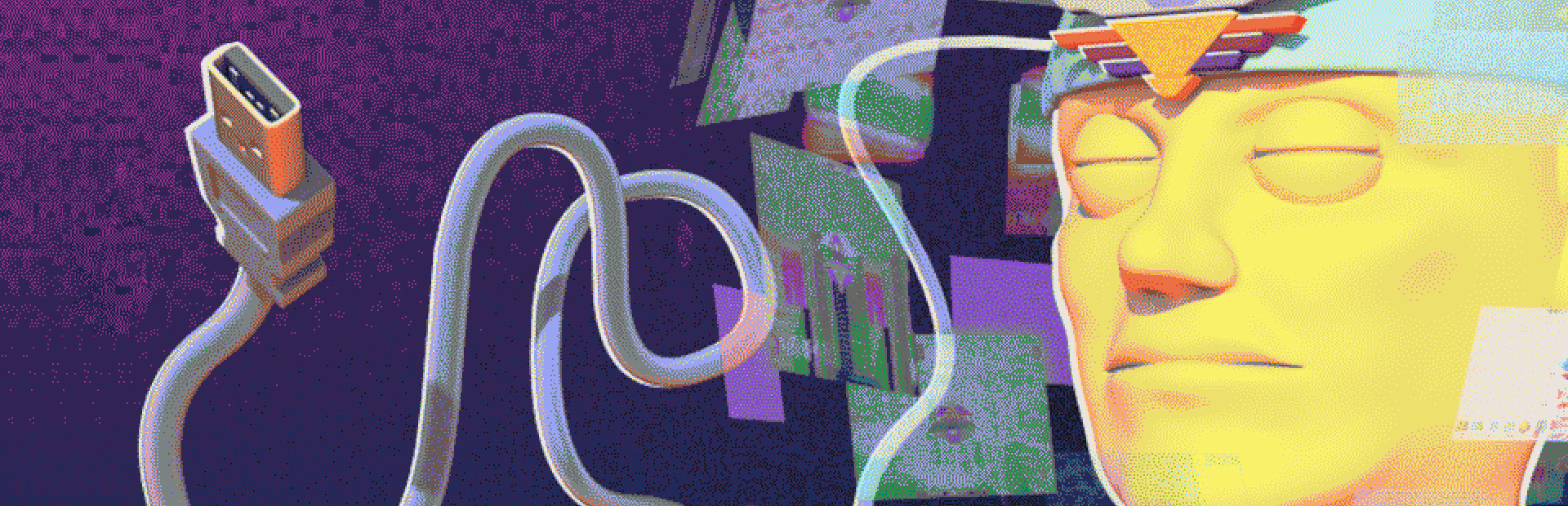
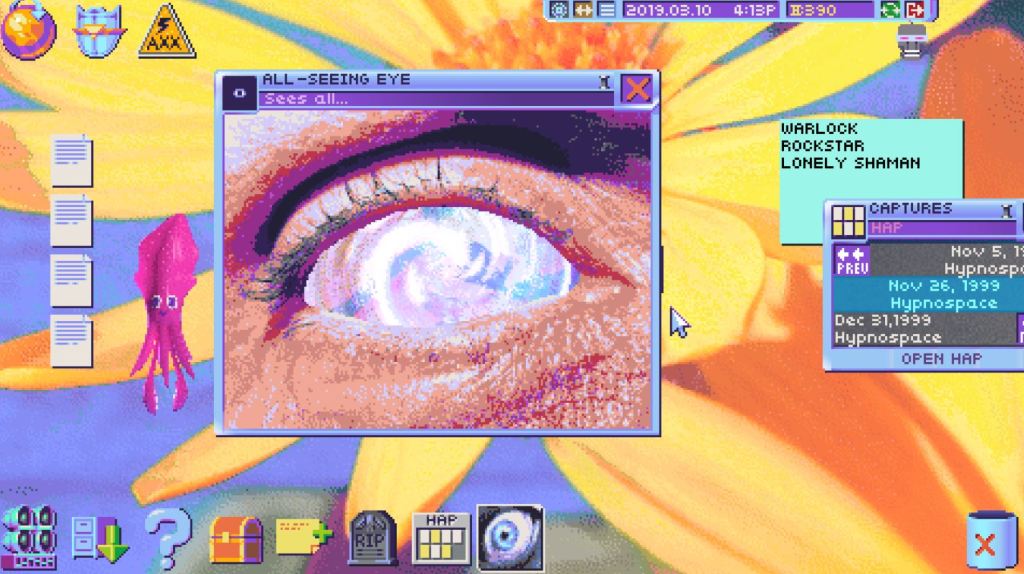
The ’90s were a crazy and nostalgic time on the internet. Web pages full of low-resolution GIFs, viruses, profile pages, and overall teen angst. There’s no other time like the 90’s internet space, and Hypnospace captures that perfectly in an exaggerated style. Retro/Vapor/Synthwave-type aesthetics flood your screen with an actual simulated 90’s PC with HypnOS installed on it. From the crazy wallpapers, low-resolution everything, desktop pets, crazy profile pages, and cult/group pages. This game is fun for those who love to explore.
You play as a Hypnospace Enforcer who runs around the net, finding violations. This is quite fun, but it takes some getting used to figuring out how to use the desktop and OS. Figuring out shortcuts, the buttons, and everything that came with a real 90’s OS is part of the fun. You will get case files and have to report things like copyright violations, malware, harassment, and others. Once you do find the right thing to report, usually it’s through hints. To get you started, you have to read various pages and figure out where to go. This is Hypnospace’s biggest flaw. I was constantly lost and couldn’t figure out what to report, and nothing was very clear. There are a lot of hidden messages (literally) that must be uncovered, and using search terms to find hidden pages is also a must. Once I finally found the page, you just selected the right violation and smacked the hammer on the part of the page. It’s satisfying once you do, and once a user gains enough violation points, you can report their page.
After every case, you get coins, which can be used for various things throughout the net, which is mostly just for fun. Once you close a case, you get a bonus if you find all the violations. There are about 8 cases, and after this, the story starts evolving into a Y2K terrorist attack by a teen, but the evil corporation that HypnOS is run by is also in question. Once the final case is solved, you can optionally explore the archived files. A few people need help discovering the true reason behind the terrorist attack. This is very difficult, and I can’t even tell if I finished that endgame part, as I stopped getting emails in my inbox even after looking at a walkthrough. The main story can be completed fairly quickly unless you are constantly getting lost, like I was.
There are other small details like downloading files and installing programs, using antivirus (90’s anti-virus programs were archaic), exploring MP3 pirate scenes, getting viruses, and seeing them mess with your computer—even small details like going into the BIOS and changing the settings. There’s a lot of love that went into this game, and it shows at every corner. You can even drag things into a recycle bin and rearrange your desktop icons, and the best parts are when the system glitches out and crashes.
Overall, Hypnospace Outlaw is a fun game for those who grew up on the 90’s internet, and for younger players, it is a great insight into it. The game is full of humor, intriguing puzzles, and fun pages to explore and read. The biggest issue is just getting lost and not knowing where to go or what to do half the time. I loved the aesthetic of a virtual 1990’s PC, and this is definitely a game worth exploring for those interested.
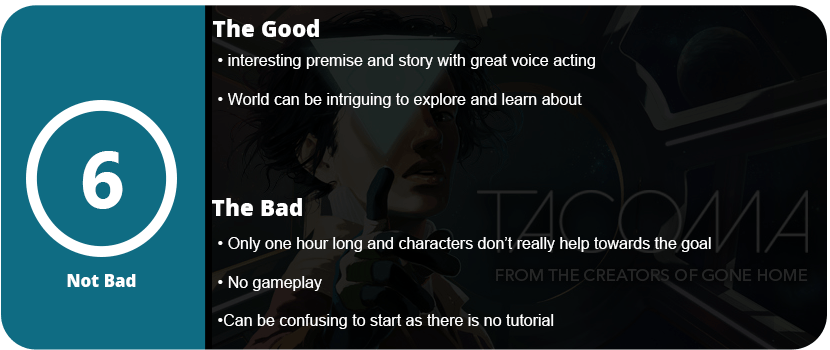
I was shocked when Tacoma ended as suddenly as it did. Before it even started I felt like it had ended and wanted to see more. You play as Amy Ferrier. Your job is to go to the space station Tacoma, find out why the crew died, and acquire the AI onboard as well. There is zero action in the game; this is an adventure game through and through with story only. All you do is interact with objects and read and listen to dialog play out.
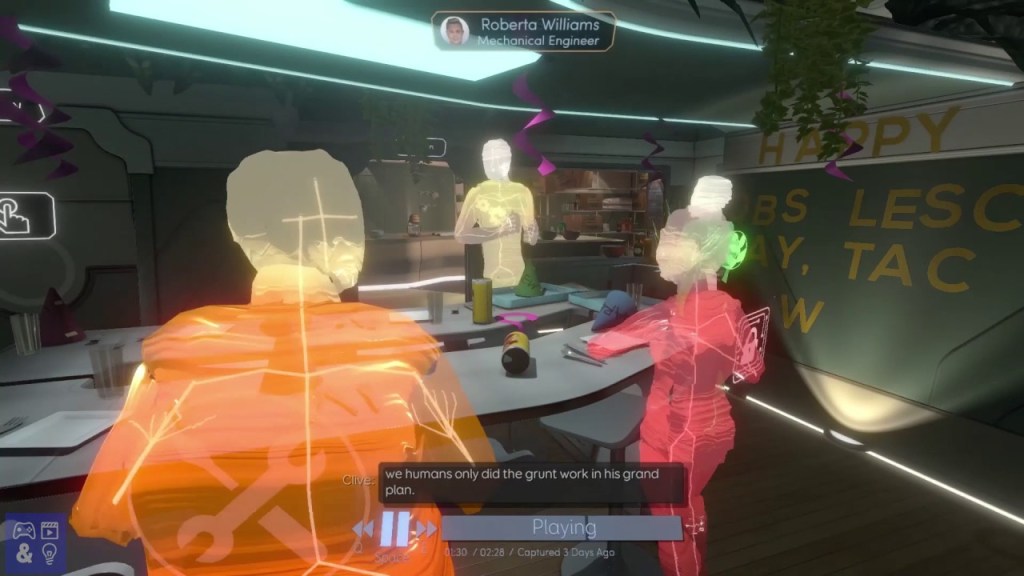
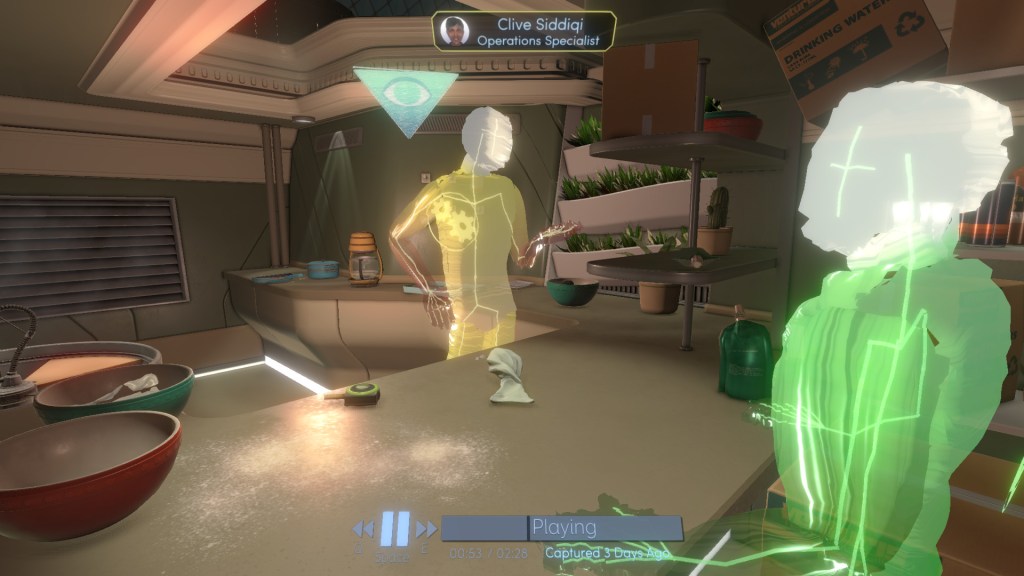
This type of game won’t be for everyone. I love great stories and characters and can enjoy them without any action at all if they’re done right. Tacoma comprises three explorable areas, each with useless interactive objects, but once you get to an area, you use the AI to replay what happened in that area via holograms that walk around. You can fast forward and rewind the hologram play, and in between, there may be some holograms with HUDs that need to be interacted with, and these are marked as question marks on the timeline of the event you are watching. Finding these holograms and interacting with their display allows you to gain some insight into those characters. Honestly, it’s nothing super special or interesting. The issue is that the overall story and larger picture don’t really sit and integrate well with the characters. They feel like a side story.
Once you get through all three areas by finding hidden passcodes to locked doors and reading various terminals, there’s nothing left to do. You drop off your AI book at the front of each hub on a wall that downloads all the data in that area. This takes around 15-20 minutes to do, and in the meantime, you have to explore the area. Once it’s done downloading, grab it, go to the next hub, and repeat. Once you get the AI software, you head back to your ship, and the game is over.
I wanted to learn more about this world. The fact that an evil corporation is building homes in space against the law is intriguing, and there’s lots of potential here. I felt like I had no idea what was going on most of the time because I kept expecting the plot to move on, but instead, it just ended when most games would consider this the first chapter. I’m not a fan of short, incomplete games like this and don’t support them. I’m a fan of short games if they are sweet and memorable, and I have played plenty of those. This almost felt like a waste of an hour.
The visuals are decent, and the art style is nice, albeit forgettable. The voice acting is great, and there are some interesting concepts at play that are just barely touched upon and then abandoned. Tacoma doesn’t give the already struggling adventure genre any hope or appeal to gamers who shy away from them either.
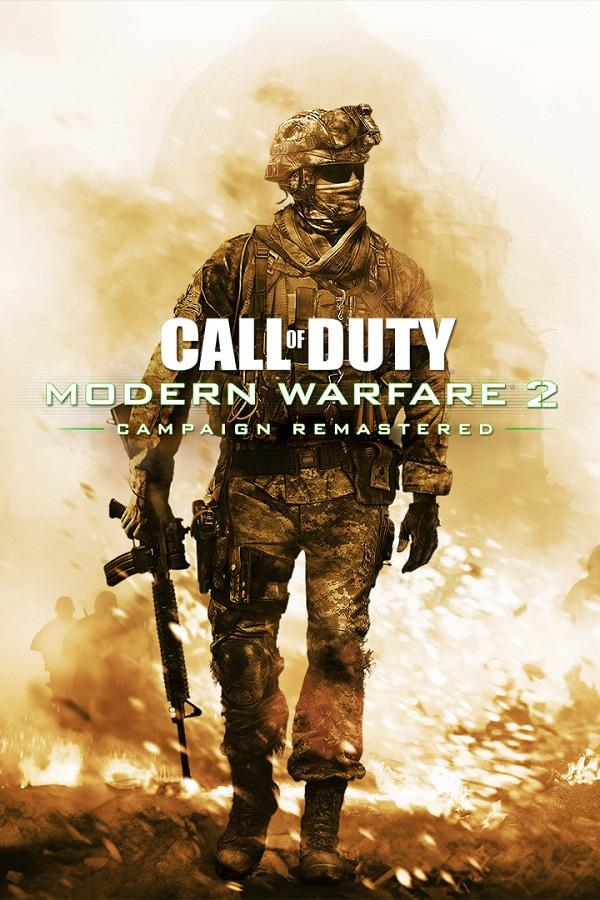
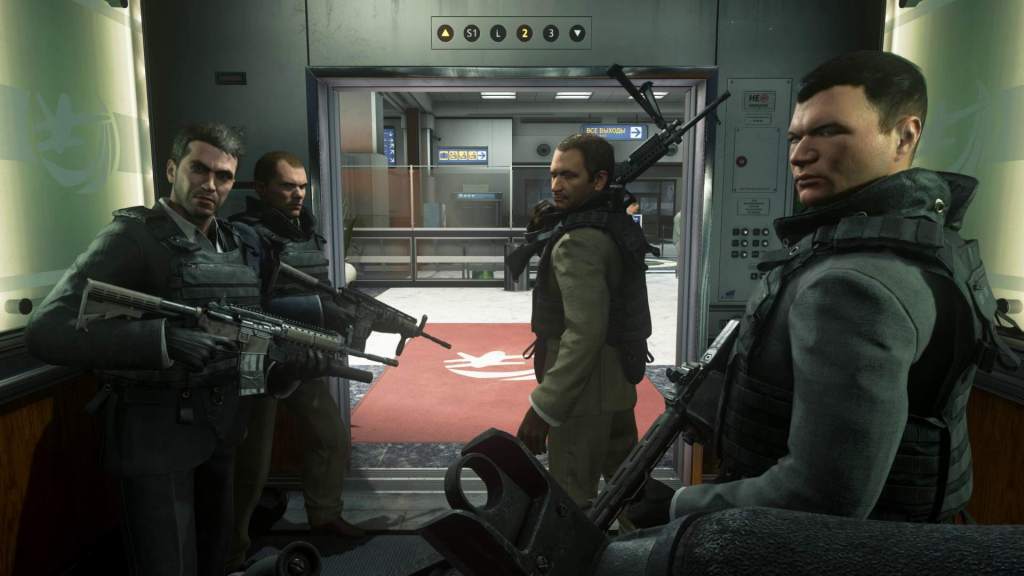
Well, what a treat! Modern Warfare 2 is considered the best game in the earlier series, and the campaign was most definitely the best and most memorable. The game takes place right after the end of the first game, with the Russians invading the United States for World War III. You play as various soldiers in this war and bounce back and forth trying to stop the bad guy, Makarov, but the story takes a crazy twist at the last mission.
The question here is: is there anyone asking for these games to be remastered? Most people usually only stick around for multiplayer, and it’s rather strange to only remaster the campaign and release the multiplayer section later. Most Call of Duty players skip the campaign and only bother with multiplayer, and it’s not like the Call of Duty campaigns are anything to write home about. Sure, they’re entertaining and exciting, but they don’t last long, and the story is a trite modern military train of nonsense, so who is this game for?
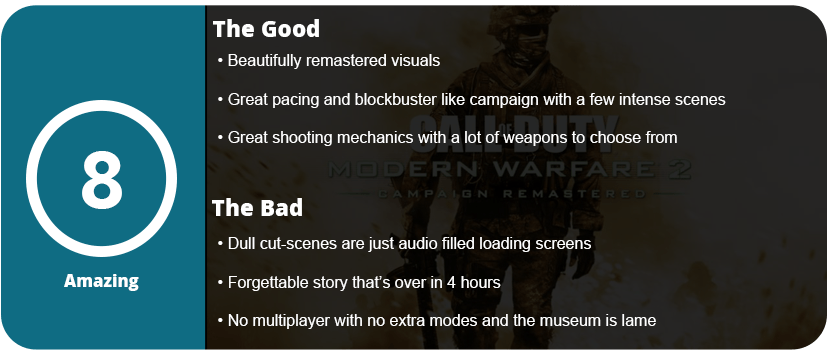
That’s going to be hard to answer, but I’m one of the few who plays the campaign first and usually goes back for seconds later on. I played the original on Xbox 360 and spent more time in this game’s multiplayer than any other in the series. The maps were perfectly created, and the balance was fantastic, but it’s long dead now, so all we have is this campaign. Thankfully, it’s only $20, as you get about 4 hours of gameplay out of it. It’s literally fun for an evening, and it’s over. The game does have some crazy scenes, like seeing a nuke detonate from space, and the battle in Washington, DC, through the White House is pretty awesome. There are more stealth missions with Captain Price this time around, and overall, we get a good range of different types of action. The boots on the ground mowing down enemies type, the special ops missions, then the stealth missions.
What I would have liked to see was more on-rails stuff. There are a couple of chase scenes in the game and one helicopter ride in which you get to snipe enemies, but I wanted more of these. They’re exciting and just a lot of mindless fun. I did find the game’s difficulty poorly balanced, as I’d blow through a couple of missions and then die over and over in one spot, particularly as Roach in the U.S. Marine levels. There are wide-open areas, and they usually have you running around trying to take down vehicles and large waves of enemies. There is never a dull moment, however, and I had a blast through the whole thing, but it does feel shorter than the first game. The infamous and controversial “No Russian” mission is present but allows players to skip this level entirely. While at the time of release it may not have seemed like such a big deal, mowing down people in an airport as part of a terrorist attack is all too real these days, and there are thousands of people in the US who have fallen victim to shootings or have been near one. It can be a seriously sensitive topic, so good on Beenox for adding this option.
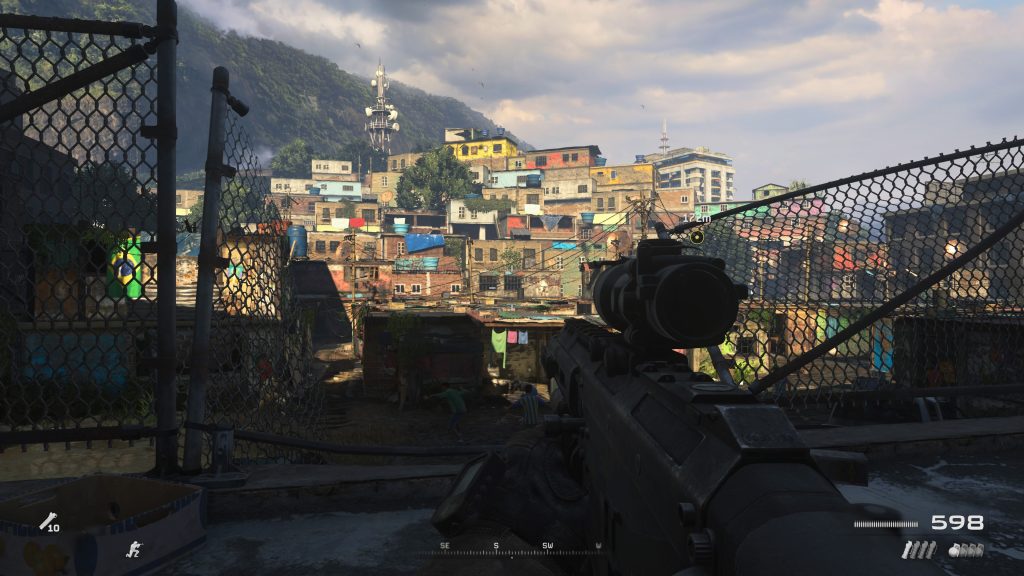
The visuals are amazing, using modern techniques to make the game look like it was made and released today. Fantastic lighting, textures, models, and other effects that PC gamers will love. It runs flawlessly without a hitch, and every moment was a blast. I will say that there is no reason to go back, however, and that’s going to be the deciding factor for people. There’s zero replay value here as Battle.net doesn’t have an achievement system, and while you can find 45 different Intel laptops, what’s the point? There’s no reward for doing so, and there are no extra modes either. There’s a neat little museum mode that lets you see various panoramas of each level, but there’s nothing to do besides pressing a button and having all the character models jump at you and attack. It’s neat but seriously pointless, so no one will probably bother exploring.
Overall, Modern Ware 2 Campaign Remastered is a blast while it lasts. It’s only 4 hours long, with no replay value, extra modes, or a reason to even go back. It’s a game you go back and play every 5–10 years for nostalgia, and that’s it. Newcomers will have a blast and may play through a second time, but that’s all your $20 is going to give you: one fun evening. The visuals are fantastic and look amazing, but that’s about it here. It really is the best campaign of the early trilogy, but what does that mean to anyone? I guess it depends on how much you love linear shooters.
Oh boy, this review has been 22 years in the making. I have been trying to finish this game since I was 8 years old, but I just could not do it. I will admit, I’m not the best JRPG player, as I don’t have the patience to do insane amounts of grinding and play into the earlier Final Fantasy game’s crazy summon hunting. FF8 eluded me for so many years because of one thing: the junction system. I absolutely love the characters, art, and story in this game, but the Junction system nearly ruins it for me. And yes, I had to play with cheats and boosters activated, and even then, I almost couldn’t finish the game.
I did, however, play the game normally. I collected spells, tried to get Guardians when I could, leveled up a good amount, and finally got past disc 2! The issue lies in the overall complicated nature of FF8‘s systems. You no longer just buy weapons and armor and change them out when you get to the next town. Instead, you collect spell cards that are finite, and they can be traded amongst other members. In theory, this sounds fine, but it’s hard to strategize a specific player role when everyone can use magic. Some argue that you can give certain spells to certain characters and break it all up the way you want, but this is flawed because if you don’t collect cards found throughout the world or stolen from enemies, you don’t get to use any magic.
Weapons are only upgraded this time by using parts found on monsters, but a lot of these parts are hard to find, and to upgrade to a new weapon, you must find a magazine to unlock the weapon. This just keeps piling up the frustration as it hinders progress. Characters also have overdrives, which are powerful, unique moves, but some characters, like Rinoa and Quistis, can only acquire new ones by using certain items or finding magazines. FF8 heavily relies on exploration and patience; this is not a game you can just blow through in story mode like previous games. The Junction system also functions as a way to equip Guardians, which are bosses found hidden throughout the world. I only found about half, as the other half requires exploring the overworld map and finding their hidden locations. Accompany this with insanely frequent random battles, and you will spend 2/3 of your time in the game just battling.
If this doesn’t sound complicated enough, there are hidden features not explained in the game, such as being able to “Card Mod” only using Quezacotl’s ability. This allows players to turn found enemy cards into items that are then used to turn into weapons, but this is a very obscure out-of-the-way thing for such an important gameplay element. FF8 is riddled with things like this, and learning the Junction system is like learning math. It was boring, not fun, and incredibly frustrating, and just imagine that as a kid, there’s no way I would have understood any of it. Even after I finished the game, I still felt I hadn’t quite grasped it all and had missed something.
Outside of the awful (or good) Junction system, the rest of the game is standard Final Fantasy. Turn-based battles allow you to do various attacks and use items, and there’s an option for real-time battles or waiting. Players also need to make sure they equip actual functions for each player; otherwise, you can only attack. GF use, items, and magic are all optional attacks that you can choose, but you can only have 4 menus. Another irritating thing about the Junction system. You must sacrifice GF use if you want to use items and magic, for example. FF8 is also standard, with an awful overworld map. This map has no camera controls and is horribly designed. It’s a 3D map, but eventually, you get into a ship, then a car, then a giant flying ship to traverse faster. This is when you can explore more and find guardians.
Let’s finally talk about the story and characters. FF8 has some of the most memorable characters, including Seifer, Squall, Rinoa, Quistis, and Selphie, just to name a few. They are all well-written and designed characters, and I cared for them greatly throughout the entire game. There are long written dialog bubbles that go on for dozens of minutes sometimes, but the mix of pre-rendered cut scenes with real-time models on top is a trip even to this day. There are some imaginative scenes in this game, and it’s a shame it’s hindered by the disc space of the PS1. The story in itself is one of the most controversial in the series, with no real ending being explained, and it is open to fan theory. I won’t get into those, but after reading some theories online, they made a lot of sense, and it’s a good story to talk about long after finishing.
But, also like Final Fantasy games, it’s heavily unbalanced, with the final boss having four whole phases and requiring you to be an insane level towards the end that normal story progression won’t get you towards. Even with boosters activated, I still got stuck and was required to level up normally, and the game could easily take 50+ hours just to finish properly. I can’t bash the game for this, as there’s a huge audience for it, but it’s not for me. One of the few things I won’t knock this game for is how much of a hardcore RPG it truly is. This is a game you must play exclusively for days or weeks and just grind out, and some people love this. The story is thankfully rewarding enough, and after finishing a tough boss, the satisfaction is exemplary.
Overall, FF8 is a strange game indeed. With an awful or good Junction system that changes everything you know about the game, one thing can’t be denied: it’s too complicated. The game looks fantastic, with amazing pre-rendered scenes, great enemy design, a superb music score, and classic gameplay. For me, there’s just too much that keeps it from being fun outside of the story. I often gave up on this game for years, and even with boosters, the game is still a grindfest. However, if you like those things, then you will love this game. When it comes to the remastered part of the game, it disappoints. The game suffers from the same issues as the Final Fantasy IX Remaster, with updated character models on upscaled original backgrounds. It’s a lazy remaster with only new music and some boosts added. There’s no widescreen support or anything else.
Super, thank you