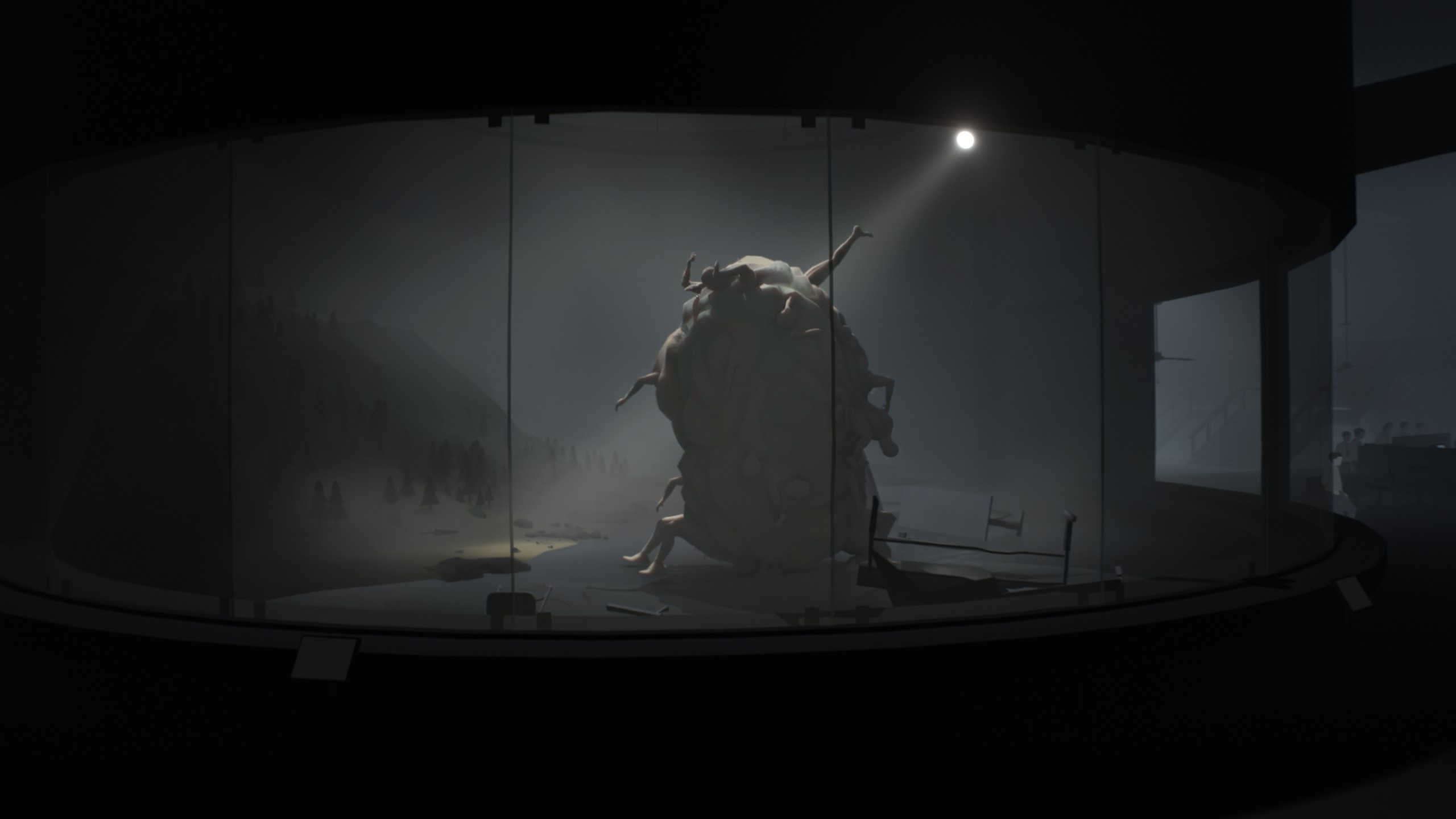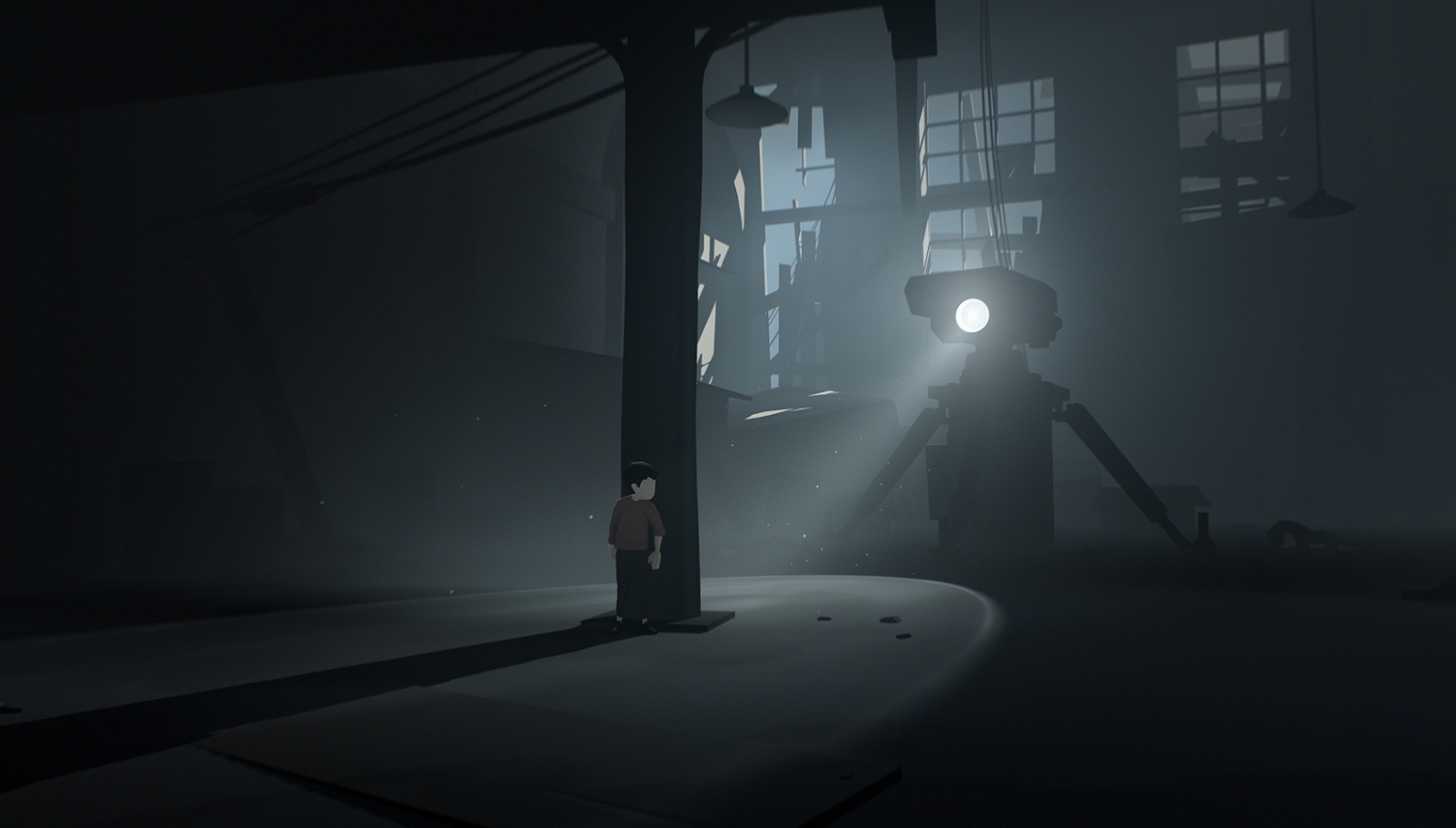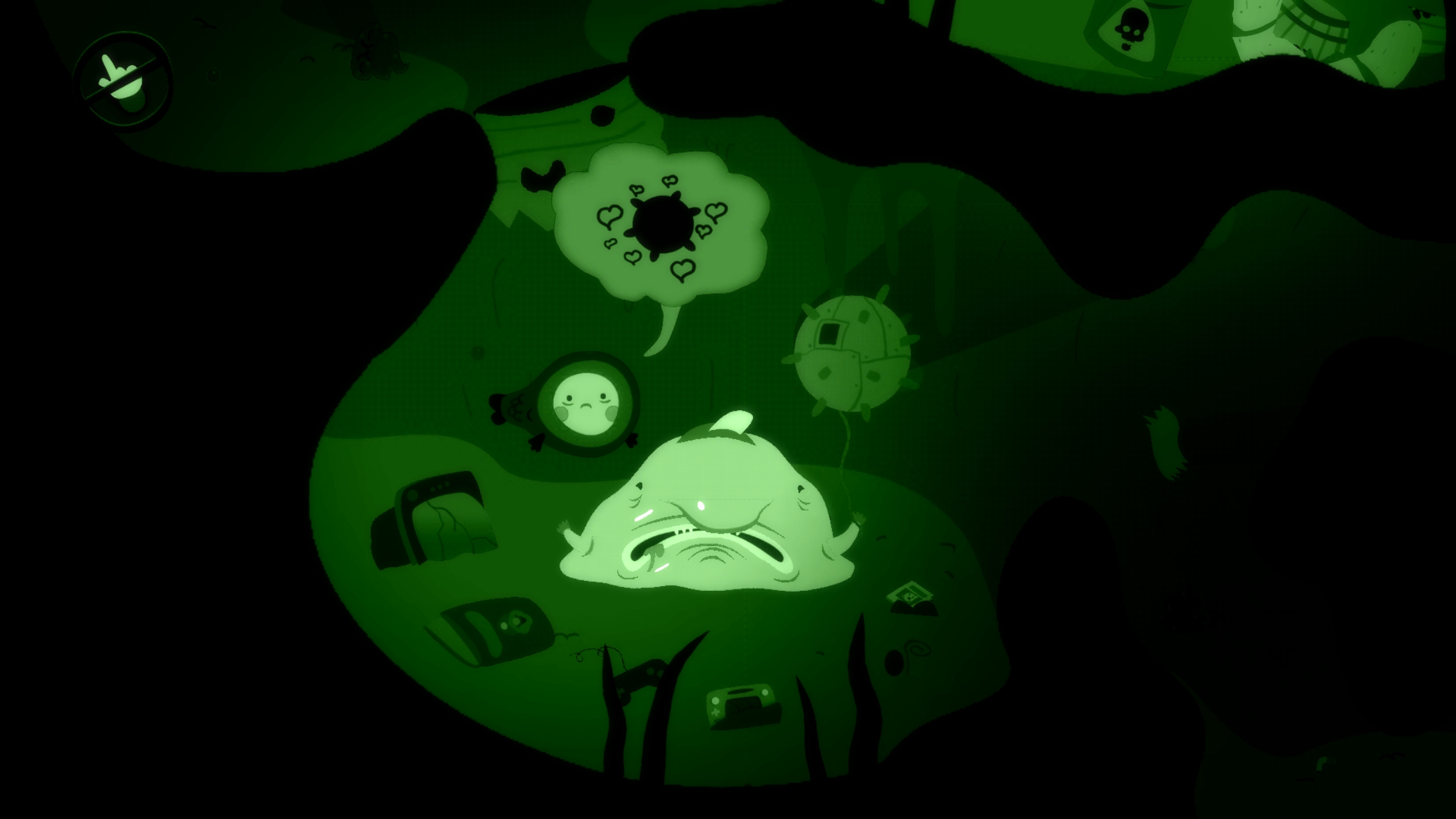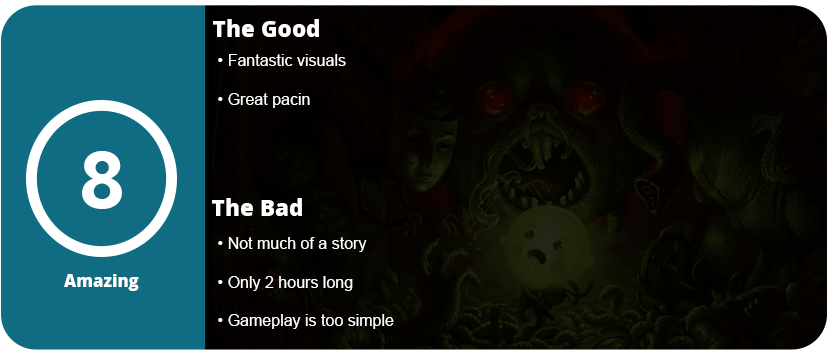
Adventure games are always hit or miss, as they have many classics to live up to. There are the occasional crazy and interesting adventure games like Neverending Nightmares that are quite fascinating. Bulb Boy is one such game where you play as a, well, bulb boy who must defeat a monster to save his grandfather. There’s not much of a story here, as it’s all about atmosphere and visuals. The game is rather short, and it’s not the most cerebral adventure game out there, but it’s worth a purchase.
Like in a typical adventure game, you can tap on areas for the character to move to and examine items. Bulb Boy is very straight-to-the point so there’s not much exploring here. There’s only so much to click on and very little inventory. The game has bosses on each stage that you must defeat, but the puzzles are very easy and not really puzzles. You find an object, and it can only go in one direction, as there’s no backtracking or exploring involved. I would love to see this universe expand, as Bulb Boy is grotesque, beautiful, and full of atmosphere. It’s a horror adventure with a cartoon flair, guts, and everything disgusting all over the screen.
There’s a lot of green in this game, and the cut-out art style is just fantastic. I enjoyed playing through the whole game, despite only taking a couple of hours. Bulb Boy’s death animations are brutal, there’s a lot of variety, and the game has a nice, quick pace to it. Some of my favorite things about this game are the extreme closeups of areas, as they show the sickly detail of everything around this character. It’s nightmarish for sure and definitely one of the most artistic games this year.
It’s a crying shame that this is an indie game and won’t get much attention. I hope for a sequel that’s more expanded, but we’ll see. In the meantime, just feast your eyes on the beautiful art, despite how straightforward and simple the gameplay is.
Surreal adventure games are the next generation of the adventure genre, and if they are done right, they can be quite memorable and mesmerizing. Journey was one of the first of this kind of new adventure title. With minimal UI, gameplay, controls, and story, you are swept through a linear journey of emotions, visual beauty, and auditory bliss. Some of the people from Journey are back at it again with Abzu, an underwater cinematic adventure.
You play as a character that swims around the ocean, exploring and trying to stop some sort of mechanical infestation from destroying all ocean life. The story plays out similar to Journey, in which you figure out what’s going on contextually as you progress through the game via images and scenes. If you played Journey, then you know what to expect with Abzu. What this game does differently is that it focuses more on an exploration of this beautiful world than pushing the player through a short journey and telling a quick story.
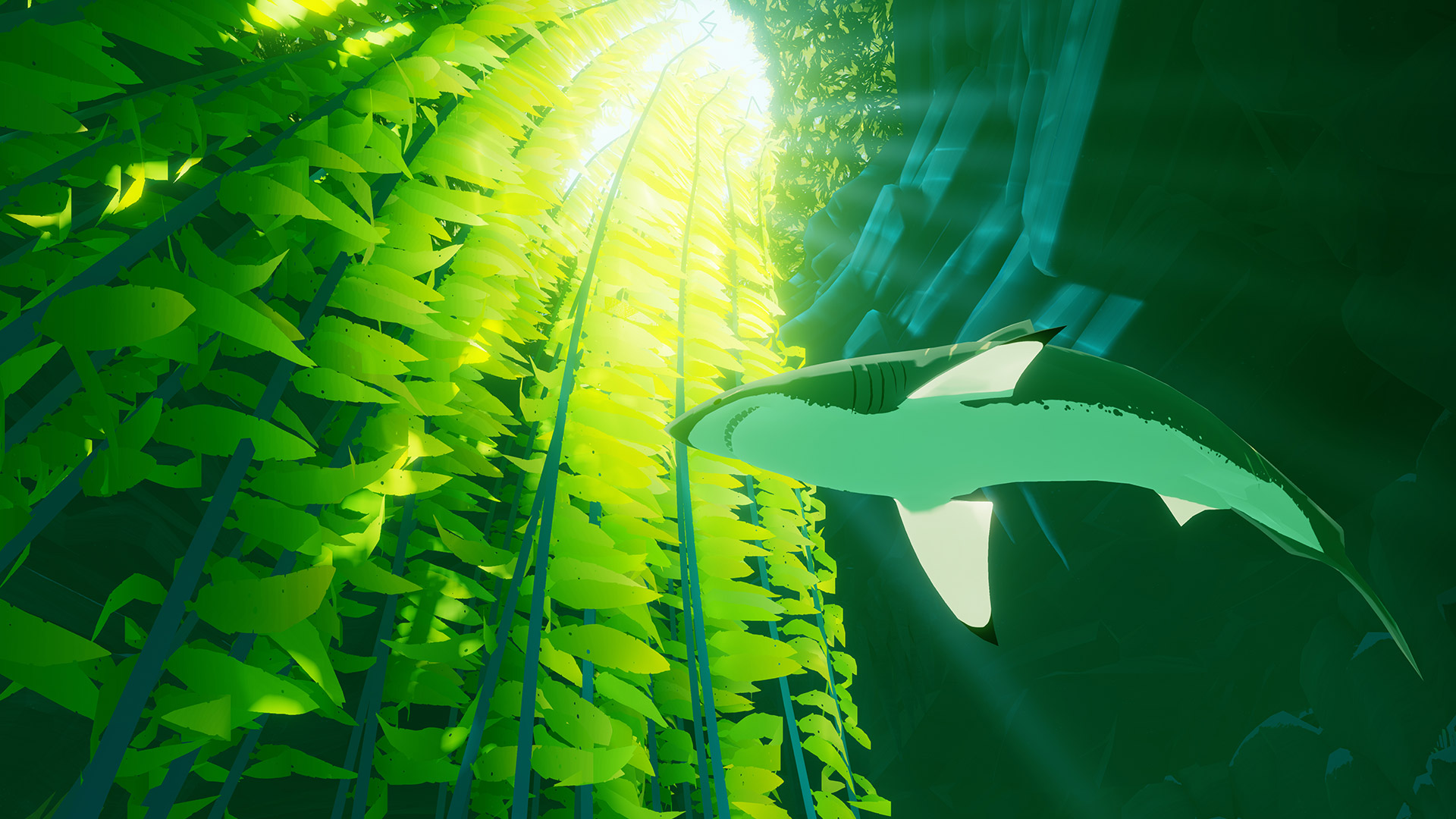
Right off the bat, you will notice how gorgeous this game is. Using Unreal Engine 4, Abzu is bursting at the seams with color and saturated with detail. As you push through each large exploration area (there are about a dozen), your main purpose is to find hidden shells, activate various switches to open doors, and activate little pools that will add various new creatures to the game. While I mainly feel this was filler content to extend the game another hour, it forces you to explore the ocean floor and look around a bit. Seeing all sorts of marine life and plant matter float around you is just amazing. This game really makes you feel like you’re swimming in the ocean and exploring what’s under the sea.
The game’s pacing is similar to Journey, with an explorative area and then a cinematic on-rails section that shows off the visuals that this game nails. Having your character leap out of the water to a stunning vista or romp around with whales in the murky depths is something not seen in any other game. Not a single area is the same, and I never saw the same sea creature twice. It’s the little things that count in games like this, and the amount of detail packed in Abzu is triple that of Journey, and I loved every second of it.
Now, that’s not to say that exploring these cinematic moments is the best thing for this type of game. I thought Journey’s pacing was spot on, but Abzu feels like a bumpy roller coaster with these cinematic scenes spread too far apart. There are only so many switches, chains, and doorways I can go through before I want something else. When you give the player very little to do, you have to rely on the senses and visuals to keep the player entertained. I feel this could have been an underwater journey if the pacing was a little better.

Overall, Abzu is a fantastic adventure game, and any fan of Journey must own it. The visuals are absolutely stunning, and Austin Wintory is back with another beautiful soundtrack—one of the best this year. It’s just a shame that the game suffers from poor pacing and exploration elements that are just there to force the player to look at everything. I feel like I’m getting my face rubbed in beauty rather than being allowed to soak it in as it passes by me.
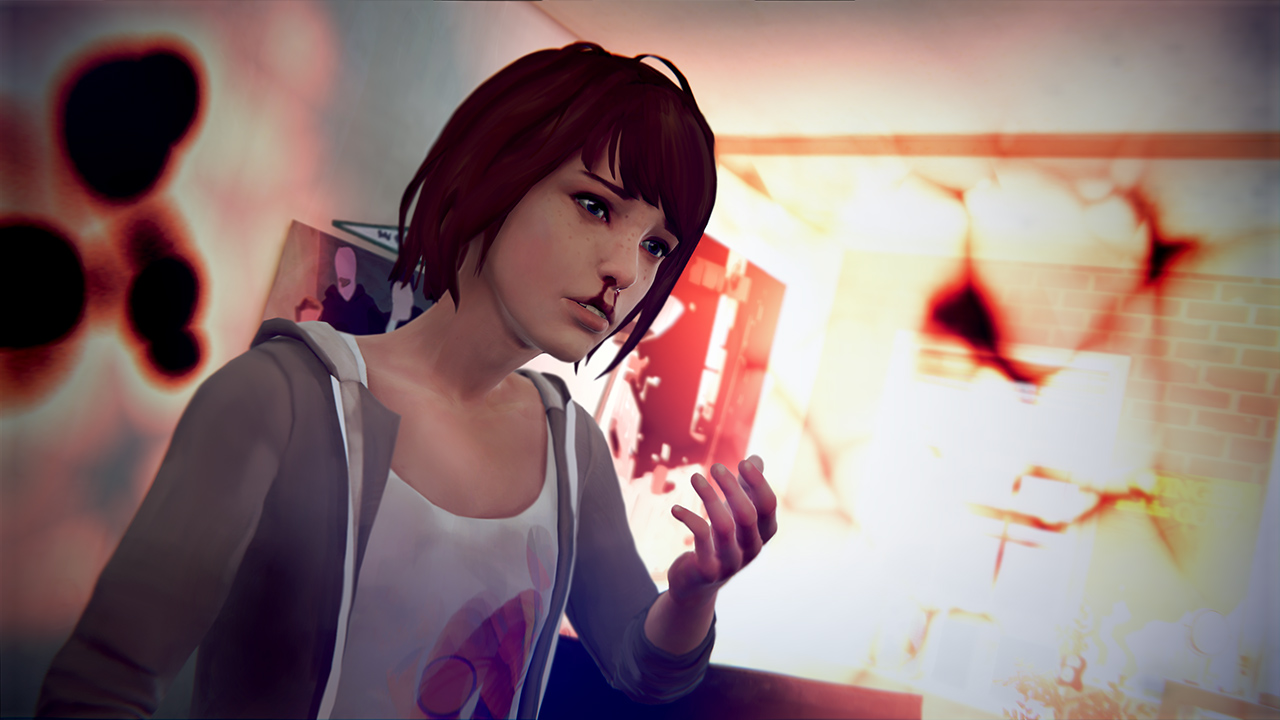
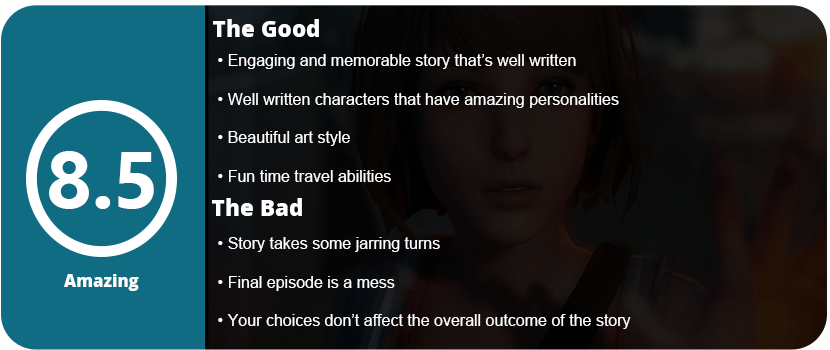
Have you ever wanted to time-travel and change the past? How about just the last 30 seconds? You get that option in Life is Strange. You play Maxine Caulfield, who discovers she can rewind time by saving her childhood friend from a fatal gunshot wound in the girl’s bathroom. This changes Max’s life and everyone around her, but it’s up to you to decide if it’s for good or worse. Life is Strange tells a fantastically beautiful story with wonderfully written characters. The game will keep you hooked and have you playing all 8 hours with barely a blink.
Life is Strange tries to build on the revolutionary point-and-click adventure genre that The Walking Dead revived from Telltale Games. The game is a little more open-ended, but not by much. There’s more to explore and items to “look at,” which gives you a bigger insight into Max’s own thoughts and mind. Honestly, by looking at all these objects, you get to know Max better and the world around you more. Besides this, you just walk through every area to the next character that advances the story. There are some “time puzzles” that require you to select certain dialog choices and then rewind time to use that information to your advantage. It’s an interesting idea, but Life is Strange’s storytelling is a bit of a mess and requires you to pay attention very closely or you will miss something.
The game is broken up into 5 episodes, and each one has a cliffhanger ending. The game goes on at a good pace except for the final chapter, which is a roller coaster and kind of a mess. Without spoiling everything, you kind of “review” everything you have done through the game, which involves an awful stealth sequence. However, through the entire game, I couldn’t help but realize that no matter what I chose, the final outcome never changes, which is odd. It’s not until the last two chapters that all your choices start to unfold, but I feel they are just detours rather than different outcomes. Despite that frustration, the story in Life is Strange is amazing.
I have to talk about the atmosphere of this game. It’s so nostalgic and really reminded me of my adventures as a kid growing up, and it really makes you think about your family, friends, and what’s going on around you in your life. That small country life is something I grew up with personally, and the game really hit home with me. It sucked me in every minute, despite the slow start I had to push through. The entire game is so touching and full of emotion; it’s one of the best video game stories I have ever seen, but it still doesn’t top Soma. This is a story you will talk about long after the game is over and ponder over. The only thing that really annoyed me about the story is that it tries to turn this innocent teen drama “Where did my best friend go?” mystery into a serious murder mystery, which is kind of jarring. I loved exploring these areas out in the middle of nowhere and getting into shenanigans with Max and her best friend Cloe through their time travel events. Once the murder mystery stuff hit, it was a bit of a turn-off, but it wasn’t until towards the end.
Life is Strange also isn’t the prettiest game to look at; it’s rather ugly. The game has a nice watercolor art style, but the game’s technical level is a first-generation Xbox 360 game at best. The textures are muddy and awful, and the character models are terrible. This is just a downright ugly game, but the story and characters keep your head out of that. Overall, this is worth every dime and all your time invested.
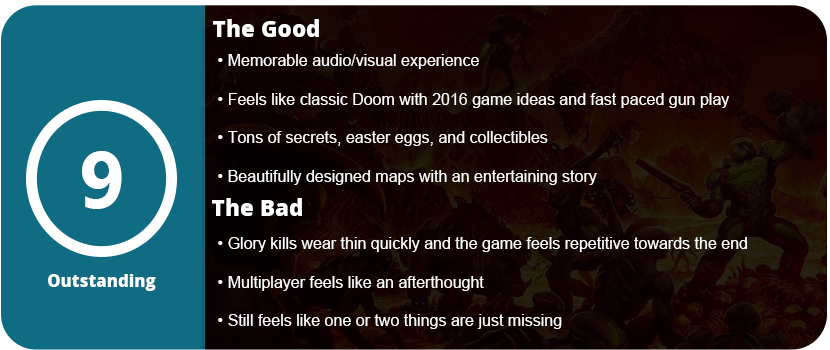
Well, 2016 seems to be a great year for the comeback of shooters. First Overwatch, now DOOM (well, in reviewing order). DOOM could have gone so bad, so quickly. However, ID Software went back to its roots, updated it for 2016 technology, and gave the middle finger to all the rest of the stuff plaguing the genre. DOOM is by far one of the best FPS games I have played in over a decade. It’s fast-paced, challenging, fun, full of secrets for veterans, and just plain old shooting.
The game actually does have a bit of a story, and it’s done just right so that it won’t get in the way of the shooting. You play Doomguy, a UAC Marine who has to help a robot scientist named Hayden stop another researcher from bringing Hell to Earth. Amanda Pierce let the tech and religious aspects of Hell get to her, and it overran the advanced Mars facility. Most of the story is told through logs, which are actually the best way to keep the story from getting in the way or becoming a train wreck. There are few cutscenes in DOOM, and when they play out, they are a nice break from the challenging gunplay. It’s light and crisp and isn’t stale, which is great for the genre. Too many games—Battlefield and Call of Duty, in particular—try to do this Hollywood sci-fi script of I don’t know what the hell to impress the edgy gamers out there. It doesn’t work; it’s a train wreck, and those stories are a complete mess. The FPS genre relies too heavily on story and not enough on gameplay.
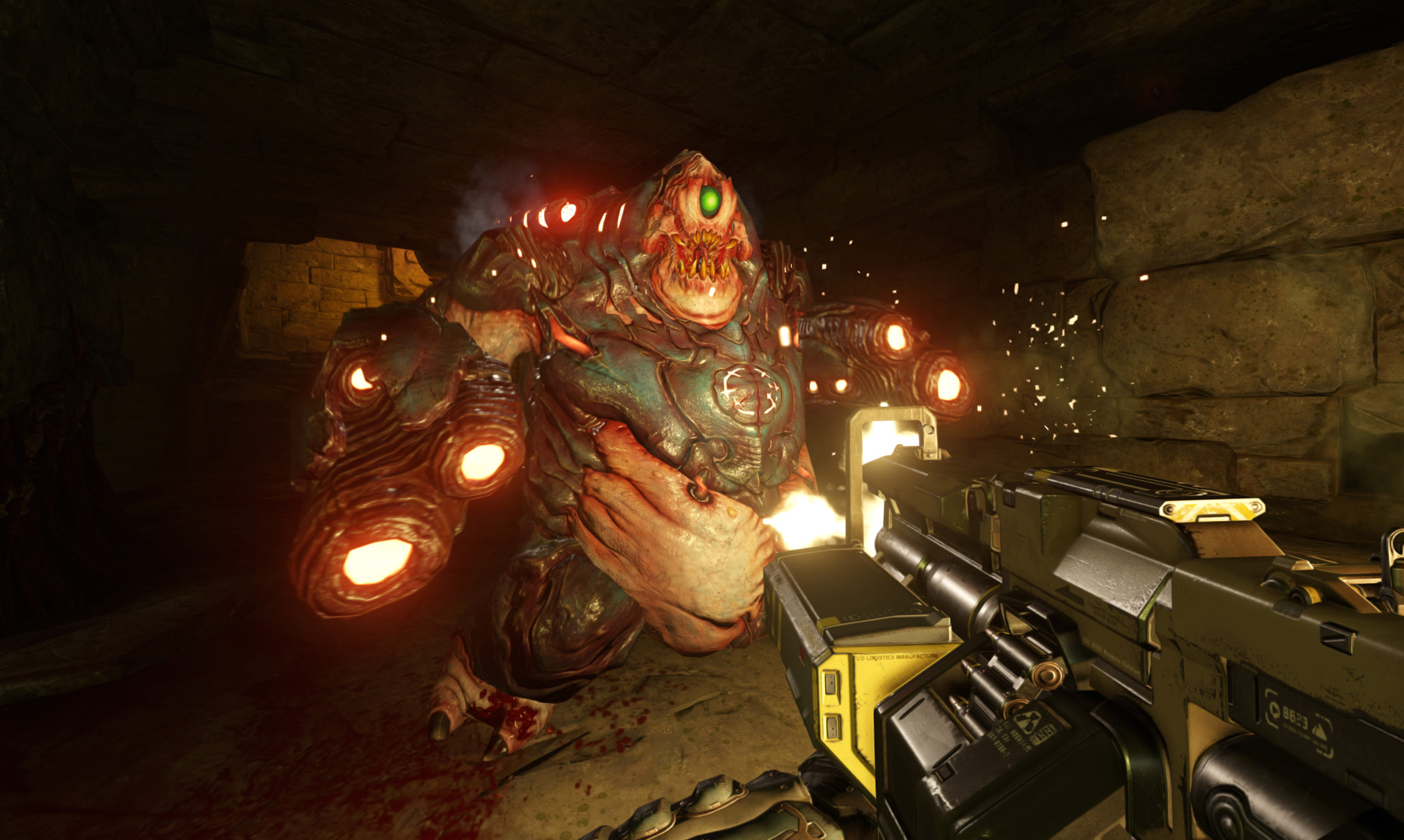
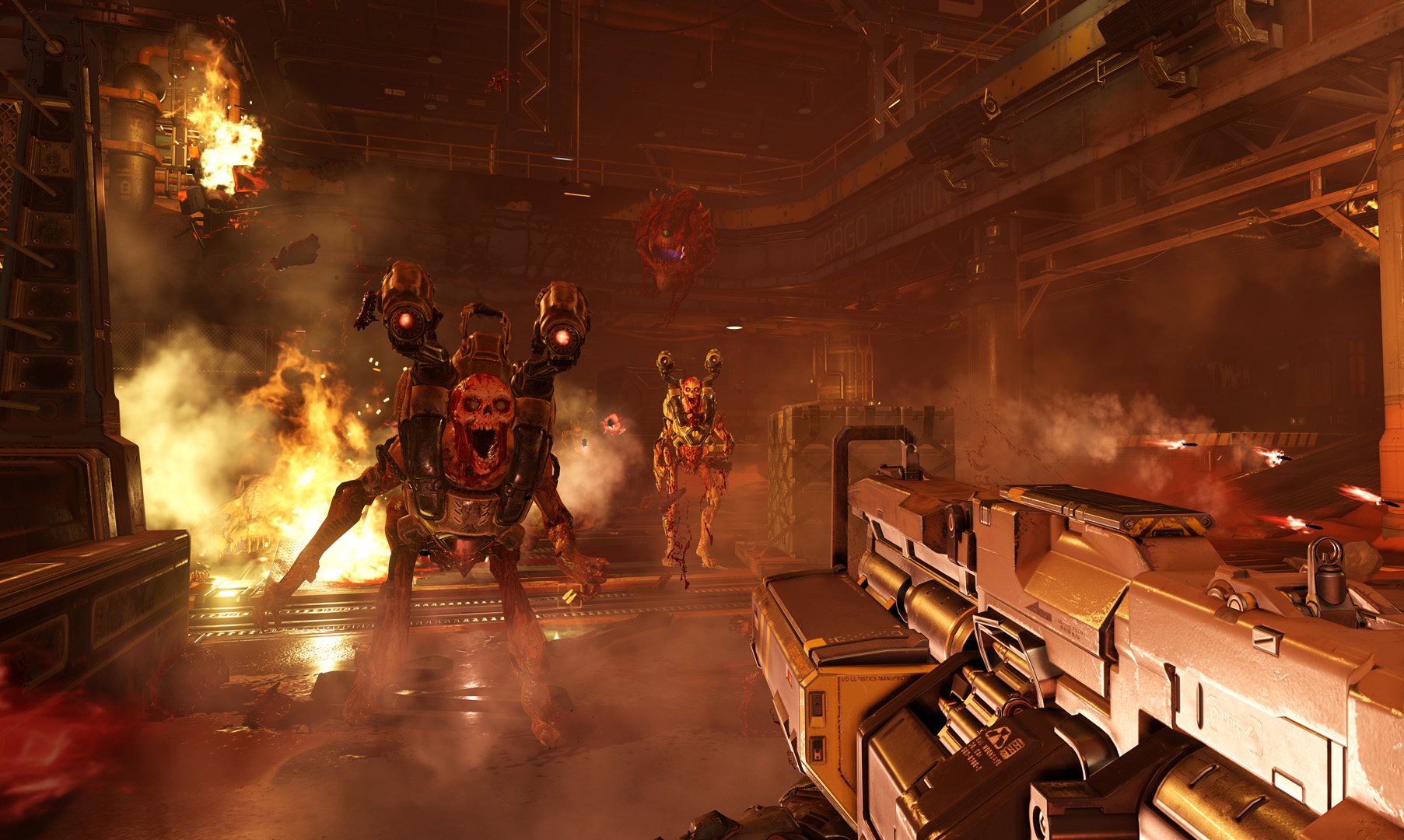
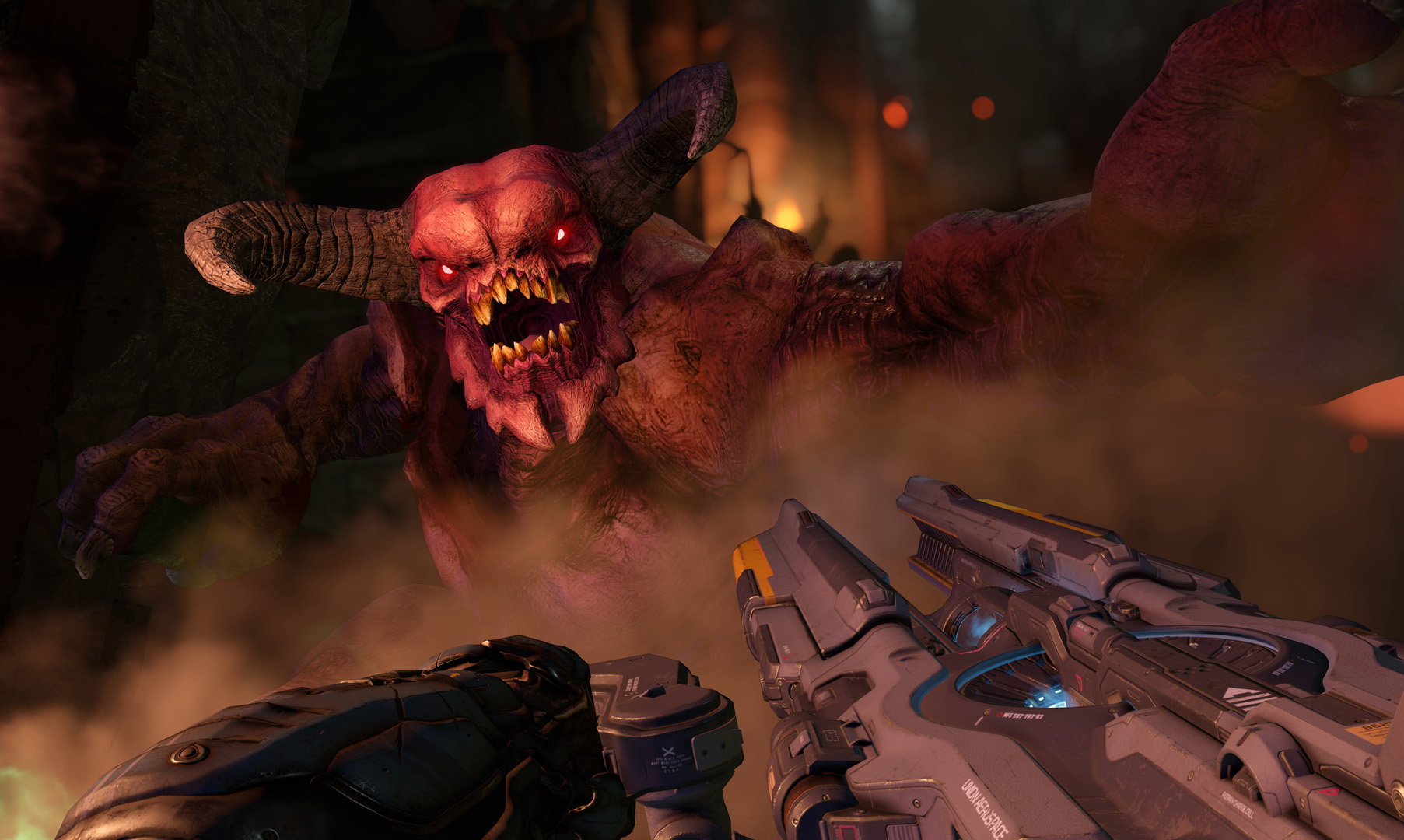
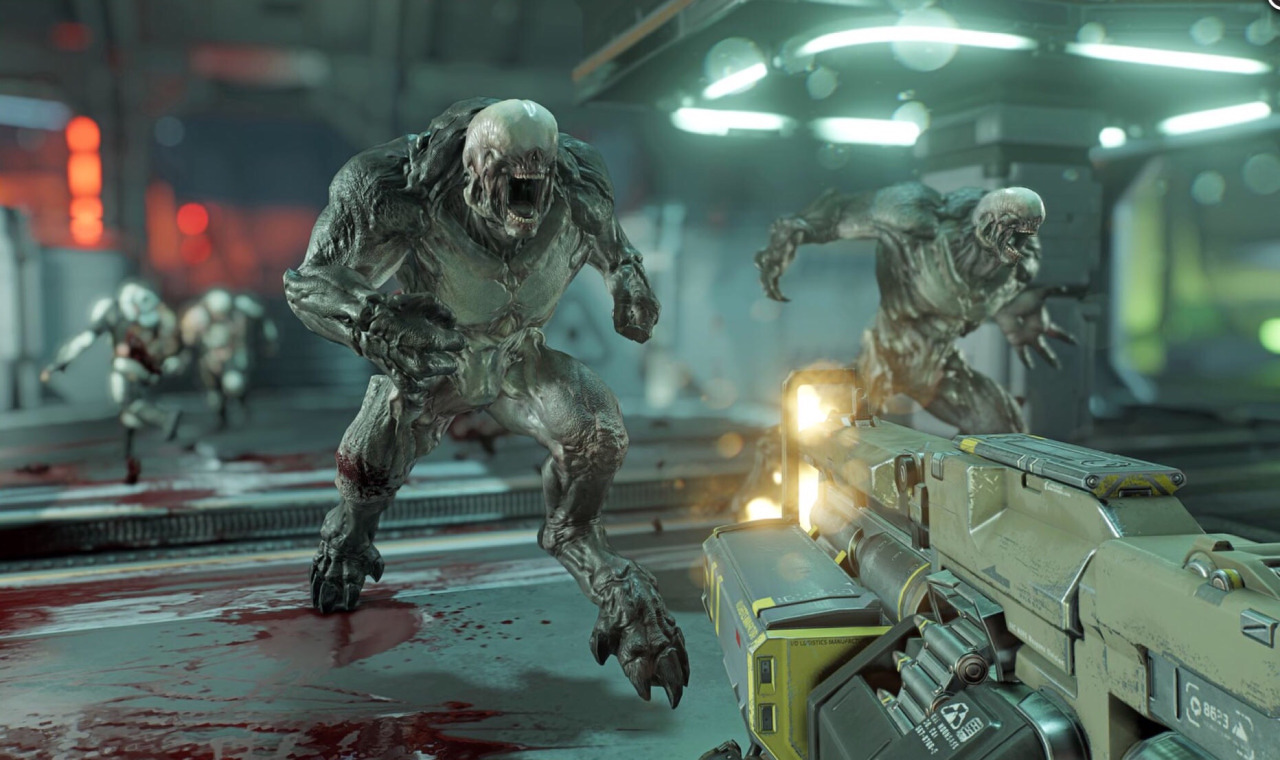
With that said, DOOM is just like you remembered all those years ago—forget about Doom 3. As soon as I took control of Doomguy, I was in heaven. It’s fast-paced, controls amazingly well, and the guns feel fantastic. The slow build-up of your arsenal makes you smile every time you acquire a new weapon. Seeing Doomguy pick up the shotgun brought a “hell yeah” smile to my face. Seeing the chainsaw rip through enemies just gave me satisfaction as a shooter I haven’t felt in years. There’s a strong arsenal, and not all classic weapons return; a majority are new. The chaingun is fun, the heavy assault rifle is fun, and the gauss rifle is just so much fun. DOOM starts bringing the series into 2016 with weapons mods and Praetor Suit upgrades. These seem unnecessary at first, but with the way the enemies are balanced and maps are laid out, you feel you need them. Each weapon has two different mods, which are incredibly helpful. The shotgun can get an exploding buckshot or a three-round burst. There’s no reloading ammo in the game, so the R key is used for switching between mods. To keep things balanced, there’s a mod switching animation, so going into combat with what you want is necessary.
Let’s talk enemies. The game is chock-full of them, and all the classics return. Pinkies, Hell Knights, Cacodemons, Imps, etc. They look fantastic, blow up great, and the game is so gory and full of detail. The game isn’t the most technically impressive as some textures are lacking, but the game has incredible lighting, and the game runs at a nice smooth clip at 60 FPS. It does require the latest PC hardware to run at maxed-out settings, with Nightmare textures needing a GTX 980 or higher as it requires 6GB of VRAM. If you have the rig, you’re going to be in for a visual spectacle. I also have to commend the audio. The explosions, gunfire, enemy sounds, and gory splats are fantastic. The game also has a good ‘ol heavy metal soundtrack with a techno twist. This is one of the best video game soundtracks this year.
DOOM’s level design is actually very old-school, and it works well here. Each level is made up of arenas with linear hallways in between. 50% of the fun in DOOM is finding all the secrets, thanks to the excellent map. Once you find the Auto Map, all secrets are revealed, but they are still challenging to find. You might see a collectible floating in the air, but you have to find the right switch or path to get to it. I haven’t had this much fun finding collectibles and secrets in a game in a very long time. It was done right here and was not forced. Everything you miss can be reacquired by replaying levels. DOOM also features a new Rune Trial mode, which is a super fun mini-game of sorts that is quite challenging. I was able to beat them all through the first play-through, but a few proved tough. You get timed to complete certain goals, such as killing a certain number of enemies under certain circumstances. They change up the pace and are a warm welcome to the series.
Multiplayer is a bit of a disappointment, but it’s not awful. It’s fun for quite a while, but it won’t have you coming back months later like other shooters. You have your classic modes, and it’s just plain old run-and-gun fun online. It just feels like it’s lacking something or something that needs adjusting. Hopefully, the next DOOM will address this issue, or we will get a stand-alone DOOM multiplayer suite.
DOOM is a fantastic shooter and one of the best to come out in the past ten years. It does have a few flaws; I forgot to mention glory kills, which are melee kills used when an enemy is stunned and flashing. Pressing F can launch you towards the enemy to acquire health and ammo, but it’s overused quite a bit. Thankfully, it’s totally optional, and towards the end of the game, the novelty wore off, and I only used it for health and ammo. The game does get repetitive towards the end, but not in an overly bad way. It’s just part of the genre and series and is a staple that will never go away. Outside of these issues, the game is worth a full purchase.
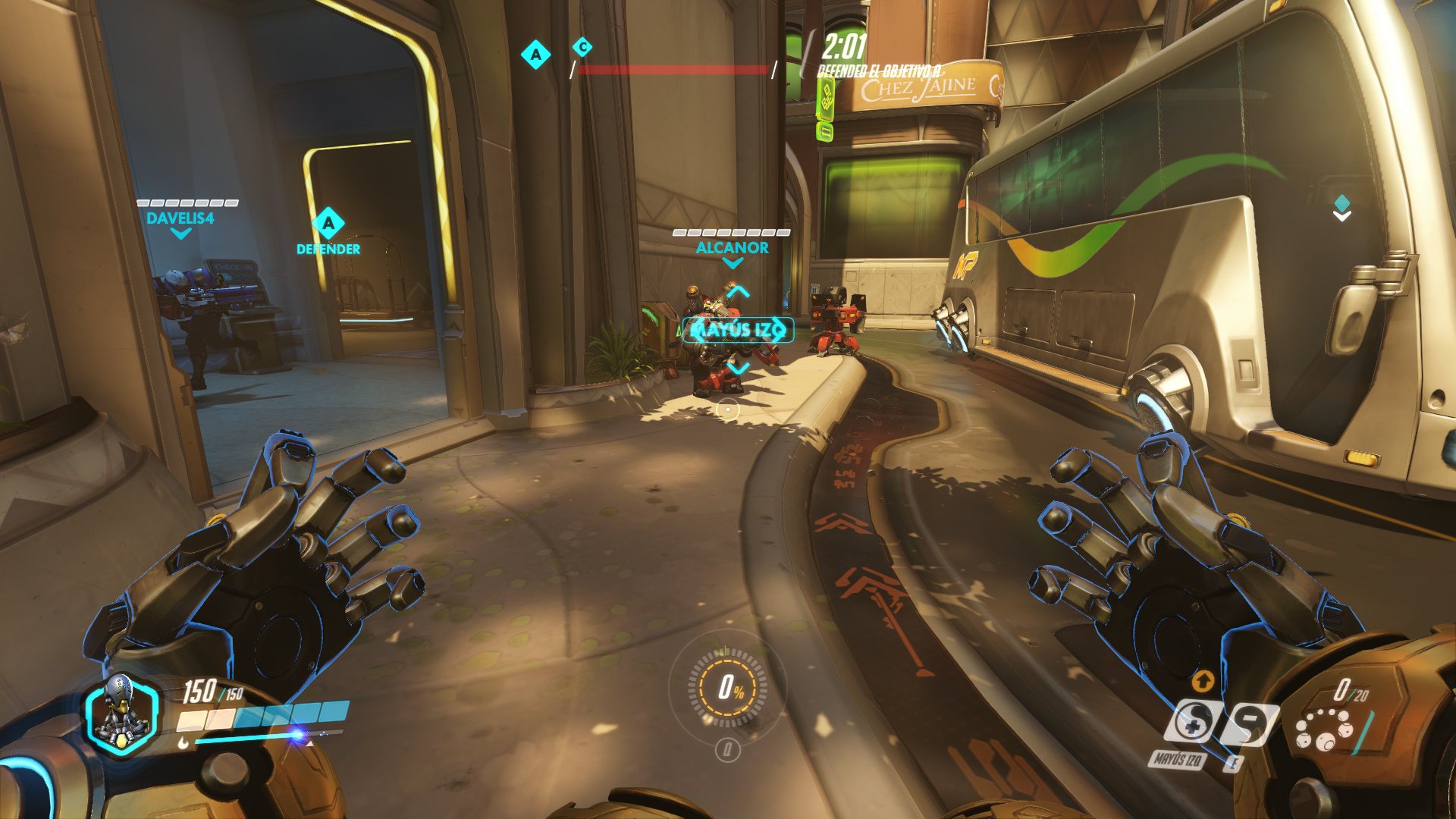
First-person shooters have hit an all-time slump in the past 10 years. With Call of Duty and Battlefield every year, they have kind of polluted the genre. FPS games are the laughing stock of the gaming community, and it needs to stop. Even worse, FPS multiplayer has taken an all-time low as well. I have not enjoyed online multiplayer since Team Fortress 2, and that was a long time ago. Overwatch finally fixes this problem. Yes, Overwatch is the best multiplayer game I have played in nearly 10 years. That’s not an overstatement; that’s not an exaggeration; that’s a true, hard fact.
What makes Overwatch so great? First off, the characters. Overwatch has some of the best characters gaming has seen in ages, with every single one being memorable, unique, and fun. Not once did I find myself hating a character or preferring not to play as one. But you’re also probably asking, “What is Overwatch?” A team-based shooter with 6-vs-6 with various maps, objectives, and downright amazing fun.
Overwatch does not have a story, so let’s make that clear. It doesn’t need one either, and that’s a damn miracle on its own. You boot up the game, play the tutorial, and go; that’s all you need. This is very refreshing, as I’m tired of shooters shoehorning crappy stories into games. There isn’t even a backstory for the characters, which is also not needed as it just works. I can’t express this enough; the game just works, and it’s a masterpiece.
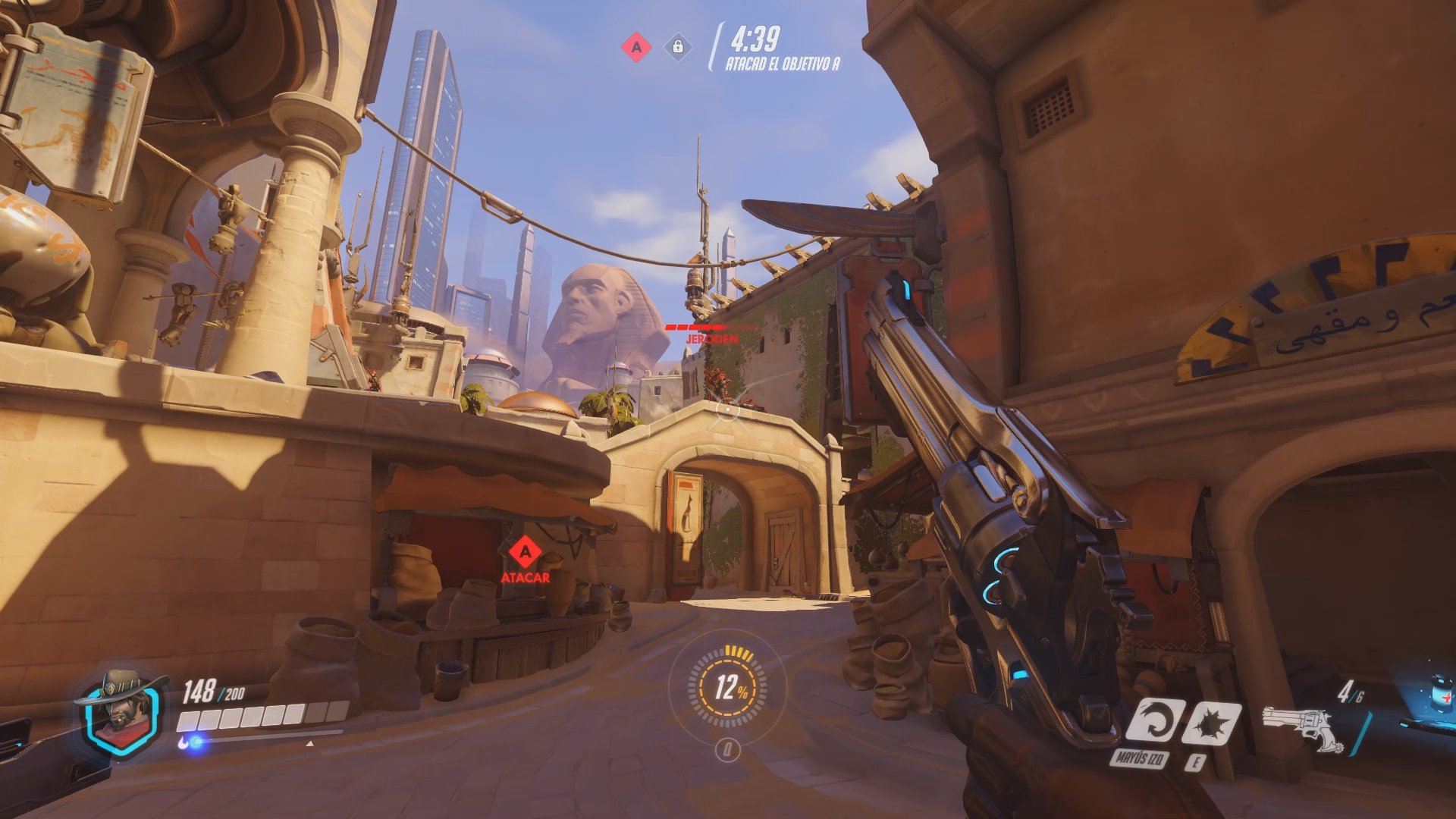
Let’s talk about gameplay. The game is perfectly set up for this type of game and strays away from leveling up weapons and getting new gear like in other FPS games. Each character has two abilities and two modes on their weapons. Characters are divided up into class types, which are tank, offense, defense, and support. Each class has about five characters, so there are plenty to choose from. Not a single character plays the same, and this is key to balancing out matches. One feature I absolutely love is the match hints when selecting characters. It lets everyone know when there are too many offensive characters, too many snipers, not enough tanks, etc. This allows you to balance out the match and works wonders. Rarely did I play a match in which players did not follow these guidelines.
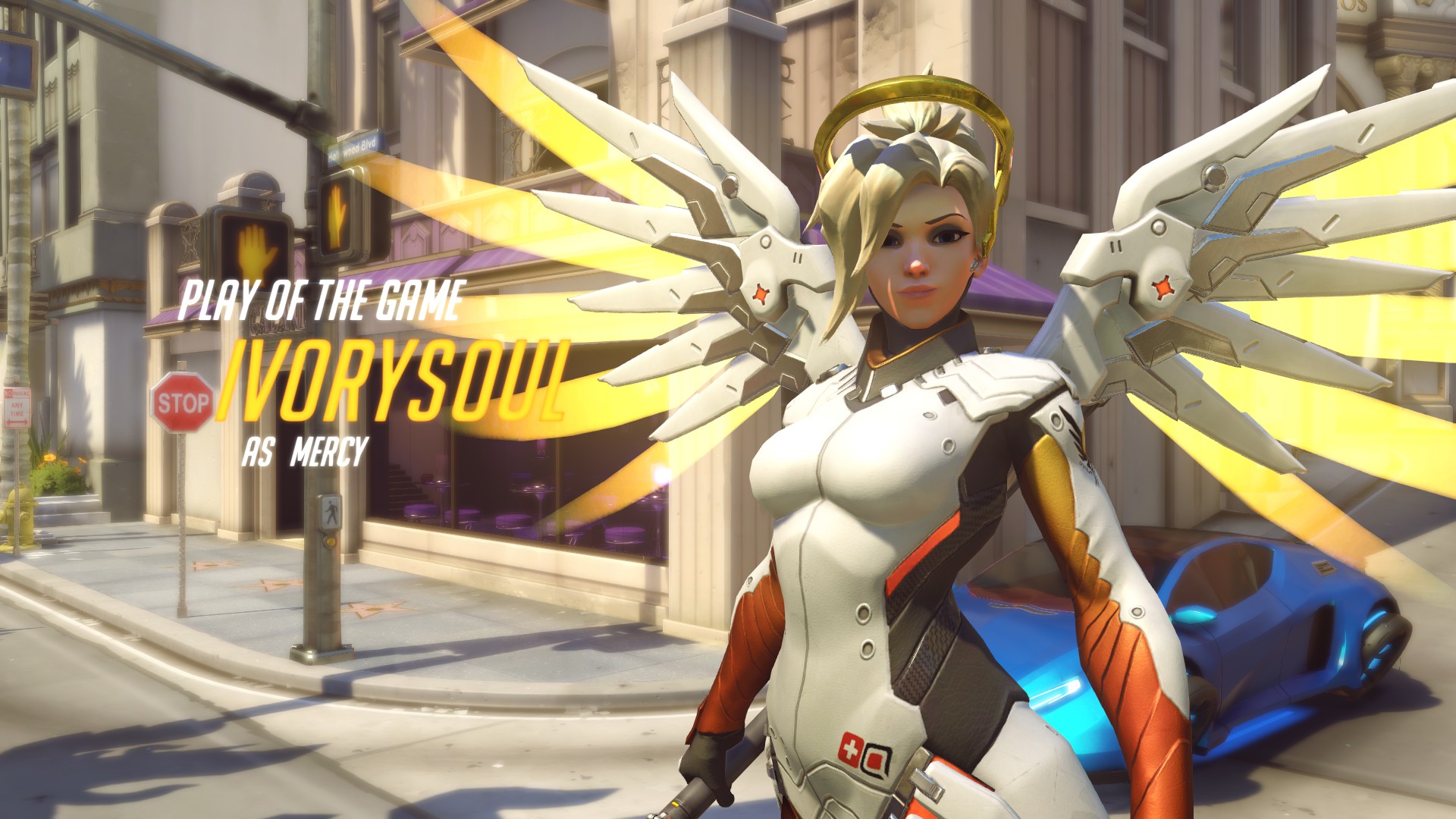
Having each character play completely different forces forces everyone to either pick a few favorites or experiment. I still haven’t played all characters yet, but I stuck with Mercy (a healer) through most of my time. She doesn’t have any defense or offense abilities outside of a small pistol that does minimal damage. It’s up to other players to protect you and use your abilities to their full extent. She can fly towards another player from a good distance, and this was a great defense. If you’re out in the open, you can fly to a character, and they will usually protect you. Her secondary fire ability is increased damage dealt, so I would use this on a player until their health dropped. Every character also has a special ability that needs to be charged. Once charged, these can turn the game around and give your team an edge. Mercy can resurrect a dead player, which I have actually won matches doing.
Another character I played a lot was Pharrah. She’s a rocket launcher offense character that can fly. Her gameplay is designed for vertical play, and it’s so much fun. Her rockets are fairly balanced and bring me back to the days of the Unreal Tournament. Her abilities are a rocket pack that allows her to glide, a super jump, and her special ability is a rocket barrage, which is best used in the air as she’s immobile during this ability.
As you can see, the game is perfectly balanced. Not one single character is overpowered, causing players to use only one character. There are melee-only characters like Reinhardt, who uses a giant shield that players can take cover behind, but he also wields a giant hammer. He’s deadly up close, but he can’t do much for players far away. Then there’re characters like Widowmaker and Hanzo, who are snipers and do great damage from far away but can hold their ground in close combat if it’s one-on-one. I just love how well each character plays and each one is unique, and I haven’t had that feeling since Team Fortress 2.
Once a match is over, there’s an awesome play of the game that is picked by the winning team. You get a cool character intro screen as well as great adrenaline-fueled music along with the 10-second replay clip. Right now, there’re issues with computers spitting out outplays via numbers, so a lot of support characters get overlooked, but Blizzard is currently working on this. The whole time I played Mercy, I was only Play of the Game once, and that was because a player I was healing killed a lot of people, and then I resurrected someone, making my numbers slightly better. It’s unfair, as characters who do quick high damage get the most plays, such as Reaper, Hanzo, McCree, Bastion, Reinhardt, and D.Va. Most of the characters have huge AoEs, which the computer considers the coolest.
Once the play is over, players can rate the match and commend the players with the best numbers, and then you go to your XP bar. Every time you level up, you get a loot box, which contains four items ranging from new skins, sprays, icons, and voice lines. These are nice perks to make your character stand out a bit, but I would have loved something more robust. Maybe being able to customize the character fully would have been nice, but any weapon or ability upgrades would break the entire game. It’s perfectly balanced as it is.
The map’s design is also fantastic. I didn’t find a single map I disliked or didn’t want to play. There are about a dozen or so maps right now from around the world, ranging from Russia to the USA, China, and Mexico. They are laid out just right so every character can take advantage of something, whether it’s a sniper spot, large open area, or corridor.
Now let’s talk about visuals. Overwatch is not as technically impressive as it is artistic. The game looks fantastic; don’t get me wrong, but this isn’t going to make the latest GPU sweat. There’re some low-res texture issues here and there, and you can tell it was optimized for consoles. The lighting effects are fantastic, and everything is highly detailed, but don’t expect The Witcher 3 status graphics.
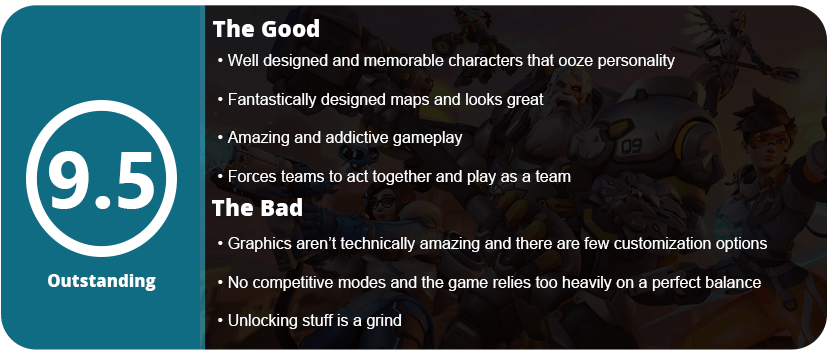
With all that said, Overwatch has been one of the best shooters in the past ten years. I recommend every shooter fan pick this up, especially if you love Team Fortress 2. The game is perfectly balanced, has memorable characters, and is a blast to play as it forces players to work in teams even without communicating.
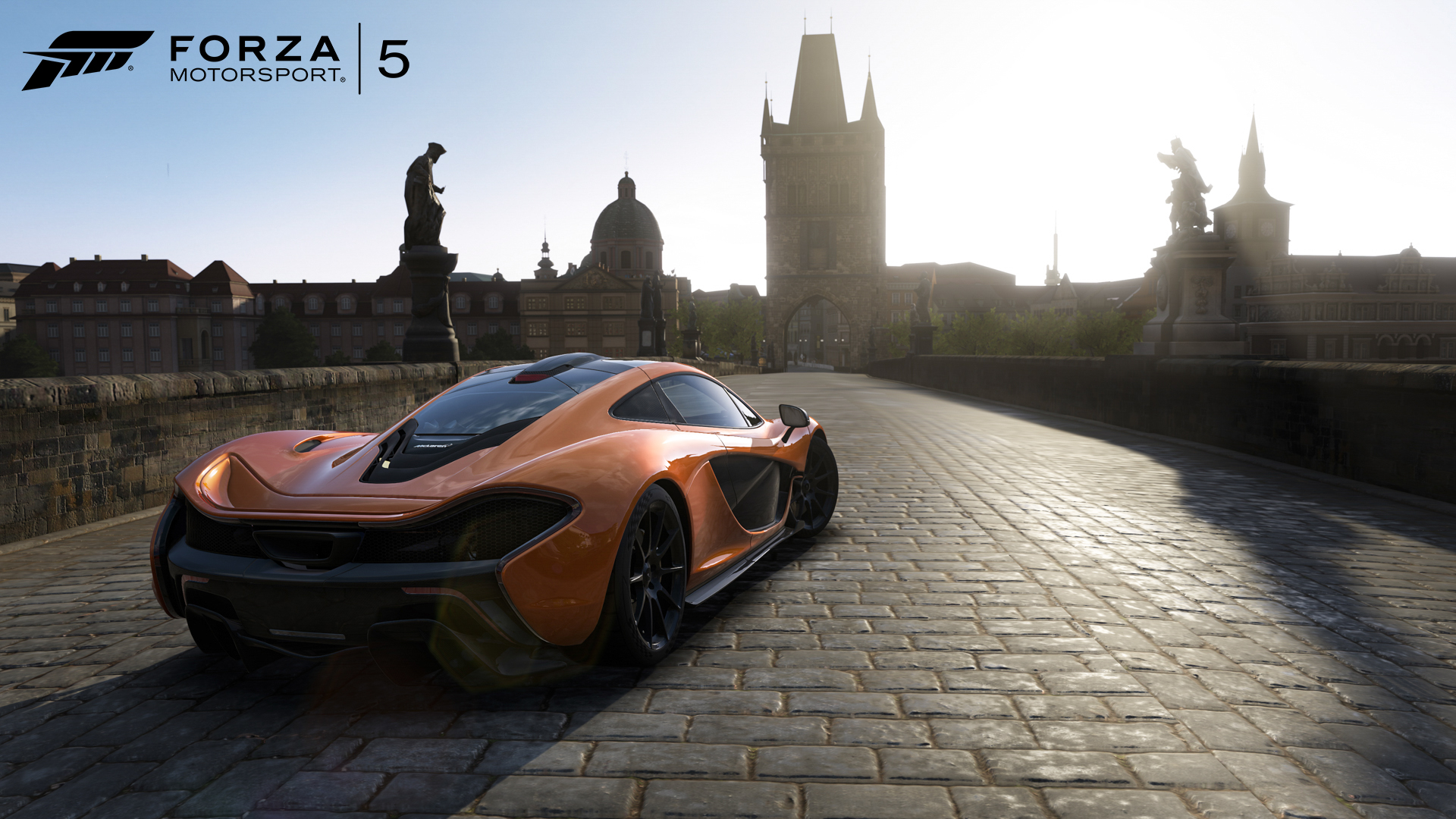
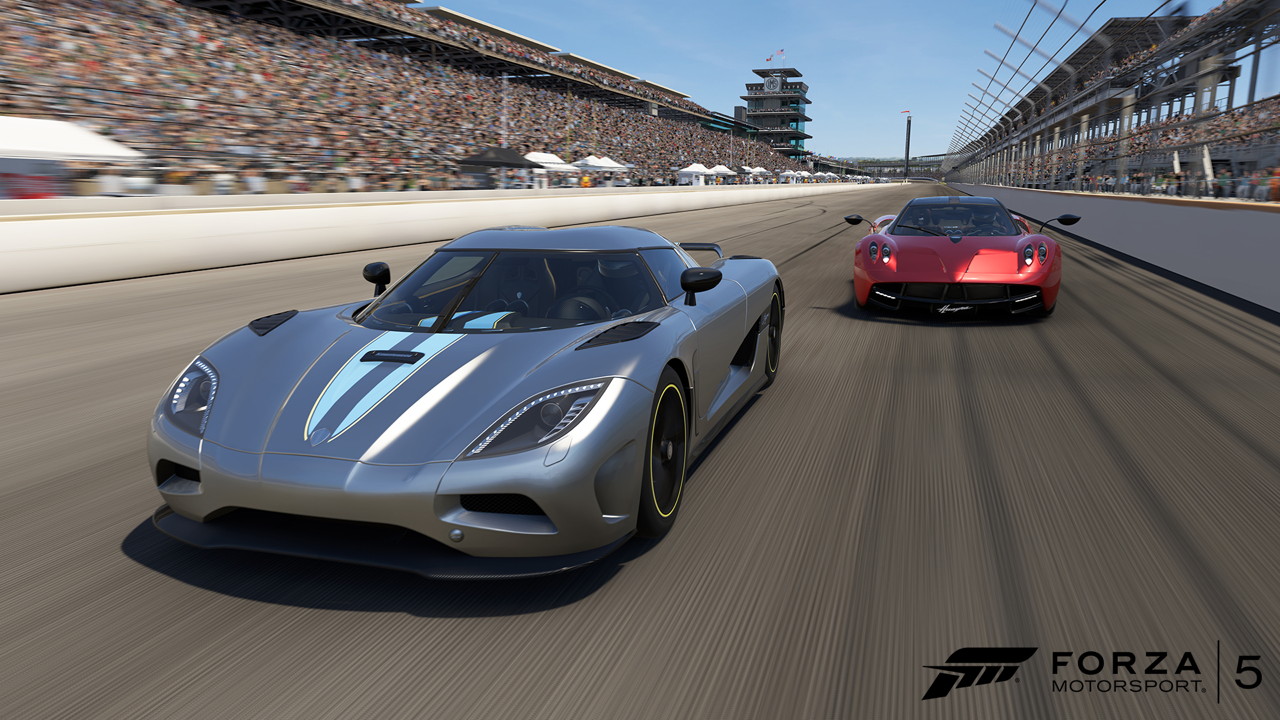
The racing simulator has always been a tough one to win. Lately, the series has somewhat died, with Gran Turismo underperforming since the fourth entry and losing the crown. Games like Dirt, Project Cars, and various other indie PC titles have taken over for the most part. Forza has been the new champion for quite a while, and Forza 5 takes the genre to a whole new level of quality and love. This is the best racing sim I have ever played, and that’s coming from a die-hard Gran Turismo fan.
My first racing simulator was Gran Turismo for PS1. It taught me about cars and how to drive them, but it also taught me patience and how exciting it was to finish 100 laps in one sitting and win a million-dollar prize pool. It taught me to be a perfectionist and go for nothing but gold. I have played many racing sims since that day in 1998 and haven’t found one like it since. My first Forza game was Forza 3, as I didn’t have an Xbox during the first two outings. I was happily playing Gran Turismo 3 and struggling with GT4. Forza 3 was okay to me, and the same was true for Forza 4. Nothing really stood out, and both entries felt the same. Fast forward several years later, and Forza 5 blew me out of the water.
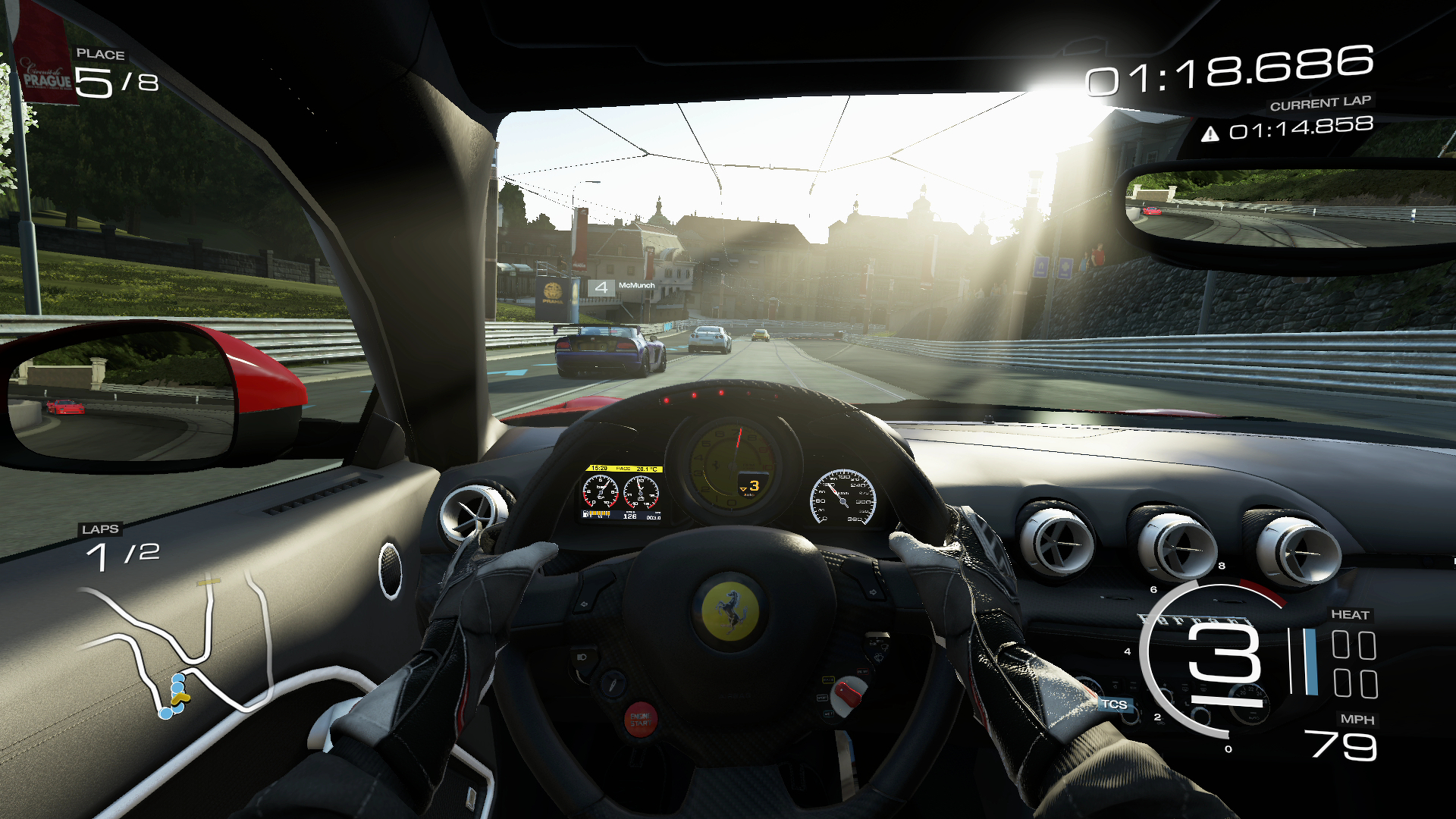
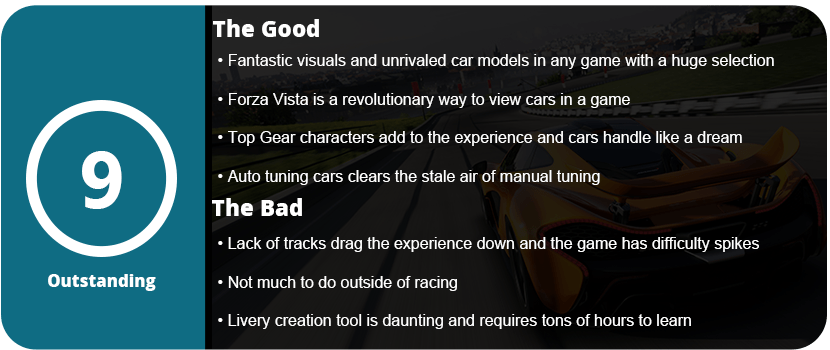
It’s not just the fidelity of Forza 5 on Xbox One, but the love and care that went into each car. This is the most realistic racing game I have ever even touched, with perfectly modeled engines, being able to get into the cars, open the trunk, look at the dashboard, etc. It’s an exhilarating feeling that gets you giddy enough to actually start racing. Forza 5 has hundreds of cars to buy, and I found myself buying a good 30 before I called it quits (more on why later). After getting into my first car, I was astonished at how smooth the controls were, how easy the menus were to navigate, and how I was quickly advancing through each series.
Before entering each series, Top Gear hosts talk about that series and the famous cars within. It’s wonderful to watch, listen, and learn, as cars are fascinating to me and I love the history behind them. Once I got into my first car, I was scared. I had to tune it. Thankfully, you can completely forgo this tedious chore and just have the game auto-tune your car to the required class limit. I never once had to step foot into the tuning section of the game, which is fine with me as I feel this can be a chore if not done correctly. Some purists may get upset about this feature, but it allows millions of other racing fans to enjoy the game who otherwise wouldn’t.
Once I got on the track, I felt like I was driving in heaven. The cars were handled so realistically and smoothly, with the best racing controls I can ever remember. Gone are the kudos systems of previous games, and instead, there’s more of a regular race here where you just earn credits. There are unlimited rewinds for crashes, which is a blessing as I get tired of restarting races because I screwed up. Purists may also hate this, but it’s a welcome addition to racing sims as of late. You also only need to get into third place to get gold, which seems like blasphemy, but once you play, you will realize that you don’t always need it first. I get tired of the racing sim grind of always needing first, and this is a nice change of pace. Of course, higher difficulties require you to get gold, so don’t worry too much.
Once I finished a series, I could complete extra races, which ranged from 8 to 10. Honestly, these become a chore as there’re less than 12 tracks in the game. Repetition sets in before you finish the first league of races because you want gold all across the board. Earning XP for each manufacturer gives you more credit bonuses at the end of each race, so you can buy cars faster. If you do these extra races in each series, you won’t ever have to worry about not having enough credits to buy cars. I was always able to buy exactly what I wanted, and it was a nice change of pace from the racing sim grind.
Forza has been known for community input, and in Forza 5, this includes liveries, which are always awesome to put on your car. There are endless possibilities, as Forza 5 has a huge tool to create your own looks for your car. It’s deep and nearly endless when it comes to what you can create, but it’s very daunting and requires dozens of hours of practice and an artist’s touch to create the best. If they are good enough, you can even sell them on the marketplace, which is interesting. When you buy a new car, the top features are usually listed, and I always find something to make my car stand out and look awesome.
Outside of Forza Vista (viewing the cars in real-time), Top Gear narrations, and driving each track, there’s really nothing left to the game. There’s enough here to keep you busy for dozens of hours, but the track fatigue sets in fast, and I got bored with the game after about 20 hours. I wanted to trudge on, but the series started to feel the same after a while, and I could not pay attention to driving tracks, so I would space out for 7 minutes just to come back and flip through menus to space out again. That’s usually not a good thing, which had me coming back several hours a day to force myself to play once a month.
Forza 5 looks fantastic; in fact, it’s still one of the best-looking games to date despite being on a console, but there’s just not enough content to justify spending 50+ hours to perfect every event. There are plenty of cars, but none of that matters if there’re not enough tracks to play on. There aren’t even DLC tracks, which is a real shame. My only gripe is that after you turn off so many assists to make the game more challenging, you hit a wall. Either it’s too easy or way too hard. I turned off just enough assists to get some extra credit bonuses, but then I started upping the difficulty and turning more stuff off, and it became a chore after that. Every car spun out of control and was terrible to drive unless I went and fine-tuned each car for no assistance. This starts teetering into unfun territory for someone who just wants a realistic racing game without the chores tacked on.
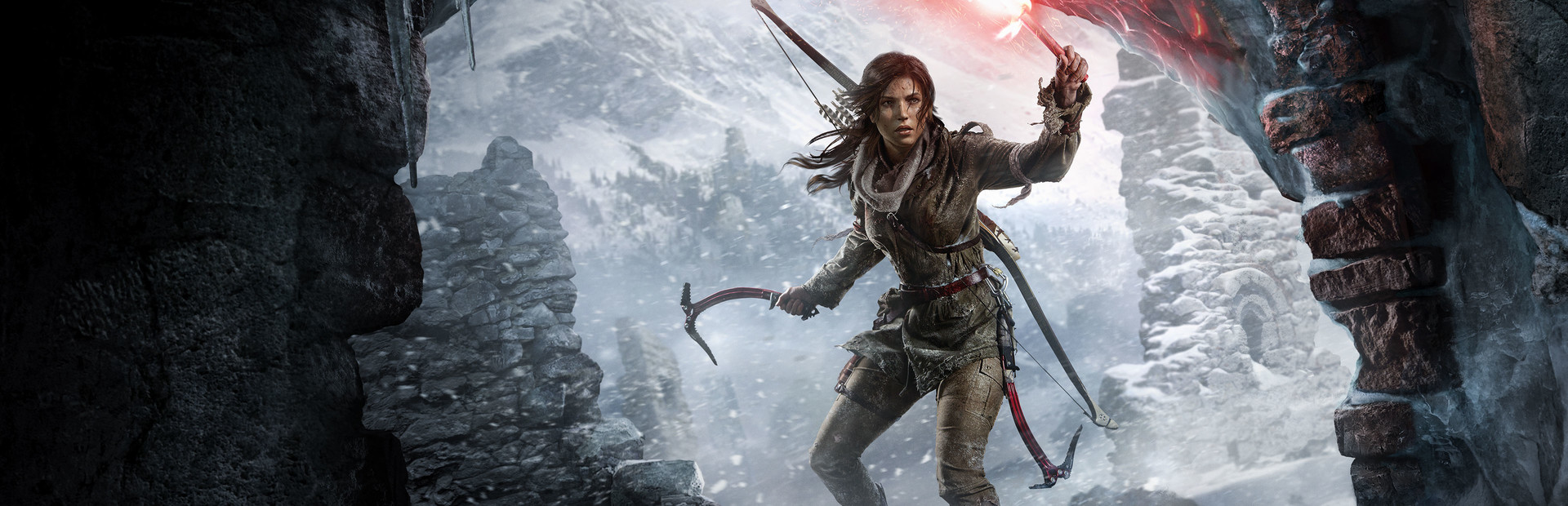
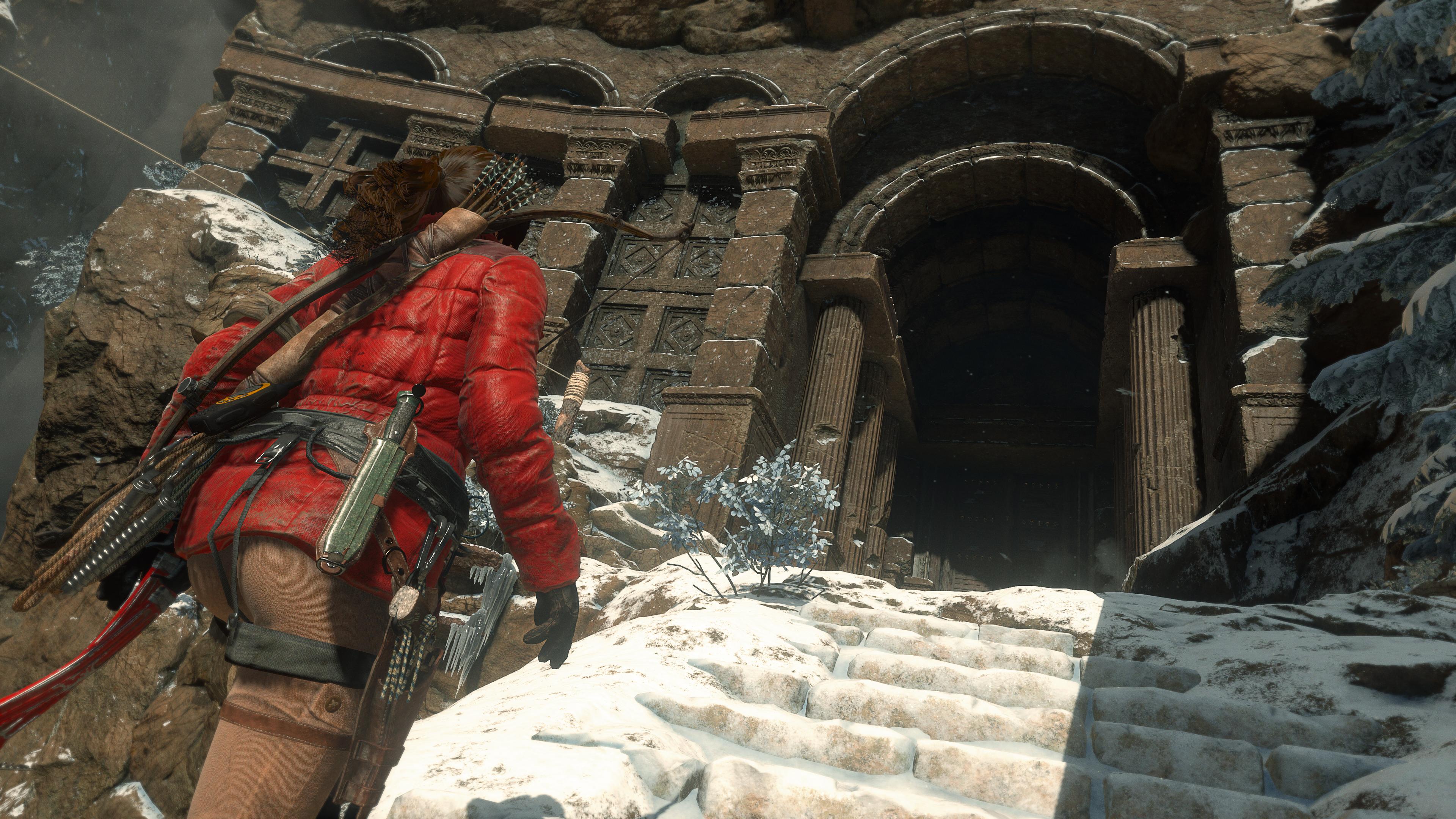
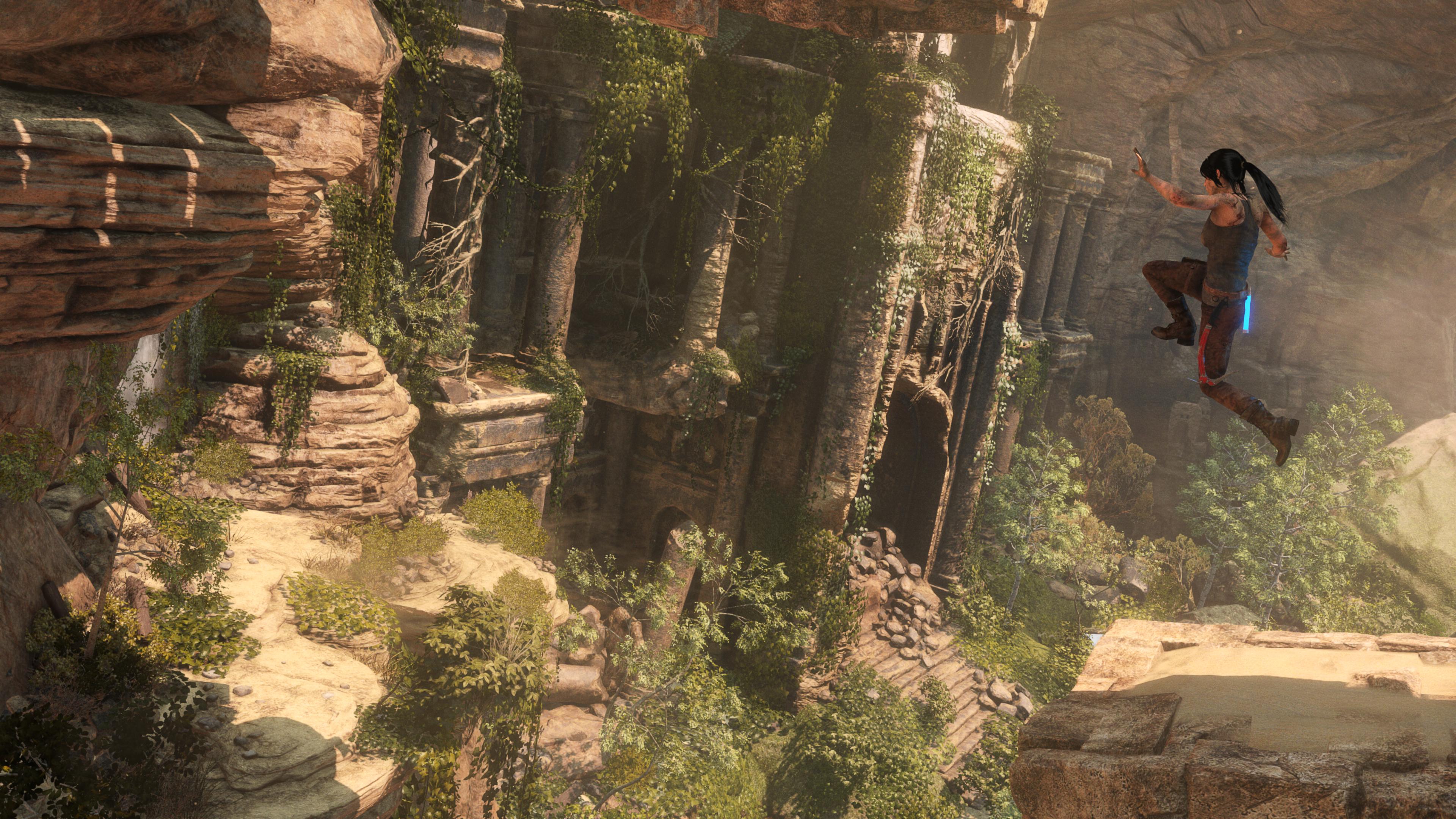
Tomb Raider (2012) was a revolutionary game for the franchise and the genre as a whole. It took the game industry by storm with its cinematic gameplay, fantastic visuals, huge open world, and realism. What could Crystal Dynamics do to top this, you ask? It’s pretty hard to top that, and they didn’t quite top it this time around. Rise of the Tomb Raider is more of what we got before and not much else, but that’s not a bad thing.
The game doesn’t focus so much on Lara’s survival to get back home but more on her treasure hunting. There’s an item called the Divine Source that grants people immortality. It’s something that her father became obsessed with and ultimately got him killed. A mercenary group called Trinity wants this source, so it’s Lara’s job to go and retrieve it before anyone gets their hands on it. The story is a little predictable and cheesy. It’s the typical generic mercenary bad guy plot, which I found uninteresting as Lara’s character development was the center of the story in the last game. It’s disappointing, but entertaining nonetheless.
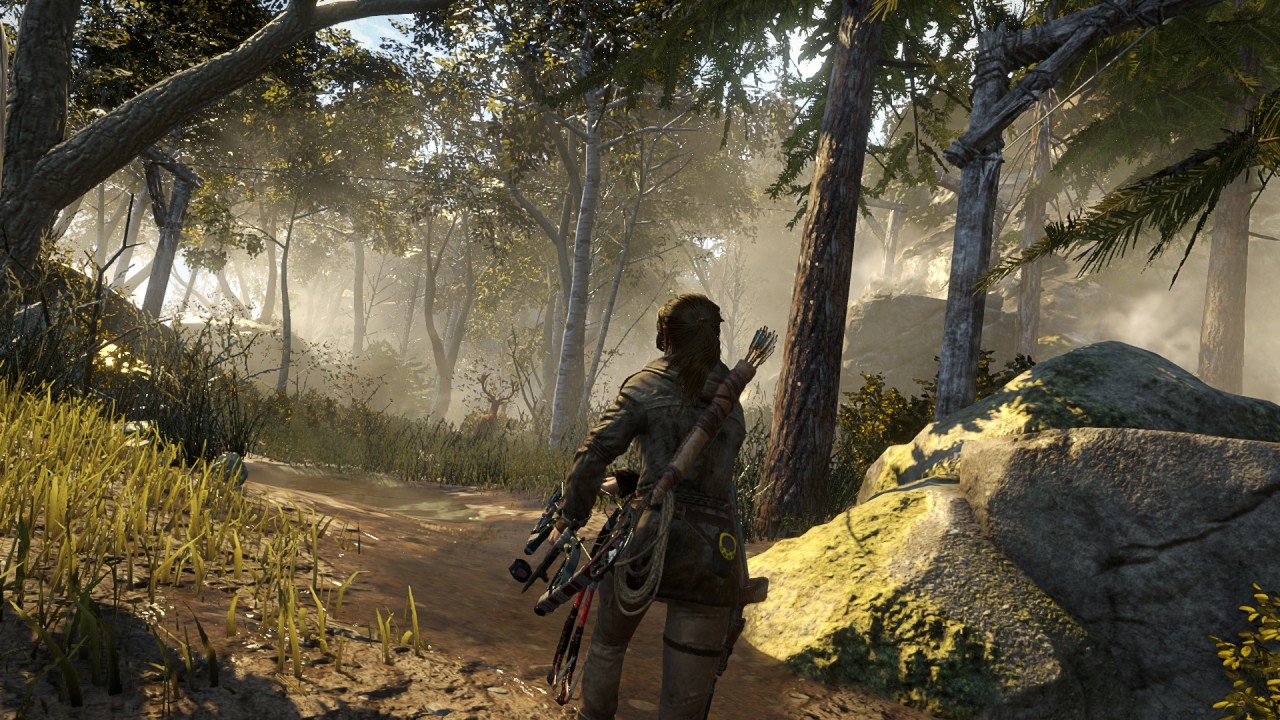
The opening scene in RotTR is a fantastic set in Tibet, where you get to feel just how dangerous Lara’s treks are and the environment around you. It’s probably the best scene in the whole game, as the developers slowly forgot what made Tomb Raider…Tomb Raider towards the end of the game, like they were running out of ideas. You will notice right away the huge visual upgrade over the last game. Fantastic lighting effects, tessellation, gorgeous textures, and character modeling are some of the best I have ever seen. The individual pores can be seen on Lara’s face, which is 10x more detailed than in the last game.
After the opening scene, I realize not too much has changed from the last game control-wise, and the gameplay elements are nearly untouched, just fine-tuned. After I start trekking along in the first area, I divert by exploring and finding all the hidden stuff. TR has a lot of hidden secrets to find, and it’s all about using your instincts around you to find all the secrets that glow gold and finding the maps to reveal them on your map. I spent the majority of the game finding these secrets, which are a blast to find; however, there’s a Metroidvania feeling to this game. I had to acquire new equipment before I could enter certain areas, especially the tombs.
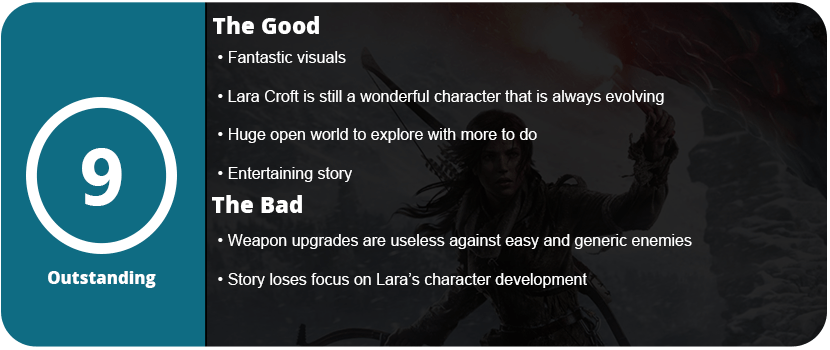
While just playing the game in general, I realized a few disappointing things about this game. Leveling up completely and upgrading all your guns, just like in the last game, means less this time around. The game is fairly easy; the mix between exploration, combat, and stealth is very random and spread out. I could honestly play the entire game with the pistol, and I would be fine. The last game had enemies that required different weapons, but this time around, Crystal didn’t think about that. All the enemies are generic, and there’s no need to switch weapons. This is a huge blow to the strategy of the game, which was so great in the last game. Ultimately, this meant that all the side quests, gathering, and exploring could ultimately be skipped, and it wouldn’t make a difference. That’s a really bad thing here.
Thankfully, all the gameplay holds up to redeem this issue. Mainly, this is here for completionists or anyone who wants to explore this gorgeous world. I think the developers forgot what was so great about TR between development cycles, and it really shows here. The world was focused on so much that the stuff to fill it was pretty much forgotten. I have all these awesome weapons and upgrades, but…what do I do with them? I can craft special ammo for each weapon, but it didn’t make a lick of a difference in combat. The only ammo that did was the new arrow types, such as poison, explosive, and flame. Using them to take out a large group of enemies helped, but that was it.
Lara also doesn’t really develop much in this game. I thought the psychological stress on her from the last game would affect her here, but it’s like it never happened at all. Her character is awesome as usual, but there’s no more development, and I feel the next game really needs to pick up on what made the first one so great. Franchise fatigue is going to set in quick here, and many players may not be so excited for the next game if this keeps up.
In the end, RotTR is a fantastic game with a huge world to explore, a generic yet entertaining story, and more Lara Croft, which is what we want. The biggest disappointment is that there’s no more character development for Lara, and all these great upgrades and weapons feel useless due to the combat and enemies that didn’t get any attention. The game is really easy and lacks a good challenge. The game is gorgeous, one of the best-looking games ever made, and continues to push PCs to their limits, just like back in 2012.
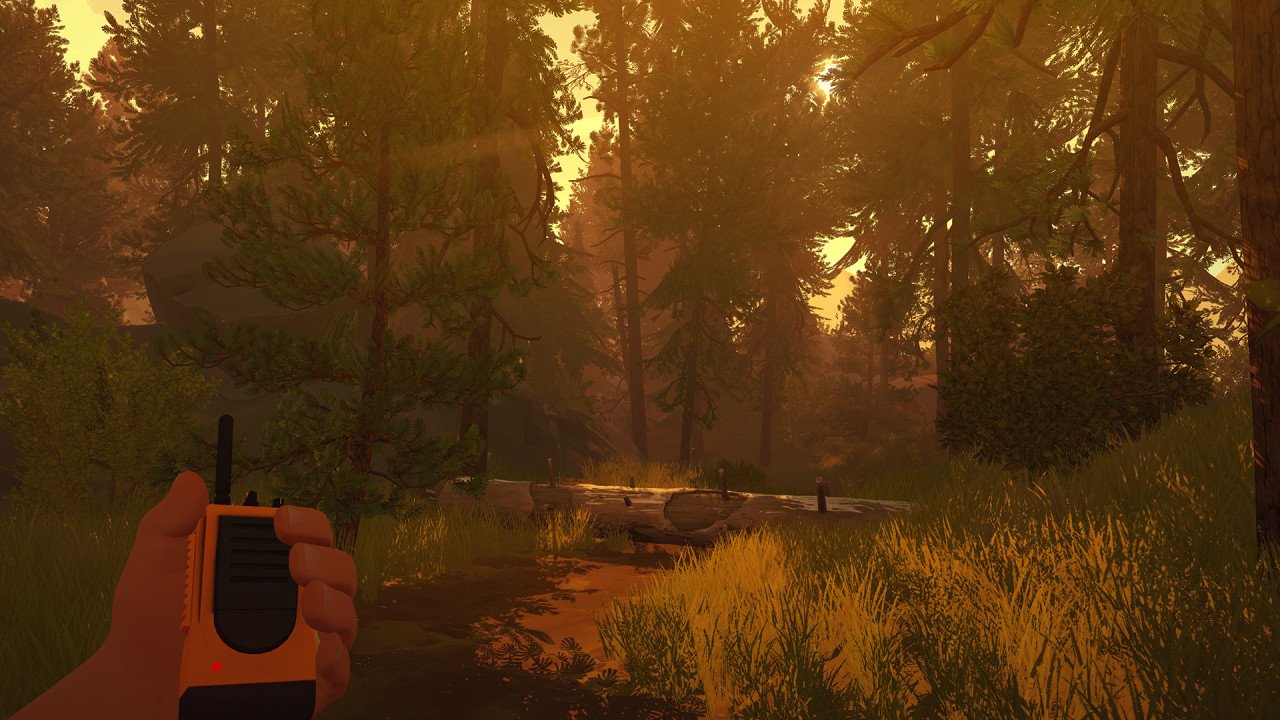
I just played this game in one long four-hour sitting, and I’m a little emotional about it. The game is completely story-driven and not one of those shitty Steam Early Access survival games that are becoming a plague. Instead, we get a linear adventure game with no combat and just beautiful visuals and a great story. You play a man named Henry who’s suffered the loss of his wife’s mental state due to Alzheimer’s. The game starts out with just some text about how Henry came about to take this job as a fire watchman. In just a few minutes and several lines of text, you develop feelings for Henry and his wife, which is really tough to do. The words are carefully chosen and arranged in just the right way.
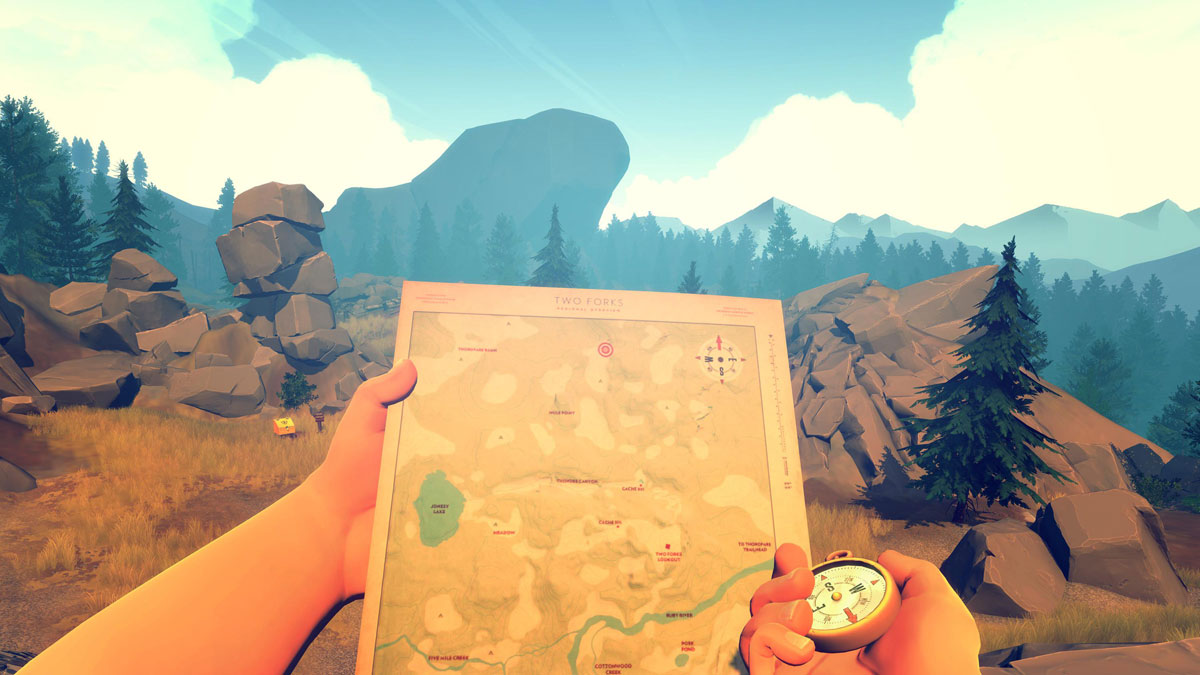
In between this text and the segment is a mini-tutorial with Henry making his 2-day hike to his watchtower. unobtrusive and feel natural and organic, so when you take full control of Henry, you’re ready to start playing. When you do, the game starts out with simple missions from the head watchtower, Delilah. Your only communication with her is your walkie-talkie, and you never actually see her in the entire game. It’s a sense of mystery that allows the player to paint their own picture like a book would. The first missions have you setting out to stop some teens setting off fireworks, and this is where you get oriented with the map and compass. There’s a dot where you are, so there’s no need to memorize anything or do aimless guesswork.
Once you get to the site, you realize it’s two female teens who are completely naked, drinking beer, and blasting music. They get upset with you like any rebellious teenager would and threaten you. The first three days of being a fire watchman are played out; however, the game gets darker and tenser as you progress. There are little subtle things that freak you out, such as seeing a man on your way back to your watchtower, discovering someone’s watching you and listening to your conversations with Delilah, and so on. It’s all very organic, and the fact that it is subtle makes it scary and gives a tense atmosphere without using cheesy ghost stories and jump scares.
There were several moments where I wasn’t sure what kind of story this was. Supernatural? After an hour into the game, I figured it wasn’t that. Was it a slasher flick-type story? Not when I realized there’s actually no violence in the game. Was this a murder mystery? Maybe something with aliens? Not at all. It was great to go down this twisting path to finally discover what the true threat was, which I will not spoil here.
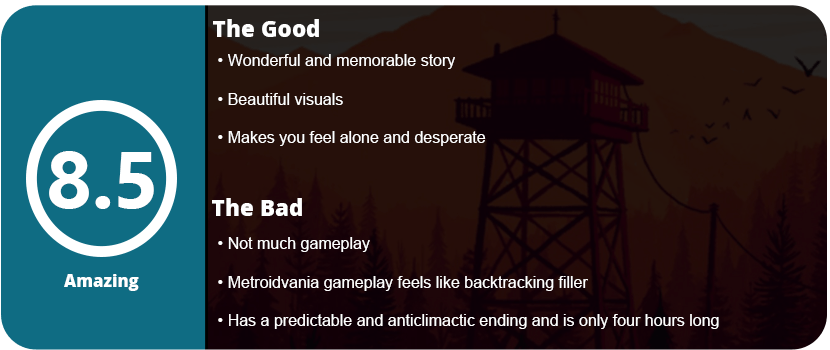
The only lighthearted nature of the game is the relationship between Henry and Delilah growing through conversation; however, I was never completely trusting of her due to certain dialogue exchanges and slip-ups on her part. Firewatch is a roller coaster ride of emotions and story-driven feelings that most games can’t get right. In fact, Soma was the last game to make me feel this way.
Overall, Firewatch actually has a few flaws that keep it from being perfect. Outside of the story, there’s a lot of aimless backtracking, as after the second hour, you have already discovered this entire area. The Metroidvania-style gameplay to recover equipment to get to new areas seems natural, but it just exaggerates how much this game relies on backtracking to extend game time. Firewatch does have some excellent visuals, though, but nothing that will make modern PCs sweat. I personally had a small connection with this game as I grew up in this area of Wyoming, where the game is based. They mention the cities of Casper and Gillette, which I grew up in both throughout a lot of my childhood. I also visited Yellowstone, so the environment is very familiar to me and made me feel like I was back at home as a kid.
Play Firewatch for the great story, but don’t come in expecting a slaughterfest, survival game, horror jump scares, or any of those cliches. The game is quite mild gameplay-wise, but the story will have you thinking days after finishing.
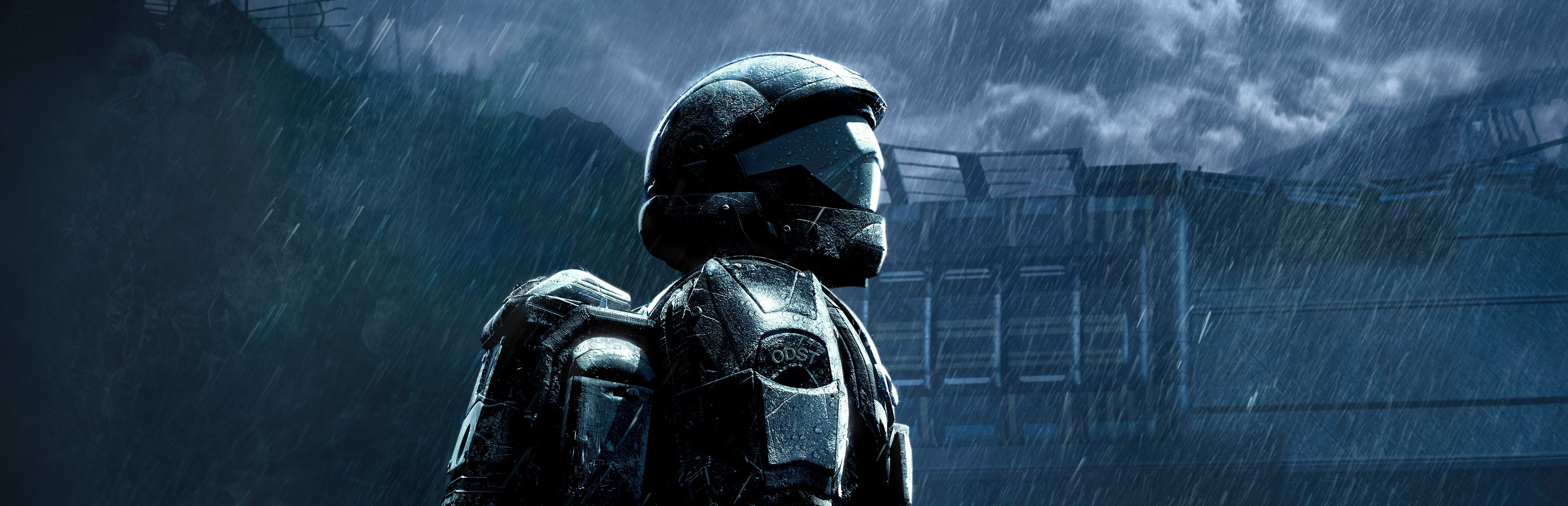
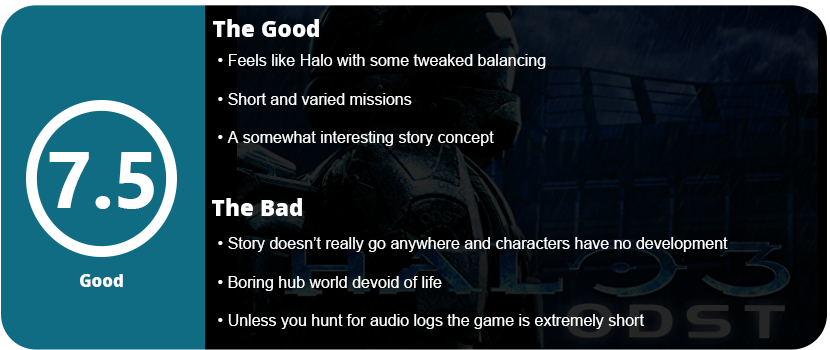
Well, I finally did it; I actually beat ODST. I rented the game when it was first released, and it was so boring that I nearly fell asleep. I turned it back in after the first mission. In retrospect, I realized I just didn’t know enough of the Halo universe to understand the story of ODST, as non-fans won’t quite understand this little slice of the story, and that’s exactly what ODST is: a slice of Halo.
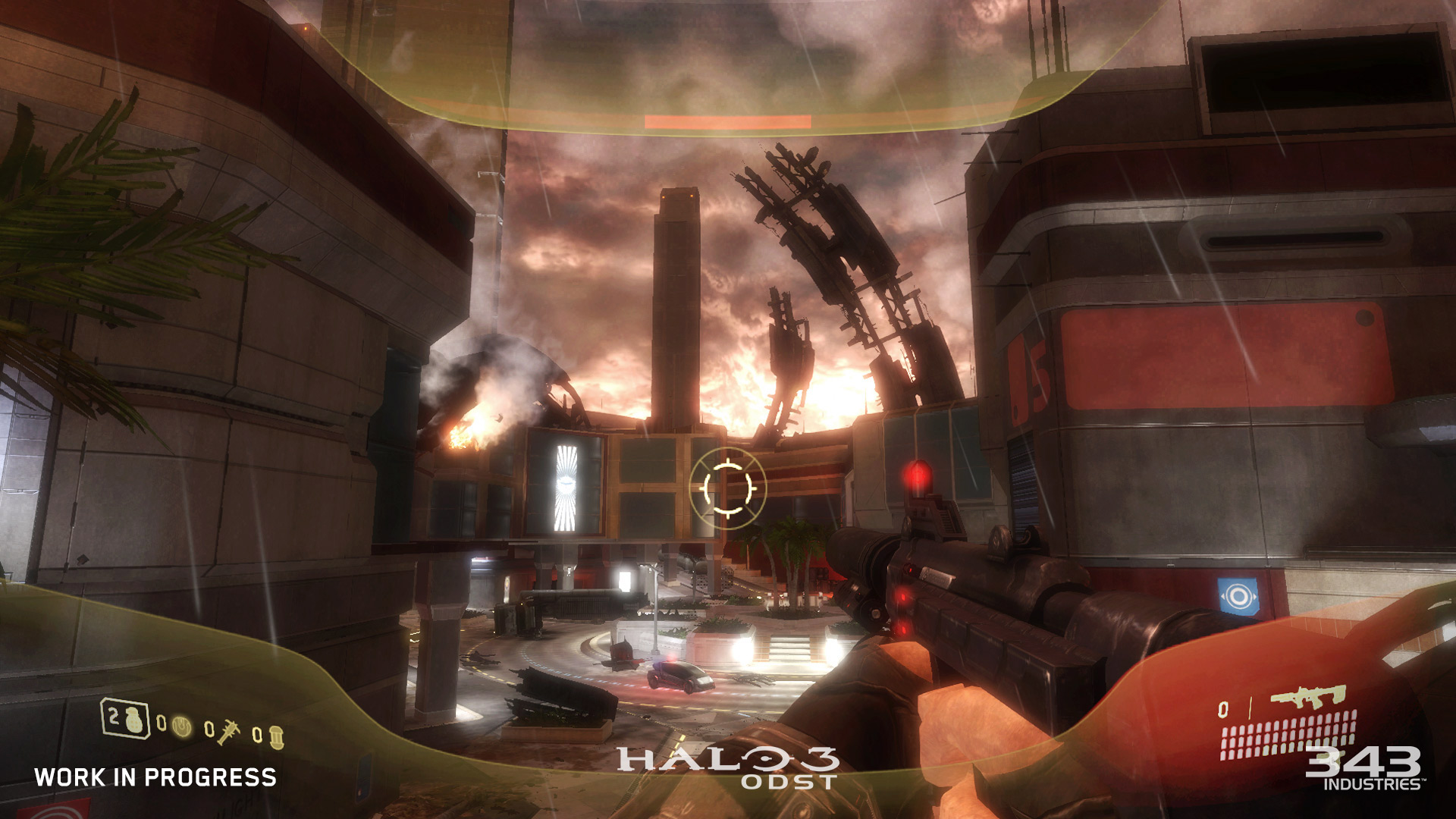
You play as an ODST (Orbital Drop Shock Trooper), who are the grunts in the warfighting most of the fights while the series is mainly focused on Master Chief. In ODST, you are dropped into New Mombasa, which is now completely overrun by Covenant and devoid of life. You were supposed to meet your fellow teammates for a mission, but everything went to crap, as usual, and now you have to figure out what happened to them. You are supposed to find clues as to what happened to each member, and these result in flashback missions. After completing the game, I realized how short it actually was, with only about 8 missions or so. Outside of these missions, finding 30 audio logs ends up being filler content, as I spent most of my time with the game hunting these down for achievements.
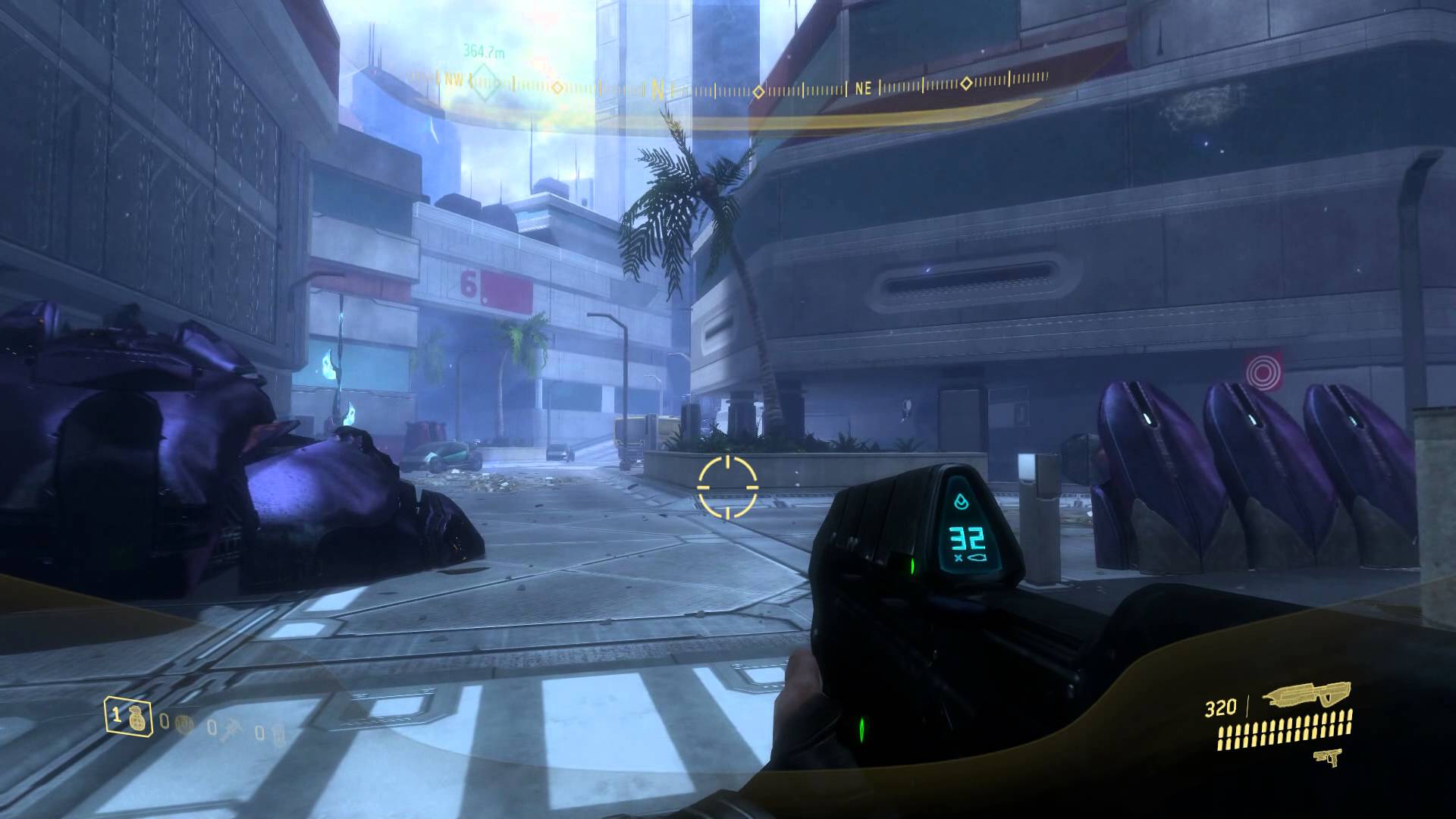
If you don’t bother hunting these down, you’re in for one short game, but this was just to help tide people over before Reach was released and for the inevitable release of Halo 4 that everyone wanted. Wandering around this hub is actually quite boring, with the occasional Covenant firefight breaking out. The city is devoid of everything and felt like an unnecessary filler to add a couple extra hours of aimless wandering. There are objective markers for each clue, but getting to each one is tedious and has no point. The audio logs serve as a side story of what happened to the city and a particular inhabitant, but the actual story outside of this doesn’t pick up until the end of the game, which is really weird.
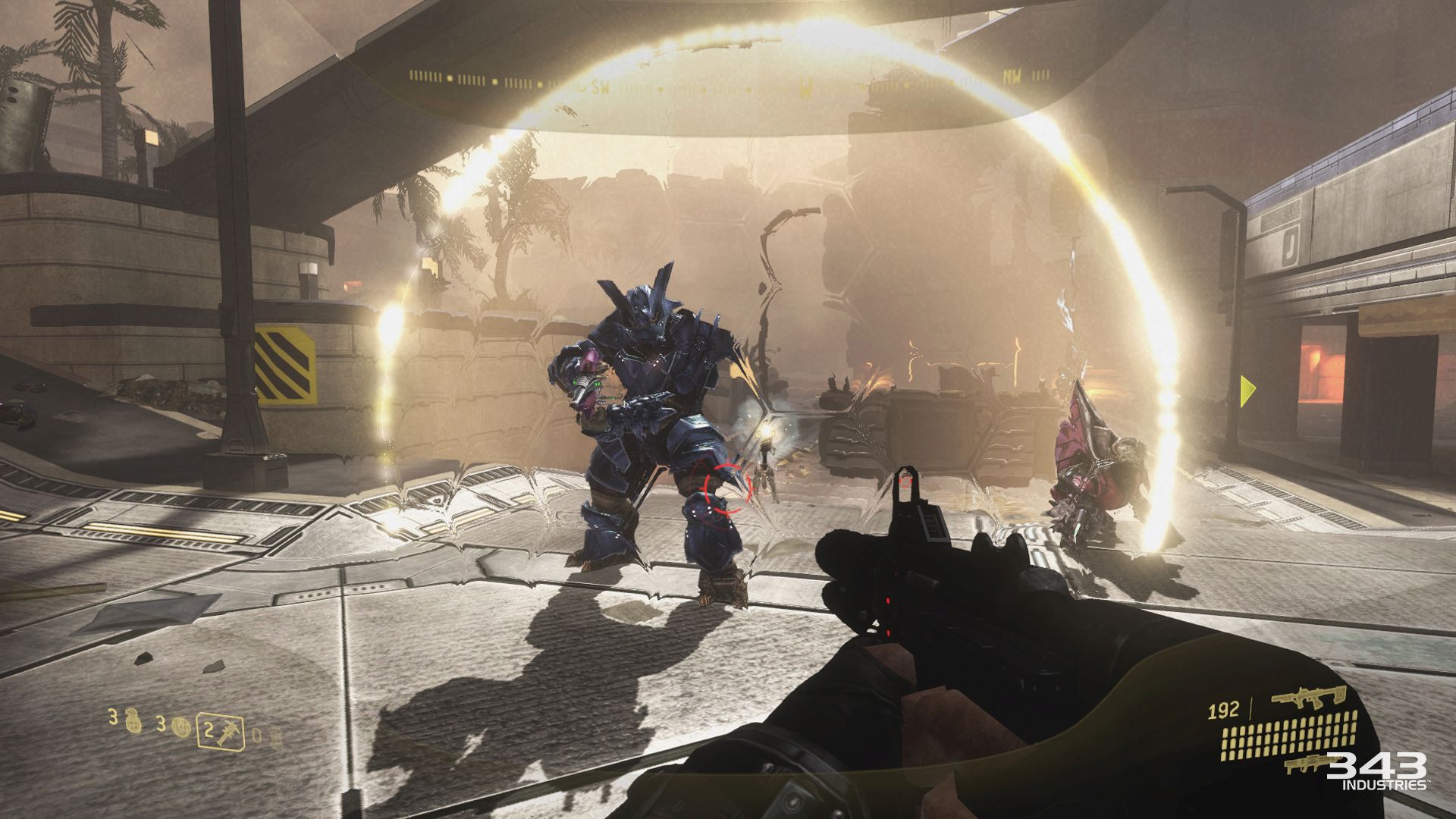
The mission is to retrieve the data of the superintendent, which is in a huge data hive that is underneath New Mombasa. It turns out this was extracted by an alien species that becomes an ally, and you must bring it back to Earth. I will actually praise ODST’s missions for being of decent length and mixing up the gameplay a little bit. While it’s the same Halo stuff we are used to, it’s in shorter bursts. Vehicle sections mixed with highway sections mixed with on-foot stuff work well here, just like in any other Halo game. There is some better balancing over Halo 3 (it uses the same engine), with better weapon handling and tighter mechanics. It still feels like Halo, which is what counts, but this is obviously a diversion. I honestly asked myself in the end: if this game was never released, would it have mattered? No, it wouldn’t have, as it’s not the main Halo game, and most people actually never played it.
In the end, we get a mediocre Halo game with characters we really don’t care about due to a lack of character development. The graphics are decent and look even better on Xbox One, but what does it all mean in the end? Nothing we couldn’t have gotten out of a novel or comic series proves that ODST is just a diversion to stem the tide of anticipation for Halo 4. With a boring hub world and a broken story, ODST isn’t a necessity for anyone, fans or non-fans alike. Play this if you just want to finish the whole series or feel like you need a break from the main road.
Borderlands is well known as a shooter-RPG hybrid, but with little to no story. There’s a lot of potential in a great Borderlands story, and Telltale Games finally delivered that. TftB is a fantastic story-driven game with memorable characters and enough Borderlands lore and quips to make a fan faint. The visuals are great, and there’s a lot to walk away from after completing it.
You start out by playing as two characters in this game, Rhys and Fiona. Rhys is a Hyperion corporate employee, and Fiona is a Pandorian con artist. The whole goal of the game is to open the Vault of the Traveler and find its hidden treasures. The entire point of any Borderlands game is to open a mysterious vault. The game is mostly comprised of flashbacks, as a man is dragging you two through the desert and having you retell your story leading up to the point of capture. This mysterious figure is well hidden, and I couldn’t guess who it was for the life of me. The unveiling was so surprising. Telltales are masters of surprise and plot twists, and TftB has plenty of them.
Like most Telltale games, there’s not much gameplay involved, just enough to make you feel like it’s a game. However, the stories are so fantastic that you won’t care much. There are a lot of quick-time events and moral choices in the game. These choices are the key components of any Telltale adventure and are what make them memorable. Some choices don’t matter so much, and some can change the course of the entire game. TftB doesn’t have as many story-changing choices as, say, The Walking Dead, but they do make a difference and can be tough to decide on. Putting your own moral compass in the game is what makes these games so memorable, and I love it.
Each episode usually switches back and forth between Rhys and Fiona, from Pandora to Hyperion and back. The game truly felt like a long adventure and was very satisfying and fulfilling all the way to the very end. The game has a large scope, and there is plenty of Borderlands stuff in here for fans. Opening loot crates can give you cash to use in-game; there are various jokes and even cameos of Vault Hunters from previous games. I also felt that the story was told at a decent clip and never got slow and boring or felt rushed. Each episode probably doesn’t stand on its own, but as a whole, the game is wonderful.
I want to complain about the exclusive quick-time events being the only thing that consists of gameplay, but I won’t because it works for the game. There’s action, drama, and plenty of comedy thrown in that any Borderlands fan will love. The visuals aren’t technically impressive, but the meld of Telltale’s art style and Borderlands is a perfect match here, and it feels like an actual Borderlands game, which is what counts.
In the end, no matter what console you play it on, TftB impresses on every level and tells a story that any fan will love and approve of. Even non-Borderlands fans will like the game. TftB is a perfect formula for how you do a franchise spin-off and do it right.
Try multiplayer. A lot of fun !