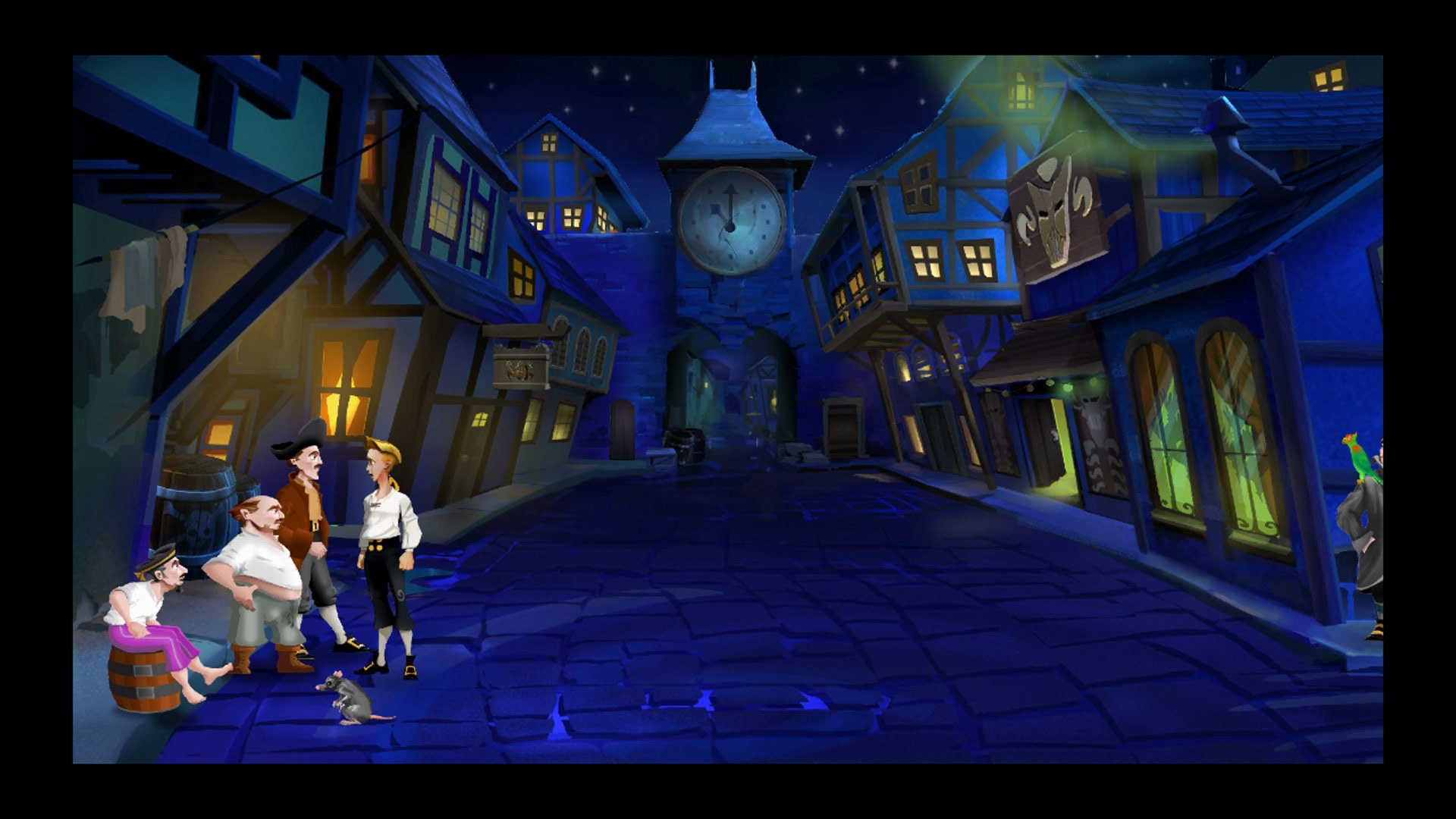
LucasArts’ SCUMM engine games hold a great fanbase for those who grew up in the 80s computer gaming scene. They were bright and colorful. revolutionary for their time in terms of gameplay and art. They were also later updated with voice acting, which was some of the first of its kind. While the games were short (running around 6 hours per game), they were memorable and had a special sense of humor that was considered top-notch. The series got a much-anticipated remake, starting with the first game. While not much was really added, the entire game was redrawn from scratch with all new lines of dialog recorded by the original cast.
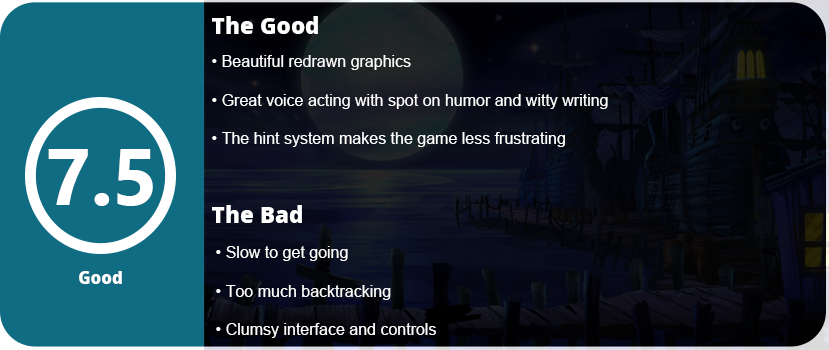
The game definitely plays like an old point-and-click adventure of yore. Clumsy controls (which were never really fixed), slow pace, obtuse object hunting, and no puzzles That’s not to say the game is bad. While it doesn’t feel as modern as The Longest Journey or even David Cage’s games with quick-time events and button pressing, that’s part of the charm. Thankfully, the game has a hint system that slowly gives you more specific hints, including full-on arrows pointing to the exact spot you need to be. This was really helpful and a must-have for first-time players or those who aren’t familiar with this era of adventure games.
The game has two main areas. The first one consists of some small areas, a town, and a large overhead map to get to these areas. Most of the game is spent gathering items and figuring out where and how to use them. You have multiple commands, such as talk to, push, pull, look at, use, open, and close. These are used by pulling up an action command menu, and then you have your inventory. To use these commands, you need to pull up the command menu and then the inventory. This is cumbersome and took a while to figure out. You control Guybrush by clicking around on the ground, but his walk cycle is pretty slow. There’s a lot of backtracking in this game, and this slowed the progress a bit. One thing I didn’t like was the insult for sword fighting. You have to lose to pirates to learn their insults and comebacks. You need to learn enough to defeat the first “boss”. There was a lot of trial and error doing this, and it got really frustrating.
The stars of the show are the characters and the writing. The salesman Stan, for example, is hilarious. Using overexaggerated arm waving and an obnoxious coat to look like a sleazy salesman. The pirate LeChuck doesn’t get much on-screen time, but neither do most of the characters. The main character, Guybrush, is who you will get to know the most. There is an optional dialog for most characters to get to know their personalities more than their backstories. There just isn’t enough time to get to know them more. So, it makes up for funny writing and witty humor, which the game does solidly.
I liked the visuals in this game. The hand-drawn art is beautiful and still captures the classic LucasArts look. Some of the animations feel a bit stiff still, but again, that all adds to the charm. The voice acting is awesome, and there are some funny uses of items and small tidbits of humor thrown in that did make me chuckle. I have to say that this game won’t hold everyone’s attention. It is slow to build up and takes a while to get going. A lot of people might feel lost clicking on everything and not realize what order to do things in, but the hint system makes this game much more enjoyable. I highly recommend this classic remake, but it won’t be to everyone’s taste.
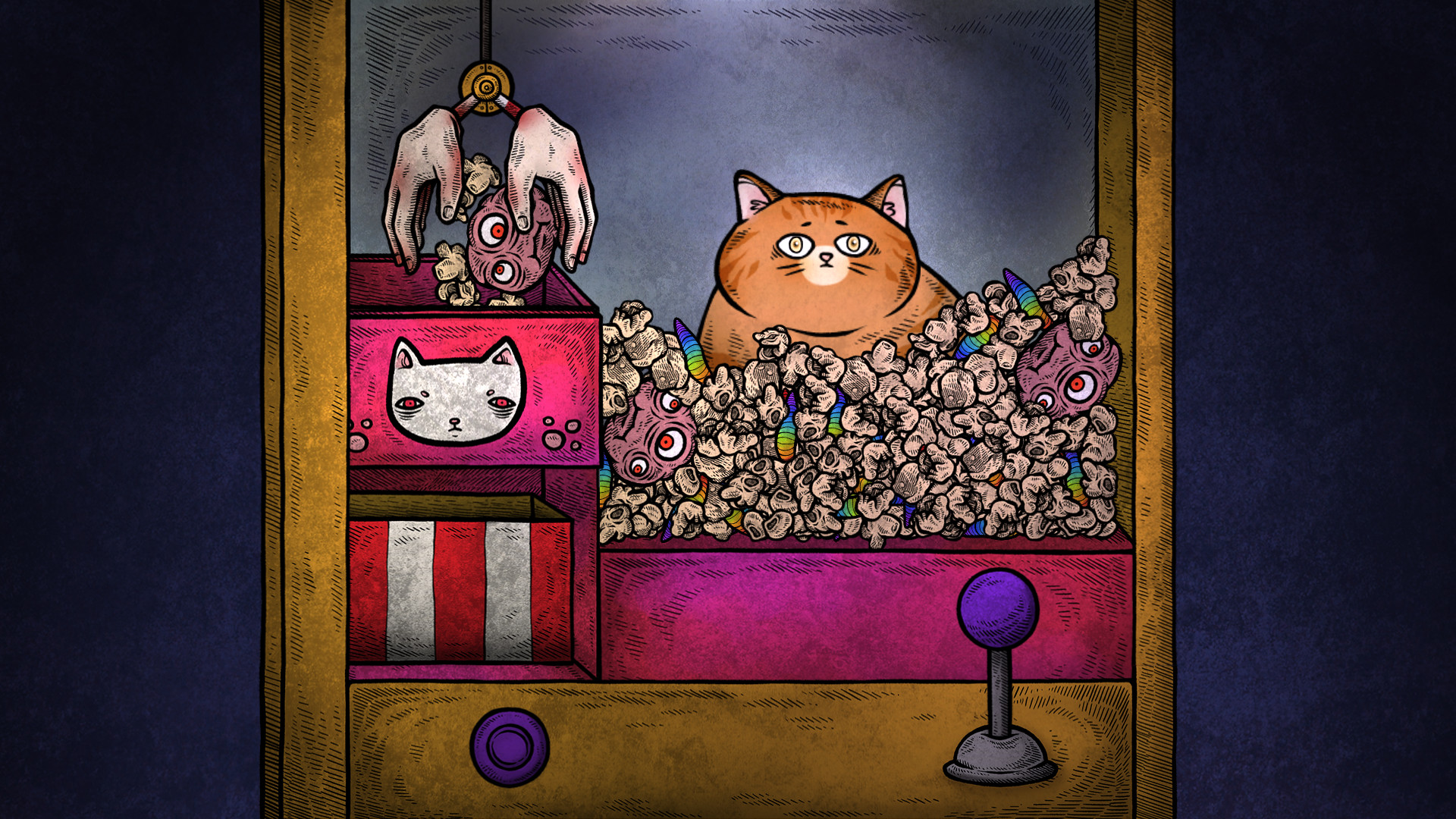
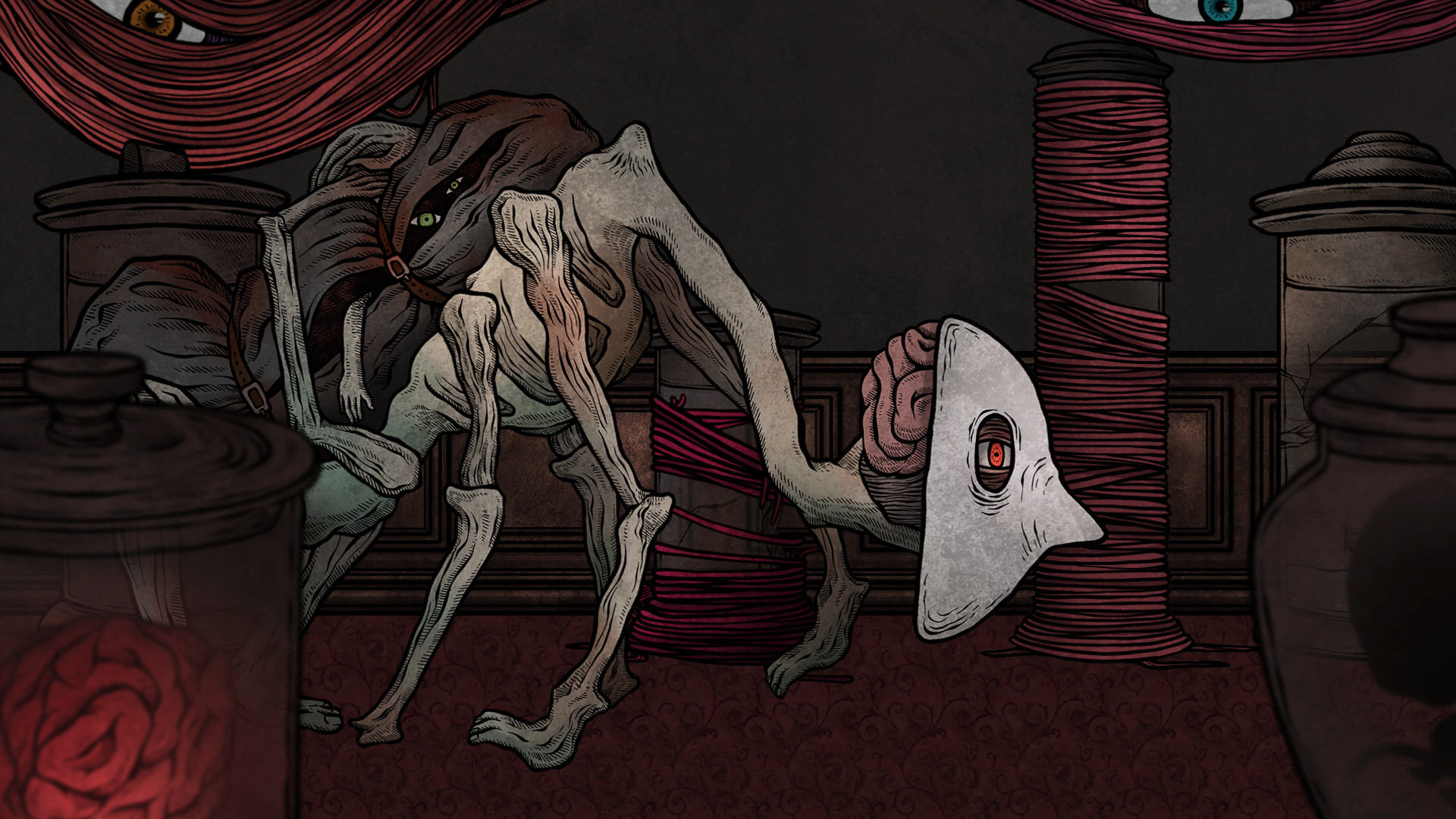
I love short point-and-click games, but they are hit-and-miss. For these games that are less than two hours, it takes a lot of talent to pull off a good story, something to get attached to, and fun gameplay. Cat Museum nails almost all of this except the story and something to get attached to. The mini-game and puzzle-driven gameplay are more entertaining than pixel hunting, but there’s also the fantastic art direction and grotesque nature of the whole game.
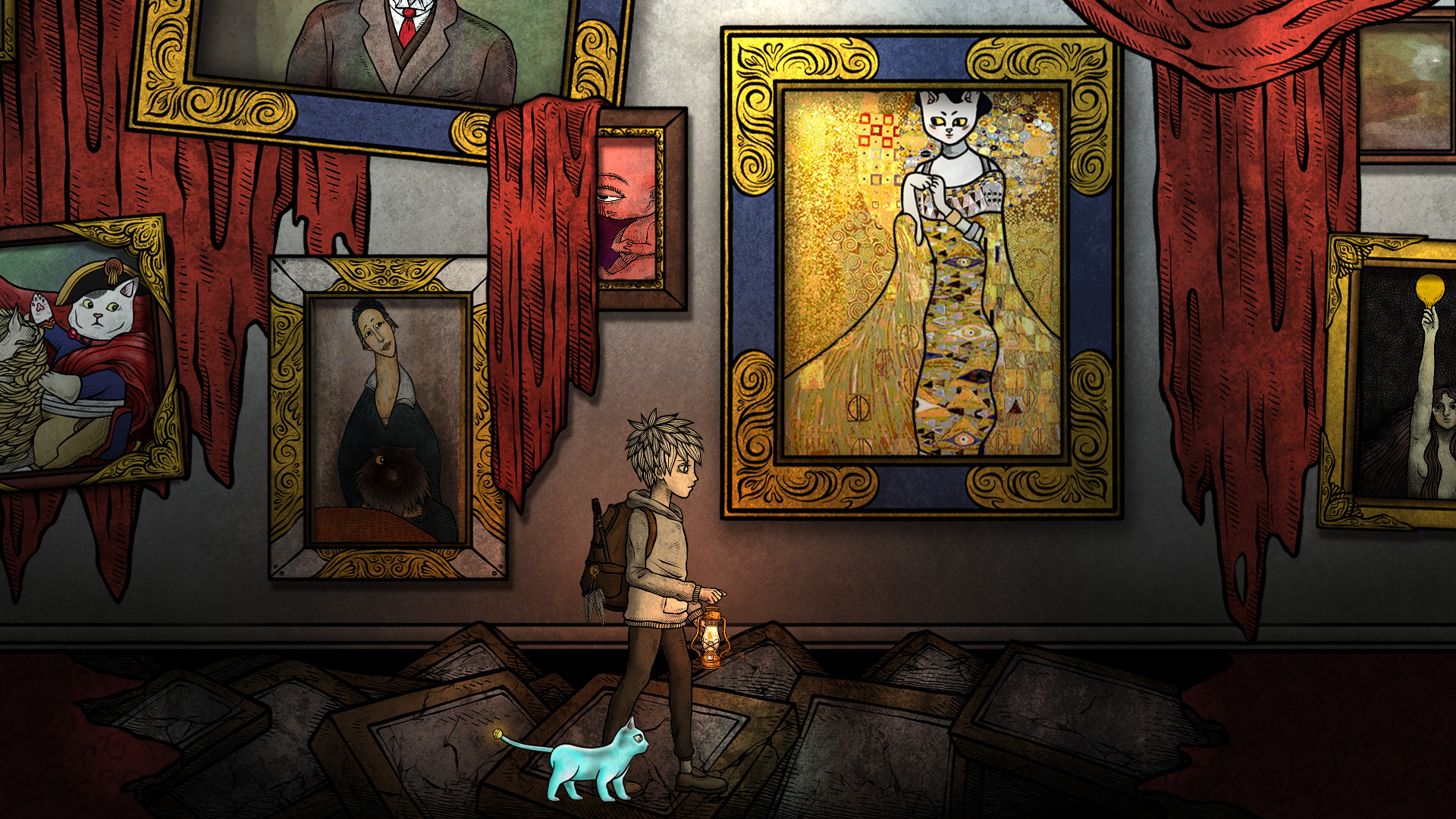
The story just doesn’t make any sense. It’s told in abstract story panels. I only gathered that you’re possibly dreaming, and your dream is of a cat museum full of monsters and creatures that need help. You’re searching for special eggs, and that’s all I could gather. It doesn’t make a lick of sense. The game isn’t confusing or anything like that, which is nice. Clicking around moves the boy, and you will see eye icons for things to look at and hand icons for interaction. These hand icons advance the game, and each interaction is unique and different. Jigsaw puzzles, slider puzzles, timing mini-games, and just weird things like pushing and pulling things to reveal hints It’s hard to get stuck in this game as there’s always one object in each room to interact with, which will reveal a hint or advance the story.
The best part about this game is the insane art style. There are lots of grotesque characters, guts, bodily fluids, and crazy monster designs right out of a child’s nightmare. However, it’s still colorful and full of life. I really liked the atmosphere and world of Cat Museum, but at a 90-minute runtime, the game doesn’t allow any type of world-building or anything of that nature. Dialogue is cut down to a couple of lines per character, and none of it is meaningful. There are a couple of scenes where you need to run and hide from a monster chasing you, but it’s just at the end of the same room, so there’s no challenge there either.
There’s not much to say about a 90-minute game. For a few dollars, this is an interesting art exhibit, but not much more. I appreciate the unique puzzles and mini-games, but the monster designs are so cool that I wanted to spend more time in this world and learn more about it. What’s here is a short and crazy ride full of weird art and nothing more.
Ys is a series I have barely dabbled in. I rarely finish JRPGs, either due to their insane difficulty spikes, incessant grinding, or boring story and characters. Ys I is a game that’s older than I am. It’s also incredibly short because of this, and due to the cryptic nature of games from the late 1980s, I decided to play this game using a walkthrough guide. This is sadly one of those JRPGs that has a specific way to play, or it becomes an incredibly hard game. There are so many things you can miss, but it also encourages multiple play-throughs. For a game this old, I don’t see any reason to play it other than to complete the Ys series from the beginning. It is as basic as JRPGs come due to its age as well.
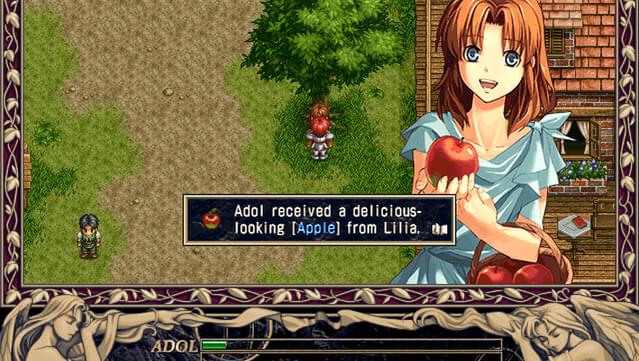
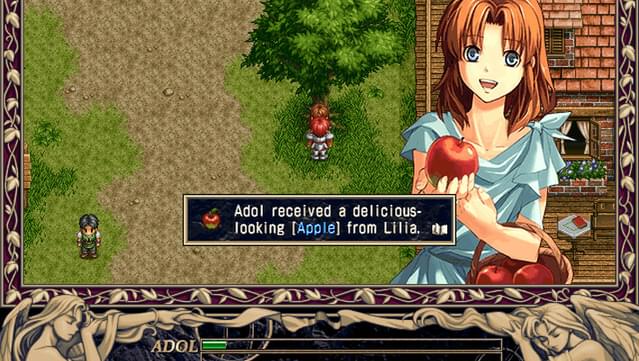
The story is pretty decent, despite the short playtime. I actually enjoyed the characters as well. There isn’t a lot of talking that drags on forever. The game does get to the point with some short and sweet dialog. You play the series’ main protagonist, Adol Christin, who must collect the books of Ys to save the world from evil. It’s pretty typical, but I enjoyed the little world they built around the books of Ys. They were interesting to read, and I felt this was a world you could get sucked into if it were to progress (which, surprise, it did). The art is amazing, with beautiful backdrops. The music is also fantastic, thanks to legendary composer Yuzo Koshiro. There is lots of rock and beautiful orchestral music. The Chronicles+ version contains both the chiptune versions and the arranged versions.
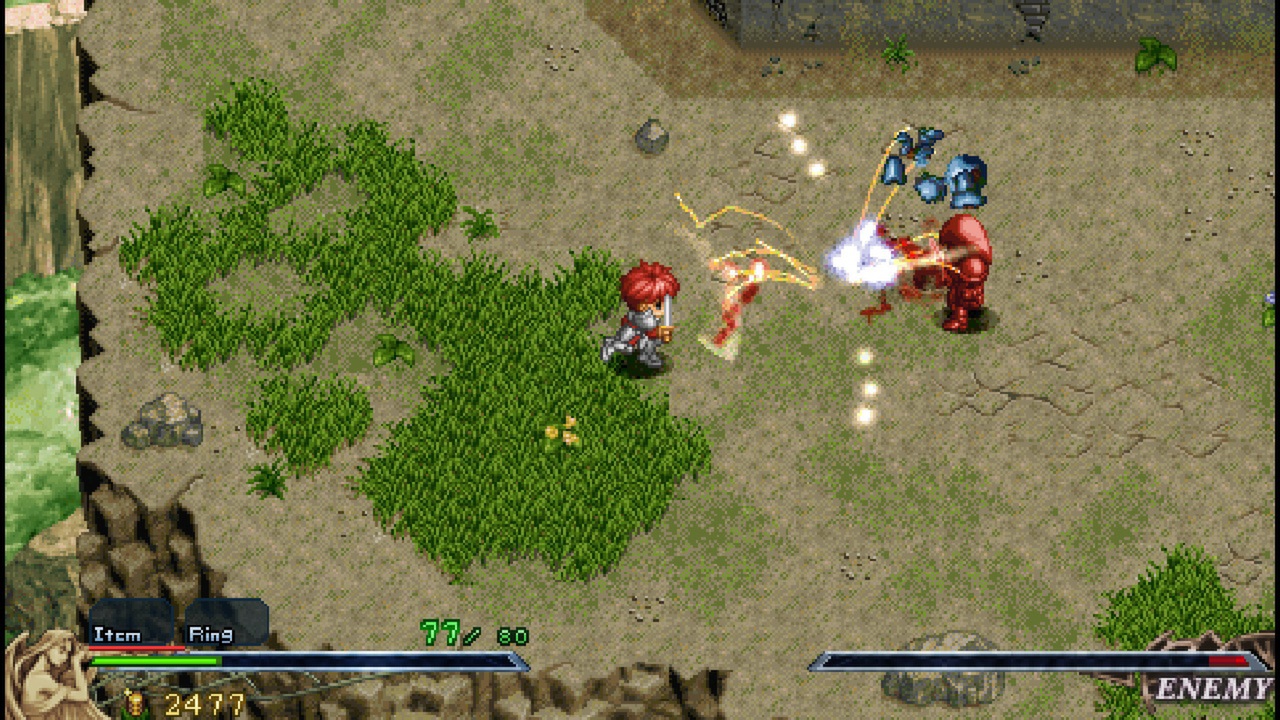
Ys’ main combat system is called the “bump” system, in which you just walk into enemies and are dealt knockback damage if hit straight on. The idea is to hit them on the edge of their sprite, kind of like speed jousting. It’s a weird system, but it keeps the pace of the game moving, and I like that. Again, the game is really hard unless you quickly level and are constantly acquiring the best equipment. You can get some for free if you do things in a certain order or find a certain key for a certain chest. These are JRPG tropes that I absolutely hate because, most of the time, no one will know them without a guide or accidentally coming across them. Easter eggs and extra dialog are fine, but essential things to play are something that really irks me.
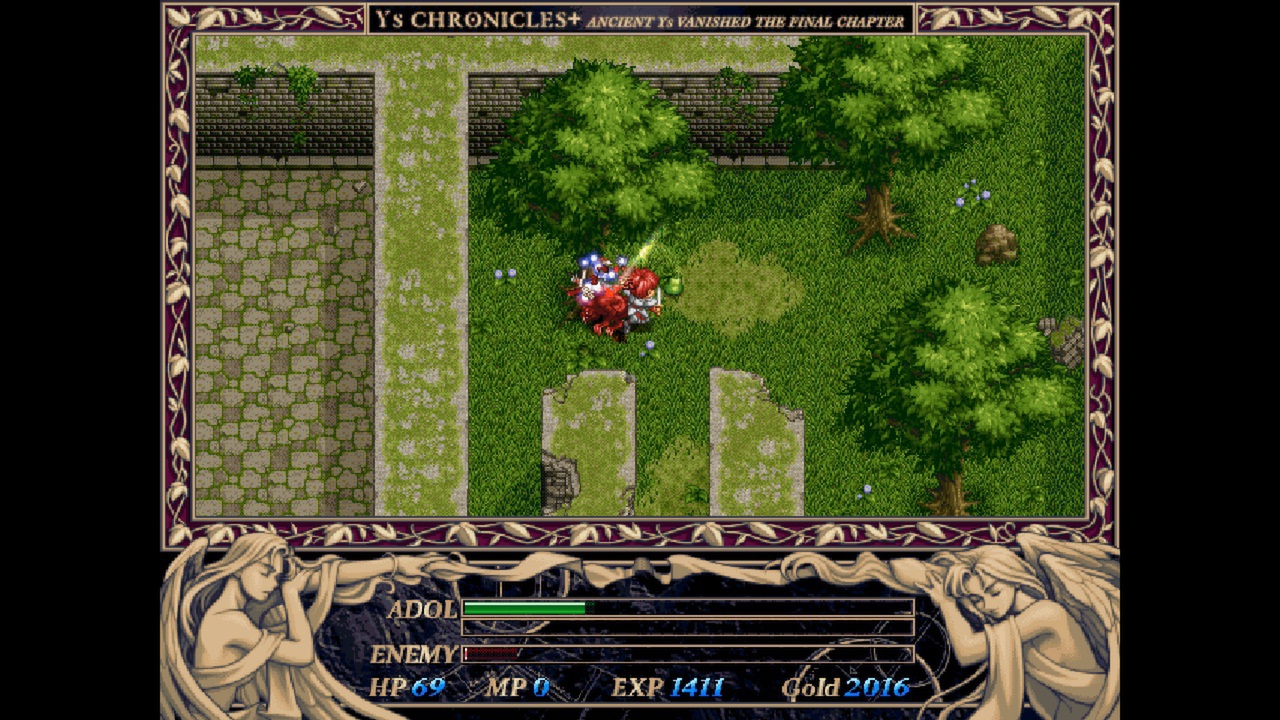
Due to the short length, you can easily hit the level cap in a few hours. The cap is 10, and you quickly acquire money and XP as you advance to more powerful enemies. For such a short game, there is a large variety of them as well, and their design is really cool. I always looked forward to seeing what was next. The dungeons are also varied, such as a mine (which is dark), an ice floor with mirrors, a 20-floor tower that you must climb towards the end, forests, and other places. It’s crazy just how much unique content was crammed into a 4-5 hour game. One thing I was relieved by is that if you keep up with the equipment and level up to maybe 4-5 before the first boss, you can easily fight each boss with just a few hits. I know that sounds crazy, but there’s only so much balancing in a game this short. The final boss is notorious for being impossible to beat, and even with the best armor and weapons, level cap, and Easy, I still had to try nearly a dozen times to beat him. You can also only fight him with a specific weapon.
Overall, Ys I is a memorable JRPG if you play it the way it was supposed to be played. Many will get frustrated due to the need to constantly level up fast and always have the best weapons, and the weird boss difficulty spikes will turn many away. I only recommend this game if you’re a fan of the series or really want to start from the beginning, like I am. It has fantastic art and music and is a well-contained and fun JRPG, if you play it right.
Ys II Chronicles+
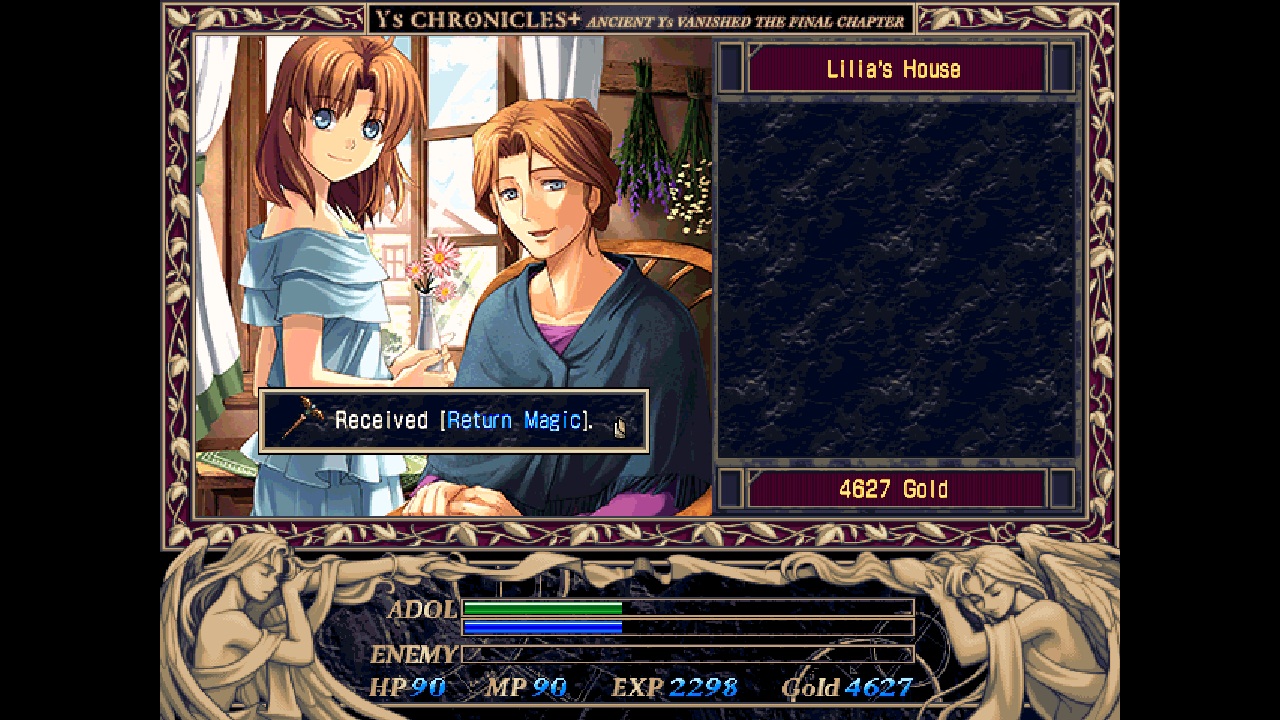
Being a direct sequel to Ys I and being in my late 80s, I came into this not expecting much. While content-wise it’s completely new, with new locales, new characters, new weapons, and armor, otherwise it looks the exact same and plays the same way. You still play as Adol Christin, trying to save the world of Ys from another evil source and rescue the goddesses Reah and Freena.
The game even starts out the exact same way. You wake up in a house in a quiet village and must start your adventure in a green forest area, like before. Sadly, the game is just as cryptic and obscure when it comes to figuring out what to do. I followed a guide through my entire playthrough, but if I hadn’t, there would be so much backtracking and aimless wondering. Some of the dungeons are more improved layout-wise, but the final two dungeons are a labyrinthine mess, more so than anything in the first game. I had to resort to a map online to figure out where to go, especially when I had to backtrack and start learning shortcuts.
The bump system still exists, but seems a little easier and more forgiving this time around. You don’t need to hit enemies off-center, but it’s still not a fun combat system. It makes the game fast-paced, and I like the lack of random battles, but it’s still not engaging in any way. Thankfully, this time around, you don’t need to rely on hidden, obscure equipment and can just buy stuff as you can afford it. Only the short sword, in the beginning, can be had for free in the first dungeon, but everything is to be purchased. I liked the addition of magic wands in this game. It helps add a layer to combat, but sadly, it’s abused with boss fights. All but the final boss need to be beaten with magic only, and the only offensive magic is fire. Which I found a bit weird. Everything else is passive magic, such as being able to turn into a Roo to talk to enemies to pass certain areas; light magic, which is used to see secret doorways and light dark areas; and time magic, which slows enemies down. Unfortunately, a lot of items, required or not, are hidden in obscure areas and can be easily missed without thorough exploration or a guide.
I did find the boss fights more manageable this time around and less frustrating. The leveling system is also improved, but only slightly. While the cap this time around went from 10 to 55, you can easily reach the first 30 levels in the first two hours of the game. Before the first boss, I was already almost level 20. Bosses are a lot more reasonable, and I only struggled with a couple of them, but once you learn their attack patterns, it becomes much more manageable.
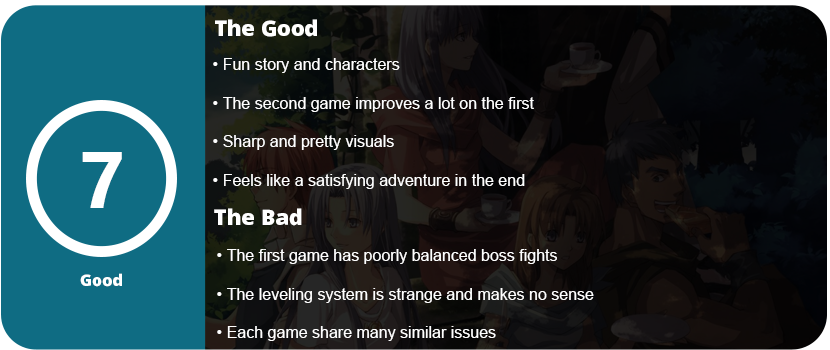
Overall, YS II is a good sequel to the first game. With enough new content to explore, an interesting story, and fun characters, while I wouldn’t say the story itself is memorable, the adventure itself is fun. I just wish the magic system was more expanded and there was less backtracking. Most of the game’s fault comes from the cryptic items and confusing dungeon layouts, but it’s manageable with a guide. It’s a fine Ys game to send out with the 80s and still remains a solid RPG today.
The entire series is well worth playing, but only if you’re curious about the beginning of the series, want to start the series from the beginning, or just like 80s JRPGs. Expect basic combat, cryptic progression, confusing dungeons, and unbalanced bosses in the first game. If you play with a guide, you will most likely have a great time.
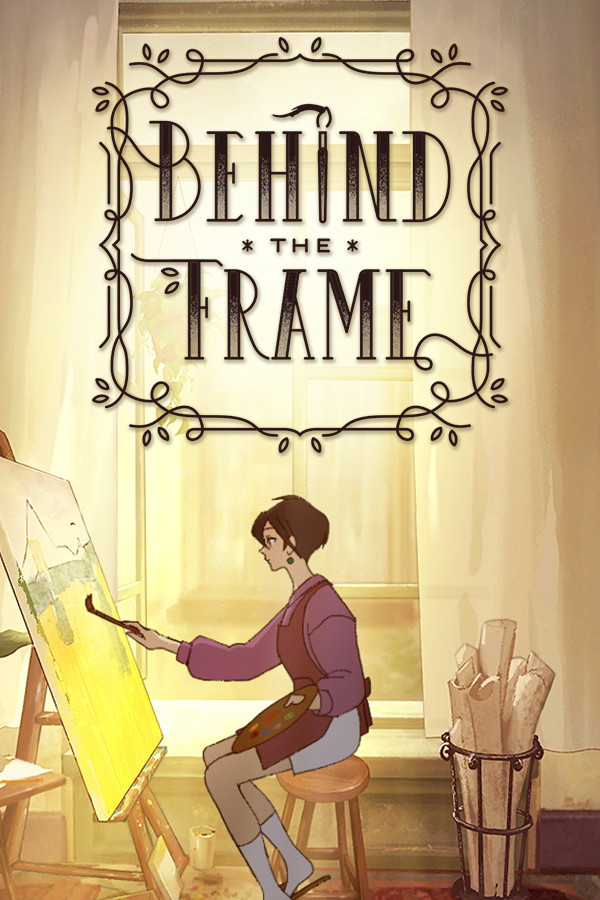
We as humans tend to dwell on death and what lies beyond. It’s only natural as we simply don’t know. Behind the Frameexplores this concept with an emotional tug-of-war of a story, but you really need to pay attention, and a lot of the story is more between the lines and not what’s really being shown in front of you. There’s a lot of assumption that you know what’s happening when the main character looks shockingly off in the distance based on the previous scene. It’s done fairly well too.
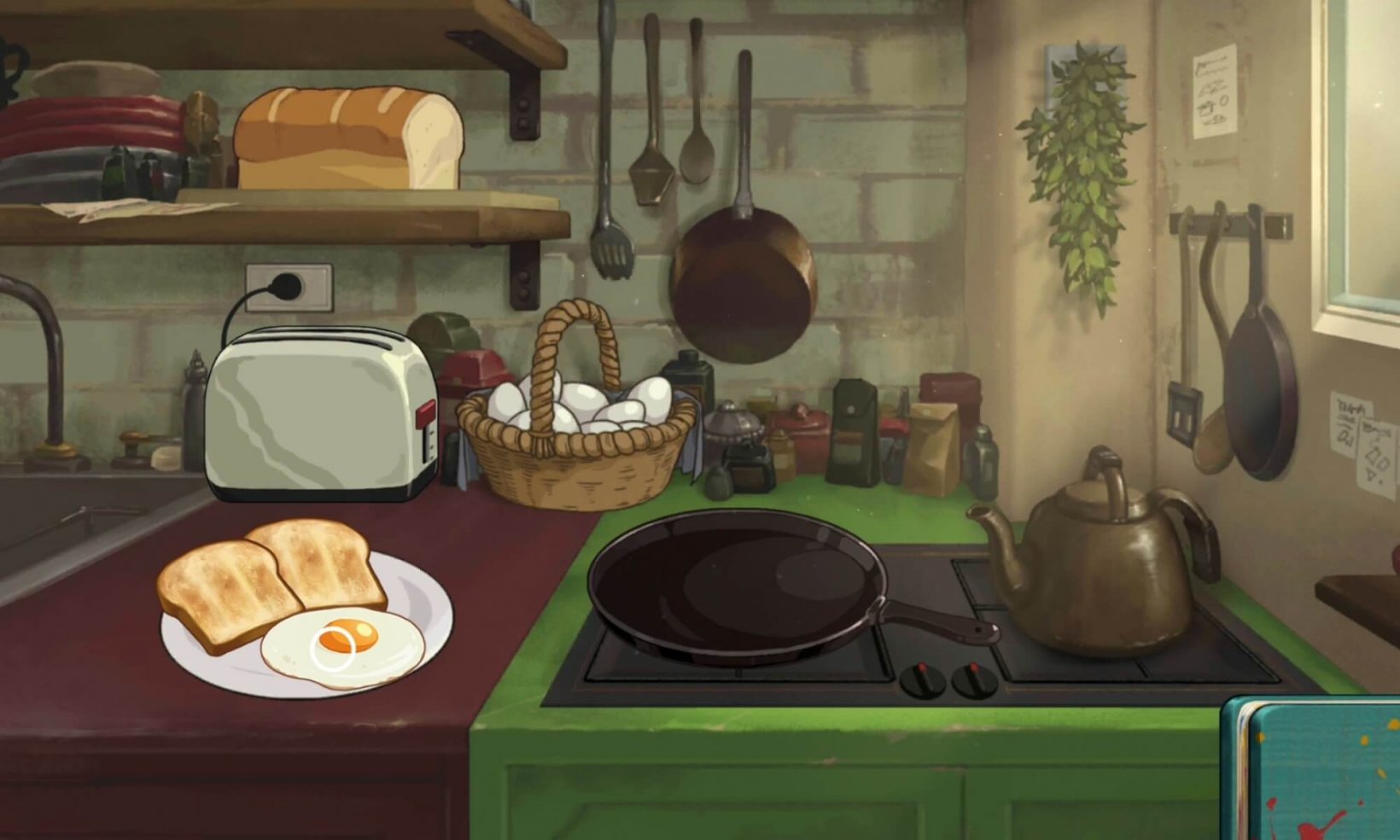
Most of Behind the Frame is puzzle solving. It takes a dark twist halfway through and it surprised me. Your goal is to acquire all five missing colors on your paint palette to finish your painting. To do this each color is locked away behind a chapter puzzle. These got rather complex towards the end, but nothing you can’t figure out without exploring and finding that key item that gives you that “AHA!” moment. Some puzzles are as simple as matching colors on a painting to memorization. Nothing is overly complex and it does eventually come together. The painting itself is a matter of scribbling enough in the empty space and it will auto-fill. Nothing extraordinary there. There are some other small tasks like making food which is as simple and dragging items around.
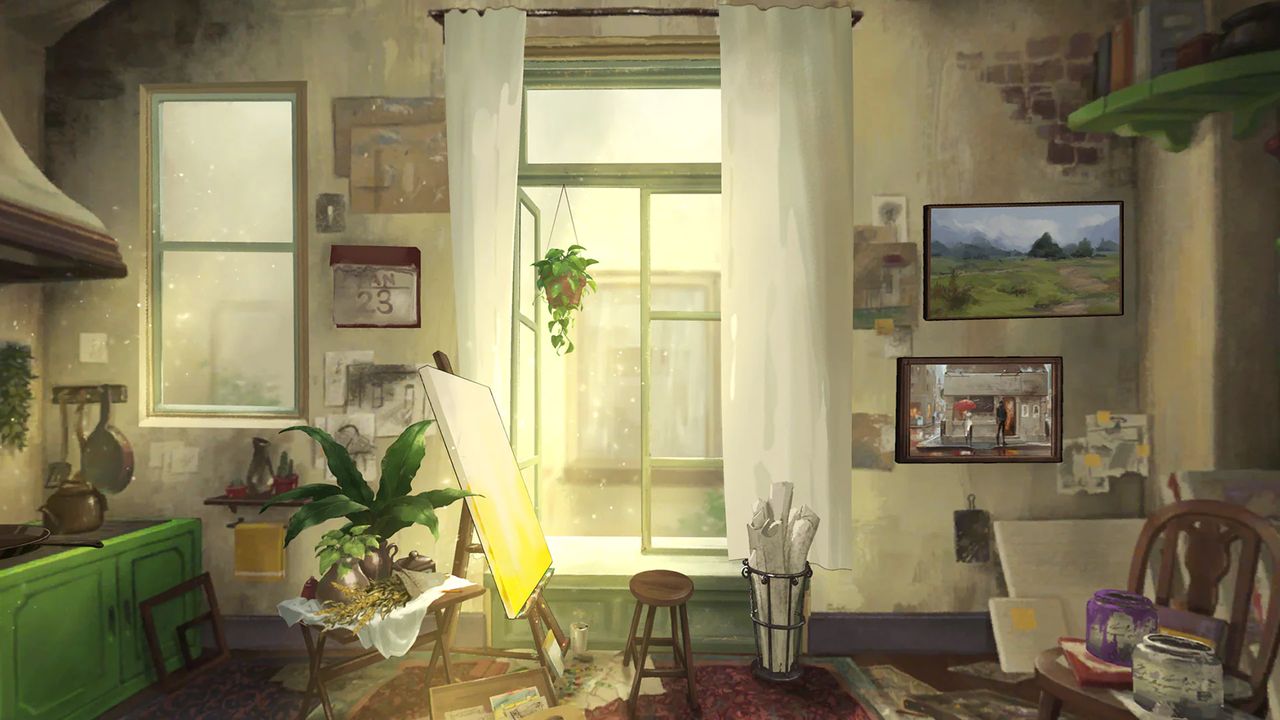
There isn’t a lot of context on the main character’s life itself through any reading of notes or anything. It’s pretty much learning about her past and her connection with her neighbor. The game has gorgeous anime-Ghibli-inspired art with a few small cut scenes thrown in. I never got tired of looking at the game, but it is confined to mostly her apartment. Every so often you “dive” into a painting, but it’s usually just for story context. There were a few panoramic scenes that were breathtaking. I actually felt like I stepped into a painting myself a few times.
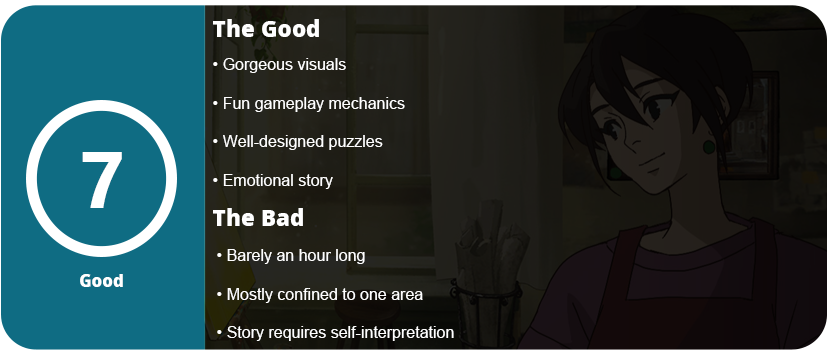
In the end, the game is over in about 90 minutes or less depending on how long it takes you to solve the more complex puzzles in the final chapters. Without having to solve these this game is over in an hour. The story does unfold quite a bit towards the end and without voice acting it gets a lot of emotions across and I have to give the developers credit for that. Most of these short indie games don’t have any meaning behind them. They have some clever gameplay ideas or neat visuals and nothing beyond that. Behind the Frame actually tugged at my heart strings a bit and got me thinking at the end which is more than I can say for 60-hour-long AAA titles. If you want a puzzle-filled emotional evening with great visuals and fun gameplay mechanics then look no further.
Gimmicks that use various types of hardware are nothing new since the days of the Wii made that mainstream, but very few games use your camera outside of a home console for gameplay. While it’s wholly gimmicky and can be played with a controller, the game uses your webcam to see your eyes blinking to determine when to change scenes in the game or interact with objects. Not often does the gimmick feel like it’s influencing something important, but when it does it works well.
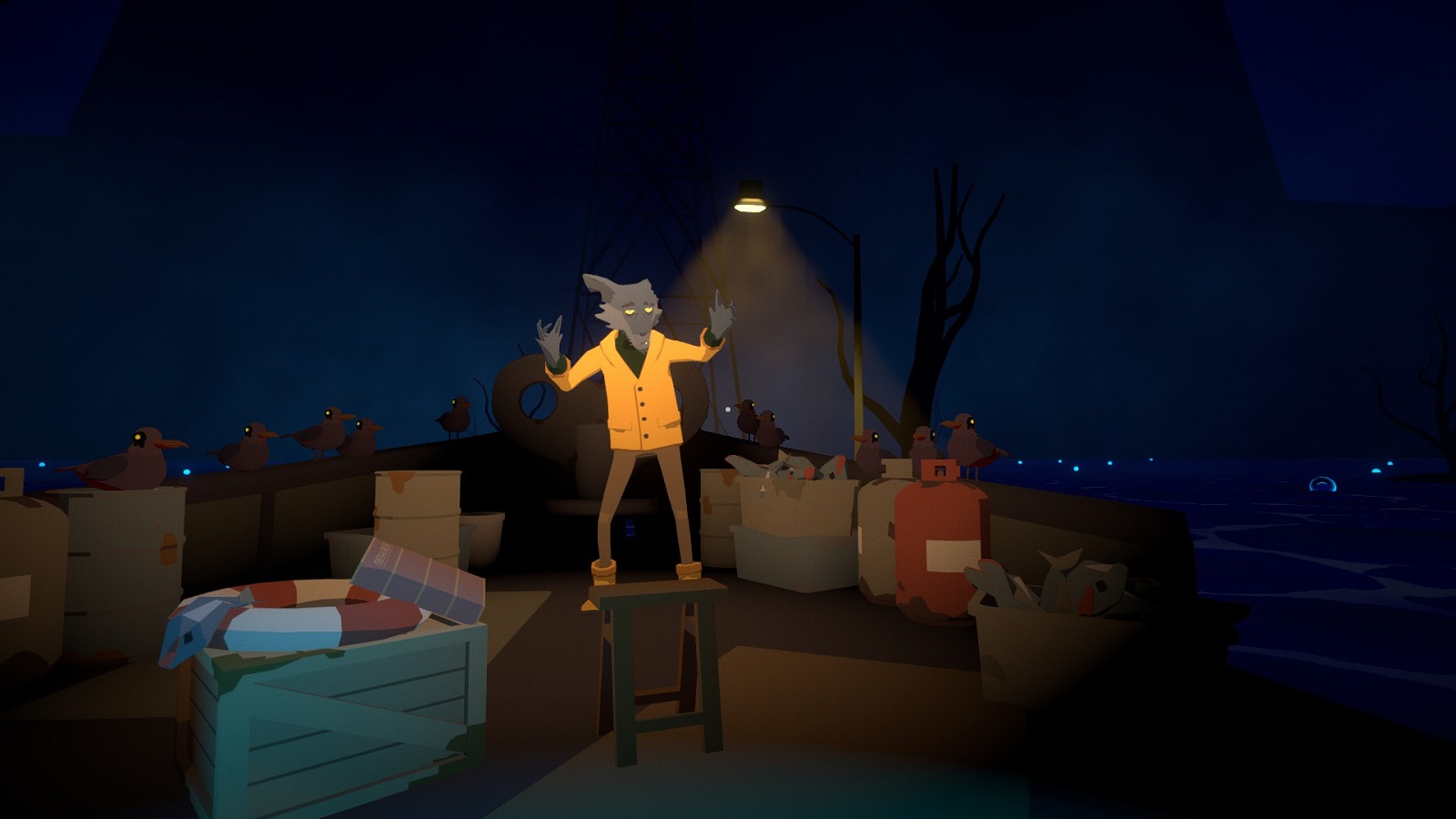
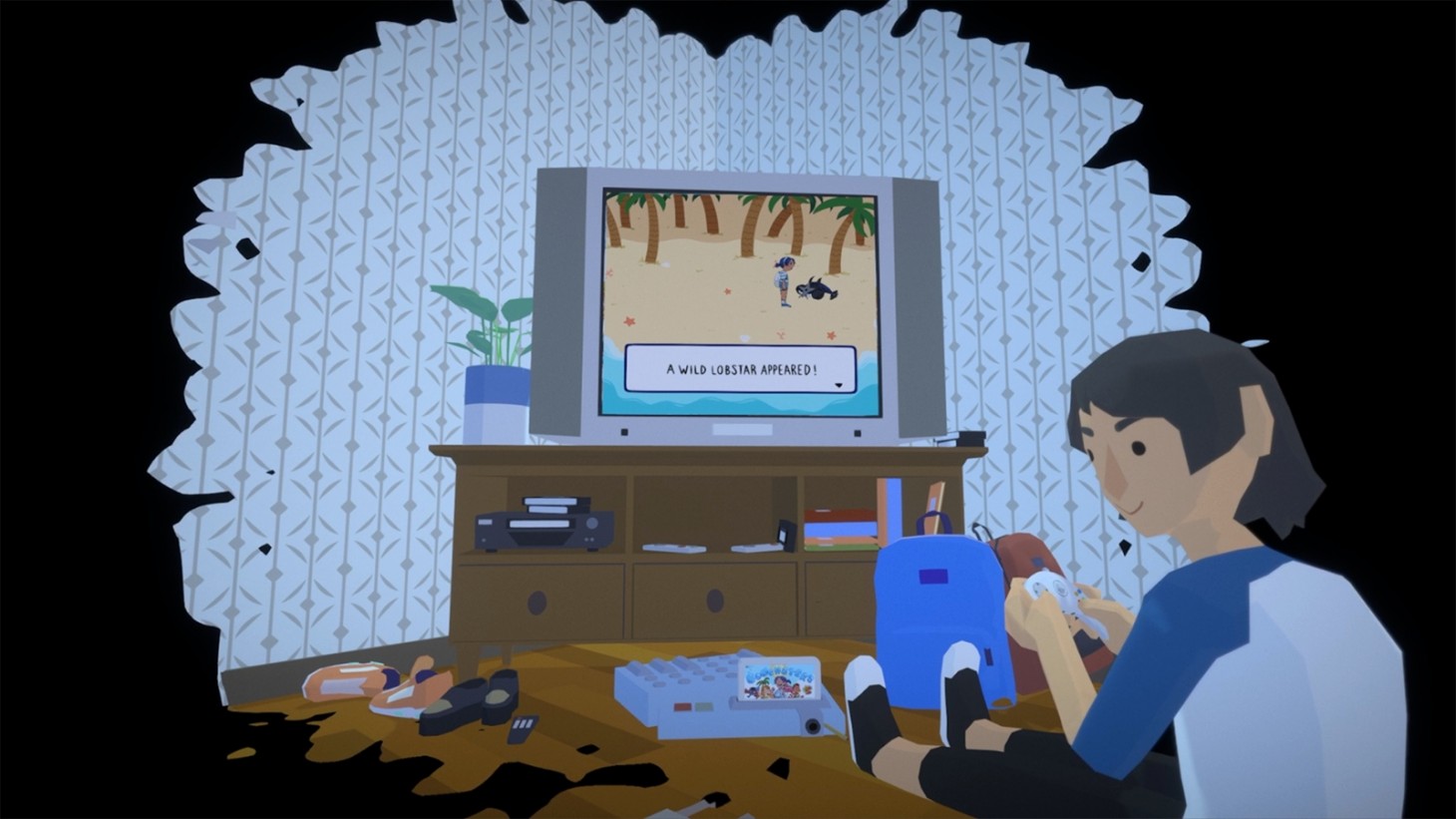
You play as a boy named Benjamin Brynn floating along the river of death in a boat with a wolf as a ferryman. He’s to be taken to a being in a large tower whom he has to sell his life story so he can pass on and the ferryman can be paid. You start out as a child and you eventually learn your mother is an accountant and failed music composer and wants you to follow in her footsteps. Each scene is full of mostly black with just what you can remember being in view. Sometimes an eye will appear on objects for you to blink at and interact with. When a metronome appears you can blink and jump to the next scene or try to hold your eyes open and see the scene to the end. Most of the time I couldn’t do it (it’s very dry where I’m at here in the summer).
You slowly progress through the story only to find out that you need to retell the story correctly. I won’t spoil anything as to how or why, but the only times the blinking gimmick felt right was when you had to close your eyes to focus on someone talking. With headphones on this is a great effect. The game does a great job detecting your eyes even in low light, and I was using a laptop webcam which isn’t that great. There isn’t much else to this game. It’s an interactive adventure with interesting visuals. The whole game reminded me a lot of That Dragon, Cancer, but I can’t connect to this game as much as it’s shorter and at the time I was expecting my first child so that game hit home quite a bit. A big fear is your child being born with some sort of debilitating disease.
You’ll most likely not really feel the game’s impact until the last 20 minutes when things get really dark and sad. It didn’t make me tear up, but it was really sad for sure. You can finish the game in about 90 minutes, but I did connect with the character to an extent, but not wholly. The scenes rush by too fast and you’re meant to understand the moral of the story more than connect with the characters and get behind their motives and feelings. I feel a game like this misses the mark due to its short run time, but the gimmick would get tiring for more than 90 minutes.
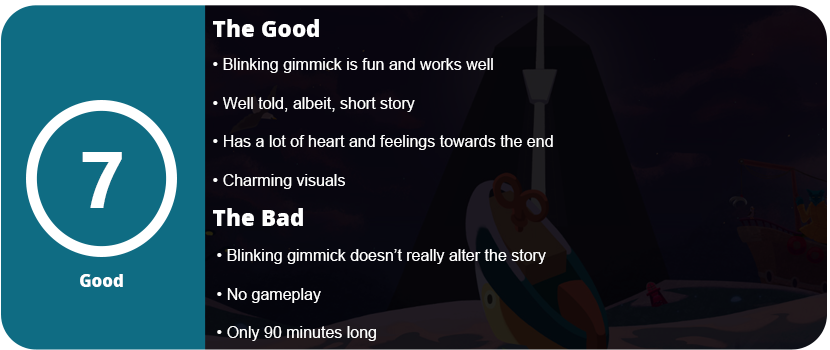
Overall, Before Your Eyes is a charming game with a lot of heart and a fun gimmick that works well when it wants to. It’s a very short game and doesn’t let you really connect with the characters enough. It’s forgettable in the end, and not as memorable as some other short adventure titles I’ve played in the past, but it’s fun and worth a look.
With most consoles gaining ground with their subscription platforms and Microsoft killing it with Xbox/PC Game Pass, Apple and Google both grabbed that idea and did their own thing. Google Game Pass just isn’t that great, but Apple Arcade features many exclusive big-budget titles. While the platform has a trickle of game releases, this was a solid year for the paltform. It helps show that Apple cares about quality mobile gaming and controller support.
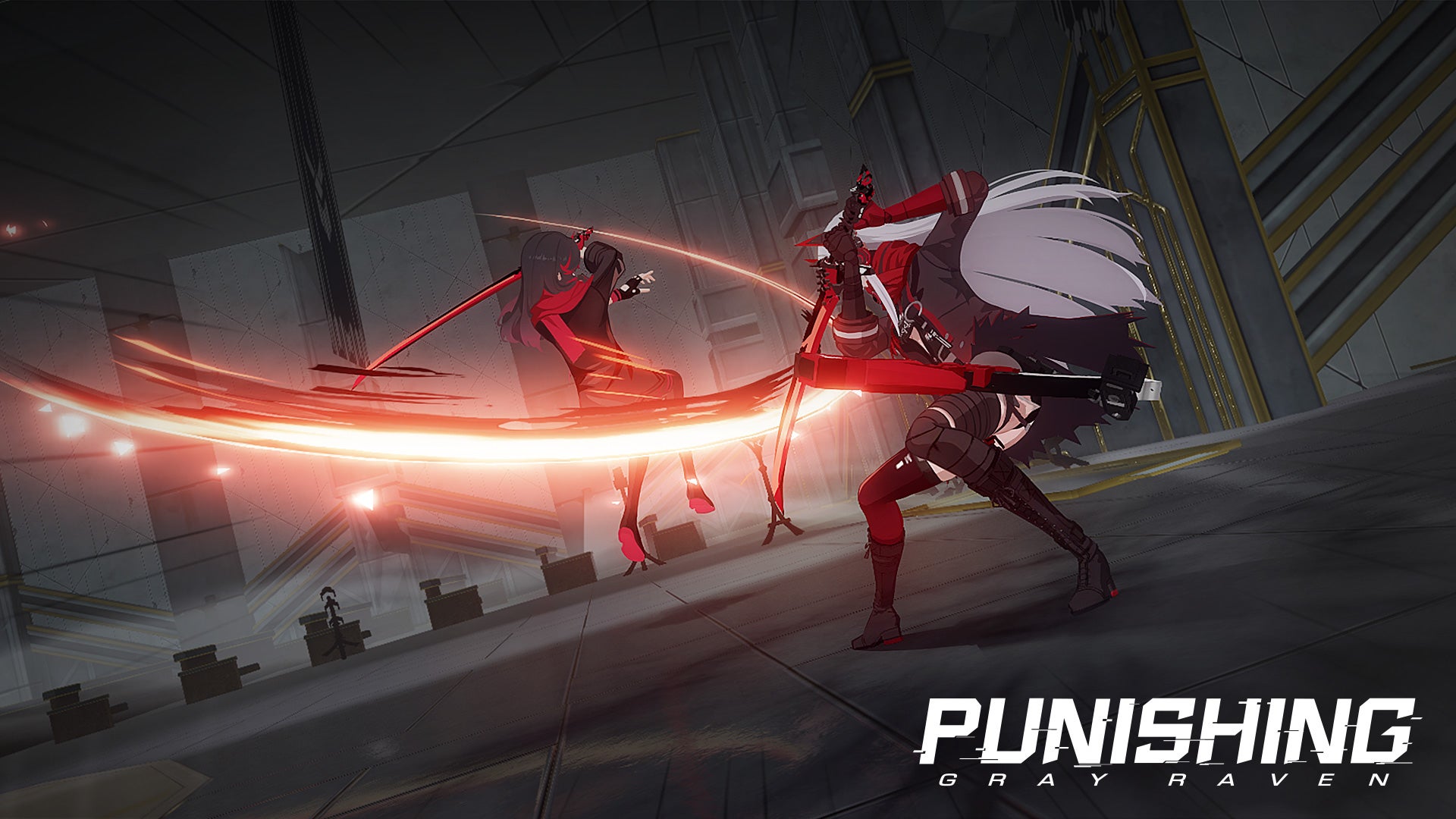
Punishing Gray Raven
Gray Raven is a fantastic action game with stunning visuals for a mobile game. It has fun characters, a fast-paced and crazy fun combat system, and overall features a nice anime style story. While it’s nothing mind-blowing compared to console games, it is still a great feat on the system with controller support to boot.
Due to the lack of console exclusives now I had to add some categories. This new one is all about which system just had the best year. This can include really well-done hardware upgrades, great console exclusives, the least amount of terrible launches, the least amount of bad controversy, new software upgrades that are a major deal.
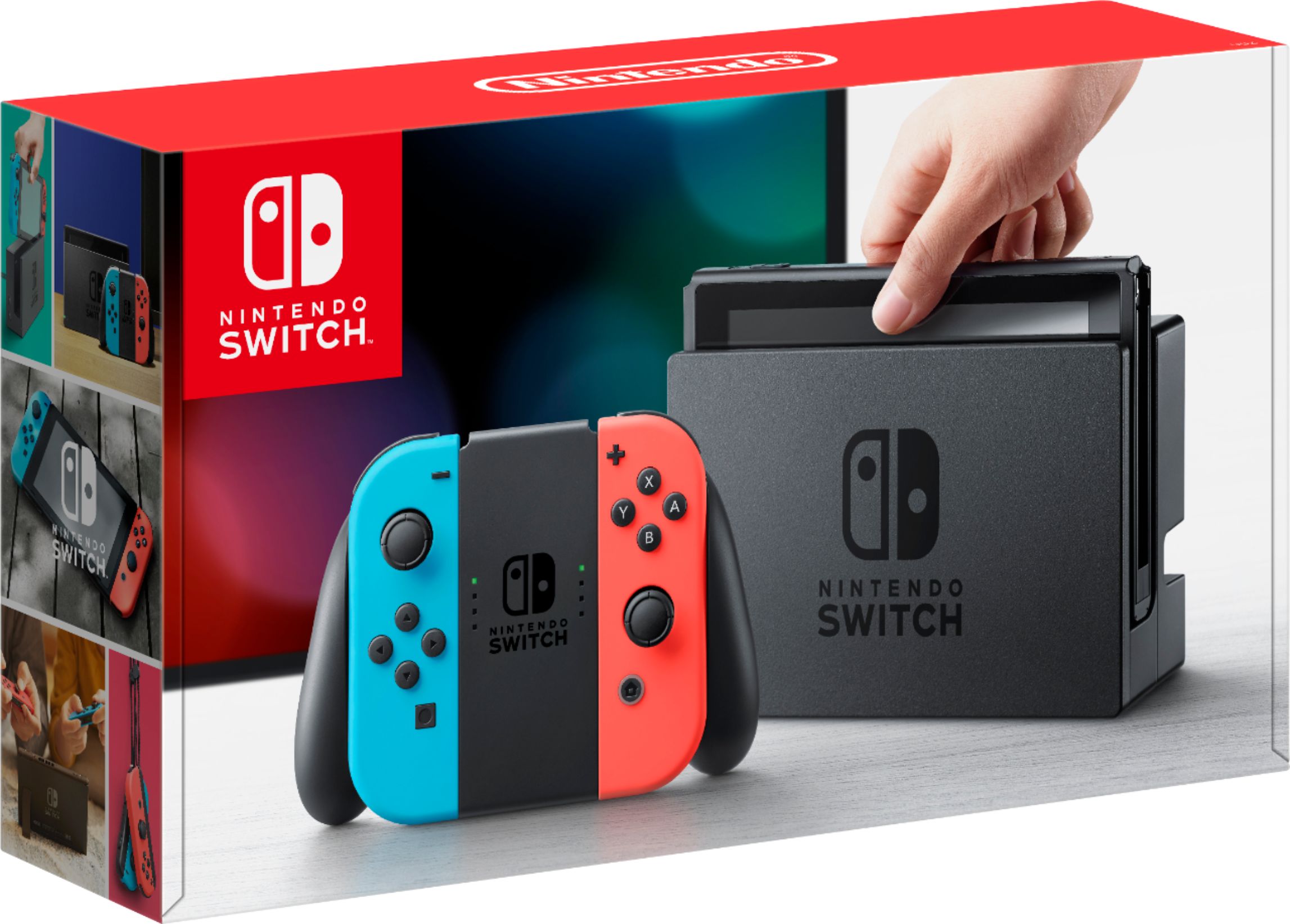
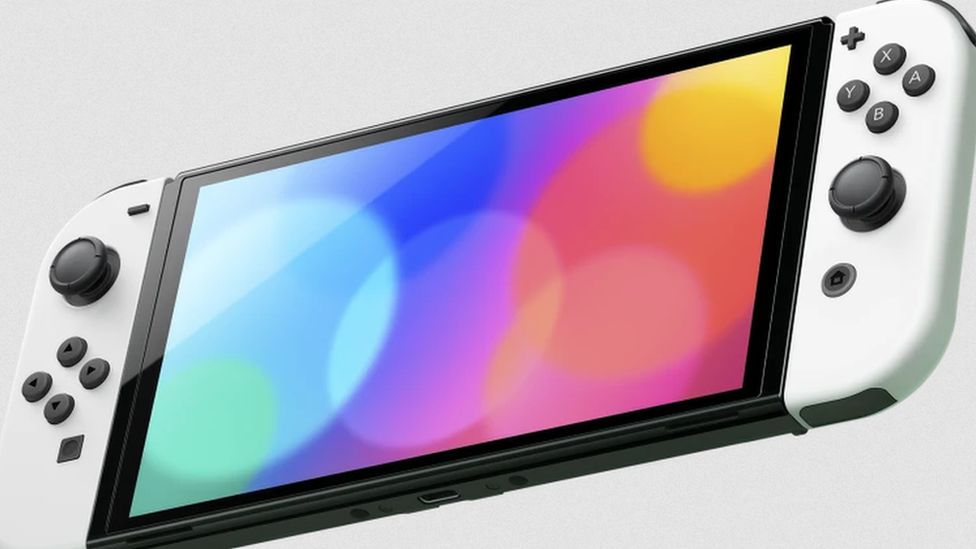
The Switch had a rock solid year despite chip shortages. The Switch Lite and even the bigger version were available all year in stores — the only console you could pick up all year. The Switch OLED launched in October with a higher price point, but a more premium feel and a fantastic OLED screen. There were also rock solid exclusives releasing nearly every month and many of them reviewed well and were worth owning. We didn’t get many awful launches, and bluetooth audio was added as a feature this year as well which was a huge deal. There was some great official accessories released like the Skyward Sword HD Joy-Cons. Overall, this was just a positive time to be a Switch owner.
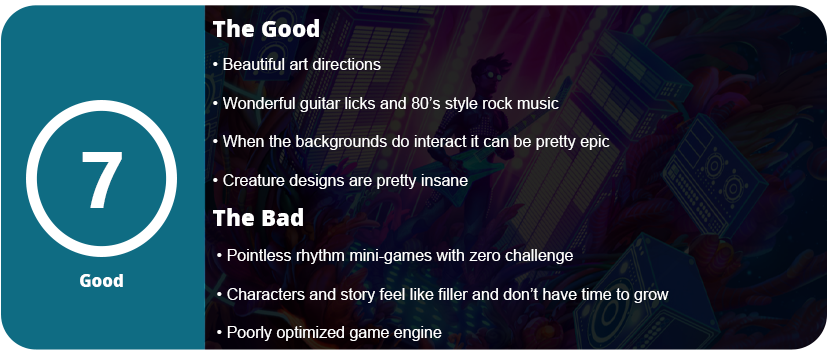
Space rock operas aren’t something you see in gaming much, and The Artful Escape is a visual and auditory treat for the senses. You play a young boy who is living in the shadows of his late uncle, who was a famous folk singer in the town he lives in. He feels forced to follow in his footsteps when he is actually a metalhead at heart. You are sent on an acid trip of a space rock opera through a universe of weird space creatures and worlds. You meet a man named Lightman (voiced by Carl Weathers of Rocky and The Predator fame), who is the most famous person in this universe and shreds like no other. He wants to help you overcome your fear of being yourself, and you go on a journey together to impress the tastemaker, who is the ultimate deciding creature in this universe.
Don’t think too much into the story, as it’s mostly filler for just a sidescrolling walking simulator with light rhythm mechanics. You always move to the right and can hold down a button to shred your guitar. It sounds awesome, and I never got tired of hearing the licks repeat. Each planet has its own licks, but the visual flair and usefulness of these are never explained, and despite being able to just hold down the button and shred while you slide down slopes, jump over platforms, and bounce on things, sometimes the background interacts and the background music will swell as you jump and shred. It’s cool when it does and sometimes gives me goosebumps because the music is so good, but 75% of the time I was just holding down the button, not sure when it would trigger an interaction.
At the end of each stage, you come across a boss of sorts that displays a Simon Says-style rhythm pattern. There’s zero challenge here, as you don’t need to memorize anything as you can play as the buttons appear. You also don’t get penalized for messing up, and that note just starts over. I found this mechanic fairly pointless and just filler, as some of these sessions are only a few notes long. It sounded and looked cool, but that was it. There’s pretty much zero gameplay here. The sidescrolling and shredding are literally an excuse to turn this story into a game. I also loved the art. There are crazy creature designs and lots of vaporwave aesthetics going on, with a multitude of lights and colors all over the place. Sadly, that’s all the game really offers. While the voice acting is also good, the dialog isn’t anything exciting, and I didn’t care at all about any of the characters. The game is so short that you don’t get any time to really invest in these characters.
So what we get is a three-hour adventure with great visuals and music but boring gameplay mechanics that only enhance the game in rare moments. I also found the engine poorly optimized, as even on high-end hardware, the game dipped well below 60FPS in some areas with lots of lighting effects going on. Turning everything down to low didn’t help much, so this is clearly an optimization issue. With that said, The Artful Escape is great for metalheads who want to chill out for a few hours and enjoy the visual treat, but otherwise, you aren’t missing much here. This is sadly just another adventure game where the developers think it’s cute or revolutionary to forgo any gameplay and solely focus on the visuals and music, but they forget this is a game first.
When I think of casual games, I usually think of games that are relaxing, stress-free, usually offer a good story and characters, and have a great world to explore. With mobile games, this is true as well, but I feel that despite how great Assemble with Care is, it’s held back by the casual game constraints too much. The mechanics and idea of taking apart devices and fixing them is an itch that games like House Flipper and PC Building Simulator scratch, and when I saw Assemble with Care, I thought it was going to be the same. The fact that a voiced narrative is included was just a bonus.
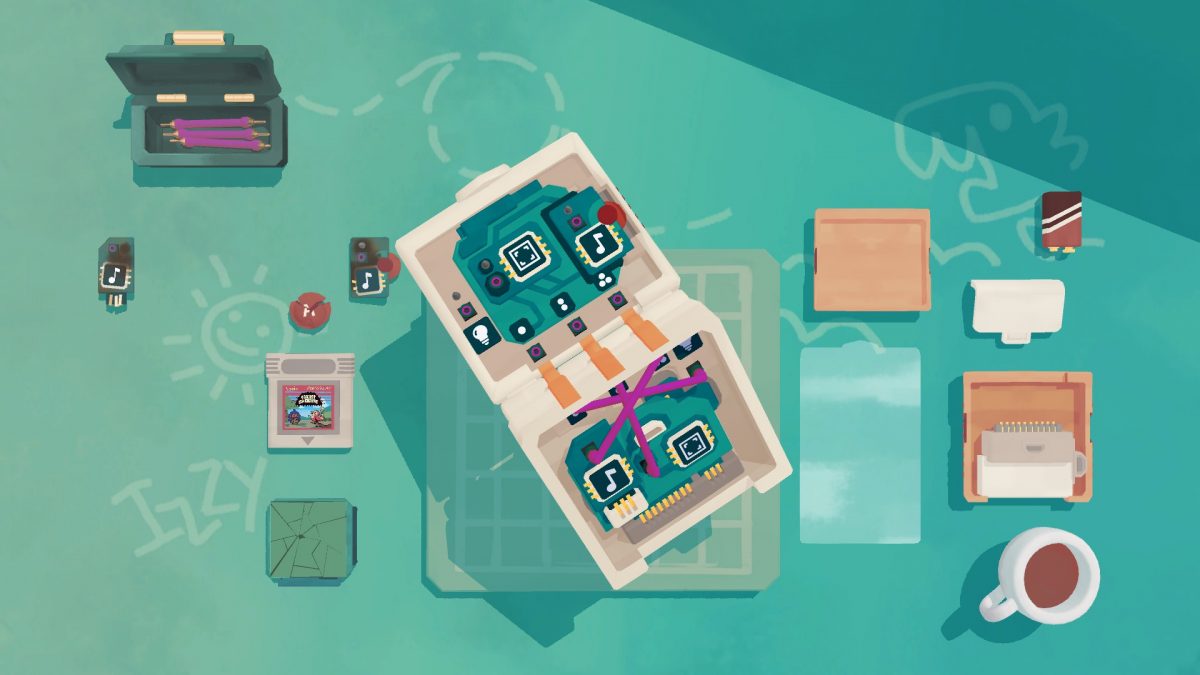
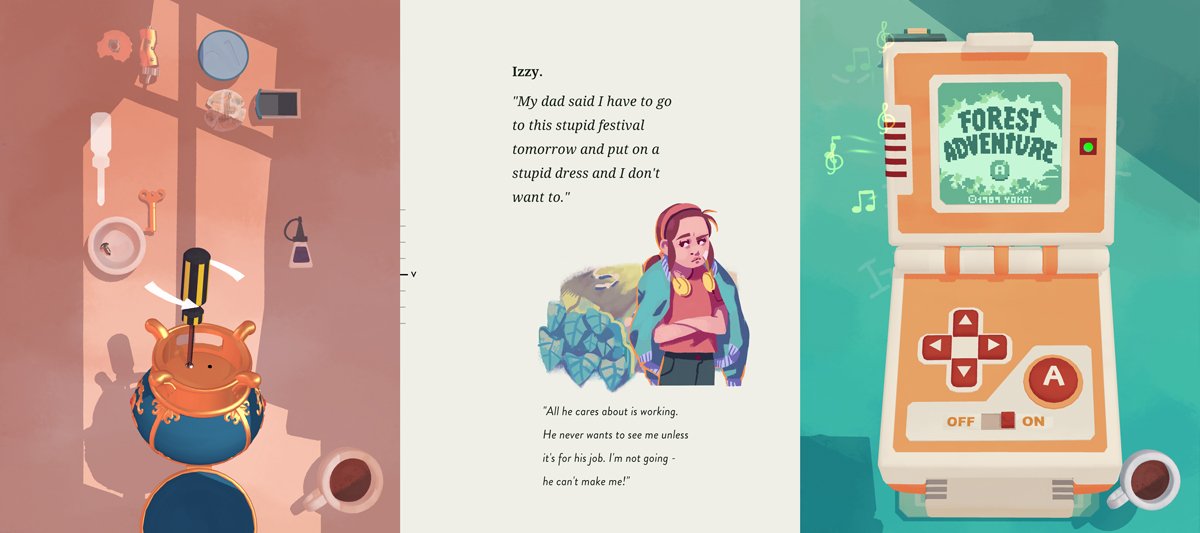
You play as a female hobbyist repair woman who travels to Belariva for a vacation and relaxation when she ends up getting involved in the town’s squabbles. She runs into a mayor and his daughter, and a cafe owner and her sister. She is the key to getting each party to resolve their family issues, and of course, her tinkering helps that. The story itself is well voiced, and UsTwo games are well known for gorgeous visuals and unique gameplay, but the game falls short here. Every chapter, out of thirteen, has a device you need to disassemble and fix and it’s really neat. I couldn’t wait to get the next device, as they did get slightly more intricate as you went on, but the game handicaps itself by allowing snapping of parts that are allowed only in one spot, so it’s not really a puzzle anymore. The biggest challenge came in disassembly, as there’s not much to tell you about how to do this.
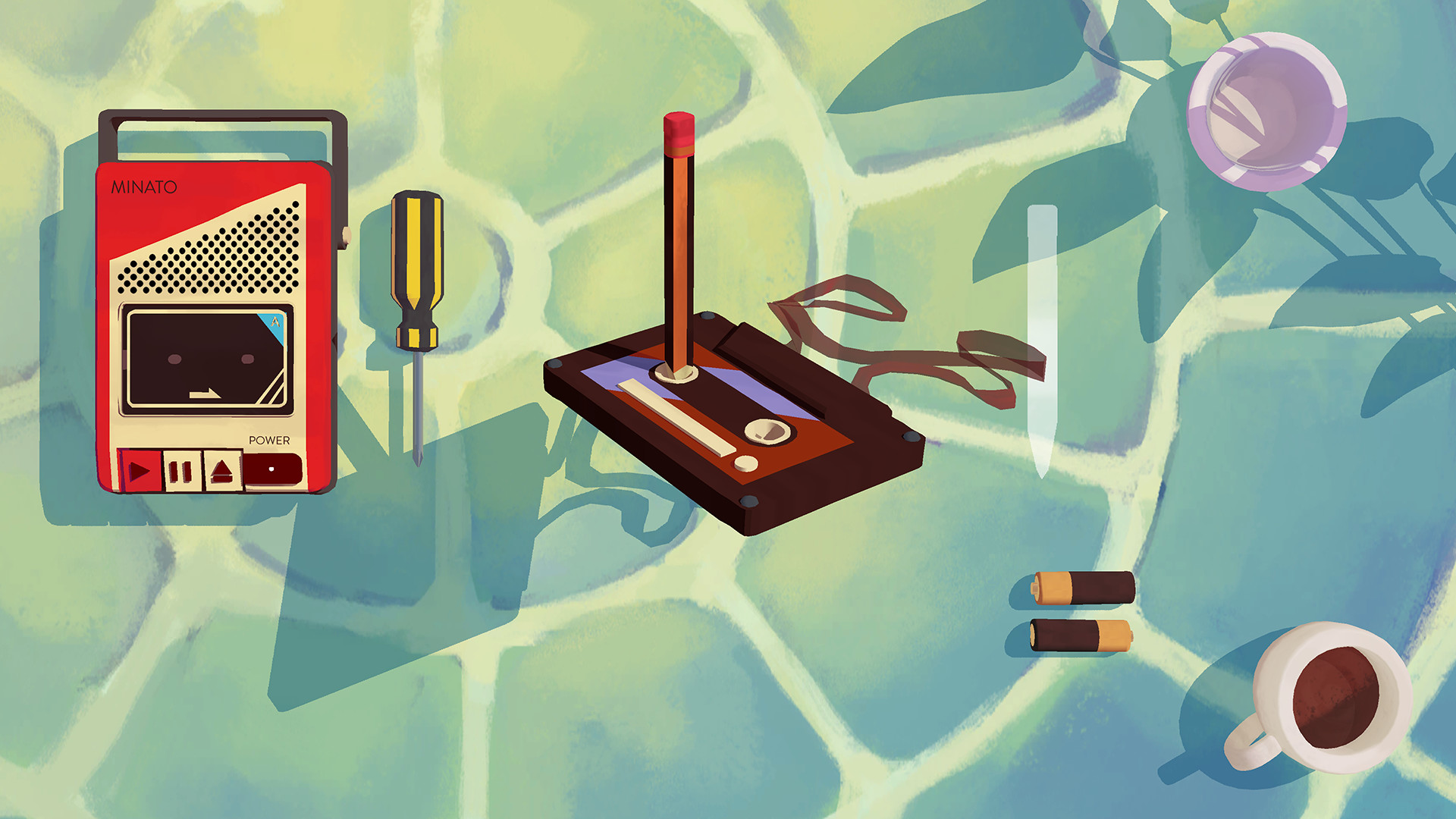
Various devices range from a GameBoy Advance SP to a watch, a music box, a record player, a portable cassette player, and others. You get everything you need laid out in front of you, such as a screwdriver, cables, or various parts to repair the item. Long pressing allows you to take things apart, and there is a swiping motion for screwing things in and out. You can rotate the device, as every side needs to be inspected. Most of these puzzles can be completed in just a few minutes, and each chapter has voice dialogue at the beginning and end.
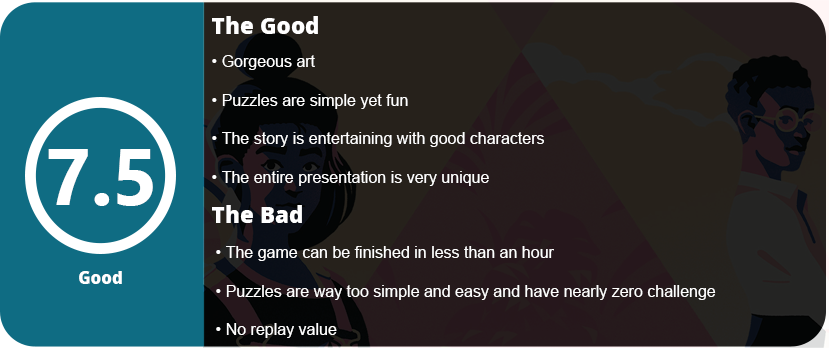
The art is great in both the story stills and the 3D graphics of the objects. Bright watercolor drawings and flat pastel textures just pop on the screen. I didn’t want the game to end, however. I felt like more chapters could be added, as the story isn’t memorable but entertaining and a bit touching. I still wanted to know the fate of each party’s families, and for less than an hour of gameplay, UsTwo did a great job with the storytelling. Sadly, once the game is over, there’s no reason to go back at all. The puzzles will never change, and they’re way too easy to be replayed. I wish the puzzles weren’t as easy and had more intricate and smaller parts, or just something more complicated.
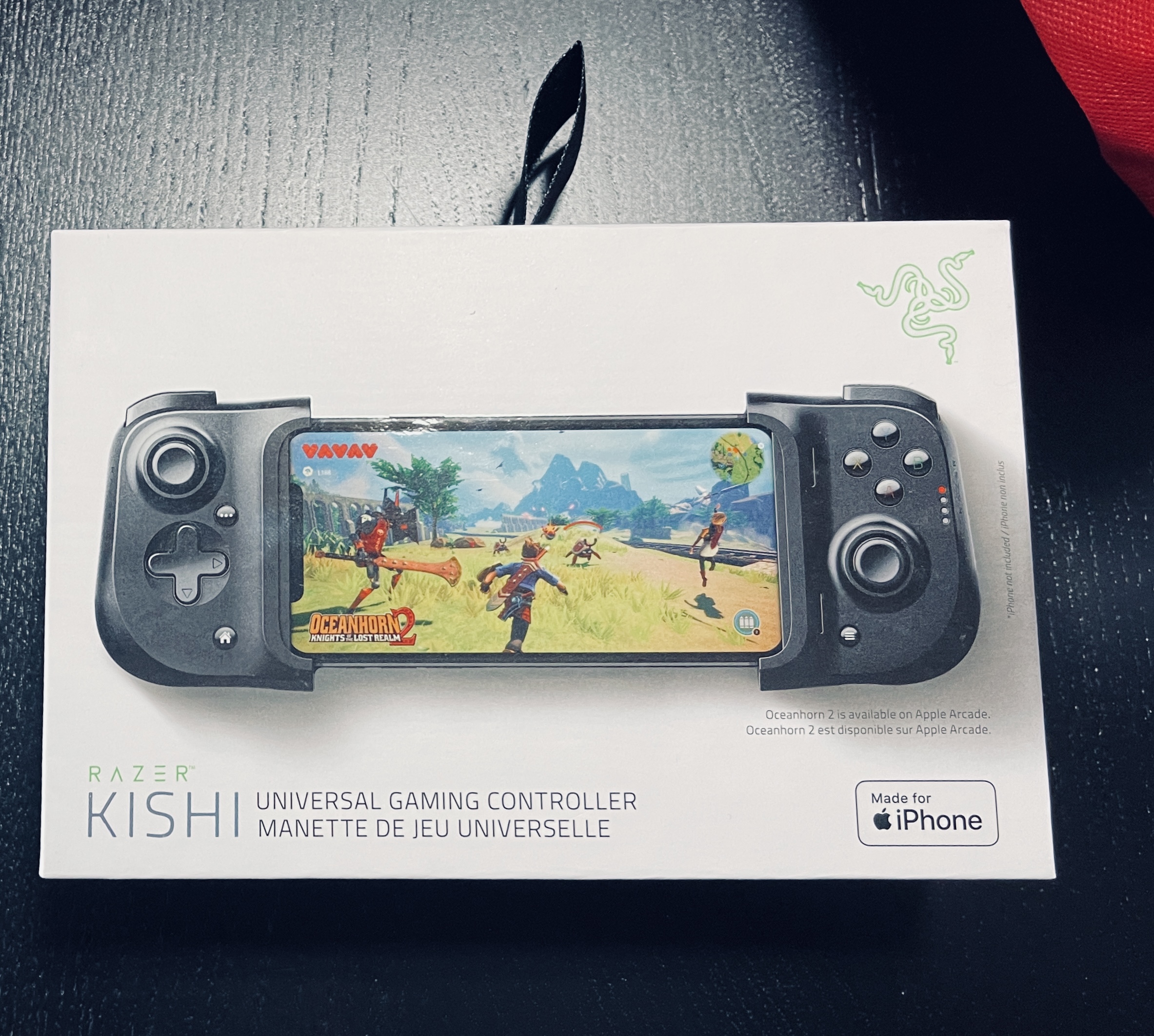
When it comes to “vise”-type” controllers for phones, there’s been an increasing demand for quality now that mobile games are pretty much console quality. We still get nice, simple games, but sometimes we want our console experience to be super portable. It used to be that Apple took quite a while to catch on to official controller support. It wasn’t until iOS 13 that Bluetooth controllers were officially supported. They have been available on Android for nearly a decade, but the cheap Chinese devices never quite held up. So there are two animals you can tame. The traditional controller with a phone clip or the vise-style controller I personally prefer the console, as it feels more like the Switch or a traditional handheld console. I always felt the controller and clip were super heavy, and view angles got weird.
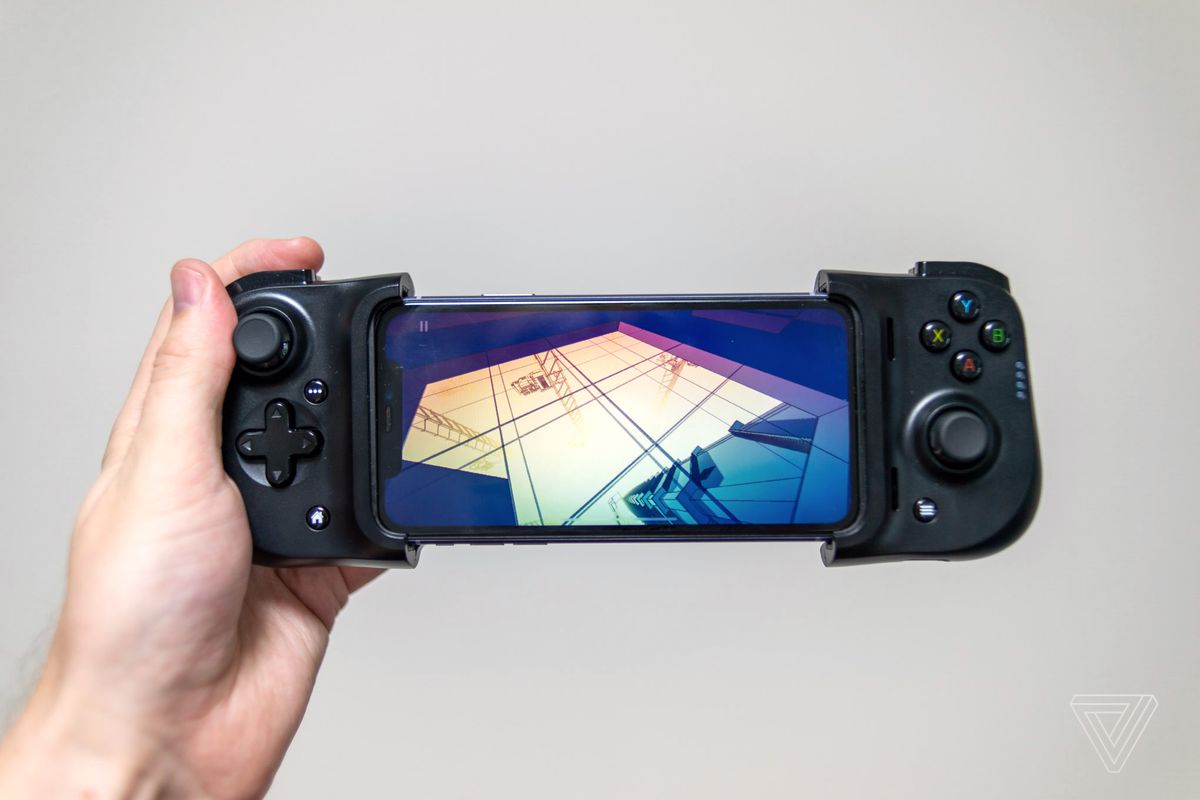
Within the last couple of years, major gaming companies have been making official controllers for phones. With games like Call of Duty: Mobile, PUBG, and GRID: Autosport, there’s a reason why. These games play phenomenally better with controllers. The Kishi isn’t perfect, but it does a great job of giving us quality where we need it. The vise actually folds into itself, which is something I can’t say for cheap Chinese devices that I have used. They have this weird sliding mechanism that’s spring-loaded and just feels too rigid and universal. This controller is hand-tailored for iPhones, and using my iPhone 12 Pro Max was a dream with this controller.
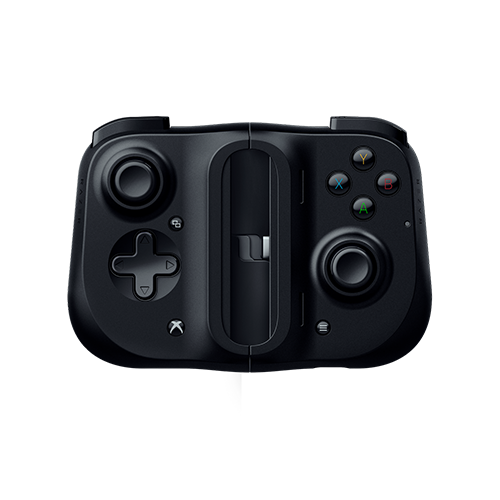
The first issue I ran into is that unfolding the device is a pain. There are two pull tabs that are oriented awkwardly and don’t have a nice snap or click when they unlatch. You have to pull the controller simultaneously and just let the controller kind of fall apart, and some wiggling is required. The controller is basically two halves of a controller that are connected with a soft rubber band that is anchored with plastic pieces at the end that have a peg that allows for stretching. There’s a rectangle backpiece in the middle that has support pegs that rest on the back of the phone. It feels tight, and I never felt like the device didn’t stretch enough or too far. There are spacers for smaller iPhones, so the band still gets tight. You insert your phone into the lightning port side and slide the other half on and it just pulls tight and it works. The right side is solid, but the left side has a bit of giving and wiggle, but this is because there’s no port to keep it in place. I never noticed this while gaming.
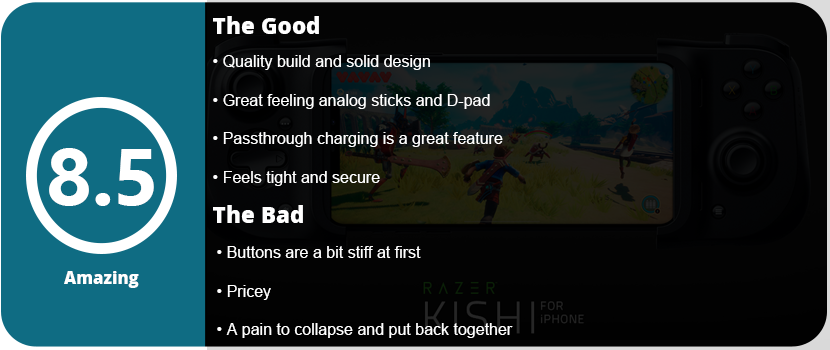
The controller feels solid in the hands and like a handheld system. Of course, ergonomics are only half the battle, and the other half is how the buttons feel. The alternate analog placement (Xbox style) feels amazing. These are some damn fine analog sticks, and I felt they weren’t too loose or tight. They click nice and are just full-size analog sticks that feel similar to an Xbox One controller. The D-Pad is weird, but at least it rolls and rocks and isn’t separated like the Switch or PS4. You can easily use this with fighting games, which is my point. The face buttons are similar to the Switch but feel a tad stiff. They aren’t loud and clicky like Moga controllers are, but you eventually get used to them. I noticed that after a week, they loosened up a tad. The Kishi has triggers similar to those on the Xbox and two shoulder buttons. The shoulder buttons are stiff as well, and the analog triggers are a little loose for my taste, but you get used to them, and they aren’t a deal-breaker.
There are three other buttons: one for recording and taking screenshots, a home button, and a menu button. They are located below each analog stick and are out of the way. Other than that, my next favorite feature is the passthrough charging, but it’s oriented at the bottom and out of the way of your hands. This allows for longer tethered gaming sessions. You can use a power bank in your pocket or sit near an outlet; it’s great. When you’re done the controller easily snaps back together, but only after you figure out how. You have to orient the tabs inside just right or it won’t go together. It took me too much time trying to figure this out, but essentially the small gray tabs on the inside need to touch and you know it’s oriented correctly. Then the back plastic piece just snaps on to keep the halves together. It’s a rather compact thing when it’s all said and done and easily fits into small pockets.
With that said, there’s not much left to say. There is an app that upgrades the firmware, but mine didn’t need it. Other than that, if the game supports controllers, it will recognize this device. I have yet to play a game that supports controllers that won’t see the Kishi. The only issue was Real Racing 3, but there’s been a long-time glitch that requires you to put the game in airplane mode to use controllers, so that’s not Kishi’s fault. For the price point, you’re paying for quality, and this is well worth $100. I know console controllers are $40 cheaper, but this thing is a bit more complicated to make and has more moving parts. I think it’s well worth the money, and it turns your iPhone into a portable handheld gaming device.



























































 thebinarymessiah.com
Clearly you have been blocking everything you or haven't played the game at all. Maybe pay attention to the story…