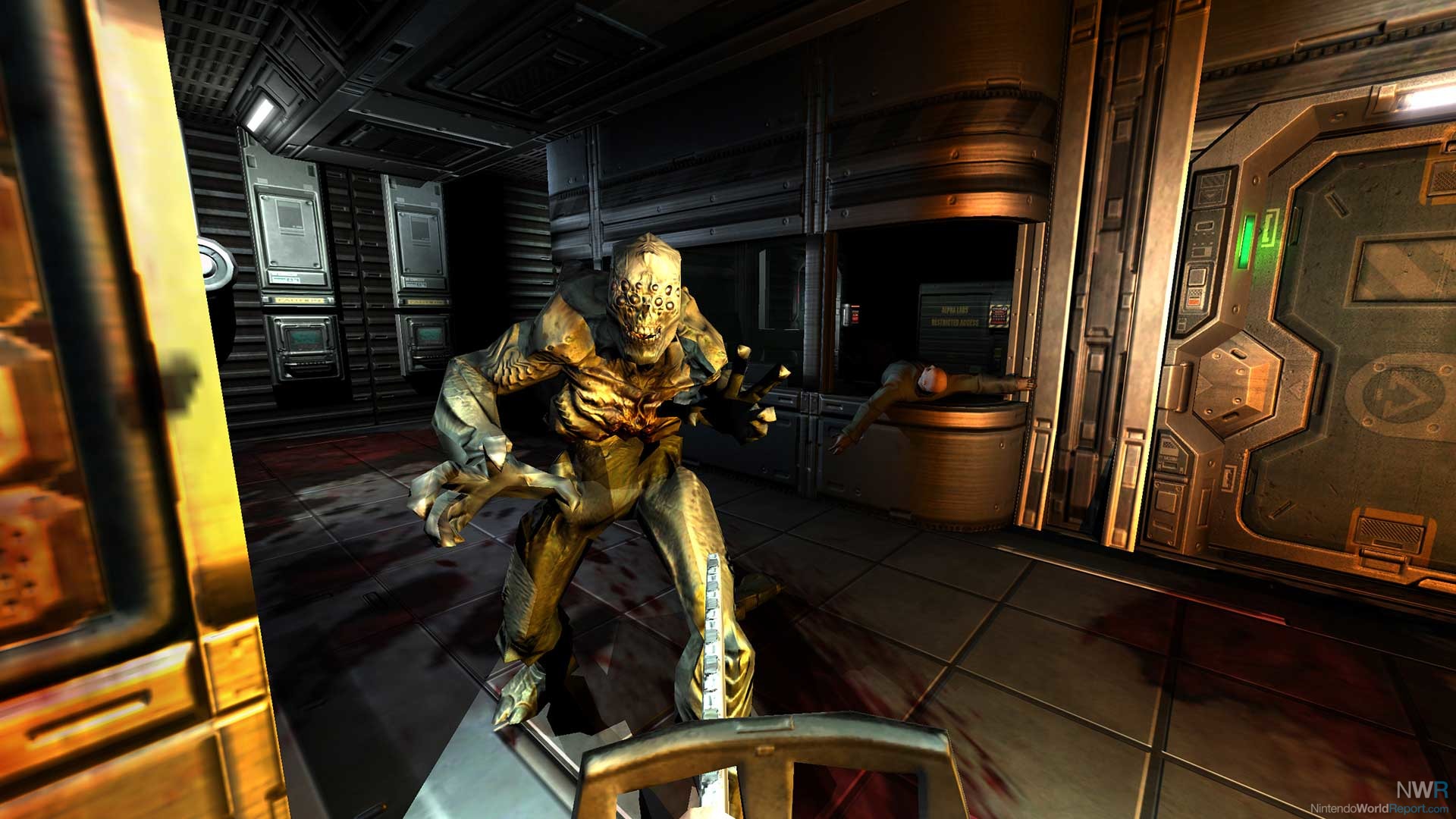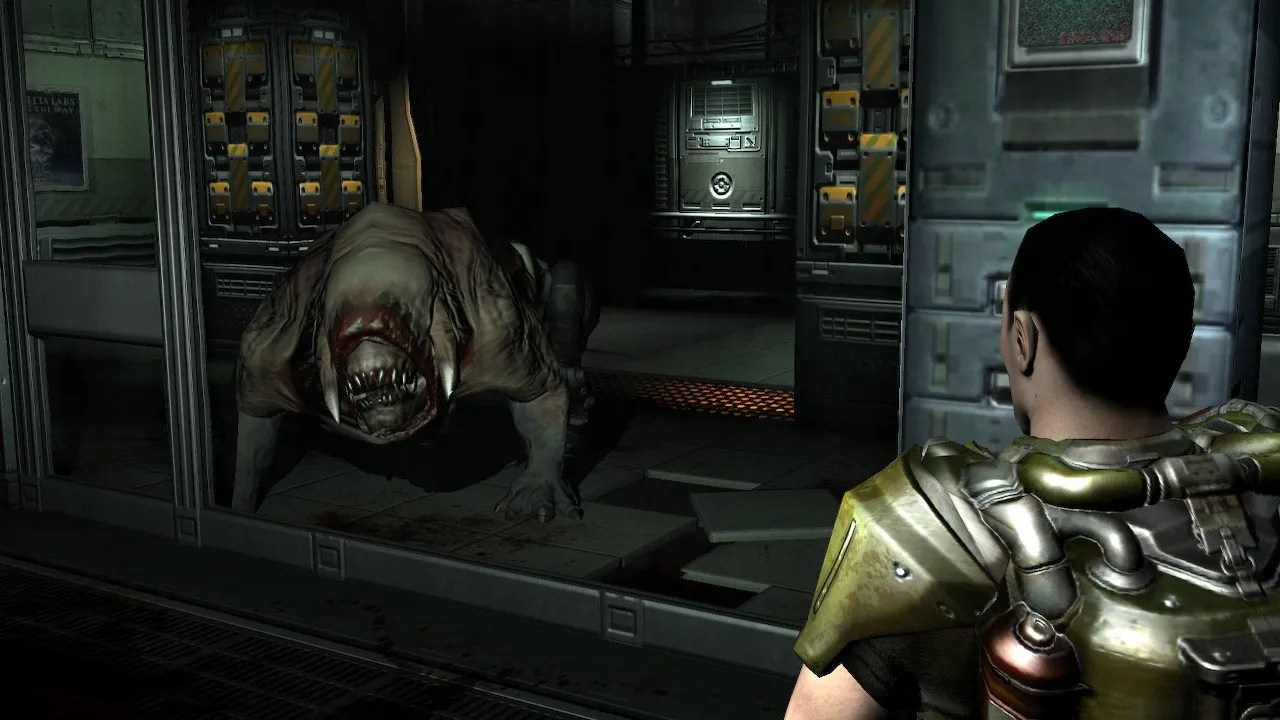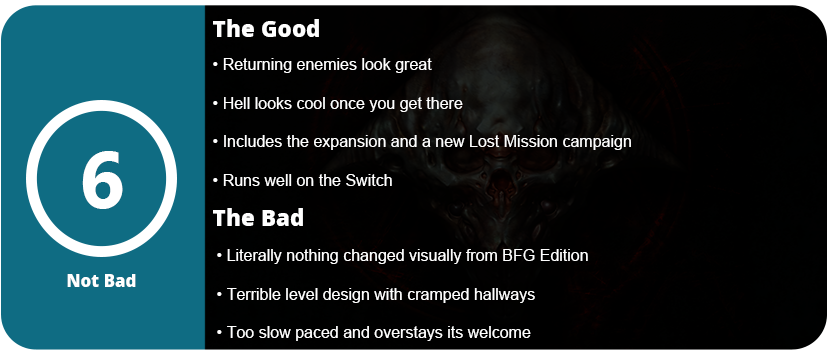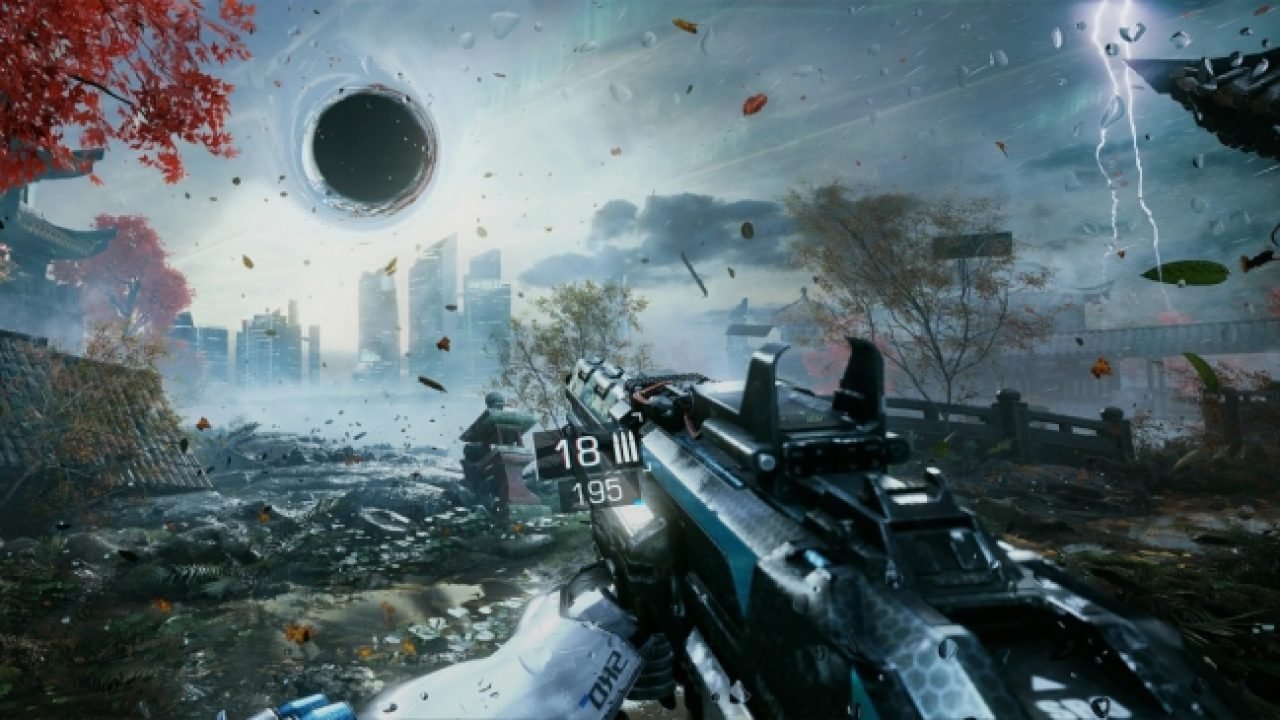
I’m not the biggest Postal fan as I didn’t grow up with it. With Postal 4being another turd in the series, I can easily say this is the best game in the whole series despite being a spin-off. It takes the meta-humor, gore, and whacky character designs of the main series, puts them into a Doom clone, and does it quite well. You are put into the shoes of the main protagonist who falls asleep on this couch and end up playing the levels of his nightmares. There are plenty of locales, fun weapons, and tons of enemies.
You start the game out like you do in the main games. You are in a lively neighborhood and go, postal because your TV is broken. The game ramps up the difficulty quite nicely as this first level has simple enemies like redneck shotgun MAGA hat-wearing enemies, dogs, and innocent people to slaughter. These people give you Wal-Mart bags that give you health. Later on, you run into floating fat enemies that chuck McDonald’s burgers and cups at you. Mind you they don’t use the actual names in the game, but you can easily tell what they’re making fun of.
Later levels bring on various enemies and there are three main bosses in the game. There are three different campaigns to play in. You eventually go through the desert, asylum, sewer, forest, and swap levels to eventually get to the F4 Expo campaign to take on Leon Dusk (har har) and his space program. Each level consists of mostly linear hallways to shoot through but there are many blocked doors that require certain items or colored keys. Finding these can sometimes be a bit of a pain as the levels can be quite long and labyrinthine and the level design overall isn’t the best among these Doom clones. I honestly felt a lot of the time that the pacing was off with arenas being way too large for the loadout you get (you frequently lose your entire arsenal and have to gain it back again) and it can sometimes feel overwhelming just in terms of getting your bearings. The enemy designs are well done as you know what enemies are weak against what types of weapons. You have enemies that mob you, strong enemies that stand back, and some with long-range weapons.
The humor in this game is a bit different from the main entries as it stays meta and makes fun of current global issues. Coronavirus (it’s literally a boss), various memes like Elon Musk, the toilet paper shortage, and various one-liners that poke fun at what’s been going on for the last five years globally. No racism, sexism, chauvinism, or anything like that is needed to be a fun game. The game pokes fun at things rather than promoting them. Anyone saying “Twitter will end this game” is just creating fake outrage. It’s funny no matter who you are and isn’t offensive. The developers got with the times and actually had to make an effort to be humorous. What a crazy idea right?
With that aside, the game does get really repetitive after the first campaign is over. Previous enemies cycle in, the same 8 weapons can only do so much, and most of them are pretty basic weapons, but a few are unique like the Pussy Blower that shoots cats out and you can recall them to do damage on the way back. Most other weapons are just clever or funny renditions of normal weapons with alt-fire modes. You do get items to use such as slowing down time, refilling a weapon’s ammo, and refilling health, and you also get a piss button. Peeing on things is useless unless you have fire or nitrogen bottles to burn or freeze enemies with your pee. Yeah, it’s pretty funny. There is also an Akimbo item which is probably the most valuable in the game.
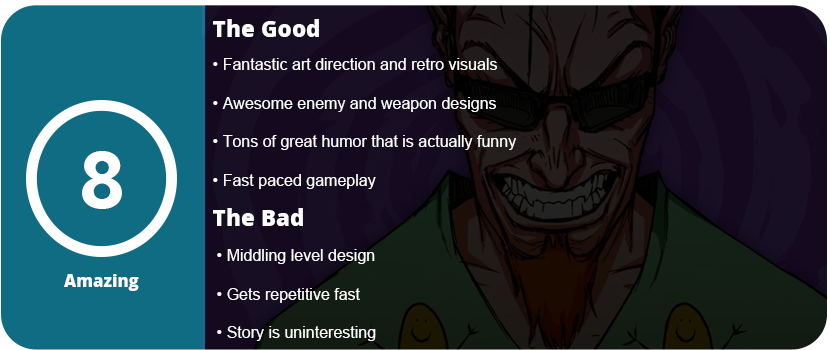
Overall,Brain Damaged has excellent art direction and retro visuals that harken back to the 64-bit era of games like Quake II and Unreal Tournament. The controls are great, the game is fast-paced, the weapons and enemy designs are awesome, there is varied level design, and the humor is actually funny and not offensive just to be offensive. There are plenty of nods to video games, gaming culture, and world events from the last five years that everyone can relate to. If you can get past the repetitious design and so-so-level design problems then you will have a great 5-6 hours on your hands.
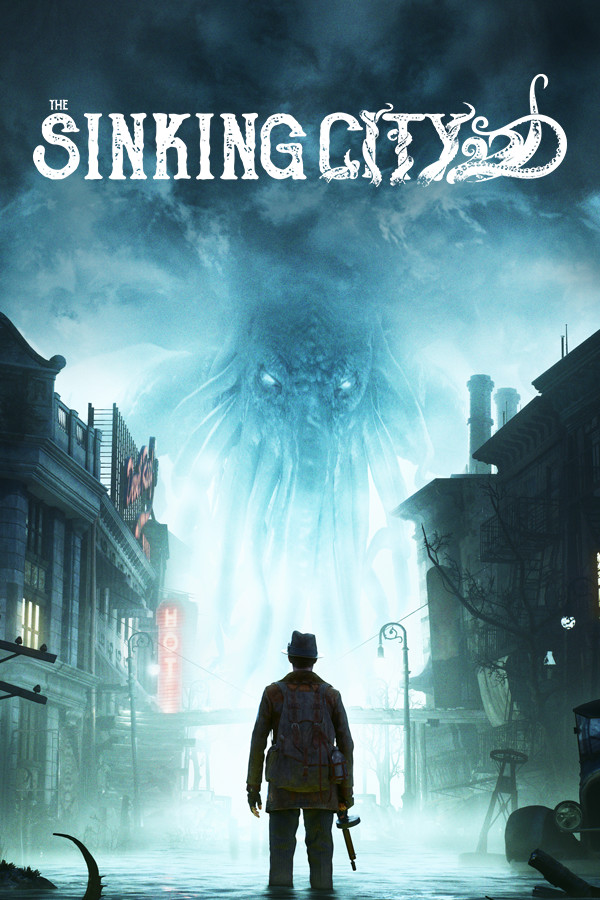
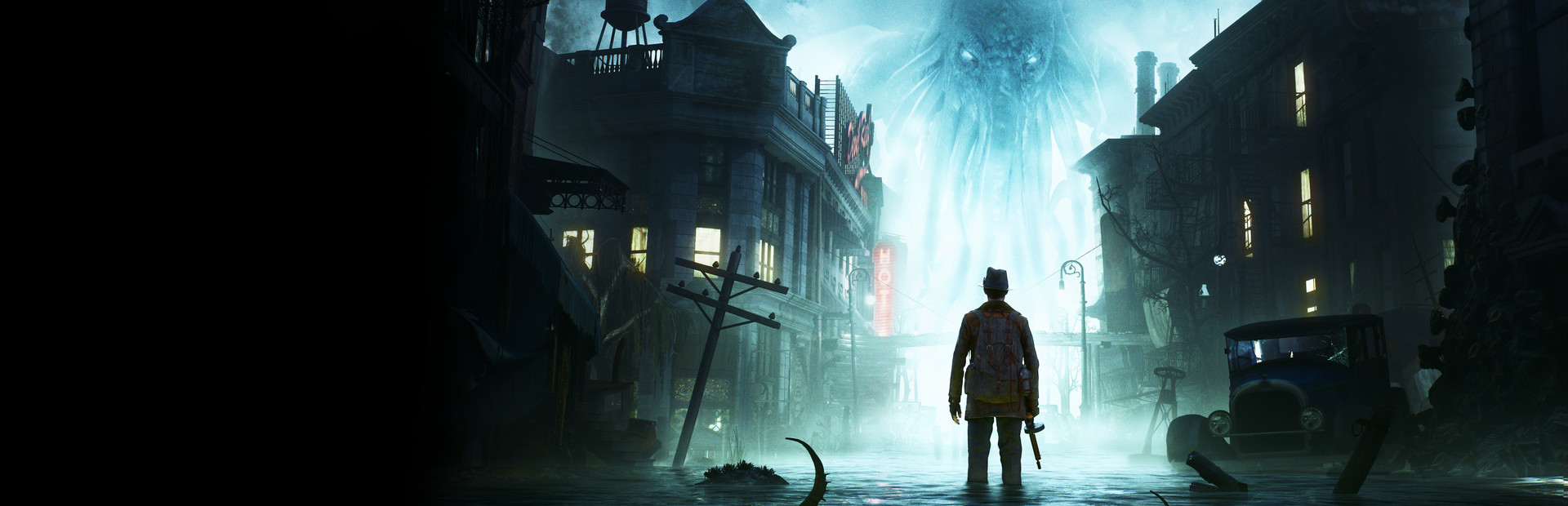
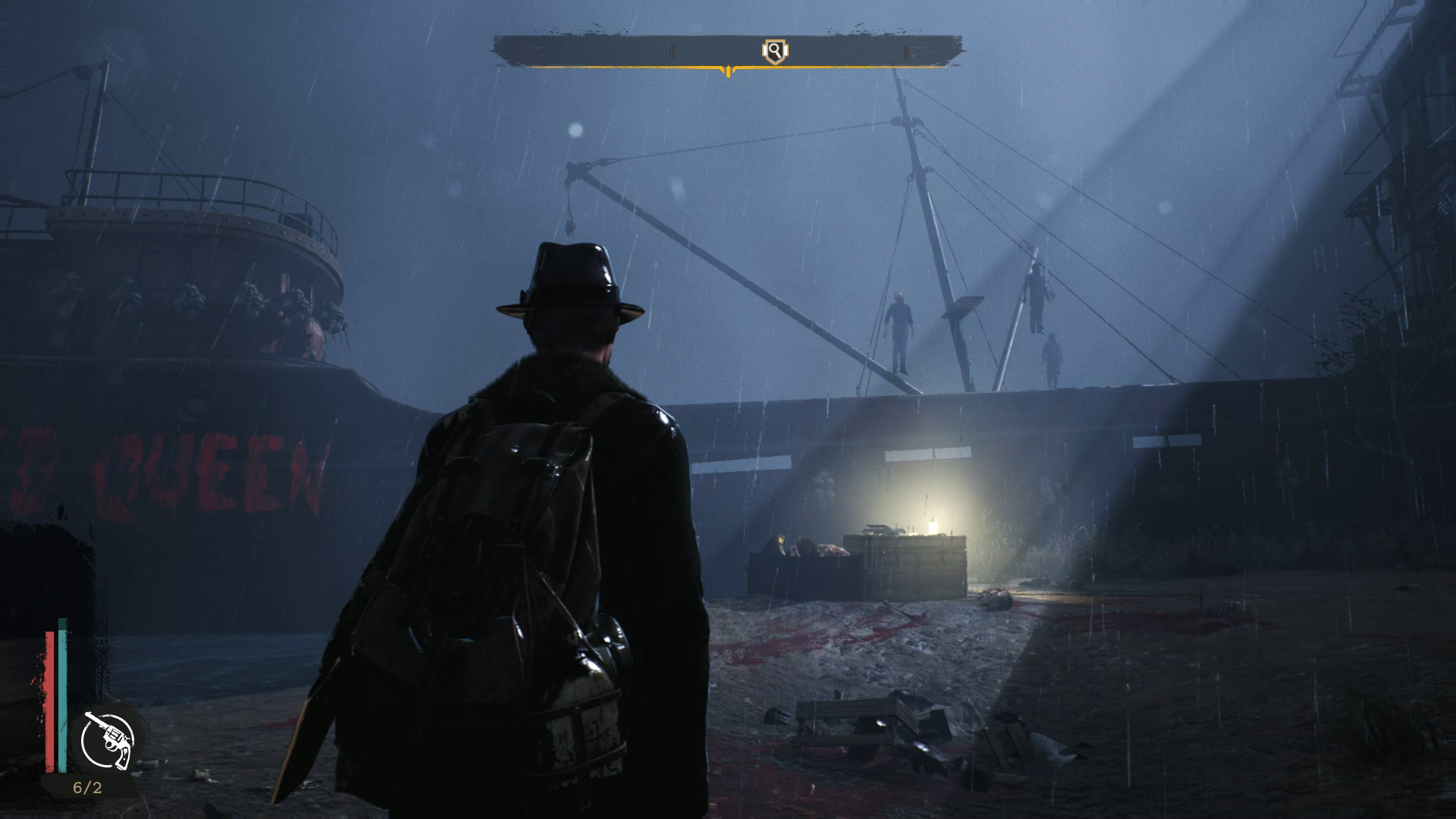
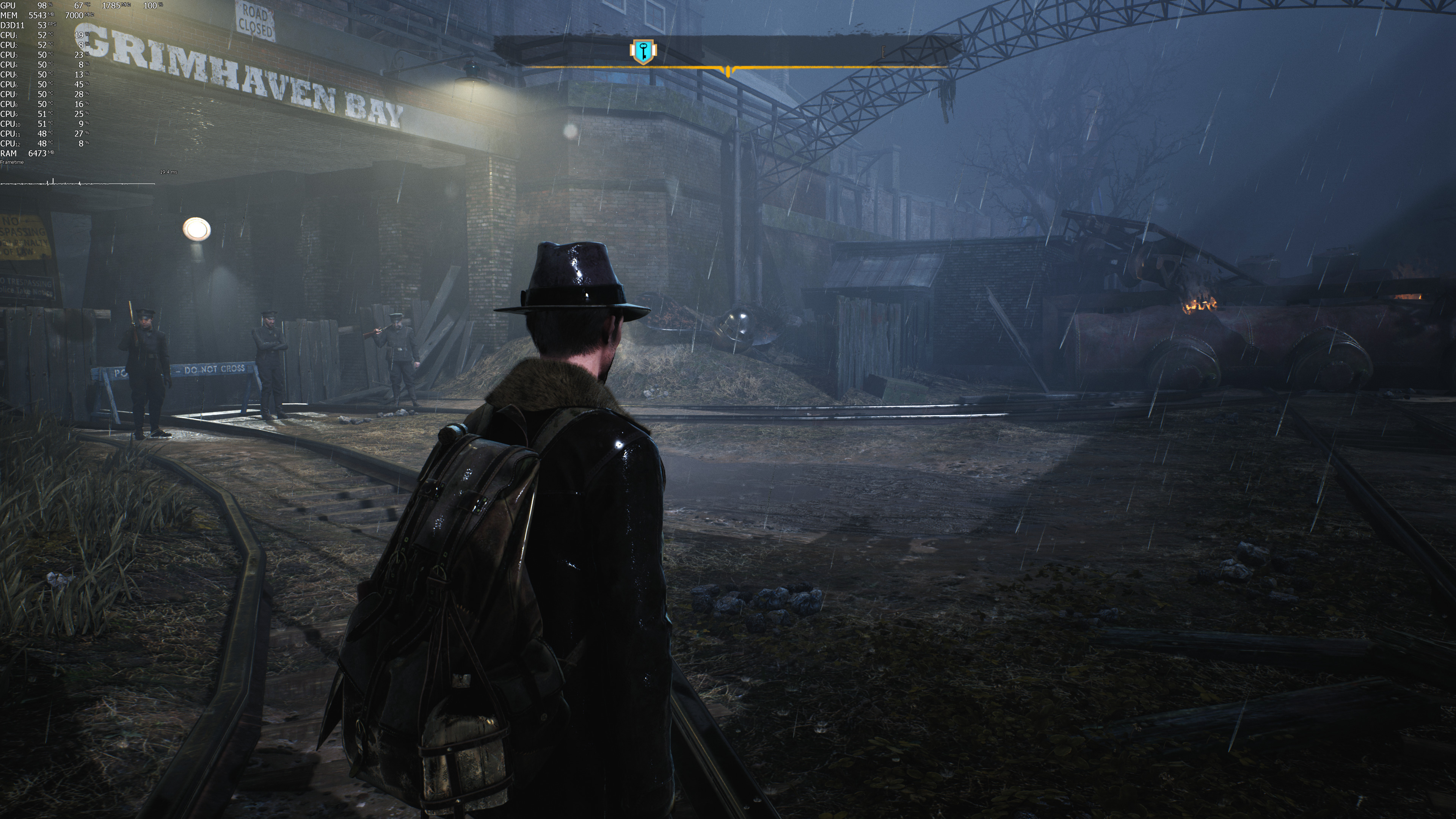
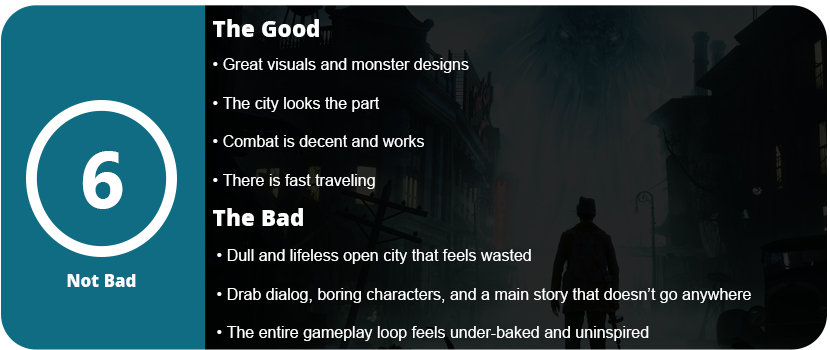
I love Lovecraftian horror, but video games have really struggled to bring these myths to life. Most of the games get the atmosphere and monster design down but can’t nail a good gameplay loop or decent story. By far the best game for this is still Call of Cthulhu: Dark Corners of the Earth. While its gameplay is clunky, it has great storytelling that’s somewhat memorable. The Sinking City does a great job nailing the twisted town of Oakmont with great visuals, but that’s about it. No single gameplay element or loop comes together to create anything interesting or worthwhile enough to make you want to stick around outside of the main story.
Unlike most other Lovecraftian games, this one doesn’t take place in Innsmouth, but it is mentioned that many are fleeing from that town. You play Charles Reed, who is a private eye investigator searching to end his visions. That’s about it, as far as the entire story goes. You bounce around from case-to-case-solving problems of townsfolk in the form of favors to get one step closer to where you need to go. This is where things start falling apart. Not a single character is interesting, including Reed; the dialogue is drab and boring despite the voice work being pretty decent. There are small little stories for each case you can unravel, but I didn’t care about any of them. I just wanted to progress further and hoped there was some cool twist, but that never came.
When you are inside investigation areas, you can examine items and look at objects. There are key evidence items to progress the story and bonus items to complete all evidence for achievements. This is mostly uninteresting, and there are dozens and dozens of these with you just wandering and looking at everything to find any object you can examine. Once you examine everything, you are given clues to advance the case, but nothing is marked on your map for you. You are given a district and then cross streets and have to pin that yourself. I found this kind of interesting until I found out that all of the main story cases are almost always right near fast travel points.
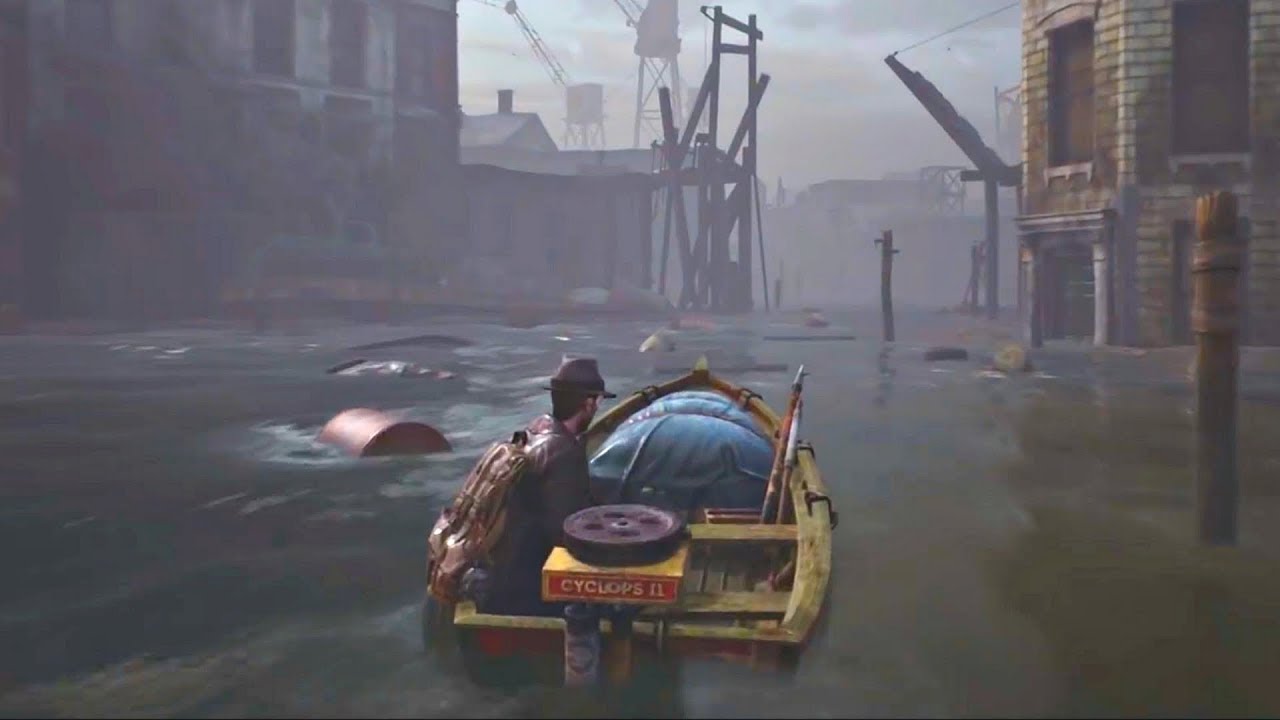
Speaking of fast travel, it’s so necessary because the town of Oakmont is boring and lifeless. Sure, there are people wandering around, but they are just animations to fill space. They don’t make any sound or have any dialog, and there are no stores or anything like that. It’s just linear streets that look pretty broken up with water-logged streets that require a motorboat to navigate. Some areas are sectioned off as infested areas full of monsters and aren’t worth going into for any reason outside of a few side cases that require it.
That gets us into combat, which is another half-baked idea. The game is trying to be a survival horror game by making ammo scarce, but you can craft ammo and health! Sure, but you will literally be scrounging bullets, and some areas have tons of monsters. I got lucky, but usually went down to my last bullet, and aiming carefully is a must. There are five different weapons, including throwables and traps, but honestly, you just start with your weakest gun and work your way up until you’re spent. There’s no strategy to this, all the weapons feel the same and don’t have any weight to them, and there is no cover system. Like any Lovecraftian game, there is a sanity meter, and as this drops, you hallucinate wylebeasts, and they will attack you unless you take psych meds.
There are some underwater levels in which you walk around in a diving suit and avoid hot air vents and a couple of monsters, but it’s slow-paced and even duller as they are all pretty much the same, just with different layouts and an excuse to maybe add filler. You can shoot a harpoon gun to slow the monsters down, but there was no challenge in these six or so underwater areas. There’s a single boss fight, and you occasionally attack humans, which are easy but usually come in large numbers. Part of the appeal of this game is story choice. Choosing who lives and dies doesn’t really affect much except what endings you can choose, which are uninteresting and unfulfilling.
There’s literally nothing else to do in the game. I desperately just tried to find all the fast travel points. I don’t understand making this open-world if it’s so boring and uninteresting to explore and feels so lifeless. The same loop of investigating cases, fighting some monsters, fast-traveling around to the next case, and listening to the dialog is so dull, and I only kept playing because of my love for the lore. If you don’t care about Lovecraftian mythos, then I wouldn’t even bother with this game. I also didn’t bother with any side cases, as the main story takes around 12 hours and drained me. I couldn’t spend another minute in this game.
Overall, The Sinking City is another barely passable Lovecraft-inspired game that gets the atmosphere and looks right but can’t nail any gameplay elements. While none of them are broken or bad, they are just boring and could have been greatly expanded upon. The main story doesn’t really go anywhere; there are no interesting characters, the dialogue is drab, and the bullet scrounging gets tiring because of the number of monsters that get thrown at you. Not to mention
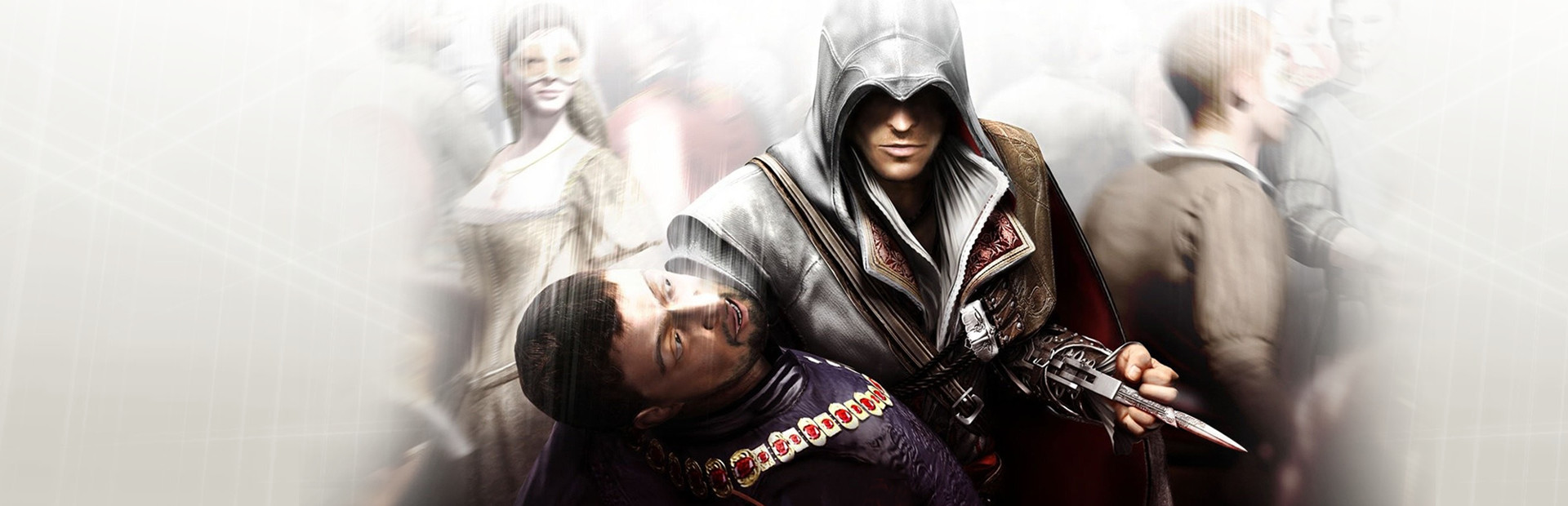
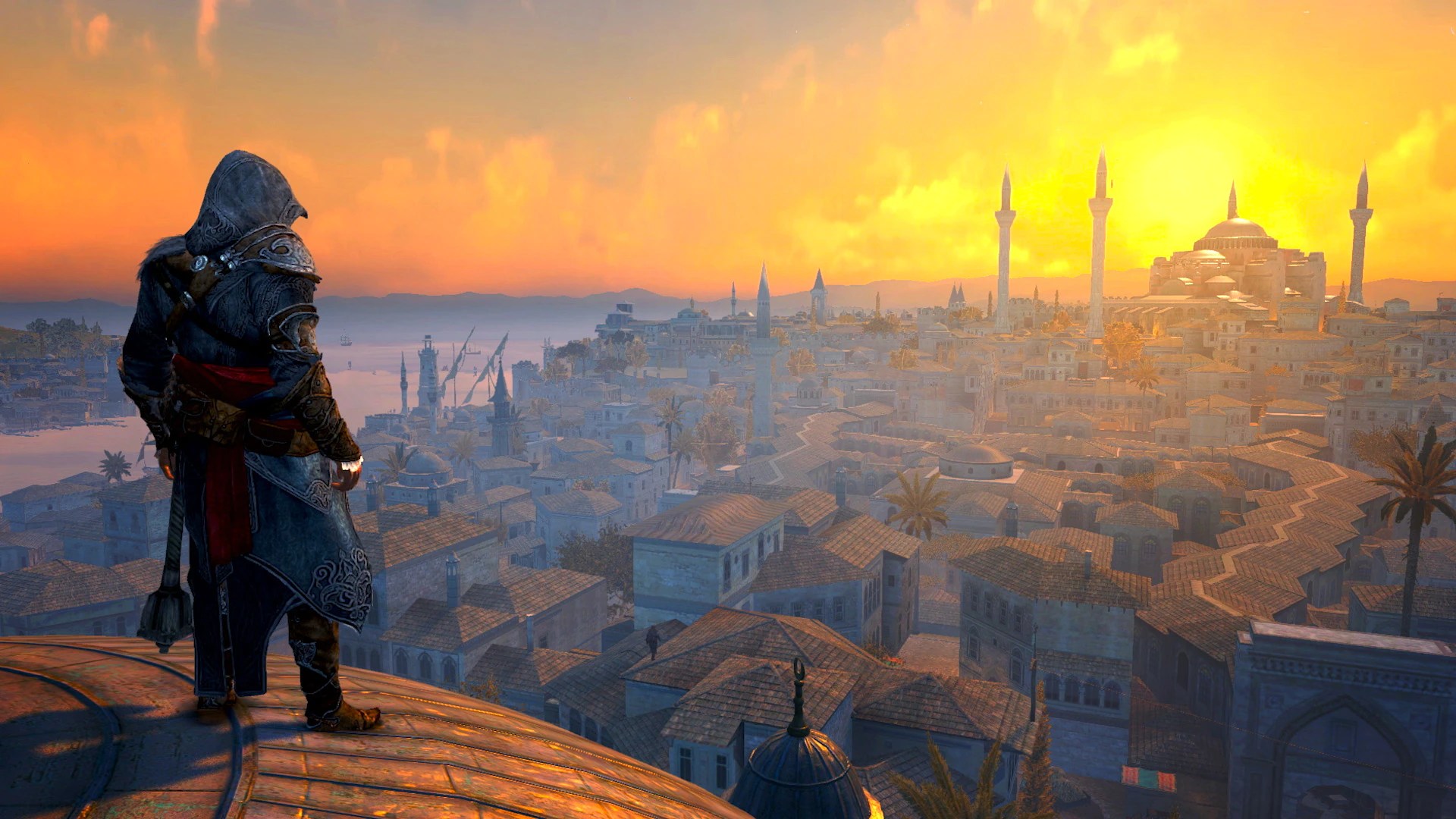
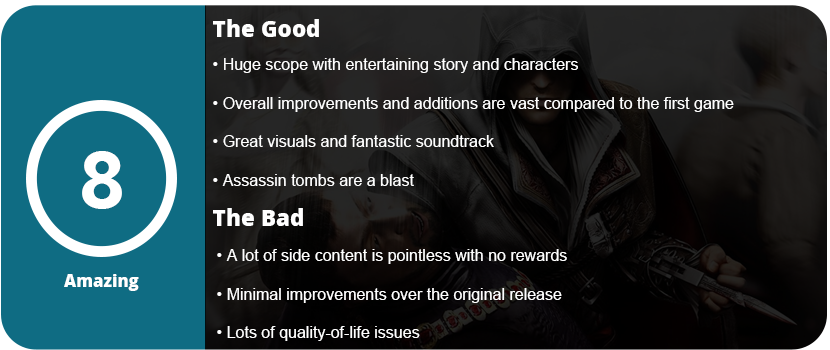
Assassin’s Creed II is by far one of the biggest sequels in video game history. When it came out, everyone was blown away by the scope and ambition put into this game. It made the first game feel like a concept demo. It felt like just the core of the first game was present, and so much was built on top of that game. The world was five times as big; there were new mission types, cinematic story missions, and tons of overall additions and improvements; however, the game did suffer on its own for various reasons.
This game starts the epic saga of Ezio Auditore de Firenze. one of the most iconic video game characters of all time. It was a surprise that Ubisoft scrapped Altair and his story so quickly, but we are greeted with 15th-century Italy and various historical characters that appeared during that time, such as Catarina Sforza, Leonardo Di Vinci, and Machiavelli. The story itself is fairly easy to follow and has a few twists, but most of all, it has a really surprising ending. Ezio works his way up as an assassin, knocking down templars, to retrieve the apple of Eden and keep it from the templar’s hands. The main villain, Rodrigo Borgia, is a nasty snake, and overall, all the characters are well written, and I wound up really liking most of them.
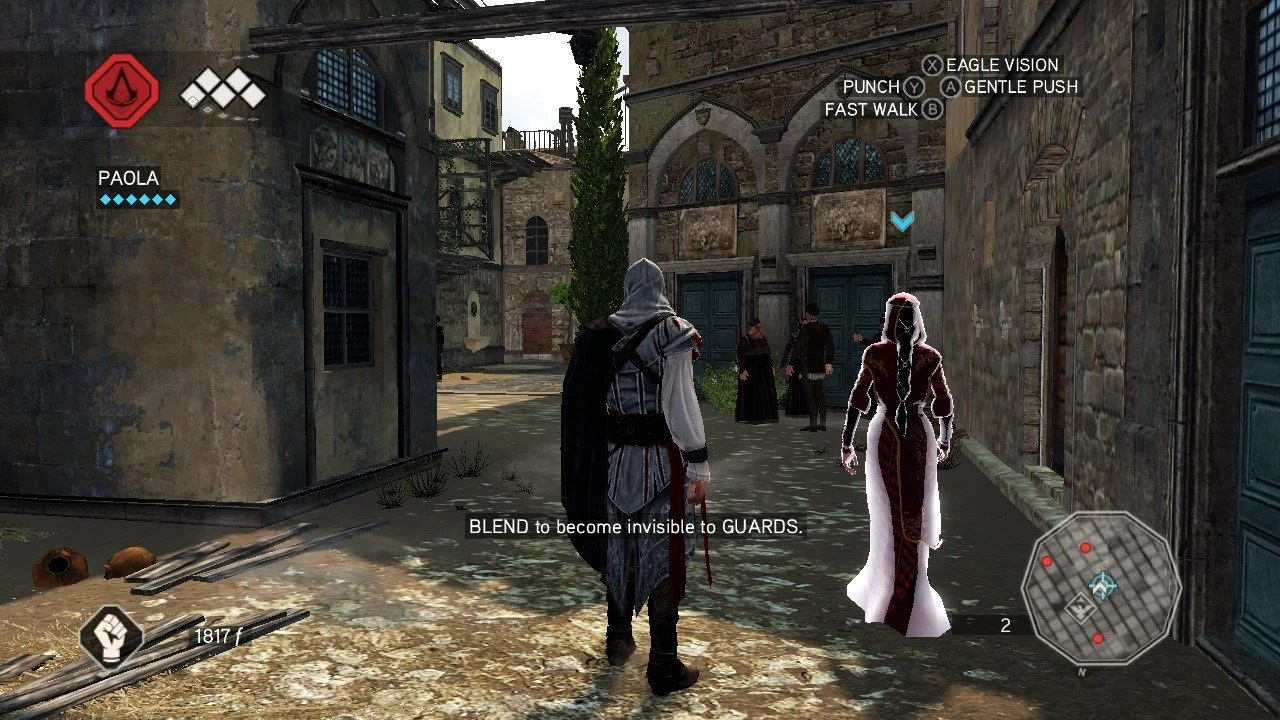
First off, the overall way you maneuver has been improved slightly, but more things have been added. While you can swan dive into haystacks and climb ladders, the entire game has been built with parkour free-running in mind. You can climb every building and stay off the streets by staying on the rooftops. Overall, the system was impressive back in the day, but it has a lot of quality-of-life issues. The overall parkouring feels too sticky. Ezio will jump around like a rabbit sometimes, so fine-tuning your turns makes it difficult to forget any type of mid-jump change. Once you get close to a wall or object, Ezio will climb, and quick button presses just aren’t responsive. I would start climbing a wall and then try to tap the descent button, but instead, he would just fall to the ground. Other instances had guards chasing me while I was trying to round a corner, and Ezio would cling to the wall and get stuck or jump onto the wall or object nearby instead. This can get incredibly frustrating as the system just doesn’t allow fine tuning or sudden changes.
That’s not to say the parkour system is bad. When you have a good line of sight, it works well, or you just want to climb broadly over a building. There were other instances in which precise jumping became a chore during Assassin’s Tomb missions. There is a fast walk button, and holding down the run button together allows Ezio to scale things quickly. If you are holding that run button after each jump, Ezio will just go in that direction, whether there’s something to grab on to or not. For small jumps across beams, I had to let go of the run button after each jump to re-align myself for the next jump. Quickly parkouring around just isn’t possible due to this finicky system.
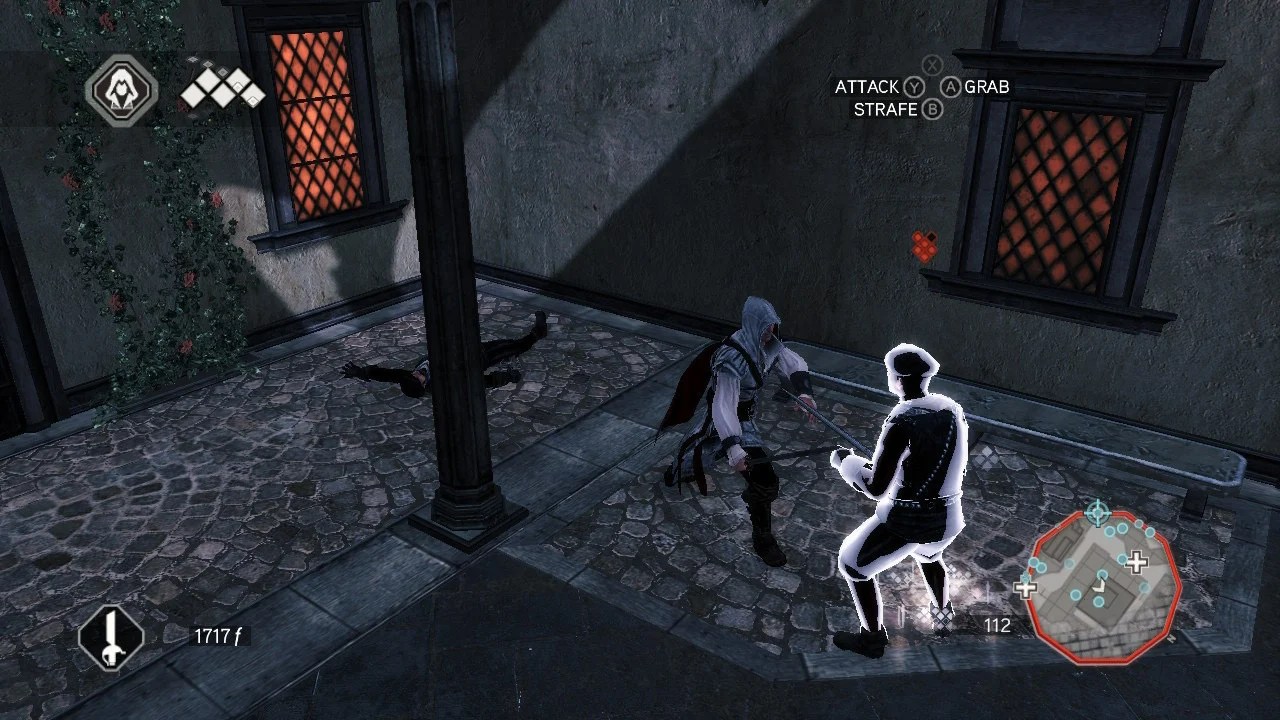
Some other frustrations stem from combat. Firstly, the system is mostly the same as the first game, as it can be easy due to the whole system being a parry-fest. You can whack away at enemies, but instead, just hold the block button and parry when enemies strike, and it’s a one-hit-kill city. Once I acquired my wrist blades, I didn’t even use my sword anymore and never once used my secondary dagger weapons. This is a flaw in the combat itself and needs serious overhauling. It makes open combat boring and sometimes too easy. What is challenging and annoying is trying to lose guards and become anonymous. Sure, you can blend into crowds, benches, and haystacks, and you can now hire prostitutes or mercenaries to distract guards and get them off your tail, but the combat and finicky parkour system make losing guards incredibly frustrating. You have to lose their line of sight by rounding corners or jumping off buildings, and if you can get far enough away, it will create a search radius. You can hide in that radius or continue escaping. There is an anonymity meter, and once it’s solid red, every guard will recognize you, and it’s a frustrating mess to find a town crier to bribe and take 50% of the meter away.
With those two major things out of the way, that leaves content itself. The sad thing about all this new content is that it’s meaningless in the end. There are no rewards for any of it except for achievements or completion’s sake. There are 73 viewpoints to find that are actually fun, as most of them are climbing puzzles on their own. Now it does still feel like overkill, as each viewpoint only reveals the surrounding buildings and not much else. I felt there were just too many. There are races, assassin contracts, courier missions, and fights. These are boring and pointless, and they are just there to add filler. You can really tell this is where the Ubisoft plague of too much crap to do in a game starts. The only rewarding side content is The Truth Puzzles. There are 20 hidden glyphs throughout the game, and finding them will grant you puzzles to solve. These get increasingly hard—absurdly hard, in fact—in which the clues become obtuse and impossible to decipher. However, what’s revealed is a cool video.
The story missions themselves are mostly varied, with various tasks such as assassinations, tailing, fights, horseback riding, and the occasional scripted mission. I really liked the story and characters enough to stick around and wound up completing all viewpoints, The Truth puzzles, and finding all the codex pages that max out your health. I do need to mention the various gadgets you get, which are mostly useless. Poison darts can make enemies go berserk and attack each other, but you also have smoke bombs, throwing knives, and a pistol, and that’s about it. I mostly used the throwing knives to take out rooftop guards, and smoke bombs were great to get away from large groups of enemies and become anonymous. In fact, they’re required to reduce frustration.
The visual upgrade for the Ezio Collection is minimal. There aren’t any actual improvements outside of some draw distance gain, anti-aliasing, and texture filtering. The lighting is slightly improved as well, but not by much. The game runs incredibly well with no slowdown, but I did run into a few crashes and glitches. I wish we got a full remaster or remake, but what’s here is fine. It’s crazy how well this plays so many years later and just shows how far ahead the game was at the time. There are a lot of quality-of-life improvements that need to be made, and most of the core mechanics have frustrations you will need to forgive or work around, but the story and characters are worth sticking around for. There is also a lot of bloated side content that has no meaning or rewards, including fully upgrading your villa, which literally just generates more income and isn’t used for anything besides dying armor, buying weapons, and armor itself. The assassin and templar tombs are a lot of fun as well.
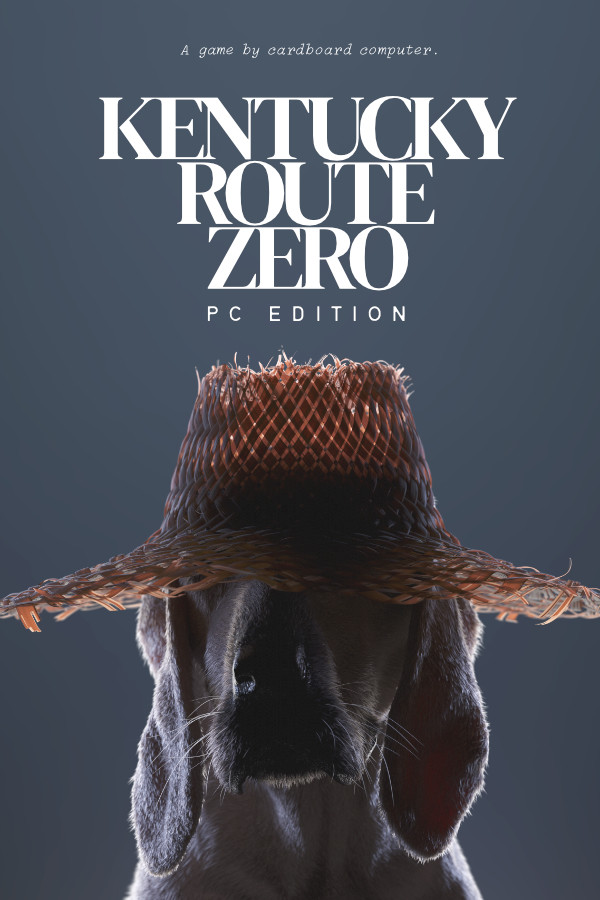
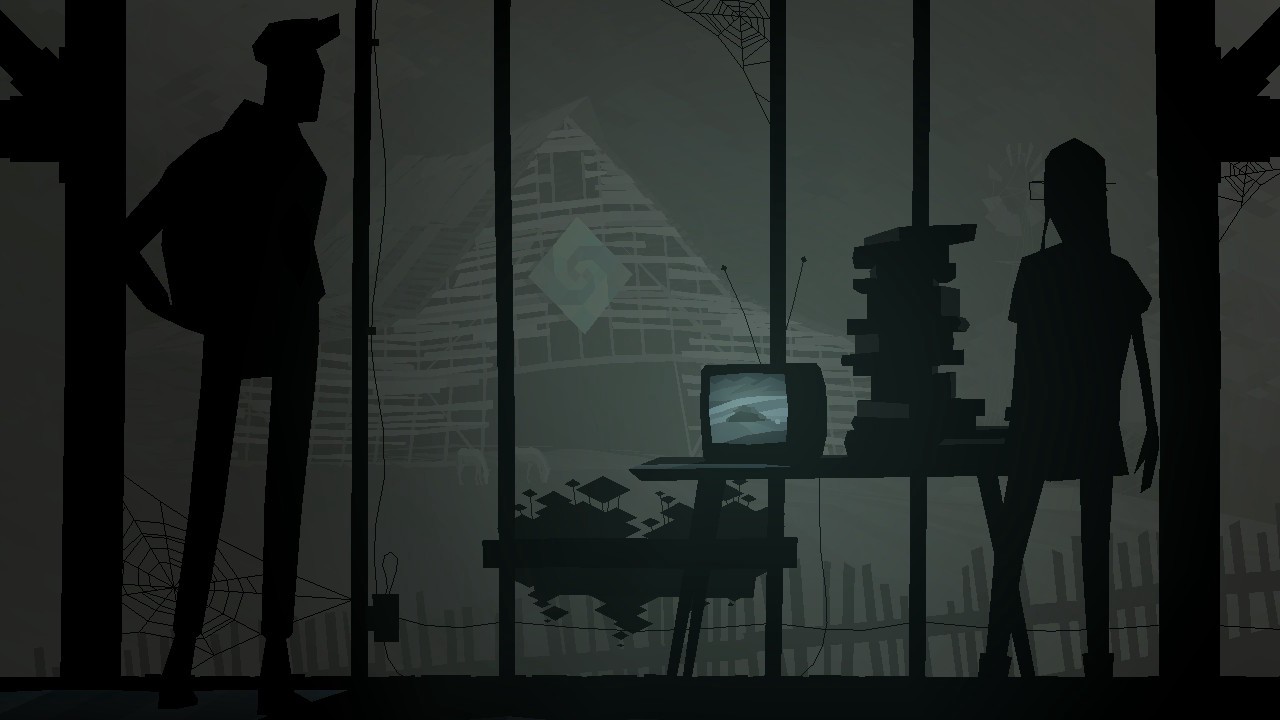
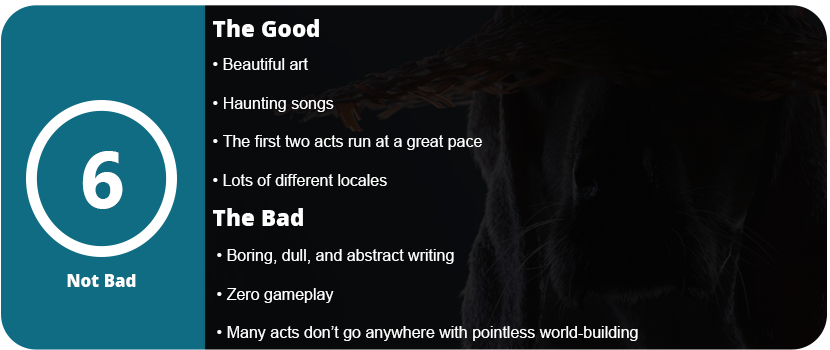
I love adventure games, especially ones that do something interesting or unique for the genre. Mostly, I love adventure games with fantastical stories and great characters. Graphics usually come last with these kinds of games. Kentucky Route Zero does have an interesting art style that is signature for Annapurna, but it doesn’t really add anything to the game either. The first couple of acts of the game start out well enough and are easy to follow, but the game’s story quickly devolves into visual novel-level walls of text and pointless stories that lead nowhere.
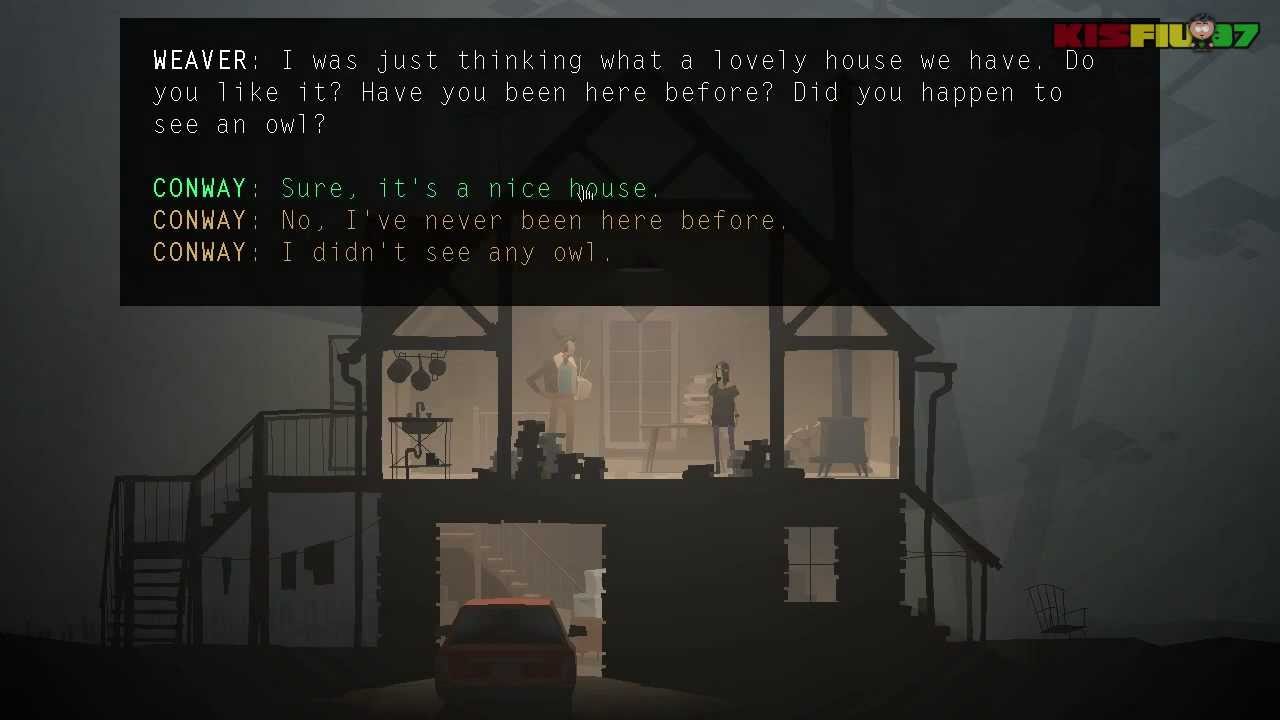
You play an antique shop delivery driver who needs to make one last delivery before the shop closes at 5 Dogwood Drive. You start out at a gas station on a highway, and a strange man tells you about taking “the Zero” out to the address. You soon meet an electronics repair woman and end up seeing strange stuff on a TV. You follow clues to get the zero, and this is where Act 2 leads you. Once in act two, the game’s pace stays sharp and breezy. There’s nothing to really play here, as you mostly just click around, leading the characters to icons to read more dialogue and text. There are no puzzles, combat, scripted events, etc. This is a straight-up borderline text adventure. Once you hit act three, things slow way down, and then there are the pointless interval chapters in between each act. One chapter was 30 minutes of nearly endless, boring dialogue that didn’t add to the main story at all. It was painful to read it all, and I actually read novels in real life regularly. It’s dry and dull and not interesting in the slightest.
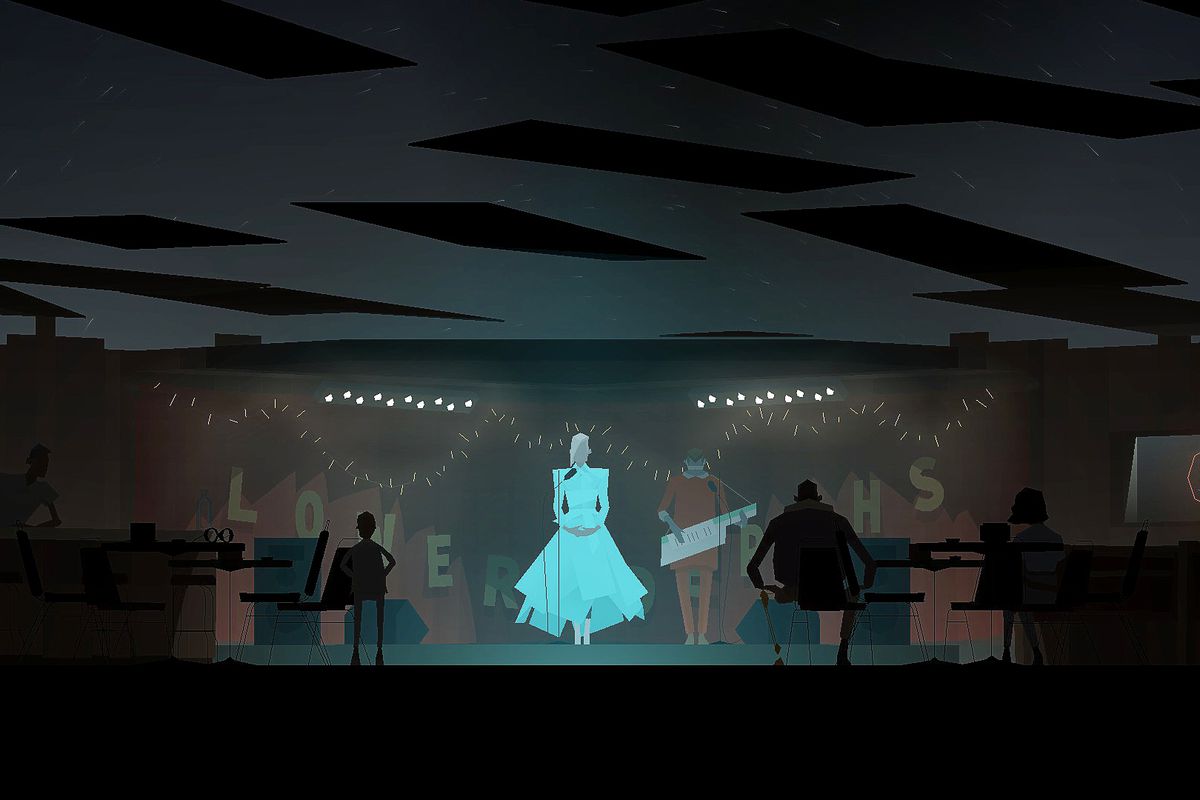
Each act has several scenes, and they are usually rather short. Once you click on each icon and read all the dialogue, you will advance to the next scene. There are at least a lot of locales, and the visuals are striking in some scenes. There’s little spoken dialogue, but I actually quite liked the songs here. They were very sad and helped set the tone of the entire game. This isn’t a horror adventure either. It’s just super weird, and I wish I could have followed the story or cared about any of the characters. If the dialogue wasn’t so damn boring, I would care more. In some areas, I just skipped through the dialogue because it was either really abstract and poetic that didn’t add anything to what was going on or just super uninteresting. Many people will probably shut the game off after act two, as that’s when things really slow down and drag.
I want to say that the ending was worth all the hours of reading, but it wasn’t. It made no sense to me, and the entire trip to the address almost felt like it was an afterthought. I would say I don’t want to spoil anything, but there’s not much here to spoil. There’s so much character and world-building that the actual adventure is eventually forgotten about, and said world-building is dull. There are a lot of slice-of-life moments talking about real-life personal situations from the past, and then there will be some sort of narrative poetic thing for a while, and then back to two random characters talking about how much they like a certain food. Normally this is great, but in this game, it doesn’t add anything, as I have to already care about the characters to want to read this stuff.
Overall, Route Zero starts out great and quickly drags on into a dull and uninteresting visual novel with interesting visuals. There isn’t a satisfying ending and the intervals between acts are pointless and dull. There is zero gameplay involved and mountains of text to click through. This would normally be fine if the actual characters and scenes were interesting. Some may like the abstractness of some of the writing while most others will fall asleep.
Lone Sails was an interesting puzzle adventure game that took place on a 2D plane. You micro-managed various things on your vessel while acquiring upgrades to overcome new obstacles. Changing tides is exactly the same thing, but on a boat instead.
There is no store or character building at all, and that really stinks. I can tell the world in Far is sad and clearly post-apocalyptic, but the game gives me no reason to care about it other than the puzzles. You start out swimming this time and learning the basics. jumping, climbing ladders, moving objects, and picking them up. You then acquire your ship and learn how to manage your fuel, sails, filling with air or water for submarine controls, cooling your engine, and using your boost power. You acquire these over the course of the game, but fuel management is key. Don’t use fuel unless you don’t have wind, which was the mistake I made. I wound up with tons of fuel at one point without realizing that’s the most I would ever get, and that was 2/3 through the game.
Gathering fuel is done by collecting junk lying around. This isn’t often, and sometimes you will hit a buoy, and below these are caches of fuel. Don’t get lazy and skip them, but sadly, the game never tells you to look out for them either. Each upgrade requires a giant puzzle of a level, and they were never hard or complicated. Mostly, it’s pushing a lever to drop an object into a machine. They’re fun, but not hard. While you’re sailing, there will be long stretches of nothing. Sometimes not even music. This can get quite boring as the micromanagement of the ship gets tiresome after a while. It was fun at first, but I felt like this was the main gameplay loop and not the puzzles. Overall, there are only four upgrades to get, so about 4–5 puzzles in total. You spend at least 2–3 hours just sailing and micromanaging your fuel and sails.
Once in a while, there are cinematic platforming moments in which you just follow a linear path, which was neat because it’s the only action in the game. I just can’t care a lot about this series without some kind of back story or context. Games like Limbo, Inside, and Little Nightmares do this well with storytelling from your environment. There’s not much to tell in open oceans with just wasted buildings. Even the puzzle areas had murals that supposedly told a story, but they really didn’t mean anything. There’s only one neat moment at the very end of the game before the credits roll, and that’s it.
The platforming itself is fine, if not slippery. I constantly found myself wanting to twitch jump around the ship, and I would constantly fall down holes, get stuck on ladders, or not get to where I wanted because of the slippery jumping and physics. It’s also a bit too floaty. The puzzles are the most enjoyable part of the game, and it’s a shame the boating is so tedious and boring most of the time with nothing going on. If it were cinematic or a more interesting management system, I would really like this idea. I didn’t care for it in Lone Sails, and it was doubled down on here.
Overall, Changing Tides looks good for what it is and has a nice art style, but you will quickly forget this game. It’s about 3–4 hours long, and I can’t stress enough that there
Video games that are considered moving art are rare and don’t happen as often as they used to. Games like Shadow of the Colossus, Okami, Journey, Monument Valley, Echochrome, and various games from large to small budgets would be among that crowd. Lost in Random takes visual and character design inspiration from the likes of Tim Burton’s The Nightmare Before Christmas, Alice: Madness Returns, and Psychonauts. Now, I don’t know if those are exact inspirations, but it sure does feel like it. I feel like I’m playing a Tim Burton cartoon.
You play as a girl named Even. The world-building in Lost in Random is very well done. By the end of the game, I completely understood this world and the horrible things people have to go through. There is an evil queen who rules a black die. When she rolls a die, it determines where a child gets sent. There are six realms in the world of random. You are, of course, starting out at the bottom and have to work your way up to Sixtopia, where the evil queen resides. Children are used for something, and the queen also takes your sister Odd back to Sixtopia with her. The people of Random used to have their own dice, and the evil queen didn’t like this, so she took them all away, and only she can decide anyone’s fate.
Each realm is very well done. They all look different, and each realm plays an important role in serving the queen. One realm makes the cards, one realm offers the garbage to create the evil robots, and so on. As you climb through the realms, you meet people and can do side quests, which, surprisingly, aren’t that annoying. You mostly finish them all just by completing the main quests in each area, and I rarely felt any made me go out of my way. Exploring is one of two major parts of the game, and it’s quite enjoyable; in fact, I enjoyed it more than the combat, which there is more of. I loved seeing the beautifully crafted areas, talking to the crazy NPCs, and learning how each realm is dealing with everyday life. This kind of detail isn’t put into games as much these days unless they’re strict RPGs.
As you explore the realms, you can shoot down pots to earn coins to buy cards. Cards are used in combat, but it’s not like Hearthstone or anything like that. This is real-time combat with cards that give you what you need in the battle. You can carry a deck of 15 cards, and there are around 30 or so in the game in total. You can usually carry 2–3 of each one in your inventory. The deck is varied and broken down into categories. Weapons, traps, hazards, assists, and so on. The problem is that because the combat is in real-time, it can drag on and take a while to get any battles over with. You start out with just you and your death. You only get to roll a one at the beginning, and as you climb realms, you get more sides. This is an issue because until you get at least four sides, you can’t roll very high. You must run around the arena, shooting crystals off of enemies, to build up your hand. I find this whole process tedious, which really dampens the combat a lot and nearly kills the fun. Once you have gathered enough crystals, you can roll your die, and that determines the spending points you get. Each card has a number from 0 to 3. The strategy is picking the right cards for the situation and making sure you have a varied deck. You don’t want to be caught without a melee weapon or health, for example.
Once you play your hand, you have to shoot crystals all over again or “blink” through enemy attacks. An important card is Blink Attack, which damages enemies as you dodge because, without a melee card, you’re weaponless. This also drags out combat, as I wish the slingshot would automatically do some damage. You’re stuck just running around shooting crystals and hoping a hazard or weapon card comes up so you can attack and do some damage. This also makes for cheap deaths, especially in the board game areas where there are no checkpoints. Board games have various rules in which a game piece is moved around, and your roll determines the moves. There are hazards, enemies, traps, and obstacles to overcome, and I absolutely hated these. They dragged out the already dragged-out combat, and if you died towards the end, it was another 20 minutes to fight your way back to the end.
As you can see, the combat has some great ideas, like real-time combat mixed with card battling, but getting to that sweet spot is a chore. There is also so much combat in this game. Once you left a town, you just went into one arena after another, and it felt like it would never end. The only reprieve in combat was the boss’s fights as they changed things up. The same five enemies repeat throughout the entire game, and then, after a while, it just becomes a game of survival rather than strategy. You already know how to kill these enemies after the 50th time, so the strategy is gone early in the game. I wound up just equipping the cards that did the most damage, dropped my spending requirements down, gave me more spending points, and required fewer crystals to get to the cards. I stuck with melee weapons, bombs, healing, blink attacks, and poison, and that was about it. Most other cards end up becoming useless as the game gets harder.
Overall, the game also overstays its welcome. The combat isn’t interesting enough to last 10 hours. As you battle your way through six worlds, each with multiple bosses, quests, side quests, and cards to buy, the game grows tiresome towards the end. I just wanted to explore the beautiful worlds and enjoy the scripted events towards the halfway point. Every time another board game came up or another arena, I groaned. That’s not a good thing. I liked the mix of combat types, but getting to that point with the crystal shooting is just such a chore and slows the whole game down. What’s here, though, is a wonderful story, great characters, fantastic voice acting, and a beautiful world to explore.
Undertale took the gaming industry by storm. Its Earthbound-inspired humor, innovative combat system, and fun characters drew huge crowds and garnered great sales. The 16-bit RPG was short in length but large in spirit. It’s hard to make you really like a game and remember it in less than five hours, but Toby Fox managed to do it.
You play as a human who wakes up in an underground world run by demons. These demons need one more human soul to break the barrier between our world and theirs. It’s a simple story, but it’s the characters you meet along the way that make up for the overall lack of scope of the game. Sadly, there’s no deep lore or real backstories for any characters, but the here and now is well done, and the dialog is sharp, witty, and fun. The game mocks standard JRPGs and Zelda games all the way through. The beginning tutorial dungeon doesn’t wait to get around to it. Pushing boulders onto blocks just to have one that’s sentient makes the task harder for you. A lot of different puzzle-solving elements are not found anywhere else in the game, but puzzles do exist and can be quite challenging.
The combat system is the most unique aspect of Undertale. You can attack, but the entire system is mini-game-focused. There is a meter on-screen, and you need to press the attack button when it’s in the center. Different weapons move this bar faster or have multiple hits. The enemy attacks are all skill-based. It’s essentially your own fault if you die. The center of the screen shows a white box, and your heart is the object that you need to move around to essentially dodge various bullet-hell-style mini-games. Spirling projectiles, daggers, flames—you name it. There are several dozen different attacks, and each enemy and boss is unique in their own way. The game’s other system is its moral system, and you can be a pacifist and not kill a single enemy thanks to the Act command. You can try to figure out how to weaken the enemy through charm or talking and spare it via the Mercy command. If the enemy’s name is yellow, you can automatically spare it. This is an interesting concept and leads to two different endings based on whether you’re a pacifist or not. If you choose that route, you don’t get any XP to level and just get gold, which can be used to buy better armor and weapons.
There are a few towns you can visit to shop, but a funny tidbit is that you can’t sell anything in the game, and the shop owners comment that they don’t want your junk. There is one town you can sell at, however, so make sure you save all your old items to score big towards the end of the game. There are also a few side quests you can complete, but these are cryptic and require holding on to certain items throughout the game. The tip here is to save everything in your box near the save points. Don’t drop anything. When you’re not fighting, you can solve puzzles, as stated earlier, and these range from mini-games to various switch-based puzzles. Backtracking is thankfully minimal, unless you want a certain item at a shop that you couldn’t afford previously.
The sheer variety of the gameplay is astounding. Not a single battle is the same, and not any boss battle plays out the same. Sometimes you have to fight, and sometimes having a specific item makes the fight easier or ends it instantly. Levels aren’t labyrinthine and difficult to navigate, and random battles are minimal as leveling up isn’t quite necessary. At the end of the game, I was level 12 and had the most powerful armor and weapon. Due to the variety and constant changes in the way the game is played, it never gets dull or boring. I played through the entire game in one sitting because I wanted to see the ending, and the game was just so fun and interesting. I can’t remember the last time I sat through an RPG like this and was this hooked.
The visuals are incredibly charming. They are clearly inspired by Earthbound, and each character has a whacky 90s/16-bit style to them that I adore. The soundtrack is also amazing, and I listen to it often outside of the game. Toby Fox did an amazing job with this game, and it’s something you only get once in a lifetime. There hasn’t been this unique Western JRPG 16-bit clone that I can remember. Undertale is the perfect RPG. No grinding, fun characters, great writing, charming visuals, fantastic music, and constantly changing gameplay with a unique battle system that has never been done before If I were to pick something to gripe about, it would be the cryptic nature of the items you need to find or hold on to, as there are no hints as to whether you need said item at all. You just end up with a character asking for something or maybe accidentally using an item during a boss fight and having it do something.
I had actually never heard of this game before seeing the remastered release make some noise. It’s an arcade game from the mid-90s that’s basically frisbee with tennis rules. You pick your character based on their speed and power and toss a disc around a court. It sounds way too simple at first and looks simple at first glance, but the controls have a steep learning curve due to the speed of the game.
Don’t expect a story or even a back story for the characters here. This is pure arcade action, and it’s all about the sport. The game has an 80s aesthetic of purples, blues, pinks, and oranges. It looks really good, and the characters look nice too. There’s a surprising amount of detailed animation here as well, especially for a top-down sports game. The first thing you should do is read the tutorial. It shows animations to help you understand the text, and at first, it seems simple. You can dive for the disc, toss it back, do a curve toss, and do a lob. Simple enough. It gets more complicated as you add power for each move. You need to stand still and press up or down on the control stick plus the respective move button. There’s strategy involved in this, but mostly for other players.
That’s the downside here. The AI is downright cheap, and I almost felt as if I scored out of pure luck. There’s a difficulty setting, of course, but it just feels like you’re playing against an AI, and there’s no way around that. There’s online play, which is awesome, but lots of practice against the computer is recommended to get better. You should pick a character and stick with them at first. Faster characters don’t need to dive as much as they can dart around the court, but the slow players rely on diving quite a bit, but they have more power and can toss the disc faster and harder.
There are mini-games thrown in that can help you master the controls and your play style, but the best practice overall is with someone else. This is truly a two-player competitive sports title through and through. There’s also nothing more to this game, so it’s great for pick-up and plays and not much else. About 30 minutes per session is all I could stomach before I felt like I was either beating my head into a wall or just couldn’t tolerate the same thing. There’s only one court, and the visuals, while looking fine here, are dated and look blurry, but the control is responsive and there are no audio issues.
Overall, if you hate or don’t want anything to do with 90s arcade games, then stay away. There won’t be anything here to interest you. Being an arcade port or remaster, there’s not much the developers could have added without breaking the core game. It’s fast-paced, fun, and a blast with another person, but the single-player AI feels cheap and calculating, making the game not as fun. At least there are mini-games to help hone your skills.
Well, I finally pulled the trigger and bought a system I thought there was no point to. I was on vacation in Oregon when the local Target finally had some in stock, and I said, “What the hell? It can’t be that bad.”The box itself is more vertical and more compact than the original models, which I found strange. Smarter packaging techniques, I guess. Once I pulled the tablet itself out of the system, it looked bigger, but I wasn’t sure. The bezels were nearly nonexistent, and the bottom and top edges were smooth and round. Overall, the tablet itself felt the same, maybe just a bit heavier.
The white Joycons were beautiful. It’s a brand new color we haven’t seen yet, and it makes the Switch look very smart and less like a child’s tablet. Those weren’t any different, but the straps looked different. They have the same white and black straps that the Skyward Sword Joycons had. I guess this is the new standard now. The dock was probably the biggest physical difference. While it’s white, looks beautiful, and adds to the smart, higher-end electronic look of the OLED, the back is different. There’s a quarter circle cut out for cables, and the back flap isn’t hinged. It just comes off, which is kind of annoying. However, there’s no USB A port back there, but a LAN port now!
Other than these noticeable differences at first glance, the HDMI cable, charger, and grip are all the exact same.
The Differences
When I first powered on the Switch, the difference in screen quality was noticeable, even with just the Nintendo logo flashing. The colors are brighter, sharper, and more vibrant, and somehow the screen just has a smoother feeling to it. It almost seems like it has a higher refresh rate, but I know it doesn’t have one. It just felt that way. The usual setup process was the same as any switch, but I did notice the internal memory has been doubled to 64GB, which is great for anyone just starting out and doesn’t have a massive library. You won’t need an SD card for a while, at least.
The OLED feels heavier in the hand, and it is slightly bigger. The screen ate up the large LCD bezels of the original models and then expanded out about 0.1mm, so the screen size expanded a whopping 0.8″ and it shows. The bezel-less design is so clean and sleek that I can’t go back to the original model or even to the Lite. Games look amazing in motion on this thing, and then there’s the controversy about the Vibrant mode exclusive to the OLED model. The Vibrant mode pushes the saturation a bit and doesn’t look good on some games, and you can really see it on the home screen, but it works well in games that are full of color or are very dark. Flashes of color pop in dark areas, and it just looks so good. I didn’t realize the upgrade would be this noticeable, but it’s stark if you hold any other Switch model up in comparison. The colors, even in the standard contrast mode, make the other models look dull and less colorful in comparison.
With a huge 7″ screen, a sizeable upgrade is nothing to scoff at. The next best thing to hold up that giant screen and the heavier Switch is the kickstand. This is probably the second biggest change, as the stand goes along the entire back of the switch and is basically a metal plate that folds out almost flat. You get steeper and shallower tilting angles this way, and it no longer basically stands straight up. This is great if you’re sitting higher or standing and can lay the switch flatter. With the metal design, it no longer constantly pops off and is leaning on one side of the switch. The MicroSD slot is also just underneath here and is easy to access. This should have been on the original model, but we won’t go there.
The OLED’s 4310mAh battery is exactly the same as the older model, but it lasts a bit longer thanks to the OLED’s better power management, but it also depends on the game. Brighter and more colorful games will drain the battery faster than darker ones. Nintendo claims a wide range of 4 hours to 9 hours and 5.5 hours playing Breathe of the Wild. On average, you will get around 5 hours of life for most 3D Switch games, and more for 2D games. One thing I see anyone failing to mention is the improved top buttons. The power button is now oval instead of round and less inlaid, and the volume rocker is thinner and sticks out a bit more. All these buttons have more of a subtle, sharper click and aren’t as mushy. However, the game card door no longer has a notch for your finger and instead has a small gap for a fingernail and is harder to open. It’s also rectangular instead of a rounded door.

Lastly, I want to mention the speakers. They have improved quite a bit, are the third-best upgrade for the Switch, and add another plus to the edge towards a purchase. I didn’t know this going in, but the speakers are larger (or at least more exposed) and are located on the bottom of the system instead of the back. The speaker’s grilles are right where the kickstand opens and go right along to just under the screen. The sound is louder, clearer, and overall more of what I expect from the fantastic sound quality of Nintendo’s 3DS lineup. The 3DS has fantastic handheld speakers and has always been hard to beat. When it comes to your old Switch cases, this will fit, as it’s only 0.1mm longer than the standard Switch, and it fits for me even in a tight case. I also want to mention that the white OLED just seems like an added bonus for the cost, and it looks smarter and sleeker than the black model does. It’s not as eye-catching.
Overall, the Switch OLED is a phenomenal upgrade over the standard and can justify the extra $50 price increase. With almost a single-inch larger screen, better and louder speakers, a bigger and better-designed kickstand, better top buttons, a LAN port in the dock, and seemingly better battery life thanks to the OLED screen’s better power management, there’s so much going on here that is hard to see on the surface. No, there are no upgrades under the hood; the overall design is the same, but the gorgeous display with the Vibrant setting (on some games) just makes this the best handheld screen on the market and surpasses the 2012 original Vita OLED screen, which had the crown for the best handheld screen until now. If you can’t justify the extra cost for another switch, just know that, of course, no single thing is worth the cost increase, but everything added together makes this an amazing package.
*Note* The OLED model DOES have 5GHz wifi. During testing, it wasn’t seeing any 5GHz connections for a few days, but it’s working now.
The seventh generation of consoles was really rough. While we did get some awesome games, there were a ton of experiments as developers struggled with rising development costs and complicated hardware technology. With the rise of HD gaming, which is games rendered in 720p or higher, there was also a struggle to evolve genres with this newfound hardware. First-person or third-person shooters struggled probably the most in this era as open-world games were evolved and, mostly, well done with games like Grand Theft Auto IV, The Elder Scrolls: Oblivion, Skyrim, and Saints Row. Shooters were stuck in the past, gameplay-wise and design-wise. Corridor shooters with no story or interesting characters, not to mention lacking an identity, helped make up for the lack of the latter. Your favorite shooters like Doom and Quake didn’t really have a good story or characters, but they had an identity that helped them stand apart from other shooters. The look, feel, weapons, and overall design were unique to that game. This just didn’t happen with the PlayStation 3 and Xbox 360 shooters, and if it did, it was rare. We’re going to take a look at the worst and best shooters in this generation of consoles and why the genre stalled and didn’t really evolve much until the next generation cycle.
The Outfit
A launch title for the Xbox 360 and developed by the excellent Relic Studios (Warhammer fame), it was a surprise that the game was so boring and bland and a complete flop. The game forewent realism and instead encouraged total destruction, but the campaign was repetitive and dull and overall a very forgettable experience.
Bullet Witch
I really wanted this game to be good. Not only did it have a fun female protagonist, but it had style as well. However, upon release, it was a buggy, clunky, awful mess of a game and looked really ugly and dated. I don’t know how this game wound up so badly, but even a recent re-release of the game on PC didn’t help it any. There’s a lot of potential here, and if you really want to play it, it’s possible. Sadly, the game flopped really hard despite releasing early in the HD era cycle.
Infernal: Hell’s Vengeance
This is probably one of the worst games on this list. This is “Steam Early Access” quality gaming here. The game is literally incomplete. The controls don’t work half the time, the puzzles don’t make any sense, like they were still in the planning stages, the visuals are horrendous, and the voice-acting is awful. There isn’t a single redeeming quality to this game at all. You’re better off forgetting it exists. What’s even worse is that the console version is an “updated” re-release of the PC version, and clearly nothing was fixed.
Kane & Lynch: Dead Men
Kane & Lynch really tried; they really did. While the cinematic moments are entertaining, the gunplay is weak and feels half-baked, and the story doesn’t really go anywhere. Not to mention, the game looks really dated. The sequel is much better, despite having its own flaws. While Dead Men isn’t inherently awful, you’re not missing out on much by skipping it entirely.
Iron Man
Woof, yeah. I can’t believe I’m talking about this. This was one of the worst games ever made in 2008, and it remains so. This was when superhero games were still awful, plus a movie tie-in? No thanks. Iron Man had a good sense of speed, and tearing apart things was kind of fun, but the game was ugly, bland, repetitive, and just didn’t have a drop of fun. Sadly, everyone bought it! The game sold really well, and I don’t understand why. There were much better superhero games at the time, but because of the movie, I guess people needed it in their lives. Thankfully, movie tie-in games aren’t as common these days because of the rise in development costs and the stigma surrounding them.
You know, making these lists is really depressing. I remember renting this game from Blockbuster when it was released because of the cool new terrain deformation technology that LucasArts was supposedly going to shock the world with. While it looked cool and the graphics were nice, the game was just plain boring. It’s one of the most boring shooters I’ve ever played, and this was a plaque during this time. There were so many generic, boring shooters out there that didn’t want to do anything interesting or build worlds and characters. Generic white dude with a bald head? Check. Sci-fi weapons that don’t have any meaning but mostly resemble real-world weapons? Check. The same multiplayer modes in every other shooter? Check. A single gimmick that the entire game hinges on? Check. Generic military dudes as enemies? Check. Everything is gray and looks like Gears of War, but not as interesting. Check. The list goes on.
Destroy All Humans! Path of the Furon
Oh man, whoever was behind this game was a complete dick. Not only was Path of the Furon an incomplete mess, but the humor sucked and there were many racial stereotypes in the game that would make the most racist people on the planet blush. Who approved this script? Even if you look past that, the graphics are last-gen, the game crashes and breaks often, and the game just isn’t fun at all. It’s easily the only bad game in the series. Don’t even pick this up out of curiosity if you can avoid it.
SOCOM U.S. Navy SEALs Confrontation
This is easily the worst game in the series. Not developed by Zipper Interactive themselves, Slant Six really screwed up here. While the game felt like a SOCOM game, they forgot everything else. Only seven maps at launch, no campaign mode (whoops), and essentially, since the servers are dead, this game is a piece of vaporware now. The animations were bad, the graphics were dated, and overall, it just wasn’t very SOCOM-y enough to garner sales. By this point, the series was waning in sales and was becoming just another yearly military shooter.
Eat Lead: The Return of Matt Hazard
Eat Lead is a generic and boring shooter, despite its attempt at being a video game parody. The level design stinks, the characters are dumb, the gunplay feels like BB guns, and the graphics are downright hideous. This could have been an interesting game, but instead, we just get more typical shooter garbage of the era. Everything is gray, the lead protagonist is a bald white dude, and there’s no effort put into it.
Damnation
The game originally had potential. It was first entered into an Unreal Tournament 2004 mod contest and became a Total Conversion mod. The premise of an alternate American Civil War is a great idea, but they forgot to make a good game. Awful performance issues, terrible gunplay, bad voice acting, ugly visuals—the list goes on. This is probably one of the worst games of the HD era, hands-down. There’s not even enough here to bother trying out of curiosity. Even the gore and interesting-looking weapons don’t save this mess.
Terminator Salvation
Why is it so hard to make a good Terminator game? Not a single one exists. Salvation is, of course, a movie tie-in but doesn’t feature anyone from the movie. While the game looked decent, the action was repetitive, there wasn’t an interesting story, the gunplay was weak, and the game was just another gray shooter of the era. At least the Terminators looked cool, but it’s still not enough to pick this up. You can also beat the game in a few hours, and it was $60 upon release. Yikes.
Specifically for this era of gaming, Sniper Elite V2 and Sniper Elite III are what I’ll be talking about. Both games are incredibly dull. Sure, the series is known for really awesome X-ray sniper shots and exploding testicles, but that excitement ends before the first level is over. While Sniper Elite hasn’t been an inherently bad series, it’s just not very interesting. This is a generic gray and boring WWII shooter with broken stealth mechanics (somehow it has yet to be fixed), boring level design, and, of course, a pointless story. Hardcore stealth-action fans might squeeze a tiny bit of juice out of this, but most won’t.
Man, at this point, should I just do checklists? Another generic, gray, boring Gears of War rip-off shooter with a single gimmick it hinges on. Look! It guarantees the gimmick is so cool and unique they made it par to the cover art! Yeah, walking on walls doesn’t change anything here. The graphics were pretty good, but other than that, it’s a generic city. Boring weapons, a lame story, stupid characters, bad voice acting, and a complete short and forgettable experience
Army of Two Series
EA was really convinced this new IP was it. So instead of capitalizing on better original IPs like Mirror’s Edge, they took off with Army of Two. Again, another gray, generic, and boring military shooter, but the gimmick here was co-op campaigns. The game was pretty unplayable solo because of the dumb AI, and a lot of situations required quick reactions from both players. The story was dumb, and the attitudes they gave the two main characters were pretty lame. As you can see, this is a plaque from the HD era. Shooters just weren’t very good and were pumped out like candy.
This one had a lot of potential, and I was excited leading up to its release. A WWII Splinter Cell with a female protagonist? It was unheard of back then. Then the game came out, and it was a complete mess. awful level design, stupid AI, terrible controls, boring story, and the lead character had no depth. The selling point was tight clothes and lingerie. The graphics had too much bloom, looked gray and boring, and overall, it was just a bad experience.
Dark Void
This was a reboot of the classic 8-bit game, but it was considered one of the worst games of the era. Here we go again; say it with me now! generic, gray, and dull. It had no life and was just another generic shooter. The main thing that made Dark Void fun was the jetpack! So what do the developers do? Take it away during most of the game. Wow, good job, guys. You couldn’t even get the game’s main gameplay mechanic right. The enemies repeat ad nauseum, and the story is dumb too. Seeing a pattern yet?
Defiance
An MMO shooter, you say? Wow, how exciting! Yeah, not. This was another overambitious project from the start. The game was supposed to tie into a TV series, and the choices players made during the story would affect the show. Advent Rising also wanted a TV show, and look what happened there! The game was just dull, boring, glitchy, and not fun at all. You can’t even try the game now because the servers are offline, so the game makes a decent coaster.
Quantum Theory
Here we are! We made it! The ultimate Gears of War rip-off award goes to Quantum Theory. I remember playing this demo and thinking it was one of the worst games I’d ever played. The game is essentially incomplete and rushed together to capitalize on the gray, white-dude, Gears of War-looking-ass shooter trend. There’s not a single redeeming quality here outside of a few good-looking characters, but this was a Japanese-developed rip-off, so it had that weird stuck-in-the-early-2000s Japanese developer weirdness that took forever to change.
Transformers Series
While the High Moon Studios games were great, this section covers all other Transformers games released at the time. They were mostly movie-based and dreadful. Boring is the best word to describe them all. While they functioned and weren’t glitchy, they just weren’t fun at all. Incredibly short, repetitive missions, ugly graphics, terrible controls—and the list goes on. Not a single one has any redeeming values, even for the most hardcore Transformers fans out there.
Resident Evil: Operation Raccoon City
When Resident Evil 4 became as successful as it did, Capcom thought it was a good idea to take away tension with each new release and add more shooting. Sure, the shooting mechanic in RE4 was revolutionary, but don’t make the games just about that. ORC was a complete disaster and easily the worst game in the series. nothing but a pointless and boring corridor shooter with terrible cover mechanics, lame weapons, dumb AI, and a stupid story to boot. The game mostly focused on multiplayer, which it couldn’t do right either. The enemies were also bullet sponges. Making enemies take a stupid amount of damage doesn’t make the game more fun. That’s how shooters should be. Stay away at all costs.
Yep! The fact that I forgot about this game until you made a comment proves that.