Horror games don’t really work well on mobile devices, as it’s hard to get someone to sit down with a phone in the dark with headphones and drag them through a slow-paced atmospheric adventure. Thankfully, Dark Fear manages to do just this thanks to its catchy story and quick-moving gameplay.
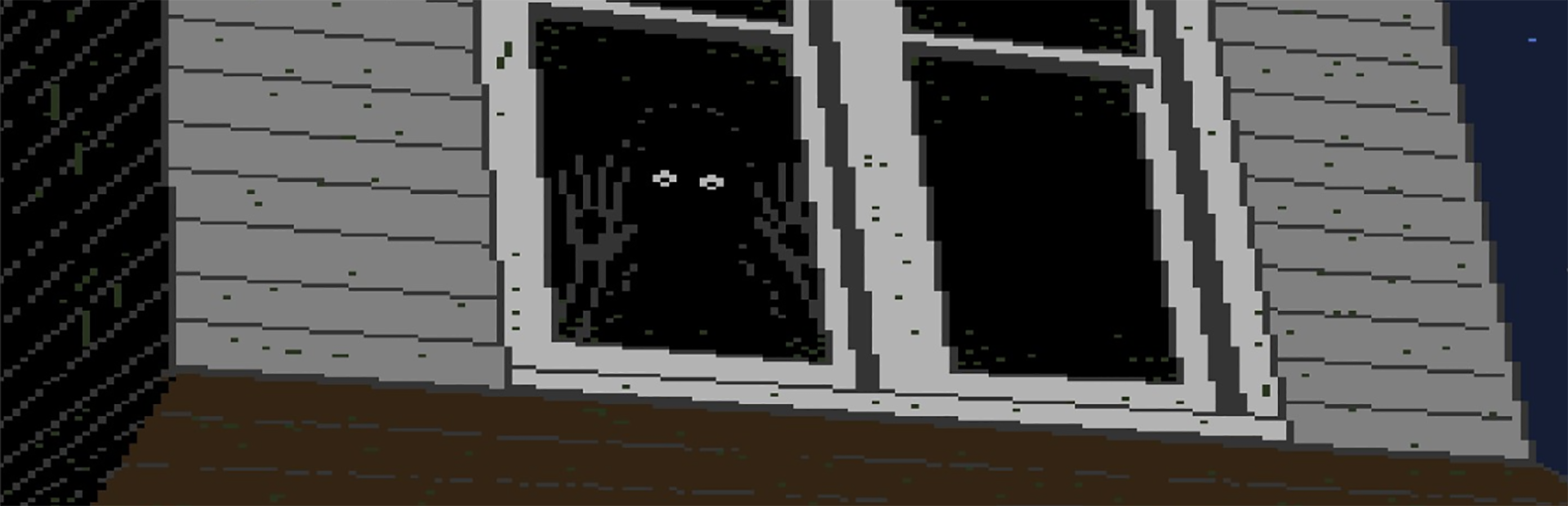
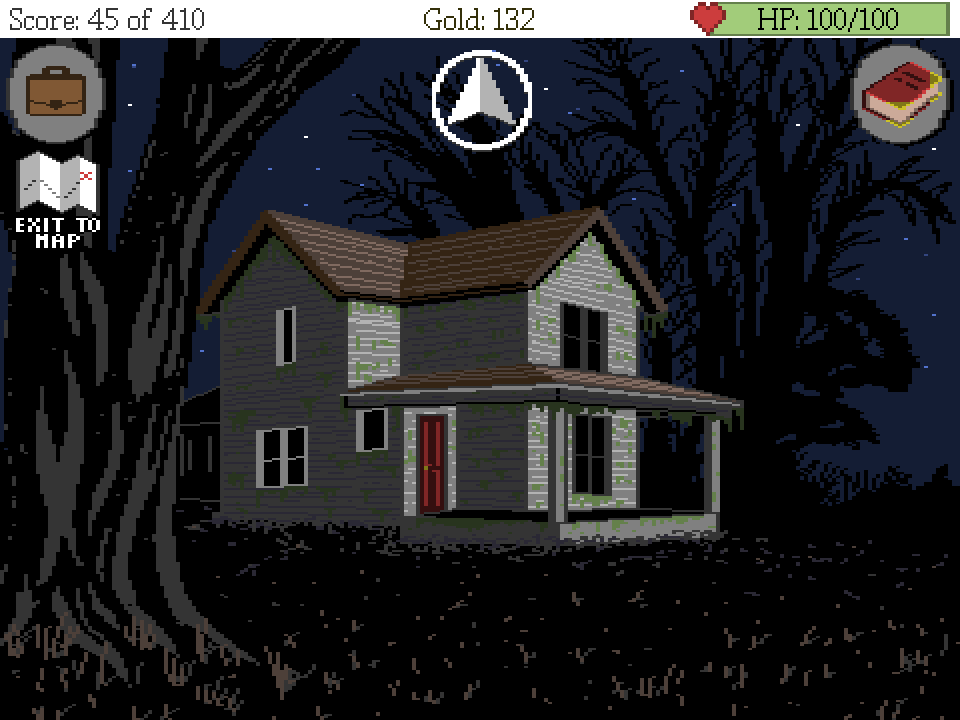
You start out in a cabin in the middle of the woods, not knowing who you are or why you got here. The dark and macabre 8-bit visuals and music help bring this game to life in a very nostalgic way. Tapping on everything in sight is the best way to find what objects you need, but thankfully most are in plain sight. Each area has only one screen, so getting lost is actually quite hard. Once you get out, you learn to fight with the strange but fun battle system. Like a typical 8-bit RPG, you just press your command and try to kill your enemies. However, Dark Fear’s combat is strange, as in, it’s almost scripted. Certain weapons and armor unlock at certain points in the game, allowing you to do only so much damage to the minute number of enemies present. This leads me to believe that there’s a simple strategy or just not missing your shot, and the numbers calculate to you winning.
Outside of battle, you can hunt, which is mainly used to gain currency to buy items in the game. Hunting is rather tedious, as it’s a power-meter mini-game where you just tap when an arrow is inside a green box, and the same goes for fishing. Going from place to place will help you solve puzzles and riddles and get one step closer to who you are and what your goal is. My favorite part about the game is that there are some damn scary moments. One of which was a little girl inside a mansion that appeared out of nowhere, and then, after some dialog, she popped up right in my face with a blood-curdling scream that made me jump and pause the game. There are several moments like this, and they’re great.
Once you start unraveling the mystery and get through about 2 hours of the game, the backtracking gets very tedious, as you will visit most areas over a dozen times only to finish a part of the puzzle from much earlier in the game. Some puzzles are obtuse and obscure, requiring a guide, and some are downright easy. It’s a mixed bag, but the game is still great for what it is. I honestly enjoyed every minute of this game and felt the 4 hours of play-through were well worth it. Any old-school RPG fan will get a kick out of this game.
With that said, the visuals and audio experiences are one of a kind on mobile devices, and Dark Fear is top-notch. The battle system feels rigged, as does the equipment upgrade. Hunting is tedious, but the story and unique puzzles will keep you glued.
Atmospheric side scrollers became popular thanks to Limbo. With no story but an entire tale told through the atmosphere, puzzles, and platforming, this became a great way to show gamers that the platforming genre can be a little more mature. Inside are all the aspects that Limbo created and perfected.
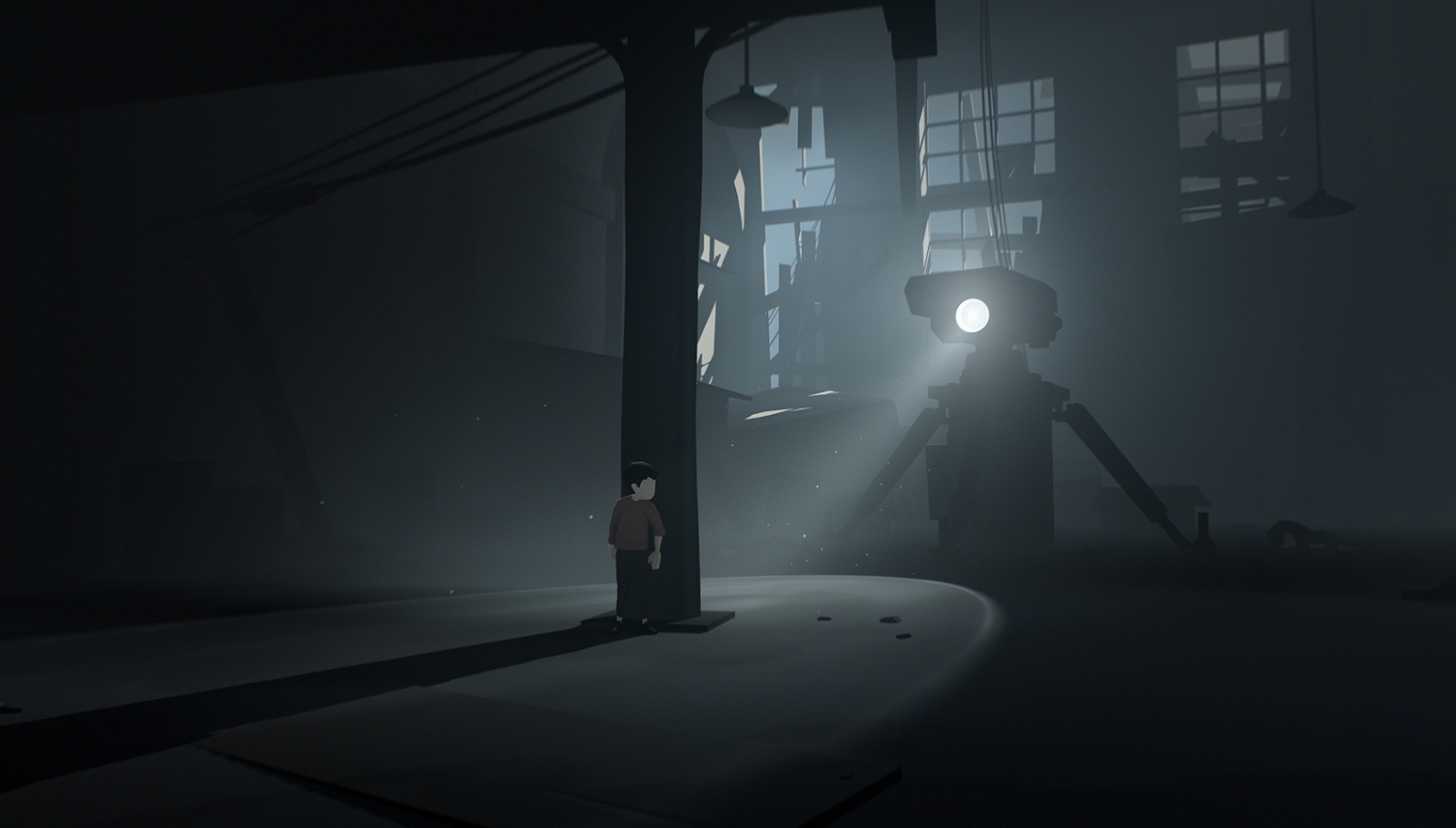
The game starts out with a little boy stumbling out of some trees and running through a forest. In the background, you can see soldiers in masks searching for something, but you’re never quite sure if it’s the boy or something else. Who this boy is and his purpose are never explained, but that’s kind of okay, as it’s up to the player to interpret this. The game has no tutorials, as there’re only two buttons to use: jump and an action button. You slowly get introduced to the game’s puzzles by pulling objects to ledges to reach greater heights, learning to keep switches open, etc. The game’s main focus is the art style and atmosphere. This game has an Uncanny Valley militaristic dystopia theme with everything in gray. It really grabs your attention, and the game can get quite tense.
Some of the more memorable scenes are when dogs are chasing you, as there’s no music but just the panting of the kids and raging, aggressive dogs at your heels. Most chase scenes actually require skill to finish, as they require precise timing of jumps and even quick-on-your-feet puzzle solving. The game is very well-paced, as I wanted to play through the whole thing without stopping. While there wasn’t a story being told, I wanted more chase scenes and sections where the boy had to sneak by these adults. The game isn’t just a flat plane, either, as the world turns and pans in accordance with the 2D playfield. It never feels like you’re going just left or right in a world that has been cut in half. There’s depth in the foreground and background, which is something that’s not done often in side scrollers.
There’s something strange going on in this world, as it seems most humans (or slaves) are mind-controlled and are being sold to other humans or possibly some type of alien. I couldn’t really tell, and again, that’s the point. Your job is to keep this boy out of danger and to keep pushing forward. From swimming, using a submersible, climbing, running, jumping, and puzzle-solving, there are quite a lot of games here for such a short length. Inside also has amazing animations and physics—some of the best I have ever seen. The way the boy runs and the people in the background interact with your every move is jaw-dropping. The boy would sneak across a floor and open a grate while everyone was starting inside some vat in the background. As soon as that grate dropped, all heads looked toward you. It’s creepy and fantastic all at the same time, not to mention the boy’s gruesome death animations and scenes.
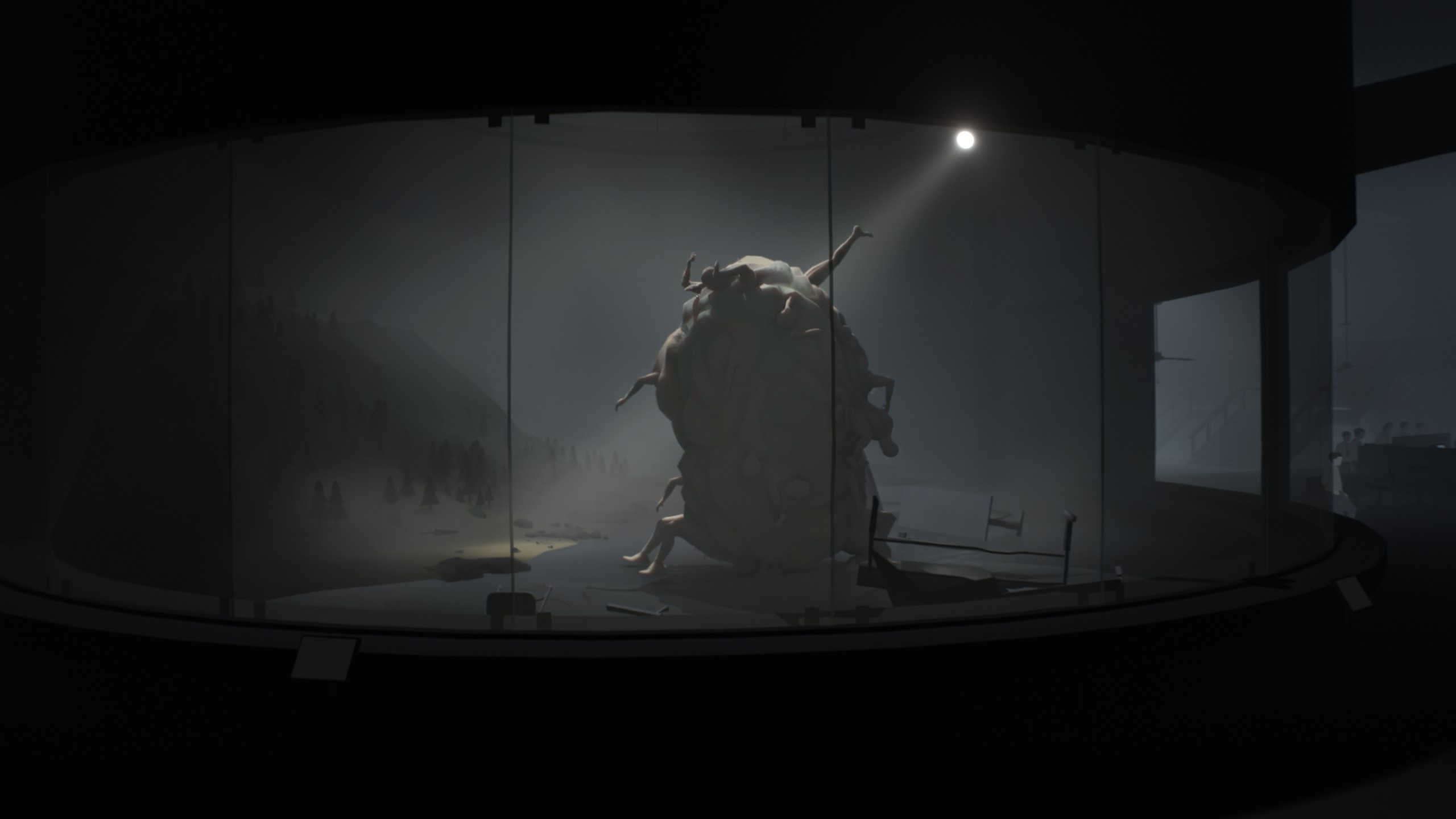
I was amazed all the way through this game, despite the ending making zero sense and just being so abrupt. I wanted more, and hopefully we will get more. I can see that this could be a vastly expanded universe with an amazing story, but these atmospheric indie games tend to never have sequels. The game’s art style is just some of the best this year, and the graphics are also technically impressive, with amazing textures, lighting effects, and shadowing that would put some big-budget games to shame.
Overall, Inside is a wonderful must-play game. It’s oozing with atmosphere, tension, and pacing that will keep you glued during the whole 4-hour play session. When it’s over, you will sit back and remember most of the scenes and wonder what’s going on in this game. I felt more like a spectator who jumped into the middle of a movie, and I’m just watching what’s happening next, hoping to catch on. This is a unique way to tell stories and can be very hard to pull off. Thankfully, Inside will have you thinking about it long after it’s gone.
I’m a huge fan of high-end gaming mice, and I’ve had them all. I usually buy a new one every 8–10 months because the technology is changing and getting better so quickly. Recently, I switched from Razer to Logitech because Razer’s software is just plain awful. I don’t know if it’s the software causing it, but all of their wireless mice lag like crazy, and they haven’t changed up their software in years. I switched to the G700S, which was an amazing mouse, but it didn’t have great battery life and was lacking flair.
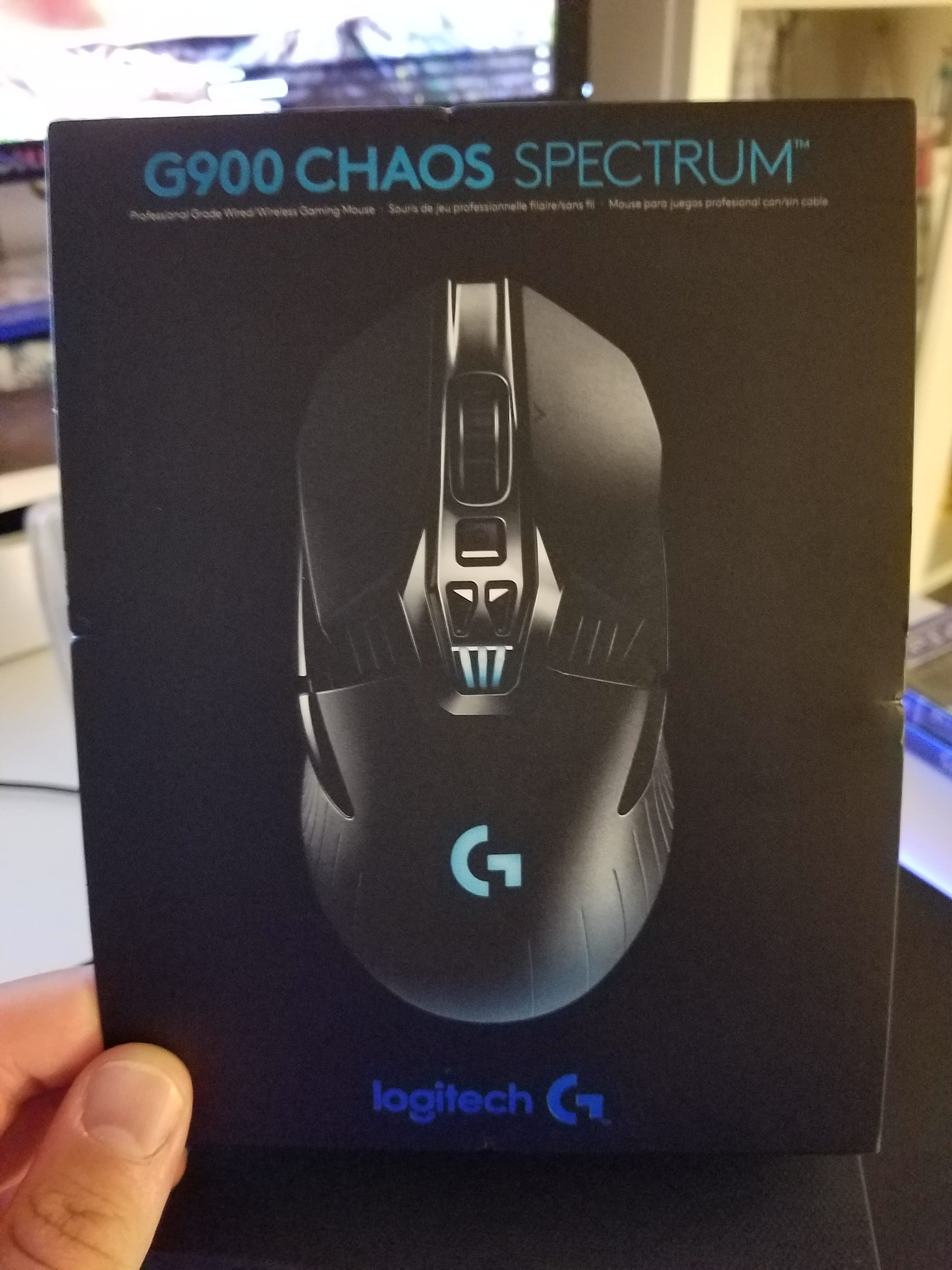
Here comes the G900 Spectrum Chaos. This is the best mouse I’ve ever had, and not just recently, but I would choose this over all my current mice that I own. It’s ultra-light, looks fantastic, and has some of the best software and hardware I’ve seen or used.
When you open the box, you know you’re in for something great, as it comes in a hard cardboard clamshell with great texture. It sits in a plastic case, which has a cool design and is so minimal and sleek. Lift up the inner plastic insert, and you have a quick guide, a USB cable, and a little plastic box with your wireless receiver and extra buttons inside. This is an ambidextrous mouse similar to the Razer Ouroborus, but it forgoes any side anti-drag fins, and that’s okay.
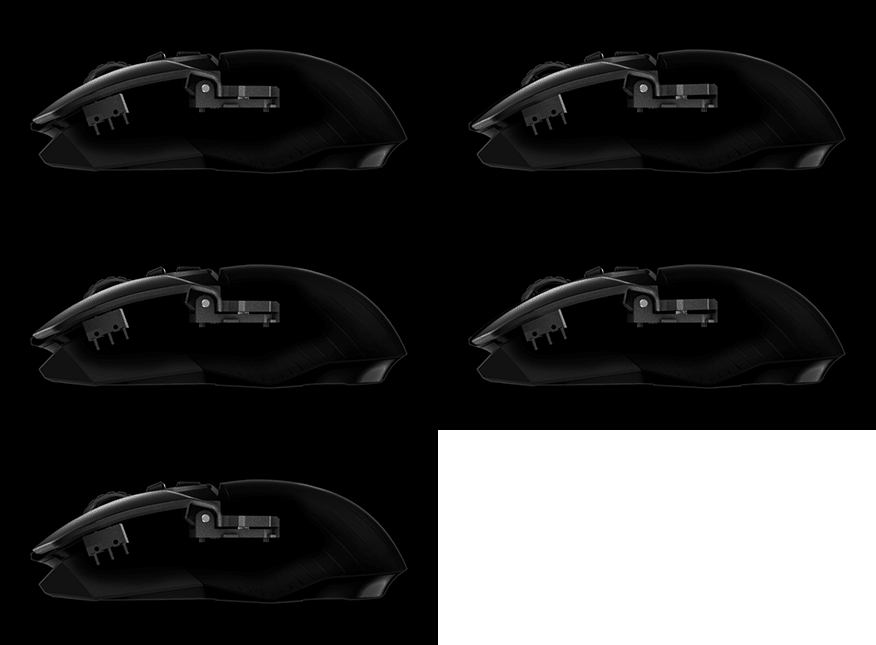
I did have one issue, and that was how to set up the mouse for wired and wireless use. There’s a wireless receiver, but the tiny part comes out of a larger piece that has a USB mini-D on the other end. I tried plugging the mini receiver piece directly into the computer and plugging the mouse in, but that didn’t work. It turns out you have to plug the whole receiver piece into the cable and then unplug that to charge the mouse. It’s actually better as the receiver is closer to the mouse, and there’s one other feature for this: So you can take your mouse with you and your laptop on the fly. Just remove the tiny piece from the larger piece, and you’re done. The battery is no longer an AA rechargeable Sanyo Eneloop like the G700s, which lasted 8 hours at best. This is a no-removable proprietary battery that can last over 30 hours depending on your settings and weighs in at 700 mAh, which is quite large for such a small piece of hardware. Gone is the heavy mouse scroll wheel, yet you still have the free scroll option. This is the lightest mouse I have ever used, but it just works and feels great. The new buttons are also pivot buttons, as you aren’t bending the plastic to press an actuator. Instead, the buttons sit freely and pivot back and forth, meaning ultra-light presses will click the buttons.
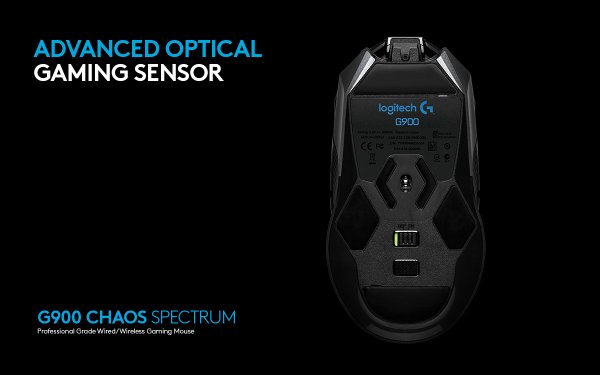
The mouse uses the PMW3366 sensor, which is the fastest and most advanced sensor ever created. This mouse can also track at 300 inches per second and has zero smoothing and zero pixel rounding. You can’t get a faster mouse. I also have to note that in 2016, even on lower-end mice, there’s no lag. Any PC gamer using lag as an excuse to not use wireless mice is stuck in 2000. It just doesn’t exist these days, so ignore anyone who tells you this.
This is the longest I’ve ever seen a wireless mouse last. The most I previously had was a battery that lasted 12 hours, but this is just amazing. Especially since this is the first mouse with 12,000 DPI tracking and dual sensors. The amount of precision this mouse wields is just insane, and most gamers won’t even use all that. This is the most advanced laser technology for mice ever created, so why do you need it? It’s aimed at professional gamers, but everyday gamers will find it useful as well. Think of the mice as a controller. You need to not think about it or know it’s in your hand.
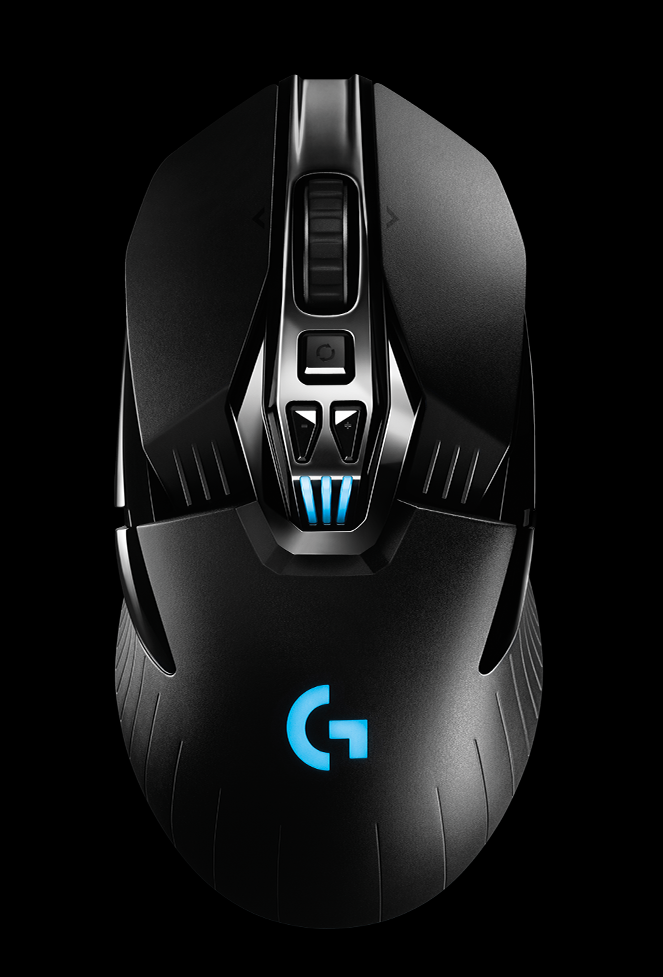
The mouse has two buttons on each side, but it’s only designed to use two at once, but you can use all four despite how awkward it will be. They feel great and are long, so you can hit them from any angle. There are two DPI buttons below the scroll wheel, but you can program these for anything. The lack of buttons leads to a sleek and minimalistic design, and I like that. I’m not really a macro guy, so this works for me. The mouse, given its name, has three LED lights for the battery indicator and profile selection, as well as a Logitech G logo on the palm rest that lights up. It can glow the entire color spectrum, just one color, or you can turn it off. Having it on eats batteries, but if you are at home, this is no issue.
The battery life is just fantastic. I can actually use this from morning until night and still have a charge. With my other mice, I would have to charge them 3–4 times a day. With lighting all the way up, a polling rate of 1000 Hz, and using the sensor tracker, I get 22 hours. That’s damn impressive, if you think about it. I am highly impressed with their mouse pad tracker, as it’s so much better than Razer’s. You actually have to calibrate the mouse by moving it around your pad, and it detects what material and color it is as well as other variables. Razer’s tracking tech never worked and was awful and useless.
The software is your typical Logitech flair, but this mouse can track heat maps and just feels overall more fluid and tighter than the G700s software version. The mouse is fully customizable on the software side, and you can tailor this mouse to do exactly what you want.
Before I end this review, I want to show you what this mouse was like playing some games and how it compared to my other mice. Was I better in the game or worse? Let’s see!
Call of Duty: Black Ops III
I was actually better in this game. The aiming is just so much more precise, and I mean that you feel like you’re almost pointing with your finger. It’s not just about how fast your mouse moves around like other mice; it’s about actual, real precision. I was able to stop enemies on a dime, and it felt good. I was able to use my default preferred DPI setting of 2750, and it felt perfect. There was no need to adjust in-game settings or DPI. This mouse is a perfect fit for this game.
Overwatch
My shooting skills improved slightly in Overwatch. There’s not as big of a difference as in Black Ops III, but it was there. I found I was able to track fast-moving players better, and my kill ratio went up slightly due to this. This mouse will definitely benefit competitive shooter players.
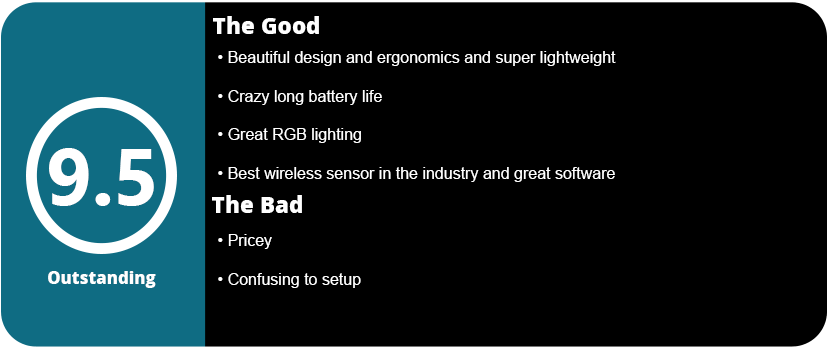
Overall, the G900 is probably the best mouse ever invented, and while it doesn’t cater to every type of gamer, it gets all the important stuff right. A highly advanced sensor, great wireless tech that doesn’t cut out or time out, a beautiful design, and, best of all, a long battery life.
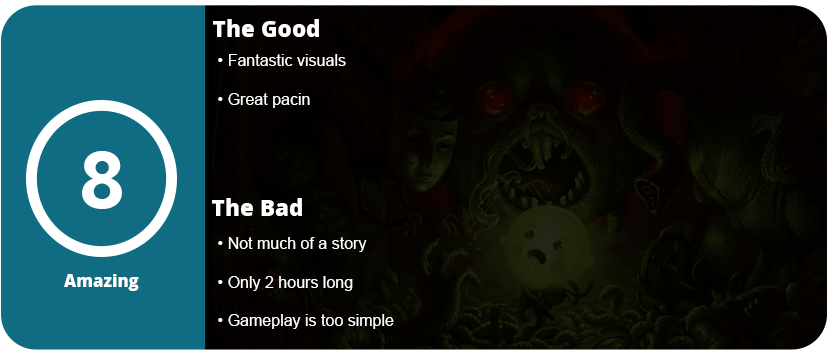
Adventure games are always hit or miss, as they have many classics to live up to. There are the occasional crazy and interesting adventure games like Neverending Nightmares that are quite fascinating. Bulb Boy is one such game where you play as a, well, bulb boy who must defeat a monster to save his grandfather. There’s not much of a story here, as it’s all about atmosphere and visuals. The game is rather short, and it’s not the most cerebral adventure game out there, but it’s worth a purchase.
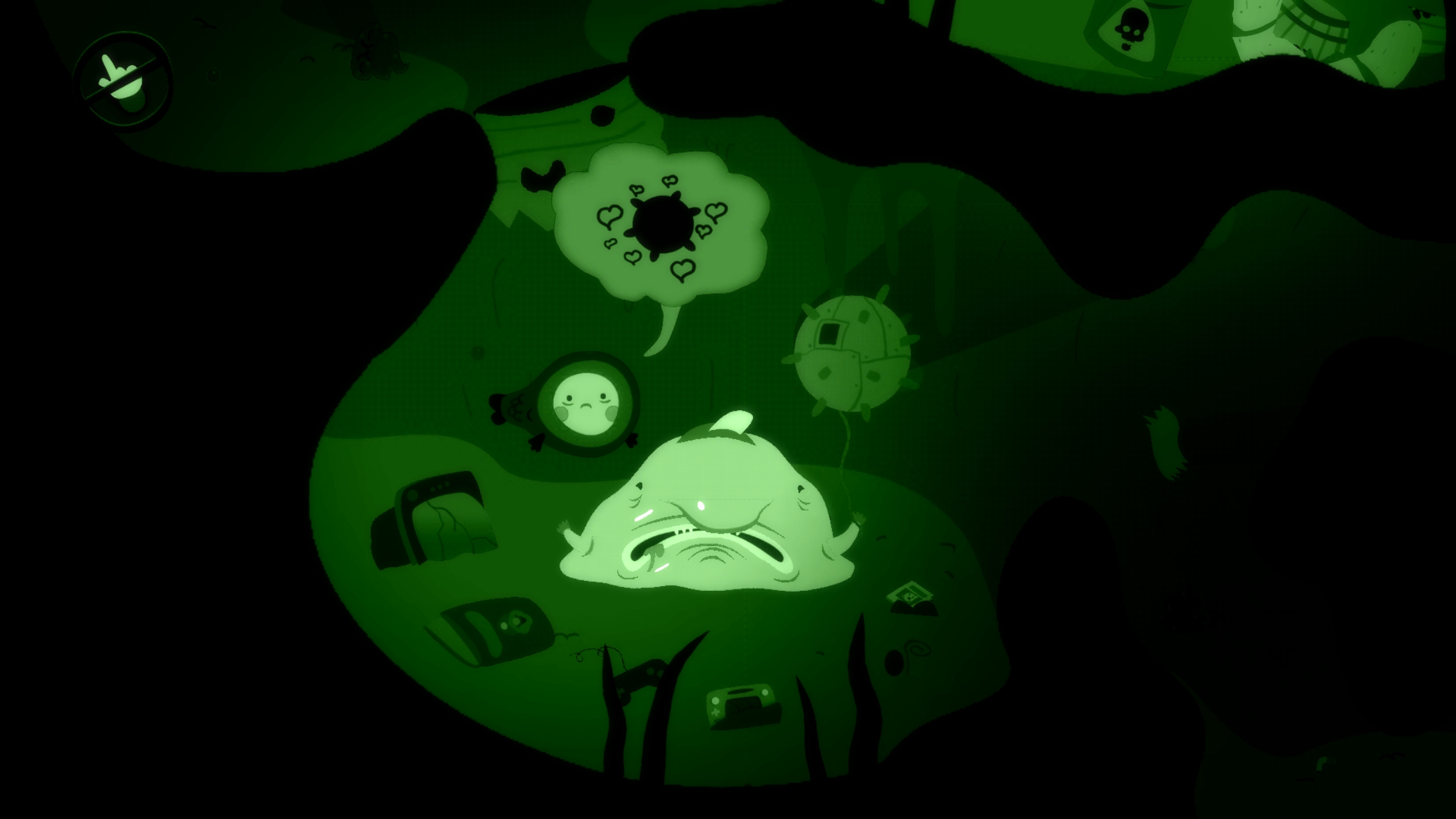
Like in a typical adventure game, you can tap on areas for the character to move to and examine items. Bulb Boy is very straight-to-the point so there’s not much exploring here. There’s only so much to click on and very little inventory. The game has bosses on each stage that you must defeat, but the puzzles are very easy and not really puzzles. You find an object, and it can only go in one direction, as there’s no backtracking or exploring involved. I would love to see this universe expand, as Bulb Boy is grotesque, beautiful, and full of atmosphere. It’s a horror adventure with a cartoon flair, guts, and everything disgusting all over the screen.
There’s a lot of green in this game, and the cut-out art style is just fantastic. I enjoyed playing through the whole game, despite only taking a couple of hours. Bulb Boy’s death animations are brutal, there’s a lot of variety, and the game has a nice, quick pace to it. Some of my favorite things about this game are the extreme closeups of areas, as they show the sickly detail of everything around this character. It’s nightmarish for sure and definitely one of the most artistic games this year.
It’s a crying shame that this is an indie game and won’t get much attention. I hope for a sequel that’s more expanded, but we’ll see. In the meantime, just feast your eyes on the beautiful art, despite how straightforward and simple the gameplay is.
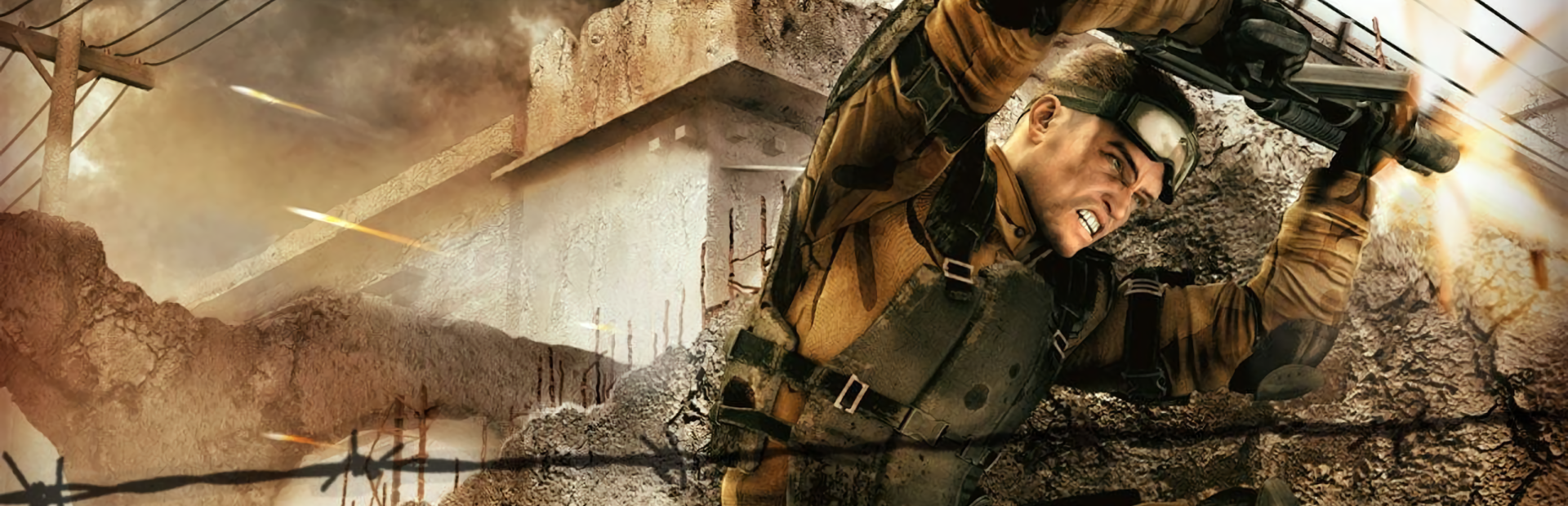
Cover-based third-person shooters weren’t really a thing until the last console generation. Third-person shooters took quite a while to evolve into something truly stunning, and the best example of this is Gears of War, which is third-person shooting perfected. Kill Switch was actually a sleeper hit back in the day and was widely talked about due to the great shooting and cover mechanics.
Kill Switch has a story that sees a male protagonist (I can’t even remember his name; the story is so lame) trying to stop a dude named Archer from launching a nuke. In the process, you are trying to recover your memory of your wife being murdered by him. I don’t even know. The game is so short that it doesn’t allow any type of story to evolve, let alone a bad one. The story is completely forgettable, and I skipped all the dialog towards the end because it was a confusing mess.
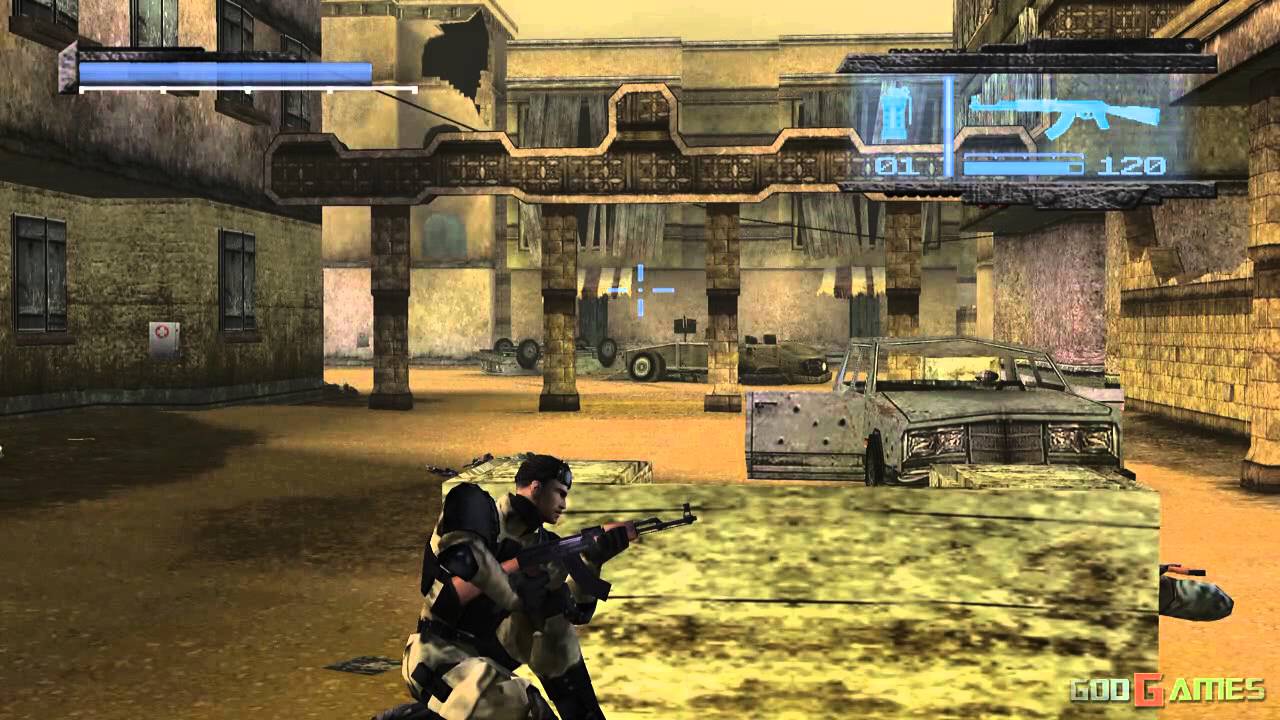
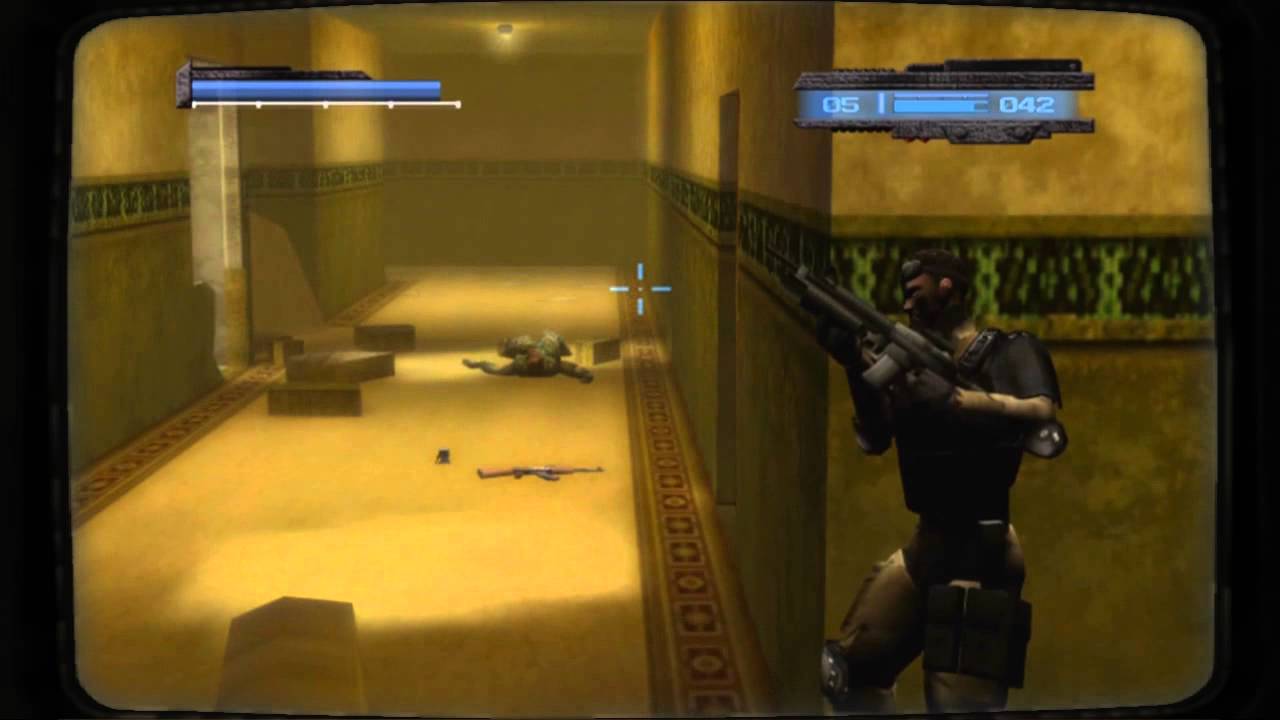
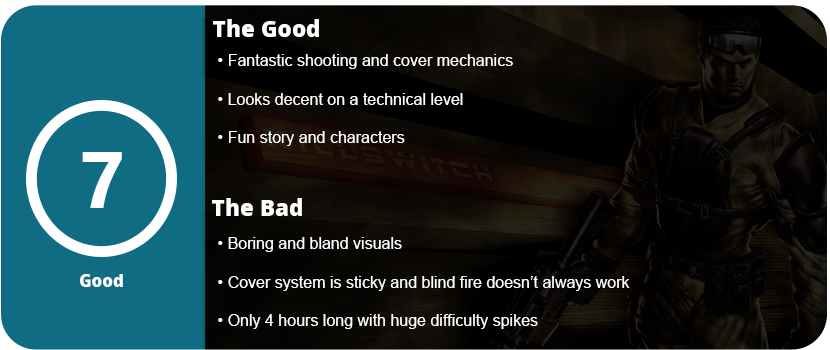
The gameplay is where it’s at here. The controls are simple, and the game is run-and-gun at its finest for the time. Holding R allows you to buckle against a wall or obstacle, and you can blind fire over it, or you can pop up and shoot more accurately. I found that blind firing doesn’t quite work well if the obstacle is higher than you can raise your gun. Most of the time, it did not work, so I stuck to pop-up shooting. You can throw grenades and flashbangs, as well as dodge rolling and melee attacks. It’s a pretty standard affair, but at the time, it was done so well that there was nothing like it.
I have to say the level design is just plain bad and boring. Every level is a stereotypical military base with boring blank walls, stairs, and rooms. There is absolutely nothing to look at here, despite the game being technically quite good-looking. The textures are sharp, the models are nicely made, and the animations are pretty good. It just goes to show that you are literally just coming into this game for the shooting, and that’s it.
Maybe it’s a good thing this game is so short. Clocking in at about 4 hours if you don’t die a thousand times over trying to get through the hordes of enemies. There were issues with major difficulty spikes and draw distance. I would have a guy shooting at me accurately beyond where I could see, even with a sniper rifle. The weapons are nothing to write home about either, just your typical military machine guns and your token shotgun.
Overall, Kill Switch is worth a buy for its great gameplay that is fun and addicting. Just don’t expect a story or anything nice to look at. Is there a reason for there to be a sequel? Well, the story somehow manages to say that it hasn’t ended yet, but Kill Switch has no relevance today with better cover shooters like Gears of War. If it were rebooted into something fantastic, that’s another story, but I honestly can’t see that happening. Kill Switch belongs in 2003 and should stay there—nice and snug.
Surreal adventure games are the next generation of the adventure genre, and if they are done right, they can be quite memorable and mesmerizing. Journey was one of the first of this kind of new adventure title. With minimal UI, gameplay, controls, and story, you are swept through a linear journey of emotions, visual beauty, and auditory bliss. Some of the people from Journey are back at it again with Abzu, an underwater cinematic adventure.
You play as a character that swims around the ocean, exploring and trying to stop some sort of mechanical infestation from destroying all ocean life. The story plays out similar to Journey, in which you figure out what’s going on contextually as you progress through the game via images and scenes. If you played Journey, then you know what to expect with Abzu. What this game does differently is that it focuses more on an exploration of this beautiful world than pushing the player through a short journey and telling a quick story.
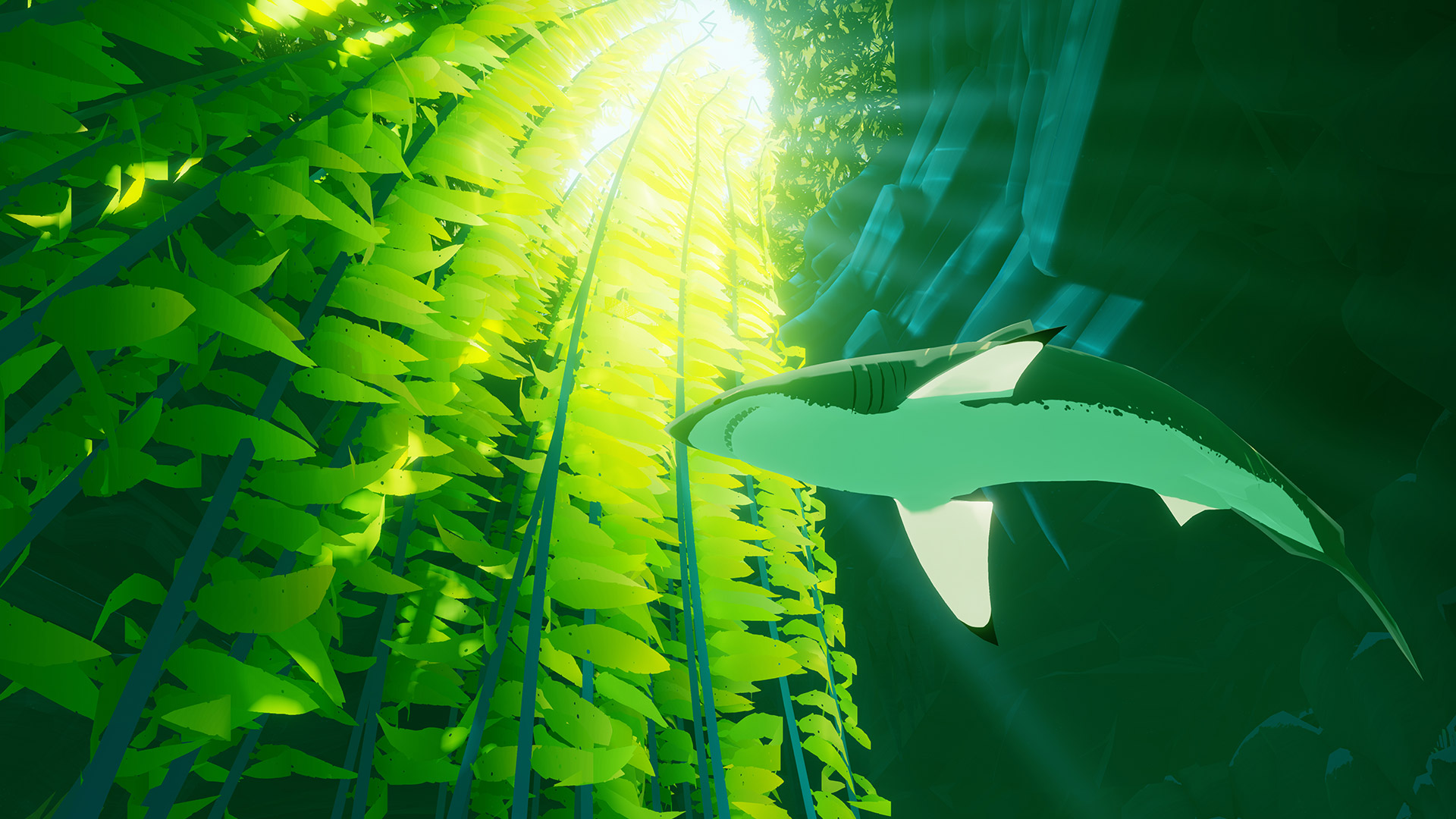
Right off the bat, you will notice how gorgeous this game is. Using Unreal Engine 4, Abzu is bursting at the seams with color and saturated with detail. As you push through each large exploration area (there are about a dozen), your main purpose is to find hidden shells, activate various switches to open doors, and activate little pools that will add various new creatures to the game. While I mainly feel this was filler content to extend the game another hour, it forces you to explore the ocean floor and look around a bit. Seeing all sorts of marine life and plant matter float around you is just amazing. This game really makes you feel like you’re swimming in the ocean and exploring what’s under the sea.
The game’s pacing is similar to Journey, with an explorative area and then a cinematic on-rails section that shows off the visuals that this game nails. Having your character leap out of the water to a stunning vista or romp around with whales in the murky depths is something not seen in any other game. Not a single area is the same, and I never saw the same sea creature twice. It’s the little things that count in games like this, and the amount of detail packed in Abzu is triple that of Journey, and I loved every second of it.
Now, that’s not to say that exploring these cinematic moments is the best thing for this type of game. I thought Journey’s pacing was spot on, but Abzu feels like a bumpy roller coaster with these cinematic scenes spread too far apart. There are only so many switches, chains, and doorways I can go through before I want something else. When you give the player very little to do, you have to rely on the senses and visuals to keep the player entertained. I feel this could have been an underwater journey if the pacing was a little better.
Overall, Abzu is a fantastic adventure game, and any fan of Journey must own it. The visuals are absolutely stunning, and Austin Wintory is back with another beautiful soundtrack—one of the best this year. It’s just a shame that the game suffers from poor pacing and exploration elements that are just there to force the player to look at everything. I feel like I’m getting my face rubbed in beauty rather than being allowed to soak it in as it passes by me.
This is actually a game I knew was a big deal back in the day and ignored until now. I don’t know if it was because I was too young to understand the concept, it seemed like another shooter, or something else told me to overlook it, but I’m glad I finally dove into one of the most popular and talked about games of the early 2000s. Freedom Fighters is a squad-based third-person shooter where you control the main protagonist, Christopher Stone, and help the rebel fighters take back the United States from Soviet control.
The story isn’t really anything memorable, but the game does have a decent atmosphere about it. You feel the suppression of Russia as you run around the war-torn stages and view the cut scenes. Real-time scenes are mostly made up of news propaganda and the quick unfolding of the rebels winning. The game moves at a really fast pace, isn’t that long, and feels fairly average today, but back in the day, it was something new.
The game is structured around rebel bases that act as hubs, and each set of levels is accessed via a map. Once you get to a level, there are a few objectives to complete, and then it’s on to the next one (in any order). If you find yourself hurting for supplies, you can find manholes that act as checkpoints and can either quick-save or go back to your base (but you lose all your squad members). The game actually doesn’t explain any of this, and I had to figure this all out myself, which was very confusing and frustrating.
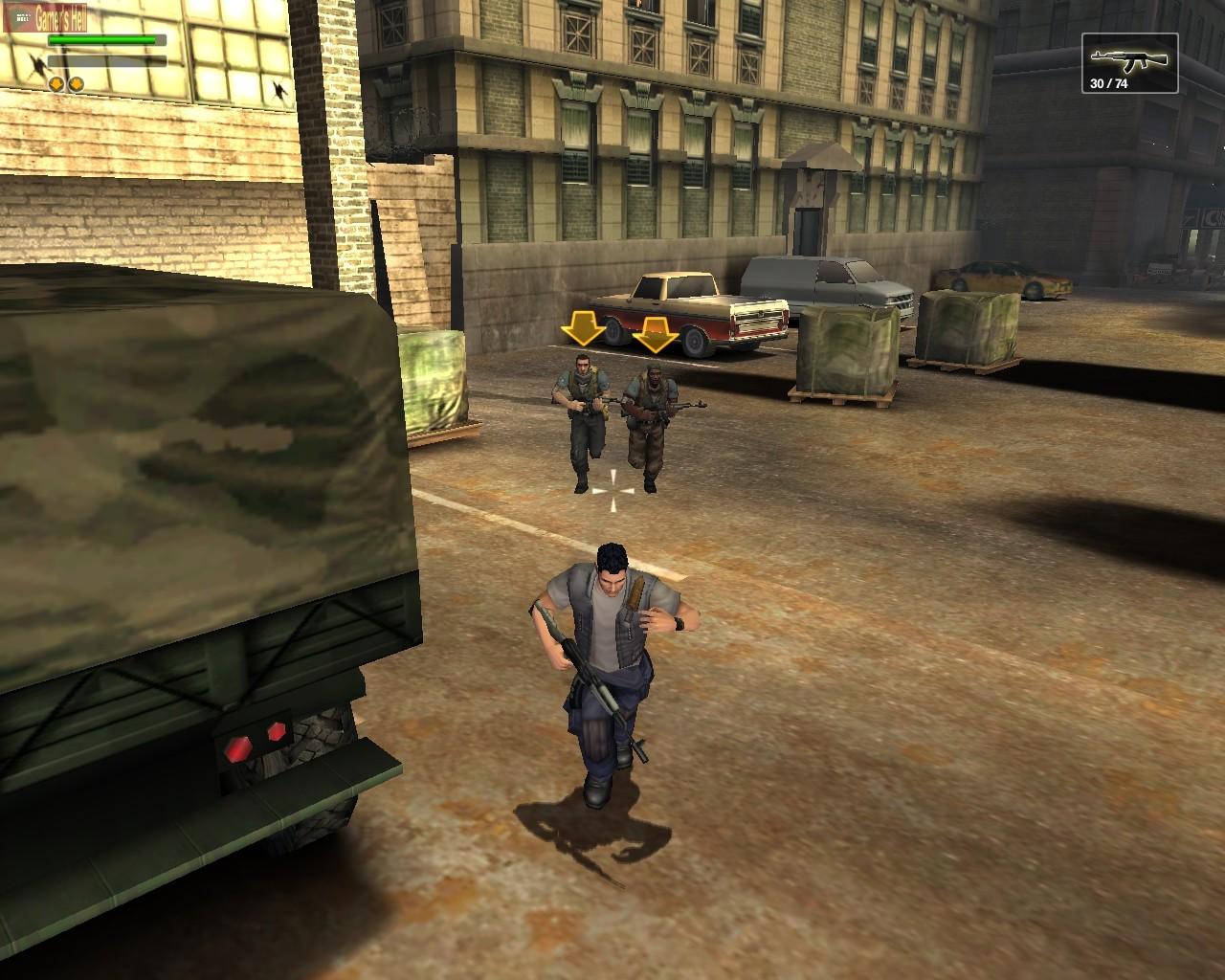
When you complete objectives, you get Charisma, which gives you a squad member slot at every level. It’s imperative that you do most of the side objectives, as later in the game you will need as many members as you can get. When you actually start shooting and playing the game, it feels extremely unbalanced and very difficult. The sheer number of enemies that are thrown at you is insane. There are probably over 200 enemies in each level, and the levels aren’t that big. The game uses an auto-aim mechanic, which actually works with how many enemies they throw at you. Just pull the trigger, and Stone will auto-switch enemies on the fly without any issues. There is a manual aim mode, but it’s finicky, and you can’t move while you aim. I would have liked fewer enemies and a more robust cover-shooting mechanic instead.
This shooting mechanic is what makes the game so difficult to begin with. I actually had to turn on cheats for rocket launchers as helicopters would come after me and there were no rocket launchers in the entire level. I was probably supposed to run from them, but the constant restarting was infuriating. Checkpoints are far and few between, and the last thing I need is to mow down the same five waves of enemies over and over just to try a different zig-zag path with the helicopter.
This extreme balancing issue brings the fun of the game down quite a bit, and after about three or four levels, it all starts to feel the same again. There are not that many weapons to choose from with just the standard assault rifle, submachine gun, and heavy machine gun nonsense that has been done many times over. Squad member control was decent, as they followed you around, but send them out to fight on their own, and they drop like flies. I’m actually glad the game was as short as it was, as it got so repetitive and numb that I wanted it to all end.
The visuals and audio in the game are actually impressive for their time. There’s a lot of detail everywhere, and the voice acting is rather excellent, but there are a lot of slowdowns when too much is happening on-screen at once. Overall, Freedom Fighters is a fast-paced third-person shooter on steroids, but the balancing issues, repetitive objectives, and overall frustrating difficulty bring the fun down quite a bit.
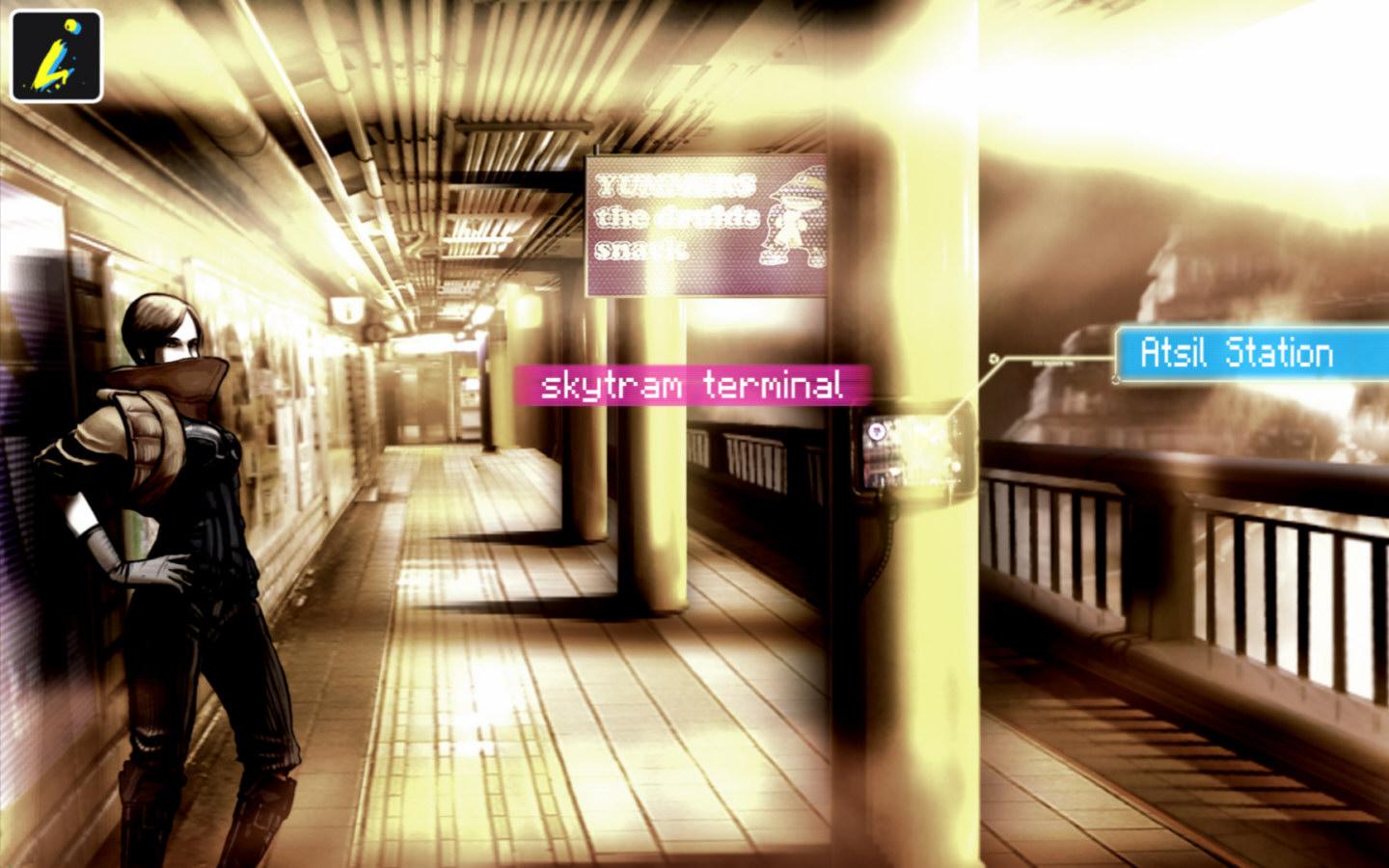
Point-and-click adventures are becoming big on mobile platforms, which is nice. Sitting down and relaxing with a great story and exercising your brain with puzzles is a perfect fit for mobiles. Sinless is a strange game, as it doesn’t make any sense, but it is still enjoyable.
You play in a cyber-dystopian world where everyone is controlled via computer chips called “progs,” which have pre-programmed attitudes and moods. You just so happen to be someone who is immune to this control, and the government wants to kill you. You travel through a strange city trying to find your girlfriend and realize you are part of some prophecy and are some sort of messiah for this desolate world.
The strangest thing about the game is the art style. While it’s great and very stylized, it’s muddy and washed out and almost doesn’t quite work for this game. It’s very hard to see things in these images and find objects to click on. I really love the art, but I feel it’s not right for this type of game. With that said, it really gets the mood and atmosphere of being tense, controlled, and lonely; everyone is living in constant fear. My issues didn’t set in until about an hour into the game, when I realized there were no clues on what to do or where to go next. I had to resort to a walkthrough.
This is usually common in adventure games, but this is a 3-hour game at most. Yes, only three short chapters. There is so much backtracking and obscure conditions you have to meet to finish the game; it was just too damn confusing for me. I was really into everything but the way the game was played. I also didn’t like that the clickable dots only appeared if you left the screen alone for a while. With the washed-out visuals, I wanted them on screen at all times.
At least this game has some pretty cool mini-games that make you smile and appreciate it a bit more. There are also some video game references, such as Mirror’s Edge, which was nice to see. Overall, Sinless is worth the purchase price, but don’t expect much out of it after a 3-hour sitting.
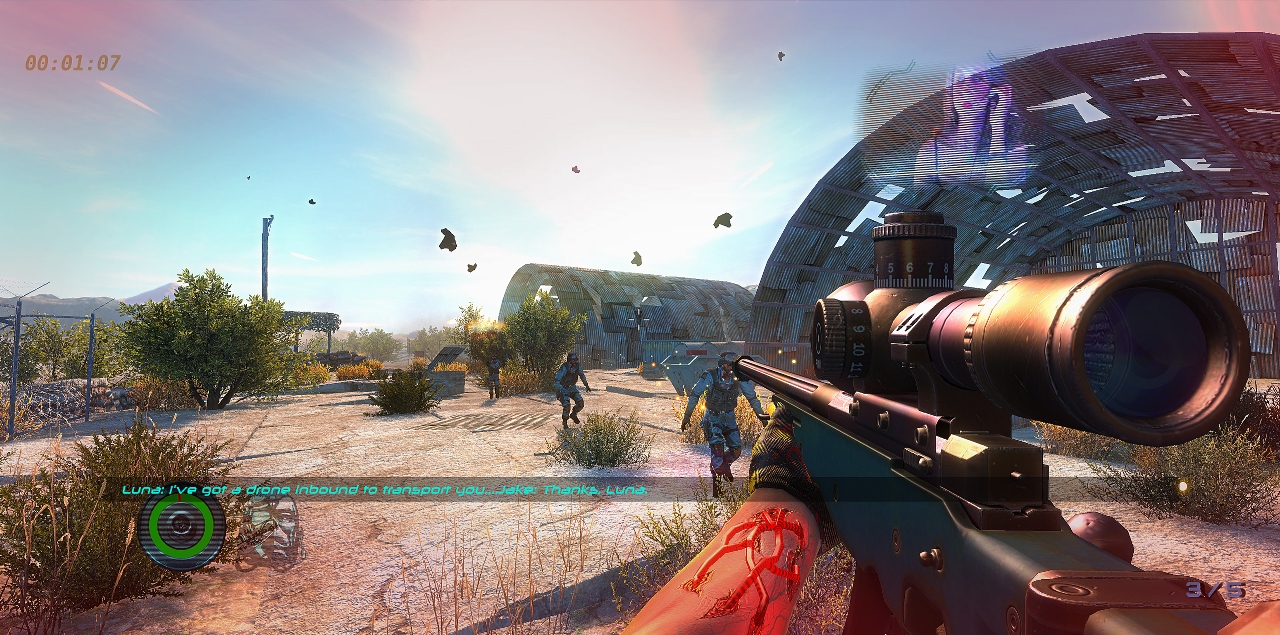
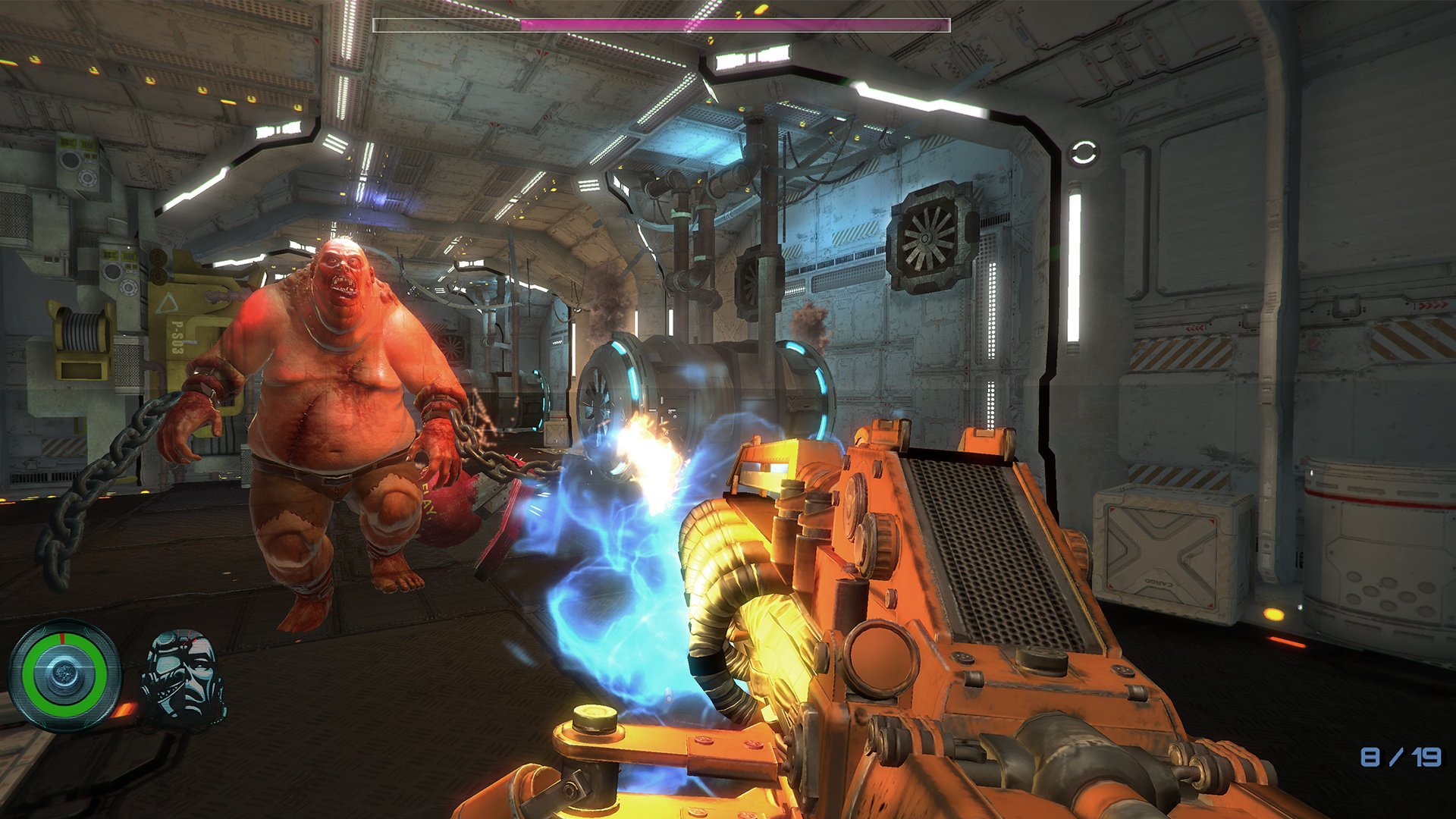
As if zombie games weren’t already in abundance, we get yet another crappy indie zombie first-person shooter. This game caught my eye due to the live-action cut scenes, and the screenshots looked decent, but man, I was wrong. Not only are the story and the main character, Jack, laughably bad, but the live-action cut scenes are just downright hilarious.
The game starts out with you ejecting from a spaceship for some unknown reason and then crashing into a plane on Earth. You need to stop the plane from crashing, but on your way are zombies. As I picked up the revolver and started shooting, I immediately knew what I was in for. The aiming is bad, the guns feel awful to shoot, the AI is bad, and the physics are stupidly overexaggerated. Sure, some of the zombie models look decent, but this looks like a first-gen Xbox 360 game at best. The textures are muddy and pixelated, the models are awful, and the overall design of the levels is just plain bad and cramped.
So, let’s have an open mind and overlook the bad gameplay design, overly stupid story, bad AI, and awful gunplay. But if you do that, there’s nothing left to forgive, right? The game is already too long, clocking in at about 4-5 hours, but I couldn’t make it to the third level; it was so bad. Even if you just want to enjoy the awful live-cut scenes, that’s not even an option. Hell, even the menu is bad, and as soon as I booted this game up, I knew what to expect. Could this game even be a little good? Maybe for a laugh with a couple of friends, but you won’t get any value out of this game at all.
Overall, Chasing Dead may have had something with live-action cut scenes if it was done right, but there’s not a thread of hope for any part of this game that the developers could build off of. It’s a typical bad zombie shooter to please 12-year-olds who have $10 to blow on Steam.
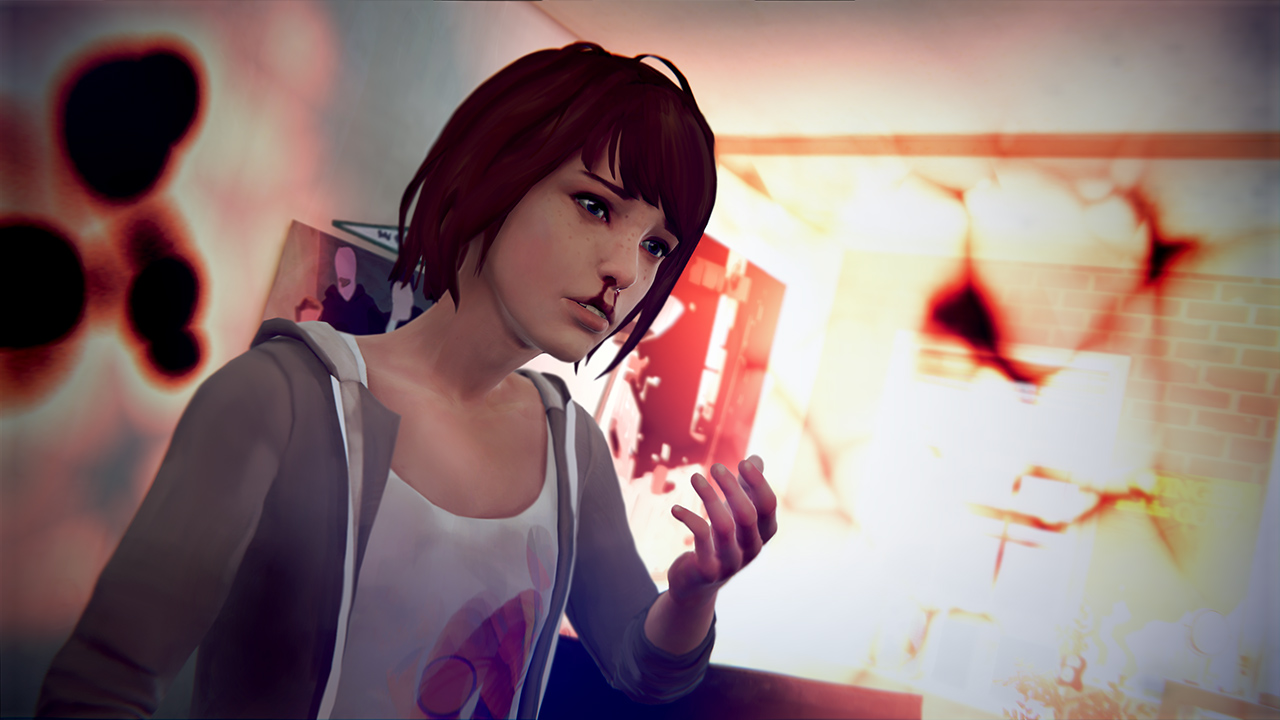
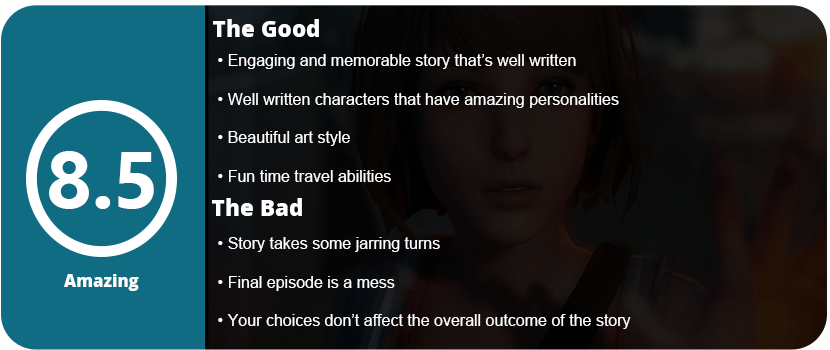
Have you ever wanted to time-travel and change the past? How about just the last 30 seconds? You get that option in Life is Strange. You play Maxine Caulfield, who discovers she can rewind time by saving her childhood friend from a fatal gunshot wound in the girl’s bathroom. This changes Max’s life and everyone around her, but it’s up to you to decide if it’s for good or worse. Life is Strange tells a fantastically beautiful story with wonderfully written characters. The game will keep you hooked and have you playing all 8 hours with barely a blink.
Life is Strange tries to build on the revolutionary point-and-click adventure genre that The Walking Dead revived from Telltale Games. The game is a little more open-ended, but not by much. There’s more to explore and items to “look at,” which gives you a bigger insight into Max’s own thoughts and mind. Honestly, by looking at all these objects, you get to know Max better and the world around you more. Besides this, you just walk through every area to the next character that advances the story. There are some “time puzzles” that require you to select certain dialog choices and then rewind time to use that information to your advantage. It’s an interesting idea, but Life is Strange’s storytelling is a bit of a mess and requires you to pay attention very closely or you will miss something.
The game is broken up into 5 episodes, and each one has a cliffhanger ending. The game goes on at a good pace except for the final chapter, which is a roller coaster and kind of a mess. Without spoiling everything, you kind of “review” everything you have done through the game, which involves an awful stealth sequence. However, through the entire game, I couldn’t help but realize that no matter what I chose, the final outcome never changes, which is odd. It’s not until the last two chapters that all your choices start to unfold, but I feel they are just detours rather than different outcomes. Despite that frustration, the story in Life is Strange is amazing.
I have to talk about the atmosphere of this game. It’s so nostalgic and really reminded me of my adventures as a kid growing up, and it really makes you think about your family, friends, and what’s going on around you in your life. That small country life is something I grew up with personally, and the game really hit home with me. It sucked me in every minute, despite the slow start I had to push through. The entire game is so touching and full of emotion; it’s one of the best video game stories I have ever seen, but it still doesn’t top Soma. This is a story you will talk about long after the game is over and ponder over. The only thing that really annoyed me about the story is that it tries to turn this innocent teen drama “Where did my best friend go?” mystery into a serious murder mystery, which is kind of jarring. I loved exploring these areas out in the middle of nowhere and getting into shenanigans with Max and her best friend Cloe through their time travel events. Once the murder mystery stuff hit, it was a bit of a turn-off, but it wasn’t until towards the end.
Life is Strange also isn’t the prettiest game to look at; it’s rather ugly. The game has a nice watercolor art style, but the game’s technical level is a first-generation Xbox 360 game at best. The textures are muddy and awful, and the character models are terrible. This is just a downright ugly game, but the story and characters keep your head out of that. Overall, this is worth every dime and all your time invested.

























































 thebinarymessiah.com
good