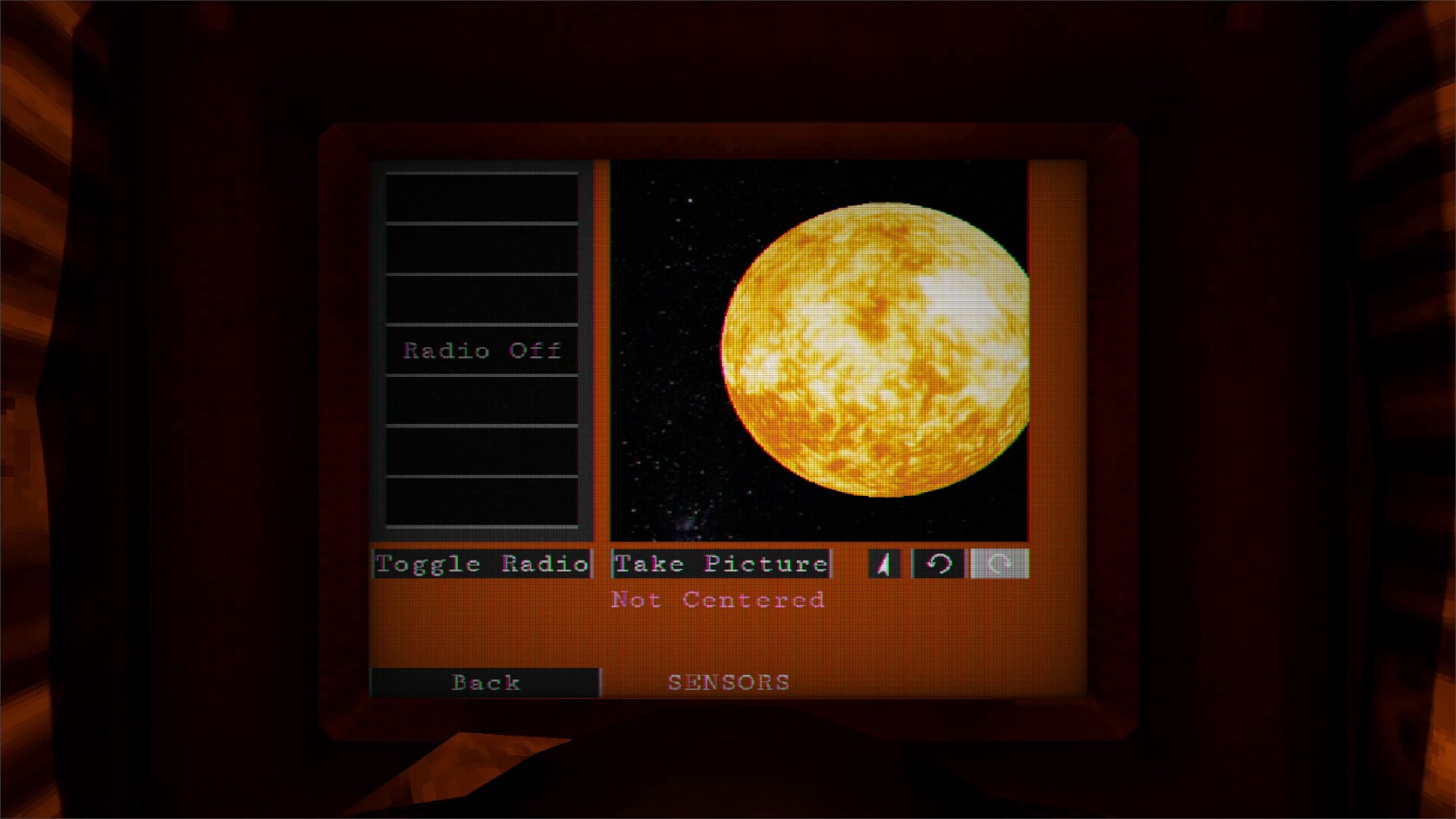
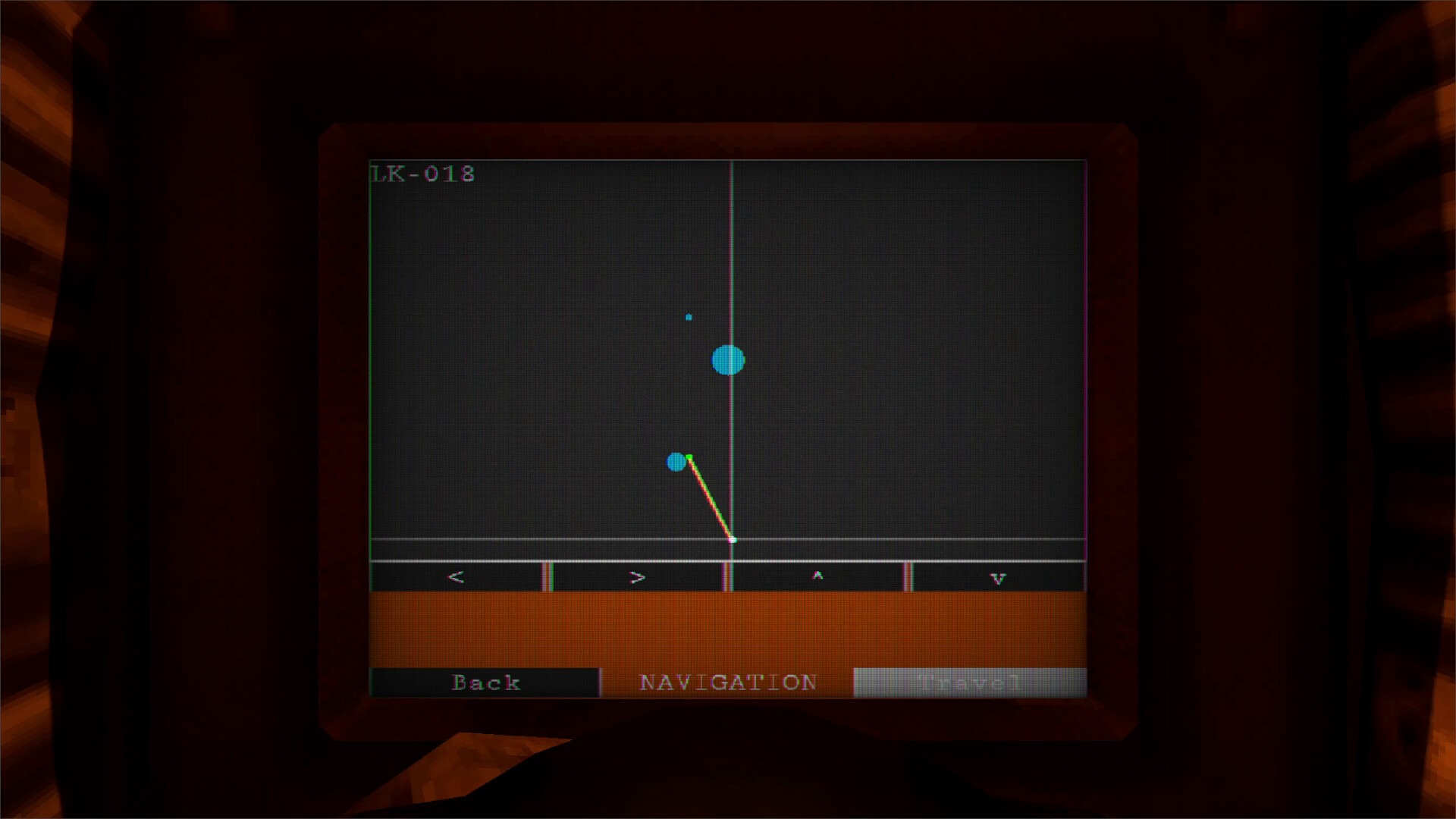
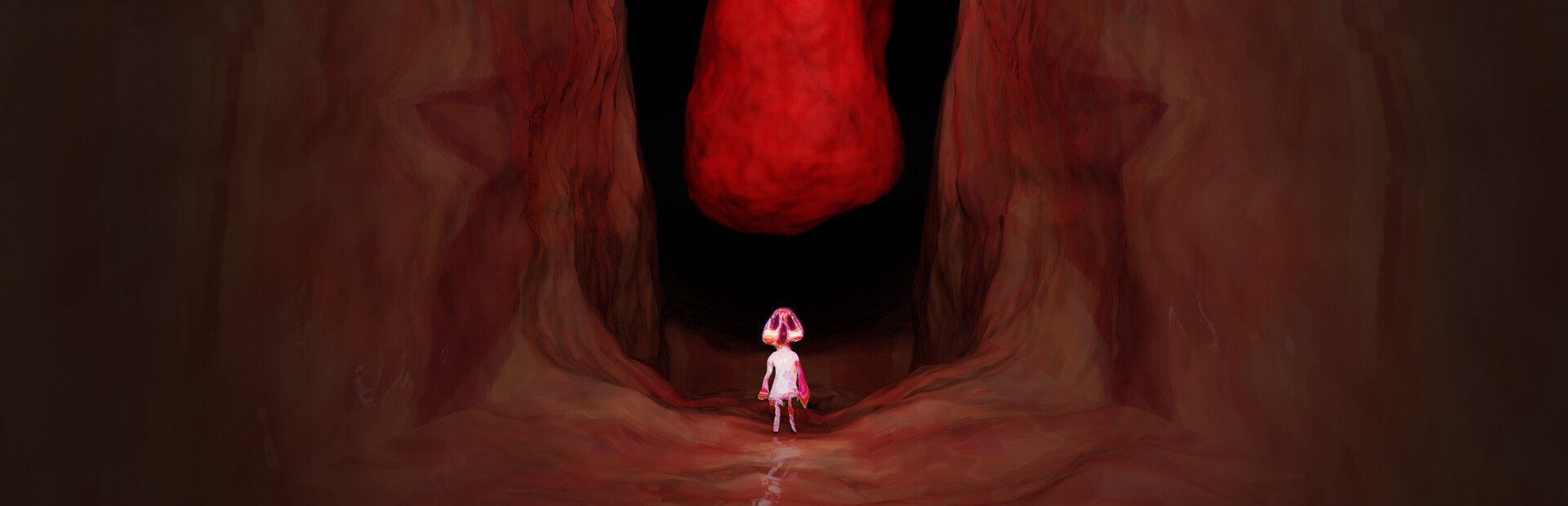
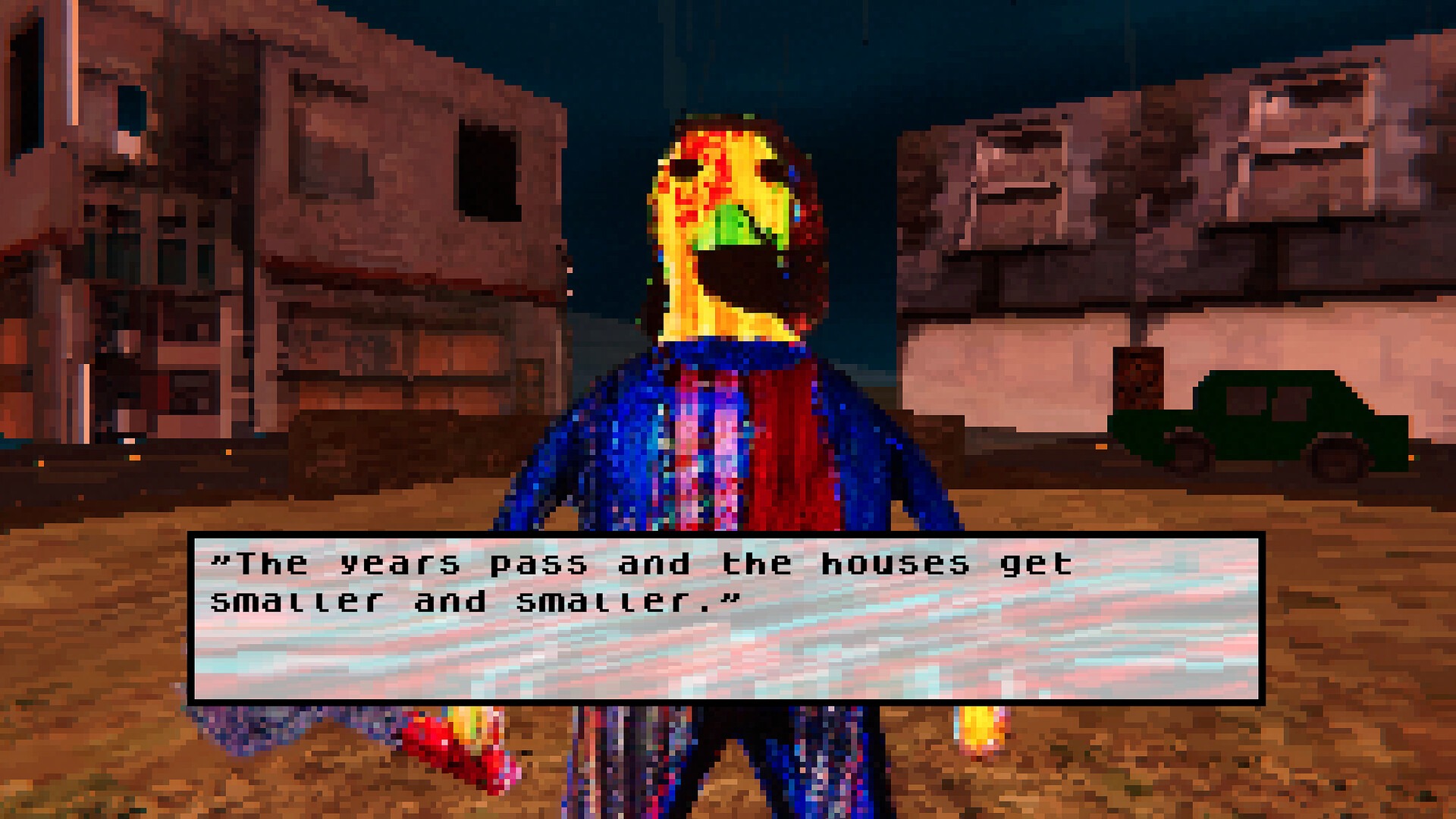
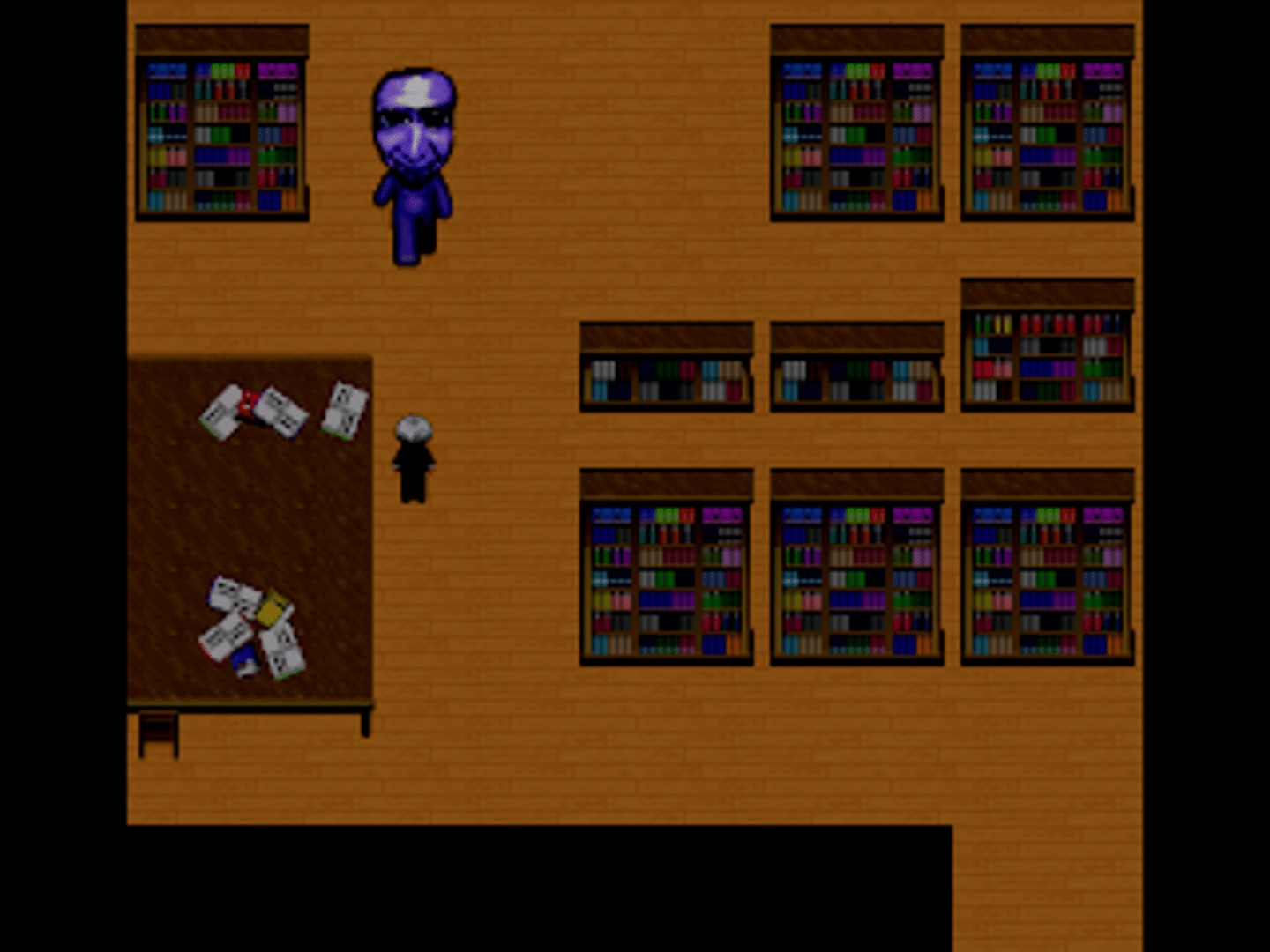
Indie horror games with PS1-style graphics are becoming abundant these days, and some don’t have any substance or meaning. The game I live under your house begins with the player traversing underground tunnels as a mysterious creature—or person. The mystery character’s thoughts drive the narrative. A green filter surrounds the entire game, giving it the appearance of an original GameBoy LCD.
The low resolution/low polygonal visuals and short draw distance help to add dread and tension without having to actually create it. You invade the house you are living in, but I can’t spoil anything. Let’s just say the ambient music and sound effects add a lot of tension. There are no jump scares or cheap thrills here. The game doesn’t need it. The game’s haunting visuals and atmosphere leave you yearning for more dialogue. Whenever the character speaks, I just hold my breath, expecting something to happen. Each chapter only takes a few minutes to complete, but each location you end up at is just as intense as the last.
I will talk about the story DLC. It’s only $1 and is much better than the main game. It adds two new chapters to the game and seriously increases the sense of claustraphobia. There are fewer 2D dialogue-heavy scenes and more 3D exploration. The DLC is short but also incredibly intense and answers a lot of questions from the base game. The DLC chapters have better writing and storytelling, so you get a better idea of your surroundings, and the severe sense of dread the main character is feeling comes across strongly.
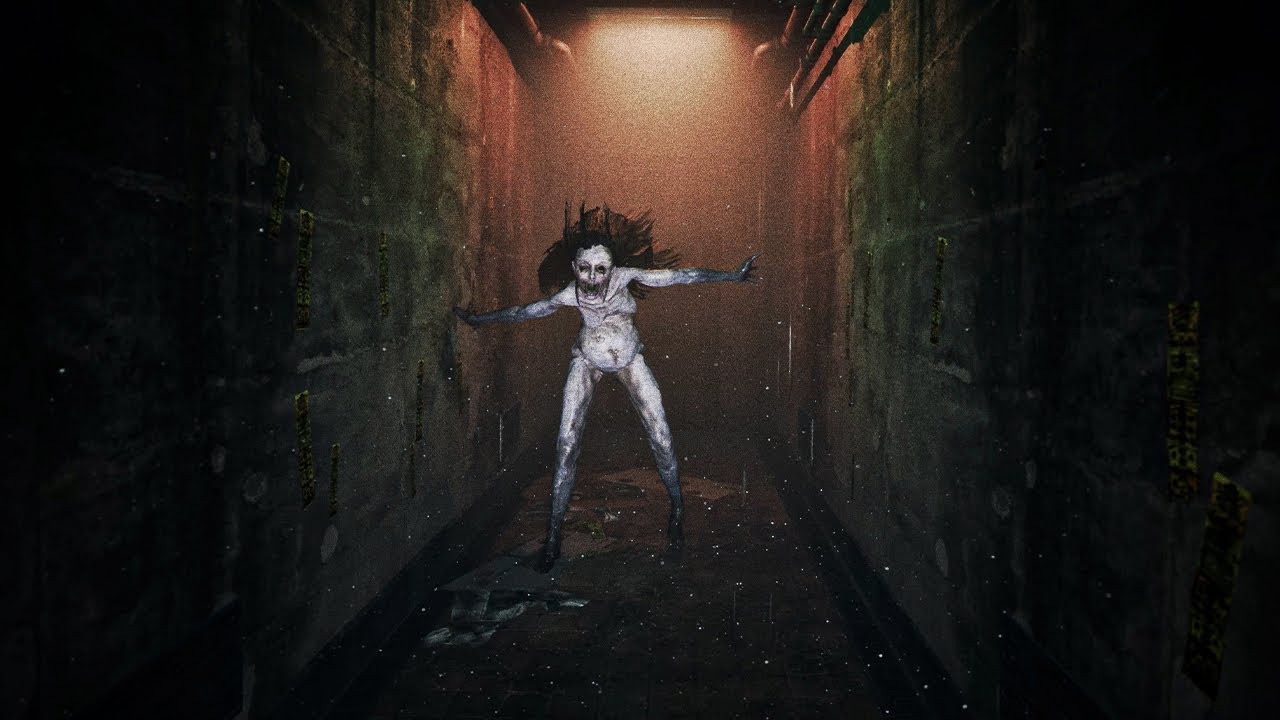
Overall, I live under your house is a very short but intense horror game with PS1-style visuals, haunting ambient music, and atmosphere. There are some disturbing images and scenes that can really get under your skin. This is a perfect game to play with all of the lights off and headphones on.
The original Alan Wake DLC wasn’t anything special. It felt forced, with more questions than answers. I was hoping the original game would let us play episodes of Night Springs. This is a fictional TV show that plays on TVs in the game and is reminiscent of The Twilight Zone. Night Springs takes Alan’s writing and adds a silly or strange twist. This is a three-part mini-episodic DLC, with each episode taking less than an hour to complete. Mr. Door hosts the series, the only live-action component of the DLC, and that’s fine.
In the episode, you play the cheery waitress working at the Oh Dear Diner. This is an action-oriented episode where you’re blowing enemies left and right. You get a rifle, a shotgun, and seemingly unlimited ammo, but that’s okay. These episodes are all about having fun over being serious and focusing on survival. You are chasing down Alan’s fictional brother in this story, and I won’t get into any more details. This episode is entertaining and doesn’t take itself too seriously. It’s a fantastic way to open the DLC.
In the second episode, you play Jesse from Control. If you haven’t played Alan Wake II before, there’s a connection between the two games, though I won’t reveal how. This is more horror-focused, with a small stealth section in Coffee World. It’s entertaining, but not quite as much as the first episode. It’s pleasing to see more of the two game worlds connecting, however. There are a couple of thought-provoking puzzles that require math and may upset some people, but they really do make you think.
The third episode is a fictional superhero parody in which you play the role of Sheriff Breaker. Here, the game breaks the fourth wall, and you are talking to the game director himself, Sam Lake, who has become a bit of a celebrity lately. This is the most “Alan Wake“-type episode of time travel and dimensional shifting. It’s the most thought-provoking episode, but it does consist of a single puzzle that I found completely confusing and difficult to understand, but not as challenging as episode 2’s puzzles.
Night Springs is both a fun distraction and an intriguing dive back into the game. It doesn’t take itself too seriously, and we finally get to play an episode of the TV show. I would have preferred a slightly longer duration for each episode. Consider extending each episode to 2-3 hours, incorporating more action and shooting. What’s here is a lot of fun, but only those who really love the world and story of Alan Wake II will find interest.
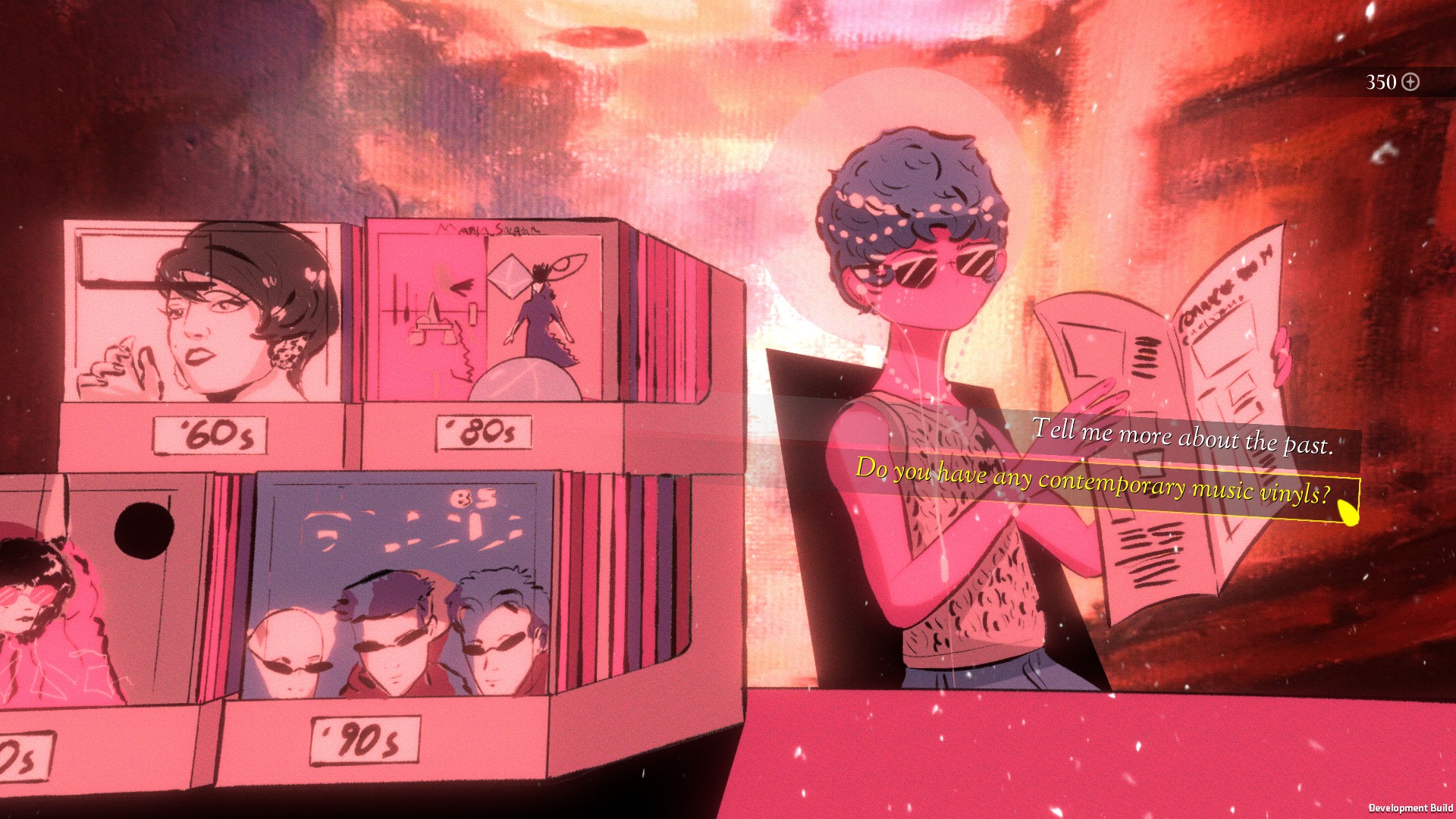
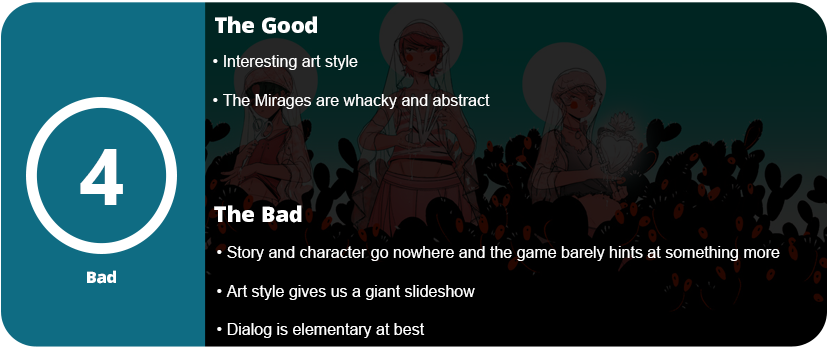
Surrealism is something that The Dream Machine does well. The Dream Machine masterfully crafts an otherworldly art style that is both familiar and dream-like. It’s the best part about the game, which also took 7 years to make. The first two chapters were released all the way back in 2010—14 years ago. It took 7 years to develop the following 4 chapters. This game might hold the record for the longest time between episodic content. Imagine having to wait nearly three years for a single chapter. The longest gap was in getting the final chapter out the door. While this was only a two-man team behind the game, I can’t fault it too much for its release schedule. Regrettably, akin to numerous point-and-click experiences, the game is rife with incomprehensible puzzles and ambiguous objectives that impede its progress throughout.
I highly recommend playing this for the first time with a guide. There are just too many obscure objectives you need to complete to get through the game without hours of backtracking and guessing. There are some context clues, such as when you solve a physical puzzle together, Victor will indicate if it was successful or not. However, the game heavily relies on gathering items, determining their direction, and determining if they are related. The game’s premise is about a single couple expecting their first child and renting a new apartment in a new town—a fresh start. They end up discovering a strange secret their building holds, and Victor is now transcending reality and entering dreams.
Through each chapter, you will enter another tenant’s dream, and some of the puzzles are about how to get to these tenants. You travel between areas, examine everything you can, and figure out which items go where and who to talk to. Towards the end of the game, you end up entangled in dialog trees that are required to trigger certain events. In this game, talking and exhausting all dialog options is a must, or you will end up stuck, not knowing where to go. It could simply be a dialog option you forgot to click on. Certain items in this game don’t function as they would in the real world due to its abstract logic. This can lead to serious frustration and roadblocks along the way, but I always play point-and-click adventure titles with guides first, and then if I like the story enough, I will go back through it again alone. While some are fun to figure out by yourself, others, like this game, can be a convoluted mess. Clicking on everything and guessing with so many areas and objects is just a recipe for disaster.
The visuals, ambient music, and sound are what really kept me playing. While the story itself is a theoretical tale of dreams, life, death, and rebirth, the surreal visuals that move from recognizeable everyday objects and locations to pure dream-like states of pure consciousness are a treat to look at. The hand-modeled backgrounds made out of real-world objects are a joy to look at. The music is haunting and mesmerizing, and it will occasionally invoke feelings of nostalgia for a long-distant memory as a child and innocent years of a simpler time. Each location effectively balances the game’s light and dark elements.
The overall story isn’t anything that will stick with you, but it’s still well done, has a conclusive ending, and is thought-provoking for at least a little bit. The game’s visuals will remain in my memory far longer than any character names or the story itself. The Dream Machine demonstrates a clear dedication to both visual arts and sound design. While there are better adventure titles out there, gameplay-wise, there’s no denying that this is a game that every fan of the genre needs to experience.
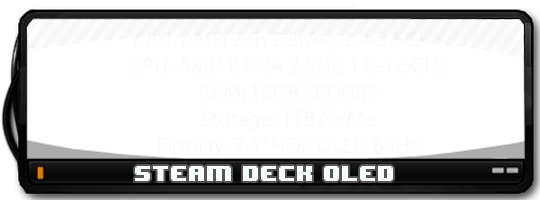
I didn’t think Valve would be pushing out a new hardware interface about a year after its release. The Steam Deck jump-started an entirely new category of hardware: handheld gaming PCs. This puts pressure on the gaming laptop market and is a great fit for desktop PC users or console owners who don’t want to invest in PC gaming. Valve took a huge page out of Nintendo’s book and listened to users. One of the most requested items was an OLED display. It’s also nearly half an inch bigger than the original LCD model. It makes a huge difference and makes games pop and come to life.
The OLED model has the same unboxing experience as the LCD model. It ships in its own carrying case inside a discreet cardboard box. You get a charger and a cleaning cloth with it. The case (at least for the 1TB model) is of higher quality than the LCD case. There is now a velcro strap that goes over the zipper to keep you from accidentally forgetting if the case is zipped and having the deck fall out. I have seen many photos on Reddit of this exact accident. Outside of that, unless you already own the original model, there won’t be much left to notice. However, having owned the original 512GB model, the deck is much lighter, and the shell itself feels more solid, almost like it’s been shot with a higher-quality or thicker plastic. There’s no squeaking or flex when you twist the system this time around.
The system doesn’t seem any thinner, but that’s okay. It does feel much lighter. The analog stick bases are now black instead of white, and the power button is orange. Other than that, there is little difference physically between the systems. The touchpads, however, are leaps and bounds better and are one of the best improvements to the system. Outside of the chipset shrink and better battery life, the OLED is quieter, which I assume is a better fan. The system also has a 90-Hz display, which is a huge deal. On top of that, the display has awesome HDR. The new screen pretty much checks all the boxes; however, only the higher-end 1TB model has better anti-glare etched glass. This increase in the 60-Hz LCD display puts it closer to its other Windows-based competitors. While not the top dog, the OLED display itself makes it the nicest-looking handheld gaming PC out there.
Don’t let the fact that there is an increase in performance confuse you. There may be negligible increases due to better thermal handling and cooling, but you won’t get huge leaps and gains. The compromise mostly focused on better battery life, which is one of the biggest complaints about the deck. The alleged 25% increase puts it closer to its competitors. The 50-watt battery helps quite a bit, as does the addition of WiFi 6E and Bluetooth 5.3. I do notice longer battery life when doing every task, from gaming to just using desktop mode.
I also want to mention that the Deck OLED itself is just built better internally. I removed the rear plate to replace it with a transparent one, and everything seemed better built. The touchpad unit is no longer so sensitive that it never feels the same again once removed. My last Steam Deck had to be repaired due to a faulty solder joint on a ribbon cable and the touchpads not working correctly, despite everything being put back correctly. I’m also happy to see just how sturdy and well-engineered everything is inside.
Outside of the actual hardware itself, how are the games? Well, since I last reviewed the Steam Deck, the OS has come a long way. Thanks to Valve’s custom chipset, they can squeeze every drop of power out of it with their custom drivers. Games run better and better every month, and games that don’t push the Deck to its limits run beautifully at 90hz. That extra boost in refresh rate really shines, allows for more responsive controls, and lets the OLED pop. The HDR is especially brilliant, with games like Tetris Connected looking stunning at 90 Hz and with HDR enabled. The screen alone can be a system seller for Valve, as people have turned the deck away for just not having an OLED panel after Nintendo spoiled everyone. The Switch OLED also doesn’t have HDR or run at 90 Hz, so it’s the best handheld display on the market right now.
What’s more to say? The Steam Deck OLED is a fascinating and wonderful piece of tech that feels as premium as The Big 3’s systems. There are downsides to being a Linux system on the software side (mostly compatibility), but there are no hardware limitations or performance overhead due to Windows 11 sucking up precious bandwidth. The OS is fully customizable thanks to third-party plugins like Decky Loader, and you can even dual-boot into Windows if you want.
A game based on the short story by Harlan Ellison sees a group of five people trapped inside some sort of digital hellscape. They have been there for over 100 years and want to escape; however, the all-powerful and overseeing AI called AM is trying to stop them. The short tales of these five individuals, with almost no backstory, thrust us directly into their lives. We don’t understand their motivations for being here, and we barely get to know who or what AM is. I Have No Mouth is another adventure title from Cyberdreams that focuses more on the atmosphere, art, and voice acting than on gameplay.
I Have No Mouth is jam-packed with puzzles, items for your inventory, and a variety of ways to utilize them. I recommend following a guide to a T to get an idea of how the game plays out first, but even with the guide, I was confused and lost. Each scenario has multiple endings, and getting the totem at the end of each scenario requires a perfect playthrough. These roadblocks will either just end the scenario, resulting in that character not being able to act in the final scene, or end the entire game. This will necessitate constant trial and error and backtracking, which can be incredibly frustrating. Who would want to do this? This open-endedness is the wrong way to get different endings.
Even within each scenario, combining objects and using them in the correct order is mostly impossible without a guide. Unless you spend dozens of hours trying things in different ways, you will never get far. Some puzzles are extremely obtuse, and even with a guide, I constantly reminded myself that I would never have guessed to solve them. Using certain objects in a particular manner simply doesn’t make sense. You can’t use a cloth as a blindfold to bypass a specific character. How would I have known that? Adventure games from the early to mid-1990s faced numerous issues, which are evident in I Have No Mouth.
If you do use a guide, the scenarios are quite interesting and play a part in the morality and perspective of both good and bad people. The artwork and music are amazing, with a lot of detail put into the atmosphere. Each scenario looks and feels different, but I wanted to know more about AM and why these characters are here. There’s not much of an explanation for any of this. Each scenario is also very short. You can complete the entire game with a guide in less than 2 hours. I also feel that for the amount of trial and error the game has, there are too many actions you can use. Swallow, give, take, push, use, talk to, walk to—it’s just way too much. It becomes tedious to use nearly every command on each object. It’s simply not fun at all.
Overall, I Have No Mouth is an interesting spin on moral choices, but there’s no overarching story here to keep you wanting more. The characters also have no backstory, and I wanted to know more about AM and what this hellscape is all about. The game has way too many actions, trial-and-error roadblock endings, and just a bad case of 90’s adventure qualms. I Have No Mouth is largely overrated as a game, and there are other adventure titles that offer more striking visuals. If you need to use a guide just to finish the game, then you know there’s a problem. Good voice acting and music aside, there’s just too much that will make a player quit early on.
The marketing, box art, and even screenshots are quite misleading for the type of game this is. Even the fantastic artwork doesn’t accurately convey the tone of the game. The first game was a chaotic combination of trial and error, resulting in its incredibly short duration. The second game follows more linear and traditional point-and-click adventure gameplay with digitized scenes and full voice acting. While the voice acting isn’t half bad, the sprites could have used a few more animations and don’t mash well with the H.R. Giger art style of the Darkworld.
Dark Seed II focuses mostly on a murder mystery. You play as Mike Dawson, who is recovering from the events of the first game. The local sheriff has charged you as the prime suspect after the murder of your high school sweetheart, Rita. You then wander around various locations in town, talking to people trying to move the story along, and this is where the game really falls apart. Like most point-and-click adventures of the time, the game is very obtuse; there aren’t any puzzles, but knowing what items to pick up and where is a real chore. The first game had issues with objects blending into the background, but in this game, you just wouldn’t know where to start. I had to play this game with a full guide, or I would have spent hours wandering around, not knowing what to do or where to go. The lack of a button or other mechanism to access the map makes the significant amount of backtracking even worse. To get to the map, you must walk back to the edge of the area, slow walking speed and all.
Once you get to the Darkworld, things get a little more interesting. The artwork is fantastic, and it’s a shame the low-resolution visuals don’t do it justice. The voice acting didn’t mesh well with the characters in this world, which put me off. They are meant to represent people in the real world, but come on. Why is there a strange statue of a gargoyle that Giger created speaking with a silly New York accent? It just doesn’t sit right tonally. I still loved the bizarre architecture and surreal atmosphere that the Darkworld gave, but the repetitive music, sound effects, and half-assed animations just don’t do any of this justice.
There isn’t much gameplay. You can change your action icon with the right mouse button and have a pop-up inventory, but you won’t be using it much. Most of the game involves walking back and forth and talking to people. While the overarching murder mystery is rather interesting and the ending was a surprise, I wanted more of the in-between stuff. There was a significant opportunity to bring the Darkworld to life, and even in the mid-90s, this could have been feasible. There was a hint of this happening when you converse with certain creatures; they mention the Darkworld briefly, but the worldbuilding simply lacks depth. The adventure titles of that era, like The 11th Hour, I Have No Mouth, and I Must Scream, Full Throttle, and others, didn’t follow the same pattern. Many other games did this just fine, without the macabre legacy of Giger himself lending a hand to the art department.
Without the artwork, this would be a ho-hum adventure title. While there have been many improvements over the original title, I would still like to see more Darkworld architecture. I wanted more time spent here. Yes, there is more of the dark world. There are more screens, buildings, and creatures in the Darkworld than in other adventure titles of the time. There is a layer of cheese that you just can’t look past when it comes to certain events or scenes in the game, and it made me roll my eyes or frown. H.R. Giger’s art is my favorite of all time. There’s so much that could be explored here, but instead we get an obtuse, backtrack-heavy game with an interesting murder mystery and the best parts taking the backseat.
To say Hylics isn’t an interactive piece of art is an understatement. I will get more into the visuals later, but there’s clear inspiration here from Earthbound. There’s not much of a story, and there doesn’t need to be one, because the world is a character itself. There is no possible way to make heads or tails of the world, so it makes sense that the story wouldn’t. There are four characters in your party, and you do go around fighting in dungeons, beating up bosses, and collecting loot, but in a less traditional fashion.
You start out with the character Wayne. There’s not much to say about Wayne. We get no backstory or epic dialog because we don’t need it. You start out inside your house, and you slowly introduce yourself to gameplay mechanics. Notice I said, “Introduce yourself.” There’s no tutorial or even any dialog messages stating anything is happening. I highly recommend playing this the first time with a guide, as some areas can be a little cryptic for how small of a world this game is. You have your typical RPG fight mechanics. You take turns with the enemies; you can attack or cast special attacks, run away, guard, etc. That’s all standard so far. You can also equip armor, weapons, accessories, etc. That’s about as standard as it gets. Everything else is either similar to Earthbound or just plain weird.
The entire game is finite. Every enemy’s death is permanent, as they are placed physically in the game world. There are no random encounters here. When enemies die, they are represented as a pile of flesh and bones on the ground. Most bosses are also optional. This game takes a rogue-lite approach to the RPG foundation by encouraging you to die. When you die, you go to the afterlife, which is a small building with a surrounding ocean of red. You can heal here and turn in flesh meat, which increases your hit points. This is the only way to “level up,” and that’s in the loosest sense of the word. Enemeis drops lots of cash, items, and meat, and this meat is needed to get further in the game. However, starting out is rough. You die a lot, and you usually can’t kill a single enemy part alone. It’s important to get the second party member quickly before engaging in battle.
That’s where the guide is needed. That is not a conventional way to play a game. Thankfully, the game is so short that you can get your first party member in 20 minutes. There is a world map that has different locations on it. There are a few main dungeons with bosses in them, but they aren’t shown or given to the player as typical bosses. They are just another enemy on screen, or you need to interact with them to start the battle. There is a single town in the whole game that has a few vendors. You can buy armor, accessories, items, and so forth. Items like frozen burritos can be microwaved from projectile weapons into warm burritos, which revive an ally. Hot dogs give full health, and other weird and alien items will do other things.
You can learn new special moves by finding TVs. The one small issue here is that you need to revisit every TV to give each party member the ability. Some do huge attack damage, and they are pretty much required to beat the final boss, while others can be used for defensive purposes like protecting from blind status or poison. Attacks are 1:1 to your mightiness power given by weapons. It’s important to seek out the most powerful weapons that are usually hidden in chests or locked behind something, such as needing to die three times or using dynamite to blow up a wall. There aren’t many locations like this, but they are important.
There are other weird quirks that you would never know are things, such as the fact that the character Somsnosa, who is the strongest, can only equip a single weapon and can pick up bugs found in areas to increase her might. These are weird-shaped creatures that are all white and are found in dungeons or safe zones. You can also run across merchants who offer a one-time type of food that is used on a specific animal back at Wayne’s house to acquire their skull for a shield. That would be completely missed without a walkthrough. These kinds of things are also present in games like Earthbound and either require you to stumble across them by accident or have a lot of abstract thinking going on.
Outside of the gameplay, the game’s most impressive feature are the visuals. They have avant-garde status in surrealism. They mesmerize, question, and barely represent anything remotely human or recognizable on our planet. The game has a Toejam & Earl vibe mixed with Earthbound. That’s the sense I got, but there’s not a single game in existence that looks or sounds like this one. Strange alien noises, weird haunting ambient music—none of it is scary or horror-themed. The game is so odd that it will make you feel lonely and empty just playing it. The world itself is a character, and the poetic dialog (the little there is) and Shakeperian story (if you can call it a story) don’t matter. It’s not that I cared, but I just didn’t need it. Just seeing these characters on screen, running across the few NPCs, and fighting the bosses was enough to keep my mouth shut. I just took in the fantastic visuals and played.
This goes for animations too. The game has a very claymation look and feel to it. The first-person combat animations feature strange hand gestures, alien symbols, and an odd sense of emptiness. There is nothing typical or trope-like about this game. Your brain wants to constantly categorize, put it in a box, or rationalize with the visuals. All you can do is accept what’s there and keep pushing on. The game can be finished almost 100% within 4-5 hours. Once you get three party members, the game becomes more enjoyable, and you quickly gain power where small enemies are pushovers. It’s just bosses you have to focus on. I wish you didn’t need to hold off on your consumable leveling up items once you have all the party members. The finite supply in the world makes this a requirement. But the satisfaction of being level 63 and having 5,000 HP at the end of the game allows for getting 100%.
All in all, Hylics is an insane piece of interactive art. There is nothing like it out there, and while the cryptic RPG elements feel dated and the game is difficult to get going, you will have a blast with it and not want to put the game down.
Surrealism in gaming is fascinating to me. It’s one thing to see a painting or photo, but to see it moving and interacting with it is a whole new scale. In my bottomless hunger for the surreal, dreamlike, and psychological in gaming, Isolomus fits a few of these categories. This claymation interactive art exhibit is not for those looking for a full-on game, puzzles, or even a story. There is a lot the player needs to interpret or just be square with not having an answer to. This is a game that can be completed 100% in less than an hour. My interpretation of the game is that it represents humans being slaves to our daily schedules and needs. I will leave it at that.
Each “cycle” of the game starts out the exact same, and there are two different endings. You just start clicking on objects on the screen. Squishing green men into blobs and then watching the “hub” of the day and night cycle as a man does a task you select. This can be eating, using a computer, looking out a window, brushing your teeth, etc. Each task is shown in full during the first cycle, and then you sleep. Once you sleep, you can choose two different doors. Once you start the next cycle, each activity is an interactive scene. I don’t want to spoil them too much, but you need to figure out how to advance the scene by interacting with their objects in a certain manner. Each scene has two different endings, and how you interact determines that ending.
The entire game barely represents anything human or discernible to the human eye. Strange shapes, sounds, and the eerie, dreamlike soundtrack playing in the background will keep you glued to the screen just to see what whacky thing comes next. The animations are uncanny, inhuman, and downright bizarre, but that’s what I love about this game, if you can even call it that. The gameplay here isn’t much, but you still need to be curious and find new ways to interact with the game, which I found a lot of fun.
There is no dialog in the game or even any written text. Just grunts, sounds, and ambient music. Sometimes this is just what the doctor ordered. You can vibe out and relax in a game like this that doesn’t require any skill to even interpret a story. This is a game that will stick with you. Maybe even more than a 50-hour-long AAA game. It’s so strange and surreal that you will need to talk about it with somebody just to make sense of it all. Isolomus may not get the players or attention it deserves, but for $1, what more can you ask for? You can’t buy anything for $1 anymore.
Back in the mid-2000s, there were many God of War clones, and that trend continues with the 2018 reboot. Banishers is essentially a God of War clone, almost to a T, barrowing many elements such as combat, exploration, storytelling, and the upgrade system. However, there’s a hint of “Eurojank” present that I just can’t shake. While the story, setting, and lore are interesting enough (the key word is “enough”), the game never excels to the heights of the game it’s trying to become.
You play Red Mac, Raith, and Antea Duarte. Lovers who are now separated by the plane of the dead. Banishers are people who go around removing hauntings from people, places, and objects, but they can also pass judgment and execute the living for doing wrong to those who previously lived. It’s an interesting concept, but sadly, the game never goes into more detail about it. How can these people just kill the living based on what the dead say? What are the laws and rules surrounding this? The game also doesn’t go into the background or history of the Banishers. This is something that God of War did well. We need a lot of backstory if we’re going to spend 25+ hours in a game like this. The entire game is just pretty “good,” but never memorable or amazing. It always just falls below that mark. While I found the world and atmosphere of New Eden fascinating, the way the story and world are unfolded to the player are boring, mundane, or just not interesting. Reading material is pointless and doesn’t add to anything.
Let’s just start with the combat. Heavy and light attacks make up the basis of combos, but you can switch to Antea in the ghost plane, who has more powerful attacks. Her bar isn’t HP, but an energy meter. Hit decrease this as well as using your attack powers. You can refill this bar by fighting as Red in the real world, but he doesn’t have any special attacks, and this really kept me from creating a strategy or learning how to beat enemies. Red just light and heavy attacks enemies (with a heavy charge attack), and the game tells you Red does more damage to ghosts and Antea does more damage to possessed bodies, but it never really seemed to be effective. You can parry attacks, which the game heavily relies on for more damage, and Red has a gun that you get about 1/4th through the game; it’s a one-shot rifle that requires a reload. This can sometimes do a lot of damage, but the enemies are so boring and uninteresting that there’s no distinguishable feature or stat to build strategies in your head. Ghosts are pretty easy, while anything else can damage sponges. I just couldn’t combo or create a meaningful pattern for defeating enemies, and it made combat one of the least enjoyable parts of the game. It also just feels slightly clunky and sluggish.
The upgrade system feels almost as useless. You get experience for Red and Antea by completing side quests (called hauntings), which grant you additional damage for certain attacks, but I never really got to unlock any new combos or powers. Antea’s three powers are found during the story, so the upgrade tree is just boring, and I never felt powerful enough and couldn’t even use skills to become more powerful. This also bleeds over into the equipment system. Red can equip rifles, blades, outfits, and potion bottles, which increase attributes, but no matter how high they were, I always felt just too weak to really get an edge over the enemies. Antea can equip various accessories to help her attributes, but nothing felt powerful or meaningful.
This leads to the exploration and hunting gameplay loop that’s identical to God of War, but without the enjoyment. Why do I want to hunt chests and haunted objects, fast travel back, and open new paths with new powers if all this equipment feels useless and haunting cases only give me a single esence for the skill tree when it also feels pointless? They are fun at first, and the haunting cases are like mini-murder mysteries you can solve, but they also play out the same way. Some lead to small boss fights, some are just item gathering quests, and they all add to the main story choice (I won’t spoil it) for the ending, but they are all optional. There is a lot of side content here, but I gave up about halfway through because I just didn’t feel any of the rewards were worth it.
With that said, the game looks pretty good for an Unreal Engine 4 game. There is a lot of detail in the environments; they are varied, and the atmosphere is thick and heavy, but everything just teeters on not quite being enough on every front. The ability to even upgrade equipment doesn’t help make you feel like you’re growing as a player or character. I felt just as weak from the beginning of the game to the end and wound up dying quite a bit. Some side content, like the void walking dungeons, is tedious and boring, and the only redeeming value is exploring the world and picking up all these items and chests. I just wish the rewards were better.
Overall, Banishers has a lot of interesting concepts going for it, and the voice acting is good (the facial animations are very dated). I wanted to know more about this world, but the game just doesn’t give it up. The side content is questionable, the combat is too clunky, and there’s no strategy or really good combo system implemented to make it stand out from the crowd. There aren’t really any puzzles, and the story is predictable towards the end, making you feel like your choices are almost meaningless. I feel like if DONTNOD had another go, they could get a lot more right. As it stands, this feels like a “Eurojank” God of War.
Final Fantasy VII is one of the most influential video game and pop culture icons of all time. It was revolutionary in its day in storytelling, graphics, and scope. I never got around to playing the original PS1 game. When the game came out, I just wasn’t into JRPGs and would never have had the patience to finish the game or even remotely understand the story. I was 7 at the time. Fast forward nearly three decades, and out comes the remake. The Final Fantasy VII projects have been in the making for nearly two decades. I remember the Advent Children being released. I rented it and watched it with my parents, and I had no idea what was going on. There was a mobile game exclusive to Japan at the time, and Crisis Core had just been released. I also had no idea what was going on in that game. I couldn’t appreciate these FF7 projects as I hadn’t played the original title.
That has all changed. Square Enix did a great job bringing the game up to par with modern audiences and video game standards. Not only is the story well told and easy to follow, but it’s still complex and full of interesting and lovable characters. While this game is only what the first disc from the original offered, there are 30+ hours of content here to explore. While the game isn’t perfect, there is more to love than to hate, and I was surprised at how great this game was. I didn’t want to put it down. From the well-done English voice-acting (which was a shocker) to the well-paced and fast-moving story, the game never got stale (at least during the story moments).
The basic structure of this game is very linear. This is a dated design choice that transferred over, but some think this game has been in development since the tech demo for the PS3 reveal was shown in 2006. If that were the case, then this linear design would have been considered mostly modern at the time. There are large towns to explore, but these still have linear paths, and the story mode is a single path you follow, and there’s no way to branch off. This is both fine for a scripted story but also feels cramped in some aspects. Despite how large Midgar feels, with sweeping vistas and massive backdrops, you can explore very little of it. There’s a large sense of scale, but what you can explore just feels so claustrophobic in comparison. Many thought this would be an open-world game, but to follow the story the way Square Enix’s wants, that wouldn’t be possible, and I can see why they chose this path.
Exploring the game (and even the menu system) is similar to most modern Final Fantasy games. You run around towards a goal, fight bosses, run into enemies, do some mini-games, complete side quests, and try to get the best accessories, armor, and weapons in the game. This is all slowly introduced to you, but let’s start with the combat, as that’s the bulk of the game. Combat is not turn-based, but you can pause the action to give commands. The controls are intuitively designed to allow this to be done with minimal effort. You have regular attacks, a special attack, a block, and a dodge button. When enemies have red exclamations over their heads with the attack name, you know it can’t be blocked but must be dodged. Cloud’s alternate special attack is actually a stance called Punisher Mode, and while you block him, he will auto-parry incoming attacks. This comes in handy all the time.
You can issue commands, such as using ababilities. These are obtained by changing weapons. Materia can be equipped to give you commands that use MP. Things like magic, offense, defense, and even passive Materia can be slotted. Different weapons and equipment determine your slot count. It’s important that you learn this system well and balance your team. You can only have three active party members at a time, but you never change your party. It’s all based on the story. You will go through multiple chapters with a missing party member, but you can still upgrade and equip them all the time, even when they aren’t with you. Powering up weapons is also a must. Each weapon has strengths and weaknesses. Some focus on sheer power, some on magic, and some on defensive skills. You acquire SP through combat and can use it across all weapons. Each weapon gets the same pool of SP separately. If you have 90 SP, you can use that separately on each weapon, which is really nice. As you level up, you unlock new SP pools.
Combat is fast-paced, fun, and exciting. Each character can be controlled by the player in combat only. During exploration, you’re mostly stuck as Cloud or another character, as the story deems fit. Cloud is an all-rounder; Aerith mostly focuses on magic and distance combat; Tifa is a fast-paced melee fighter; and Barret uses a mid- to long-range gun, which is great for aerial enemies. He also has a ton of HP and defensive points. You can issue commands to other characters with the triggers that pause combat. You all have two AP gauges that fill up slowly over time or quicker as you do damage. These are needed to even use items in combat. These guides are the center of your strategy because, without them, you will die. You have limit breaks, which really can only be filled during longer battles (mostly bosses) and summons that deal massive damage, but the battle needs to be long enough to fill these guages.
Summons are mostly acquired optically through the VR training. You only get two during the story mode automatically. These are the keys to strategizing battles and winning as quickly as possible. I found the combat rarely frustrating. Only during long boss battles with multiple phases did I find it annoying that these cut-scenes were not skippable. You need to watch them all over again if you die. This didn’t become an issue until towards the end of the game. You can run away from battle by running away and fleeing, and thankfully enemies regenerate until you leave the entire area and come back. The boss battles are all unique and imaginative, and no one is the same. The smaller enemies are also unique and different, and they require you to learn their attacks and know what is weak against what type of attack. There is a lot more strategy in the combat system than a simple hack-and-slash setup.
While combat is the bulk of the game, you will spend a lot of time outside of combat. There are a few simple puzzles inside some dungeons, but the hub areas or towns you explore allow you to rest, buy items, materia, armor, and weapons, and that’s about it. The side quests and mini-games are some of the weakest parts of this game. While not every side- question is bad, Some offer challenging boss fights and good rewards; some just don’t offer much story-wise. I completed almost all of them anyway for more XP, SP, and the items they offered, but fetch quests are just not fun here. Not to mention, the mini-games are incredibly tedious and boring and not well thought out. There’s an okay darts mini-game. Beating the highest score and achievement. But there’s a box-breaking mini-game that requires you to run around breaking different-sized boxes. This was incredibly tedious and not fun. There are combat VR simulators that net you material. Most of which you can acquire elsewhere. Then there’s the optional summons, which can be incredibly difficult to acquire early on as you need to beat them, and you need three party members to even have a fair chance. There’s also a pretty stupid dancing rhythm mini-game. It’s just, overall, a bit lame.
Some other annoying niggles come from dated design decisions, like treating the player like they’re stupid. For decades, games would have you flip a switch, cut the camera away, show you that a gate in front of you opened, and then give you control. I’m pretty sure most people can figure out that the switch opened the only gate on the only path you can go down. I also got annoyed by how animations would have to line up to whatever script they were tied to, do the animation, re-align, change animations, flip the switch, then go back. It just slowed things down a lot.
Outside of the mostly optional and passable annoyances, the visuals are fantastic. Character models look amazing, the pre-rendered cutscenes are some of the best in the industry, and the story and overall character designs are some of the best you will ever come across. The story is deep and full of political intrigue, and I want to know more about this world, the characters, and see things move on. It’s sad that Square Enix takes so long to make sequels, but what are we going to do? With the fantastic combat system that adds just enough strategy and depth to the large swath of enemies, bosses, environments, and perfect pacing, FF7 Remake is fantastic. The additional Intermission DLC is also wonderful, and playing as Yuffie is a blast. The short, 4-hour story DLC still has more of the same lame mini-games and annoyances as the main game, but the story is just so well done. There’s nothing quite like it out there.
Yep! The fact that I forgot about this game until you made a comment proves that.