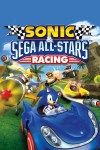
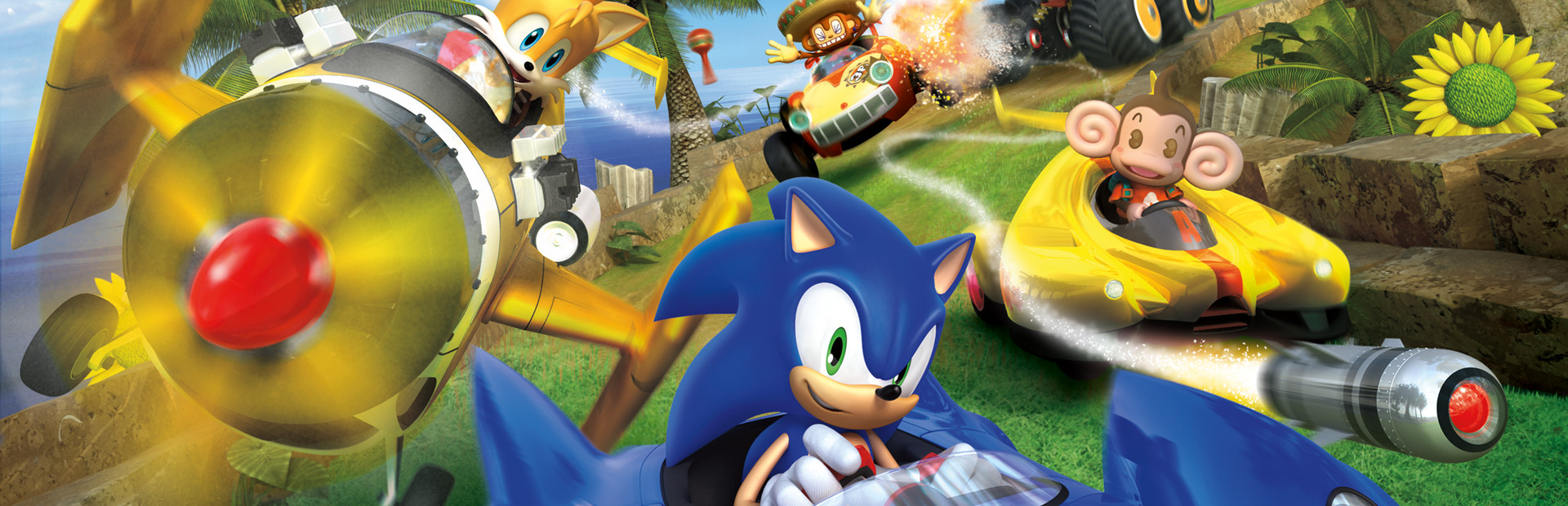
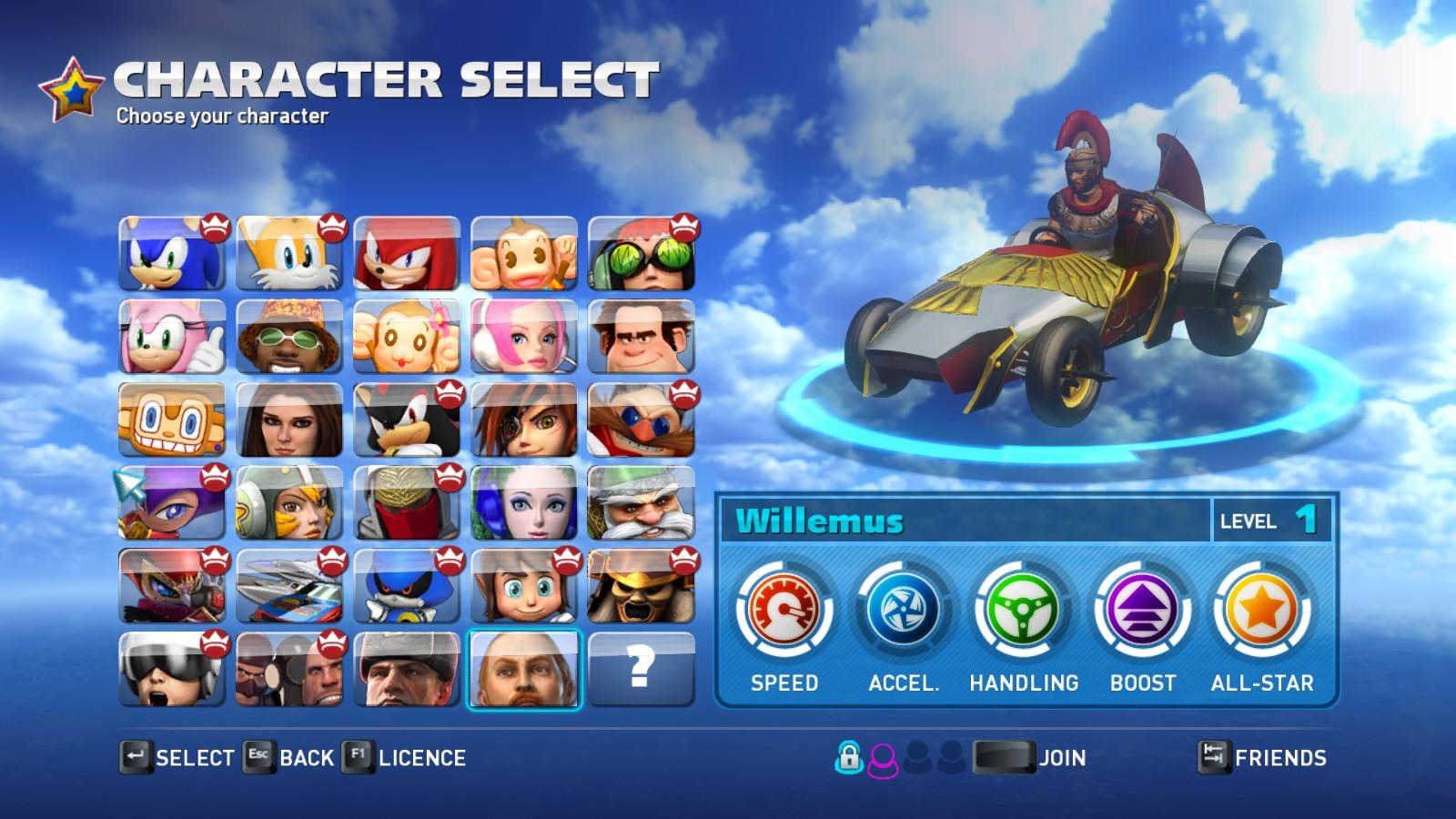
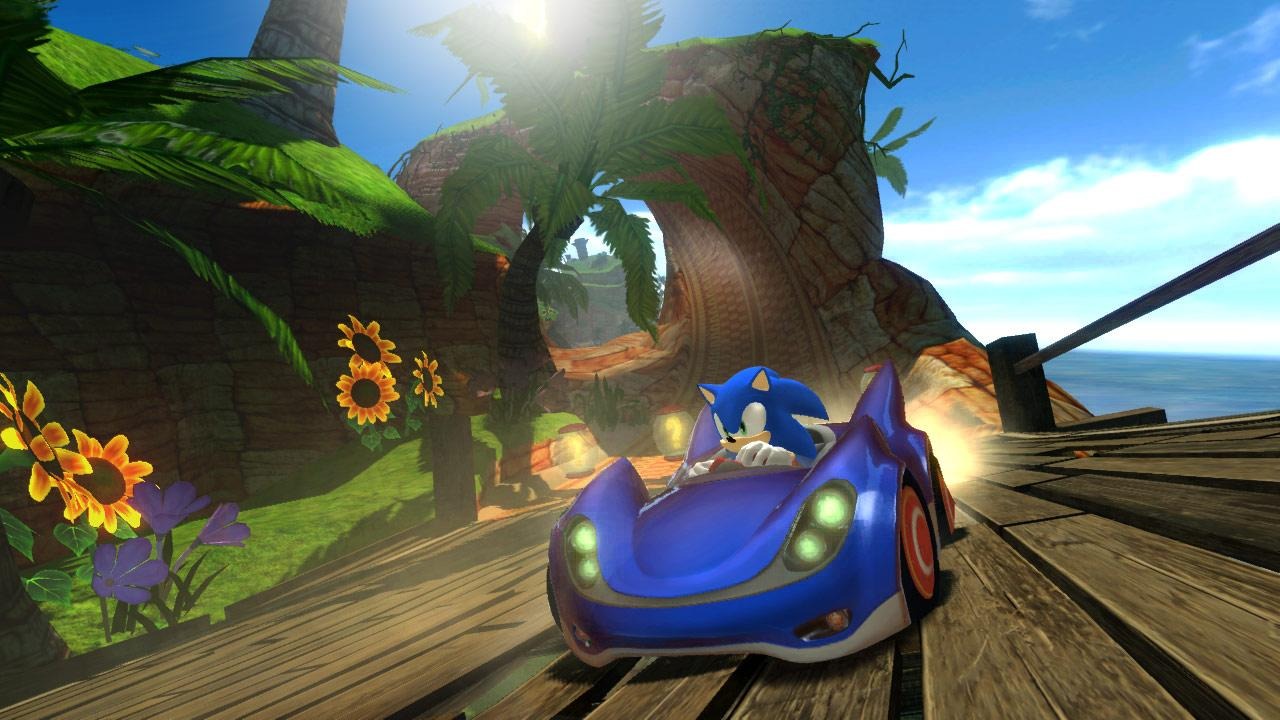
Kart racing games tend to be able to beat the king of them all: Mario Kart. While that game started, all a few entertaining offbeat ones have raced by, but this is Sega’s serious attempt at it, and it works. You can play as almost every major Sega mascot, such as most Sonic characters and familiar faces from Space Channel 5, Super Monkey Ball, and others. You race around tracks that reflect the design and setting of various Sega games while using power-ups to stay ahead of the pack.
The game has a power sliding ability that will increase your boost, which is the key to getting in the first place, but also picking up capsules that hold random power-ups such as a homing missile, mines, shields, speed boosts, and various other power-ups we have seen countless times. The game has a great sense of speed, and sliding around corners and doing various stunts is exciting, but the overall experience is borderline juvenile and very easy, even in the hardest mode. There are various missions you can complete as well as buying characters with Sega Miles, but this only goes so far.
The ideal way to play is with friends, but you need several controllers to do so because there is no online play. Why this was stripped from the PC version beats me, but it really brings down the experience since crowding around one computer isn’t very convenient. Once you do get some friends aboard, the game is a blast, and power-sliding and knocking enemies down makes for great laughs.
But when it’s all said and done, the game is a really average kart racer and has dated graphics as well as some annoying sounds. The game just feels the same no matter what you do as a single player, and I highly doubt anyone over 10 can play all 50+ missions without going crazy. If there was just some online play in here, it could sweeten the deal some, but the single-player can only be tolerated for so long.
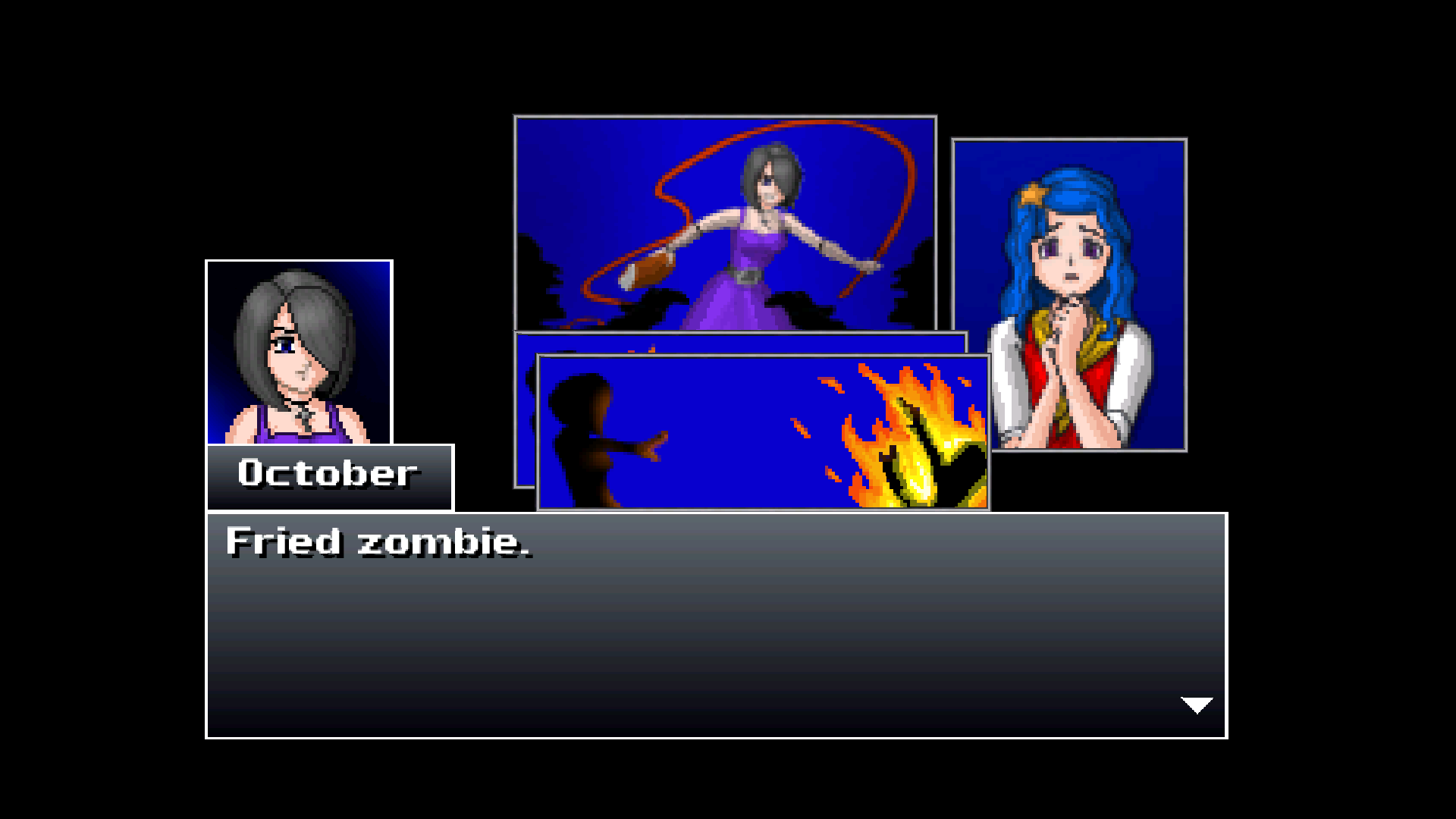
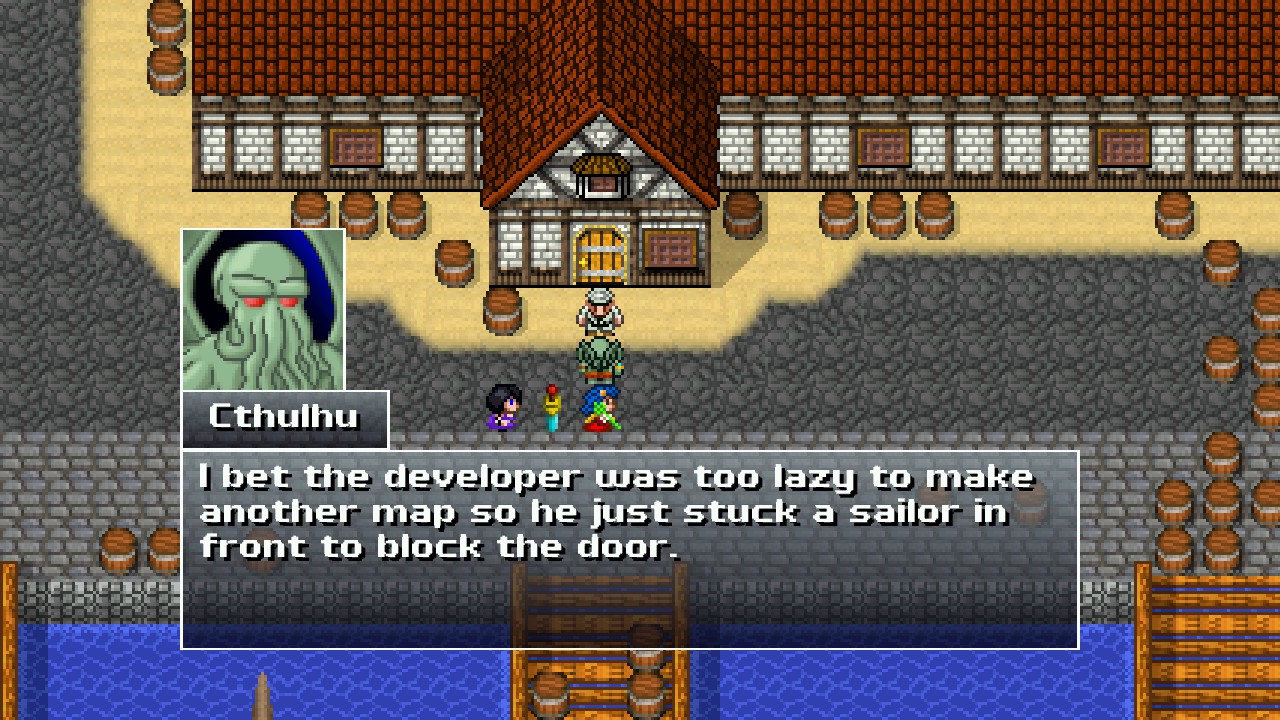
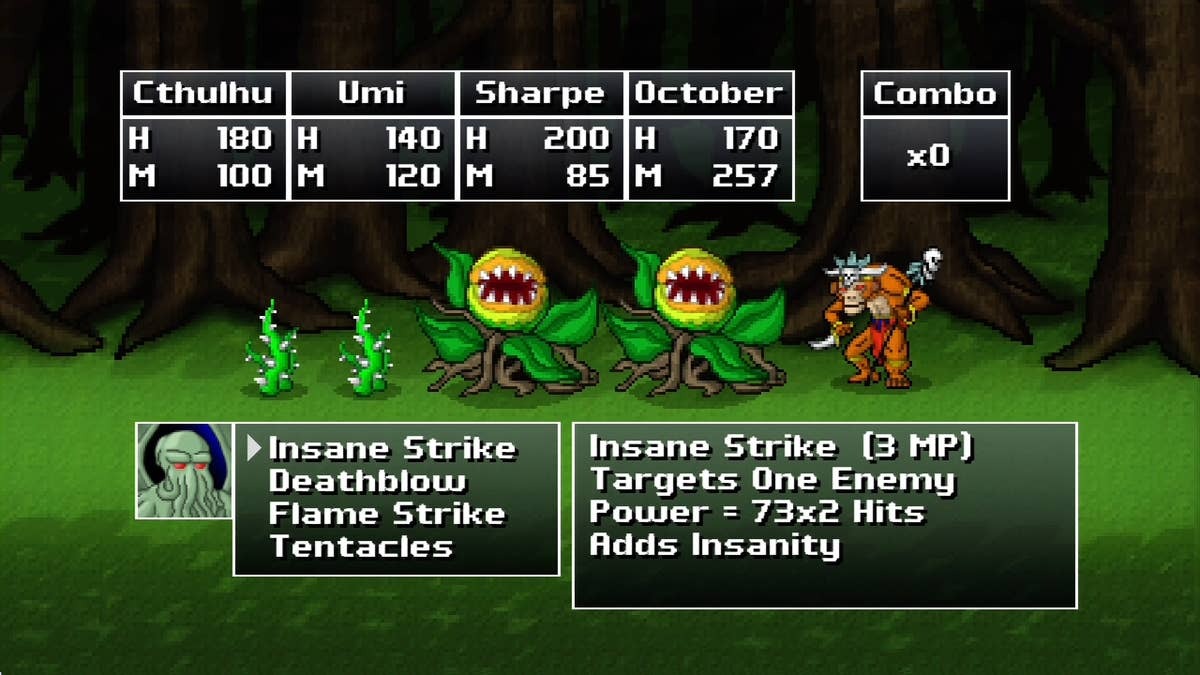
The Cthulhu series from H.P. Lovecraft hasn’t seen much love in the form of games, but indie developers Zeboyd picked it up and turned it into a whimsical/parody 8-bit RPG, and it’s done very well. You play as Cthulhu and pick up many party members along the way, but the whole point of the game is the great dungeon crawling that harkens back to the ’80s. You can attack like any RPG, but you have tech attacks that are more powerful and magic, and then you can unite with other members to combine devastating attacks. There are a ton of different attacks you learn when you level up, and you get a choice between two different things to level up with either stats or an attack, so by the end of the game, each member has a huge arsenal to use.
The game is very close to the mythology, with bosses that are from the story, towns named after the exact towns from the stories, and art-style matches. The music is amazing, with sweeping orchestral scores (in 8-bit midi audio, mind you) that really move you and sound great. The story is hilarious, with Cthulhu trying to redeem himself and become a true hero to raise his city of R’lyeh, but his interaction with characters in the world is really funny. Of course, the game wouldn’t be complete without a huge map to explore that has some secret dungeons, plus the environments and dungeons vary with lots of loot and chests to find.
However, the game’s biggest flaw is the extreme difficulty later on in the game, as well as the constant random battles that really drag the experience down. The developers tried to tone this down by disabling random battles after you do 25 of them, but you will probably go through a dungeon before you hit that number. I also didn’t like how if you don’t level up high enough, the end boss is impossible to beat, but each dungeon just really racks up the difficulty and requires you to grind a bit to get through the dungeon. I also didn’t like how you don’t really need a strategy to beat the enemies because you can just use the same one over and over through several dungeons. This causes the feeling of repetition to set in and makes you want the game to just end a little faster.
While the visuals are nice and give you a feeling of nostalgia, they don’t look good in HD, and the lack of battle animations and everything else that goes along with 8-bit graphics grates on your eyes after a while. However, the Cthulhu license is rarely explored, so any game to do so is welcomed, but this game is probably for hardcore RPG fans.
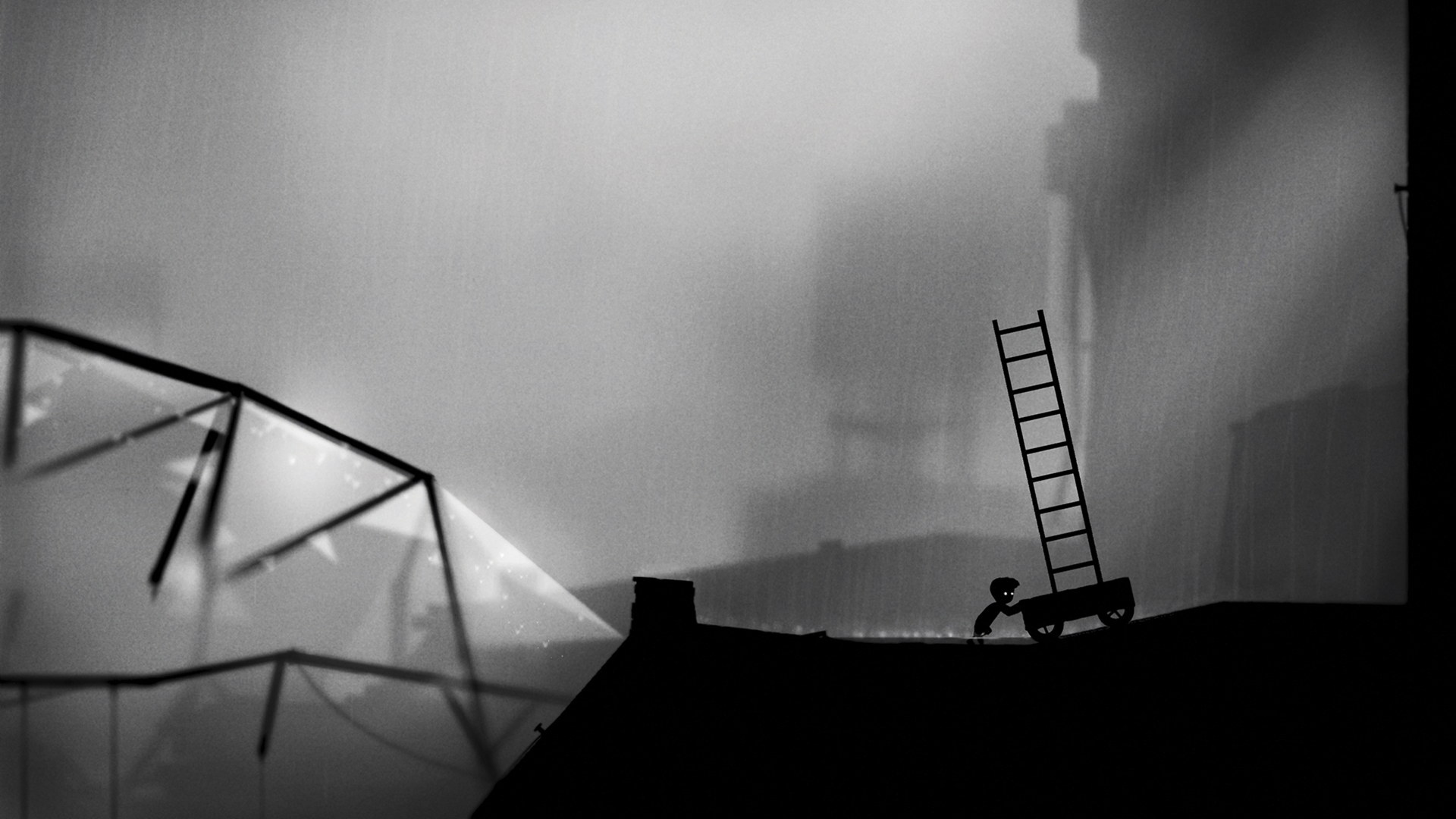
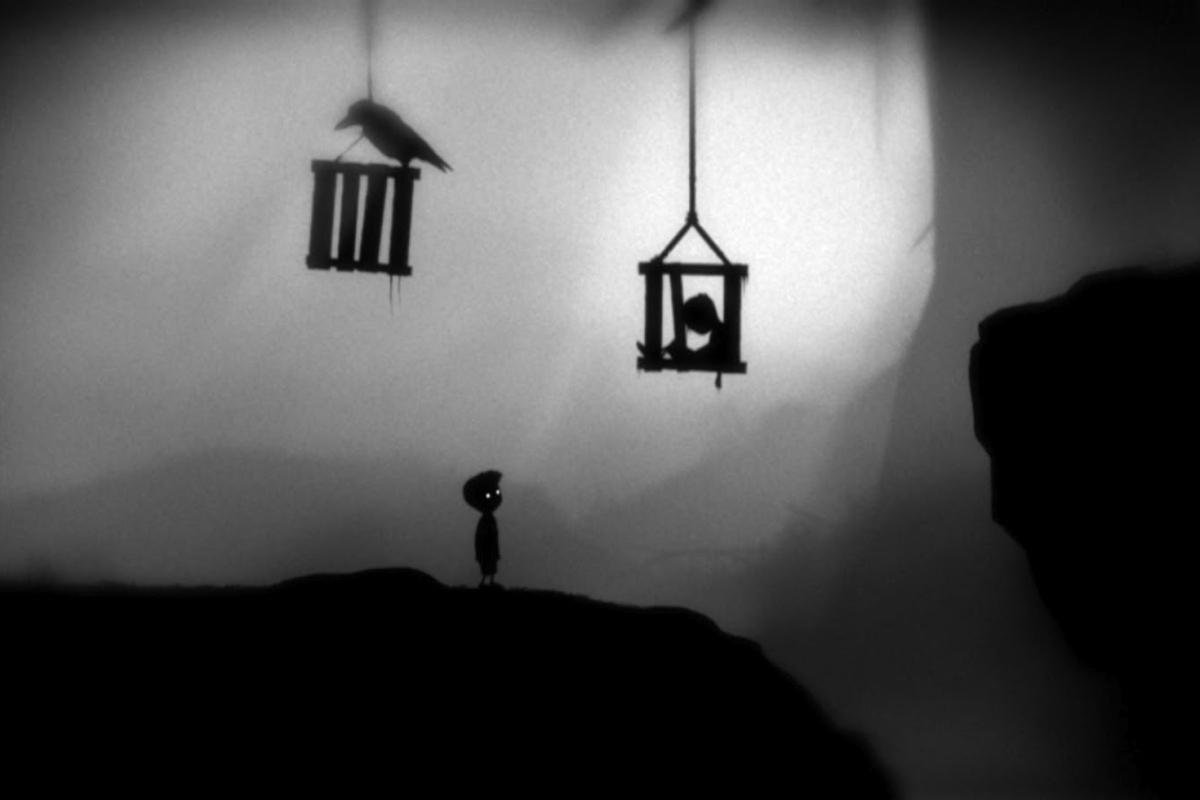
Leave it to an indie game to be clever, atmospheric, and do things that AAA titles wouldn’t dare do. Limbo starts out with just a simple message: Find your sister. No voice acting, no characters—just a black-and-white 2D platformer and a nameless little boy. This can be risky because why would you care about it with none of those elements? You won’t need to, because the game makes you care for the boy through your actions. He can be dismembered and killed in every way possible via deadly and horrific obstacles and traps like getting caught in a saw blade, getting hung, or being impaled by a giant spider leg. You cringe at every death because this is a little boy and not some nameless soldier or thug.
Limbo offers tons of atmosphere thanks to the great ambiance and visual cues that make you just wander through the whole game. The puzzles start with simple ones that deal with gravity, pushing stuff around, and pulling switches and levers. Later on, you have to manipulate gravity, and these puzzles get pretty complicated, but the game also gets darker and more dangerous as you go on. Limbo approaches typical platforming elements like bosses, enemies, and puzzles differently. Enemies are few and far between, but there is such a unique way to eliminate them that you wish there was more of it.
This short, 3-hour game feels like a sample because you really want more. The sudden and seemingly unsatisfying ending is made purposefully to just make up your own ending in your head. Yeah, this isn’t for the narrow-minded, but keep in mind that the game is juicy and gives you tidbits along the dark journey to make you feel satisfied at the end. Limbo delivers a lot more creativity and atmosphere than a lot of top-budget titles because it uses subtly over the explosion and big scares. My only issues are that some of the puzzles are pretty obscure, and the game can be very difficult in spots that will frustrate you to no end.
I also didn’t like such an abrupt ending that didn’t solve anything for you. However, this is a case-by-case basis for whether you like this sort of thing or not. The game has a lot of variety, but I wish there were some more of the unique scripted events that made Limbo feel really fun and intense.
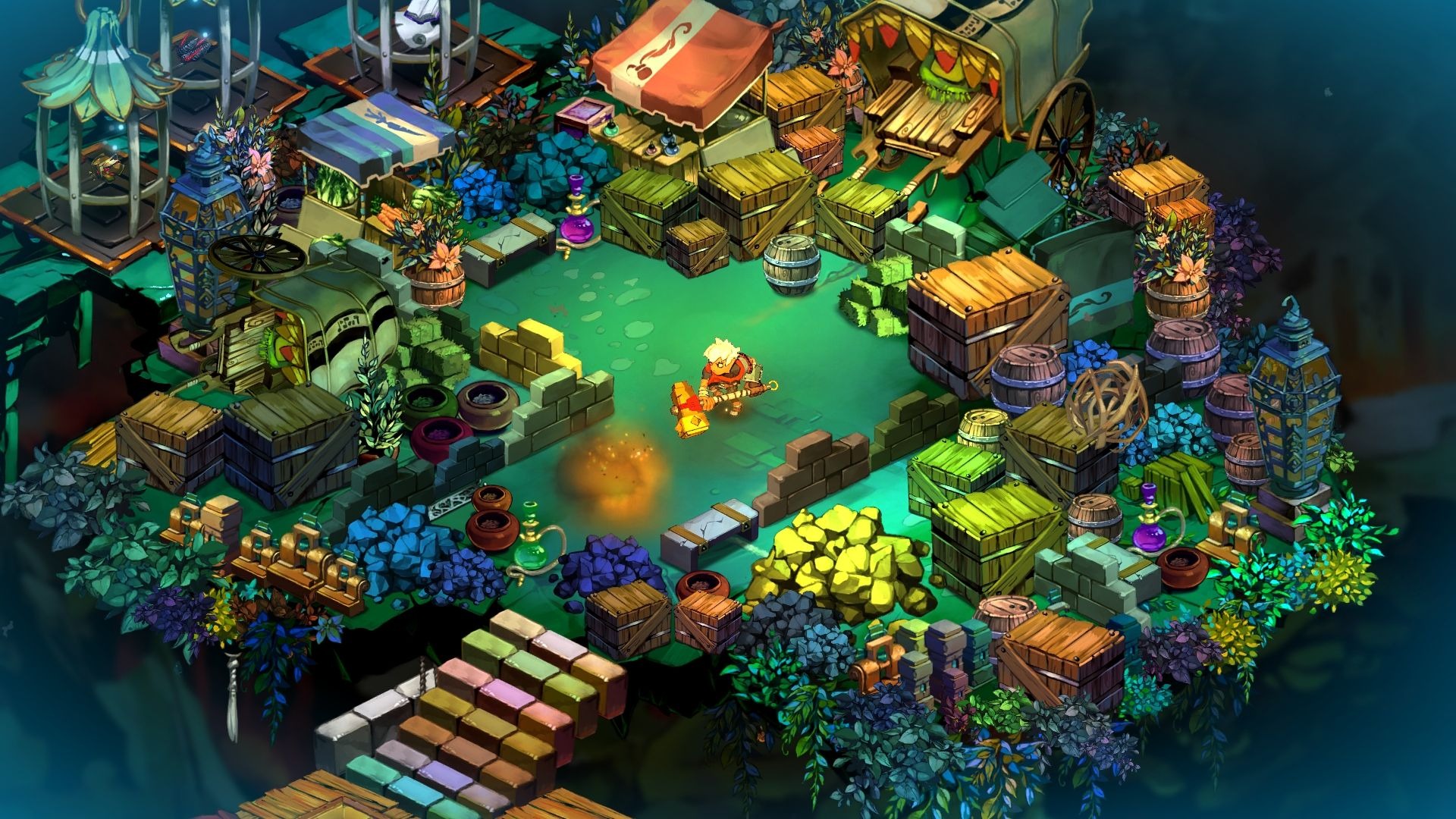
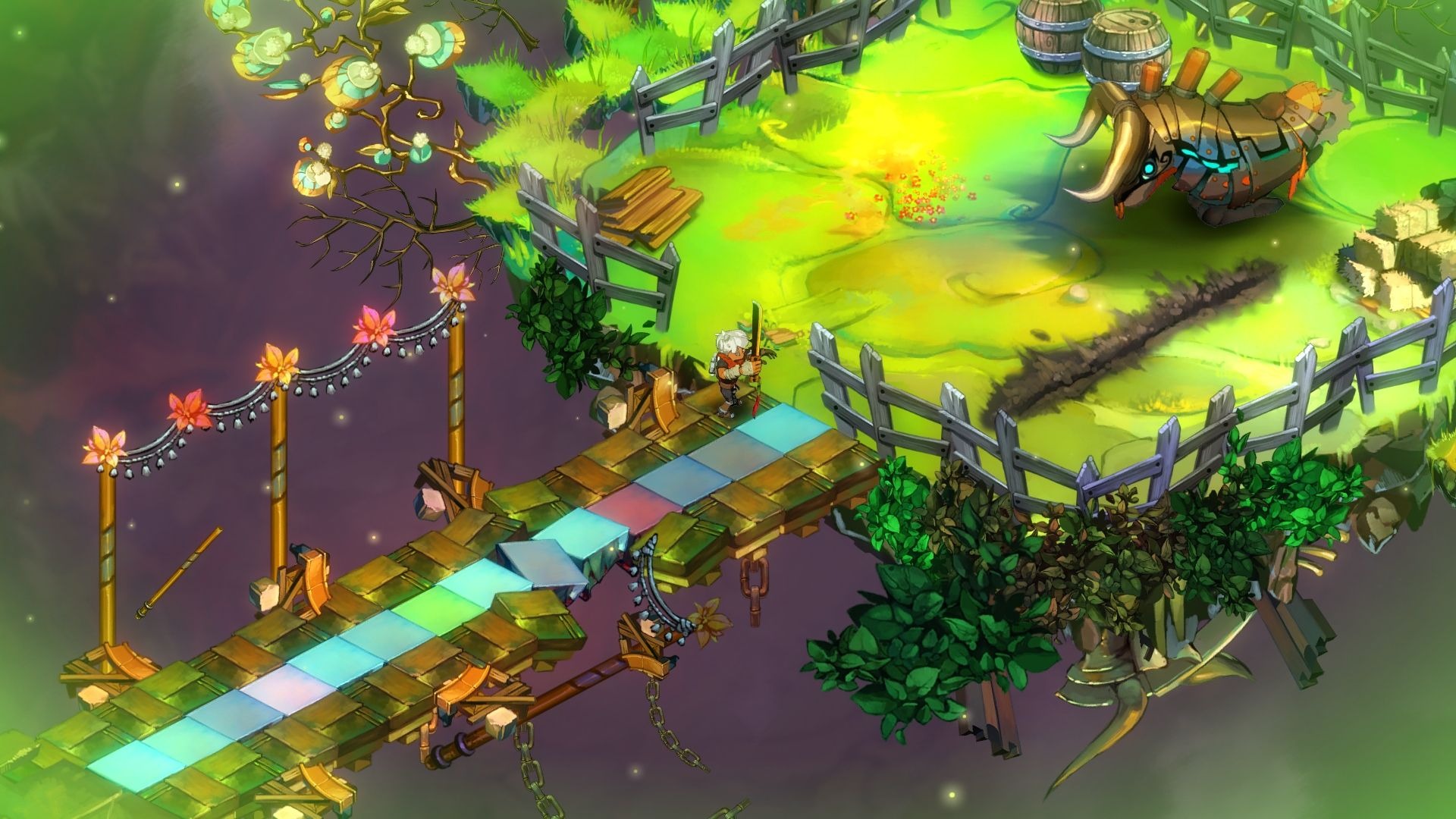
One thing that Bastion does differently from most games is its strong and unique narrative. A man narrates the boy’s every step and action in Bastion, and this is a very interesting way of telling a story. It’s like you’re playing an interactive storybook, especially since it looks like one too. You are trying to re-build The Bastion, which is a safe spot to run from The Calamity, and throughout the story, you find out what this is and why this boy is trying to find these shards to build this thing. Rucks (the narrator) guides you through the story as it unfolds, so you don’t know anything until it actually happens, like a storybook, but it’s happening while you’re doing it.
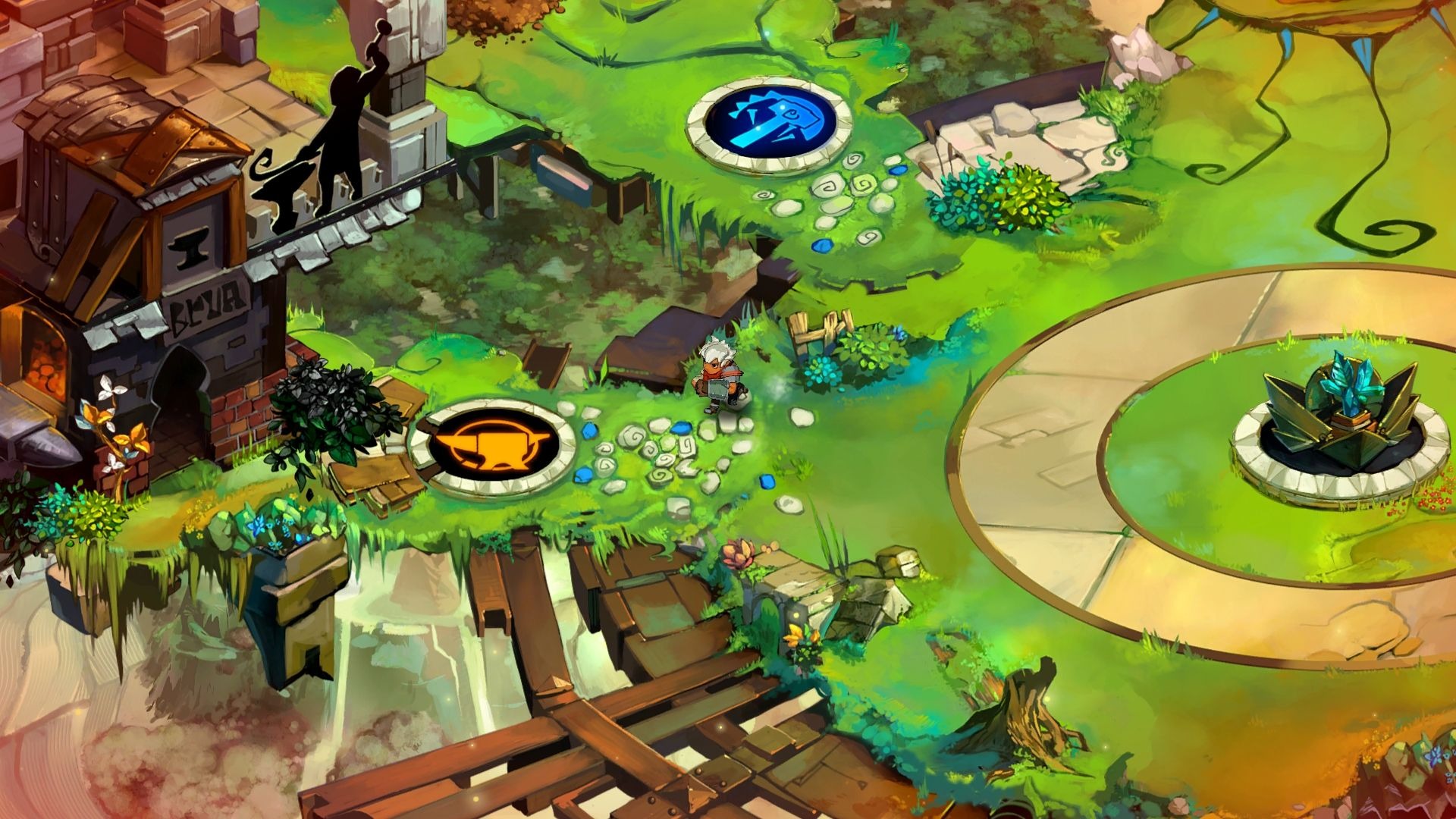
With the excellent narrative aside, the combat is top-notch and responsive. You can use a regular attack, a special attack, a block, or a projectile weapon. There are plenty of weapons, and you can upgrade them to add different attributes and bonuses. As you progress through the game, you unlock six different areas, which include an arsenal to swap weapons, a forge to upgrade your weapons, a shop to buy upgrades and special powers, a shrine to make the game harder, and an “achievement” area where you can meet requirements for extra shards (in-game currency). The customization and upgrades are deep and will keep you busy for a long while thanks to the proving grounds, which are unique challenges for each weapon. If you meet certain criteria, you get prizes based on your performance. These are not easy by any means, and a few were almost impossible to beat for me.
Combat is very responsive and challenging. The enemies are quick and smart and vary from stationary, fast-moving, slow-moving, heavily armored, etc. I should probably say that the balance is perfect, and you slowly get introduced to tougher enemies as the game progresses. You really have to use a combo of everything to stay alive because you will gulp health tonics constantly if you don’t use block and dodge a lot, so stay on your feet. The action gets hectic, and you start realizing this game is for hardcore action fans and not the casual gaming crowd that the visuals might seem to cater to.
There are a lot of levels, and the length varies from 5 minutes to 15, but one thing I can’t get over is the visuals. As you run through the levels, the walkways appear under you and seem to float in the air. The levels vary so much that not a single one looks the same. The hand-drawn visuals are just gorgeous, plus you can’t forget about the amazing soundtrack, which is something you stick on your MP3 player and listen to. This feels like a high-budget game, but only an indie game can deliver something on this side of creativity and originality. Bastion is a unique game, and nothing is quite like it in terms of narrative and visual delivery. Every action fan should own this because it’s $15 well spent.
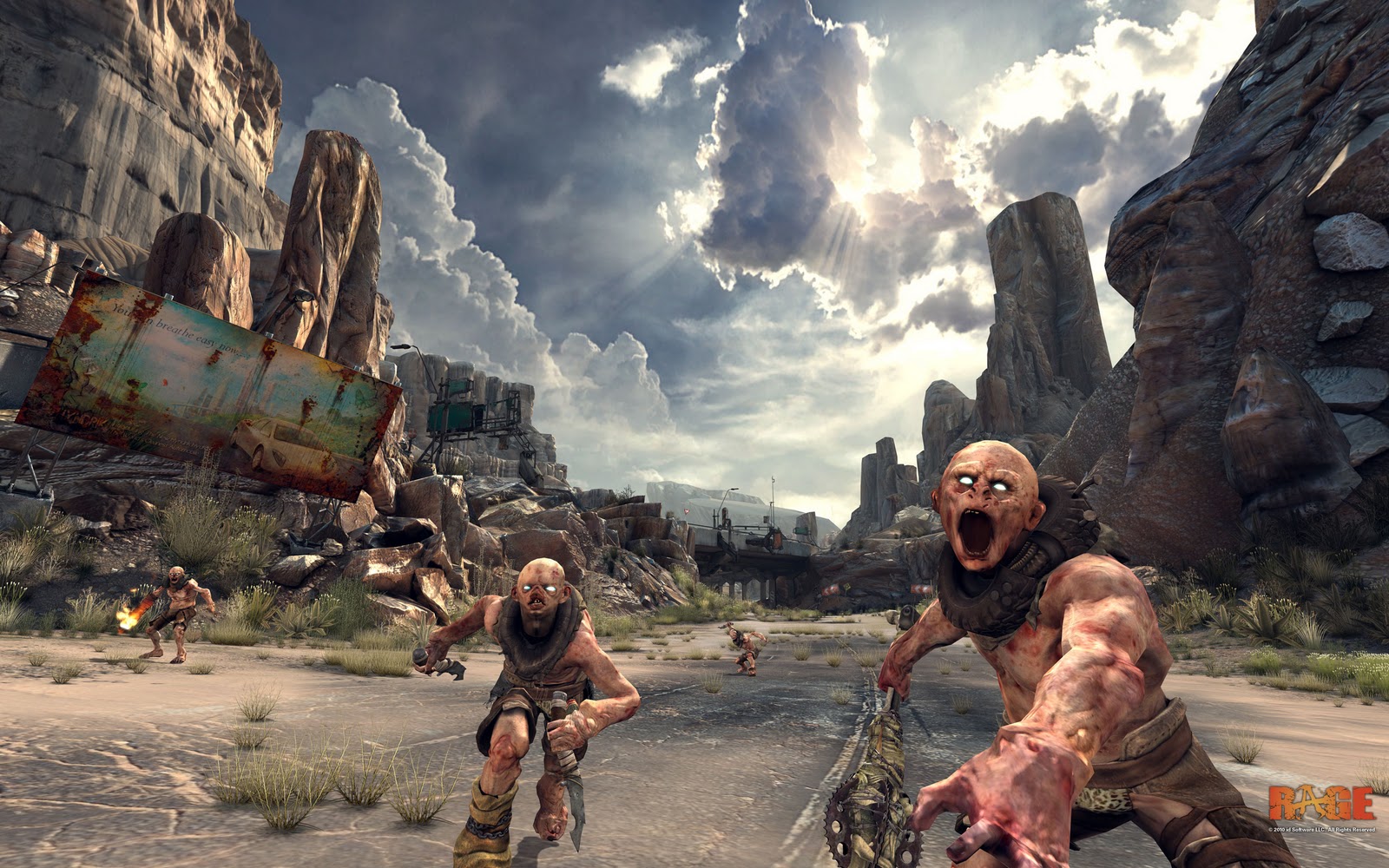
I have to come right out of the gate and say Rage is probably one of the most disappointing games I have played all year. With all the hype about the amazing and revolutionary graphics engine and weapon system that id Software (the inventors of first-person shooters) has made, you would think they would fall through. The game is completely 180 degrees from what id Software said the game would be like. The first thing you will notice is the enormous number of bugs and game-breaking glitches, especially for ATI card users. The graphics will literally be completely distorted, or the entire game will be blue. How do you fix this? Extract a file from the graphics driver update and put it in the Rage folder. Or you can fiddle around with the Catalyst Control Center, or how about the game not even running right unless you have it open? This is completely absurd and should not be like this upon release. I spent a total of four hours fixing this damn game so I could just play it. So you’re probably asking, Is it worth it?
Well, the shooting is solid, and that’s a fact. I know what they are doing, and the guns are great and super fun to use. You can upgrade them at stores in towns and use various ammo types because the enemies do need different approaches. This is by no means a straight-up stand in one area that shoots everything. You will die quickly, so use what you have available to your advantage. Guns like assault rifles use regular steel rounds and felt-rite rounds, which are more expensive but more powerful. The shotgun can use buckshot but also pulse rounds and pop rockets, which act like explosive shells. You get a rocket launcher, a sniper rifle, and a pistol that shoots four different types of ammo. There’s a decent amount of guns in the game, and you slowly unlock them as the game goes on.
Shooting enemies is fun because each weapon packs a punch and feels good to shoot. Enemies have great animations and fight worth a damn, so the game isn’t too easy. There are even some pretty fun boss fights as well. The enemy variety is pretty low; however, you get maybe five different kinds through the whole game, with some just swapping out outfits, such as different bandit groups. The whole point of Rage is to run around the world and explore dungeons to complete various mission types. The dungeons are varied and have a lot of loot in them to engineer items such as bandages, wing sticks (boomerangs that are instant kills!), sentry bots, RC cars that explode, ammo, grenades, and a whole slew of things you can build in your menu while you’re on the field. This can be really fun and encourages exploring every corner for junk to sell or use.
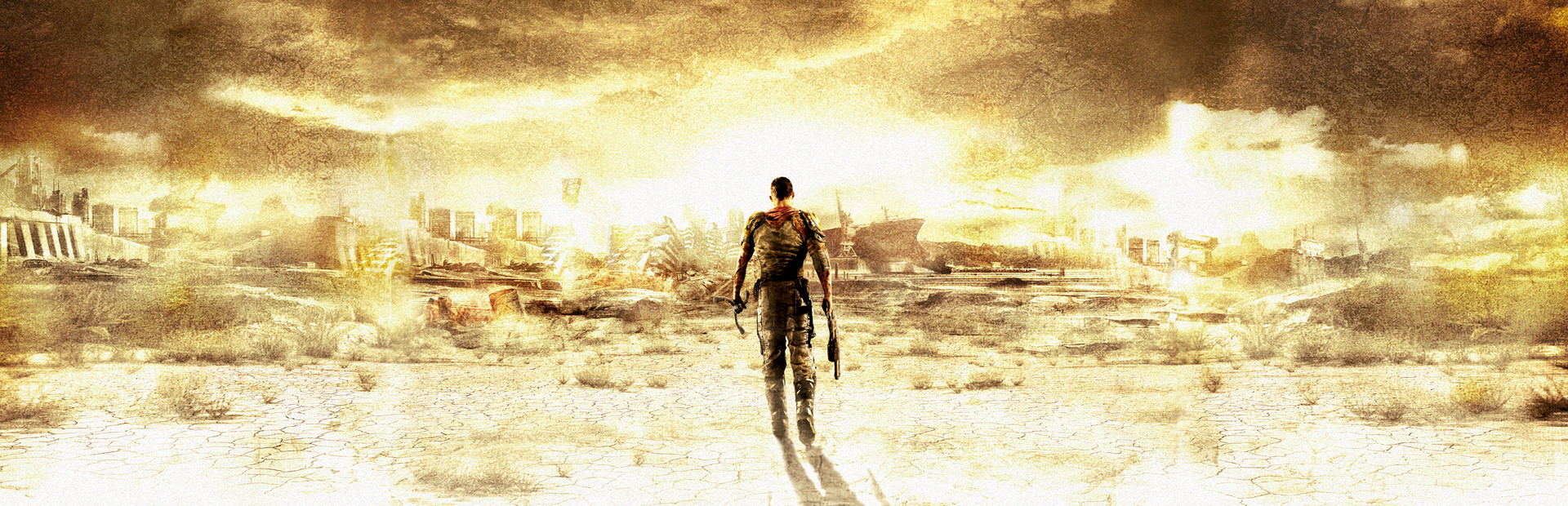
Now you’re probably wondering how the game is like an open world. While the game has a great art style and feels a lot like Fallout, it isn’t trying to copy it in any way. The game has a nice post-apocalyptic art style and has some great designs and pulls of atmosphere, but it falls short because the game has a false sense of freedom. The outdoor areas must be driven (more on car combat later) and cannot be traversed by foot because, for one, it will take forever, and on the other, cars will kill you almost instantly. The world has a lot of “hallways” that you can drive in that lead to each dungeon, but by no means is it a free, open world like Fallout at all.
This tends to be very depressing because you can see all this great open land, but it’s barren and closed off by cliffs and walls around you. I mean, there are only three towns in the whole game, and they are spread out in two different areas that you have to load between. There are a nice amount of side missions as well as races that involve over-hyped car combat. You drive your car, which controls very well, and do various races to earn certificates to upgrade your vehicle so you can survive out in the “wasteland.” The combat is fine and all but mainly serves as just a way to get to your missions in the “open world” because car combat out here is far and few between.
I also had a problem connecting with characters because you don’t talk to them much and they really just give you missions. I also had a problem connecting to the story because, while it has potential, it falls short with a terrible and lame ending, plus it just ends abruptly with a poor final mission with no boss fight. Some of the side missions are probably more interesting than the main missions. Overall, you’re looking at a 15-hour campaign, even if you complete every side mission. I also have to mention that the graphics look good, but there are better-looking games out there thanks to Rage’s weird low-resolution texture problem, but there are some really nice lighting effects throughout.
Overall, Rage is a buggy, broken technical mess that most people will just give up on. However, the game has solid shooting, excellent weapon design, and engineering stuff that is really fun. The false sense of freedom and so-so car combat really bring the game down to just a mediocre experience that will not leave an imprint like Doom or Quake did all those years ago. Sorry, id, but try again.
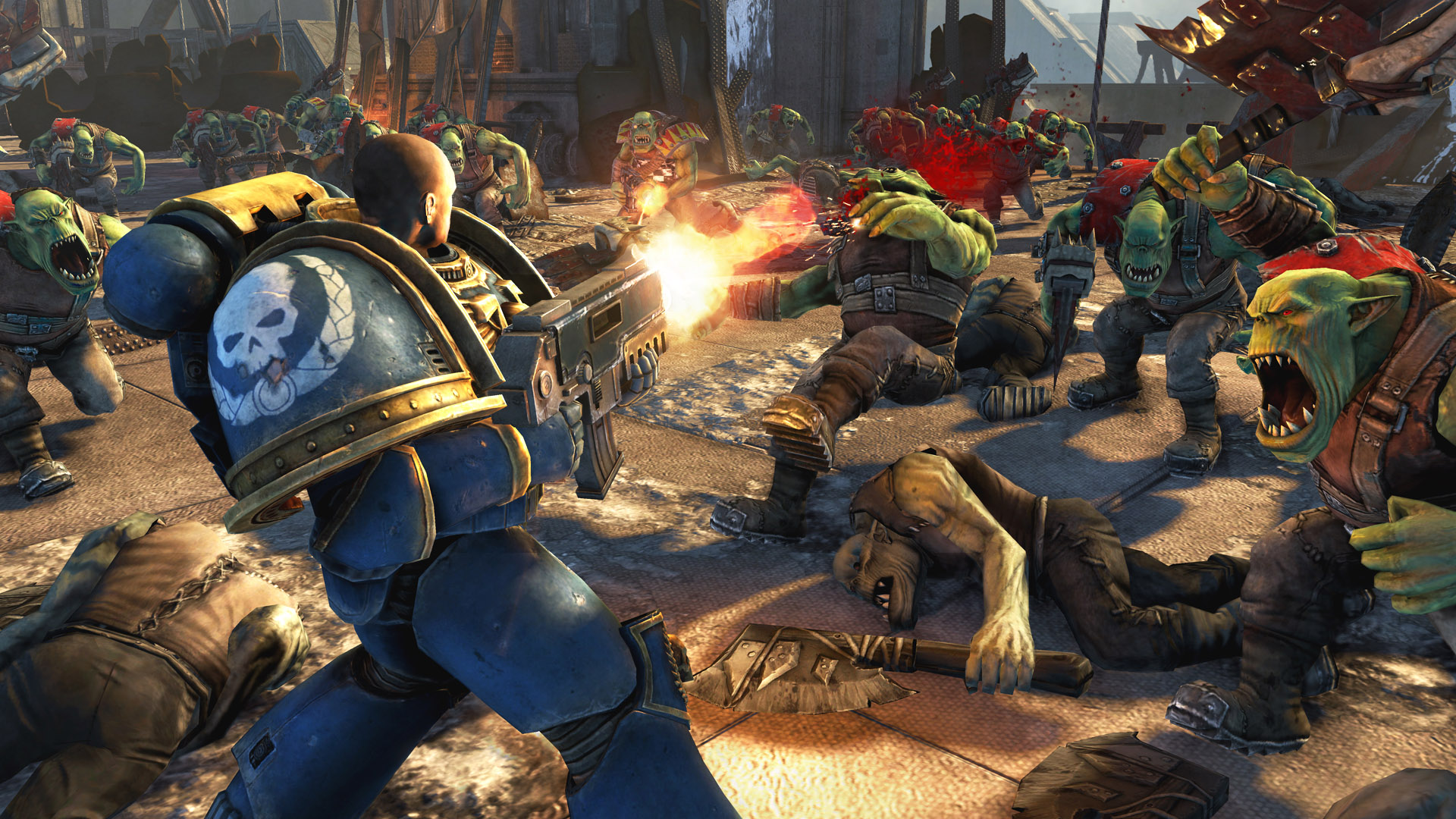
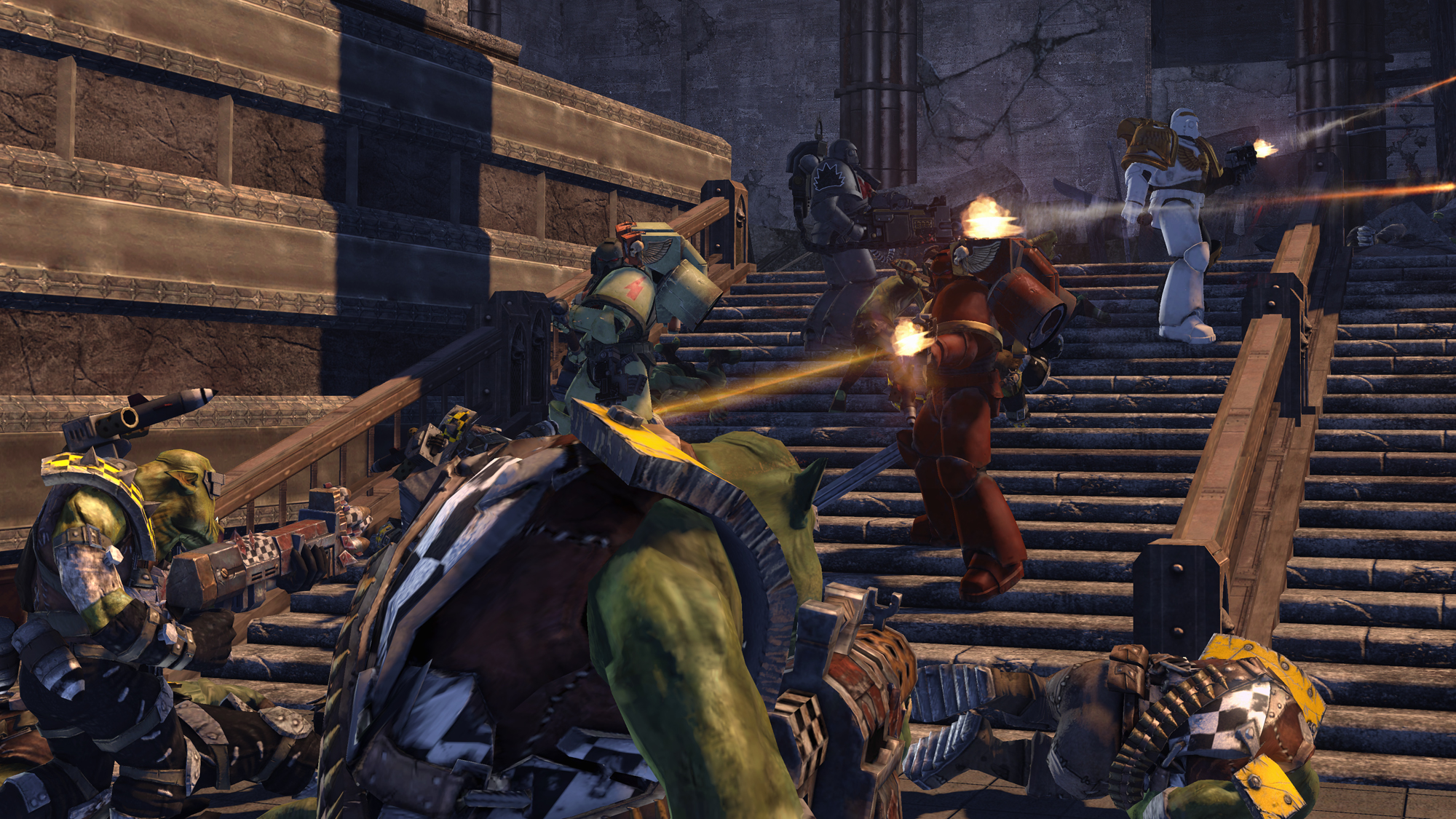
The Warhammer series is an extremely expensive tabletop game that has grown to be more popular as an RTS game than anything else. Space Marine is the first outing in the genre, and with lots of speculation, it was deemed to be a complete failure. Relic proved everyone wrong by delivering a good game that has tons of action, gore, and a good story that the RTS games pack in. You play Captain Titus of the Ultramarines. You are the leader of the elite force, which is part machine and can take out whole battalions of troops that regular marines couldn’t. The Space Marines believe in the religion of the Machine God, and anything else that isn’t machine-related is heresy. You and your three squadmates are fighting back the Ork invasion and are trying to reach the Titan Manufactorum, which holds the most powerful war machine ever built. On the way, some weird twists happen, and you end up fighting the Order of Chaos and Daemons towards the end. How that happens, I’ll let you find out for yourself.
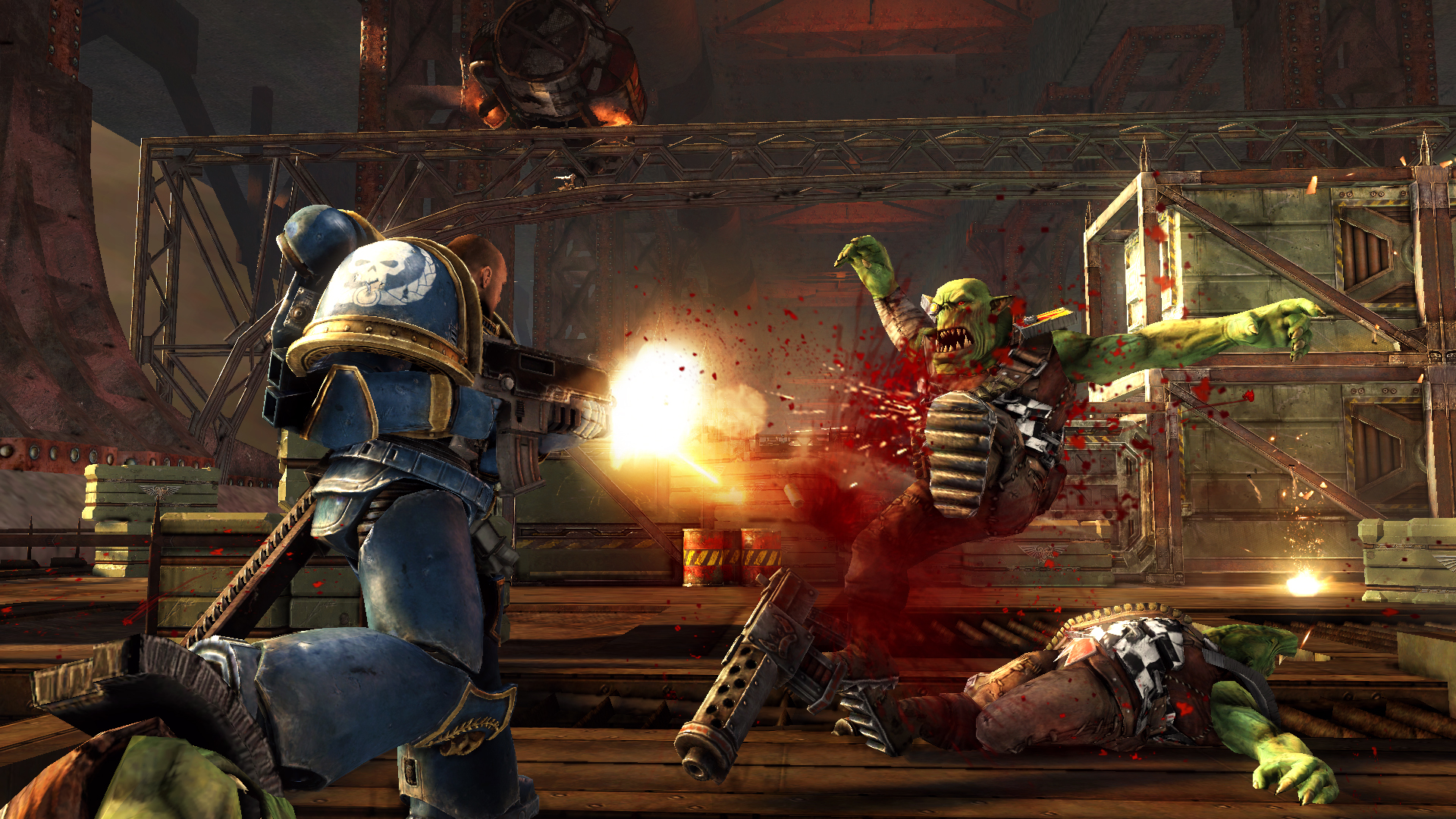
The story is decent, not very deep, but it’s entertaining, and the voice acting is superb. Relic got the art style and feel of the Warhammer universe across, so the game looks good, but technically it’s nothing special (using the Unreal Engine 3). The fighting system goes two ways with melee weapons and guns. There are a lot of cool guns to shoot, and they are unlocked slowly throughout the campaign. They each feel different and powerful, and you have to mix up your strategy of how you’re going to use what weapons for what situation. You can’t just use the same ones throughout the whole game. The melee weapons are smaller in number but just as cool to use. The chain sword allows you to tear enemies to shreds, and executing awesome kill moves is fun. This is actually how you get healthy, but it’s flawed in a way. When no ground enemies are around, you can’t heal and have to rely on your shield charging, so it’s a unique idea, but we need a way to heal up when fighting aerial units. You also get to use the Thunder Hammer and the Axe, which are all great weapons to use, but the hammer only lets you use the pistol and bolter, so no heavy weapons can be used (I’m assuming a balancing issue).
While you chop down Orks by the dozens, you will get to use the jetpack a few times. Launching into the air and pounding the ground while enemies fly around is great, but you don’t get to use it enough. What is enough (actually too much) is everything else. The same orks come at you through 2/3 of the game, and the same execution moves are repeated over and over again. By the time you get 1/4 of the way through the game, you wonder if there is anything but Orcs that exists. A few different types show up throughout, but not many, and the game just gets harder and harder as you go along instead of throwing in variety. Towards the end, you can’t really do much melee, and you start relying solely on guns because charging in will just get you killed. I didn’t like this form of balancing because a melee is much more satisfying and fun than shooting everything.
Overall, the game would have been even more amazing if there were some scripted events instead of just the same run-and-kill scenario over and over until you puked. The multiplayer is ok, but just has two modes and gets boring after a while because it’s the campaign, but with human players. I loved the characters, story, and world of Warhammer, but let’s add some more depth to the action, some more enemies, and make the game feel more intense, besides ramping up the difficulty. We didn’t even get to use the Titan! Sure, you get to be on top of it for a few minutes, but these are the events we need to make Warhammer an amazing action experience.
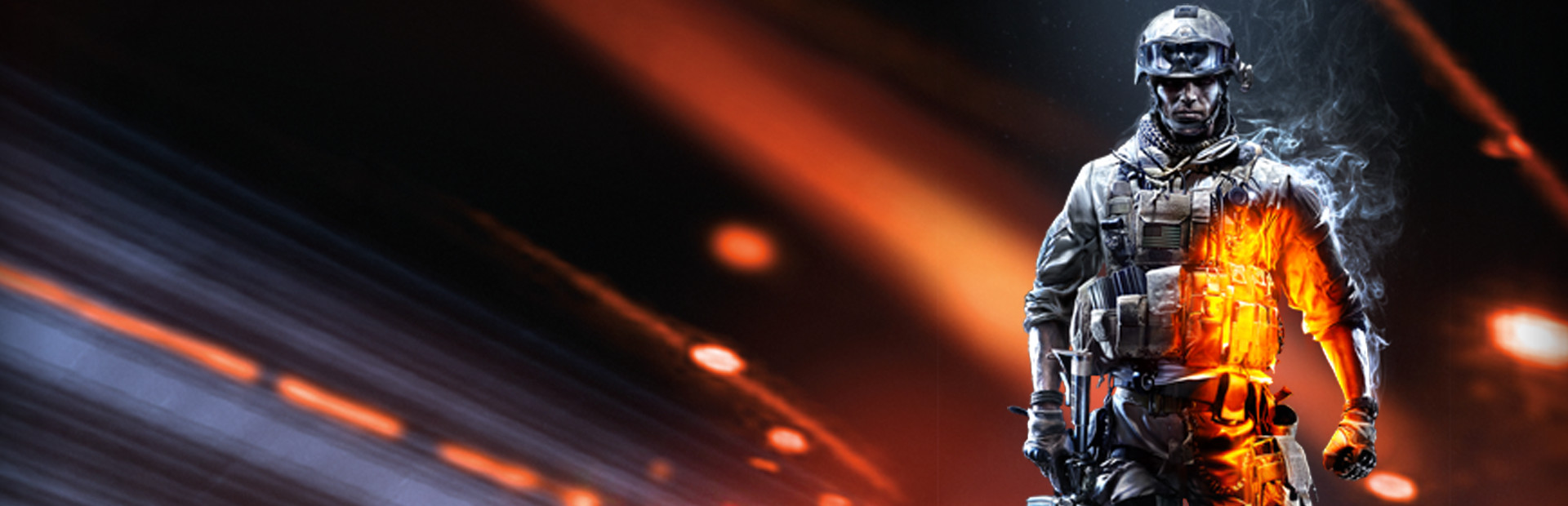
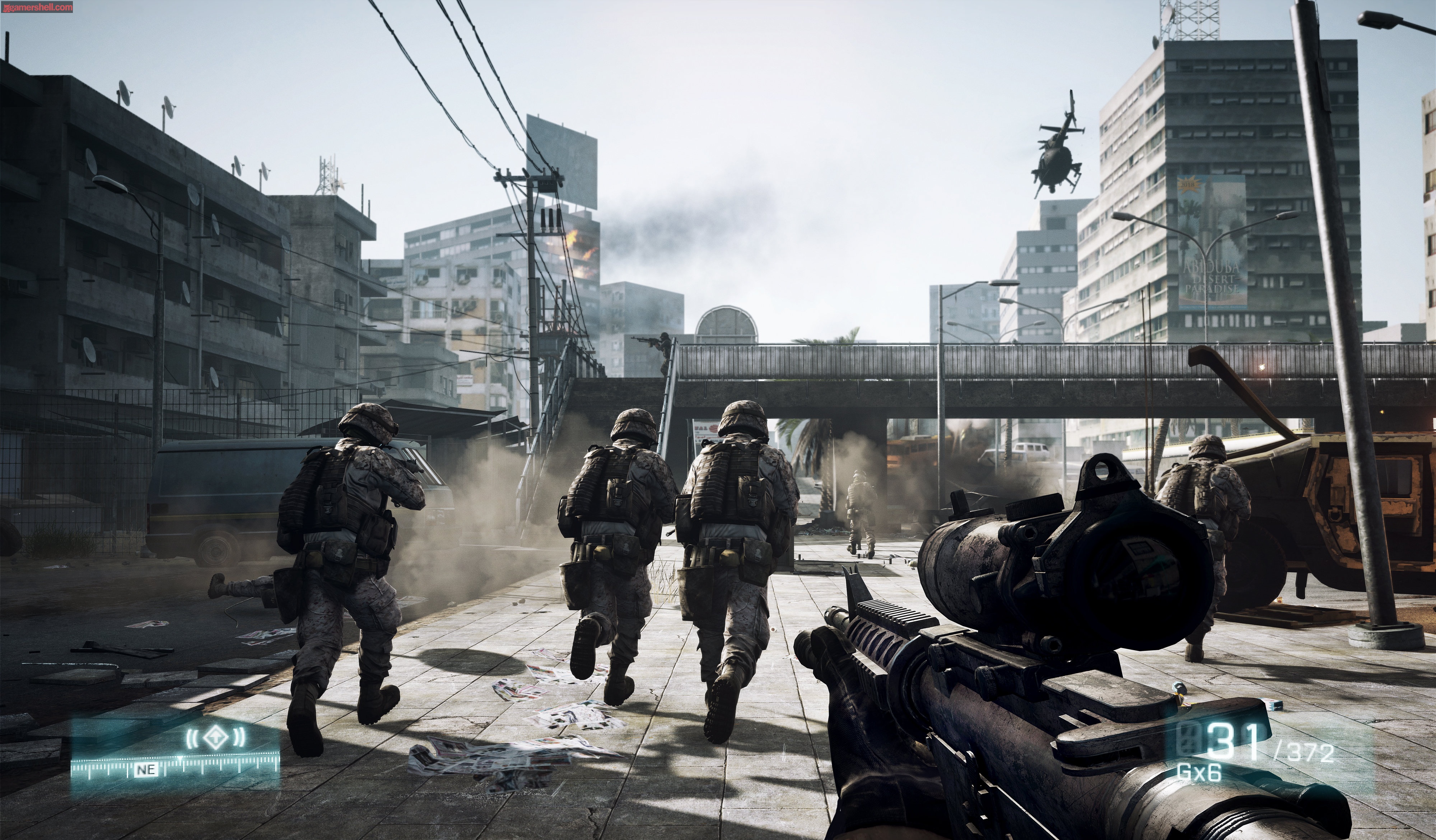
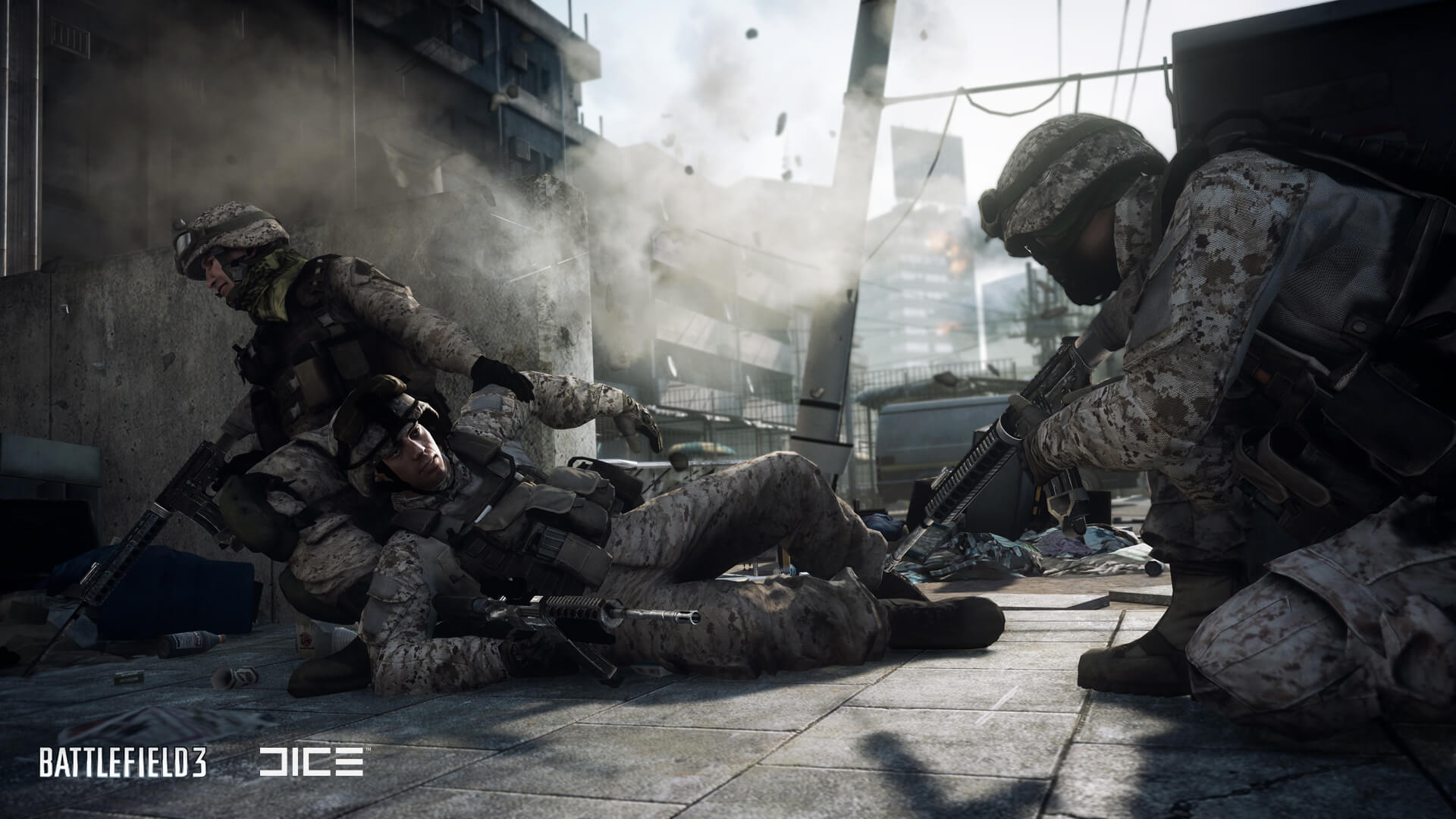
So the military shooters march on and seem to bring with them new multiplayer ideas, updated graphics, and at least trying to make more realistic and tenser single-player campaigns. Battlefield 3 drops the Bad Company name and picks up the original name. It has nothing to do with BF2 or that line in the series, but it keeps the Bad Company multiplayer, so it mixes it up a bit. BF3‘s single-player mode gives you a taste of the new graphics engine, Frostbite 2, as well as a chance to test out some guns. The story is actually interesting, with a couple of plot twists, but nothing sophisticated. You jump around different people trying to find a portable nuke that was stolen. You go from the Middle East to Russia and to a few other parts of the world, and BF3 tries throwing a few new things out there.
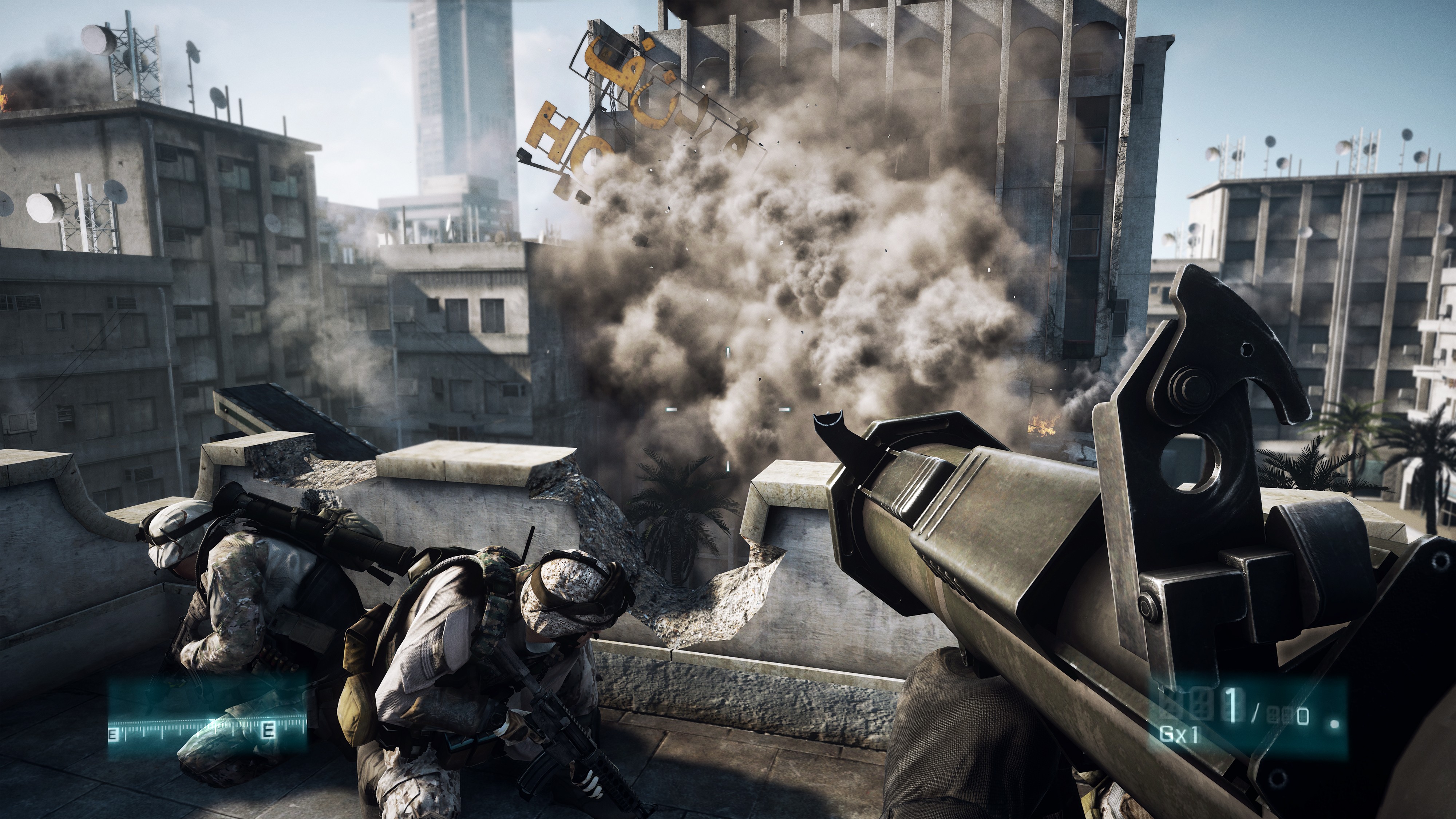
The characters are good, and the voice acting is great, but you won’t get much out of a military single-player campaign. The campaign nails the atmosphere with lots of explosions; the excellent Battlefield ambiance is back and sounds more realistic than ever thanks to the new engine. The campaign does lack the scripted cinematic set-pieces we grow to enjoy in these types of games. There are a few, such as the earthquake in Iraq, the beginning train scene, and the jet scene in the middle of the game, but the rest is just running a gun through open terrain and buildings. The pacing is good, but I wanted more action and some more scripted sets to make the campaign feel more punchy. BF3 does add some detail that other military shooters haven’t, such as great animations. One scene has a Russian jet shooting your squad down. Running from cover to cover and ducking shows your character sliding into cover and falling down like you actually would if you died. Getting up is just as great to look at because you stumble out of being prone, so it feels so real and awesome.
The graphics are probably some of the best ever seen so far. Being on the PC, the game is DirectX11 only, so you get just some amazing lighting, excellent-looking textures, and the most realistic water I have ever seen. The lights and coronas off the sun and flashlights blind you; everything reflects like it would in real life. Plus, the sound is amazing and is actually useful in multiplayer because distance makes a difference in sound here. Gunfire sounds different at different ranges rather than just quieter. Bullets whip and whizz past you with realistic sounds; gunfire sounds incredible; and the explosions look too real. The game does require a seriously (like within the last year) powerful rig to run because there’s no DirectX9 option here.
While the graphics are really the only major thing going for the campaign, it is nice to play and has some replay value just to look at everything alone. The difficulty is all over the place, and some spots are just extremely tough, and you can die very quickly in this game. This isn’t a run-and-gun arcade shooter like Modern Warfare or other military shooters. My only other complaint is that the game doesn’t recognize gamepads very well, even the Xbox 360 controller, which most games have as a built-in standard. I did notice the mouse and keyboard felt better because it seems the game was built around these controls.
The multiplayer is where the money’s at, and BF3 delivers with new modes and some great maps. Using EA’s Origin client, you get a browser-based experience with filters and all the greatness of using a PC. The new model is Deathmatch, which is greatly welcomed, and back are Rush and Conquest. This time you get to play on large maps that can hold 64 players, and it really does feel like a battlefield. The new maps are great, and Deathmatch is addictive, but DICE refined the unlock system. You don’t get perks, but you do get to add things to your loadout, like an infinite sprint, defibrillators, med packs, etc. It does take a long time to start unlocking good stuff, and you’re stuck with crappy load-outs. Weapons have no scopes (except the sniper rifle), plus you only get one main weapon per class to start with. Be patient, wait to unlock scopes for rifles, stick to close-range combat, and just tough it out.
Using vehicles is back and standard in Rush and Conquest, and while these remain the same, they never get old. The new engine helps make the online fights feel bigger and badder with the sound coming into play, plus shooting down boats and helicopters with four guys in a tank never gets old. I didn’t find any stability issues, and EA is constantly updating Origin and the browser experience for online play, so just stick with them and enjoy them. Battlefield 3 may not deliver a riveting single-player experience, but the new engine and excellent multiplayer will keep you hooked. You can also jump in for a co-op campaign ride, but you will come back for the multiplayer thanks to the slow yet steady unlocks, which make you feel like you truly earned them.
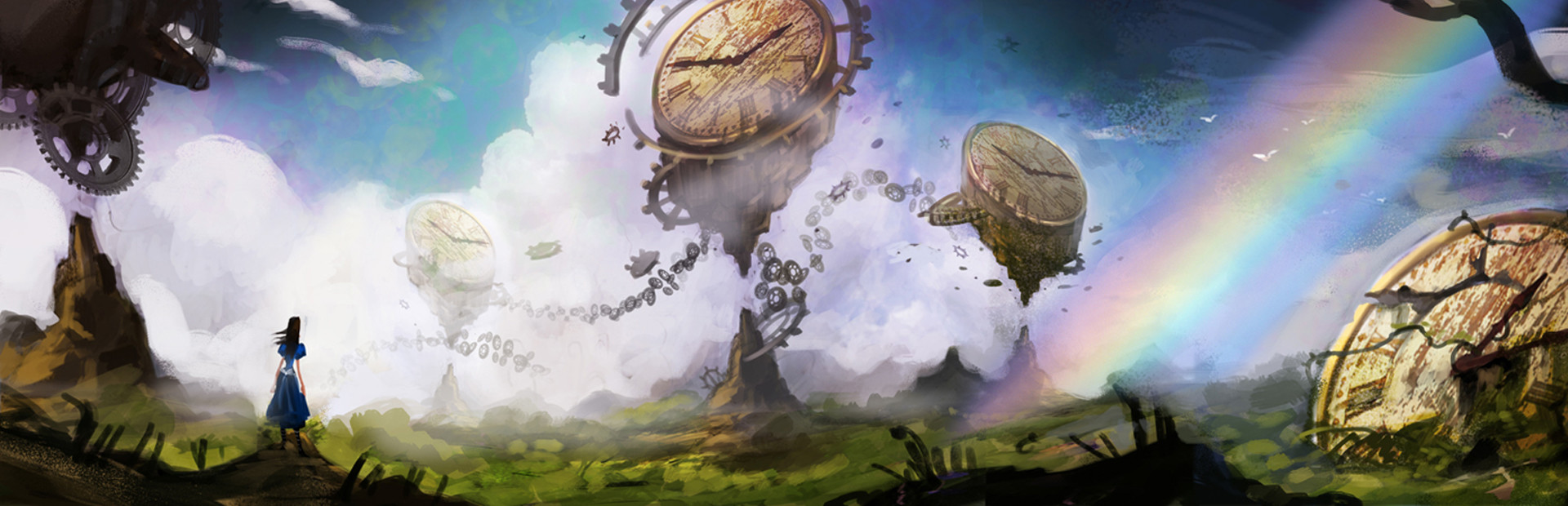
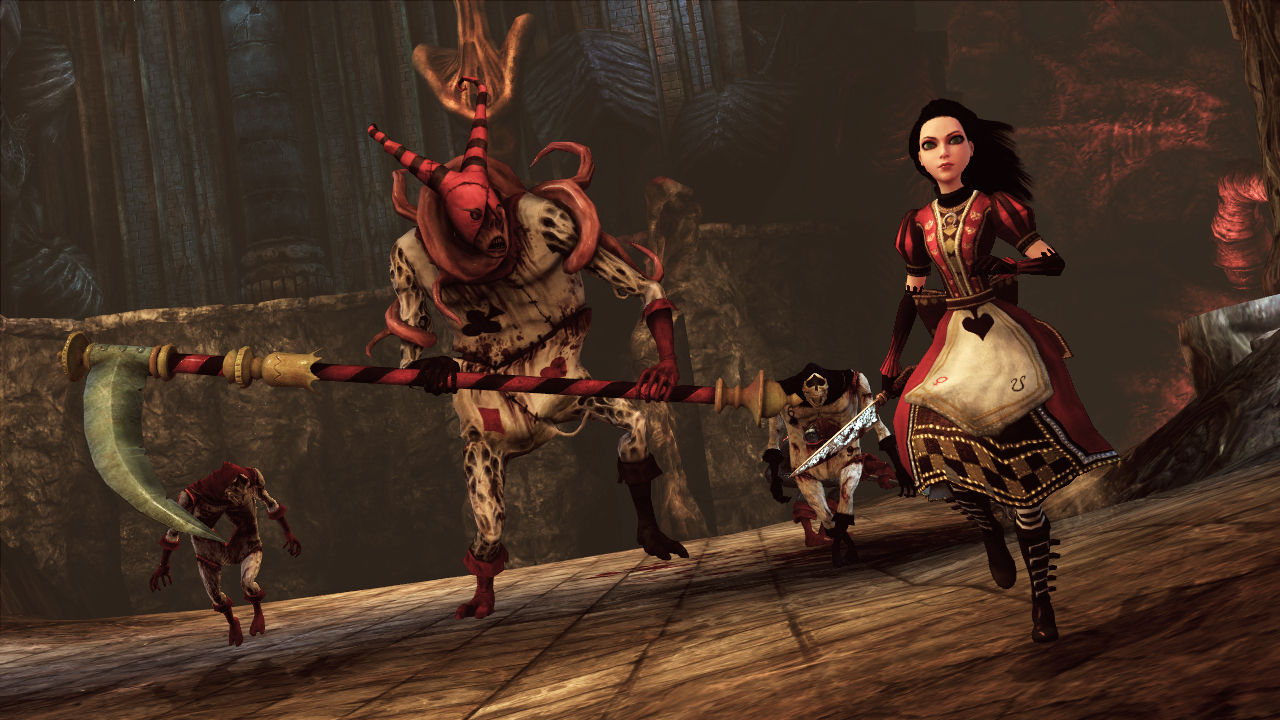
The Alice in Wonderland series isn’t something you would expect to be a game or even good at. American McGee took the series and twisted it into a sick gothic horror adventure back in 2000 on the PS1 and PC. The game’s atmosphere, art, and overall design were amazing for the time, but everything else was subpar at best. The game returns 11 years later and with tons of improvements. If you haven’t read the books or seen any of the many films or TV shows, then you’ll be fine. The story is kind of confusing, even at the end, but the story is supposed to be. The whole world of Wonderland doesn’t really make any sense except for the fact that Alice has been locked away in an asylum because she can’t get over the death of her sister. She lost her family in a fire that burned her house down, but there are some shady characters around her that seem to be manipulating her. She falls into Wonderland (her own mind) and has to stop the Infernal Train from destroying the place.
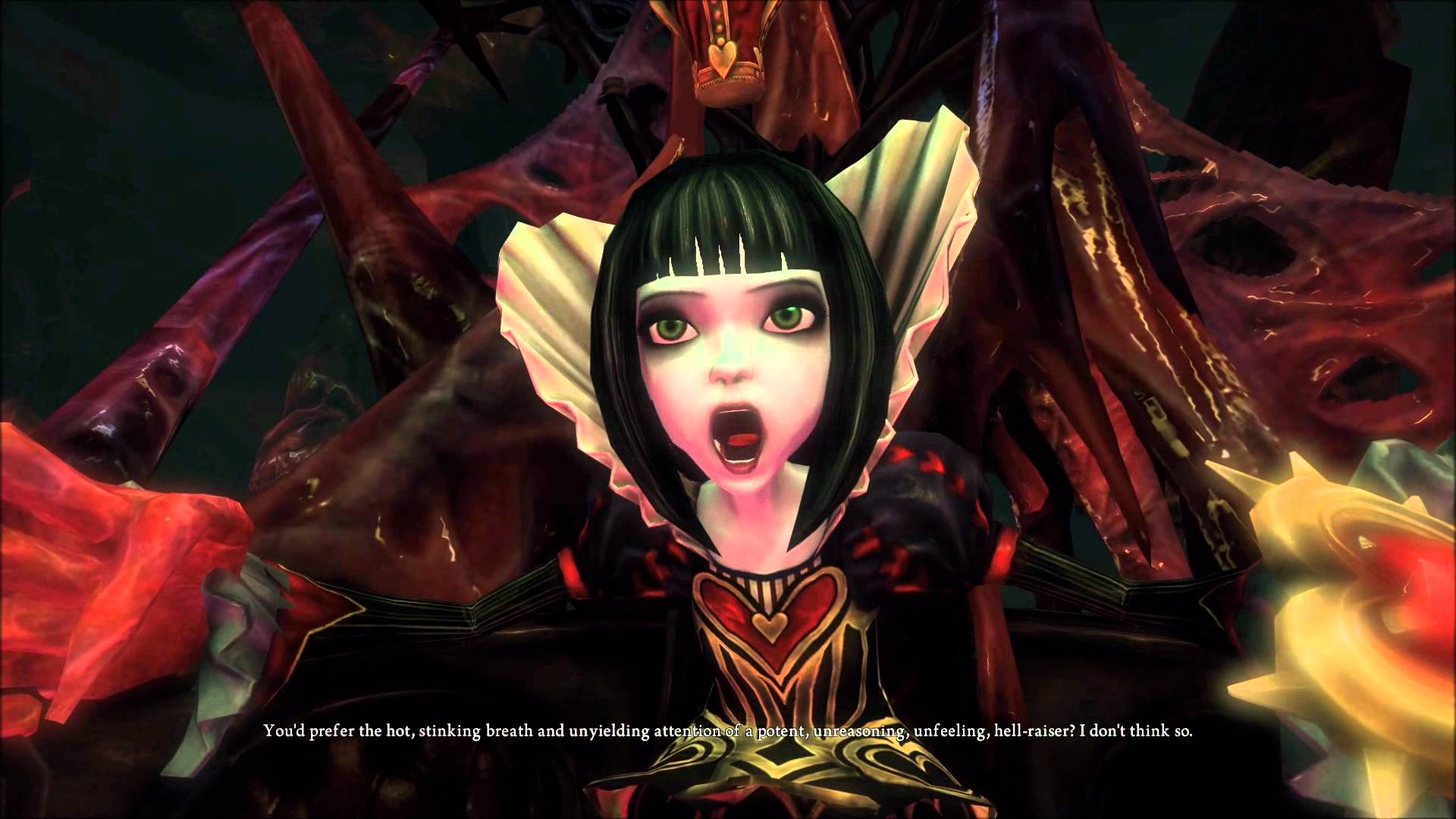
You get to meet classic characters like the Cheshire Cat, Caterpillar, The Mad Hatter and March Hare, the Door Mouse, The Queen of Hearts, and so on. Each character is wonderfully designed for the atmosphere, and they are just sick and twisted, unlike anything I have ever seen. However, the game is made up of two main parts: combat and platforming. Each is equal in flaws, but both are better than the last game and are a lot of fun.
Platforming consists of puzzles, shrinking down on the fly to find invisible platforms, hiding keyholes to find hidden items, jumping around, floating, gliding, pulling switches, avoiding traps, and heading through obstacle courses. Each level is very unique and looks completely different from the last, but the same elements apply to each level, and towards the end, it gets kind of boring and repetitive since it’s the same thing over and over without end. The combat and platforming are balanced, but by the end of the game, you just get too much of both because the whole game mainly focuses on just that.
The combat is fun and violent, but it’s very simple, with just one button for light attacks and another for heavy ones. You can use the pepper grinder and teapot cannon to shoot; the auto lock-on works well; but overall, you can only upgrade your weapons, and there aren’t enough of them. The hobby horse is for heavy attacks, and the vorpal blade is for light attacks, but those are the only four weapons in-game. You slowly acquired them, but I wanted to see more. The combat feels repetitive because there’s not much substance to it, and the enemies all play out almost the same. Each level has its own unique enemies with different weaknesses, but executing them is pretty much the same for each one.
While combat and platforming are the same, there are some mini-games tossed in for good measure, which is a sigh of relief. These involve sliding puzzles, chess games, and 2D platforming sections. These are fun, and each level has its own unique mini-game. Speaking of uniqueness, that’s exactly why I rated this game so high. The art, atmosphere, characters, and everything combined are just so amazing, and I have never seen anything quite like it. It’s also the fact that something so sweet and innocent like Alice has turned into a screwed-up gothic adventure (some scenes are really messed up, trust me) with dismemberment, cursing, gore, and downright freaky images. That’s what I love about Alice so much, and you always look forward to new levels to play. Even Alice’s dress changes with each level, so you can tell there’s a lot of detail going into the game. The game technically is a little dated, with some pretty bad low-resolution textures in spots, and there are a few collision detection bugs that can make you restart.
If you can get past the repetition and sometimes very difficult spots, then you will fall in love with the game. The game is amazing to look at, the characters are great, and it just oozes creativity. I just wish the combat and platforming weren’t the same throughout the whole game and were lacking in depth.
It really is games like Game Dev Story that truly prove graphics, sound, and pizzazz aren’t everything because GDS is just highly addictive, tongue-in-cheek, and very entertaining. What makes a game-developing simulator fun? Developing games isn’t really fun to begin with, so the game should be as fun as eating stale bread. Kairosoft is a genius, and there’s a lot to be had here.
You start out with a little bit of cash, four employees, and only being able to develop on PC. You hire employees by paying for different job ads. The higher the job and price, the better-skilled people will come into your office. Once you get your four people, you pick a game system (new systems are released regularly but cost tons of money to buy licenses for). The game really tries to emulate the game industry by putting out consoles by three different companies: Intendro, Sonny, and Micro. The game goes by in weeks, months, and years, so certain events trigger at different times.
Once you pick your genre (rated by popularity from A to C), then you pick the type of game. Make sure the two match; otherwise, you will get poor sales. Once you pick the two (you can unlock more by training employees or hiring very skilled ones), you have to choose someone to design the game. Each employee has four types of ratings, ranging from program, scenario, graphics, and sound. The scenario is what you want people designing the game to start with. Once you choose this, they will start pumping icons into a few of the four categories to make your game good: fun, creativity, graphics, and sound. When you start out, your games won’t be very good, but after a few years, they will be.
Once this is all done, and depending on the type of quality you chose for your game (the higher the quality, the more money it costs), your percentage ticker will start climbing. Depending on how skilled your developers are, your four areas will increase. When the game is 40% done, you will be asked to choose someone to boost the graphics. You can use the people you have or hire someone else to do it, and this can cost lots of money if you choose someone with a high graphics rating. When the game is 80% done, you will be asked to boost the sound, and the same applies. Once the game is done, you will start the debugging process, which can add lots of research data (use this to level up employees) and doesn’t really impact you negatively if you have a lot of bugs.
After the game is done, you will be asked to name it, ship it, and then critics will rate your game. When you start out, the game will score low and probably won’t start getting high reviews until your 10th year or so. If you get a score of 31 or higher, it goes into the hall of fame, and you can develop sequels. Once the game ships, your first week of sales will come in, and depending on its chart placement, you will get good sales or not. After a while, the sales drop off, and then it’s off the market. Then you repeat the process. Keep on top of the most popular console to boost sales, as well as choose good advertising methods because you need to keep your popularity up with every age demographic. Every 5 years, the numbers will move down, and you will lose fans if you don’t keep up.
When you start leveling up employees, the games get better and sales go up with high levels of in-game design. During points of the year, you will get to go to Gamedex and accumulate fans to boost sales, as well as the awards show at the end of the year to earn extra prize money. After a while, you will start earning millions of dollars and be able to hire more people and move into bigger offices. Eventually, you can fire people with low skills and start moving higher-skilled people in, and then your scores start going to 9’s and 10’s.
The beauty of the game is the climb to a successful company, and your ability to do checks and balances determines if you fail or not. Starting out is a struggle, but it’s just so addictive and feels true to the game industry. The game may not be much to look at with simulated 8-bit graphics and sound, but I just played this for hours and hours and couldn’t put it down because you keep developing one more game and trying to balance your company out to make big bucks, get the latest systems, have the most fans, hype up your games, and try to win a game of the year. If you love simple simulations like these, you will love Game Dev Story because there’s nothing quite like it.
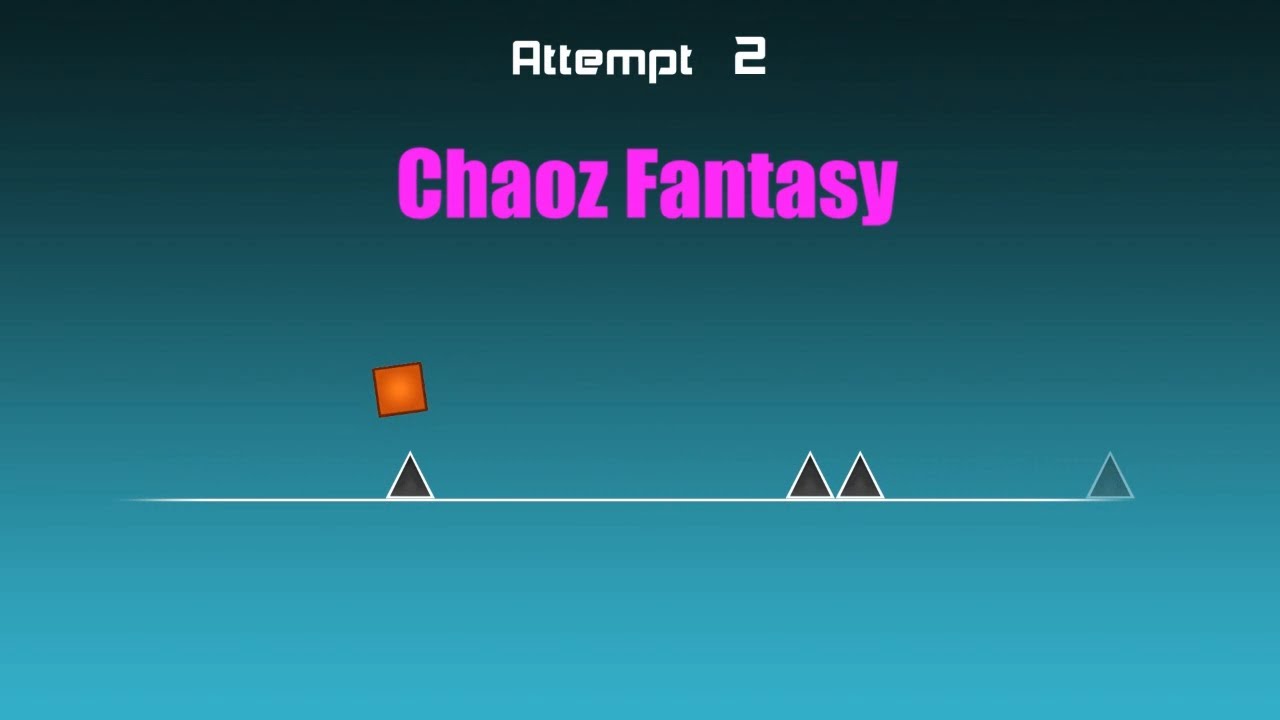
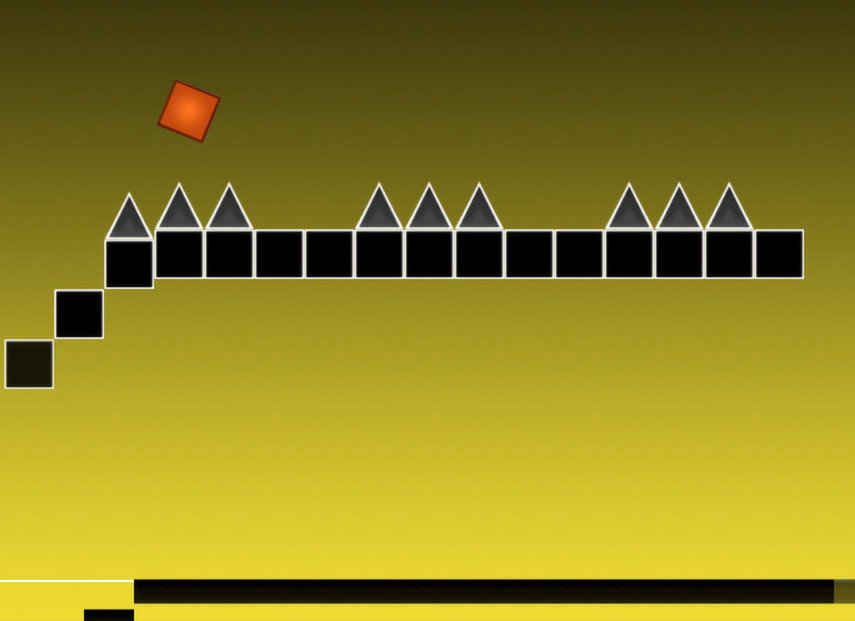
Remember those super-hard games from the 8/16-bit era? Well, it’s come back to haunt with this little game that is so simple in design yet so hard in execution. You guide an orange block over spikes and pits to the end of the level. All you do is tap to jump and hold to do quick jumps. It sounds simple, but the levels are brutally hard because they require precise skill and focus. There is a practice mode that lets you drop the flag with a touch of a button, and when you die, you respawn there instead of at the beginning of the level.
Of course, you can delete these flags if you spawn one in the wrong area, but man, this game is almost impossible! The game has a nice soundtrack that flows with your jumping, but most people will hate this game due to its high difficulty level. All I have to say is that hardcore platformer fans will die for this game and love it. All I wish is that there was an easy mode or something, but there’s a lot of great game here for a buck.
























































 thebinarymessiah.com
ORC is probably the worst game in the entire series. It's objectively awful. Being bad isn't different. Different is Outbreak…