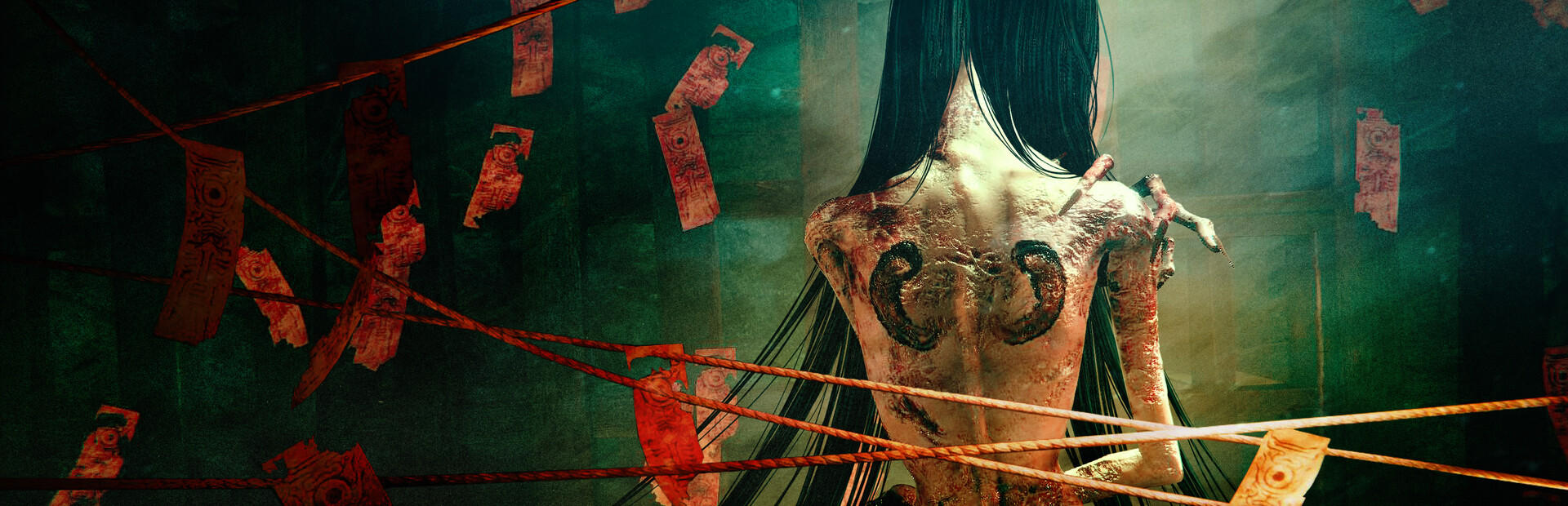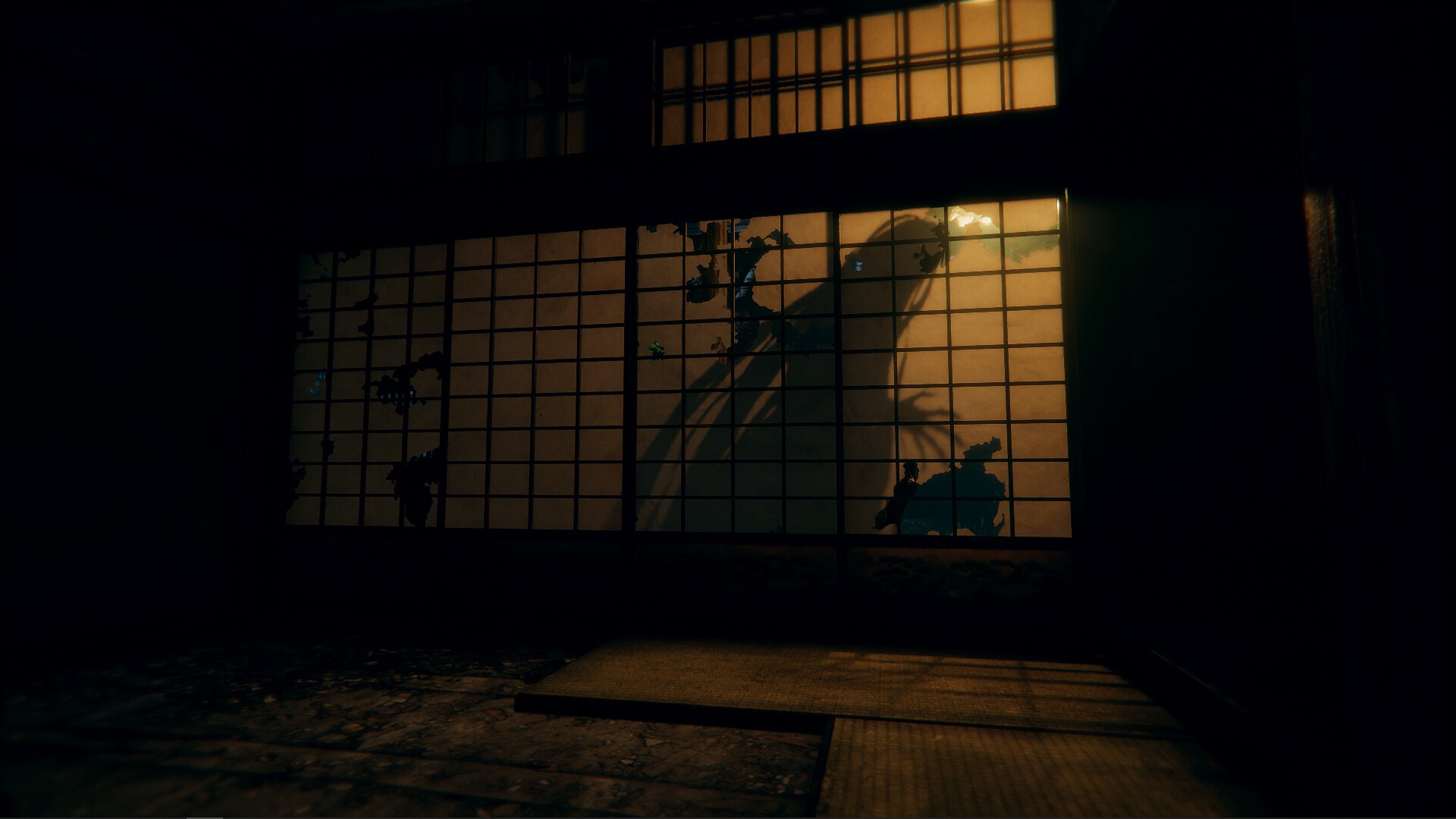
I wouldn’t call Indika a surreal game. Stepping into this adventure, I got a sense of the game being a bit odd, but it’s a lot more normal than initially perceived. You play the role of Indika, a nun who hears the devil in her head. One of the numerous 8-bit mini-games, where you collect coins, introduces the game to you. These 8-bit mini-games tell the story of Indika’s childhood and who she was before she became a nun. You can complete mundane tasks in the game, such as filling a barrel with water by going back and forth from the well, but you can’t run. The game’s narrative and experience require this, which may annoy some players. In her convent, Indika faces bullying and lacks acceptance. Indika’s hallucinations also contribute to this situation. I also want to stress that this is not a horror game. With its various locales and settings, the atmosphere is so well done, and the narrative is spot-on.
The majority of Indika’s adventure involves her leaving the confines of her convent to deliver a letter to the main overseeing body. The story unfolds during the harsh industrial revolution in Russia. Indika encounters a young man who has escaped from prison, and they both attempt to reach the capital and enter this building, although their motivations differ. Along the way, you will discover puzzles, but mostly you are walking and listening to dialogue. This is mostly a walking simulator, after all, but a very well done one. The most challenging parts of the game are the 8-bit mini-games that require platforming and precision.
The atmosphere in Indika is just so well done. The girl’s mental state is enigmatic; we struggle to understand her thoughts; she appears solitary despite her lack of conversation, and she yearns for a companion. However, her religious beliefs and temptations, as per the voice of the devil within her mind, persistently pull her in. Many times, the young man disappears, and Indika accepts this, believing she will never see him again, only to later encounter him and experience conflicting emotions. She yearns for feelings, yet she is hesitant to commit to them in the long run. It’s a fascinating dilemma that most adventure games tend to forget. If we are to engage in this amount of walking, we should either establish a deeper connection with these characters or observe their degree of isolation.
Puzzles range from moving objects with cranes or machines to climbing an elevator shaft in a specific way. There are collectibles spread out that give you more coins or points. These tend to be religious iconographies. The devil tears Indika’s world in half in a few instances, prompting her to pray. This is part of the puzzle-solving process. Praying restores the world to its normal state, while not praying allows you to navigate through a divided world. Regrettably, we only get to explore this puzzle-solving system a few times, despite its intriguing nature. Despite no combat in this game, despite needing to run from a couple of creatures, but everything is always changing, and the game never gets boring. The oddball fisheye camera angle or sudden cut to another scene makes the game feel almost avant-garde.
The visuals are fantastic, and Indika’s habit physics are realistic. The melting snow on the ground looks incredibly convincing, and I almost felt every single setting that I walked into. There are moments of claustrophobia, pain, fear, and a severe cold. Odd Meter has done an excellent job of making you feel all of these things just by walking through most environments. Overall, Indika is one of the best walking simulators I have ever played, and it’s a shame it only lasts for a few hours. For once, I wanted a game like this to go on longer, unlike borefests like Everyone’s Gone to the Rapture or The Vanishing of Ethan Carter.
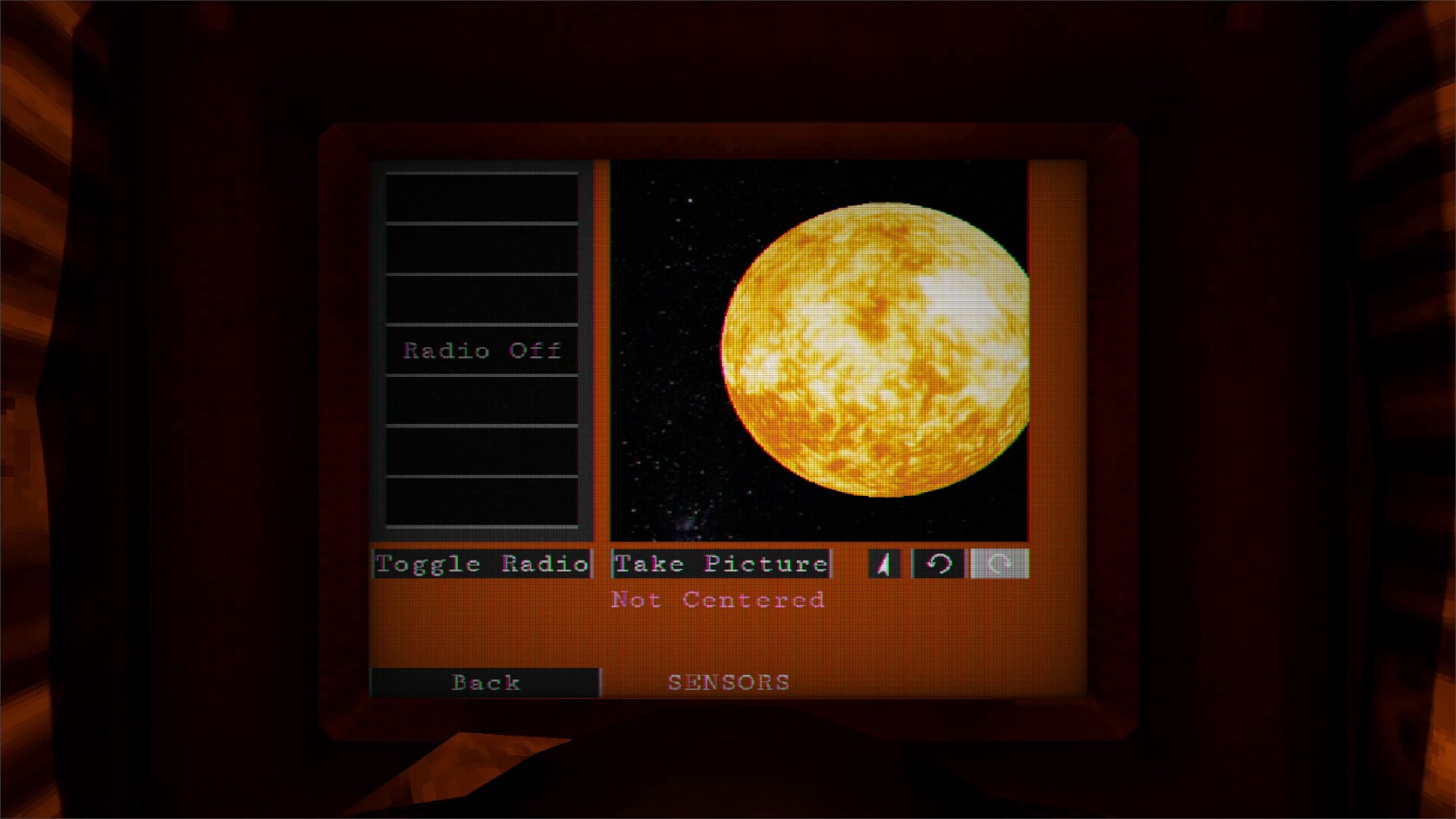
Indie horror games with PS1-style graphics are becoming abundant these days, and some don’t have any substance or meaning. The game I live under your house begins with the player traversing underground tunnels as a mysterious creature—or person. The mystery character’s thoughts drive the narrative. A green filter surrounds the entire game, giving it the appearance of an original GameBoy LCD.
The low resolution/low polygonal visuals and short draw distance help to add dread and tension without having to actually create it. You invade the house you are living in, but I can’t spoil anything. Let’s just say the ambient music and sound effects add a lot of tension. There are no jump scares or cheap thrills here. The game doesn’t need it. The game’s haunting visuals and atmosphere leave you yearning for more dialogue. Whenever the character speaks, I just hold my breath, expecting something to happen. Each chapter only takes a few minutes to complete, but each location you end up at is just as intense as the last.

I will talk about the story DLC. It’s only $1 and is much better than the main game. It adds two new chapters to the game and seriously increases the sense of claustraphobia. There are fewer 2D dialogue-heavy scenes and more 3D exploration. The DLC is short but also incredibly intense and answers a lot of questions from the base game. The DLC chapters have better writing and storytelling, so you get a better idea of your surroundings, and the severe sense of dread the main character is feeling comes across strongly.
Overall, I live under your house is a very short but intense horror game with PS1-style visuals, haunting ambient music, and atmosphere. There are some disturbing images and scenes that can really get under your skin. This is a perfect game to play with all of the lights off and headphones on.
Surrealism is something that The Dream Machine does well. The Dream Machine masterfully crafts an otherworldly art style that is both familiar and dream-like. It’s the best part about the game, which also took 7 years to make. The first two chapters were released all the way back in 2010—14 years ago. It took 7 years to develop the following 4 chapters. This game might hold the record for the longest time between episodic content. Imagine having to wait nearly three years for a single chapter. The longest gap was in getting the final chapter out the door. While this was only a two-man team behind the game, I can’t fault it too much for its release schedule. Regrettably, akin to numerous point-and-click experiences, the game is rife with incomprehensible puzzles and ambiguous objectives that impede its progress throughout.
I highly recommend playing this for the first time with a guide. There are just too many obscure objectives you need to complete to get through the game without hours of backtracking and guessing. There are some context clues, such as when you solve a physical puzzle together, Victor will indicate if it was successful or not. However, the game heavily relies on gathering items, determining their direction, and determining if they are related. The game’s premise is about a single couple expecting their first child and renting a new apartment in a new town—a fresh start. They end up discovering a strange secret their building holds, and Victor is now transcending reality and entering dreams.
Through each chapter, you will enter another tenant’s dream, and some of the puzzles are about how to get to these tenants. You travel between areas, examine everything you can, and figure out which items go where and who to talk to. Towards the end of the game, you end up entangled in dialog trees that are required to trigger certain events. In this game, talking and exhausting all dialog options is a must, or you will end up stuck, not knowing where to go. It could simply be a dialog option you forgot to click on. Certain items in this game don’t function as they would in the real world due to its abstract logic. This can lead to serious frustration and roadblocks along the way, but I always play point-and-click adventure titles with guides first, and then if I like the story enough, I will go back through it again alone. While some are fun to figure out by yourself, others, like this game, can be a convoluted mess. Clicking on everything and guessing with so many areas and objects is just a recipe for disaster.
The visuals, ambient music, and sound are what really kept me playing. While the story itself is a theoretical tale of dreams, life, death, and rebirth, the surreal visuals that move from recognizeable everyday objects and locations to pure dream-like states of pure consciousness are a treat to look at. The hand-modeled backgrounds made out of real-world objects are a joy to look at. The music is haunting and mesmerizing, and it will occasionally invoke feelings of nostalgia for a long-distant memory as a child and innocent years of a simpler time. Each location effectively balances the game’s light and dark elements.
The overall story isn’t anything that will stick with you, but it’s still well done, has a conclusive ending, and is thought-provoking for at least a little bit. The game’s visuals will remain in my memory far longer than any character names or the story itself. The Dream Machine demonstrates a clear dedication to both visual arts and sound design. While there are better adventure titles out there, gameplay-wise, there’s no denying that this is a game that every fan of the genre needs to experience.
To say Hylics isn’t an interactive piece of art is an understatement. I will get more into the visuals later, but there’s clear inspiration here from Earthbound. There’s not much of a story, and there doesn’t need to be one, because the world is a character itself. There is no possible way to make heads or tails of the world, so it makes sense that the story wouldn’t. There are four characters in your party, and you do go around fighting in dungeons, beating up bosses, and collecting loot, but in a less traditional fashion.
You start out with the character Wayne. There’s not much to say about Wayne. We get no backstory or epic dialog because we don’t need it. You start out inside your house, and you slowly introduce yourself to gameplay mechanics. Notice I said, “Introduce yourself.” There’s no tutorial or even any dialog messages stating anything is happening. I highly recommend playing this the first time with a guide, as some areas can be a little cryptic for how small of a world this game is. You have your typical RPG fight mechanics. You take turns with the enemies; you can attack or cast special attacks, run away, guard, etc. That’s all standard so far. You can also equip armor, weapons, accessories, etc. That’s about as standard as it gets. Everything else is either similar to Earthbound or just plain weird.
The entire game is finite. Every enemy’s death is permanent, as they are placed physically in the game world. There are no random encounters here. When enemies die, they are represented as a pile of flesh and bones on the ground. Most bosses are also optional. This game takes a rogue-lite approach to the RPG foundation by encouraging you to die. When you die, you go to the afterlife, which is a small building with a surrounding ocean of red. You can heal here and turn in flesh meat, which increases your hit points. This is the only way to “level up,” and that’s in the loosest sense of the word. Enemeis drops lots of cash, items, and meat, and this meat is needed to get further in the game. However, starting out is rough. You die a lot, and you usually can’t kill a single enemy part alone. It’s important to get the second party member quickly before engaging in battle.
That’s where the guide is needed. That is not a conventional way to play a game. Thankfully, the game is so short that you can get your first party member in 20 minutes. There is a world map that has different locations on it. There are a few main dungeons with bosses in them, but they aren’t shown or given to the player as typical bosses. They are just another enemy on screen, or you need to interact with them to start the battle. There is a single town in the whole game that has a few vendors. You can buy armor, accessories, items, and so forth. Items like frozen burritos can be microwaved from projectile weapons into warm burritos, which revive an ally. Hot dogs give full health, and other weird and alien items will do other things.
You can learn new special moves by finding TVs. The one small issue here is that you need to revisit every TV to give each party member the ability. Some do huge attack damage, and they are pretty much required to beat the final boss, while others can be used for defensive purposes like protecting from blind status or poison. Attacks are 1:1 to your mightiness power given by weapons. It’s important to seek out the most powerful weapons that are usually hidden in chests or locked behind something, such as needing to die three times or using dynamite to blow up a wall. There aren’t many locations like this, but they are important.
There are other weird quirks that you would never know are things, such as the fact that the character Somsnosa, who is the strongest, can only equip a single weapon and can pick up bugs found in areas to increase her might. These are weird-shaped creatures that are all white and are found in dungeons or safe zones. You can also run across merchants who offer a one-time type of food that is used on a specific animal back at Wayne’s house to acquire their skull for a shield. That would be completely missed without a walkthrough. These kinds of things are also present in games like Earthbound and either require you to stumble across them by accident or have a lot of abstract thinking going on.
Outside of the gameplay, the game’s most impressive feature are the visuals. They have avant-garde status in surrealism. They mesmerize, question, and barely represent anything remotely human or recognizable on our planet. The game has a Toejam & Earl vibe mixed with Earthbound. That’s the sense I got, but there’s not a single game in existence that looks or sounds like this one. Strange alien noises, weird haunting ambient music—none of it is scary or horror-themed. The game is so odd that it will make you feel lonely and empty just playing it. The world itself is a character, and the poetic dialog (the little there is) and Shakeperian story (if you can call it a story) don’t matter. It’s not that I cared, but I just didn’t need it. Just seeing these characters on screen, running across the few NPCs, and fighting the bosses was enough to keep my mouth shut. I just took in the fantastic visuals and played.
This goes for animations too. The game has a very claymation look and feel to it. The first-person combat animations feature strange hand gestures, alien symbols, and an odd sense of emptiness. There is nothing typical or trope-like about this game. Your brain wants to constantly categorize, put it in a box, or rationalize with the visuals. All you can do is accept what’s there and keep pushing on. The game can be finished almost 100% within 4-5 hours. Once you get three party members, the game becomes more enjoyable, and you quickly gain power where small enemies are pushovers. It’s just bosses you have to focus on. I wish you didn’t need to hold off on your consumable leveling up items once you have all the party members. The finite supply in the world makes this a requirement. But the satisfaction of being level 63 and having 5,000 HP at the end of the game allows for getting 100%.
All in all, Hylics is an insane piece of interactive art. There is nothing like it out there, and while the cryptic RPG elements feel dated and the game is difficult to get going, you will have a blast with it and not want to put the game down.
Surrealism in gaming is fascinating to me. It’s one thing to see a painting or photo, but to see it moving and interacting with it is a whole new scale. In my bottomless hunger for the surreal, dreamlike, and psychological in gaming, Isolomus fits a few of these categories. This claymation interactive art exhibit is not for those looking for a full-on game, puzzles, or even a story. There is a lot the player needs to interpret or just be square with not having an answer to. This is a game that can be completed 100% in less than an hour. My interpretation of the game is that it represents humans being slaves to our daily schedules and needs. I will leave it at that.
Each “cycle” of the game starts out the exact same, and there are two different endings. You just start clicking on objects on the screen. Squishing green men into blobs and then watching the “hub” of the day and night cycle as a man does a task you select. This can be eating, using a computer, looking out a window, brushing your teeth, etc. Each task is shown in full during the first cycle, and then you sleep. Once you sleep, you can choose two different doors. Once you start the next cycle, each activity is an interactive scene. I don’t want to spoil them too much, but you need to figure out how to advance the scene by interacting with their objects in a certain manner. Each scene has two different endings, and how you interact determines that ending.
The entire game barely represents anything human or discernible to the human eye. Strange shapes, sounds, and the eerie, dreamlike soundtrack playing in the background will keep you glued to the screen just to see what whacky thing comes next. The animations are uncanny, inhuman, and downright bizarre, but that’s what I love about this game, if you can even call it that. The gameplay here isn’t much, but you still need to be curious and find new ways to interact with the game, which I found a lot of fun.
There is no dialog in the game or even any written text. Just grunts, sounds, and ambient music. Sometimes this is just what the doctor ordered. You can vibe out and relax in a game like this that doesn’t require any skill to even interpret a story. This is a game that will stick with you. Maybe even more than a 50-hour-long AAA game. It’s so strange and surreal that you will need to talk about it with somebody just to make sense of it all. Isolomus may not get the players or attention it deserves, but for $1, what more can you ask for? You can’t buy anything for $1 anymore.
Back in the mid-2000s, there were many God of War clones, and that trend continues with the 2018 reboot. Banishers is essentially a God of War clone, almost to a T, barrowing many elements such as combat, exploration, storytelling, and the upgrade system. However, there’s a hint of “Eurojank” present that I just can’t shake. While the story, setting, and lore are interesting enough (the key word is “enough”), the game never excels to the heights of the game it’s trying to become.
You play Red Mac, Raith, and Antea Duarte. Lovers who are now separated by the plane of the dead. Banishers are people who go around removing hauntings from people, places, and objects, but they can also pass judgment and execute the living for doing wrong to those who previously lived. It’s an interesting concept, but sadly, the game never goes into more detail about it. How can these people just kill the living based on what the dead say? What are the laws and rules surrounding this? The game also doesn’t go into the background or history of the Banishers. This is something that God of War did well. We need a lot of backstory if we’re going to spend 25+ hours in a game like this. The entire game is just pretty “good,” but never memorable or amazing. It always just falls below that mark. While I found the world and atmosphere of New Eden fascinating, the way the story and world are unfolded to the player are boring, mundane, or just not interesting. Reading material is pointless and doesn’t add to anything.
Let’s just start with the combat. Heavy and light attacks make up the basis of combos, but you can switch to Antea in the ghost plane, who has more powerful attacks. Her bar isn’t HP, but an energy meter. Hit decrease this as well as using your attack powers. You can refill this bar by fighting as Red in the real world, but he doesn’t have any special attacks, and this really kept me from creating a strategy or learning how to beat enemies. Red just light and heavy attacks enemies (with a heavy charge attack), and the game tells you Red does more damage to ghosts and Antea does more damage to possessed bodies, but it never really seemed to be effective. You can parry attacks, which the game heavily relies on for more damage, and Red has a gun that you get about 1/4th through the game; it’s a one-shot rifle that requires a reload. This can sometimes do a lot of damage, but the enemies are so boring and uninteresting that there’s no distinguishable feature or stat to build strategies in your head. Ghosts are pretty easy, while anything else can damage sponges. I just couldn’t combo or create a meaningful pattern for defeating enemies, and it made combat one of the least enjoyable parts of the game. It also just feels slightly clunky and sluggish.
The upgrade system feels almost as useless. You get experience for Red and Antea by completing side quests (called hauntings), which grant you additional damage for certain attacks, but I never really got to unlock any new combos or powers. Antea’s three powers are found during the story, so the upgrade tree is just boring, and I never felt powerful enough and couldn’t even use skills to become more powerful. This also bleeds over into the equipment system. Red can equip rifles, blades, outfits, and potion bottles, which increase attributes, but no matter how high they were, I always felt just too weak to really get an edge over the enemies. Antea can equip various accessories to help her attributes, but nothing felt powerful or meaningful.
This leads to the exploration and hunting gameplay loop that’s identical to God of War, but without the enjoyment. Why do I want to hunt chests and haunted objects, fast travel back, and open new paths with new powers if all this equipment feels useless and haunting cases only give me a single esence for the skill tree when it also feels pointless? They are fun at first, and the haunting cases are like mini-murder mysteries you can solve, but they also play out the same way. Some lead to small boss fights, some are just item gathering quests, and they all add to the main story choice (I won’t spoil it) for the ending, but they are all optional. There is a lot of side content here, but I gave up about halfway through because I just didn’t feel any of the rewards were worth it.
With that said, the game looks pretty good for an Unreal Engine 4 game. There is a lot of detail in the environments; they are varied, and the atmosphere is thick and heavy, but everything just teeters on not quite being enough on every front. The ability to even upgrade equipment doesn’t help make you feel like you’re growing as a player or character. I felt just as weak from the beginning of the game to the end and wound up dying quite a bit. Some side content, like the void walking dungeons, is tedious and boring, and the only redeeming value is exploring the world and picking up all these items and chests. I just wish the rewards were better.
Overall, Banishers has a lot of interesting concepts going for it, and the voice acting is good (the facial animations are very dated). I wanted to know more about this world, but the game just doesn’t give it up. The side content is questionable, the combat is too clunky, and there’s no strategy or really good combo system implemented to make it stand out from the crowd. There aren’t really any puzzles, and the story is predictable towards the end, making you feel like your choices are almost meaningless. I feel like if DONTNOD had another go, they could get a lot more right. As it stands, this feels like a “Eurojank” God of War.
Final Fantasy VII is one of the most influential video game and pop culture icons of all time. It was revolutionary in its day in storytelling, graphics, and scope. I never got around to playing the original PS1 game. When the game came out, I just wasn’t into JRPGs and would never have had the patience to finish the game or even remotely understand the story. I was 7 at the time. Fast forward nearly three decades, and out comes the remake. The Final Fantasy VII projects have been in the making for nearly two decades. I remember the Advent Children being released. I rented it and watched it with my parents, and I had no idea what was going on. There was a mobile game exclusive to Japan at the time, and Crisis Core had just been released. I also had no idea what was going on in that game. I couldn’t appreciate these FF7 projects as I hadn’t played the original title.
That has all changed. Square Enix did a great job bringing the game up to par with modern audiences and video game standards. Not only is the story well told and easy to follow, but it’s still complex and full of interesting and lovable characters. While this game is only what the first disc from the original offered, there are 30+ hours of content here to explore. While the game isn’t perfect, there is more to love than to hate, and I was surprised at how great this game was. I didn’t want to put it down. From the well-done English voice-acting (which was a shocker) to the well-paced and fast-moving story, the game never got stale (at least during the story moments).
The basic structure of this game is very linear. This is a dated design choice that transferred over, but some think this game has been in development since the tech demo for the PS3 reveal was shown in 2006. If that were the case, then this linear design would have been considered mostly modern at the time. There are large towns to explore, but these still have linear paths, and the story mode is a single path you follow, and there’s no way to branch off. This is both fine for a scripted story but also feels cramped in some aspects. Despite how large Midgar feels, with sweeping vistas and massive backdrops, you can explore very little of it. There’s a large sense of scale, but what you can explore just feels so claustrophobic in comparison. Many thought this would be an open-world game, but to follow the story the way Square Enix’s wants, that wouldn’t be possible, and I can see why they chose this path.
Exploring the game (and even the menu system) is similar to most modern Final Fantasy games. You run around towards a goal, fight bosses, run into enemies, do some mini-games, complete side quests, and try to get the best accessories, armor, and weapons in the game. This is all slowly introduced to you, but let’s start with the combat, as that’s the bulk of the game. Combat is not turn-based, but you can pause the action to give commands. The controls are intuitively designed to allow this to be done with minimal effort. You have regular attacks, a special attack, a block, and a dodge button. When enemies have red exclamations over their heads with the attack name, you know it can’t be blocked but must be dodged. Cloud’s alternate special attack is actually a stance called Punisher Mode, and while you block him, he will auto-parry incoming attacks. This comes in handy all the time.
You can issue commands, such as using ababilities. These are obtained by changing weapons. Materia can be equipped to give you commands that use MP. Things like magic, offense, defense, and even passive Materia can be slotted. Different weapons and equipment determine your slot count. It’s important that you learn this system well and balance your team. You can only have three active party members at a time, but you never change your party. It’s all based on the story. You will go through multiple chapters with a missing party member, but you can still upgrade and equip them all the time, even when they aren’t with you. Powering up weapons is also a must. Each weapon has strengths and weaknesses. Some focus on sheer power, some on magic, and some on defensive skills. You acquire SP through combat and can use it across all weapons. Each weapon gets the same pool of SP separately. If you have 90 SP, you can use that separately on each weapon, which is really nice. As you level up, you unlock new SP pools.
Combat is fast-paced, fun, and exciting. Each character can be controlled by the player in combat only. During exploration, you’re mostly stuck as Cloud or another character, as the story deems fit. Cloud is an all-rounder; Aerith mostly focuses on magic and distance combat; Tifa is a fast-paced melee fighter; and Barret uses a mid- to long-range gun, which is great for aerial enemies. He also has a ton of HP and defensive points. You can issue commands to other characters with the triggers that pause combat. You all have two AP gauges that fill up slowly over time or quicker as you do damage. These are needed to even use items in combat. These guides are the center of your strategy because, without them, you will die. You have limit breaks, which really can only be filled during longer battles (mostly bosses) and summons that deal massive damage, but the battle needs to be long enough to fill these guages.
Summons are mostly acquired optically through the VR training. You only get two during the story mode automatically. These are the keys to strategizing battles and winning as quickly as possible. I found the combat rarely frustrating. Only during long boss battles with multiple phases did I find it annoying that these cut-scenes were not skippable. You need to watch them all over again if you die. This didn’t become an issue until towards the end of the game. You can run away from battle by running away and fleeing, and thankfully enemies regenerate until you leave the entire area and come back. The boss battles are all unique and imaginative, and no one is the same. The smaller enemies are also unique and different, and they require you to learn their attacks and know what is weak against what type of attack. There is a lot more strategy in the combat system than a simple hack-and-slash setup.
While combat is the bulk of the game, you will spend a lot of time outside of combat. There are a few simple puzzles inside some dungeons, but the hub areas or towns you explore allow you to rest, buy items, materia, armor, and weapons, and that’s about it. The side quests and mini-games are some of the weakest parts of this game. While not every side- question is bad, Some offer challenging boss fights and good rewards; some just don’t offer much story-wise. I completed almost all of them anyway for more XP, SP, and the items they offered, but fetch quests are just not fun here. Not to mention, the mini-games are incredibly tedious and boring and not well thought out. There’s an okay darts mini-game. Beating the highest score and achievement. But there’s a box-breaking mini-game that requires you to run around breaking different-sized boxes. This was incredibly tedious and not fun. There are combat VR simulators that net you material. Most of which you can acquire elsewhere. Then there’s the optional summons, which can be incredibly difficult to acquire early on as you need to beat them, and you need three party members to even have a fair chance. There’s also a pretty stupid dancing rhythm mini-game. It’s just, overall, a bit lame.
Some other annoying niggles come from dated design decisions, like treating the player like they’re stupid. For decades, games would have you flip a switch, cut the camera away, show you that a gate in front of you opened, and then give you control. I’m pretty sure most people can figure out that the switch opened the only gate on the only path you can go down. I also got annoyed by how animations would have to line up to whatever script they were tied to, do the animation, re-align, change animations, flip the switch, then go back. It just slowed things down a lot.
Outside of the mostly optional and passable annoyances, the visuals are fantastic. Character models look amazing, the pre-rendered cutscenes are some of the best in the industry, and the story and overall character designs are some of the best you will ever come across. The story is deep and full of political intrigue, and I want to know more about this world, the characters, and see things move on. It’s sad that Square Enix takes so long to make sequels, but what are we going to do? With the fantastic combat system that adds just enough strategy and depth to the large swath of enemies, bosses, environments, and perfect pacing, FF7 Remake is fantastic. The additional Intermission DLC is also wonderful, and playing as Yuffie is a blast. The short, 4-hour story DLC still has more of the same lame mini-games and annoyances as the main game, but the story is just so well done. There’s nothing quite like it out there.
We all played with our imaginations as children. Pretending to go on adventures, or actually going on adventures against our parents chagrin, was what made up our most precious childhood memories. Whether it was spending long summer days playing with friends or staying inside with your siblings playing the latest revolutionary video game, That is what Lost in Play is about. Making adventures and memories as a child.
You play as a brother and sister, Gal and Toto, who wake up on a bright summer day and decide to get lost in their own imaginations. The first few chapters have you going from their reality to actual reality to give you this idea of what’s going on. The game is full of a lot of puzzles and figuring out what items go where. This can be both fun and frustrating at the same time. I wasn’t a fan of most of the puzzles, but the screen increases in numbers as you look for objects and figure out what needs to go where.
The first screen is a perfect way to introduce this. It’s just a single screen, and you learn to click on objects that are standing out. The characters will interact with it or talk to the person. A bubble will pop up with the item the character wants, or your player character will pop a bubble up explaining in one single picture what they need to do. There is a generous hint system that shows a single picture of what to do next or helps you get started with a puzzle. I love this, and it doesn’t punish the player at all; however, some of the hints were not helpful.
As you progress through the game, you get to chapters with many screens and many things to interact with. Once you find your first object, you can usually build momentum and realize who needs what and where. The puzzles are the worst part of the game. Extremely hard slider puzzles; some games are won purely on chance, which is frustrating. Sometimes rules aren’t explained well enough. A particular puzzle with lasers and having to slide animals around to deflect gets very frustrating as it’s a sliding puzzle. The worst one in the game is the final puzzle, in which you have to trap a jumping frog on a grid. It’s done by pure chance, and no walkthrough will help you. There are also some puzzles with symbols, and it seems impossible to figure out what they represent or how to interpret them.
The puzzles aren’t very common, but they do hamper some of the experience. I really loved seeing all of the detail poured into this game’s animation. It feels like a high-quality cartoon. Every interaction is a new animation. One particular point where this stood out was Gal or Toto picking up the same type of object numerous times. Instead of the same pick-up animation, each one was unique. They didn’t have to do that. It makes the entire game feel alive and soulful. The story itself isn’t anything complex or deep, and there’s no voice acting. Characters speak in a simple fashion, which adds to the charm of the game. The visuals are bright and colorful, and every screen and moment feels special. They don’t make many games like this.
Outside of the puzzle issues, there was just a small annoyance with touch controls on mobile. Tapping the screen can sometimes cause you to interact with the same object or character, but it was nothing serious. Every area felt unique and different, and I couldn’t put the game down until the end. You can probably finish this in 2-3 hours, but it’s so much fun and constantly feels fresh and new. Lost in Play is a rare adventure game that I actually might remember and talk about later with people. This game proves that every little detail can make a difference.
Have you ever wondered what it’s like to play a game as the actual code or program inside the game? Well, now you can! TING is a game in which you embark on an adventure with the game’s code. You start out at the title screen and must dismantle the entire screen to get the code’s attention. In this process, you discover a “glitch” that is trying to destroy everything. You get sucked into other dimensions and try to find your way back. The entire game is in the style of a point-and-click adventure, but instead of controlling a single character, you are the “user” that the code talks to. He gives you hints along the way as well as being able to unlock actual hints, which makes some of the more obscure puzzles easier.
You have to really think outside the box with this game, as you can take down parts of the UI and completely break the smaller games inside to progress. You will end up with a classic adventure title and a JRPG that makes fun of Zelda tropes. The game also pokes fun at other games and mechanics, such as microtransactions and free-to-play mechanics. I don’t want to spoil the Easter eggs, but the game has a great sense of humor, and anyone who has watched a few behind-the-scenes videos on how games are made will appreciate this game and the message it’s getting across.
Every area is new and different, and no two puzzles are the same. Some areas have multiple screens, and you can manipulate them in interesting ways, such as unscrewing the computer monitor you’re playing the game on and getting the back of the scene through the back panel. You have to also be okay with dragging the objects onto everything and trying combinations. Some things may not look obvious, but they make sense once you get the object or discover its use. Things like a mouse cursor popping a balloon, a metal letter T being used as a screwdriver, and the sign to a game title being used as a bridge. Almost every puzzle can be figured out with a bit of thinking, but a few were so obscure that I had to use all the hints available to me. When you press the hints button, it will show locks over the object that has hints. This can also be useful just to figure out what objects can be interacted with or what your focus should be without even using a single hint.
There are cutscenes in the game that can’t be interacted with, and this is shown with filmstrips going up the sides of the screen. Because this is a “joke” game and you can break actual games inside, you need other cues as to what’s a joke and what is not. Sometimes I didn’t know what was a joke and wound up restarting the game, but you also need to trust the game. There isn’t much else in terms of gameplay, but there doesn’t need to be. This is a very clever idea for a game that I have never seen before. The story is interesting, the characters are likeable, and it’s just an overall fun time and something really unique. The visuals are charming and switch up all the time, which makes you think outside the box.
World War I was a horrific time in the world. The creation of mustard gas and the deaths of 20 million people are just a couple of things that came from that war. You play Paul von Schmidt, a German man who returned from the war. Paul and his brother Johannes are raised by their father, who is a wartime cripple. Over the course of the game, you explore Paul’s mind and how he feels and represents the events of his childhood and the trauma from the war. Sadly, most of this is only pieced together by letters found throughout the game, as the cut scenes themselves explain little and just muddle the otherwise generic feeling of the story.
The game is broken up into two gameplay styles. An adventure/walking simulator-style mansion exploration where you solve puzzles. This part of the game is rather dull and uninteresting. Many other games do house explorations better (Layers of Fear, Gone Home, What Remains of Edith Finch) as the game slowly opens the house to you, but the key is to find objects to solve puzzles and find something that triggers a dive into Paul’s mind and thoughts. Each chapter (there are three) consists of one of his family members represented as a horrific monster. You can either choose to kill them or let them live to get different endings. Most of these “boss fights” require you to flip switches and run away for the most part, but they are rather intense, so I didn’t mind them.
The second part of the game is the trenches gameplay, in which the horror part sets in. You need to run around solving the occasional puzzle while also hiding from enemies. There is no combat in this game, so you have to sneak around and find your way through the dark in various environments. The creature designs are awesome, but this is probably the most exciting part of the game. It was intense sneaking past enemies, and thankfully there’s only one small section in each chapter, but the horror elements that are actually good can be counted on one hand. There are moments in which each main monster is introduced, and these scenes are fairly creepy, and outside of weird sound effects and haunting ambience, there’s not much else here. The game does portray the gruesome horrors of the war, with bodies spread everywhere, the barbaric medical practices, and the overall brutal nature of everything people endured during that time.
With the game being as linear as it is, there isn’t a lot of room for exploration outside of finding dog tags, and this only grants an achievement. There are a few extra gameplay items you can find, such as a pickaxe to break down walls, a dynamo flashlight, a gas mask, and wire cutters to cut down barbed wire, which is actually quite annoying. The barbed wire moves and is related to the story (I won’t spoil why), and you have to cut the non-moving wire or it will grab you, and that will trigger a quick-time event. This could have been done better. To be completely honest, all of these items don’t really add anything to the game. The gas mask is used a few times to get through corridors with some gas, and it lasts a few seconds. The flashlight is annoying to use, as it only lights up for a few seconds before needing to be charged again.
The game overall isn’t very exciting. The horror elements fall flat, and the walking simulator-style gameplay is void of almost any gameplay. The story itself is convoluted and difficult to figure out if you don’t read the papers spread throughout the game. The visuals are at least good, if not necessarily unique or interesting, because of the monster designs. There are nice lighting effects, but the character models are something to be desired. The mansion areas are also a chore to play through, and it just feels like mindless wandering through rooms to find objects.
Overall, Ad Infinitum doesn’t do anything particularly well or is interesting enough to not be forgettable. There are some good horror moments, but they aren’t anything special, and the game overall lacks a cohesive story or a way to tell it. There are many games out there that are similar and do a better job of everything listed.
Yeah, it's pretty damn awful. Notoriously one of the worst games on the PSP. A 4 was actually being generous.…