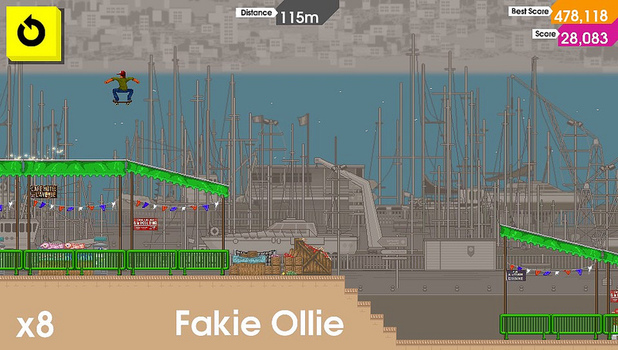
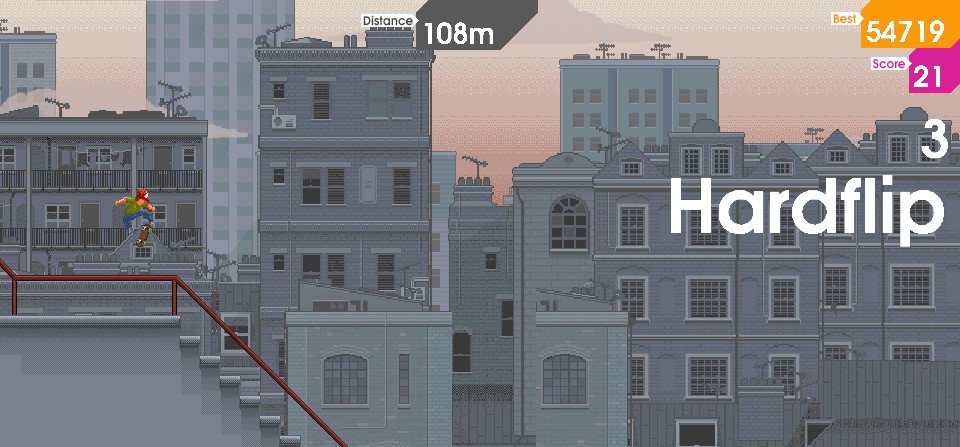
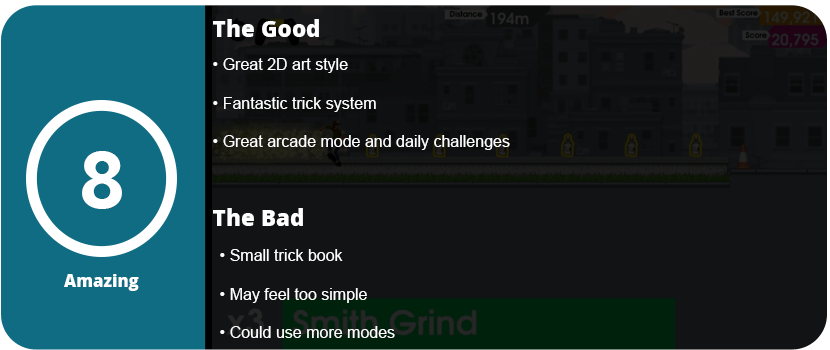
Skateboarding games have kind of died out over the past 5 years. With the last decent one being Skate 3, everyone yearns for the days of classic Tony Hawk’s Pro Skater. OlliOlli brings back those arcade-like twitch reflexes on a 2D plane. There’s no story to speak of, and there shouldn’t be. It’s just you, the ground, and your board.
OlliOlli features a trick stick similar to EA’s Skate series, but it’s better (yes, a 2D indie skateboarding game does a multi-million dollar game’s trick system better). You use the left stick to do all the tricks, and there’s no ollie button. Pressing down and up will make your ollie, while pressing X just before you land will give you a perfect landing. This rearranging of buttons is perfect and exactly what this genre needs. Grinding is as simple as just ollieing on top of a rail; there is no need for extra buttons. The trick stick consists of grinds and flip tricks only; there are no grabs here because the game is all about completing goals on a short course with the highest possible score. On a 2D plane, grab tricks would just get in the way. A great change that’s small but big is keeping your speed by landing everything perfectly. You will eventually start slowing down, like in all skateboarding games, but perfect landings will give you speed boosts, allowing you to trick across an entire level if you are good enough.
There are quite a few levels, and each stage is completely different. The only major downside to this game is the constant trial and error because some goals require perfection. The game is very challenging and will push your skills to the limit. Thanks to the great animations and silky smooth controls, it can be somewhat forgiving in that aspect. Outside of the career mode, you can partake in daily challenges where you get to practice a run as many times as you want, and once you go for the real thing, you get one try only. If you fall within the first 10 meters, that’s too bad. This makes things super intense and really makes that one perfect run feel amazing.
OlliOlli may have a small trick book, but the way you pull these off is nearly revolutionary for the genre, and the accompaniment of smooth controls and animations just makes it that much better. The various goals, score attacks, and collecting of items can be downright tricky, but arcade skateboarding enthusiasts will have no problem pressing that restart button for the 25th time, knowing this time they will get it.
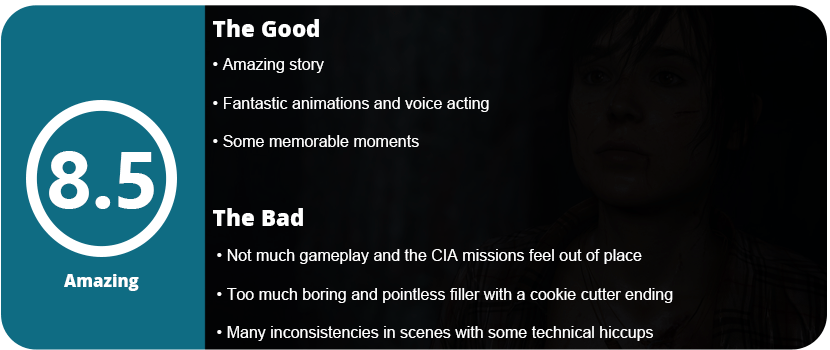
Quantic Dream is one of those developers who tries something new and tries to innovate in the game industry. They started out with Indigo Prophecy (or Fahrenheit for Europeans), and it was an interesting concept that was executed surprisingly well. Heavy Rain was the same way, with a fantastic story and multiple choices that could change the ending. Using just various button presses to play the game could seem boring, but when the action picked up, it got pretty intense. You had a split second to press the various buttons to make the characters flee for their lives or fight off enemies. Beyond feels like a spiritual successor to both of those games but is less interactive than the other two.
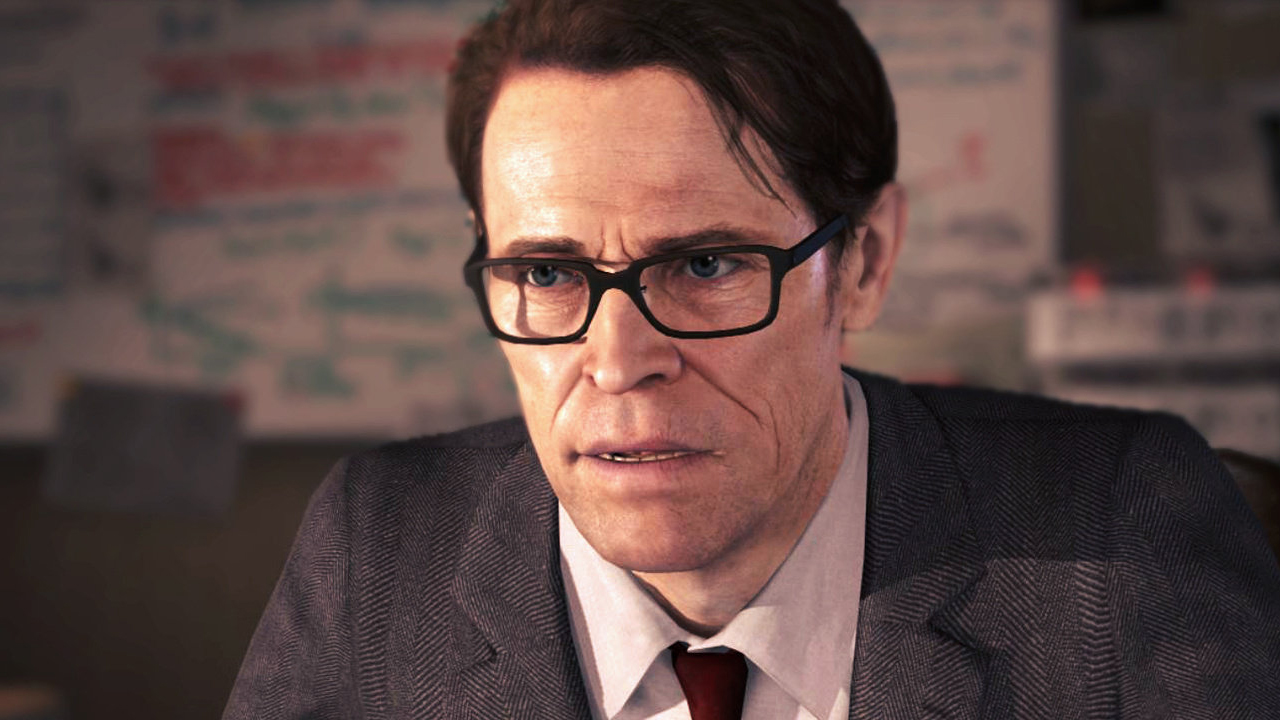
You play as a girl named Jodie (Ellen Page), who has an entity named Aiden attached to her. She can control him to do anything from knocking down a box to possessing someone and making them commit suicide. You bounce back and forth from her childhood to her adulthood, where she’s being taken care of by a scientist named Nathan Dawkins (Willem Dafoe) and also when she’s in the CIA. This may seem confusing because the storyline is told in a random pattern, but it makes perfect sense. The story is well-balanced and easy to follow, and there are some great plot twists and changes.
Like in Heavy Rain, you can wander around and do things, but there’s less optional interaction in Heavy Rain. You will rarely find stuff to interact with just for the heck of it. When things start getting intense, you will need to keep Jodie alive by following her movements in slow motion. The action will slow down a bit, and you need to press the right analog stick in the direction that Jodie is moving. Sometimes this is hard to gauge due to an odd camera angle or her movements being too subtle. I never died in the game, though, but slower-reacting people may find the action sequences frustrating. That’s kind of where things become a problem. You will engage in a tense action sequence only to hit a chapter where you’re making dinner for Jodie’s date. There are some really dull and slow moments in Beyond, and there are too many odd inconsistencies.
Like in the mentioned scene above, I had to pick up clothes, cook dinner, and get Jodie ready for her date. This was slow and dull, and the inconsistencies drove me nuts. After putting dinner on the stove, I wandered around (the characters controlled it like awkward tanks). I took a shower, watched her drink some old beer, helped her pick out a dress, and the whole time (about 30 in-game minutes), the food sat in the pan, not being touched, and it never burned. One scene towards the end has Jodie and her three CIA agents in North Korea tracking down a condenser, which is a rift to the infraworld (the other side). They leave a house and do a lookout on a base, but one guy is missing for about 3 scenes, and it’s never explained where he went. Then he just appears out of nowhere.
Controlling Aiden is also another problem because the levels are hard to navigate. The rooms and hallways all look the same, and you will get lost often. Aiden controls it like a no-clip camera with a fisheye lens. He’s just a floating spirit attached to Jodie. Your goal is to look for blue dots to attach to and use both sticks to slam stuff around, possess bodies, knock stuff over, and distract people. He’s kind of the puzzle side of the game. When I first played Aiden, he was nearly impossible to control, and I almost threw up for how frustrated I got. Later on, I learned to get used to it, but this could have been done better.
Of course, the game is all about the story and choices, and there are quite a few, but in the end, the choices are pretty much predefined. Depending on who you keep alive or befriend, you get to choose who you stay with or a couple of other ending selections. They seem cookie-cutter, and your little, tiny choices didn’t really make a difference. Again, more inconsistencies. Besides the choices, the CIA portions were the worst and felt unnecessary for the game. It was just an excuse to add more action and close down these three condensers throughout the world. The more memorable moments were when Jodie was a kid and when Jodie had more one-on-one experiences with people as an adult, like when she was homeless.
The game does look damn good, though; in fact, it is one of the best-looking games of this generation; it almost looks next-gen. The voice acting and motion capture are unlike anything we’ve seen in this generation. Ellen Page and Willem Dafoe do an amazing job in their roles, but I can’t help but notice flaws due to the hardware limitations. Some facial expressions look overdone, and some textures look muddy and downright ugly. There is skipping when the game is loading, but it’s all minor stuff.
Overall, Beyond: Two Souls is 15 hours long, but it is filled with boring scenes that are there just to extend playtime. The CIA missions are boring and out of place, and there are many annoying inconsistencies with events in some scenes. The game looks fantastic, and the acting is superb, so this is a very entertaining weekend rental and nothing more. Don’t come here looking for action, because timed button presses are all you’re going to get.
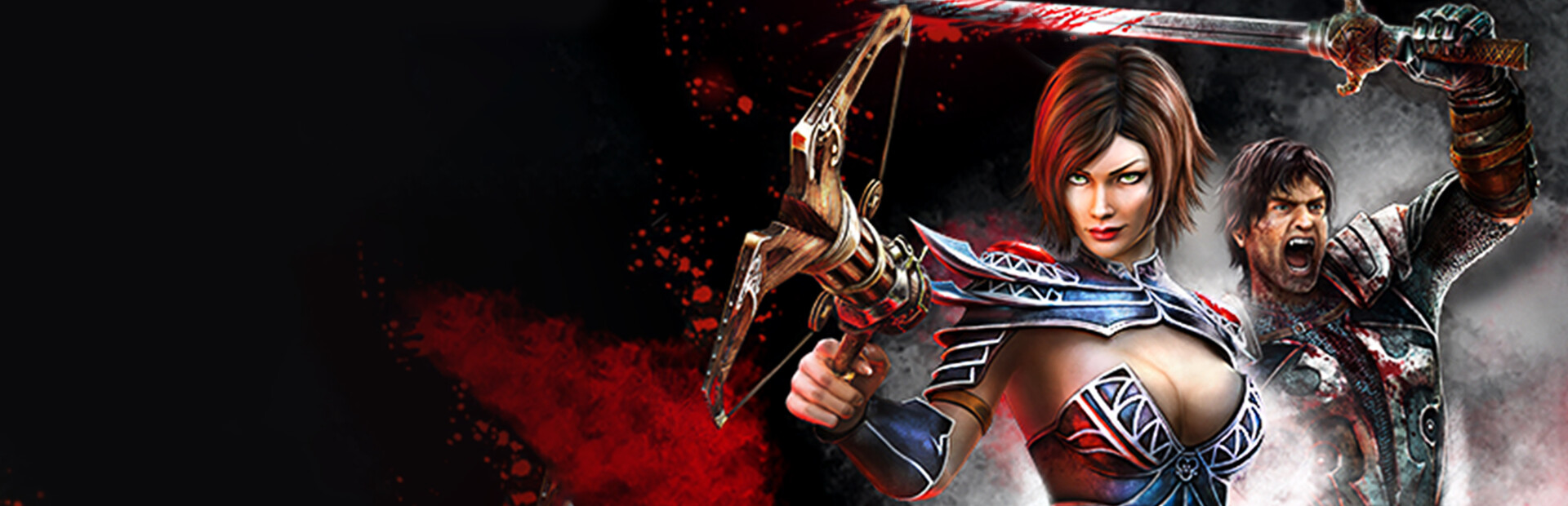
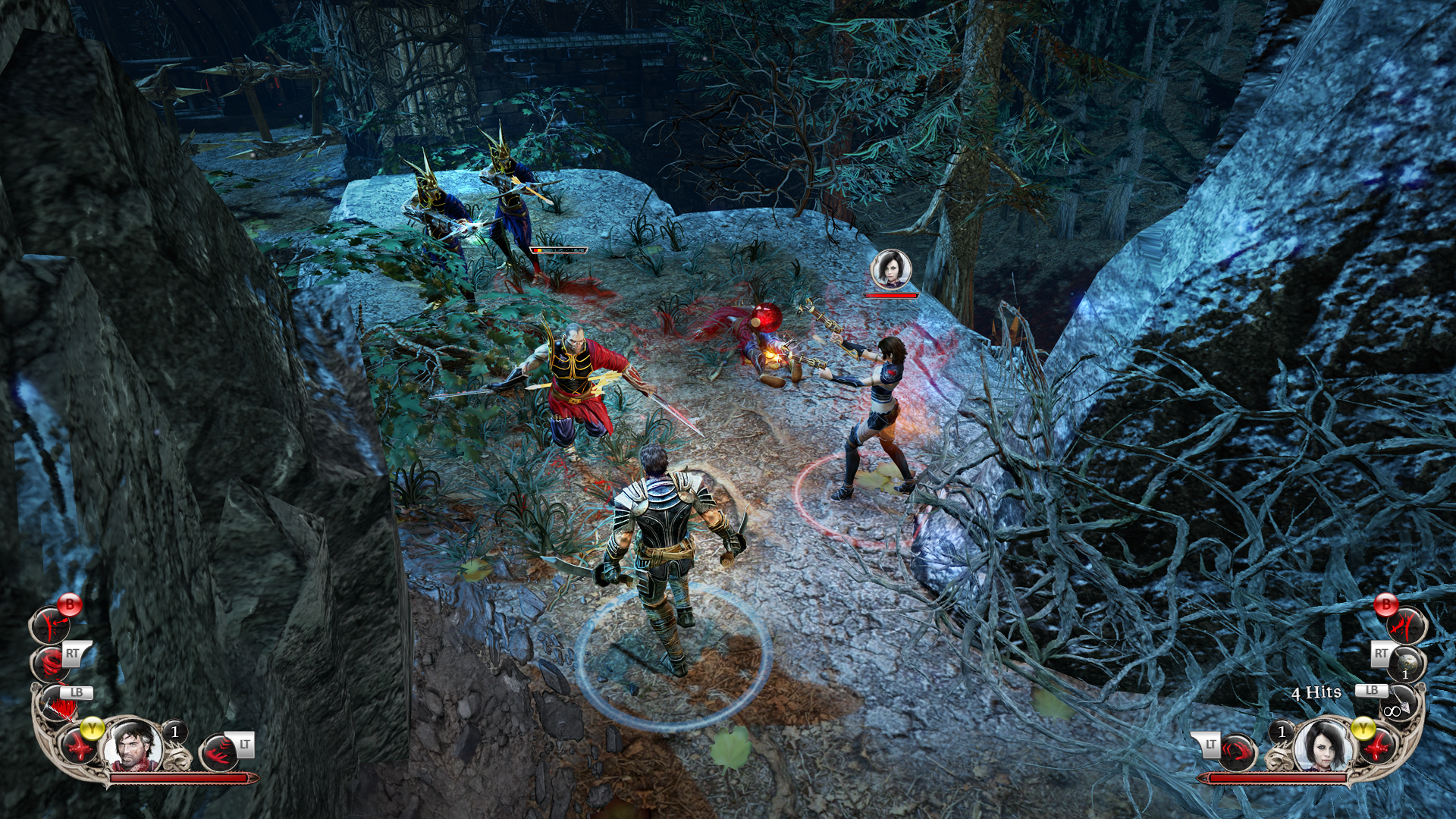
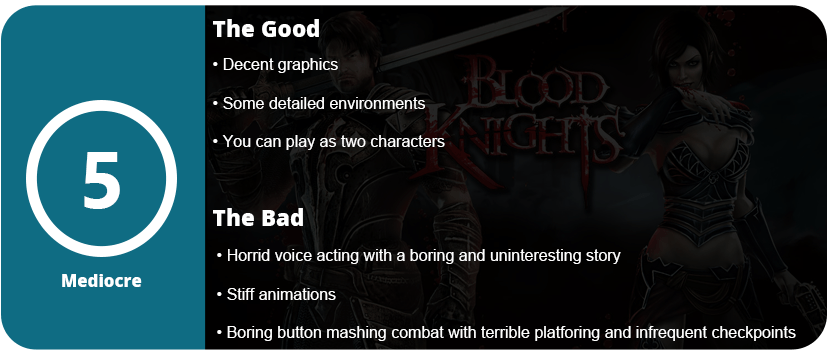
Sometimes there are games that I just give the benefit of the doubt. Blood Knights seemed to have fast-paced combat with decent graphics and some interesting environments. I was wrong on all of those except one. The game has horrible voice acting, stiff, boring combat, terrible platforming, and bad everything else.
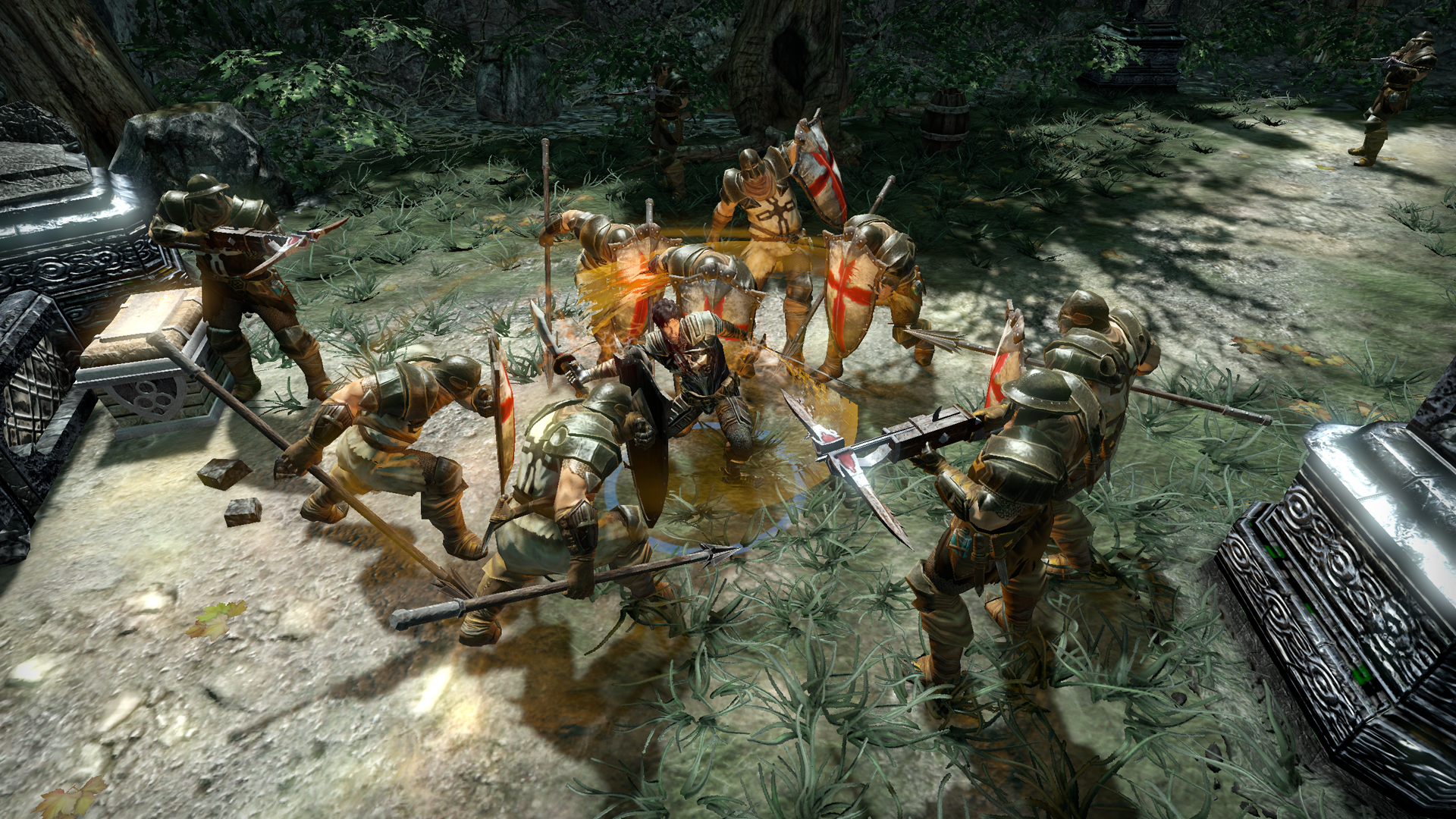
There aren’t that many great vampire games because they all end up like this. I honestly don’t even know what this game is about because it’s so boring and monotonous to follow, and the voice actors sound like bored high school students reading from textbooks. The combat is so boring and uninteresting. You just mash on the attack button and use your special moves until they cool down, and then mash them again. The animations are stiff and cumbersome; switching between characters just makes things more frustrating, and I died so many times from just falling off of cliffs.
If that’s not bad enough, there are repetitive and lame objectives like protecting this person until he fixes something or flipping this switch. I mean, really? In 2013, we’re still stuck on these objectives. Not to mention the fact that the checkpoints are spread so far apart that you will die and restart the same section over and over until you tear your hair out. There’s no new twist or interesting plot about vampires—just the typical horror story stuff we’ve seen too many times. At least the game looks halfway decent, and there are some nice details in the environments.
You would think that the RPG elements would add some depth, but they don’t. Sure, there’s armor to get, gold to spend, and XP to obtain, but you won’t care when you’re trudging through endless amounts of boring enemies. Some co-op would have been nice, or some clever puzzles that utilize both characters, but instead we just run around flipping switches. At least the game is really short; you can beat it in about 4-5 hours if you pound through it, but who would want to?
As it is, Blood Knights is a decent concept that is ruined by horrid gameplay mechanics that feel archaic and unforgiving. What could have been a decent vampire game turned into another potato in the stew?
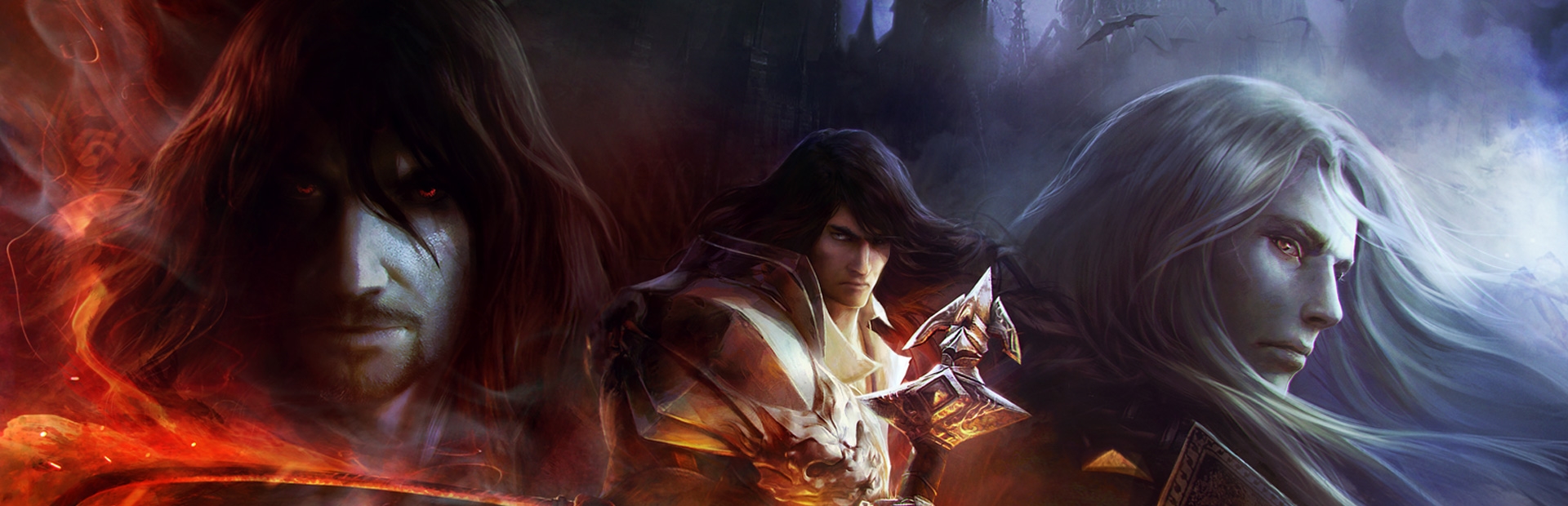
Castlevania has struggled for years in the 3D department. Lords of Shadow was the first solid Castlevania that was in 3D and did the series justice. Some hardcore fans shame the game, but I think it is one of the best action games of this generation. Mirror of Fate brings that same awesomeness to the 3DS with great combat and solid platforming.
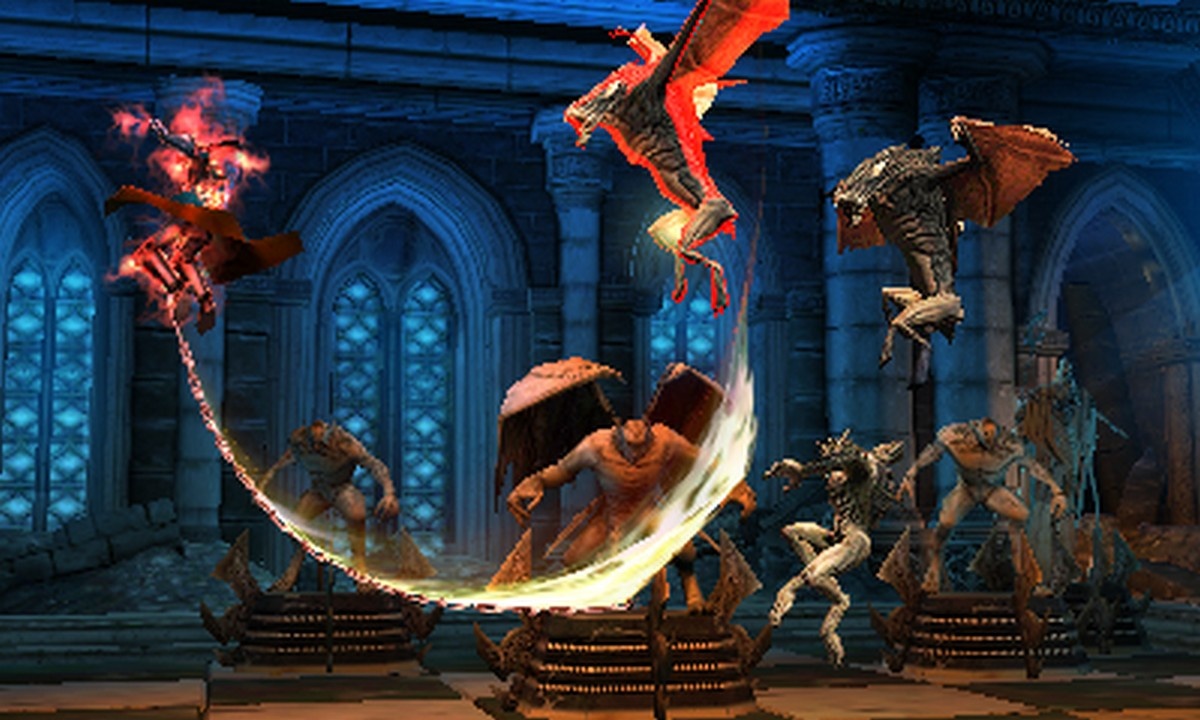
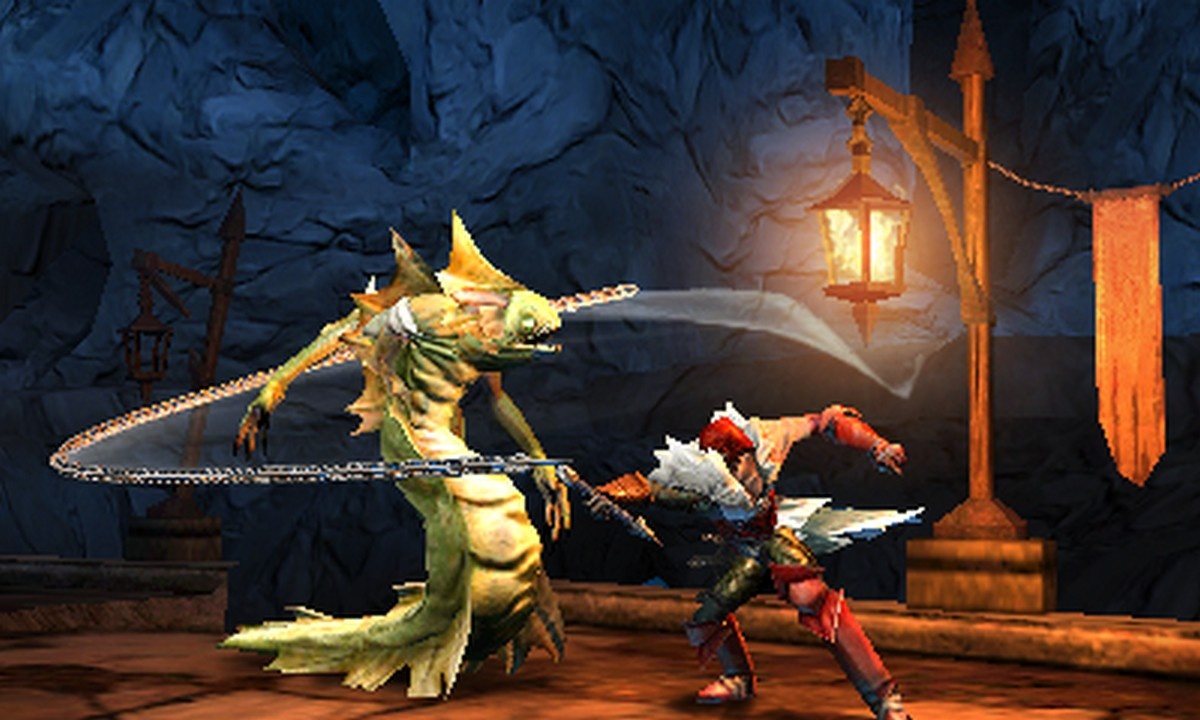
You play as four protagonists throughout the whole game. Simon, Alucard, Gabriel, and Trevor. The game has simple 2D platforming with jumping and swinging, but the combat is solid enough. You have two attack buttons and a special power button. The special powers vary from axes (CV1, anyone?) to passive powers like being invincible for a short time or turning into a werewolf (Alucard). The combat is punchy and powerful and feels great. However, the game is incredibly hard. It requires a lot of skill and mastering the combat to get through the game because it can just get downright tough, but it’s beatable. Apart from the combat, you are mainly solving puzzles and finding secrets.
Puzzles involve pushing and pulling objects into the right places, flipping switches in sequential order, and sometimes even labyrinthine mazes. The map is very useful since you can place notes, and it will tell you if there’s a secret or something useful nearby. Upgrading health and magic seems like a standard affair, but you have to find these chests and make an effort; they aren’t handed to you. There was some annoying backtracking, which felt a bit cheap, and the fast travel system is nearly useless since you never know which level you will end up in. I did get lost a few times, and the puzzles can be real head-scratchers, but platforming fans shouldn’t struggle too much.
The story is pretty short, and there’s no reason to really come back. People who have never played Lords of Shadow won’t really get the story since the ending is extremely sad. The graphics are amazing, and these are the best 3D effects I have seen on the 3DS thus far. They pop out and just make the whole game come to life. I honestly didn’t see much that wasn’t in 3D in some way.
Overall, Mirror of Fate is a solid yet difficult platformer that will make any Castlevania or platformer fan happy. The story is interesting, the 3D effects are amazing, and the combat is solid. Just be prepared for some backtracking and short game time.
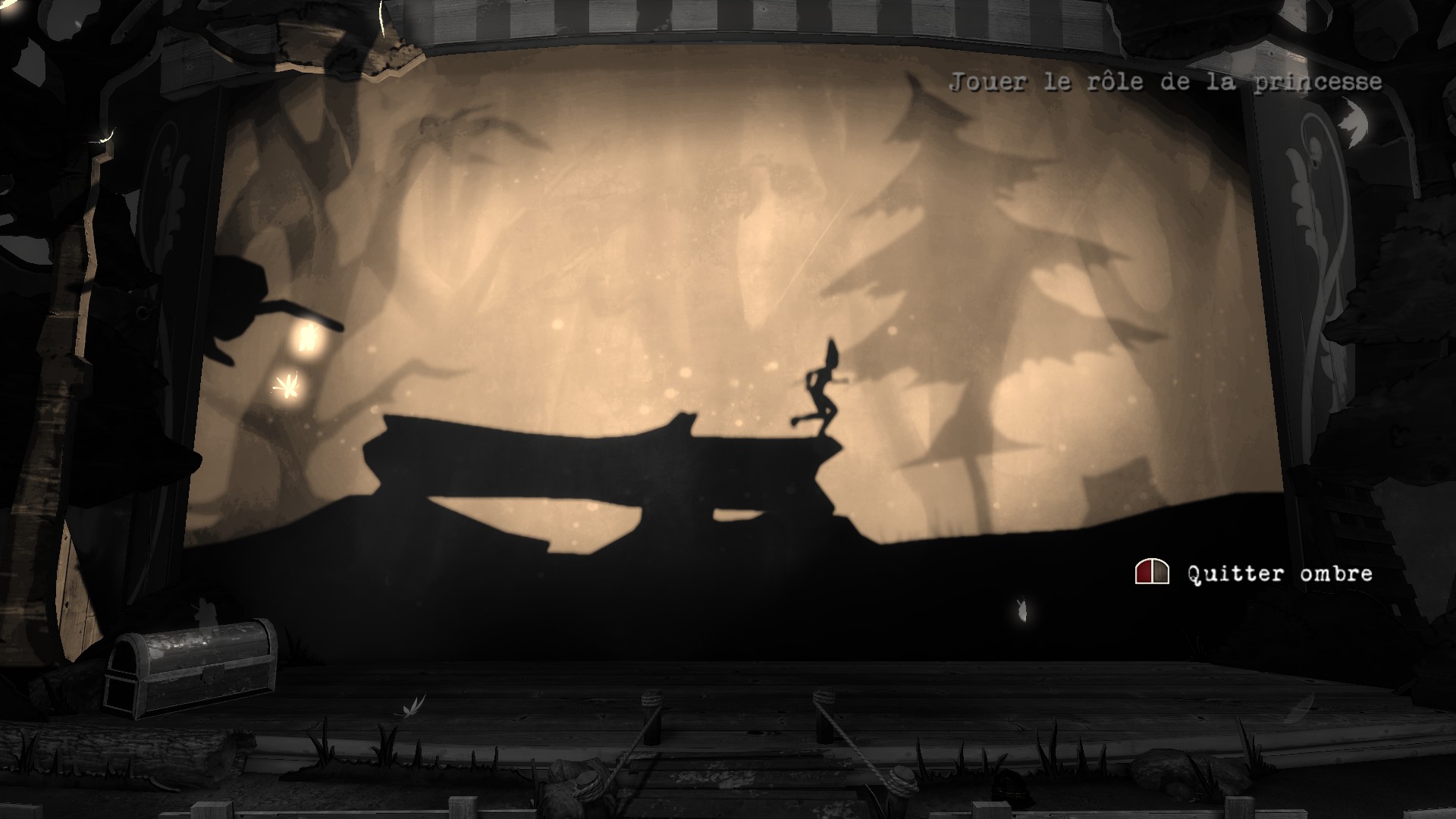
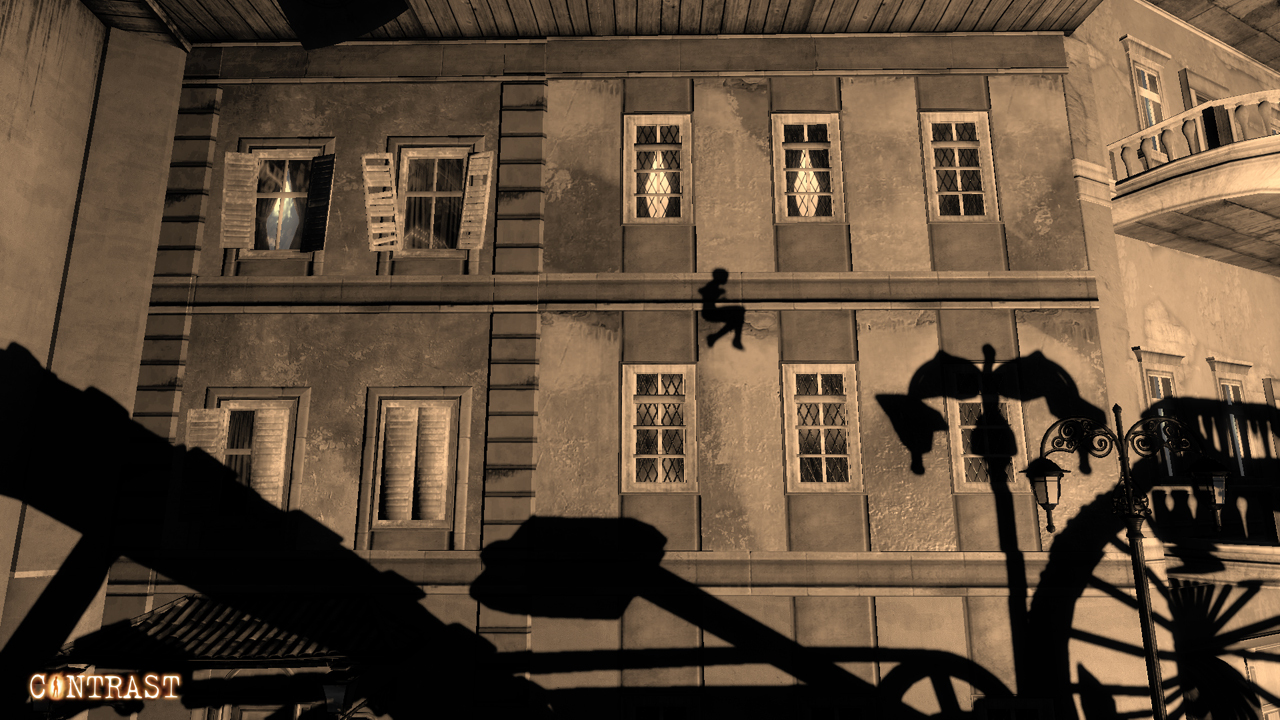
The idea of using shadows as puzzles is fascinating, and Contrast has one of the most unique puzzle elements I have seen since Portal. Arranging objects in a room to make the layout of the shadows just right to get to where you need them can be very satisfying. Bringing objects into the shadow world and pulling them out is also very fun. The story is also kind of touching. You play Dawn, who has a mysterious childhood friend, Didi, whose parents are going through hard times, and she wants to bring them back together. Her father is always getting into debt trouble and decides to open a circus using a magician. Everything goes wrong for her father, so it’s up to her and Dawn to fix it all.
The story itself is pretty interesting, but the ending stinks. It honestly just ends, and you never find out what this mysterious shadow world is. She and Dawn are the only people who are in the real world. Her parents talk to her on the walls as shadows. It makes me wonder if Didi has mental issues and is imagining all this. Is Dawn a figment of her imagination? No one else can see her, but it’s never explained. These mysteries can be frustrating in the end when they never make sense.
The game is actually poorly paced. There are a lot of little cutscenes that break everything up, and it gets really annoying. You will walk ten feet, cutscene, walk ten more feet, scene, pull a switch, scene, solve an easy puzzle, scene, and it continues like this. The puzzles are extremely easy, and a few were head-scratchers for a few minutes towards the end, but nothing I couldn’t solve after a little thinking. The game is very linear, and you only explore a few areas, but explore is the wrong word to use here. The only thing you can do that’s extra is find collectibles and find luminaries to be able to start certain puzzles. That is literally all there is to this game.
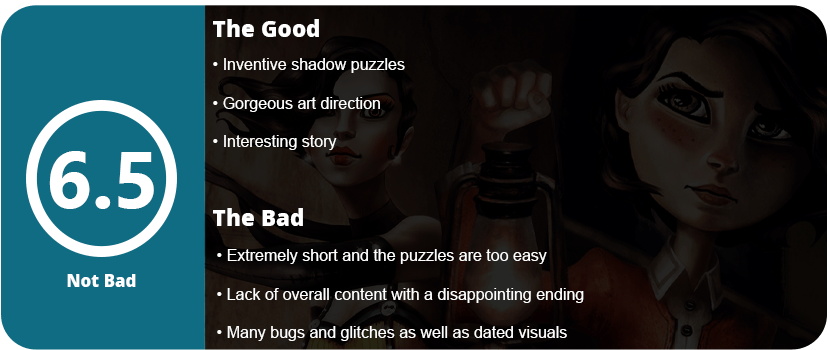
The game itself can be beaten in about 4 hours. The graphics are really nice; however, they are a little dated, and there are numerous bugs and glitches. The game would crash; Dawn would get stuck in a T pose during certain jumps; Crates would get stuck due to weird physics issues; and they all required restarts. That’s unacceptable, and hopefully it will be patched. I honestly can’t recommend this game for the asking price, but maybe for a sale, it would be worth it. The game isn’t bad; it just seriously lacks content and depth and has a disappointing ending. The shadow puzzles are very inventive and fun to do, but they just need to be more.
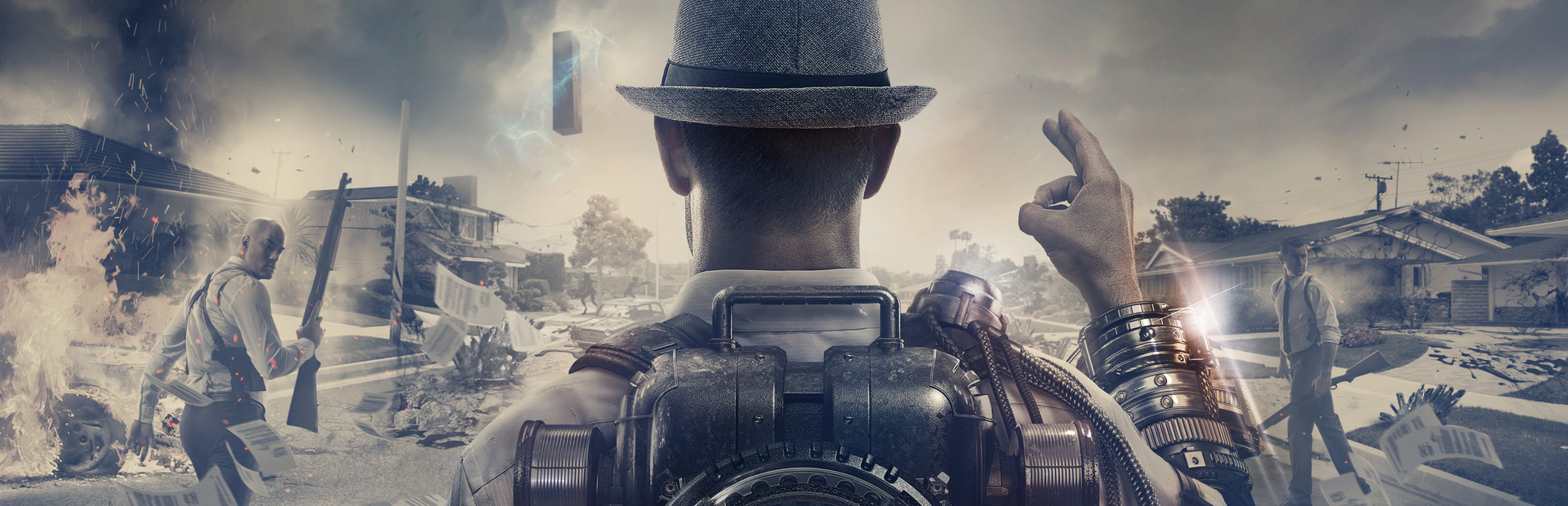
XCOM: Enemy Unknown was one of the best TBS games to come out in years. It had tightly coordinated tactical gameplay that packed a punch and kept you on your toes. The Bureau kind of keeps this idea while bringing you into the dice-rolled battles firsthand so you can control them. The game takes place after the Cold War, when agent William Carter is tasked with helping save the entire planet from an alien invasion. That is one hefty mission, but you have squadmates to bring alongside you.
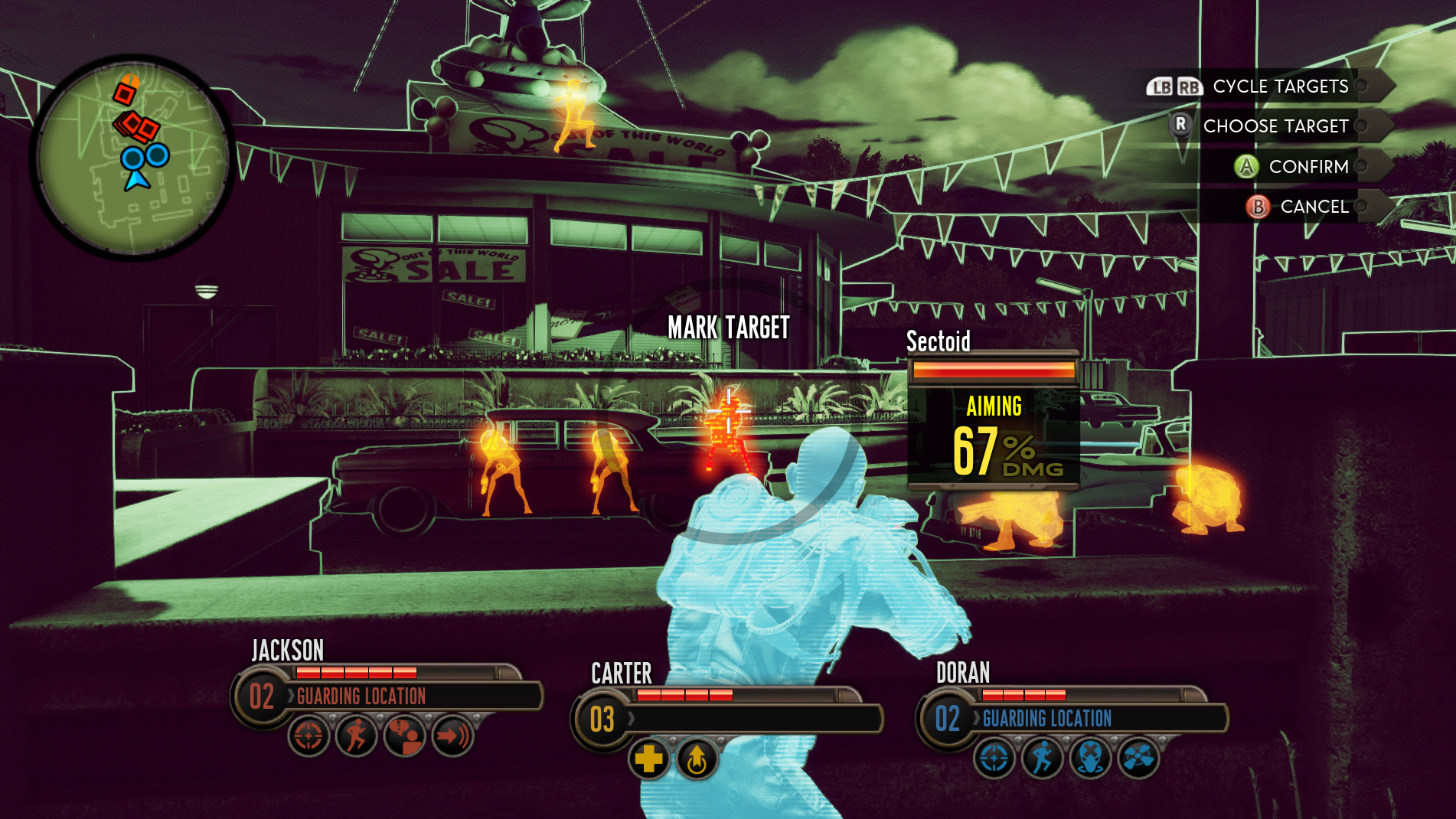
XCOM is a third-person cover-based tactical shooter. It pretty much feels like a zoomed-in, more detailed Enemy Unknown. You will encounter some of the same enemies, and the art style is even the same. You can snap into a cove and order your squad to do things like lift an enemy up, heal, revive, throw out traps like mines, sharpshoot an enemy, etc. You can queue these up while time slows down and watch it all unfold. It’s a very powerful tool in this game and can get you out in a pinch. The shooting itself is mediocre. Weapons never feel all that powerful and somehow just feel off. Ammo runs out constantly, and you can end up weaponless a lot of the time in a hot firefight. At least the levels are well laid out enough for you to find adequate cover and plan your attack.
There’s really not much else to the game outside of shooting. You move from fight to fight, pressing switches or finding the intel. The game is a bit on the cinematic side, and the opening sequence is pretty awesome. Once you are back at HQ, you can walk around and talk to people, start side missions, and upgrade your squad and loadout. You get the same death penalty as in Enemy Unknown. A completely leveled-up squad member can be lost in battle if you don’t revive them in time; however, the revive time is way too quick to pass. It’s not enough time for someone to go to a battleground and save someone. This becomes frustrating since leveling up takes so long. When you do choose squad members, you can choose from snipers, close combat, medics, and various other classes. This mainly just determines their skill tree.
I also found it annoying that weapons are slow to unlock. 25% of the way through the game, I only found a few weapons and two alien weapons. There are various other blueprints or technologies you can find to turn into other things, but they’re not as deep as Enemy Unknown. What’s here is solid fun, but it gets repetitive and boring quickly. Every battle turns out the same; you get the occasional boss fight, but it just gets so monotonous that there would be more substance. The game looks pretty good on PC but looks very dated on consoles. It’s nothing special, but the attention to detail in the Cold War-era atmosphere is pretty awesome and engaging.
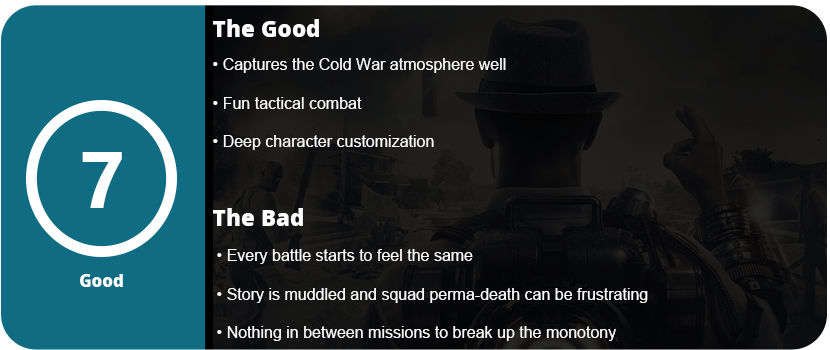
As it stands, The Bureau is a solid shooter that takes the tactical RTS gameplay and puts you in the driver’s seat. The atmosphere is well captured, and the skill tree system makes battles easier, but the frustration of perma-loss when a squad member dies is excruciating. The overall combat can get dull and repetitive early on, with nothing in between.
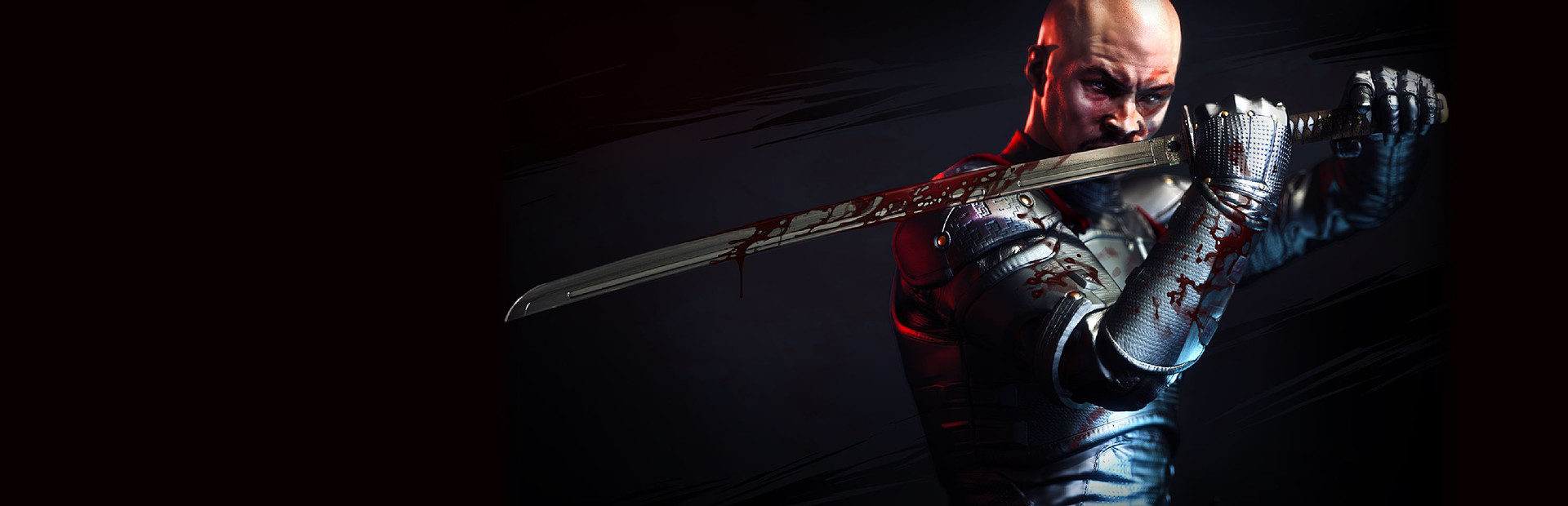
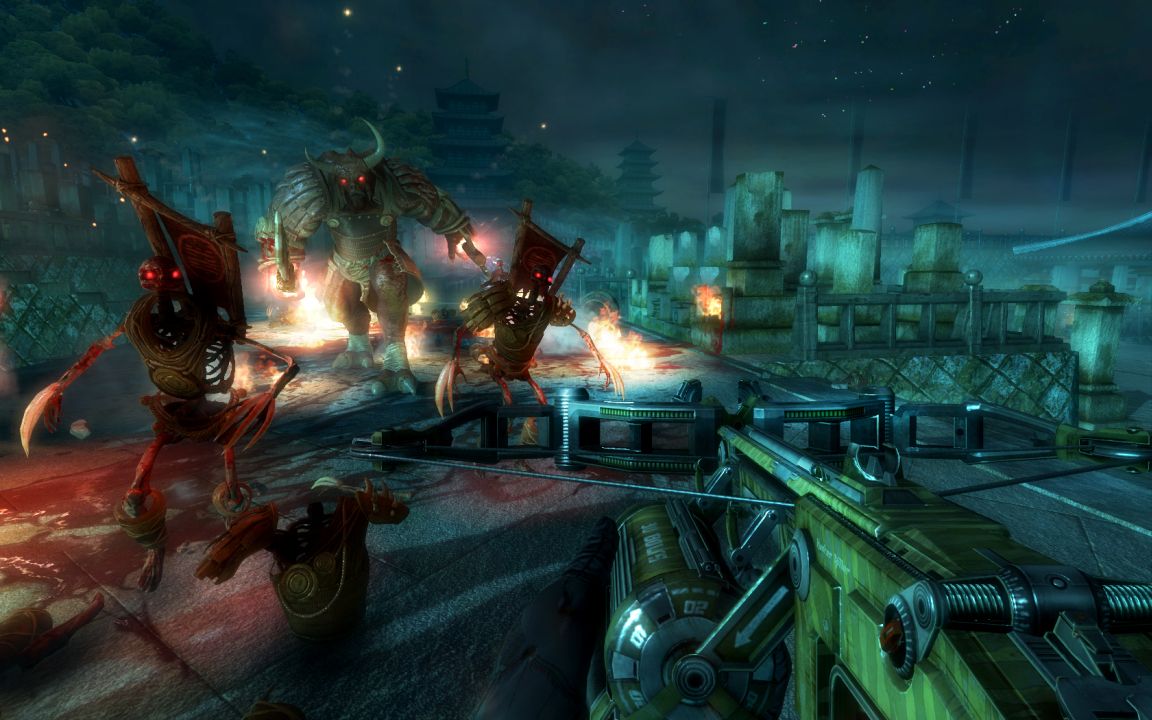
Shadow Warrior was an FPS underdog in the vein of Doom and Wolfenstein. It was full of potty humor, gore, and cursing. While it didn’t sell as well as Doom or Duke Nukem, it had a large enough following to get a sequel. Shadow Warrior is a highly entertaining shooter with a decent story, and the same funny dialog is intact.
You play Lo Wang, who is a mercenary working for a Chinese warlord. He hears of a magical ancient sword with a lot of power. Through his trek, he runs into demons and has a demon ally named Hoji, who helps him through his journey. The story mainly focuses on where these three sword pieces are and what the deal with Hoji is. It’s pretty interesting, but nothing fantastic. It’s actually pretty disjointed until towards the end. The game is all about action, and there’s plenty of it, but by the halfway mark, the game gets really dull.
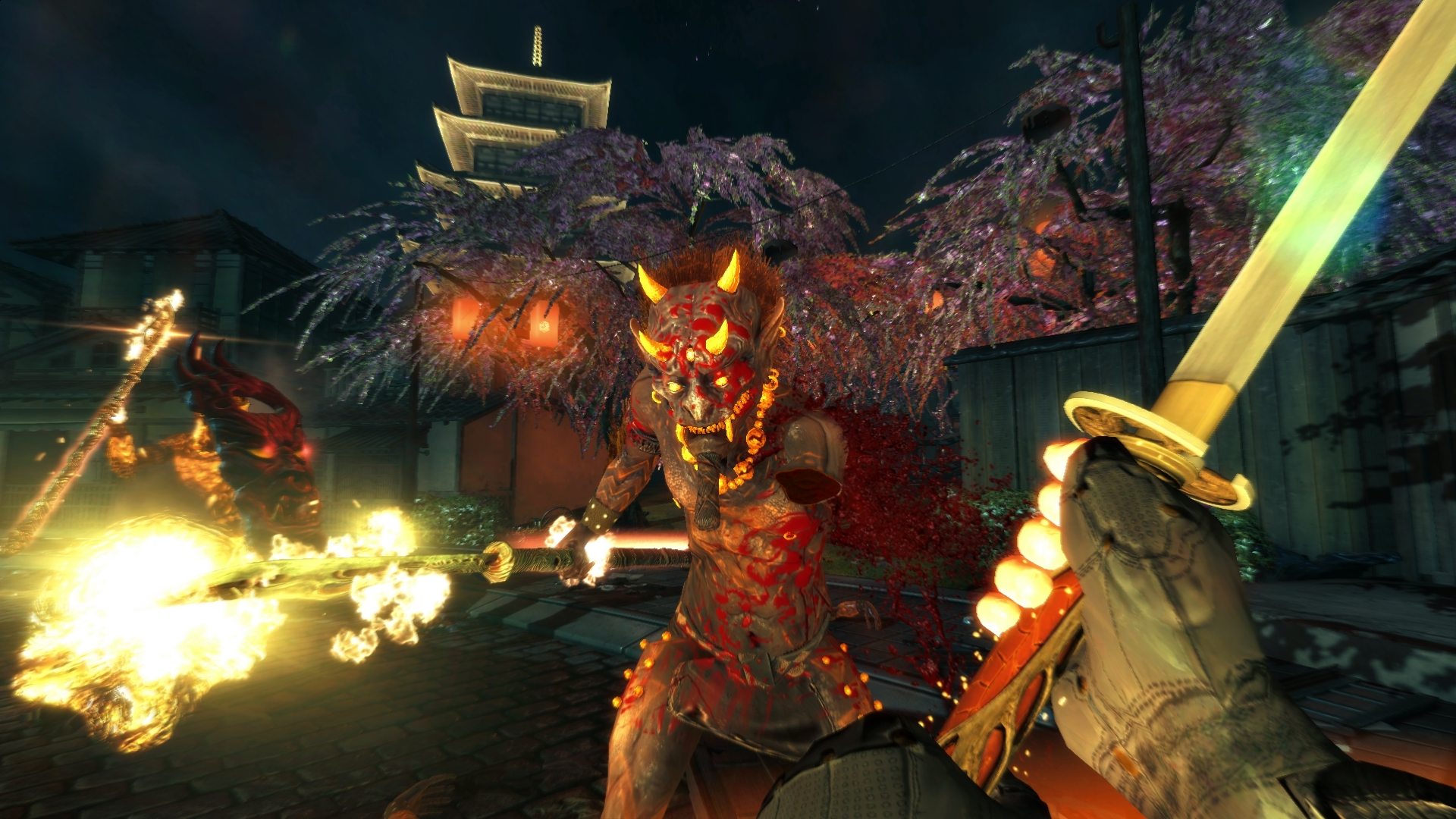
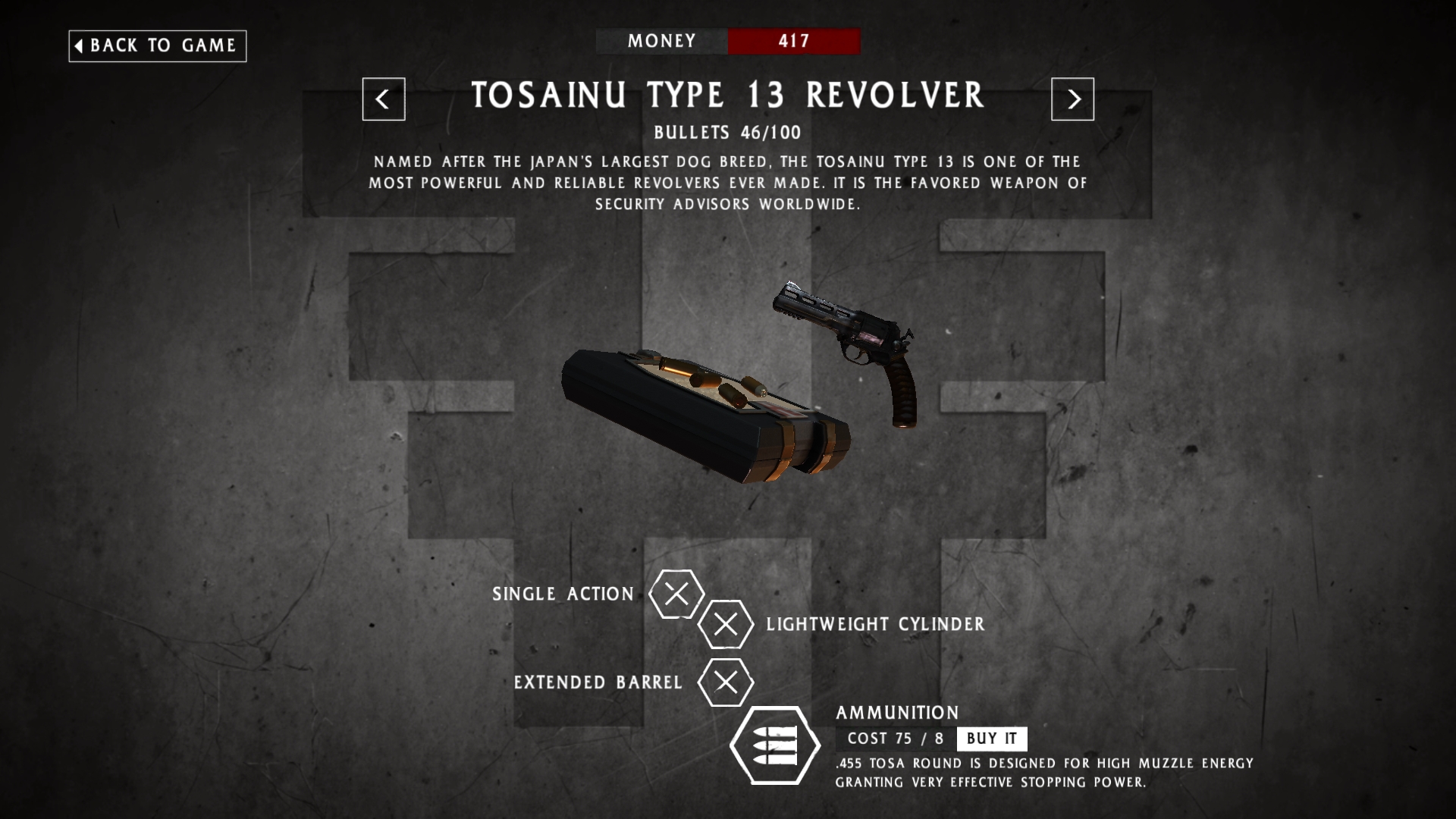
The game gives you new weapons and things to do very slowly. There are 17 chapters in this game, and it feels a bit long-winded. You start out with your sword and a revolver, which is fine at first. The guns handle very well, and the guns are fun to shoot. Your sword is actually more powerful than you think, and you will use it often. Slicing enemies into bits is a lot of fun and feels satisfying. While you’re killing demons, you get scored based on how you killed them, and multipliers come into effect. Once you finish a wave, you are rated a total of 5 stars, but I could never get 5 stars no matter how hard I tried. I honestly don’t even know how the scoring system really works. When you’re not fighting demons, you can explore old-school style and search for secrets. However, Shadow Warrior has implemented an upgrade and power system. You can use KI crystals to upgrade your powers, such as a shield, shockwave, and push attack. Honestly, I felt these were useless, and I never used them. The only useful one was the healing power. Karma points are used to upgrade your skills such as stamina, healing, swordsmanship, and protection. Then you can use the money you find to upgrade weapons.
All this sounds great, but it takes forever to accumulate enough money to upgrade all your weapons. It was pretty annoying realizing that 10 hours later I couldn’t upgrade everything despite searching every nook and cranny for money and secrets. That’s not the only issue here. The game uses the same 6-7 demons over and over again until you start seeing them in your sleep. Some are hard, while others are super easy. They look cool, but after about 3–4 chapters, I got tired of seeing them. It doesn’t help that it takes so long to acquire all the weapons in the game. The final major issue is the repetitive and boring level design. You have to run around opening doors and flipping switches, which gets really boring. It doesn’t help that all the levels start looking the same. At least there are fun Easter eggs. Arcades are spread throughout the game with Hotline Miami, Serious Sam, and Hard Reset. The Serious Sam one has famous quotes from the game that are funny. There are secret areas with throwbacks to the old game, and Lo Wang will comment on this. There’s even a fun Easter egg in which you kill enough rabbits to get a black rabbit that attacks you with Serious Sam battle music playing.
However, the game is just a lot of fun, despite its repetitive nature. The game looks fantastic, though, with great DirectX 11 visuals and high-resolution textures. The effects look great, but I would have liked to see them in varied environments. As it stands, Shadow Warrior is an entertaining weekend playthrough, but nothing more. There’s some charm here that makes you want to keep playing. Mainly because the game is balanced just right and the shooting mechanics are solid. After your first playthrough, you won’t be visiting this one again.
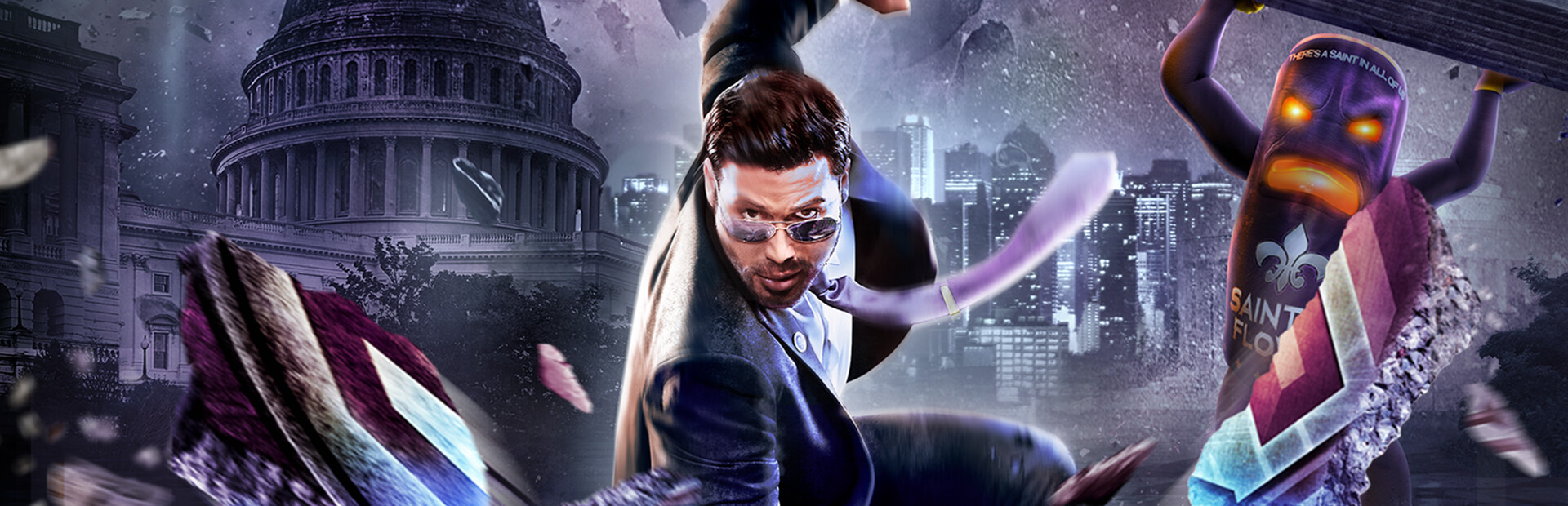
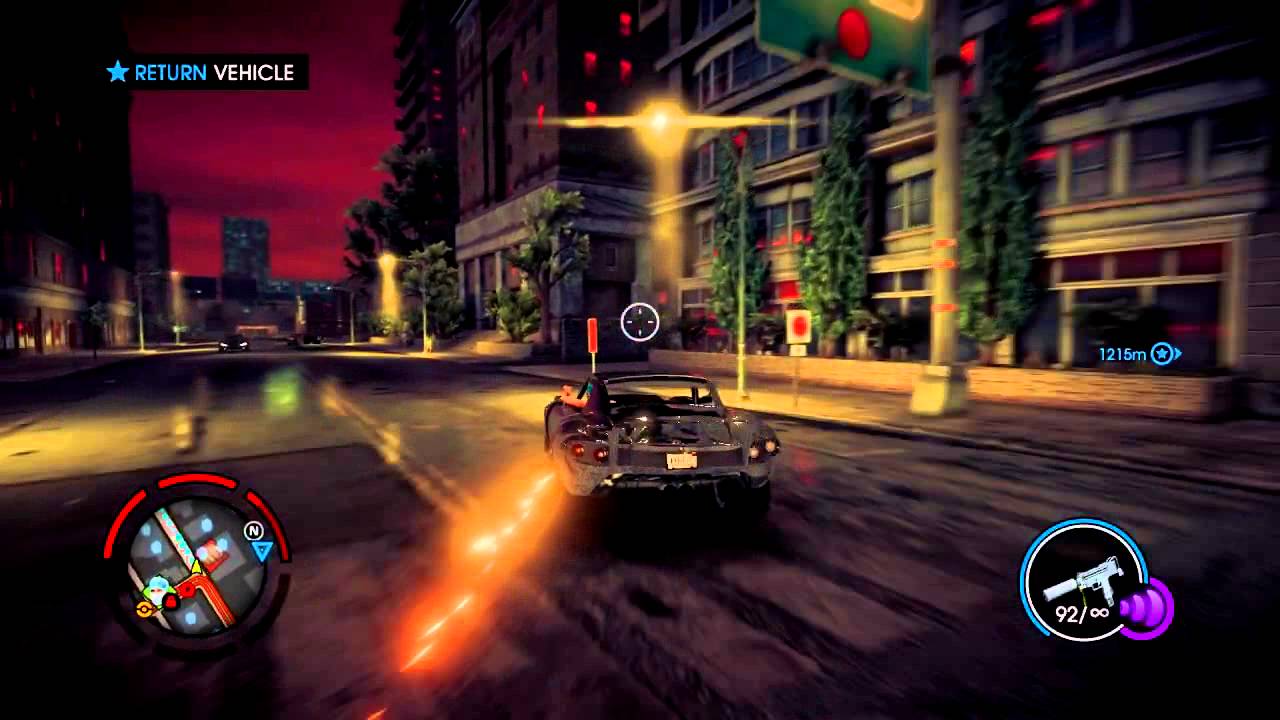
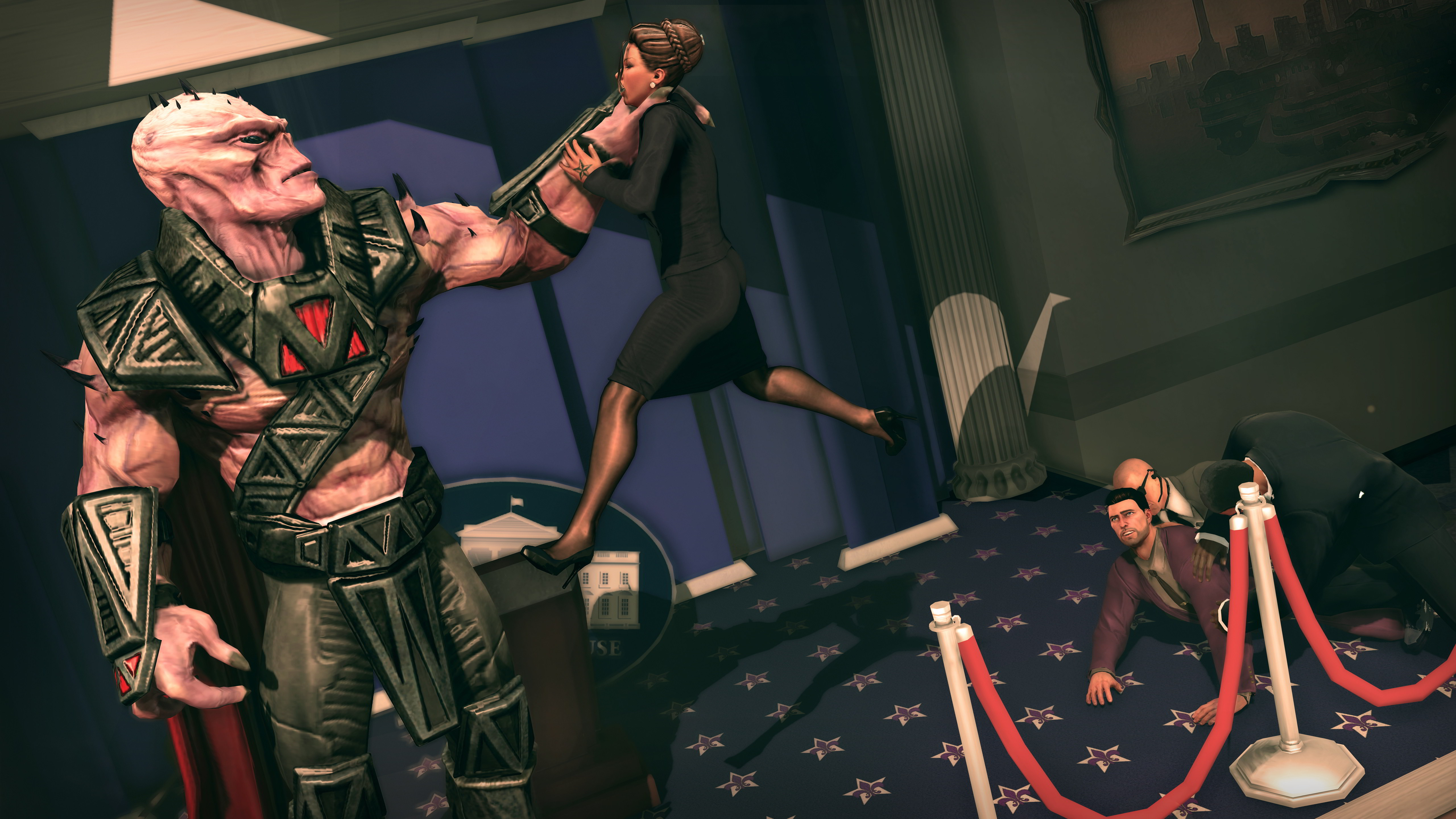
Saints Row has done a good job of being the best GTA clone ever made. Each game added more ridiculous gameplay and a completely humorous story. Despite that, Saints Row does a very good job of entertaining us with interesting ideas. Saints Row IV is the zaniest of them all, with superpowers, alien invasions, and computer simulations. The Saints are now in control of the United States, thanks to the main hero being the President. Various Saints characters fill other roles, like Kinsie being press secretary and Keith David being vice president. An alien ruler named Zenyak bursts in and starts destroying the White House and the planet. You get captured, are thrown into a computer simulation of Steelport, and need to escape. You start by rescuing your friends and devising a plan to stop Zenyak.
The main story brings you through some interesting gameplay choices, like in previous games. Av Tron-like level, a 2D brawler, mounted gun and RPG on-rails missions, and various others. It’s a lot of fun but really short. The game is full of too much filler, which is repetitive side quests after you rescue each homie. Instead of going around and doing the side missions on your own, they are dealt out in quests, so you actually end up doing them all. Each character needs you to do three sets of these monotonous side quests; after about the 15th time, I couldn’t take it anymore. Thankfully, the unique loyalty quests are interesting. At least you get cool unlocks for doing things like suits, weapons, powers, and vehicles. Besides main and side quests, there’s nothing else to do besides multiplayer.
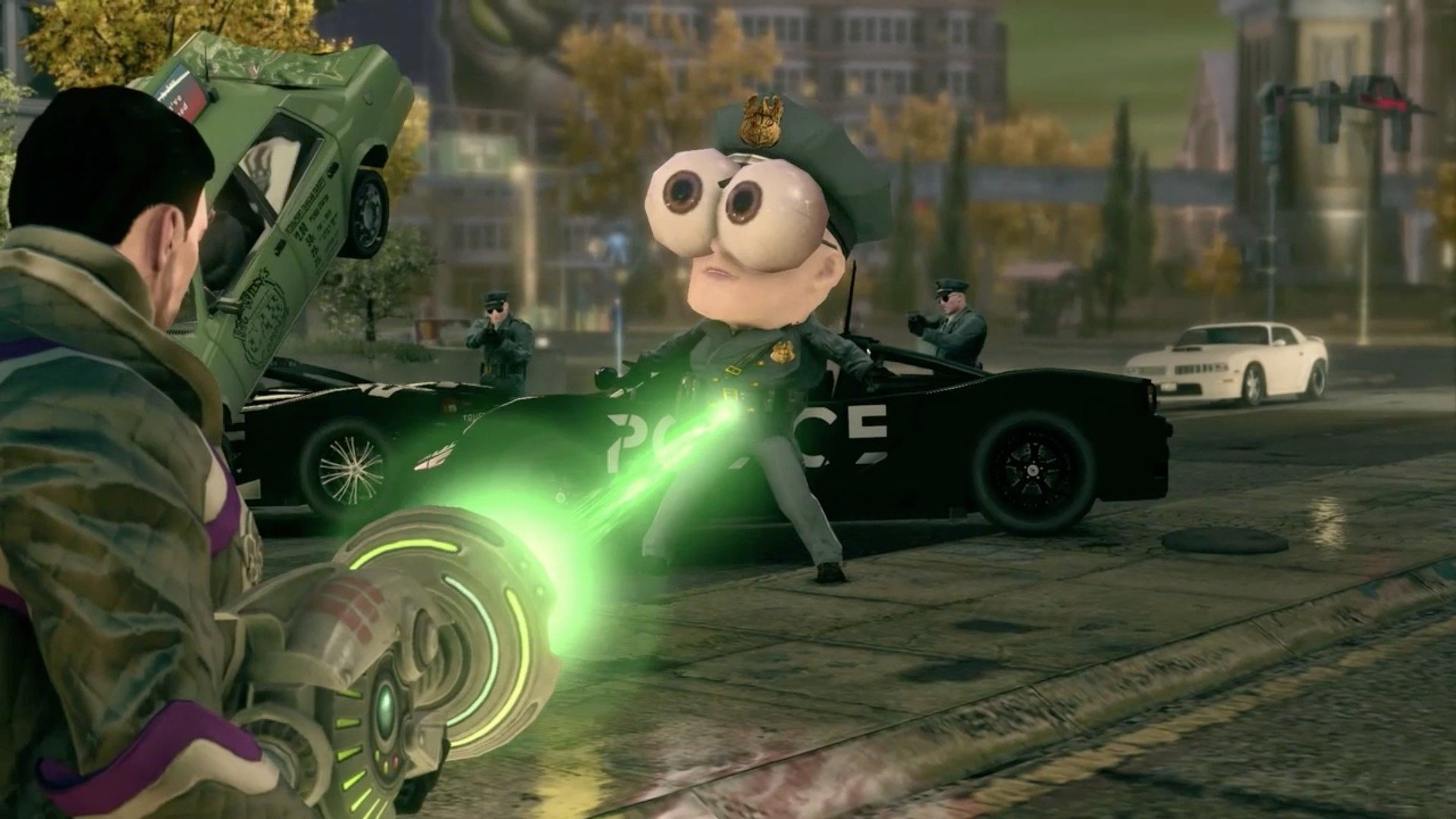
The entire game is completely changed thanks to these superpowers. To make it believable, you are in a computer simulation, and the times when you are out, you don’t have them. You can run at lightning-fast speeds, jump 30 stories, use telekinesis, earthquake stomp, freeze blast, and various other superpowers. They are awesome and, surprisingly, work well in the game. You feel so powerful, and the need for driving around in cars becomes pointless because you can run 10x faster than driving. To unlock more powers, you need to collect special power-ups, which are scattered everywhere, but the same upgrades via money are the same. Honestly, not much has changed from The Third besides the powers and the story. The guns are nearly the same except the alien weapons are exact copies of regular weapons; the only difference is that they overheat. There are a few interesting weapons, like the Dubstep gun, which shoots deadly Wub Wubs at enemies. The Alien RPG is awesome, and there’s a tentacle bat. There is not much else in the weapons department, though. There are a few new alien vehicles, but nothing so new and amazing that you will forget the similarities from the last game.
The lack of changes even goes into customization and the graphics. The game uses the exact same engine as The Third, and there are hardly any new clothes or items to customize your characters with. This really feels like Saints Row 3.5 rather than 4. The game looks fairly dated, with some ugly textures and jerky animations seen in previous games. At least there are all-new mini-games, which kind of helps a bit. There are various mini-games ranging from on-foot races to giant tower climbing stretches, various other races, and a few games that revolve around your powers. After a few tries at each, you will be pretty bored with them, like in previous games. The fact that all the side quests push you through them makes it a borefest after so long.
There’s just an overall lack of uniquity and originality in Saints Row IV. It tries to use the same tricks as the past three games, and you soon realize they don’t work anymore. The dialog isn’t as catchy or funny, and the missions (even the main ones) can get really repetitive in between the occasional unique and exciting missions. There are many bugs and glitches in the game, as well as severe difficulty spikes, which can be very frustrating. There’s a lack of enemy variety, and the whole game at the end just feels very repetitive and redundant. Honestly, Saints Row needs another reboot, or the series may fall by the wayside.
That’s not to say the game isn’t worth playing. After some side quests, you will blow through the main missions and probably be done with the game. This one is more of a rental than a purchase. Newcomers may find a bit more replay value, but Saints veterans will put 20–30 hours into the game and call it quits. I love the superpowers and the whole alien invasion thing, but the lack of originality and new ideas kind of makes the series take a couple of steps back. Even the lack of new content hurts it more; this really just feels like a giant expansion of The Third rather than a true sequel.
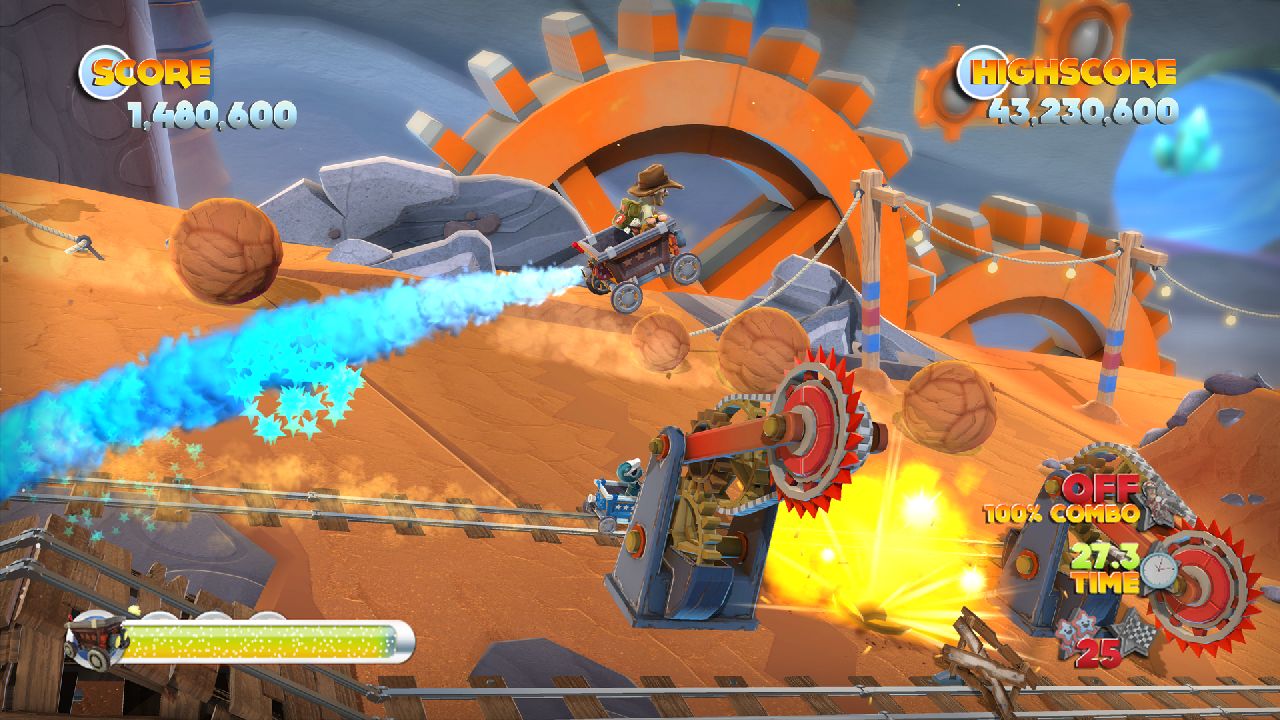
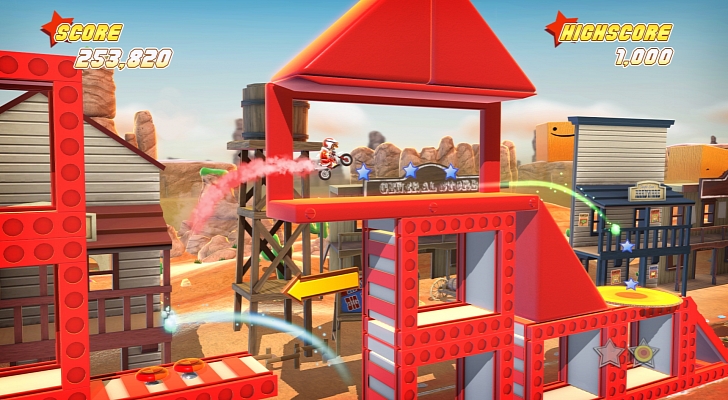
Lights, Camera, Action! The three cliche words that everyone knows from childhood. You will hear these three words over and over again as you restart level after level to itch that completionist OCD. Joe Danger is full of hidden items, trial runs, and fast-paced and tense levels. Joe Danger also has a fun-level editor, but the impatient may not find much in this mode. There are extra deleted scenes for PC users, as well as improved graphics.
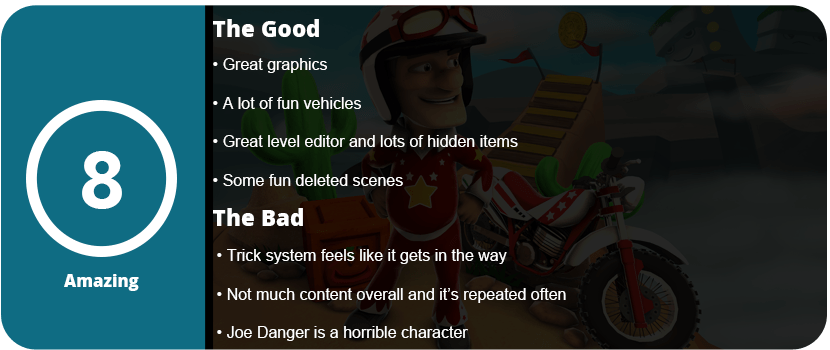
First, I have to say, I hate Joe. He’s an ugly, unlikeable character, and I hated playing as him every second I was in this game. With that said, the game itself is a lot of fun and can be really addictive. As you fly through the levels, you get to use various vehicles. Bicycles, quads, dirt bikes, jetpacks, jet skis, snowmobiles, skis—you name it. They all pretty much feel the same, with just varying degrees of speed, but the jetpack is a lot of fun. As you’re speeding around the levels, you can collect stars, clocks for time trials, letters that spell out DANGER, bananas, hit certain objects, do simple tricks, jump and duck, and an assortment of other little moves. These all add up to exciting and tense levels, but the game doesn’t come without its problems.
Some levels are extremely difficult, while others are way too easy; in fact, most are really easy, but finding every object in the level can sometimes be nearly impossible. If you don’t get every item in every level, you can blow through all six episodes and all the deleted scenes in just a few short hours. The game is light on content. I also didn’t like that some levels can’t be unlocked unless you do other things in the game, like build a level. I’m not a level-builder; I don’t have the patience or time for that, and many other people are the same way. Why lock out content and force me to use a mode I may not be interested in? I also felt the trick system was too simple and just got in the way. I’m trying to duck, jump, dive, and maneuver my way around the level; I honestly don’t need to be bogged down with stupid tricks. I also felt many levels repeated way too often; no manner of rearrangement helped.
These are minor issues, but by the end of the game, you end up getting bored of it. All the tricks and fun run out about 3/4 through, and you end up moving on to the next game. Joe Danger himself may be an unlikable character, but the game is worth every penny for a couple of days’ enjoyment. People who are patient enough for the level editor will find even more value. The graphics in Joe Danger are actually pretty nice, and the PC effects look really good. You don’t need the most powerful rig out there to run it, but the additions are fine.
Overall, Joe Danger 2 is a fun motorcycle physics game and is perfect for people who think trials are too hard. There is enough content to justify the price, and there are plenty of hidden items to find for the completionist. The level editor is just icing on the cake. If the game wasn’t so easy, had too many unbalanced levels, and didn’t have too much repeated content, it could be so much more. The trick system feels like it gets in the way, and Joe Danger himself is a horrible character. Despite all that, this is a great game to relax with.
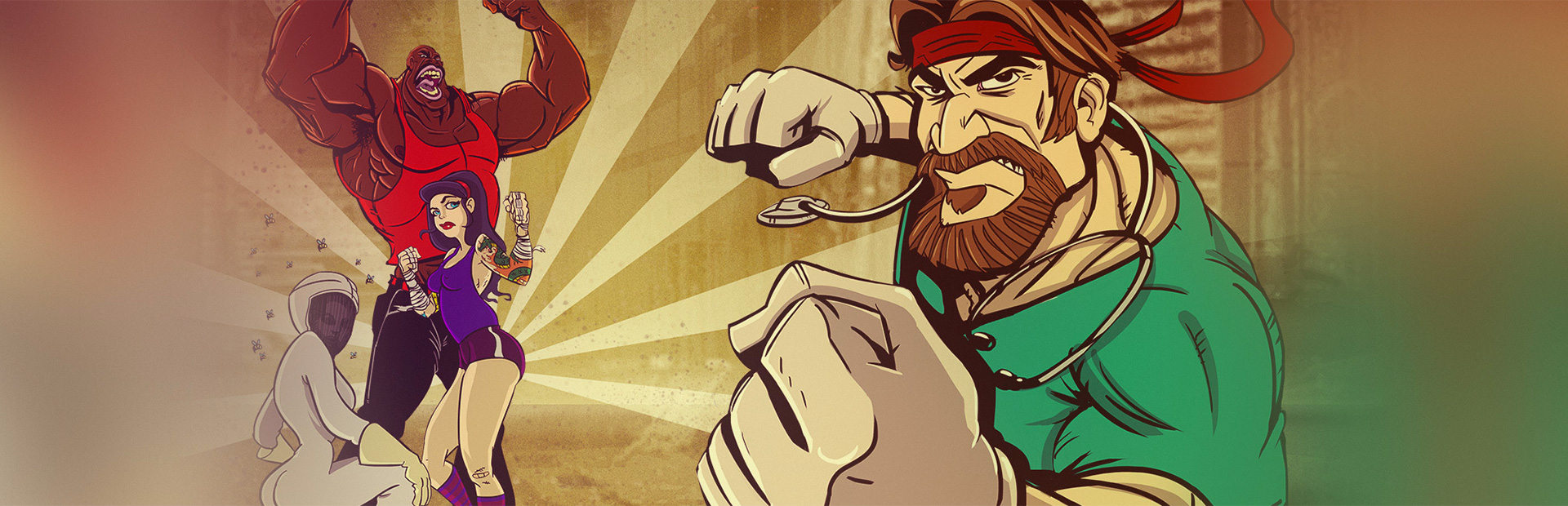
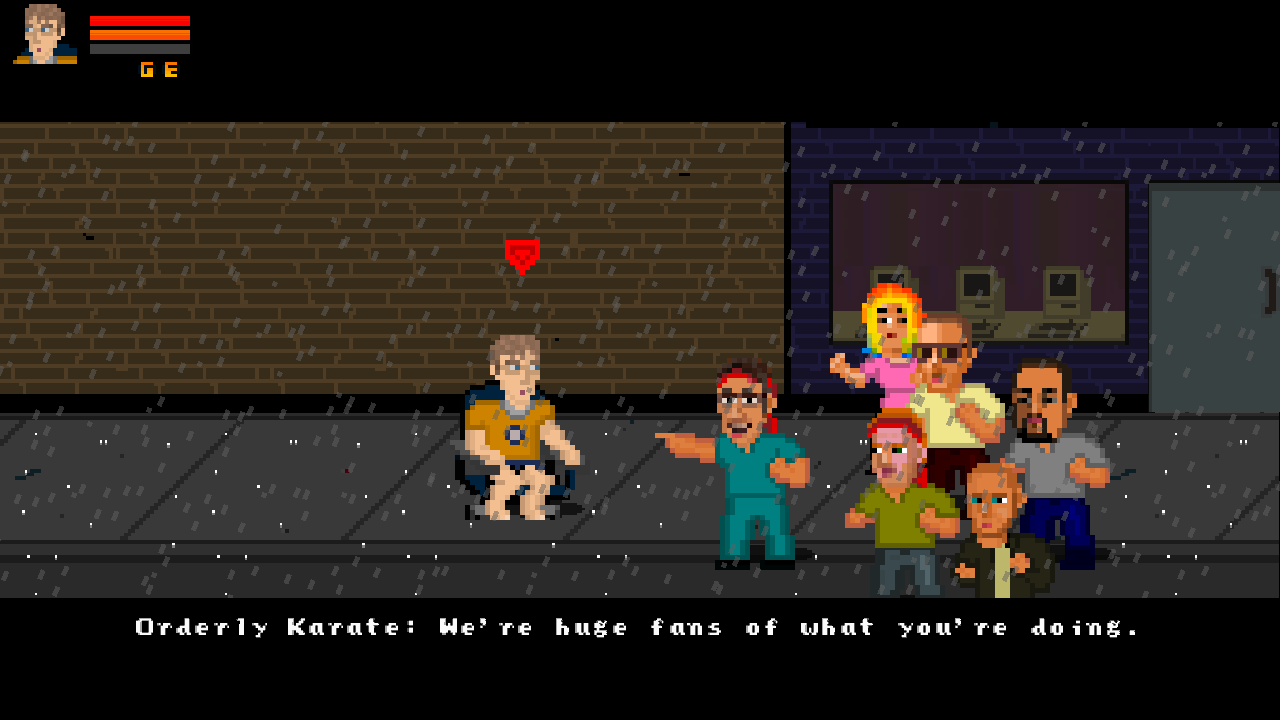
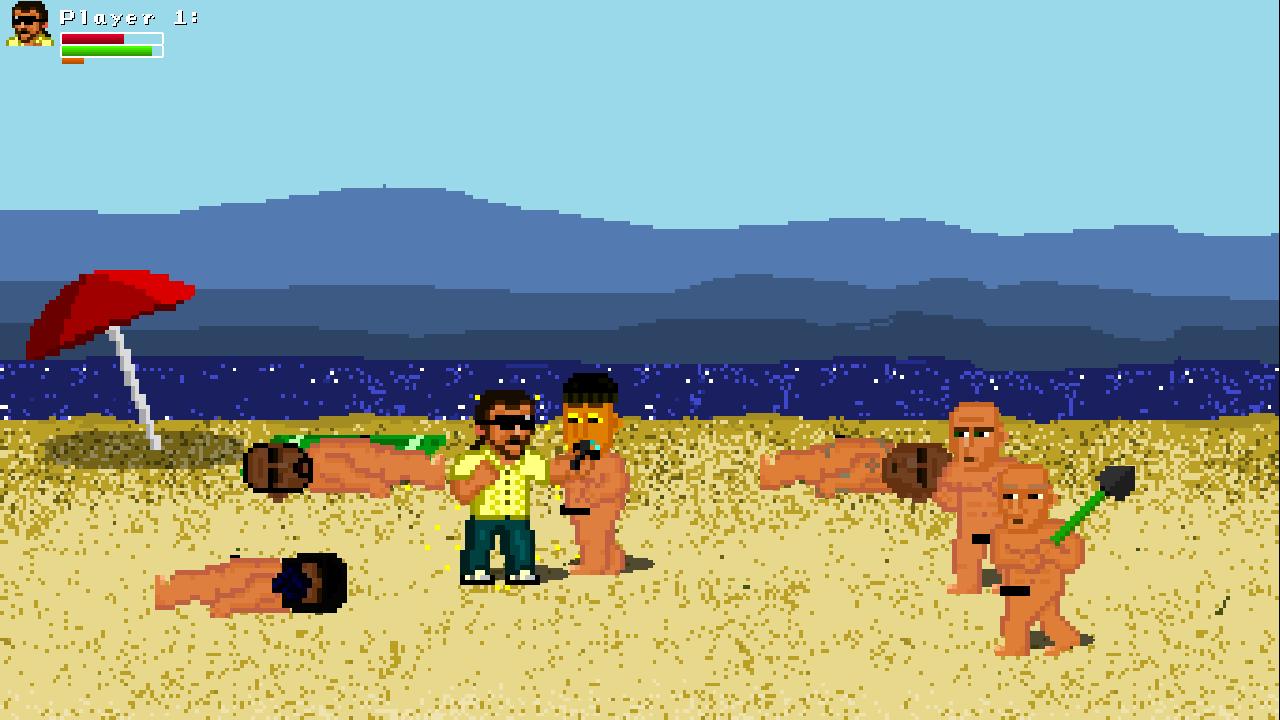
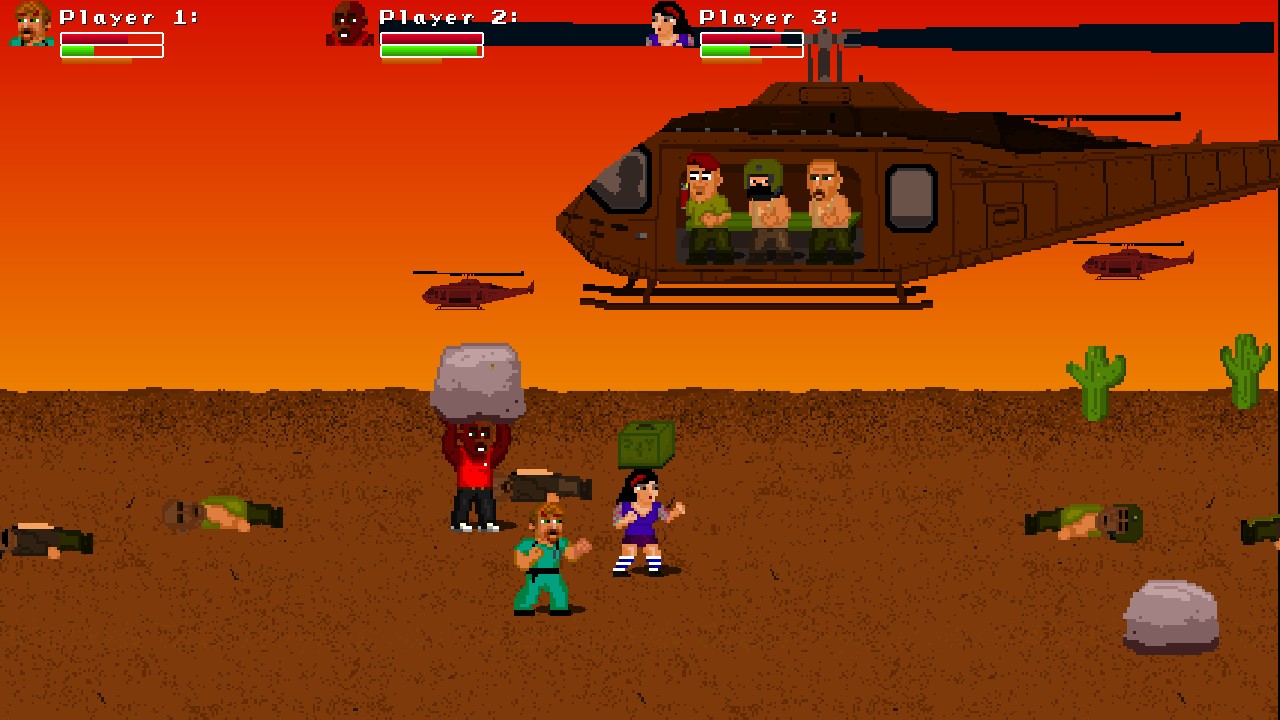
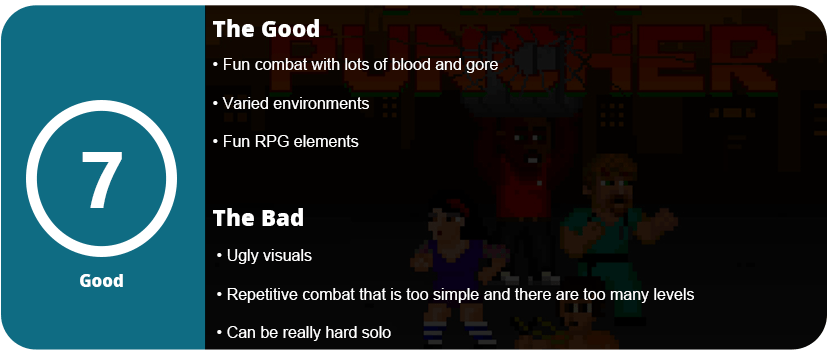
8-bit brawlers don’t really have a large following, but when one comes up, I tend to pay attention. Fist Puncher is an adult-infused brawler with blood, guts, and censored nudity. The story’s nothing special and pretty forgettable, with some lame dialog, but what were you expecting? You can pick one of four characters that have different special abilities. Using the A and X buttons, perform light and heavy attacks while B grabs. Holding down RT allows you to use your special meter and perform a special attack. The one thing Fist Puncher does differently from most brawlers is the RPG aspect.
You can level up with the XP you earned to learn new moves, increase strength, health, etc. Once you start leveling up, the game becomes a bit easier, but early in the game, it is really tough, especially during boss fights and if you are playing by yourself. This isn’t really a single-player game, but it can be done if you are careful. While you’re fighting goons, you can pick up objects, toss them, and collect letters that spell “rage,” which gives you a power boost. The only problem here is that the same letters drop too often, and most of the time you won’t ever spell “rage.” Thankfully, the game has depth that allows you to avoid attacks, but honestly, the combat system is pretty shallow. At least the hits pack a punch, but some enemies take forever to take down.
To advance, you need to complete the many levels on the overworld map. There are a ton of levels, and this leads to repetition, which is one of the game’s biggest flaws. I’d rather have a few levels so I don’t get bored with the game. At least the environments are varied, and sometimes the humor can pull out a laugh or two, but the game really needed more to be memorable. Adult Swim Games have been putting out a lot of quality, quirky games, but they are always lacking something to make them great. Fist Puncher’s 8-bit graphics are also not that great. They are low quality and very ugly, along with boring character designs. Nothing in the game looks fairly interesting or even good, and that is another problem with this game.
As it is, Fist Puncher is a fun weekend play-through with friends on the couch, but nothing more. Some people may not get very far and get bored fairly quickly; others may love it a lot and play through to the end. Despite all the flaws, the game has solid controls, a fun RPG system, and some quirky humor.















































 thebinarymessiah.com
ORC is probably the worst game in the entire series. It's objectively awful. Being bad isn't different. Different is Outbreak…