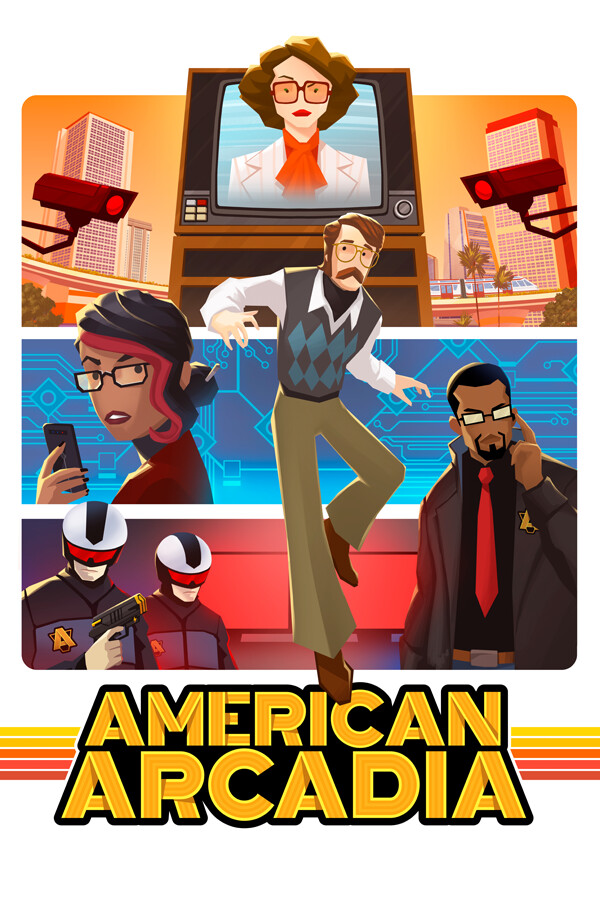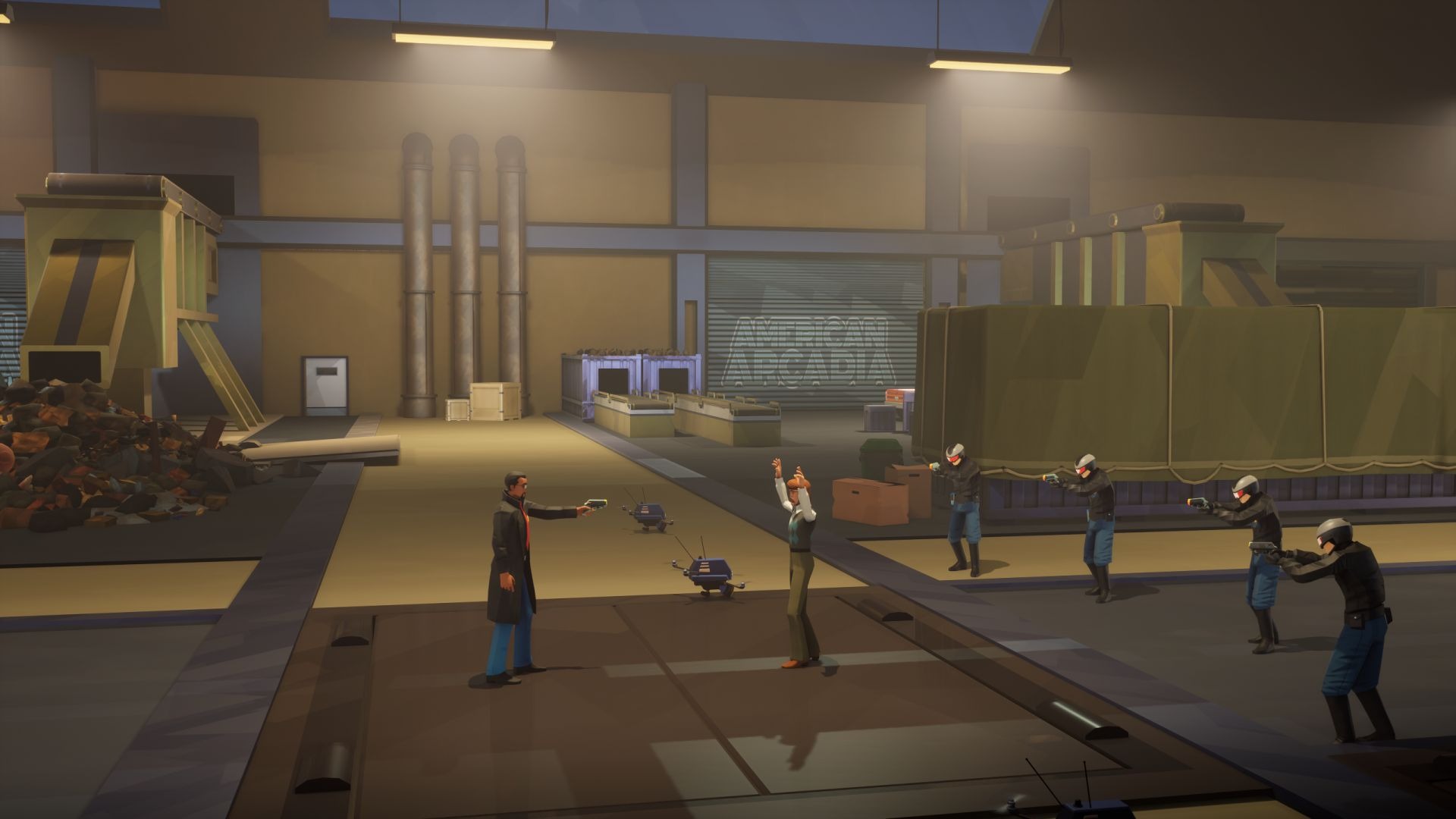
There’s been an ever-increasing discourse between the people and corporate America. American Arcadia takes the worst of the present and shows us the ugly side of being slaves to mega corporations. With clear inspiration from The Truman Show and Walt Disney’s vision of “The World of Tomorrow” and his original vision of Disney EPCOT, American Arcadia is a dystopian trip down 70’s lane with fantastic voice acting, a riveting story, and excellent pacing.
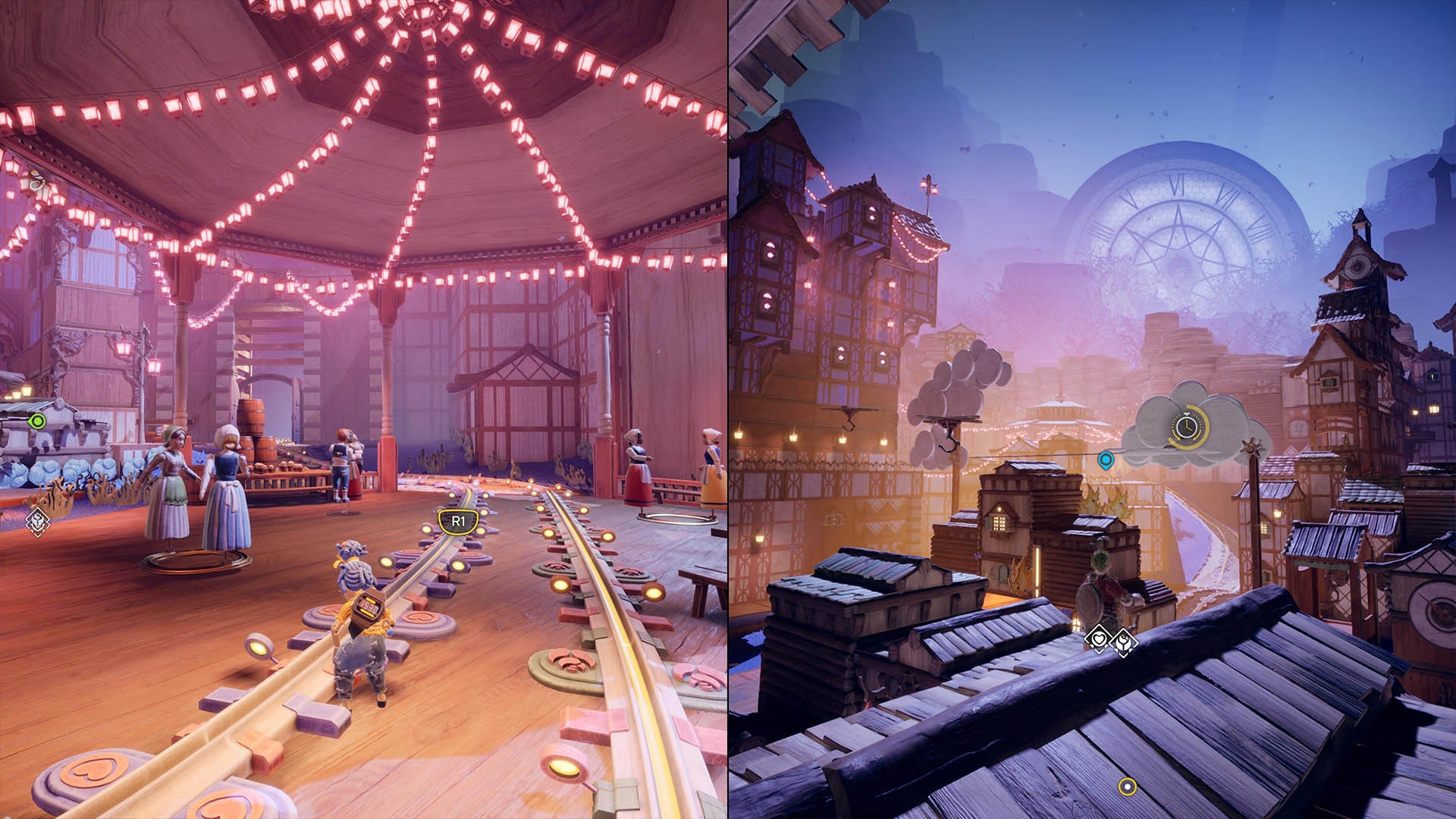
You play as two main protagonists. Trevor Hills and Angela Solano. The game has two perspectives. Trevor’s gameplay is a 2D side-scrolling platformer similar to games like Limbo and Inside, and Angela’s more puzzle-heavy first-person sections have inspiration from 70s spy movies, not too dissimilar from No One Lives Forever, but without any shooting. Angela is a stage tech for the corporation Walton Media (clearly a dig at the Walt Disney Company) who ends up being recruited by an activist group called Breakout, and you end up helping Trevor escape where he lives while trying to shut down the corporation. The game’s pacing is fantastic. The game consistently presents fresh scenarios, never growing stale or monotonous. The story continuously moves and evolves as you play, with events unfolding for each character while you control the other. Many times there will be cool split-screen sections in which you need to do tasks with Angela while controlling Trevor on her monitor. I don’t want to give away too much plot to have the explanation make more sense, but it’s really cool and well done.
Trevor and Angela are likeable characters, and while not super original, they leave an impact, including on the villains. There are sections of the game that teach you organically about the world of American Arcadia, including the lives of Angela and Trevor. Trevor’s sections are full of fast-paced platforming and push puzzles. These are not super complicated, but they are fun and help break up the chase scenes. Angela’s sections include quite a few puzzle types, from sliding puzzles and quizzes to some that are completely unique. This includes mostly hacking things to help Trevor get through areas. This was one of my favorite gameplay ideas. You can press a button to enter the camera mode. The feature changes the perspective of Trevor’s sections, and you must manipulate electronics around him to get past guards and obstacles. Every single scene gives you something new. I can’t state that enough. There were a couple of frustrating sections in which I realized I was analyzing the scene wrong. I made mistakes such as jumping onto the incorrect platform and running in the incorrect direction. Nothing was ever so annoying that I wanted to quit playing. I do think the game should have given a couple of hints if you keep doing the same thing over and over and dying, but again, it’s not a big deal.
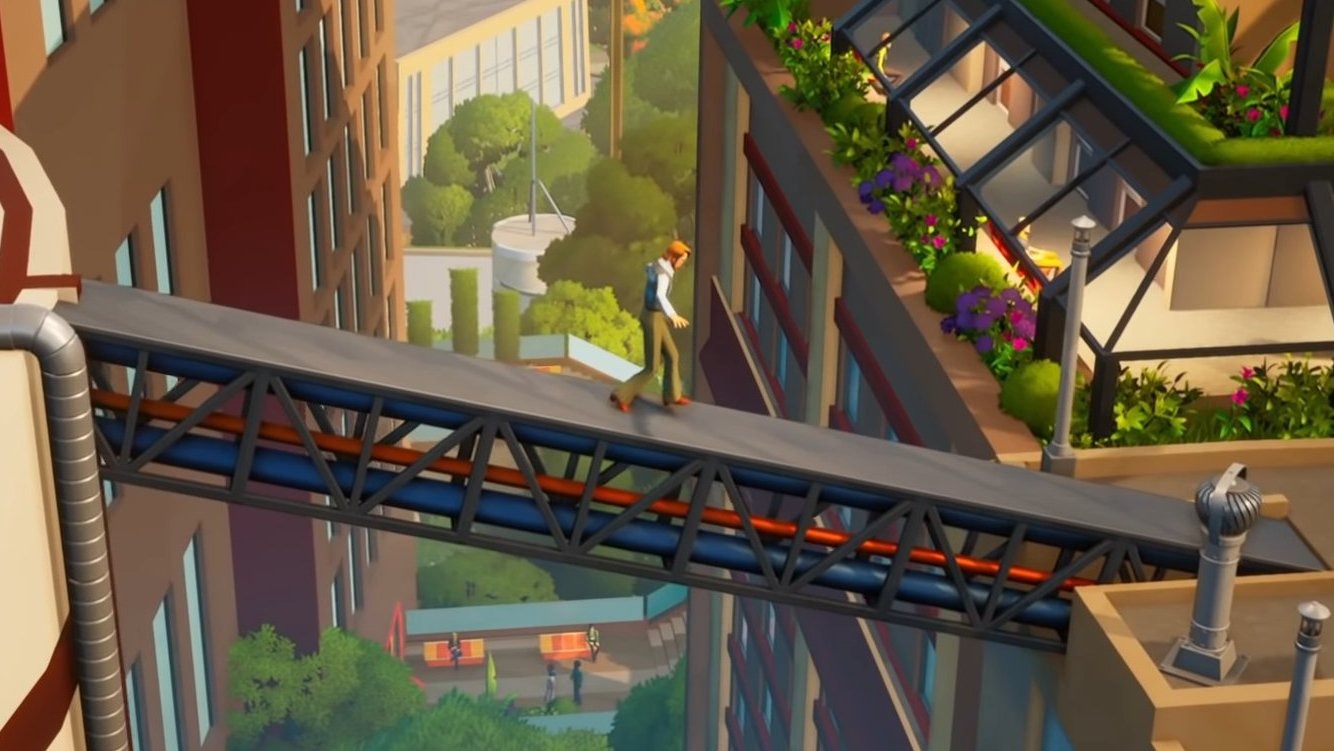
Visually, the game has a fantastic sense of style. Inside of Arcadia, the world is stuck in the 70s. There are a lot of panning vistas of cool interior designs while Angela is in the present day, and it’s all less captivating to look at. I’m not a fan of the character designs. They are very blocky with no noses. It’s a bit off-putting, but the rest of the game looks excellent. I feel the biggest issue is that the game is too short. Depending on how much you struggle with the larger puzzles, you can finish the game in about 4-5 hours. While the entire game is explained well and feels like nothing is left out, I wanted to know more about Angela’s childhood and backstory, as we get to know mostly about Walton Media and Trevor.
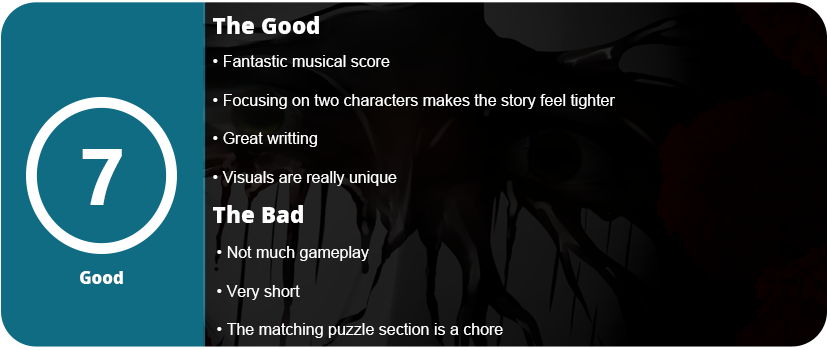
As it stands, American Arcadia is one of the best games in this category. With constantly evolving gameplay ideas, fantastic voice acting, a riveting story with twists and turns, and a delightful art style, there’s not much you can’t like. Going between Trevor’s 2D sections and Angela’s first-person sections is a lot of fun, and you never know what’s coming next.
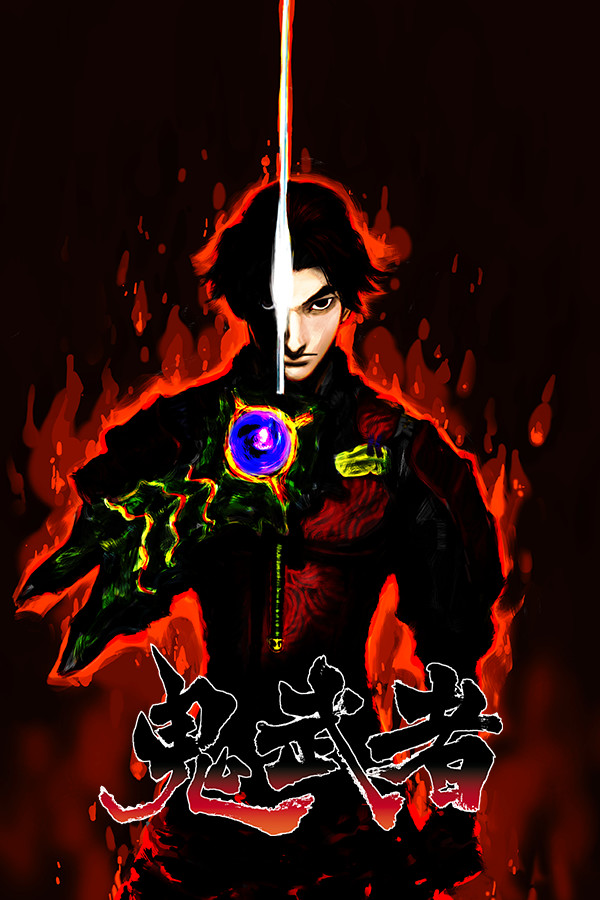
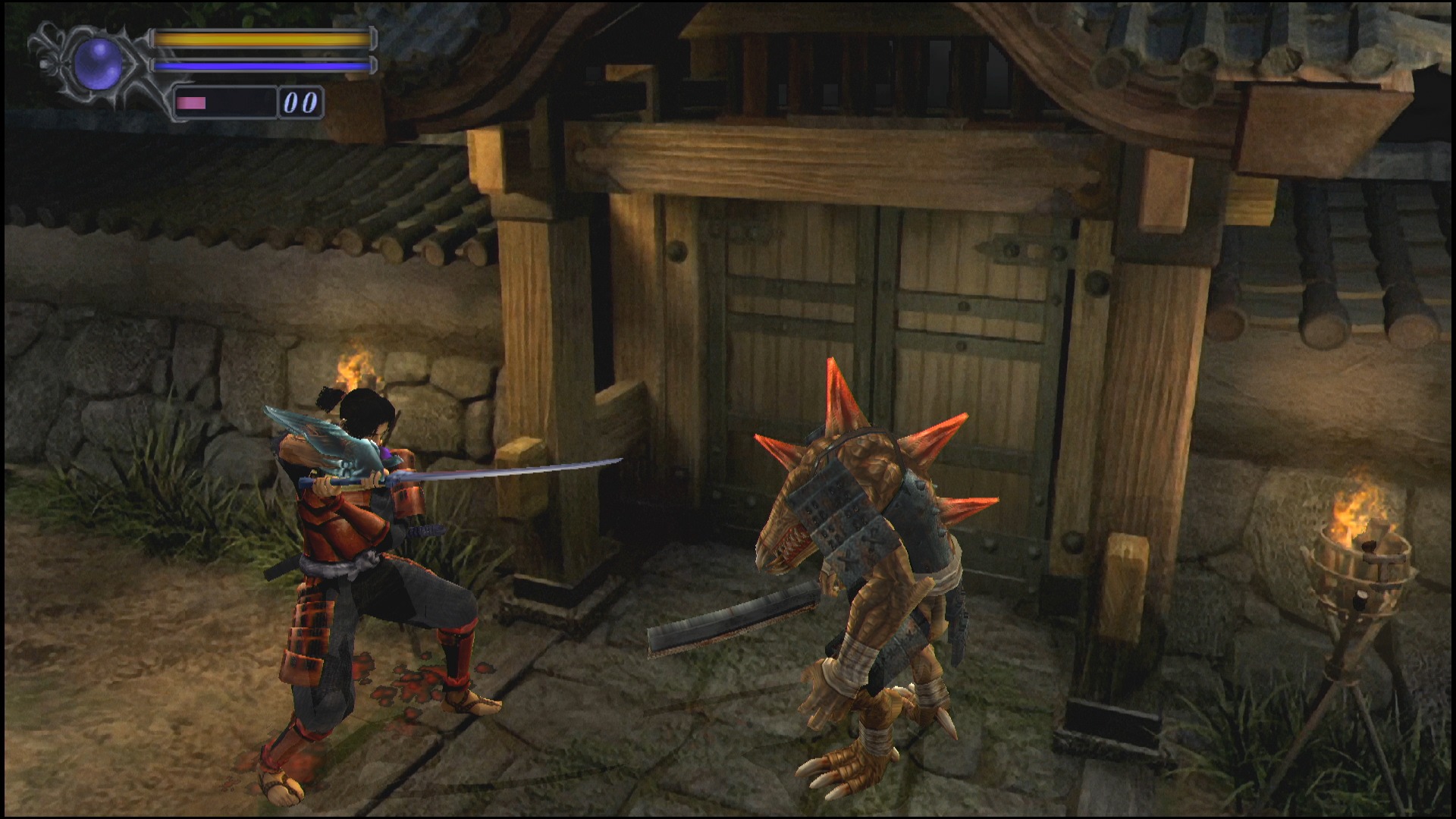
Onimusha was a third-party PlayStation 2 exclusive franchise that did very well back in the day. I remember seeing these games on shelves for years at Blockbuster and game stores, and they never caught my interest until the third entry. Onimusha can be described as a Samurai-themed version of Resident Evil, featuring 3D polygonal characters set against pre-rendered backgrounds and utilizing tank controls. In 2019 an HD remaster was released that vastly improved the game and made it more playable thanks to modern enhancements. These include things such as up to 1440p resolution, texture filtering, a 16:9 aspect ratio, re-recorded voice acting and soundtrack, and improved controls. You can now control characters with the left analog stick, which removes the tank controls. You can also switch weapons on the fly rather than through menus, like in Resident Evil. This bumps the score up quite a bit and makes it enjoyable to play.
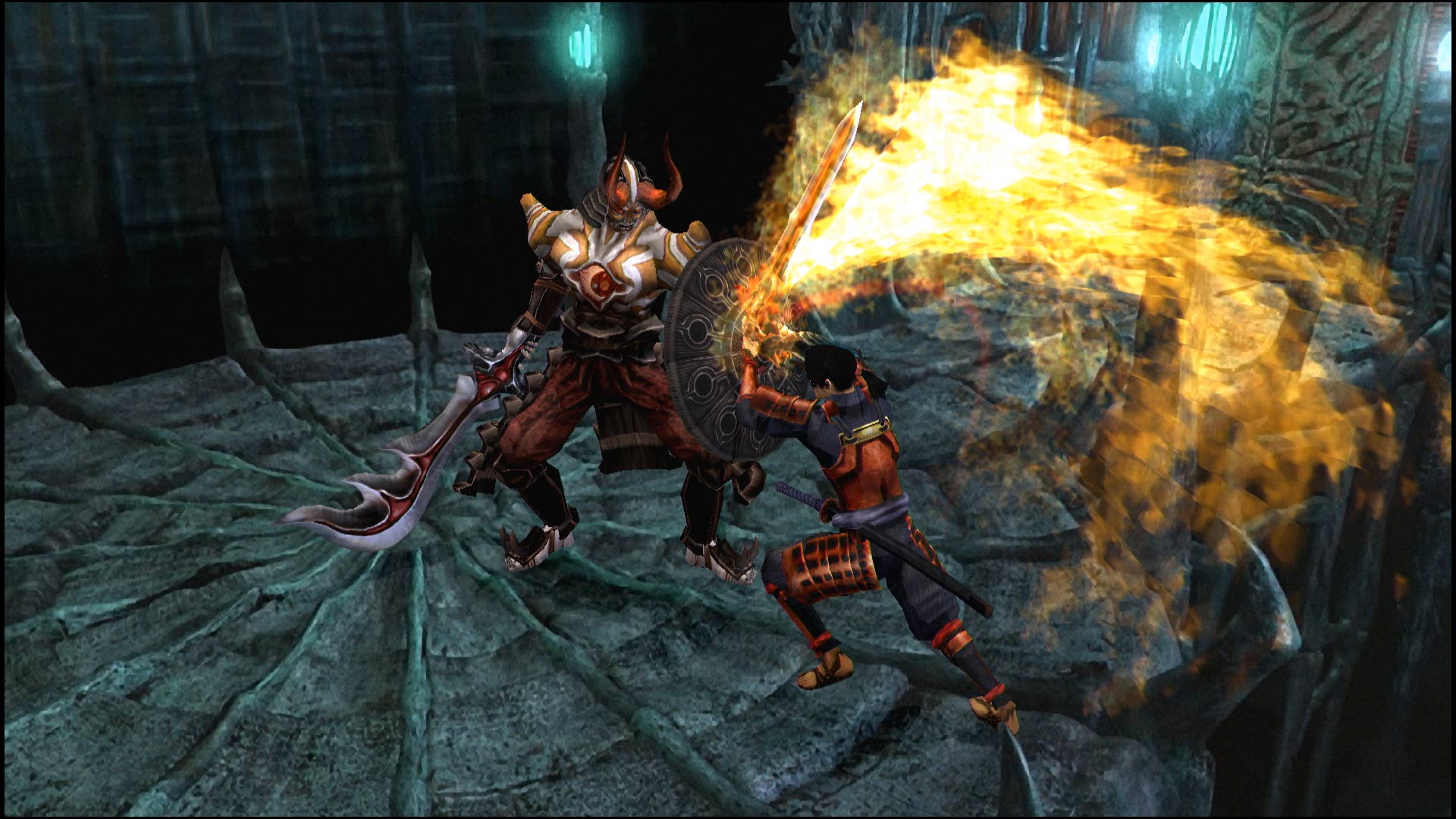
You assume the role of Samanosuke, a samurai whose clan is engaged in a war with Oda Nobunaga. Oda is killed in battle, and he swears allegiance with demons to come back to life and take over Samanosuke’s clan. Given that a quick run-through of the game takes around 4-5 hours (3.5 hours with a walkthrough), the story is extremely thin and lacks interest. There’s not much time to tell a good story. Unfortunately, the characters lack depth and backstory, making it difficult to care about them. The boss designs are cool, but the enemies feel like generic zombie samurais and monsters. The only really cool design is Guildenstern, who feels like something straight from H.R. Giger. The enemy variety is enough for this type of game, as you need to learn enemy attack patterns, so too many enemies would make the game more unbalanced.
The combat consists of a single attack button. You can lock on to enemies and do three-hit combos as well as block. It’s punchy and feels excellent and each of the three weapons feels excellent to use. Enryuu is a heavy flame sword, Shippuu is a swift double sword, and Raizen is a medium-speed short sword. Each weapon has an elemental attack attached to it that does massive damage and uses blue magic, so you only get a couple of uses, and each weapon has its own meter; it’s not a shared pool. You can gain more magic only from enemies dropping orbs or magic fountains near save points. Therefore, you should utilize it sparingly against bosses or to overcome challenging situations. You also use these magic powers to unlock doors to progress through the game. You must upgrade your magic first, or you’ll be stuck and have to grind. Enemies do respawn, which is annoying, but it’s needed to gain more red orbs to upgrade magic and weapons.
Armor isn’t upgradeable, but you can find two different sets of better armor in the game, but they are locked behind some puzzles. Some of the best items and jewels, which are used to upgrade max magic and health, are locked behind puzzle boxes. Books provide clues, but they can be hard to interpret. The map system is quite adequate, allowing you to either consult a labeled map online or create one yourself. Like Resident Evil, you need to memorize landmarks to get around the game, as every room has a fixed camera angle. There is a bonus arena mode in which you descend 20 levels of waves of enemies to get a key to unlock the strongest sword in the game, but it’s not until just before the final boss, so this is mostly useful for second playthroughs. The arena is incredibly challenging, so I recommend playing the game on easy first and then doing another playthrough on a harder difficulty.
Overall, Onimusha was a good attempt from Capcom to create another sub-genre of their Resident Evil games, and it was mostly successful. A simple but solid combat system, fun and challenging bosses, and well-designed levels will give you a fun weekend. Just don’t expect a complicated story and captivating characters.
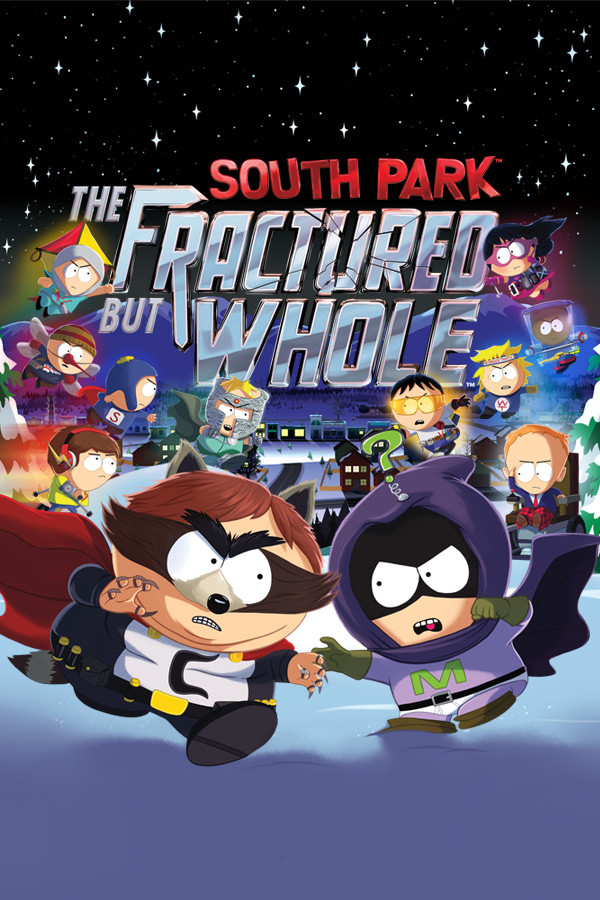
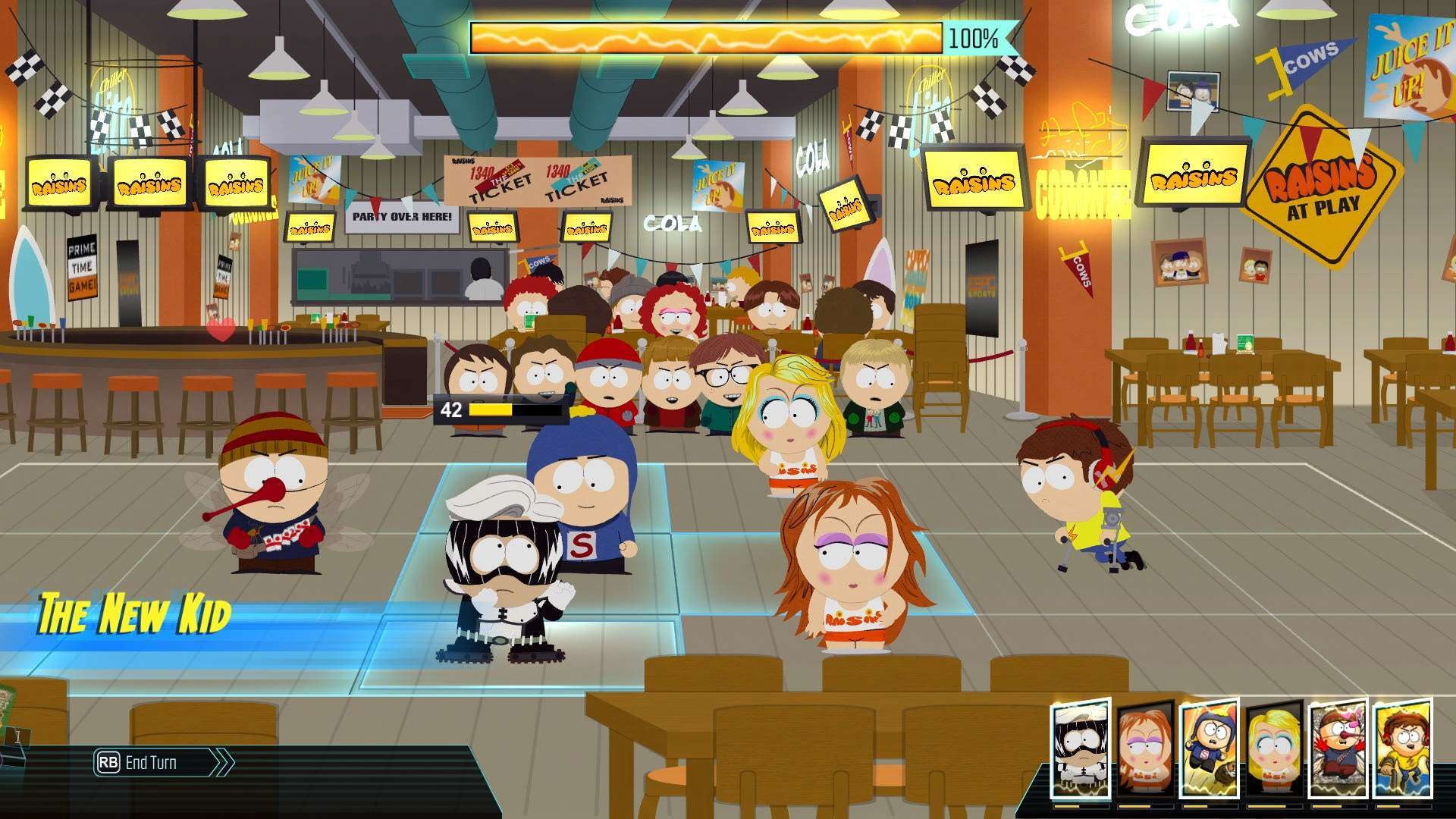
South Park has had a reputation of having terrible games in its repertoire. In fact, South Park on the N64 is considered one of the worst games ever made. The studio redeemed itself with The Stick of Truth in 2014 and delivered a fun turn-based RPG that kept the look and humor of the shows. Critics praised it for evoking the experience of playing an actual show. The Fractured But Whole carries on this tradition, introducing a fresh narrative and featuring the character of the New Kid, also known as Butthole or Butt Lord. Sadly, the game feels more like an expansion on the first game rather than an entirely new game. We get the same South Park map, nearly the same locales and shops, and the gameplay is mostly unchanged. The studio didn’t do much to address many of the concerns from the original, either.
You start out by creating your hero to look like a South Park character. You are a voiceless protagonist again, but I wish I could actually play as one of the main characters here. Once the plot is dished out, you can go explore South Park. Unfortunately, the map remains largely unchanged. Until you acquire different fart powers, various areas remain blocked. Your primary superpower is the ability to produce potent farts that have the capacity to alter the course of time and space. You eventually acquire various abilities that allow you to reach higher places by using small fans. You can use Captain Diabetes to knock over objects with green bases. You can unlock the electric door by having Butters…shove a hamster up your butt and then fart it out, which will short out the circuit. You couldn’t make this stuff up if you tried. You also have the power to have Toolshed shove a hose up your butt to act as an air compressor to blow debris away. Usually this is in the form of the lava Lego bricks that block paths early in the game. Exploration is mostly for finding crafting parts, which are hidden in various objects with gold handles or lids. You can also go around collecting Yaoi posters or find Big Gay Al’s hidden cats with pink scarves.
Exploration can be fun early on, as there are many areas to unlock, and you will always wonder how to get to certain spots. Once you get towards the end of the game, the entire town will be accessible. There are various vending machines that allow you to buy costume parts, artifacts, consumables, and crafting parts. You also have a social media presence on Coonstagram, so you can walk around and take photos with South Park characters to increase your following. This mainly just allows you to complete your character sheet. Mastery in various areas will unlock some rewards. Certain characters won’t take photos with you until you meet certain criteria, like finishing a side quest or main mission. There are also toilets you can poop in to play a mini-game. Honestly, all of these things are superficial and don’t really add substance to the exploration, but it’s better than nothing.
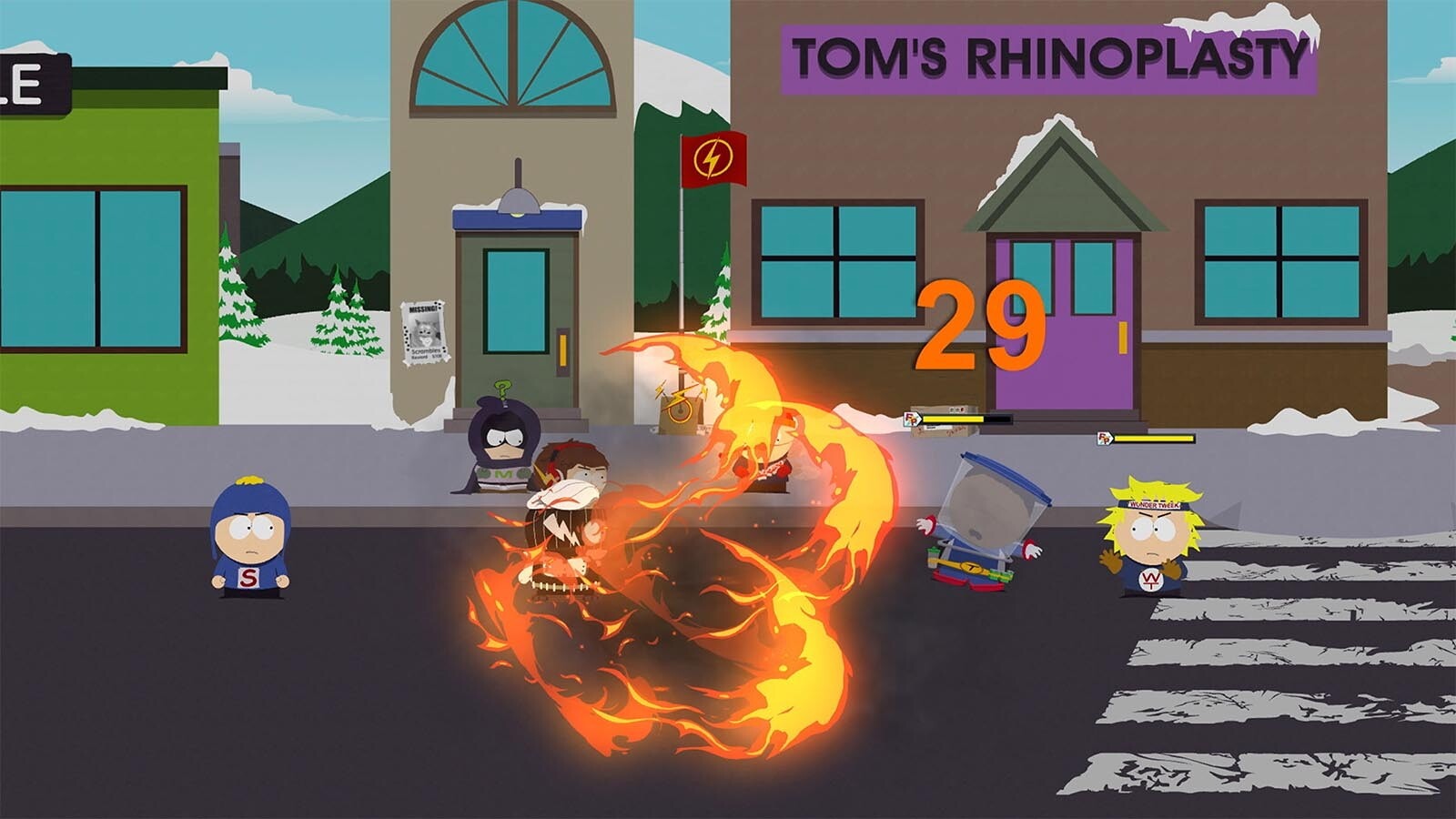
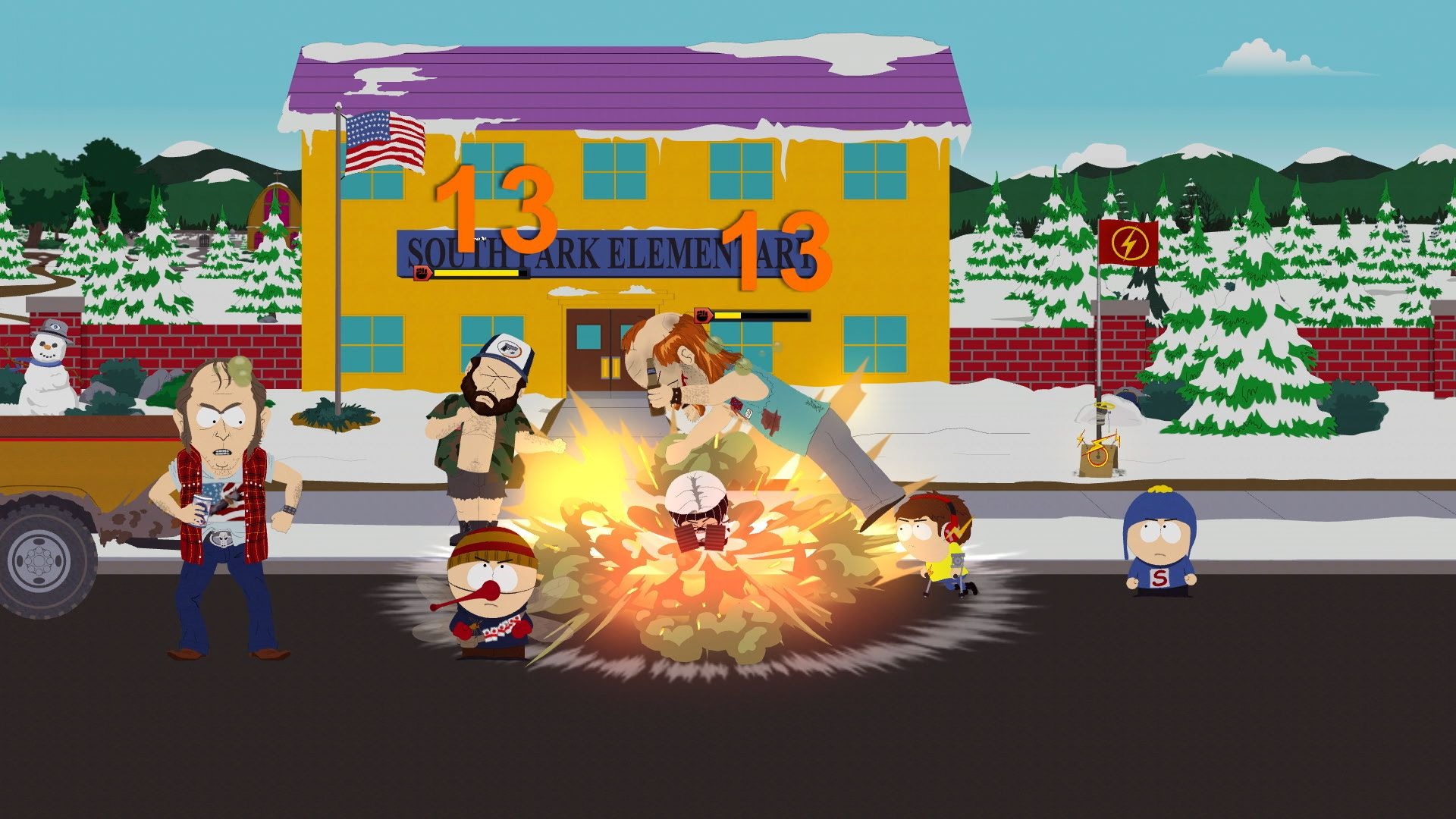
This game primarily focuses on combat, dividing each area into squares. Each character has different attacks that can reach certain grids based on what kind of attack it is. Some attacks move in specific lines, such as Toolshed’s drill attack, which is diagonal in both directions. Certain attacks have the ability to knock enemies back, which can result in additional damage if an enemy is standing behind them. Certain attacks have the ability to penetrate through enemies, while others require you to be in close proximity to them. To be honest, I don’t think the attacks are well balanced. There are three different power attributes: brain, brawn, and spunk. There are several superhero classes, including assassins, brawlers, plantmancers, and psychics. These are generic classes, and you can pick and choose abilities after selecting your class. Each class also possesses an ultimate ability. This ability is a yellow bar that builds up when hit, and when you are hit, you can press a button in time to give yourself a small health boost and advance the ultimate meter further. The ultimate meter is essential to winning longer and tougher battles.
Like in the previous game, there are positive and negative status effects. Bleeding, gross out (poison), attack and defense up or down, but positive status effects take a back seat over negative. There aren’t many abilities that give you positive effects. This illustrates my point about the powers being poorly balanced. There are very few healing abilities, and most of them feel useless. It is rare to find abilities that can heal your entire team, as healing individual characters becomes challenging when there are four or more characters on screen. There are consumables you can use for this, but items that give you more health as you go on are pricier and harder to come by, just like any RPG. You at least fully heal after each battle, and effects don’t carry forward. I found the attack patterns to be mostly annoying and attributed them to the balance issue. A lot of damaging attacks require you to be in front of or in line with the enemy. I wish there were more abilities that allowed you to attack from a longer distance. Some abilities feel useless when the grid layout just doesn’t work in your favor. I feel the grid needs to be wider so more characters can get in direct contact with the enemies. It’s not always a problem, but if you balance your abilities and party, you can avoid this, mostly. You can complete side quests to unlock summons, which are craftable items that can heal or do damage to the entire grid.
I also discovered that the story mode primarily focuses on boss rushes in the last half. You will run into various groups in the show, such as the Raisins, Rednecks, Ninjas, Sixth Graders, and so on. Each group has certain abilities you need to remember, and you need to pick the right party members to counter them. Some enemies will have attacks that require a countdown before they can be executed and cause splash damage. Some enemies are incredibly powerful and can swarm you. I appreciated the variety of bosses with different win conditions, such as escaping or pushing enemies toward the boss, as that is the only way to deplete its health. The biggest gripe I have about the combat is how slow it is. There are many funny quips and one-liners from every character, but the turn won’t start until they finish their line. You can’t speed up battle in any way, and ultimate animations aren’t skippable. Thankfully, a lot of the smaller battles that are around town don’t respawn, but you need to do side quests and fight everyone you can to get a high enough rank.
This game is equipment and rank-based, and you don’t acquire levels. Each rank unlocks an artifact slot, and your artifact rank determines how powerful you are. By the end of the game, you will need to be ranked at 800 or higher to fight anything. Each mission has a rank level next to it that must be met, or you will quickly die. You can obtain artifacts by fighting bosses, scrounging around, or crafting them once you find the recipes. You must fight as much as you can to increase your rank to unlock new slots. It’s really annoying how restrictive the game is, but thankfully I didn’t run into not being ranked up enough, as I did do most of the side quests and fought everyone I could see. Different artifacts will increase their stats based on the build you have. Costumes are cosmetic only.
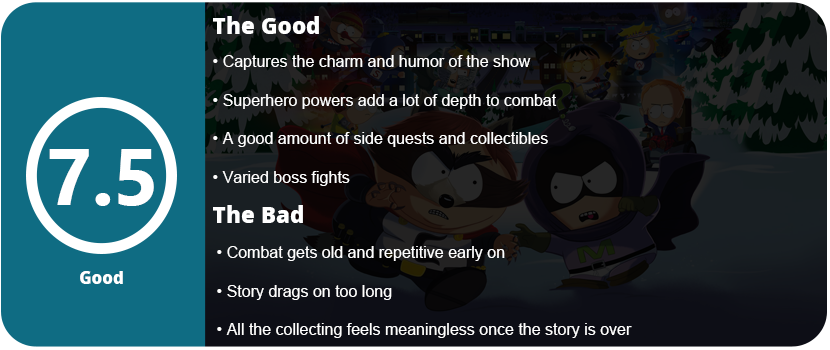
As the story progresses, the game feels dragged out. I feel there are many battles that are just there for fan service and don’t actually add to anything. The story is also similar to The Stick of Truth in that it’s nothing special and just feels like a typical South Park episode. That’s fine and all, but for a game, I wanted something a bit grander and more original. The game’s story relies too much on fan service and rehashing old story arcs from the TV show. Overall, The Fractured But Whole is a delightful superhero take on the formula but doesn’t do enough to advance the series or change much. If you didn’t like the last game, then this one won’t change your mind at all.
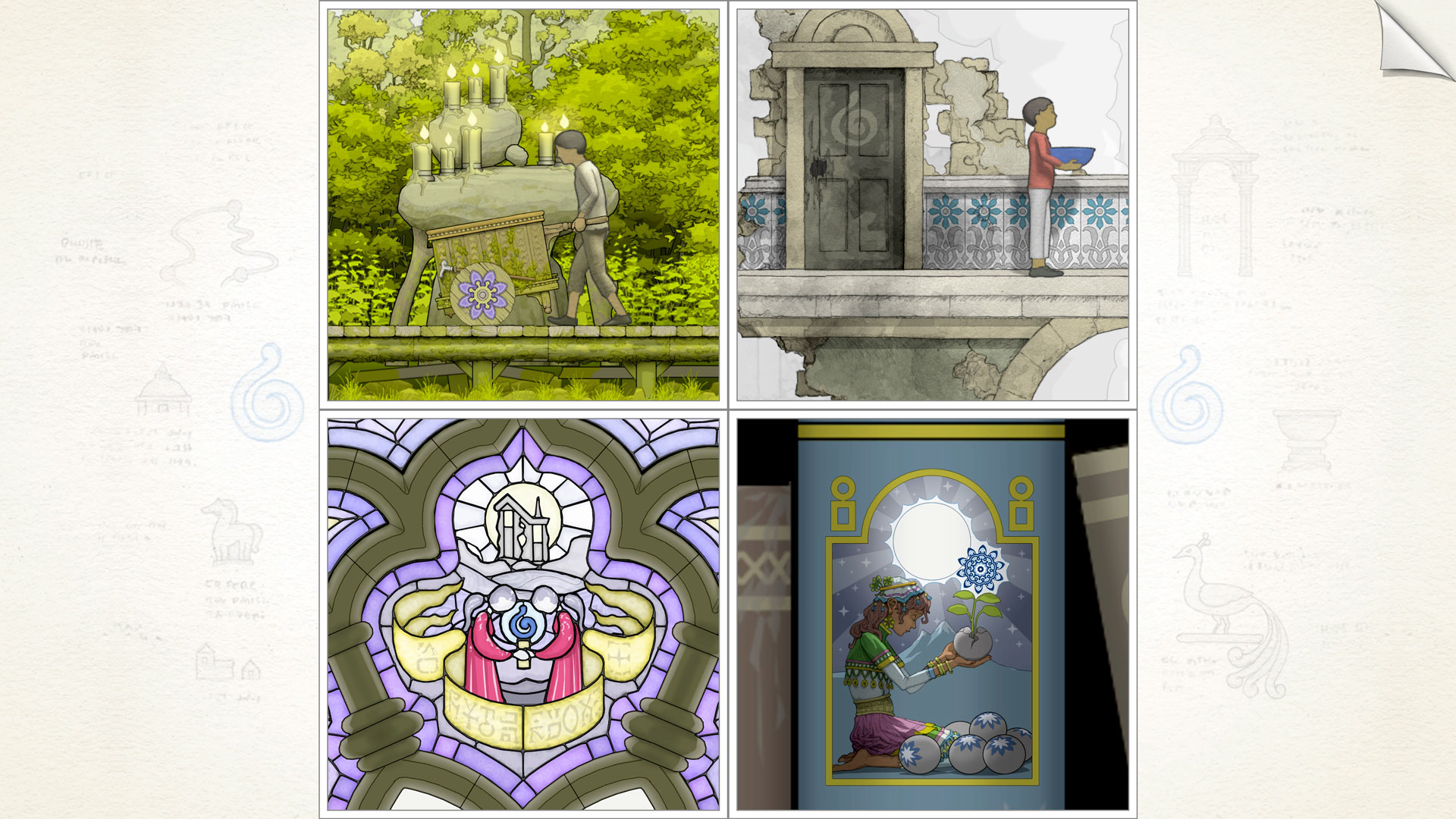
Gorogoa is a puzzle game I have avoided for years. All for two reasons: It’s incredibly short, and I thought the game would be so abstract that it would be extremely obtuse and difficult to play. I was mistaken, indeed. Gorogoa only takes 90 minutes to 2 hours to complete depending on how stumped you get. The first two chapters of the game ease you into the concept of the entire thing. The story primarily involves following a boy during wartime as he collects different colored fruit to complete an artistic masterpiece. At least that was my interpretation of the story. There isn’t a single piece of written dialogue in the game, so you must use your imagination to get the story across.
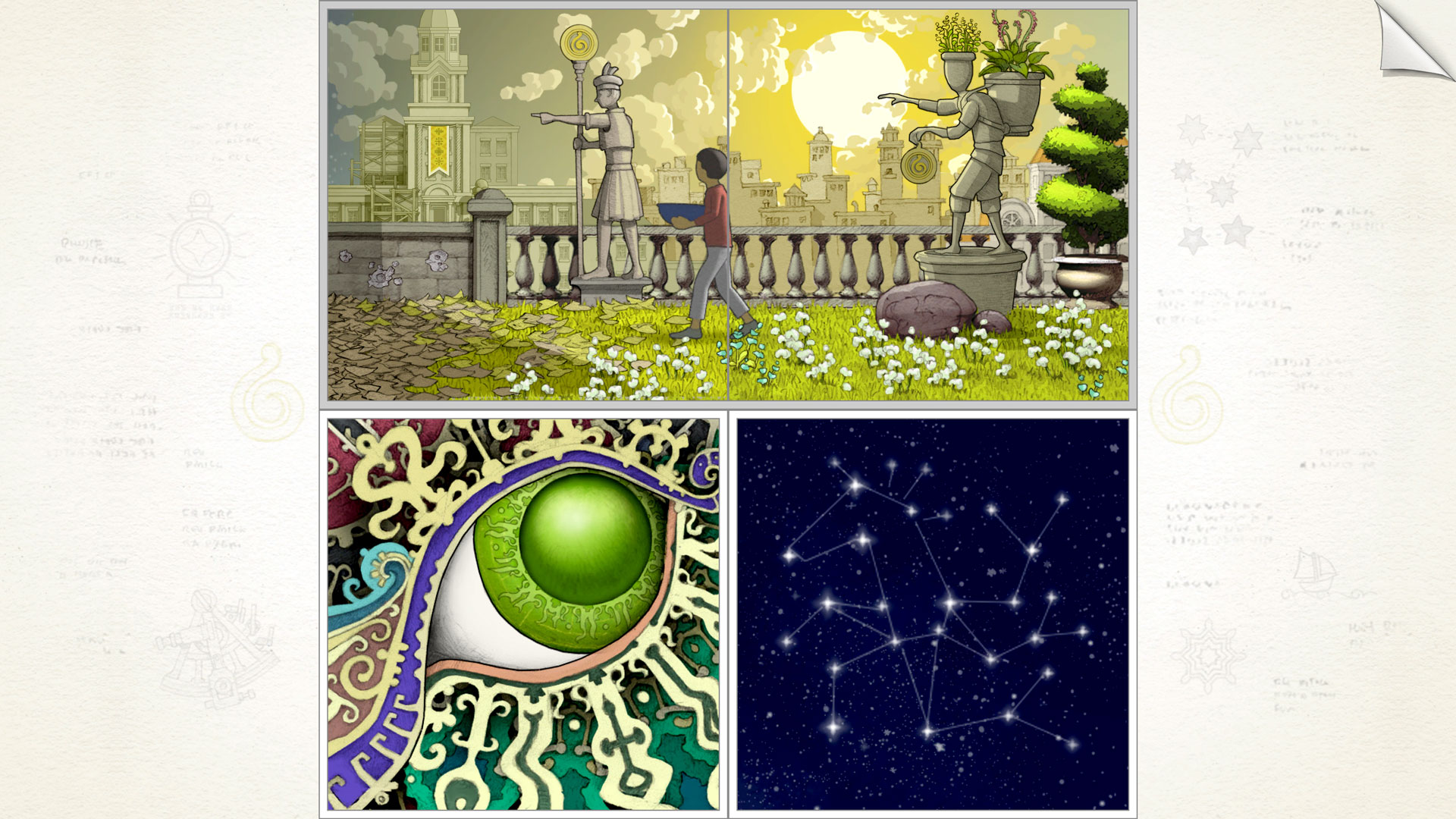
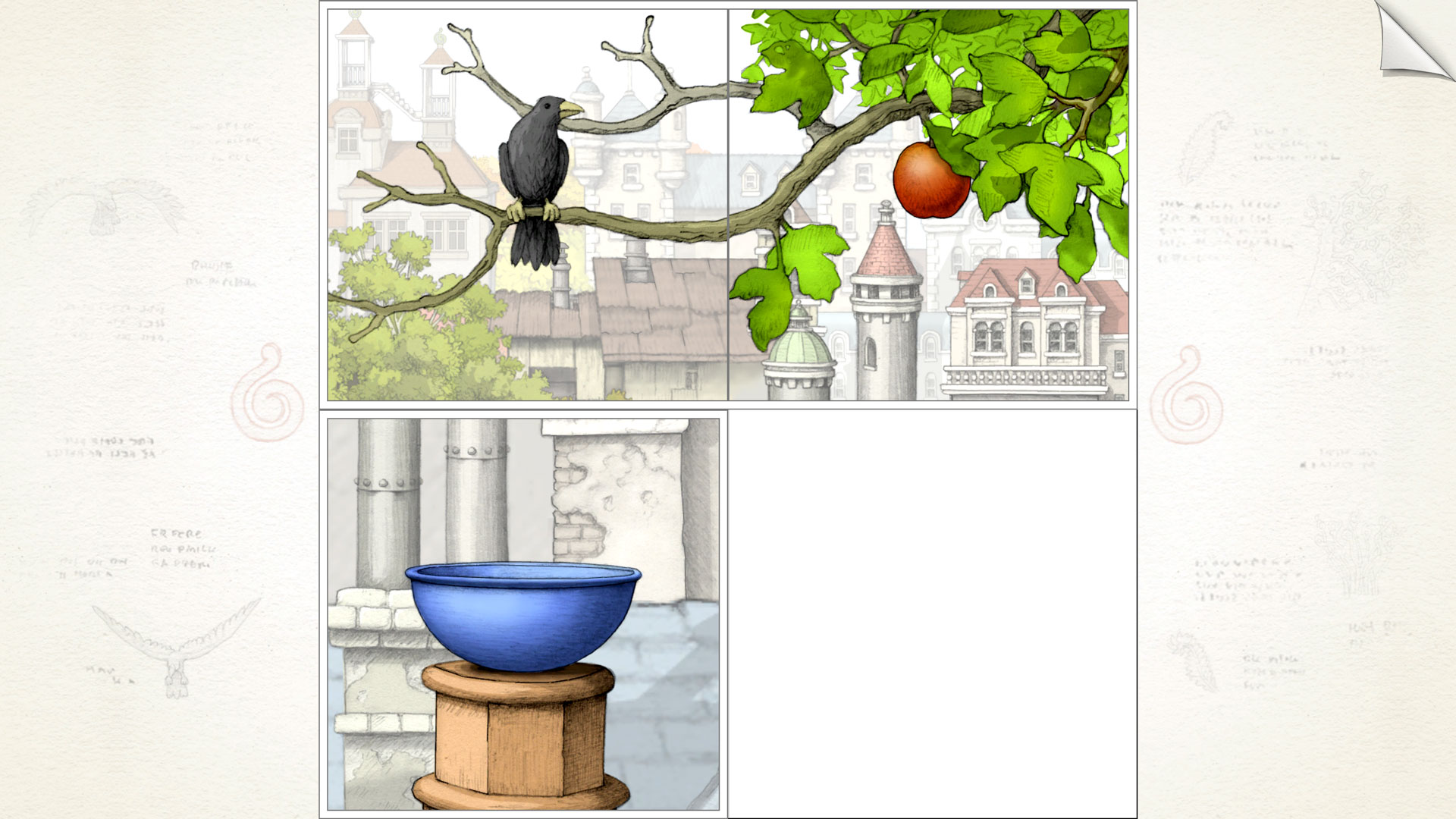
You have four tiles you can move pieces around on. Each tile is a moving picture. An hourglass icon will appear when an animation is playing, indicating that you cannot interact until the animation concludes. You can then click the tile, and blue flashes will appear over the part you can interact with. You can then zoom into the area, and occasionally you can zoom in multiple times, altering the perspective of the tile. Many times you need to find a “frame” to pull out of the tile and put to the side. Usually, another tile lies beneath this frame, requiring you to zoom out to reveal another puzzle piece. Occasionally you can pull multiple “frames” from the same tile and then zoom out and around on the frames as well. This procedure seems confusing in writing, but in practice it works really well. This reminds me of games such as echochrome, which challenge your perspective and encourage unconventional thinking.
Some puzzles will require you to move the boy from one frame to another. You can usually guess which one by matching the surroundings around the boy as he walks down a staircase. A doorframe might be the “frame” you pulled, and you need to zoom in and out of the frame the boy is in to figure out where to put the doorframes so he can continue towards the fruit. There are some puzzles in which you need to have an object interact with multiple frames, such as a box of rocks needing to be turned into a giant boulder to break glass. Perspective comes into play when matching tiles to determine which way the boulder should go. In chapters four and five the scenario gets more complicated with the need to rotate tiles, and you have several areas you can zoom in and out of in a single frame.
You get a lot of Eureka! moments if you just zoom around and fiddle around a bit. A couple of times, I understood the concept or knew the goal, but reaching it was challenging. I won’t blame the game for this, as it could just be my thinking, as these puzzles are very well designed and extremely clever in using perspective. I couldn’t find much to really nitpick at apart from the rotation animations need to fully play out before you can zoom in and out. I wish there was a skip animation button to expedite the tile rotations, enabling me to solve the puzzle before losing my focus. I found that the music stopped a little too frequently, and while it was good, I don’t quite understand why this was the case.
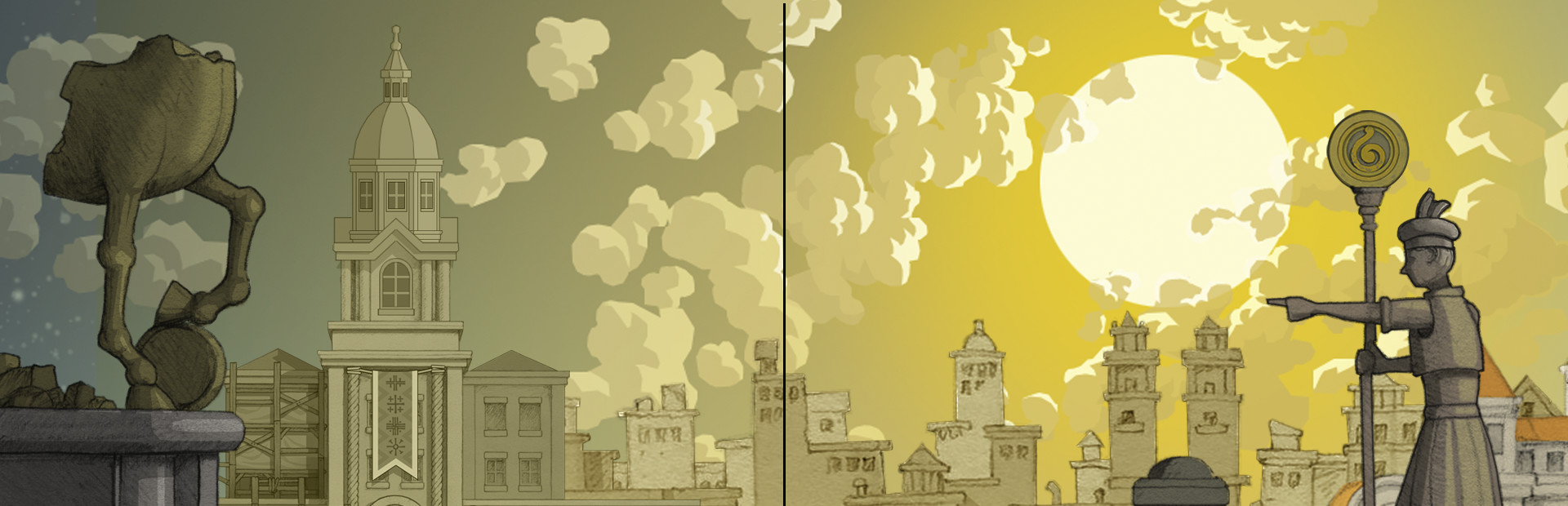
The artwork is fantastic, and the game is one of those games that feels like interactive art. The colors really pop on OLED displays, and I was surprised at how well this game scaled from a small screen to an ultrawide monitor. While the playspace is just a 4:3 box for the four tiles, the space around it has been scaled out to accommodate the empty screen space. The space it utilized resembled a sheet of paper. I was also surprised at how well the controls worked, from a touch screen to a touchpad to a mouse. However, this is a game that will not work with traditional controllers. There’s too much sliding around the tiles, and this would get frustrating quickly.
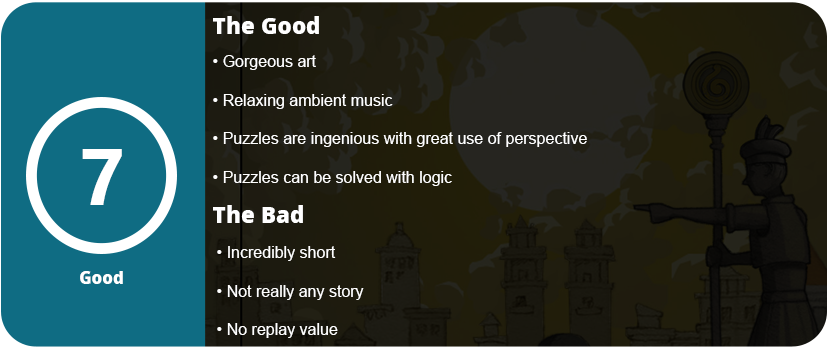
As it stands, Gorogoa is a gorgeous and clever puzzle game with lovely ambient music and enough puzzles to really make you think; however, basic logic will give you that Eureka moment and give you just enough of a serotonin hit to keep going. Though the game ends too quickly, it’s a great work of art that puzzle fans should play.
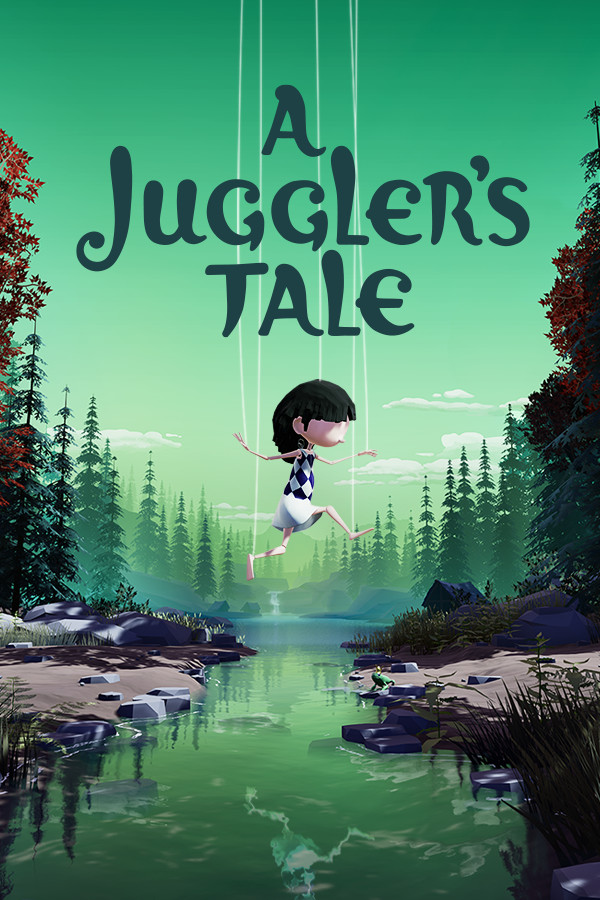
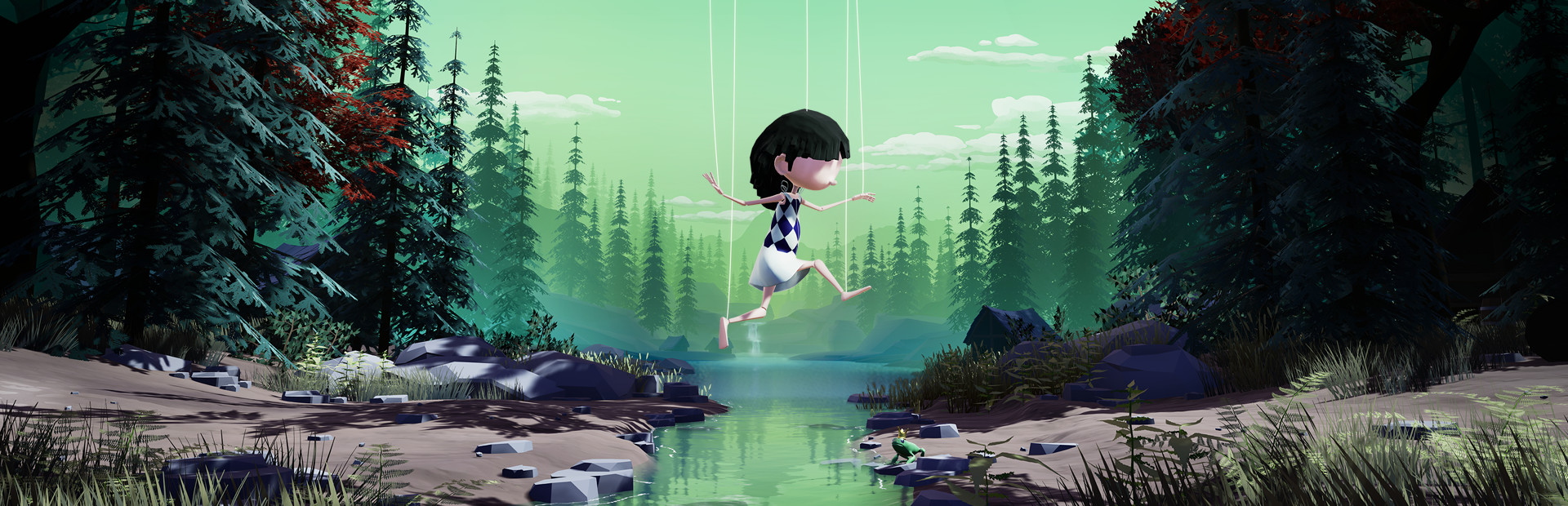
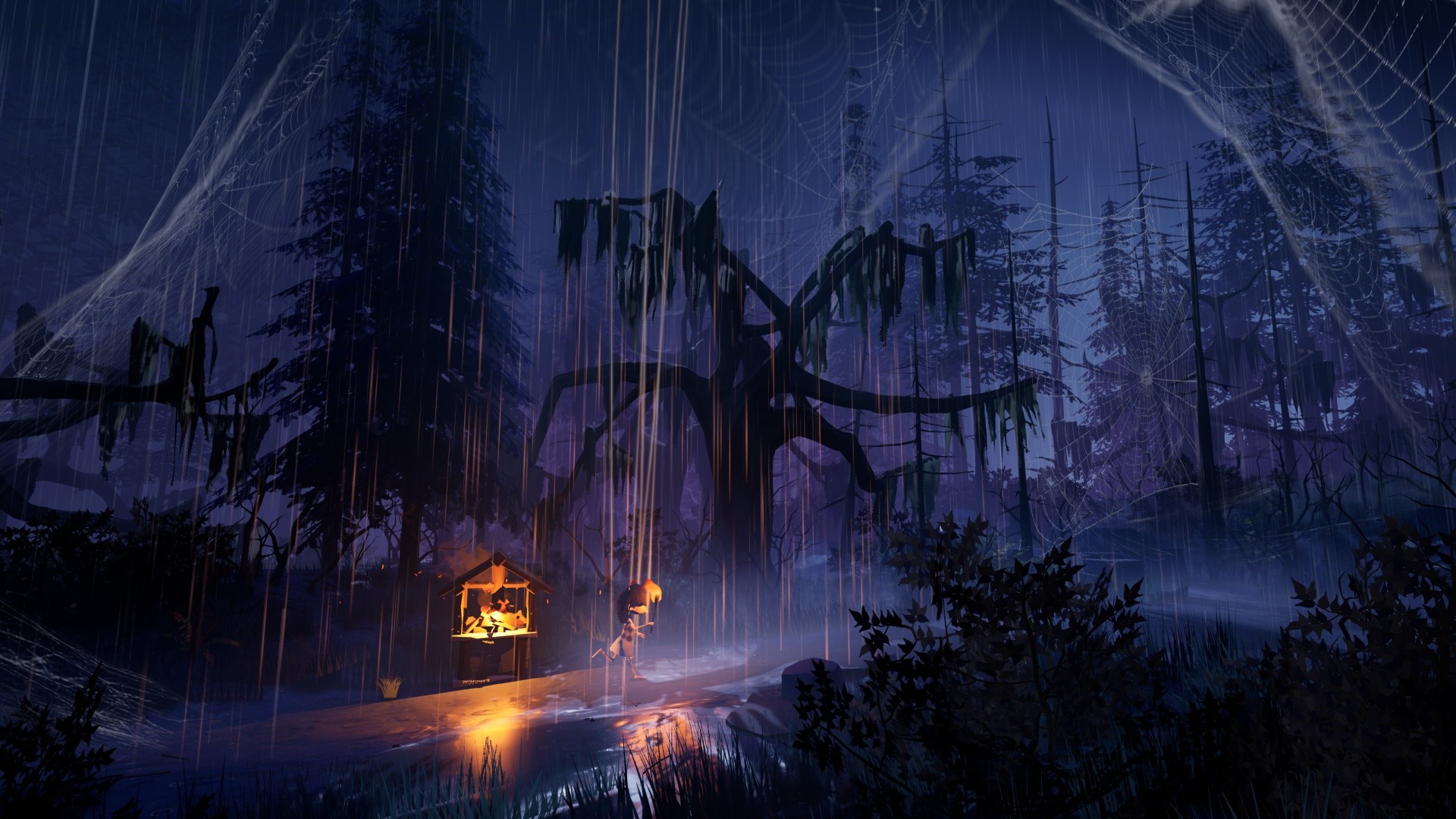
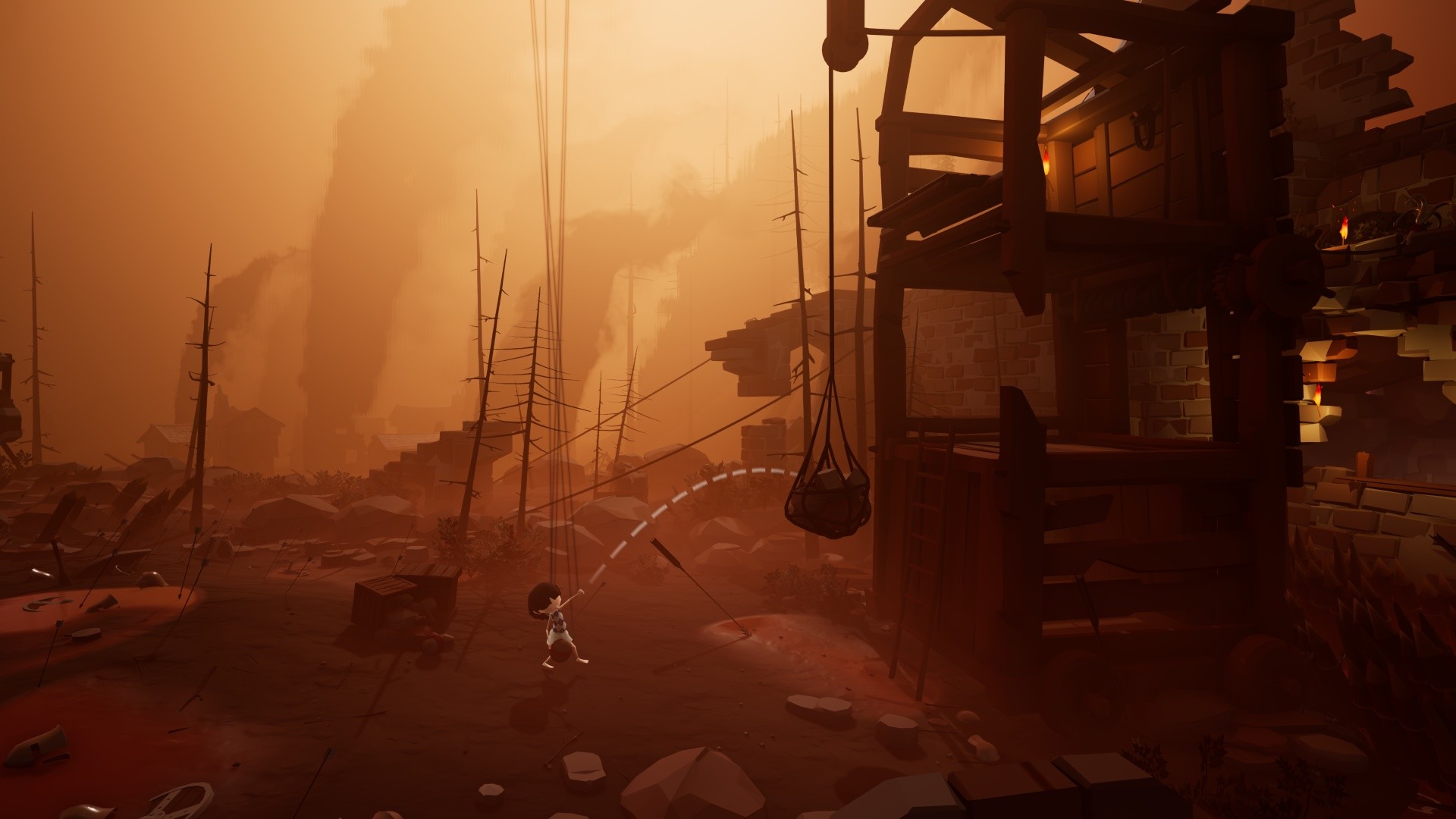
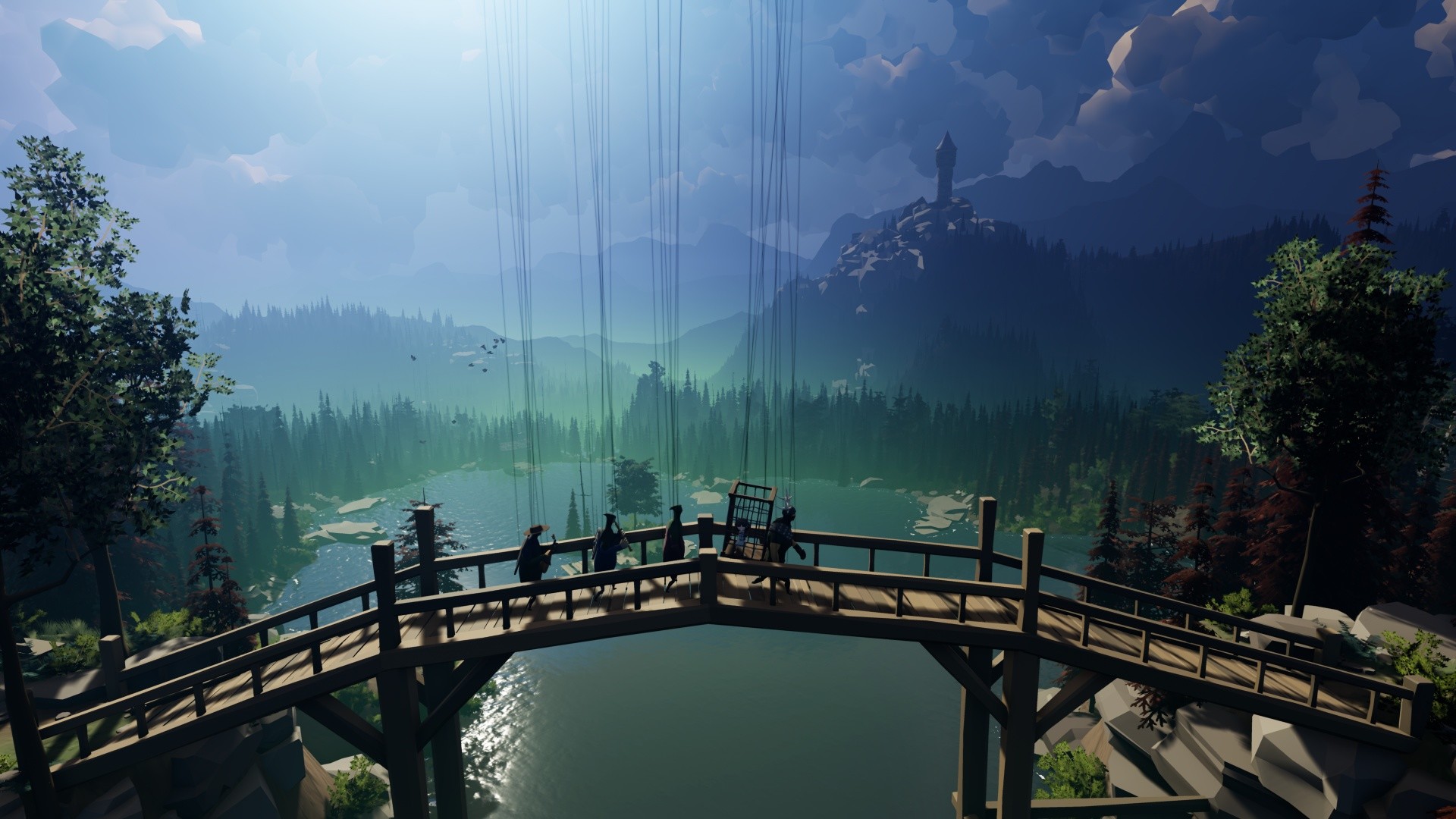
What would happen if a puppet broke free from its story? That’s the tale that A Juggler’s Tale spins. You play as a puppet named Aby who is following the lead of a narrator. Aby is an acrobat for a circus when she decides she wants to break free and be an actual person. She spends her time on the run which seems to be a familiar theme with these sidescrolling tales that star children such as Limbo, Inside, and even Little Nightmares. The first act is spent as a tutorial. You can run and jump, drag things, and throw objects. Each are used to solve simple puzzles. Usually there’s one or two per act. The acts are very short clocking in at around 15-20 minutes each. You can easily finish this game in under 2 hours counting for deaths and time figuring puzzles out.
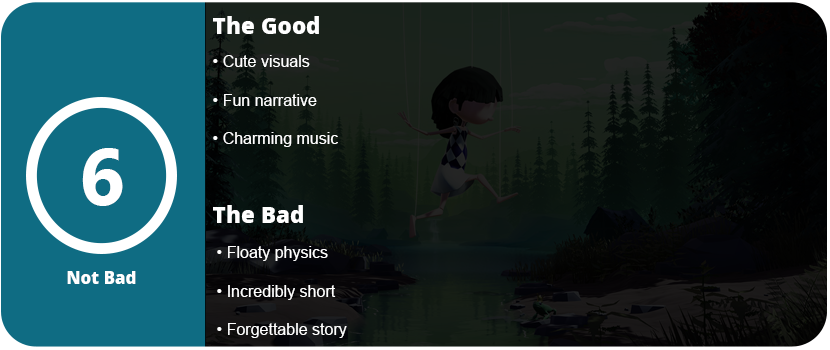
Whle I didn’t find the puzzles themselves hard it was difficult to distinguish what could be interacted with mainly throwable objects. While some objects that could be pushed had red ribbon on them there would be rocks or apples that blended in with the background. I thought I was stuck and couldn’t figure out a puzzle until I looked it up and releaized that a cart was needed to progress, but I had no idea I could interact with it. The game at least has a good pace and I always felt like I was moving and advancing things. There is a bandit that is hired to capture you named Torda who chases and torments you throughout the game. Most of the platforming is simple such as hopping over gaps or climbing up ledges. Nothing that will test your Mario skills, and the physics are floaty.
Part of the puppet gimmick is that Aby is attached to her strings and they will get caught on objects. A lot of the time you are figuring out how to move the objects to free your strings. There are a few stealth sections with Aby hiding from flashlights and distracting bandits by moving certain objects. Nothing that we haven’t seen before. The game is rather entertaining, but the story is simple and nothing too special. There aren’t any crazy plot twists or any voice acting or dialogue to speak of outside of the narrator. It’s hard to get attached to characters like the little boy in Little Nightmares or Inside due to the lack of events and progress that the characters go through despite not speaking.
Overall, A Juggler’s Tale is fine. The graphics are colorful and well done with nice paper cut outs and a flat shaded art style, but the gameplay is very simple and won’t challenge anyone. This is a cute distraction that will get you through an afternoon, but you will soon forget about it.
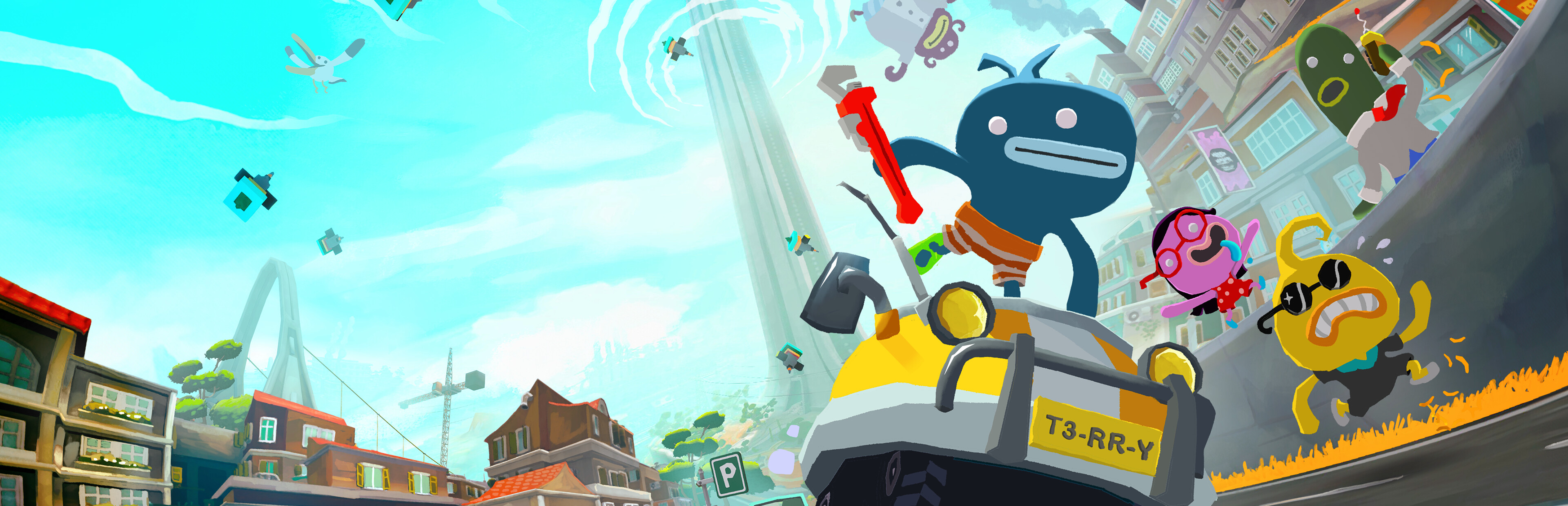
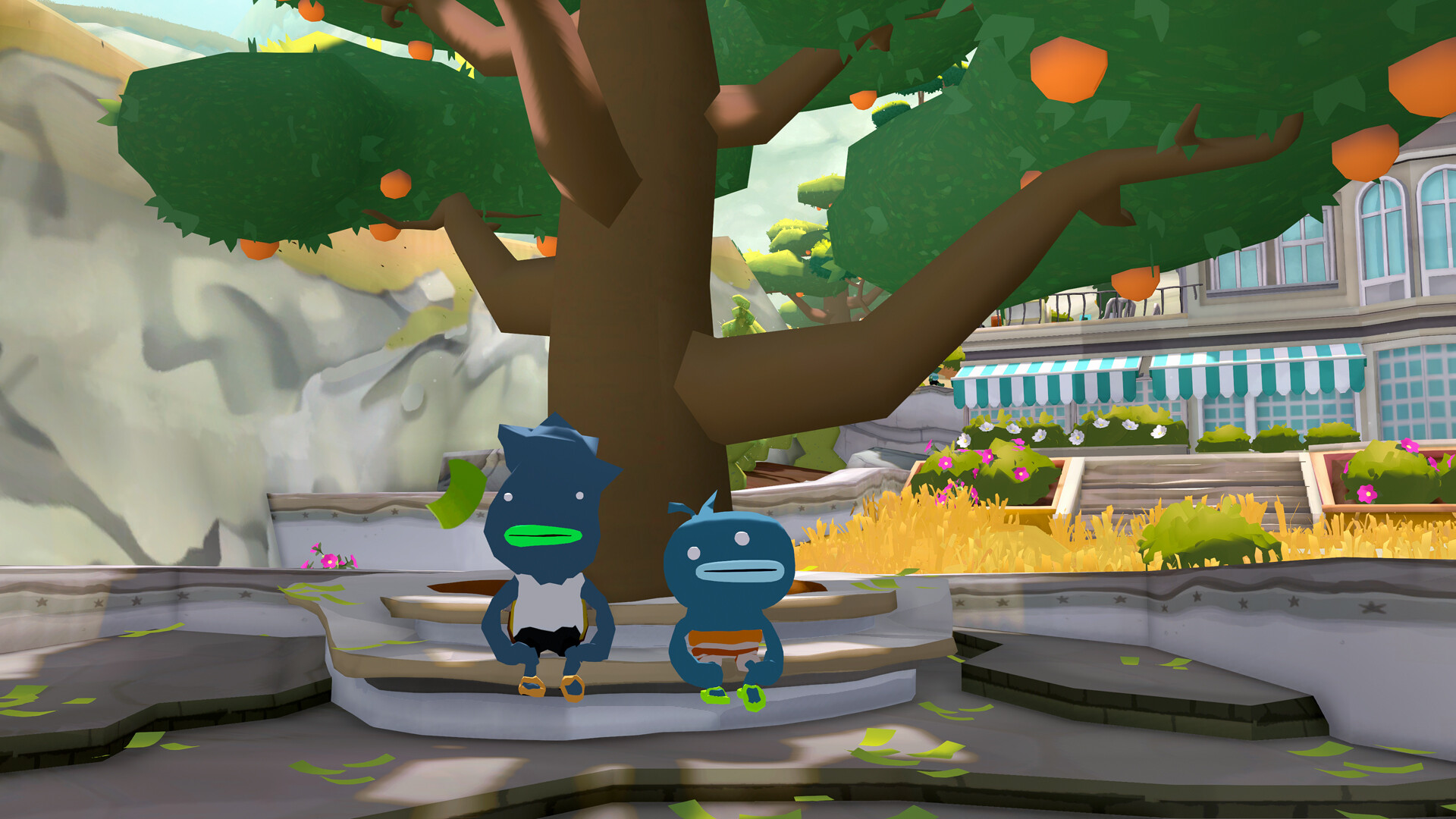
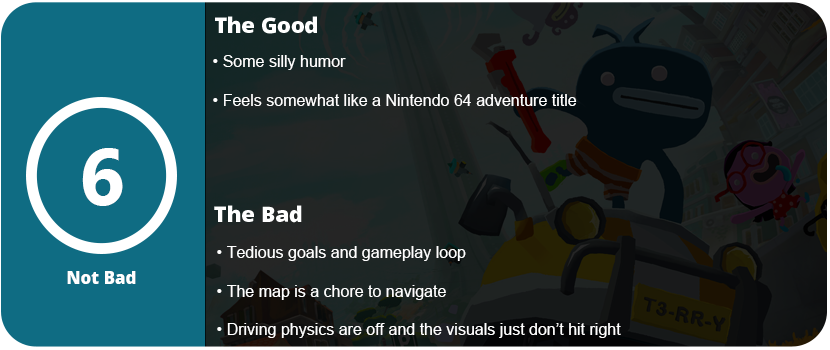
There are many games these days trying to bring back the nostalgic feeling of Nintendo 64 adventure titles, and many of them don’t quite pull it off. There’s a reason why we have moved away from collect-a-thon games such as Banjo Kazooie and Donkey Kong 64. While the worlds may be charming, the characters fun, and the visuals cute, the overall gameplay loop can feel tedious and sometimes boring. Tiny Terry tries to bring back that type of game with a large open map and things to discover but ends up feeling like a chore very early on. Unless you specifically like this type of game, then there isn’t anything here for you.
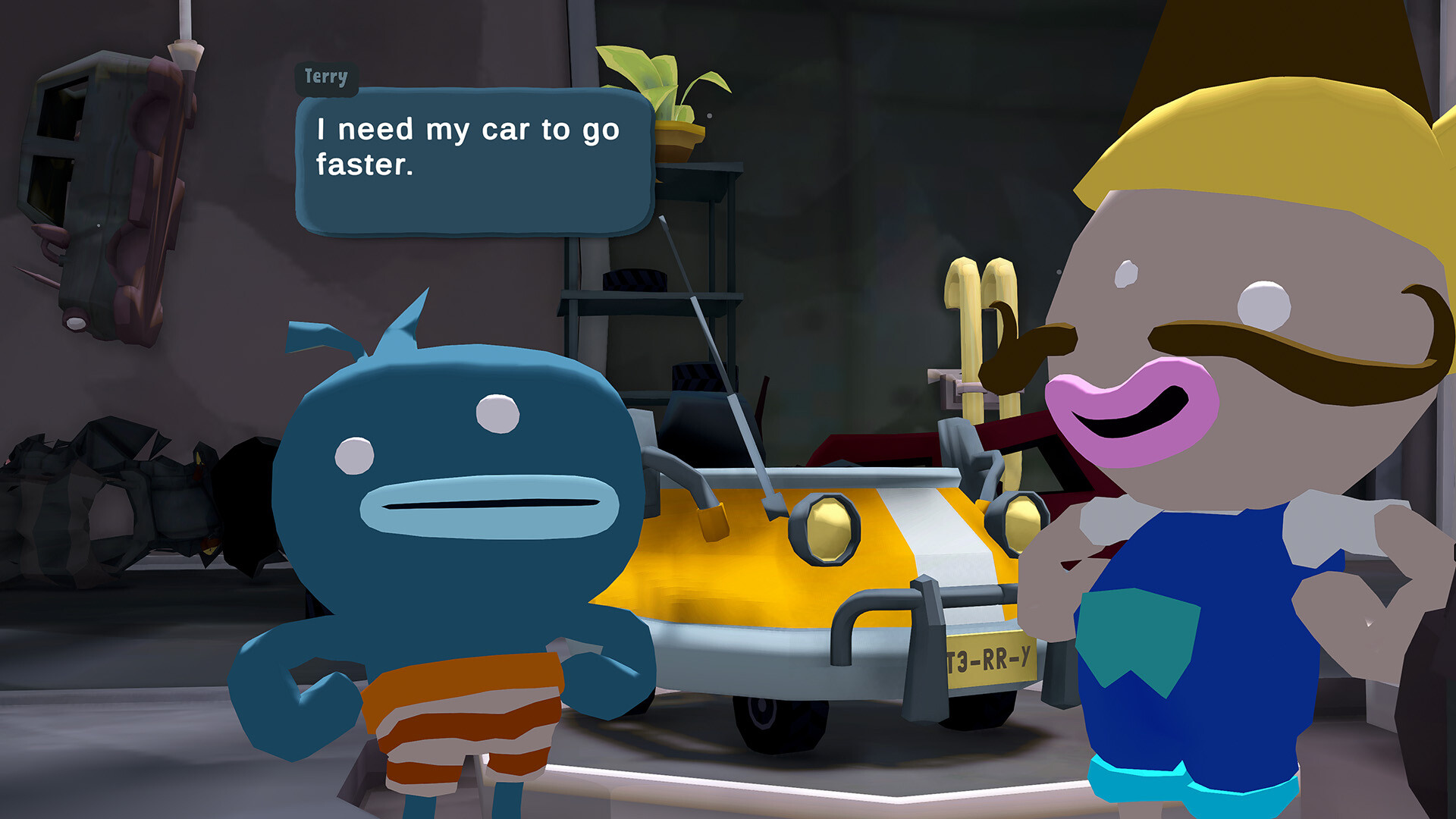
There are modern games that do these tasks well. Games like A Short Hike make the gameplay loop of collecting and finding things appealing and fun. Tiny Terry starts out by just dumping the player into the world with just a couple of objectives. This is also fine, as talking to people can also give you more objectives. The issue lies within traversing the world, the mechanics, controls, and some of the objectives being very obtuse. The overall humor of the game is fine, but nothing noteworthy attempting to emulate a specific style. Terry wants a car only to go to space. Someone built a highway to space, but no one knows why. He goes to an unemployment center where they lend him a car. It’s your job to find enough junk in the world to upgrade Terry’s turbo booster eight times to make it to space.
Objectives are mostly fetch quests. You must bring someone who has stolen a car to earn cash. That cash can be given to someone else to fulfill an objective, which in turn gives you a location on your map to dig up a trash can that has 100 junk in it. Each upgrade costs 150. However, to dig up that trash can, you need the shovel. Do you understand the direction I’m taking with this? There’s a lot of leading on with objectives. You need this object to complete this objective to obtain this amount of an item to finish another objective. The process can get tedious and frustrating. Finding a way to grind out cash to also acquire other items to allow access to different areas can feel like you aren’t accomplishing anything. You’re always fighting between not having enough cash to find more junk and vise versa. You also can’t unlock fast travel until you have upgraded your car seven times. By then, you’ve nearly completed the game.
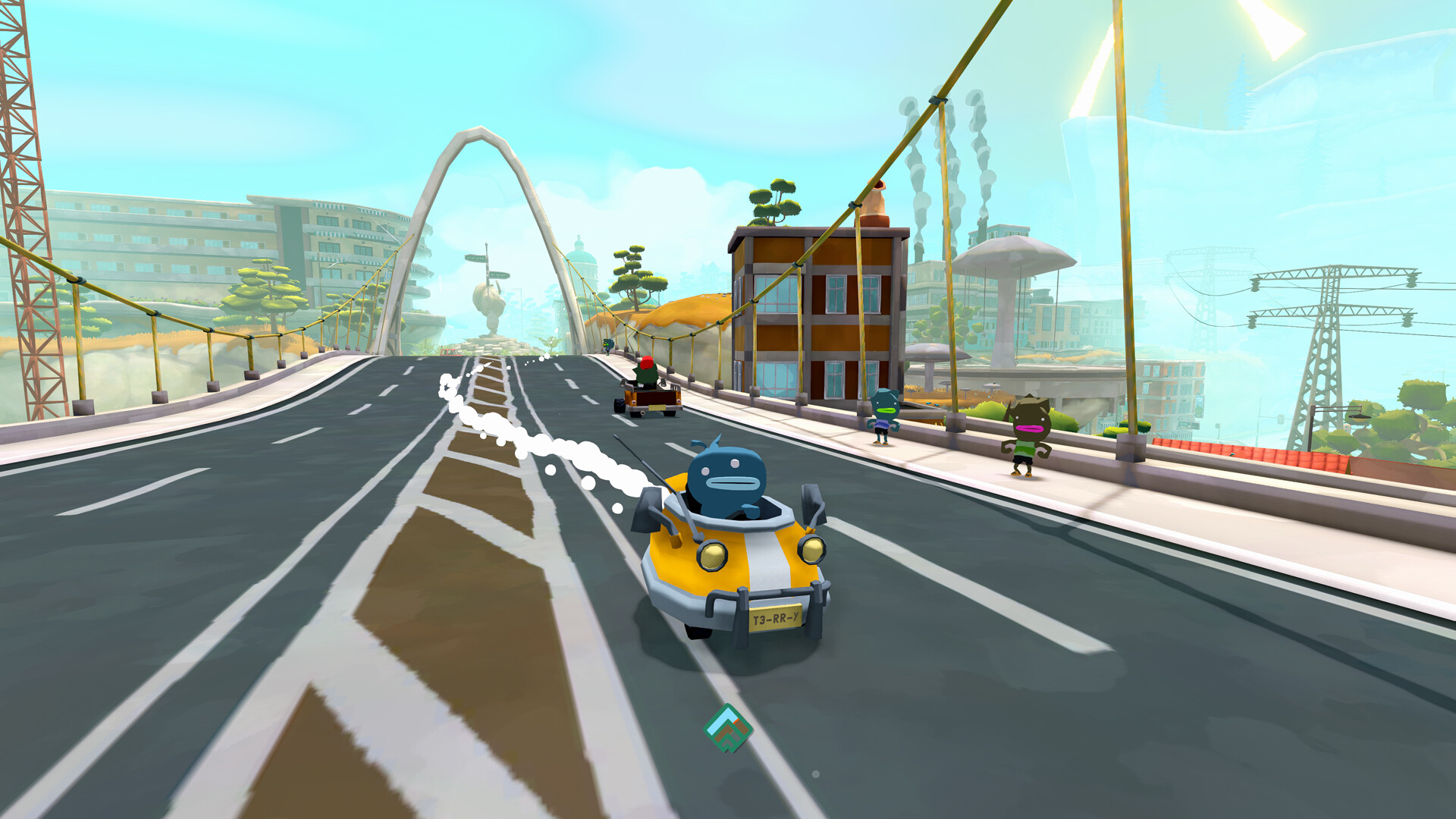
I found that the vehicle physics are annoying. Cars get stuck effortlessly and will clip into objects, and you can’t get out of it. I found it faster to run through most of the map, but it’s laid out in a very frustrating way. To run or drive, you must follow the road loop around since there are no shortcuts. Elevators can take you higher. Going from one end of the map to another and back again to finish an objective gets very tedious. 8 hours of this is infuriating, and some people might want to quit. Sadly, the game world has nothing to offer. There are only a few key characters to interact with, no mini-games, no varied objectives, and nothing remotely enjoyable to do other than grinding cash and junk in tedious and roundabout ways.
There are a few things you can spend your cash on, like a couple of food items and silly hats, but the cash is in such short supply; why would you waste it on these things? They don’t accomplish anything. There is no health bar, no combat, and you cannot sustain any injuries. You can use the lead pipe to whack NPCs for cash or steal cars. You also have to use it as a double jump by swinging the pipe after jumping to get extra height. Why not implement a traditional double jump? I found the fundamental parts of Tiny Terry to feel frustrating and cumbersome rather than fun and engaging. It felt like the game was always fighting against me.
Overall, Tiny Terry’s fun premise and peculiar sense of humor fall short of its potential. The gameplay loop feels frustrating and tedious, the objectives constantly loop around to nowhere, and the map isn’t fun to explore. The only redeeming value is if you like this exact type of game. Early 3D adventure games can be frustrating and slightly grindy, but in the past, the worlds and characters were enjoyable and engaging. This is a very forgettable game with visuals that don’t feel like anything special. Tiny Terry doesn’t have standout features. It’s fine. Just fine.
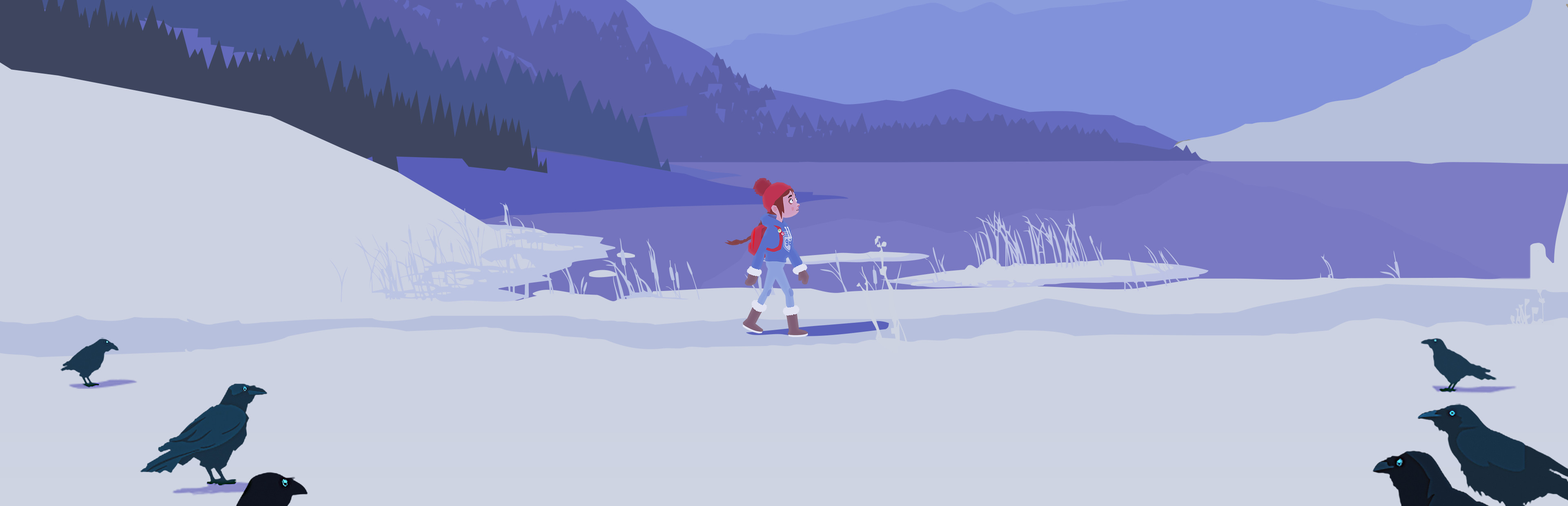
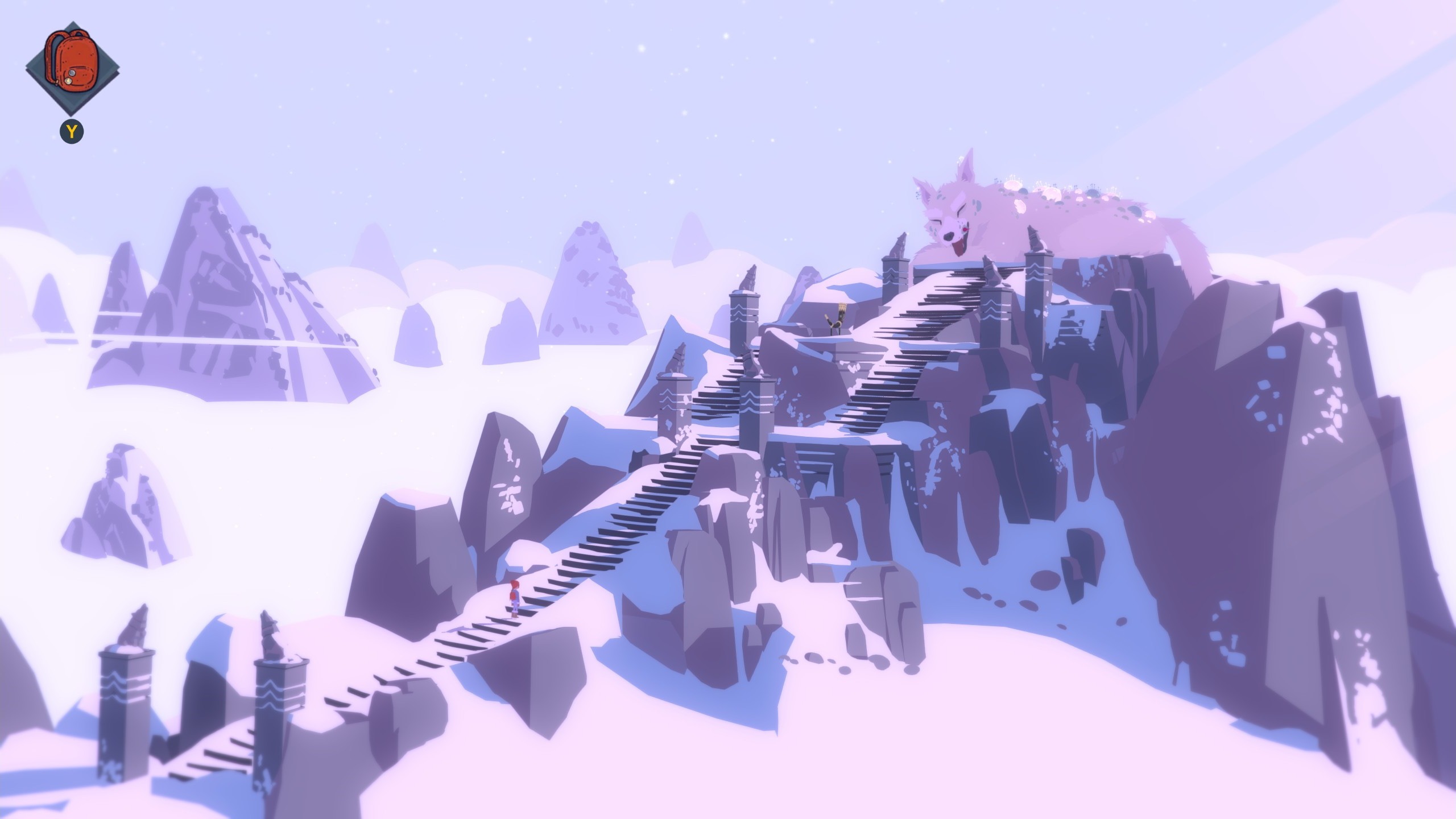
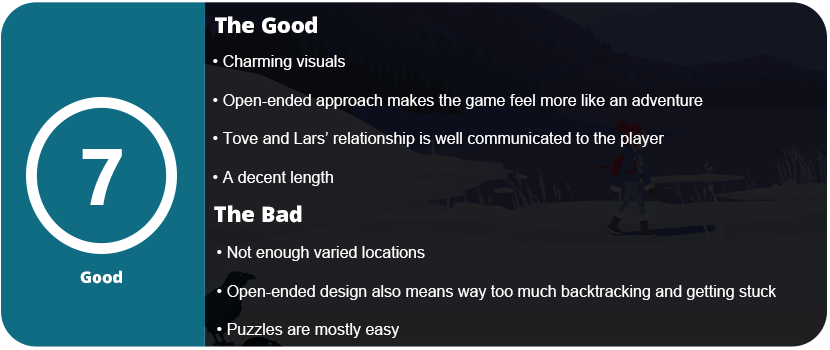
Do you remember the days you were a kid and went on adventures outside? The days you would be outside from dusk to dawn playing too far away from home and weren’t quite sure you’d find your way back, but kept going anyways? That’s the feeling of adventure you get from Röki. The game is much longer than most point-and-click adventures, taking around 8 hours to complete. This allows for a better and deeper story to unfold. While the overarching story isn’t anything super special, the relationship between Tove (the girl) and Lars (her little brother) and their father is rather deep, and you can feel the tight relationship and love this family has.
The game is a more open adventure title. Rather than being completely linear, you can fast-travel between several areas to find objects and solve riddles. The game’s openness necessitates the ability to press the left stick for interactive objects to flash. Just like any adventure title, you need to find objects to advance the story, and due to the openness, some puzzles might take a couple of hours before you eventually get all the parts to solve them. This also leads to the most frustrating thing about the game. If you miss an item for a puzzle, you have to figure out where it is. As the game opens up, this can lead to tedious backtracking and flashing all the objects on the screen and running around until you figure out what you missed. Frequently, this occurred due to the game’s lack of clear instructions or tracking features. The journal is rather useless and holds a map and various optional items you can pick up as collectibles.
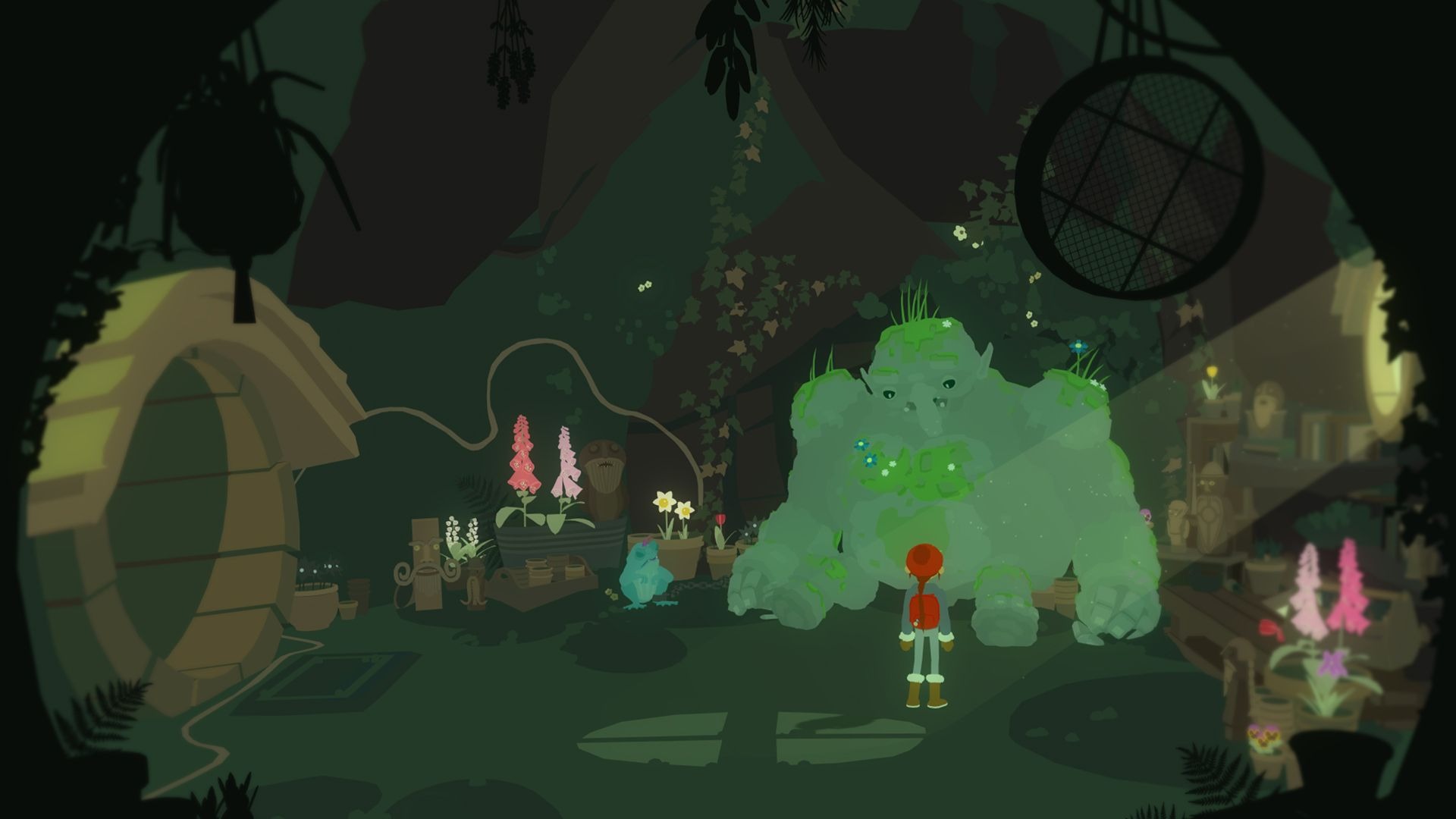
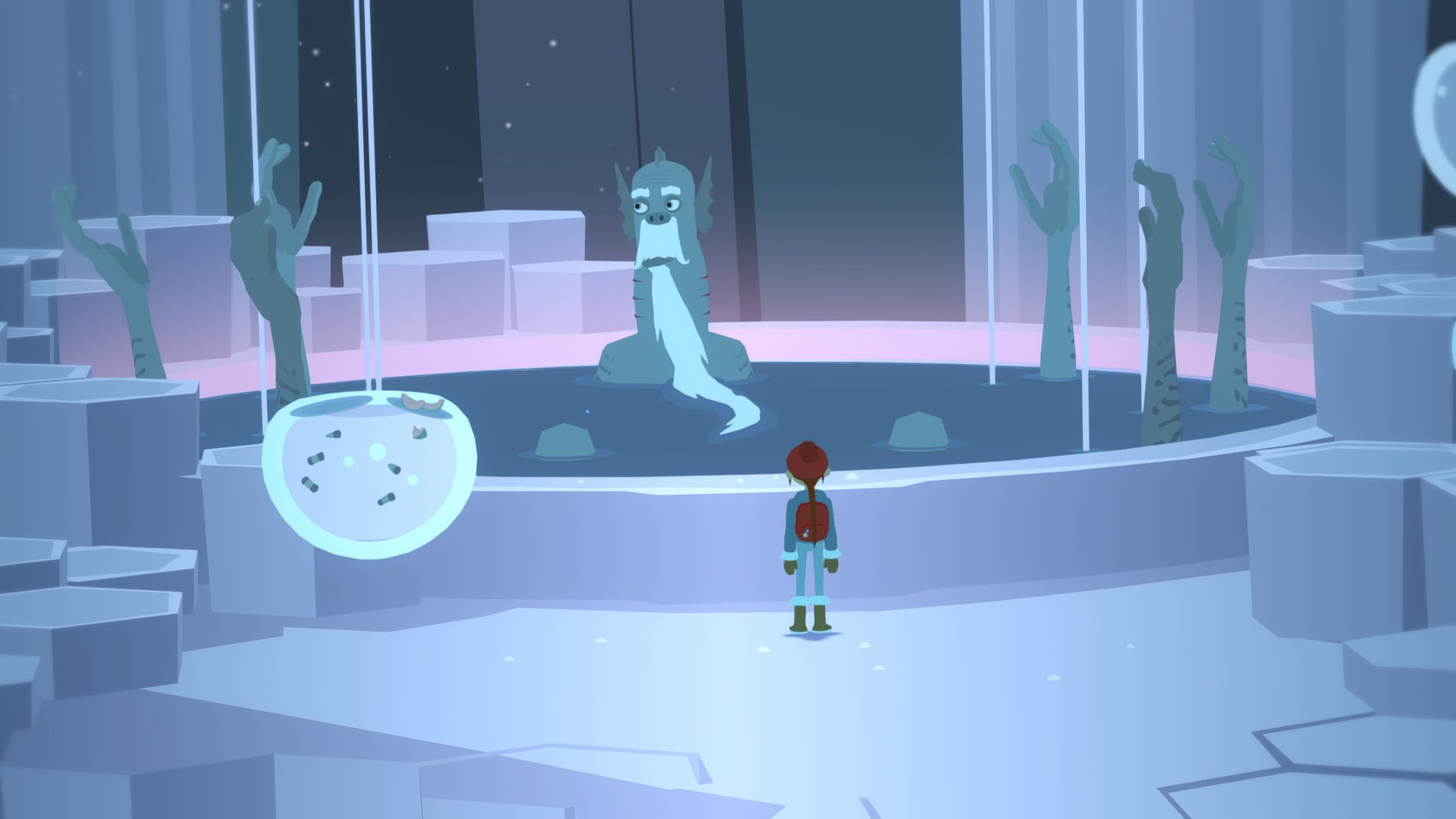
Tove can run by holding down a button, and she can interact with objects. Outside of this, there isn’t much to the controls. She can climb walls and ladders, but you’re mostly just interacting with things. I found some of the puzzles quite fun, intuitive, and clever. The game experiments with ideas such as controlling two characters (swapping) and using a couple of different objects to complete puzzles and unlock new areas. There are giant beasts that need to be defeated and tamed. The game is based around Norse mythology, so you will encounter many beasts from this lore.
Despite the game’s lack of voice-acting, the writing conveys the characters’ emotions. Every so often the game will cut to a long scene and then give you control back. There aren’t many cutscenes in the game, but despite the length, the game never felt tedious or boring. I wish there was less need for backtracking. Sure, fast travel is helpful, but you still have to run towards an area, climb, or enter it, and some parts of the game can be really tedious to get to. You can’t skip climbing segments. Climbing dominates some later puzzle areas, leading to frustration. I spent more time waiting for animations to finish than actually solving the puzzle.
The visuals are really nice, but this visual style is something we are seeing a lot of, and I don’t find it the most appealing. The use of paper cut-out/flat texture with solid colors is a common visual style. It works, but I would like to see something more original. The music creates a captivating atmosphere, and certain tracks evoke strong emotions during specific scenes. I found the whimsy of the beasts and monsters to be really charming, and this is where the art style worked the best. The game has a lot of whites and grays (stones) due to the entire thing being set in the winter. There’s not much variation in environments.
Overall, Röki is a surprisingly lengthy but well-built adventure title. There are a lot of puzzles and rooms, and the pacing is great. I didn’t really want to put the game down…until something tedious came up, like missing a single object for a puzzle, and I had to spend 20–30 minutes hunting it down. This happened far too frequently. This phenomenon occurred at least once with each major puzzle. If you love Norse mythology or just want a touching story about family, then this is for you.
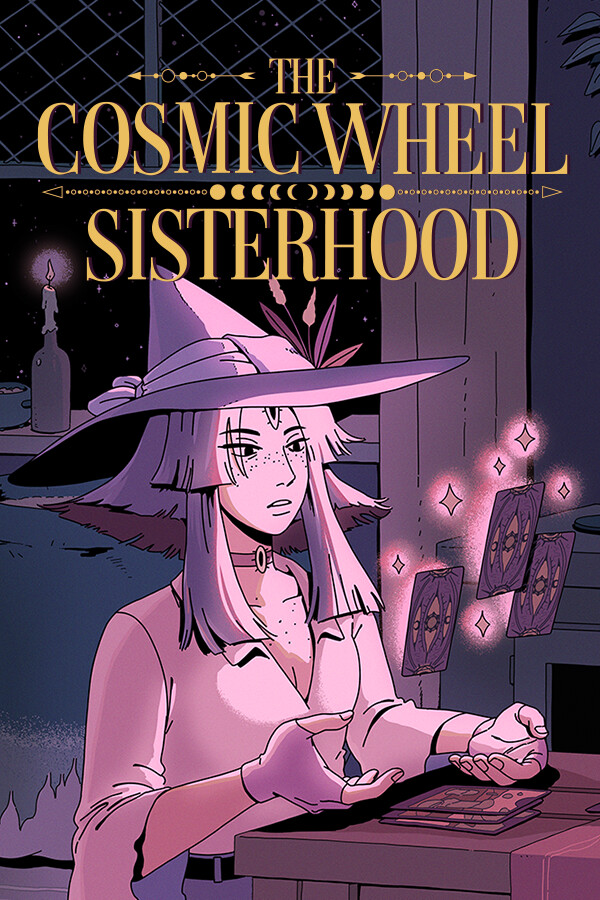
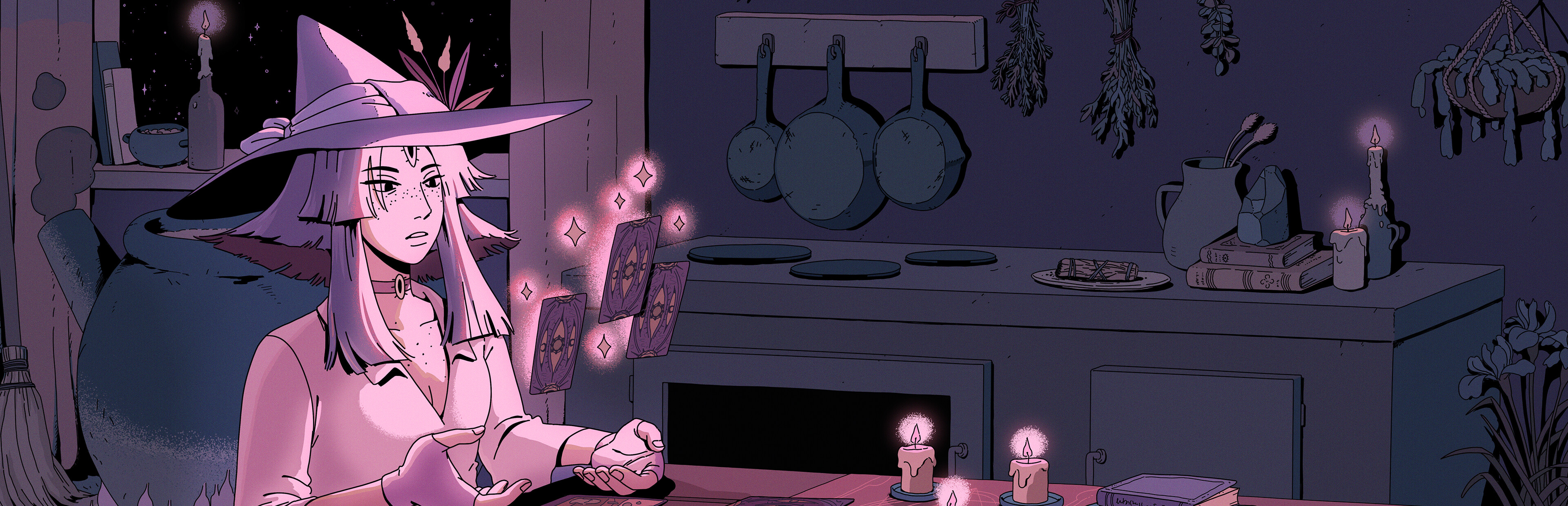
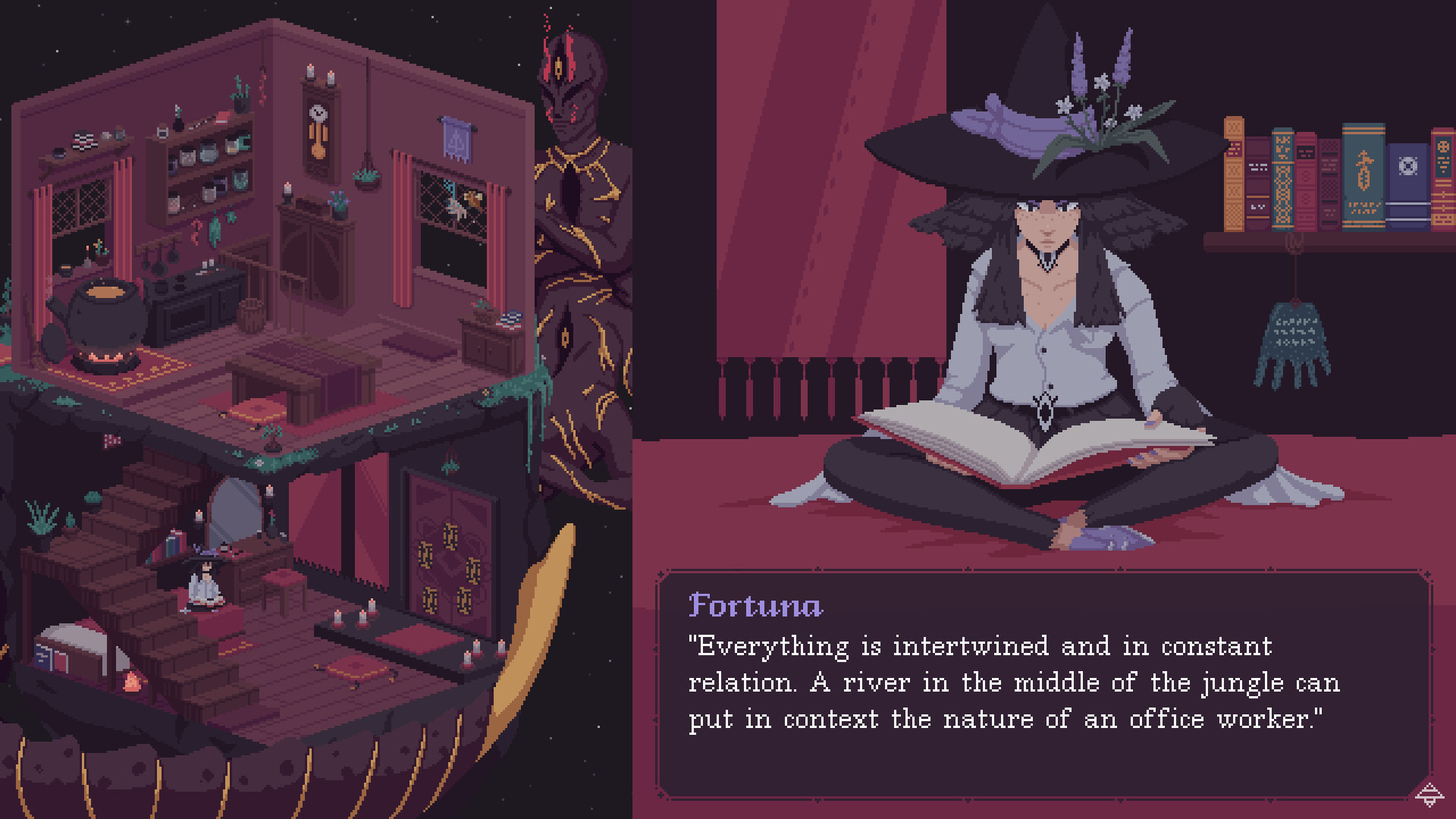
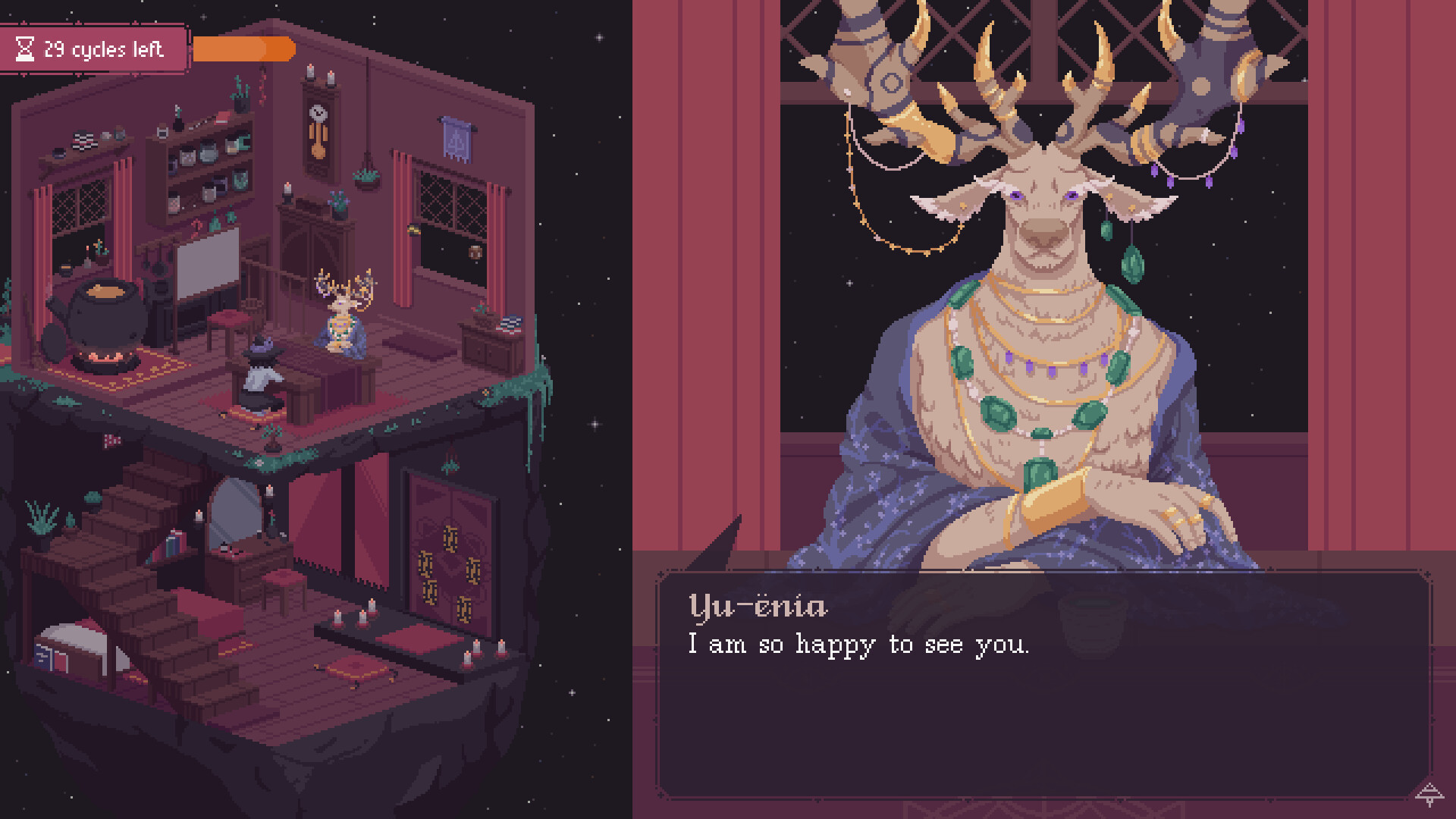
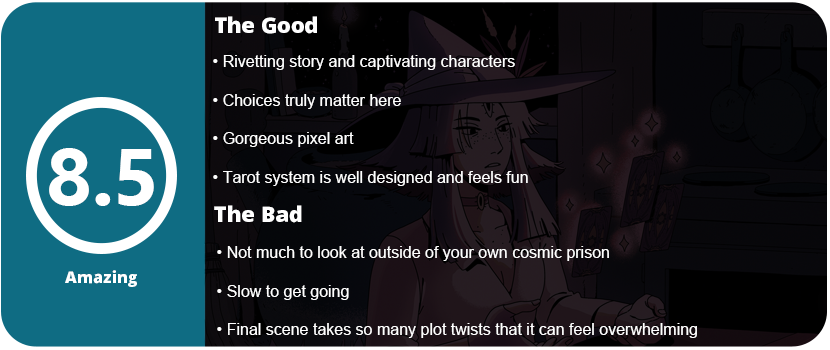
Whether you like Tarot, believe in it, don’t, or are somewhere in between, it’s an interesting topic for a game. The Cosmic Wheel’s main gameplay loop is focused around creating Tarot cards and using them to change the fate of those around you. You play as Fortuna, an exiled witch who is imprisoned for over 200 years (when the player steps in), and in the meantime the entire witching cosmos is being told through visitors that come to your window. You can sit these visitors down and converse with them as well as tell most their fortune.
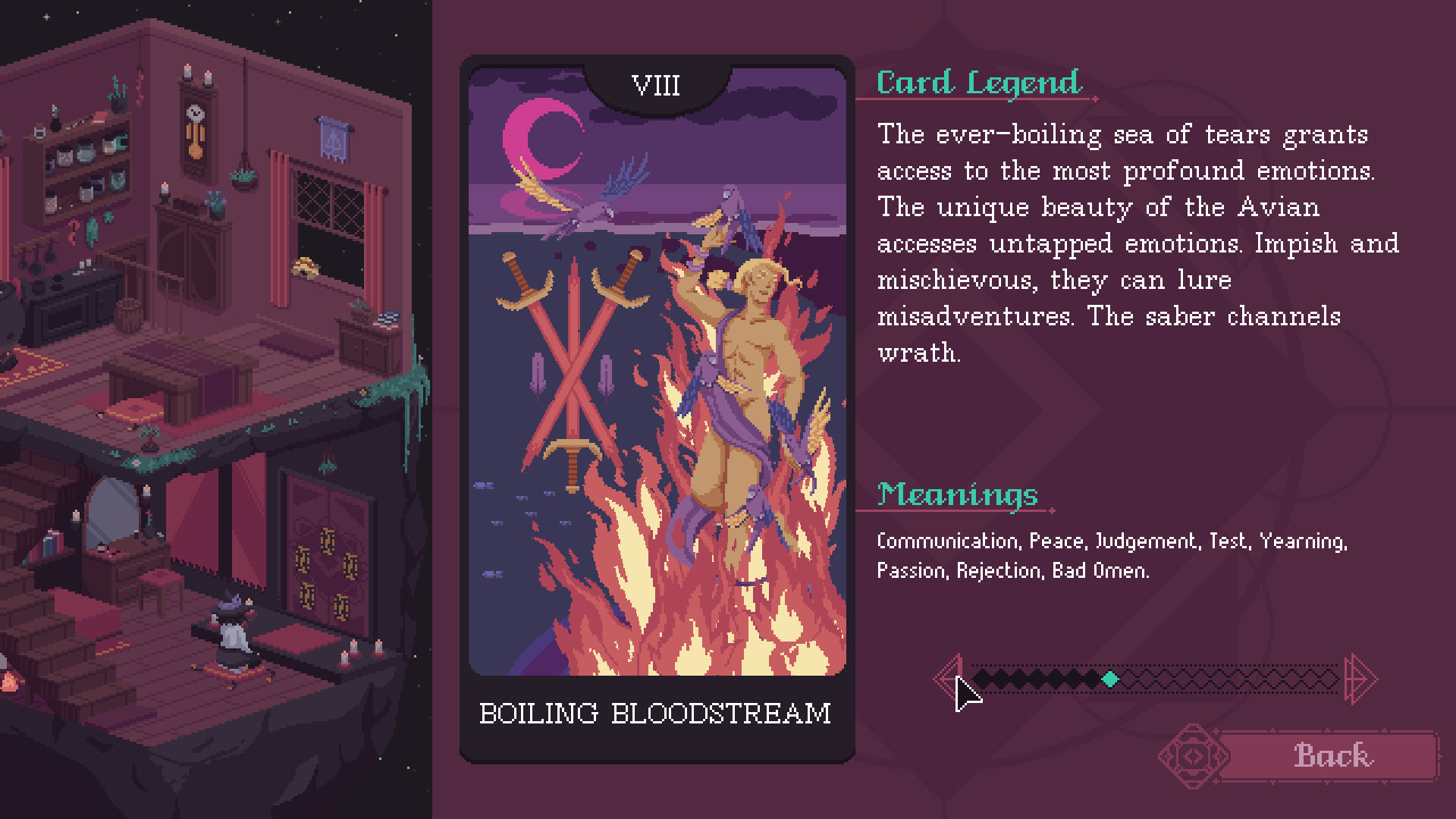
The story is incredibly detailed and diverse, and I have never played a game in my life in which the choices I made during it mattered so much. So many things I did wound up deciding so many minute twists and turns in the plot, both large and small. You can create cards by choosing the background and the art itself. Every background carries a corresponding fortune. These also cost energy. There are four colors you collect after each Tarot reading, and you spend these points on creating the cards. You can collect art and backgrounds from visitors. You can customize the art on the card by dragging and dropping pieces down, flipping, rotating, scaling, etc. It’s fairly basic, but it’s enough for just Tarot cards. You can create your own unique deck this way, and it truly feels unique to you.
If you don’t like a card, you can dispel it in your cauldron to gain the points back, and when you aren’t talking to visitors or creating cards, you can study, read interactive fiction (to gain small amounts of points), or sleep until the next day. You have a main Behemoth that you summoned (which is forbidden and illegal, by the way) named Abramar, who keeps you company and is trying to help you find ways to escape. As the plot unfolds, you keep talking to people, and how you respond to them matters. Picking any answer won’t do. Make sure you think about how you talk to people. You can gain friends and allies or create new enemies. The game’s lore explains itself surprisingly well, with witches from all government factions visiting you. They visit you either as friends or as new witches seeking guidance, among many other motives. You eventually head toward a political race, and it’s up to you to either run yourself or just support friends who are running.
As each chapter unfolds, you learn more about your past, your friends’ past, and the overall cycle of the witches and their entire existence. I was surprised that the game was able to convey an entire universe of magic and explain it all in a cohesive way without mass dumping codex pages on me or subjecting me to reading insane amounts of text. Talking to people naturally teaches you the lore and universe, which you gradually piece together in your mind. The storytelling and writing are phenomenal. These are some of the best storytelling and writing I’ve ever encountered in a video game. To truly show you an entire universe of lore from the confines of a single home isn’t an effortless task. There isn’t any exploration here. The entire game confines you to this single home, interspersed with sporadic cutscenes depicting your life on Earth in the past.
Having said that, every decision you make, whether it’s a dialogue or deciding whether to read someone’s fortune, has a significant impact in the future. There were choices I made in chapter one that I regretted five chapters down the road and didn’t realize it would have mattered. This is a game that requires multiple playthroughs to feel like you can truly master the choice-based system; however, I really wish there were more locales. While the dialogue is a constant stream of entertainment and you always feel like things are moving along, I wanted to see more of this world. In other worlds, the witches homes and see more of their past. The developers did a fantastic job of keeping you entertained in a single area for 10 hours.
With that said, the pixel art is fantastic, the characters have a lot of personality in their outfits and designs, and when the game ended, I had real attachments to these characters. I wanted more from them, and I didn’t forget about them by the next day. The Cosmic Wheel is a special type of game that can balance excellent storytelling, keep it well paced, and confine the players to a single playfield while making every choice matter. Games like this don’t come around often. Give this game a try if you enjoy story-based games.
I absolutely love how the human mind works. It is fascinating how the human mind can break, repair itself, and affect the body and psyche in ways we still don’t fully understand. The Town of Light explores these ideas with a real-life case. The game is set in a hospital in Tuscany, Italy, called the Ospedale Psichiatrico di Volterra. You play as a woman named Renee who seems to be coming back to this hospital and reliving her experience here. The game’s unsettling ambient audio and flashbacks of dark and disturbing sketches are fantastic to experience.
Sadly, that’s the only enjoyable part of the game. The entire game has an incredibly slow pace and the usual obscure and abstract way of finding your way around and figuring out what to do. There are way too many doors to open, and there are too many spaces to explore with nothing in them. This hospital is two stories and quite large. With the slow walking pace, I just wanted to experience the story and move on. You don’t know you’re heading in the right direction until Renee continues narrating the story or a flashback happens. These flashbacks are either pencil sketches or full-on cutscenes. If you press the back button, some chapters will have Renee tell you where to go; however, everything is in Italian, so unless you pull up a translator or can kind of figure out prefixes and suffixes of words, you might get lost based on the signs.
There are eight diary pages to collect and find. These are highlighted notebooks in certain rooms, and I suggest getting them all. The notebook is an insightful dive into the mind of those that are mentally ill and have various psychological diseases. The sketches are haunting and beautifully done. The best part of the game is the narrations of the various hospital records you must find to advance the story. The entire tale of Renee and her fellow patients is fascinating, haunting, and quite disturbing. It also shows how awful the healthcare, especially mental healthcare, was in the 40s and 50s in not just Europe, but all over the world. I work as a nurse myself in a hospital, and it’s insane to know that our current modern way of doing healthcare (humanely) is very recent. Like the last 25 years, recent.
I also have to give credit to the developers for accurately portraying a decaying asylum. It looks and sounds just like you would find one in real life. I highly recommend watching The Proper People on YouTube, who are the best urban explorers out there. They have visited asylums in Italy, and the building is very reminiscent of how they stand today. The peeling paint, depressing color scheme, abandoned, rusting bed and wheelchairs, and old and mysterious medical equipment that look like torture devices (some were). Despite all of this, however, the game is very boring and ugly to look at. Even for 2016, the game is teetering on the border of asset-flippy territory. It just looks so generic and low-budget despite some decent lighting effects.
The voice acting is very well done, and the overall picture you walk away with is the narrative of mental health in general and how people are taken advantage of back in the day. The game also explores how orderlies raped and molested the women and lied and were believed. The doctors literally got away with murder, and families were lied to and betrayed without ever knowing it. Thankfully, this is all in the past, but the hundreds of thousands of victims who died and suffered under the guise of humane healthcare is a sad story and something worth discussing even today.
I personally love cyberpunk settings. I particularly enjoy cyberpunk settings that delve into the mental states of individuals with cybernetics and explore the workings of such a world. Psychroma explores the idea of secret human experimentation and how it can affect and break the human psyche. The overall story itself is pretty good, but getting there feels like a chore. The story is broken up quite a bit and feels confusing to piece together through most of the game. A lot of backstory is told through computer logs that you must find hidden throughout the house. You play as a cyborg/human experiment named Haze. The atmosphere is quite unsettling. Outside, acid rain falls down from the sky, eating away at the corrugated steel walls and rebar. The mystery of the house and the haunting past is what you’re uncovering.
This is a side-scroller adventure title, so there’s no combat here. You have a limited inventory system and must interact with objects until things happen, hidden passages open, and new doors unlock so you can get that next item to advance through the story again. This is sadly very obtuse and obscure. Many times I ran around all seven floors and clicked on everything only to discover I had to use an altar to go back in the past and unlock something new. Usually info like a passcode you need for a new door. There are three altars in the game, and each one has a part of the house locked off and has isolated memories. You must find cards for housemates and determine their past and role in the experiments.
I don’t want to dwell too much on the story since that will spoil the game, but the fullscreen stills and artwork are fantastically drawn. The haunting horror and torture of the children here and various subjects is gruesome. There’s quite a bit of gore here, but what fascinates me is cyborg gore and how they work medically. I will only say that the premise of the game is that there’s something sinister going on in the house, and a member of it might be a creep. Haze gets suspicious early on, but who it is and why is what you need to discover. There are a couple of plot twists, and the story is good once you can piece it together and make sense of it. I wanted to know a bit more about the character’s past, but the game is only 2-3 hours long, so there’s not a lot of time for character building.
I honestly just didn’t like the aimless wandering, and the objective in the menu screen doesn’t help at all. I was able to figure out a good portion of the game by myself, but I got to a few spots where I felt completely stuck, and the constant backtracking and running around room after room trying to find that one spot I missed drove me nuts. My strategy of turning on the lights in rooms I’d been in didn’t help if I missed an object or didn’t interact with it correctly. If the game had a map system with a flashing blip or something to indicate your floor, it would have been more fun.
As it stands, Psychroma does a great job giving up a disturbing cyberpunk mystery of hospitalization, experimentation, and creepy family values. The game dives into gender identity a bit (that’s going to piss some snowflakes off) and self-discovery. I felt the overall story was pretty good, the artwork was fantastic, and the atmosphere was quite haunting and depressing, but the actual gameplay held everything back some. The constant backtracking and item hunting will put a lot of players off.
Yeah, it's pretty damn awful. Notoriously one of the worst games on the PSP. A 4 was actually being generous.…