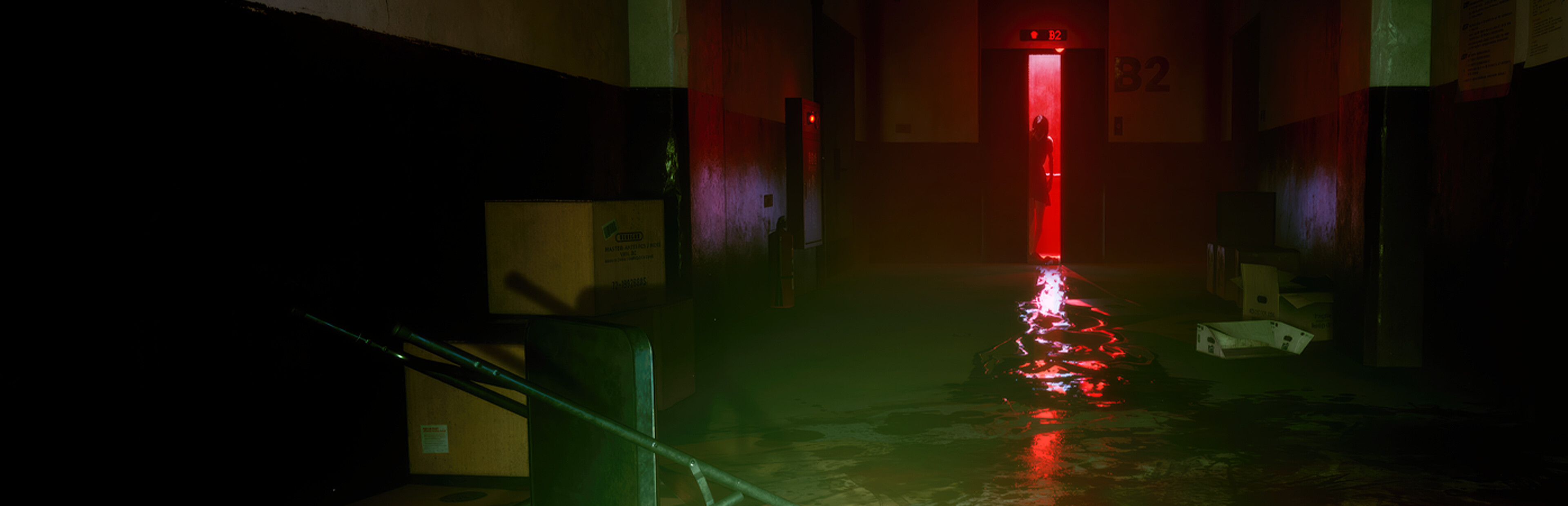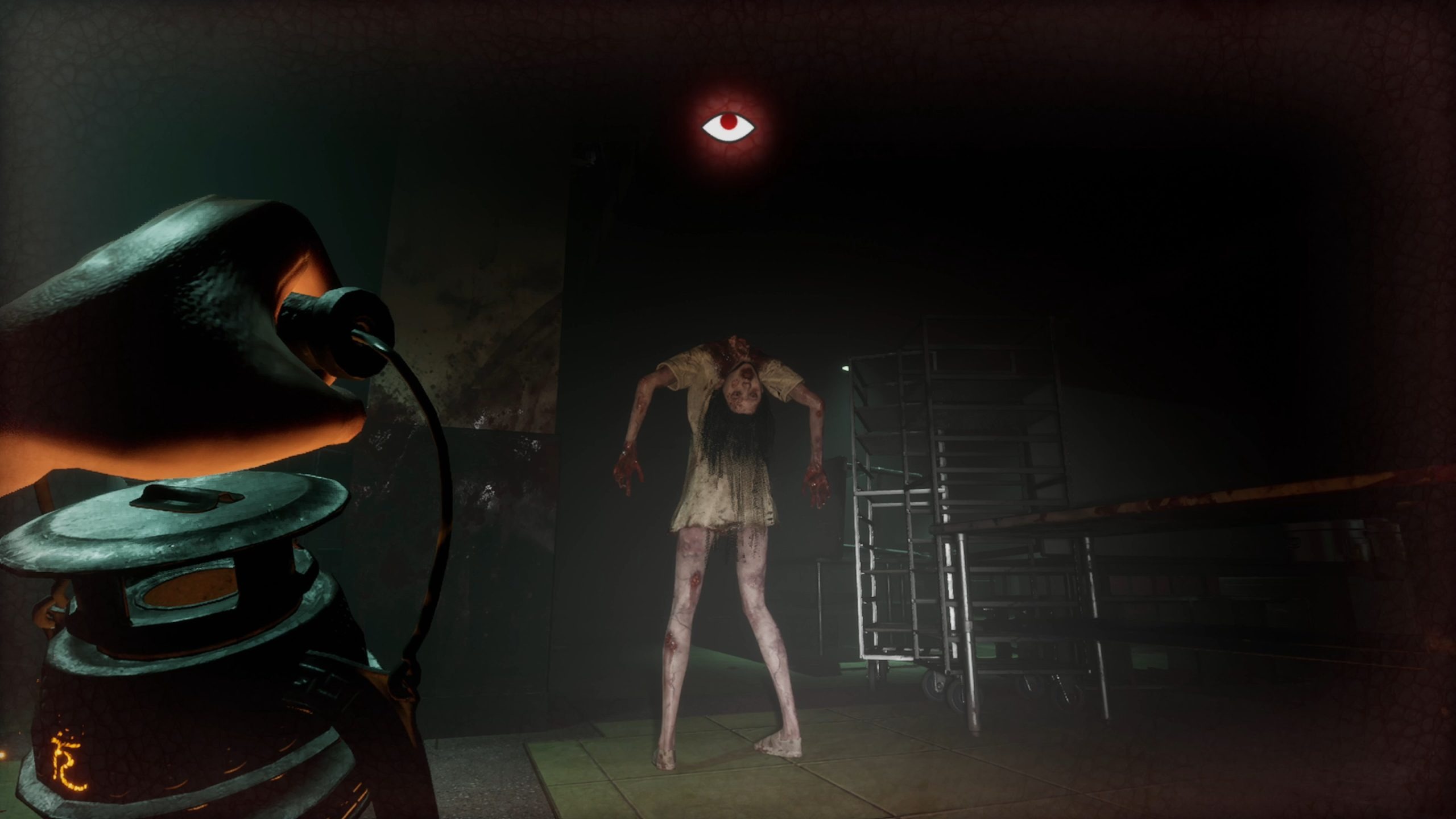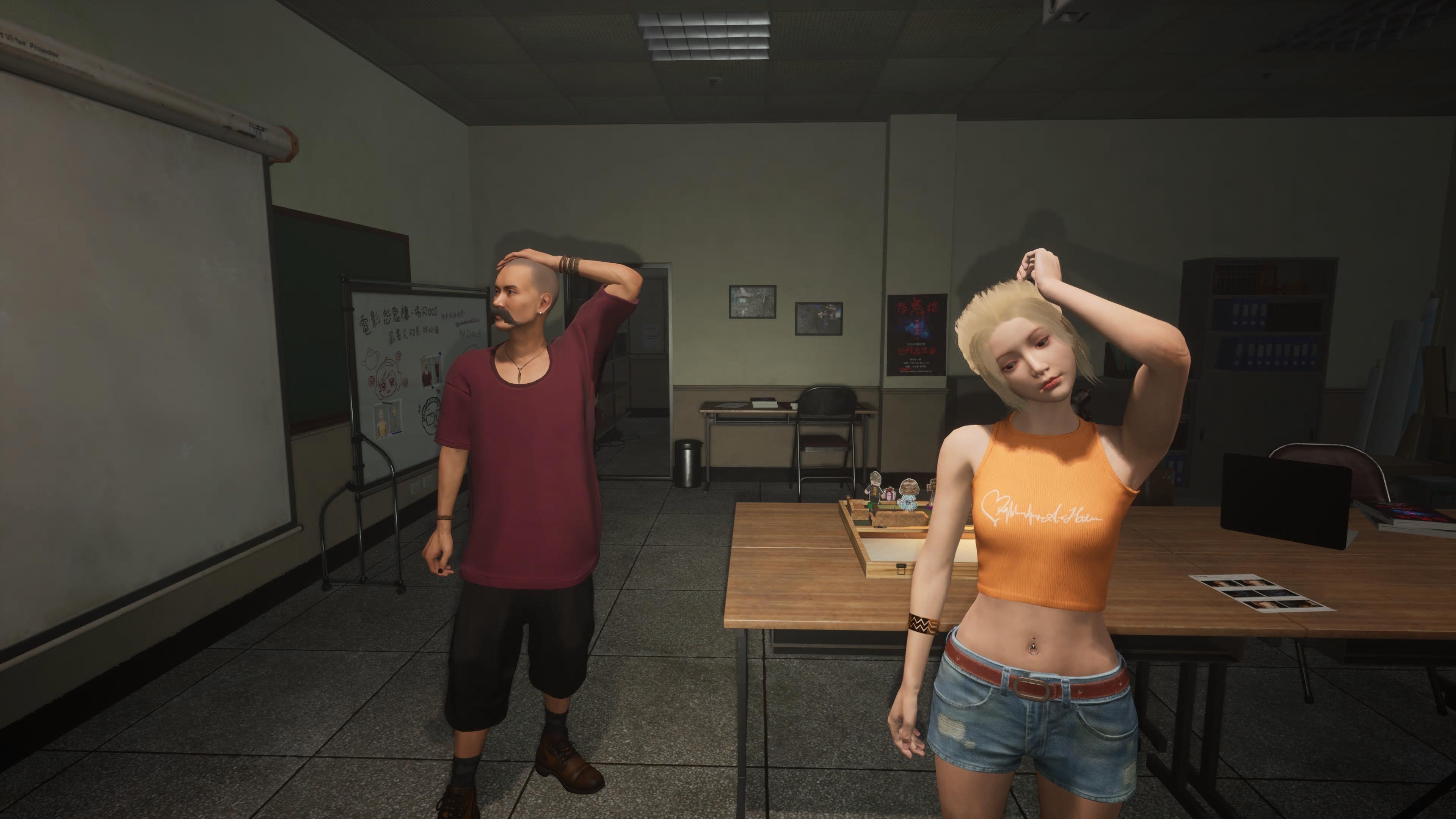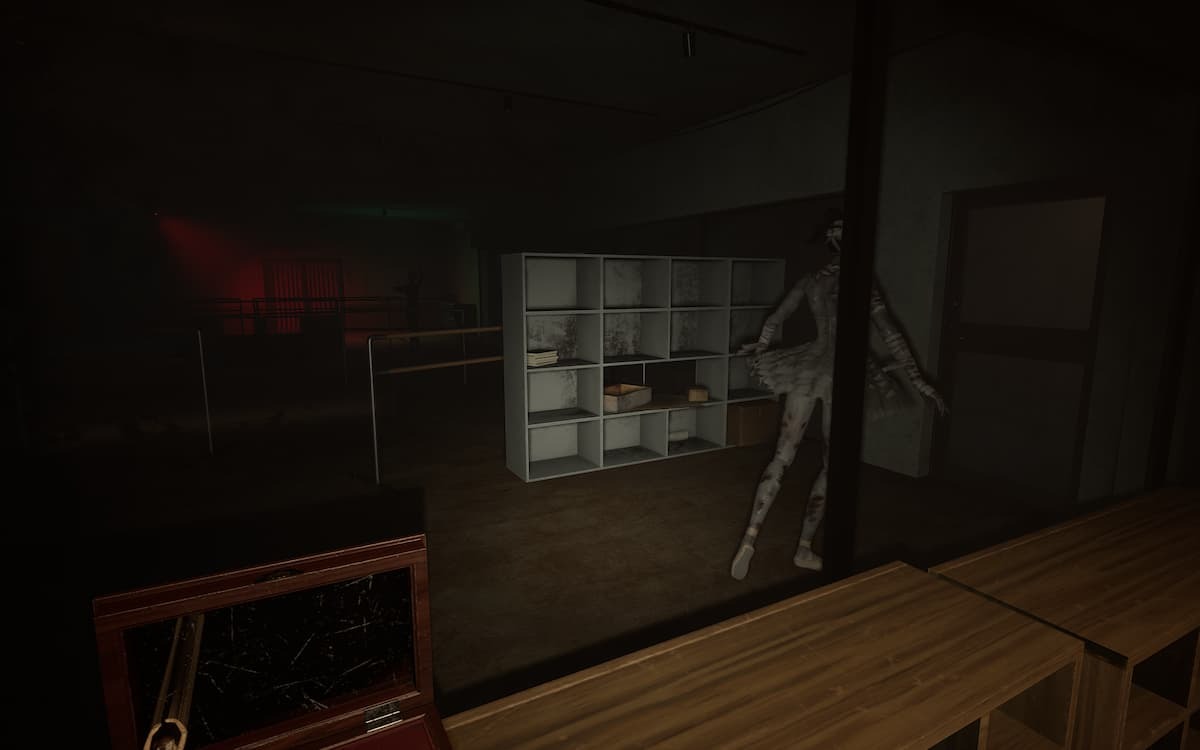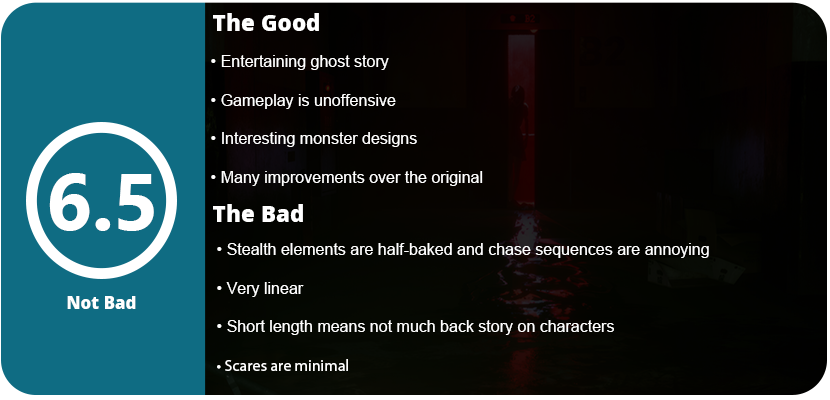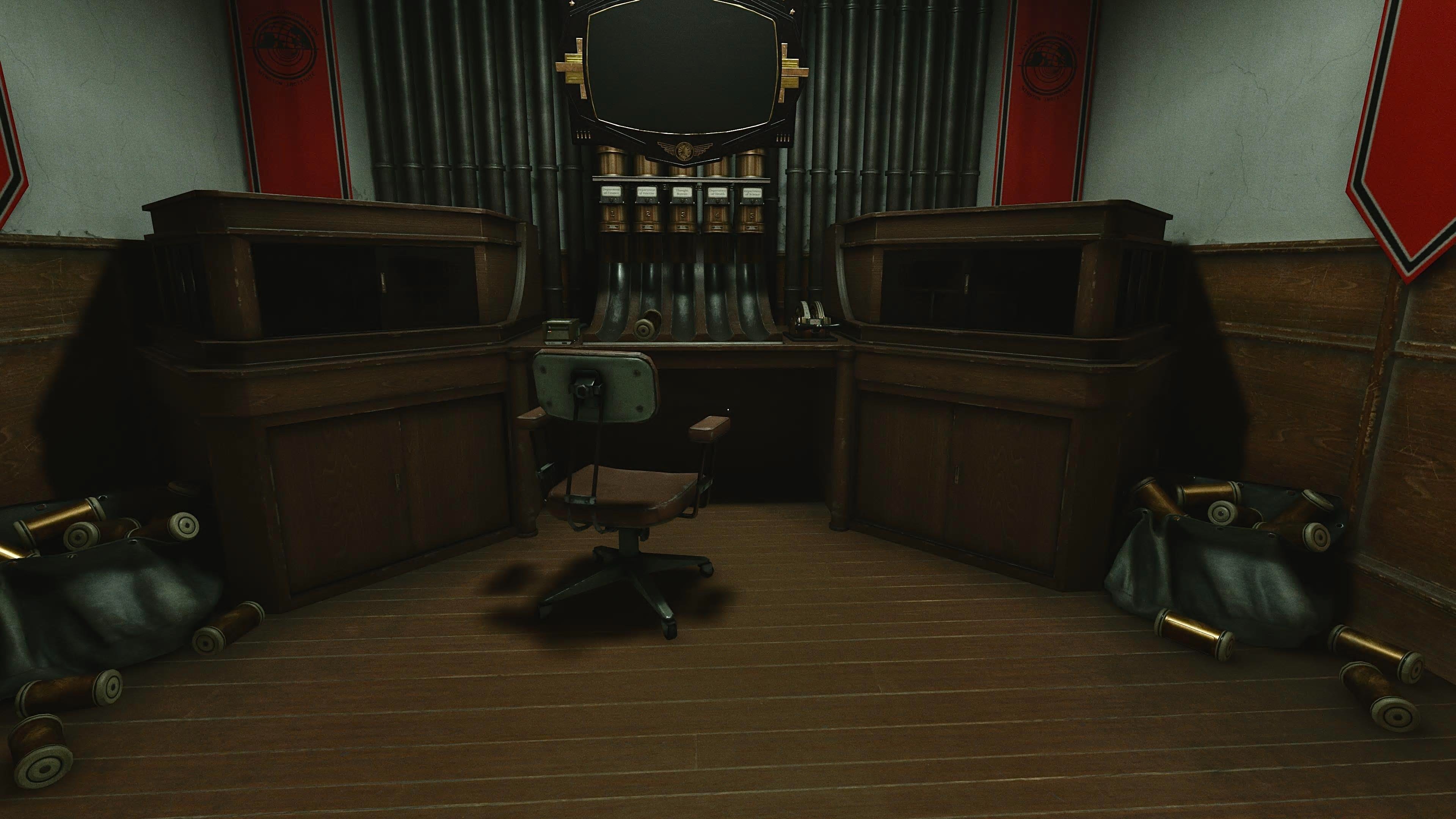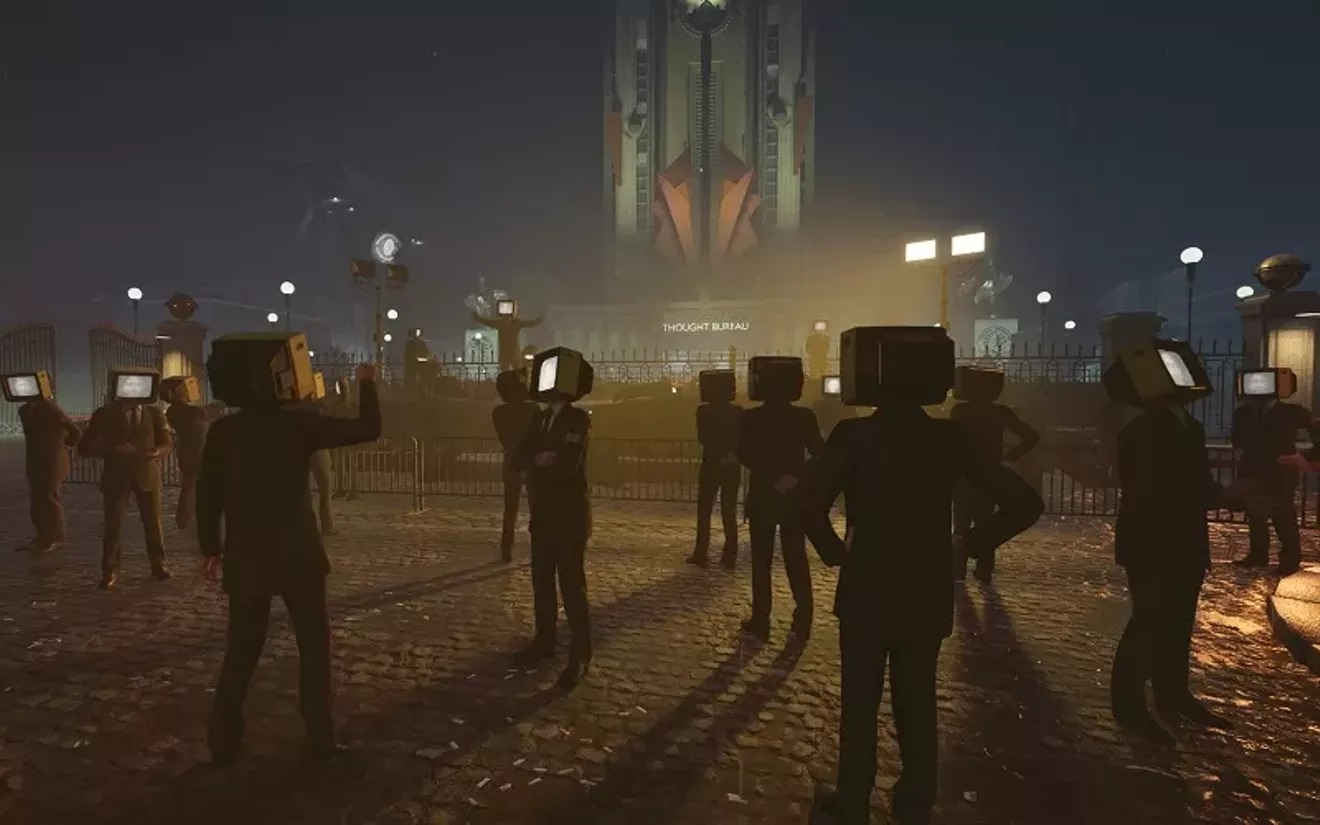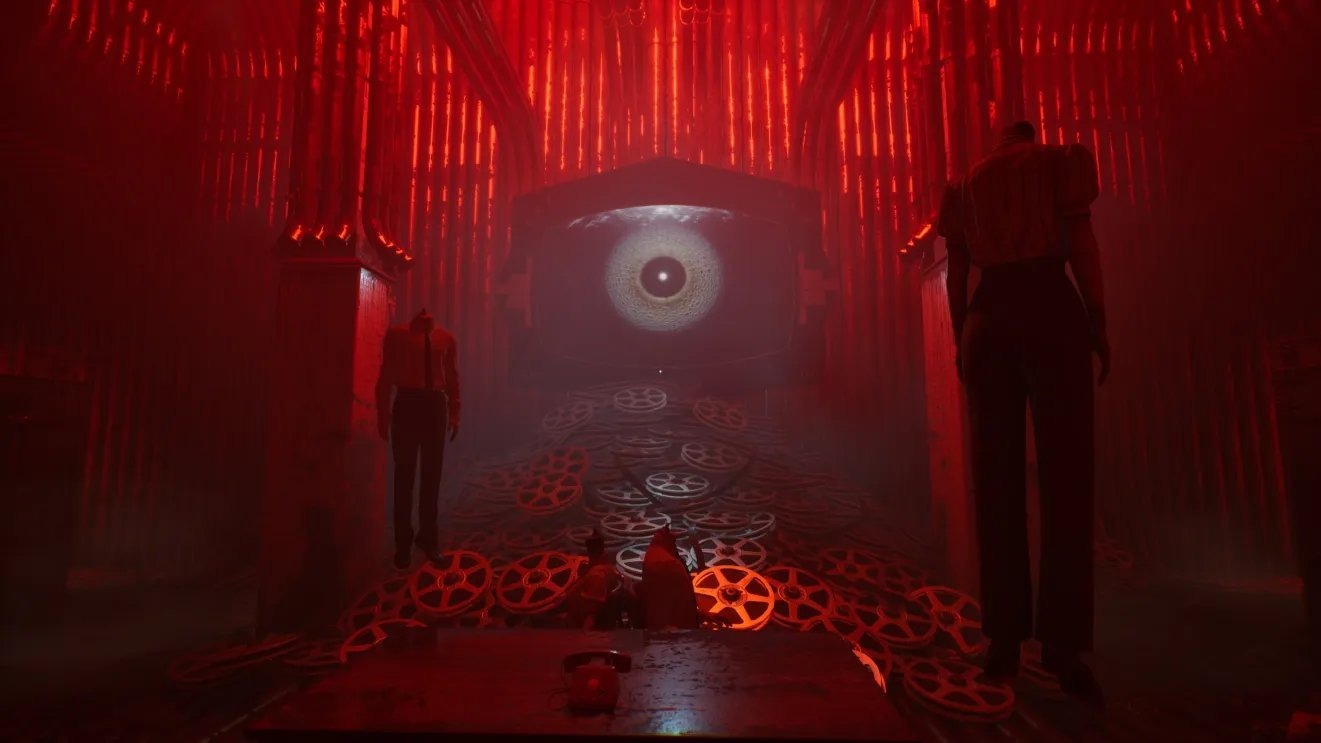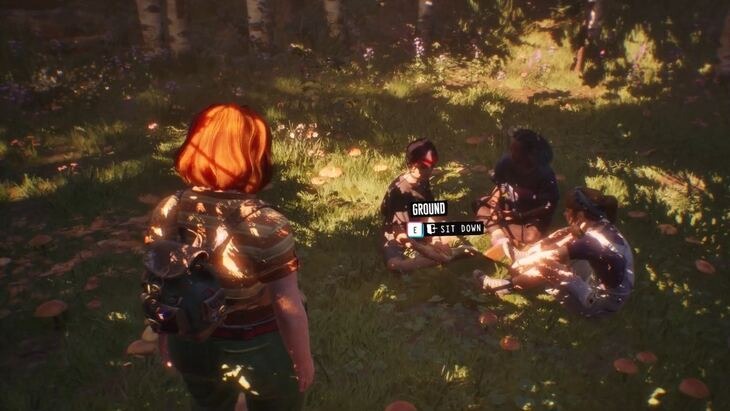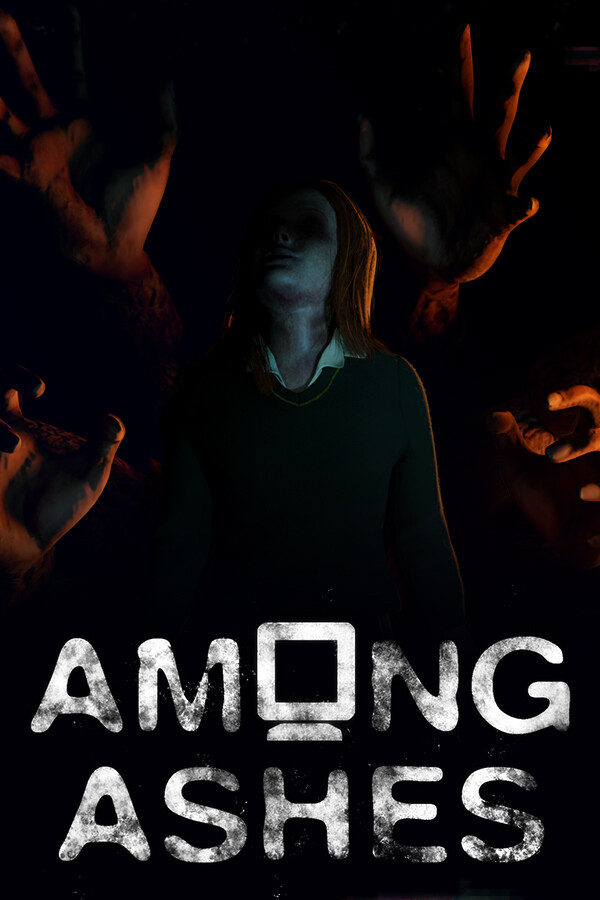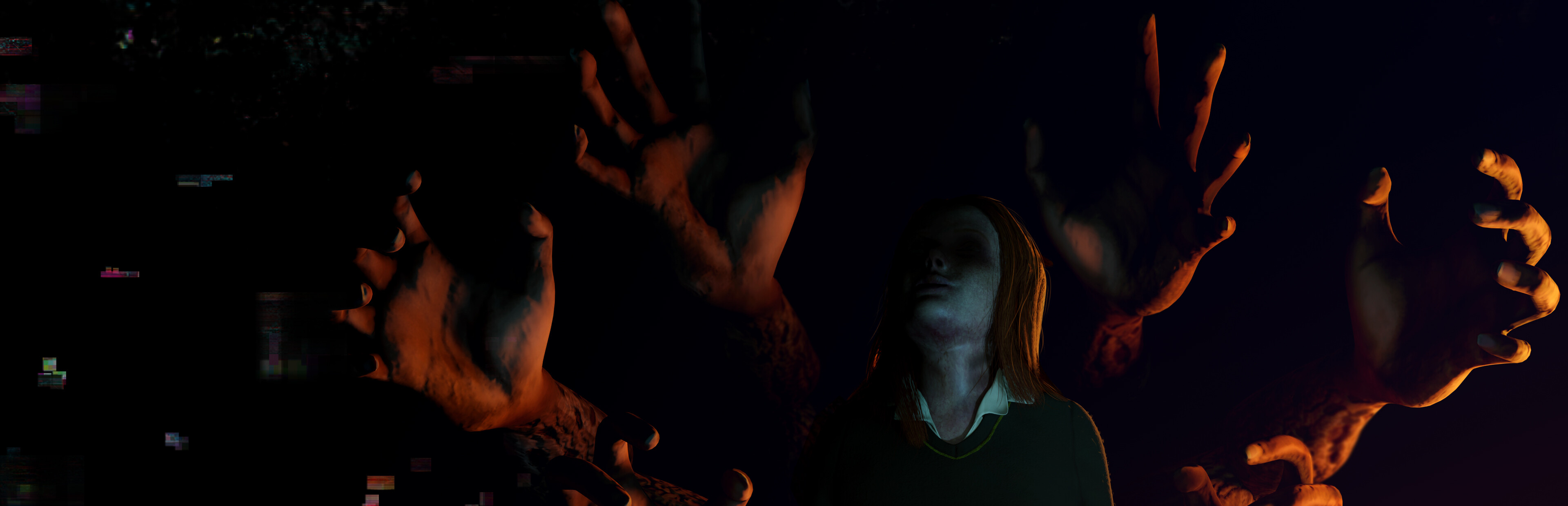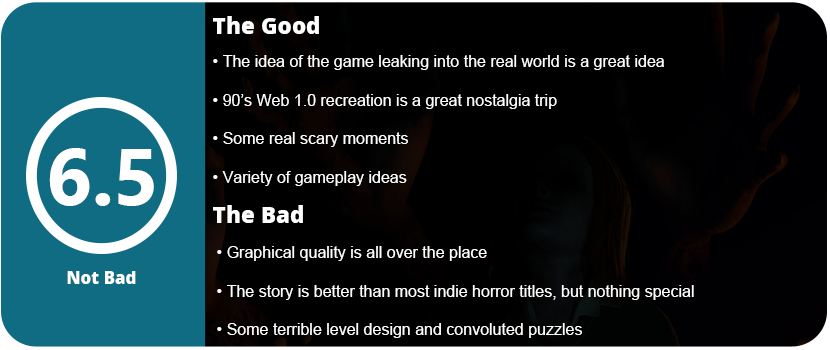
The concept of a video game taking over real life isn’t just a metaphor. There have been numerous instances where excessive gameplay has resulted in fatalities. But what about a game literally invading the real world? Is it actually real or a hallucination of the main character? Among Ashes explores this idea of a late 90s to early 2000s setting of a real game taking over the protagonist’s life. You play as a nameless gamer who ends up playing some indie game that his friend found and sends you the link over MSN Messenger (it’s MSN; it even has the same chimes and sounds). You can use the computer with a Windows 98 style setup. It’s not super interactive, but you can click links that open a web browser to a forum. The game inside the game is called Night Call. It’s a lost game from a developer that ends up putting it on this horror fan forum. You, of course, play this game along with your friend, and every so often you will go back and forth on the messenger talking about events in the game and what’s happening in real life.
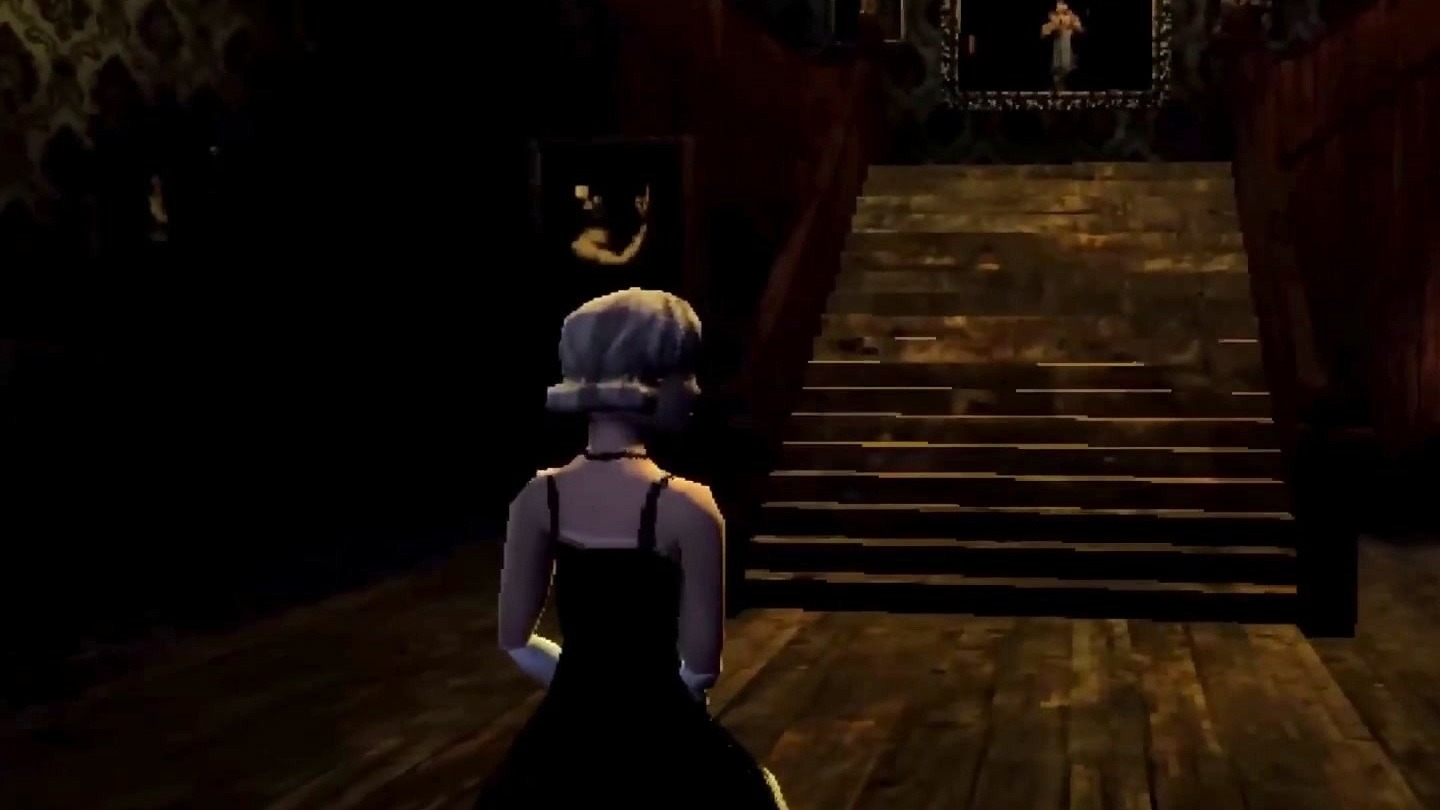
Among Ashes is a melding of genres. It starts out as a Resident Evil clone with PS1 style graphics in a first-person perspective. You arrive at a mansion and are greeted by the maid. You make your way upstairs to talk to the resident doctor about reports of a woman screaming. Of course, this leads to puzzles, wandering around aimlessly with no direction, and combat. Combat consists of beating enemies over the head with a baton. You can block, which helps, but you also get a shotgun and revolver at certain points. It’s best to save the ammo for when you are surrounded by enemies, but I also recommend playing with a guide. There is a hedge maze that’s incredibly confusing to navigate, enemies respawn (they don’t die permanently), and there are typical lock puzzles, math puzzles, gathering hints puzzles, switch flipping puzzles, and so on. There are even a few chase scenes and a maze-like cave system with an enemy chasing you towards the end, and you have to flip switches and open gates. It’s frustrating and doesn’t add the right kind of tension to the game.
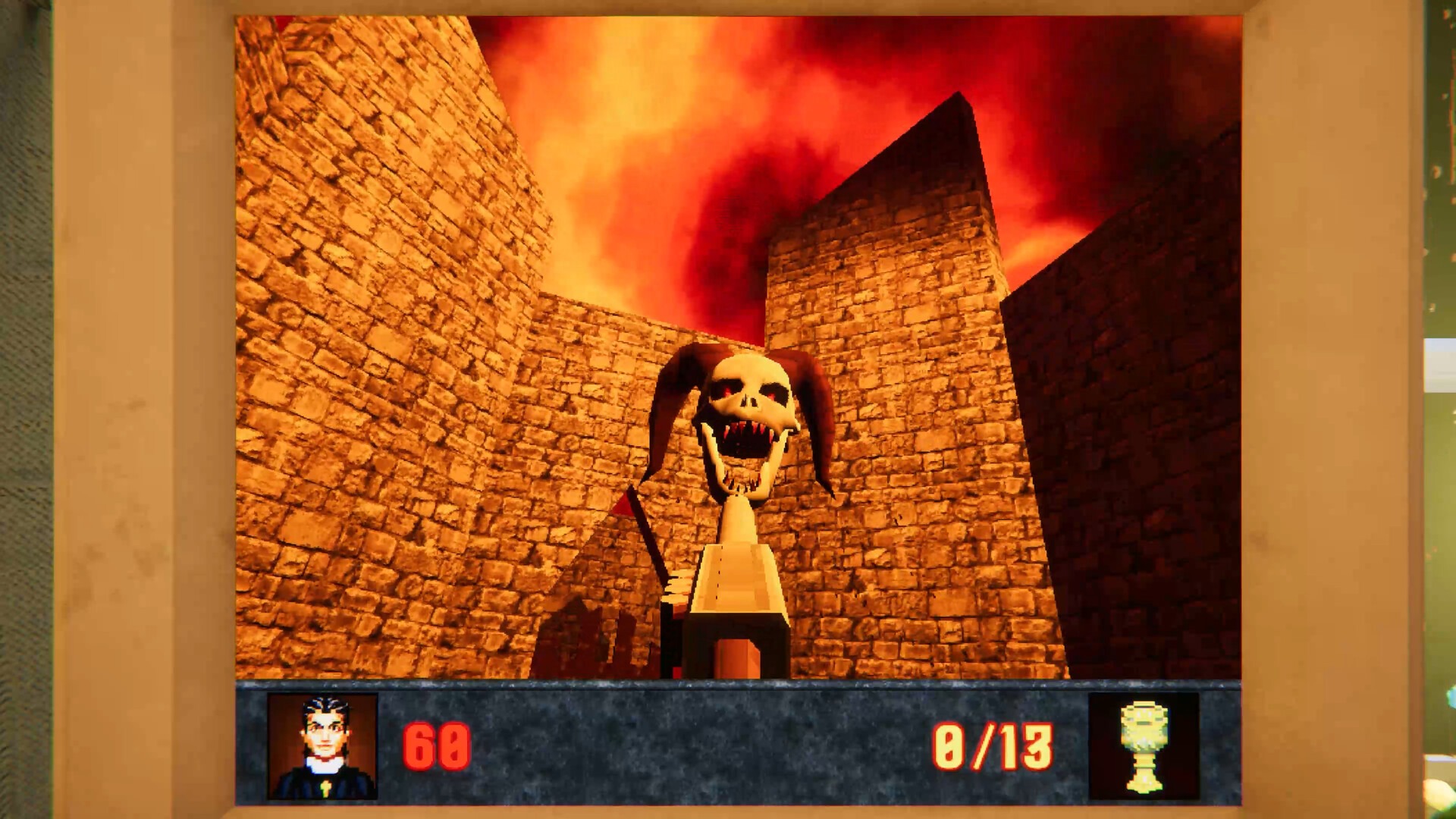
There are a couple of other game types thrown in here. There’s a game within the game of Night Call that’s for the Commodore 64. It’s an 8-bit action game that is required to play to advance the story. It’s not good, it’s repetitive, and it can get really hard sometimes. You only get three hits and you’re dead, and enemies can swarm you. There’s also an FPS Doom clone you can play inside the game, which is pretty bad, but it gets the point across. I will say that the game nails tension and atmosphere, and the monster designs are pretty insane. I love the scares here too. There are a couple of jump scares and just subtle scares, such as a monster staring at you through a gate. Not every scare is in your face. Some can be missed if you aren’t paying attention.
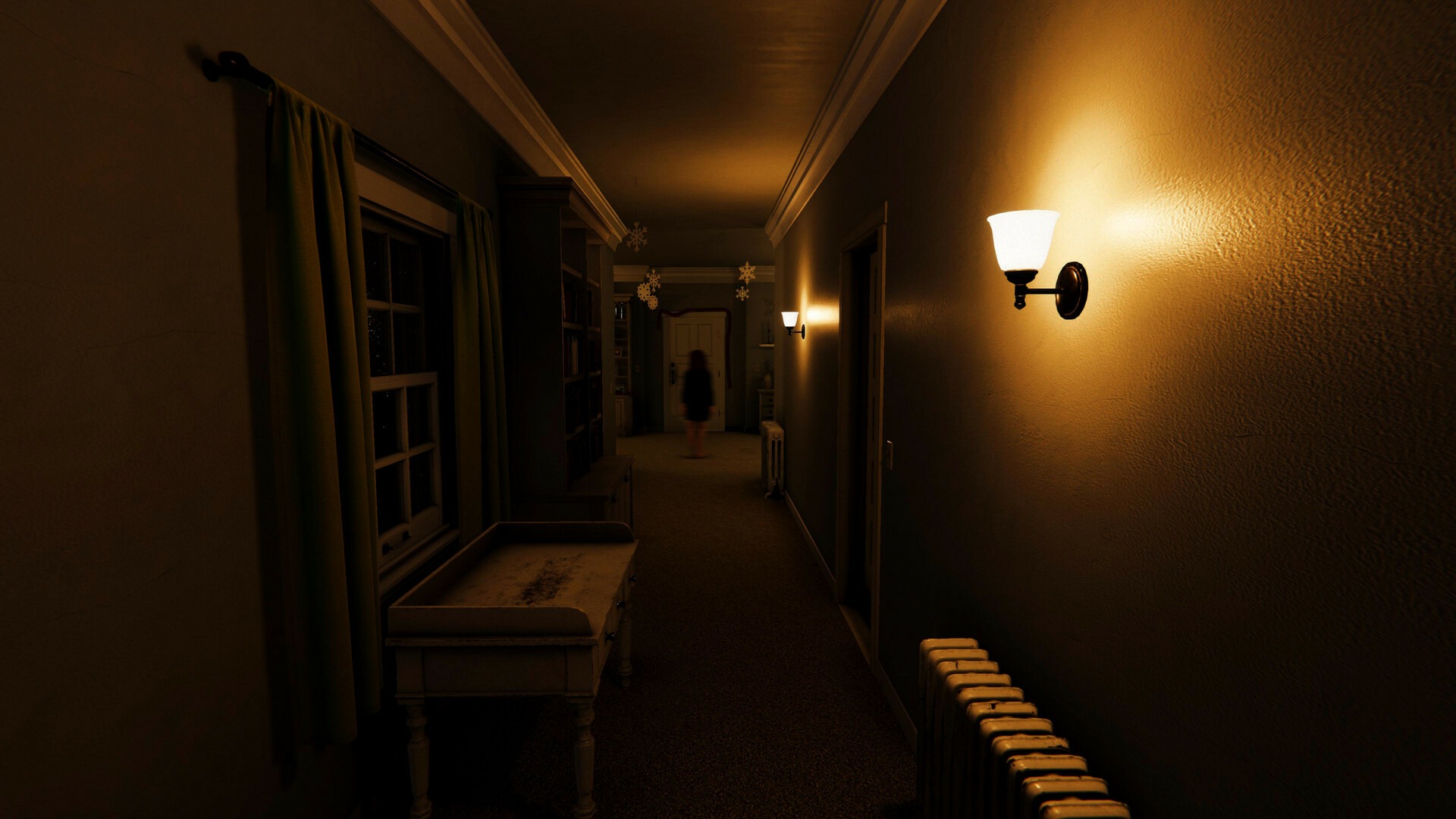
When you get up from your computer in the real world, it almost feels like a breath of fresh air, but things get crazy here too. Objects appear, things become rearranged, and you are very quiet. It was also refreshing when your friend would IM you, as the game feels very isolated, which is a good thing that it nails. I felt very alone, and any sign or hint of another person was so relieving despite how brief it was. The last act of the game falls into the usual indie horror trope of doing crazy things like constantly changing rooms, teleporting you to different locations, recycling older locations, etc. At least, the story maintains coherence throughout and doesn’t deviate significantly towards the conclusion.
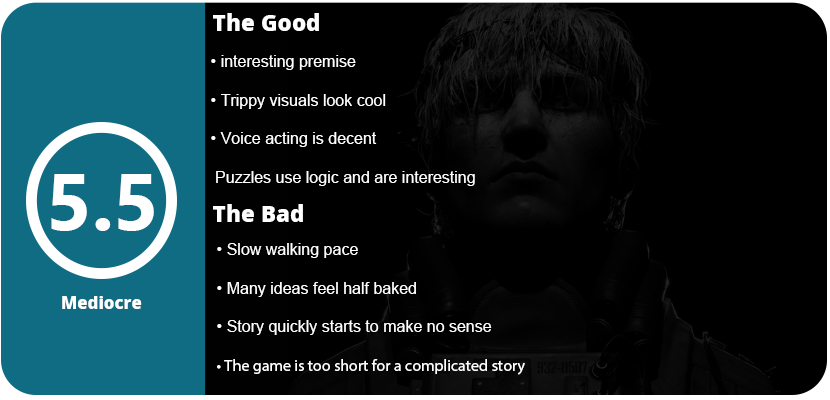
Outside of the great atmosphere and tension, the game just lacks in the actual gameplay department. It’s not fun to play, and the mechanics, while trying to be purposefully bad to fit the type of game it’s trying to emulate, just aren’t done well. Respawning enemies, confusing mazes, obtuse puzzles, and weird boss fights that don’t feel good are all over the place. I liked the story; the Web 1.0 feeling on the PC is nailed perfectly, and the tension is there. I just wish this was wrapped up into an actual fun game to play. Thankfully, it’s over in 3-4 hours.
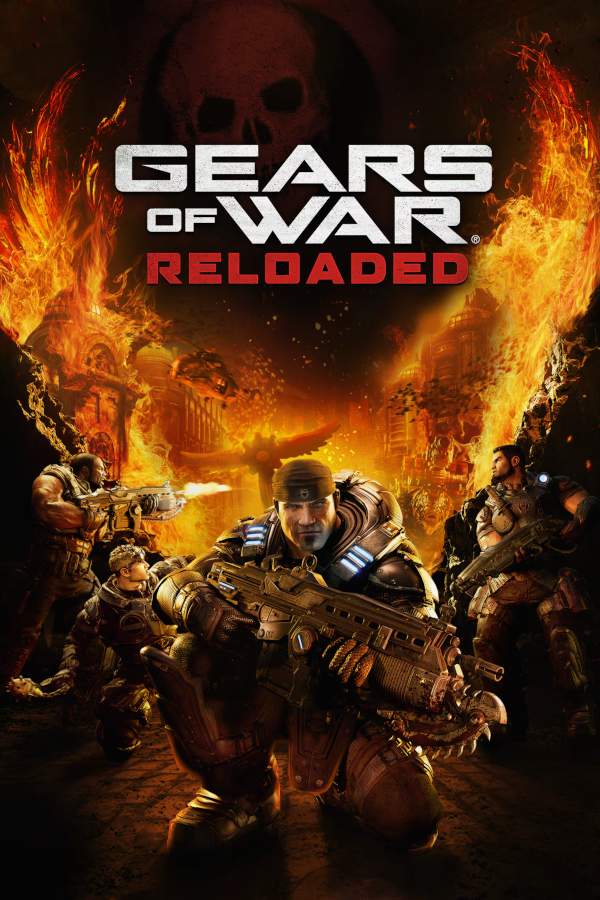
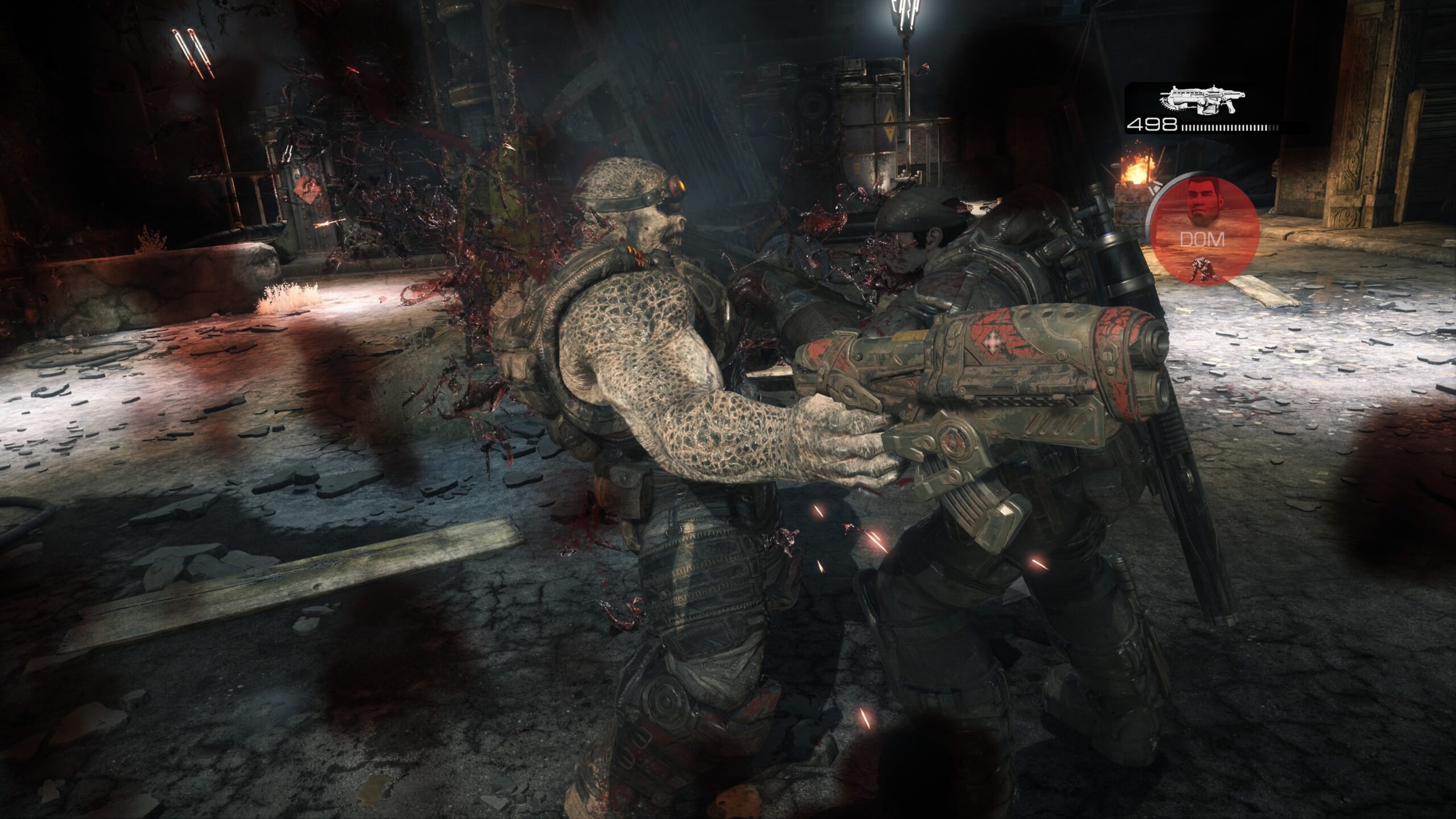
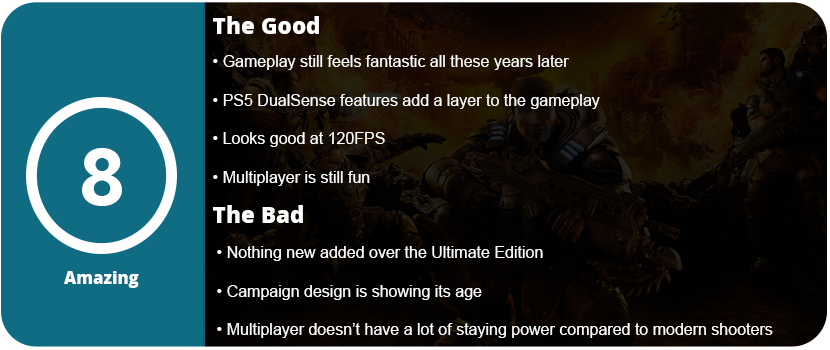
As much as I love Gears of War, and for how iconic and revolutionary it was at the time, it doesn’t need three remasters. Yes, that’s right. It was already remastered before with the 2015 Ultimate Edition release. It was originally released on PC for the first time under the Games for Windows banner and featured DirectX 10 updated visuals and a brand-new chapter in Act IV that involved taking down a Brumak. The Ultimate Edition was already disappointing to some, but having the game further remastered was still nice, and I ate it up. Here we are a decade later, and the impossible has happened. Gears of War is now on PlayStation. This is the second most coveted Xbox franchise next to Halo. How could this possibly be? What kind of timeline have we jumped to? Well, if Xbox’s current downfall isn’t enough to spell it out, then I will. Microsoft is losing money on their GamePass feature as well as the Activision buyout and needs to desperately get their games on more systems. That’s okay, as the PS5 Pro version is the best console version.
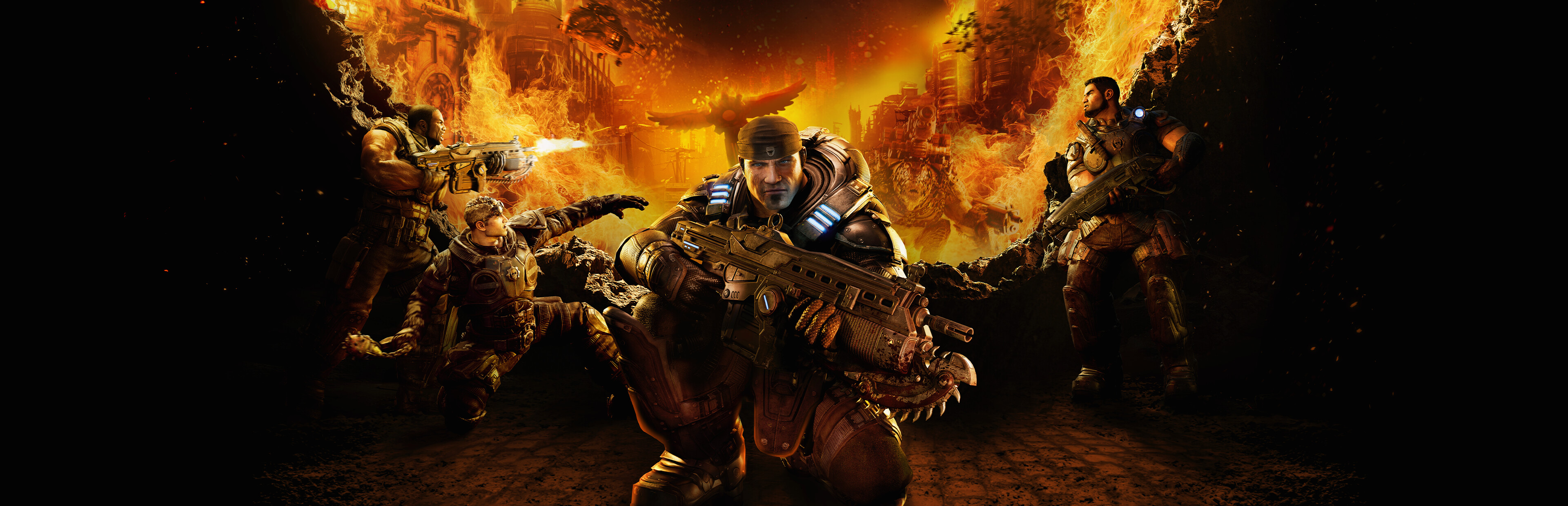
With the shock aside, at least the price tag is nice. For $40 you get a remaster and a full multiplayer suite. For those who never played Gears of War, they are in for a real treat. For me, this is the fifth playthrough (twice on Xbox 360, once on PC, once on Xbox One S, and once on Xbox One X for the Ultimate Edition). The Ultimate Edition is also currently broken on PC and the original release has long since been taken down. So, outside of Xbox, this is the best offer for PC and PS5 players. The campaign is still fantastic despite how short it is, and its age is showing. Shooters back in the mid-2000s were still maturing, and we were still in the linear hallway shooter phase. The game still looks fantastic, and while nearly every game that used Unreal Engine 3 of the era was compared to Gears of War, it was the granddaddy of “grey and brown” games. This was on purpose. You are thrust in the middle of a war on a fictional planet called Sera (Earth is never mentioned), and a new beast called the Locust has emerged, committing full-blown genocide. It’s up to Marcus Fenix and the four-man Delta Squad to deliver a lightmass bomb to destroy their tunnels and stop them for good.
Gears of War was applauded back in the day for its fantastic cover system and level design. Marcus snaps into cover with ease. He can switch covers close to each other, roll out of cover, and use the Roadie Run feature, which brings the camera down near his legs while he crouch sprints for a cinematic effect. Gears of War was all about feeling like a movie. The over-the-shoulder camera perspective was heavily inspired by Resident Evil 4, and it works well here. When you aim your gun, the camera zooms closer, right up to Marcus’ face. It was something that was never seen before at the time of release. Gears also pioneered the Active Reload mechanic in which you need to press the reload button at the right time, and any bullets reloaded in that clip do extra damage. You will eventually have muscle memory of this feature and rarely ever miss. If you do, the gun will jam, and you will need to wait a few seconds before firing or switching weapons. It’s an awesome feature.
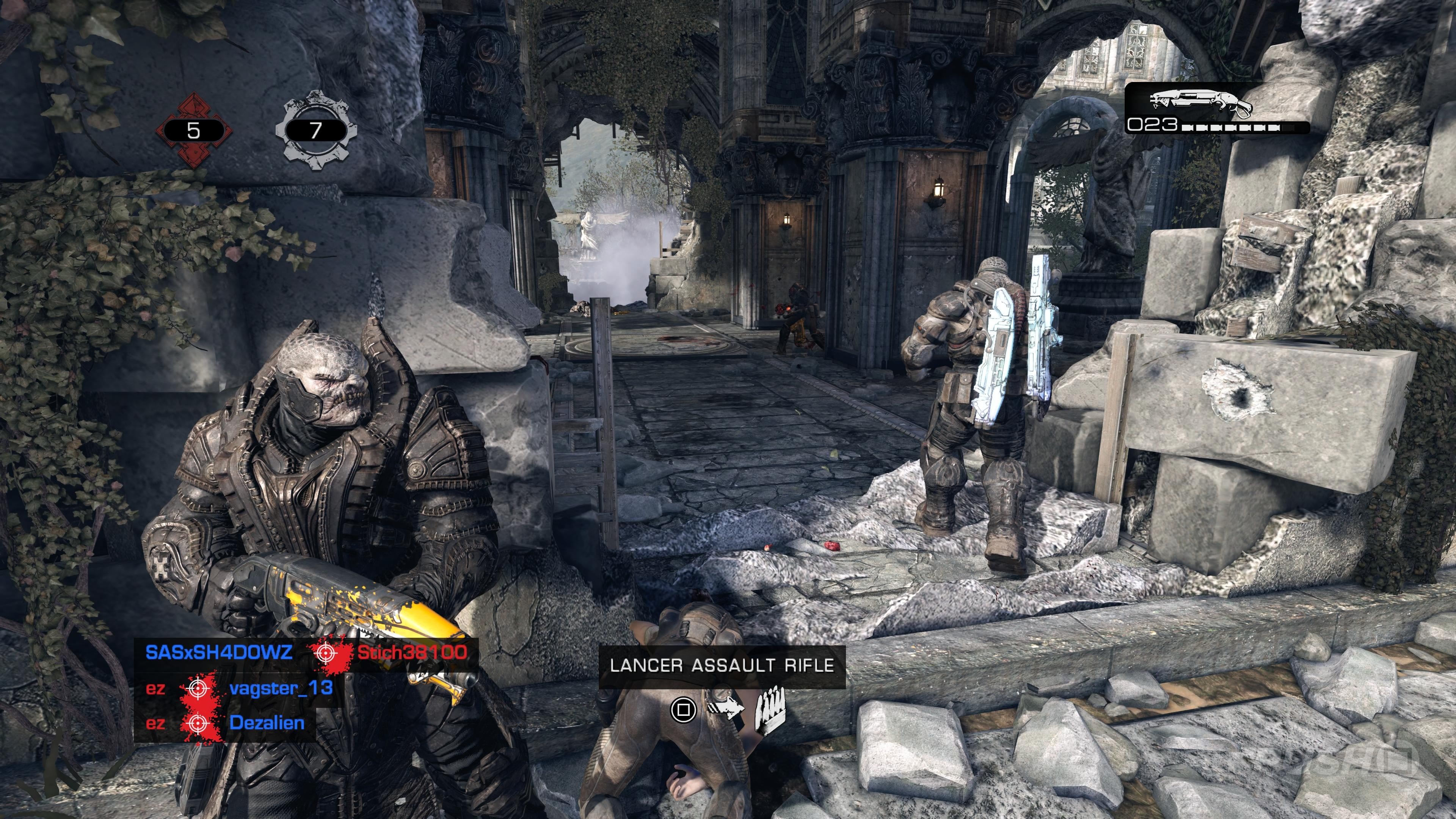
Gears‘ weapons are also well designed and perfectly balanced. The default Lancer Assault Rifle, an iconic weapon now, shoots large clips, has surprisingly good accuracy, and has a chainsaw mounted on the bottom. You can rev this up and saw an enemy in half. Even 19 years later this never gets old. The gib system is satisfying, with enemies exploding into chunks from grenades or getting sawed in half. One other feature that was well regarded was the sound effects. Gears of War has a distinct sound system and has never been replicated. The crunchy sounds of the guns, the reaction of enemies getting hit (which was a big deal) from enemies getting gibbed by grenades, or the subtle sound effect of “one more hit and you’re dead, so get into cover.” Gears of War took a page from Halo and featured a recovery system for health. A red Gears logo slowly appears in the center of the screen as you get hit. On higher difficulties (I cleared this on Hard, but not the hardest), it requires patience, careful flanking of enemies, and using the right weapons. The PS5 DualSense adds a layer to that crunchiness of the weapons. The adaptive triggers and vibration work wonders allowing to now actually “feel” how the weapons should be. This can’t be experienced on Xbox.
The level design requires you to flank enemies and close emergence holes. Tossing a chain grenade into a hole will close it up and stop respawning. They don’t infinitely respawn, but only killing two that crawled is better than waiting for all six. The Locusts are formidable foes and well designed. Not only do they look menacing, but each one has a design language that tells you how to approach them. Enemies can wear helmets, meaning headshots won’t work right away, and the Theron Guard have full armor, which takes longer to take down. The bigger Boomers have Boomshot grenade launchers and are bullet sponges. Then there are the occasional enemies like the Wretches, which are small ape-like creatures that come in swarms. There are Berserkers, which can only be taken down by a Hammer of Dawn, which is a satellite-guided laser. It’s freaking cool despite only being used three times in the game. The Berserker can’t see but can hear you, so you need to guide it around with sound to knock walls down to open up the roof for the satellite to triangulate. It’s neat.
The downside to Gears of War, and the aging part, is not only how linear it is, but also how sparse the story is and how little is explained. While the game is greatly expanded upon in the sequels, and especially the novels, it just feels like it’s over too soon. You want to get to know Delta Squad more. Their personalities are great and well written. Marcus has a dark past (why was he in prison at the beginning of the game?). Dom is trying to find his missing wife but is only mentioned a couple of times. Cole is an ex-football player, but his past isn’t talked about at all, and neither is Baird, who is the nerdy smart guy of the squad. It makes sense that in the heat of this war, going point to point with no breathing room means there’s no time to get to know anyone. Thankfully, this was changed in later sequels, but it’s just odd that this isn’t a remaster of the entire trilogy. The banter between the squad is great, and many new players will want to know more.
There are also some other things that didn’t age well, like some of the clutter in the levels. There are random chairs, stoves, and home appliances kind of haphazardly strewn about in ways that make no sense. The entire game is built like a video game and not like a world people would live in. Some areas just don’t make any sense. I don’t feel like I’m fighting in a city but a video game level. Despite how much Gears wanted to be taken seriously, its world-building is really lacking. Thankfully, the campaign is less than 6 hours long, and you can play with a buddy in co-op; that’s always fun. Just don’t give up on the series yet if you have never played it before. There is more to come. There also aren’t a whole lot of weapons in this game. The arsenal is small, and you will mostly stick to a couple of guns. I also hate how useless the Boltok pistol feels in this game. It’s the only weapon with no feedback when it hits enemies, and the snub pistol is pretty much MIA after the first act.
The multiplayer suite is…fine. I was never a fan of Gears multiplayer. I feel the gameplay doesn’t translate well when fighting against others. There are also some of the better modes from later games missing like Horde. Many will get frustrated with cheap deaths like the rolling shotgun blast. It does feel like an old-school shooter with regular modes that are missing in most of today’s games, so some players will find this refreshing in a world of Call of Dutys and Fortnites. This is an unnecessary remaster to begin with. The game runs smoothly on PS5 Pro at 120 FPS with no dips. The game uses the Pro’s PSSR and there are enhanced textures and lighting. It looks pretty much identical to the PC version. At least, I couldn’t tell the difference. If you’re new to the series or are a hardcore fan, I would say the low price is worth it. While the campaign will only last an evening, the multiplayer may be enough for people to keep coming back.
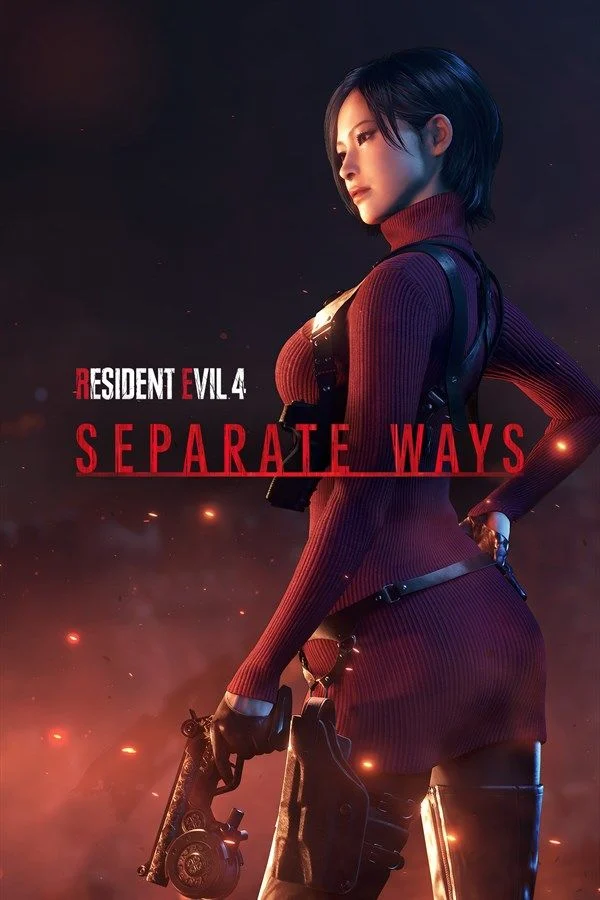
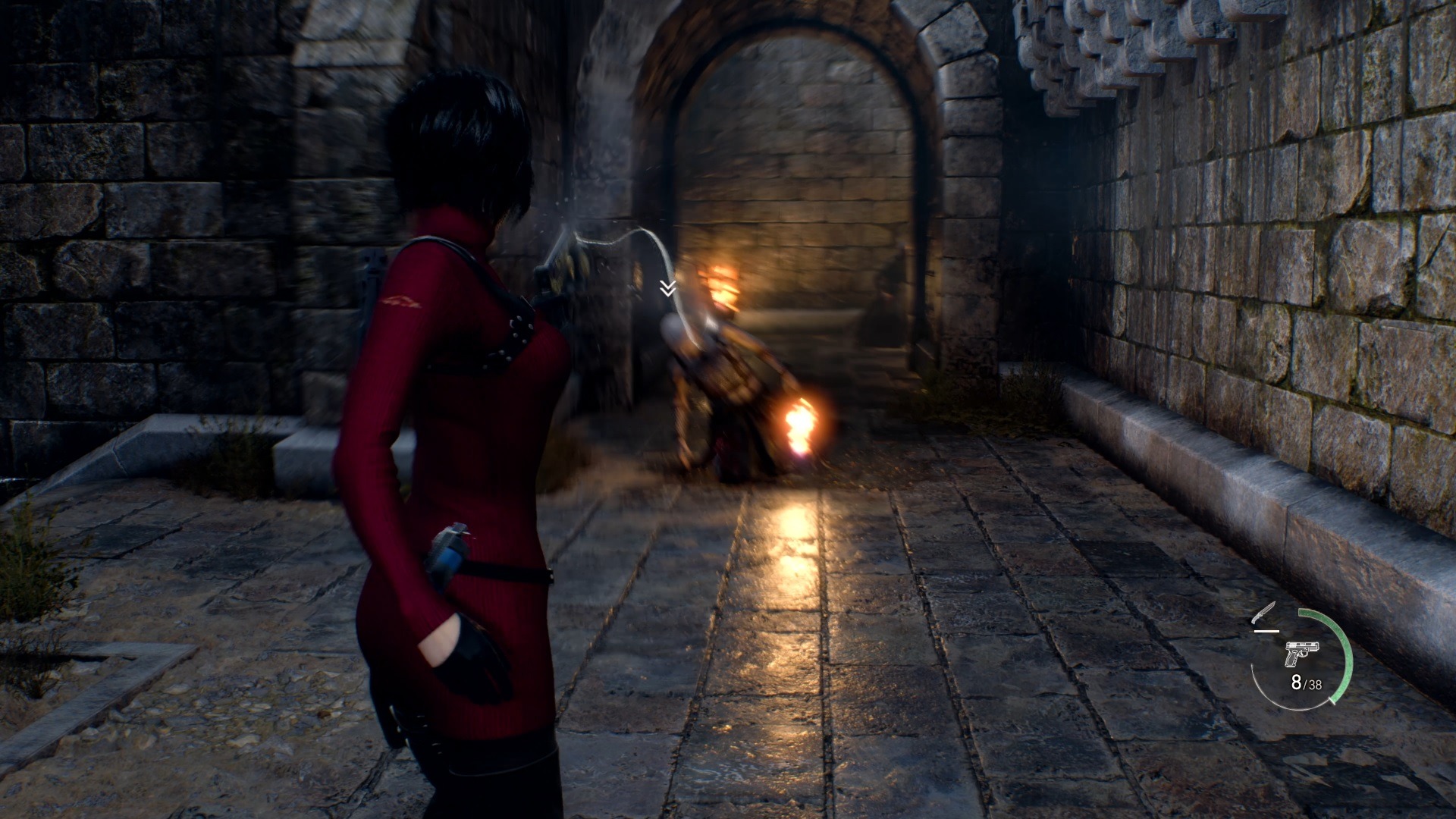
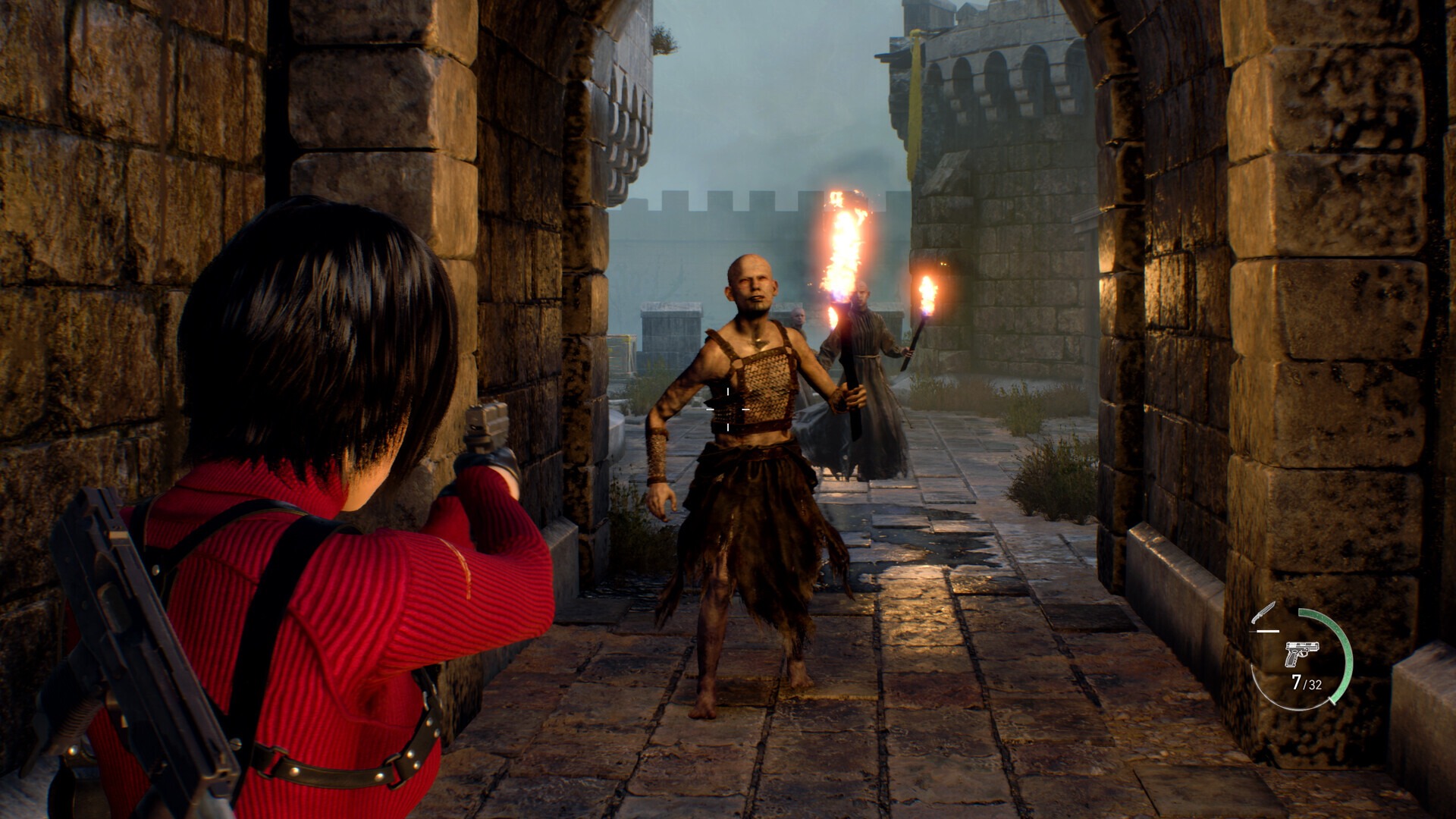
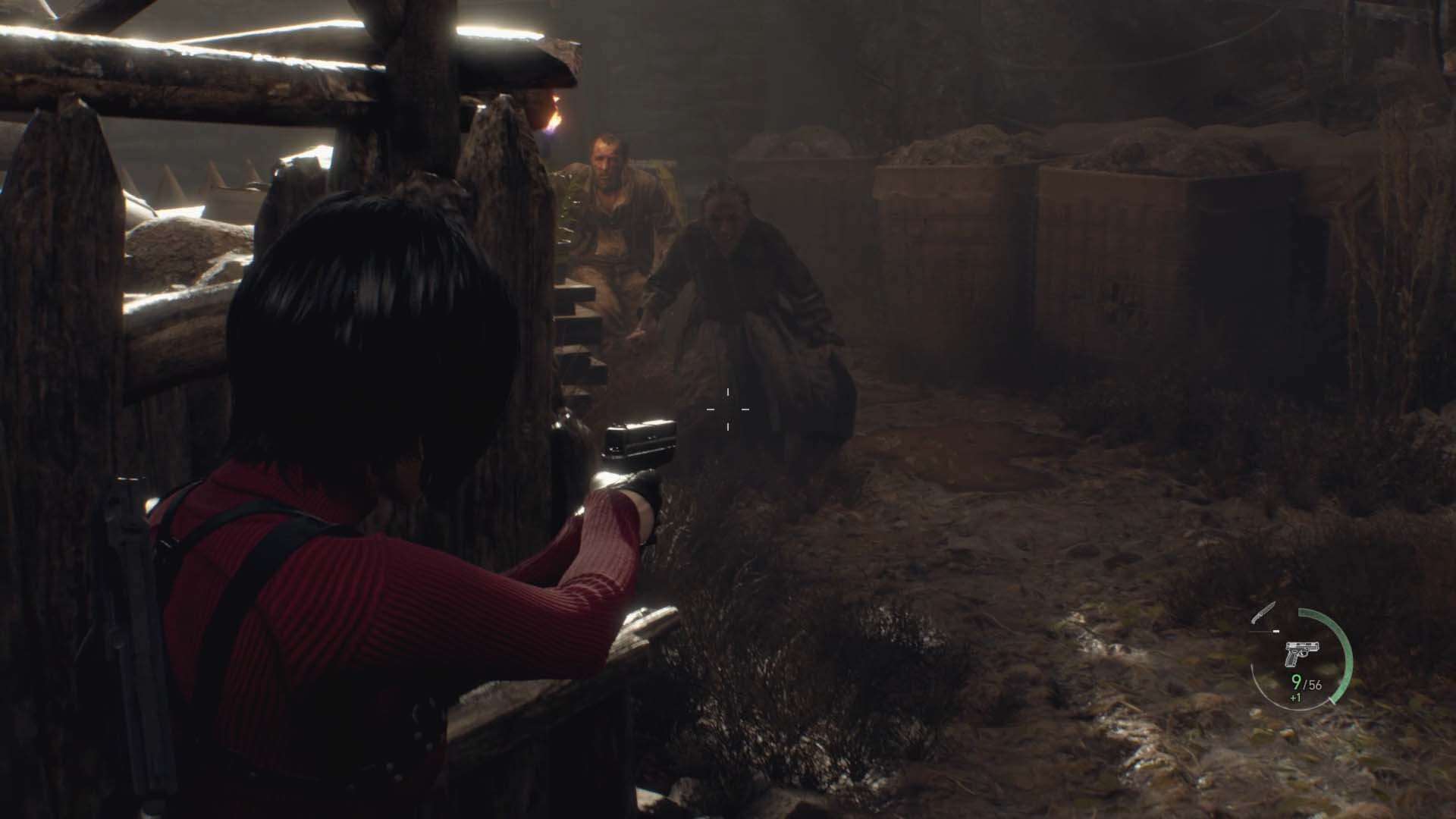
Have you always wanted to know how certain things happen in Resident Evil 4? Why did Leon escape from situations at the right moment, or why did the odds of him surviving certain encounters seem unusual? Some of those questions are answered in Separate Ways. This is the side content from the original game remade for 2023. You play as Ada Wong here. She’s such a fascinating character, and despite being an early childhood crush, I found I appreciated her more endearing qualities as an adult. She’s mysterious and bold, doesn’t take crap from anyone, but is still fighting a moral quandary within herself. She wants to be a bad guy, but not that bad. She also has a hankering for Leon, and their sexual tension ratchets up here more than any other time.
Separate Ways is more of a remix of the main game than anything really new. New battlefields are usually above or in Leon’s old areas. Sometimes you will notice he’s cleaned up the place or destroyed an area before you get there. One such area is after the church bell tower fell in the main village. You go through the game in the same order, but at a rapid speed. Ada has a grappling hook in her arsenal to traverse the high ground. She can also use this to get closer to enemies quicker for a finisher and rip shields off of enemies. This is even used during the boss fight with El Gigante. She can swing up and fight on top of buildings, giving her an advantage. Ada also has access to the shopkeeper and a small repertoire of guns. She starts out with the Punisher MC pistol and the TMP. She’s all about close quarters combat. You can eventually get the M1903 rifle and the much better Stingray toward the end, but you will most likely always be charging in to get close. You can get access to the shotgun as well, but shells are really rare and take 12 gunpowder to create just 6 shells. Although it won’t be useful frequently, it can save you in an emergency. Save it for dispersing large crowds or for tougher enemies.
Ada also gets a few side quests, such as her very own medallion mission and fetching various items. There’s plenty of treasure lying around, and gemstones can be inlaid into valuable items to make them worth more. Be on the lookout for hanging treasure pots and chests everywhere. You will need those Pesos. You can use Spinel gems to trade for passive keychains to add to your cache to increase stats such as sprint speed, damage, and defense. I didn’t end up using any of these, as they are expensive, and the DLC’s short run time means you’re better off upgrading your pistol, TMP, and buying new weapons. I did end up with the Red9 towards the end and spent most of my money on upgrading those two weapons, as the ammo is most plentiful for them. I only used the bow a few times, but bolts use knives, and these are better suited for stabbing enemies on the ground before the Las Plagas pops out of their head. You will also need to get out of tight situations, and you can sneak around some areas and pick off some enemies too. Here it’s best to be resourceful, as ammo is scarce, and so are healing items, more so than in the main game.
Ada does run into her fair share of bosses, but not all of them are attacked head-on. One boss is a chase scene through a facility, while some are recycled from the main game but remixed a bit. I found the constant scraping for supplies, upgrading, crafting, and looking for treasure to be just as fun as the main game. It was nice seeing new areas and having some questions answered. Ada is a great on-screen presence and is one of my favorite female video game characters of all time. Her new voice actress does a good job making her sound emotionless and stern, but when emotion needs to break through, she can’t quite seem to land it. Emotions like surprise and slight fear just don’t come across well. Ada is almost like a robot by design, but she does have her humanity peek through from time to time, and that makes her such an awesome character. She’s not as evil as Wesker, but a nice in-between.
Overall, Separate Ways is a fantastic DLC that does everything right. Coming in at 4-5 hours of run time, it’s enough for a nice evening playthrough and to see the other side of RE4 that Leon can’t access. There are no upgraded visuals or anything like that with this, and there’s nothing inherently new or unique. It’s a remix of RE4 and that’s fine.
I’m not really a co-op person. I do not consider myself a person who typically engages in cooperative gaming. I was raised among friends who did not share a strong interest in video games, and when they did, it was not in the genres I preferred. I have always been inclined towards single-player experiences. It Takes Two is the first co-op-only game that has motivated me to seek out a partner for gameplay, even though it took me four years to complete it. I was always a single-player kid. It Takes Two is the first co-op-only game that has pushed me to find someone to play multiplayer games with, even if it took me four years to finally finish. I started the game out with my wife and finished it off with my youngest sister. Couch co-op is something that builds bonds and memories, and this is one of those games. The story takes a backseat to fantastic gameplay that is always changing with incredible level design.
The story is the worst part of the game, and not for the reason you think. It’s poorly written. Painfully written. The idea itself is fine on paper. You are a married couple (Cody and May) going through a borderline divorce when your child gets the troubling news and uses her handmade dolls to act out her parents getting along again. Both of you drift off to sleep, finding yourself in a world akin to Pixar’s, where everything is grandiose and seemingly insignificant details are conspiring against you. One of the most annoying characters ever conceived in pixels is a therapist in the shape of a book called Dr. Hakim, who is a racist Mexican stereotype. His dialog is cringy and awful, and he’s just so incredibly annoying. Whenever he was on screen, my wife would use her phone, or my sister would walk away. I also don’t like how Cody and May’s relationship seemingly never evolves despite these harrowing acts they go through. Each level should typically show some change in their relationship, and relying on a monkey-in-the-middle remediator is quite frustrating. This is one of my least favorite video game stories ever. It’s just incredibly horrid.
Outside of that, the game is a delight to play. Each level is unique and full of charm, such as the garden level with enemies that are different flora and the attic level, which has you walking and bouncing on instruments that make real sounds. Each level gives Cody and May a unique ability they must use to puzzle-solve and use for combat. Not every level has combat, but every one has a lot of platforming and puzzle solving. The first level’s vacuum cleaner, for example, is a delight, and another level uses a honey cannon backpack. The game is played in split-screen, so you must work together to solve everything. In some areas, one character is needed to get through. The puzzles constantly change, and each ability is used to its fullest.
There are some mini-games spread out throughout the game that are more like “toys” and don’t really do anything. They are marked with a tambourine floating above them. Some range from getting points by shooting cannons at blocks to long jumps off of swings to a chess game. They are interesting but slow the game and have no rewards. These are good ideas, but the winner should get a reward, like a damage boost. Most of the time we would just play once for a couple of minutes and move on.
Combat, on the other hand, is really annoying and not excellent. Balancing is an issue here. Occasionally, an excessive number of enemies will attack you, resulting in both of you dying and necessitating a restart of the area. If one player dies, they can revive by mashing a button, but if both die, it’s over. We died more in combat than any other time, and everything is too chaotic to monitor your life meter. I would get pummeled and wailed on as a passive ability character waiting for my partner to take out the baddies or expose the weak point of an enemy or boss while smaller enemies just annihilated us. This problem isn’t a skill issue either. Additionally, the absence of a lock-on button increases frustration during gameplay.
The visuals themselves are fantastic. Each level feels unique while grounded in realism. The unique dreamlike and cartoonish visuals provide a Pixar vibe, and they are a sight to behold. The explosion of everything, from everyday objects to skyscraper-sized buildings, is truly captivating. However, some levels, like the dream level at the midway point, seem overly lengthy. There is a hub area, and you branch off to different sub-levels, but it seems to go on forever. Then, later on, I felt like a single character’s ability was underutilized. The attic level had me barely doing anything for my partner. The balancing in this game is significantly flawed, but it can be overlooked.
Overall, It Takes Two is a must-play for anyone remotely interested in co-op games. The story, characters, and writing are both awful and rote, but the gameplay is why you will stay. The visuals are incredibly charming and imaginative, and the combat requires each player to assist each other at every single turn and puzzle. Combat is too simple and chaotic to be very fun or engaging, but there’s not a lot of it. The game is a pretty decent length, clocking in at 8 hours or so.
Have you ever regretted your final moments with someone? Most of us don’t know when those final moments are, and when the time comes, it’s too late. The story of Undying Flower takes things a bit further and asks, Would you ever forgive yourself for killing someone you love? That’s the first question asked when starting the game. We are talking to a girl’s head with two flowers on the sides. She asks us questions that we don’t have answers to. In fact, we don’t even know this person. Who are we even? Without spoiling the story, we are a scientist who is experimenting on this little girl. Or at least that’s what it seems. I’ll leave you with this: The story is pretty good, and the ending was great and satisfying. Unlike most short indie games, this one excels in storytelling. The game offers enough twists to keep you captivated for 2-3 hours.
The gameplay isn’t overly extensive, which is typical of most indie adventure titles. Although they are not exactly visual novels, these games feel more like interactive stories than traditional games, which is acceptable; however, creating them successfully can be challenging. The story, setting, atmosphere, and characters must immediately captivate you. While there are only two characters in the story, don’t let this perturb you. This means the short story can laser focus on just these two characters. The protagonists are the girl and her grandfather. What unfolds gameplay-wise is walking around a room and interacting with highlighted objects. We zoom to the two faces. We can hear Her Story or His Story. They are really short. The object’s context is conveyed in just a few sentences. This really helps build this moment in these lives that we are witnessing. The writing is really well done and strays away from the abstract poetry that most indie adventures tend to lean towards. Each face will show different animations of emotion based on how you answer them, but the answers don’t really change the story.
There are a few rooms with objects you interact with. This interactive experience occupies approximately the first half of the game. The second half involves a puzzle in which you select mementos to create a memory based on the statement the girl is telling you. I found the game too abstract and nigh impossible to get the combos right. Thankfully, after one minute the help kicks in, and if you get objects right, they will turn green. You’re not just selecting the memories you went over but creating new ones with them, and then these get added to the pool of choices, making it a convoluted mess. Thankfully, this section is short, but afterwards, most of the gameplay is done, and the final 20–30 minutes are just narrative.
The visuals are impressive, featuring a lot of abstract black and white elements complemented by splashes of color. While the female scientist model may not look great, the rest of the visuals are impressive. The art style is exceptional, featuring stunning orchestral melodies and harmonies that evoke strong emotions at precisely the right moments. What helps is that this story is very relatable. Anyone as a teen can relate to what the girl is going through with her grandpa; we have all been there. We have also all beat ourselves up over something we blamed ourselves for that was out of our control. This episode can really hit home for those that have experienced anything similar to the story.
What’s here is a short narrative piece with relatable subject matter. With fantastic music, outstanding visuals, solid writing, and a laser focus on just two characters, we go through a roller coaster of human emotion. Don’t come in expecting a ton of gameplay, and give the matching puzzle at the end some grace, and you might just wipe away some tears .
There’s been an ever-increasing discourse between the people and corporate America. American Arcadia takes the worst of the present and shows us the ugly side of being slaves to mega corporations. With clear inspiration from The Truman Show and Walt Disney’s vision of “The World of Tomorrow” and his original vision of Disney EPCOT, American Arcadia is a dystopian trip down 70’s lane with fantastic voice acting, a riveting story, and excellent pacing.
You play as two main protagonists. Trevor Hills and Angela Solano. The game has two perspectives. Trevor’s gameplay is a 2D side-scrolling platformer similar to games like Limbo and Inside, and Angela’s more puzzle-heavy first-person sections have inspiration from 70s spy movies, not too dissimilar from No One Lives Forever, but without any shooting. Angela is a stage tech for the corporation Walton Media (clearly a dig at the Walt Disney Company) who ends up being recruited by an activist group called Breakout, and you end up helping Trevor escape where he lives while trying to shut down the corporation. The game’s pacing is fantastic. The game consistently presents fresh scenarios, never growing stale or monotonous. The story continuously moves and evolves as you play, with events unfolding for each character while you control the other. Many times there will be cool split-screen sections in which you need to do tasks with Angela while controlling Trevor on her monitor. I don’t want to give away too much plot to have the explanation make more sense, but it’s really cool and well done.
Trevor and Angela are likeable characters, and while not super original, they leave an impact, including on the villains. There are sections of the game that teach you organically about the world of American Arcadia, including the lives of Angela and Trevor. Trevor’s sections are full of fast-paced platforming and push puzzles. These are not super complicated, but they are fun and help break up the chase scenes. Angela’s sections include quite a few puzzle types, from sliding puzzles and quizzes to some that are completely unique. This includes mostly hacking things to help Trevor get through areas. This was one of my favorite gameplay ideas. You can press a button to enter the camera mode. The feature changes the perspective of Trevor’s sections, and you must manipulate electronics around him to get past guards and obstacles. Every single scene gives you something new. I can’t state that enough. There were a couple of frustrating sections in which I realized I was analyzing the scene wrong. I made mistakes such as jumping onto the incorrect platform and running in the incorrect direction. Nothing was ever so annoying that I wanted to quit playing. I do think the game should have given a couple of hints if you keep doing the same thing over and over and dying, but again, it’s not a big deal.
Visually, the game has a fantastic sense of style. Inside of Arcadia, the world is stuck in the 70s. There are a lot of panning vistas of cool interior designs while Angela is in the present day, and it’s all less captivating to look at. I’m not a fan of the character designs. They are very blocky with no noses. It’s a bit off-putting, but the rest of the game looks excellent. I feel the biggest issue is that the game is too short. Depending on how much you struggle with the larger puzzles, you can finish the game in about 4-5 hours. While the entire game is explained well and feels like nothing is left out, I wanted to know more about Angela’s childhood and backstory, as we get to know mostly about Walton Media and Trevor.
As it stands, American Arcadia is one of the best games in this category. With constantly evolving gameplay ideas, fantastic voice acting, a riveting story with twists and turns, and a delightful art style, there’s not much you can’t like. Going between Trevor’s 2D sections and Angela’s first-person sections is a lot of fun, and you never know what’s coming next.
Onimusha was a third-party PlayStation 2 exclusive franchise that did very well back in the day. I remember seeing these games on shelves for years at Blockbuster and game stores, and they never caught my interest until the third entry. Onimusha can be described as a Samurai-themed version of Resident Evil, featuring 3D polygonal characters set against pre-rendered backgrounds and utilizing tank controls. In 2019 an HD remaster was released that vastly improved the game and made it more playable thanks to modern enhancements. These include things such as up to 1440p resolution, texture filtering, a 16:9 aspect ratio, re-recorded voice acting and soundtrack, and improved controls. You can now control characters with the left analog stick, which removes the tank controls. You can also switch weapons on the fly rather than through menus, like in Resident Evil. This bumps the score up quite a bit and makes it enjoyable to play.
You assume the role of Samanosuke, a samurai whose clan is engaged in a war with Oda Nobunaga. Oda is killed in battle, and he swears allegiance with demons to come back to life and take over Samanosuke’s clan. Given that a quick run-through of the game takes around 4-5 hours (3.5 hours with a walkthrough), the story is extremely thin and lacks interest. There’s not much time to tell a good story. Unfortunately, the characters lack depth and backstory, making it difficult to care about them. The boss designs are cool, but the enemies feel like generic zombie samurais and monsters. The only really cool design is Guildenstern, who feels like something straight from H.R. Giger. The enemy variety is enough for this type of game, as you need to learn enemy attack patterns, so too many enemies would make the game more unbalanced.
The combat consists of a single attack button. You can lock on to enemies and do three-hit combos as well as block. It’s punchy and feels excellent and each of the three weapons feels excellent to use. Enryuu is a heavy flame sword, Shippuu is a swift double sword, and Raizen is a medium-speed short sword. Each weapon has an elemental attack attached to it that does massive damage and uses blue magic, so you only get a couple of uses, and each weapon has its own meter; it’s not a shared pool. You can gain more magic only from enemies dropping orbs or magic fountains near save points. Therefore, you should utilize it sparingly against bosses or to overcome challenging situations. You also use these magic powers to unlock doors to progress through the game. You must upgrade your magic first, or you’ll be stuck and have to grind. Enemies do respawn, which is annoying, but it’s needed to gain more red orbs to upgrade magic and weapons.
Armor isn’t upgradeable, but you can find two different sets of better armor in the game, but they are locked behind some puzzles. Some of the best items and jewels, which are used to upgrade max magic and health, are locked behind puzzle boxes. Books provide clues, but they can be hard to interpret. The map system is quite adequate, allowing you to either consult a labeled map online or create one yourself. Like Resident Evil, you need to memorize landmarks to get around the game, as every room has a fixed camera angle. There is a bonus arena mode in which you descend 20 levels of waves of enemies to get a key to unlock the strongest sword in the game, but it’s not until just before the final boss, so this is mostly useful for second playthroughs. The arena is incredibly challenging, so I recommend playing the game on easy first and then doing another playthrough on a harder difficulty.
Overall, Onimusha was a good attempt from Capcom to create another sub-genre of their Resident Evil games, and it was mostly successful. A simple but solid combat system, fun and challenging bosses, and well-designed levels will give you a fun weekend. Just don’t expect a complicated story and captivating characters.
South Park has had a reputation of having terrible games in its repertoire. In fact, South Park on the N64 is considered one of the worst games ever made. The studio redeemed itself with The Stick of Truth in 2014 and delivered a fun turn-based RPG that kept the look and humor of the shows. Critics praised it for evoking the experience of playing an actual show. The Fractured But Whole carries on this tradition, introducing a fresh narrative and featuring the character of the New Kid, also known as Butthole or Butt Lord. Sadly, the game feels more like an expansion on the first game rather than an entirely new game. We get the same South Park map, nearly the same locales and shops, and the gameplay is mostly unchanged. The studio didn’t do much to address many of the concerns from the original, either.
You start out by creating your hero to look like a South Park character. You are a voiceless protagonist again, but I wish I could actually play as one of the main characters here. Once the plot is dished out, you can go explore South Park. Unfortunately, the map remains largely unchanged. Until you acquire different fart powers, various areas remain blocked. Your primary superpower is the ability to produce potent farts that have the capacity to alter the course of time and space. You eventually acquire various abilities that allow you to reach higher places by using small fans. You can use Captain Diabetes to knock over objects with green bases. You can unlock the electric door by having Butters…shove a hamster up your butt and then fart it out, which will short out the circuit. You couldn’t make this stuff up if you tried. You also have the power to have Toolshed shove a hose up your butt to act as an air compressor to blow debris away. Usually this is in the form of the lava Lego bricks that block paths early in the game. Exploration is mostly for finding crafting parts, which are hidden in various objects with gold handles or lids. You can also go around collecting Yaoi posters or find Big Gay Al’s hidden cats with pink scarves.
Exploration can be fun early on, as there are many areas to unlock, and you will always wonder how to get to certain spots. Once you get towards the end of the game, the entire town will be accessible. There are various vending machines that allow you to buy costume parts, artifacts, consumables, and crafting parts. You also have a social media presence on Coonstagram, so you can walk around and take photos with South Park characters to increase your following. This mainly just allows you to complete your character sheet. Mastery in various areas will unlock some rewards. Certain characters won’t take photos with you until you meet certain criteria, like finishing a side quest or main mission. There are also toilets you can poop in to play a mini-game. Honestly, all of these things are superficial and don’t really add substance to the exploration, but it’s better than nothing.
This game primarily focuses on combat, dividing each area into squares. Each character has different attacks that can reach certain grids based on what kind of attack it is. Some attacks move in specific lines, such as Toolshed’s drill attack, which is diagonal in both directions. Certain attacks have the ability to knock enemies back, which can result in additional damage if an enemy is standing behind them. Certain attacks have the ability to penetrate through enemies, while others require you to be in close proximity to them. To be honest, I don’t think the attacks are well balanced. There are three different power attributes: brain, brawn, and spunk. There are several superhero classes, including assassins, brawlers, plantmancers, and psychics. These are generic classes, and you can pick and choose abilities after selecting your class. Each class also possesses an ultimate ability. This ability is a yellow bar that builds up when hit, and when you are hit, you can press a button in time to give yourself a small health boost and advance the ultimate meter further. The ultimate meter is essential to winning longer and tougher battles.
Like in the previous game, there are positive and negative status effects. Bleeding, gross out (poison), attack and defense up or down, but positive status effects take a back seat over negative. There aren’t many abilities that give you positive effects. This illustrates my point about the powers being poorly balanced. There are very few healing abilities, and most of them feel useless. It is rare to find abilities that can heal your entire team, as healing individual characters becomes challenging when there are four or more characters on screen. There are consumables you can use for this, but items that give you more health as you go on are pricier and harder to come by, just like any RPG. You at least fully heal after each battle, and effects don’t carry forward. I found the attack patterns to be mostly annoying and attributed them to the balance issue. A lot of damaging attacks require you to be in front of or in line with the enemy. I wish there were more abilities that allowed you to attack from a longer distance. Some abilities feel useless when the grid layout just doesn’t work in your favor. I feel the grid needs to be wider so more characters can get in direct contact with the enemies. It’s not always a problem, but if you balance your abilities and party, you can avoid this, mostly. You can complete side quests to unlock summons, which are craftable items that can heal or do damage to the entire grid.
I also discovered that the story mode primarily focuses on boss rushes in the last half. You will run into various groups in the show, such as the Raisins, Rednecks, Ninjas, Sixth Graders, and so on. Each group has certain abilities you need to remember, and you need to pick the right party members to counter them. Some enemies will have attacks that require a countdown before they can be executed and cause splash damage. Some enemies are incredibly powerful and can swarm you. I appreciated the variety of bosses with different win conditions, such as escaping or pushing enemies toward the boss, as that is the only way to deplete its health. The biggest gripe I have about the combat is how slow it is. There are many funny quips and one-liners from every character, but the turn won’t start until they finish their line. You can’t speed up battle in any way, and ultimate animations aren’t skippable. Thankfully, a lot of the smaller battles that are around town don’t respawn, but you need to do side quests and fight everyone you can to get a high enough rank.
This game is equipment and rank-based, and you don’t acquire levels. Each rank unlocks an artifact slot, and your artifact rank determines how powerful you are. By the end of the game, you will need to be ranked at 800 or higher to fight anything. Each mission has a rank level next to it that must be met, or you will quickly die. You can obtain artifacts by fighting bosses, scrounging around, or crafting them once you find the recipes. You must fight as much as you can to increase your rank to unlock new slots. It’s really annoying how restrictive the game is, but thankfully I didn’t run into not being ranked up enough, as I did do most of the side quests and fought everyone I could see. Different artifacts will increase their stats based on the build you have. Costumes are cosmetic only.
As the story progresses, the game feels dragged out. I feel there are many battles that are just there for fan service and don’t actually add to anything. The story is also similar to The Stick of Truth in that it’s nothing special and just feels like a typical South Park episode. That’s fine and all, but for a game, I wanted something a bit grander and more original. The game’s story relies too much on fan service and rehashing old story arcs from the TV show. Overall, The Fractured But Whole is a delightful superhero take on the formula but doesn’t do enough to advance the series or change much. If you didn’t like the last game, then this one won’t change your mind at all.
Gorogoa is a puzzle game I have avoided for years. All for two reasons: It’s incredibly short, and I thought the game would be so abstract that it would be extremely obtuse and difficult to play. I was mistaken, indeed. Gorogoa only takes 90 minutes to 2 hours to complete depending on how stumped you get. The first two chapters of the game ease you into the concept of the entire thing. The story primarily involves following a boy during wartime as he collects different colored fruit to complete an artistic masterpiece. At least that was my interpretation of the story. There isn’t a single piece of written dialogue in the game, so you must use your imagination to get the story across.
You have four tiles you can move pieces around on. Each tile is a moving picture. An hourglass icon will appear when an animation is playing, indicating that you cannot interact until the animation concludes. You can then click the tile, and blue flashes will appear over the part you can interact with. You can then zoom into the area, and occasionally you can zoom in multiple times, altering the perspective of the tile. Many times you need to find a “frame” to pull out of the tile and put to the side. Usually, another tile lies beneath this frame, requiring you to zoom out to reveal another puzzle piece. Occasionally you can pull multiple “frames” from the same tile and then zoom out and around on the frames as well. This procedure seems confusing in writing, but in practice it works really well. This reminds me of games such as echochrome, which challenge your perspective and encourage unconventional thinking.
Some puzzles will require you to move the boy from one frame to another. You can usually guess which one by matching the surroundings around the boy as he walks down a staircase. A doorframe might be the “frame” you pulled, and you need to zoom in and out of the frame the boy is in to figure out where to put the doorframes so he can continue towards the fruit. There are some puzzles in which you need to have an object interact with multiple frames, such as a box of rocks needing to be turned into a giant boulder to break glass. Perspective comes into play when matching tiles to determine which way the boulder should go. In chapters four and five the scenario gets more complicated with the need to rotate tiles, and you have several areas you can zoom in and out of in a single frame.
You get a lot of Eureka! moments if you just zoom around and fiddle around a bit. A couple of times, I understood the concept or knew the goal, but reaching it was challenging. I won’t blame the game for this, as it could just be my thinking, as these puzzles are very well designed and extremely clever in using perspective. I couldn’t find much to really nitpick at apart from the rotation animations need to fully play out before you can zoom in and out. I wish there was a skip animation button to expedite the tile rotations, enabling me to solve the puzzle before losing my focus. I found that the music stopped a little too frequently, and while it was good, I don’t quite understand why this was the case.
The artwork is fantastic, and the game is one of those games that feels like interactive art. The colors really pop on OLED displays, and I was surprised at how well this game scaled from a small screen to an ultrawide monitor. While the playspace is just a 4:3 box for the four tiles, the space around it has been scaled out to accommodate the empty screen space. The space it utilized resembled a sheet of paper. I was also surprised at how well the controls worked, from a touch screen to a touchpad to a mouse. However, this is a game that will not work with traditional controllers. There’s too much sliding around the tiles, and this would get frustrating quickly.
As it stands, Gorogoa is a gorgeous and clever puzzle game with lovely ambient music and enough puzzles to really make you think; however, basic logic will give you that Eureka moment and give you just enough of a serotonin hit to keep going. Though the game ends too quickly, it’s a great work of art that puzzle fans should play.
What would happen if a puppet broke free from its story? That’s the tale that A Juggler’s Tale spins. You play as a puppet named Aby who is following the lead of a narrator. Aby is an acrobat for a circus when she decides she wants to break free and be an actual person. She spends her time on the run which seems to be a familiar theme with these sidescrolling tales that star children such as Limbo, Inside, and even Little Nightmares. The first act is spent as a tutorial. You can run and jump, drag things, and throw objects. Each are used to solve simple puzzles. Usually there’s one or two per act. The acts are very short clocking in at around 15-20 minutes each. You can easily finish this game in under 2 hours counting for deaths and time figuring puzzles out.
Whle I didn’t find the puzzles themselves hard it was difficult to distinguish what could be interacted with mainly throwable objects. While some objects that could be pushed had red ribbon on them there would be rocks or apples that blended in with the background. I thought I was stuck and couldn’t figure out a puzzle until I looked it up and releaized that a cart was needed to progress, but I had no idea I could interact with it. The game at least has a good pace and I always felt like I was moving and advancing things. There is a bandit that is hired to capture you named Torda who chases and torments you throughout the game. Most of the platforming is simple such as hopping over gaps or climbing up ledges. Nothing that will test your Mario skills, and the physics are floaty.
Part of the puppet gimmick is that Aby is attached to her strings and they will get caught on objects. A lot of the time you are figuring out how to move the objects to free your strings. There are a few stealth sections with Aby hiding from flashlights and distracting bandits by moving certain objects. Nothing that we haven’t seen before. The game is rather entertaining, but the story is simple and nothing too special. There aren’t any crazy plot twists or any voice acting or dialogue to speak of outside of the narrator. It’s hard to get attached to characters like the little boy in Little Nightmares or Inside due to the lack of events and progress that the characters go through despite not speaking.
Overall, A Juggler’s Tale is fine. The graphics are colorful and well done with nice paper cut outs and a flat shaded art style, but the gameplay is very simple and won’t challenge anyone. This is a cute distraction that will get you through an afternoon, but you will soon forget about it.
Super, thank you