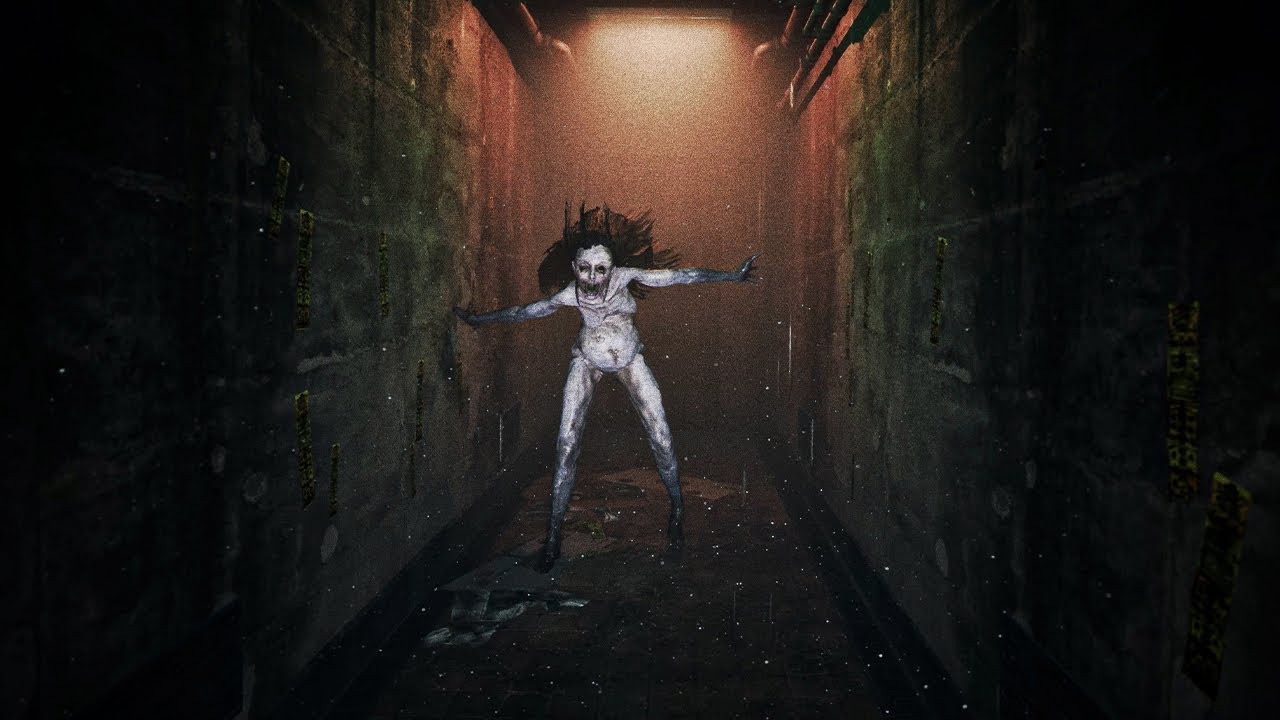
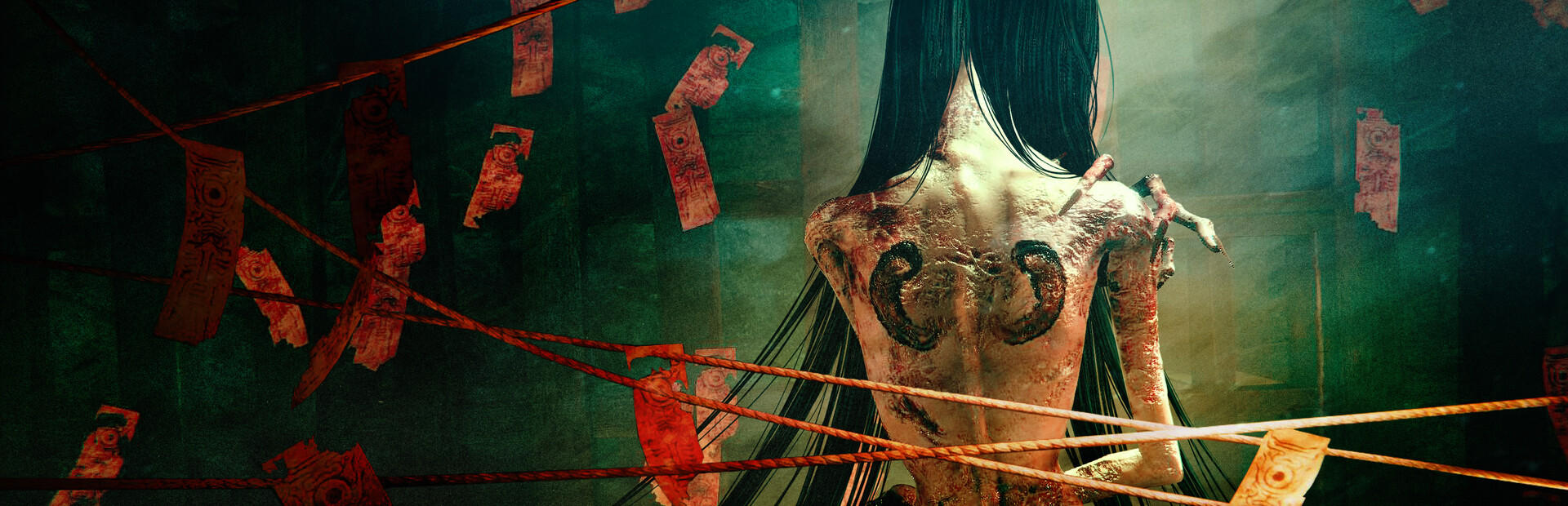
Another independent horror game featuring a convoluted narrative and characters we find uninteresting. I keep giving these games chances, and while a lot of them nail their main monster and atmosphere, almost none can bring home a good story or good characters. This game is based on Taiwanese mythology and the 2020 film of the same name. I have never seen or heard of the film, but the folktale is interesting. A group of six university students challenge the curse on the bridge near Tunghu University and accidentally “trigger” it. You spend a lot of the game running from ghosts of sorts and finding objects in the first person.
The game begins with a promise for the entire setup. The number of voiced lines and cutscenes suggests a promising story. The voice acting is in Taiwanese and is pretty adequate for what the story needs. The first scene of the game has you running around a small park, hiding from a ghost, and trying to escape. The monsters are fairly well done, but they are nothing we haven’t seen before. Pale skinned girls with long black hair, red eyes, and really skinny. There are a few more imaginative monsters, such as a possessed mannequin, but after so many exposures to this ghost, it’s not scary anymore.
There are a few Asian horror tropes, such as a random limb grabbing something when you open a cupboard, or the main ghost appearing behind someone and showing a single eye. These cheap jump scares detract from the overall game experience and give the impression of a cop-out. Despite this, the atmosphere was rather tense, and just wandering the halls and hearing the ominous music and strange sound effects made me stay on edge for the entire game. The stealth sections were my least favorite parts, and it seems that non-combat horror games tend to focus primarily stealth. The ending sequence was the most frustrating, as these are all trial-and-error events. When caught, you must restart and complete the run in a single attempt because you are unsure of the correct path to take. The ending sequence requires you to restart each time, and you must collect many objects that increase the frustration. I ran into a glitch where a locker wasn’t in the spot I needed, and I couldn’t progress anymore.
Most of the game tells you exactly where to go, and there are signs everywhere that help guide you. There aren’t many puzzles in the game, and the ones that are present are relatively simple. The majority of the game involves revisiting the same locations with six distinct characters, and while their narratives should eventually converge, they never do. The timeline lacks clarity, and the explanation of the school’s shifts and changes remains elusive. Is it a hallucination or is it actually happening? Even reading the flavor text in journals doesn’t explain anything. I’m so tired of the poor storytelling in these games. I feel like there is some sort of love story involved, but I couldn’t really figure it out.
In the end, there’s nothing really here for anyone unless you want a cheap 3-hour horror adventure. If it weren’t for the flawed stealth mechanics, I would have enjoyed this game more, but even the graphics fall short of expectations. It uses Unreal Engine 5, and it is very poor at that. The entire time I thought it was Unreal 4 or even 3. However, the lighting effects give the impression that it’s Unreal 5. They are pretty decent, but the texture and modeling are horrible. Even cranked up to max, the game just doesn’t look good. With that said, The Bridge Curse has a lot of potential but falls flat in too many areas.
Indie horror games that draw inspiration from Japanese mythical lore are gaining popularity, and while I appreciate this trend, many of them tend to lack uniqueness. The last game I played of this ilk was Ikai, which was mediocre and mostly forgettable. These games are usually filled with good monsters and a great atmosphere, but the puzzles are obtuse, and where to find items ends up becoming a frustrating affair as you’re trying to hide and run from the main monster.
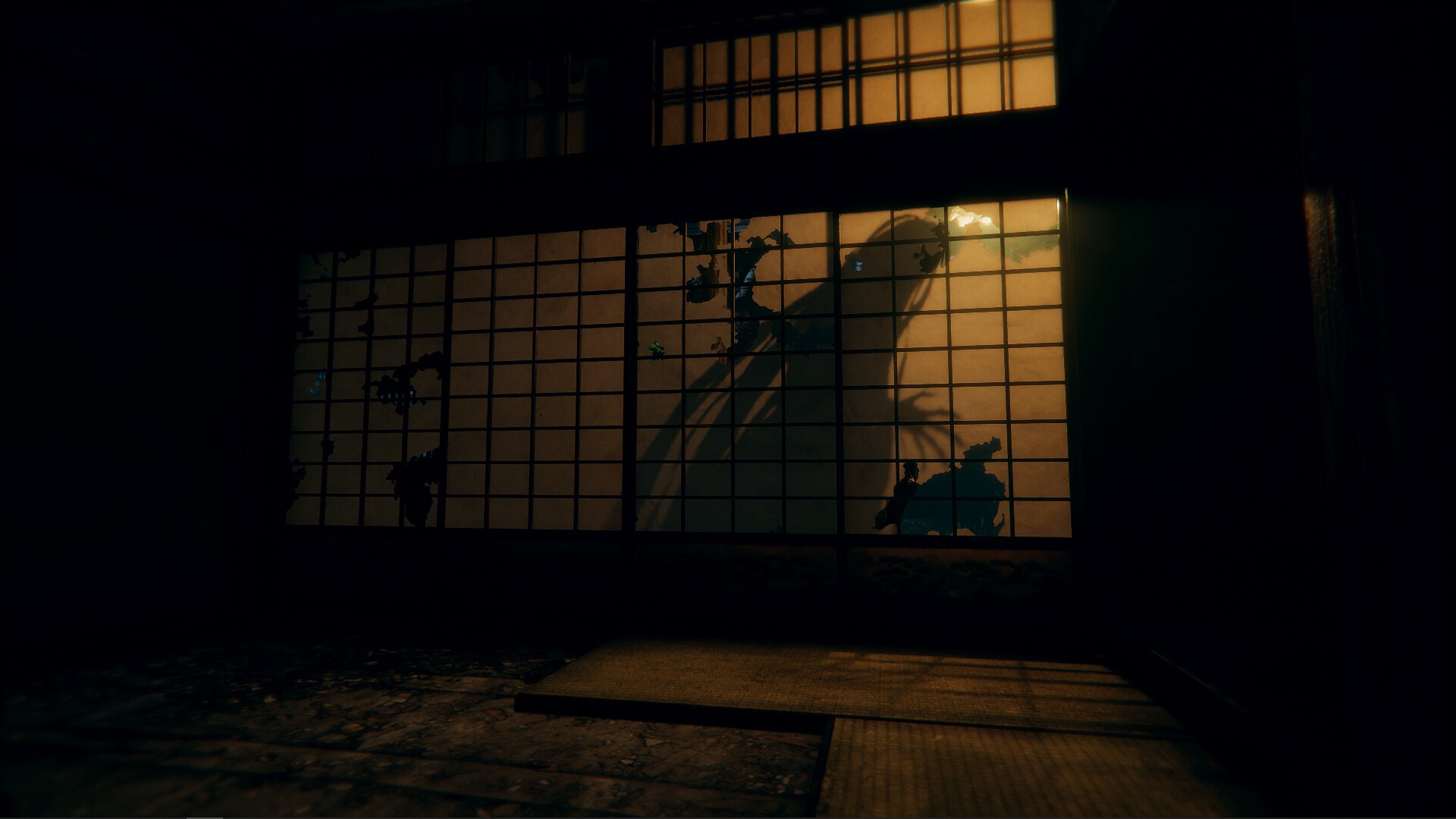
Hollow Cocoon is no exception. Assuming the role of a man whose grandmother is ailing in the hospital, you find yourself spending the night at her silkworm farm, only to uncover the presence of an evil entity. This monster isn’t super scary. It’s a typical long-haired Japanese girl with a scary face and a peculiar body type. The atmosphere is very tense, as sneaking around and hiding at intervals is better than the monster always being present. There are areas in which she won’t come out, and you do get a long period of time before she stalks you again. When you run away and hide (there are two different types of hiding spots), music will play, and you can hear her stalking around. After a few seconds, she will go away, usually spawning in a different part of the house.
The obtuse puzzles start right from the beginning. While some puzzles may seem obvious, the task of finding objects can be particularly challenging. You can see the large interactive icons from a few feet away, but you must thoroughly inspect every room to ensure you collect everything. The second half of the game is full of key hunting, and there are very few puzzles. Thankfully, the layout of the mansion facilitates easy landmark recall, and the inclusion of a map in the larger mansion area greatly aids navigation. There is no combat in this game, either. The game only provides you with healing pills when the monster attacks you.
You can collect material to read to help give details on the story, and there are 10 yen pieces used to play UFO pachinko-type games to unlock different endings. There is some bonus content, such as unlocks to dress up the monster in new playthroughs, but unless you really love this game, I don’t see any reason to go back through. Sadly, the story isn’t captivating enough to be memorable and isn’t any different from other short indie horror games in this same setting. Outside of the slightly better visuals and level design, nothing stands out.
Overall, Hollow Cocoon is just average, but I appreciate the tense atmosphere, maps, and mostly excellent level design. I also like how you get breaks from the monster throughout the game and can explore some areas with freedom. I also appreciate the Japanese voice-acting, but other than that, you will forget this game and move on.
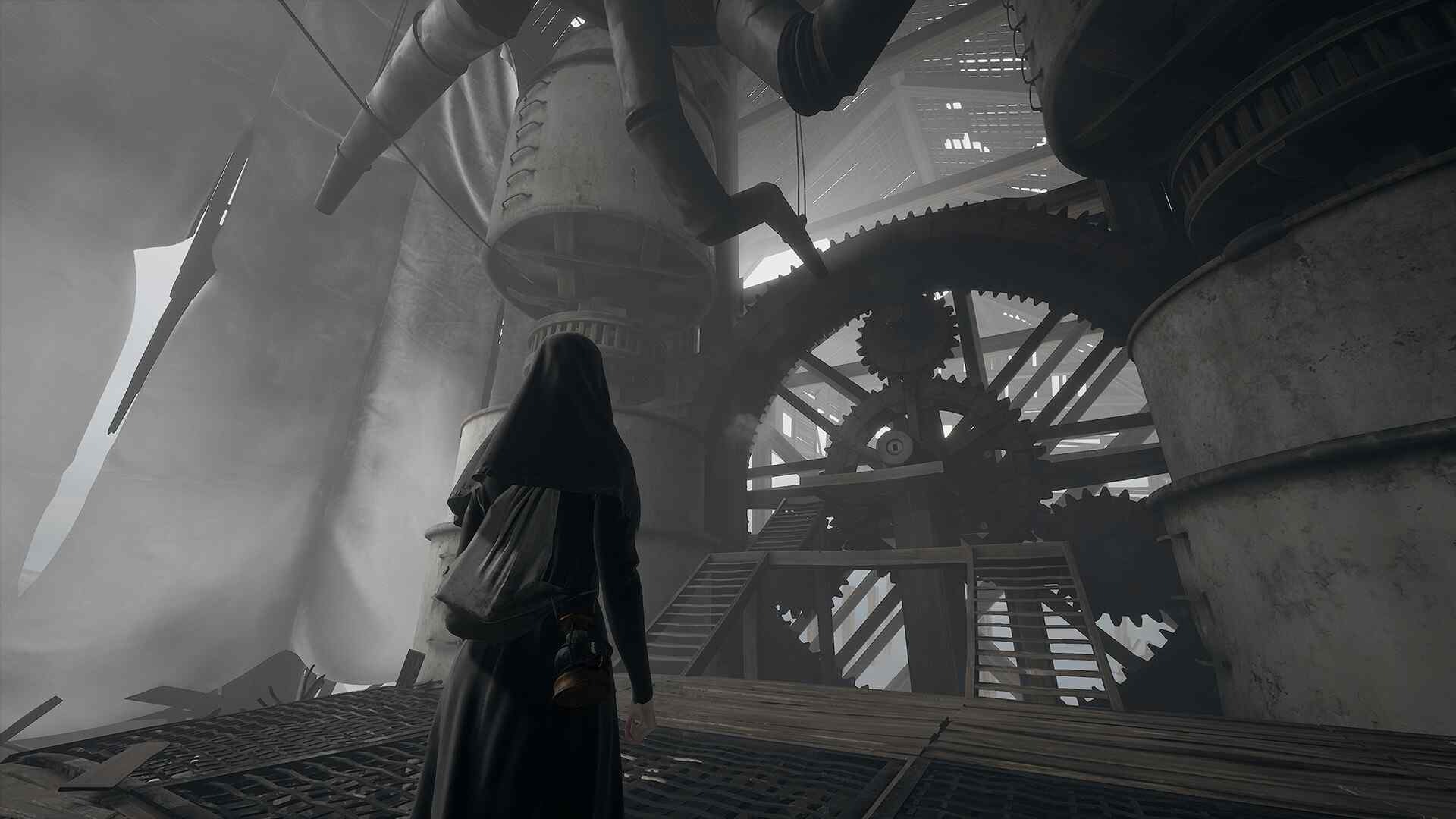
I wouldn’t call Indika a surreal game. Stepping into this adventure, I got a sense of the game being a bit odd, but it’s a lot more normal than initially perceived. You play the role of Indika, a nun who hears the devil in her head. One of the numerous 8-bit mini-games, where you collect coins, introduces the game to you. These 8-bit mini-games tell the story of Indika’s childhood and who she was before she became a nun. You can complete mundane tasks in the game, such as filling a barrel with water by going back and forth from the well, but you can’t run. The game’s narrative and experience require this, which may annoy some players. In her convent, Indika faces bullying and lacks acceptance. Indika’s hallucinations also contribute to this situation. I also want to stress that this is not a horror game. With its various locales and settings, the atmosphere is so well done, and the narrative is spot-on.
The majority of Indika’s adventure involves her leaving the confines of her convent to deliver a letter to the main overseeing body. The story unfolds during the harsh industrial revolution in Russia. Indika encounters a young man who has escaped from prison, and they both attempt to reach the capital and enter this building, although their motivations differ. Along the way, you will discover puzzles, but mostly you are walking and listening to dialogue. This is mostly a walking simulator, after all, but a very well done one. The most challenging parts of the game are the 8-bit mini-games that require platforming and precision.
The atmosphere in Indika is just so well done. The girl’s mental state is enigmatic; we struggle to understand her thoughts; she appears solitary despite her lack of conversation, and she yearns for a companion. However, her religious beliefs and temptations, as per the voice of the devil within her mind, persistently pull her in. Many times, the young man disappears, and Indika accepts this, believing she will never see him again, only to later encounter him and experience conflicting emotions. She yearns for feelings, yet she is hesitant to commit to them in the long run. It’s a fascinating dilemma that most adventure games tend to forget. If we are to engage in this amount of walking, we should either establish a deeper connection with these characters or observe their degree of isolation.
Puzzles range from moving objects with cranes or machines to climbing an elevator shaft in a specific way. There are collectibles spread out that give you more coins or points. These tend to be religious iconographies. The devil tears Indika’s world in half in a few instances, prompting her to pray. This is part of the puzzle-solving process. Praying restores the world to its normal state, while not praying allows you to navigate through a divided world. Regrettably, we only get to explore this puzzle-solving system a few times, despite its intriguing nature. Despite no combat in this game, despite needing to run from a couple of creatures, but everything is always changing, and the game never gets boring. The oddball fisheye camera angle or sudden cut to another scene makes the game feel almost avant-garde.
The visuals are fantastic, and Indika’s habit physics are realistic. The melting snow on the ground looks incredibly convincing, and I almost felt every single setting that I walked into. There are moments of claustrophobia, pain, fear, and a severe cold. Odd Meter has done an excellent job of making you feel all of these things just by walking through most environments. Overall, Indika is one of the best walking simulators I have ever played, and it’s a shame it only lasts for a few hours. For once, I wanted a game like this to go on longer, unlike borefests like Everyone’s Gone to the Rapture or The Vanishing of Ethan Carter.
To say Hylics isn’t an interactive piece of art is an understatement. I will get more into the visuals later, but there’s clear inspiration here from Earthbound. There’s not much of a story, and there doesn’t need to be one, because the world is a character itself. There is no possible way to make heads or tails of the world, so it makes sense that the story wouldn’t. There are four characters in your party, and you do go around fighting in dungeons, beating up bosses, and collecting loot, but in a less traditional fashion.
You start out with the character Wayne. There’s not much to say about Wayne. We get no backstory or epic dialog because we don’t need it. You start out inside your house, and you slowly introduce yourself to gameplay mechanics. Notice I said, “Introduce yourself.” There’s no tutorial or even any dialog messages stating anything is happening. I highly recommend playing this the first time with a guide, as some areas can be a little cryptic for how small of a world this game is. You have your typical RPG fight mechanics. You take turns with the enemies; you can attack or cast special attacks, run away, guard, etc. That’s all standard so far. You can also equip armor, weapons, accessories, etc. That’s about as standard as it gets. Everything else is either similar to Earthbound or just plain weird.
The entire game is finite. Every enemy’s death is permanent, as they are placed physically in the game world. There are no random encounters here. When enemies die, they are represented as a pile of flesh and bones on the ground. Most bosses are also optional. This game takes a rogue-lite approach to the RPG foundation by encouraging you to die. When you die, you go to the afterlife, which is a small building with a surrounding ocean of red. You can heal here and turn in flesh meat, which increases your hit points. This is the only way to “level up,” and that’s in the loosest sense of the word. Enemeis drops lots of cash, items, and meat, and this meat is needed to get further in the game. However, starting out is rough. You die a lot, and you usually can’t kill a single enemy part alone. It’s important to get the second party member quickly before engaging in battle.
That’s where the guide is needed. That is not a conventional way to play a game. Thankfully, the game is so short that you can get your first party member in 20 minutes. There is a world map that has different locations on it. There are a few main dungeons with bosses in them, but they aren’t shown or given to the player as typical bosses. They are just another enemy on screen, or you need to interact with them to start the battle. There is a single town in the whole game that has a few vendors. You can buy armor, accessories, items, and so forth. Items like frozen burritos can be microwaved from projectile weapons into warm burritos, which revive an ally. Hot dogs give full health, and other weird and alien items will do other things.
You can learn new special moves by finding TVs. The one small issue here is that you need to revisit every TV to give each party member the ability. Some do huge attack damage, and they are pretty much required to beat the final boss, while others can be used for defensive purposes like protecting from blind status or poison. Attacks are 1:1 to your mightiness power given by weapons. It’s important to seek out the most powerful weapons that are usually hidden in chests or locked behind something, such as needing to die three times or using dynamite to blow up a wall. There aren’t many locations like this, but they are important.
There are other weird quirks that you would never know are things, such as the fact that the character Somsnosa, who is the strongest, can only equip a single weapon and can pick up bugs found in areas to increase her might. These are weird-shaped creatures that are all white and are found in dungeons or safe zones. You can also run across merchants who offer a one-time type of food that is used on a specific animal back at Wayne’s house to acquire their skull for a shield. That would be completely missed without a walkthrough. These kinds of things are also present in games like Earthbound and either require you to stumble across them by accident or have a lot of abstract thinking going on.
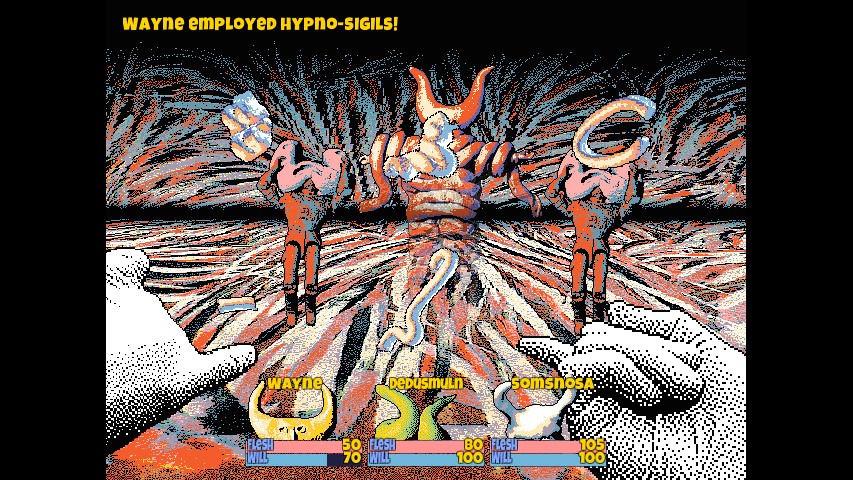
Outside of the gameplay, the game’s most impressive feature are the visuals. They have avant-garde status in surrealism. They mesmerize, question, and barely represent anything remotely human or recognizable on our planet. The game has a Toejam & Earl vibe mixed with Earthbound. That’s the sense I got, but there’s not a single game in existence that looks or sounds like this one. Strange alien noises, weird haunting ambient music—none of it is scary or horror-themed. The game is so odd that it will make you feel lonely and empty just playing it. The world itself is a character, and the poetic dialog (the little there is) and Shakeperian story (if you can call it a story) don’t matter. It’s not that I cared, but I just didn’t need it. Just seeing these characters on screen, running across the few NPCs, and fighting the bosses was enough to keep my mouth shut. I just took in the fantastic visuals and played.
This goes for animations too. The game has a very claymation look and feel to it. The first-person combat animations feature strange hand gestures, alien symbols, and an odd sense of emptiness. There is nothing typical or trope-like about this game. Your brain wants to constantly categorize, put it in a box, or rationalize with the visuals. All you can do is accept what’s there and keep pushing on. The game can be finished almost 100% within 4-5 hours. Once you get three party members, the game becomes more enjoyable, and you quickly gain power where small enemies are pushovers. It’s just bosses you have to focus on. I wish you didn’t need to hold off on your consumable leveling up items once you have all the party members. The finite supply in the world makes this a requirement. But the satisfaction of being level 63 and having 5,000 HP at the end of the game allows for getting 100%.
All in all, Hylics is an insane piece of interactive art. There is nothing like it out there, and while the cryptic RPG elements feel dated and the game is difficult to get going, you will have a blast with it and not want to put the game down.
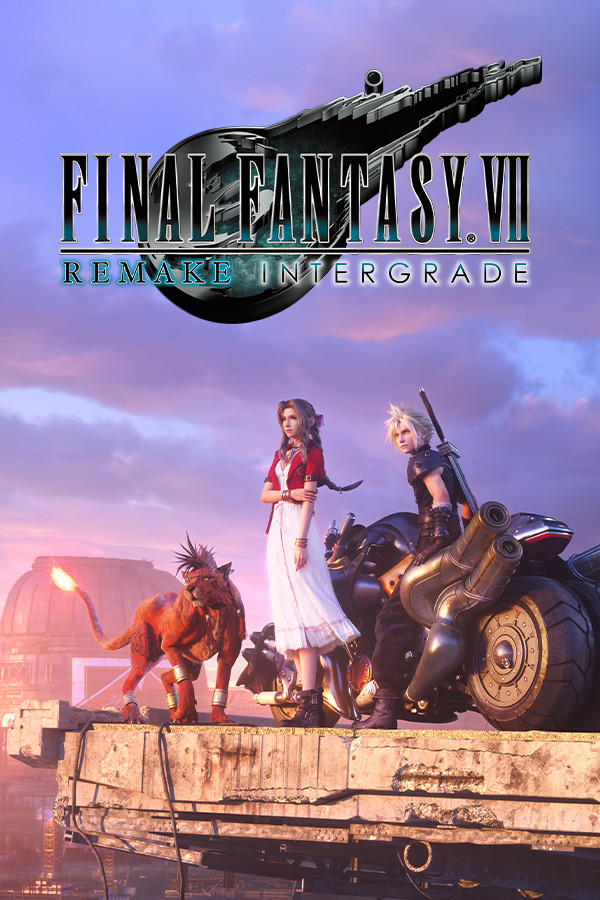
Final Fantasy VII is one of the most influential video game and pop culture icons of all time. It was revolutionary in its day in storytelling, graphics, and scope. I never got around to playing the original PS1 game. When the game came out, I just wasn’t into JRPGs and would never have had the patience to finish the game or even remotely understand the story. I was 7 at the time. Fast forward nearly three decades, and out comes the remake. The Final Fantasy VII projects have been in the making for nearly two decades. I remember the Advent Children being released. I rented it and watched it with my parents, and I had no idea what was going on. There was a mobile game exclusive to Japan at the time, and Crisis Core had just been released. I also had no idea what was going on in that game. I couldn’t appreciate these FF7 projects as I hadn’t played the original title.
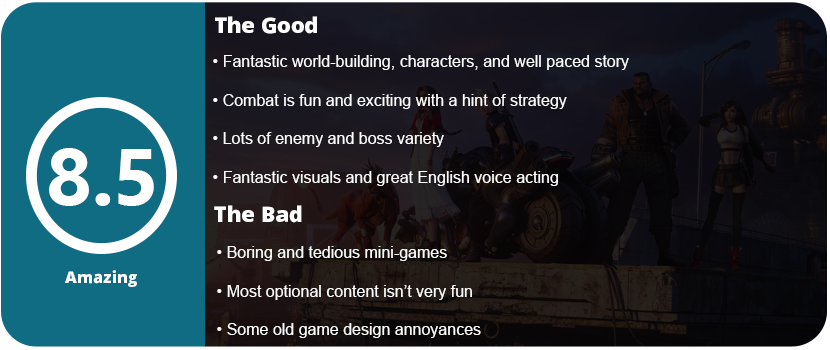
That has all changed. Square Enix did a great job bringing the game up to par with modern audiences and video game standards. Not only is the story well told and easy to follow, but it’s still complex and full of interesting and lovable characters. While this game is only what the first disc from the original offered, there are 30+ hours of content here to explore. While the game isn’t perfect, there is more to love than to hate, and I was surprised at how great this game was. I didn’t want to put it down. From the well-done English voice-acting (which was a shocker) to the well-paced and fast-moving story, the game never got stale (at least during the story moments).
The basic structure of this game is very linear. This is a dated design choice that transferred over, but some think this game has been in development since the tech demo for the PS3 reveal was shown in 2006. If that were the case, then this linear design would have been considered mostly modern at the time. There are large towns to explore, but these still have linear paths, and the story mode is a single path you follow, and there’s no way to branch off. This is both fine for a scripted story but also feels cramped in some aspects. Despite how large Midgar feels, with sweeping vistas and massive backdrops, you can explore very little of it. There’s a large sense of scale, but what you can explore just feels so claustrophobic in comparison. Many thought this would be an open-world game, but to follow the story the way Square Enix’s wants, that wouldn’t be possible, and I can see why they chose this path.
Exploring the game (and even the menu system) is similar to most modern Final Fantasy games. You run around towards a goal, fight bosses, run into enemies, do some mini-games, complete side quests, and try to get the best accessories, armor, and weapons in the game. This is all slowly introduced to you, but let’s start with the combat, as that’s the bulk of the game. Combat is not turn-based, but you can pause the action to give commands. The controls are intuitively designed to allow this to be done with minimal effort. You have regular attacks, a special attack, a block, and a dodge button. When enemies have red exclamations over their heads with the attack name, you know it can’t be blocked but must be dodged. Cloud’s alternate special attack is actually a stance called Punisher Mode, and while you block him, he will auto-parry incoming attacks. This comes in handy all the time.
You can issue commands, such as using ababilities. These are obtained by changing weapons. Materia can be equipped to give you commands that use MP. Things like magic, offense, defense, and even passive Materia can be slotted. Different weapons and equipment determine your slot count. It’s important that you learn this system well and balance your team. You can only have three active party members at a time, but you never change your party. It’s all based on the story. You will go through multiple chapters with a missing party member, but you can still upgrade and equip them all the time, even when they aren’t with you. Powering up weapons is also a must. Each weapon has strengths and weaknesses. Some focus on sheer power, some on magic, and some on defensive skills. You acquire SP through combat and can use it across all weapons. Each weapon gets the same pool of SP separately. If you have 90 SP, you can use that separately on each weapon, which is really nice. As you level up, you unlock new SP pools.
Combat is fast-paced, fun, and exciting. Each character can be controlled by the player in combat only. During exploration, you’re mostly stuck as Cloud or another character, as the story deems fit. Cloud is an all-rounder; Aerith mostly focuses on magic and distance combat; Tifa is a fast-paced melee fighter; and Barret uses a mid- to long-range gun, which is great for aerial enemies. He also has a ton of HP and defensive points. You can issue commands to other characters with the triggers that pause combat. You all have two AP gauges that fill up slowly over time or quicker as you do damage. These are needed to even use items in combat. These guides are the center of your strategy because, without them, you will die. You have limit breaks, which really can only be filled during longer battles (mostly bosses) and summons that deal massive damage, but the battle needs to be long enough to fill these guages.
Summons are mostly acquired optically through the VR training. You only get two during the story mode automatically. These are the keys to strategizing battles and winning as quickly as possible. I found the combat rarely frustrating. Only during long boss battles with multiple phases did I find it annoying that these cut-scenes were not skippable. You need to watch them all over again if you die. This didn’t become an issue until towards the end of the game. You can run away from battle by running away and fleeing, and thankfully enemies regenerate until you leave the entire area and come back. The boss battles are all unique and imaginative, and no one is the same. The smaller enemies are also unique and different, and they require you to learn their attacks and know what is weak against what type of attack. There is a lot more strategy in the combat system than a simple hack-and-slash setup.
While combat is the bulk of the game, you will spend a lot of time outside of combat. There are a few simple puzzles inside some dungeons, but the hub areas or towns you explore allow you to rest, buy items, materia, armor, and weapons, and that’s about it. The side quests and mini-games are some of the weakest parts of this game. While not every side- question is bad, Some offer challenging boss fights and good rewards; some just don’t offer much story-wise. I completed almost all of them anyway for more XP, SP, and the items they offered, but fetch quests are just not fun here. Not to mention, the mini-games are incredibly tedious and boring and not well thought out. There’s an okay darts mini-game. Beating the highest score and achievement. But there’s a box-breaking mini-game that requires you to run around breaking different-sized boxes. This was incredibly tedious and not fun. There are combat VR simulators that net you material. Most of which you can acquire elsewhere. Then there’s the optional summons, which can be incredibly difficult to acquire early on as you need to beat them, and you need three party members to even have a fair chance. There’s also a pretty stupid dancing rhythm mini-game. It’s just, overall, a bit lame.
Some other annoying niggles come from dated design decisions, like treating the player like they’re stupid. For decades, games would have you flip a switch, cut the camera away, show you that a gate in front of you opened, and then give you control. I’m pretty sure most people can figure out that the switch opened the only gate on the only path you can go down. I also got annoyed by how animations would have to line up to whatever script they were tied to, do the animation, re-align, change animations, flip the switch, then go back. It just slowed things down a lot.
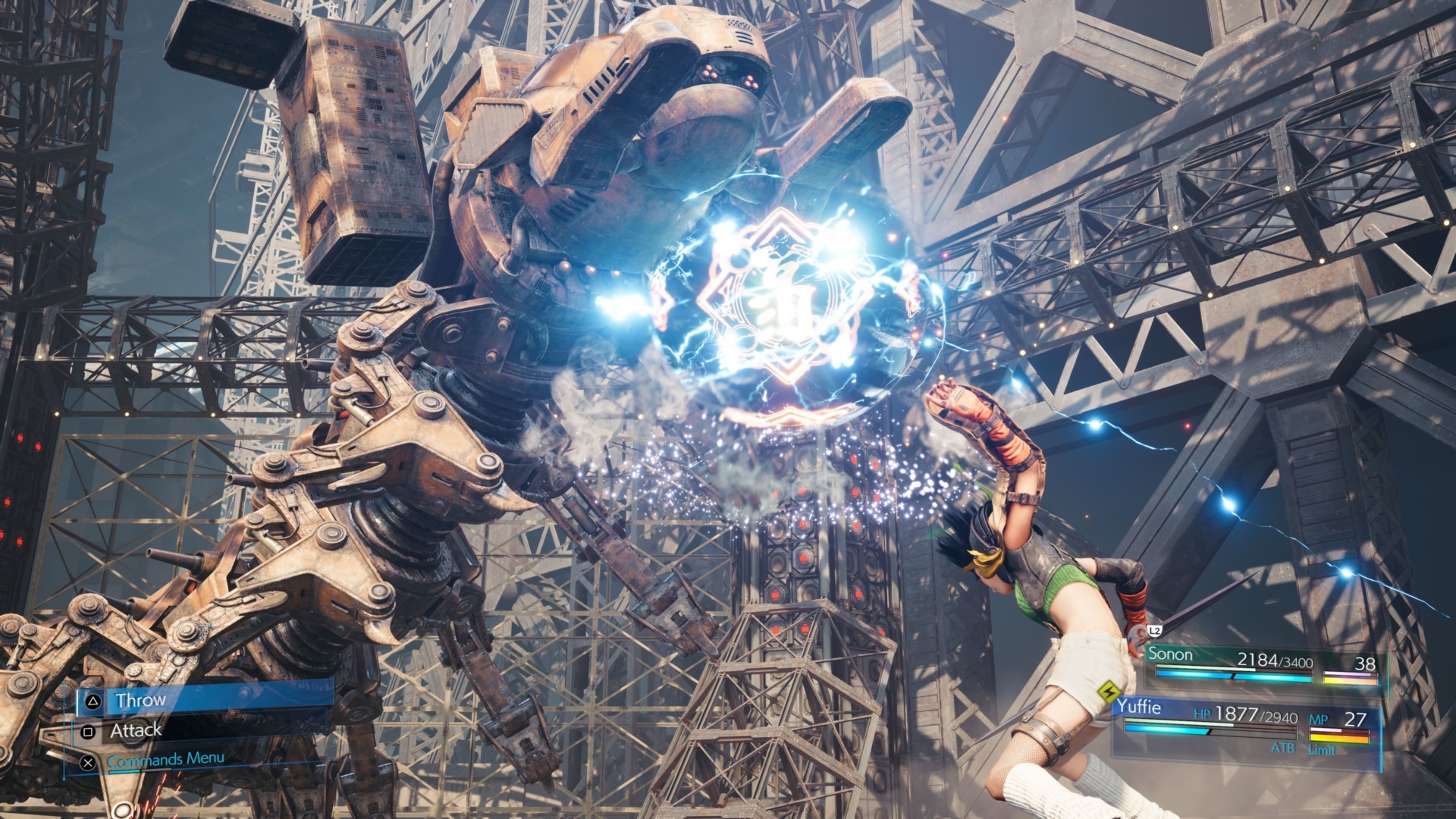
Outside of the mostly optional and passable annoyances, the visuals are fantastic. Character models look amazing, the pre-rendered cutscenes are some of the best in the industry, and the story and overall character designs are some of the best you will ever come across. The story is deep and full of political intrigue, and I want to know more about this world, the characters, and see things move on. It’s sad that Square Enix takes so long to make sequels, but what are we going to do? With the fantastic combat system that adds just enough strategy and depth to the large swath of enemies, bosses, environments, and perfect pacing, FF7 Remake is fantastic. The additional Intermission DLC is also wonderful, and playing as Yuffie is a blast. The short, 4-hour story DLC still has more of the same lame mini-games and annoyances as the main game, but the story is just so well done. There’s nothing quite like it out there.
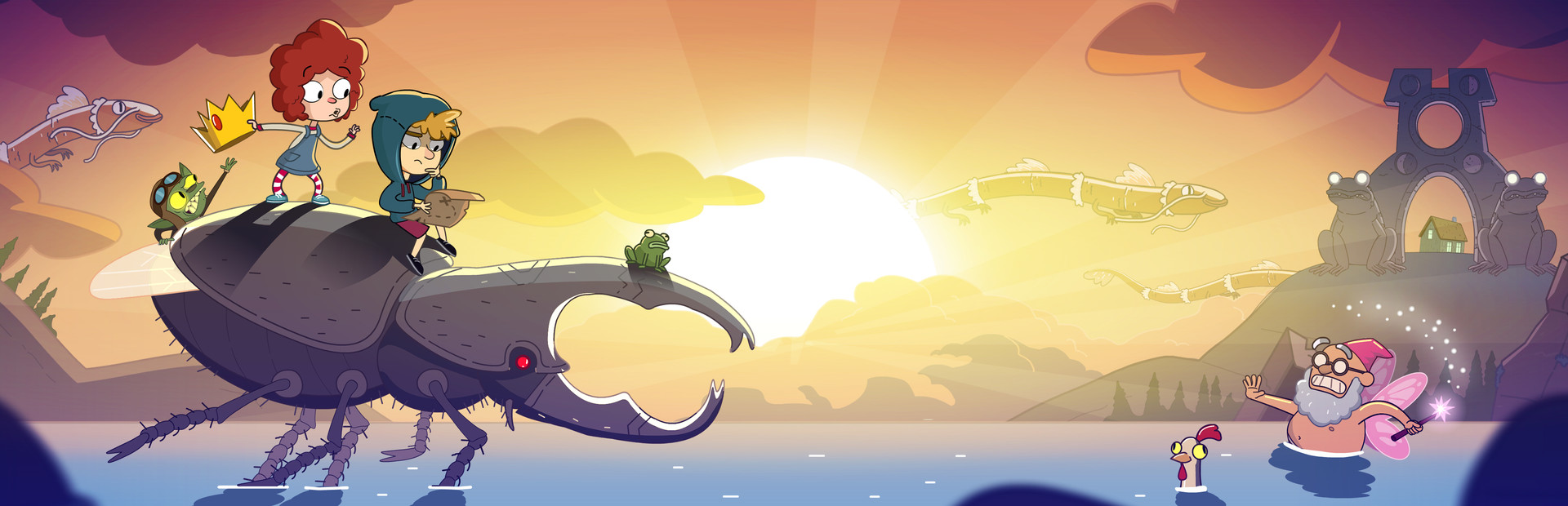
We all played with our imaginations as children. Pretending to go on adventures, or actually going on adventures against our parents chagrin, was what made up our most precious childhood memories. Whether it was spending long summer days playing with friends or staying inside with your siblings playing the latest revolutionary video game, That is what Lost in Play is about. Making adventures and memories as a child.
You play as a brother and sister, Gal and Toto, who wake up on a bright summer day and decide to get lost in their own imaginations. The first few chapters have you going from their reality to actual reality to give you this idea of what’s going on. The game is full of a lot of puzzles and figuring out what items go where. This can be both fun and frustrating at the same time. I wasn’t a fan of most of the puzzles, but the screen increases in numbers as you look for objects and figure out what needs to go where.
The first screen is a perfect way to introduce this. It’s just a single screen, and you learn to click on objects that are standing out. The characters will interact with it or talk to the person. A bubble will pop up with the item the character wants, or your player character will pop a bubble up explaining in one single picture what they need to do. There is a generous hint system that shows a single picture of what to do next or helps you get started with a puzzle. I love this, and it doesn’t punish the player at all; however, some of the hints were not helpful.
As you progress through the game, you get to chapters with many screens and many things to interact with. Once you find your first object, you can usually build momentum and realize who needs what and where. The puzzles are the worst part of the game. Extremely hard slider puzzles; some games are won purely on chance, which is frustrating. Sometimes rules aren’t explained well enough. A particular puzzle with lasers and having to slide animals around to deflect gets very frustrating as it’s a sliding puzzle. The worst one in the game is the final puzzle, in which you have to trap a jumping frog on a grid. It’s done by pure chance, and no walkthrough will help you. There are also some puzzles with symbols, and it seems impossible to figure out what they represent or how to interpret them.
The puzzles aren’t very common, but they do hamper some of the experience. I really loved seeing all of the detail poured into this game’s animation. It feels like a high-quality cartoon. Every interaction is a new animation. One particular point where this stood out was Gal or Toto picking up the same type of object numerous times. Instead of the same pick-up animation, each one was unique. They didn’t have to do that. It makes the entire game feel alive and soulful. The story itself isn’t anything complex or deep, and there’s no voice acting. Characters speak in a simple fashion, which adds to the charm of the game. The visuals are bright and colorful, and every screen and moment feels special. They don’t make many games like this.
Outside of the puzzle issues, there was just a small annoyance with touch controls on mobile. Tapping the screen can sometimes cause you to interact with the same object or character, but it was nothing serious. Every area felt unique and different, and I couldn’t put the game down until the end. You can probably finish this in 2-3 hours, but it’s so much fun and constantly feels fresh and new. Lost in Play is a rare adventure game that I actually might remember and talk about later with people. This game proves that every little detail can make a difference.
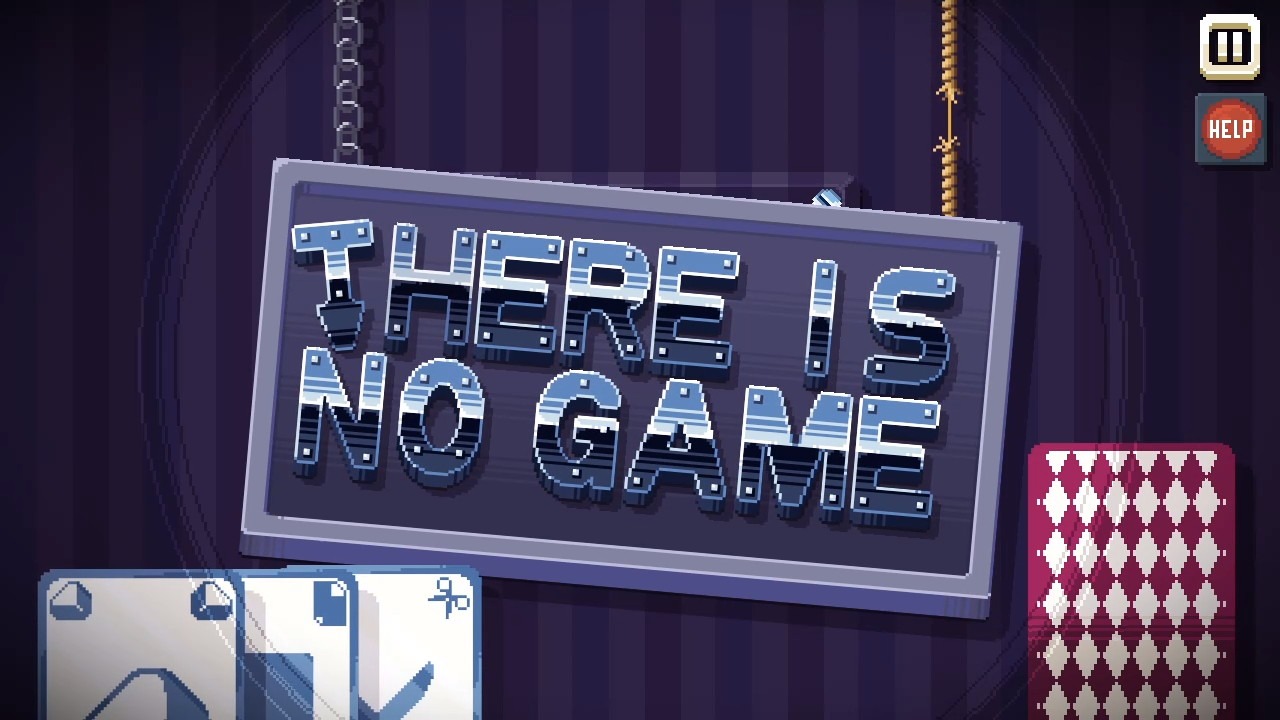
Have you ever wondered what it’s like to play a game as the actual code or program inside the game? Well, now you can! TING is a game in which you embark on an adventure with the game’s code. You start out at the title screen and must dismantle the entire screen to get the code’s attention. In this process, you discover a “glitch” that is trying to destroy everything. You get sucked into other dimensions and try to find your way back. The entire game is in the style of a point-and-click adventure, but instead of controlling a single character, you are the “user” that the code talks to. He gives you hints along the way as well as being able to unlock actual hints, which makes some of the more obscure puzzles easier.
You have to really think outside the box with this game, as you can take down parts of the UI and completely break the smaller games inside to progress. You will end up with a classic adventure title and a JRPG that makes fun of Zelda tropes. The game also pokes fun at other games and mechanics, such as microtransactions and free-to-play mechanics. I don’t want to spoil the Easter eggs, but the game has a great sense of humor, and anyone who has watched a few behind-the-scenes videos on how games are made will appreciate this game and the message it’s getting across.
Every area is new and different, and no two puzzles are the same. Some areas have multiple screens, and you can manipulate them in interesting ways, such as unscrewing the computer monitor you’re playing the game on and getting the back of the scene through the back panel. You have to also be okay with dragging the objects onto everything and trying combinations. Some things may not look obvious, but they make sense once you get the object or discover its use. Things like a mouse cursor popping a balloon, a metal letter T being used as a screwdriver, and the sign to a game title being used as a bridge. Almost every puzzle can be figured out with a bit of thinking, but a few were so obscure that I had to use all the hints available to me. When you press the hints button, it will show locks over the object that has hints. This can also be useful just to figure out what objects can be interacted with or what your focus should be without even using a single hint.
There are cutscenes in the game that can’t be interacted with, and this is shown with filmstrips going up the sides of the screen. Because this is a “joke” game and you can break actual games inside, you need other cues as to what’s a joke and what is not. Sometimes I didn’t know what was a joke and wound up restarting the game, but you also need to trust the game. There isn’t much else in terms of gameplay, but there doesn’t need to be. This is a very clever idea for a game that I have never seen before. The story is interesting, the characters are likeable, and it’s just an overall fun time and something really unique. The visuals are charming and switch up all the time, which makes you think outside the box.
Simulator games that mimic mundane, everyday jobs can be surprisingly cathartic and relaxing. The zen-like repetitive tasks that give you the serotonin boost of progress over time, organization, or customization flood Steam and are eeking out onto consoles if they become popular enough. Sadly, most aren’t done very well and either have janky mechanics, a very low budget, or feel like copy and paste or an asset flip. Very few do it well, with PowerWash Simulator, Truck Simulator, Cooking Simulator, and PC Building Simulator being some of the top kings that do it right. House Flipper was one of those, and it felt janky but had so much potential. It was almost there, and I feel they got there with House Flipper 2, but there’s still tons of room for improvement.
The first thing you will notice are the much improved graphics. Better lighting, effects, higher resolution textures, and an overall better-feeling game. It feels less low-budget and more like how it really should be. There’s also a lot more variety, and the game’s new grid-based placement system completely rewrites how the game plays. Forget everything you knew from the first game. That game feels essentially like the foundation for this new vision the developers have. The game now has a story mode, which is of course unimportant and pretty much filler, but there is some voiced dialogue and you can answer phone calls. Your email map that you take jobs from is sectioned into different types of neighborhoods. Rich, suburbs, oceanside, rural, etc. Once you accept a job, the game starts very slowly. Just simple cleaning, washing windows, picking up trash, and selling items. That’s about it for a good while. The perk system still exists but feels more useful. As you do each type of job, you will be able to make it faster, better, and more efficient for much larger jobs.
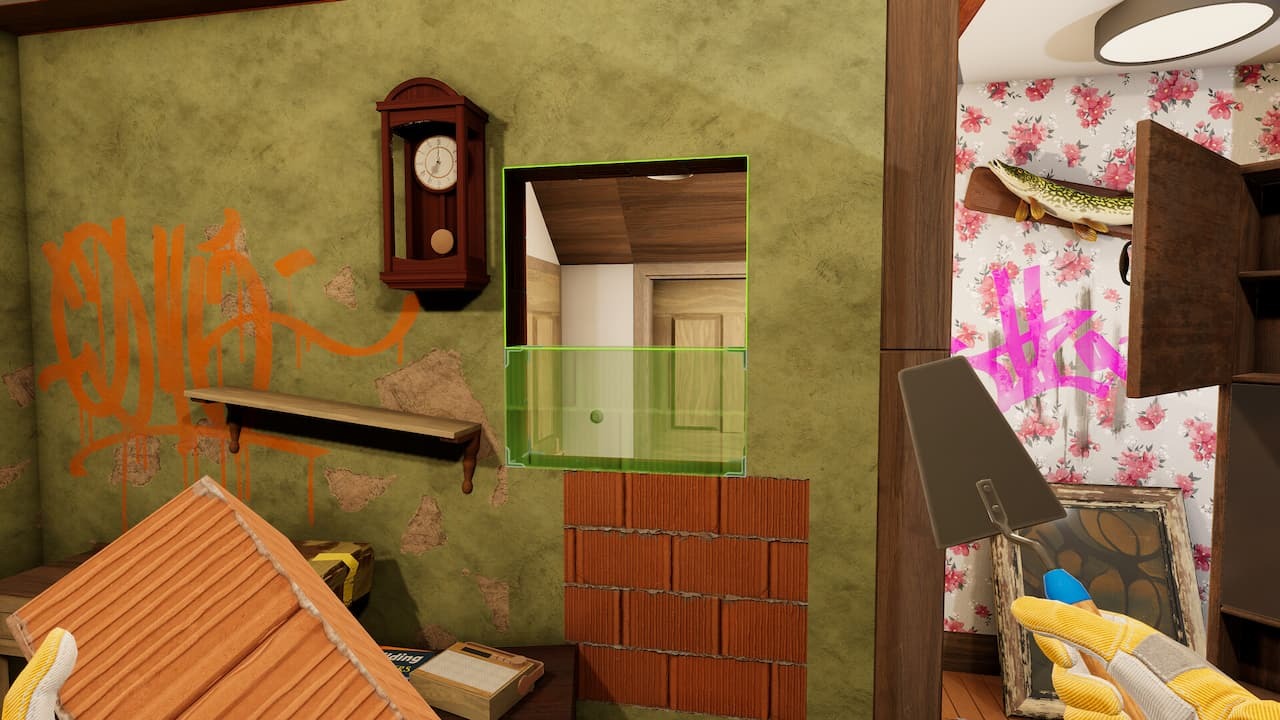
Just the simple tasks of trash pickup and cleaning are much better. You eventually get spray that can turn all the dirt soapy, it’s easier to wipe up, and things go faster. Trash pickup eventually expands your pickup grid, so it goes faster. Vacuuming is better and looks nicer. Leaves, coffee beans, rice, marbles, and many other forms of dirt are new and present, so it doesn’t feel so repetitive. Stains range from paint to foot prints now as well and can be on any surface. When you start demolishing, building, painting, and surfacing, some of the most repetitive and boring tasks from the first game are more fun now. The entire game is based on a 1×1 block grid system, so these tasks let you fill out a grid on a wall or floor and fill that in more efficiently. Demolishing lets you hold the button back and fill out a grid. As you get more perks, this grid fills. Painting now lets you select a border, and you can just fill it with your brush. Eventually, your brush gets bigger, and you use less paint.
The same goes for surfacing and building. You can select borders for the building and fill in the bricks this way. Everything just goes faster, feels more satisfying, and feels less like a chore. When you buy objects from the quest list, you can place them easier thanks to this 1×1 block system. You can place any item anywhere, even stack items, as long as it fits. There are so many more items to choose from, and they look better as well. Just the effects of paint trying and demolishing walls crumbling better add to a much better overall experience. I also like how assembly is now stripped away from building and left as a mini-game. There are only a dozen objects you can assemble, and it’s time-based. These were done in your workshop and are much more detailed. They come together like IKEA furniture, where you drill holes, hammer wooden pegs, and attach every screw. This makes remodeling homes less tedious, and your assembly score gives you discounts in the store. Now you can just place radiators, tubs, showers, etc. without having to assemble every single one.
When you finish the story, you can still complete jobs, build homes from the ground up, and just have fun in sandbox mode. There isn’t a lot of story content—about 15-20 hours—but you will blow through it due to how much fun you are going to have. This is one of the best job simulator games next to PowerWash Simulator, and I can’t wait for the third game to see where the developers will go with it. My only real complaint is that the requested furniture doesn’t have the required layout, which would have been nice. You can just throw it all in the middle of the floor, and it counts as complete. This makes buying furniture pretty boring unless you just want to make these homes look nice without any type of reward. As it stands, House Flipper 2 is a night-and-day improvement over the original and is heading in the right direction.
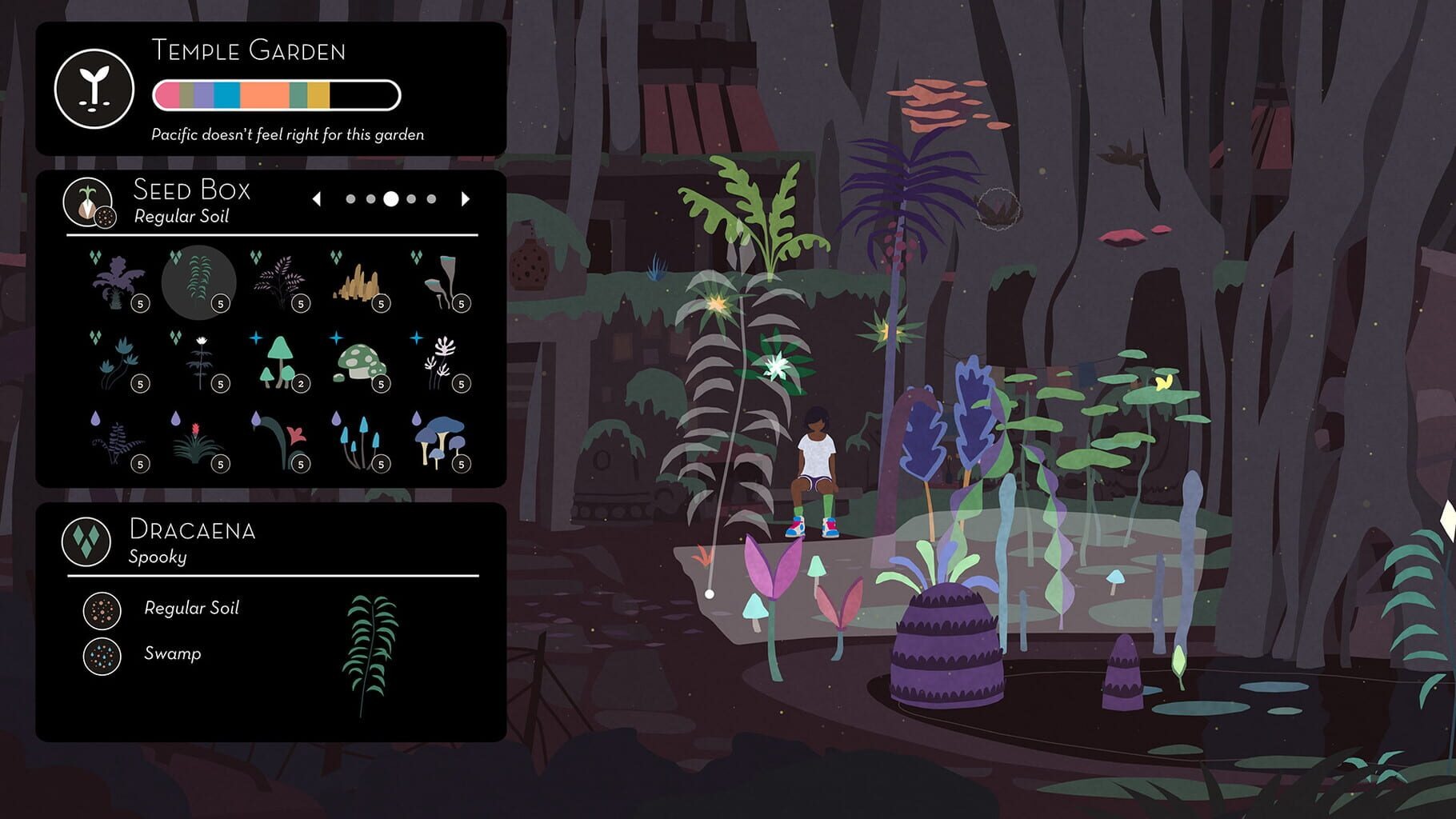
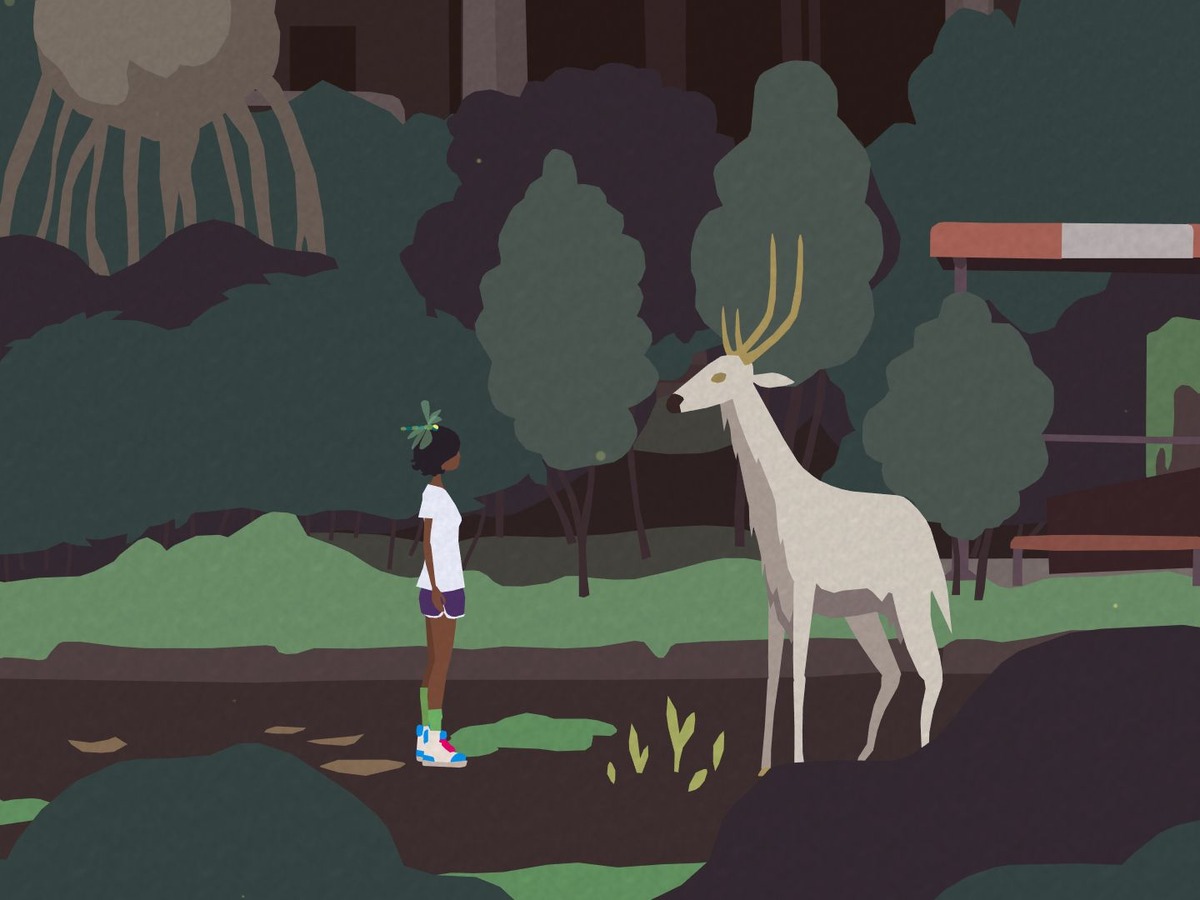
You play as Kai. A girl is sent away to a strange village in a post-apocalyptic world to re-connect with her extended family. You spend the entire game walking around to the various dozen or so screens, collecting seeds, planting gardens, and learning more about your past and the ties between the village and your family.
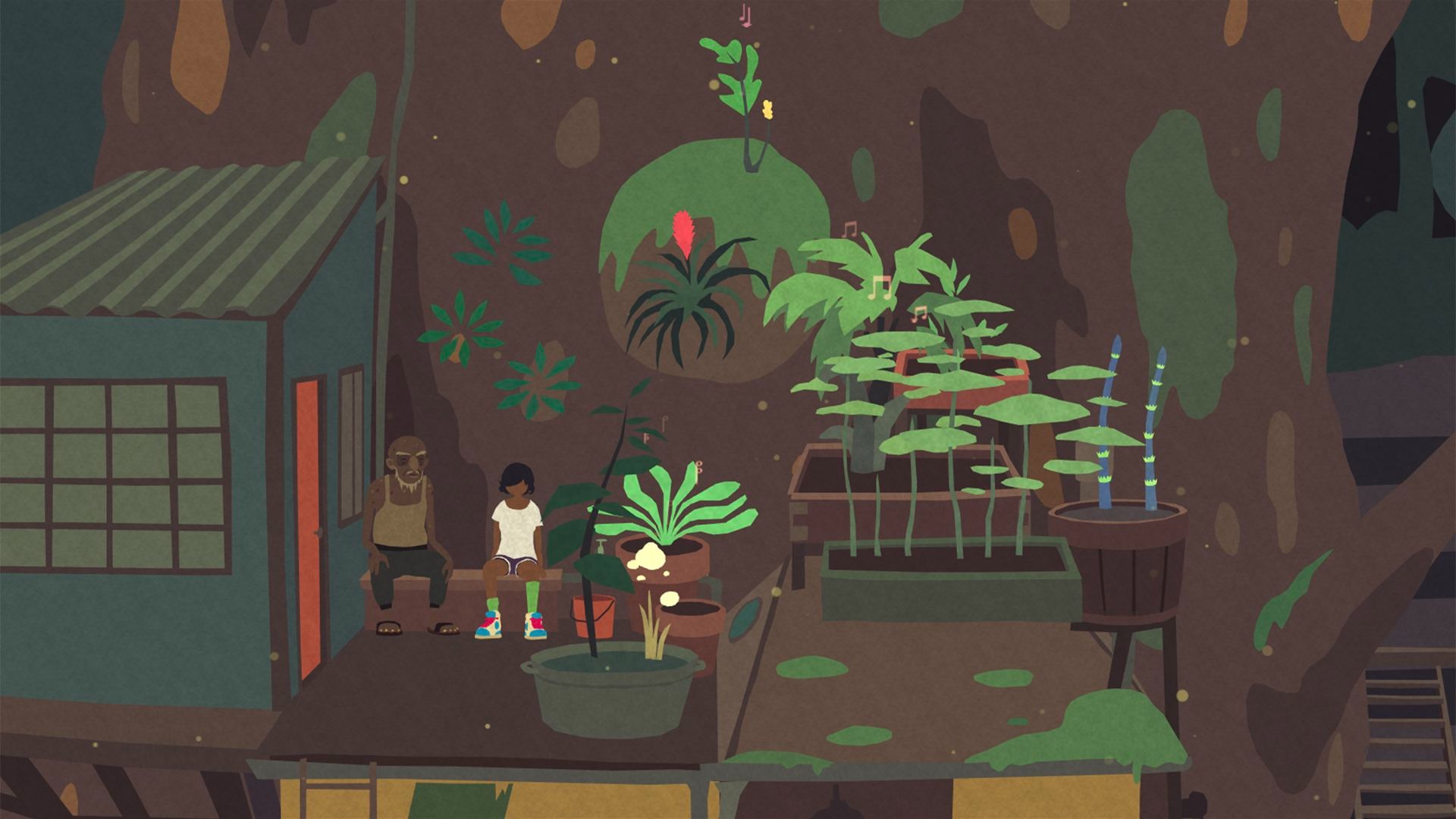
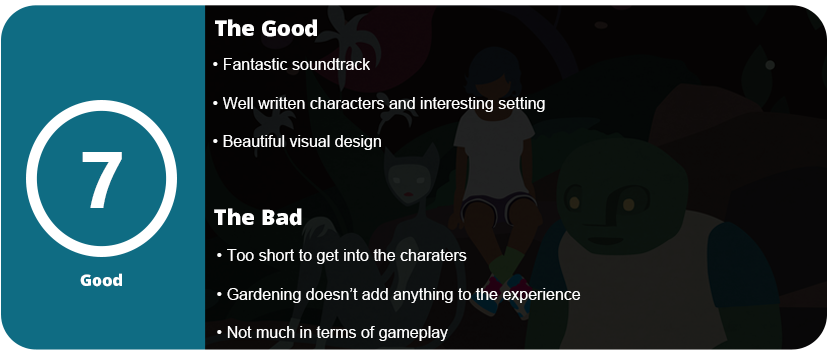
I have to give credit to the developers for their tight and well-written dialogue. The characters have, well, character. For the short time you spend in the games (under 4 hours), you really get to know these people, and the dialogue is written in a way that feels organic and like you’re listening in on a conversation. Talk of relationship issues, depression, carelessness, death, suicide, and many other emotions that we face in ourselves and amongst our own families. There’s an atmosphere that’s both uncomfortable and familiar. You will plant your own life in this game and strategize relating to certain characters or hating them. It’s just so well done.
As for the rest of the game, there’s something to be desired. As you walk around the screens, you will see a hand icon over anything you can pick up. These are usually plants, and you need the seeds to plant gardens to advance the story. There are eye icons for objects that Kai will comment on and a clock icon for an interaction that will advance the story. You never really get lost. Kai’s journal gives hints on who to talk to and what area you need to be in. Using a little common sense and learning the screens and where everyone resides helps a lot. As you pick up seeds, you learn songs that help you grow the garden. Each seed grows based on its song, so it’s recommended to plant seeds of that type. You can place the seeds with an outline of the plant that will tell you if there’s enough space for it. Sing the song a few times, plant enough seeds, and your garden grows. You can then harvest the plant for what you need to advance the story.
Don’t get this confused with something akin to Animal Crossing or Stardew Valley. This isn’t a farming simulator at all. The planting and gardening are rudimentary at best and mostly uninteresting. I just threw seeds around until I filled up the meter, spammed the correct song, harvested, and off I went. I was more interested in the characters and the story. There’s a mystery behind the village that I couldn’t wait to unravel, and unfortunately, gardening got in the way. I did love the music; it’s amazing and good enough to listen to outside of the game.
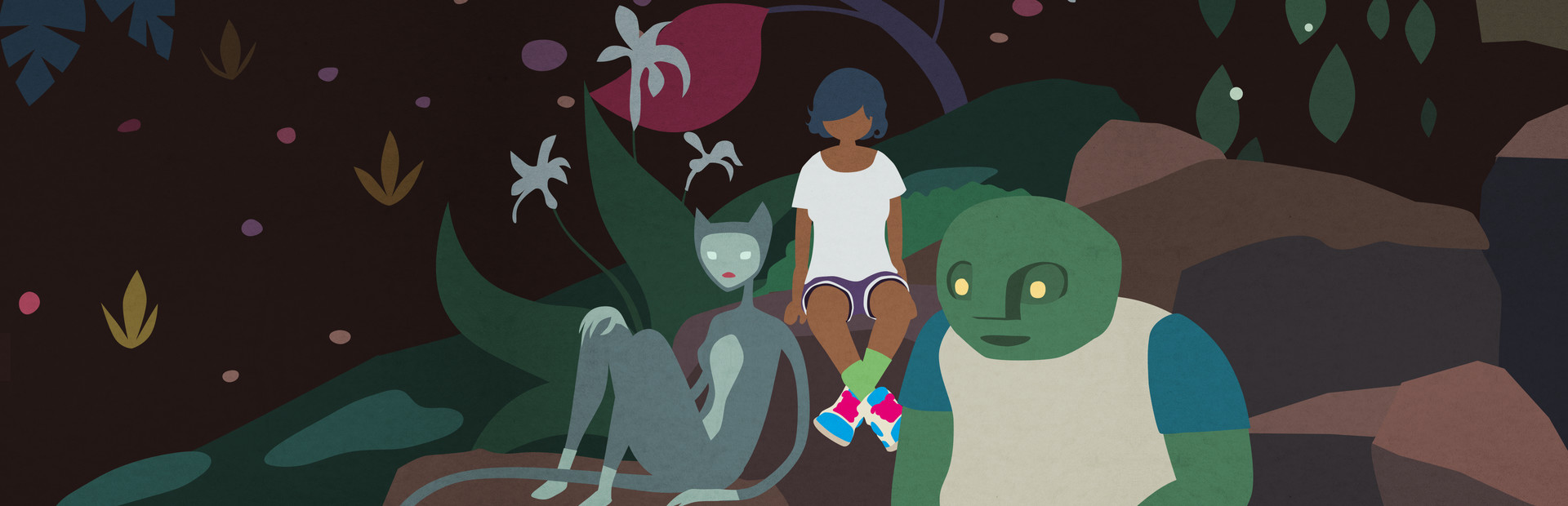
The art style is well done. It’s bright and colorful, but it can be really dark when needed. The characters have unique humanoid designs that seem familiar but are still alien, and the paper cut-out look just fits so well. I just wish the story was a bit longer, as I wanted to get to know the characters more. I can’t really complain about gameplay, as you do move around constantly and patterns change and mix up, so it never really gets boring. This is a great little adventure game that can kill an evening, and you might have a new favorite OST.
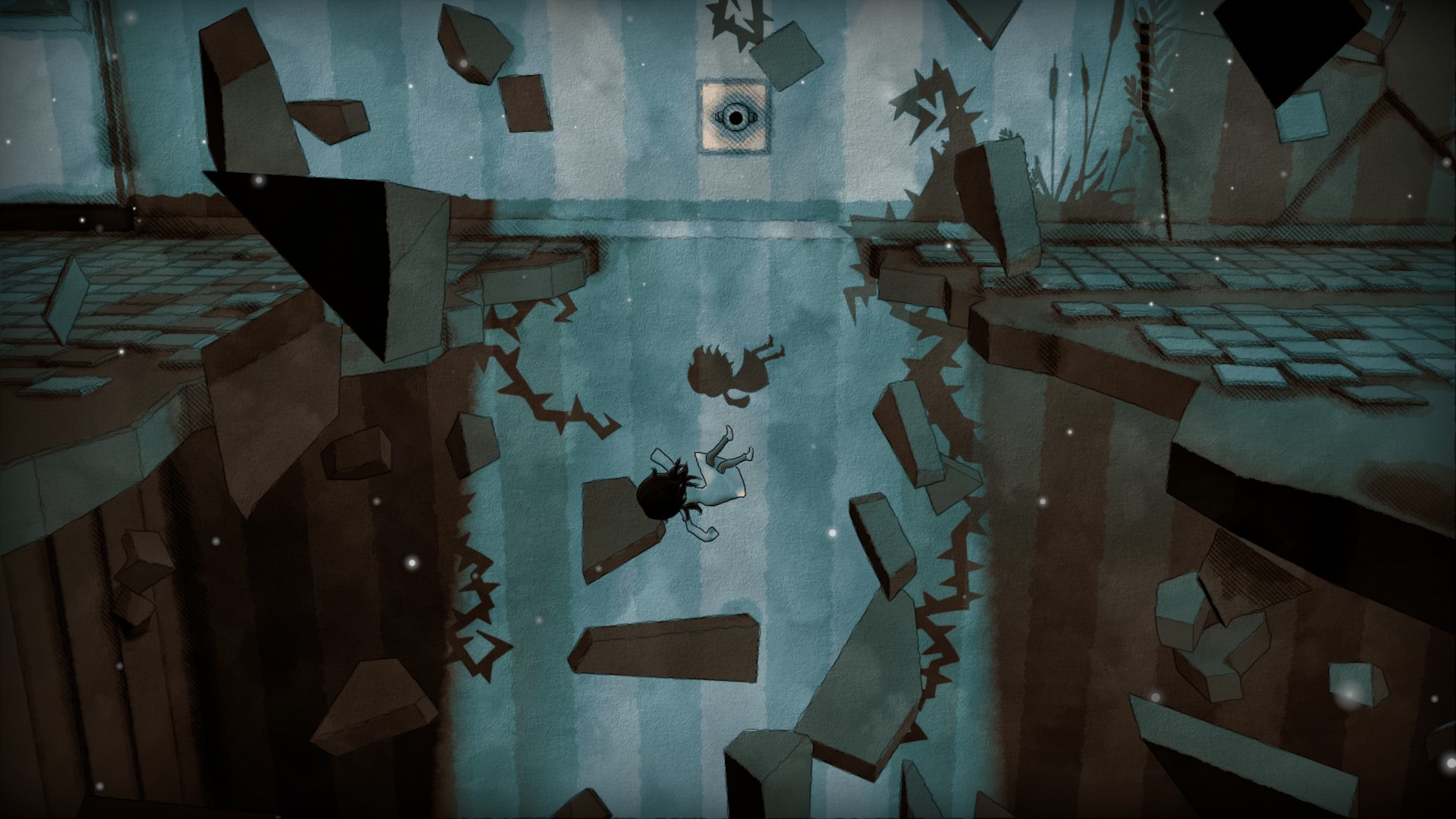
2D walking simulators seem to be a whole new genre of their own, are more interesting, and tend to be better than fully 3D ones. Games like Limbo, Little Nightmares, and Inside are perfect examples of this. There is some light platforming, some puzzle solving thrown in, and maybe a little bit of stealth. While none of those had stories that blew me away, they did make up for it in atmosphere and character. Shady Part of Me sadly doesn’t accomplish any of those things. The only thing going for it is the dual-character puzzles, and that’s about it. There really isn’t even a story to speak of. Yourself, your shadow, and some disembodied voice narrate the entire game with cryptic dialogue that really is either open for translation to the player or is entirely meaningless.
This game reminds me a lot of Limbo and Lost in Shadow. You play as a little girl in a white dress who is afraid of light, and her shadow (always on the wall) is afraid of darkness. You switch between both to help each other advance. Puzzles involve pushing boxes and pulling switches, and in later levels, your shadow can defy gravity and even take over puppet bodies. Most of the puzzles have that “Aha!” moment, which can be satisfying, but there were a few that really stumped me and took a lot of time just fiddling around until something changed. Most puzzles have you manipulating objects in front of lights to make new shadows, move them, or make them grow or shrink. The real girl can’t jump, but your shadow can. This means there is light platforming in the shadow, but nothing complicated.
I did find the aspect of two characters to be a bit tedious. Some areas just have you running to the right to stop in the circle to advance to the next area. You then have to switch to the other character and run that full length again. It’s not a major problem, but it happens too frequently. I also found the rewind feature to be really handy. This prevents constant deaths and restarts. You can rewind as long as you want, so I have to applaud the developers for making this a frustrating mess. A lot of times your shadow will die or you will get caught in light, and it stops the game, but rewinding allows you to see the error you made and correct it. If you fully died every time and went back to a checkpoint, this game would be unbearably frustrating.
Overall, the visuals are great. The sketchbook look and early 20th-century aesthetics are fun, but they’re also nothing memorable. We’ve seen this kind of art style before in other games. That’s the biggest takeaway from Shady Part of Me. It does what it does fine. Nothing more, nothing less. It doesn’t leave a lasting impression like the above mentioned games. Limbo was gruesome and had a memorable atmosphere. Little Nightmares’ ghoulish monsters stood out, and Inside’s dystopian world put you on edge. You will spend around five hours in this game and mostly forget about it the next day.








































 thebinarymessiah.com
Try multiplayer. A lot of fun !