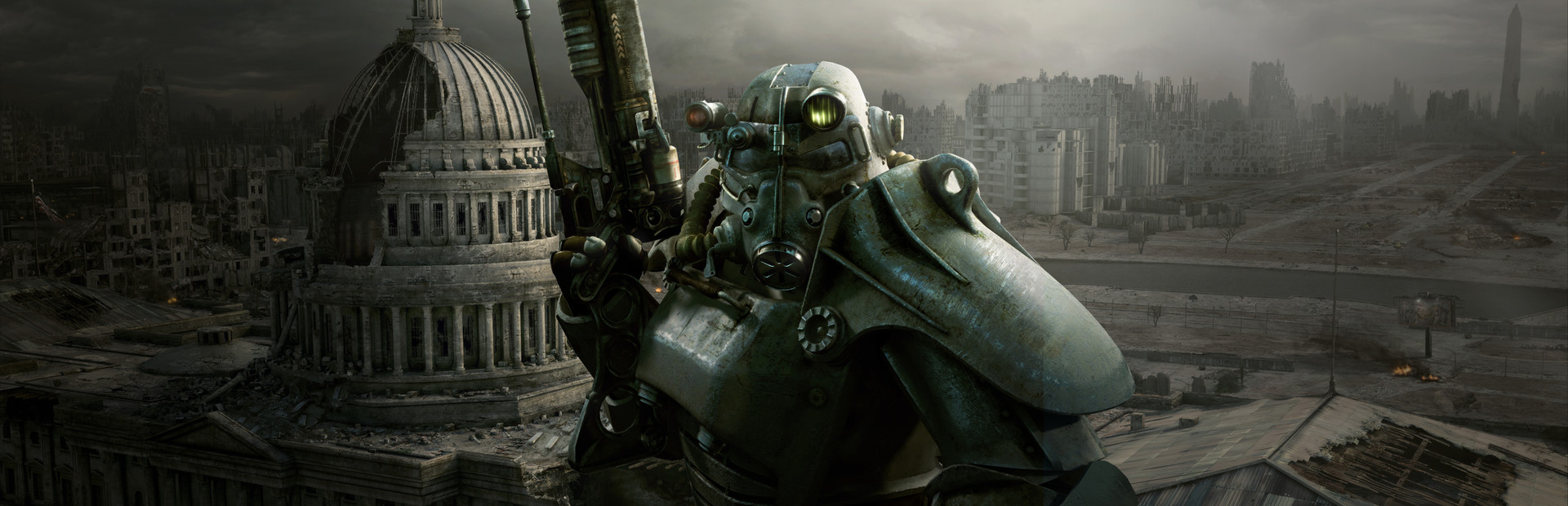
Fallout 3 is just one amazing experience, one of the best games I’ve ever played, and one of my top ten for this generation. I’m not going to write a review for Fallout 3. This review is really for Fallout 3 fans who paid $10 for this addon and for those who are thinking about it.
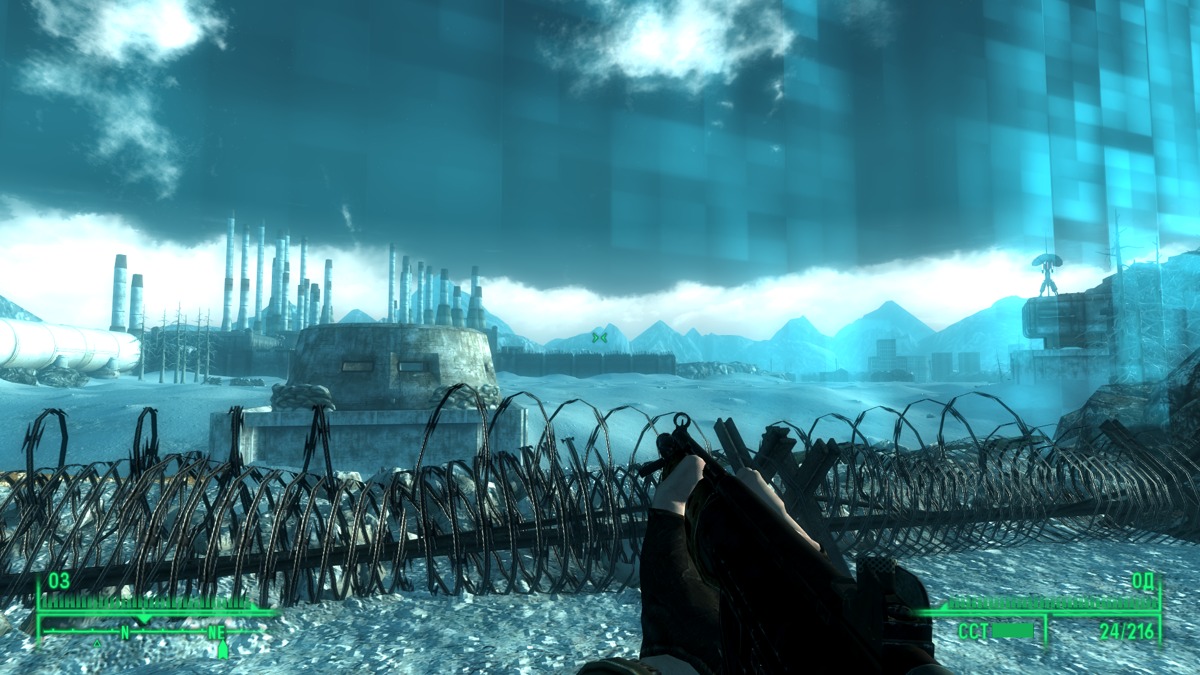
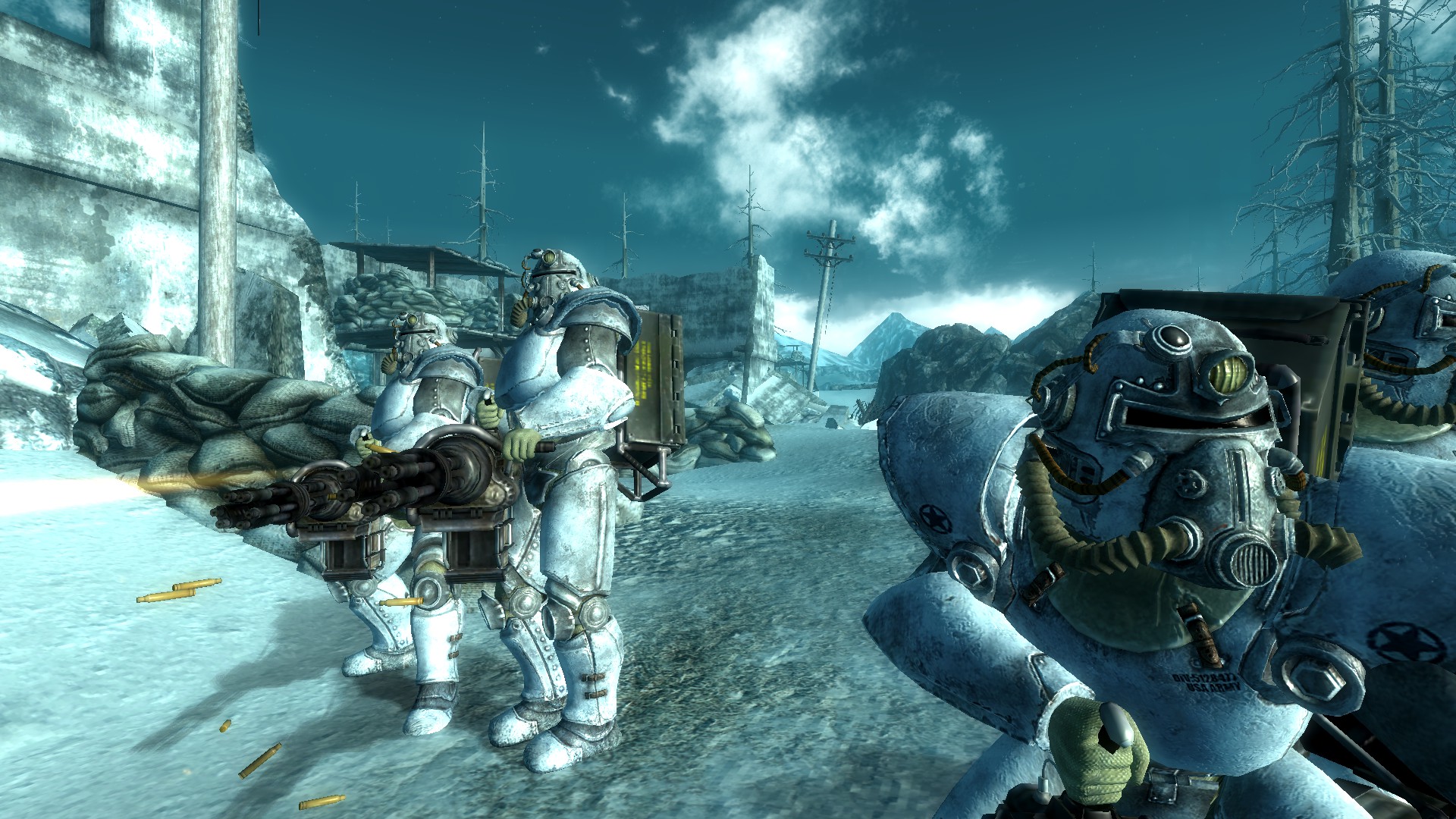
Operation Anchorage is the liberation of Anchorage, Alaska, from the communist Chinese. You’ll be helping out the Brotherhood Outcasts and will have to travel a great distance from the downtown metro area to get there. Once you help some outcasts fight off some super mutants and help escort them to their bases, you enter a computer simulation of this liberation. This is where Fallout 3 goes weird and doesn’t really feel like Fallout anymore. Everything is covered in snow, first off, and second, it turns Fallout 3 into a linear FPS. You still have everything, like your Pip-Boy and your RPG bits, in tact, but there’s no looting or anything like that. You have health and ammo dispensers spread throughout, and you’re only allowed the weapons the simulation wants you to have.
You have to help these people infiltrate the Chinese base in the mountains and disable three AA guns. After this, you have to take out a listening post, a tank depot, and then a pulse field to finally get into the headquarters. The DLC feels very derivative, with only two new enemies and one or two new weapons. The only new weapons I saw were the awesome Gauss Rifle, which uses microfusion cells (yeah, you actually use those now!) and is a one-shot super sniper rifle. The other was a Chinese officer’s sword, but I think that might be old. You can get troops that can help you battle things out, but this was a weird turn of events for Fallout 3.
On the plus side, though, you have realized this is a simulation, and it helps ease the pain for people wanting to wander the Capital Wasteland. The whole purpose of this DLC is to unlock some pretty sweet loot (I won’t spoil it!) in a vault that can’t be accessed unless the simulation is completed. You can complete this DLC in about 3–5 hours, depending on your play style, and it’s not worth the $10. I would honestly skip this one and go get The Pitt and Broken Steel. If you really want more Fallout, then pick up OA, but Bethesda’s first foray into DLC wasn’t a great one.
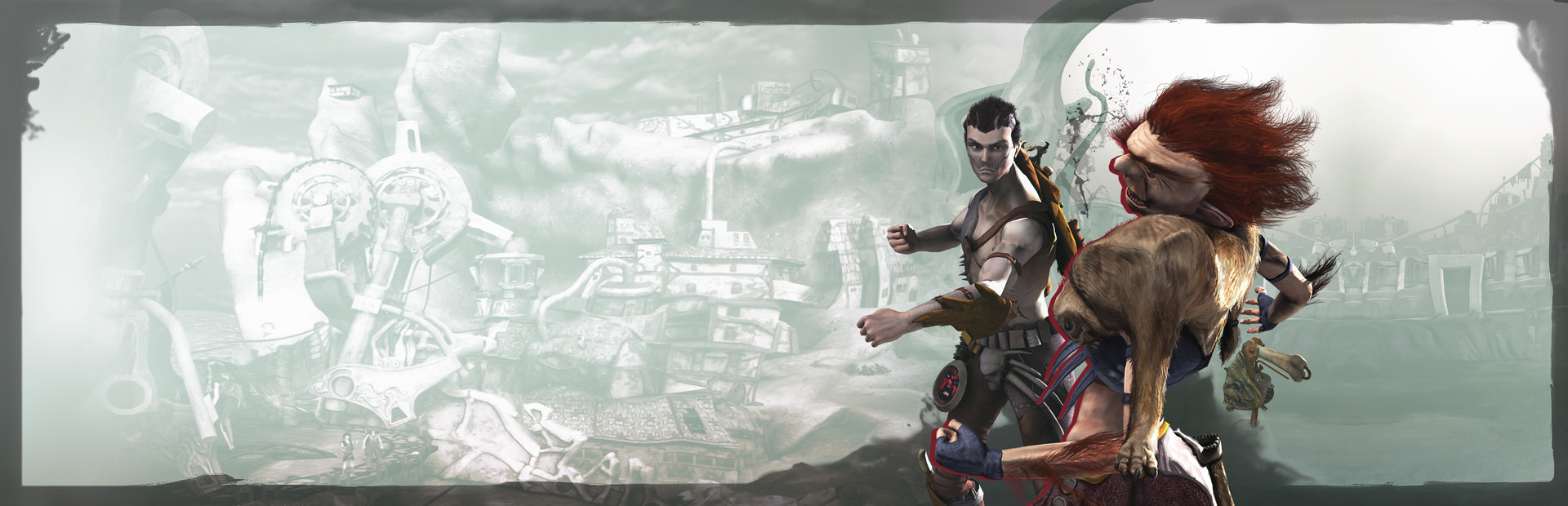
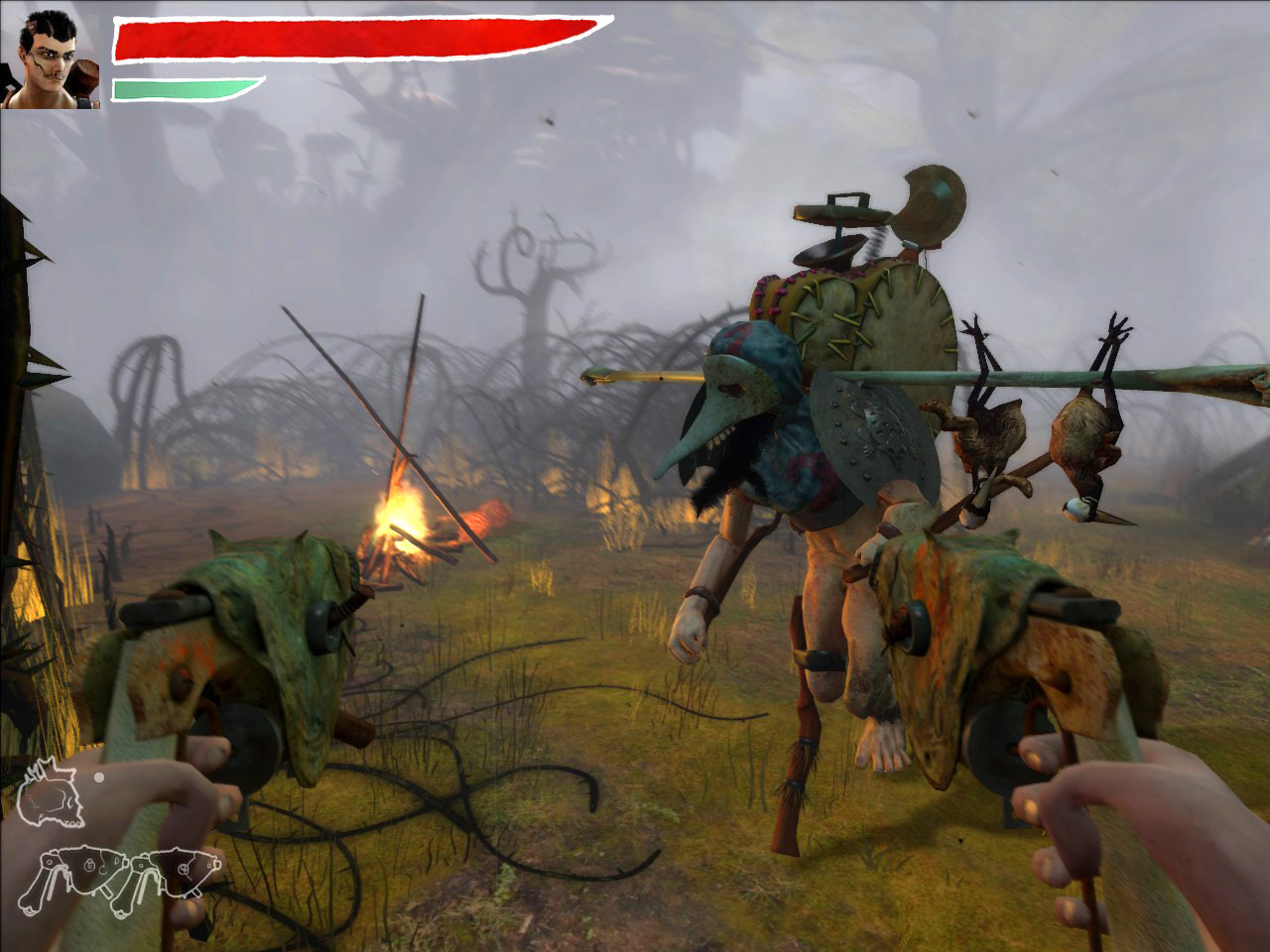
These indie games just keep getting better and better and more like full-budget titles. Zeno Clash is no exception, with an original, wonderful art style, fun gameplay mechanics, and a very intriguing story. ZC puts you in the mind of Ghat, a runaway man who is hunting his “Father-Mother” and wants to release his or her secret.
During your meeting, you meet a few interesting characters, and you play through flashbacks occasionally. The game is an FPS/melee game with some pretty deep combat mechanics. You use your fists by using the left mouse button and right mouse button (for strong attacks), which you can lock on by using E and using space as a block. While you’re blocking, you can dodge attacks by hitting D or A, and if you time it right, you’ll get a slow-mo queue to punch. You can create combos, and then when the enemy is stunned, you can knee-bash them or throw them around. I found the best tactic was to charge your strong attack while backstepping and then let it go. This is a bit repetitive (just like the whole game), but it’s effective and works when you are up against four-plus enemies. All enemies have a health gauge, and so do you; thus, having to eat orange flowers will give you health.
Sometimes you’ll get weapons to use, and these are neat little things that can be used to shoot the enemies, causing massive damage. Most guns have no more than a few shots in them (this game has a tribal theme to it), so you’ll have to aim very well since reloading can take longer than you want (sorry, this isn’t Call of Duty). While most of the game consists of this pattern: Run, fight a batch of enemies, cutscene, rinse, and repeat. Thanks to the short length (about 5–6 hours), you won’t get too bored. One level, however, is a lot different from the rest: You are running through a foggy plain (the fog will kill you since it bites!) and you have a crystal torch. You must keep it lit with candles littered throughout the level and use it to shoot fireballs as shadows that come after you.
Zeno Clash has a wonderful premise to all of its gameplay, but ultimately it’s all the same and can actually be really frustrating towards the end. If there are too many enemies, you can get boxed in and beaten to death, and I found the most frustrating part about the game to be that if you get hit while you have a weapon in your hand, you drop it. This usually happens during a reload and can piss you off a lot. There aren’t too many weapons, but you have a single-shot rifle, a dual-shot crossbow, a sledgehammer, a bone bat, and a grenade launcher. But these are tribal-looking weapons, so everything is made from what you see around you, which is pretty slick.
The game uses the Source Engine (the updated one, not the old one), and the graphics are just bizarre and way out there. The creatures are something straight out of nightmares, and some of the speech is pretty odd too. Nonetheless, it makes the game even better, and the visual splendor is probably what saves this game. If you think there’s something to come back to (there isn’t), you can play challenges, and there are a bunch of Steam achievements to unlock. I highly recommend Zeno Clash to any FPS or indie game fan.
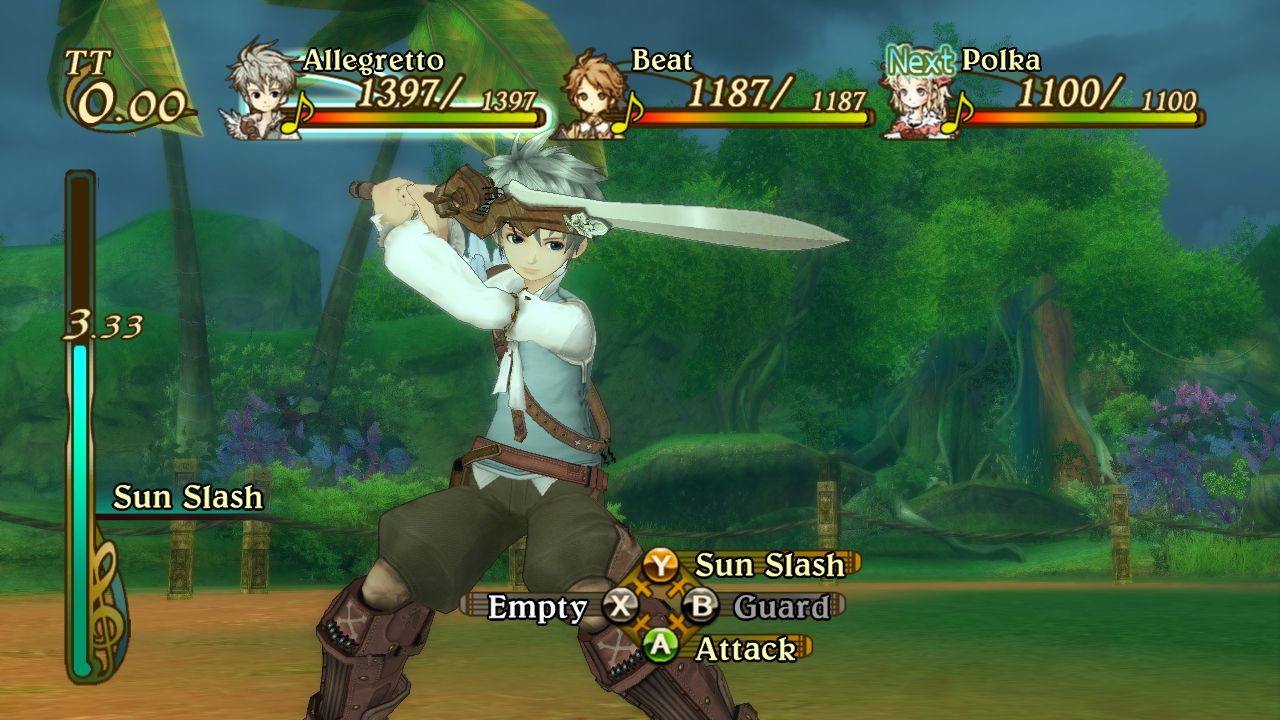
I don’t know how else to put this, but Eternal Sonata is probably one of the best (if not THE best) RPGs of this generation (yes, next-gen is now this gen; it’s been almost four years now, C’mon). The best part about Eternal Sonata is the graphics, story, music, and unique battle system.
To make this as easy as possible to understand, I’ll start with the story. ES does something different that I’ve never seen in a game before, and that uses a fictitious story with something that’s nonfiction. ES is about the famous pianist Chopin from the early 1800s. ES follows the life of Chopin when he was struck with tuberculosis and left Warsaw, Poland, due to the war with Austria at the time. While the real Chopin is sick in bed, you enter into his mind and into the world that he created while trying to recover. Chopin is now Frederic, and you run into several unique and lovable characters while trying to defeat the evil Count Waltz. Forte Castle (where Waltz lies) is supposed to represent Austria, and Chopin wants to go back and defeat the evil leader so he can go home. The reason why Chopin runs into these colorful characters is that they all have separate reasons to see the count (I won’t explain why due to spoilers). After you beat each chapter, stills of Europe will play, as well as a piece of Chopin’s music and pieces of his life will be told. Everything flows and ties in perfectly, and it makes it one of my favorite RPG stories of all time.
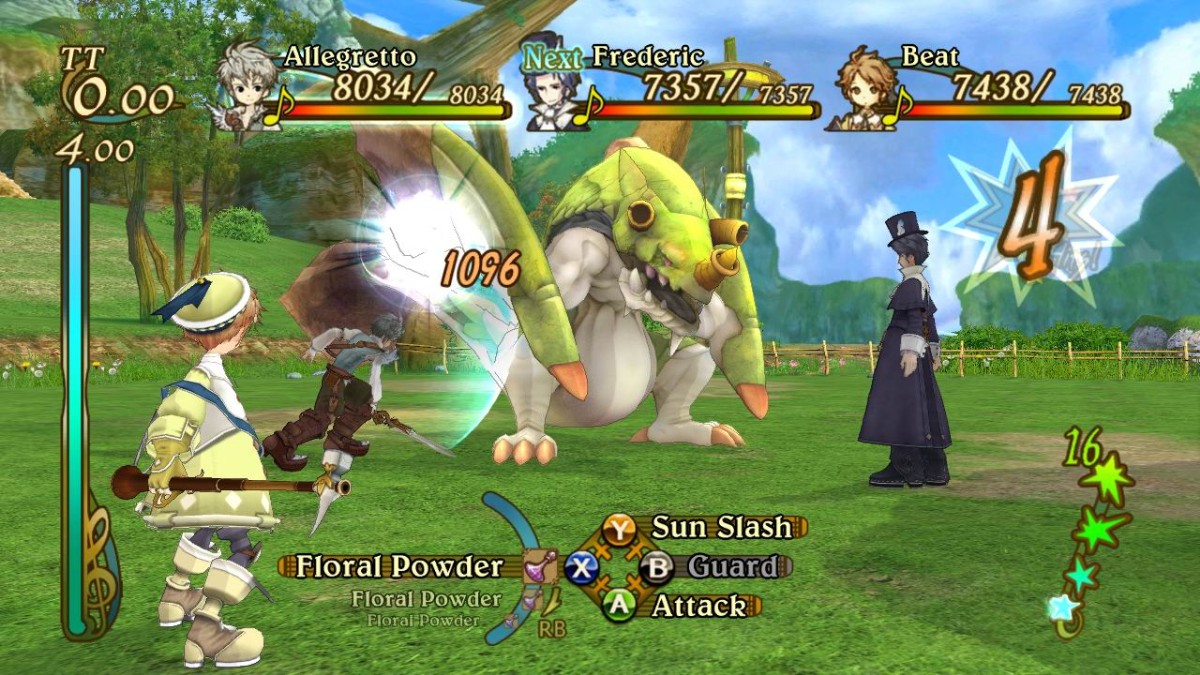
Now I’m going to go right into the battle system, with this being the meat of the game. ES doesn’t have a random battle system (thank God!) since I think we’re finally beyond that. Every enemy you see is in real-time, and you can avoid them if you want (like in numerous other RPGs). Instead of having magic, ability points, and some sort of super attack, ES does away with all that. You have a battle counter that lets you decide what you need to do. After this runs out, your action counter (about 5 seconds) counts down when you start moving, and you use the A button to attack with your main weapon. Magic, Special Abilities, or whatever you want to call them, are on your Y button, and you can use them as many times as you want throughout your turn. So, if you attack until your turn is just about up and then hit the Y button, you can do some devastating damage. Of course, you have items that heal, poison, and revive KOs, and there are tons of them, but there’s nothing special about these that you haven’t seen before. When it comes to guarding, you have a “chance” button (B), and if you hit the button when it appears on screen, you will block the enemy’s attack, greatly reducing the damage by about 90%. Sometimes the button will stay longer than other times, but it’s all about timing, and this helps keep the action up.
When you get your party leveled up, battle rules change from losing time on your counters to being able to chain special attacks to moving faster in battle. Every time you hit an enemy, you “queue” up power, and then when you use your special attack, it’s that much more powerful. Every character gets two abilities: light and dark. On the battlefield, you’ll see shadows and light areas; when you are in a dark area, you’ll use a dark attack, and when you are in a light area, you’ll use a light attack. This is really great and can help keep things mixed up. Watch out, though some enemies transform into stronger monsters when they are in the dark. The level design in this game can vary sometimes since some of it has labyrinthine dungeons that require a FAQ to even remotely understand how to navigate. A lot of these are partly due to puzzles that require a lot of backtracking that really gets under your skin. Now that the battle system is out of the way, let’s talk about production values.
Eternal Sonata uses some outstanding music, especially when Chopin’s pieces are used. The graphics are just absolutely gorgeous, with bright color palettes and unique architecture I’ve never seen in a game before. Eternal Sonata is also one of the JRPGs that also includes Japanese voice acting, and I highly recommend this over the American voice actors. Just turn the English subtitles on, and you’re good to go since the Japanese voice actors fit the characters better and are just superb. The game is easier than most JRPGs, but maybe this is a good thing. Everyone wants a stupidly hard RPG that takes over 100 hours to beat, and that’s not always necessary.
Eternal Sonata will take you 20–30 hours to beat, depending on your play style, and even has a “game finished” save so you can go back from the beginning at whatever level you finished. It’s sad to know Eternal Sonata got great reviews but had poor sales, so I hope you pick this up and experience the best RPGs of all time.
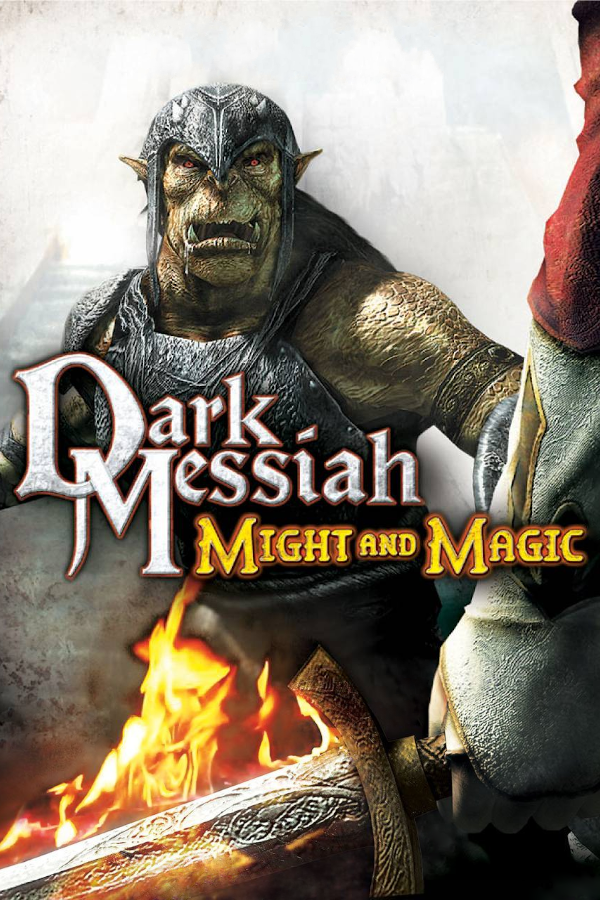
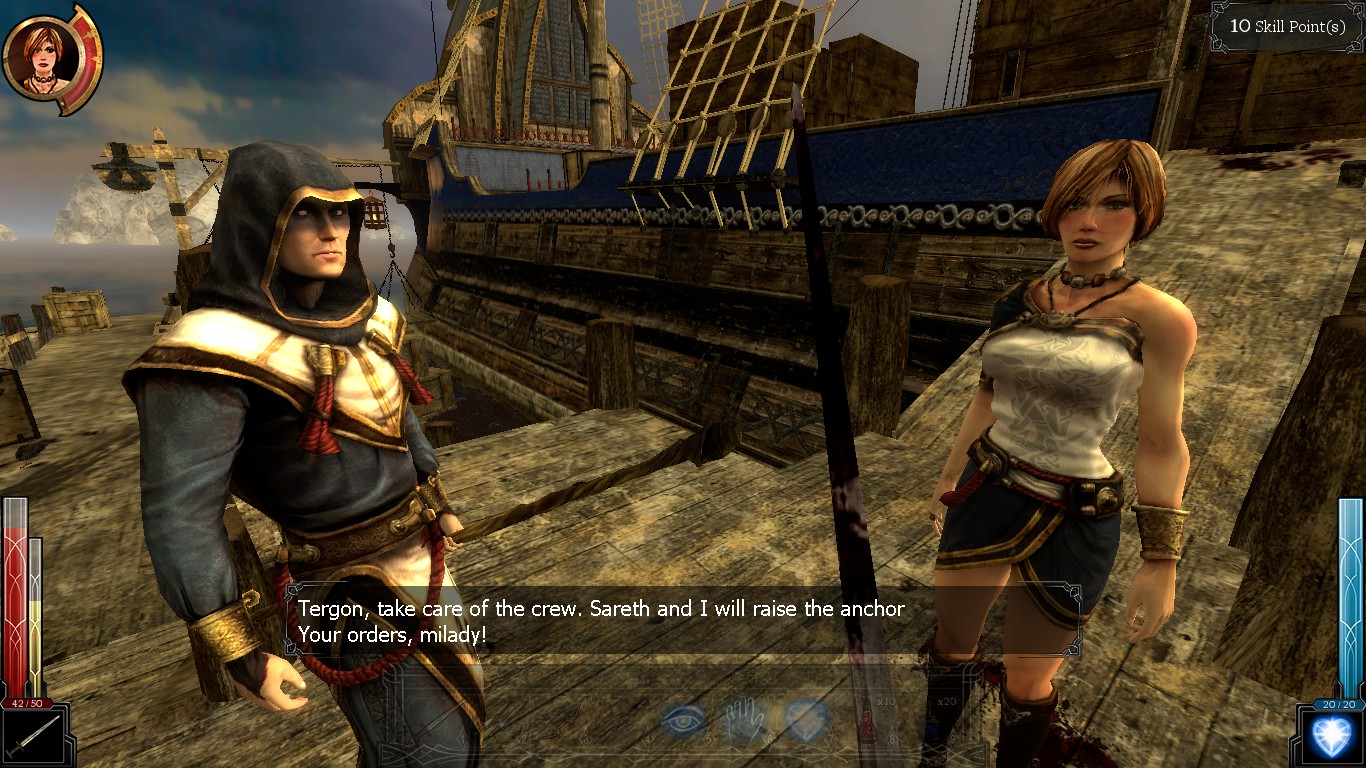
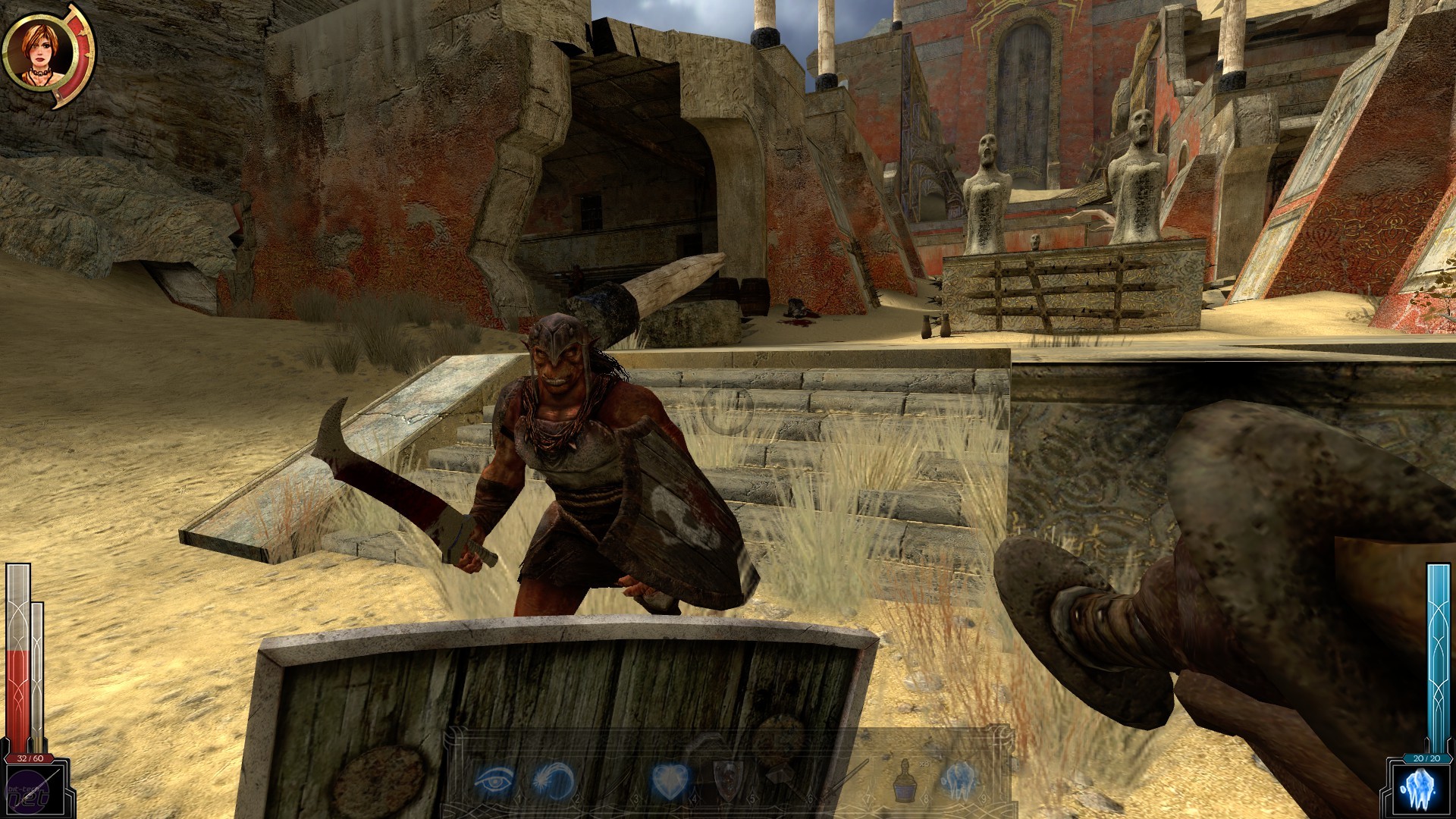
Before I start here, Dark Messiah suffered bad reviews because of all the terrible bugs that launched with the game. Now that 2 1/2 years have passed, Dark Messiah’s bugs have been pretty much ironed out, and you now have a pretty fun action RPG. Before I start explaining the game, DM uses the Half-Life 2 engine, so you can expect some wonderful graphics and effects. DM uses the HL2 engine very well, but the engine is a bit supped up, so you’ll need a fairly beefy rig to run this game. If your computer was being pushed with HL2, then your computer will have a hard time running this game. I also have to mention that DM felt a lot like Oblivion Lite in the sense that it is set in medieval times, melee combat is in the first person, and the art style is a little like Oblivion (not as unique, of course).
You play as a young protagonist named Sareth, and you must stop the evil Arantir from using the Skull Crystal and bringing the Dark Messiah back to life. You have a choice: either stop him yourself or let the Dark Messiah live on. The story is actually fairly interesting and will keep you on the edge throughout this 15-20-hour adventure. Now DM is a linear RPG (it’s not free-roaming like Oblivion), but it makes up for it with an intricate combat system. You have about 30–40 different item slots, and you can carry things from health, mana, weapons, magic, etc. As you progress through the game, you will earn skill points for completing objectives, and you can upgrade a variety of things from endurance, health, stealth, and archery skills to learn new skills such as heal, fire arrow, freeze, sanctuary, etc. There’s a lot to learn, and you won’t upgrade 100% in a play-through. You can either concentrate on being a knight, mage, or archer or just go down the middle.
There are a variety of unique weapons you can pick up throughout the adventure, such as the awesome rope bow (shoot an arrow at any wood overhanging and a rope will come down), ice staffs, flame swords, poison daggers, and even a cool electricity shield that stuns enemies when they attack you. Now there are no shops where you can buy things, so everything has to be picked up throughout the world. This keeps the action constantly going but will disappoint people who are used to having stores in their RPGs.
Combat consists of left-clicking for your basic attack, but if you hold it down, you do a power strike, and whether or not you strafe, move forward, or backward will determine whether it’s a sideswipe, impale, or overhead strike. This can let you easily dodge an attack and quickly strike back. You can use the right mouse button to block (and, when you get the ability), left-click to knock enemies back. Hit enough bad guys and you’ll get your adrenaline bar up, and this results in a gory, slow-mo instant kill. This applies to all weapons, and each of them has its own unique advantages. You have a kick button, and this is great when you are on a ledge, so you can just kick them off. Every so often, you’ll find spike beds on walls you can impale enemies on, and you’ll also find traps that can be kicked down to crush enemies.
While the combat is really fun and you can do a lot with it, it will get repetitive after about halfway through unless you use different weapons and toss things up. Every so often, you’ll find a blacksmith room where you can add bars of metal and forge your own weapons. Now, when it comes to enemies, there aren’t too many of them (knights, undead, spiders, necromancers, evil demons), and that’s about it. They are mixed up a lot, but you can still get bored of them after a while.
Every so often, though, you will get a great boss fight, and these are huge creatures that require key items in the environment to kill them. These are pretty awesome and very satisfying to take down. My biggest complaint must be the level design. A lot of times, you won’t find most of the hidden secret areas since they aren’t even in places you’d remotely think they’d be in. There will be times you’ll wander around for over 30 minutes in the same place wondering where to go, and this has to do with poor-level design. The levels are very linear, most of the time dark, and really hard to navigate. Other than this, Dark Messiah is a pretty good game, and you can even get it off Steam for $10! I highly recommend Dark Messiah to any action RPG fan.
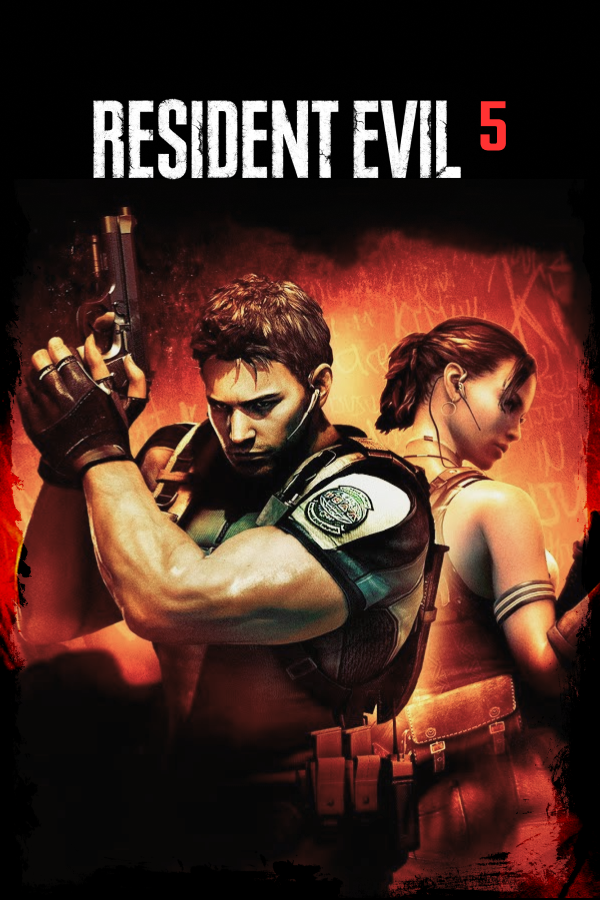
I was waiting for this game ever since I stepped foot into RE4 two years ago (on the better PS2 version). For some reason, RE5 feels like RE4.5 since it feels so similar, and this was a big disappointment for me. Don’t get me wrong, RE5 is phenomenal, but all the similarities can make avid RE4 players quickly bored and/or not so impressed. Rewind four years ago to that pre-rendered still of Chris Redfield during the RE5 announcement and look (or remember) how amazing it looked.
Well, since it took so long to come out, RE5 now looks on par with most next-gen games. It is one of the best-looking games out right now, but what RE5 does that RE4 didn’t do is have amazing cinematic cutscenes. RE4 had a lot of interactive cut scenes, but RE5’s are very cinematic (buy the collector’s edition and you’ll see the new camera technology they used to make these amazing cutscenes). There are fewer interactive cutscenes (press the so-and-so button within 2-3 seconds), but everything else makes up for it. RE5’s controls and basic gameplay are exactly the same as RE4’s. Hey, if it ain’t broke, don’t fix it, right? There’s still the over-the-shoulder camera, along with the whole laser sight and the whole wonky control scheme. While it still works, it does feel dated, and I wish there were a more Gears of War-type control setup or even something more modern.
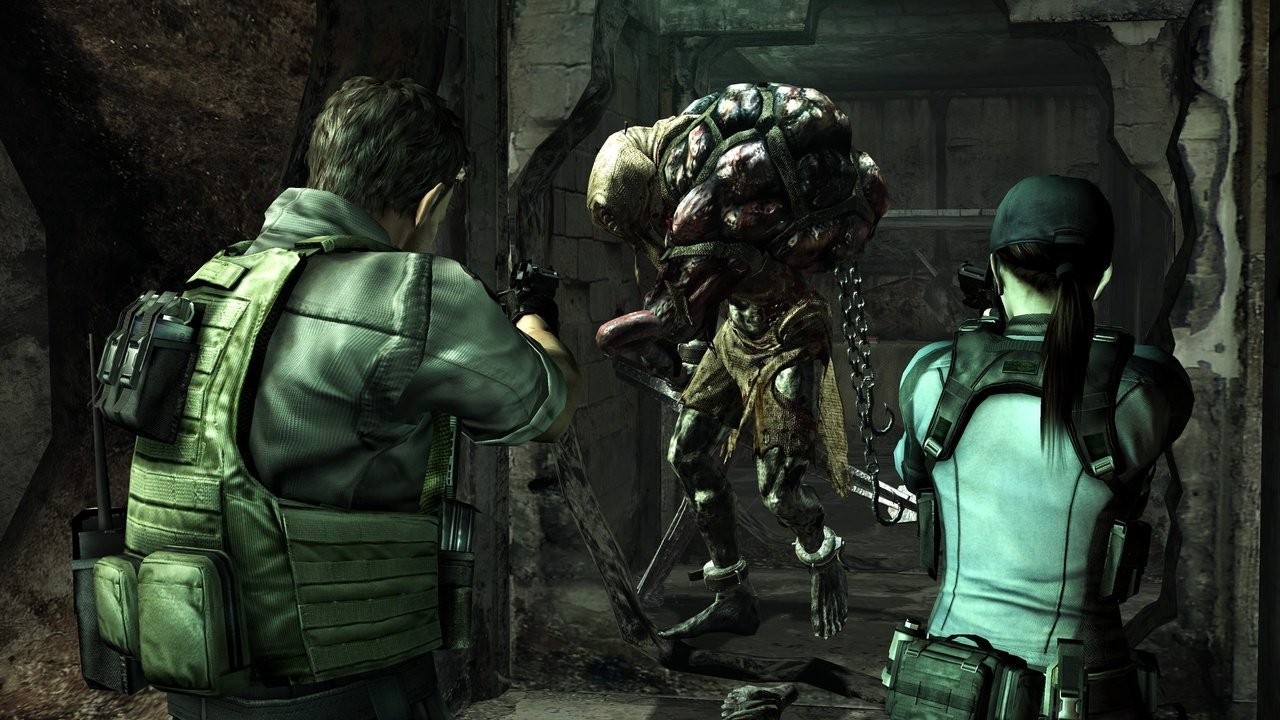
One of my main gripes is that your attached case is a whole lot smaller, and you can’t upgrade it like in RE4. Sure, you have a quick-select button, but I’d prefer more room for stuff, thanks. You get nine NINE slots, and they are quickly used up. Let’s say you have a vest, four different weapons, and four ammo types. There’s no room for health (yes, it’s still the stupid herb ordeal), grenades, or anything else. This requires a lot more sacrificing, but thankfully your sexy buddy, Sheva Alamar, has nine slots as well, so you can trade and exchange items with each other. Yes, there is a “buddy system,” and I think in a zombie-ridden Africa, the buddy system is great (don’t worry, it’s not a “bodyguard” system like RE4 Sheva actually fights). Sheva’s AI is pretty good. Sometimes she tends to try and shoot through you half the time and doesn’t like to keep up with you when you’re bombarded with enemies.
Rarely will you die from this, but if you do, you get mad. This is why RE5 is a better-played co-op, online or offline. This is great and even has a Left 4 Dead feel since you’re surviving zombie hordes while trying to stop…err…a really bad man from unleashing the new Uroboros virus around the world. Since this is a next-gen system, the boss fights are bigger, badder, and tougher, and boy, do I mean BIGGER!!! You thought the El Gigante was huge on the GC, PS2, and Wii tries shooting up a 30-foot flying B.O.W. or something that’s the size of a naval freight ship. A few new elements are added to certain boss fights, such as “key weapons,” and these are only good for that fight. You may have a rechargeable flamethrower, an RPG, or even a satellite gun, kind of like the Hammer of Dawn in Gears of War. While all boss fights are a major challenge, you can always do it in one try. There are a lot more weapons in RE5, but most of them are useless since they are slight variations of other weapons. It takes longer to completely upgrade weapons, and you can only do this when you start the game, die, and are in between levels. No, there’s no creepy British dude with stuff under his coat selling you things. I found this change a bad one since it may hinder some people when they need a weapon before a certain point. Upgrades cost a lot more and thus make unlockables harder to get.
Another great thing about being next-gen is that the levels are now huge and the puzzles are challenging but not confusing and scatterbrained. There are a lot of little goodies to collect and unlock. You can use points for achieving certain things (such as finding all BSAA emblems, beating certain levels, etc.) to unlock figurines, filters, costumes, etc. These add great replay value and can make the game more fun a second time. When you beat the game, you get a mercenary mode (like in RE4) that pits you against tons of zombies you have to fend off. RE5 is an amazing game, but it feels too similar for RE4 veterans and may hinder and bring down your expectations.
Afro-Samurai is just one of those comics or cartoons that you never really hear of until it’s a video game. Afro Samurai is about a samurai named Afro who is trying to find the #1 headband from the person who killed his father. Anyone who holds the #1 headband becomes a god, and only the #2 bearer can challenge #1. While the story has interesting developments and great characters, the game is mainly focused on combat. Afro and Ninja Ninja are voiced by Samual L. Jackson (you may have heard him as Officer Tenpenny in Grand Theft Auto: San Andreas), along with Justice, voiced by Ron Perlman (of Hellboy fame).
There are a lot of elements to the combat in AS, but the whole thing becomes very monotonous after a few levels. You have three basic attacks: light, heavy, and kick (along with jumping). You also have focus attacks (which slow downtime), and if you hold either heavy or light, you instantly slice the enemy to bits. Not all enemies can easily succumb to the focus, so some will have to be weakened before using it. There is also a parry technique in which you can “mount” an enemy and slice their head off. Parry is essential to most boss fights (more on those later) and to staying alive.
While the combat is very satisfying only because of the sheer amounts of gore that are spilled, it does become very repetitive. There are combos you can learn, but they aren’t really necessary since you can just button-mash most of the time. I particularly loved the gore since it isn’t canned and any part you slice off will come off. If you slice just the toe that comes off, slice a piece of a guy’s skin, it comes off. The whole theme is very mature, with lots of cursing, sexual innuendos, and nude polecats. Yes, nude female samurais—nothing’s hotter than that. Anyways, there are some platforming sections, but this part of the game is somewhat flawed since Afro likes to stick to things a lot, and the controls for this can be somewhat unresponsive. Controls for combat are spot on, but they seem to become sluggish and sticky when you’re platforming.
Another great aspect (that I’m glad more developers are doing) is that there is no HUD. Just like in games such as Dead Space, everything depends on your main character to tell what’s going on. The more Afro glows red, the closer you are to dying when your focus is charged up. Afro’s pendant sparkles, and that’s pretty much all you need. You do level up and learn new focus moves such as bullet slice (reflect and slice bullets in slow-mo), mounting, etc. There are some different enemy types, but there could have been more. You’ll see a lot of the same ones halfway through the game, and it tends to add to the monotony.
Enemy AI is actually pretty good, and you will have a challenge fighting off enemies by the dozens. Thankfully, Afro is fully equipped to take on all these baddies. Combat doesn’t tend to get too frustrating until you get to bosses, since the windows for attacking are so small that it takes so much patience to kill them. While your character does level up, it doesn’t really make a difference since it’s all set on auto. The game is fairly short, clocking in at about 4-6 hours, depending on how you play the game and your skill level. There is zero replay value since there are no extra modes you unlock or anything. I just highly recommend Afro Samurai as a fun weekend rental.
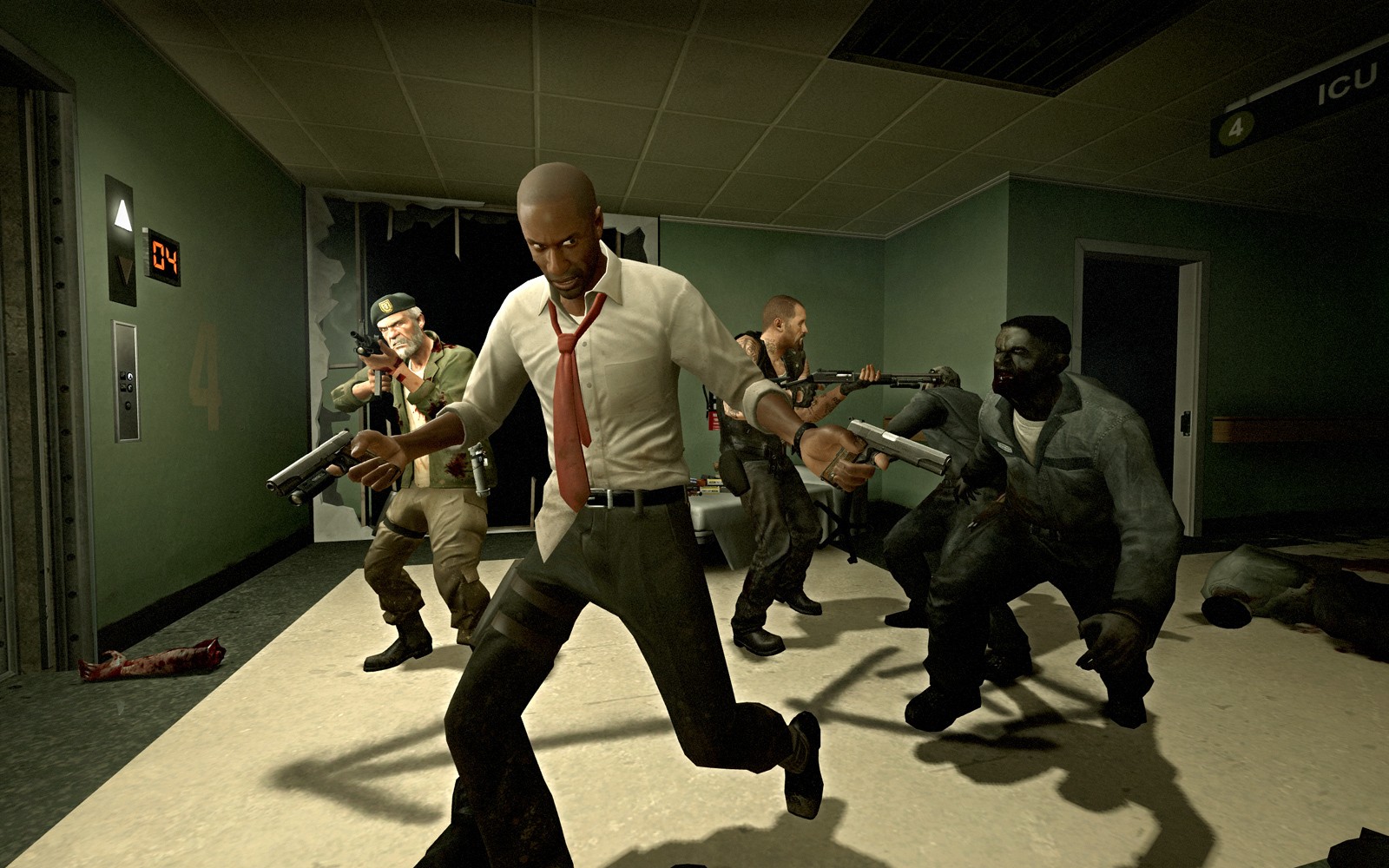
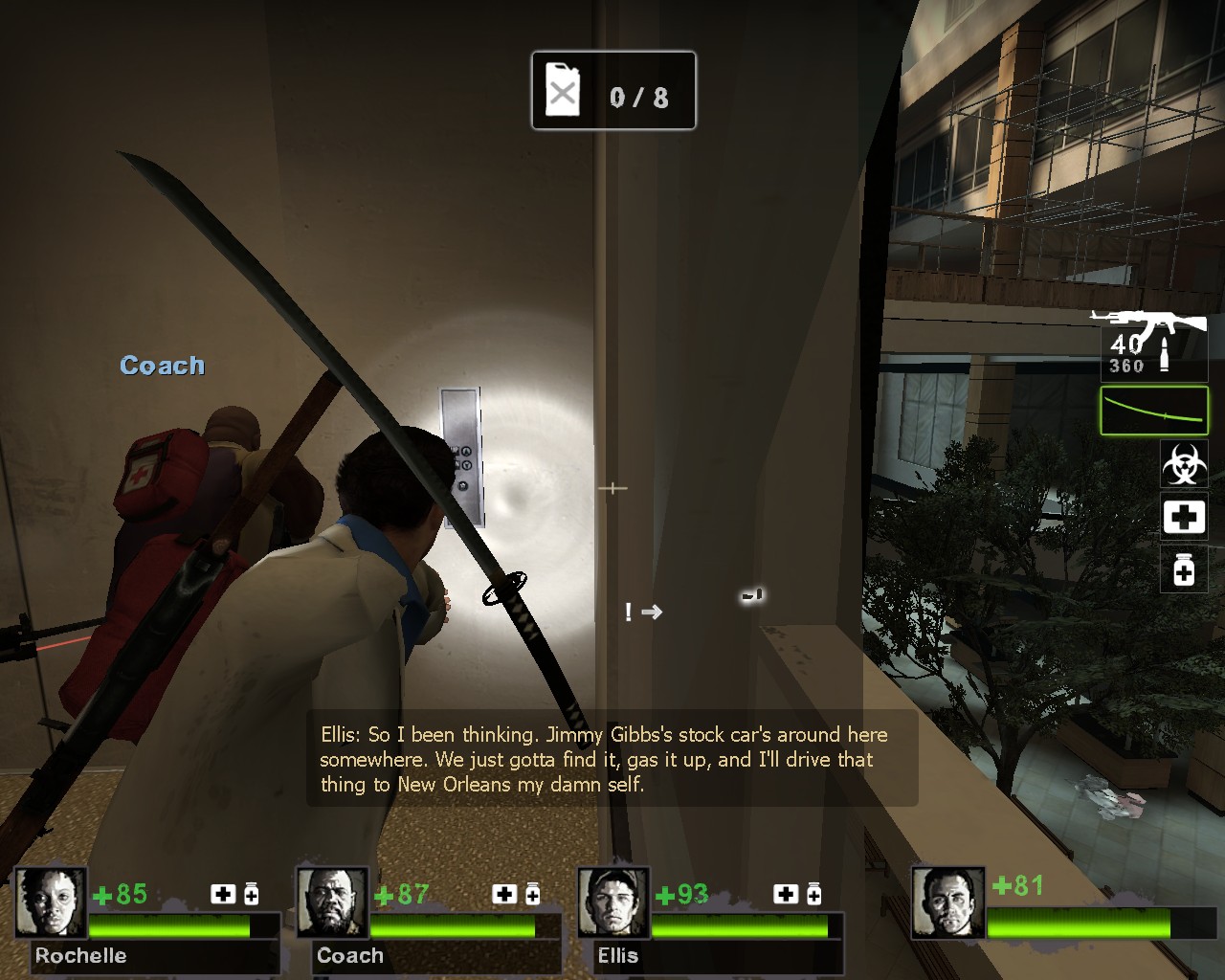
Once again, Valve brings us another great game using their source engine that brings all the elements of Left 4 Dead to life (or death???) The first thing you’ll notice (mainly Valve fans) is that the Source engine has had a next-gen upgrade (even more so than Portal), and everything looks amazing. While HL2 fans will notice some sounds and elements of the engine from those games, it doesn’t really bother you. The game looks stunning with excellent lighting effects, awesome AI (enemy and friendly), great character models, high-res textures, and just everything you’d expect out of the source engine. L4D, however, isn’t really a single-player-only experience; in fact, you won’t even see the full potential of this four-player game unless you play online.
The game is comprised of four campaigns, and each campaign has five levels. Each level gets longer and more and more difficult, with a final level where you have to face off hundreds of zombies until your rescue transport arrives. At the start of each campaign, you get to choose the four characters (each character just starts out with a different weapon). Speaking of weapons, I was disappointed in the small selection that there was (just pistols, shotguns, machine guns, and a sniper rifle, along with bombs and Molotov). The basic idea is that these four characters have to cover each other’s butts through these levels while you face off massive hordes of zombies. The whole idea is a bit more in-depth, with some gameplay elements thrown in there. For example, zombies are attracted to noise and light, so if you keep your flashlight on near zombies, they’ll charge you. Shoot a car that has its headlights on, and you’ll have to face off with dozens of zombies charging at you because you set off the car alarm. Killing these zombies is fairly easy since a few shots will bring them down, but it’s sheer numbers that make up for this.
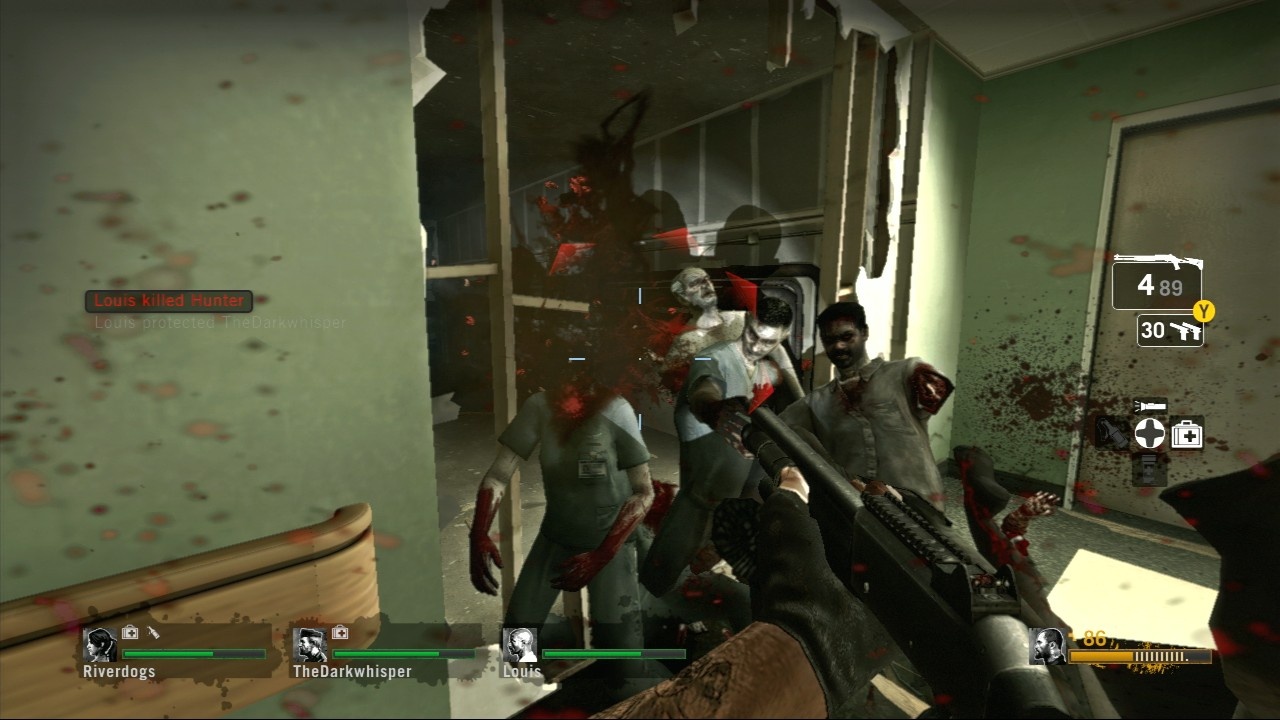
There are over 150 different zombie types, but there are a few “special” zombies that are harder to take down. These are the Tanks (massive zombies that will take all four people to bring down), Smokers (these guys have super long tongues that snatch you up), Boomers (no, not like in Gears of War, if these guys vomit on you, they attract more zombies, and the same if you blow them up if they’re too close to you), Witches (you hear them cry through levels, and if you disturb them, they’ll take you down and you are down until someone revives you), and Hunters (which are super fast-moving zombies that pounce on you and eat you until someone saves you). This changes the gameplay up, along with certain sections requiring you to do something, such as hit this switch to move this, and while this is happening, you have to fend off hordes of zombies. The game is probably the only “zombie simulator” out there because they just act and look so real, and you really do feel helpless in the middle of nowhere with hundreds of zombies around you.
Of course, you’ll blow through the four campaigns in about 3–4 hours, but it’s the great online play that extends the replay value. The way levels are played out is very original as well since you have to get everyone into a “safe room” at the end of the level (look for the red door) and close it, thus the next level loads and you get to restock on health and ammo. Throughout the levels, you may find rare ammo stocks, pipe bombs, etc. It’s the final levels that really are hard since you have to fend off so many zombies, and this can be hard for a single player since the AI won’t go anywhere unless you do. When your transport arrives, you must start heading towards it before it gets to you, because if you’re surrounded by dozens of zombies, you’re dead. If your teammates die, they tend to respawn in closets or behind closed doors. Once you run out of health, you can be healed by other teammates or take pills to temporarily fill your void. L4D is a wonderful game, but it’s tight on content and lacks more maps that we need (Valve sucks when it comes to DLC). I highly recommend this game as a great online multiplayer game.
We all know what to expect from games that are launched alongside brand new consoles, and that isn’t very much. Launch titles are usually just a handful of games that kind of give us a taste of what the new console is capable of and nothing more. Kameo was just one of those games with beautiful graphics (for its time, even) and fun gameplay, and well, that’s about it. Kameo fails to develop a really good story and characters to be in that story, but what there is works, and it’s enough to keep you hooked for the 5–6 hours you spend playing this.
Kameo is an elf (they can fly now?) whose sister betrayed their kingdom and woke an evil troll named Thorn. The whole game is about you setting elements free and using them to work your way to Thorn. There are 10 elements altogether, and each of them is well designed and very unique in its own rights. Kameo is a platformer developed by Rare, so you kind of know what to expect here. Surprisingly (for a rare game), Kameo is fairly easy, and the only frustrating moments are bugs or design flaws rather than mechanical issues with controls or cameras. The game is peppered with collision detection issues and just overall errors. These don’t hinder the play but tend to make you more frustrated than you should be. Anyway, most of the game consists of you switching between these elemental creatures and using them to kill enemies and solve simple puzzles. For example, the first elemental you’ll get is pummelweed, which is a plant that can go underground, uppercut, and do jabs. You may need him to get under low-hanging doors or walls or use him against specific enemies. A second creature you get is Ash; he is a dragon that shoots balls of fire, and you can use him as a flamethrower.
Some enemies are weaker against him than others, so there is a strategy that comes into play here. Elementals can be changed on the fly via the four face buttons, and attacks are done with the triggers. You can go into your Wotnot (book) and assign different creatures to your buttons. Of course, you have to catch these creatures by finding shadow trolls and defeating them in the manner of throwing light trolls at them. Once the troll is defeated, you absorb your elemental (and get an achievement!). Your main goal is to rescue your family members, and this is down to epic boss fights (that can be TOO tough). At the end of each level, you get to fight a huge boss that involves using certain elementals (usually the ones you’ve most recently captured).
Now you can upgrade your creature’s powers by finding fruits around the world or buying them with coins. These powers are needed to become more powerful and help you through the entire game. Of course, finding all these fruits is nonsense, knowing they are rare, so just finding the ones you come across is sufficient. The game also sports a co-op mode, so you and a buddy can have fun with the baddies in this game, or you can do a time trial mode or a “level-by-level” mode where enemies get increasingly harder. I find all these modes uninteresting since once you beat the main game, you’ll be pretty sick of this game to begin with anyway. The game is very repetitive, even though there are multiple creatures to play, as they all end up being the same in the end.
The only really awesome part is mowing down thousands of trolls with a charging horse in the Badlands (between levels, you do this to save shield generators), which really showed off how many enemies can be shown on-screen at the same time. I have to admit that the enemy AI is pretty decent, so don’t get the game wrong there. There are some downloadable costumes for Kameo, but for some reason, the game never recognized them. I have no idea why. If you skipped out on this launch title, I suggest you go pick it up for less than $10 pretty much anymore.
Fable II is another Western RPG that really tries to use a lot of action mixed with RPG elements and tag a good story in it. Fable was a big deal when it came out because it was one of the few games that let you choose to be good or evil with every single task they threw at you. Everything you did affected how the game turned out, and these included things from terrorizing towns with crude expressions to giving money to a church. Fable II continues: There are tons of things for you to do and tons of ways to go about doing so. When you start the game, you are introduced to the story, and you get to choose your main character. Whether it be a boy or a girl, it is your choice. As a child, you go about performing small tasks to get used to the idea of how to play the game. These range from finding things for people to helping children fend off bullies. This is also a crucial point in the game for heading down your good or evil path. You can choose to give arrest warrants that you find to the sheriff or give them to the criminals for a reward.
The whole game evolves like this, and it really makes an impact later on. Once you get the hang of the game, you can equip better weapons, buy food, potions, etc. One great thing about Fable II is that you get a dog by your side, and he helps you hunt out treasure chests and places to dig. You can upgrade him by finding or buying books that will upgrade his hunting abilities. Your dog also helps you in battle, and if he gets too hurt, you can heal him; also, mind you, he can play a part in expressions (more on those later). Surprisingly, the AI for the dog is done very well, and he looks, sounds, and acts like a real dog. Rarely did he get in the way or couldn’t find his way around an obstacle, and the same goes for enemies as well. While you can buy more powerful weapons (blunt, slashing, stabbing, you know the type) to kill enemies, there is no armor for you to buy.
All you can do is buy clothes, and these just add to your looks, which affect other things in the game (more on socializing later). The game consists of three different elements to upgrade with: skill (ranged weapons), will (magic), and strength (melee). You upgrade yourself by absorbing the appropriate orbs after defeating an enemy or using the appropriate potion. It takes a while to start getting the higher-level stuff, but once you get further into the game, you earn experience more quickly. You can customize your character a lot by buying tattoos, getting makeup done, etc. You can also even dye your clothes now, which is cool.
Combat in the game is pretty simple yet satisfying. You use X to attack, Y for range, and B for magic. Melee attacks can be charged, while ranged weapons have other abilities like a TPS (third-person shooter) mode, lock-on, etc. Magic is a bit different this time around since you have a “Magic Tree” that you access by holding down the RT, and this brings up a series of bubbles. Each bubble is a higher level, and you just equip which spell you want in each bubble. For example, if you have a level 1 shock, level 2 blades, and level 3 wind, you hold down the B button and let go when you get to the spell you want. This is really easy to use, and I found it very useful. While combat is a large portion of the game, socializing has always been a huge part of Fable, and Fable II expands on this quite a bit. You can now get jobs, and these range from blacksmithing to bartending. While these jobs are tedious, they are almost required to earn a lot of gold to buy better items. These jobs are timing mini-games and can be pretty difficult to master. Each job has five different levels, and you have to earn a certain amount of gold on each level before moving on. One important thing to note is that you can never die! When you “die,” you just lose all the experience that’s lying around on the ground. This can either be great or bad for you, depending on your playing style.
Now Fable II has a whole marriage, child, and sex thing, and it’s very useful if you want it. You have expressions you learn in the game by becoming more renowned in the world by completing tasks. Certain expressions can be used to flirt, be rude, make people laugh, etc. When you use these expressions, you’ll attract people, and eventually someone might start liking you so much that they’ll offer gifts and even fall in love with you. When they do, you offer them a wedding ring and set your home (more on buying a property later) as the marital home, and you’re married. You have to go back sometime and visit your spouse, or they will start hating you and eventually divorce you. You can have sex (yes, it’s blacked out, you pervs!) either protected or unprotected, and this can lead to childbirth. Sometimes having unprotected sex with prostitutes can lead to STDs, and you don’t want to get those. Often, you must come back and give your child a gift and use good expressions on them to keep them happy.
Expressions are really a good way to scare people during combat or to get your way in towns. You can also buy property, houses, and even furniture and furnish them to your liking. If you don’t want to move into one, you can rent it out. The same goes with stores, and you just accumulate income as time goes on. If you want, you can set a budget limit for your family to keep them happy so you can visit them less. This is great once you start buying a lot of property around the world. While the world is huge with lots of areas to visit, they are all broken up with fairly long load times (even when the game is ripped to the HDD). There is a lot to do in the world of Albion, such as solve Demon Door quests, hunt for treasure, finish jobs and side quests, etc.
You really never run out of things to do; it’s just that when you decide the game is over, that’s all up to you. The game looks absolutely amazing, and you often stop and look at the scenery and take it all in. Fable II is one of the best-looking games right now, and the sound is even more marvelous. Fable II is just such a charming game (the pub games are confusing, though!) with a few minor flaws that can be overlooked. Often, combat feels tedious after a while, and the main story is still pretty short. While there’s a lot more to do, it’s all repetitive quests and other things to do. If you get too bored, you can join in the co-op play, but even then, you’ll get bored after about 20 hours or so.
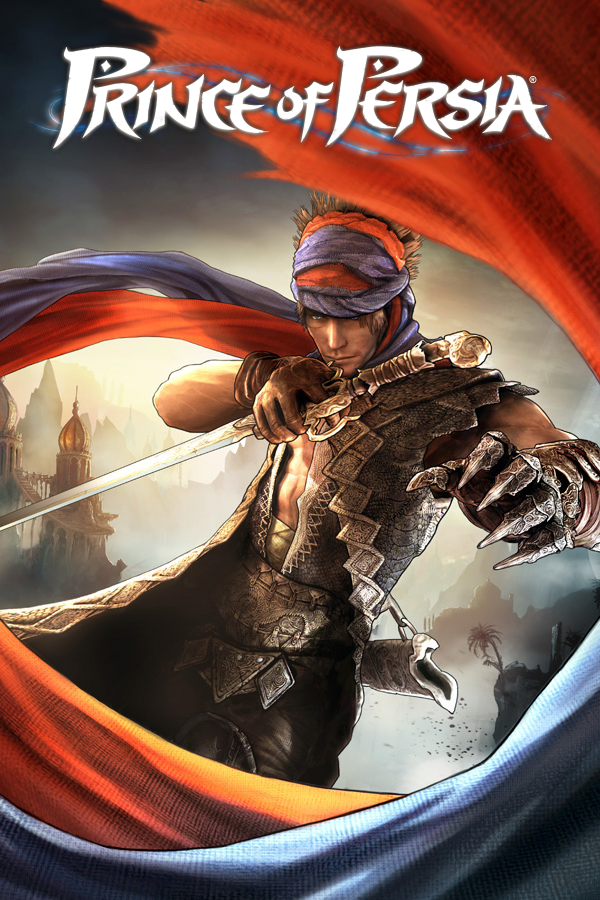
The Sands of Time trilogy was probably one of the best game series ever made, let alone a few diverse series, with each game completely evolving from the other. When the series started with The Sands of Time, everyone completely freaked out on their consoles with the game’s great acrobatic moves, enticing story, and beautiful graphics. The game just felt so good and played so well that the controller almost melted in your hand. The return of Warrior Within the Prince kind of went to the dark side with a grungy, heavy metal, gory sequel that was either hate or love it type thing. I, however, considered that one my favorite, but fans were pleased again with Two Thrones when the Prince actually got a dark side and went back to the style of the first game. If you loved this game, you should go back and play the previous trilogy, because I promise you’ll fall in love with it.
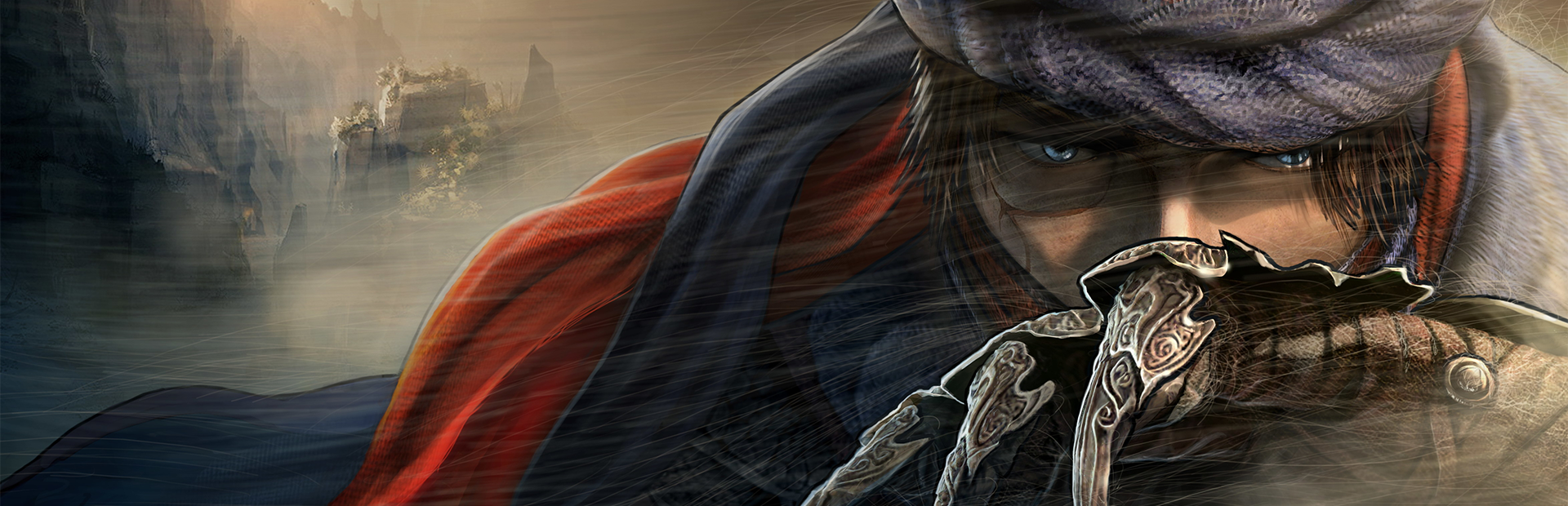
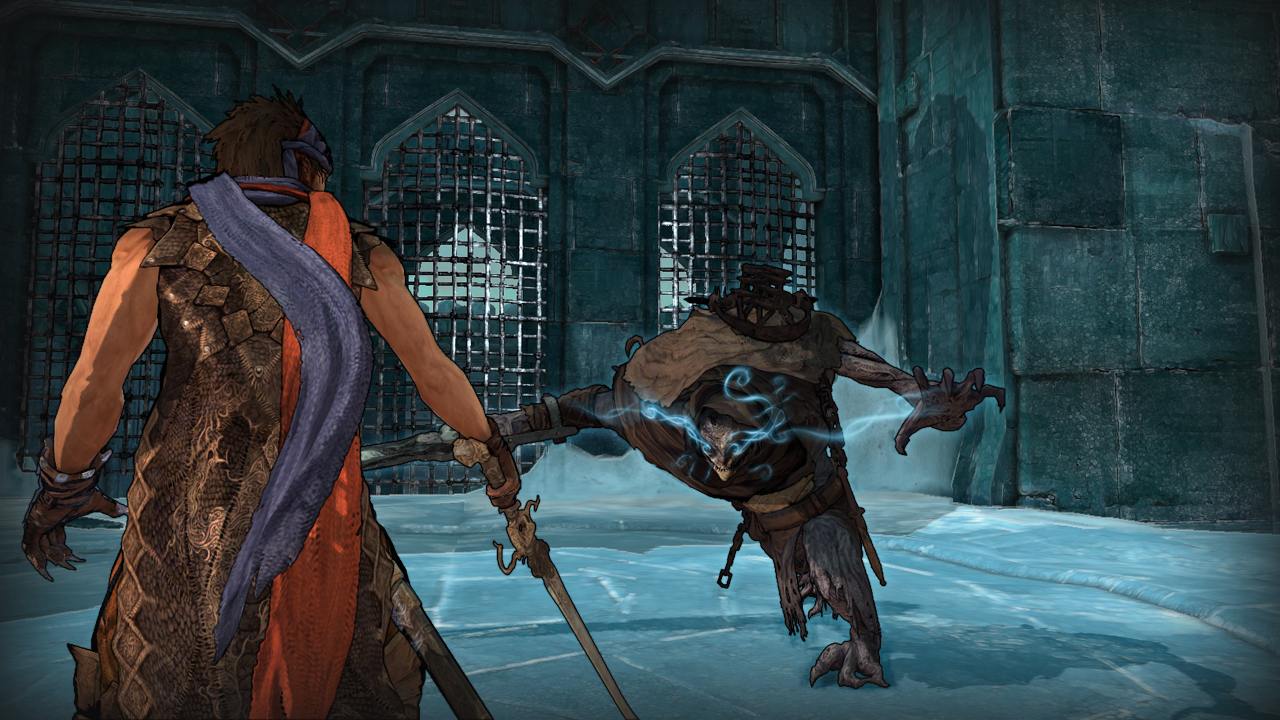
The PoP we are playing has a completely different story, and hell, the Prince isn’t even a prince; he’s a thief who wound up in the wrong place at the wrong time whilst running into Princess Elika. The Prince and Elika play major roles in this wonderfully made game, and it all actually works. The first thing I need to explain is that the core of the gameplay is like the previous PoP games, with the whole acrobatic aspect still intact. However, the prince now has a gauge that he uses to help him with all of this. The controls have been simplified so that everything is just one button press. Yes, let go of that analog stick because you just use it to point the Prince where you want to go, not guide him. He can run across walls, run up walls, swing around poles, climb on vines, shimmy across ledges, etc. The game controls so incredibly well, and with a few minor issues, you really won’t hate the controls. Another major change is that the game is open-world, so you can go anywhere you want in this huge world.
The point of the game is to stop Arihman from destroying the world with corruption and, in turn, save Elika’s father, Ormazd. While there are over 30 areas to explore, you can go to them however you want using the acrobatic moves. Yes, this can get tedious after a while because once you discover everything, you’ll have to backtrack to the temple to acquire new powers. These are four powers that are activated on various colored power plates on walls, and they are key to accessing new Fertile Grounds. Each section is a “mini-level” with various obstacles to cross, and just before fertile ground is a boss fight. Navigating the world can be a bit confusing in the beginning since you’ll be relying on a “compass” that’ll guide you to where you want to go depending on what area you select on your map. The point of healing for each area is to rid itself of the corruption killing that piece of land. Of course, you can’t touch this corruption, or, well, you don’t die in this game. Elika saves you if you fall off a ledge, so consider any flat ground a checkpoint.
During combat, you cannot die either, and you may think this is absurd, but it is a blessing. Trying to find light seeds (after you heal a ground, you go back and collect these to gain new powers) can be kind of hard, so you jump off a cliff to reach one, and if you fail, no big deal. This is better than restarting a level, but of course, if it’s open-world, you can’t technically restart a level. Elika is also a big part of your acrobatics because if you can’t reach a ledge, you press Y when you jump, and she’ll give you a boost. This is also true in combat, where she is basically your “magic” attack. Moving through the levels is fairly easy, and I didn’t once have to resort to an FAQ of any kind. The compass is a great way to find out where to go since it’s a little light that kind of goes along a path, and you can follow it. Of course, finding all 1001 light seeds isn’t necessary since you’ll find plenty to acquire all powers without having to hunt and search for each seed.
Now, when it comes to combat, you’re in for quite a treat since combat is very cinematic. Everything is “one-on-one,” and each enemy has a life bar that you may deplete. You have four major attacks: magic, acrobatics, grab, and sword. You can combine any four of these to make huge combos. Of course, corruption plays a huge role, so if the enemy changes status, you can only use a certain attack to break through it. While each character technically plays the same, you have to use time-button presses to fend off their attacks. This can make things fun and challenging at the same time. The combat is very rewarding with the dramatic sweeping camera angles and beautifully scored music. Of course, after a while, it starts feeling really old, but not enough to really bore you since it always keeps you on your toes.
If you want to talk about cosmetics, PoP is probably one of the best-looking games ever made so far. The game is just stunningly beautiful, and there are high perches you can stand on and just look out to this beautiful vista that is amazingly rendered in real-time. I don’t know how Ubi did it, but they pulled off some amazing stuff to get the game to look the way it does. The soundtrack is really stunning as well (even though there’s not much of it), and the voice acting is top-notch. You are really in love with these two characters, and they struggle with the world around them and with each other. The Prince tends to be a sarcastic, hot-headed wannabe hero, and Elika is a confused woman/goodie-two-shoes who is always putting the Prince’s fire out. There are so many amazing elements to PoP; you just have to play it to really know it all. With a great cliffhanger ending, a great way to control the ending, great controls, cinematic combat, and beautiful graphics, you will spend a good 10 to 12 hours exploring this world.


































 thebinarymessiah.com
Try multiplayer. A lot of fun !