The Sherlock Holmes adventure series has had its ups and downs. If the story isn’t up to par with the show or books, it’s clunky controls or poor gameplay. Crimes and Punishments sound darker than they really are. Honestly, the game is more about the characters shining through and less about the crimes or gameplay.
The game starts out surprisingly cinematic for a point-and-click. Watson is dodging Holmes gunfire in his study as he ducks and weaves between pieces of furniture. It shows just how more nuanced the series is and just how much it has grown. Among the four cases you solve, neither of them is all that interesting. The game tries to get you thinking about big mysteries, but honestly, the dull way of going about the cases keeps you from really caring.
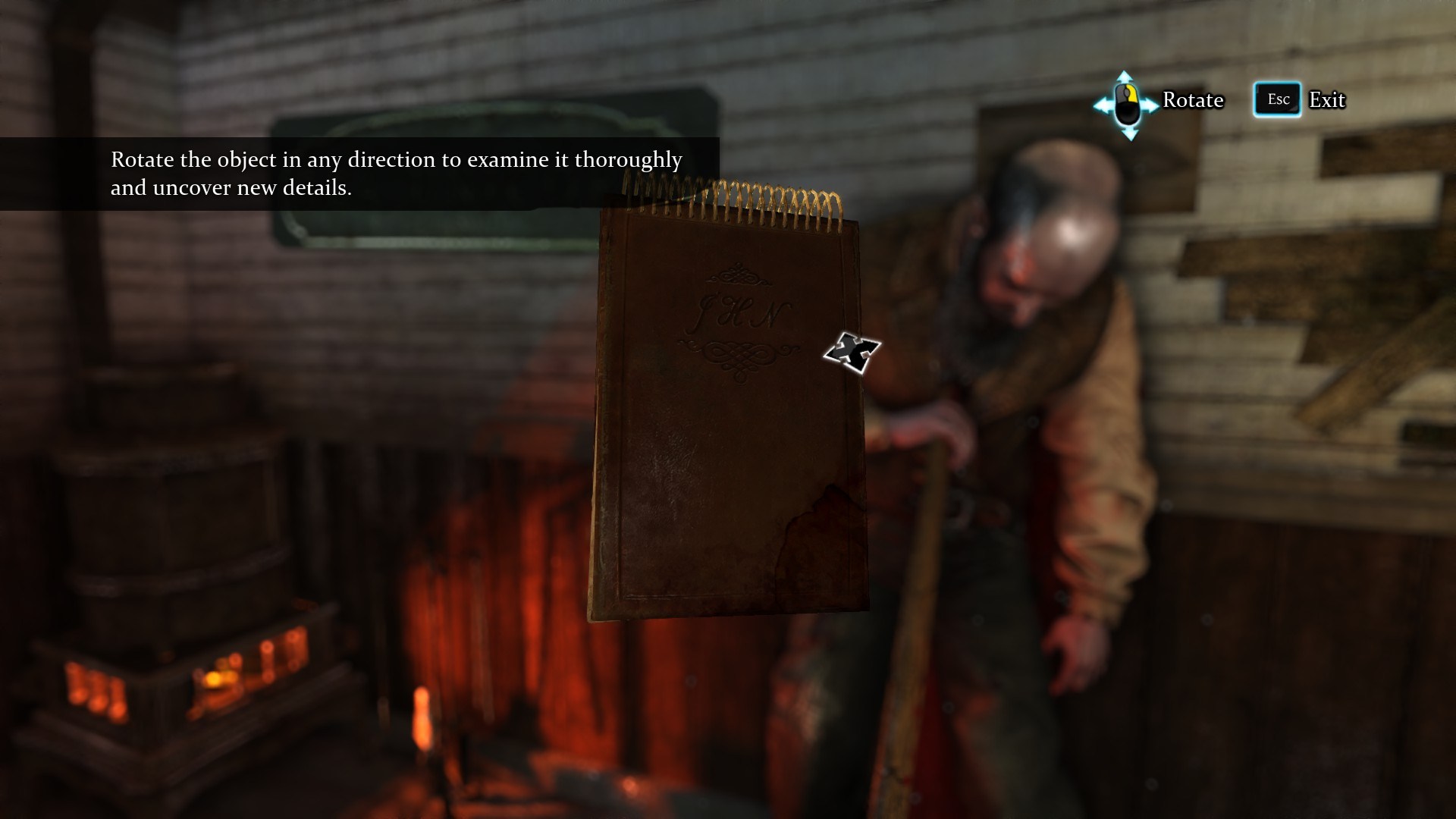
The gameplay consists of walking around areas and finding anything you can click on. Some items can be examined, and certain characters can be profiled, where you scan the character in slow motion to find interesting points. There are various puzzles as well, but these seem to be half-broken since pieces won’t snap in place and various objects won’t register. Surrounding is figuring out where to go and then solving clues to bring the whole thing together. Hopping back and forth between areas gets old, especially with the long load times. The character interactions are somewhat interesting, and I couldn’t help but smile at Holmes’ sarcastic way of going about things. Other than this, the game offers a dull experience of the detective mystery of old.
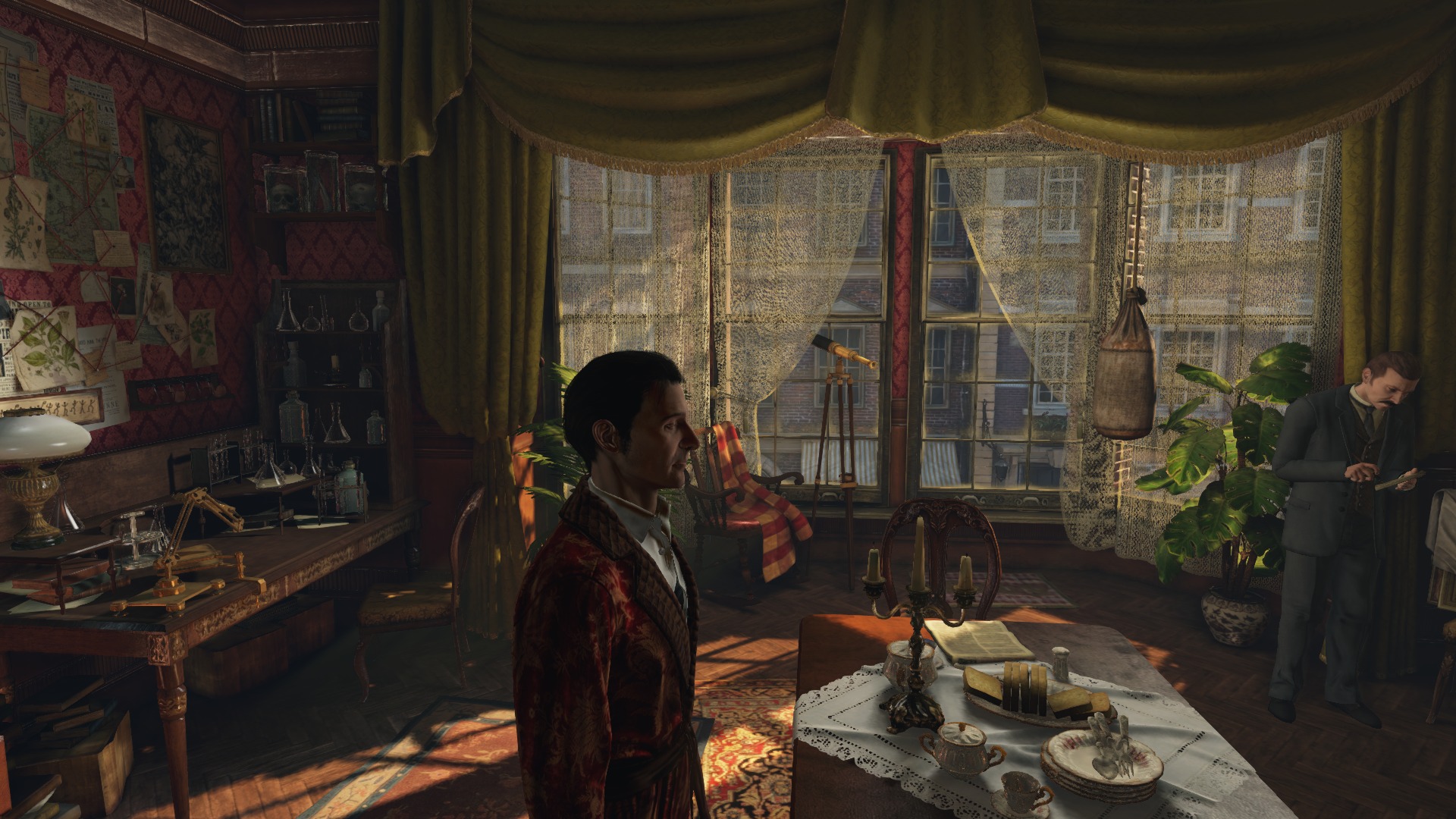
I played through the first two cases and, honestly, started losing interest. Each case has the same exact way of being solved. Wander around an area and pixel hunt, interview characters, run back and forth between areas, and rinse and repeat. The game looks really good, and the facial animations are surprisingly well done. Adventure game fanatics may love this game, but anyone else wanting a bit of action or suspense like in the Telltale adventure games won’t find it here.
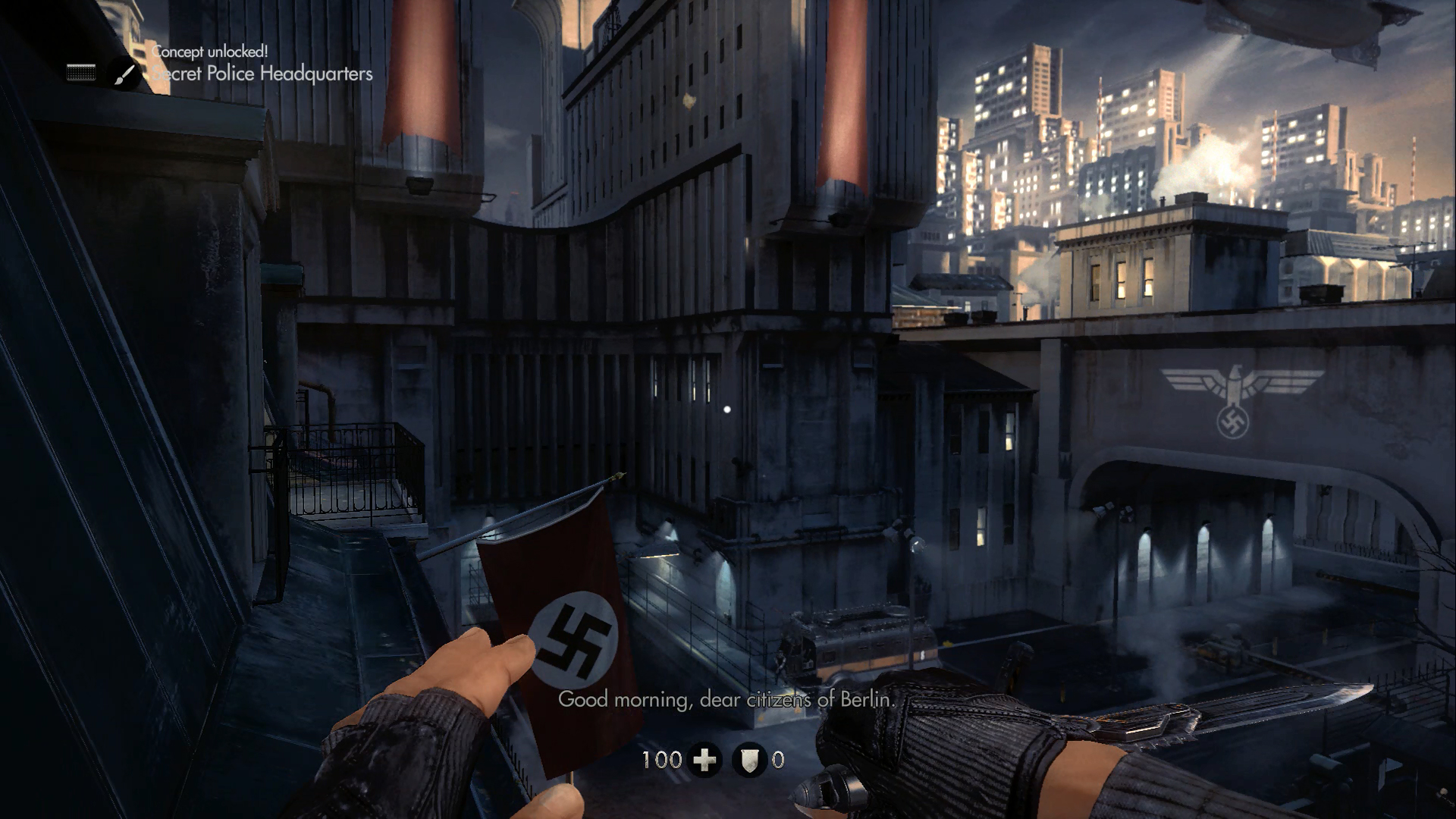
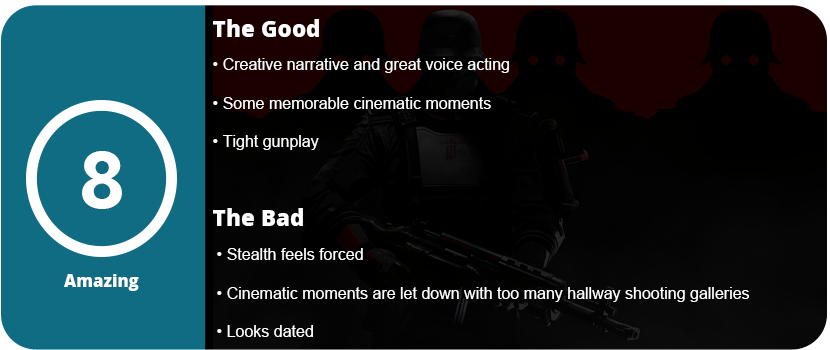
The fear of Nazi Germany taking over the world was probably quite believable about 60 years ago. Nowadays, it’s a fascinating “what if” scenario that authors love to toy with. While it’s never usually anything good or nice, it usually shows how nations can come together and fight a larger enemy. The New Order does exactly this with a tight narrative and some pretty solid shooting.
Now, let’s just put all this aside right now. Wolfenstein has its nostalgic moments that feel archaic and ancient compared to modern shooters, but for some reason it will always be there. This includes health packs, ammo pickups, and level design. The narrative is actually a huge step up for the series. William J. Blazkowicz is an American captain helping fight the ever-losing war with Germany. Wolfenstein was popular for delving into the arcane and supernatural that was part of rumored goings-on by Hitler’s elite group. Weapons use ancient technology to have an advantage over the rest of the world. In Wolfenstein, Hitler succeeds, but it’s not Hitler here, but Deathshead, a Nazi general who is doing terrible and evil things to the world.
The New Order captures this cry for help from the rest of the world with torture and a small rebel group working together to bring down the New World Order. While the atmosphere is captured quite well, the game does dive into some past Wolfenstein stuff that accidentally brings you out of this modern take on the series. Things like linear-level design and enemy AI. Sneaking on an enemy and killing everyone in the room doesn’t alert other enemies. They will walk right past dead bodies and not bat an eye. There are also too few cinematic cutscenes with long, dragged-out battles that are extremely difficult and require multiple attempts. This type of poor pacing leads to a constant reminder of past games in the series and just how old the series is.
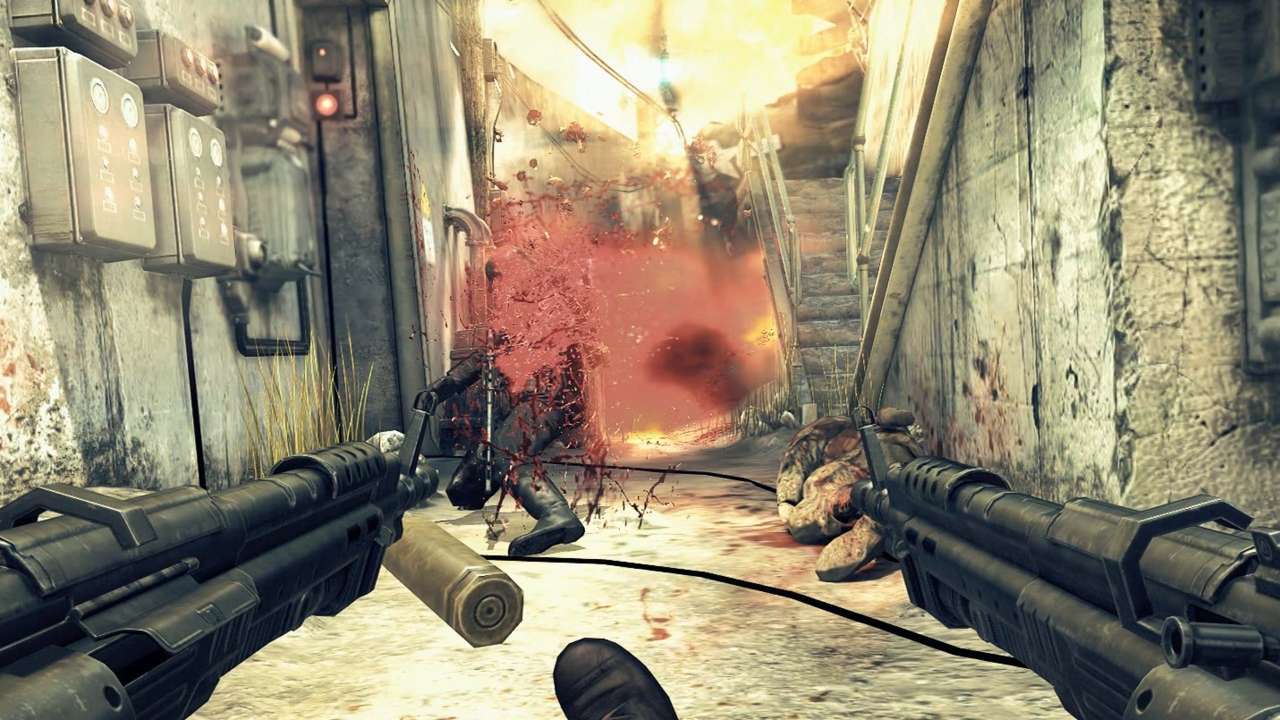
The actual gunplay is solid, with great-feeling weapons—not just any weapons, but weapons that you have to switch between as the situation calls. I used every single weapon, along with the multiple modes they have. I did feel the stealth areas were a little unnecessary and slowed the pace down too much. This is forced by lieutenants with headsets that will call in backup if they aren’t taken care of quietly. Outside of those series-specific issues, it just felt too much like the same ‘ol FPS to really be anything revolutionary or truly memorable.
Multiplayer is also nonexistent, so the team could focus on a great single-player experience, which is rare for shooters these days. Does the campaign feel like it was worth cutting a multiplayer mode? That’s hard to say. I just can’t help but recall so many good moments that lost momentum due to tried and tired FPS issues that Wolfenstein kept getting lost in. Sure, the shooting was solid, but those moments of torture and the uniqueness of Wolfenstein were just kind of let down.
With all that aside, the game doesn’t look as good as everyone was claiming. ID Tech 5 isn’t all impressive. The textures are really low resolution, and the lighting effects seem fairly dated. I looked at some textures that looked like they were pulled from a PS2 game. The facial animations were awkward, and the water effects did not look next-gen. Maybe my expectations were too high, but right away I noticed all these flaws within the first 5 minutes of the game.
In the end, The New Order is a solid shooter and one of the best on next-gen consoles; just don’t expect anything revolutionary for the genre—just for the series. This is a great step in a new direction for the aged Wolfenstein series, but it still needs a little more to be anything memorable.
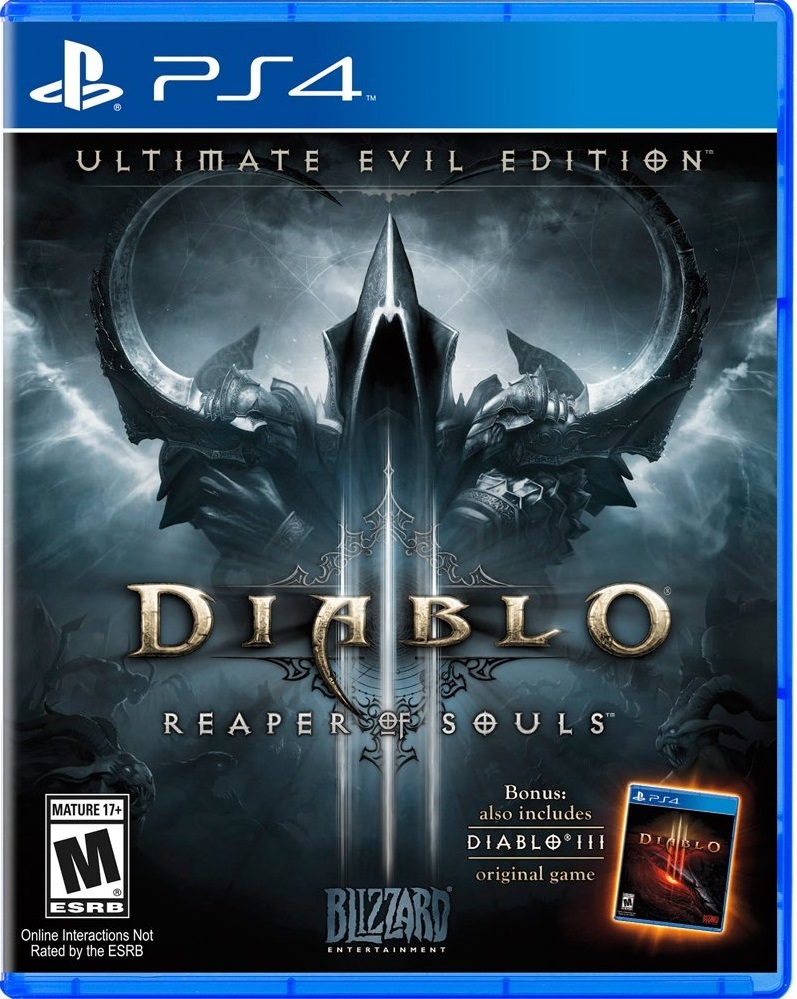
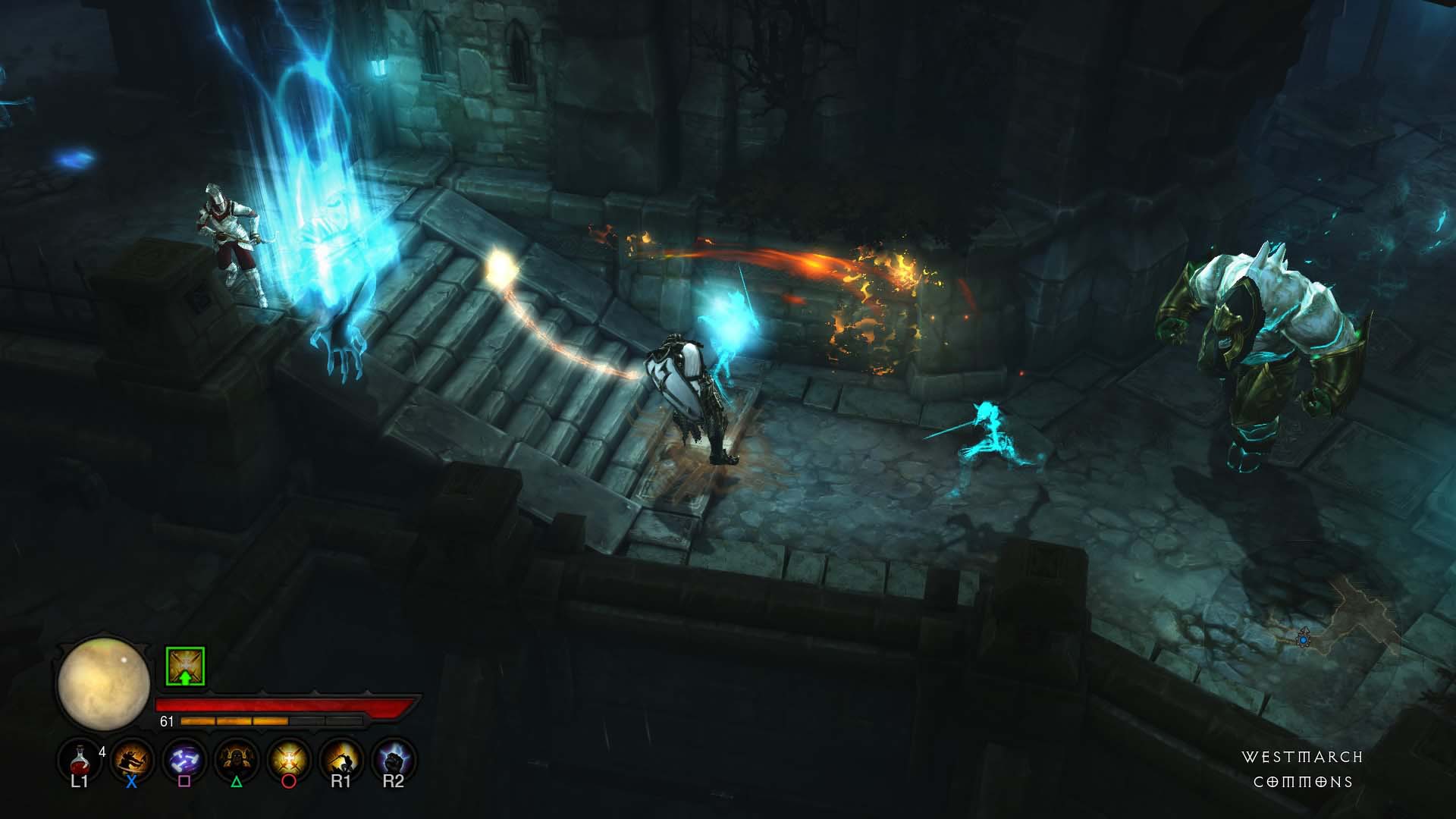
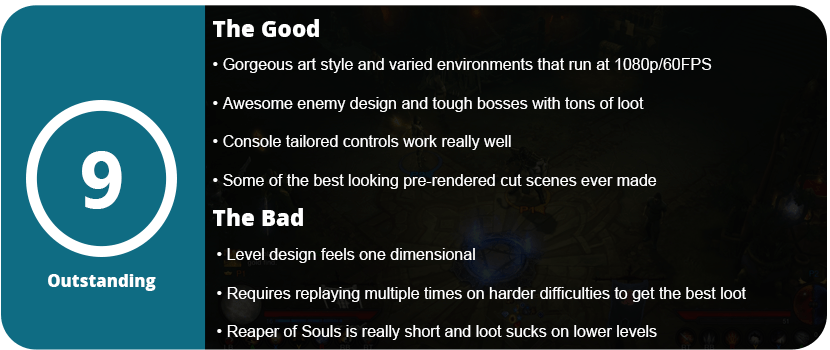
This is my review for Diablo III when it first came out. You can read it to get an overview of the original game, but here I will focus on what’s new. While the console versions are still pretty much the same, a lot has been balanced, and the game is overall more comfortable on consoles. The UI and controls have been tailored for controllers, and they work very well. Each button is mapped to an attack or a shortcut. Outside of this, the difficulty has been better balanced than normal and is actually quite easy. The game runs at a smooth 60FPS at 1080p on the PS4, and it looks gorgeous. There is so much content here that you will have dozens of hours to play.
Now for the Reaper of Souls expansion. My biggest complaint is going to be that it’s quite short (can be beaten in less than 5 hours) but is a lot of fun. All new enemies, bosses, and a continued story that was so great in Diablo III. New armor and loot are also welcome, but overall, it’s still the same game behind it all. I wouldn’t drop $40 on this by itself, but the inclusion in the $60 package is a fantastic deal.
Diablo III on consoles is worth every penny. You get the fantastic Diablo III, along with its expansion and all the other fixes and balances from the PC version. The hand-tailored controls and console experience are done very well. This is by far the best RPG and/or dungeon crawler you will find on next-gen consoles.
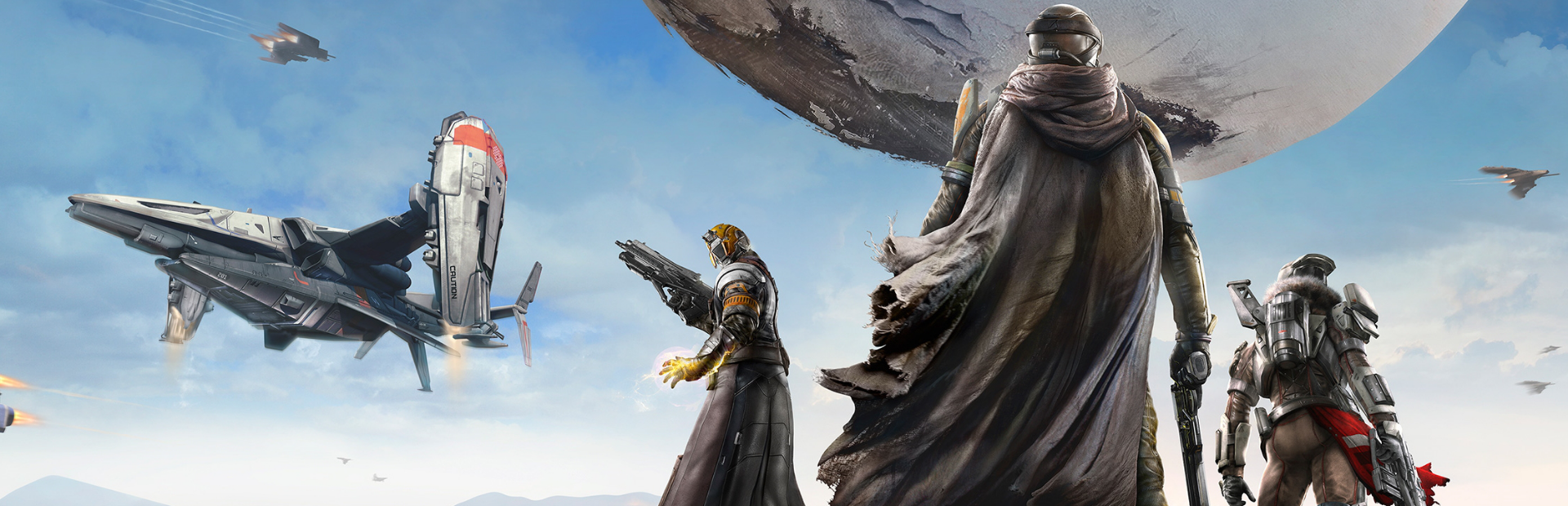
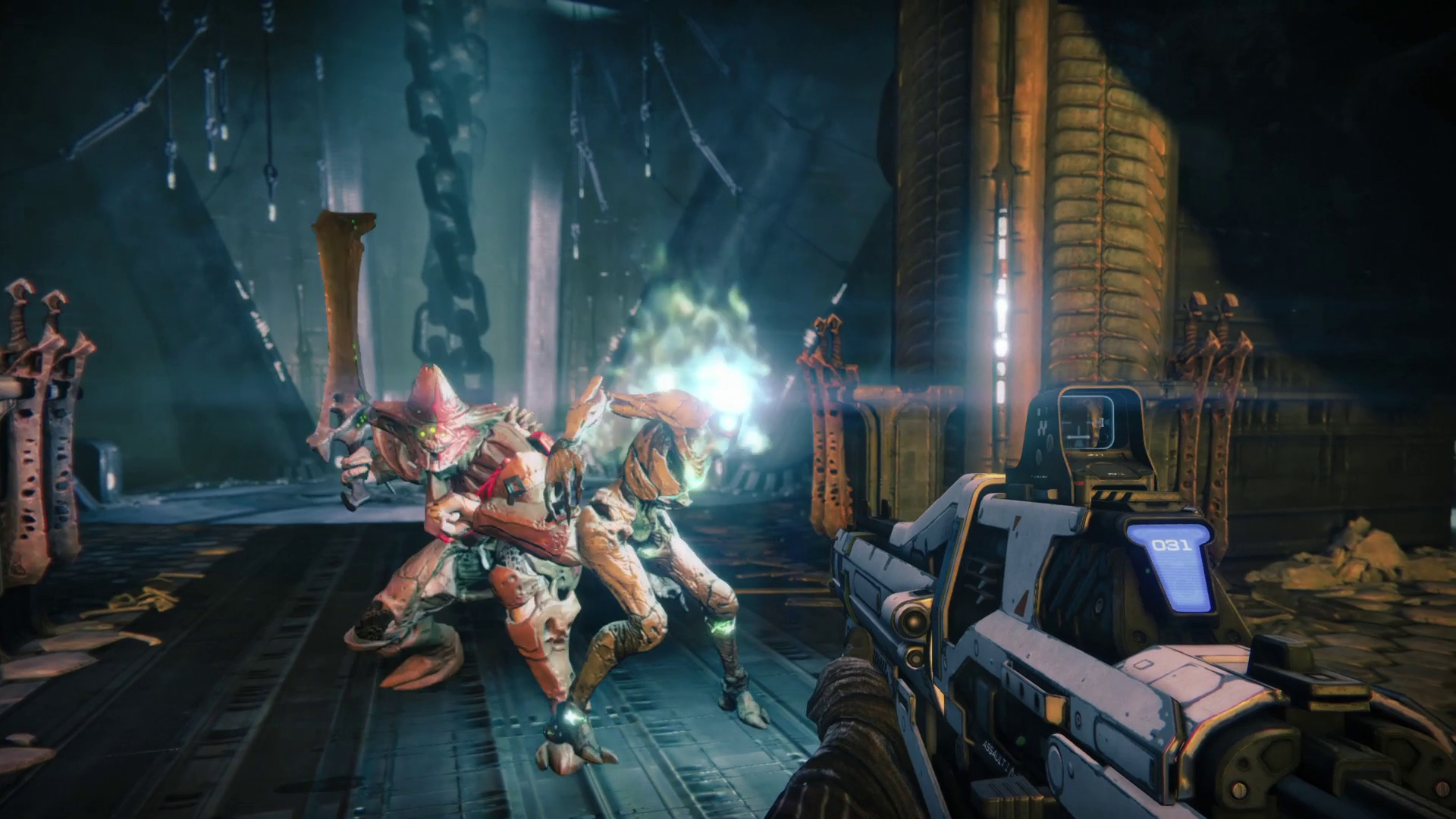
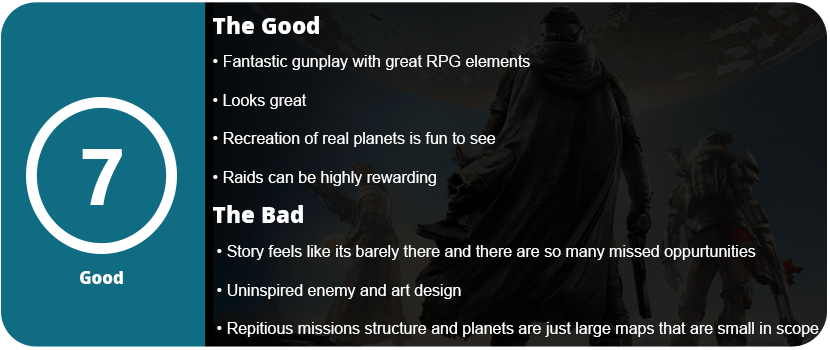
Destiny has been a long-awaited next-gen shooter. With one of the biggest hype trains in existence known as Bungie, Destiny had a lot of push behind it. It was dubbed the next-generation social interaction shooter. Destiny is also the most expensive game ever made, coming in at around $250,000,000. Sure, they made that back already and then some, but was the cost worth it? I sadly have to say it wasn’t. Destiny is probably the best, slightly above-average shooter you will ever play. While I was continuously disappointed, the further I got into the game, I just couldn’t put it down. Destiny is a strange dance of mediocre story and atmosphere mixed with fantastic gunplay and challenging gameplay. So just how does a game split like this?
First off, the story feels nonexistent. There aren’t many cutscenes, and all we are really given is a synapse and a crisis to dwell on. There’s a story about a Traveler, which is a giant alien-looking moon/ship hybrid that appeared above Earth one day. With all the alien fighting, there is a last-standing faction of humanity called the Guardians. You just so happen to be the only one who can make it through all these alien strongholds to finally bring light back to the traveler. It honestly never really makes sense, and towards the end of the game, you forget what happened in the beginning. Once you get down to the shooting, you forgive the paper-thin story a little.
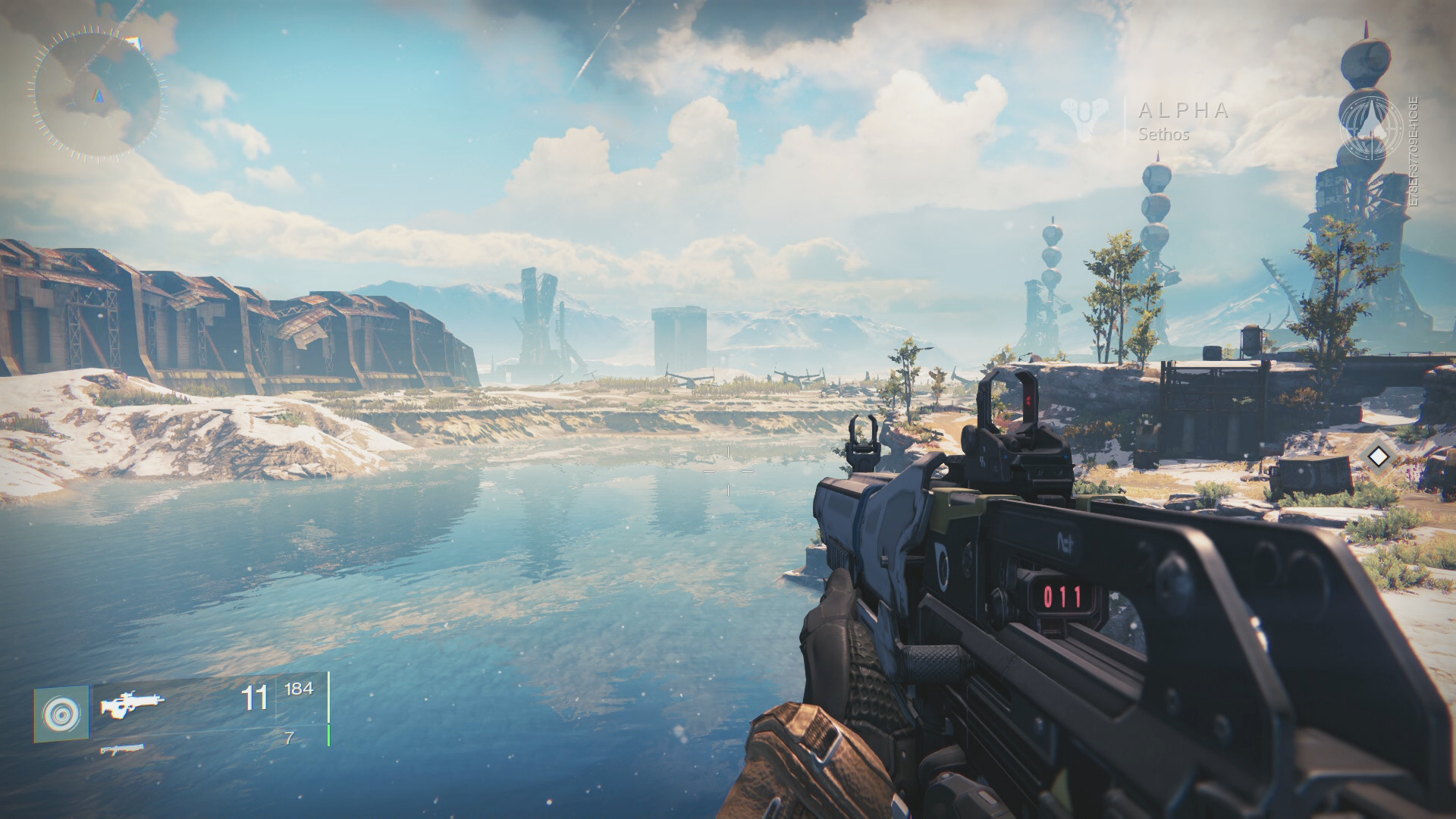
The shooting mechanics are solid and extremely fun. Each sci-fi gun has its own personality, and you actually learn to like a certain class of weapons or switch between them when the situation calls. There are a lot of RPG elements mixed in that feel similar to Mass Effect. Take into account your class leveling; the cap is at a weak 20; and the unlocking of attributes with various armor you pick up. You will use everything at your disposal to kill the hordes of aliens you encounter, because this game is extremely tough. There were sections I had to retry over and over again to get the strategy down right. Now the game is built around a light MMO play model. There are open “maps,” and within these maps are non-respawnable areas filled with “darkness” with little to no checkpoints. Of course, the game was designed for co-op, but I played through it just fine by myself.
With all the grenade tossing, super-charged stomping, shotgun blasting, and class powers getting thrown around, you start to realize something. The game is pretty much the same everywhere you go. There are only a few select enemy types, and you will be killing them thousands of times before the end. It honestly gets quite old. Instead of the large planets, you thought you could wander; there are just large maps for each of the four planets. Yes, just a mere four. Old Russia is on Earth, the Moon, Mars, and Venus. While it’s pretty awesome to see these planets being recreated, I really felt cramped. This game is so small for such a large scope of design. With the level cap at 20, you can blow through the entire game with three other people in less than 20 hours. This could have been remedied with varied objectives or even scripted events, but instead, it’s nearly the same mission over and over. You have a companion called Ghost (voiced by the bored-sounding Peter Dinklage) who you must protect, and that’s nearly all you do. Scan this area. Cover me while I scan this area.
Destiny really had a lot of potential but seemed to have shrunk in scope during development. The best moments I had were the raids in which you could compete with players online. Each planet had one to two raids, and it was extremely satisfying when you finally killed the end boss after chipping away at him for over 30 minutes. However, there are a few moments like this in Destiny. I honestly can’t really recommend this game to the average gamer wanting to just pick up the latest shooter. Avid FPS players will find all the little flaws and weak spots in the game. When it comes to visuals and audio, Destiny really delivers. The game looks fantastic, despite areas like the Moon and Mars looking overly bland and boring. While it looks good on a technical scale, it feels like it lacks any type of artistic flair. I honestly kept thinking back to Halo too much. You can see the obvious inspiration from that series bleed into Destiny a little.
With all that said, Destiny has tight gunplay and some fun moments during raids, but that’s really it. It feels underwhelming in scope, is extremely repetitious, and will bore most players. However, there is some sort of spark that sticks in the game that keeps you going and racking up your kill count. The gunplay is rock solid, and I honestly have to say this is the best slightly above-average shooter you will have played in a long time.
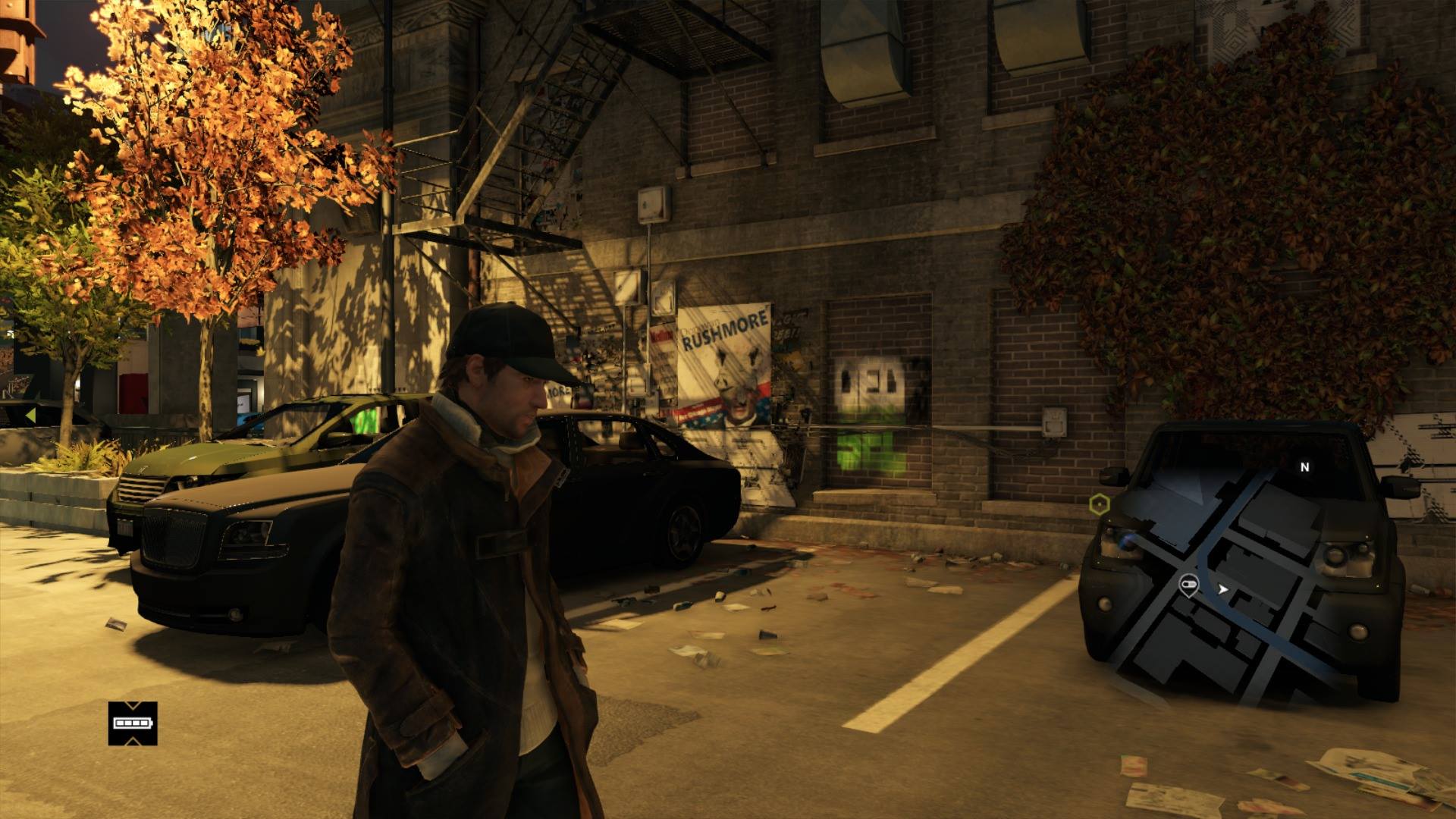
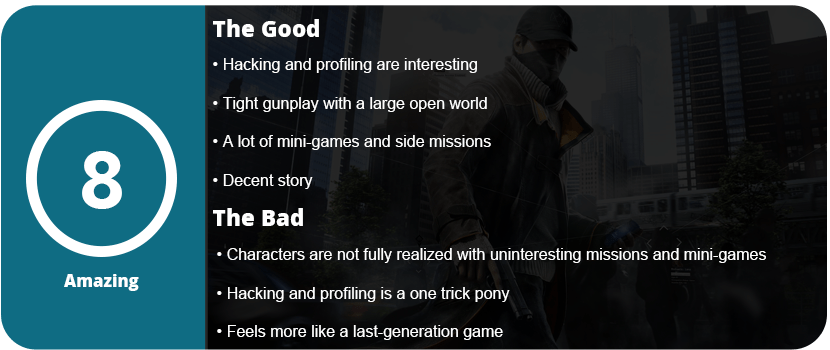
Watch Dogs is supposed to be the next Grand Theft Auto III! The next-gen revolutionary open-world game! Well, there’s one big flaw in all that hype. Watch Dogs was developed for last-gen consoles. We will never get a truly next-gen experience until a game is made specifically for next-gen consoles, is no longer ported to last-gen consoles, or has those consoles in mind. With that said, Watch Dogs is a solid open-world game, but it feels limited due to the scope that it tries to create.
You are Aiden Pearce. A vigilante hacker is trying to exact revenge on his niece’s death. You get involved in a huge blackmail hacking/drug ring while operating Chicago’s own connected grid. This online grid is called CTOS, or Citizen Operating System. Chicago has cameras everywhere (even in places they aren’t supposed to) and is storing all the data on servers. Hacker groups are battling for the data, while some have blackmailed city officials. It makes for a pretty twisty story, but that falls flat due to the story being dragged out for too long. One thing that an open world needs are strong characters, and Watch Dogs is lacking that. Each character has potential, but they are missing that certain something to make them more than generic, or they don’t get enough screen time.
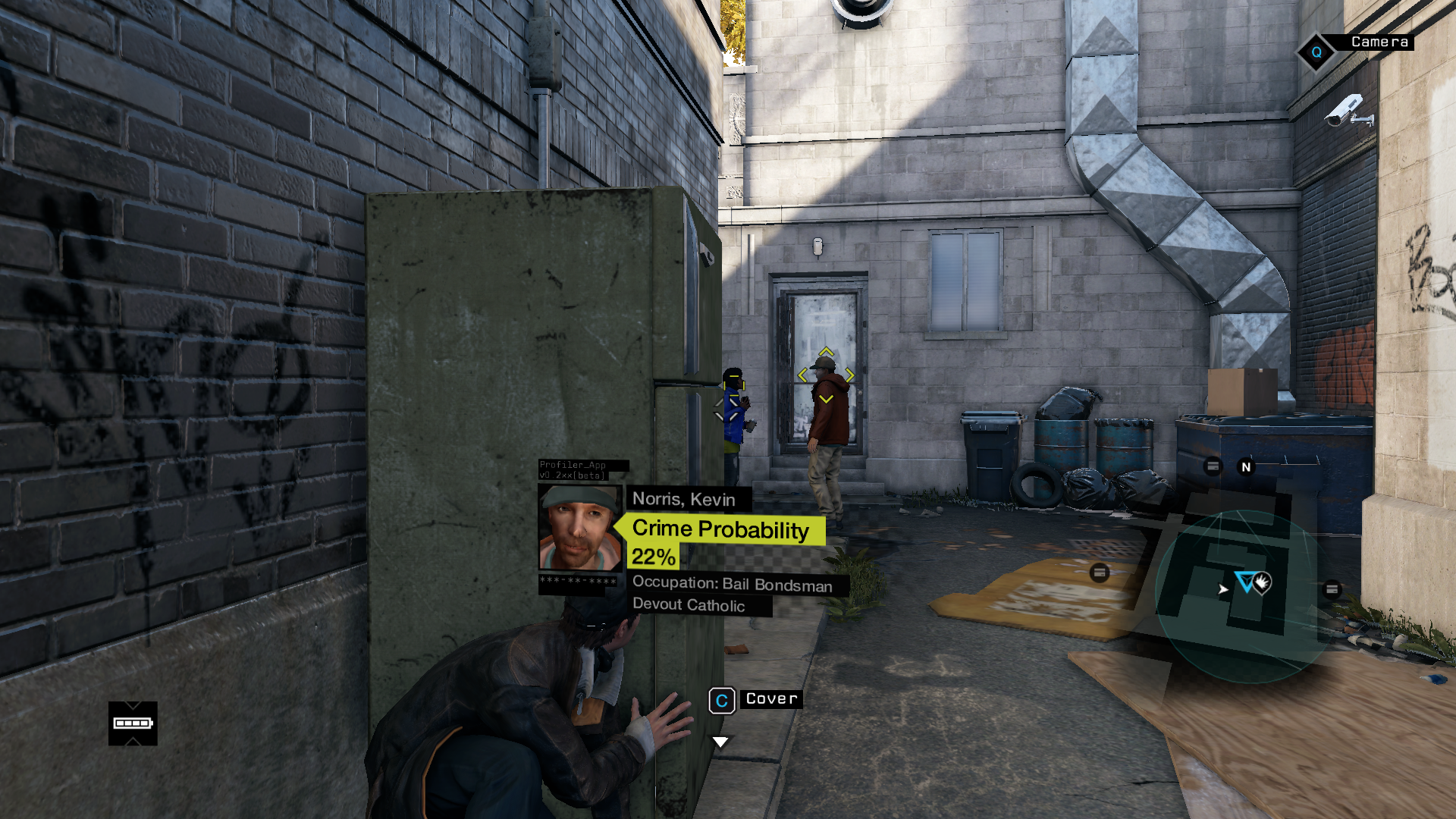
Outside of the so-so story is the so-so gameplay. Now the gunplay is solid, with a great cover mechanic and a weapon wheel. You also get the electronics on your side, such as the gimmicky “camera hopping” ability. You can hack cameras around an area to stealthily blow up stuff and distract enemies. It kind of felt like something similar to the Batman Arkham games. Some enemies have grenades that you can explode remotely that are on them, disrupt their communications, disable reinforcements, etc. This stealthy way of combat is actually pretty fun but gets old in the end because it becomes predictable and almost too easy. Gunning it all the way is tough because you die so quickly. A few shots, and you’re dead.
Most GTA-like games have wanted levels and cops that come after you. Watch Dogs does something rather unique in the sense that you can use the city against the cops. With the push of a button, you can raise bridges, activate blockers, blow up underground pipes, change traffic lights to block intersections, etc. I just found that the cops can find you way too easily. You are able to craft gadgets to stop enemies. One such item is the JamComms. This is used when the police are trying to find you. When this happens, yellow circles will appear on your map, and you should avoid them until the search is called off. I only ever avoided this once in the whole game. My only option was to be found and then escape the police.
Another gameplay element that open-world games have are mini-games. Watch Dogs is full of them, but neither of them is interesting, including the side missions. Being able to prevent crimes, AR time trials, online contract hunts, etc. These were all interesting the first time, but after that, I lost interest. I have yet to talk about what caused Watch Dogs to get such hype, and that is the profiler. When you pull out your phone, every citizen’s information is displayed. Their job, income, and what they currently do are dark secrets, and sometimes you can hack their phone conversations or steal money from them. Now, this may seem like a big deal, but it’s all randomized, and after a few minutes of exploring it, you just won’t care anymore.
That’s the main problem with Watch Dogs at the end of the day. You just stop caring about more and more things as you play. When you start off, you’re completely confused about how to use this new hacking and profiling ability. It all seems overwhelming. Once you play for a few hours, you start checking off what’s interesting and what’s not in your head. That’s usually not a good thing for a game. Watch Dogs brings a lot to the table, but none of it is outstanding or memorable. The graphics are also decent, but even for PC and next-gen consoles, there are some ugly spots, the character models are dated, and it all just feels like a last-gen game with a next-gen coating of polish slapped on top.
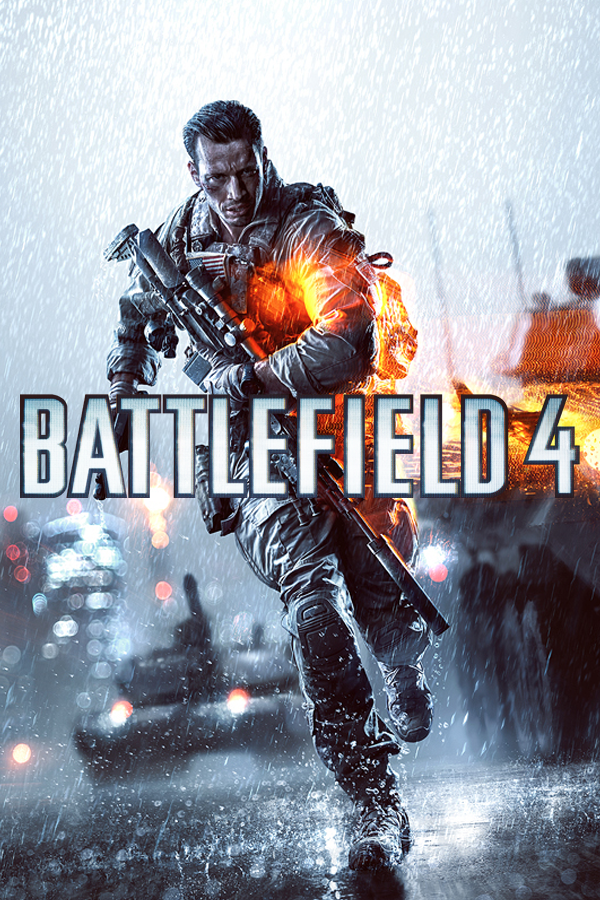
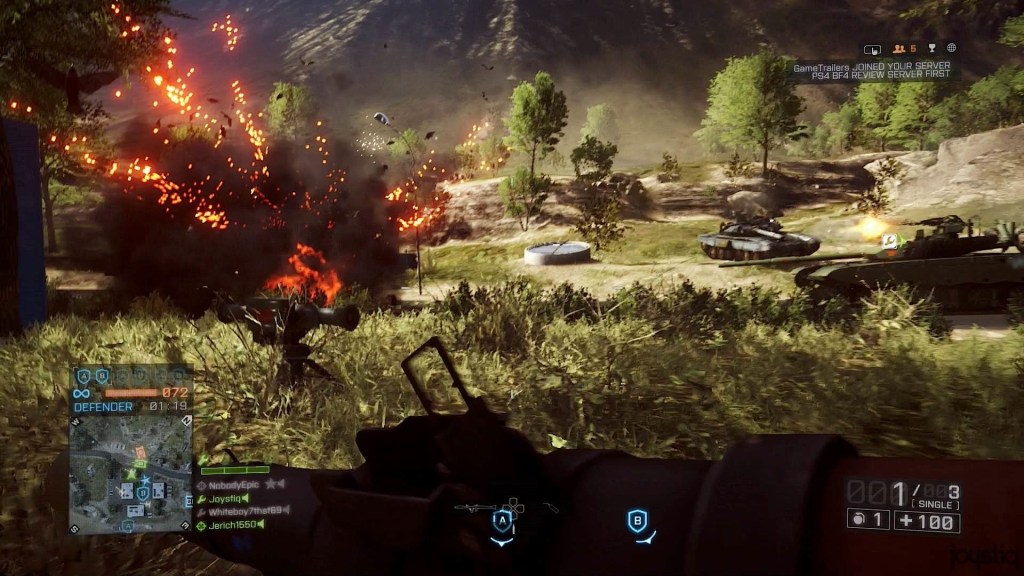
The biggest competitor to Call of Duty has always been Battlefield. While both games have drastically changed over the years, they both still compete for the most action-packed single-player campaign and an addictive multiplayer suite. Battlefield has been the superior game for the past few years for many reasons. Not only does the game look better, but the campaign actually has a decent story and feels more organic and well-paced. The multiplayer is actually challenging and requires a lot of skill, rather than who can quickly scope the fastest.
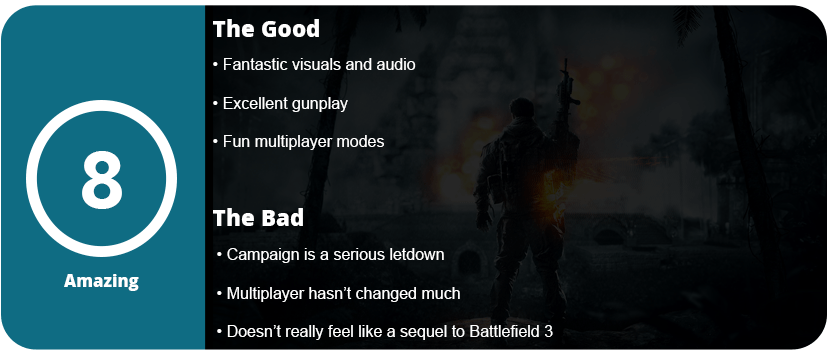
While many fanboys may disagree and send me angry emails about that statement, one thing is certain: Battlefield is a huge game, but did anyone even want BF4? BF3 was a fantastic game and was well-balanced. BF4 feels very similar to the last game without many changes, besides a new campaign and maps. The campaign is actually rather disappointing and not nearly as fun as BF3‘s campaign. It’s short, typical, and feels very generic. The story is forgettable despite having some ground. A civil war in China has broken out, and the US government is involved, but you never really know why. There are a lot of loose ends and loopholes, and by the time the credits roll, you just won’t care.
Multiplayer is as fun as ever but doesn’t have as memorable maps as BF3. I loved having all the same modes and an easy-to-navigate server browser on the console. The game feels just as balanced as BF3, but there’s just a little bit of that magic missing. I didn’t have the same long play sessions I used to have with BF3.
The graphics are fantastic, and they make BF4 one of the best-looking next-gen games out right now. The textures are superb, the lighting is gorgeous, and the sound and physics are top-notch. I’m not kidding about the sound. Battlefield has had some of the best-sounding guns and explosions since Bad Company, and that still hasn’t changed. Overall, Battlefield 4 just doesn’t do enough; that’s new, like BF3 did. I honestly felt the game could never have been released, and fans would still be happy with an HD upgrade of BF3 for consoles. As it is, if you can find it cheap enough, BF4 is well worth the purchase and playthrough. Just don’t expect anything as groundbreaking as BF3.
Overall, Battlefield 4 just doesn’t do enough; that’s new, like BF3 did. I honestly felt the game could never have been released, and fans would still be happy with an HD upgrade of BF3 for consoles. As it is, if you can find it cheap enough, BF4 is well worth the purchase and playthrough. Just don’t expect anything as groundbreaking as BF3.
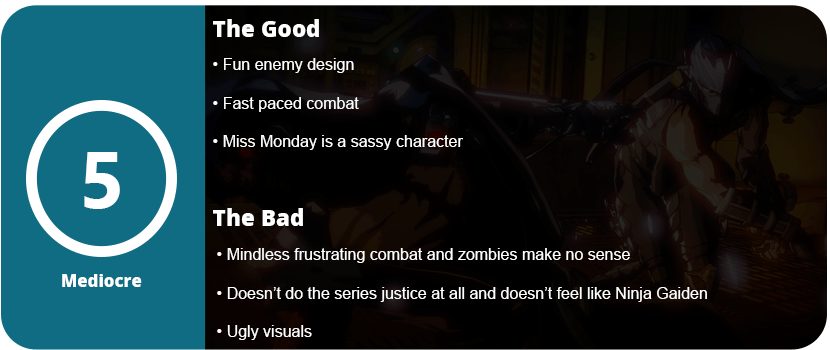
The Ninja Gaiden series is very beloved by longtime fans. The reboot for Xbox was considered one of the hardest games ever made at the time and required extremely precise skill. Yaiba is a spin-off of the series and takes a kind of comical take on it. This isn’t exactly good. Taking the helm is a studio notorious for terrible games like Legendary. That game was considered the worst game made that year. Spark Unlimited has a lot to live up to, and I’ll cut this short: they don’t live up to it.
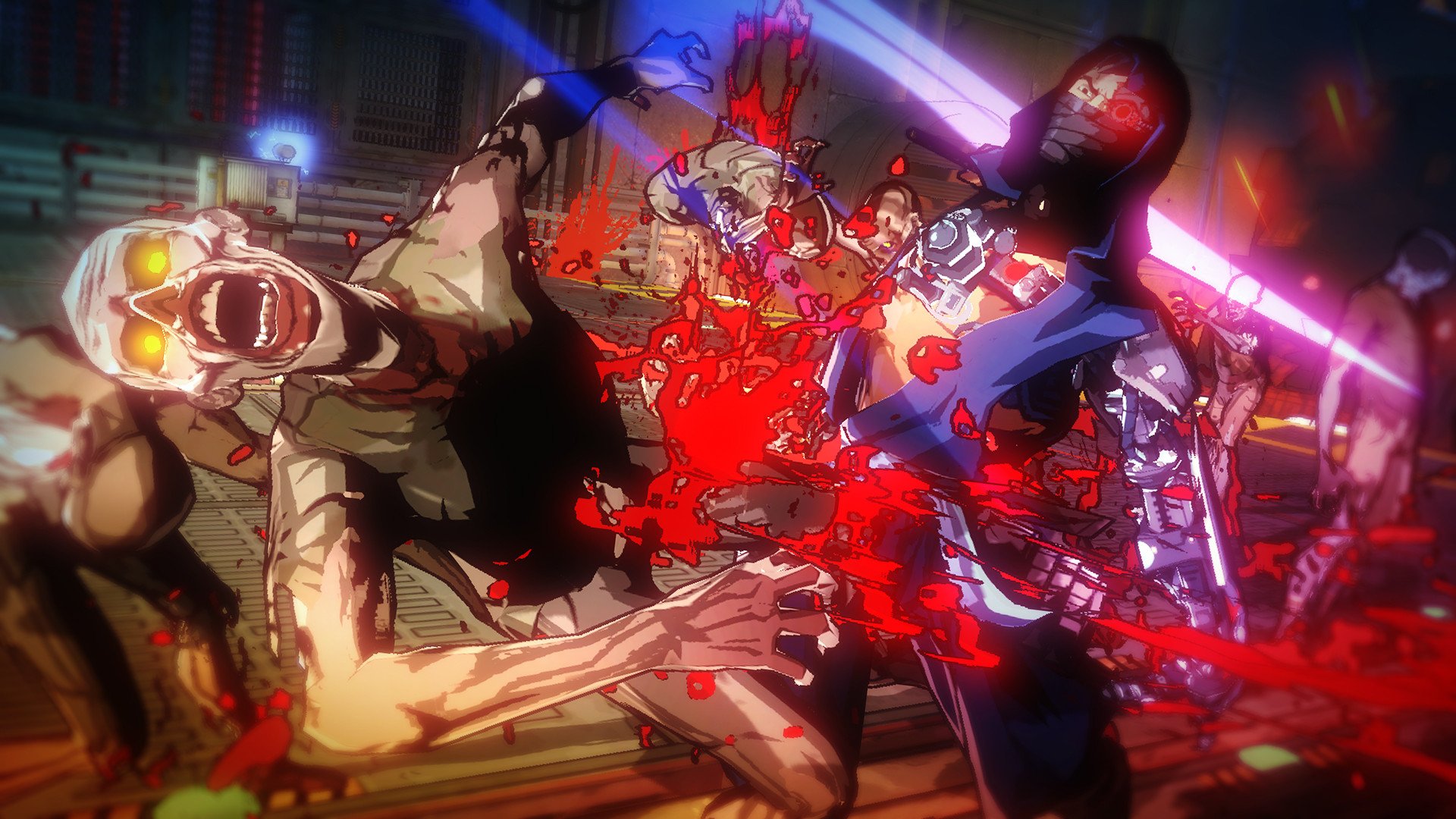
The Z stands for zombies. Yes, and you don’t even play as Ryu Hayabusa. In fact, you play as someone he’s killed who gets a robotic arm and wants to seek revenge. He’s accompanied by a busty, intelligent woman who relays your objectives to you. The story is pretty throwaway, but Ninja Gaiden is known for fantastic combat. Yaiba has a good combat system, but the game relies on fighting way too much and doesn’t break up the monotony.
A weak, powerful, and flail attack are all available. The fighting is lightning fast, but sometimes way too fast. Zombies are represented by comedic puns and act just as stupid. Life is acquired by performing a finishing move on a stunned zombie. The gore and finishing moves are cool, but only the first five times. The rest of the game is made up of overly easy parkour that is performed with quick-time events. The boss fights are slightly more interesting, but not by much.
The combat gets hard in the sense that it feels unbalanced. Some enemies can disable your flail arm; sometimes too many are thrown at you, and there’s a really irritating knockback animation that can’t be interrupted. Occasionally, the environment can be interacted with, but I honestly saw the same patterns on the second level. This game could have been so much more, but it turns out to be a frustrating, unbalanced joke.
The graphics also take on a comic book style, which is way different from the traditional Japanese art style seen in the other games in the series. They also look technically unimpressive, with ugly low-res textures. Most fans will be highly disappointed in a game bearing the Ninja Gaiden name and not take it seriously. Maybe a more talented developer could have done better, but what’s here is something that never should have been.
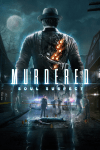
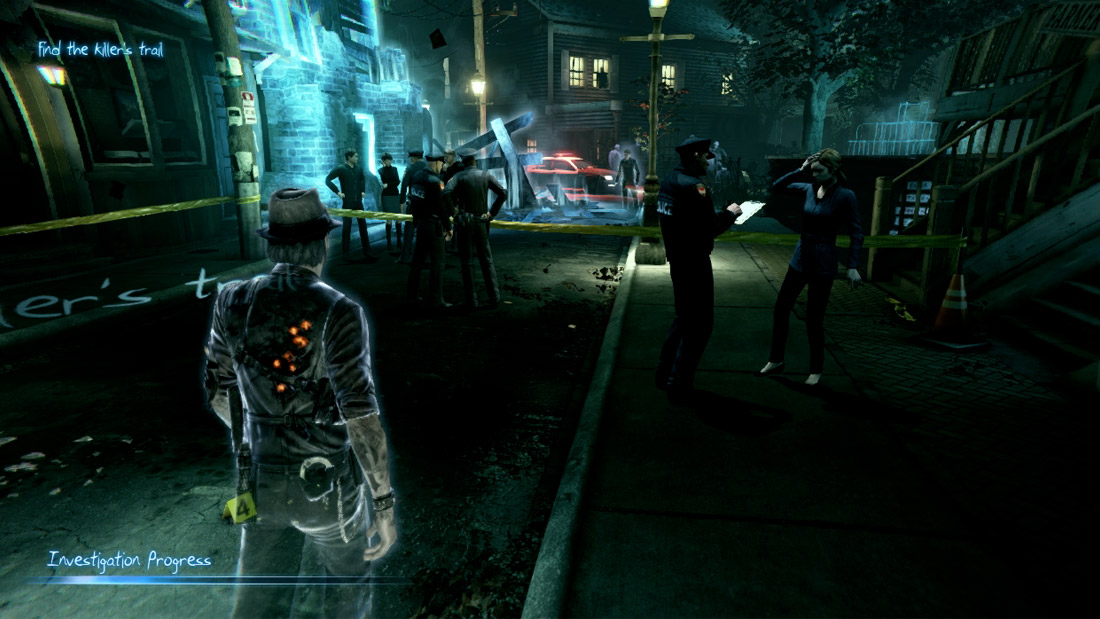
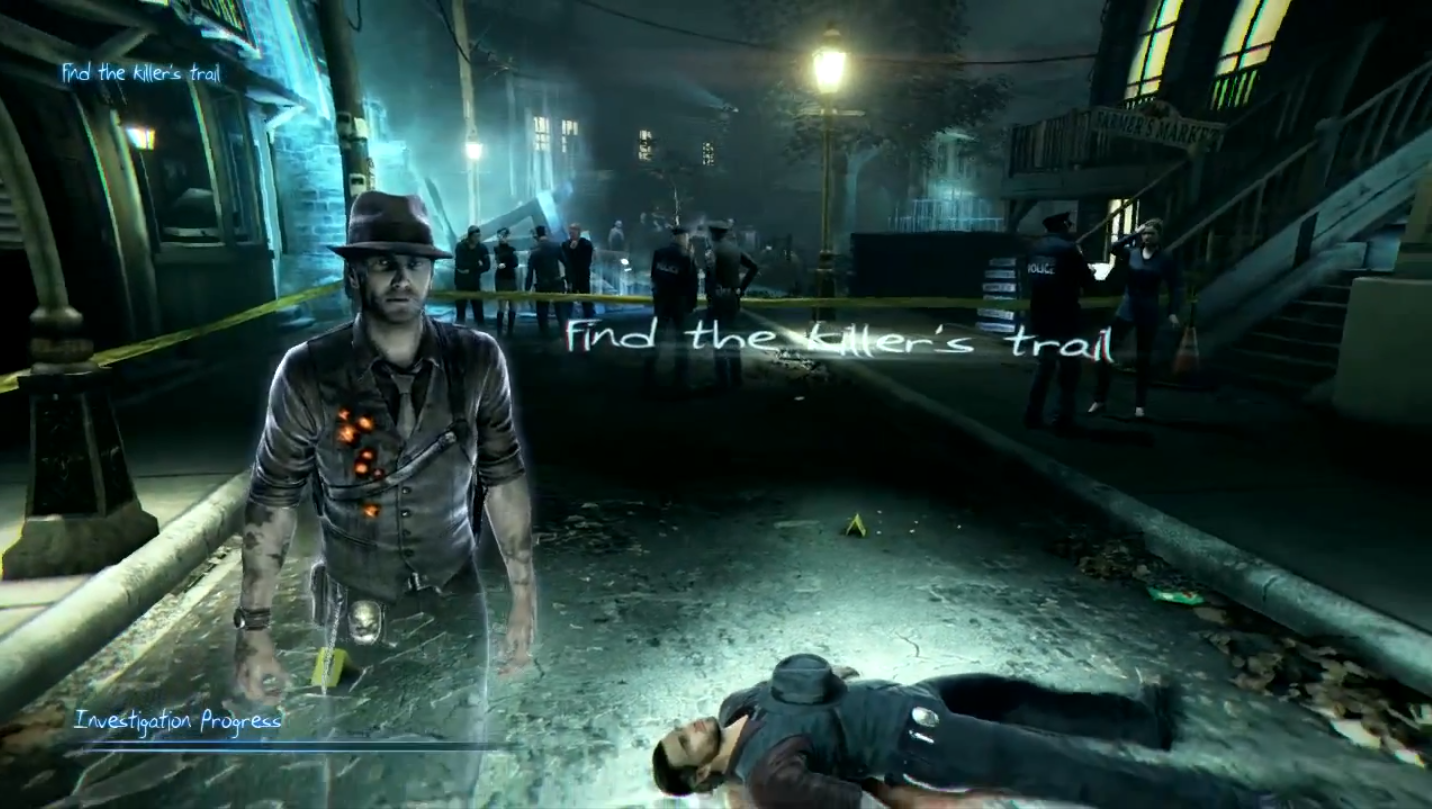
I haven’t been so misled by a game as Murdered. A murder mystery game about a cult in Salem, Massachusetts (my favorite type of murder mystery) is all wrapped around a serial killer known as the Bell Killer. You play a ghost detective named Ronan who gets murdered by this killer during an investigation. You have a bratty teen named Joy who helps you in the real world, and the story all comes to a nice close at the very end.
It’s everything in between that really disappoints. This game not only feels about 10 years old but is sometimes downright boring. In each area, you have items that need to be “examined.” This turns into pixel hunting like the adventure games of yore. Sometimes I found myself too frustrated because the examine button wouldn’t come up unless you were facing it just the right way; that’s glitchy and annoying. Once you find all the clues in an area, you conclude the investigation by picking three of the clues that relate to the scene. This is where some of the nonsense gameplay comes into play. Most of the time, you don’t even need all the clues to conclude, and most clues are pointless for the scene. I feel like I’m hunting for all these clues as just filler for gameplay.
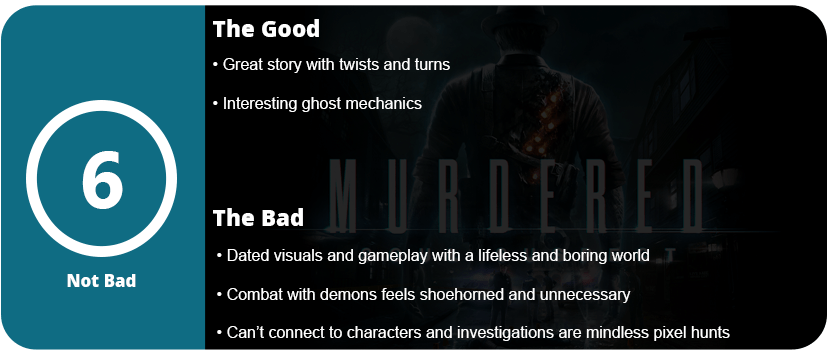
Is there any combat? Not really. A shoehorned combat scenario was put in by sneaking around demons and executing them with weird button combos. Sneaking around them is pretty tense, as is running from them. But was this merely an excuse to be able to die in the game and call it a full-on game? The only other way I died in the game was by getting hit by a ghost train in one area. There’s also an open world that is boring and lifeless. The game is also full of items to find, which is archaic and just plain boring. Why would I run around in an empty, boring world, finding items I could care less about?
There are actually rules to this game, though. Just because you’re a ghost, you can’t walk through everything; otherwise, you’d be clipping into the gaming abyss. Most items can’t be walked through, and there are some that don’t have a blue aura around them. You can teleport yourself, which only comes in handy for a few parts of the game. You can possess people to read their minds or influence them during an investigation. This isn’t nearly as cool as it should be.
The only thing that kept me going was the story. The twists and turns were just interesting enough to make you think you figured it out, and then it turns out to be something else. The game actually has a satisfying ending with no cliffhanger. When I played through this whole game, I just couldn’t help but feel how dated it looked and played. The graphics, while not ugly, are simple and boring. This game would have looked amazing about 5 years ago. I also didn’t feel an attachment to any characters because of how boring and cookie-cutter they felt. Ronan is just your typical New England cop, Joy is a snotty goth brat, and the other characters don’t really show up enough for you to care about them. Soul Suspect had a lot of potential, but in the end, it felt like there wasn’t really a goal for what to do outside of the story.
If you’re a fan of adventure games, I would give this a shot. Murdered isn’t going to revolutionize the nearly forgotten point-and-click adventure-style gameplay, but it is worth slogging through the gameplay for the interesting story.
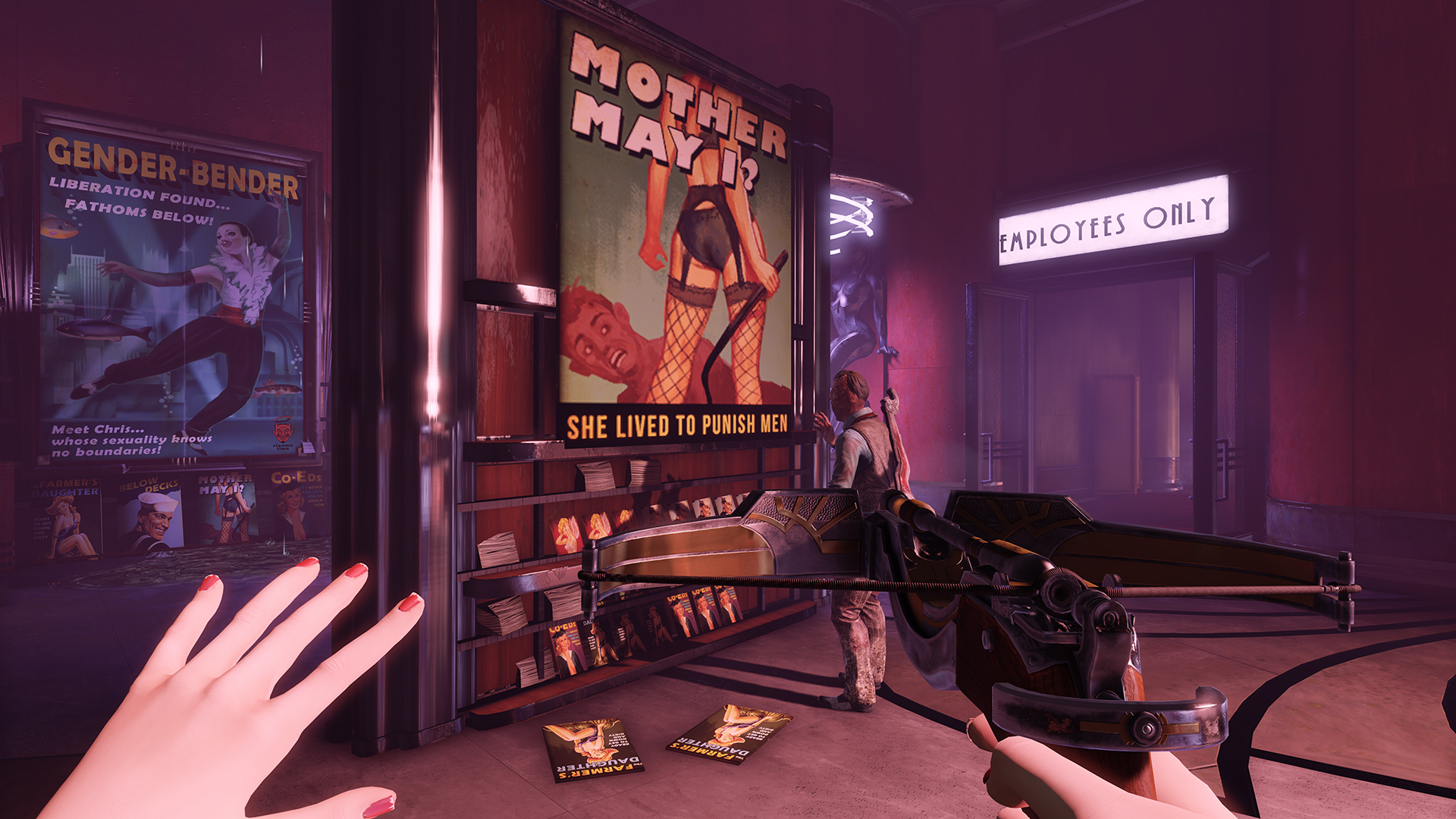
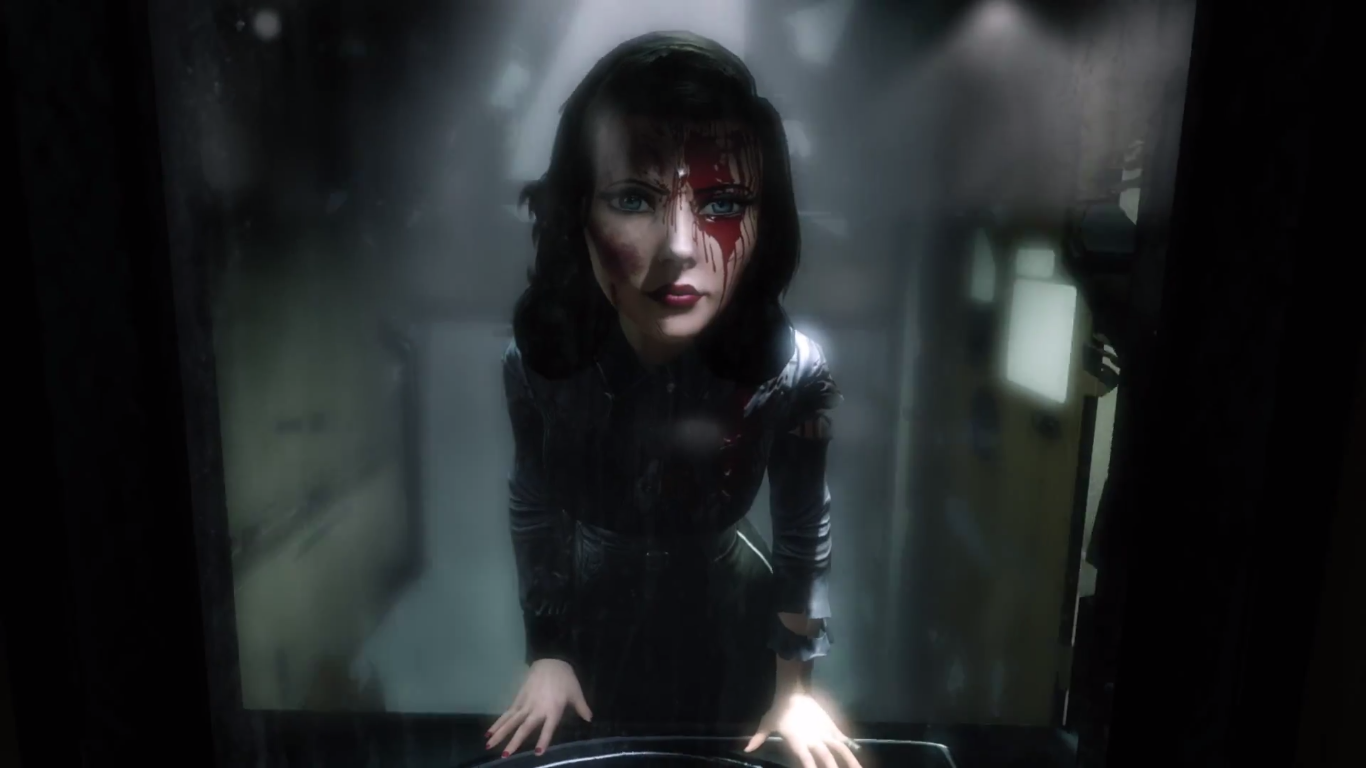
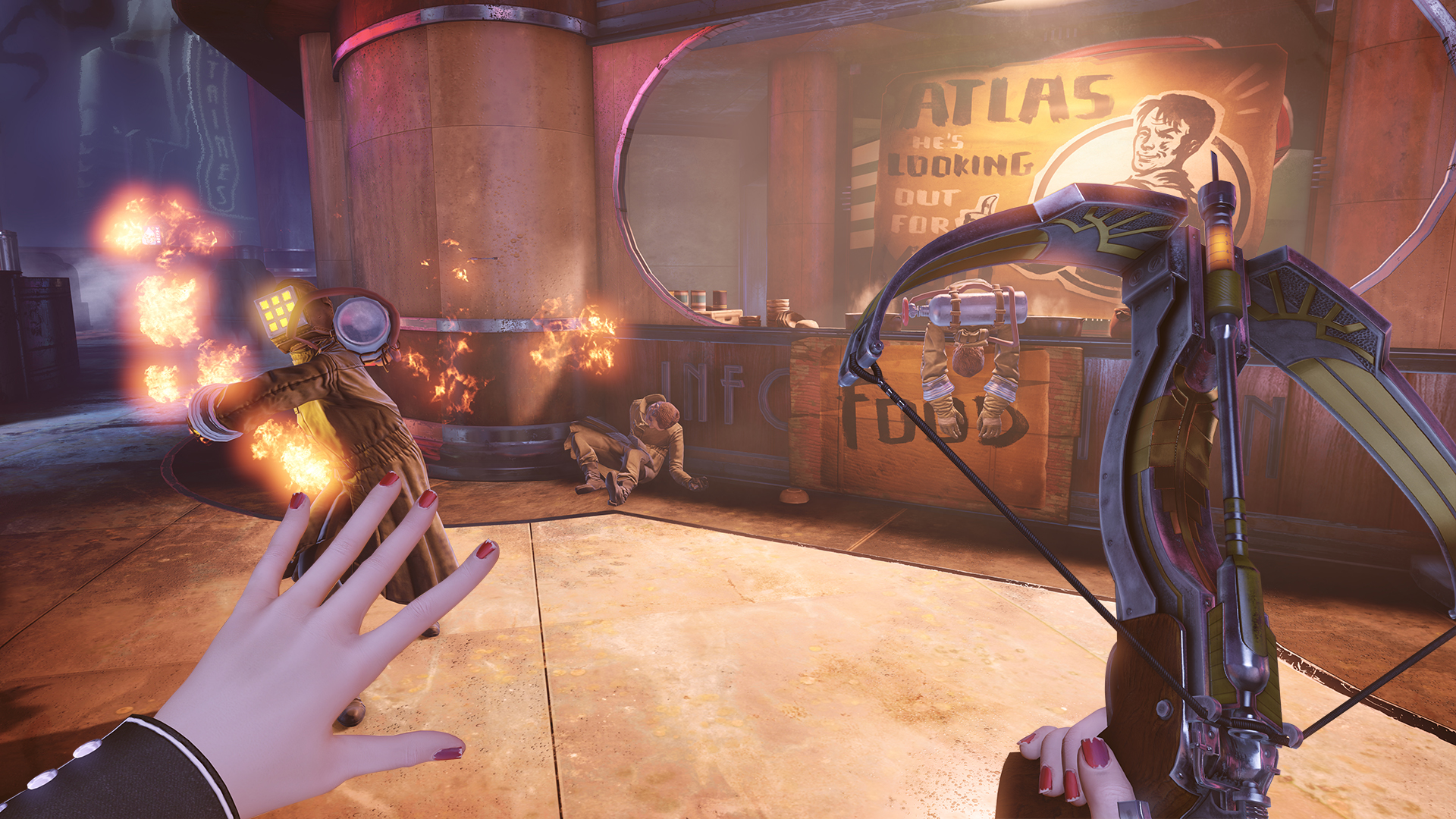
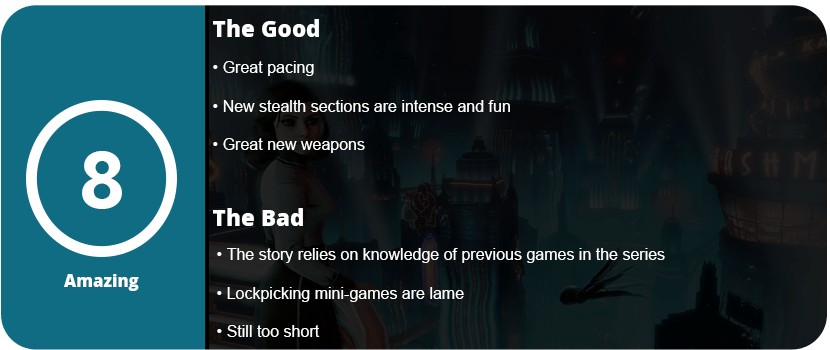
Episode Two takes place right after Episode One, but this time we play strictly as Elizabeth. I love this move-in perspective because Liz can’t fight like Booker can, and it’s noticeable right off the bat. Liz has to sneak her way around using crossbows, vigors that turn her invisible, and ones that add extra armor. She only carries a shotgun and pistol, but very little ammo. The new weapon is one that microwaves enemies, but I was only able to use it a couple of times in the whole episode.
The story still doesn’t make much sense unless you play both BioShock games. This DLC is really for the fans of those games. Elizabeth is on a mission to save Sally, the little sister you were trying to find in Episode 1. With Booker dead, it’s up to you to run from everything bad in Rapture to find her. This includes Atlas, Andrew Ryan, and even Suchong. These characters won’t mean anything to anyone who hasn’t played the first game. I loved the setting and the brief trip back to Columbia, but the atmosphere is really great in this episode, along with less backtracking. Sure, Liz can’t fight off Big Daddies in this episode, but it makes everything more intense. The game is about twice as long as the first episode but can still be finished in a few hours.
I really appreciated how the stealth sections were interspersed with just exploring and cinematic events; it felt balanced. Sneaking isn’t just as simple as ducking and hiding from enemies. They now have an alert meter above their heads, while a new lockpicking mini-game has been added but is mostly lackluster and just filler. You can even use this mini-game to hack turrets to fight against you, but there were maybe only two opportunities to do this in the whole game. The new crossbow weapon with gas, alarm, and sleeping darts comes in handy, and the shotgun does a lot of damage. I felt the revolver was nearly useless, though.
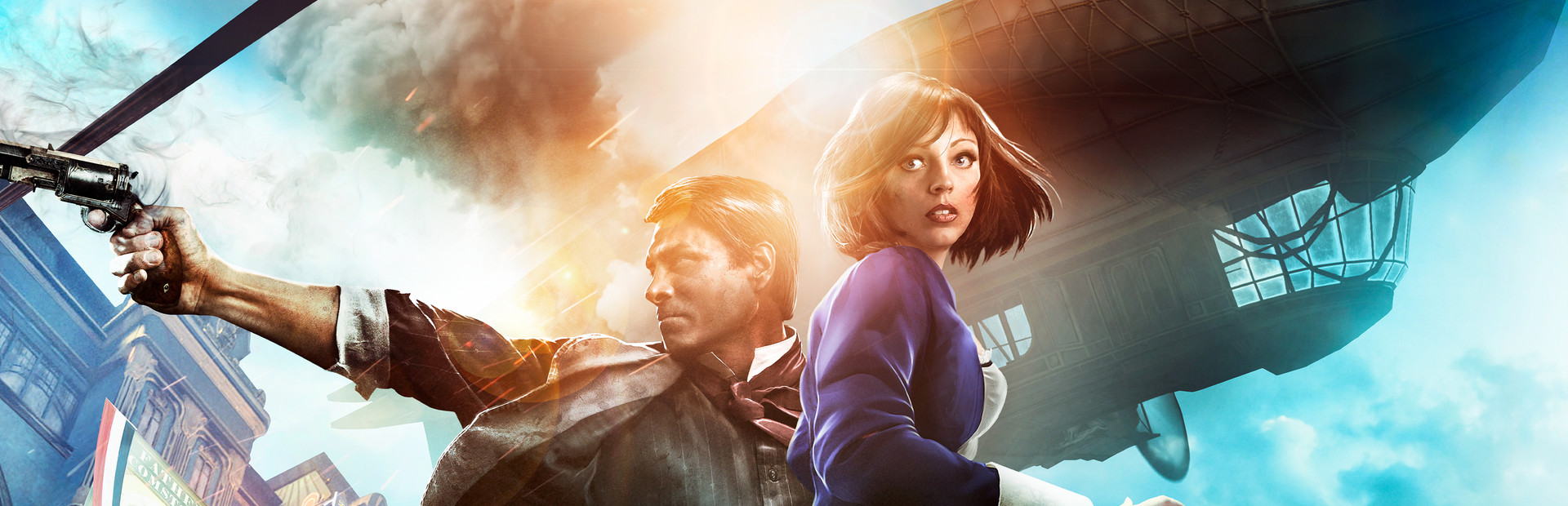
With all that said, Episode Two really feels like an extension and slight evolution of Infinite in a good way, but anyone who hasn’t played previous games will be completely lost.
Whether you like it or not, I have to start out by saying Lords of Shadow 1 was a masterpiece. The game was finely crafted from all angles that make up a great video game. It was the best Castlevania reboot ever done, and it was a fantastic action-adventure genre. It was challenging, beautiful, and memorable. Lords of Shadow 2 is not so much. In fact, I don’t know what happened. They took everything that made Lords of Shadow 1 great and threw it out the window.
The story picks up after Mirror of Fate. Gabriel wants to die and have eternal peace. He already has to deal with the death of Maria. Zobek (voiced by Patrick Stewart) will give him the vampire killer in exchange for killing Satan. In order to do this, you must help out various other people and find three of Satan’s acolytes. You see, even the story got screwed up. The first game’s story flowed and was touching. Lords of Shadow 2 takes forever to get interesting and has very few cutscenes until the very end. The setting also really throws the game off; being set in modern times just ruins the whole thing. The level design is terrible and confusing, with a poorly implemented “open world” design that just makes you want to tear your hair out.
The game starts off with a nice pace, but once you step out into the present, all that magic from the first game just disappears. Secondly, the combat hasn’t changed much, and the upgrade system feels meaningless. While the combat is still responsive and quite good, the enemies that defined the use of the combat system have been simplified and cut down to a mere half-dozen. Yes, the same half-dozen enemies through the entire game. It’s repetitive and irritating, and you will end up just running past most of them if you can. Not to mention the increased amount of collectibles in the game that require going back through these labyrinthine levels and remembering where these spots are.
If that isn’t disappointing enough, the ending is just terrible. Unlike the sad, tearful ending of the first game, we just get a “what the hell is this?” ending, leading into another Lords of Shadow game we know will never happen. At least the boss fights are fun and, honestly, the best part of the whole game. They are super challenging, and the designs are pretty cool. Satan is a very challenging boss and worthy of being an end boss. Chipping away at health and scrounging your items is fun, but it should be through the entire game, not just the boss fights.
It also doesn’t help that the only store is in one part of the entire game. You have to go all the way back just to buy something. I honestly wanted this game to have a more linear path, so it feels more unique. But here’s the worst part about the game: the stealth sections. Yes, why the hell are there stealth sections in a Castlevania game? They are broken, just boring, and completely slow the game down. Some are confusing, most are boring, and they are all completely unnecessary. Instead of the clever puzzles of the first game, the developers lazy through stealth sections to replace them. Lords of Shadow 2 is just a lazy excuse for a game that never should have been.
At least the graphics are fantastic, and the voice acting is superb. None of that matters if everything around it is a sub-part of a masterpiece. As it is, Lords of Shadow 2 won’t please fans of the first game and definitely won’t draw in haters of the first game to give it a chance. If you never play this game, you won’t miss out on anything, even if you played the first. Do yourself a favor and just forget it even exists.












































 thebinarymessiah.com
Try multiplayer. A lot of fun !