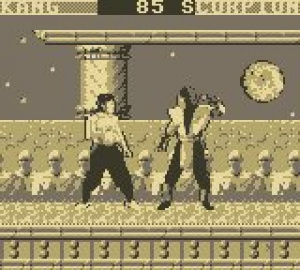
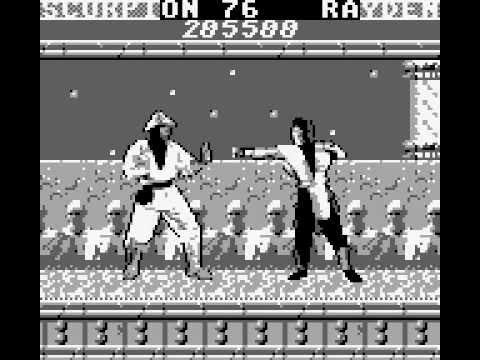
This is my favorite video game of all time. Hands down. While later games in the series are better and have more depth, the first game is just so raw and visceral. It had a weight to the fighting that other games didn’t have while still feeling fluid and well-balanced. This translated well to home consoles on the Genesis, SNES, and even MS-DOS, despite their own flaws. Even the Game Gear version did well. However, I don’t know what I’m seeing on the Game Boy. I don’t think it’s the lack of power in the system, as the Master System and Game Gear versions are 8-bit and still play really well. The Game Boy version is just so bad. I can look past the visuals. They look pretty okay despite being a monochrome color. What isn’t excusable is the cut character. Johnny Cage isn’t present at all. Why bother if you can’t include the already small roster?
That’s not the worst part. The controls are also forgivable, as the Game Gear and Master System also only have two buttons to work with, which they manage. Holding away or towards the punch or kick button will do things like roundhouse kicks or sweeps. The special moves are also intact, including the fatalities. There are also many cut-scene stages. We only get The Pit, The Courtyard, and Goro’s Lair. All of the stages could have been included, I’m sure. This is only a 256-kb game, which is unacceptable when 8-MB cartridges were available. They could have put all of the content here. But, again, that’s not the worst part about the game.
It’s just downright unplayable. The characters feel like they’re fighting in molasses; animations take 2-3 seconds to complete; and there’s just a serious delay in everything. The health bars are terribly done; there’s no blood, no gore, and no Test-Your-Might either. The game is severely butchered and cut back for no reason. The manual is more interesting than the game itself. It’s written in the form of a comic book with great illustrations. That’s pretty sad.
There’s almost no redeeming value in this game other than for collectors. There are much better versions, let alone 8-bit versions, out there. This is by far the worst version of the game ever made, and I feel bad for anyone who paid full price for this game back in the day. Maybe a Game Boy Color version could have come around and done better, but it never happened. While the game looks the part and the character sprites are decent, the sluggish and unresponsive gameplay just doesn’t work. It’s too bad because the control layout works fine and is used on other 8-bit systems as well. I can only recommend this out of pure curiosity and nothing more.
The GameBoy Color wasn’t something I had growing up. My parents couldn’t afford one. I had the DMB GameBoy, but that was it until the GBA SP came out. I did play some of my classmates’ GBC in school here and there and did experience Pokemon Blue a few times, but my GBC experience has mostly been as an adult, and mostly in the last few years. See, the GBA SP could play GameBoy games, but I always felt they were “old and dumb” being 8-bit titles. I had very little money growing up, and I didn’t want to waste it on older titles. I only owned a single GBC game, and it was The Legend of Zelda: Link’s Awakening DX, which I never finished.
Fast forward over a decade later, and I appreciate the system a lot more. While I have a modded GBC with a modern backlit LCD, RGB buttons, and USB-C charging, I still remember what the system was like as stock. One thing that kept me from wanting one was the lack of a backlight. The GameBoy Lite had a backlight; why couldn’t the GBC? I understand it was a budget system as the hardware inside was dirt cheap to produce at this point, but come on, Nintendo! You still needed a flashlight or had to play with a flashlight under the blankets. This makes playing today nearly impossible and unbearable with all of the modern LCD display technologies we have. Some like this and get a more nostalgic feeling from it, but I didn’t play my original DMB Gameboy much because of this when I got it for my 7th birthday back in 1997.
Not much else is improved over the original model. The Gameboy Pocket had already been released at this point, but it did feel lighter and was slimmer than the original model. However, the screen was smaller at 2.3″ compared to the DMG’s 2.6″, but it was in color, so there was a trade-off. It did have more RAM, which was needed for the wider color palette, and the sound was slightly improved, but we still had the same 10-year-old processor. We got square wave channels, which made the system less “bleepy” than the original model, but not by much. The only other I/O was an infrared receiver, which could be used to beam digital data across to other consoles. The battery life was also cut by 1/3 due to the color screen.
Some might say there are more drawbacks and improvements, but just the color alone was incredible. Many later DMB games were released with GBC compatibility, and later, hundreds of GBC-only games were released. The system still feels great to play to this day. It’s clearly the best Gameboy to have, as it can play original games with a slightly better screen. However, if you own both, the slightly larger screen for the original games might be preferred. It’s all down to personal taste, to be honest. We mostly judge these older systems on their libraries, and the Gameboy and GBC libraries are some of the best. Classics like Tetris, Wario Land II, Pokemon, Metal Gear Solid, Super Mario Land, and many more are engrained in millions of people’s minds. As for the original hardware, the only setback is that screen. I wish it had more improvements, and it feels like it could have had more, but at this point, the GBA was probably deep in R&D and only a few years away.
If you get one today, I suggest getting an LCD upgrade at the bare minimum. USB-C and any other mods are optional and not really needed because the system has great battery life already. You can do the mod yourself or buy one custom-built from many shops online. There are so many aftermarket shells, buttons, silicone pads, and even sound mods for these handhelds that have blown up over the last 5 years. It will get to a point where you will have trouble finding someone with an unmodded Gameboy.
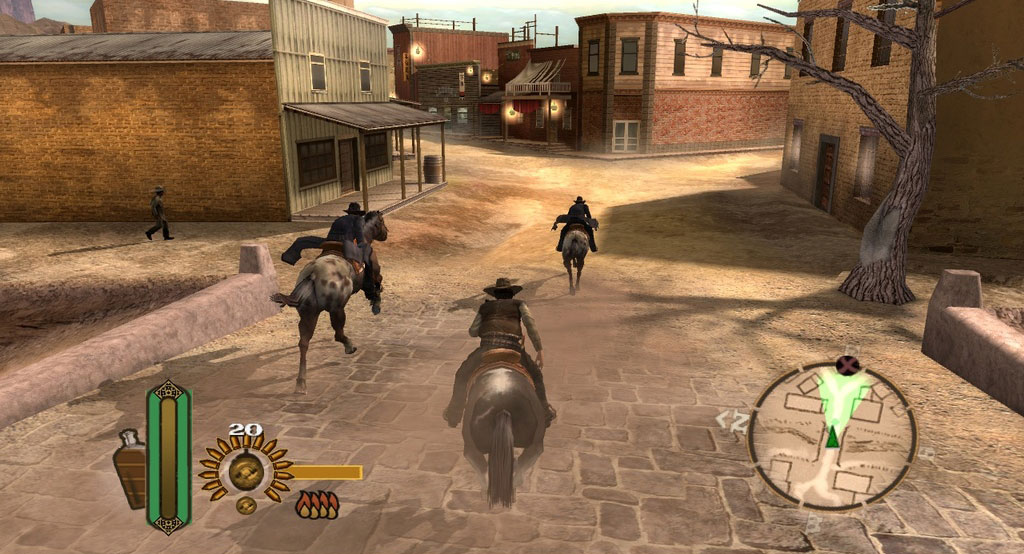
Wild West games blew up in the mid-2000s. Games like Read Dead Revolver and Call of Juarez really pushed the genre forward. Gun was a highly anticipated open-world game that was being watched by Grand Theft Auto fans. I remember reading about this game in magazines leading up to its release and being disappointed with how linear and simple it was. You play Colt White, who is just living day-to-day life with his father, Ned White, when he dies, and you get sent on a mission to avenge him, which leads to a road of greed and death. The story is really simple and short. It’s honestly very one-dimensional, but the voice acting is solid, with major actors like Tom Skerret and Ron Perlman.
The majority of the game is made up of shooting. As the title implies, guns are the main focus of the game. You have an array of weapon types, such as six-shooters, lever-action rifles, sniper rifles (bolt-action), melee, throwables, and bows. You slowly unlock these weapons as you play the story, and you can also upgrade them at the shopkeep. You can acquire more gold by finding it in the wild or completing side missions. Side missions are the second bulk of the game, ranging from bounties to poker games and, overall, just shooting up more bad guys. There’s no variation in mission type outside of the names. In the end, you’re either killing someone or rescuing a horse.
Horseback riding is a major gameplay element here, and it’s done surprisingly well for the time. They’re treated kind of like cars in the GTA. They have health meters, which are also tied to stamina. Overwork your horse, and it will die. You can trample enemies with the horse, which is great for clearing out large groups, and they are needed to travel between the two towns. This is one disappointment I have with the game. It’s surprisingly linear, and the open-endedness is an illusion. This is just one large map full of brown dust, canyons, a couple of rivers, and a meadow. The game is very dull and void of any life, unlike GTA, which feels vibrant and constantly moving. There’s just the wind and twanging background music playing. The towns may have three or four people walking around, and there are no interiors to speak of. It’s indeed a very empty world.
I highly recommend just blowing through the story mode in the 4-5 hours it takes and forgoing most upgrades. Despite having this shop system, it is pretty much pointless. Sure, it helps to have more damage or quicker reloads, but the quickdraw allows you to kind of cheat and constantly use it as long as you’re killing enemies to refill it. Empty the meter. Shoot about five enemies and empty it again. I never really saw the need for most of the upgrades. This will alleviate the pain of completing these dull side missions.
The shooting in Gun is mostly stiff and awkward. It’s not amazing. There is a sticky auto-aim, and you can aim down your sights with rifles, but the camera zooms too far in, and you can’t follow anyone up close. Stealth is pretty much pointless outside of a single-story mission because enemies can somehow see and hear you from a mile away. The explosives were surprisingly useless as well. Enemies can stand just in front of or behind an explosion, and they aren’t affected. This is really terrible. There are some missions that have you mount a cannon and hit everything dead on. There is no splash damage for explosions in this game. It makes no sense.
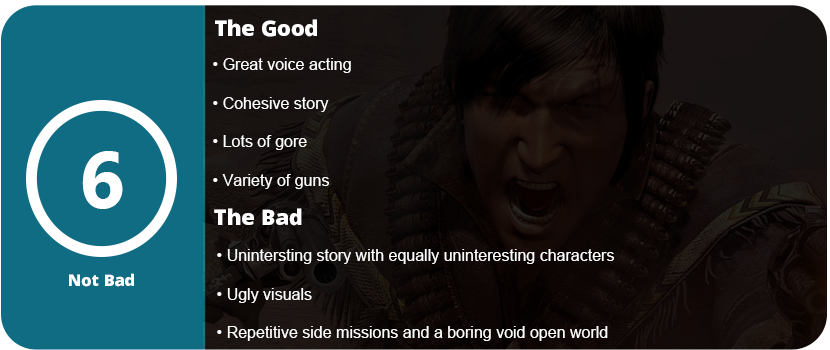
Overall, the game is very linear, ugly, and pretty repetitive. The side missions don’t add any variation, the upgrade system can be skipped entirely, and the open world is void of life. The only redeeming value of this game is its great voice acting, many cut-scenes, and short length. The story isn’t even anything noteworthy either, and the same goes for the characters. With their short length, they have no time to expand or grow on us. We get no backstory. Just the here-and-now, and that means nothing when characters die. I would only recommend this game if you’re itching for a Western game and need to go back in time, but this game really did not live up to the hype upon release.
Many people use video game reviews to determine how to spend their hard-earned dollars. While as an adult I don’t take this as seriously and I now make my own money I am more forgiving of games that aren’t perfect. As kids or teens, we have limited money and are usually picked through gaming magazines to determine if that one game was worth the money because we only got a few a year. For me, it was only during Christmas time that my parents bought games. I mostly rented mine throughout my childhood and teen years. Even for rentals, I was picky as I didn’t want to be stuck on my weekend with a dud of a game. Even a 7/10 or 3.5/5 would be considered a waste of time. This was the last generation in which AAA title after AAA title would be considered fantastic and with so many exclusives it was hard to keep up with. The HD era of gaming would see budgets balloon to insane heights and game releases slowed down as a result.
In my eyes, 7/10 or 3.5/5 games are mostly ignored. These aren’t always considered hidden gems either. Some are, but some are just considered forgettable. Not awful or good, but just passes under everyone’s radar. These aren’t the “so bad it’s good” games either. A few of these games have cult followings; a few I had only heard of while compiling this list and some I played myself growing up. I compiled this list from Metacritic with games between 74-70. I feel that’s the true blue 7 range. 79 and 78-rated games usually only have about 25% of the critics giving it a 7 to bring an otherwise 8 score down some. These games are at least rated by half the critics as 7/10. While I know many people don’t listen to critics and some might feel this game should be rated higher or lower is subjective. Like it or not, critic reviews drive sales and it may be the reason why you might find a few games on this list you’ve never heard of, thought was talked about worse than you remember, or something along those lines
Marble Saga: Kororinpa – 2009
The second and final game in the Kororinpa series, Marble Sagaadds enough that is new to make it feel worthwhile. It’s really addictive and fun despite the bland visuals. It has plenty of modes and a level editor as well.
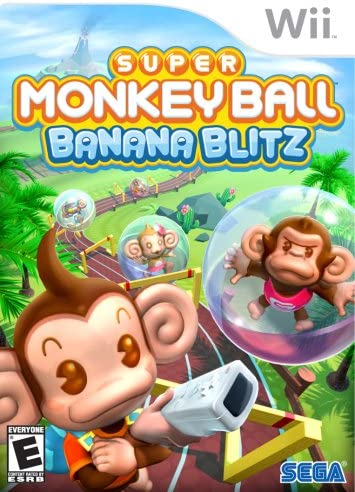
Super Monkey Ball: Banana Blitz – 2006
The game doesn’t evolve much here. The mini-games grow tiresome and most of the overall content can get on your nerves, but the multiple control options really help.
Most Recent Entry: Super Monkey Ball: Banana Mania – 2021 (NS, PS4, PS5, XONE, XSX, PC)
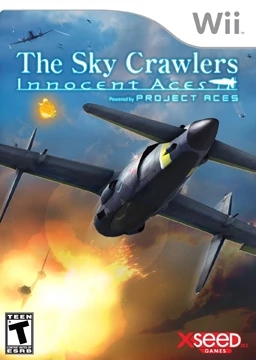
The Sky Crawlers: Innocent Aces – 2010
Motion controls were well done here, but in the end, the missions aren’t very exciting. It’s a good-looking arcade-like dogfighter on Wii, but don’t expect anything exciting.
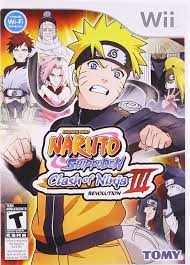
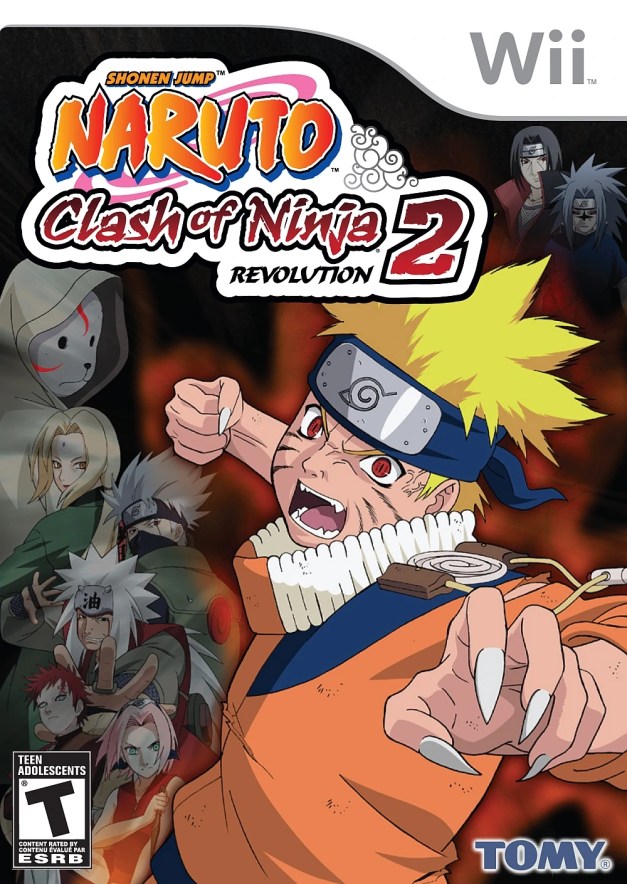
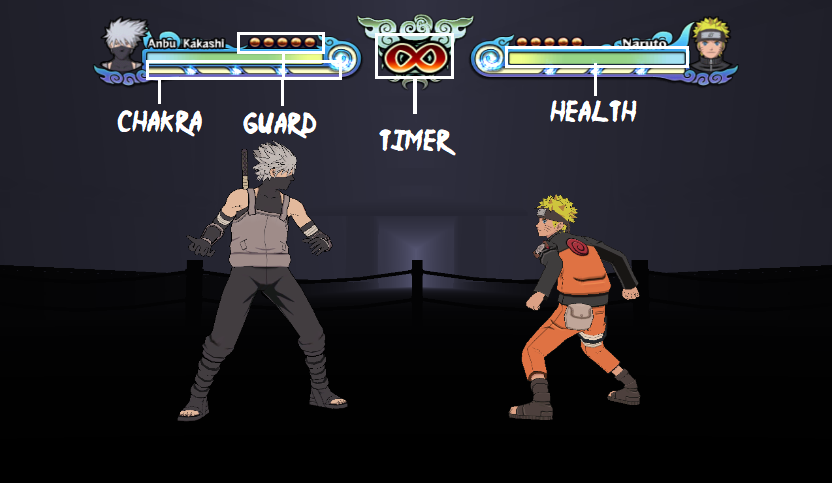
Naruto: Clash of the Ninja Revolution 2 – 2008 Naruto Shippuden: Clash of the Ninja Revolution III – 2009
Simplistic gameplay really hampered the experience here, and the story is lame, but the online play really bolstered the longevity of the game and added challenge.
Most Recent Entry: Naruto X Boruto Ninja Tribes – 2020 (AND, iOS)
Lit – 2009
A unique horror game that used the Wii remote like a flashlight. The shadow puzzles were fun, but the game is forgettable due to a lack of a compelling story or world.
Dive: The Medes Islands Secret – 2009
A good-looking platformer that was mostly generic feeling and average. While it was fun and wasn’t bad in any way it just didn’t provide anything to stand out.
Just Dance 2 – 2010
The series was birthed on the Wii. The second major outing didn’t approve of the first very much. It’s exactly the same as before with a new song selection and slightly better visuals. The series has lived on to this day.
Most Recent Entry: Just Dance 2022 – 2021 (NS, PS4, XONE, PS5, XSX)
SSX Blur – 2007
The series made it to the Wii with motion controls and all but was hampered by cutesy visuals that clashed with the signature look and dumbed-down gameplay. The control scheme also had a steep learning curve. The series would eventually die out with a final reboot in 2012.
Most Recent Entry: SSX – 2012 (PS3, X360)
WarioWare D.I.Y. Showcase – 2010
To be accompanied by the DS game, Showcasewas the classic WarioWare gameplay, but didn’t have enough content to keep people coming back for more. The connectivity to the DS was great and added some small replay value at least.
Most Recent Entry: WarioWare: Get It Together! – 2021 (NS)
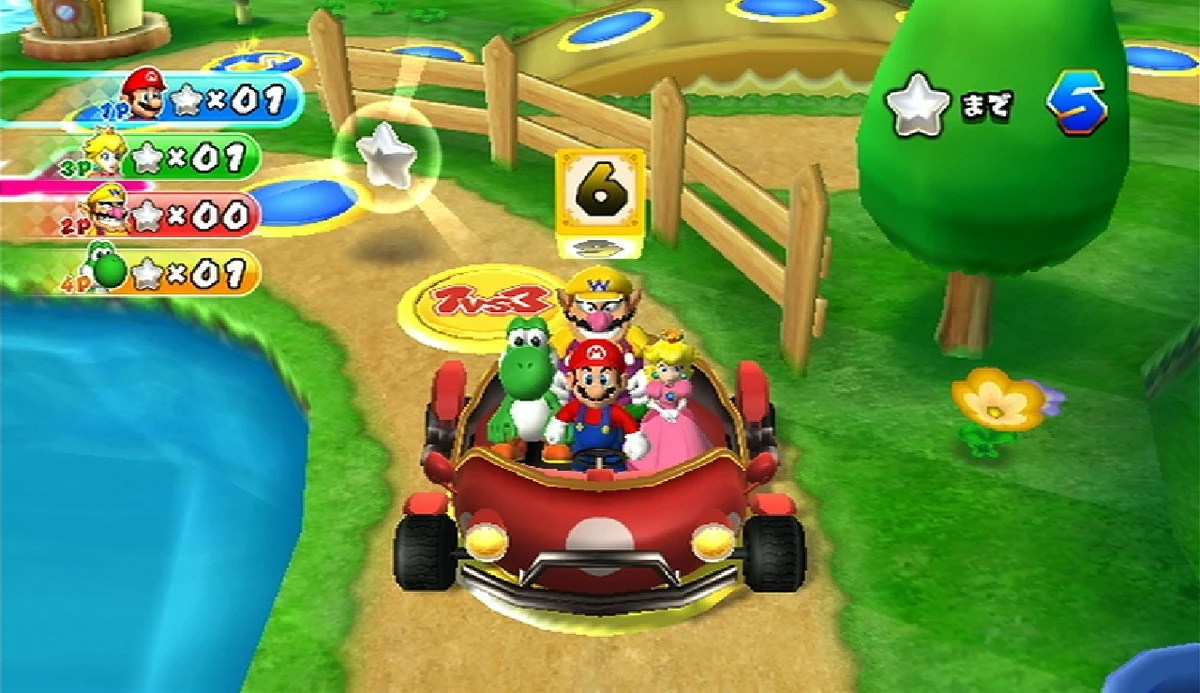
The second and final offering on the Wii it went out with a fizzle and splat. The series was growing stale at this point only changing one thing for the good and screwing up something else. The boards felt like you were too often at the mercy of chance and the content was lacking.
Most Recent Entry: Mario Party Superstars – 2021 (NS)
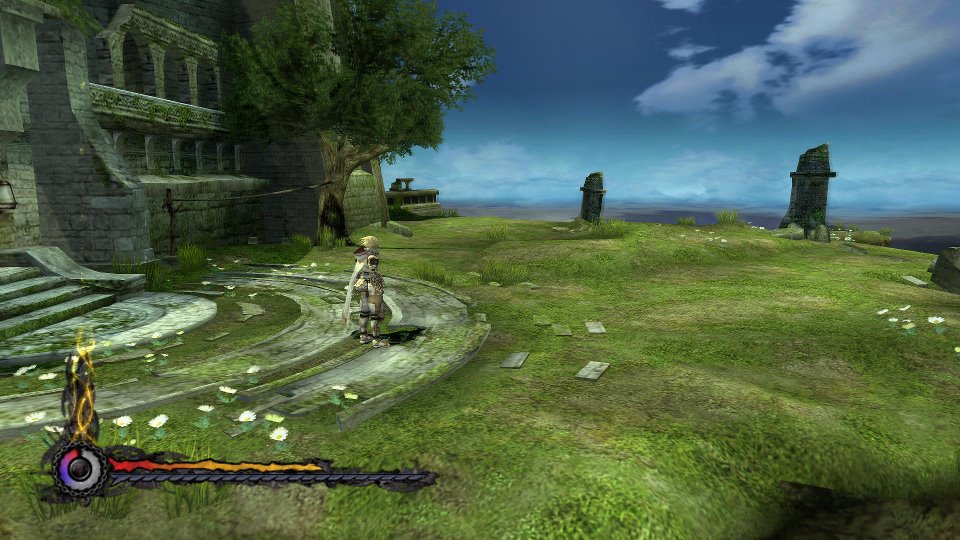
Pandora’s Tower – 2013
This game has a pretty nice cult following. It’s a beautiful and unique game on the system that pushed it to its limits. It’s often compared to Shadow of the Colossus and Castlevania. A little bit of each. It just has really repetitive combat and there’s lots of it.
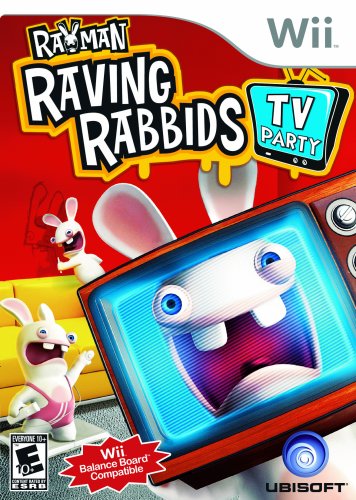
Rayman Raving Rabbids: TV Party – 2008
The penultimate release of this weird series that no one asked for. While the Rabbids are always fun to see on screen their games are just smatterings of mini-games and slapstick humor. This game uses the Balance Board on top of the Wii remote to make you do dancing numbers. It gets old quickly and is most fun with other people around.
Most Recent Entry: Rabbids Go Home – 2009 (PC)
Animal Crossing: City Folk – 2008
Wow, wait! An Animal Crossing game?! Well yeah. The series was pretty much not doing much around this time. Not much changed from the GameCube version and many long-time fans complained about this. You can skip this game in the series and not miss anything. It’s a great jumping-on point for newcomers, however.
Most Recent Entry: Animal Crossing: New Horizons – 2020 (NS)
Art Style: Cubello – 2008
The Art Styleseries was short-lived but pretty popular with puzzle fans. This game was considered unique and easy to pick up and play but became too complex and difficult too quickly.
Most Recent Entry: Art Style: Rotozoa – 2010 (WII)
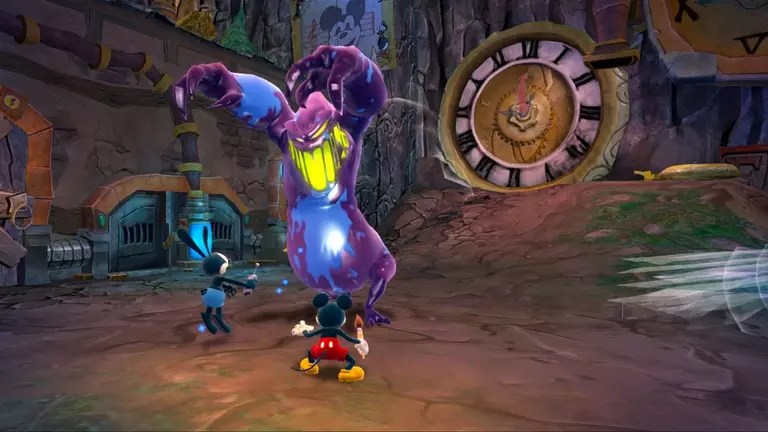
Disney’s Epic Mickey – 2010
Warren Specter’s (Deus Ex, The Sims) colossal failure stemmed from poor controls and an awful camera. Diehard Disney fans were able to look past this, and if you do too, there’s a genuinely good game under all of this. The sequel was so desperate to turn things around that it moved away from its Wii exclusivity.
Most Recent Entry: Disney’s Epic Mickey 2: The Power of Two – 2012 (WII, VITA, PS3, WIIU, PC, X360)
Fast – Racing League – 2011
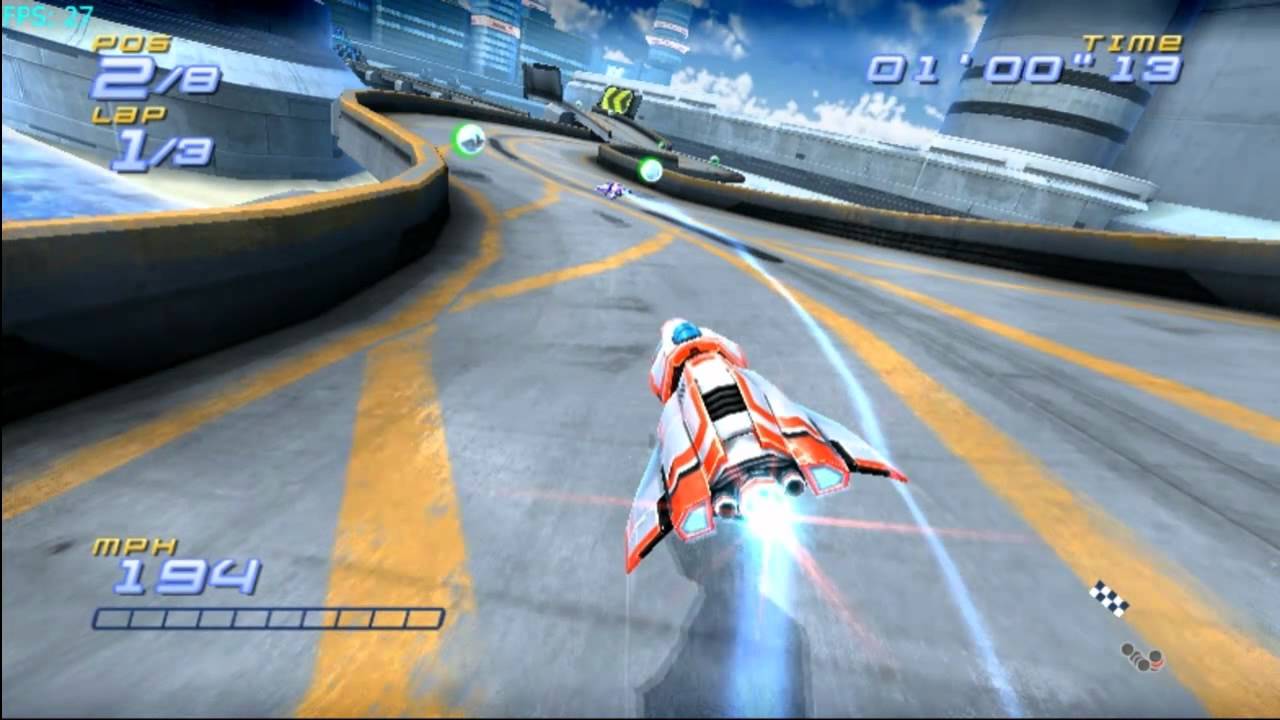
The surprise Wipeout meets F-Zero game came out of nowhere and surprised many racing fans. It looked good and had a great sense of speed but flew under everyone’s radar. The series then launched on later systems garnering more coverage and love from fans.
Most Recent Entry: Fast RMX – 2017 (NS)
Dance Dance Revolution Hottest Party – 2007
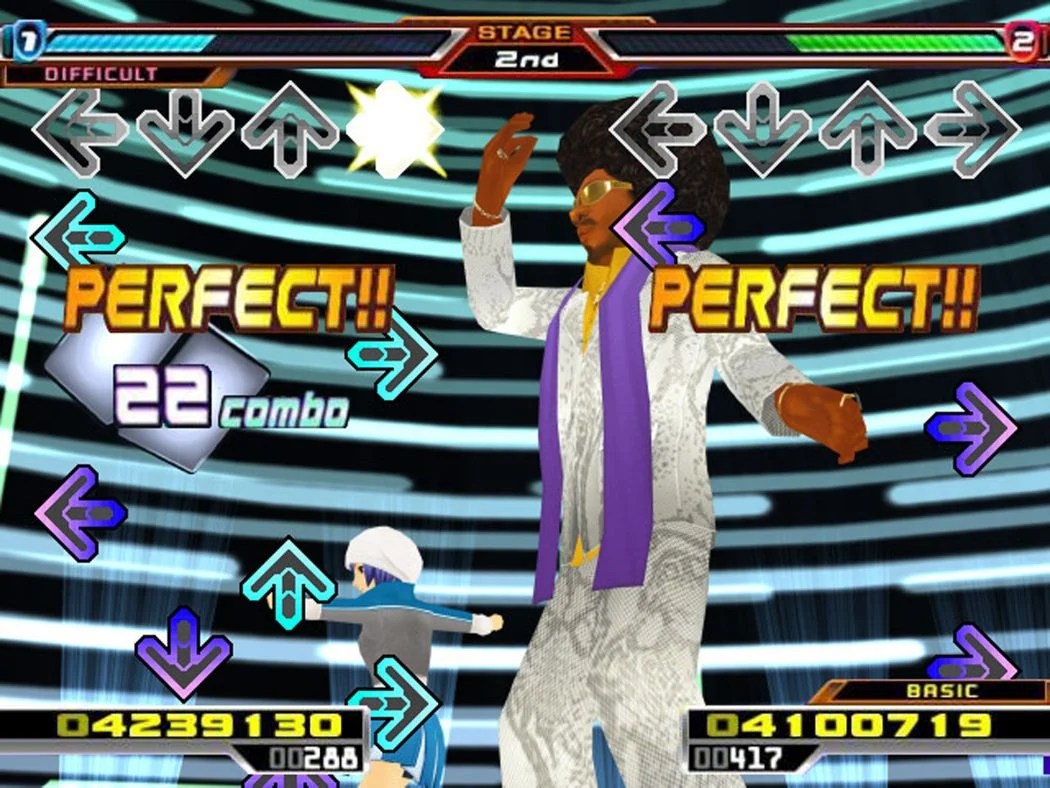
Pick one DDR game and you’ve played them all. Unless you want new songs there’s no reason to buy anything else. The series never changed up the dance mat, and this game had a small amount of content and didn’t change the formula up much. It was business as usual here.
Most Recent Entry: Dance Dance Revolution II – 2011 (WII)
Final Fantasy: Crystal Chronicles – My Life As A Dark Lord – 2009
The Crystal Chronicles series hasn’t received much praise after its GameCube outing. The Wiiware versions were fun tower defense games but had a lot of paid DLC that could have been included. This game is considered one of the best in its genre for the system.
Most Recent Entry: Final Fantasy: Crystal Chronicles – Remastered Edition – 2020 (AND, iOS, PS4, NS)
Talk about a ho-hum launch title. While Excite Truck had a great sense of speed and looked decent enough, the track design was very generic feeling and there was a serious lack of content including online play.
Most Recent Entry: ExciteBots: Trick Racing – 2009 (WII, WIIU)
Chick Chick Boom – 2010
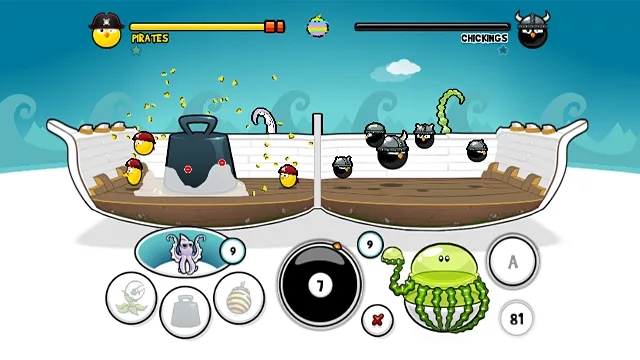
A really fun party game that was praised for its visuals and fun factor, but didn’t have much overall content. It’s also best played with other people leaving solo players alienated.
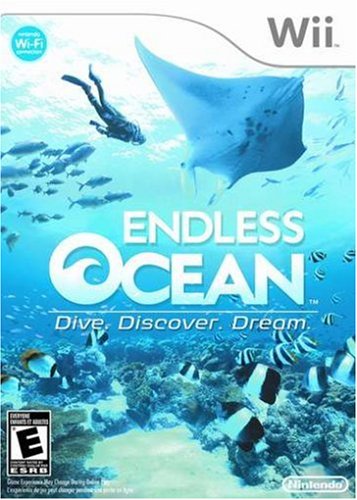
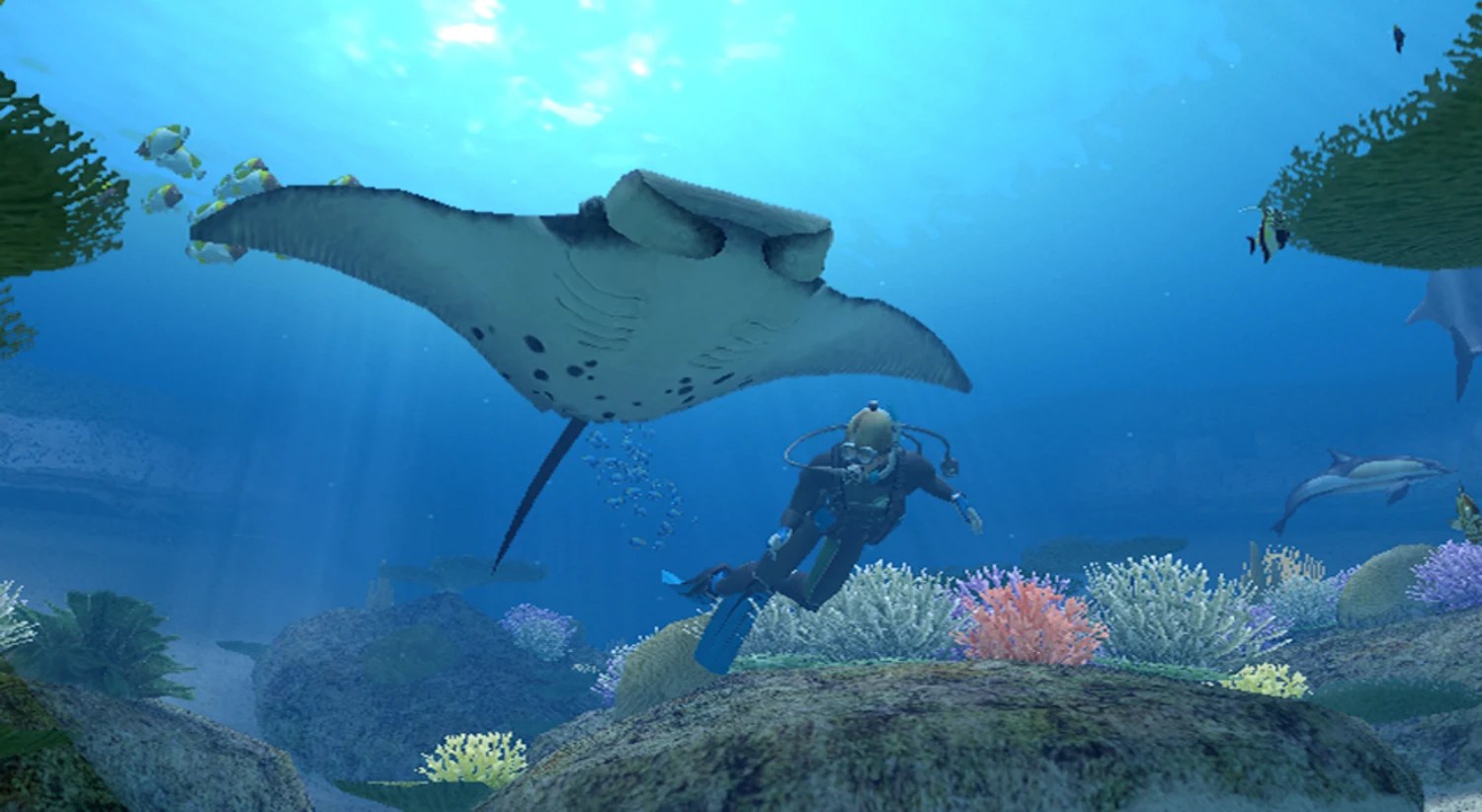
Endless Ocean – 2007
Praised for its bravery in trying to create a living breathing encyclopedia, but lambasted for having zero gameplay and frustrating controls. It’s worth playing if you just want to relax and enjoy the sights. The series would get one more entry before calling lights out.
Most Recent Entry: Endless Ocean: Blue World – 2009 (WII)
Mario & Sonic at the Olympic Winter Games – 2009
No game in the series is bad, but they are very simple and don’t provide enough to come back to. Many issues were addressed from the first outing, but the game is overall too simple and easy to challenge adults.
Most Recent Entry: Mario & Sonic at the Olympic Games: Tokyo 2020 – 2019 (NS)
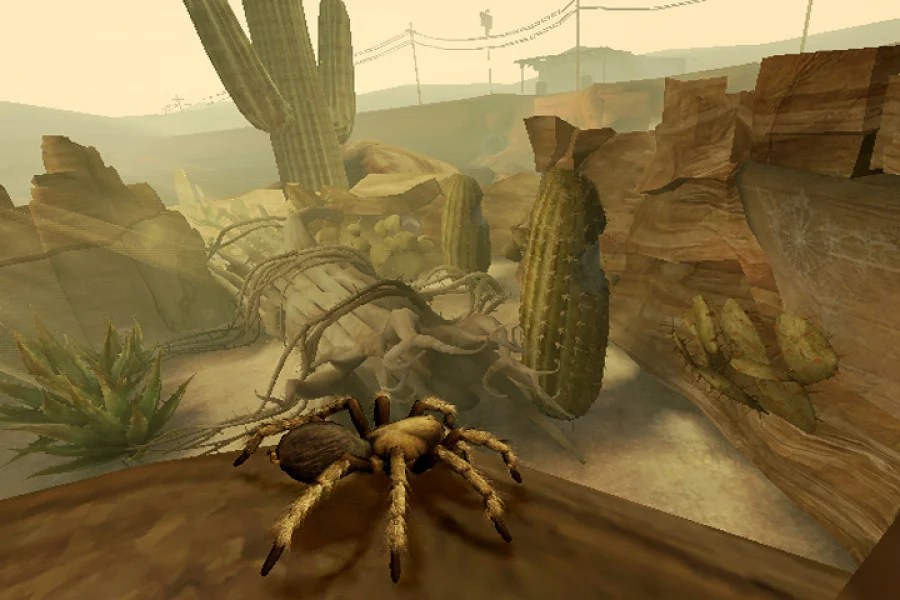
Deadly Creatures – 2009
A super weird game that surprised everyone with how good it was. It featured AAA actors for some reason too. The creatures themselves were realistically created and felt like their real-life counterparts. This adventure game got really hard though. I personally rented this and loved it. With a bigger budget a sequel could have been awesome, but alas this game didn’t sell well.
Shaun White Snowboarding: World Stage – 2009
Trying to capture that Tony Hawk magic Shaun White rode on the coattails of the legendary skater for years. With a quick succession of releases using motion controls the games were serviceable, but low effort. World Stage used the Balance Board and had clumsy controls, but was fun nonetheless.
Most Recent Entry: Shaun White Skateboarding – 2010 (PS3, X360, WII, PC)
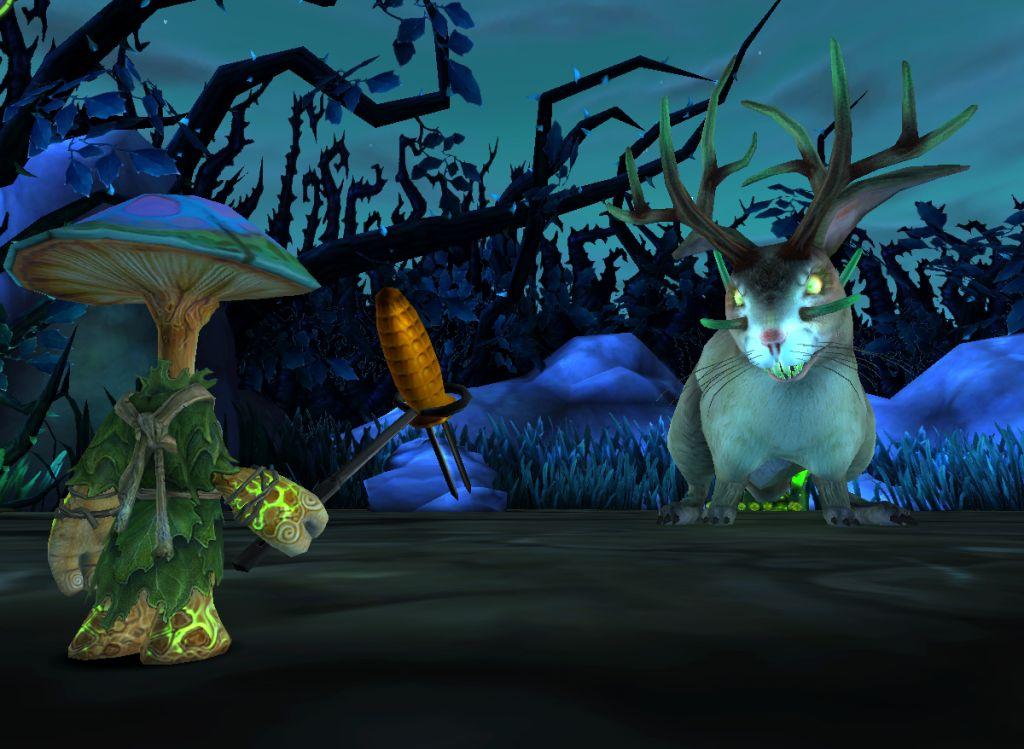
Mushroom Men: The Spore Wars – 2008
Mushroom Men was a series I hoped would get better. There is a lot of potential here and it’s one of the most visually striking games on the system. Sadly, it feels dated and gets really repetitive. One last try squeaked by on PC to never be seen again.
Most Recent Entry: Mushroom Men: Truffle Trouble – 2015 (PC)
Dr. Mario Online RX – 2008
A remake of the SNES game RXonly brought online play to the table. It’s the same gameplay without any interesting modes and won’t hold your attention for long. If you have any other version you don’t need this. Especially since the servers are shut down.
Most Recent Entry: Dr. Mario World – 2019 (AND, iOS)
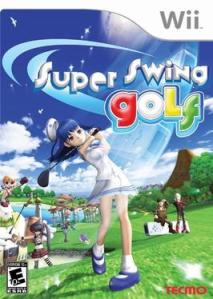
Super Swing Golf – 2006 Super Swing Golf Season 2 – 2007
I loved PangYa on PSP. It was one of the best golf games on the system. The series is clearly aiming toward the Hot Shots Golf crowd with cutesy visuals. However, the was little content to keep people coming back despite being one of the first golf games on the system.
Most Recent Entry: PangYa: Fantasy Golf – 2008 (PSP)
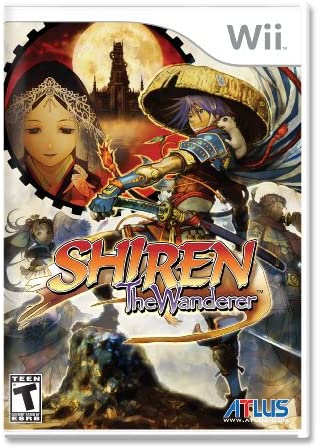
Shiren The Wanderer – 2010
This roguelike looked great and had potential at every turn, but just felt a bit too repetitive and formulaic to be remarkable. It’s still a visually unique game for the system. A sequel eventually bore fruit to equally mediocre results.
Most Recent Entry: Shiren the Wanderer: The Tower of Fortune and the Dice Fate – 2020 (NS, PC)
Spectrobes: Origins – 2009
The final game in the short-running series. This seemingly lifeless and generic action game is actually rather good. It’s a monster collecting game with decent visuals on the Wii and is great fun despite the lack of any challenge.
Driift Mania – 2009
A fun call back to 16-bit top-down racers, but the lack of solo content really hurt here. The game was designed with multiplayer in mind. Many also didn’t care for its generic-looking visuals either. However, it controlled well and had a good sense of speed.
The Munchables – 2009
A fun game with cute visuals, but this time the game does have some challenges. It gets repetitive fairly quickly, but many felt the game was worth pushing through. The controls also needed some work.
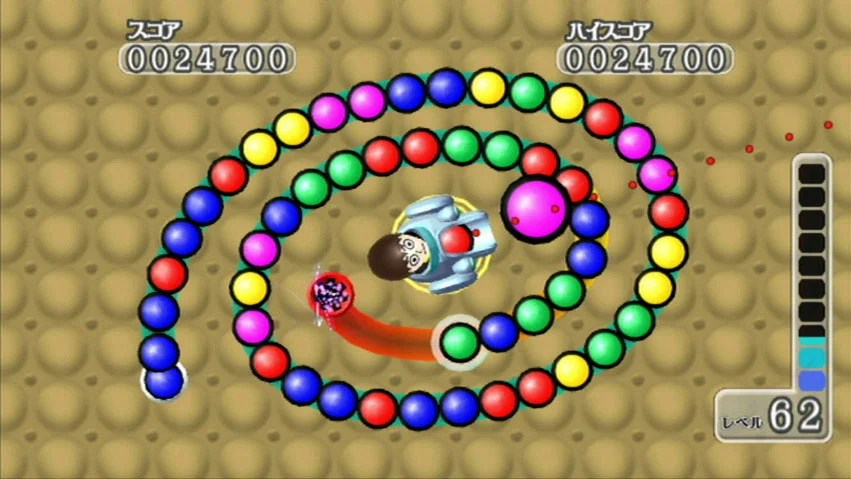
Magnetica Twist – 2008
A fun puzzle game if not ugly. This Zumaclone was hampered by poor controls and no online play despite the price point. If you can get a hold of this game you’ll have a lot of fun at least.
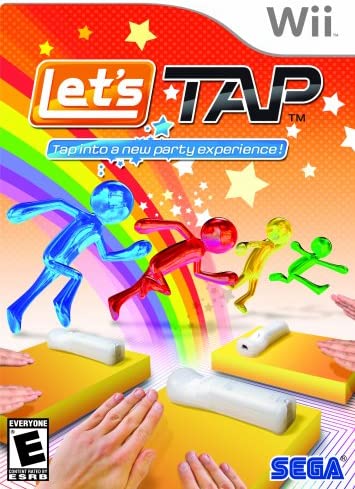
Let’s Tap – 2009
One thing that was common with unique Wii games that were experimented with is the fact that these games always came to packed light on content.Let’s Tap only has four mini-games and a visualizer and must be played with others to fully enjoy. The whacky nature of the whole thing makes this one of the most interesting games on the Wii.
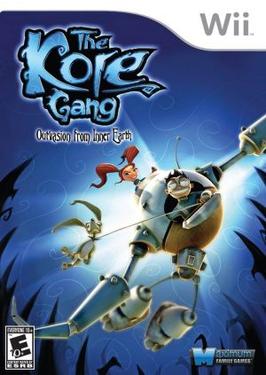
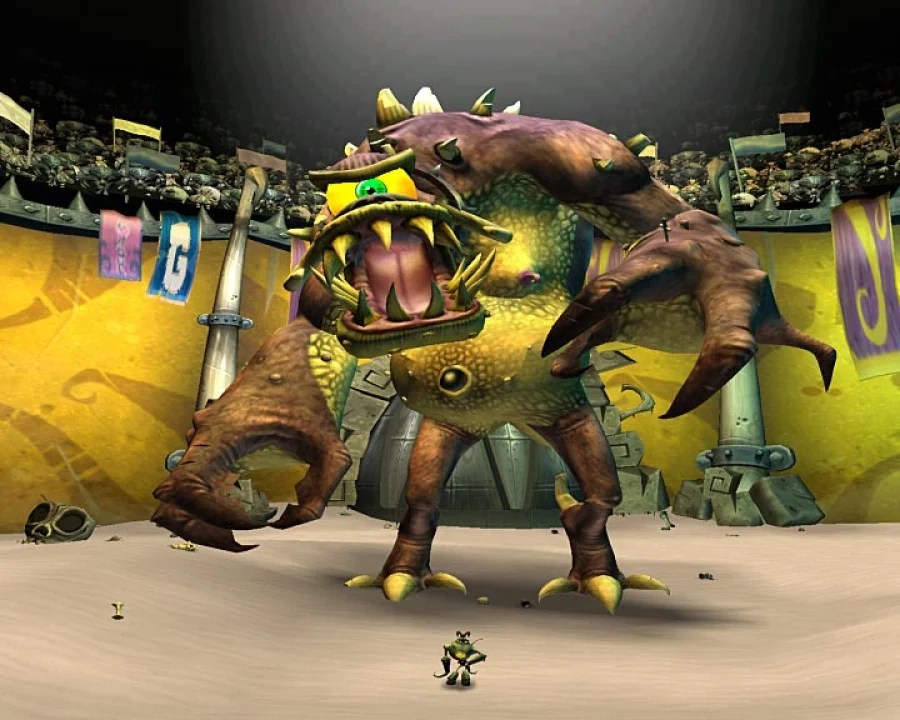
The Kore Gang – 2011
A fun and lighthearted platformer with zany characters. Switching between them allows some form of variety, but the overall experience is let down by a short run time and some fiddly controls.
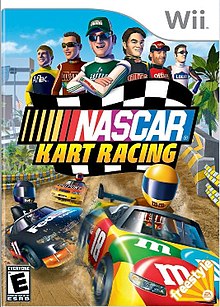
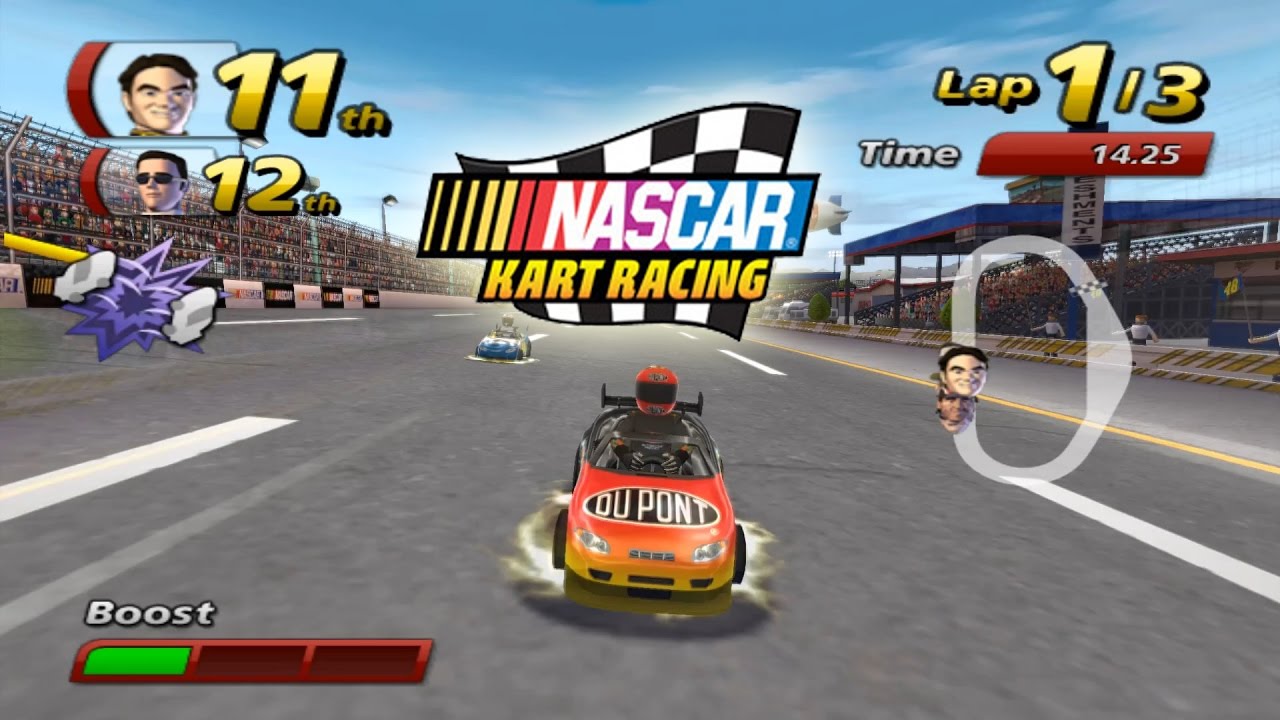
NASCAR Kart Racing – 2009
A surprisingly good game despite the license. The game has great controls and a fun track design but has no online play and the visuals are really dated. The online part might not matter anymore so it’s probably even better.
Most Recent Entry: NASCAR Rivals – 2022 (NS)
Jett Rocket – 2010
A fun and addictive game but gets repetitive fast and lacks any depth. It’s also very short clocking in at just a few hours, but it’s a fun time at least with quality design choices.
Most Recent Entry: Jett Rocket II: The Wrath of Taikai – 2013 (3DS)
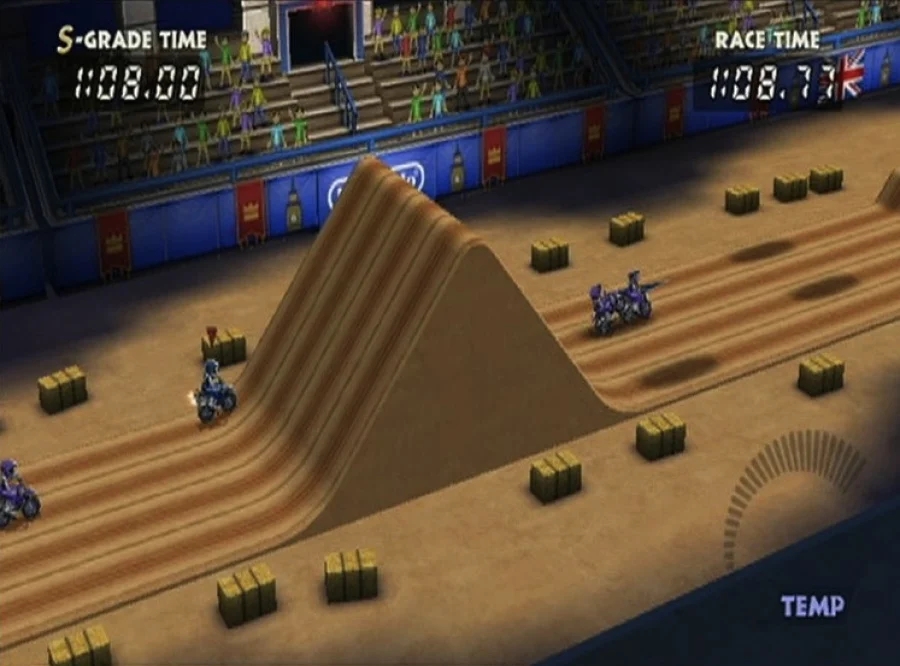
Excitebike: World Rally – 2009
This did a good job of updating the original NES classic but had no local multiplayer which was a real shame. However, it didn’t advance the formula much if at all and that brought it down some.
Most Recent Entry: Excitebots: Trick Racing – 2009 (WII, WIIU)
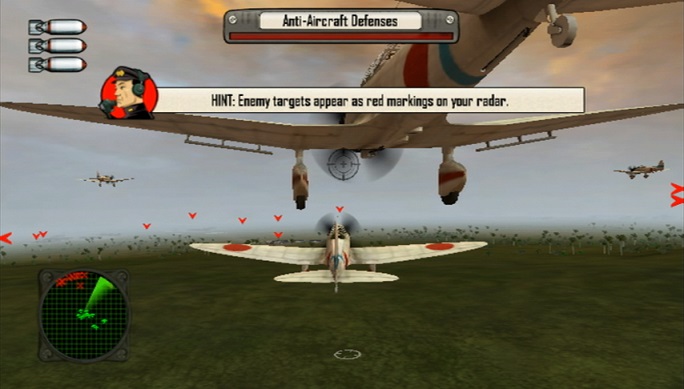
Pearl Harbor Trilogy – 1941: Red Sun Rising – 2010
Considered one of the better dog fighters on Wii, the game was praised for great controls and mission variety but was insanely challenging. This wasn’t a pick-up-and-play arcade game at all.
Super Mario All-Stars: 25th Anniversary Edition – 2010
Yes, these are good ports and play exactly like you remember them…but that’s it! No fancy extras, no remake of any kind, no HD remaster, just the same NES and SNES games slapped onto a disc. It felt like overpriced Wiiware.
Most Recent Entry: Super Mario 3D World + Bowser’s Fury – 2021 (NS)
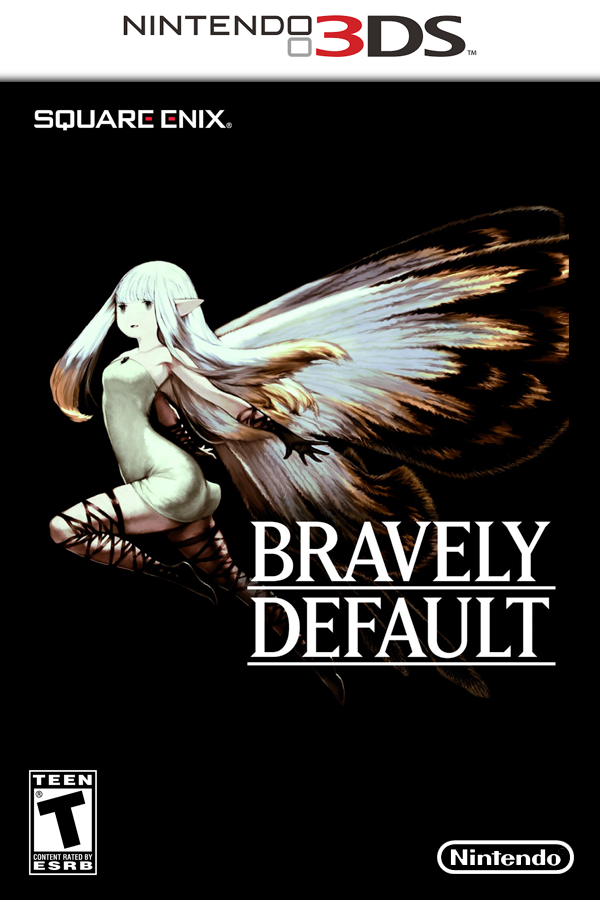
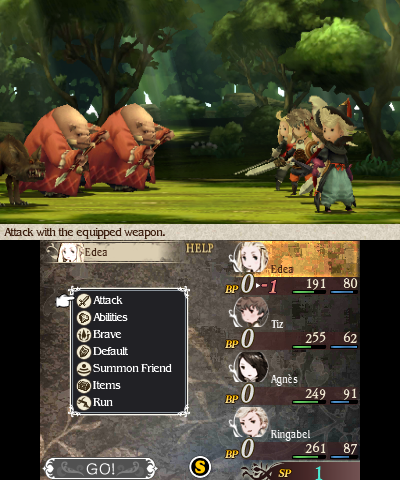
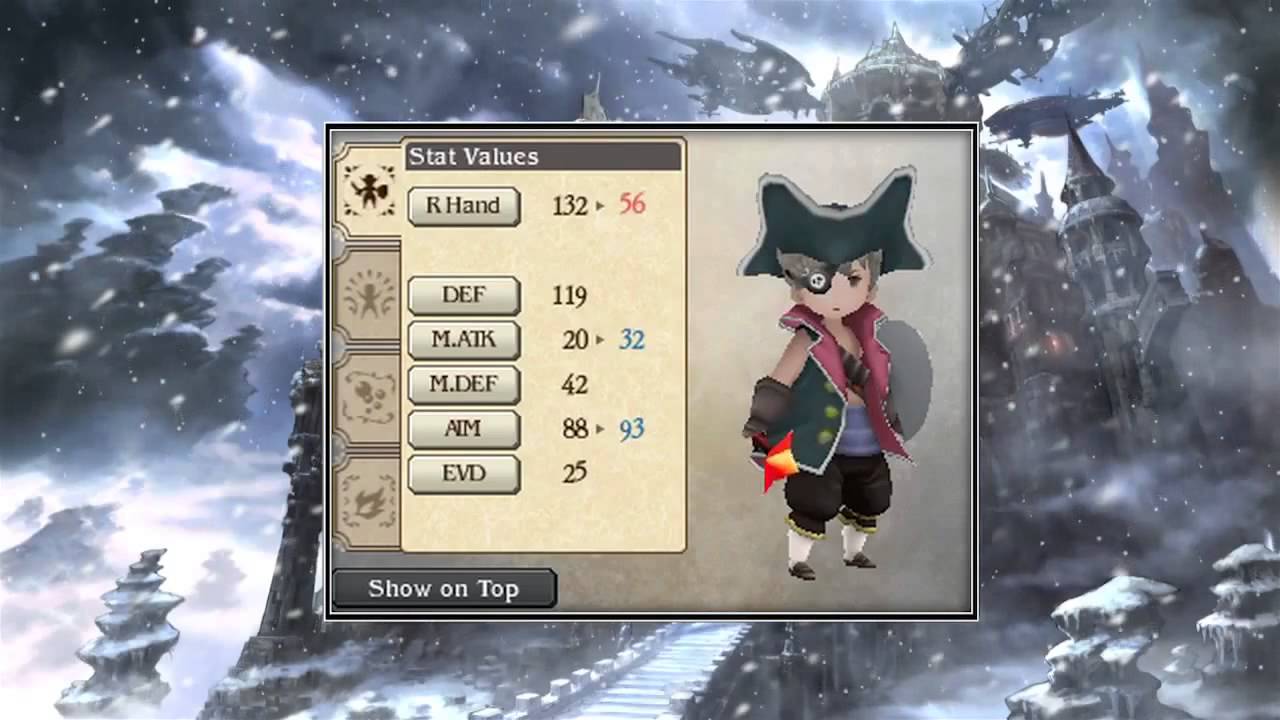
I honestly don’t know where to begin. Bravely Default was one of the most anticipated JRPGs in years. I remember everyone playing the demo, and progress would carry over into the main game. It’s good at luring you into a false sense of familiarity. You might think this is a typical JRPG with only the need to balance physical and magical attacks. There are over a dozen jobs in this game, and they are crucial to getting through the many, and I mean many, dozens of bosses. Bravely Default is mostly a boss rush game with a few dungeons put in between to level you up.
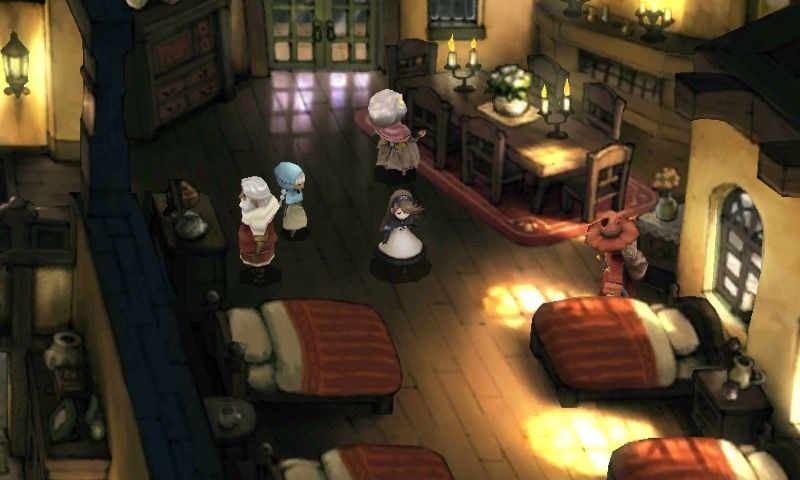
The game starts out like any other typical JRPG. You have to solve a worldwide calamity; you are in a small town; you can visit shops; and you learn the ropes of the game. The main bulk of combat lies in Braving and defaulting, which allow you to borrow or save up turns. This is the key strategy in this entire game, and it takes trial and error to really learn when to do each of these during boss fights. You can bank up to three turns or borrow up to three. If you borrow turns in the negative, you forfeit those many turns moving forward. This is great if you’re powerful and want to get the battle over with or need to heal everyone fast. In combination with the right jobs and equipment, you can overpower many foes. Half of the jobs are locked away behind optional “asterisk” bosses, while some are acquired during the story. The jobs are well balanced, ranging between offensive and defensive types, with supporting roles as well. The downside to so many jobs is the trial and error of knowing what jobs are best for what bosses. There are 14 levels per job, and they don’t level up super fast. You learn more job abilities as you level up as well.
It’s important to balance your party. You don’t want all offensive characters to support you unless you’re insanely powerful. The goal of the first third of the game is to awaken four elemental crystals with four guardians you have to beat to get to them. These dungeons are full of red chests with items and equipment, but some dungeons and areas have locked blue chests that can’t be accessed until toward the end of the game. They contain some of the best equipment. There are save points usually before each major boss, and you can visit many towns to rest and buy magic, armor, weapons, accessories, and other items. The game consists of a large map that slowly opens up to you, and eventually, you get a ship that can travel the entire map.
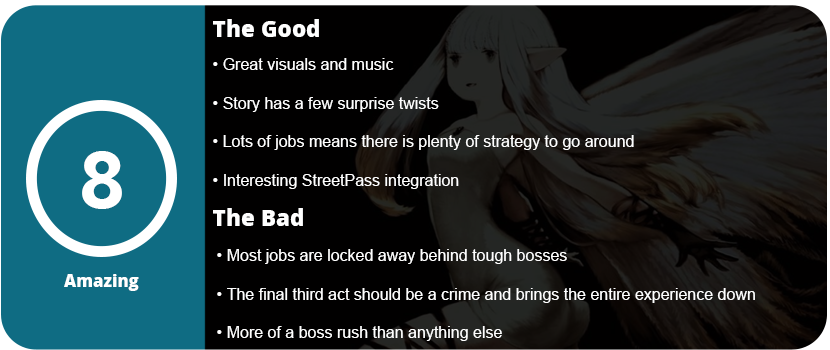
Now, I have to address the infamous final third act. These are chapters 5-8. Without spoiling anything, you have to endure these chapters to see the true ending. You can skip this repetitive nightmare by breaking a crystal (I don’t want to spoil more) and ending the game there. I sucked it up and endured cleansing the same crystals 20 times (literally 20) to see this ending. This is one of those things that makes me really want JRPGs. We could have just gotten a cutscene explaining what happens during these acts instead of literally repeating the same dungeons and bosses 20 freaking times. It was insanely boring, and I wound up listening to music to distract me from the frustration. A lot of gamers will most likely just quit the game here or end it early with a false ending.
On top of these repetitive chapters, you can also repeat the optional “asterisk” bosses multiple times to level up your jobs. If you missed these asterisks during the first four chapters, you can get these jobs later on, but the bosses are level with you. The benefit of getting them as they come up early on is that you can level past them and make the fights easier. If you already have all the jobs, you can just use these bosses to grind XP. There are some options to ease the burden a bit, which helped a lot. You can actually turn random battles off or increase them. This is great for exploring a dungeon fully and then leveling up near a save or near the entrance. I really loved this feature and used it a lot. You can also reduce the difficulty to easy at any time or increase it. These options help push JRPGs into a more modern feel and setting.
With all of that said, the graphics are pretty, and the music is great if repetitive. The same world map and dungeon songs will repeat a lot, but they aren’t bad songs. The English voice acting is horrendous, so I suggest the Japanese audio, and the story, while it does have a nice twist in the third act, isn’t worth the extra dozen or so hours it will take to get through that third act to get the true ending. It’s awful, boring, frustrating, tedious, and just plain not fun, and I can’t forgive the game for this. No matter how good the rest of the game might be or how unique the combat is, this third act is abhorrent and an obvious excuse to pad game time. I really hate—I mean, hate—JRPGs that do this. It doesn’t add anything to the game that a cutscene couldn’t solve. Shame on Square Enix for this.
On a side note, there is some StreetPass integration. You can pass buddies off to each other to summon during battles for extra help. You also have a village you can build to forge some of the better equipment in the game, and this requires more helpers to reduce the countdown timer. I never really used these features much, and if you don’t use StreetPass, you’re going to miss out on some content.
Overall, I’m not the biggest JRPG fan, so others will like this more than I did, but that third act is unforgivable. I also felt there were too many jobs, and the game’s difficulty was through the roof. Towards the end of the game, you need to be close to the 9,999 damage limit to finish the game. To really finish this game and see everything that’s here, you will most likely need to hit the 99-level max at some point. This is an insanely hardcore JRPG, and casual Final Fantasy fans will probably quit during chapter 2, like I did when the game was first released. You will need to sink a good 100 hours just to see everything in the game, including the bonus final dungeon that grants you the best stuff in the game to finish off the optional boss. While the graphics, music, and overall aesthetic of the game are pleasing, this is a hate-it-or-love-it type of game.
Many people use video game reviews to determine how to spend their hard-earned dollars. While as an adult I don’t take this as seriously and I now make my own money I am more forgiving of games that aren’t perfect. As kids or teens, we have limited money and are usually picked through gaming magazines to determine if that one game was worth the money because we only got a few a year. For me, it was only during Christmas time that my parents bought games. I mostly rented mine throughout my childhood and teen years. Even for rentals, I was picky as I didn’t want to be stuck on my weekend with a dud of a game. Even a 7/10 or 3.5/5 would be considered a waste of time. This was the last generation in which AAA title after AAA title would be considered fantastic and with so many exclusives it was hard to keep up with. The HD era of gaming would see budgets balloon to insane heights and game releases slowed down as a result.
In my eyes, 7/10 or 3.5/5 games are mostly ignored. These aren’t always considered hidden gems either. Some are, but some are just considered forgettable. Not awful or good, but just passes under everyone’s radar. These aren’t the “so bad it’s good” games either. A few of these games have cult followings; a few I had only heard of while compiling this list and some I played myself growing up. I compiled this list from Metacritic with games between 74-70. I feel that’s the true blue 7 range. 79 and 78-rated games usually only have about 25% of the critics giving it a 7 to bring an otherwise 8 score down some. These games are at least rated by half the critics as 7/10. While I know many people don’t listen to critics and some might feel this game should be rated higher or lower is subjective. Like it or not, critic reviews drive sales and it may be the reason why you might find a few games on this list you’ve never heard of, thought was talked about worse than you remember, or something along those lines
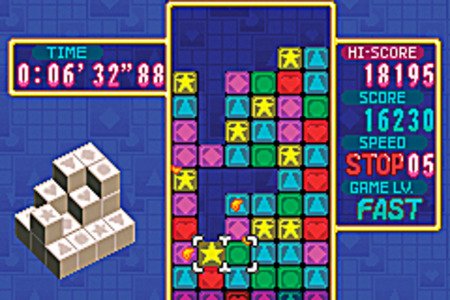
Dr. Mario / Puzzle League– 2005
The game is addictive fun. Both games are something you can pick up and play for a few minutes or hours. However, the presentation was rather bland and there wasn’t a lot of content. Your reliance on the formula is what kept you coming back.
Most Recent Entry: Dr. Mario World – 2019 (AND, iOS)
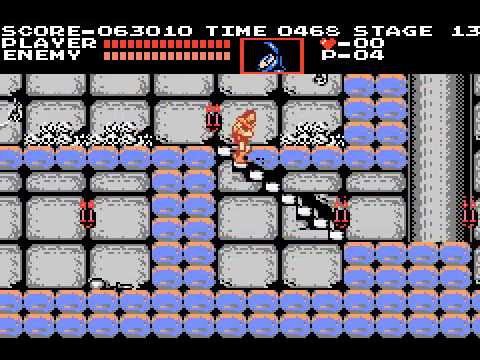
Classic NES Series: Zelda II: The Adventure of Link – 2004 Classic NES Series: Castlevania – 2004
TheClassic NES Series on GBA are highly collectible but necessary. Did we really need these games as full physical releases in 2004? Probably not. While the Wiiware store was yet to come, the only other way to play these was through the original consoles or emulators. While the ports are fine, they are just that. There aren’t any extra features or enhancements.
GT Advance 3: Pro Concept Racing – 2003
The third and final game in the racing sim series on GBA. It was an incredibly impressive third outing with even better visuals, smooth framerate, and great physics. The downside was the lack of content. At this point, you can play any of the three games and it would be hard to spot the difference.
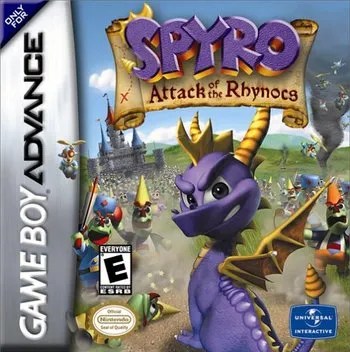
Spyro: Season of Ice – 2001 Spyro: Attack of the Rhynocs – 2003
The Spyro Season games were a great attempt to put the purple dragon in a top-down isometric adventure and still capture the charm of the PS1 classics. It did a great job of this but felt a bit tedious and repetitive. Season of Flame would improve on some features a year later. Attack of the Rynocs removed the platforming and made the game more of an RPG which worked for the most part but felt like a step backward.
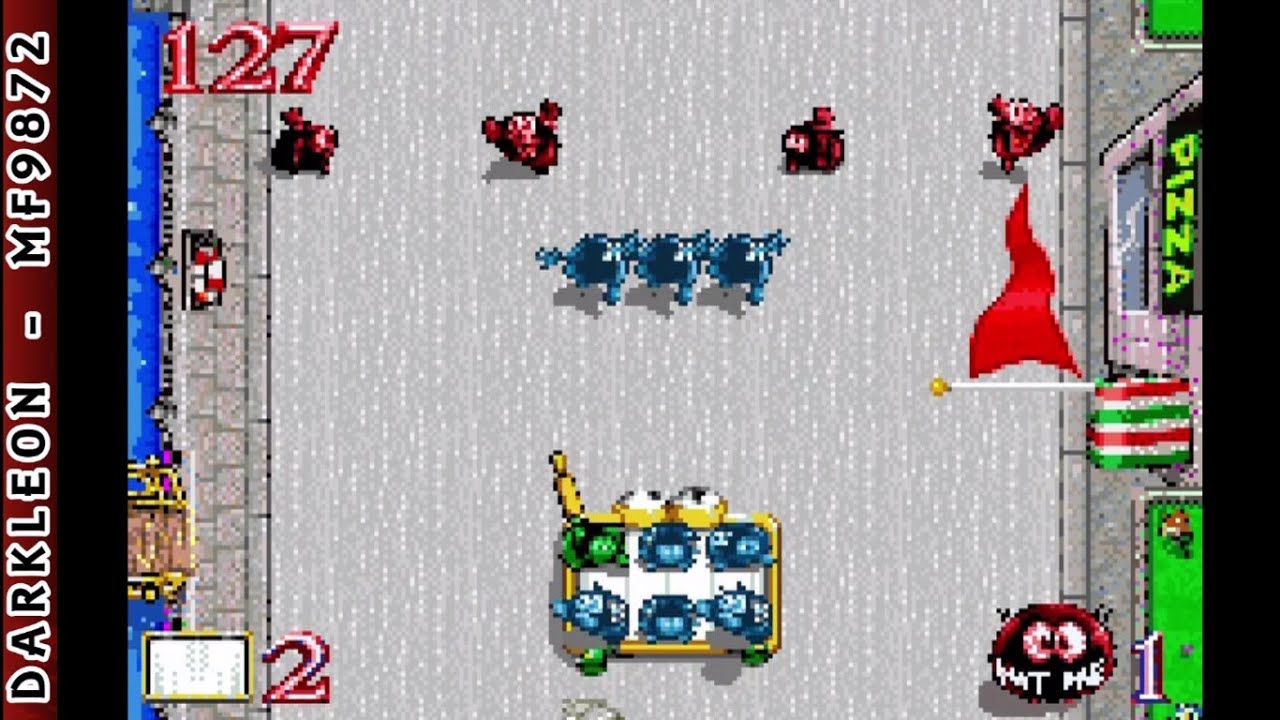
A fun and cute puzzle game that gets the job done, but isn’t very addictive and can be really frustrating. A lot of people loved the visuals but didn’t stick around very long to see it through until the end.
Driver 2 Advance – 2002
Trying to make an open-world game on the GBA is pretty much impossible.Driver 2 looks good and has decent missions, but the performance is spotty and it just doesn’t know what it wants to be most of the time. It’s still a decent 3D title on the system.
Most Recent Entry: Driver: Speedboat Paradise – 2015 (AND, iOS)
Lady Sia – 2001
While the gameplay and platforming might be pretty average, the game looks great which is why it got as much attention as it did. Sadly, the sales didn’t pan out, but this is one of the most unique-looking games on the system.
It’s Mr. Pants – 2005
Another unique-looking game for the system with a questionable title. The puzzle elements are very trial and error which brings the experience down some, but the game is better than the sum of its parts. Puzzle fans will get a kick out of this one.
Blender Bros. – 2002
A cute and charming platformer that has a cult following. The gameplay itself might feel too easy at times, but overall gets the job done. Despite the great art direction, the game was also really short. It was later released on Steam in 2020.
Dragon Ball Z: Supersonic Warriors – 2004
Another half-decent DBZ fighting game. This was the first and only outing on the GBA. It looked great but had very simple controls and a fighting system. It was best played with another person. The direct sequel would be released on DS.
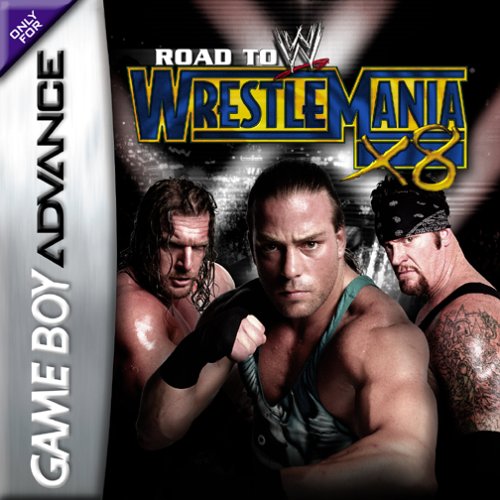
A good-looking WWE game that got the job done with simple controls. There wasn’t much content either, but it was a good entry for wrastlin’ fans on the go.
Most Recent Entry: WWE 2K Battlegrounds – 2020 (NS, PS4, XONE, PC)
Fire Pro Wrestling 2 – 2002
While it’s considered the best wrestling game on the GBA it didn’t add much from the original game. It still had a large roster and a fun gameplay system, but that was about it.
Most Recent Entry: Fire Pro Wrestling World – 2017 (PC, PS4)
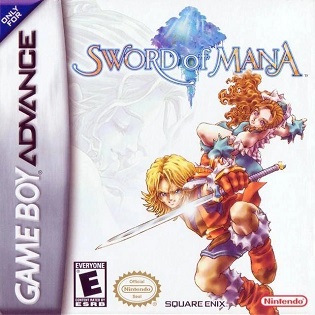
Sword of Mana – 2003
This was one of only three games I ever bought new for my GBA as a young teen. I picked this up because I wanted a long game to play on my GBA that would take a while to finish. Thankfully, for me at least, the game was rather easy and had a decent length. It looked good and had great music, but many criticized the game for being too simple and easy compared to the SNES game.
Most Recent Entry: Echoes of Mana – 2022 (AND, iOS)
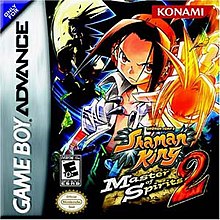
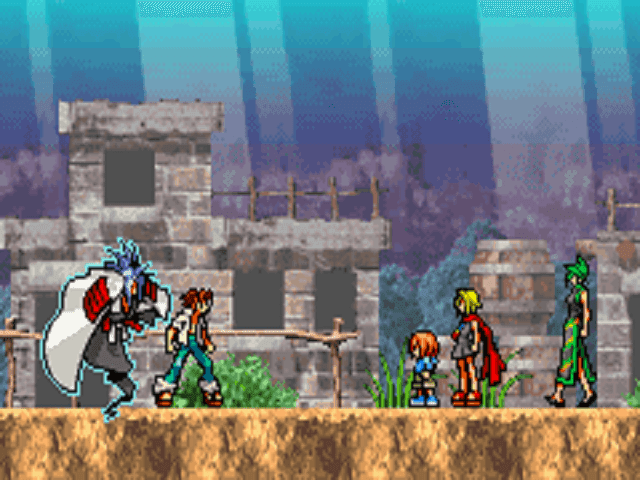
Shaman King: Master of Spirits 2 – 2005
The final game in the GBA franchise, Master of Spirits 2 looked great and had solid gameplay, but for newcomers, it threw you into the middle of the story without any explanation. It was also not well-liked for how repetitive it was. This was mostly for fans of the anime.
Yu-Gi-Oh!: Worldwide Edition – Stairway to the Destined Duel – 2003
It may not look like much and has a steep learning curve, but it has longevity and strategy that will keep you busy. You also really need to like the source material to even bother here. This isn’t for the casual card dueling fan.
The GBA got an exclusive Flash game which is cool and it got the concept right. The Flash‘s combat is very fast-paced, but it’s very average and by the numbers beat ’em up.
Most Recent Entry: Justice League VR: The Complete Experience – 2017 (PC, PS4)
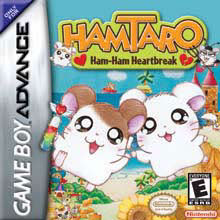
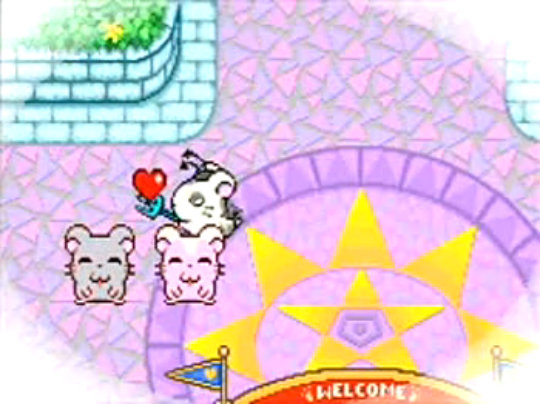
Hamtaro: Ham Ham Heartbreak – 2003
Do you remember the Hamtaro anime? I sure do, and it was popular with the nerdy girls at school. The games actually aren’t all that bad. They’re cute, and fun, and have nice visuals that complement the show. This game just has a lot of trial and error that irked some players. The series stuck to just the handhelds and would come to an end in 2008.
Most Recent Entry: Hi! Hamtaro: Little Hamsters Big Adventures – Ham-Ham Challenge – 2008 (DS)
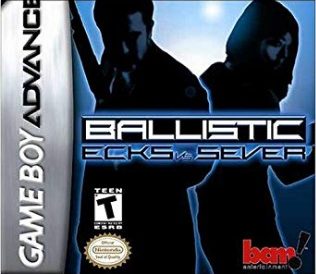
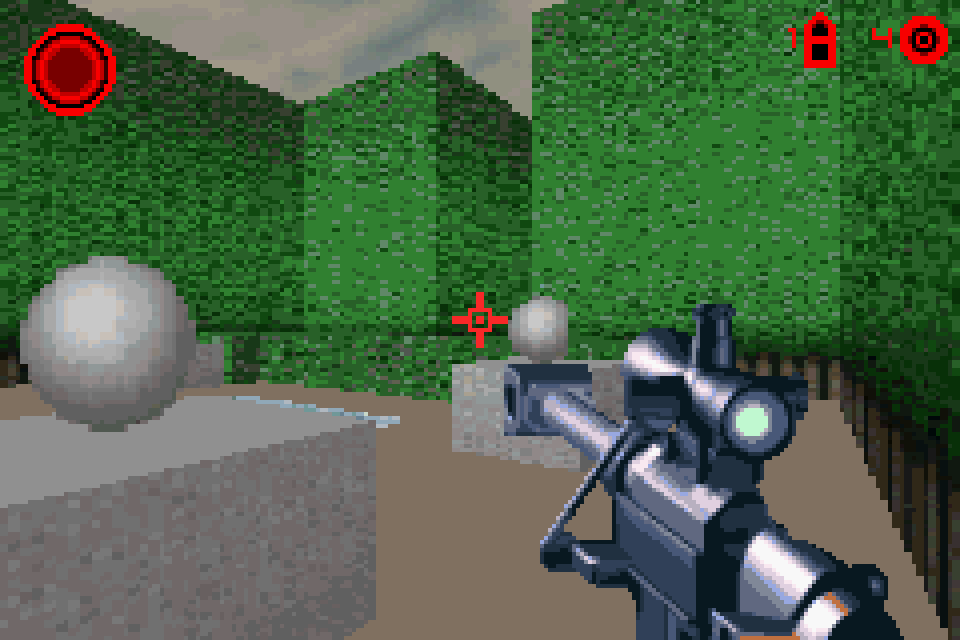
Ballistic: Ecks vs. Sever – 2002
The weird choice of putting a movie license exclusively on the GBA is what gives this series a cult following. 3D FPS games on the GBA are a novelty and not much as improved in this sequel. It was praised for the great gunplay and controls, but the muddy visuals brought it down a few pegs.
While it wasn’t a true 3D platformer the isometric gameplay hindered the gameplay overall. I personally found the level design to be confusing and poorly laid out, but it kept the series’ charm we’ve all grown to love. I also found the visuals a bit buddy and so did others.
If you want a deep strategy game on the go this one is great. However, due to the heavy anime-themed story you need to like that or the source material at the very least to enjoy this. The series is incredibly popular and lives on to this day.
Most Recent Entry: Super Robot Wars 30 – 2021 (PC, PS4, NS)
Defender of the Crown – 2002
A rework of the original 80’s PC game. It’s a good strategy game, but you will have to stomach the boring visuals to get through it. It was a good port but didn’t bring anything new from the original and excluded multiplayer which is a real shame here.
Most Recent Entry: Defender of the Crown: Heroes Live Forever – 2007 (PC)
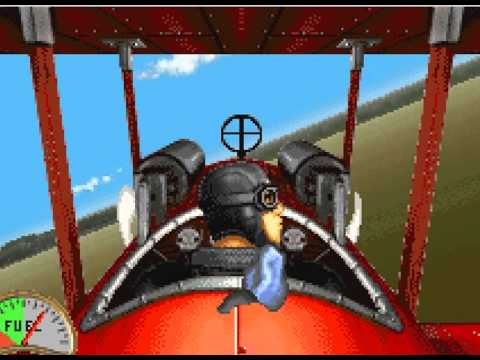
Wings – 2003
Another classic PC game ported to GBA. It looked good and the dog fights were fun, but it lacked variety and felt repetitive after a short time. It’s still a very unique game on the system.
The Scorpion King: Sword of Orsiris – 2002
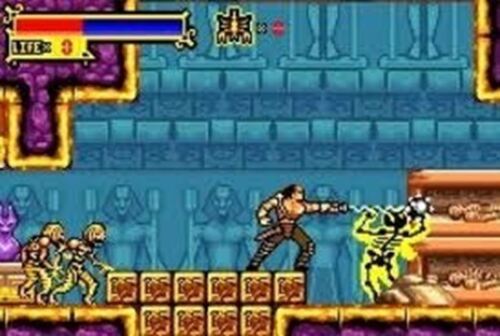
While the movie is infamous for its terrible effects and acting, the GBA game is actually a rather good platformer. It was just critiqued for being overtly hard and not having a good checkpoint system.
Aero the Acro-Bat – 2002
A fun platformer that was ported from the 16-bit era of consoles. It does the job well but is too simple and short providing little replay value.
CT Special Forces – 2004
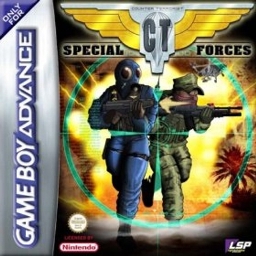
This series has a cult following due to having three solid entries on the GBA and being quite good for what is it. It’s mindless platforming fun with pretty much no story, but it works. It would get one final FPS game in 2005 and then disappear.
Most Recent Entry: Special Forces: Nemesis Strike – 2005 (PS2, PC, Xbox)
Shrek: Hassle the Castle – 2002
Yep, I’m just as surprised as you are. A good Shrek game?! Apparently, this one had multiple difficulty levels so kids and avid gamers could play it with some challenge. It had charming visuals and played well. Overall, you need to be a Shrek fan to really like this, but it’s there. The series struggled to provide a single decent game and ended with a mobile game a few years back.
Most Recent Entry: Shrek Sugar Fever – 2017 (AND, iOS)
Phalanx – 2001
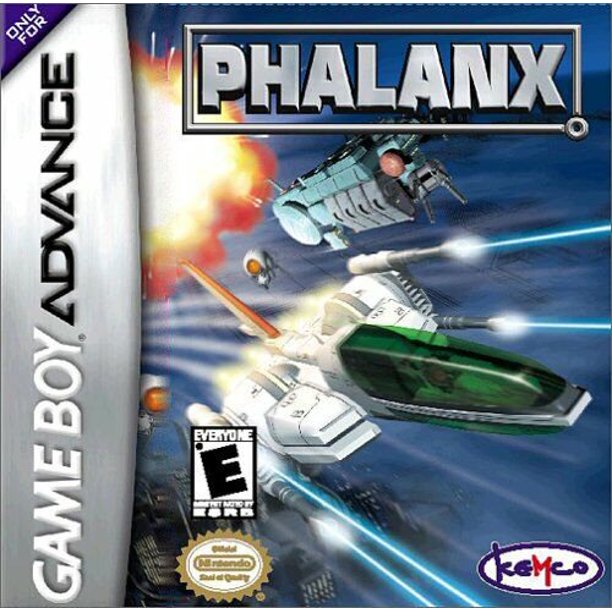
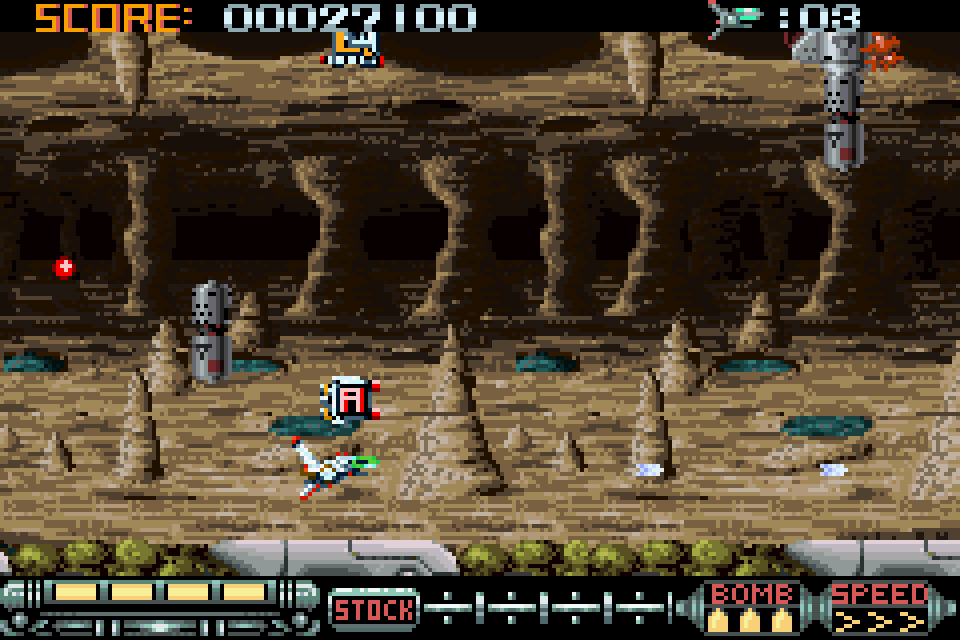
A port of the SNES game with good results. It was simple yet very difficult and it irked players in this regard. If you love your SNES side-scrolling shooters then this should be a fun one for you.
Game & Watch Gallery 4 – 2002
The final game in the long-running series. At this point, it felt like it was being milked to death or could have been a complete collection. The games are solid fun, but you either love these or hate them. They are simple pick-up and play high-score games with a single goal. Many felt it was too dated for the GBA and for the price point.
Rampage: Puzzle Attack – 2001
A fun puzzle game despite the license, however the lack of battery backup saves and addictive gameplay means you will have fun but get bored after a while.
Most Recent Entry: Rampage: Total Destruction – 2006 (GC, PS2, Wii)
Zone of the Enders: The Fist of Mars – 2002
Going from an action game to a slower strategy game is risky, but it had to be done on the system’s limited hardware. Fist of Mars had some good strategy elements, plus it looked pretty good but didn’t offer multiplayer to extend replay value.
Most Recent Entry: Zone of the Enders: The 2nd Runner – MVRS – 2018 (PS4, PC)
Ultimate Muscle: The Kinnikuman Legacy – The Path of the Superhero – 2003
This bizarre Saturday morning cartoon wrestling game was quirky and hilarious despite its simple design. Thankfully the multiplayer kept people coming back for more, but the lack of depth kept it from shooting to the stars.
Contra Advance: The Alien Wars EX – 2002
The Contra series has had so many ups and downs. It’s insane. While the SNES port plays and looks good on the system, the hardware itself would bring the overall experience down. The zoomed-in view makes the game even harder than it needs to be and an overall lack of extra content.
Most Recent Entry: Contra Returns – 2021 (AND, iOS)
Wing Commander: Prophecy – 2003
A surprising port of the PC game, Prophecy played surprisingly well but suffered from poor controls and muddy visuals. Many applauded the effort, and it didn’t go to waste. A space sim on the GBA is a daunting task.
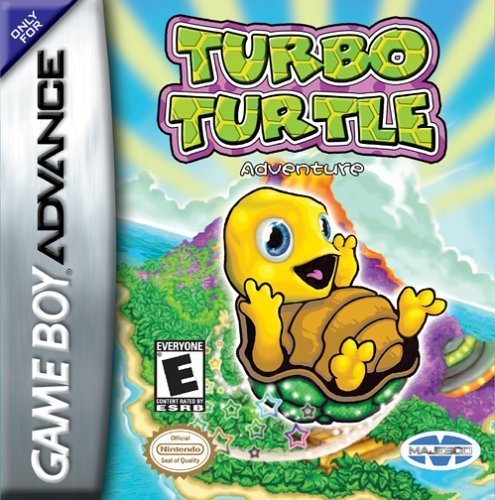
Turbo Turtle Adventure – 2002
The GBA was no stranger to puzzle games, and this weird one didn’t stand out. It had some fun elements and addictive nature, but the trial and error really got to people and brought the experience down some.
DK: King of Swing – 2005
While not the only DKgame on GBA it was the only unique one. Using the shoulder buttons to swing across vines rather than run was pretty fun. Its downside was its own control gimmick. The game became frustrating fast and many would need a lot of patience to finish it.
Most Recent Entry: Mario vs. Donkey Kong: Tipping Stars – 2015 (3DS, WIIU)
Gekido Advance: Kintar’s Revenge – 2003
A lot of people love this game. It’s one of the few fighting games on the system, but it doesn’t come from a larger franchise. It’s considered one of the best-looking games on the system and plays really well. Sadly, it lacks content and modes.
Sega Arcade Gallery – 2003
Yeah, you can play these on other consoles with better iterations of them, but for the GBA these were four of Sega’s most popular arcade games. They played and ran very well, but that was it. It was just four short arcade games with nothing else to keep you coming back.
Columns Crown – 2002
This was Sega’s last attempt at a unique game in the series without it being a port. The cutesy anime-style graphics won people over, but it didn’t change the overall gameplay formula much. It just felt like a coat of new paint.
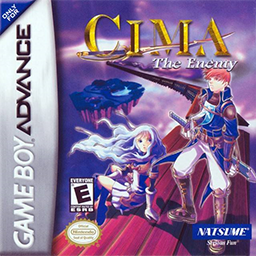
CIMA: The Enemy – 2003
Despite the generic-sounding name, this was a good attempt from Natsume to bring a turn-based RPG to the system. It was well-liked but it suffered from a wonky interface and complicated controls.
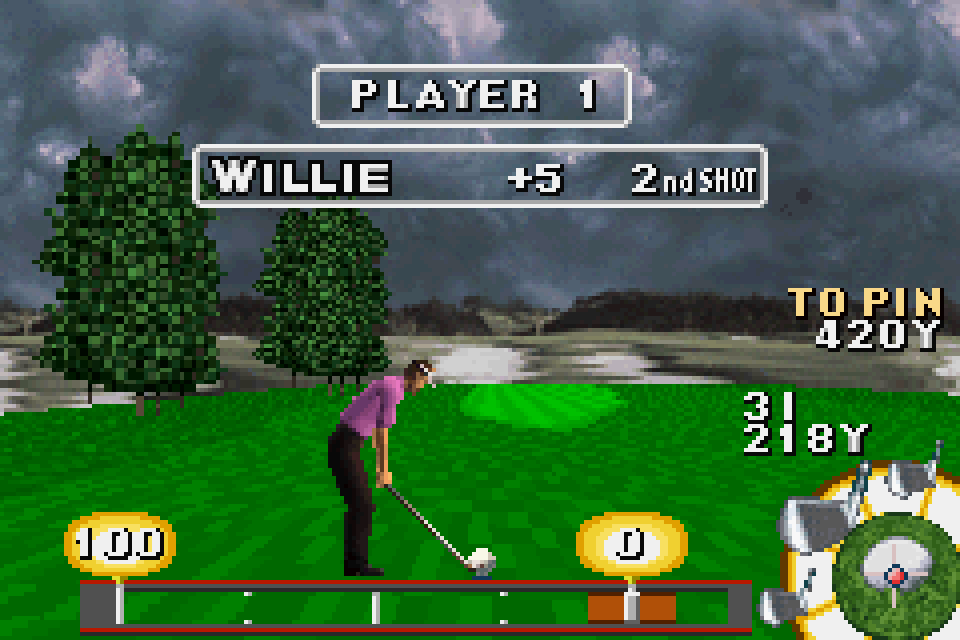
ESPM Final Round Golf 2002 – 2001
The one and only ESPN-branded golfing game. It was a good attempt at the GBA however it wasn’t very challenging and lacked content compared to the Tiger Woods games.
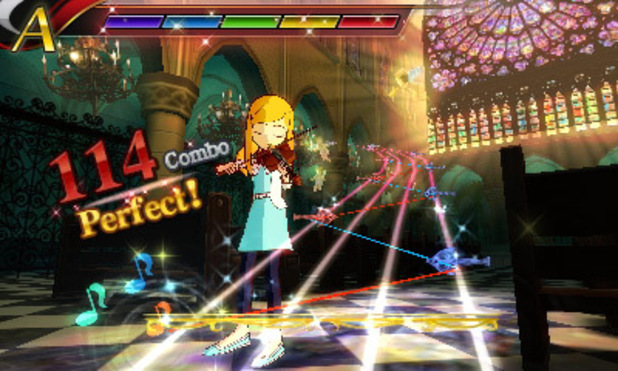
Paris. A thief by night and a regular Joe by day. A strange symbol your father left you. An Anti-Christ that has risen from the grave. This all sounds like an epic recipe for some crazy National Treasure sequel, and honestly, this kind of feels like an anime version of that movie. You play Phantom R and are trying to uncover an ancient mystery that your dad left you as a small boy while stopping the evil Napoleon Bonaparte himself from taking over Paris.
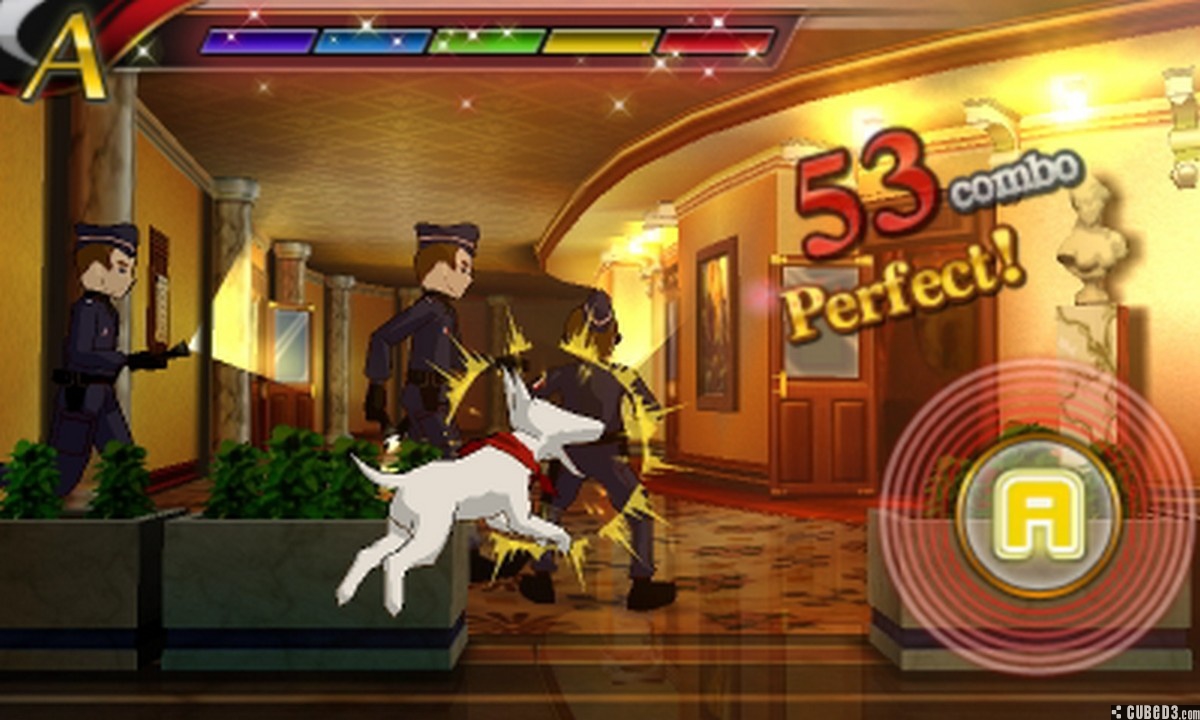
The story really takes itself too seriously for how silly the plot is. During the 5 hours you will spend with this game, I honestly felt no attachment to the characters or story. They’re very cookie-cutter and don’t really develop any type of personality. The spotty voice acting doesn’t help either. There are a lot of characters in such a short game, and many of them only get a few seconds of screen time to shout at you, and that’s about it. It’s a very forgettable game, not just in the story. The visuals are your bog-standard anime-style graphics. The game plays like a rhythm version of Professor Layton on top of all that.
Once you get a hold of your character and can explore the map, you will be presented with still backgrounds on the bottom screen, like in Professor Layton. You then tap away ferociously until stuff happens. You can collect two hidden presents per screen for golden coins that are used to buy aid during mini-games. Some screens will have secrets, such as notes that need to be found to find a secret music page, a soundtrack CD, or objects that produce sounds that are needed to build the master instrument. These hidden items eventually unlock hidden chapters, but I honestly didn’t care enough for any of the characters to learn any backstory from said chapters.
The meat of the game is the rhythm sections, and these are fairly simplistic but frustrating in nature. In most rhythm games, you can get good at it by following the beat of the song. In this game, you don’t ride the entire beat like in most rhythm games. Small sections are cut out with button presses. For example, you do a sequence with A or B buttons like A-B-B-A-B, and that section follows the beat of the song. This would be fine if the entire game wasn’t a Simon Says game disguised as a rhythm game. You have to listen to a sequence of notes and repeat them regardless of the beat of the song. I wound up failing many mini-games because I wanted to naturally tap or press buttons in time with the beat, but just mashing the buttons worked. Increased difficulty means more prompts to remember, and they sometimes play so fast that it’s almost impossible to remember the sequence on the first try.
While I praise the game for giving a variety of mini-game types, they do repeat very often. The games usually require you to tap two buttons or swipe the screen in certain directions. That’s it. In between the rhythm games are mini-game puzzles that are fairly easy and offer no challenge. There are a few Simon Says ones in here too, but the sequence is remembered, so if you mess up, you just start at the last note you messed up on. That offers no challenge and allows you to basically mash all the buttons and not care about the order. While I could find a groove with some rhythm mini-games, there were many that I just couldn’t get into or kept messing up on and didn’t understand why.
Overall, Rhythm Thief is a Simon Says game disguised as a rhythm game. There’s no true rhythm here outside of repeating every pattern in time with a beat. I could do that without a beat. The increased difficulty isn’t about more complicated songs, but just increased speed and more prompts in a shorter time frame. That’s not challenging, just frustrating. The story is nonsensical and takes itself too seriously, with characters that are one-note and don’t have any time to build a personality to care for. While the visuals are nice, it feels way too much like a cousin to Professor Layton and not its own thing.
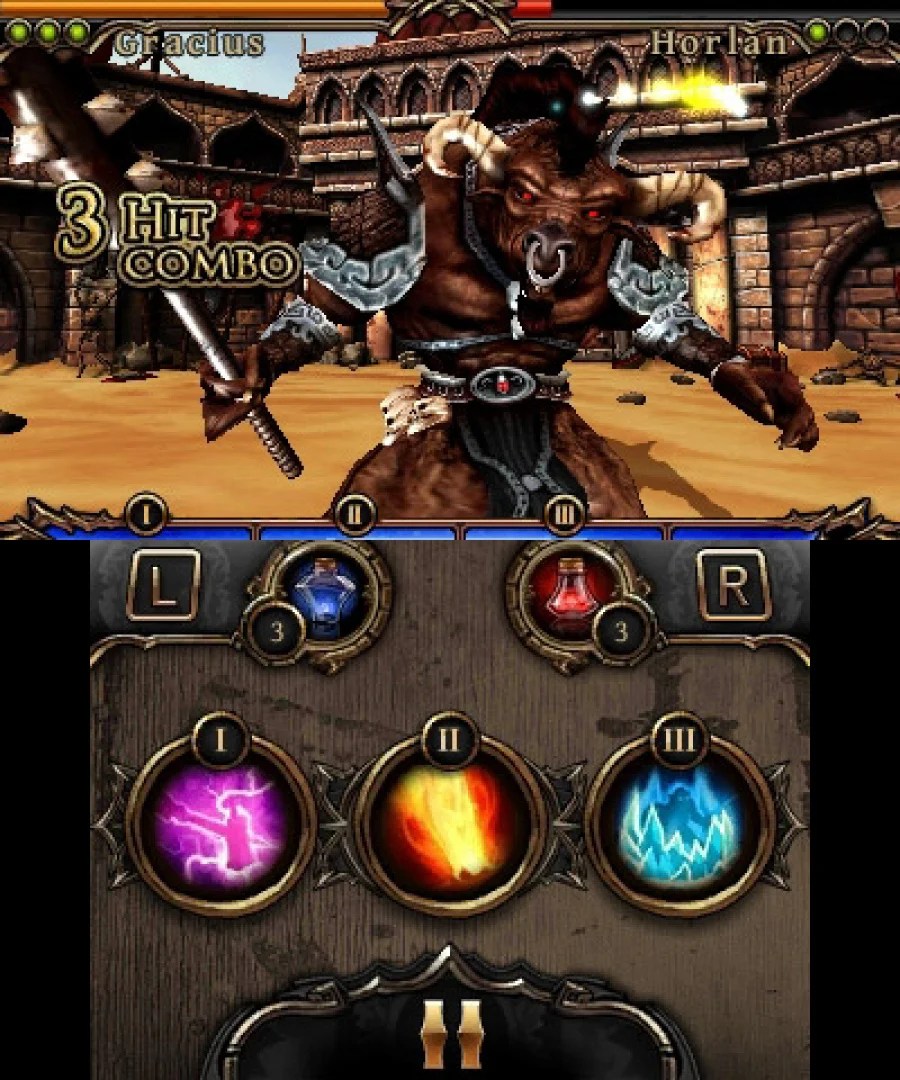
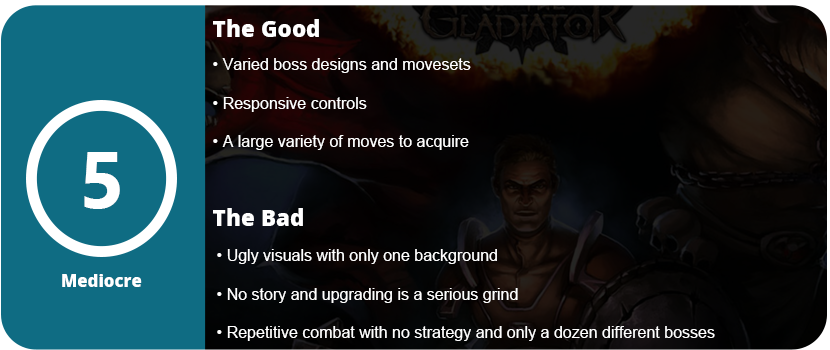
Infinity Blade was a big deal when it was released. It was the Dark Souls of mobile games at the time, before Dark Souls even came out. Chair Entertainment started a revolution that many tried to copy but failed. It was a rogue-lite that had you dying over and over to only use the gold and XP you acquired to level up and get further each time. Some consider it a repetitive grind, but others feel it makes them want to get further and further and find the chiseling of progression addictive. Rage of the Gladiator tries this and doesn’t do any of it very well. Forget a story; it’s pretty much nonexistent outside of a few stills with text.
There are ten bosses to fight through. Each one does more damage, has faster moves, and has more of them. Despite this sense of progression in difficulty, the game is very easy. You have to dodge left or right in first person, jump, swing your sword left or right, and even kick when you successfully dodge. You can get a maximum of a 5-hit combo in unless you use a special move before that fifth hit. There’s no strategy involved, and I only died once during my entire playthrough. Moves are easy to predict and rather slow. The repetition gets worse when you have to win three rounds per boss. That’s 30 rounds in total before unlocking medium difficulty. Yeah, you work your way up through hard work, but the moves are just faster, and one or two more are thrown in. You also take more damage.
You can buy weapons, shields, armor, mana, and health potions, acquire passive and offensive abilities, and increase your stats. You win gold after each match and earn one measly XP per match. Yes, it’s a complete grind, and this is leftover from this being a mobile game. At the end of the tenth boss, I was only able to buy two new weapons: a single shield and an armor piece. You can use gold to buy XP, but this system is in favor of grinding or slowing you down enough to make you buy this stuff via microtransactions, which aren’t on the 3DS version. So, instead of rebalancing the game, they kept the grind.
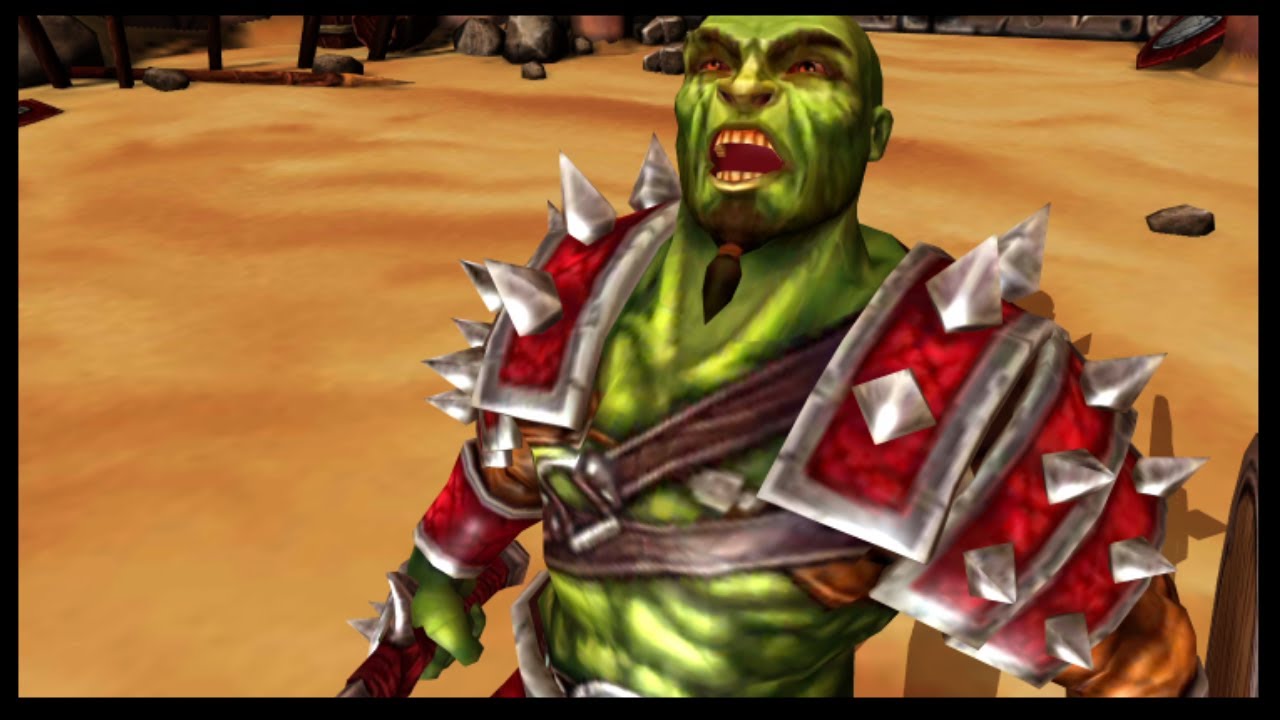
This would be fine if the game was as epic or good-looking as something like Infinity Blade. Instead, we get generic Greek mythology bosses, a ninja, and a Chinese martial arts master, and that’s about it. Medium and Hard difficulties have one additional boss at the end, but they’re not exciting. However, the animations are stiff, the visuals are ugly, and everything is just on repeat forever. There’s no strategy involved in the fights, or even how to go about your attacks. Instead of adding a parry system that allows you to counter an attack, you just dodge. There are a few attacks that can be paired, but they’re only on a few of the bosses. It would even be cool to change up the background, but instead, it’s the same Roman arena forever.
Overall, Rage of the Gladiator is a repetitive, boring, easy, and weak attempt at a genre that has been done better and to death. There’s no rebalancing of the shop or winnings, so you’re grinding as if you can buy these things to advance quicker. The bosses are uninteresting and boring, the game is ugly and drab, and there’s no story to speak of. Shoving a mobile game onto the 3DS was a bad move, and it shows here.
Professor Layton is a series I have been curious about but could never get into. When this game came out, I rented it from GameFly and sent it back the same day. It was frustrating right off the bat, and I couldn’t solve a single puzzle by myself. These are probably some of the toughest puzzles you will ever come across in a game. I don’t mean regular puzzles in a 3D space, but full-on college-level logic puzzles. Math questions, pattern recognition, optical illusions—they’re all insanely tough. You do some slider puzzles, the occasional jigsaw, and process of elimination questions. The game is insanely hard, and you will need a walkthrough for this one.
The base of the game plays out like a point-and-click adventure. You enter the town of St. Mystere to find the elusive Golden Apple and acquire its wealth. In the meantime, you are confronted by the townsfolk, who strangely present you with puzzles at every turn. There are 120 puzzles in the main game, with 15 unlocked as Layton’s challenges. There are an additional 25 puzzles available as weekly downloads, but the service has since shut down. These can be unlocked with cheat codes, as they are in the game code. Layton’s Challenges are unlocked by finding pieces to every puzzle. One is sorting items in either Layton’s or Luke’s room, and their reaction is a hint as to whether it belongs to them or not. Another is assembling a gizmo and finding all the pieces to a jigsaw puzzle. These are found by solving optional hidden puzzles outside of the story ones.
You can tap around on the screen for coins that are used to unlock hints, and you will need as many as you need. You tap on the village folk to advance the story or solve their puzzles. If you missed any optional puzzles in a given chapter, they are returned to the puzzle room, so you don’t have to worry about not finding them. These don’t include optional hidden puzzles found by tapping around the screen, however. You can get through the story and solve all of these later, at your leisure. You do get objectives at the top of the screen. Usually to go to a certain area or talk to a specific character. There are some really good-looking, full-motion anime cut scenes peppered throughout the game with full voice acting. It has low-quality audio due to the limited size of the DS carts, but it still looks good.
The game isn’t hard in terms of exploration. You’re limited to maybe a couple dozen screens over the course of the story, and it’s laid out in such a way that you will memorize where everything is pretty fast. The story itself is cute and charming, predictable and forgettable, but it works within the game’s world. Layton and Luke are great characters with depth, and their personalities shine through here. I just wish the puzzles weren’t so damn hard. There is no difficulty ramping, and there are no mini-games for breaks. It’s just 120 puzzles that I either knew the answer to and doubted myself about, didn’t understand the puzzle until I saw the logic behind the answer, was always off by one number, or almost had something. Most of these puzzles are well designed in terms of cleverness; a lot of the time the answer is right in front of you in the form of trick questions, but only those who are avid logic puzzle solvers will truly enjoy this game.
With a walkthrough, I did solve all 120 puzzles, and maybe 20 of those I solved on my own. It’s that damn hard, and it’s a surprise as this game seems marketed toward children, and I’m sure many bought it and had no clue what to do. These are college-level puzzles that only serious brainiacs can solve. Sadly, you’re locked behind the puzzle and can’t advance. There’s no way to pay your way out or see the solution. You get three hints, and a lot of them don’t help much. You just need to know that these are real puzzles that are serious. There is a scoring system in the form of Pacarats, but these mean nothing and don’t unlock anything. It’s really just a score. Every time you fail a puzzle, the potential score you can get for that puzzle drops. So, don’t worry about this system too much.
Overall, I liked the art and characters; the story was cute; and when I did solve a puzzle on my own, it was satisfying, but the majority were just way too hard. There are no mini-games, breaks of any kind, or anything else to change up the gameplay. Sure, the puzzles themselves have different uses for the touch screen. Write in stuff and use the touch screen as a notepad to solve math problems or trace patterns, but other than that, it’s just used to tap around the screen on static images. I’m hoping future games dial the difficulty way down and save the hard stuff for the optional challenges.
Many people use video game reviews to determine how to spend their hard-earned dollars. While as an adult I don’t take this as seriously and I now make my own money I am more forgiving of games that aren’t perfect. As kids or teens, we have limited money and are usually picked through gaming magazines to determine if that one game was worth the money because we only got a few a year. For me, it was only during Christmas time that my parents bought games. I mostly rented mine throughout my childhood and teen years. Even for rentals, I was picky as I didn’t want to be stuck on my weekend with a dud of a game. Even a 7/10 or 3.5/5 would be considered a waste of time. This was the last generation in which AAA title after AAA title would be considered fantastic and with so many exclusives it was hard to keep up with. The HD era of gaming would see budgets balloon to insane heights and game releases slowed down as a result.
In my eyes, 7/10 or 3.5/5 games are mostly ignored. These aren’t always considered hidden gems either. Some are, but some are just considered forgettable. Not awful or good, but just passes under everyone’s radar. These aren’t the “so bad it’s good” type of games either. A few of these games have cult followings while a few I had only heard of while compiling this list and some I played myself growing up. I compiled this list from Metacritic with games between 74-70. I feel that’s the true blue 7 range. 79 and 78-rated games usually only have about 25% of the critics giving it a 7 to bring an otherwise 8 score down some. These games are at least rated by half the critics as 7/10. While I know a lot of people don’t listen to critics and some might feel this game should be rated higher or lower is subjective. Like it or not, critic reviews drive sales and it may be the reason why you might find a few games on this list you’ve never heard of, thought was talked about worse than you remember, or something along those lines
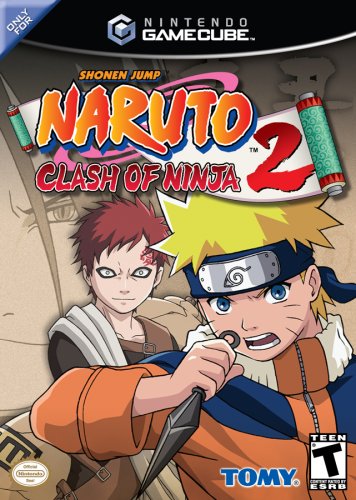
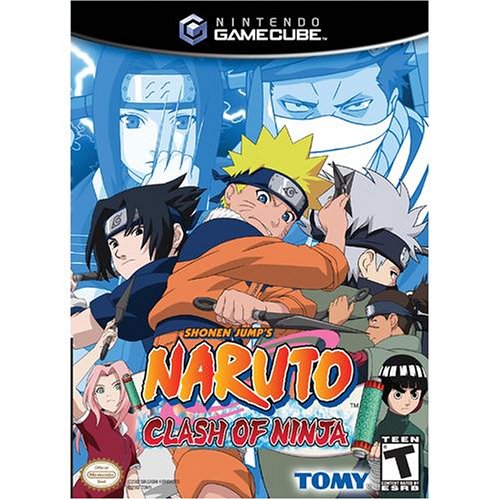
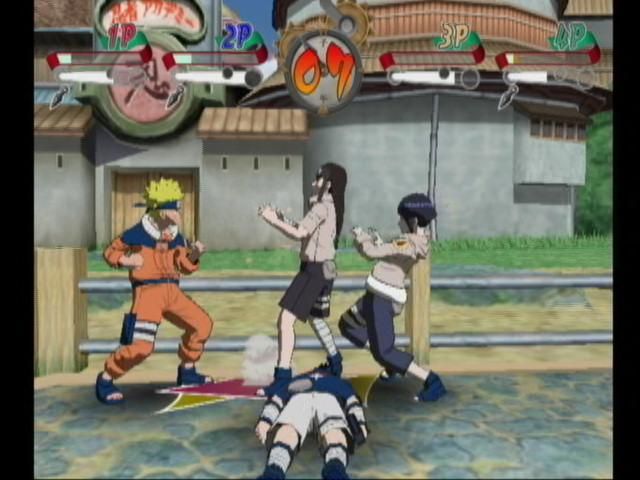
Naruto: Clash of Ninja – 2006 Naruto: Clash of Ninja 2 – 2006
This oddball Gamecube exclusive Naruto game was a beat ’em up rather than a fighting game. It was released very late in Gamecube’s life, but it was a popular series for the younger crowd. It was simple yet fun.
Most Recent Entry: Naruto X Boruto Ninja Tribes – 2020 (AND, iOS)
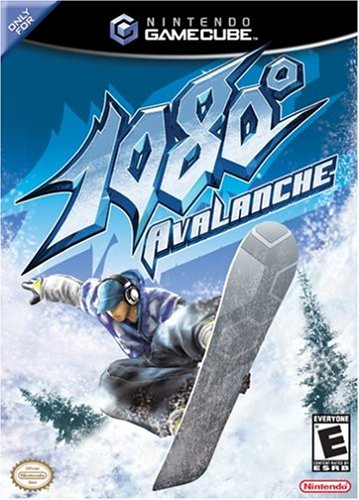
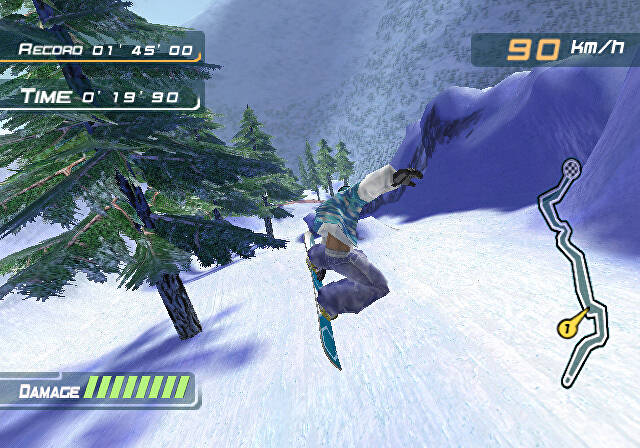
1080 Avalanche– 2003
A great follow-up to the Nintendo 64 classic, however, there isn’t much here. The game can be finished in a few hours and there’s no reason to go back to it. Nintendo has yet to resurrect this series.
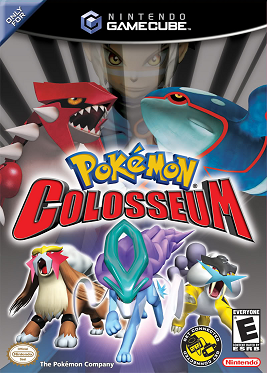
Pokemon Colosseum – 2004
This a small update to thePokemon Stadium gameplay. It looked the part and kept fans interested, but wasn’t anything drastic or exciting. The series would be killed off with the final entry on the Wii.
Most Recent Entry: Pokemon Battle Revolution – 2007 (Wii)
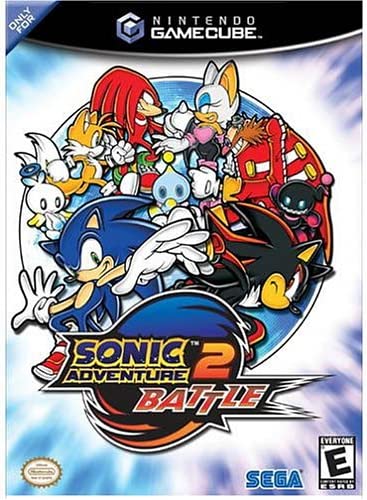
Sonic Adventure 2 Battle– 2001
This was essentially an updated version of the Dreamcast game. With two new characters, it was essentially the same which disappointed fans of the original. If you haven’t played the original then this is a good jumping-off point. The series would see more re-releases and never get a true sequel.
Most Recent Entry: Sonic Frontiers – 2022 (PC, PS4, XONE, XSX, PS5, NS)
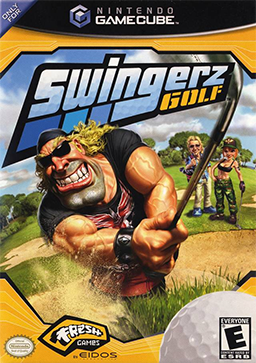
Swingerz Golf– 2002
A one-and-done Hot Shots rival by Eidos. It had the same wacky characters but wasn’t anything new in the golfing department. It’s still a cute alternative to Sony’s series.
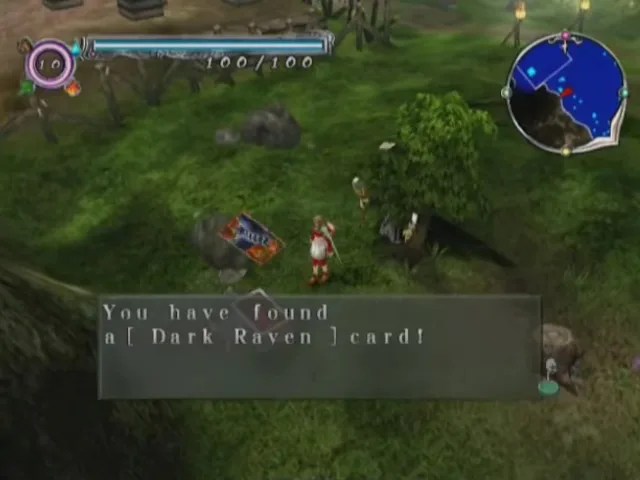
Lost Kingdoms– 2002
A unique, yet strange series on the GameCube was quickly forgotten about. The card battling system was fun and the game had a great world to explore but was rough around the edges. The sequel improved on a lot of this.
Most Recent Entry: Lost Kingdoms II – 2003 (GC)
Phantasy Star Online Episode III: C.A.R.D. Revolution– 2004
The Phantasy Star series is a popular series for Sega and has been on many consoles in many forms. It’s still going on today, but the odd choice to have an online game on GameCube was strange indeed. This version used a card battling system. Critics praised the music but kept comparing the game to Culdcept.
Most Recent Entry: Phantasy Star Online 2: New Genesis – 2020 (PC)
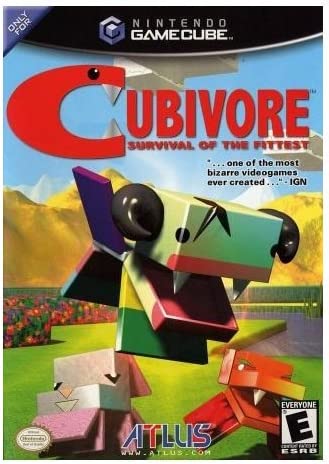
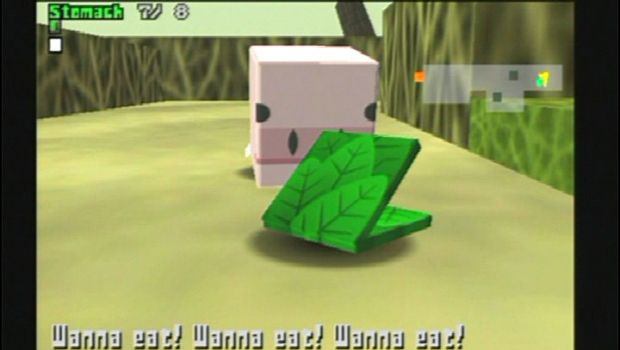
Cubivore: Survival of the Fittest– 2002
This is one of the quirkiest and oddest games on the system. It’s also one of the rarest. It’s also an Atlus game so it has a cult following. It’s cute, unique, and fun, but incredibly simplistic to the point of boredom.
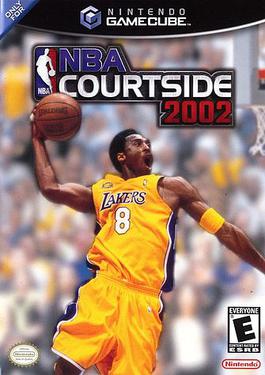
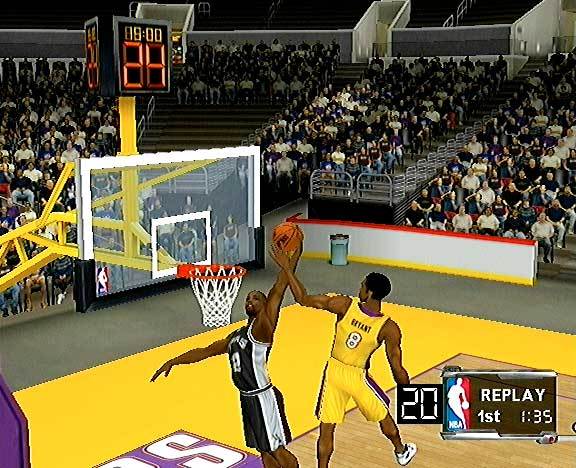
NBA Courtside 2002– 2002
Nintendo attempted to have its own NBA franchise on its system. It would be the last in the series that started on the N64. It was lambasted for its real-life inconsistencies but praised for its visuals and gameplay.
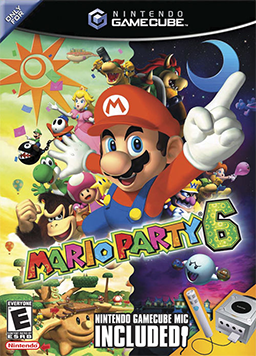
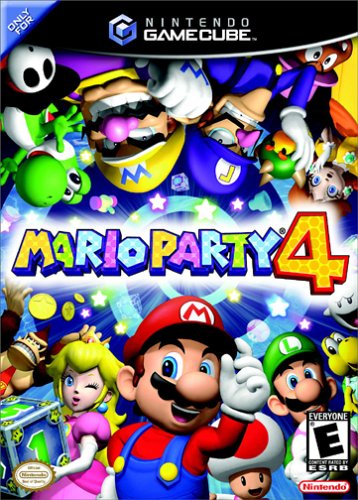
Mario Party 4 – 2002 Mario Party 6– 2004
The series was growing very stale at this point. It’s also a game that’s only fun with other people. The single-player was criticized and the lack of innovation was apparent.
Most Recent Entry: Mario Party Superstars – 2021 (NS)
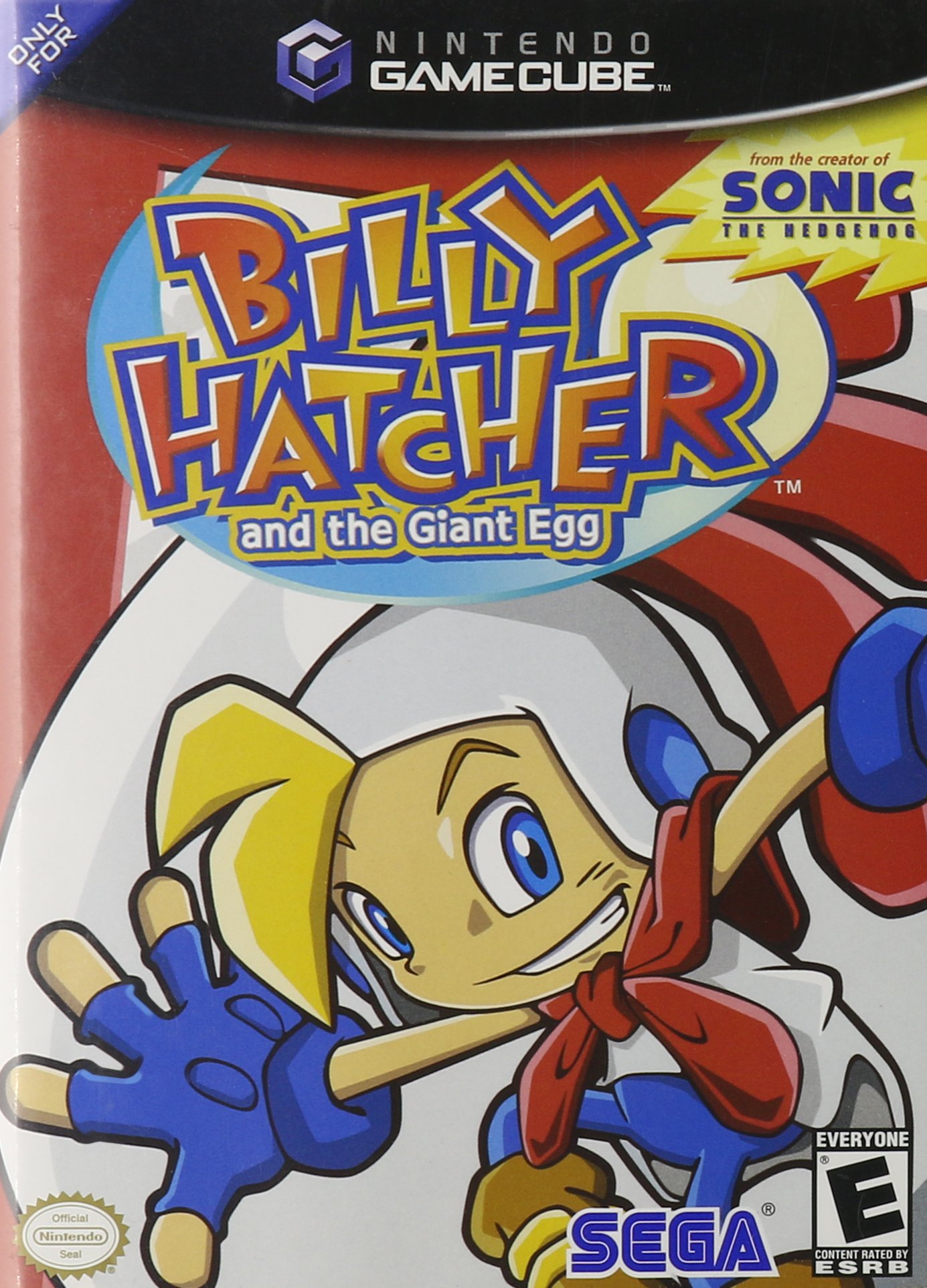
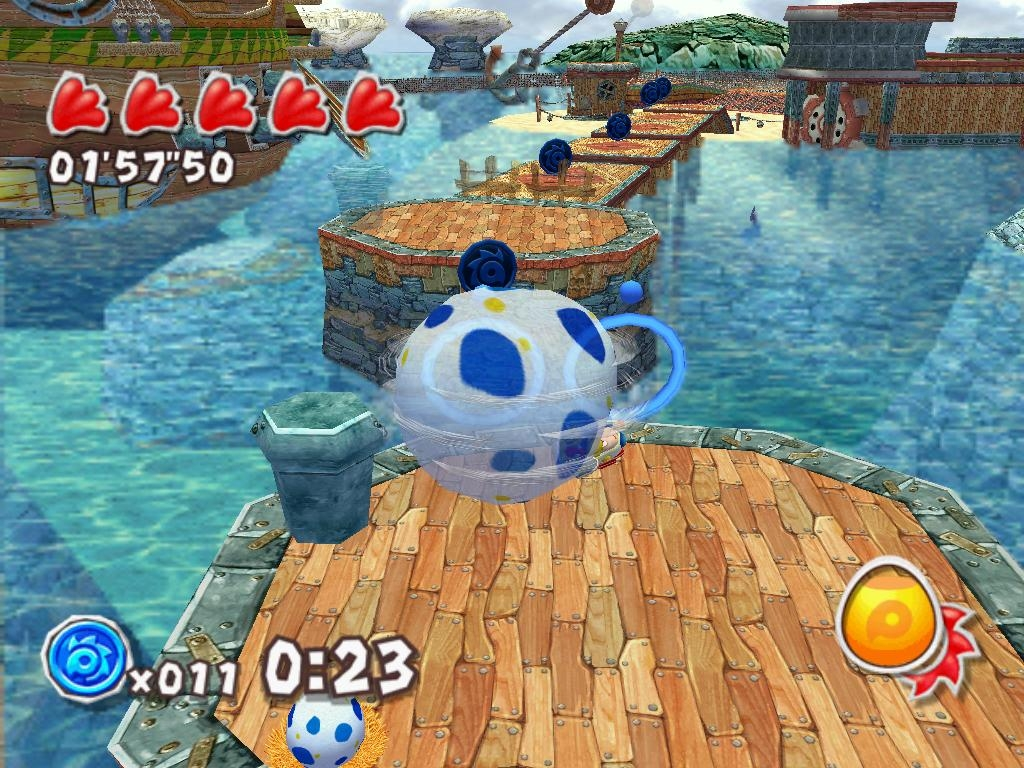
Billy Hatcher and the Giant Egg – 2003
One of the most unique games on the GameCube and from Sonic Team. It’s a cult classic that fetches a high price as well. It was loved for its unique charm, gameplay, and visuals, but had some iffy controls that some couldn’t get past.
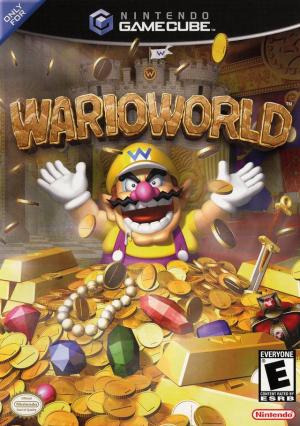
Wario World– 2003
While it garners high praise today, it was considered second-rate to Mario‘s mainline adventures. People considered it too easy and short in comparison but praised its quirkiness and weirdness.
Harvest Moon: Another Wonderful Life – 2005
While the series has seen more downs than ups, Another World Lifewas an expansion of the original game. The cute graphics stay, and some new additions are added, but this was mostly for newcomers and not original owners who won’t find much value here.
Most Recent Entry: Harvest Moon: One World – 2021 (PC, NS, PS4)










































































































 thebinarymessiah.com
Try multiplayer. A lot of fun !