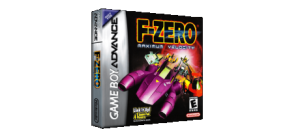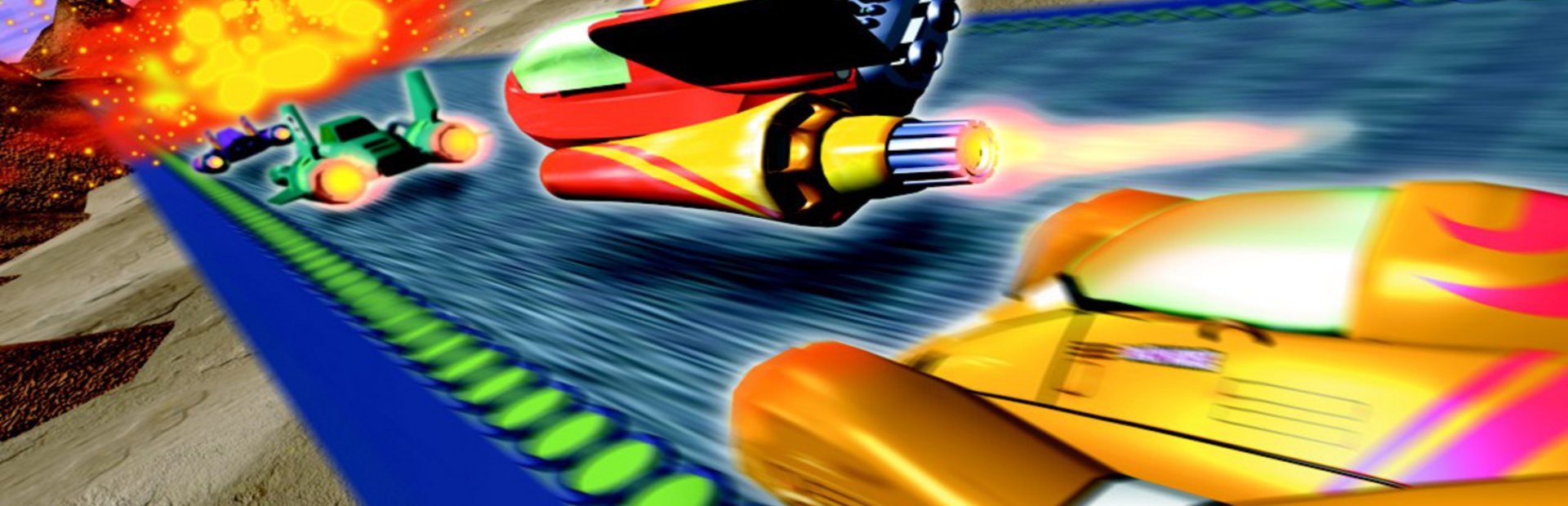
F-Zero is a much-loved series, but it doesn’t get much love from Nintendo. With the Gamecube having the last F-Zero game, fans are wondering if the series is completely dead and shelved by the big N. Thankfully, fans who loved the SNES classic can have even more with Maximum Velocity.
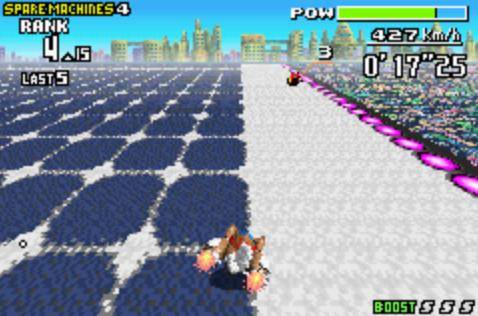
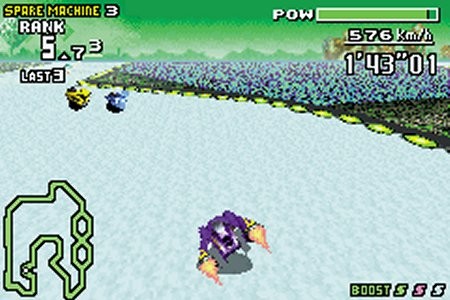
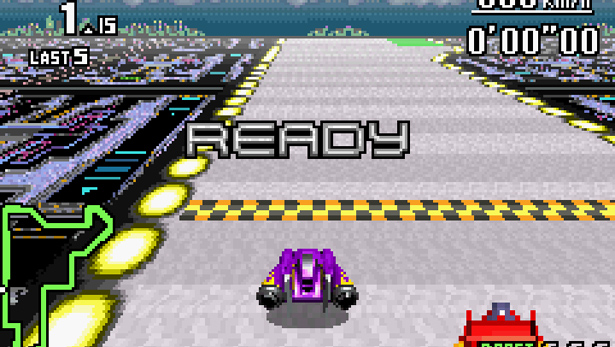
Maximum Velocity is pretty much built on the same engine as the SNES, using Mode 7 graphics. However, this may not have been the best choice to go with as there are other more advanced racing games on the system. There are only four cars to select from, and I found the controls to be incredibly slippery and the AI to be extremely difficult to beat. The tracks are fun to drive, but the sense of speed is great, and the game is just lacking in overall content and polish.
You could write all that off on the age of the engine, the GBA’s inferior hardware, or its lazy design. Maximum Velocity feels more like an expansion pack to the original game than one that can stand on its own two feet. After you have memorized all the hazards and turns on each track, it does get easier, but not by much. This game is for players who want a serious challenge with a retro feel.
While the GBA isn’t exactly ideal for racing games, this one really stands out as one of the best. People going back in time may find it nearly impossible to play due to its ancient gameplay ideas and design. However, you are missing a great opportunity to spend a fun afternoon racing on your GBA.
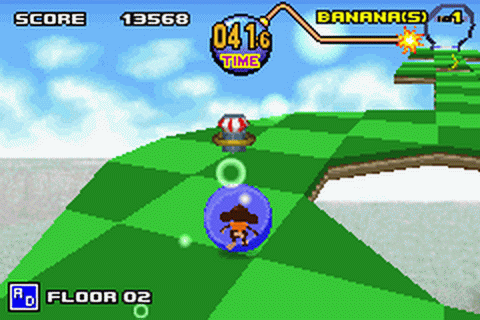
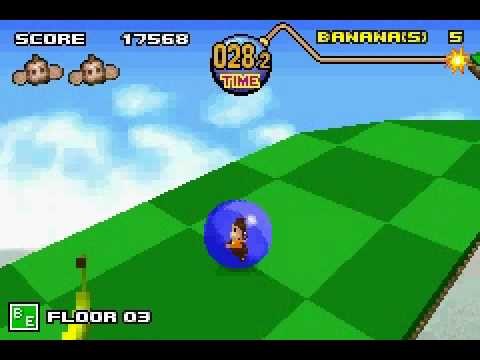
Super Monkey Ball is one of those odd games that, these days, feels like it should be on a phone. It’s good for quick bursts or to beat your high score, but that’s about it. SMB is all about tilting the world around to get a monkey stuck inside a ball to a goal. It harkens back to Marble Madness and the days when motion control was a new thing. However, simulating physics and tilting on a GBA with a D-pad seems rather impossible, but it’s not. SMB Jr. looks pretty darn good and feels natural with the D-pad. It feels like the game was hand-tailored for the GBA.
My only concern is that there’s no goal or challenge mode. You can select from sets of 10, 20, and 30 courses; you get two lives per level and five continues per set. The goal is to try to collect all the bananas while also getting to the goal before the timer runs out. Some levels are easy, some are hard, and some feel nearly impossible. Tilting the world around to get the ball inside the goal is a lot of fun at first, but then it starts to wear thin fast. After you beat all 30 areas, there’s not much else to do.
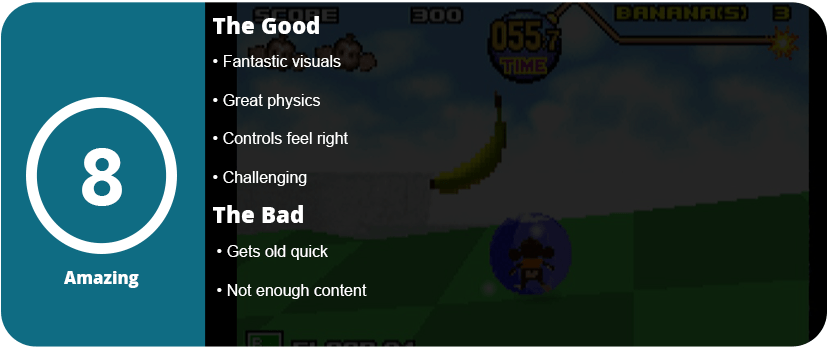
I won’t say SMB is a bad game; it’s just shallow and lacks depth. It was more like the Gamecube version; it may have been better, but understandably, you can only fit so much on a GBA cart, and the hardware is extremely limited. What is here is impressive for a little handheld.
If you missed this little gem, pick it up cheap on eBay. You will have a fun and frustrating afternoon.
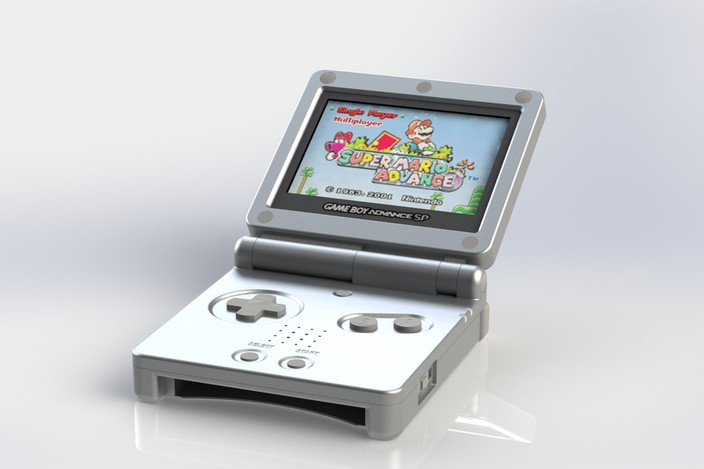
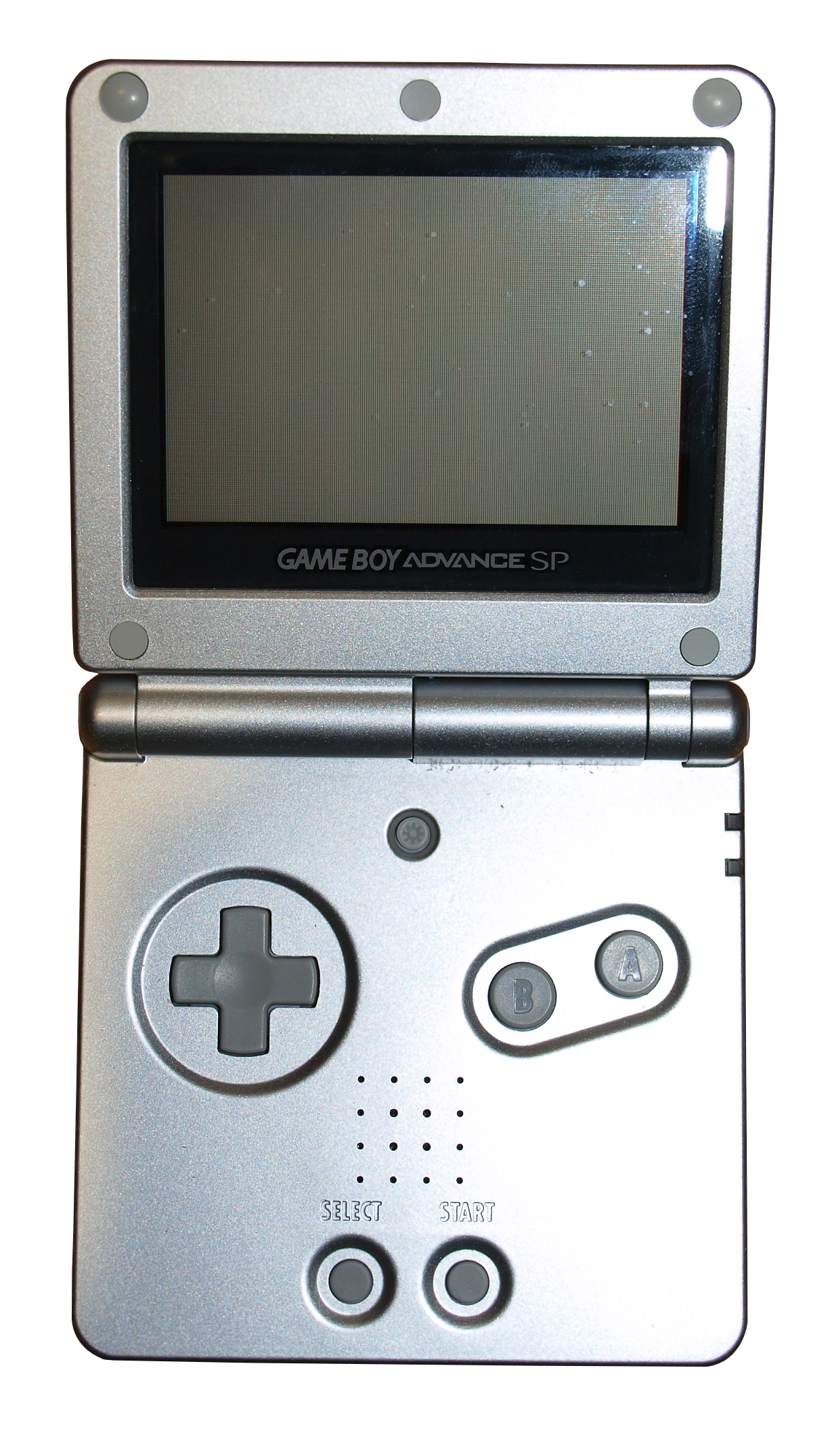
While Nintendo may have dominated the handheld market before smartphones were even aforethought, there was something about them that made them just seem…ugly. Bulky, low-end specs, battery suckers—these are just a few names that early handhelds received, from the original GameBoy, the Atari Lynx, all the way to even the GameBoy Advance. Handhelds required large casings as CPUs hadn’t quite been perfected yet and were large and bulky, not to mention screen technology was still being used in Texas Instrument calculators. LCD was extremely expensive and not cost-effective for small devices yet. The same went for battery power. Lithium-ion batteries were extremely expensive and not ideal for handhelds. Then came the GBA SP. A sleek fold-up GameBoy with a rechargeable battery. It was the first of Nintendo’s handhelds to shed disposable batteries and improve on-screen technology.
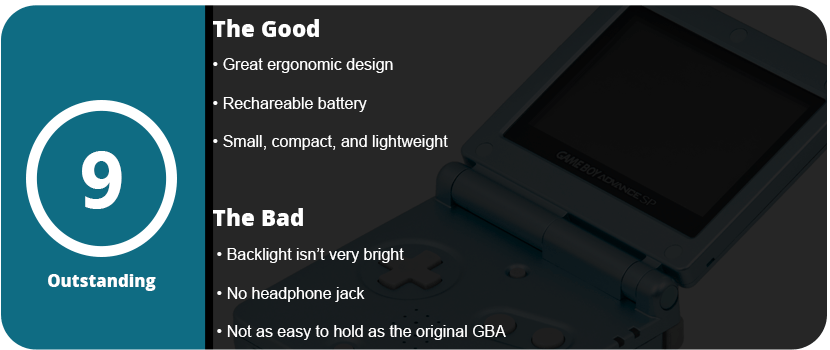
The first thing you will notice is the sleek form factor. The GBA SP is an awesome-looking device. The original model was bulky and didn’t quite fit in your pocket, so you had to walk around with those dorky GBA bags. The button placement was perfect, and the battery lasted for an amazing 10 hours on one charge (15 if you didn’t use the backlight). There was just this perfect square in your hands, and it would amaze schoolyard kids and gaming fans alike. I actually remember having one of these in junior high, and the original model owners were extremely jealous due to the form factor and the backlight.
Speaking of backlight, it was a huge deal. Self-lit LCDs were quite available yet, so Nintendo stuck a backlight in the screen to brighten it up, as the original model needed an actual flashlight clipped on top. While the screen is still quite dark, it made a world of difference and was so much better in the dark. Kids who stayed up late playing their GameBoys were grateful as they no longer needed a flashlight to see the screen and catch their parents’ attention. Later on, however, Nintendo releases a newer model, the SP, with an even brighter screen. These models are harder to find and were released towards the end of the GBA’s life cycle.
One major downfall of the SP is the lack of a headphone jack. The speaker is hard to hear in noisy areas with the volume all the way up, so headphones would be ideal. An adapter was required and went to the Link Cable port as an actual output would not have fit into the casing.
Aside from those issues, the GBA SP was the portable gamers’ dream. A strong library with backward compatibility for the GBA Color and original Game Boy—what more could you want?
The GBA SP also came in several colors, which weren’t seen too often in the States. Flame Red, Onyx Black, Cobalt Blue, and Silver were among the colors available, while a pink model and a retro NES-style model were released later on. However, due to the GBA SP’s age, it really shows its teeth. Let’s take a look at the actual specs of the machine.
Powering the entire system is an ARM7TDMI CPU at a whopping 16 MHz. Yeah, it’s ancient tech, even for 2003, but it got the job done. It had 128 KB of VRAM and 256 KB of DRAM. Yes, that’s kilobytes. The resolution was 256×160 and displayed an astounding 512 colors. However, those dinky specs were home to some of the greatest games of all time; it just goes to show that power isn’t everything.
With that said, the GBA SP is a must-buy even today. We have smartphones that are nearly as powerful as laptops now, the 3DS, and the Vita that trump the GBA in every aspect, but it’s the games that those devices cannot bring back. While the $130 price tag was well worth it back in 2003, you will pay close to that or more for one in nearly perfect condition. Honestly, they don’t exist. They are scratched up, dinged, and chewed on. I had to buy my new one with a refurbished third-party shell. If you’re a collector, go this route on eBay. $60 will get you a new-looking GBA SP. However, if you just want the games and don’t care, they run as low as $30 in pawn shops or on eBay.
Call of Duty has come a long way since 2003. From World War II to the Afghan War, there’s a lot going on with this series. While it has had its ups and many downs, Ghosts seems to have picked the series up a little bit, and the transition to next-gen consoles may have helped that.
The story in Ghosts is actually quite interesting and probably the only story in the series that’s even somewhat memorable. This is a huge feat for the series in itself. You play as a ghost named Logan, who is following his brother Hesh around trying to stop a global crisis. I think the reason the story is so great is because it’s fictional. This is a made-up apocalyptic scenario that seems too close to being real. A former ghost named Rorke is using a satellite weapon that can destroy entire continents in minutes. The game starts out with Logan and Hesh talking with their father when these missiles start hitting. Later on, you learn more about ghosts in flashback missions and then eventually become one yourself. The voice acting and character modeling are fantastic and help hold the story together and keep you interested.
One of the many reasons why Ghosts‘ campaign is so interesting is that each mission is completely different. Sure, you are always shooting bad guys, but the entire campaign is constantly turned up, whether you’re driving a tank, mounting a mini-gun in a helo, or fighting underwater. New ideas and better pacing are brought to Ghosts, which is exactly what this series needed. One addition is the dog, Riley. You would think this would get overused, but he’s used it just right. He’s only available for maybe 5 missions through the whole game, but that’s the way he’s used. New gameplay elements are introduced to Riley with each mission, and after the first third of the game, he’s mostly absent, which is a good thing. This makes you care for Riley and really appreciate his role as a soldier.
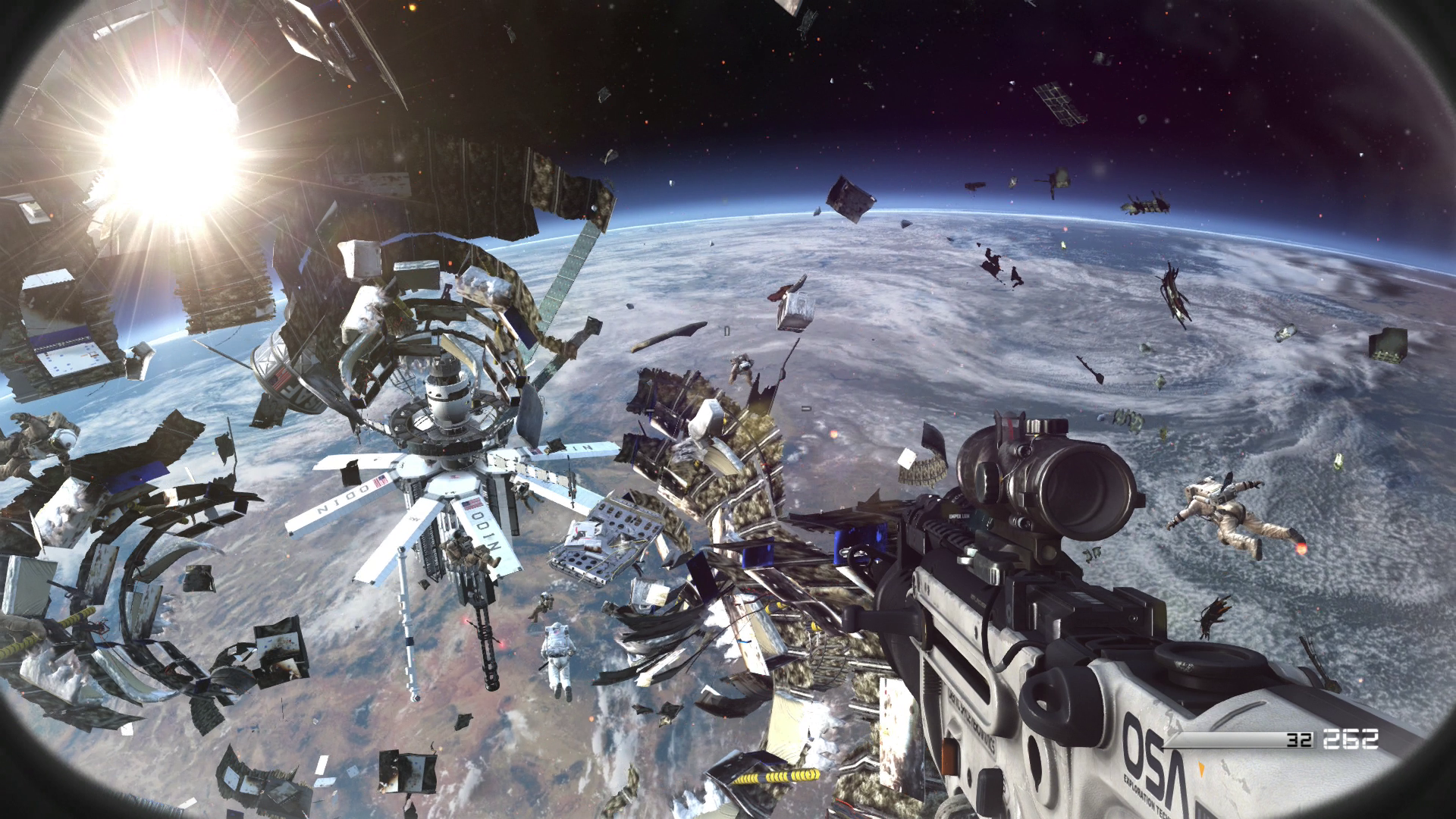
With that said, the shooting itself is solid, which is expected from any Call of Duty. The guns feel heavy and have weight to them, and the sound and action on-screen are crisp and really pull you into the drama going on. There’s a good mix of stealth and action as a whole, along with the other change-ups the game throws at you. There are quite a few memorable scenes, such as the firefight in outer space towards the end and the underwater level as well. However, we are still missing an organic feel that a slower, more deliberate pace would bring out. The game is still the same at its core. There still isn’t any gore, the enemy AI is still off, and everything still feels rushed and too in your face. Call of Duty can be more intellectual and less ham-fisted with macho violence and action.
With that said, multiplayer is nothing short of fun and has the same core suite as Modern Warfare. The biggest addition is being able to play a female character and customize the clothing. Of course, the customization for weapons is even deeper than before with balance tweaks and menu changes, but if you have played Call of Duty in the last 5 years, you know what to expect. I feel that the maps are a little better than past CoD games, but I have yet to play any that are as great as Modern Warfare 2.
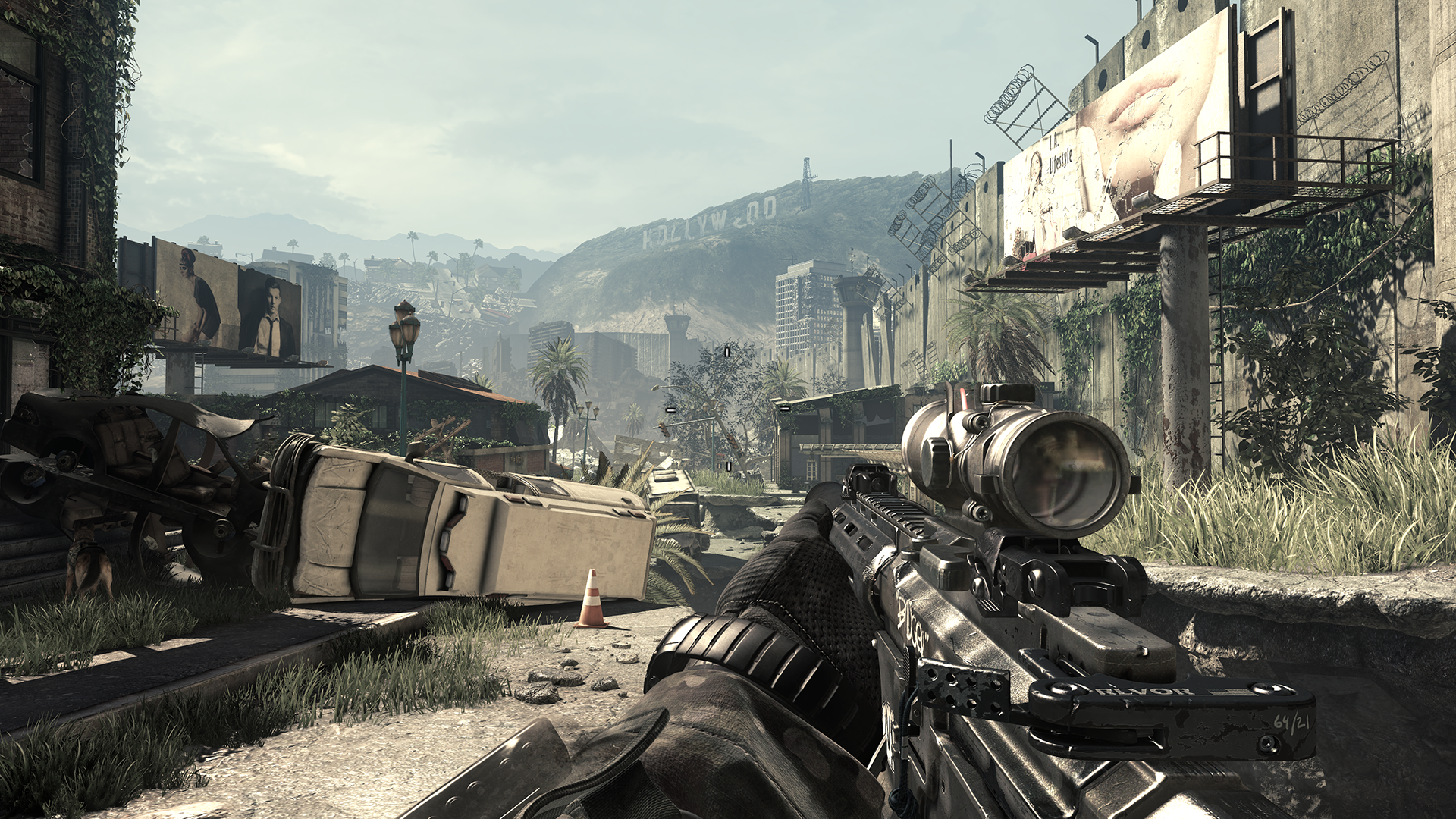
With all that said, Ghosts is a fine shooter and was given a little too much harsh criticism. The visuals are fantastic, and the campaign is a huge step in the right direction toward pulling the series out of the stereotypical rut that it has been in for years.
The Sherlock Holmes adventure series has had its ups and downs. If the story isn’t up to par with the show or books, it’s clunky controls or poor gameplay. Crimes and Punishments sound darker than they really are. Honestly, the game is more about the characters shining through and less about the crimes or gameplay.
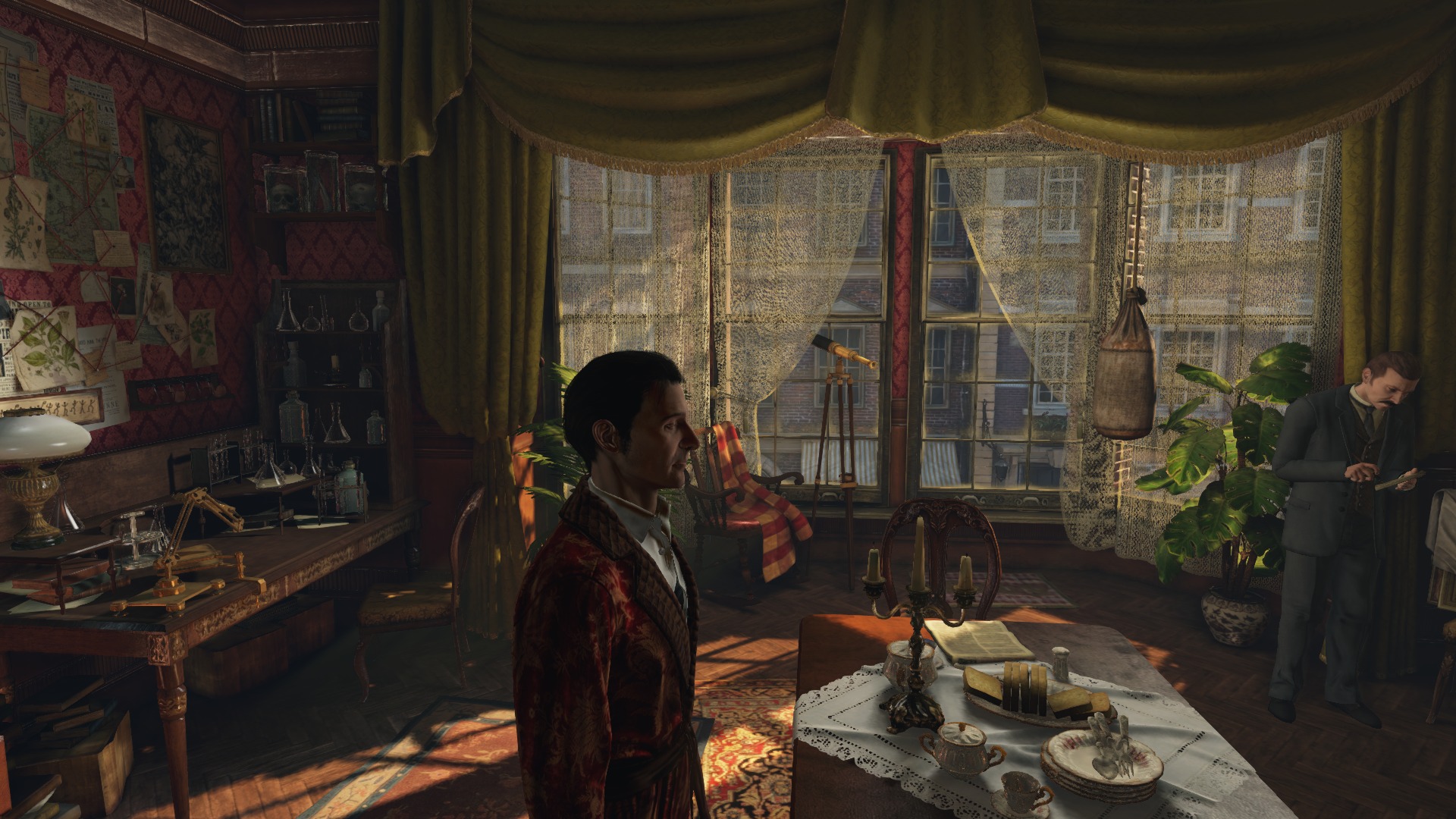
The game starts out surprisingly cinematic for a point-and-click. Watson is dodging Holmes gunfire in his study as he ducks and weaves between pieces of furniture. It shows just how more nuanced the series is and just how much it has grown. Among the four cases you solve, neither of them is all that interesting. The game tries to get you thinking about big mysteries, but honestly, the dull way of going about the cases keeps you from really caring.
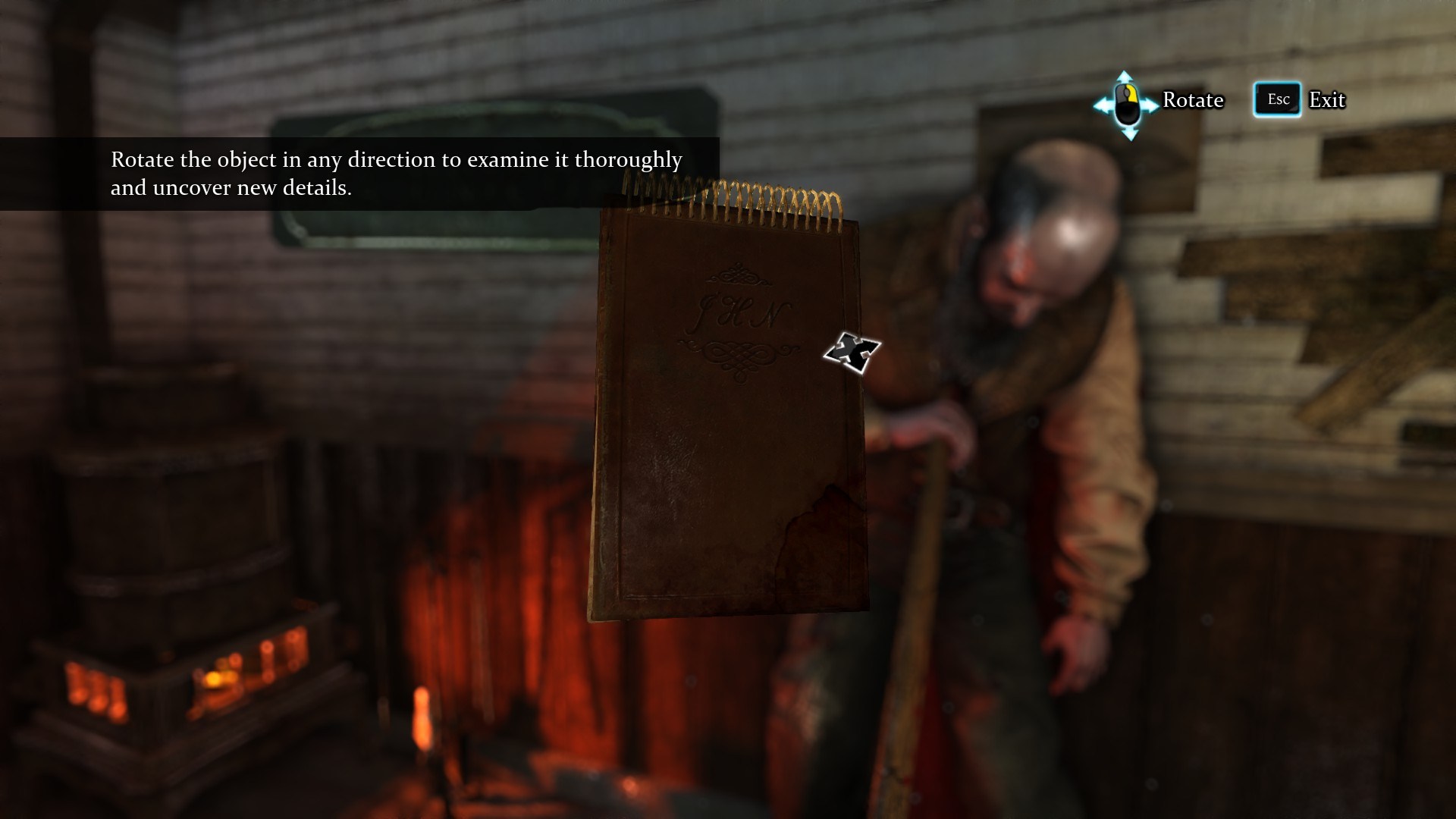
The gameplay consists of walking around areas and finding anything you can click on. Some items can be examined, and certain characters can be profiled, where you scan the character in slow motion to find interesting points. There are various puzzles as well, but these seem to be half-broken since pieces won’t snap in place and various objects won’t register. Surrounding is figuring out where to go and then solving clues to bring the whole thing together. Hopping back and forth between areas gets old, especially with the long load times. The character interactions are somewhat interesting, and I couldn’t help but smile at Holmes’ sarcastic way of going about things. Other than this, the game offers a dull experience of the detective mystery of old.
I played through the first two cases and, honestly, started losing interest. Each case has the same exact way of being solved. Wander around an area and pixel hunt, interview characters, run back and forth between areas, and rinse and repeat. The game looks really good, and the facial animations are surprisingly well done. Adventure game fanatics may love this game, but anyone else wanting a bit of action or suspense like in the Telltale adventure games won’t find it here.
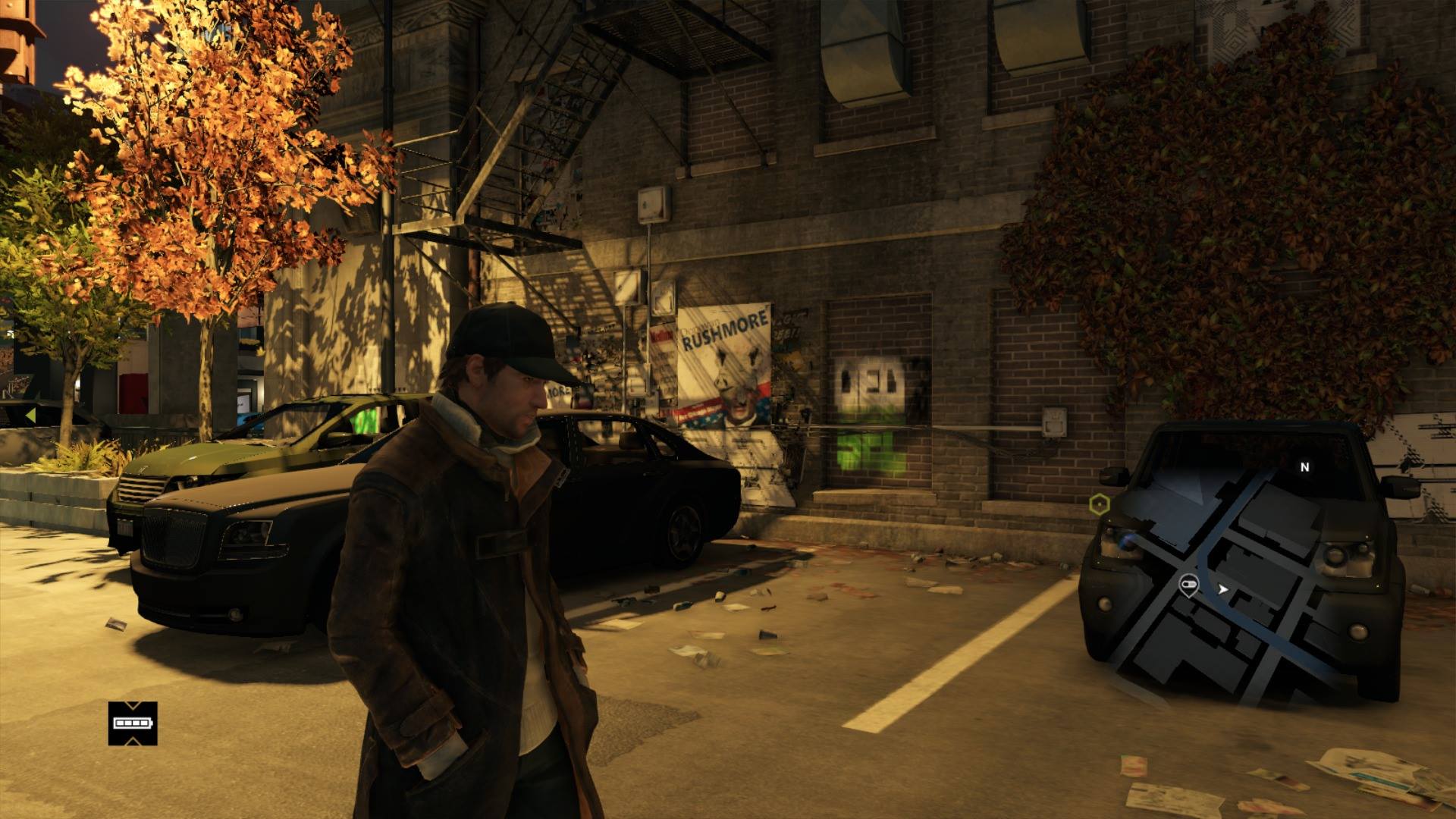
Watch Dogs is supposed to be the next Grand Theft Auto III! The next-gen revolutionary open-world game! Well, there’s one big flaw in all that hype. Watch Dogs was developed for last-gen consoles. We will never get a truly next-gen experience until a game is made specifically for next-gen consoles, is no longer ported to last-gen consoles, or has those consoles in mind. With that said, Watch Dogs is a solid open-world game, but it feels limited due to the scope that it tries to create.
You are Aiden Pearce. A vigilante hacker is trying to exact revenge on his niece’s death. You get involved in a huge blackmail hacking/drug ring while operating Chicago’s own connected grid. This online grid is called CTOS, or Citizen Operating System. Chicago has cameras everywhere (even in places they aren’t supposed to) and is storing all the data on servers. Hacker groups are battling for the data, while some have blackmailed city officials. It makes for a pretty twisty story, but that falls flat due to the story being dragged out for too long. One thing that an open world needs are strong characters, and Watch Dogs is lacking that. Each character has potential, but they are missing that certain something to make them more than generic, or they don’t get enough screen time.
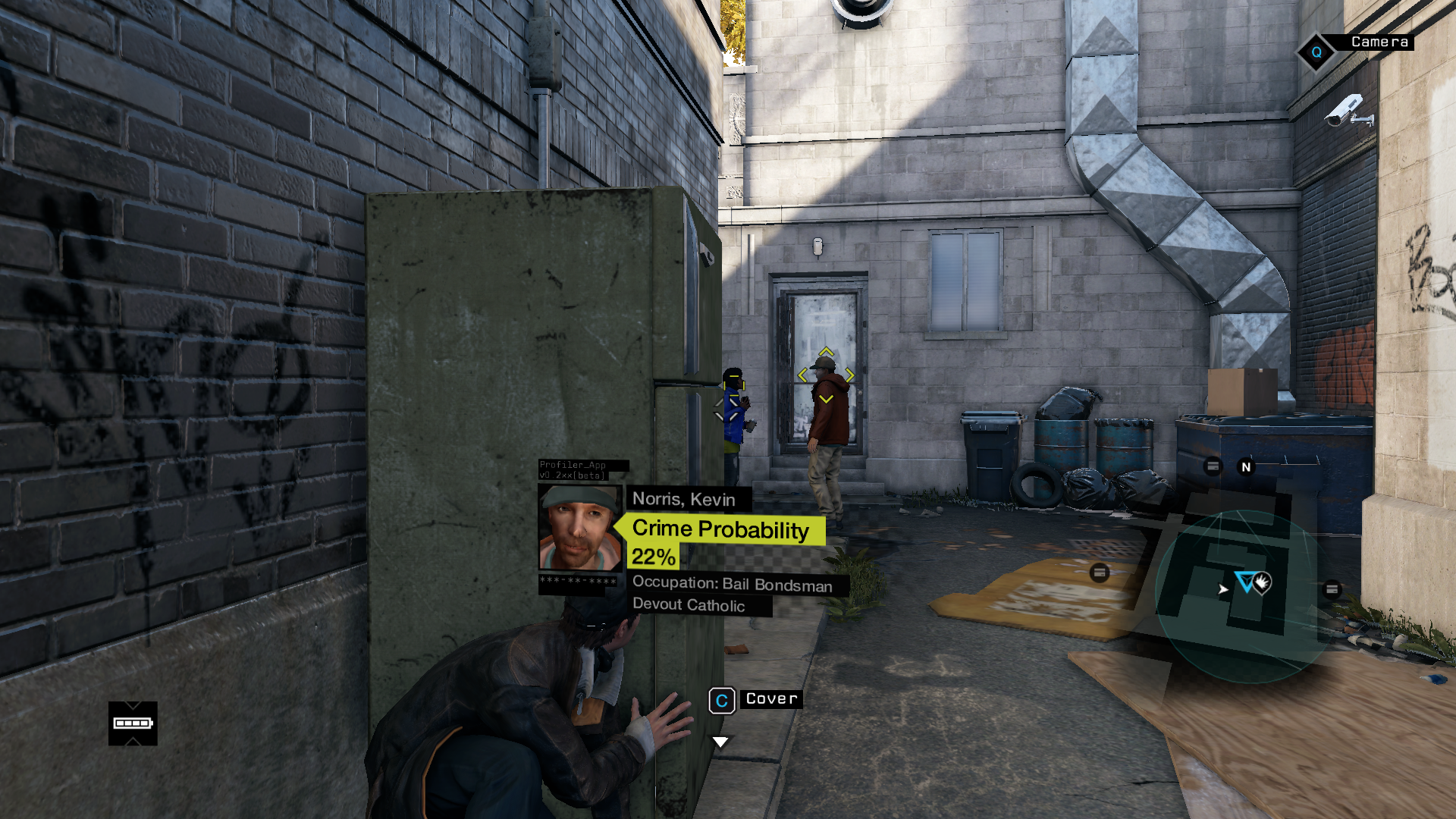
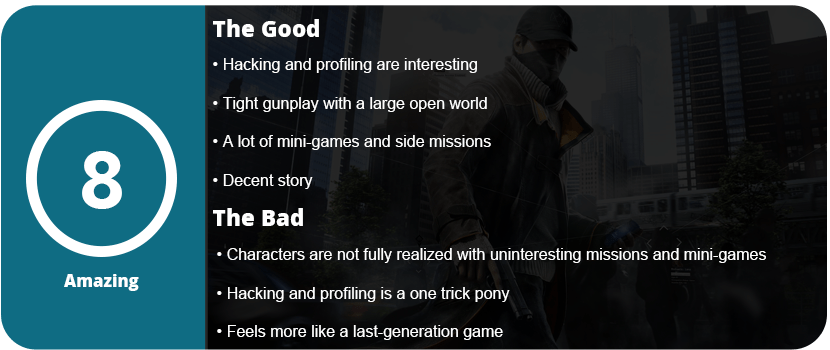
Outside of the so-so story is the so-so gameplay. Now the gunplay is solid, with a great cover mechanic and a weapon wheel. You also get the electronics on your side, such as the gimmicky “camera hopping” ability. You can hack cameras around an area to stealthily blow up stuff and distract enemies. It kind of felt like something similar to the Batman Arkham games. Some enemies have grenades that you can explode remotely that are on them, disrupt their communications, disable reinforcements, etc. This stealthy way of combat is actually pretty fun but gets old in the end because it becomes predictable and almost too easy. Gunning it all the way is tough because you die so quickly. A few shots, and you’re dead.
Most GTA-like games have wanted levels and cops that come after you. Watch Dogs does something rather unique in the sense that you can use the city against the cops. With the push of a button, you can raise bridges, activate blockers, blow up underground pipes, change traffic lights to block intersections, etc. I just found that the cops can find you way too easily. You are able to craft gadgets to stop enemies. One such item is the JamComms. This is used when the police are trying to find you. When this happens, yellow circles will appear on your map, and you should avoid them until the search is called off. I only ever avoided this once in the whole game. My only option was to be found and then escape the police.
Another gameplay element that open-world games have are mini-games. Watch Dogs is full of them, but neither of them is interesting, including the side missions. Being able to prevent crimes, AR time trials, online contract hunts, etc. These were all interesting the first time, but after that, I lost interest. I have yet to talk about what caused Watch Dogs to get such hype, and that is the profiler. When you pull out your phone, every citizen’s information is displayed. Their job, income, and what they currently do are dark secrets, and sometimes you can hack their phone conversations or steal money from them. Now, this may seem like a big deal, but it’s all randomized, and after a few minutes of exploring it, you just won’t care anymore.
That’s the main problem with Watch Dogs at the end of the day. You just stop caring about more and more things as you play. When you start off, you’re completely confused about how to use this new hacking and profiling ability. It all seems overwhelming. Once you play for a few hours, you start checking off what’s interesting and what’s not in your head. That’s usually not a good thing for a game. Watch Dogs brings a lot to the table, but none of it is outstanding or memorable. The graphics are also decent, but even for PC and next-gen consoles, there are some ugly spots, the character models are dated, and it all just feels like a last-gen game with a next-gen coating of polish slapped on top.
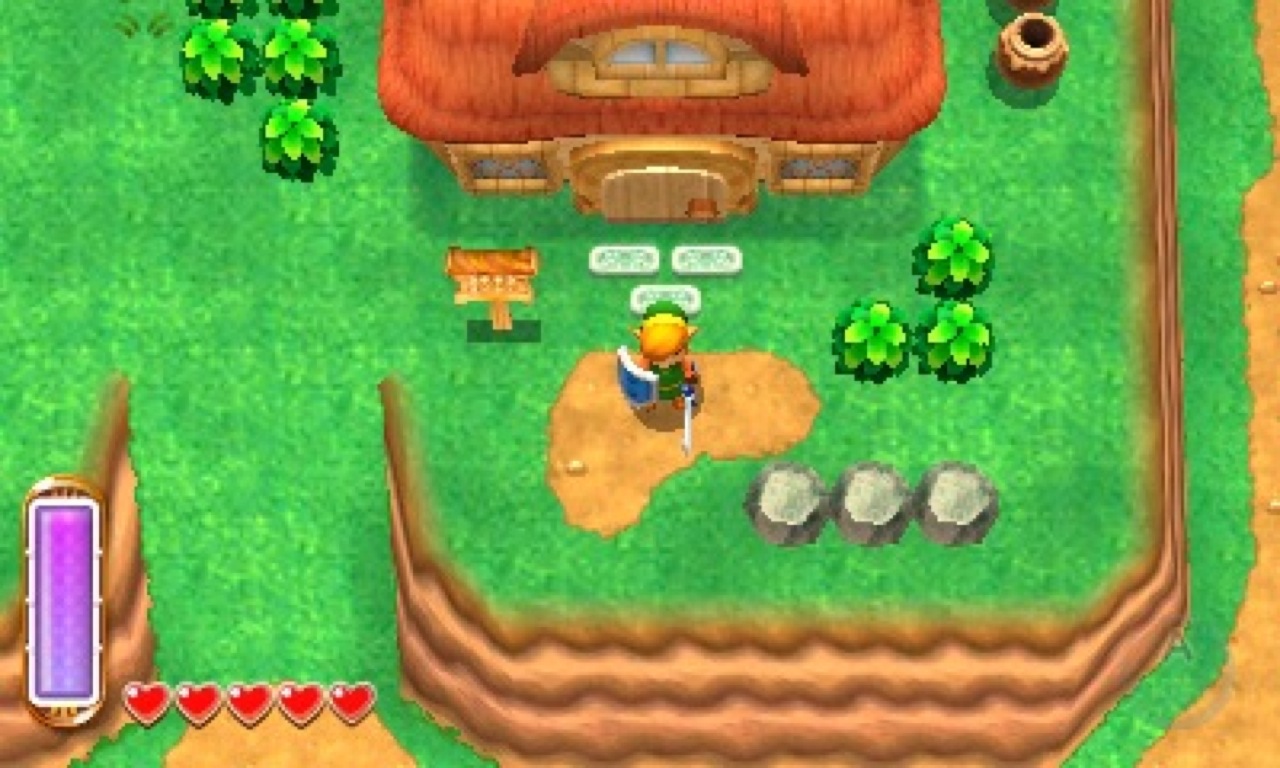
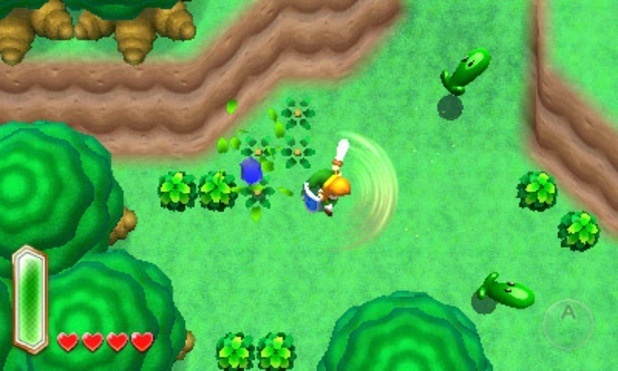
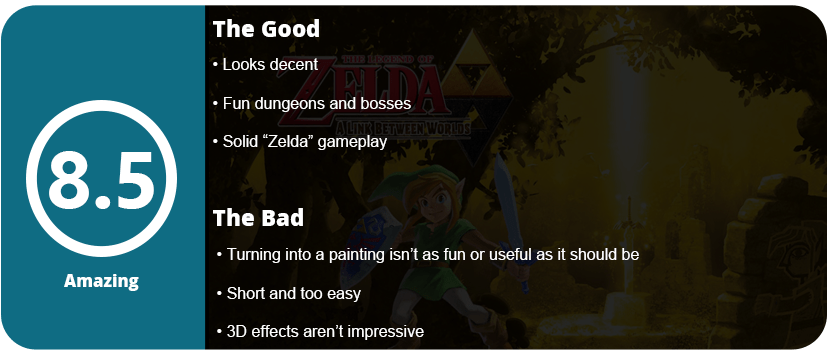
So here I was thinking this game was going to be something completely new and exciting when I realized it was pretty much a port of A Link to the Past. That’s not really a bad thing, since many younger gamers have never played that game before. What I also didn’t like was just how easy and short the game was. The dungeons themselves aren’t really all that hard, but they are more confusing, and some puzzles are really hard to figure out. With that said, the game is enjoyable, but some may not like it.
It all comes down to feeling like every other Zelda game out there. There’s not much to set this apart, and when you’re done with it, you will just shrug and move on to the next game. The dungeon layout and the bosses are clever and fun, but I just wish there was more to this game. One thing I also didn’t like was having to buy the equipment to keep it. If you rent equipment and die, it will be sent back to Rovio’s shop, where you have to go back to your house, rent it again, and return to the dungeon you were in. At least there are warp spots, which are a serious lifesaver. In all honesty, if these weren’t here, I doubt most people would be able to stomach getting around.
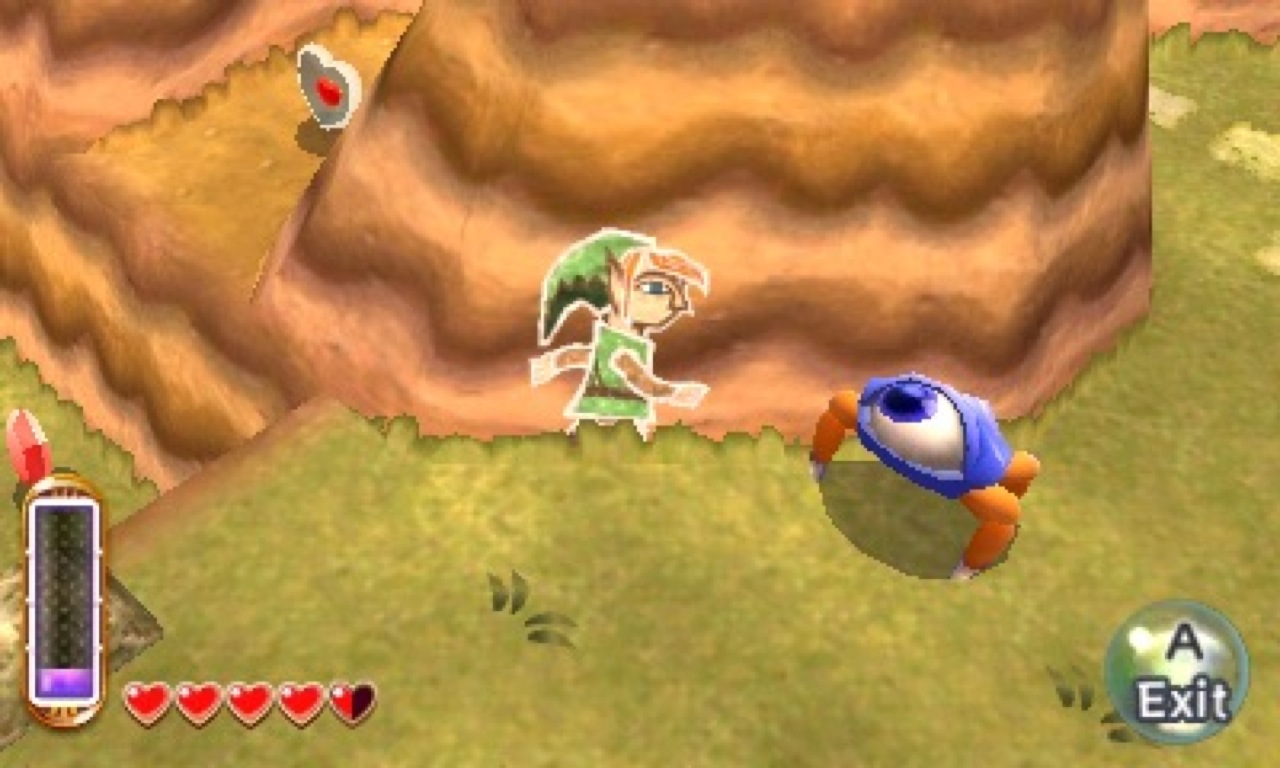
Most dungeons involve a certain element or weapon. The boss in each dungeon also requires this weapon to defeat it. The sand rod, fire rod, ice rod, bomb, and various other weapons from past Zelda games make an appearance. However, the story involves sages being turned into paintings, and that’s where the whole “Link Between Worlds” thing comes in. This feature is actually quite gimmicky, and the game would have been fine without it. It’s used as a segue between puzzles or just briefly to get around. Flattening against a wall and shuffling side to side isn’t exactly a game-selling feature, and I felt it was poorly used here.
The game’s 8 dungeons may actually be enough for most people, especially Zelda fans. The most frustrating part was how to get to each dungeon since you can easily get lost or spend hours just wandering around aimlessly. The lack of direction has been abundant in the Zelda series, and I feel it needs to change. However, once again, some fans may be happy with this, and that’s fine.
Overall, A Link Between Worlds is one of the best games available on 3DS and a fine Zelda game. It’s the only issue that it’s the same type of Zelda we have played numerous times, not the revolutionary Zelda we have come to expect from games like Phantom Hourglass. The 3D effects don’t really do much for the overall experience (like 99% of 3DS games) and can be just as enjoyable with the 3D turned off.
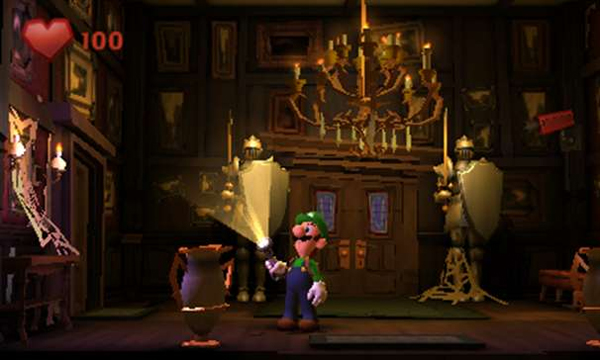
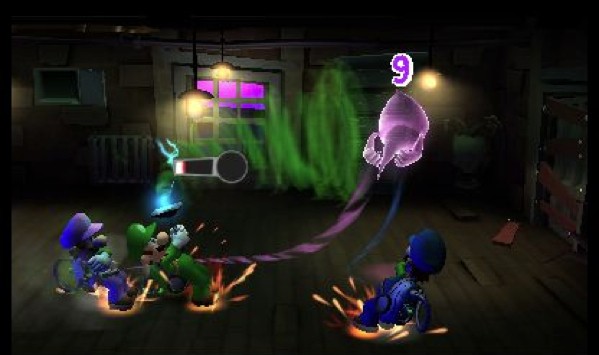
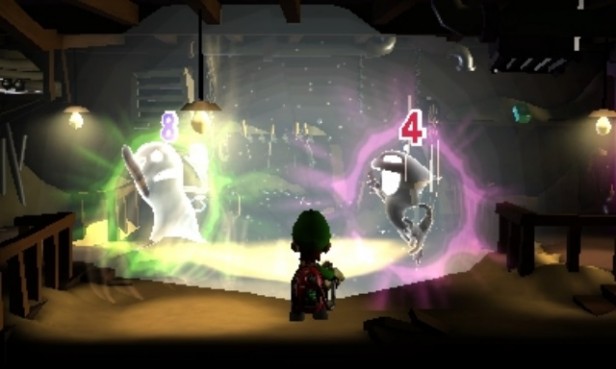
Luigi’s Mansion was a cult hit on the GameCube but didn’t see much commercial success. The 3DS seems like a perfect home for the sequel, so Nintendo went for it. You play Luigi, who is tasked with dispersing a small town of ghosts with the help of Professor E. Gadd. You take your Poltergust 5000 and suck and blow anything in your path. Be it cloth on walls, rugs, pulleys, or using your other powers to reveal hidden objects or even your flashlight to help battle ghosts, There are quite a few elements in play here, and they are done fairly well. Ghosts don’t just stand around and let you suck them up. Some are protected by objects or are inside other objects and require coaxing out in various ways. This, with the inclusion of puzzles, makes Luigi’s Mansion a fun trip.
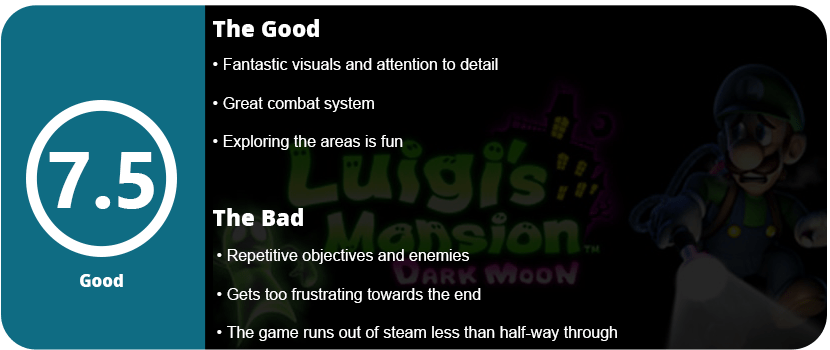
It isn’t without its problems, and there are more than meets the eye, like most recent Nintendo games. Sure, the game looks great and plays well, but it gets repetitive halfway through and gets frustrating. You’d expect tougher ghosts to come into play at some point, but instead, you get the same ghosts with bigger life bars and more thrown at you. As you progress, you find cash throughout the game to upgrade your equipment, so this isn’t a problem. I was nearly maxed out towards the end of the game. The issue is redundancy and constantly revisiting the same areas just to fight different ghosts. Some puzzles are hard to figure out, and some require insistent backtracking that gets very dull. The game had the Mario charm thrown in, but I expected more variety. After the third area, you really start getting tired of the game, but that doesn’t mean it’s terrible.
There are some hidden items in each area, and they aren’t too hard to find if you explore every little area. These range from gems to cash to a hidden boss in each level. It feels less like a collectathon and more like exploring an area. The objectives are clear, and your map is useful. With that said, many objectives are also repeated throughout, like chasing down a ghost dog to find a key and getting back parts from various ghosts. It just got old, and I just kept telling myself, “Not this again!”
Dark Moon is one of the best-looking 3DS games out there. The game has high-resolution textures, great-looking models, and some impressive lighting effects and physics. I almost felt like I was playing the Wii U. The 3D effects are nice, but they don’t add anything to the gameplay. I loved the attention to detail from Luigi’s voice to his animations. The game has great production values but could have used a better variety of gameplay elements.
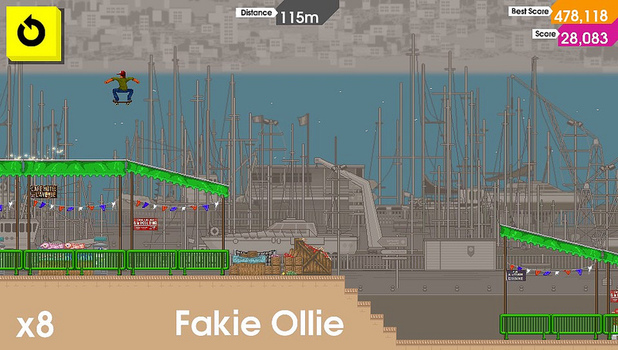
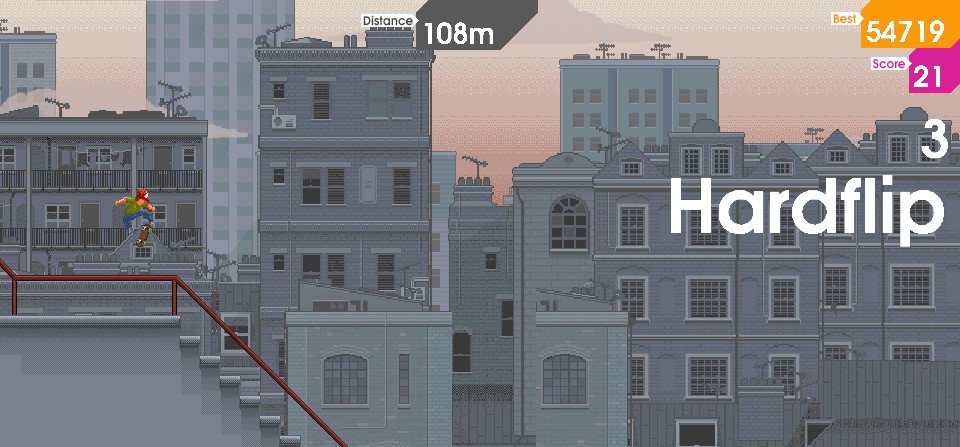
Skateboarding games have kind of died out over the past 5 years. With the last decent one being Skate 3, everyone yearns for the days of classic Tony Hawk’s Pro Skater. OlliOlli brings back those arcade-like twitch reflexes on a 2D plane. There’s no story to speak of, and there shouldn’t be. It’s just you, the ground, and your board.
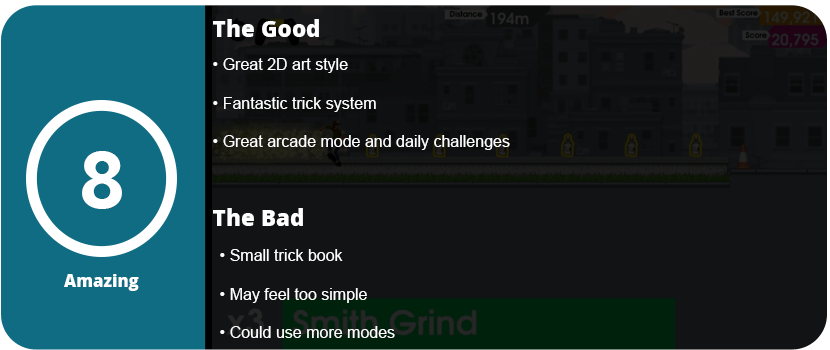
OlliOlli features a trick stick similar to EA’s Skate series, but it’s better (yes, a 2D indie skateboarding game does a multi-million dollar game’s trick system better). You use the left stick to do all the tricks, and there’s no ollie button. Pressing down and up will make your ollie, while pressing X just before you land will give you a perfect landing. This rearranging of buttons is perfect and exactly what this genre needs. Grinding is as simple as just ollieing on top of a rail; there is no need for extra buttons. The trick stick consists of grinds and flip tricks only; there are no grabs here because the game is all about completing goals on a short course with the highest possible score. On a 2D plane, grab tricks would just get in the way. A great change that’s small but big is keeping your speed by landing everything perfectly. You will eventually start slowing down, like in all skateboarding games, but perfect landings will give you speed boosts, allowing you to trick across an entire level if you are good enough.
There are quite a few levels, and each stage is completely different. The only major downside to this game is the constant trial and error because some goals require perfection. The game is very challenging and will push your skills to the limit. Thanks to the great animations and silky smooth controls, it can be somewhat forgiving in that aspect. Outside of the career mode, you can partake in daily challenges where you get to practice a run as many times as you want, and once you go for the real thing, you get one try only. If you fall within the first 10 meters, that’s too bad. This makes things super intense and really makes that one perfect run feel amazing.
OlliOlli may have a small trick book, but the way you pull these off is nearly revolutionary for the genre, and the accompaniment of smooth controls and animations just makes it that much better. The various goals, score attacks, and collecting of items can be downright tricky, but arcade skateboarding enthusiasts will have no problem pressing that restart button for the 25th time, knowing this time they will get it.
Final Fantasy has had some strange offshoots like Chocobo Racing, Kingdom Hearts, and the TBS Tactics. A rhythm game is probably the only genre Final Fantasy hasn’t touched on, and it’s one that the game belongs in. Final Fantasy is full of some of the best video game music ever created. While the later titles aren’t exactly up to par, there are plenty of songs here that fans will love across all 13 core titles.
The basic gameplay is broken up into three stages that are randomized. BMS is the Battle Music Stage. Usually, one song from each game is picked that was used in a battle, usually a major boss fight. Your four characters stand in front of bars similar to a horizontal guitar hero. The entire game consists of only three tap types. Hold, tap, and slide. The speed and combination of these three can make things really difficult on the Ultra mode, but the standard model is just way too easy, even for beginners. EMS, or Event Music Stage, is a song picked during some sort of popular or well-known cutscene, and the said scene plays in the background to the music. It’s great seeing Rinoa and Squall waltz in Final Fantasy VIII or watching Aerith’s death scene in Final Fantasy VII. The game is mixed up a bit, where the ring you tap flies around the screen as you follow it to complete the required taps. The final stage, FMS, or Field Music Stage, has your leader character walk down a re-rendered field from each game, collecting chests, and the field music from each game accompanies it. This stage consists of one bar that you can move up and down to follow waves. There’s a third boring stage where you tap a crystal in the center of the screen as bubbles fly into it; these are for the opening and ending themes in the main mode, which are as boring as ever.
This may sound simple, but the other half is leveling up your cute chibi FF characters and equipping items and weapons to last through the harder difficulties. Characters with higher HP won’t die as easily (meaning you can mess up more), and this includes their armor (they won’t take as much damage when you do mess up). Characters with higher luck in the infield stages will find more items. This is a unique twist on the rhythm genre and helps push it forward in a way that’s never really been done. Thanks to the many extras, such as fully rendered trading cards and DLC, there’s a lot to be had in this package. If you like the lesser-known songs in these games, the Dark Notes mode will help you here. You can acquire new songs via StreetPass or battle friends in multiplayer for the highest score. These are all set to the hardest difficulty, so practice is needed.
With such a content-heavy rhythm game, it begs the question as to who this title is for. Rhythm game fans will appreciate the mechanics and use of the touchscreen, but may not care for the orchestra and chiptune heavy music. Final Fantasy nuts may love this game but not really like the fast-paced rhythm action. It’s something that can appeal to anyone who even hates RPGs, but the Final Fantasy-only music may turn Rock Band and Guitar Hero fans away. Despite who this game is made for, whoever picks it up will enjoy a simple yet rich game full of detail, content, and attention to detail that hasn’t been seen since the earlier days of Final Fantasy.
Yeah, it's pretty damn awful. Notoriously one of the worst games on the PSP. A 4 was actually being generous.…