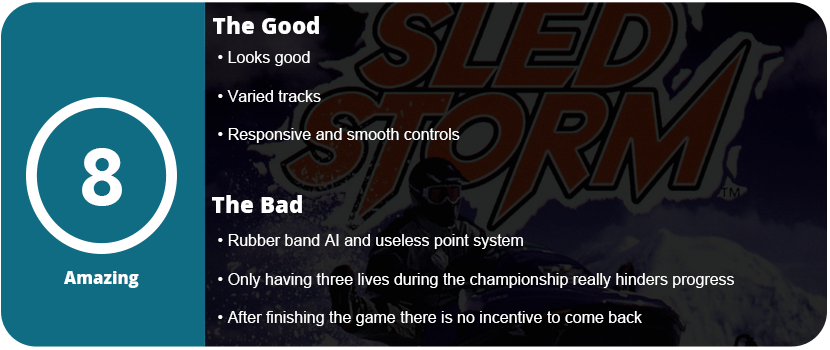
The late ’90s were home to extreme sports on consoles. There was a huge boom in this genre, and it led to many great games. Sled Storm is kind of an oddball, as snowmobile racing isn’t a huge hit in the US. However, EA managed to pull off a responsive and fun little racing title.
Sled Storm is similar to most arcade racing games from its time. There are several modes such as championship, single race, and multiplayer. Championship has two different modes. One mode is an open circuit with natural courses and you can upgrade your ride. The second one is a snocross closed-circuit event in which you just need to win. Sounds simple enough right?
Wrong. You need to get first place in every race to advance. There are four other racers on the track, and the game is subject to frustrating rubber band AI. You can be ahead all through the race, and on the final lap, everyone seems to zoom ahead of you. One crash, and it’s restart time. The other annoying thing is that you only get three restarts and then have to restart the entire championship.
It’s rather annoying but tolerable. The crafts handle really well and the visuals are great. Powder flies up behind the vehicle into the camera every time you bounce or take a turn. There’s snow blowing toward you and the track is nicely detailed. The controls are what steal the show here. They feel smooth and very responsive and make you want to keep playing.
There is no fancy trick system here, but a point system is used for knocking down objects on the track and other reasons I couldn’t figure out. That’s about all there is to this game. The tracks actually vary, but after beating the championship there’s really no reason to come back. Think of this as a quick little 2-3 hour racing game and back on the shelf it goes.
Fear Effect is actually a game that goes way back for me. I remember the summer of 2000 and was shopping around in a local game store, Game Doctor, back in Casper, Wyoming. There weren’t really any databases to look up reviews in back then, outside of magazines, so I would always pick a game based on its cover. I saw Fear Effect, $30, used in the display case. I used trade-in credit (back when it was all written down on carbon paper) and took the game home. Seeing it had four discs, I thought I was in for one hell of a ride.
I was actually dead wrong and returned the game the following day. It was frustrating, hard, and too mature for my age at the time. It’s so strange finishing this game almost 20 years later and realizing that it was actually harder than I thought. This game is downright unfair and frustrating around every corner.
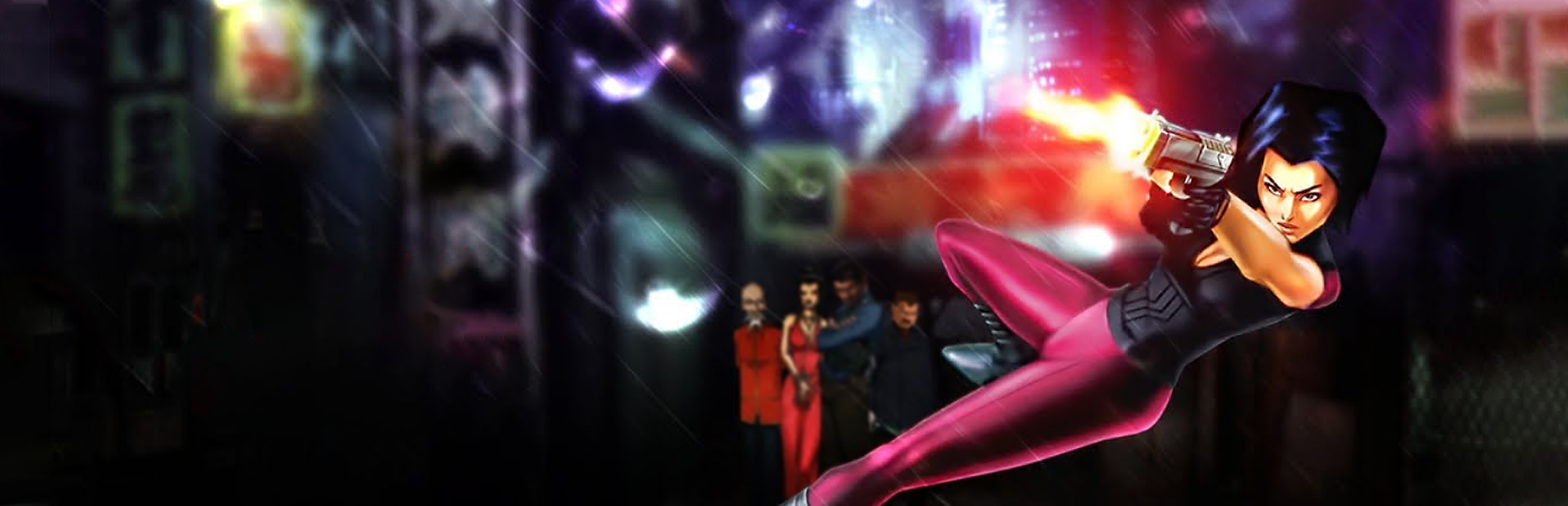
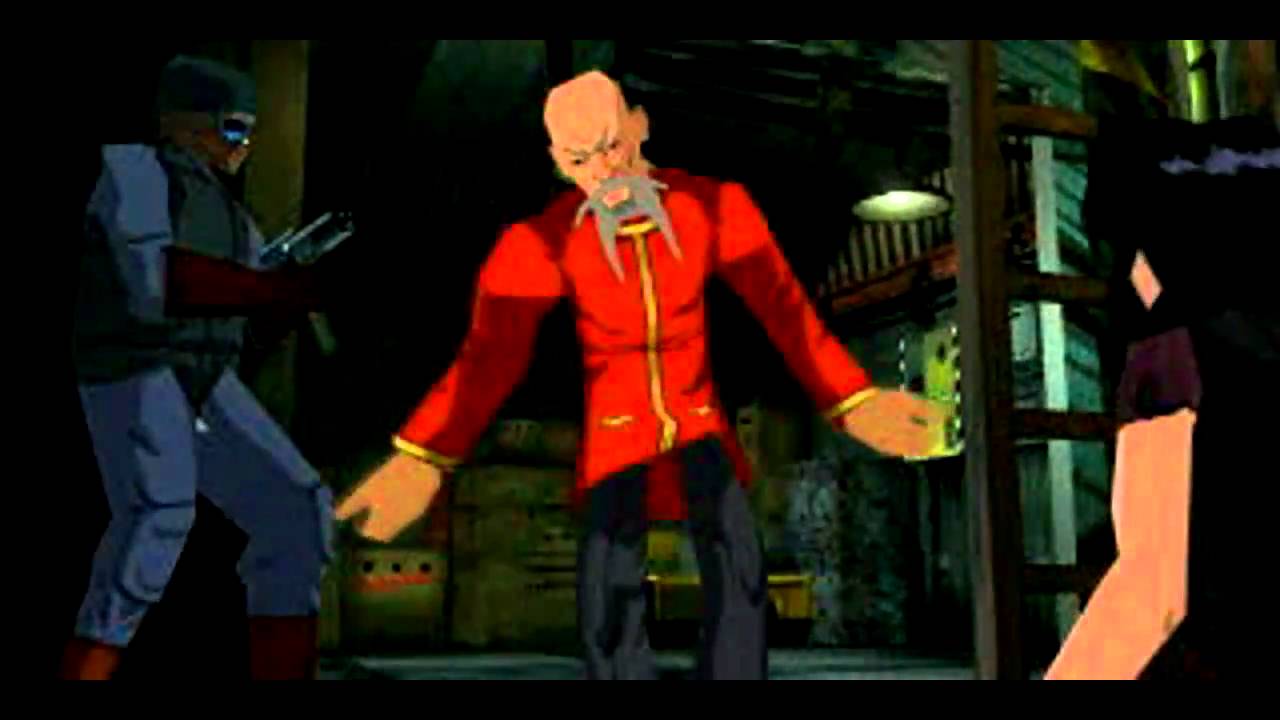
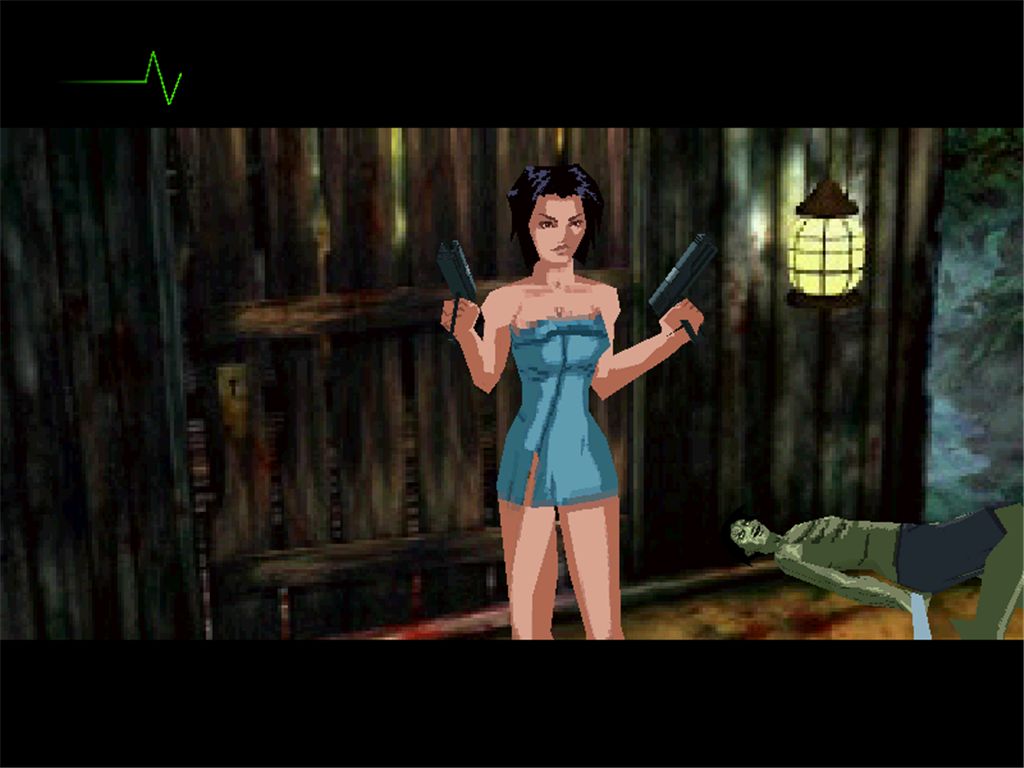
You play three different characters throughout the game: Hana, Deke, and Glas. All three are mercenaries hired by a Chinese mobster who wants his kidnapped daughter back. It starts out as a spy-style action game and then quickly turns into something supernatural. It’s the strangest thing and is such a jarring change of pace for this type of game. That will be the least of your worries, however.
The game has beautifully pre-rendered backgrounds that you run around in Resident Evil style. These “tank” controls are just awful, and there’s a reason why they don’t exist anymore. You can sneak around, shoot, and use items, but it’s how those are executed that makes the game so hard and unfair. Stealth is actually out of the question; no matter how slowly I snuck up, guards would hear me and kill me. I just had to blast my way through everything, and therein lies another issue: ammo. You will have many enemies thrown at you with little ammo, and the supernatural enemies don’t drop ammo. They even get clever towards the end and make them drop paper ammo that you need to backtrack to a fire and burn to get the real ammo.
It doesn’t end there; you will be reloading save after save and dying over and over again. Most of the puzzles and traps will trigger an FMV, and usually a death FMV, meaning game over. Just the slightest pixel of your character touches the trap, and you’re dead. It’s back to reloading the save, which is rather long, by the way. The backtracking is the final killer here, especially on the final level, with items gathering on either end of the level just to unlock the door on the opposite end. It’s silly, archaic, even for the time, and didn’t need to be in this game.
I will admit that the puzzles are rather clever. You actually get clues that are organically placed in the environment, and you need to write them down to solve the puzzle, which is neat. Back in the day, walkthroughs were scarce, so all you had was a guide or writing things down. The puzzles aren’t serious brain-scratchers, but they are tough and fun.
The combat itself is awful and is the main cause for reloads. You get a dodge button, but with awful tank controls, you just stand there blasting everything. There’s no cover, no armor, nothing like that. You also have to flip through your inventory with squares and circles while you’re getting blown away, which can cause problems. Why not pause the action with a radial menu? That’s not too hard.
Is the game even worth trudging through for the story? Not really. The mix between Chinese mafia antics and the undead is weird and forgettable here. The characters have no depth, and the story is slow to move forward. It’s entertaining enough to push you through the game, but nothing you would replay, even for the multiple endings. With that said, I only recommend playing this if you want a beautiful-looking PS1 game to play or a decent adventure. Just get the cheat codes handy, or expect to spend more time reloading than playing.
It took many years to acquire, but the PSOne with a screen attachment has been one of my top must-have consoles since it came out. Growing up as a kid, my parents didn’t have the $100 for the console and the $130 for the screen add-on. The Combo Pack was released for $200 and seemed insane, but the PS2 was out and cost $300 at the time of release. $130 for a 5″ TFT LCD screen might seem like a lot, but this did more than just display games. It had an amazing brightness range and clear stereo speakers that could be quite loud when turned up all the way. It also easily screwed onto the back of the unit and had a headphone jack, AV in, and even AV out, so you could just plug it up to your TV without taking the screen off. The power cable also plugs directly into the screen, so there was a lot of foresight on Sony’s part.
What makes the screen so awesome compared to any other console out there is that you can take it with you. Using a 7.5-volt car adapter and bringing it into your bedroom or on the go allows you to make playing the PS1 a more immersive and personal experience. The LCD screen makes the games look better than they do on current or older TVs. It’s like Sony found a perfect balance and knew how the PS1 would render and output, so they made the perfect screen for it. All the games display clearly and sharply, and the screen is quite vivid, so I can easily see the $130 price point during release.
As for the system itself, what can I say? It’s the PlayStation 1! While the system’s first iterations had many flaws, such as overheating, cheap laser assemblies, and various other issues, the PSOne is sleek, slim, and just the basic unit, which is all we need. Sony went for a rounded style with this system, and it looks great. The only downside is that you can’t use most wireless controllers because the receivers are too large and can’t fit a memory card on top. The system is lightweight, even with the screen attached, and would easily fit into a backpack. The PS1 has an amazing library—probably some of the best out there. The PS1 wiped the floor with the Nintendo 64 due to a more diverse and massive library. The Nintendo 64 has some memorable games, but the overall experience just couldn’t top the PS1. With pre-rendered and live-action cutscenes, thanks to the CD format, it was a whole new experience. From the classic start-up jingle to the amazing feeling of the DualShock controller, and even down to the black underside of the discs, the PS1 was a behemoth and was unstoppable.
Would I recommend the current going price for a full PSOne combo pack at $100? Yes, go out and get it now. If you’re a PlayStation fan or just want to check out the classic library, this is the perfect unit to pick up. For some advice, make sure when you buy the unit that the power and tray buttons work. These are large buttons and can easily be stuck or get grimed down inside. Also, make sure the hinges on the screen aren’t loose. Many units have cracked hinges with screens that won’t stay up, and most importantly, make sure the LCD backlight isn’t dead. I bought a unit from a local store only to have the backlight die on me the second I turned it on when I got home. Of course, make sure both speakers are working and that there isn’t any rattling or distortion. Make sure to ask the sellers these questions, or look for this if you find one in person.
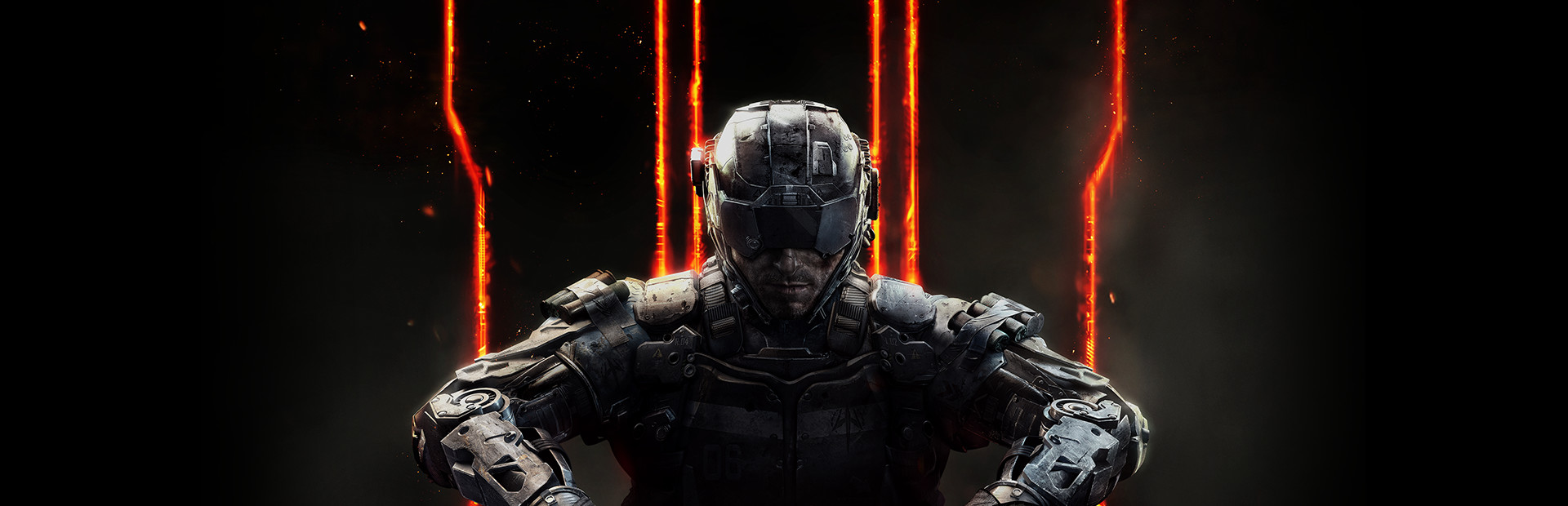
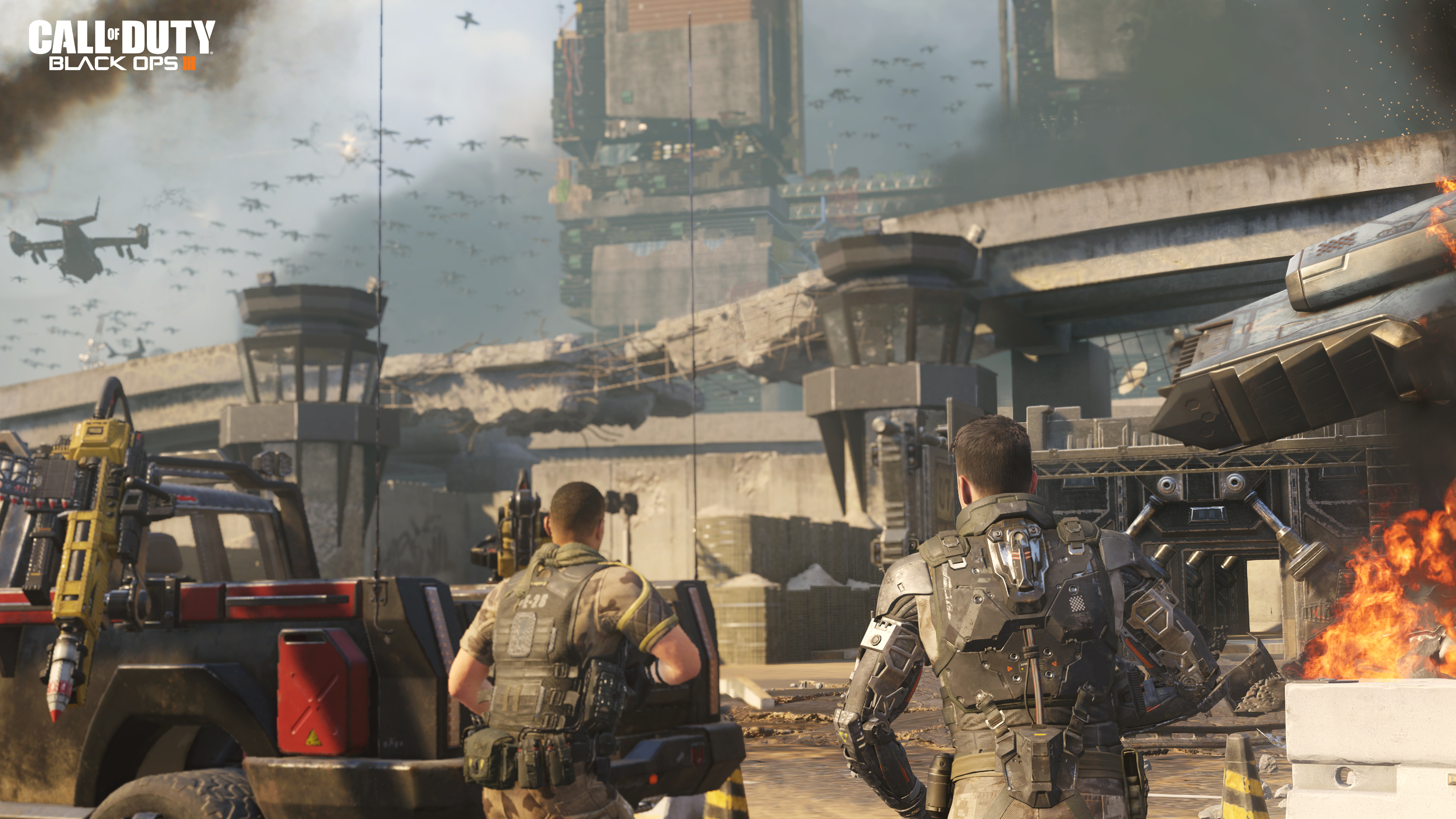
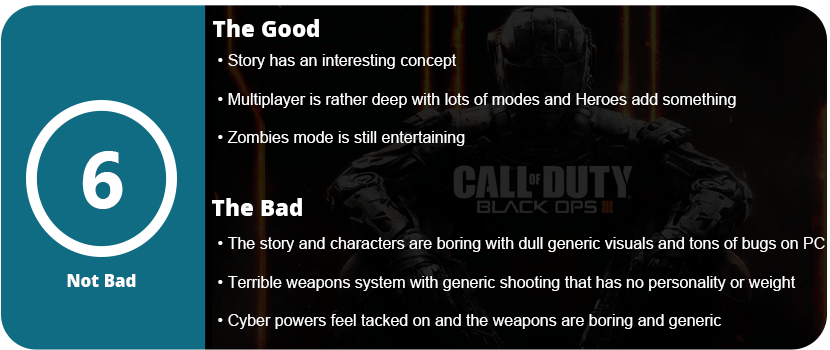
Man, where do I begin? Call of Duty was one of my favorite franchises growing up, and Modern Warfare helped kickstart FPS games into a new cinematic, next-generation universe. That Pripyat level in the first modern war still sticks with me to this day. After MW2, the series took a steep downhill slide and hasn’t stopped since. Here we are with Black Ops III, a futuristic military shooter that is a far cry from what the original Black Ops was, which was absolutely fantastic. You play as a squad of black-ops cybernetic soldiers who are trying to stop an all-powerful AI from destroying the world. See, the whole world is completely infused with technology that can read people’s minds and know our every move. The CIA has several operations around the world to keep this in check, but it all goes wrong one day. The actual concept is interesting and could have gone somewhere, but instead, we dredge through a sewer of boring, mediocre, and lame campaign levels that drag on way too long and overstay their welcome.
The game plays exactly like every other CoD since MW1. You run and gun your way through waves of enemies that are as dumb as dirt, and you face unbalanced difficulty spikes and repeat about a million times. I have to point out that I really hate the new weapon system in this game. You can no longer pick up guns from enemies but instead run into mobile armories where you can swap your loadout. This is a campaign, not multiplayer. I want to pick up weapons from enemies and keep things constantly mixed up. Several times through one level, I would need a shotgun or sniper rifle but was screwed because I couldn’t get to an armory. I can’t predict what’s going to happen next, so this is a huge mistake, and I really hated it.
Second, the enemies are as boring as ever, with generic robots and super soldiers. You get the occasional mobile armor, but that’s about it. It’s so boring that I just shrugged because I knew this was coming from a game like this. I mentioned the terrible weapon systems, but let’s talk about how terrible the actual weapons are. For one, there’s a small amount for a CoD game, and they all feel the same. Sure, you have shotguns, assault rifles, and pistols, but they just feel the same. They seem to have no weight, no bearing, and no personality. It’s futuristic shotgun A and futuristic assault rifle F. There are no real-world weapons anymore, and it’s just a borefest due to a lack of personality. The entire game has zero personality or originality. It all feels like endless metal corridors, hallways, and concrete. At least the first Black Ops felt original and had some personality and weight to it.
To make the game feel more like multiplayer, you get dumped into a central hub after every level and can change your loadout, unlock weapons with fabrication kits, and customize your weapons. There’s a new concept introduced called cybercores, which are powers that you can use against enemies. I found these almost worthless, as the game offers no opportunities to change to the standard CoD gameplay to implement them. It just felt like something tacked on to say, “Hey! We did something different! SEE?!” which I didn’t fall for. The only useful power was stunning multiple robots at once, but that’s about it. For most of the campaign, I forgot these powers were even there. I just ran around shooting everything in sight, like every other COD. I wish the series would stop pretending to be sophisticated and complicated when really it’s a dumbed-down snoozefest with no personality. It has been years since CoD has put its own fingerprint on the FPS genre, and this game doesn’t do it any favors.
I hated the campaign, but the multiplayer was at least fun for a while. It’s still the same old CoD MP that we’ve grown to either somehow tolerate or completely hate. However, Black Ops III is much more grindy than any other CoD game, and I gave up after around level 5. Even in single-player, it takes many levels before you can purchase decent weapons and load-outs. It’s part of the reason why the game gets so boring so quickly; the fast unlocks of the past are gone, and it feels almost free to play, which is a damn shame.
Graphics-wise, it’s nothing impressive except for how powerful of a PC you need to run something that shouldn’t push high-end systems. With the GTX 970, I used to have to turn down settings and still get massive slowdowns. It wasn’t until I used an overclocked 1070 that I got steady FPS with everything maxed out, and even then sometimes the game dropped down to 40 FPS for no apparent reason. The game is poorly optimized, has awful glitches that still exist after all the patches, and just doesn’t look all that original or impressive.
Overall, I can’t really recommend this game except for the hardcore CoD players, and fans of only the older games will hate this. The weapon system stinks, the campaign is boring, lame, tedious, and full of glitches, and the unlocks are a grindfest. There’s so much wrong with Black Ops III that it took me over a year to finish the campaign. It’s just boring and not fun to play, as there are plenty of other great shooters out there. I’d rather play Half-Life 2 for the 20th time or the Crysis trilogy than spend one more minute in this game. Now, that’s not to say I hate it to death, as the multiplayer can be pretty fun with new modes and playable heroes at a little depth, but it’s not enough to save the core gameplay. Zombie Mode is the final saving grace, as it still provides entertainment, but like multiplayer, it will only last so long with boring guns to use and average visuals.
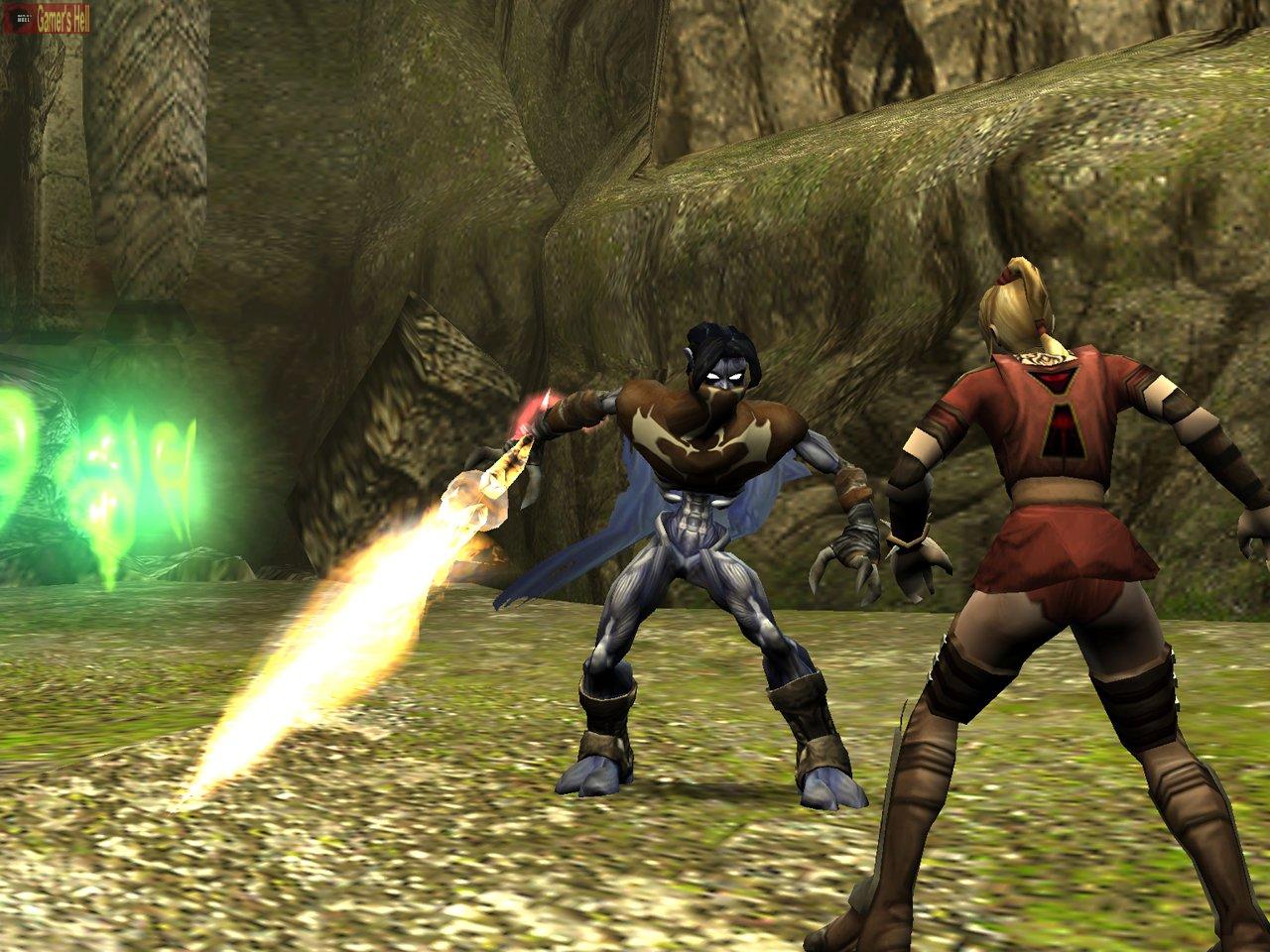
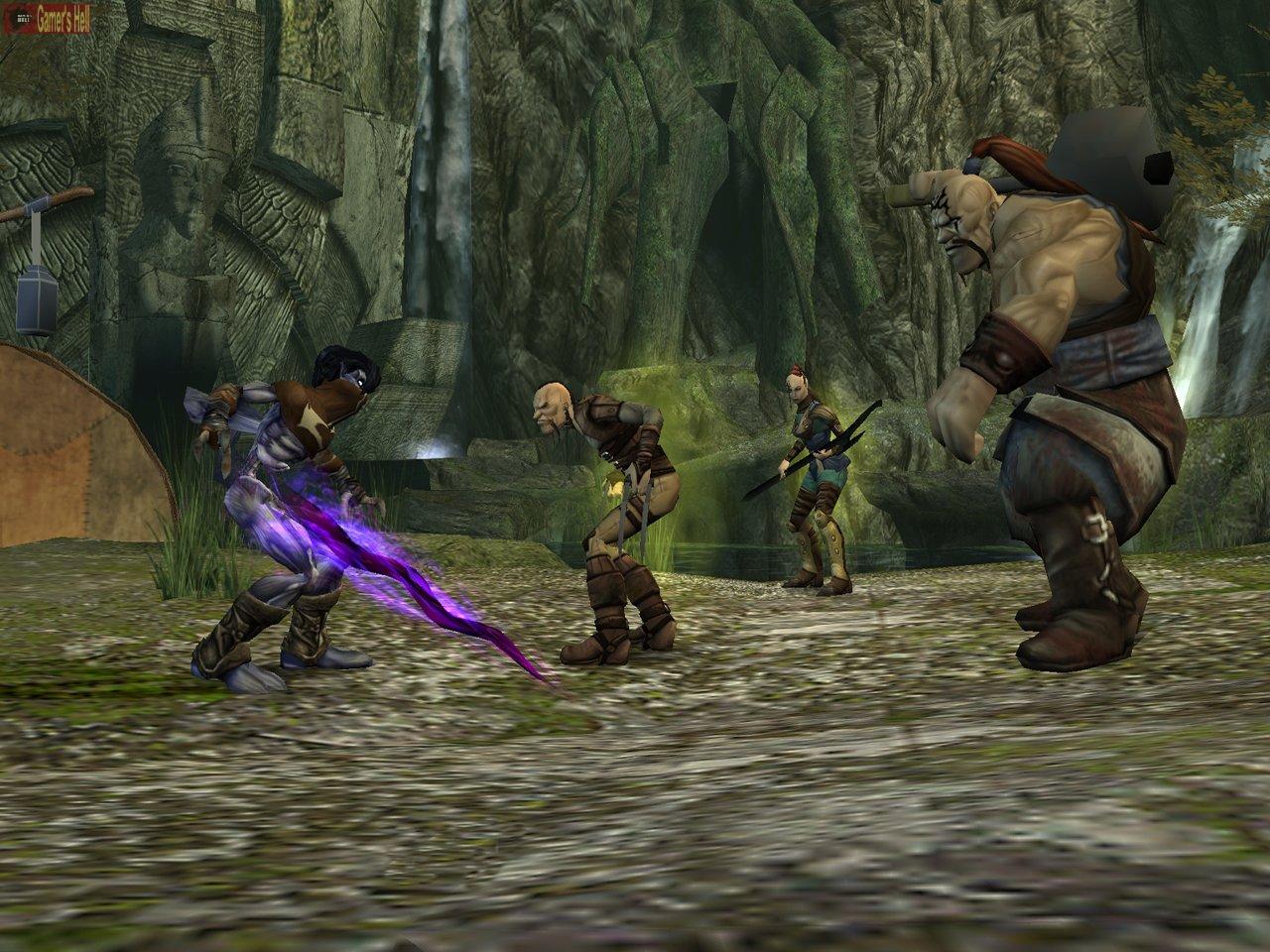
The Legacy of Kain was a very popular series back in the day. Defiance, an epic tale about vampires, is the final entry in the long-running series. You play the vampires Kain and Raziel. You switch between solving puzzles, fighting enemies, and discovering secrets.
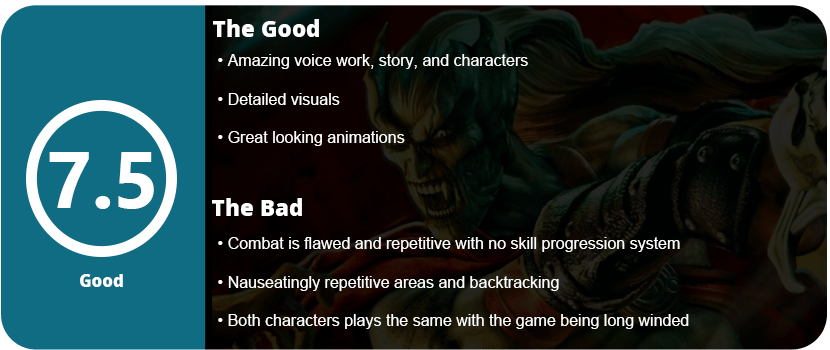
The game is well worth a playthrough, and you don’t have to play the previous games to understand what’s going on. The story is told so well that you get the entire picture by the end of the game, and it feels satisfying. It’s one of the few games back in the day that had a fantastic story that was worth trodding through the mediocre gameplay to see unwind. Playing as Kain is actually a lot easier than Raziel as his sections are shorter, he doesn’t have to do as many puzzles, and he’s more powerful. However, I was seriously disappointed with many aspects of this game as it became frustrating and repetitive long before I reached the end.
For starters, the level design isn’t the best, and there’s more backtracking in this game than I can stand. You don’t just visit the same area twice or even three times, but over half a dozen, and it becomes a drag. Kain’s segments are mostly just combat-oriented, finding balance pieces to acquire one of four sword abilities. Raziel’s segments require him to find seven different swords, and each element temple is exactly the same, just rearranged. You go into the temple, get the new sword, fight a mini-boss, use the new element to unlock a portal, and repeat nearly a dozen times. It’s so tiring and boring that most people won’t finish the game.
It’s not just the temples that repeat, but the rest of the game. You swap between the vampire citadel and a mansion, and both Kain and Raziel revisit it multiple times each. You go through the entire area once and then come back with a new ability to break through some wall that leads to a new area, just to go through it all over again as the other character. I find this level design poor, and some of the levels are confusing and maze-like, and I just didn’t care for it. Raziel has to shift between the Material Realm and Astral Realm several times throughout levels, but you have to find a conduit spot to shift back into the Material Realm. It’s a neat idea, but later you realize this is more of a hindrance and doesn’t really add much to the gameplay. There aren’t any special puzzles that require you to swap between the two to make things really interesting. You just use it to pass through certain doors and for platforming.
Combat is also full of flaws, with one major one being that Kain and Raziel fight nearly identically, with Kain just being slower than Raziel. Both have telekinesis powers, both use a sword, and both dodge nearly the same. Dodging is one of the biggest problems in the game, as you have to hold down the jump button while moving in a certain direction. Enemies move too fast to have time to hold the button down. Why do you hold a dodge button? It doesn’t help that there are knockback animations, and I absolutely hate these as they make combat a drag. Throw in the fact that you don’t get more powerful throughout the game; each sword element just adds a different power attack when your meter is all the way up. There’s no sense of character progression at all, and this game is long enough (roughly 12 hours) to have that kind of system. You can acquire new special combos, but they are difficult to execute, and most of the time you just button-mash. After about halfway through the game, I just ran past enemies unless I was forced to fight them. There’s no reason to fight these enemies at all except for health (both characters can absorb them to replenish), as there are no skill points or XP to gain.
I will say that the combat animations are fluid, the controls are solid, and everything works. The second biggest issue is the damn camera. It’s a static camera most of the time that spins around, and you can’t control it. A lot of times, objects were blocking the camera during combat, or I would fall and die because I couldn’t judge a jump right. The camera is atrocious and really detracts from the overall experience here.
The puzzles are also a joke, as they are barely puzzles. Just push this block onto that switch, and that’s all you do. There’s no thinking involved at all, like in other games in this genre. Now, it seems I’m ragging on the game, but I did enjoy it despite its many flaws. The voice acting is just fantastic, as are the story and characters; it’s the sole reason why I pushed on. The graphics are somewhat decent, with lots of detail everywhere, but there are games that look much better, especially since 2003 was a time when developers were really pushing these systems.
Once you beat the game, there are zero reasons to go back. There are no alternate endings, no special unlocks, nothing. There is great making-of stuff when you finish, but that’s it. Take it for what it’s worth and definitely pick this game up. It was one I missed growing up as a kid, and I plan to play every game in this series despite all its flaws.
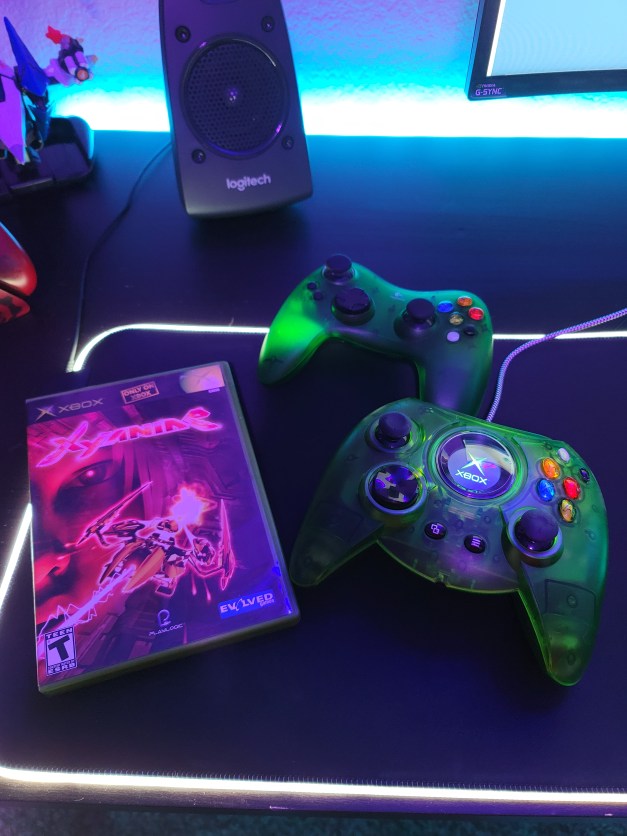
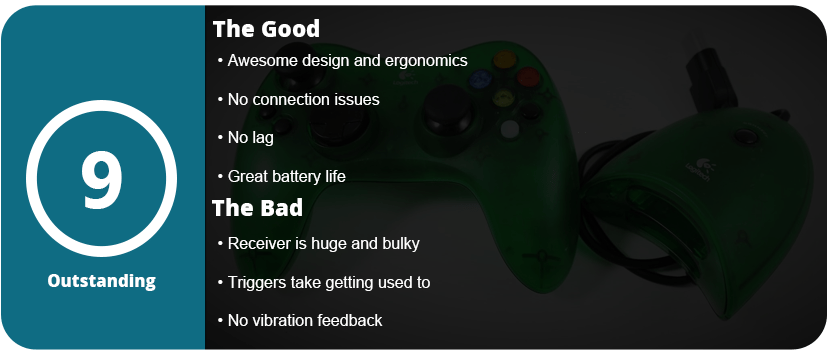
After loving the Cordless Precision Controller for PS2, I had to get something similar for the Xbox. Now, the Xbox controller is great, but I don’t like cords strung across my house. Back in the day, wireless controllers were expensive, and there weren’t many good ones. After picking up a generic wireless controller a couple of weeks ago, I ditched it in the trash. It lagged, was constantly cut out, had to be reconnected from the receiver end, and was just glitchy and cheap. The Logitech controller feels solid, literally melts away in your hands, and has a nice weight to it.
The arms of the controller are bent out more and are a bit longer, so you have a more solid grip. The black and white back and start buttons are closer to your thumbs and are a bit bigger. The triggers aren’t really better than the OEM controller, but they still feel nice and are a little less stiff. The analog sticks feel great, and just like the PS2 version, they are a tad loose, so it takes getting used to.
I found it puzzling to have memory card slots on the receiver end as it makes it big and bulky, and the Xbox has an HDD, so why do we need memory cards? I understand transferring saves to a friend’s system, but it couldn’t have been built into the system. Anyway, the controller connects without a hitch and never needs to be repaired. Just press a face button and it connects with zero hassle, and this is why I absolutely love these Logitech controllers.
The back door to the batteries is much easier to get off than the PS2 version, and you get 50 hours of battery life off of two AAs. Overall, this is the go-to wireless controller for Xbox, as it feels better than the OEM one and is just a seriously solid and amazing product. They tend to be a bit cheaper than the PS2 versions, as there was only one version released. However, a new controller will still cost you over $100.
I have to note that this is the older, and better, model of the Cordless Precision Controller for PS2. The newer one doesn’t feel as nice but is more widely available. Besides the official DualShock 2, there isn’t a better controller out there. There were so many third-party controllers for the PS2, and they were all mostly terrible. From poor ergonomics to bad wireless technology or lame button placement, Some controllers opted for the Xbox-style analog stick layout or were just poorly built. Logitech was the king of accessories back in the day, and while they were more expensive, they were worth the money. I had this controller last for over 10 years until it pretty much died on me recently, and I had to buy a new one. That’s a long time for an accessory, and it went through several moves, was stashed in storage for a couple of years, and was dropped, kicked, thrown, and smashed over and over again growing up.
What makes this controller the best wireless option for PS2 is that it just feels good and is more solid than the official controller. There’s more bulk, and it feels heavier and more solid in your hands. The controller fits so nicely with shorter arms and a thicker back with larger top buttons. The D-pad is much improved and works well with fighters as it’s a rolling D-pad over the standard plus D-pad. My only complaint would be that the analog sticks are too loose for my taste, and they take some getting used to.
The controller connects to the receiver easily with just a press of a button, and there is no need to repair it. I never once had to pair the controller over the 10 years I owned it. It shuts off after 5 minutes of inactivity; there’s a mode button for switching from digital to analog, and that’s all you need. It lasts nearly 50 hours on 2 AAs, so get some rechargeables and you’re golden. I also have to mention that the battery cover is a pain to get off, but you can’t have everything.
Overall, this is the best controller option for the PS2 bar none. Sadly, it’s not made anymore and can be upwards of $50–60 used, and new controllers run over $100. If you can nab one, these are worth the investment tenfold. Just another side note: the black version is the most common, with the silver being second and the blue one being nearly impossible to find. The silver ones pop up here and there, but I have yet to ever see the blue one.
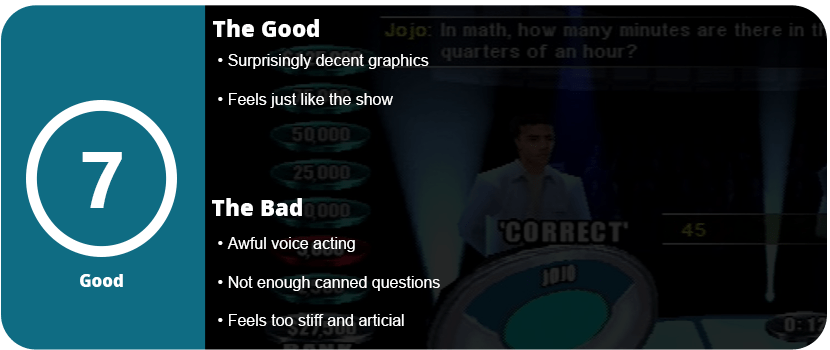
The Weakest Link brings back memories from my childhood. I remember the show being the next Jeopardy or Who Wants to Be a Millionaire. I remember the sound bites, that sassy British host, and the fast-paced and addictive play style. Surprisingly, the video game is an exact copy of the game show but is held back by set content.
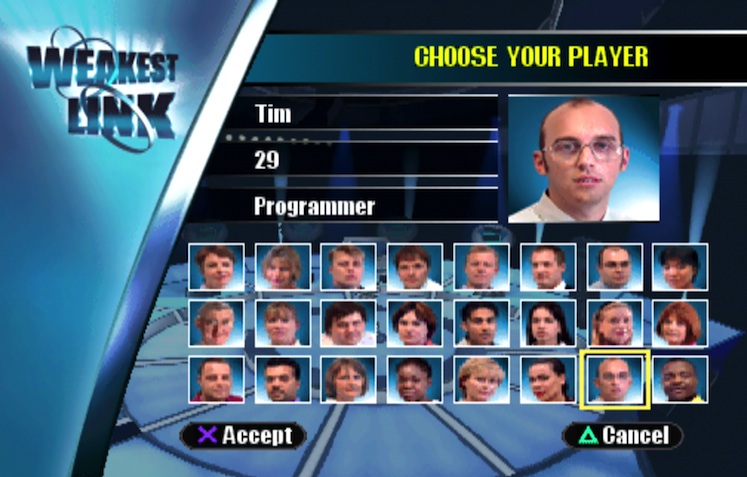
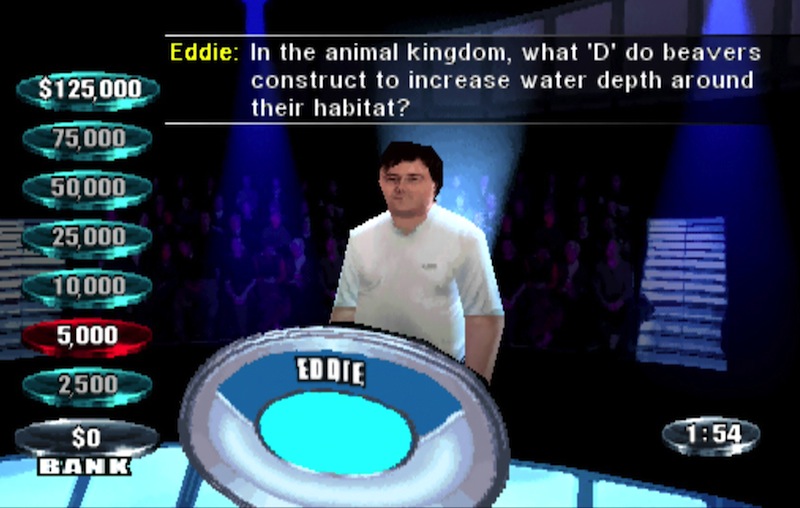
There are about two dozen contestants you can choose from, who are all poorly voiced and have canned sayings that get old quick during the games. The Weakest Link is an elimination-style game that is made up of six rounds. The first round starts out at 2 minutes and 30 seconds, with each round taking 15 seconds off the clock. The host goes around in a randomly chosen order, asking trivia questions, and you can either bank the amount of cash totaled so far or answer the question. If you’re wrong or pass, you lose the total amount of money queued.
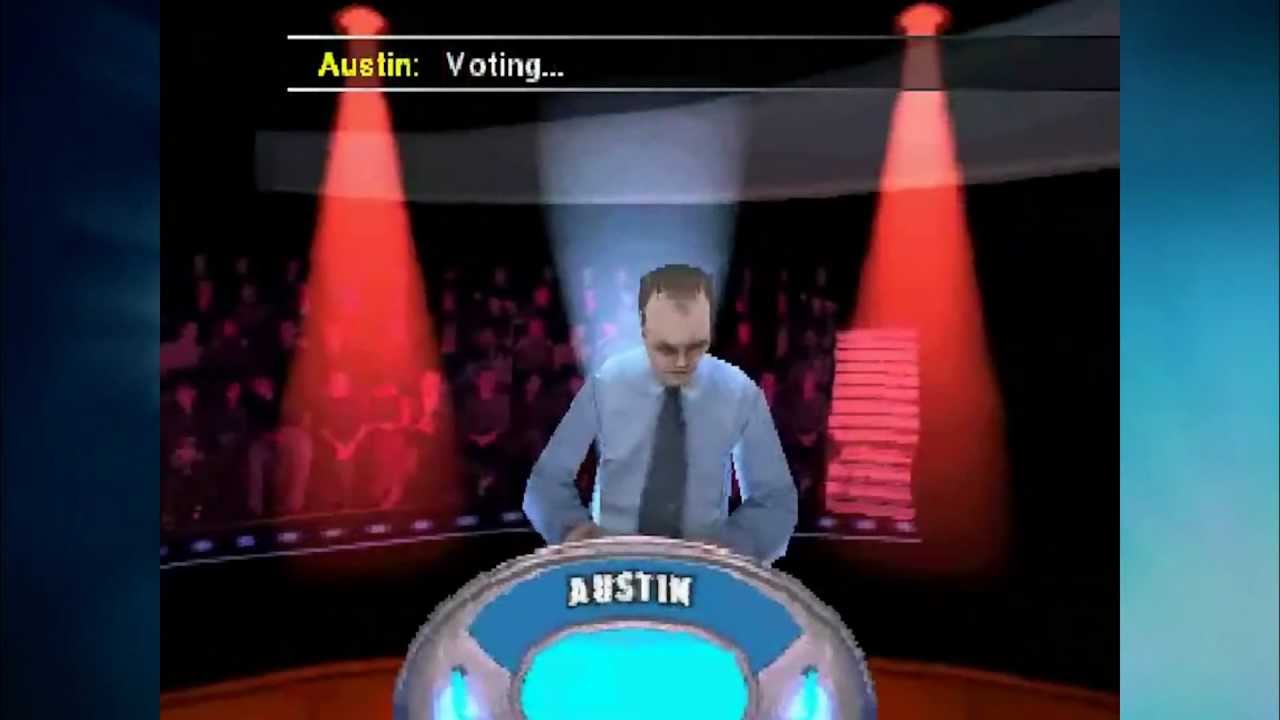
For the video game, the answers start out with one letter, and as the timer goes down, more letters are revealed. This is obviously easier and faster than typing in a full answer, as that wouldn’t be any fun. The trivia questions can be rather hard and range from science to sports, so having multiple people in the room helps a lot. When the round is over, each contestant votes off another, and here’s where the game becomes a little stale. The AI will automatically vote off the weakest link for the round, which is annoying if it’s you. This is the furthest from the game, as the contestants don’t know who’s the strongest or weakest link for the round, but somehow the AI knows.
The game continues in this fashion with live-action clips of the host rambling on pre-scripted sayings and jokes from the show. It’s nice to see, but after about an hour, you start to see some repeats. Honestly, the only way to play this is with other people, and the way too smart AI kind of ruins the game-show feeling of the entire experience. It nails down the feeling of The Weakest Link perfectly, but you also have awful voice acting and a limited amount of content.
I would recommend anyone who is a fan of the show or wants a fun new trivia game to play. Even for the PS1, the graphics are quite nice, and they capture the effects of the show. If you can look past the stiffness of it being a pre-set video game and the awful voice acting, then give it a go.
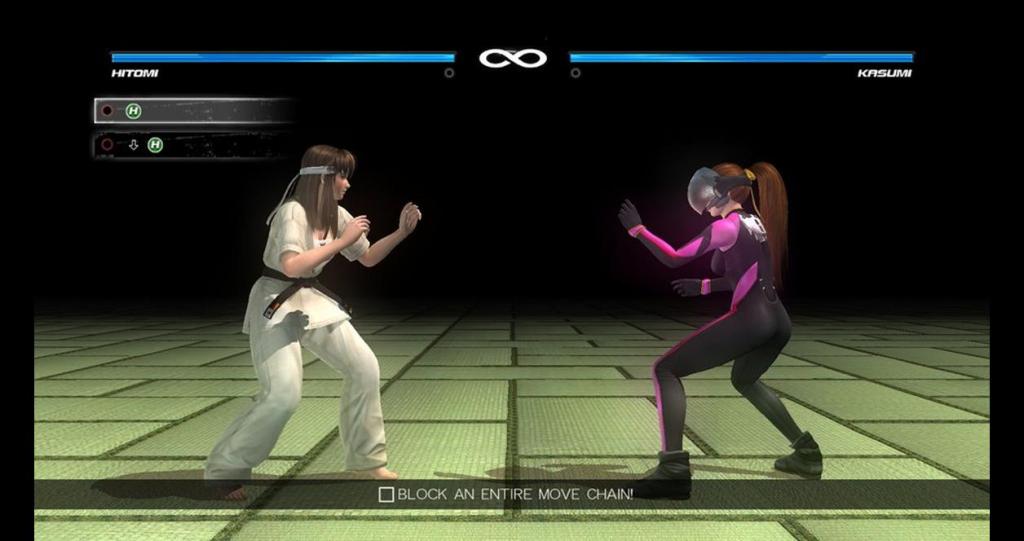
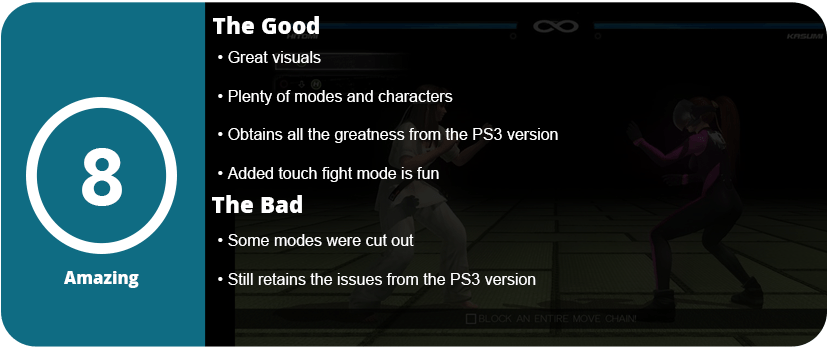
I’m going to talk about the PS Vita differences and how it holds up on the system, but the review for the original Dead or Alive 5 on PS3 is below. The PS Vita version is fantastic and feels like an excellent port. The game runs smoothly with the same great animations and good-looking textures. Nothing really seems to have been cut, but stuff has been added. For one, there are new training modes to practice combos and various other challenges. The biggest addition is the new Touch Fight Mode, where you see through the eyes of your character and can touch and flick to fight. This promotes DoA’s famous breast physics, and you can also change how bouncy the breasts are.
In addition to all this, you can use cross-save features and play online with other PS3 owners. While the content wasn’t cut, modes were such as not being able to upload matches to YouTube, lobby matches, and tag team solo play only. Despite those taken out, the game is solid and works well on Vita’s limited controls. I have to say this is one of the best fighting games available on the system, and any fighting or DoA fan should own it.
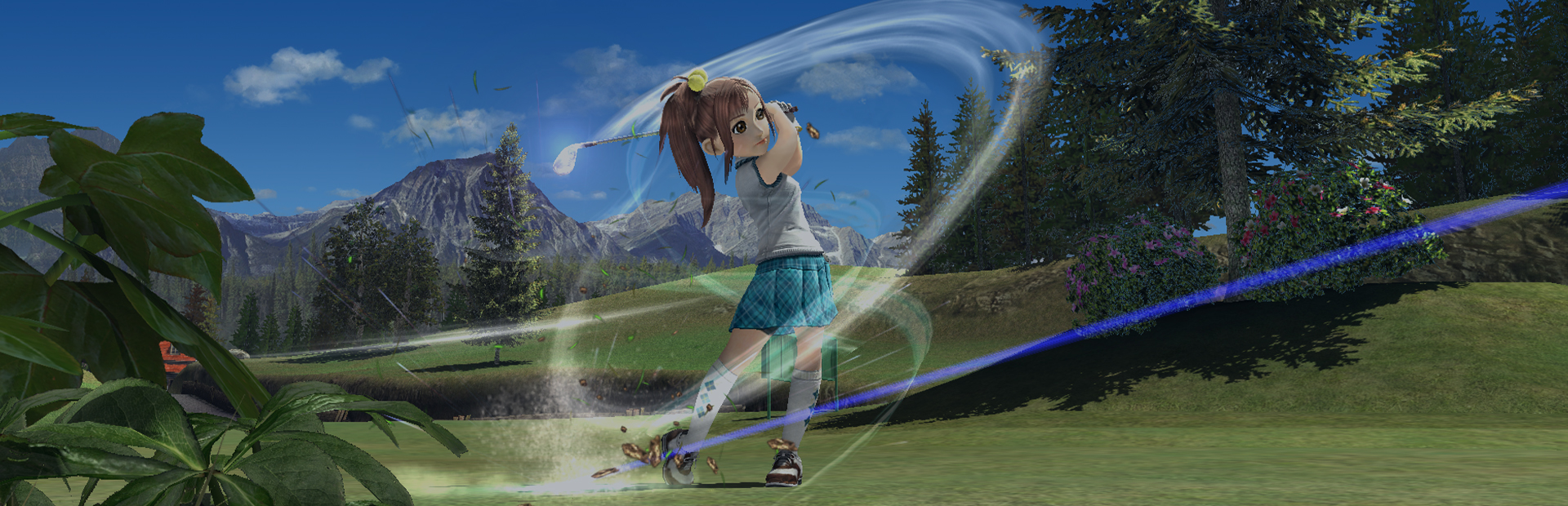
Hot Shots Golf has always been a solid golf series for PlayStation owners since the wee days of the PS1. While it provides cartoony visuals, the game is as close to a real golf simulator as you can get. The game has easy controls, fun gameplay, and amazing original courses.
World Invitational doesn’t deviate too far from the already familiar formula. You can create a character and customize every aspect, from hair decorations to shoes. Unlocking new items requires meeting certain conditions during the career mode, and it gives you something to do and shoot for. Once you get out onto the course, things are still quite familiar, and you start to realize why this is the best golf game on the Vita.
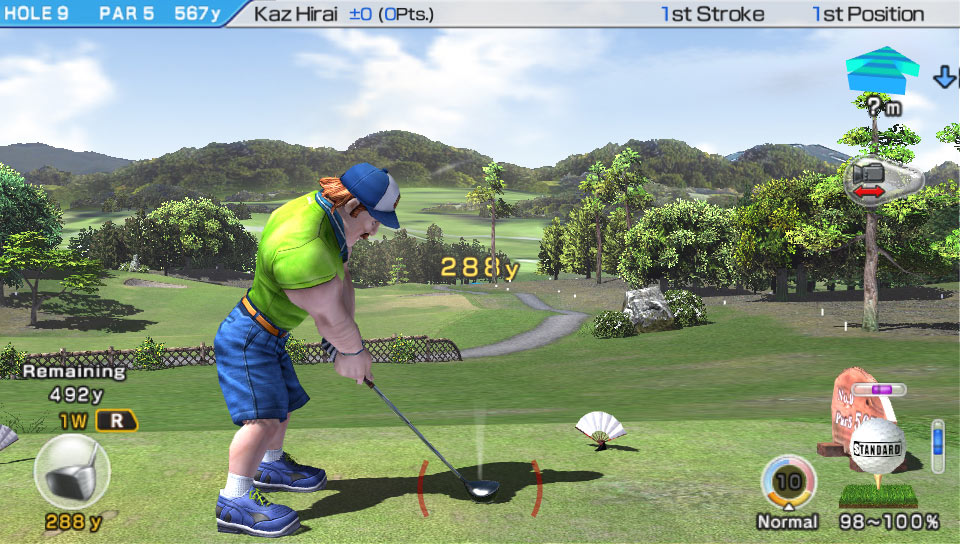
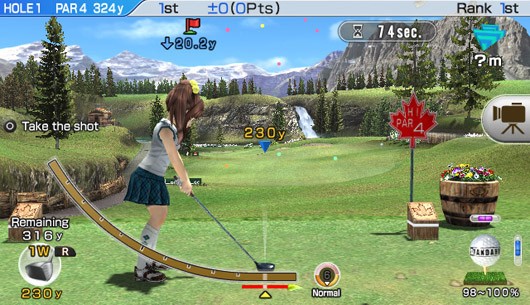
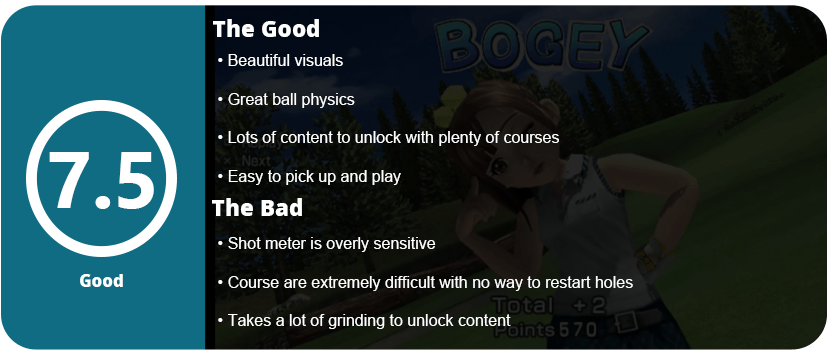
The standard golf game affair is here, from zooming to the hole, seeing wind speed, checking your lie, and even changing your swing and clubs. Controls are very easy, and the swing meter is actually customizable. There are several different types of players. You have unlocked swing meters, which is strange, but my favorite is the three-step meter. Setting your power and then your accuracy is the easiest way to go. I found that this game has an overly sensitive swing meter, no matter which you use, and it’s very hard to get a perfect swing, more so than most golf games. Courses are also very difficult right off the bat, with crazy doglegs, narrow greens, and crazy wind conditions. This is actually the hardest Hot Shots golf game I have played, and it will turn casual players off due to the difficulty.
The game is also grinding heavy, and unlocking items takes forever. I actually couldn’t advance very far in my career because of the difficulty, and unlocking new clubs and earning enough coins just becomes discouraging. There’s no way to restart holes or courses, as you have to quit and go back in, which is a huge downer. I would start out poorly, and by the 5th hole, I would want to restart, but you have to lose all your progress. This grind-heavy playstyle is just a huge turn-off, and acquiring trophies in the game is nigh impossible without having a high-level character.
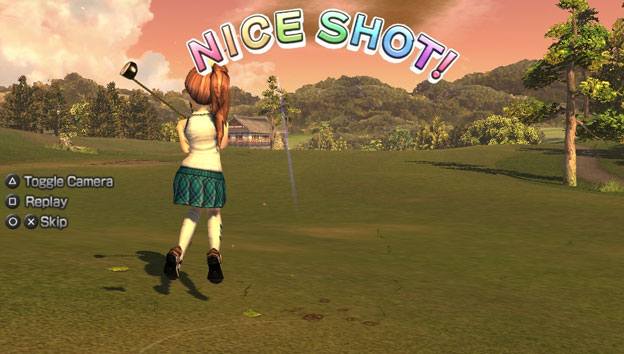
The graphics are amazing, with awesome ball physics, beautiful lighting, and great models. All this is nothing if you get frustrated early on in the game, and it’s not just me. I had a friend buy the game shortly after me, and even playing online is quite hard, and we quickly got frustrated with the game. Occasionally I would go back and try again, but getting to the 15th hole and screwing up big time sucks as you have to quit and start over. There’s no point in finishing because you know you’re going to lose. If you could restart holes, this would alleviate the majority of the frustration in the game.
As it is, the game is nice to look at, easy, and fun to play. Grinding to unlock new items, upgrade your character, and not being able to restart holes makes this quite a frustrating game. The overly sensitive shot meter takes away from pure skill, and the courses are extremely hard to play right from the start. I can only recommend this to hardcore golf players, despite the audience this series normally aims for.






































 thebinarymessiah.com
Try multiplayer. A lot of fun !