Real-time strategy games are one thing, but when you add the words fat, princess, and cake to the title, it becomes something magical. Fat Princess is an RTS that really makes your adrenaline pump. You have different classes such as warriors, wizards, priests, workers, etc., but call this game an RTS lite because the game is all about action.
The main story consists of 15 levels, and each one is different and super fun, with a very interesting fairy tale story that is being told. You slowly unlock different units to use, but how you use them is key. Each unit can be upgraded to use different weapons, such as the warrior, who can use a halberd, the archer, who can use a gun, and the worker, who can use bombs to blow up structures. Your main goal is usually getting the enemy’s princess into your dungeon, so think of this as capturing the flag. You can feed your princess cake to fatten her up so it is harder for the enemy to take her away. The enemy will also try to build ladders near your castle or find shortcuts, so watch out.
Workers have two different resources for upgrading “Hat Machines” or completing different objectives that require them. You can gather wood and metal by hacking away at it and carrying it to your base. Most resources will grow back after a few minutes, but it’s a fight for the best areas. You can capture command posts as well to keep a firm hold on the map.
But like I said, the game is about action, so unit building and all the resource gathering are faster. Each unit is AI-controlled, and you can call some guys to fight by your side and help you escort the princess. You can call an archer, a warrior, or a priest who will have hearts under them, and you can move faster. If the enemy’s princess is too fat, however, you can’t carry her at all.
The fun part about Fat Princess is how the tide of the battle is a tug of war and can be really intense. Choosing what to do is up to you. Do you want to help heal everyone as a priest? Help upgrade the hat machines. Do you want to charge right into the castle yourself and get the princess? While the AI-controlled guys may have some issues going online via infrastructure, that is the icing on the cake. Playing against real people can be a blast since they pretty much know what to do.
Besides all this, you can customize the units of your people and do skirmishes, but other than that, the game is light on modes and extras. Fat Princess is chock-full of internet quotes and game-related nuances, so there are laughs all around. Fat Princess is a wonderful light RTS for pick-up and plays action. Plus, the game looks and sounds great on the PSP and doesn’t lose anything from the PS3 port.
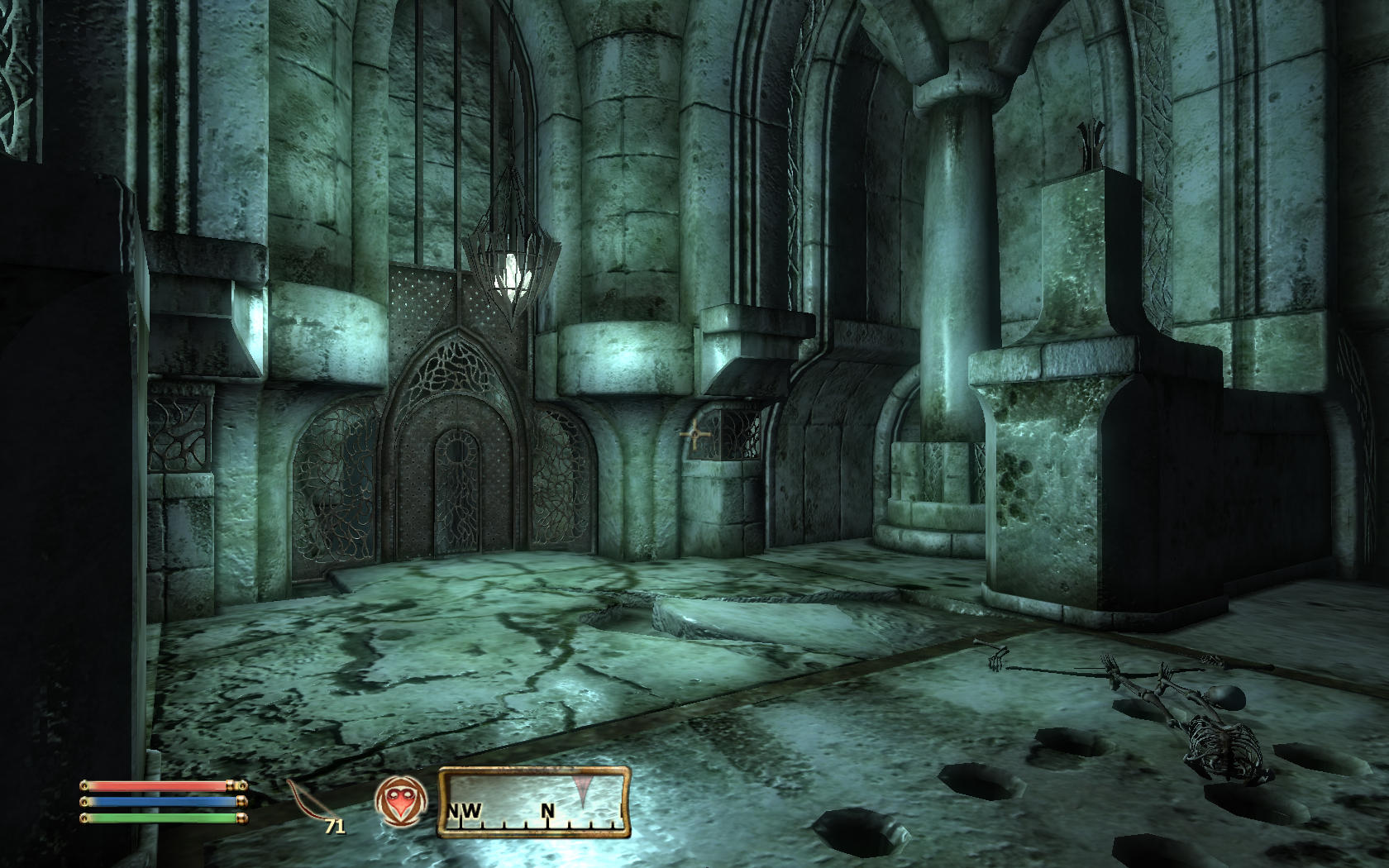
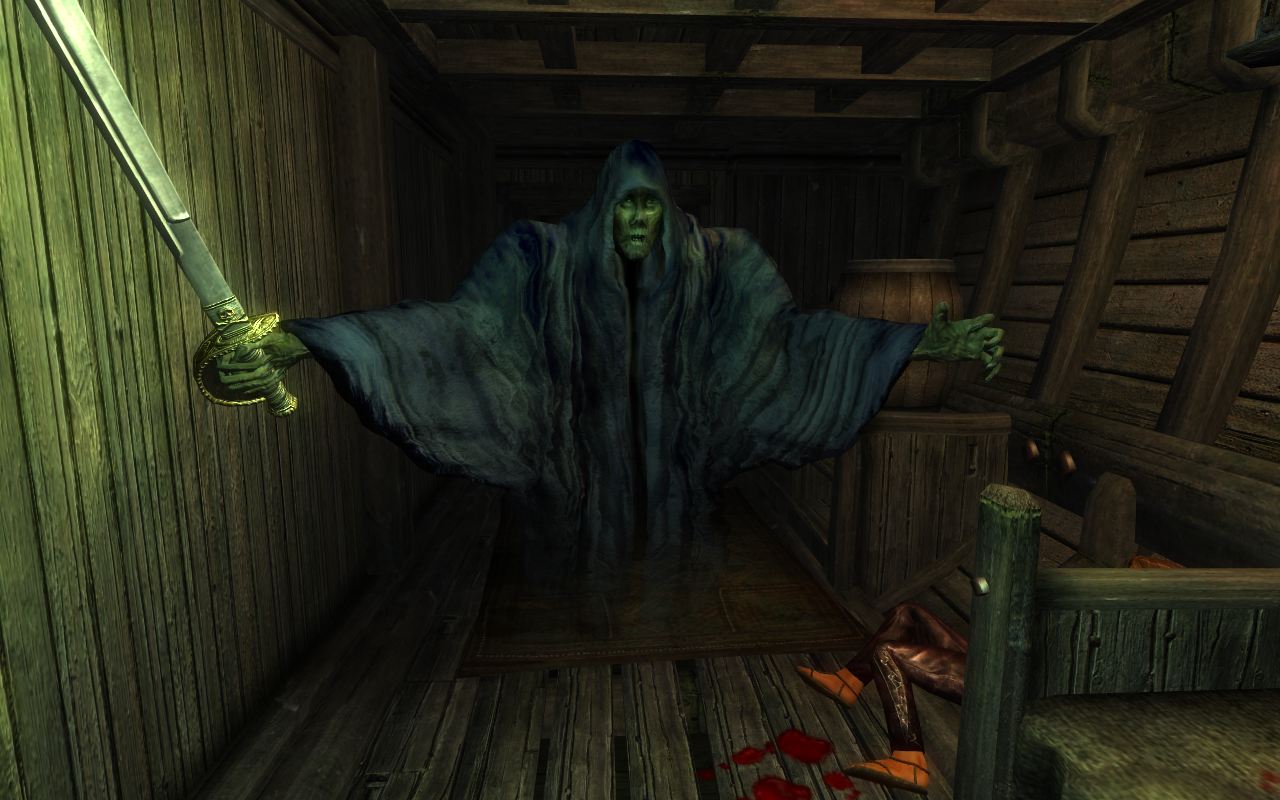
By now, everyone with a 360 has either played or owned this game. There’s so much about Oblivion that it would take pages and pages to describe it all in detail. The main story is that you have to restore the dragonfires so the realm of Oblivion can’t come back to Cyrodiil. The story is very interesting, and the side quests add to this. To start with, you make your character with an absurd amount of detail, and you can even name and customize your own race, abilities, etc. In each city in Cyrodiil, you can choose to join guilds such as mage, fighter, thief, etc. You complete tasks for the guild leader, and you get a recommendation from the head of that guild. You can train there to raise attributes and rest. Now, when it comes to talking to people, the game uses facial expressions to show you what the NPC is feeling. You can persuade people via a little mini-game that takes a while to master.
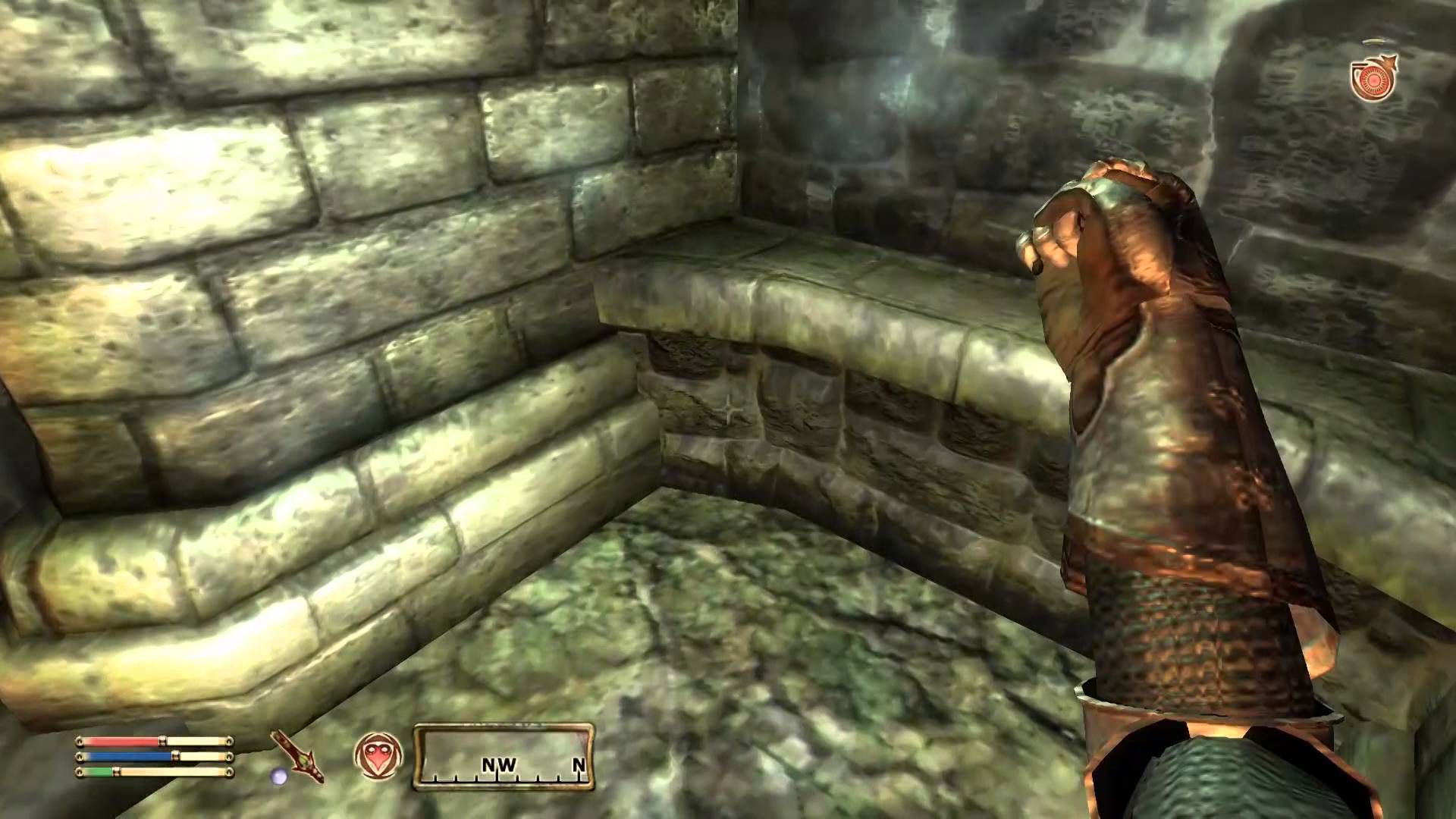
Now let’s talk about combat. The combat is very deep and simple at the same time. You block with LT and attack with RT. You can use magic, swords, bows, katanas, staffs, etc. As you use your weapons, they deteriorate, and you can repair them with hammers or at weapon shops. Some weapons can have attributes like causing your foe to be paralyzed for 30 seconds or something like that. You can use scrolls, which are magic attacks for defense, and offenses that can be used once. When you level up, you have to go to sleep so you can meditate on everything you learned. It takes a long time to level up in this game, but it’s well worth it.
The vastness of attributes is insane in Oblivion. The combinations of alchemy spells and everything combined just, literally, make it infinite. Now let’s talk about vastness. The game is huge—bigger than all the GTAs put together. Anything that you see, you can walk on or climb. You can ride a horse there or just go there for the hell of it and discover something new. You can pick plants for alchemy, you can find new weapons…or just completely useless stuff like bones, cups, vases, quills, mops, shovels, etc. Some stuff is worth thousands, and some stuff is worth nothing at all. You’re probably wondering how you travel such a huge amount of land. Well, the map lets you warp. Thank God for that. Of course, you can’t warp inside a building, but you can get the idea. Now the game can let you go good or evil depending on whether you steal people’s stuff, pickpocket, murder, etc. Or you can choose to be rude to people during conversations. Technically, there are some flaws.
The graphics are still pretty good by today’s standards but show some age, just a tad compared to recent next-gen games. The music is outstanding, and the voice acting is superb. There is some texture popping up here and there and hitting. The constant loading is also annoying, but with recent software updates that have been remedied, this is some. You just have to get this game. It’s so big and so deep that you’ll play it for hours and hours. Also, with all the expansions out there, I wonder if there is an end. A note to casual players: stay away. The vastness and depth will turn some players off and will turn JRPG fans off.
Ahhh, the tired old FPS genre. Everyone loves it, and then everyone hates it. What more can developers do to change the FPS genre to make it interesting? Better graphics? Better sounds? More realistic AI? Realistic physics? Less linear? Keep the linearity? More vehicles? Better story? The list goes on and on, and the answer is yes to all of the above.
Bad Company 2 is a sequel to the first, but the first game was pretty forgettable. You play as a squad of four soldiers who were military rejects and must earn their freedom or face the slammer. They are sent into Africa and other parts of the world to find some sort of scalar weapon that the Russians found in Japan and are using for global domination. Not something we haven’t seen before, but the squad has great characters that you’ll love, and hearing their banter is enough to keep playing.
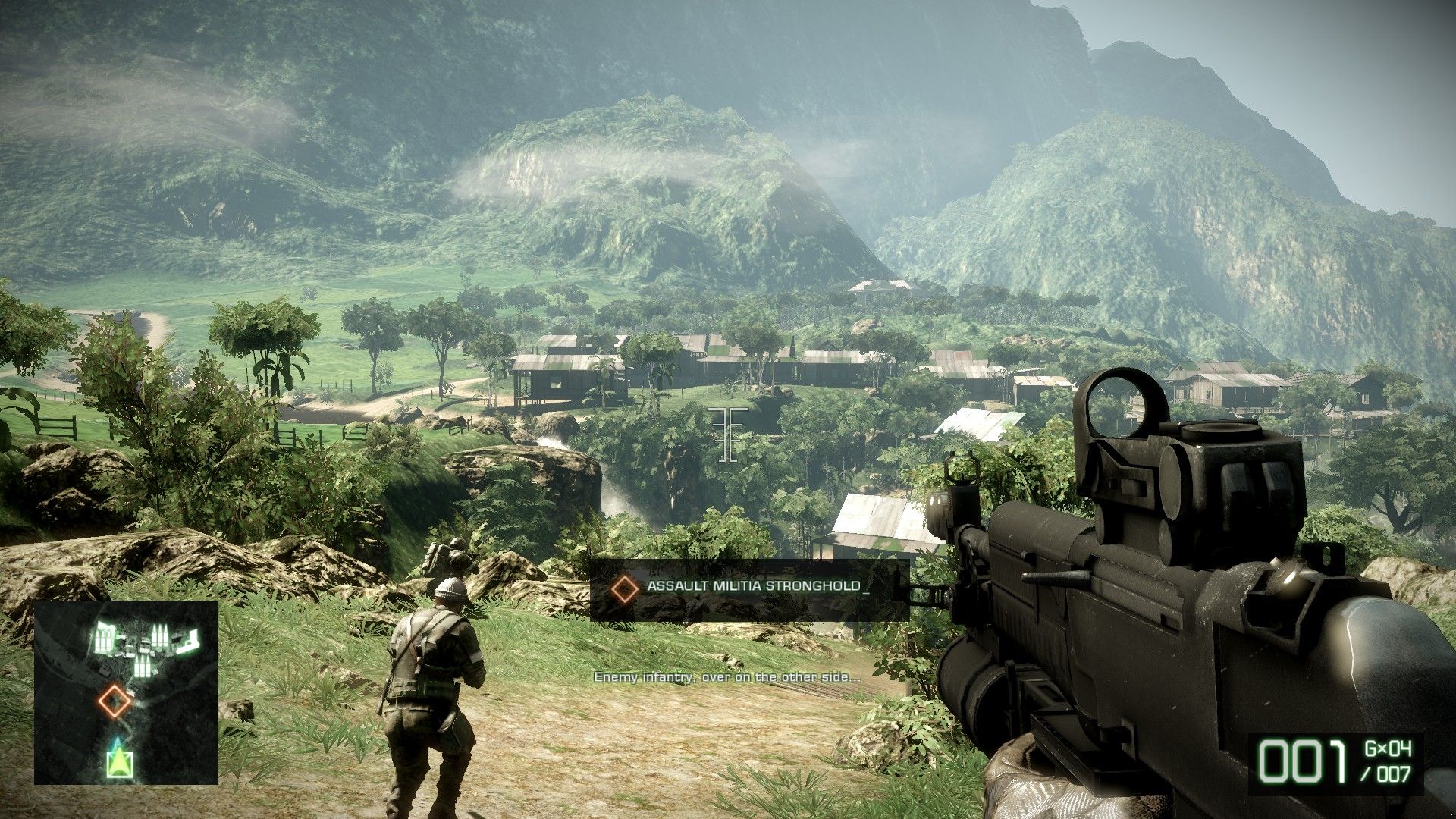
A lot of people are comparing Bad Company 2 to Modern Warfare 2, and if I were to pick the better game, Bad Company 2 for single-player and realism, and Modern Warfare 2 for multiplayer, but then again, I’m not comparing the two, so let’s get down to it. The first thing you will notice is how real Bad Company 2 feels, more so than any other shooter so far. The sounds are just amazing, with the sound of fire echoing off caverns, the sounds of you reloading echoing in a building, the pinging of bullet shells hitting the floor—everything sounds like it would in life and is placed accordingly to unlock most (if not all) shooters, real or not. The foliage looks real, and everything blows up. You can blow pretty much anything up in the game with anything you can get hold of. This is also used in gameplay when getting around turrets that you can’t shoot through. Find some red barrels and blow the building up, then have it collapse on everyone below it. This goes for radio towers, telephone poles, and large trees. Then again, it’s pretty stupid when you can blow apart small objects like trash cans, chairs, or cardboard boxes, so it’s very strange.
The weapon selection in the game is great, and you get all your real-world guns, and they fire like they should. The guns feel powerful, and everything about shooting feels dead-on. Gone, however, is the whole healing thing, and instead, you just hide in cover to heal. Another element stripped is finding the gold bars, but instead, M-COM stations that you blow up and finding weapons. The M-COM stations are hard to find, and I don’t know where all the hidden weapons could be, but they’re there for people who like that stuff. I personally hate finding crap in shooters like this since it detracts from the experience and pulls you out. Other than that, though, the game is paced nicely and flows just right.
There are some elements that haven’t been down before, like the whole blowing up everything in your path (in an FPS anyway), and there’s even one level where you will freeze to death if you don’t find shelter fast. This level has your knifing doors open as you race down a hillside. There are some epic vehicle sections (that haven’t been done before), but there is one level that isn’t linear that has three checkpoints, and you can choose which ones you want to do first. The opening level is even from WWII in Japan, so the game is full of surprises and is a blast to play.
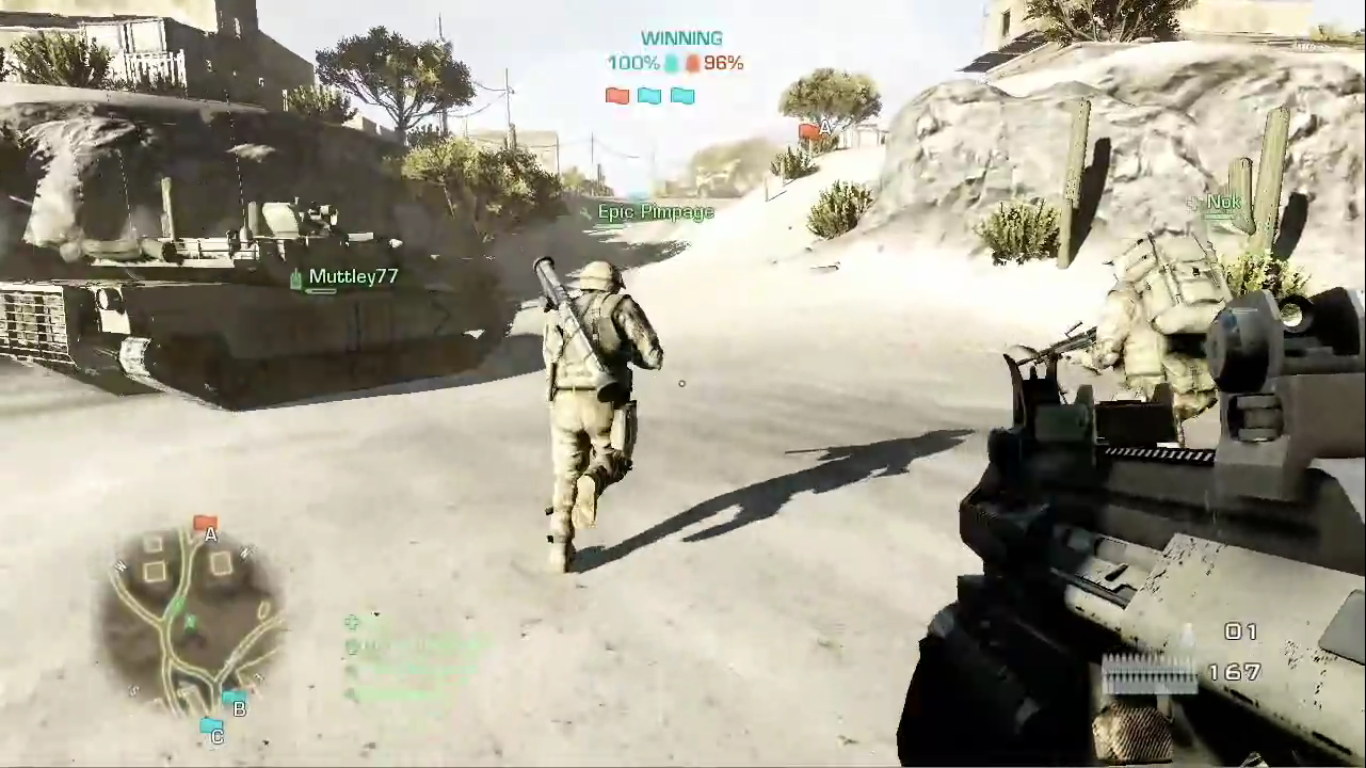
When it comes to multiplayer, the game is solid with three modes of play, but my favorite is Rush. Like in the original game, you have an attacker and defender side on a huge map (this one supports 64 players). You have five different classes to choose from, and you can customize them as you please. There are three “perks” that you can use at a time, but they must be unlocked, and this takes a while. The multiplayer is fast, intense, and fun, with lots of vehicles zooming around, everything blowing up, and people just being crazy.
My last words here must be how amazing the game looks. Probably being the best-looking shooter around, it looks great technically but has no artistic style and is just “real life” type of stuff, so it’s not for everyone. If you want a really amazing shooter to play and are bored of Modern Warfare 2, pick up Bad Company 2, because it’s one hell of a ride.
LIMITED EDITION: If you pick up the game soon, you can still get the limited edition, which has six multiplayer unlocks and entitles you to upcoming maps for free. A deal? I’d say it’s the standard price with no additional charge. To find a new copy if you can.
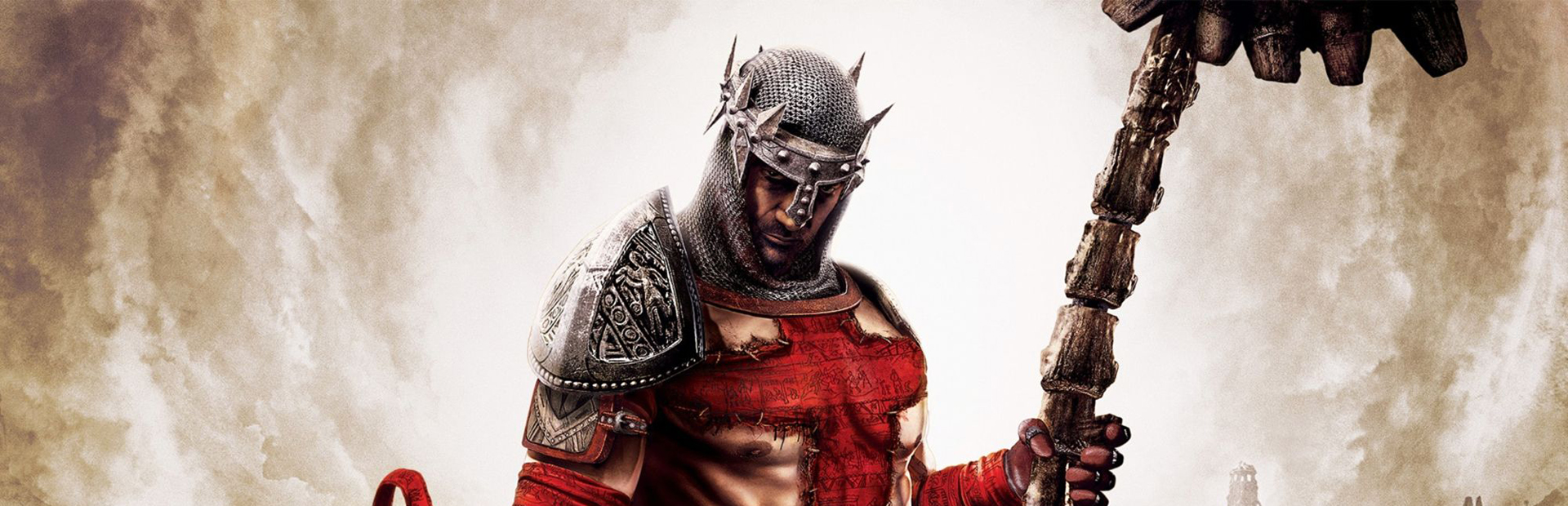
The first thing you will notice when you play Dante’s Inferno is that it’s a bold game. The game is one of the darkest, nastiest, and most mature games ever created, and it makes Christianity look like a damned fool. The game is about a man named Dante, who is a crusader and betrays his love, Beatrice. Upon his return to Florence, he sees her dead and watches as Lucifer takes her into hell, and Dante follows. The story is pretty good and keeps you interested, but it’s predictable. The game goes extremely deep into Christian and Greek mythology and pulls out names only hardcore followers would know, but enough of the story, let’s get to the gameplay.
The game has a pretty damn solid combat system. You use your scythe as your main weapon, and you have a cross-projectile attack. You can do aerial combat, launch enemies into the air, and use your magic. You can unlock moves by following the holy or unholy paths (which don’t actually affect the story), and each tree has a different set of moves. You can have four different magic items equipped, and all are useful and powerful. One of the first elements you’ll find that they took away is the relics. They are gone! These really helped you in the console versions, but they are nowhere to be found here. Anyway, the combat system is fluid, fast, powerful, and very deadly. Another element they took away from combat was the redemption meter. Geez, guys, why did you butcher this?! With those two things aside, the combat is fast and as fluid as it is on the consoles.
When it comes to exploration, Inferno both satisfies and disappoints. The game has you descending into the nine circles of hell, and each is harder, more deadly, and more brutal. Some levels are pretty epic, like The City of Dis and Limbo, and some disappoint, like Lust (just an ascending tower) and Gluttony (just fight Cerberus and a few baddies, and you’re down to the next level). The levels are varied in length, and I wish they would have been fleshed out more. Puzzle-solving is pretty rare, and when you do get some puzzles, they are pretty easy to solve. However, most of the puzzles have been solved for you. Yeah why?! Not only this, but a lot of the game’s intense sections are videos of gameplay from the PS3 version. One example is the part when you kill Charon and ride the giant minotaur up the crumbling bridge. You don’t get to play this part; instead, you watch it.
One thing I have to get straight is that the game is pretty epic. Not a God of Warepic, but enough to keep it very cinematic. There are QTEs in the game, such as when you take down a minotaur to ride it, take down bosses, etc. You can punish or absolve most enemies to get fed your tree paths. There are famous historical figures that you find throughout the game that you can punish or absolve upon reading what they ended up in hell for.
The game’s visual style is very impressive. It’s what you think hell would look like—dark, disgusting, and evil. The gluttony level is a good example since you are walking through the intestines, bile, puke, and so forth. The Lust level has female enemies’ wombs coming out of them to attack you. A giant Cleopatra with tongues coming out of her nipples and evil babies—yes, it’s bizarre, but it works, and it’s amazing to look at. However, on the PSP, it’s obviously downgraded quite a bit, and a lot of the beauty from the consoles is lost in translation.
The game is also extremely difficult, even in an easy setting. Wave after wave of enemies come at you from all directions, bosses are extremely hard to beat, and the game can be very frustrating often. However, the game’s major flaws are mainly the length, difficulty, and the fact that the levels weren’t developed to their fullest potential. So with the flaws of the console still here plus relics, redemption, puzzles, and a lot of other things removed from the game, you still get a solid Dante’s Inferno Lite for people who are on the go or don’t own an Xbox 360 or PS3 (you should!).
The first thing you will notice when you play Dante’s Inferno is that it’s a bold game. The game is one of the darkest, nastiest, and most mature games ever created, and it makes Christianity look like a damned fool. The game is about a man named Dante, who is a crusader and betrays his love, Beatrice. Upon his return to Florence, he sees her dead and watches as Lucifer takes her into hell, and Dante follows. The story is pretty good and keeps you interested, but it’s predictable. The game goes extremely deep into Christian and Greek mythology and pulls out names only hardcore followers would know, but enough of the story, let’s get to the gameplay.
The game has a pretty damn solid combat system. You use your scythe as your main weapon, and you have a cross-projectile attack. You can do aerial combat, launch enemies into the air, and use your magic. You can unlock moves by following the holy or unholy paths (which don’t actually affect the story), and each tree has a different set of moves. You can have four different magic items equipped, and all are useful and powerful. You can also find relics throughout the game that benefit Dante in certain ways. For example, one relic allows Dante to have more powerful throw attacks, one lets him instantly break fountains, one lets him take less damage, etc. These are found by talking to Virgil or in secret areas. Anyway, the combat system is fluid, fast, powerful, and very deadly. If you feel you are getting whomped, you can use your redemption meter, which is kind of like Rage of the Titans in God of War.
When it comes to exploration, Inferno both satisfies and disappoints. The game has you descending into the nine circles of hell, and each is harder, more deadly, and more brutal. Some levels are pretty epic, like The City of Dis and Limbo, and some disappoint, like Lust (just an ascending tower) and Gluttony (just fight Cerberus and a few baddies, and you’re down to the next level). The levels are varied in length, and I wish they would have been fleshed out more. Puzzle-solving is pretty rare, and when you do get some puzzles, they are pretty easy to solve.
One thing I have to get straight is that the game is pretty epic. Not a God of War epic, but enough to keep it very cinematic. There are QTEs in the game, such as when you take down a minotaur to ride it, take down bosses, etc. You can punish or absolve most enemies to get fed your tree paths. There are famous historical figures that you find throughout the game that you can punish or absolve upon reading what they ended up in hell for.
The game’s visual style is very impressive. It’s what you think hell would look like—dark, disgusting, and evil. The gluttony level is a good example since you are walking through the intestines, bile, puke, and so forth. The Lust level has female enemies’ wombs coming out of them to attack you. A giant Cleopatra with tongues coming out of her nipples and evil babies—yes, it’s bizarre, but it works, and it’s amazing to look at. The game is also extremely difficult, even in an easy setting. Wave after wave of enemies come at you from all directions, bosses are extremely hard to beat, and the game can be very frustrating often. However, the game’s major flaws are mainly the length, difficulty, and the fact that the levels weren’t developed to their fullest potential.
DIVINE EDITION: Exclusively to the PS3 is the Divine Edition, which includes a different cover, a fully digital version of Dante’s Inferno, and a free code for the Trials of St. Lucia (which is still not out yet). All of this for the same $60 price tag. The only disappointment was that there was no special book that came with the game that included Inferno. Reading the poem in a small window that is over 30 chapters long is not fun at all.
Norse mythology. That’s what drew me to Darksiders, but don’t just jump into this thinking it’s a God of War clone. In fact, it’s a mix of Zelda exploration and puzzle-solving and combat similar to God of War, but not as good or as epic. The story goes a little something along the lines of you playing as one of the four horsemen, War, who is chosen by the Council to find these broken seals and kill whoever did it to bring back Balance because the bad guys want all the realms aligned and made into one. The story is stretched between the long-winded levels, and it never picks up until the last hour, but by then you have forgotten what has happened because there is a little story between levels. It almost feels as if the story was an afterthought, and Vigil just concentrated on the puzzles and combat.
That being said, there is a lot of puzzle-solving in this game—almost more so than any other I have played. The game takes a lot of ideas from other games, such as God of War, Zelda, and even Portal, and puts them to good use. While the game isn’t 100% original, it does have its originality in certain areas. While starting with the combat, it’s pretty simple. You start out with your Chaoseater sword, which is mapped to the X button. Later on, when you get the scythe, you can map that and any other secondary weapon to Y and your tools to RT. Combat moves can be purchased by using blue souls gained from killing enemies. There are power moves and multiple combos you can pull off, and it’s all fluid and fun to use, so there’s no problem there.
You have a yellow wrath meter, which is war’s “special powers,” and then you have health shields, which are bars of health. Sometimes when you weaken an enemy, you can execute a kill move by pressing B (God of War, anyone?), but no QTE (quick time events) are displayed. Instead, you just watch war butcher the enemy. I love QTEs and would rather participate in the killing than just watch, but some people may prefer this. You can also ride your horse, Ruin, through the last 3/4 of the game and swing your blade while on him to kill and demolish enemies.
Now combat is neat and fluid. I just wish there were QTE events and a more fixed cinematic camera, but after explaining the puzzle-solving, you’ll see why it’s a user-controlled camera. The puzzles are so frequent and so complicated that they drove me nuts. It was just puzzle after puzzle after puzzle, and it was never-ending. While this doesn’t ruin the game, it just feels more and more like Zelda with every hour that passes. You have a free-roaming world that is broken down into sections that you can warp to. You have to find tools such as a grappling hook, a Mask of Shadows (to see hidden objects), and a portal gun (yeah, ripped straight from Portal, but it’s a gauntlet instead of a gun), as well as a glaive (Dark Sector maybe?). As you discover each tool, you use them to solve puzzles accordingly. The portal gauntlet is probably the most unique. There are orange circle plates that you can attack portals with too, and if any portal fans are reading this, you know what happens. However, there are a few unique touches, such as in the Black Throne area (mostly puzzles and hardly any combat), where you guide a beam from across a level through the different rooms and solve those puzzles to allow the beam to pass through more rooms. Yeah, it’s a bit in-depth and complicated, and don’t fret because most puzzles are pretty easy to solve, but there were a few brain scratchers that resulted in a video walkthrough.
A lot of the puzzles are pretty unique, but there are a few things thrown into the game that will surprise you, such as the ride on the dragon and using heavy guns that enemies drop. There is even a pistol that you can use in the game, but it is kind of useless except for the boss in the Ashlands level. Other than that, the pistol was pretty useless. There are just a lot of unique puzzles in the game, and they are pretty fun, but the fact that there are so many makes the game redundant, and that’s why it didn’t score as high as I wanted it to. The combat is pretty repetitive, and there’s nothing outrageous about the gore level; it’s actually pretty mild; it’s nothing close to the gore in God of War III. The kill animations are pretty repetitive since there is only one per enemy, and even the enemies are recycled. While there may be about six or so different enemy types, they are just recycled with different “costumes” and become more powerful as you progress through the game.
The bosses are pretty epic, but they aren’t too hard to beat. They repeat the same pattern over and over, and even the last boss is a pushover after you learn the strategy. The graphics are actually pretty nice. The character details are excellent, but the environments tend to be lacking. There is a lot of aliasing (jaggies), and I know the game could just look a whole lot better. This is also a game for people who like collecting since there is hidden crap all over the game, but I tend to not go searching for this stuff since I’m not good at it, but it’s there for Zelda fanatics to find.
Overall, the game is worth a purchase, but people who want just the action should steer away from it since this game is very puzzle-heavy, as in Zelda-type puzzles. The game gets very redundant after a while, and only the hardcore will continue playing, but Zelda fans and puzzle fans should check this out. You can play anywhere from 10 to 20 hours of gameplay, depending on whether you’re a completionist or not. There is lots to love in this package, but a bit more flare would have been nice. Bottom line: This is an adventure game for men, not elves.
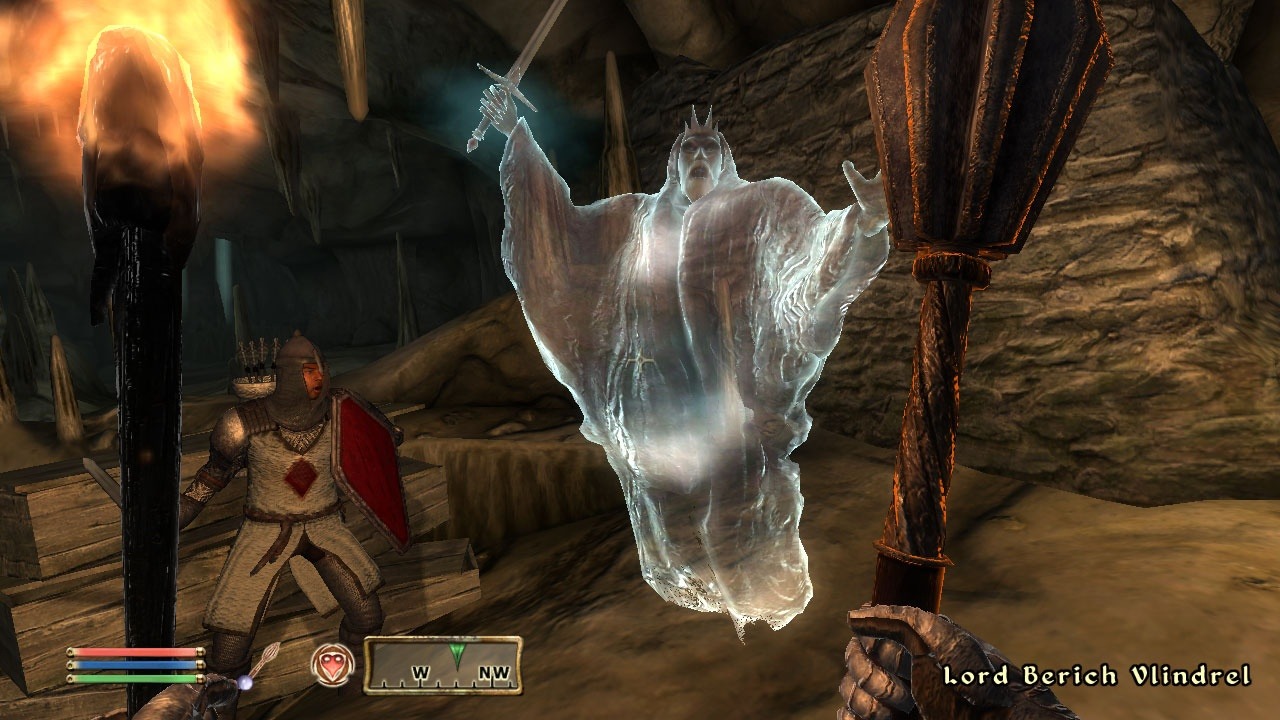
With the second expansion for Oblivion come some great quests and some loot that are well worth your time. Knights of the Nine starts out in Anvil, where you overhear a crazy priest ranting about an order of crusaders that protected magic armor but failed, and some evil dude is trying to steal them all. It’s a little more detailed than that, but the story is so deep and involved that it would take me forever to explain it all.
One thing about Nine is that all your first objectives aren’t marked on your map; you have to find them yourself. Oh, don’t worry, you get another map handed to you, and you have to compare it to your map and mark it. They aren’t hard to find at all, but this means no warping to them. You have to travel on horseback all across Cyrodiil and find these temples to pray at. This can take anywhere from one to two hours, depending on how you play.
Once this is done, you head to the Priory of the Nine and get the whole scoop on all the armor pieces and their locations. This is the most time-consuming part of the expansion, but it can take you about 2–3 hours or more, depending on how you play. The armor pieces are special and have magic attached to them. You can also find two weapons and a shield, so you can deck your character out in the powerful crusader armor.
There aren’t any new enemies or anything that is really new, like in Shivering Isles, but it’s $10 that will last you a good 5 or more hours. The whole expansion is very well done, and it keeps you hooked and makes you never want to stop. Looting the 8 or so dungeons is great and allows players who may have beaten the game and skipped out on this to squeeze some more Oblivion awesomeness out of their disc.
What happens when you put two of the best action-adventure games created on one disc? Ultimate satisfaction. Both God of Wars have been updated in widescreen format with slightly polished visuals for HD display and running at a lightning-fast 60 FPS. If you bought the game new, you will have received a code to download the God of War III demo, but as of now, this code is useless since the demo is now on PSN and the game is due out in just over a week. Other than that, nothing else has changed for the PS3 except trophies, which were the main drive for me to purchase these games all over again. So here is a separate review for each game.
God of War
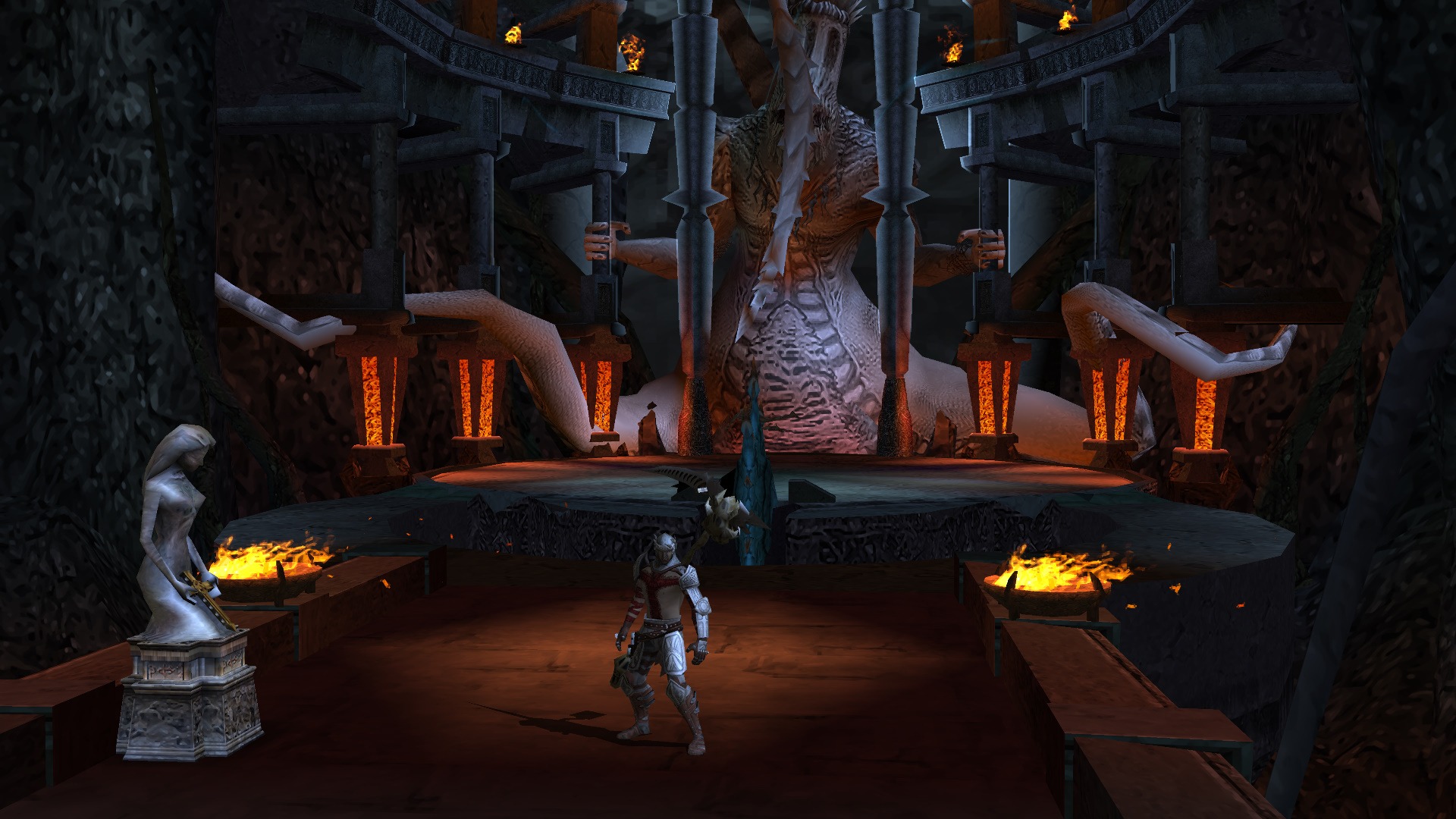
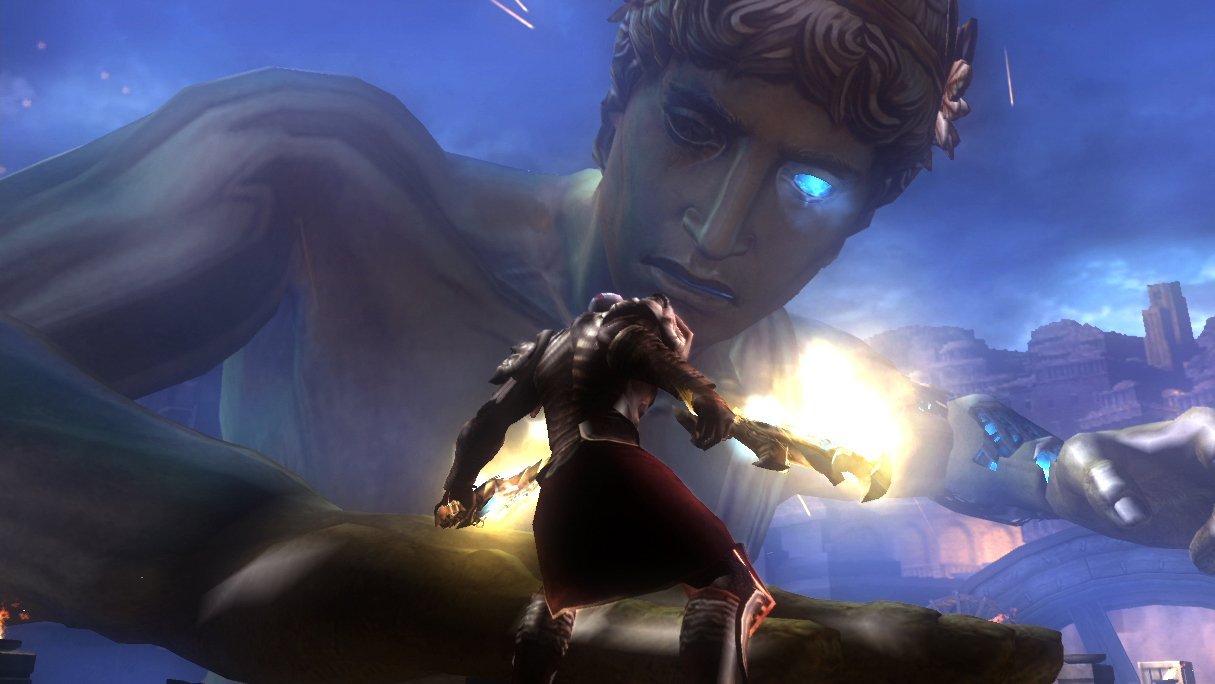
Being released in 2004, it does feel a bit old. There are more flaws in this game than in the first, but let’s start with the good things. Apart from revolutionizing games and the action-adventure genre single-handedly, the game is amazing and epic. The game is full of huge towering bosses, waves, and waves of enemies, a deep, dark story full of Greek mythology, a fluid, almost perfect combat system, and boobs. Yes, that’s right, boobs. At the time of release, I had never seen a game with so much nudity before, but it shouldn’t really shock gamers as much these days. The game also has some very intricate puzzles that end up being whole levels that you have to solve, such as Pandora’s Temple. The combat system is pretty fast and fluid on its own.
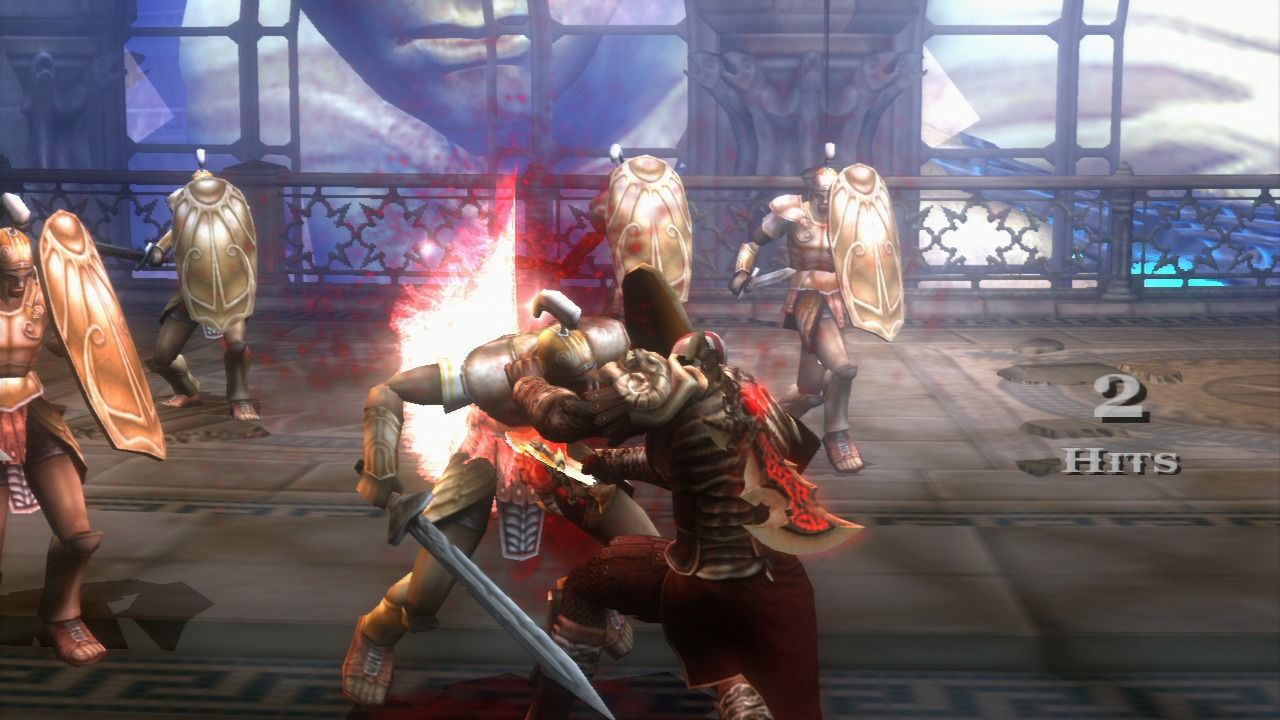
With Kratos whipping his Blades of Chaos around, you feel like you have complete control over him. Another combat element that revolutionized games was quick-time events. After weakening an enemy enough, you press the corresponding button (usually a circle) over them, and a series of buttons flash on-screen. If you don’t press it on time, the enemy knocks you down, and you have to start over. Of course, you can just kill them normally if this gets dull for you. The best QTEs, however, are during boss fights. It just feels awesome to plow a mast through a 200-foot-tall Hydra. Now you do need to realize that there is magic here as well. You get four different powers throughout the game, such as Medusa’s Gaze (freeze enemies), Poseidon’s Rage (shock), and Hade’s Army (souls that continuously attack enemies). These, plus your weapons, can be upgraded by collecting red experience orbs. As you upgrade all your items, you get new moves and increased power. If you’re asking about your health and magic, you can collect Phoenix feathers and Gorgon eyes for magic and health, respectively. These are all found in hidden chests throughout the game, so keep an eye out.
The camera is fixed, so it frees up the right analog stick for dodging moves. The camera does a perfect job of following the action without any problems. Sometimes you can scale up walls and even fight there or on ropes. Combat is pretty much anywhere Kratos goes, and this keeps things mixed up. The level’s traps and puzzles are very well designed and require you to really think or be on your toes.
The story is very deep and memorable. We see Kratos as a fallen Spartan leader who gives his life to Ares if he slays the barbarian leader who is about to behead him. Ares makes Kratos his servant for eternity, but Kratos becomes a raging killer who kills the wrong people. He becomes set on a path to free the nightmares from his mind and kill Ares in the process.
If I were to nitpick about what’s bad about the game, it’s that the game looks kind of dated from today. The textures are a bit low-res and blurry, and there are some collision detection problems when jumping around. The game is also extremely difficult to play, even in the normal setting, so God Mode becomes virtually impossible. The game has a decent length of about 8–10 hours, but other than that, the game is great for the first outing. If you finish up the game, you get to unlock hidden costumes, Challenge of the Gods, and some other hidden treasures.
God of War II
If you think the first game was epic, wait until now. With visuals that surpass the first game twofold and even more huge epic bosses, God of War II became the best game to ever grace the PS2. The story follows just after the events of God of War. Kratos is still sent on a warpath to avenge his nightmares and kill Zeus for killing and betraying him. He must find the Sisters of Fate, turn back time to the moment Zeus betrayed him, and kill him.
The combat system is slightly upgraded but pretty much the same. It feels a bit more fluid, and we even get some more moves. The controls are a bit more refined, and we get new powers. We get some new secondary weapons, such as a hammer and staff, that can be upgraded. The puzzles aren’t as hard as in the first game, but there are a lot more of them this time around. The game also seems to be a bit harder, with even tougher enemies. We get a new grapple hook for swinging around, so this adds a lot to the gameplay. The game also feels more fluid and has a lot more epic moments than the first game, but most of these come towards the end of the game.
While God of War II is pretty much like the first, all the new content makes it an epic and thrilling sequel. The only issues with the game are that it looks a bit dated, and the game can be very tough at times as well. The game is about the same length as the first, but the game obviously feels and plays five times better than the first game. There are plenty of extras, as well as a full-length version of the section on the disc for God of War II.
So if you think all this sounds good, you can now pick up the game brand new for $30. $15 apiece for two of the best games ever made is a great bargain to me. With a separate set of trophies for each game, HD resolution, and faster FPS, this is a huge package that is exploding with awesomeness. God of War Collection is probably one of the best deals to grace consoles since The Orange Box, so don’t hesitate; every PS3 owner has to have this collection or you aren’t a true gamer.
The city of Rapture. Full of life, love, elegance, beauty, innovation, and Big Daddy’s. Well, that’s how it used to be before the civil war broke out for who had the most Adam. BioShock 2 takes place ten years after the initial fall of Rapture, and instead of playing as Nobody, you play as Big Daddy. Not just any Big Daddy, though you play as one of the first Delta models that helped build Rapture. After your daughter, Eleanor, wakes you up from a cold, dead sleep, you must find her and stop the evil Dr. Lamb from destroying Rapture and using the Splicers to commit her evil deeds.
The first thing I have to say is that you must play BioShock 1 before even going into this game, or you won’t know what’s going on. There are so many tie-ins to the original game that newcomers won’t have a clue. With that said, this review is mainly for fans of the original. I also have to tell those fans that BioShock 2 isn’t as good as the first one but has lots of much-needed improvements and a pretty fun multiplayer, so let’s get to it.
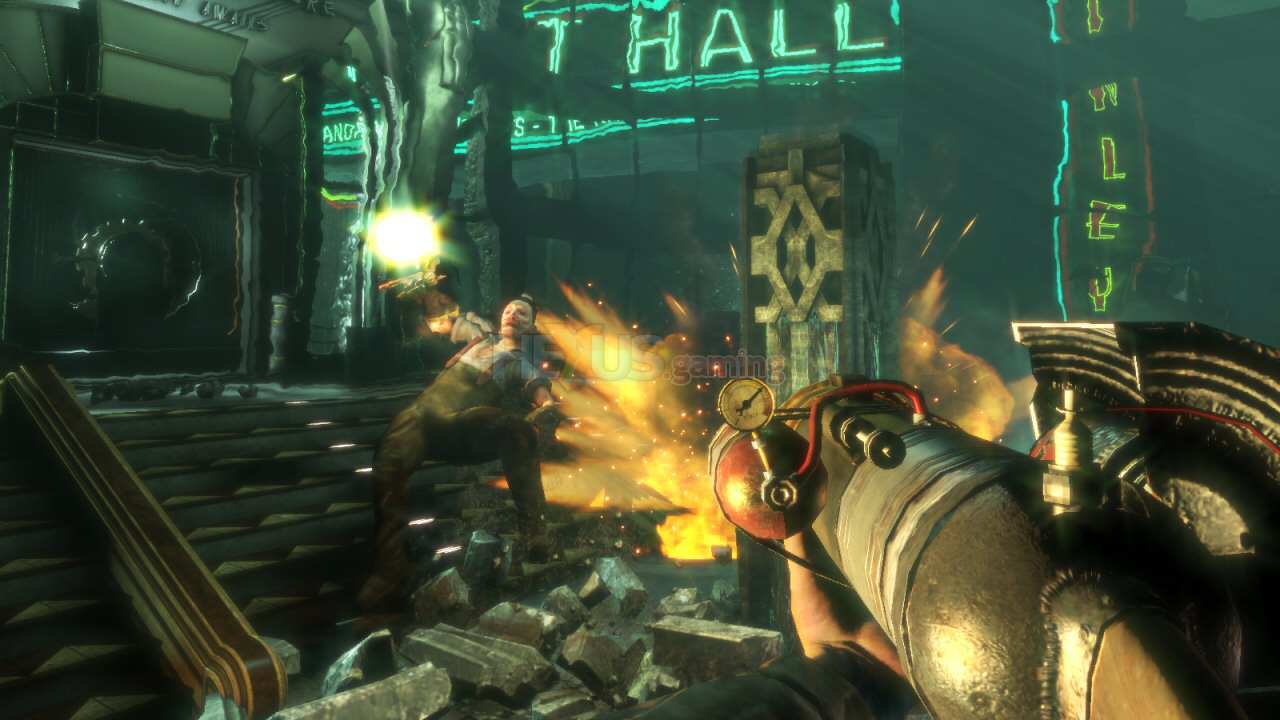
The first thing you will notice is that you have a drill. Yes, a nice big drill to cut those damn splicers up. Of course, the drill takes fuel to use (sorry, I can’t have you just drilling people away, yeah), but the biggest change is that you can use Plasmids and weapons without having to switch. Your left hand uses Plasmids (LT), and your right hand uses a weapon (RT). This is great for faster combat and makes it less cumbersome. All of your favorite weapons from BioShock have returned, but with a twist.
As you can tell, all the weapons need to be handled with one hand, so you get a double-barrel shotgun (which replaces the original pump action), a minigun (which replaces the Tommy gun), the grenade launcher, and instead of a crossbow, we get an awesome spear gun. Yes, and you can even impale enemies to walls. With that said, there are some new weapons that are very handy, such as the hacking gun (more on that later), which can also shoot out auto-turrets, which are great for defending yourself against hordes of enemies. You can lay traps with proximity mines, spear traps, and even some new traps from the rivet gun, which you can pick up later if any weren’t detonated. The shotgun has a couple of new types of ammo for you to use, and these are the slug rounds that knock enemies across the room and the phosphorus rounds, which look like sparklers that explode all over the enemy. You can use antipersonnel rounds, armor-piercing rounds, etc. for the situation at hand. When you get to Power to the People stations to upgrade your weapons, a third hidden one will become available that adds an extra “hell yeah” to your weapons. For example, the third upgrade for the shotgun adds electric charges to shots for extra damage.
One greatly improved element is hacking. In the original, we had to do this Pipe Mania-type mini-game, but that has been scrapped, and everything is done in real-time while playing via a moving needle on a meter. Green areas are good, and red areas have trip alarms. Blue areas give you bonuses, such as turrets doing extra damage or vending machines giving you free items. This is a huge improvement over the original, and it keeps the game flowing.
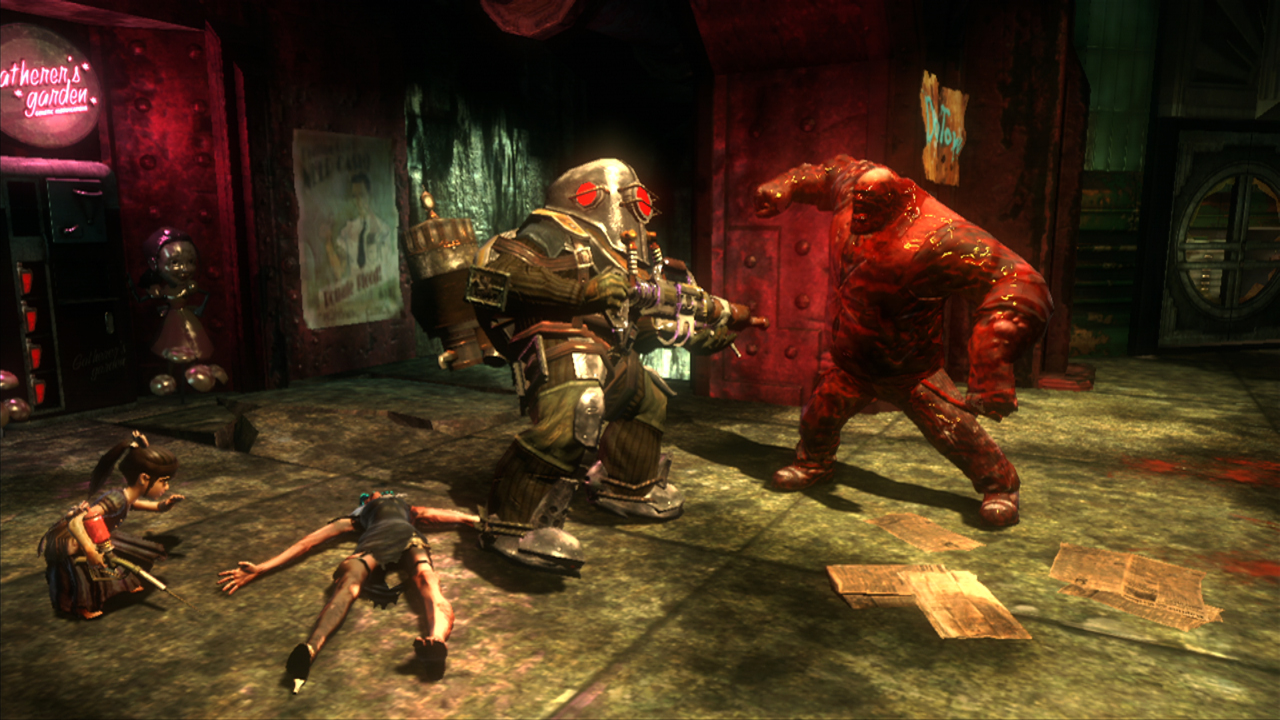
Being a Big Daddy obviously requires you to protect your Little Sisters, and that’s exactly what you do. Instead of just killing their Big Daddy and then harvesting them, you can adopt them and go find “angels” to harvest Adam out of. Once the Little Sisters are all full, you can harvest them for tons of Adam or free them. Gathering Adam isn’t an easy task because once you start, Splicers start coming out of the woodwork with no mercy. Set up traps and find a good vantage point before setting the Little Sister down, and usually you can make it through just fine. If you decide to take the merciless harvesting route, watch out for the new Big Sisters, which are fast, mean chicks who don’t mess around. They are harder to take down than Big Daddies and require a lot of firepower to be prepared.
One last little tidbit is the research. Instead of taking pictures of enemies, you now have a movie camera. You whip it out and start filming a splicer, and the faster you take it down, the higher the research rating you’ll get. Research enough, and you will get special bonuses and even a secret tonic.
Now that most of the new features are out of the way, you’re probably asking, “What hasn’t changed?” A lot, in fact, and I could boldly say the developers played it too safe with this game. Everything is pretty much exactly the same as the original; the art style, the graphics, the menus, the sounds, and even the splicers’ animations are exactly the same. The only new splicers are the Brute splicer (Tank from Left 4 Dead anyone?) and the Big Sister, but that’s about it. All the plasmids are the same tonics, with a few new exceptions. You get a ton more tonic slots, but everything is the same. The other problem, too, is that the game gets extremely repetitive. After the first level, you’ve pretty much seen all of what BioShock 2 has to offer. The narrative isn’t as memorable as the original, but the game is still excellent. All of these things staying isn’t so bad since they work, but a whole new approach would have been nice. The graphics are slightly updated, but other than that, you won’t see any changes there.
The multiplayer is pretty fun, but it’s an acquired taste. Multiplayer feels more like the first game; you can use plasmids and research other players for bonuses, level-ups, etc., but it’s kind of short-lived. You can find Big Daddy suits, and there is pretty much every game type you can imagine, including protecting Little Sisters and taking down Bid Daddies. The hype about the multiplayer was from a narrative standpoint since it’s never been down before. As you level up, you will receive messages that let you know what Rapture was like before the civil war.
All in all, BioShock 2 is a solid sequel with fun multiplayer, but the developers just played it too safe in the end. I would have liked to see some more bold moves, but what we get is a wonderful package to enjoy.
SPECIAL EDITION: If you paid the extra $40 for the special edition, you’re in for a treat. Being the biggest game box I have ever seen, SE packs in a lot of extras for die-hard fans. The SE includes a vinyl record of the soundtrack, the CD version, four posters that represent the in-game ads, as well as a 164-page book about how BioShock 2 was developed. After reading this book, you can really tell every idea was scrapped, and they just stuck with the original ideas. It seemed the developers were too scared to stray off the familiar path, which was a disappointment.
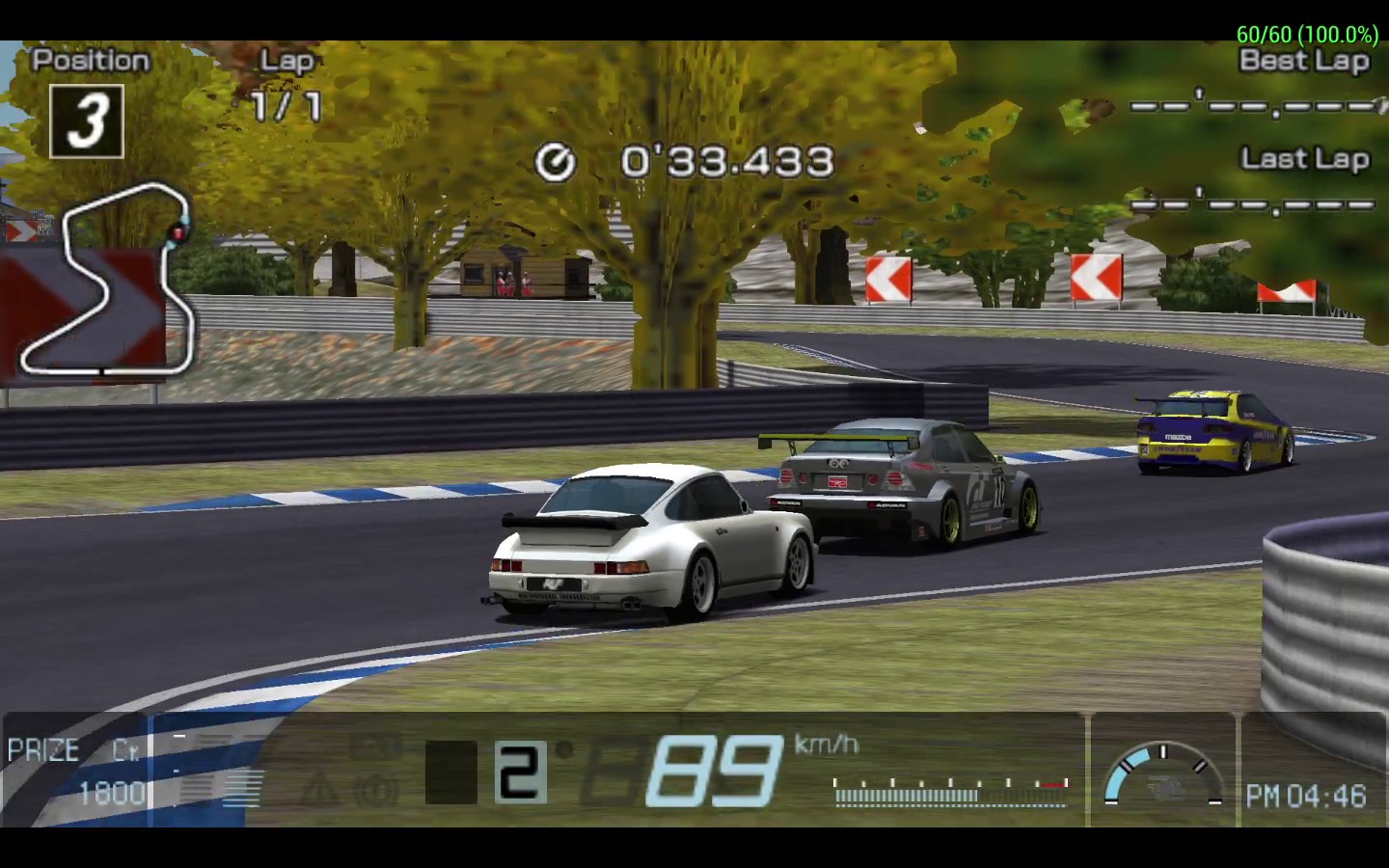
Hate me all you want, but Gran Turismo on the PSP is a huge disappointment. Why? Well, first off, this game has been floating around the vaporware bin since 2004, and now, five years later, we have a half-done game. Where’s the career mode? That’s my biggest question. Instead, we are forced to pick everything ourselves. This doesn’t have anything to do with laziness either. I like my career modes in Gran Turismo, and this is the first game in the series that doesn’t have one. Another thing you’ll notice missing is that there’s no way to upgrade your cars.
Like every GT game, once you start the game, you head to the dealership, but that’s where the problems already start. It’s random. Yeah, you get four or five random dealerships every day in the game. Do you see a car you want? Sure! Normally you just save up for it, but then when you go back, the dealership is gone. Why Polyphony chose this stupid idea is beyond me.
The game also lies in the fact that there are 500 different cars. There are a few models of each different car, so you’re only looking at about 200 or some oddly different types of cars. The game gives you some interesting backstory on each car, but viewing the stats is a nightmare since they just scroll by without a still datasheet or something of the like.
Once you start getting into a race, it’s simple enough. Choose your track, number of laps, and the car from your garage. You can use quick-tune options or do a bit of fine-tuning, but the default works just fine. The number of laps and length of track determine your winning outcome, so you can always change accordingly. If you want money faster, try the license tests. They range from passable to impossible thanks to the game’s new and weird slipstream system. This is only normally seen in street racing games, but GT doesn’t even give you any visual clues as to if you are doing this right or not. The point of the slipstream is to stay behind the opponent so they block the wind for you, giving you a small boost in speed. While it works on paper, it’s very hard to execute in the game.
Once you start racing, you are in for a treat because the cars feel very close to their console counterparts, and it feels like our beloved GT. The game even sports an impressive cockpit view for the tiny handheld that could, not just the floating rearview mirror view we’ve been accustomed to seeing pre-PS3. Each car handles differently, and buying and stocking is a lot of fun, but without a career mode, vehicle upgrades, or even an online mode, it makes you wonder why they even bothered. All of the most beloved features of GT have been stripped out as a joke to us fans waiting for GT5.
When it comes to the looks the game delivers, I know it could be pushed just a bit further. The vehicles look like no other racer on the system, but the tracks are lacking a bit. Still, the game accomplishes a lot more than most PSP games ever have. The audio, however, is also a bit of a disappointment, with a dull soundtrack, and a lot of the engine sounds sound the same as well as sounding a bit tinny. This is probably for hardcore fans only, so fans of other PSP racers should stay away.














































 thebinarymessiah.com
Try multiplayer. A lot of fun !