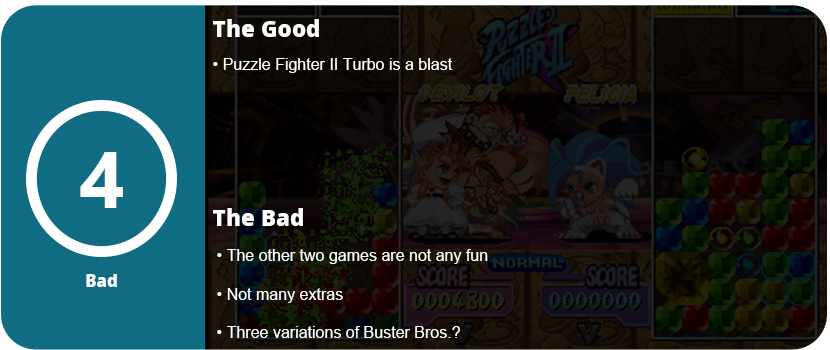
Here we have another collection of games that are almost completely worthless. Capcom was never well known for puzzle games, so why not just stick these in another larger collection? All we get are two lousy puzzle games and one good one. Buster Bros. has three variations! The game stinks as it is; why do we need three? The only worthwhile game is Super Puzzle Fighter II Turbo. BlockBlock is just a Breakout rip-off and is less fun.
Honestly, even Puzzle Fighter looks like crap on the PSP. These games were poorly ported, and with such a small selection, who would want to buy this when the back says six games? I played the entire collection in less than 30 minutes and was done with it. Buster Bros. consists of shooting arrows straight up that are supposed to pop bouncing bubbles. It’s extremely difficult and no fun at all. Puzzle Fighter is a gem/Tetris hybrid that many may be familiar with. Chibi Street Fighter characters punch each other when blocks fall. Your goal is to chain colors together and drop the breaker block to set the chain off. Your blocks, which you broke, then fill your opponent’s wall. It’s a lot of fun, and this is the only game I could go back to. However, there are more fun variations of this game (Puzzle Kombat from Mortal Kombat: Deception/MK3 for DS).
There aren’t even any great extras like in other Capcom collections. The game is just dull and boring, and even if you bring a friend along ad hoc, you’re just going to waste their time as well. If Capcom were to have included some newer puzzle games from their catalog or just added these to other collections, it wouldn’t be such a big deal. As it stands, there’s not much to really say about these three small games. It’s not worth the money or your time, even as a rental. Just stay away from this and enjoy your memories of them instead.
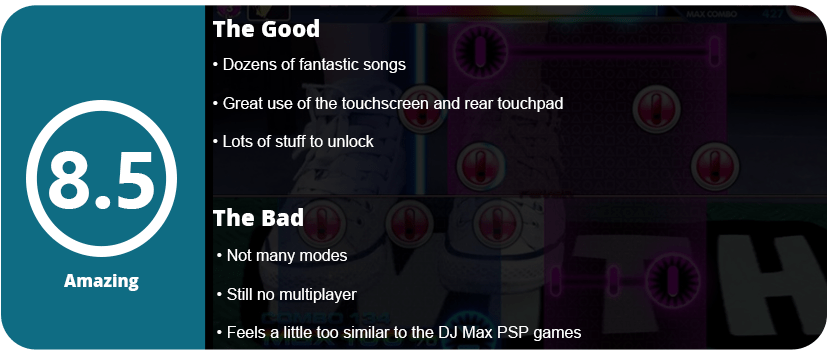
DJ Max was the best rhythm franchise on PSP and helped jump-start that genre on Vita. Technika is a reboot in a way, but it still feels familiar. The game uses the touchscreen and rear pad exclusively, ditching the button interface. This may take a while to get used to for DJ Max PSP vets like myself, but after a while, you will see the difference in challenge and pace when playing.
One thing I did notice right off the game is the continued lack of multiplayer and modes. There is star mixing (3 songs using the touch screen), pop mixing (4 songs using front and rear), club mixing (a choice of genres), and freestyle. There’s the usual album that shows your wallpapers and unlocked videos, but that’s it. Why Pentavision insists on having no multiplayer is a mystery, but I’d like to have it in future installments. Thankfully, the game is packed full of songs featuring both licensed and original music, from J. and K. pop to rock. Kara makes a huge appearance in the game since they are one of the biggest female K-pop groups in Korea. They have five songs on here, and they are fantastic. I actually listen to them outside of the game now.
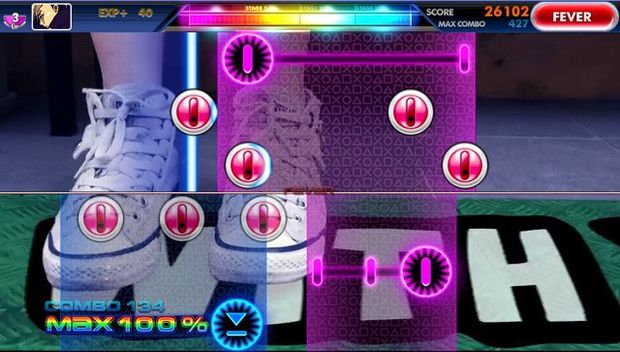
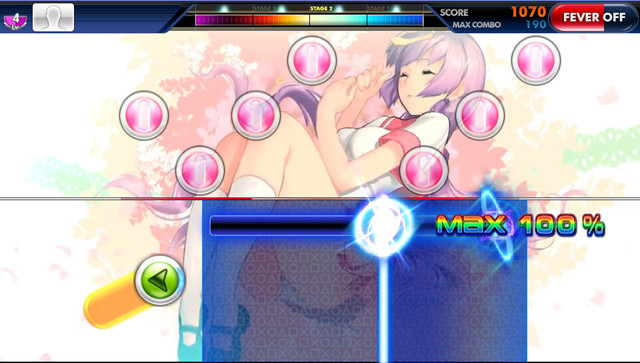
The songs still feature various DJs and mixing masters from previous games, like ND Lee and NieN, and vocals by So Fly and various other Korean singers and rappers. Getting into the gameplay, videos are now played full-screen in the background and look gorgeous on the Vita’s screen. Colorful dots are displayed, and you must tap them to get Max 100% with the timing of the beat, but there are long strands you have to hold down and follow the bar along with the screen. The playfield is split horizontally into two sections, and you will be going back and forth between them. Some notes require quick flicking of the touch screen as well, and it all adds to the tense fun. The rear touchpad notes look different, with purple and black borders around their notes, requiring you to tap and hold. After a few hours, you will get used to the system and slowly increase your difficulty.
As you level up, you will unlock equipment that gives you passive abilities like extra XP gain, HP, and even free breaks. There’s also an option to add a modifier to increase the speed of the notes coming in, which is sadistic, but it’s there. Even after playing for a good 10 hours, I’m still unlocking stuff and increasing my score. The songs are so great and fun to listen to that I can’t get enough of the game. If you loved previous games, you must get this; anyone who hasn’t should jump in any way. Technika Tune is the best rhythm game on Vita right now, and hopefully future installments will improve upon the franchise further.
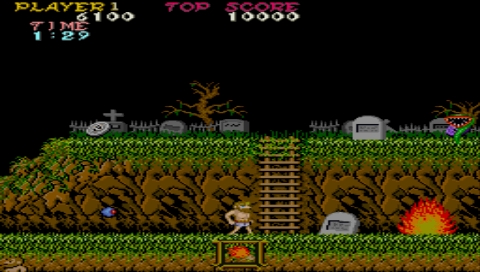
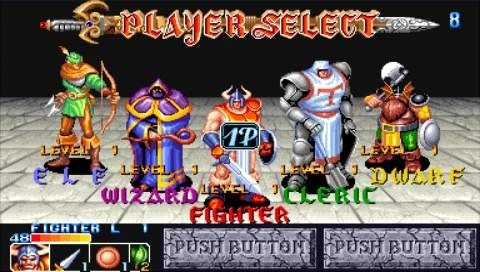
These classic compilations from publishers are hit-and-miss. They can either be amazing (Midway Arcade Treasure 2) or complete crap. Reloaded falls kind of in-between. Here we have some great Capcom games like Street Fighter II, 1943, Ghost & Goblins, and Knights of the Round. On the other hand, we have multiple versions of one game, which is completely unnecessary where other games could have been. Do we need two versions of 1943? Three versions of SF2? 3 versions of Ghost & Goblins? No, we don’t. Instead, just give us the superior versions.
Ghost & Goblins includes the original NES version, an arcade, and then the superior Super Ghosts & Goblins for SNES. Just give us the SNES version! I don’t care about the other two. For Street Fighter II, we get the original arcade version, Champion, and Hyper Fighting. Just give me Hyper Fighting! I honestly don’t know what Capcom was thinking. If it’s not multiple versions, it’s duds. SonSon isn’t all that great, and I didn’t care much for Vulgus. There are better Capcom classics that could have taken their place.
Thankfully, there are other features inside the game that are nice, such as save states like in emulators, and your scores are tracked. You can also use these score “coins” in the slot machine to unlock extras such as cheats, art, and other things. Local multiplayer is a nice addition to games like Street Fighter and Knights of the Round. Infrastructure would have been much nicer, but given the poor software sales, it would have cost too much money to keep servers going.
The games themselves are nicely emulated, with no slowdown. The screen is nicely fitted to the PSP’s widescreen without looking stretched out and grainy, so I give it credit for that. You have to take each game with a grain of salt because some of them are over 20 years old. Don’t come in expecting innovative new ideas and amazing graphics. These games are fun to play as a weekend rental, but only people who grew up with them will truly appreciate them. I just wish there weren’t so many duplicates and so many duds.
I don’t know much about Black Rock Shooter, but I know it’s highly popular in Japan and has made its way to the US. The premise of the story is interesting. Mankind was destroyed by machines, and only a few humans remain alive. Black Rock Shooter is mankind’s heroine, and you play that role in the game. There’s some shooting involved and minor exploration, but the game feels like a cheap cash tie-in for the franchise.
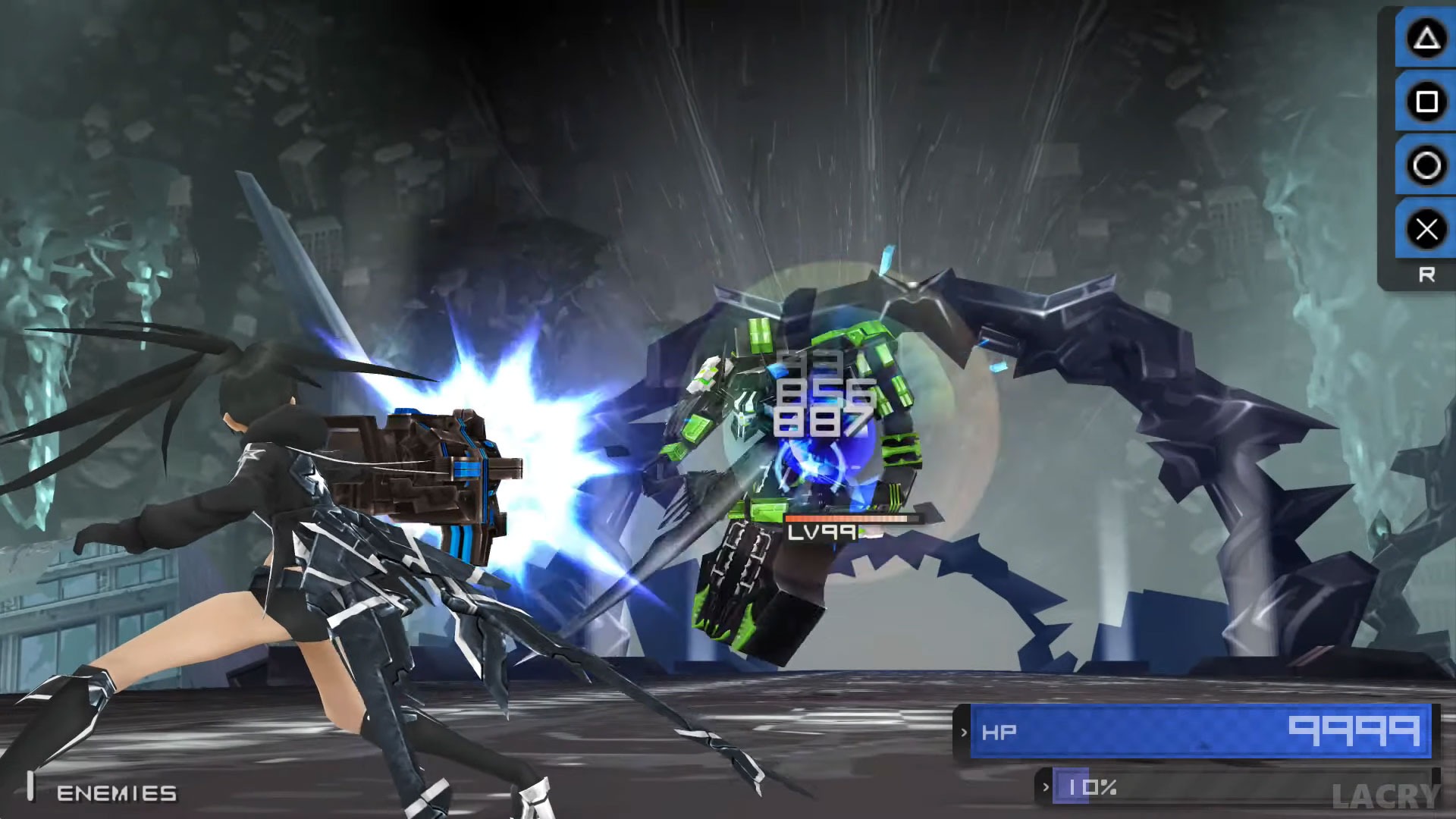
Exploration consists of wandering through extremely linear and ugly environments to find enemies to kill. When you get into battle, you are stationary and must use the analog nub to control your gun and press square to fire. As you continue to fire, your gun will overheat and do less damage. This is an interesting idea, so don’t spam shots. Enemies advance on you, and you need to block or use defensive special powers to reduce damage taken. There are many special powers to unlock, but they have long-cooled-down timers. This seems fun at first, but after the first few levels, it gets tiring. It’s really easy because you are given plenty of health packs, and it’s not hard to judge the enemy. Each battle plays exactly like this, even bosses.
When you’re not shooting, you’re just running around, and that’s the entire game. There’s no handing out stat points, and the story drags on and is pretty incoherent. I didn’t get attached to any of the characters, and I couldn’t even finish the game. The game has good Japanese voice acting, but the game is downright ugly, even for PSP standards. The textures are so low-resolution and muddy that you can hardly make out what they are. The models are ugly, with hardly any detail, and everything looks out of proportion. BRS is nearly taller than 5-story buildings, and all the environments look the same. There’s honestly not much fun here, even for hardcore BRS fans. They may trudge through it for the story, but that’s about it.
BRS could have been so much more given the license. Instead, we get an ugly, dull-shooter RPG hybrid that isn’t interesting at all to play. Why the game got a US release is beyond me, seeing as a lot of people have never heard of BRS and the game is so hard to find. There is a collector’s edition released in Japan, and it has done much better over there.
Quantic Dream is one of those developers who tries something new and tries to innovate in the game industry. They started out with Indigo Prophecy (or Fahrenheit for Europeans), and it was an interesting concept that was executed surprisingly well. Heavy Rain was the same way, with a fantastic story and multiple choices that could change the ending. Using just various button presses to play the game could seem boring, but when the action picked up, it got pretty intense. You had a split second to press the various buttons to make the characters flee for their lives or fight off enemies. Beyond feels like a spiritual successor to both of those games but is less interactive than the other two.
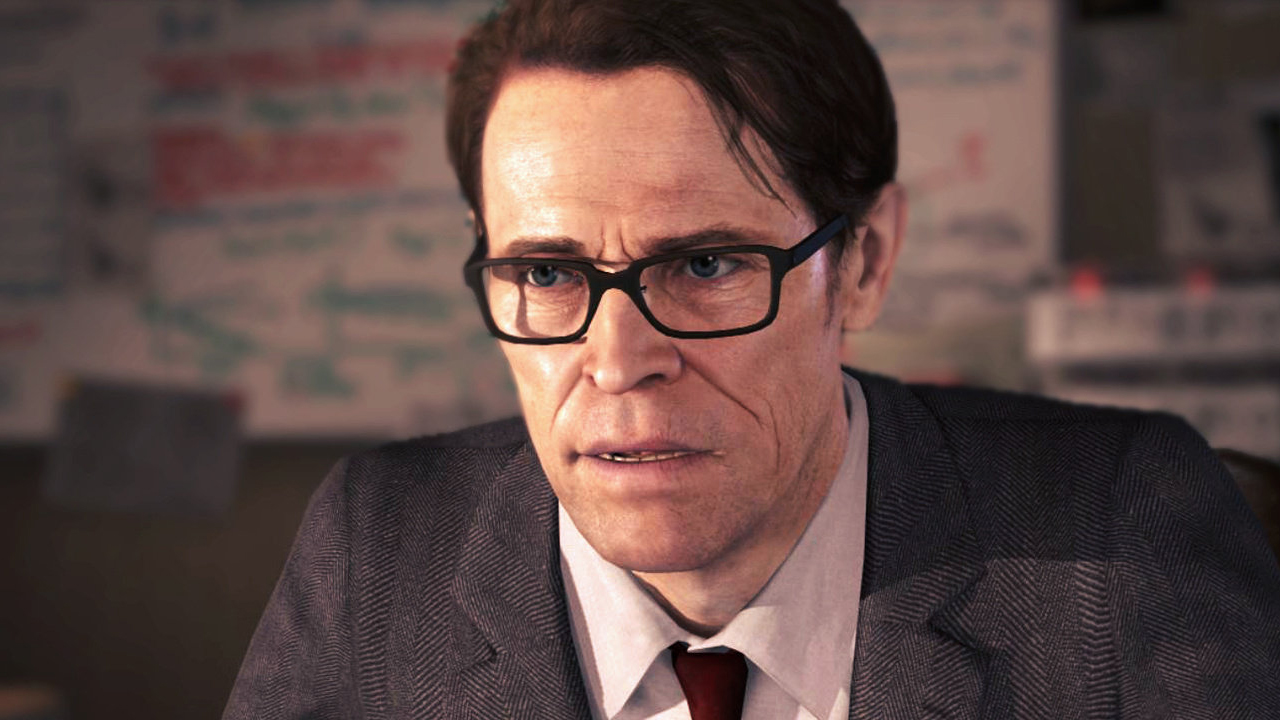
You play as a girl named Jodie (Ellen Page), who has an entity named Aiden attached to her. She can control him to do anything from knocking down a box to possessing someone and making them commit suicide. You bounce back and forth from her childhood to her adulthood, where she’s being taken care of by a scientist named Nathan Dawkins (Willem Dafoe) and also when she’s in the CIA. This may seem confusing because the storyline is told in a random pattern, but it makes perfect sense. The story is well-balanced and easy to follow, and there are some great plot twists and changes.
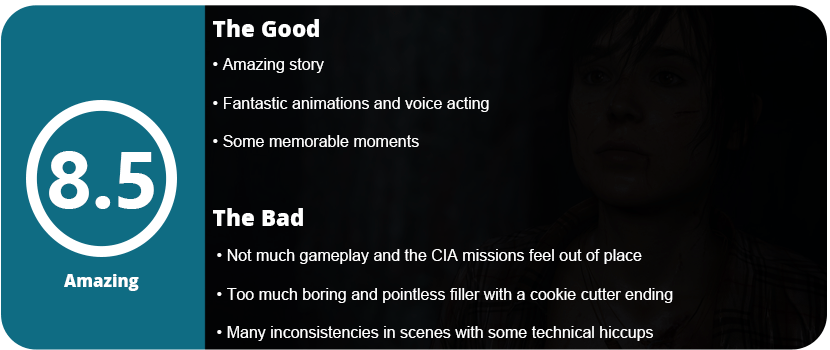
Like in Heavy Rain, you can wander around and do things, but there’s less optional interaction in Heavy Rain. You will rarely find stuff to interact with just for the heck of it. When things start getting intense, you will need to keep Jodie alive by following her movements in slow motion. The action will slow down a bit, and you need to press the right analog stick in the direction that Jodie is moving. Sometimes this is hard to gauge due to an odd camera angle or her movements being too subtle. I never died in the game, though, but slower-reacting people may find the action sequences frustrating. That’s kind of where things become a problem. You will engage in a tense action sequence only to hit a chapter where you’re making dinner for Jodie’s date. There are some really dull and slow moments in Beyond, and there are too many odd inconsistencies.
Like in the mentioned scene above, I had to pick up clothes, cook dinner, and get Jodie ready for her date. This was slow and dull, and the inconsistencies drove me nuts. After putting dinner on the stove, I wandered around (the characters controlled it like awkward tanks). I took a shower, watched her drink some old beer, helped her pick out a dress, and the whole time (about 30 in-game minutes), the food sat in the pan, not being touched, and it never burned. One scene towards the end has Jodie and her three CIA agents in North Korea tracking down a condenser, which is a rift to the infraworld (the other side). They leave a house and do a lookout on a base, but one guy is missing for about 3 scenes, and it’s never explained where he went. Then he just appears out of nowhere.
Controlling Aiden is also another problem because the levels are hard to navigate. The rooms and hallways all look the same, and you will get lost often. Aiden controls it like a no-clip camera with a fisheye lens. He’s just a floating spirit attached to Jodie. Your goal is to look for blue dots to attach to and use both sticks to slam stuff around, possess bodies, knock stuff over, and distract people. He’s kind of the puzzle side of the game. When I first played Aiden, he was nearly impossible to control, and I almost threw up for how frustrated I got. Later on, I learned to get used to it, but this could have been done better.
Of course, the game is all about the story and choices, and there are quite a few, but in the end, the choices are pretty much predefined. Depending on who you keep alive or befriend, you get to choose who you stay with or a couple of other ending selections. They seem cookie-cutter, and your little, tiny choices didn’t really make a difference. Again, more inconsistencies. Besides the choices, the CIA portions were the worst and felt unnecessary for the game. It was just an excuse to add more action and close down these three condensers throughout the world. The more memorable moments were when Jodie was a kid and when Jodie had more one-on-one experiences with people as an adult, like when she was homeless.
The game does look damn good, though; in fact, it is one of the best-looking games of this generation; it almost looks next-gen. The voice acting and motion capture are unlike anything we’ve seen in this generation. Ellen Page and Willem Dafoe do an amazing job in their roles, but I can’t help but notice flaws due to the hardware limitations. Some facial expressions look overdone, and some textures look muddy and downright ugly. There is skipping when the game is loading, but it’s all minor stuff.
Overall, Beyond: Two Souls is 15 hours long, but it is filled with boring scenes that are there just to extend playtime. The CIA missions are boring and out of place, and there are many annoying inconsistencies with events in some scenes. The game looks fantastic, and the acting is superb, so this is a very entertaining weekend rental and nothing more. Don’t come here looking for action, because timed button presses are all you’re going to get.
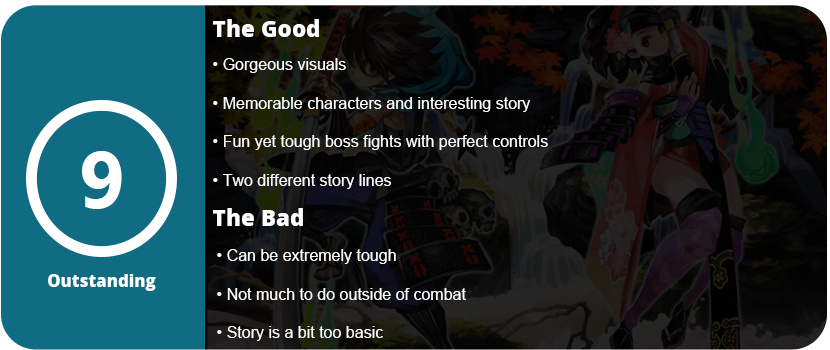
Muramasa was a highly acclaimed Wii game from Vanillaware of Odin Sphere(and now Dragon’s Crown fame). It had high speed and fancy fight moves, but it was extremely challenging and had memorable characters. It now makes its transfer to Vita in HD with bright, gorgeous graphics and two whole storylines to play through.
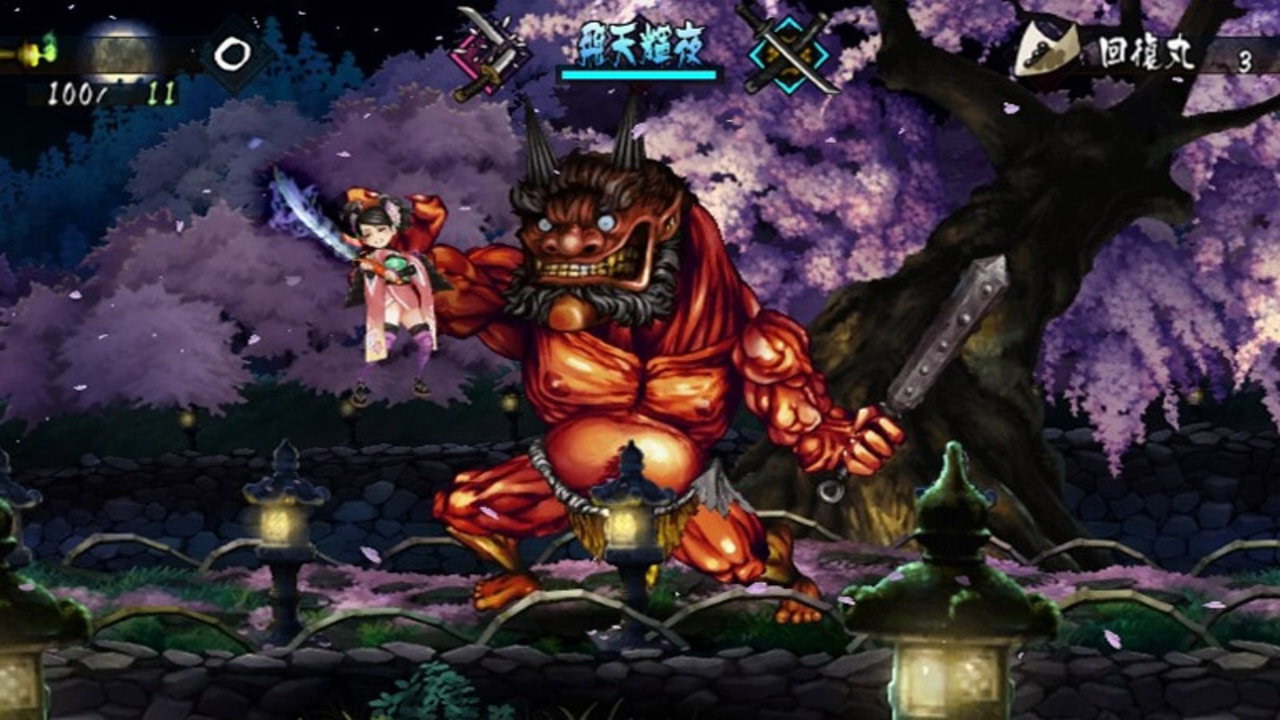
I played through Momohime’s (Peach Princess) storyline, so my experience is based on that. Momohime is possessed by a spirit who wants the infamous Demon Blade and will cut anyone down in her path. She goes from hell to heaven and even cuts down gods. The game is 90% combat, and man, is it tough and fun. You can equip three different blades at once and switch between them with a triangle. When your blades are flashing, you can press triangle to unleash a powerful full-screen attack. Each blade has its own special power, which is key to winning hard fights. If you use the blade too much or block it too often, the blade will break, and you will need to switch to a different one and wait for it to recharge. You can use whetstones to hasten this, but as you level up and forge new weapons, they will break less often.
This is basically all there is to combat: you press the attack or use special powers combined with directions. It may seem simple, but the game is so tough that you can’t just button-mash. You have to use strategy, mixing up dodges, blocking, and special and regular attacks. The game constantly kept me on my toes, and I had to learn every boss’s moves and sometimes restart dozens of times. When I finally beat a boss, it was so satisfying. In between, there’s some platforming and item hunting, but you travel from locale to locale and get stopped by fights between each screen. I had a lot of fun navigating the gorgeous environments and even stopping to shop for health items and various other things to help out in fights.
One other small feature is being able to cook with items you find. These are used to heal you, which you will use often. Always make sure you are stocked on health items, or you will never make it through the game. Outside of all the fighting, the dialogue is interesting, and the Japanese voice acting is fantastic. The characters are memorable (I have already purchased a $145 figure of Kongiku), and you will stay hooked. With two stories to play through, there’s a lot of content here.
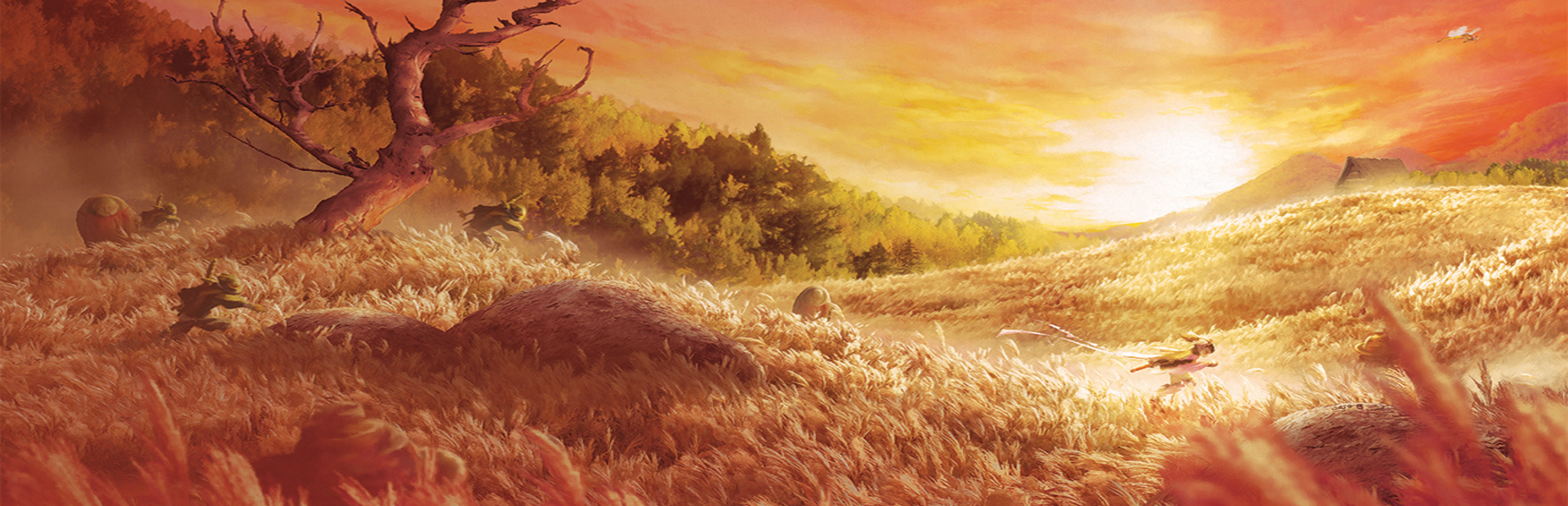
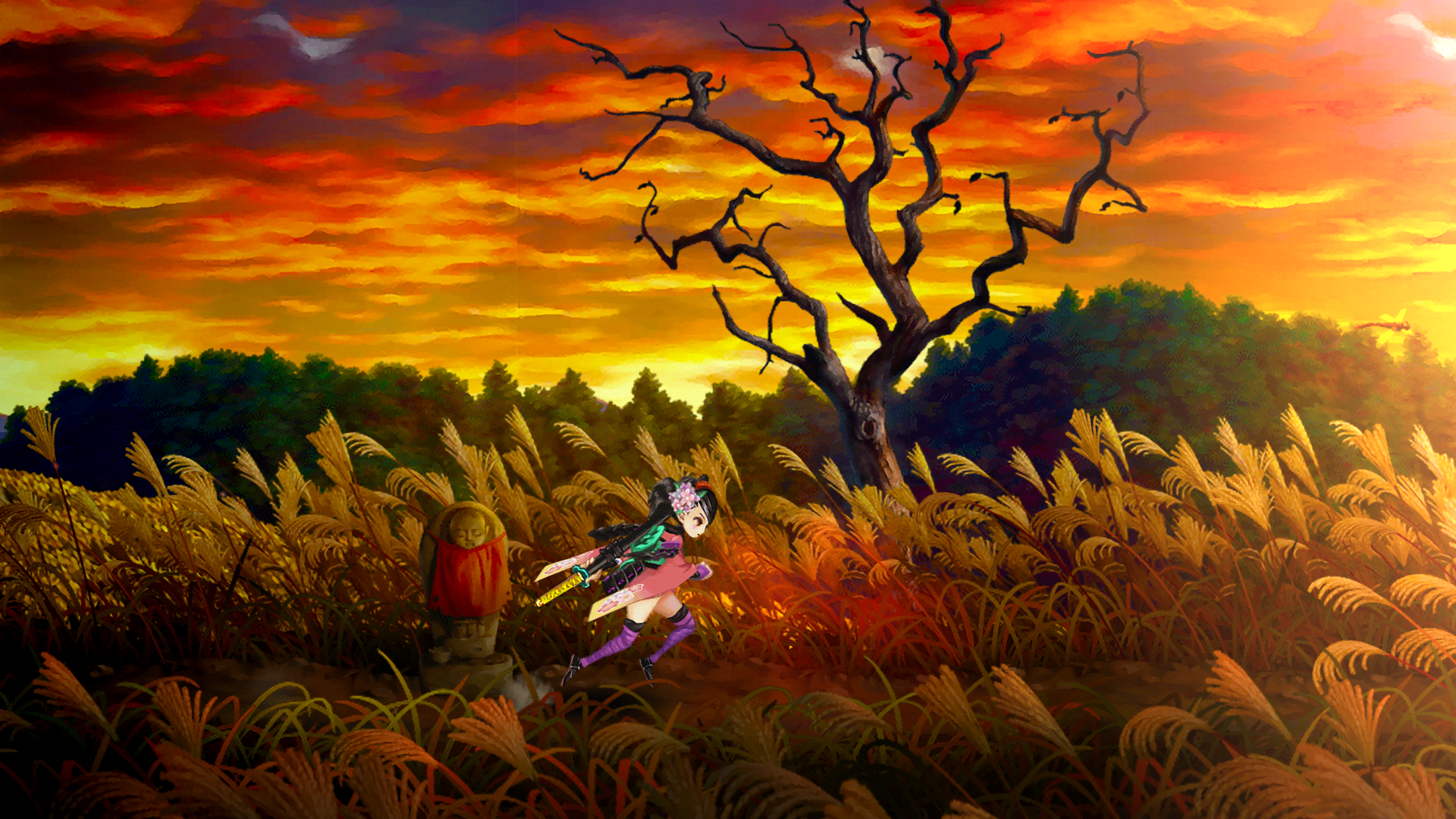
Vanillaware is known for its unique high fantasy mixed with the ancient Japanese art style, and it really shines here. The game pops to life on the Vita’s OLED screen and just makes your eyes water; it looks so crisp. The controls are perfect and extremely responsive; honestly, even though this is a port, it’s one of the best Vita games available right now. That makes two Vanillaware games on one system. If you love 2D games or action hack and slash games, this is a must-buy.
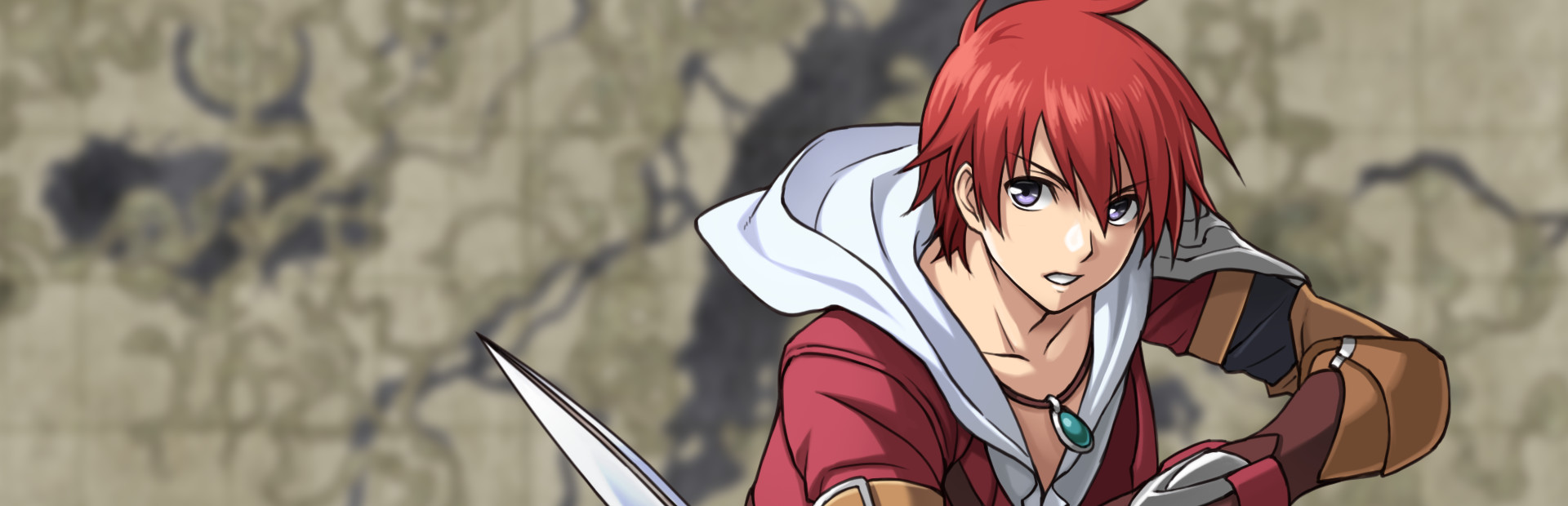
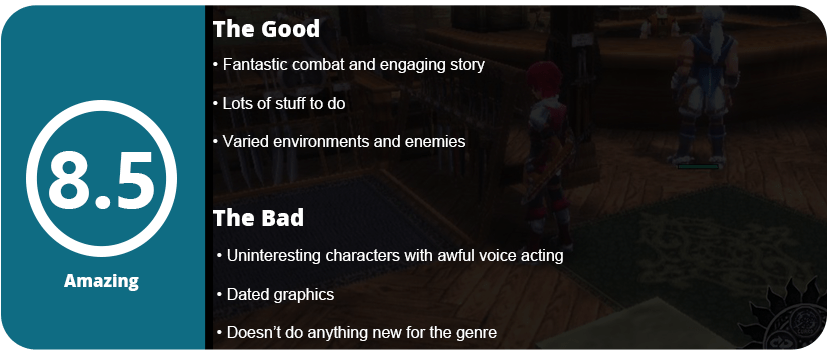
I have never been much into Ys, but I have played past games. Memories of Celceta is the biggest Ys yet and the best traditional JRPG available on Vita right now. You play as Adol Christin, a red-haired boy who loses all his memories and must find them again. Of course, the story is much deeper than that. A god named Eldeel ends up creating a mask called the Mask of the Sun, and other people want it for its powers. The story gets pretty deep, yet the characters are completely uninteresting. They all have generic dialogue, and their personalities all feel stereotypical for JRPGs. While the game isn’t anything new, it does what has been done before really well.
The combat in Ys has always been real-time, and this helps alleviate the boredom that has come in JRPGs over the decades from random battles. The combat is fast-paced and fun, with skills you can use; guarding, dodging, and switching between three characters on the fly add a bit of strategy and depth. Each character has a weakness it can deliver to enemies, so you will always change who you put in your party. Aside from fighting regular monsters, the bosses are a lot of fun and quite challenging, but not so hard that you can’t beat them. Honestly, the game is perfectly balanced in that you will acquire the strongest weapons and armor by the end of the game, so you’re always one step ahead of your enemies.
The whole point of Celceta is exploration. Your main secondary goal is to discover the entire area and complete the map 100%. The sense of exploration is one of the greatest assets of Celceta, and you have a hard time putting the game down just to explore one more dungeon. When you’re in towns, you can buy items and exchange stuff you find in the wild. Minerals, beasts, and plant materials can be exchanged for larger and higher-quality items to reinforce armor and weapons. You can also craft items out of these materials as well. There are quite a few towns in this game, and each one has three quests you can complete. Some are hard, some aren’t, but they aren’t hard to figure out. In fact, I never really got lost that much in this game, which is normally common in a JRPG. There was a sense of direction without having to hold your hand, which is wonderful.
On another note, there are a few puzzles thrown in, but nothing that really takes advantage of the Vita’s features, which aren’t expected in a JRPG. I do wish the game had local or online co-op for up to 3 people, but that’s all right. The graphics look detailed but are dated, even for the Vita. It looks like a decent PS2 game at best and could have used some more detail. The textures can look really muddy and grainy, which is unacceptable on the Vita. At the end of the day, you will just love Celceta for the engaging story, fun gameplay, and combat. There are a good 20 hours just in the story alone, and another dozen if you want to get 100%.
Overall, Memories of Celceta isn’t perfect, but it has some great combat, bosses, and a sense of exploration that will keep you glued to your system. The graphics are dated, the voice acting is awful, and the characters are uninteresting, but that’s expected from a JRPG. Could Celceta have broken this trend? It may have been one of the best JRPGs in a long time. What’s here is solid and well worth a purchase for any JRPG fan.
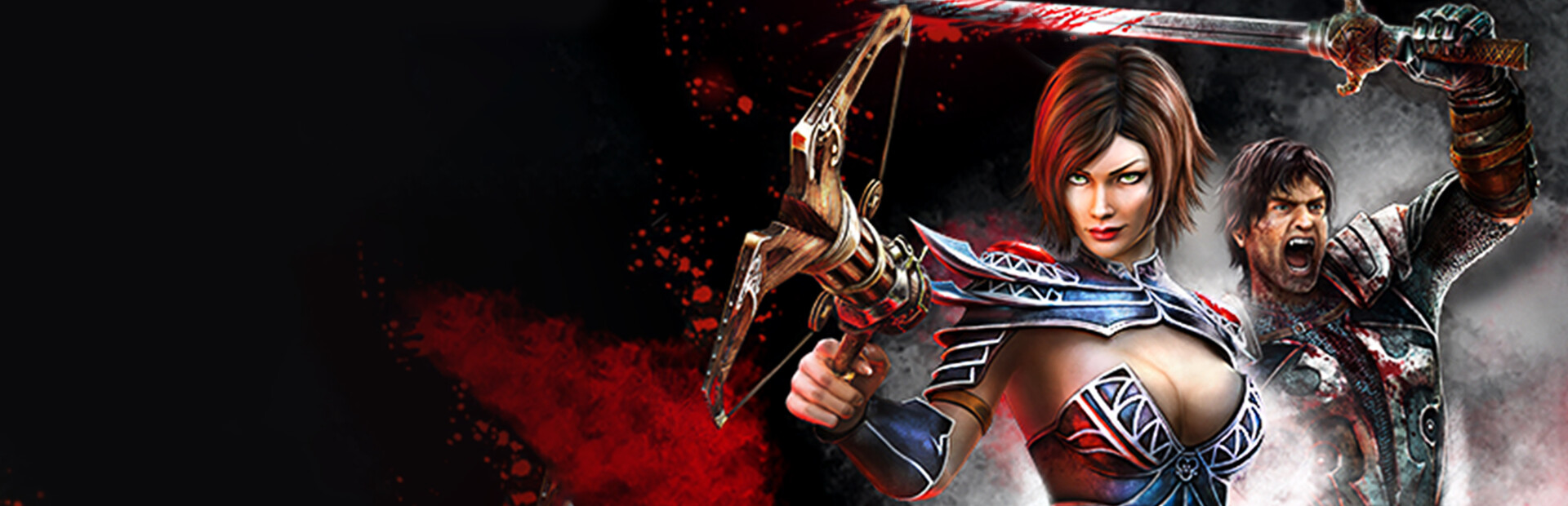
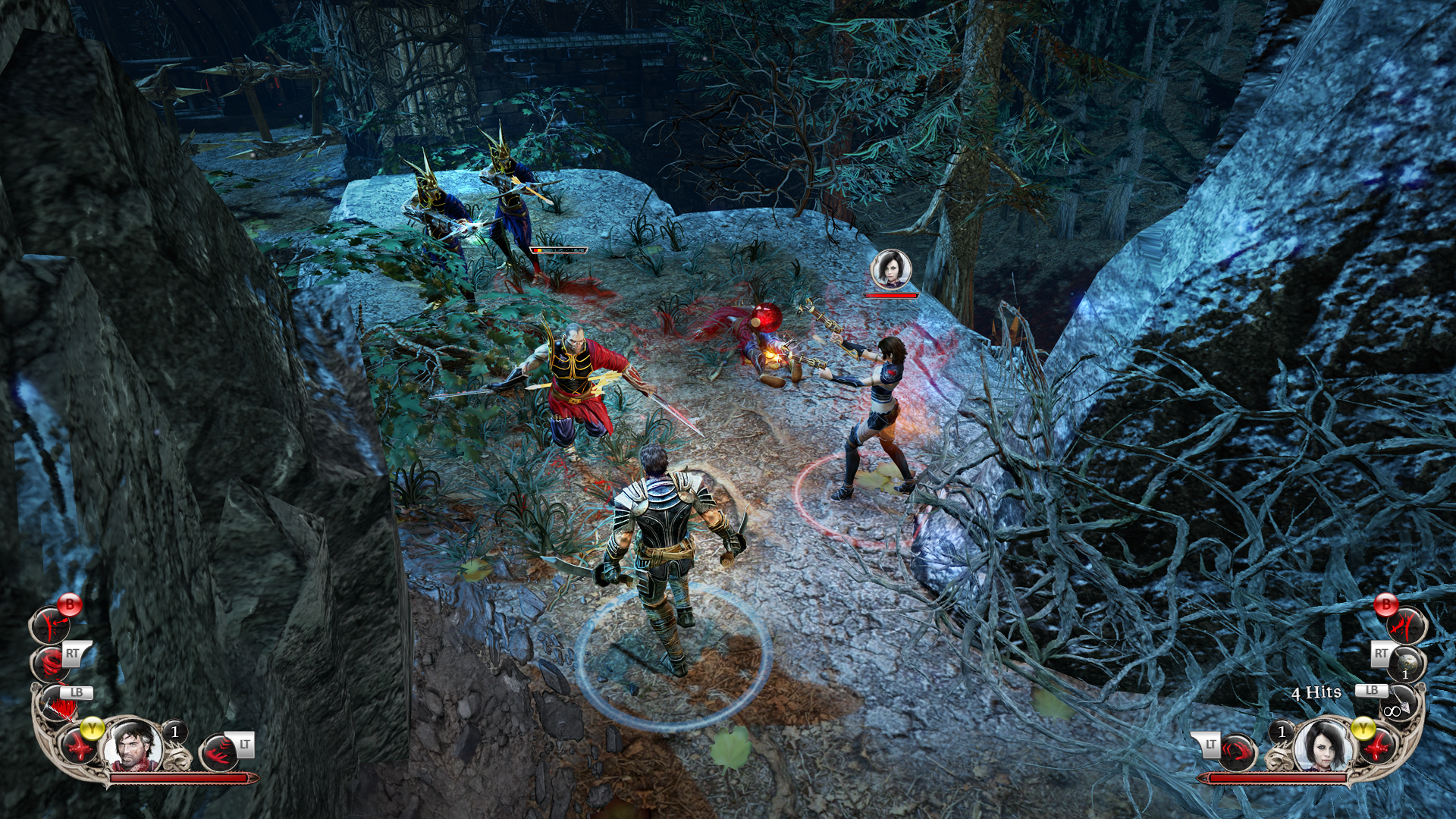
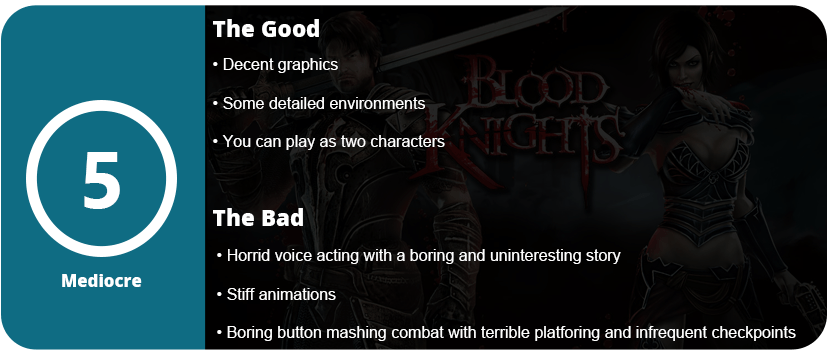
Sometimes there are games that I just give the benefit of the doubt. Blood Knights seemed to have fast-paced combat with decent graphics and some interesting environments. I was wrong on all of those except one. The game has horrible voice acting, stiff, boring combat, terrible platforming, and bad everything else.
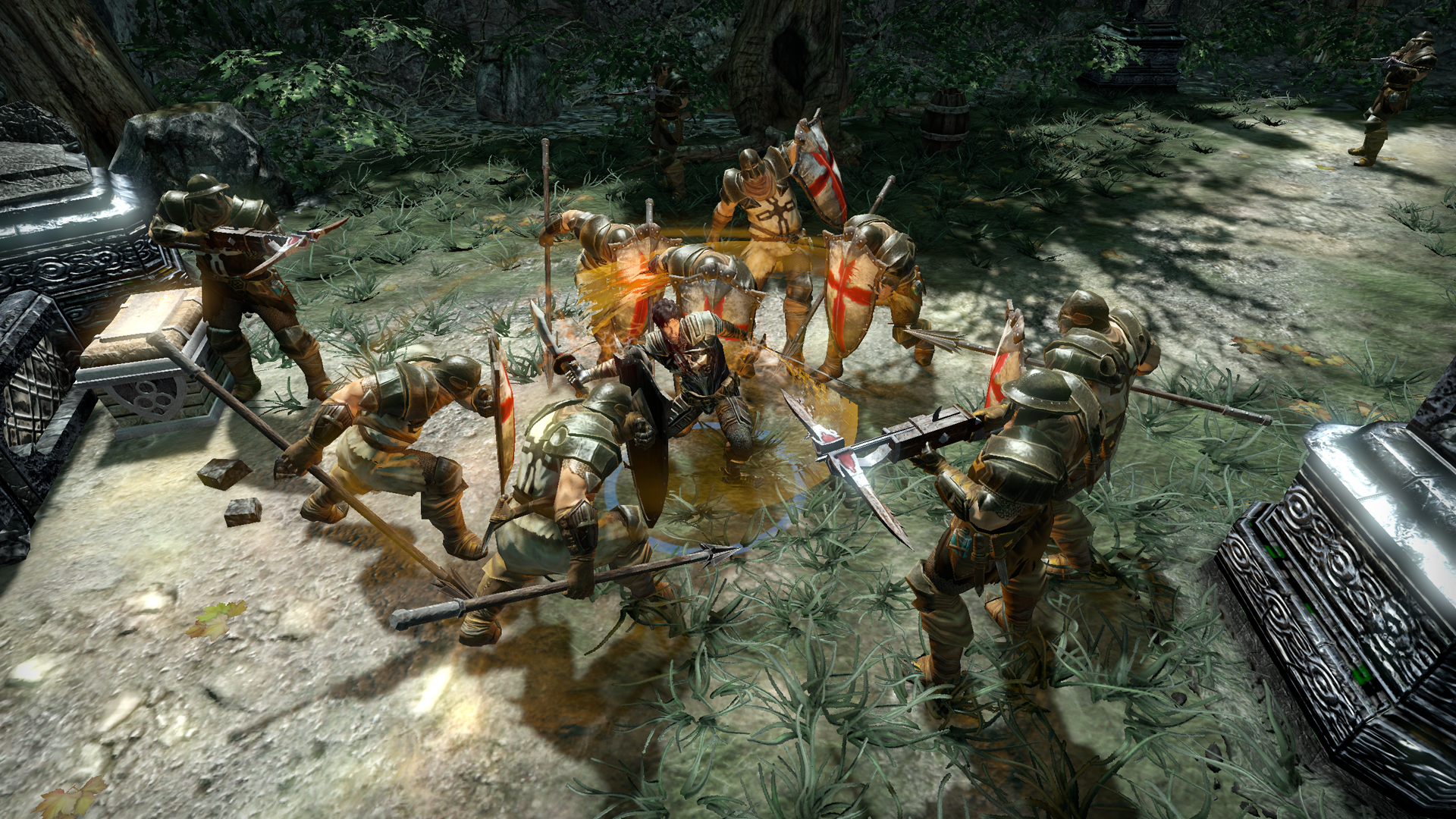
There aren’t that many great vampire games because they all end up like this. I honestly don’t even know what this game is about because it’s so boring and monotonous to follow, and the voice actors sound like bored high school students reading from textbooks. The combat is so boring and uninteresting. You just mash on the attack button and use your special moves until they cool down, and then mash them again. The animations are stiff and cumbersome; switching between characters just makes things more frustrating, and I died so many times from just falling off of cliffs.
If that’s not bad enough, there are repetitive and lame objectives like protecting this person until he fixes something or flipping this switch. I mean, really? In 2013, we’re still stuck on these objectives. Not to mention the fact that the checkpoints are spread so far apart that you will die and restart the same section over and over until you tear your hair out. There’s no new twist or interesting plot about vampires—just the typical horror story stuff we’ve seen too many times. At least the game looks halfway decent, and there are some nice details in the environments.
You would think that the RPG elements would add some depth, but they don’t. Sure, there’s armor to get, gold to spend, and XP to obtain, but you won’t care when you’re trudging through endless amounts of boring enemies. Some co-op would have been nice, or some clever puzzles that utilize both characters, but instead we just run around flipping switches. At least the game is really short; you can beat it in about 4-5 hours if you pound through it, but who would want to?
As it is, Blood Knights is a decent concept that is ruined by horrid gameplay mechanics that feel archaic and unforgiving. What could have been a decent vampire game turned into another potato in the stew?
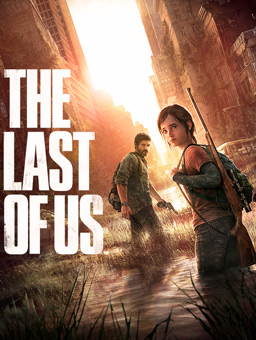
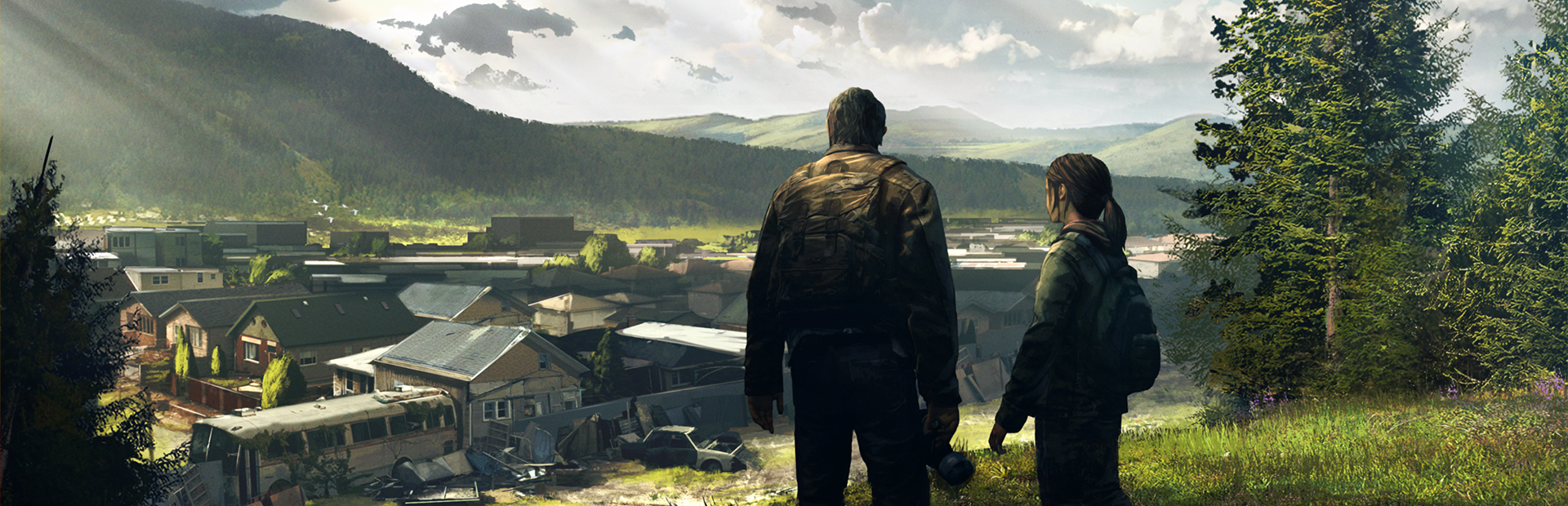
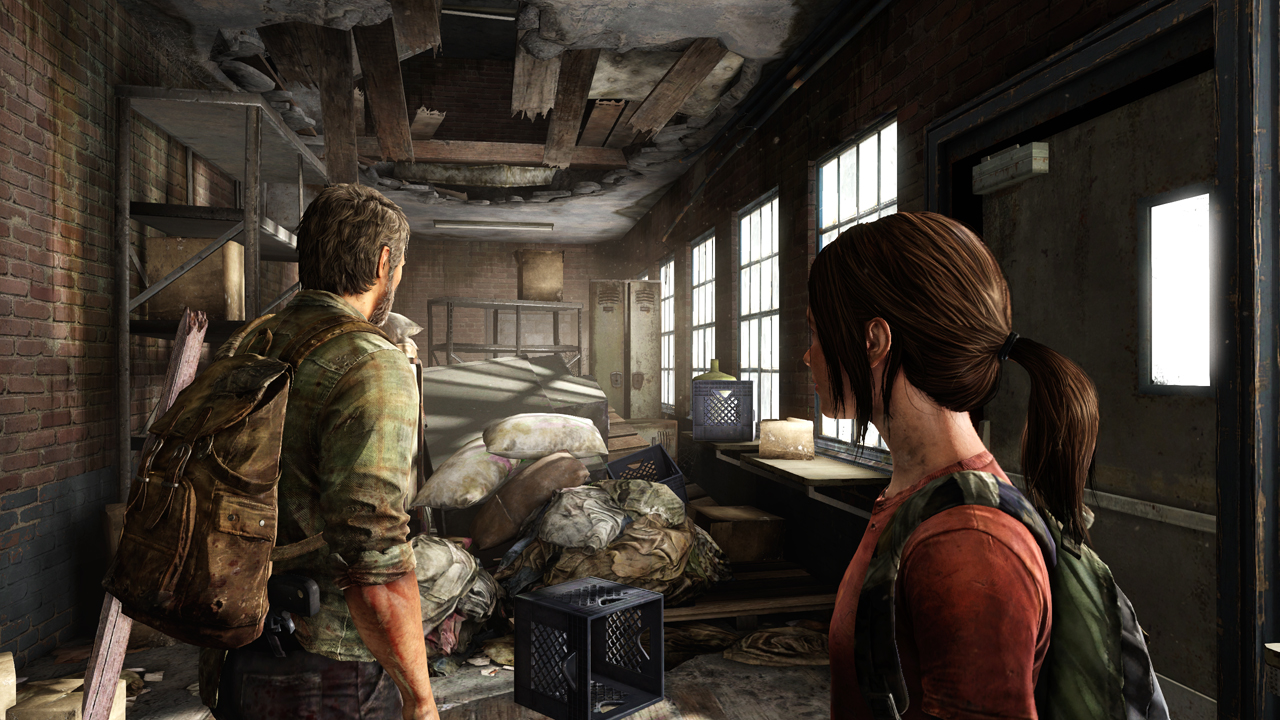
Post-apocalyptic games always try to focus on a mass group of people or the devastation itself. The Last of Us focuses on two people, Joel and Ellie, as they travel across the US to find a cure for the biological outbreak that’s destroyed the planet. The journey is of decent length, and you really get to love Joel and Ellie, and they become amazing characters that you don’t want to separate from.
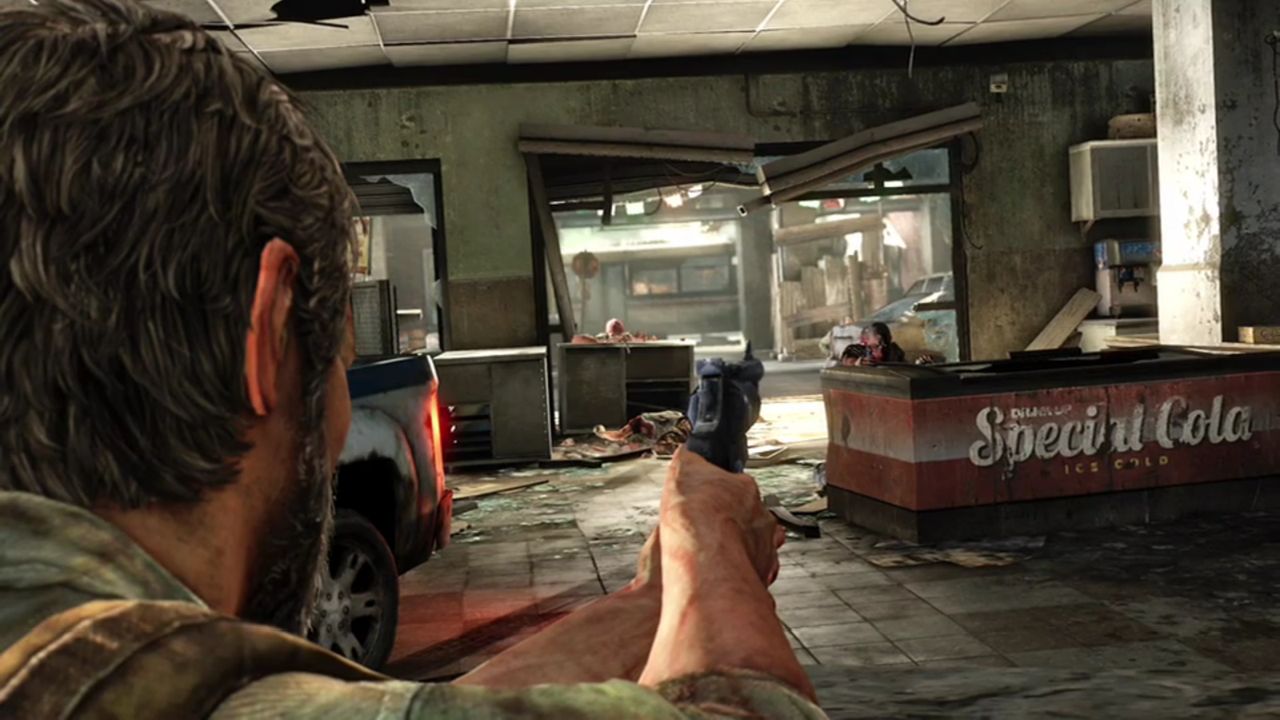
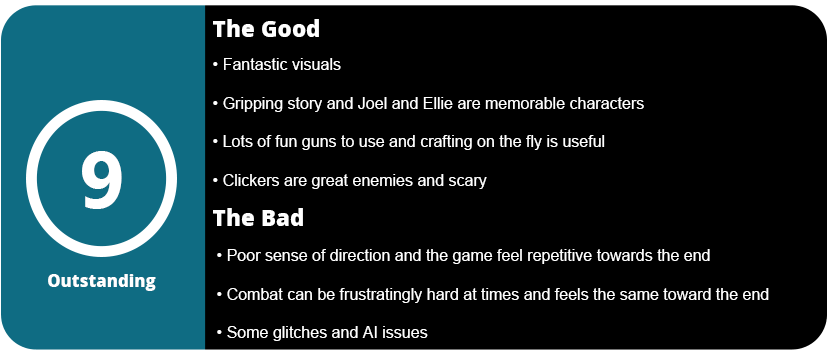
The Last of Us is full of emotion and amazing production values. It’s the best-looking game to grace the PS3 and is a great entry for the final lap of the console’s lifecycle. The combat is a mix of action and stealth. You can sneak around enemies and grab them from behind and either shiv them or strangle them. Shivs aren’t easy to come by; you must craft them, and they can break. Strangling takes about 10 seconds to do and is a slow way to kill someone. Make sure no one else is around, or you will be spotted. You don’t just fight humans in this game; clickers are some of the scariest monsters since Dead Space’s Necromorphs. The sounds that were used are incredibly scary and original. These creepy creatures can hear you even if you crouch. You must slowly crouch around them, and you can only kill them with shivs. Hunters and runners are also hard to fight, but runners can’t be snuck upon; you must fight them. Bloaters are like tanks from Left 4 Dead—huge enemies that are hard to take down. These enemies are interesting to fight, but they are the only ones in the game, so it can get repetitive after a while.
Repetition sets in other things, like each encounter feeling the exact same way. It’s just room after room for zombies or humans to fight. I wanted more cinematic events, which were kind of sparse. Crafting and collecting parts help make the game a bit more interesting. You can craft melee weapons, Molotov, shivs, medkits, and smoke bombs. You can craft in the middle of combat, which is nice, but weapon upgrade stations are rare. There are only about a dozen in the whole game, and you need to save up a lot of your parts to upgrade weapons. You can add gun slots and even increase clip capacity on one-shot weapons, which is nice. There’s actually a good variety of weapons, and they all feel useful in different situations. I found myself using all of them one way or another often.
The game is very linear but feels like an adventure. You go through various areas in the US, from Boston to Utah, and the game just oozes a stylized atmosphere. You really feel like you’re being pulled into this destroyed world, and it just feels so compelling. Despite combat, though there isn’t much to the game, there are no puzzles or anything else that’s very challenging. Just pushing Ellie across pallets in water, moving ladders, etc. The combat is downright frustrating since clickers can kill you in one hit, and the stealth is a bit iffy. Sometimes it felt like the AI was flawed and got me killed. I also ran into a few glitches.
The story itself is the best part of the game. Bringing Ellie across the country and the hardships these two go through is just something else. I don’t want to spoil anything, but you get to play both characters, and Ellie is just a strong character. A little girl who curses, kills people, and wipes out an entire gang on her own? It’s nothing like I have ever seen, and it shows Naughty Dog has the guts to do this.
The game itself looks amazing. The textures are at such high resolution, the animations and models look great, and the lighting is fantastic. It really shows just how much more powerful the PS3 is than the Xbox 360. 360 exclusives like Gears of War 3 and Halo 4 have some pretty ugly textures, and the lighting doesn’t look too hot. The Last of Us looks like a PC game, and it blew my mind, which is rare for current-generation consoles these days. There are a few eye sores, but you really have to hunt for them if only every developer put this much effort into their games.
Overall, The Last of Us is one of the best games of this generation and the best PS3 game this year. Joel and Ellie are highly memorable characters, and their journey is frightening and enlightening. The combat can feel repetitive towards the end and can be downright difficult and frustrating, not to mention constantly being lost due to a lack of direction. Despite these flaws, this is one fantastic journey that every PS3 gamer should endure.
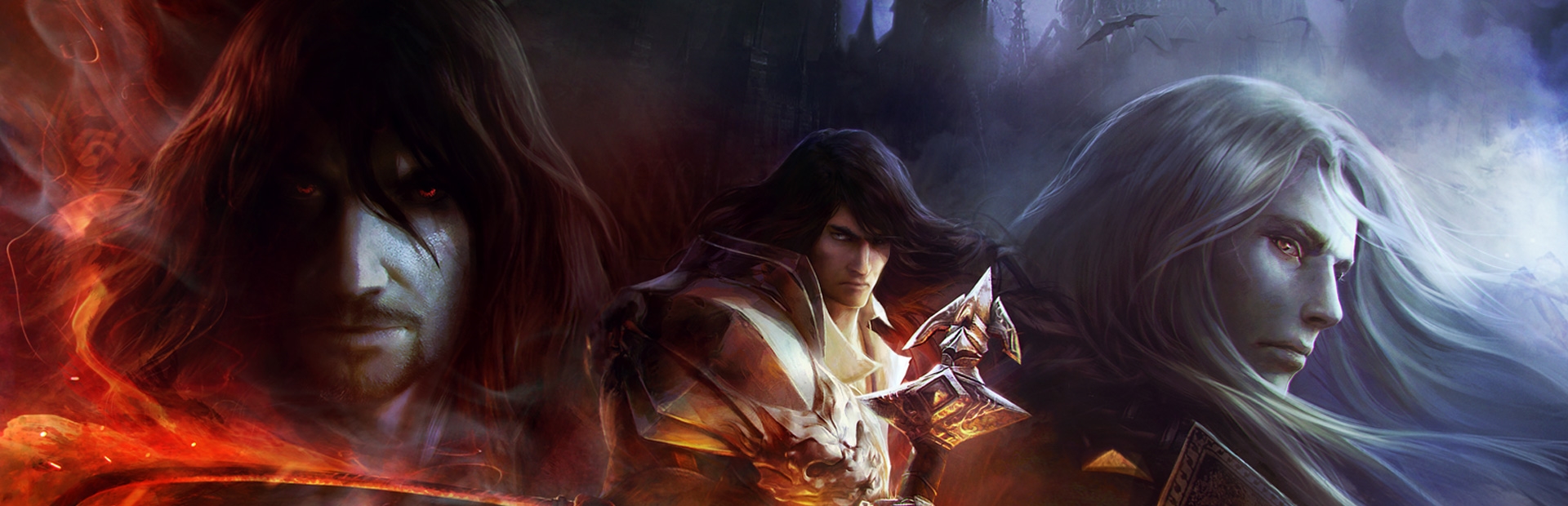
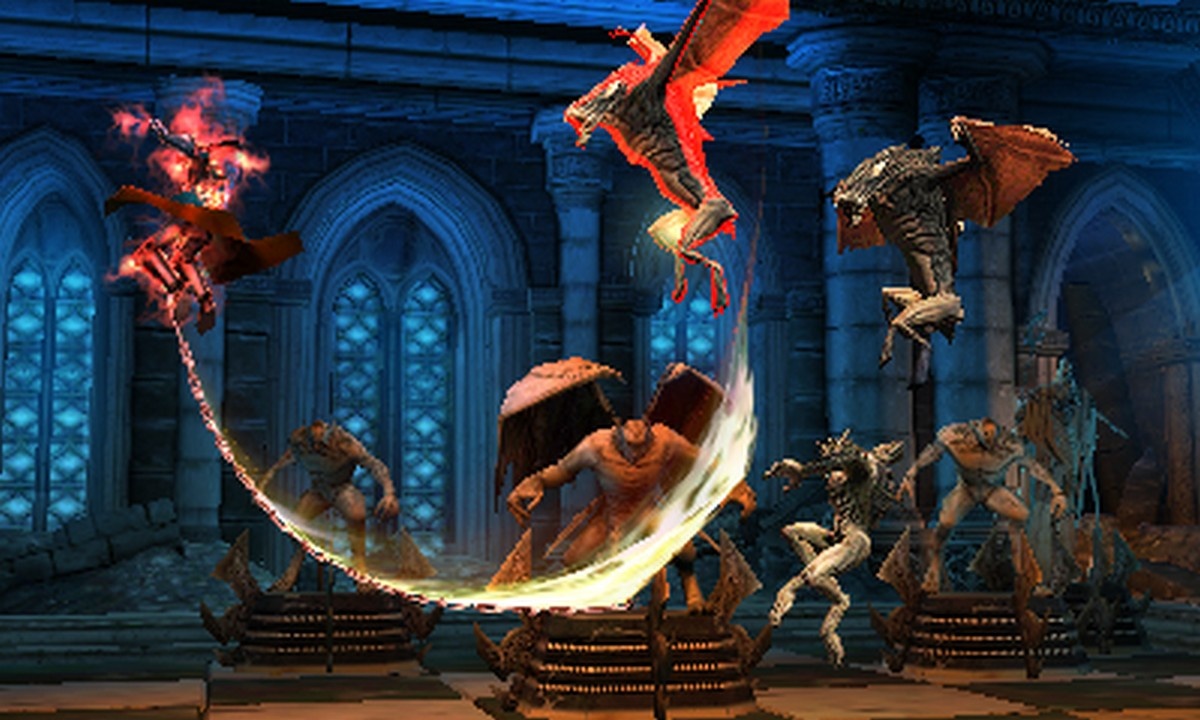
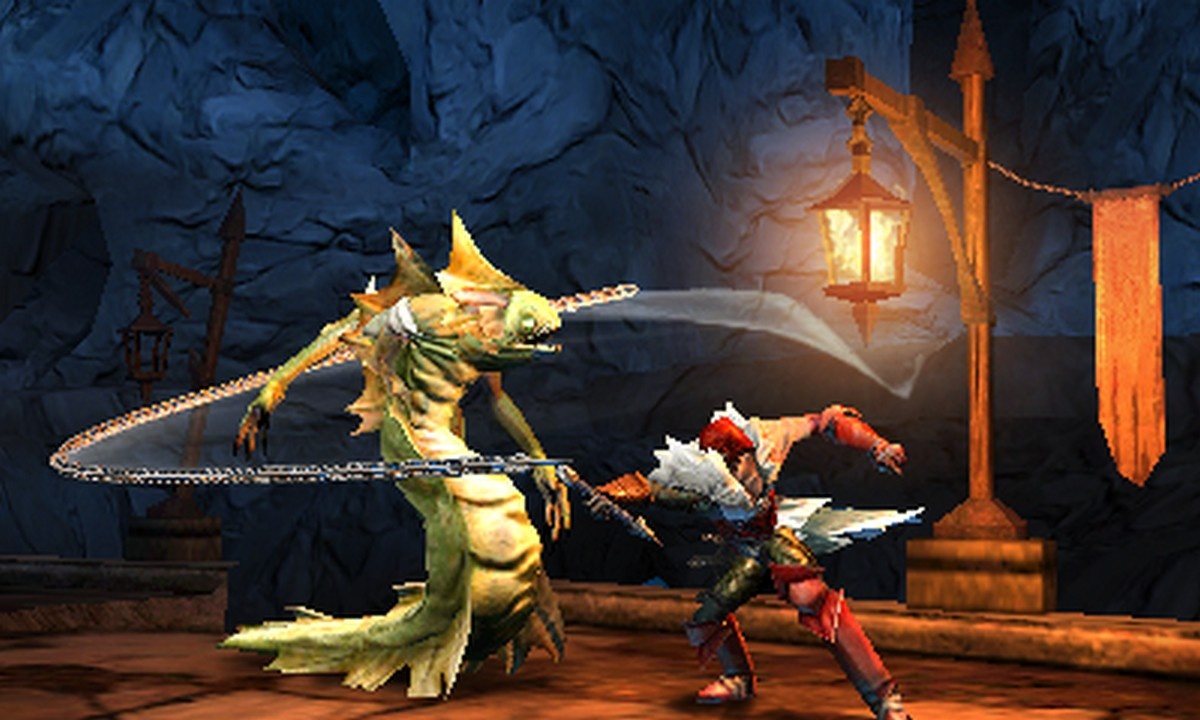
Castlevania has struggled for years in the 3D department. Lords of Shadow was the first solid Castlevania that was in 3D and did the series justice. Some hardcore fans shame the game, but I think it is one of the best action games of this generation. Mirror of Fate brings that same awesomeness to the 3DS with great combat and solid platforming.
You play as four protagonists throughout the whole game. Simon, Alucard, Gabriel, and Trevor. The game has simple 2D platforming with jumping and swinging, but the combat is solid enough. You have two attack buttons and a special power button. The special powers vary from axes (CV1, anyone?) to passive powers like being invincible for a short time or turning into a werewolf (Alucard). The combat is punchy and powerful and feels great. However, the game is incredibly hard. It requires a lot of skill and mastering the combat to get through the game because it can just get downright tough, but it’s beatable. Apart from the combat, you are mainly solving puzzles and finding secrets.
Puzzles involve pushing and pulling objects into the right places, flipping switches in sequential order, and sometimes even labyrinthine mazes. The map is very useful since you can place notes, and it will tell you if there’s a secret or something useful nearby. Upgrading health and magic seems like a standard affair, but you have to find these chests and make an effort; they aren’t handed to you. There was some annoying backtracking, which felt a bit cheap, and the fast travel system is nearly useless since you never know which level you will end up in. I did get lost a few times, and the puzzles can be real head-scratchers, but platforming fans shouldn’t struggle too much.
The story is pretty short, and there’s no reason to really come back. People who have never played Lords of Shadow won’t really get the story since the ending is extremely sad. The graphics are amazing, and these are the best 3D effects I have seen on the 3DS thus far. They pop out and just make the whole game come to life. I honestly didn’t see much that wasn’t in 3D in some way.
Overall, Mirror of Fate is a solid yet difficult platformer that will make any Castlevania or platformer fan happy. The story is interesting, the 3D effects are amazing, and the combat is solid. Just be prepared for some backtracking and short game time.










































 thebinarymessiah.com
Try multiplayer. A lot of fun !