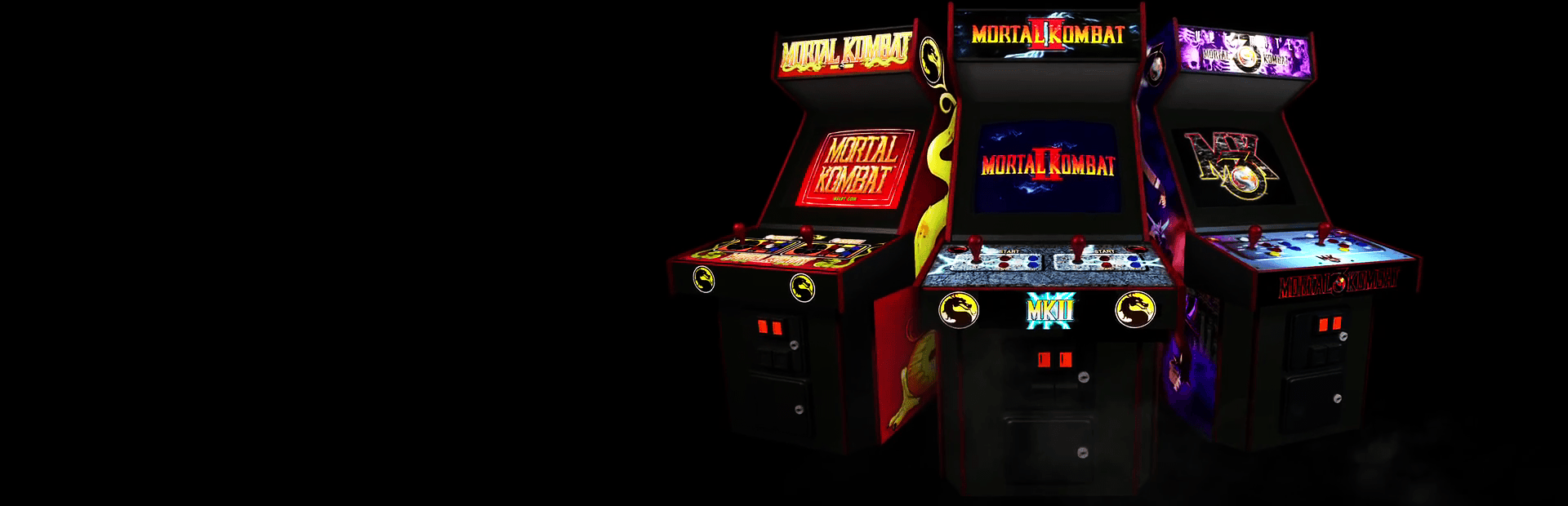
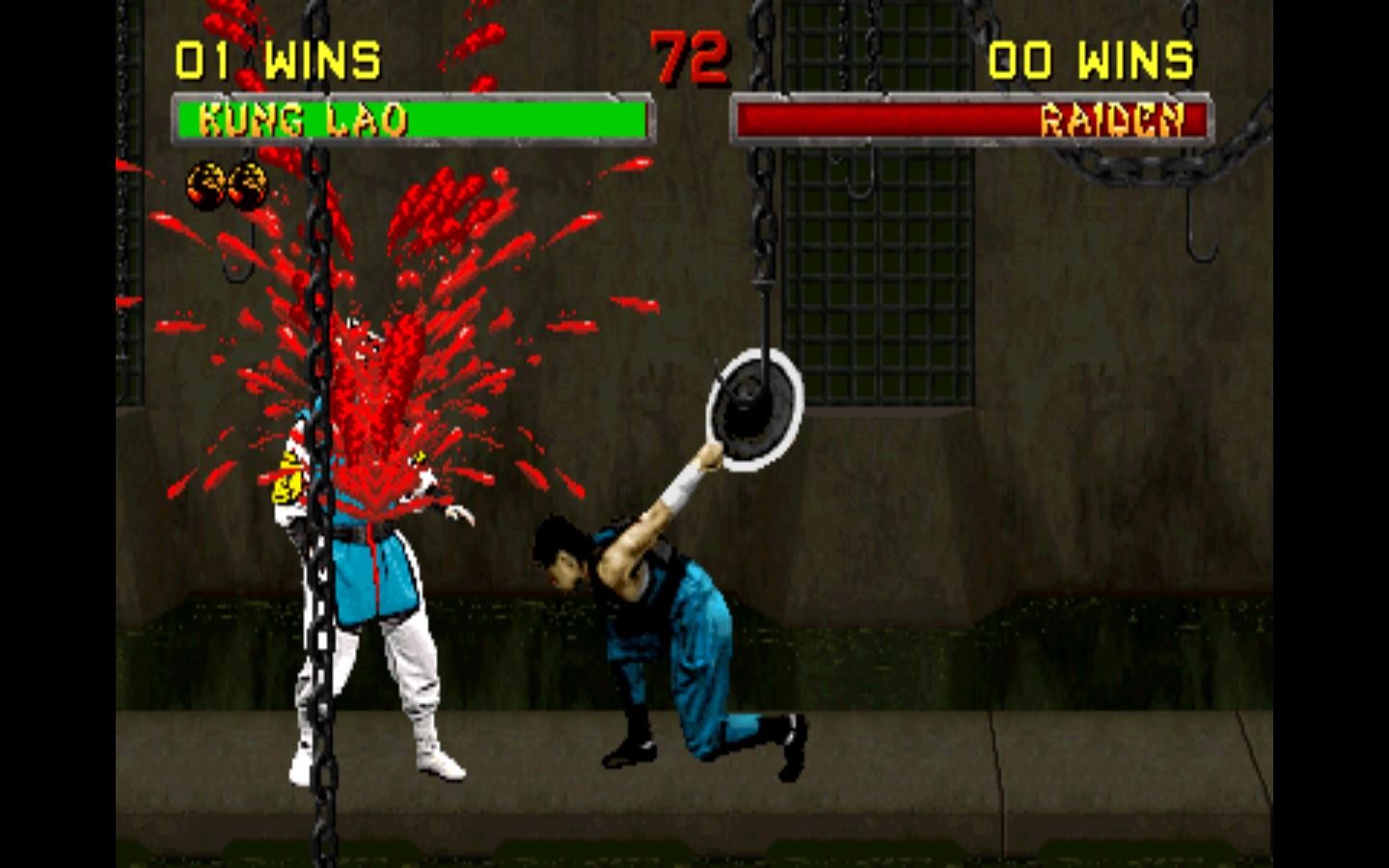
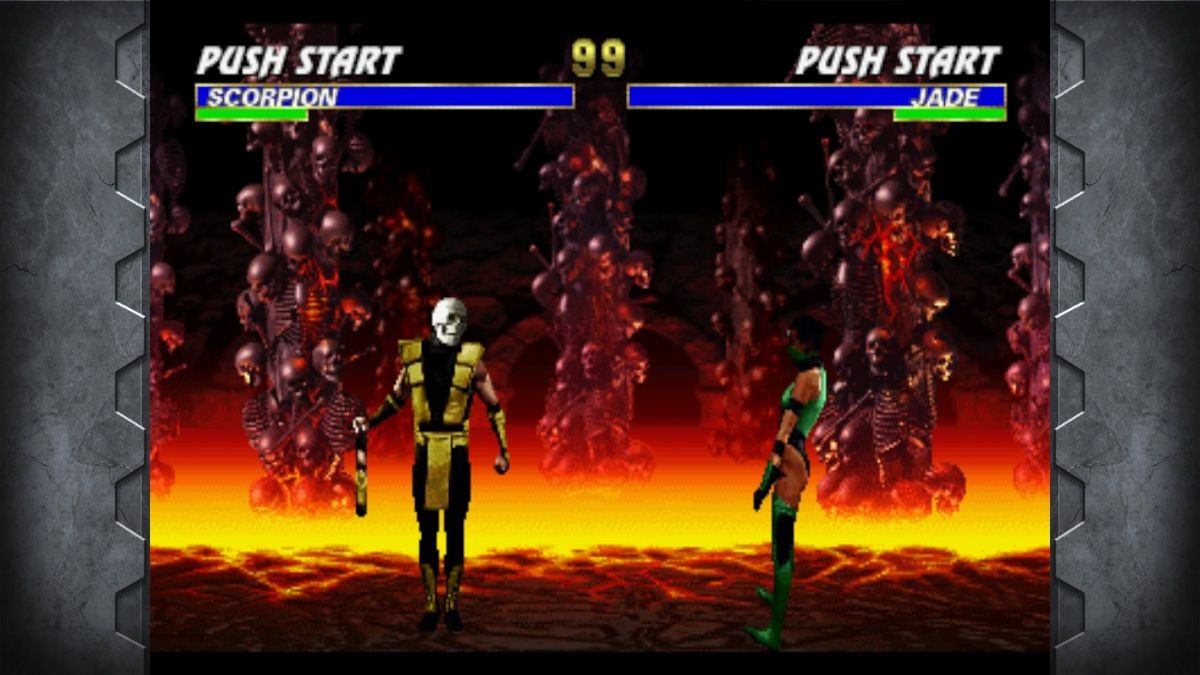
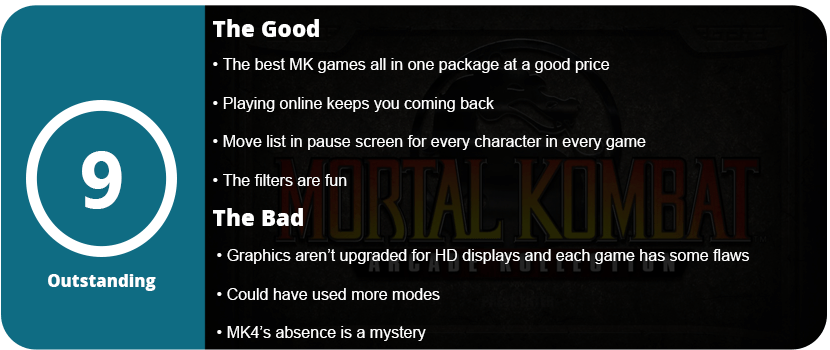
The first three MK games saw dozens of ports over the years, and not all were very good. The latest port of the three is all packed into one tight collection, and they are perfect arcade ports. I won’t go into each game in detail, but it’s great to see the progression over the three, and they all have their strengths and weaknesses. People who are used to the new fighters with tons of combos won’t like the first two as much because combos weren’t implemented until MK3. The first two are just spamming special moves and getting someone stuck in high-punch spam. The good old sweep and uppercut move worked, and the feeling of nostalgia came back.
While each game has great “alities” and characters, each game suffers from some visual quality because these are arcade ports. You can turn on various filters, but overall, don’t expect the games to look amazing. MK1, for example, is very pixelated, but what can you expect? Each game has online play, and that is what will keep you coming back. The CPU is cheap when fighting solo, and I always hated MK’s AI system, with MK2 being the worst. I also loved how all the “-alities” and special moves are on the pause screen, which prevents you from having to have an FAQ near you.
Arcade Kollection could have used more features, such as being able to play Test-Your-Might mini-games separately from MK1, throwing in the great Puzzle Kombat, and maybe even adding some more online modes. Including the Mortal Kombat Trilogy would have been nice, despite it never being in arcades. I’m also not sure why MK4 wasn’t included because it was the last arcade MK game. What is here is excellent, but only hardcore MK fans will really appreciate this collection.
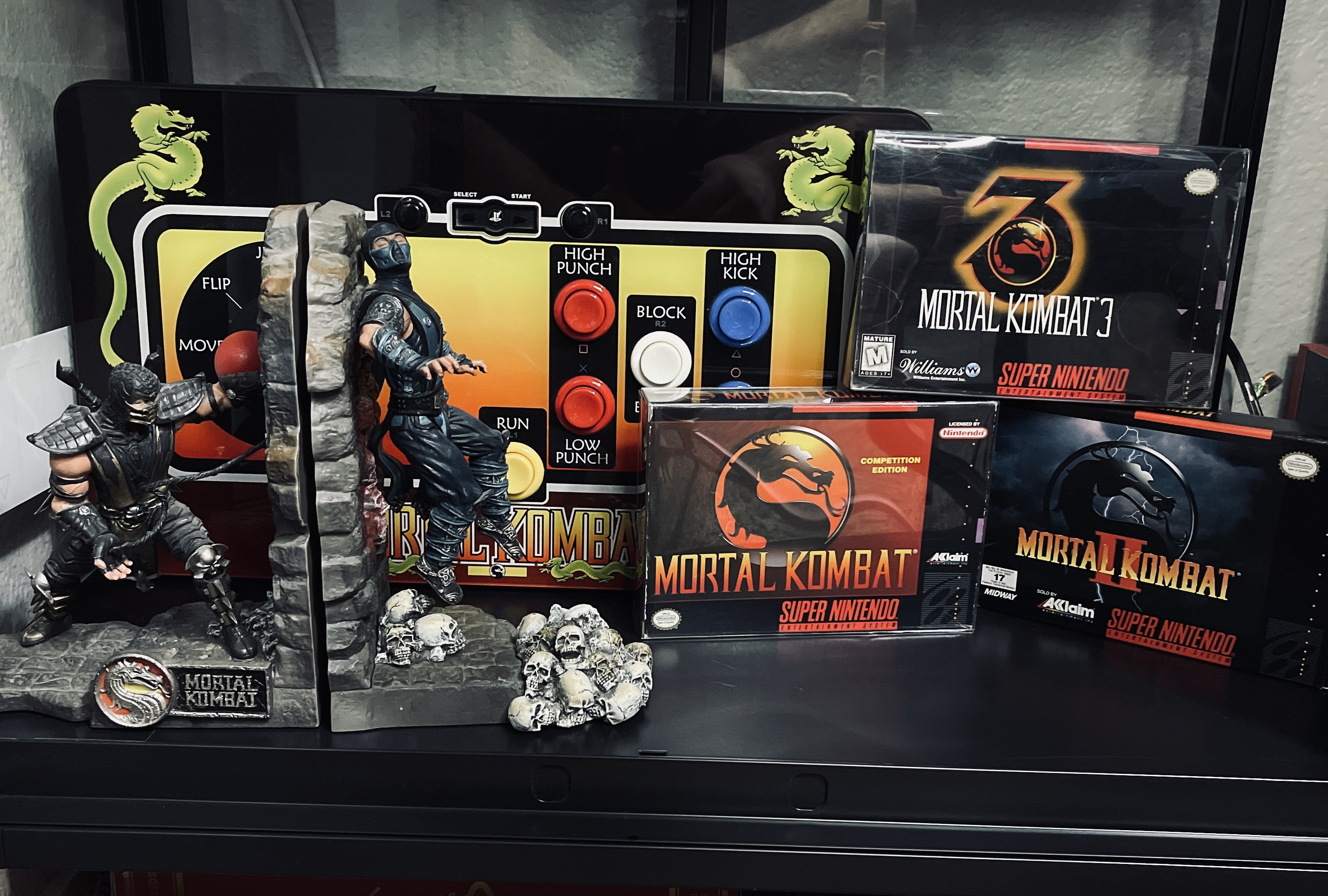
Fight sticks are usually the only way to go when it comes to 2D fighting games. Mortal Kombat has finally started creating its own, and this bad boy is almost flawless. The components are Suzo-Happ, which are top-notch, and the thing feels like a piece of an arcade cabinet. The buttons have that lightning-fast spring, and the joystick snaps around like you would expect. The layout is just like that of Mortal Kombat cabinets, with the 5 buttons (think of a 5 on a die) and the Run button, which you can tap with your thumb. The buttons are big, and you can hit each one by just rocking your hand around and quickly slapping the buttons.
The Home button, Start, and Select are up top, along with L2 and R1. The stick is designed for the Mortal Kombat Arcade Kollection and needed some re-mapping for Mortal Kombat (2011). I did feel like I was ten times better at the game in MK (2011), and I could pull off moves a lot faster on this thing than I could on any controller. My win/loss ratio was boosted after using this thing.
The cabinet’s cosmetics are gorgeous, with the classic MK1 design on the front and soft velvet padding on the bottom for your lap. You can connect any mini-B USB cable to it, but I just wish it were wireless. Nothing can really beat this, and it is probably the best home console stick I have ever used. This also works for other fighting games but may need some re-mapping. I also had trouble pulling off X-ray moves in MK (2011) because the L2 button is up top, so I had to take my hand off the stick to do this. Other than that, the stick is perfect, and everyone should get one. Be warned, though, because these are limited, with only 6,000 produced (I have #1,069). The stick is very expensive, running at over $200 at most places, so this is probably for hardcore MK fans only.
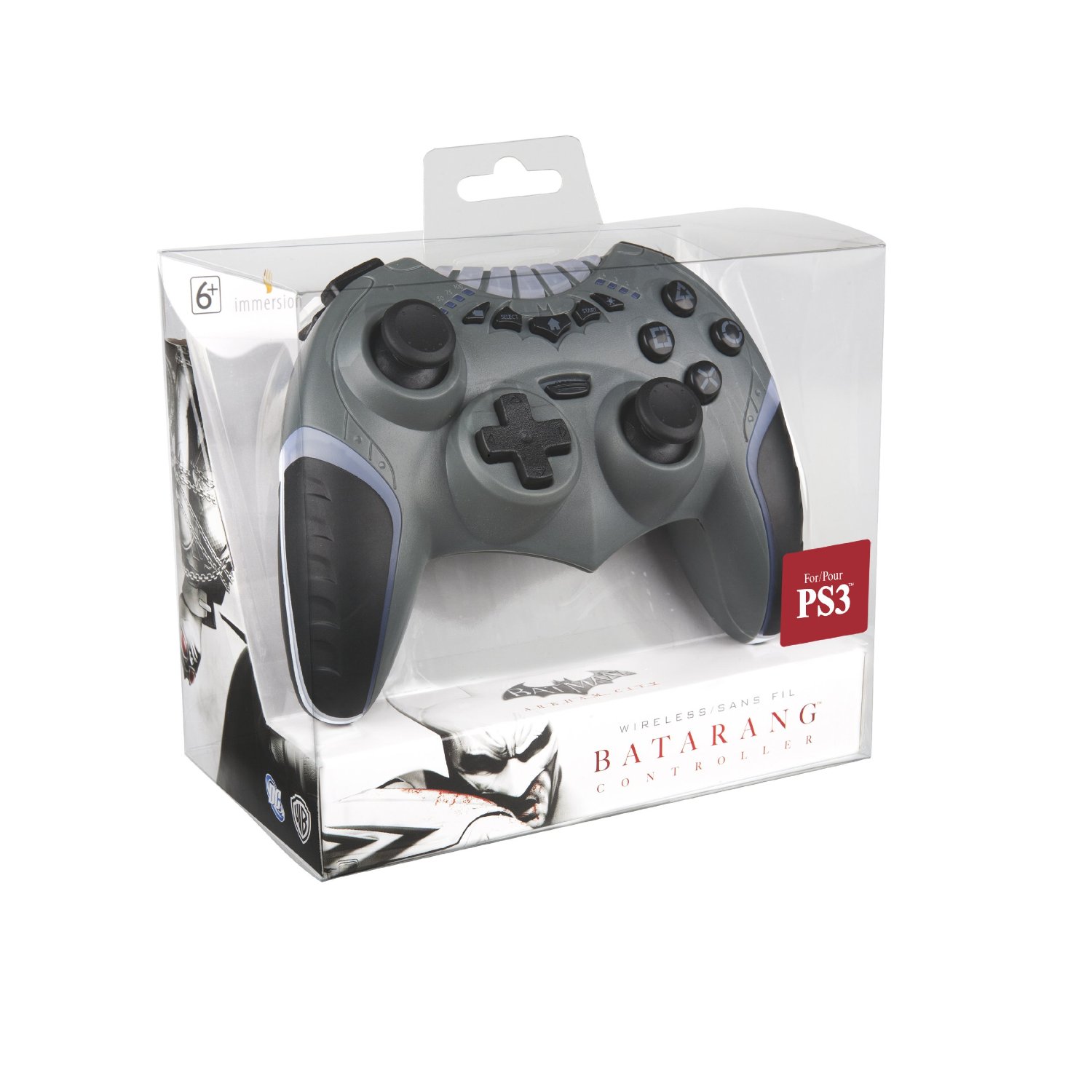
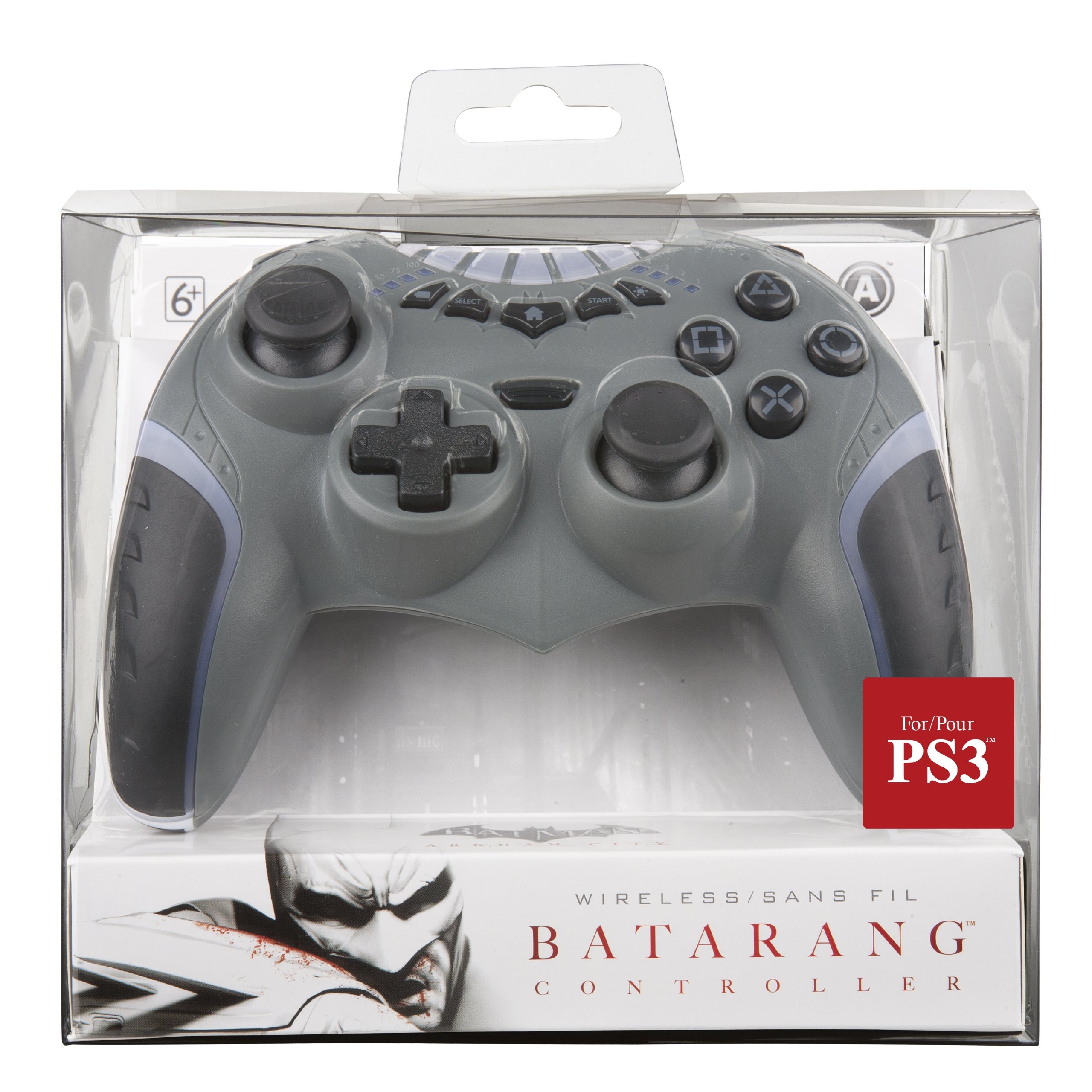
Most third-party controllers are usually never good. Power A did a great job with this officially licensed (by DC anyways) PS3 controller. While it looks a bit cheap, with some areas not coming together smoothly and seeing a few uneven gaps, the controller feels good and has a few nice features. For one, the thing lights up with seven different colors that you can change with a push of the button. All the regular PS3 buttons are here, including the Home button, plus there is a battery indicator button that lights up the quadrants to the left of the top row of buttons.
The overall feeling in your hands is great, except that the shoulder buttons are a bit closer together. People with huge hands will not like this. It has kind of a triangle shape, and the ergonomics are great when wrapping your fingers behind the controller to grip it. The sticks are laid out like the Xbox 360, which I prefer, and they are just tight enough for the perfect sensitivity range (which is really important for shooters).
Overall, there are a few problems, such as the top buttons being too close to each other, so you have to look down to press Start and Select. Several times I didn’t look and hit the color change button instead of starting. I also like how it’s wireless, but it doesn’t use Bluetooth, so you have to use a dongle in the PS3 USB slot. That also means no turning on the console with the controller, but it does have an on/off switch to kind of make up for it. The battery lasts a long time, so no issue there, but if the controller didn’t look as cheap as it does, the top buttons were spread out more, and this thing used Bluetooth, I would say it was perfect. For what you get, this is a great controller for Batman fans.
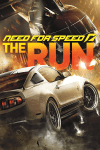
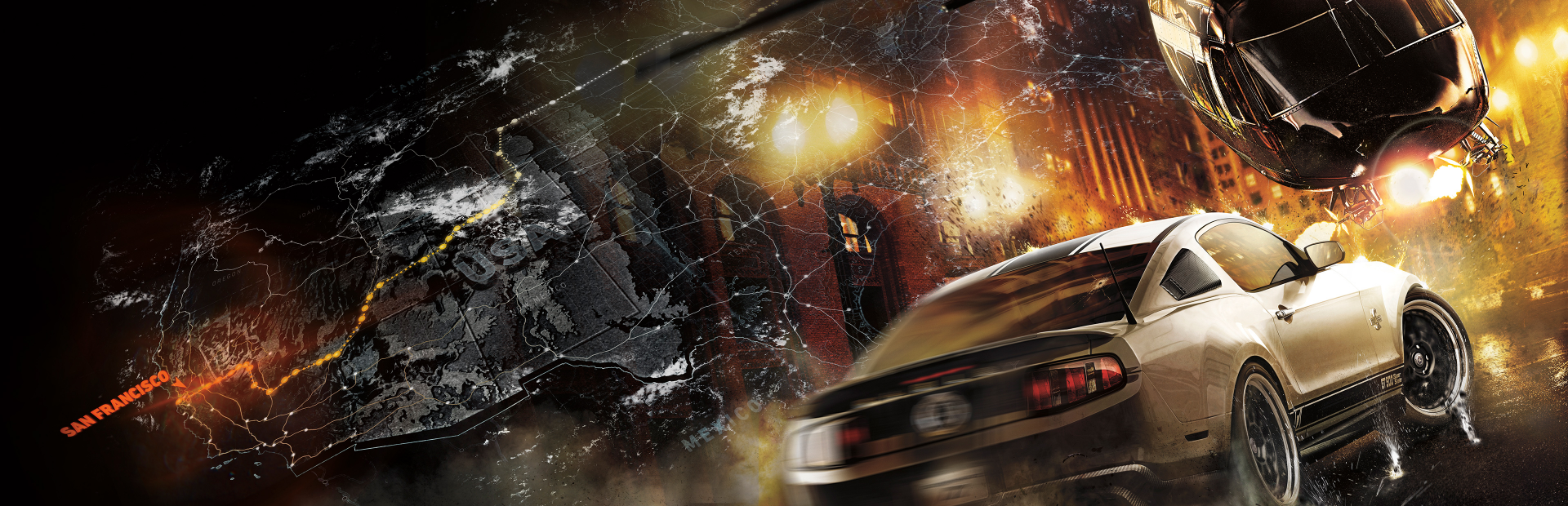
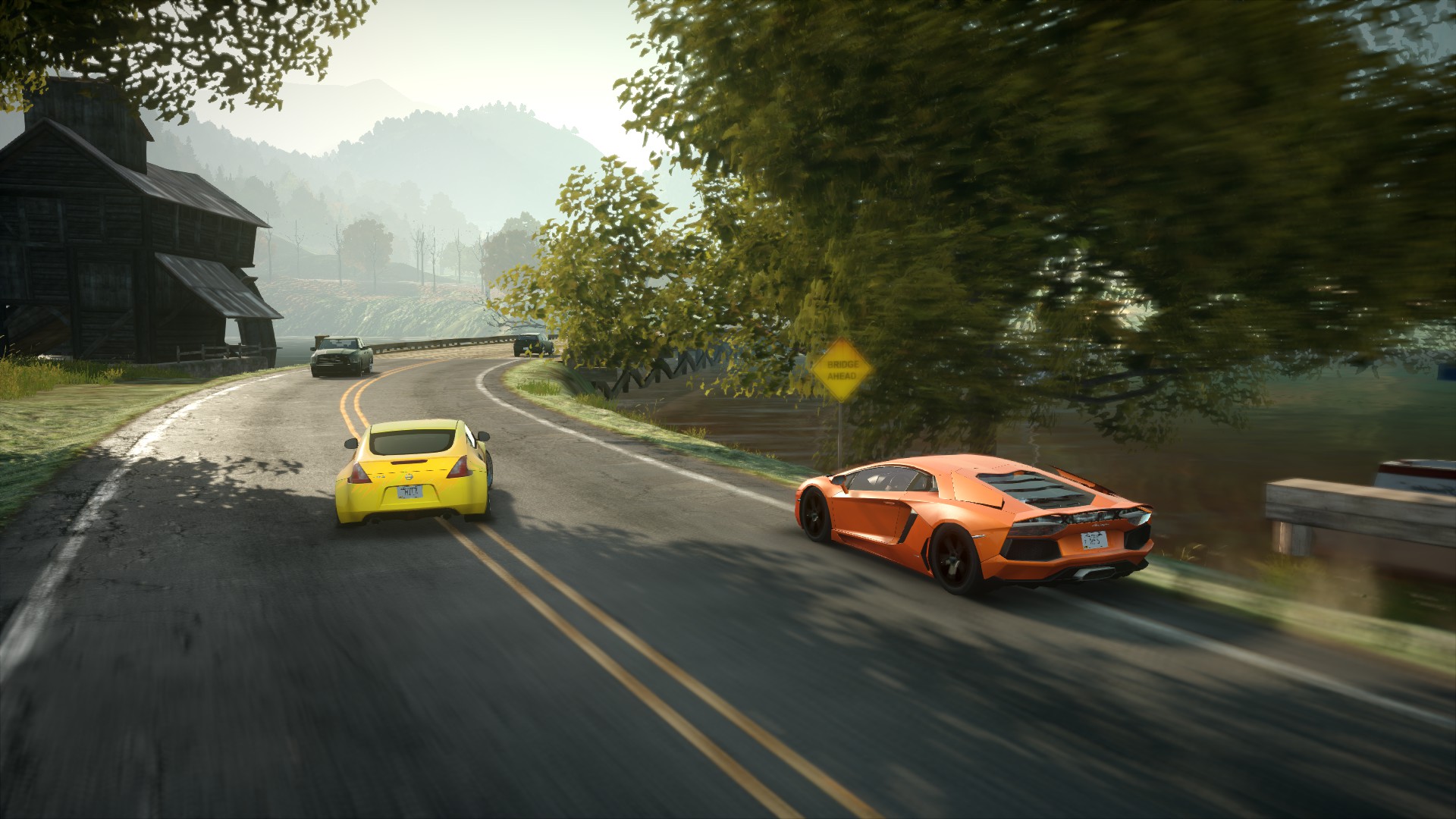
Need for Speed has taken many different directions in the last decade, but The Run tries to go back to its roots while trying something new. Sure, you’re being chased by cops, doing illegal stuff in a car, having great graphics, and having a super-fast sense of speed. It sounds like an NFS game, right? Well, in a sense, it is, but it won’t change haters’ minds or make hardcore fans happy. This isn’t the true return like Hot Pursuit was, but it does convey a nice idea. You play a guy named Jack Rourke who owes a mob a lot of money. You hear about a race from San Francisco to New York, and your “agent” will give you a cut of the prize money and make your little mob problem go away. You start at the 200th place and make your way to the 1st.
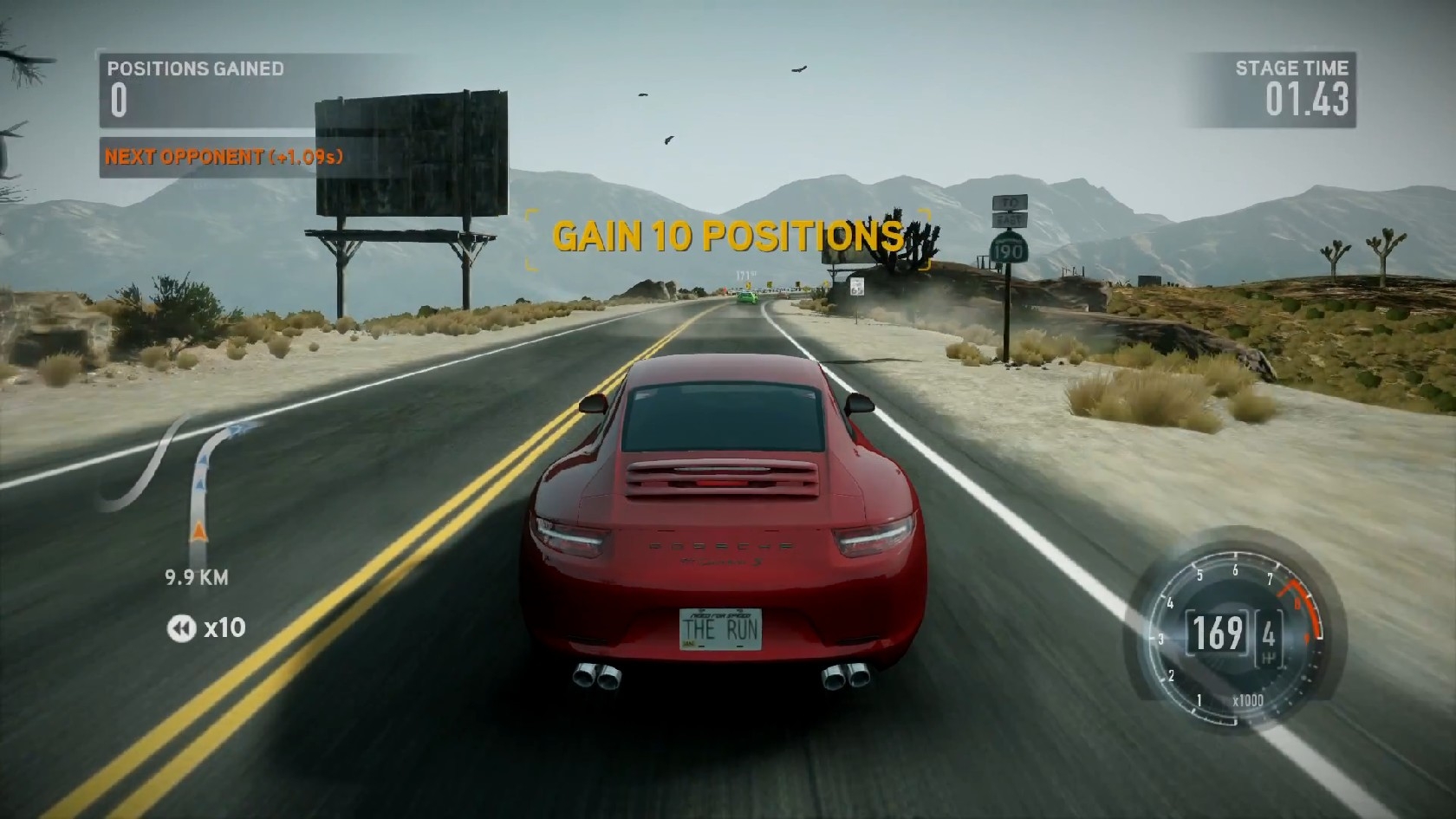
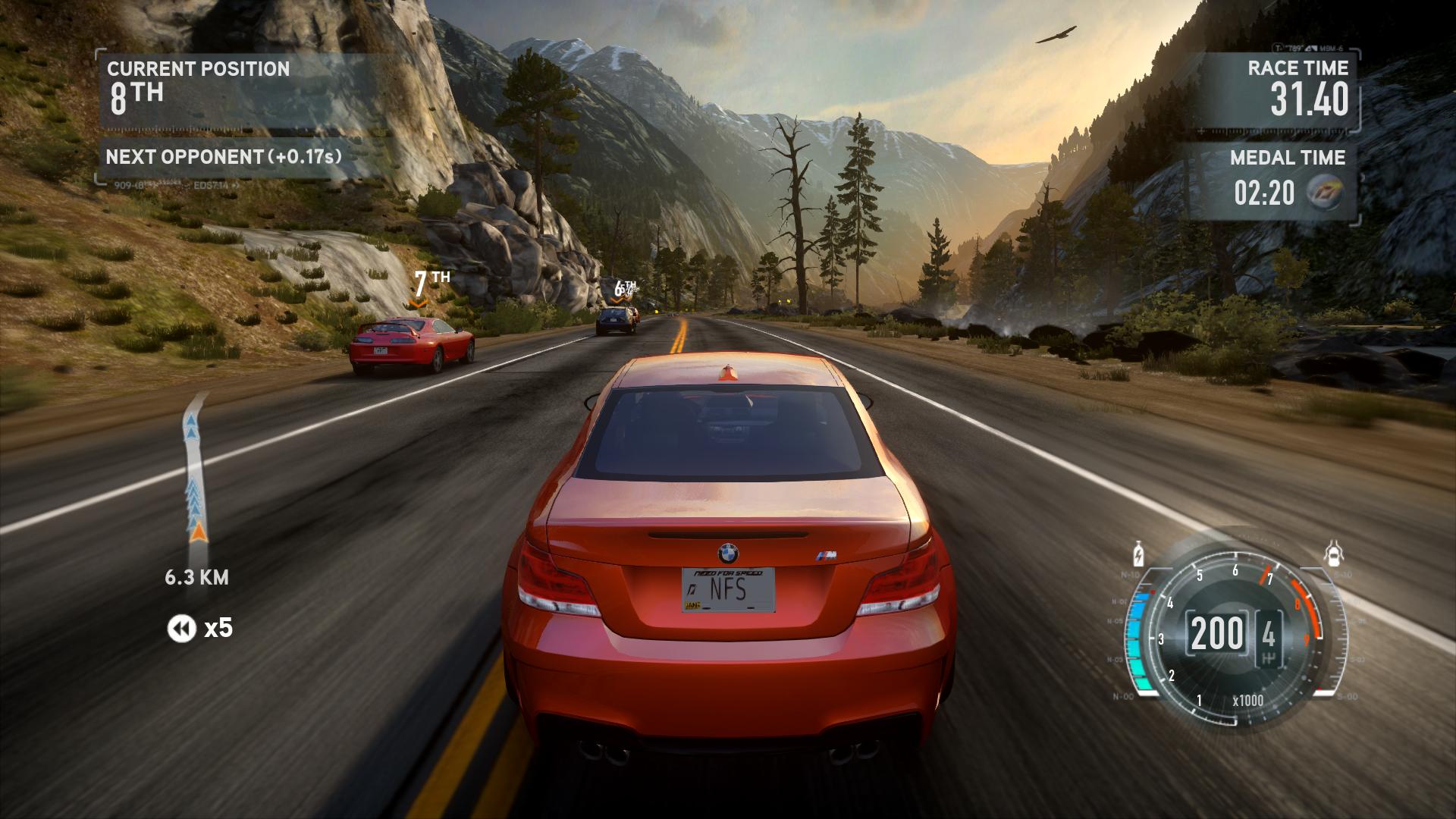
This sounds like it would take forever or be just one straight race, but it isn’t. The game is broken down into 10 stages, and each stage has various races. The terrain obviously changes a lot, and this means lots of different environments to look at, which gets help from EA’s latest Frostbite 2 engine that was used in Battlefield 3. While it doesn’t look as amazing as that game, it looks fantastic and is probably the best-looking NFS game to date. There are so many different places to race—snow, open fields, farms, factories, cities, you name it. There are several different race types, but they are thrown up variously, and the overall experience is repetitive.
Races range from gaining a certain number of positions to battling against the clock in elimination races. There are “boss” races that have you racing a good distance; there are also races solely against the clock to catch up time. That’s about all there is, and the only thing keeping you from getting really bored are the constantly changing environments, which are great to look at, and not one stage is the same. There are some better elements that make the game thrilling, and these are the survival sections. One has you running from an avalanche, another from a helicopter shooting at you, as well as a mountain demolition, but these are so far, and few of you yearn for them between the constant drag of gaining positions.
While these moments are highly entertaining, and probably the moments in the game, a few times Jack will get out of his car and initiate quick time events, which are also entertaining but pretty pointless since you normally don’t play an on-foot NFS game. Don’t worry, you don’t control him; just think of it as an interactive cutscene.
A great NFS game needs fast real-world cars, and there are plenty here, from Ferrari to Lamborghini. You will find them here. You can change cars by pulling into gas stations throughout stages, but overall, you usually stick with one car until the next group is unlocked. You can earn experience through things like drifting, jumping, overtaking cars, etc., but I found this kind of useless since you only earn one thing when leveling up, and it’s usually an avatar or something like that. You can use resets during a race if you crash or really screw up, but watch out; they are limited.
The game features Autolog, which everyone has grown to love, plus there are Challenge Series races to do after you beat the short 4-5 hour campaign mode. Multiplayer is pretty standard and nothing to write home about, but The Run is a fun weekend rental and nothing more. You will quickly forget about this one, but the whole idea is fun while it lasts.
The Uncharted series is really interesting because it was a skeptical Tomb Raider/Indiana Jones knock-off during E3 2005 when Sony showed it off as a new IP for the PS3, but everywhere just kind of blew it off and ignored it. Now we’re six years ahead, and Uncharted is one of the most respected and well-liked series in gaming history. Uncharted 3 is a solid roller coaster ride of action, suspense, and excellent voice acting that will really keep you sucked in.
After the events of Uncharted 2, Drake and Sully find themselves in a fight at a bar with a strange woman wanting Drake’s ring. What this ring does and how they get themselves into more trouble will be left for you to find out. The story gives us some history on how the two met as well as the most dangerous treasure hunt Drake has been on. These guys seriously want blood, and they are more vicious and violent than any of Drake’s other adversaries. The story isn’t anything to balk at because there are some extremely harrowing scripted events, and the characters are just perfect, and you get attached to them even more because Naughty Dog brought out a new level for each character (especially Drake) for this big finale.
The game is mostly the same combat-wise, with cover, lots of guns, and explosions. There is a great variety of guns that we love in the series as well as a few new ones, but combat still has a few issues, like snapping into cover doesn’t always work, and the game is extremely hard with way too many enemies like in the previous games, so this has never been addressed. You will die dozens of times during certain scenes, and I really wish they would have fixed this and made it more reasonable and not so difficult. The stealth sections are still poorly designed because you have no idea where to go, and there are too many enemies to sneak past or take out silently. One area will be choked up with enemies, and if you kill one, the next will see you because he’s just a few feet away.
Despite the combat being the same, the hand-to-hand is improved and is a blast to use thanks to great animations and quick counters to knock these guys flat. The platforming and climbing are the same, and that’s a really good thing. Cleverly laid-out levels are really fun to explore because you never really get lost. But what is special about Uncharted are the unique puzzles that span entire levels and are even bigger in this game. They are a little easier to figure out only in the sense that the clues you get can actually be used like they should, unlike in the last game, where the puzzles were almost impossible to figure out. Each puzzle is completely different from the last, but there aren’t as many as in previous games because this one is cutscene-heavy, and there is a better balance of shooting, puzzle-solving, adventuring, and cutscenes, so the overall flow is more natural.
Of course, the best part about Uncharted is the scripted scenes, and these go way over the top with horseback riding, combat in the air while trying to get on a plane, a battle on a sinking ship, and just a whole bunch more that make the game feel like a blockbuster movie. This was my favorite part of the whole game because it just sucked you into the experience like most games can’t, and I really felt the situations and the danger Drake was in thanks to clever camera work. The visuals are probably the best the PS3 has seen (better than Killzone 3, Resistance 3, and I daresay may be better than God of War III). The huge open landscapes are just riddled with ridiculous detail that I didn’t think the PS3 could even do. Beautiful lighting, high-resolution textures, and the animations are so detailed, with Drake tripping over himself and putting his hands on stair rails, so this makes the entire game feel organic and fluid.
Uncharted 3’s multiplayer is also a blast, with unlockable characters, guns, and other goodies to keep you playing. I really like the multiplayer, and the style works great, but of course, it’s nothing to break the ground for online shooters. Co-op single-player is a welcome blast, so the whole multiplayer suite involved helps sweeten the already great package. Uncharted will be remembered by myself and most gamers who appreciate an excellent game. The third entry is the perfect ending to an amazing trilogy.
Collector’s Edition: If you want to spend the extra $40, then you will be treated with everything coming in a beautiful chest (it’s heavy cardboard, unfortunately), as well as a replica of the ring, a belt buckle, and a 6″ figure of Drake, plus special packaging for the game case. The whole collection is beautiful and very well designed, but this is strictly for collectors, and people who aren’t really hardcore fans of the series should probably pass this up.
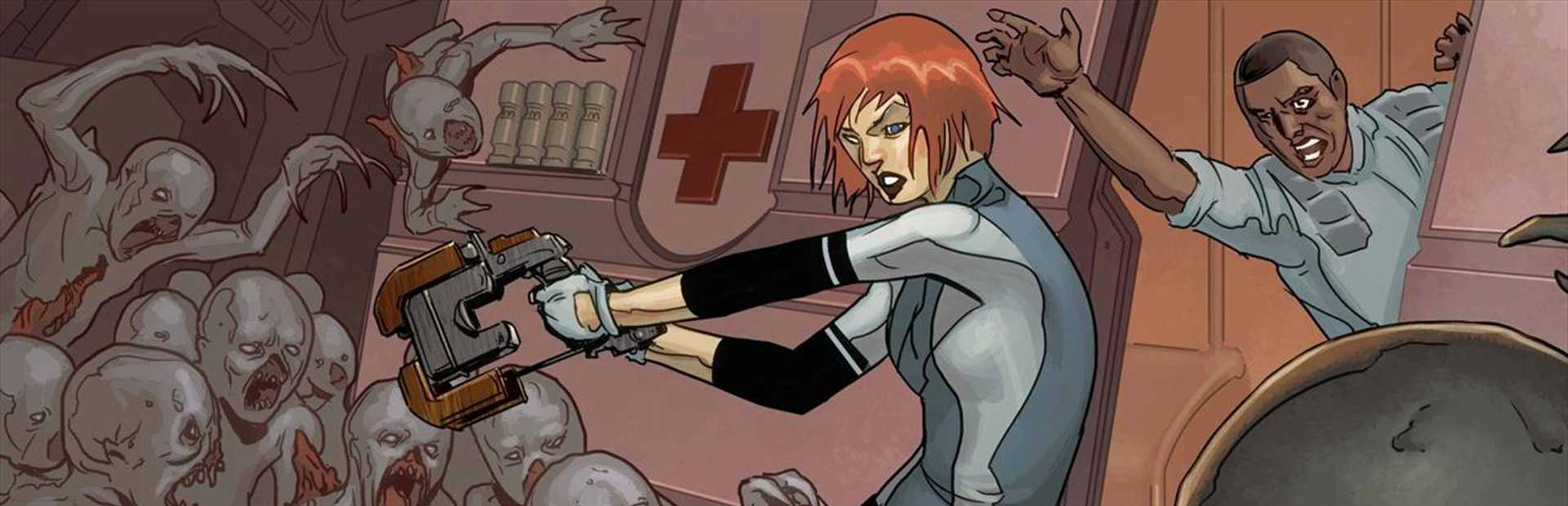
For a game that carries the Dead Space name, you would expect it to be good. Ignition is nothing of the sort because it’s a series of hacking minigames that follows an engineer and a cop on The Sprawl who have to do hacking things during the Necromorph outbreak. Yeah, really exciting. The voice acting is terrible, and the gameplay is even worth a lame story.
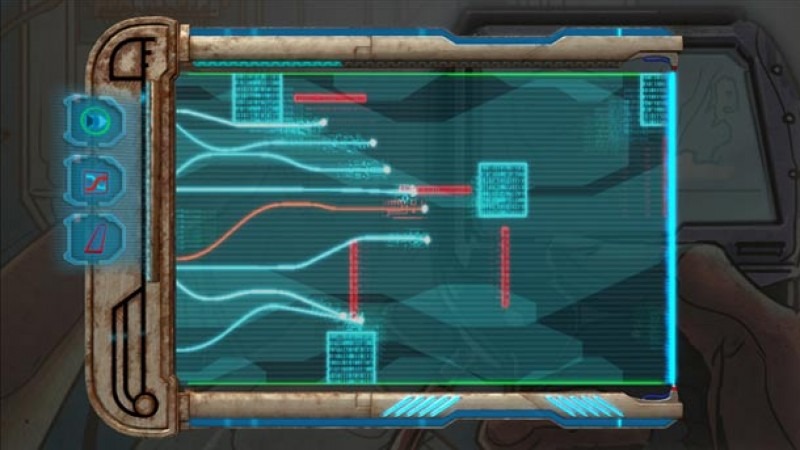
The game is comprised of three games, and the first is a side-scrolling defender-type game, but not nearly as fun. You just control a red orb that moves through space while dodging obstacles and racing AI orbs. You have a few powers, such as speed boosts, walls you can drop to slow them down, and circuits that make them spin out of control. This is as uninteresting as it sounds because no matter what you do, they seem to always get ahead of you, and this game was obviously not playtested because the obstacles are almost unavoidable and are in such positions that you have to slow down every time while the AI just quickly maneuvers through them.
The second game is some weird reverse tower defense game where you have to get viruses to a gate on the other side but have to destroy seekers and radars on the way. You get four different types of viruses that do various things, but you just spit them out, and they go wherever they want. You can’t control them, so there’s no strategy except spitting them out in certain orders.
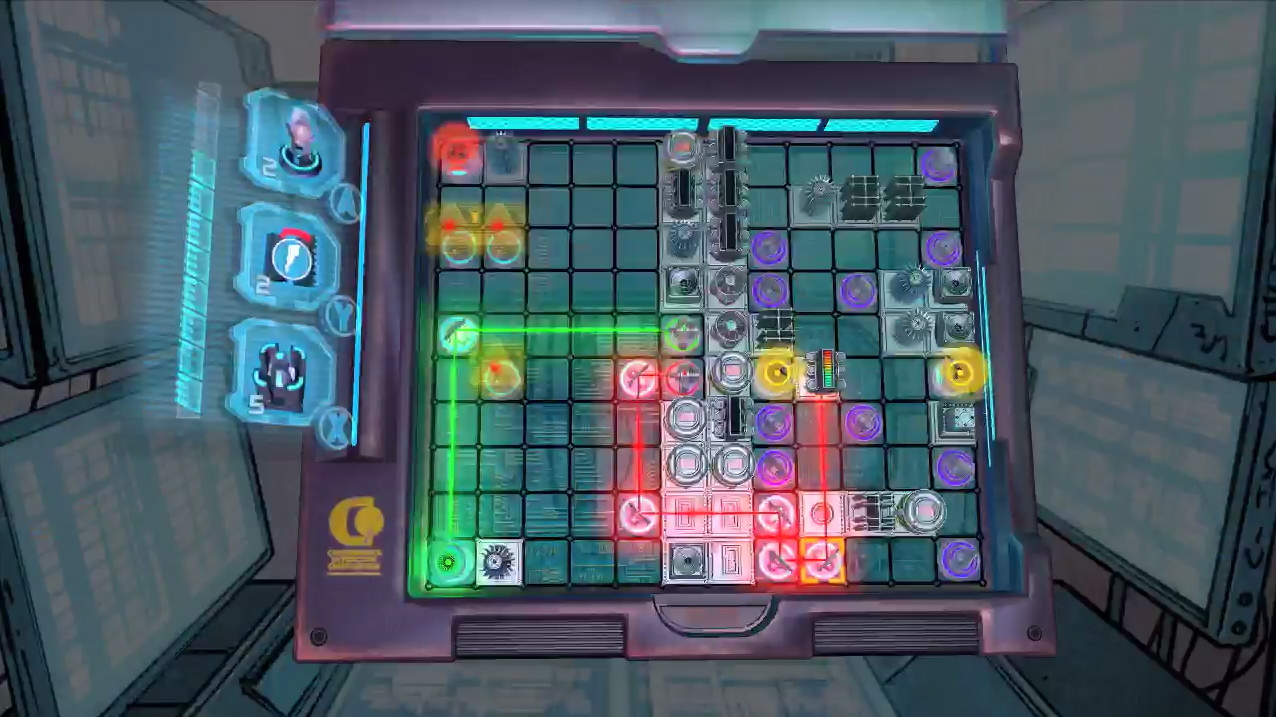
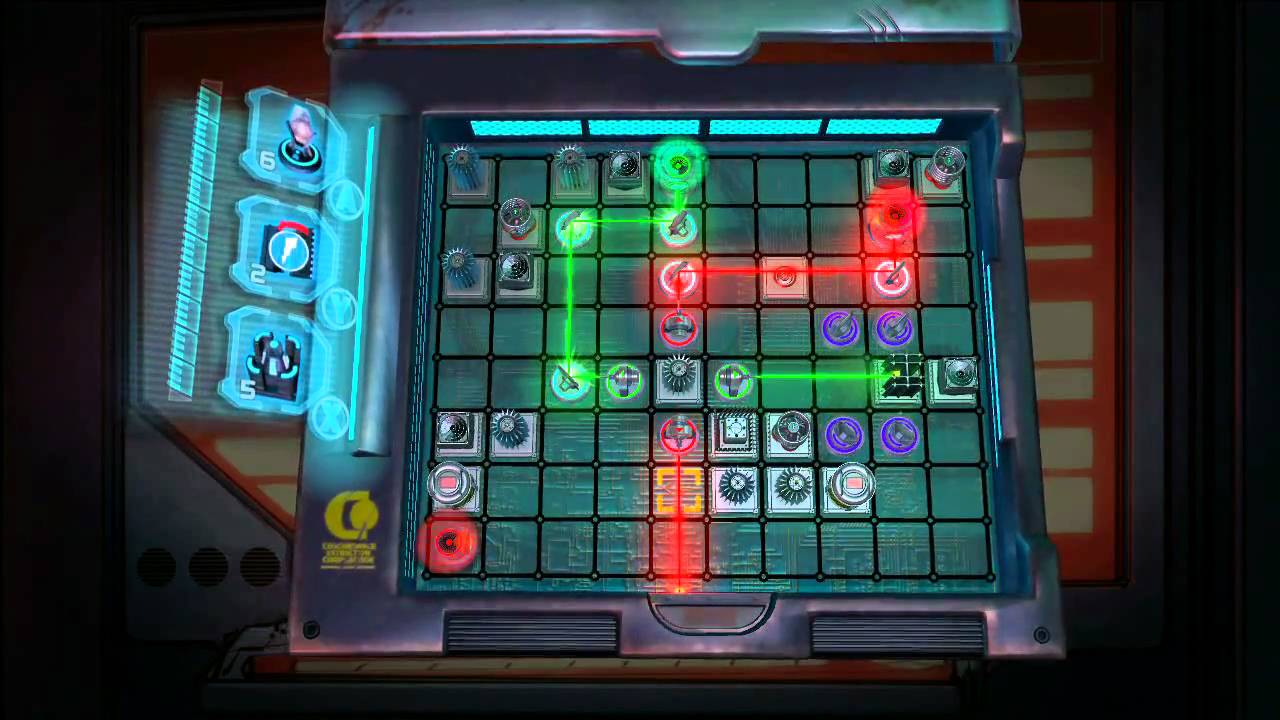
The third game is a mirror and laser mini-game, but they are laid out in such incomprehensible designs that you don’t really get a grasp on where to start. Getting different colored lasers to different endpoints should be simple, but lasers flip and move on their own to confuse you, and this doesn’t make the game fun at all. You can drop lasers that split the beams, and of course, this is timed, but there is no strategic way of going about any of these games, so it all feels like a big mess.
You won’t even finish the game because it is so frustrating that you will just give up. No matter how skilled you are, the game works around you and doesn’t allow you to increase your skill due to poor level design. On top of all this, the game is made up of badly drawn concept art turned into some hack of a Dead Space story that you will quickly forget. The easy achievements and the armor you get at the end of Dead Space 2 aren’t worth a trek through this terrible hack job.
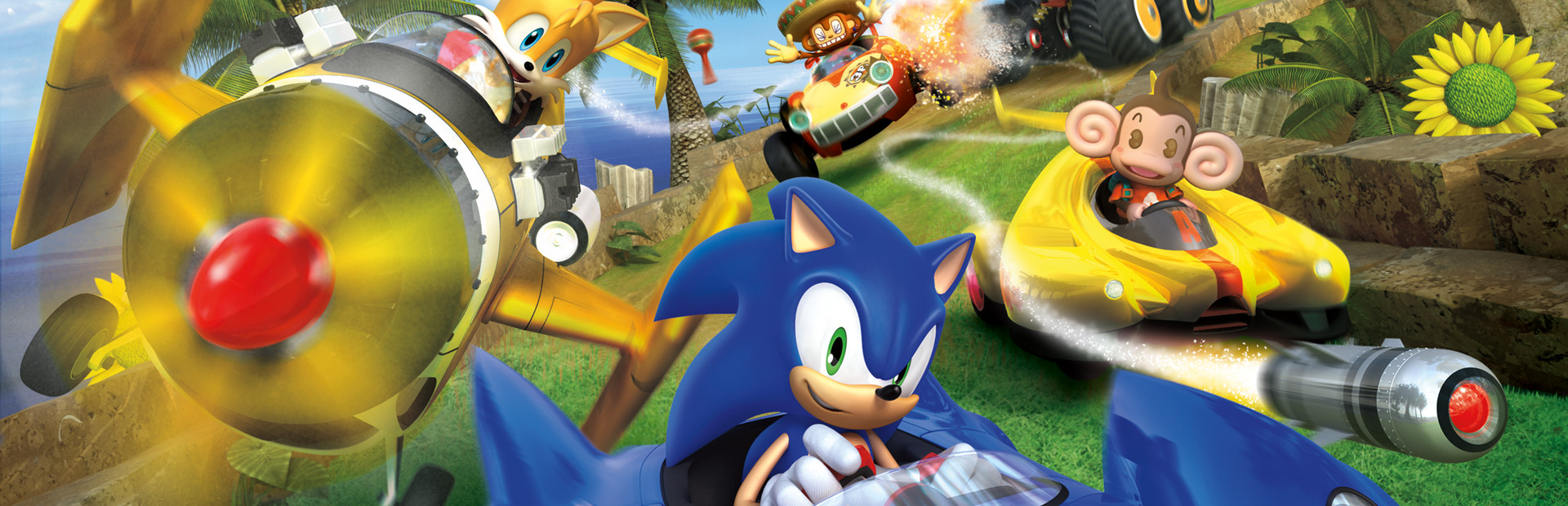
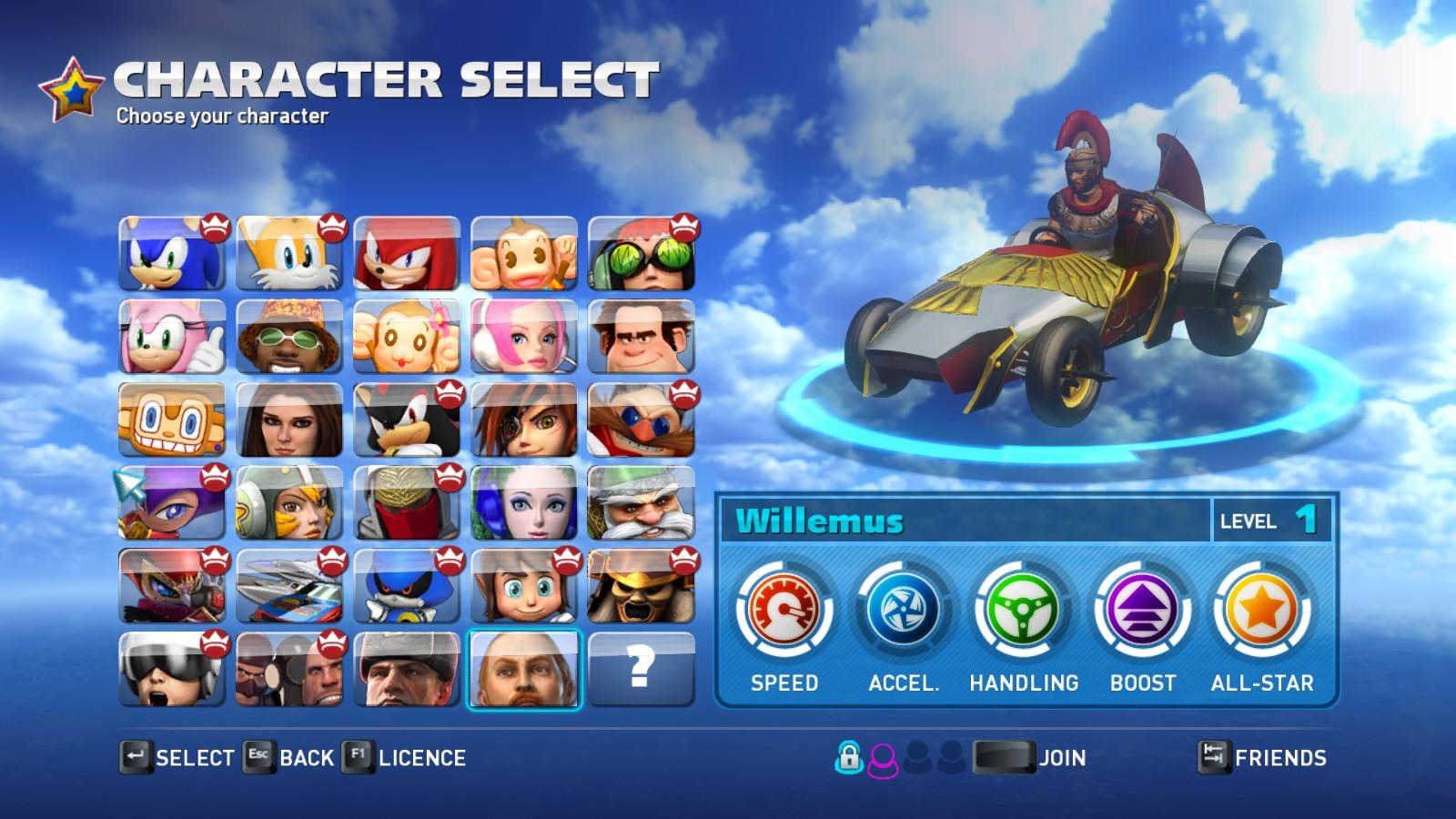
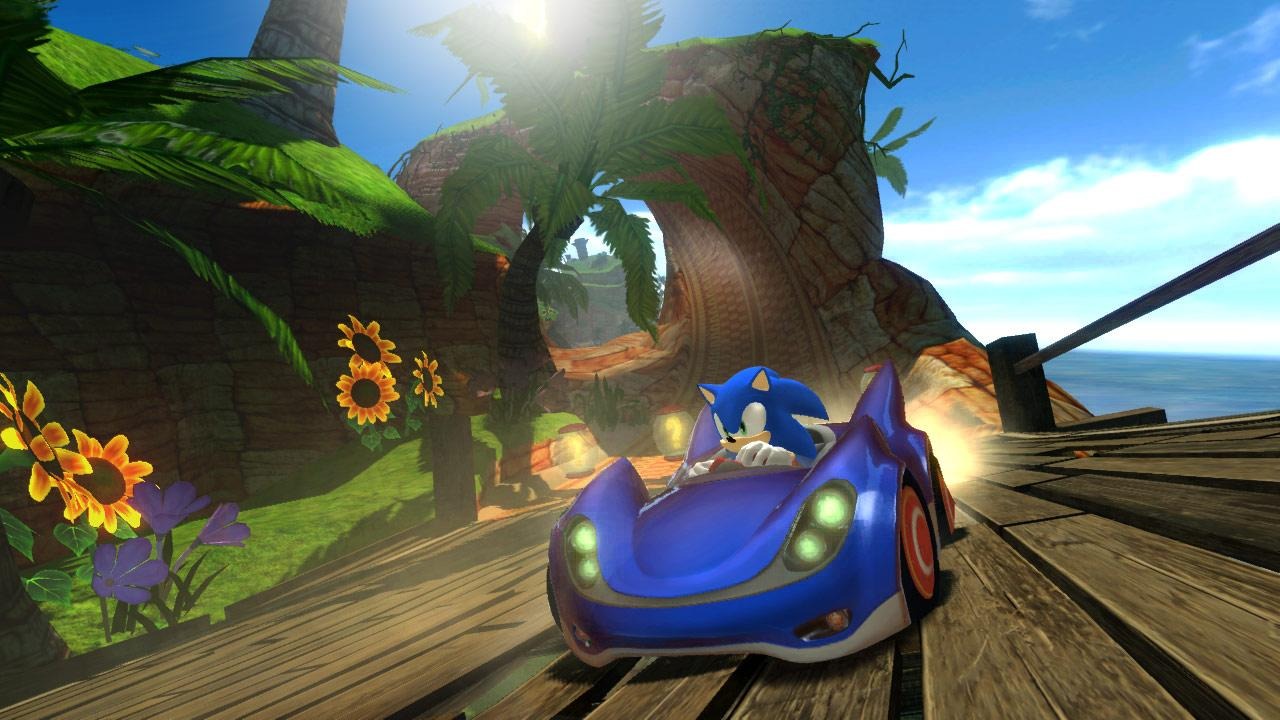
Kart racing games tend to be able to beat the king of them all: Mario Kart. While that game started, all a few entertaining offbeat ones have raced by, but this is Sega’s serious attempt at it, and it works. You can play as almost every major Sega mascot, such as most Sonic characters and familiar faces from Space Channel 5, Super Monkey Ball, and others. You race around tracks that reflect the design and setting of various Sega games while using power-ups to stay ahead of the pack.
The game has a power sliding ability that will increase your boost, which is the key to getting in the first place, but also picking up capsules that hold random power-ups such as a homing missile, mines, shields, speed boosts, and various other power-ups we have seen countless times. The game has a great sense of speed, and sliding around corners and doing various stunts is exciting, but the overall experience is borderline juvenile and very easy, even in the hardest mode. There are various missions you can complete as well as buying characters with Sega Miles, but this only goes so far.
The ideal way to play is with friends, but you need several controllers to do so because there is no online play. Why this was stripped from the PC version beats me, but it really brings down the experience since crowding around one computer isn’t very convenient. Once you do get some friends aboard, the game is a blast, and power-sliding and knocking enemies down makes for great laughs.
But when it’s all said and done, the game is a really average kart racer and has dated graphics as well as some annoying sounds. The game just feels the same no matter what you do as a single player, and I highly doubt anyone over 10 can play all 50+ missions without going crazy. If there was just some online play in here, it could sweeten the deal some, but the single-player can only be tolerated for so long.
Mortal Kombat 4 was probably the most carefully watched game in the series due to abandoning the 2D root and going for 3D. No one knew what was going to happen to the series, and a lot of fans lost hope, thinking the silky smooth controls and excellent digitized graphics would go by the wayside in 3D. However, the game featured excellent visuals (for the time), and the silky smooth controls stayed despite some slippery and awkward animations. The fourth game also introduced some new characters who I thought were some of the weakest in the series. So despite the weaker roster, we got some pretty good fatalities and excellent stages to fight in.
The new characters like Kai, Jarek, Fujin (a weak attempt at making another Raiden), and Tanya were pretty “blah.” They didn’t have the same impact as the classic characters, but some returned, like Scorpion and Sub-Zero, Sonya, and Johnny Cage, who came back for the first time since MK2. The run button and combos were carried over into 3D, which were smooth as well as a first stab at moving in a 3D environment. You would hit a button to kind of strafe to the side to avoid attacks, and this added a whole new level of strategy. Weapons were introduced in free form now, and every character had one. Get hit, though, and you lose the weapon until you can pick it back up.
The fatalities were extremely brutal, some of the best the series has seen, and they looked even better in 3D. This leads to a new level of detail and creativity that can’t be done in 2D. This was also a slow departure from other “alities,” and the series stuck with just fatalities. A new boss was introduced as Shinnok, and Goro returned as the mini-boss. The game carries over a lot of elements that make it still feel classic, but then injects some new stuff as well. I really felt the game was well balanced and was exactly what the first MK in 3D should be. Overall, MK4 is a classic and did an amazing job of transferring over to 3D, which was very difficult. This, of course, paved the way for all future MK games, but we can always look back on MK4 as children.
What better way to end an era for a fighting genre than to throw it all into one big game? MKT does just this, so for people only familiar with the 3D era, this is what Armageddon was based on. Every MK character up to Ultimate Mortal Kombat 3 is in here, plus all the mechanics from UMK3 that everyone loved. The game introduces a new aggressor meter, which is the predecessor of the power meter in the new MK. Getting attacked will increase it (which is just text at the bottom that fills up, which I really hate), and then you do extra damage while in aggressor mode. The combo system is still intact, as are the weapons from UMK3.
The 2D games were silky smooth, and the graphics look great in Trilogy. Every level, as well as a lot of fan-favorite music, is in the game (you can pull the soundtrack right off the disc). Using the run button, pulling off a 5-hit combo, and then blocking, jumping around, and using all the signature moves brings back a great feeling of nostalgia. There are some secrets hidden here, such as a special code screen (1-button Fatalities are awesome), plus some original outfits like Raiden and Kano’s original outfit, which also unlocks their original Fatality. Of course, the game is best played with two people, but a single player is also a lot of fun.
There are a few minor problems, like Shang Tsung’s morphs requiring loading, loading times between menus and fights, and the game freezing sometimes, which is no good. I also wish maybe Test Your Might would have come back, but this really just feels like Mortal Kombat: The Greatest Hits. I also hate how cheap the computer can be on even normal difficulties, plus Shao Kahn is one of the cheapest bosses in gaming history, so good luck beating him. Overall, this is the ultimate MK experience for the 16-bit era that made history. If you loved the older MK games, then Trilogy is exactly what you need, plus this is probably the last time you’ll see Animalities and Brutalities.
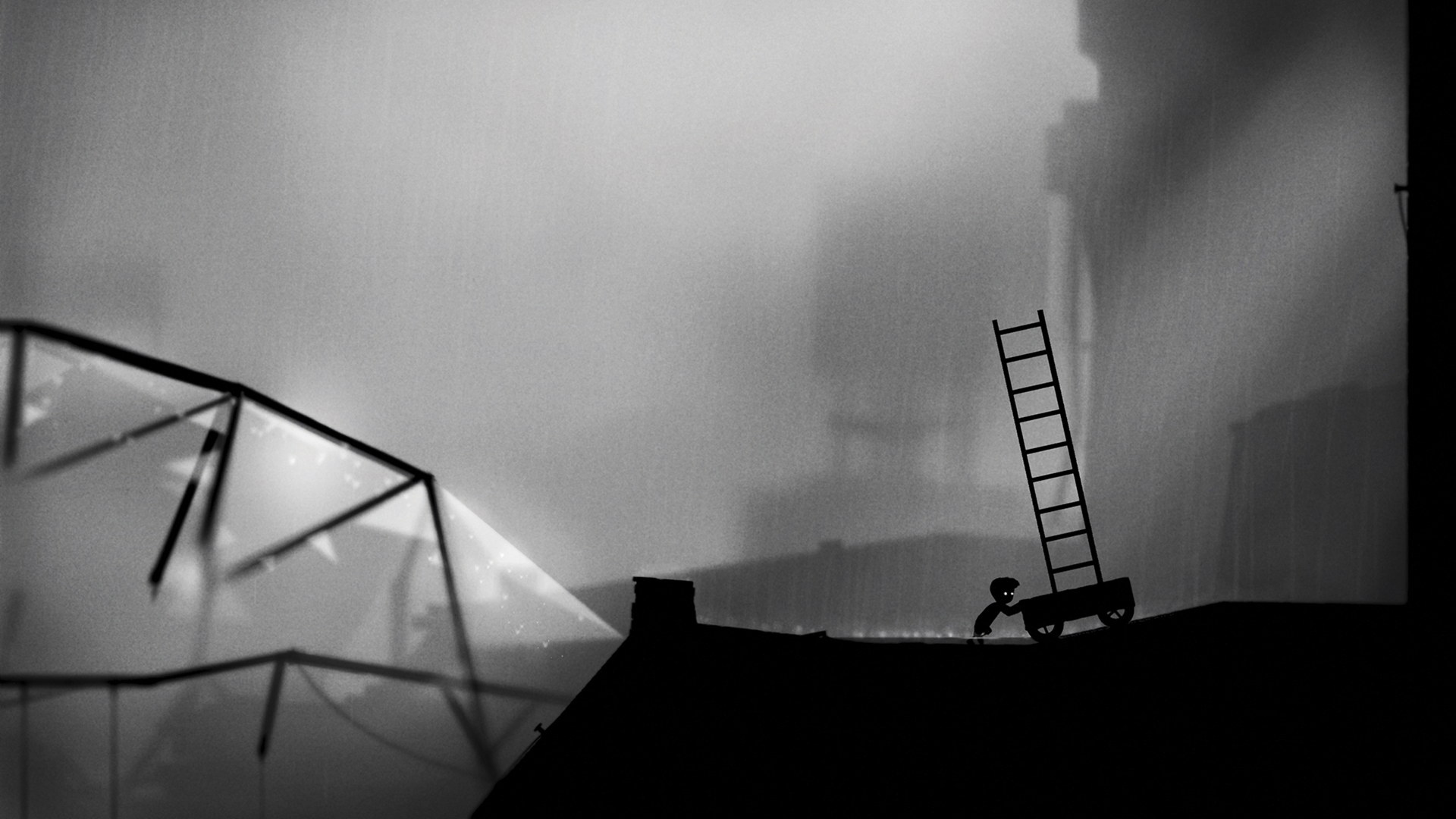
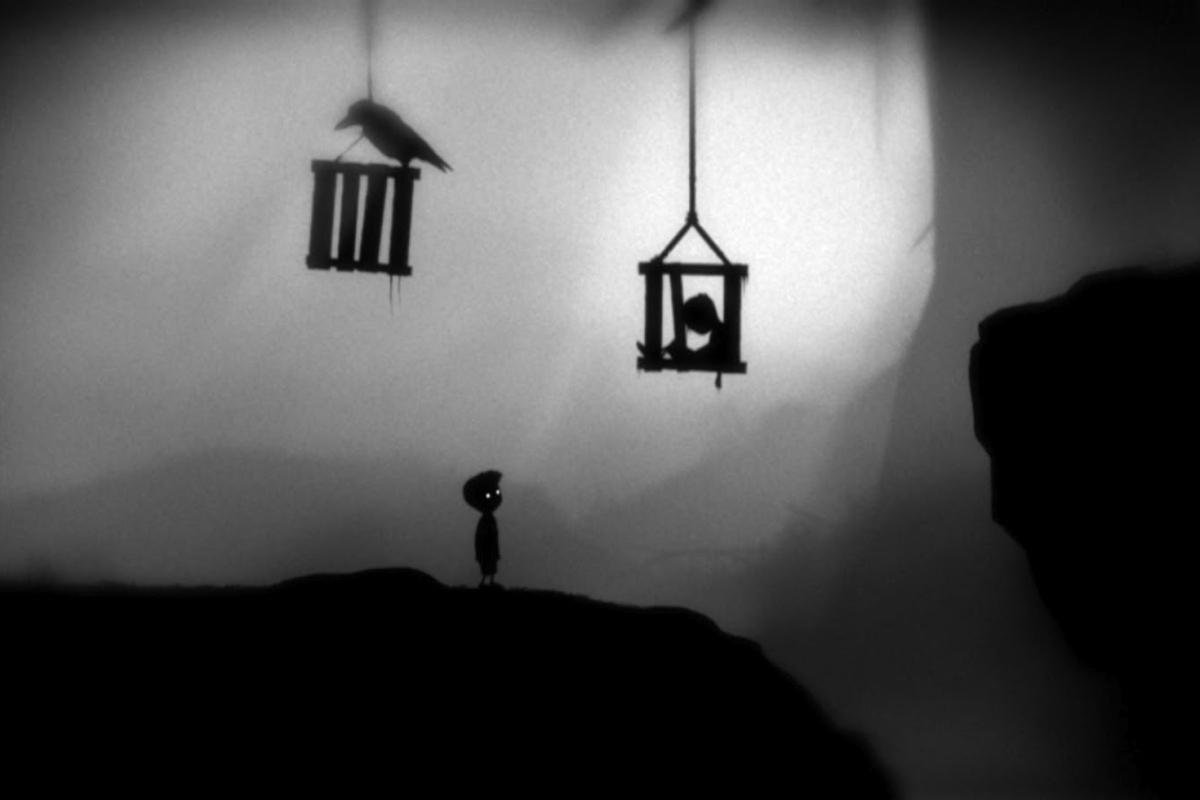
Leave it to an indie game to be clever, atmospheric, and do things that AAA titles wouldn’t dare do. Limbo starts out with just a simple message: Find your sister. No voice acting, no characters—just a black-and-white 2D platformer and a nameless little boy. This can be risky because why would you care about it with none of those elements? You won’t need to, because the game makes you care for the boy through your actions. He can be dismembered and killed in every way possible via deadly and horrific obstacles and traps like getting caught in a saw blade, getting hung, or being impaled by a giant spider leg. You cringe at every death because this is a little boy and not some nameless soldier or thug.
Limbo offers tons of atmosphere thanks to the great ambiance and visual cues that make you just wander through the whole game. The puzzles start with simple ones that deal with gravity, pushing stuff around, and pulling switches and levers. Later on, you have to manipulate gravity, and these puzzles get pretty complicated, but the game also gets darker and more dangerous as you go on. Limbo approaches typical platforming elements like bosses, enemies, and puzzles differently. Enemies are few and far between, but there is such a unique way to eliminate them that you wish there was more of it.
This short, 3-hour game feels like a sample because you really want more. The sudden and seemingly unsatisfying ending is made purposefully to just make up your own ending in your head. Yeah, this isn’t for the narrow-minded, but keep in mind that the game is juicy and gives you tidbits along the dark journey to make you feel satisfied at the end. Limbo delivers a lot more creativity and atmosphere than a lot of top-budget titles because it uses subtly over the explosion and big scares. My only issues are that some of the puzzles are pretty obscure, and the game can be very difficult in spots that will frustrate you to no end.
I also didn’t like such an abrupt ending that didn’t solve anything for you. However, this is a case-by-case basis for whether you like this sort of thing or not. The game has a lot of variety, but I wish there were some more of the unique scripted events that made Limbo feel really fun and intense.

















































 thebinarymessiah.com
ORC is probably the worst game in the entire series. It's objectively awful. Being bad isn't different. Different is Outbreak…