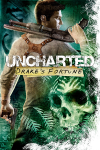
The action/adventure genre seems to be the only genre right now trying to push games forward in terms of gameplay, graphics, and story. Uncharted is one of these, and while it is two years old now and was developed way before the PS3 was announced, it was ahead of its time and still is. On the surface, Uncharted may look like a male version of Tomb Raider, but you are completely wrong. Not only are the visuals some of the best in the industry, but the voice acting and characters are what’s so believable. The people in Uncharted are everyday people who are trying to do heroic deeds and, in turn, show their imperfections, which makes the game much more believable. Searching around for El Dorado and Sir Francis Drake’s footsteps has never been so fun.
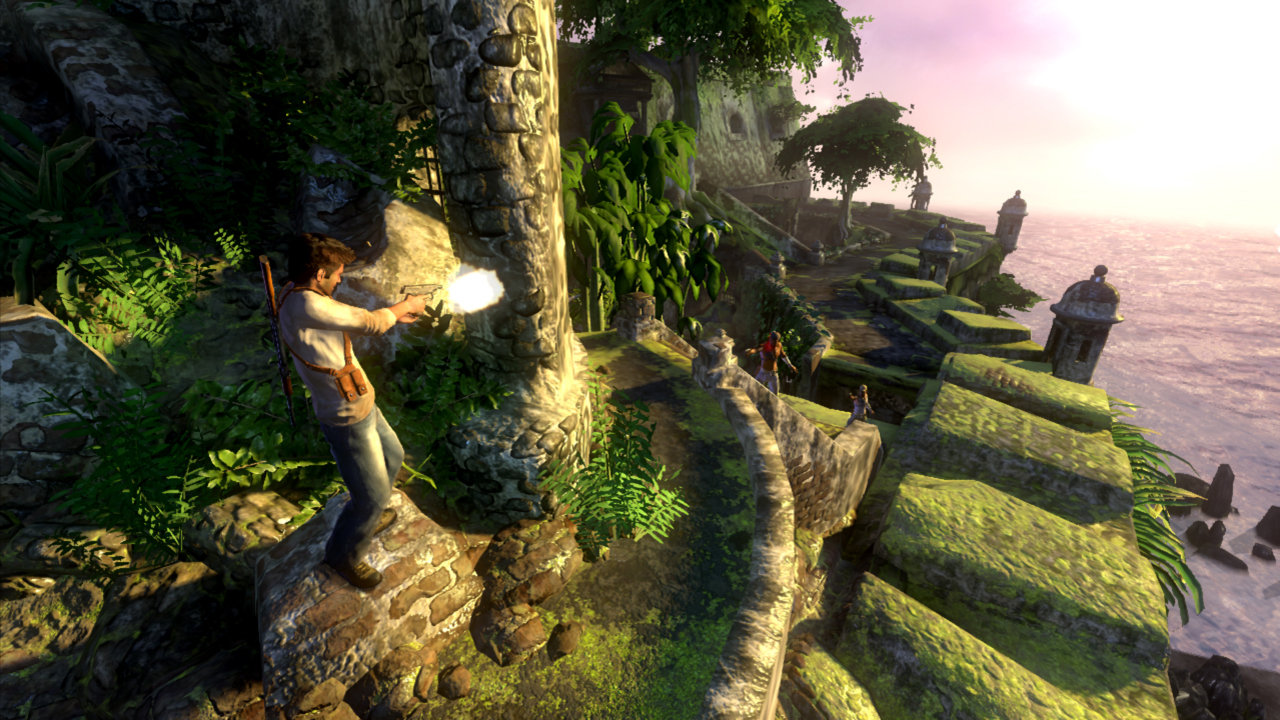
There are two main elements to Uncharted: shooting and platforming. There isn’t much in the way of puzzle-solving (the ones that are there are too easy). The shooting mechanics are great since they give you a great sense of desperation thanks to the wonderful animation of Nathan Drake and the way he interacts with the environment. You can see him breathing heavily in panic, ducking with different animations while running, and actually vocally expressing how he is feeling. Third-person shooter mechanics do not need explaining, but you do get a good variety of weapons that you are allowed to carry, including one pistol and one heavy weapon. Grenades can be thrown by changing the arc of the throw with SixAxis, but as far as this is concerned, SixAxis is used very lightly and not very often. The only flaw in the shooting is the number of enemies you are given, which can be way too many in certain situations, so the difficulty is unbalanced.
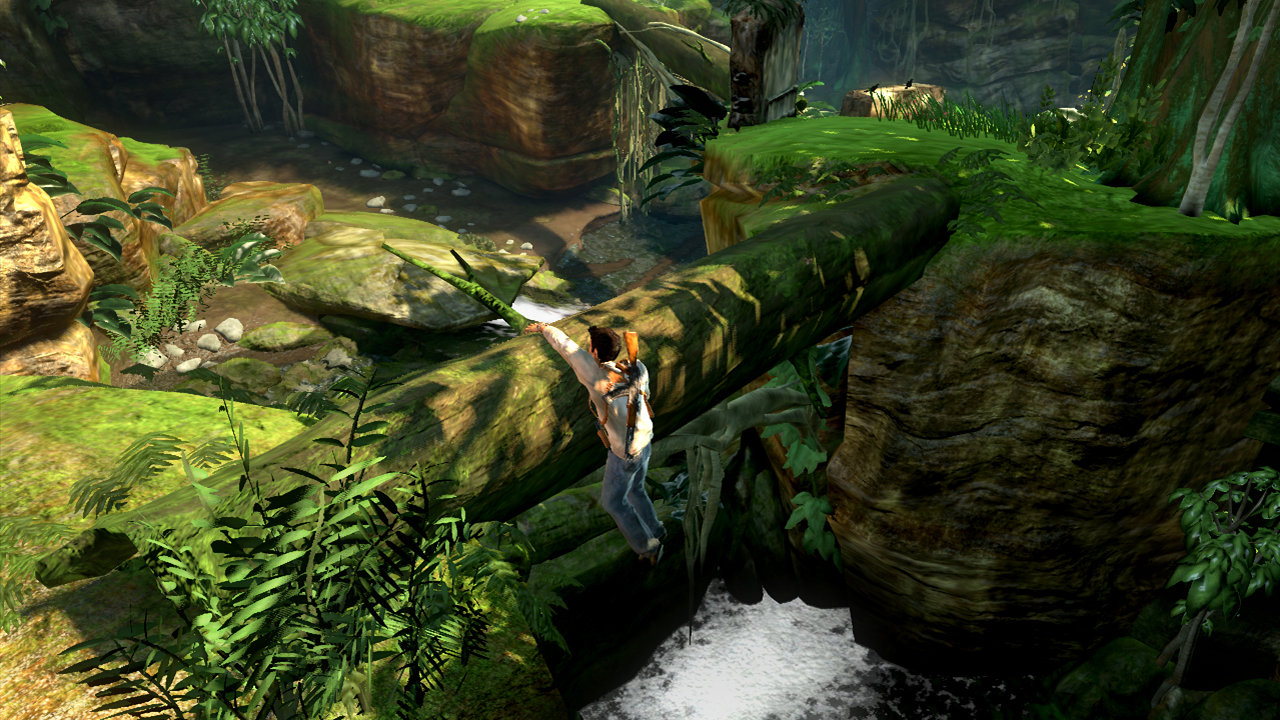
In terms of platforming, this is the best part of the game. Jumping around is pretty easy, but you can pretty much jump on anything you want, and part of Nathan’s imperfections show in this since he’ll slip off edges or just barely make jumps. Swinging on vines and walking through a U-boat submarine could never have felt better. A lot of the gameplay is broken up nicely with vehicle sections. These include a jeep and a jet ski from which you are shooting. The Jeep sections are heart-pounding, and the beautiful jungle scenery flying by adds to the cinematic experience. When you aren’t monkeying around, you can look for up to 60 relics to unlock trophies.
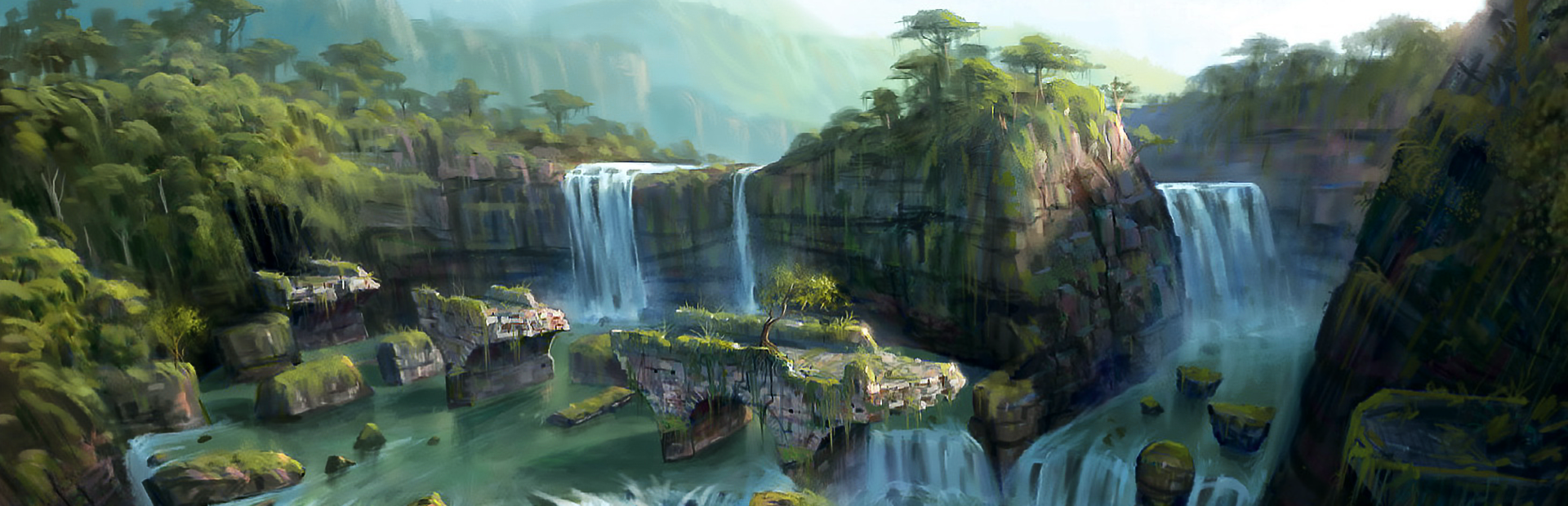
One thing that I can’t express enough is how beautiful the game is. With such high-resolution graphics, beautiful HDR lighting, highly detailed textures, and realistic water, Naughty Dog really created their second-best franchise with this masterpiece. There isn’t much to complain about in Uncharted, except maybe its length. With 22 chapters, the game can be beaten in 8–10 hours, depending on your playstyle. The replay value is good since you will want to go back and collect more relics to unlock trophies.
If I had to really nitpick the game, all I can say is that I wish there would have been more SixAxis integration, a more balanced difficulty, more challenging puzzles, and the game could have been a good 5 hours long, but other than this, it is pretty much flawless. If you are getting a PS3 this holiday, start with Uncharted because it will make you love your PS3 that much more.
When a brand new game console launches, we all look toward the games they launch to really show us what the console is capable of. There have been some failed system launches with either very few games or just poor ones. The PS3 was not such a console, especially with Heavenly Sword backing it and wowing gamers across the world. Heavenly Sword puts the characters, Nariko and Kai, in your hands as you battle an evil warlord trying to take over your clan’s land. Right from the start of the game, you get introduced to sweeping epic landscapes, amazing graphics, beautiful sounds, and a great, albeit simple, combat system. For being a launch title, the game has excellent production values, and they really shine for the PS3.
The most important part of Heavenly Sword is the combat system, which never falters. You don’t receive the Heavenly Sword until a bit into the game, but once you do, you are welcomed to three different fighting styles on the fly. Instead of having to stop the game and switch styles, you can use them by just holding down a button. You are always in “speed” mode, which breaks the sword into two swords, while L1 puts you in “range” mode, which is kind of like Kratos’ chain swords in God of War (which Heavenly Sword receives its nickname “Goddess of War”), and lastly, holding down R1 puts you in “power” mode. There are a good amount of combos that let you switch in and out of these styles with amazing animations and a cinematic sweeping camera. Another element of the gameplay is the counter system. The enemy will glow the color of the style you need to be in to counter. Standing still is an automatic block, so hitting the attack button at the right time will perform a killer counterattack.
On top of this, you play as Kai, who has a deadly semi-automatic crossbow that can be controlled with “aftertouch,” which is controlled with the SixAxis motion controls. This was one of the first games to really utilize the SixAxis with bone-crunching and nasty kills from guided bows or anything else you can hurl at the enemy.
Puzzles in the game aren’t really a challenge since there aren’t many of them, but the bosses are. Each boss has multiple health bars, and once you get one knocked down, you initiate a button-pressing sequence by hitting the circle (which sounds just like God of War). Some bosses are just downright hard and seem impossible to beat, but remembering their attacks is the key.
Not only does the game look and sound amazing, but the story is riveting, as is the acting. With full-motion capture sequences, this game has some of the most realistic facial animations I have ever seen. With Andy Serkis (Lord of the Rings, Ink Heart) as a director and actor on board, you are treated to amazing work. If the combat isn’t satisfying enough for you, there are epic battles where you fight thousands of soldiers on-screen at once. Shooting a cannon and using aftertouch is just so satisfying, especially towards the end of the game. If you are also curious about collecting items, you can unlock stuff by doing certain tasks or meeting certain goals in each section of the game. With such a beautiful game, you would want to see how it was made.
If I had to see a flaw in Heavenly Sword, it would be that the game is extremely short, clocking in at 4-6 hours, depending on your playstyle. You could literally beat this in one or two long play sessions. The game also has some technical issues, with some slowdown and occasional choppy animation. The combat is also a bit shallow and a tad too button-mashy. Other than that, I can’t wait for the sequel to be announced, but it has been over 3 years with no word, so I feel this great new IP has been abandoned.
The first thing you will notice when you open the white box is how light and compact the console is. Being heavier than the Wii but lighter than the Xbox, it is completely square and just slightly rounded in the middle. The back actually reminded me of the ridging from the fat PS2, so for nostalgia’s sake, it made me smile. The console now has a smooth matte finish instead of the horrible gloss sheen that welcomes fingerprints. Gone is the horrible Spider-Man font, replaced with the original PlayStation font and a simple PS3 engraved right on the front. Gone is the horrible, fully spelled-out name and the huge dome that made it look like a George Foreman grill.
Now that I have seen the older PS3 for so long and then compared it to the new one, I am disappointed in the hardware features. If anyone remembers the reveal of the PS3 at E3 in 2005, they promised 6 USB ports, 3 Ethernet connections so it could be used as a router, two HDMI ports, and the external memory slot, plus PS2/PS1 backward compatibility, yet the final console hardly offered half of this. Now, three years later, the console is stripped of almost all those features. Sporting only two USB slots, one HDMI port, no PS2 emulation, and no external media storage, it makes you really wish you got more bang for your buck. Aesthetically, the console has improved, but in terms of holes to plug stuff into, it is lacking. It does, however, have a regular power cable with surprisingly no brick and consumes less power thanks to its 45-nanometer processor compared to the older model’s 90-nanometer processor. The RSX graphics chip has been upgraded to consume less power and process better with less lag.
Once you get the thing hooked up, the console has impressively placed the power and eject buttons right there below the disc slot (no tray like the Xbox, thank God). The console’s controller is reminiscent of the classic PlayStation controller we have grown to love, but with some additional features: It’s lighter than either of the Xbox or Wii controllers, with six-axis motion sensing, wireless Bluetooth, a mini USB slot, and R2 and L2 now triggering. All of this was added by subtracting weight and keeping the classic feel. Good job, Sony! You know how to do controllers right. It feels great in your hands, but people who like the heavyweight of the Xbox or Wii controllers may naysay.
When you boot the console up, you are greeted with something familiar: an XMB. PSP users will recognize this right away, and I feel this was a smart move by Sony so all of their devices have similar menus without confusing consumers. However, once you get a lot of stuff on your HDD, the XMB becomes cluttered and doesn’t have that nice organized feeling like the Xbox has. I will admit that the PS3 is the least user-friendly console on the market, and this is clear from the dozens upon dozens of settings. There are settings for everything, including hooking up a printer! The PS3 seems more HD-ready than any of the other two consoles, with its Blu-Ray drive and the onslaught of HD settings. You can have the PS3 prioritize what cable you are using for audio and video and dozens of other misc settings for everything, and I love this control. Hooking up to the internet is easy compared to the PS2, since it is the only other console besides the Wii that connects wirelessly without external adapters.
While the PSN store isn’t as streamlined as the Xbox LIVE Marketplace, it reacts to commands faster, and load times between pages are quicker. It is the nicest and flashiest-looking marketplace of the three consoles, so it makes online shoppers feel right at home, like they are on a website. Downloading and purchasing items is another nightmare since you can only make increments of money that are added to your “wallet.” Downloading games is a real hassle since you have to add the item to your cart, check out, download the item, and then install it. Yeah, install it. Seriously? This isn’t a computer, so why do you have to install it? The install time also takes forever, especially for games over 1GB, so switch to a regular TV for a while or get on the computer. Now you can download in the background, but you can’t download while in sleep mode, like on the Xbox, which is a real disappointment and means leaving the console on. You can download while playing games and while in remote play, so this sort of makes up for it, but you can’t download while watching Blu-ray movies. really weird, I know.
Let’s talk about something really important here: backup. Sony is the only company that has even thought of this idea, and Microsoft is the worst with all the registering consoles and profiles connected to saves, content, and whatnot. The Wii’s items can be backed up to an SD card, but the PS3 actually lets you put your stuff on anything! Speaking of the HDD, Sony has added a feature that Microsoft still won’t do, and that is being able to copy anything from your computer to your PS3 HDD. Amazing, isn’t it? Yeah, it’s like a damn angel, which is so sweet.
Let’s talk about remote play. What is this? Well, it allows you to connect to your PS3 wirelessly to your PSP either directly or over the internet. Yeah, this really shows how dedicated Nintendo is to the DS. You can actually go to a Wi-Fi spot in Amsterdam and connect to your PS3 from your house, and this includes the store, web browser, and crap on your computer. The biggest downside and the biggest request is being able to play PS3 games on your PSP and vice versa. Currently, Lair is the only game that does this, but Sony said they would look into implanting it permanently. Another downside would be the fact that you can’t play PSP games on the PS3, but you can download them and transfer them remotely. Yeah, sort of retarded.
Well, what about the games? I purchased my chunk of glory for the exclusives, mainly Heavenly Sword, Killzone 2, Resistance, Ratchet & Clank, Metal Gear Solid, Uncharted, and many more franchises. From just popping in that disc to starting up, the console is silent. You barely hear a whistle and are almost as quiet as the Wii, if not quieter, unlike the Xbox, which has that god-awful tray that slides and clanks, and you can hear the laser clicking, the disc spinning up and down, and the processor fans kicking in. It sounds like you’re in the cockpit of a jet!
I know I talked about the controller, but man, does it feel good in your hands? It’s a tad small, but it feels right. The Sixaxis motion sensing is responsive and is just enough motion sensing to not feel like a complete gimmick cough Wii cough, but enough to add to the gameplay and just enough to draw you in more, while still having a traditional controller in your hand. I think Sony had the best controller layout, and you don’t even need a retarded sensor bar!
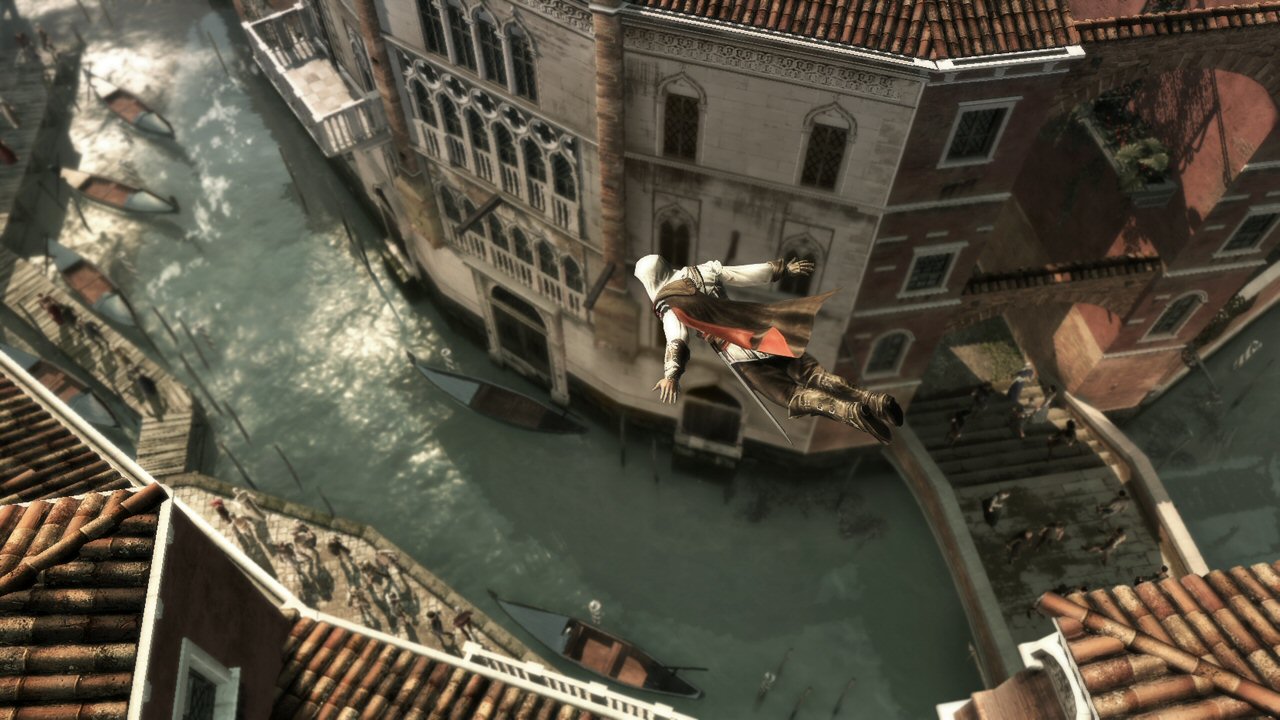
Maybe once a decade we get a truly beautiful game that really represents what games are: cinematic experiences that the player can get lost in for hours. Assassin’s Creed II is one of those rare games, and it also represents what a sequel should be. Assassin’s Creed II boasts a wonderful, enrapturing story that really grabs you both in a political, historical, and science fiction sense. Never have I seen the three mixed so well with an ending that can make your head spin for hours afterward and have you talking amongst your friends about it for days. You are not Altair, but Ezio Auditore, who is on a path of vengeance for the rival banking family that killed him. In the real world, you are still Desmond Miles trying to unlock the secrets of his assassin ancestors and figure out what the Apple of Eden is really meant to do and why everyone wants it.
From the start, you will notice major changes from the original, and these are graphics. The game is truly one of the most beautiful of the decade, capturing the Italian Renaissance era with all of its amazing architecture, historic figures, and language, along with the social classes of the time. But before we talk more about beauty, let’s talk gameplay. As everyone recalls, the first game was very repetitive and pretty bare-bones, so expect Assassin’s Creed II to have tons of things to do. Not only are there more side missions, but there are more scripted story-driven missions, and playing Desmond isn’t so boring. You actually go to a different location with Desmond and even fight with him. Just a hint without spoiling anything. You have your Messenger, beat-up, and race events from the previous game, but gone are the “helping citizen” events. You have tons more variations, from raiding assassin tombs (interior Tomb Raider style levels) to Templar Lairs, races on horseback, assassination contracts, finding codex pages to upgrade your health, chasing down people stealing your money, chasing down messengers, solving glyph puzzles, finding statuettes, restoring your uncle’s villa, more viewpoints, and the list goes on. Yeah, there is more variety, and because there is so much to do and so many ways to do it, you really never get bored, because I never did.
You can do ten side missions, then three main missions, then fast travel back to your uncle Mario’s villa to upgrade the city to get more income for you to spend, then go find some feathers for your mother in mourning, and maybe get some Codex pages. Doesn’t that sound like enough? That’s ok. The variations in story missions never get dull with all the weapon upgrades you get. You even get to use Leonardo da Vinci’s flying machine about 2/3 of the way through the game. Want to talk about upgrades? Well, there is an economic system in play here, but don’t get too excited. It’s your simple buy stuff from merchants and upgrade your stuff type thing. You can upgrade your armor over a dozen times, buy dozens of weapons, upgrade medicine pouches, throw knives, and even poison vials. You can dye your clothes or buy paintings to increase the value of your villa. Did I mention there is every assassin weapon in this game? You have smoke bombs, dual hidden blades/punch daggers, poison blades, hidden guns, and even a passive ability to toss money on the ground to distract guards.
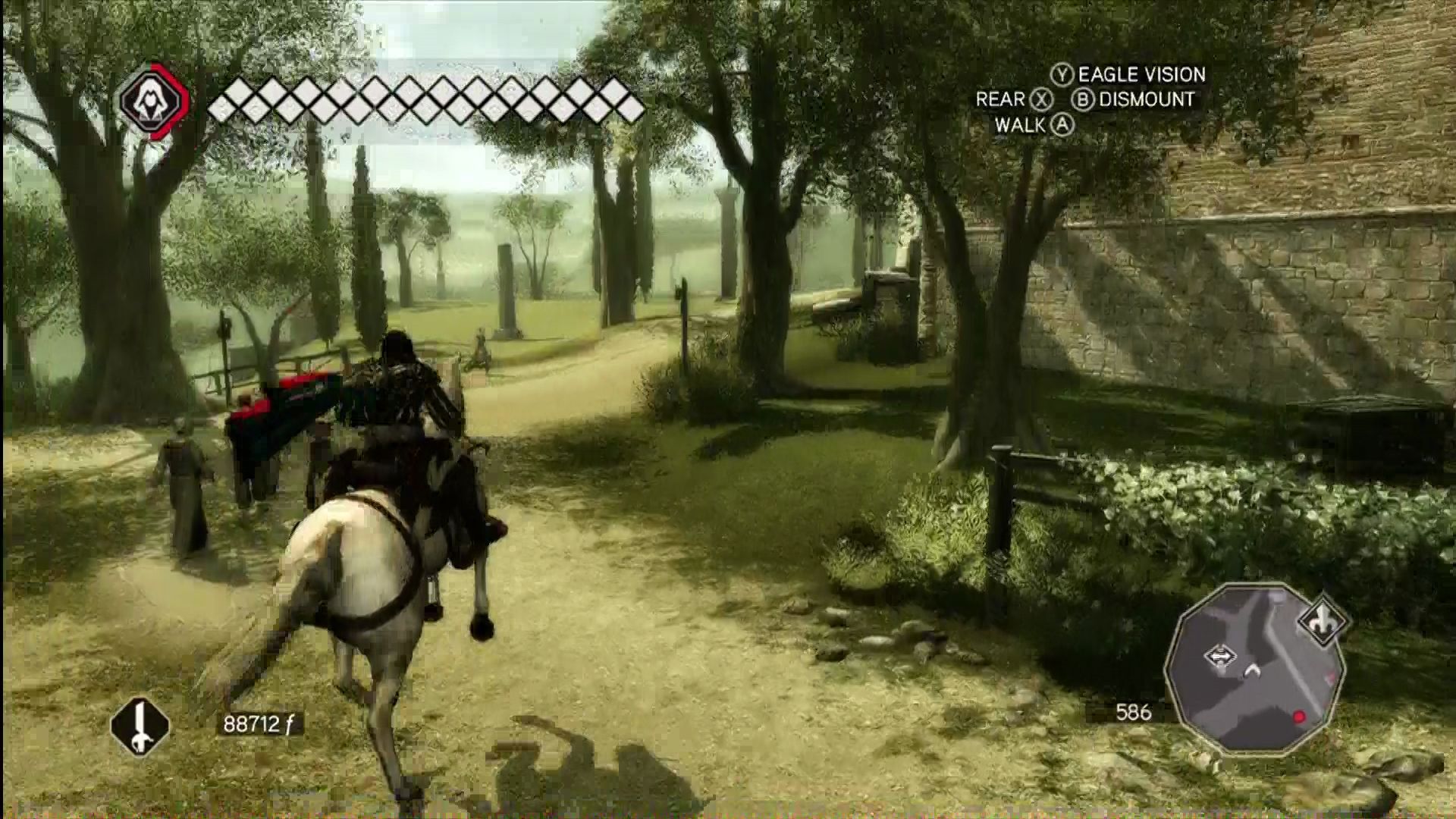
Fans of the original remember that the best attack was the running and jumping assassination attack. Wanted more? Well, you get more with the ability to pull guys down from hanging on a ledge, from a hiding spot, on a bench, in a crowd, jumping off something, and anyway you possibly can. You can now swim, which is a huge plus, and blending has totally changed. Instead of having a “blend” button, the previous “blend” button is now a “walk fast” button, which can be used to pickpocket people for money by just running into them. Blending now consists of using any group of pedestrians or hiring people. You can hire courtesans, thieves, or mercenaries to do your dirty work or distract guards from important posts or patrols. This allows you to walk right on by to wherever you need to be. You can blend by sitting on benches or dropping your notoriety. Your notoriety is the creed diamond that has a red bar around it. The higher it gets, the more the guards will be on your case and chase you for subtle things. Ripping down posters or bribing heralds can bring it down, but becoming anonymous first is a must.
Now that we have the basic elements out of the way, let’s talk combat. The core combat system is here, but with upgrades, such as being able to counter a counter-attack, take away weapons, use your hidden blade as a weapon for instant counter-kills, and so on. The enemy AI is also better, with four enemy variants that can chase you down or kill you with their bulk and massive weapons. Free running is also slightly improved with tighter controls and better-designed levels, more climbing puzzles (viewpoints), and just more terrain overall. The game really only gets frustrating when the controls get a bit sticky and you cling too well to ledges. The world is 3x the size of Assassin’s Creed, with the towns of Forli/Venice, Firenze, the Villa, and Roma. After about ¼ through the game, you get to ride a horse-drawn wagon in a chase down a mountainside to get to Forli/Venice, which is a rich cinematic experience that the game is full of. Once you get to Venice, you can ride gondolas and swim in the water.
So with all this greatness and beauty that Assassin’s Creed II gives us, how does this soup taste? With all these ingredients, I have to say it tastes damn good. Everything works well together, and the game feels like a rich, illustrious world that doesn’t feel dead. With fluid combat, free running, plenty of stuff to do, amazing visuals, voice acting, history, and science fiction, you get anywhere from 15 to 25 hours of a wonderful game. This game will have you sitting back and savoring every moment, not just because of how amazing it looks and sounds, but because of how beautiful the game is as a whole. These games come once in a decade, and Assassin’s Creed II is it.
Fighting games just seem to get less and less popular these days, with just the big guys coming out with new sequels every year, and Tekken is no exception. Probably the second most popular Japanese fighter (under Street Fighter), Tekken has some of the most memorable characters, and it caters to button mashers and combo memories. One thing that Tekken is famous for is how gorgeous it looks. Tekken 6 may not have the glitz that the PS3 versions do, but it is one of the best-looking PSP games made this year.
If you don’t know the story behind Tekken, I can’t really tell you since there are dozens of them. Everyone enters the Iron Fist Tournament to stop someone with a hand-drawn beginning story and your typical pre-rendered ending movie. Fighting games aren’t really famous for their stories (with Mortal Kombat probably having the most in-depth story of any fighter), so don’t come into this as a newbie and expect something spectacular. The story is just something to keep you playing in story mode, nothing more or less.
There are a lot of characters in Tekken 6, and if I’m correct, they pulled Mortal Kombat: Armageddon and included every Tekken character ever made. This should keep you real by unlocking all their stories and giving you gold to upgrade the characters. It takes a while to get enough gold to buy anything, but once you do, you get some pretty neat stuff. Each fight consists of four battles for each character, and they vary depending on their story. The main boss, Azazel, is a real bitch to beat since he is so big, and the game is so damn hard. I mean, really hard. I was on the easiest setting and still had my butt handed to me. I don’t suck either; the game is just based more on pure luck than skill, thanks to the ability to button-mash so much.
When you’re actually fighting, the controls are very tight and responsive. You block by backing away; you have high punches, low punches, high and low kicks, and grabs. It’s your bare-bones setup, but it works well on the PSP and feels natural and smooth. If the difficulty wasn’t so painstakingly difficult, I would be more forgiving of the game overall, but the hair-tearing difficulty drops points on this one.
Tekken is really just an arcadey, eye-candy fest with bare-bones combat. The whole setup is great, and it’s simple, so fans and newcomers will rejoice at how well the game is executed. All I wish for is more modes and online multiplayer, and it would be perfect.
Ahhh…good ‘ol Jak & Daxter are back at it again in their first return since Jak 3 in 2004. Lost Frontier is a great addition to the series and has a lot to offer. For starters, you will notice how beautiful the game is in the traditional J&D art style with great controls, story, and voice acting. The Dynamic Duo is trying to stop the evil space pirate Skyheed from taking the Eco Core and using it to destroy the world. With some great plot twists, this 6–8-hour adventure will leave you hooked and guessing at every second.
When it comes to Jak & Daxter games, it all boils down to combat and platforming, but Frontier adds some mini-games in the bunch that are very fun and satisfying. Jak uses his guns and shoots away, but he also has an array of melee attacks that can be upgraded. There is quite a bit compared to previous games, and you can easily mix up shooting with combat to keep yourself out of danger. Another great addition is the Eco powers you pick up, such as a burst you can shoot, slow-down time, a shield, teleportation, and even Eco crystal manipulation. Sound awesome? Well, most of them are passive, but there are quite a few, and it keeps things mixed up.
The biggest addition is being in the air almost all of the time. You get three different planes, and you can buy and upgrade weapons, armor, and other mods with the scrap you find from shooting down enemy planes. Daxter can actually attach to planes mid-flight to initiate a mini-game, so he can tear off mods to add to your collection instead of having to buy them. This mini-game is fun but gets tiring very fast. Flying the actual plane is easy since the controls are great, and you can fire three different weapons to your liking.
Like in all Jak & Daxter games, there are useless tidbits of side stuff you can do that I always find useless. At the beginning of the game, you can do this hunt-and-seek precursor orb thing, but I could never figure out what you do with all those orbs. You find them throughout the game, but nowhere does anything come up where you can use them. Another useless tidbit is that in the open world (which, by the way, is huge), you can shoot dark eco crystals and take them to this statue thing, and it gives you precursor orbs. makes no sense, but I guess it’s for hardcore fans. Another mini-game that is new is Daxter, which now finally gets infused with Dark Eco and gets put in a top-down mini-game.
My biggest gripe about this game is the difficulty. The game can be so hair-pulling and frustrating, and this includes the boss fights. You can die so easily in the game, and the enemies have so much health no matter how much you upgrade. It really gets tiring, and that’s the problem with this game. It gets tiring after a couple of hours and starts to lose its charm. The game is pretty much the same: just destroy this ship or go down here and beat up these guys. There are some puzzles throughout, but they aren’t really all that special. Lost Frontier is worth maybe a weekend rental, but it is great, and five years was way too long before a new J&D game sprouted. I’m hoping the duo can make it to the PS3, but the formula feels almost 10 years old and needs a major upgrade.
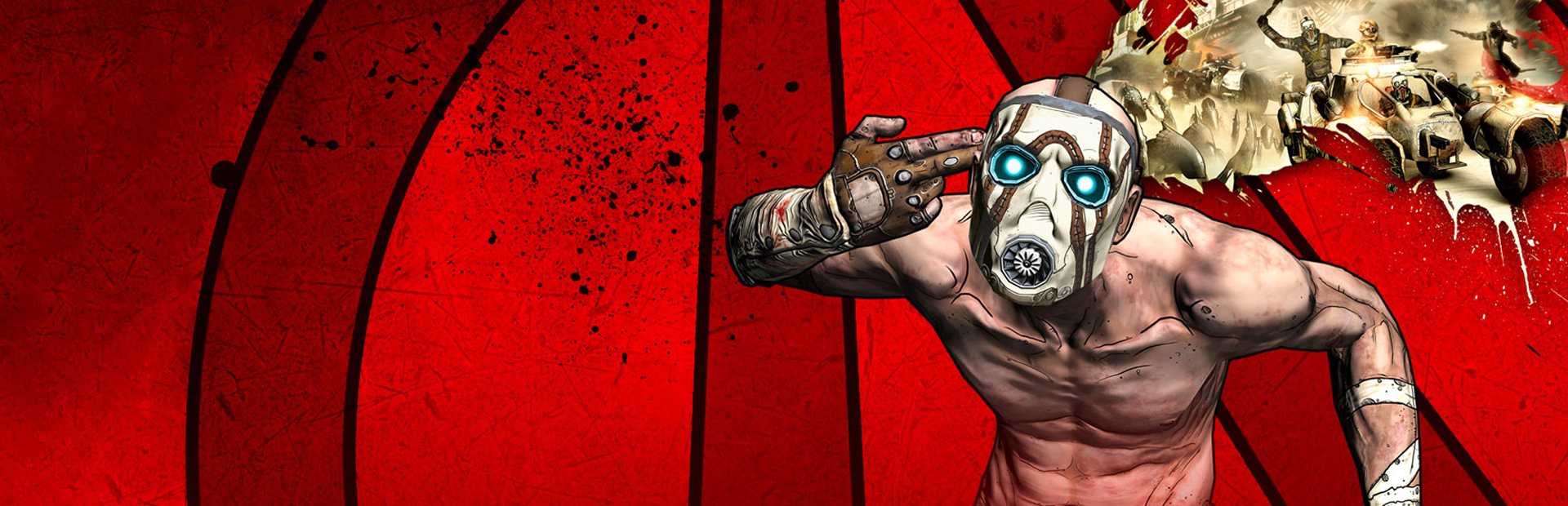
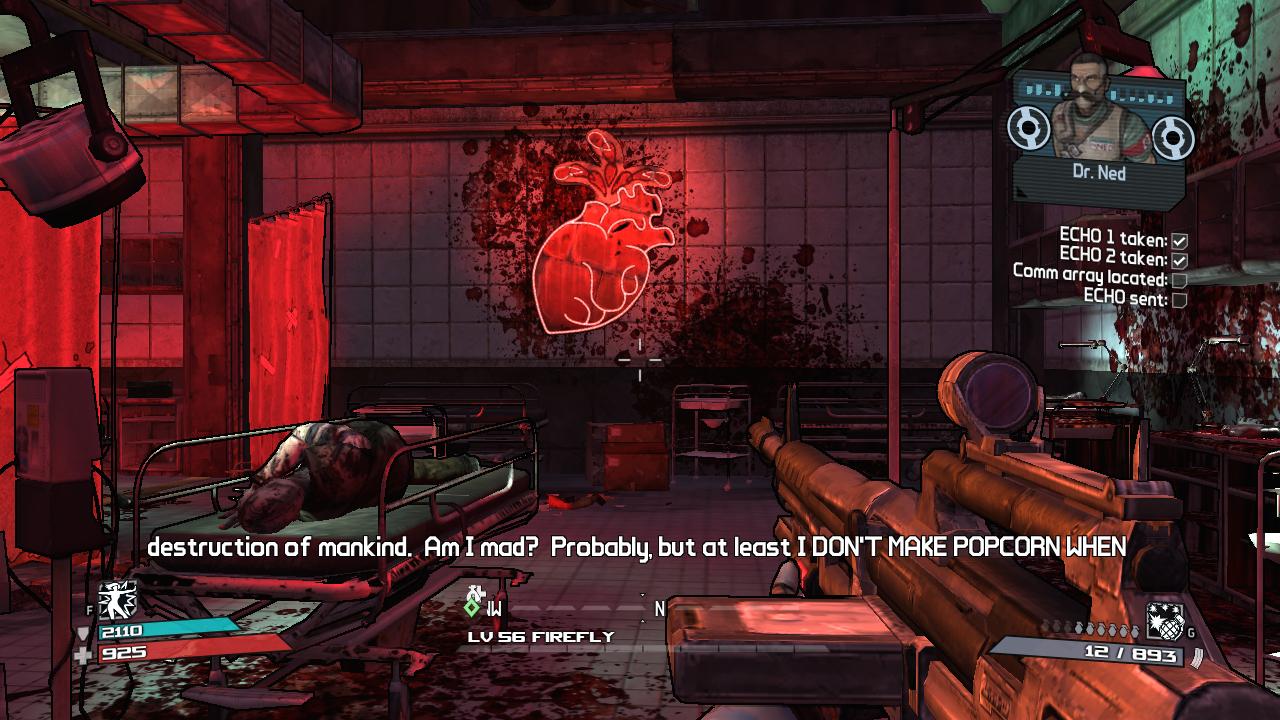
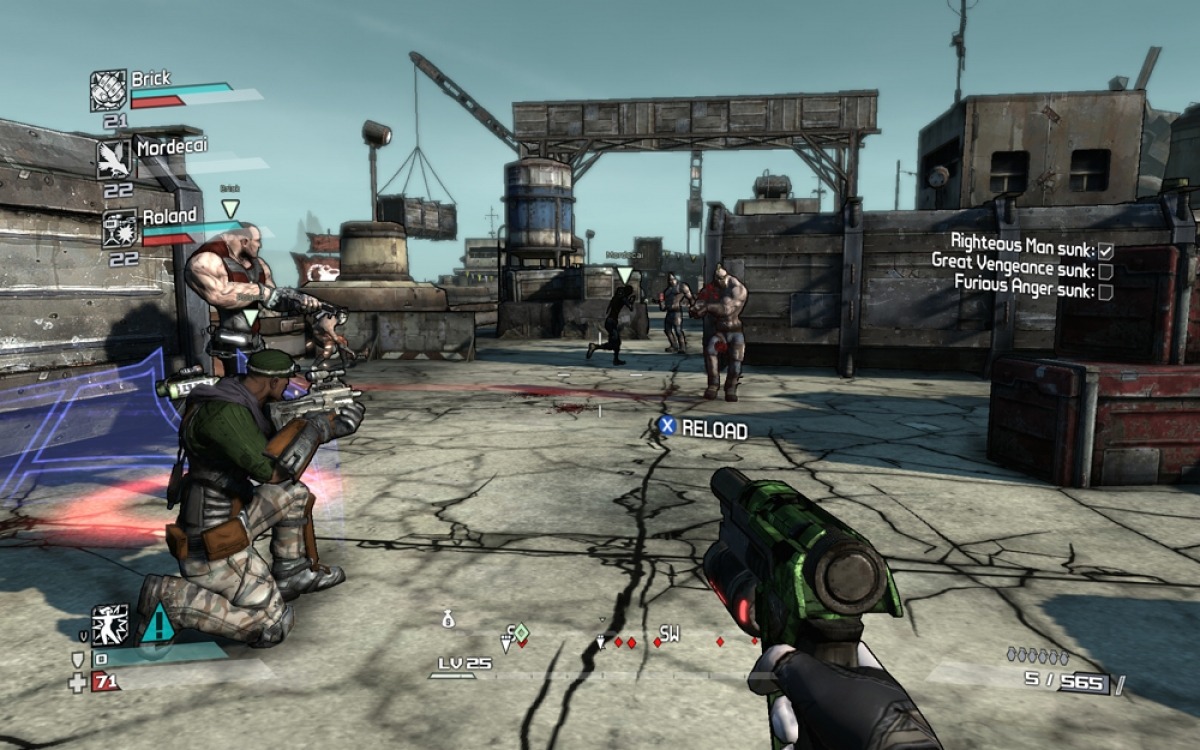
The newest RPG hybrid is probably FPS hybrids, and since these are so new, Borderlands can be considered one of the first to perfect them. While Fallout 3 holds the crown, let’s just say Borderlands is the prince. If you have had a hard time grasping FPS/RPG hybrids, then let me put it simply for you. Like in traditional RPGs, you have elemental attacks. In Borderlands, you have these, and they consist of corrosion, explosives, fire, and lightning. Some guns can be fused with elemental powers, i.e., a lightning combat rifle will deplete enemies with shields faster than just a normal rifle. A shotgun with corrosive powers can kill creatures faster than a gun with lightning powers.
Another element that you should be familiar with is statistics. Just like TRPGs, Borderlands has damage and hit accuracy on weapons. You get shields that have certain aspects, such as when they deplete, they send a wave of corrosive acid, or they recharge faster or give you a health boost, etc. You also get grenade mods, which change the way your grenades act, just like guns. There are also specific class mods that can increase some of your stats even further. Additionally, each character has a specific ability they can use, and you can equip special spheres that add attributes to this ability. Sound like a TRPG so far? What about enemies? They too have levels and shields, and the damage you deal with them will bounce off of them in a series of numbers, along with the experience you get once they are killed.
There are a lot of little tidbits, such as the money system; you can purchase items or upgrades at vending machines; saving claptrap robots can give you more storage space; there are healing items; when you kill an enemy, you can loot them; and you can also loot the dungeons you enter or the open world. See, it still sounds like a TRPG. What makes it different? Just add guns, a vehicle you can drive and shoot from, and a fast travel system. The way to play in all this fun is to co-op. More players + harder enemies=better loot. There is good math in my book.
This sounds fine and dandy, like nothing can go wrong, but Borderlands has its issues. While the gameplay is actually pretty flawless, with lots of guns such as rocket launchers, combat rifles, SMGs, revolvers, etc. The content is very thin. There isn’t much to do but run around the barren wasteland, completing the 150+ side missions and 50+ story missions. There is hardly a story or any dialog. You’re just running around trying to find this vault with some special treasure. All the loot is the same, and even the storage bins you find them in get boring to see after a while. While the game has a pretty neat cartoony graphics style, everything is brown and boring, which puts the neat art style to waste.
The difficulty isn’t something to complain about since it increases as you level up. Each area has to load separately, and the load times are longer than they should be. Most of the side missions vary from scavenger hunts to killing people, looting, and more killing, but the core gameplay is really shallow, and the stuff it’s wrapped around is flawless. This game is really meant for people who just want a straightforward shooter with some more depth and a twist. While it does feel more arcadey than Fallout 3 and more pick-up-and play it just doesn’t have that charm and amazing feeling to it. Borderlands is executed well but just needs more filling to make it superb. However, the game is highly addictive, and even though you know you’re doing the same thing over and over again, you never get tired of it. The game has a level 50 cap and can be completed 100% in less than 20 hours, so Borderlands is a great purchase for any shooter fan.
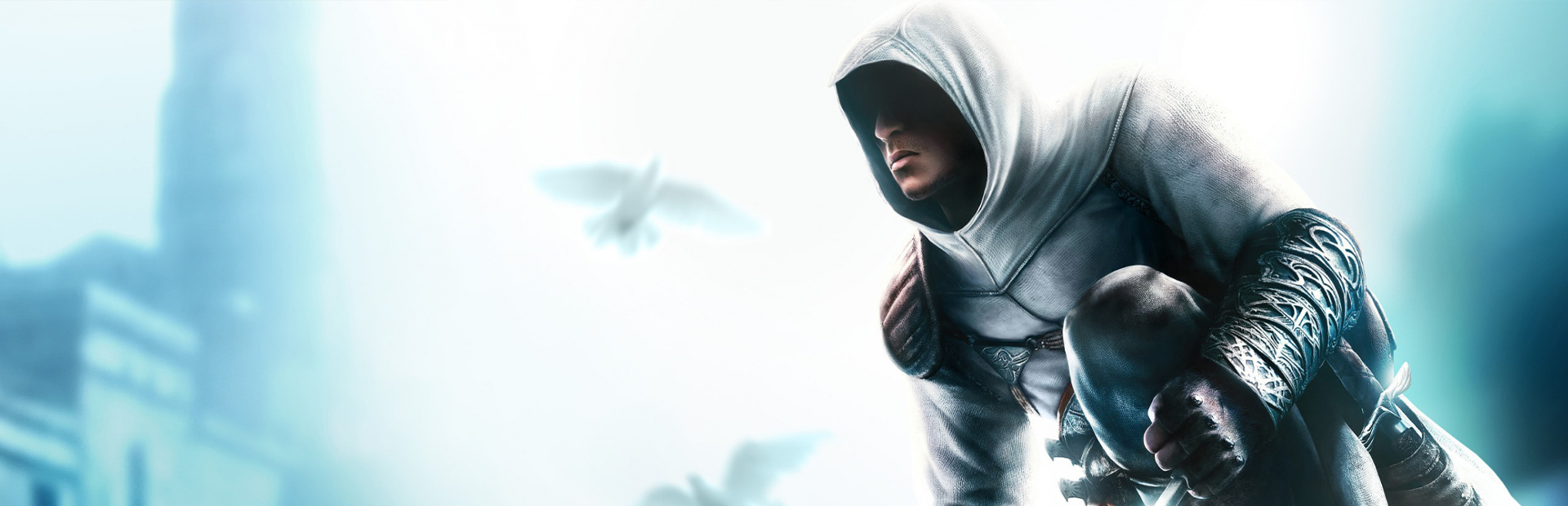
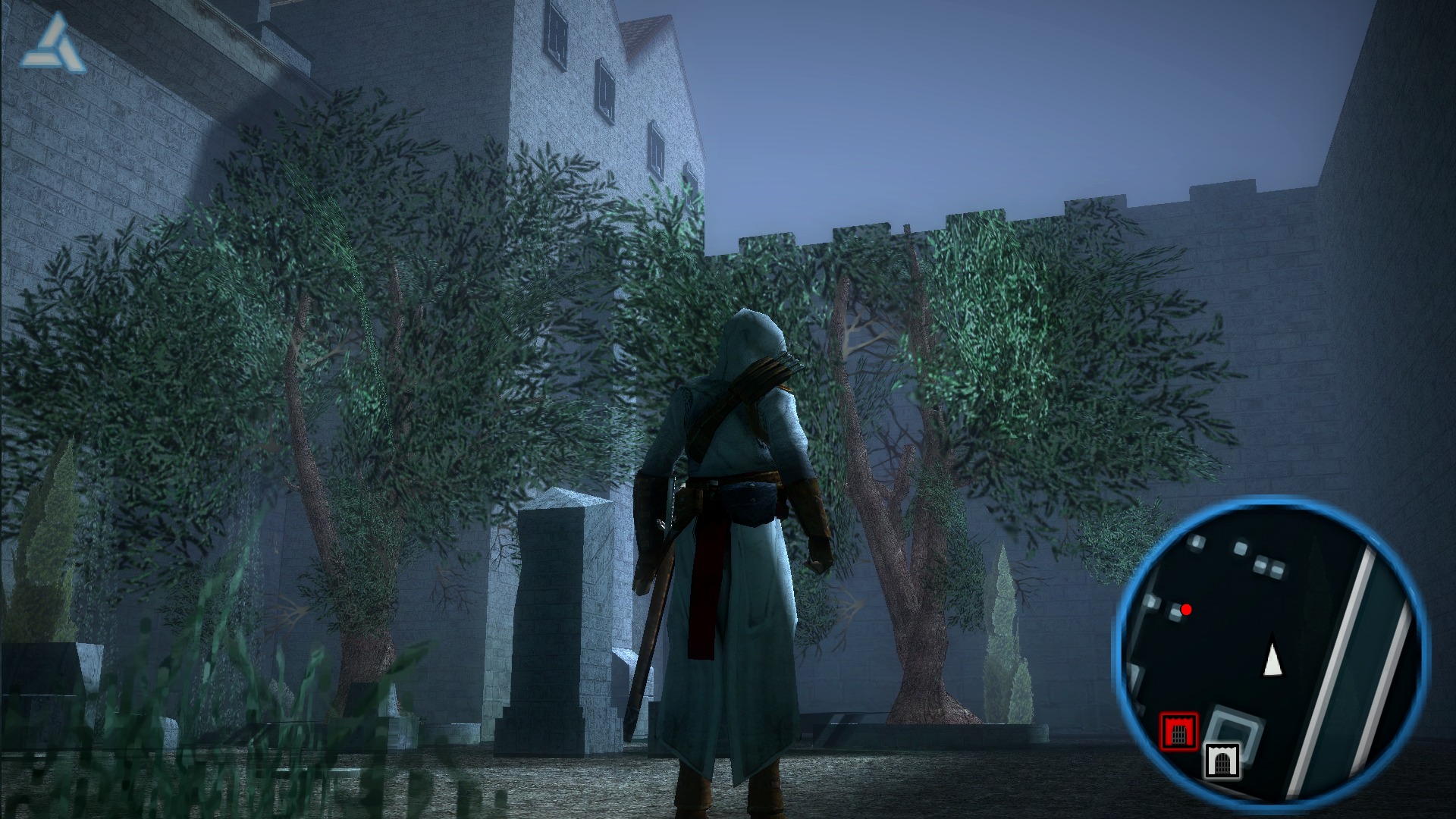
It’s 1191 A.D., and Acre is still not safe from the clutches of the Templars. Altair is once again at war with the seemingly never-ending Templars to find the Apple of Eden. No one knows what this strange artifact can truly do, but Altair doesn’t want them to be the first to find out.
If you were disappointed to find out that Assassin’s Creed II wasn’t a true sequel to the first game, look no further. Bloodlines are the first game’s only and true sequel. Those who played the original will be on familiar ground, as Bloodlines is almost exactly like the first game—both in good and in bad. You still play as Altair and can run, hop, and skip to your heart’s desire as you play the story through. The main difference, however, is that Desmond Miles is nowhere to be seen, as Bloodlines only concentrates on Altair’s story. There are some other rather interesting differences here as well, so you’d better read further.
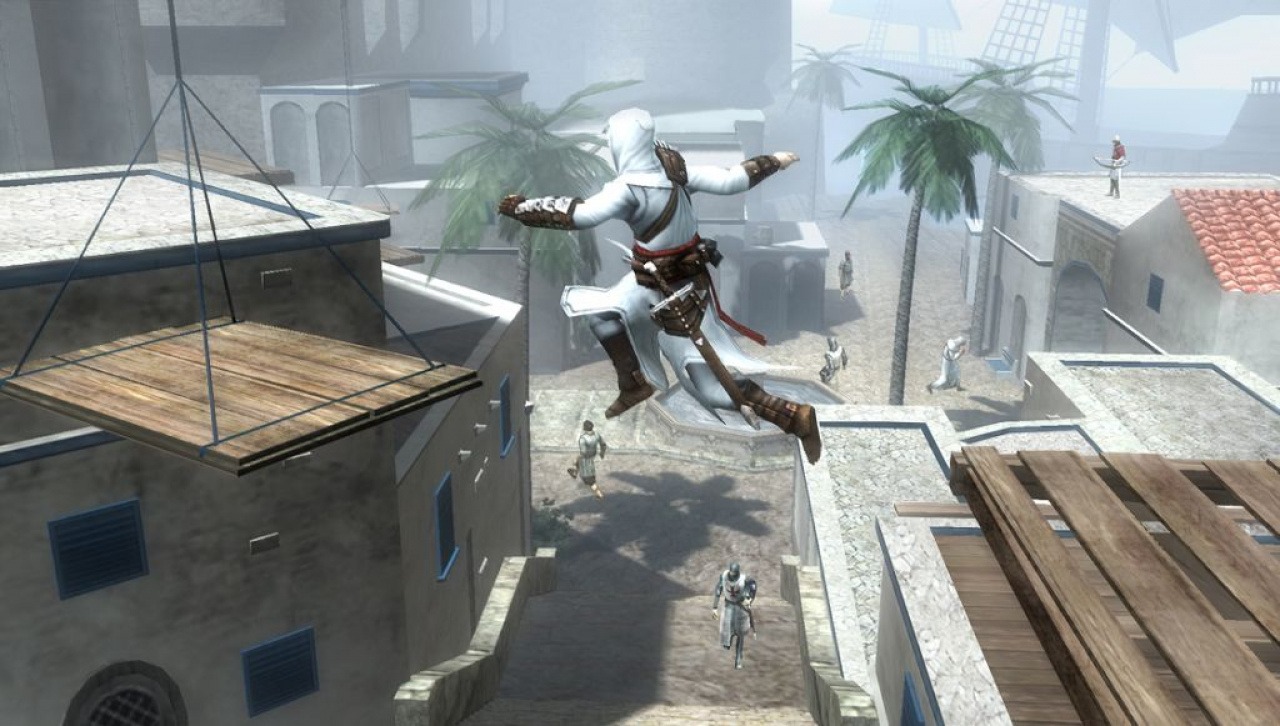
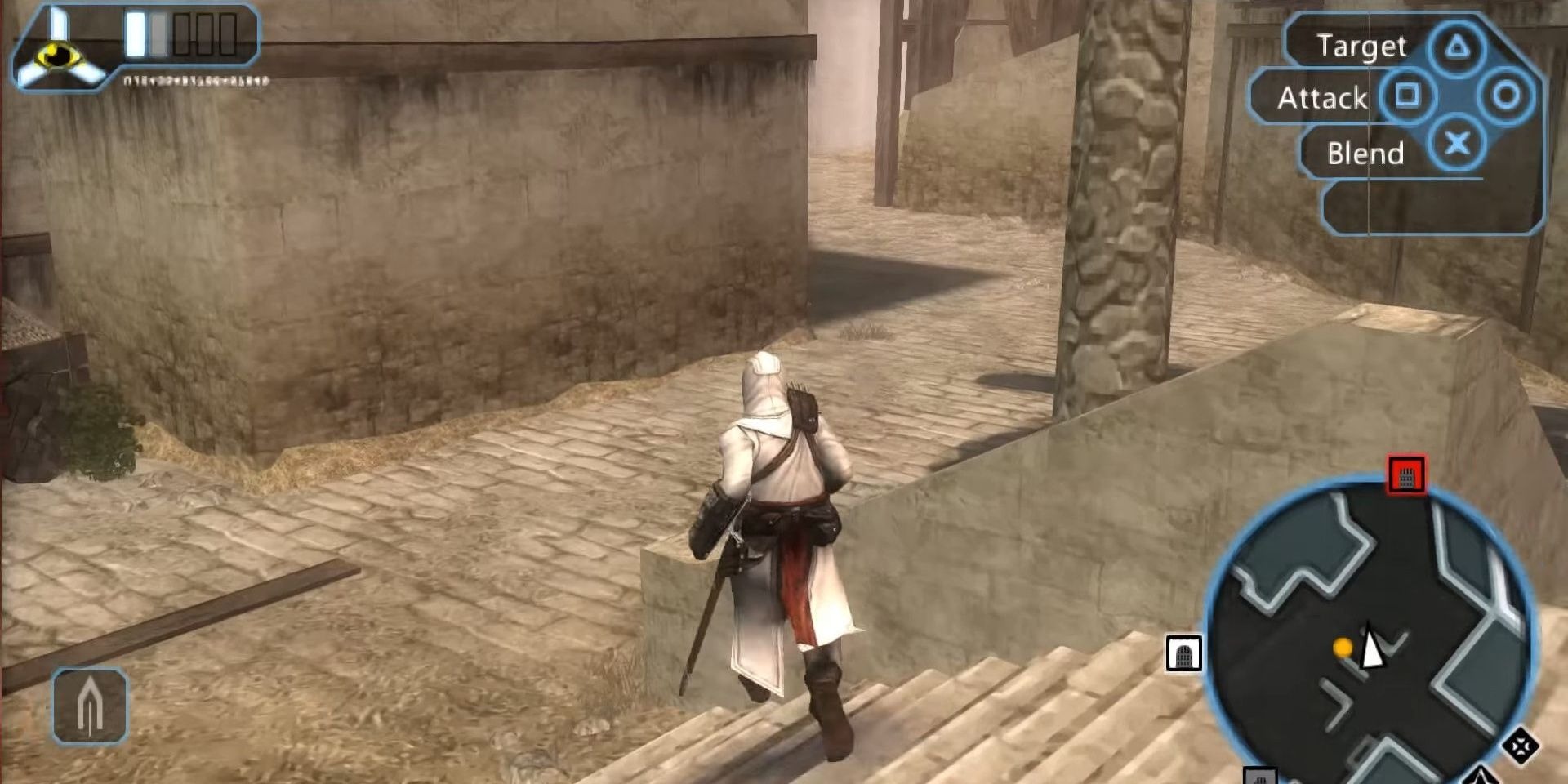
There are two different sets of controls: low-profile and high-profile. In low profile, you can walk, blend, attack, etc., while high profile allows you to sprint, run, and free run up walls and buildings. You can run up practically anything that has a ledge or some sort of foothold. However, the PSP controls seem to be a little too sticky for my liking. If you are only one or two paces away from anything, Altair will cling to that object even if he can’t climb it, and this can be extremely frustrating when running from guards in order to find someplace to hide. Free running isn’t too hard, but just a bit finicky.
The combat system is simple and pretty easy to use, and it is exactly like in the first game. Holding down your block button and waiting for a soldier to attack, and then counter-attacking, is the best route; just rinse and repeat. You can also attack first, but since you’re usually surrounded by a superior force, it is usually wiser to wait and counter-attack when attacked. If the guards are not on alert, you can naturally assassinate them by sneaking up behind them with your hidden blade or throwing knives at them.
The world in Bloodlines is not ‘open’ in the same sense as the world in the original was. Instead, it is formed of small, little areas. Also, the layout of these areas is often a little too restrictive. While in the original, you could find alternate ways to your target, the routes in Bloodlines are often too restrictive, and you end up having to fight groups of enemies with no place to hide or run and no way around the enemies. You end up having to fight them all off. The restrictive world is also evident in the lack of high points on the maps. While in the original, you could climb on the specially marked high points in order to synchronize your map and unlock new areas, these are few and far between in Bloodlines.
As far as it comes to side missions, there are not many of them available. The available missions range from delivering messages to assassinating targets to helping citizens being bullied by guards. Unlike in the original, some of the side missions in Bloodlines are timed. Another small addition that is different from the original is that after each main chapter, you can upgrade items using the gold coins you find throughout the game. This is slightly similar to Assassin’s Creed II, but the economic system isn’t present.
Simply put, the game is gorgeous. However, it doesn’t look like the first game. Bloodlines look like what the first game would be if it were ported to the PS2: there is no bump mapping, no HDR (high dynamic range) lighting, and the graphics certainly aren’t in HD. But even with these limitations, the graphics are highly detailed, with great-looking models and menus. There is no evidence of a slowdown, and the voice acting is terrific.
Overall, the gameplay in Bloodlines is perfect for portable standards, and running around in the small areas is pretty fluid, even if the controls are slightly awkward. Bloodlines is a great first attempt to get an Assassin’s Creed game on the PSP, despite the subtle flaws that make it feel like it was a bit rushed. Nevertheless, I found sneaking around and assassinating people very satisfying, and there were enough areas to keep me occupied. The game takes about 6 hours to finish, depending on your play style, so I found it well worth my money.
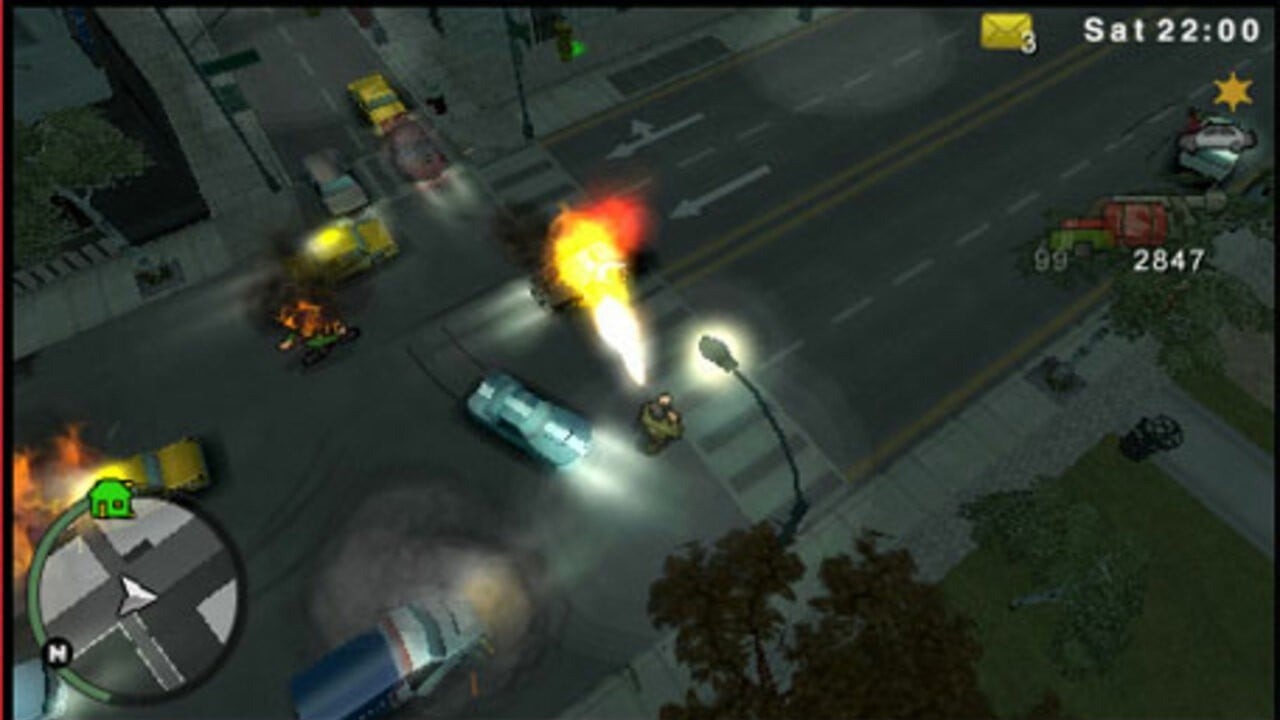
Awww, good ‘ol GTA on the PSP once again. We had two great outings so far with Liberty City Stories and Vice City Stories, which were your standard traditional GTA games that were executed almost flawlessly. Chinatown Wars is a great treat because it is not a “mini” version of past console GTA games but the first top-down GTA game since GTA 2, but this time it doesn’t suck.
There are a lot of new elements in Wars, but we’ll get to that eventually. You play as a Chinese guy (instead of all those Italians and that one black guy…) named Huang, who is supposed to deliver a sword to his dead dad’s boss so his uncle can become the new leader of the triad. It turns out the sword gets stolen, and you are on a wild goose chase to find it. Like previous GTA games, this one’s story has great plot twists all the way to the very last mission, and it will keep you playing for hours. Since this is a port from the DS, there is no voice acting but drawn panels with written dialogue, which is just fine for this type of game.
If you’re thinking top-down GTA hinders gameplay, you’re dead wrong. The controls are so smooth and easy to use. Unfortunately, lock-on targeting is still an issue, but everything you love in a GTA game is here plus some. You can sprint, jump, shoot, and toss grenades all in you’re criminally intent glory. Controlling the cars in this game is sweet and smooth (unlike GTA 4), and they turn without a fuss. You can shoot from your car or pretty much anywhere.
The GPS system is similar to GTA4‘s, with lines telling you the best route to your destination, and using cabs can get you there faster. One thing that you can’t do, however, is use cabs during a mission, so you are forced to drive yourself, which is fine. Missions vary from escorting to shooting people up to blowing things up, and so on, just like in other GTA games. Wars have a great variety of missions, from using boats to homing in on wireless signals, so you never feel bored.
One disappointment is that you don’t get your huge income from completing missions. You get it from dealing drugs. Yeah, it’s a new element, and not one that’s warmly welcomed. You can deal with anything from weed to heroin to coke, but you have found these dealers through tip-offs you receive in your email. Sometimes you even get rewarded with drugs on missions instead of cash, and lots of times nothing at all. You’re going to need lots of green if you want weapons, especially through the express order from your phone feature. Having it delivered can be a bit tedious, but it works. You can also hijack certain vans for drugs and ammo if you’re low on cash as well.
One of the most noticeable additions are the minigames that were carried over from the DS. Anywhere from attaching a bomb to opening a panel in a car to rummaging through trash for guns to assembling a sniper rifle, there are some pretty fun and interesting mini-games. These don’t hinder gameplay but make you feel more involved in minute details, which have always been missing in previous GTA games. Another great addition is how you shake off cops. You get your wanted level, then underneath are icons of cop cars, and if you make them crash hard, they disappear, and it lowers your wanted level. Each level adds a car, so getting 15 cars to crash can take a long time.
The game also looks amazing and has a cell-shaded style in terms of graphics, but the game is still full of life. This is probably one of the best-looking PSP games out right now, and this includes no load times. Chinatown Wars is superior to the DS version and may also be a reason to buy a PSP if you haven’t already. The game is short for GTA standards, so if you just do the main missions, you can beat the game in less than 10 hours.
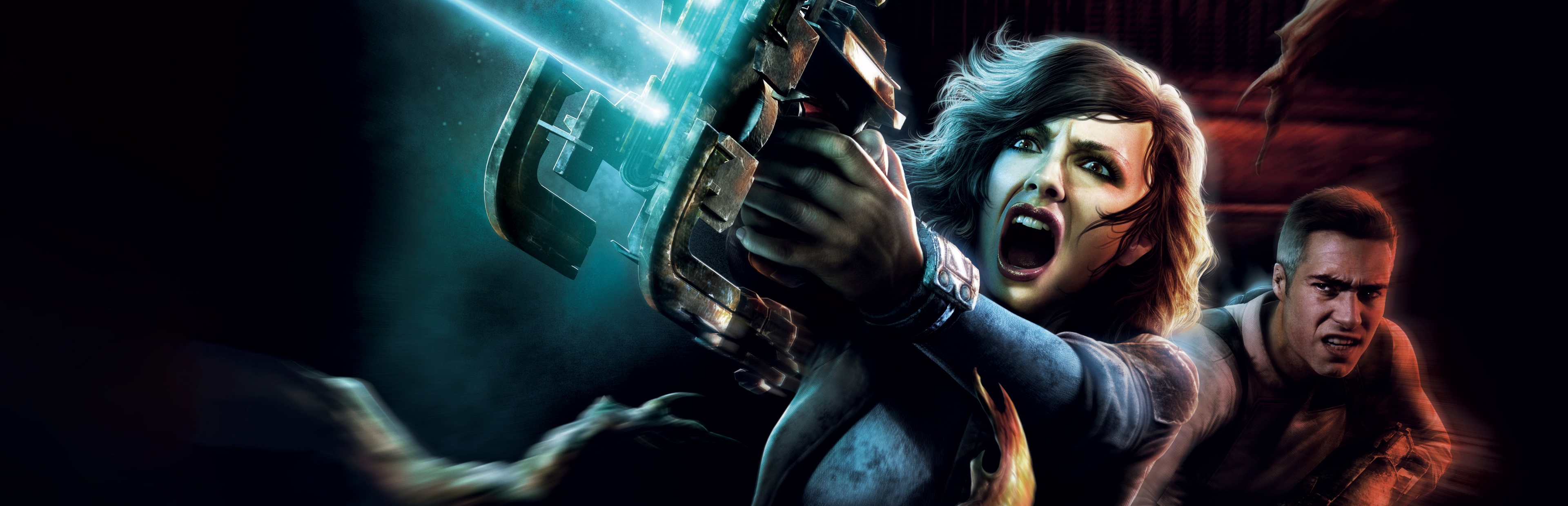
Dead Space is a surprising new gaming franchise from EA that is actually original, in-depth, and just really amazing. The whole story behind Dead Space is just so surreal, thanks to all the different forms of media, from movies to books to comic books. Dead Space is an alien artifact that somehow unleashed a deadly race of aliens onto a planet colony and found its way to the Ishimura, which is a planet-cracking ship.
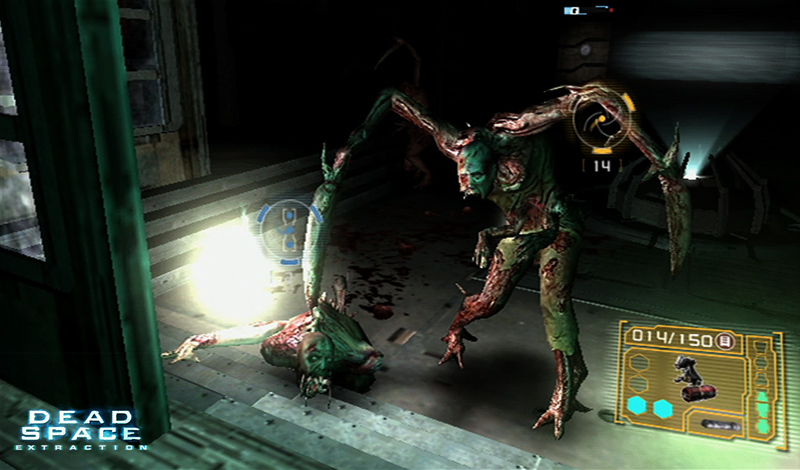
Dead Space: Extraction sets itself between the comic books and the first Dead Space game. Think of this as what happened before Isaac Clarke entered the Ishimura. Extraction may initially throw you off guard since it’s an “on-rails” FPS kind of like old arcade games. This may turn Dead Space fans completely off since you don’t have control over exploration. While this does hamper the score a lot, there is so much fun and fright to be had in Extraction.
The main focus in Extraction is getting the hell off the Ishimura and finding a shuttle. You play several characters throughout the game, but your main guy is Nate. He is a P-SEC officer who is working with his sergeant to get as many people to safety as possible. You really only see your reticle; the main focus is to point and shoot. The controls are really great and laid out for both regular use and the Wii Zapper (or any other gun attachment you may have), so I will be reviewing this game off of the Zapper control scheme. You have a lot in your hands besides weapons, and this includes your stasis (which slows down objects) and your telekinesis, which will pull objects towards you. You also have a swipe attack for melee and cutting things throughout the game.
Most of your weapon arsenal is tools, and all the weapons from the original Dead Space are back with lots of additions. Some of these include the P-SEC pistol, welding gun, and nail gun. The nail gun is standard and has unlimited ammo, but each weapon has secondary fire. For example, the pulse rifle has a shotgun blast that must be charged, the P-SEC pistol has a spray shot, and the flamethrower can shoot fireballs. All of these weapons will be needed and strategically used for certain situations.
Most of the game plays through the creepy and eerie story, with the character moving on his or her own. While this is immersive and cinematic, it can be boring sometimes since several minutes can pass by just looking around at nothing. The game moves at a slower pace than you would want, but it fits the atmosphere. There will be times when creatures will grab you out of the dark, and you must shake your Wii remote to turn on your glow worm. You will hear strange voices and creepy visions that pop up out of nowhere. While you’re roaming these halls, you need to act fast and use your telekinesis to grab ammo, upgrades, health, audio/text logs, etc. All of these are tallied up at the end of each chapter, and you are scored.
When it comes to creatures, I can’t really recall any new forms. Every single form from the original Dead Space is here, and even some environments. The developers recycled a lot of content, and this felt like a big no-no to me. While there are some simple mini-games, such as a rewiring game where you can’t touch red circuits, a turret section, and some parts that have you nail stuff up to keep things out, The game is riveting and exciting, but by the time you get through all ten (long) chapters, you just want it to end. This is partly due to the difficulty factor and the unbalanced ammo versus creature problem. Scrounging ammo is very difficult in this game, even in the easiest setting, and it makes you wish the developers would just stop doing that.
I, however, highly enjoyed this game and found it to be worth the $50 purchase. A number of weapons, a decent length, and amazing graphics helped make this game easy to chew. There is just enough mixed around for you to stay on the edge of your seat, and that’s what keeps you playing.

































 thebinarymessiah.com
ORC is probably the worst game in the entire series. It's objectively awful. Being bad isn't different. Different is Outbreak…