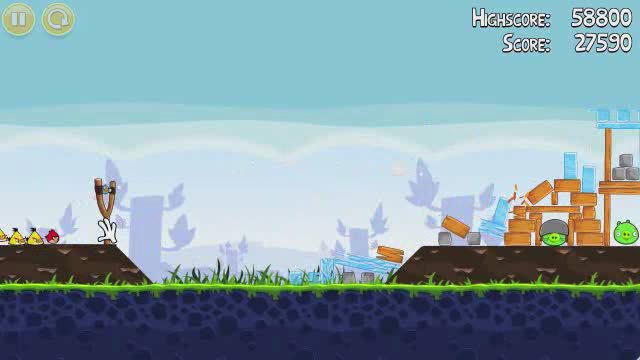
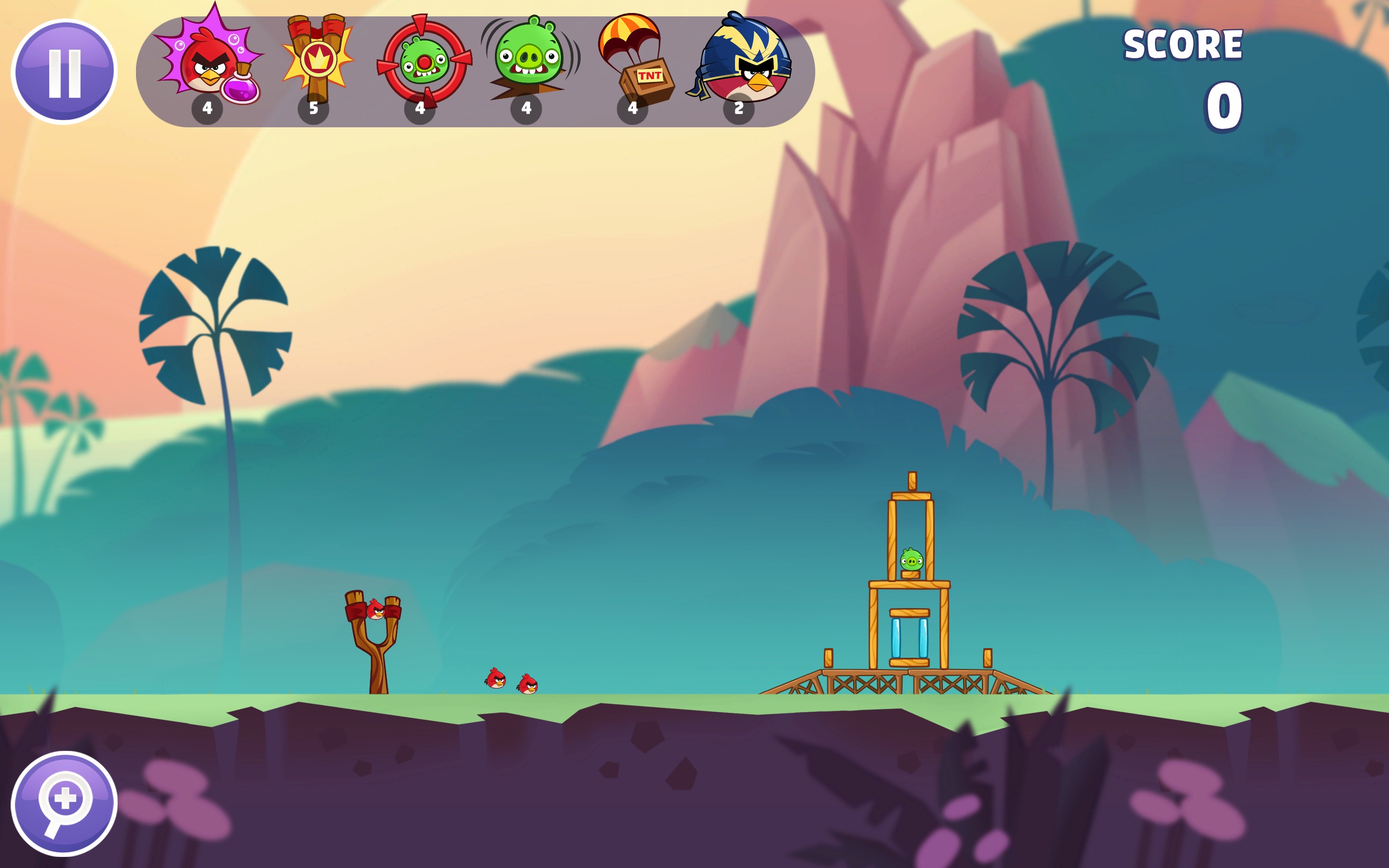
Physics games tend to be very popular on the App Store, and Angry Birds is one of the best among them. The idea is to flick birds off a slingshot and have structures crash down around the evil pigs. There are various types of birds, such as one that spreads into three when you tap it, one that goes really fast, one that doesn’t do anything but cause damage, and a few other types.
At the start of each level, you get shown what you have to bring down, and then you drag your finger to move to the slingshot. You can’t see where the structure is when looking at the slingshot, so this provides a challenge but also a lot of trial and error. Trying to find the weakest points in the structures can be painful and tedious since you never feel like your birds are strong or heavy enough to do a good deal of damage.
You get rated at the end of each puzzle for how many birds you have left and how much damage you have caused. Once all the pigs are dead, you clear the level and move on to the next. It seems that there is no consistent difficulty increase, and it just seems to be all over the map. The art style is nice and it feels fluid, but the sounds are really annoying.
Overall, Angry Birds is an excellent physics game and well worth your dollar.
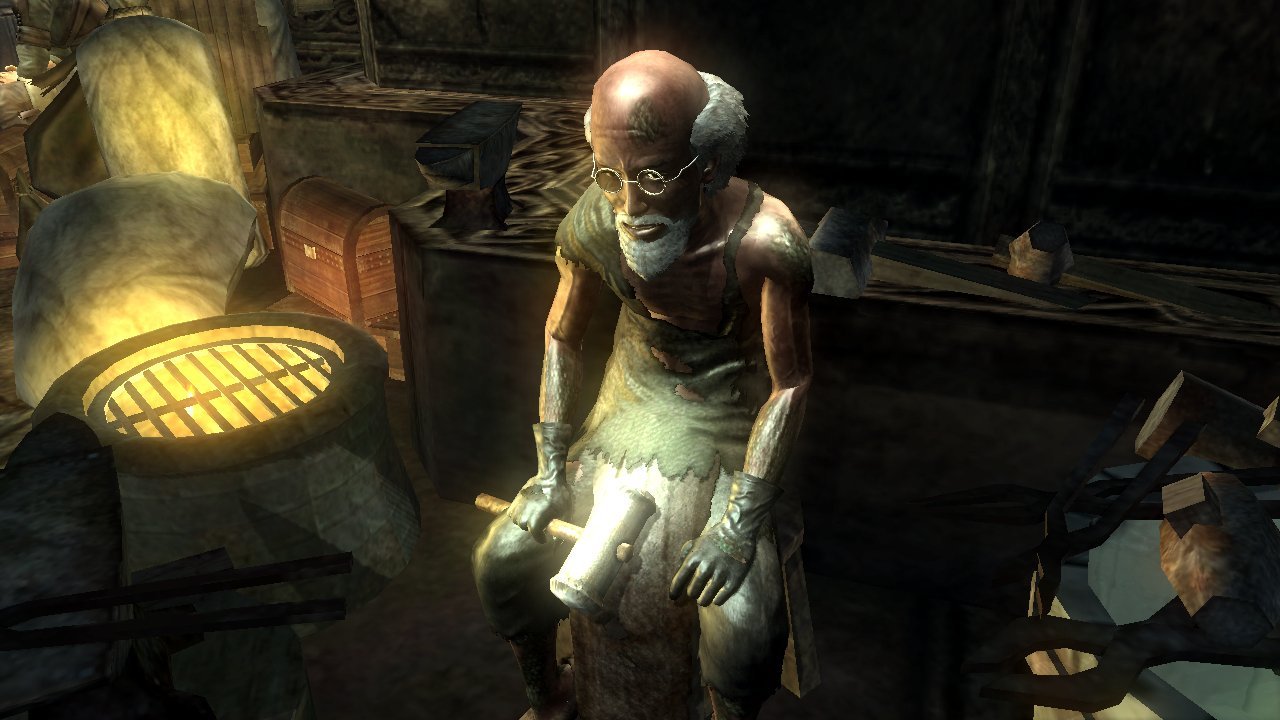
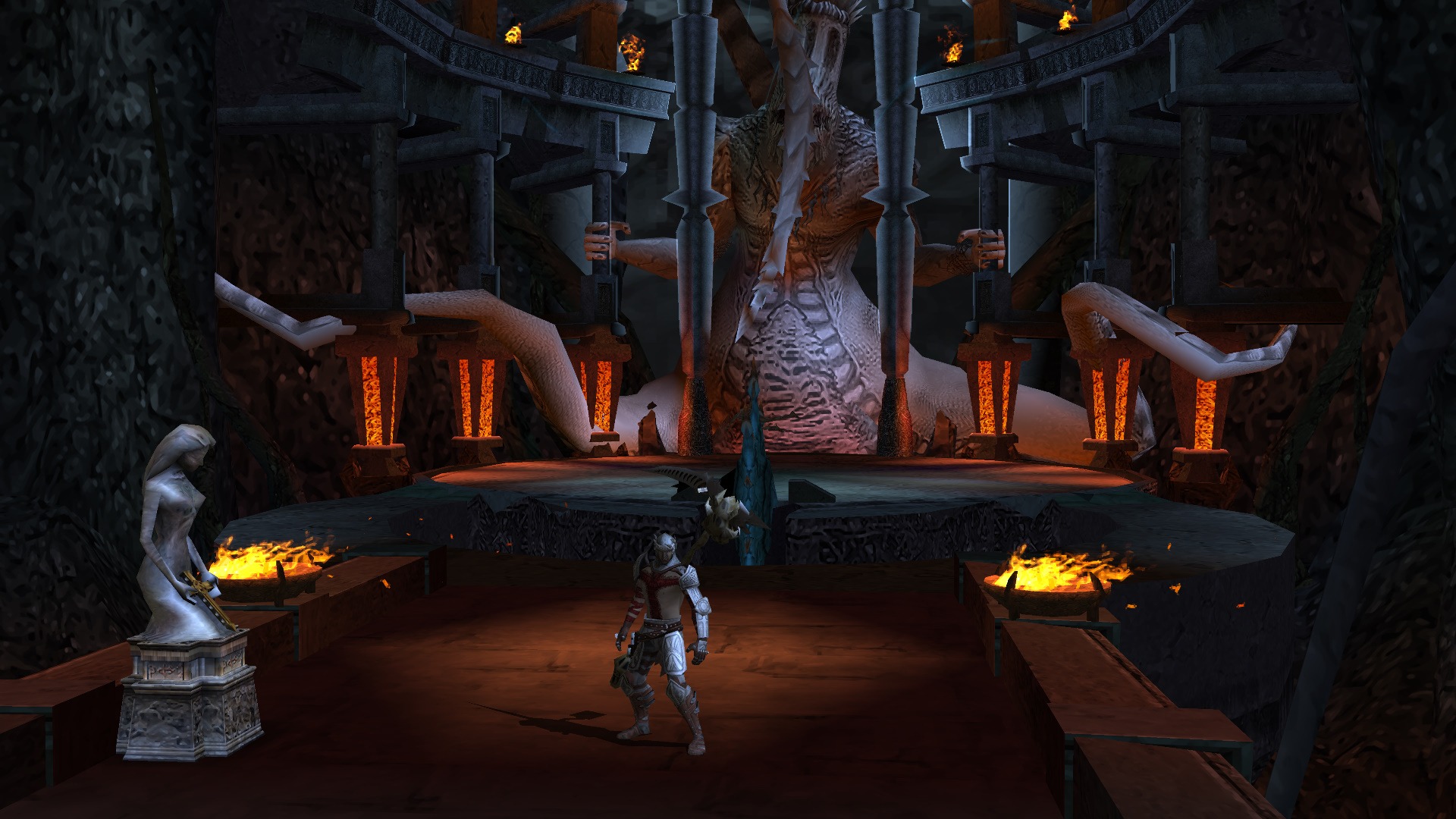
Brutal. That is the first word that will come out of your mouth when playing this game. This is for the hardcore only, and I strictly warn you before plunking down $40 for this game and regretting the purchase like I did. This isn’t your straight-up hack-and-slash game. Oh no, not by any means. This game is all about level grinding and repetition. You will be punished for even trying to take that last-minute hit. What’s the punishment? Going back to the last save. Ha, if only that were true here. You have to restart the entire level every time you die, and you lose all your souls (XP). Yeah, I screamed as well when I found this out.
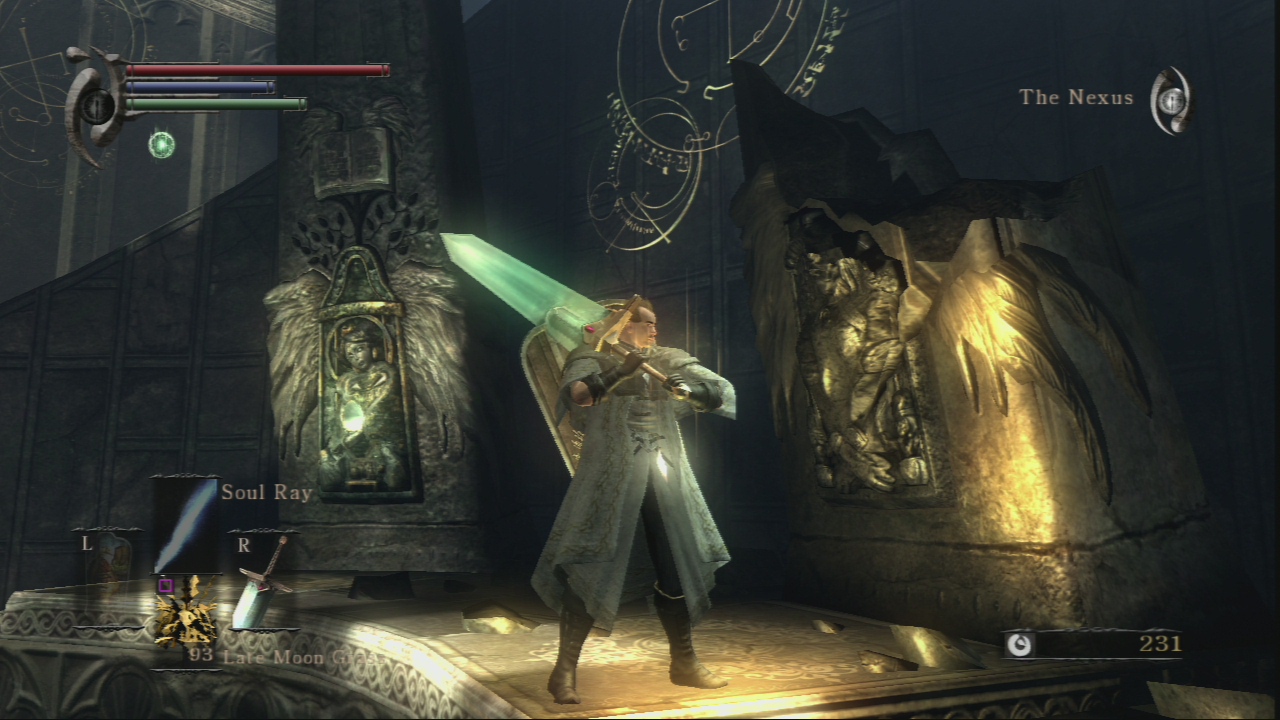
The game is also hard to figure out. I had to do some research online to figure out how to play Demon’s Souls because most RPGs aren’t like this. Instead of a story that you follow through and advance through a game, you get stuck in a central hub and have five connecting levels. You have to repeat these levels dozens of times to level up. You can go to any level whenever you want, and each level has four sections with a boss at the end of each section. Just getting through stages 1–1 was a pain in the ass. I died about 20 times before beating that section.
Another thing you will never know how to do is level up. It doesn’t just happen like in most RPGs. You have to get all your souls back to the Nexus (hub) without dying and talk to the Maiden in Black to level up. There are 999 levels, and each time you upgrade an attribute, it bumps you up one level. So if you upgrade strength, vitality, and dexterity, that bumps you up to three levels. So once you figure this out, you have to start soul grinding until you get to a high enough level that you won’t die with every swing.
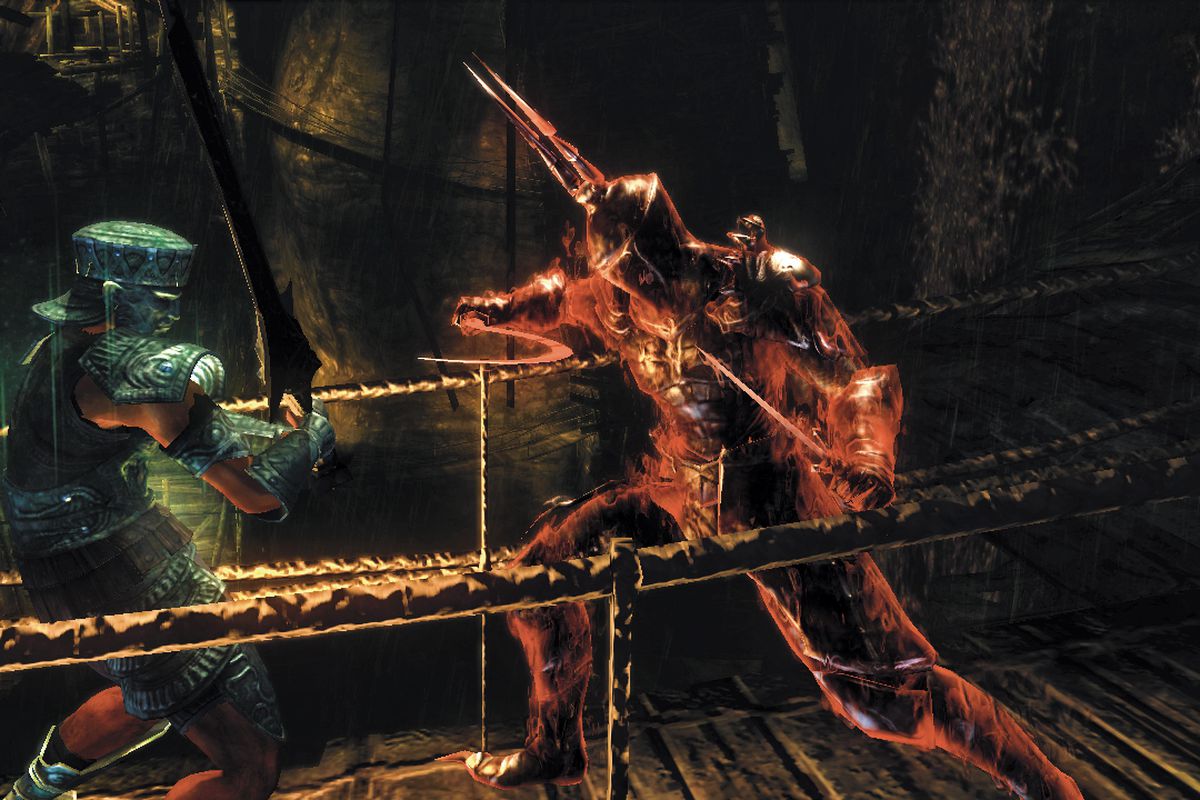
Don’t panic when you die, though. If you manage to get back to the spot where you died without dying again, you can reclaim all your lost souls, and they will be added to what you currently have. Die before you reach there, and the count is reset. This makes the game so frustrating, and I even almost got an aneurysm from the frustration. A lot of enemies are tough, and the fighting mechanics aren’t all that smooth, so you have to learn them and execute them well. It’s all about skill.
The fighting mechanics are pretty decent. You have a light and heavy attack as well as a block and parry button. All these are mapped to the shoulder buttons. You can switch weapons out with the left and right D-pads (assign them in your menu). Another flaw the game has that doesn’t make any sense is that you can’t sell items but only drop them. You think selling these would make getting souls easier, but From Software just had to make things that much more difficult. On top of this, you have a burden count (think Oblivion), and getting new armor and weapons isn’t easy. You can upgrade weapons and armor by finding stones. These can only be upgraded at the Nexus (as far as I know).
Another flaw this game has is that there’s no pause button. Yeah, what? I couldn’t believe you can’t pause the game; it’s that hardcore. You just have to stand in a safe spot. This game goes out of its way to make you hate it to death. Yet there’s something that makes you keep playing. You just want to keep leveling up, getting the next boss, and fighting your way through the game. This is probably because you get so angry that you just won’t let the game win. This also means you need hours of your day to play this game since this is by no means a pickup-and-play game.
I was so angry about the game that I didn’t even mention the story. The story goes along the lines of a deep fog that has taken over the land of Boletaria, and you must defeat the demons holding it there. It’s not really much to ponder, but it’s enough to keep you going. The voice acting is iffy, and you will spend so much time leveling up that you will probably forget all about the story.
The game does do something unique, and this is its online mode. Instead of having a co-op or anything like that, other people can help everyone else through hidden messages or bloodstains. If you come across a message, you can read it, and it will give you hints to help you through the level. These are pre-made messages that people can enter to help others out. Most of the time, these are helpful, but a lot are tricks. Bloodstains are a player that most recently died in that spot, and you can watch their “ghost” to avoid getting killed yourself. Sometimes you will see white ghosts floating around in real-time, and there are other players that you can watch to give you a hint. This is very unique and innovative, but the frustration of the game makes you quickly forget about it all.
The game looks pretty decent. The graphics are a bit bland in some areas, but they’re technically sound. There are some glitches, like collision detection issues and wonky physics. Overall, Demon’s Souls is for the hardcore only. If you want a hack and slash that’s simple and fun, don’t get this game; stay far away. So why did I give this such a high score if I hate it so much? Because the game is good itself, and I just don’t have the patience for this type of game. I’m not going to punish the game for my inability to play it, so the people who can play it will enjoy it. It’ll take you a good 10-15 hours just to figure out all the stats and how the game is played, another 10-15 to get your bearings and level up enough to attempt the game, and about 50+ just to get through the game. Each boss feels like a triumph and is very rewarding, but this game only rewards the patient.
Grand Theft Auto has inspired a lot of games, and The Saboteur is one. Think of this as Grand Theft Paris, in which you play Sean Devlin, an Irish man trying to help the French Resistance against the Nazi war machine. Yes, this is another World War II, but it’s different. Just read along, and you’ll see.
The first thing you will notice is the game’s atmosphere. It’s set in a replica of 1940’s Paris and feels just like it. The graphics are technically good, but artistically, that’s where they’re at. When you liberate an area of the city, it turns from black and white to color. So as you travel through the city, the color will change in real-time. What’s great about it artistically is that in the B&W areas, only the red Nazi flags stand out. On resistance soldiers and leaders, certain things are in color, such as the eyes and parts of clothing, and it makes things look really unique. While this all looks great, the novelty wears off pretty quick, and you end up forgetting about it.
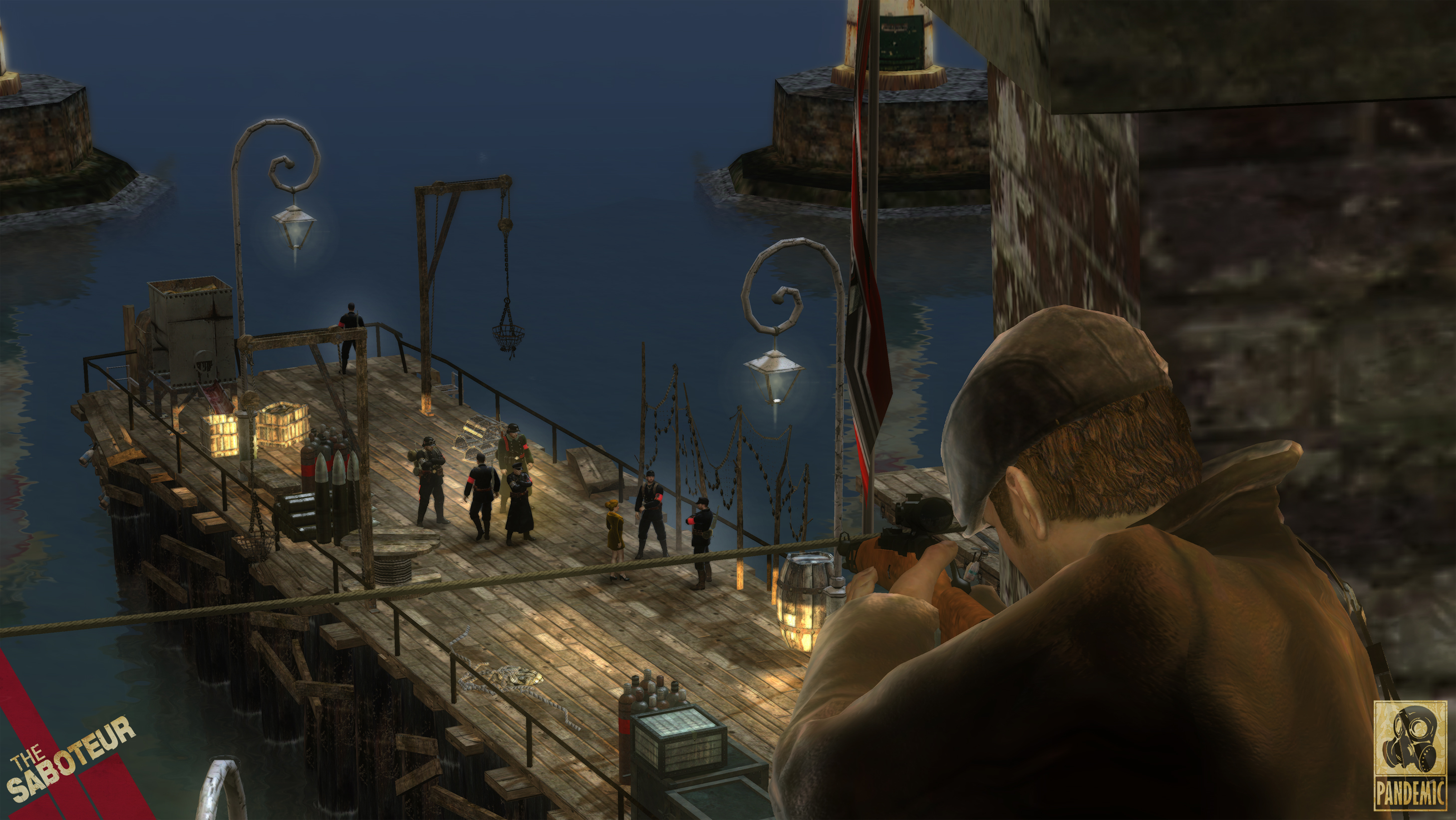
The game has stealth gameplay and shooting mechanics. When you get a mission, you can jack up a car or get one from your garage (you can store new ones there too) and follow a yellow route line on your mini-map to your destination. While the game is called The Saboteur, this is actually the hardest thing in the game to pull off. Some missions have you trying to sneak into an enemy camp. This is marked by barbed wire on the map, and if you enter it, you will hear the alarm almost immediately if you are seen. Your goal is to knock out a soldier and take his disguise. This isn’t always as easy as it sounds because you have to make sure other soldiers aren’t looking. If someone sees the dead body, a yellow “suspicious zone” will appear, and even if you are in disguise, you can trigger an alarm. Doing things such as running, climbing buildings, and walking fast will make soldiers who can see you suspicious.
The stealth element is kind of flawed because it all works against you. Trying to plant dynamite in an area to draw soldiers away doesn’t work at all since they just stand there staring around. There are a lot of times when you will be forced to just gun it out because the stealth elements are so flawed that you can’t get away with sneaking. Some missions will go flawlessly, and others won’t. This doesn’t make the game unplayable; it just has you wasting your time trying to figure out a stealthy way when, after so much effort, there just isn’t one.
Gunplay is simple enough with cover mechanics, and there are a ton of true-to-the-era weapons as well. You can find ammo crates all over the place, but you can only carry two weapons at a time. Between missions, you can visit black markets and use contraband to buy upgrades for resistance fighters, car upgrades, ammo, etc. It’s all pretty basic, with nothing special in the store, but there’s nothing crucial that you will need to buy to get past a part of the game.
The missions are pretty diverse so this isn’t the issue with the game. The issue is how you have to execute the missions and nothing ever really turns out the way you planned. All of this needs to be trimmed up and fixed for the sequel. During missions, if you raise an alarm you can run (like in GTA 4) or find a hiding spot. Most are located on top of buildings, and climbing isn’t very fun. This isn’t Assassin’s Creed, so climbing is sluggish and a bit unresponsive. Thankfully, you only climb buildings for about 40% of the game.
Other than that, the game is worth a purchase if you like sandbox games. There aren’t many side missions or free-play missions, but the game is long enough to get your money’s worth. The story is the best part of the game, with memorable characters and a gripping ending. Watching these people struggle for survival against Nazi Germany is movie quality. The writing is witty, and Sean has a lovable personality. You quickly grow to love these characters, and they are all fleshed out nicely. The game also has lots of boobs, but this sticks to true 1940s Paris because nudity wasn’t as sinful as it is today. Of course, you have to buy the game new or buy the unlock DLC for the nudity and four cinematic stripper scenes.
Overall, the game is solid in some areas but not in others. With broken stealth mechanics, you can’t always be the saboteur the game claims, but certain missions are satisfying enough to play out the way you want. The game is looking good for a sequel, and I’ll definitely be by Sean’s side when that time comes.
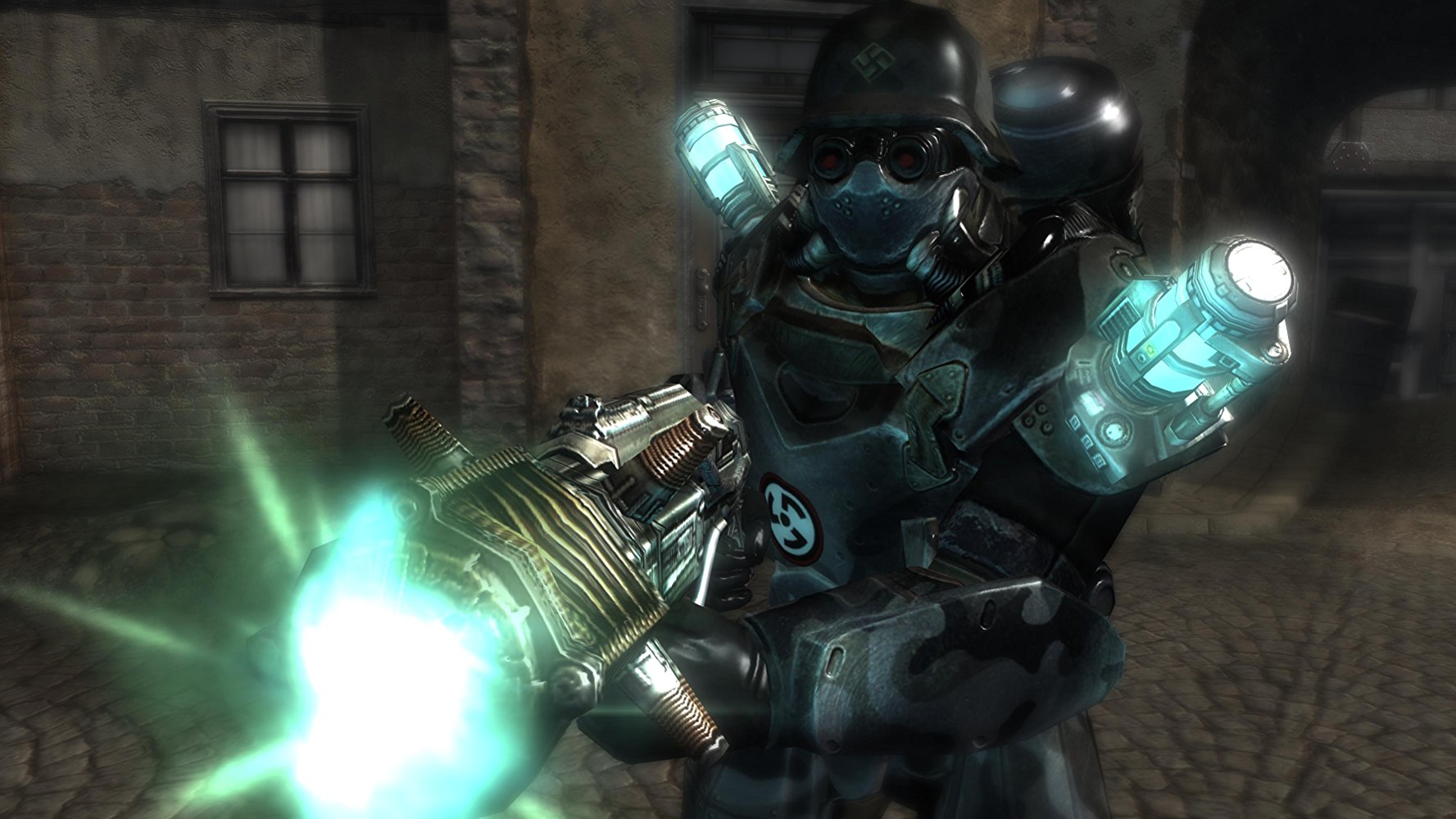
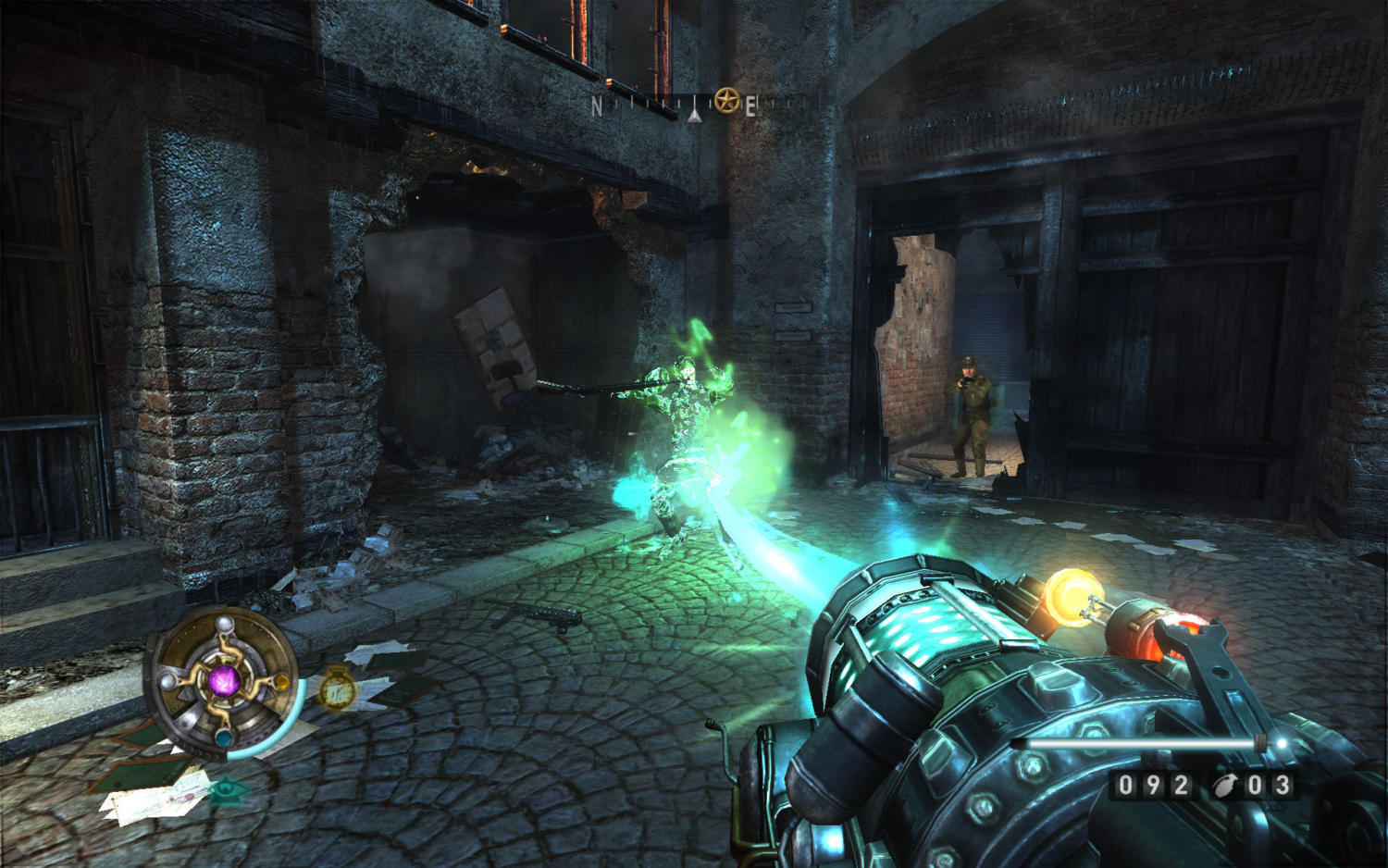
id Software is famous for creating the FPS genre with Doom and Wolfenstein. Wolfenstein is a little different from your typical WWII game. The game is wrapped around the paranormal, so you’re not going to get another Call of Duty or Medal of Honor. The game is entirely fictional, so it lets the Raven use fact and fiction and kind of mix them. You play BJ Blazkowicz, who is an American secret agent trying to stop the Third Reich from using the Black Sun as a weapon to rule the world. Sounds cliche? Well, it kind of is, but it’s interesting enough and has a very small plot twist at the end that makes the whole story worthwhile. You are working for resistance factions known as the Kraisau Circle and the Golden Dawn.
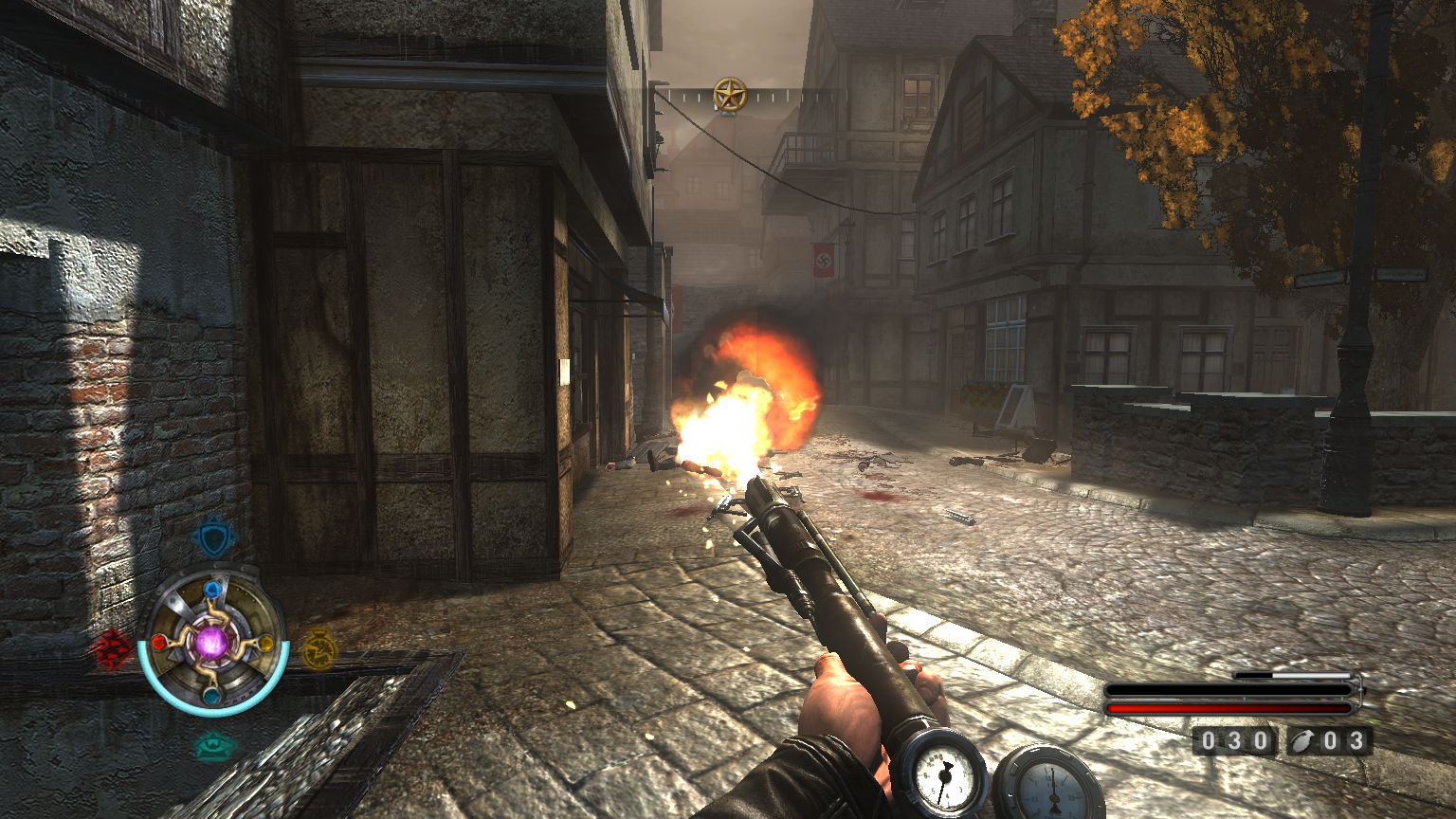
Wolfenstein isn’t just a linear run-and-gun shooter. In fact, the game is a bit sandboxy in the sense that you can choose your missions, and getting to them requires running around the city, fighting your way through Nazis, and getting the right sections. While I found this kind of pointless since there are only half a dozen side missions, it makes it different from most shooters. The game has four different powers you can use as well as a whole new weapon upgrade system.
The four powers consist of slowing down time, shielding, empowering, and the basic passive power that can let you go through certainly marked walls, climb hidden ladders, and see energy pools, as well as highlight enemies in the dark and reveal their weaker points. You will use all these weapons, but not as often as you’d like. You can upgrade your powers at the Black Market buildings, but finding gold is a pain since it’s all hidden, and the only way to upgrade everything 100% is to find every sack of gold in the game, and there are over 200. The same goes for intelligence files and tomes that let you unlock more power upgrades. I just find hidden items in shooters pointless since you’re concentrating on not dying, yet you’re also supposed to hunt for crap. I don’t like it. The powers must be used during boss fights and to get through some enemies.
Upgrading your weapons is really fun since we have never had a WWII game that uses real WWII weapons that can have silencers attached to them and scopes. Of course, there are fictional weapons such as particle cannons, Tesla guns, and a flak cannon. All these are slowly acquired as you play the game, and each weapon is fun to use. The weapon’s efficiency is solely up to how you upgrade.
The levels are pretty varied, but they all look the same. The graphics are very nice, but there’s not really an art style here. All the levels are pretty much laid out the same: kill these Nazis, figure out how to get past this obstacle, kill more Nazis, blow this up, and kill the boss. Rinse and repeat for about 8–10 hours. This doesn’t mean the game gets boring since everything is scrambled up quite often, so you get the illusion that it’s not the same thing over and over again.
There is some enemy variety in the human form. Each is the same, except some are wearing different uniforms, but it’s the supernatural enemies that you should worry about. There are assassins that will sneak up on you and slash you to death if you don’t use your powers to spot them quickly. There are powerful generals that shoot fireballs and pound the ground, and they will kill you fast. You have sexy Nazi chicks that do extreme melee on you unless you’re fast. There are guys with flamethrowers and particle cannons that must find the weak spots to defeat them. That’s about it, though, and you can throw creepy monkey dogs in there too. The enemy variety is a bit thin, but these guys work.
The boss fights are pretty amusing, and some are just downright hard. You just figure out their weak spot and what weapon works best when it’s easy from there. So overall, the structure of the game is sound, with your main missions branching off the city of Isenstadt, where you go get your missions from the two resistance factions. The game is well worth the purchase, but you won’t really come back to it, not even for multiplayer since no one’s even playing, and even if there were, it’s pretty generic.
Wolfenstein offers great gameplay, a decent story, and just a solid 8–10 hours, but you won’t be coming back to this one unless you really want to find all the hidden items.
Well, here it is. After waiting 3 years, we finally get the ending to one of the best video game series ever created. The biggest question that people have is whether the game is enough to stand on its own out of the other next-generation games. The answer is yes, so let’s get down to it.
The game’s story picks up right after God of War II, with Kratos riding on the back of Gaia and climbing Mount Olympus. The game starts out on the back of Gaia, with Kratos fighting hordes of monsters (and learning the controls). The game starts out more epic than ever with an epic boss fight with Poseidon. Giant water serpents come up and try to kill Gaia, so not only do you have to kill Poseidon, but you have to protect Gaia as well. The boss fights are bigger and more epic than ever with Titans that are miles high (fighting Cronos is the most epic of all), and you really feel like you’re taking these beasts down with satisfying results.
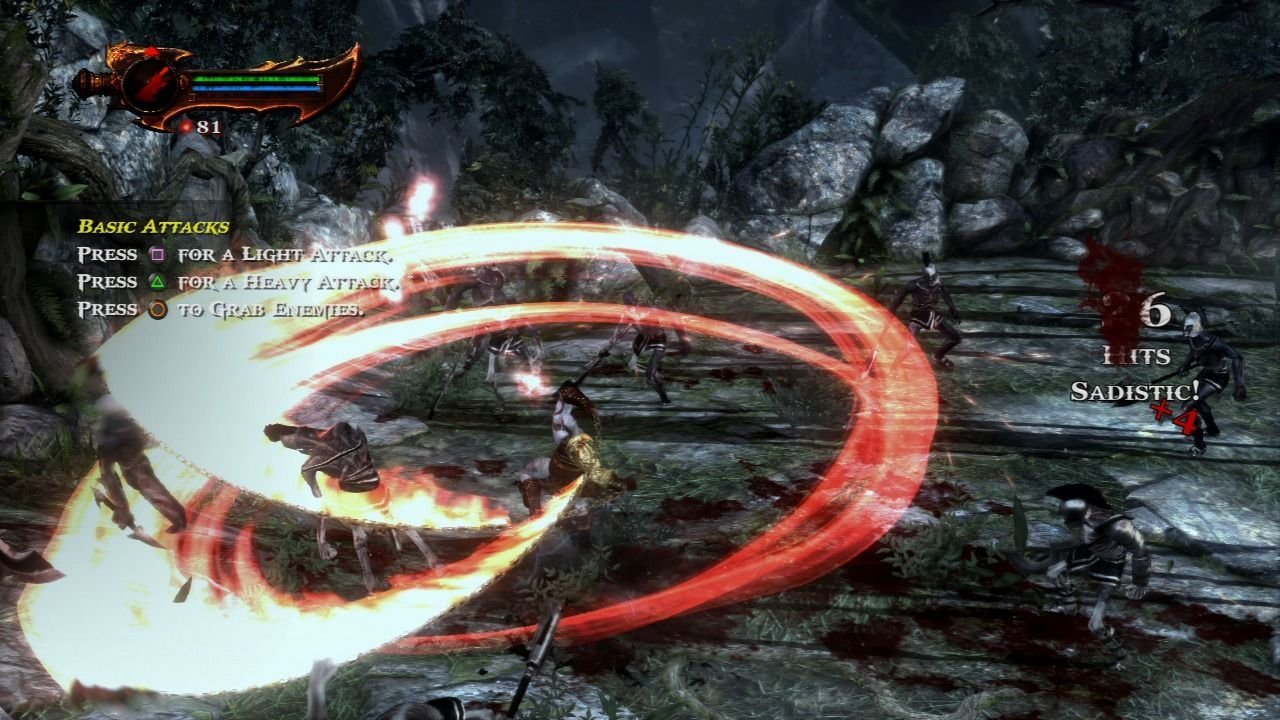
I have to first talk about how the game looks. Yes, God of War III is probably the best-looking game made to date, and it really shows in every aspect. The sweeping camera angles, the high-resolution textures, and the models. The gorgeous lighting effects and everything just feel updated and like it should on the PS3. You can see the pores and details in every character, the animation is more fluid, and the combat even feels better and more fluid, especially if you just played the God of War Collection. I can’t really describe just how beautiful this game is. You can see and feel the passion and detail every artist put into the game, from the creatures, levels, and even small things like blood, scrapes, and nicks on metal—just everything.
Combat is what has the biggest upgrades. No longer are you confined to having all your magic items come from your magic meter. There are a ton more weapons (four in total) to get, and each weapon has its own magic attack instead of being collected separately. The Blades of Exile (yes, the name has changed again) have the Spartan Army attack; the Nemean Cestus have a pounding attack; Hades Hooks that let you summon different creatures; and a whip-type weapon that sends electric shocks. All the weapons are similar to the Blades of Exile, and the Blade of Olympus is now used during Rage of Sparta mode (yes, it’s changed and everything turns black). There is now an item meter that is used for your bow, Helios head, and Hermes shoes. All these items sound crazy, but let me explain.
The bow lets you set certain things on fire and is mainly used during the beginning of the game, but not so much later on. The Helios head is used to reveal secrets and blind enemies, and the Hermes shoes are used during wall running sections. The grappling hook still exists, but all of these changes let you use all your items and weapons all the time and don’t rely so much on just magic. Some other changes to combat were made, so everything feels more fluid and you never have to stop fighting no matter where you are. You can evade in the air; there is now a grapple attack that pulls you towards your enemy in the air or on the ground. The combat system is just super fun to use now, and all the additions perfect the combat system and make a fitting end to the trilogy.
The QTEs are still intact, but with a bit of a change. They appear on the edge of the screen according to the controller layout, so you can now watch what’s going on. Using your peripheral vision to see these really helps keep you drawn in, so you don’t have to concentrate so much on the buttons. It is a little confusing at first, but after a while, you will get used to it. The QTEs are also better placed, especially during boss fights. You really feel like you’re making the big kill this time around with a new camera angle that lets you see in a POV of the enemy you pummeling or in Kratos’ view. This adds to the cinematic excitement and brutality of that game.
Another thing I need to talk about is just how much more brutal and explicit the game is. The gore is more detailed, with guts hanging out, cuts being visible where you slashed an enemy, skin stretching when heads are pulled, tendons popping, veins breaking, etc. All this is visible thanks to the power of the PS3, and it really makes you wince in sympathy. The game even has a more explicit sex minigame that is about halfway through with Aphrodite. Instead of just panning over to a table with a vase, you see two topless women talking about what Kratos is doing to Aphrodite, and it is both hot to watch and funny.
The puzzles in the game are what you would expect from a God of War game: clever, fun, and unique. Just like all God of War games, some puzzles are an entire level with little puzzles within that, and Daedalus’s labyrinth is one example. They aren’t as confusing as the last two games and are easier to figure out, but they are just as clever, and some puzzles are now part of the environment, so timing and speed are of the essence.
While there are a lot of game changes, like the combat, additional weapons, and even Icarus’ Ascension (which is a flying section where you dodge falling debris), the game stays true to the series. Everything is just bigger, badder, and meaner, but it does have a few slight flaws. The ending story is cut a bit short, there aren’t enough epic boss fights, and the difficulty is highly unbalanced. These are really all I could find, but they aren’t necessarily flaws. If the game were a bit longer and those three issues didn’t exist, it would get a 10. The game is perfect except for that little tic-tac-sized piece that you feel is missing and can never pin. The game has high replay value to unlock trophies, challenges, and costumes, and there are a ton of making-of videos for die-hard fans to watch.
I just can’t describe the improvements in this game unless you play it yourself. It is probably the best PS3 game out there so far, and it is so enjoyable and chock full of excellence that it’s almost too much to contain. The amazing scale, beauty, and vast improvements make the game worth a purchase tenfold. I just wish this weren’t the end of Kratos’ adventures, or is it?
ULTIMATE EDITION: If you pre-ordered a copy or can still find one floating around and want to shell out an extra $40, you can get the Ultimate Edition. It includes a very detailed Pandora’s Box, a code to get the God of War Trilogy OST, the Blood and Metal soundtrack, an hour-long making-of video, and a full-color art book. The package is a bit disappointing since the box is made of hard plastic and not die-cast metal. The soundtracks were a pain to get during launch day since the site was bogged down and wouldn’t load half the time. The Blood & Metal OST is pretty disappointing since it’s nothing special. It has a couple of big names like Trivium and Killswitch Engage, but only three of the songs on the album were any good. I also wish the soundtracks came in physical CD format, but digital is fine. The making of the video is filmed like a History Channel documentary and can be a snooze fest for hardcore fans who already know all about the game. The Trilogy OST is fantastic and is probably the best part of the whole package, along with the detailed art book. Is it worth $40? Sure, if you’re a hardcore fan; otherwise, pass.
Real-time strategy games are one thing, but when you add the words fat, princess, and cake to the title, it becomes something magical. Fat Princess is an RTS that really makes your adrenaline pump. You have different classes such as warriors, wizards, priests, workers, etc., but call this game an RTS lite because the game is all about action.
The main story consists of 15 levels, and each one is different and super fun, with a very interesting fairy tale story that is being told. You slowly unlock different units to use, but how you use them is key. Each unit can be upgraded to use different weapons, such as the warrior, who can use a halberd, the archer, who can use a gun, and the worker, who can use bombs to blow up structures. Your main goal is usually getting the enemy’s princess into your dungeon, so think of this as capturing the flag. You can feed your princess cake to fatten her up so it is harder for the enemy to take her away. The enemy will also try to build ladders near your castle or find shortcuts, so watch out.
Workers have two different resources for upgrading “Hat Machines” or completing different objectives that require them. You can gather wood and metal by hacking away at it and carrying it to your base. Most resources will grow back after a few minutes, but it’s a fight for the best areas. You can capture command posts as well to keep a firm hold on the map.
But like I said, the game is about action, so unit building and all the resource gathering are faster. Each unit is AI-controlled, and you can call some guys to fight by your side and help you escort the princess. You can call an archer, a warrior, or a priest who will have hearts under them, and you can move faster. If the enemy’s princess is too fat, however, you can’t carry her at all.
The fun part about Fat Princess is how the tide of the battle is a tug of war and can be really intense. Choosing what to do is up to you. Do you want to help heal everyone as a priest? Help upgrade the hat machines. Do you want to charge right into the castle yourself and get the princess? While the AI-controlled guys may have some issues going online via infrastructure, that is the icing on the cake. Playing against real people can be a blast since they pretty much know what to do.
Besides all this, you can customize the units of your people and do skirmishes, but other than that, the game is light on modes and extras. Fat Princess is chock-full of internet quotes and game-related nuances, so there are laughs all around. Fat Princess is a wonderful light RTS for pick-up and plays action. Plus, the game looks and sounds great on the PSP and doesn’t lose anything from the PS3 port.
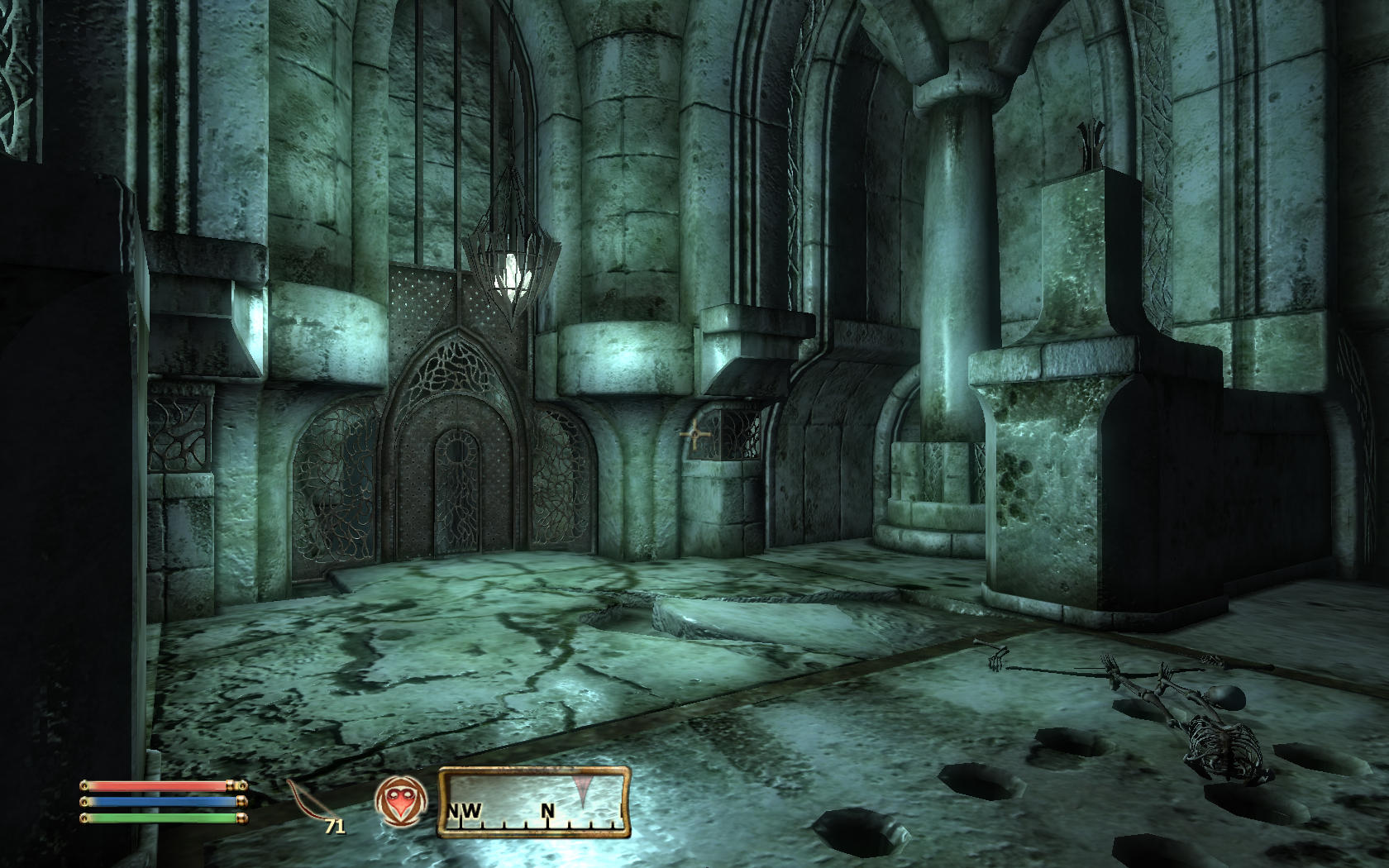
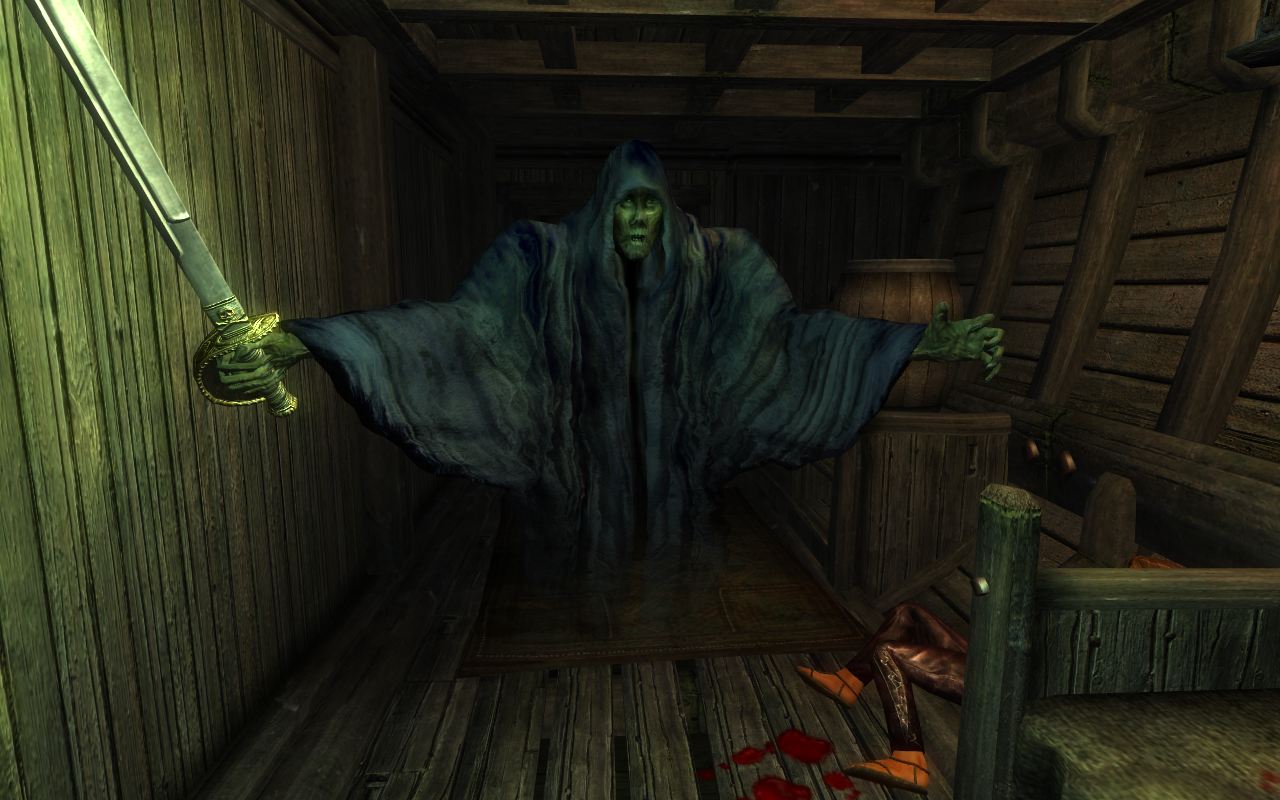
By now, everyone with a 360 has either played or owned this game. There’s so much about Oblivion that it would take pages and pages to describe it all in detail. The main story is that you have to restore the dragonfires so the realm of Oblivion can’t come back to Cyrodiil. The story is very interesting, and the side quests add to this. To start with, you make your character with an absurd amount of detail, and you can even name and customize your own race, abilities, etc. In each city in Cyrodiil, you can choose to join guilds such as mage, fighter, thief, etc. You complete tasks for the guild leader, and you get a recommendation from the head of that guild. You can train there to raise attributes and rest. Now, when it comes to talking to people, the game uses facial expressions to show you what the NPC is feeling. You can persuade people via a little mini-game that takes a while to master.
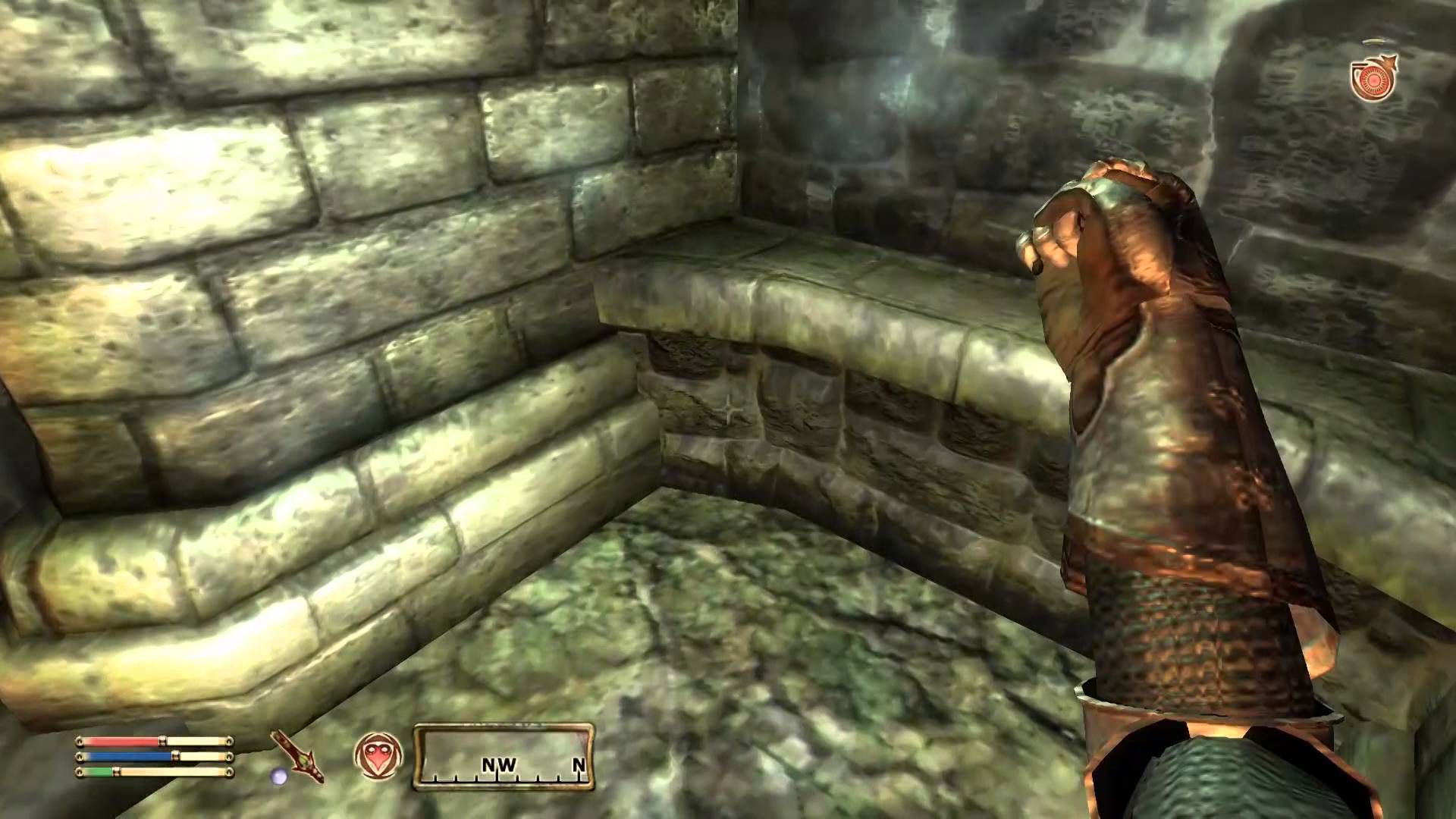
Now let’s talk about combat. The combat is very deep and simple at the same time. You block with LT and attack with RT. You can use magic, swords, bows, katanas, staffs, etc. As you use your weapons, they deteriorate, and you can repair them with hammers or at weapon shops. Some weapons can have attributes like causing your foe to be paralyzed for 30 seconds or something like that. You can use scrolls, which are magic attacks for defense, and offenses that can be used once. When you level up, you have to go to sleep so you can meditate on everything you learned. It takes a long time to level up in this game, but it’s well worth it.
The vastness of attributes is insane in Oblivion. The combinations of alchemy spells and everything combined just, literally, make it infinite. Now let’s talk about vastness. The game is huge—bigger than all the GTAs put together. Anything that you see, you can walk on or climb. You can ride a horse there or just go there for the hell of it and discover something new. You can pick plants for alchemy, you can find new weapons…or just completely useless stuff like bones, cups, vases, quills, mops, shovels, etc. Some stuff is worth thousands, and some stuff is worth nothing at all. You’re probably wondering how you travel such a huge amount of land. Well, the map lets you warp. Thank God for that. Of course, you can’t warp inside a building, but you can get the idea. Now the game can let you go good or evil depending on whether you steal people’s stuff, pickpocket, murder, etc. Or you can choose to be rude to people during conversations. Technically, there are some flaws.
The graphics are still pretty good by today’s standards but show some age, just a tad compared to recent next-gen games. The music is outstanding, and the voice acting is superb. There is some texture popping up here and there and hitting. The constant loading is also annoying, but with recent software updates that have been remedied, this is some. You just have to get this game. It’s so big and so deep that you’ll play it for hours and hours. Also, with all the expansions out there, I wonder if there is an end. A note to casual players: stay away. The vastness and depth will turn some players off and will turn JRPG fans off.
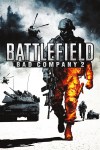
Ahhh, the tired old FPS genre. Everyone loves it, and then everyone hates it. What more can developers do to change the FPS genre to make it interesting? Better graphics? Better sounds? More realistic AI? Realistic physics? Less linear? Keep the linearity? More vehicles? Better story? The list goes on and on, and the answer is yes to all of the above.
Bad Company 2 is a sequel to the first, but the first game was pretty forgettable. You play as a squad of four soldiers who were military rejects and must earn their freedom or face the slammer. They are sent into Africa and other parts of the world to find some sort of scalar weapon that the Russians found in Japan and are using for global domination. Not something we haven’t seen before, but the squad has great characters that you’ll love, and hearing their banter is enough to keep playing.
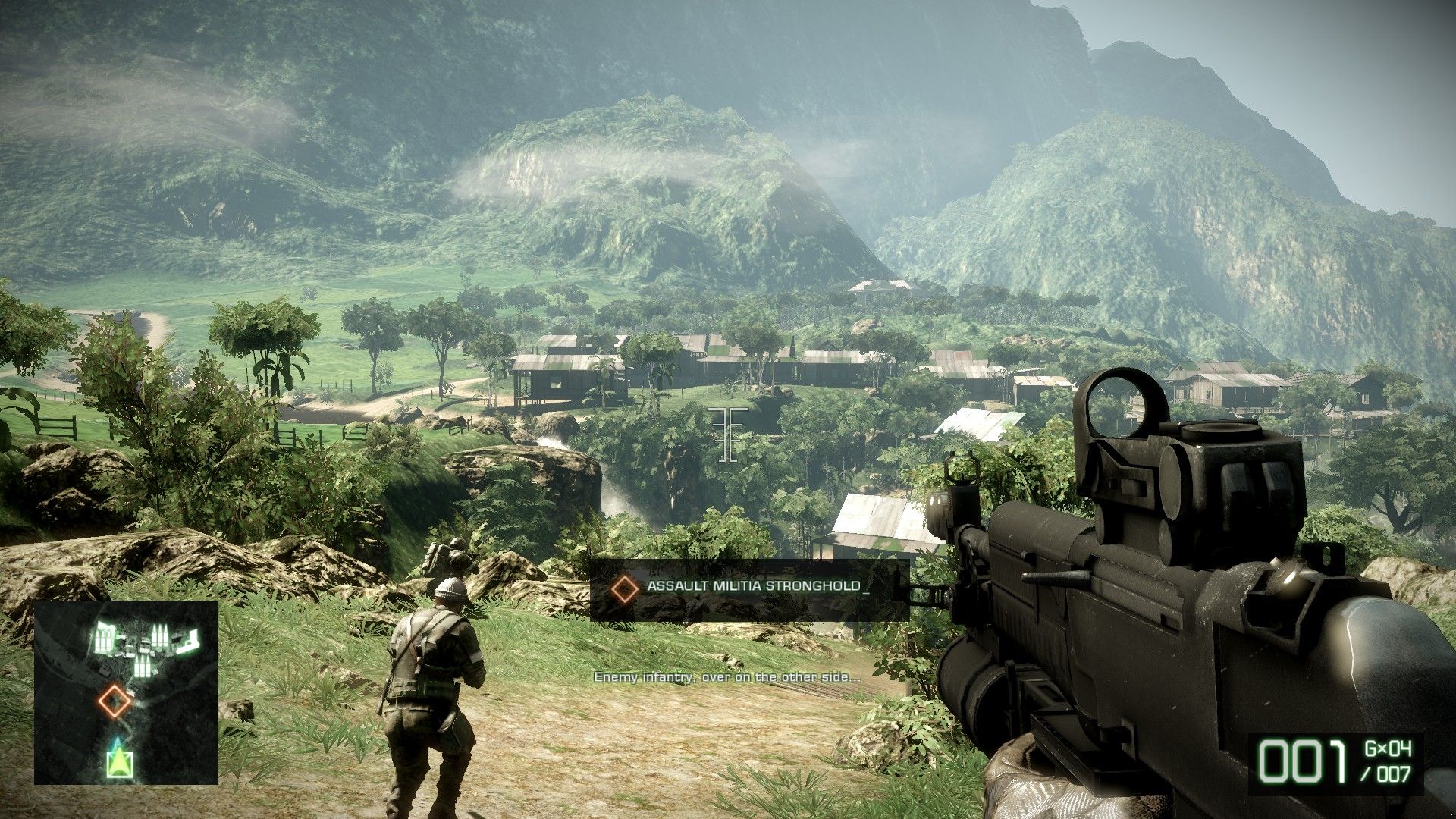
A lot of people are comparing Bad Company 2 to Modern Warfare 2, and if I were to pick the better game, Bad Company 2 for single-player and realism, and Modern Warfare 2 for multiplayer, but then again, I’m not comparing the two, so let’s get down to it. The first thing you will notice is how real Bad Company 2 feels, more so than any other shooter so far. The sounds are just amazing, with the sound of fire echoing off caverns, the sounds of you reloading echoing in a building, the pinging of bullet shells hitting the floor—everything sounds like it would in life and is placed accordingly to unlock most (if not all) shooters, real or not. The foliage looks real, and everything blows up. You can blow pretty much anything up in the game with anything you can get hold of. This is also used in gameplay when getting around turrets that you can’t shoot through. Find some red barrels and blow the building up, then have it collapse on everyone below it. This goes for radio towers, telephone poles, and large trees. Then again, it’s pretty stupid when you can blow apart small objects like trash cans, chairs, or cardboard boxes, so it’s very strange.
The weapon selection in the game is great, and you get all your real-world guns, and they fire like they should. The guns feel powerful, and everything about shooting feels dead-on. Gone, however, is the whole healing thing, and instead, you just hide in cover to heal. Another element stripped is finding the gold bars, but instead, M-COM stations that you blow up and finding weapons. The M-COM stations are hard to find, and I don’t know where all the hidden weapons could be, but they’re there for people who like that stuff. I personally hate finding crap in shooters like this since it detracts from the experience and pulls you out. Other than that, though, the game is paced nicely and flows just right.
There are some elements that haven’t been down before, like the whole blowing up everything in your path (in an FPS anyway), and there’s even one level where you will freeze to death if you don’t find shelter fast. This level has your knifing doors open as you race down a hillside. There are some epic vehicle sections (that haven’t been done before), but there is one level that isn’t linear that has three checkpoints, and you can choose which ones you want to do first. The opening level is even from WWII in Japan, so the game is full of surprises and is a blast to play.
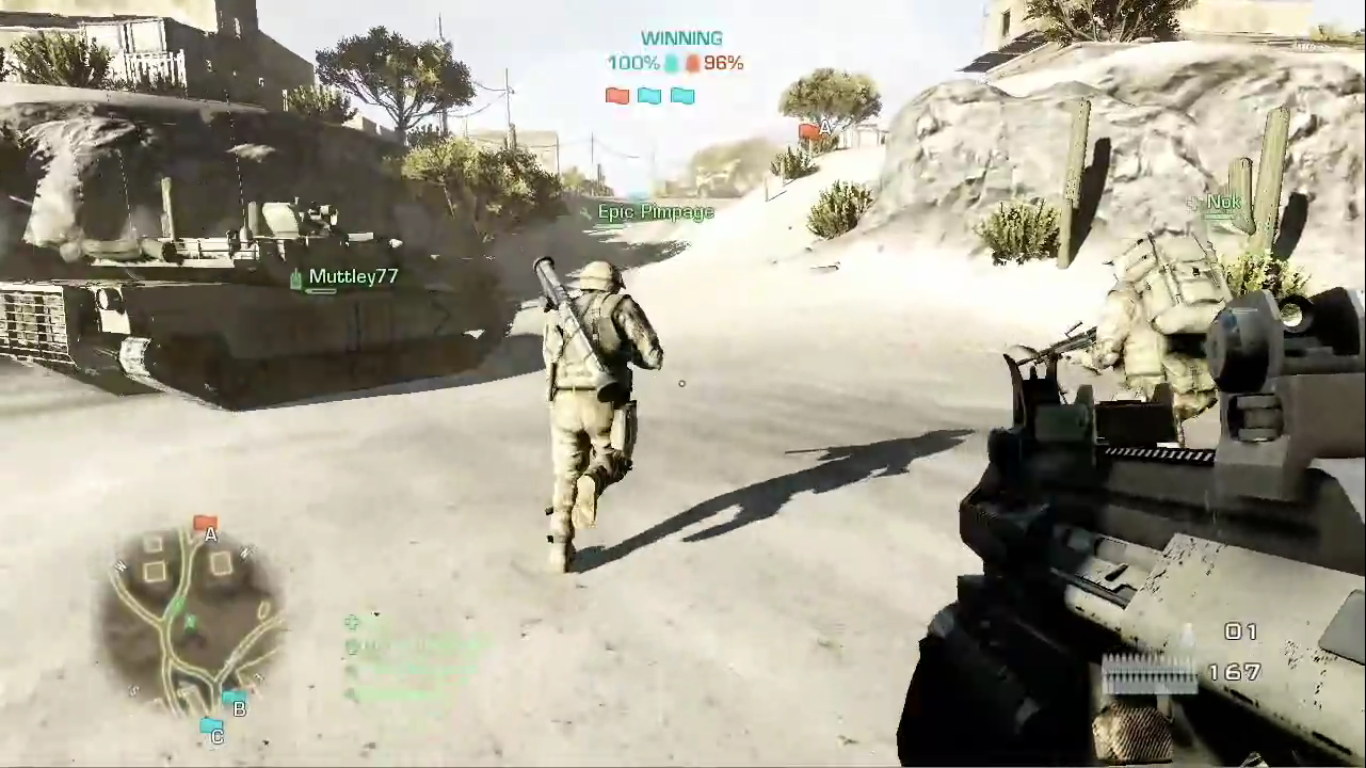
When it comes to multiplayer, the game is solid with three modes of play, but my favorite is Rush. Like in the original game, you have an attacker and defender side on a huge map (this one supports 64 players). You have five different classes to choose from, and you can customize them as you please. There are three “perks” that you can use at a time, but they must be unlocked, and this takes a while. The multiplayer is fast, intense, and fun, with lots of vehicles zooming around, everything blowing up, and people just being crazy.
My last words here must be how amazing the game looks. Probably being the best-looking shooter around, it looks great technically but has no artistic style and is just “real life” type of stuff, so it’s not for everyone. If you want a really amazing shooter to play and are bored of Modern Warfare 2, pick up Bad Company 2, because it’s one hell of a ride.
LIMITED EDITION: If you pick up the game soon, you can still get the limited edition, which has six multiplayer unlocks and entitles you to upcoming maps for free. A deal? I’d say it’s the standard price with no additional charge. To find a new copy if you can.
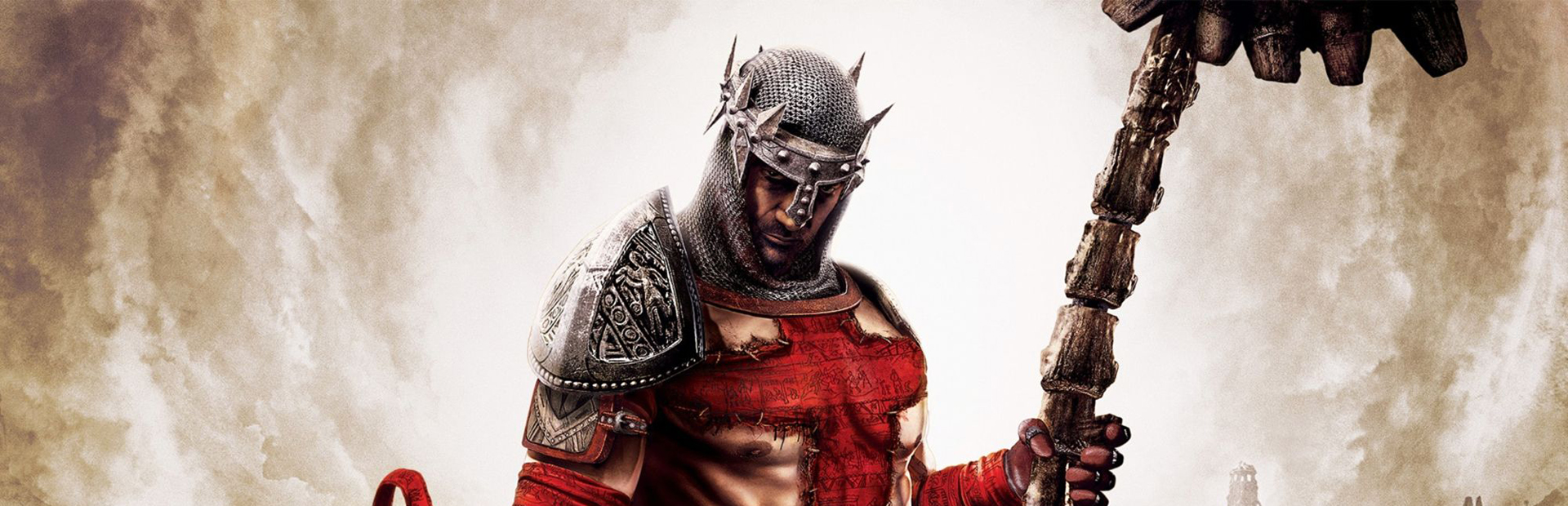
The first thing you will notice when you play Dante’s Inferno is that it’s a bold game. The game is one of the darkest, nastiest, and most mature games ever created, and it makes Christianity look like a damned fool. The game is about a man named Dante, who is a crusader and betrays his love, Beatrice. Upon his return to Florence, he sees her dead and watches as Lucifer takes her into hell, and Dante follows. The story is pretty good and keeps you interested, but it’s predictable. The game goes extremely deep into Christian and Greek mythology and pulls out names only hardcore followers would know, but enough of the story, let’s get to the gameplay.
The game has a pretty damn solid combat system. You use your scythe as your main weapon, and you have a cross-projectile attack. You can do aerial combat, launch enemies into the air, and use your magic. You can unlock moves by following the holy or unholy paths (which don’t actually affect the story), and each tree has a different set of moves. You can have four different magic items equipped, and all are useful and powerful. One of the first elements you’ll find that they took away is the relics. They are gone! These really helped you in the console versions, but they are nowhere to be found here. Anyway, the combat system is fluid, fast, powerful, and very deadly. Another element they took away from combat was the redemption meter. Geez, guys, why did you butcher this?! With those two things aside, the combat is fast and as fluid as it is on the consoles.
When it comes to exploration, Inferno both satisfies and disappoints. The game has you descending into the nine circles of hell, and each is harder, more deadly, and more brutal. Some levels are pretty epic, like The City of Dis and Limbo, and some disappoint, like Lust (just an ascending tower) and Gluttony (just fight Cerberus and a few baddies, and you’re down to the next level). The levels are varied in length, and I wish they would have been fleshed out more. Puzzle-solving is pretty rare, and when you do get some puzzles, they are pretty easy to solve. However, most of the puzzles have been solved for you. Yeah why?! Not only this, but a lot of the game’s intense sections are videos of gameplay from the PS3 version. One example is the part when you kill Charon and ride the giant minotaur up the crumbling bridge. You don’t get to play this part; instead, you watch it.
One thing I have to get straight is that the game is pretty epic. Not a God of Warepic, but enough to keep it very cinematic. There are QTEs in the game, such as when you take down a minotaur to ride it, take down bosses, etc. You can punish or absolve most enemies to get fed your tree paths. There are famous historical figures that you find throughout the game that you can punish or absolve upon reading what they ended up in hell for.
The game’s visual style is very impressive. It’s what you think hell would look like—dark, disgusting, and evil. The gluttony level is a good example since you are walking through the intestines, bile, puke, and so forth. The Lust level has female enemies’ wombs coming out of them to attack you. A giant Cleopatra with tongues coming out of her nipples and evil babies—yes, it’s bizarre, but it works, and it’s amazing to look at. However, on the PSP, it’s obviously downgraded quite a bit, and a lot of the beauty from the consoles is lost in translation.
The game is also extremely difficult, even in an easy setting. Wave after wave of enemies come at you from all directions, bosses are extremely hard to beat, and the game can be very frustrating often. However, the game’s major flaws are mainly the length, difficulty, and the fact that the levels weren’t developed to their fullest potential. So with the flaws of the console still here plus relics, redemption, puzzles, and a lot of other things removed from the game, you still get a solid Dante’s Inferno Lite for people who are on the go or don’t own an Xbox 360 or PS3 (you should!).
The first thing you will notice when you play Dante’s Inferno is that it’s a bold game. The game is one of the darkest, nastiest, and most mature games ever created, and it makes Christianity look like a damned fool. The game is about a man named Dante, who is a crusader and betrays his love, Beatrice. Upon his return to Florence, he sees her dead and watches as Lucifer takes her into hell, and Dante follows. The story is pretty good and keeps you interested, but it’s predictable. The game goes extremely deep into Christian and Greek mythology and pulls out names only hardcore followers would know, but enough of the story, let’s get to the gameplay.
The game has a pretty damn solid combat system. You use your scythe as your main weapon, and you have a cross-projectile attack. You can do aerial combat, launch enemies into the air, and use your magic. You can unlock moves by following the holy or unholy paths (which don’t actually affect the story), and each tree has a different set of moves. You can have four different magic items equipped, and all are useful and powerful. You can also find relics throughout the game that benefit Dante in certain ways. For example, one relic allows Dante to have more powerful throw attacks, one lets him instantly break fountains, one lets him take less damage, etc. These are found by talking to Virgil or in secret areas. Anyway, the combat system is fluid, fast, powerful, and very deadly. If you feel you are getting whomped, you can use your redemption meter, which is kind of like Rage of the Titans in God of War.
When it comes to exploration, Inferno both satisfies and disappoints. The game has you descending into the nine circles of hell, and each is harder, more deadly, and more brutal. Some levels are pretty epic, like The City of Dis and Limbo, and some disappoint, like Lust (just an ascending tower) and Gluttony (just fight Cerberus and a few baddies, and you’re down to the next level). The levels are varied in length, and I wish they would have been fleshed out more. Puzzle-solving is pretty rare, and when you do get some puzzles, they are pretty easy to solve.
One thing I have to get straight is that the game is pretty epic. Not a God of War epic, but enough to keep it very cinematic. There are QTEs in the game, such as when you take down a minotaur to ride it, take down bosses, etc. You can punish or absolve most enemies to get fed your tree paths. There are famous historical figures that you find throughout the game that you can punish or absolve upon reading what they ended up in hell for.
The game’s visual style is very impressive. It’s what you think hell would look like—dark, disgusting, and evil. The gluttony level is a good example since you are walking through the intestines, bile, puke, and so forth. The Lust level has female enemies’ wombs coming out of them to attack you. A giant Cleopatra with tongues coming out of her nipples and evil babies—yes, it’s bizarre, but it works, and it’s amazing to look at. The game is also extremely difficult, even in an easy setting. Wave after wave of enemies come at you from all directions, bosses are extremely hard to beat, and the game can be very frustrating often. However, the game’s major flaws are mainly the length, difficulty, and the fact that the levels weren’t developed to their fullest potential.
DIVINE EDITION: Exclusively to the PS3 is the Divine Edition, which includes a different cover, a fully digital version of Dante’s Inferno, and a free code for the Trials of St. Lucia (which is still not out yet). All of this for the same $60 price tag. The only disappointment was that there was no special book that came with the game that included Inferno. Reading the poem in a small window that is over 30 chapters long is not fun at all.














































 thebinarymessiah.com
Try multiplayer. A lot of fun !