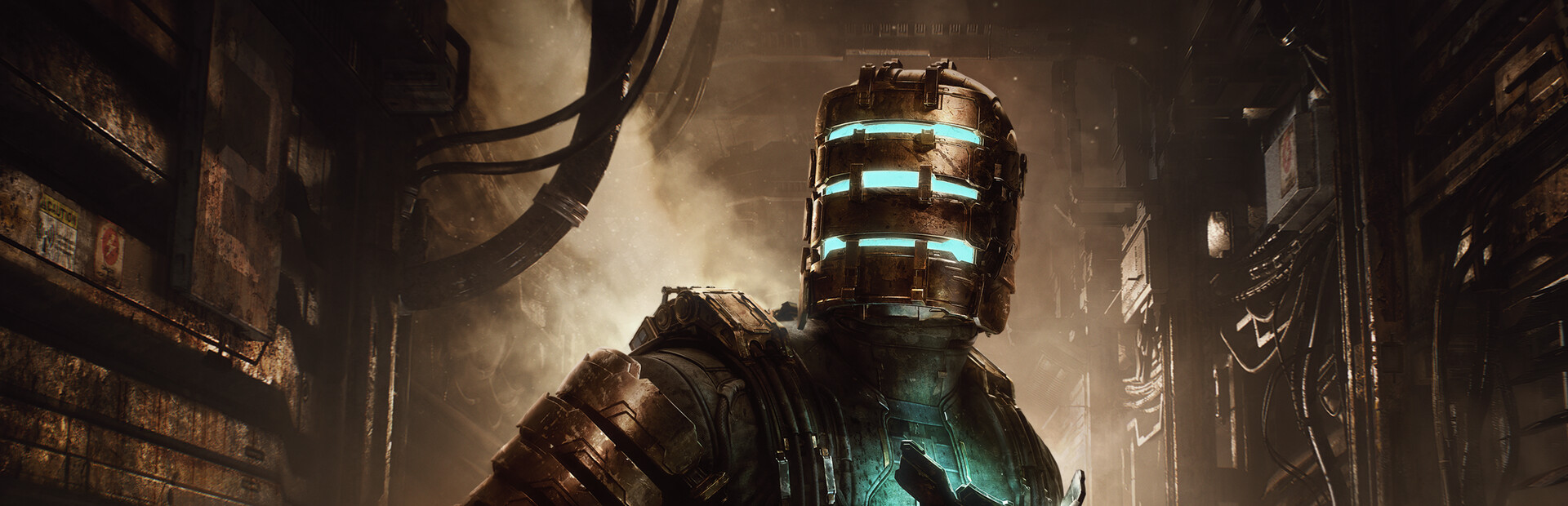
Dead Space has been one of my all-time favorite games. I picked up the original game the weekend it launched thanks to its critical acclaim and revolutionary gameplay for the horror genre. I replayed the game a few times over the years and just couldn’t get enough. The HUD-less stats, holographic overlays, the dismemberment engine, the Necromorphs themselves, and the unique mystery around The Marker wouldn’t really be unraveled until the sequel. The remake brings Dead Space to a whole new generation of gamers, and anyone else who played the game in the past will absolutely love this remake.
If you’ve already played the original, then you’ll know what’s in store. This is essentially a graphical remake with some balancing tweaks. Nothing new was really added outside of some suits. There are some side objectives, and some of the level layouts have been tweaked, but other than new character models, that’s about it, and that’s perfectly okay. The original game holds up well even today, and I’m glad not much else was drastically changed. Dead Space is mostly all about the combat, as the story elements are tossed in as you play, with only a few cut scenes that wrench the controls from you. There aren’t even that many scripted events. They were placed very carefully in this game.
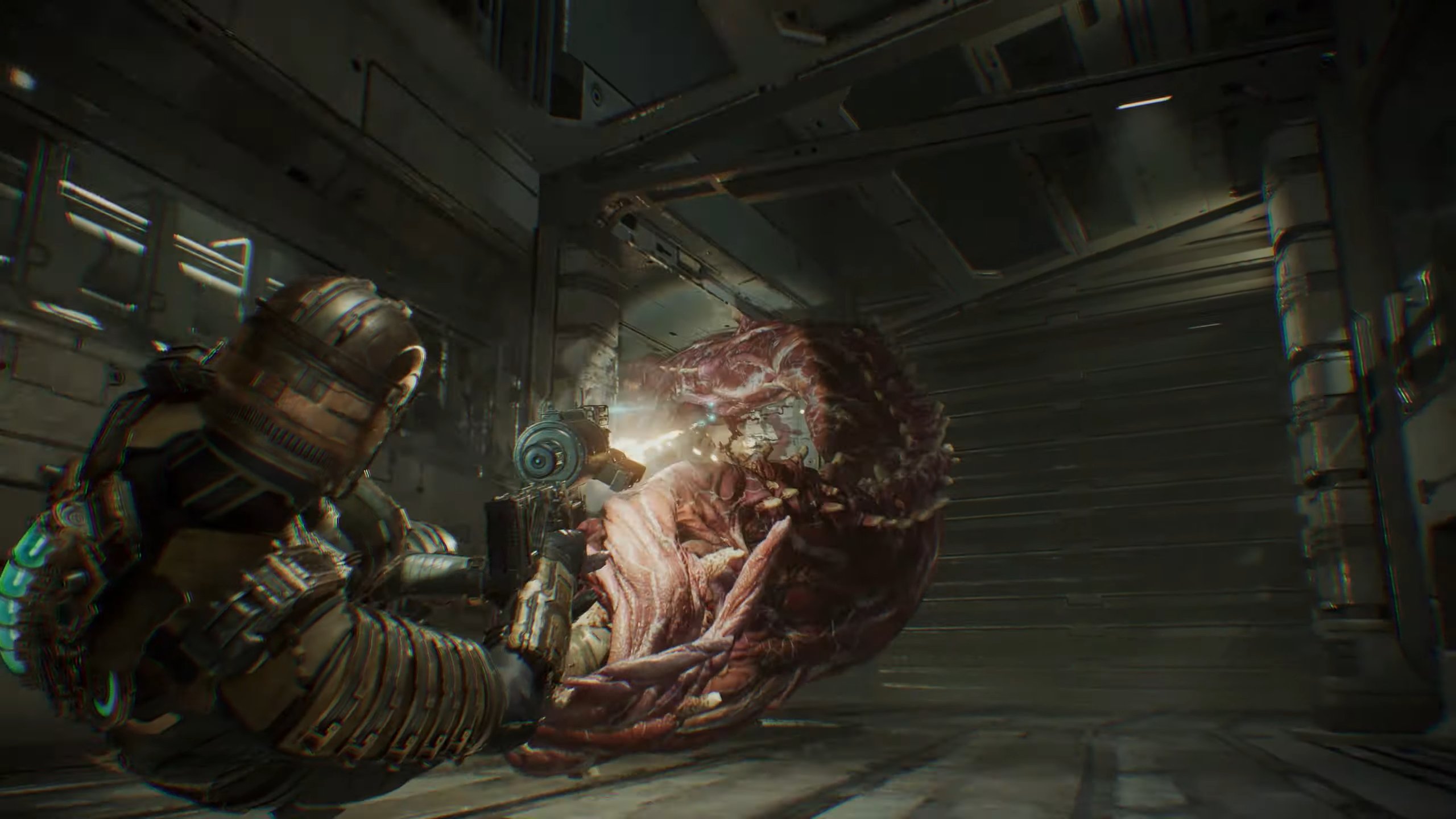
As you start out, you get the Plasma Cutter weapon, which is the best weapon in the game once it’s maxed out. Each weapon has an alt-fire mode, and the plasma cutter lets you cut horizontally or vertically, and this matters. Necromorphs come in all shapes and sizes. The standard kind runs at you, so it’s best to cut off their legs and then their arms. There are small little babies with three tendrils that shoot at you. Cut off the tendrils, and it will run away. There are large, dog-like ones that should have their arms cut off as they have no legs. Then there are large bosses peppered throughout the game that can be pretty challenging. There’s even a Mr. X-style hunter that chases you later in the game and can only be killed with something powerful. These types are introduced throughout the game, plus many more that I haven’t mentioned. Necromorphs will even sport armor later on, so you can only cut off limbs that aren’t guarded.
There are plenty of weapons in the game, and you will find that not all are very useful. I rarely used the flamethrower or the ripper, as they aren’t great weapons unless fully upgraded. You will probably only fully upgrade a single weapon in your first playthrough, as nodes are very rare and you have to rely on buying them at the stores if you want to upgrade faster. You also need to buy suit upgrades and use some nodes on your suit. It’s a balancing act, and this encourages playing a New Game+ as there’s also a new alternate ending. Dead Spacegets better the more you play, and that’s really awesome. I am actually looking forward to the next play-through as I can finally upgrade other weapons and start maxing them out.
There are some puzzles thrown in that usually take up entire rooms. There aren’t many, but they do exist and offer a decent challenge. Most of Dead Space consists of finding the next switch, as you need to restart nearly every system on the Ishimura, and this involves using your Kenesis ability to move batteries into slots or toss objects at enemies. You can also use your stasis ability to slow objects and enemies down. These are essential tools, and you will rely on them as the game gets tougher. And it really does get tough. The game starts throwing hordes of enemies at you, expecting that you’re careful with your ammo and have upgraded something. You will need to have a balanced weapon loadout for long distances, short range, and area of effect to keep enemies off of you. There really is a strategy to killing everything, as this isn’t Call of Duty.
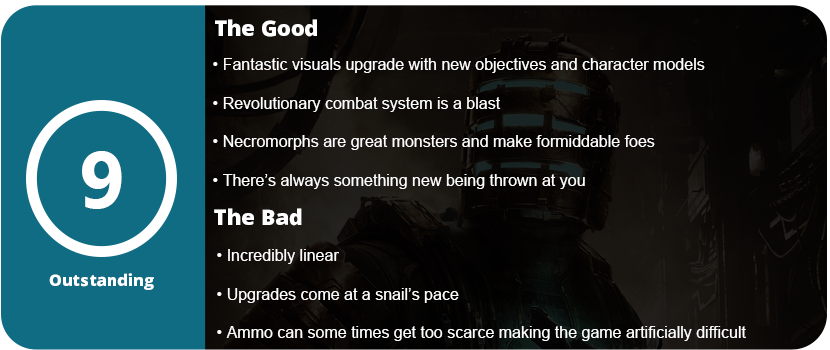
The game is incredibly well balanced. No two areas are alike, and you’re always doing something new or different, and the level of design is always changing. While the game is very linear, each area throws new surprises at you, or none at all when you’re expecting one. Enemies pop out of grates or ceilings in some hallways, but you may enter a new area expecting to be bombarded when nothing happens. Dead Space doesn’t play too much into psychological horror, despite The Marker messing with your head. You see signs of it throughout the ship and read about it in text or audio logs, but this isn’t really explored more until the sequel. The game does a great job with traditional horror by always making you feel on edge and tense because you never know what’s coming next.
The upgrades to the actual game are great. The graphics got a fantastic boost and make the game look better than ever; the new character models are well done; and the game feels new enough for veteran players to really get into. This is honestly still one of the best horror games ever made and has one of the most unique combat systems to ever be invented in the last 20 years. This is a classic, and I’m glad there’s a better way to play on newer systems.
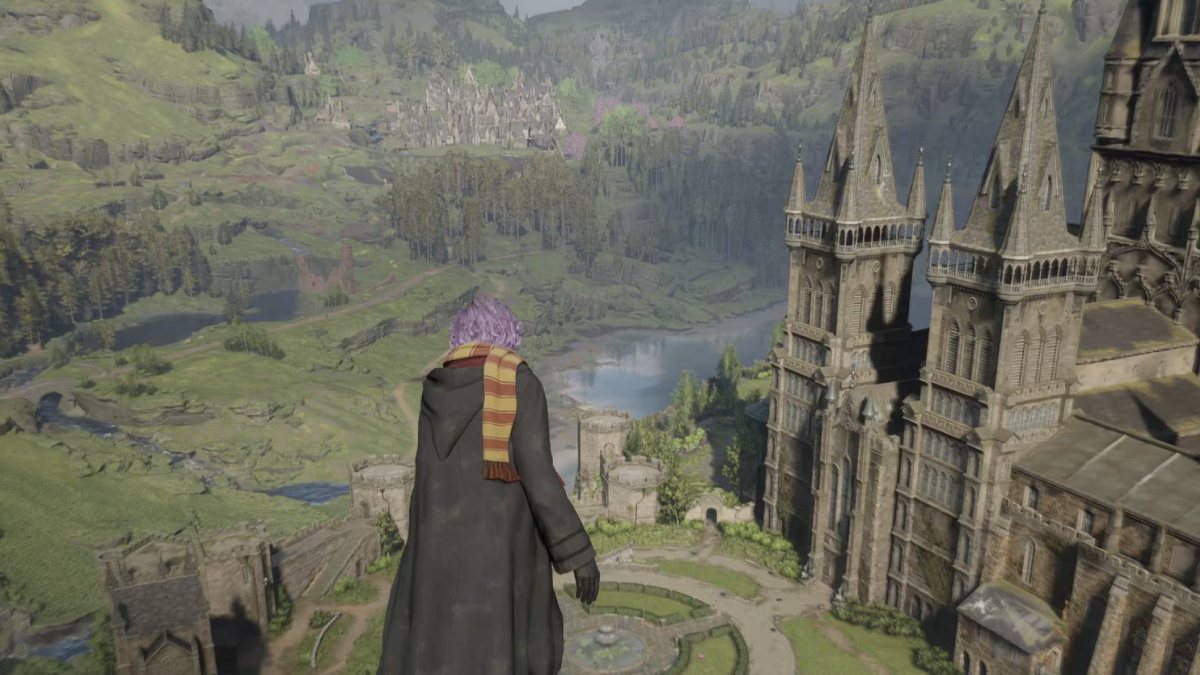
Harry Potter is one of the biggest media phenomena of the 21st century. When the novels came out they were all over the news and I read them right from the beginning. While the novels were big the movies were even bigger and I don’t think Harry Potter would be where it is today without the success of the movies. I remember my family going to see every movie up until the first part of the 7th movie on Thanksgiving every single year. By the time the 7th movies were out, I was an adult and saw those with my now wife. I did get burned out on the series though so thankfully it’s great to know Hogwarts Legacy is 100% original content with all new characters and story.
The only thing the game follows from the books or movies is the lore, aesthetics, and visual representation of various architecture, creatures, and overall visuals. You play as a nobody 5th-year student who gets caught up in a giant plot of goblins finding a way to wield dark wizard magic. You must fast-track your education at Hogwarts while also fighting off this powerful new foe. The story drags you along on a breadcrumb trail where you slowly unveil the plot, the intricacies of the characters, and the mysteries. Portkey Games did a phenomenal job of making the story feel like one of the books. The slow unfolding of the story gives a sense of mystery and constant guessing. It’s a pretty good story and one of the best so far this year.
There are of course side quests and larger side stories involving various students at Hogwarts. One involves a Slytherin student, Sabastian, and the Dark Arts. Another is a girl named Poppy who just wants to stop poachers and save creatures, and then there’s Noa who wants to avenge her father’s death. The entire game has a massive open world consisting of Hogwarts itself, Hogsmeade which is the only major town in the game, and then the rest of the world itself consisting of various regions, secrets, and activities. The game can seem overwhelming, but the entire game is strung out to you very slowly as you play. It allows you to get the ropes on all the various systems in the place game with one of the biggest being combat.
Combat is probably the weakest and coolest part of the game. It plays similarly to an MMO with shortcut keys and hot bars. Each hot bar has four slots and you can have up to four hot bars. You learn spells through the story as you attend various classes. These are all the spells you know from the book and movies. Wingardium Levioso, Avada Kadavra, Repulso, Accio, and many others. There is only magic combat in the game so don’t expect to find swords and shields. Defense is dependent on a halo around your head that flashes red or orange. Orange means you can deflect attacks while red means you must dodge.
You can whip out spells at a lightning pace, but of course, they have cooldown timers so this means you need a balanced loadout and need to switch between hot bars constantly. This is something I didn’t like in the game. I can understand with a controller you can only have four hotkeys, but do what Dragon Age did and give PC players the ability to use maybe eight hotkeys and combine hot bars. I found myself always fumbling with the controls trying to quickly dodge, deflect, keep an eye on my timers, swap between hot bars, and keep an eye on the enemies, and then my health and magic meter. It’s too cumbersome and needs some balancing in the next game. The combat looks cool with fast and smooth animation, great sound effects, and tons of on-screen info being blasted into your eyeholes. There are plenty of boss fights, mini-bosses, world bosses, and all sorts of enemy types to shake a wand at. Goblins, beasts, and humans alike.
The next part of the game is exploration. This game is very similar to Skyrim in that manner. You will always find something no matter where you go. Once you unlock the ability to fly on a broom you can use Revelio in the air and it will mark stuff on your map. There are a lot of activities to do from filing out your field guide by finding flying books, interesting spots, and objects, there are secrets inside Hogwarts itself like hidden chests under bridges that require puzzles, but you also need the spells to complete certain puzzles and get to certain areas. You can pick locks (which has an absolutely awful lockpicking mini-game that can’t be skipped), but one of the major problems with all of this exploration is the lame loot. If you get ahead of the story you will mostly end up finding armor that’s behind you in levels. Exploring dungeons is fruitless as you will solve a puzzle and get a lame piece of armor or just 50 coins. I wound up ignoring side paths in dungeons because it just wasn’t worth it. Finding the best armor in the game will come to you eventually.
The third biggest part of the game is the Room of Requirement. Here you can decorate, expand, and craft. You can add traits to clothing/armor, and breed beasts that you can capture in the wild for more unique traits that can be woven into clothes. You can also plant seeds for using the three combat plants or creating potions. While this all sounds neat and fits into the world of Harry Potter it’s very tedious. I wound up not bothering to add traits to clothing as the loot you find it pretty awful anyways and you end up selling 90% of what you find. I would add traits closer to the end game when you stop finding a lot of armor that is at a higher level. I also didn’t bother brewing potions much as you must wait in real time for plants to grow or potions to brew. It’s pretty dumb and tedious.
You can fast travel between dozens of Floo Flames as you discover them and this makes traveling quickly essential. The various activities you can do are Merlin Trials, a combat arena, various puzzles, and of course side quests for people around the world. It really is a well-created open-world game and feels different from the dredge of crap we’ve been getting the last ten years. I always had fun exploring the world, doing tasks and puzzles, and seeing what secrets the game had. It really is this generation’s Skyrim or will be as close as we get to it.
The visuals, voice acting, and overall atmosphere of the game captured what we loved in the movies perfectly. The visuals are gorgeous with great lighting and tons of love and detail in every part of the world. Sadly, it’s so poorly optimized. Ray tracing is unplayable, and there’s stuttering in Hogwarts no matter how powerful your system is. Some patches have ironed most of the problems out, but they will never be perfect. The game still looks fantastic and I loved flying over new areas for the first time or seeing the seasons change. Portkey Games did a stupendous job making this game feel like a living breathing world.
Overall, Hogwarts Legacy is a wonderful open-world RPG with some flaws. The combat can be unwieldy sometimes and cumbersome, crafting is a chore, and the game is horribly optimized, but the characters are wonderful, the graphics are fantastic, and it feels like a living and breathing world of Harry Potter that captures all of the magic and love that we grew up with. You will spend dozens of hours having fun exploring the nooks and crannies that the world has to offer, the powerful beasts you can fight, and the creatures to capture.
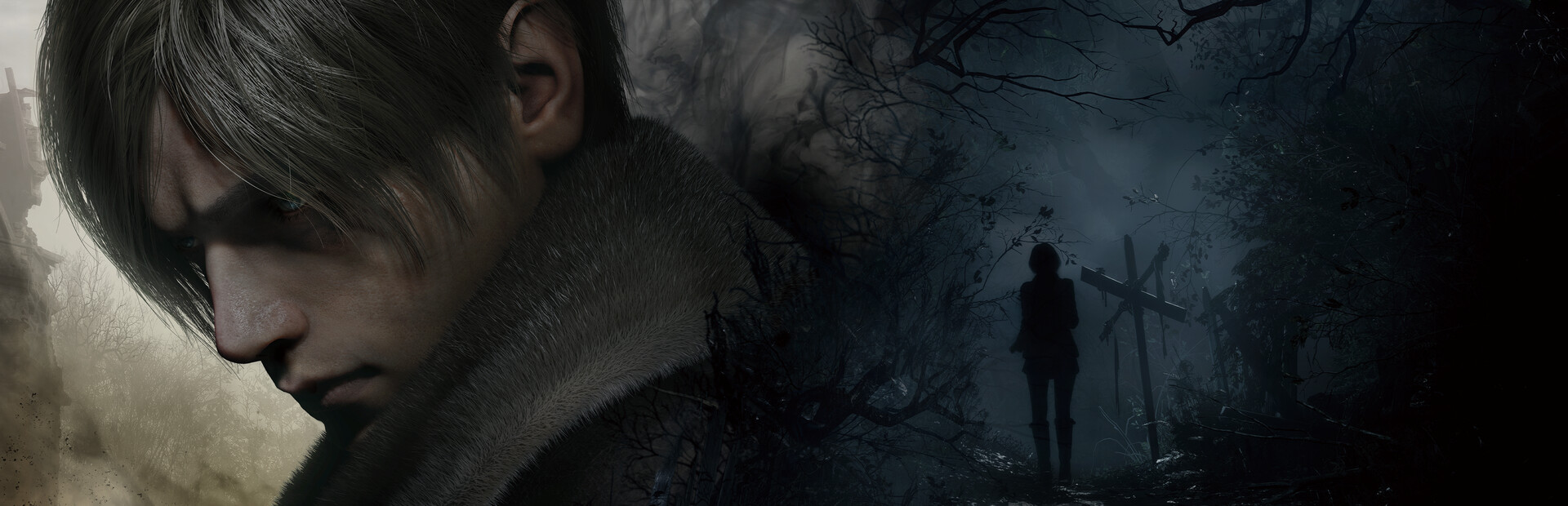
Resident Evil 4 changed the entire gaming industry. It was one of the most influential games of all time. It actually still kind of is. It showed how drastically you can reboot a game and honestly started the whole reboot craze and is the gold standard to live up to. Take a game that has tank controls and pre-rendered backgrounds and throw it into a third-person shooter with unique control and a well-balanced gameplay loop. It was talked about for years and inspired other games like Gears of War. Resident Evil 4 (2023) is a reboot of a game that mastered reboots. It has the highest standards to live up to. Thankfully the last two Resident Evilreboots were fantastic and took pages from RE4. So, what we get is just a better-remade RE4.
The story itself is supposed to have taken place after RE2. Leon is sent to save the US President’s daughter, Ashley Graham, and that’s about it. There is a new virus that got loose from Umbrella and the Los Plagas will come out of enemies every so often and it happens more as the game goes on. Their heads will pop off and a new tendril-like creature will come out in various forms. You can stop this before it happens when they are on the ground twitching. The characters in the game are pretty simple and have no time to become interesting. Outside of Leon and Ashley the other characters show up for just a few minutes in the game, so the story itself takes a back seat. It’s the weakest part of the whole game.
Right off the bat, you will notice an immediate change. Not only are the environments more detailed, but the opening scene has changed as well. We get an all-new voice cast (that’s much better), new music, and updated sound effects, and the overall feeling is more modern and less stiff. You can actually shoot and walk this time around which is a huge change in balance for the game. The knife has also changed as it can be broken but also upgraded. Crates can be stomped on rather than sliced so gameplay flows better. You can acquire boot knives that can be used to ward off enemy attacks up close. You will also notice that quick-time events are pretty much gone. These scenes are now fully playable with you in complete control rather than an actual cut scene.
All of these changes are for the better and add a whole new dynamic to the game. Combat mostly remains the same with enemies slowly lumbering towards you with various weapons. Enemies can throw axes, molotovs, and shoot you with crossbows. Some will shock you with sticks, others will carry shields, and then there are the bigger enemies. Rarely occurring, chainsaw-wielding enemies will appear that require explosives or heavy damage to kill. You need to constantly run and turn back to shoot. Using your surroundings is key. Lure them towards explosive barrels, or funnel them everywhere down a corridor so you can line up headshots. The level design is fantastic as you get little arenas that you can immediately scan and strategize with.
Every time an enemy dies they will drop something. Unlike the original game, this time around a whole new mechanic of crafting has been added. Enemies will always drop something whether it’s resources, gunpowder, health, ammo, or money. You need resources and gunpowder to craft various ammo types. Recipes can be bought from the merchant. You can also buy weapons, armor, resources, health, and various other items. Another new system is the side missions. These can be found posted on walls and convert the older challenges into missions. The blue medallions, tough enemies, shooting rats, or finding certain objects. These are traded for spinels which can be traded for rare items such as exclusive new weapons, treasures, and more. Cases are not just expanded now, but different case types will drop certain items more frequently and new charms can be attached to help lower the cost of sales, increase sell value, drop rates, and so on. These charms are won by completing target practice missions in one of five locations in the game.
That’s a ton of new things already and it’s so well-balanced. It’s a way to take the older systems and tweak them into something new and more fun. You can move around and technically kill enemies easier so with an added crafting system you always get rewarded. There are still treasure maps to buy and valuables to look for which are key to racking up coins. Certain valuables can have jewels inserted into them to increase their sell value so hang onto those gems! On to something much bigger is Ashley herself. Many felt she dragged the experience down. You have to always catch her when you hopped off ledges and she always got captured easily. Now you can send her away, hide her in lockers, and she does most actions on her own now. She’s much less of a burden.
Speaking of Ashely there are stealth elements in the game now by sneaking around and offing zombies, but this is easily ignored. It doesn’t work outside of a couple of zombies and then everyone sees you. The AI walking patterns are too random to sneak through areas, and this wasn’t intended in the original game anyway. While sneaking around zombies is possible sometimes there are new enemies in the game, but I don’t want to spoil anything. Original enemies are updated and look even more grotesque. That’s another theme of the remake. Horror is much more prominent in this game. Like in previous RE remakes the flashlight is added so Leon will whip it out in dark caves and there is a constant sense of tension and dread no matter where you go. The game relies less on jump scares this time around.
There are three acts in the game. The village, the castle, and the island which is split between a mine and a military base. My favorite part is act one which is the most iconic. The castle is okay, but the game gets insanely tough during the second act. Ammo is incredibly scarce. You must be very cautious about what ammo you use and when. Save more powerful ammo like grenades and magnum rounds for the mini-bosses and bosses themselves. Save your sub-machine gun ammo for large crowds and your rifle ammo for enemies are off. The pistol is going to be your main weapon throughout the entire game so always keep a stock of it.
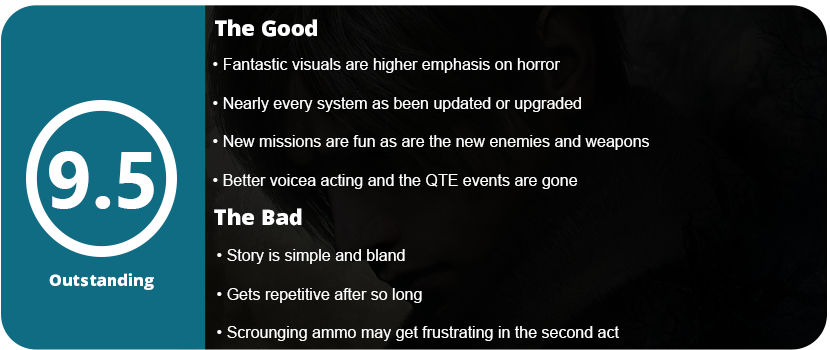
The visuals are a nice upgrade over the previous remakes. Ray tracing has been added, but it’s not great. The RE engine is still insanely well-optimized for lower-end PCs and runs really well. However, there is still no DLSS support so it needs to be manually added through a mod, but even on the Steam Deck, the game runs fairly well. The visuals are top-notch and the art direction captures the vibe of RE4 in a more visceral and raw way. I love it. When you’re all finished with the game you can run through on a New Game+ which is a must as that’s the more fun way to play. Overall, RE4 (2023) is a massive update to an already iconic game and changes nearly everything wrong with it. I just wish the game was a little better balanced and it does get repetitive after so long. You are just walking around shooting zombies with a couple of simple puzzles thrown in. At least the exploration is fun and there’s always something new to look at.
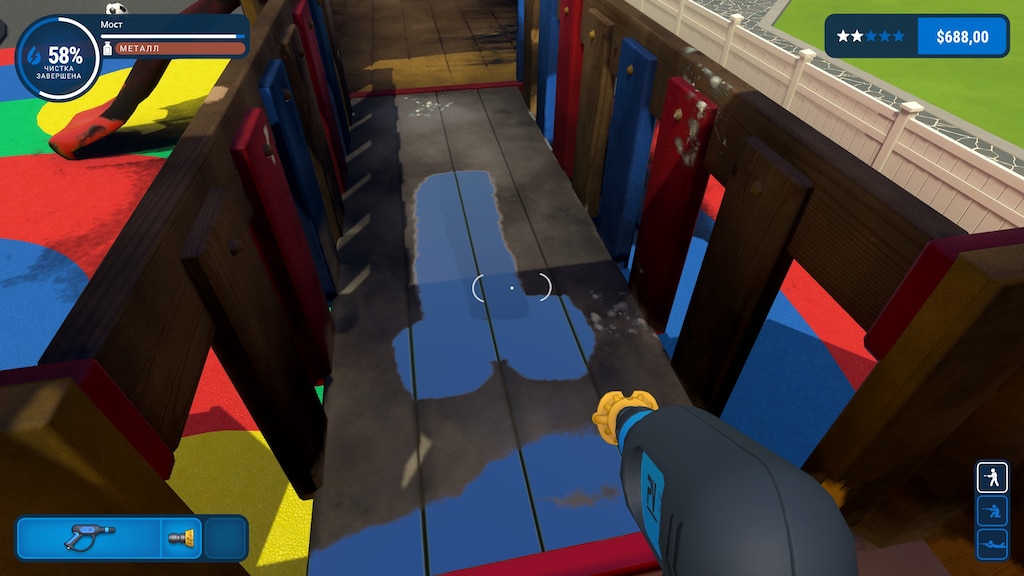
I never thought that I would have so much fun with a chore. There are various curated threads online about watching power washing. It’s satisfying to see someone turn an incredibly dirty surface into a sparkling clean one like wiping a window with a squeegee. There are many jokes about missing a spot and everyone in the comments losing their minds. r/powerwashingporn is a popular subreddit dedicated to these videos. FuturLab has done an incredible job of making this chore feel fun and satisfying. There’s even a silly story that’s evolved over the course of the Early Access phase involving gnomes.
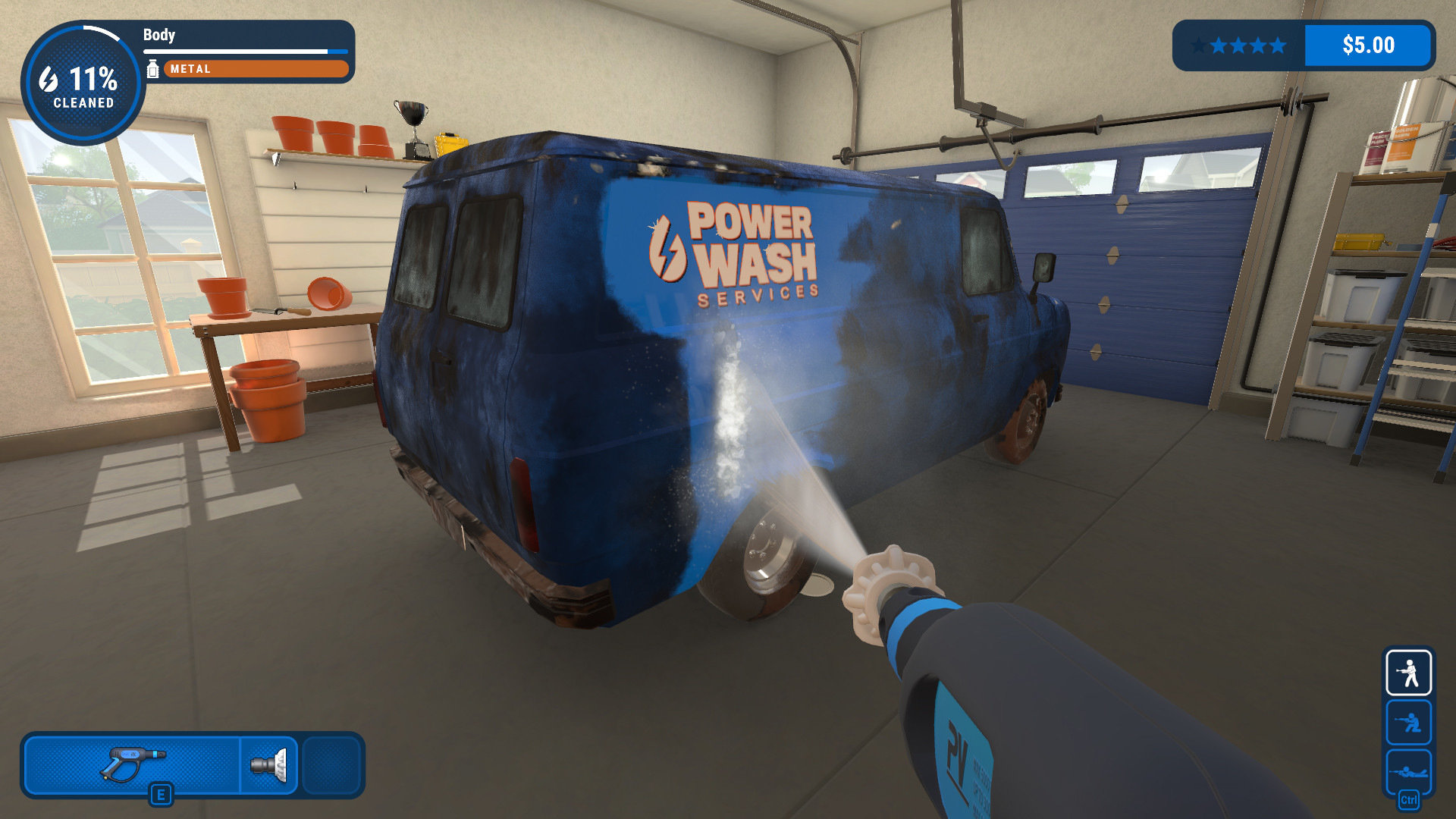
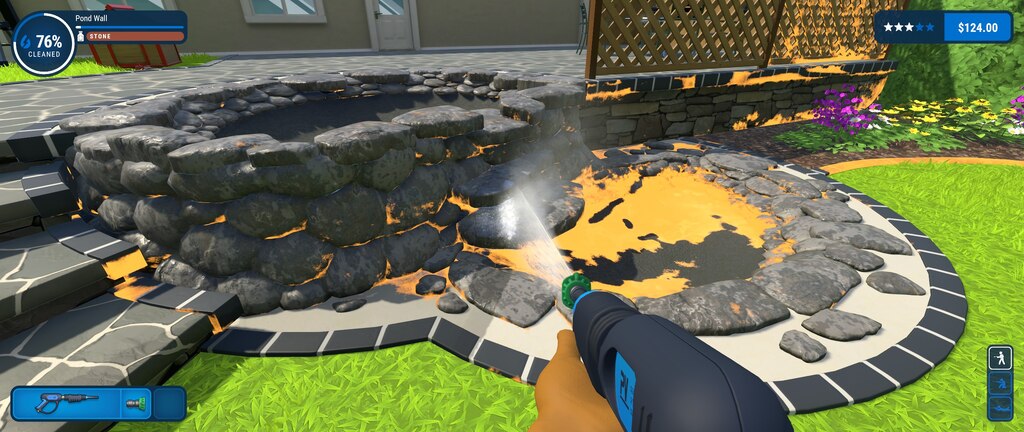
Every surface is covered in dirt, rust, mud, or some type of grime. You get a power washing nozzle and you spray things down until they turn clean. You can decide what to spray, what direction, and in what order. That’s part of the fun. Tackling each area in a certain way is satisfying and fun for you. Your tools include various spray nozzles that have different widths as well as spray liquid for getting tough areas, but this stuff is expensive and limited. You also have a spray gun that shoots various distances. These can be bought and unlocked with money by completing levels. You are paid at the end of a level and you can see a sped-up replay of your work. There are also cosmetic items such as your suit and gloves.
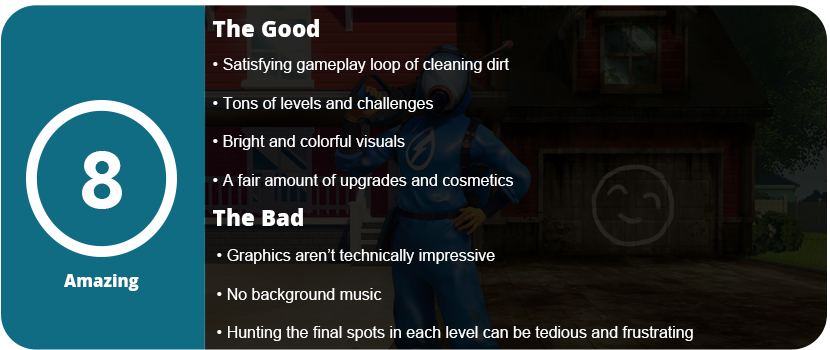
Some levels are multi-storied so you get step stools, ladders, and scaffolding that can be moved around and put wherever you need it. There are a few levels that have some frustrating buildings to clean such as the giant shoe level. There is a meter on each surface that shows how complete it is and sometimes it can be hard to find that one dirt spot that’s keeping the surface from dinging. Thankfully there is an illuminate dirt button that turns all dirt a golden yellow for a few seconds so you can see what you’re missing. Getting down the last percent in each level can get annoying as you’re just hunting down that last dirt spot. There is also a list of each surface and the percentage that they’re cleaned, so you can at least eventually narrow it down.
There isn’t any background music. You just get ambient noises like birds chirping or cars driving in the background. It’s a very silent game. You’re best just playing your own music in the background as this is a very zen game where you can veg out and not think about much. I also appreciate the control scheme on a controller too. It’s easy to control and you don’t have to move your aim camera back and forth like you used to in Early Access. You can now press a button to move your sprayer within the frame of the camera. This can reduce motion sickness and overall irritation. It wasn’t a big problem on a PC with a mouse, but it was unbearable with an analog stick. Most levels can take you 1-3 hours to complete depending on how big they are. There are smaller challenges that involve just cleaning a vehicle like an RV, alien spaceship, Mars rover, or bicycle. Levels get more complex as you go on with more small objects and more complicated surfaces. Things like planes, boats, helicopters, and the previously mentioned shoe house can get really busy. I would end up doing some levels in multiple sessions. The longest level I spent time on was nearly five hours.
Again, you have to like this kind of thing to see an appeal to it. The visuals are bright and colorful, but rather basic and simple. There is no raytracing, AI anti-aliasing, or anything complex rendering-wise. The game can technically get very repetitive, but that’s actually the point of this game. I feel many may mistake this game for a business simulator when you only do the power washing and buy upgrades and cosmetics. I had a blast (no pun intended) with this game and FuturLab is still putting out content that I need to catch up on. Overall, PowerWash Simulator is one of the most relaxing and satisfying games I’ve ever played.
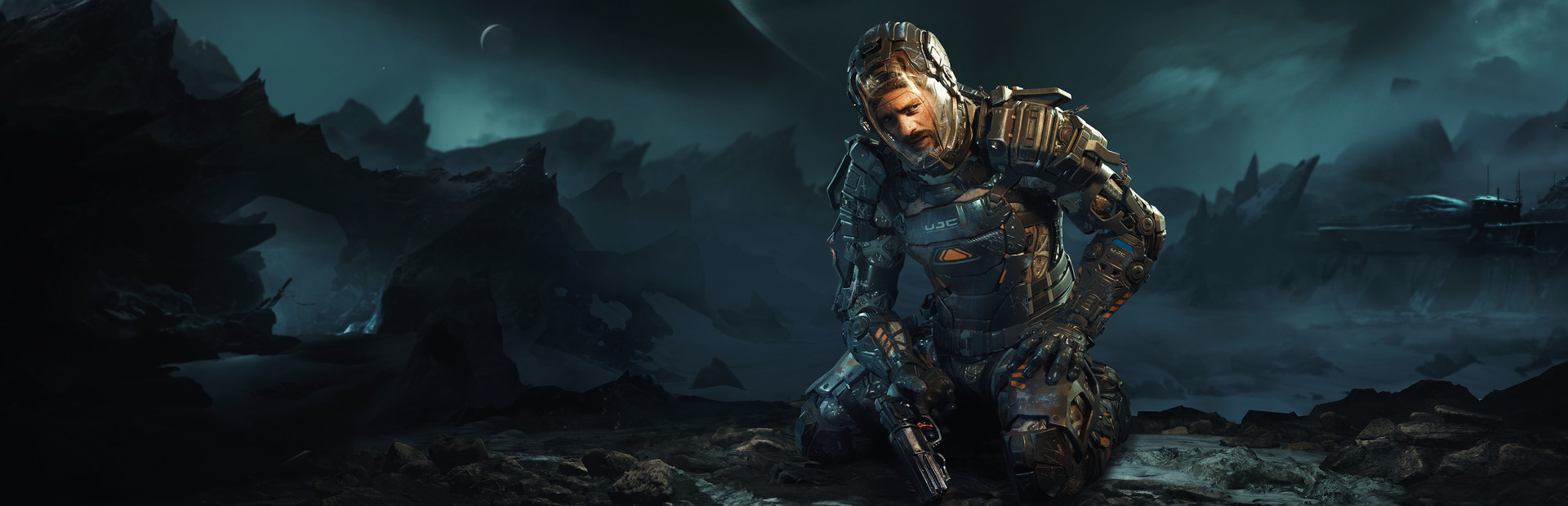
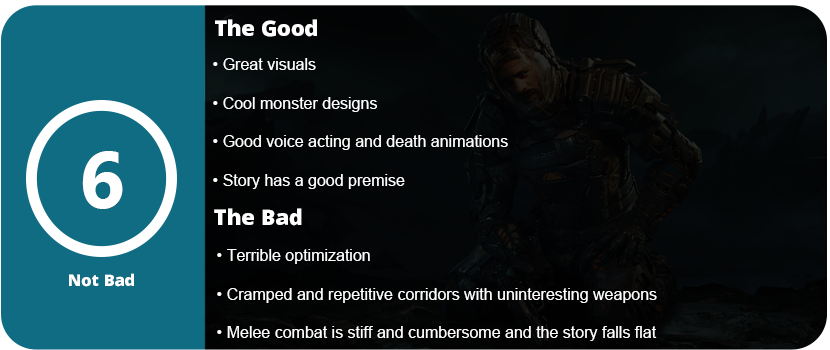
Dead Space was one of the last original IPs to really push the horror genre forward. I felt it was the only horror game to take Resident Evil 4′s torch and carry it along. The Callisto Protocol received a ton of hype because Dead Space’s co-creator Glen Schofield was leading the charge. The game was another third-person horror shooter with sick monster designs, a desolate Callisto moon, and a great story. I was honestly shocked by how below average this adventure is and was quite saddened the longer I played.
The game actually starts out quite well. You are Jabob Lee. A space courier delivering medicine to the prison colony on Callisto when suddenly everything goes wrong. Your ship crashes and you are wrongfully charged for a crime you did not commit. The game takes you on a pretty long cinematic journey for the first 30-45 minutes before the action starts. This is when things immediately started falling apart. The game’s main mechanic is melee combat. That would be fine and all, but it just doesn’t work as intended. You are expected to go one-on-one with each enemy and whack at them like Whack-A-Mole and then dodge attacks. It’s a dodge-and-then-attack type combat system. You can’t parry without unlocking it as an upgrade and animations can’t be quickly interrupted. It’s hard to judge the enemy’s attacks and how long their combo will go on. These animations just aren’t well done. It lead to many cheap deaths that came from the animations being too long and not interruptable.
This makes the first couple of chapters a chore, and most people might quit here. You do get weapons, but ammo is scarce until later on in the game. There are five weapons you can acquire, but don’t think these are as unique or interesting as Dead Space’s weapons. You really only get three weapons with two being nearly identical. Two pistols and two shotguns. One is a “Skunk” gun and the other is a riot gun. The only difference was their spread, to be honest. Your first weapon is the Hand Cannon which can pack a punch, but the Tactical Pistol is nearly useless. All of these weapons feel handicapped until you start upgrading them. Just like Dead Space, you get a limited inventory with healing items, valuables, and ammo. It’s literally a 1:1 ratio of how Dead Space plays.
Weapons are acquired by finding schematics (yeah that’s a direct copy too). You can find 3D printing stations throughout the game that will print add-ons, health, and ammo, but you won’t be able to buy everything in one play-through. No matter how thorough you are. It’s best to just upgrade the Hand Cannon and either Skunkworks or Riot Gun and do the rest on the next play-through. That is if you even want to. This hand-to-hand combat with these monsters just isn’t fun. Once I was able to get more ammo more often by stomping enemies (seeing a pattern here?) I tried to avoid melee combat. That’s not a good thing when the core combat mechanic is so bad that you don’t want to ever use it. Sadly, it’s forced upon you during the same two repetitive boss fights, but there were a couple of patches later on that made it more tolerable, but still not good.
Sadly, despite how great the visuals are the level design is insanely linear and boring. You just run down the corridor after corridor fighting randomly popping-up monsters until you get to the next fuse, switch, or generator. It’s pretty mundane and has already been done in many games before it. Unlike Dead Space, there are no puzzles here. In fact, the overall level design is just elementary and basic at best. There is one area where you must sneak around monsters that are sensitive to sounds. You can stab them in the back and do takedowns, but this was for an entire chapter. It became dull really fast. The only advantage was killing them all silently and then stomping on them to rack up tons of ammo. You do get a grappling glove that allows you to pull and push objects away, but this just seemed like an excuse to use death traps in certain arenas. It was poorly implemented.
The story itself doesn’t get interesting until the final chapter. There isn’t much story here at all. I wanted to know what this thing was that killed off the entire planet’s population, but you just move from scene to scene falling around trying to escape each section. It’s a poorly paced-story that seemed more like an afterthought. Jacob himself is well-acted, but we know nothing about him nor did I care one bit about his character. Dani is the other main character and I cared about her just as much. The game isn’t long enough or has enough story to tell us anything worthwhile. There’s no care in world-building through visuals like Dead Space did. You just move through corridor after corridor killing enemies that pop up and that’s it.
The visuals might be really good, but the performance is awful. Even after half a dozen patches, AMD FSR2 is broken, ray-tracing cuts the frame rate in half even on a 3xxx series card. There are tons of stuttering from poor shader optimization as well even months after release. Despite the nice visuals, they aren’t taken advantage of due to 90% of the game just being in cramped corridors. Overall, The Callisto Protocol is a colossal disappointment trying to copyDead Space to a tee and failing to capture anything that made that game stand out or become the icon it is today. The monster designs are neat, the visuals are good, and the story’s premise is good. That’s about it.
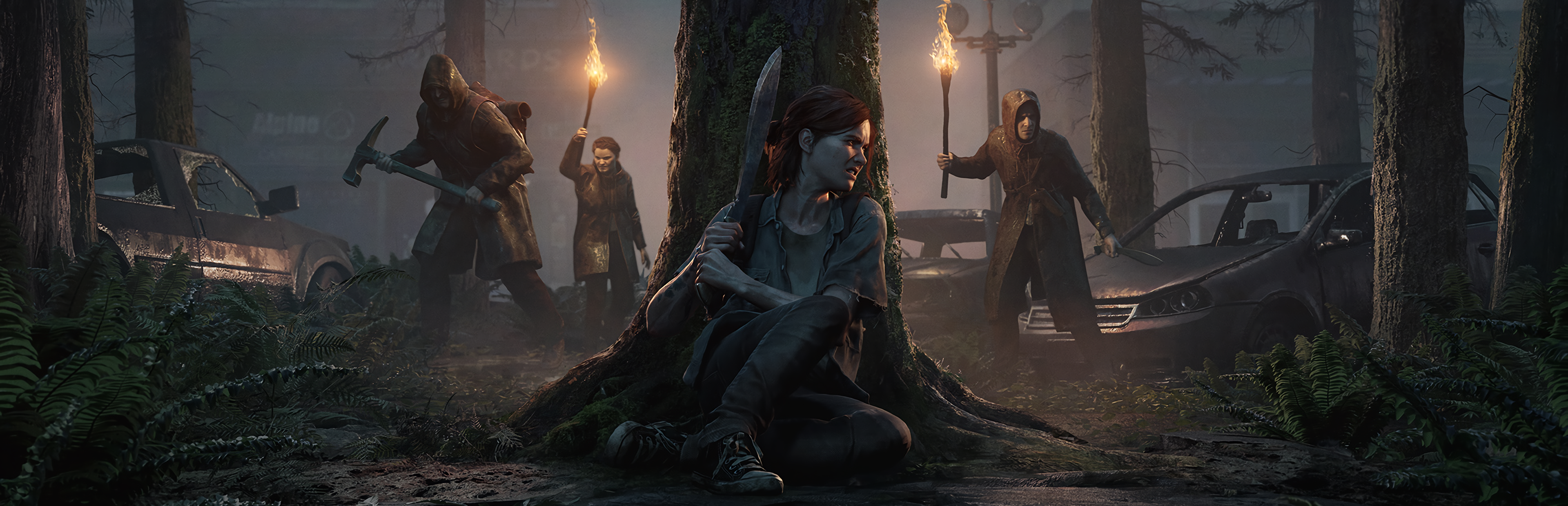
The Last of Us is one of gaming’s best-told stories. Naughty Dog’s original IP came out 7 years prior to this game’s release, and many thought we would never see the sequel. The original game ended on a cliffhanger. Joel took Ellie out of that hospital and “rescued” her for his own selfish purposes. Did he doom all of mankind from a cure? Will Ellie ever find out what he really did? Those questions play a back seat in what is probably one of the best revenge stories I’ve seen in a single-player game.
The story is the best part of this entire game outside of the visuals and voice acting. There is so much packed into this 20-hour game that despite it taking place only over the course of three days (for the bulk of the game anyways) it’s almost twice as long as the first game. We finally get to see what life is like for humanity thanks to the four-year gap from the last game. Ellie is now of age, has love interests, and life seems to be going well until a shocking tragedy occurs that causes Ellie to seek blood-searing revenge. Risking her life, relationships, and mental well-being by tracking someone across the country and spending three days in Seattle to hunt this person down. We get the perspective of Ellie during the first third of the game and Abby during the second third of the game. Abby is a great character who has just as much depth as Joel or Ellie, and I love that the story doesn’t stick with the tried and true cliche of a good guy and a bad guy. The game shows that anyone can be the bad guy if you look at them from a different angle and vice versa. The Last of Us‘ story is bout survival. Not good vs. evil and I love that so much.
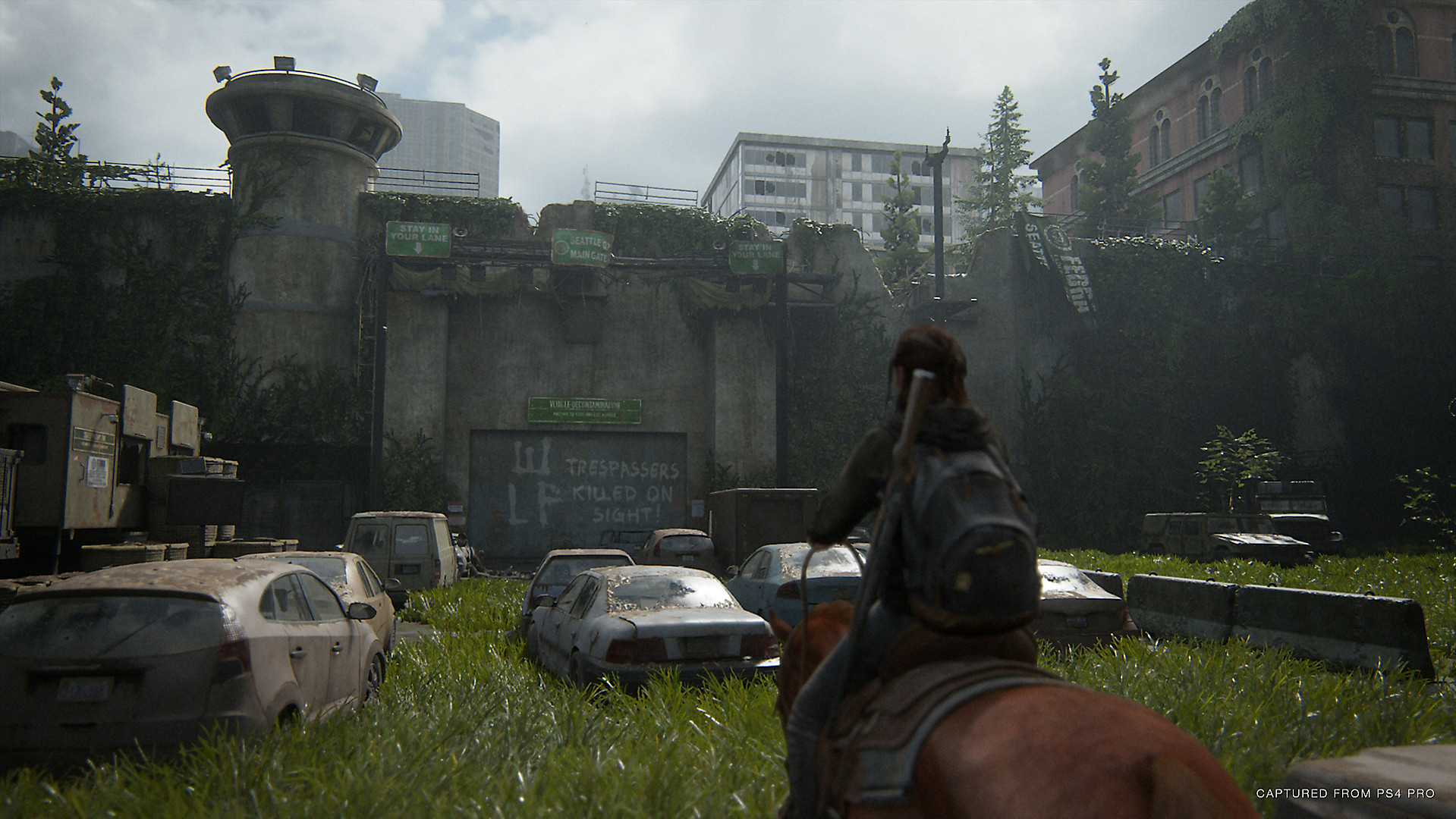
Having lived in the Seattle suburbs for the last four years I was excited to see where I live to take place in a game, but it’s not completely accurate. There are no real-life building names or anything like that. It’s more the overall Pacific Northwest aesthetic than anything super accurate. The only distinct thing about the recreation is highway numbers, street names, the Space Needle, Pike’s Place Aquarium, and the Ferris wheel. There’s also a lot of rain and green which the PNW is famous for. The beginning of the game takes place in Jackson, Wyoming which is another area I grew up as a kid. Not Jackson, but Casper which is mentioned in the game. I spent most of my life south of Santa Barbara where the last couple of hours take place in the game. Ventura to be exact, and it’s pretty crazy that all three areas I grew up or lived in are in the game. The change of settings and scenery is really nice, however, Seattle does get old after a while as you revisit some of the same areas multiple times.
A couple of new factions are introduced in the game. The Washington Liberty Front, The Rattlers, and Scars are a cult refusing to use old-world tech. You befriend new people and run across a lot more. People die and tragedy hits nearly everyone around you. I don’t want to talk too many specifics on the story and spoil everything, but it is insanely detailed and it makes you keep playing. When it comes to infected there aren’t any new enemies introduced outside of a new crazy boss character, but that’s okay really. They do play a smaller role in this game as the story is more about human vs human now that we’ve cleared out a good amount of infected in areas that have been settled.
Sadly, outside of the story and characters not much else is new gameplay-wise. It’s almost the exact same game. Stealth still isn’t the best. Enemies seem to randomly walk around and it’s nearly impossible to stealth kill everyone in every section. There are some new weapons that are exclusive to Abby and Ellie. Hunting pistol, crossbow, sub-machine gun, double-barrel shotgun, and many more. We get to use trip mines and pipe bombs as well. There’s more to craft such as silencers for your pistol, arrows, explosive ammo, and many more. The entire weapon and crafting system was expanded a lot as well as upgrade branches which are only found in hidden training manuals sadly. If you miss these you miss out on upgrade paths. You can still find workbenches and upgrade weapons, but parts are more scarce and harder to find this time around.
There are still many quick-time events during scripted scenes such as mashing the square button, holding triangle to open doors, and of course, a few on-rail shooting segments which are fun. These are spread pretty far apart so they aren’t abused. I hate to say this, but the game does get repetitive. You just go through beat after beat of either humans or infected and each area plays exactly the same. Try to stealth kill as many as you can, get caught, shoot the rest, scrounge for parts, and move on. This goes on for 20 hours, and while the gameplay itself is good, I’d rather have the stealth be completely cut. Yes, ammo is scarce and there are times when I found more ammo than I could carry, but the shooting is insanely good. I’d rather shoot more. The gore is awesome, and the death animations and physics are some of the best I’ve ever seen. This includes screams of pain and agony. It’s a very visceral game bound by realism. However, sometimes I just wanted to explore more or just shoot everything and move on. There were some areas that were well-designed and it was satisfying when I could nail everyone silently, but it rarely happened.
I highly recommend playing this on a PS4 Pro or mostly the PS5. I played this on PS5 only and it looks amazing at 60FPS. I can’t imagine playing this sub-30FPS on a base model PS4. With this being the last Sony exclusive on PS4 it looks stunning. Almost as good as The Last of Us Part I on PS5. There are some spots of ugly textures and the textures in the far distance look pretty ugly, but everything up close looks so good. The facial animations, motion capture, and everything else are amazingly detailed. There is so much content packed into this game that you will walk away satisfied.
Overall, The Last of Us Part II tells a controversial yet compelling story with likable new characters and challenges the typical storytelling tropes of good vs evil with perspective. There are plenty of new weapons, upgrades, and items to craft, but it’s exactly the same as the last game otherwise. With the extended length area after area of killing enemies gets old and stealth still isn’t the greatest. I do love the visuals, but Seattle does get old after a while due to playing it twice over with another character. This is easily one of the best single-player games ever made and is a masterpiece in storytelling.
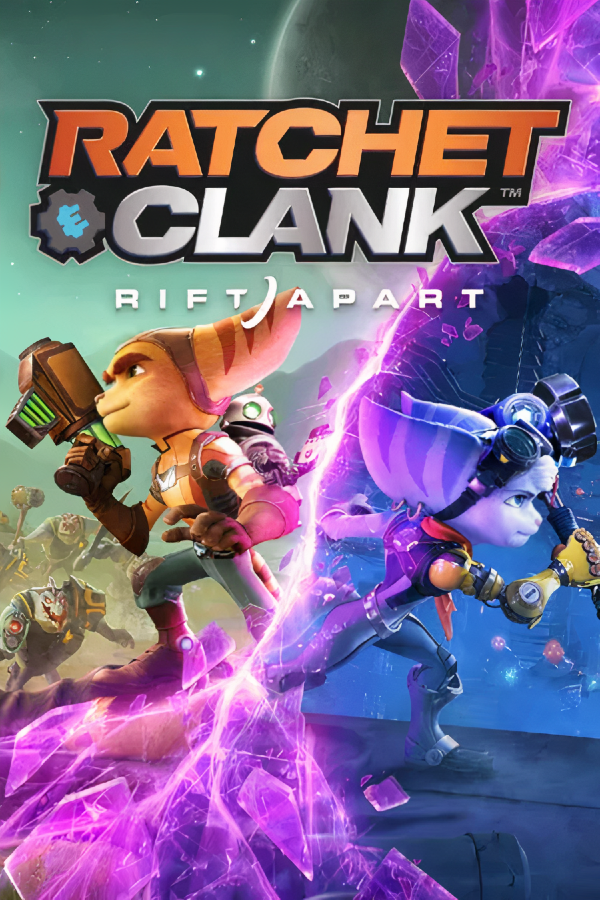
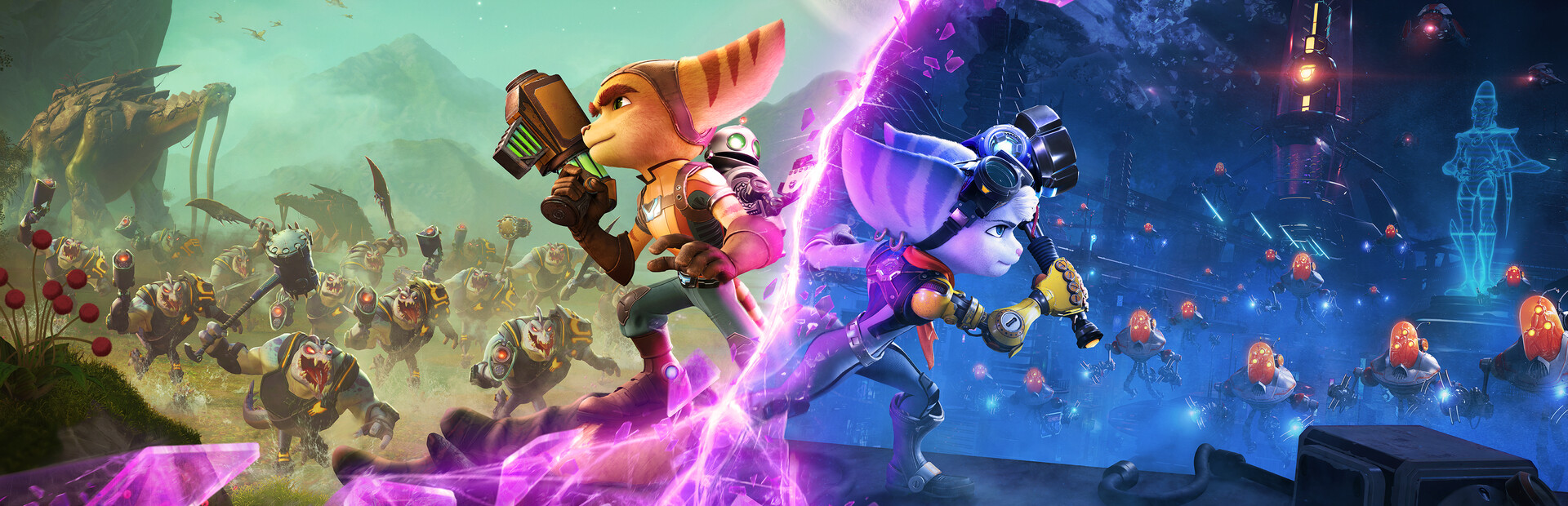
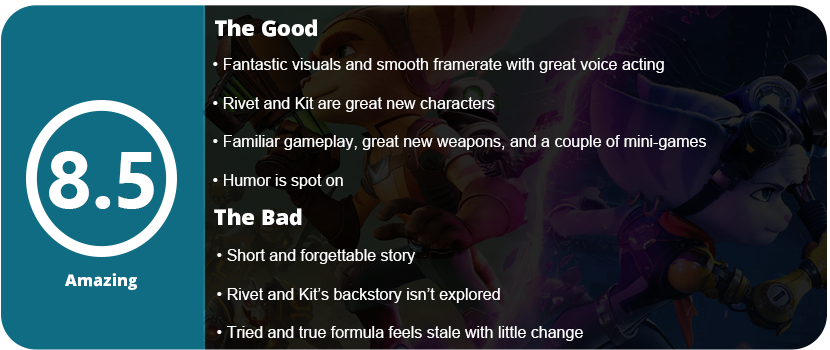
It’s good to see Sony’s classic franchises being brought back. After the original game’s remake, I knew something was coming along, and I was right! We get a brand new next-gen exclusive Ratchet & Clank game without the baggage of the PS4 holding it down. The franchise returns to its familiar roots, which are both good and bad, and I’ll explain why.
This time around, Ratchet is finally wanting to find other Lombaxes in other dimensions. They get the idea of using the Dimensionator, but it’s taken by Dr. Nefarious. Yeah, I was a little happy to see him return and a little disappointed that we didn’t get an original villain for this game. Nefarious is funny and all, but I wanted to see someone new. We only get a couple of new characters here, but we finally get a new Lombax! Rivet is a fantastic female character with a great voice actress, and she has just as much nuance and personality as Ratchet has. I would love to see her stay and even get her own spin-off. The other main character introduced is Clank’s interdimensional counterpart, Kit, who is a female robot.
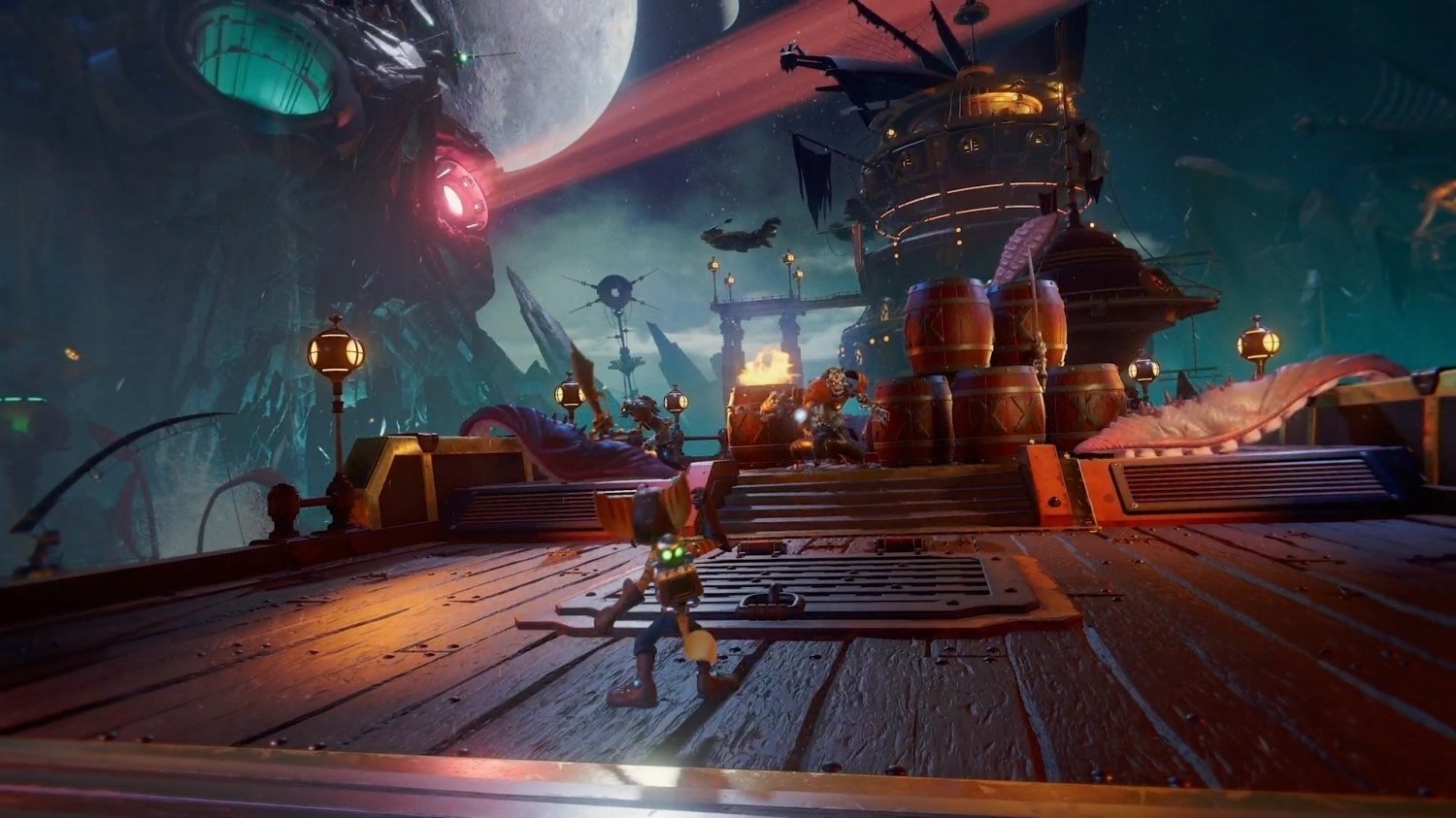
Sadly, like all the previous games, the story isn’t all that deep and plays out like a Saturday morning cartoon. There’s no real back story to anyone, and we just get the moment-to-moment action for the present time, and that’s it. It’s a pretty shallow story, with Kit and Rivet’s backgrounds not really being told or talked about. This has always been an issue with the series’ stories, and I wish they would change things up in that regard. The series’ main beat of going from planet to planet and whacking away at the same few enemies hasn’t changed either. There are about 9 planets in total, with some collectibles you can get for trophies, unlockables, and galleries. If you’ve played any single game in the series, this one will be familiar.
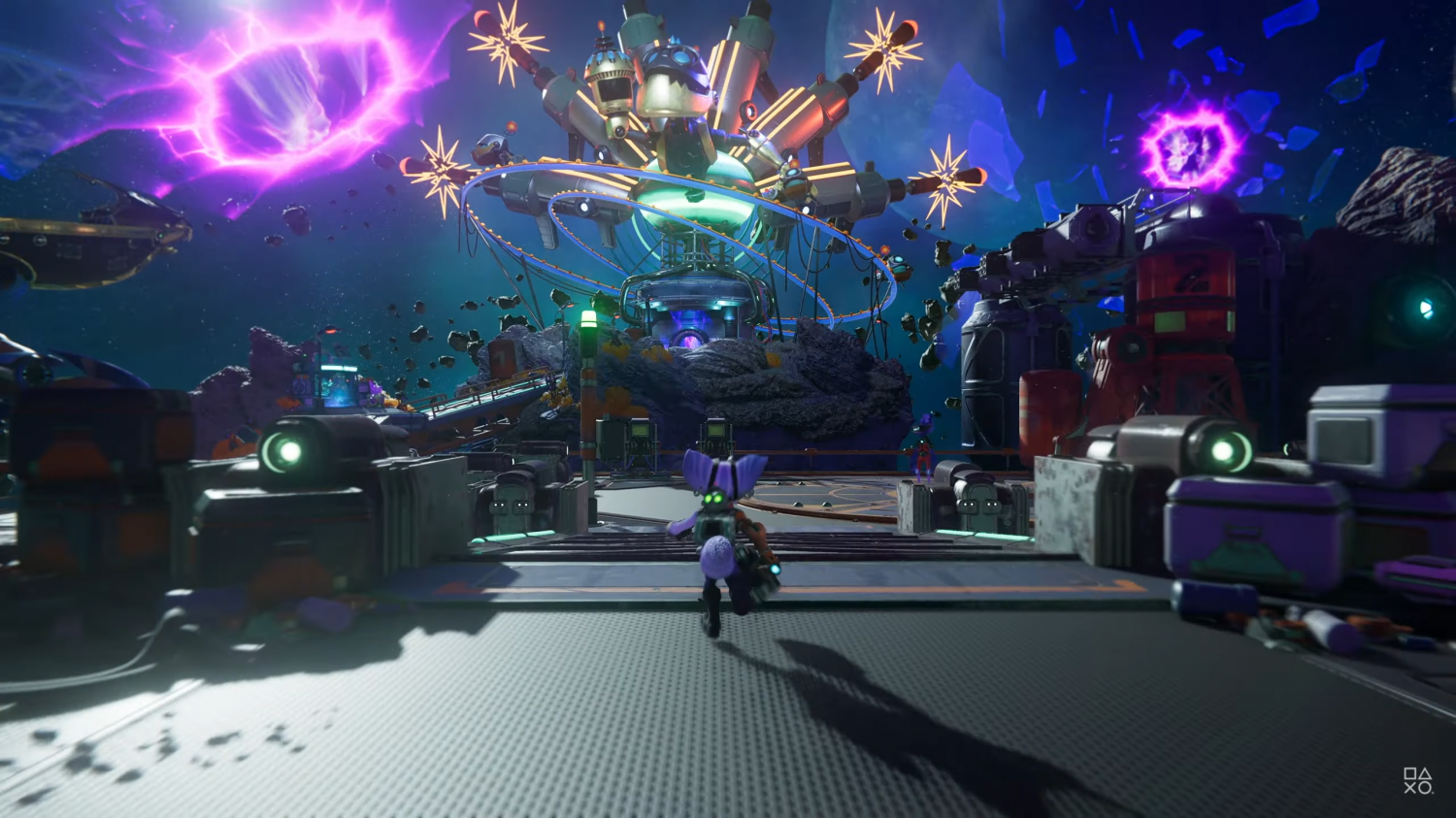
There are some puzzle areas thrown in that Clank is usually used for. These meta-dimension puzzles see you trying to get mini-Clanks running on the correct path to unlock a door. There are four different kinds of orbs that can manipulate the clunkers and various platforms. You can speed things up, slow them down, weigh them down, or make them lighter. They aren’t super challenging, but they are still kind of fun and break up the shooting. Another new mini-game is Glitch Sequences. You play as a spiderbot that goes inside a computer and can shoot at things. These play like the regular Ratchet and Rivet segments, but there’s no platforming as you have to stay on the ground. They aren’t super exciting, but they break up the pace. There are new vehicle elements added, such as rocket boots. You can skate around and boost at will, as some planets have large open maps, but they are far from the open world. The exploration is mostly for collecting collectibles.
The main show is the weapons, as that is what Ratchet & Clank was always famous for. Yes, there are over a dozen weapons here that are different and unique from any other game. The DualSense controller is well utilized here for secondary fire. You can soft-press to “ready” a weapon that used to be the primary fire, and the secondary is a full press of the trigger. The haptic triggers are used better here than in any other PS5 game I have played so far. That also includes the new rumble feature. You can “feel” every weapon, and it really adds to the game’s experience. However, I did feel they went a little too heavy on the gloved weapons. Some weapons feel more like gimmicks than others. I wound up sticking to about a half-dozen go-to weapons. I found there wasn’t a good balance this time around, like there usually is. You need to switch weapons based on your needs. Close-quarters weapons such as the Executioner, which is like a shotgun, There are a couple of weapons like this. And then you have area-of-effect splash damage weapons like the Warmonger and Houndrill. There are some passive weapons that do damage over time or stun enemies only and don’t do any damage.
The enemies are pretty repetitive this time around. You get the same six red robots and then the occasional animal type thrown in. They repeat a lot and don’t really have different defenses, so you can usually just blast them all as they come. There are frequent boss fights, but many repeat, so they can get old kind of fast. I felt the enemies weren’t as inventive this time around, and it shows as they bring back some older enemies from the first game. I just feel the weapon and enemy designs were a bit off this time around and not as creative, but far from bad or ruined. I do want to mention that the level layout is also the same as before. Swing from orbs, jumping around, smashing boxes for bolts, and using them to buy weapons and upgrade them. Using it, you can level them up, which unlocks more upgrades, and you can level yourself up, which increases your health. While this formula is tried and true, it can feel old to long-time players, and if you didn’t like the series before, this game won’t change your mind.
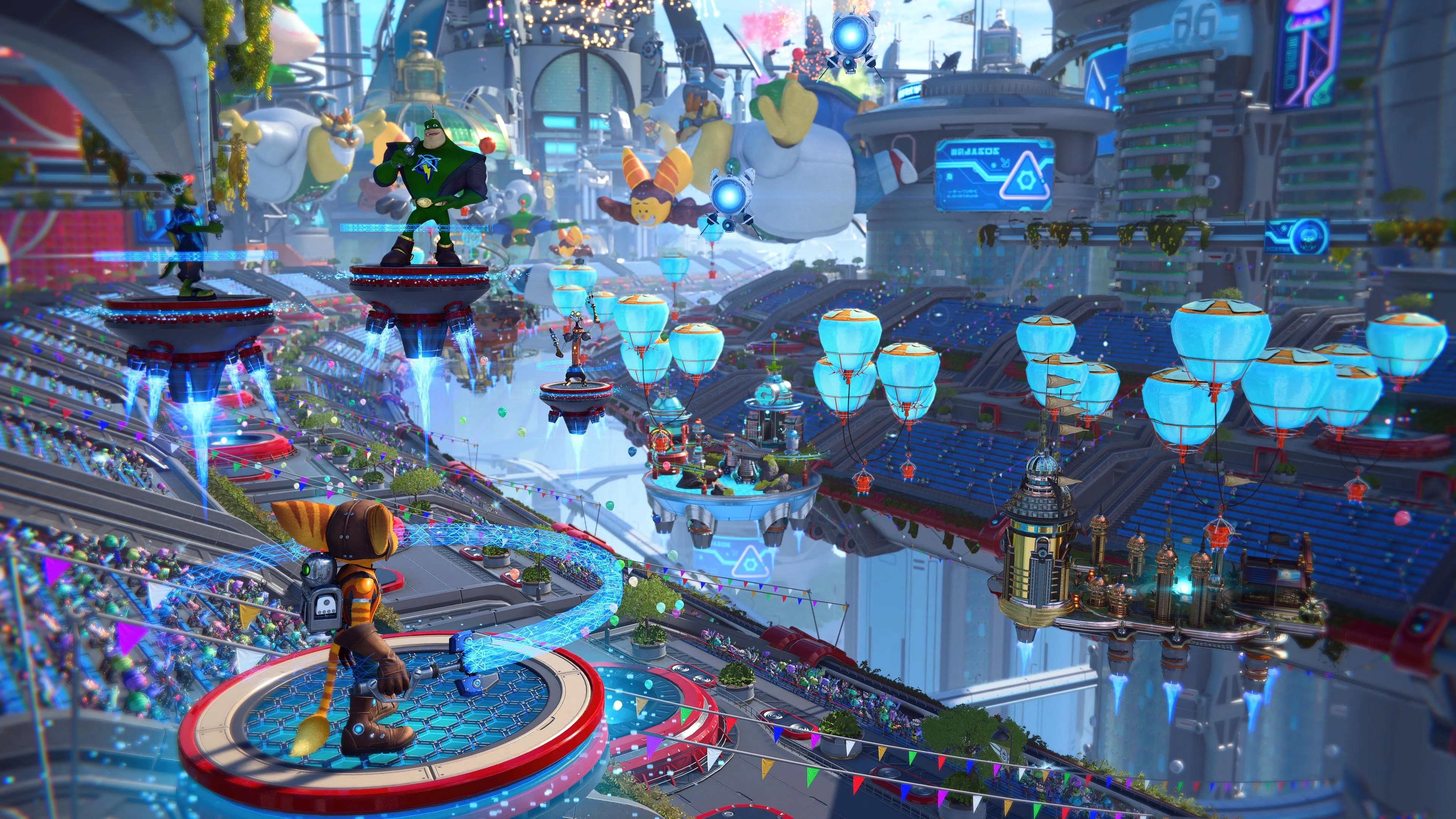
There are some great cinematic scripted events, and the pacing is well done. There’s something satisfying about this series that makes it feel like a classic PlayStation game. They did get that magic down pat, but if this is a new trilogy, I hope they have more in store for the sequel. Visually, this is one of the best next-gen games to date. With performance RT at 60FPS, the game looks fantastic. There are the usual VRR options, and you can play in full 4K at 30 fps, but a game like this needs to play at 60 fps. The game just looks amazing, and the team has been able to do what they really want. Comparing this game to the first on the PS2 is like a whole new experience.
Overall, Rift Apart takes the typical Ratchet & Clank formula and brings it to the next generation with little change or fluff. There are a couple of mini-game segments to mix things up, the characters and voice acting are spot on, and the humor is there despite not being fully pushed this time around. I wish we got a new villain, and Rivet and Kit aren’t explored enough. The story itself is also a Saturday morning cartoon with little depth. The weapons are neat but not well-balanced, and overall, the old Ratchet formula feels a bit stale here despite being perfect.
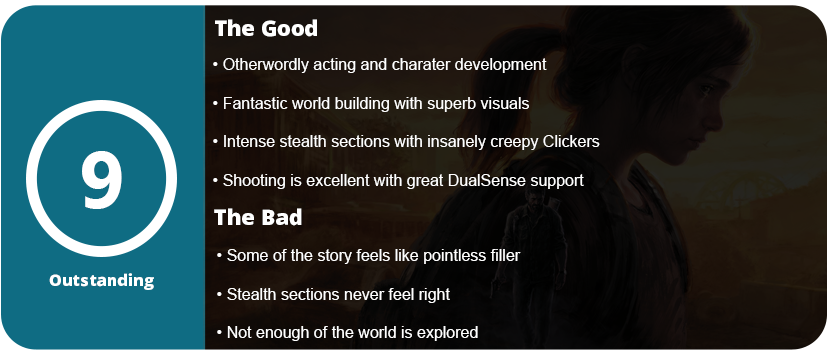
I played the original game back when it was released, and it really left an impact on the gaming world as a whole. The characters were incredibly memorable, the acting was otherworldly, and the setting Naughty Dog created was just barely scratched. It was one of the last Sony exclusives for the PS3 and was an excellent send-off for the system. It pushed the system to its limits, and sometimes it showed a little too much. The game was later remastered for PS4, and while I own it, I never got past the second chapter. I’m glad I didn’t, as I might not have bothered with this remake.
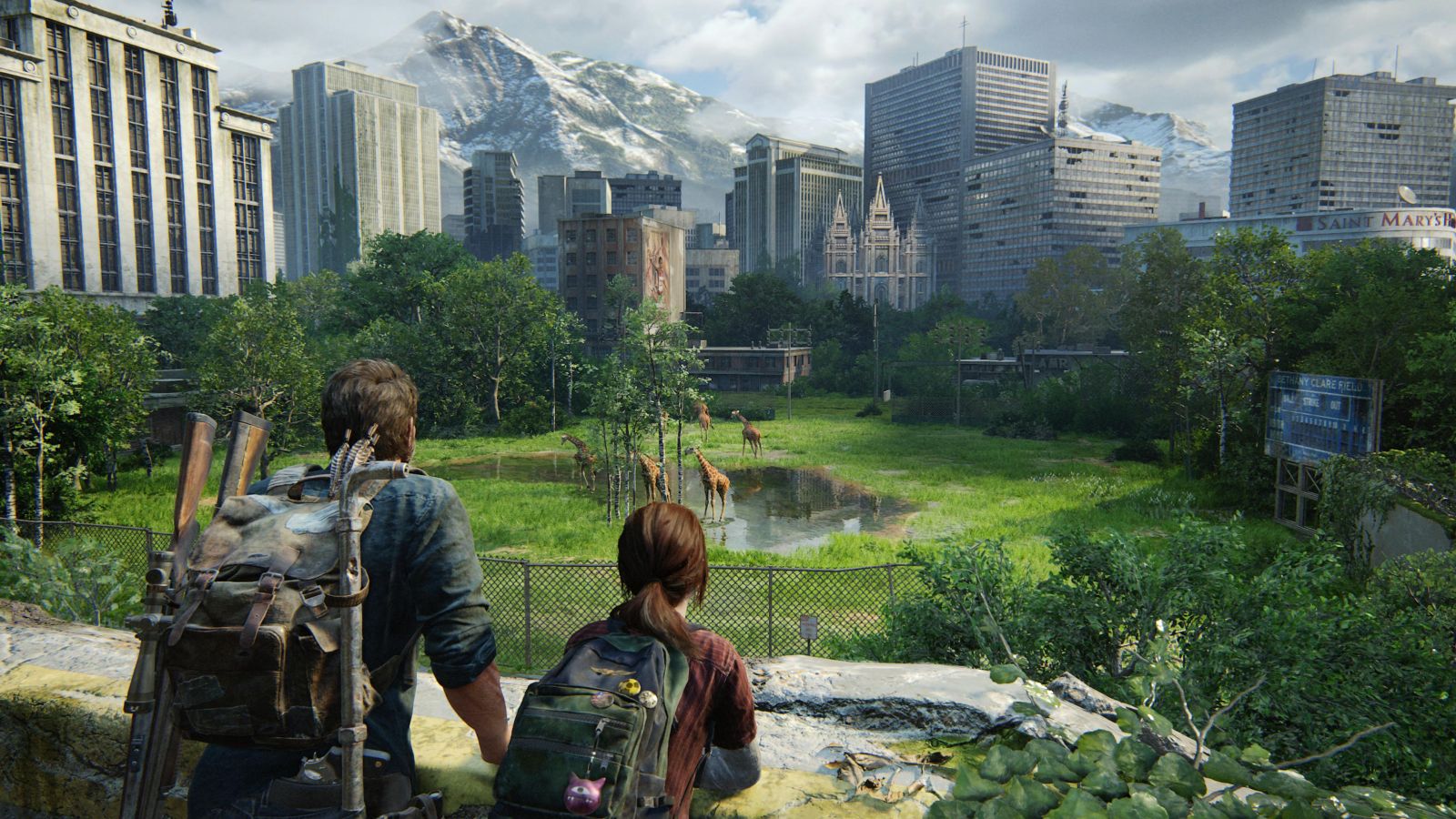
The largest difference here is the visual. They are clearly made using The Last of Us II engine, and everything looks next-gen. Compared to the PS3, it’s like night and day. Subtle facial expressions, eye movements, and emotions come across the characters like never before. High-res textures, fantastic lighting, HDR and 4K support, and much more. This is a next-gen treat, if there ever was one. There are some quality-of-life improvements, such as controls, animations, loot, weapon balancing, and fantastic use of the DualSense controller. Let me tell you, this was my first experience with the controller, and it felt so good. It’s hard to go back to shooters without this function enabled. Weapons cause the triggers to bounce and recoil, physically affecting the way you shoot. Arrows being drawn have a lot of tension, depending on what character you’re using. It’s incredibly immersive.
Outside of the remake stuff and next-gen touches, the game is exactly the same. We get the Left Behind DLC thrown in as well, which is nice. There are a lot of extras, such as interviews, behind-the-scenes videos, skins, models, concept art, and filters. Most of it is the same. There are a ton of collectibles in the game that can unlock trophies. I used a guide during my playthrough to find them all, as they can be hidden pretty well. They give a lot of insight into what’s going on in the world day-to-day that you don’t see. Similar to the computers in Fallout.
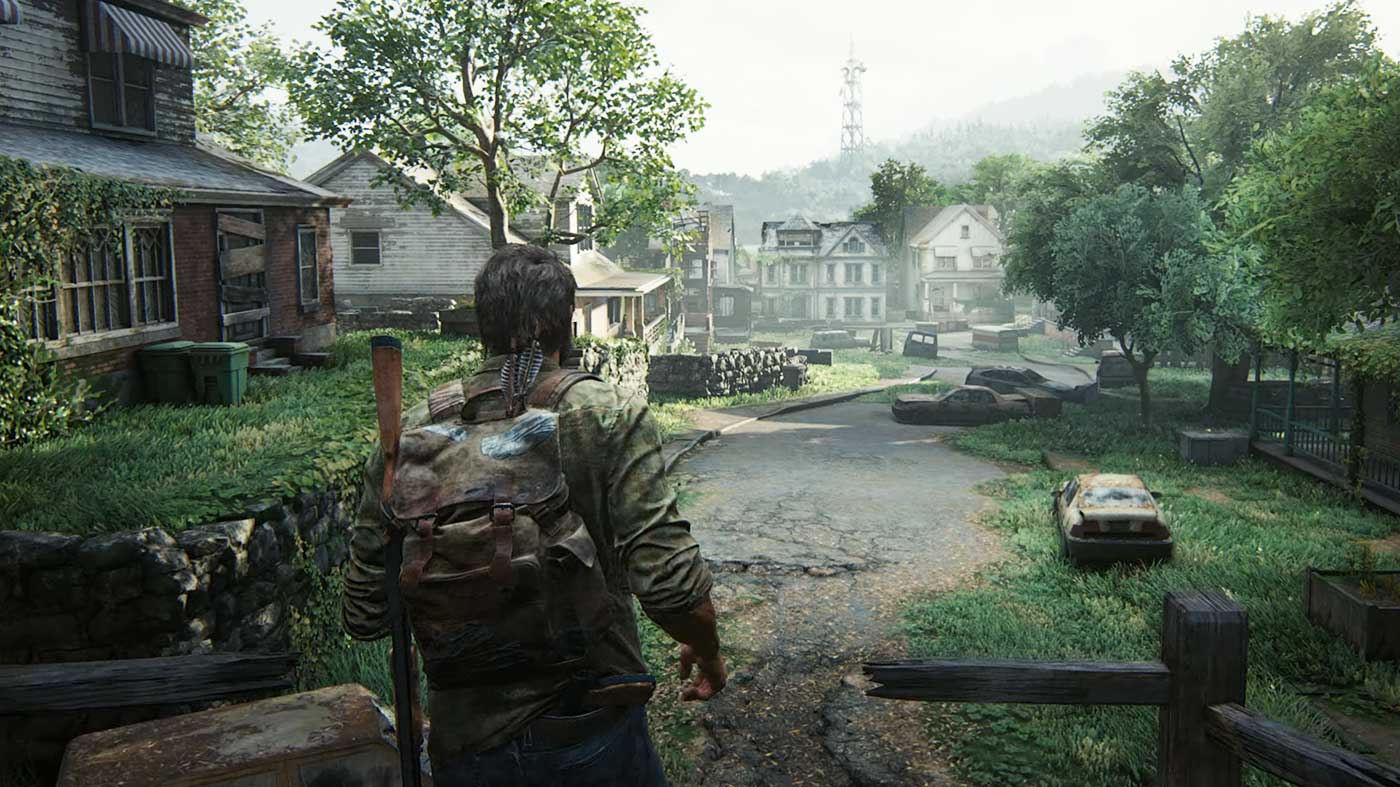
If you haven’t played the game yet, then you are in for a treat, as this is one of the best single-player games ever made. However, some of the flaws of the game still carry over. For starters, the actual world that you’re in isn’t explored enough. Location-wise, we get a lot of different settings: abandoned rural neighborhoods, cities, hospitals, shopping malls, schools, and probably every common setting you can think of. We don’t get our stories within this world that you can see or hear. You don’t come across a lot of people in this game, and when you do, they are part of the main story. Your entire goal is to get Ellie to the Fireflies’ base for a specific reason that I won’t spoil. Sadly, there’s not much in between. There is a seemingly pointless second act in which you are captured by a group of people that only seems to be filler. They don’t impact the overall main story, but they just feel like an unnecessary obstacle to get through.
The combat itself is great in terms of shooting. There are a good number of weapons, and you will have a well-balanced loadout, from a flamethrower to pistols, shotguns, and bolt-action rifles. There are a few different types of enemies in the game, ranging from humans (Hunters) to different levels of cordyceps monsters such as Stalkers, Clickers, and Bloaters. Stealth is a large part of the game, but you don’t have to follow it. It’s best to conserve ammo, as you will always barely have enough and usually run out after every encounter until much later in the game, when you have a lot of weapons to switch from. Clickers can’t be stealthily killed without shivs that can break. You can shoot them with your bow, as that’s the only silent weapon you have, but arrows are scarce. It’s best to just avoid them. You need to lightly push up on the analog stick while crouching, as they are sensitive to sound. Throwing bricks or bottles to distract them is another good strategy.
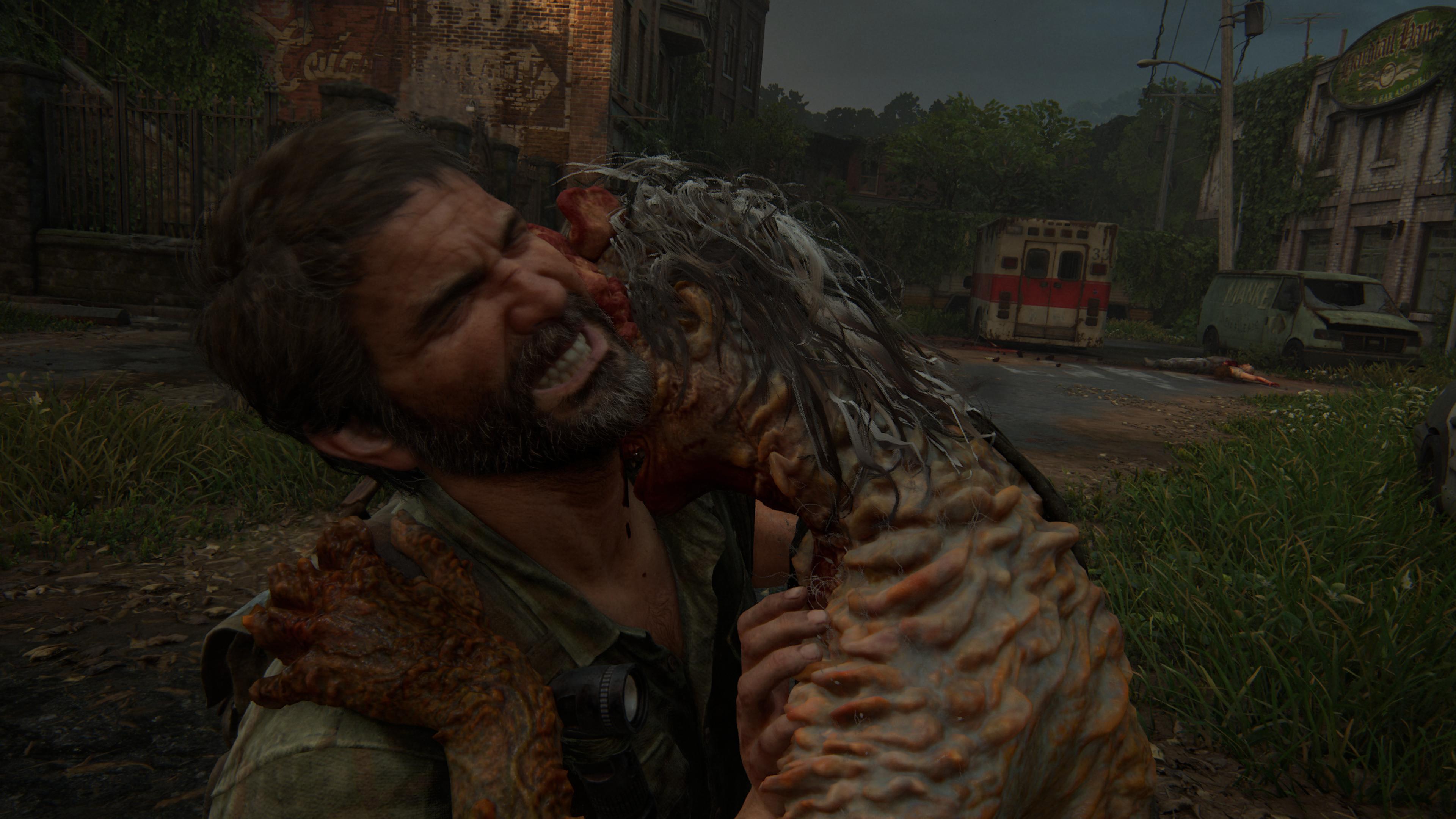
These Clicker-focused stealth sections are incredibly intense. The Clickers are some of the best video game monsters ever created. They are iconic. Their signature “clicking” sound is where they get their name from. Surprisingly, these encounters aren’t very frequent. You only run into Clickers maybe once per chapter, and most are in the first third of the game. As the game progresses, you are mostly up against humans, and these guys can be killed from behind but come in large numbers. Stealth in this game is not the greatest. Enemies usually start swarming you all at once and spread out slowly. It requires a lot of patience to either pass everyone out or take them all out silently. It’s stupid to just shoot everyone until later in the game, when you can spare the ammo.
There are only a couple of boss fights in the game, and they are pretty good; they take skill and strategy to beat. There are a lot of fun scripted events as well, including quite a few well-placed quick-time events. There really aren’t any puzzles in the game outside of figuring out where a specific item in the area you need is. There is nothing cerebral about this game, however. I found the hardest parts of the game to be the stealth sections. Upgrading your stats and weapons helps a lot, but you have to be thorough in looting and searching around to find parts. You can craft shivs, smoke bombs, grenades, health kits, and molotovs. These can be done on the fly in your bag, but upgrades require the use of workbenches, and there are only about a dozen in the entire game. You also need to find tools to increase your skill level to install better upgrades. Make sure you don’t miss those.
Overall, The Last of Us Part 1 is one of gaming’s greatest single-player games. Ellie and Joel are amazing characters who go through what it means to be human multiple times over. From the intense opening scene to the cliffhanger ending, there’s so much packed in here, and it’s done so well. The upgraded visuals and quality-of-life improvements are good enough to justify this as a remake. Some of the story pacing issues still exist, and we don’t get to explore or hear more about this post-apocalyptic world. There are plenty of collectibles and extras, and the Left Behind DLC is a nice bonus as well. This is a fantastic remake and should be played by every PlayStation fan.
Many people use video game reviews to determine how to spend their hard-earned dollars. While as an adult I don’t take this as seriously and I now make my own money I am more forgiving of games that aren’t perfect. As kids or teens, we have limited money and are usually picked through gaming magazines to determine if that one game was worth the money because we only got a few a year. For me, it was only during Christmas time that my parents bought games. I mostly rented mine throughout my childhood and teen years. Even for rentals, I was picky as I didn’t want to be stuck on my weekend with a dud of a game. Even a 7/10 or 3.5/5 would be considered a waste of time. This was the last generation in which AAA title after AAA title would be considered fantastic and with so many exclusives it was hard to keep up with. The HD era of gaming would see budgets balloon to insane heights and game releases slowed down as a result.
In my eyes, 7/10 or 3.5/5 games are mostly ignored. These aren’t always considered hidden gems either. Some are, but some are just considered forgettable. Not awful or good, but just passes under everyone’s radar. These aren’t the “so bad it’s good” games either. A few of these games have cult followings; a few I had only heard of while compiling this list and some I played myself growing up. I compiled this list from Metacritic with games between 74-70. I feel that’s the true blue 7 range. 79 and 78-rated games usually only have about 25% of the critics giving it a 7 to bring an otherwise 8 score down some. These games are at least rated by half the critics as 7/10. While I know many people don’t listen to critics and some might feel this game should be rated higher or lower is subjective. Like it or not, critic reviews drive sales and it may be the reason why you might find a few games on this list you’ve never heard of, thought was talked about worse than you remember, or something along those lines
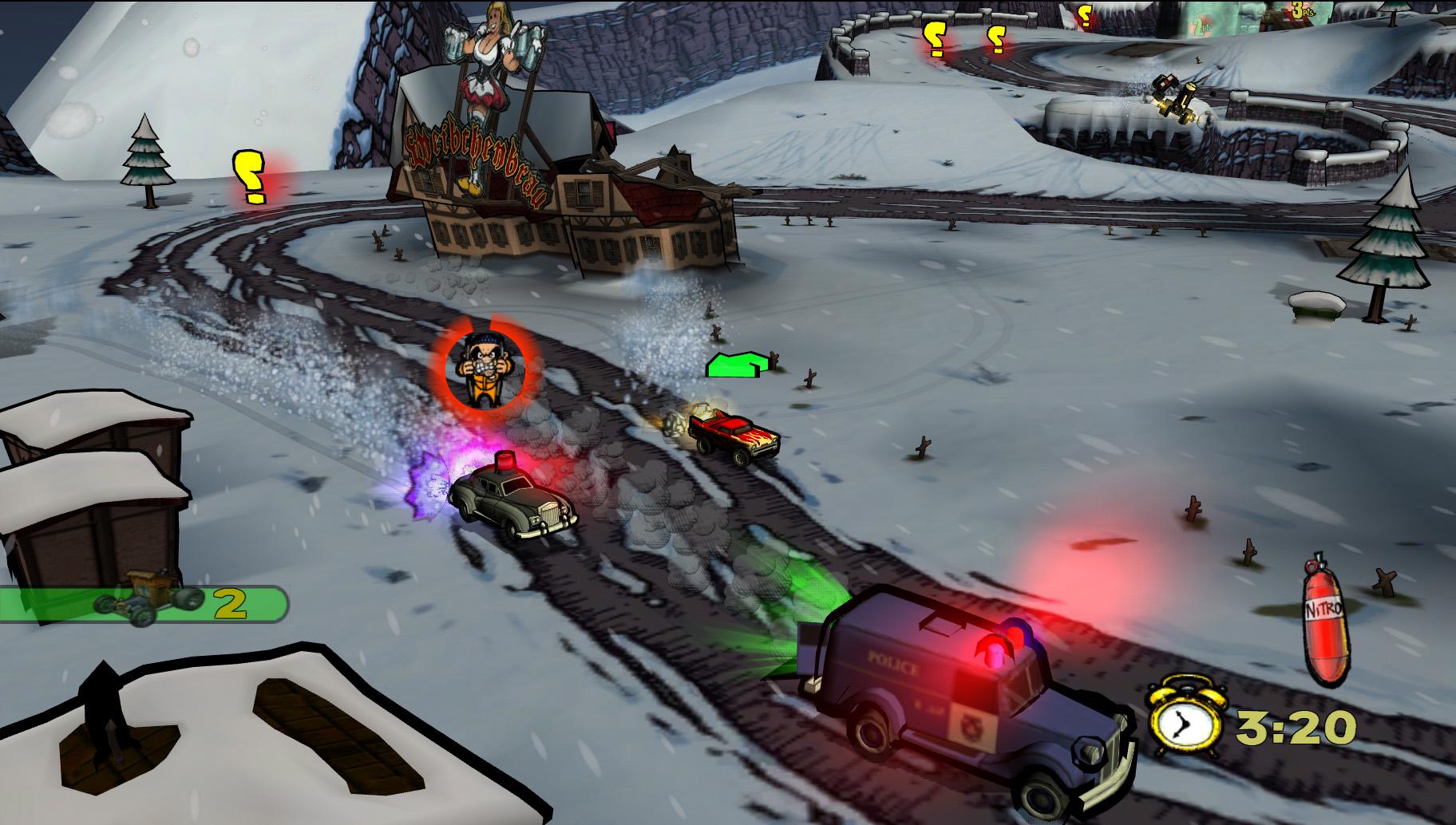
Calling All Cars! – 2007
This was David Jaffe’s (Twisted Metal, God of War) pet project. It got a lot of attention because it had been a few years since anyone had heard from the man. While it offered cute cell-shaded car combat it offered little in content.
Star Ocean: The Last Hope International – 2010
The game came over to PS3 hoping to garner more sales, but the small extras weren’t enough to win fans over. It still sold poorly and had more competition on Sony’s system with far more JRPGs to offer.
Most Recent Entry: Star Ocean: The Divine Force – 2022 (PC, PS5, XSX, PS4, XONE)
Disgaea D2: A Brighter Darkness – 2013
Compared to Disgaea 4 as not as original or innovative and not returning older beloved characters. It was very by the numbers and felt like a bob-standard game.
The final game in the long-running series. Just dipping its toes in the next-gen world it was killed off due to poor sales. It wasn’t praised as high as previous games despite its great visuals. The physics felt off and that’s not surprising. Perhaps if Psygnosis had more time they could perfect it and keep the series going.
Atelier Totori: The Adventurer or Arland – 2011 Atelier Ayesha: The Alchemist of Dusk – 2013
Praised for advancing the gameplay and overall battle system, but criticized heavily for an anime-trope-riddled story and dated visuals. Fans of the series ate it up, and it continues to live on strong today. Ayesha was praised for the graphical upgrade and story, but had some mundane and repetitive questing that let it down.
Most Recent Entry: Atelier Sophie 2: The Alchemist of the Mysterious Dream – 2022 (PC, PS4)
The Guided Fate Paradox – 2013
The unique blend of randomly generated dungeons and rogue-lite RPG elements was praised, but the game moves at a snail’s pace and has outdated visuals and a forgettable story. It would try one more time before being canceled.
Most Recent Entry: The Awaneked Fate Ultimatum – 2014 (PS3)
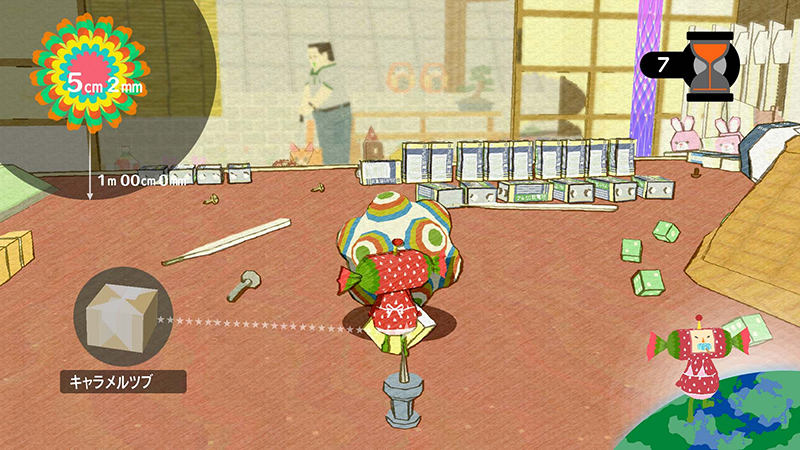
Katamari Forever – 2009
A return to form at a fault. The game didn’t advance the series much and it was business as usual for the little prince. Fans may like more of the same, but it was a great starting point for newcomers. Many also questioned the price point as the PS2 original was released for $20.
After growing a cult following sales for the game increased as of late. Especially with the PS3 store sunsetting soon. The game is incredibly unique and has that PlayStation feeling to it, but was disregarded for its dated visuals and lack of polish.
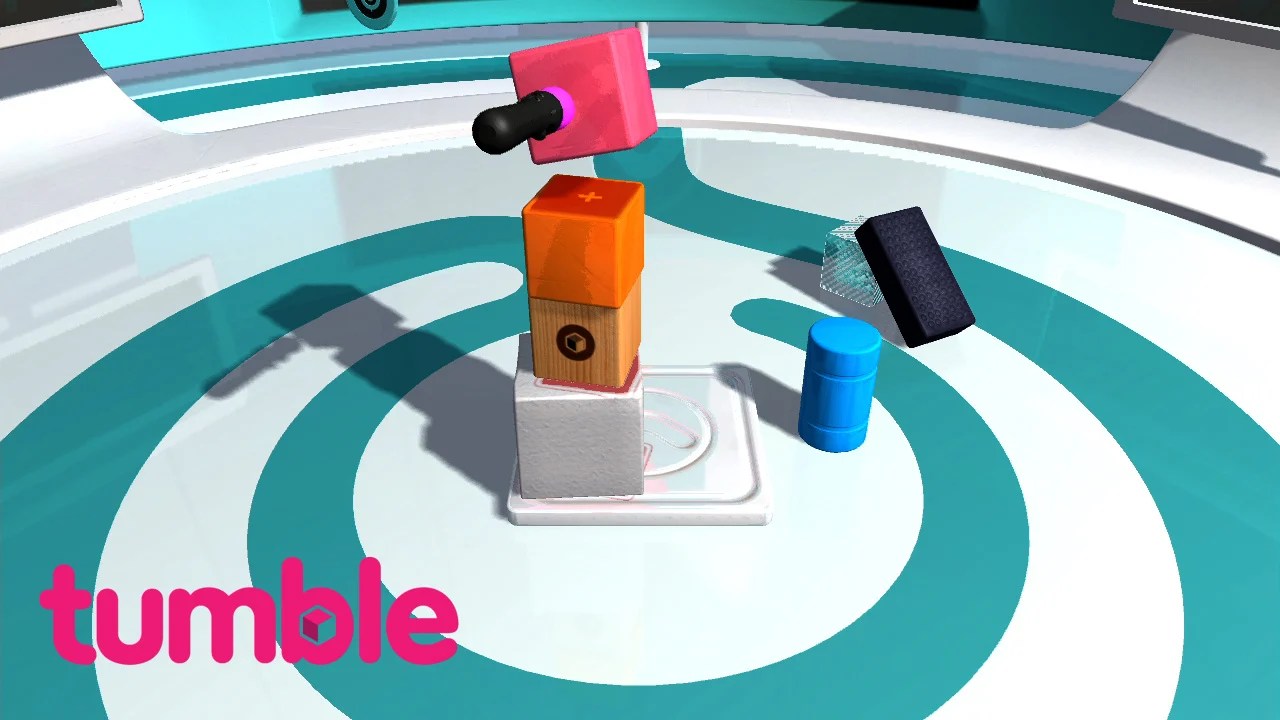
Tumble – 2010
One of the most unique uses of the PlayStation Move controller, Tumble was well regarded for this. The precise movements just worked. However, it’s the simple presentation and the repetitive nature of its puzzles brought it down some.
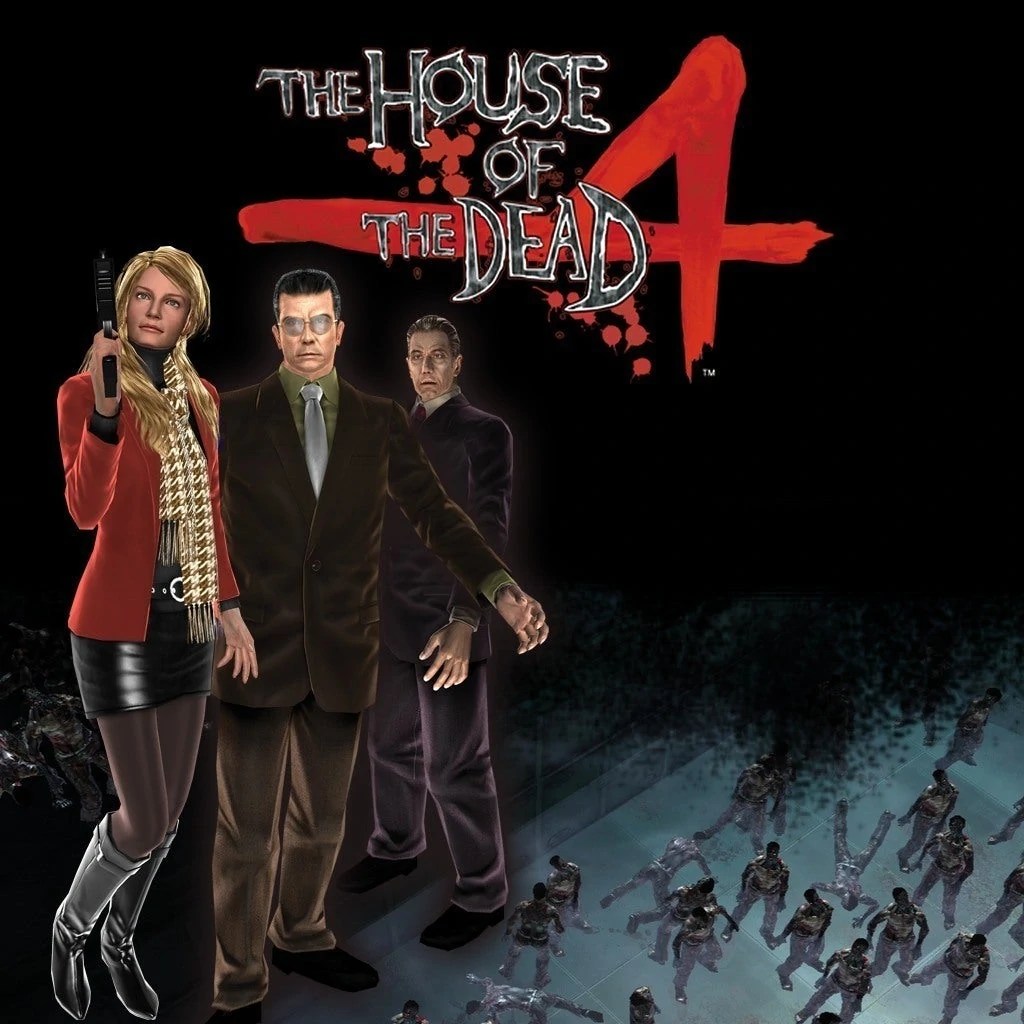
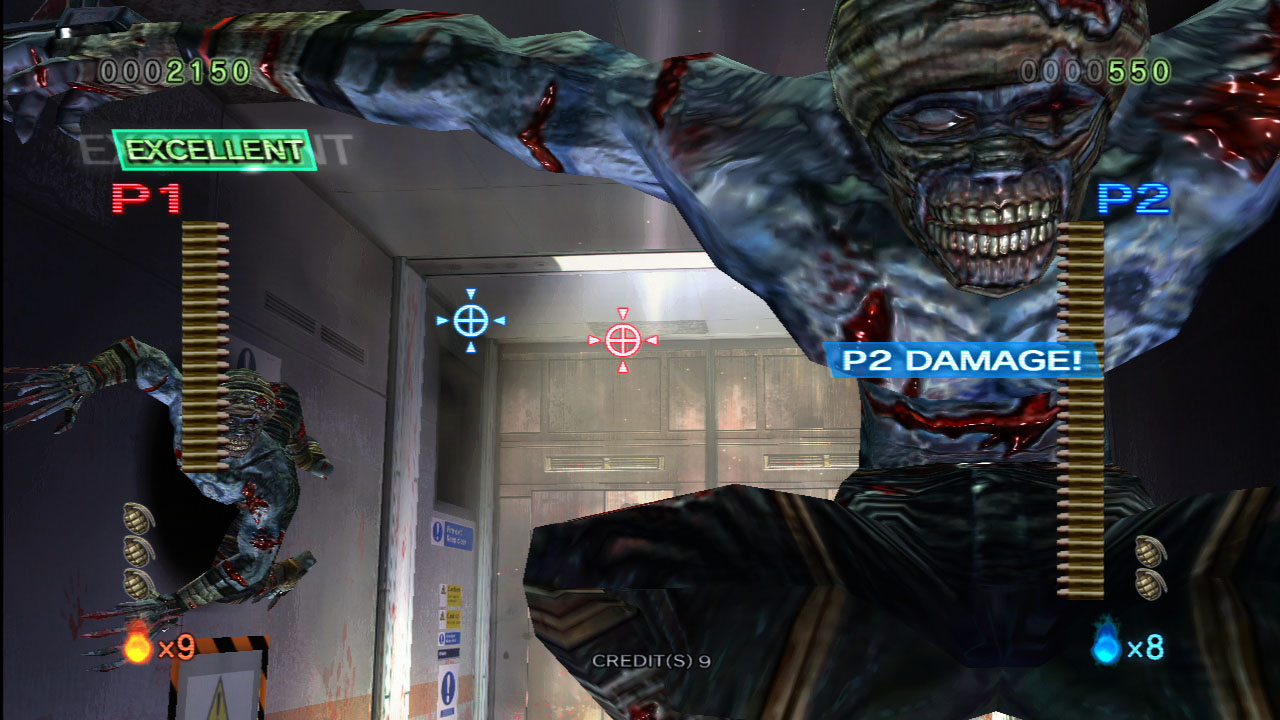
The House of the Dead 4 – 2012
Praised for using the Move controllers well, and being a good arcade port, it didn’t offer anything new and featured very dated visuals. Fans of the series or genre won’t care there. It did add some charm to it.
Most Recent Entry: The House of the Dead: Remake – 2022 (PC, NS, PS4, XONE)
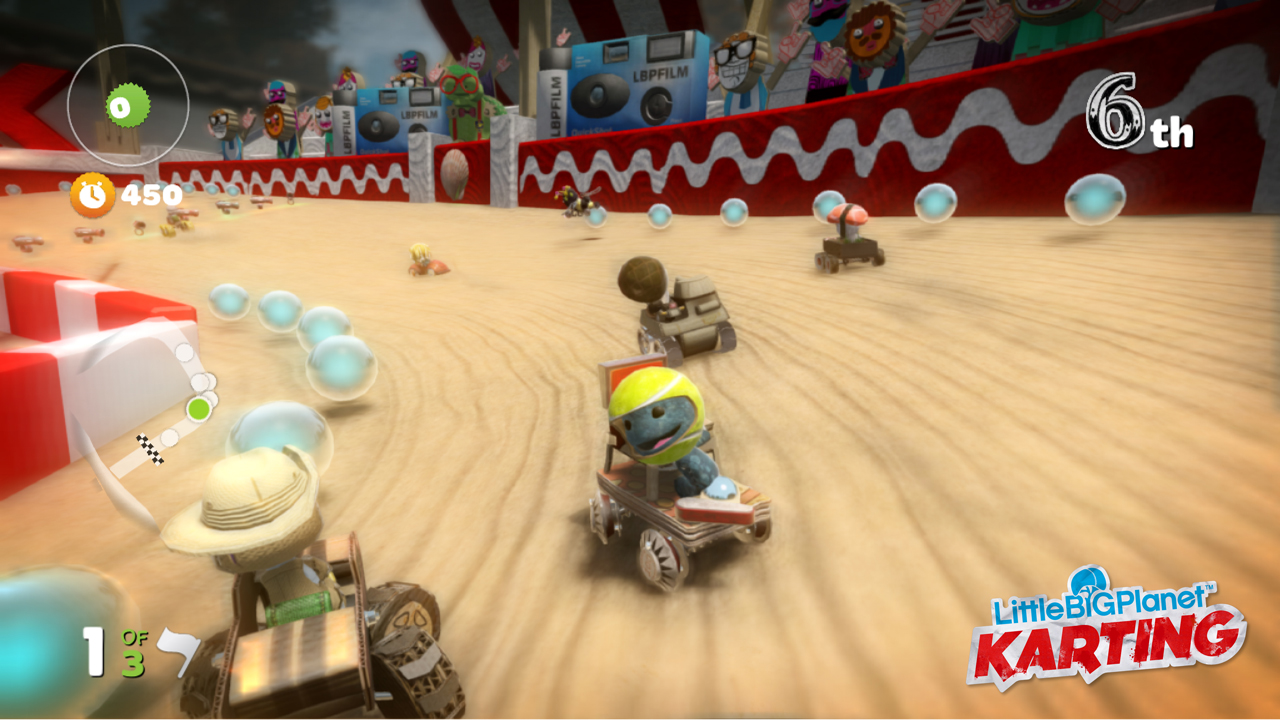
LittleBigPlanet Karting – 2012
Probably one of the better Mario Kart clones out there, LBP Kartingkept the series’ charm and tried to be its own thing. However, players felt the game was Mod Nation Racers with an LBPskin and the creation mode was still complex and required too much patience.
Most Recent Entry: Sackboy: A Big Adventure – 2020 (PC, PS4, PS5)
Savage Moon – 2009
A creepy alien version of Pixel Junk Monsters is what this game was compared to. It didn’t have the same charm as that series and was more RTS than tower defense. It just felt too generic to rise above but was decent enough for fans of either genre to pick up.
Funky Lab Rat – 2010
A fun use of the Move mixed with a platformer puzzler. It had a generic presentation that didn’t look all that great and was geared toward younger gamers, but the great use of motion controls won people over.
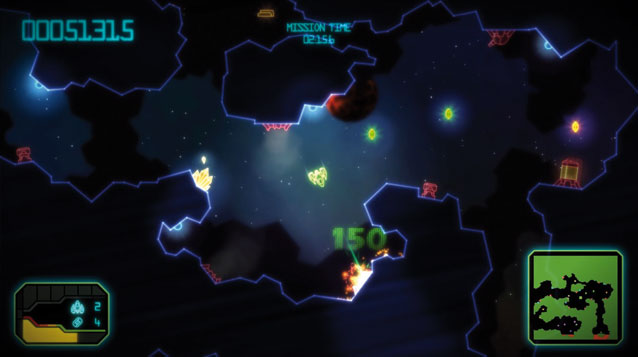
Gravity Crash – 2009
A fun game of fighting against inertia. The bright neon colors were welcomed, but the overly simple nature, frustrating difficulty, and lack of modes held it back some.
Most Recent Entry: Gravity Crash: Ultra – 2014 (VITA)
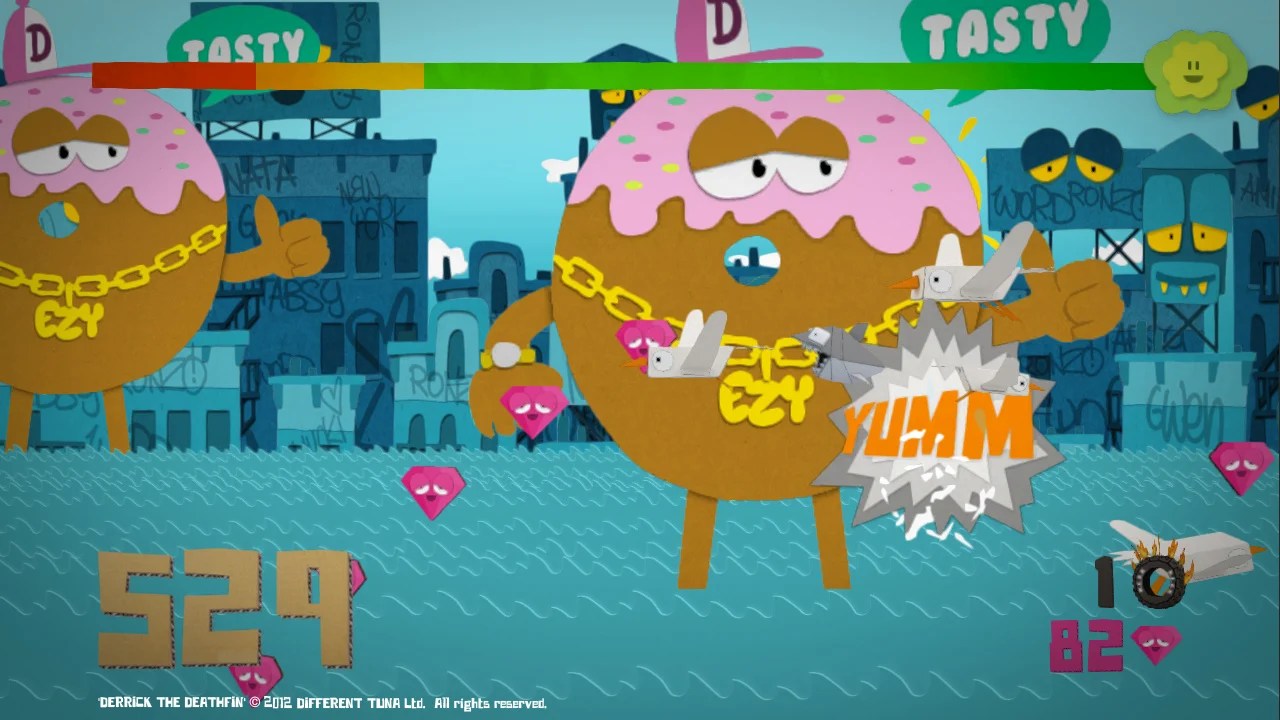
Derrick the Deathfin – 2012
Fun visuals aside, the game was too short and had very simple gameplay. If you think the game looks interesting that should be enough to play it, but overall mostly forgettable.
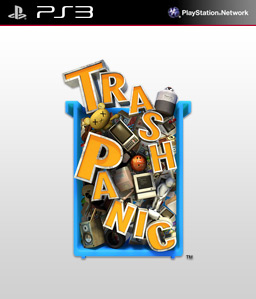
Trash Panic – 2009
This is by all means one of the more unique games on the system. It’s a puzzler that becomes addictive for a short time and then the constant frustrations will push you away.
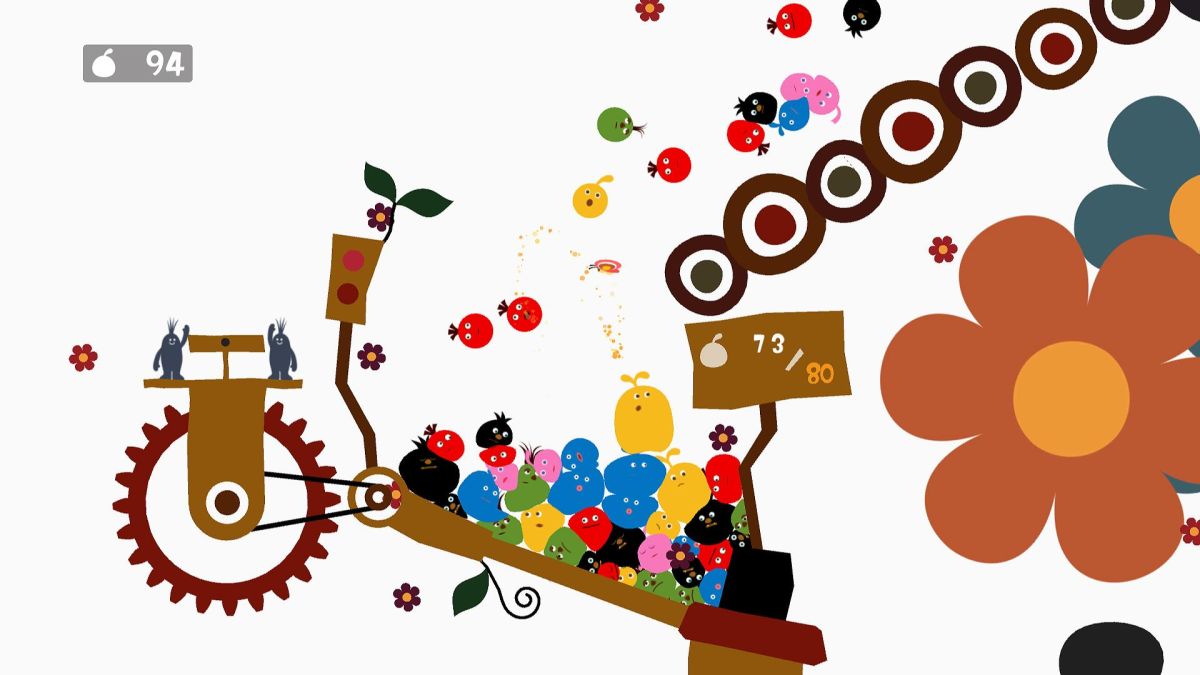
LocoRoco Cocoreccho! – 2007
This is one of Sony’s most adored series. The cute visuals, charming singing, and unique gameplay became one of the biggest favorites on PSP. The charm doesn’t translate on consoles as well, especially for a game that’s really short and was considered more of an interactive screensaver. If you love the series you probably need to get this then.
Most Recent Entry: LocoRoco: Remastered – 2017 (PS4)
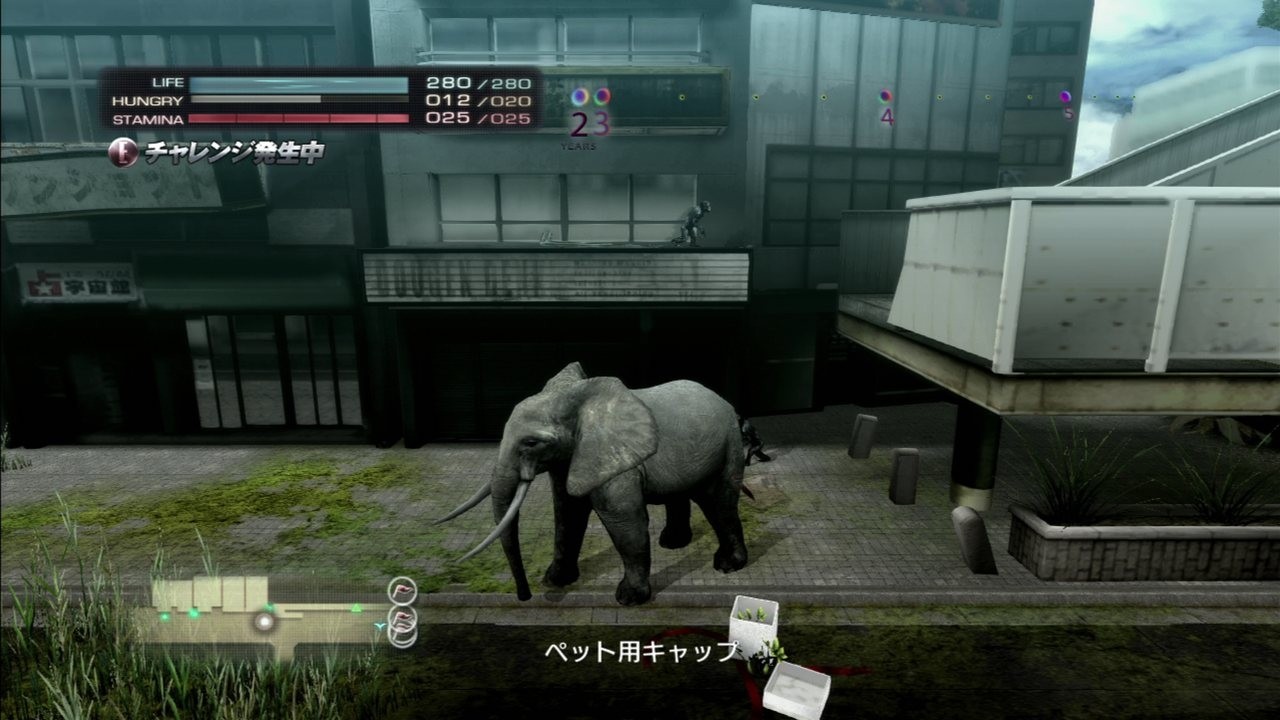
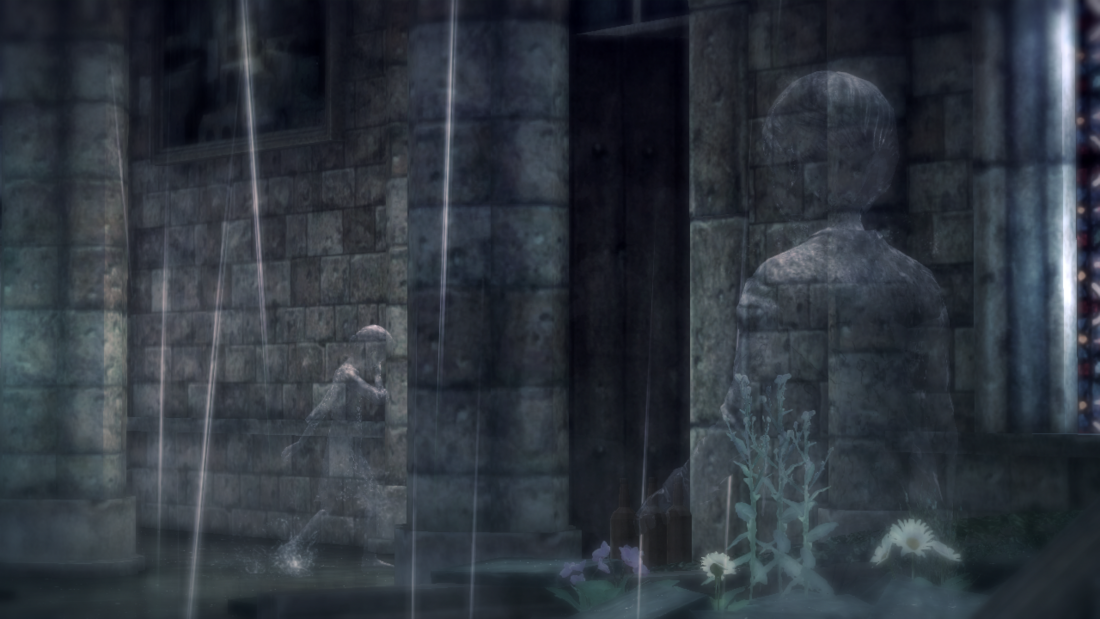
rain – 2013
This is considered a “must buy before the PS3 store closes” game. It’s very unique, relaxing, and interesting, but has some control quirks and is over way too soon.
Papo & Yo – 2012
I remember the hype built up around this game. Many liked the world that was built and the story, but the gameplay made no sense inside it. Still worth trying out.
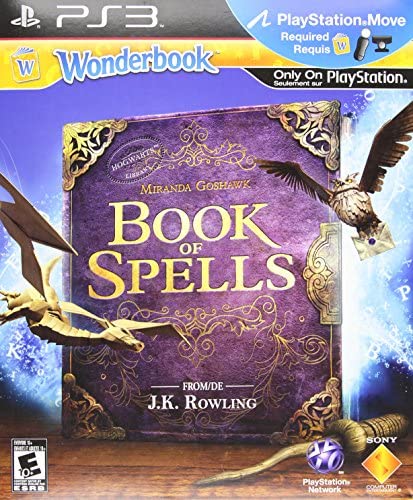
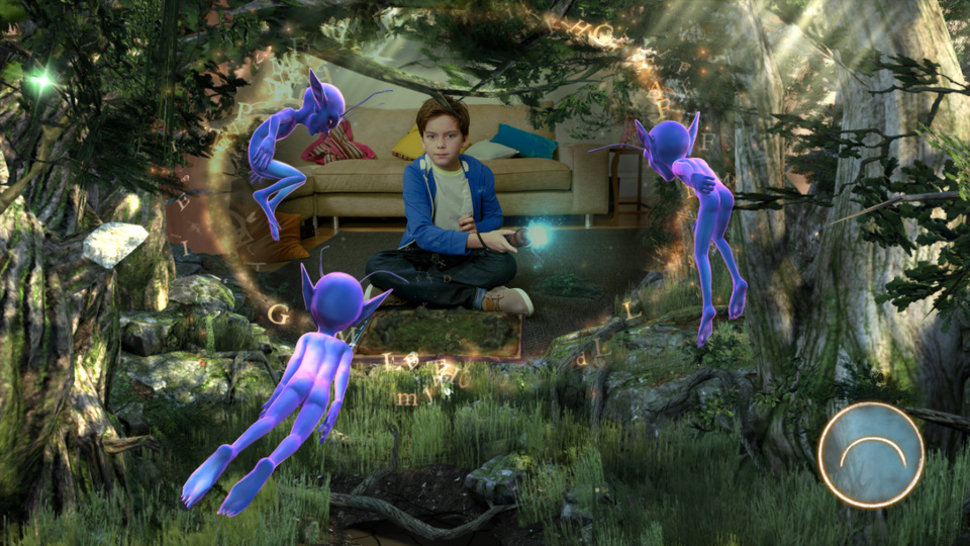
Wonderbook: Book of Spells – 2012
This is one of the most hyped-up Move games. I remember the long E3 presentation for this. It has charming visuals and uses the Move well, but it has almost no challenge and is geared toward kids. Imaginations are not included.
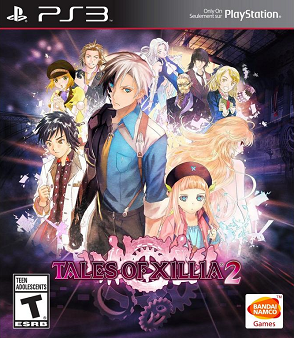
Tales of Xilia 2 – 2014
While many loved the story and characters as well as the interesting combat mechanics, the game barrowed too much from its predecessor and felt a little too familiar. It also had some very dated visuals.
Most Recent Entry: Tales of Arise – 2021 (PC, PS4, PS5, XONE, XSX)
PAIN – 2007
This was the Goat Simulator of the day. I remember everyone playing this and streaming it. It was dumb fun with a lot of DLC, but outside of wonky physics, there wasn’t a real goal or loop that kept you coming back.
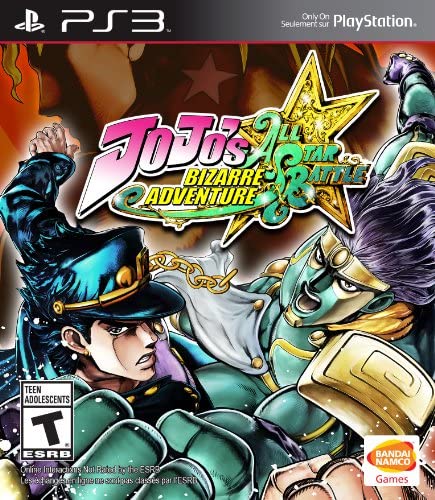
Jo-Jo’s Bizarre Adventure: All-Star Battle – 2014
You need to really be into the source material to enjoy this game. With a fun cast of characters and a pretty good fighting system, it lacked content and was plagued with microtransaction controversy.
Most Recent Entry: Jo-Jo’s Bizarre Adventure: All-Star Battle R – 2022 (PC, PS4, PS5, NS, XONE, XSX)
Top Darts – 2010
A darts game using the Move sounded like a good idea, but the lack of online play really hurt this game’s sales and potential. It had couch co-op, but at least had great motion detection to keep players engaged. It was later ported to Vita with little attention.
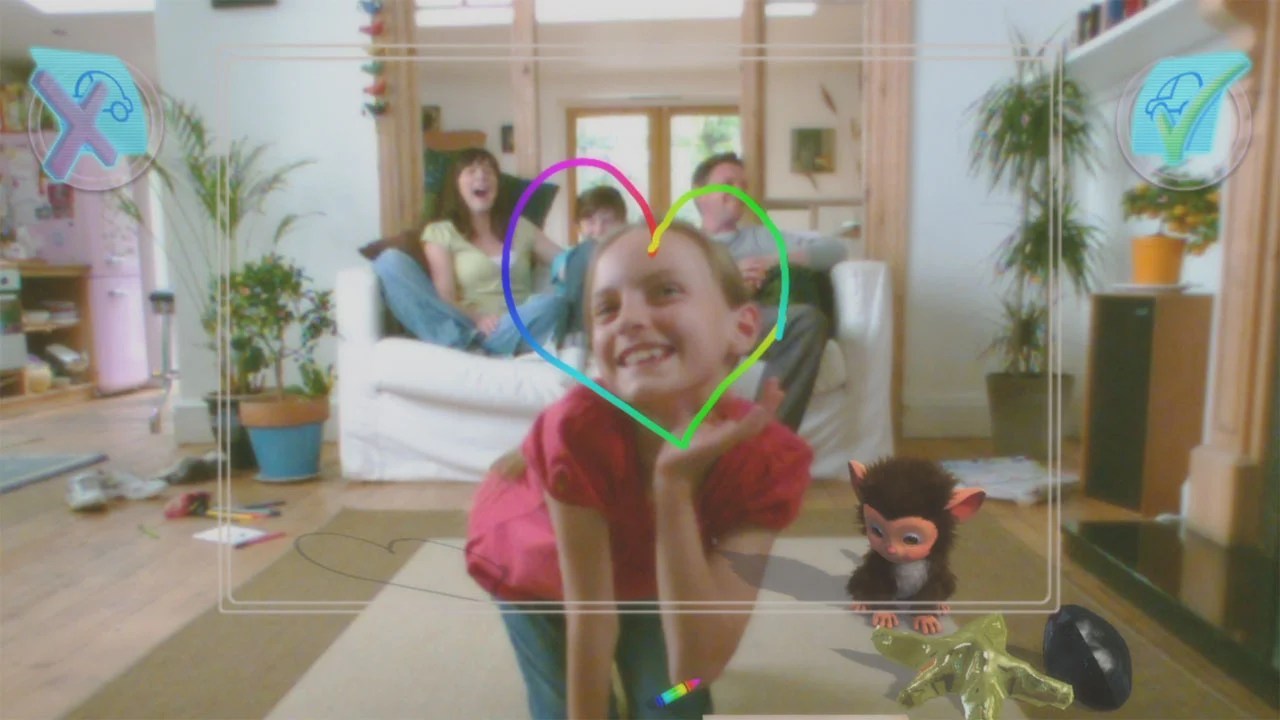
EyePet – 2009 EyePet: Move Edition – 2010
This creepy animal was made fun of quite a bit during its E3 showing. This launched with the Move and was praised for its inventive use of augmented reality, but also felt too simple
Most Recent Entry: EyePet Adventures – 2011 (PSP)
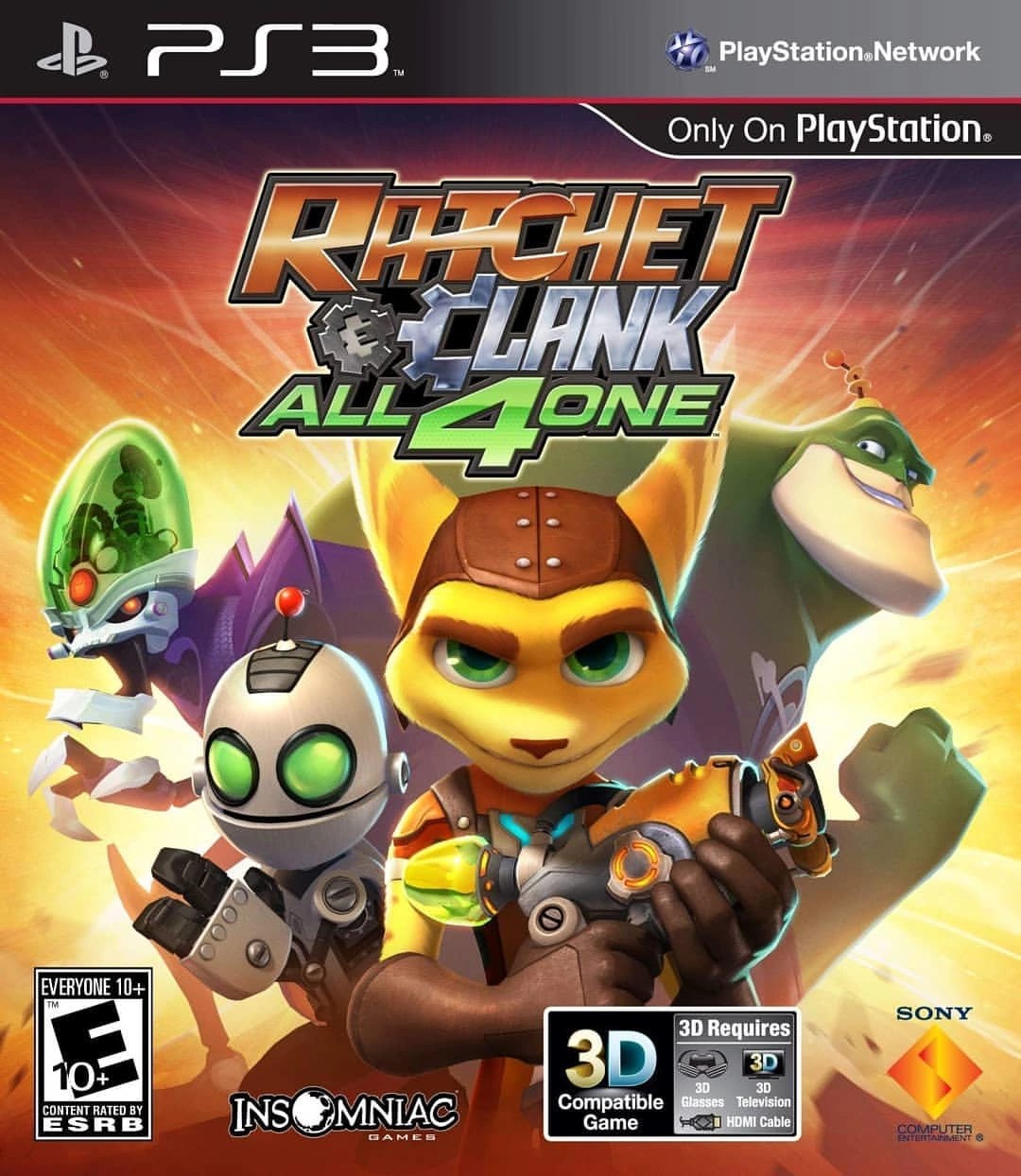
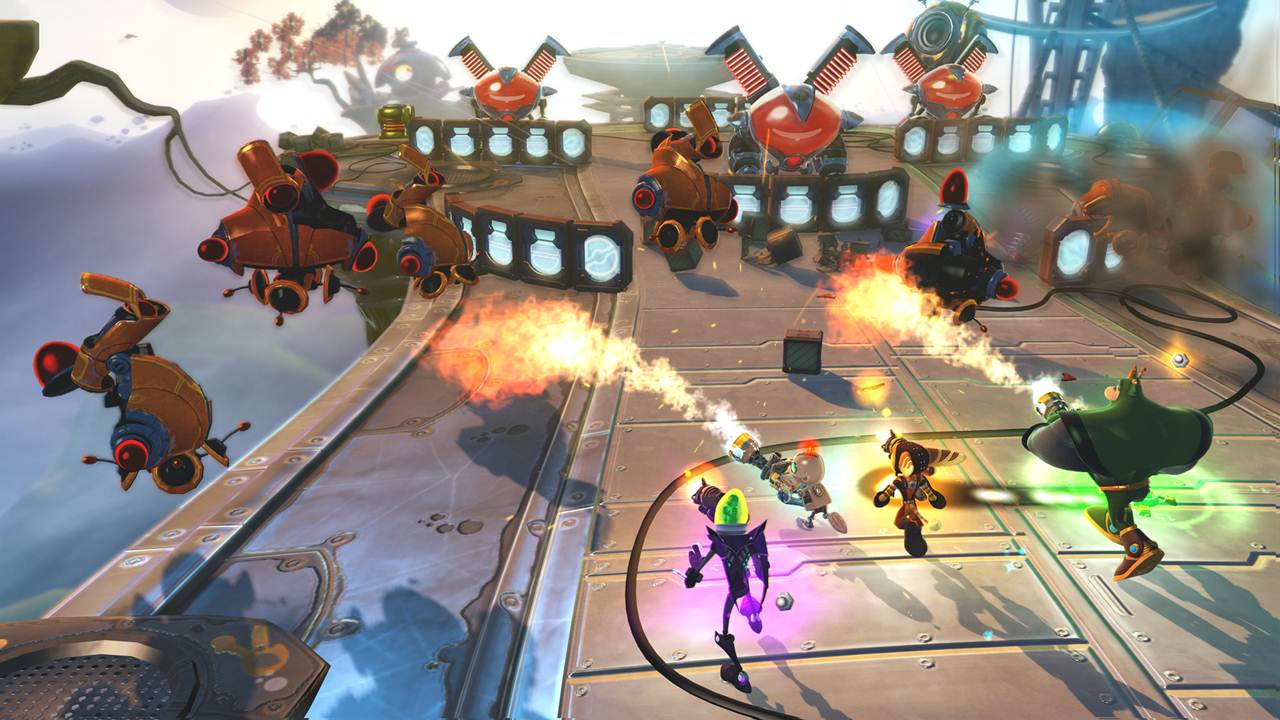
Ratchet & Clank: All 4 One – 2011
Probably the lowest point in the series, but by no means a bad one. This four-player co-op alienated the fans of the single players mainline series, and it was more of an arcade-like adventure and pretty easy too.
A remake of the 90s arcade title that didn’t bring much new to the series. It’s a pretty fun arcade racer that looks decent but lacks any content. It was knocked down for its steep price as well.
Piyotama – 2007
A cute and charming puzzle game that was later ported to Sony’s handhelds. For what it lacked in content and variety it made up for with sheer addictive gameplay.
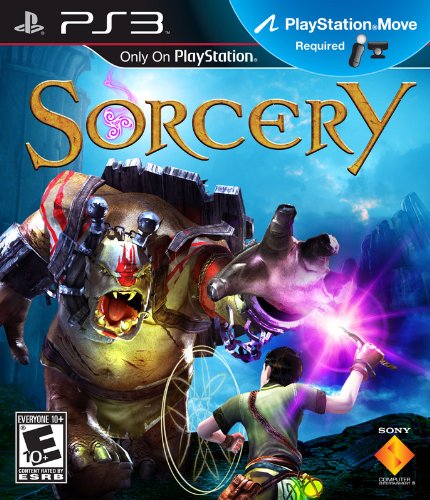
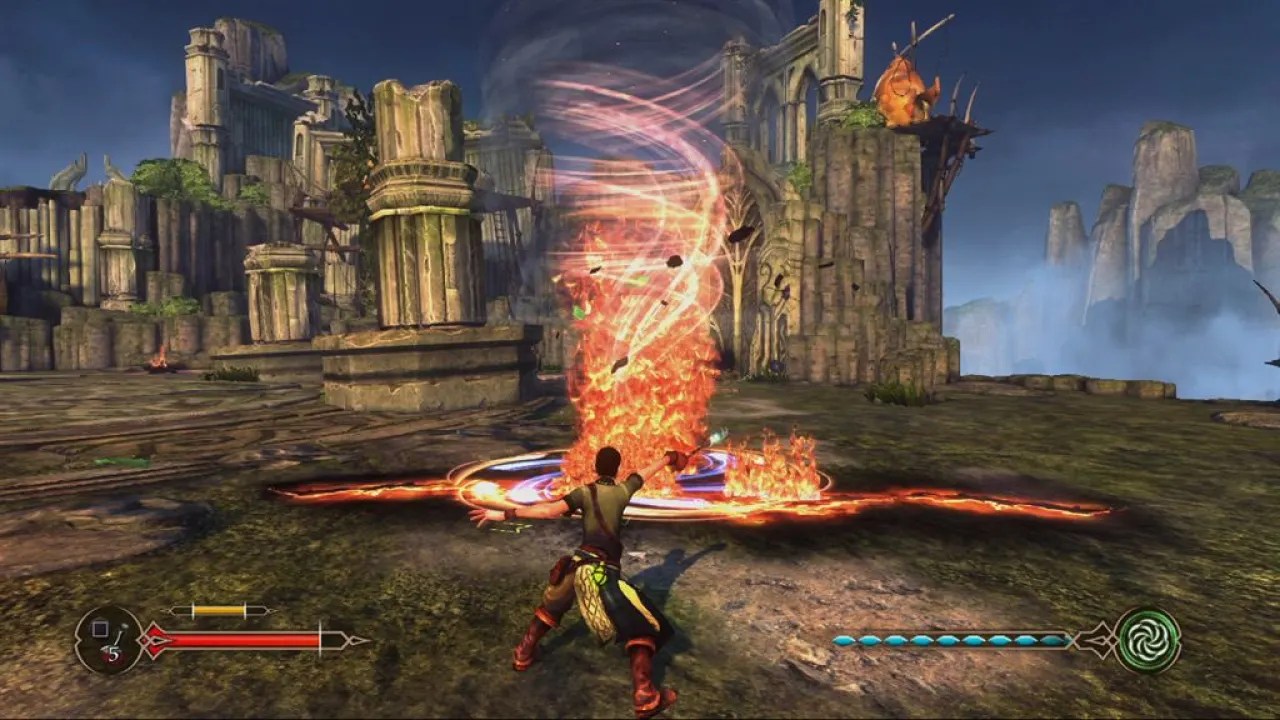
Sorcery – 2012
I remember the hype this game had. People thought that the Move would finally have its killer app. The Move was on its last legs, and in fact, the entire motion control craze only lasted about two years. Between 2010-2012 was the height of this craze as Sony and Microsoft had both thrown their chips into the mix. While the game was touted for its smooth integration of the Move it lacked in depth and replay value.
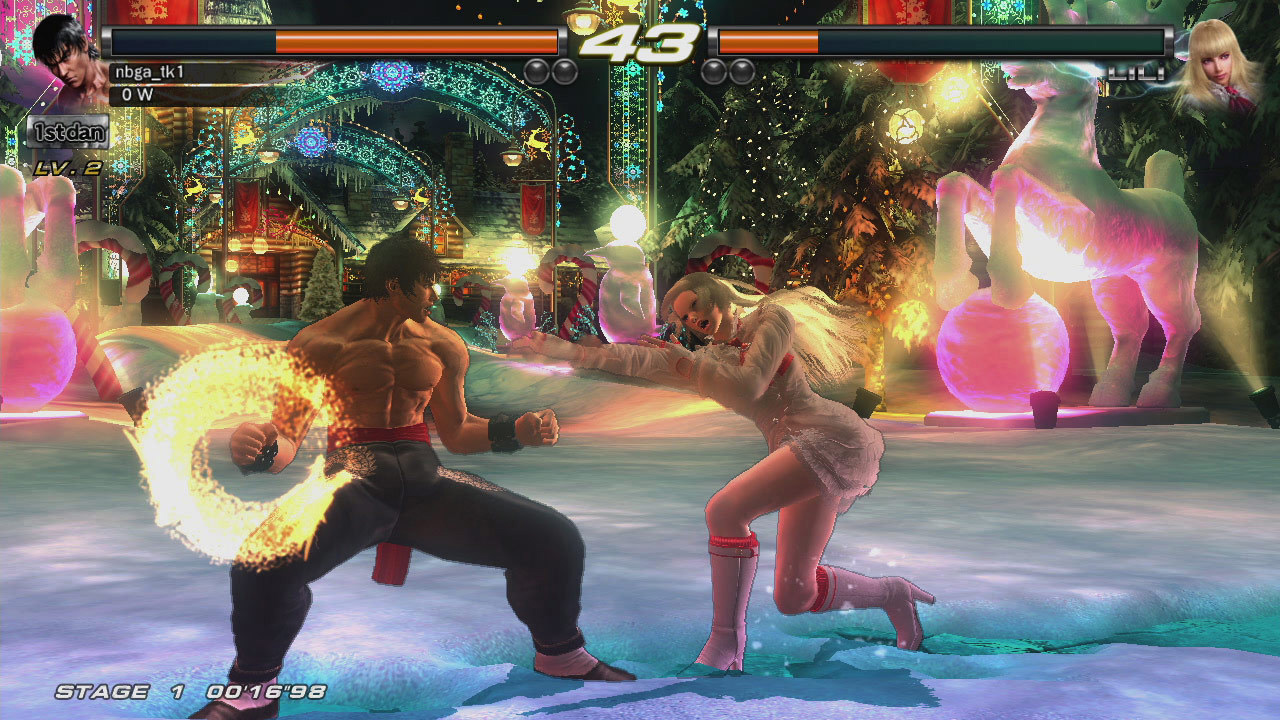
Tekken Revolution – 2013
While the core game was intact this was geared toward novice fighters and people just getting into the series. It’s stripped down and simplified to the point that veterans scoffed at it. It was a free-to-play model that ultimately failed in the end.
Most Recent Entry: Tekken 7 – 2017 (PS4, XONE, PC)
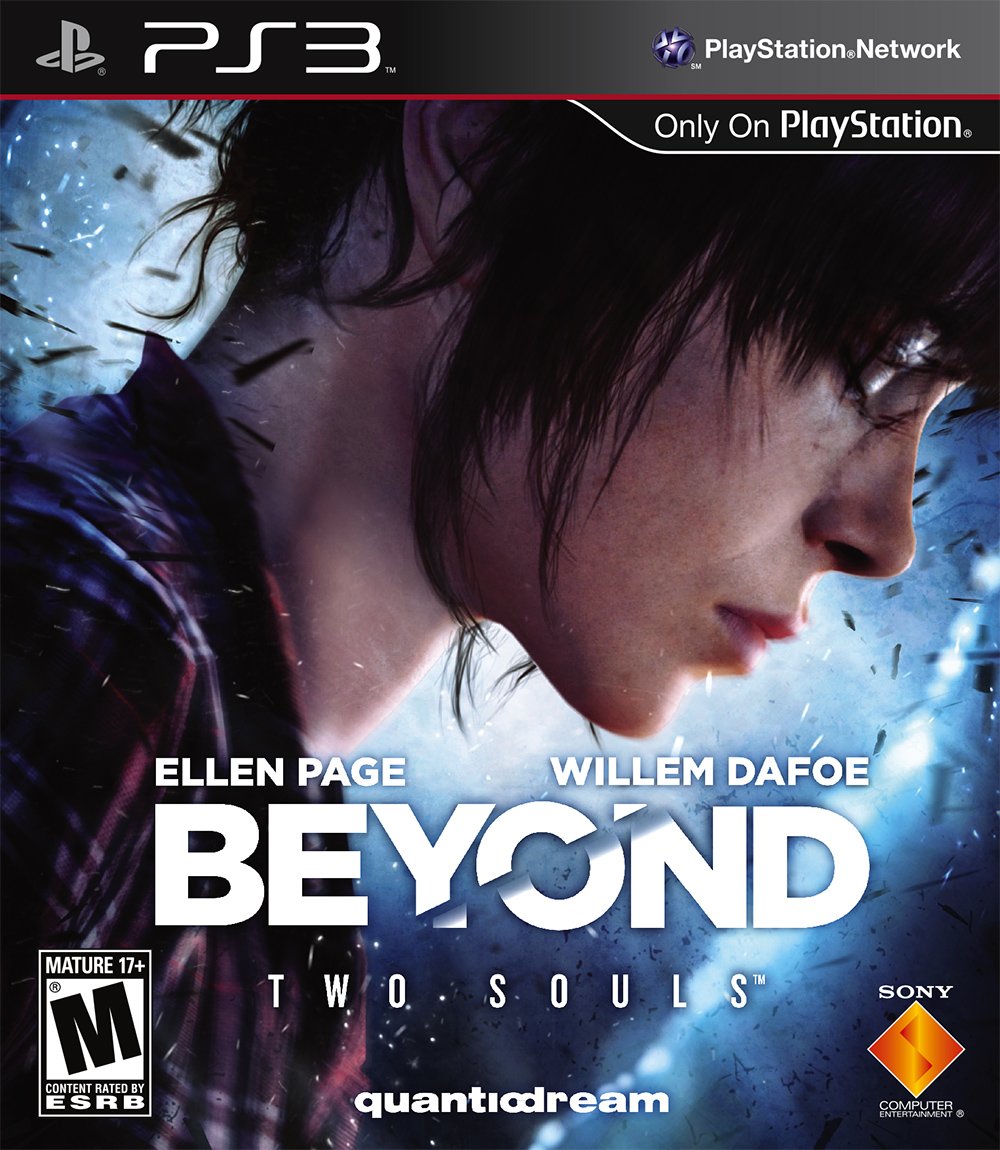
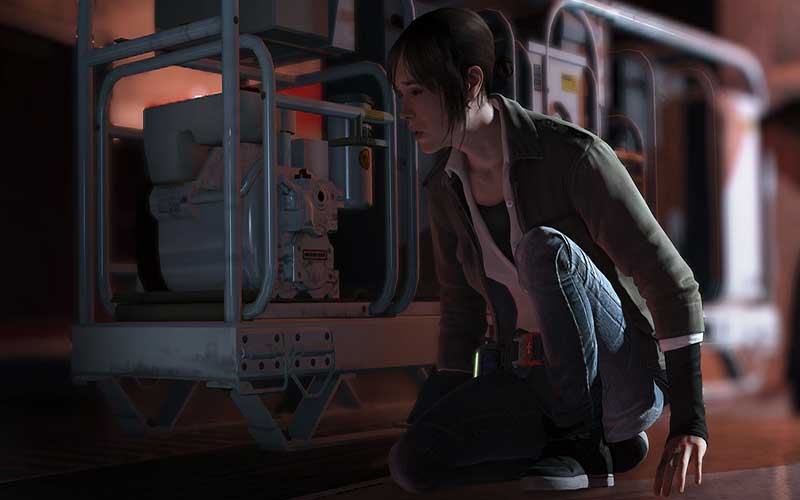
A visual masterpiece, David Cage and his team are able to eke out every ounce of power of the consoles his games land on. Despite the technical marvel and fantastic acting, the game falls flat with a confusing story and long stretches of boring gameplay. It was later remastered for newer systems.
Rainbow Moon – 2012
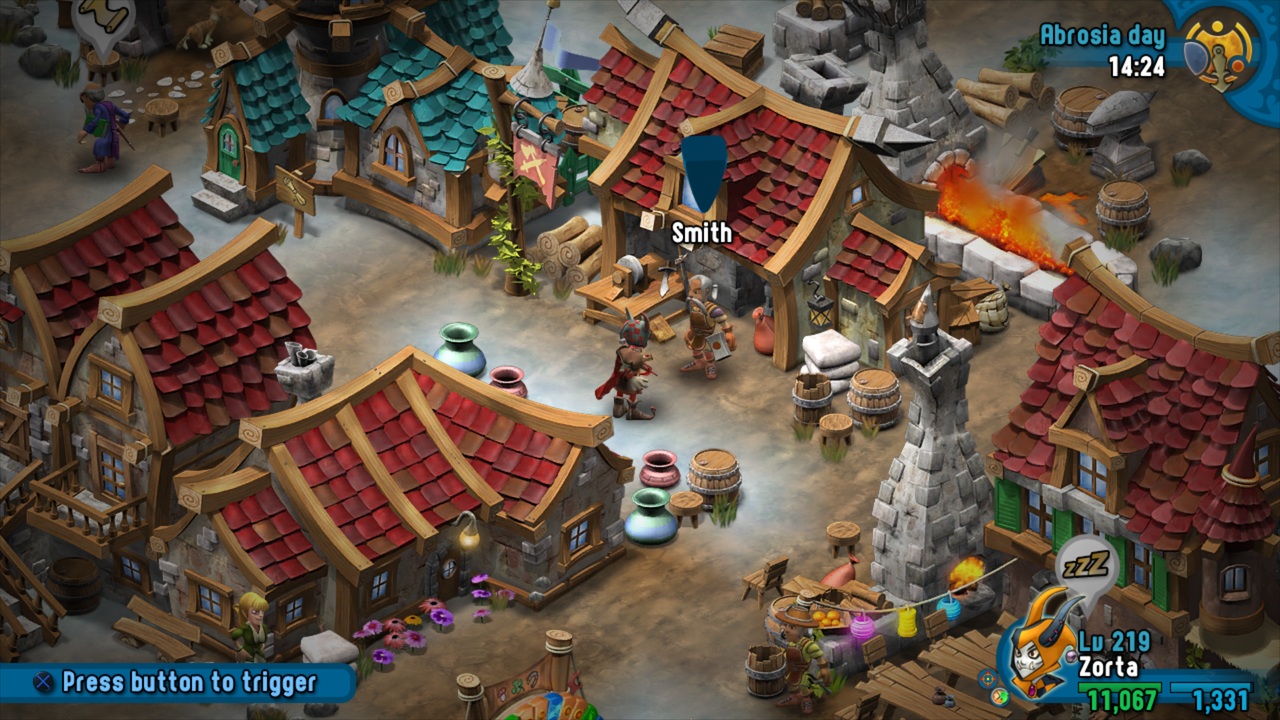
A good-looking and deep strategy title that feels flat with its story and characters. The game also had some crazy difficulty spikes that hindered many gamers.
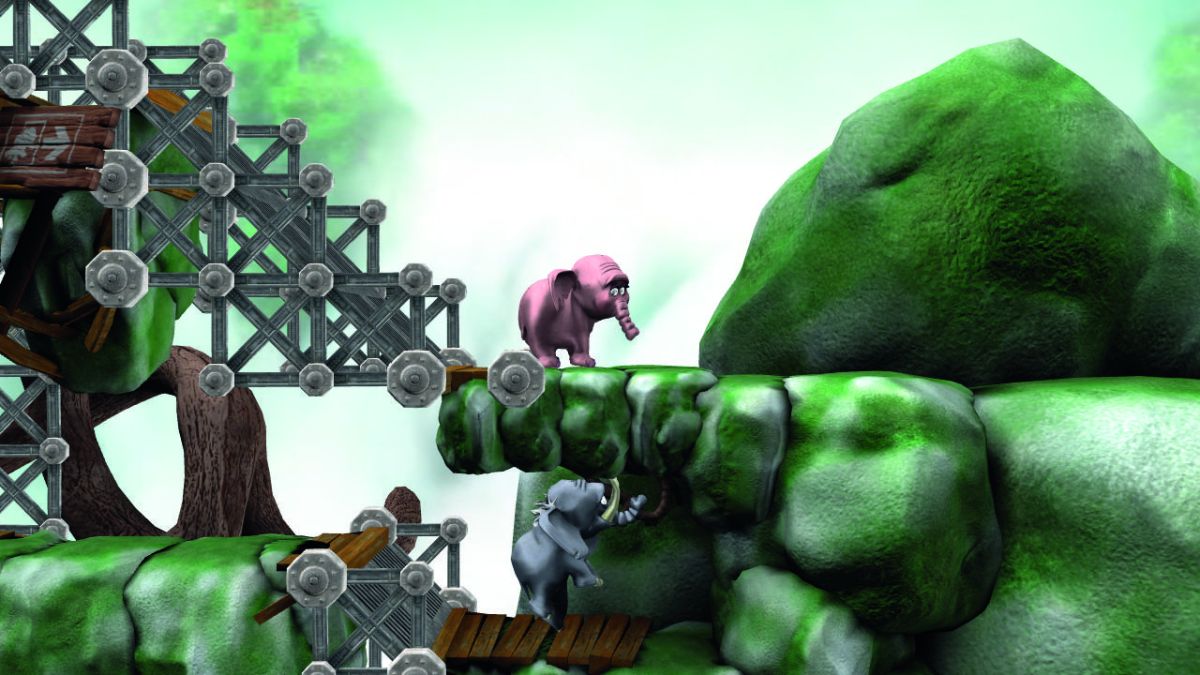
Elefunk – 2008
A charming puzzler but steeped in trial and error and frustrations around every corner. If you don’t mind restarting puzzles a lot than this weird puzzle game is for you.
The 8-bit era of Atari was before my time. I started the next generation with the Sega Genesis and Super Nintendo as a young toddler. I still respect and have enjoyed iterations and ports of Atari 8-bit games over the years. What hasn’t been done well is anything outside of bundles of seemingly random collections. They’re nearly countless at this point and have spanned nearly every console imaginable. Atari anniversary collections, various Atari-themed packs, and various retro packages with fancy UIs or presentations However, no single retro package has been as cohesive or beautifully created as the Atari 50. Even Sega’s recent Genesis Collection, with its retro 90s bedroom and bookshelf display, can’t beat this.
The entire game is presented like an interactive history lesson. You go through four timelines. Atari’s origin story and their arcade routes You get to see photos, printouts, commercials, and interviews with various Atari developers and industry veterans such as Tim Schafer (Psychonauts) and Cliff Bleszinski (Gears of War). These are presented in chronological order. A game is presented when its release comes up in the timeline. Some games have cover art, photos, and even comics underneath them to view. As you advance in the timeline, you get the feeling that you’re playing an interactive museum tour. There are no fancy 3D menus or anything, but the clean and simple UI works well. There are a few surprises peppered in, like unreleased prototypes and Digital Eclipse’s own recreations of iconic games like Yar’s Revenge and Haunted House.
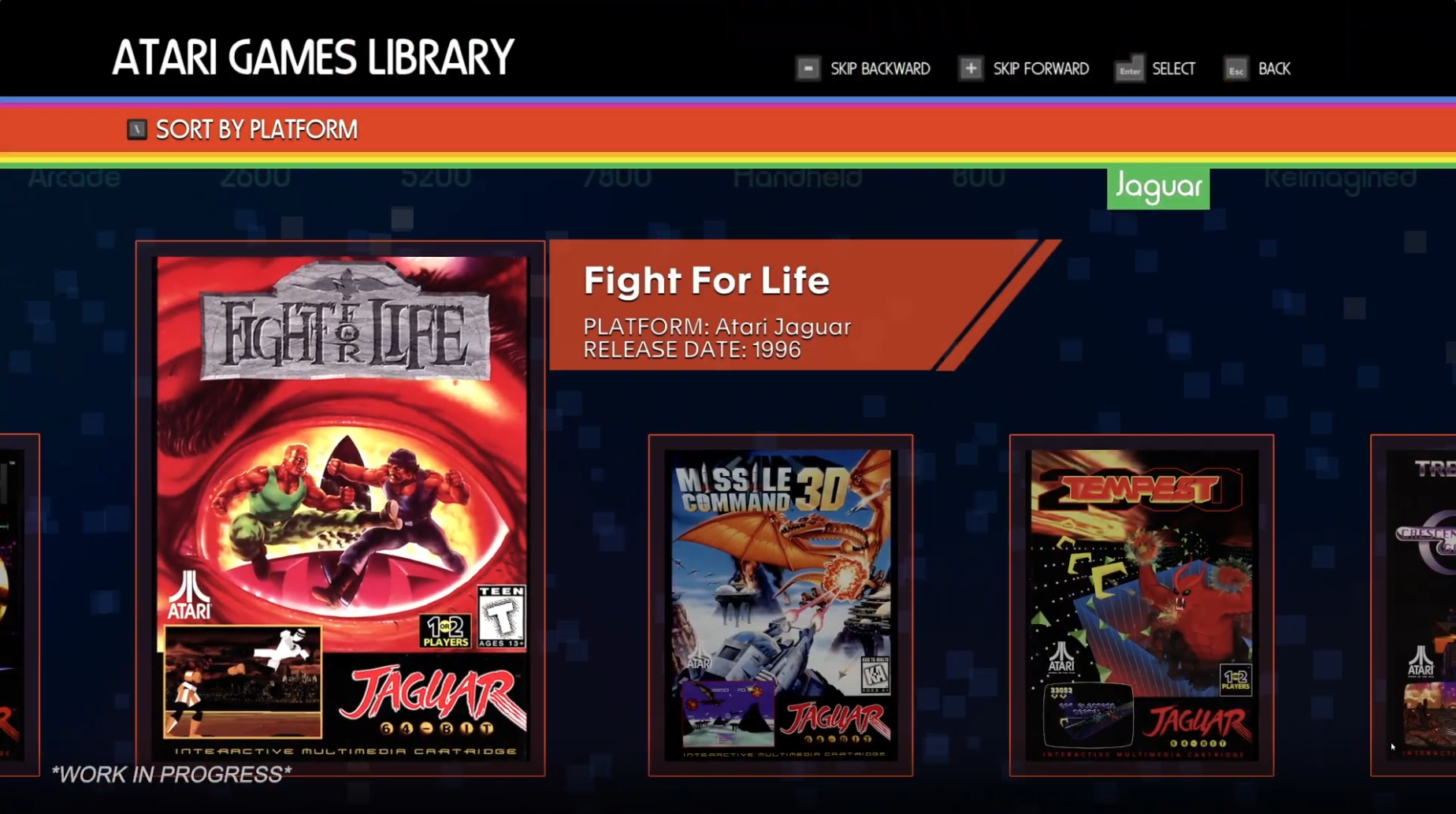
As you advance to the home console and PC timelines, things get more interesting. You will eventually get to the Atari 5200 and 7800 games, which are a bit more advanced. You will also get to play a few PC games for the Atari home computers. Then you will finish up in the 1990s with the Atari Lynx and Jaguar. Sadly, there aren’t many games in this timeline, and the biggest issue with this entire game is the lack of third-party titles. You only get to play Atari-published and owned games. That’s very limiting, and while I understand this is Atari’s own history, there are many games that helped make their systems great outside of internal developers. The few Jaguar games range from Cybermorph to Tempest 2000 and Missle Command 3D. They aren’t great, but they are interesting to dive into. That’s another thing about this whole collection. Very few games are fun to play for longer than five minutes. Some are pretty clunky and bad. This isn’t a “greatest of” collection, which I really appreciate. You will most likely go back to the more fun games like Missle Command, Centipede, Millepede, Tempest, or their latest versions in this game. You get special bezels, backgrounds, overlays, and control options for every game as well. You can also select various modes, and some games support save states, which is cool. You also get a digital view of every manual for the game, including the arcade operator’s manuals. They didn’t leave anything out.
By the time I spent around 5 hours in the game, I got to the end of the timelines. You can go back and play any game in the library view and pick your favorites. These games run really well and look great, but many gamers who didn’t grow up in the 80s will probably find this nothing more than a history lesson. Even more, will find pretty much every game boring or uninteresting. However, that’s not a knock to the games, but just a warning to younger audiences. Anyone younger than 30-35 will most likely not find this game interesting or fun. If you have a curiosity about Atari’s history or games then this is the best place to get that. If you have an itch for trying out 8-bit games or want to go back without emulating anything then this will give you nearly 100 games. I also appreciate how few ports and copies of the same game are in here. Each game was hand-picked and placed with relevancy.
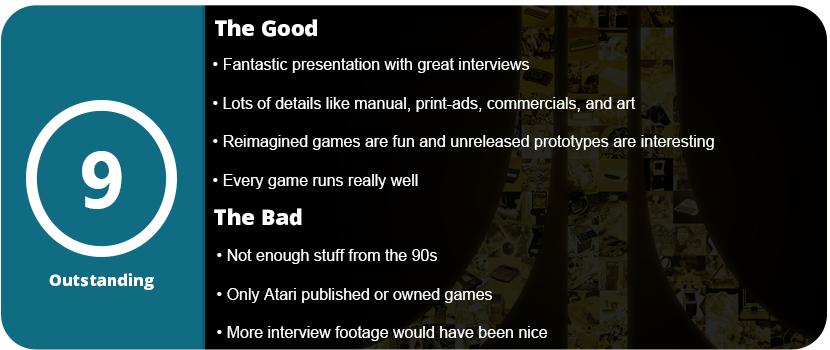
Overall, the Atari 50 is one of the best retro packages you can ever play. Telling an entire developer’s history with games placed in their correct time slots and even including unreleased games and reimaginings of some is just fantastic. The videos are entertaining and interesting, and you will learn a lot. There are so many details added from commercials, print ads, posters, manuals, customizable controls, save states, and more. It’s a complete and cohesive package for Atari lovers out there. Just be warned that there are no third-party games and less of the 90s stuff.






























































 thebinarymessiah.com
good