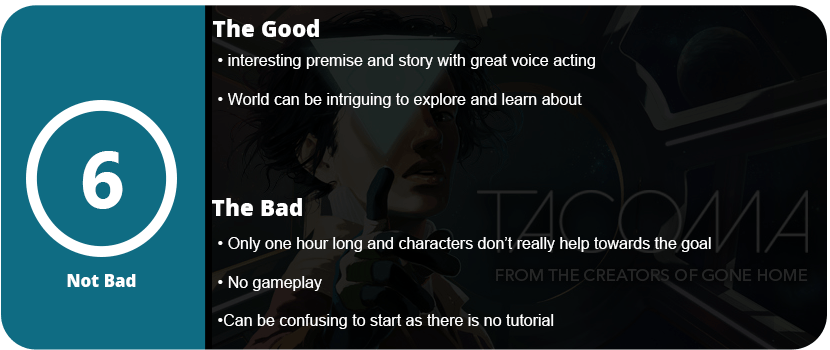
I was shocked when Tacoma ended as suddenly as it did. Before it even started I felt like it had ended and wanted to see more. You play as Amy Ferrier. Your job is to go to the space station Tacoma, find out why the crew died, and acquire the AI onboard as well. There is zero action in the game; this is an adventure game through and through with story only. All you do is interact with objects and read and listen to dialog play out.
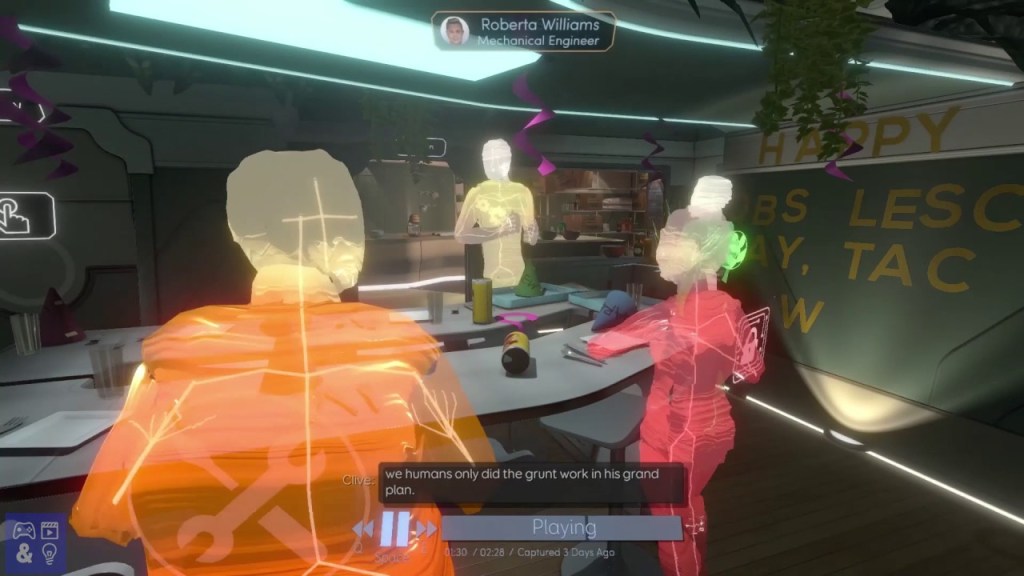
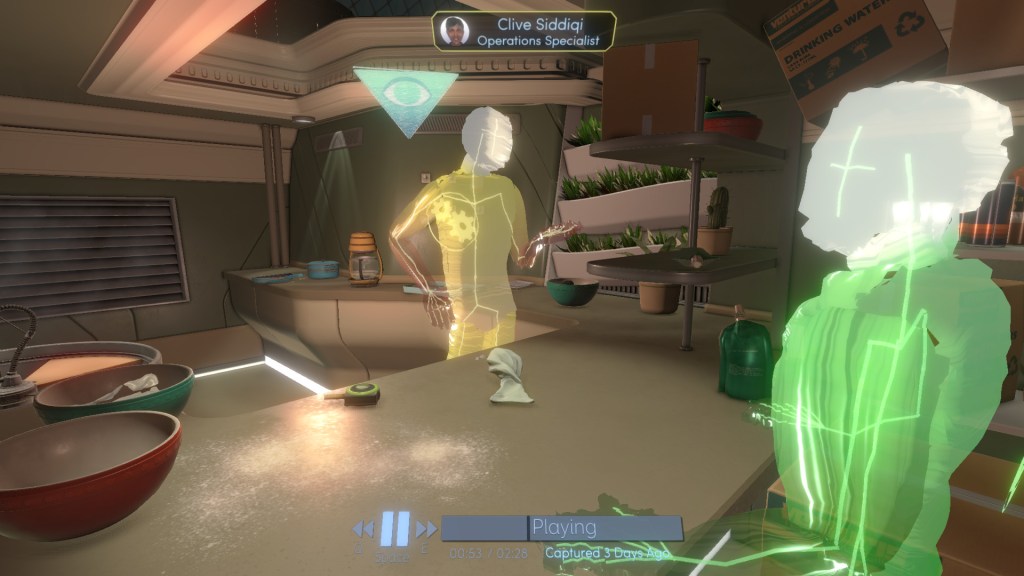
This type of game won’t be for everyone. I love great stories and characters and can enjoy them without any action at all if they’re done right. Tacoma comprises three explorable areas, each with useless interactive objects, but once you get to an area, you use the AI to replay what happened in that area via holograms that walk around. You can fast forward and rewind the hologram play, and in between, there may be some holograms with HUDs that need to be interacted with, and these are marked as question marks on the timeline of the event you are watching. Finding these holograms and interacting with their display allows you to gain some insight into those characters. Honestly, it’s nothing super special or interesting. The issue is that the overall story and larger picture don’t really sit and integrate well with the characters. They feel like a side story.
Once you get through all three areas by finding hidden passcodes to locked doors and reading various terminals, there’s nothing left to do. You drop off your AI book at the front of each hub on a wall that downloads all the data in that area. This takes around 15-20 minutes to do, and in the meantime, you have to explore the area. Once it’s done downloading, grab it, go to the next hub, and repeat. Once you get the AI software, you head back to your ship, and the game is over.
I wanted to learn more about this world. The fact that an evil corporation is building homes in space against the law is intriguing, and there’s lots of potential here. I felt like I had no idea what was going on most of the time because I kept expecting the plot to move on, but instead, it just ended when most games would consider this the first chapter. I’m not a fan of short, incomplete games like this and don’t support them. I’m a fan of short games if they are sweet and memorable, and I have played plenty of those. This almost felt like a waste of an hour.
The visuals are decent, and the art style is nice, albeit forgettable. The voice acting is great, and there are some interesting concepts at play that are just barely touched upon and then abandoned. Tacoma doesn’t give the already struggling adventure genre any hope or appeal to gamers who shy away from them either.
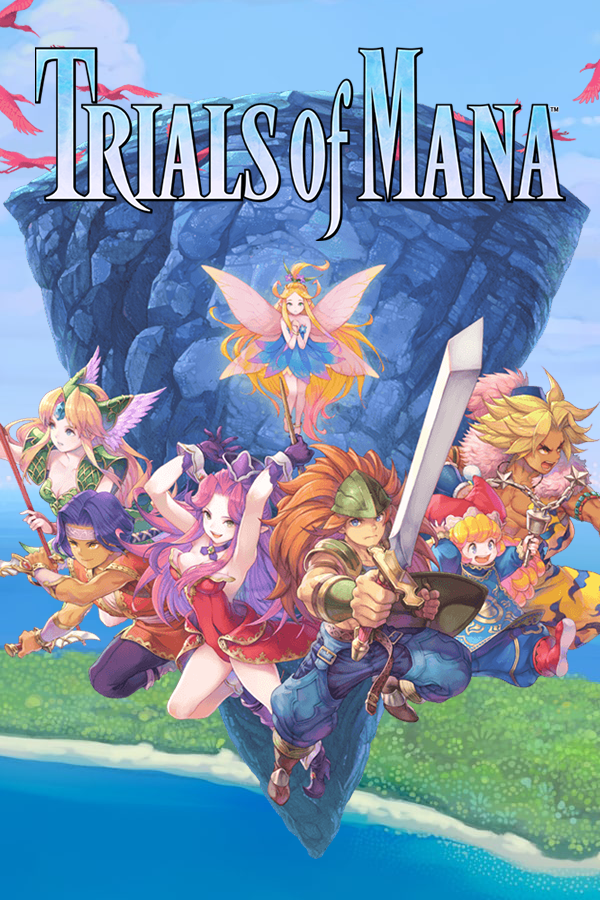
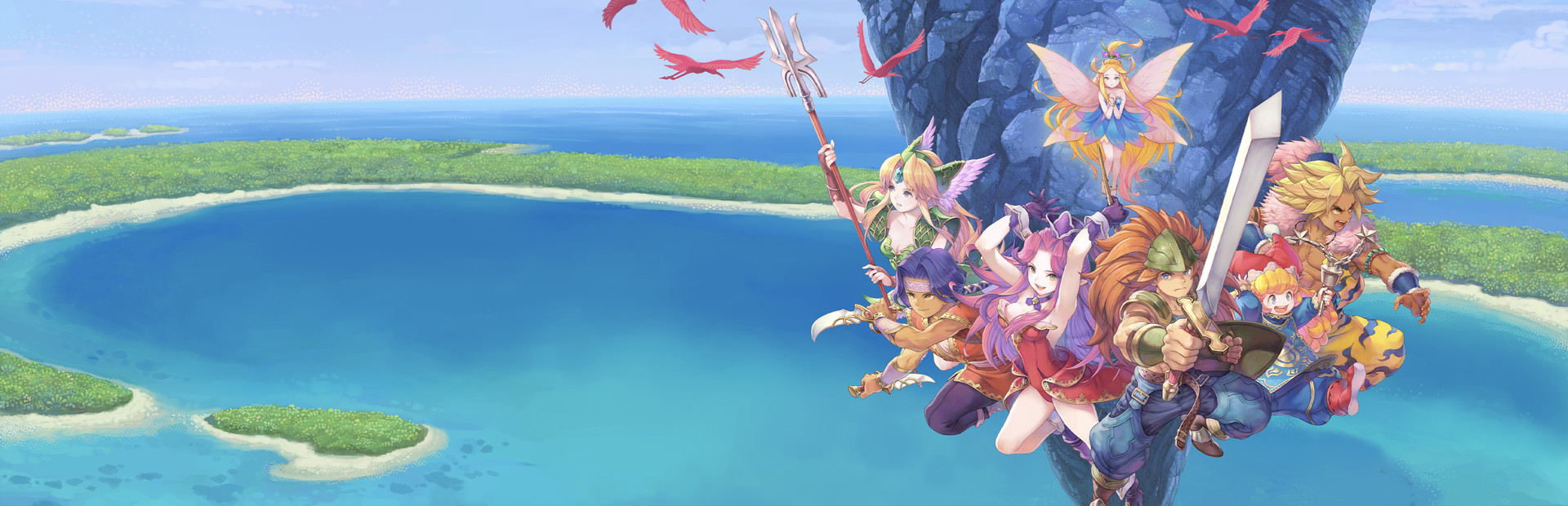
I’m not the biggest JRPG fan, as I don’t like grinding or the typical tropes that go along with them. They are usually extremely bloated, with dozens of hours added just in battles alone, and this is why I only play them if they have a particular something that stands out, albeit the story or the gameplay. Trials of Mana stands out as neither of those, but it does everything in a neatly tightened JRPG package that cuts out the fat and streamlines the genre for the modern world.
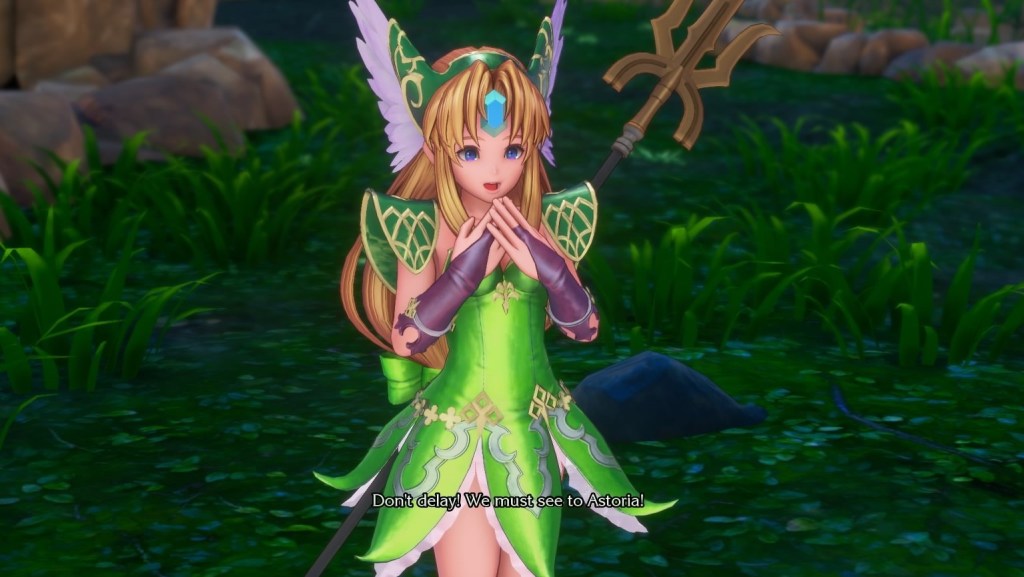
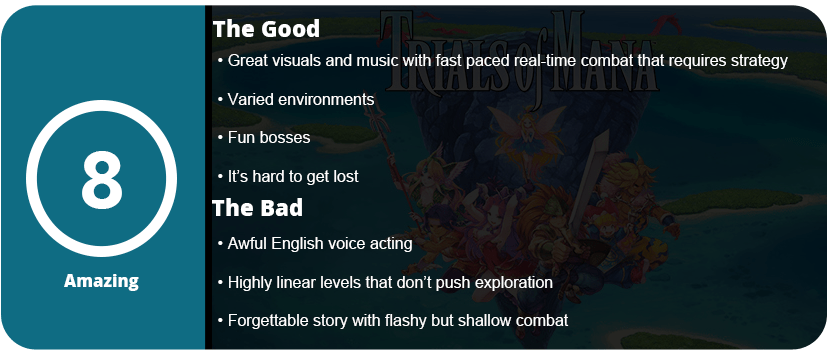
The story is nothing to write home about, but it isn’t bad either. You can choose between six different characters, with three being in your party. Each character has class specializations, and this is important when your class is balanced out. It’s recommended to have a fighter, magician, and middle ground class. I chose Reisz, Duncan, and Angela for my playthrough, and it worked out perfectly. The overall story revolves around the typical JRPG plot of saving the world from an evil entity. The Goddess of Mana is being targeted by a particular evil force and wants to be the only existing god. There are other evil kingdoms racing to get the Sword of Mana, which is said to hold untold powers. Yeah, it’s trite and barely interesting, and towards the end of the game, there aren’t many cut scenes left. The English voice acting, in particular, is incredibly bad, so please do yourself a favor and enable the Japanese voice-overs. The characters themselves are very likeable with great designs, and they stand out and are somewhat memorable. They have typical JRPG hero personalities, but I grew to like them nonetheless.
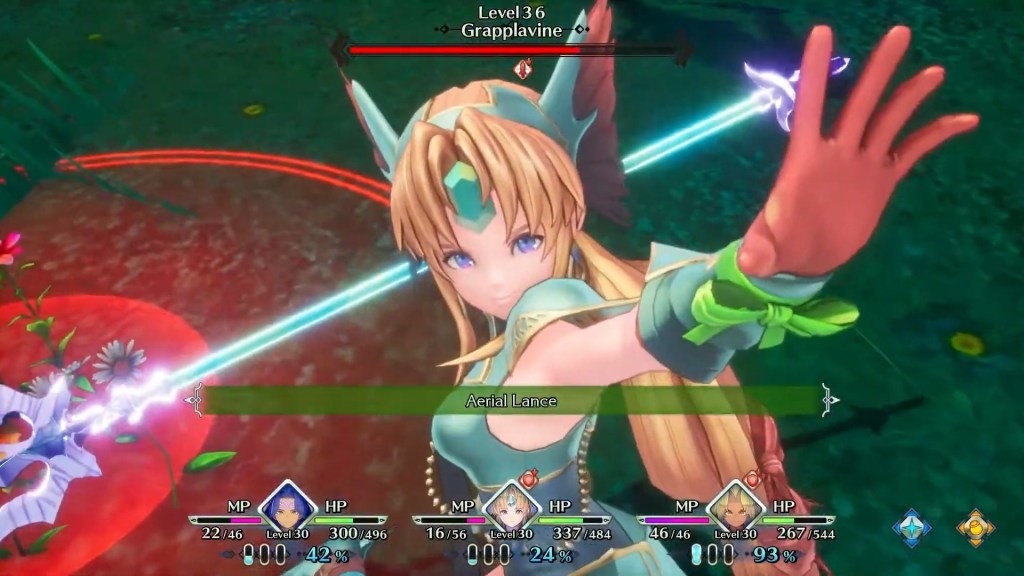
Let’s dive right into battle. Trials of Mana is a real-time battle system played out in closed-off areas. Once you are in sight of a creature, the game surrounds you with a barrier that you can escape from by running toward or just fighting it out. There are heavy and light attacks, as well as the same while in the air. Once you progress far enough and depending on your class, you will unlock moves that are class-specific and consume MP, and then there are class strikes. These strikes use up stamina that is acquired as crystals that enemies drop when attacked. These strikes are powerful, and you get a new one with each new class. These must be strategically timed with boss battles, as they are essential to winning and doing massive damage. Battles overall are intense and fun, with the ability to adjust your AI mates in the Strategy section of the menu. Here you can adjust how often they use their strikes, moves, items, and how to focus on enemies. This is really important to adjust for later boss fights.
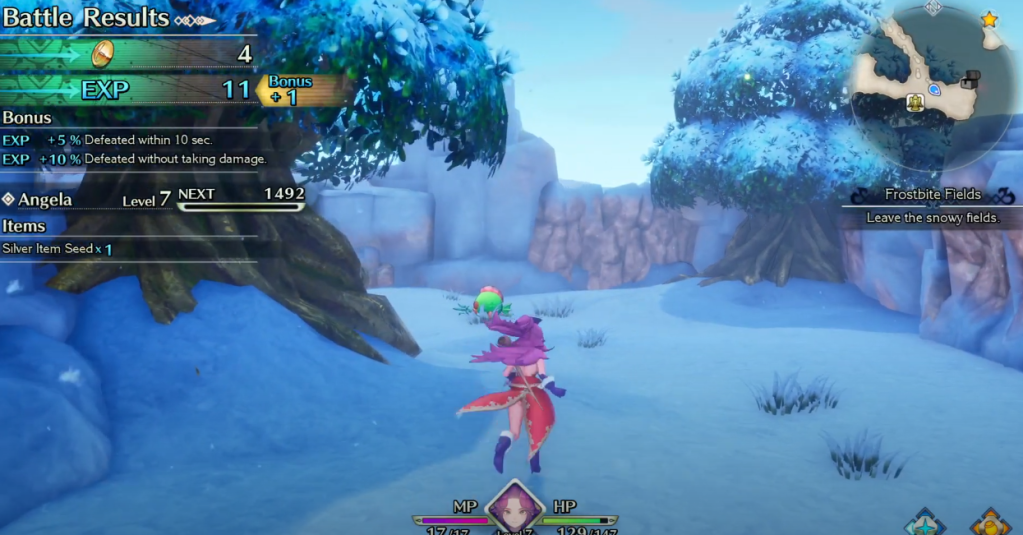
While combat is fluid, looks good, and is probably what you will be doing 85% of the time in the game, it is essentially very simple and may seem dull to people who are used to more Western RPGs with more action. While it works in the context of this game, it beats the hell out of random encounters. Leveling up also occurs rather quickly, and the use of cookies allows you to gain additional XP, but these are rare. There really isn’t much in terms of exploring or hidden items, as most chests contain standard items, seeds, and rarely armor or weapons. Seeds are actually an essential part of the game and are required in order to get Class 3. These seeds are grown in pots in inns or near certain Mana (save) statues. These range from item seeds to illusive question mark seeds that drop talismans needed to get to class 3 to rainbow seeds, which have high-end armor and weapons. You can level up the box by planting more seeds, thus dropping rarer items.
Of course, you can buy most things in towns and the single-night market, as well as reset your skill points there. Leveling up is a big deal in this game, and you can allocate points towards various stats like strength, stamina, intelligence, and so on. I highly recommend leveling up where you want your character to be strong and saving your points once you reach the cap for that class level. Once your class is up, you will have tons of points to advance your character even further without wasting them on stats you don’t need to focus on. Getting a higher class also grants a new costume and access to higher-level weapons and armor, in addition to more ability slots. Leveling up stats grants abilities that add passive stats, such as healing after battles, additional damage when entering them, sacrificing HP for additional damage, etc. The great thing is that these abilities are shared amongst all characters once unlocked, allowing you to really customize your style.
Exploring the Trials of Mana is fine, but not wholly necessary. Exploring only gets you basic items, and the very rare weapon or armor piece and the question mark seeds in Chapter 5 are needed to get to class 3. Grinding is also very minimal in this game, as you will mostly stay just behind or ahead of the current area demand. I recommend staying above two levels of the next boss; it will make life much easier, and you will chew through fewer healing items. The levels are very linear as well, and it’s hard to get lost as a golden star will always lead you to your objective as well as on the map. I have to commend Square for implementing this, as one of my biggest issues with JRPGs outside of random battles is never knowing where the hell to go. This allows you to just enjoy the game and not worry about whether or not you’ve been going the wrong way for the last hour.
With all of that said, Trials of Mana also looks fantastic. While not groundbreaking, it has bright visuals, detailed textures, high-poly models, and great animations. The effects are slick, and the bosses are very well designed. While I wasn’t the biggest fan of regular enemies as they are just standard JRPG fodder like rabbits, slime, knights, dragons, and various fantasy creatures, they do require strategy as each has different attacks and debuff effects. So with that said, Trials of Mana won’t change the minds of those who don’t like JRPGs, but those who love them will truly enjoy it. I finished the game and even continued to the additional optional chapter that can grant New Game+ if completed. This is one of two Super Bosses and requires a level 75 party. This final dungeon is about an hour long and combines a piece of every area you have visited in the game into one mega-dungeon. It’s a challenge and fun, and I recommend completing it. Trials of Mana is one of my favorite JRPGs of the last decade, and I can easily recommend it to most people.
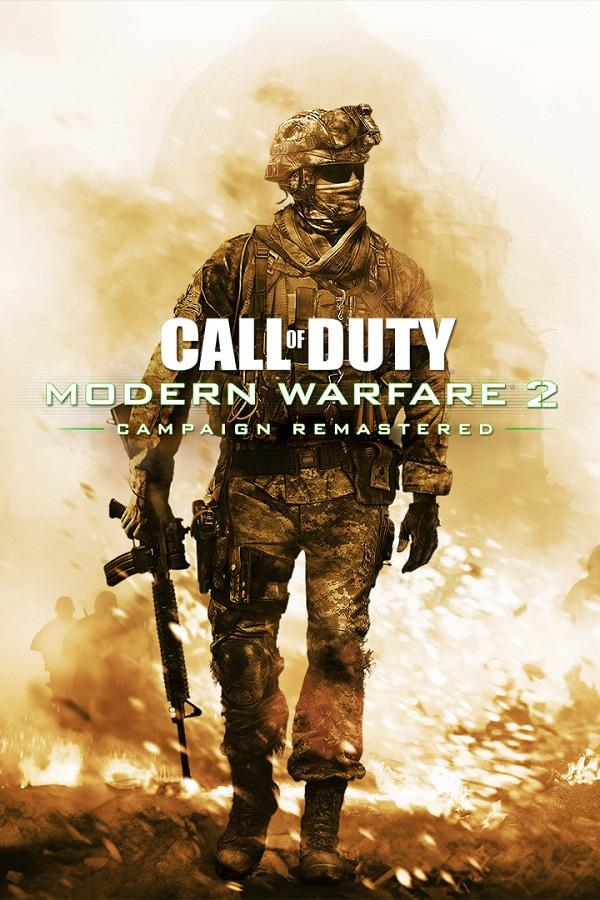
Well, what a treat! Modern Warfare 2 is considered the best game in the earlier series, and the campaign was most definitely the best and most memorable. The game takes place right after the end of the first game, with the Russians invading the United States for World War III. You play as various soldiers in this war and bounce back and forth trying to stop the bad guy, Makarov, but the story takes a crazy twist at the last mission.
The question here is: is there anyone asking for these games to be remastered? Most people usually only stick around for multiplayer, and it’s rather strange to only remaster the campaign and release the multiplayer section later. Most Call of Duty players skip the campaign and only bother with multiplayer, and it’s not like the Call of Duty campaigns are anything to write home about. Sure, they’re entertaining and exciting, but they don’t last long, and the story is a trite modern military train of nonsense, so who is this game for?
That’s going to be hard to answer, but I’m one of the few who plays the campaign first and usually goes back for seconds later on. I played the original on Xbox 360 and spent more time in this game’s multiplayer than any other in the series. The maps were perfectly created, and the balance was fantastic, but it’s long dead now, so all we have is this campaign. Thankfully, it’s only $20, as you get about 4 hours of gameplay out of it. It’s literally fun for an evening, and it’s over. The game does have some crazy scenes, like seeing a nuke detonate from space, and the battle in Washington, DC, through the White House is pretty awesome. There are more stealth missions with Captain Price this time around, and overall, we get a good range of different types of action. The boots on the ground mowing down enemies type, the special ops missions, then the stealth missions.
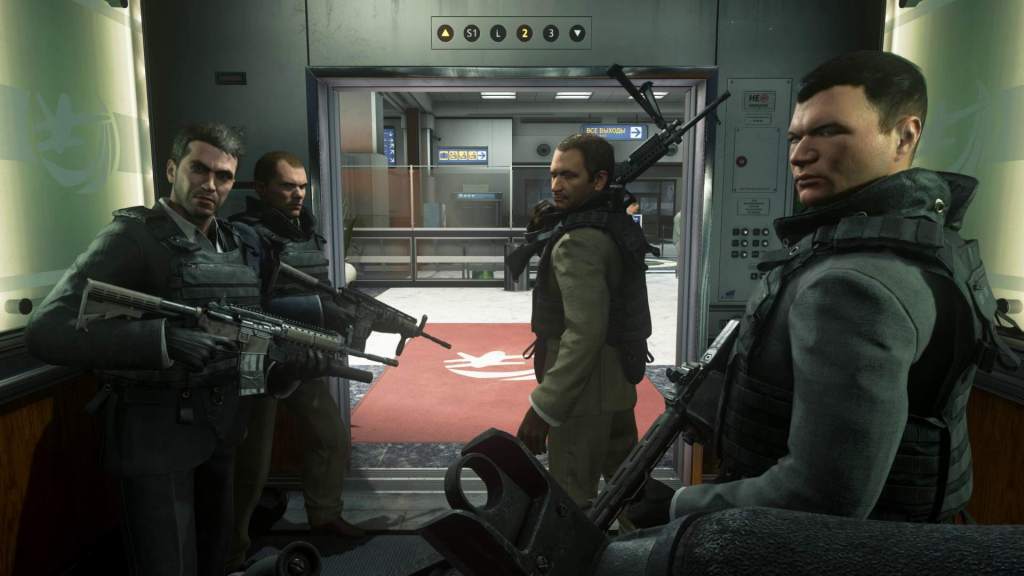
What I would have liked to see was more on-rails stuff. There are a couple of chase scenes in the game and one helicopter ride in which you get to snipe enemies, but I wanted more of these. They’re exciting and just a lot of mindless fun. I did find the game’s difficulty poorly balanced, as I’d blow through a couple of missions and then die over and over in one spot, particularly as Roach in the U.S. Marine levels. There are wide-open areas, and they usually have you running around trying to take down vehicles and large waves of enemies. There is never a dull moment, however, and I had a blast through the whole thing, but it does feel shorter than the first game. The infamous and controversial “No Russian” mission is present but allows players to skip this level entirely. While at the time of release it may not have seemed like such a big deal, mowing down people in an airport as part of a terrorist attack is all too real these days, and there are thousands of people in the US who have fallen victim to shootings or have been near one. It can be a seriously sensitive topic, so good on Beenox for adding this option.
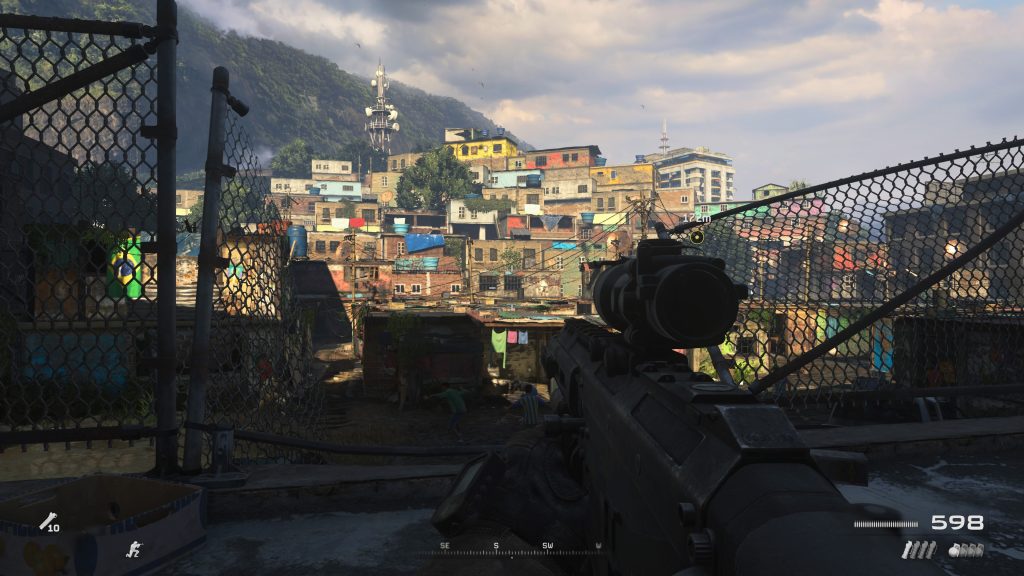
The visuals are amazing, using modern techniques to make the game look like it was made and released today. Fantastic lighting, textures, models, and other effects that PC gamers will love. It runs flawlessly without a hitch, and every moment was a blast. I will say that there is no reason to go back, however, and that’s going to be the deciding factor for people. There’s zero replay value here as Battle.net doesn’t have an achievement system, and while you can find 45 different Intel laptops, what’s the point? There’s no reward for doing so, and there are no extra modes either. There’s a neat little museum mode that lets you see various panoramas of each level, but there’s nothing to do besides pressing a button and having all the character models jump at you and attack. It’s neat but seriously pointless, so no one will probably bother exploring.
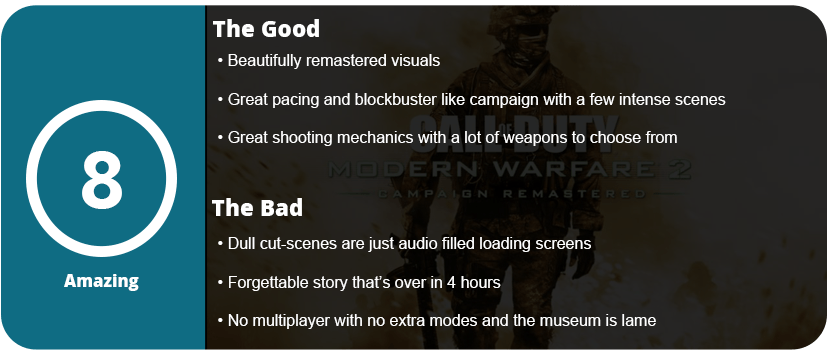
Overall, Modern Ware 2 Campaign Remastered is a blast while it lasts. It’s only 4 hours long, with no replay value, extra modes, or a reason to even go back. It’s a game you go back and play every 5–10 years for nostalgia, and that’s it. Newcomers will have a blast and may play through a second time, but that’s all your $20 is going to give you: one fun evening. The visuals are fantastic and look amazing, but that’s about it here. It really is the best campaign of the early trilogy, but what does that mean to anyone? I guess it depends on how much you love linear shooters.
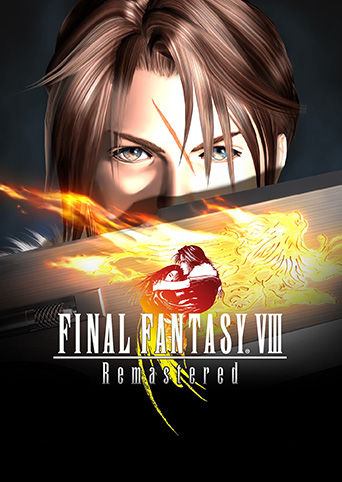
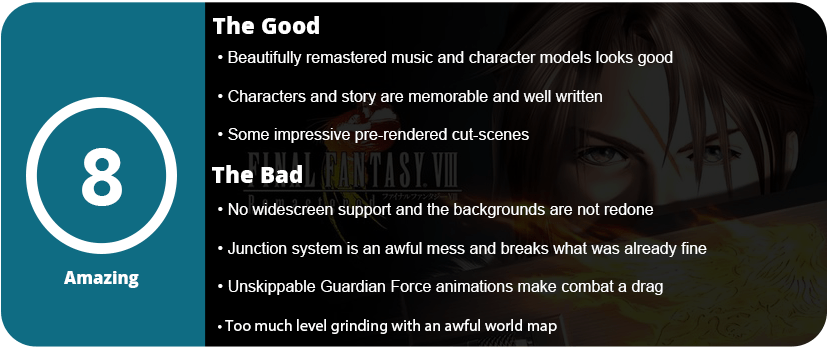
Oh boy, this review has been 22 years in the making. I have been trying to finish this game since I was 8 years old, but I just could not do it. I will admit, I’m not the best JRPG player, as I don’t have the patience to do insane amounts of grinding and play into the earlier Final Fantasy game’s crazy summon hunting. FF8 eluded me for so many years because of one thing: the junction system. I absolutely love the characters, art, and story in this game, but the Junction system nearly ruins it for me. And yes, I had to play with cheats and boosters activated, and even then, I almost couldn’t finish the game.
I did, however, play the game normally. I collected spells, tried to get Guardians when I could, leveled up a good amount, and finally got past disc 2! The issue lies in the overall complicated nature of FF8‘s systems. You no longer just buy weapons and armor and change them out when you get to the next town. Instead, you collect spell cards that are finite, and they can be traded amongst other members. In theory, this sounds fine, but it’s hard to strategize a specific player role when everyone can use magic. Some argue that you can give certain spells to certain characters and break it all up the way you want, but this is flawed because if you don’t collect cards found throughout the world or stolen from enemies, you don’t get to use any magic.
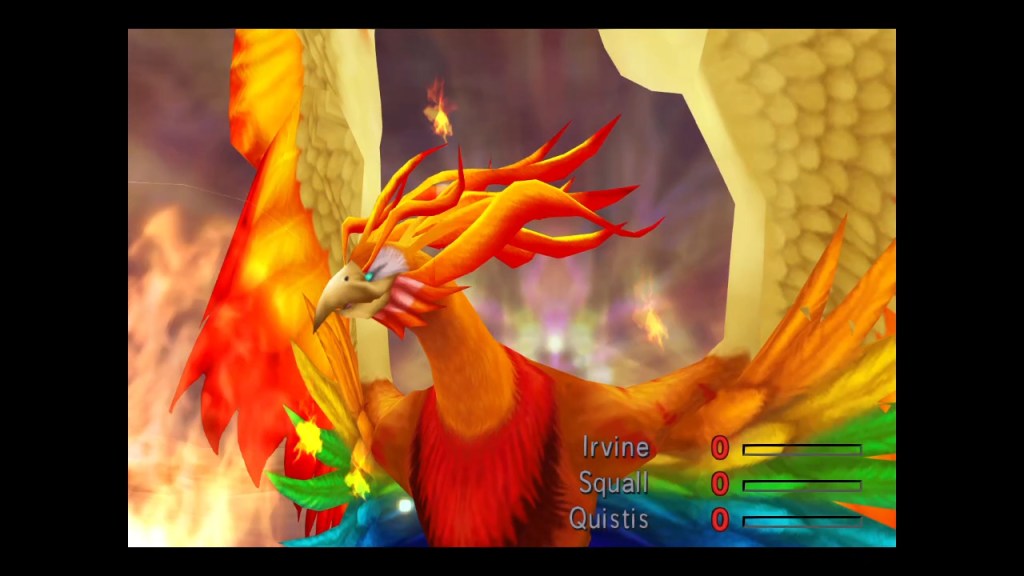
Weapons are only upgraded this time by using parts found on monsters, but a lot of these parts are hard to find, and to upgrade to a new weapon, you must find a magazine to unlock the weapon. This just keeps piling up the frustration as it hinders progress. Characters also have overdrives, which are powerful, unique moves, but some characters, like Rinoa and Quistis, can only acquire new ones by using certain items or finding magazines. FF8 heavily relies on exploration and patience; this is not a game you can just blow through in story mode like previous games. The Junction system also functions as a way to equip Guardians, which are bosses found hidden throughout the world. I only found about half, as the other half requires exploring the overworld map and finding their hidden locations. Accompany this with insanely frequent random battles, and you will spend 2/3 of your time in the game just battling.
If this doesn’t sound complicated enough, there are hidden features not explained in the game, such as being able to “Card Mod” only using Quezacotl’s ability. This allows players to turn found enemy cards into items that are then used to turn into weapons, but this is a very obscure out-of-the-way thing for such an important gameplay element. FF8 is riddled with things like this, and learning the Junction system is like learning math. It was boring, not fun, and incredibly frustrating, and just imagine that as a kid, there’s no way I would have understood any of it. Even after I finished the game, I still felt I hadn’t quite grasped it all and had missed something.
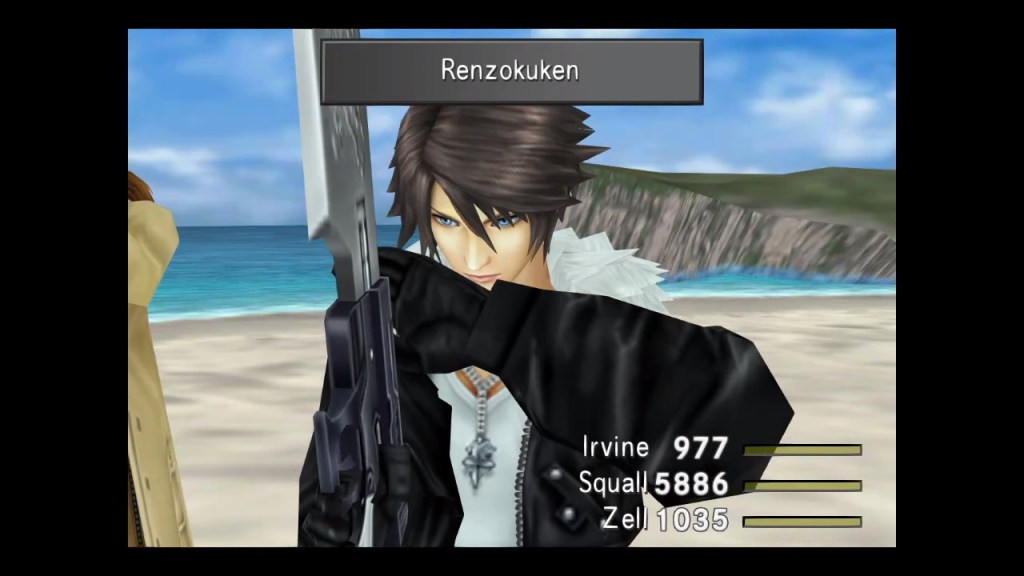
Outside of the awful (or good) Junction system, the rest of the game is standard Final Fantasy. Turn-based battles allow you to do various attacks and use items, and there’s an option for real-time battles or waiting. Players also need to make sure they equip actual functions for each player; otherwise, you can only attack. GF use, items, and magic are all optional attacks that you can choose, but you can only have 4 menus. Another irritating thing about the Junction system. You must sacrifice GF use if you want to use items and magic, for example. FF8 is also standard, with an awful overworld map. This map has no camera controls and is horribly designed. It’s a 3D map, but eventually, you get into a ship, then a car, then a giant flying ship to traverse faster. This is when you can explore more and find guardians.
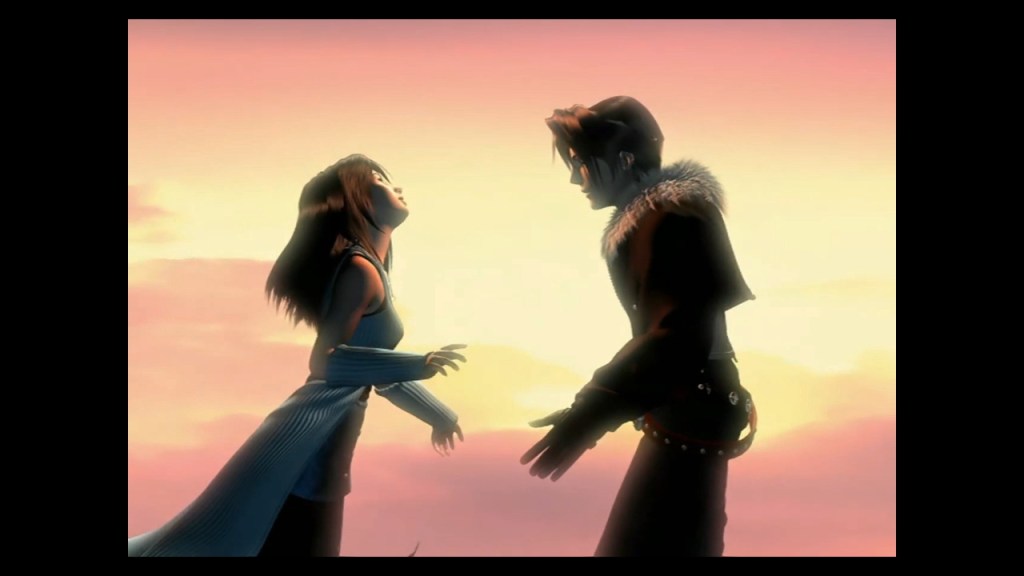
Let’s finally talk about the story and characters. FF8 has some of the most memorable characters, including Seifer, Squall, Rinoa, Quistis, and Selphie, just to name a few. They are all well-written and designed characters, and I cared for them greatly throughout the entire game. There are long written dialog bubbles that go on for dozens of minutes sometimes, but the mix of pre-rendered cut scenes with real-time models on top is a trip even to this day. There are some imaginative scenes in this game, and it’s a shame it’s hindered by the disc space of the PS1. The story in itself is one of the most controversial in the series, with no real ending being explained, and it is open to fan theory. I won’t get into those, but after reading some theories online, they made a lot of sense, and it’s a good story to talk about long after finishing.
But, also like Final Fantasy games, it’s heavily unbalanced, with the final boss having four whole phases and requiring you to be an insane level towards the end that normal story progression won’t get you towards. Even with boosters activated, I still got stuck and was required to level up normally, and the game could easily take 50+ hours just to finish properly. I can’t bash the game for this, as there’s a huge audience for it, but it’s not for me. One of the few things I won’t knock this game for is how much of a hardcore RPG it truly is. This is a game you must play exclusively for days or weeks and just grind out, and some people love this. The story is thankfully rewarding enough, and after finishing a tough boss, the satisfaction is exemplary.
Overall, FF8 is a strange game indeed. With an awful or good Junction system that changes everything you know about the game, one thing can’t be denied: it’s too complicated. The game looks fantastic, with amazing pre-rendered scenes, great enemy design, a superb music score, and classic gameplay. For me, there’s just too much that keeps it from being fun outside of the story. I often gave up on this game for years, and even with boosters, the game is still a grindfest. However, if you like those things, then you will love this game. When it comes to the remastered part of the game, it disappoints. The game suffers from the same issues as the Final Fantasy IX Remaster, with updated character models on upscaled original backgrounds. It’s a lazy remaster with only new music and some boosts added. There’s no widescreen support or anything else.
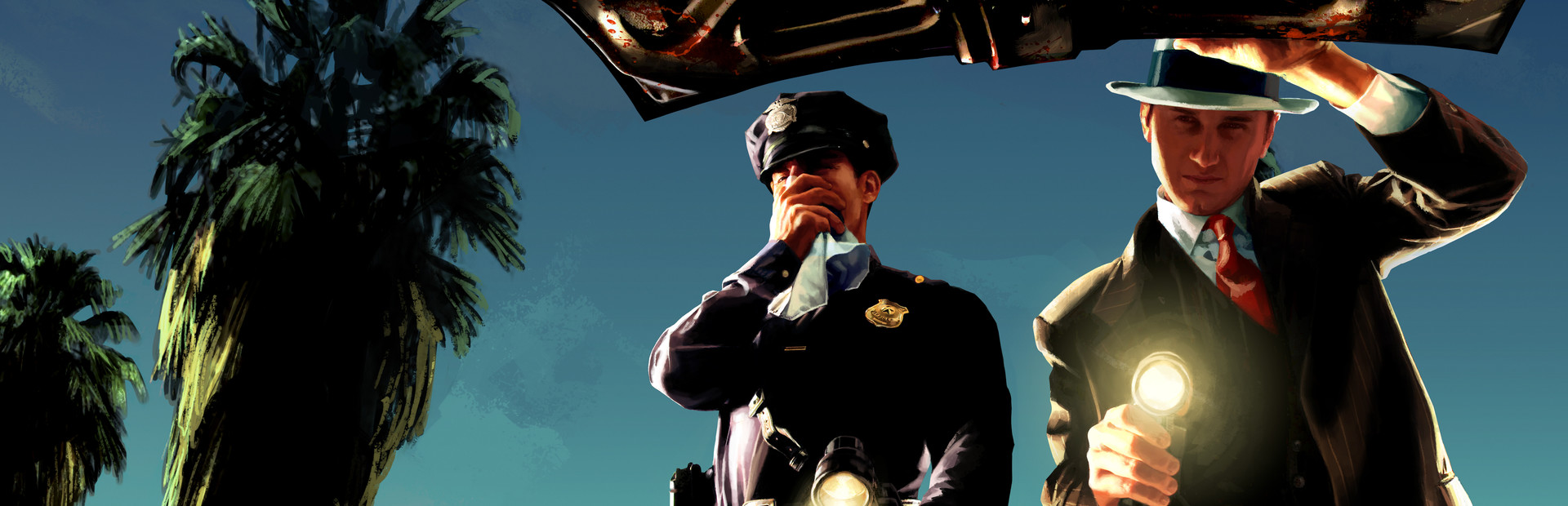
America loves to romanticize the police. Despite the political environment we are in, the only way we can really satisfy our lust for crime and murder mysteries is to put ourselves in the shoes of the police. L.A. Noire is set in an almost historically accurate 1940s Los Angeles, right after WWII ended. You play as war veteran/detective Cole Phelps, solving a drug mystery and many murder mysteries within.
The game starts out like any typical open-world game by slowly introducing gameplay elements to you before opening the world up. You are Cole, a beat cop who is called to a murder scene. You chase down a suspect, investigate some clues in an alley, and you’re so good at what you do that you magically get promoted to traffic detective. L.A. Noire has a few core elements, and it mostly sticks to these throughout the game ad nauseum. The first element is crime-solving. This is done by picking up various objects in an area, examining them, and moving on. This sounds interesting in theory, but 90% of all objects in this game are completely useless and really don’t need to be picked up and examined. There are maybe one or two objects that are puzzle boxes and a couple of documents that require you to tap on certain information. It’s cool the first time you do all of this, but after that, it’s boring and feels pointless. Make the objects I’m holding more interesting, or allow Cole to do more than twirl them around.
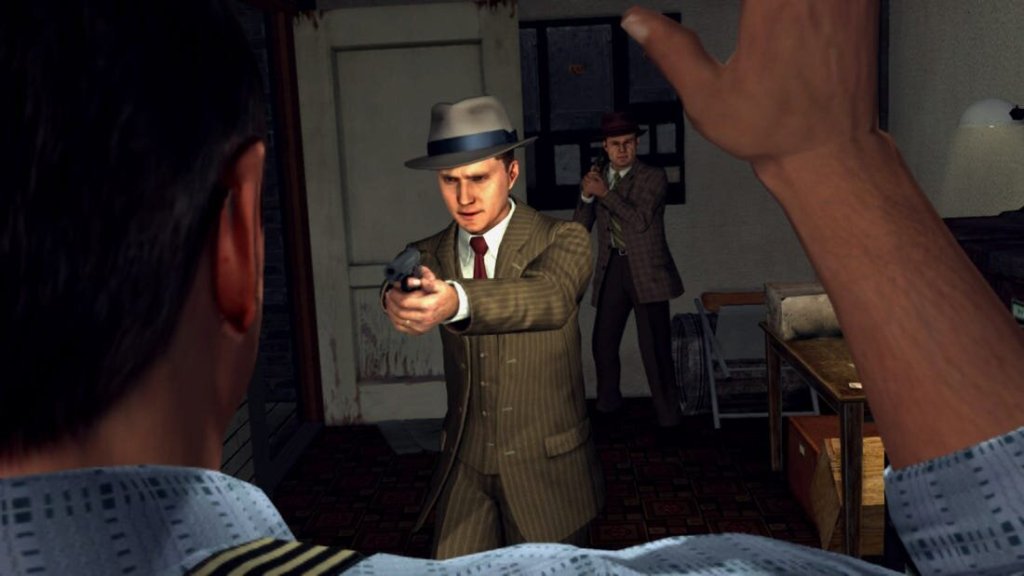
The next core element is interrogations, and this implements Team Bondi’s groundbreaking motion capture technology that actually makes facial animations lifelike, but in a creepy, uncanny valley type of way. Sure, you see neck muscles move, eyebrows twitch, and it all looks nice, but on hardware that couldn’t run the engine very well, these realistic life-like faces look odd on low-textured and poly-counted characters. The whole point of an investigation is to use these facial expressions to determine whether someone is lying or telling the truth, and it never works as intended. There is no set thing that the game gives you to look for, and it always becomes a guessing game or a crapshoot. Most of the time, the logic never makes sense based on what the game wants or is hyper-specific. A certain question may seem like selecting Good Cop would be a good idea because that’s what your guts tell you, but instead, you were to accuse the suspect and pick a piece of evidence that you never would have guessed. The interrogations are an awful guessing game, and I never felt engaged like the developers wanted.
The next part of L.A. Noire is about exploring and gunplay. Firefights are mundane and feel pretty lifeless. There is a cover system, and the weapons shoot, but they all feel the same, and there’s no feedback or satisfaction from firing these WWII-era weapons. Each firefight is a whack-a-mole-style shooting gallery of enemies popping their heads above cover. When you’re not shooting, you’re chasing people or driving around. Driving is one of the worst parts of the game as compared to Rockstar’s other offerings; it feels stiff, slow, and lifeless, and I had no fun driving around the city. Sure, Los Angeles looks pretty good with some great landmarks, but having a piece of a fence bring my car to a complete stop is nonsense. I can ram through a fire hydrant, but a wooden fence will stop my car dead in its tracks. The driving is inconsistent, and even car chases are no fun.
There are 40 side missions called “Streets of LA,” but these are just various car chases, shooting galleries, or on-foot chases that repeat and become stale and annoying. Thankfully, there’s a fast travel system that allows your partner to drive to the next destination to skip all the boring driving. I understand this is a realistic game, but Mafia did it much better. There are 95 different cars in the game, but they honestly all drive the same, and it just becomes no fun after the first hour of the game is over. There are other side objectives, like finding hidden badges, all the landmarks, and trophies, but why bother? Anything outside of the story cases is just completely boring and stiff; there’s a layer of polish that’s seriously missing.
Lastly, we come to the story and characters. Nearly every character is completely unlikeable in the sense that they are just plain boring. Cole Phelps is a goodie-two-shoes who can do no wrong and has zero character flaws, which makes him very unlikable. His partners on the four desks you work on are also just as poorly written. I hated them, but not because they were written so well that I wanted to hate them. They were just so average, too, Mary Sue. One partner was just a lazy asshole cop and never budged from that stereotype; another was just corrupt, and the issue is that there was no development. There is no back story to any of these characters, and Phelps’ flashbacks to WWII did nothing to make you care for him, as he acted just as stubborn and perfect as he did as a cop. For the game being a noire, there is zero character build-up or any reason to care. The overarching story doesn’t actually pick up speed until the last few cases, as each and every case drones on and on and is exactly the same as the last, just in different orders. I never once felt interested in or attached to any one case. Give me fewer cases and build up the victims within so I can feel like the boring twists are worthwhile.
And that’s where I conclude with L.A. Noire. It’s just “okay.” Each of the many cases feels rudimentary in the end and mundane, and I felt like I was just checking off boxes (literally) and had no reason to care for the first or last murder case. The driving is painfully stiff and slow, and despite 1940s Los Angeles looking nice, it’s stale and boring with nothing going on inside. You can’t even shop for clothes or buy weapons. It’s just a giant hub to get from point A to point B. Streets of L.A. side missions are just randomized gameplay loops of chasing, shooting, and driving, with neither of the three being particularly interesting in their own right. So, is L.A. Noire worth playing? Sure, it’s a fun game, and some of the cases are decent, and I did want to see what happened to Phelps in the end, but just barely. After getting so far in the game, I felt like I had to finish it, hoping it would pick up in the next case. The game plays and looks great on Switch, but it has performance issues and bugs that require game restarts. The framerate can dip into single digits in certain spots, but it’s still very playable.
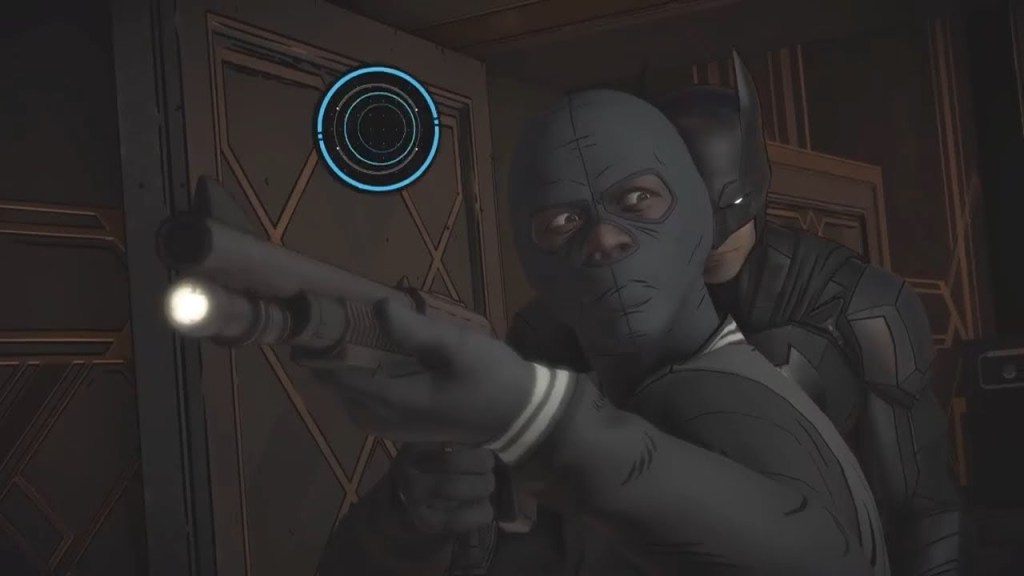
The superhero video game renaissance all started with Batman. After the Hollywood superhero films grew up and became an epic universe taking over the entire industry, the video game versions feel a little more nuanced and personable. Rocksteady really hit it off with the Batman: Arkham series, and the game just got better from there. Telltale took the storytelling of superhero comics and turned it into an epic original story.
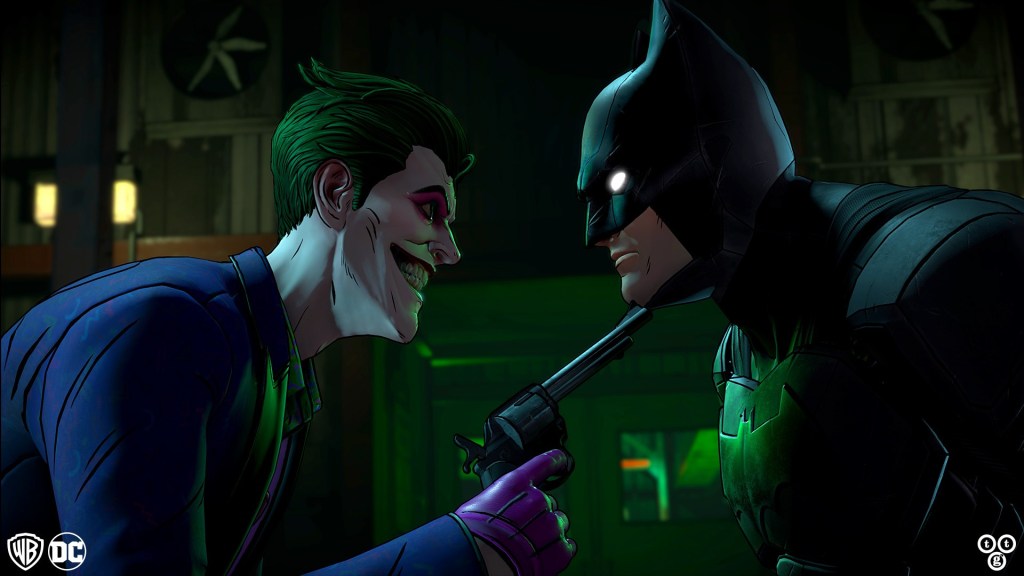
The Enemy Within follows right after the end of the first game, with Bruce having defeated Lady Arkham, The Penguin, and Catwoman. The Enemy Within feels more epic, has a larger overarching story, and has more villains in place. We get Bane, Riddler, Harley Quinn, The Joker, and Mr. Freeze all wrapped up in one big Batman package. The story from Telltale is one of the most unique and interesting I have seen in the Batman universe to date. It feels tightly knit and has resolution at the end instead of spiraling out of control into a million different spin-offs. Main characters can die, and Batman can even break his own code if you choose.
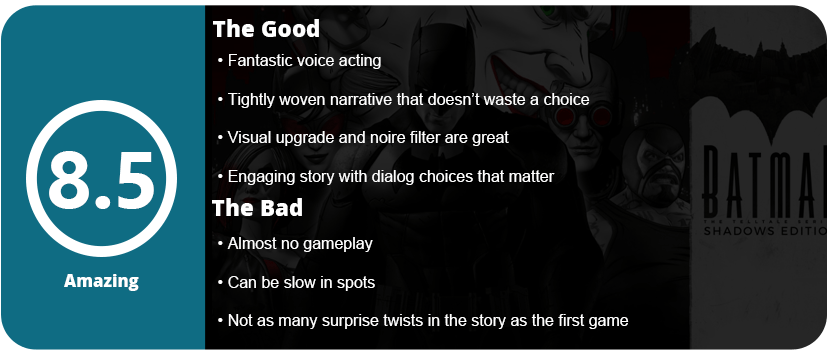
This game is probably one of the only Telltale adventure games that cuts out all the fat from the choices part of the game. Even the dialogue option has meaning and makes a difference towards the end goal. There are larger moments that can turn the story around and fewer twists and surprises in this game, but the overall story is a slow burn rather than starting and stopping as in the first game. Some episodes are slower-paced, sometimes too slow, and this game really has too few action sequences and mini-games for my taste. I like the story, but some of the cut scenes can be nearly 20 minutes long with very little input. Again, this is another “interactive movie” with very little gameplay outside of some quick-time events and even less puzzle solving.
What we get is an origin story that doesn’t go too far back. We get to see how The Joker became insane and hated Batman, how Harley became a psycho herself, and how the relationship between Batman and Catwoman grows or falls apart depending on how you play. We also get to see how Riddler became the way he did, and one thing I need to point out is that this game feels more like it can happen in today’s world. Less magic and fantasy stuff from the villains. Everything looks and feels like it can be explained somehow in today’s world, which I love. All the villains are just normal humans with a slight scientific twist to them.
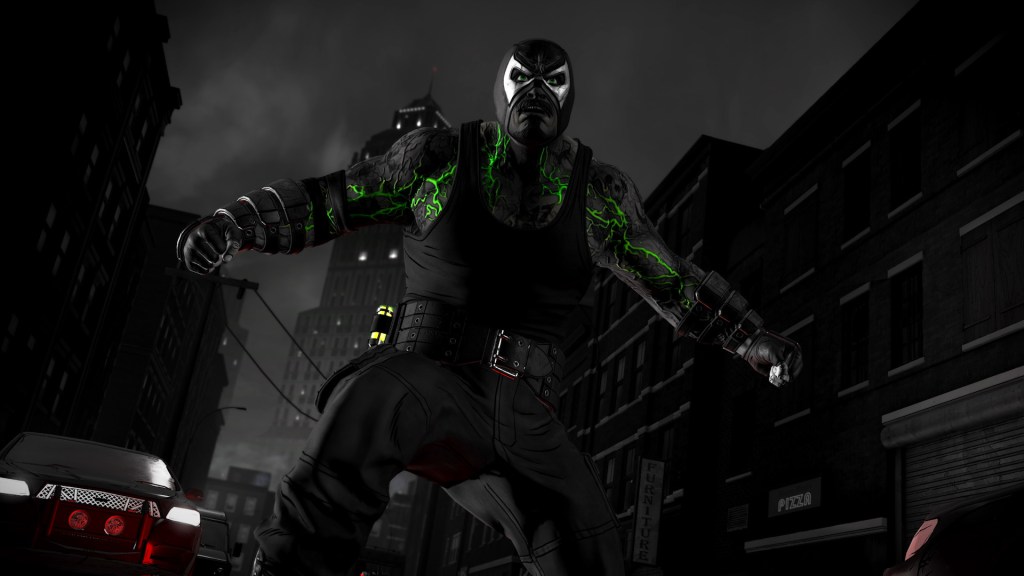
I will say we don’t really get a backstory on Bane or Mr. Freeze. Mr. Freeze isn’t used all that much, and Bane is just an annoying bully through the whole thing. We do get a new entity called The Agency, which is an original faction used in the game to counterbalance The Pact (all the villains), and it’s up to you to decide how The Agency is towards Batman. Amanda Waller is a love-or-hate kind of character and mostly one-dimensional, but we get to see Lucius Fox’s daughter Tiffany, and the game eventually plays into the psychological aspect of Joker and Batman’s relationship like the comics do.
At the end of the day, we really feel like we know Batman, Alfred, Joker, and Harley all too well. Telltale did an amazing job of getting you inside their heads and making you really feel like you’re controlling Bruce’s fate and story. While the game is too light on gameplay and a little slow-paced, I couldn’t stop playing as I wanted to see what happened next. I really weighed my choices and felt that at the end, everything from the first game to the end of this one was satisfying and meaningful. This is clearly the best Batman game to play if you want an amazing story.
The Shadows Edition adds some enhanced visuals, better textures, lighting, and a noir style that I played the game in that makes everything black and white except certain colors like red, green, and various accents of the character’s iconic colors. The game’s upgrades look great, and I didn’t run into any bugs like I usually do with Telltale games.
Life is Strange is one of my favorite games of all time. Dontnod is a mastermind at storytelling and character development. They can somehow create a world that you can either relate to and get sucked into, or both, and yet add an element of fantasy in there. Life is Strange’s title is fitting for these games, as you play as characters living an ordinary life, and then all of a sudden one of those strange twists of fate changes their entire lives.
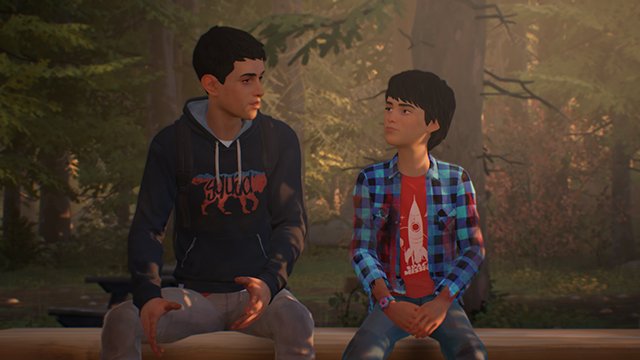
Life is Strange 2 cranks this to the max with a story that had me hooked until the very end and is on par with the first game. You play Sean and Daniel Diaz, who get ripped from their home in Seattle, Washington, and must escape the US and find their way to the Mexico border. I do have to warn that there will be some spoilers in here, as I couldn’t properly review the game without talking about certain points in the story, as this is the main part of the entire game.
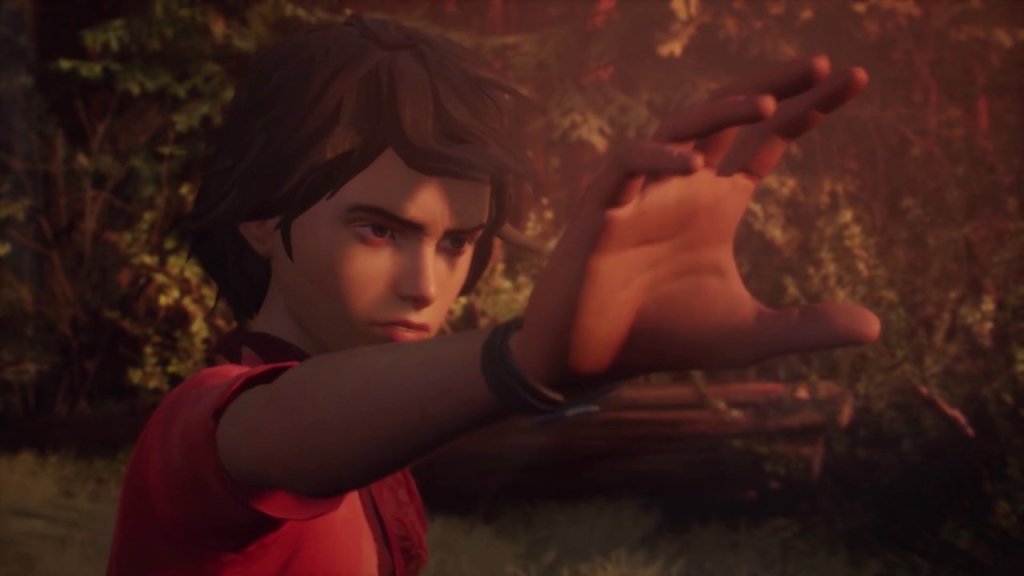
What I love so much about this game is how average it starts out. Just a little boy and a teenager are trying to live their regular lives with their father when suddenly life turns for the worst. This telekinetic power that Daniel discovers comes out when he gets into a fight with the next-door neighbor, and when Sean intervenes, it all turns for the worse. A cop dies, their father dies, and Sean panics and runs. Now pause right there. Most people would just hide or wait through the trials and tribulations of being proven innocent. That’s part of what makes this series so great: the opposite of what should happen happens and turns it into a strange twist of your own beliefs and choices and what the characters are doing.
As the Diaz brothers set off down towards Mt. Rainier in the first episode, they encounter a kidnapper and cope with Daniel’s powers, but this is where you will start getting into a gameplay loop, if you can call it that. You get plopped into a large starting area that allows you to look around at a bunch of objects and listen to Sean’s inner dialogue comment on it all to learn more about what’s around you and sometimes discover hidden objects. You can also push on to the main objectives, and during these long-cut scenes, you will get dialog options that don’t seem to mean much at first, but the entire game is a balancing act of influencing your younger brother on how he ends up. Is he destructive and careless? Is he too careful and caring? Does he hate Sean or love him in the end? A lot of options slightly sway this, and then there are larger game changers that allow two options, and each one will sway the story in another direction.
Some of these options’ consequences are usually seen right away, and some are seen in the next episode. Once you get through a tense scene that makes you choose something big, it settles back down to more minor plot development, and this is where the game falters some. For example, episodes 2 and 3 are very slow and feature too much slice-of-life stuff, such as the brothers living in a homeless camp in the Redwood Forest in California, living with their grandparents, and doing daily life stuff. You do day-to-day stuff like chores and talk to everyone, but the integration of these brand new people feels like a slog as you must endure tons of dialog to get to know them, and in the end, it doesn’t really matter as they are unique to this episode. Episode 4 is much shorter and features all of the above but in shorter integrals, which I felt was the best-paced episode. Episode 5 feels like a lot of filler in the beginning and takes too long to get to the end, as the only “action” is maybe the last 30 minutes when the brothers are finally at the border.
Despite these complaints about the pacing and story, it’s still fantastic and memorable. There are a few minor gameplay elements tossed in, like quick-time events and aiming to throw a knife or something, but there is very little gameplay. The majority consists of Sean walking around looking at stuff. I honestly could see this as just a mini-series TV show rather than a game. Many times I set the controller down and only picked it up for dozens of minutes at a time to pick a dialog option. I personally love deep stories in games, but I don’t want to sacrifice gameplay. There are literally zero other elements besides walking around, examining, and making dialog choices.
With all that said, the story is just amazing and very emotional. I related a lot to the first game as I personally grew up in a small town, but I also relate to this game as I live in the Seattle area and have also lived in California for a good part of my life. I grew up in small towns and had crazy events that changed my life in the blink of an eye. While I wasn’t a fugitive running from the law, there is always a strange thing that happens in our lives that changes it forever and can happen so fast we never saw it coming, and that’s what makes Life is Strange 2 so incredibly rich and realistic. The events are happening right now and could really happen in real life, but there’s that element of fantasy that makes it a great game rather than a life simulator.
I also have to comment on the visuals. The switch to Unreal Engine 4 makes the game look much better, but it is far from looking dated. There are muddy textures, some wonky animations, and low-poly models. This is just something most adventure games suffer from. The voice acting is pretty good, though. While not amazing, it does the job of delivering emotion, and you really feel it. Overall, Life is Strange 2 is for the story lovers out there and less for gamers.
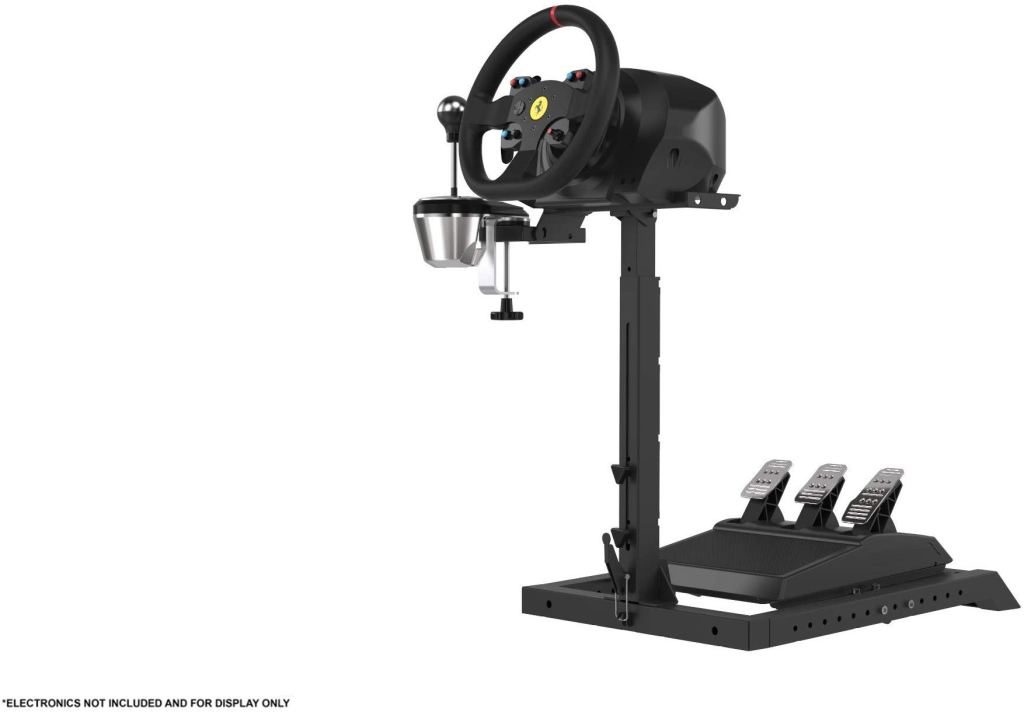
Having a good wheel setup is important for racing sim fans, but taking it to the next level is something very few do. While there are a ton of crappy and cheap wheels out there, there are almost as many shoddy cockpit setups that cut corners. Next Level is one of the top racing sim cockpit makers out there, and for those who want to be between a solid setup and not hacking to turn your room into a virtual race car, the Wheel Stand Lite is for you.
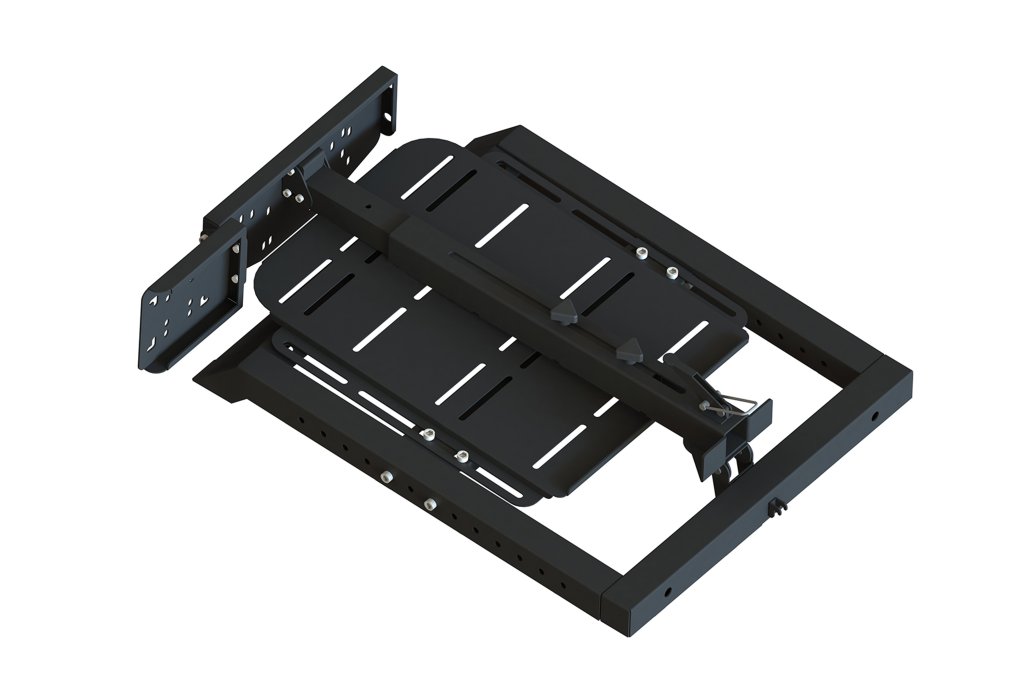
I have to talk about the assembly process here. Once you open the package, the stand is nicely folded in half with most of the bolts in place. All you really have to do is mount your hardware. I had some assembly issues, mainly due to poor instructions. The booklet just shows some photographs of the stand that are of poor quality, with red lines and comments about what is what, but everything is hard to see. It also doesn’t help that there is no wheel setup on the stand in the photos, so I actually had no clue how the stand was supposed to be oriented. I wound up setting the whole thing up backward with the vertical bar farthest away from me, and I ran into an issue with my screw holes on the Thrustmaster T300RS not lining up. I couldn’t for the life of me figure out how it wasn’t lining up until I had to watch a YouTube video of it being assembled. I then spent another hour reversing everything, and it all came together nicely.
Despite the poor assembly instructions, I also had an issue with the U-bolt clamp being bent, and I had to re-bend the prongs with a hammer. The piece of metal that the vertical bar locks onto was bent outwards either in shipping or manufacturing. Once you lock the vertical bar into place, you can adjust the height with two large thumbscrews. I was able to attach my Thrustmaster TH8A shifter with four bolts to the shifter addon, and the petals fit nicely on the bottom bracket. The wheel plate allows for some tilting, and so do the petals. You can tilt them down as needed. It’s kind of a pain because multiple bolts need to be adjusted for this tilt. A pull-down locking bolt mechanism would have been much more convenient.
Once everything was set up, I used cable ties to secure the cables, and I plugged everything in. When I put my feet on the pedals, I noticed the first issue: the brake pedal is behind the vertical bar if you have three pedals. This isn’t a huge issue as your leg is slightly bent sideways, but you can’t have your legs straight or you will never reach your brake pedal. The last issue I ran into was folding the stand down; it rests on the brake pedal and can’t lie flat. I don’t know if this is an oversight, but it doesn’t fold up quite like advertised and stays open about 45 degrees, so don’t expect to store it under anything. I personally bought this because I was tired of attaching everything to my desk when I wanted to play. I can now drag this over and just plug everything in.
Overall, the medal is nice; there weren’t any weird smells, oils, or sharp edges that I noticed, but the thing weighs a ton and isn’t easy to transport, move around, or store. This is mainly for the simple convenience of having everything bolted to one unit. I highly recommend having a large enough room to stick this in a corner somewhere. At least the build quality is up there, and when heavily racing, there was little wobble and everything stayed in place. For the price, this is surely worth the purchase if you want a solid stand-alone setup.
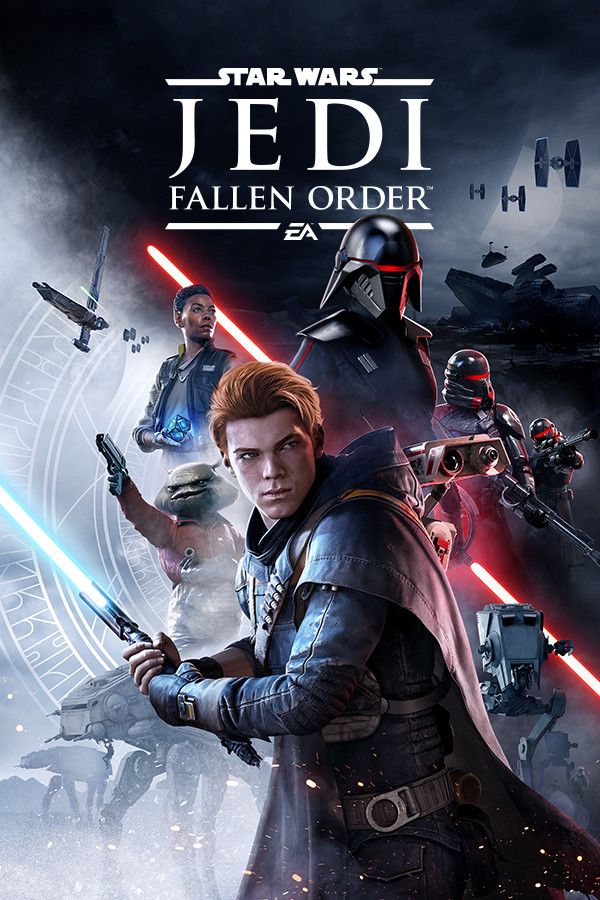
There have been many Star Wars games over the last three decades. While some have been fan favorites, there has probably been a Star Wars game in every single genre imaginable. Even with the successful games, there has been one thing lacking from every game that hasn’t been done correctly until now: Jedi battles and lightsaber gameplay. Some of the other Star Wars games may have done it decently, but never as flashy or well done as Fallen Order, but that’s not the only quality this game has.
Fallen Order takes place during the timeline of the original movies, when Darth Vader was still alive. You play as Cal Kestis, a fallen Jedi who is on a mission to retrieve a holocron containing the location of every single Jedi child left. Like every Star Wars story, there is a Sith Lord after you, and in this case, the Second Sister of the Inquisitor Order is after you. Cal rides around with his Jedi pal Cere and pilot Greez. They use Greez’s ship as a hub area in which you can customize your lightsaber (more on that later) and travel around the four planets that the game offers. Each planet is a large open area that you are free to explore, and while you explore these planets, you acquire Jedi abilities and new tech for your droid, BD-1.
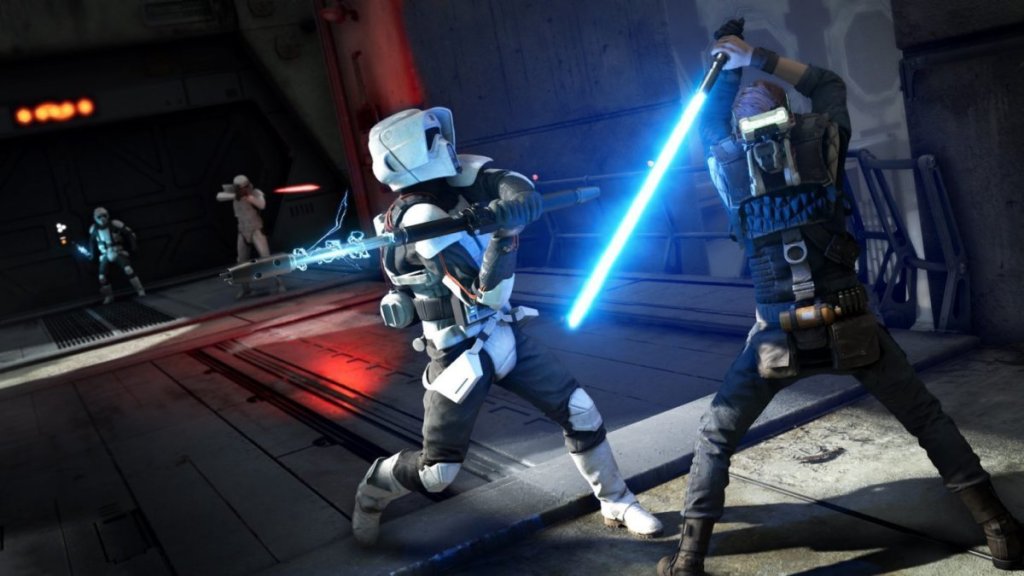
The main focus of Fallen Order is the fantastic combat system put into place. The game is incredibly responsive, has beautiful animations, and you really feel like an actual Jedi for the first time ever. You can use light attacks that are used the most, and heavy attacks use up your force meter. As time goes on, you acquire the double lightsaber, and then eventually the dual lightsaber becomes a powerful force ability. Parrying and dodging are keys to staying alive because you can’t just wail on enemies and spam attacks. Each enemy is unique, with its own attack powers. From regular Stormtrooper riflemen and shock troopers to powerful Purge Troopers that have heavy plasma swords, rocket launchers, and flame throwers, You can knock back energy blasts with your lightsaber and throwback projectiles, which are awesome. There are even a few occasions where you get to take down AT-ATs.
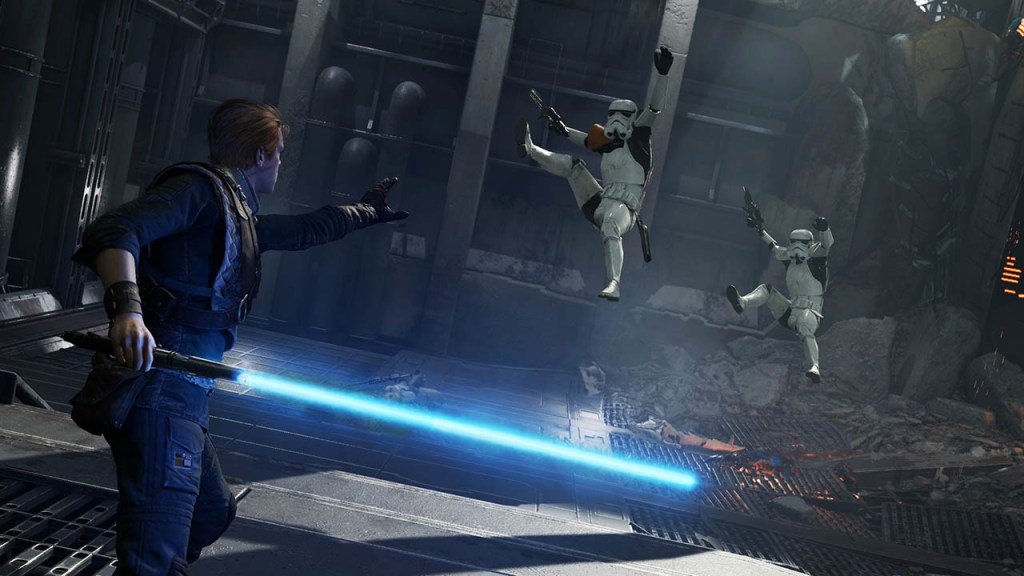
Once you acquire more force abilities, they can be used in combat, such as force push, pull, and slow. These are key to clearing rooms or knocking enemies off of cliffs, but they are also used in puzzle solving. There are only a few large puzzles in the whole game, but they are fun and require a bit of thinking and mastering the Force abilities. As you progress, you can use these new abilities to access new areas, such as pulling down ropes, blowing down weakened walls, slowing down fan blades, and more. You can access new areas to open chests that have customization items such as lightsaber parts, ponchos for Cal, and skins for BD-1 and your ship, the Mantis. You can also find Force Echo spots to add to your XP to level up.
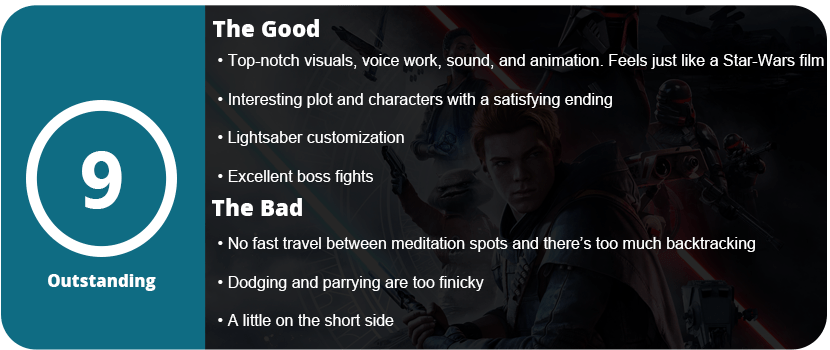
So while exploring is completely optional if you just want to enjoy the story sections, there are several bombastic scripted events throughout the game that are incredibly enjoyable. Fighting a giant bird on Kashyyyk, or even running from Tie Fighters on another planet. The scripted events are worth playing alone, and I was highly entertained. This also leads to some amazing boss fights that put your skills to the test, in which you need to time parry and dodge perfectly while learning their attack patterns. While you travel through planets, you can unlock shortcuts, but I found it annoying that you couldn’t fast-travel between meditation spots.
As you gain XP and skill points, you can acquire new combat moves and increase your health and force meter. These are also increased by finding parts of three throughout the game. This is where Fallen Order takes a page out of Dark Souls’ book, as when you meditate, it saves your game there, but if you restore your health, all enemies in the world respawn. This can be quite annoying when you’re backtracking through an entire level to get back to your ship or something, since there is no fast travel feature. I also found that you must master the combat system in order to get through this game, especially at higher difficulties, as you can’t fast travel or move around easily throughout the game besides running away.
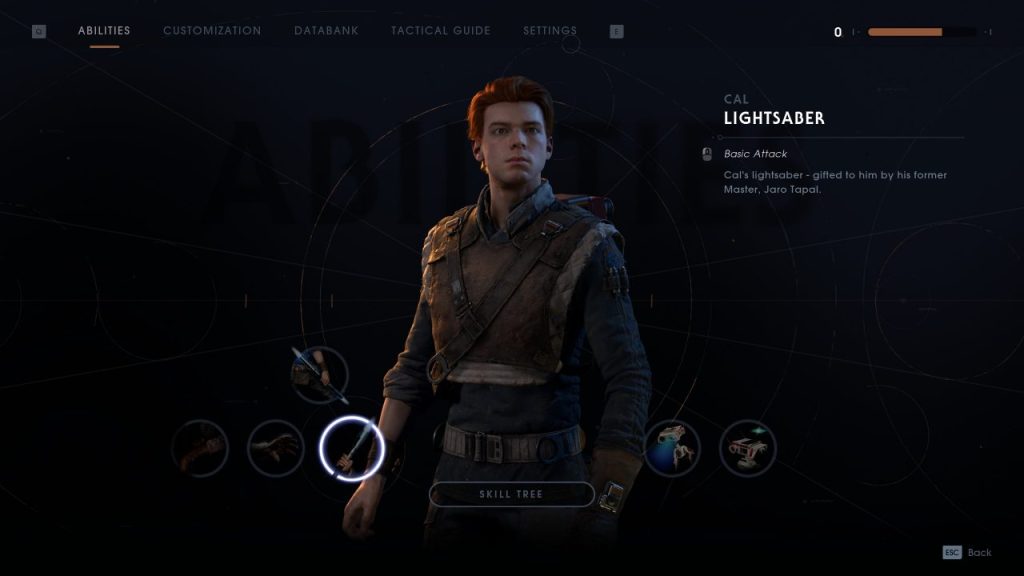
There is lightsaber customization, in which you can choose the blade color and the design of the switch, hilt, and various other parts. Sadly, you don’t get more colors until towards the end of the game, but all those chests you spend hours finding contain mostly lightsaber parts. Is it worth spending hours on it? Not really, but at least the chests are completely optional and won’t make you feel guilty for skipping them. Likewise, customization is cosmetic only, and there aren’t any ways to add abilities this way or change the actual shape of the lightsaber or anything, but it’s the most detailed customization we’ve ever had in a game.
With that said, Fallen Order scratches every Star Wars itch I have. The story is great and feels like it could fit into a Star Wars film. The characters are memorable and likable, and the satisfying conclusion at the end of the game makes the short playtime worthwhile. The usual plot twists and turns in a Star Wars film are present here, and it’s just good enough to make you surprised when a new event unfolds. I did feel the game was a bit slow in the beginning, especially if you’re fully exploring the planets and may spend an hour or two trying to find all the paths on the map and the chests. Speaking of the map, this is by far one of the best video game maps ever made. If you aren’t sure where to go, a yellow wall will appear on the map, showing you need to go in that direction still. Shortcuts are green; red objects mean you need to acquire that ability to advance past them, and it just feels so useful, and I constantly refer to it.
The game also looks gorgeous with some amazing vistas, especially at the beginning of the game on Brakka, and this just feels like a high-budget Star Wars movie. With amazing lighting effects, fantastically done motion capture, and voice acting, it has it all. I loved exploring the few planets in the Star Wars universe up close and personal, and the game is definitely memorable for that. I don’t have too many complaints about Fallen Order outside of the tedious backtracking, and the combat can be very difficult to master due to perfectly needing to time everything, but it’s challenging and just satisfying enough. I also wish the story were longer and there were more planets to explore, but that’s only because I enjoyed the game so much that I wanted more.
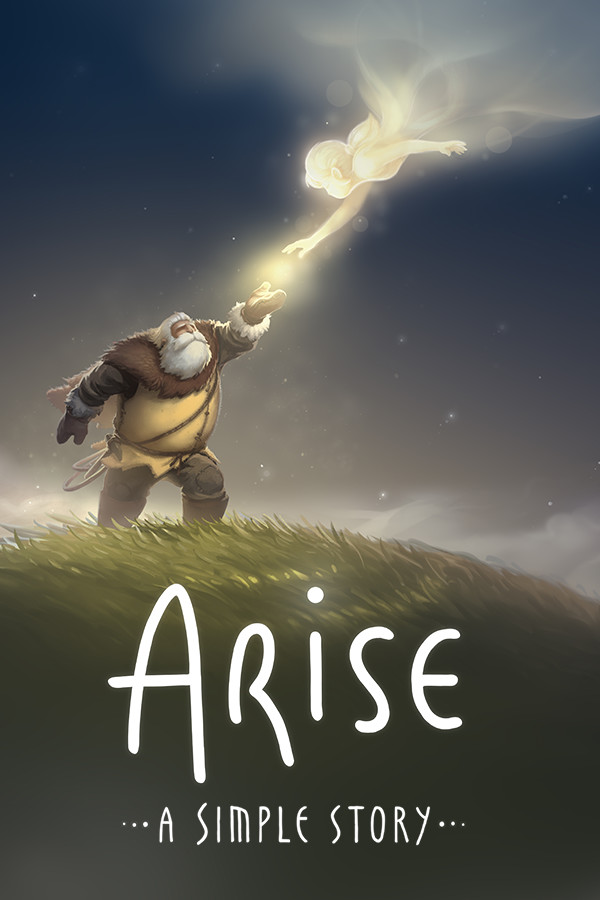
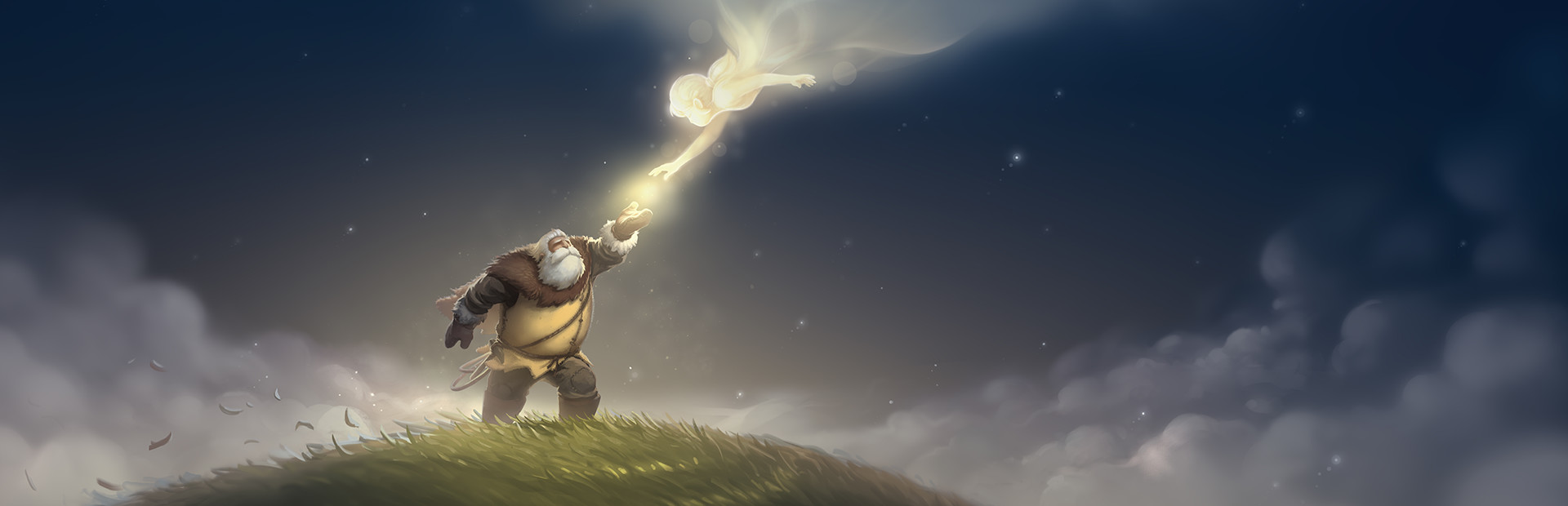
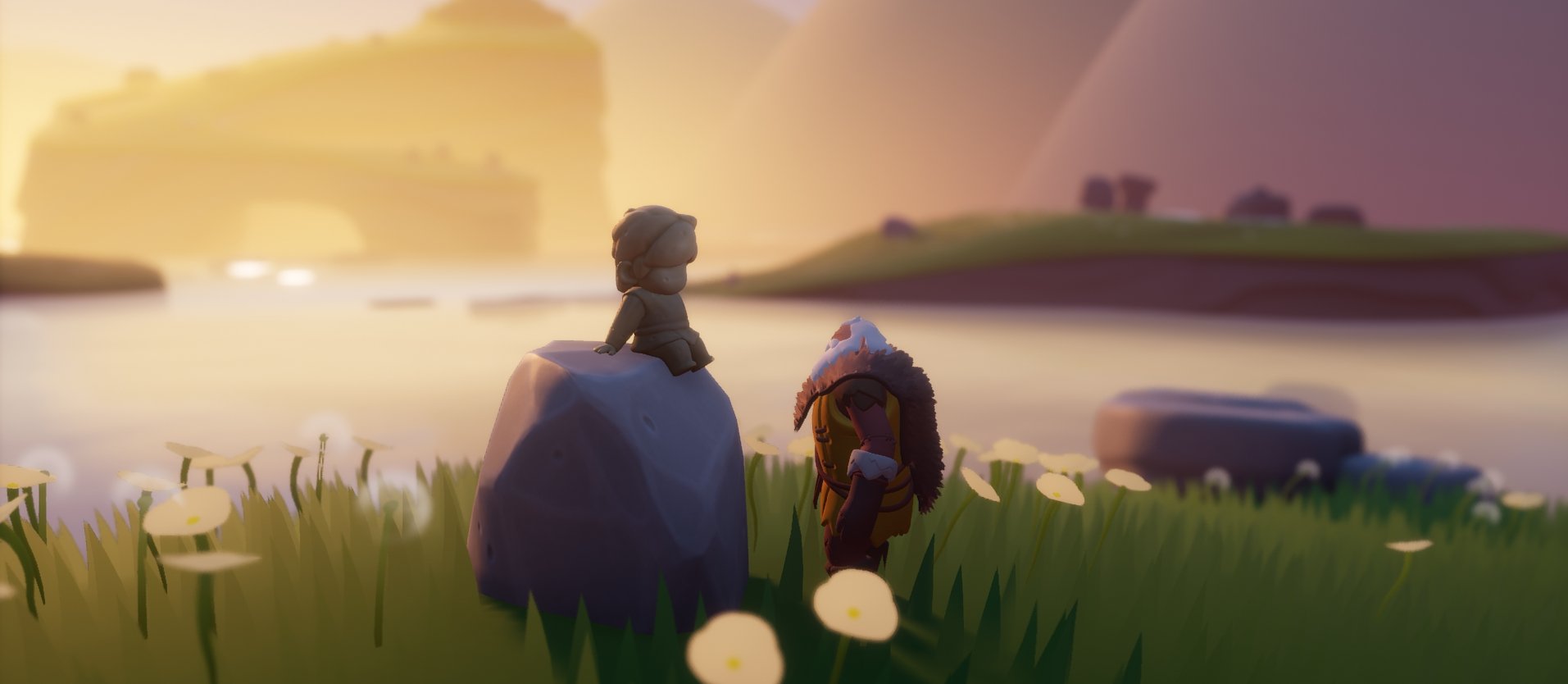
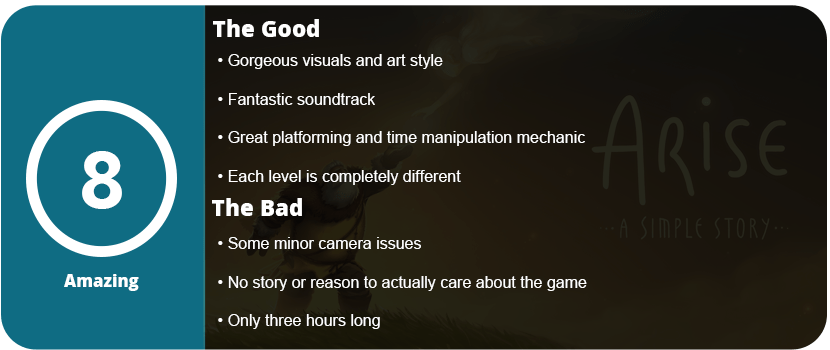
Simple is a great word to put in the title because this game is very simple—almost too simple—and it’s a continuing issue with these “artsy-fartsy” games that have been out since Echochrome was released over 10 years ago. Journey is still the game that does this best and hasn’t been topped. While Arise actually has gameplay, unlike similar games, it still has no purpose, meaning, or story. You play as an old man who is clearly remembering his past, be it meeting his wife, surviving harsh journeys as a child, or various problems that arose with his own child, but these are told with just statues posing to show an image or an idea, and it’s never really clear.
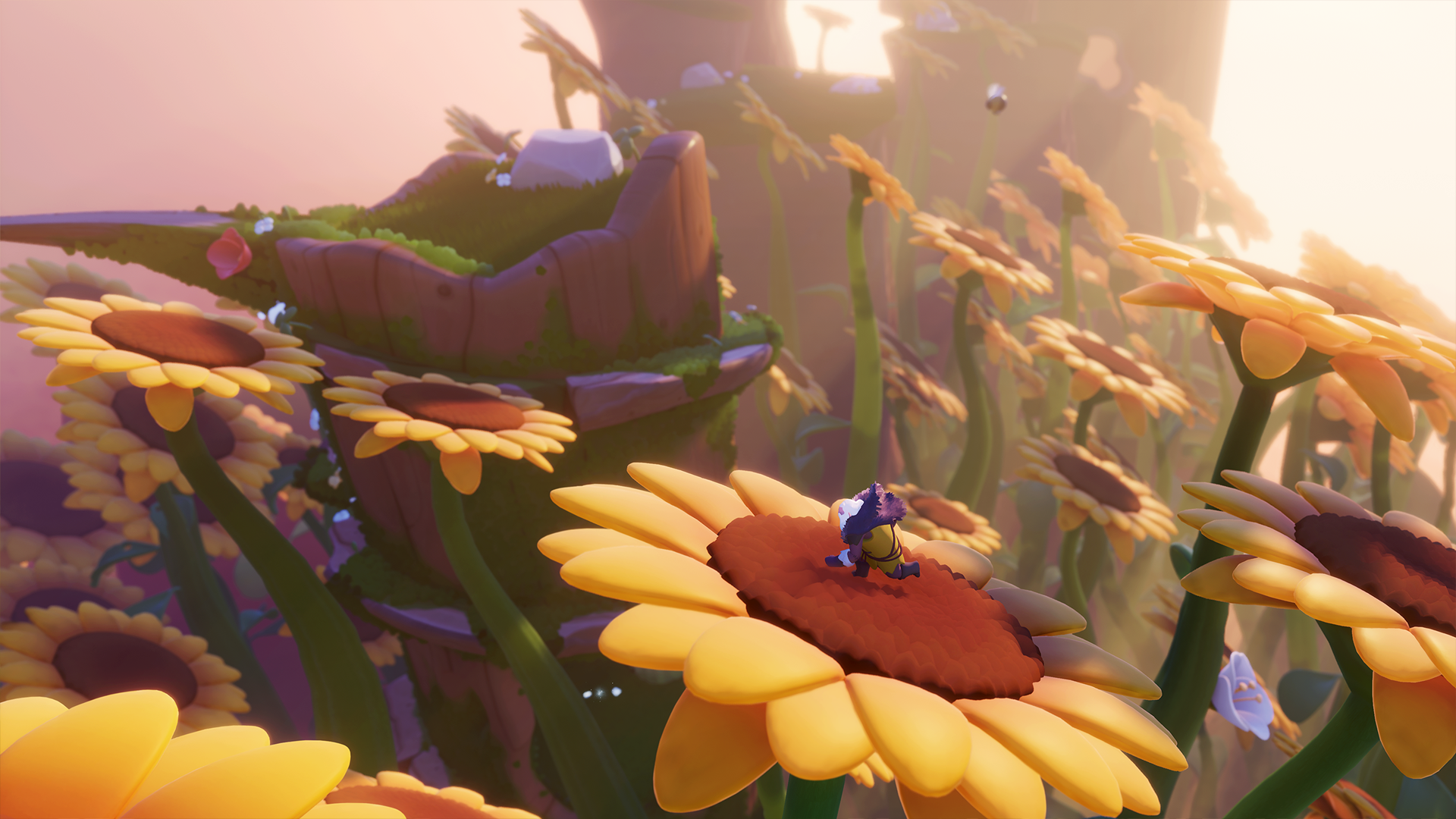
The majority of Arise is composed of great platforming, with varied environments and time manipulation at your disposal. One level has you rewinding and fast-forwarding time to freeze or thaw water, causing platforms to appear and disappear underwater. Another is a level where you just leap across lily pads, and moving time makes the pads spin around. Another level is on a mountainside, and you use the time to rewind time to use the destruction of the cliffside as platforms. It’s very unique and fun, and I had a blast figuring out how to get across each level, which has different uses from the time manipulation and varied levels, making the 3-hour adventure never seem stale.
However, a few issues arose with weird camera angles, and I couldn’t make out where I was jumping and made poor judgments. I even ran into an issue where a sparkly wind would carry me across a level and dump me on a lilypad, only to fall right through it—about half a dozen times. Outside of this, the game wasn’t hard to figure out, and I flew through the game in no time. The music is fantastic and has a sweeping orchestral score similar to Journey. But, unlike Journey, there just isn’t a purpose or story really told here, and I want this fanciful art to stick with me. I know I’ll forget Arise in a few weeks, while I still remember my three playthroughs of Journey from 7 years ago like they were yesterday.
The visuals are superb, with a gorgeous art style and lighting effects. I particularly like how each level has a feeling behind the platforms. The lilypads feel squishy, while another level’s bouncy round cells feel like rubber. There’s so much to look at and take in that on a really nice TV or monitor, the colors will pop and dazzle you. The seven levels bring something new to the game, and each one takes around 20 minutes to finish. There are even some areas where ghosts will kill you if you don’t manipulate the forest fire around you to provide light, and another level has you pausing time to light up the area with lighting strikes. It’s just such a shame there’s no reason to finish the journey other than to see the gorgeous levels.
Overall, Arise doesn’t break the cycle of artsy indie games having no story or purpose, but it at least has great gameplay, unlike the majority of them. I wanted to feel the emotions the old man was going through, but how can I when there’s no context? Developers need to understand that they may understand and feel what’s going on, but we, as players, have no clue. A few statues and an old man looking sad don’t tell us anything. Play Arise for the visuals and platforming, but don’t expect something to tell your friends about.














































 thebinarymessiah.com
Super, thank you