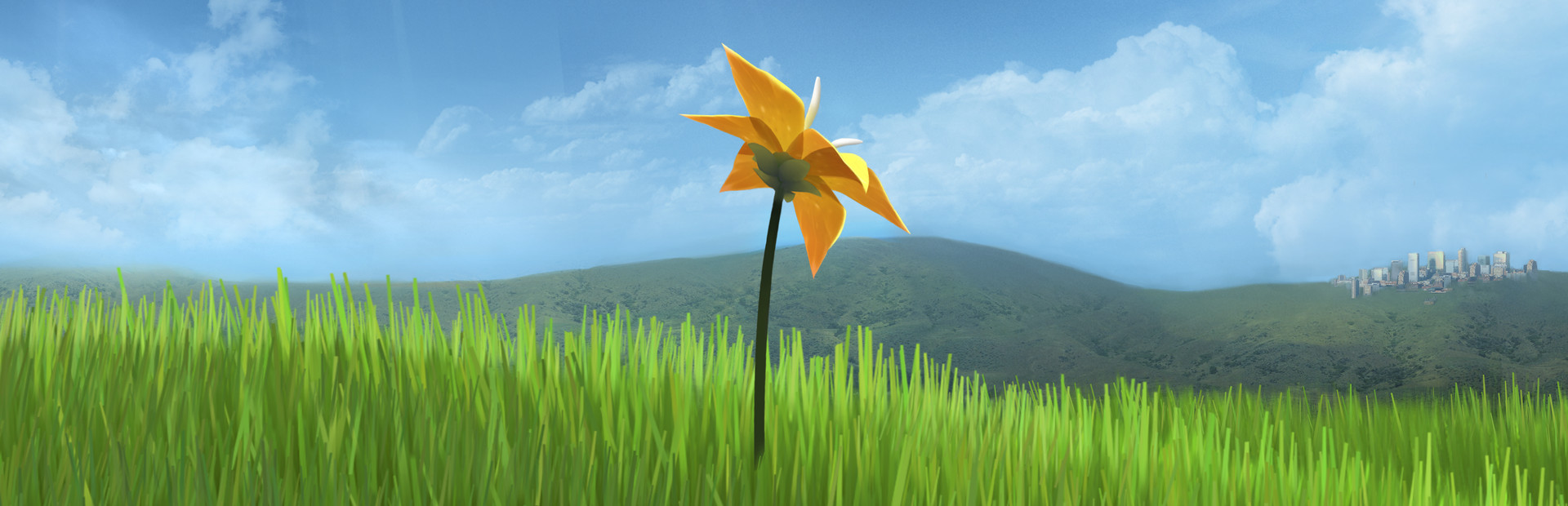
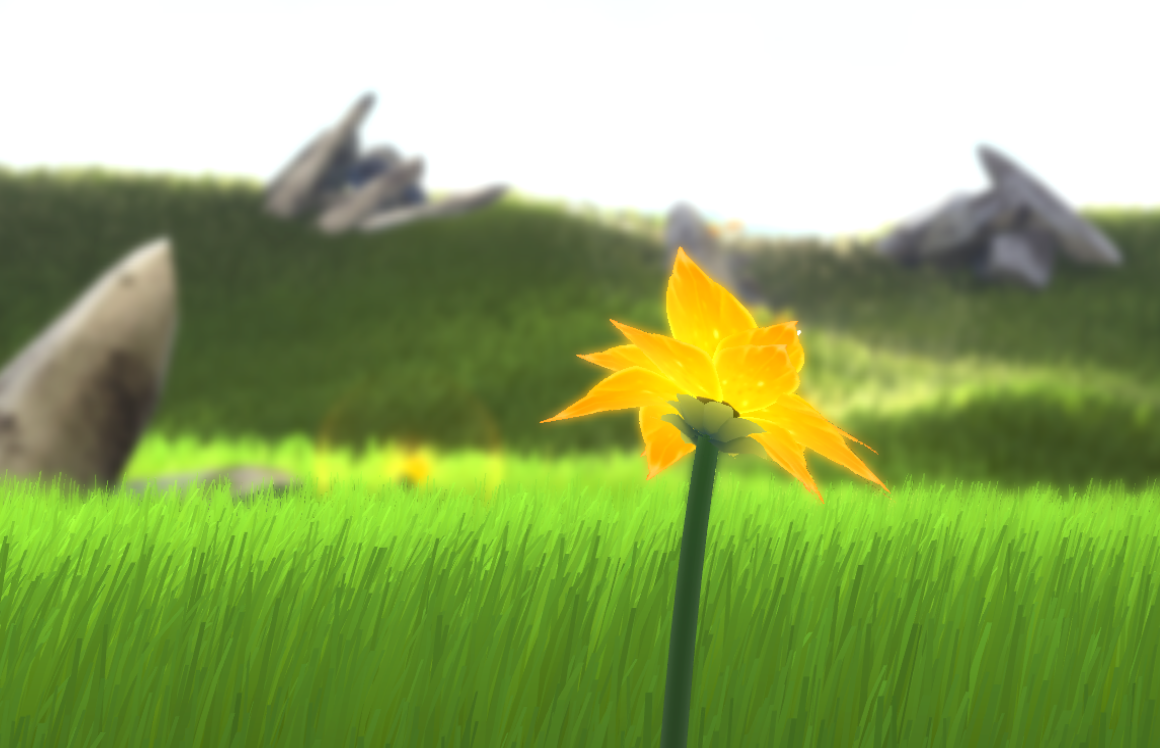
That game company is a really talented bunch. With Journey and Flow under their belt, they are known for making artistically stunning games on Sony’s consoles. When Flower was released on PS3, it amazed gamers around the world with its gorgeous visuals and music. It’s a very simple game, but that’s okay for what it does.
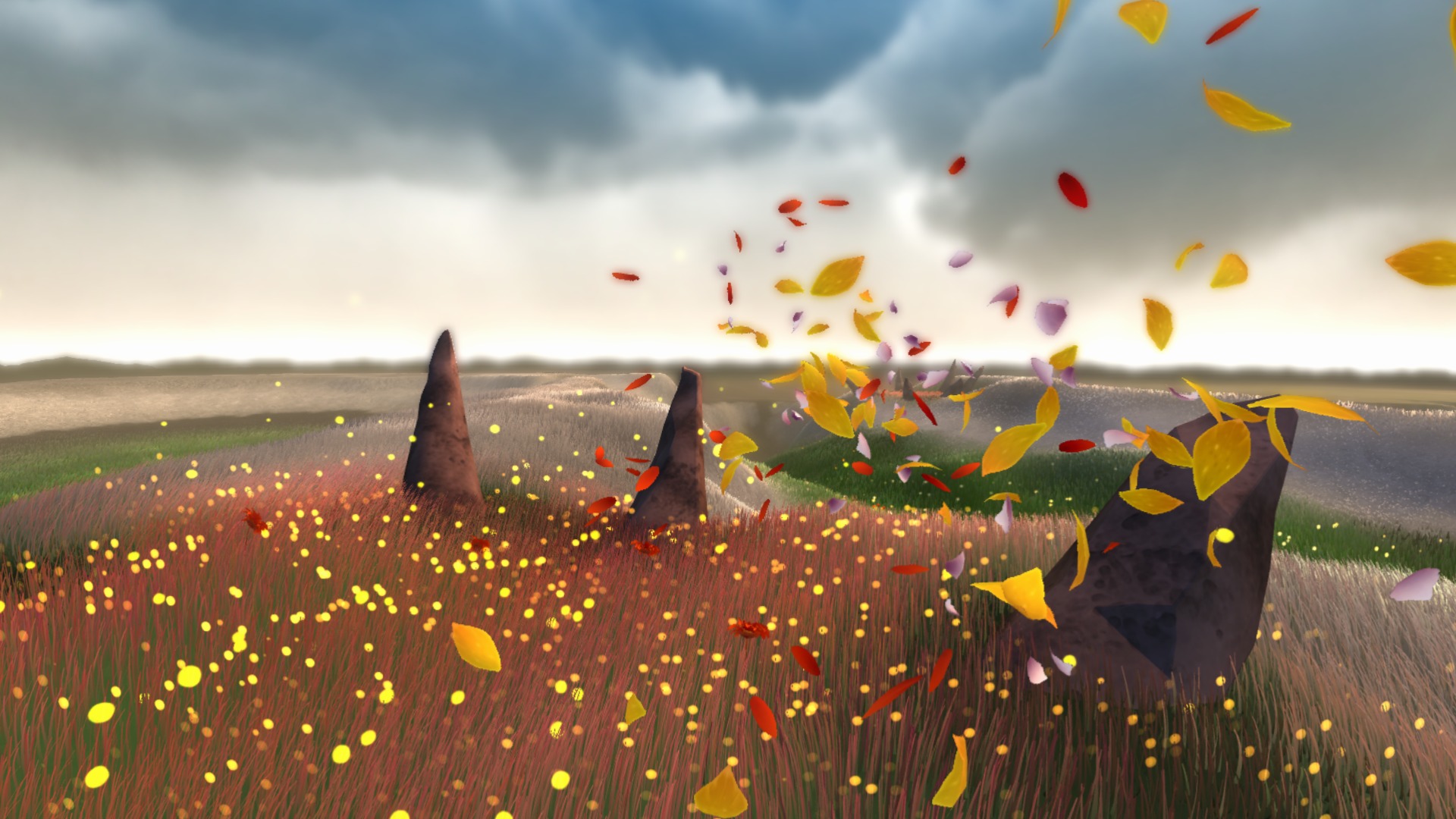
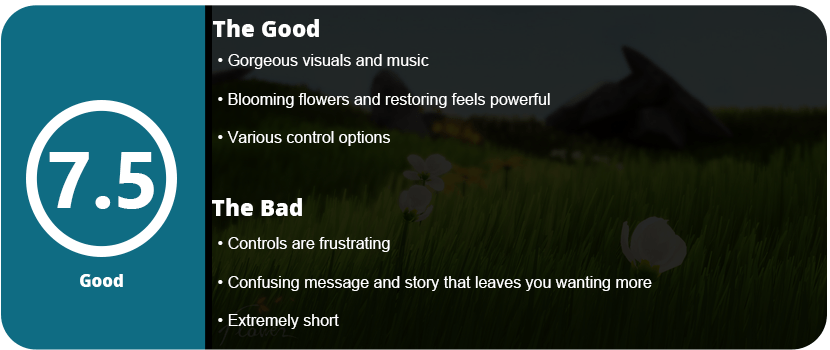
You control a single flower petal and ride the wind to help other flowers bloom and remove gloom and grayness from the world around you. You can control the speed of the petals, and the novelty came from using the PS3’s SixAxis controller to move the petals around. On the Vita, you can use the gyroscope or hold the rear touchpad. I honestly don’t like the controls and feel it is very difficult to control at low or high speeds. I always missed a set of petals in a run and had to turn around and go back, breaking the magic and flow of the game.
It was like this constantly throughout the entire game. Once I felt the game had jumped from petal set to petal set only to let me go and lose focus of the current run. As the game progressed, this became more complicated as you avoided falling electrical towers that would shock you and send you flying backward. It’s a beautiful game to behold, even on Vita, but the frustrating controls and mechanics bring it down quite a bit.
Flower also has some underlying environmental message that feels hypocritical. The game goes from green grasses to dark and dreary in a few levels, only to have you restore color to the city (which clearly represents Los Angeles), so I don’t have any idea what the story is or what the message is about.
There are about seven levels, not including the credit level, which was interesting. Flower is a PlayStation classic and should be played just for its beauty and unique gameplay that no other game can touch. The music is amazing, and I really felt sucked into the game only to be ripped out again by bad controls.
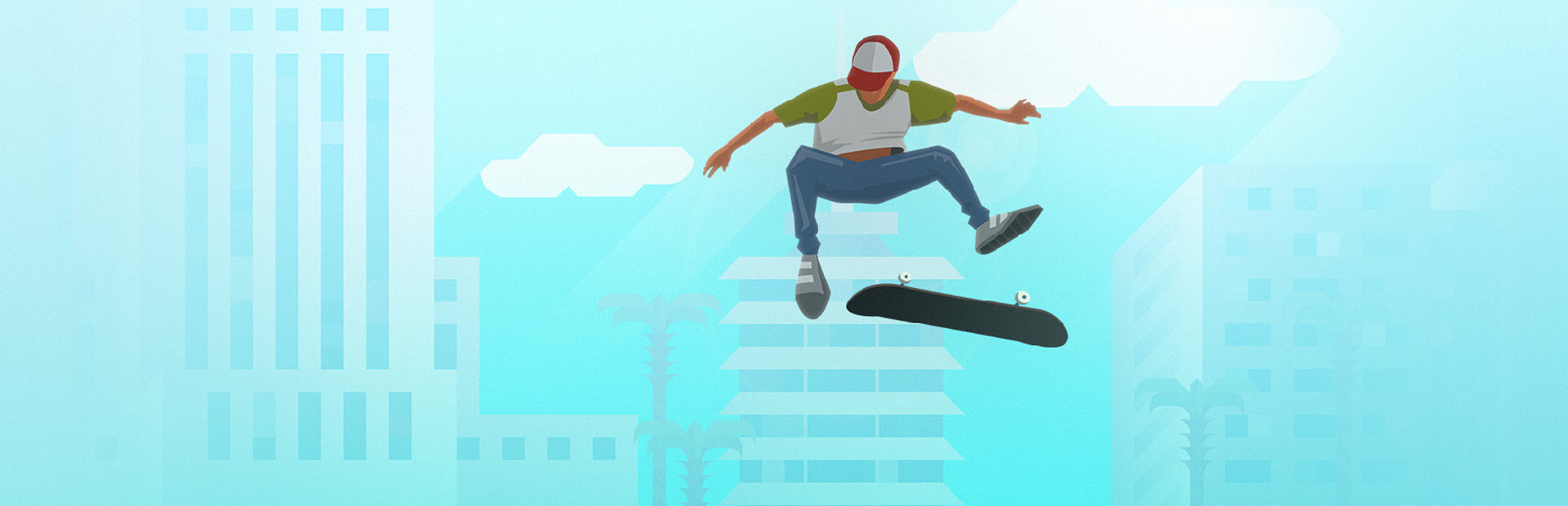
Skateboarding games have always been one of my favorite genres. They’re intense, require an insane amount of skills and coordination, and are just so much fun to play. I started all the way back to the original Tony Hawk’s Pro Skater and ended at Skate 3. From there, the genre pretty much died, but Olli revived the series a bit, and I fell in love with the first game.
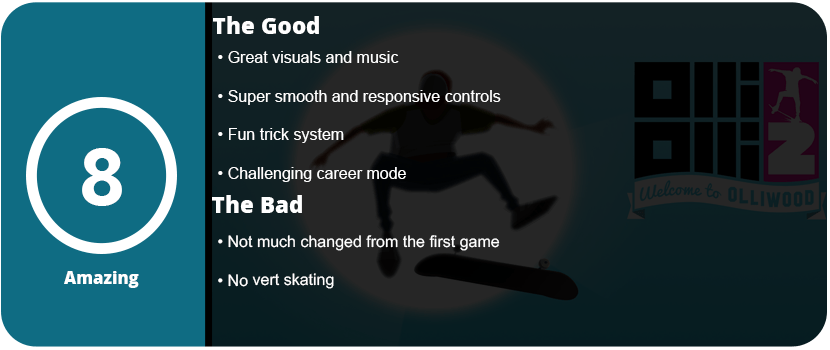
The second is no different, and that’s both good and bad. On the plus side, the game feels smoother, there are more tricks, the entire game is more responsive, and there are more modes and new levels and themes. The downside is that it’s pretty much the same game with no real evolution of the series.
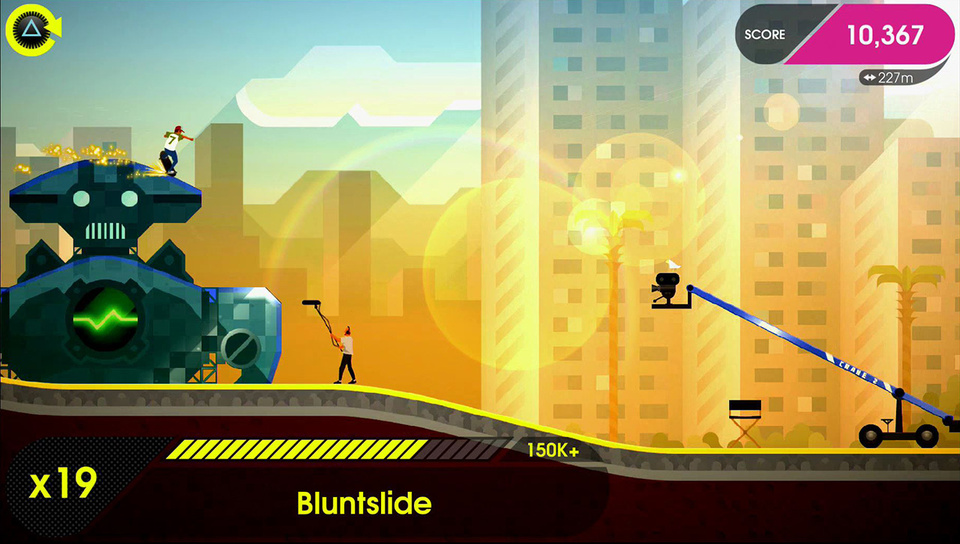
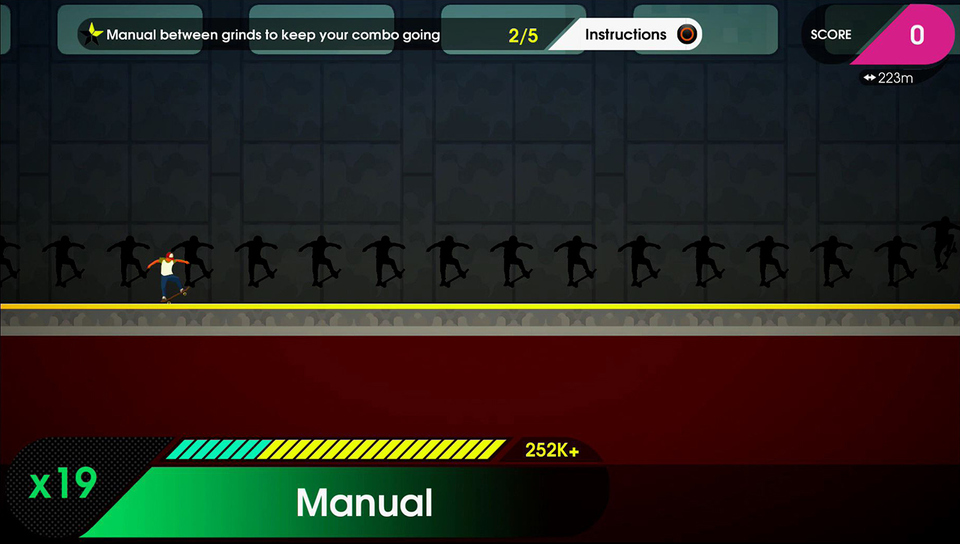
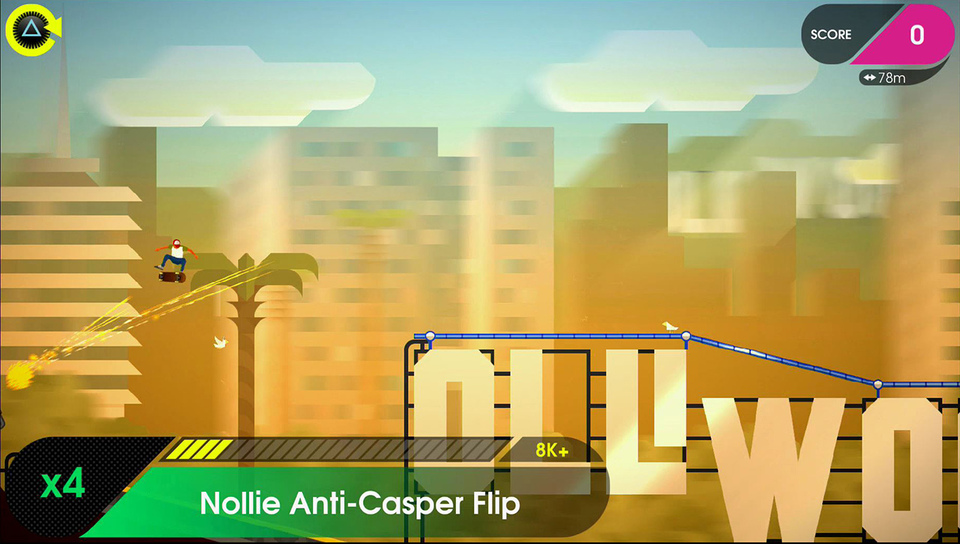
Career mode is where you will spend most of your time. Here you have six different goals, varying in tricks, scores, and special spots. Using the left analog stick, you can push down and then up to pop the board up and flick it around to do tricks. Holding it down over a rail will allow you to grind. To properly land a trick, you must press X right before landing, or they will all be sloppy. This trick system is similar to Skate’s and is a great evolution of the button combo system.
Sadly, you can’t do grabs, and there’s no vert skating. Half-pipe rounds would have been fun, and it’s sad that the sequel doesn’t really add all that much. There are two other modes, which are trick spot and just a leaderboard tracker. They’re fun but aren’t really different from the career mode.
The game looks nice with fun music, awesome 2D scenes, and a great Hollywood/Los Angeles theme, and it’s just super smooth. With all that said, OlliOlli 2 is a great entry for newcomers and veterans who will find enough new stuff in the career mode to consider a purchase.
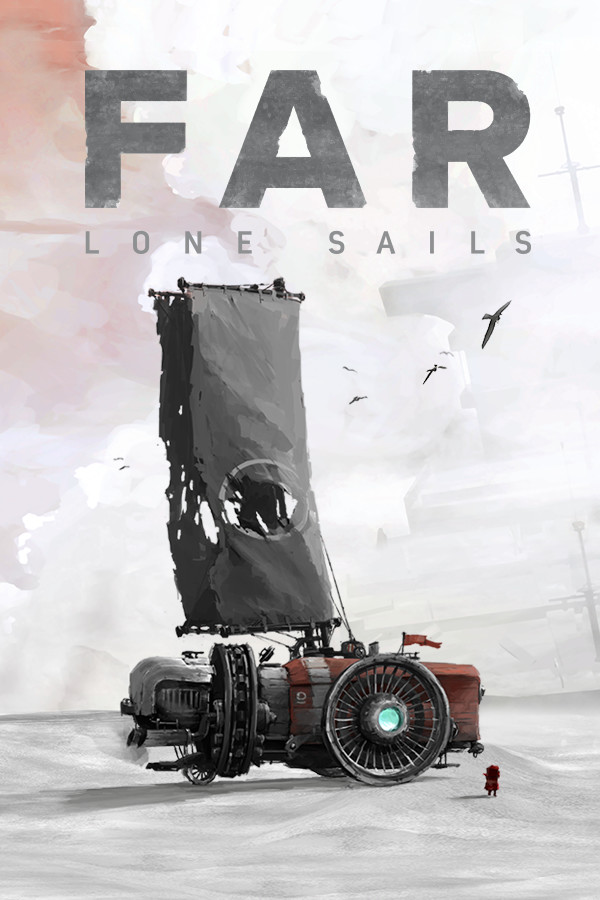
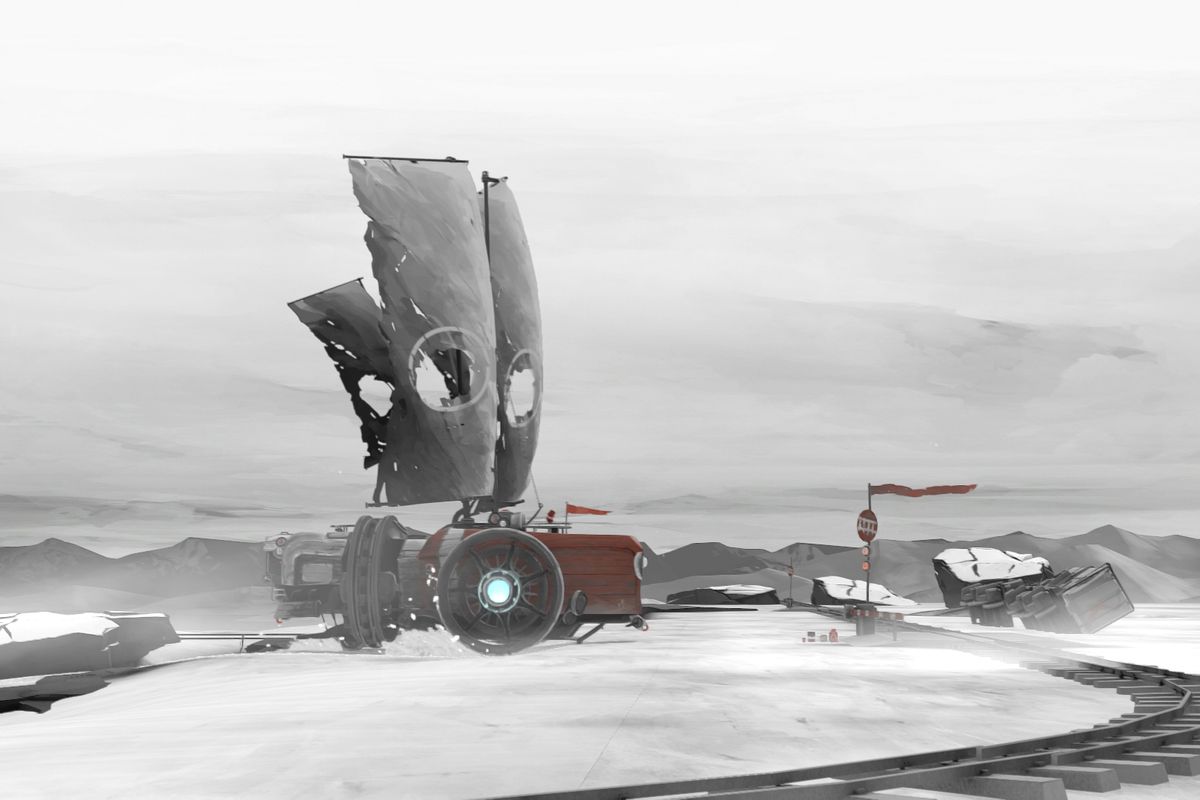
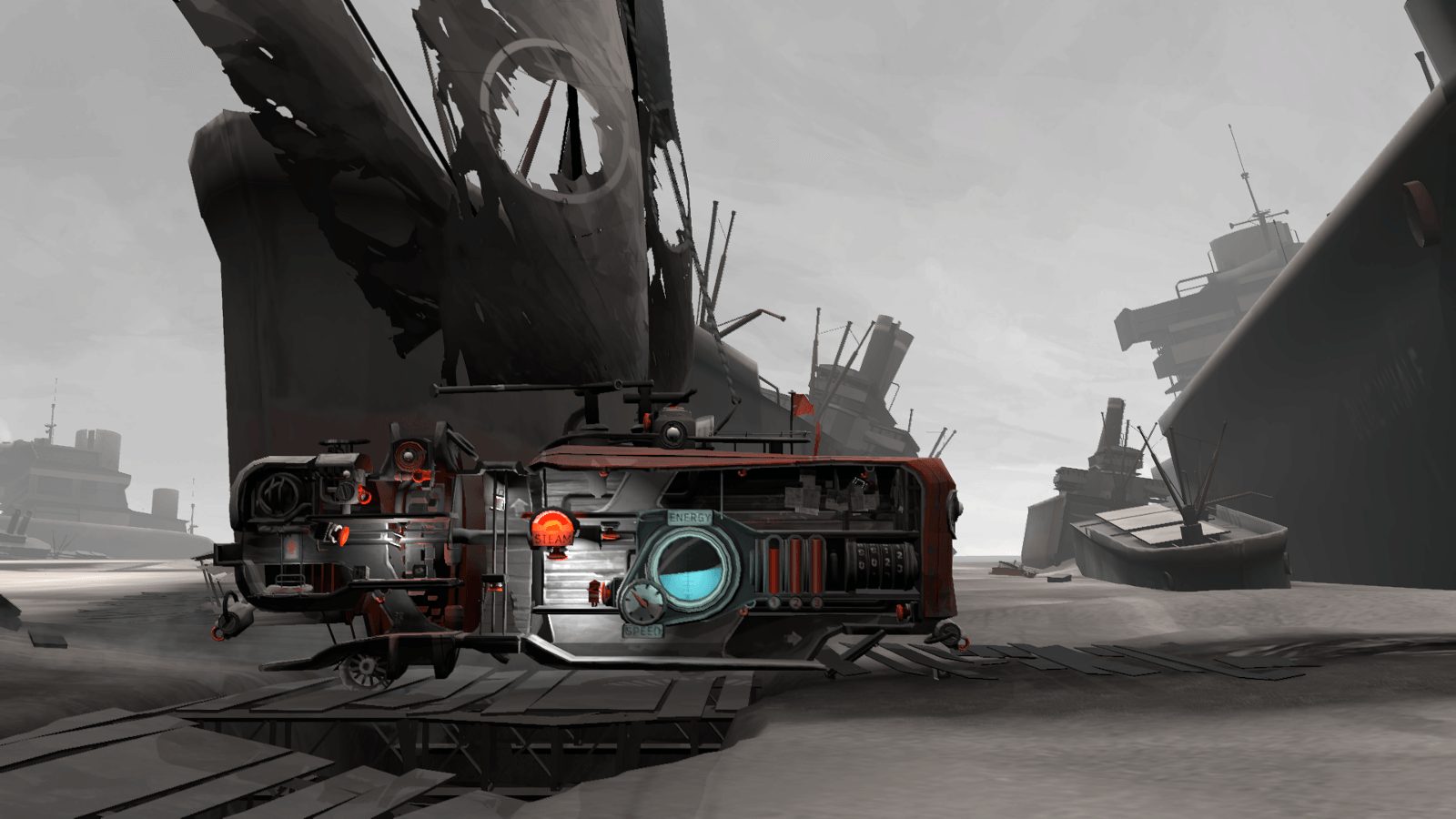
A mysterious girl in a red cloak sets sail on a strange SteamPunk-inspired machine to always move to the right. It’s never clear what your purpose is or why you’re going on this short two-hour journey, but you’re doing it, and it’s quite interesting.
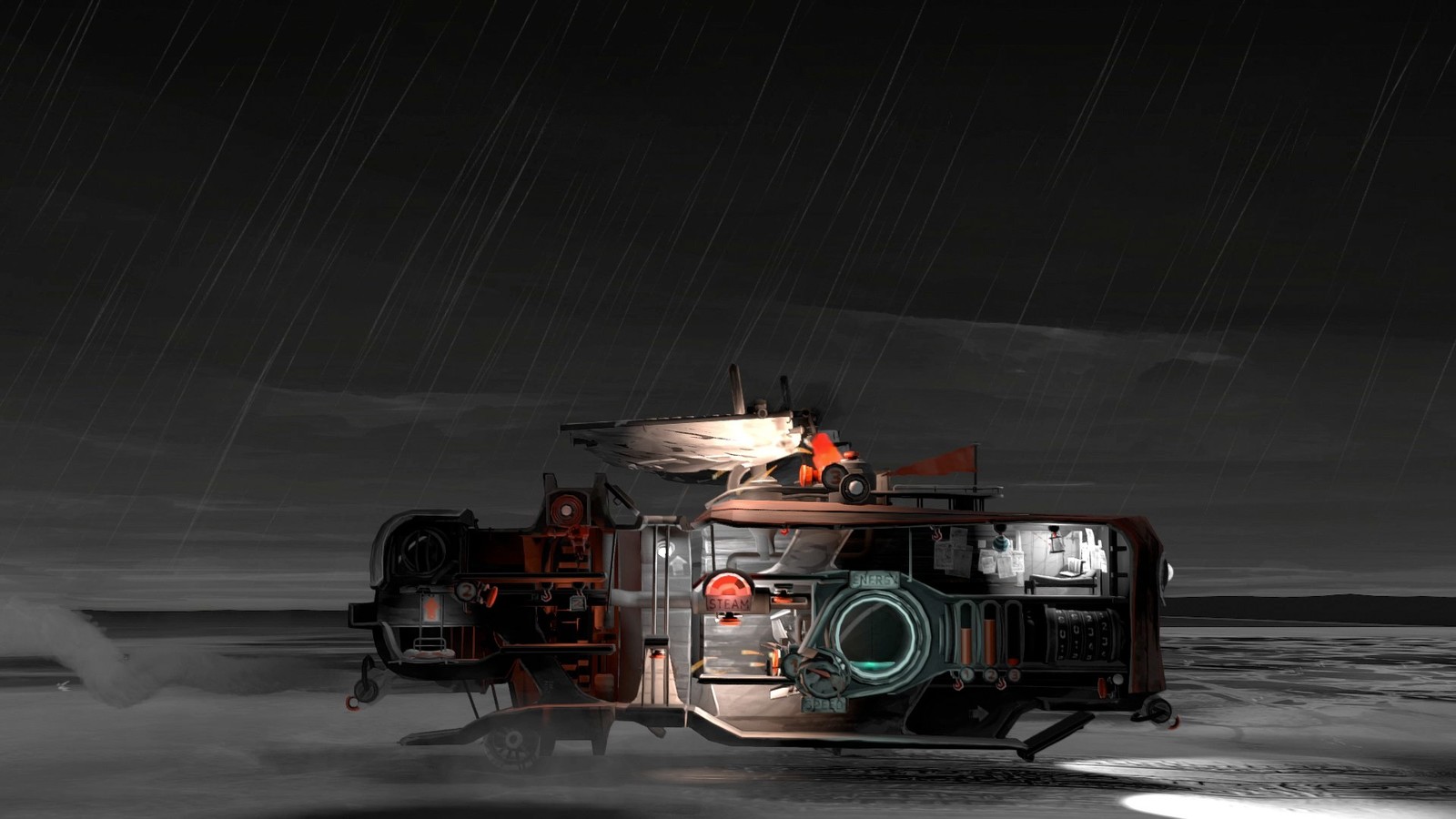
Your ship rolls instead of flies, but that’s okay. Inside the ship, there are several red buttons that do various tasks. The whole purpose of the game is to keep the ship moving by either hoisting your sails when there’s wind or using fuel and keeping the engine running. By the ignition button, there’s a steam release button and a brake. Behind the ship are buttons to suck up fuel on the road and a lift to insert objects into for fuel. The front of the ship has a pulley system, and there is a fire hose and repair torch. Most of these items you won’t get until you come across them on your journey. It’s pretty satisfying to micromanage something as simple as always stopping the machine to grab a box of fuel on the road and having a machine pull it in for you.
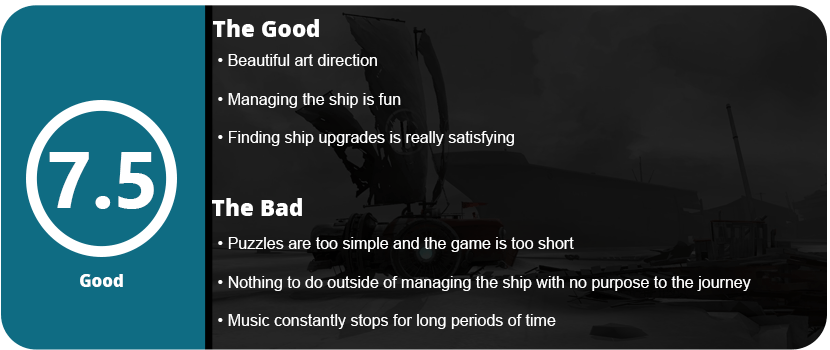
As you sail across the landscape, you will bump into a few puzzles. These require a little platforming mixed with figuring out how to get your ship through a door or across a lake. They are fairly simple, and after a little fiddling, you will figure out what to do. Outside of this, though, the game is void of anything. Once your ship is moving, there’s literally nothing to do, especially when you have full sails and don’t need to micromanage your engine. I was also annoyed that the music starts and stops so abruptly, and several minutes will go by of absolute silence.
The game looks beautiful with hand-drawn art, but it drives me crazy not knowing what the purpose of this game is, and I don’t like that. I’m all for minimalist game design, but developers who make you go on a journey with no background or story are just lazy and not cute or innovative. The various button-pressing mechanics are fun and a brand new concept I have never played before, but what’s the point at the end of two hours? Did I actually make a difference or accomplish something besides finding the credits?
Far: Lone Sails has very interesting gameplay mechanics, but it’s hard to recommend outside of sheer curiosity. Don’t expect a grandiose or heartfelt story here; just an interesting game to look at and button-pressing gameplay.
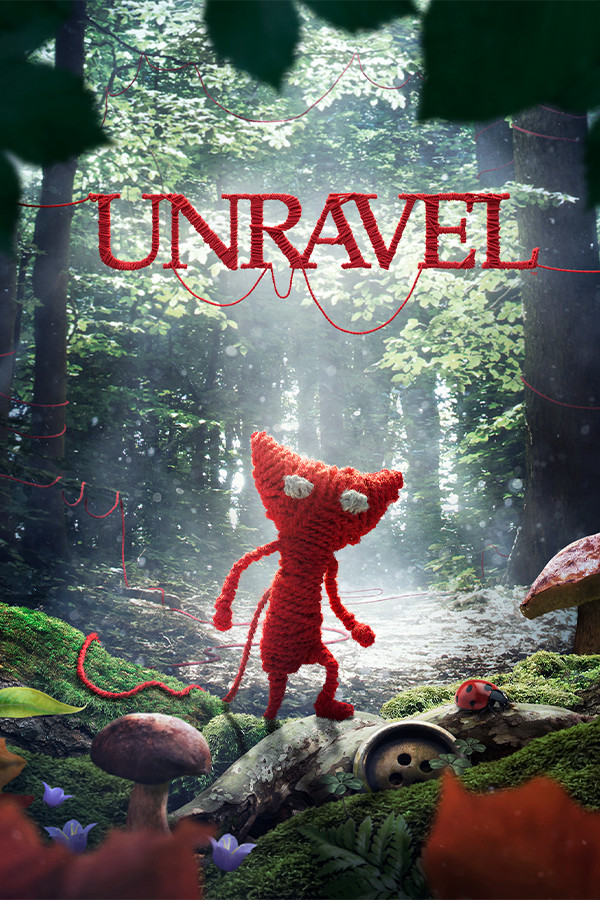
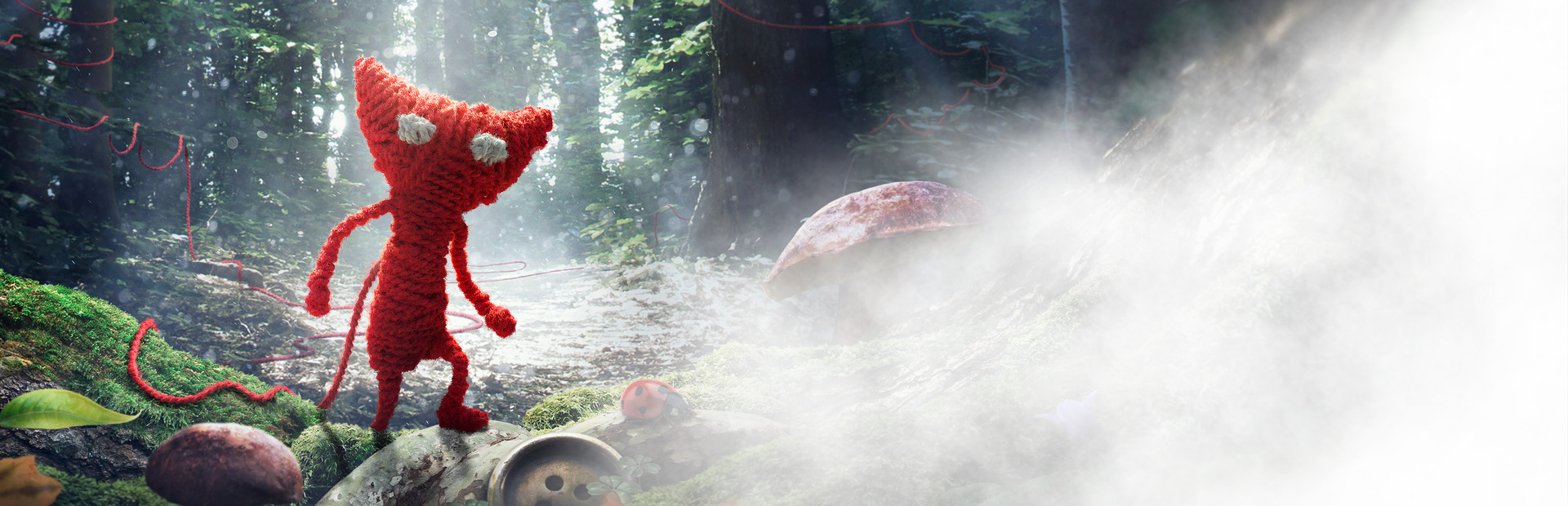
Playing as a ball of yarn isn’t a new concept. Nintendo first did it with Kirby’s Epic Yarn, and it was a charming blast. Coldwood tries its hand at crochet platforming, and it’s done fairly well. I can’t really explain the story much, as it really doesn’t exist. Yarny, the character, is on a journey to find various crocheted figures to attach to a photo album. Who this family is and the reasoning behind Yarny’s animation and coming to life are never explained. The entire idea doesn’t make any sense at all, but we’re here for the platforming.
The game has physics-based platforming and puzzle-solving. There’s a trail of red yarn behind you, and this is your lifeline. It can wrap around things, create bridges, and be used as a grappling hook. Simple puzzles involve hooking the yarn on points and creating bridges to drag objects up, while more complex ones involve wrapping the yarn in various ways to activate a pulley or open a door. It’s very interesting and unique, and there are so many different types of puzzles, but the problem relies on the mechanics around them.
The platforming is either heavy or too springy. Yarny will jump on an object and immediately bounce off of it in a forward motion only. It’s very hard to control this movement, especially when the camera doesn’t pan over quickly enough. The game is also hindered by poor pacing. I enjoyed running around pushing objects, pulling levers, and swinging around like a monkey, but once I got my groove and momentum, a big puzzle would halt my progress, interrupting the trance. I prefer just going forward and enjoying the scenery while swinging around and knocking things over, but once those puzzles started, I got frustrated.
Part of this has to do with most mechanics not being explained early on; the objects you need blend in too much with the background, or it’s very unclear that there’s a hook-off camera that you must jump to. Checkpoints are placed frequently, but some are misplaced, as I would have to repeat a long, easy section just to get to the one annoying jump or off-camera grapple and fall again and again. In some areas, I started over a dozen times just to get it right.
Outside of that, the game plays fine with 13 levels. You will be busy for a good 4-6 hours since some areas are really tough to get through. I loved the scripted moments, and some of the dangerous areas where Yarny runs from animals are pretty fun, but those big puzzles just really halted all the fun.
The game looks absolutely stunning, with realistic-looking textures and a huge variety of environments, including forests, tundras, toxic waste dumps, construction sites, and swamps. It’s incredible to look at and experience, and the music is great despite the same track repeating over and over through each level. It got irritating quickly.
Developer: SCE Santa Monica Studios, Wholesale Algorithms
Release Date: 07/14/2015
Available Exclusively On
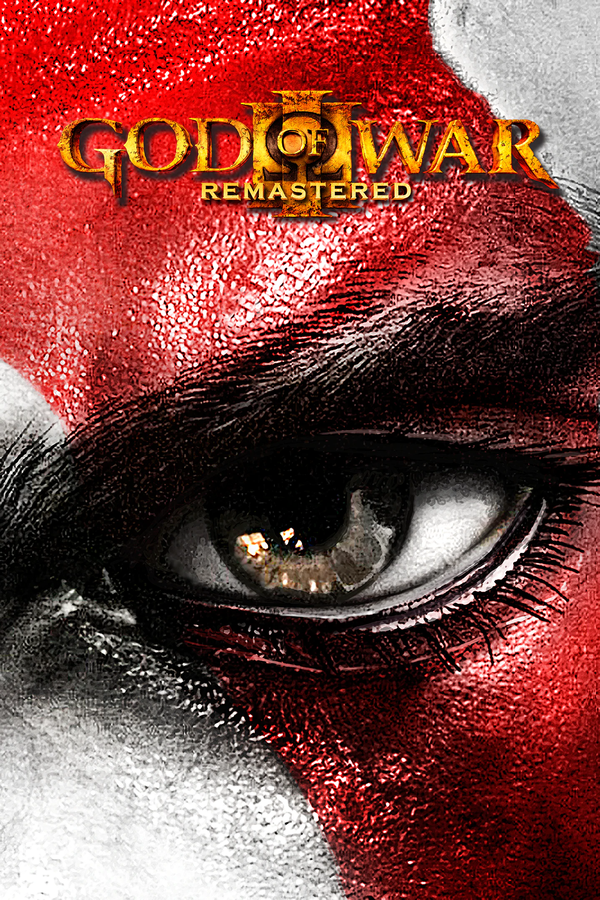
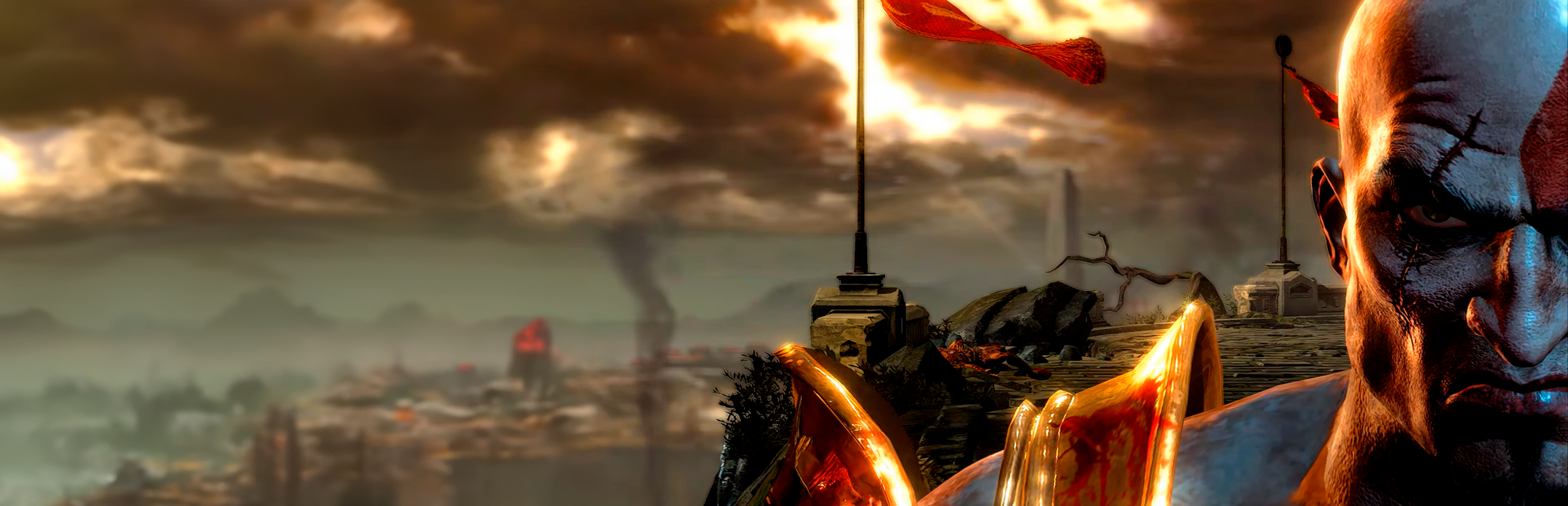
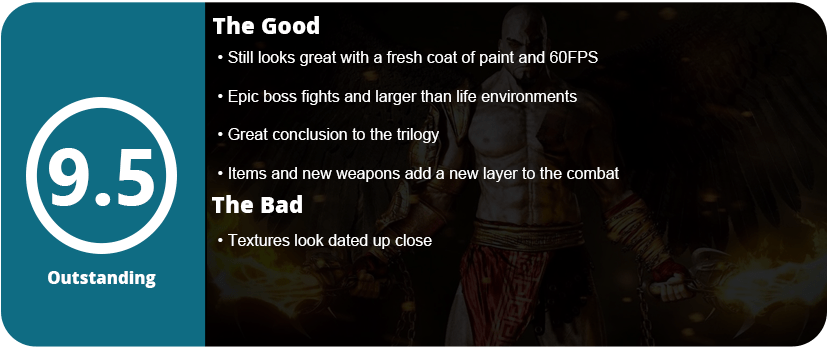
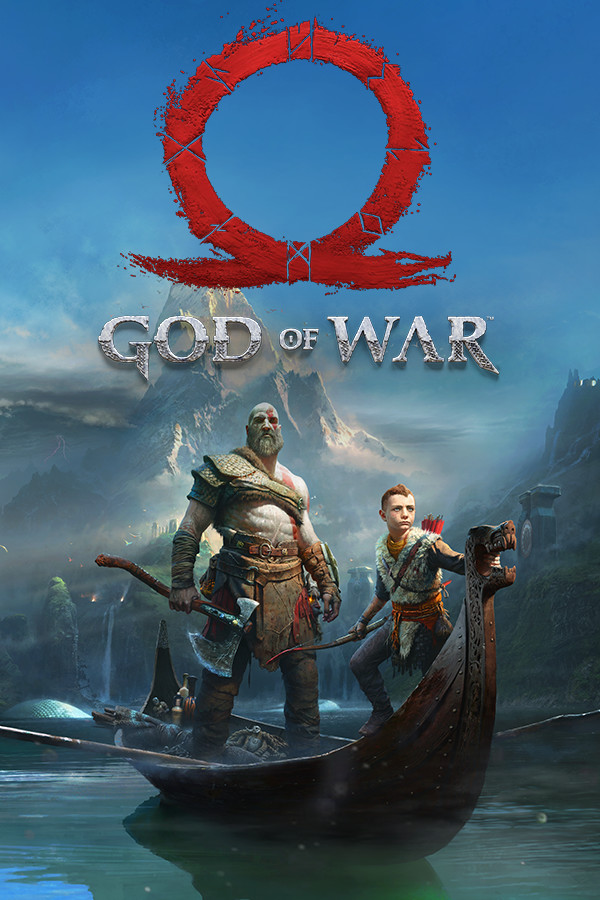
God of War usually defines the generation of consoles it’s released on. God of War III was no exception. We were already halfway into the PS3’s lifecycle before we got God of War, but it was well worth the wait. It was bigger, better, faster, and more epic and violent than any previous game.
We also already had two PSP games by this point, so there was a lot of content for the team to look upon, and it did take some inspiration from the PSP versions as they were the latest games in the series. God of War III sees Kratos continuing his journey to kill Zeus and destroy all of Olympus for refusing to take away the nightmares of killing his wife and daughter.
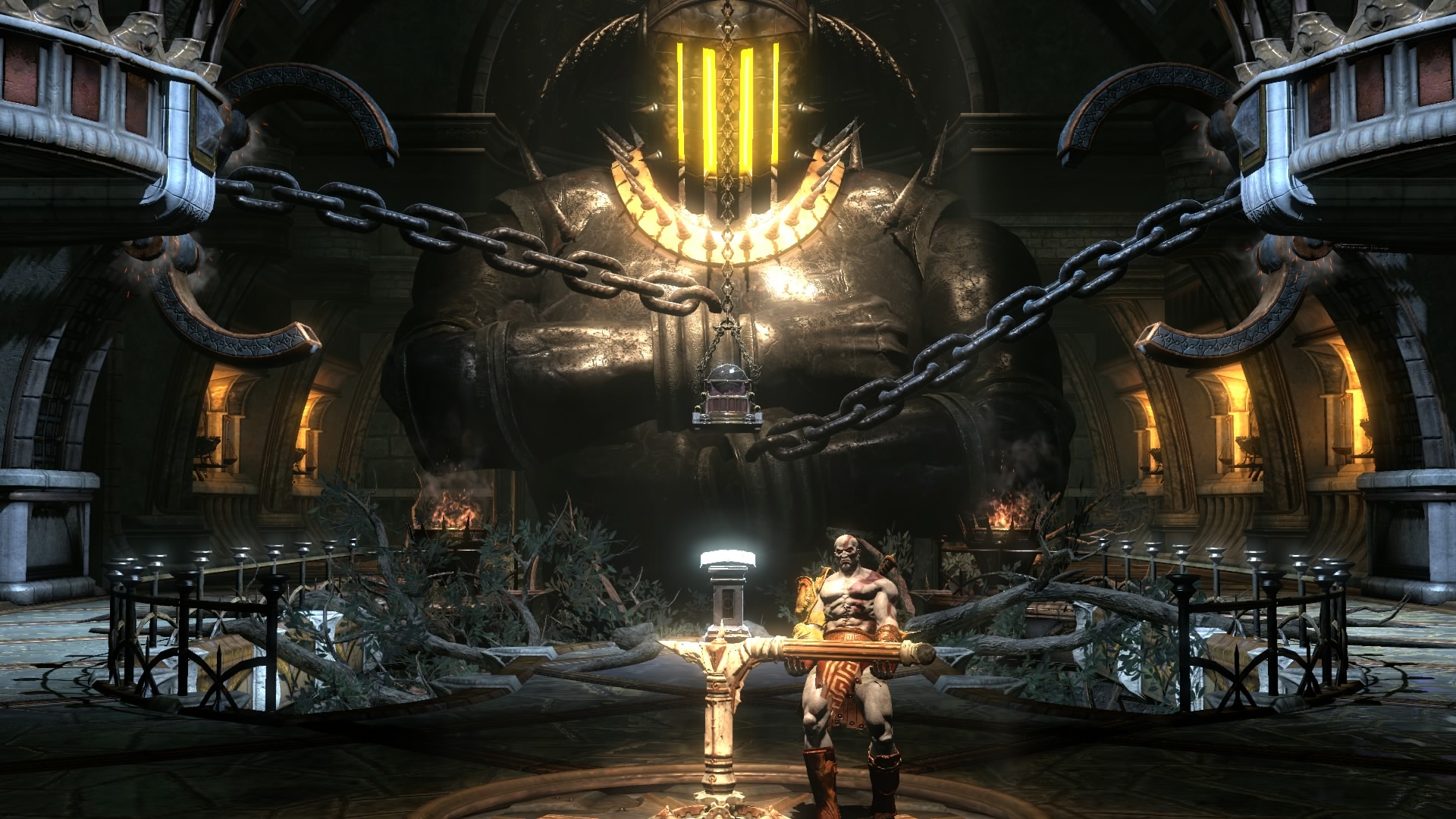
The game starts out more epic than any other God of War game, or any game at all, for that matter. You are battling Titans in God of War III, with Gaia being the first one. Running around a giant, colossal enemy and destroying it from the outside is just something that has never been done or has never been done since. Right off the bat, the game feels smoother, silkier, and more responsive than ever before. The game has amazing lighting effects with a glow that shines on every object, and Kratos’ Blades of Exile look amazing in action. It’s still jaw-dropping even today to see something of this scale play on your screen.
Combat isn’t just smoother, but slightly enhanced with new layers added. There is a new item meter that recharges on its own and allows you to use various items, such as Apollo’s bow and Helios’ head. This allows the team to focus more on balancing combat and using these items for puzzle solving rather than strictly combat. Magic items are now attached to the four weapons. Each weapon has a unique magic attack that balances combat and keeps it from feeling the same as other games. There is also a new X-button combo that allows Kratos to combo through all four weapons, which is just awesome to see. I don’t want to spoil the new weapons, as they are as big a part of God of War as the enemies and story, but they are awesome and the best weapons yet in any God of War game.
The game also feels like it just flows better this time around. There is no longer a central hub that the game focuses on, but you do backtrack to a few beginning areas briefly, which is fine. The game is very balanced, and I never felt overwhelmed except toward the end of the game, which is expected. New enemies are introduced with gobs of gore and violence in more detail. You can actually rip out a Cyclops eye, disembowel a Centaur General, and some enemies have multiple stage circle button prompts, which is a lot of fun. The button prompts are also moved to the sides of the screen, corresponding to button placement on the controller, and they flash, keeping you from having to miss a prompt. They aren’t as heavy-handed this time around and feel more natural, but the best parts are the boss fights. They are challenging, deadly, and gruesome, and they leave such a great smile on your face.
The environments are more impressive than ever, with larger-than-life structures and multi-tiered areas that span miles and miles. It’s insane how all this worked and was crammed on the PS3 hardware. Daedalus’ Labyrinth has giant floating boxes and gauntlets of platforming segments to test your skills and reflexes.
This is actually the third time I’ve played this game, and it amazes me with every playthrough. I never get tired of it. The PS4 remaster adds a coat of paint to an already great-looking game. The visuals are less blurry and sharper, and the game runs at a solid 60FPS. The textures do look ugly in spots, but that was due to PS3 limitations, but overall, the far-away shots look amazing.
Overall, God of War III is still an amazing game to this day. It was one of the best PS3 games to be released and is a must-have for PS4 owners. Sadly, the previous games were not included, so if you jump into this game, you won’t understand a single thread of the story.
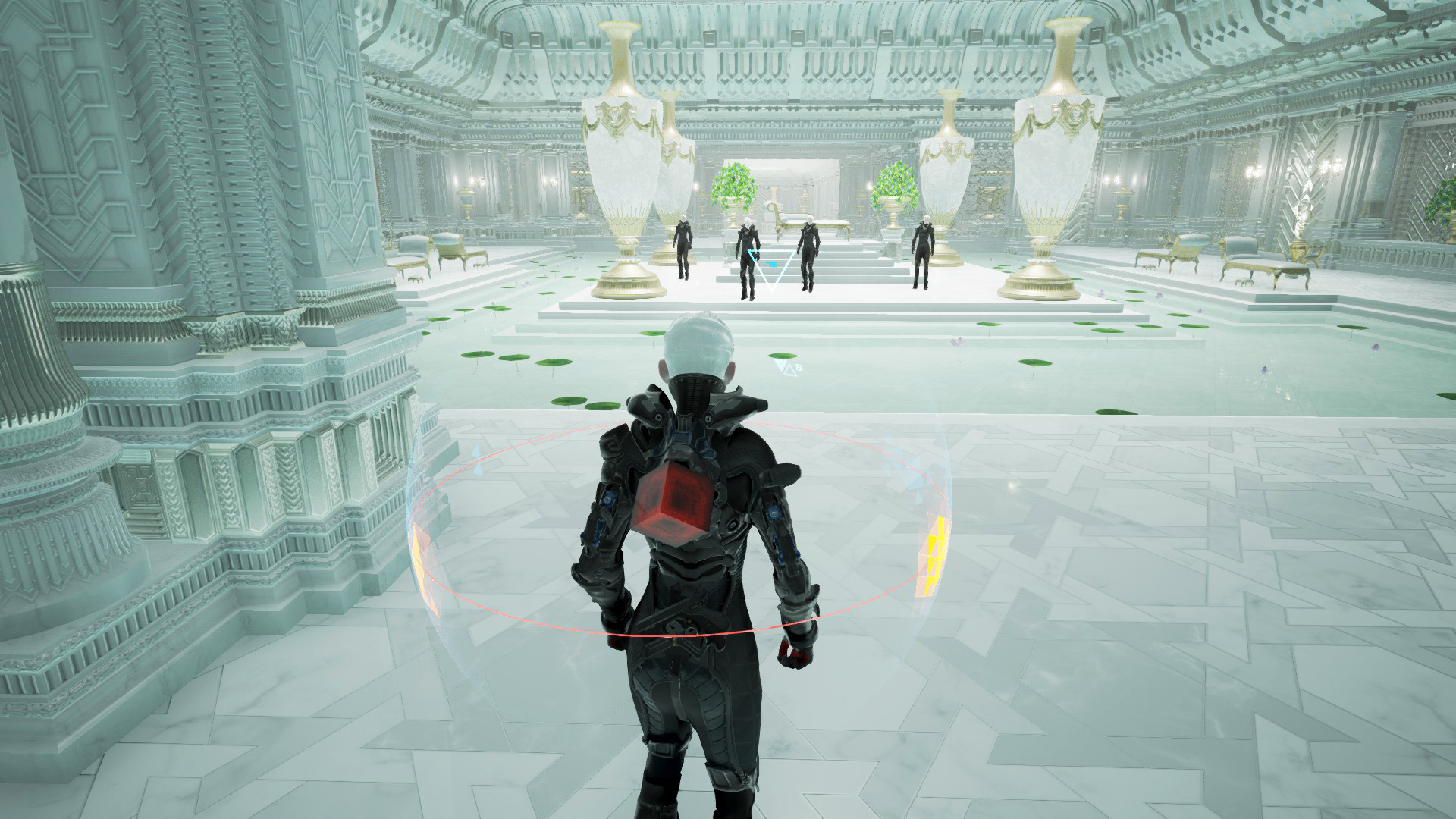
Echo is a futuristic stealth game in which you play as a woman named En who is trying to resurrect a man named Foster. Her species is known as the Resourceful, which was created by her grandfather. She enters this facility to find a cube that Foster is supposed to be inside. The story doesn’t explain a whole lot outside of voiced dialog here and there.
The game has a great opening sequence where you land on a strange planet full of square cubes and must descend into the facility. The first hour of the game introduces all of the game mechanics, with the biggest being that the enemies are clones of you and learn from you. These clones reset during power cycles every so often. The music changes, and the game goes dark, but this is when the system can’t learn your moves. If you shoot, jump, duck, hide, or smash clones in the face with crystal balls, they will be able to do the same moves during the next power cycle. It’s important to reserve using your gun or even using elevators until the lights go off.
There are other abilities you have, such as a power bar and being able to shove clones. Every action requires an action point, such as shooting and leaping over ledges. You also have a very limited sprint meter. You can slowly regenerate one action point, but there are little towers with white balls that can give you one point spread around a room. It’s both strategy and stealth to only use these points when necessary, as some rooms can have dozens of clones you need to sneak around. This is when all the problems start setting in.
Sneaking around is fine and all, but there are so many clones that it’s nearly impossible not to get seen in any single room. The only objectives you get are to make it to the next room or find keys in large open rooms to activate an elevator. This gets extremely frustrating when you restart an area over a dozen times only to never find a good path around the clones. So many times I was spotted and tried to run, only to run out of action points and energy. You get one freebie by fighting your way out of a clone’s grasp, and your proximity meter will glow red, meaning you can’t take another hit. Rooms can be so large that you can’t get to the other end even after lining up your shot with several clones, sprinting, using your free grab, and shoving clones down.
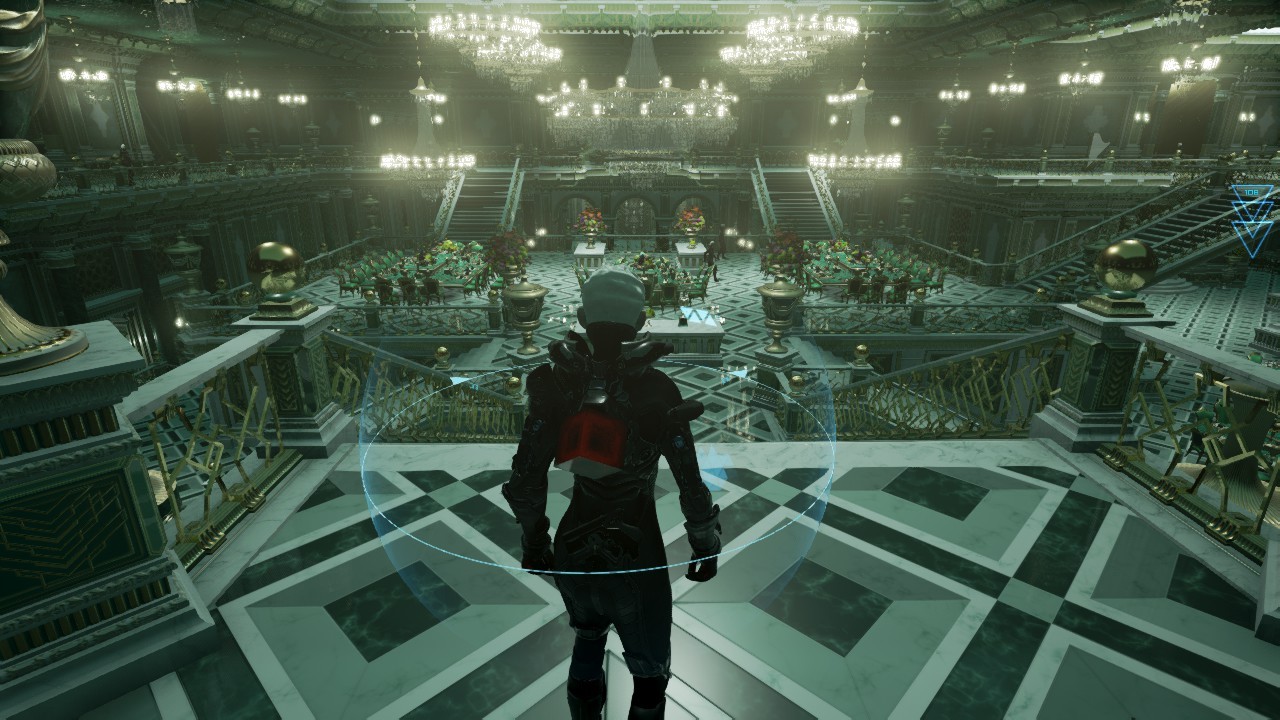
The next issue is that the game feels like it drags on forever. I love the art style and atmosphere, with strange Victorian-style furnishings in a nearly sterile environment full of silver and gold decor. The problem is that it repeats forever, never changes, and the constant repetition of going from room to room wears thin fast. If there were a variety of things to do here, it would be more enjoyable.
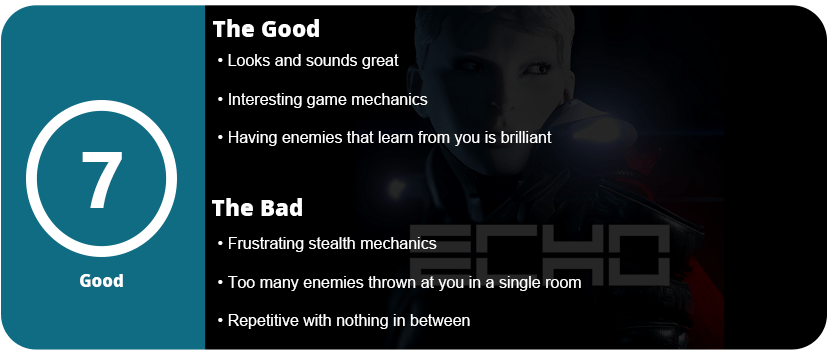
Overall, Echo has great voice acting, good graphics, a creepy atmosphere, and very interesting game mechanics, but they are poorly executed in a repetitive, frustrating stealth gameplay loop that outstays its welcome.
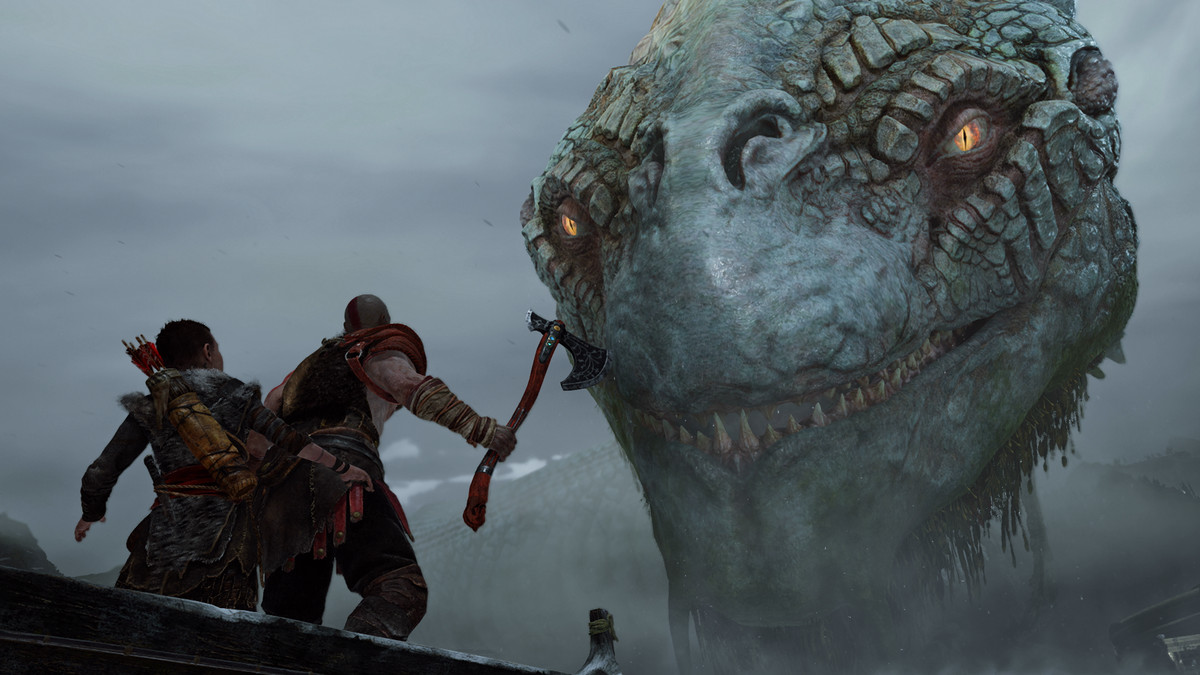
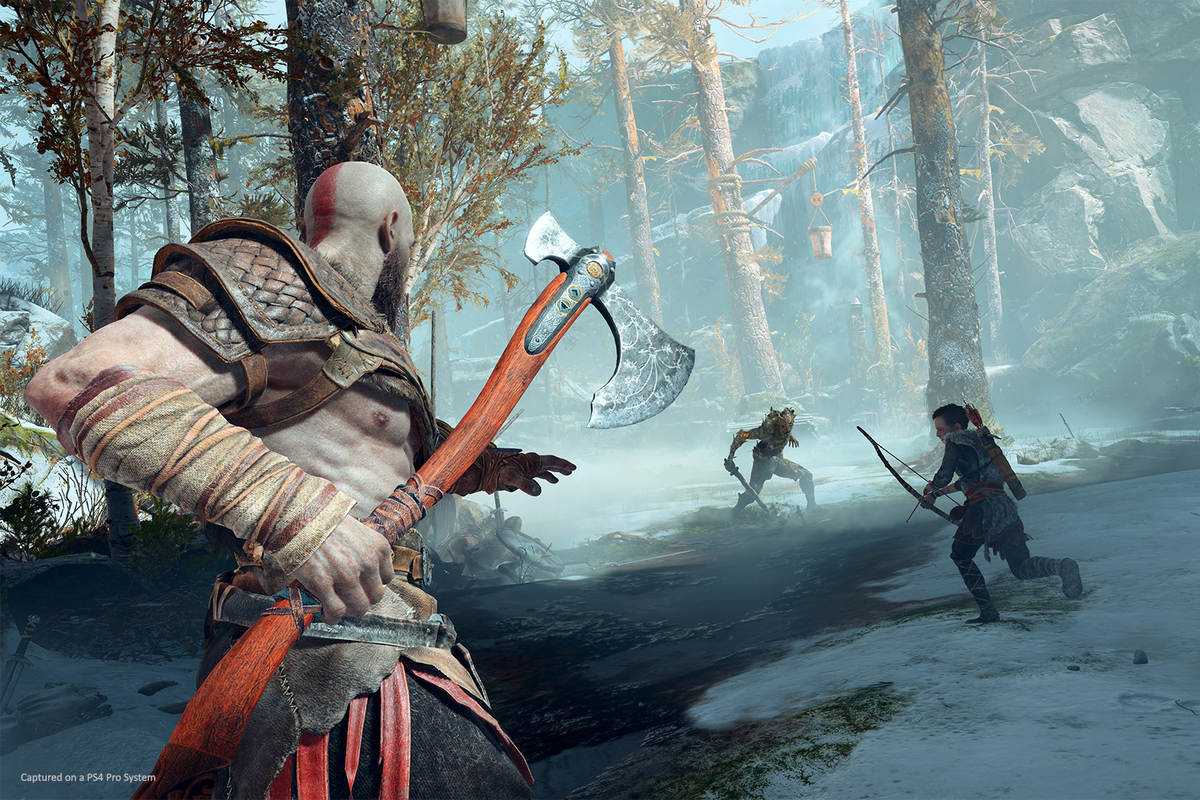
When you think PlayStation, you usually think God of War or Kratos. God of War was a game-changer back in 2005 with cinematic fluid combat, memorable characters, and intricate level design, as well as the birth of quick-time events. 13 years later, the entire game is reinvented, not just to change the way we play as Kratos but to reinvent the action-adventure genre itself.
I really want to go into detail about the story, but it would contain so many spoilers that I have to refrain. For starters, you do play as Kratos, but as an aged man, a father, now living in an entirely new world set in Norse mythology. Yes, the Greek myth of God of War is now done, and we get a whole new set of gods and enemies and a beautiful new world. Kratos is living humbly as a woodsman with his family until his wife dies, and he and his son, Atreus, must venture to the highest mountain of Midgard to spread her ashes. It feels like the most humble story and a stark contrast from past games, with Kratos’ rage and anger tearing down gods and endless Olympians.
I can’t stress enough just how well developed his character and personality are. Being revoiced by Christopher Judge, who is best known as Teal’c (Tee-ULK) from the Stargate SG-1 TV series, he has a more calming, aged, and tired look to him. He is extremely wise, quiet, reserved, and has learned all these years to control himself; however, he still struggles. Santa Monica Studios did an astounding job of developing his character and Atreus’. I was fully immersed throughout the entire game and loved hearing Judge’s voice on screen, soaking in every cutscene and spoken line of dialog. It’s one of the most well-written characters and scripts in gaming history and goes from a simple story to blowing up into the expected epic mess that Kratos usually gets into. The story does end on a cliffhanger, and there are a lot of unanswered questions, but fans will know that means more is coming, and more is better.
The next thing you think of when you hear God of War is the amazing and well-made combat. It is one of the top five best action-adventure combat systems ever created and has just improved over time. Santa Monica Studio not only reinvented God of War’s combat but also action-adventure combat itself. Instead of using a cut camera like in previous games, we are now behind Kratos from an over-the-shoulder perspective with similar combat mechanics to past games. Some would say this seems impossible, but they pulled it off. Light and heavy attacks are now mapped to the R1 and R2 buttons, with your Leviathan Axe being used to solve puzzles as well. This is another amazing twist to the weapons in God of War; they aren’t just for chopping off heads. The Leviathan Axe is an amazing tool that is powerful, used as a ranged weapon, and for various other reasons. The main attraction of the axe is that it can be thrown and returned to the player anywhere in the world. The Triangle button is permanently mapped to just returning the axe, which is an interesting game mechanic never seen before.
I can’t go into further detail about weapons as it’s actually a huge story spoiler, but the combat feels very familiar to past games while also feeling fresh and new. I can’t think of the combat being done any other way. On top of chopping off heads, the magic system was reinvented with new enchantments and rune stones that you can collect around the world. These can be socketed to armor and weapons and add various moves to certain button combinations for each weapon. These are keys to surviving in battle, and without them, you just wouldn’t be able to finish the game. I always changed them up and upgraded them, as there’s a huge variety of magic moves in this game.
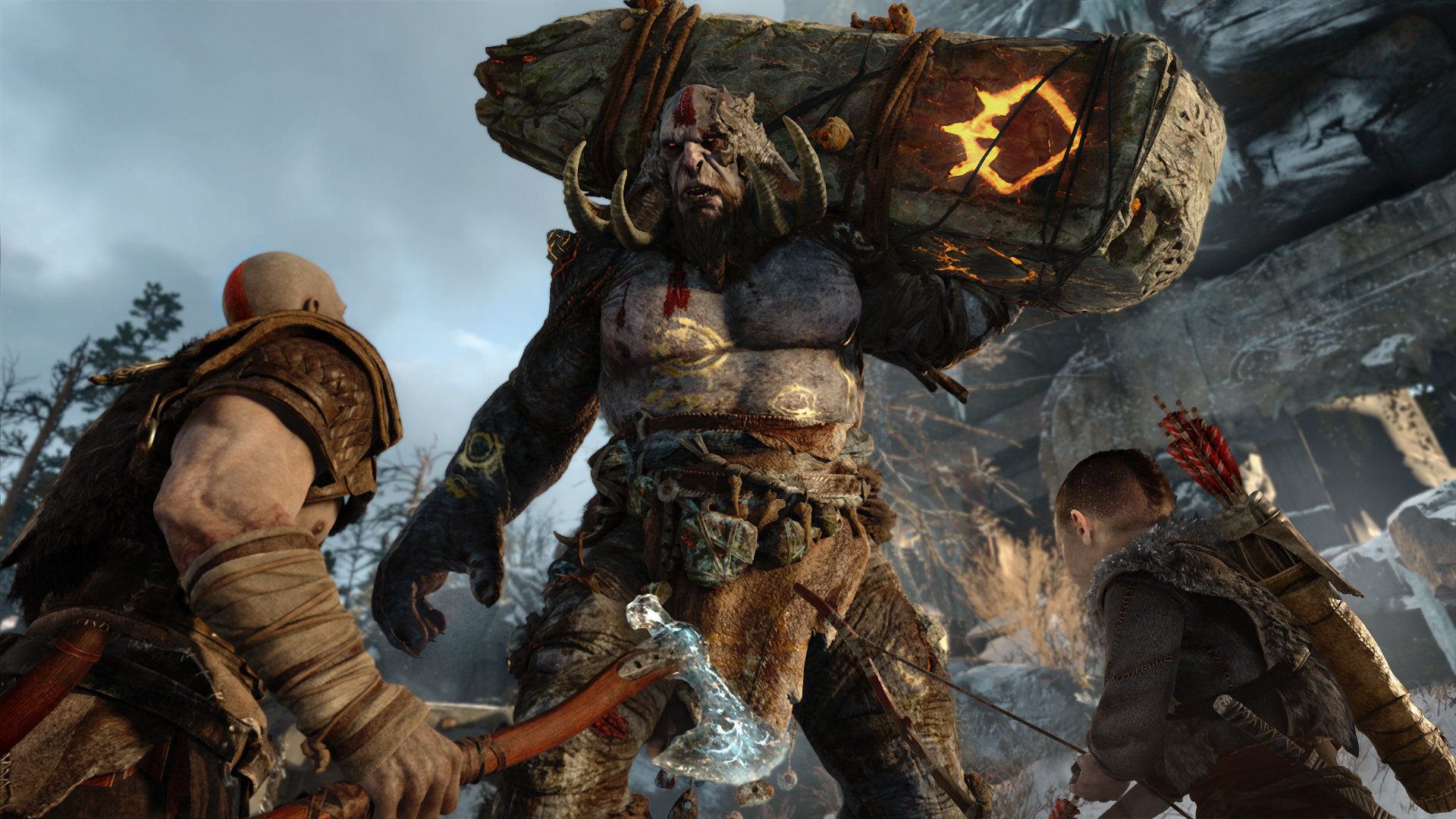
Epic cinematic kills are also back, but less quick-time event-heavy. While I did miss them, I understand why they were excluded. It does get repetitive, and you constantly relied on seeing that circle button pop up to gain health, magic, or experience orbs, but the animations went from awe-inspiring to shrug-inducing very quickly. The game does harken back to the first God of War in the sense that the game isn’t heavy on epic giant bosses. There are a few, and they are scripted, beautifully animated, and jaw-droppingly epic to see. You still feel like you are taking down these giant creatures, but in a different way. There are larger, smaller enemies like trolls and elemental golems that can be defeated similarly to past games, but it’s changed just enough to feel new and different. The combat is still cinematic, epic, and enjoyable, with awesome slow-down and gore everywhere.
Atreus himself is also a great combat tool, as he’s a companion that actually works and never gets in the way. He’s mapped to the square button, and you can use him no matter what Kratos is doing, and that includes death kills, being knocked down, etc. He shoots various types of arrows that can stun enemies and bring their stun meter up. Unlike past games, you can’t just deal so much damage, and then the kill button appears exactly the same for every enemy. You need to use various attacks to bring that meter up, and it’s difficult on tougher bosses. It keeps you from relying on quick-time events, like in past games. The well-invented and amazing enemies also help, as each one stands out and is unique, and you will learn what moves work with what enemy.
If the combat wasn’t enough to hook you, then the world will. The third major part of God of War is exploration and puzzle-solving, which make up over half of the gameplay. They took the secret chests of past games and blew them up tenfold with various types of chests, from simple small treasure chests full of Hacksilver (currency) to actual puzzle boxes where you have to hit various bells with runes to match the box. These can get tricky and require using all of your skills to solve them. God of War is also an open world. Yes, an open world. Midgard contains several realms you can explore, two of which are only for trials and challenges, but Midgard itself is a giant lake with various islands full of puzzle goodness and amazing challenges that will keep you hooked for dozens of hours. There are so many tasks in God of War that it really feels like an awesome open-world RPG, thanks to a leveling system and a brand new upgrade and crafting system.
The last part of God of War goes from using red orbs to upgrade things to finding various items in the game like any RPG and using them to craft and upgrade armor, weapons, enchantments, and even Atreus bow and his armor. There are certain armor sets that require various items from certain realms, and this can be a challenge, but it’s possible I actually finished the story before reaching the max level and acquiring the best armor. That’s all reserved for the bigger challenges seen elsewhere in Midgard.
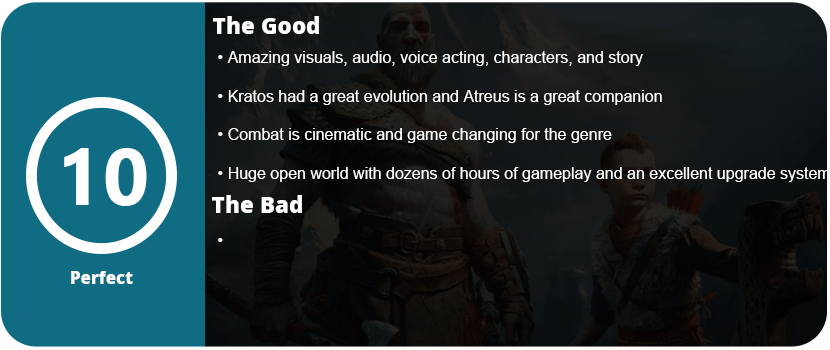
Overall, God of War is the single best game to be released this entire console generation cycle. This is what we needed more of from every console maker. It took Sony too long as it was, but here we have it. The game is literally perfect, and I can’t think of any flaws in God of War that are detrimental to the overall game. I could say the game is too hard in spots, but that’s because I ventured too far too early and needed to come back later. I could say there are a lot of hidden items and they are hard to find, but I need to explore more and look more carefully. I could say that the story is too short and the lower amount of epic bosses is what made God of Warand hurts the game, but it just doesn’t. God of War is the best game I have played in the past 10 years, and many other developers need to take note.
Note: The game plays best on the PS4 Pro. It looks really awful on the standard PS4, but the Pro is running in 4K checkerboard, and the textures and added effects are well worth a purchase just for this game.
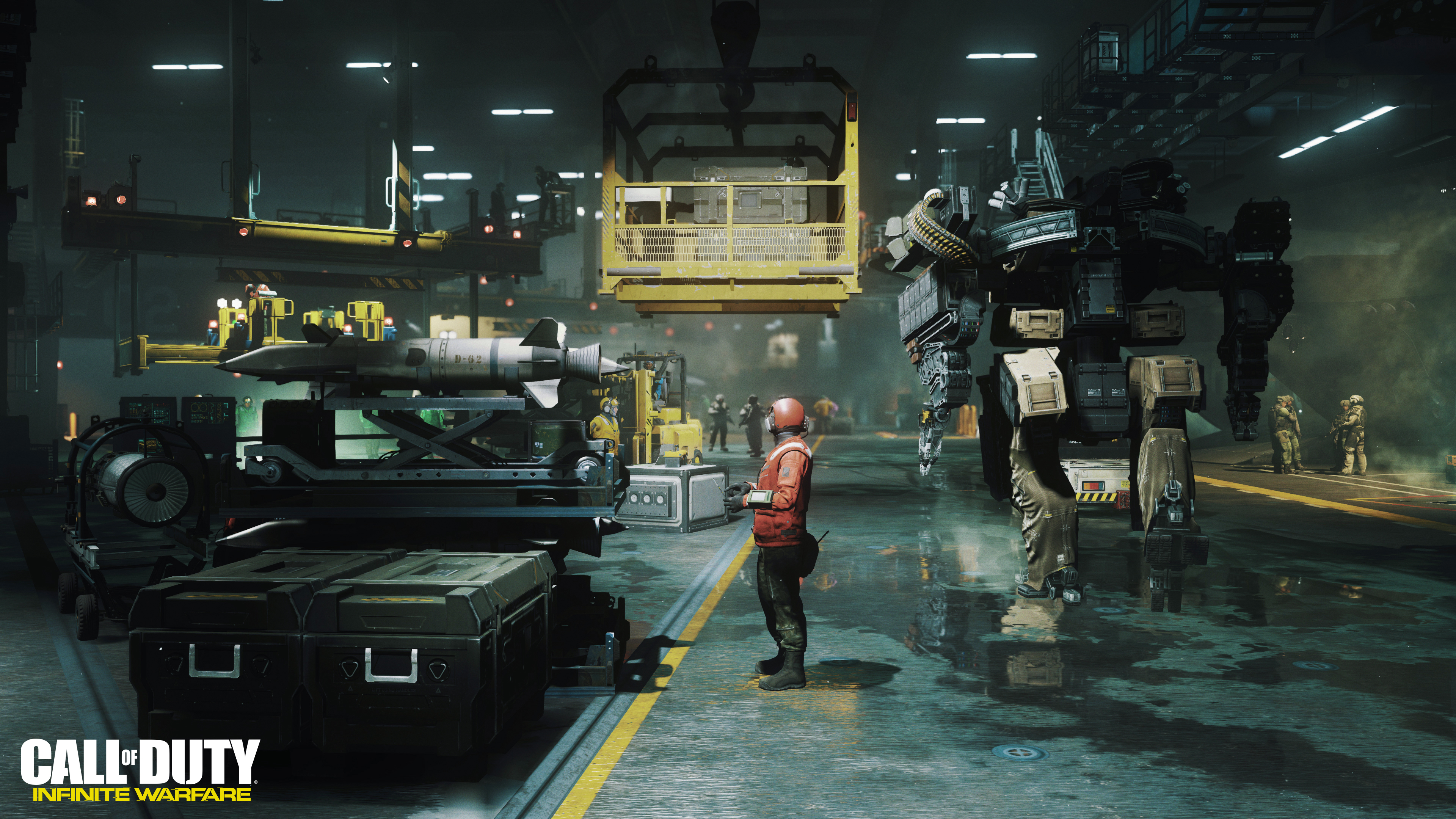
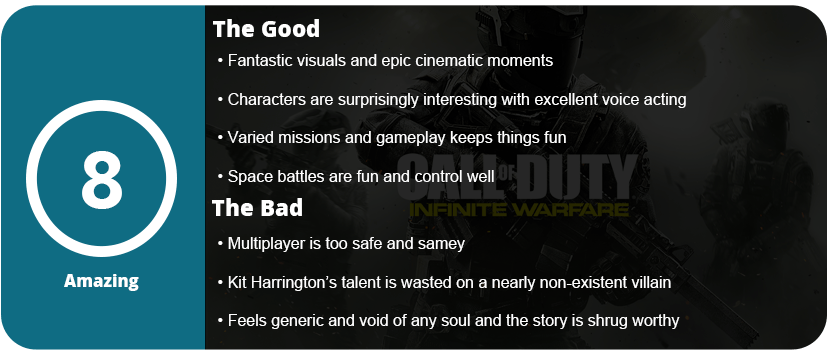
Every time I play a Call of Duty game, I expect less and less each time. The game is designed from the ground up for the lowest common denominator and people who have never played games before. Infinite Warfare is no exception, being the third game from Infinity Ward this console cycle. I have to give Infinite Warfare some credit, as it did surprise me more than the series has since Modern Warfare 2, and that’s saying a lot. The game has excellent acting and surprisingly interesting characters that you kind of care for, which scared me coming from such a mindless series.
You play Lieutenant Reyes, who is part of the USDA and is trying to protect Earth from the SDF, who are a bunch of rebels living on Mars and want to wipe out all of Earth. It’s a typical war plot with basic objectives, but the chatter in between is quite entertaining and kept me hooked. I actually sat through the entire game in two long playthroughs, which I have never done for Call of Duty. They usually get boring after the second mission or so. I do have to mention that the use of Kit Harrington (Jon Snow in Game of Thrones) is wasted on a villain that is rarely seen in the game and whose character never evolves or has the potential to grow. Why did they use him for a half dozen lines of dialog? I know Call of Duty is famous for using celebrities in its games (Ghosts being the worst use), but this seemed rather pointless with almost no face time.
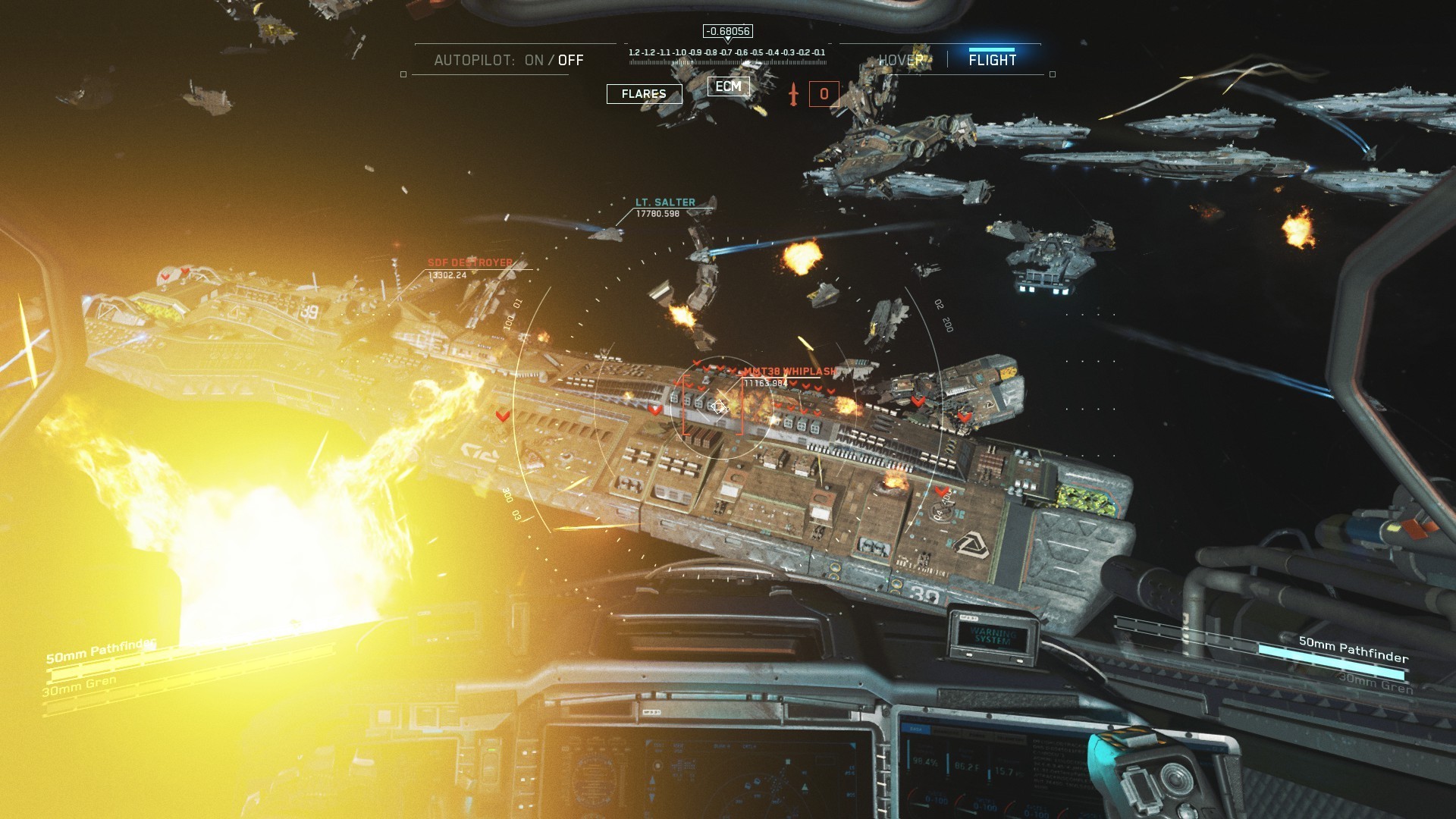
Reyes’s partner, Lieutenant Salter, creates a strong duo that helps drive the game forward. I was actually able to figure out what was going on at all times, and the story never got convoluted or overly complicated. The game also changes pace quite often, which keeps it from getting boring despite these changes being the same and just shuffled. Outside of boots-on-the-ground combat, there is some zero-G combat and space combat in a jet. The space combat is great, and the Jackal has buttery smooth controls and feels very cinematic and challenging. The only objectives here are to destroy other fighters and larger ships while keeping missiles off of you and staying out of danger. Locking onto other jets puts you in auto-pilot mode, where the game will automatically follow the jet and you just have to shoot it down.
Zero-G combat is used the least, but it is still quite fun. You can tether to objects for cover, grapple enemies, and initiate pretty awesome melee kills. The environments are rather beautiful, with a lot of detail and massive objects in the background. This is not an ugly game by any means. Once you get indoors, though, the game is boring and stale, with metallic corridors, generic monitors, and the same crap we’ve seen over and over again. There are a few small moments outside of all this, such as when you can call in certain weapons or airstrikes to turn the tide. It feels good to use them, and they always come in handy right at the last moment.
One thing that really surprised me was the use of side missions that you could optionally go on. According to the Trophy listing, most people never played these as they are rare achievements, but it helps divert people away from the main story if they just want to finish real quick and move on. These missions include a few stealth operations as well as flying the Jackal and rescuing hostages. This was a nice mixed bag of gameplay that was fun to play through. The main reason to go through these is to take down top officers from the SDF that are part of the “card system,” which is a series of “hits.” It’s pretty meaningless and just one more reason to unlock an achievement.
Once you finish the campaign (about 6 hours), there is the multiplayer suite, and honestly, the campaign is stronger this time around. The multiplayer is very safe and doesn’t do a single thing different from what we’ve seen before with the same type of maps and modes that we’re used to. Is it worth grinding through the Prestige levels? Probably not, but there is zombie mode, which is even starting to show its teeth these days.
Sadly, Infinite Warfare just doesn’t have any personality, despite all the pluses it brings to the series. At its core, it’s still a generic space shooter that has strayed so far away from what made Modern Warfare great that it’s laughable. With the fake made-up guns (which are actually interesting), robots, and spaceships, this could have been any other name, and it would have still been a good game. The Call of Duty branding seems to hurt the game more than help it these days.
With that said, Infinite Warfare doesn’t’ deserve the flack it has gotten from fans, is surprisingly smart and entertaining, and at least tries to do some new stuff that we haven’t seen before. The multiplayer is passable, but at a bargain bin price, you are in for an entertaining day of shooting robots and saving the planet.
This console cycle is really strange, as we are now seeing updated hardware with more powerful components rather than just slimmer sizes. This is due to using off-the-shelf parts rather than proprietary hardware, which won’t change the coding for the games. Using 64-bit architecture allows Sony to give users and developers more powerful hardware rather than just giving consumers a cooler-looking system. To me, this seems worth the upgrade price, as you’re not just getting the same system as you had before. We saw this back with the New Nintendo 3DS, which had a faster processor, allowing for more advanced graphics.
The problem with all these hardware changes is the confusion for consumers. Unless you have a 4K TV, is it really worth the upgrade? Yes, as the PS4 Pro can “boost” games that aren’t patched for it, allowing supersampling anti-aliasing on 2K or lower resolution TVs, allowing for crisper images while still getting higher framerates, but is it really worth it? If you are really into how your games run or making them pop on your TV, then yes; otherwise, just stick with your original PS4.
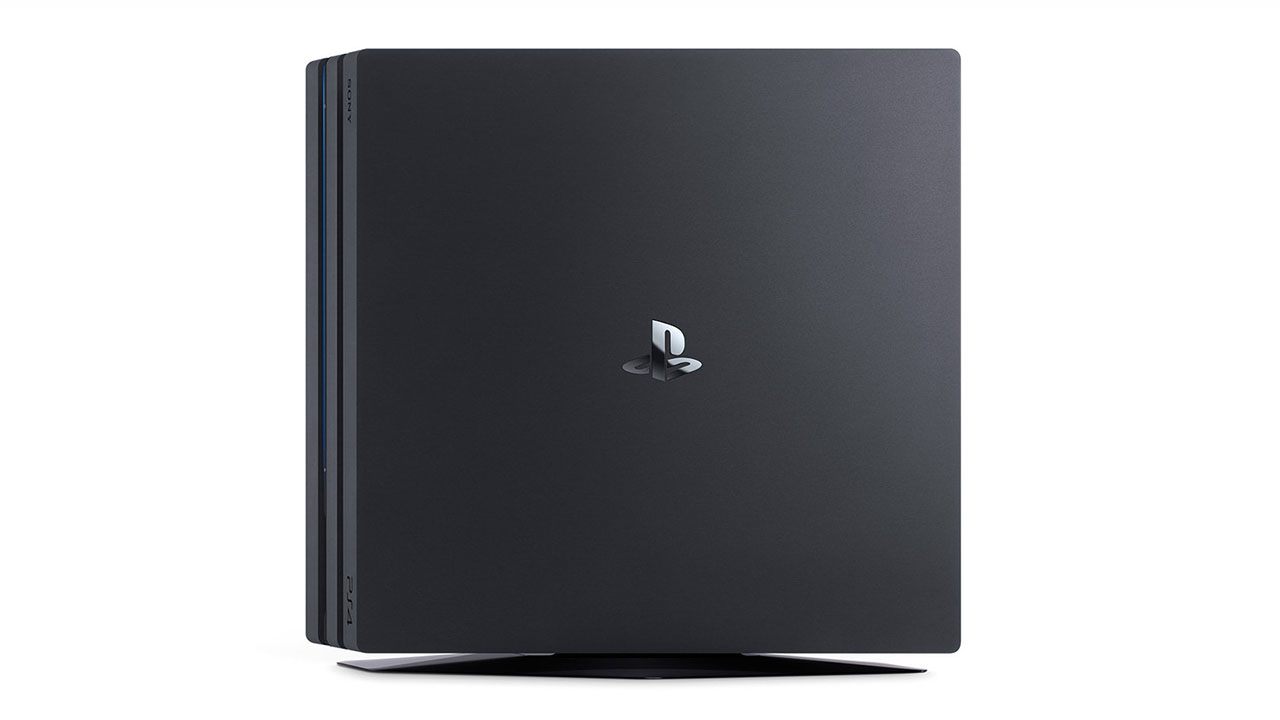
With that said, the Pro not only looks bigger but also looks better than the original model. The top illumination strip is now laid horizontally in the front, with actually marked eject and power buttons on the left and right. The same two USB slots are upfront, with a USB 3.0 slot in the back for external hard drives and USB drives. The Pro comes with a 1TB HDD standard now, which is a must-have if you have more than 10 PS4 games. The system even has PlayStation-symbolic rubber feet on the bottom, which I found quite interesting. It’s a much bigger system, but the bulk is sheered away with shelf appeal and just seems more round and sleeker-looking. I also have to note that the PS4 finally has 5Ghz support! This means faster downloads, fewer cutouts, and reduced ping times. I can’t tell you how excruciating it was to be stuck on 2.4GHz wifi when it’s been a standard feature since the late 2000s.
Outside of the physical appearance, the PS4 software experience is exactly the same outside of some exclusive features such as 4K rendering, power options, and the Boost mode for older games. You will notice the biggest change when actually playing games. I tested the system with God of War, and the difference is astounding. The visuals were crisp, vivid, and night and day from the standard PS4. The game ran smoother, and while not in 4K for that title, the framerate difference was the big winner here.
Next, I tried The Last Guardian, which was one of the biggest performance increases I have seen. On the standard PS4, the game ran in the low 20’s, but in 4K, the game rarely dipped that low and ran at a smooth 30FPS. After that, I tried Shadow of the Colossus, and it ran smoothly with noticeable performance increases. Crash Bandicoot: N.Sane Trilogy didn’t really see much of a performance increase but seemed to look a bit sharper in the higher 2K resolution that it renders at.
Uncharted: The Nathan Drake Collection ran at a locked 60FPS and looked buttery smooth, with zero slowdowns anywhere. I am still continuing to test out games and noticing stark differences that make the upgrade well worth the purchase (or, you know, just trade in that old PS4 when a deal hits). Note that the PS4 rarely renders natively at 4K but uses checkerboard rendering (just like the Xbox One X) to give an image that looks 4K, and usually you won’t notice a difference, and I sure don’t. Most movies aren’t true 4K either, as we just don’t have the graphical power on smaller systems to render this at a cost-effective level.
Overall, the PS4 Pro gives games a resolution and performance boost this generation desperately needs. While not every game is patched to support all the Pro features, the Boost mode will help older games run smoothly with rare framerate drops, if not at all. I highly recommend this system if you have a 4K TV with HDR, and 1080p TV users will benefit as well with added clarity to their images. My only critique of the system is the need for games to be patched, and there is no UHD Blu-Ray support. You will need an Xbox One S or X for that.
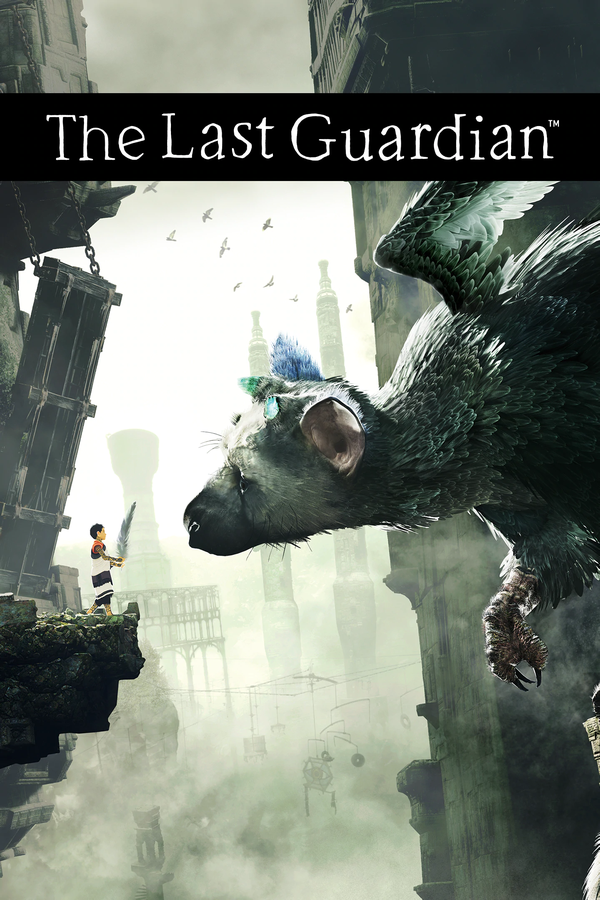
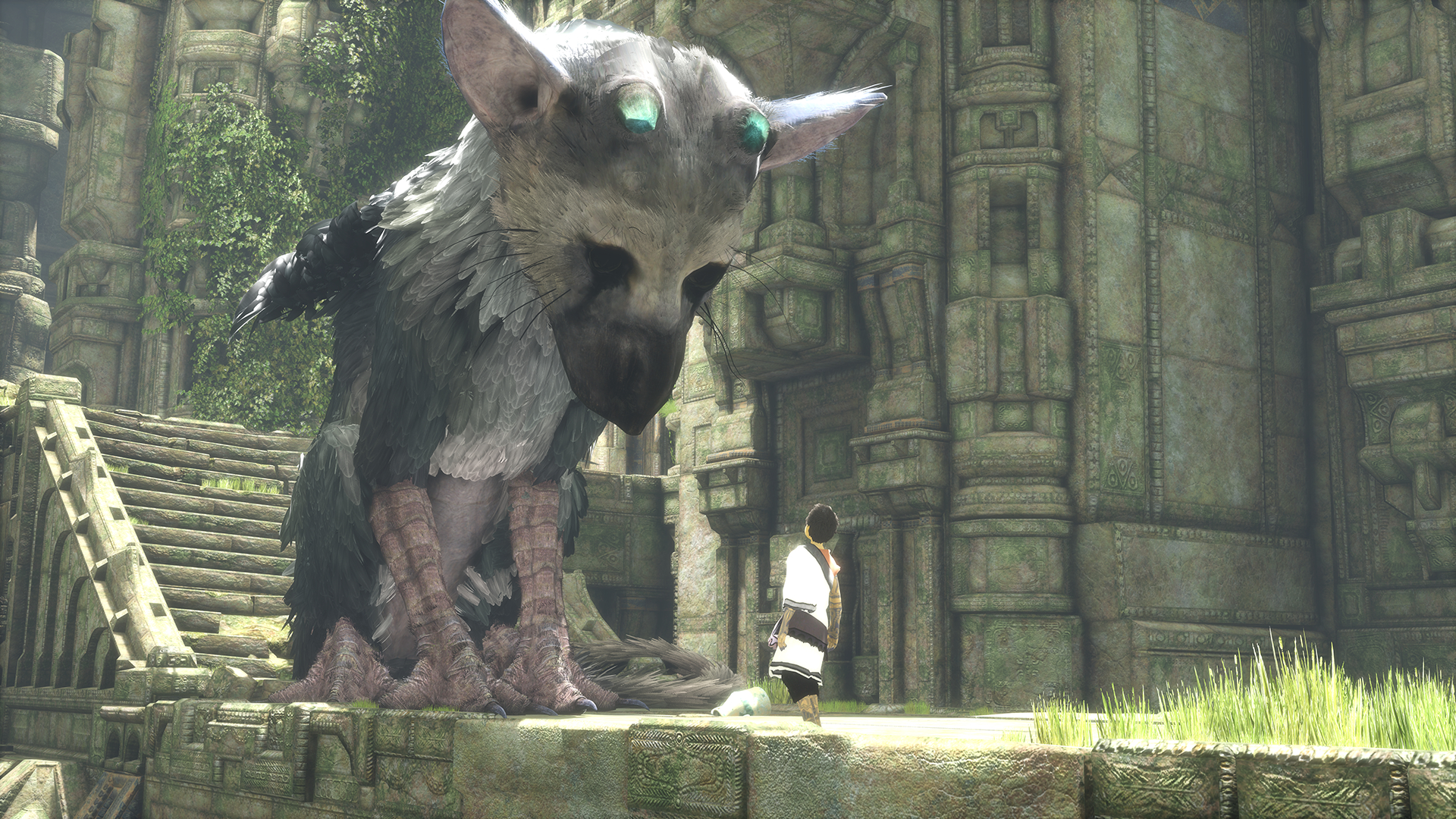
The “Ico Trilogy,” as it’s sometimes called, has been a long time in the making. Starting way back in the late 90s, Ico was a highly anticipated game that didn’t see much commercial success despite critical acclaim. Shadow of the Colossus fixed this despite its many issues, and The Last Guardian has been in development hell, originally planned to release on PS3. After showing up at numerous conventions, release dates changed, and promises failed to be kept, Sony Japan Studio just stopped giving us information. Finally, in 2016, The Last Guardian was released and was well received despite its poor sales.
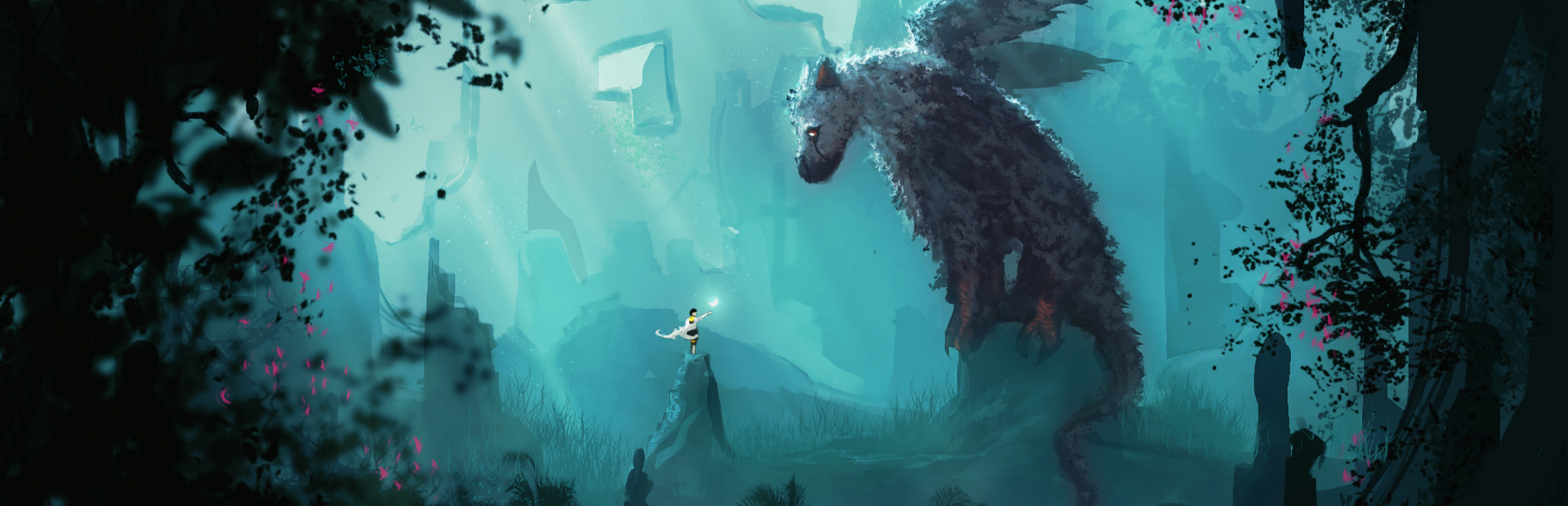
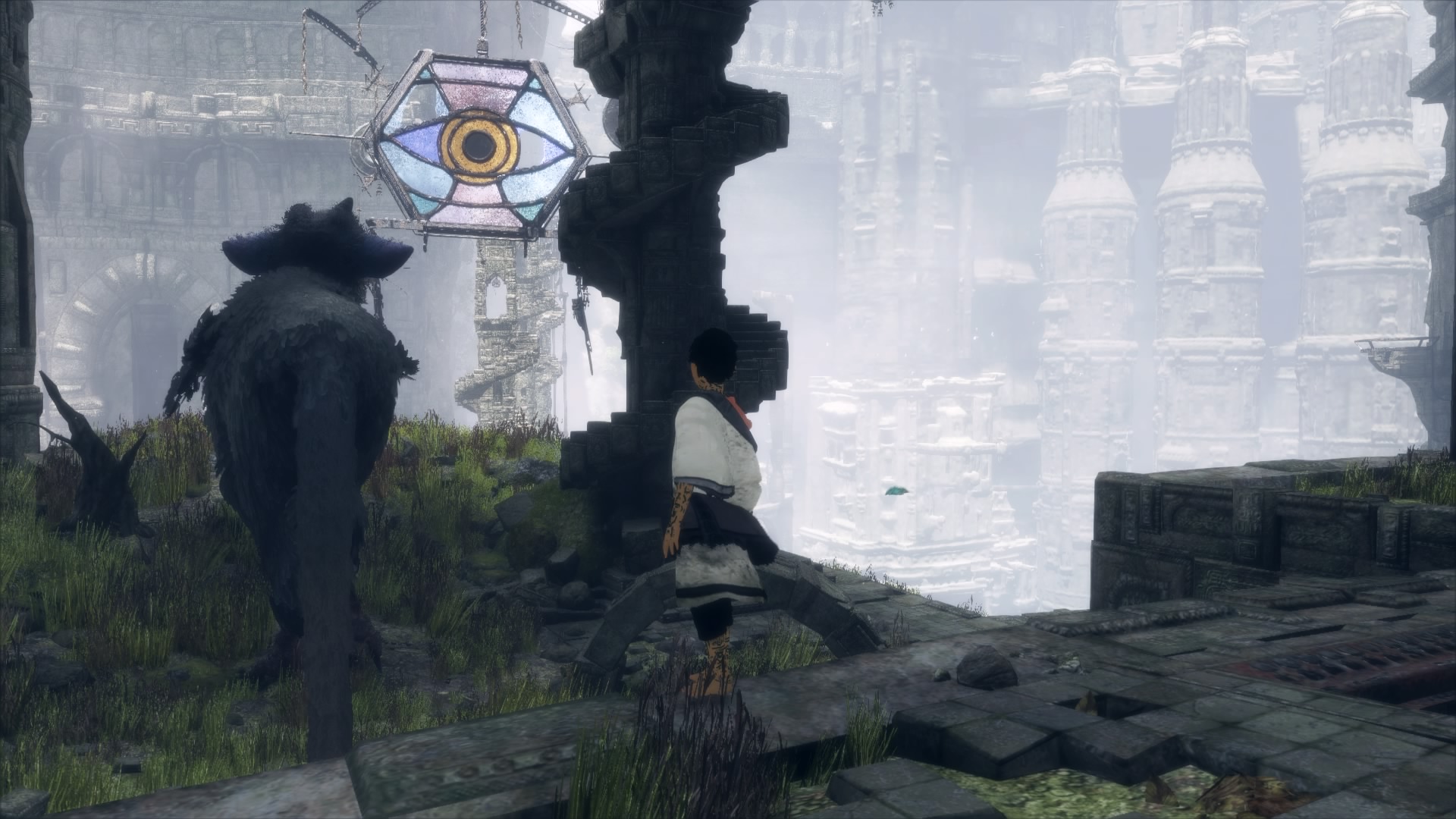
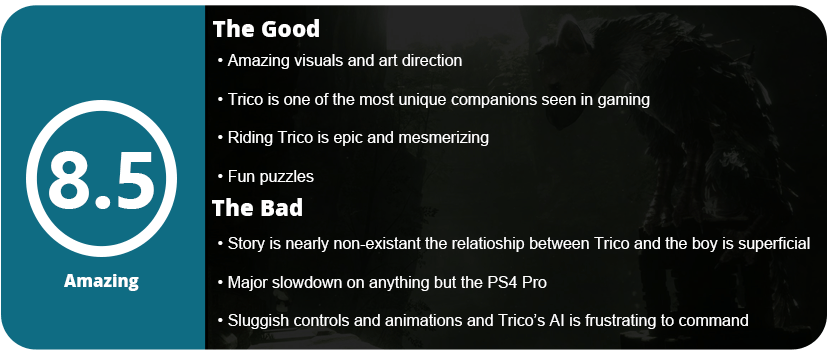
The game doesn’t explain much when it comes to story or characters; it just kind of builds this adventure that the boy and Trico go on, and their interactions help build their character in a way. You wake up in a cave, and shortly after meeting Trico, which is a hybrid bird of some sort—it’s never explained—you just start going. There’s no real goal until towards the end of the game, and even the goal isn’t really explained. Like all other games in the series, it’s wide open to fan interpretation, and sometimes this is better, but for this game, I didn’t feel a reason for these two to be together other than to complete this mysterious journey.
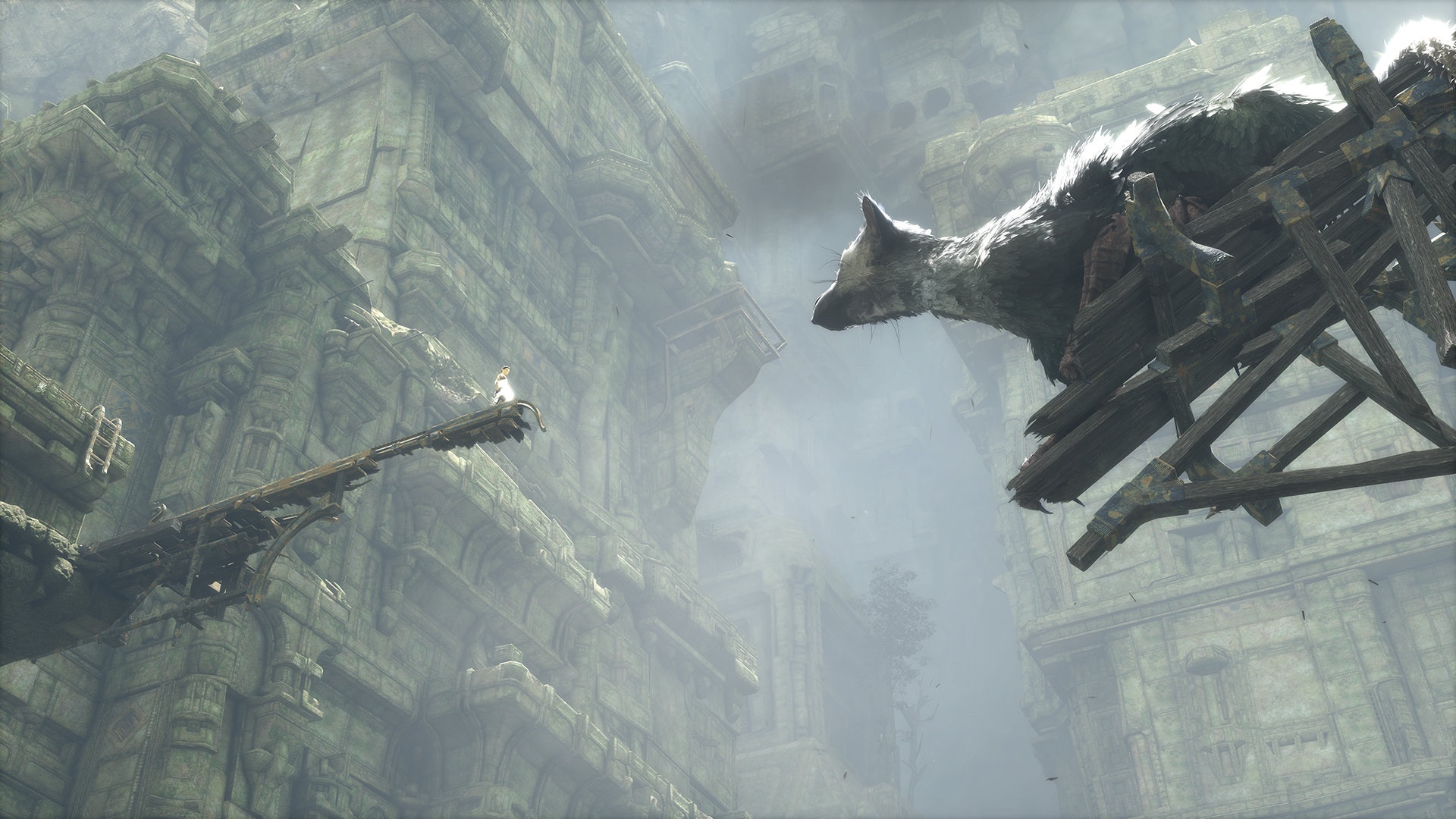
The game consists of puzzles and climbing segments, both for the boy and Trico. This is where the frustrating controls and Trico’s awful AI come into play. When you’re playing as the boy and doing puzzles on foot, it’s not too bad, but once you hop on Trico and start trying to direct him, heal him, and help him in combat, that’s where things get difficult. The animations in the game are wonky and canned to a fault. The boy changes his animation based on the type of terrain he’s walking on, such as stairs or thin walkways, and once he clings to something, he doesn’t want to let go. When you’re trying to control Trico, his animations are also very canned and can’t be controlled outside of “direction gestures” to make him jump, sit, swim, or push. The AI has trouble figuring out what to do half the time when Trico needs to jump up pillars or squeeze through a small hole. Many times I would point and shout and he wouldn’t budge, or I would have to climb down and call him towards where I wanted, then climb back up only to have him turn around for unknown reasons. This is incredibly frustrating and almost feels broken due to how finicky this mechanic is.
Climbing Trico is a chore, as the boy will cling to him and won’t let go, or he registers each part of his body as a different surface, so in combat he can get stuck on parts of Trico, and the camera is just atrocious. Many times the camera got stuck between the boy and a wall, and I was blind to what was going on. When you’re in combat and statues are running around trying to grab you and throwing spears at Trico, you need to climb him, remove the spears, heal him by rubbing the bloody feathers, and then you can also pull heads off statues while they are down. If you get grabbed, they try to take you to a blue door, and then you die. When they grab the boy, you must mash the face buttons to wriggle free, which is an interesting mechanic. I don’t mind the idea of the combat system, but it’s just frustrating with the awful controls, terrible camera, and bad AI.
Outside of the occasional combat area and all the puzzles, there’s nothing to do. The world is a barren wasteland, which is typical of this series and sets an ominous atmosphere, but I would have liked to have seen more of this world. It sounds like I’m harping on this game, but it’s quite enjoyable outside of all these flaws due to how incredibly unique this experience is. When the game does work, it can be a beautiful thing to behold. The game is fantastically gorgeous, with amazing art at every turn of the camera. The saturated whites and grays mixed with the bloom effects just look gorgeous and stay true to the art style of this series. However, it does take its toll on the PS4 hardware. The game runs in the low 20’s throughout most of the game, making this almost like a slideshow. Unless you have the PS4 Pro, you won’t ever see 30FPS unless you are indoors. Even on the Pro, in 4K, the game still dips into the ’20s, but not as often. I don’t recommend playing this on anything other than the PS4 Pro.
Overall, The Last Guardian is a unique experience with interesting locales and a loving relationship between boy and animal. Outside of the frustrating controls, awful AI, and wonky animations, there’s something to love and experience here that’s unique to the PlayStation console that you can’t get anywhere else. The game runs about 8 hours or so; it’s not very long, and sadly, a lot of the length is getting Trico to do what you want. If you have patience and love the other two games in the series, this is something you don’t want to miss.













































 thebinarymessiah.com
Try multiplayer. A lot of fun !